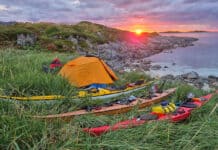
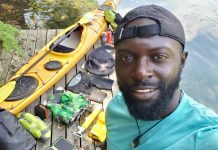
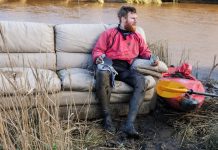
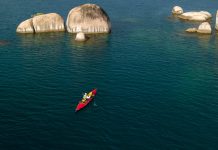
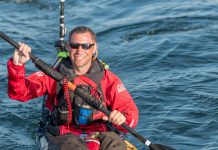
Fifty years after the original Nordkapp expedition helped define the modern sea kayak, U.K. kayak guide David Priddis and two friends traveled to Norway’s northern coast to retrace its legacy. Paddling vintage Valley Nordkapps, they journeyed 231 miles from Alta to Lakselv around the famed Nordkapp headland, camping along the way.
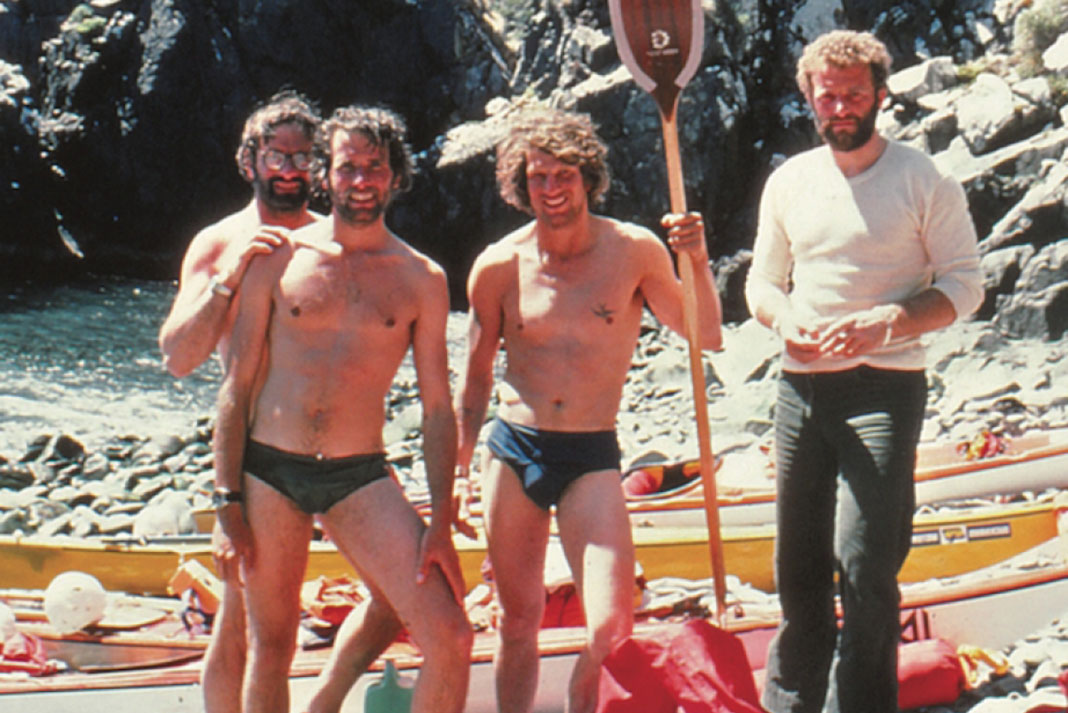
Their route traced part of the original 1975 Nordkapp expedition, when British paddlers covered 500 miles along Norway’s coast. With no suitable boats available at the time, Valley Canoe Products founder, Frank Goodman, designed a new kayak for the trip. With bulkheads, watertight hatches and a strap-on skeg added mid-expedition, the new Nordkapp became a template for modern sea kayaks.
“In their original trip report, you hear a lot of grumbles about soggy kits and bad weather,” says Priddis. “Even in drysuits, we were chilled and exhausted at times. They had it far worse.”
—As told to Kaydi Pyette
Back to Nordkapp: Retracing the expedition that launched the modern sea kayak
When did conditions get scary?
On day five, estimating Force 9 winds [47 to 54 miles per hour] is conservative. Conditions were flat-calm, then 20 minutes later, it was raging seas. Wind against tide jacked everything up, and we had a 300-foot cliff to get around. The wind was coming around the corner like small hurricanes, hitting us so hard we had to hang onto our paddles for dear life. It was like someone firing a high-pressure hose with spray belting us. It was survival paddling.
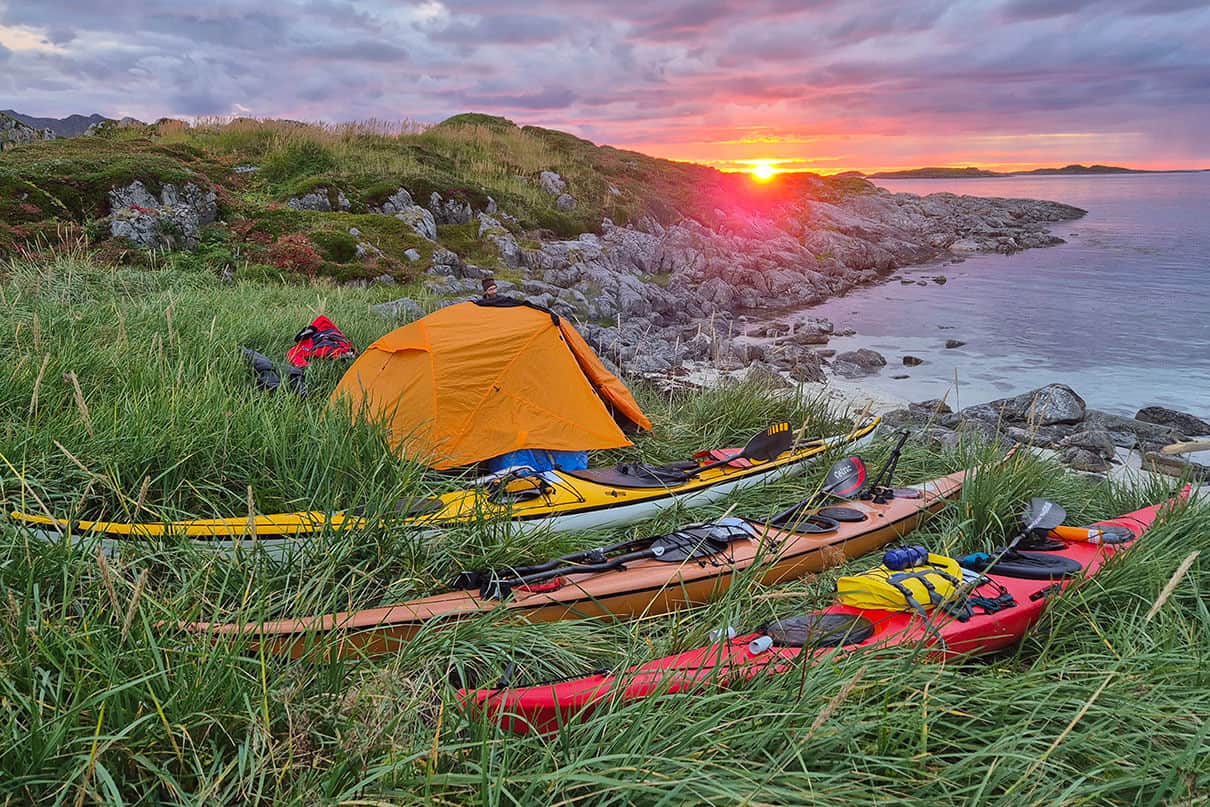
iconic expedition, the
Nordkapp is still in its prime. | Feature photo: David Priddis
What did you learn?
It was humbling. We had 10 times more information than the original trip ever had—they could only stick their heads out of the tent in the morning and decide if they were going. Even with all the modern tech, it proves you can still get caught out by the weather. Luckily, we had the skills to put up with those conditions, and we can laugh about it now.
Where did your vintage Nordkapps differ?
We had three variants. My 1979 Nordkapp with an ocean cockpit, a Nordkapp Jubilee from 2000, and a rotomolded Nordkapp. The change in cockpit shape, from ocean cockpit to keyhole, was the biggest difference. The hulls had not changed much, except that mine had a fixed fin. In the extreme conditions, I did suffer with a lot of weathercocking. And I had tiny 18-centimeter round hatches on my kayak. My variant is slim and low-volume, so I could only carry about five days’ worth of food. The Jubilee took 16 days’ worth, even though we only needed 14.
Why does the Nordkapp still capture our imaginations?
A lot of the epic trips have been conducted in them. Obviously, the one we’re talking about. Another famous one is Paul Caffyn’s paddle around Australia. When I went to Ushuaia, Argentina, there was a Nordkapp in the rafters at the Maritime Museum from [circumnavigating] Cape Horn. It reached all four corners of the planet, but many people still have access to them because they’re so prolific.
Who do you hope this trip inspires—and how should they start planning?
Anyone. Once you’ve got that cool place in mind, look at the wider weather data and work out the best time of year to be there. We had two choices: either June or September. At the height of the summer, it’s a bug fest, and quality of sleep is a factor with the midnight sun. In September, it hadn’t gotten properly cold, it wasn’t bucketing rain yet either, and the bugs were gone. And we never would have seen the aurora borealis if we had gone in summer.
David Priddis is a photographer, kayak guide and coach, and the founder of Kayak Nomad (kayak-nomad.com). He’s based on the beautiful island of Jersey, Channel Islands, with the third highest tidal range in the world.
 This article was published in Issue 75 of Paddling Magazine.
 Half a century after the iconic expedition, the Nordkapp is still in its prime. | Feature photo: David Priddis