Home Blog Page 206

Why You Should Smell Your Paddling Gear

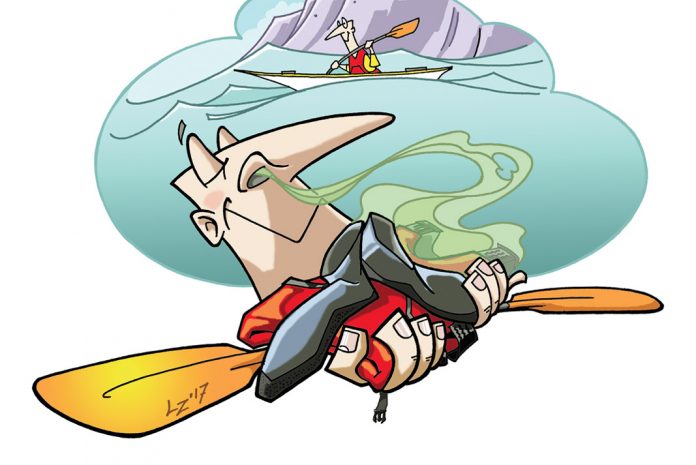
cartoon character smelling foul smelling gear with a smile
Illustration: Lorenzo Del Bianco

As far as I know, I’m the only kid who liked the smell of mildew. When I wandered to the back of the garage, I’d get a whiff of what I called, “camping smell”. The source was an old army surplus canvas tent that had been packed away wet too many times.

I didn’t associate the fragrance with fungi of the genus Erysiphales brought on by excessive moisture, instead I smelled paddling trips on the Great Lakes and the coast of Maine, roasting marshmallows, and mucking around in tidepools.

As I write these words, I’m recovering from an injury that’s kept me out of kayaking for several months. When I wander into the basement and catch a whiff of salty neoprene I can feel the rise and fall of the hull. The Russian physiologist Ivan Petrovich Pavlov would be proud.

Pavlov won the Nobel Prize For Proving The Conditional Reflex. By ringing a bell at dinnertime, he showed that a sound—the bell alone—would trigger the digestive system in dogs. This discovery way back in 1904 made him, unknowingly at the time, the first to explain why being a gearhead is good for kayakers.

Like the bell causing the dog to drool, when my hands grip the shaft of my surf and rock-gardening paddle, I feel my torso muscles coil for a sprint through the rocks. The feel of that particular shaft tells my body to break down adenosine diphosphate and be ready for a sudden burst of exertion. And that’s just in my basement.

Most long-time kayakers have a love-hate relationship with gearheads. We malign folks who focus on gear more than skills, or who accumulate garages full of boats but don’t paddle them. Gear can be a barrier to the experience—more stuff to lug around, rely on, break, lose and spend money replacing—money that could otherwise be spent on paddling trips. But our friend Pavlov proved that the sensory experience of outdoor gear triggers how our body acts. And in kayaking, gear is our connection to the water.

Unlike rock climbers who grab tiny holds directly with what little skin is left on their fingertips, we feel the texture of water through the shape of the hulls of our boats and the stiffness of the blades and shafts of our paddles: our gear is our fingertips. When we’re off the water, that conditional reflex remains a link to the exhilaration, joy, and peace of paddling. Medical research shows that when we can’t be doing the real thing recalling time in nature is good for our blood pressure, creativity, and peace of mind.

[ See the largest selection of boats and gear in the Paddling Buyer’s Guide ]

But in ringing bells and feeding dogs, Pavlov missed something else about human beings. Really want the paddling juju? Grab a neoprene skirt or, if you’re really brave, a pair of booties. And take a whiff.

Another pair of pair of Nobel Laureates, Richard Axel and Linda Buck, won the the big prize in 2004 for figuring out how smell affects the brain.

Smells trigger the strongest reactions and memories of all our senses. Smells go directly into the hippocampus and amigdyala, parts of the brain related to immediate response, emotion, and memory. No wonder we love the smell of the sea or home cooking.

So, if we want to be primed for either action on the water, or memories of it, we’re doing it all wrong.

As a photographer, I trade in the visuaI. When I’m stuck in the city, I use sight cues to remind me of wilderness. A marine chart of my favorite island chain hangs on my wall and my screen saver cycles images from memorable trips. I use sounds too. My cell phone pings with birdsongs from remote canyons. Naturalists have been sold nature sounds relaxation tapes for decades. But these sights and sounds skip the all-important hippocampus and amygdala.

[ Plan your next paddling adventure with the Paddling Trip Guide ]

Since smell is the strongest trigger, let’s embrace it. I’m closing up my lavender and peach blossom Glade air freshener and searching online for a scent infuser loaded with the briny balm of tidepools and decaying seaweed with subtle hints of sweaty drytop. I’ll put it on my desk in the office.

When my coworkers complain, I’ll tell them that three Nobel Laureates told me to do it. Maybe they’ll get the hint and send me home to go kayaking. If not, I’ll break out the mildew, must and mold scented candles.

Illustration: Lorenzo Del Bianco
Why Paddling Is The Best Antidote To Climate Change Despair

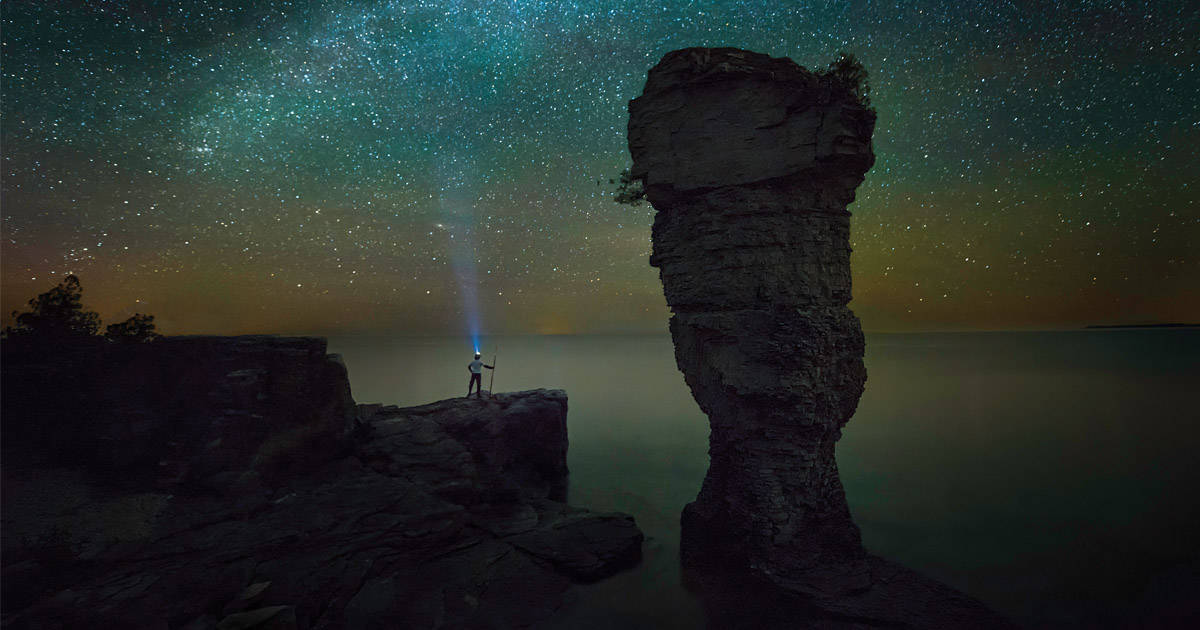
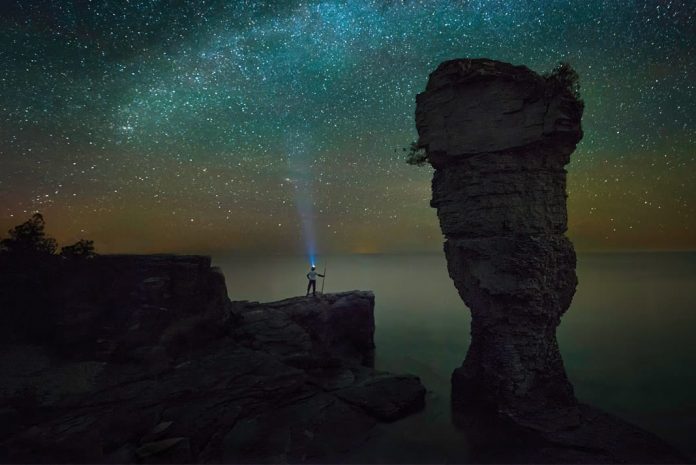
person gazing up at a sea of stars with a headlamp
Guardian of the galaxy, people from the edges of things bring understandings back from the forest to the kingdom. | Photo: Henry Liu

I sometimes struggle to justify my seemingly selfish outdoor pursuits, my obsession with the obscure and anachronistic art of paddling in a world that is facing an environmental crisis of mind-blowing proportions.

I mean, there’s disturbing news out there, stories that ought to be plastered all over the headlines but are usually buried in the back pages. Like the fact that global wildlife populations have dropped by 60 percent since 1970—and two-thirds will be gone by 2020!

And I won’t even get into climate change, how much catastrophic warming is already locked in no matter how much we change our habits now. Stephen Hawking recently predicted we have 100 years to colonize other planets or face extinction.

Meanwhile, in the face of all these existential threats, our culture is in total denial. Oil exploration is booming. Environmental regulations are being shredded. The Paris climate agreement, our last great hope, however toothless, may be on the rocks. The chasm between the severity of the problem and the comparative business-as-usual state of news and politics and everyday life is staggering. To paraphrase the environmental journalist Wen Stephenson, we are all navel gazing while the planet burns.

These dark thoughts are not something to bring up in polite company. My friends and I have all settled into our adult lives. We’re fully vested in the status quo. The combination of dire predictions and sheer helplessness makes for a downer of a dinner party topic.

Taking this stuff on alone is worse.

I came across the story of a New Yorker who was so worried about climate change she couldn’t sleep. She was taking the stairs everywhere to save electricity and pamphleteering idling motorists to get them to turn off their engines. She just couldn’t get why nobody else seems concerned. I saw myself ending up as she did, seeking professional therapy. I mean, the world is ending. Why aren’t we shouting it from the rooftops?

There’s a diagnosis for this now. It’s called eco-anxiety. The American Psychological Association just released a report about it, how worrying about climate change is ruining our mental health. “The psychological responses to climate change, such as conflict avoidance, fatalism, fear, helplessness, and resignation are growing,” it concludes.

person secluded staring up at the sea of stars

Where does the paddling lifestyle fit into all this, I wonder. Kayaking is not exactly zero impact. It burns resources, and uses high tech equipment made from petrochemicals. Truthfully, the thrill of a great trip often inspires me to buy more gear or plane tickets for the next adventure. Even as I write this, I’m shopping for a new SUV, something big and burly enough for long family trips to remote areas with boats on the roof. Wouldn’t I be doing more to help the planet if I just stayed home and took public transit to the library?

I’m not sure.

Despite all the inherent contradictions, I think that outdoor adventure makes for better people and a better planet. But not for the reason that we usually assume: that going into nature magically makes us care more about it, which for all I know may not even be true.

First of all, paddling on an ocean, or gazing up at the stars, which constantly reminds you how small and insignificant you are, liberates you from the illusion of your own importance. After all, it is not only mentally unhealthy try to singlehandedly save the planet, it’s pretty much impossible.

The environmentalist Derrick Jensen covers this in an aptly titled essay, “Forget Shorter Showers.” He argues that carbon emissions need to be cut by at least 75 percent, and that no amount of changing light bulbs or avoiding driving could ever bring us close.

“The whole individualist what-you-can-do-to-save-the-Earth guilt trip is a myth. We, as individuals, are not creating the crises, and we can’t solve them,” states Kirkpatrick Sale in Jensen’s essay.

It’s just an illusion of our hyper-individualistic, consumer society to think we’re so important as to be able to make a real difference through our personal choices alone. Spending time in nature is the ideal salve for this burden. It’s hugely comforting. What a great relief to realize that you’re not personally responsible for wrecking the planet—or fixing it!

Quite possibly outdoor travel does teach us to care for the Earth, but more importantly it teaches us not to care too much.

In these times what is really required is not individual change, but radical, cultural and political change. This is the second reason that I think outdoor adventure has value. It’s a transformative experience that opens the door for major upheaval. Ever noticed how staring into a campfire at the end of a long paddling day triggers those deep thoughts about life’s big questions? We’ve all felt it. Coming home from a long wilderness journey shakes you up and makes you ripe for transformation, not in a “switch to LED light bulbs” kind of way, but in a dramatic, paradigm-shifting kind of way.

The British environmental writer Paul Kingsnorth defends the value of what he calls, walking up the mountain: “Most of the world’s great religions, philosophies, art forms, even political systems and ideologies were initiated by marginal figures. There is a reason for that: sometimes you have to go to the edges to get some perspective on the turmoil at the heart of things. Doing so is not an abnegation of public responsibility: it is a form of it. In the old stories, people from the edges of things brought ideas and understandings from the forest back to the kingdom which the kingdom could not generate by itself.”

Now, I haven’t descended from the mountains with any stone tablets or great, world-saving insights thus far, but at least I have come back feeling a whole lot happier. It provides an antidote to despair that we can too easily feel being bombarded by news that the world is falling to pieces.

[ Paddling Trip Guide: View all kayaking, canoeing, rafting and SUP adventures ]

Back to that APA report, if we’re to deal with the impending challenges, we need our wits about us. We need ingenuity. We need psychological resiliency. We can’t succumb to hopelessness or the dangerous fad of denial.

There’s many a day that I’ve felt total despair, a virtual paralysis of worry that drives me to think crazy thoughts like, “I should give up paddling to reduce my ecological footprint,” only to be replaced after a couple of hours on the water by a joie de vivre and readiness to tackle just about anything.

I’ll never give up paddling because it’s the best therapy I know. Heading outdoors with a paddle in hand puts us in a sharp, healthy, tuned-in, problem-solving frame of mind, which is a much more powerful position from which to change the world, or at least put up with whatever the challenges the future may bring.

Tim Shuff is a former editor and now regular contributor to Adventure Kayak magazine.

Guardian of the galaxy, people from the edges of things bring understandings back from the forest to the kingdom. | Photo: Henry Liu


This article was first published in Issue 51 of
Paddling Magazine. Subscribe to Paddling Magazine’s print and digital editions here.

Jon Babulic’s Journey From Construction Manager To Custom Canoe Builder

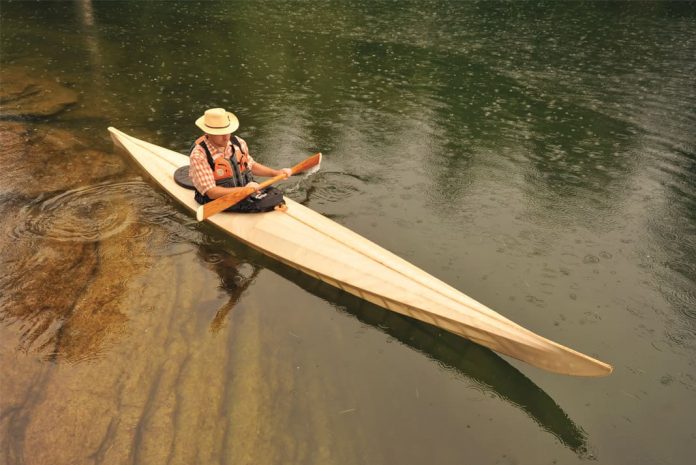
Man paddling a long wooden canoe
Babulic's skin-on-frame kayaks are elegant and perfectly fitted to the paddler.

Two years ago, Jon Babulic had a successful career in construction management and hadn’t taken more than a week off since graduating university.

When his company restructured and offered him an out, the 43-year-old Guelph, Ontario resident decided it was time for a vacation.

“I figured I’d take the summer off, then go back to work in the fall,” recalls Babulic. In just a few short months, he estimates he canoed, kayaked, sailed and fished some 2,500 kilometers. “I paddled like a lunatic,” he chuckles.

Small boats are in Babulic’s blood. Growing up on Lake Superior, he would borrow his father’s kayak, a 1980s Perception Dancer whitewater design. By age 8, he remembers fellow cottagers gathering on the beach to watch father and son surf the crashing waves. He’s even more at home in canoes, trolling for lakers or seeking out remote fishing holes.

During that first summer of freedom, Babulic wished for a lightweight solo canoe he could transport easily into the backcountry. “But I couldn’t get my head around spending $4,000 on a Kevlar boat. And I wasn’t in love with any of the shapes, so I decided to build my own.” It’s not as crazy as it sounds. Babulic already had the necessary woodworking skills, a hobby he learned making bamboo fly rods.

Browsing Pinterest one rainy afternoon, Babulic spotted a skin-on frame design and immediately saw the lightweight advantage of this construction method. The final piece fell into place when Babulic stumbled across an open-source naval architecture program from the Massachusetts Institute of Technology.

Babulic built his first skin-on-frame canoe in just four days. The result was lightweight and strong, and even better, “it paddled like a real canoe.” Over the next year, he “built and paddled, then built and paddled some more.” Everywhere the builder and his eye-catching creations went, people admired the translucent hulls.

Babulic realized he had the makings of a new career

“I thought, ‘What the hell,’” he laughs, and Backcountry Custom Canoes was born. Last year, Babulic built some 20 canoes and half a dozen sea kayak prototypes. The Backcountry Custom Canoes website lists three broad categories: solo canoe, tandem canoe and sea kayak.

Within these parameters, however, his designs are infinitely customizable. “The beauty of skin-on-frame construction is that I can build any shape imaginable,” he says, “creating a truly custom boat that’s fitted perfectly for you.”

[ Paddling Buyer’s Guide: View all kayaks ]

Babulic’s boat design process

Typically, it begins with a discussion about how the kayak should look and paddle, informed by the customer’s preferences and other boats they enjoy. “You could tell me, ‘I want a Romany-style kayak with three hatches and a rounded chine, but a bit shorter with a little less rocker, and I want it to be half the weight,’” he explains. “Then I take your measurements, shape the wood around you, and build it to fit.”

He uses Douglas fir for the stringers and longitudinal pieces, and sturdy black ash for the steam-bent ribs and cross members. Ribs are pinned in place with bamboo skewers, glued and tied to the stringers with nylon. The completed frame is then spray-coated with urethane varnish and is ready for the final—and most tedious—step: skinning.

Along with the painstaking process of laminating the cockpit coaming, this is Babulic’s least favourite part of the build. It takes three days to hand-sew the sheets of ballistic nylon around the frame. He then finishes the skin with urethane and adds epoxy “skid plates” to high-wear areas.

Each one of Babulic’s kayaks takes two weeks to construct

A 30-pound, 17-foot base model starts at $3,000 Canadian. Along with the unique aesthetic and considerable weight savings compared to composites, he insists his skin-on-frame boats are tougher than most hardshell kayaks. If you run into something, the skin flexes to absorb the impact, he explains.

Any damage can be repaired with contact cement, and heavily abused hulls can be re-varnished or even re-skinned as needed. Durability and longevity aside, “They’re really fun to paddle,” he says, “a crossover between organic wooden boats and more modern shape and performance.”

The kayak Babulic dropped off at the Adventure Kayak offices is one he designed for his 72-year-old, 6’2”, 250-pound father, “so Dad could go surfing again.” The elder Babulic is a former middle linebacker in the Canadian Football League and, as his son explains, “He surfs like a guy who played for the Saskatchewan Roughriders in the ‘70s.” In other words, “It’s a tank!” Babulic admits with a laugh.

At the opposite end of the spectrum is a prototype he calls the Needle. It’s a race-inspired design that borrows traits from Epic surfskis and Rockpool Kayaks’ speedy Taran. “I wanted to experiment with form, to see if I could take a thousands-of-years-old technique and make a modern surfski,” he says. “The ultimate combination of old and new.”

To paddle a Backcountry Custom Canoe design is to return to the ancestral origins of kayaking: each boat built for a specific person, with attention to where and how he or she will use it.

This article originally appeared in Issue 51 of Paddling Magazine. Subscribe to Paddling Magazine’s print and digital editions here, or browse the archives here.

Kayaking And Being Held Captive By Colombian Guerrillas

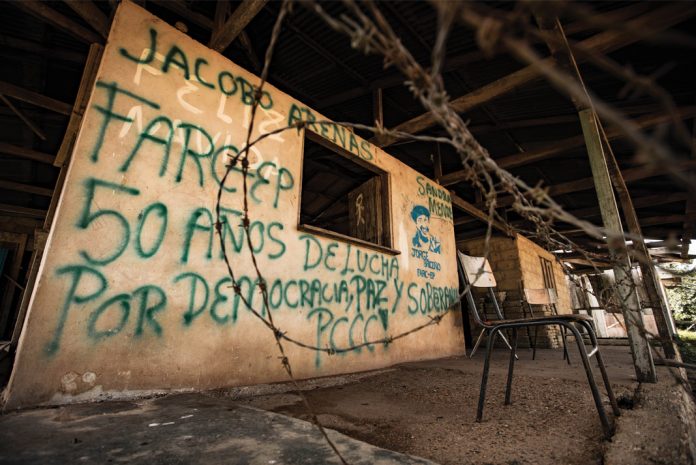
graffiti on an abandoned building in Columbia
Photo: Chris Korbulic

The Colorado-born kayaker had just arrived at his put-in, the village of La Tunia in the southern Colombian jungle, on his way to a first-decent of the Apaporis River.

“The writing was literally on the wall,” Ben Stookesberry recalls.

Stookesberry, Chris Korbulic and Jessie Rice, Spaniard Aniol Serrasolses and Frenchman Jules Domine had planned a month-long expedition down the remote river in the northwest Amazon basin.

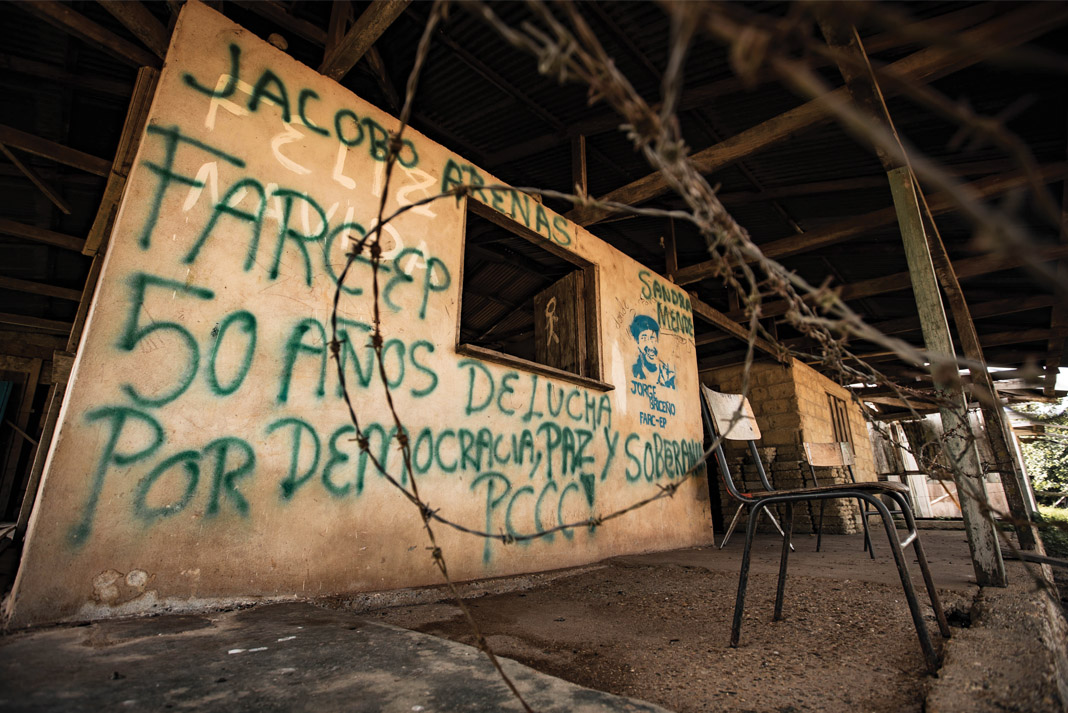
The graffiti on this wall of an abandoned building, once occupied by the notorious Revolutionary Armed Forces of Colombia known by the Spanish acronym FARC, was fairly recent but according to Stookesberry, did not alarm them at the time.

“The village was mostly empty. This seemed to follow the narrative of the peace process,” says Stookesberry.

[ Plan your next paddling adventure with the Paddling Trip Guide ]

In late 2016, the Colombian government and FARC signed a peace accord in which the latter tentatively agreed to demobilize. From the Arctic Circle to Papua New Guinea, Stookesberry has kayaked plenty of what he calls “fuhgeddaboudit” whitewater.

Kayaking The Columbian Waters

graffiti on an abandoned building in Columbia
Photo: Chris Korbulic

Though the Apaporis does boast class V rapids, this river has been on his list not because it is particularly challenging paddle.

We had a different mission,” he explains. “We wanted to explore a river that was isolated politically. Our mission was not so much to test the river’s navigability as much as test the peace process.

The real test happened about 500 miles into the expedition. A motorboat containing a woman and several men, all toting AK-47s, pulled the paddlers over to the riverbank and searched them and their boats. The woman in charge starting going through the images on my camera and when she handed it back to me I could see that she had deleted the card.

This began a three-day ordeal during which the FARC soldiers held the paddlers in a series of jungle camps. Awaiting orders from an unnamed, unseen commander, the soldiers questioned Stookesberry and the others and confiscated many of their belongings.

After the commander confirmed the paddlers’ identities their gear was returned and they were free to continue on their trip. Instead, they decided to fly out from a small airstrip in the village of Pacoa Buenos Aires.

Fearing they might be held indefinitely, two of the paddlers had secretly communicated their position using GPS messengers to emergency contacts. They feared that if the FARC had discovered this, their relative goodwill would have quickly evaporated.

Even still, Stookesberry underlines how well the guerrillas treated him and the other kayakers, “In the past, I don’t think our situation would have de-escalated as quickly or amicably.”

Featured Photo: Chris Korbulic

Kayaker Bren Orton Living Unleashed

kayaker Brent Orton looking up at photographer

It’s hard to be down when you’re always looking up

When Rapid caught up with Bren Orton this April, he was just days away from the debut of Unleashed, the new big water competition held in Quebec. The 22-year-old known for his distinct freestyle on huge waves and hucking waterfalls all over the world is part of a collective called Send, the organizers of Unleashed. Bren explains that his goals for the event are similar to those of any amazing day kayaking: to have a great time with great people on amazing whitewater.

ON GETTING STARTED IN WHITEWATER

As a nine-year-old living in Warrington, England, Orton went on a school trip outside of the city where students participated in a range of outdoor activities.

One of those was kayaking. After the trip he begged his parents for a kayak. The sport began taking up most of his free time.

I did all sorts of things to get out of school to kayak.

While he was in school, sitting at his desk he would fidget with his calculator or erasers, sending them down imaginary lines. Today Orton can’t imagine where he would be or what he would be doing if he weren’t a kayaker. “I don’t think there’s any alternative.”

THE MOST INTERESTING PLACE KAYAKING HAS TAKEN HIM

Almost every year Orton spends a few weeks in the village of Nicartu in Uganda, right beside the world-famous Nile Special wave. Orton first went when he was just 16 years old—he borrowed his grandmother’s credit card to book the flight. “But I paid her back immediately,” he says. The warm water and amazing community keep him coming back when the Northern Hemisphere’s rivers are frozen solid.

THE IMPORTANCE OF LEARNING PATIENCE

Orton says the most important thing kayaking has taught him is patience, a quality that pervades all aspects of the sport.

You have to wait for the right water levels and the right conditions.

The patience also extends to his own abilities, especially allowing himself the experience of being humbled by rivers and different conditions. This was highlighted for Orton during a super high water run of the Little White Salmon this past spring. He considers it the biggest challenge of his kayaking career so far.

THE MISCONCEPTIONS ABOUT PRO KAYAKERS

Images of professional kayakers travelling to remote and far-flung rivers can lead to misconceptions about their lifestyles.

A lot of people think we have a ton of money to go and travel.

However, this was the first year he didn’t need to work a random job like digging graves or manning call center phones to fund his kayaking plans. He says his life isn’t glamorous and money can be tight. The sacrifices he makes seem small given he gets to paddle amazing rivers with his closest friends.

ON THE FUTURE

Over the next two to three years, Orton wants to focus on running waterfalls. He has a few big projects he’s developing that center around big drops. He also wants to continue working on his racing, freestyle and big water paddling.

My ultimate goal is to be the best all-around kayaker I can be.

One Question For 13 Kayakers

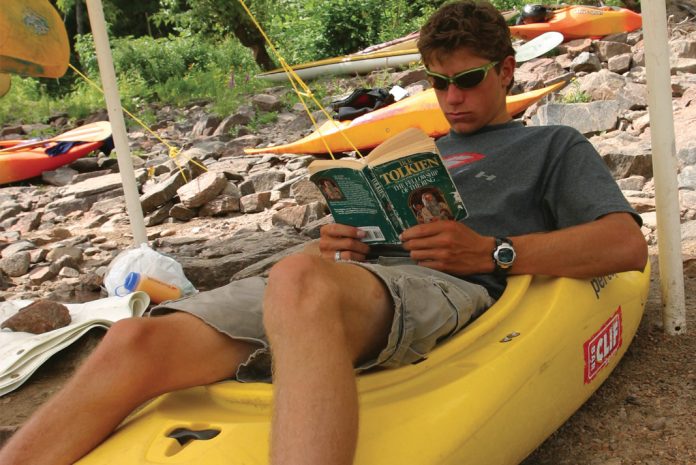
man sitting in kayak reading Fellowship of the ring

Dane Jackson

I would love to make music. I definitely love to rap. One more thing to look up to Rush Sturges for, besides kayaking.

Tyler Bradt

I like to crochet hats.

Claire O’Hara

I once represented Great Britain in soccer.

Adriene Levknecht

A lot of people don’t know that I actually work as a paramedic for the largest EMS agency in South Carolina.

Mariann Saether

I used to be a baton twirler for 12 years. I led my local marching band in parades. Yeah!

Sage Donnelly

I have a deep love for Chinese food—sweet and sour bean curd to be specific. Oh, and jelly beans.

Erik Boomer

I am a pretty good seamster—that’s a male seamstress.

Chris Gragtmans

I am also a commercial real estate broker and investor. That world absolutely fascinates me. I hope to be part of the fight against urban sprawl.

Nick Troutman

I like art, painting, drawing and creating.

Ben Stookesberry

I love to Rollerblade

Corran Addison

I’m a dedicated student of 19th and early 20th century European history, and to a lesser degree classical history of about 400 BCE to about 400 CE. And I love racing sport bikes.

Nouria Neuman

Outside kayaking I’m a little bit of a dork. I studied political science, I love weird books, modern art museums and I would be very happy if you took me to a good opera or classical music concert.

Bren Orton

I can read.

How Your Paddle Shapes You

broken canoe paddle standing on log
this is test 2

I broke my paddle. If upon reading that line, you feel a sinking, sad feeling, then you have likely broken a paddle too. If it was a paddle you’d had for a long time you can relate to my deep sense of loss. You get it.

This paddle was made of basswood and maple, 58 centimeters long. It was not fancy. It was a single-blade canoe paddle, which served double duty canoe guiding and paddle rafting.

The day I bought it I dedicated one of my best woolen socks and pulled it over the walnut T-grip for a lifetime of protection from rough shuttle roads and the travel logistics of a guide’s transient lifestyle. That was 1995. The very same sock is still on the t-grip today.

It has steered me through stages of my life and landed me where I am today. This paddle has shaped what I believe and who I am

Even though last spring the blade broke off just below the throat and was lost in the shallow swift currents of the Opeongo River. The shaft with t-grip and sock lean in my gear shed and probably always will.

Twenty-six years of service, all but the last couple of which were full-time, almost year-round, pulling water and moving boats downstream. How many river miles is that? I have a hard time even guessing. It is hard not to be sentimental, considering the amazing places that this paddle has taken me. We have been on more adventures together than any of my closest friends or family.

[ Paddling Buyer’s Guide: View all wooden canoe paddles ]

If you consider guiding as my trade, then this paddle was more than my tool. It turned my muscle energy into forwarding motion. It turned my intention to go left or right into a reality. This paddle has moved me through a wide variety of landscapes I feel very fortunate to have visited.

It has steered me through stages of my life and landed me where I am today. This paddle has shaped what I believe and who I am. In the 1960s, renaissance man Michael Polanyi, medical doctor, chemist, economist, and philosopher, wrote about how our tools become an extension of ourselves.

The paddle teaches us to feel the water

We paddlers talk about how we “feel” the water. Technically it is the paddle that we are feeling and it is the forces of the rivers’ currents, acting against our paddle, that we sense against the palms of our hands. Our hands remain dry, yet we feel the water. A paddle, in this case, becomes the means by which we interpret our river environment.

[ Paddling Buyer’s Guide: View all recreational canoe paddles ]

“The way we use a hammer or a blind man uses his stick shows in fact that in both cases we shift outward the points at which we make contact with the world. While we rely on a tool, these are not handled as external objects,” wrote Polanyi. “We pour ourselves out into them and assimilate them as parts of our existence.”

Polanyi differentiates novices who “use” tools, from mastery, which involves adopting and assimilating a tool as an extension of one’s body. While “master” is an adjective I’ve never used to describe myself, my sense of loss is greater than a novice would expect from just a broken paddle.

I’ve tried several since I broke my one true paddle. None of them are quite right. I have half a dozen other paddles, some of which are very nice indeed. Yet, they feel awkward and clumsy in my hands like dancing with a new partner after a lifetime dancing with one true love. The music and steps are the same but the magic is not.

Hundreds of thousands of strokes on different rivers at different times mean no other paddle will ever feel the same. I am unlikely to accumulate as many river miles in the rest of my days as I did in the first 15 years guiding before a real job, wife, and family.

Mechanically, these new paddles enter the water just as gracefully. I know they have the same effect on a hard pry. Existentially, however, they are not a part of who I am.

Yes, I can feel the water, but that feeling is dull, empty and without history. I’m sure when I settle on another paddle I will eventually get used to it. After thousands of forward strokes, I may even grow to enjoy it. But it can never be the same.

6 Essential Packrafting Items You Need For Fall

man holding a kayak paddle and wearing paddling gear
this is a test

The end of summer and the beginning of fall can be a difficult and exciting time of year. Lower water and solo runs as shuttle buddies head back to school, work or wherever they go after Labor Day. You might want to consider packrafting.

You probably have most of the gear already. Add these specialty items to open new doors to backcountry opportunities that packrafting offers. No shuttle buddies? No problem. Hike in, bike in or get dropped off and you are all set to go.

1. Sunski Unisex Taravals Sunglasses

$58 | WWW.SUNSKI.COM

Sunglasses | Photo: Gabriel Rivett-Carnac

Come blazing sun, overcast, cloudy or just because you want to look badass. Sunski advertises all their models as unisex. Multifunctional gift giving baby!

The Taravals come in two color options, Black Aqua and Frosted Lava. All Sunski lens are thermally coated to help protect them from scratches and the inevitable scrapes. The are also polarized to further protect your eyes from glare and help you see rocks and fish below.

The frames are super lightweight and the fit is comfortable and reassuringly secure. Sunski’s frame warranty covers dog bites and melting from Deet or exposure to lava… pretty much anything, really.

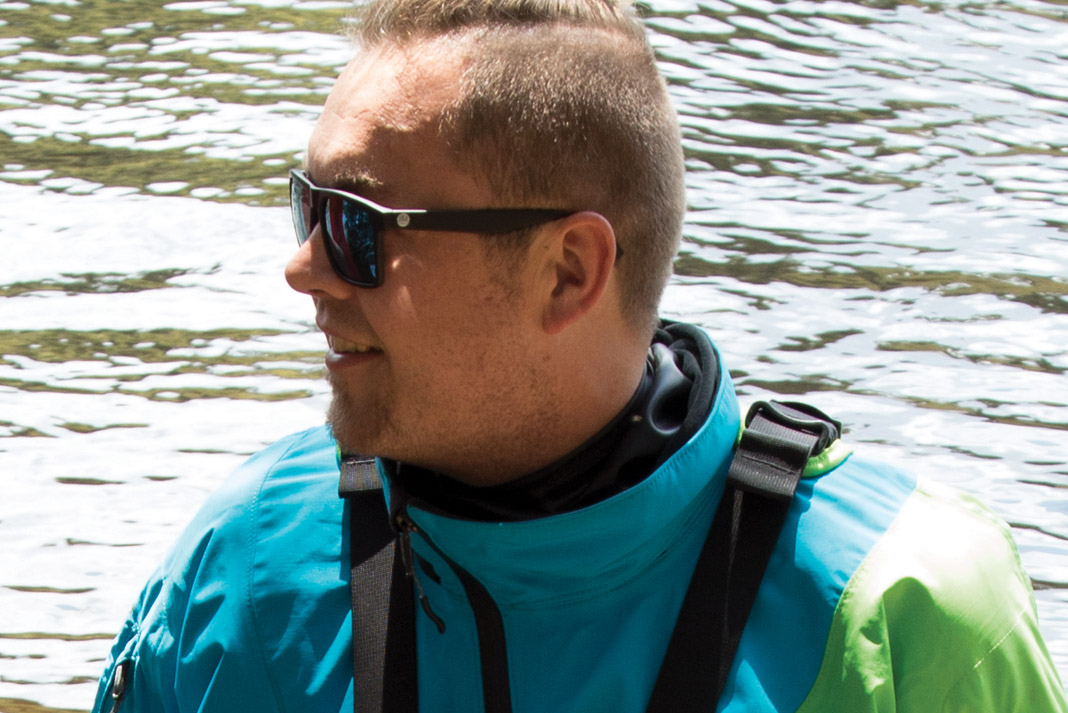
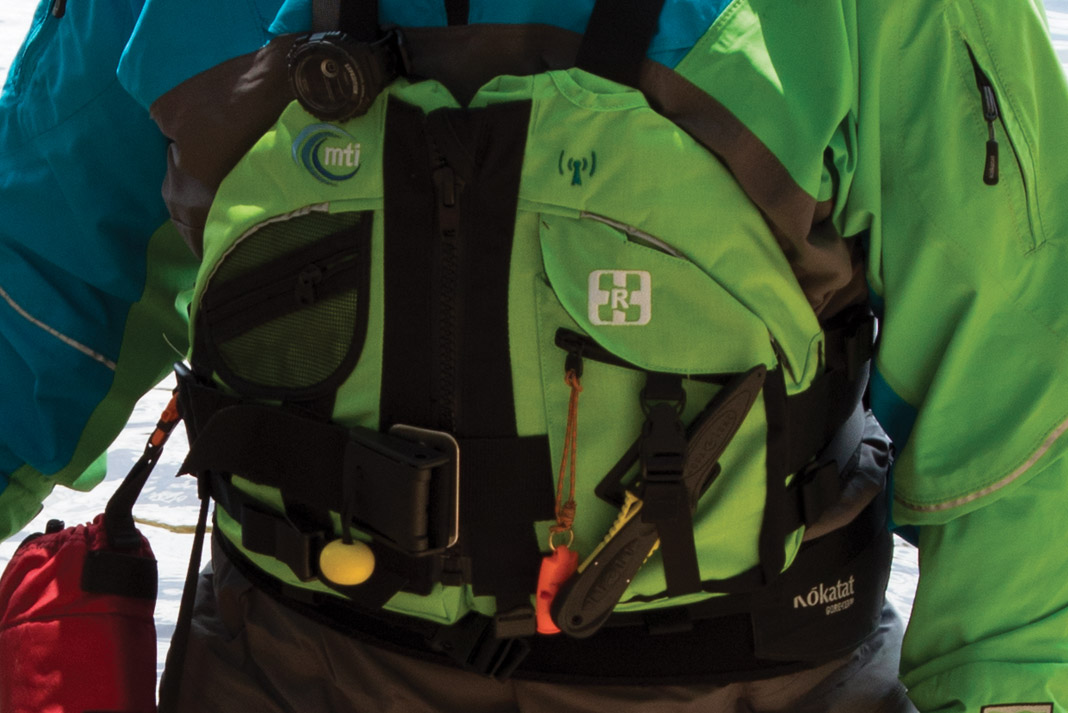
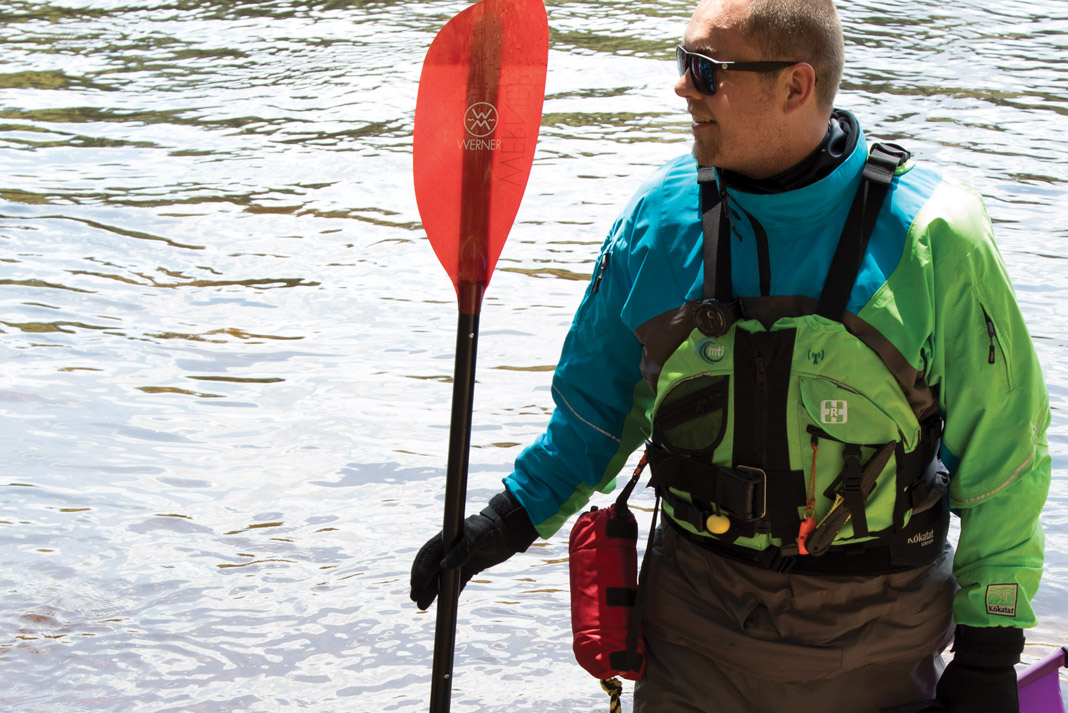
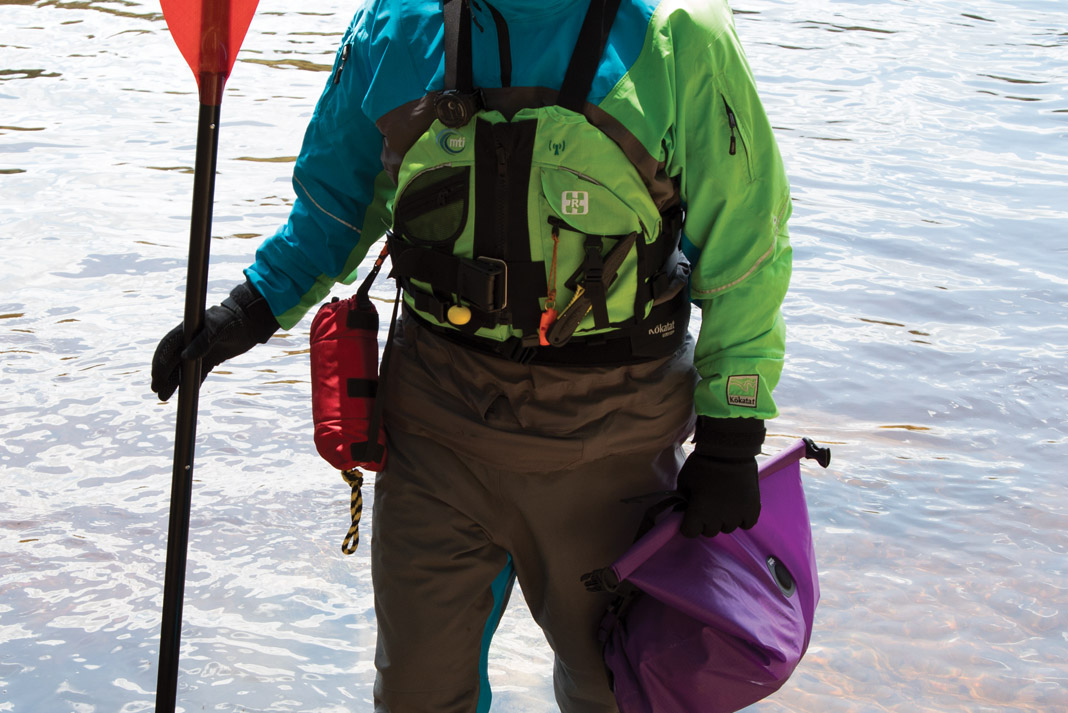
2. MTI AdventureWear Thunder R-Spec PFD

$224.95 | WWW.MTIADVENTUREWEAR.COM

PFD | Photo: Gabriel Rivett-Carnac

The Thunder R-Spec is probably the beefiest PFD in MTI AdventureWear’s line up. This class V rescue-ready vest available only in this Kermit green color which is fine with us— stylish and helps you stand out on the horizon line.

The frontzip entry makes this PFD easy to wrap around a variety of layers. Two fleece hand-warming pockets are hidden under interior pockets that fit a variety of ditch kit items.

This new PFD has increased flotation and a US Coast Guard-approved rescuer’s harness built into it. Reflective trim and a built-in quick-release buckle will help keep your mind and your river buddies’ minds at ease.

3. Werner Paddles Pack-Tour M

$335 | WWW.WERNERPADDLES.COM

Paddle | Photo: Gabriel Rivett-Carnac

Werner created the Pack-Tour M specifically for multi-sport pack rafting adventures. The shaft has a simple push-button system that breaks apart into four easy to stow pieces. There are two length options: 200cm to 215cm and 210cm to 225cm.

Confused? The two sizes adjust depending on the width of the boat or if you’re in moving water or touring mode. Broken down, the longest section of the longer paddle is only 31.5 inches. The high-angle blades are 615 square centimeters is size which is roughly the same as Werner’s Cypress high-angle touring blade.

For me the Pack-Tour M is a bombproof expedition-kayaking paddle. But if you’re truly only running the gnar, go with one of Werner’s four-piece river running paddles giving up handy adjustability for increased whitewater durability.

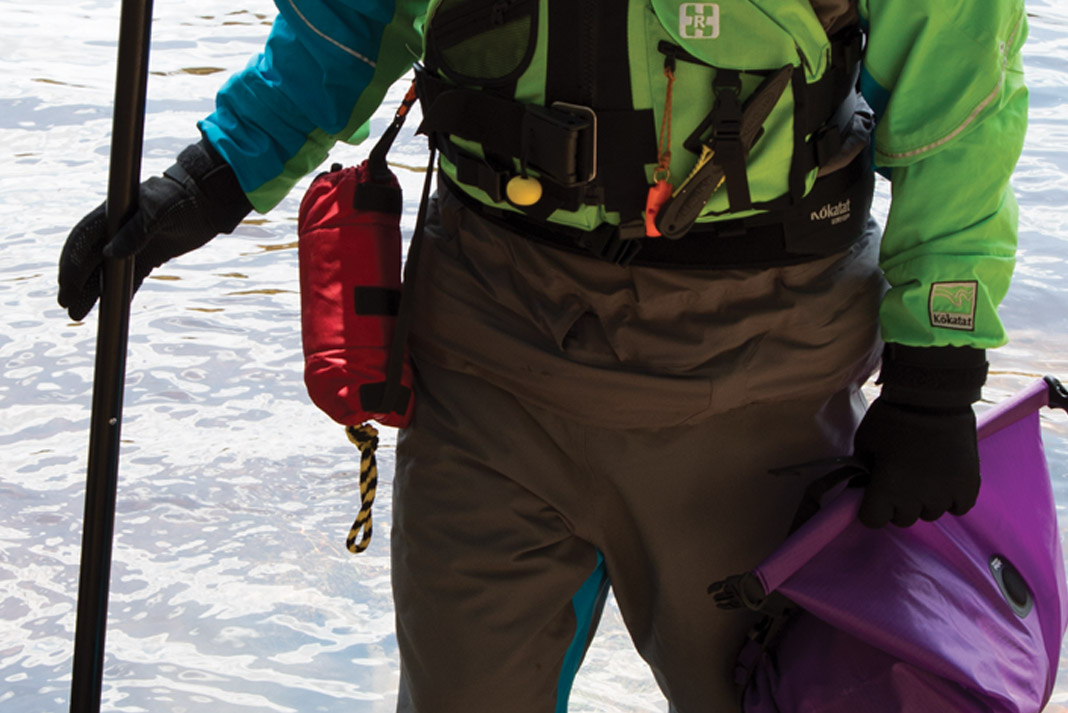
4. Kokatat GoreTex Radius Drysuit

$1,295 | WWW.KOKATAT.COM

Drysuit | Photo: Gabriel Rivett-Carnac

If you are looking for a multi-use, full-dry piece of essential paddling gear check out Kokatat’s Radius touring dry suit. The SwitchZip zipper is placed to separate the Radius into a complete top and bottom. The top can be worn independently as a dry top with a fold-down hood that can be removed entirely.

The pants are not tight fitting and can be worn comfortably around camp or hiking or biking to your put-in. It took me a few times to get the hang of lining up the zipper and screwing down the latch but the two-piece convenience offsets the learning curve.

One of the best parts of the Kokatat Radius? Going to the bathroom doesn’t take an army to get me unzipped and unwrapped—perfect for solo packrafting adventures.

5. HANZ USA Chillblocker Waterproof Gloves

$55.95 | WWW.HANZUSA.COM

Gloves. |Photo: Gabriel Rivett-Carnac

I first tested these Chillblocker Waterproof Gloves on a late November adventure, rather appropriately eight days after the region’s first snowstorm. Seven hours on the water, my hands were still warm. Hanz USA uses a three-layered membrane to help create a waterproof barrier.

The internal wicking layer helps move sweat away from your hands. Consistently an XL in ski gloves, I found these to fit slightly larger than other brands so I was okay with just a large. The palms and fingers of the Chillblocker Waterproof gloves were very helpful in keeping a steady grip on my icy paddle. And dexterity was not an issue for frozen zippers, buckles and lighting stoves for a mid-day lunch.

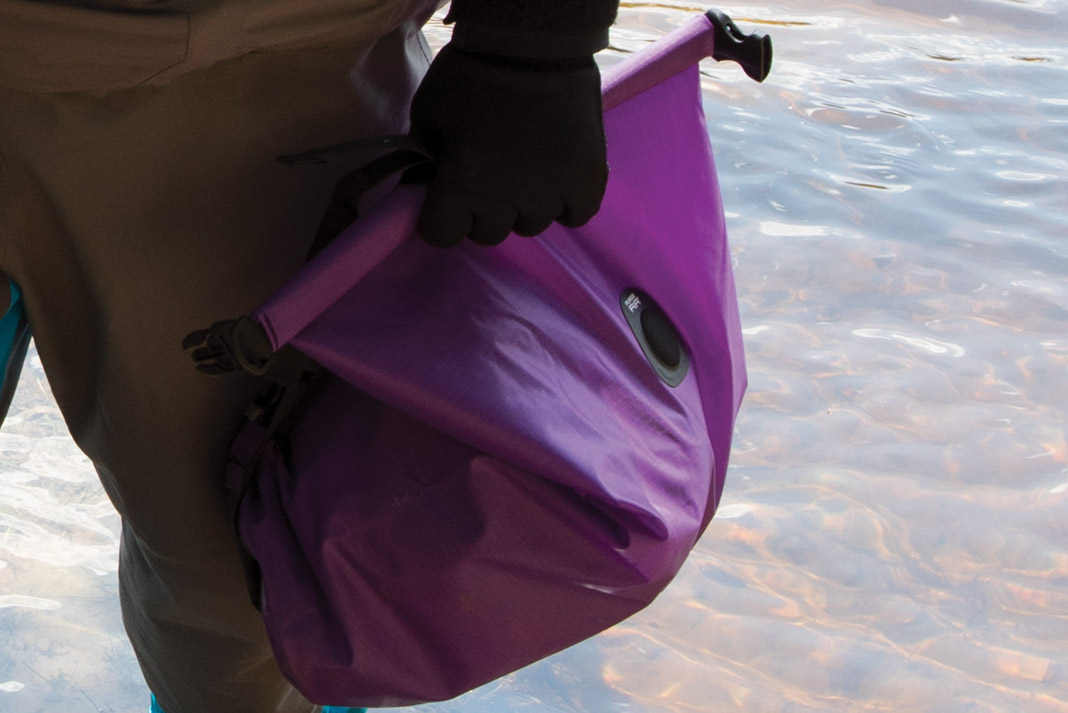
6. SealLine Bulkhead Compression Dry Bag

$27.48 | WWW.SEALLINEGEAR.COM

Dry Bag | Photo: Gabriel Rivett-Carnac

AIRE’s packrafts have webbing loops between the floor and sidewall gunwales. These new SealLine compression bags attach nicely into those loops to rest between your legs or knees.

But here’s the best part. Once you’ve rolled and clipped the bag like a regular dry bag you can now compress and expel even more air. How? SealLine has created what they call the PurgeAir waterproof valve. As you compress the bag and synch the straps tighter, you can push in the valve and let out more air.

This clever innovation creates a compact dry bag that is easy to pack, stow, carry and most importantly keep your valuables dry. The Bulkhead series is available in four sizes and three colors—the trendy green is available in both the small five-liter and large 30-liter options.

What’s More To Life Than Paddling?

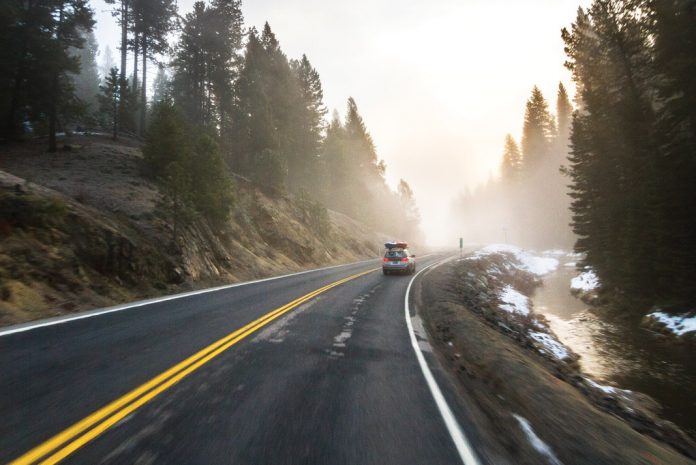
car driving down highway with kayaks

Living in this day and age with a passion for moving water, many people assume this nomadic lifestyle is the ultimate goal. They feel like it feeds their spirit and nourishes their soul. If that’s what you feel, enjoy the ride.

Like anyone captured by whitewater kayaking early on, I loved the sport with a passion. Probably every person reading this magazine has had the same experience. The river once unknown is now suddenly alive. The freedom, challenge and fun seem infinite. Exciting friendships are made and flourish. There’s a sense of authenticity to it all, as if we have grasped the very core of reality.

Quite a few paddlers chase this feeling for years. They become raft guides, video kayakers, instructors or swampers on the Grand Canyon or the Ocoee, from the White Salmon to the Penobscot. Some chase the flows or the competition circuit like bands of gypsies on road trips to Colorado and California, British Columbia, Quebec and Ontario, New Zealand, South America, Nepal and anywhere in between.

Working the rivers gives a sense of status, even superiority for some, and a little money on the dashboard to fuel another road trip or buy another case of PBR. Others find part-time or seasonal jobs or have trust funds allowing them to live the dream for years, even decades.

The secret, if you’re reading this as a how-to column, is minimizing commitments and avoiding responsibilities except when it comes to pursuing the adventure lifestyle.

It is a fact our modern western culture is one of the wealthiest and most free in the history of all civilizations. If you are reading this magazine you are most likely white, upper middle class and a graduate of at least one post-secondary institution, or are on your way to be. You can do almost anything and go almost any place, having the financial freedom to float along following the sun, water, surf, or snow.

Living in this day and age with a passion for moving water, many people assume this nomadic lifestyle is the ultimate goal. They feel like it feeds their spirit and nourishes their soul. If that’s what you feel, enjoy the ride.

As you go, keep in mind that paddling from river to river is easy, without real responsibilities. Sometimes it feels hard and it feels like what you are doing is important, especially if the rivers are difficult. The river life provides challenging, vivid experiences and we feel vibrant, alive and happy. We are surrounded by fun people playing together in beautiful places. These friendships feel more real than anything we have ever experienced.

Over time however you may find some of these friendships are actually more partnerships of convenience. Many of them may disappear when shit hits the fan. The gypsy wagon still leaves town even when you’re broke, injured, pregnant or a family member is diagnosed with cancer. Suddenly your life stops being a fantasy and in the rear-view mirror this nomadic period starts looking like a halfway house, a glorious substitute for a meaningful life with real commitments.

As whitewater paddlers we’re fortunate to be able to enjoy this transition period in life. While chasing something fun but indefinite, there comes a time when we realize that commitment is actually something we want. In some cases it is thrust upon us whether we want it or not.

There are plenty of reasons for change and sometimes no reason at all, just a feeling. One day you wake up in your van and realize there’s more to life than rivers.

Some hold on longer. Others hold on so long the excitement doesn’t seem like the center of the world anymore and by then they don’t know what else to do.

The river doesn’t change. We do. When we start making that transition, living the dream becomes something different than we could ever have imagined at the beginning of the journey, because the dream changes. Don’t worry this is normal and natural. You may someday be nostalgic about your river days of freedom, but you’ll never regret moving on.

The dream changes because through the exploration of rivers and ultimately ourselves we grow to understand better what creates a real life.

If you seek true authenticity you must understand commitment to other people, not unattached freedom, is what creates it. The bonds that come with new dreams are ones we can believe in, bonds that we can trust with our lives.

If you don’t believe me just keep wandering and exploring free flowing rivers, but be ready. Around the next bend you may encounter other feelings that turn out to be even more rewarding. And don’t be surprised if they appear from the very world you’ve been trying to avoid.

Doug Ammons has been paddling rivers for over 40 years, making over 50 first descents from steep creeks to big water in the US, Canada, Mexico, South America and Nepal. His 1992 solo of the Grand Canyon of the Stikine River was equated by Outside Magazine to Himalayan climber Reinhold Messner’s epic solo of Mt. Everest. He lives in Missoula, Montana with his wife, their five children and their grandchildren.

Restoring A War Canoe

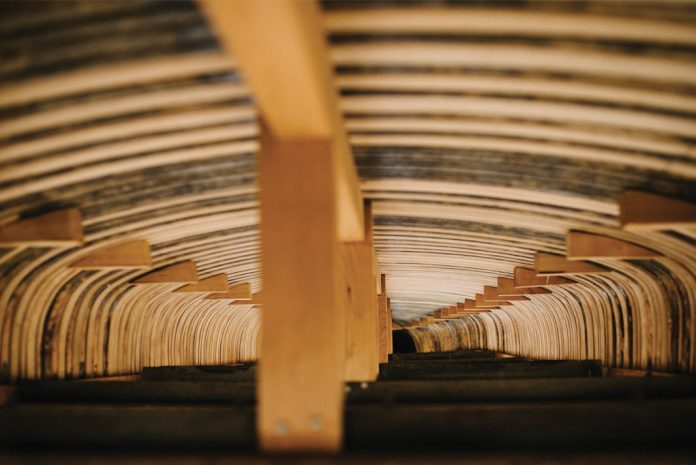
the rib cage of a canoe

It’s mid-April and I turn off Hwy 60 in the heart of Algonquin Provincial Park and begin navigating the deep ruts of the still wintery access road towards the Taylor Statten Camps on Canoe Lake. I’m greeted by Leon Turcotte, the camp’s carpenter. Turcotte invites me down to the canoe shop to see the progress he and Dave Standfield have made on their latest project. Standfield is the camp’s head of maintenance and has been the resident canoe expert for the last 37 years.

Inside The Canoe Shop Rests This 42-Foot-Long Canvas Covered Cedarstrip Canoe

It is the largest canoe of its kind in the world and the Taylor Statten camps own two of them. They are still used by campers as they have been for 90 years as transportation between Camp Ahmek for boys and Camp Wapomeo for girls.

Originally constructed in 1926 by the Peterborough Canoe Company for Taylor Statten I. Back then the canoes cost $450 to build. These monsters of the lake can hold up to 30 paddlers and required a custom canoe form to build.

“Their last restoration was the first year I worked on canoes with Bill Statten. That was in 1979,” explains Dave Standfield. “That was the first restoration for them. The canvas had rotted away and needed to be replaced, but the main inside keel was still intact.”

Although The War Canoes Are Stored Out Of The Elements From September To June, The Summers Can Be Tough On Them

“We need to replace more ribs in the Wapomeo canoe. We’re probably going to end up putting 300 ribs in this one,” explained Dave. With between 500 to 600 ribs per canoe, there’s no shortage of work to complete.

“I’ve been holding the clinching iron from underneath the canoe, it is back-breaking work,” describes Leon. The clinching iron is a five-pound piece of metal used for bending over brass tacks as they are hammered into the cedar planks from above. With approximately ten thousand tacks used per canoe, it’s no easy task.

The First Canoe Restoration Was Finished On July 25, 2016

As I photograph their work, I’m aware the pressure is on for Dave and Leon. They are to have this canoe completed for the beginning of this year’s summer camp season.

The war canoes definitely hold a special place for me,” Dave remarks. “I’ve always got that feeling hanging over my head that I’m trying to get this thing done for the summer. I also say to myself, ‘If it doesn’t get into the lake until later in the summer, well, it’s a small price to pay to know it won’t have to go through this process for a while.’

Mike Last is a professional photographer and digital marketer living in Toronto, ON.