Home Blog Page 254

Skills: Weekend Menu Planner

Photo: Ontario Tourism
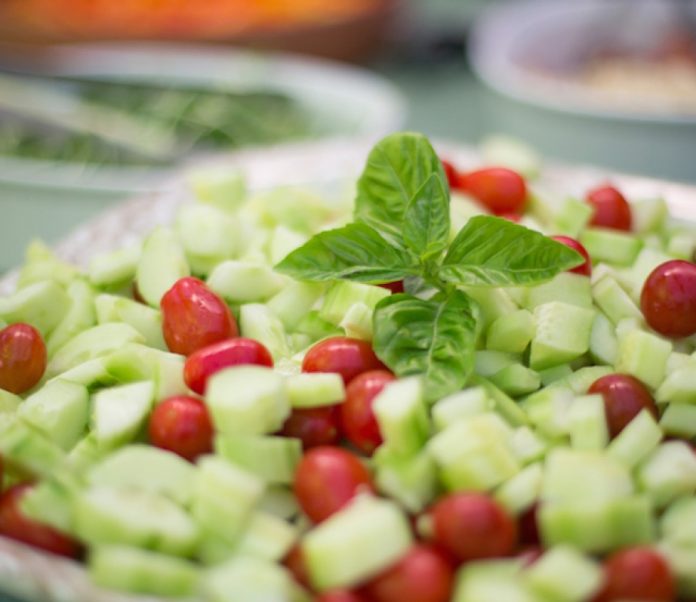
Close up picture of a bowl full of chopped cucumber, celery and cherry tomatoes, topped off with basil leaf.

Sure, gear, route and paddling partners are all important considerations when planning a trip—but any seasoned camper will tell you that food can make or break a camping experience. Feasting on homemade chili and freshly baked cornbread after a hard day’s slog will quickly brighten even the rainiest day. On the other hand, a glorious sunset is not quite the same while eating burnt-yet-raw rice or flavorless freeze-dried fare. Food planning and preparation can be one of the most enjoyable parts of a trip—and when done right, the payoff is priceless for everyone involved.

Menu planning can be as complicated or easy as you want to make it. Depending on your trip route and participants, you may wish to dehydrate meals to keep your food pack light, or you may choose to disregard weight and go for maximum fresh ingredients. For most long weekend trips, weight isn’t a concern and you can focus on finding the optimal combo of taste, simplicity and variety.

Remember that activity levels and cooler temperature can have a big impact on your required caloric intake. Nobody wants a horde of hangry paddlers. If in doubt, pack a little bit extra, and go heavier on the carbs than you might at home.

Shopping List

  • oats
  • sugar
  • butter, carrots
  • onions
  • cucumber
  • wraps or pitas
  • apples
  • oranges
  • cheese
  • rice
  • beans
  • nuts.
  •  eggs
  • protein of choice
  • well-stocked spice kit
  • chocolate
  • oil

Weekend Menu

Day 1

Dinner: Stir fry and coconut rice. If you have a long drive to the access point, prep your veggies in advance for a quick meal when you get into camp. Just make rice, fry up the veggies, and add a protein of your choice. Freeze meat before departure so it stays fresh during your paddle in.

Day 2

Breakfast: Breakfast wraps. Scramble up fresh eggs and throw them in a whole wheat wrap. Add rice and beans if you want a meal that will stick to your ribs. Go wild with the spice kit and hot sauce.

Lunch: 
Greek pitas. Combine cheese, cucumbers and tomatoes with a dash of oil and spoon into a wrap. This promises to be a winner on a hot sunny day.

Dinner: Pesto pasta with pine nuts and cheese. Serve with a freshly made carrot slaw on the side.

Day 3

Breakfast: Apple crisp. Melt butter, then add brown sugar, oats and cinnamon. Serve over freshly stewed (or rehydrated) apples. It’s a breakfast for champions.

Lunch: Mini pizzas. A perfect meal for a cold rainy day. Whip out the stove and don’t skimp on the oil. For perfectly melted cheese, cover the pan with a lid and pour a few drops of water along the edges—the vaporizing effect will melt the cheese and steam your favorite toppings.

Dinner: Burritos. Beans, rice, veggies and salsa. Wrap up the meal with fruit slices and chocolate fondue.

Day 4

Breakfast: Gourmet oatmeal. Good ol’ oats are made better by adding dried or fresh fruit, nuts and a sprinkle of cinnamon. A quick, warm and filling breakfast.

Lunch: Snack on fresh veggies, wraps, cheese and salami. It’s a nutritious floating lunch as you procrastinate returning home.

Charlotte Jacklein is an experienced guide, chef, and teacher.

Screen_Shot_2015-07-07_at_2.59.13_PM.png

This article first appeared in the Fall 2015 issue of Canoeroots Magazine.

Subscribe to Paddling Magazine and get 25 years of digital magazine archives including our legacy titles: Rapid, Adventure Kayak and Canoeroots.
The Five Mile Diet: Thriving On Wild Food

a dish prepared as part of a wild food diet on a paddling trip in Alaska
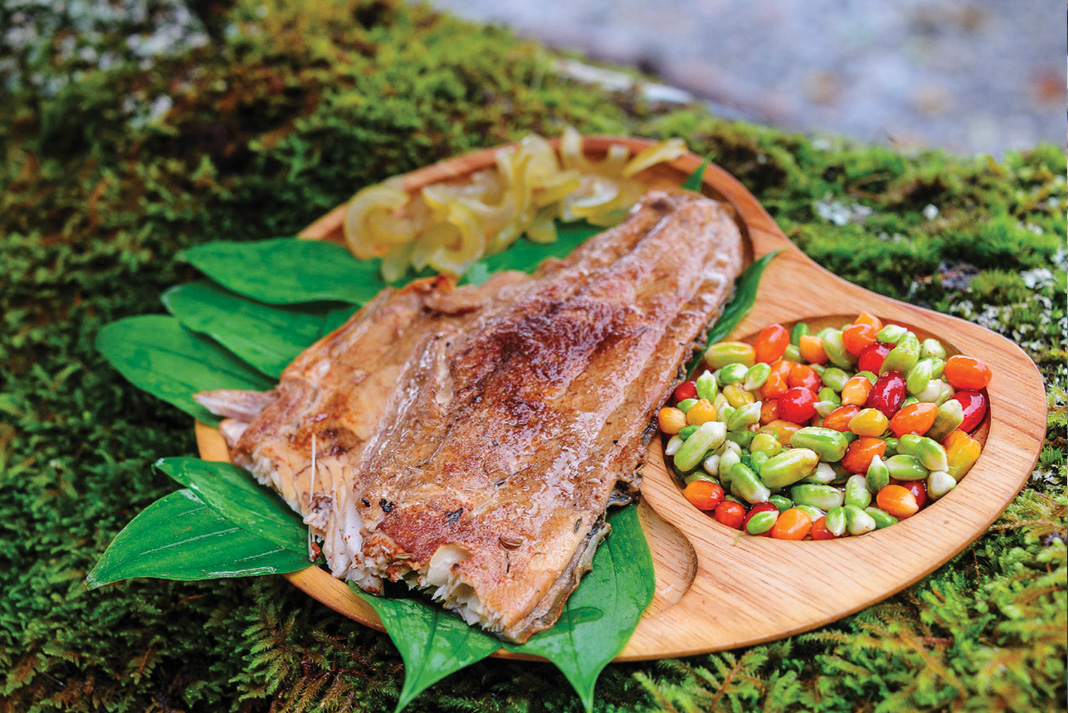
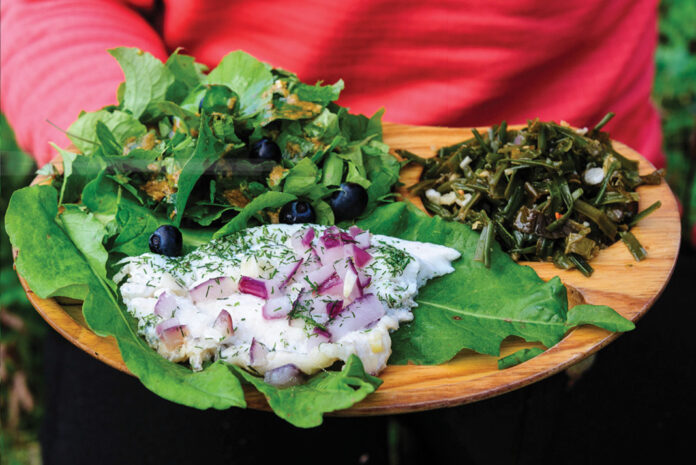
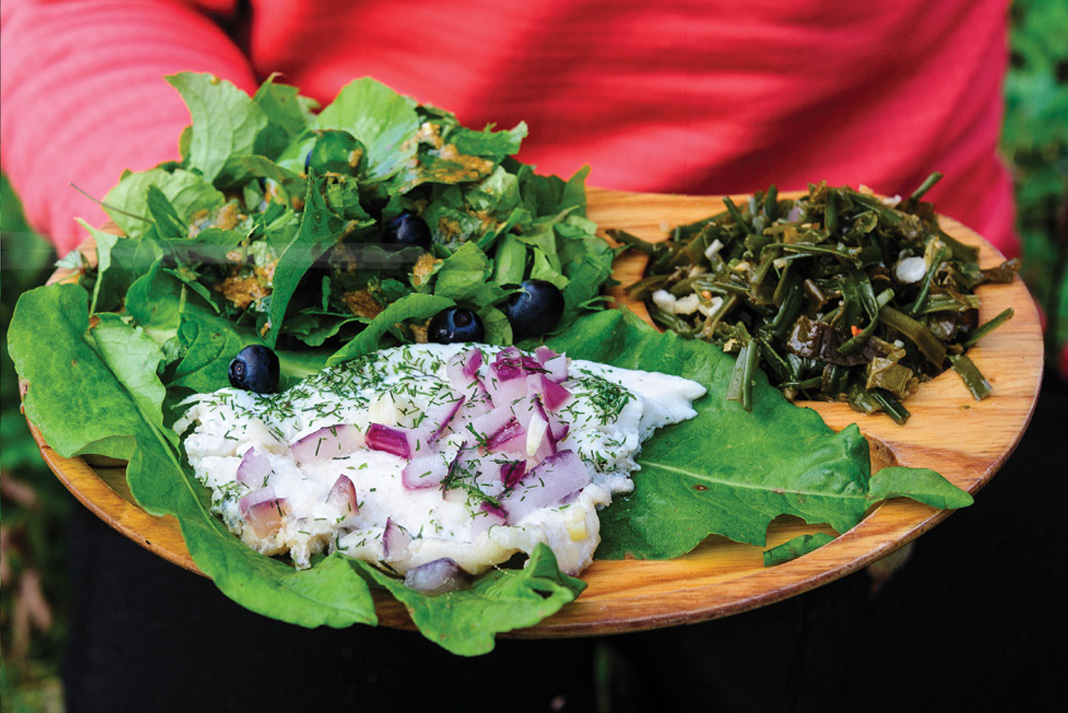
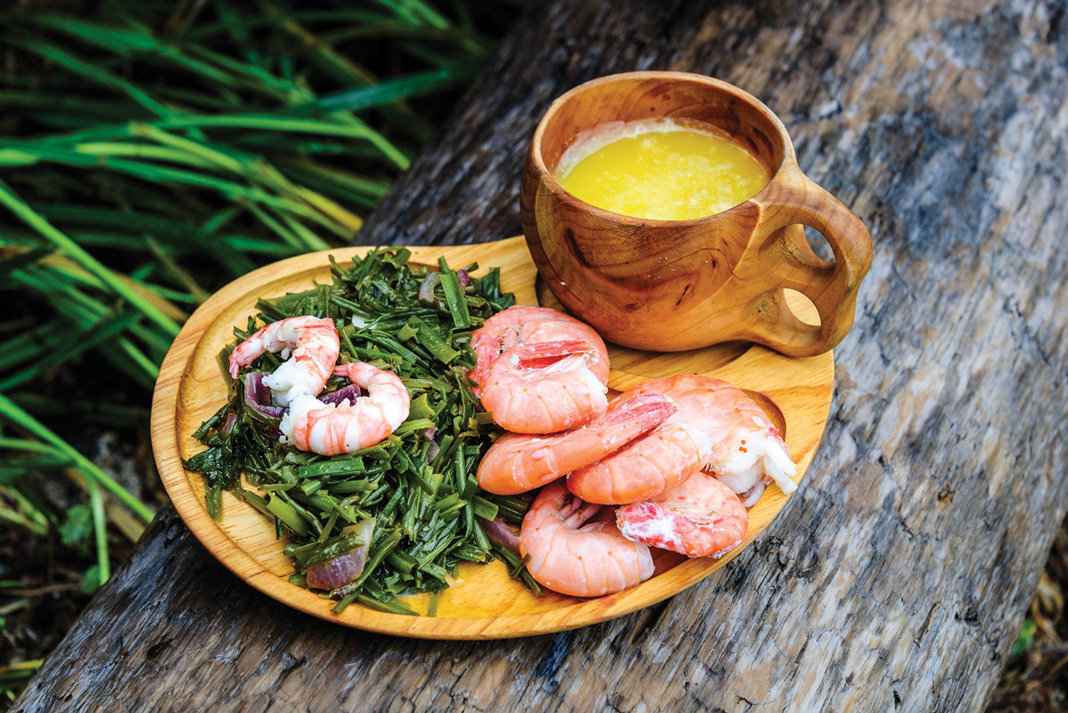
Steamed flounder with red onion and dill, served with beach green and wild blueberry salad and boiled goose tongue greens with garlic. | Feature photo: Fredrik Norrsell

When Fredrik Norrsell and Nancy Pfeiffer launched into the Alaska wilderness with only a spice kit in their trip pantry, they planned to not just survive but thrive on wild food. Bound for Prince William Sound in late summer, the couple assured friends it would be impossible to starve to death.

A bald eagle perched in the gray branches of an old snag stared intently at the choppy water of the inlet. I sat in my kayak, bobbing with the waves in the pouring rain, jigging up and down with a rhythmic motion of my wrist. The eagle and I were doing the same thing—fishing, waiting, hoping, trusting that something to eat would come our way. A tiny wiggle traveled up the fishing line resting in my fingers. I jerked upward. Nothing. I went back to jigging, staring at the silver sea. Eventually, the eagle flew away. I paddled back to the beach disappointed. Fishing when you are hungry is different than fishing when you are not.

The five mile diet: Thriving on wild food

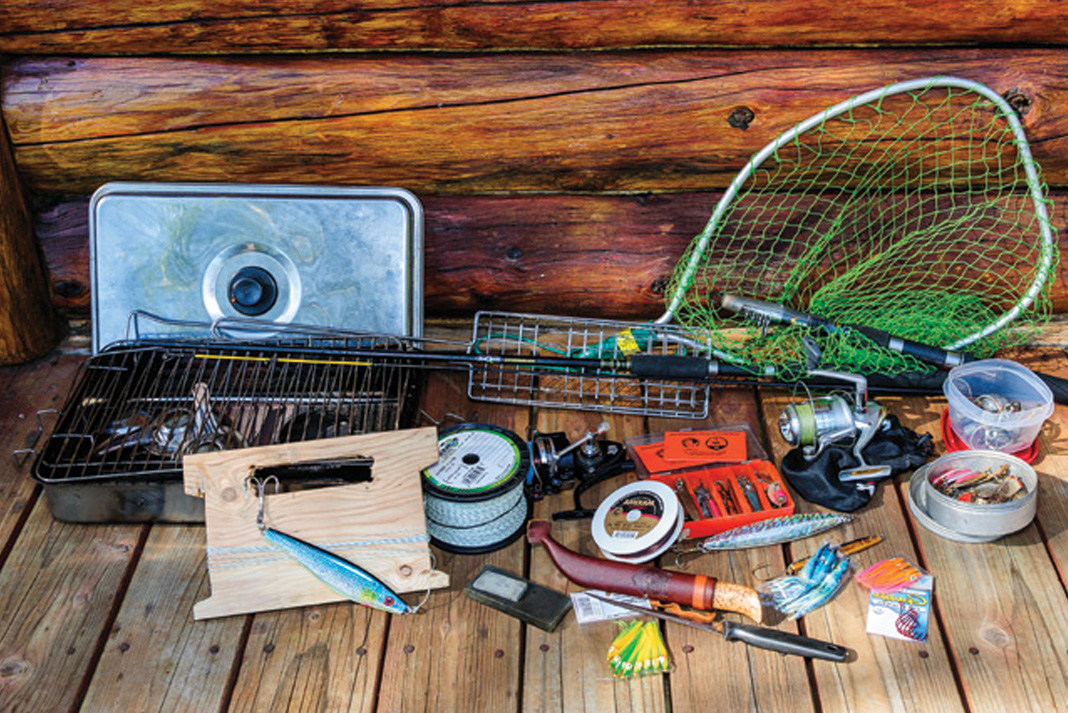
Fredrik and I had begun our two-week trip a few days earlier. We brought with us a slew of fishing gear, a collapsible shrimp pot, a small fish smoker, a garden trowel for digging roots, and an assortment of spices and condiments. The bulk of our sustenance we planned to collect from the land and the sea as we traveled.

Efficient hunting and gathering techniques and the abundance of life in Prince William Sound had allowed the native Chugachmiut and Eyak people to develop a rich, self-sufficient culture. Fredrik and I aspired to thrive in the same way. We wanted to make it as easy on ourselves as possible, so we planned our trial excursion for early August, when millions of salmon would be returning to the streams to spawn and an abundance of wild berries would be hanging in ripe handfuls. We hoped to eat well and have time leftover to enjoy this magical place.

Working as a kayak guide, I was accustomed to paddling 10 to 15 miles a day, 20 feet offshore. Finding a scenic camp and serving my guests a delicious dinner hunted and gathered from an Anchorage grocery store was part of my repertoire. Living off the land would require me to slow down. As we paddled, we scanned the shoreline for berries, jigged for bottom fish at steep drop-offs in the ocean floor, and poked into every small stream to see if it had a salmon run. We averaged less than five miles a day.

Foraging skills come into focus

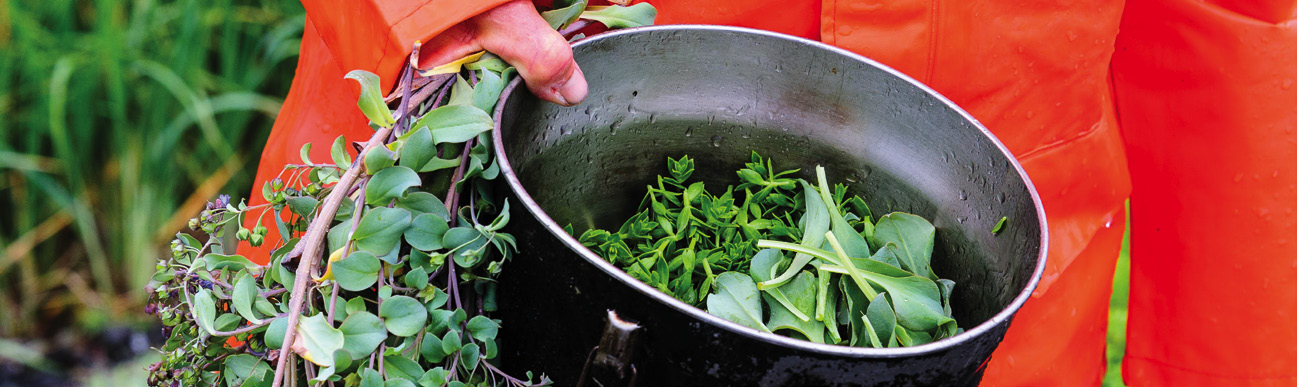
As I explored each potential camping beach for fresh edible greens, I found myself experiencing the country at a deeper level than ever before. Small details I never noticed before became important. How quickly do salmonberries ripen? On cloudy days, patches just off the beach along west-facing hillsides allowed me to re-pick every two to three days. I found that I could reliably find the salty spikes of goose-tongue greens a few feet above mean high water level in most protected bays. Although many of the wild woodland edibles I was familiar with—twisted stalk, Arctic dock, wild violet—were bitter and tough by August, avalanche paths, which frequently deposit huge piles of snow at sea level in the winter, provided vegetation months behind in the growing cycle. Slowly, my observational skills became more acute. I wondered how I would see the world if I had come from generations of living off this land as had the Native people of Prince William Sound.

Deep Water Bay had everything I loved in a campsite. Steep, smooth granite walls fell into a deep fiord, glaciated peaks reached toward the skyline, a blonde sand beach beckoned us to camp for a week. But there was a problem. Those vertical rock walls produced picturesque waterfalls but no salmon runs. The thin soil of recently glaciated country is poor in nutrients. The few pockets of wild edibles to be found were perched frighteningly high on small shelves. We suspected that these deep, cold waters would harbor delectable shrimp, but a storm tide two days earlier had stolen our shrimp pot. It was late and we had no choice but to spend a hungry evening in this lovely place. But like the Chugachmiut before us, we could not settle there.

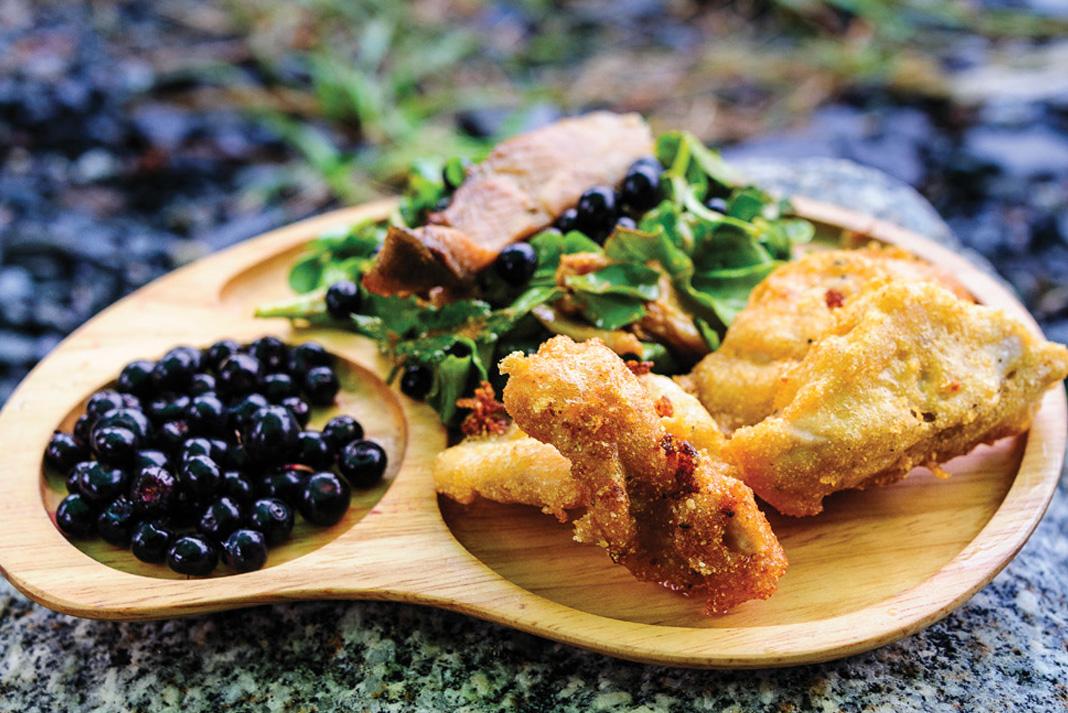
Beach green salads and blueberry desserts made tasty side dishes, but to truly feed ourselves we needed fish. While I was an experienced kayaker, I was a novice angler.

Sustenance by salmon

One afternoon just before high tide, Fredrik and I noticed the shiny, round head and huge, dark eyes of a harbor seal bobbing at the mouth of a river. Like us, it had come to fish. I trundled over to the river’s edge in my rain gear and immediately found myself fighting a thrashing five-pound salmon. My reel was set up right-handed; I am a lefty. I watched in horror as the line flew off the reel and tangled into an indecipherable mess. Unwilling to let my dinner get away, I grabbed the thin monofilament with my bare hands and dragged my squirming prize onto shore, where I full-body tackled it. Looking up from the wet grass to make sure my husband had registered my accomplishment, I noticed he had a fish on as well. He was expertly playing it with his fishing rod in hand. We were suddenly, unbelievably rich.

In the Alaskan salmon hierarchy, pinks are near the bottom, outranked by the bright red meat of sockeye salmon and the gigantic size of king salmon, not to mention the hard-fighting, late season silver, which we hoped would arrive soon. While many Alaskan salmon snobs won’t bother fishing for pinks, a freshly caught pink salmon cooked just right makes a delicious meal.

Fredrik’s small, portable fish smoker was the same kind his family used to preserve lake trout caught at their cabin in northern Sweden. Some of our freshly caught fish we would eat hot smoked for dinner that night. The rest we would cold smoke—an overnight soak in a salt, sugar and soy sauce brine, and then a slow, cool smoke over alder chips resulting in a salty, smoky treat that keeps for days.

That evening, as a drowning rain beat loudly on our tarp, we delighted in a dinner of alder-smoked salmon and a salad of oyster leaf, beach lovage, beach greens and wild peas, with blueberries for dessert. Afterwards we leisurely sipped spruce tip tea.

[ Paddling Buyer’s Guide: View all camp kitchen accessories ]

With each successful meal, my fledgling confidence in our ability to live comfortably on the coast was growing. I took pleasure in learning about an aspect of this country I had never explored before. With every bite, this place became more a part of me.

Cover of the Fall 2015 issue of Adventure Kayak magazineThis article was first published in the Fall 2015 issue of Adventure Kayak Magazine. Subscribe to Paddling Magazine’s print and digital editions, or browse the archives.


Steamed flounder with red onion and dill, served with beach green and wild blueberry salad and boiled goose tongue greens with garlic. | Feature photo: Fredrik Norrsell


Betcha Didn’t Know About…Poison Ivy

Photo: istock/noderog
Betcha Didn't Know About...Poison Ivy
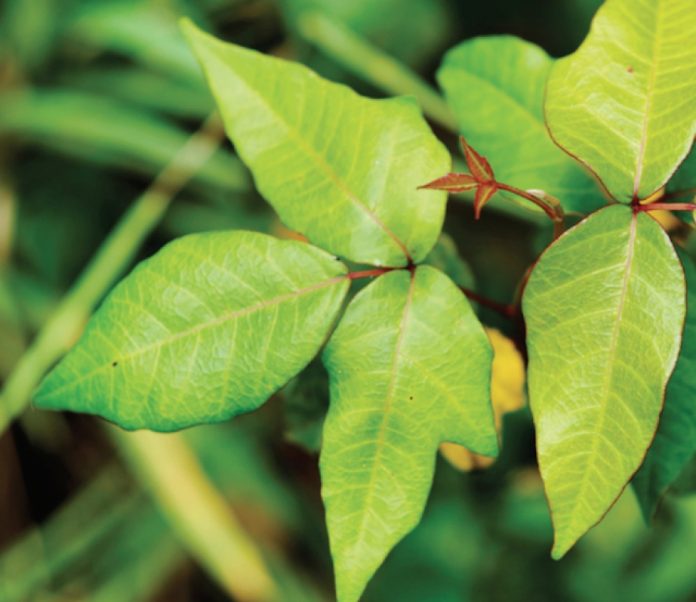
  • Urushiol oil is the active ingredient in poison ivy and causes an itchy, blistery rash in 85 percent of people. You get the rash either by coming into direct contact with the plant or indirectly, for example by touching fabric or pet fur with oil on it.
  • Poison ivy does not cause an allergic reaction in animals besides humans—deer and muskrat actually eat it!
  • There are myths that eating small amounts of poison ivy will help build up an immunity to the plant—these are false. In 1987, a study on ingesting poison ivy was published in the Archives of Dermatology and reported this method did not work. However, the severe oral reactions of people who tried a bite were well documented.
  • It’s also a myth that scratching a poison ivy blister will spread the rash— the rash can only be spread by further contact with urushiol oil—but scratching could cause infection.
  • In The Coasters hit song “Poison Ivy,” covered by The Rolling Stones, Mick Jagger sings, “Well late at night when you’re sleeping, poison ivy comes a creeping all around. You’re gonna need an ocean of Calamine lotion, you’ll be scratching like a hound, the minute you start to mess around.” Metaphorically speaking, of course.
  • Poison ivy is found in every state except for Alaska, California and Hawaii, and in every Canadian province except for Newfoundland and Labrador.
  • DC Comics’ Dr. Pamela Lillian Isley is the most famous fictional character to adopt the name of this toxic plant. The super-villianess, eco-terrorist and enemy of Batman uses toxins from plants and her own bloodstream for crime and kills with a kiss. Most partners you shouldn’t be with typically just leave you with a nasty rash. See quote from Jagger, above.
  • Q:What do you get when you cross poison ivy with a four-leaf clover? A: A rash of good luck

Screen_Shot_2015-07-07_at_2.59.13_PM.png

This article first appeared in the Fall 2015 issue of Canoeroots Magazine.

Subscribe to Paddling Magazine and get 25 years of digital magazine archives including our legacy titles: Rapid, Adventure Kayak and Canoeroots.
Canoe: Icon of the North Released

Canoe documentary

Symbolically and functionally, the canoe is many things to the people of Canada, in addition to it being a major element in Canadian history and our Canadian heritage; for some, it’s also an element of competitive international sport; a vessel to engage with our landscape and connect with nature; a link and connection to personal family memories; and a vehicle for wilderness travel.

Jason Eke, a popular cedar-strip canoe builder and independent film maker, whose online paddling and boatbuilding video’s reach 20,000 views per month has completed the long awaited film Canoe: Icon of the North. Get the full-length film here.

Paddling Legends Showcased

The documentary showcases the points of view of many of Canada’s legends of the paddling community, including:

Kevin Callan – Author, winner of four National Magazine Awards and three film awards
John Jennings – Author, Associate Professor Trent University
Becky Mason – Artist, Canoe Instructor
Ted Moores – Canoe Builder, Author, Owner of Bear Mountain Boats
Mark Oldershaw – Canadian Athlete, Olympic Medalist
Hugh Stewart – Canoe Builder, Owner of Headwaters Canoes
Adam van Koeverden – Canadian Athlete, Olympic Medalist
Jeremy Ward – Curator of the Canadian Canoe Museum

These well known experts describe why the canoe is important to them, while offering insightful guidance and advice to their audience.

“Icon of the North definitely has a Canadian spin on how the canoe’s a part of our culture. Of course, the canoe is important to people around the world but for my first film I wanted to showcase what the canoe means to me, as a story told by leaders of the paddling community who share my experience in this landscape,” says Eke. “I hope paddlers around the world will identify with the narrative and that the film will actually bridge a gap between recreational and sport, Canadian and international paddlers, because the reason we canoe is something we all share and I think the film captures what it is that we all love.”

Amazing Industry Support

From the very start of the film project, film producer/director Jason Eke gained the support of industry leaders like Salus Marine, KEEN Canada, Fox 40, Bending Branches, InReach Canada, Eureka!, Jetboil, the Bureau Group and Rapid Media and has also gained the cooperation of Canadian Canoe Foundation as the film’s title sponsor.

The Canadian Canoe Foundation is a charitable organization that develops watershed-focused environmental education projects and sends Canadian Youth on canoe-trip learning adventures. Canadian Canoe Foundation objectives are to educate communities about sustainability and to provide youth with a ‘hands-on’ education regarding Canada’s natural heritage and the importance of protecting our wilderness areas and waterways.

Watch the full-length film here.

Foul Weather, Fine Trip: Ignoring The Weather Forecast

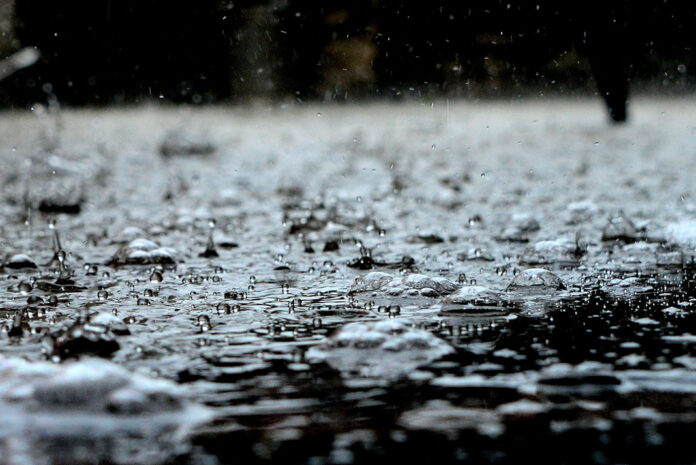
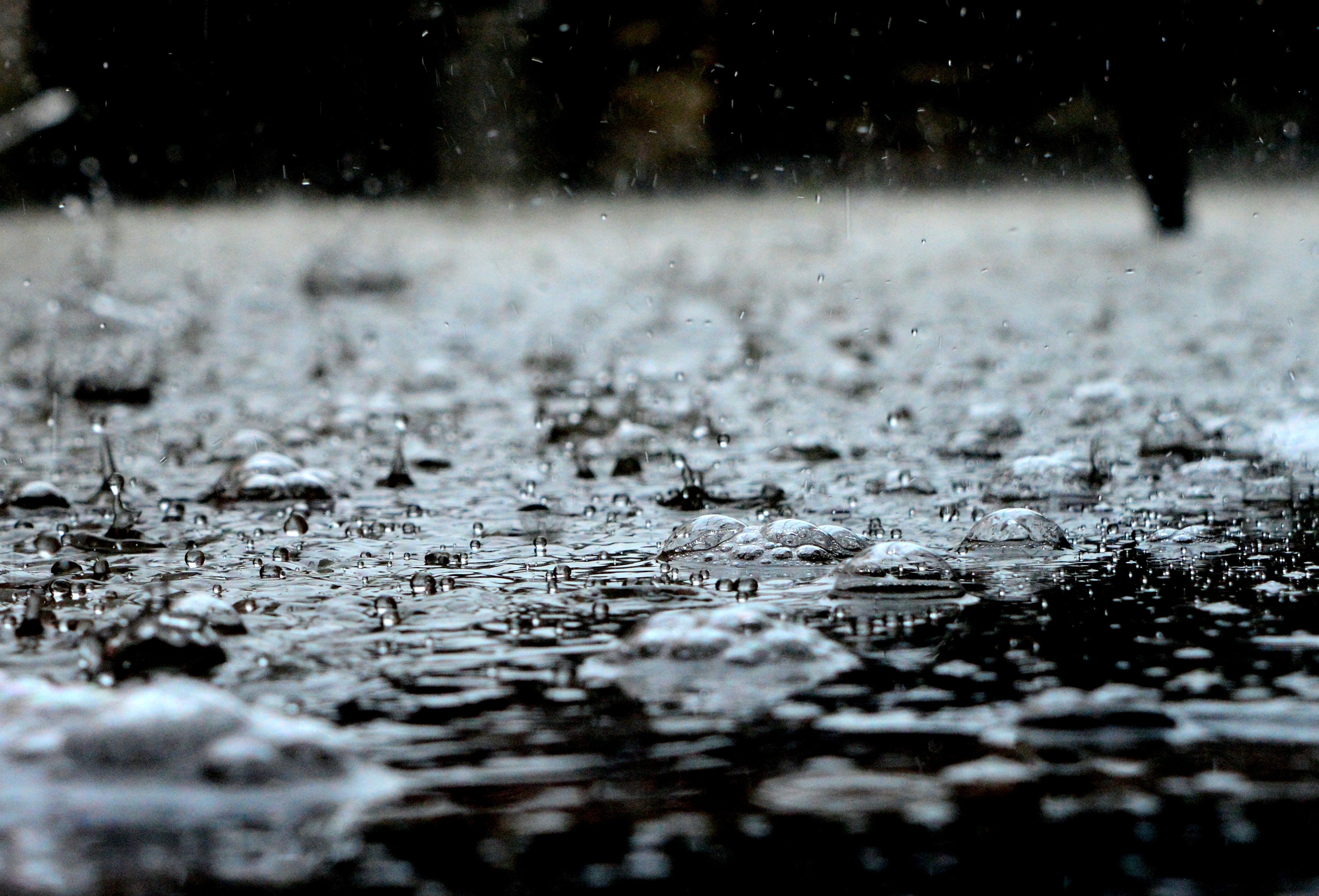
rain drops on the water
A weather forecast with a few water droplets won’t hurt you—or your kayak. | Feature photo: Sourabh Yadav/Pixabay

For weather-weary locals on both coasts, the month of August is known by the disparaging epithet, “Fog-ust.” On the Great Lakes, the “witch of November” brings with her the ferocious late fall storms immortalized in songs and stories. But, setting dangerous weather aside, should you let a forecast for a few drops of rain put the kibosh on your kayak trip?

Foul weather, fine trip: Ignoring the weather forecast

People have long been preoccupied with weather watching, and none more so than mariners. All that staring at the sky has led to a wealth of colorful weather wisdom.

We have sayings for weather fine and foul.

“A ring around the sun or moon, rain or snow coming soon” describes the halo that can sometimes be seen when a high, uniform cloud layer hints at approaching precipitation.

A weather forecast with a few water droplets won’t hurt you—or your kayak. | Feature photo: Sourabh Yadav/Pixabay

In a similar vein, “Rain long foretold, long last; short notice, soon past” speaks to the scale of weather in relation to its lead time. The first high clouds of a large low pressure system arrive more than 24 hours before the rain. Once the showers start, expect to keep your rain jacket handy for just as long. On the other hand, the anvil clouds of summer storms are fast forming and the deluge is over just as quickly.

Perhaps the best known weather rhyme is, “Red sky at night, sailors’ delight; red sky in the morning, sailors take warning.” Clouds in the northern mid-latitudes move from west to east, so a red sky at sunrise foretells inclement weather, while a red sky at night means the western horizon is clear, indicating fine weather is arriving.

There is an equally plentiful supply of traditional wisdom about the wind.

Mariners have long predicted improving or deteriorating weather based on wind direction: “Wind from the north, fair weather shall come forth; wind from the west is best; wind from the south brings rain in its mouth; wind from the east is a beast.”

And don’t forget this illustrative nugget: “Mares’ tails and fish scales make tall ships carry short sails.” Scant wisps of high cirrus clouds and the dappled texture of cirrocumulus—the earliest signs of wet and windy weather—arrive when the sun is still shining and the breeze light.

Weather can make an experience to remember

Notice none of this advice mentions not going outside. In the words of early twentieth-century sailor and theologian, John A. Shedd, “A ship in harbor is safe, but that is not what ships are built for.”

Leave the doom saying to the talking heads on The Weather Network. Only viewers dulled by looking down at phones and computer screens, rather than up at the sky, and lulled by the artificial comfort of climate-controlled office buildings and shopping centers, could accept such a preposterous suggestion.

touring kayaks on a beach with hatches protected from a rainy weather forecast
These kayakers braved wind and rain for a chance to see orcas in BC’s Johnstone Strait. | Photo: David Abercrombie/Wikimedia Commons

Here’s my own weather wisdom: turn off the TV, pack your dry bags and a good paddling jacket, and go anyway. Shorten your sails, take warning and be sensible, but don’t cancel your trip just because it’s wet or cloudy, cold or windy.

With good gear, you’ll hardly notice bad weather. And even if you do end up damp, chilled and tent-bound, don’t despair. Looking back, it’s the rounds of cards played under the tarp, the storms weathered in wind-tossed tents, and the sound of raindrops hammering still waters that I remember most vividly.

[ Browse the widest selection of boats and gear in the Paddling Buyer’s Guide ]

“Misery is transformed by memory,” a friend told me after we shared a particularly soggy and difficult trip. It’s true. An accurate 30-day forecast might have tempted me to stay home that August, but where’s the adventure in that?

Cover of the Fall 2015 issue of Adventure Kayak magazineThis article was first published in the Fall 2015 issue of Adventure Kayak Magazine. Subscribe to Paddling Magazine’s print and digital editions, or browse the archives.


A weather forecast with a few water droplets won’t hurt you—or your kayak. | Feature photo: Sourabh Yadav/Pixabay


The Inconceivable Expedition Through Alaska

BETTER THAN AVERAGE MOTIVATION REQUIRED. | PHOTO: COURTESY PAUL CAFFYN COLLECTION

It was two a.m. and a near-gale was howling. The bad news was that Paul Caffyn, scrambling for his glasses and headlamp, needed to exit the tent quickly. The good news—if you could call it that—was that there was no need to unzip the door, because a brown bear’s paw had just created another very large exit hole in the fabric.

Startled by Caffyn’s yell, the bear tripped over his kayak and ran off, leaving Caffyn alone on the shores of Alaska’s Bristol Bay with a severely compromised tent and over 1,000 miles yet to paddle to Nome.

Twenty-five years ago, Paul Caffyn was in the midst of one of sea kayaking’s most impressive journeys. While the New Zealand native is best known for his 1982 circumnavigation of Australia— repeated by Freya Hoffmeister in 2009—nobody’s ever tried to repeat his 1989–91 paddle from Prince Rupert, British Columbia, around Alaska, to Inuvik, on the Arctic Coast of the Yukon Territory.

“Many think of Australia as his crowning achievement, but I regard the Alaska trip as his pinnacle,” says longtime paddling partner Conrad Edwards.

Caffyn planned the expedition amid post-trip doldrums after his 1985 circumnavigation of Japan. He likened the purposelessness that followed an expedition to post-natal depression, “Once the elusive goal had been attained, there was nothing else really to strive for.”

As an antidote, he began poring over the world atlas. Alaska, where the traditional baidarka kayak was born, seemed like a nostalgic homecoming for a paddler.

The tracing of Alaska’s coast—a sea journey of 4,700 miles—was initially conceived as a single- season trip. But the Exxon Valdez oil spill in Prince William Sound in 1989 forced Caffyn to stop at the north end of Alaska’s panhandle, and the journey was recast into two more summers: from Elfin Cove to Nome, and then across the Arctic Coast to Inuvik.

The first crux was a 425-mile stretch from Cape Spencer near Glacier Bay to Cordova in Prince William Sound. Exposed to the full brunt of the Gulf of Alaska with only three protected landings, this coast had been kayaked just once since 1900. Landing in the surf, Caffyn’s yellow Nordkapp was tossed end-over-end and he was ripped from the cockpit. He managed to grab his kayak seconds before the undertow pulled it out to sea.

Caffyn carried no form of communication. He shared his plans with only a few people, and those who knew were sworn to secrecy. Caffyn wanted to avoid the hassles from maritime authorities he’d encountered paddling around Japan and Tasmania. His only safeguard was a phone call to a friend in Ketchikan when he picked up each of his food drops at small post offices along the coast.

BETTER THAN AVERAGE MOTIVATION REQUIRED. | PHOTO: COURTESY PAUL CAFFYN COLLECTION

Add long miles, pre-GPS fogbound crossings, close encounters with whales and walrus, sea ice, storms of Alaskan magnitude and an ursine- shredded tent and you have more stories than most adventurous paddlers will acquire in a lifetime.

“I have always considered myself as having modest ability, but better than average motivation. And I feel so exceedingly bloody lucky that I was there at the right time to kick off the golden age of expedition sea kayaking,” Caffyn, then 66, told Australian Geographic in 2014.

“He saw in the sea kayak a new vehicle for exploration and immediately started pushing the boundaries of its use and then inventing and demonstrating new boundaries,” Edwards reflects.

Caffyn’s minimalist, solo, unplugged expeditions are both an invitation to dream of the simplicity of a bygone age of wilderness exploration, and to dream of our own possible horizons.

A quarter-century later, another inconceivable expedition has concluded. As I write, Freya Hoffmeister is paddling back into Buenos Aires after four years and 16,000 miles around South America—another trip unlikely to be repeated any time soon.

Neil Schulman celebrates kayaking’s diverse heritage in Reflections.

Paul Caffyn’s new book on his Alaska journey is due later this year. His Australia and South Island New Zealand expeditions are recounted in The Dreamtime Voyage and Obscured by Waves.


Screen_Shot_2015-07-07_at_3.08.23_PM.pngThis article first appeared in the Fall 2015 issue of Adventure Kayak magazine.

Subscribe to Paddling Magazine and get 25 years of digital magazine archives including our legacy titles: Rapid, Adventure Kayak and Canoeroots.
The Man Behind The Sawhorses At Bear Mountain Boats

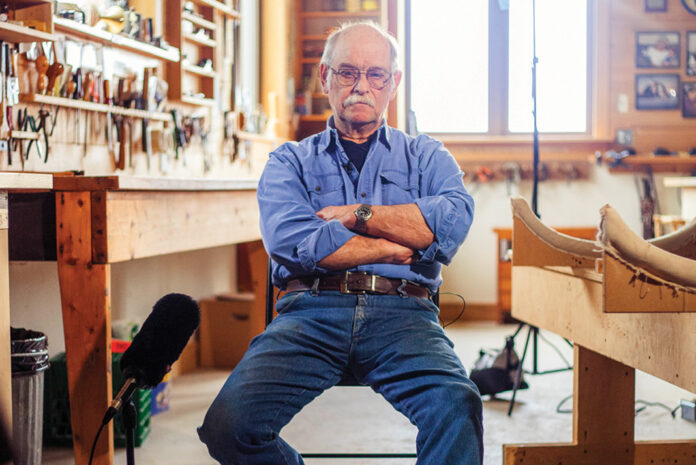
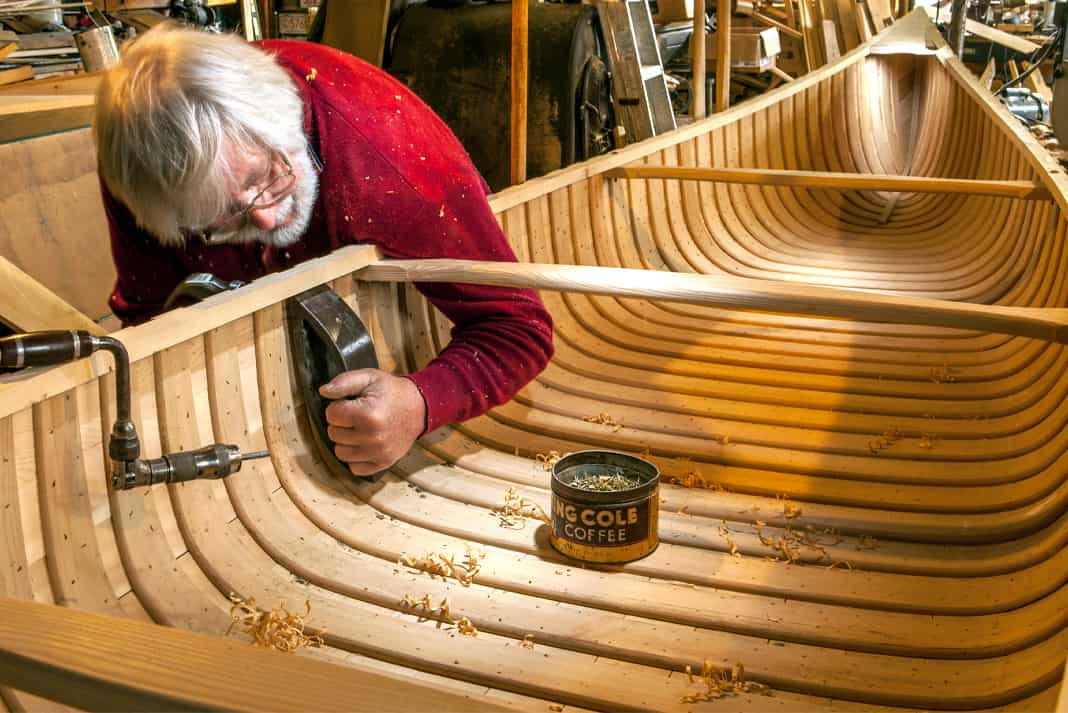
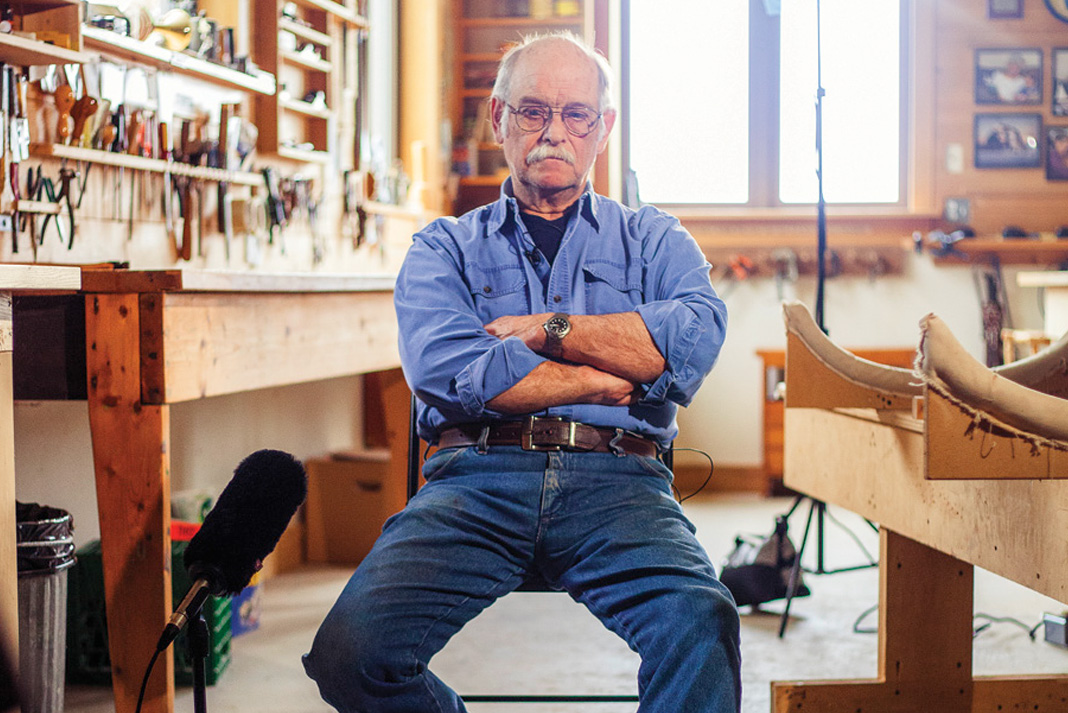
canoe-builder and author Ted Moores sits in his workshop at Bear Mountain Boats
The man behind the sawhorses. | Feature photo: Jasmijn Decuyper

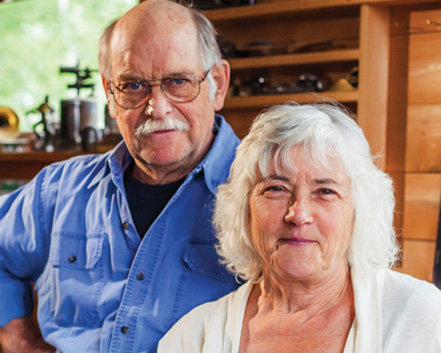
Down a dusty country road, on a rolling hill overlooking the Otonabee River, sits the Bear Mountain Boats workshop, the workplace and home of Ted Moores. Along with partner, Joan Barrett, Moores has been building fine cedar-strip boats and sharing that expertise with the world for more than 40 years.

The man behind the sawhorses at Bear Mountain Boats

A legend in the paddling community, Moores pioneered woodstrip/epoxy boat building and wrote the canoe-builders bible, Canoecraft, in 1983. It’s become the definitive guide to wood-strip canoe construction, selling more than 300,000 copies worldwide. Canoecraft was rereleased this year in a glossy color, expanded edition—a rarity in such a niche hobby.

Nowadays, Moores spends more time teaching than building, holding workshops for students across North America. He’s had students as young as 11 and old as 87.

“If there’s one thing I’ve learned, it’s that anyone with the proper attention span can build a boat,” says Moores. “I enjoy sharing the craft with other people and getting them started. I feel honored when people allow us to be a part of their lives.”

People make the memories

After four decades of boat building and more than three decades teaching, Moores says it’s the students, rather than the boats, he remembers most: a pilot due for a second triple bypass who wanted to build a canoe as a keepsake for his daughters; a corrections officer who started building a boat in his office to relieve stress and ended up bonding with his rebellious clients who offered to help; a family that came, three generations at once, to build a boat together.

I met Moores during a filming project last summer. His friendly and forward manner immediately put me at ease. Walking up to shake my hand, he introduced himself by saying, “Hi, I’m Ted Moores. I’ve been building boats for about 40 years and really like it.”

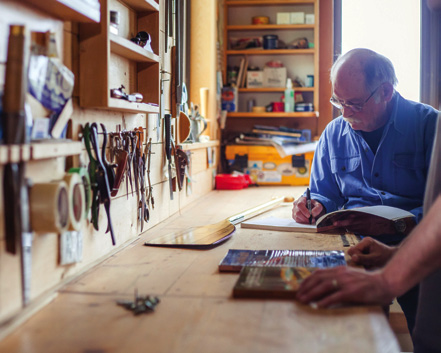
In his workshop, I admired meticulously organized tools and framed articles and photographs on the wall.

Moores’ boats are beautiful. It’s no wonder that, in 1981, former Prime Minister Pierre Trudeau presented one of Moores’ canoes to Prince Charles and Lady Diana as a wedding gift.

Starting from square one

Ted built his first canoe in 1972 without any formal woodworking skills. “I wasn’t a paddler, and I wasn’t a woodworker,” he says. That first experience inspired Canoecraft, published after 11 years of refining his craft. “I thought, if I can do it, so can anyone,” says Moores.

The man behind the sawhorses. | Feature photo: Jasmijn Decuyper

The form and function of the canoe is what Moores loves. “A canoe is unique—it has to be adaptable. It’s got to be light enough to carry, seaworthy enough to get across a lake in a blow, and big enough to carry your moose home. It’s beautiful because that design is driven by meeting an objective.”

When not teaching and handling Bear Mountain Boats matters, Moores volunteers with the Canadian Canoe Museum.

“I really enjoy being in this business. Canoes are fun, making stuff is fun and paddling is fun, but I think it’s the people that we’ve met that have been the most rewarding and satisfying,” says Moores. “We didn’t get rich but we have a very rich life.”

“You can’t take it to the bank,” he adds, “but I’ve had good experiences, I gave something back, I had some fun—and I’ve seen a whole lot of beautiful boats.”

Watch Canoe: Icon of the North, featuring Ted Moores:

Jason Eke is a filmmaker and canoe builder. He was inspired by Moores’ Canoecraft to build his own canoes.

Cover of Canoeroots Magazine Fall 2015 issueThis article was first published in the Fall 2015 issue of Canoeroots Magazine. Subscribe to Paddling Magazine’s print and digital editions, or browse the archives.


The man behind the sawhorses. | Feature photo: Jasmijn Decuyper


Video: Open Canoe Technique

Andrew westwood, intro to open canoeing video
{Vimeo}96497429{/Vimeo}

This open canoeing video with Andrew Westwood, Etienne Green and the Madawaska Kanu Centre covers all the basics—and then some!—including what to wear to get on the river, the strokes you’ll need and introductions to more advanced manuevers, like rolling you canoe, as well as basic river reading skills. Refresh or learn something new with this helpful video. 

Story Behind the Shot: Going Slowly on Norway’s Trollstigen Road

Going Slowly on Norway's Trollstigen Road |

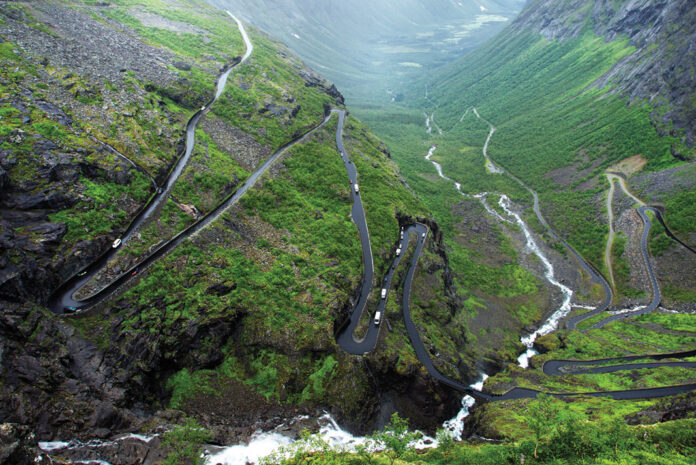
Steep mountainsides, blue-green fiords and a 101-kilometer snaking roadway have made the Trollstigen Road a national icon in Norway. It’s one of the country’s most popular tourist attractions, drawing half a million drivers to its serpentine curves each summer.

These motorists were in for a surprise on a cool July day when they passed a small group of cyclists speeding downhill, pulling their boats behind them on trailers.

“We were sick of traveling by plane and car,” explains professional photographer Jens Klatt, who captured this shot near the end of a 700-kilometer bike and paddle mission through the iconic landscape.

This two-and-a-half-week trip was a test mission for a larger, month-long tour for the group, which included Klatt, renowned filmmaker Olaf Obsommer, and writer and kayaker Philip Baues. The plan to cycle to rivers instead of drive came about through a concern about climate change and a desire to just slow down.

“Being on the bike with a trailer is so different than a normal kayaking trip, you’re already exhausted when you come to a river,” says Klatt of touring with the 40-kilogram load. Traveling by bike forced a slower pace and mindset.

Going Slowly on Norway's Trollstigen Road |
Going Slowly on Norway’s Trollstigen Road |

“We wanted to do this because life is so hectic. We’re always rushing from one place to the other, from one river to another. On a bike, all that is forgotten. The only concern is whether we will find a supermarket on the way. Life is more simple.”

To take this shot, Klatt was perched at Trollstigen Road’s main viewing balcony at 700 meters, surrounded by a horde of tourist buses and RVs. He made this shot using his Canon EOS-1D and a 17mm lens. The brightly colored kayakers-turned-cyclists are just visible amongst the sea of mini- buses on the hairpin turns below.

“I remember how people looked at them there,” says Klatt. “They were asking themselves, ‘who are these guys and what are they doing?’ Norway has notoriously bad weather. They could just get in and heat up the car, but as a cyclist you are alone, with only bike, boat and tent.”


Screen_Shot_2015-07-07_at_3.09.09_PM.png

This article first appeared in the Fall 2015 issue of Rapid Magazine.

Subscribe to Paddling Magazine and get 25 years of digital magazine archives including our legacy titles: Rapid, Adventure Kayak and Canoeroots.
Kevin Callan’s Real Life Ghost Story

campfire around which a ghost story is often told
The more we’re afraid of the wilderness, the less we’ll enjoy it and the less we’ll protect it. | Feature photo: Photoholgic/Unsplash

Being afraid of heights or terrified of circus clowns is one thing, but being afraid of sleeping in the woods is another. That’s more serious. Fireside ghost stories can be fun, but fear of the outdoors has to be controlled. The more we’re afraid of the wilderness, the less we’ll enjoy it and the less we’ll protect it.

Kevin Callan’s real life ghost story

That’s why I agreed to spend the night in the basement of a haunted jail. This spooky 100-year-old prison closed its doors in 1998 before being reopened as The King George Inn. Thrill-seekers can now rent out retrofitted jail cells and spend the night.

Problem was, I didn’t get a room. I chose the basement—the belly of the beast where the real baddies were placed in solitary confinement. It was a perfect experiment. I took myself way outside of the familiar and tested my fear of the unknown, just as a new camper would the first time they slept in the woods.

Real Life Ghost Story | Illustration: Lorenzo Del Blanco
I lay there in my solo tent pitched between the iron bars, imagining ghosts circling the tent, the way a new camper might fear a bear. | Illustration: Lorenzo Del Blanco

I think the feeling I had the moment the lights went out and I was left alone in the basement of the jail was the same a novice camper would sense as the sun drops below the horizon.

I heard strange noises and bumps in the night. I lay there in my solo tent pitched between the iron bars, imagining ghosts circling the tent, the way a new camper might fear a bear.

[ Browse the widest selection of boats and gear in the Paddling Buyer’s Guide ]

The week prior I’d spoken with a local medium. He told me that this jail is one of the most sought-after destinations for paranormal investigators around the globe. He warned me of demons disguising themselves as children, powerful energy that could move things across the room and angry spirits. He said to be careful of the witching hour, when the spirits are more active, usually around 3 a.m.

Despite the dire warnings, everything went well. At first. A double shot of Jack Daniels put me to sleep quickly.

Restless spirits and the unexplained

At exactly 3:02 a.m. I woke suddenly to a loud bang. I became aware of a strong force pulsing outside my thin ripstop nylon tent. I hoped it was outside the protective circle of sea salt the medium recommended.

“Go away. I’m not afraid of you,” I yelled into the silence. I’d once shouted the same bold words to a hungry black bear wandering through my campsite. I hoped my false courage worked equally well on angry spirits.

All went quiet. Perhaps the ghost sensed I wasn’t afraid and decided to move on.

A few seconds later, I felt the energy pulsing beneath me, as if it was trying to lift my body off the damp basement floor. Then there was a soft push from below. That just creeped me right out!

I flicked on my lantern. It flickered for a moment and went dark. Strange. I turned on my back-up flashlight. With the confidence of a little light I screamed back, “Go away. I’m really not afraid of you!”

The supernatural energy fizzled and faded away completely.

Facing fear and fighting back

Looking back, I believe it was in my head. As I imagined something outside my tent, my anxiety level had grown. My heart pounded. Fear got the best of me. This is exactly what happens when we think every noisy little field mouse scurrying beyond the tent is a marauding moose.

The next morning I felt empowered. I had battled my fear and survived. More than that, I proved to myself there was nothing to fear except fear itself. This is exactly what first-time campers need to feel the moment they crawl out of the sleeping bag to watch their first sunrise cast light on a dark and not-so-scary forest.

They will feel good about themselves and good about camping. Good enough, I hope, to take on countless more nights outside.

Kevin Callan spends a minimum of 60 nights outside each year. He is not a big fan of the movie Poltergeist.

Cover of the Fall 2015 issue of Canoeroots magazineThis article was first published in the Fall 2015 issue of Canoeroots Magazine. Subscribe to Paddling Magazine’s print and digital editions, or browse the archives.


The more we’re afraid of the wilderness, the less we’ll enjoy it and the less we’ll protect it. | Feature photo: Photoholgic/Unsplash