Home Blog Page 256

Why You Should Try Fly Fishing From A Canoe

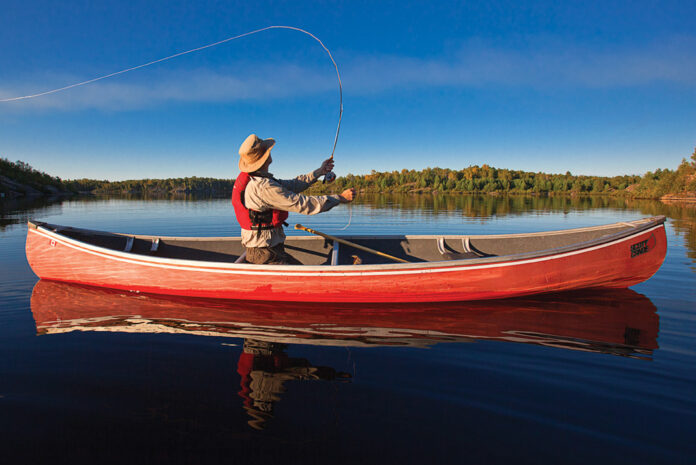
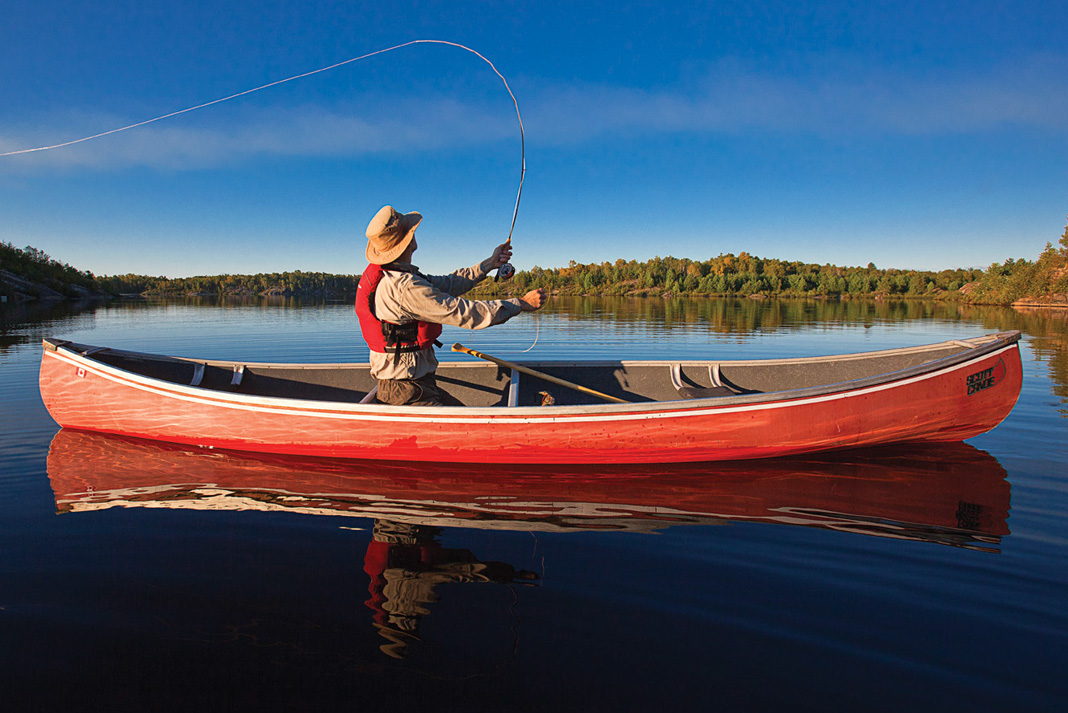
person casts a fly fishing lure from a canoe
“There is no greater fan of fly fishing than the worm.” –Patrick McManus | Feature photo: Courtesy Ontario Tourism

Fly fishing is, to most enthusiasts, the most beautiful form of fishing. It’s most common to see pictures of fly fishermen standing characteristically waist-deep in a stream or river, but Ben Duchesney shares his opinion on expanding this art form to larger bodies of water by way of the canoe. Learn to cast from a canoe and you’ll fall in love with the beautiful combination of canoeing and fly fishing. You may even catch a few.

How to Try Fly Fishing from Your Canoe

Master the Cast

The first mistake new fly casters make is trying to muscle the cast. Like swinging a golf club, the power of the cast comes from technique, not big biceps. Keeping a straight wrist, start your back cast by raising your rod tip backwards, loading tension in the rod tip.

At the top of the cast, at an angle of 1 o’clock, snap your arm to a stop. You can also look at your line and stop the back cast when your leader is about to come off the water. Stopping the the backcast abruptly will ensure the line unfurls evenly.
person
“There is no greater fan of fly fishing than the worm.” –Patrick McManus | Feature photo: Courtesy Ontario Tourism

Once the rod stops vibrating from the back cast and you feel the rod tip being loaded in the other direction, begin your forward cast. Leading with the elbow, snap the rod grip forward by pressing forward with your thumb and pulling back with your ring and pinky fingers. This will lay out the cast evenly.

As world-famous casting instructor Joan Wulff says, the motion is similar to opening a screen door, pressing the button with your thumb and pulling the door open with your pinky and ring finger. Stop the rod when your thumbprint is pointing towards your target.

Maintain Balance

When casting, make sure your body is centered in the canoe and your hips are straight and silent. Stick with casting straight ahead for now, and just move the canoe if you need to change direction. Casts to the sides of the boat have a tendency to rock the boat more. If you start rocking the boat while casting, not only will your cast suffer but you may lose your balance.

Manage the Line

One of the trickiest and most frustrating parts of fly fishing is line management. Add gunwales and paddles and it gets even worse. Before each cast, make sure your line is free from snags and gathered at your knees. If you keep snagging, get a shirt or small bucket and place it in front of you. This will act as a stripping basket and help to keep your line clear.
What You’ll Need

Quick Casting Tips

  1. The power of the cast comes from your wrist and arm movement.
  2. Slow is smooth and smooth is stable. If you have trouble timing the cast, slow down.
  3. Before you get in a canoe, practice your technique from the lawn while sitting flat or kneeling. Then, try in a canoe on your own.

Watch the video of this technique here:

Ben Duchesney is an active paddle angler and former web editor of Kayak Angler. When he’s not fishing, he’s working on his first book, a fly fishing manual.
Cover of the Fall 2015 issue of Canoeroots MagazineThis article was first published in the Fall 2015 issue of Canoeroots Magazine. Subscribe to Paddling Magazine’s print and digital editions, or browse the archives.


“There is no greater fan of fly fishing than the worm.” –Patrick McManus | Feature photo: Courtesy Ontario Tourism
 

Seven Reasons Why You’re Glad You Didn’t Paddle in the ’80s

Photo: Rapid Staff
Seven Reasons Why You're Glad You Didn't Paddle in the '80s
  1. The last song playing in the tape deck in your Hyundai Pony on the shuttle may have been Wham’s “Wake Me Up Before You Go-Go.”
  2. Chuck Taylors by Converse were, like, so ‘80s. “Like, oh my God, those river shoes, like, totally bitchin’.” Maybe, but they were also really bad (meaning horrible, not cooler than the word cool could describe) on slippery rocks.
  3. Army surplus wool long underwear and neoprene dive suits were the best insulating layers most of us could afford.
  4. It was damn near impossible to get out of a big hole in a Dancer. And if you did, the bungee cord spray skirts would blow at the absolute worst of times.
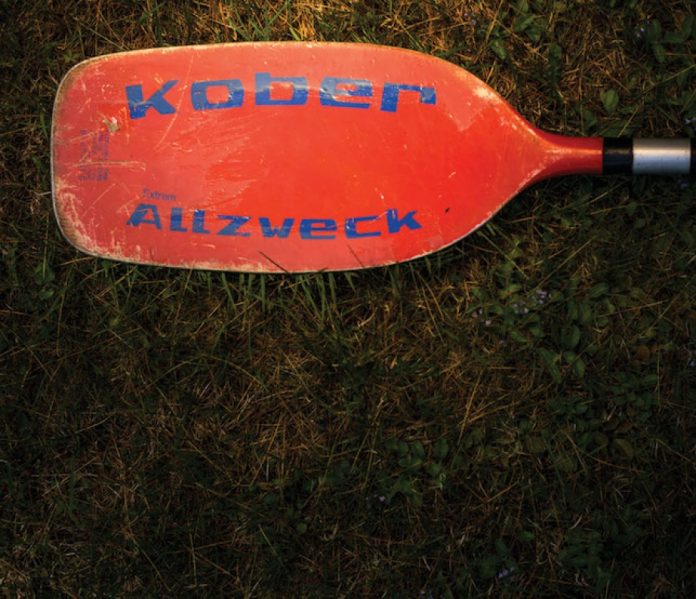
  5. This Kober Extrem Allzweck, and those like it from Schlegel, were top of the line paddles. They had 90-degree offsets, aluminum shafts and weighed three-and-a-half pounds.
  6. The best instructional paddling book was a cartoon. No wait, that was actually pretty cool. Thank you, William Nealy. May you rest in peace.
  7. If you swam, you’d be buying a round of 
 of Pabst Blue Ribbon…At least today the paddles are lighter.

Screen_Shot_2015-07-07_at_3.09.09_PM.png

This article first appeared in the Fall 2015 issue of Rapid Magazine.

Subscribe to Paddling Magazine and get 25 years of digital magazine archives including our legacy titles: Rapid, Adventure Kayak and Canoeroots.

Canada’s Birthday Gift

KEEPS ON GIVING. | PHOTO: DAVID STURGE

If America was transformed by a domesticated animal—the horse—then Canada’s own coming to be was most certainly aided and abetted by a single species of tree—the birch, and the canoes that were made from it.

In the decades leading up to the country’s confederation, the canoe was integral to the way of life for Canada’s indigenous communities, as well as European traders and travelers. Given this history it should come as no surprise that many think the canoe should play a significant part in Canada’s 150th birthday celebrations coming up on July 1st, 2017.

For the Canadian Canoe Museum, where the hub of sesquicentennial canoeing activity will take place, there’s a push to bring the canoe into the national conversation as a symbol of reconciliation and reconnection amongst our river of nations. Advance preparations focused on canoes are already bringing communities closer together.

Among the birthday planners is Chief Misel Joe from Miawpukek First Nation on the south shore of Newfoundland. Ten years ago, tired of hearing debate about how the Miq’maq People first got to The Rock, he consulted the community’s elders, built a bark canoe and paddled it across the Gulf of St. Lawrence.

When we recognize the canoe on this special birthday, we’ll be honoring the history of this country, which stretches back thousands of years.

So enthused about what the building project did to keep Miq’maq traditions alive in his community, and about how the canoe story fired up the imaginations of the public, Chief Joe decided to build two more canoes. A group of community members will paddle them 1,600 kilometers to Ottawa, then on to the Canadian Canoe Museum in Peterborough, as a sesquicentennial celebration in 2017.

Similarly, the canoe became a cultural renewal project for Wayne and Kim Brooks and the Maliseet People of St. Mary’s First Nation in central New Brunswick. They were inspired when the oldest known Maliseet bark canoe, built in the early 1800s, was repatriated to Canada in 2012.

When museum protocols and worries about the safety of the “Grandfather Akwiten” canoe kept the Maliseet people at arm’s length, the Brooks’ enlisted the help of Steve Cayard, a master bark canoe builder from Maine, and built a replica of the exact same dimensions, materials and construction techniques.

Cayard and others from the Maliseet community will build another replica this summer, with more tradition-building projects planned for 2017, aiming to advance traditional skills among First Nation youth and create a cross-cultural bridge with the public.

KEEPS ON GIVING. | PHOTO: DAVID STURGE

Far to the west, retired RCMP Staff Sergeant, Ed Hill, and Squamish Nation Elder-in-Training, Wes Nahannee, live on the Sunshine Coast, in the ocean-going canoeing capital of Canada. The two have been using canoes for 15 years to strengthen relations in their cross-cultural youth program, Pulling Together. They’re looking to organize a cross-Canada canoe caper for the country’s birthday, embodying the spirit of their program.

It’s been said the canoe was the greatest gift the First Nations gave to the next generations. When we honor the canoe, we honor our country’s First Nations people, who still today are often marginalized. If the canoe is an apt symbol of our shared past, can it also be a symbol of a more connected future?

Many people consider Canada to be a young nation—150 years isn’t old in terms of statehood. When we recognize the canoe on this special birthday, we’ll be honoring the history of this country, which stretches back thousands of years.

James Raffan is an author, traveler and former executive director of the Canadian Canoe Museum. 


Screen_Shot_2015-07-07_at_2.59.13_PM.png

This article first appeared in the Fall 2015 issue of Canoeroots Magazine.

Subscribe to Paddling Magazine and get 25 years of digital magazine archives including our legacy titles: Rapid, Adventure Kayak and Canoeroots.

7 Of The Best Cross-Training Activities For Paddlers

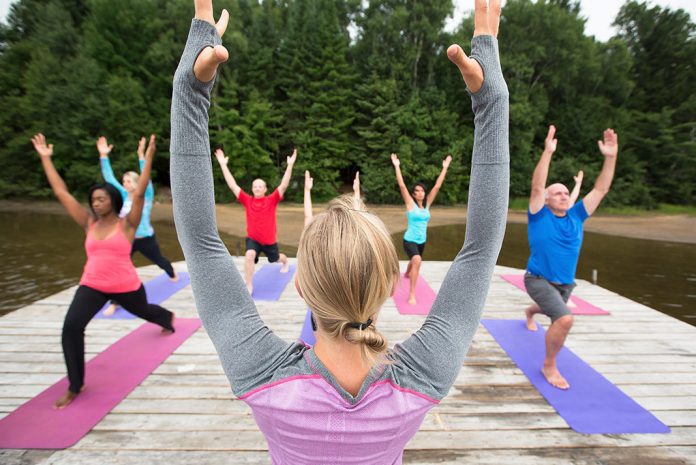
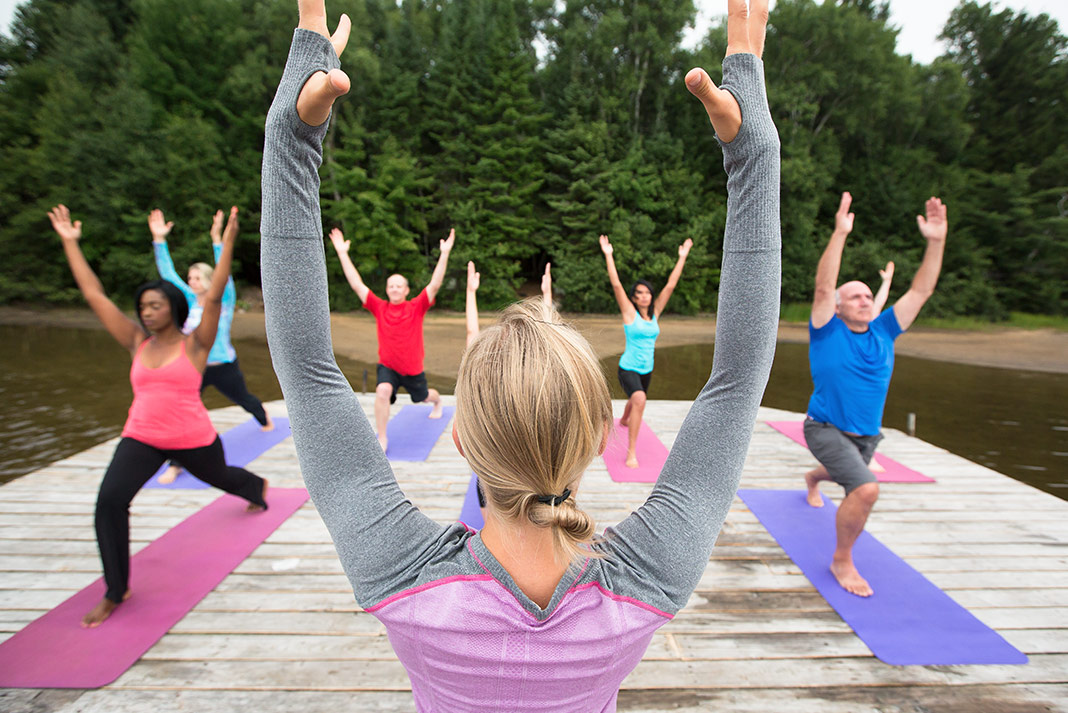
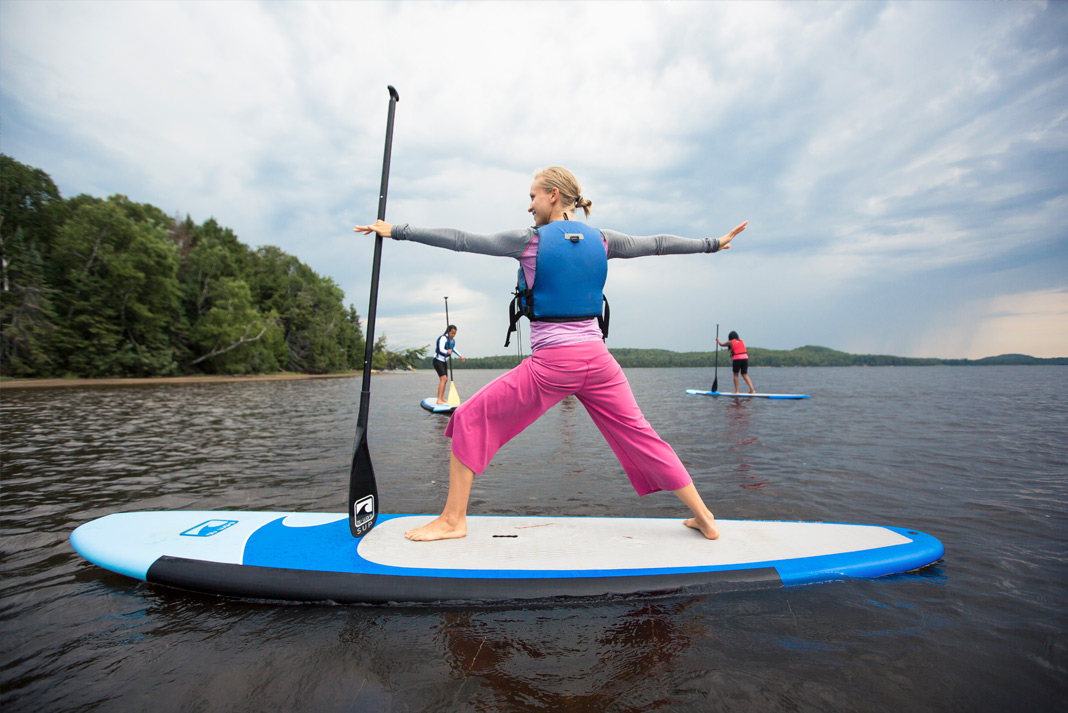
People on a dock doing yoga
Yoga is a great way to improve your mind and body for paddling. | Photo courtesy of: Destination Ontario

If you think paddlers don’t need to work out or participate in other forms of activity, then just give it time; injury and muscle fatigue are unfortunately all too common for kayakers of all disciplines. You may have brilliant paddling technique, but kayaking often uses the same muscle groups and believe us, your body will thank you for taking time to switch it up.

With the right activities you can work your paddling muscles in new ways, prevent injuries and have fun. Whether you want to work on your paddling muscles (core, core, core), develop more stamina or do something completely different, here are some cross-training options for paddlers.

Photo by Guduru Ajay bhargav from Pexels

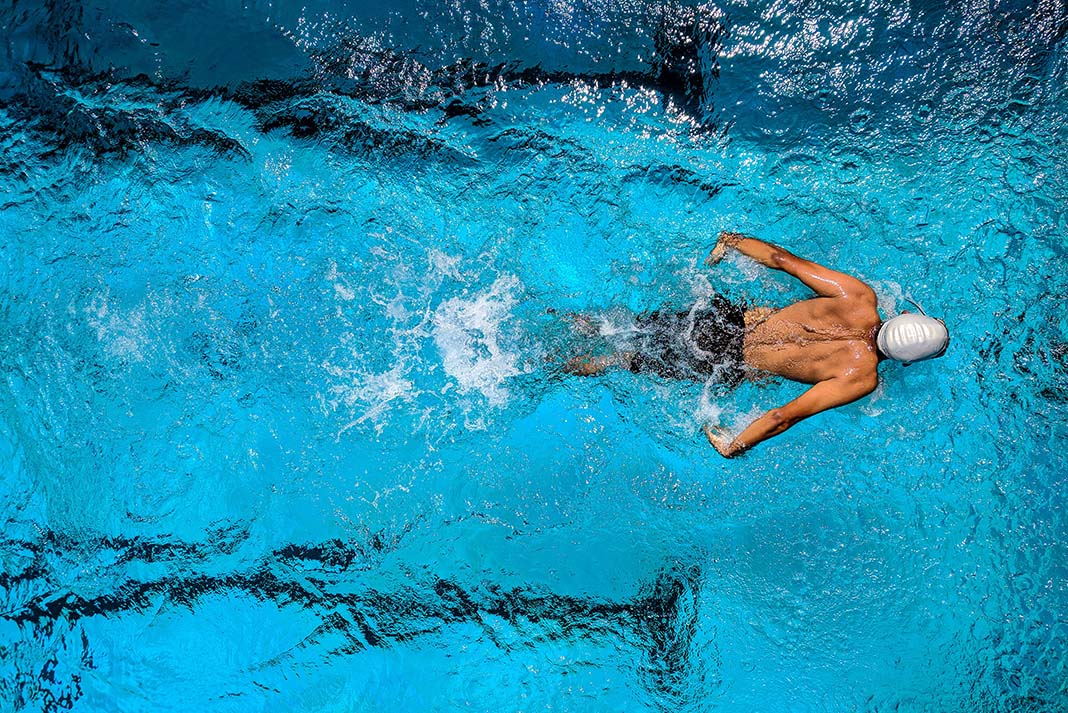
1 Swimming

Gliding through the water can be almost as fun as paddling on top of the water. Swimming lets you work those essential core muscles, your upper body, and improve overall stamina, all in a low impact way. Plus, it’s not a bad thing for a paddler to have strong swimming skills and confidence—both on and in the water.

SHOP SWIMMING GEAR ON AMAZON

Photo by Pixabay from Pexels

2

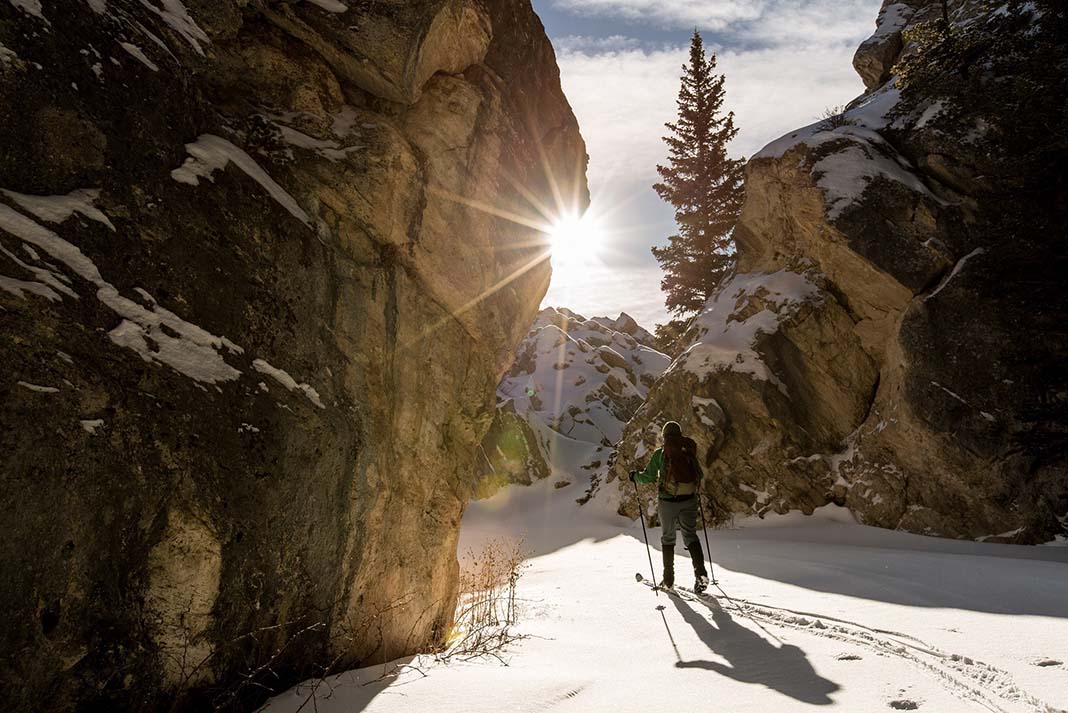
Nordic skiing

Cross-country skiing is another great option for working on just about all the major muscle groups and developing serious stamina. Did you know that Norwegian skier and Olympic medallist Bjørn Dæhlie has one of the highest VO2 max ever measured in a human being? Besides doing wonders for your aerobic fitness, Nordic skiing will keep you happy and active during the off-season until the water thaws again.

SHOP SKI GEAR ON AMAZON

Photo by Alexandre Weiss from Pexels
Photo: Alexandre Weiss from Pexels

3

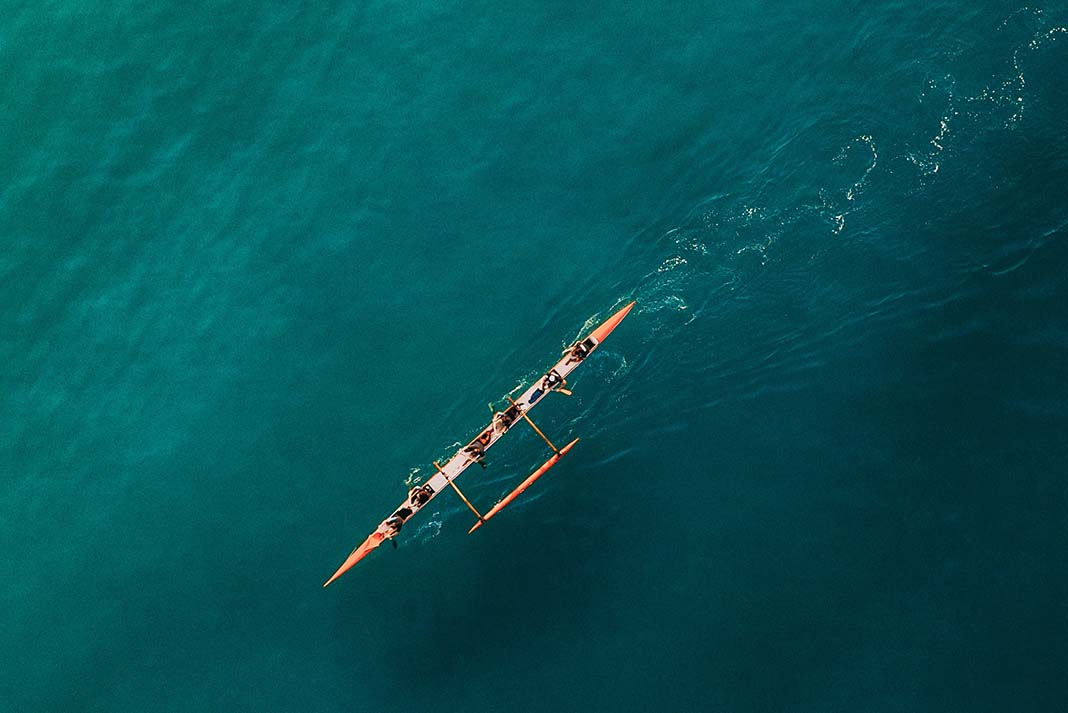
Other paddlesports

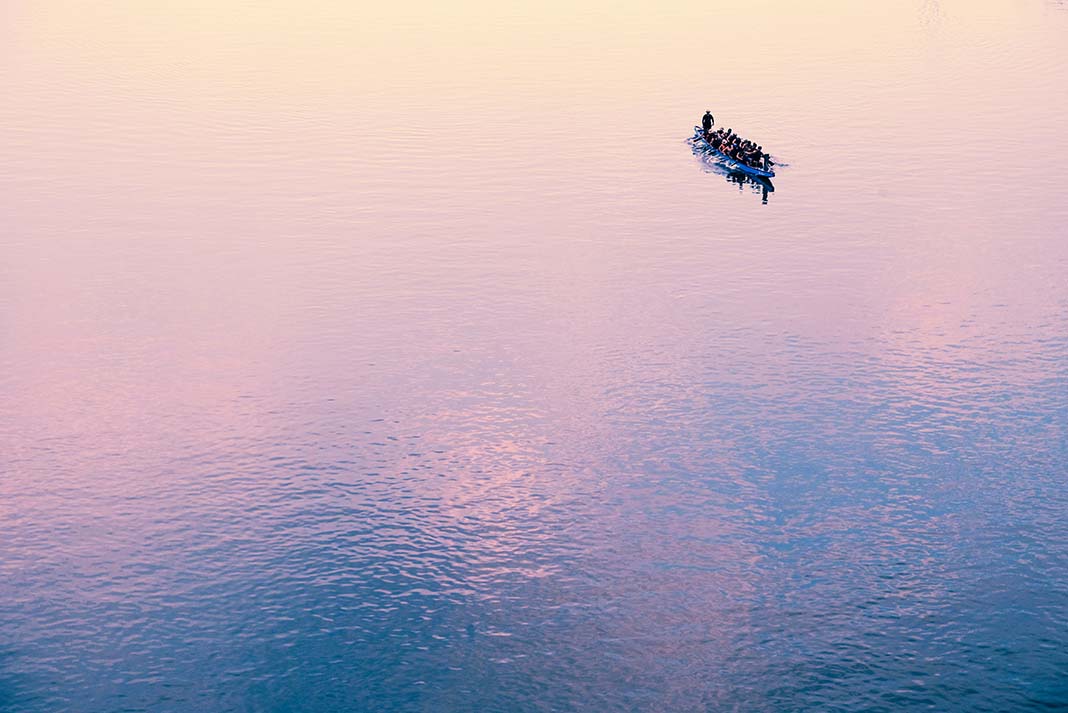
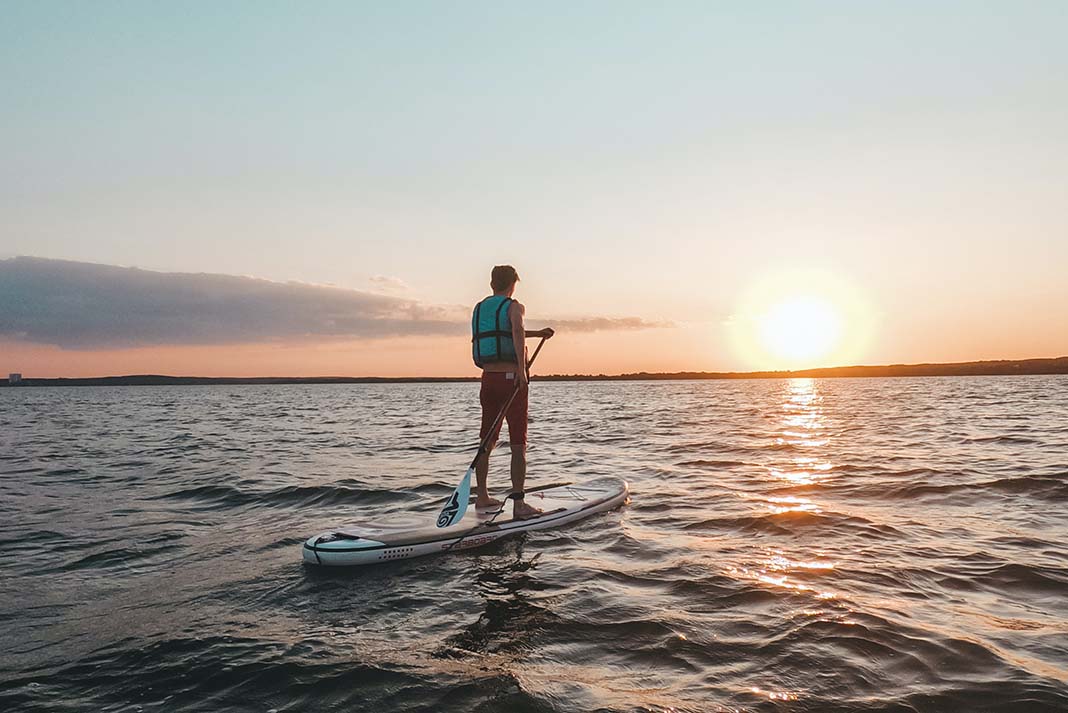
Yes, we think you should see other boats. Get involved with your local dragon boat or outrigger canoe club for a fun yet demanding workout that will strengthen your core, upper body and stamina with new techniques. For better balance and further core strengthening, try your hand at standup paddleboarding.

Photo by Caleb Oquendo from Pexels

4

Martial arts

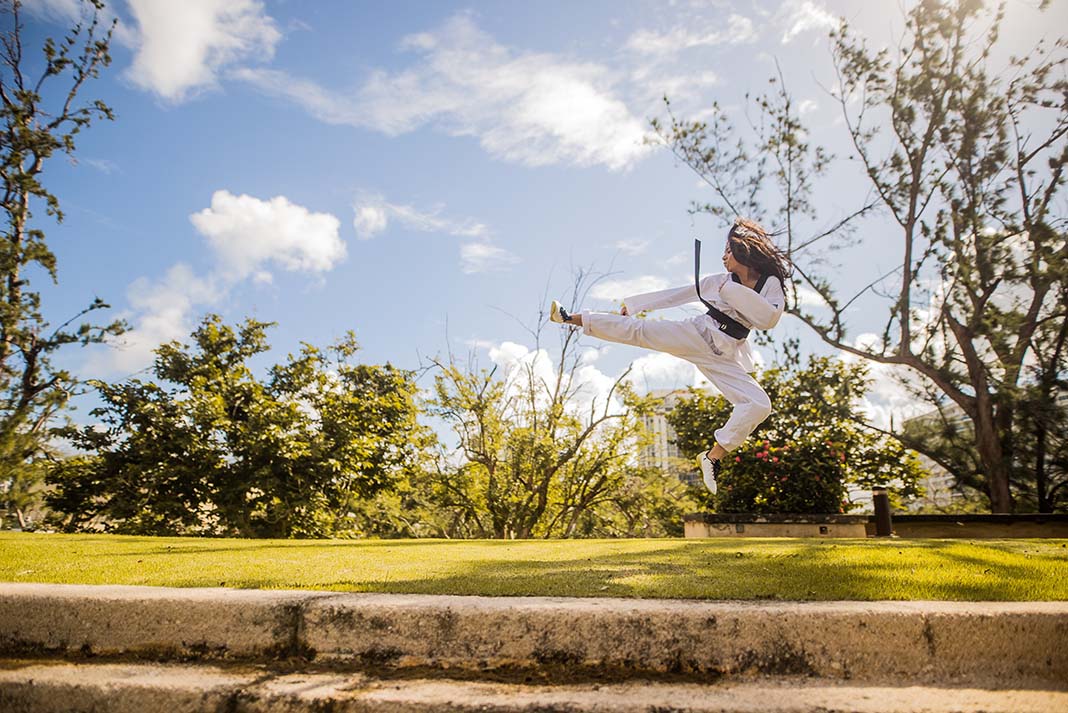
Work your cardio with the high-intensity intervals of sparring and grappling, while time on the punching bag will challenge your arms and shoulders, all of which will pay off the next time you challenge a friend to a friendly sprint on the water or you’re trying to catch that elusive surf wave.

SHOP MARTIAL ARTS UNIFORMS ON AMAZON


Photo by Davyd Bortnik from Pexels

5

Rock climbing

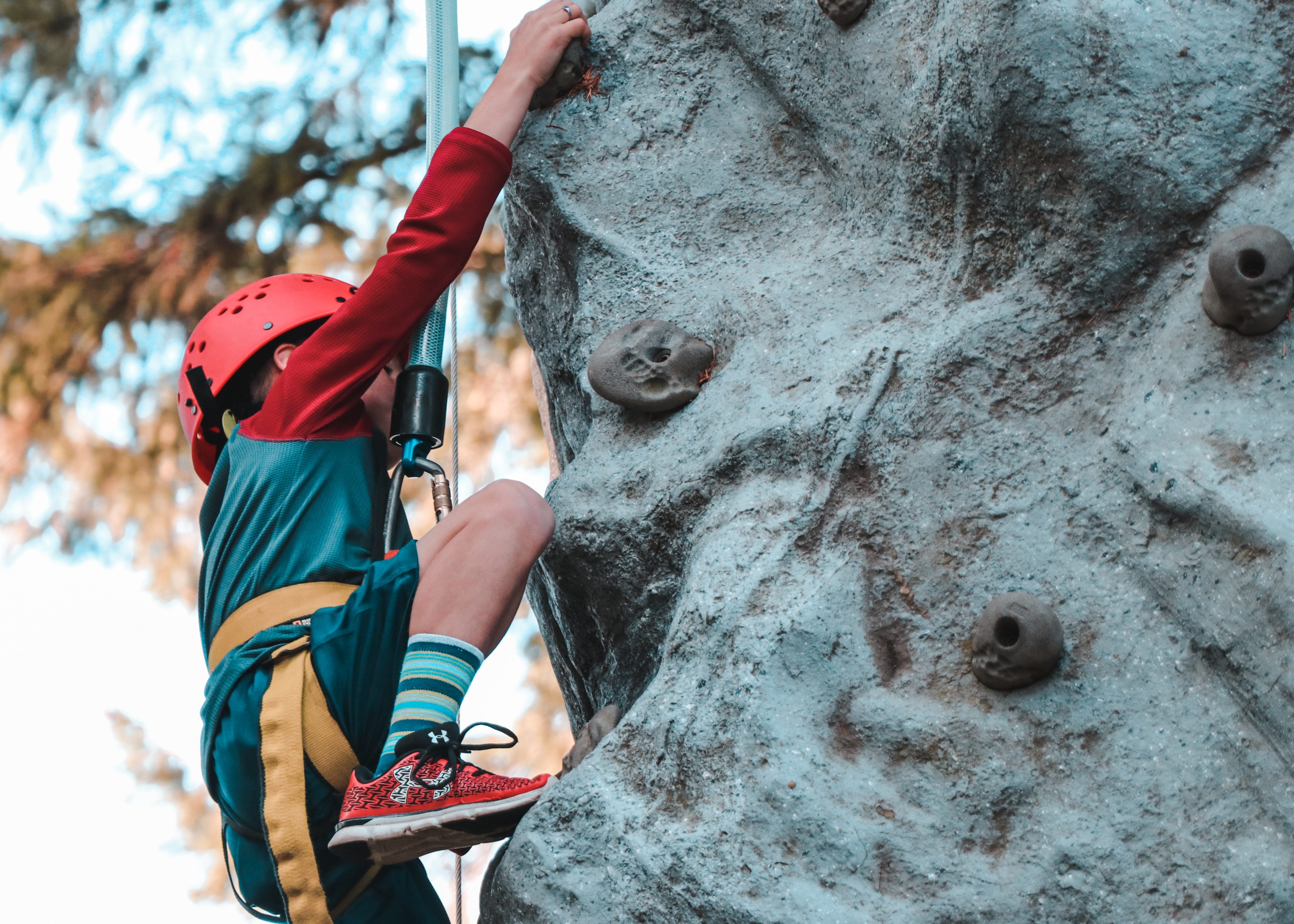
It’s no surprise that many paddlers are also avid climbers. Firstly, kayaking can get you to some intriguing climbing spots, and secondly, climbing is a demanding workout for your core, arms, and upper body in general. With the growing popularity of indoor climbing gyms, this can be an accessible and fun way to stay active throughout the winter.

SHOP ROCK CLIMBING GEAR ON AMAZON

SHOP ROCK CLIMBING ROPE ON AMAZON

SHOP ROCK CLIMBING HELMETS ON AMAZON

SHOP ROCK CLIMBING HARNESS ON AMAZON

People on a dock doing yoga
Yoga is a great way to improve your mind and body for paddling. | Photo courtesy of: Destination Ontario

6

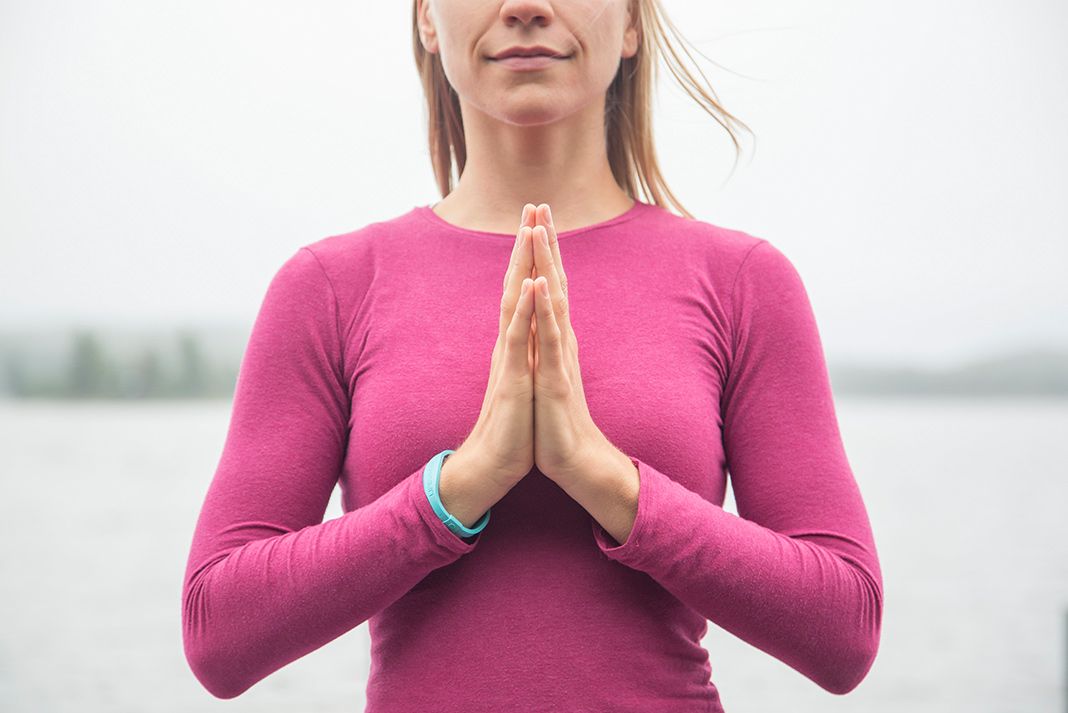
Yoga

What do LeBron James, the New Zealand All Blacks and many experienced kayakers all have in common? They’ve all discovered that regular yoga practice makes them better athletes and helps prevent injuries. Just a few focused stretches before paddling or after arriving in camp will work wonders for keeping you loose and limber.

SHOP YOGA MATS ON AMAZON

SHOP YOGA BLOCKS ON AMAZON

Photo by Stan Swinnen from Pexels

7

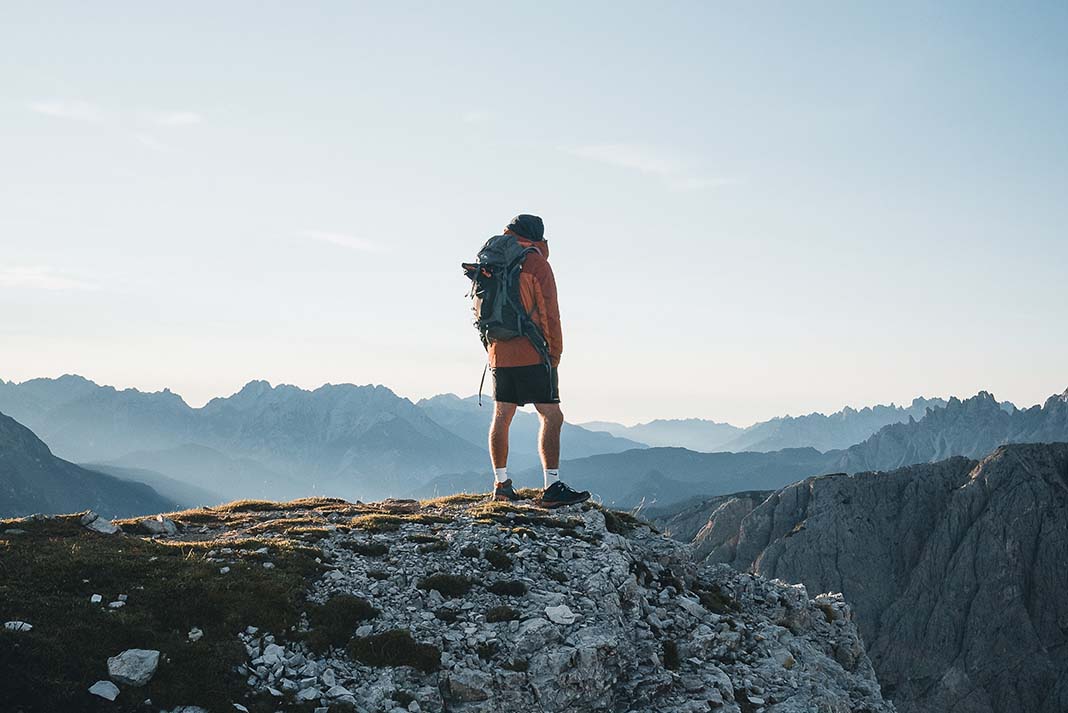
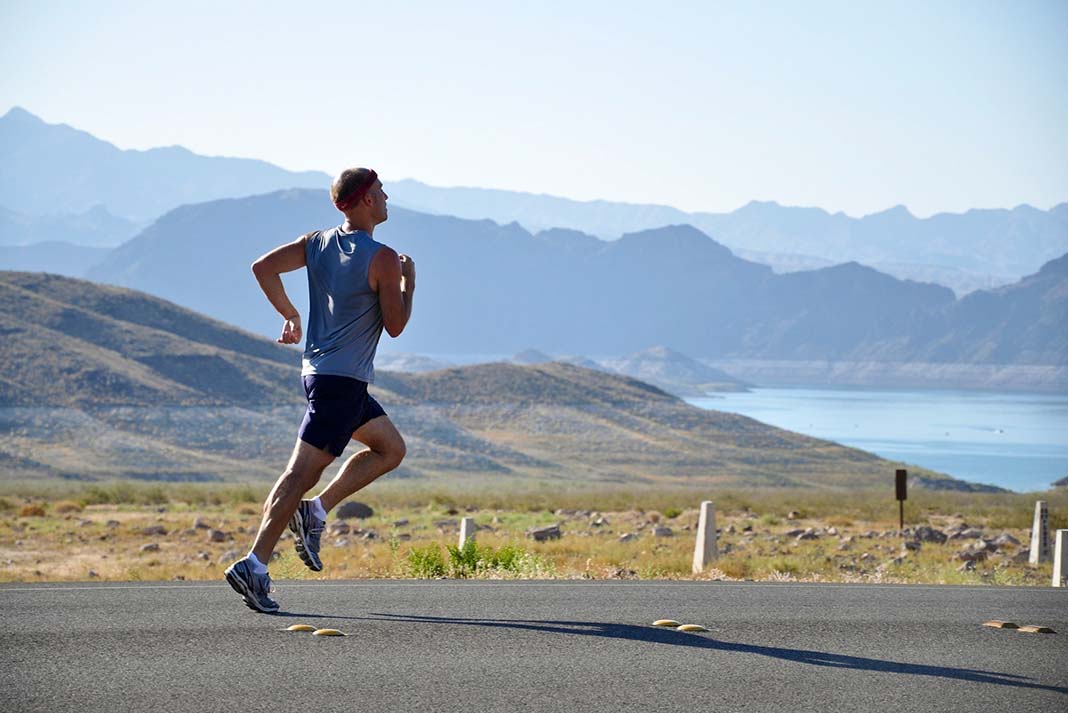
Walking/hiking/running

If we’re paddling properly our legs should be engaged, but our quads, hamstrings and legs in general still need a little extra something. Compensate for those long hours spent in a boat with some quality time on your feet. A long kayak trip will be infinitely better if you also make time to hike up a nearby mountain and take some long walks on the beach.

SHOP HIKING BOOTS ON AMAZON

SHOP HIKING POLES ON AMAZON

SHOP RUNNING SHOES ON AMAZON

10 Reasons Why Sea Kayakers Should Try Whitewater

Photo: Dan Caldwell
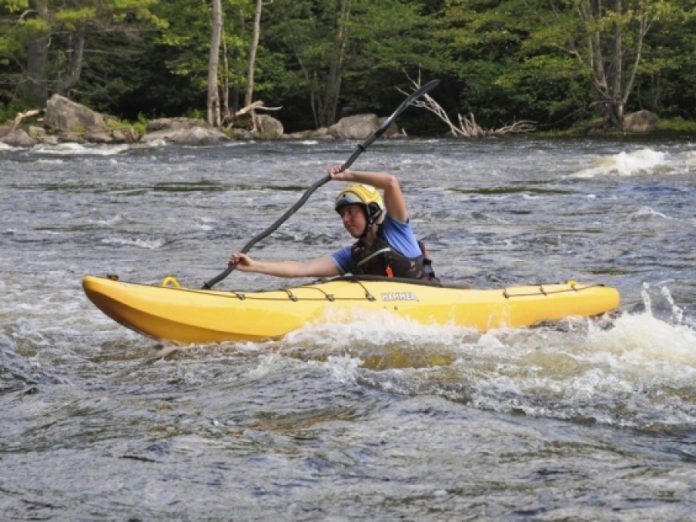
Sea kayakers take on whitewater.

While launching your kayak off waterfalls may not be everyone’s cup of tea, whitewater kayaking can be an excellent skill-building tool for sea kayakers. We may not all have the opportunity to paddle regularly in ocean waters, but no matter how landlocked we might be, chances are that somewhere nearby is a river with a bit of current. Spending time paddling in moving water (river or ocean!) can exponentially increase your comfort level and skill in your boat—and best of all, it’s fun!

Always remember to carry (and know how to use) your safety equipment, paddle within your limits, and consider taking a course from your local whitewater club or organisation. Here are 10 skills you can hone by paddling in moving water:

Reflexes

Low brace, high brace, edging—your paddling instincts and reflexes will rapidly develop when you paddle in conditions where you need to react quickly. The river gives honest and direct feedback!

Precision

Practicing turns on flatwater is a good starting point, but there’s nothing like a crisp eddy turn to show us if our strokes are effective or need some fine-tuning. Don’t feel like launching yourself down a whitewater river? No worries – if your local lake has a creek or small river flowing into it, you can start practicing at the mouth.

Loose hips

You’ve likely heard the expression that loose hips save ships. Paddling in moving water is a great way to work on your poise and balance in lively conditions. And if it didn’t work, see the next point.

Rolling

Let’s face it… while we often practice our rolls in calm conditions, how often do we actually need to do a roll under pressure? Whitewater paddling offers plenty of opportunities to gain rolling proficiency in dynamic conditions, and you’ll be surprised at how quickly it becomes instinctive.

Communication

Exploring whitewater demands that we develop good communication skills with our paddling partners—also a useful attribute for sea kayaking.

Dynamic conditions

Paddling in dynamic conditions such as whitewater requires quick thinking, decisive moves and the ability to smoothly link a variety of strokes.

Confidence builder

Testing and developing your skills in whitewater can be a huge confidence builder for sea kayaking in more challenging conditions.

Understanding of current and water

Observing rapids and moving water (and then paddling in it!) will improve your understanding of how your boat behaves in different conditions—and how to make it behave just the way you want!

Transferrable skills

Ferrying, bracing, rolling, and overall boat handling are all skills that develop more quickly when we use them regularly through playing in whitewater—and they are all directly transferrable to sea kayaking.

Pure fun

Whether surfing on your friendly local wave or going for a daytrip down a beautiful river, whitewater paddling is addictively fun!

Olympic Peninsula: Paddle Washington’s Varied And Verdant Jewel

OLYMPIC PENINSULA | PHOTO: GARY LUHM

Based near Seattle, Gary Luhm cut his teeth paddling Washington’s Olympic Peninsula. A professional photographer specializing in sea kayaking, his nature and paddling images have graced the covers of over 40 magazines, books and catalogs.

Shaped by the breath and caress of the mighty Pacific, the Olympic Peninsula is famous for its misty forests and rugged coast. Yet my first kayak trip in Olympic National Park was an idyllic July 4th weekend on the tannin- black waters of Ozette Lake. We hiked through lush rainforest with moss, lichen and fern draping every inch of exposed wood and bark, including the planks that formed the trail.

Later, I took up kayak surfing, making weekend trips to Crescent Bay for moderate surf in winter, and Makah Bay or Westport in spring and fall. Summers I devoted to open ocean paddling, viewing puffins near Toleak, and encountering resident grey whales en route to Shi-Shi Beach. At Destruction Island, some 500 sea otters summer in vast rafts.

My favorite trip is approaching Cape Flattery from either Makah or Neah bays in a long day, skirting countless rock pillars and creeping inside sea caves and archways. We get lost in time on every visit, thrilled with each dip of the paddle, exploring like only sea kayakers can.

OLYMPIC PENINSULA | PHOTO: GARY LUHM

TRIPS

If you have a half day launch at Lake Crescent’s La Poel picnic area and paddle the pristine shore of this crystal clear, mountain-shrouded lake.

If you have a day start at Freshwater Bay west of Port Angeles and paddle four kelp-strewn miles along the Strait of Juan de Fuca to Crescent Bay and return. See harbor seals, cliff-nesting seabirds, expansive views and rich intertidal life.

If you have a weekend paddle across Ozette Lake and camp on Tivoli Island or at Ericson Bay. Experience rainforest wilderness on a hike to the coast, and view the petroglyphs at Wedding Rocks.

If you have a week advanced paddlers can venture north (car shuttle return) along the coast from La Push all the way to Neah Bay. Enjoy rafts of sea otters, colonies of puffins and sea lions, sea stacks, archways, occasional surf landings, beach camping, bonfires and a rolling Pacific Ocean that challenges the senses.

PHOTO: GARY LUHM

STATS

POPULATION
Port Angeles is the largest town, with 19,000.

WILDLIFE
Sea otter, seal, grey whale, black bear, deer, raccoon, puffin, bald eagle.

TERRA
Rainforest sites and sand beach camping.

EXPOSURE
Ocean swell, wind, cold water and fog on the coast; short fetch on lakes.

VIEWS
Sea stacks, beaches, lakes, mountains, temperate rainforest.

DIVERSION
Logging town, Forks, is best known as the setting for the Twilight novels and films.

BEST EATS
Wild Pacific salmon, bought or caught, and cooked on your grill.

OUTFITTERS
Adventures Through Kayaking—day trips, instruction, rentals; atkayaking.com. Olympic Raft and Kayak— day trips, instruction; raftandkayak.com.

MUST-HAVE
Wetsuit or drysuit, helmet for coast.

Based near Seattle, Gary Luhm cut his teeth paddling Washington’s Olympic Peninsula. A professional photographer specializing in sea kayaking, his nature and paddling images have graced the covers of over 40 magazines, books and catalogs. 


Screen_Shot_2015-07-07_at_3.08.23_PM.pngThis article first appeared in the Fall 2015 issue of Adventure Kayak magazine.
Subscribe to Paddling Magazine and get 25 years of digital magazine archives including our legacy titles: Rapid, Adventure Kayak and Canoeroots.

Wood Canoe Review: Trapper 16’6 by Langford Canoe

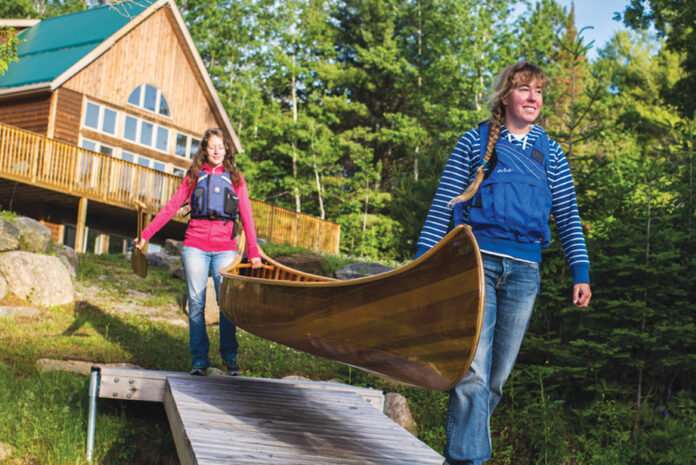
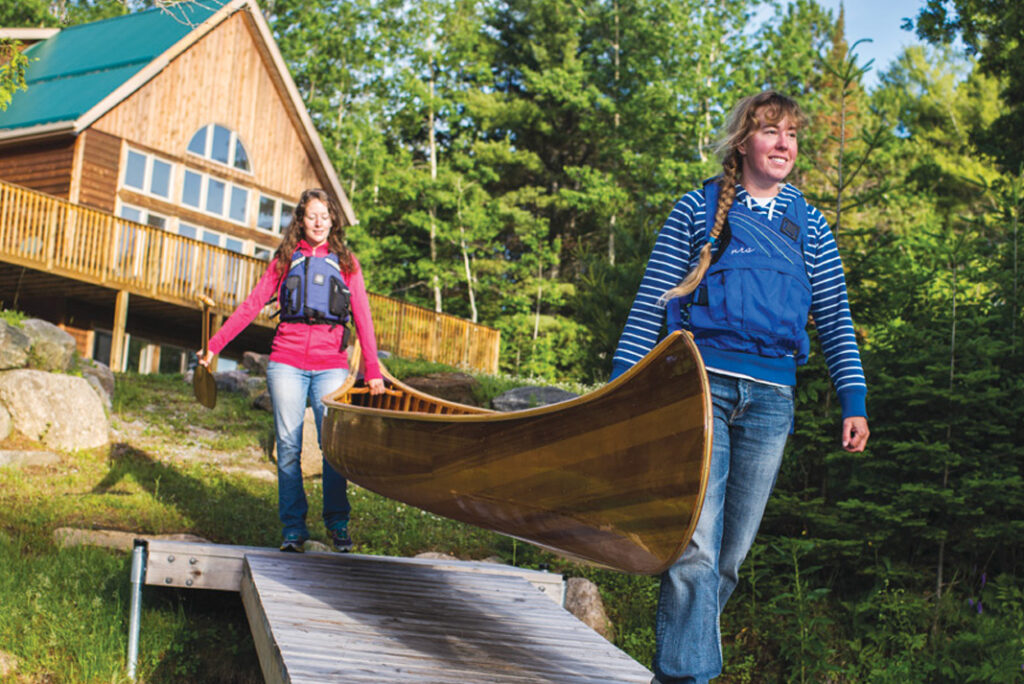
Perfect for morning paddles at the Rapid Media office. | Photo: Canoeroots Staff

Earlier this year, Langford Canoe celebrated 75 years in business. It’s a hotly debated topic in the Canadian canoeing scene as to whether this makes the venerable brand the oldest canoe manufacturer in Canada still operating today. Langford itself certainly lays claim to that title.

While other large-scale manufacturers of cedar canoes in Canada have long since closed their doors, Langford doggedly carries on the tradition, manufacturing 200 to 400 cedar canoes a year.

To celebrate seven-and-a-half decades of good fortune, Langford released the Trapper 16’6 this spring. It was love at first sight for the entire Canoeroots staff. We fell in love with this heritage design’s elegant, sweeping lines.

It’s not just on land that the Tripper exhibits a stately grace. On water it’s a dream to paddle—offering excellent stability, easy tracking and ample speed. Though many trippers swear by cedar designs, this gleaming hull is too gorgeous to muss up on rocks and portages; it seems like the perfect canoe for an afternoon on the bay.

Langford Trapper 16’6 Specs
Length: 16’6″
Width: 35″
Depth at center: 13.5″
Weight: 58-62 lbs
Capacity: 750 lbs
MSRP: $5,599.99

langfordcanoe.com

The Trapper is a modified version of Langford’s bestselling Legacy, curvier in the stems and with length added to its waterline. The end result is a meeting of form and function—it’s art, and I’m not the only one to think so. Langford’s customers range from paddling enthusiasts to art connoisseurs hunting for a wall showpiece.

From bow to stern, the Trapper illustrates exquisite craftsmanship. Its red cedar planks contrast beautifully with white cedar ribs and mahogany trim. When I pick up our tester, I tour Langford’s retail shop, nestled on the boundary of Algonquin Provincial Park.

Like a fingerprint, each cedar canoe is an individual. Our tester alternates a light and dark striped pattern, others fade from dark to light on a gradient, and still others are a single tone, the color painstakingly matched by Langford’s team of boat builders in their manufacturing facility near Shawinigan, Quebec.

[ Paddling Buyer’s Guide: View all Langford canoes ]

Manufactured in the traditional plank and rib construction style, a method that dates back to the 19th century, I’m floored to discover that 2,500 brass tacks are used in this model.

Perfect for morning paddles at the Rapid Media office. | Photo: Canoeroots Staff

“There’s a big difference between a cedar plank and rib canoe and a cedar-strip canoe,” Langford Canoe general manager Brent Statten stresses. Building methods aside, the difference comes down to durability. “Even if you somehow put a hole through the three layers of epoxy, the glass, plank and rib, it wouldn’t affect the structural stability of this boat. Cut a new plank, glass it and epoxy it and you’d never know,” says Statten. “Stored correctly, there’s no reason this boat shouldn’t outlive its owner,” he adds.

Gliding through the mist in the Trapper one early morning, these words come back to me. This canoe could live to see Langford’s 175th anniversary. It’s a humbling thought.


Screen_Shot_2015-07-07_at_2.59.13_PM.png

This article first appeared in the Fall 2015 issue of Canoeroots Magazine.

Subscribe to Paddling Magazine and get 25 years of digital magazine archives including our legacy titles: Rapid, Adventure Kayak and Canoeroots.

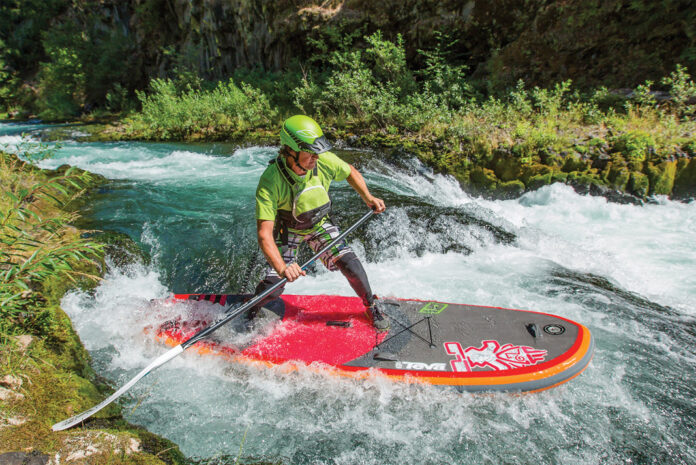
Five Questions With Dan Gavere

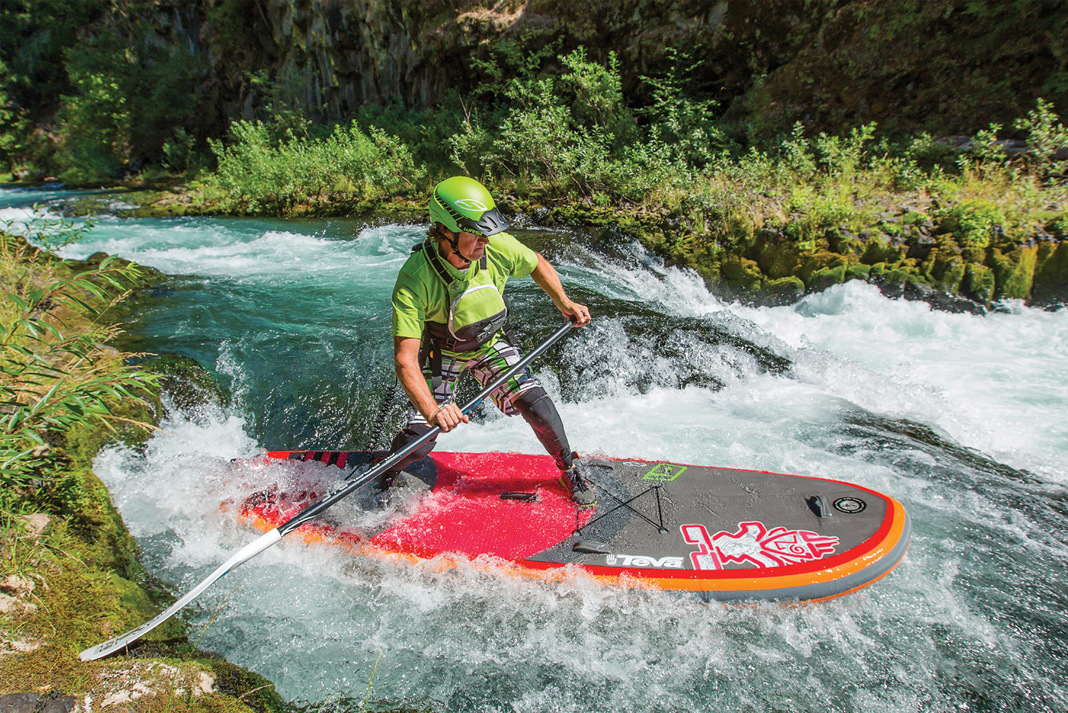
PROVING THE SKEPTICS WRONG. | PHOTO: JENNIFER GULIZIA

A former world freestyle kayak champ, Dan Gavere put SUP on the radar of whitewater enthusiasts in 2012 after attempting the first standup huck of Oregon’s iconic Celestial Falls. Now, when he’s not creating instructional SUP films, competing on the river, or in Thailand gear testing for Starboard, Gavere has a packed schedule that includes hosting some of the biggest whitewater SUP events, including the recent Payette River Games.

WHY SUP RIVERS?

It’s fun, easy to get started and challenging to master. You can climb back on and keep going, which makes learning a lot more fun compared to having to learn how to roll a kayak. The higher center of gravity makes it more challenging, and also more dynamic and rewarding when you nail your line on class II and III runs. The home run you mastered years ago be- comes completely new.

WHO PADDLES OVER A WATERFALL?

I loved dropping water- falls during my years as a kayaker, so it was natural for me to try it on a SUP. Any drop feels five feet higher and more exciting. Just like in a kayak, I try to be aware in those brief moments of free- fall, where there is nothing less than pure focus and enjoyment. Landing is the tricky part.

WHAT’S DIFFERENT ABOUT SUP?

Standing on a board is different from kayaking because it allows you to move around and use it as a walking and jibbing bounce board. It’s easier for re-running rapids, performing rock transition tricks, and carrying out cool little maneuvers like the one I’ve been working on lately called the river ollie, or jump boof.

PROVING THE SKEPTICS WRONG. | PHOTO: JENNIFER GULIZIA

WHEN DID YOU MAKE THE MOVE?

I first transitioned from my kayak to kiteboarding because I was starting to get really bad back pain. Kiteboarding was easier on my back. But I was tired of get- ting skunked on windless days during my kite sessions and needed to get my excitement in when the wind didn’t blow. I wanted to get back to the river.

WHERE IS WHITEWATER SUP HEADED?

I know there’s a lot of skepticism amongst kayakers, but the sport is growing. More people are trying it and it’s brought new people to the river who never kayaked and exposed them to the lifestyle. Most skeptics haven’t tried it. They just need to feel that paddle and board connection. You have tons of leverage and power with the long shaft, and you can set up your lines way easier because of your elevated viewpoint.


Screen_Shot_2015-07-07_at_3.09.09_PM.png

This article first appeared in the Fall 2015 issue of Rapid Magazine.

Subscribe to Paddling Magazine and get 25 years of digital magazine archives including our legacy titles: Rapid, Adventure Kayak and Canoeroots.

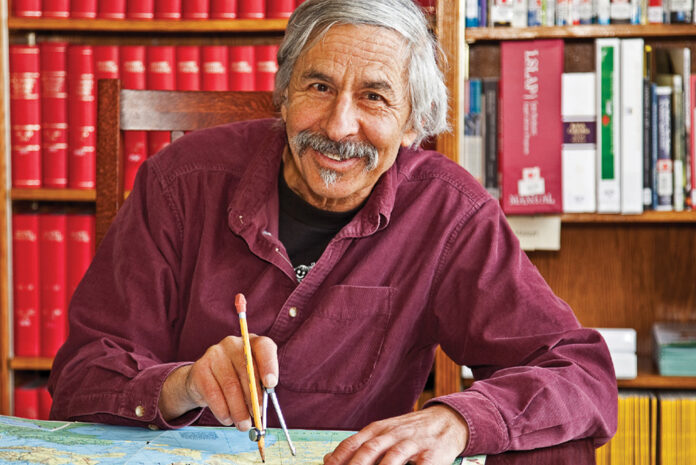
Arctic Kayaker Jon Turk Reveals The Lessons He Learned From A Life On Ice

“I LOVE BEING OUT THERE FOR LONG PERIODS OF TIME. IT’S A DIFFERENT SCALE OF CHALLENGE.”| PHOTO: HENRY GEORGI

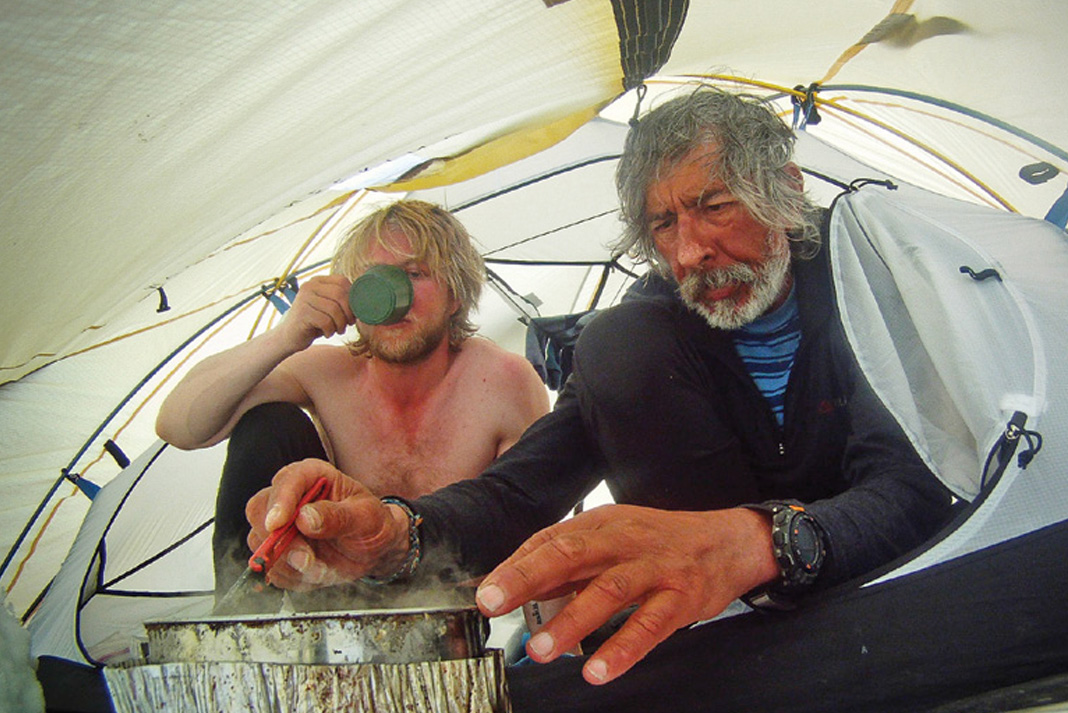
“What do you do when a polar bear charges you? We found yelling colorful language was more effective than gentle talking,” Arctic kayaker Jon Turk explained after a 104-day circumnavigation of Canada’s Ellesmere Island in 2011. “The right tone could communicate, ‘You’re bad. We’re just as bad.’”

After a second white bear over-lingered near Turk and expedition partner Erik Boomer’s tent, Jon texted his wife: “Bears scare us. We scare bears. Wind scares us. We do not scare wind.” Along with gale force headwinds, unstable ice and breaching 2,000-pound walrus were a constant threat.

Completing the 1,485-mile odyssey around the world’s tenth-largest landmass was a crowning achievement in a life of pushing limits in cold and remote climates, primarily by sea kayak. Yet two days after completion, normally a time of recovery and reward, Turk’s life was threatened again. Sudden onset renal failure triggered a descent into metabolic shock, fatal without immediate treatment. The trauma coincided with three days of bad weather, delaying his evacuation to Ottawa. Once in hospital, his deadly spiral stabilized.

The journey brought wider renown to a lifetime of exploration, yet prior to Ellesmere, Turk, 69, was relatively unknown. His obscure, analog adventures unfold over months and years, well beyond today’s digital attention spans. He doesn’t use GoPro or Twitter; his no-frills website is efficient but basic. Red Bull isn’t knocking at his door to back his projects, but Turk has never confused outdoor adventure for a marketing stunt.

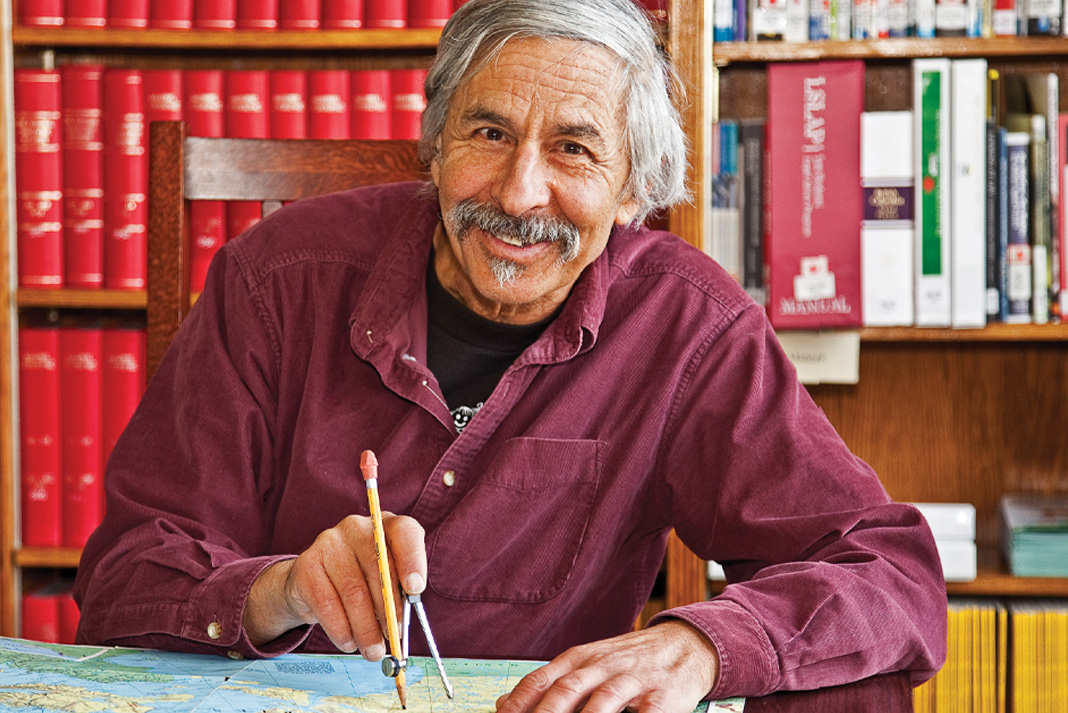
The real distinguishing factor for Turk, the core of his wonderful anachronism, is that small-craft exploration is not an end in itself, but a means to develop and test explanations for unanswered questions in human history. How do Arctic peoples relate to their Asian forebears? How did the earliest migrations to North America happen, what beliefs motivated them and what tools or vessels helped them traverse incredible distances?

“It’s boring to just recite details from the trip,” says Turk. “I’m more interested in what grand journeys like Ellesmere, and the massive migrations undertaken by our ancestors, can teach us. What wisdom do they impart, and why have humans undertaken such journeys throughout history?”

Against the current tide of photogenic free climbers, big wave surfers and kayakers dropping 200-foot waterfalls, Turk echoes an older tradition of scholar-explorers who sought answers in the wild, beyond the reach of laboratories and scientific debate.

Raised in rural Connecticut, Turk earned a PhD in organic chemistry in 1971 from the University of Colorado. The same year, he co-authored the first environmental science textbook in the U.S., triggering a movement that led to the adoption of environmental studies curricula across North American schools. After a decade immersed in academia, mounting frustration with the conventions of career and consumer society prompted Turk’s decision to leave the laboratory for a life of adventure.

Turk’s maritime exploration began in 1979 with a solo paddling effort around Cape Horn in Patagonia. A harsh initiation that ended prematurely when waves pinned him against coastal cliffs—shattering his kayak and separating his shoulder—Turk followed this with an unsuccessful attempt at the Northwest Passage.

Recounted in Cold Oceans (1998), a series of arresting vignettes from his early adventures—many ending in desperation and failure—Turk’s 1988 expedition from Ellesmere’s Grise Fiord to Greenland was his first major success. The episodes collected in the pages of Cold Oceans are about pushing limits and trespassing into danger, each a sum of risks taken and consequences reaped, a portrait of determination from someone in so deep he has everything to lose.

In a two-part journey beginning in 1999 and finishing in late 2000, Turk kayaked 3,000 miles from the northern tip of Hokkaido, Japan, along Siberia’s Kuril Islands and Kamchatka Peninsula to the 65th parallel, finally crossing to Alaska’s St. Lawrence Island in the Bering Strait. It was his first major scientific expedition, aimed at testing the possibility of early human migration from modern day Japan to the Aleutian Islands.

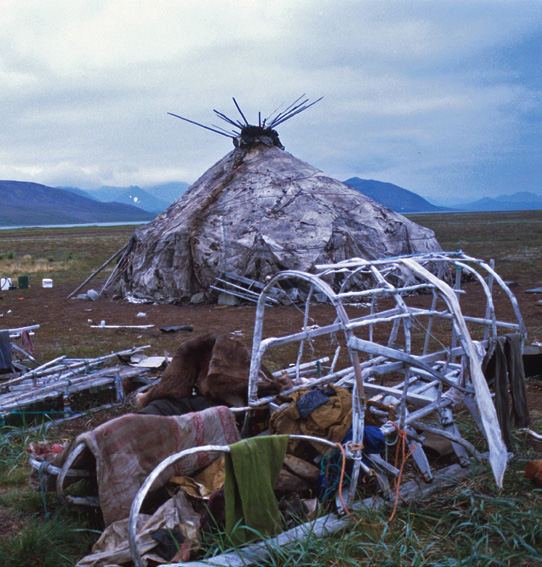
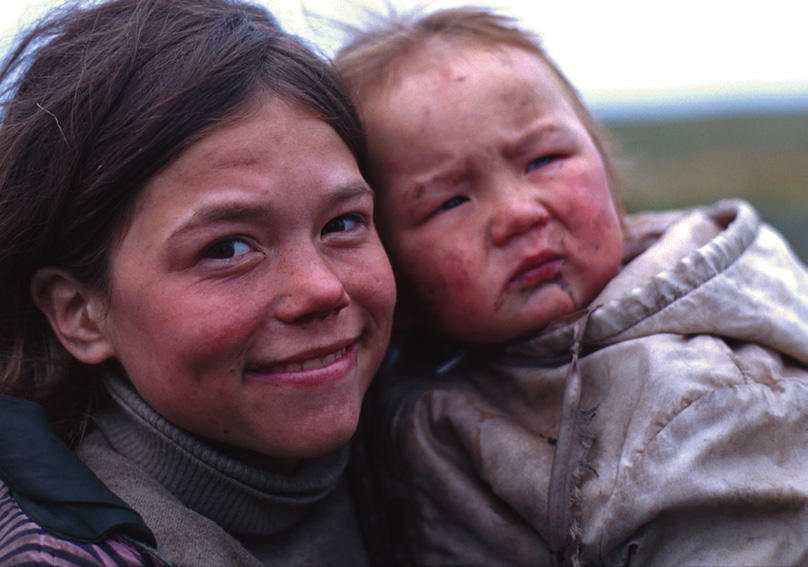
In the Wake of the Jomon (2005), explores this thesis of ancient maritime migration as an alternative to the land bridge theory, the long accepted account of a gradual, ambulatory crossing of the Bering Strait when sea levels were much lower. Could a small band of early mariners have paddled dugout canoes over the horizon in an inspired pursuit of errant whale pods or a cosmic imperative, like Moses and the Red Sea? Turk retraced their likely itinerary, meeting indigenous Koryak communities along the way, descendants of the Jomon.

“If I could understand why the Jomon migrated across the Arctic,” muses Turk, “I might also understand why the first Stone Age adventurer hollowed out a log and charged into the surf, the notion being that a love of adventure helped transform bipedal primates into human beings.”

“TRADITIONAL PEOPLE USE THE BEST MATERIALS THEY CAN FIND. SO DO I. I HAVE NO CRITICISM OF REVIVALISTS. I’M JUST NOT THE KIND OF GUY TO MAKE A WALRUS SKIN KAYAK.” | PHOTOS: JON TURK

Appreciating Turk’s marriage of science and adventure requires a look back at the figures who emerged after exploration’s Heroic Age in the early twentieth century.

With the exhaustion of terra incognita and historical firsts, a new breed of explorer appeared, pioneered by Knud Rasmussen’s five-year dogsled across Greenland, Arctic Canada and Alaska into Siberia. Rasmussen suspected, and in time demonstrated, that the scattered pockets of Inuit peoples across the sub-polar region were ethnographically one, despite their mutual isolation. The English publication of Across Arctic America (1927) unearthed a rich new vein for exploration, potentially limitless because it was not defined by geography or historical firsts.

In the tropics, Thor Heyerdahl’s Kon-Tiki (1948) and Colin Turnbull’s The Forest People (1961) ignited popular imagination using expedition-based research on similarly remote, pre-modern populations in Polynesia and Central Africa. Like Rasmussen, both defied sensible thinking to remap our understanding of human place, early migration and the unique, near-forgotten worldviews involved. That their theories were later dismissed did not diminish their stature as visionaries or impugn their expeditionary approach to science.

As controversial as these adventurers were in their day, Turk’s written work has met similar criticism.

“Anthropologists got worked up, mostly because I’m not from their field, so my claims and research were dismissed as spurious,” Turk recalls. “I was misquoted and maligned in journal reviews. But that was eight years ago when there was very little evidence to support a marine migration theory.” Since then, numerous scientific papers have pursued the same thesis.

His proposal that migration was sometimes conducted out of a “spirit of adventure,” rather than out of pragmatic interests, also rocked a few boats. “In retrospect, I think it’s one of those arguments that you can get worked up about,” Turk admits, “but when you look at it closely, definitions break down. I believe we are a romantic species, even when we are being pragmatic; even if that sounds contradictory.”

PHOTO: JON TURK

Decades of maritime and terrestrial exploration—kayaking, skiing, trekking and dogsledding—in the Arctic and subarctic regions of North America, Greenland and Siberia saw Turk’s life become intertwined with rare individuals met along the way, from Canadian Inuit to Russian Koryak. Two years after the Jomon expedition, Turk returned to Kamchatka to pursue questions that would lead to The Raven’s Gift (2010).

The book recounts his relationship with an elderly Koryak shaman whose rituals mend a broken pelvis Turk sustained in an avalanche years before. The customary quarantine between observer and narrative subject is ignored, as Turk allows happenstance, unlikely Samaritans and bitter setbacks to enrich his immersion in the shamanism of the empty tundra. The result is a stark departure from the classic exploration account, with its emphasis on victory or defeat.

“We all fail in life,” he explains. “You aim big, you fail bigger. Every failure teaches us something. In wilderness adventure, if you don’t know when to back down from danger, you’ll die. So you always need to be ready to back away—and that isn’t failure. Success is ultimately what you learn from a mission and what you enjoyed while doing it.”

With The Raven’s Gift, Turk once again polarized readers. “Some people get hung up on whether the magic and healing I undergo are believable,” he confesses. “Things do happen in this world, within and beyond human consciousness, which defy scientific logic.”

“I guess my message, or the main thing I’ve learned from living with traditional peoples, is to approach the world in a softer way: to live with less, in order for human existence to be sustainable on the planet. They take only what they need. We take and use way more than we need; the consequences are obvious.”

An increasingly rare breed of scientist, adventurer and writer rolled into one, Turk’s literary achievements are among the gems of expedition literature. Couching theories of magic medicine and early marine migration within grand kayak adventures, they become gripping narratives.

Informed by the Ellesmere odyssey, Turk is at work on a new book. It promises more of his inimitable blending of adventure and inquiry. Rather than inflaming scientists and anthropologists, “this time I’m trying to write something that connects with a wider audience—urban, rural, regardless of politics,” he says.

The new book will explore “how people reclaim control over immediate threats and risks, whether they’re hunter-gatherers in the Amazon, or citizens of the South Bronx,” he says. Turk will be spending time in both places to complete his research.

“Our individual impact on the way the world is evolving may be infinitesimally small, but we are still responsible for how we react to this evolution,” he continues. “I want readers to see what people share in these two jungles, to see that sanity at the personal level is still within our control.”

The book recounts the early Polynesian islanders who felled towering tropical hardwoods with stone tools, fashioned them into 60-foot double-hulled catamarans, and sailed 2,000 miles across the ocean to find the impossibly slim sliver of Hawaii. Returning to Polynesia, they initiated a trade route between the two outposts.

“If we look directly at this ancestral past, certain strengths emerge that we share,” Turk says. But he acknowledges that we’ve stepped away from this mode of knowledge—“The self-reliance to learn from direct encounters with nature and with others.”

So how are the feats and beliefs of our ancestors relevant to modern society? What wisdom does Turk distill from his intrepid kayak journeys and explorations into historical origins and spiritual understanding?

“Let your relationship with the world and your environment be your primary teacher.”

“I LOVE BEING OUT THERE FOR LONG PERIODS OF TIME. IT’S A DIFFERENT SCALE OF CHALLENGE.”| PHOTO: HENRY GEORGI

Listening To Spirits

A low, flat-topped, improbably purple island rises out of the middle of the river. You would have to be blind, deaf and insensitive not to know that this is a place of power in the landscape. As a First Nations elder from the Crow Nation once said: “If people stay somewhere long enough— even white people—the spirits will begin to speak to them. It’s the power of the spirits coming from the land.”

We drift lazily to the downstream side of the island to find a large eddy and join together, our little flotilla of Innova inflatable kayaks bumping softly into one another. The mystery is here, as I knew it would be, tactile and palpable before us— an eroded cutbank full of caribou bones amid the fireweed. I look at the familiar faces in our little tribe: my wife, Nina; younger daughter, Noey; her boyfriend, Glenn; and my older daughter’s husband, Deryl.

We scamper up the 10-foot-high bank, walk across the small plateau, and find a collection of long-abandoned circular homes made with closely interwoven caribou antlers—the remnants of families not so different from my own. Families who had once hunted the giant herds that migrated across the river at this wide, shallow ford.

I have kayaked in the Arctic all my life, charging hard and hungry over tumultuous seas and dangerous, shifting icepack. At the end of my Ellesmere circumnavigation—on the medevac aircraft, racing time against death—I told myself, “I’m done. Finished. Sixty-five years old; too old for this harsh environment. I quit.”

Later, lying in the hospital bed, I recalled sites I had visited during my travels: ancient stone igloos, food caches and bleached kayak ribs lying, half buried, on the beach. I thought about our ancestors who had raised families on this barren tundra and hunted these frozen seas, stealthily moving across the ice with only a rock tied on the end of a long stick, pursuing two-ton, saber-toothed walrus and Nanook, the fearsome polar bear.

I am proud of my expeditions. But there has been a sterility to these endeavors—two men alone in the vastness, racing toward a self-defined goal. So, in my late sixties, I’ve decided to turn a page and approach the Arctic from a different perspective. Now, I am back in the land that I love, but this time moving more slowly, with the people whom I love—my family.

You don’t have to GO BIG to have a meaningful experience in the Arctic. After basking in the sunshine and the flowers, we float onward, toward the ocean. There are rapids to run downstream, fish to catch, mushrooms and berries to pick and grizzly bears to startle us. This is a gift and a legacy I can continue to enjoy and can leave for my people—“The power of the spirits coming from the land.”


Screen_Shot_2015-06-15_at_3.44.39_PM.pngThis article first appeared in the Early Summer 2015 issue of Adventure Kayak magazine. 
Subscribe to Paddling Magazine and get 25 years of digital magazine archives including our legacy titles: Rapid, Adventure Kayak and Canoeroots.

The Everglades: Florida’s Labyrinthine Paradise For Paddlers

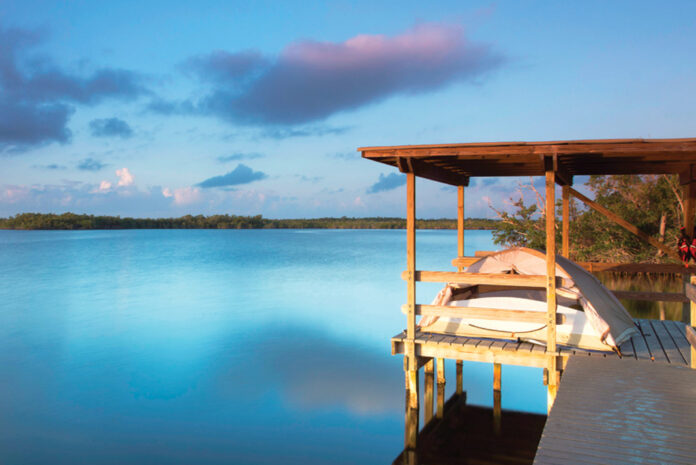
Trip: The Everglades | Photo: Constance Mier

Located on the extreme southern end of the Florida peninsula, Everglades National Park is a unique combination of fresh- water marshes, coastal prairies and mangrove swamps. During the summer, the heat and mosquitoes are intolerable, but in the drier and more temperate winter months, the park is a popular paddling and camping destination.

In the Everglades, the water and sky dominate as canoeists navigate across open gulf waters and around coastal mangrove islands, or paddle through endless dark narrow creeks. You can lose yourself in the beauty of the Everglades, but consult a map often as there are few distinct landmarks.

For campers, the national park offers unique chickees, elevated wooden platforms built on the water for tenting. Enjoy the solitude of being surrounded by water as you listen to the night noises of the remote wilderness. Sandy beach camping—complete with amazing sunsets—is also available. For the bold, there are ground sites in the dense backcountry forest, located where homesteaders lived decades ago and where the remnants of their farms remain.

TRIPS

If you have a half-day paddle out of the Flamingo Visitors Center into Florida Bay. Head east along the shoreline toward Snake Bight and watch hundreds of wading birds on the large mud flats during low tide. If you’re lucky, you may see an American flamingo or two. Bring fishing gear.

If you have a day paddle the outgoing tide from Gulf Coast Visitors Center to the gulf through Sandfly Pass. Have lunch on an island beach and catch the incoming tide on Indian Key Pass. Watch dolphins feeding in shallow waters, osprey in their nests, mullet jumping out of the water, and flocks of white pelicans soaring above.

If you have a weekend get a camping permit and launch from the Gulf Coast Visitors Center. Paddle across Chokoloskee and spend a night on one of the beach island campsites, such as Pavilion Key. Explore the beach and view the fiddler and horseshoe crabs and watch pelicans dive offshore as the sun sets over the open water.

If you have a week take a trip that includes chickee, ground site and beach camping. Begin and end your trip on the southern end near Flamingo Visitors Center or on the northern end at Gulf Coast Visitors Center. In a week’s time, you can truly experience the diversity of the Everglades, from open gulf waters to intimate mangrove creeks.

Trip: The Everglades | Photo: Constance Mier

STATS

Average winter high: High 77 degrees Fahrenheit, Low 53 degrees Fahrenheit

Rain fall: 60 inches per year; rainy season is May to September

Wildlife: Alligator, crocodile, dolphin, manatee, horseshoe crab, great blue heron, osprey, white pelican, flamingo

Campsites: Select between ground sites, beach sites and elevated camping platforms, known as chickees.

Outfitters: Join a day trip or rent your own boat at Everglades Area Tours (www.evergladesareatours.com) or Everglades Adventures (www.evergladesadventures.com)

Diversion: The 15-mile Shark Valley paved trail overlooks the Everglades, providing a bird’s eye view of the park. Roadside attractions include boat rides and alligator farms.

Best eats: Havana Café on Chokoloskee Island. Try one of their Cuban sandwiches and a café con leche.

Must-have: Bug repellent, sun screen, map and tide schedule.

Constance Mier is a nature photographer who is inspired by her canoe explorations of the Everglades. Living in Miami, Florida, she can easily access the national park and spend days at a time exploring. Her photographs offer a glimpse of this beautiful wilderness area as seen from a canoe. 


Screen_Shot_2015-07-07_at_2.59.13_PM.png

This article first appeared in the Fall 2015 issue of Canoeroots Magazine.

Subscribe to Paddling Magazine and get 25 years of digital magazine archives including our legacy titles: Rapid, Adventure Kayak and Canoeroots.