Home Blog Page 258

The Worlds at Garb

The Worlds at Garb

Day two of the ICF World Freestyle Championship was an exciting day, with Men’s OC1 opening the day in what some were calling the most exciting display of OC1 paddling they have ever seen.

Jordan Poffenberger (USA), Dane Jackson (USA) blew everyone away, with Poffenberger scoring 386.66 points and Jackson with 306.66 points. Not far behind were Brad MacMillan (USA) and Andrew Hill (CAN) who tied for third place with 250 points, but McMillan narrowly pulled ahead as one of his rides scored slightly higher than Hill’s. Rounding out the top five to advance to Saturday’s final was Jonas Utenberg (GER), and special mention of the day goes to Jakob Hanoulle (BEL) for entering in the OC1 division at the last minute and getting the most epic face surf on Garb in a long boat.

In the Junior Women’s category, Sage Donnelly (USA) dominated the field with a score of 716 points— a score high enough to rank in with the senior women. Over 400 points behind her was Darby McAdams (USA) with 343 points, and Sophie McPeak (UK) with 218 points. The top 10 ladies will advance to the semi-finals which takes place Friday morning.

In the Junior Men’s K1 category, Scott Hugo (UK) took the top spot, with an impressive 1,378 points, followed by Alec Vorhees (USA) with 1,163 points and Ottawa River local Kalem Kenneday (CAN) with 1,110 points. The top 10 from this group also advance to semi-final on Friday afternoon.

In what is some consider the most exciting event of the competition, Men’s K1 premliminaries took to the water on Wednesday morning for an action-packed day. Leading the scoreboard early on with the score to beat was Bren Orton (UK) with an impressive 2,290 points, which set the bar extremely high for all the athletes. By the end of the day, Dane Jackson (USA) came out on top, with a stunning display of athleticism and finesse, earning him a whopping 3,113 point ride.

Hot on his heels was local hero, Nick Troutman (CAN) with 2,626 points. Troutman, hailing from Beachburg, Ontario has in the area for some time spending his days at the wave.

“For some reason, I was nervous when I didn’t need to be,” says Troutman, “I have been training hard and paddling well, I guess it’s just some early nerves.” Taking the rest of the top five spots were Bren Orton with his initial score of 2,290, Mathieu Dumoulin (FRA) with 2,225 points and Devyn Scott (CAN) with 1,966.  All athletes from the Canadian team will advance to quarter finals on Friday, including Kalob Grady and Joel Kowalski who were immediately behind Scott, and Whitewater Grand Prix organizer Patrick Camblin, who ended in a respectable 15th.

When asked about who the biggest competition will be going into quarter-finals, it’s really no surprise, “Probably all the guys in the top 10,” says Troutman with a smile, “though honestly it is probably my brother-in-law Dane, he is always looking good.”

Thursday morning saw the women of whitewater take to Garb, with a field of 40, and only 10 will advance to the semi finals on Friday, followed by Men’s C1 in the afternoon. Stay tuned for more details.
How To Eat Fresh On Your Camping Trips

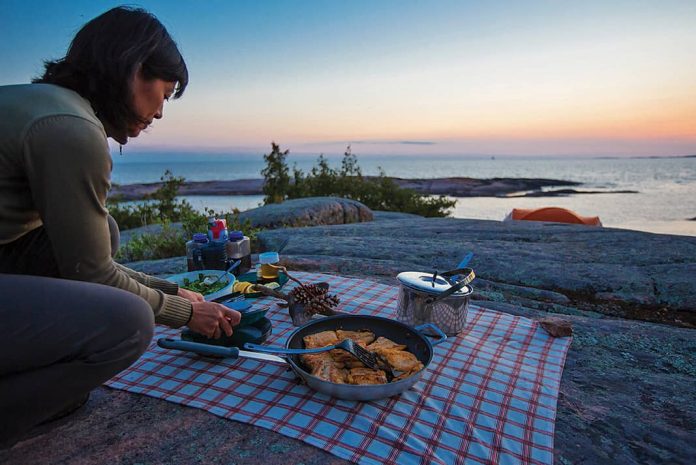
A camper prepares dinner on the rocky edge of a large body of water, late in the evening
A camper prepares dinner on the rocky edge of a large body of water, late in the evening. | Photo: Ontario Tourism

We’re not backpackers. Sure, bringing freshies on trip means portaging a few more pounds, but it’s a small price to pay to eat a peppercorn steak accompanied by a loaded, fire-roasted baked potato at the end of a long day. This is canoe tripping—live a little.

The downside of fresh food is its shorter shelf life. Summer temperatures and a squishy pack can leave your treats bruised, sweating or even rotten before you have a chance to enjoy them.

Regardless of which foods you bring, extend their life by following a few tried and true camp foodie rules.

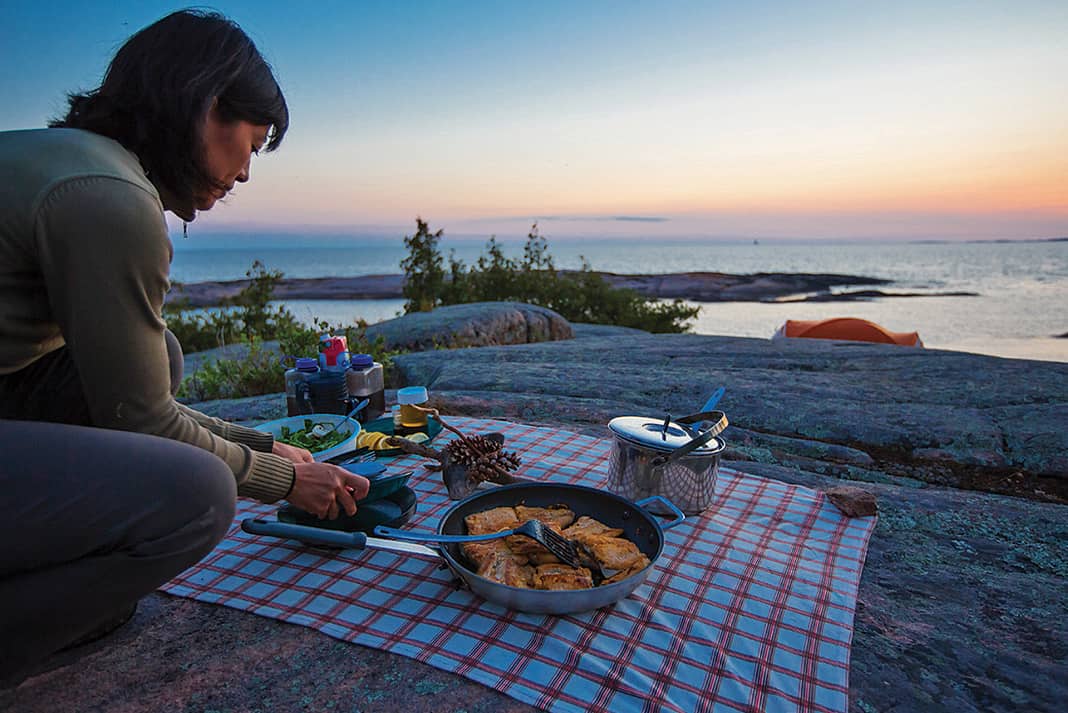
A camper prepares dinner on the rocky edge of a large body of water, late in the evening
A camper prepares dinner on the rocky edge of a large body of water, late in the evening. | Photo: Ontario Tourism

How To Keep Food Fresh On Camping Trips

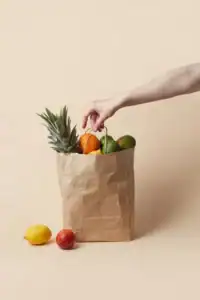
Paper Bag with Fruits
Pexels.com

Keep Food Dry

“Keep your food dry and allow airflow,” advises Wendy Grater, owner of Black Feather Outfitters and co-author of Camp Cooking in the Wild.

Tough veggies should be packed in paper bags, which allow for better breathing than plastic bags. Soft fruits and vegetables will need protection to avoid bruising. Pack them in hard-sided cooking pots and bowls.

Keep Food Cool

“Put a light-colored, wet towel on top of your food storage barrel or bin for cooling by evaporation,” adds Grater. She also recommends a light-colored pack for food that will help reflect the rays of the sun, or advises that paddlers line their barrel with cardboard to further insulate, and store food in the shade.

Buy Underripe Fruits and Vegetables

When shopping, opt for fruits and veggies that are underripe—they’ll ripen on route. Don’t wash or cut food until you’re ready to prepare the meal, as this increases the rate of spoilage. For meat lovers, freeze your fare unless you’re planning on eating it the first day.

11 Reasons to Kayak Now

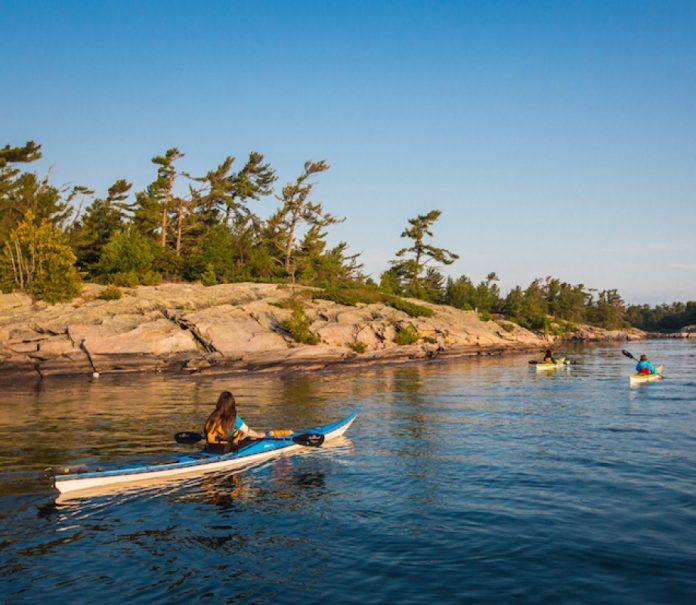
Photo: Ontario Tourism
11 Reasons to Kayak Now

Just in case you’re looking for the perfect excuse to go paddling, here are some irrefutable arguments to suit any occasion.

  1. Paddling makes you healthier. With obesity levels and related illnesses on the rise in North America, getting out in your boat is clearly an essential part of a healthy active lifestyle.
  2. Paddling increases productivity. Ample evidence suggests that a brief nap at work increases productivity – but imagine how much more productive you’ll be after a quick lunchtime spin on the water. With more employers supporting gym memberships and active meetings, kayaking is a logical progression.
  3. Kayaking keeps you sane. No matter how crazy your day, spending time on the water helps reduce stress levels. The simple act of gliding across the water can be the perfect meditation to find inner peace.
  4. Build community. In a time where many aspects of society seem to foster isolation, paddling connects us with people. Whether chatting with a curious spectator on the beach, philosophizing with old friends or meeting new people, paddling has countless opportunities to make meaningful connections.
  5. Paddling promotes connection with nature. Author Richard Louv speaks of rampant ‘nature deficit’ in contemporary life. By getting connected with nature, paddlers are also more likely to care about protecting the environment.
  6. Keep your friends out of trouble. Who knows what your paddling buddies might get up to without you?! Your wise judgment and risk management skills are imperative to prevent further YouTube disasters.
  7. Escapism. No explanation needed.
  8. Keep an eye on things. Wondering what’s going on with that condo development by the waterfront? Curious about local yacht traffic? That new osprey nest? Kayaking gives us a unique perspective on what’s happening in the neighbourhood.
  9. Keep your gear in good working order. With all the time, effort and money we put into acquiring just the right paddling kit, it’d be a waste not to use it, right?
  10. Your boat feels lonely. If in doubt, anthropomorphise! That’s right, your boat feels really lonely because you haven’t taken it out in days, and it really needs some love.
  11. New perspectives. Kayaking can let us see familiar places from a completely new perspective. Beyond getting to know new and familiar places, paddling can also give us deeper insight into ourselves and others.

Interview With Filmmaker Bryan Smith

Where Are They Now: Filmmaker Bryan Smith
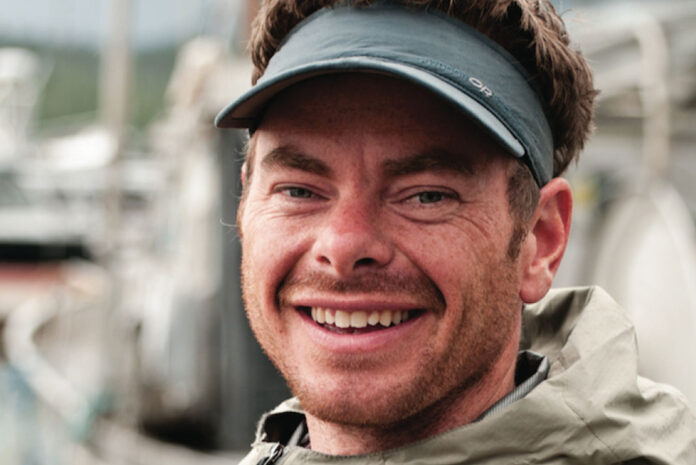
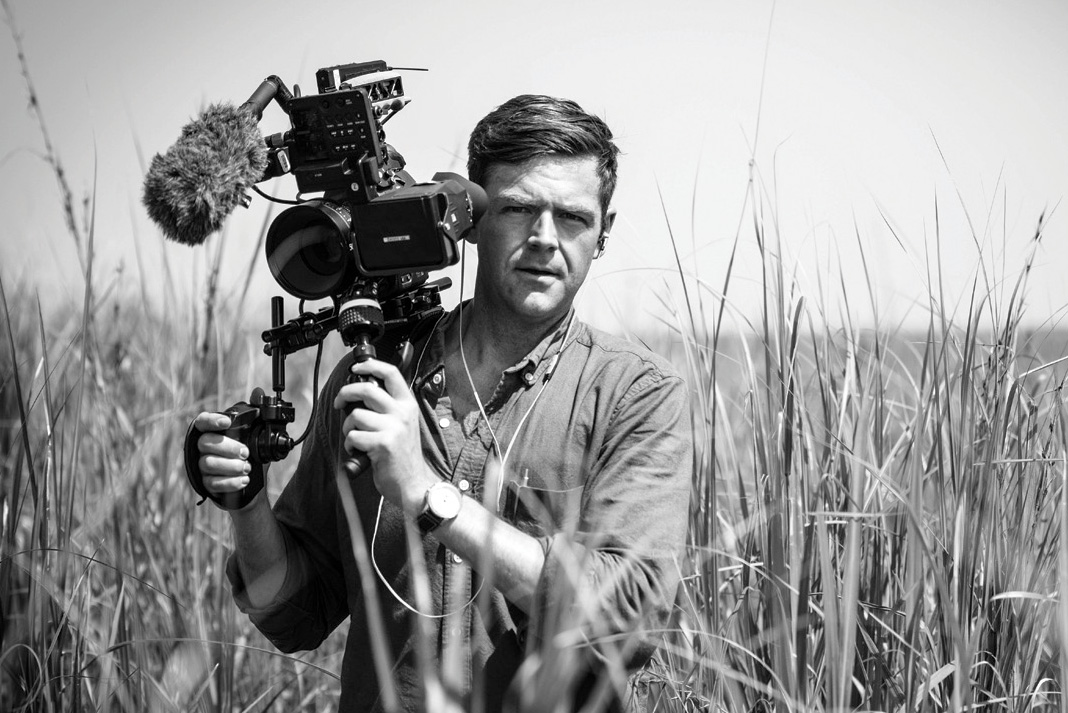
Where Are They Now: Filmmaker Bryan Smith | Feature photo: Phil Tifo

In celebration of the 10th anniversary of the Reel Paddling Film Festival, we checked back with a few filmmakers whose films we’ve featured over the past ten years. You can find more stories on past filmmakers in the pages of our Early Summer issue to catch up with them and find out what they’ve been up to since their films embarked on our annual world tour. 

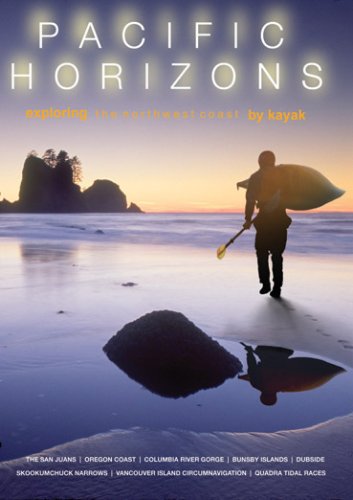
Pacific Horizons

Bryan Smith (Director)

Winner of the Best Sea Kayaking Film award at the Paddling Film Festival in 2008, this film is a celebration of the Pacific Northwest as the ultimate soul food for sea kayakers of all stripes. From surfing with rough water regulars to kayaking with orcas and rolling with “commando kayaker” Dubside, Bryan Smith establishes himself as a skilled cinematographer as he delves into the diverse pleasures that make this region a paddling paradise. 60 minutes, 2007; reelwaterproductions.com

BUY ON AMAZON

All it takes to kick off your dream career is a chance encounter or conversation with the right people, says Bryan Smith. That, and a pile of passion and hard work.

Smith should know, the documentary filmmaker and owner of Reel Water Productions has emerged from humble beginnings as an indie activist, to adventure cinematography’s go-to guy for the trickiest shots in the toughest locations.

Paddling the whitewater rivers of the Pacific Northwest every weekend, the Michigan transplant bought a cheap camera to document his adventures. When a proposed hydro project was green lighted for his beloved Ashlu River, “I didn’t know what else to do other than pick up the camera and start filming,” recalls Smith.

The resulting film, 49 Megawatts, went viral in British Columbia and became a showpiece for communities fighting their own run-of-river projects. “It showed me that if you do a good job making a film, you inspire people— whether it’s for a love of kayaking or a bigger issue.”

That was 2007. The following year, Smith sought sponsorship from Kokatat and P&H Sea Kayaks, bought a better camera and turned his lens on another passion: sea kayaking. Pacific Horizons featured the Pacific Northwest’s top kayaking ambassadors—including Smith’s own paddling mentors, Shawna Franklin and Leon Sommé—as well as the superb cinematography that was Smith’s nascent specialty. Sea kayaking had never been shot like this before and the film’s success led to an Atlantic follow-up, Eastern Horizons, in 2009.

Many of the locales popularized by the Horizons films—especially tidal features like Skookumchuck, Okisollo and the Bay of Fundy—have become staple destinations for rough water paddlers.

“It’s crazy—no one took sea kayaks to Skooks before,” recalls Smith. “That’s the long-term takeaway: watching those areas that we were the first to really document and seeing that popularity spin off into the greater paddling community, the people watching the films.”

“Horizons showed me that adventure filmmaking is this amazing tool where I not only get to make cool films, I get to dig deeply into places that people dream of going, and I actually get paid to do it.”

Whatever affect Horizons had on the sport of sea kayaking, its influence on Smith’s life and career was even more profound. “Horizons showed me that adventure filmmaking is this amazing tool where I not only get to make cool films, I get to dig deeply into places that people dream of going and I actually get paid to do it,” he says. “Those films inspired me to think even bigger.”

The following year, Smith collaborated with master storyteller Fitz Cahall on The Season, a hugely successful web-TV series that followed five athletes as they progressed through the challenges of their respective seasons. The show’s pioneering format propelled it through 46 episodes spanning two years and more than two million downloads, bringing Smith recognition outside paddling circles.

Surrounded by a growing team and driven by a superhuman work ethic, Smith has since shot nearly every adventure sport under the sun.

“I had this lifelong dream when I started making films that I would someday work for National Geographic,” he remembers, “so I just pounded the pavement long and hard enough that I finally opened the door there.”

That led to work on reality-based television series like Alaska Wing Men and Monster Fish, and the highly acclaimed documentary The Man Who Can Fly with free climber and BASE jumper Dean Potter. But it also led to a lack of creative control.

“They were bringing projects to me, I wasn’t bringing projects to them,” Smith explains.

More recently, he’s been working extensively with Red Bull Media House. Feature documentaries for Red Bull TV like Frozen Titans, an ice climbing film that entailed harrowing -30°C shoots, and Smith’s most recent project— documenting an epic trans-Rockies paragliding flight with athletes Will Gadd and Gavin McClurg—are the brainchildren of Smith and his crew.

Smith admits that going pedal to the metal on high profile, big budget shoots makes it harder to carve out time for passion projects. Still, he’s managed to squeeze a few in over the years: whitewater exploration in Kamchatka in 2010 and filming Sea Kayak Rescues with Franklin and Sommé. In 2013, The Joy of Air, a short film that captures the unbridled pleasure of catching air, featured appearances by Smith and partner Lise-Anne Beyries’ young son, Nelson, alongside eight-year-old mountain biking phenom, Jackson Goldstone.

And Smith isn’t finished with sea kayaking. “One thing I’ve never done with sea kayaking is a two- or three-month expedition,” he says, hinting at a project brewing for summer 2016. He isn’t divulging details, but he says  he’d like the story to captivate a mainstream documentary audience, rarified waters in the realm of paddling docs.

There’s no doubt it will be a very different film than Pacific Horizons. In part, that’s because of the vast evolution in camera equipment over the past decade.

“We pretty much shoot exclusively now on RED Dragons—these are the same cameras that Peter Jackson just shot The Hobbit on,” marvels Smith. “This camera system costs $40,000. Back when I shot Horizons, if I wanted to shoot on the cameras that Hollywood was using, they were a quarter- to a half-million dollars. The tools have become democratized to a point where creativity reigns.”

Just as significant, however, is that Smith’s creative vision has become as finely honed a lens as his camera’s, earning him the trust of some of the deepest pockets in adventure filmmaking.

“I had a moment last summer, where I was in Vancouver rigging a helicopter with a $750,000, gyro-stabilized camera system, and I almost broke down,” Smith recalls. “I couldn’t believe that in just seven years, I had gone from a crappy little camera that I bought at Walmart, to the most sophisticated camera system in the world.”

Unlike Hollywood’s A-listers, the success hasn’t gone to Smith’s head. He owes it all, he says, to the mentors and early sponsors he found through paddling. “They started me on a path that totally changed my life.”


Screen_Shot_2015-06-15_at_3.44.39_PM.pngThis article first appeared in the Early Summer 2015 issue of Adventure Kayak magazine. 
Subscribe to Paddling Magazine and get 25 years of digital magazine archives including our legacy titles: Rapid, Adventure Kayak and Canoeroots.

Field Test: Explorer FGX by Mad River Canoe

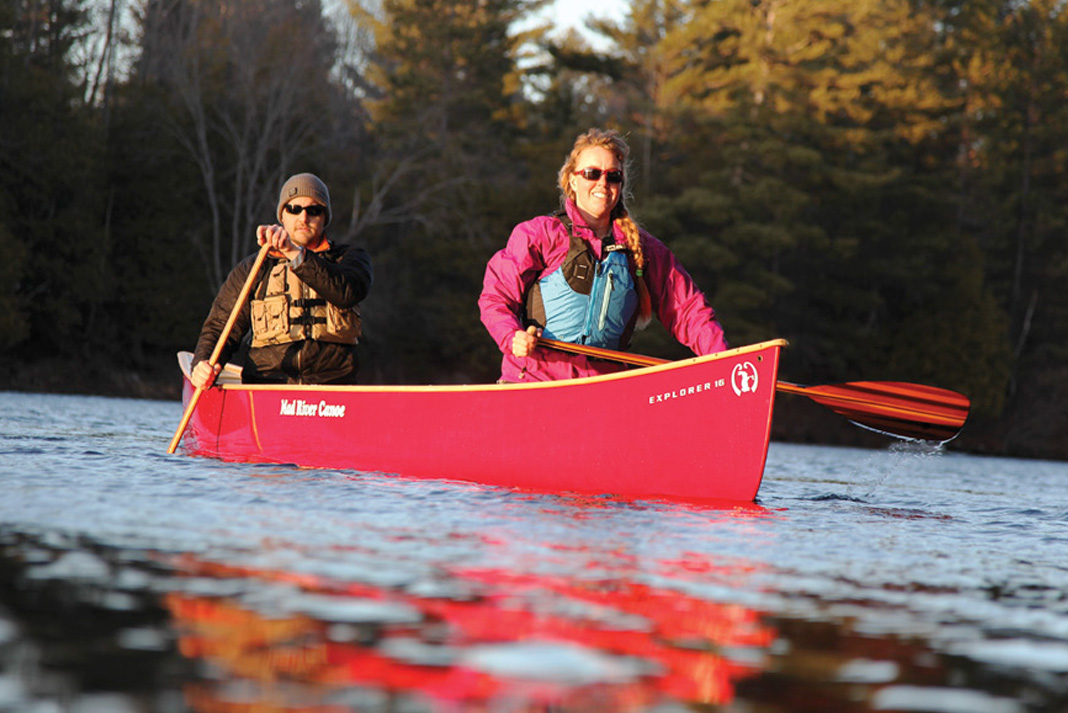
WHAT’S OLD IS NEW, AND BETTER. | PHOTO: KAYDI PYETTE

Mad River Canoe’s iconic Explorer design is getting a new lay-up for the new season.

Taking advantage of advances in materials and resins, Mad River released the Explorer in their new Fiberglass Expedition (FGX) material for 2015. This new hybrid laminate lay-up makes for a durable canoe at a moderate price.

“We made fiberglass-based Explorers for almost 30 years,” says Mad River brand manager and boat designer, Buff Grubb. “Now we’ve brought them back in an updated lay-up to help fill the void created by the loss of Royalex.”

Though not a substitute for Royalex, the Explorer FGX feels plenty tough for trippers and cottagers who don’t need the rockbashing capabilities of a true whitewater hull. Longtime fans of the Mad River line can expect a more impact and abrasion resistant hull with FGX than with Mad River’s previous fiberglass models.

The Explorer was first introduced in 1973 in fiberglass. “In a sense we’ve come full circle on this one,” says Grubb.

Designed by Mad River founder Jim Henry, the Explorer was released just four years after the company’s very first canoe, the Malecite. Deeper and wider than the Malecite, the Explorer matured into Mad River’s bestselling boat and remains so to this day. The key to its longevity and popularity has been its versatility.

“It’s got plenty of capacity to be a pocket north country tripper as well as a family boat; sufficient stability to serve fishermen and sportsmen, and it’s seaworthy enough for big open waters,” says Grubb.

WHAT’S OLD IS NEW, AND BETTER. | PHOTO: KAYDI PYETTE

The Explorer was the first open canoe to successfully run the Colorado River through the Grand Canyon in the ‘70s. Its 1,100-pound capacity can easily handle weeks worth of tripping gear, or a hunter and a brawny elk.

On the water the Explorer’s symmetrical, shallow-V hull creates easy, predictable handling and excellent stability. We had no qualms about standing up to snap a few photos. Just over two inches of rocker in the bow and stern allow for a balance between tracking and maneuverability.

Paddling up-river into a stiff headwind, I was impressed to find that the Explorer kept up-to-speed with minimal effort. The vivid red hull and fine, signature ash trim and cane seats of our tester model made it an instant favorite around the Canoeroots office.

According to Grubb, “About the only discernable difference between our current Explorer models is the weight differential.”

The FGX version averages about 63 pounds versus the Kevlar Expedition at 52 pounds and Ultralight at 45 pounds.

With the Explorer FGX you get a proven hull design that is capable and versatile. If you’re budget-conscious and looking for a beautiful boat that allows for a wide range of paddling, it’s hard to beat the Explorer.


Screen_Shot_2015-06-12_at_11.26.38_AM.pngThis article first appeared in the Early Summer 2015 issue of Canoeroots and Family Camping magazine.

Subscribe to Paddling Magazine and get 25 years of digital magazine archives including our legacy titles: Rapid, Adventure Kayak and Canoeroots.

Sitting Down With Filmmaker Frank Wolf

Photo: Frank Wolf
Where Are They Now: Filmmaker Frank Wolf

In celebration of the 10th anniversary of the Reel Paddling Film Festival, we checked back with a few filmmakers whose films we’ve featured over the past ten years. You can find more stories on past filmmakers in the pages of our Early Summer issue to catch up with them and find out what they’ve been up to since their films embarked on our annual world tour. 

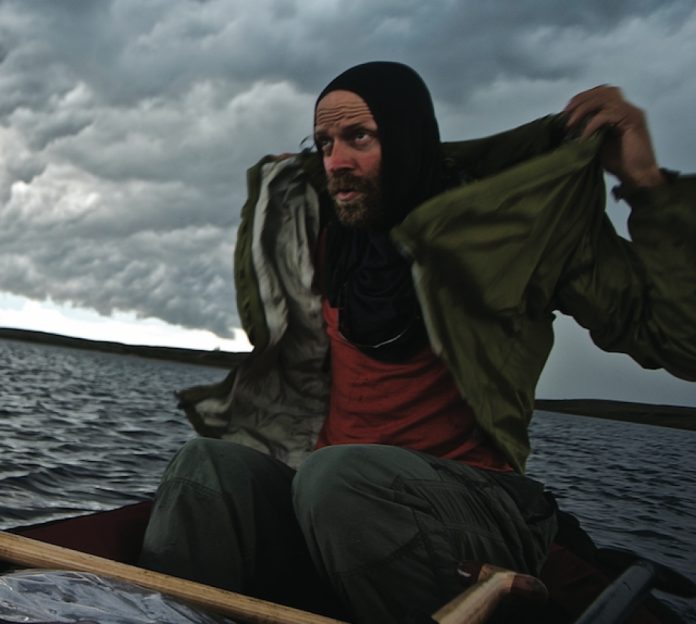
“Starvation, dismemberment, death—it’s all there, Graham Island,” Frank Wolf says by way of introduction in the opening scenes of Shining Island.

Later, with weather delays and failing equipment having developed as recurring themes, a voiceover narration hails the month-long expedition as an “overwhelming test of courage, strength and sanity,” concluding without a trace of irony, “A journey close to the fine line between life and death as we know it.” As we know it?

In 2005, when Wolf—then 34 and paying the bills with a retail gig at Vancouver’s Mountain Equipment Co-op outdoor store—planned the circumnavigation of Haida Gwaii, a remote archipelago in northern British Columbia, he was already an experienced adventurer: canoeing 8,000 kilometers across Canada in 1995, cycling 2,000 kilometers along the Yukon River in the dead of winter in 2003, and paddling across Scandinavia in 2004. But after just a couple years of working in television, he was still finding his footing as a filmmaker.

“Shining Island was the last film I did under the thumb of a production company,” he says. After airing on the network television series X-Quest, “The awful writing and over-the-top narrator the production company inserted into the film convinced me to strike out on my own.”

It’s a move that has worked out well for Wolf. In the decade since, he’s independently conceived, written, directed, edited and produced five award-winning adventure documentaries. His breakout effort, Borealis (2008), shared the endearing story of an epic canoe journey with inexperienced co-paddler Taku Hokoyama. Wolf followed up with two more films documenting northern canoe expeditions, Mammalian (2010) and Kitturiaq (2013). In 2011, On the Line brought him acclaim outside the paddling community for delving into the issues surrounding the controversial Enbridge Northern Gateway pipeline. Wolf says this environmental and cultural awareness is his most significant evolution since Shining Island.

“My films then were just about the expeditions, but now they’re equally about issues affecting a region and what we can do to preserve these wildernesses far into the future.”

Other things haven’t changed. Wolf continues to work a couple days a week at Mountain Equipment Co-op in the winter season. “Outdoor filmmaking is definitely more of a lifestyle than a living,” he says, “so a job that kicks in a steady bread-and-butter income is still a necessity.”

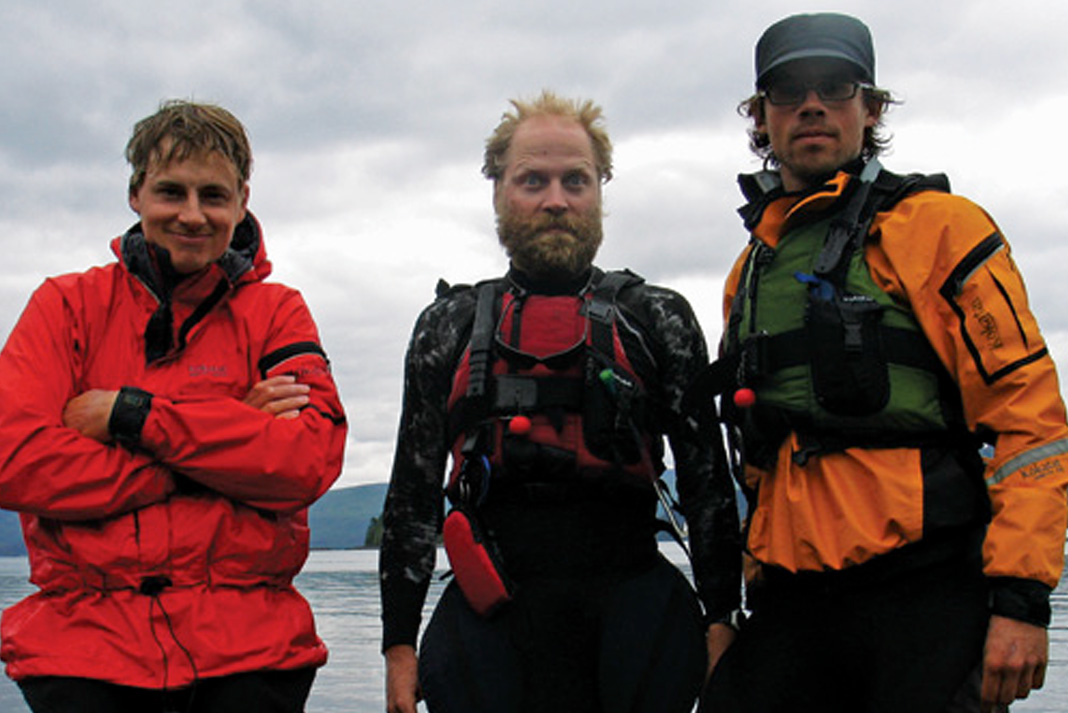
He also remains close friends with his Haida Gwaii trip mates Keith Klapstein, 41—a fellow Vancouverite and regular mountain biking partner—and Todd Macfie, 42. “They both have families now though,” he adds, “so long expeditions are out for them.”

PHOTO: TODD MACFIE

Wolf, however, remains addicted to expedition life. His recently released film, The Hand of Franklin, looks at climate change in the Arctic in the context of a 55-day rowing journey through the Northwest Passage. The challenges of living and filming on the move in hostile environments are many, but that’s precisely why he loves it.

“I do a big expedition every year, but ideally only make a film every two years,” he says. “I like to have a mental space between films. I think I’d burn out otherwise.”

The Film: Shining Island 

Jarring made-for-TV hyperbole makes this film less enjoyable to watch than Wolf’s later independent productions, but it took Best Sea Kayaking Film at RPFF 2007. Gale-force winds, dwindling food supplies and a frightfully close whale encounter are some of the high- (er, low?) lights. 46 minutes, 2006; frank-wolf.net


Screen_Shot_2015-06-15_at_3.44.39_PM.pngThis article first appeared in the Early Summer 2015 issue of Adventure Kayak magazine. 
Subscribe to Paddling Magazine and get 25 years of digital magazine archives including our legacy titles: Rapid, Adventure Kayak and Canoeroots.

Get Your Partner To Love Kayaking

Photo: Flickr user Thomas Rousing

We love paddling and want to share this passion with those we love. Spending time on the water with your significant other can reveal a lot about your personalities, your relationship, and—most importantly—it can be a fantastic shared experience. However, not everyone starts with the same passion for paddling or has the same goals on the water. Anyone who has spent time near a kayak rental place has seen painful examples of why tandems are nicknamed ‘divorce makers’. But it doesn’t need to be that way—before you start recruiting your significant other to the glorious world of paddling, here are some points to consider.

Know your target.

Does your significant other love photography, bird watching, fitness, fine dining, or local history? Build on these pre-existing interests by thoughtfully inviting him/her on a kayak excursion that opens a whole new door to pursuing these hobbies. Glide through the local bird sanctuary by kayak, plan a gourmet picnic on a nearby island, or get a new perspective for some sweet photographs (be sure to waterproof all camera gear!).

Start small.

Even if you’re both fit and active, don’t plan an epic dawn to dusk trip for your first time out together. Just go out for an hour or so in a sheltered, peaceful destination. Better to leave him/her wanting more instead of counting down the minutes to get ashore.

Right place/right time.

This might be obvious, but go for your first paddle together when you’re both well-rested, the sun is shining, and the water is warm. Save those stormy, icy November paddles adventures for later, or for your more seriously addicted paddling friends.

Don’t sweat the small stuff.

Yes, you have a plethora of amazing advice you want to share with your loved one so they can become they speediest, sexiest paddler out there—but bite your tongue and don’t say too much all at once. Even more importantly, don’t say “I told you so” when your thoughtful advice isn’t followed.

Bring in an expert.

Sometimes it’s worth bringing in outside expertise. Consider going on a guided tour or taking an intro course together. This levels the playing field, and there are less emotions involved when a stranger bosses you around. Besides, you might even learn something new.

Know your learning styles.

Is your significant other an auditory, visual or kinesthetic learner? Active doer or over-analyzer? Even if there’s not more kayaking in your shared future, these are useful things to know about each other.

Positive reinforcement.

Post-paddling massages, thoughtful compliments, bribery in the form of baked goods or customized carbon fibre paddles—you know best what will be appreciated by your special someone.

Sunsets.

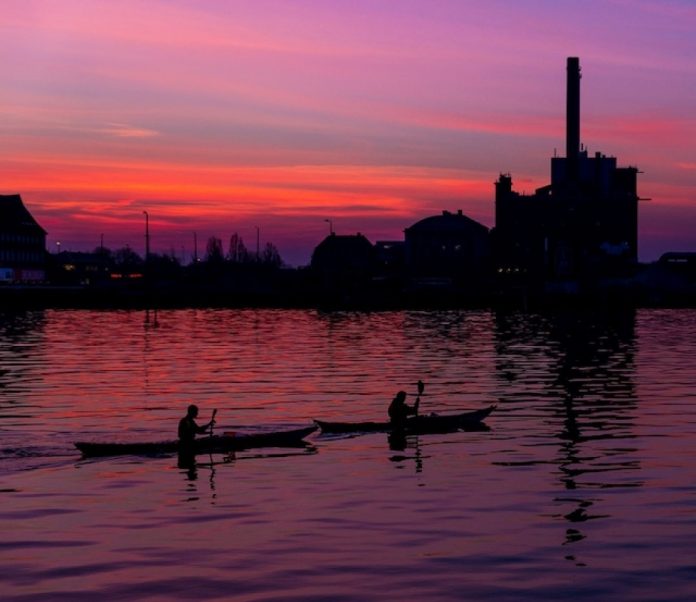
According to our unofficial survey of experienced guides, going for a sunset paddle is a guaranteed winner for adding that touch of magic and romance to any trip. Good luck and have fun!

Destination: Greenland

Destination: Greenland
{Vimeo}56804128{/Vimeo}

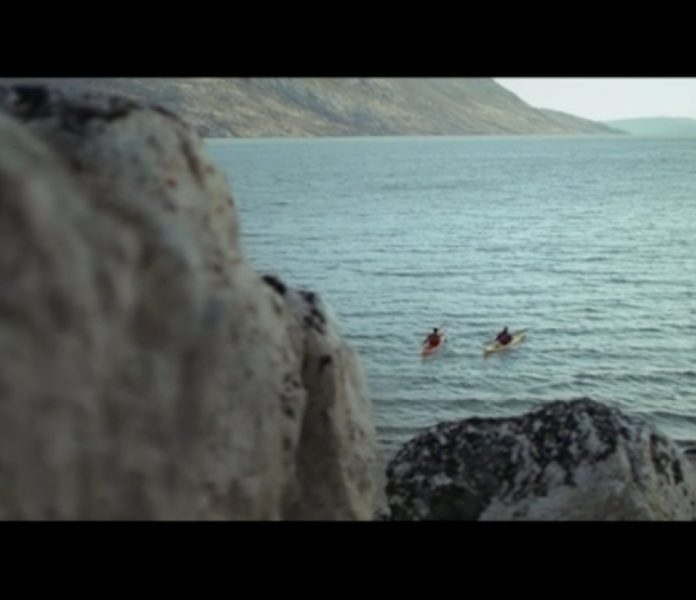
Have you dreamed about a kayaking trip to Greenland? If you ahven’t already, you will be after watching this short tourism clip. 

Producer: MMPFilms
Director: Humbi Entress
DOP: Ralph Baetschmann
Line Producer: Mads Pihl
Editor: Aurora Vögeli
Color Grading: Jürgen Kupka
Music: “If You Go” by “Simon Lynge”
Sound Design: Jingle Jungle / Robert Buechel

Skills: Free Ways To Improve Your Kayak Skills

Photo: Ontario Tourism
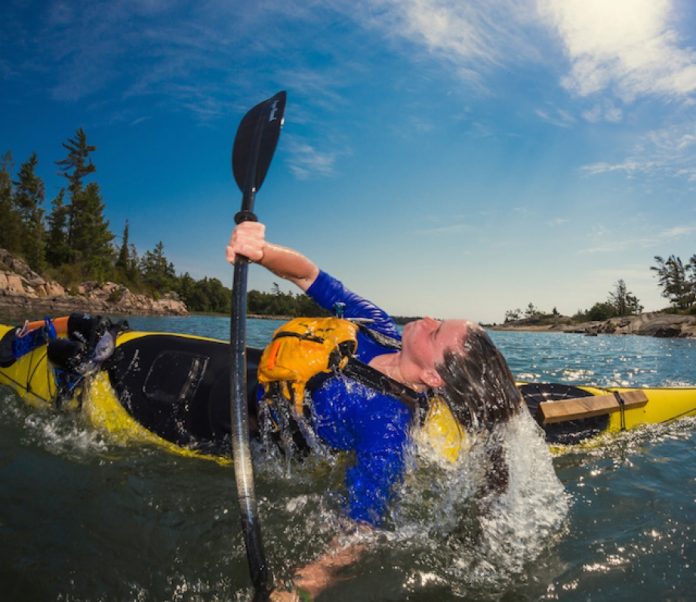
A sea kayaker finishes practicing her roll.

Being a paddling addict can be a bit hard on the wallet—there’s always a tempting new piece of gear to acquire, another course to take, a new boat of your dreams (funny how that dream boat seems to change year to year) and of course those irresistible coastal destinations calling your name.

Here’s the real scoop—you don’t have to throw money around to become a better paddler. Read on for five free or cheap ways to improve your paddling skills.

Switch it up

Feel that your paddling skills are stagnating? Switch it up by paddling in different conditions, in new places, in different boats and with different people. Go for a night paddle (with proper lights, of course), try rescues in stormy conditions, paddle in waves with your eyes closed (use your judgment for safety here!), go out with a more experienced paddler or take a friend for their first paddle ever. Exhausted all local options? Hit the road and head to a new area to repeat all of the above steps.  Any time we switch up the variables, we increase our chances of learning something new, and creating fun memories.

Go test paddling

Trying new boats can be a great way to expand your comfort level and paddling skills. Many outfitters and kayak shops offer regular test paddling sessions during the paddling season—make the most of these opportunities. Go ahead and try a boat with more or less rocker, scant primary stability, or perhaps something completely different like a surf ski or whitewater playboat. As you take each boat through its paces, you’ll learn loads about boat design, your own strengths and weaknesses, and perhaps you’ll even meet a boat or two that catches your fancy.

Paddling festivals and symposiums

While courses and trips can sometimes come with a large price tag, many of these events have accessible prices. Where else will you find so many dedicated paddlers, coaches and experts all in one place? Even a brief weekend of quality instruction can stretch your limits and give your skill development a boost for months to come.

Technology

Put all that screen time to good use. True, there are far more silly cat videos than kayak instructional videos out there, but YouTube and the Internet in general have some useful and inspiring material for paddlers of all skill levels. Even better, make your own video for some in-depth stroke analysis. If you have access to a GoPro, fantastic, but a friend with a smart phone on a nearby dock can just as easily get some informative footage of your various strokes.

Those who can, teach

Teaching with clarity and precision can be the ultimate test of how well we truly understand the fundamentals. Take out a newbie friend for a paddle or volunteer to assist on an introductory paddling course or local social paddle. You’ll gain great insight into the art and science of paddling, and perhaps you’ll discover an unexpected love for teaching.

Sitting Down With The Filmmakers Of Paddle To Seattle

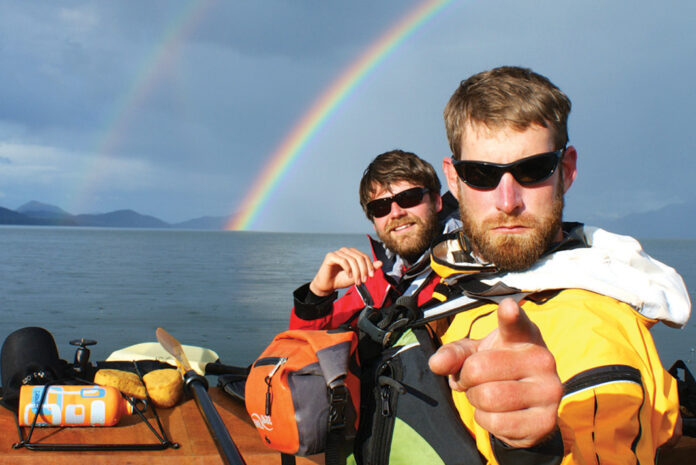
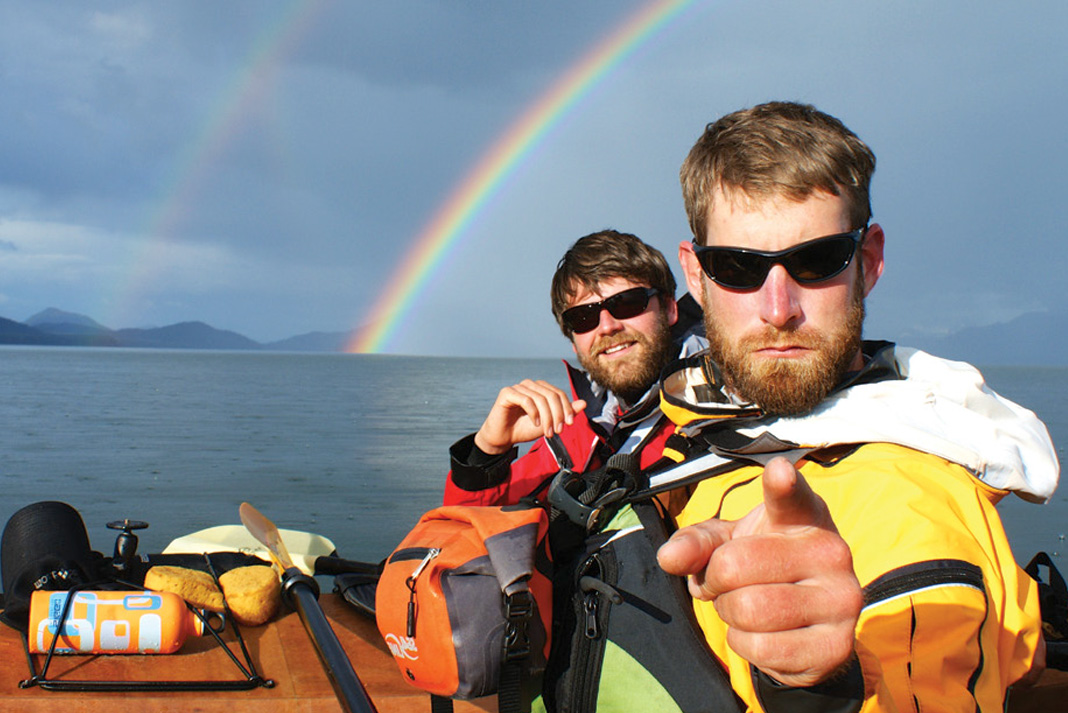
Filmmakers J.J. Kelley and Josh Thomas | Photo courtesy of: J.J. Kelley and Josh Thomas

In 2015, we celebrated the 10th anniversary of the Paddling Film Festival by checking back with a few filmmakers whose films we featured over the previous 10 years. This article was part of a series catching up with filmmakers and finding out what they’d been up to since their films embarked on our annual world tour. 

About Paddle to Seattle

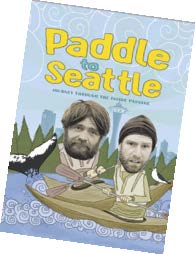
A charming story of friendship, discovery and humor in the face of adversity, Paddle to Seattle claimed Best Sea Kayaking Film at the Paddling Film Festival in 2010. Aided by diverse scenery and fearlessness of the effect of foul weather on fragile electronics, J.J. Kelley and Josh Thomas are natural storytellers.

There are none of the post-trip voiceovers so common to this genre—you feel like you are truly along for the ride: cold neck rain, musky whale breath, close calls with bull kelp lassoes, and everything else the fellas run into. Their wit is in the same dry, deadpan vein as Bill Murray and Dan Aykroyd in Ghostbusters; a wonderful on-screen rapport that makes Paddle unlike any other sea kayaking film then or since.

BUY ON AMAZON

Filmmakers J.J. Kelley and Josh Thomas | Photo courtesy of: J.J. Kelley and Josh Thomas

The filmmakers: J.J. Kelley and Josh Thomas

“It’s one thing to come up with the idea for a film—the idea of going on an amazing adventure—but if you’re going to make a movie about it, you’ve got to have a name that grabs people and brings them into the story,” Josh Thomas tells the camera from inside his tent in the opening scenes of Paddle to Seattle.

In 2011, the pair set off for India to complete a by-any-means-necessary source-to-sea descent of the country’s holiest—and most polluted—river. The most memorable scene in Go Ganges is Kelley and Thomas rowing on a literal “river of poo” while contemplating the fact that many of the wild places we seek out are becoming ever less wild.

“I had this awesome title in my mind forever; even as a kid I remember thinking, ‘This title can be used somewhere in my life.’” Thomas hasn’t finished speaking and already we’re hooked.

The narration then flips to trip partner J.J. Kelley sheltering in the same soggy tent. “Josh told me, ‘Come with me, I’ve got this special idea for this film we need to make.’” Kelley goes on to describe a clandestine, behind-closed-doors revelation of the title that would take them both to scarcely imagined places.

When Thomas delivers the punch line—“That title was Into the Wild”— the budding filmmakers cement Paddle to Seattle as a funny, endearing and smart buddy flick and one of our all-time favorite paddling films.

KELLEY FILMING FOR NATIONAL GEOGRAPHIC IN AFRICA | PHOTO: COURTESY J.J. KELLEY AND JOSH THOMAS

Thomas and Kelley’s unfailing sense of humor, optimism and self-deprecation establish them from the start as loveable underdogs. On day one of the 1,300-mile journey—while pumping several liters out of his leaky front hatch after paddling in 30-knot gusts with four-foot seas—Kelley tells his friend’s camera, “Those were the nastiest conditions I’ve ever sea kayaked in my life”…pump…pump…“I couldn’t have gone much further. Seriously, it was f***ing awful.” But he’s smiling.

In 2003, Kelley and Thomas met 500 miles into respective solo thru-hikes on the Appalachian Trail and ended up walking 2,000 miles together. “We both used humor as a coping mechanism for the suffering that comes along with a long expedition,” recalls Thomas.

The following summers found them working in Alaska together, teaching kayaking, crewing fishing boats and driving tractors, but both dreamt of making a living from adventuring. Enter filmmaking. Paddle to Seattle came on the heels of their freshman film, Pedal to the Midnight Sun, documenting an Alaskan cycling adventure.

[ What to plan your own adventure? Head over to the Paddling Trip Guide ]

“We knew we wanted to get to Seattle,” jokes Kelley when asked about planning for Paddle. “We wanted to keep it extemporaneous and fun. We didn’t want anything canned.” Despite their cheerful enthusiasm, neither imagined the acclaim Paddle would eventually receive, sweeping dozens of awards on the festival tour and garnering an Emmy nomination.

Paddle confirmed Thomas and Kelley as bonafide filmmakers and their adventure features have since grown in step with professional careers in television production.

“We started working more and more as TV cameramen, producers and directors,” says Kelley. “Ultimately, television is paid for by commercial dollars and you have to keep those people happy. Our adventure films are about making us happy.”

Whether pursuing their own interests or producing content for television, “we try to stick with projects that speak to our values of wilderness, wildlife and adventure,” says Thomas.

In 2015, those projects found Kelley and Thomas collaborating on conservation-focused short films for National Geographic, where Kelley works as a producing director. Gyre: Creating Art from a Plastic Ocean (2013) looks at how garbage impacts our planet, while Battle for the Elephants took the pair to the central Congo to document the trade of illegal ivory.

“In the end, you want to inspire people,” says Thomas. “No matter how depressing a story it is—elephants on the brink of extinction, or garbage in the oceans—there’s always an inspirational twist you can add to it. That’s the goal of our films, to give people hope.”

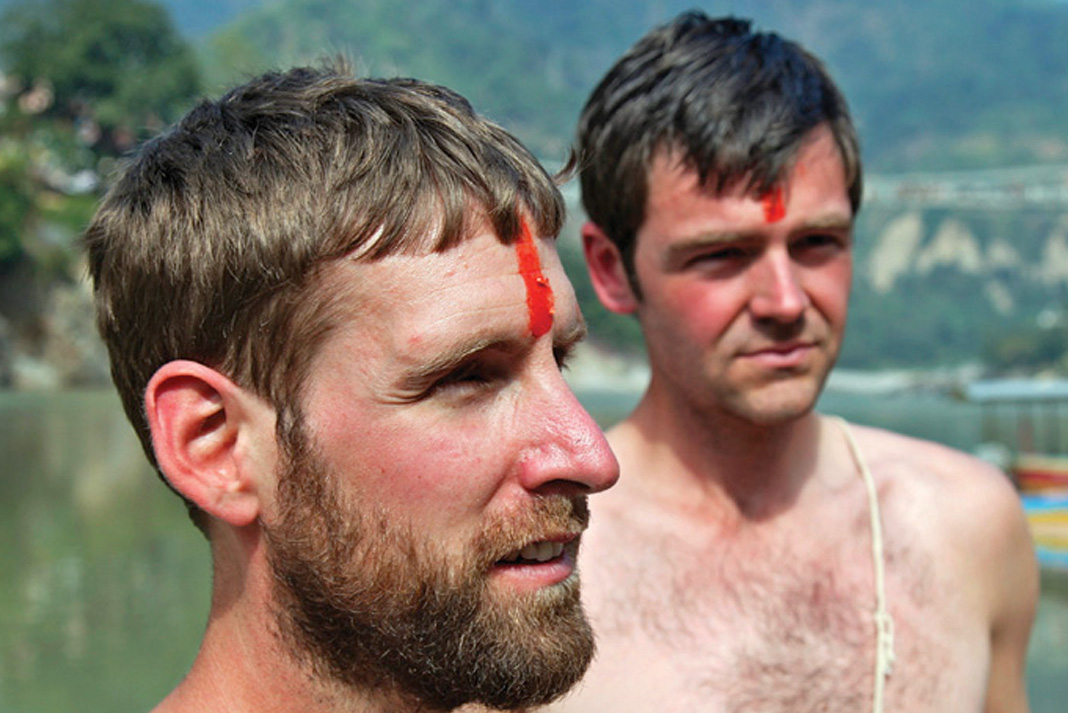
THE DUDES IN INDIA. | PHOTOS COURTESY J.J. KELLEY AND JOSH THOMAS


When we caught up with the duo for this story in 2015, Thomas—who works on contract—had just returned from a four-month shoot on a crab-fishing boat in the Bering Sea for the Discovery Channel series, Deadliest Catch, and was heading out to film the release of wood buffalo in Alaska for Nat Geo Wild. Between gigs, he returns to the same beach in Seward, Alaska that he’s lived on for the past decade. Kelley estimates that between them they traveled around the globe perhaps 10 times in 2014/15. Both cite increasingly hectic work schedules as the biggest life change since Paddle.

“It’s such a huge landscape, an enormous distance, at three miles per hour covering 15 miles a day, you have a lot of time to reflect,” muses Thomas at the end of Paddle’s 99-day odyssey. “To think about where you’re going and where you’ve been and what you want your future to look like.”

If the past five years have been a wild ride, the next five promise more of the same. “We’re still goofballs,” observes Kelley, “we’re just a bit more grown up now.”

Restless for adventure, they’re scheming up potential expeditions for 2016. It’ll be something difficult, something outside their comfort zones. “That’s how you learn about yourself,” says Thomas. “Whatever it is, it will be uncomfortable. And we’ll be laughing.”

[ Paddling Trip Guide: Browse all expedition paddling trips ]

Since this article was published, Kelley has gone on to host the Travel Channel’s series Lost in the Wild, which investigates some of history’s greatest adventures gone wrong. He is also a producer and correspondent for National Geographic Channel’s flagship documentary series, EXPLORER.

More from this series:


Screen_Shot_2015-06-15_at_3.44.39_PM.pngThis article first appeared in the Early Summer 2015 issue of Adventure Kayak magazine. 
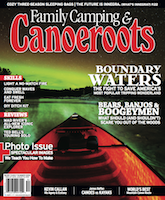
Subscribe to Paddling Magazine and get 25 years of digital magazine archives including our legacy titles: Rapid, Adventure Kayak and Canoeroots.