Home Blog Page 261

Why Investing In Good Gear Is Key To Your Kids Success And Happiness Outdoors

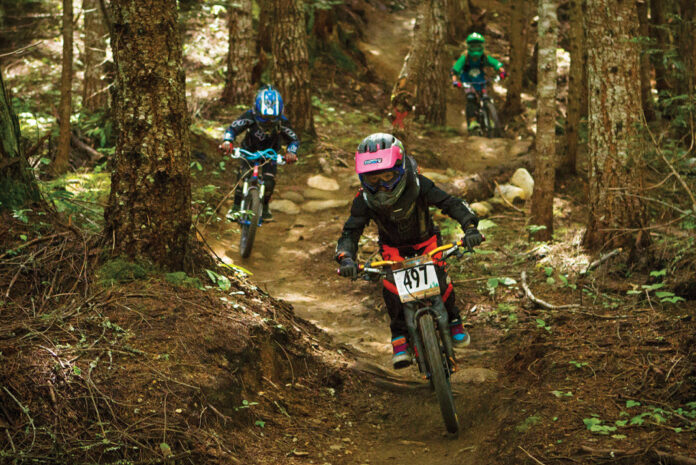
INVESTING LONGTERM, ONE CAN EXPECT SOME UPS AND DOWNS ALONG THE WAY. | PHOTO: JUSTA JESKOVA / WHISTLER BLACKCOMB

I was 10 years old during the severe economic recession of the early 1980s. The unemployment rate was the highest since the stock market crash of the 1930s. Mortgage rates at the time exceeded 21 percent. At the supermarket I pushed the buggy and tallied up the cost of the groceries my mother put inside. Times were tough and families were on tight budgets.

It was a time when discretionary spending was at an all-time low. If you were lucky enough to have a job and a house, you worked extra shifts and squirreled away every little bit of money to pay down the mortgage principal. If you could afford holidays, families flocked to campgrounds for simple, cheap vacations.

Camping wasn’t fancy in those days. We wore what we always wore. We ripped through the campgrounds on whatever bikes were handed down to us and we paddled whatever canoes our parents borrowed or rented.
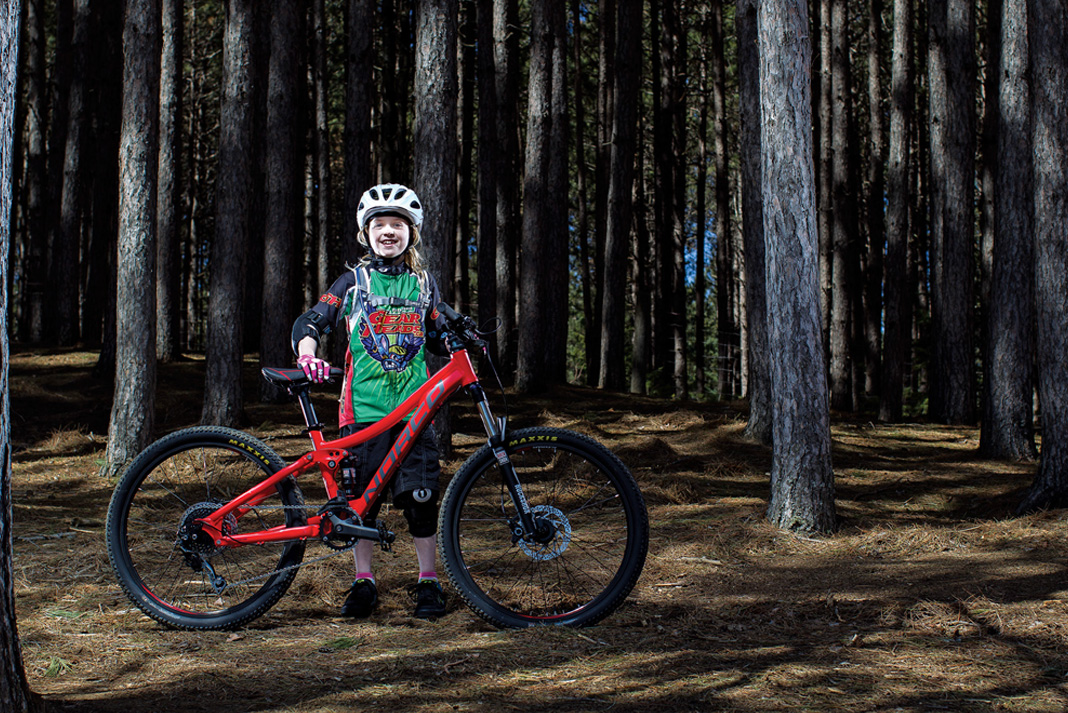
JUST LIKE MOM. | PHOTO: MATT STETSON

The world is a different place today. Discretionary spending has increased every year for the last 30 years. My mortgage floats at an unbelievably low 2.6 percent. Not only do parents today have more discretionary money, they also have fewer children to spend it on.

I truly enjoy spending time with my kids. And the time I enjoy most is when we’re off on outdoor adventures together.

As my kids have gotten older and more able, I’ve realized how important good gear is to their success and happiness. On an all-day mountain bike ride last fall, I started doing some math.

I weigh around 175 pounds and my mountain bike weighs just shy of 26 pounds with five inches of highly tuned suspension on the front and back. My daughter is eight years old and weighs only 52 pounds. Her bike weighs 30 pounds. That hardly seems fair.

Using the same bike-to-body weight ratio I calculated that my bike should be 101 pounds of low-grade alloy and pogo stick shocks.
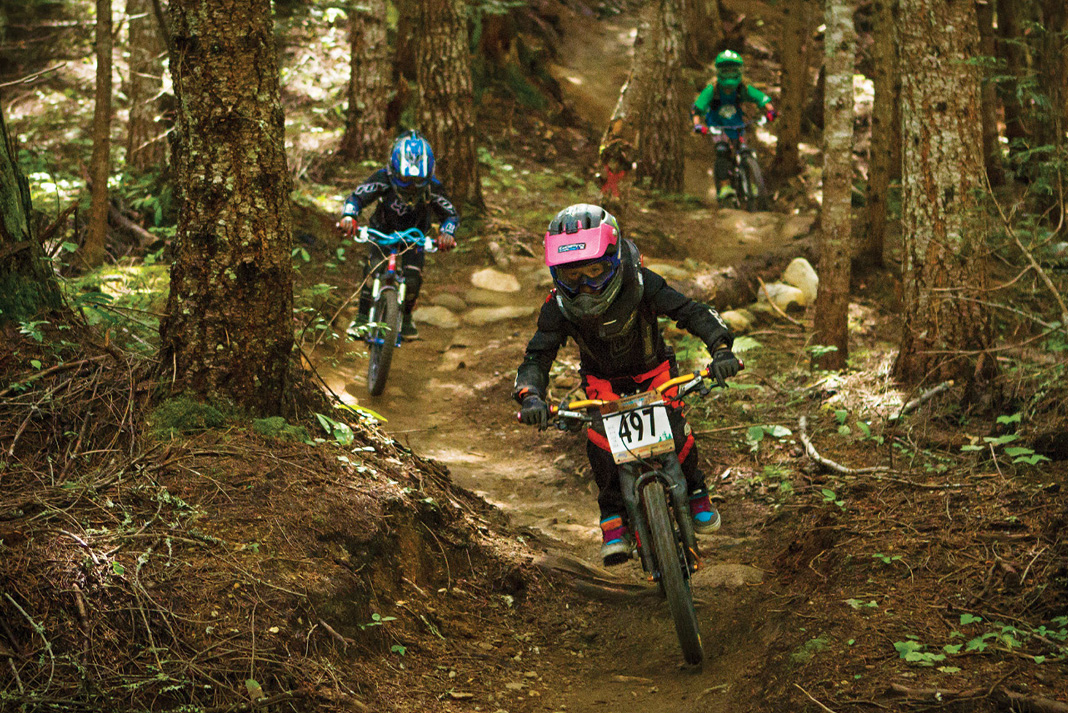
INVESTING LONGTERM, ONE CAN EXPECT SOME UPS AND DOWNS ALONG THE WAY. | PHOTO: JUSTA JESKOVA / WHISTLER BLACKCOMB

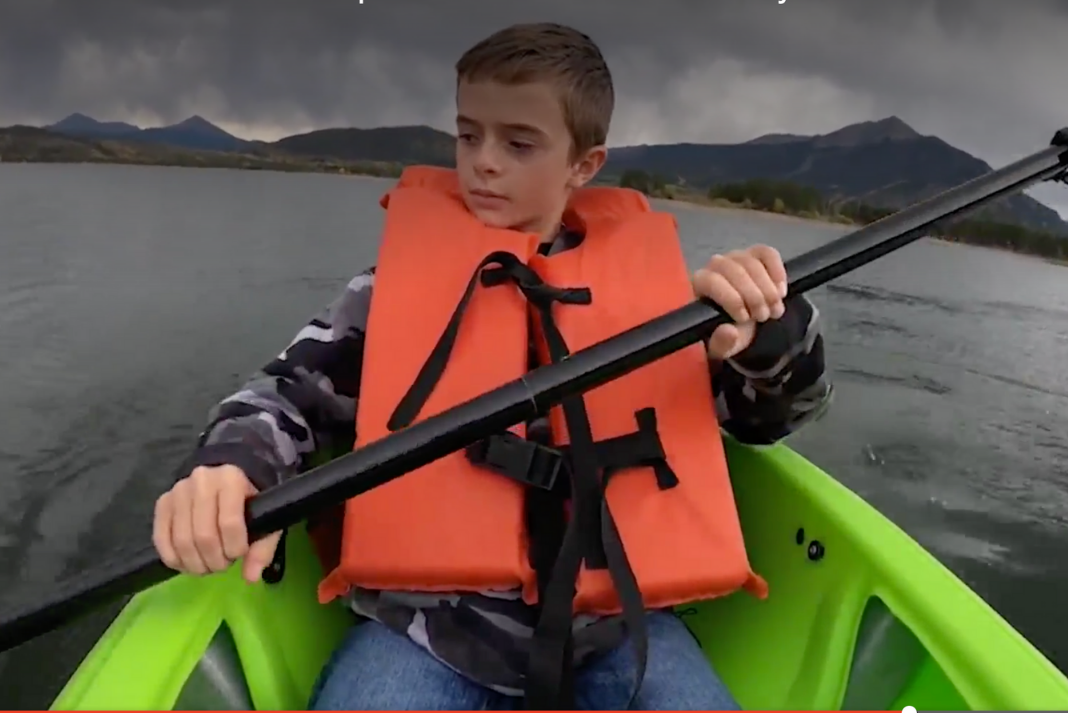
On the water I see kids in old cast-off whitewater kayaks with long heavy paddles. In the winter I see kids on gear-swap alpine straight skis from the ‘80s. This doesn’t make sense. How is a kid supposed to tilt or roll a kayak three times wider than her hips. And let’s see that ski dad try the bumps on a pair of 30-year-old, 260-centimeter (length calculated to scale) Olin Mark VIs race skis. We would be saying the same thing: “This sucks!”

“If we want our kids to ride with us, paddle with us and ski with us; if we want them to love the things we love; we need to be investing some of what we’re not paying in interest on good outdoor kids gear.”

Outdoor gear and apparel brands are figuring this out—probably because their CEOs have children of their own. In each issue of Canoeroots, we’ll be picking an outdoor activity and decking out a kid from head to toe. In our Early Summer issue, it was mountain biking. On the list we have fly-fishing, standup paddling, backpacking, whitewater kayaking, and maybe even birding.

Please don’t look at it like an expense they’ll out-grow in a couple years. Look at it like playing the futures market. Buy commodities they’ll enjoy today and that you hope to cash in down the road. Winning in this market is when my grown children have an afternoon off work and call me to go riding, paddling, fishing or skiing.

Scott MacGregor is the founder and publisher of Canoeroots. He and Kate are headed to the Whistler Mountain Bike Park (bike.whistlerblackcomb.com) for a few days of father-daughter downhill mountain biking. 

Screen_Shot_2015-06-12_at_11.26.38_AM.pngThis article first appeared in the Early Summer 2015 issue of Canoeroots and Family Camping magazine.

Subscribe to Paddling Magazine and get 25 years of digital magazine archives including our legacy titles: Rapid, Adventure Kayak and Canoeroots.
The Secret To Becoming A Successful Kayak Commuter

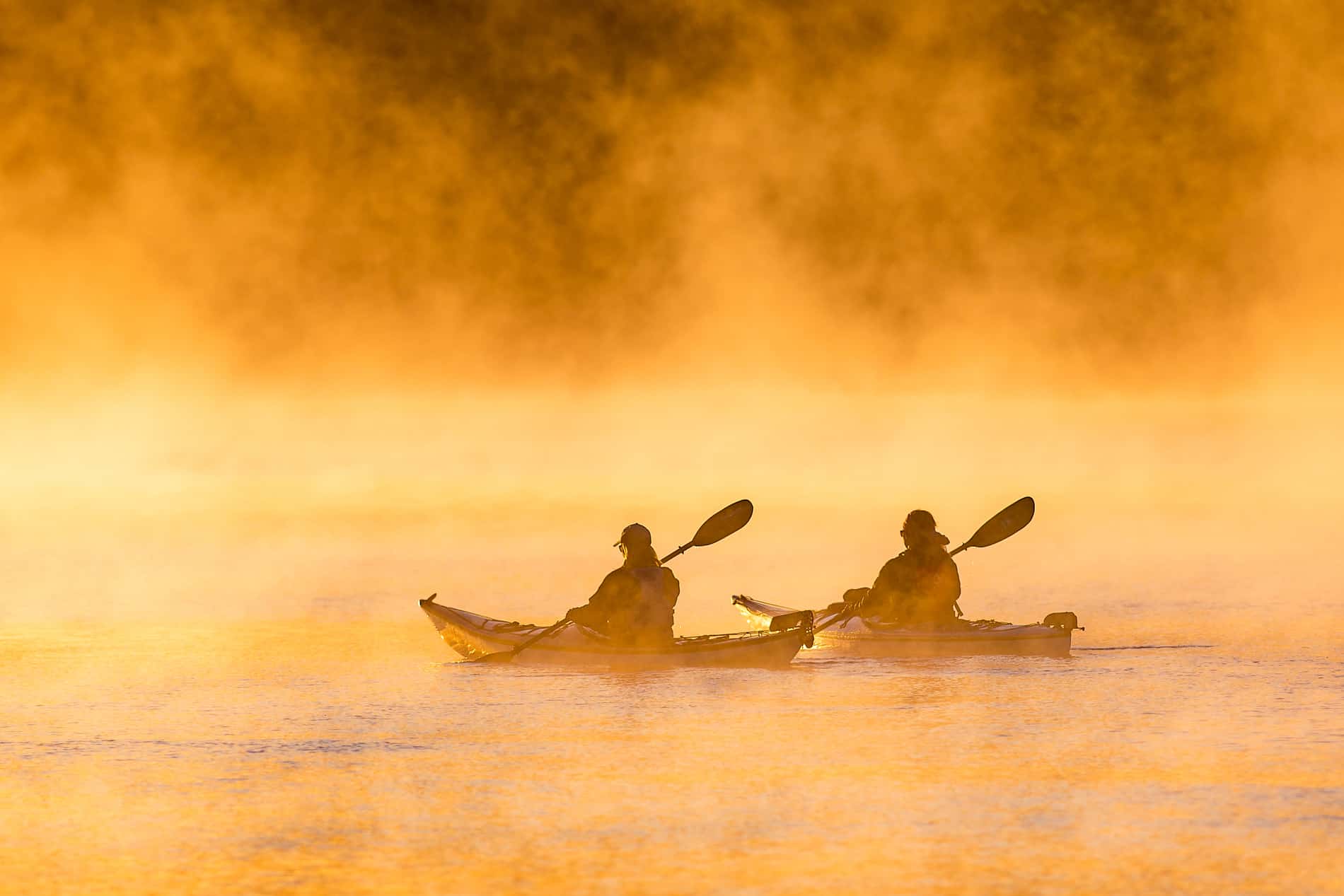
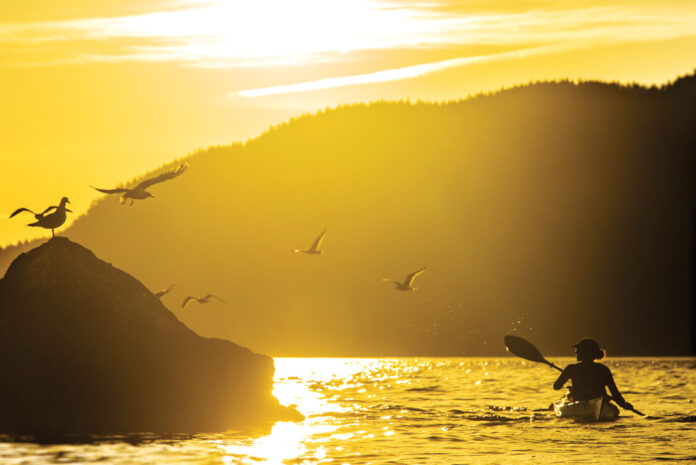
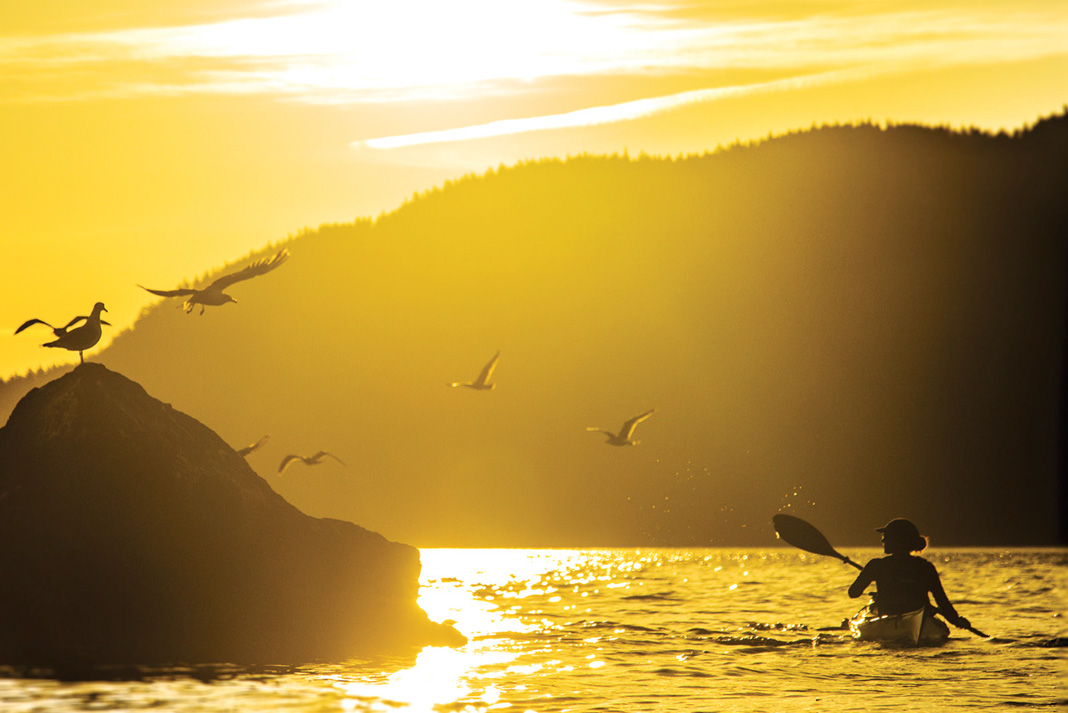
person kayaking by rocks and seagulls in the sunshine during a kayak commute
Enjoy your calm-mute. | Feature photo: Jaime Sharp

Shrill and insistent, the alarm announces the arrival of another workday. Five out of every seven mornings, the to-do list begins before we even leave the driveway: fix a cup of coffee and breakfast, listen to the morning news, tune out the traffic report for a distant city. The fast-talking reporter fires off tips with staccato efficiency—which routes are moving slowly, where to expect construction, how to avoid the inevitable caffeine-fueled collisions.

I turn off the radio and cheerfully pull on my sprayskirt. The only traffic I’ll encounter on my commute consists of porpoises and seals.

The secret to becoming a successful kayak commuter

Paddling is one of the oldest forms of transportation, yet it is easy to forget its functionality. For most modern kayakers, time on the water is far more than a straightforward passage from A to B. It’s a shift in perspective. Time moves differently. Light behaves in new ways. Water is a unique medium and there is something both liberating and relaxing about it.

I often sigh as soon as I push away from shore. When I feel my body no longer supported by my legs, cradled in the cockpit of my kayak, I’m immediately immersed in the effect that shift in medium has on my whole being.

Enjoy your calm-mute. | Feature photo: Jaime Sharp

For the kayaker who lives and works near riverbank or coastline, there is no better release than taking your daily commute to the water. It may start as a novel concept—an impress-your-colleagues- once-or-twice stunt—but repetition soon becomes routine.

At first, I agonize over the extra time it takes to paddle six miles (roughly one hour and 20 minutes, depending on fog, tides and wind) versus driving 12 miles of pavement (around 20 minutes, barring traffic jams). Still, I make it a weekly habit. In the winter months, when the sun shuttles below the horizon earlier, I compromise, paddling in and taking the bus home.

Serenity in the slow lane

The secret to becoming a successful kayak commuter is this: it has nothing to do with speed and efficiency. Save those priorities for when you walk through the office doors. Sure, it takes longer than driving, but this is one of the reasons we paddle: to slow down and experience the world around us with the awe it deserves.

Paddle commuting restores sanity and satiates an unquantifiable side, perhaps my better half. I arrive at work with a happy body and I land at home feeling relaxed and free of any stress that may linger from the office. Sometimes, in lieu of a grocery store, I stop and pick fresh mussels on the return paddle.

The rhythmic dance of the paddle dipping on either side of the kayak creates ephemeral eddies of water and low-angled light. Mind at ease, pacified by reflections of trees and clouds, time fades into an abstract construction of an overly linear society. A surfacing porpoise breaks the meditative silence, a reminder of the rich, near-forgotten realm below.

To paddle is to travel along a transitional line between two worlds. More than simply a healthy way to commute—carbon-free and good cardio—it’s a new way of seeing. Could there be a finer path to creativity and contentment in the workplace than the path of the commuter’s paddle?

[ Browse the widest selection of boats and gear in the Paddling Buyer’s Guide ]

Laura Prendergast parks her paddle at Pygmy Boats, located on the water in Port Townsend, WA.

Cover of the Early Summer 2015 issue of Adventure Kayak magazineThis article was first published in the Early Summer 2015 issue of Adventure Kayak Magazine. Subscribe to Paddling Magazine’s print and digital editions, or browse the archives.


Enjoy your calm-mute. | Feature photo: Jaime Sharp


Skills: DIY Ditch Kit Essentials

elements of a DIY ditch kit for paddlers
Feature photo: Charlotte Jacklein

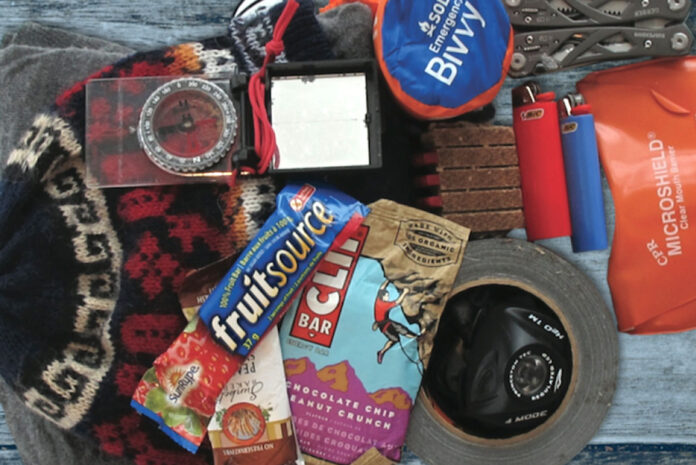
Over the past decade of tripping, I’ve discovered that when minor or major disasters strike, it pays to have key items on hand immediately. An effective ditch kit holds the essentials for survival in a compact and easy-to-carry package, so you’re prepared at all times—even if you get separated from the rest of your gear, or your group. We can’t control all variables, but these basics will help mitigate many potential misadventures.

Whether on a month-long northern river trip or local day trip, the following items always accompany me, conveniently packaged in my holy sh*t kit—a bright red, waterproof and portable 10-liter dry bag. It’s never failed to avert disaster.

Stay Warm and Happy

High-density fuel sources, like chocolate and granola bars, help maintain body temperature, prevent hangriness, and keep energy and morale high.

A lighter and matches, along with waterproofed fire starter, will get a blaze going even in a torrential downpour.

Bring extra layers to bundle up an unexpected swimmer, including a warm fleece sweater, a hat, mitts and a pair of woolly socks.

In case the unexpected swimmer isn’t rescued fast enough or in case your day trip turns into an overnighter, pack a bivy bag and emergency blanket.

Fix People and Things

A mini repair kit should include the bare necessities: multi-tool, Gorilla tape, zip ties and lightweight rope. Many basic field repairs—and shelter construction—can be made quickly and efficiently with these items.

Pack a mini first aid kit. It should contain gloves, a CPR pocket mask, small bandages, gauze and sports tape, plus a wilderness first aid book, notepad and pencil. Carry a more thorough first aid kit in your camp pack. These basic supplies are at hand to address only the most critical (or common) first aid scenarios.

On Your PFD

A signalling device is important for attracting the help of rescuers in a worst-case scenario. A whistle, compass with mir- ror, and light with strobe are helpful. Even more helpful for remote trips are communication devices such as a VHF radio or satellite phone.

In a PFD pocket, keep an extra sheet of water treatment tablets and back-up map.

A knife has a hundred uses in a survival situation. Keep yours sharp and close at hand.

Fold a garbage bag in your pocket. Its multiple uses might surprise you—use it as a water container, as a not-so-trendy little poncho and—if you buy the orange ones—a handy signal flag.

Charlotte Jacklein is a teacher, trip guide and experienced adventurer. 


Screen_Shot_2015-06-12_at_11.26.38_AM.pngThis article first appeared in the Early Summer 2015 issue of Canoeroots and Family Camping magazine.

Subscribe to Paddling Magazine and get 25 years of digital magazine archives including our legacy titles: Rapid, Adventure Kayak and Canoeroots.
Memory Game: Why Research Tells Us To Paddle More

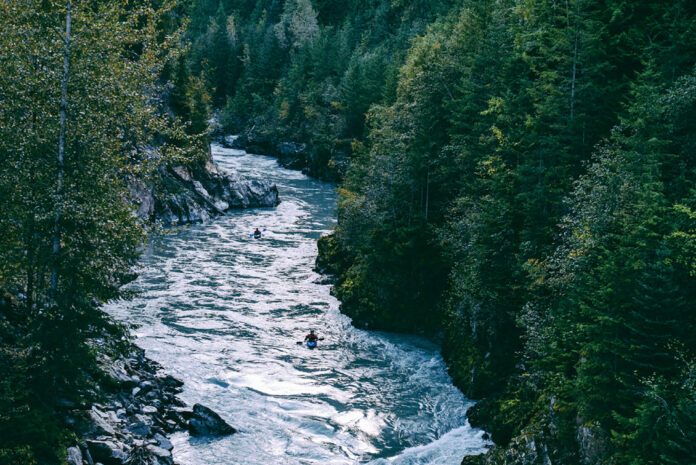
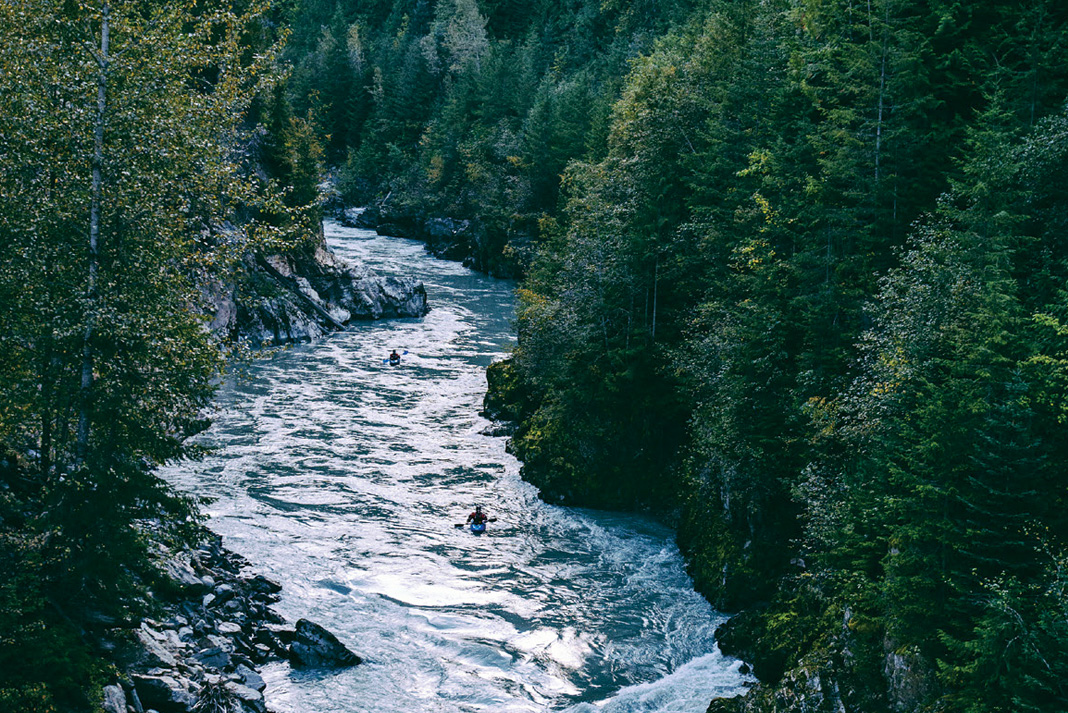
a person kayaks down a stretch of rapids on a river bordered by dense trees
In case you needed one more reason. | Feature photo: Ryan Creary

I keep a river log. A record of all the rivers and sections I’ve run. It dates back to 1989 and lists almost 300 rivers. Some of those rivers I’ve paddled a hundred times, like the Middle Channel of the Ottawa, where I can picture in my mind’s eye every little current and wave. If I can’t fall asleep at night, I often imagine floating Utah’s five-day Canyon of Lodore section, where I guided for four years, remembering every turn, riffle and technical line through the rocks. I usually don’t make it to the take-out.

There are also rivers in there that draw a total blank—I have no memory of them whatsoever. Brown’s Canyon on the Ark in Colorado—I’ve run it three times and have no mental image. The Lower Yough in Pennsylvania—nothing. The Scott River in Oregon—blank. Other than what my logbook tells me, it’s like I’ve never been there. Nothing comes back to me when I try to remember those days. Or so it seems.

Memory game: Why research tells us to paddle more

Memory is a fascinating thing. Once thought of as dusty old photo albums in our mental attic, advances in cognitive neurology and neuro-imagery are rewriting what we know about what we do with our past. It turns out we do almost everything with our memory: it is tied to our emotions, our reactions, our habits and routines and is the key driver in how we make decisions.

This new understanding of memory has made obsolete what we thought we knew about decision-making and judgement—a topic oft written about in this column and in the outdoor leadership field.

In case you needed one more reason. | Feature photo: Ryan Creary

In analytical problem solving, we identify options, assess each, select the best one and implement it. With heuristics, we use rules of thumb to make decisions. But long before these slow, conscious decision processes have even warmed up, a much more sophisticated process has already settled on the best course of action.

As our brains recognize environmental cues, they are subconsciously tested against any existing memories that may identify them—this happens instantaneously.

Memories endure, conscious or not

We also instantly recall things we’ve done in the past, simulate if they could work in this new situation and act accordingly. No conscious decision is actually made—we live more by a reliance on our past actions. Memories are the catalyst. This is known as naturalistic decision-making.

If you think back on your own paddling memories, it is likely the non-normal days that stand out. For me, it’s the Upper Yough, where I felt a good dose of fear, got stuck in a hole and my buddy’s boat got pinned. Or the Yampa River in Colorado, guiding a raft with a blind passenger I had to keep within arm’s reach; rappelling into the Coulonge Gorge in the long-boat days; aborting an eddy on the Yukon’s Tutshi upon realizing a moose had parked there ahead of me—the list goes on.

These adventures stand out because they’re out of the ordinary, but it’s the less notable trips that form the bulk of my unconscious memories—an indistinguishable base that makes up my experience. And so it is with my forgotten rivers: they are not forgotten at all, but have been integrated into a vast memory bank defining a normal river run. Our experience is really about how many memories we’ve accumulated, not how many we remember.

[ Paddling Buyer’s Guide: View all river running kayaks ]

The benefits of building up your memory banks

This experience is the raw material for the naturalistic, on-the-fly decisions we make all the time, every day. When there are no options available in our bank of memories, the slow cognitive machine has to wake up and analyze the problem—judgment has to fill in the gaps. We’re not very good at making decisions this way, so the less often this process gets called into action, the better.

The mandate then, is clear: paddle a lot.

A larger databank of memories by its very nature will stumble upon variations, boundaries and non-normal events, all of which make for better decision-making when it really matters.

Jeff Jackson is a professor with Algonquin College’s Outdoor Adventure guide training diploma and is the co-author of Managing Risk: Systems Planning for Outdoor Adventure Programs.

Cover of the 2023 Paddling Trip GuideThis article was first published in the Early Summer 2015 issue of Rapid Magazine and was republished in the 2023 Paddling Trip Guide. Subscribe to Paddling Magazine’s print and digital editions, or browse the archives.


In case you needed one more reason. | Feature photo: Ryan Creary


Why Some Canoe Builders Believe Innegra Is The Next Big Thing

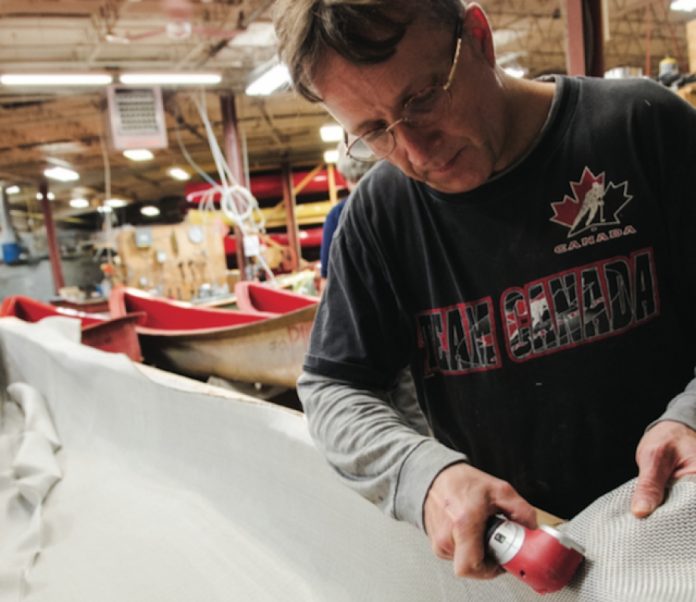
Photo: Ken Chen
Is Innegra the future of canoeing?

How do you create a tougher canoe without increasing the price or weight? Some manufacturers claim they have answered this age-old quandary with the composite material Innegra.

Though not a new material, Innegra has gained popularity on the water this year. The polypropylene-based fiber is being woven into canoe and kayak hulls to complement other high performance materials, like carbon, aramid and fiberglass, creating well-priced, extra durable designs.

“I tested our Innegra boats by doing things I’ve never done to a composite hull in 28 years,” says Nova Craft Canoe president, Tim Miller. Nova Craft released new material TuffStuff, an Innegra and basalt blend, earlier this year. To test the prototypes, Miller subjected them to a battery of tests including vices, sledgehammers and being thrown from a 10-story factory rooftop (view the video here).

For the toughness and price point, “there’s nothing else quite like it,” he adds.

Canadian manufacturers Swift Canoes, Handcrafted Canoes and H2O Canoe Company also released Innegra-infused layups this season.

Innegra is produced exclusively by Innegra Technologies, located in Greenville, South Carolina. Major markets for the yarn include the automobile, military and sporting goods industries. In the paddlesports industry Innegra is also found in helmets, rescue ropes and paddleboards.

“Innegra was designed to fill a need for strong, damage-resistant and cost-effective lightweight composite materials,” says Mark Smith, president of Innegra Technologies. Pure Innegra is not rigid enough to make a canoe or kayak hull, but when combined with other composites the result can be impressive. “It’s lighter than fiberglass, less expensive than carbon, buoyant, impact-resistant and dampens vibrations.”

Though Innegra was first manufactured in 2003, Adventure Technology Paddles were among the first to popularize the material in the pad- dlesports industry with the 2013 release of their Duraweave whitewater kayak paddle series. The blades have been heralded as some of the lightest and strongest on the market.

Not everyone is enthralled with Innegra, however.

“We don’t see it as a game-changer,” says Bill Kueper, vice president at Wenonah Canoe. In 2010, Wenonah introduced an Innegra-containing canoe called the Barracuda. “We made more than 100 Innegra-contain- ing canoes and we didn’t see a true advantage to the consumer in price or durability [over other Wenonah products].”

Kueper adds that Wenonah has Innegra in stock for further research and development, but there are no immediate plans for its use. Mad River Canoe is also testing Innegra for possible future use in their line of composite canoes.

According to Jeff Hill, owner of H2O Canoe Company, which released an Innegra blend as part of its new Epoxy Pro Series, a couple factors have contributed to Innegra’s recent popularity.

“Everyone who makes canoes is challenged by the consumer to create a tougher product. If we even get a sniff that there’s a tougher material out there, we’re going to chase after it,” says Hill. “I think everyone knows that for 10 years the canoe market has been fairly stale in technology—a new material is exciting.”

H2O’s Epoxy Pros were a hit at spring tradeshows. “We’re very happy with Innegra,” he adds, “however, we are careful not to say it’s the be-all and end-all. Nothing is indestructible, and it doesn’t fill the entry-level price-point void that is left by Royalex.”

The material void on the market, created when hull material manu- facturer PolyOne ceased Royalex production in April 2014, has likely contributed to Innegra’s rise in popularity. “It seems like it’s the right material at the right time,” agrees Nova Craft’s Miller.

Innegra Technologies reports five additional canoe manufacturers have been in contact for samples, and it expects we’ll see more Innegra-blend canoe and kayak hulls on the water soon.


Screen_Shot_2015-06-12_at_11.26.38_AM.pngThis article first appeared in the Early Summer 2015 issue of Canoeroots and Family Camping magazine.

Subscribe to Paddling Magazine and get 25 years of digital magazine archives including our legacy titles: Rapid, Adventure Kayak and Canoeroots.
Story Behind the Shot: Waiting Game

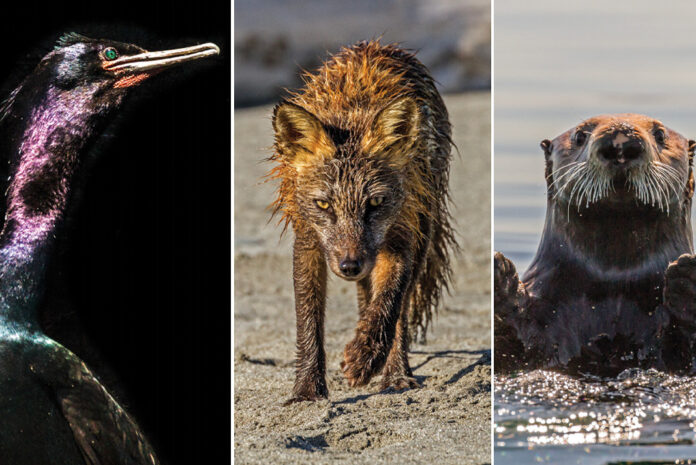
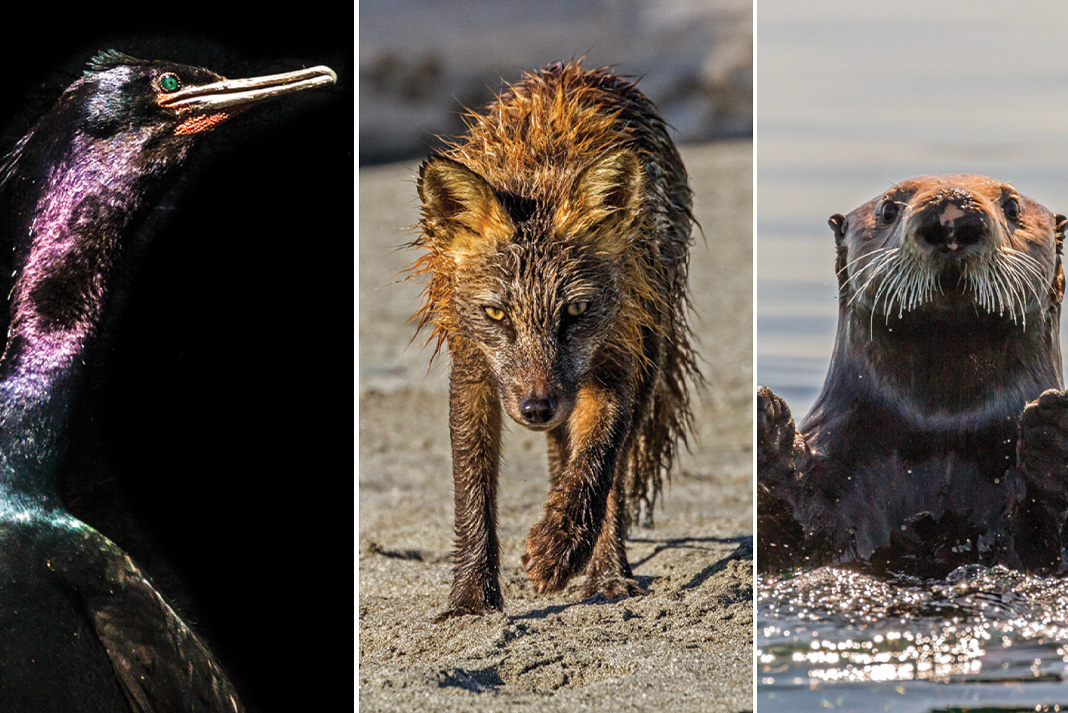
Story Behind the Shot: Waiting Game | Photos: Daniel Fox

If I followed a direct line from the beach at Partition Cove on Alaska’s Kodiak Island out across the ocean, I would find myself passing by Hawaii and landing on the banks of Sulzberger Bay in Antarctica, 9,000 miles away.

I’m sipping a mug of tea and contemplating this watery horizon when, from the corner of my eye, I notice movement. Turning, I see a fox making its way across the sand. His fur is wet and spiky from a recent plunge into the cold Pacific, perhaps lunging at a fish or a stranded fowl. My presence tickles his curiosity; his upbeat footstep brings him closer to my campsite.

For a moment, I feel like we are having a conversation. I never hide from animals. In fact, I want them to see me. Photography is an exchange between a subject and an observer. In these portraits made while kayaking around Kodiak Island there is a dialogue between the animal and myself. This is my philosophy in all photography and especially with wildlife—I don’t want to take the shot, I want to receive it.

Story Behind the Shot: Waiting Game | Photos: Daniel Fox

Often, receiving such a shot—when our eyes meet and we share that unspoken communication—is a matter of waiting. I have lain on the sand for interminable hours, my eyes glued to the camera. Bones aching, skin itching, fingers numb. Waiting for 30 minutes without pause and then—the second I break my concentration—a perfect, fleeting combination of eye contact, light and composition. And so I wait some more.

Nothing would ever be accomplished if we just waited for things to happen. But you must be able to wait for the unique to manifest.When it does, all those minutes, all those hours, all those years waiting, suddenly are worth the wait.


Screen_Shot_2015-06-15_at_3.44.39_PM.pngThis article first appeared in the Early Summer 2015 issue of Adventure Kayak magazine. 

Subscribe to Paddling Magazine and get 25 years of digital magazine archives including our legacy titles: Rapid, Adventure Kayak and Canoeroots.
Treasures Await Paddlers In The Bowron Lakes

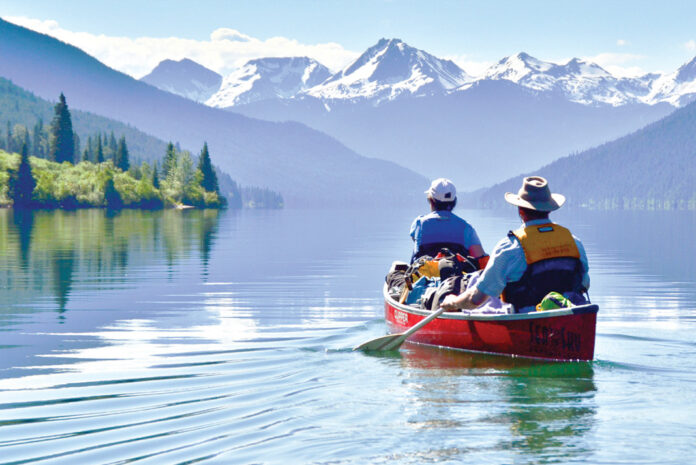
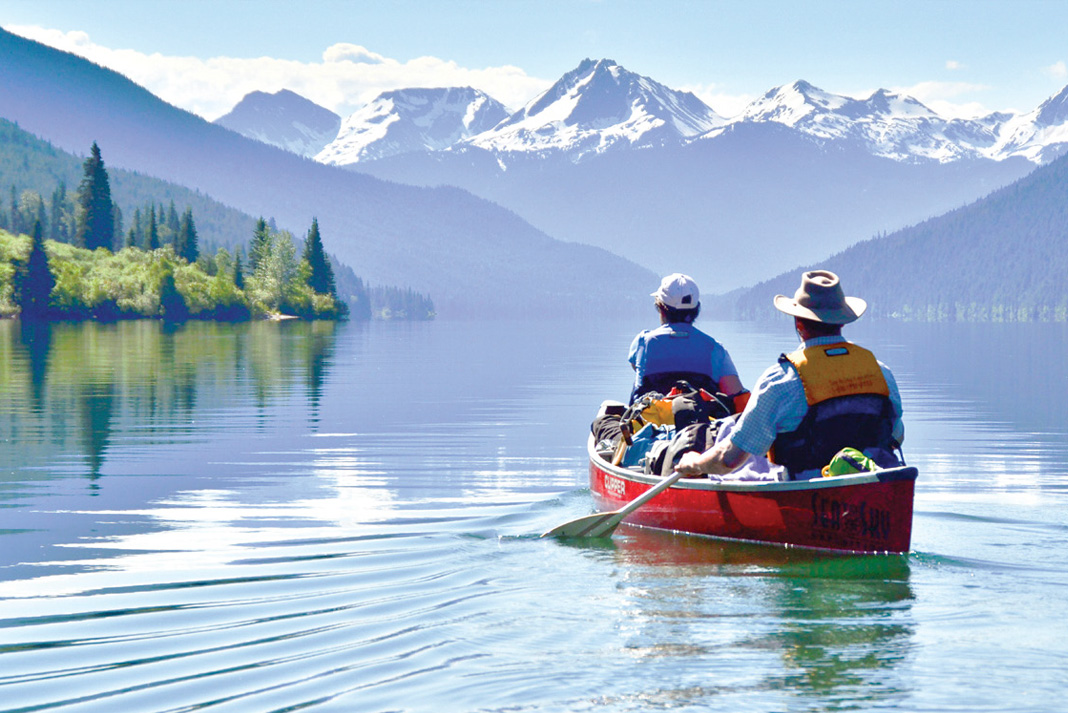
Bowron Lakes | PHOTOS: KELLY KURTZ

The call of a loon echoes across a glassy calm lake and our group sips hot cups of tea by the campfire. The sun dips beyond the hori- zon, painting the sky red and orange.

Solitude is the most common way my guests describe their experience on the Bowron.

The Bowron Lake area provides the quintessential mountain canoeing experience, and is often rated one of the top 10 canoe routes in the world. Sprawling over four eco-zones and nestled in the majestic 1,500-meter Cariboo Mountains, it’s a visually impressive route.

In addition to the diverse scenery, wilderness paddlers are rewarded with rushing waterfalls, wild edibles, fresh fish and abundant wildlife. A canoe trip here offers the perfect balance of challenge and reward.

TRIPS

If you have a half day, paddle and fish Bowron Lake. An hour and a half east from small city Quesnel, you can put in right on Bowron Lake. The best spot for fish is where the Bowron empties north into Bear River.

If you have a day, paddle seven kilometers to the Bowron River estuary, leaving powerboats behind. Watch for moose and enjoy this birdwatcher’s paradise—bring your binoculars.

If you have a weekend, paddle the West Arm of the Bowron circuit. Camp at Pat’s Point on your first night, then paddle to Unna Lake where you can swim, pick blueberries and visit Cariboo Falls (26 meters). The West Arm is prime moose habitat.

If you have a week, paddle the whole 116- kilometer circuit. Expect it to take six to eight days. The 11 kilometers of portage trail are cart- accessible. Along the way, shoot the chute at the end of Isaac Lake, visit waterfalls, view wildlife, fish, swim and go berry picking. Groups of seven or more need to book campsites, smaller groups are first-come, first-serve.

Bowron Lakes | PHOTOS: KELLY KURTZ

STATS

Population: 30 permanent residents

Wildlife: Moose, black and grizzly bears, wolves, beaver, lynx, waterfowl, loons, osprey, otters, bald eagles, trout, Rocky Mountain whitefish and kokanee salmon.

Campsites: Boreal forest to sandy pines, often with moose. Sites feature tent pads, fire rings, metal bear lockers and outhouses. Woodlots are found along the way; bring an axe.

Diversion: Travel back to the 1850s by visiting nearby gold rush town and national historic site, Barkerville.

Best Eats: Can’t beat fresh Kibbee Lake rainbow trout. For dine-in, try Bear’s Paw Café, Big H’s Fish ‘n’ Chips and Savala’s Steak House.

Best Fly-fishing: Kibbee Lake rainbow trout and whitefish on Thompson Lake.

Outfitters: Sea to Sky Expeditions (seatoskyexpeditions.com) and Pathways (bowronlakes.com) offer guided trips. Pick up last-minute items at Bear River Mercantile (bowronlake.com).

Must-have: Camera and a telephoto lens.

Seasoned wilderness guide Kelly Kurtz considers the Bowron Lake area in northern British Columbia an old friend. She’s never without her fly rod and camera, capturing the stories that emerge from guiding. 


Screen_Shot_2015-06-12_at_11.26.38_AM.pngThis article first appeared in the Early Summer 2015 issue of Canoeroots and Family Camping magazine.

Subscribe to Paddling Magazine and get 25 years of digital magazine archives including our legacy titles: Rapid, Adventure Kayak and Canoeroots.
6 Pro Tips For Canoeing In Waves And Swells

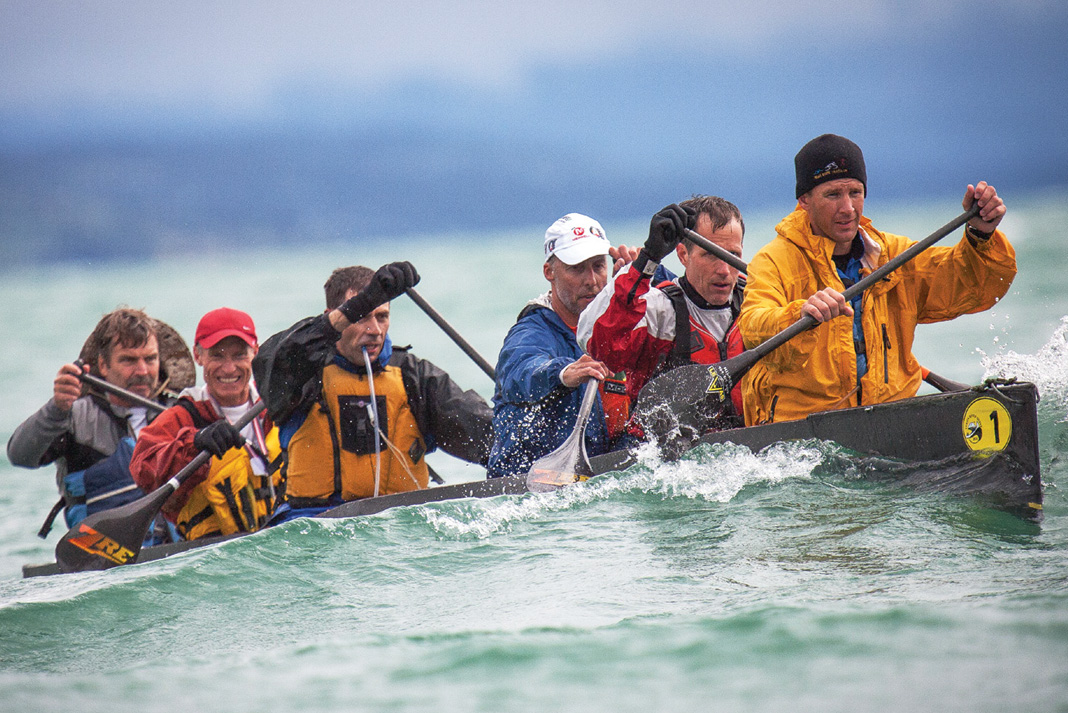
six people canoeing in swell and waves
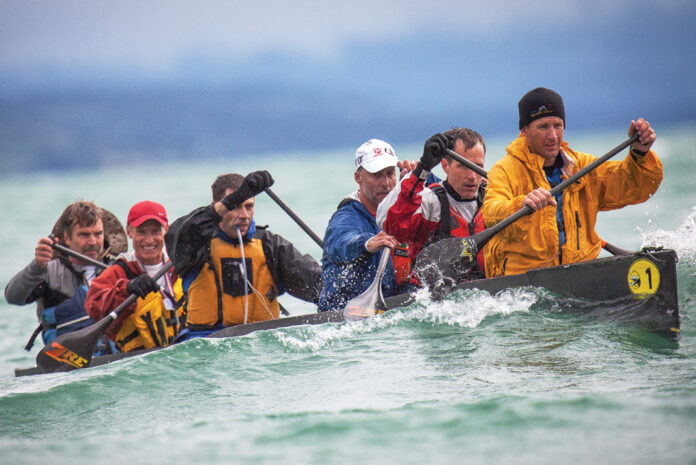
A smooth sea never made a skilled sailor. | Feature photo: Justin Kennedy

Most canoeists know a cold swim is often preceded by a wave taken at a bad angle. Depending on your skill level, canoeing in waves can be either frightening or fun. Follow these simple tips for paddling in waves to keep your experience positive.

6 pro tips for canoeing in waves and swells

1 Wind waves versus swells

Not all waves are created equal. Wind waves are short, choppy and steep, and are generated by the wind in a local area. Swells are characterized by smooth surfaces with longer wavelengths and are generated by distant weather systems. Swells are found only on the largest lakes and the open ocean; wind waves are found everywhere.

A smooth sea never made a skilled sailor. | Feature photo: Justin Kennedy

2 Play the angle game

When paddling into wind waves, it’s common for the bow to crash into an oncoming wave, giving the bow paddler a free shower. The solution is to take the waves on a 45-degree angle. This lengthens the distance between the crests of the waves. It also decreases the slope and makes for a drier ride.

Paddling parallel to a wind wave is an unstable position and should be avoided. If you must paddle in wave troughs, keep your hips loose and allow the boat to move with the wave as it passes under. When paddling with wind waves from behind, use a strong rudder to keep the boat from broaching.

3 Hurry on

Momentum is your friend. When faced with an oncoming wave, many inexperienced paddlers will freeze; instead, maintain your rhythm and keep paddling. Your boat is more stable with your paddle in the water and with forward momentum. Concentrate on planting your paddle at the top of every wave and imagine driving your hips forward and over the crests.

Trimming the canoe by shifting some weight to the stern may help the bow ride over the waves, but be careful not to overdo it; you may have to change direction at some point.

4 Get decked

By far the best addition to paddling in areas likely to encounter swells and wind waves is a spraydeck. Spraydecks keep water out of the boat better than any other accessory and significantly add to your comfort and safety in waves.

5 Design matters

The open design of a canoe means that even moderate waves can break over the bow and cause the boat to take on water. Canoes with greater rocker and flare are more enjoyable and safer to paddle in waves. Tripping canoes will fit the bill much better than race boats.

6 Look out

Because swells come in sets of differently sized waves, some will break over underwater rocks and ledges where others will not. Nautical charts show underwater features you may wish to avoid that topographical maps do not. Always look well ahead of where you are and make a mental note of where swells are breaking before you get there.

Richard Alexander is a former president of Paddle Canada and canoeing instructor in Newfoundland.

Screen_Shot_2015-06-12_at_11.26.38_AM.pngThis article was first published in the Early Summer 2015 issue of Canoeroots Magazine. Subscribe to Paddling Magazine’s print and digital editions, or browse the archives.


A smooth sea never made a skilled sailor. | Feature photo: Justin Kennedy


World-Class Creeking In Veracruz, Mexico

PHOTOS: DYLAN PAGE
PHOTO: DYLAN PAGE

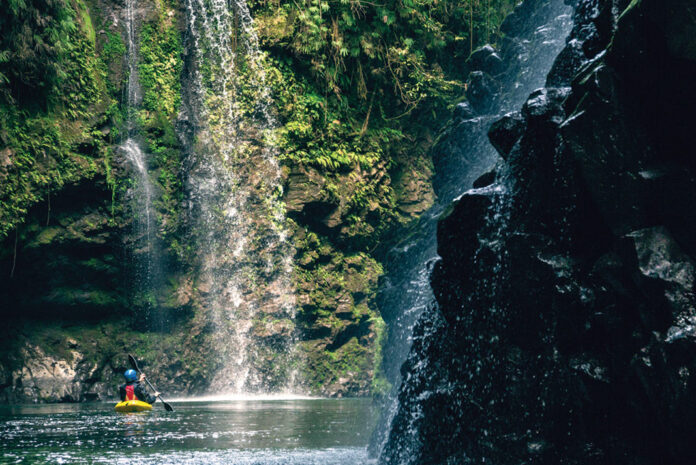
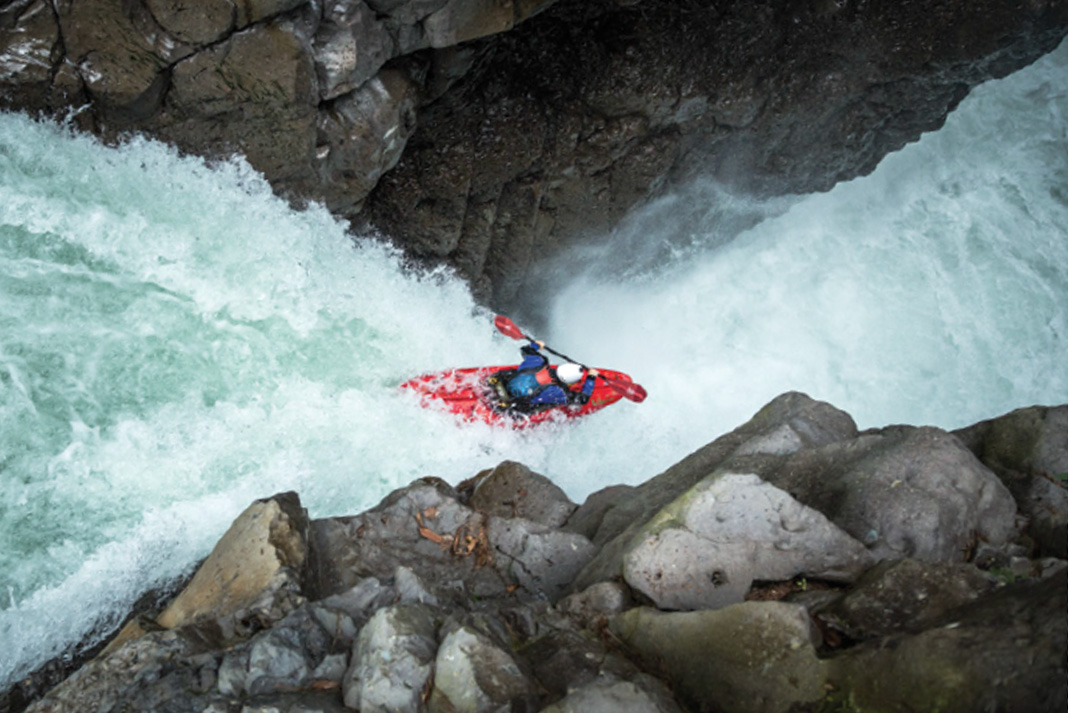
Two hundred miles from Mexico City, the small city of Tlapacoyan lays nestled in the thick of lush Mexican jungle. “The scenery is like something out of a movie,” says Rafa Ortiz, who grew up in Mexico City and started rafting on the Alseseca River in Veracruz at age nine.

Best known for running big drops, Ortiz now travels the world as a professional kayaker, but will never stop visiting Veracruz.

“I’ve traveled a lot, and have friends who’ve paddled hundreds of rivers around the planet, and we pretty much all agree that the Alseseca River has the most awesome whitewater,” Ortiz says.

Seemingly countless sections of the Alseseca keep drawing paddlers to the region. “It’s one river where you can spend a couple weeks and not get tired of it.”

Though a great day on the river for Ortiz may include 40-foot falls, there’s something in Veracruz for everyone. You’ll easily find whitewater within a class III and IV comfort zone on the Alseseca and other rivers nearby, plus a community of boaters to help you push your limits. “It’s a great place to run your first waterfall,” says Ortiz.

PHOTO: DYLAN PAGE

Don’t miss…

The Alseseca Race takes place on the famous roadside section of the river every January drawing competitors, volunteers and spectators from around the world.

Travel

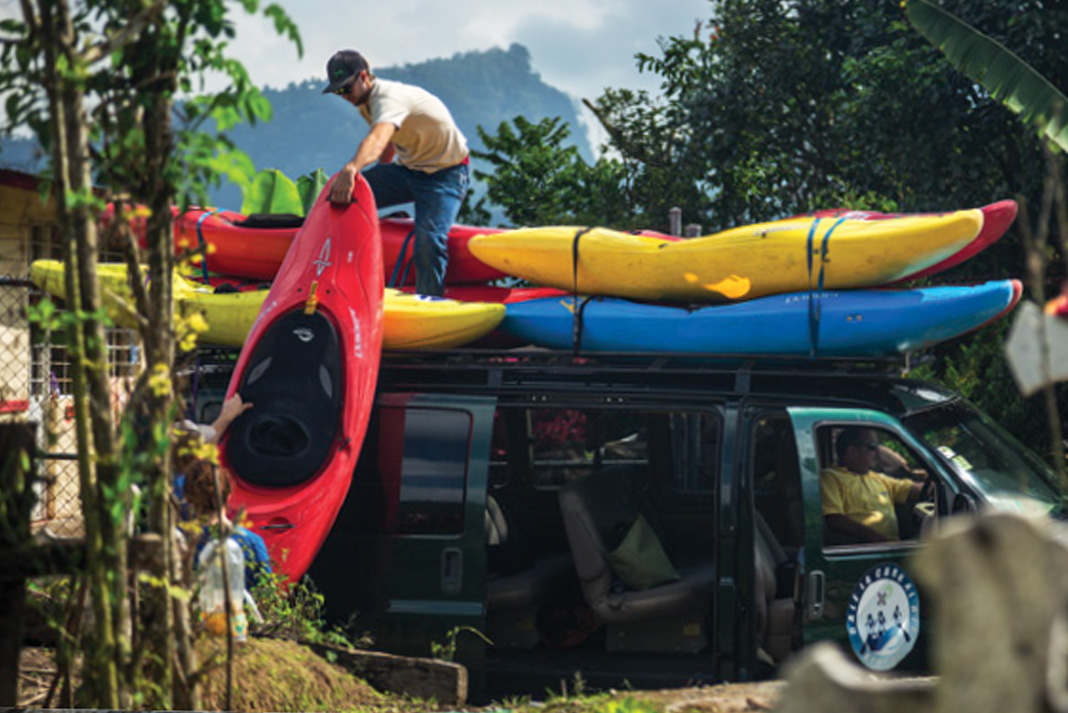
Fly to Mexico City and catch a bus to Tlapacoyan. It’s an easy trip, though less convenient with a boat on board (see below for gear advice.) Car rentals are available at the international airport.

Stay

Adventurec in Tlapacoyan has cabins and camping for kayakers, as well as guides, raft trips, equipment rentals and a variety of adventure and cultural activities. It’s a great place to meet other boaters (www.Adventurec.com).

Gear

If you’re visiting Veracruz for less than 10 days, rent a boat from Adventurec. If you’re there for longer, bring your kayak, says Ortiz. Keep in mind that big impacts on Alseseca’s steeps are notorious boat breakers.

Safety

The rivers in the area can be challenging, and there are many canyons. Though online beta can be helpful, it’s smart to find a guide or connect with boaters who know the region well.


This article on whitewater canoeing was published in the Early Summer 2015 issue of Rapid magazine.This article first appeared in the Early Summer 2015 issue of Rapid Magazine. 
Subscribe to Paddling Magazine and get 25 years of digital magazine archives including our legacy titles: Rapid, Adventure Kayak and Canoeroots.

Dammed If You Do, Damned If You Don’t

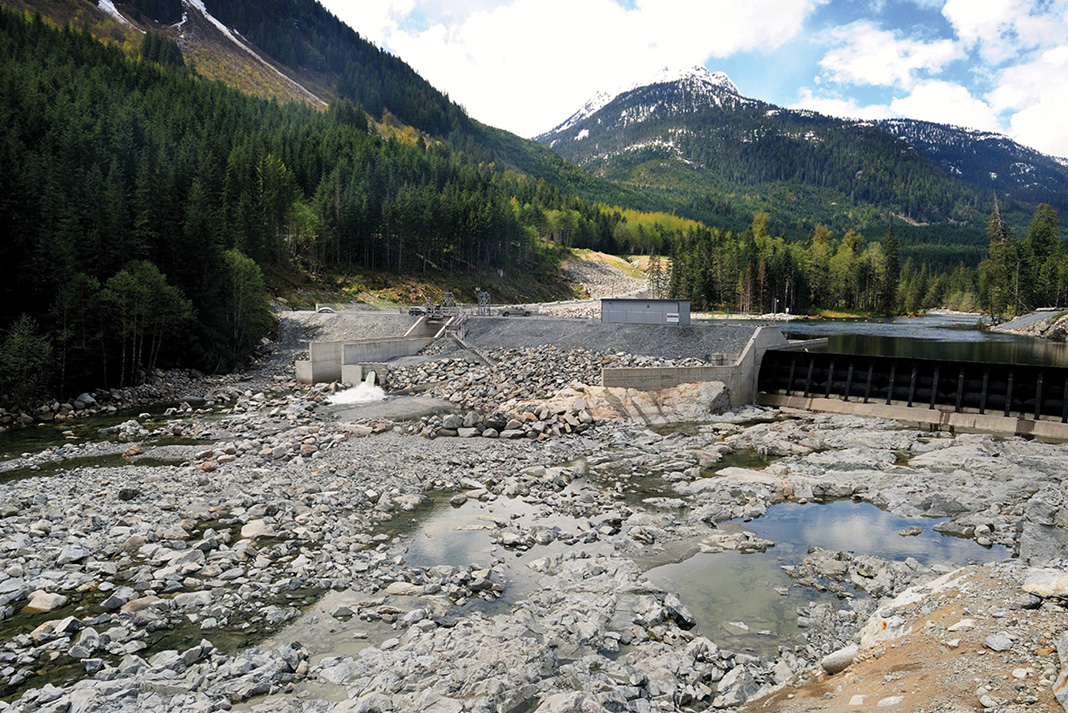
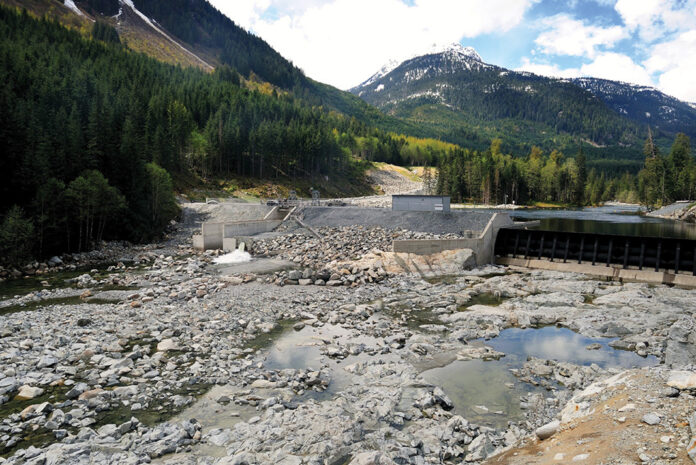
a hydroelectric dam project in the mountains
Climate change means no easy answers for river conservationists. | Feature photo: Steve Rogers

Five years ago I paddled Nepal’s classic Marsygandi River, one of the world’s finest for whitewater kayaking. I went back last fall to paddle it again.

When I saw the middle canyon had disappeared under a huge reservoir, and that the upper section was in the midst of dam construction and awaited a similar fate, I felt angry and helpless, as if I had lost a loved one. Another river had fallen victim to mankind’s insatiable thirst for energy. It wasn’t the first time I felt that way; I had similar experiences on Corsica’s Rizanesse, Turkey’s Coruh, Uganda’s White Nile, and many creeks in British Columbia.

Dammed if you do, damned if you don’t

As a kayaker, I feel a deep connection to rivers and the ecosystems they support. Nothing makes me happier than paddling exciting rapids through untouched wilderness.

In my youth, I saw new hydro development as a crime against the planet, perpetrated by evil energy companies in their blind pretext of human progress, like the villainous Once-ler in Dr. Seuss’ The Lorax.

Climate change means no easy answers for river conservationists. | Feature photo: Steve Rogers

Today I am more conflicted about dams. As a kayaker, I want the rivers of the world to run freely. However, as a person concerned with climate change, my number one priority is to get the world off fossil fuels and the reality is that alternative energies, including hydro, are a large part of the answer.

Energy has made our lives much, much better, and people in developing countries are striving for similar access.

The International Energy Agency forecasts that global energy demand will double by mid century and quadruple by 2100. Currently, 85 percent of the world’s energy is met by burning fossil fuels—coal, oil and natural gas—releasing greenhouse gases (GHG) and warming the planet.

Scientific consensus shows that to avoid irreversible climate change, global GHG emissions must drop by 50 percent by mid-century and to near zero by 2100. A momentous challenge.

Pulling out all the stops

Hopefully much will be achieved with energy efficiency, but it won’t be enough—not even close. We need to rapidly develop every alternative available including nuclear, renewables such as wind and solar, and yes, hydro.

Many hydro developments will have significant local environmental and cultural impacts. However, if not addressed, climate change will have terrible global impacts—and global impacts are just local impacts everywhere. River ecosystems around the world will collapse.

I am not advocating for damming every single river. I am advocating for our paddling community to become an active and constructive voice in how rivers may help solve one of the greatest challenges we, as a species, have ever faced. We should help identify which hydro projects are good, and which rivers hold exceptional value for sustenance, recreation or cultural reasons and should therefore be preserved. Opposing every single hydro project will only cause other stakeholders to ignore us.

I have not come to peace with my inner conflict and will continue to feel angry each time another river is lost. But I am starting to think that maybe damming the Marsygandi is the price we need to pay to protect our planet, and in doing so preserve at least some of the world’s river systems.

Maxi Kniewasser has paddled all over the world and holds a master’s degree in resource management. He works as a technical and policy analyst at a clean energy think tank, and is a regular Rapid contributor.

Cover of Spring 2015 issue of Rapid MagazineThis article was first published in the Spring 2015 issue of Rapid Magazine. Subscribe to Paddling Magazine’s print and digital editions, or browse the archives.


Climate change means no easy answers for river conservationists. | Feature photo: Steve Rogers