Home Blog Page 273

Carve Your Own Paddle

Photo: Kaydi Pyette
Carve Your Own Paddle

These detailed instructions accompany the Campcraft article in Spring 2015 issue of Canoeroots Magazine. The instructions are provided by Russ Parker, instructor for the canoe paddle carving course at the Canadian Canoe Museum. Visit their webiste to register for an onsite workshop.

1) Determine the appropriate shaft length.
2) Decide on the blade profile you want.
3) Choose an appropriate 1 1/4″ x 6″ board
4) Pencil in a centre line on both faces.
5) Mark out the appropriate shaft length and 1 1/8″ width and grip shape on one side.
6) Draw the blade profile on the same side.
7) Cut the blade profile on the bandsaw. For those not familiar with bandsaw use, ask for assistance.
8) Mark a centre line on the blade edge.
9) Pencil in lines 1/16″ each side of this line. Mark lines angling out to the blade face at the shaft end, leaving ¼” thickness at the blade tip.
10) Bevel the blade faces from the shaft to the tip, following these angled lines.
11)Useing the spokeshave, bevel the blade edges at approx. 45 degrees to the 1/16″ lines in the paddle edges.
12)Re-establish the centre line on the blade faces. See Note*
13)Spokeshave the four quadrants of the blade faces from the centre lines to the 1/16″ lines on the edges.
*Note: Alternately, you can spokeshave the 2 faces flat until you achieve the target blade thicknesses in step 14 and then proceed with step 12 and establish the blade centre line
14)You are working to achieve a thickness of 3/8″ ,one third of the blade length up from the tip, and 5/8″, two thirds of the blade length up from the tip.
15)Try and leave a spine following the centre line in the upper 1/3 of the blade faces.
16) You are looking to create a low oval shape in the blade from mid blade to tip.
17) When the blade is the desired profile and thickness you can round the edges. The sharper the edges the easier the blade enters the water. They are more easily damaged however.
18)Pencil in the taper for the grip, on the shaft sides and cut out the excess on the band saw or with spokeshave an or rasp.
19) Spokeshave/rasp the grip to your desired size and shape.
20)Pencil in lines on all four sides of the shaft, between the centre lines and the shaft edges
21) Spokeshave the shaft to remove the 4 edges to these lines, giving an octagonal shape.
22) Now remove the eight edges and shape the shaft to a soft oval shape approx. 1 1/8″ thick and 1-1 1/16″ wide, or to fit your hand comfortably.
23) Once you are certain you are finished shaping the paddle with edged tools, you can sand the  paddle. Sanding will leave grit in the wood that will dull edged tools if you sand before you  are finished using sharp edged tools.
24) Using a piece of 80grit sanding cloth from a belt sander, shoe shine the shaft to remove tool marks and give an even shape.
25) Sand the entire paddle with 80grit sandpaper to remove all tool marks.
26) Sand again with 120-150grit paper to remove the 80 grit marks then 220grit sandpaper to remove the 120-150 grit marks.
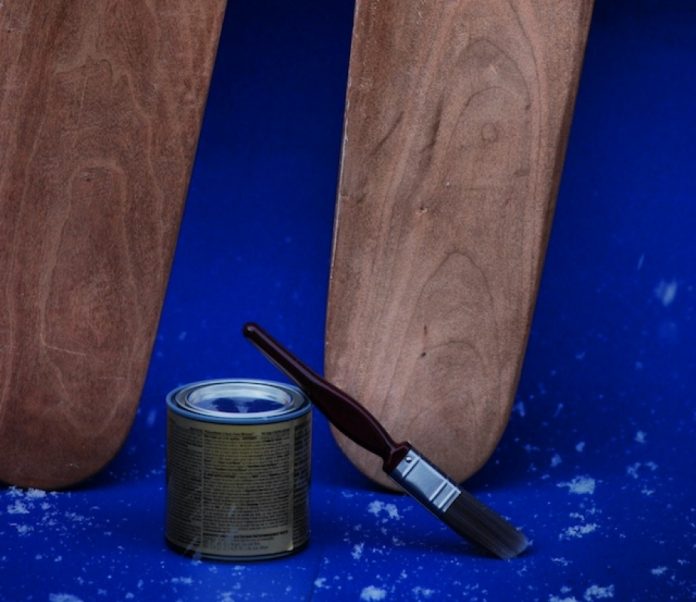
27) You can stain the paddles if you choose, following directions on the can. White woods such as ash will look better with a light stain. Woods such as cherry don’t need stain.
28) The paddle can be finished with an exterior grade polyurethane/spar varnish or a marine oil  finish. Follow directions on the can of whatever finish you choose. I recommend at least 4 coats of an exterior spar varnish/polyurethane. Oil finishes are not as effective at preventing moisture movement in and out of wood  as polyurethane/spar varnish.
29) Go paddling and enjoy your creation.
   

Screen Shot 2015 03 18 at 10.45.19 AM

This digital extra accompanies an article that first appeared in the Spring 2015 issue of Canoeroots and Family Camping magazine.

 

The Blackfly Song

The Blackfly Song
[iframe src=”https://www.nfb.ca/film/blackfly/embed/player” width=”516″ height=”320″ ]

Blackfly by Christopher Hinton, National Film Board of Canada

It won’t be long now before paddlers are humming this popular folk song on the portage trail, around the campfire and just about everywhere else too. 

From the National Film Board of Canada: “This animated film about the pesky blackfly is based on the song of the same title, written and sung by Canadian folk singer Wade Hemsworth, with back-up vocals by the McGarrigle sisters. It recounts Hemsworth’s battles with this quintessential “critter” during a summer of surveying in Northern Ontario.”

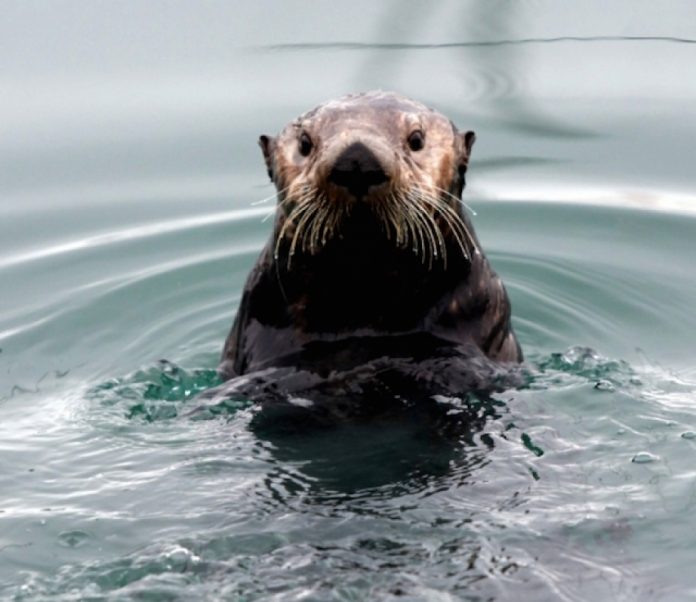
Cute & Catalytic: Sea Otters

Photo: ©istockphoto/wellesenterprises
Cute & Catalytic: Sea Otters

In 2009, a lone sea otter appeared on the Oregon Coast, where they’d been extinct since 1906. It floated twenty yards from the Whale Watching Center in Depoe Bay for a few days, and then vanished.

Unfortunately for marine biologists, tourists, and several species of kelp, the otter wasn’t an advance scout for a larger population seeking new real estate. Single otters often venture far from their home range and then return. The visitor was probably from the Northern California population.

Sea otters are adorable. They float on their backs cracking crabs and sea urchins to the delight of wildlife watchers. But these furballs are also agents of massive change. By their presence or absence, otters send ecological shock waves through coastal ecosystems. As sea otters rebound from nearly being hunted into extinction, these changes are gathering steam…

Neil Schulman is a paddler, conservationist and regular contributor to Adventure Kayak magazine. Continue reading his insightful look at sea otter ecology on the Panama Jack blog.


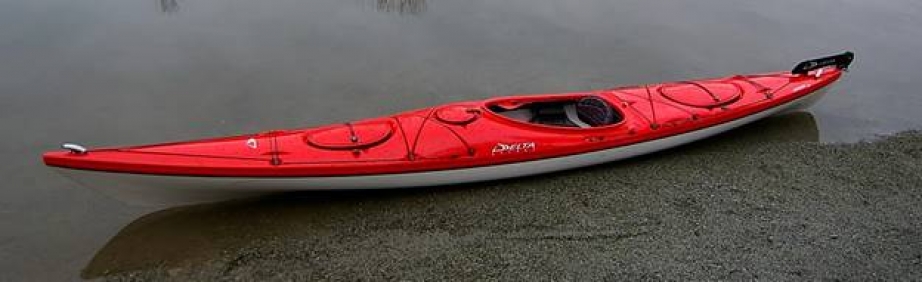
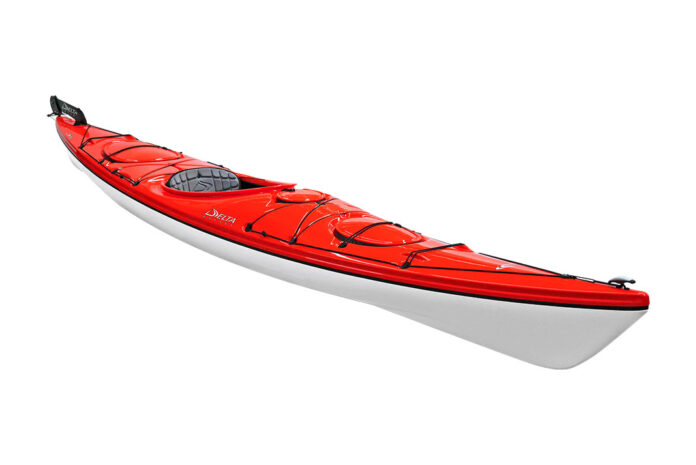
Delta Kayaks’ Redesigned 15.5 GT

Delta Kayaks 15.5 GT

Delta Kayaks, Canadian Manufacturer of Premium Thermoformed Kayaks, raises the bar in the Sea Kayak Touring category with its launch of the newly redesigned Delta 15.5GT.

Delta Kayaks’ Redesigned 15.5 GT

Delta’s 15.5 has been the flagship of their Touring line since its inception in 2006. Its stability and carrying capacity have offered worry free paddling for many and loads of storage for longer trips. In the past the Delta 15.5 was coined by many as the minivan of their line and now the minivan has received a stunning redesign.

“It’s always a daunting task to redesign a model that has done so well for us,” said Stuart Mounsey, designer at Delta Kayaks. “There are thousands of paddlers that count themselves as proud owners of a 15.5 so designing a 2nd generation 15.5GT has to take into consideration the potential we see in the category, but also the expectations of existing owners that might like to upgrade to the new 2015 version. After test paddling it, we are positive that we’ve not only met, but exceeded all of our goals.”

At 15’6” in length and 24 inches wide, the 2015 Delta 15.5GT comes loaded with proprietary features that have proven to be well received on Delta’s other kayak models and have now become standards in our designs. The new Delta 15.5GT features a slightly narrower width by 1/2 an inch, a refined v-shaped hull offering better tracking and foot positioning on the foot pedals, 3 gear hatches with Press-Lock hatch covers and curved bulkheads, a front deck day hatch, second generation Contour Seat System and is much lighter at 49lbs (weight is calculated with rudder and all outfitting).

The team at Delta Kayaks says the new 15.5GT should appeal to a wider audience with all of the upgrades in features and performance. The new design has an improved secondary surface for bracing, edging and maneuvering combined with a longer waterline and slightly less rocker providing a much better hull speed and tracking than its predecessor. They are confident that the new 15.5GT will set the mark for all sub 17 foot sea/touring kayaks on the market.

Delta Kayak’s Redesigned 15.5 GT

Delta Kayaks 15.5 GT Details

  • V-Shaped hull with moderate chine and upswept bow provides an optimal blend of speed and stability for great performance and a dryer ride
  • Thermoformed ABS construction provides high abrasion and impact-resistance coupled with superior UV protection so your kayak looks like new for many years.
  • Designed with simplicity in mind Delta’s lightweight, multi-position Contour Seat System provides excellent back support, quick adjustment and optimal comfort in a user friendly design.
  • Delta’s proprietary indexing system allows the seat to travel forward and back 4” for a custom fit under the thigh braces and to help trim your kayak if needed
  • New low-profile front day hatch is within easy reach, and 2 main dry storage areas sealed with rigid bulkheads provide ample space for your gear
  • Delta’s proprietary ‘Press-Lock’ hatch covers create a watertight seal with a specially designed gasket that envelops the rim of the hatch with an easy push
  • Padded integrated thigh braces improve control and overall comfort
  • Delta’s integrated rescue system combines bungee cord, perimeter line and paddle recess aft of the cockpit to help make paddle float re-entry quicker and easier.
  • Raised bungee lines provide a quick and easy place to secure your paddle blade at the bow and a convenient place to secure your spare paddle at the stern
  • Deck fittings are recessed and hatches flush-mounted for a sleek look and no-snag design.
  • Channel-mounted and individually tubed rudder lines ensure a smooth and kink-free operation
  • The Delta 15.5GT with rudder features ergonomic, retractable dual-density grab handles that are easy on the hands
  • Made in Canada

On sale Spring 2015 at Delta Kayak dealers, the Delta 15.5GT comes in all four 2015 Delta colours: Red, Sunset Orange, Lime Green and White.

About Delta Kayaks Ltd.

Delta Kayaks is a family owned business with over 30 years of thermoforming expertise mixed with advanced paddlesport knowledge. From the outset, our intent was to simply build the “best” thermoformed kayaks we could build right here in North America. Through innovation and design we have created a complete line of outstanding kayaks that will appeal to paddling enthusiasts of every age and level. From the super shine of the Solarkote® finish to the full complement of deck rigging, multi-position seat systems and long waterlines, our commitment to quality and value is evident in every kayak we build. For more information visit www.deltakayaks.com


Butt End: Carry On Glamping

Photo: Kevin Callan
Kevin Callan tried Glamping.


Imagine waking up to the smell of a cinnamon-spiced double latte, rolling over in your silk-lined sleeping bag and browsing through the latest issue of The New Yorker while organic gingerbread waffles with drunken strawberry and vanilla bean compote await you on a bamboo-linen table cloth outside your tent. Who wouldn’t want that on their next canoe trip?

It’s been labeled “glamping”—short for glamorous camping. Dating back to the African safaris, it is now more like Club Med in the boonies. Celebrities such as Kate Moss and Sienna Miller have popularized glamping in the U.K. and the U.S. and it’s now a hot commodity in Canada, which is why Global News, Breakfast TV, Canada AM and CBC all asked me to help promote it.

Is glamping camping? Well, I claimed it was on national television and boy, did I stir the pot. 

Avid campers logged onto my blog, Facebook and Twitter accounts filling my e-mail inbox. They blasted me for stating that sleeping in a posh tent and having dark chocolate truffles placed on an eiderdown pillow in the morning was a true act of camping out.

So, why did I go out on a limb and promote wearing cashmere socks and packing miniature iPod chargers?

It came down to simple mathematics. I want a percentage of glampers to one day try real camping, where you portage your own canoe and pluck the blackflies out of your own Chardonnay. I learned long ago that it’s best to grab hold of any type of camping fad and use it to introduce non-campers to sleeping in the wilderness.

Let’s be honest, a good majority of glampers would never give real camping a try if it wasn’t for first trying it in comfort. Let plaid jackets be replaced by pink Wellington boots—whatever turns them on, as long as they get outdoors.

Canadian tourism representatives state that glamping increased outdoor excursions this year by 12 per cent. That’s a lot of new happy campers enjoying the serenity of nature— even if they are having their sleeping bags fluffed while doing so.

If a small percentage of glamorously chic campers, like Reese Witherspoon, actually go out and get dirty someday, and tweet to their thousands of followers about canoe tripping in Boundary Waters, imagine the wilderness areas we can save with an advocacy group that strong and mighty!


This article first appeared in the 2009 Early Summer issue of Canoeroots and Family Camping magazine. Read the issue in our free iPad/iPhone/iPod Touch App or Android App or read it online here.
From The Gallery: Slovenian Sunrise

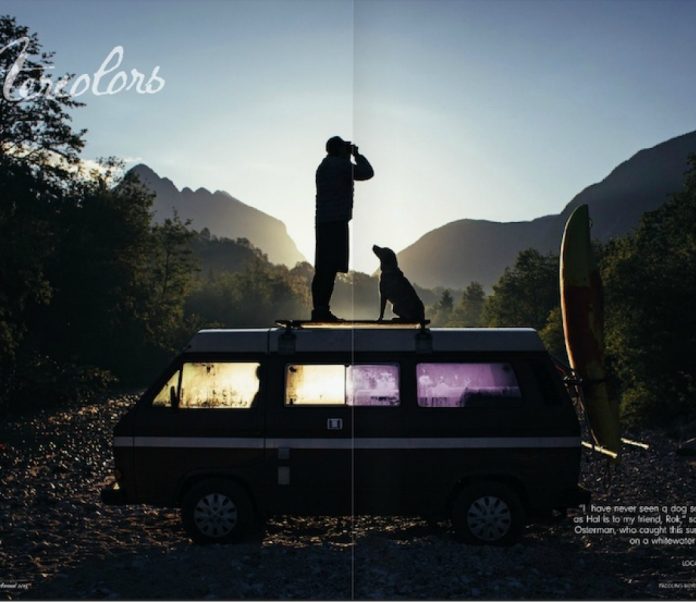
Soca Valley, Slovenia. Photo: Anze Osterman
From The Gallery: Slovenian Sunrise

“I have never seen a dog so attached to a human as Hal is to my friend Rok,” says photographer Anze Osterman, who caught this sunrise birdwatching shot on a whitewater trip in the Soca Valley. 

See this photo in print here.


The Masochist’s Guide To Portaging

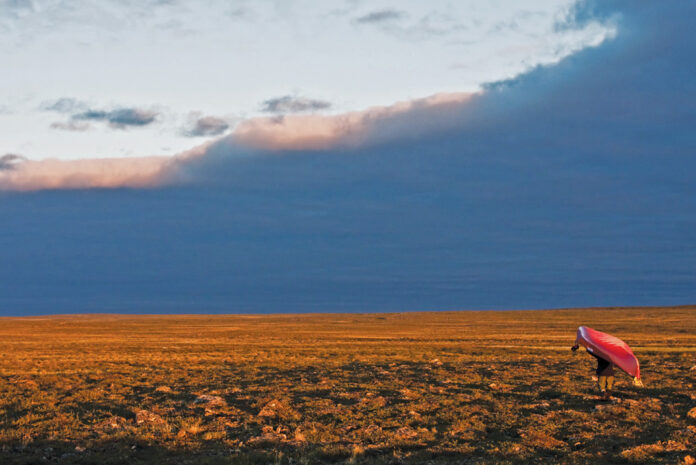
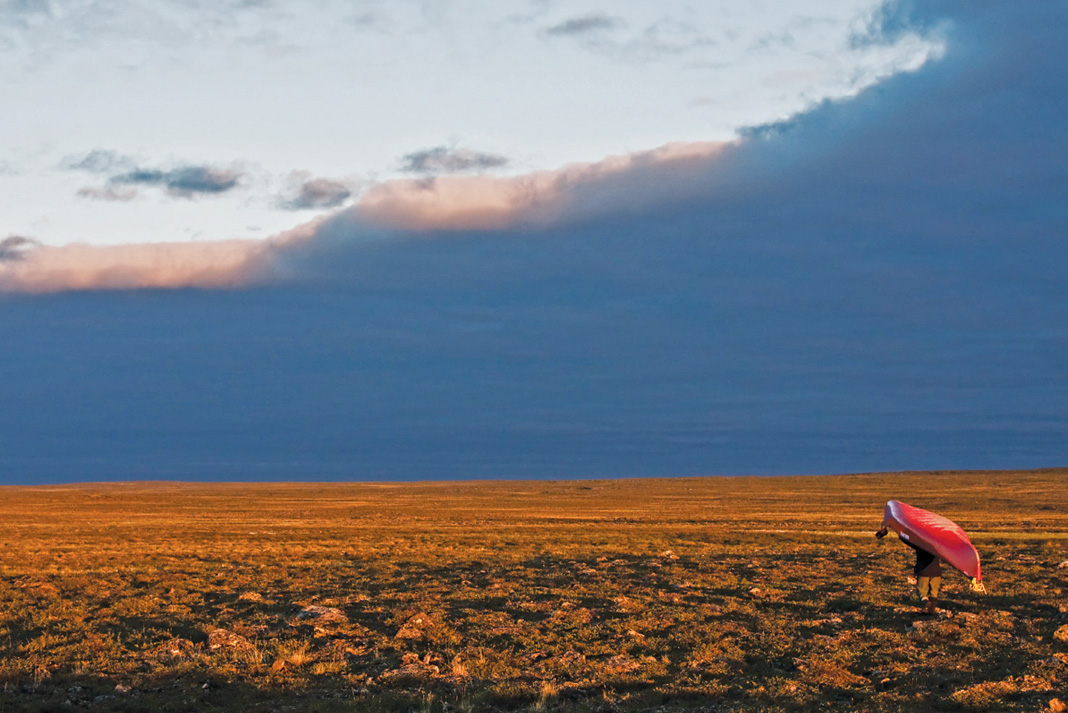
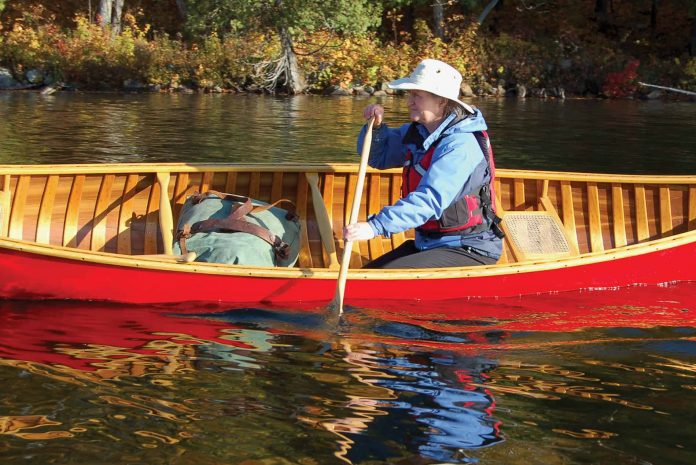
person portages a red canoe across a wide open field
“Anyone who says they like portaging is either a liar or crazy.” —Bill Mason | Feature photo: Tim Irvin

A truly laborious portage isn’t characterized by steepness of grade or total length. It’s what blocks your way that defines how punishing it will be. If the portage has a sign indicating that a maintenance crew gives it a visit now and then, you can’t complain. If you need a compass to guess the line of sight and there’s only a rusty beer can or a strip of discolored flagging tape marking the starting point, then you’ve got every right to curse.

The masochist’s guide to portaging

Though I’ve had my share of nasty portages, I met my nemesis in the Diablo portage on the Steel River—a good example of a bad bushwhack. Moss, rocks, rotting logs, branches and knee-high dead trees cover the ground obscuring holes, stumps and other boot-snagging hazards.

The route becomes almost vertical at one point—I knew I’d reached this section when the bow of the canoe continuously rammed the trail in front of me. With forward motion impossible, I resorted to winching the canoe uphill by looping a rope around a tree.

“Anyone who says they like portaging is either a liar or crazy.” —Bill Mason | Feature photo: Tim Irvin

Staggering down an unmarked trail, littered with giant jagged boulders and fallen trees followed. A network of well-hidden crevices only sweetened the deal. By the time the portage was complete I was relieved that the only casualty was my face—I’d kissed the earth and had the canoe come crashing down on my forehead.

Portaging will never be enjoyable; it’s the sweet moment of spotting the sparkle of shimmering water in the distance that makes the abuse we endure worth it. But these tips, earned through years of blood, sweat and a few tears, might help you grin and bear it.

6 tips for a (relatively) painless portage

1 Suit up

Forget Bermuda shorts and tank tops. Wear long layers to protect exposed skin that will otherwise be ripped apart by gnarly branches and gorged on by bloodthirsty mosquitoes. When you’re overheated and dripping, don’t curse your sweat suit, instead give thanks for your suit of invincibility.

2 Fall with dignity

Slippery rocks and exposed roots may induce unbalanced teetering, inevitably resulting in a crashing of flesh, packs, canoe and expletives. Don’t expect sympathy unless the canoe makes a bang when it hits bone. Try to channel the stoicism of Spock as you stand up, dust yourself off and carry on. A true paddler won’t judge you anyway—not unless you turtle.

3 Your canoe is a weapon

Think of your canoe as a 50-pound ram. When bushwhacking your way to the next lake with only the odd piece of flagging tape to guide you, don’t be afraid to part the vegetation with violence. If you’ve tried to slam through the overgrowth only to be thrown back by the strength of the branches, try a running start. Your trip mates will appreciate the path you create for them. (Not recommended for Kevlar models.)

4 There are no heroes

There are no extra points for making the portage in one go. However, there are demerit points if you can’t find your way back to your gear.

5 Perfect your dance

With at least one hand occupied by the canoe in the balancing act of the portage, you’re a slow-moving, non-swatting meal for hungry insect life. Incorporate a little shimmy in your step to dissuade the locals and keep them guessing.

6 Don’t look back

With an upper body carting 16 extra feet in length, there are very few situations that warrant turning around.

Kevin Callan’s Butt End column is published in each issue of Canoeroots.

Cover of 2015 Paddling Buyer's GuideThis article was first published in the 2015 Paddling Buyer’s Guide. Subscribe to Paddling Magazine’s print and digital editions, or browse the archives.

“Anyone who says they like portaging is either a liar or crazy.” —Bill Mason | Feature photo: Tim Irvin


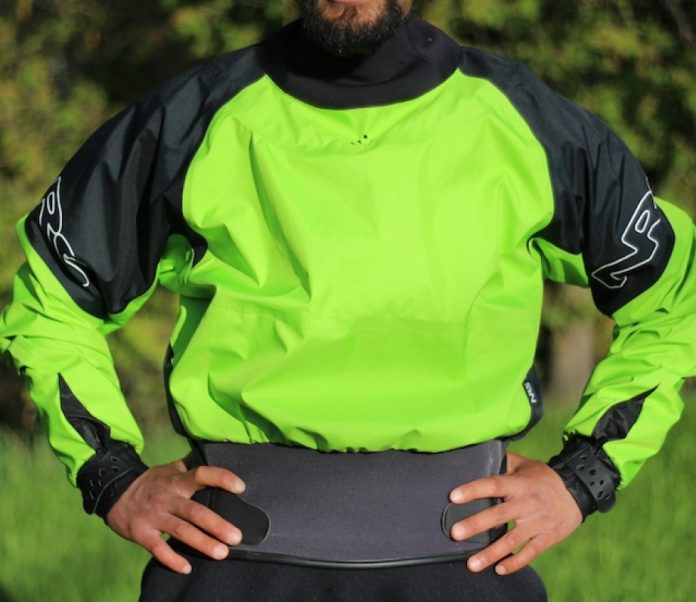
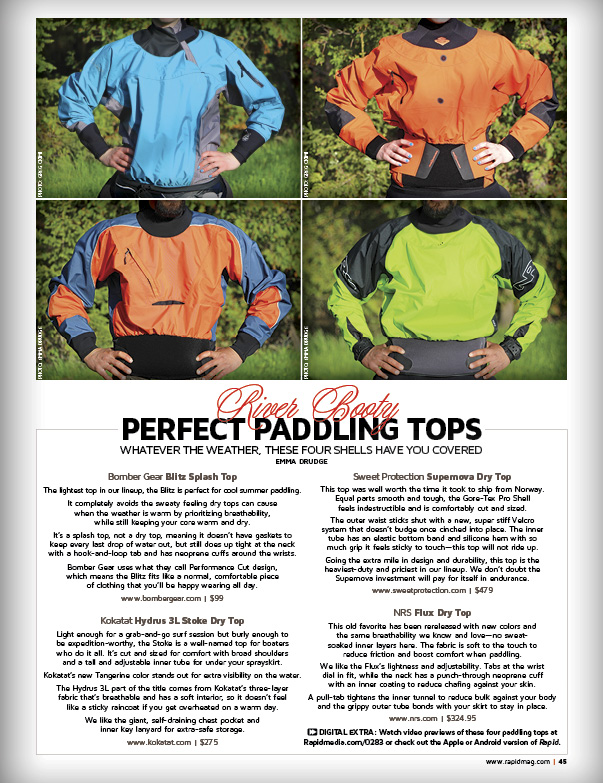
NRS Flux Drytop

Photo: Emma Drudge
NRS Flux Drytop

This old favorite has been rereleased with new colors and the same breathability we know and love—no sweat-soaked inner layers with this one. The fabric is soft to the touch to reduce friction and boost comfort when paddling. 

We like the Flux’s lightness and adjustability. Tabs at the wrist dial in fit, while the neck has a punch-through neoprene cuff so your hair won’t get caught in moving parts. The neoprene has an inner coating to reduce chafing against your skin.

A pull-tab tightens the inner tunnel to reduce bulk against your body and the grippy outer tube bonds with your skirt to stay in place.

www.nrs.com | $324.95

Click here for more dry top reviews in the free online edition of Rapid, Summer/Fall 2014.


RPv16i3-45

This article originally appeared in Rapid, Early Summer 2014. Read the entire issue on your desktopApple or Android device.  


What’s In Expedition Grandma’s Kayak Kit

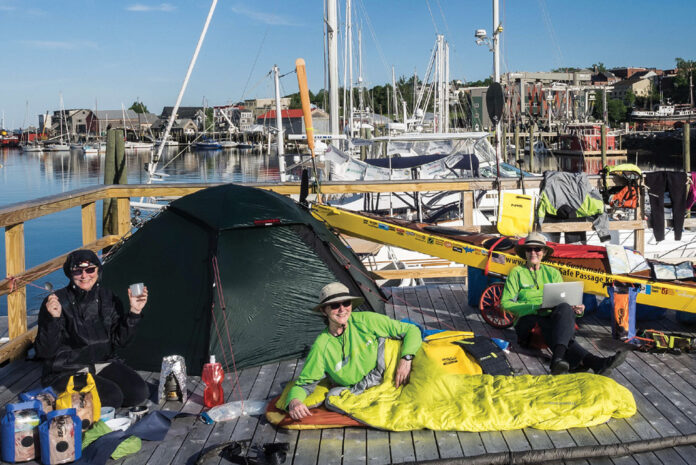
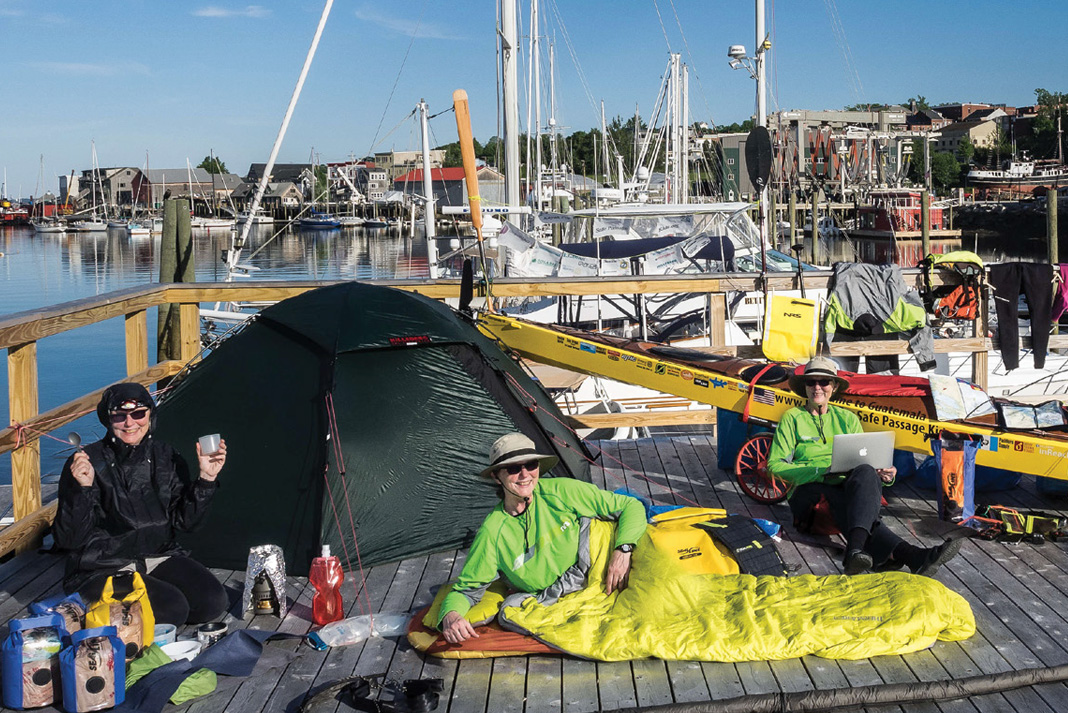
What's In Expedition Grandma's Kayak Kit | Photo: Deb Walters

How do you pack for a yearlong, transcontinental kayak trip that involves stepping from backcountry to boardroom en route?

“Well, I don’t travel light,” says Dr. Deb Walters, 63, a retired cognitive scientist and university vice president. The grandmother of four is several months into her 2,500-mile solo expedition, paddling from Maine to Guatemala for charity.

Struck by the families living in poverty in Guatemala City’s garbage dump on a trip a decade ago, she began volunteering with Safe Passage, a non-profit that sends local children to school in an area devestated by poverty. Making presentations to schools and potential donors along her route south has already brought her more than halfway to her goal of $150,000.

What’s In Expedition Grandma’s Kayak Kit?

  • Walters built her 18 foot, 75 pound wooden kayak 16 years ago but never paddled it after trouble getting the hatches watertight. Instead, it sat in her barn, a cozy den for porcupines. Chesapeake Light Craft, manufacturers of the kit, helped her get the kayak expedition ready. By using recycled materials found around their shop, Chesapeake’s designer customized the cockpit to fit Walters and made modifications specific for this trip, including moving bulkheads, adding hatches and reinforcing the structure with carbon fiber and fiberglass. “We’re a good team,” Walters says of her and her boat.
  • Allowing Walters to stay in touch with her family and send daily social media updates is her MacBook and DeLorme InReach Explorer. Her favourite feature of the Explorer is that it automatically updates her route every 10 minutes, making it easy for strangers to surprise her at the end of the day with a hot meal or for fellow paddlers to join her for an afternoon on the water.
  • Though Walters loves her freestanding Hilleberg Staika tent, she hasn’t had to use it very often when paddling near urban areas. “Strangers are putting me up in luxury,” she says. “This is the first expedition on which I’m gaining weight.”
  • Walters carries up to a week’s worth of food at a time, most of it homemade dehydrated snacks, including turkey pepperoni and spinach chips. Her favourite meal? “It’s a weird one – instant mash potatoes with lemon olive oil, drizzled with a dark chocolate balsamic vinegar.” At capacity, her food and gear weight 160 pounds.
  • With presentations to make in schools and fundraisers to attend along her route, Walters also had to pack a city outfit, housed in its own dry bag, so it doesn’t take on the stink of her wet neoprene.
What’s In Expedition Grandma’s Kayak Kit | Photo: Deb Walters
  • “It’s a hammock – lots of people ask what it is,” says Walters. Along the coasts of Florida and Belize the mangrove forest will prevent her from finding land to set up the tent. “I just tie my hammock up in the top of the mangroves and tie up my kayak as well, and while the tide goes up and down I have a wonderful sleep in the trees.”
  • “The children in Guatemala thought I would be lonely on my trip so they gave me a rubber duck,” says Walters. Dubbed Patito Amistosos (Friendly Duckie), the squeaky totem stays in the pocket of her PFD. An occasional star in Walters’ blog entries, Patito is a timid alter ego to Walters’ positivity and confidence. “Whenever I talk with a boater they always tell me how the next portion of my journey will be the most terrifying section – I hear about disasters and ships running aground – If I listened to them I’d be scared the whole time, like Patito. Just a little concern keeps me alert and on my toes though.”

This article first appeared in the 2015 Paddling Buyer’s Guide. Subscribe to Paddling Magazine and get 25 years of digital magazine archives including our legacy titles: Rapid, Adventure Kayak and Canoeroots.
Skill: traditional forward canoe stroke

Becky Mason Forward Canoe Stroke

My dad used to suggest “keep your stroke short, it’s more efficient and relaxing,” as we paddled the flatwater stretches of the trip. It was 1983, and we were on the Nahanni River preparing me for a summer of guiding.

I fondly remember my dad’s voice as I paddled in the stern of the canoe. Being a teenager, I rolled my eyes at his instructions and was determined to prove him wrong. With stubborn resolve, I pulled with both arms and lengthened my stroke.

Dad’s stroke was smooth and relaxed even as he took two strokes to one of mine. I watched him more closely just as he had learned by studying a First Nations paddler.

This short canoe stroke, which I now call the traditional stroke, has become an important forward stroke in my flatwater repertoire.

Learn the canoeing forward stroke technique

1. Start with the blade in the water at your knee and your grip hand at your chin.
2. Punch your grip hand forward and down towards the onside gunwale creating a lever with your lower shaft hand as a travelling fulcrum. Rotate your torso to put some bodyweight behind the punch.
3. As your grip hand gets closer to the gunwale start to roll your thumb down setting up the blade for the correction stroke. Having your grip hand over the gunwale ensures that the blade is close and parallel to the hull throughout the stroke.
4. After the grip hand punch is accomplished relax your arms, let your bottom hand trail smoothly behind you and do your correction stroke.
5. Return to an upright position and feather your blade out on the recovery
6. Knife the paddle in toward your knee to start the next stroke minding that your grip hand doesn’t creep up over your head.

To get the feel of the punch with power, try this learning technique. Hook your shaft hand thumb onto the gunnel to force yourself to create a fulcrum, punch your grip hand from your chin all the way to the gunnel until your knuckles touch.

Repeat this a few times and you’ll be well on your way to mastering this relaxing traditional stroke.