Home Blog Page 288

The Single Life

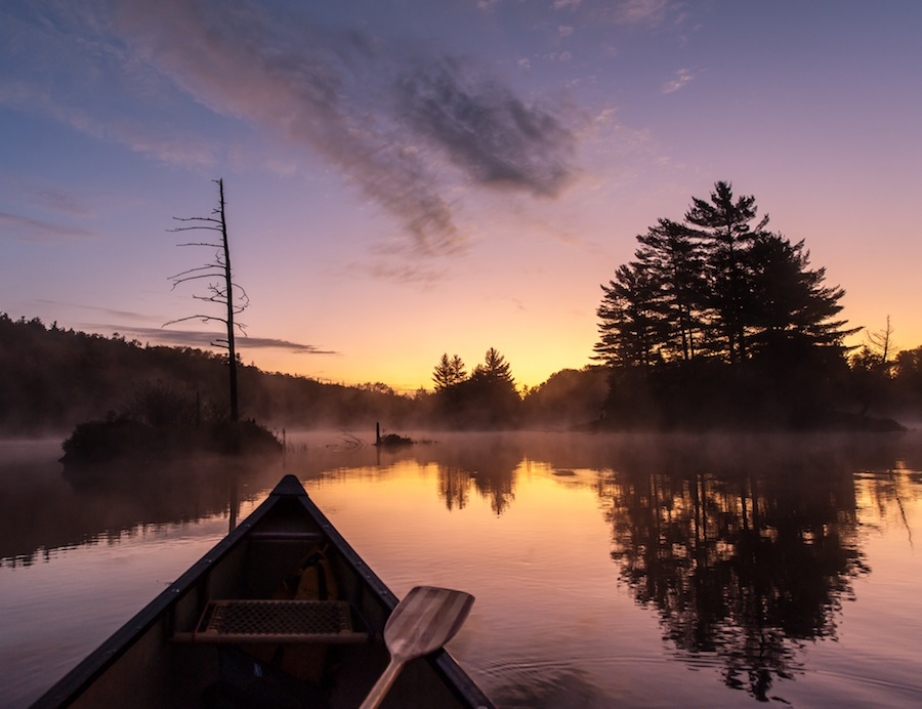
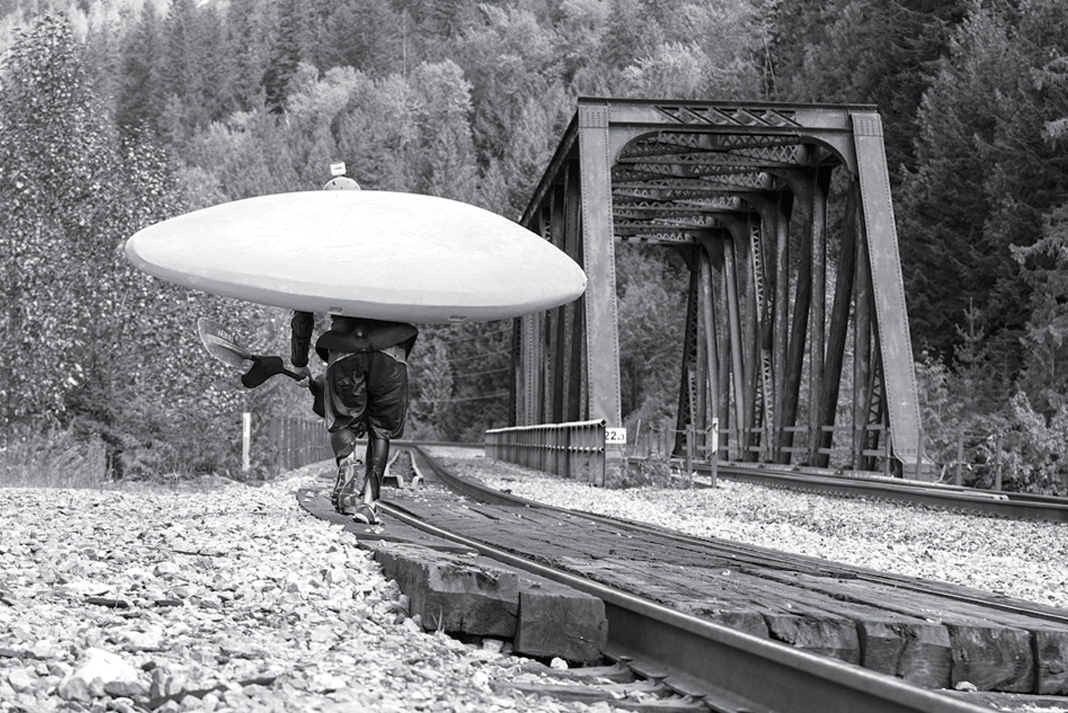
Photo: Larry Rice
The Single Life

Canoeists have undoubtedly noticed the following trend—we’re outnumbered.

When Nantahala Outdoor Center, North America’s largest instructional canoe and kayak school, opened 42 years ago, canoeing courses significantly outnumbered kayaking. Twenty years ago that ratio began to change. “Since then, only about 30 percent of instruction courses taken at NOC are geared toward canoeing, the rest are kayaking,” says Charles Conner, NOC’s marketing director.

During this paradigm shift, I’ve heard veteran canoe instructors given this warning: Learn how to kayak and teach kayaking, or find yourself without a job.

“It’s counter-culture to be an open boater these days,” says Conner. “If you’re a canoeist, you’re part of a proud but active minority.”

For proof, just look around. Back in the early days, the number of canoes and kayaks on showroom floors was about equal. Now, in NOC’s busy store, kayaks outsell canoes nine to one. According to Darren Bush, owner of Rutabaga and host of Canoecopia, the world’s largest paddlesports consumer event, “Kayaks—including touring, recreational and whitewater—outsell canoes three to one in the Midwest, which is still considered canoe country.”

With the loss of Royalex from the paddlesports market, I found myself considering the future of canoeing—can we dam the flood of butt boating or are we destined to join them?

With Red Bull-sponsored waterfall drops, a certain dirtbag mystique and adrenaline-infused sex appeal, I understand why youth flock to kayaking.

I don’t let that dampen my ardor for the single blade life though. It’s not just that canoes offer a better view, carry more gear and are far easier to trek across land—canoes have a legacy.

I’m proud to paddle down the river in an old-fashioned canoe, just as the indigenous peoples, Voyageurs, explorers, trappers, traders, missionaries and more modern wilderness adventurers of North America have done before me.

Canoeing isn’t dead. It’s just taking a well-deserved breather after being the watercraft of choice for thousands of years.

Larry Rice resides in Buena Vista, Colorado. He owns more than a dozen canoes and one lonely kayak.


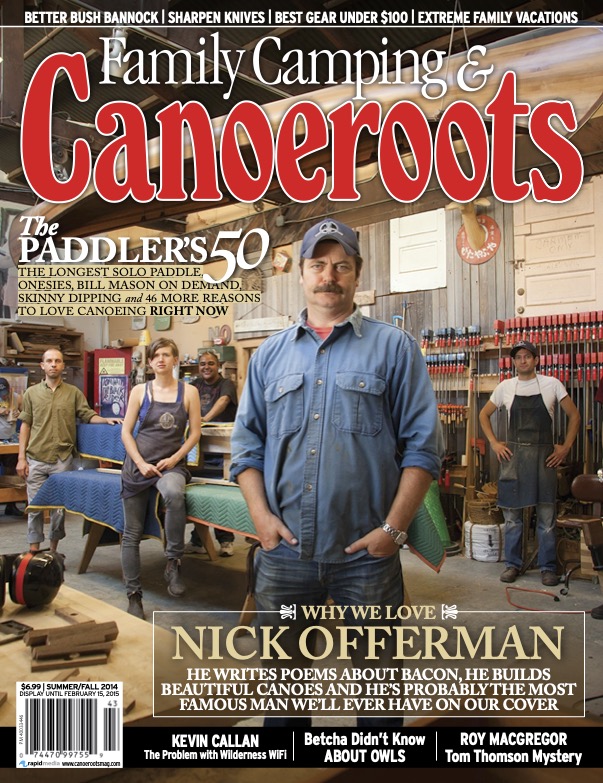
Get the full article in the digital edition of Canoeroots and Family Camping, Summer/Fall 2014. Subscribe to Paddling Magazine’s print and digital editions, or browse the archives.

Trouble Bruin

Flickr user tmarschner / Licensed under Creative Commons
Trouble Bruin

This spring The Edmonton Journal reported that a grocery store in Peace River, Alberta had opened its doors to black bears. Or more accurately, a black bear wandered in through an automatic door and helped itself to a dozen cakes in the bakery section. According to the store night manager, it was particularly fond of strawberry mouse—which makes sense. 

This was the first time bears have enjoyed the convenience of 24-hour shopping, a similar story was reported in Parry Sound, Ontario a few years ago. The grocery store in parry Sound is in a new suburban development, which is consistent with biologists’ contention that an increase in bear encounters is a result of development encroaching on bear habitat.

As family campers pitching our tents in parks, we are no doubt moving in on bear territory, and sometimes our paths cross.

Spend enough time around campfires and you’ll hear hundreds of different types of bear encounters: from roadside spottings to very dangerous, even fatal encounters. Spend enough time in the bush and you’ll likely have you own stories to share. 

Tom Morrow, a 49-year old father of two boys, is the laser of the First Dundas Scouts and is no stranger to bears, although one of his bear stories is stranger than most …

Screen_Shot_2014-05-30_at_12.11.16_PM.pngRead about this strange encounter in the digital edition of Canoeroots and Family Camping, Fall 2006, on our free iPad/iPhone/iPod Touch App or Android App or read it on your desktop here.

Revenge of the Birds

Photo: Scott MacGregor
Revenge of the Birds

HOO-HOO-HOO-HOO…

“What is that sound? I must know.” 

“What sound?”

“That ‘hoo hoo’ sound like someone hyperventilating over the neck of a pop bottle.”

“That’s the cry of the bird that goes ‘hoo-hoo,” jokes Dave. It was two summers ago and we were halfway through an 80-day canoe trip. Dave wasn’t sharing my ornithological curiosity. “Hey, what do you want to have for dinner tonight?”

That mysterious cry from deep in the boreal forest haunted me night after night, but I could never figure out what it was, Dave and I laughed about it—one of those silly trip jokes—but hearing the sound made me uneasy.

The unseen bird reminded me over and over again what a stupid city slicker I really was—a lover of the outdoors, sure, but one who couldn’t tell the difference between a warbler and a woodpecker.  


Screen_Shot_2014-05-22_at_9.26.14_PM.pngContinue reading this article in the digital edition of Canoeroots and Family Camping, 2004, on our free iPad/iPhone/iPod Touch App or Android App or read it on your desktop here.

Canoeing’s Greatest Misadventures

Photo: Paul Mason
Canoeing's Greatest Misadventures

Splattered Sputnik

Arctic ecologist Christopher Norment and five partners expected to leave behind the more alienating aspects of modern technology when they set out in 1977 on a two-year canoe trip from the Yukon to Hudson Bay. They were wintering along the Thelon River when their romantic notions came crashing down to earth along with the wreckage of the Cosmos 954 nuclear satellite. With the fiery debris smoking at the nearby crash site, the group experienced a rude re-entry into civilization when military types dressed like storm troopers swooped down in helicopters and hustled them off to Edmonton where they were incarcerated and tested for radiation poisoning.


Coles Notes coming soon

In 1903, two writer from New York set on a trip that would lead to enough suffering, betrayal, rivalry and romance to fill a book store…


Screen_Shot_2014-05-22_at_9.04.57_PM.pngGet 7 more stories of misfortune and continue reading this article in the digital edition of Canoeroots and Family Camping, 2004, on our free iPad/iPhone/iPod Touch App or Android App or read it on your desktop here.

Unique Tandem Self Rescue!

Image: Aroeira Outdoor/Christian Fuchs
Two kayakers re-enter their kayak while upside down.

Anyone who has had to self-rescue a double kayak can attest it takes communication and coordination, with bow and stern paddlers re-entering the kayak one at a time. But what if both paddlers were to re-enter the kayak together… upside-down? Leave it to an Adventure Kayak reader to find out the answer.

“I’m an ACA coastal kayak instructor trainer in Brazil and was inspired by the video posted [on the website of Adventure Kayak’s sister publication, Canoeroots] about the Fontaine Flop rescue in a canoe,” writes Christain Fuchs, of Brazilian outfitter and instruction center, Aroeira Outdoor. “We lauched a challenge, to make it with a tandem sea kayak, and here is the result!” Watch the video to see how it’s done.


See more kayak techniques and adventures on Aroeira Outdoor’s YouTube channel.


Kayak ER: Blackline Marine Is Where West Coast Kayak Junkies Go For Their Next Fix

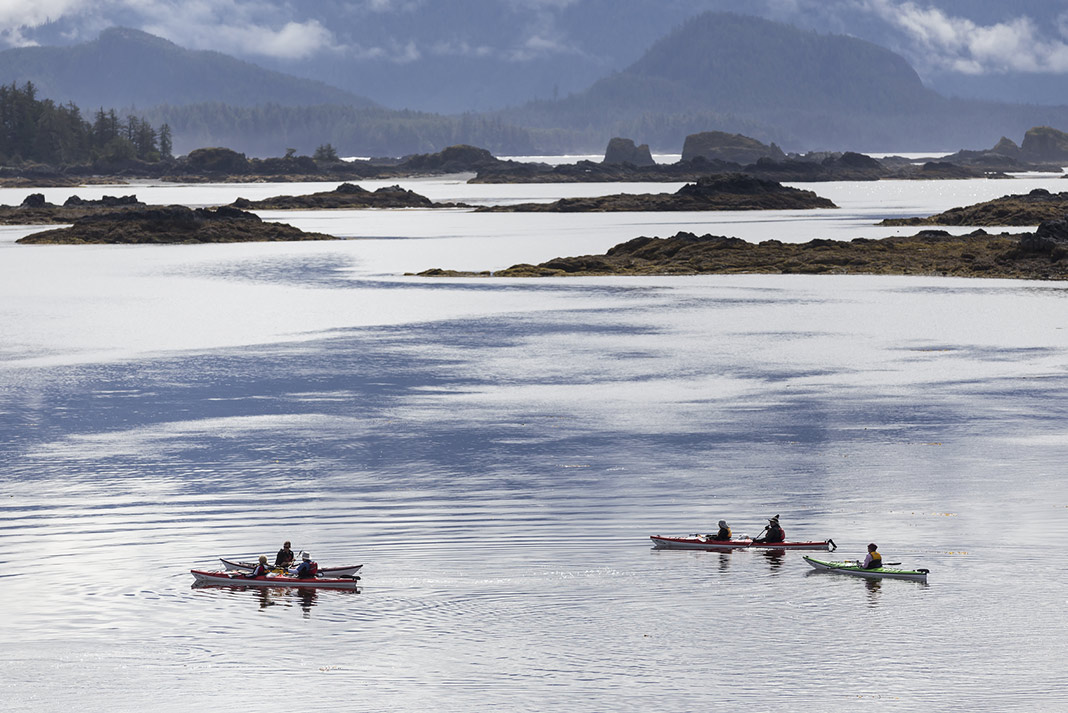
Photo: Alex Matthews
Kayak ER

Exposed to pounding Pacific swell, wreathed in swift currents and far from manicured mainland highways, Vancouver Island’s rugged coast and rough roads have an insatiable appetite for composites. Spend enough time here, and odds are good that you and your kayak will eventually require the services of Campbell Black, owner of Blackline Marine.

Campbell is a master of composite construction and repairs. Formerly a partner in Current Designs Kayaks, it was Campbell who developed CD’s layups and figured out methods for production. In his head and capable hands resides a staggering wealth of expertise gathered over more than three decades of working with complex combinations of fibers and resins. He is a skilled communicator, a naturally gifted teacher and a genuinely nice man.

And yet, I experience a certain level of anxiety whenever I hear his voice.

My Pavlovian stress response triggers to Campbell because I typically only call him when I’ve done something really destructive to my boat. Etched indelibly in my primitive brain is the following formula: Campbell = smashed kayak.

Ours is a little like the relationship between a recovering heart-attack patient and his ace thoracic surgeon—I like and respect the man, but to be honest, I also sincerely hope that I’ll never need his services again. If waiting at a kayak factory to pick up your new boat is like pacing outside the maternity ward awaiting your baby’s arrival (nerve-wracking but joyful), then a trip to Blackline is akin to a visit to the trauma unit with your injured child (OMFG).

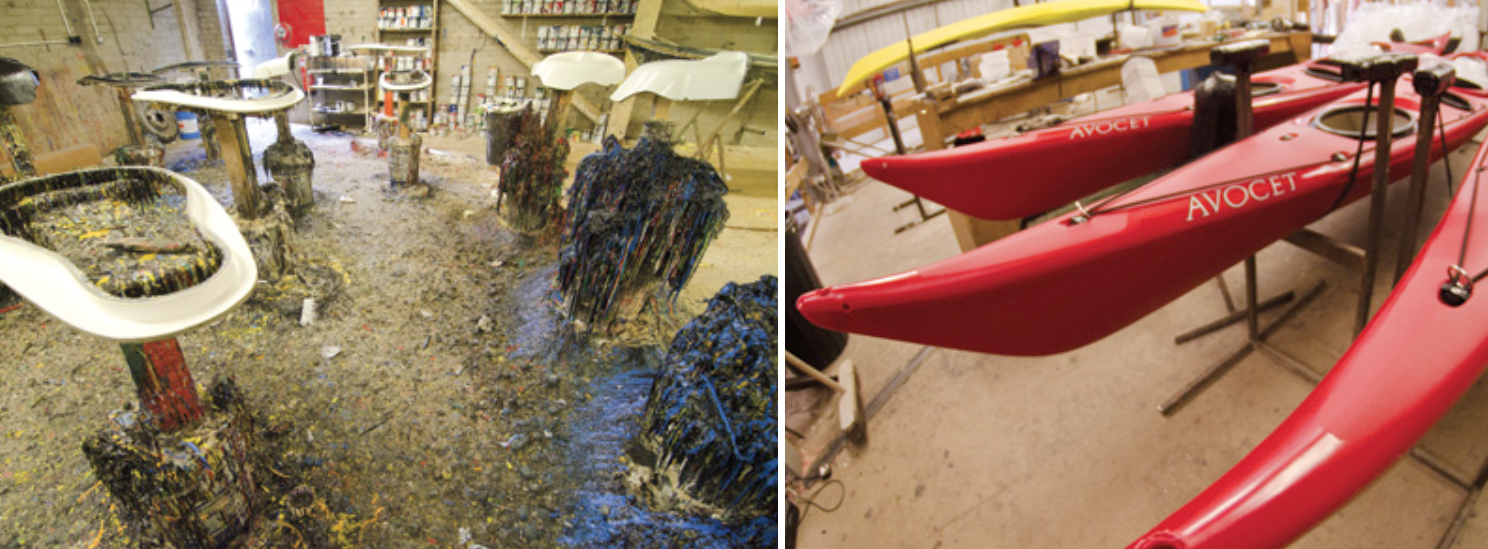
Housed at Canoe Cove Marina, 20 miles north of Victoria, Campbell’s facility is a collection of tidy workshops—each outfitted for a specific aspect of yacht repair. Big boats represent the vast majority of Blackline’s business, but tucked in amongst the behemoths, battered kayaks convalesce in fabric cradles like wounded soldiers on gurneys. some of Campbell’s patients are just here for minor scratches and a buff—more spa treatment than serious medical intervention. But others are close to flatlining.

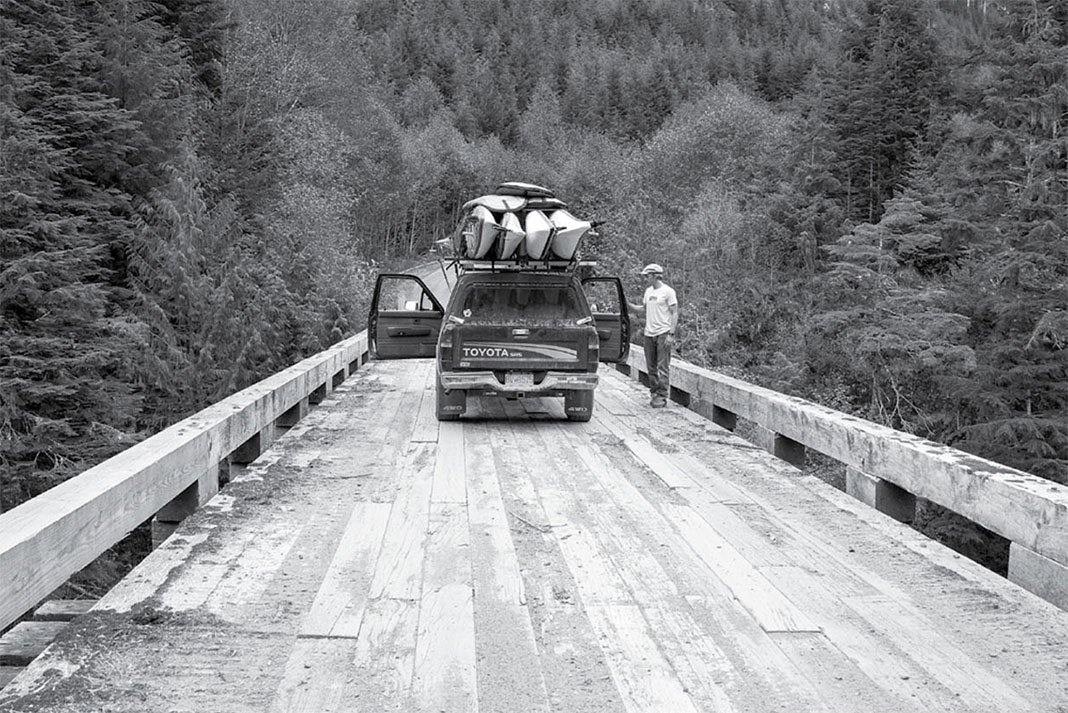
Campbell has resurrected the kayak that rode its owner’s car into the ceiling of an underground parking garage. He’s repaired gaping wounds resulting from collisions with reefs and rocks. Patched deep barnacle gouges. Reconstructed the victims of countless MVAs (motor vehicle accidents) involving stray bowlines and rapidly rotating front axles. Black has rebuilt kayaks split wide open along their seams by the 60-mile-an- hour impact that follows slipped knots, failed straps or departed roof racks.

He’s even worked with a paddler who forgot to tie his boat down altogether before hitting the highway.

Sure, for minor scrapes and dings you can conceal your carelessness with home surgery. But when you need a real medical professional—whether it’s for a routine rear hatch exam or seri- ous trauma triage—Blackline is the Island’s best medicine.

Alex Matthews swears he’s never lost a boat off of his roof rack. Other paddlers’ cars, yes, but not his own. 


This article on why the kayak is the best way to enjoy the outdoors was published in the Early Summer 2014 issue of Adventure Kayak magazine.This article first appeared in the Early Summer 2014 issue of Adventure Kayak Magazine.  Subscribe to Paddling Magazine and get 25 years of digital magazine archives including our legacy titles: Rapid, Adventure Kayak and Canoeroots.

Skills: Tandem Basics

Video: National Film Board
Skills: Tandem Basics

Learn from the basics of tandem paddling from lengendary canoeist, Bill Mason, in Path of the Paddle: Doubles Basic presented by the NFB below. 


“This short film from canoeist Bill Mason demonstrates the basic doubles paddling strokes and how to apply them in various combinations. The application of each stroke in rapids is shown briefly and the emphasis is always on working as a well-coordinated team.”


Path of the Paddle: Doubles Basic by Bill Mason, National Film Board of Canada

Bellyak Play Review

BELLYAK PLAY | YOU OTTER TRY ONE OF THESE. PHOTO: KAYDI PYETTE

Our neoprene-mitted hands slap in the air and we slither onto our boats, stoked to be seeing our home river from a whole new angle. Paddling head-first on the Bellyak Play gives a fresh perspective to a familiar run.

With its boogie board-meets-playboat look, this lay-on-top design turns heads as it carves you headlong into the fun.

Bellyak Play 25/35/45
LENGTH 6’1”/7’7”/7’7”
WIDTH 20”/24”/25”
VOLUME 25/35/45 GAL
WEIGHT 22/25/30 LBS
PADDLER WEIGHT 60–110/ 70–150/150–250 LBS
MSRP $550 USD
www.bellyak.com

All the usual principles of whitewater apply: get some speed, hold your angle and if you don’t tilt into your turns, you’ll bite it.

At first glance, the Play might seem like a hard-to-control way to get downriver, but as I start goofing around in current, I find the boat’s stability and maneuverability confidence inspiring. Even better, I’m happy to discover that the full and rockered bow protects my head from oncoming rocks. Almost eye-level with the waterline, I feel less like a boater and more like a river creature.

Designer Adam Masters made his first Bellyak prototype by chopping a playboat in half and filling it with foam—he wanted to add challenge to class III and IV runs by paddling prone. The idea has caught on.

Masters says most people picking up Bellyaks are hoping to spice up their home runs or they’re newbies, wanting to try whitewater without the fear of being trapped in a kayak.

When I first flopped onto the water I wondered why the neoprene paddling mitts that come with the Bellyak don’t have stiff plastic for more water grip, but I soon learned why they’re floppy. Within nanoseconds of a swim, I could quickly scramble back on-board using the easy-to-grasp handles, conveniently located all around the boat.

The instantaneous exit makes it a great ride for beginners, building strong links between on-water mistakes and sudden swims.

Not being attached limits the boat from running big, pushy whitewater but Bellyaks are great for park and play surfing, and low-volume beginner to intermediate runs, says Masters.

BELLYAK PLAY | YOU OTTER TRY ONE OF THESE. | PHOTO: KAYDI PYETTE

My home river is drop and pool and between sets I try sitting up to paddle to the next rapid. It’s nice to get up for a stretch, but stability and directional control are compromised when I’m kneeling—Bellyaks are definitely best used prone.

All that hand paddling is a workout, and the soft mitts, which help fine-tune the boat’s direction by allowing me to feather in current, don’t contribute much to flatwater speed.

At just 30 pounds, portaging the Play is a breeze; the boat is easy to hold under an arm or drag using a handle.

Just like a playful otter, I find myself running the same section of river over and over again, careening in and out of eddies, surfing head-first and jet-ferrying this way and that, using only my neoprene paws to get around.


This article was first published in the Spring 2014 issue of Rapid Magazine. Subscribe to Paddling Magazine’s print and digital editions, or browse the archives.

Assisted Surf Ski Rescues

Image: Alex Matthews
Assisted Surf Ski Rescues

“As a longtime sea kayaker, but new and ridiculously stoked convert to surf ski paddling, I seem to have a special interest in making sure that someone around me can haul my sodden carcass out of the water after a swim!” says Alex Matthews. Here, Victoria, B.C.-based Matthews and Bob Putnam of Deep Cove Canoe & Kayak (Canada’s largest surf ski dealer) practice a few strategies for aiding a swimmer who’s having a hard time with a solo remount. Watch the video to see how it’s done.


See more kayak techniques on Alex Matthews’ Vimeo channel.


New Greenland Championships Documentary

Screen Capture: James Manke
New Greenland Championships Documentary
{Vimeo}119495279{/Vimeo}

Kayaka / James Manke

In July, two Canadians—skinny stick aficionados and mentors James Roberts and James Manke—will set out for Greenland to compete in the 2014 National Greenland Kayaking Championships, making them the first team from Canada to do so. Inspired by the remarkable culture and history that drives their passion, they will navigate the challenges and logistics of getting to Greenland and participating in the event, experiencing the excitement and sharing their learning through a documentary film. “By working through this ourselves and creating a resource that will make it easier for others to do the same, we want to inspire paddlers to go visit this amazing, intact culture,” says Roberts.

{loadposition PTG_AK_Midcontent}

The film will be released to the public for free at http://greenland.qajaq.ca/ later this summer. Roberts and Manke are presently seeking community support to help complete the funding necessary to make Greenland Bound a reality. Visit http://greenland.qajaq.ca/ to learn more and make a donation. Follow along on Facebook for updates.