Home Blog Page 371

Skills: Wave Turns

Photo: Scott MacGregor

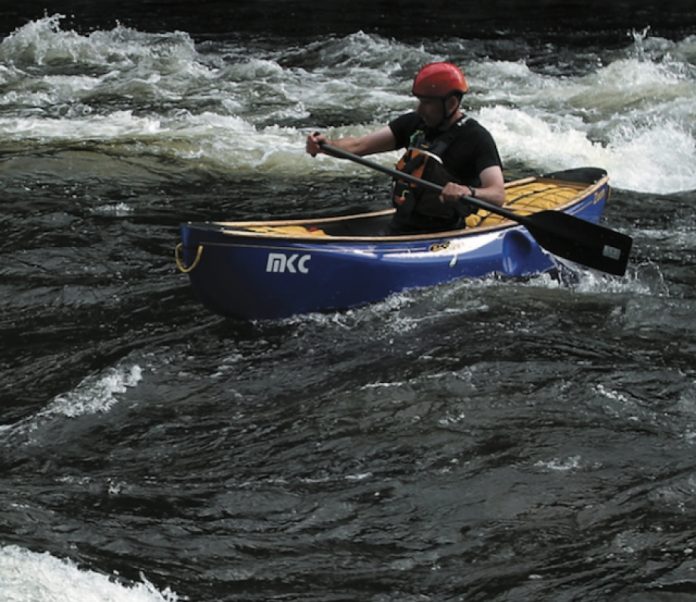
Let’s face it: canoes are big boats, and they can be difficult to paddle. The result is that we often work too hard paddling whitewater. When teaching open canoeing, I frequently point out the many opportunities to use water features to reduce the effort of paddling rapids. One of my favourites is the wave turn. Suppose you need to turn from facing downstream to facing upstream. Why take a half-dozen strokes to turn your boat when you could use a breaking wave to do the work of spinning the canoe for you? 

Wave turns are as much an exercise in water reading as they are in good boat control. To plan a wave turn, scan downstream looking for a breaking wave with a foam pile perpendicular to the current. The best foam piles have aerated water falling from the wave peak down to the wave trough. Small holes work too, but be careful to wave turn only on features that you also would feel comfortable surfing.

The secret to wave turns is boat position. Begin your approach by aiming your bow at the corner of the breaking wave so the bow points toward the foam pile. Accelerate gently so the bow of your canoe hits the white water at the top of the wave crest. The foam pile is not moving downstream and will catch and hold the bow of your canoe. The stern, which is still in the downstream current, will pass the stalled bow. The result is a spin that turns the canoe upstream. Spinning and catching the wave without the canoe sliding downstream requires that you engage a suitable foam pile with correct boat angle, speed and bow placement.

In some ways, spinning and stalling on a wave serves the same purpose as a mid-current eddy pool. What makes this move better is that you can stay on the wave and enjoy a front surf. The true benefit, though, is that you’ve halted your downstream momentum and are ready to stage your next move.

You may decide to front ferry or (as shown) choose to change direction and S-turn to an eddy along shore. Both manoeuvres will seem easy because the cross-current momentum, generated by the brief front surf, carries into your next move. 

The wave turn offers all these benefits while requiring minimal strokes—in fact, I didn’t mention one stroke in this entire article. Just stuff your bow into the corner of a breaking wave and let the river do the work. Reducing your effort by using water features, like waves and holes, is the key to making paddling a canoe look easy. Have fun, and don’t work too hard.

Andrew Westwood is a frequent contributor to Rapid and is an open canoe instructor at the Madawaska Kanu Centre. 
Screen_Shot_2016-04-21_at_10.54.02_AM.pngThis article first appeared in the Spring 2004 issue of Rapid Magazine.
 

Re-Actionary: Rodeo in the Olympics?

Photo: flickr.com/saumag

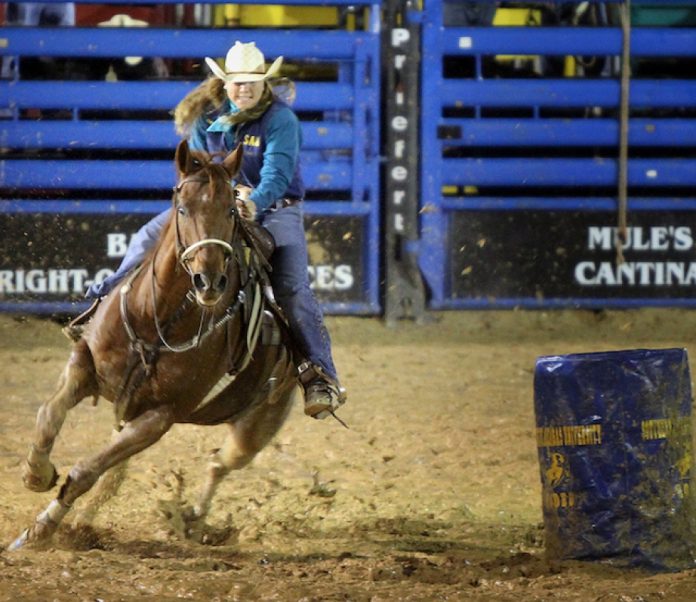
At a real rodeo, if you can ragdoll on a bull longer than seven seconds before it kicks your head in, you’re a star. That’s pretty sad. Also sad (for the bull mostly) is the fact that they tie a rope around his “prairie oysters,” as they like to say, to make him more angry than he’d otherwise be with some Stetson-wearing jackass cowboy strapped to his back. But the saddest fact of all is that cowboy rodeo has something that “kayak rodeo” will never have…

An audience. 

It was close. There were moments in the late ‘90s when I thought maybe, just maybe, freestyle kayaking would catch on. As boats got easier to throw down, the sport became more dynamic. Tricks like blunts, splitwheels and loops evolved. It seemed possible that freestyle might make it to Saturday ABC Sports. There were even some pot-induced illusions of rodeo kayaking being introduced at the Olympics. But it wasn’t. Wanna know why? 

Watching a guy getting stomped on by a bull is the ultimate payoff for viewers of cowboy rodeo. Sure, a lot of people got trashed at the recent rodeo Worlds in Austria, but it was just a sticky hole—they were never
in any real danger. Look at any other sport in the “extreme” domain. Big wave surfing—20-foot waves minimum. Motocross—50-foot airs. Snowboarding—15- foot walls and 10 feet of air. What does kayak rodeo have on these extreme sports? Spinning, twirling, looping like a gaylord in stretchy outfits on some white water for a panel of biased, has-been judges. What other sport does that? Oh right…figure skating.

I’ve had more than one sponsored freestyle paddler tell me that rodeo is like masturbation—fun to do, but no fun to watch. And I guess they’d know; they’re the pros.

Cowboy rodeo brings the animal abuse to your local fairgrounds. They set up a coral and fill grandstands. Nobody watches kayak rodeo because to get to the event site you’ve got to have a master’s degree in orienteering and be sleeping with one of the organizers (I use the term “organizer” loosely). Take the Canadian team trials, the biggest event in the country. They’re usually held on the Ottawa River, an hour-and-a-half drive from anyone with teeth. You have to know the river, paddle to the site, and then hope the judges show up.

“Dude, like why isn’t your mom here to watch?” “Dunno.”

Did you know the Houston Livestock Show and Rodeo has about 31,000 members, who pay a $50 annual membership fee? That’s just Houston. One city, man. That adds up to over 1.5 million bucks a year.

What’s my point? You should be the responsible parent and get your kids into bull riding. But also, kayaking rodeo organizations suck. Imagine what would happen if at the next Houston show the cow- boys rode ponies? Wrassled goats? Or had to walk seven miles through the mud to get to the stadium? I tell ya what would happen, Billy Bob, it would be boring and no one would come to watch.

It would be just like…a kayak rodeo.

Ben Aylsworth has been paddling for a long time and still doesn’t know the difference between an orbit and a space Godzilla, nor does he care. 

Screen_Shot_2016-04-21_at_10.54.02_AM.pngThis article first appeared in the Spring 2004 issue of Rapid Magazine.
 

Editorial: A Man Without a Boat

Photo: flickr.com/StefanSchmitz

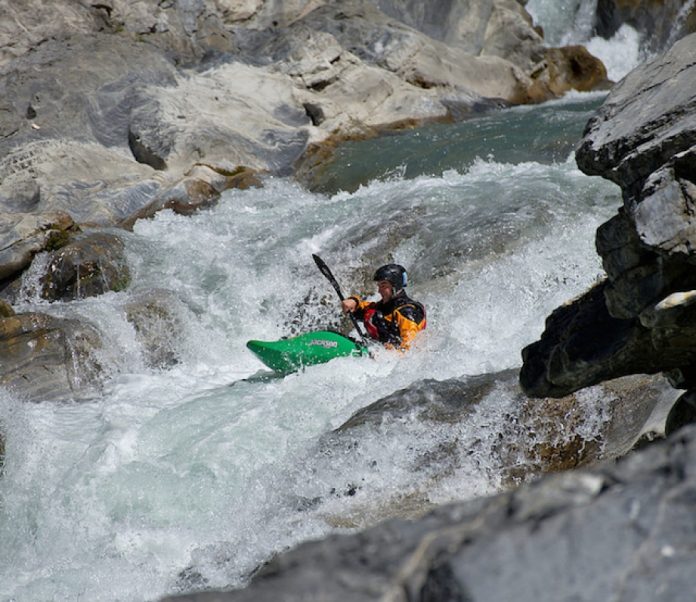
“I don’t have a boat,” I said, rather stunned by the sound those five words made in the pit of my stomach.

I hardly believed it, but after a few seconds of mentally replaying each boat sale—me standing with a white envelope of cash, him tying my boat to his car—I realized the mag- nitude of what’d I’d done.

Today is the third day of January. It’s sunny, seven degrees above freezing. Water is gushing off my tin roof and then, surely, into the nearby creeks and the Madawaska River. Tanya tried to help. Why don’t you go for a hike? Lame. Take down the tree? No. Install the new TV antenna? Whatever. Fine then. Sit there and feel sorry for yourself. Okay.

For the first time in 10 years, I didn’t have a boat to paddle.

I’ve heard the argument made before, usually by the bean counters—the type of people who balance their chequebooks and cut their grass diagonally. They say that finan- cially it makes more sense for most paddlers to rent their boats. Work it out, they say: New boats cost roughly $1,500. Let’s say weekend rentals cost $50. So for the price of a new boat, you get 30 weekends a year. Or, more likely, two weekends a month, five months a year for three years—always in the boat of your choice.

Not a bad deal until one warm winter day you’re standing on a ladder mounting the Recoton TV 3000 antenna to your roof while cars with boats on top honk and paddlers wave on their way to the river that’s only 10 minutes from your house.

As selfish as it would be to keep them, I’ve regretted selling every boat I’ve ever owned. I sometimes get nostalgic about the time we’ve spent together, the good times we’ve had. They were more than hunks of plastic; they were stages of my life, some of the best trips and longest summers.

I use them to measure time and remember seasons, like farmers would remember a particular bumper crop or, in some cases, a horrible drought. When I see one of their buyers on the river I inquire about my old boats like you would question a friend about an old girlfriend. How is she keeping, I ask. Is she getting out much? Sometimes, I’ve even asked to take her out for the afternoon, for old times’ sake. Although I always find that there was a good reason we went our separate ways.

In recent years you could count on manufacturers putting its boats on the market before fall—even mid-summer. But with all manufacturers now back on a normal pro- duction schedule of releasing the new models in the spring, my late-summer purge was too hasty. I got caught without a boat for the best fall paddling Ontario has seen in a decade. It will be a season without memories, like it never happened.

However, the move back to spring boat releases is good news for paddlers. Awaiting a spring and the arrival of the year’s new designs builds excitement, anticipation and hype. No longer will your boat be outdated mid-season, completely depreciating by the time kids are back in school.

You’ll be more inclined to hang onto it until spring when the demand, and therefore the resale price, will be higher—keeping even the bean counters happy. 

Screen_Shot_2016-04-21_at_10.54.02_AM.pngThis article first appeared in the Spring 2004 issue of Rapid Magazine.
 

Lake of Two Skies: a Trip Through Great Slave Lake

Photo: Dave Quinn
Lake of Two Skies: a Trip Through Great Slave Lake

“Two skies, Dave, two skies. That’s what my Dad used to tell me, on days like today.”

Henry Basil, our local guide, rests his paddle on the coaming of our tandem kayak as he scans the ethereal waters of Great Slave Lake in the Northwest Territories. Henry grew up in Lutsel K’e (temporarily known as Snowdrift on Canadian maps) on Great Slave’s East Arm, and he has seen many mornings like this one, where the waters of the lake appear as a mercurial spill on a giant table, sky and lake blending on the horizon.

The wakes of our four boats are the only ripples on the lower sky twin that Henry’s father described so perfectly—the cloudless azure above mirrored perfectly in the still waters of the Arm.

“Yeaah—hway!” exclaims Henry in his local Chipewyan language, his arms raised in thanks to the sky, “Thanks to the creator for this day!”

The rugged and remote East Arm of Deh Cho—Big Lake, as Great Slave is known to local Dene—has drawn visitors from the south for almost 200 years. The lake sits at the northern limit of Canada’s dwindling boreal forest. Not far north, the forest gives way to tundra. The terminus of the East Arm provides the most direct access to the waterways that flow to the Arctic Ocean, and European explorers used these waters as a gateway to overland exploration of our vast Arctic. Names like George Back, John Rae and the infamous Sir John Franklin all based expeditions from Fort Reliance, of which the ruins can still be seen at the tip of the Arm.

The East Arm’s endless peninsulas and countless islands are made of some of the oldest stones on the planet—the tortured plutonic mass known as the Canadian Shield, scarred by repeated glaciations and heaved into their present formations by the incalculable forces of geology and time.

The ancient rock is rife with the treasures that have lured southerners north for a century. The Northwest Territories suffered its first mineral rush, for gold, in the early 1900s. Vast tracts of forest cover were burnt off to ease the difficulties of prospecting in the boreal forest. Hunters decimated populations of muskox, moose and caribou to feed the hungry hordes of prospectors and miners flooding north to seek their fortunes.

Today, with the gold seams played out, a second wave of prospectors and transient mine workers are migrating north to work the “diamond rush.” One mine, called Ekati, produces a staggering six percent of the entire world supply. Major players like Ekati and Diavik try hard, at least on paper, to work with local First Nations and northern interests. However, many northerners are tired of watching resources and riches disappear from their traditional lands. 

Our group includes a ski bum from Canmore, two Minnesotan insurance brokers, a retired engineer from Nashville, an eight-year-old with a passion for lengthy swims in frigid water, and three guides—Jane Whitney, Henry, and myself. We are drawn here not for the lustre of gold or the sparkle of diamonds, but to search for a differ- ent kind of treasure. And we are heavily armed, not with the shovels and dynamite of a geological exploration crew, but with the cameras, sketchbooks, and nature guidebooks of seasoned connoisseurs of wild spaces.

We met up with Henry in a quiet backwater of Wildbread Bay: us arriving in a Twin Otter floatplane; Henry in Lutsel K’e chief Archie Catholic’s power boat.

As we stuffed his gear in the bow of our double Klepper, Henry told me that he had never kayaked, although he had made several large canoe journeys along the shores of the lake.

“Can you swim?” I asked him as we paddled toward our camp for the night.

“Yeah, sure!” he replied gleefully, “Like a rock!”

As our journey unfolded, and the hours of paddling together sculpted our discussions, I learned that I was paddling with someone who was not only an accomplished hunter and fisherman, but an exceptional human in all regards. I came to think of Henry as a man like a favourite old book—worn and weather-scarred on the outside, but its pages filled with understated tales of wonder, inspiration, and sadness. He grew up in the 1950s “on the land,” as he puts it, following his father on hunting and fishing trips. One winter day, government agents working for the Indian Affairs Department actually followed Henry’s family by tracking them in the winter snows, and he and his siblings were forcefully removed to residential school in Resolution. Of the nine children abducted with Henry, only three survive today.

“I needed to do something to survive after the horrors of residential school,” explains Henry, “so I started running. It ́s three miles from my house to the end of the airstrip in Lutsel K’e—the only road in town. People would wonder what I was doing, running like that every morning!”

Henry’s legs carried him first to the Edmonton Marathon, then to Montreal. His times at these races and an Arctic College sponsorship sped him all the way to the New York Marathon in 1989, where, despite tearing blisters caused by new running shoes, he turned in a respectable three hours, forty-five minutes at the age of 42. Not bad for a man from a community with only three miles of road, and six months of winter.

On day two Henry calmly informs us that we will be catching fish as we paddle across the mouth of a channel known as The Gap, which joins Wildbread Bay to Christie Bay to the south. As if on command, the tip of his rod dips lakeward, and the heart-starting zzziiing of line playing out fills the paddling silence.

“Got somethin’ on the end of my line!” Henry grins as he hands the dancing rod over to wide-eyed Navarana, Jane’s eight-year-old daughter. We all laugh with her as she lands a lunker lake trout almost half as long as she is. 

For thousands of years the Chipewyan Dene and their ancestors have subsisted off the plentiful moose and cari- bou in the forest and on the tundra, and from the rich lake trout, whitefish and grayling fishery in this region of the lake. The people in Lutsel K’e, I learned from Henry, still follow traditional rites and subsist largely on the seasonal movements of caribou and on the still-abundant fish in the Arm, and evidence of modern hunting and fishing camps can be found on most beaches.

That afternoon, monster northern pike leave ripples like small torpedoes through the reeds as we near a small portage that connects Wildbread to McLeod Bay. We easily haul our gear across the 200-metre path in the recently burnt boreal forest, and paddle a few kilometres along the shore of a small bay before we heave our kayaks up onto a smooth granite ramp to make camp for the night.

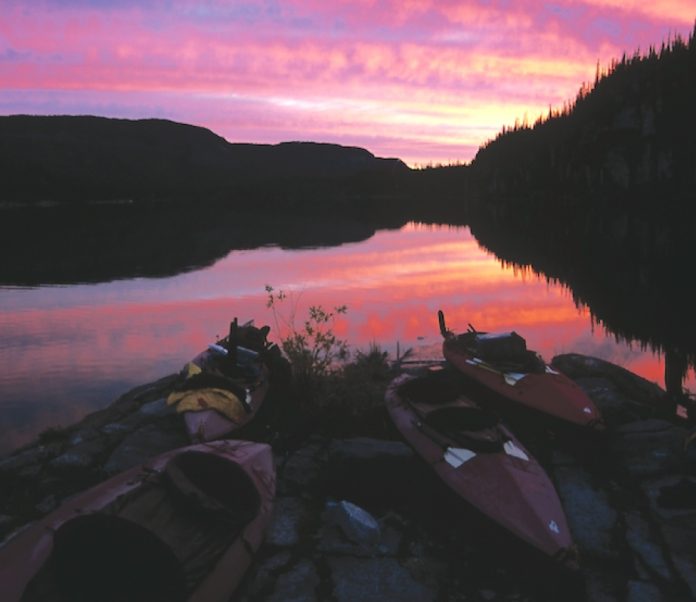
In the evening the brilliant purple–pink orange of the sky and lake, cloven by the classic lines of a boreal black spruce and birch silhouette, creates a spectacular Great Slave sunset. We sit on a glacier-polished slab and watch the show as we slurp down fresh trout, grilled to perfection by Henry over a spruce fire.

We soon settle into the comfortable, carefree routine that only extended trips can bring. Henry, who wakes with first light every day, has a fire going and coffee ready by the time the rest of us finally unzip the bags and tents and pile out into the sunny morning. We munch down a hearty trip- ping breakfast, pack up camp into the boats, and paddle several hours before our bladders and bellies pull us to shore for a break. After a quick lunch, we paddle again until we find a suitable camp—one that has good sunset and sunrise exposure, and that provides good shelter in the event of nasty weather—a tall order that is seldom fulfilled.

Our routine on this early September trip surprisingly involves a daily (sometimes bi-daily!) swim. Daytime temperatures consis- tently reach into the twenties, and many of us pile straight into the water as soon as camp is set up—and we all watch from shore as little Navarana temerariously splashes around for hours, some- times right up until the sun begins to dip low on the horizon.

Ten days in the wilderness tends to fly by like a flock of geese heading south—by the time you hear them they are well on their way overhead, and soon are disappearing from view. Too soon we are at our last camp on the Utsingi Peninsula, awaiting our floatplane pick-up.

We hike a short way along the ridge of the angulated peninsula toward its point and the mouth of the East Arm. The timeless perfection of the rock is peppered with fossilized colonial algae known as stromatolites—the world’s oldest known fossils. These circular paleolithic patterns range from fist-sized to the circumfer- ence of a truck tire, and cover the ground so completely in some spots that it is impossible not to tread on them.

From the ridge, a vast Canadian Shield—cracks brimming with crowberry and yellow-leafed birch—slopes subtly into Christie Bay, toward Henry’s home—Lutsel K’e. The north rim ends abruptly, dropping several hundred dizzying metres in a continu- ous wall tens of kilometres long into the East Arm.

We look back over part the maze of islands and inlets of our route and are filled with the joy of an eagle-eye view of our accom- plishment. Finally our eyes scan west past Et-Then Island (caribou in Chipewyan) to the blue vastness of Deh Cho—the Big Lake—the worlds third largest.

The entire group listens intently as Henry tells frigid understated tales of winter travel by dog team and snow machine in the area. He points out a “snowmobile portage” that hunters use to bypass the thin ice around Utsingi Point, and tells harrowing and entertaining tales of winter hunts, long journeys and close calls.

As I watch this smiling man spin his yarns, I realize that not all treasures in the North are geological. Some, like Henry Basil, are humans who share the gold in their hearts and the sparkle of diamonds in their eyes.

Dave Quinn is a wandering wilderness guide, wildlife biologist, and outdoor educator who stores his stuff in a house in Kimberley, B.C. He and his partner, Kelly Comishin, run Treehouse Outdoor Education, specializing in adventure and wilderness therapy. 

akv4i1cover.jpgThis article first appeared in the Spring 2004 issue of Adventure Kayak Magazine. For more great content, subscribe to Adventure Kayak’s print and digital editions here.
Skills: Depth of Field

All photos this page: Rick Matthews
Skills: Depth of Field

After a slide show for some paddling friends, a woman asked me how I got the paddler in one of the photos to stand out from the background. It took me a minute before I realized that she was talking about soft-focus backgrounds. I told her she could get the same results if she learned how to control depth of field.

Depth of field refers to the size of the zone of sharpness in your image—that is, how much sharpness there is in front of and behind your subject or focal point. Controlling the depth of field is especially useful for outdoor photographers. You can make better photos by reducing depth of field to eliminate distracting backgrounds—creating mood or soft focus to make your subject stand out from the back- ground—or you can increase the depth of field to show incredible detail or textures. Depth of field is determined by two things—lens aperture and focal length.

Controlling depth of field with aperture

Choosing a wide aperture—low f-stop like f 2.8 or f 4—creates a shallow depth of field. This shortens the foreground and background details that may clutter or distract your eye in the image and leaves only your subject sharply focused. Conversely, a small aperture—a high f-stop like f 11 or f 16—creates large depth of field and packs in lots of detail or texture—the whole image could be in focus.

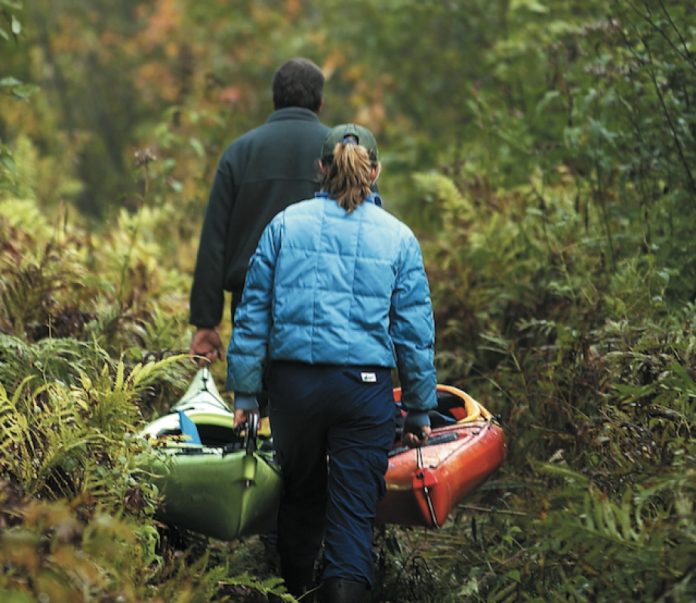
For example, take a look at the main photo accompanying this article. One damp, early fall day near Huntsville, Ontario, we carried our boats down an overgrown trail to put in on a small lake. I was interested in how the foliage framed and enclosed the paddlers but I didn’t want to lose them in the overall scene. Using an aperture of f 2.8 produced a shallow depth of field, isolating the paddlers from the background and foreground and softning the greenery around them. The out-of-focus background com- plements the subjects, drawing your eye back to the sharp area instead of drawing attention away.

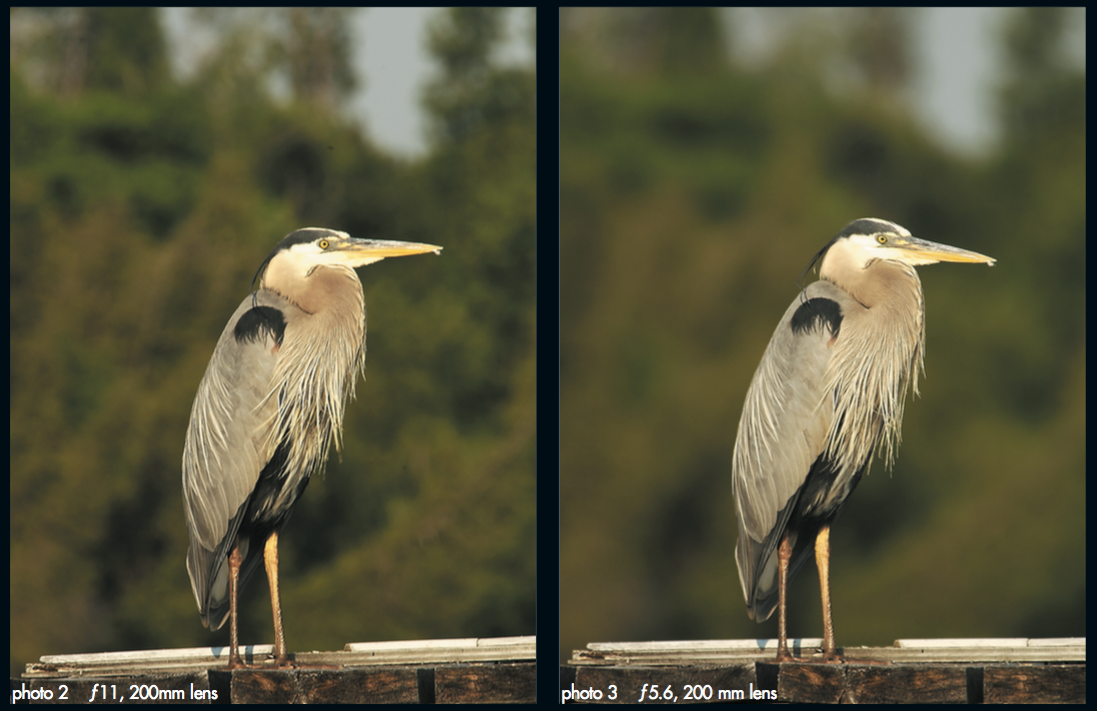
I took photos 2 and 3 while exploring the Rideau Canal, south of Ottawa, where we found the bird life very habituated to boat traffic. Drifting in close with a 200 mm lens, I was able to get almost full- frame shots of the many great blue herons. Again using a shallow depth of field, the background is softened and much less distracting. 

Screen_Shot_2015-07-21_at_2.53.32_PM.png

Notice the difference in the background between the two otherwise identical images of the heron. The first image was shot at f 11. The background in the second image, shot with a shallower depth of field at f 5.6, is softer and less distracting.

Controlling depth of field with focal length

The other factor affecting the zone of sharpness in your images is the focal length of your lens. The rule of thumb here is that a wide- angle lens will give a larger depth of field and a telephoto lens will give you much less. You can use this knowledge to your advantage, switching lenses or zooming in or out to achieve the desired results.

Screen_Shot_2015-07-21_at_2.54.33_PM.png

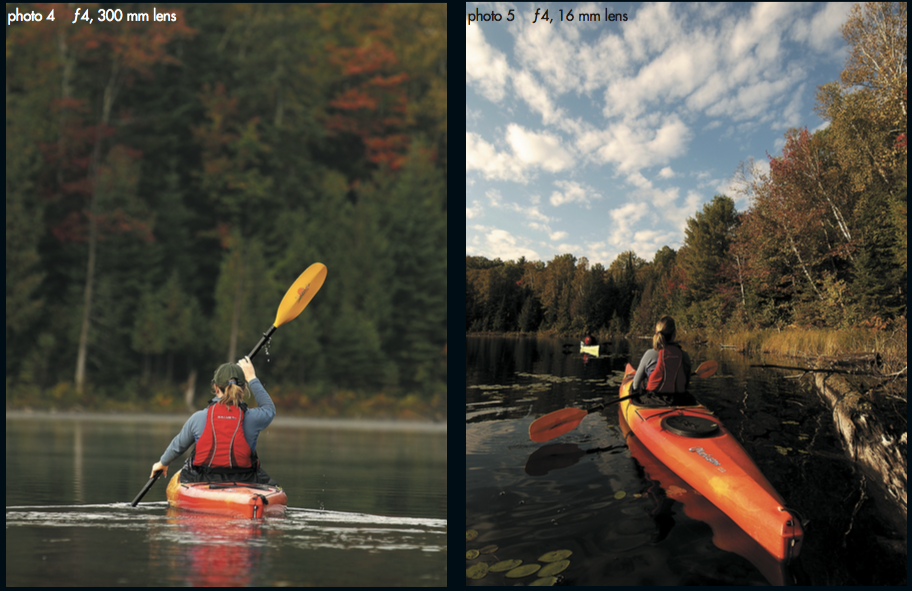
I shot the two autumn paddling images, photos 4 and 5, with an aperture of f 4 but with two very different lenses. The paddling shot, done with a long 300 mm lens, shows a very shallow zone of sharp- ness, leaving just the paddler and paddle and a small portion of the kayak in sharp focus. The rest of the image—water in the foreground and trees behind—is softened, adding a more peaceful mood to the shot.

In the extreme wide-angle, 16 mm shot of photo 5, the complete image is in focus (even with the large aperture of f 4) from the lily pads in the foreground to the blue sky and trees in the distant back- ground. Instead of snapping the paddler out of the scene, plenty of depth of field encourages your eye to wander throughout the image absorbing all the details and colour.

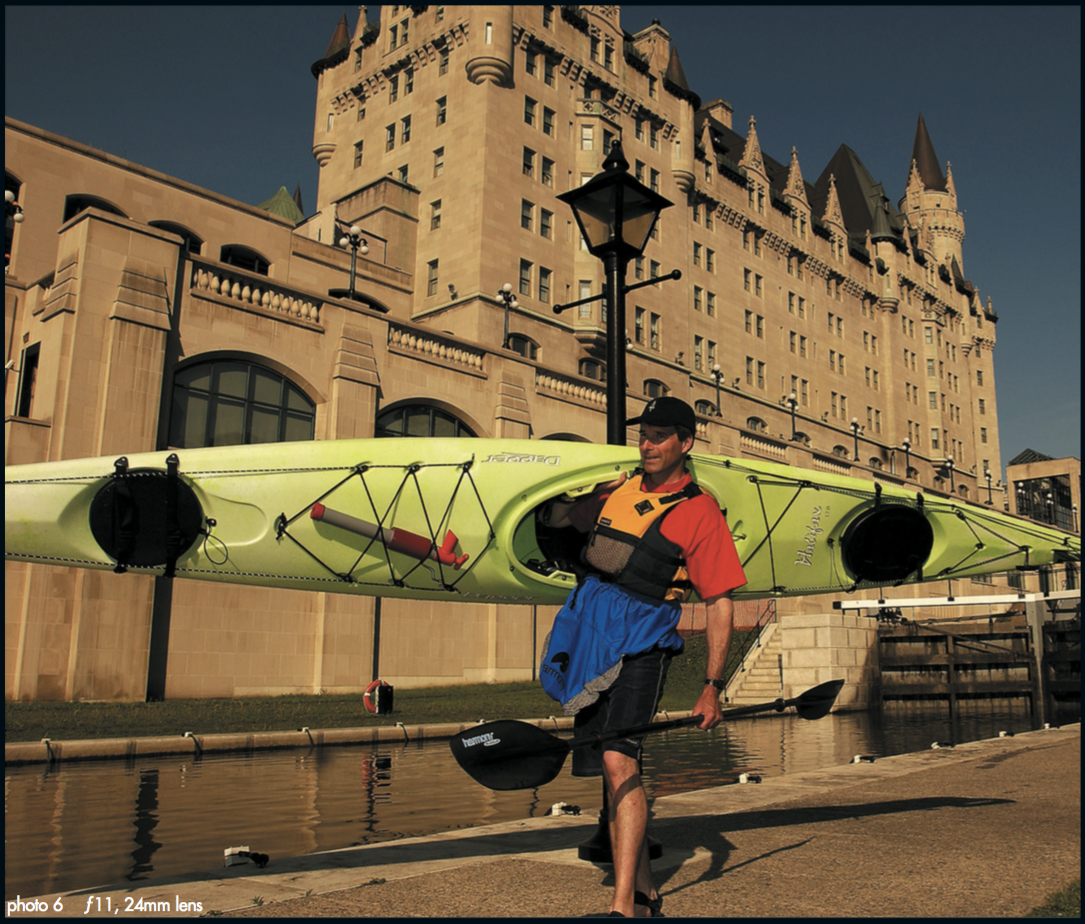
In the final photograph, photo 6, the magnificent Chateau Laurier in downtown Ottawa makes the location equally as important as the paddler, so I wanted to ensure the entire image was sharp and in focus. I combined a 24 mm wide-angle lens and a high f-stop (f 11) for incredible depth of field to bring out maximum detail in foreground and background. This combination keeps the happy paddler, the canal and the Chateau, in the far background, all in sharp focus.

Screen_Shot_2015-07-21_at_2.55.15_PM.png

Try experimenting by varying your depth of field. Begin by shooting at the extreme ends of the scales and getting as shallow or as much depth as you can. Playing with the extremes of depth of field, you will easily see your results and get a feel for how it affects the look of your images. Remember these general rules: if your main subject is a paddler, keep him sharp and lose the distracting foreground and background; and if the photo is mainly scenic, maximize your depth of field for incredible detail and applause at your next paddling club slideshow. 

akv4i1cover.jpgThis article first appeared in the Spring 2004 issue of Adventure Kayak Magazine. For more great content, subscribe to Adventure Kayak’s print and digital editions here.
Editorial: The Kayaker Wave

Photo: flickr.com/OakleyOriginals
Editorial: The Kayaker Wave

I was meeting some friends past the shipping yards at the foot of Cherry Street, at the city park called Clark Beach—better known as Cherry Beach. We were headed a few kilometres around the point to explore the shoreline and inner canals of the Toronto Islands.

Getting boats, paddles and gear organized down at the water, I was pleased, and surprised, to see another group of paddlers out for a cruise on a cool autumn mid-week afternoon. They were floating just offshore in two fully rigged, 17-foot-long glass sea kayaks. I waved a big hello.

They just paddled away.

My knee-jerk reaction was the same as you might have being cut off in traffic. But I didn’t gesture. I didn’t see the point. However, it bothers me to this day, and I often ponder their reasons for clearly snubbing my friendly wave. Maybe it was because I was launching a 12-foot recreational touring kayak. I wonder if I’d had a “proper” sea kayak if I’d have garnered more respect, worthy of the effort to raise one’s Royal arm and wobble it to acknowledge my presence.

Photo: flickr.com/OakleyOriginals
Editorial: The Kayaker Wave

It’s a common practice to say hello to fellow enthusiasts. Automobile legend has it that on June 30, 1953, owner of Corvette number 00001 met driver of Corvette 00002 and they saluted each other with waves, starting a much-cherished tradition that lives on with Corvette drivers today.

Bikers have their own secret handshake to other riders. An article on the website of the Miami Chapter 694 HOG (Harley Owner’s Group) tells us that the wave varies with riders of different makes of motorcycles:

“Harley riders lower their hand to their side and point the index figure to the ground. BMW riders barely lift their hand from the handlebar. And Honda riders, that friendly bunch, give an outright wave almost like a high five, when they pass each other.”

I’m definitely a Honda rider, or at least that’s the wave I gave to those paddlers at Cherry Beach. Did I give the wrong wave? Maybe my Honda wave is not the one “real” kayakers use. I didn’t think to try anything different. How could there be a wrong wave in a community so small as sea kayaking, even in the big city of Toronto.

Are all paddlers not part of one big happy family; in the same boat, so to speak? Aren’t we paddling for the same reasons and affected by the same things: wind, weather, sea conditions? Why wouldn’t we wave to a fellow paddler, another like-minded enthusiast, the first person who’d loan you a tie-down strap, offer a look at his chart, toss you a Snickers bar or share a GPS reading?

We should be waving to acknowledge that we share the same passion, and in this case waving to say hello, great to see you on the water, enjoy your day. We should be waving to one another no matter what size or brand of kayak each of us are paddling.

It won’t take many kayakers for the wave to catch on. Since shooting to fame during the 1986 World Cup in Mexico, the Mexican wave phenomenon has circumnavigated stadiums around the world, 15 rows at a time. Researchers have found that it only takes a couple dozen like-minded sports fans to bring 50,000 people to their feet.

Instead of flipping the bird, I’m looking for 23 friends to paddle the shores of Lake Ontario, just west of downtown Toronto. We’ll get those two snotty paddlers to throw their arms in the air.

Cover of the Spring 2004 issue of Adventure Kayak MagazineThis article was first published in the Spring 2004 issue of Adventure Kayak Magazine. Subscribe to Paddling Magazine’s print and digital editions, or browse the archives.


Boat Review: The Polaris by Simon River Sports

Photo: Adventure Kayak Staff
Boat Review: The Polaris by Simon River Sports

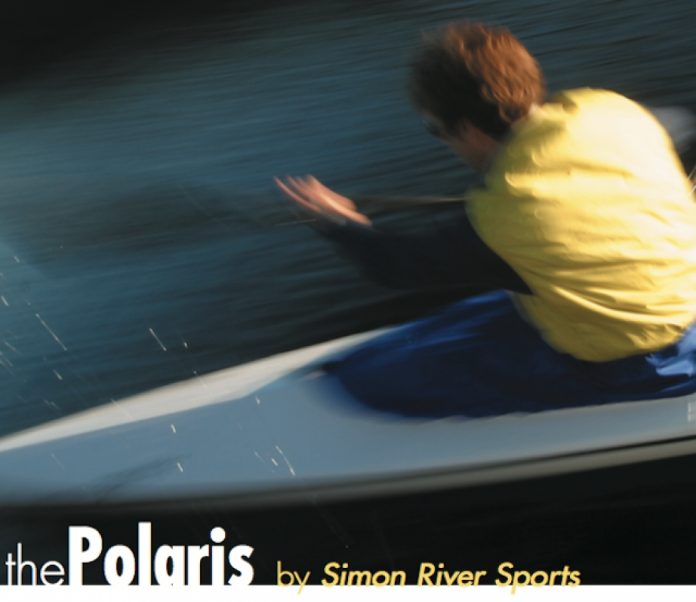
Last fall, hunting for something new for readers led me to the unfamiliar world of sprint racing and the boathouse of Toronto’s Beaches Canoe Club. There I met Simon River Sports president Karen Lukanovich, who put a wing blade in my hand and sent me out in the Polaris, hoping I would stay upright.

SRS is a Canadian company that has made a name for itself in sprint kayaking and branched out to offer a unique line of “performance touring” kayaks—hybrid hulls that split the difference between the “milliseconds count” minimalism of racing and the unrefined burliness of touring. Boats like the Polaris are all-around speedsters for adventure racing, fitness paddling and fast-and-light touring.

“Bring your knees together,” Lukanovich coached as I settled into the unfamiliar sitting position. The Polaris was obviously just a slightly detuned cousin of the racing hulls in the boathouse. It’s wider and more stable—SRS actually rates it an 8 out of 10 for stability. But its cockpit is clearly configured for the aggressive, upright paddling position that is familiar to sprint racers but awkward for us touring paddlers who are used to reclining into a backrest with our knees splayed under the coaming.

When paddling in rough water, I felt vulnerable perched with just my bum and the soles of my feet touching the boat and my knees sticking up above the cockpit. But the relaxed sitting position of a regular touring kayak just doesn’t cut it for paddlers hooked on speed and a full body workout, which is the whole point of a performance touring kayak.

Indeed, after paddling the Polaris a few times, going for a workout in my touring kayak felt like lacing on hiking boots to go jogging. The Polaris is fast because it has virtually no rocker—the waterline is probably a couple of inches longer than that of a touring kayak of the same overall length—and it is super light at just 31 pounds in carbon.

For effortless cruising on flat water, fitness paddling or adventure racing—or anyone who needs a superlight boat but doesn’t want to give up the speed of a long hull—dial up your local paddle racing club or dealer and check out the Simon River Sports line.

Seat and deck

The seat is a small, moulded platform—a mere perch for the athlete’s toned glutes. A quick release slides the seat forward/backward in a groove in the marine plywood base. The paddler sits upright with knees together. Lower back and torso are free to rotate for the most efficient and powerful stroke. This aggressive positon takes some getting used to, but once you master the racing style, going back to the old La-Z-Boy slouch just doesn’t feel right. There is just one small hatch on the rear deck for accessing the rudder assembly. Other SRS models come outfitted for touring with a rear storage hatch.

Rudder

The understern hydrofoil rudder turns this rocket-straight boat in a relatively smooth and effortless arc and makes minor course corrections easy. Turning strokes become all but obsolete as the paddle becomes purely the engine, the rudder the steering wheel. You must place the boat in deep water or launch from a dock to protect the understern rudder. Some SRS models come with a retractable “overstern kick-up” rudder that’s more practical for touring.

Cockpit and footrest

The long, narrow cockpit fits paddlers from 4’10” to 6’10”. Only skinny-hipsters need apply. The adjustable footrest provides a solid, sloping platform to push against with both feet. Pumping with your legs on every stroke counteracts the side-to-side rocking of the boat—the rocking motion throws the boat off course and reduces efficiency. Your lower body should get tired too if you’re doing it right. A little aluminum stick between your toes controls the rudder with a slight touch. A sprayskirt is available, but beware that this boat has no sealed bulkheads—a reminder that the Polaris is designed for training on calm waters and near-shore paddling.

akv4i1cover.jpgThis article first appeared in the Spring 2004 issue of Adventure Kayak magazine. For more boat reviews, subscribe to Adventure Kayak’s print and digital editions here.
Canadian Paddling Bars

Photo: Scott MacGregor

Paddling bars are a great buffer between a great day on the river and the drive back to wherever. They are the nucleus, holding together the free-spirited electrons who are the fabric of the paddling community. Without paddling bars we’d land back in our apartments or day jobs bubbling with epic stories to unload on people who nod politely but quite frankly don’t give two shits. They can’t. They’ve never cleaned gates 16 and 17 or been worked in a pourover above a drop. 

Some paddling bars are the light at the end of tunnel after a long day on the river when you’re tired and hungry. Like Calumet Pizza on the Rouge, The Mad Trapper on the Kicking Horse or the Backeddy Pub at the water taxi dock for Skook. Ever stopped to wonder why these bars are located in such thirst-quenching locations? Because some thirsty and enterprising paddler came along before you and he too dreamed of a cold beer at the takeout. 

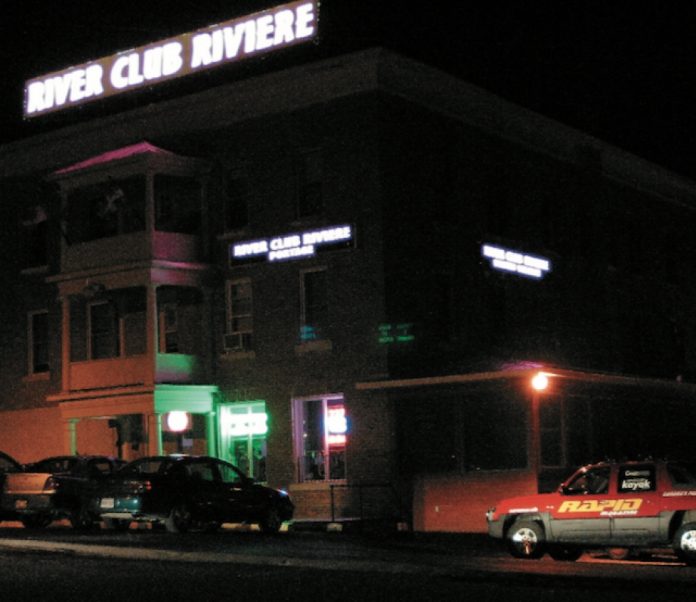
Then there are the paddling landmarks, the destination bars like the Madawaska Valley’s Wilno Tavern, the Ottawa’s River Club, The Drake in Canmore and the Rockcliffe Tavern at Minden’s Gull River. After dinner you sucker a driver and pile into the largest vehicle in the campground and crank the only cassette in the van—a live bootleg of Bob Marley. 

In the winter these watering holes freeze over and are taken back by the local loggers and sled-heads. But when the whitewater flows the gates on the taps are open. The person standing next to you doesn’t ask the score of the Jays game, or hasn’t heard the weather forecast. He speaks your language of aerial blunts and cubic metres per second and brags of bagging a swimmer at 60 feet, not to mention knowing the proper way to order beers in both official languages: 

“Donne moi quatre Labatt Cinquants s’il vous plait.” 

THE ROCKCLIFFE TAVERN

Serving: Gull River, Minden, ON.
Mullet factor: High (but long at the back).
Beer by the gallon: 140 oz. pitchers for $34.
Local brew: Molson Canadian.
Clientele: Locals and cottagers mingle on Saturday nights with camp staff from Kandalore, Kilcoo and Onondaga.
House cocktail: Jack Schnapps (“hangover in a glass”).
Perks: Taxi service, ATM across the street, $3 drinks on Wednesdays, Sunday night open mike on the patio. 

THE RIVER CLUB

Serving: Ottawa River, Portage, QC.
Menu: “They sell food here?”
Night: Sundays.
Watch for: the river.
Drinking age 18.
Meat market factor: Grade A.
Odds of sucking face on the dance floor: High. “Even the losers, get lucky sometimes.” – Tom Petty

THE WILNO TAVERN

Serving: Madawaska and Ottawa Rivers, Wilno, ON.
Menu: Polish perogies, Skidder Burger, homemade pies.
Night: Tuesday-night blues jam.
Local Beer: Valley Gold.
Locals: Aging draft-dodging hippies and lumberjacks can really cut the rug.
Perks: First Tuesday of the month is smoke-free.
Factoid: Oldest Polish settlement in Canada. 

LE LIBIDO & CALUMET PIZZA 

Serving: Rouge River, Grenville, QC, where $10 buys: A) a lap dance for the lonely river guide that lasts for two songs; B) a poutine and hotdog combo washed down with Jack Daniels. 

THE DRAKE

Serving: Kananaskis River, Canmore, AB.
Watch for: Live music by “BC DC”, dirtbags, posers.
Factoids: One of Canada’s “top 3 ski bars”. 

THE BACKEDDY PUB

Serving: Skookumchuck, Egmont, BC.
Home of: Fabled Skookum Burger—10 ounces of beef with fries and all the fixins’ for only $16.25. 

THE MAD TRAPPER

Serving: Kicking Horse River, Golden, BC.
Watch for: stuffed animal heads, disco ball, the Golden Kayak Club refueling on cheeseburgers and Kokanee. 

JJ’S ROCK AND ROLL LOUNGE

Serving: Slave River, Fort Smith, NT.
Factoid: Half the paddlers in town bartend at JJ’s.
Perks: Paddling vids on the big screen, all-night jam sessions, nightly specials—Wing Tuesdays, $3 Highball Wednesdays, Draft Fridays.

JENNIFER’S

Serving: Sturgeon Falls, Seven Sister’s, MB—pop. 70.
Perks: Chef Jozef’s alligator chowder, rattlesnake consommé and shark borscht; monthly draw for a steak & lobster dinner including a shot from a $1,350 bottle of 100-year-old French cognac. 

Screen_Shot_2016-04-21_at_9.38.52_AM.pngThis article first appeared in the Fall 2003 issue of Rapid Magazine.
 

Skills: Catching Eddies

All photos: Scott MacGregor

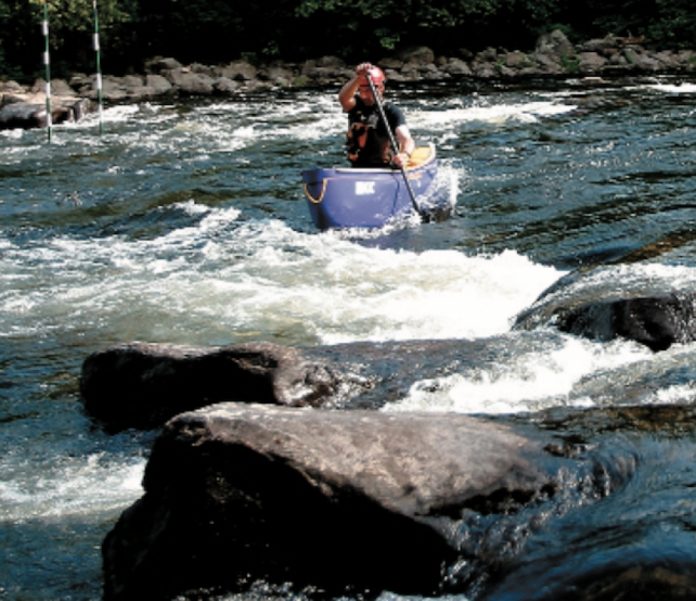
Catching eddies is easier when approaching the eddy pool from across the river.

Approaching eddies from the side, you generate the momentum needed to cut across eddy lines more effectively than when you approach from upstream. Also, when you ferry across the river toward the eddy line, you can more easily achieve the best entry angle for paddling into the eddy pool.

Too often, paddlers descend a river by simply pointing their canoe downstream. Then, when they wish to catch an eddy, they can neither angle the boat quickly enough to cross the eddy line, nor generate the necessary speed to cross over the boils and whirlpools that make up the eddy line. You can solve these problems by paddling across the river, moving laterally toward the eddy pool. The resulting speed and angle will drive the canoe across the boils and into the pool. 

Screen_Shot_2016-04-21_at_10.08.52_AM.png

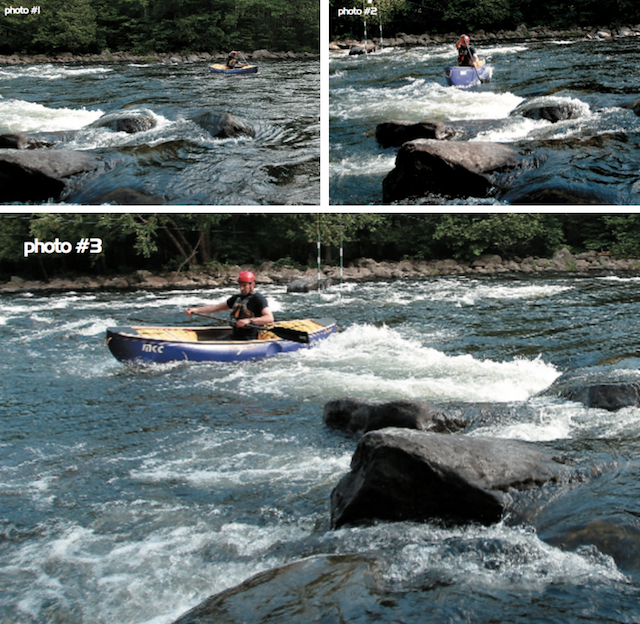
Begin by positioning your boat across the river from your target eddy. Begin your approach by ferrying across the current—moving across the river reduces unnecessary downstream momentum. As the ferry progresses, your lateral momentum toward the eddy pool will begin to build (photo #1).

Once you are within a couple of boat lengths of the eddy line, open your angle so the bow is aimed toward to the top of the eddy (photo #2). Hitting eddies from the side at 90 degrees contradicts the “45-degree rule” you may have been taught, but it works and is done by all advanced paddlers. The lateral momentum and open angle drives you across the eddy line into a snappy, tight eddy turn—at 90 degrees the canoe has less distance to turn to complete the manoeuvre pointing upstream. However, if the eddy line is very wide, you may still want to point the canoe slightly downstream to help it cross and carve a powerful arc into the eddy (photo #3). The lateral momentum created by the ferry carries your canoe across the eddy line and into the pool.

By ferrying across the river toward eddy pools, you create sideways momentum that helps drive the canoe across difficult eddy lines. Moving from one side of a river to the other during your descent gives you the opportunity to use lateral momentum to enter eddy pools and maintain maximum control of your descent down the rapid. 

Andrew Westwood is a regular contributor to Rapid and is an open canoe instructor at the Madawaska Kanu Centre. 

Screen_Shot_2016-04-21_at_9.38.52_AM.pngThis article first appeared in the Fall 2003 issue of Rapid Magazine.
 

Re-Actionary: Who Let the Dogs Out?

Photo: flickr.com/GabrielleWelsh

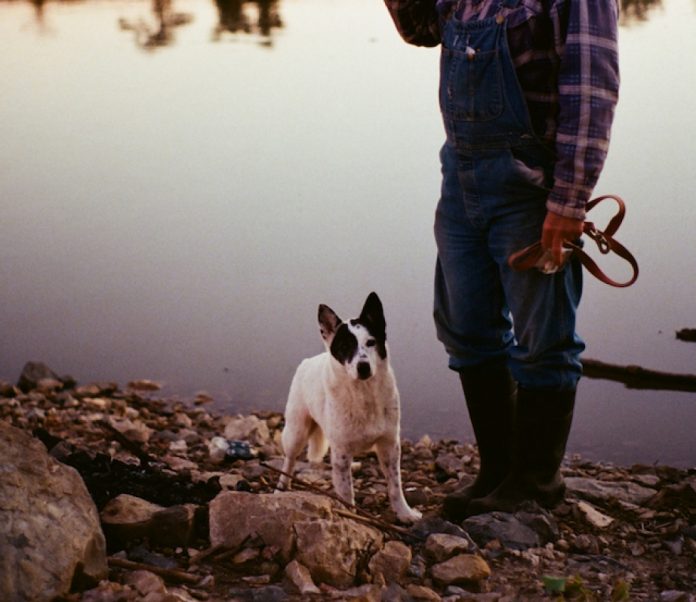
It’s a pretty picture—the photo of the outdoorsman in the plaid shirt. He’s rugged-good-looking, in his forties, perhaps a few days’ worth of perfectly even stubble adorning his rich tan and deep, soulful eyes. His vintage cedar strip canoe sits poised on the calm shores of a placid lake. Virgin forest stretches into the warm horizon of an immaculate sunset. A hearty fire throws up heat and light. And who lies quietly and obediently at his feet? The pièce de résistance—his dog. What a load of crap!

You paddlers with your stupid barking dogs, you are selfish, not soulful. There is no peace or tranquility whilst your ill-bred and even-worse-mannered mutt rummages through my dinner scraps, howls at the moon and pisses on my tent. It might paint a nice picture, but dogs and paddling don’t mix.

We paddlers come together at campgrounds, river-banks, and festivals. Often this means that we have our tents very close to one another. Strangely, we all get up at the same time. Ever wondered why? It’s not because we want an early start on the river. It’s because at 5 a.m., some yippy collie sees a chipmunk and begins to bark, and the other 15 canines join in.

Or, back at the campground after a hard day’s paddle, you’ve made yourself a fine meal and realize you don’t have a drink. So you set your plate down on your camp chair to go for a soda or a brewha. When you return to your seat, somebody’s slobbery mutt is scarfing down the last of your beef stroganoff.

Whose fault is this? Well a dog owner (if you can find him) will either deny it—”my dog would never do that”—or laugh—”what did you expect for leaving your plate on the chair?”

I won’t even get into cleaning up after your dog, but let’s just say that many of us like to walk around barefoot.

I’m no dog psychiatrist. I can’t go into details on why doggie A with no balls is acting out frustration on doggie B who still has balls. What I do know is that about every 10 minutes, some dog owner is jumping up screaming and running across the campground to tear his dog off the bleeding neck of another. Very tranquil! At any given river festival there are so many dog fights that maybe we should forget kayak tossing and paddle tricks. Maybe we should build a ring and sanction a fighting league—à la White Fang—with all house proceeds going toward river conservation.

Now let’s talk about the river dog. You know the drill. Owner goes paddling and dog chases him down the river. This isn’t so bad on it’s own—kinda cute—except the dog is stressed and barks the whole freaking time. Very peaceful! Again, the owner knows this will happen yet does nothing (like leave the animal at home). Result? We think the owner’s an inhumane idiot.

Which brings me to my final point: Who is at fault in all this, the dog or the owner? We all know the answer. Dogs are creatures of habit: they don’t have a set of manners for eating with the boys and another set for eating at the girlfriend’s parents. If your dog eats people’s food, goes through garbage and begs, it’s because you, the owner, have brought it up poorly. You, the owner, have failed this beast and, consequently, you have failed us.

Don’t bring your dog to the river.

Ben Aylsworth likes things on all fours but still leaves it at home. 

Screen_Shot_2016-04-21_at_9.38.52_AM.pngThis article first appeared in the Fall 2003 issue of Rapid Magazine.