Extreme kayaker Nouria Newman says the Indus had been on her mind ever since she saw Aniol Serrasolses paddle it in the film Inside the Indus – A Pakistani Odyssey, which was released in 2017. Known as one of the most challenging whitewater rivers in the world, the Indus has been taken on by various elite kayakers over the years, including Dane Jackson and Ben Stookesberry, in addition to Serrasolses. However, despite Newman being invited to paddle the Indus with different teams, she didn’t make it to the river until 2023.
“I was waiting for the right time for me to feel ready, but also for the right crew,” she explains. “I think I wanted to do it with a group that we all commit to go together as a team. And then I think it was really fun to go with just French people and childhood friends.”
Her tripmates were Jules Domine and Maël Nguyen, two accomplished whitewater paddlers who own Expedition Colombia, a rafting and kayaking tour company.
The section of the Indus they ran is called the Rondu Gorge, a 150-kilometer stretch of river in northern Pakistan with particularly high flow, frequently changing rapids and high walls that make it difficult to get on and off of.
The Rondu Gorge is infamous for its high volume, steep walls and massive, ever-changing rapids. | Feature photo: Jules Domine
Newman says she felt confident she could run the river, even if they ended up portaging all the hardest rapids.
“The thing is, you can’t know until you get there,” she continues. “And it’s like that for every single river. You can’t fully be prepared for something that you don’t really know what to expect. That’s whitewater. If you want to be sure then you go do some freestyle in a hole or some slalom on an artificial course and do something in a more controlled environment.”
In the film, Newman, Domine and Nguyen spend a lot of time scouting rapids and deciding whether they want to run them. Sometimes all three run the rapid; other times only one or two feel confident enough in hitting the line to go for it. Other times, they all portage.
Only Newman and Domine decide to run Malupa Rapid, which prior to their descent had only been run once—by Dane Jackson. In the footage, Newman and Domine are notably nervous before making their attempts, because missing the line could have high consequences.
But Newman says she doesn’t view fear the same way others seem to.
Jules Domine
Maël Nguyen
Nouria Newman. | Photos: Emile Domine
“Fear is always seen as something really bad,” she explains. “But I’m always scared, and I think it’s a really good thing. Because when you’re not scared, you’re not aware of the consequences. You’re not focused. You’re disrespecting the river and you become both dumb and numb as a paddler.”
She sees fear more as a tool, something that helps her understand herself.
In the film, she misses the line and flips her kayak, but is still able to successfully run Malupa. Domine hits the line and also makes it through.
Days on the Indus were taxing, both physically and mentally. When they paddled rapids, they had to go hard to make it through. When they portaged, it involved climbing over massive boulders and up and down steep embankments. Through it all, they had to be focused on every step and paddle stroke.
“It’s hard to compare what’s more exhausting—the hike or the scout or climbing boulders or the actual paddling that’s shorter but high intensity,” Newman says. “I think that’s why the river we were running was so exciting, because it takes a lot of different skill sets.”
It took them seven days to run the Rondu Gorge. Then they did a second lap, this time with a fourth paddler, friend Thomas Neime.
Since the Indus, Newman has paddled big rapids and done expeditions all over the world, including in the Pacific Northwest of the U.S.; Brazil; Norway; British Columbia, Canada; Arunachal, India; Portugal; Madagascar; and Mexico. At the time of publication, she was back home in France after many months of travel, and said she doesn’t have any major expeditions planned for the rest of this year.
She doesn’t keep a bucket list of places to paddle next, either.
With fast-moving water carving new paths and frequent rock slides, the Indus is constantly changing. | Photo: Jules Domine
Feeling small on the wild Indus.
Taking time to scout. | Photos: Emile Domine
“I try not to because I think it’s kind of dangerous to do things that way,” she says.
She points out that doing so has the potential to make you desperate to paddle a river or rapid, even when the situation isn’t ideal—like the water is too high or low, your team isn’t ready or you aren’t ready.
“I think people see kayaking as the act of paddling, but I think more than half of it happens in your brain and in your decision making and whether or not you’re making the right decisions.”
That’s why these days she prefers paddling with friends, who share the same fundamental values she does.
“I think it’s easier to be on the river with people who are likeminded and perceive danger in a similar way. And see the risks and accept it and take responsibility,” Newman continues. “It’s easier to be on the river with people that you align with on safety, for example. And I think for me people that have a list and have too many goals, sometimes they forget the main point.”
Kayak sprint athlete Arseni Mashko on the water. Photo: supplied
Athlete Arseni Mashko moved to the United States at 16 on an athletic scholarship and just one year later won the U.S. Sprint & Paracanoe Team Trials. Today, the Belarusian athlete competes against senior athletes and delivers results on par with world championship finalists.
In this interview, he speaks about how the American training system differs from international ones, how elite sport intersects with data analytics, and how he manages to compete against the world’s top paddlers.
Kayaking is considered one of the fastest and most physically demanding water sports. How did you come to it, and when did you realize you were ready to pursue it professionally?
AM: I started kayaking at 10, when I was still living in Belarus. At first, it was just a regular youth club, but training quickly began to take up more and more of my life. At 14, I was accepted into the Minsk Olympic Reserve School, a professional environment for promising juniors, where training takes place at a higher level of intensity and responsibility. Later, I was selected for the Belarusian Youth National Team. I earned my spot at age 16.
During that period, I was already competing consistently at national events and selection races, regularly taking part in national and interregional tournaments, including the Olympic Days of Youth, where I earned multiple medals. It became clear that this was no longer just a hobby but a genuine professional path that demanded full commitment.
In kayaking, so much depends on the consistency of the training process: it’s not only about building strength and endurance, you also have to work constantly on technique, refining every movement until it’s as close to perfect as possible. This is especially true for athletes like me who specialize in the sprint, the 200-meter distance: a race lasts roughly 35 to 39 seconds, and even half a second can be the difference between first place and last in a final.
In Belarus, the climate makes it impossible to train on the water year-round: in winter, most preparation shifts to the gym, cross-country skiing, running, and general physical conditioning. In California, everything is different—you can paddle on the water all year. And that directly affects the results athletes can produce.
Athlete Arseni Mashko moved to the United States at 16 on an athletic scholarship for kayaking. Photo: supplied
At 16, you were invited to train and compete with the San Diego Canoe & Kayak Team (SDCKT), receiving a substantial athletic scholarship and the opportunity to combine sport with university study. How did you make that happen?
AM: I was actively looking for a way to continue my athletic career while also getting an education in the United States. I sent in my results and training videos, traveled to tryouts and training camps. I’m grateful to have been given the opportunity to continue developing within the American sports system. San Diego is one of the centers of American kayaking. The Olympic Training Center is nearby, where members of the U.S. national team, Olympic champions, and world championship medalists all train. When you’re around athletes of that caliber every single day, it automatically raises your own bar.
How does the American athlete development system differ from the Belarusian one?
AM: The biggest difference is in infrastructure and the sporting environment. In California, and specifically at SDCKT, the conditions for kayaking are nearly ideal: the climate, the equipment, the training facilities, the ability to be on the water year-round. We train twice a day—on the water in the morning, in the gym or doing functional work in the evening. And that schedule continues almost without interruption throughout the year. As a result, progress comes faster.
My coach, Chris Barlow, is a former Olympian and one of the most respected coaches in American kayaking. Joe Harper, the U.S. national team coach, also works alongside us. These are people with vast experience preparing athletes for the world stage.
Kayak sprint athlete Arseni Mashko on the water. Photo: supplied
But perhaps the most important factor is the environment. In Belarus, I trained mostly among juniors. Here, Olympic champions, world championship medalists, and current U.S. national team members train alongside me on a regular basis—among them Olympic champion Nevin Harrison and other top athletes on the American team.
In addition, European national teams, from Germany, Hungary, the Czech Republic, Portugal, regularly come to California for winter training camps. For many of them, this is their winter base. The result is that you find yourself surrounded by some of the world’s best athletes virtually all year long.
You’re studying Data Science at Point Loma Nazarene University. Does that connect to your work as an athlete?
AM: My studies are closely tied to what I do as an athlete. I’m specifically interested in sports analytics. Elite sport today is built to a significant degree on numbers: training loads, speed, recovery, technique analysis, performance trends over time. I’m interested in approaching my preparation not just intuitively, but through the lens of data.
Technique is enormously important in kayaking, especially on the 200-meter distance, where the race is very short and explosive. And when you’re able to analyze data, track changes in your metrics, and compare training cycles, it helps you approach your development in a far more deliberate way.
Rafts in Grand Canyon from Matt Wappett's person trip after which he became sick. Photo: courtesy Matt Wappett
Three days after Matt Wappett finished a rafting trip in the Grand Canyon, he landed in the emergency room with a massive knee infection. While it improved with the help of antibiotics, Wappett’s general health continued to deteriorate over the following weeks. Through social media, Wappett recently learned he’s not the only paddler suffering.
“It’s just felt like having a flu for the last month, which is kind of crazy, and I don’t know and the doctors right now don’t know if that infection that I had in my knee is related to it. Nobody seems to know,” he said.
The National Park Service is now leading an investigation, hoping to discover what’s causing the mystery illness in Grand Canyon rafters.
Social media sparks conversation and investigation
Wappett’s group launched in mid May and took out on June 2. In the month since, Wappett has suffered from constant aches, joint pains and fever. He has also been diagnosed with pneumonia.
“I was telling my wife the other day, I’m like, I don’t know if I can go on like this. This is awful. You wake up every morning and every joint hurts. It’s just brutal, and I’ve never had anything like this,” Wappett said.
Matt Wappett rafting the Grand Canyon. | Photo: courtesy Matt Wappett
Wappett thought he was going crazy or being dramatic until he saw a post in a Grand Canyon boaters Facebook group on July 1. In the post, paddler Steven King shares that four of 16 people in his group started experiencing fever, fatigue, severe localized muscle pain and fluid in their lungs about a week after their rafting trip in June.
“I mean, it just takes one person to say, oh I’m experiencing this. If he wouldn’t have posted that, I would have still just been assuming that I’ve got a month-long flu,” said Wappett.
Since sharing the post, at least five other rafters have contacted King saying members of their crews are experiencing similar symptoms. According to King, all were on the river in May and June.
Searching for answers
Both Wappett and King are waiting on medical tests, currently left with more questions than answers. Wappett’s doctor is considering valley fever, dengue fever, and hantavirus, while King says members of his group have reported an extensive list of illnesses under consideration, including bacterial infections, Lyme disease, West Nile virus, and Rocky Mountain spotted fever.
“I just want to feel normal again. I was supposed to go on the Salmon River in two weeks, and I’m at the point now where I’m like, I can’t go to the Salmon because I’m just not well,” said Wappett.
Rafts in Grand Canyon from Matt Wappett’s personal trip after which he became sick. | Photo: courtesy Matt Wappett
A spokesperson for Grand Canyon National Park confirmed that the National Park Service (NPS) is aware of the reported illness. The NPS Office of Public Health is leading an investigation in coordination with public health partners.
In a written statement, the NPS shared, “At this time, the investigation is ongoing, and we are not able to comment on the extent of the illnesses, potential diagnoses or other details while the investigation is underway. We will share additional information with the public as it becomes available.”
King and Wappett have both been contacted by an NPS Public Health Officer as part of the investigation. Wappett says the experience has taught him the importance of the often-overlooked health risks of traveling in remote areas like the Grand Canyon.
“We kind of just blow that off like, oh, no, it’s no big deal. But I’m starting to learn there’s a lot of weird things down there, and you got to be really careful with keeping things clean and just being mindful of sanitation and stuff. It’s just there’s risks when you go do the big ditch,” Wappett said.
Anyone who has recently visited the Grand Canyon and is experiencing similar symptoms should notify the NPS Office of Public Health.
Washington State’s Skykomish is a river of shifting moods, from furious whitewater to tranquil flatwater. But any section of any river can become volatile—a lesson Nichole Gaertner learned 10 years ago when she nearly drowned on a class I stretch of “The Sky.”
It was a hot May day and snowmelt from the Cascade Mountains had caused the Skykomish to flow faster than usual. That was partly why Gaertner and her three friends had planned their paddle, the swift current would make a quicker trip of the 20-plus miles downstream to the Puget Sound.
“I’d been kayaking a few times before, but I wasn’t super experienced,” Gaertner says. Everything was going well until the group entered a channel where a bend in the river prevented them from seeing a downed tree which had created a dangerous strainer.
The danger of strainers for paddlers
A strainer is an obstruction in the river like a tree or logjam that allows water to flow through but can trap a person or a boat. The hazards often form where a river curves or constricts due to the natural push of the current. The best way to avoid them is to scout blind bends and always scan downstream for obstacles, but that day, says Gaertner, it all happened so fast.
Once they’d entered the channel, the water began to swirl as it swept towards the tree. Two of her friends capsized and went under. When her third friend flipped, Gaertner says she instinctually reached out to grab her and flipped, too.
Instantly Gaertner was sucked into the strainer. Her life jacket kept her head above water but her body pinned against the tangled roots, the force of the flow trying to tug her under. She fought to get her arms over head, lodging them between branches to help hold her in place. Then she began to panic.
“I thought my friends were dead,” says Gaertner. A few minutes later she spotted them downstream safely on shore and knew in order to survive, she had to calm herself. So she sang hymns. She thought of her three young children. The water was frigid and its weight was crushing, she remembers.
“I could feel the energy leaving my body,” Gaertner says.
It took 45 minutes for local fire and rescue crews to locate Gaertner after one of her friends dialed 911 on her cellphone.
Life jacket and 911 response saved kayaker’s life
“She was up to her nose when we pulled her out,” says Pete Parrish, firefighter paramedic with Snohomish Regional Fire & Rescue, who roped her to safety with the help of two other first responders. She was hypothermic and unresponsive. She’d inhaled water and sustained internal injuries.
It took hours for emergency personnel to bring her body temperature back to normal, days for her to expel the fluid from her lungs, and weeks to heal from the bruising that covered her body inside and out.
But ultimately, she made a full recovery.
And this past month, on the tenth anniversary of the rescue, she and Parrish met again for the first time since the accident for an emotional reunion at the firehouse.
“I’ve thought about Nichole for 10 years,” Parrish says. “I just wanted to see her and tell her I was glad she was alive.”
As a first responder, Parrish is no stranger to aiding in rescues and even body recoveries. Strainers, he says, are one of the most common river hazards they see, especially in the late spring and early summer when runoff moves debris and creates pushier flows.
Parrish advises that if a paddler is headed toward a strainer and a collision is inevitable, they should paddle or swim aggressively toward it and use their momentum to get on top of it. But, he adds, the more common risk to paddlers—especially where rivers rely on snowmelt—is the water temperature.
“Cold water will shock your body. It takes your breath away and causes your muscles to seize up,” says Parrish.
To minimize the risk of cold shock, paddlers should always dress for the temperature of the water, not the air, and wear thermal protection such as a wetsuit even on warm days—and, of course, a properly fitted Type III life vest, he adds.
“We see a lot of tragedy, and I always think back to the life lived by Nichole to remember why we do what we do,” says Parrish.
NRS announced its acquistion of Downriver Equipment in March, 2026. | Photo: Courtesy NRS
Consolidation is a familiar storyline across the paddlesports industry, especially now as many of the industry’s most iconic brands contemplate their legacies and succession plans. Below, NRS Chief Marketing Officer Mark Deming and Down River Equipment co-owner and CEO Phil Walczynski speak publicly for the first time about NRS’s acquisition the storied river-running retailer and custom gear manufacturer.
The deal is an acquisition that feels like a partnership, Walczynski and Deming told Paddling Business editor Jeff Moag in the wide-ranging interview. It also smells a bit like a succession plan. The agreement keeps Down River operating under its own name and continuing to build custom oar frames and river-running gear in Colorado. Phil Walczynski and his wife Carol, Down River’s Chief Financial Officer and Operations Manager, will continue to manage Down River under the new partnership with NRS. Down River co-owner Zach Svoboda will pursue a new chapter.
Svoboda’s transition was the nudge that started the merger moving, Walczynski said. “Zach came to Carol and me a couple of years ago and said he was he was about ready to start transitioning out. He wanted to focus more on his family, wanted less stress in his life—you know, all the things that small business owners deal with.”
The Walczynskis initially considered buying out Svoboda and continuing on their own, but as they weighed their options a partnership with NRS began to look more attractive.
“We realized that to really ensure Down River’s future and make sure our staff is taken care of, and the community around us is taken care of, we really needed much bigger backing,” Walczynski said. “That was really what pushed us to reach out to Mark and the team at NRS.”
Walczynski’s email landed in Deming’s inbox on a Monday morning last fall. NRS has long been aware of the tough business climate for retailers, many of whom are closing in on retirement. Internally, the company had discussed the danger of losing a big rafting account. They just didn’t think it would be Down River because the company was on such firm footing.
“We had kind of already gamed a lot of this out,” Deming said. “And when Phil reached out to me and I shared that with a small group of colleagues, we said ‘All right, we’ve got to do this. Let’s go.’ And we were able to put the wheels in motion right away.”
The companies have a lot in common, starting with their local roots and deep ties to river communities. Case in point: Walczynski was impressed with NRS headquarters in Moscow, Idaho, but his most productive meetings with new colleagues took place two hours farther east, on the Lochsa River.
Watch or read the full interview to learn more about NRS’s plans for Down River’s custom frame shop and the Raftopia festival, and the mutual respect—and secret gear envy —these two iconic river-running companies share.
Inside NRS’ acquisition of Down River Equipment
Jeff Moag, Paddling Business: I feel like I’m asking a couple newlyweds how they met. But I am curious, who made the first move?
Phil Walczynski, Down River: That was me. I reached out actually to Mark so it’s kind of kind of cool and interesting that we’re both on this same interview with you. And then he took things from there with his team.
Mark Deming, NRS: I came to work on a Monday and opened up my email and there’s this email from Phil and I was like, ‘Holy cow. This is big.’ I couldn’t wait to share it with some of my colleagues. You know, Jeff, you and I talked, I think last year, and you quoted me in a piece saying something that we identify in our SWOT (Strengths, Weaknesses, Opportunities, and Threats) analysis every year is what we refer to as dealer atrophy, or losing dealers. And it has been a problem in the paddlesports industry. We’ve lost quite a few great specialty retailers over the years as they’ve retired or closed up shop.
For us, one of the biggest concerns is losing a major rafting account. Because rafts are one of those things that you can sell them online, but it’s a much better customer experience to purchase a raft in a store from a highly qualified person. People want to see those boats on the floor. They want to build the frame that they want and outfit it with all the right things. In my opinion it’s a product that really benefits from being in a brick-and-mortar retail environment. Losing a major raft dealer was a big concern for us. And honestly, we had never really thought about losing Down River because they were so strong.
It’s something that we’ve been thinking about for a long time. What do we do if this happens? So fortunately, we had kind of already gamed a lot of this out. And when Phil reached out to me and I shared that with a small group of colleagues, we said ‘All right, we’ve got to do this. Let’s go.’ And we were able to put the wheels in motion right away.
Paddling Business: Phil, as I understand it, you and your wife, Carol, who was Down River’s CFO and operations manager, will stay on as NRS employees. And your co-founder, Zach Svoboda is moving on to new challenges. Was his departure part of the reason for partnering with NRS?
Phil Walczynski: Yeah, absolutely. The way the timeline worked is, Zach and Carol and I, we really had an amazing partnership. We really went through a lot. Got through Covid, did all that and managed to stay friends and stay business partners. But Zach came to Carol and I a couple of years ago and said he was he was about ready to start transitioning out. He wanted to focus more on his family, wanted less stress in his life — you know, all the things that small business owners kind of deal with. So at that point we started reaching out just lightly to folks in the industry and friends and a few die-hard customers.
Carol and I originally were considering just buying Zach out and continuing on as sole owners. But the further we got into it, the more we realized that to really ensure Down River’s future and make sure our staff is taken care of and the community around us is taken care of we really needed much bigger backing and a much better partner. That was really what pushed us to reach out to Mark and the team at NRS. Because we really felt like as far as the industry goes, NRS was really the right answer. And as we went through the process, that just became more and more obvious to us.
Paddling Business: Phil, what will your role and Carol’s role be in this new structure?
Phil Walczynski: We’re figuring things out as we go, but the game plan is we’re going to continue pretty much in the roles we’re in. But the real bonus for us is a lot of the stressors of running a small business will eventually – probably not go away, but will transition a little bit more with the bigger resources that that NRS has – and we’ll be able to focus a little bit more on the things that we truly love to do, and why we became owners of Down River to begin with. Serving this community and talking to folks about getting on the river and really taking care of people in that way rather than dealing with the HR part of it, the insurance part of it and all the other things that go along with it. We’re still in transition to make that happen.
Jeff Moag: Mark can tell you that he and I have been on the river before and I think that’s definitely part of the NRS culture. You can phone in and say, ‘Hey, guys, I’m not going to be here next week. I got Main Salmon permit,’ and nobody gives you a lot of flack for that.
Mark Deming: I just requested my vacation time for my Main Salmon trip today.
Phil Walczynski: Excellent. Good for you.
Paddling Business: Approved!
Mark Deming: I’ve never been denied vacation for a river trip.
Paddling Business: What about the current Down River staff Phil? Will they stay on or do they have the option to stay on?
Phil Walczynski: Internally not a ton has changed. The benefits package for our staff is changing and has already been an improvement for our folks. Everybody is planning on continuing forward and NRS is planning on continuing keeping everybody.
For customers walking in the door on a daily basis it’s really business as usual. There’s a little more interesting product on the floor for sure. But there’s also everything else that we’ve carried for decades too.
Mark Deming: It’s a little bit different scenario than [consolidating with] a major retailer. Down River certainly is that, but this is even a sweeter deal for us because of the brand legacy that Down River also has both with their sewn goods, their accessories, dry boxes, frames, all of those things. So it’s a really exciting opportunity for NRS.
Paddling Business: Will there be any consolidation in the production work that Down River does on your frames in Colorado over to Idaho or anywhere else that NRS has production facilities?
Mark Deming: Right now, our number one rule is don’t fix it if it’s not broken. Continuity is super critical to us. We want Down River customers to have the same experience in 2026 that they would have had in 2025. So we have no immediate plans to do anything like that. But at the same time, of course, there’s some overlap in the things that we do. You mentioned the frame business. We have a full-service frame manufacturing facility here in Idaho. And now we have another one in Colorado. There are things that they’re able to do in Colorado that we’re not able to do in Idaho and vice versa. We’re already seeing where we’re able to learn from one another in the way that we do things. And I think that’s going to benefit the products on both sides.
Phil Walczynski: I’m sure over time, of course, we’re going to try to be as efficient as we can. There will be some consolidation and some elimination, maybe of some overlapping items or categories. But the short answer is no concrete plans right now.
Phil Walczynski: Just to expand on it a little bit, I was up in Moscow just a couple of weeks ago. And part of that visit was sitting down with some of the product development team folks at NRS and there’s a lot of things we’re considering, both on the frame production side as well as dry boxes and sewn goods where we can kind of utilize some strengths from both companies to really come out with some pretty interesting products going forward. Most everything is brainstorming right now, so it’s just a little carrot that I’m throwing out there. We’re all really excited about being able to combine some of our efforts in some of those areas for sure.
Paddling Business: That’s fantastic. And Mark, I think most of us in the industry know the story of NRS starting in Bill Parks’s garage. And I’m actually old enough that I bought things out of the paper catalog. But this kind of flows into what Phil was talking about trying to improve and retain quality employees. Tell me about the recent history where NRS went employee-owned, and how that has shaped and transformed the company.
Mark Deming: Well, first of all, I’m old enough and I’ve been at this long enough that one of my first jobs at NRS was processing those catalog orders and getting an envelope in the mail with the order form in it and a check or sometimes a wad of cash and some change.
Mark Deming: The way I like to say it for NRS is the ‘How’ is the ‘Why.’ How we do business is why we’re in business 54 years after Bill hung out a shingle. Bill was like a lot of outdoor brand founders, he was a legendary outdoors person. A boater, a river guide, a ski instructor, all those things. But he was something that not everybody was. He was a business professor, so he had a real nerdy passion for how businesses are run, and he wanted to prove that his very idealistic views about how you could run a business could work in the real world.
His colleagues thought he was crazy. So really the impetus for starting NRS was to show how he thought a business should be run and that it could be successful. We lost Bill, unfortunately, in March of 2023. But he had the foresight, thankfully, to think about the legacy that he wanted to leave behind. He could have sold the company to private equity or outside investors and ridden off into the sunset with a lot of money. But I can honestly say that Bill didn’t care about money.
He did pretty well in his time with NRS. And you would never know it by looking at him or seeing the car that he drove. He personally helped finance a deal that turned the company over to its employees. And we now have over 100 employee owners in the company. That’s really at the heart of our culture and ours has always had a really nurturing and positive culture based in the outdoors and the river community.
Paddling Business: When the companies come together, Phil, will your employees at Down River have an opportunity to join this employee ownership structure that NRS has?
Phil Walczynski: That’s the goal. Right now – and I’ll let Mark talk about this a little deeper – right now we’re being operated as a separate entity. It’s an LLC that NRS set up specifically for this just because of the timing. We needed to get things rolling. But the goal is to eventually get the team here into the ESOP (Employee Stock Ownership Plan) as well.
Mark Deming: We basically had the off-season to try to hammer out this agreement, this partnership. And then holy cow – the busy season is coming in hot. Our ESOP structure is very highly regulated. It’s not as simple as just turning a switch and bringing Down River into it right now. But absolutely that’s our goal.
Paddling Business: I’m sure that’ll come as good news to Phil’s folks in Colorado. And it’s a good transition to the next question. The press release announcing the merger framed it as an acquisition and as a partnership. What more you can share at this point about the nature of this arrangement.
NRS announced its acquistion of Down River Equipment in March 2026. | Photo: Courtesy NRS
Mark Deming: I think you said it perfectly. It was an acquisition and a partnership. Framing it as a partnership is really important for us and for Down River, because that’s how we want this to function. It’s not just, ‘We bought you and we’re taking you over and things are going to run like this now.’
Down River has built an incredible brand and a loyal customer base over all these years. We’d be crazy if we squandered that. So we’re really looking at it as a partnership with all of us working hand-in-hand to grow the Down River business alongside the NRS business.
Some of our folks went down to attend and help out at the Raftopia event, which is a big annual sale event that Down River holds. It’s a really important event for the river community in the Denver area. Our team was just amazed because Phil said, ‘I actually don’t really need a lot of your help with this because we have a team already assembled.’ Come to find out, Down River employees from years past who don’t work there anymore still show up to work the sale. That shows you the kind of culture that they’ve built there.
Phil Walczynski: It has always amazed me that we get past employees to come and work that event, but it’s a great event. Everybody has a really good time. But for Carol and I the way we’re operating really isn’t a whole lot different. We’ve been part of this business for 27 years. We’ve put a lot of blood, sweat and tears into it. So we’re really still running it like we’re owners of the business. And I get the feel from everybody at NRS, especially because of the ESOP, they operate that way as well. Everybody’s tied to it emotionally as well as financially. It’s just a big part of our lives and livelihood.
Paddling Business: You’re about three months in now, still in the honeymoon. Is there anything that you can share about how this relationship has strengthened the two companies? Anything you expected or maybe that you didn’t expect?
Mark Deming: As far as pleasant surprises, I think the biggest one for me is getting to know the Down River team better, especially Phil and Carol. They’ve been just awesome additions to our team. They bring a lot of knowledge and experience to the table. The way they approach business, we can learn a lot from them. They were able to come up to our annual sales meeting in Idaho, and Phil got out on Lochsa with a bunch of NRS folks which I think was great team-building exercise.
Phil Walczynski: I really thought I had a good understanding, and from the outside looking in none of that was really wrong. Anybody who listens to this interview in the industry probably would have a similar reaction because we all know that NRS operates in a really meaningful way in the industry.
This was the first time I visited the headquarters a couple of weeks ago and like Mark said, I had a great time getting on the Lochsa. It was my first time on the Lochsa and I’m in love with that stretch of river. But the visit to the headquarters was really pretty mind-blowing. I mean, clearly everybody has a lot of pride in their job, pride in the company. The place is immaculate, well organized, everybody’s clicking away at their jobs. There’s no panic back at HQ at Down River, but we’re not quite as organized. Day to day, there’s definitely a fair amount of fires to put out. It’s definitely a little more grassroots.
Paddling Business: A saw a post on the NRS Instagram announcing the merger, and the first comment was, ‘Hey, nice frame. Is that NRS or Down River?’ And the answer is ‘Yes!’
It was cute way of saying these companies are together now, but it also points out that both companies are in competition in a core product space – a place where both brands have a real presence and a real reputation. And it makes me wonder how those lines will be merged. Would there be a Down River frame line within NRS for example?
Phil Walczynski: The plan is really not to do anything drastic to begin with. Certainly for this year and for next year, you’re probably not going to see any changes or merging of the two frame lines.
There might be some combined efforts that we start to do between the two frame lines, but the thing to keep in mind is we have plenty of retailers across the country that are both NRS frame dealers and Down River frame dealers. It’s no surprise that these two frame lines actually do work pretty well together because Down River is really kind of known as more of a custom frame line. If somebody really wants something super custom, they can come to us for that. If they’re looking for something that they can get out the door and get on the river that day, then NRS is a great frame for that.
Those two frame lines already exist really, really well inside of some of the same stores. The questions from customers are certainly legitimate, but you’re still going to have Down River frames and you’re still going to have NRS frames. And maybe a couple years from now you might see some combined efforts.
Mark Deming: I received the Cascade River Gear catalog recently, which is a great dealer of ours down in Boise, and on the cover was an NRS raft with a Down River frame on it. And I was like, ‘Yes!’ It goes very naturally together. And as Phil said, I think people come to our frames for different reasons.
Paddling Business: I can feel a lot of familiarity and love, if you will, right between these two brands. Respect might be a better word, although we have used the marriage analogy here, so maybe we should stick with love. So that said, let’s wrap up with a lightning round. Mark, let me start with you. What’s your favorite piece of Down River gear and why?
Mark Deming: My wife, Sarah and I are huge fans of the dish drying bag that mounts on a campsite counter. I don’t know what we did with dishes before we had that, but it’s awesome. And right to one side or the other of that campsite counter is always our Down River hand washing station. Very useful item on the river, as well as we have a little concert series here in Moscow called Pubbin’ on the Patio with one of our non-profit partners the Palouse Clearwater Environmental Institute. So every Friday night in the summer, they have a band come in and a food truck. And during Covid they asked us if we could donate hand-washing stations for that. Now we’ve always got our Down River hand washing stations at our little local concert series.
And then, it’s not the only reason that I was all for making this partnership come together, but definitely one of the reasons is so I can get an employee deal on a Down River kitchen box. My wife’s birthday is coming up July 8th and we’ll be on the Main Salmon. So she’s going to get a surprise kitchen box that she’s been wanting for a long time. Don’t tell her.
Paddling Business: That is awesome. If she listens this far you’ll have to distract her.
Mark Deming: She’s never going to hear this. I can guarantee it.
Paddling Business: So, Mark, you just gave three favorite Down River items when I asked for one. Phil, what about you? What’s your one indispensable piece of NRS kit, or three pieces?
Phil Walczynski: I recently just got an education on NRS PFDs, kudos to the NRS team because they’ve done a lot with their PFD line in the last several years. I got my hands on a Ninja Pro and wore it on the river for the first time on that Lochsa trip we were talking about. And, oh man, it’s just a really good fitting jacket and what they’ve done with every design really kind of blows me away because you’ve got to certify every single size of jacket and that’s not something most PFD manufacturers are willing to commit to. So that’s my current favorite gear, but something I’ve been looking at for a long time is upgrading our big 16-foot boat for a nice E-162D, which is one of those old diminished tube Riken designs, which I’ve just always loved that design. Really love the boat, and the fit and finish is amazing on those boats. So I might be stepping that up and making that move this year.
Paddling Business: Since we’re doing this, I’ll volunteer my favorite piece of NRS river gear is the fire pan. We live here in Southern California, and down on the beaches they’ve got these little concrete fire pits. But if you want to have a bonfire and s’mores with your kids you have to get there at five in the morning and just squat on that thing all day. But I can roll in with my fire pan any time and set it up right there in the sand and get the kids running around in circles and getting s’mores all over their faces. And it’s been so good for family time, whether it’s on the river or on the beach.
It’s a really cool thing because one of the things that we don’t talk about as much about river running is the fellowship and camaraderie. When you start planning a trip you think about the lines you’ll take and the big rapids. But what you remember is the time spent with people you love down in the bottom of a canyon somewhere. And the fire pan kind of symbolizes that.
NRS announced its acquistion of Down River Equipment in March 2026. | Feature photo: Courtesy NRS
The Crooked River is a small, relatively unknown river in western Maine. Adventure photographer Andy Gagne had lived near the Crooked River for 10 years, paddling and fishing its waters regularly. But one day he learned a surprising fact: the forest surrounding the Crooked River acts as a filtration system for the water, which is part of the Sebago Lake Watershed and provides drinking water to one in six Mainers. And this natural filtration system means the water doesn’t have to be mechanically filtered in a facility—one of only 50 places in the U.S. where this is the case.He got curious and started to learn more about the watershed he’d lived and played in for 10 years, without knowing about the important role it played in providing water for his community—but also for his neighbors far downstream. The more he learned, the more he felt compelled to share.Gagne reached out to Jenny O’Connell, an adventure and environmental writer he’s worked with for years.“Thinking big as we usually do,” says Gagne, “we were like, let’s see if we can paddle this thing.”
The idea of a source to sea adventure was born: the pair, with others, would attempt to paddle from Bethel to the Atlantic Ocean in Portland, Maine, and literally follow the water as it traveled through the Sebago Lake Watershed.
The adventure is documented in the film Follow the Water, which is touring in the 2026 Paddling Film Festival and won the Best Kayaking Film category, sponsored by Matterhorn Protects.
The story Gagne and O’Connell uncovered along their journey was one that revealed how deeply interconnected everything in the watershed is.
“I live in this community in western Maine,” explains Gagne. “I don’t live in Portland. I have nothing to do with Portland or the coast or the ocean. But so much of what I do affects that community.”
And vice versa, he says. What happens in the ocean, affects his community upstream.
“It’s one thing for me to know in my head what a watershed is and how everything is connected and how what happens upstream really matters to what happens downstream,” says O’Connell. “It’s another thing to feel that in my whole body. To have traveled that and to understand how everything just spills over and connects to the next thing.”
Along the way, Gagne and O’Connell talked to folks who are connected to the watershed in various ways, from conservation advocates and a wildlife biologist, to water monitoring scientists, an environmental activist and a brewery sustainability coordinator.
Sebago Clean Waters—a collaborative of conservation organizations and a regional water utility working to conserve forest in the Sebago Lake Watershed—became a partner on the film early on, providing essential knowledge to Gagne and O’Connell.
Jenny O’Connell was struck by how meaningful it was to experience how water flows through the Sebago Lake Watershed. | Feature photo: Courtesy Follow the Water
O’Connell speaks with Karen Young, partnership director at Sebago Clean Waters, about how the collaborative works to protect forestland. | Photo: Courtesy Follow the Water
Dave Herzing, foreperson at Sebago Lake Water Treatment Facility, speaks with O’Connell about how they disinfect water. | Photo: Courtesy Follow the Water
Currently, 84% of the watershed is forested and 76% needs to remain forested to maintain water quality. Through the efforts of Sebago Clean Waters and other organizations, 17% of the watershed is conserved, but the collaborative has a goal of protecting 25%.
“We’re also working on complementary measures, like doing a lot of outreach to land owners in the watershed to help them figure out how to maintain their forest sustainably,” explains Karen Young, partnership director at Sebago Clean Waters. “Help them with tax incentives to make it more affordable. And then we’re also working with municipalities on good planning in the watershed.”
Young says there isn’t necessarily an imminent threat to the watershed, like a Walmart or data centre being built on the edge of a river or on top of a wetland.
“It’s more this slow, sprawling development,” she continues. “Unfortunately a lot of the zoning that we have currently encourages large-lot subdivisions. So maybe one house on five or 10 acres. It’s a very inefficient way to build a community.”
There is also a lot of second home development in the area. Both eat up a lot of land.
“We’re certainly not anti-development,” says Young. “But we’d like to see the highest priority land conserved and then a thoughtful, intentional approach to how we continue to expand our communities.”
The journey wasn’t always easy. | Photo: Courtesy Follow the Water
But it was full of many beautiful moments, too. | Photo: Courtesy Follow the Water
Since O’Connell and Gagne made the trip through the watershed in May 2024, Sebago Clean Waters has permanently conserved an additional 2,129 acres of forest, including 1,200 acres along the Crooked River.
They’ve also opened up 42 additional miles of critical river and stream habitat to free flow and fish passage by removing barriers and reconnecting waterways—including the removal of the historic Edes Falls Dam.
In the film, Gagne and other paddlers in their party are seen paddling over this crumbling dam.
“They were there within a week or two of the dam coming out. So they were the last ones probably to paddle over the dam before it came out,” says Young. “Now it’s been fully removed and endangered landlocked salmon can swim upstream to access 27 miles more of critical spawning habitats.”
Five more river and stream connectivity projects are underway in 2026.
Young believes the film has had a part in these recent conservation wins.
“It’s been huge visibility for our efforts,” she says. “As a coalition of nonprofits, we rely primarily on donations and fundraising to do this work. So the more visibility we have, the more people are invested and helping to protect the watershed and the water supply.”
From left to right: Charlote Nutt, Jenny O’Connell, Andy Gagne and Alex Kerney. Four paddlers who made the whole journey from Bethel to Portland, Maine. | Photo: Courtesy Follow the Water
Of the impact they’ve seen the film have since its release, Gagne says locally he’s had many people approach him to say they drove past the Crooked River and thought of the film and of the water.
“I think it’s gotten people to start thinking about stuff they see every day,” he continues.
Personally, the film and the trip they took has helped him to look at the forest differently.
“In a lot of other places, to tour the filtration system you’re in a big fluorescent building with machinery,” Gagne explains. “Here you get to walk in the woods and view the filtration system and have a totally different understanding. Every time I’m on the river I think about that.”
O’Connell’s view of the impact has been more far-reaching. She spoke of the questions they’ve received from audience members at various screenings of the film.
“It was a lot of people being like, I didn’t know where my water came from. This is really exciting, what can we do? People were feeling galvanized to act, which is awesome,” she says.
They even had an audience member from Texas who inquired about how to do something similar where he lives.
O’Connell says she hopes people realize they can use their own passions, whatever those may be, to get involved and help protect forestland and waterways.
“We were all just showing up with what we had and doing what we could with it,” she says. “I’m hoping for connection and that people can feel in themselves that no matter what they’re passionate about, or where they want to plug in, there is a place for them and we need it.”
Jenny O’Connell was struck by how meaningful it was to experience how water flows through the Sebago Lake Watershed. | Feature photo: CourtesyFollow the Water
Best accessed offline. | Feature photo: Justa Jeskova
It doesn’t seem to matter where you choose to wet a blade throughout North America—on rivers, lakes, urban canals, backcountry streams, tidal routes or in yawning wilderness preserves—paddling brings with it a certain semi-delicious form of sanity that comes from no other pursuit. With the geopolitical crackling going on around the world, and so much of life lived online, I’ve found myself increasingly hungry for the peace of the paddle.
Peace of the paddle
There are places where, balancing between earth and sky, the energy of the land finds its way into the rhythm of paddling. The yin of exertion and yang of release with each stroke. Be it water flowing through desert, mountain, lush forest or tundra, once you’re settled into a canoe, sensing the non-human might take a minute, but eventually everything the river nourishes is there.
The call of an eagle soaring high against the sun, the splash of a rising fish, the shadow of bats across a gibbous moon, and maybe even, yes, the gloriously annoying whine of hungry insects. These sounds, subtle though they often are, infuse the spaces in our lives too often filled with screens, and remind us that the world is something to inhabit rather than merely observe.
Best accessed offline. | Feature photo: Justa Jeskova
Canoe country has always been written into being by those who traveled it. Long before satellites and digital mapping rendered the land onscreen, knowledge moved by canoe and sled, memory and story. It was knowledge learned in motion, on the land rather than at a distance from it.
For six decades, Craig Macdonald has been listening to the elders who carried that knowledge. Macdonald’s work talking to elders about summer canoe routes and winter snowshoe trails—with all kinds of detail about how they traveled and traditional techniques—illuminates how building relationships with landscape can ground a person or a people in a place.
To travel with Macdonald is to experience his unhurried and steadfast commitment to Egyptian cotton tents, tin stoves, babiche webbing, natural cordage and the old ways. For the longest time, Macdonald carried most of this knowledge in his head, like the elders who were his teachers.
Happily, there are three ways to appreciate Macdonald’s unique and informed approach to canoe country. One product of his labors, The Historical Map of Temagami, is specific to an area of northern Ontario, but two others—Traditional Sledding in North America and a new biography, Echo Maker (full disclosure, I am the editor of the first and author of the second)—speak to his enduring relationship with the land. There is much to be gained in a frenetic new world from the timeless ways in which canoes (and snowshoes) have connected people to the peace of the land.
In his introduction to Traditional Sledding in North America, Macdonald writes:
“The technologies and techniques of non-mechanized travel have been honed to a high degree of perfection by thousands of years of accumulated Indigenous experience. These skills have been passed down from generation to generation by example and word of mouth. All that has happened within the past century is the refinement of equipment by the introduction of new materials and manufacturing methods.”
He continues: “Unfortunately, the price of improved performance has been a greater reliance on the modern, industrialized world. The sleds and toboggans of today are adaptations of the original designs. However, unlike traditional designs, modern versions can’t be built in the woods just with an axe and crooked knife.”
Macdonald is writing about sleds, but he might as well be talking about how we know the world. Now we map the world from above. We scroll it, model it and rarely move through it at three miles an hour. In our rush to welcome the tentacles of technology into our lives, we have lost sight of older ways of knowing a place. To paddle is to move at a speed that allows relationships to take root.
This is where remembering the peace of the paddle becomes a lifesaver.
To travel by canoe is to ponder where we came from, where we are, where we’re going, who we were, who we are and who we can be. Suspended between the world above and the world below, stillness in harmonic motion, these are the paddle’s promises.
James Raffan is an explorer and recovering academic, as well as the first curator and past executive director of the Canadian Canoe Museum. His column Tumblehome—now in its 21st year—celebrates the single blade’s rich heritage.
This article was published in Issue 75 of Paddling Magazine. Subscribe to Paddling Magazine’s print and digital editions, or browse the archives.
Best accessed offline. | Feature photo: Justa Jeskova
Each year, Amazon Prime Day offers great deals on paddlesports accessories and outdoor gear, making it a good time to upgrade your kit or stock up on essentials. This year, Prime Day runs from June 23 to 26, 2026. Paddling Mag rounded up some of our editors’ favorite deals.
Best Prime Day Deals For Paddlers
Photo: Kaydi Pyette
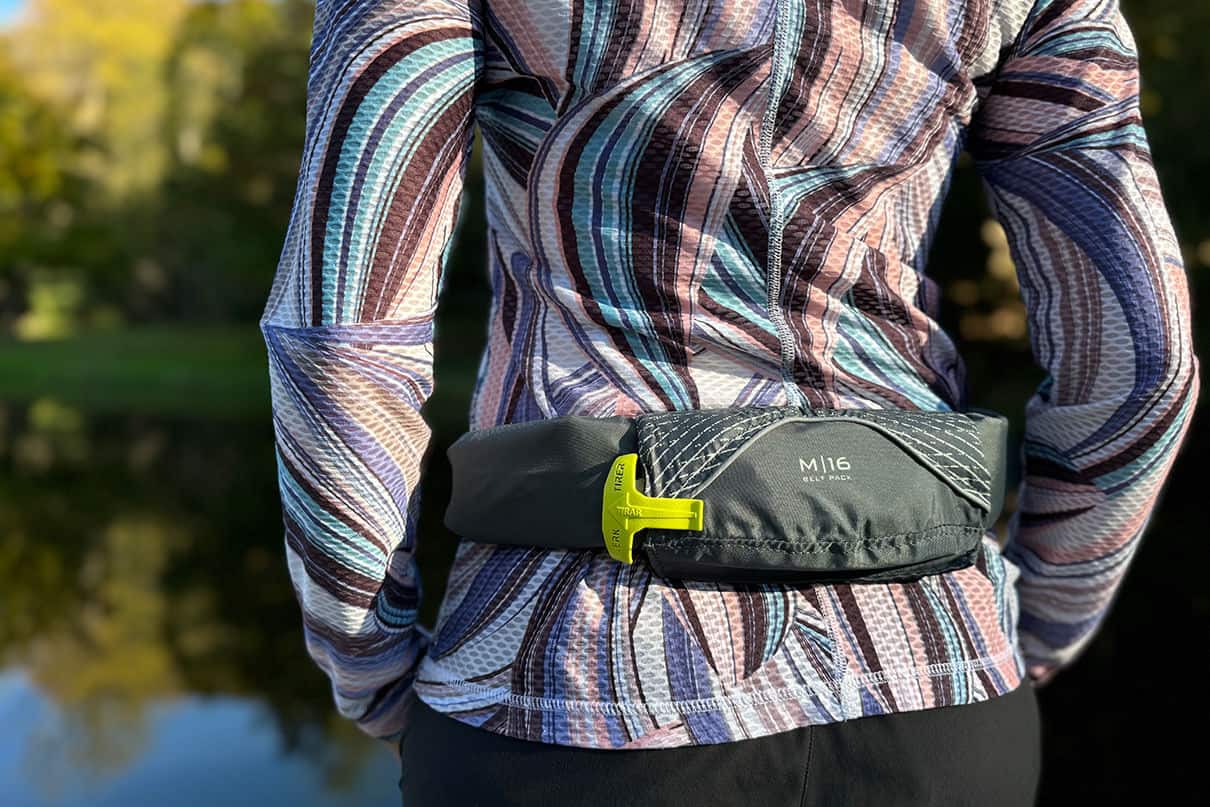
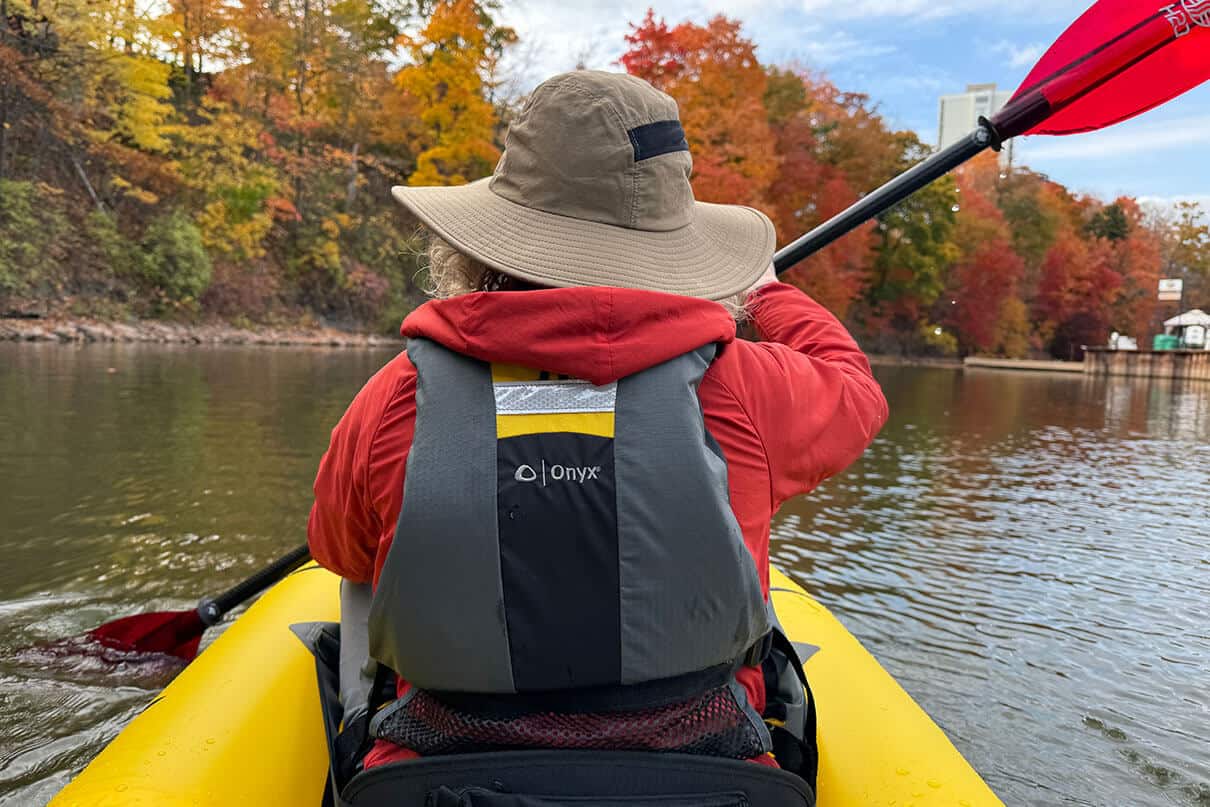
Onyx M16 Inflatable Belt PFD
$51.28 | Save 49%
A favorite minimalist inflatable belt pack PFD is currently on sale for 49 percent off. The Onyx M16 is the smallest, lightest and most low-profile life jacket we’ve ever tested, and among our top picks for best life jackets. It’s best suited for use by strong swimmers who are paddling in inland, sheltered waters. The ultra-slim design is barely noticeable when you have it on, and that’s no surprise since it’s just an inch wide and weighs less than a pound. Yank the tab on this manual inflatable PFD and its CO2 cartridge will inflate with 17 pounds of buoyancy.
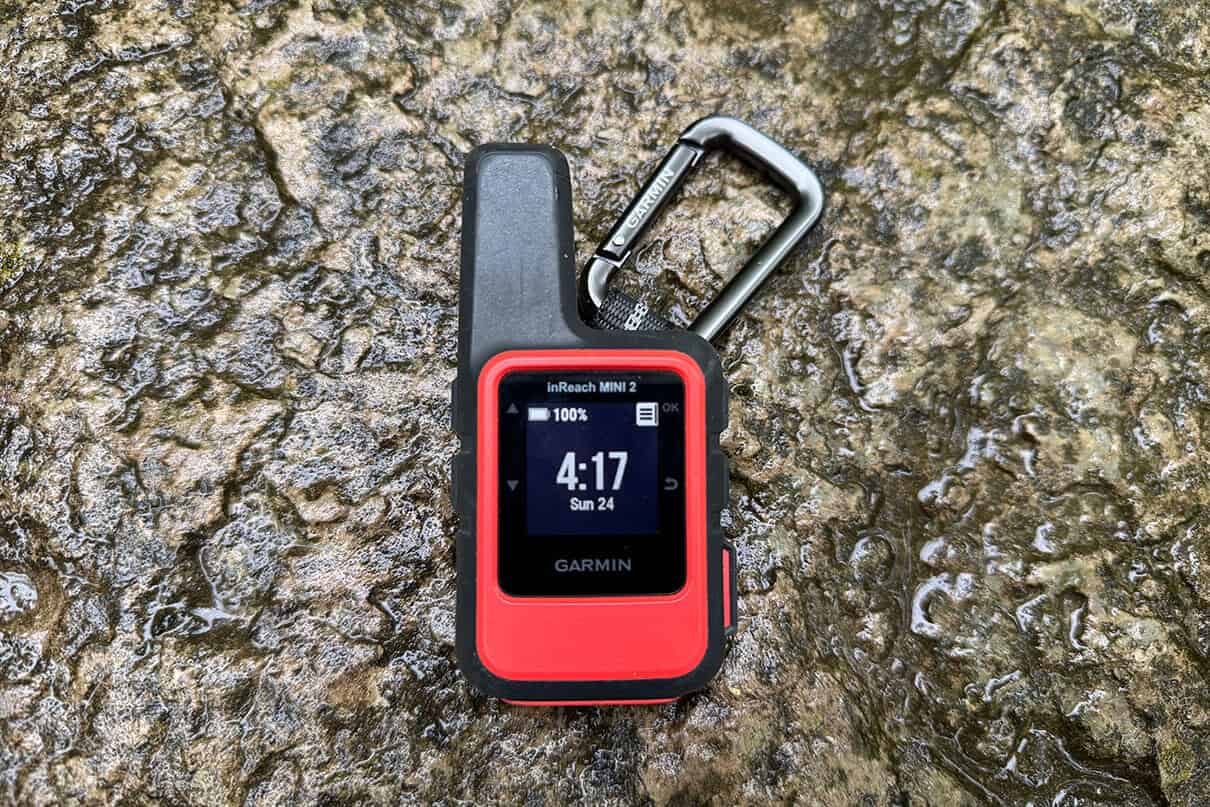
The Garmin inReach Mini 2 has been my go-to satellite communicator since 2022. It offers two-way messaging, SOS capability and weather reports in a palm-sized package that weighs just a fifth of a pound. What I love about the Mini 2: its compact size, reliable connectivity and excellent battery life. On a multi-month cycling trip, I set the device to update my location every hour so family 5,000 miles away could follow my route. I needed to recharge it just once a week.
Garmin’s newer inReach models can send photos and voice memos, which is neat but not essential. Currently on sale for $249, the Mini 2 offers top-of-the-line functionality at close to half the price of the newer models. After hundreds of nights in the field, the Mini 2 remains my favorite satellite communicator.
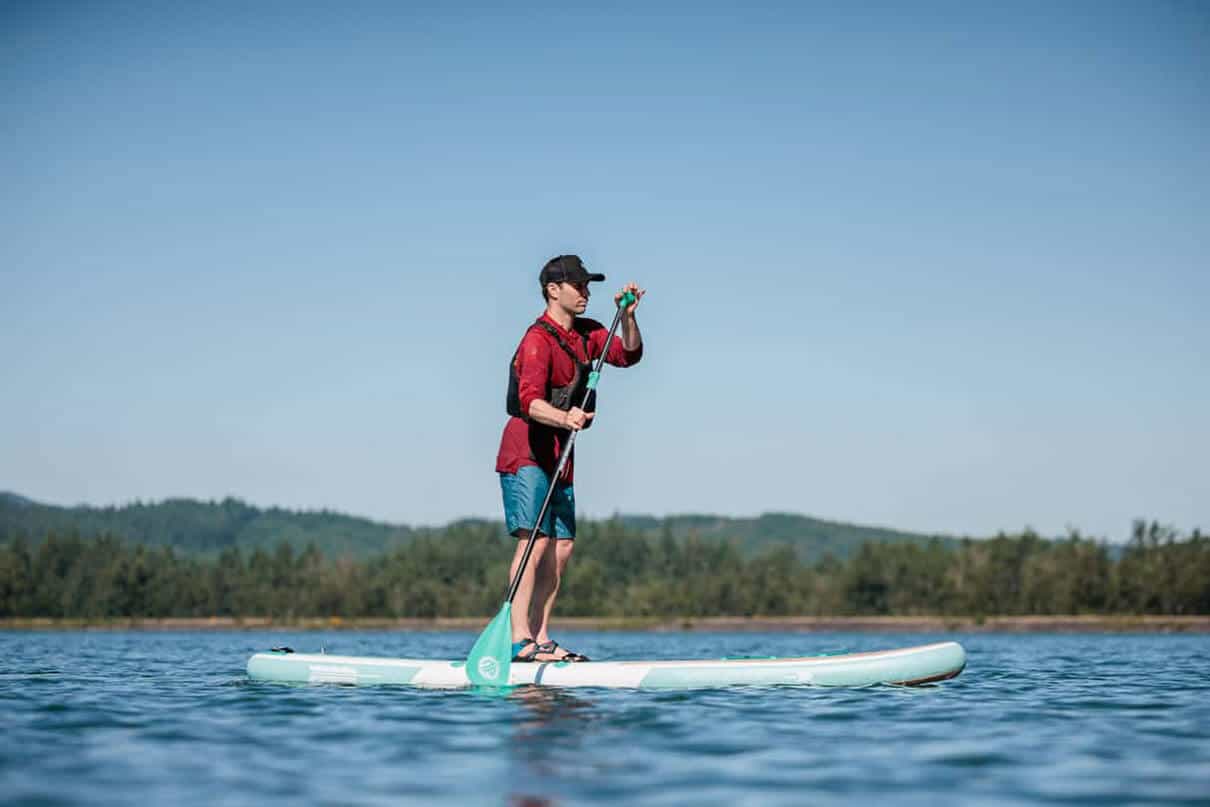
Among Paddling Mag’s top picks for best inflatable paddleboard, we love the Niphean Classic 10’6” for being budget-friendly. Currently 20 percent off, the 10’6” from Niphean is “as cheap of an inflatable paddleboard as you’ll find and still have fun,” according to editor Joe Potoczak who field-tested the board for an in-depth review. The Classic is 10.5 feet long, 33 inches wide and has a capacity of 450 pounds. If you aren’t looking to win races or shred waves and just want a board you can easily inflate for an afternoon of hanging out with friends and family, then this board is likely all you need. The package includes a large backpack, paddle, leash, fins and pump, so all you need to get on the water is a life jacket.
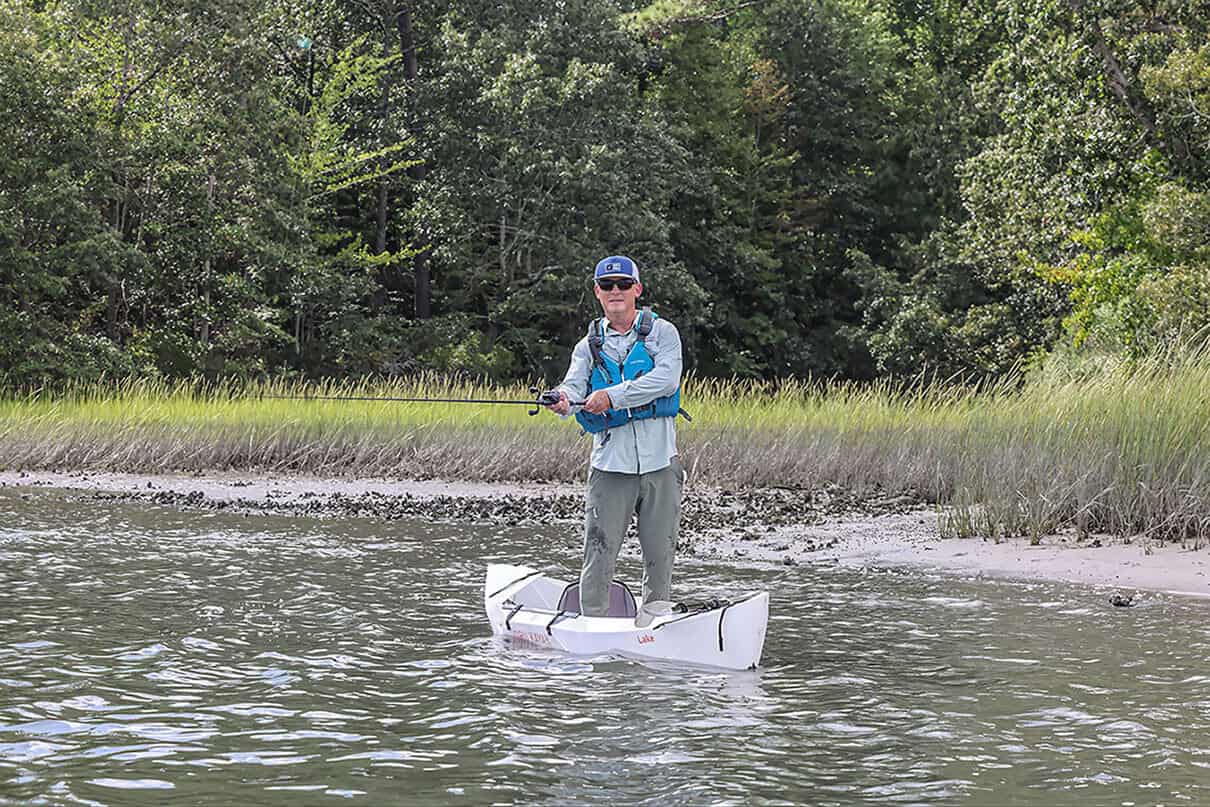
Oru’s offerings consistently rank among our favorite recreational foldable kayaks. For paddlers on calm waters, the nine-foot-long Lake Sport is a friendly option and currently on sale for $140 off retail price. The origami-inspired design takes the elements of a recreational kayak—stability, accessibility and easy paddling—and packs it into a kayak a fraction of the weight that can fold into a package roughly the size of a large art briefcase. The Lake Sport is Oru’s lightest and most portable model, weighing just 18 pounds and boasting a 250-pound weight capacity. Setup takes just a couple minutes. Read a full Oru Lake kayak review on our sister publication Kayak Angler.
My top choice for best life jacket for budget-conscious recreational paddlers, the MoveVent Dynamic from Onyx offers solid durability and comfort for under $100 at retail price—and it’s currently on sale for an additional 31 percent off. With the MoveVent’s budget price tag, paddlers get straightforward functionality without any frills. This PFD has a small single pocket up front, ideal for stashing keys and a whistle though not much else. Mesh ports offer venting in hot weather, and the vest’s flotation panels are chunky but comfortable. This PFD is in heavy rotation in the Paddling Mag gear closet and a favorite to loan out to friends and family. As a testament to its durability, it’s seen a lot of use over more than half a decade and it’s still looking great.
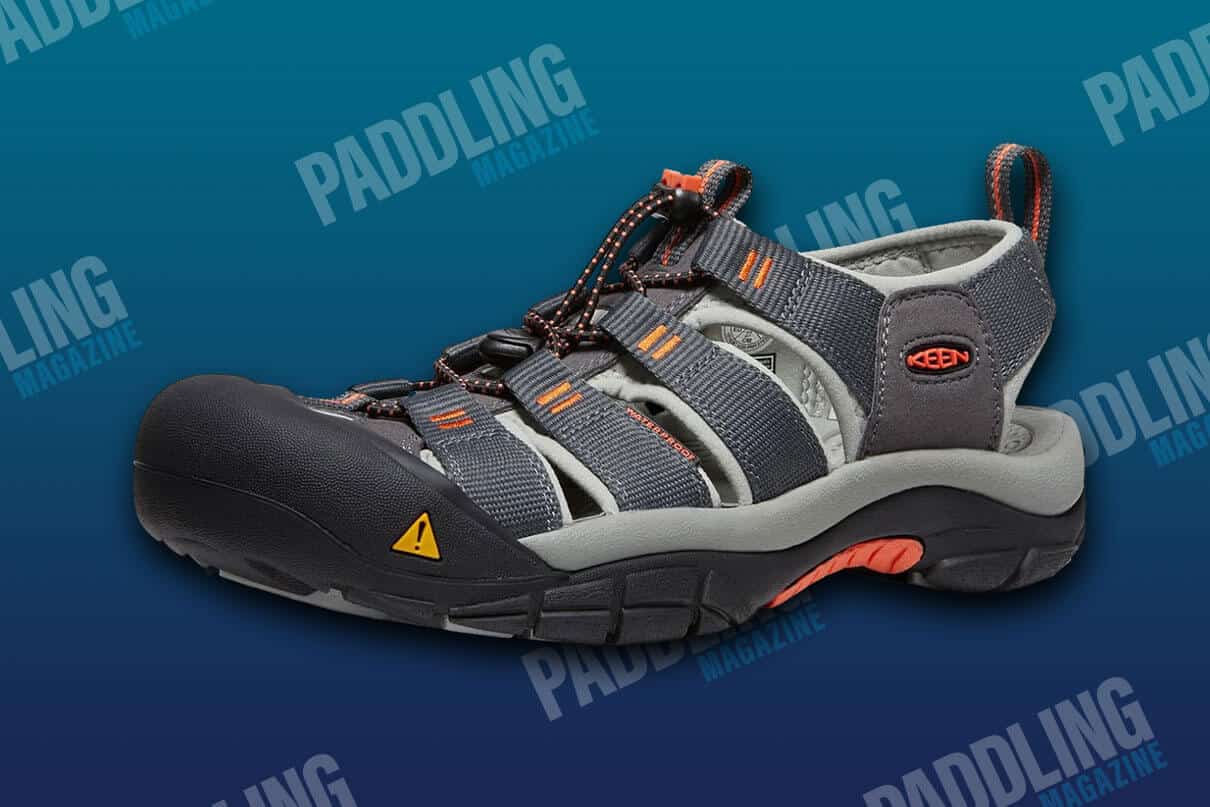
A perennial favorite at the put-in, it feels like every canoe tripper has owned a pair of Keen Newport H2s at some point. With the sole of a hiker and the topside of a sandal, the Newport H2 offers chunky support with the protection with a toe cap but lots of breathability and the quick dry time you want if you’re repeatedly stepping in and out of the water. The Newport H2 has a secure feel thanks to their lace-capture system paired with nylon webbing, and my last pair lasted close to a decade. These are among my top picks for best water shoes because they are comfortable, durable and can tackle any terrain.
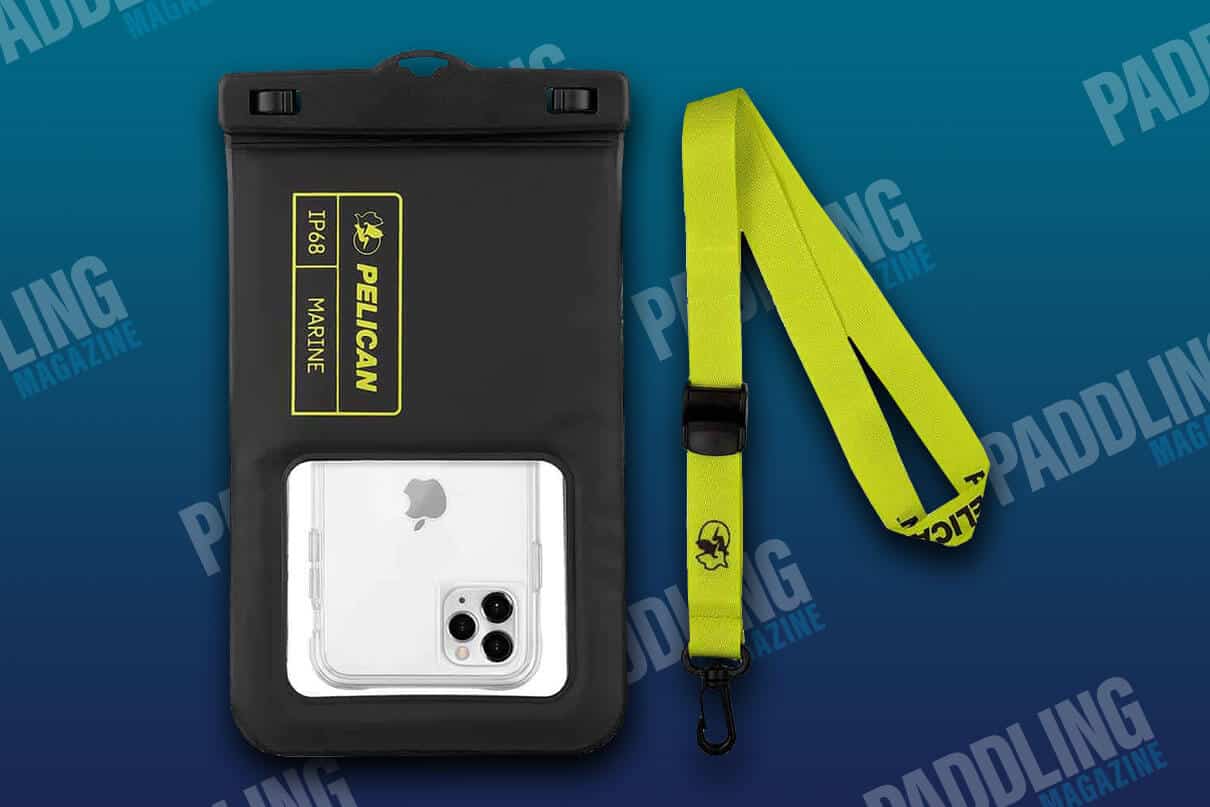
Sure, many modern smartphones are waterproof, but if you drop them in the river, they can sink faster than you can snatch them back up. Brightly colored and with lots of flotation, the Pelican Marine Phone Pouch is a top pick on the Paddling Mag team for best waterproof phone pouch both because it’s both dependably waterproof and easy to retrieve. You can take photos though the clear windows and scroll through the plastic. Cheap, cheerful and currently 25% off, this a no-brainer for those wanting soft-shell protection.
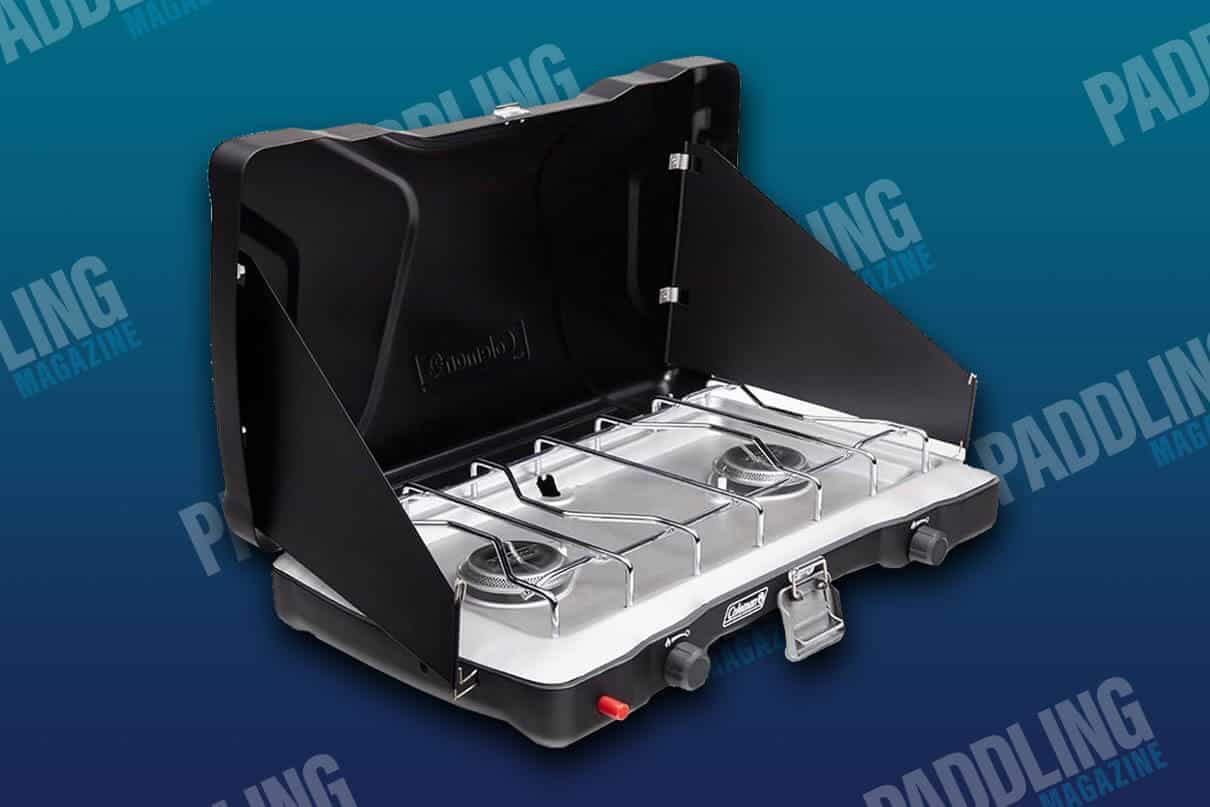
For car campers, tailgating foodies and base campers, your camp cook system upgrade may have arrived with this 32 percent off deal. The Coleman Triton+ two-burner stove features easy push-button ignition, easily controlled burners and compact portability at 10 pounds. I no longer have a Coleman two-burner of my own, but I sure do love when friends bring theirs car camping. Expect up to one hour of burn time on high on one 16-ounce propane cylinder.
Created In Partnership with Tennessee Department of Tourist Development
Along the jigsawed border between North Carolina and Tennessee, the Nolichucky River cuts a nearly 3,000-foot gorge through the peaks of the Appalachian Mountains that exits at the outdoor community of Erwin. It is one of the deepest gorges in the Eastern U.S., and within it is a remote 10-mile stretch from Poplar to Erwin, interspersed with scoured, twisting class III-IV boulder gardens and serene pools beneath the dense forested peaks. The gorge draws river runners and whitewater rafters from surrounding states, and no one may know its story better than the guides who call it home.
“When you’re going into the first rapid, it makes a hard left bend, and the gorge walls really start coming up,” Mason Schmidt, co-owner of Blue Ridge Paddling, shares of launching on the Nolichucky and drifting into the Class III+ Entrance rapid. “You come around that bend, and you look up, and you get the chill bumps.”
Rafting is at the heart of the Nolichucky River community, and for whitewater guides like Schmidt at outfitters including Blue Ridge Paddling, USA Raft, Hawksnest Whitewater Rafting, and Wahoo’s, the Nolichucky has never been as exciting as it is today. These guides have paddled the river for years, even decades, yet during the historic flooding of Hurricane Helene, the rapids of the Nolichucky Gorge underwent a geologic event in front of their very eyes. Forever transformed, they are discovering the falling waters of the river in new form. Now, with access to the river reopened, the guides of the Nolichucky are prepared for others to join and embark on a voyage down this wild corner of East Tennessee.
“The Nolichucky is a full-on experience,” Slayton Johnson of Wahoo’s Adventures shares. “You’ve really got to get your mind right. Get your body right. Because you’ve got a long day ahead of you.”
Learn more about rafting trips and outdoor activities in East Tennessee by visiting TNVacations.com
Originating in the tidal waters of the Far North, the first kayaks were both works of creative ingenuity and tools of surgical precision. Fast forward a few thousand years and it seems not much has changed. Indigenous people used these sleek, enclosed boats for hunting and travel through icy seas. Today’s paddlers seek out a wide variety of waters on which to challenge themselves and their agile craft—from sheltered passages to rocky, wave-tossed coasts and everything in between.
Kayak design and materials have continued to evolve, with many different niches branching out of those early vessels. This means kayak touring has never been more diverse or accessible, but it also means we’ve never had more options to choose from. In North America, there are fine models available from both domestic and imported brands. Selecting a shortlist of the best kayaks for touring is no easy task. My goal with these top picks is to not only share what I believe are some of the finest options out there, but also provide you with some key considerations when making your choice.
The Explorer is a dependable companion in rougher waters. | Photo: Autumn Lachine
Nigel Dennis Kayaks Explorer Specs
Length: 17’6”
Width: 21”
Weight: 58 lbs
Recommended Paddler Weight: 150–220 lbs
Price: $4,585 USD
Why I love it
When it comes to elite expedition kayaking, few boats rival the Nigel Dennis Explorer for proven performance, endurance and pedigree. When the going gets tough, the tough get this NDK classic.
The Explorer’s upswept bow and stern, narrow beam and clean, functional deck layout are informed by the classic British interpretation of traditional Greenland hunting kayaks. From this base DNA, designer and renowned expedition paddler, Nigel Dennis, refined the shape and layup to address the unique challenges of extended journeys on remote, exposed coastlines. The Explorer has been the kayak of choice for circumnavigations in some of the roughest and least accessible waters in the world: Britain, Ireland, Iceland, New Zealand, Antarctica, South Georgia Island and the Aleutian Islands. The boats are handmade in North Wales, using a resin-rich, field-repairable composite construction that’s built to withstand the abuse of expedition paddling. But the real reason I love the Explorer is this isn’t a one-trick pony—I’ve spent weeks in the saddle on self-supported kayak camping journeys on open waters, surfed heavy currents and overhead waves, and danced lightly among rock gardens on countless day trips. Whether I was out for an hour or a week, the boat felt responsive to my inputs, carving graceful turns and remaining speedy and stable in sloppy conditions.
Twenty-five years after it was first introduced, the Explorer continues to embody the spirit of venturing into the wild unknown. Its intuitive handling and composure in any conditions ensure all paddlers feel like great explorers.
Reasons to buy
You want a kayak that’s expedition-ready but still fun to paddle on shorter trips.
A hull and rocker profile made to maximize touring efficiency in rough waters.
Custom colors, hatches and layups, including weight-saving carbon/Kevlar.
Consider another if
Your camping kit includes items like a suitcase stove, barrel bag and multiple Dutch oven options.
You prefer a highly adjustable seat system to a minimalist cockpit.
Bottom line
Whether you are planning an expedition of your own, or just looking to cover some miles and play along the way, the Explorer is a dependable companion as you paddle into rougher waters. See the Explorer again on Paddling Mag’s list of the best kayaks.
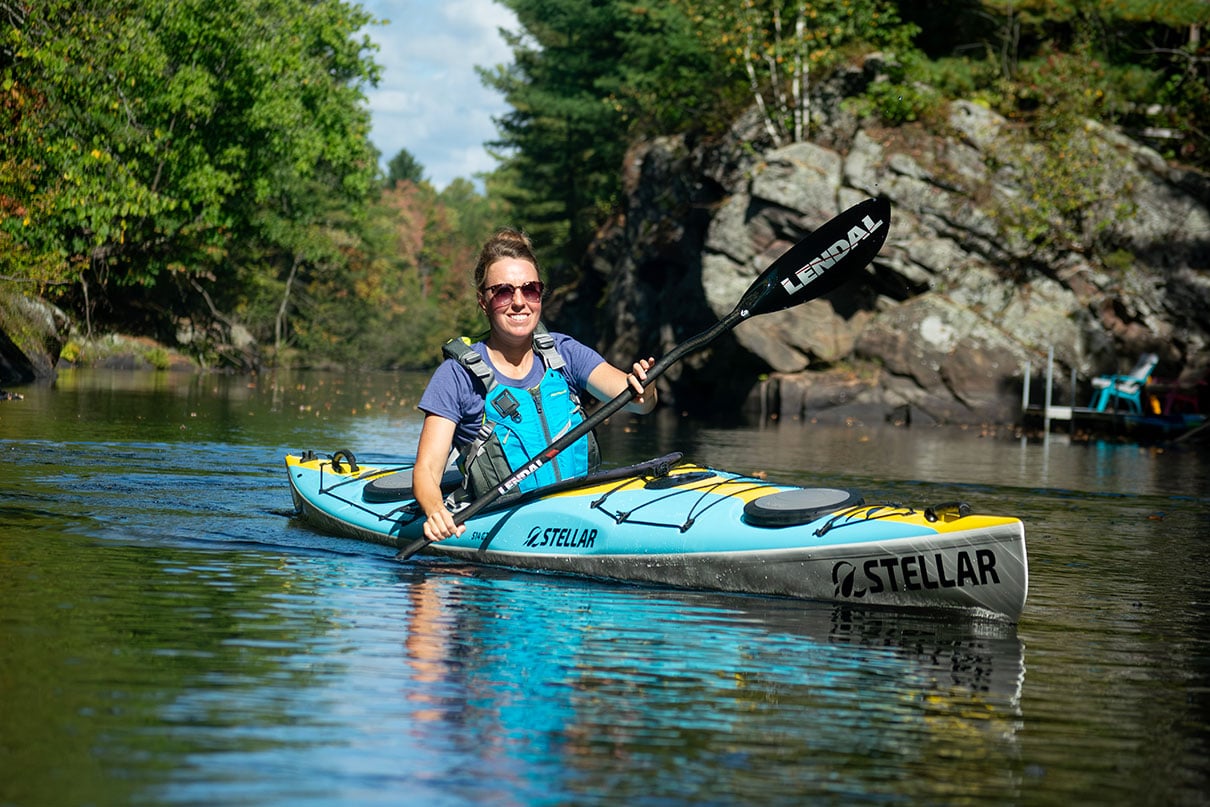
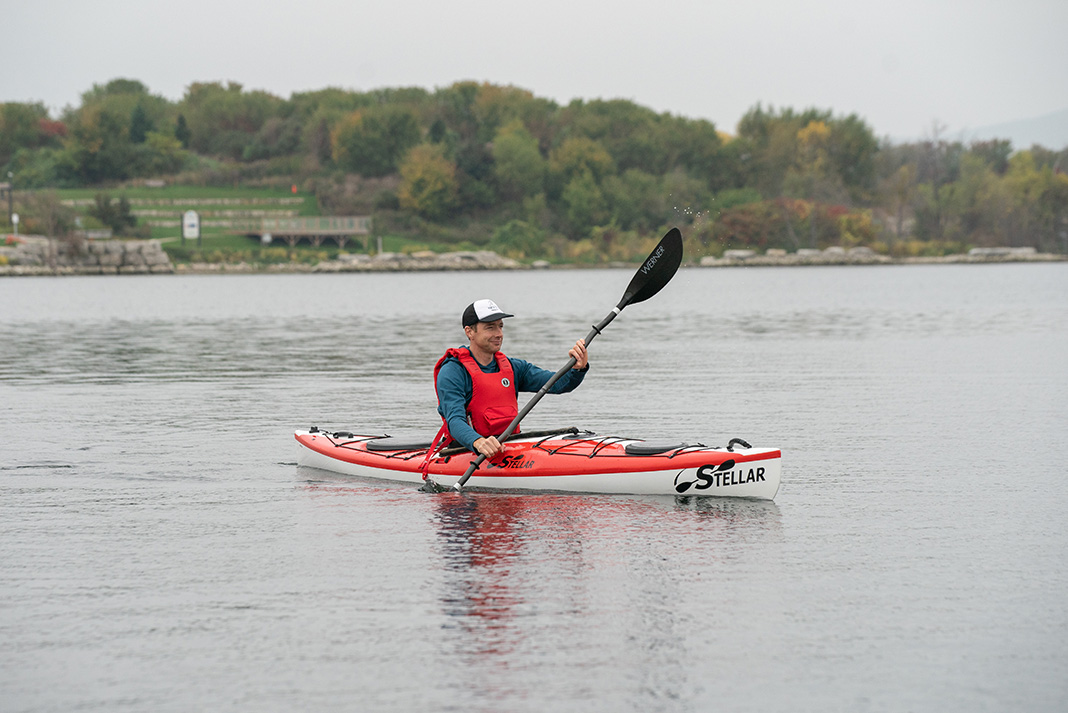
The Stellar S14 G2’s versatile combo of speed, light weight, premium materials and tour-ability is hard to rival in the 14-foot class. | Photo: Kaydi Pyette
Stellar S14 G2 Specs
Length: 14’
Width: 24.4”
Depth: 13.6”
Weight: 38 lbs (Advantage)
Capacity: 342 lbs
MSRP: $3,195 USD (Advantage)
Why I love it
With all the performance and safety features of a full-size sea kayak finessed into a compact package, light touring kayaks excel at spontaneous day trips and weekend adventures on any waters. Awesome, right? The Stellar S14 G2 takes a great thing and makes it even better—a lightweight light touring kayak. Because anything “light” should be, well, light.
Stellar’s background in building Olympic rowing shells and fast surfskis is evident in the construction, design and speed of the S14. Available in three sizes and four sleek and stiff composite material options—ranging from 40 pounds to just 30 pounds—the S14 trims up to 30 percent off the weight of its lightest rivals. The shallow-V hull is optimized for speed and quick acceleration with a narrow, knife-like bow and minimal rocker to maximize waterline. Soft chines reduce drag and have a smooth, continuous feel, making it easy to initiate gentle edged turns. The S14 is unquestionably among the fastest 14-foot kayaks on the water, cruising at a steady four or five knots and easily keeping pace with longer touring kayaks. The cockpit is comfortably appointed for all-day tours and there’s ample space in the watertight hatches for packing camping essentials.
Fast and light doesn’t mean experts only. Stellar moved the widest part of the hull behind the cockpit for added volume and stability, making the S14 G2 a beginner-friendly light touring bullet.
Reasons to buy
You want an ultralight compact touring kayak you can solo carry and transport with ease.
Surf ski-inspired hull makes this 14-footer as fast as the average 16-foot touring kayak.
Adjustable skeg and wider beam for user-friendly tracking and stability.
Consider another if
Advanced composite construction is out of your budget.
You want a boat you can drag, drop and generally abuse (check out rotomolded plastic options instead).
Your idea of the perfect day tour involves heavy surf and rock gardens.
Bottom line
The Stellar S14 G2’s versatile combo of speed, light weight, premium materials and tour-ability is hard to rival in the 14-foot class.
This 14′ packable hard-shell touring kayak is the ultimate kayak that packs down to just 42 inches in the included rolling bag and assembles in three minutes! The patented design has been trusted by paddlers in more than 25 countries for over a decade. Explore waterways others can’t reach, skip the roof rack, and get out on the water more often. MSRP: $2,195
The Wilderness Systems Tsunami remains popular 20 years after its launch thanks to features that meet new paddlers where they are without limiting where they can go. | Photo: Virginia Marshall
In 2004, Wilderness Systems released what has become one of the most well-traveled and best-selling touring kayak designs of all time, the Tsunami. Over 20 years—and numerous updates—later, the user-friendly Wilderness Systems Tsunami continues to be a top choice for those starting out in this sport.
This is a kayak that makes you feel capable and at ease from the moment you sit in it. Why is that special? Plenty of kayaks in the recreational touring market are designed to optimize stability, but many do so by simply offering wider and flatter hulls. The Tsunami pairs a shallow V hull with flared sidewalls for fearless stability without sabotaging touring efficiency. In other words, it feels very secure without feeling like a barge. The boat’s multi-chine hull profile has two defined edges in each chine that act like secondary and tertiary keels, lending the Tsunami its trademark tracking and predictable handling. New paddlers can point the kayak where they want to go, and it gets there.
That feeling is vital for first-timers, but just as valuable is the kayak’s capacity to grow with your skills. The Tsunami is a refreshing beginner kayak—one that inspires instant confidence while promoting more advanced skills like edging and bracing.
Reasons to buy
Plenty of stability to inspire confidence without limiting skill development.
Three sizes to choose from, with fully customizable outfitting.
Burly rotomolded polyethylene construction holds up to heavy use.
Consider another if
You are looking for a lightweight kayak that is easy to solo lift and carry.
Hull speed outweighs stability and predictability.
You feel more comfortable with the open deck of a sit-on-top kayak.
Bottom line
Beginner doesn’t mean basic; the Wilderness Systems Tsunami remains popular 20 years after its launch thanks to features that meet new paddlers where they are without limiting where they can go.
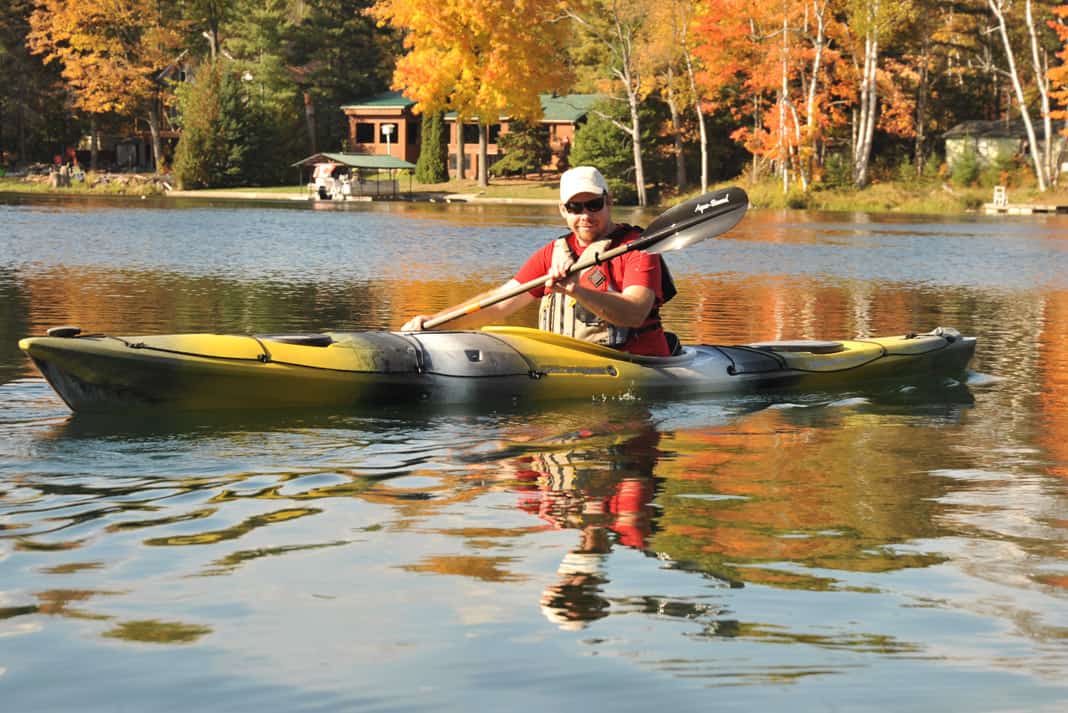
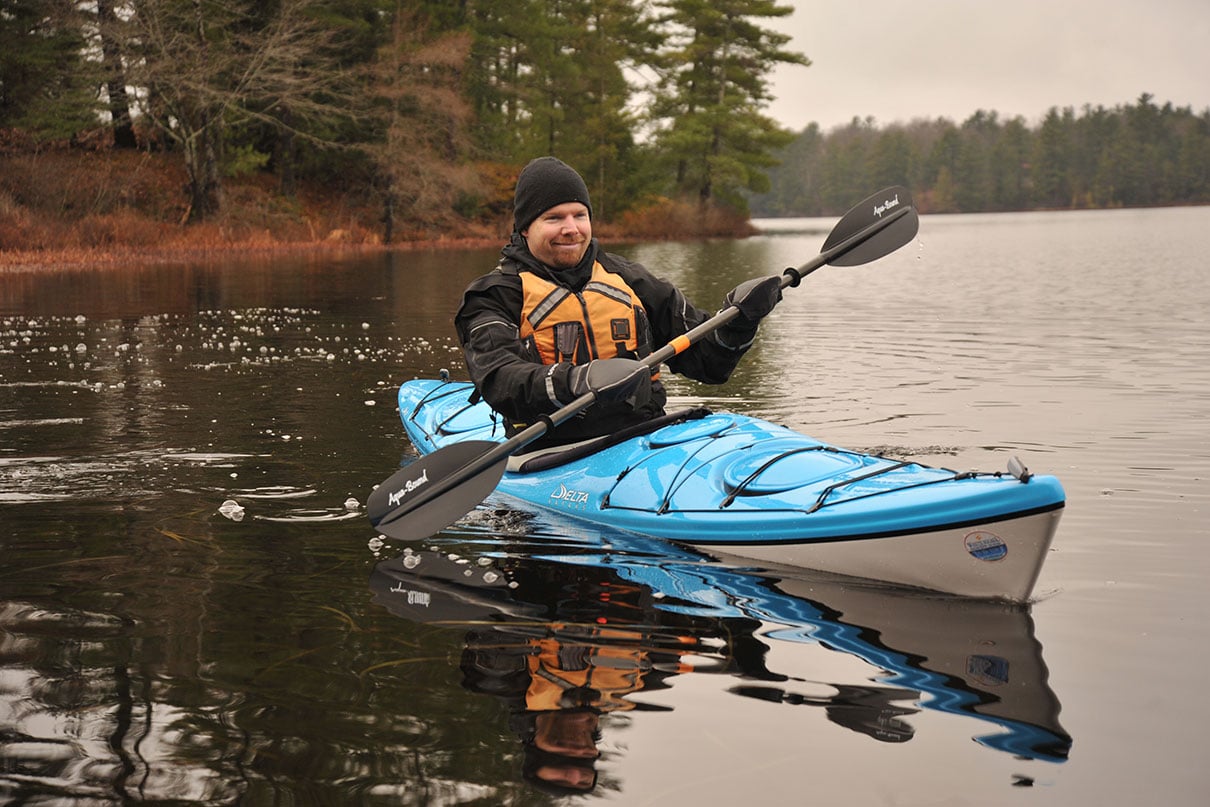
The shortest and lightest of Delta’s touring kayaks at 14 feet and just 45 pounds, it’s positioned as the easiest to own for paddlers balancing space, weight and cost. If you are looking for a compact touring kayak that can handle diverse waters and won’t break the bank, the Delta 14 is a superb solution at an exceptional value.
Available with a skeg or rudder, the 14 embraces Delta’s West Coast touring design ethos: user-friendly, efficient and more than capable of hauling all your gear. This diminutive kayak delivers crazy capacity—over 200 liters—and the large hatches make it dead easy to pack in the luxuries. The relatively long waterline assists with tracking and efficiency, making for satisfying cruising capabilities. Delta’s outfitting focuses on personalized comfort with a fore- and aft-adjustable seat. This ability to fine-tune the seating position means the 14 fits a wide range of paddlers well. While there’s inherent value in a kayak that’s versatile and easy to paddle (you’ll use it more), even more persuasive is Delta’s expertise in plastics thermoforming. Delta has been working with acrylic–ABS laminates for nearly 40 years—refining their designs and shaping process to optimize strength, weight and aesthetics.
Reasons to buy
You want to fool your friends into thinking you splurged on a composite kayak.
Moderate V-shaped hull and well-defined chines are beginner-friendly with good stability and predictable edging.
Less than two-thirds the cost as compared to other touring kayaks of a similar size and weight.
Consider another if
Rock-bottom pricing takes priority over comfort, performance and durability.
You are looking for a packable folding or inflatable kayak.
Bottom line
The Delta 14 is a downsized touring design that offers the look and feel of a composite boat at a fraction of the cost. Simply put, you won’t find a lighter, better-looking kayak at this price point.
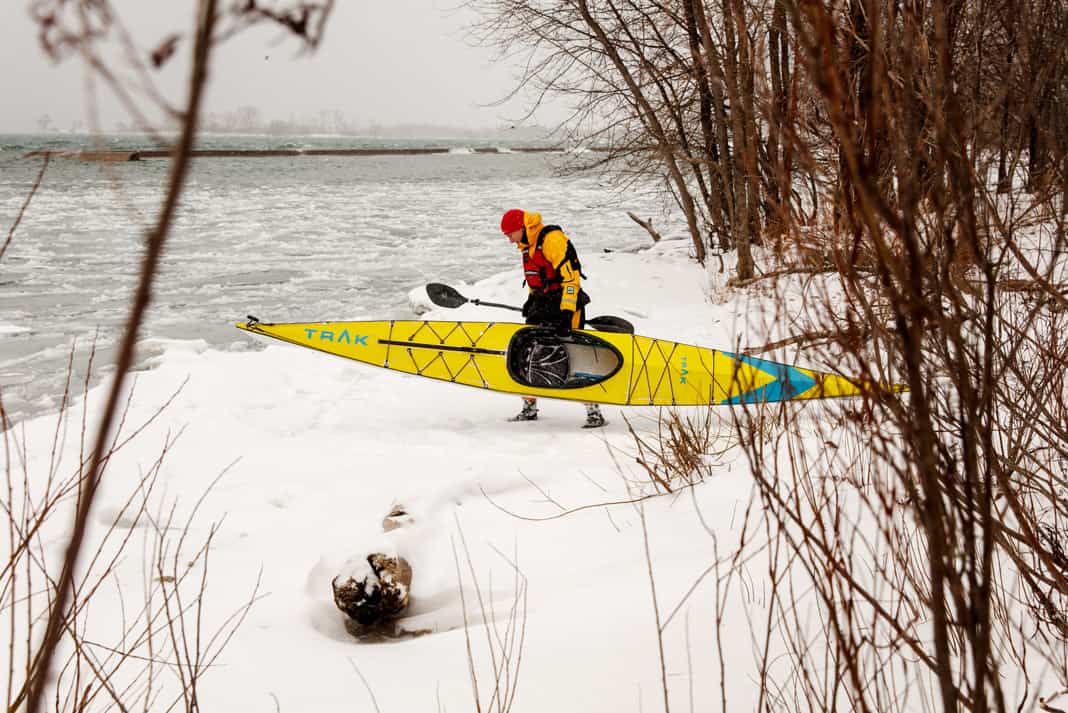
Equally suited to world travelers and urban dwellers, the TRAK 2.0 epitomizes go-anywhere versatility. | Photo: Joel Clifton
TRAK 2.0 Specs
Length: 16’
Width: 22.5”
Weight: 44 lbs
Cockpit: 16.5” × 30.5”
Packed: 56 lbs
Size Packed: 41” × 19” × 9”
Payload Capacity: 350 lbs
MSRP: $4,250 USD
Why I love it
How can a folding boat that resembles an ultralight plane crash out of the bag and goes together in just 10 minutes look and paddle like a high-performance sea kayak? In a genre plagued by head-scratching assembly rituals and lacklustre paddling, the TRAK 2.0 is a slick and sporty standout.
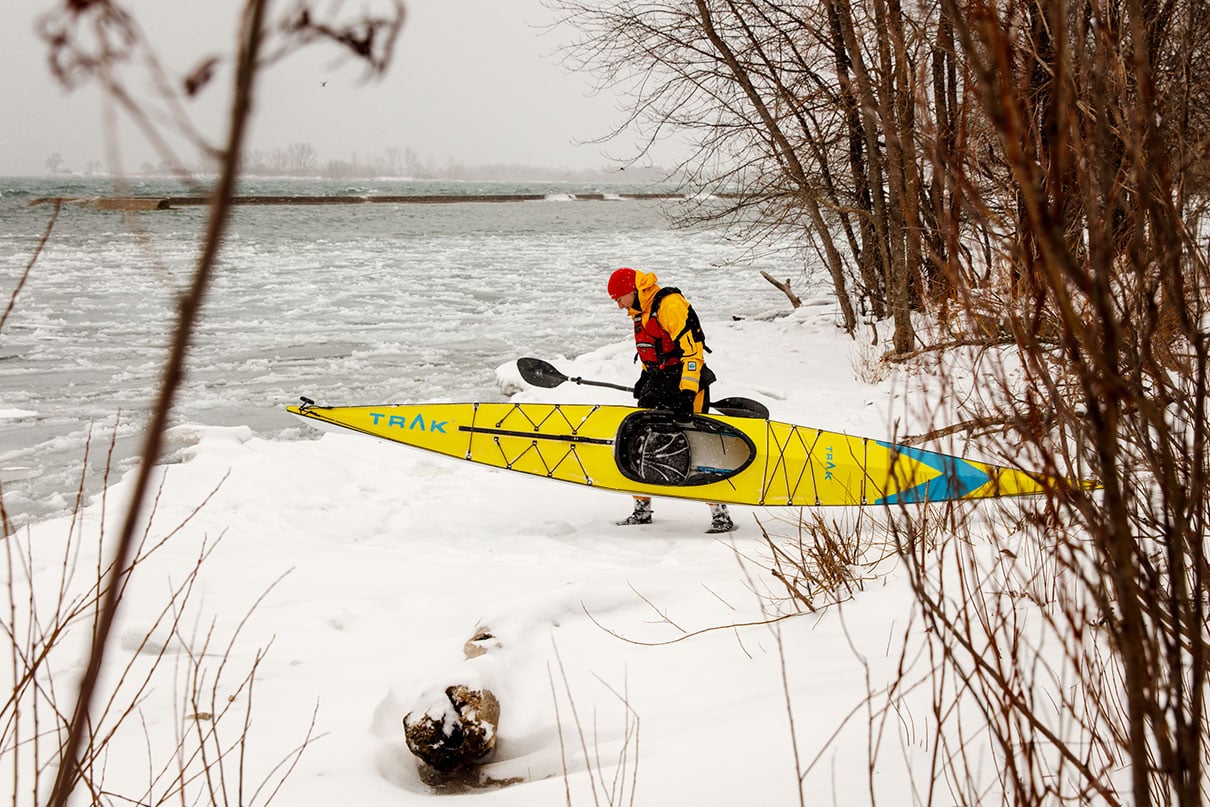
The TRAK 2.0’s bow and stern frames use shock-corded aluminum poles and snap-in carbon fiber ribs for intuitive assembly. If you’ve ever pitched a tent, this step is simple. Next, the frames are fitted into the burly polyurethane skin. Every folding kayak requires some technique for tensioning the skin around the frame, and TRAK’s clever hydraulic jacks are the easiest system I’ve tested. The jacks also allow you to change on-water performance on the fly: pump the keel lever to adjust rocker for playful maneuverability or straight tracking; use the two side jacks to compensate for weathercocking by adding a slight side-to-side curve to the waterline. Once assembled, the TRAK 2.0’s drum-tight skin, full deck rigging and graceful lines mean it’s all but indistinguishable from a hard-shell kayak. The boat feels inspired by traditional skin-on-frame Greenland designs, with hard chines and a shallow-V hull that prioritizes carving and glide over initial stability.
TRAK 2.0’s rolling travel bag makes short work of international terminals and exotic ports, but it’s not a package you can simply throw over your shoulder when it suits. There are unquestionably lighter—and certainly cheaper—packable kayaks to choose from. But for go-anywhere capability that performs like a hard-shell kayak, there’s the TRAK 2.0.
Reasons to buy
You want a packable kayak that is also a superb general-purpose touring and ocean play kayak.
Expedition-ready bow and stern floats can be packed with tripping gear for multi-week adventures.
Comfort and capability rivalling your favorite hard-shell kayak.
The P&H Scorpio is a do-it-all, plastic touring and expedition kayak that’s built to last. | Photo: Adventure Kayak Staff
P&H Scorpio Specs
Models: LV | MV | HV
Length: 16’8” | 17’2” | 17’6”
Width: 20” | 23” | 24”
Weight: 60 | 64 | 68 lbs (CoreLite X)
MSRP: $2,599 USD
Why I love it
One of P&H Kayaks’ classic designs, the P&H Scorpio is a high-performance, full-size touring kayak with bombproof polyethylene construction and an affordable price tag. What’s not to love?
Manufactured at P&H’s factory in Great Britain, the Scorpio comes in two different types of construction: the brand’s proprietary CoreLite triple-layer polyethylene and a lighter and stiffer CoreLite X option. Both make for a heavy-duty kayak with much better rigidity and durability (i.e. it won’t dent on your roof rack or warp on a hot day) than standard PE plastics, with CoreLite X rivalling composites for overall stiffness. The Scorpio is also available in three sizes to fit a wide range of paddlers—a svelte LV option for smaller folks, standard MV and spacious HV that can accommodate paddlers up to 6’6”. The Scorpio combines a speedy, 17-foot shallow-V hull with rounded chines for responsive edging and superb secondary stability. Intermediate paddlers can expertly hold a deep edge for faster turns, while novice kayakers can feel confident easing the Scorpio into more challenging waters. P&H’s sturdy and adjustable outfitting makes it simple to dial in cockpit fit for even more dynamic handling and all-day comfort.
A quality plastic touring kayak is one that still looks and feels great 10 or even 20 years after you purchase it. That’s the difference between a well-made boat like the P&H Scorpio and other cheaper, lower spec plastic kayaks.
Reasons to buy
Premium P&H CoreLite X construction for a top-of-its-class rotomolded plastic kayak.
Expedition-ready with four watertight hatches and keyhole cockpit for a drier-sealing spray deck.
You dream of harnessing the wind and sailing your kayak. The Scorpio deck features a reinforced footing for P&H’s Code Zero sail system. A nifty Skudder—or skeg-rudder hybrid that aids steering control and crosswind sailing—comes standard.
Consider another if
A 17-foot sea kayak is too much boat for your needs—the P&H Virgo is a compact touring model for easy handling on short to medium journeys.
You need a lighter kayak for solo lifting and loading on your vehicle (consider thermoform plastic construction).
Low cost outweighs longevity and performance.
Bottom line
For a small premium, the P&H Scorpio is a do-it-all, plastic touring and expedition kayak that’s built to last.
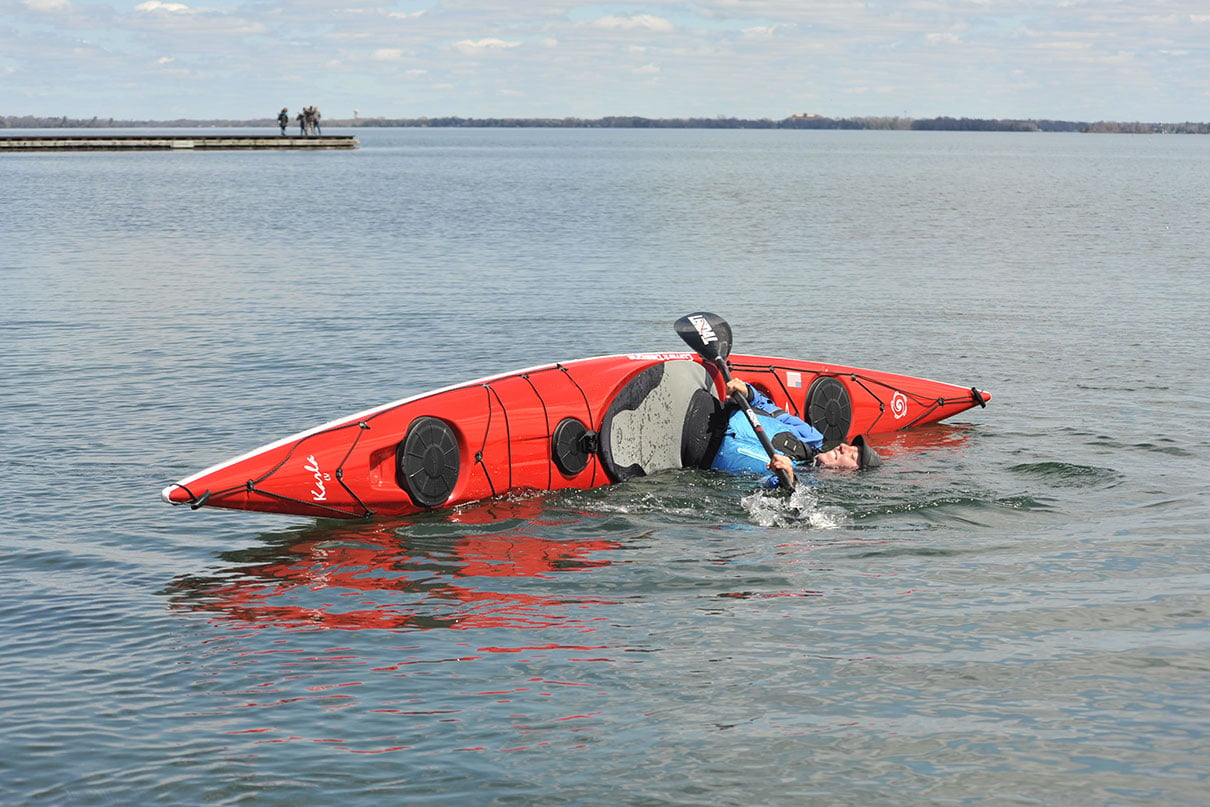
The Current Designs Karla is hands-down one of the most maneuverable and lively touring kayaks I’ve ever paddled. Her creator, Danish designer Jesper Kromann-Andersen, believes a kayak should respond as a natural extension of paddler input. I couldn’t agree more.
Intermediate and advanced paddlers would be hard-pressed to find a more intuitive kayak. Want to scribe turns and carve wave faces? Stay loose and avoid purling while surfing? Slalom through rock gardens and thread currents with graceful agility? Unlock more challenging rolls and balance braces? With her narrow beam, the most rocker of any Current Designs kayak and generous volume in the bow, Karla gives you the keys. And what’s more, she does so while remaining surprisingly efficient. Unlike some dedicated ocean play kayaks, Karla’s shallow-V hull is actually fun to paddle on day tours and quickly covers the distance between you and the waves. Current Designs enhances the boat’s wide-ranging appeal with a variety of composite lay-ups blending lightweight stiffness and strength. On bumpy waters, where a kayak’s secondary stability is what keeps it right side up, Karla feels rock-solid. Her hard chines are at home with any degree of edging.
Innovative design meets stylish personal expression in the Karla. Like Kromann-Andersen, I think kayak touring should always feel playful. That’s why I love this boat, and why it’s the kayak that spends the least time on my rack.
Reasons to buy
Generous rocker and bow volume surfs like a dream.
Three hatches, a deck pod, compass recess, skeg and surprising hull speed add versatility for touring.
Robust, well-placed cockpit elements create a positive fit for edging, bracing and rolling.
Consider another if
You want to slide over rocks and barnacles with a second thought (consider a plastic playboat instead).
Your local waters don’t offer rough water exposure and a more touring-focused kayak would better serve your need for speed (check out Karla’s big sisters, the Current Designs Prana and Sisu).
Bottom line
Karla puts a smile on your face, whether gaining confidence in the surf or messing about on calm water.
Best high-volume touring kayak
BorealDesign Storm 17 Ultralight
Beginner-friendly stability. Check. Easy packability. Check. Expedition-worthy performance. Check. The whole package in one touring kayak. | Feature photo: Kaydi Pyette
A boat that is approachable to paddle, lightweight, relatively affordable, and offers plenty of volume for storage sounds like a unicorn kayak for long-distance touring paddlers and outfitters, and yet this is exactly what the BoréalDesign Storm 17 offers.
Contributor Tim Shuff reviewed the Storm 17 for Paddling Magazine in 2025 and said the Storm 17 reminded him of paddling Current Designs’ long-running Solstice series of composite kayaks, especially the Solstice GT Titan, the highest volume of the bunch for “big and tall” paddlers. The reason being that the Storm 17 and Titan share a similar, approachable, versatile West Coast-style ruddered touring kayak design that a beginner or intermediate sea kayaker can jump into and head off on a multi-day voyage.
Composite kayaks, however, are expensive, and traditionally rotomolded polyethylene plastic kayaks are heavy and clumsy to repair. This is where the Storm 17 stands out. Thermoformed ABS plastic is incredibly lightweight, yet maintains a lower cost while providing premium performance. This gives paddlers and outfitters the opportunity to get a high-volume touring kayak at a reasonable cost and use the remaining funds to stock up on expedition gear or build a fleet.
Reasons to buy
Space for gear or “big and tall” paddlers
Ease of paddling for beginner and intermediate kayakers
Comfortable for long tours
Lightweight material and low cost
Consider another if
High rocker and maneuverability or ocean play are a priority
Bottom line
The Storm 17 has the volume and approachability to paddle for days on end in a lightweight, lower-than-composite-cost thermoformed package.
Kayak touring can look very different depending on where and how you paddle, but if you can only own one kayak, buy the boat that you will enjoy on the waters you paddle most of the time. For example, an expedition kayak probably isn’t the best choice if you mostly enjoy after-work jaunts on your local river. You also want a kayak design that you feel comfortable in, but doesn’t limit your ability to progress your skills.
If your local waters consist of sheltered bays, quiet rivers and inland lakes, look to a compact light touring kayak that is easy to store and transport and encourages you to get out more often. If you’re progressing into more exposed waters and currents, or dream of exploring wilderness coastlines, it may be time to invest in an ocean play design to develop your rough water skills or an expedition kayak capable of making those extended journeys. If you are new to the sport and staying upright and feeling stable are your priorities while you get the basics down, consider one of the many user-friendly kayaks geared more towards beginners. And if you want to travel with your kayak to exotic or hard-to-access locales—or simply need a boat that you can store in your closet—a packable or inflatable is going to be the best fit for your lifestyle and aspirations.
As you spend more time kayak touring, you are going to gain a better appreciation of where you want to go with the sport. What types of waters call to you? What parts of the experience of being in a kayak do you most enjoy? Just as your responses to these questions may change over time, your sense of the type of kayak you want to paddle may evolve as well.
The kayaks in this article were chosen through years of accumulated experience with numerous touring designs, as well as the input of our contributors and longtime editors through our extensive boat reviews.
Former Adventure Kayak editor Virginia Marshall.
Why trust us
Longtime Paddling contributor and former Adventure Kayak editor Virginia Marshall has paddled touring kayaks for 20 years, exploring coastlines on the Great Lakes, Atlantic and Pacific oceans and Tasman Sea. When she’s not writing about kayaking, she works as a sea kayak instructor trainer and wilderness guide.
Writer Virginia Marshall paddles the Current Designs Karla during a 20-day personal trip on Lake Superior. | Feature photo: Kaydi Pyette


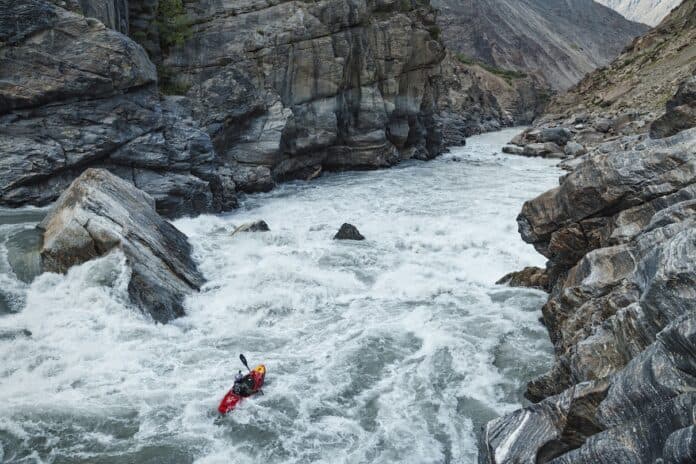
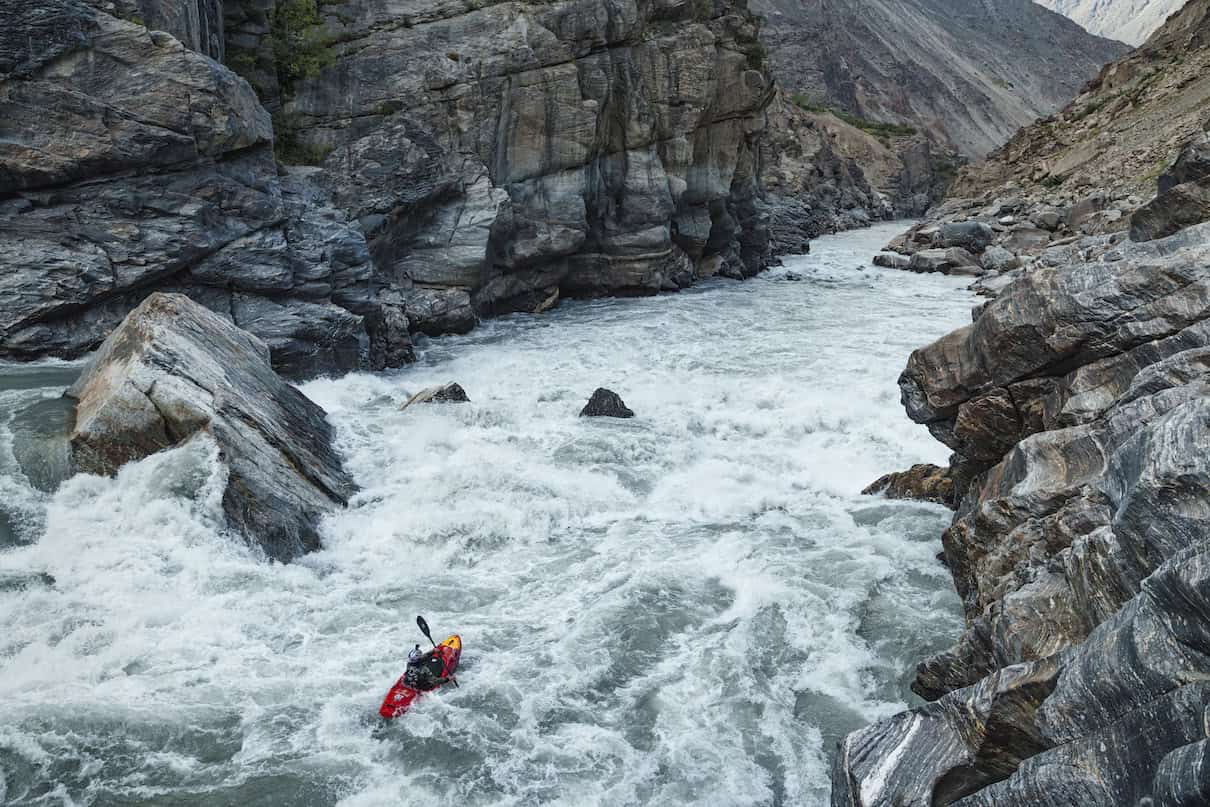
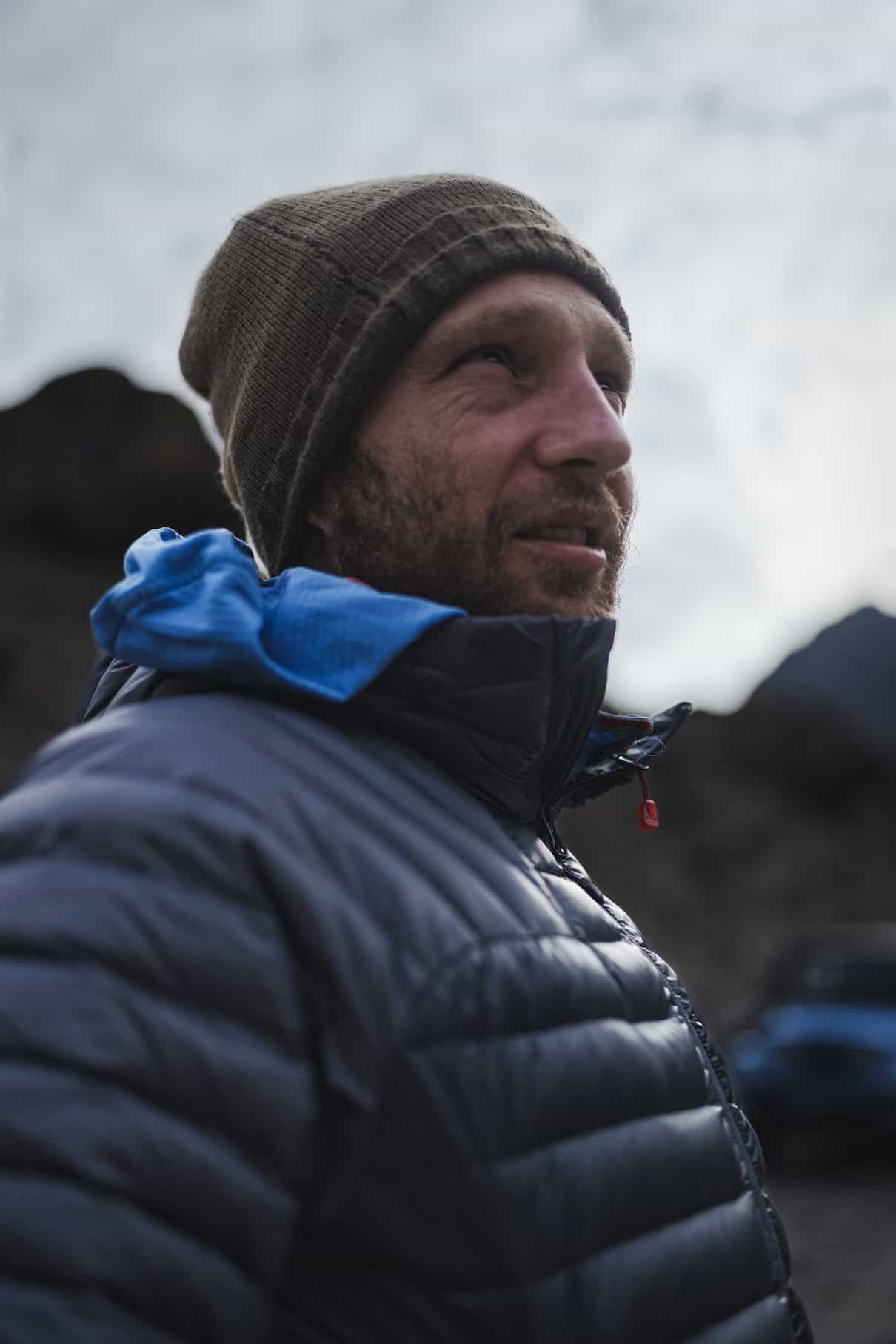
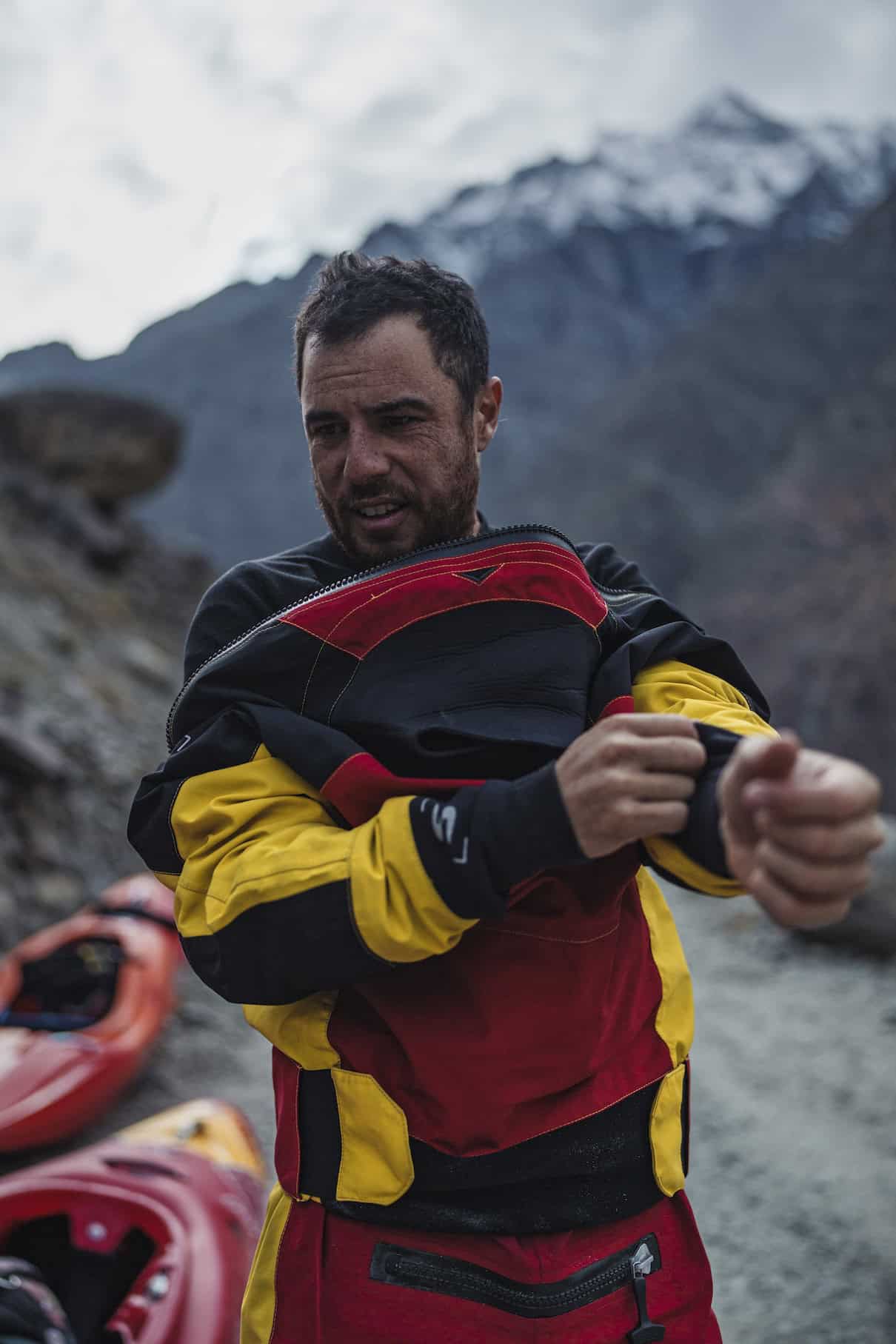
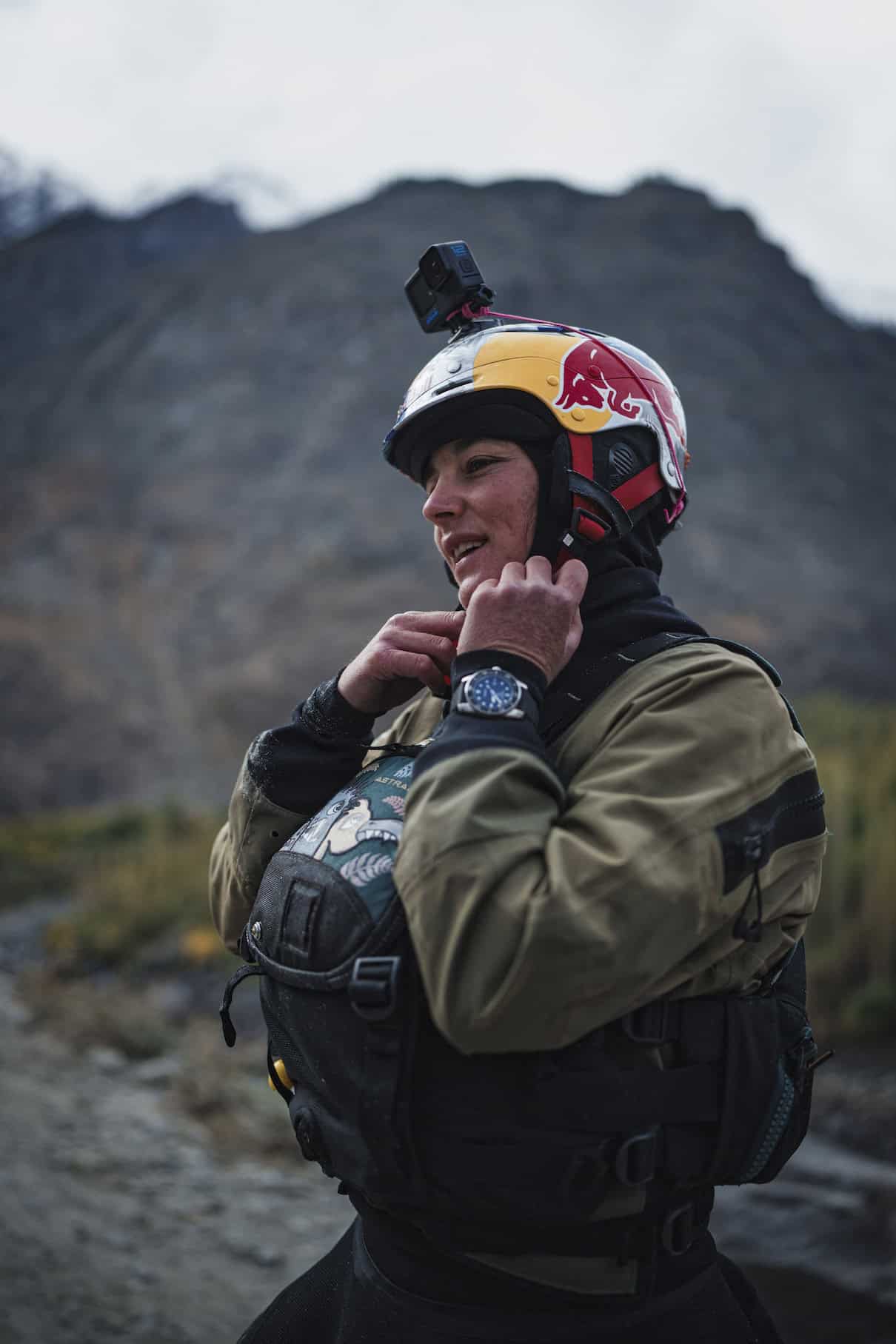
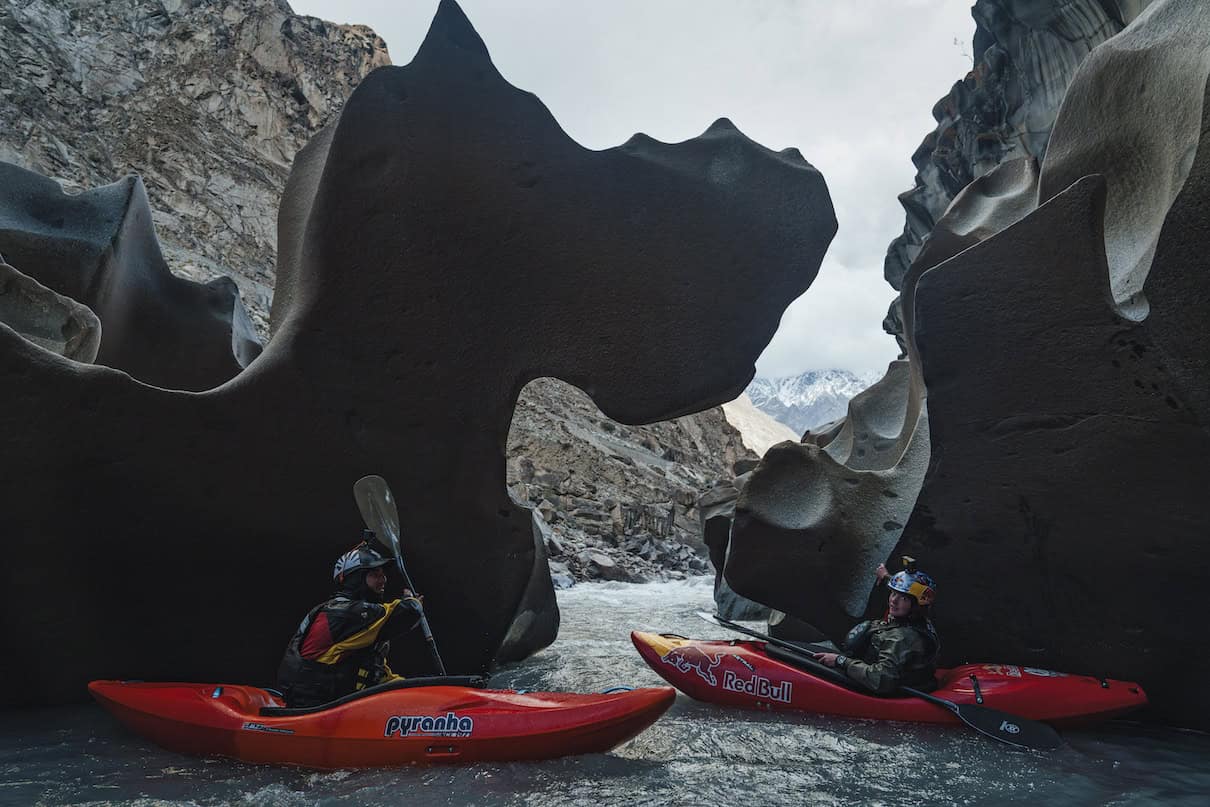
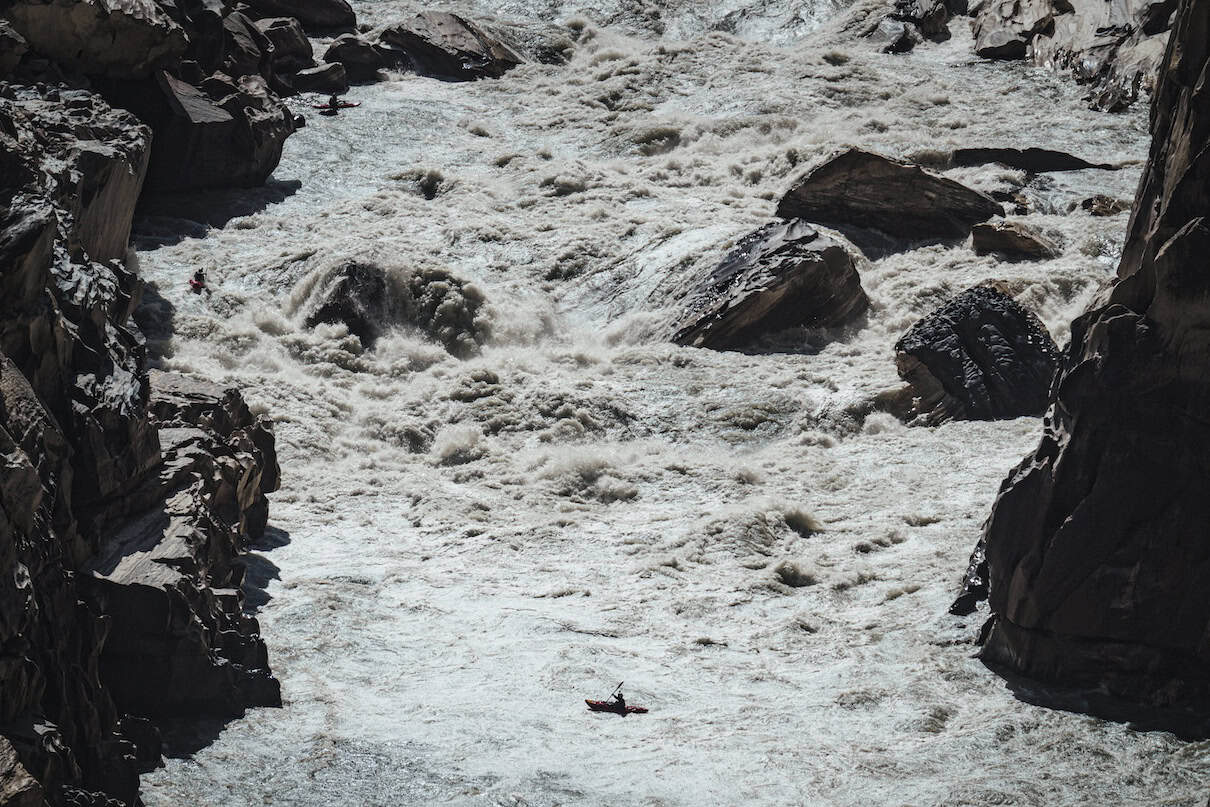
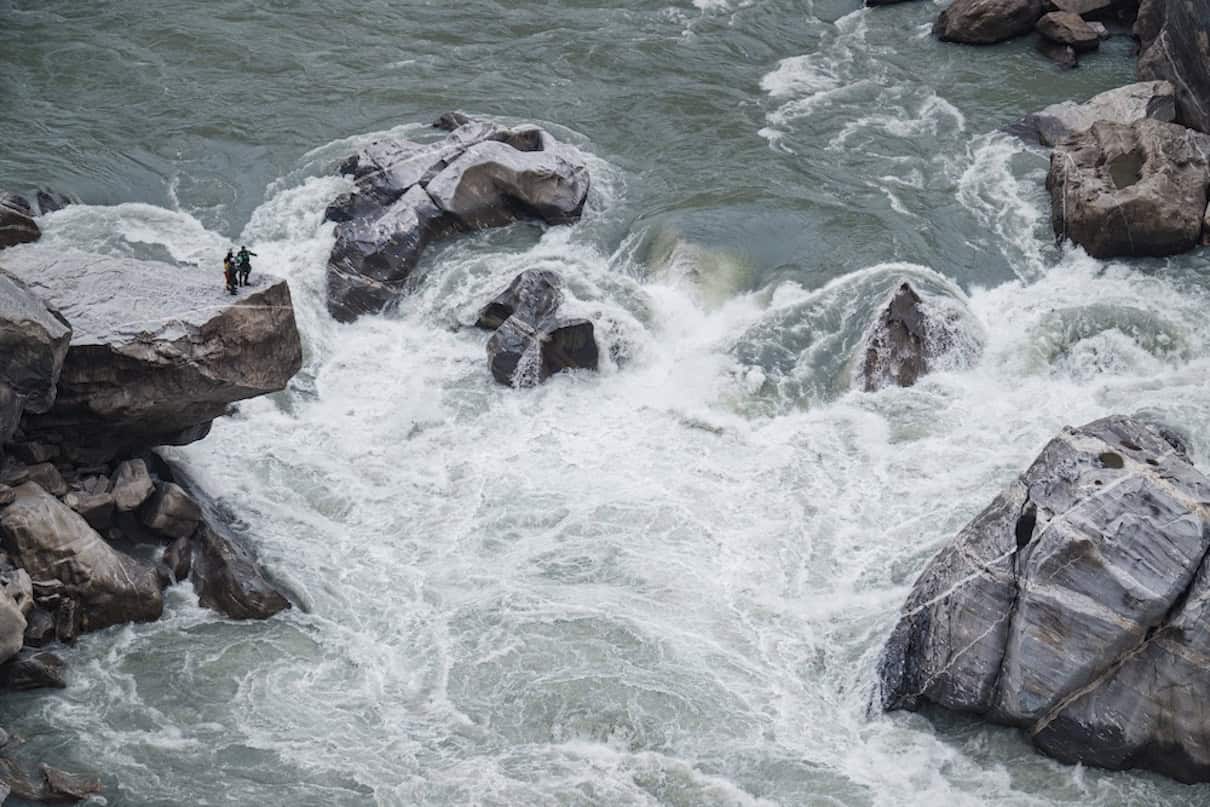
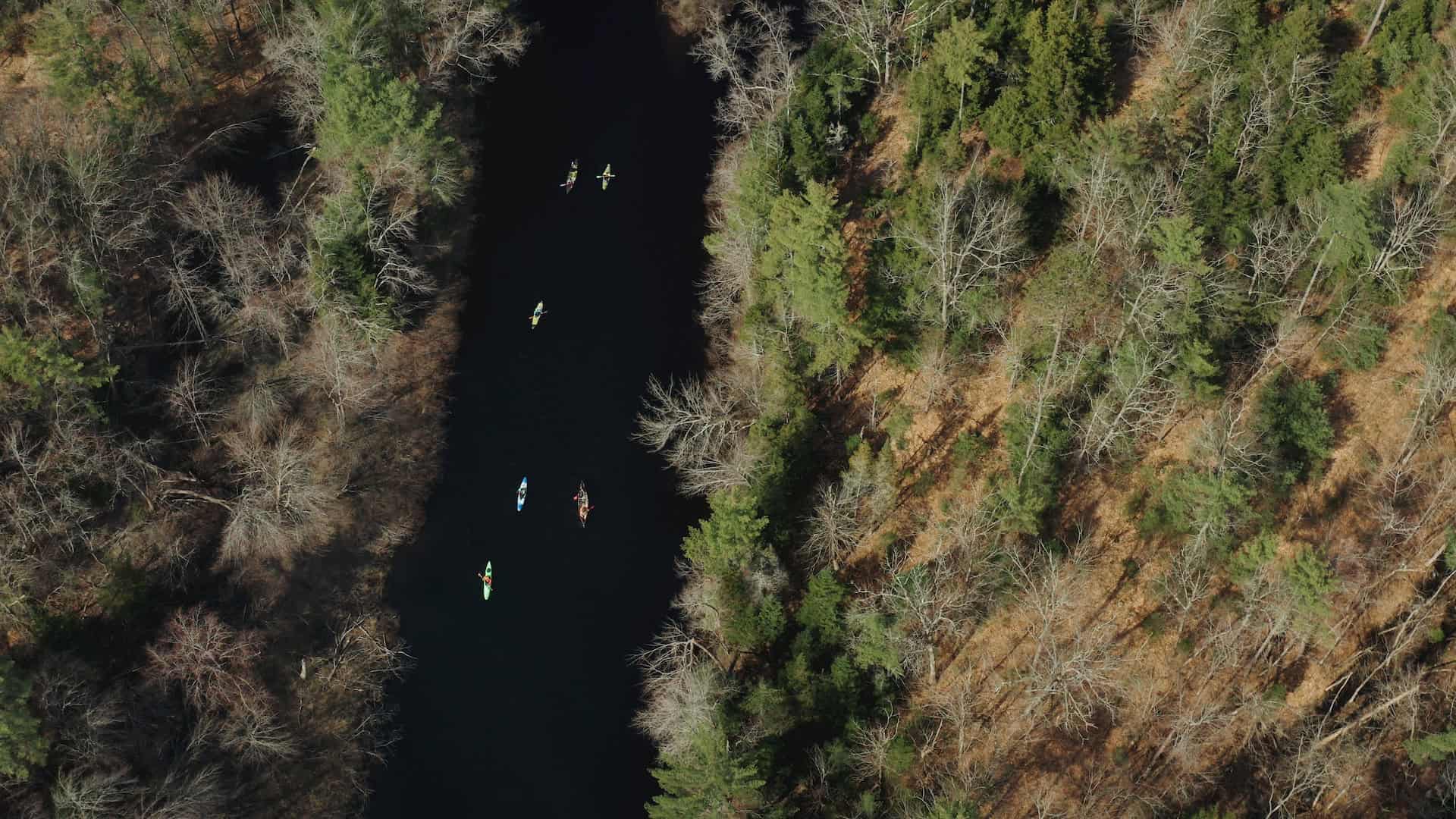
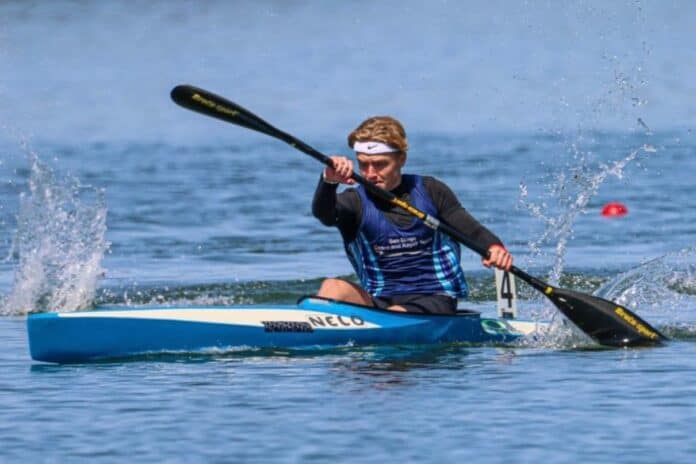
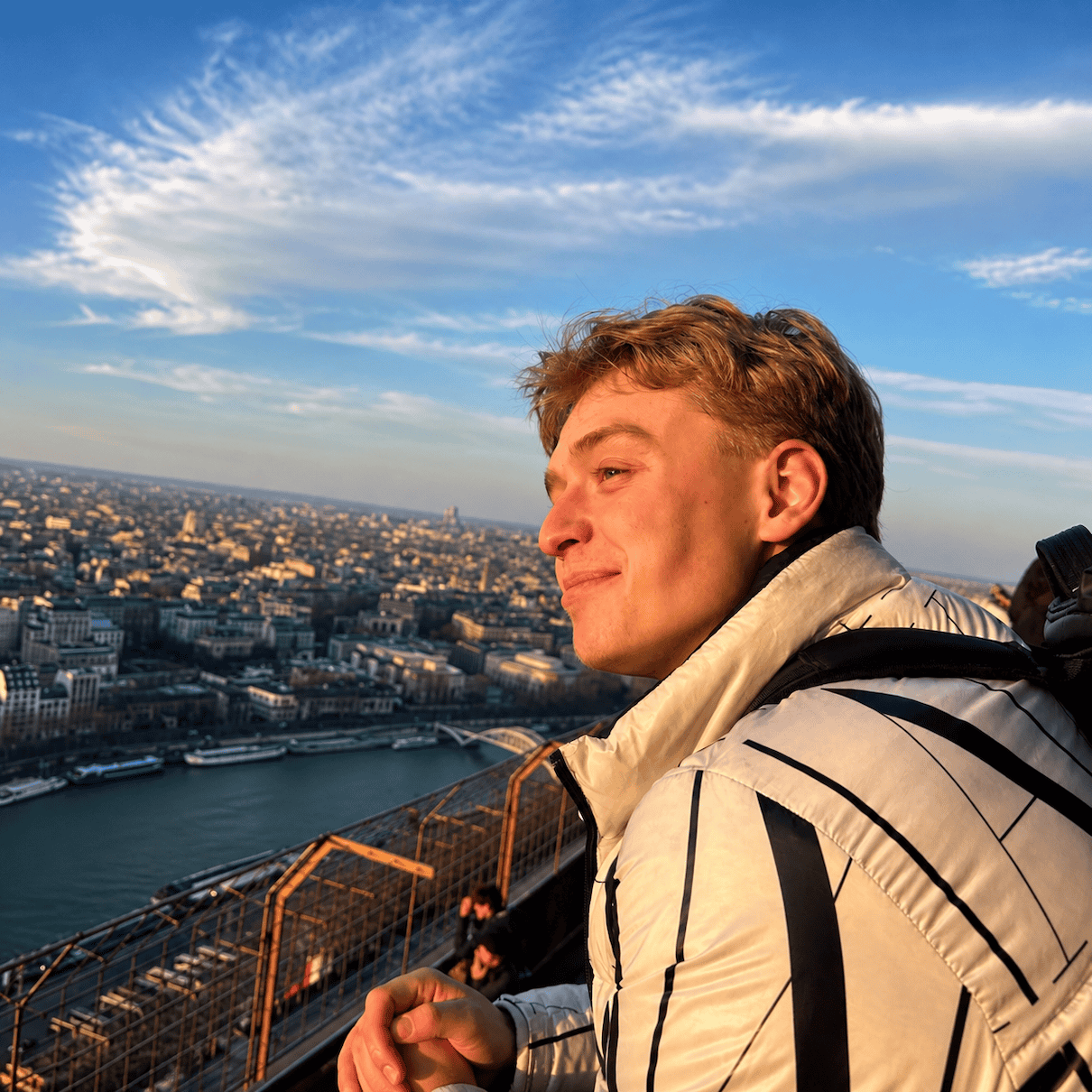
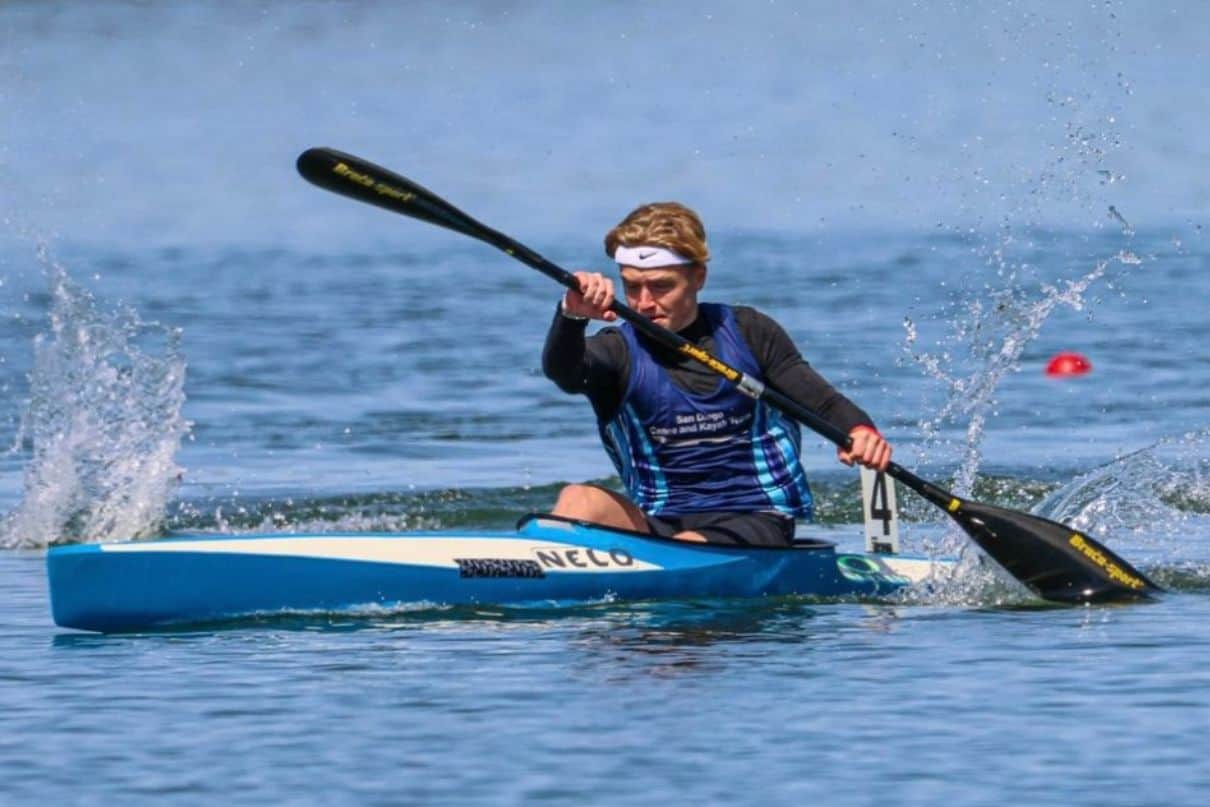
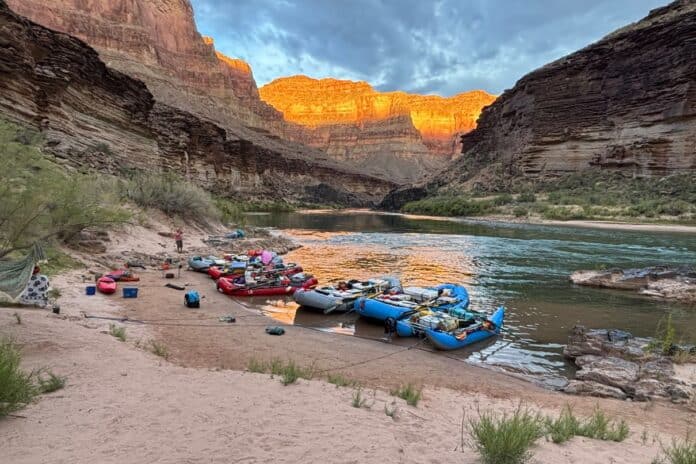
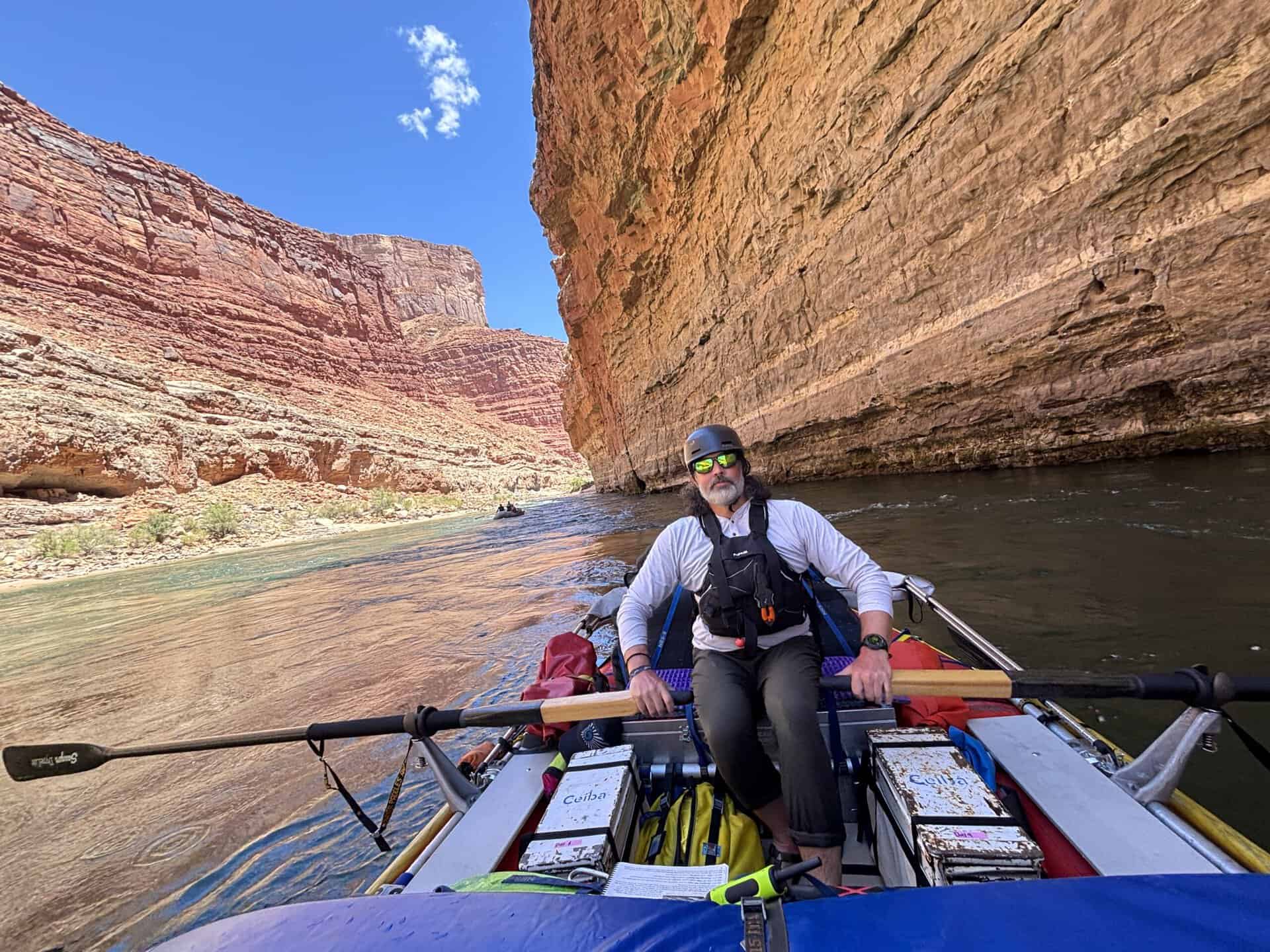
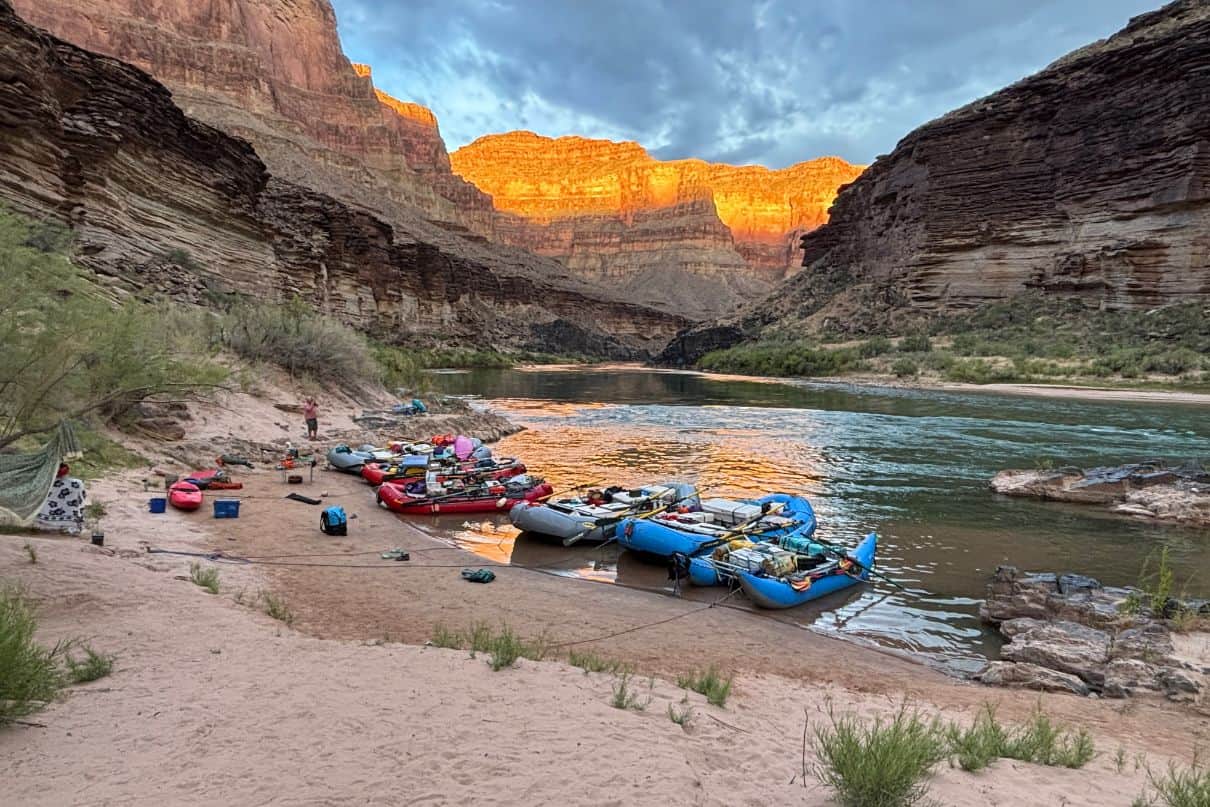
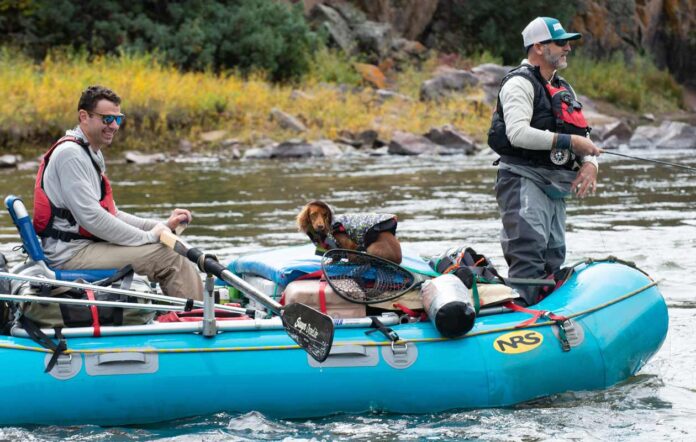
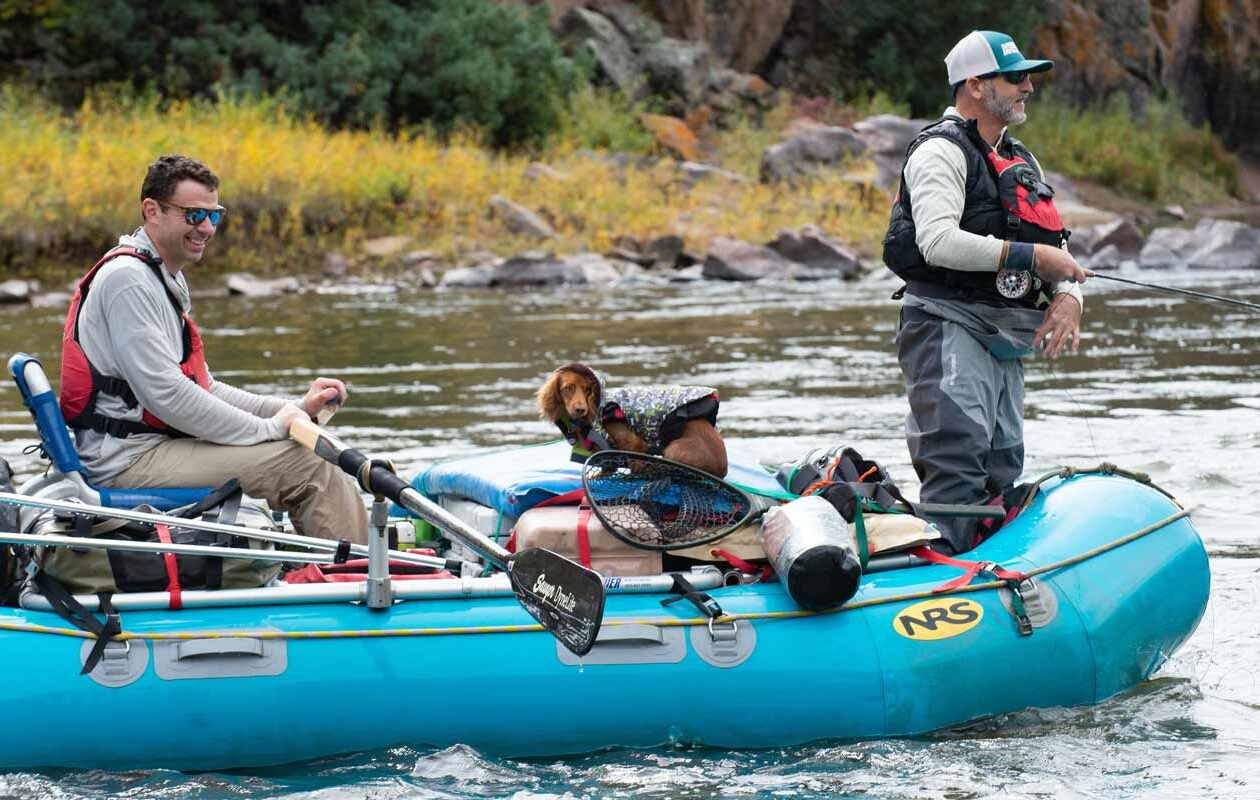
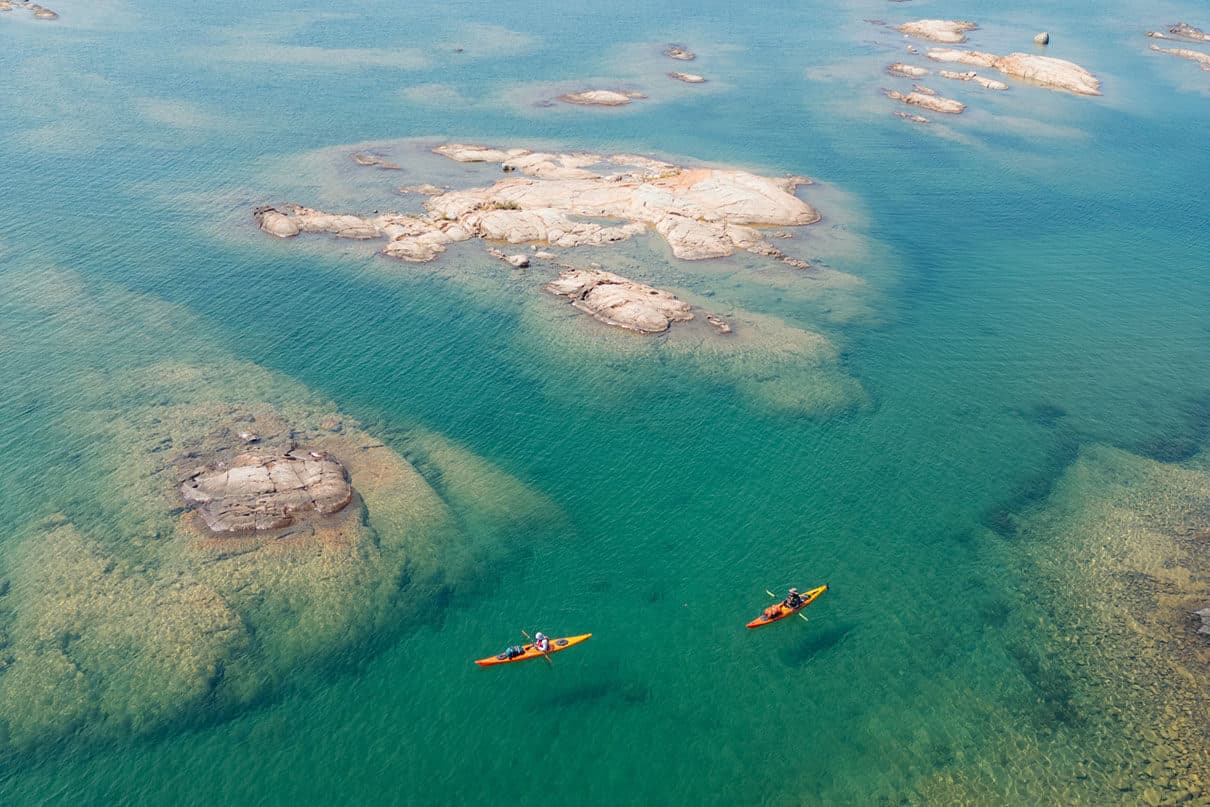
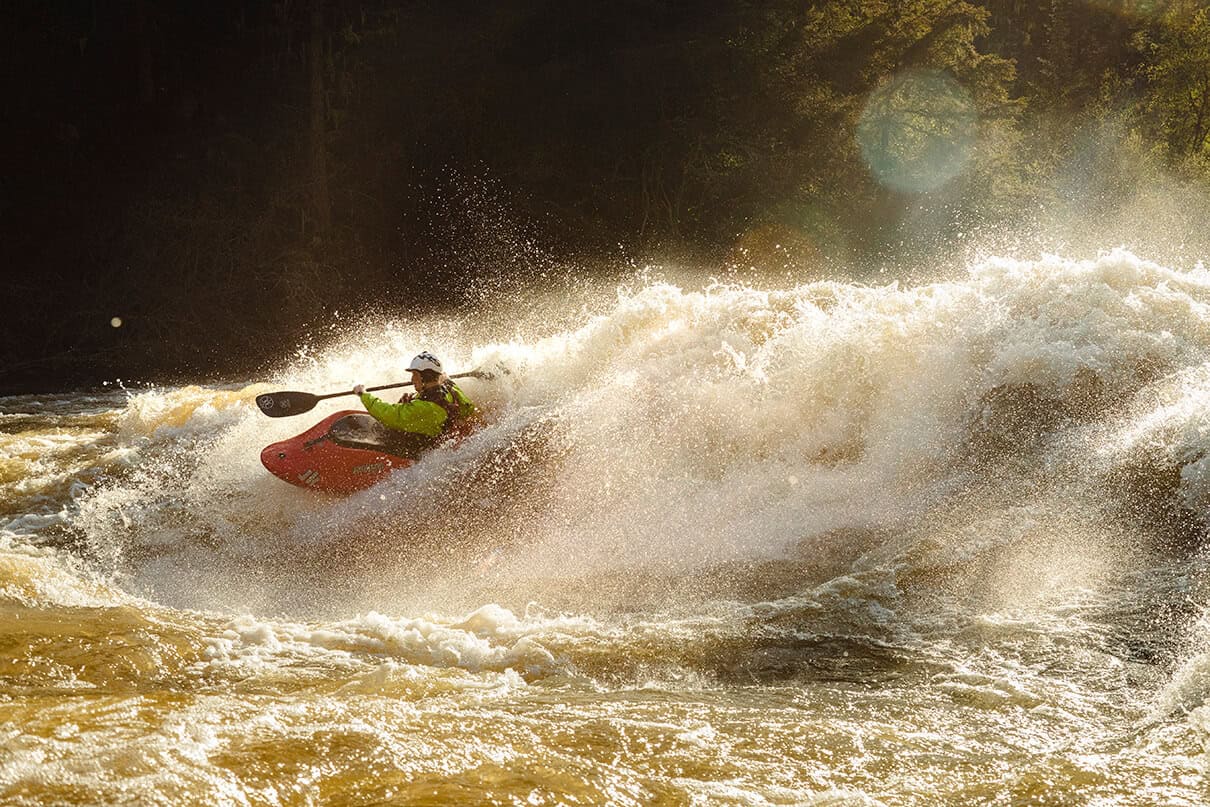
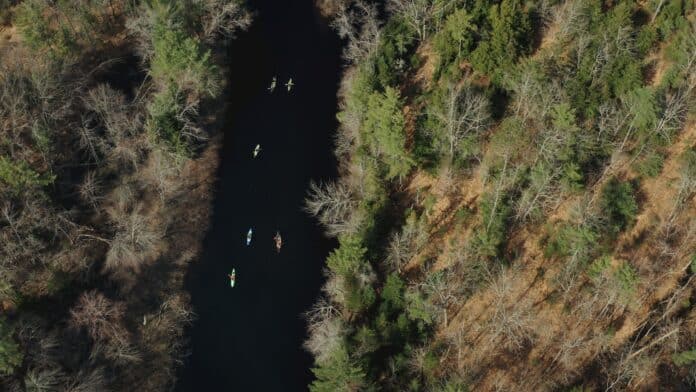
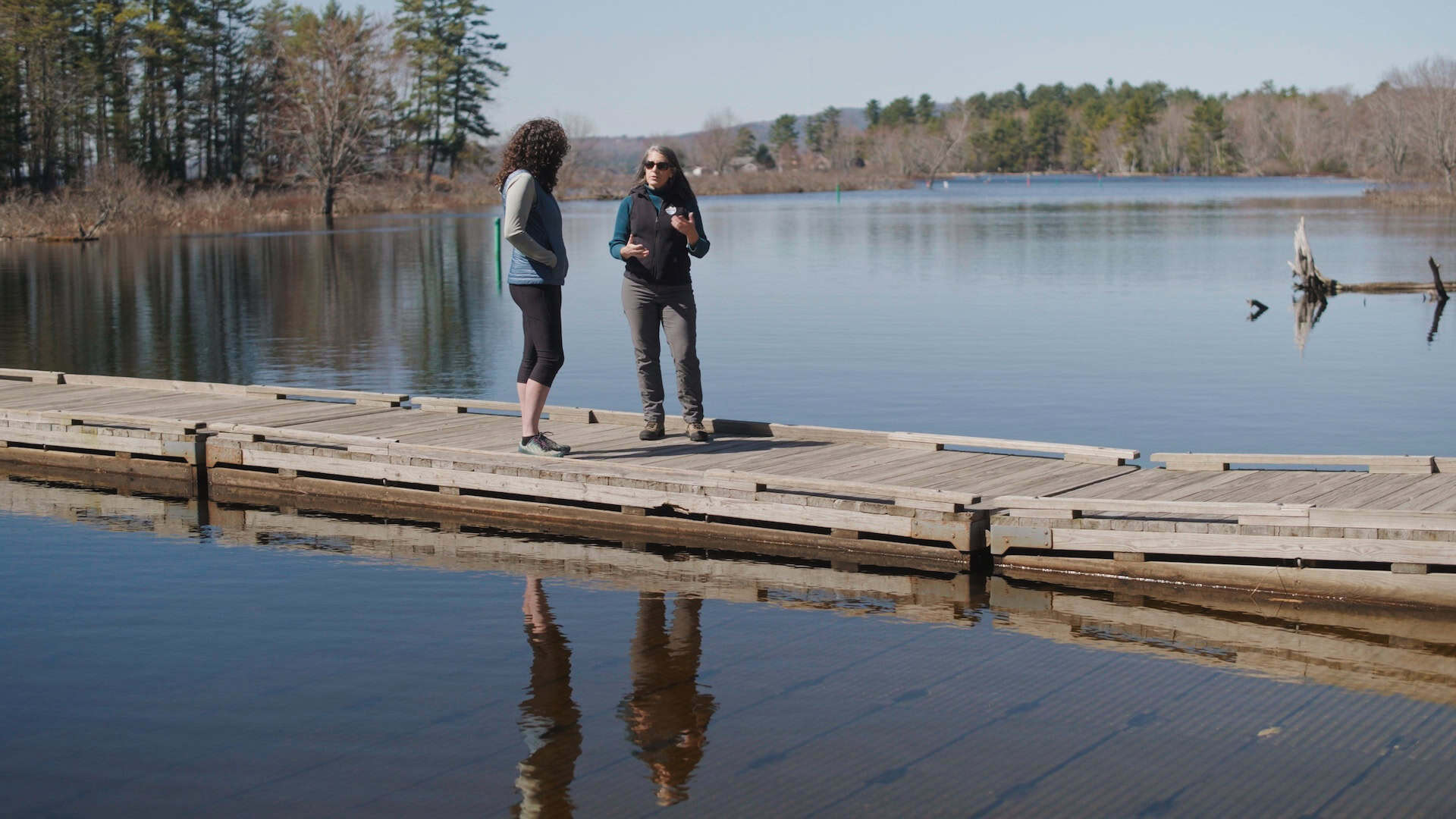
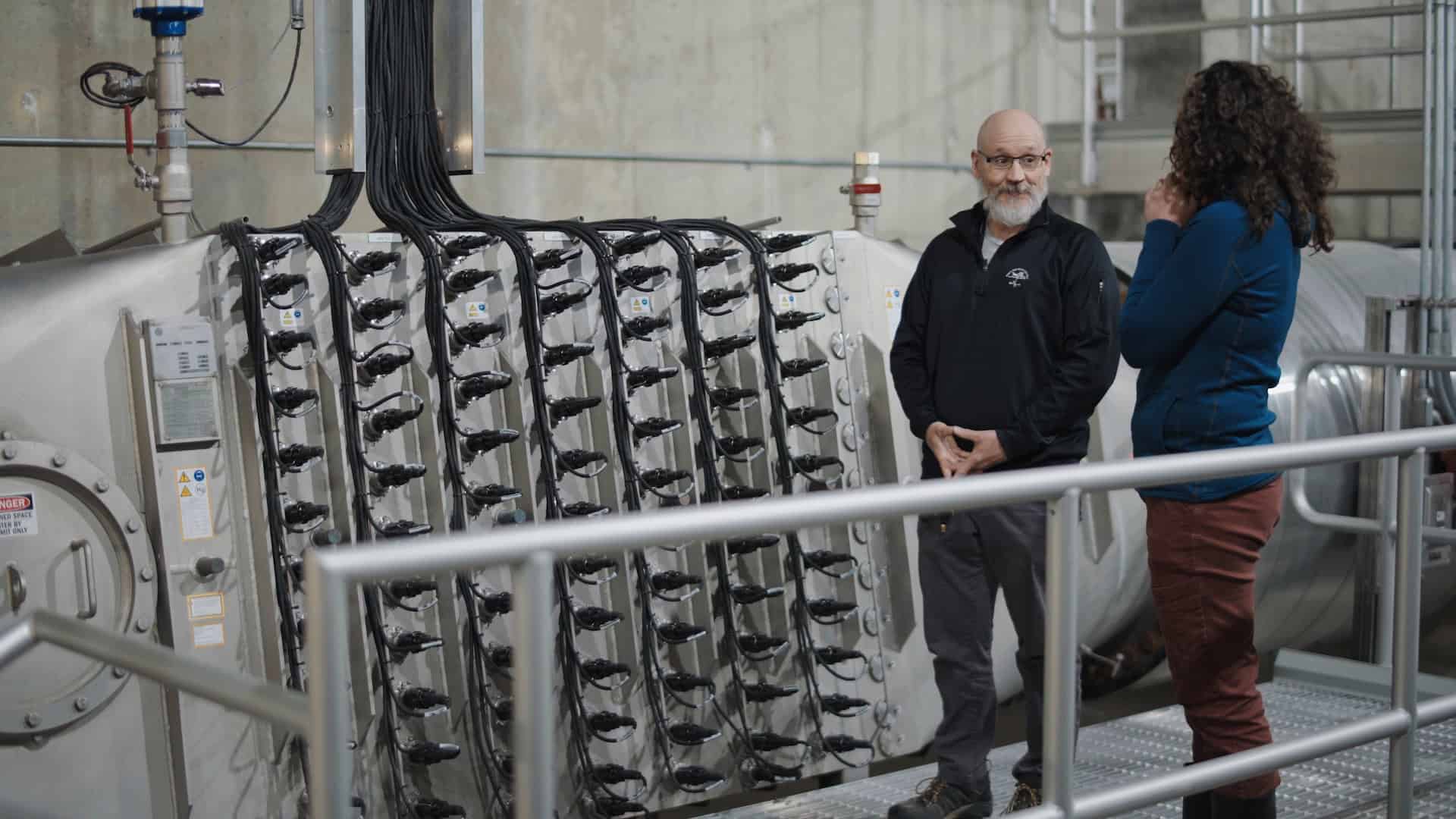
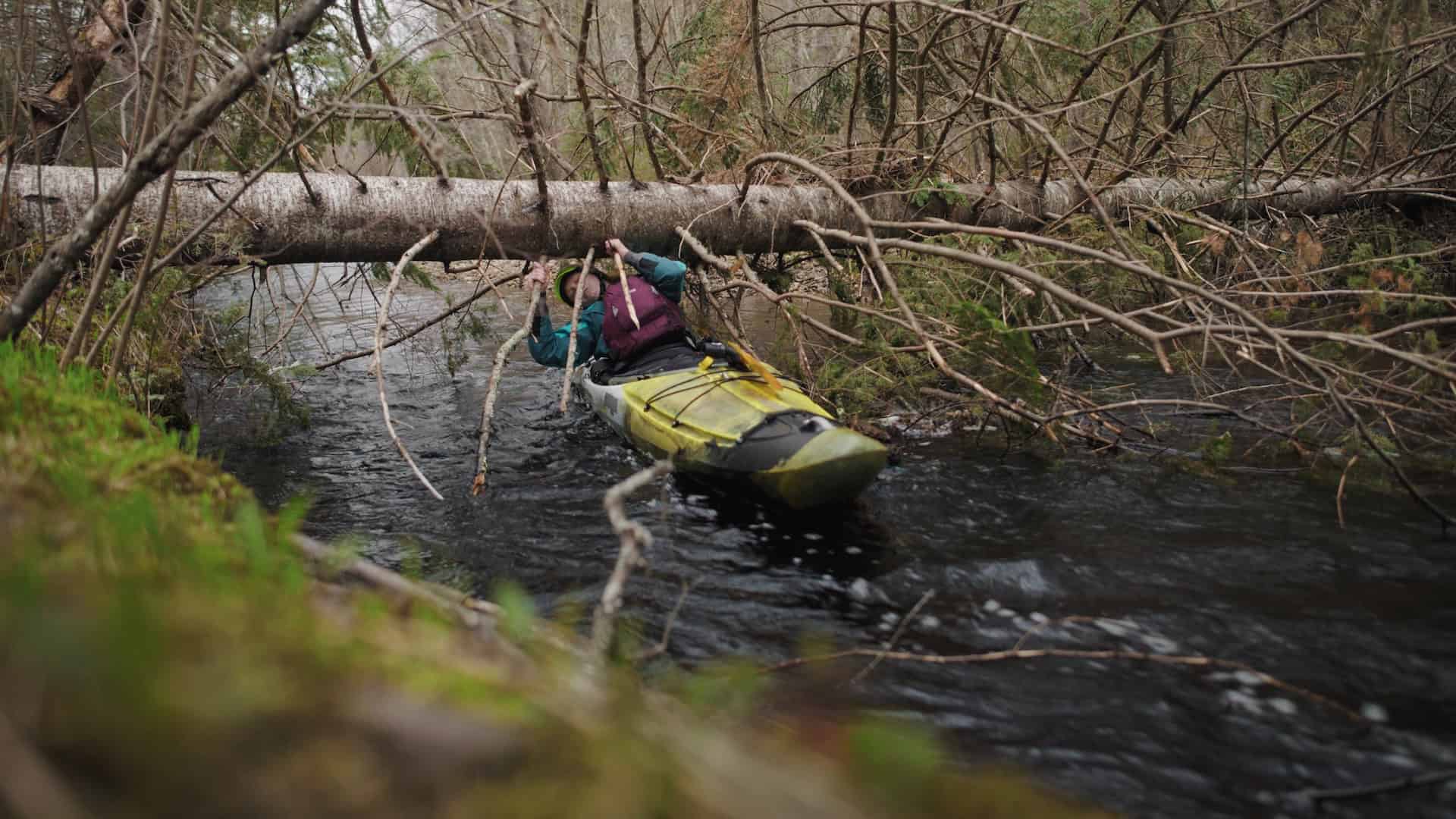
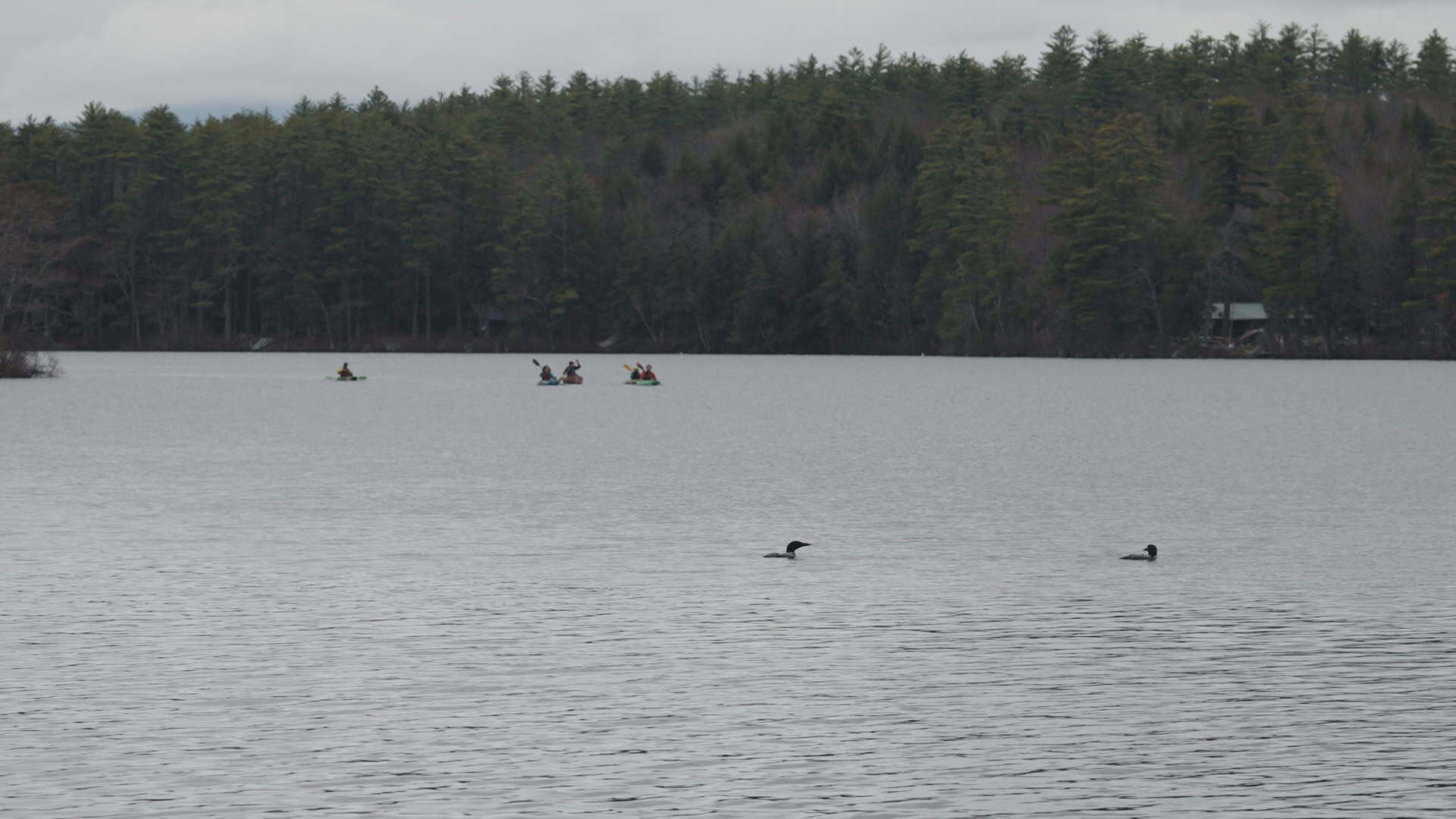
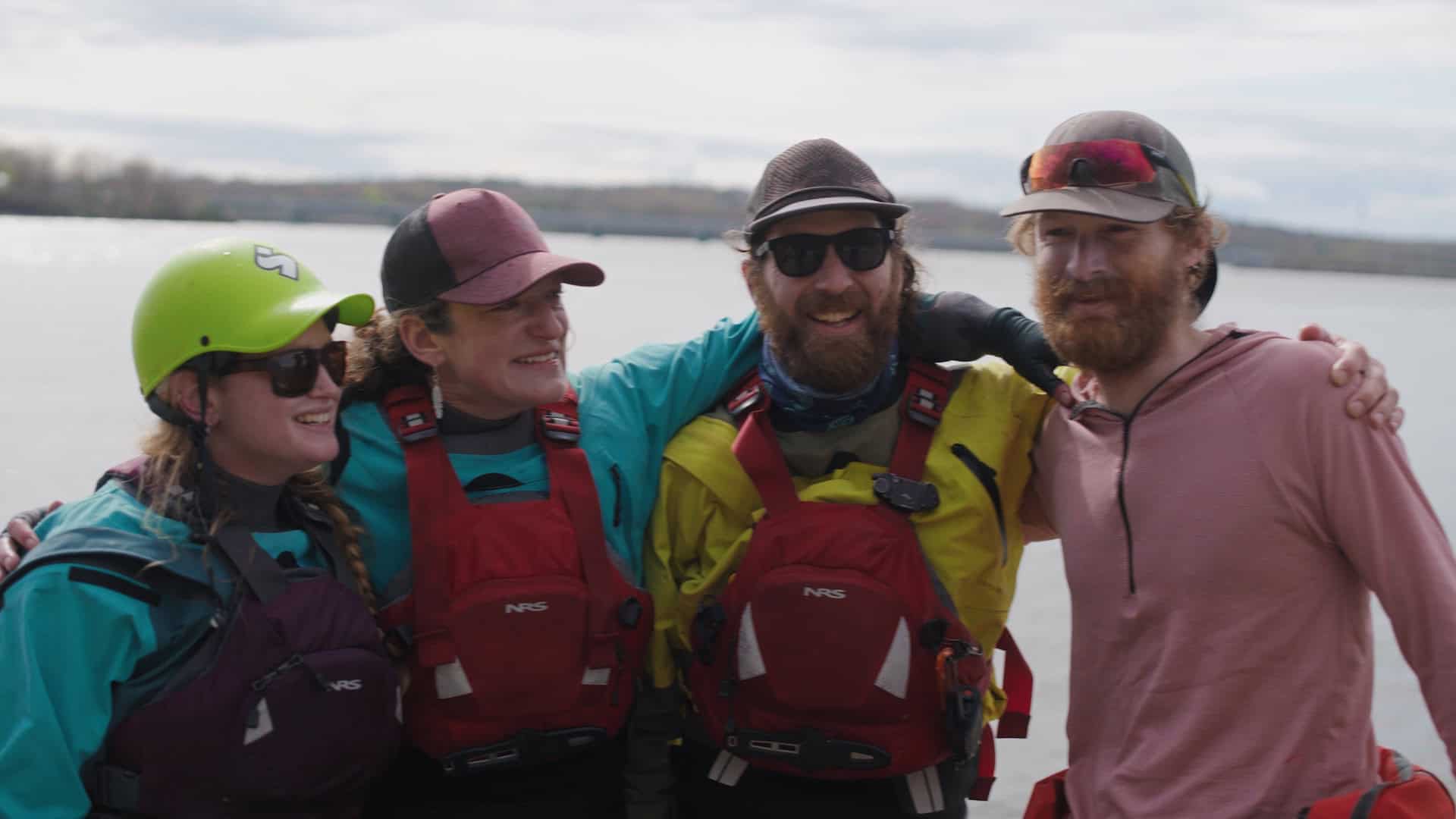
 This article was published in Issue 75 of Paddling Magazine.