When the lake starts to freeze over and snow blankets the access road, many paddlers call it a season and move on to winter activities. When you gaze out your frosty windows with a steaming mug of coffee, it may be discomforting to see your boat lying outside in neglect. The elements can be harsh on your craft, take care of it through the winter months and it will serve for many paddling seasons to come. The easiest way to take care of your canoe, kayak or standup paddleboard is proper winter storage.
[ Find storage options in the Paddling Buyer’s Guide ]
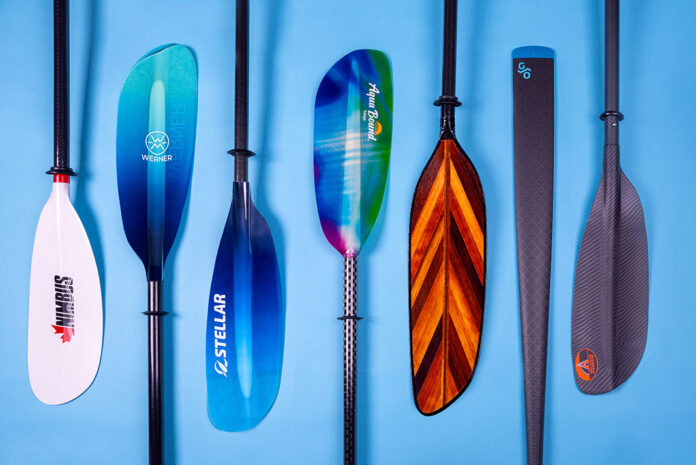
If your faithful touring paddle performs like a glorified egg beater, maybe it’s time to choose a new kayak paddle. The best kayak touring paddles are marvels of design and engineering, precision-crafted for paddle-powered adventures big and small. Read on for seven of the top touring blades for 2024, with our selection of slick sticks to take you every distance.
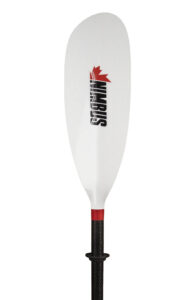
The Kiska is Nimbus Paddles’ most popular design for paddlers of every level and waters of every type. The asymmetrical dihedral powerfaces provide a smooth, flutterless stroke. This Kiska Elite model pairs fiberglass blades with an ovalized carbon fiber shaft for comfort and indexing. The ferrule is a simple three-hole snap-button design, allowing the paddler to easily switch from flat to feathered (60 degrees right or left)—there are no moving parts to clog or fuss with. Also available in a four-piece breakdown design and as a full carbon paddle.
Lightweight, strong and providing an excellent slice, it’s no surprise the agile Camano is one of Werner Paddles’ most popular designs. The fiberglass blade construction provides power and control in your stroke, and the beautiful translucent blades glow when they catch the sunlight. The Smart-View Adjustable Ferrule System allows intuitive adjustment of feathering angle from zero to 60 degrees, right or left, in 15-degree increments. The Camano is available in a standard diameter carbon blend shaft, and a version with a smaller diameter shaft for smaller hands. Also available in a straight one-piece, two-piece or four-piece design, and a bent one-piece or two-piece design.
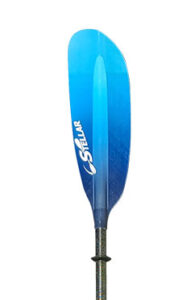
The Swing Low Angle Touring Paddle from Stellar Kayaks offers paddlers an energetic, capable and quiet paddle. Tough and attractive fiberglass blades are available in blue or red in the Hybrid option, pictured here. The oval carbon shaft reduces stress on fingers as it contours to the shape of your hand. The Swing Low Angle Touring Paddle features an aluminum cam collar and adjustable length within 10 centimeters and feather. Also available in a fully carbon design.
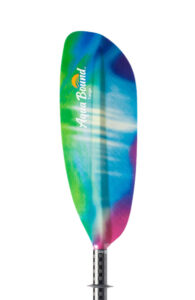
The enigmatic northern lights are one of the most sought-after natural phenomena in the world—they’re also the inspiration for Aqua Bound’s newest colorway. Last fall, with its new eye-catching look, the bestselling Tango took home the coveted Best New Kayak Paddle award at the Paddling Magazine Industry Awards. This low-angle performance paddle offers a smooth stroke for maximum results with minimal effort, weighing in at just 26 ounces. Its Posi-Lok ferrule system features robust and corrosion-free construction, convenient dual-button release, and infinite feathering angles.
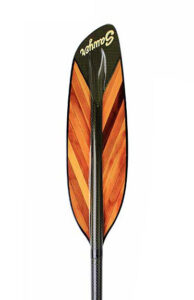
With its classic low-angle paddling profile, the Sea Feather V-Lam from Sawyer Paddles and Oars is a lightweight companion for all-day cruising and relaxing day tours. Carbon fiber makes up the Sea Feather’s strong and flexible oval shaft, which can extend up to 10 centimeters and offers 0 to 80 degrees of feather angle. The Sea Feather’s long blades are crafted with an eye-catching V of laminated western red cedar. They are reinforced with durable fiberglass and Dynel ToughEdge, promising to keep them beautiful and resistant to damage while maintaining the lightweight build.
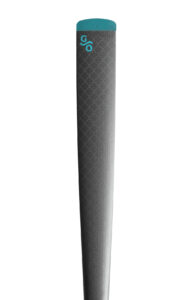
The Kalleq is a working piece of art from Gearlab Outdoors designed for endurance. The Greenland-inspired carbon Kalleq’s edge measures 1.1 millimeters at its thinnest point. The smooth edge slices the water and offers comfort and efficiency on long days. Gearlab’s signature ProTek tip fortifies either end of the paddle with an easily replaceable tip made from a durable polyamide material. This gives the paddler confidence in rocky or shallow waters and allows the option to swap colored tips. The innovative, metal-free carbon spring joint on this two-piece paddle snaps securely together, ensuring a firm connection between blades.
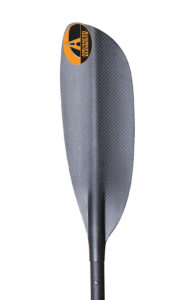
Light, rigid and ultra-packable, the Touring Full Carbon 4-Part Paddle from Advanced Elements is a four-piece paddle breaking down to a svelte 27.5-inch-long package. Not only is a full-carbon four-piece paddle a rarity, but at just 30 ounces, Advanced Elements’ is perhaps the lightest four-piece paddle on the market. Adjust for a 60-degree right-hand or left-hand feather or flat option via three stainless steel locking snaps. This touring paddle’s carbon fiber shaft and blades offer fantastic handling on the water and excellent strength and durability.
The Penobscot Nation has lived along the banks of the river sharing their name for more than 10,000 years. The canoe is a craft intrinsically tied to their culture on the waters of Maine. Old Town shares the story of how the Penobscot continue to pass down the knowledge of canoeing to the next generation of paddlers in this video.
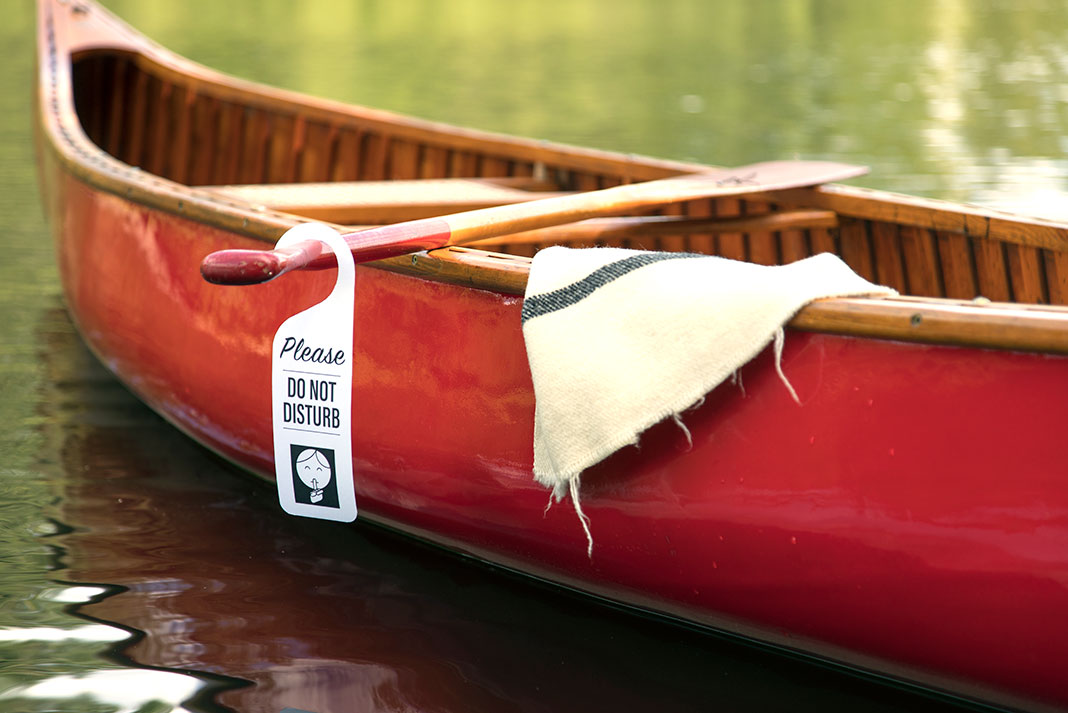
Don’t come knocking when the canoe is rocking. | Feature photo: Michael Hewis and Jeff Priest
For all you would-be and wannabe Canadians out there, I have some bad news. Sex in a canoe is not what you think it is.
You might be familiar with the quote, “A Canadian is someone who knows how to make love in a canoe.” Author and historian Pierre Berton, to whom the quip is most often attributed, claimed he said no such thing. No matter. Whoever said this was not talking about sex, and if you missed this distinction, read on.
The very incomplete guide to having sex in a canoe
For penetrating insights into the act itself, the Internet abounds with how-to instructions, directions, DIY tips and tricks, many of them with accompanying intriguing diagrams and illustrations. Some are tasteful, like Cosmo’s canoodling visual; many are decidedly not.
For those of you bone-headedly literal types who choose to continue to obsess on the physicality of the notion of striving for experientially-affirmed Canadian citizenship, here’s the bad news. True hosers know love in a canoe is just the beginning—an entry point as it were—into a veritable Karnoe Sutra of coital challenges serious students of this subject have discovered on offer in the Great North.
Don’t come knocking when the canoe is rocking. | Feature photo: Michael Hewis and Jeff Priest
If you think you’ve mastered the canoe thing, congratulations, you’re but a kindergarten dropout in such matters. If you’re ever hoping to matriculate and move on to grad school, you’ll need to master conjugal liaisons in skin-on-frame qayaqs, surfskis, SUPs, the good-old rump-resistant rock of the Canadian shield at -40º or on a portaledge halfway up Mount Thor’s main face in Auyuittuq National Park on Baffin Island, ideally on the winter solstice.
There’s no room for complacency or pride in accomplishment if all you’ve ever done is shimmy a double-ender on a balmy July night at the lake.
The indoctrinated know it’s not about sex; the quotation references lovemaking in a canoe. This is a less physical and potentially far more satisfying proposition, much as this might come as a shock to some of the canoe jocks out there. Because if canoes are about anything, they are about relationships. The birch tree with the canoe, the vessel with the landscape, the design with First Peoples, the wood with the water, the water with the sky, the paddle with the paddler, the paddlers with each other, and the pastime with the traditions of old. To canoe is to love the relationships it kindles, reveals and nourishes.
However, one relationship I’d like to highlight is how this topic has had an unexpected defining influence on my legacy as a writer and storyteller.
An accredited expert on canoe canoodling
I’ve raised two loving and competent daughters, written a number of books that sold tens of copies, had several real jobs in respectable institutions, spent more years than I care to admit in post-secondary institutions gathering letters after my name that would make a killer Scrabble hand, and done a little canoodling here and there, just for fun—and what is my reward? With search terms “sex in a canoe” duly entered and executed in preparation to write this column, the very first of 16,600,000 webpages, conjured in 0.41 seconds, is a reference to me.
It’s a line from an article by Malia Wollan in TheNew York Times. Here’s the bullet citation: “July 26, 2018 — To maintain balance, relax your body. ‘Let your hips roll with the canoe,’ Raffan says. Be mindful of the fact sound carries particularly….”
What else is there to know? There’s my name written down in glory. The expert source, according to Google. The sex-in-a-canoe guy. Son of a perch! Maybe I should have been out paddling the day the reporter called.
James Raffan is an author, explorer, canoodler and Director of External Relations at the Canadian Canoe Museum.
This article was first published in the Summer 2022 issue of Paddling Magazine. Subscribe to Paddling Magazine’s print and digital editions, or browse the archives.
Don’t come knocking when the canoe is rocking. | Feature photo: Michael Hewis and Jeff Priest
CHAPEL HILL, NC // DEC 2022 – LoPo Diveskins is pleased to announce the launch of its website and first five products. The first four offerings—dive skins, rashguard, and two legging styles—are the results of years of research and planning to create flattering and comfortable garments made by women for women using U.S.-sourced materials and manufacturing that is sustainable as well as protective of our oceans and environment. The latest addition is a simple headband using scraps from production of the specially-ordered fabric.
LoPo Diveskins was founded by two sisters, Jill and Kelly Newbold, alumni of the University of North Carolina’s Kenan-Flagler Business School, when they were unable to find a well-designed, quality-made, durable, and flattering dive skin. To help protect the ocean they love, they decided to use fabric made out of ocean-bound plastic bottles, a new fabric by North Carolina based Unifi, Inc. REPREVE Our Ocean fiber is made from bottles collected within 50 kilometers of coastlines in countries or areas lacking formal waste or recycling systems.
“We’re excited to finally bring these products to market,” said LoPo CEO and co-founder Jill Newbold. “The passion and joy all of our partners have exhibited in creating our first garments has been inspiring and we can’t wait to build a LoPo community that exhibits a similar enthusiasm for our beautiful oceans, lakes and rivers. The focus on women water enthusiasts who do what they love on (or under) water is a real draw to our why. Being a part of a solution is empowering and impactful.”
LoPo Diveskins is partnering with a U.S. garment manufacturer focused on sustainable, small batch manufacturing for creation of its styles. They source all thread, elastic, zippers, and other components from U.S.-based manufacturers. Each garment will be sustainably manufactured in small batches to avoid excessive overstock, thereby reducing the possibility that any excess inventory may end up in a landfill. LoPo products are also Berry Amendment Compliant.
LoPo Diveskins is currently taking preorders on its first run of garments at https://lopodiveskins.com and is planning initial deliveries to customers in early 2023.
Chapel Hill, North Carolina based LoPo Diveskins creates thoughtfully designed performance apparel made from bottles at risk of polluting our oceans. For investment opportunities or media inquiries, please contact Jill Newbold at jill@lopodiveskins.com.
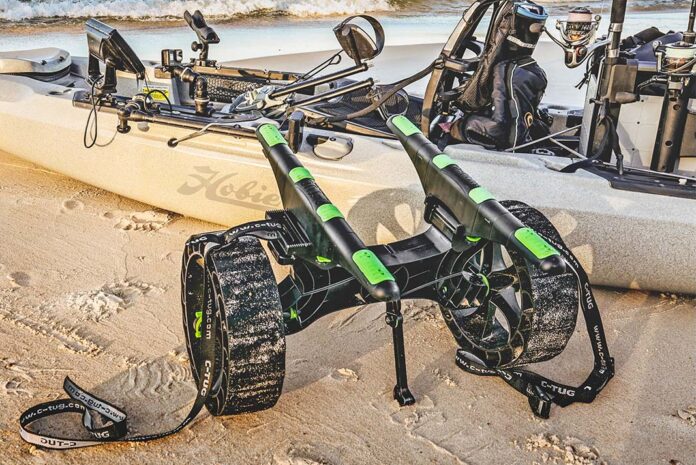
Houston, Texas – RAILBLAZA, manufacturer of premium quality, user-friendly mounting systems and accessories, announced today the launch of its new C-Tug R with Kiwi Wheels.
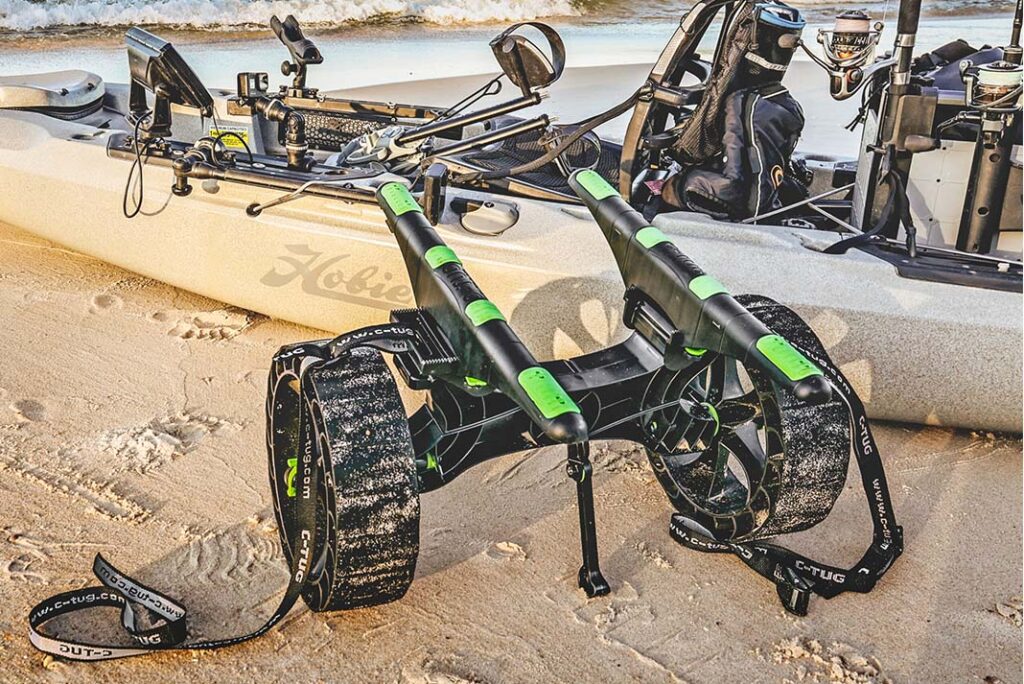
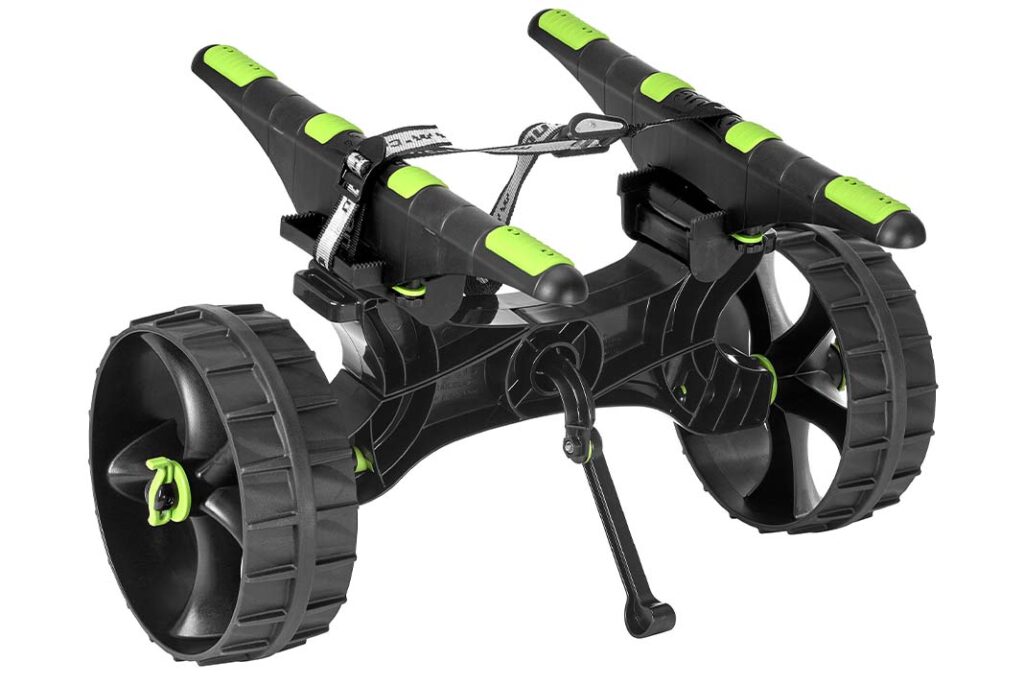
The RAILBLAZA C-Tug R with Kiwi Wheels is the next evolution in the world’s best-selling kayak cart. Compatible with all the vessels the original cart suited and more, the RAILBLAZA C-TUG R now fits a wider selection of hull profiles including pontoon hulls like that on the Hobie Pro Angler and Hobie Outback, to name a few. Building on the bestselling innovations of the C-Tug range, the new C-Tug R features a pair of 20-inch hull rails allowing users to easily secure the cart for perfect positioning, to optimize loading/unloading, reduce pulling load and get on the water faster.
The C-Tug R assembles and dismantles in seconds and stows easily in a kayak or canoe hatch and allows users to leave gear onboard their craft while loading on and off the cart without the need for an extra pair of hands. C-Tug’s Kiwi Wheels are like nothing else on the market—puncture-free with hi-grip rubber tread, they are super durable, roll freely and designed to soften the ride.
Photo Courtesy: RAILBLAZA
“As kayak hull designs grow and evolve, we have matched that evolution with a range expansion and innovation of our own,” said Andrew Moczygemba, president of RAILBLAZA USA. “Our new C-Tug R with Kiwi Wheels is the perfect complement to the latest kayak models, and we’re confident it will greatly enhance any kayaking adventure.”
The new C-Tug R is lightweight, coming in at only 8.8-pounds with a 220-pound loading capacity. Constructed of reinforced composite material and stainless steel, reinforced axles, the C-Tug is constructed to last no matter what users throw at it. For secure transport, the C-Tug includes a strap with cam-lock buckle and an adjustable kickstand for easy use. C-Tug Kiwi wheels have a diameter of 10.3-inches and a width of 3.6-inches for excellent maneuverability over almost any terrain. Backed by an industry-leading five-year warranty, the RAILBLAZA C-Tug R with Kiwi Wheels is available through RAILBLAZA’s network of dealers for MSRP $169.99 USD.
For more information on RAILBLAZA, C-Tug, or their full line of mounting products, please visit www.railblazausa.com.
Photo Courtesy: RAILBLAZA
About RAILBLAZA:
Hold everything… with RAILBLAZA StarPorts and an extensive range of mounting accessories. The RAILBLAZA system lets you multitask the space on your boat, ATV, RV or trailer… Making your outdoor life one to hold onto. What sets RAILBLAZA apart from its competition is the simplicity of our StarPort mount, the ease with which people fit it, and the diverse range of situations it’s used in. Super strong, all RAILBLAZA parts are made from high quality, UV stabilized, engineering polymers, stainless steel and anodized aluminum. Where extra strength is required, the polymers used are fiberglass reinforced.
We’re committed to making people’s lives easier, by providing diverse, flexible and user-friendly mounting systems and accessories to the marine, RV and farming sectors internationally. We have proven this commitment by a process of continuous refinement of our product line, and excellent customer service. Since dispatching our first shipment in March 2010, people the world over have discovered how useful RAILBLAZA products are, we now sell in nearly 50 countries. www.railblazausa.com
RAILBLAZA holds several patents and other IP registrations for the C-Tug range with more pending. Please refer to the website or product packaging for more details.
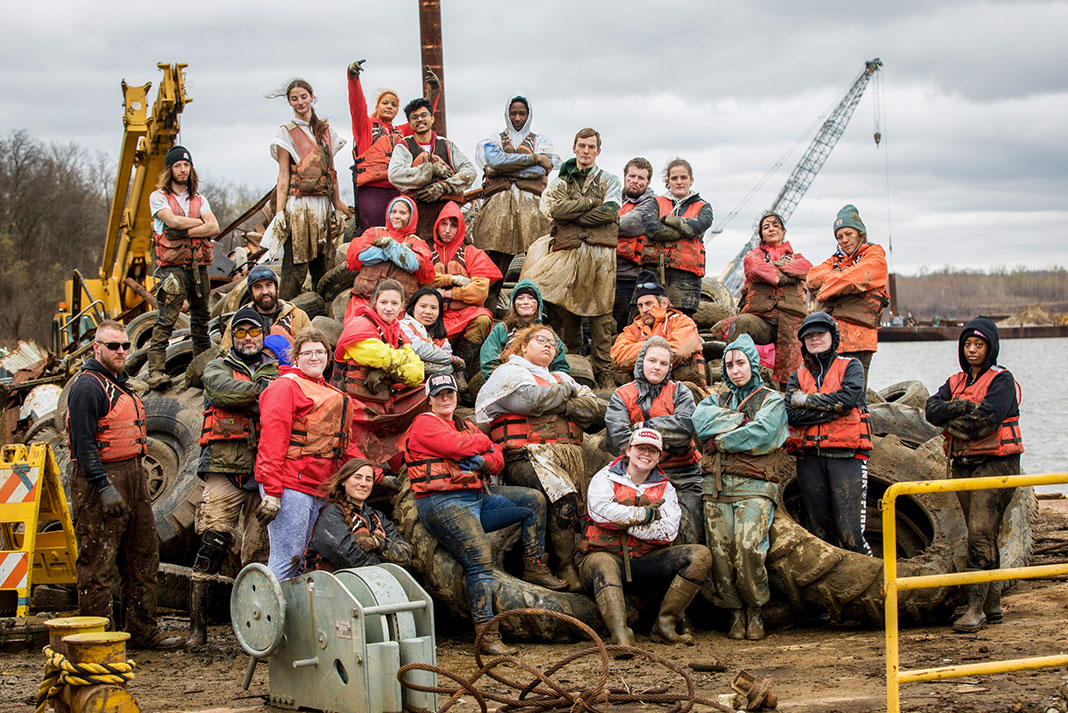
More than 120,000 youth have helped Living Lands and Waters clean up America's rivers. | Feature photo: Courtesy Living Lands and Waters
From entrepreneurs and explorers to game changers and artists, the wide world of paddlesports is enriched by those who see a need and step up to fill it. Whether welcoming underserved communities, mentoring new paddlers or protecting waterways at risk, here’s who (and what) is changing paddling for the better this year.
America’s only full-time industrial strength river cleanup organization
What started as a project on one river, picking up one piece of garbage at a time, has turned into a full-time industrial strength organization cleaning up the big rivers of America with the help of more than 120,000 volunteers.
Founded by Chad Pregracke, Living Lands and Waters has removed 11 million pounds of trash from America’s rivers. | Photo: Courtesy Living Lands and Waters
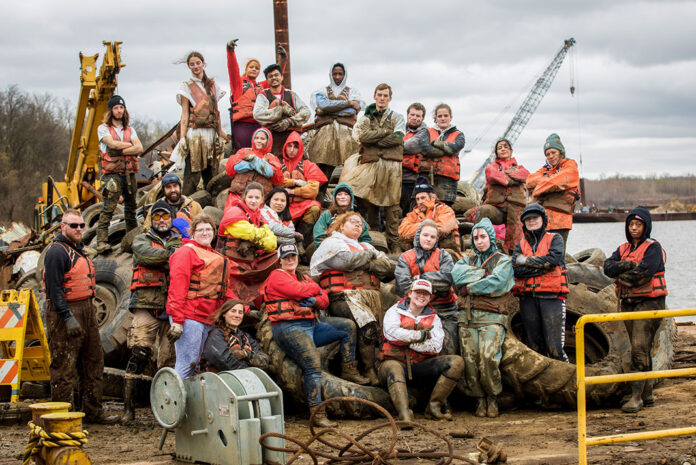
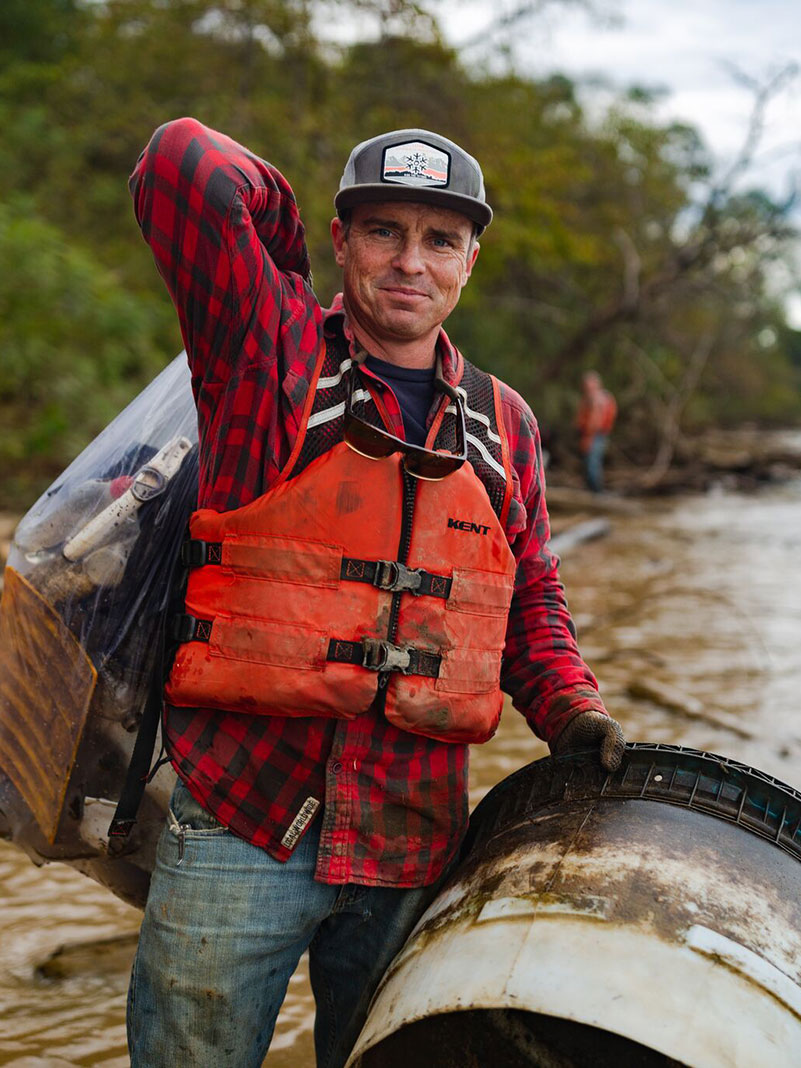
“All you need to do is change your world. That’s how the world changes,” according to Living Lands and Waters founder Chad Pregracke. Growing up near the Mississippi River, Pregracke was appalled by the amount of garbage dumped in the water. So in 1997, Pregracke single-handedly removed more than 45,000 pounds of trash from the Big Muddy. The following year he founded Living Lands and Waters. In the 25 years since, the organization has worked on 25 rivers in 21 states and removed more than 11 million pounds of trash from U.S. waterways, including the Mississippi, Illinois and Tennessee rivers.
A full-time crew lives on a house barge, traveling port to port up to nine months a year, hosting community-based river cleanups, tree plantings, invasive species removal events and educational workshops for educators and students. They have five barges, two towboats, five workboats, seven trucks, a crane, an excavator, a bus and two skid loaders at their disposal.
“In response to the devastating tornado that hit Mayfield, Kentucky, in December 2021, Living Lands and Waters helped with the relief effort to remove debris from Kentucky Lake and the Cambridge Shores area for nearly six months. It has been our largest effort in a single cleanup, which resulted in the removal of over 1.2 million pounds of debris to ensure the lake is clean and safe for all to enjoy,” said Pregracke.
The Grand Salmon team celebrates a job well done at journey’s end. | Photo: Courtesy The Grand Salmon
2 Grand Salmon Source To Sea
In July, Libby Tobey, Hailey Thompson, Alia Payne and Brooke Hess reached the ocean after paddling the length of the Salmon River while promoting the removal of the four dams and a moratorium on the Stibnite Gold Project to save Idaho’s rapidly dwindling salmon populations. Along the way, they paddled 1,000 miles, organized community members to write thousands of letters to congress to protect the river, and raffled off one coveted date with pro kayaker Benny Marr.
Connecting adventure and science to protect the last wild rivers of Europe
There are proposals to build more than 2,700 dams on the last free-flowing rivers of Europe. The Balkan Rivers Tour was born as a rebellious promise to paddle all these rivers and show the world what is at stake if they’re dammed for hydroelectric projects. Since the first trip in 2015, the annual Balkan River Tour has spawned the largest direct-action river conservation movement in Europe.
Core Balkan River Defence team members Roz Rozman (far left) and Carmen Kuntz (far right). | Photo: Katja Jemec
Last summer, a Balkan River Defence crew of four kayakers paddled Slovenia’s entire Sava River in 11 days. “During the descent, we sampled water for an environmental DNA study and performed the first complete water bird census during nesting season,” said core team member Carmen Kuntz. “We now have two complete sets of data we can use as ammunition to protect the river from the 10 dams proposed.” The crew also premiered the documentary, One for the River: The Sava Story, and released a paddler’s guidebook for the river to encourage tourism.
Balkan River Defence hopes to shift the public perception of dams, directing the conversation towards energy alternatives. “We hope Balkan River Defence doesn’t have a reason to exist in the future,” Kuntz added.
4 Sean Yoro
Mural artist painting from his paddleboard for ocean conservation
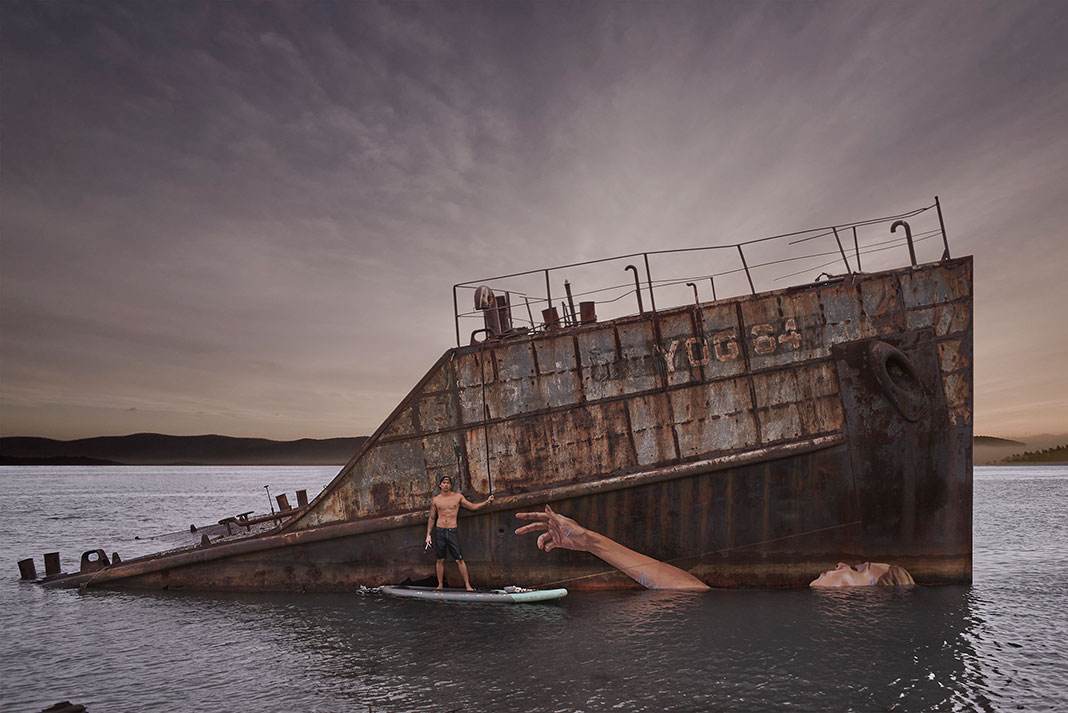
Los Angeles-based artist Sean Yoro uses his paddleboard as a platform to paint semi-submerged murals on the side of shipwrecks, abandoned docks and sea ice. On these unlikely canvases, he paints portraits of women and hands bursting from the water’s surface, revealing themselves fully only at low tide. Then, they slowly disappear over time with the rising and falling sea.
“Environmentalism has always played a huge factor in my passion for art. In Hawaii, we call it our kuleana, or responsibility in society,” said Yoro. “I always wanted a more important message than just a nice-looking painting.” Yoro’s viral murals have helped raise awareness about dying coral reefs, climate change and sustainability. The impermanent nature of his works often underscores Yoro’s environmental message.
The biggest consideration is factoring in currents and tides, said paddleboarding artist Sean Yoro. | Photo: Courtesy Hula
“At first, I hated not being able to create permanent artwork out in nature, especially when you work on these for weeks on end,” said Yoro. “Since all materials had to be 100-percent eco-friendly, it was impossible to make anything permanent. But once I let go of this variable, I surprisingly found more satisfaction and visual impact. The artwork disappearing added to the message.”
Yoro grew up surfing in Hawaii, “So, initially, my 11-foot-long paddleboard felt like a boat. It was a huge learning curve to get the same techniques I paint with in studio while on the board,” he said. The most challenging factor in creating the murals is working with the currents and tides, and knowing what sections he could paint when and at what speed.
“There are always new issues needing to be advocated for, so it keeps me busy with future projects. I hope viewers at the very least get a quick glimpse at a different perspective with my art,” Yoro added.
Kayaking scientist on a missionto create a Street View of threatened rivers and coasts
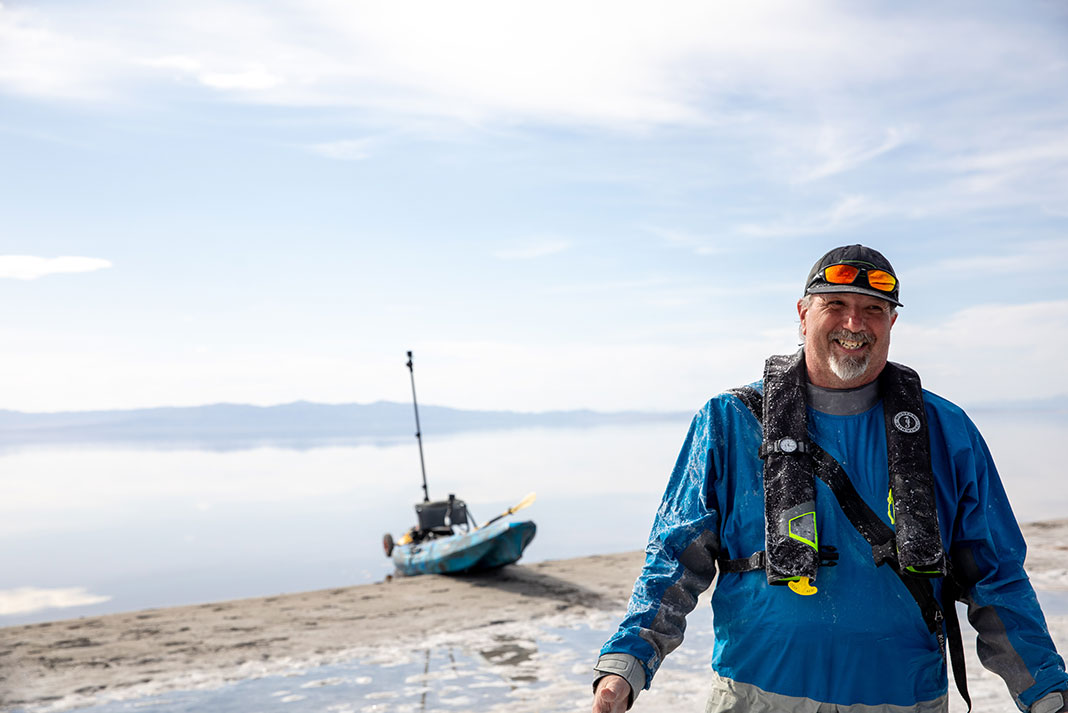
Armed with a 360-degree GoPro Max camera and fishing kayak, Earthviews founder Brian Footen is paddling for conservation. The former fisheries scientist turned entrepreneur is creating immersive digital maps of vulnerable waterways to engage the public, collect scientific data and create a powerful visual record of regions undergoing significant changes due to development and climate change.
Footen first documented Puget Sound. He paddled 10 to 15 miles a day, just 10 to 30 feet from shore. His camera mounts on his kayak and takes 360-degree panoramic images every 10 seconds. His kayak is also equipped with a water quality meter logging data at the same intervals, and a recording device geolocating his dictation of animal sightings. The result is an immersive Google Street View-like map with data for everyone to explore the current conditions of Puget Sound.
Brian Footen brings his digital mapping rig ashore after kayaking on Utah’s Great Salt Lake. | Photo: Rachel Rydalch // The Salt Lake Tribune
Although Footen still has about 700 miles of Puget Sound to map, he has also begun surveying the Great Salt Lake, Lake Tahoe, Lake Mead, Lake Powell and the Rio Grande to document the effects of the historic drought gripping the American West.
“You know, as a scientist, I published research papers, and they were read in journals by my colleagues and then put on a shelf somewhere. Rarely did they move policy,” said Footen. “Most of the people I presented to involved in policy, their eyes glaze over when you talk about charts and stats. But people remember what they see. The impact of photographs sets in people, so by turning charts and graphs into imagery, we can connect with people about these places. And with the conditions not improving, it’s more important now than ever.”
EarthViews has surveyed more than 6,000 miles of waterways so far, including almost 30 locations across the United States and the Okavango Delta in southern Africa, where EarthViews collaborated with a National Geographic project to create maps from researchers’ footage.
Want to survey your local waterway? It’s as simple as mounting a 360-degree camera on your canoe or kayak and paddling your favorite route. Get more details under the citizen science tab on EarthViews.
This article was first published in the Summer 2022 issue of Paddling Magazine. Subscribe to Paddling Magazine’s print and digital editions, or browse the archives.
More than 120,000 youth have helped Living Lands and Waters clean up America’s rivers. | Feature photo: Courtesy Living Lands and Waters
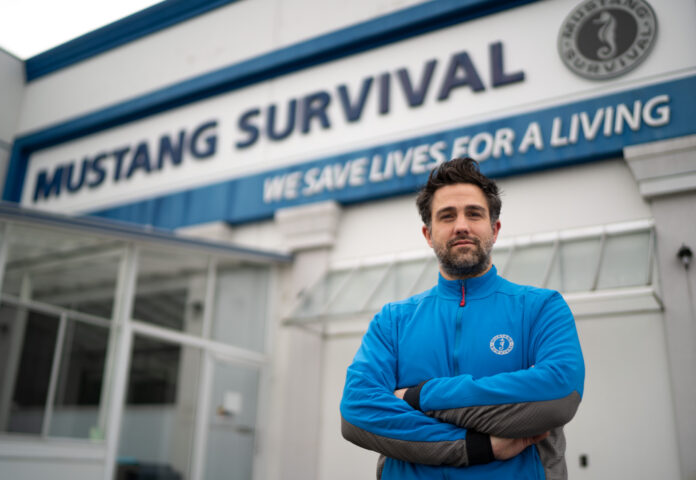
Burnaby, BC – Last week, Jason Leggatt, president of Mustang Survival, and Andrew Branagh, CEO of The Wing Group, announced that Jason has resigned from his daily management position as president. Jason has provided valuable guidance to the senior deadership team, accomplishing notable strategic achievements, including transitioning Mustang Survival to new ownership with The Wing Group, and subsequently acquiring MTI Life Jackets, the assets of Ocean Rodeo Dry Wear division, and the assets of the Stearns Government & Professional division.
Jason built and now leaves an exceptionally talented team in place, and the business is positioned for continued dominance and growth in its field as the most technical and authentic waterlife brand in the world. With Jason’s ongoing passion and commitment to Mustang Survival, he will become a member of the board following his departure, enabling him to provide the board counsel and strategic guidance for The Wing Group and the Mustang Survival business in a governance role.
The Wing Group/Mustang Survival has commenced the search process for a new business unit president engaging the executive recruiting firm Boyden Canada. On an interim basis, VP finance, Juanita Killen, has been appointed acting president. The board wishes to express appreciation for Jason and his contributions to the company and wish him every success in his future.
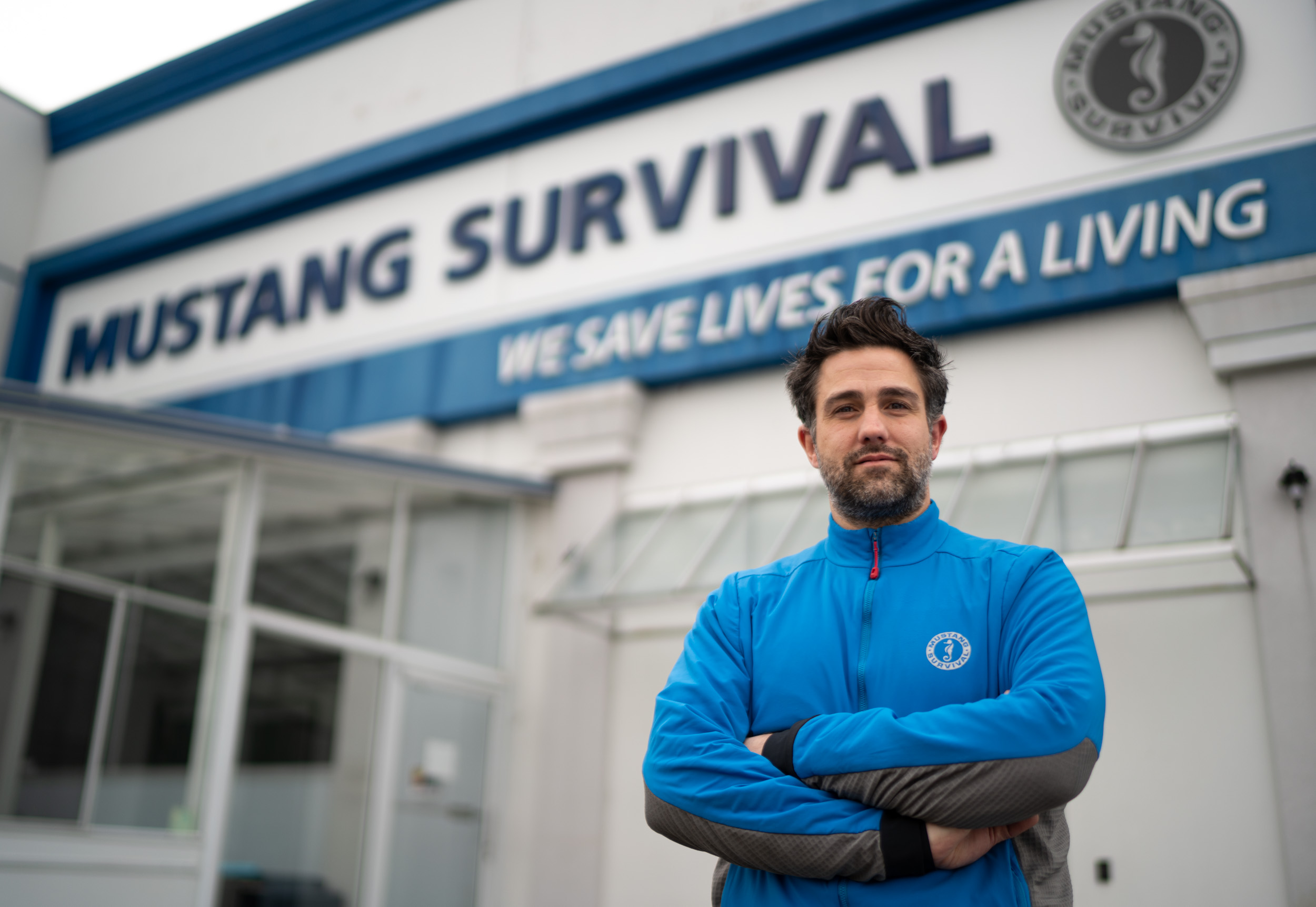
Jason Leggatt will become a member of the board in his departure. | Photo: Ronan Gunn Photo
Jason Leggatt’s story
Jason joined Mustang Survival in 2000 as an Engineering co-op student from the University of British Columbia. With strong technical acumen and a quick student of new ideas, Jason achieved many successes in product development, engineering, project and program management. As time progressed, Jason realized his true passion was developing customer intimacy, identifying and solving real problems for users, and ultimately leadership.
Over the last 22 years, Jason developed a wide cross-section skill set holding positions in military business development, marketing and sales, VP research & development, chair of the Life Jacket Association, and general manager and president of Mustang Survival. He is widely respected in the industry for his extensive background and tenure at Mustang Survival.
About Mustang Survival
Pioneer in the design and manufacture of lifesaving solutions since 1967. Mustang Survival is committed to the protection and enhancement of those who push themselves to extremes, whether for work, duty, or to escape the daily grind. www.mustangsurvival.com
About The Wing Group
The Wing Group is the world leader in inflatable boats, life rafts, flotation, drysuits and other tactical and survival solutions for recreational, commercial and military customers.
Built on 200 years of combined experience, The Wing Group and its companies (Wing Inflatables, Henshaw Inflatables, Patten Company, FabTek Industries, and Mustang Survival) have developed an unparalleled reputation for highly technical, high-quality customer solutions—whether it’s a private yacht deploying an expeditionary craft, a fighter jet pilot requiring an aviation life raft, a rescue swimmer requiring protection in arctic conditions or a special forces unit depending on high-performing combat rubber raiding craft.
The Wing Group delivers confidence to the world’s most demanding marine and aviation users through innovative and high-quality technical solutions—on, over and under the water. www.winggroup.com
AQ Outdoors is facing a challenge many paddling businesses have been familiar with in recent years. While retail sales have skyrocketed, businesses have struggled to find the high-quality staff needed to successfully operate their paddling programs.
Simon Coward started at AQ Outdoors as an instructor himself in 2005, purchasing the overall business in 2009 and leading it ever since. Coward acknowledges staffing issues were creeping in before the global pandemic, but then worsened abruptly, spanning across service industries.
To change the trajectory, Coward and the team at AQ Outdoors had to take an inward look at what it means to work as an instructor at AQ Outdoors, and how to evolve as an employer to stand out in the competitive market of today. That also meant evolving how they reach prospective employees—namely, using the medium of video across various platforms to interact with future instructors in an authentic and engaging way.
We sat down with Coward to hear how as an independent paddling business AQ Outdoors is changing its relationship with employees, and hoping for a recruiting campaign that goes viral.
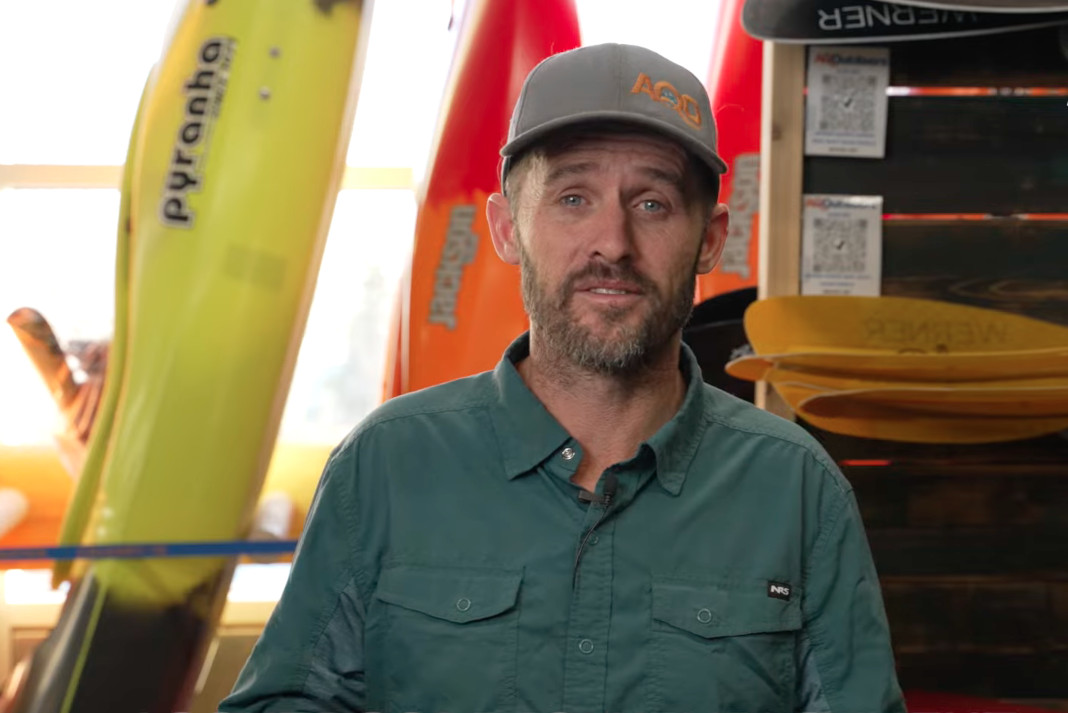
Feature Image: Simon Coward owner of AQ Outdoors. AQ Outdoors / YouTube
Paddling Business: Across the outdoor industry, there have been challenges in terms of staffing. What have these challenges looked like specifically for AQ Outdoors?
Simon Coward of AQ Outdoors: The biggest challenge for us has been finding people who want to do the job for more than a season. Leading up to COVID, we had pretty good staff retention. From 2005 to about 2012, we had amazing staff retention. We basically had the same team come back for up to 10 years. But after that, it became more of a revolving door of staff. People were coming in and doing a season or two, then leaving. We built our program around a pretty highly technical kind of progression. So it was built around having returning staff.
The challenges started before COVID on a more minor scale. Then COVID presented some big challenges. We’ve typically relied on New Zealanders to come out because they get two-year working holiday visas, and there are a lot of young instructors looking to get some more experience. We would have young Kiwis come out and work for us. So from 2005 until pre-COVID, we were largely staffed with Kiwis.
It wasn’t necessarily by choice, it was an availability thing. We just had a really hard time finding Canadian instructors. Conversely, the shop has had really great staff retention through the whole period.
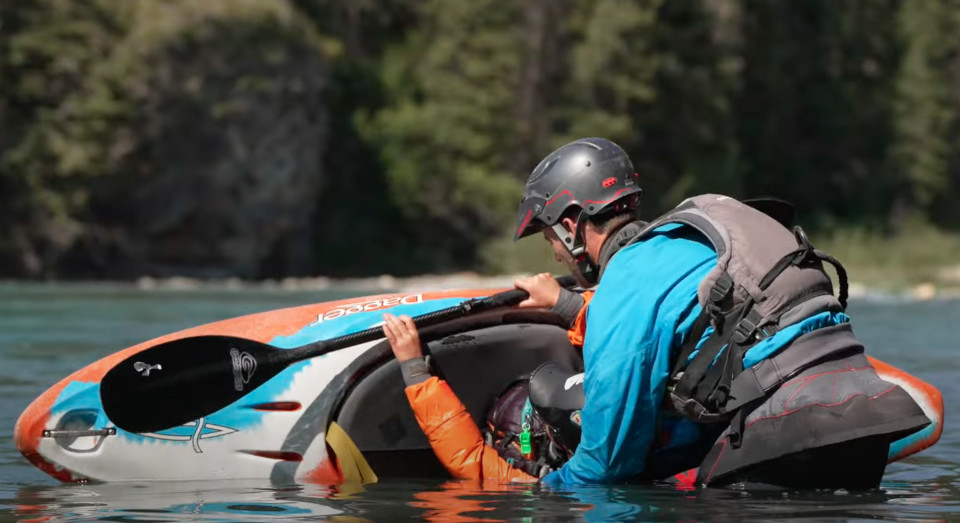
Image: AQ Outdoors / YouTube
Upon some reflection, previously we were providing a lot more learning opportunities for our young instructors, working with them and upskilling them, and having them work with mentors. As the shop grew, my resources shrunk and I got pulled into that direction because it’s the bigger part of the business. So the emphasis on training and learning opportunities up until this day, up until three months ago when we identified this, has been lacking.
I can only speculate that is a big part of why we haven’t seen staff retention. It’s not that people aren’t doing a great job, because they are. It’s not that they’re not engaged while they’re here. I just don’t think they’re seeing the benefits of growth that we provided so much of once upon a time. We’ve steadied the ship in the shop. We’ve got a great management team providing people with lots of mentorship and learning opportunities there. Now we have to steady the ship in the kayak school side.
PB: How do you as the owner of an outdoor business change course to provide a model to draw the caliber of instructors AQ Outdoors needs to be successful?
SC: We were chatting with one of our shop staff and she kind of tied a bow on it and said, “Look, the shop staff sticks around because the management team treats us with respect. We get lots of opportunities to learn more. We’re constantly being engaged and it feels much more like a career development role than a retail role.” At that point I went, “Oh man, we’re treating our instructors with a great deal of respect and give them training at the start, but once they get into the season, it’s just go, go, go. We don’t create space for those training opportunities or learning opportunities.”
We’re giving a renewed commitment to training and seeing if that is indeed the secret sauce. Having good in-depth staff training at the start. Making sure when we have our staff functions instructors aren’t teaching. Offering ongoing training throughout the season. Maybe bringing in external people such as the provincial slalom coach or someone to give them different insight into paddle sports. There’s always going be a bit of give and take in the outdoors, but hopefully we can create more of a give and take rather than a take relationship.
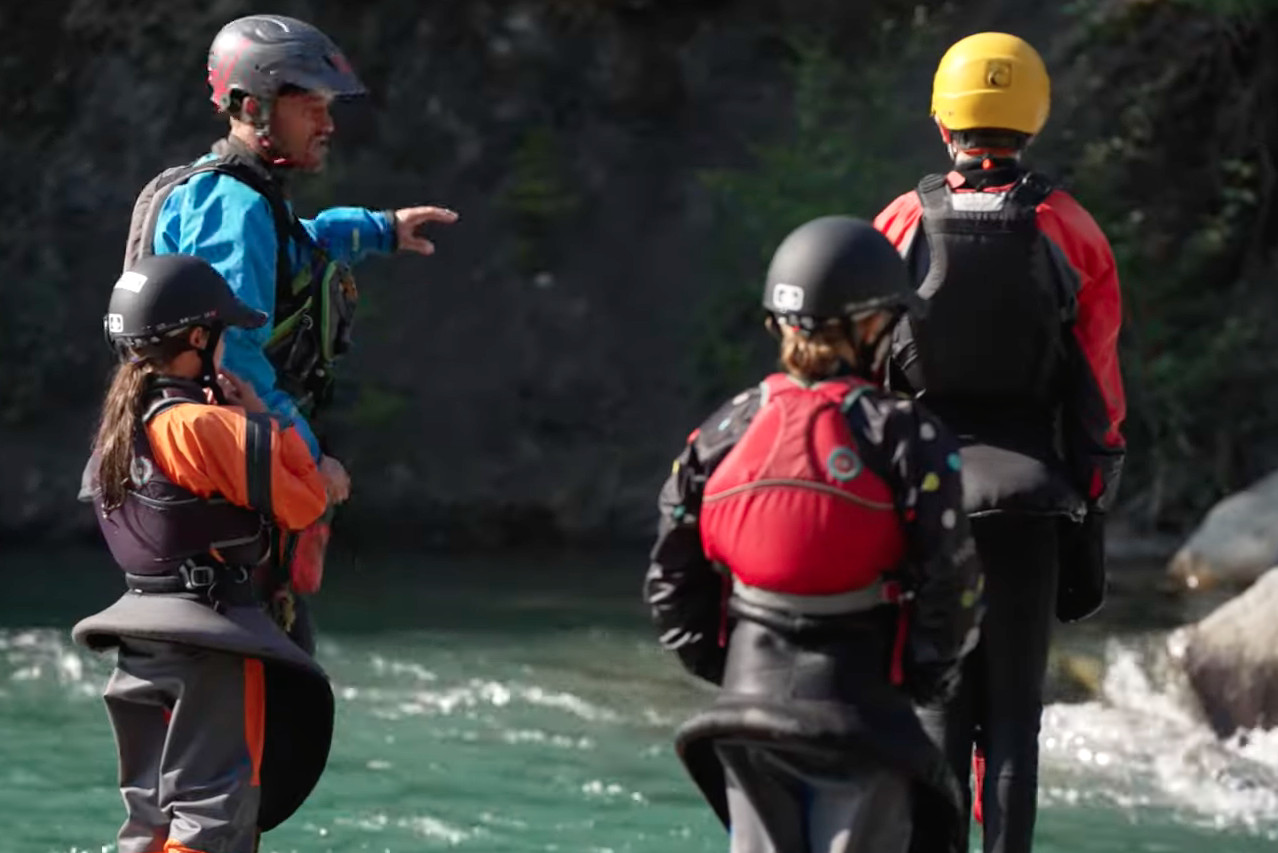
Photo: Courtesy AQ Outdoors / YouTube
Another aspect of what we’re doing for next year is we’re restructuring our programs. Firstly, tie in regular time off. The outdoor industry has never been good at regular time off. Over the last bunch of years, that’s not been what people want to do. I didn’t embrace that very quickly, to be perfectly honest. I was very much like, work 100 days in a row, go take a month off, go back to work for 100 days. It was that mentality of you’re in the outdoor industry, you work 80 hours a week.
That’s not the case now. People don’t want to do that. And I appreciate it, accept it, and understand it and respect it. It’s just taken me a while to get there. So I think restructuring our program so people are better able to have that work-life balance. They can work hard while they’re working but have time off to pursue their passions. Then they’re not just burnt out from teaching all the time.
We’re working very hard on trying to figure out how to make it a sustainable salary as well. I’ve been teaching kayaking for 20-something years, and I make probably a third of what a first-year ski guide makes if I charge myself out for a day of instructing. You look at that and it’s super inequitable. That’s not right. So we are looking at how we price our programming, how it ties into our retail store, and we are looking at bumping that pay up over the next five years to a point where it’s desirable for people to stick around if they’re willing to put some time in.
Now the challenge is finding people to put into those roles and testing these theories.
[ See offerings from outfitters worldwide in the Paddling Trip Guide ]
PB: That brings us to your recruiting video. Were you finding success or lack thereof in your traditional methods, and how did this lead to the video campaign?
SC: Over the last number of years, [recruiting] very much centered around word of mouth, somewhat tactical social media posting, reaching out to colleagues of mine from over the years, and reaching out to alumni of the outdoor education programs across Canada. Really just trying to spread the web as far as we can. We’ve also tried the traditional websites—the Indeeds and Monsters. But we’ve never had any even remotely qualified people apply through those platforms. So it’s always been a bit of a guerilla campaign through connections, social media, website and newsletter.
So it feels as though we’re casting a big web, but what I feel like is there’s a ton of stuff that’s falling through the cracks. Obviously, it’s not getting in front of the right people. You can keep smashing your head against the wall and expect a different result, which seems a bit crazy. The team chatted and we just went, okay, what could we try and do differently?
We decided the medium of video was a way we could speak to who we are and maybe speak to some of the things we haven’t necessarily nailed in the past. But also discuss what we do very well and hopefully entice people into starting a conversation. It’s more of a three-dimensional medium. It allows you to tell a bit of a story. There’s a narrative around it, and maybe that’s the thing that gets someone going, “They align with my values. That sounds pretty cool.”
We’re in quite a niche industry with a fairly limited pool of talent that you can employ from. We put a bit of time and energy into it, but it was a relatively simple way to try and do something different that would hopefully capture people’s attention.
PB: What does your plan look like for distributing a video recruiting campaign? Who do you hope to reach?
SC: The initial plan was just to release it to the community organically. We started with our email list. I reached out to past employees and past colleagues all over the world to share. Reached out to the industry. So a bunch of our manufacturers shared it through their social media channels and everything. When you look at casting that net, it’s pretty large. You’re looking at some of the key manufacturers who have 70,000 followers on their social media platforms. It’s an international reach versus our more Canadian reach. So that’s how we started out.
The next step is using Google to create targeted profiles. So if you look at people with an interest in whitewater kayaking in these particular areas and etc., it narrows it down. Then this would show as the ad video at the start of a YouTube video.
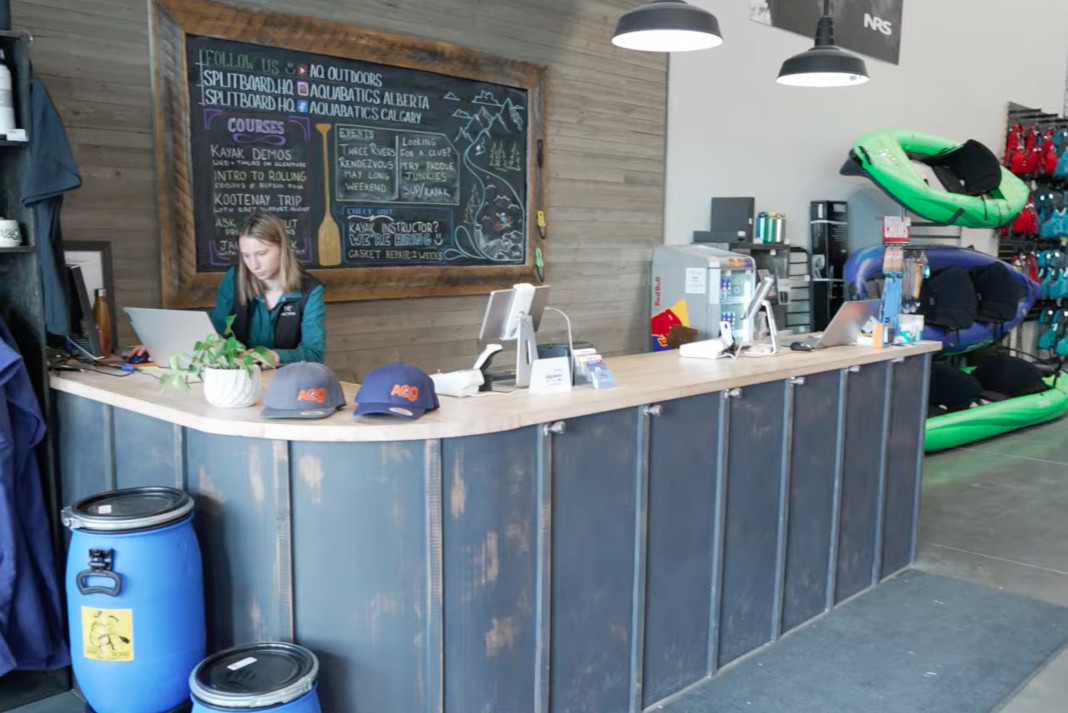
Image: AQ Outdoors / YouTube
What we’re trying to do in this next step will be to invest a little bit of money and see if we can expand that web outside of all the connections that we have as a business or as individuals into a larger community. Maybe that’s where we find the right people or person. Once you find one or two key people who align with your values and are stoked on it and feel they’re benefiting from it, then they’re much more inclined to reach out to their network. If you can get into different networks, it just expands our network because we’ve had fantastic relationships with all of our staff.
This will be the first time that we actually put any kind of marketing budget into advertising for instructors, which is not something I ever thought I would see because it was always so easy back in the day.
PB: What do you sense it is about video that makes it stand out as a unique and potentially successful medium of today for finding your future paddling instructors?
SC: I’m not really a social media guy, but whenever I go on there you are just bombarded with information. We have these supercomputers in our hands. It’s so hard to get through the noise. Video is easily digestible, and it ties to the demographic of people we’re looking to work with us. It tends to be younger people. The format of visual media is what they’ve grown up with, and I think they’re much more likely the potential employees to say, “This is worth watching. I’m not gonna skip this ad, or I’m going to open this newsletter,” rather than reading a traditional job advertisement.
You can make it more eye-catching than a traditional job post. And it’s easily shareable. You make one that’s less than a minute long, and you post it on Instagram and you’re in that network. Then you have a slightly longer form that goes on Facebook, and you have the YouTube-embedded one which goes in your newsletter. So there are all these different ways you can approach it from a marketing standpoint. And you are marketing yourself. It’s a competitive job market and you want to try to capture people’s attention in a really positive way.
PB: From your experience thus far what is key to the potential success of video recruiting?
SC: Video is a great medium if you do it properly. It doesn’t mean it has to have high production value. It just has to be authentic and speak to who you are as an organization. If you go out and say something about yourself and then get a bunch of people applying, employ them, and don’t actually offer what you’re marketing, then you’re back to square one again. Authenticity is the key.
Photo by Karson: https://www.pexels.com/photo/people-on-canoes-in-winter-6299733/
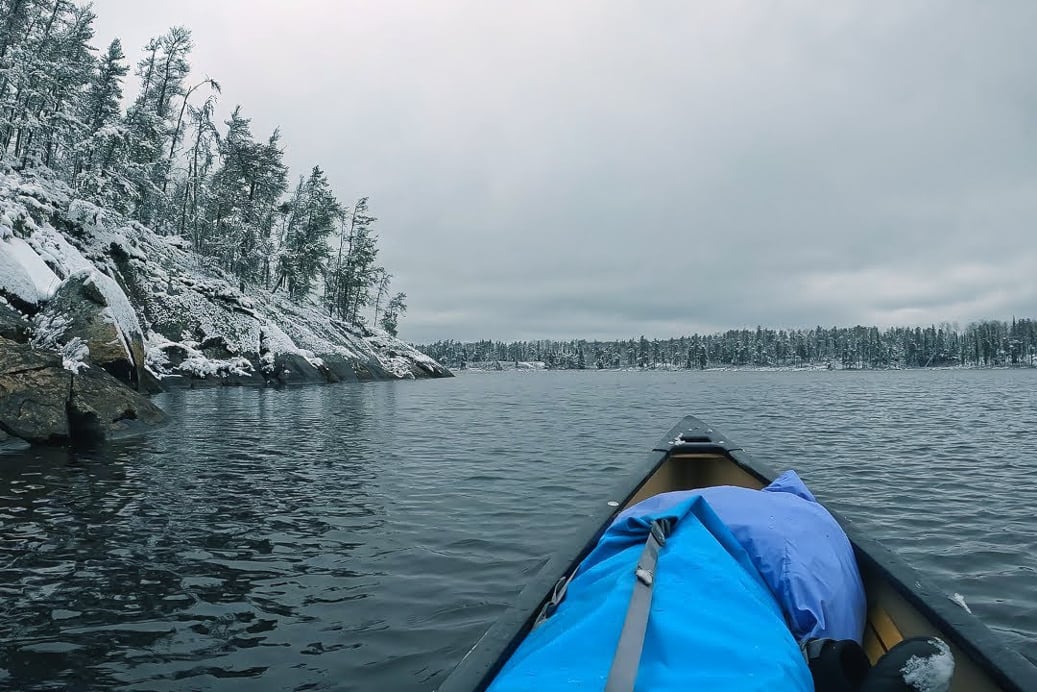
If you live in a region with tough winters, the paddling season can seem far too short. It can take a few weeks to get back into the rhythm after ice out. Muscles need to return to their once paddle-ready strength. Systems and logistics for transporting your kayak need to be locked in. New gear needs to be purchased, and old gear repaired. Then before you know it, the leaves seem to be changing.
But what if the paddling season didn’t need to cease come fall? If you want to paddle through the coldest and darkest months of the year, you will need a few solid pieces of gear to make it happen.
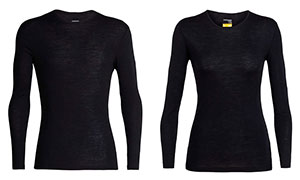
This highly breathable and versatile crewneck shirt is perfect for backpacking, paddling, hiking and adventure. Quick-drying, odor-resistant fabric makes Icrebreaker’s merino one of the best base layers on multiday paddling trips. The garment is made from 100% merino wool for warmth and moisture-wicking properties.
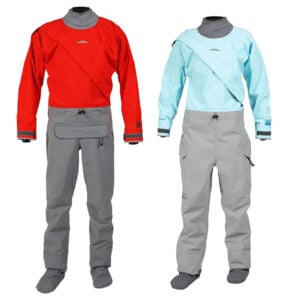
Designed with whitewater paddlers top of mind, this front-entry drysuit from Kokatat is easy access and is guaranteed to keep kayakers dry when paddling in any weather. GORE-TEX PRO protection ensures water won’t get in, even when fully immersed. The suit also features latex gaskets with a neoprene punch-through neck and neoprene-lined adjustable wrist cuffs. Streamlined leg pattern and wraparound routing of the women’s drop seat reduces interference with the kayak outfitting.
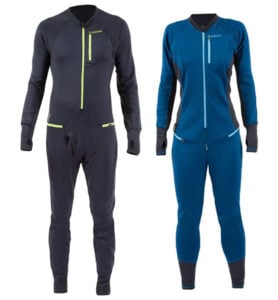
Comfort meets functionality in this four-way stretch, Polartec fleece onesie. It’s one of our favorite garments to wear under drysuits. Why? Because it’s moisture-wicking, dries quickly, has front and rear relief, and has an articulated design with flat-stitched seams. Give the gift of comfort to that special paddler in your life.
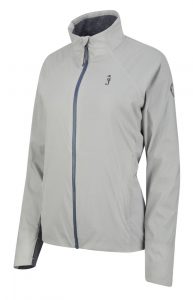
A great accessory for the canoeist or recreational kayaker in your life, this comfy jacket is contour-cut with a stretch-woven outer shell finished with DWR (durable water repellant) coating, specifically designed by Mustang Survival for outdoor enthusiasts who embrace adventure in any weather.
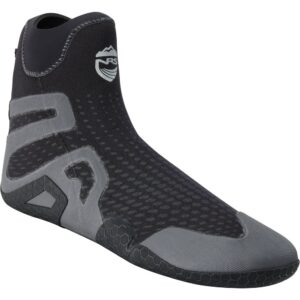
Whether you’re buying for the paddleboarder, kayaker, or canoeist in your life, these rubber-soled neoprene booties are built to please. One of our editors’ top picks for best water shoes, the 3MM Freestyle Wetshoe features seams sealed to keep the cold water out. With a graphene-infused interior, these boots are a great choice for cold-weather paddlers who suffer from chilly toes.
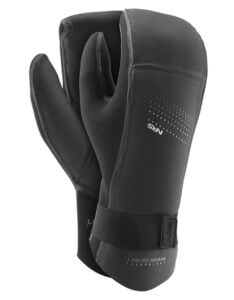
It’s in the name! The mitten-style design of these best-selling neoprene gloves from NRS increases warmth without compromising on grip or dexterity. A great gift for paddlers who refuse to take a break over the winter months.
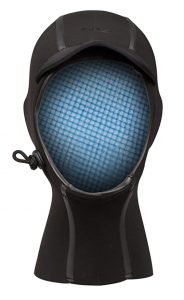
A cold weather paddler’s nemesis: brain freeze. We can’t guarantee we won’t go upside down at some point, but we can guarantee protection for our brain bucket. Suitable to wear under helmets, this 2.5mm neoprene hood is perfect for extra protection and warmth.
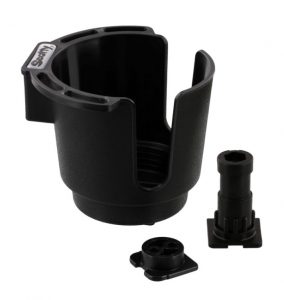
Perfect for paddlers of all kinds, this Scotty cup holder is designed for cans, coffee mugs and insulated sleeves. It is also a convenient accessory rack to hang lures and tools and can be mounted on a horizontal or vertical surface. It also includes a versatile “mount anywhere” button and rod holder post mount.
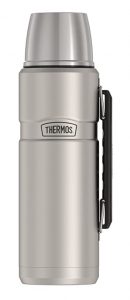
A chilly day out on the water would not be complete without a hot brew. This 40-oz vacuum insulated flask is a double win: it keeps liquids hot for 24 hours or cold liquids cold for 24 hours. The lid doubles as an insulated serving cup; the twist and pour function allows you to pour without moving the stopper.
These heavyweight, wool-blend socks are ready to tackle cold weather. Designed with comfort and performance in mind, these socks are a perfect accessory piece for the kayaker who sports a drysuit or dry pants while paddling. Even if these socks aren’t worn on the water, there’s no such thing as “too many socks.”


 Nimbus Paddles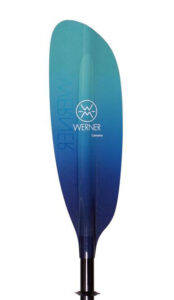

 This article was first published in the Summer 2022 issue of Paddling Magazine.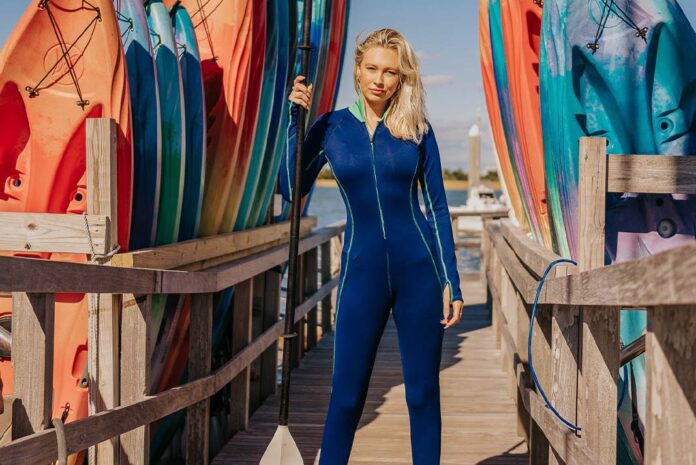
 LoPo Diveskins was founded by two sisters, Jill and Kelly Newbold, alumni of the University of North Carolina’s Kenan-Flagler Business School, when they were unable to find a well-designed, quality-made, durable, and flattering dive skin. To help protect the ocean they love, they decided to use fabric made out of ocean-bound plastic bottles, a new fabric by North Carolina based Unifi, Inc. REPREVE Our Ocean fiber is made from bottles collected within 50 kilometers of coastlines in countries or areas lacking formal waste or recycling systems.