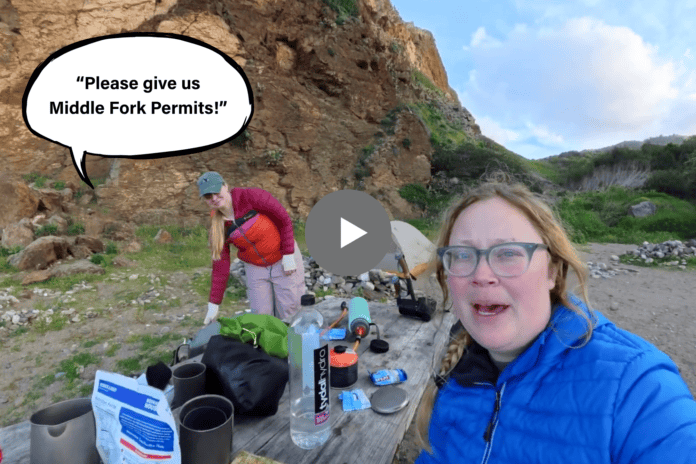
The official reservation site for public federal lands in the United States, Recreation.gov announced on April 1, 2026 that video applications will now be required for the most competitive permit lotteries, beginning in 2027. According to Rec.gov spokesperson Seymour Butz, the coming change is inspired by the success of hit reality TV series Naked and Afraid and comes with the goal of making sure permits go to the most qualified applicants.
Recreation.gov representative shares story behind controversial move to integrate video auditions into permit application process
“Permits are so competitive these days and rescues are so costly that we’ve found we need a way to weed out the weak,” shared Butz.
Affected permit lotteries include high-demand recreation hotspots such as the Grand Canyon, Middle Fork of the Salmon River, or Selway River as well as backpacking destinations like Half Dome, the Enchantments and Mount Whitney. Rec.gov is partnering with the same casting company responsible for finding talent for popular outdoors reality television series Naked and Afraid to accept video submissions.
“We figured getting a permit for the Middle Fork of the Salmon is at least as competitive as getting on Naked and Afraid and thought we’d take a page from their book,” said Butz.
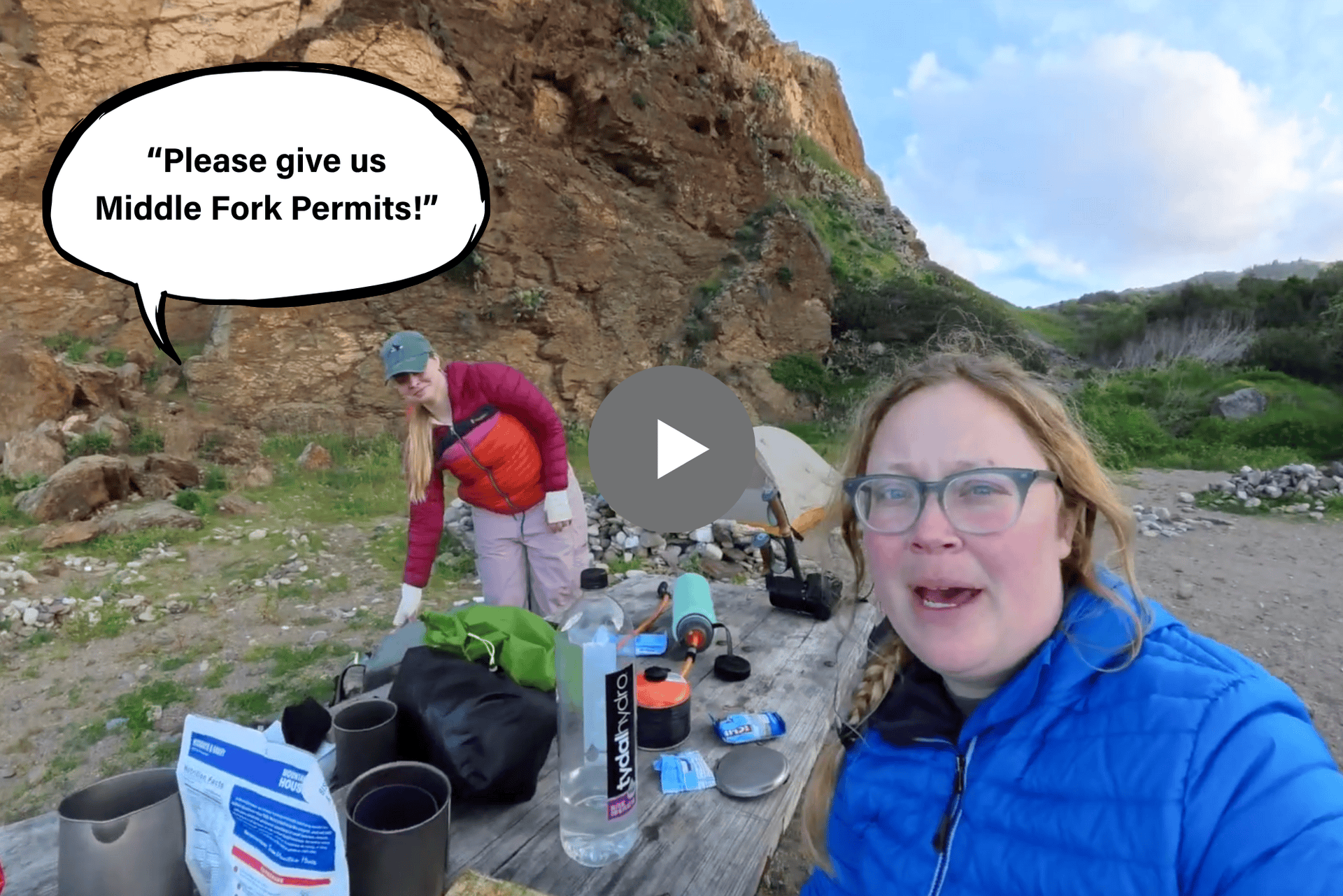
Prospective paddlers will be required to submit a 90 second to 5 minute video application, covering previous outdoor experience, relevant certifications as well as a show of raw and rugged wilderness skills. Rec.gov notes that while personality and pizzazz aren’t expressly a factor on the permit competition rubric, a little razzle dazzle in the video certainly can’t hurt.
“Similar to Naked and Afraid, it doesn’t hurt to demonstrate your survival prowess and deep knowledge of fire, water, and shelter in your audition tape – er, permit application,” added Butz.
While the unprecedented move is designed to ensure competitive permits go to the most qualified candidates, Butz shared that having TV-ready personalities out in the wild is a plus.
“We’ve just seen the success of reality TV in America and think we’re really missing an opportunity to more effectively monetize American resources,” shared Butz. “It starts with the video applications, but it’s a long game. May the odds be ever in your favor.”
Citizens voice concerns about new video application
While representatives share enthusiasm for the coming change, paddlers and recreationalists are dismayed.
Paddler Eileen Offercliff expressed concerns about the coming change.
“Permits are already so hard to get,” said Offercliff. “Now you’re telling me we have to perform everything short of a song and dance to get on our favorite rivers? Access to rivers should be based on who has the most expensive and trendiest gear, not who makes for the best TV.”
Still other paddlers are unfazed.
“This might as well happen,” said a paddler and raft guide angling for a Grand Canyon permit who chose to be identified by trail name “Groover King”.
Groover King added that he believes his video application will perform well, as he is proficient in building massive bonfires, harmonica and groover duty.
To concerned permit applicants, Butz has a few words of encouragement.
“So many people want to visit these wilderness areas but they just don’t have the sheer backcountry survival skills, or on-screen personalities,” said Butz. “In a way, bringing a touch of reality TV to the everyday backcountry will make it more accessible for all. If you can’t get a permit, perhaps you can live vicariously through the screen.”
 This article was published in Issue 74 of Paddling Magazine.
 This article was first published in the 2025 issue of Paddling Business.