First Aid Tools | Photo by Roger Brown from Pexels
Paddlers who spend enough time on the water see injuries. Cuts and scratches are frequent while, fortunately, more serious injuries are rare.However, even management of small injuries requires basic first aid materials. Cover the most common contingencies with this DIY first aid kit, perfectly sized and sourced to fit your canoe or kayak.
If it weren’t for Boy Scout leaders and open boaters (is there a difference?) you’d be hard pressed to find a first aid kit on the river. Off-the-shelf wilderness first aid kits are simply too cumbersome and get left behind. Designing a first aid kit for small group day trips in the river environment is a challenging task. However, so is managing even the smallest of injuries without basic first aid materials.
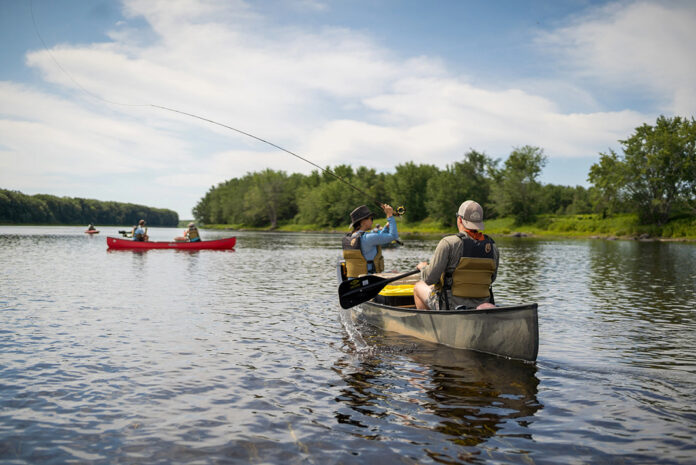
If you spend enough time in a canoe or kayak you’ll see some injuries, so be prepared with this DIY first aid kit. | Feature photo: Matt Cruchet
This kit contains most of the essential supplies for likely first aid scenarios on a single day canoe or kayak trip and reflects the unique challenge of first aid in an aquatic environment. Every item has its purpose. Store in a Nalgene water bottle, which is waterproof, durable and easily packed.
[ Paddling Buyer’s Guide: See all safety & rescue accessories ]
3M
Steri-Strip Reinforced Skin Closures
SALE $25.99 $29.95 | Box of 20
6 strips per pack, each ½”×4” in size. Topical sutures used to close small lacerations.
These 5.5” EMT shears will cut almost anything (even pennies). Low profile handle so they fit in the first aid kit and high-quality stainless steel construction.
Aqueous based burn dressing is great for cushioning nasty blisters. Adhesive knits offer pliable and water-resistant dressing thinner than moleskin, the best way to deal with paddling thumb blisters. Pack two sets of dressings.
[ Plan your next paddling rescue & first aid training with the Paddling Trip Guide ]
This article originally appeared in Fall 2004 issue of Rapid Magazineand Paddling Magazine Issue 65. Subscribe to Paddling Magazine’s print and digital editions here, or download the Paddling Magazine app and browse the digital archives here.
First Aid Tools | Photo by Roger Brown from Pexels
When a box about the size of a cooler with a kayak pictured on it was dropped off at my doorstep, I was intrigued. Pulling the Intex Explorer K2 out of the box, I could see this inflatable was a significant step up from cheap, pool toy-type boats.
The Intex Explorer K2 isn’t as robust as the inflatable kayaks I’ve used for paddling demanding whitewater rapids; instead, it’s right in the affordable sweet spot for exploring calm lakes and mild rivers. The Intex Explorer K2 inflatable kayak is ideal for beginner to intermediate paddlers who need a kayak that doesn’t take up too much space at home, and that can get one or two people out on gentle waters for a leisurely paddle.
The Intex Explorer K2 comes packed up with most of the things you need to hit the water, including two aluminum paddles and a pump. Like other inflatable kayaks, the Explorer K2 sets up easily and packs small, making it great for those with limited storage. It’s also among the most affordable kayaks on the market, so it’s a great choice for those wishing to try kayaking without making a huge investment in a boat or a place to store it.
This Intex Explorer K2 review will cover the boat’s main features, along with its strengths and weaknesses to help you decide if it’s the right kayak for you.
Like other inflatable kayaks, the Intex Explorer K2 feels very stable and predictable. Even without the skeg, I found it easy to control and get up to cruising speed. If you are used to paddling hardshell kayaks, the Explorer K2 is noticeably slower, but its acceleration and glide are typical for an inflatable of its size.
The bow and stern have enough rocker—upsweep from the center of the hull through the ends—to ride up and over smaller choppy waves, keeping the paddlers nice and dry. The vinyl-covered decks also deflect smaller splashes out of the ends of the kayak, and my beagle Ellie found the bow deck provided a fairly stable platform for her to scan for wildlife!
The Intex Explorer K2 weight capacity is 400 lbs (180 kg). I never loaded it to the maximum capacity, but with over 300 lbs it handled well and didn’t give me that sinking feeling.
Comfort
The Intex Explorer K2 comes with two inflatable seats that are comfortable and provide ample support once you get them fitted properly. It’s worth taking the extra minute or so to adjust the attachment straps to ensure the seats are positioned correctly; with plenty of legroom, you can move them around in a variety of ways to accommodate one or two paddlers.
Market and demographics
So who should buy the Intex Explorer K2? If you’re looking for an inflatable kayak that can seat one or two paddlers and should last most weekend warriors several seasons on sheltered waters, the Explorer K2 is a solid choice at a budget price.
If you’re looking to develop your skills or spend more time in the kayak, look at a higher performance inflatable kayak to meet your needs. But for many beginner paddlers, the versatile Explorer K2 is a great way to enjoy an hour or two on the water without all the equipment taking over the spare room.
Carry A Whistle (And A Light For Night Use)
Every paddler should have a whistle attached to his/her life jacket.
Carry a light at night. Consider carrying a distress signal device.
About the Intex Explorer K2
Design
Design features and details
The Intex Explorer K2 kayak is essentially a kayak-shaped rubber raft, like the type you will find at discount prices at any big-box department store. It has two large air chambers running the perimeter of the boat and a flat bottom made up of smaller tubes, known as “I-beams.” This is a great attribute for stability, but far less desirable if you’re interested in paddling for longer distances.
A removable skeg—or fin, which attaches to the stern of the kayak— aids in keeping travel in a straight line. The large, open cockpit of the Intex Explorer K2 kayak is easy to enter and exit, and combined with the boat’s exceptional stability, makes this model ideal for first-time paddlers. Along with the boat’s shallow depth, an open cockpit increases the risk of swamping in rough water. The Explorer K2 should only be used in sheltered, calm conditions.
Material and construction
When it comes to the material and durability of the Intex Explorer K2, the vinyl construction feels quite robust. The floor has an inflatable I-beam system, which is basically a flat bottom made up of smaller air tubes, that helps give it some stiffness. A drop-stitch floor—like those found on high-end inflatable boats designed for whitewater use—would increase the cost and weight, making an I-beam floor a good compromise between cost, weight and rigidity.
One of the biggest concerns with any inflatable kayak is its durability. The Intex Explorer K2’s vinyl hull is resistant to impacts with blunt objects and abrasions. My canine companion isn’t the calmest paddling partner, but she didn’t make any scratch marks, scuffs or punctures on our outings. I’ve also pulled the Explorer K2 up on sandy beaches with no issues, although I wouldn’t get into the habit of dragging it around on shore.
With three separate air chambers, a single punctured tube won’t sink the Intex Explorer K2, but it will affect performance and buoyancy and should be repaired as soon as possible. The kayak comes with a few small patches for straightforward repairs.
Bargain kayaks like the Intex Explorer K2 don’t have the same UV-resistant qualities as more expensive boats, and therefore should be stored out of the sun. I also recommend rinsing thoroughly to remove any sand or grit and drying completely before storage.
Intex Explorer K2 kayak accessories and outfitting
Intex Explorer K2 accessories and outfitting include two inflatable seats with back rests, two aluminum kayak paddles, bow and stern lines, air pump and skeg. The Intex Explorer K2 kayak skeg is a key accessory that improves tracking; this removable fin attaches to the stern of the kayak to make it easier to paddle in a straight line.
The two-piece paddles break down for transport and blade angle, A.K.A. feather, can be adjusted to suit most paddlers’ preferences. The paddle drip rings and rubberized grip area give the paddle a comfortable feel in the hands and help keep your hands dry. The included high-output pump allows for easy inflation and deflation of the Intex Explorer K2 in just a few minutes.
You’ll also find handles and grab lines on the bow and stern of the Intex Explorer K2 kayak for carrying the boat with a partner to and from the water. The lines can also be used to clip on anything you don’t want to lose, or secure the kayak to a dock or shoreline.
Warranty
The Intex Explorer K2 kayak warranty is 90 days. You can find warranty details on the Intex website, but basically if the product is found defective you have 90 days to make a claim. This doesn’t mean that if your Explorer K2 gets bitten by an ornery snapping turtle, Intex will send you a new one.
Intex Explorer K2 setup
Intex Explorer K2 kayak assembly using the included pump is easy and takes a typical paddler less than 10 minutes. The Explorer K2 has five valves to inflate the different chambers of the boat, each clearly labeled in the order of inflation. The pump also comes with three different tips, depending on which valve type and size you are inflating.
The floor, bow and stern use valves similar to what you would find on a beach ball; the sides of the kayak use Boston valves, which have a double valve cap that is designed for quick one-way inflating and deflating. Be sure the valve is screwed in and seated next to the kayak, and then take the cap off to inflate.
From box to boat, Intex Explorer K2 kayak assembly is less than 10 minutes—or about the same time that it takes most paddlers to tie and untie a boat from their roof rack. You could likely cut that time in half with a larger or electric pump, however the manual warns, many times: do not over inflate and do not use high pressure compressor.
Intex includes an inflation measurement card, but realistically after you inflate the boat a few times you will probably have a good idea just based on feel. Keep in mind that things in the cold shrink and in the heat expand so depending on where you are paddling you may need to add or let out air to keep the kayak at the optimum inflation.
Once you’ve inflated the main chambers, inflate and install the seats. These Velcro to the floor with a bit of room to adjust forward or back for optimum comfort. Finally, install the skeg. This will help with tracking—essentially, keep you going straight—especially in windy conditions. The skeg easily slides into the molded-in slot on the bottom of the hull. Remove the skeg if you are looking for a bit more maneuverability or paddling in really shallow or weedy waters.
Dress For Immersion, Not Air Temperature
Your body loses heat much faster when immersed in cold water than it does when dry.
Avoid cotton clothing like t-shirts and jeans; they retain water and accelerate cooling when wet. Synthetic fabrics, or wool, are generally a better choice. If the water is very cold (60° fahrenheit or less), you should wear a wetsuit or drysuit.
Portability
Packed into its included travel bag, the Intex Explorer K2 dimensions are about 16” x 13.5” x 23”—compact enough to toss in your trunk or check as standard luggage for a flight to somewhere exotic. Assembled, the Intex Explorer K2 weight is just over 30 pounds and it has comfortable handles built into the bow and stern, making carrying it from the parking area to the put-in easy for two paddlers. It’s also manageable to carry solo on your shoulder.
One slight annoyance was that I found the Velcro doesn’t really hold the seats in that securely. They tended to topple out when lifting the boat on my shoulder for a solo carry. Certainly not a deal-breaker, but a bit of a nuisance.
Storage
Perhaps my favorite feature of the Intex Explorer K2 is how quickly I was able to go from paddling to driving home. After hitting shore, I was packed up in my car in less time than it would take me to tie a hard boat on the roof. Follow the instructions on how to fold and deflate, or simply open all the valves—the big Boston valves deflate super fast—and fold it so it’s small enough to toss in the trunk.
To avoid moisture damage, punctures and mildew, make sure the kayak is clean and dry before storing away for any length of time. The manual also goes over proper storage, including taking all accessories out, deflating completely and avoiding shape bends, corners and creases that can damage the kayak.
Once properly put away, the Explorer K2 takes up about the same space as a microwave or medium-sized cooler.
How it compares
With so many similar inflatable kayak models, it can be overwhelming to choose which might be the best for you. Here’s a look at some comparable models to help narrow down your search.
Intex Challenger K2 kayak vs Intex Explorer K2
The Intex Challenger K2 is a tandem inflatable kayak that’s comparable in price and performance to the Intex Explorer K2. The main difference is that the Explorer K2 features more rocker—lift in the bow and stern—to improve maneuverability; it’s also a foot shorter, further contributing to ease of handling and making the Explorer K2 a good choice if you like paddling on meandering rivers.
The shorter length also makes the Explorer K2 somewhat slower than the Challenger K2, but the difference is negligible. The biggest difference in the designs is the Explorer K2’s more open cockpit, which is easier to enter and exit. Both kayaks are constructed of welded vinyl and have upper weight limits of 400 pounds.
Intex Excursion Pro kayak vs Explorer K2
The Intex Excursion Pro K2 is a step up from the Explorer K2 in terms of performance and outfitting, but the upgrades come at double the price. Serious anglers will appreciate integrated rod holders and a mounting bracket for a fish finder or other accessories. The Excursion Pro is constructed with a more durable, lightweight laminated PVC plastic for greater rigidity and UV-resistance.
At 12.5 feet long, the Excursion Pro is also faster and comes with two skeg options for good tracking in shallow or deep water. Comfort upgrades include greater adjustability in the seats, built-in foot rests and molded grab handles. Both kayaks have a 400-pound max capacity.
Intex Explorer K2 vs Itiwit
The Itiwit inflatable kayak is another option for paddlers considering an Intex Explorer K2. The Itiwit two-person kayak is about a foot longer than the Explorer K2, with slightly higher volume tubes for even greater stability. The Itiwit packs into a sleek backpack for easy transportation to and from the water. Three molded-in keels on the hull improve tracking on flatwater and, like the Explorer K2, the Itiwit’s seats can be arranged for solo or tandem paddling.
The Itiwit has a capacity rating of 330 pounds, significantly less than the 400-pound capacity of the Explorer K2. Value-wise the Itiwit is about the same price, but does not include a pump or paddles. If you need greater weight capacity for two adult paddlers, the Explorer K2 is the obvious choice.
Intex Explorer K2 vs Sea Eagle 330
The 11-foot Sea Eagle 330 inflatable kayak has space for two paddlers and a maximum capacity of 500 pounds, or 100 pounds more than the Explorer K2. The added volume combined with the Sea Eagle 330’s more rugged PVC construction and covered bow and stern decks makes it a better choice if you’re looking to paddle moderate whitewater (up to class III with experienced paddlers).
The Sea Eagle 330 is somewhat more expensive than the Explorer K2, but is 10 pounds lighter and includes an impressive 5-year warranty (versus the Explorer K2’s 90-day guarantee). If you are looking for a sturdy, lightweight craft that will last for years, the Sea Eagle is a great value.
Where to buy the Explorer K2
You can buy Intex Explorer K2 kayaks from lots of online stores including Amazon, Ebay and direct from Intex. They can also be found in a number of brick-and-mortar stores, many of which offer free shipping, such as Cabela’s, Bass Pro Shops, Walmart and Academy. It’s impossible to list all of the potential Intex Explorer K2 stores; it shouldn’t be hard to find one in most larger cities.
Intex Explorer K2 pros and cons
Pros
Higher quality than many inflatables found in big box stores.
Great value—the kayak package includes a pump and paddles for just $250 USD.
It’s supremely portable—the Intex Explorer K2 rolls up and fits in a large gym bag, even with paddles, and weighs well under 40 pounds.
Adjustable seats and generous 400-pound capacity, so it’s able to be paddled tandem or solo.
Easy set up—the Intex Explorer K2 kayak goes from bag to the water in less than 10 minutes; take-down is even faster.
Super stable and the large cockpit is easy to enter and exit.
Beginner-friendly—you don’t need any paddling experience to get out on calm, sheltered water in the Intex Explorer K2.
Cons
Not as durable, UV-resistant or suitable for saltwater environments as more rugged (and pricier) PVC inflatables.
Limited seaworthiness: While the Intex Explorer K2 inflatable kayak won’t sink, its large cockpit and low profile allows waves to enter the boat. This design is meant for use on flatwater lakes and gentle rivers only.
Doesn’t inflate as rigid as higher end boats, which makes it slower and difficult to paddle for longer distances.
Like all inflatables, the Intex Explorer K2 is prone to getting blown around by the wind, especially for beginners.
Only 90-day warranty.
As with any kayak purchase, it comes down to finding something that suits your needs and your budget. The Intex Explorer K2 is a great option for those looking to spend shorter amounts of time on the water paddling in calm conditions, and don’t want, or need, to invest in more rugged equipment. It’s a budget-friendly starter package that is easy to own and transport if you’re a casual paddler with limited storage space.
Check The Weather
Plan for changing weather conditions. Prepare for the worst case.
Don’t forget to check tide, currents, or river levels.
Whether you’ve spent your life on the water or are just beginning to explore the blue spaces around you, jumping on a paddleboard provides a unique perspective, easy learning curve and a great workout. It’s also easy to get started; standup paddleboarding requires only a few pieces of equipment—just a board, paddle, personal flotation device (PFD) and ankle leash.
Paddleboarding is appealing for paddlers looking for a full-body workout, and for others who want to experience paddling without sitting or kneeling for extended periods as they would in a canoe or kayak. Also known as SUP, standup paddleboarding can be enjoyed anywhere there’s water to paddle, with board designs ranging from versatile all-rounders to specialized shapes for surfing, SUP yoga, touring, racing and even whitewater. Many anglers are also discovering the allure of fishing from a standup paddleboard.
The selection of standup paddleboards can seem overwhelming to a first-time shopper. Nearly all paddlesports and outdoor shops carry boards. Inexpensive, entry-level boards are also available from many big-box stores, as well as online marketplaces. For those who don’t have the space or means to store and transport a rigid SUP paddleboard, inflatable boards are a great option for unrivaled portability and compact storage. This comprehensive guide will help you choose the best standup paddleboard for your needs, and answer questions that arise when shopping for a board.
With so many SUP paddleboard options, use our picks of the most popular boards to begin your search. If you know what type of paddleboard you are looking for, then filtering by the brand is also helpful. Trust the companies with a longer history of making paddleboards to have better performing designs and reliable quality control measures in place.
Certain things are essential to consider when looking for a used paddleboard. First and foremost, keep in mind that board design can vary a lot depending on the type of paddling for which the board is intended. Don’t cave to the pressure of buying a board that may be a good deal but isn’t the right fit. If you’re just starting out on your paddleboarding journey, or you want to do a bit of everything, a beginner all-rounder board is the best choice.
To help you better understand how to buy a paddleboard on the used market, heed the following advice:
1 Pick a design
Start simple: What do you want to do with the board? Paddleboards are generally divided into surf, all-around and touring categories. From there, some boards carve more specific niches, such as racing or yoga-specific paddling.
2 Consider materials
As a general rule with rigid paddleboards, the lighter the materials, the more expensive the board will be. Inflatables are the opposite—with more expensive boards having heavier-duty dual-construction layups, adding durability and outfitting options. The savings from buying used may mean you can upgrade to better materials while staying in the same budget range.
3 Know the brands
In the age of shipping direct from factories to consumers, unfamiliar brands that are available only online can appear in targeted advertisements. These companies may have nailed the search engine optimization, but they might lack the quality control that comes with companies with a longer track record of producing boards. We’re not saying don’t trust new companies, but do some thorough research from third-party reviewers before committing to a purchase.
4 Try before you buy
This is the absolute best way to know if the paddleboard you are looking at is right for you. Ideally, use the board in the conditions in which you would typically paddle. Demo sessions at symposiums or races are an excellent opportunity to test-paddle a variety of boards, and hopefully, as pandemic restrictions ease, more of these events are planned. If you are buying privately, ask to meet the seller at a location where you can try the board on the water. Bring a SUP paddle and a PFD (unless these are included with the sale), and wear the clothing you would normally paddle in.
5 Find a source
Events are a great way to meet people in the paddling community, and often local paddlesports shops or dealers are the hubs of these communities. Buying local also means you can talk to an experienced person who can answer any questions that may arise or address any issues you have. Should you upgrade your paddleboard down the road, they may take the board as a trade-in or help you find a buyer for it. Specialized online classifieds such as PaddleMonster.com are another great source for mid- to high-end used paddleboards.
6 Ask questions first
Find out how the previous owner used their paddleboard and see if it matches your intended paddling style. This may also be a good way to gauge how heavily the board was used. If any important information—like dimensions, material and condition—is missing from the ad description, ask for clarification before looking at the board.
7 Meet in person
This goes without saying. Unless you personally know the seller, shipping paddleboards is a costly and risky endeavor. It’s much better to physically see the board you are going to buy, and know you aren’t going to get scammed. Even with the supply of used paddleboards as limited as it is, the risk is not worth it.
8 Check for damage
Thoroughly inspect the board for dents, dings and signs of UV damage, such as fading or loss of luster from the board’s shiny surface. Minor scratches aren’t a big deal, but avoid any boards with cracks, punctures or deep gouges exposing the fiber weave (for composite boards). If you are inspecting an inflatable, blow the board up to its recommended PSI and examine the seams and valves, listening and feeling for air leaks. Seeing how/where the board was stored also helps to anticipate any other damage that may have occurred from UV or moisture.
9 Agree on price
Fair value of a used paddleboard may be difficult to gauge, but consider the level of use and condition the board is in when making an offer. Remember that a used board purchased from a private seller has no warranty, reason alone that new boards command a higher price.
If you are wondering how to choose a standup paddleboard, you are in the right place. Remember, the most important factor in selecting the best paddleboard to suit your needs is deciding how and where you’ll use the board. Not all SUP paddleboards are created equal, and different boards do different things well. If you’re just starting out on your paddleboarding journey, or you want to do a bit of everything, a beginner all-rounder board is the best choice.
Don’t forget to leave room in your budget for other necessities when buying a paddleboard. You’ll also need a SUP paddle and two essential safety items: a properly fitting PFD (personal flotation device) and ankle leash. Getting the best quality paddle you can afford is arguably just as important as a good board. A lightweight, comfortable paddle plays a far bigger role in how much you’ll enjoy your paddleboarding experience than a slightly lighter or flashier board.
Discover the different styles and purposes of paddleboards in Buying a SUP: The Ultimate Guide. For a deep-dive into paddleboard design, construction, materials, weight, dimensions, price and more, find the answers to all your questions below. These will help you better understand how to pick a paddleboard that matches your needs.
What does SUP stand for paddleboard?
SUP stands for “standup paddleboard”. These boards are paddled with a long, single-bladed paddle from a standing position. Inflatable paddleboards are sometimes referred to as iSUPs, and the “i” at the front of a board’s name is a good indicator it is an inflatable.
What is SUP paddleboard?
At first glance, a SUP board looks much like a large surfboard, but there are some key differences. A paddleboard is wider and thicker than a traditional surfboard so the paddler can balance easier while standing. Paddleboards can be used on all types of water, while a surfboard is designed expressly for catching and surfing waves. Many different paddleboard designs are available, with boards catered to touring, surfing, yoga, fishing or all-around paddling.
Is a paddleboard a boat?
This is a trickier question to answer than you might think. In most circumstances, a paddleboard is considered a boat (or vessel) in the eyes of the law. In Canada and the United States, Coast Guard regulations treat paddleboards the same as kayaks and canoes. This means that paddlers are required to wear a personal flotation device (PFD) and have a sound-signaling device with them (i.e., a whistle). If paddling after sunset or before sunrise, a water-tight flashlight or headlamp is also required. The only exemptions to these regulations are if the paddleboard is used for “non-navigational” activities, such as using the board within a designated swim area, or for SUP yoga or surfing.
Paddleboard vs kayak
Should you buy a paddleboard or a kayak? This can be a tough question, but considering the differences may help you decide. A primary difference is the paddler’s perspective. Paddleboarders stand above the water (although they can sit or kneel as well) while kayakers are seated at water level. Read more about how stability, speed and exercise differ when comparing Paddleboard vs. Kayak.
How are paddleboards made?
Paddleboard manufacturing methods can vary depending on the materials used. One of the most common methods is the same process used to make surfboards, in which a foam core is encased with epoxy and fiberglass or other high-strength materials.
Thermoforming is another common paddleboard manufacturing process. To create a thermoformed board, plastic sheets are heated and then shaped over a mold. This process is used on both low- and high-end boards, and the materials and manufacturer play a critical role in the end quality of the board.
Inflatable paddleboards are constructed with PVC using a technique called drop-stitching. Thousands of tiny fibers are sewn between two pieces of PVC material, enabling this flexible material to maintain a durable, rigid shape once inflated. Drop-stitching creates a flat, rigid shape, so these inflatable paddleboards can rival hardboards for efficient paddling performance.
Types of paddleboards
At the most simplistic level, paddleboards are designed for one of three purposes: surf, recreation or touring and racing. In other words: playing on waves, hanging out and having fun on the water, or hustling from A to B. What you want to do on the water determines the right board style for you.
The all-around board or recreational SUP is the most popular category on the market. It blends characteristics from both surf and touring designs. All-around boards are built like a surfboard but longer, thicker and wider, between nine and 11.5 feet long and over 30 inches wide. Like a surfboard, they have planing hulls—flat bottoms that curve up at the nose (front) to skim across the water, rather than slice through it, for easier turning and wave-riding.
Niche categories of all-around boards have become more common as the sport develops and have specialized characteristics of their own. These include extra-stable yoga SUPs with generously cushioned decks for comfort; fishing-specific boards with lots of tie-down points for gear, attachment points for rod holders and extra width to provide a stable platform; and whitewater paddleboards, most of which use durable inflatable construction to bounce off rocks without damage.
Surf SUPs are narrower and shorter, about 10 feet or less, than all-around boards for quick responsiveness and maneuverability. While nimble on a wave, on flatwater you’ll likely find these boards slow and unstable.
Racing and touring paddleboards are for going places—either extended day trips, overnight expeditions or as fast as possible on race courses. What boards in this category all have in common is their greater length, usually 12 feet or more, and displacement hulls with V-shaped bottoms and pointed noses for cutting through the water more efficiently.
How long is a paddleboard? The length of your board will largely be decided for you by how you’re planning to use it and how big you are. Generally, surf SUPs are nine feet or shorter to allow for easier turns, recreational all-around paddleboards are 10 to 12 feet, and touring SUPs are 12 feet and up for enhanced speed and glide.
Narrow down the model of board based on how you’re going to use it and then fine-tune the length based on your size. For example, the same all-around board may be available in a 10’6” or an 11’6” length, with the longer one designed for riders over 200 pounds.
Generally, wider boards will be more stable. Wider boards suit less experienced riders and activities that favor stability over speed, like fishing, yoga, all-around recreational use and learning to surf. Wide boards also suit larger riders. Most recreational and beginner boards are 28 to 36 inches wide.
How thick is a paddleboard? Paddleboard thickness relates to volume, with a thicker board having a higher volume and more buoyancy and stability. In general, beginner boards will be thicker than boards aimed at intermediate and advanced paddlers. Many manufacturers also offer a range of sizes with varying thicknesses that correspond to different rider weights. This is because taller and heavier paddlers will need a higher volume board for float and stability. Touring and racing boards may have thick rails and a thin deck, so the paddler stands lower on the board, increasing stability. Materials can also play a role in paddleboard thickness; inflatable boards are thicker due to their blow-up construction.
How much does a paddleboard weigh?
Paddleboard weight varies greatly depending on dimensions, material and outfitting of the board. The lightest paddleboards weigh around 15 pounds, while heavier ones weigh over 40 pounds.
How much weight can a paddleboard hold?
Paddleboard weight limit varies depending on the board and can usually be found in the “specs” listed by the manufacturer. Board volume—often expressed in liters, and calculated by multiplying the length x width x thickness—is a good indicator of weight limit. Higher volume paddleboards have higher weight limits. The buoyancy and strength of the materials also plays a part in a paddleboard’s weight limit to some degree. For specific information about how much weight a paddleboard can hold, consult the manufacturer’s website.
What size paddleboard should I get?
The ideal size of paddleboard will be determined by the type of paddling you want to do, and your body size. After first settling on the type of SUP (surf, all-around or racing/touring), the size of the board relates to the paddler’s size. If a specific board model is available in multiple sizes, the brand will provide a sizing guide. Taller and heavier paddlers will want a higher volume board for buoyancy, while smaller paddlers can paddle a lower volume board. Board length is more dependent on activity, and a shorter board does not always suit shorter paddlers. Learn why this is the case, and find more board sizing tips, in our article What Size Paddleboard?
What are paddleboards made of?
Paddleboards are made from a variety of materials. The most common materials for rigid boards are fiberglass and epoxy or other composites. Most entry-level boards use plastics, often through thermoforming processes. Others are made with bamboo or other wood combinations. Inflatable paddleboards are made with flexible synthetic materials like PVC. For paddler comfort, most paddleboards are equipped with a foam pad area to stand on.
Why are paddleboards so expensive?
Although a paddleboard may just seem like a slab of material that you stand on, a lot of design and engineering has gone towards making a board that is fun and easy to paddle. Quality boards come at a higher price, but they also perform better and will last longer. Higher cost boards often come with significant reductions in weight and more functional outfitting. The saying, “You get what you pay for”, rings true and spending a bit more money upfront results in a high-performing board.
Why are paddleboards more expensive than kayaks?
Paddleboards made with high-quality materials are more expensive than entry-level kayaks. Entry-level boats and boards generally cost the same, but the pandemic paddlesports boom has also changed the prices. Increased demand for paddleboards and recreational kayaks has raised prices significantly, and in some places, paddleboards may be in even greater demand than kayaks.
How much are paddleboards?
Depending on their design, the materials used and the brand producing them, paddleboards can range from $400 to upwards of $2,000. With patience and a keen eye, buying used can help to maximize your dollar value. We break down the costs of different boards and brands in our article How Much Are Paddleboards?
When do paddleboards go on sale?
Paddleboards, like most paddlesports equipment, go on sale in the shoulder seasons, fall and spring. At the end of the summer, shops may be looking to clear out their stock to make room for next year’s deals. Before the paddling season, used paddleboards are easier to find as people upgrade their current setups or clear out their garages.
How long do paddleboards last?
A paddleboard that is properly cared for will last many years. It is essential to store the board properly: this includes away from direct sunlight and moisture. Storing the paddleboard indoors is the ideal location, but outdoors on a shaded rack works as well. It is tempting to wrap the board in a tarp in the winter, but this may trap moisture inside. It is better to have a tarp spread above the board with space for airflow.
Always rinse and fully dry inflatable paddleboards before packing them away. Inflatable boards should not be stored in their duffel for too long; ideally, once a month, pull the board out and repack it. This prevents creasing that can lead to weakness over time.
What is a hybrid paddleboard?
A hybrid paddleboard is a board designed to be paddled standing or sitting—think of it as a kayak/paddleboard combo. These are good crafts for those who want versatility and may not be comfortable standing the entire time they are out paddling. Hybrid paddleboards are especially ideal for fishing; with chair mounting options, the angler can both sit or stand. As hybrids borrow aspects of both kayaks and paddleboards, don’t expect them to ‘”do it all” perfectly, but instead consider them a compromise of both.
What is a soft standup paddleboard?
The most common type of soft standup paddleboard is a “soft-top”, which refers to the foam construction of the board. These entry-level boards are great for learning and casual use. The foam is comfortable to stand on and, more importantly, forgiving to fall on. Some may also call inflatable paddleboards “soft” paddleboards. Inflatables offer exceptional portability and easy storage along with a more forgiving, cushiony deck than a rigid board.
Do all paddleboards have fins?
Fins are an essential component of a paddleboard to help it move in a straight line, also known as tracking. Paddleboard fins come in different styles, with a single fin or tri-fin—a deep center fin with two smaller “thruster” fins—being the most common configurations. Thruster setups are mostly found on river and surf paddleboards, as well as some all-around boards, while a single fin is the standard on touring boards.
Where to buy paddleboards
You can buy paddleboards anywhere paddling equipment is sold. Dedicated paddlesports outfitters and outdoor stores such as MEC and REI sell boards, leashes, PFDs and other essential items. Knowledgeable staff are also able to answer any questions that you may have, and help you find the best paddleboard for your needs.
Paddleboards can also be bought at big-box stores and through online retailers like Amazon. These are typically entry-level boards suited for beginners and casual recreational use.
Used paddleboards are found through online classifieds like Craigslist or Kijiji. Specialized paddling classifieds like PaddleMonster.com are a great place to find higher-end racing and touring boards. As pandemic restrictions ease, SUP races and events will hopefully make a resurgence. At these events, dealers often bring boards for people to try, and the demo boards are often for sale at great prices.
Paddleboard reviews
Reviews can be a useful tool to help find the best standup paddleboard for your needs. You’ll get a sense of where each paddleboard excels or where it may not. See if the type of paddling the reviewers do matches your style and if the board matches your budget.
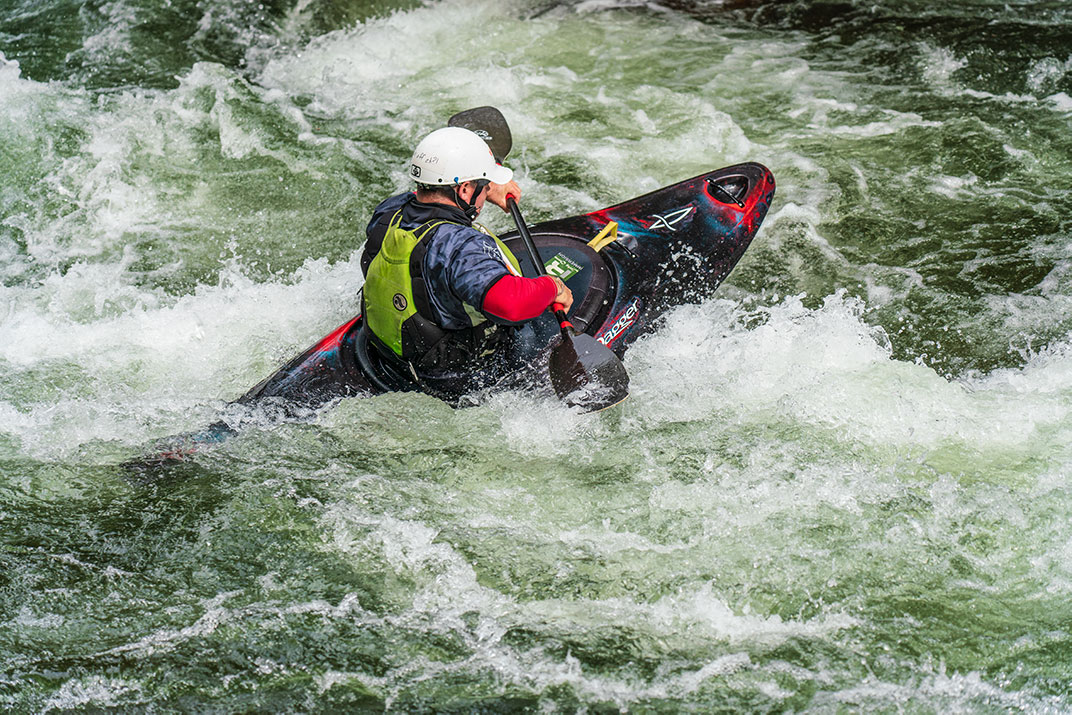
And one more thing—don’t call it rodeo. | Feature photo: Nick Troutman
It’s easy for freestyle paddlers to get stuck in a hole of mediocrity, flailing awkwardly in a recirculating repertoire of chronic bad habits. Don’t let yourself flounder on freestyle’s skid row of delayed development. Our experts point out freestyle’s six most common bad habits, misconceptions and mistakes and tell you how to avoid them.
“If you are rigid in your boat, you’ll have to tilt your head over the side to engage its edges,” says Dave Tiedje, an instructor with the Ottawa Kayak School. If your body tilts with your boat you’ll need to use your paddle for braces rather than for maneuvering.
The secret, says Tiedje, is separating your upper and lower body. When putting your boat on edge, keep your upper body perpendicular to the water and overtop of your boat by bending at the hips. This keeps you balanced when the boat’s edge is engaged and lets you use your paddle for effective strokes.
Keep your upper body balanced and bend at the hips for more maneuverability. | Photo: Brett Sayles/Pexels
2 Wrong boat blues
Too many people end up paddling a freestyle boat that’s too small or too big for them. Matt Hamilton, an instructor and three-time member of the Canadian national freestyle team says, “If your kayak is too small, it will ride too low in the water and won’t come up on a plane as easily while surfing.”
[ Paddling Buyer’s Guide: See all freestyle boats ]
The result: you’ll feel like you’re trying to spin and bounce a bathtub. And, says Hamilton, the edges that are so good for carving in a properly sized boat will always be in the water making for a grabby ride.
Boats that are too big have their own set of problems. First off, you’ll be swimming in the cockpit and won’t have the boat control to do advanced or even beginner freestyle moves. Secondly, you’ll never physically be able to cartwheel a beastly kayak that has too much volume for you in the ends.
When choosing a freestyle boat, Hamilton suggests beginning with the manufacturers’ suggested weight ranges and then experimenting on the river.
“You can only learn so much from your buddies,” says Anna Levesque, creator of the Girls at Play instructional tour and video series for women. While your paddling buddy, boyfriend or husband may be your best friend off the river, they seldom give you as much attention when they’re queued up for surf a wave.
Instructors are paid to sit in eddies and study and critique your technique. And a good instructor will offer tips to help with the finer details—like how to balance your weight in the boat and where to look—that make a big difference and take time to teach, says Levesque. Take a course at the beginning of the paddling season and remember to practice what you learned.
4 Backseat driving
“The classic La-Z-Boy pose is a sign of defensive paddling,” says Chad Hitchins, the general manager of Liquid Skills. You can’t paddle powerfully if you’re not sitting tall and engaging your abdominal muscles. And, says Hitchens, your kayak wasn’t designed to ride ass-heavy.
Sitting in the backseat fails to effectively engage the kayak’s edges beneath your seat, so you’ll be slip-slidin’ away on green waves. “Sit-ups or crunches will strengthen your abdominal muscles,” suggests Hitchens. “You’ll be less reliant on your backband and more likely to sit properly with your head above your pelvis.”
And don’t call it rodeo. | Photo: Nick Troutman
5 Forgetting the fundamentals
“A surprising number of paddlers can’t perform a proper forward stroke,” says Mariann Saether, an instructor at Sjoa Kajakksenter in Norway. Getting on a wave or learning playboating moves require precise, powerful forward strokes.
“Many paddlers neglect the large core muscles of the body and instead rely only on their arms,” says Saether. To ensure you’re using your stronger torso muscles, she suggests visualizing yourself rotating your torso as you reach for your stroke and unwinding it as you pull your paddle blade through the water to your hips.
6 Staring at the bow
“If you’re having a hard time staying in the sweet spot while trying to spin or cartwheel, you’re probably staring at your bow rather than into the hole,” says Patricia Fraser, a Paddler Co-op instructor and former dance instructor.
It’s hard to anchor yourself on the most playable part of the feature without a visual point of reference. “When a dancer or figure skater jumps and spins she keeps an eye on her landing as long as possible and then snaps her head around to spot her landing,” says Fraser. The same is true for spinning a kayak—the landing is the sweet spot of the wave or hole.
Instead of staring at the bow of your kayak or off into space look upstream where you want to be until the boat has spun so far around you can no longer look upstream, then quickly rotate your head over your other shoulder to spot your landing. Your body and boat will follow your head around.
This article first appeared in the Early Summer 2006 issue or Rapid Magazine and in Paddling Magazine Issue 65. Subscribe to Paddling Magazine’s print and digital editions here, or download the Paddling Magazine app and browse the digital archives here.
And one more thing—don’t call it rodeo. | Feature photo: Nick Troutman
Small but mighty, this mini motorboat is big news. | Feature photo: Roberto Westbrook
The Old Town Sportsman 106 powered by Minn Kota is only 10 feet, six inches long, but this little boat is a big deal in the world of motorized kayaks. In fact, the Sportsman’s diminutive size and basic rigging make the boat special.
For years, motorized kayak manufacturers have raced to go faster and farther, appealing to the elite user who considers a fishing kayak nothing more than a mini bass boat. Old Town covered that category with their Sportsman AutoPilot, which features every bell and whistle including one of the most advanced electric motors on the market.
For the 106, Old Town went another direction: smaller. With motorized kayaks becoming more popular, a market has opened for an electric boat that is easy to transport, store and own. Users looking to get into kayak fishing without investing a lot of money and space to own a full-size motorized miniature boat will find the Sportsman 106 Minn Kota a perfect fit.
Last year, Old Town introduced the new Sportsman line of seven boats ranging from offshore fishing machines to shallow water puddle hoppers. Based on existing hulls and expanding on current trends, the Sportsman 106 MK fills an important role in the lineup.
According to Alex Shrebinow, marketing manager for Johnson Outdoors Watercraft, “the Sportsman 106 Powered by Minn Kota is for anyone looking for fishing features in a boat that will run all day while working just as well for sunset cruises with the dog.” The boat is focused on convenience. Shrebinow adds, “The Sportsman 106 can be cartopped, too.”
Shrebinow credits years of experience designing motorized kayaks for Old Town and Ocean Kayak, along with partnership with sister company Minn Kota, for developing a reliable motorized fishing platform that won’t break the bank.
“We’re avid users of our kayaks, so we know what makes a great product,” Shrebinow explains. With the focus on designing a compact motorized kayak, the team demanded great storage and rigging features along with a powerful and compact 45-pound motor. Shrebinow says, “The elegantly simple and intuitive design is a favorite of everyone.”
Motor power for the everyday angler
The combination of convenience and motor power is actually a novelty. Most motorized kayaks are focused on anglers who want a full-size boat capable of carrying a full arsenal of rods, reels and tackle. Now that motorized boats are allowed in fishing tournaments, the most competitive anglers are going for factory built or customized motorboats. While Shrebinow touts the competitive qualities of the 106, this boat is more suited for anglers looking for an easy way to get to the fish.
As a self-described paddling purist, I’m always skeptical of claims of easy kayaking. Sure, zooming across the water with the push of a button is great, but the process of rigging, unrigging, carting, trailering, charging, maintaining and dealing with a heavy, awkward, battery-operated kayak hardly makes the convenience worth the trouble.
The motor and propeller fit through the deck without sacrificing space. | Photo: Courtesy of Old Town Canoes & Kayaks
After we received the Sportsman 106 at the Kayak Angler office, I was impressed with how easy it was to drag around the yard and stash beside the garage. The motor tucks into the tankwell, making it possible to store the boat and motor together.
When it was time to go fishing, the 106 was easy to rig. I chose a Group 27, 100 amp hour marine battery. After several days of fishing, battery range hasn’t been a problem. The Sportsman 106 can also be powered by a 12-volt lithium-ion battery that will further save weight and improve power.
Cartop and cart this kayak with ease
The boat fits easily in the six-foot bed of my truck. At only 87 pounds, I can also load it on the Yakima roof racks on my Subaru, making the Sportsman 106 one of the few motorized kayaks that doesn’t require a trailer or pickup truck for transportation.
At the launch, the Sportsman 106 is easy to move to the water. Tunnel hulls are tough to fit on a cart, so I grabbed a set of wheels with a flat cradle to accommodate the unusual shape. Even fully rigged, I could cart the diminutive 106 to the water.
For low-profile wiring, the boat comes with through-hull grommets and flush mounted gear tracks. | Photo: Courtesy of Old Town Canoes and Kayaks
Leaning towards convenience, the boat goes together quickly. The battery box tucks in a deep well under the seat. The seat clips into two clamps on the deck and attaches in the back with a strap and buckle.
Plug the battery into a pre-rigged outlet under the seat. The leads run through the hull to another outlet near the bow.
At 17 pounds, the motor is one of the lightest we’ve tested. The system drops into an opening in the deck and connects with two latches. A wire kickstand keeps the propeller propped up until the boat hits the water.
Adding gear isn’t limited by the 106’s short waterline. There is enough room for a full-size crate, cooler or livewell behind the seat. Molded spaces under the seat and along the gunwale hold small tackle trays and tools like scissors and pliers I like to keep close at hand.
Feature-rich and fish finder-ready
Old Town gave the 106 some of their most popular features. One of my favorites is the through-hull transducer rigging. The hull is pre-rigged to route the cable from the transducer mounted under the hull to the display. I can install the fish finder on a track mount or use a permanent base in the center of the console.
Old Town splurged on the seat, designing a new, highback throne with cushy 3D mesh made of breathable, fast-drying Textiline for a dry, comfy ride. The seat can be configured in high or low positions for improved comfort and a better view of the fish.
One of my favorite features, when the motor unit is lowered, it fits flat to the deck providing plenty of space for standup fishing. The Minn Kota motor has 45 pounds of thrust, plenty of power to confidently move the 106. Combined with a large rudder, the boat is easy to maneuver with razor sharp tracking on the straightaways.
Because the 106 is light and short, when I reach the fishing grounds, I can switch to paddle power to work my way into tight places. For quick grab and go trips, the Sportsman 106 comes with a deck plate to cover the motor opening and turn the motorboat into a paddle kayak.
Small but mighty, this mini motorboat is big news. | Feature photo: Roberto Westbrook
To fire up the power plant, insert a kill switch into the clip and the motor is live and ready for action. A lever, like the throttle on a motorboat, controls forward, reverse and speed. Foot pegs in the cockpit turn a huge rudder capable of spinning the small boat in tight circles.
On the water, the system works seamlessly with solid construction and smooth operation. I put the boat through its paces in my favorite backwater creek motoring to the fishing spot then paddling from hole to hole. The motor and battery keep the boat rock solid while the short waterline makes the Sportsman 106 Minn Kota surprisingly nimble.
Sportsman 106 MK is a mighty mini motorboat
Probably the best example of the Sportsman 106’s easy-going nature occurred during a recent photo shoot. Our photographer, Roberto Westbrook, who is an enthusiastic but inexperienced kayaker, was filming from the Sportsman 106. I looked up from fishing to see Westbrook standing backwards and motoring ahead at a good clip while clicking photos. This proves the Old Town Sportsman 106 Powered by Minn Kota is a convenient and capable platform for fishing, sunset cruises, photography and whatever gets you on the water.
This article was first published in Kayak Angler Issue 45. Subscribe to Kayak Angler and get the magazine delivered to your front door. Download the Kayak Angler Magazine+ app to seamlessly glide between the digital archives, the latest articles and videos.
Small but mighty, this mini motorboat is big news. | Feature photo: Roberto Westbrook
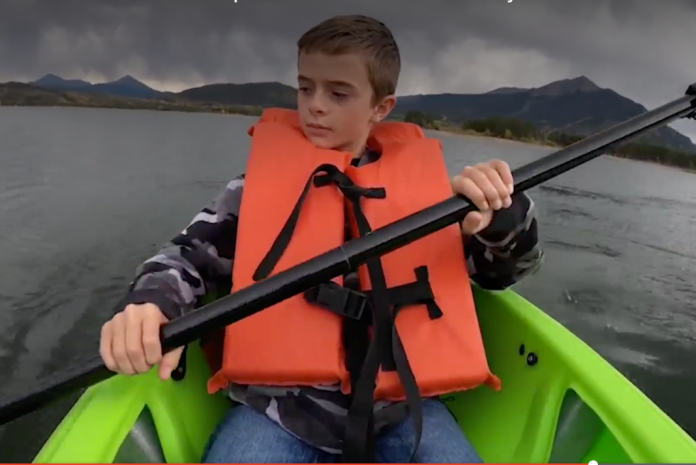
This past summer, various school districts in Colorado struggled with major bus driver shortages. Students were left wondering whether or not their school bus would even show up, let alone if there would be vacant seats.
One 12-year-old Summit County boy was filled with the urge to come up with a plan B. He asked his father if he could paddle the approximate 3-mile distance across the lake and reach his school by kayak.
His father agreed, provided adequate safety measures were in place. Here’s how he got on.
Buying a kayak on Ebay could be considered a high-risk activity. It was once common to find plenty of used and brand-new kayaks for sale on Ebay. Though it’s a less common platform for purchasing paddlesports gear today, kayaks still show up regularly from private and retail sellers.
The most important caveat when shopping for a kayak on Ebay is that, unlike most other places to buy a kayak, Ebay purchases usually lack the option to try before you buy. By shopping here, you’re essentially forgoing the best advice for any kayak shopper, which is to take a test paddle.
But where there’s risk, there’s also reward. Ebay used kayaks can be a great option if you don’t want to break the bank to get into paddling. Purchasing an Ebay kayak for a steal of a deal could be the perfect way to get started with paddling, especially if you want a low-cost trial period to make sure you like kayaking before making a larger investment in a new boat.
For more experienced paddlers looking for a second boat, searching used kayaks for sale on Ebay is also a good way to try out a new style of paddling for cheap, or to grab a great deal on a familiar model.
However, for as many great deals that you’ll find on Ebay, you’ll encounter as many rip-offs. It’s important to be a smart buyer when you’re considering kayaks for sale on Ebay. Doing your homework will help you avoid the kayaks that aren’t worth buying—because of poor fit, performance criteria that doesn’t match your needs, and safety issues that make some Ebay kayaks hazardous.
Even though you aren’t paying big money for a new kayak, you should still start your search for a used one armed with the proper knowledge needed to take a critical look at what’s for sale. We’ve outlined the common mistakes to avoid when buying a used kayak on Ebay.
Kayaks fall into a variety of styles depending on their primary application. Each category has its own performance characteristics. Buying the wrong style of kayak for your desired paddling experience is certain to spoil your time on the water. The best Ebay kayak shopper is an informed one.
Our comprehensive Paddling Buyer’s Guide is a great place to start your research. Here you’ll find out more about how each style of kayak is most easily defined by its specifications.
Recreational kayaks are short (less than 12 feet long), wide, stable and great for beginners, casual paddlers, children and those nervous about being on the water.
While many have a sit-inside cockpit with a seat, backrest and foot supports, some recreational kayaks (known as sit-on-tops) have more basic open cockpits, which are great in hot weather.
Sit-on-tops are also the norm for fishing kayaks, a sub-genre of recreational kayaks that are distinguished by standard angler-oriented accessories like rod holders and tackle storage areas.
Recreational kayaks are by far the most popular type of kayak on the market. They’re great for flatwater paddling and short trips in benign conditions, such as those found on small lakes, quiet rivers and sheltered coves. Don’t expect to enjoy much glide, speed or paddling efficiency. Recreational kayaks are safe to use on calm, protected water but they can be extremely dangerous in exposed, open water conditions because they lack safety features.
Check The Weather
Plan for changing weather conditions. Prepare for the worst case.
Don’t forget to check tide, currents, or river levels.
Some recreational kayaks on Ebay are inflatable (brands include Advanced Elements and Sevylor), which are convenient for travel, transport and storage in small spaces but often lack paddling performance. Popular manufacturers of used recreational kayaks on Ebay include Lifetime, Hobie and Ocean Kayak.
Touring kayaks are longer (14 to 18 feet long), narrower and have more storage than recreational kayaks. They are designed for longer trips and come equipped with storage for food and equipment, and hatches with covers that can be removed.
Most touring kayaks are sit-inside designs. They are designed to move straight and efficiently in the water and some will have a skeg or a rudder for directional control. Perception is one common brand of shorter touring kayak available on Ebay, though this style of kayak tends to be less common on this platform.
Whitewater kayaks are very short (6 to 8 feet long) and have extreme rocker, meaning that they’re shaped like a banana with upturned ends to maximize maneuverability in moving water. Consequently, they are slow and inefficient to paddle on flatwater.
Popular brands on Ebay include Dagger and Jackson Kayak. Buying a whitewater kayak when you would be better with a recreational kayak is a big mistake when shopping on Ebay.
Knowing the characteristics of these broad categories of kayaks—and which category best suits you—is the first step to making an informed decision.
Along with choosing the right kayak for your desired use, it’s essential to purchase a used kayak that matches the environment where you’ll be paddling. Recreational kayaks are by far the most common kayaks for sale on Ebay. This style of kayak is great for beginner use in sheltered conditions, but they’re dangerous for use on open water.
If you want to paddle in open water, cold water or any environment with the potential for wind and waves, it’s critical that you choose a kayak that’s meant to be seaworthy in more advanced conditions. For example, most recreational kayaks lack bulkheads (essentially walls inside the kayak that create watertight chambers for floatation). As a result, when a cheap recreational kayak floods with water, it’s likely to sink.
In contrast, touring kayaks are designed to float even when swamped, to facilitate open-water assisted rescues (an important skill you will want to learn in a kayaking course). Some of these details may be difficult to pick up in Ebay photos, so it’s imperative to ask the seller critical questions about the boat to learn more about its safety features.
Dress For Immersion, Not Air Temperature
Your body loses heat much faster when immersed in cold water than it does when dry.
Avoid cotton clothing like t-shirts and jeans; they retain water and accelerate cooling when wet. Synthetic fabrics, or wool, are generally a better choice. If the water is very cold (60° fahrenheit or less), you should wear a wetsuit or drysuit.
3 Trusting the photos and description
Relying on product descriptions and photos also makes buying a kayak on Ebay a gamble. It’s often tough to discern any significant damage in photos, and these critical items could be easily glossed over in the description. A detailed inspection of a used kayak is imperative—and it’s tough to make this sort of assessment from photographs and a description.
Perhaps the best alternative for an Ebay transaction is to ask detailed questions—and then follow your instinct when it comes to trusting the responses. Here are some main points to consider:
Examine the deck (top) and hull (bottom) of the kayak for damage including deep gouges more than 3 mm or 1/8th of an inch deep; obvious abrasion (especially if the worn areas are a different color from the rest of the kayak); and deformities (which will make the kayak paddle less efficiently). Recreational kayaks and some touring models are often made of durable plastic that’s meant to withstand plenty of abuse; some damage is fine, so long as the shape of the kayak remains intact. Cracks in a composite (fiberglass or Kevlar) kayak often reveal that the kayak is old or received rough treatment.
The best way to check the integrity of outfitting items (including the seat, backrest and foot supports) is to take a seat in the cockpit and make sure the outfitting works properly. For example, if the kayak has ratchet straps, crank and loosen them. Again, that’s difficult in most Ebay transactions. This is where asking detailed questions is key and trusting the seller—as well as Ebay’s pledge to hold sellers accountable for accurate product descriptions.
Ensure the inventory is complete. Are all parts intact and included? Confirm that the hatch covers, seat, rudder, et cetera, are all part of the sale.
Do your best to get a good photo of the bottom of the kayak to see if there is any warping in the hull; any waves or lumps in the bottom of the kayak will impact paddling efficiency and may be the sign of an old, worn kayak.
There is a difference between a well-used boat, and an abused boat. Sometimes these differences can be hard to spot or read. Broken items are a giveaway that a kayak didn’t receive proper treatment; by reading between the lines an informed buyer can weed out the lemons when shopping for a used kayak on Ebay.
4 Not trying the kayak before you buy
The only way to fully appreciate the comfort and performance of a kayak is to try it before committing to a purchase. If the seller is local, try to arrange a mutually agreeable meeting place for a brief test paddle. (Of course, you’ll have to do this within the time frame of the auction.) Bring your usual paddle and dress in what you plan to wear while paddling. With a sit-inside kayak, be sure to assess how easy the boat is to enter and exit.
As with any Ebay purchase, it’s critical that you consider how your new kayak will be delivered should you win the auction. It would be a huge mistake to get what you think is a steal of a deal on a kayak—and then get dinged by a steep shipping and handling fee.
Make sure you read the fine print; if shipping options are listed, consider offering to pick up the kayak instead if it’s a reasonable distance from your location. Also, beware of additional brokerage fees if you’re considering purchase from an international seller.
6 Not buying the right gear to go with your kayak
The mistake of buying your kayak on Ebay but not looking into what else you need to be safe on the water could have grave consequences. Safety on the water starts with a properly-fitted, Coast Guard-approved personal floatation device (PFD). A PFD designed for paddling offers both floatation and enough mobility to move your arms and rotate your torso to paddle efficiently. If you’re offered a PFD as part of a used kayak sale, make sure it’s in good shape, fits properly and is Coast Guard-approved for the location you’ll be paddling.
Wear A Life Jacket
Everyone, even strong swimmers, needs to wear a life jacket at all times when on the water. It is extremely difficult to put a life jacket on once you fall into the water. Even a light wind can blow any paddlecraft away from you, faster than you can swim.
Always wear a USCG-approved Level 70 or Type III life jacket designed for paddling.
Sit-inside kayaks (recreational, touring and whitewater) are meant to be used with a sprayskirt, which seals the paddler in the kayak and keeps spray out. It’s recommended that you take a paddling course before using a sprayskirt to learn the proper technique for exiting the kayak should you capsize.
Another key factor in paddling safely is dressing appropriately for the water temperature, which may involve investing in gear like a wetsuit or drysuit if you paddle in cold water conditions. A bilge pump is another important safety accessory for sit-inside kayaks, allowing you to empty water from the cockpit. Similarly, a 15-meter (50-foot) buoyant heaving line can be used for rescue.
Possibly the biggest mistake when shopping for a used kayak on Ebay is to rush into buying something that isn’t right for you. As with any purchase, only act on something that feels right. Ebay’s competitive atmosphere can make this more difficult, but it’s critical to remind yourself that the world is flush with used kayaks. Take your time and do your due diligence and, with patience, you will find the right boat for you.
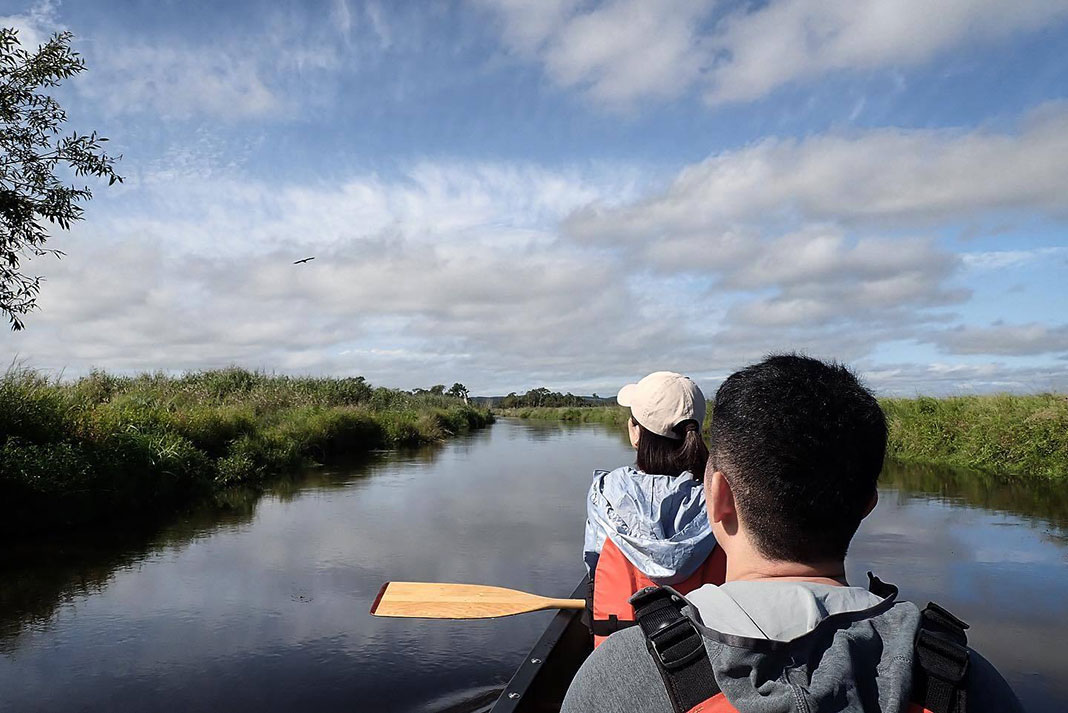
Discover incredible canoe tripping on the Kushiro River. | Photo: Courtesy of National Parks of Japan
There’s just something about a river canoe trip. Maybe it’s the promise of fewer portages, maybe the feeling of going with the flow or maybe the anticipation of what’s around the next bend. Of course, there’s invariably some drawbacks to paddling a river, including lifting over beaver dams, dragging through shallow sections and often having fewer options for where to pitch your tent for the night. But what if there was a river that had all of the pros above and more, and none of the cons?
Meet the Kushiro River.
Paddling the Kushiro River brings all the advantages of river tripping and none of the disadvantages. | Photo: Yoshiaki Kataoka
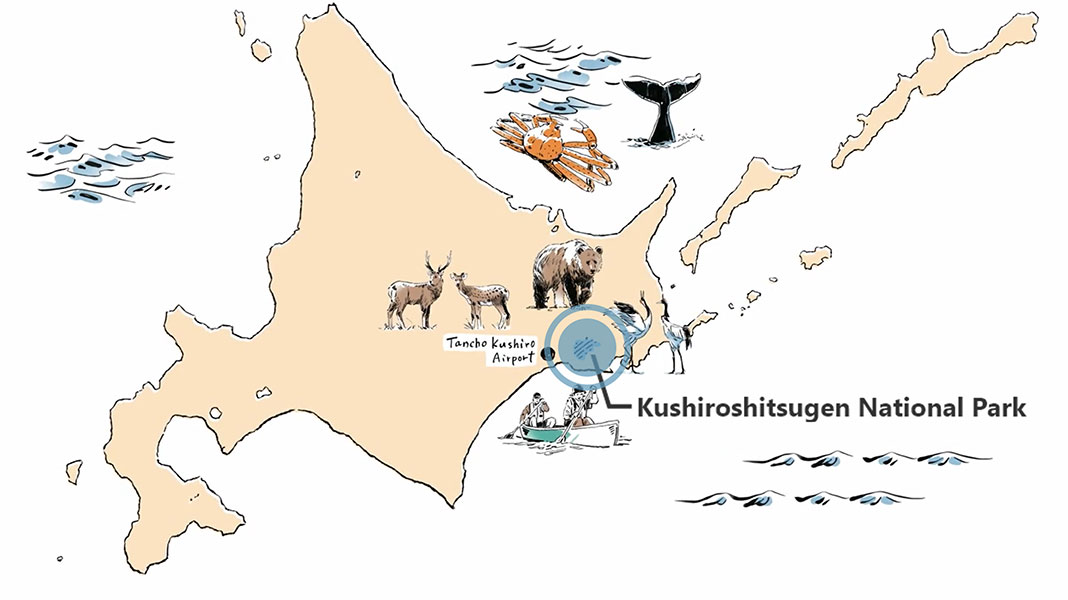
100 kilometres in length, the Kushiro River runs through the pristinely beautiful Kushiro Shitsugen National Park on Japan’s most northerly island of Hokkaido. There are no beavers in Japan, so no dams to worry about on this river—even the man-made kind. And with depths consistently ranging from two to six feet year-round, there’s no need to get out and drag sections. Lastly, designated campgrounds along the way mean you never have to wonder where you’re going to sleep at night.
So with none of the drawbacks of river trips marring your experience on the Kushiro, you can focus entirely on the merits. Watch this video to experience canoeing on the Kushiro River.
Kushiro Shitsugen National Park was the first place in Japan to be registered as a Wetland of International Importance by the Ramsar Convention.
The national park is without a doubt the highlight of the river. Its here that you enter a vast marsh—the reason this 260 square kilometres was designated a national park in the first place. It’s unsuitability for development combined with the more recent efforts of conservation groups have kept the marsh in an unspoiled state, abounding in flora and fauna.
In fact, in 1980 it became the first place in Japan to be registered as a Wetland of International Importance by the Ramsar Convention. Many of the elements of the wetland that make it so valuable are also the elements that make it a prime canoe tripping destination.
Read on to find out what makes the Kushiro River the best place to canoe trip in Japan.
Running from Lake Kussharo out to the Pacific Ocean, the Kushiro River roams through incredibly varied, yet equally stunning, scenery. For the first 50 kilometres from the headwaters, the river is hemmed in by jungle-like growth with overhanging trees and thick bushes. Lakes farther downstream are nestled among rolling, tree-covered hills. But enter the marsh for a landscape all its own and that is starkly different in its beauty.
Reeds and grasses line the riverbank, the wetland on either side rising only a few metres higher than the water and stretching out in every direction, flat and unobscured until it meets the distant horizon. There is beauty in the vastness of both the land and sky, your eyes not quite knowing where to linger with nary an obstruction for 360 degrees.
Take in the sheer magnitude of the landscape from the heart of it, the river, and afterward soak it in from above from one of the many observation decks. The Kushiro Marsh Observatory will provide you with various lookout points along its 2.5-kilometre boardwalk trail. From here you can see the river winding through the marsh and stretching on into the distance.
The wetland stretches out in every direction, flat and unobscured until it meets the distant horizon. | Photo: Courtesy of National Parks of Japan
There is beauty in the vastness of both the land and sky along the Kushiro River. | Photo: Yoshiaki Kataoka
Plentiful wildlife
In an environment so flat and unimpeded, you would think there would be no secrets. Yet hidden within the reeds and grasses, and beneath the surface of the turbid waters, are myriad creatures, each more intriguing than the last. All in all, Kushiro Shitsugen National Park contains 700 species of plants and 1,300 species of wildlife.
Look in the waters around you to catch a glimpse of Japanese huchen, or “phantom fish,” the largest species of freshwater fish found in Japan. Look to the riverbank to see Ezol sika deer gazing back at you. On shore you might uncover the rare Siberian salamander, which is believed to have survived the Ice Age. White-tailed hawk often take to the skies, looking for fish and rodents below.
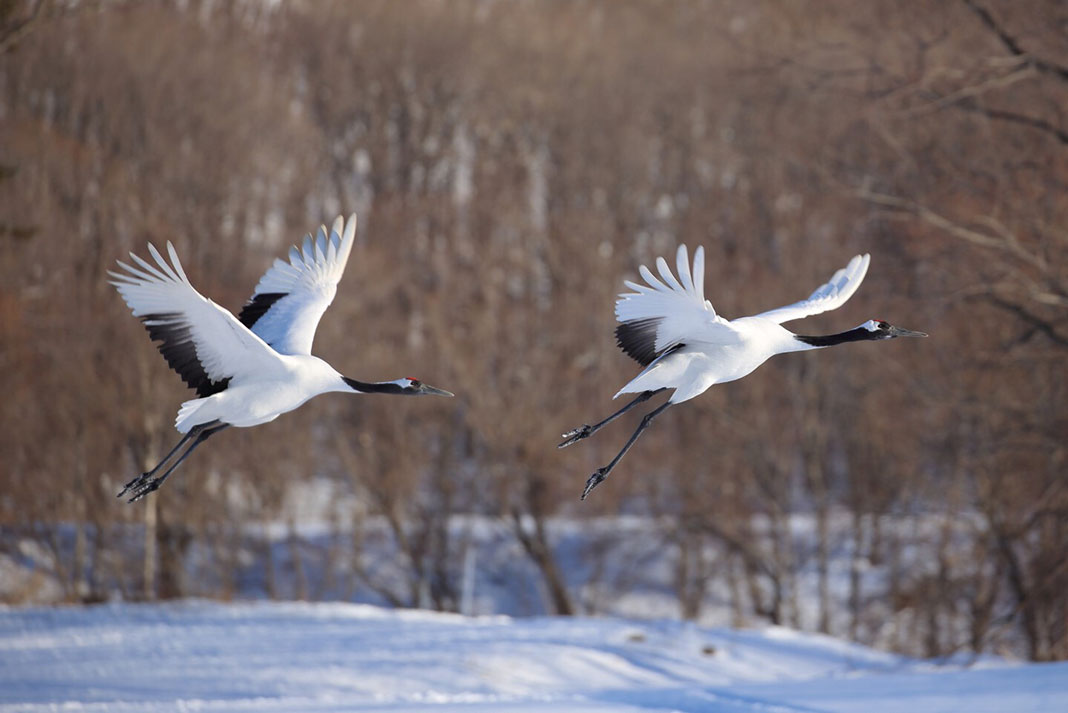
The crown jewel of the park is the red-crowned crane. Once thought extinct in Japan, a small population was discovered in the marsh. Thanks to protective measures, the cranes have flourished, numbering 1,500 today. Since these are non-migratory birds, you can view and witness their graceful dance year-round.
Witness the graceful dance of the red-crowned cranes in the Kushiro Marsh. | Photo: Courtesy of National Parks of Japan
The Kushiro River flows at one to two kilometres per hour, allowing you ample opportunity to observe the wildlife you might encounter and float quietly on by.
A multitude of day tripping options on lakes and rivers
Whether you’re short on time or looking for a full-on adventure, the Kushiro River provides plenty of options from a range of outfitters. Choose between a two-hour or four-hour tour through the marsh with Kushiro Marsh and River. North East Canoe Centre offers a half-day tour from Lake Toro, along the Arekinai River and through the marsh.
HGM Outfitters offers a full-day course through the marsh, including time for fishing and a lunch break. The Lake Toro Nature Centre offers the most diverse day trip offerings, varying in length from 1.5 hours to three hours.
Multi-day adventure ready
Take advantage of the full length of the Kushiro River on a multi-day canoe trip. Once again, multiple companies offer tours, varying in length. Somokuya offers the trip in four days and three nights, and supplies all camping and paddling equipment. They can also accommodate shorter trips such as two days/one night and three days/two nights. Nanook’s tour, alternatively, takes five days and four nights.
If you prefer to kayak, River and Field offers a tour that takes four days and three nights. Camping equipment isn’t included, but you can rent from the company.
Enjoy the solitude away from roads and towns, and truly soak up your surroundings. | Photo: courtesy of Tomoki Kokubun Photography
Take advantage of the full length of the Kushiro River on a multi-day canoe trip. | Photo: courtesy of Old Place
Starting at the headwaters, you can expect deep, wetland-like forest, lots of bird activity and crystal-clear waters. This section is much wilder than downstream sections and there are frequently downed trees. You’ll even navigate through some class II swifts.
Most tours choose to skip the section after this, between Teshikaga and Shibecha, in part because the river here has a concrete bottom and seawalls on both sides, making for a less scenic paddle, but primarily because flood damage has made a portion hazardous to paddle through. Instead, you’ll be driven to an access point upstream of the marsh, and continue on down to the Iwahogi Water Gate or Hosooka, depending on the length of tour.
On all trips you’ll enjoy solitude away from roads and towns, and be able to truly soak up your surroundings and discover all its most closely held secrets.
Explore archaeological sites
Begin your trip from or make a side-trip to Lake Toro to explore 400 archaeological sites that lie within the surrounding hills. There was once a kotan, a traditional Ainu—the indigenous people of Hokkaido—village here. It’s likely the people living here caught salmon and trout on the lake, using the waterways to trade with other villages.
Today, there is a train station and a national highway near the lake, continuing the tradition of the lake as a transportation hub.
The indigenous people of Hokkaido likely used the waterways to trade with other villages. | Photo: Courtesy of National Parks of Japan
Take advantage of incredible guides
Regardless of your paddling ability, guides only serve to enhance your trip experience, as they are a source of knowledge about the area you’re traveling through and will be able to help you navigate the unfamiliar waters. In many cases, such as with HGM Outfitters, Nanook and Lodge Shirarutoro, the guides will stern the canoe, allowing you to take in your surroundings. The guides at Lodge Shirarutoro are environmental education instructors, able to provide insights into the surrounding ecology.
Lakeside Toro uses large canoes that fit eight people, making trips more accessible to kids and older folks, and allowing outings as a whole family. Your guide will expertly steer the canoe and point out interesting natural phenomena as you encounter them on your journey.
All-season paddling
While winter temperatures do fall below freezing and the area does receive some snowfall, the Kushiro River rarely freezes anywhere but at its mouth, allowing paddling tours to run throughout the winter. Outfitters continue to offer tours into the winter months on even Lake Toro and the Arekinai River, right up until these waterways ice up.
Companies that offer winter paddling include Lakeside Toro, Family Canoe Toro and Toro Nature Centre. Wintertime paddling is a magical experience, granting you views of hoar frost covered trees, mist over the water and sparkling riverbanks.
Wildlife will be more visible in the winter landscape. | Photo: Courtesy of National Parks of Japan
Of course, the most popular time to visit Kushiro Shitsugen National Park is April to September, when the weather is warmest. Plan your trip in June or July to see the landscape at its most lush. During this time, you’ll have a full display of irises, Jacob’s ladder, daylilies, and Japanese meadowsweets.
In fall you’ll be witness to the changing leaves, breathe in crisp air and enjoy quieter surrounds as the world slips into hibernation.
Easy to get to
The reason there are so many trip options on the Kushiro River is that the river has various access points, most of which take little effort to reach. Forget needing a four-wheel-drive vehicle and having to drive hours at a snail’s pace to reach the put-in.
The cities of Kushiro and Shibecha are located very close to the national park boundaries, and roads and railways pass close to the Kushiro River at several points along the route through the marsh, allowing you quick and easy access.
Many visiting paddlers rent a car at the nearby Kushiro airport and use this to access their starting point on the river. Even easier: If you choose to take a guided tour, you can take a shuttle bus from the airport to JR Kushiro Station, where the guide will pick you up and transport you to the put-in. Alternatively, you can catch a train from JR Kushiro Station to the start of your paddling adventure. It’s not uncommon for those with folding boats to use public transportation to get to and from the river!
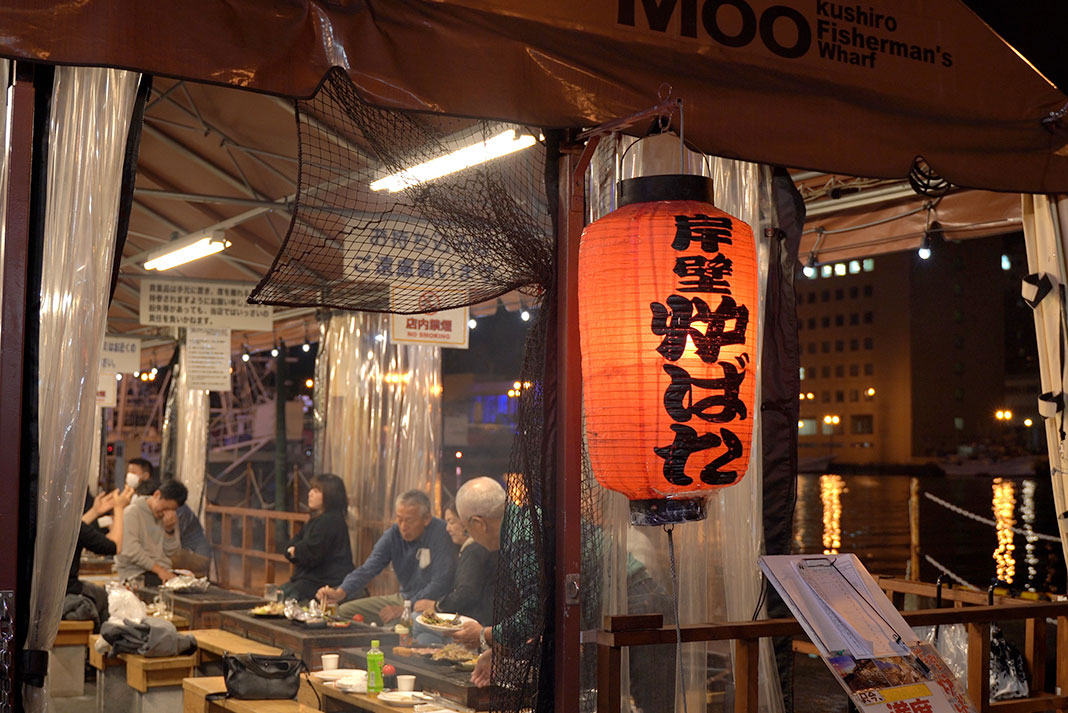
Kushiro is the birthplace of robatayaki, a traditional style of coal grilling that has become synonymous with Japanese izakaya. | Photo: Eri Shimizu
Incredible post-trip meals
Once off the river, the first priority is a good meal. Kushiro is the birthplace of robatayaki, a traditional style of coal grilling that has become synonymous with Japanese izakaya—a type of informal Japanese bar. Robatayaki originated from a century’s old practice of cooking food at the edge of the hearth.
There are many places to try robatayaki in downtown Kushiro City. In traditional restaurants, cooks with years of experience use their expertise to bring out the flavor of ingredients such as oysters, shrimp, crab, and Okhotsk atka mackerel, all caught in the nearby sea. There is also a growing number of more relaxed establishments where you can try grilling for yourself.
Ganpeki Robata, located in Kushiro on the Kushiro River, is a great place to experience and indulge in this cuisine. Here you can enjoy seafood on the quay of Kushiro Port and take in views of the Nusamai Bridge. Make a reservation, purchase a ticket, and then peruse the offerings at each counter, using your ticket to purchase different food and drink items. Once you’ve selected your ingredients, go to your seat and begin grilling. The staff will instruct you in how to grill different things and make recommendations.
Ganpeki Robata is a great place to experience and indulge in Kushiro cuisine. | Photo: Eri Shimizu
Make a reservation, purchase a ticket, and then go to each counter using your ticket to purchase different food and drink items. | Photo: Eri Shimizu
Once you have it all picked out, go to your seat and begin grilling. | Photo: Eri Shimizu
Range of accommodation options
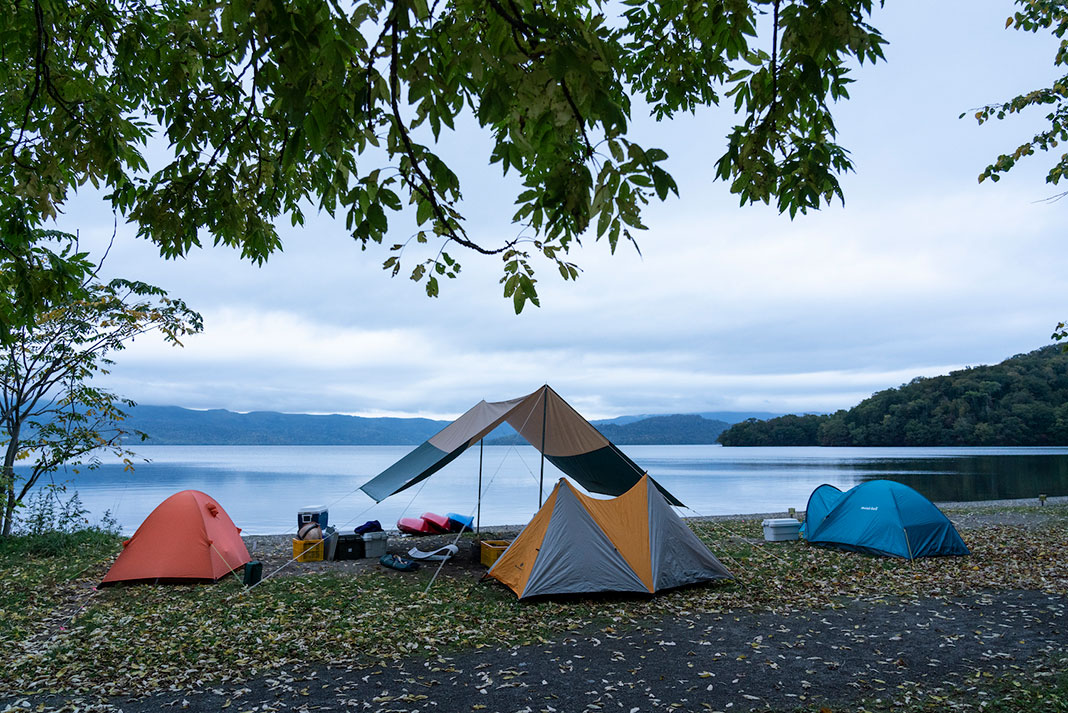
Immerse yourself in nature by basing your stay or pulling off the river and stopping for the night at a campground. Takkobu Auto Camping Ground is located on Takkobu Lake, which connects to the Kushiro River via a small tributary. This is a fully featured campground with coin showers, laundry, a small shop and access to the Kushiro wetlands. They rent canoes, bicycles, tents and sleeping bags. You can choose to tent camp, but they also have small, one-room lodges.
Toromotomura Campground is a more basic campground on the shores of Lake Toro, providing simple tent camping sites and washrooms. You’ll have access to Lake Toro and the Kushiro River from here.
Most of the time a seal launch isn’t necessary, but it is always fun. | Feature photo: Josh McCulloch
Not all launch sites are gentle, sandy beaches. Sometimes, launching from a rock, a ledge or pier offers the best access to the water. That’s when a seal launch comes in handy. For a successful seal launch, commitment is key. Just be sure to check the landing spot for hazards and ensure the water is deep enough for this maneuver. Most of the time a seal launch isn’t necessary, but it is always fun.
Set up with your boat at the edge of the drop with the bow hanging out over space. Be sure to get in with the center of gravity of the boat well back so that you don’t risk pitching forward unexpectedly into the water.
Set up with your boat at the edge of the drop with the bow hanging out over space. | Photo: Josh McCulloch
Once in the kayak, carefully move your boat forward close to its balance point on the brink.
2 Ask for a helping hand
The easiest way to ensure a good launch is to enlist the aid of a partner who can give you a strong shove off, thus guaranteeing some speed on the launch. Have your partner pick up the stern of your boat and shove you into space.
Have your partner pick up the stern of your boat and shove you into space. | Photo: Josh McCulloch
Go for speed and commitment off the launch pad. Just shuffling forward to the balance point will cause the kayak to pivot on the brink until it reaches vertical and slips off the edge, potentially depositing you on your head. Aim for a 45- to 60-degree angle off of the launch.
[ Paddling Buyer’s Guide: See all sea kayaking & touring kayaks ]
3 Lean a little forward
Most paddlers naturally seem to want to lie on the back deck, which is a bad idea because it weights the stern and promotes a flatter, more painful landing.
Shift your balance slightly forward to avoid a painfully flat landing. | Photo: Josh McCulloch
Instead of lying on the stern deck, you should be in a slightly forward or neutral position that will encourage your kayak to enter the water nose first. In the air, watch the spot where you’ll land—this also helps to keep you slightly forward.
4 Don’t eat the paddle
The most dangerous aspect of a seal launch is caused by the dilemma of what to do with the paddle. The main danger is “eating” the paddle shaft. The two best positions for the paddle are either at the waist in a low-brace position, or held overhead.
During the launch, hold your paddle high or low to avoid getting smacked in the face. | Photo: Josh McCulloch
Overhead puts you in a good high-brace position after landing. The key is to have the paddle shaft well away from your face. If holding the paddle overhead, be sure to keep the arms bent and fists well forward of the shoulders, allowing plenty of shock absorption through the arms to protect the shoulder joints.
Just before impact, leaning slightly back will help to lift the bow and promote a nice controlled resurfacing.
5 Buoyancy does the rest
If everything goes to plan, you will land at an angle between 45 and 65 degrees. The bow will pierce the water and then the buoyancy in the kayak will quickly drive the bow back to the surface. This swoop beneath the surface in a 17-foot touring kayak creates a beautifully cushy landing compared to that of a flat-bottomed whitewater boat.
Seal launching in a touring kayak creates a beautifully cushy landing. | Photo: Josh McCulloch
Note: If your whole group is entering the water this way, it means that the last paddler will have to launch alone, without someone else’s help. This is much more difficult than an assisted launch as it is very hard to get a really good push-off and the speed needed to clear the stern of a long boat.
A self-guided seal launch can certainly work, but sometimes it’s easier to simply throw your kayak over the edge and jump in after it. A quick reenter and roll or bow tip-out rescue at the bottom and you’ll be ready to go.
Learn valuable paddling lessons from the seal launch
Most of the time a seal launch isn’t necessary, but it is always fun! It also promotes the valuable lesson of committing to a stroke or maneuver. For instance, an aggressive launching philosophy serves one very well when leaving shore in surf. An active and committed paddler is always better off, especially in a tough spot, than a passive, undecided one.
This article originally appeared in Adventure Kayak, Summer 2004 and in Paddling Magazine Issue 65. Subscribe to Paddling Magazine’s print and digital editions here, or download the Paddling Magazine app and browse the digital archives here.
Most of the time a seal launch isn’t necessary, but it is always fun. | Feature photo: Josh McCulloch
Feature photo: Courtesy Old Town Canoes and Kayaks
Choosing your next canoe can begin with deciding on a brand. Whether this is your first canoe or you’re looking to add another one to a growing collection, picking a brand can help guide your purchase. The choices are varied. Excellent canoes can come from brands with storied reputations for building reliable canoes over decades, or else be from newer start-ups that have breathed fresh life into the industry with innovative materials.
With so many brand options, you’re likely to find one that aligns with your paddling style and aesthetic or practical preferences. For some folks, a company’s location, environmental practices or community track record will determine whether they choose to support the brand.
On this page, you’ll find information about choosing a canoe brand, along with links to learn more about some of the most popular canoe brands.
Explore canoe brands
Different brands create canoes for various activities or use specific materials. Some brands like Esquif exclusively make plastic canoes, which are rugged and durable for whitewater paddling. Others like Wenonah choose to focus on building lightweight composite canoes.
Further, some canoe brands like Old Town feature a comprehensive range of recreational canoes for solo or tandem paddlers. Start exploring under the headers below.
Whitewater canoe brands
Clipper
Esquif
H2O Canoe Company
Nova Craft Canoe
Pakboats
Canoe brands Canada
Clipper
Esquif
H2O Canoe Company
Langford Canoe
Nova Craft Canoe
Pelican
Sanborn Canoe Co.
Aluminum canoe brands
Grumman
Waterstream
Fiberglass canoe brands
Clipper
H2O Canoe Company
Nova Craft Canoe
Kevlar canoe brands
Clipper
H2O Canoe Company
Nova Craft Canoe
Stellar Kayaks
Recreational canoe brands
Clipper
Esquif
H2O Canoe Company
Nova Craft Canoe
Pakboats
Pelican
Venture
Best canoe brands
Here you’ll find our in-depth articles about some popular canoe brands and the best canoes they make. Each of these brands makes canoes for different paddlers within different price ranges.
Follow the links below to find information about each of these brands, including the types of canoes they build, buying advice for new and used canoes, as well as links to find them and more.
If you’ve seen a canoe that you love but it doesn’t quite match your needs, it’s helpful to check if that company makes boats that do. For example, you may have rented a 16-foot Kevlar canoe that’s just about perfect, but you’d like to have more storage capacity. There’s a good chance you can find that same model in a slightly longer 17-foot version.
Paddlers ready to jump from a recreational canoe to something a bit more efficient may discover that they can look to the same company for a more seaworthy touring model. Some of the best canoe brands have a range of canoes to offer, but they all share familiar aesthetics and outfitting features. If you find the seats of one canoe to be comfortable, the seats are likely similar across all models of that brand.
Buying a canoe begins with having a solid understanding of how you intend to paddle. Once you know what sort of paddling you want to do, you can start to look at canoes that match your style. All canoes are not created equal, and the price is not always an indicator of quality.
That is to say, paying more will not always give you a better canoe. It depends on how you want to use it.
At what stage do you choose the brand?
If you’re a new canoe buyer, you should start checking out canoe brands once you have a specific type of canoe in mind. Consider the type of paddling you want to do. Our Paddling Buyer’s Guide divides canoes into six primary categories: lakewater & touring, recreational, river tripping, expedition, fishing & sportsman, and whitewater. Most canoes will fall into one of these categories. There are also niche categories like folding canoes, racing canoes or pack boats. Let’s quickly review the different canoe categories.
Lakewater & touring
Lakewater & touring canoes are a broad category encompassing any canoes used for general touring. They balance tracking and maneuverability and have shallow-arch hulls that provide secondary stability. Secondary stability refers to a canoe’s ability to right itself when it’s on edge, and this is an essential feature for paddling in chop and current. Most tandem lakewater & touring canoes are 15–18 feet.
Recreational
Recreational canoes are ideal for beginners or casual paddlers. They have broad, flat hulls, making them highly stable on calm waters. Generally, they are shorter than 16 feet and intended for day-tripping in sheltered lakes and slow-moving rivers.
River tripping
River tripping canoes have more rocker than their lakewater & touring counterparts. Rocker is the bow-to-stern curve of a hull. A canoe with little rocker would have a nearly flat hull for traveling in straight lines. A canoe with plenty of rocker, like a river tripper, has upturned ends. This makes the canoe turn and maneuver easily, a benefit when navigating obstacles in moving water.
Expedition
Expedition canoes take aspects of lakewater & touring and river tripping canoes and crank up the capacity and durability. These canoes are designed for extended wilderness trips, where you’ll be hauling lots of gear through rugged terrain. The classic Prospector design falls within this category.
Fishing & sportsman
Fishing & sportsman canoes may resemble recreational canoes. They are also geared toward stability but may have higher cargo capacities for hauling gear and game. Square-stern canoes are ideal for those planning on mounting small outboard motors. Some may have fishing-specific features like rod holders or accessory mounts.
Whitewater
Whitewater canoes may have some overlap with river tripping canoes. They will also have lots of rocker. Nearly all whitewater canoes use durable, impact-resistant materials like T-Formex or polyethylene. Whitewater canoes designed for playboating or creeking, like Esquif’s Zephyr, don’t have the same storage capacity as tripping canoes and are less than 12-feet long. These canoes are for running more technical rapids rather than taking extended trips.
Most canoe brands make various canoe types, with different models falling into each of the above categories. If you already own a canoe that you love but are looking for a new kind of canoe, then check out the brand in our Paddling Buyer’s Guide to see if they have one that matches your new style. It’s pretty cool to have a matching fleet of canoes, one for any purpose.
What materials do they use?
Once you’ve decided what type of canoe you need, you can start shopping for brands. Some brands focus exclusively on specific building methods, while others dabble in a bit of everything. The material you choose will correspond with your budget and the type of paddling you’ll do.
Most modern canoes are made of plastic or composite materials. Composites are lighter, while plastic is nearly indestructible.
Some brands like Old Town make their canoes exclusively out of polyethylene, which produces durable canoes and keeps the price low. Esquif’s T-Formex material is one step above polyethylene in price and performance. You can find other brands such as Mad River making their models in Esquif’s T-Formex material.
Higher-end brands like Wenonah use composite materials, which are more expensive but significantly lighter and stiffer, providing better performance. These materials aren’t as fragile as you may think and can still withstand rigorous use.
Other companies, like Nova Craft, offer their models in various materials. It’s possible to get the same design in polyethylene, fiberglass or their proprietary TuffStuff Innegra-blend.
Where are they from?
In addition to the type of canoeing you’ll do, think about where you plan to take your canoe. Canoe makers often tailor their craft to their local waters. For example, Swift tests their design prototypes in Algonquin Provincial Park, adjacent to their factory in South River, Ontario. It makes sense that the boats they build will thrive in lake-filled environments resembling the Canadian Shield country.
There’s merit in supporting brands that build their canoes locally. If companies make their boats in the U.S. or Canada, they’ll state it on their site. A company that’s been around for a long time will have established quality control measures and standards to ensure consistency across its production lines.
What are their values?
Purchasing a new canoe supports a company, so you may want to look beyond the boat itself and research what the company stands for. You can find information on many brands’ websites that indicates their philosophy and values, including environmental initiatives or any community activities they run.
Most importantly, no amount of searching online compares to getting in a canoe and trying it out. This is really the most important part of any canoe purchase. Visit a local paddle shop, or attend a demo day and talk to the staff there. If you describe your needs and budget, they can suggest brands and models that match. Seeing and trying canoes out may surprise you, and you could find one that wasn’t even on your radar.


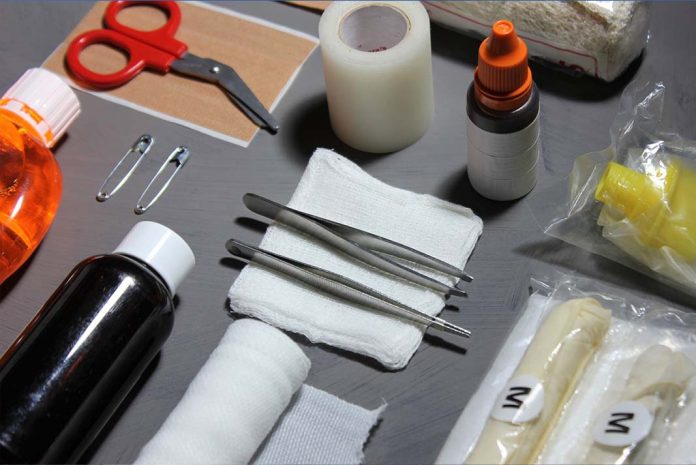
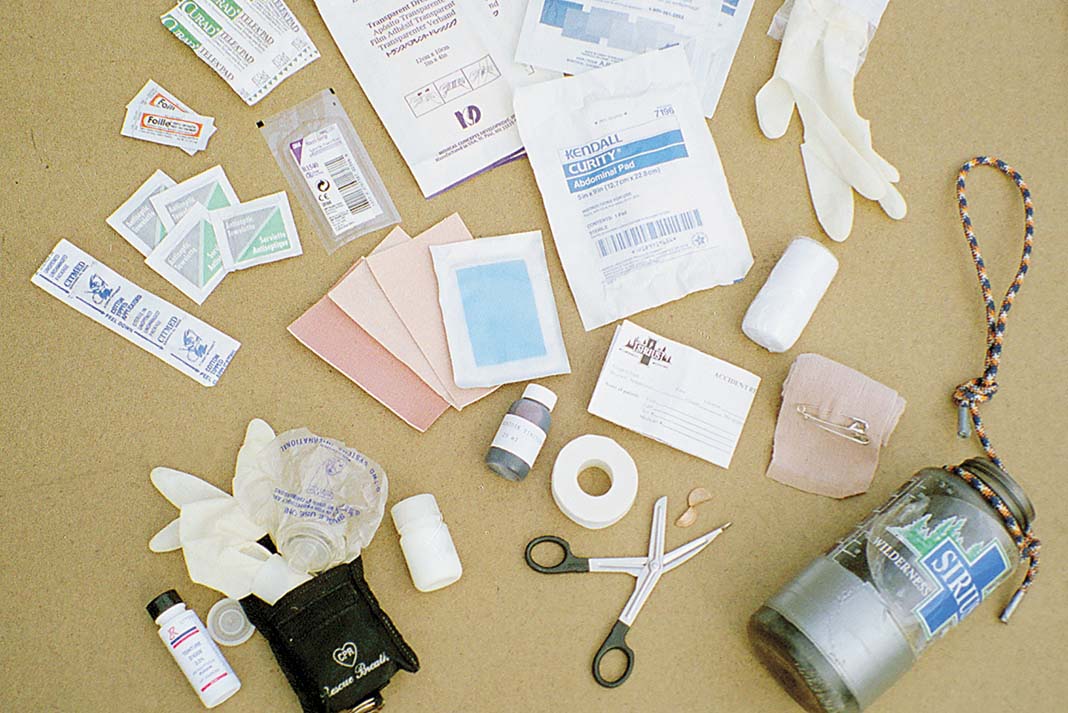
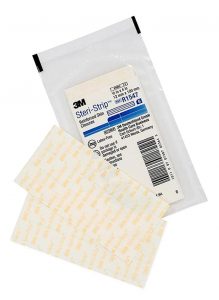 3M
3M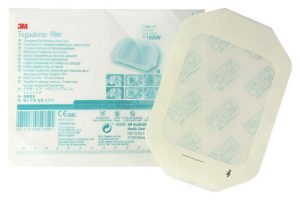 3M
3M Band-Aid
 Med Pride
 Covidien
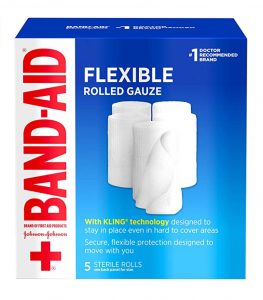 Band-Aid
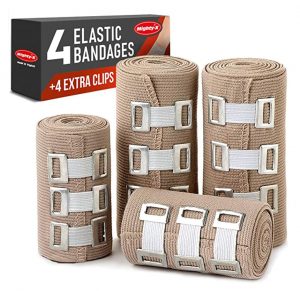 Mighty-X
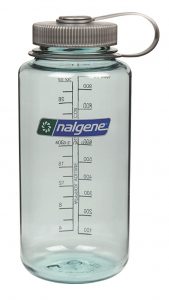 Nalgene
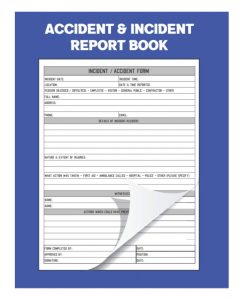 Deiiro Bloor Publishing
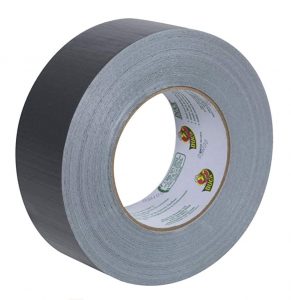 Duck Tape
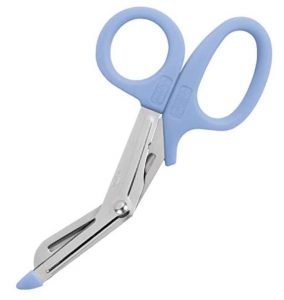 Prestige
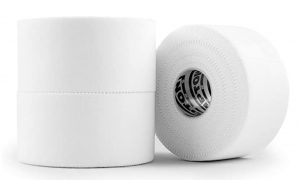 Hampton Adams
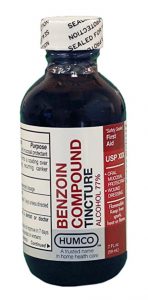 Humco
Humco CareAll
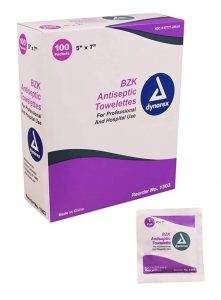 Dynarex
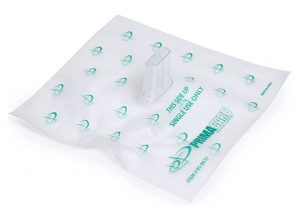 Primacare
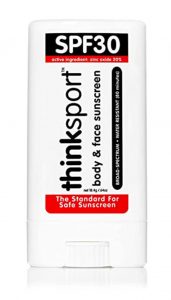 Thinksport
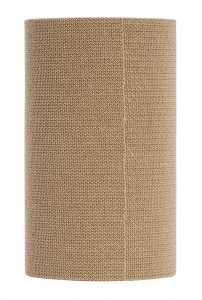 Tensoplast
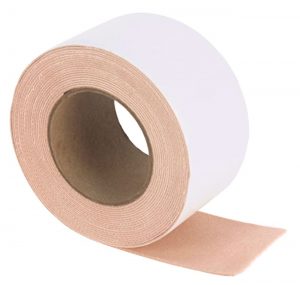 MediTac
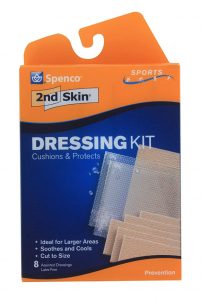 Spenco
 P&P Medical Surgical
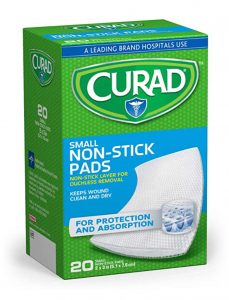 Curad
Curad
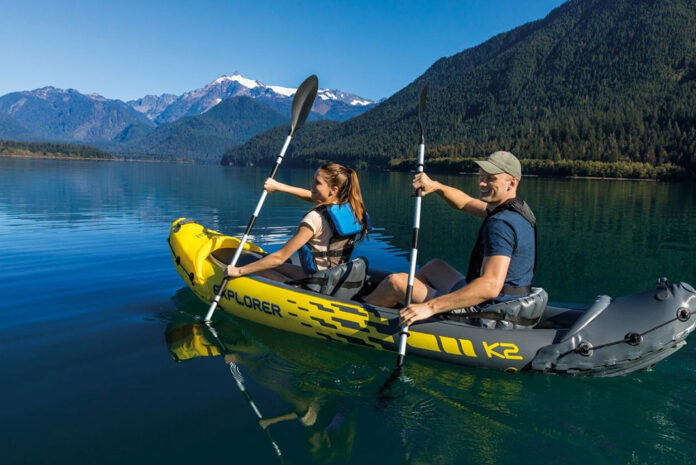
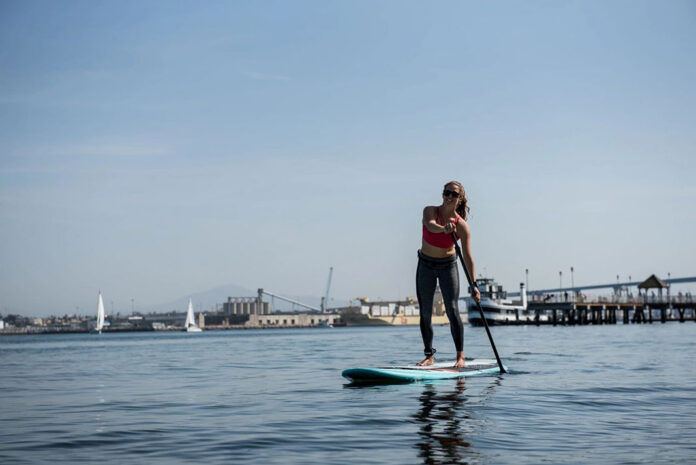
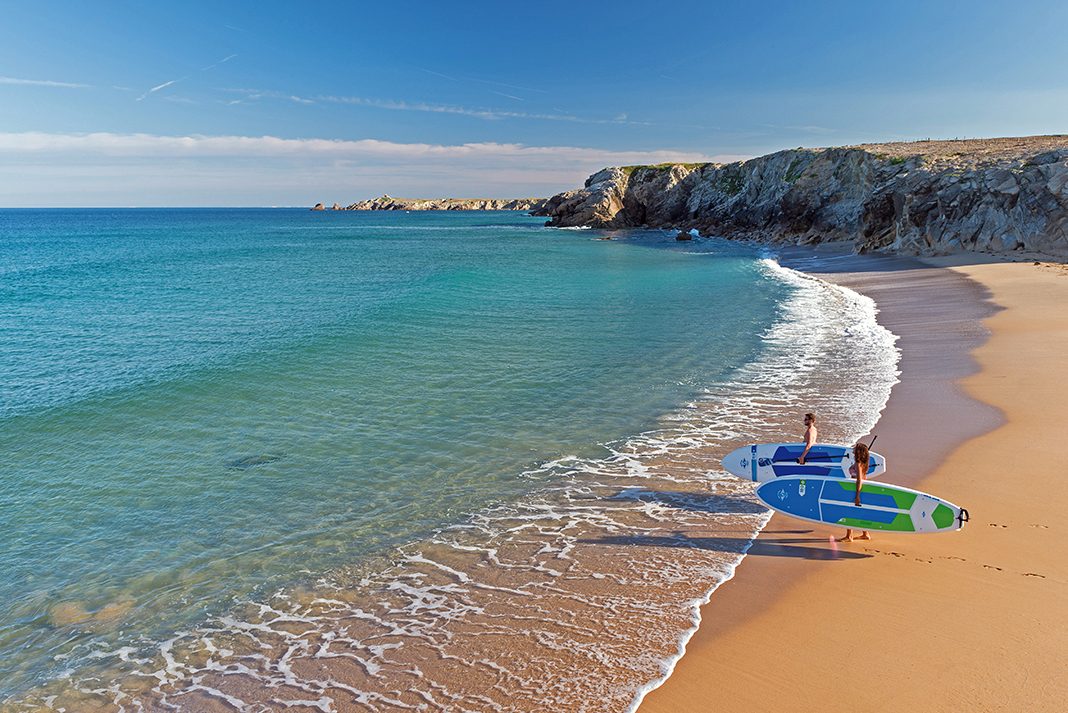
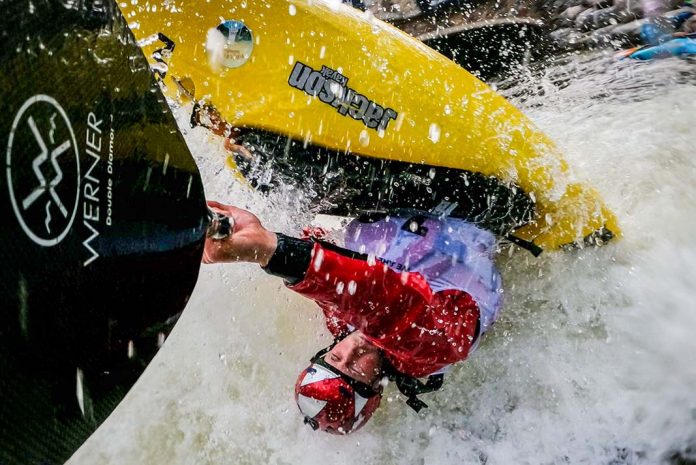
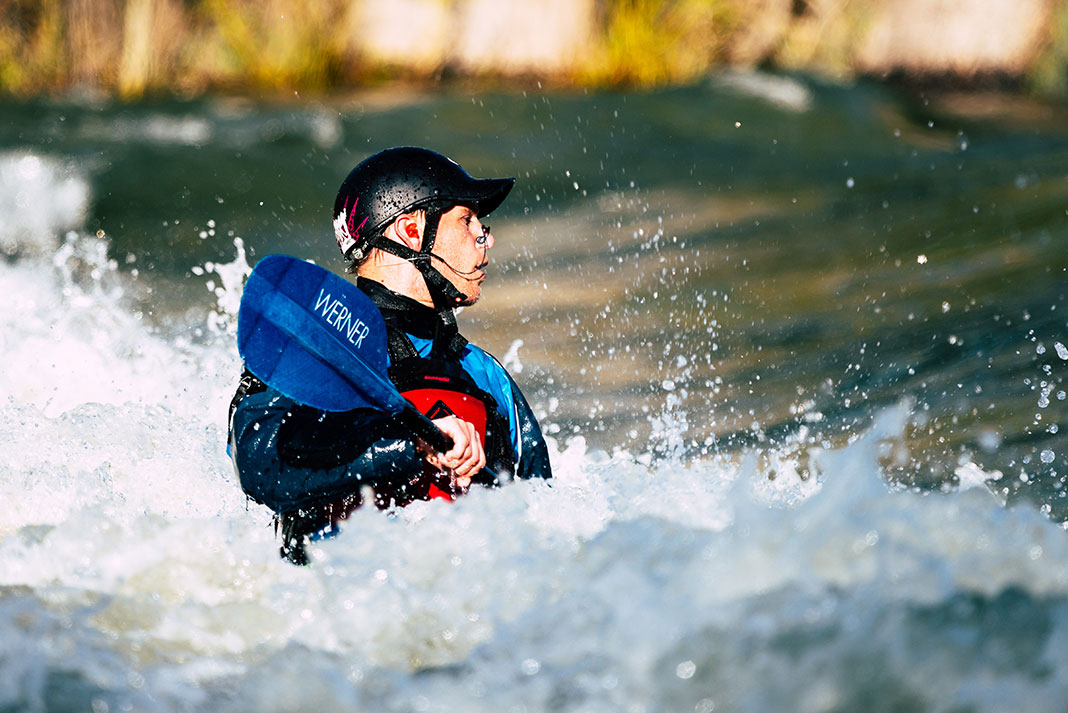
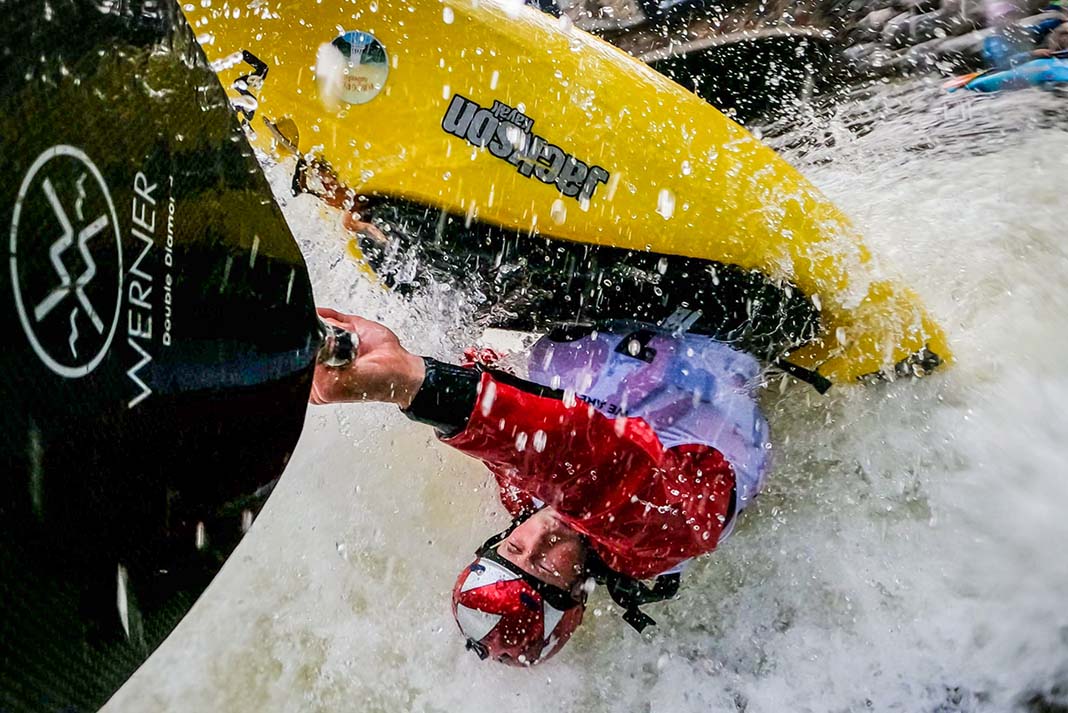
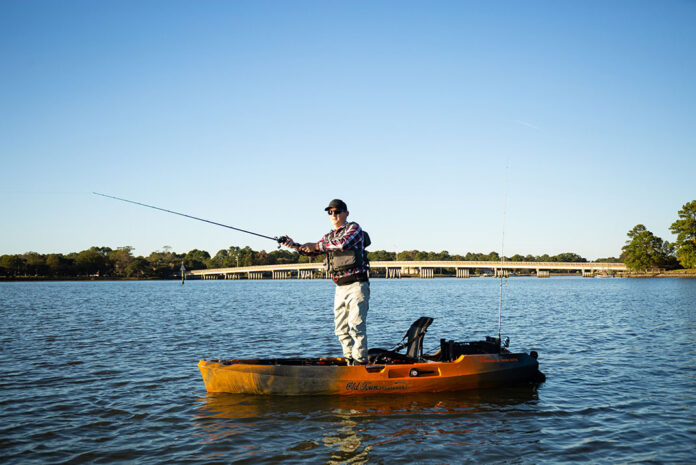
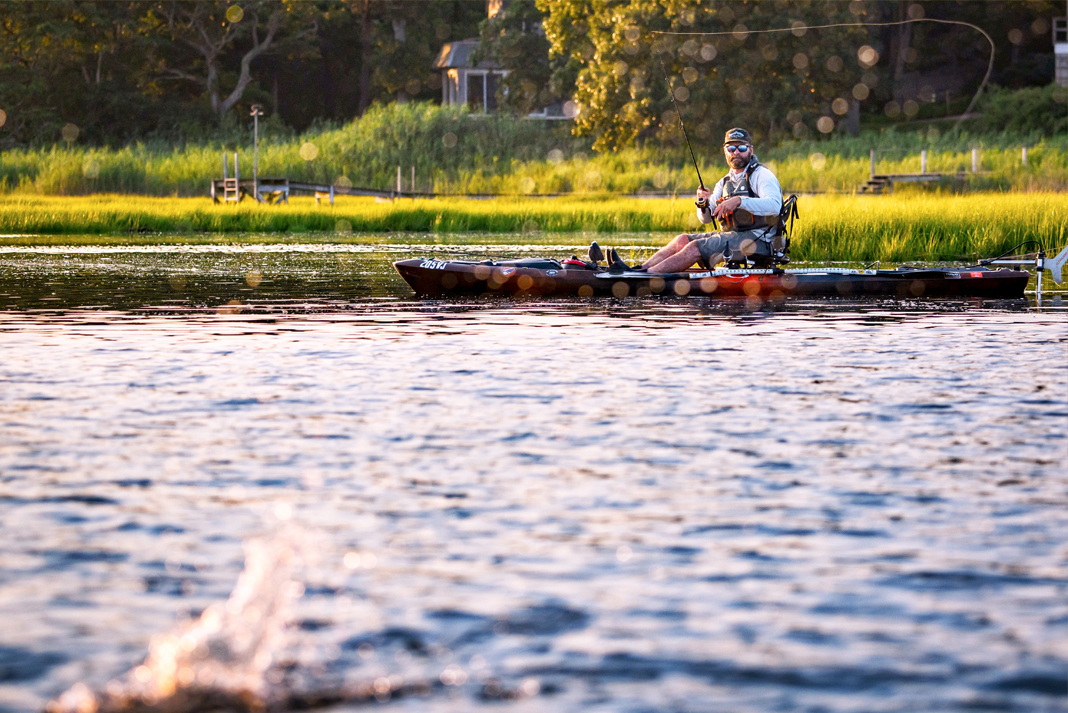

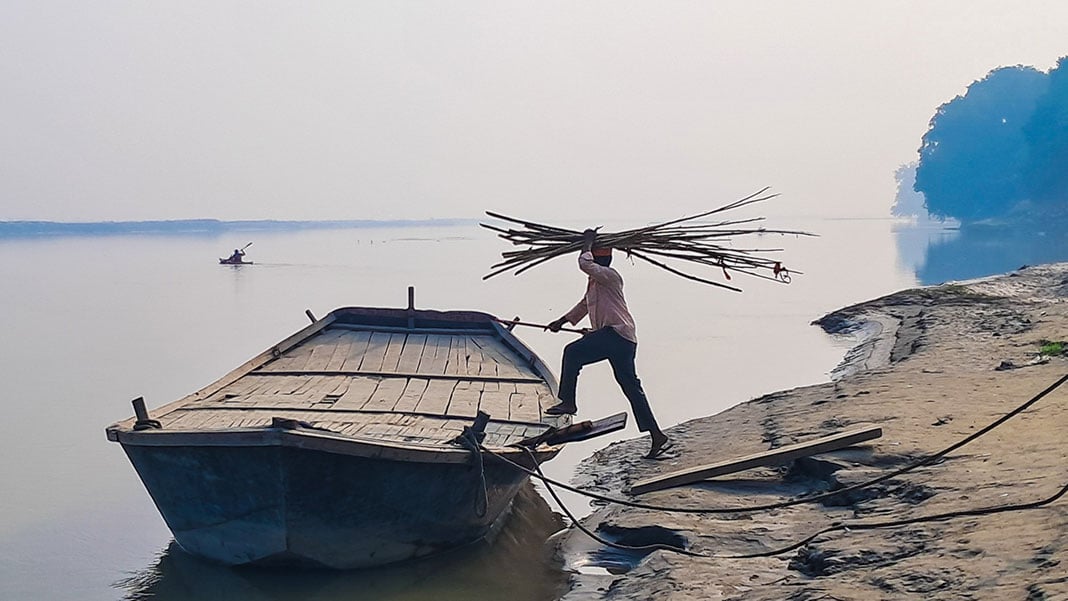
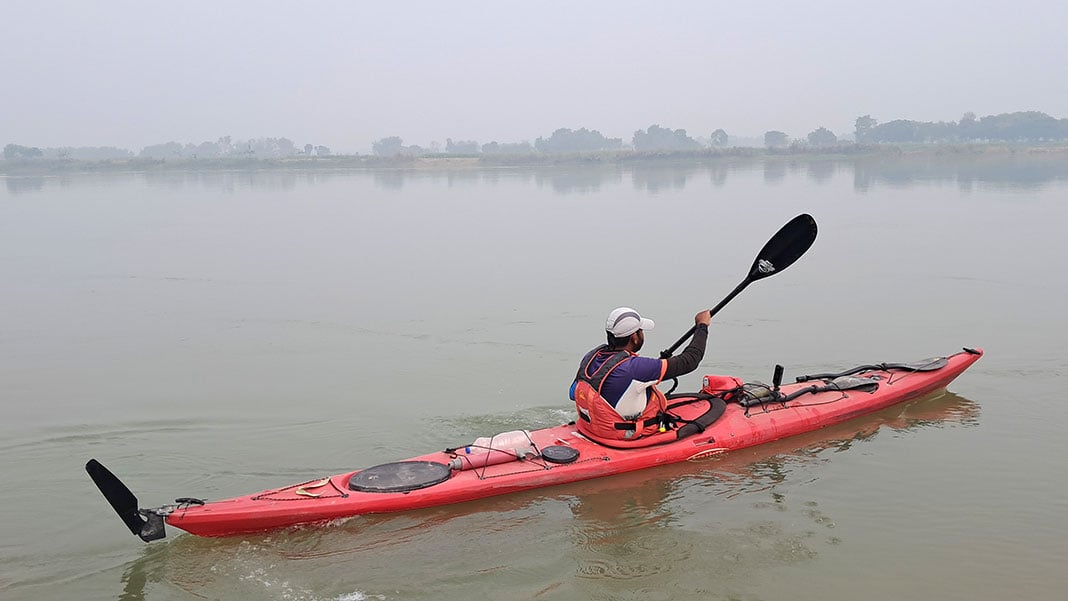
 This article was first published in Kayak Angler Issue 45.