Home Blog Page 146

Boat Review: Liquidlogic Homeslice Whitewater Kayak

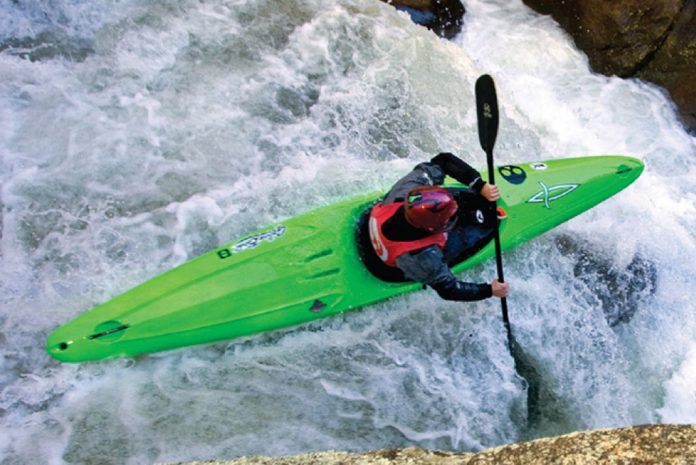
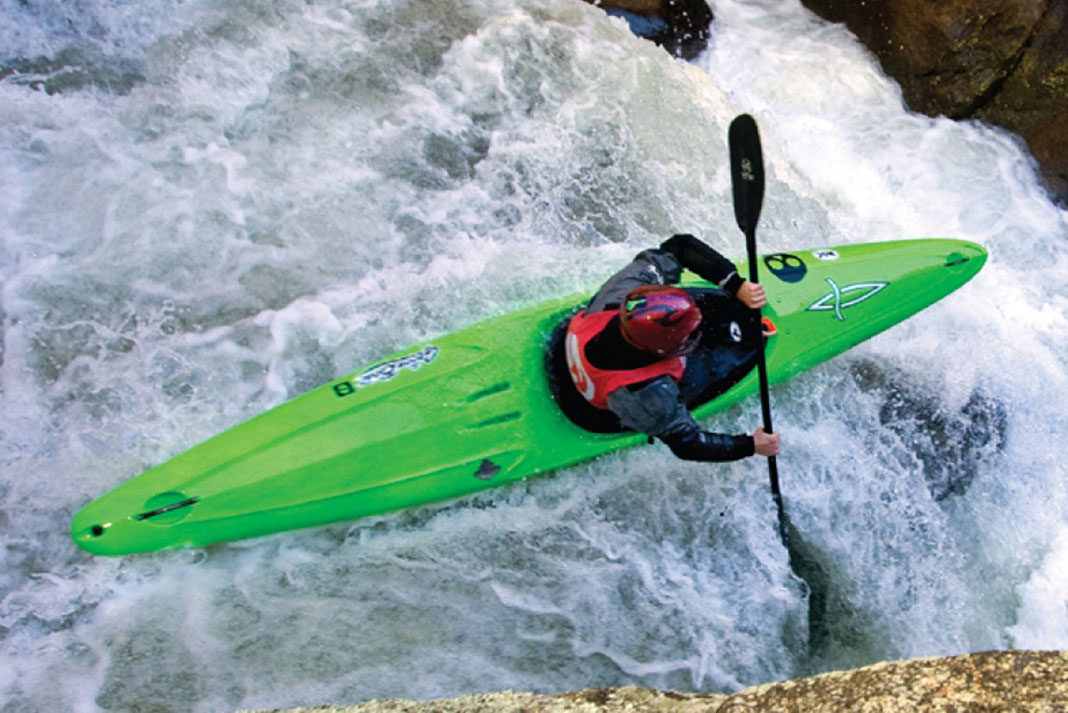
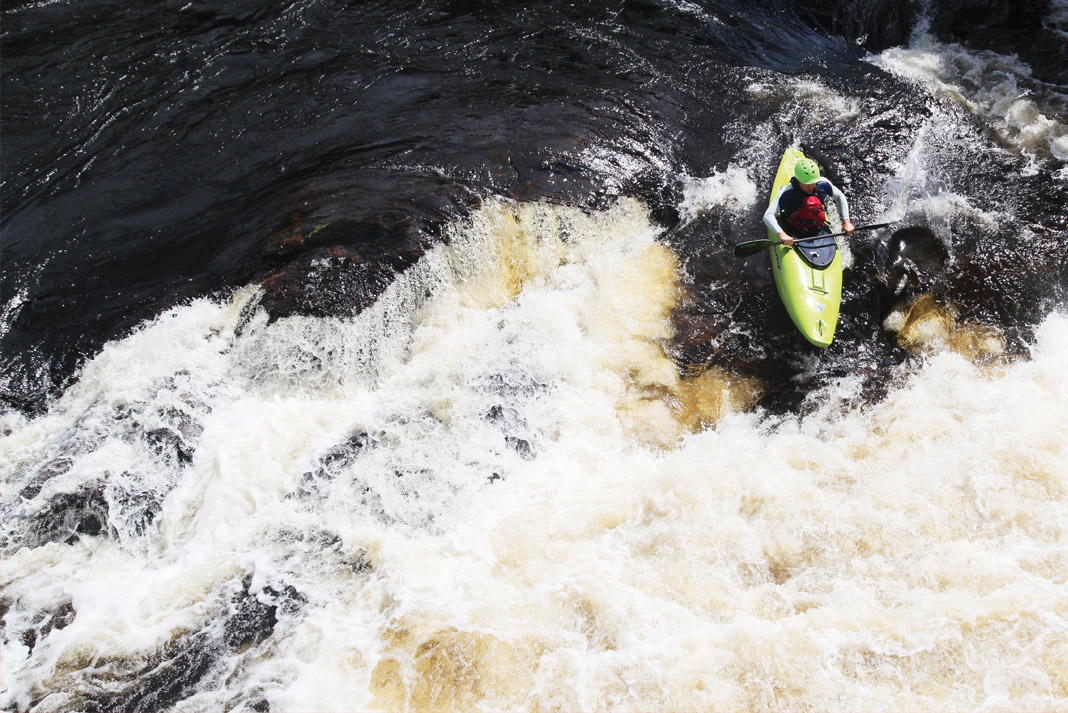
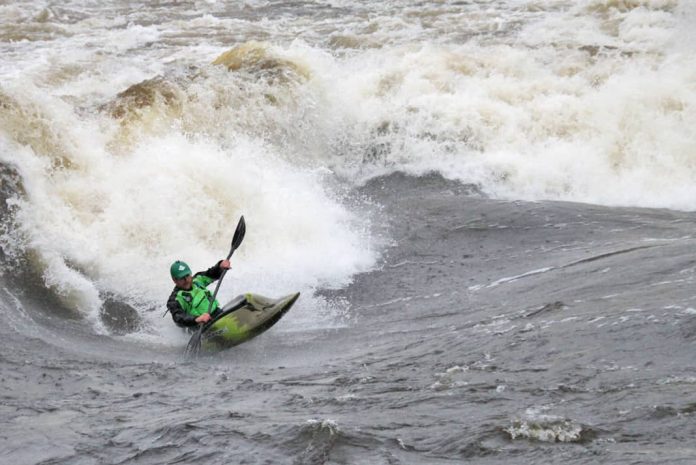
Homeslice (n): A close friend you have known for a very long time. | Photo: Jill McLellan

Back in 2001, Liquidlogic debuted their first-ever design—a slicey playboat called the Session. Almost two decades later, Liquidlogic has gone full circle, with a bold, new slicey design. The award-winning Liquidlogic Homeslice debuted at Paddlesports Retailer in Oklahoma City last summer and celebrates the retro whitewater revolution. It promises to cartwheel, squirt, splat and surf, while blending old-school-cool looks and tricks with modern flair and comfort.

Liquidlogic Homeslice Specs
Length: 7’7”
Width: 26”
Volume: 55 U.S. gal
Weight: 32 lbs
MSRP: $1,049
www.liquidlogickayaks.com
[ Paddling Buyer’s Guide: See the Liquidlogic Homeslice kayak ]

Liquidlogic’s Homeslice leads a retro revival

The wave of retro designs flooding the rivers is all about designers getting back to their roots.

“I used to paddle this type of boat in the ‘90s,” says Liquidlogic’s co-founder and boat designer Shane Benedict. “The Green River has been a hotbed of the slicey boat revival. A lot of folks have been pulling out old designs and trying them out. The Homeslice takes the fun of the two-ended slicey boat and adds what we’ve learned about outfitting, comfort and ergonomics.”

Comfort is a big selling point. Marketing materials tout its ample knee and foot room, claiming even tall paddlers can fit with shoes on. The nose of the Homeslice is taller than the Session’s, giving toes more room. I wasn’t paddling during the first slicey boat revolution of the late ‘90s and early aughts, but I’ve heard flat bows created nasty calluses on the tops of paddlers’ toes.

Perhaps used to more voluminous bow designs, I found the Homeslice uncomfortable with size 10 shoes on. My ankles fell asleep and I worried my shoes might have gotten caught up on the front pillar if I had to swim out. After switching to neoprene booties I got comfortable. The Liquidlogic Homeslice utilizes a standard foam foot-block and shim setup for feet, with a strap to keep everything snuggled together. It’s a simple design proven to be reliable, comfortable and easy to adjust. True to the claims, I did have plenty of room left in the knee pockets even though I was using nearly all of the foot shims, which makes me think someone very tall indeed could fit comfortably in this boat.

Customize your ride for a snug fit

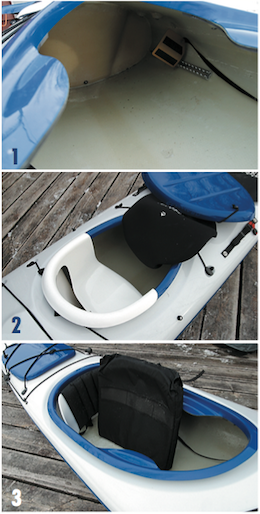
The Homeslice comes complete with Liquidlogic’s popular Badass Outfitting. It gives the paddler a contoured seat, backband and hip pads easily customized for a snug fit. I’ve paddled a Liquidlogic Stinger XP crossover for four years, and know firsthand the outfitting is well made, durable, comfortable and drains well. The seat in my Stinger features more of a mesh fabric, which I find can occasionally chafe at bare skin, but Liquidlogic has updated the fabric which does not feel as though it will cause the same issue.
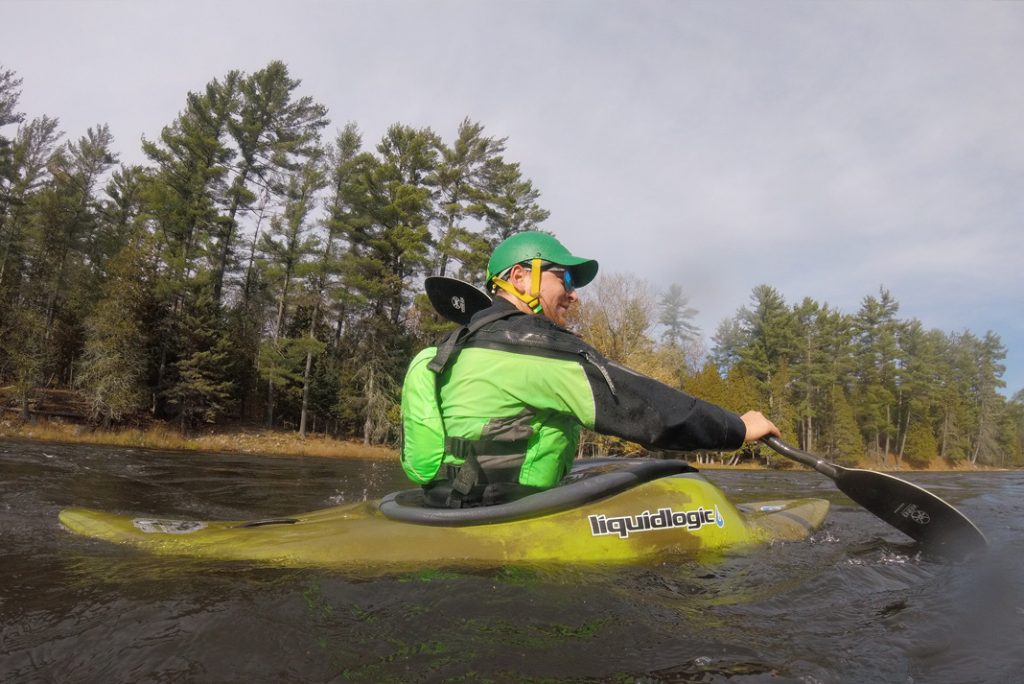
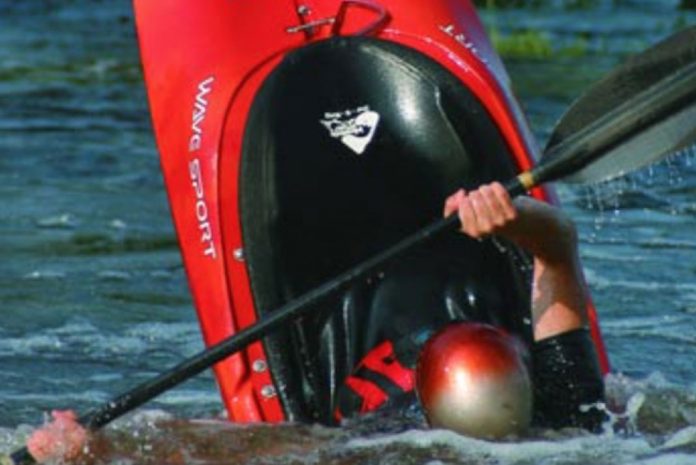
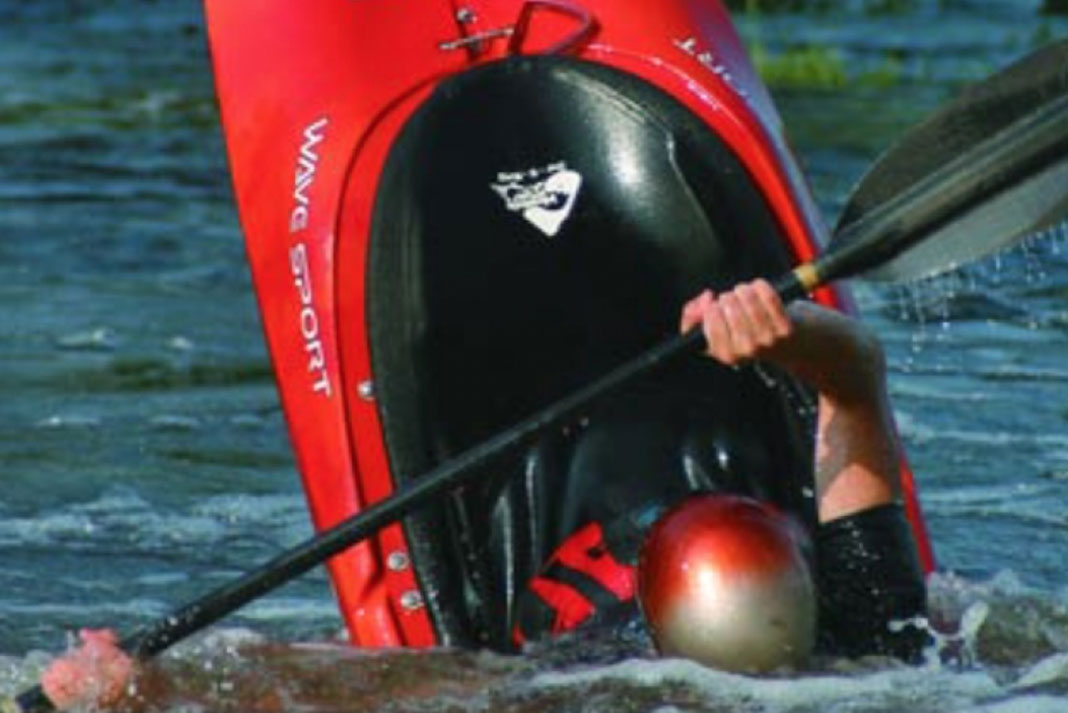
Though the bow is taller than Liquidlogic’s original slicey boat, the Session, the cockpit rim is lower than first generation models, which used to bash elbows—ouch. | Photos: Jill Mclellan
Though the bow is taller than Liquidlogic’s original slicey boat, the Session, the cockpit rim is lower than first generation models, which used to bash elbows—ouch. | Photo: Jill Mclellan

For me, when I roll a Liquidlogic kayak, the rigid backband straps are not enough to keep the backband in place, and I find it moves down off my lower back and I wind up nearly sitting on it. This is easily fixed by adding bungees to my Stinger’s backband and connecting it to the cockpit rim. This keeps the backband nice and high. If the Homeslice were my boat, I would make the same simple modification.

Liquidlogic gets back to slicing

The Liquidlogic Homeslice isn’t the only new release from Liquidlogic to get in on the retro-slice revolution—the throwback Braaap and Mullet were released in 2015 and 2016.

[ Paddling Buyer’s Guide: See all Liquidlogic kayaks ]

“The Homeslice takes the lineup more aggressively towards play, as opposed to getting down the river,” says Benedict. “The Braaap and the Mullet want to play but have great river running capabilities, with more rocker and volume in the bow for creeking. When we went to the double-ended slice and more of a planing hull in the Homeslice, the play capabilities increased.”

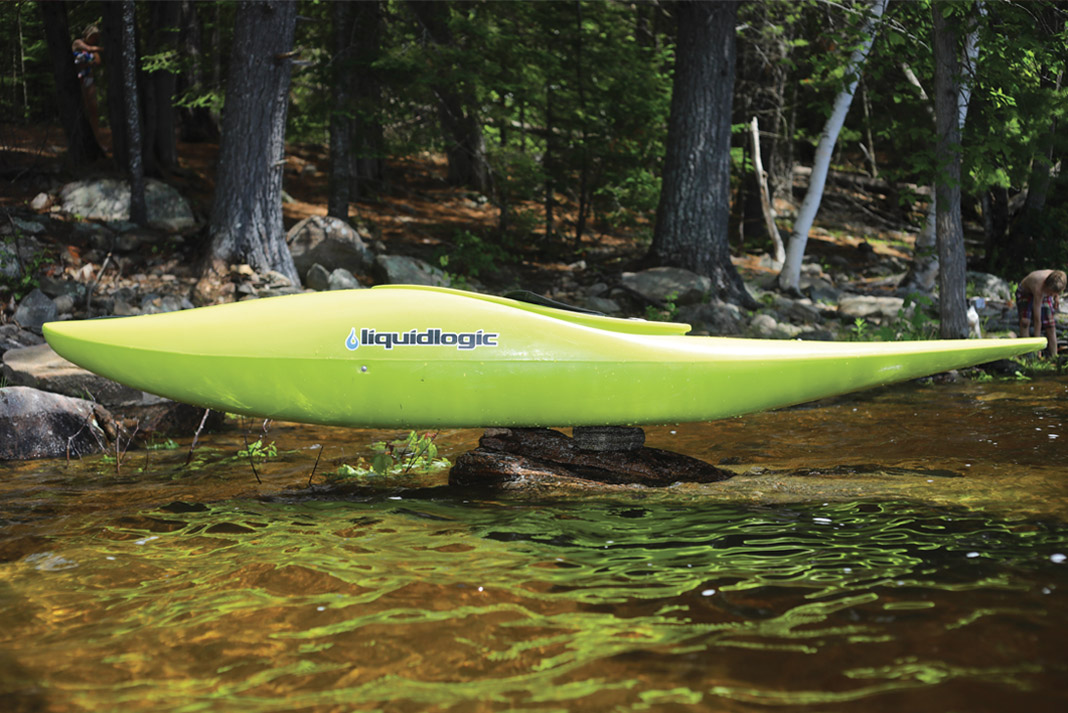
The square-ended design of the Homeslice creates a faster carve and improves looseness on a wave, says Benedict. More progressive rocker creates easier stalls and cartwheels compared to the Liquidlogic Session, he adds, and a stern V-hull helps carving and easy spin initiation.
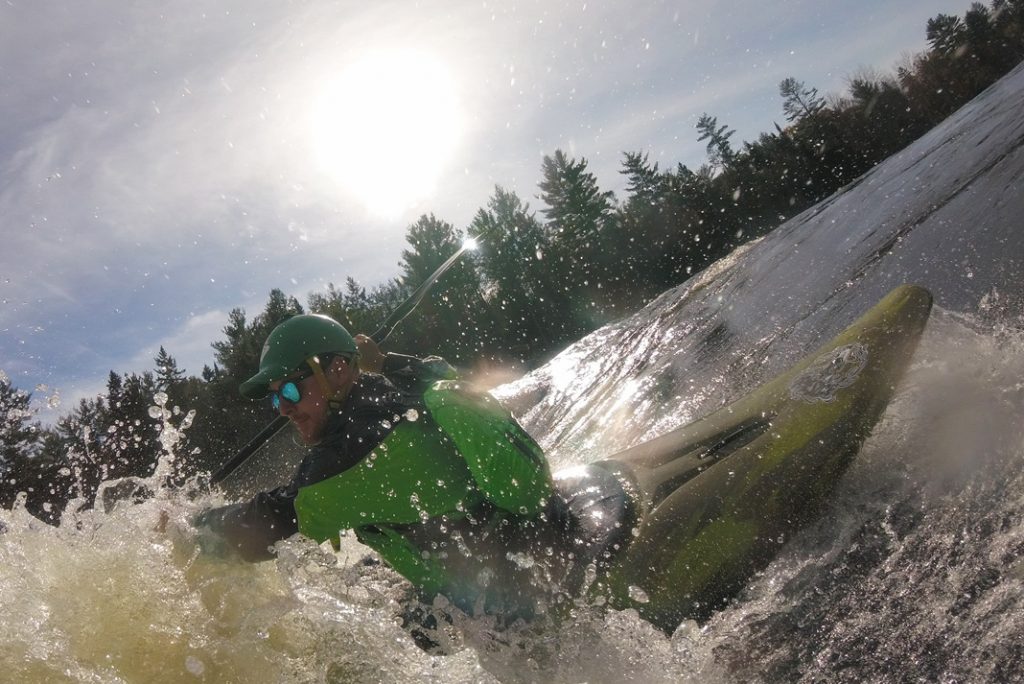
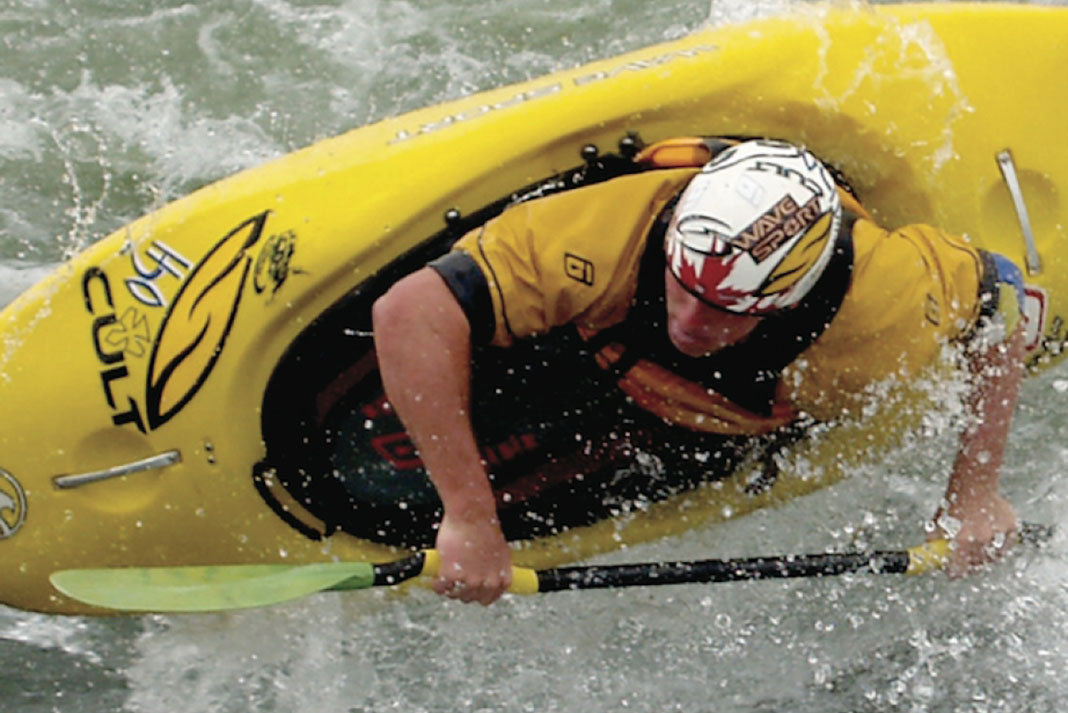
Top: The square stern creates a faster carving kayak and improves looseness on a wave. | Photos: Jill Mclellan
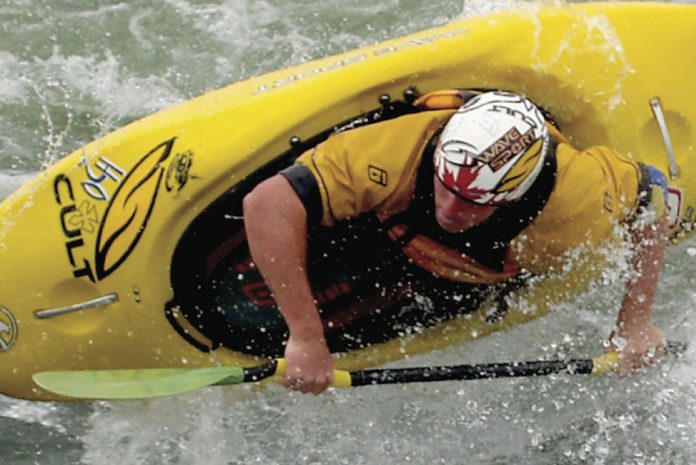
The square stern creates a faster carving kayak and improves looseness on a wave. | Photo: Jill Mclellan

Out on the Ottawa River

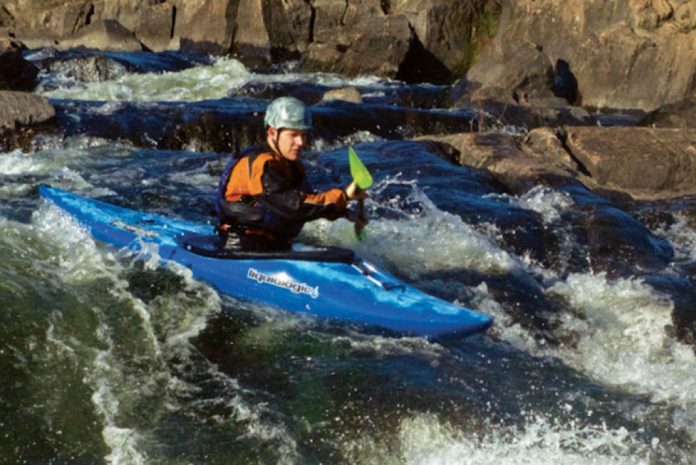
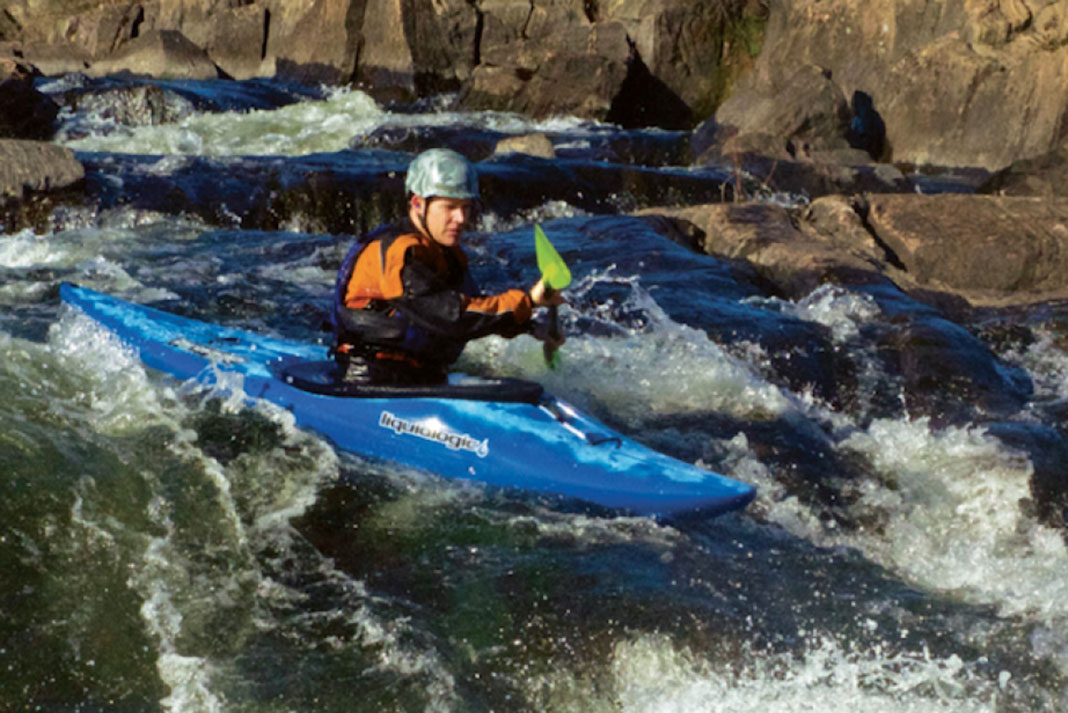
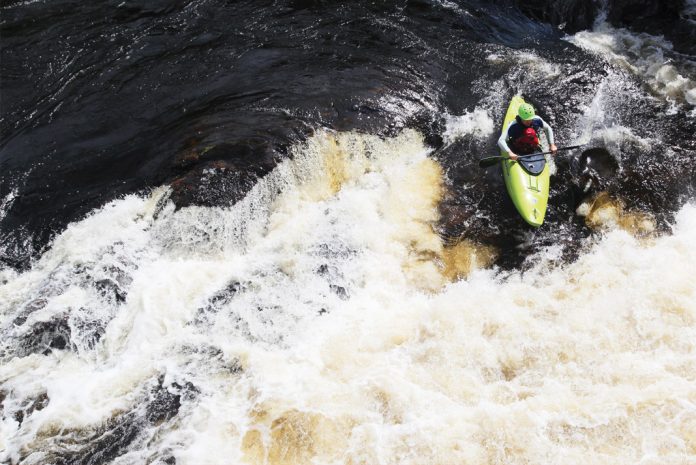
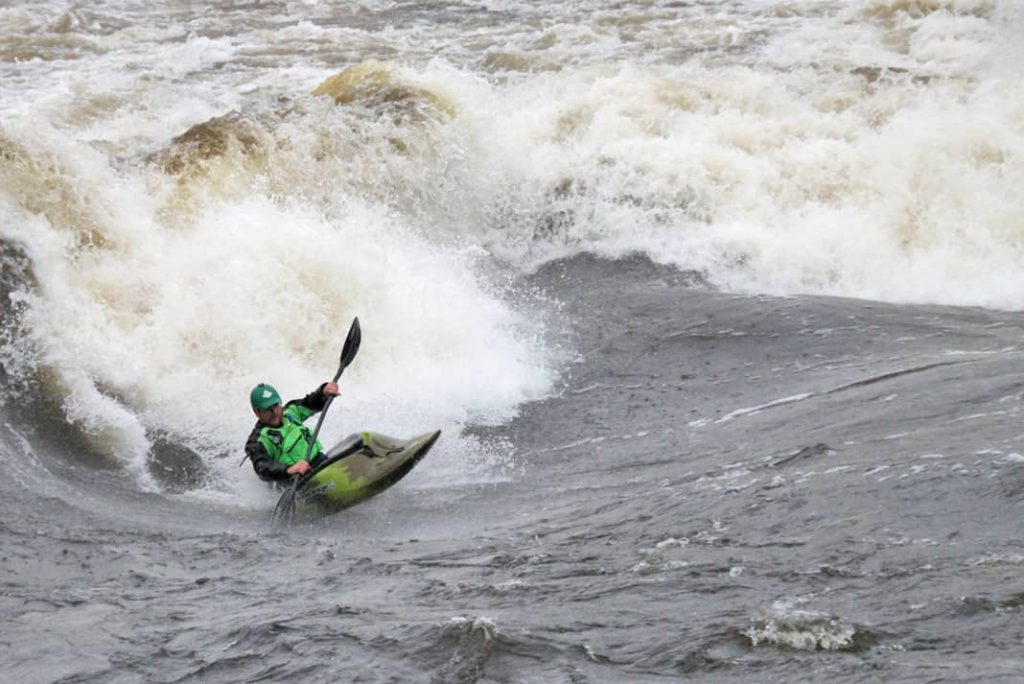
I first paddled the Liquidlogic Homeslice on the Ottawa River. With the river gauge at 17, there were plenty of play spots on the Middle Channel, and Buseater was in on the Main Channel. The Homeslice made for a fun big water day—indeed, carving on waves and spinning is easy. It has decent speed and can play even on small or greener rollers. Longer ends mean having to pay a bit more attention.

Conditions weren’t ideal during the time I had the Liquidlogic Homeslice for cartwheels, and I’m a little young for cartwheels anyways so I passed the Homeslice around. Older reviewers assured me the Homeslice cartwheels as promised—on eddylines, in flatwater, on white waves and in mid-sized holes. The cartwheels can be slow and controlled, which makes them attainable for mortals, like in the old days, like say 17 years ago when Eric Jackson beat Eric Southwick to win the Worlds in Sort, Spain.

Where the Homeslice really excelled was on the lower-volume Petawawa—its low-volume ends made flatwater bow stalls and stern squirts a breeze, keeping things entertaining between rapids. Squirting eddylines, and splatting rocks was a blast. Though this one-size-fits-all design is directed at paddlers from 140 to 220 pounds, I’m convinced I may have been able to squeeze a mystery move out of this boat at 180 pounds had I tried hard enough.
[ Plan your next whitewater kayaking adventure with the Paddling Trip Guide ]
Homeslice (n): A close friend you have known for a very long time. | Photo: Jill McLellan
Homeslice (n): A close friend you have known for a very long time. | Feature Photo: Jill McLellan

Get a slice of the action with the Liquidlogic Homeslice

The Liquidlogic Homeslice is solidly in the playboat category, rather than in the family of river running playboats we’ve seen return over the past several years. It is a different kind of playboat than what kayakers have gotten used to over the past decade. It doesn’t charge down rapids, but plays with a slice. For those who live to shred every eddyline and splat every rock, Liquidlogic’s retro playboat revolution is here.

This article was first published in Issue 58 of Paddling Magazine. Subscribe to Paddling Magazine’s print and digital editions, or browse the archives.
 

Kayaking In Chile’s Whitewater Paradise

man kayaking off a waterfall

Last December I set a course to Chile in hopes of kayaking what I’ve been told are the best whitewater runs in the world. After taking the long flight from Boise to Santiago and meeting up with Jan Choutka, our plan was simple—paddle as much as possible.

Seeking out the best whitewater kayaking in Chile

It had been only a moderate snow year in Chile with an inconsistent rainy season, so we moved from north to south chasing water and joining forces with locals, established gringos and other characters along the way.

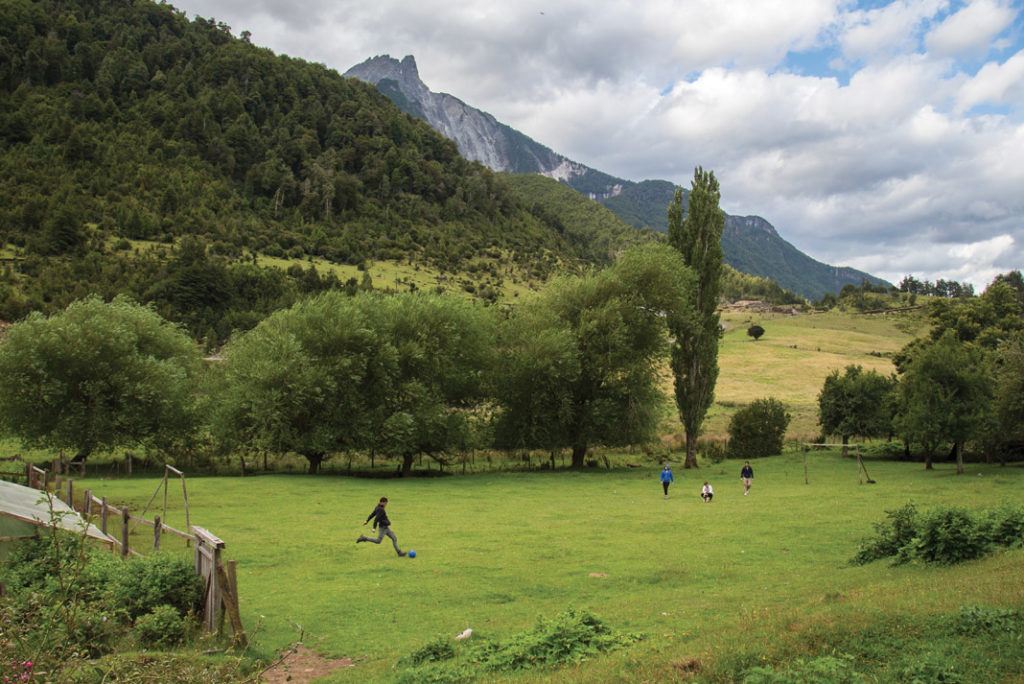
We started our journey paddling around the tiny, rural town of Curacautín. Then to the whitewater tourism mecca town of Pucón. And finally to Futaleufú River where we spent three weeks paddling, fishing and playing soccer on the banks of Futa beneath the Andes. We travelled over 500 miles and paddled some of Chile’s classic rivers, all without a rented vehicle. We lived cheaply on bread, avocado, and Escudo.

Riding the Rio Blanco Del Sur

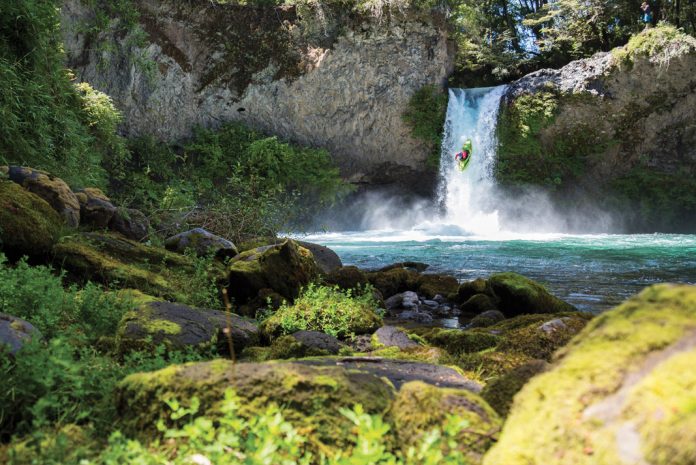
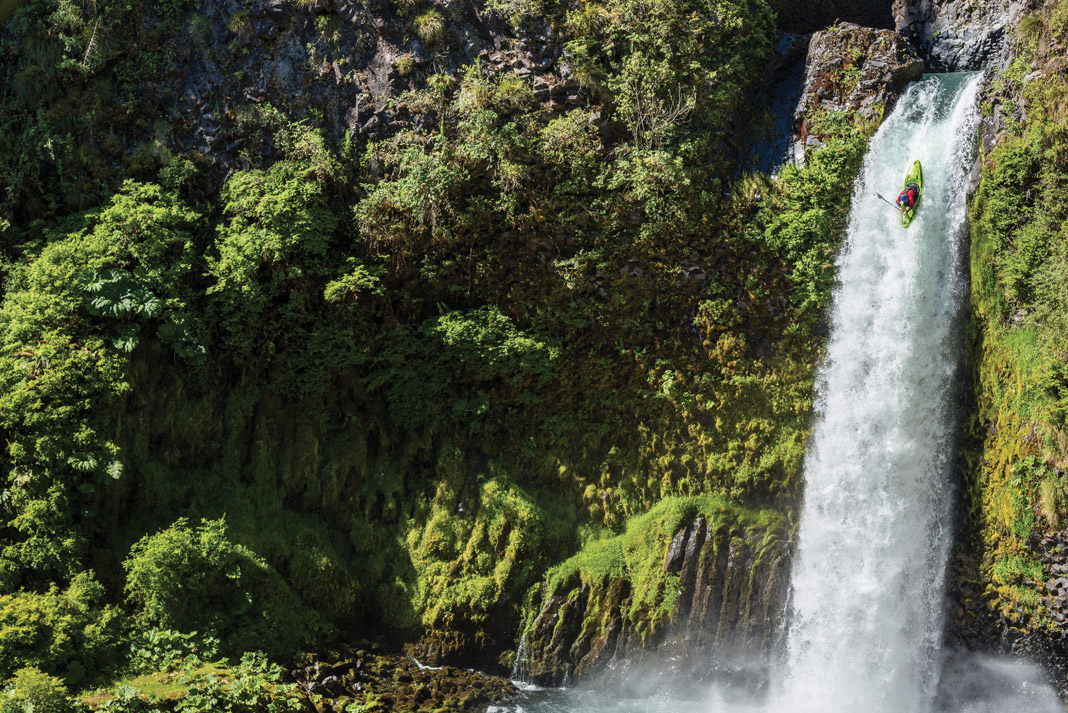
After arriving outside Curacautín, about a 30-second walk from our parked vehicle in a cow pasture, we put in for this drop in a mellow eddy just above the lip. After a couple splashes in our faces, we experienced 33 feet of relatively risk-free free fall before landing in the crystal clear pool. Another lap required us to scale the cliff with boats on our shoulders or have them pulled up by a friend above.

Tomatita is a 50-footer that has been named after its bigger brother, Tomata Falls on the Alseseca River in Mexico. After some particularly bumpy Chilean roads, only minutes away from Rio Blanco Del Sur you find yourself passing over the tributary of the Cautín to park and hike through fields of grass to the lip. Not one I’d call a park-and-huck drop, as it is a very wet and sketchy ascent to get out of the cliffed out corridor below.

Dropping a waterfall while whitewater kayaking in Chile
Tomatita waterfall. |Photo: John Webster

Travel tips for the best whitewater kayaking in Chile

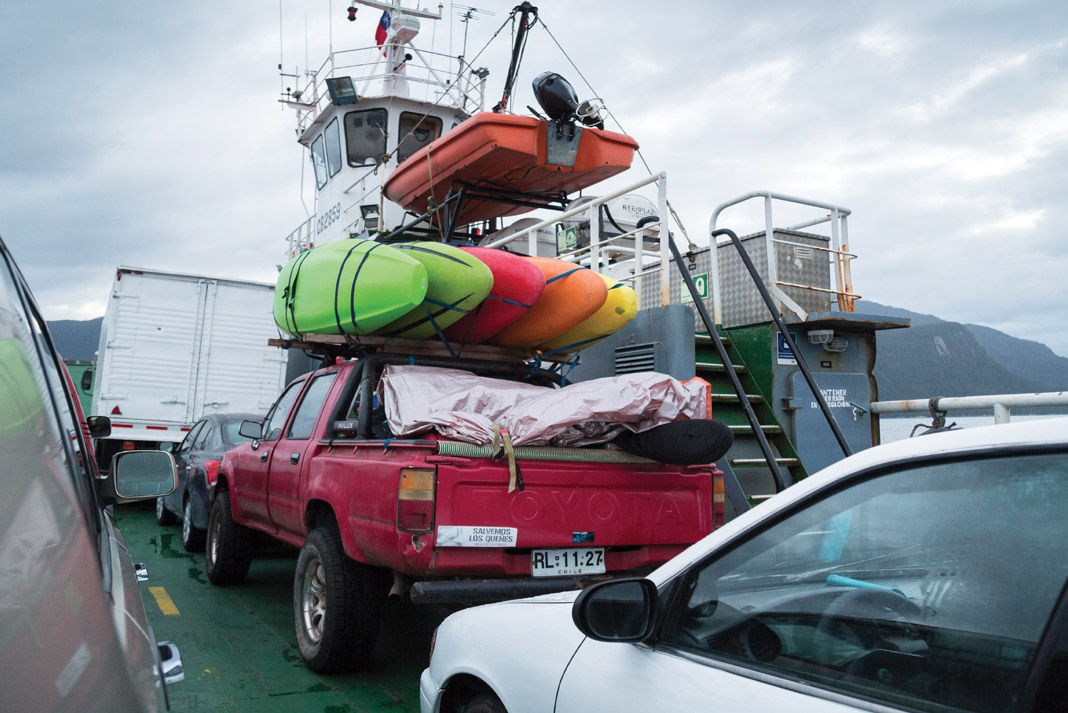
I recommend renting or even buying a vehicle to boost your chances of kayaking every day with the freedom to explore the best spots. We heard stories about how buying a vehicle proves to be difficult for everyday gringos. Apparently there is a process administered by the government that requires more effort and more money to obtain the keys to say a new or used Toyota Hilux, the South American version of the Tacoma.

Also, the Chilean roads are abusive and we were warned that sometimes vehicles aren’t as good as they first seem. We were told that it is significantly cheaper to rent in the city of Santiago than it is in any Chilean tourist towns. We didn’t rent or buy. Through kind friends and a relatively cheap shuttle service in Pucón, we found our way around a majority of the rivers.

About a four-hour drive north from Pucón is the surrounding region of Volcan Llaima. Outside Llaima is a rural area with strikingly green rolling hills. It is not a place you’d think to find perfect waterfalls. But with the help of the website riversofchile.com, the famous guidebook Whitewater Chile and by word of mouth we eventually found the drops we were looking for and had two very productive days in the area.

What to eat and where to stay while whitewater kayaking in Chile

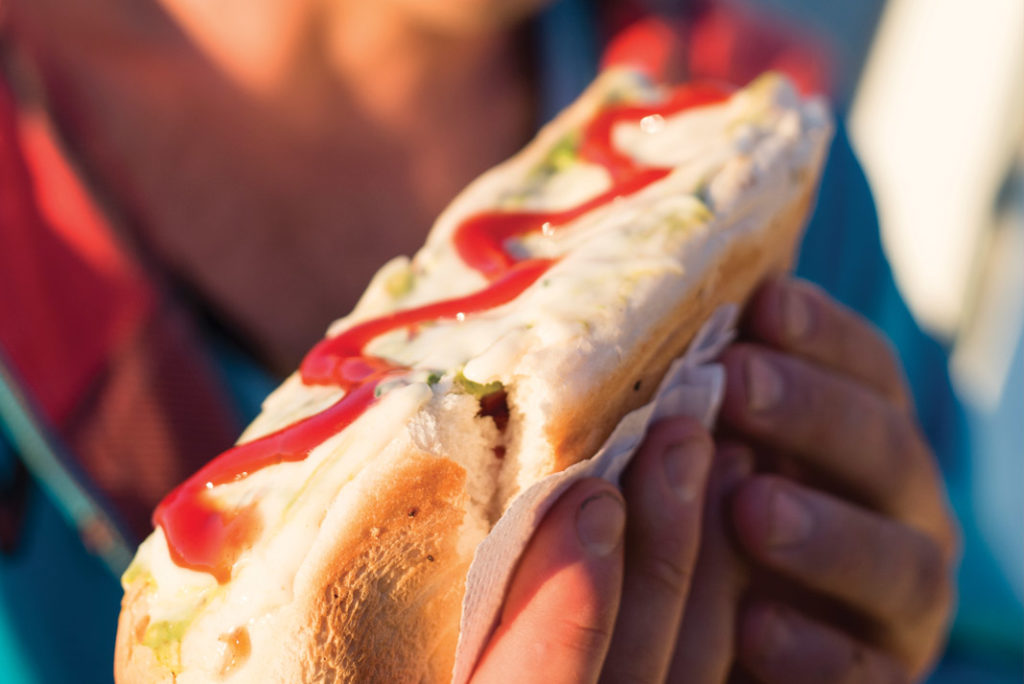
The completo is a version of a hotdog, which to my dismay is loaded with a ton of mayo. Food in Chile is magnificent if you like fresh fruit, vegetables and bread. The empanada reigns supreme in this country and can be found anywhere. Food is relatively cheap and most kayakers get their daily calories through basic items such as fresh avocado and sausage on bread.

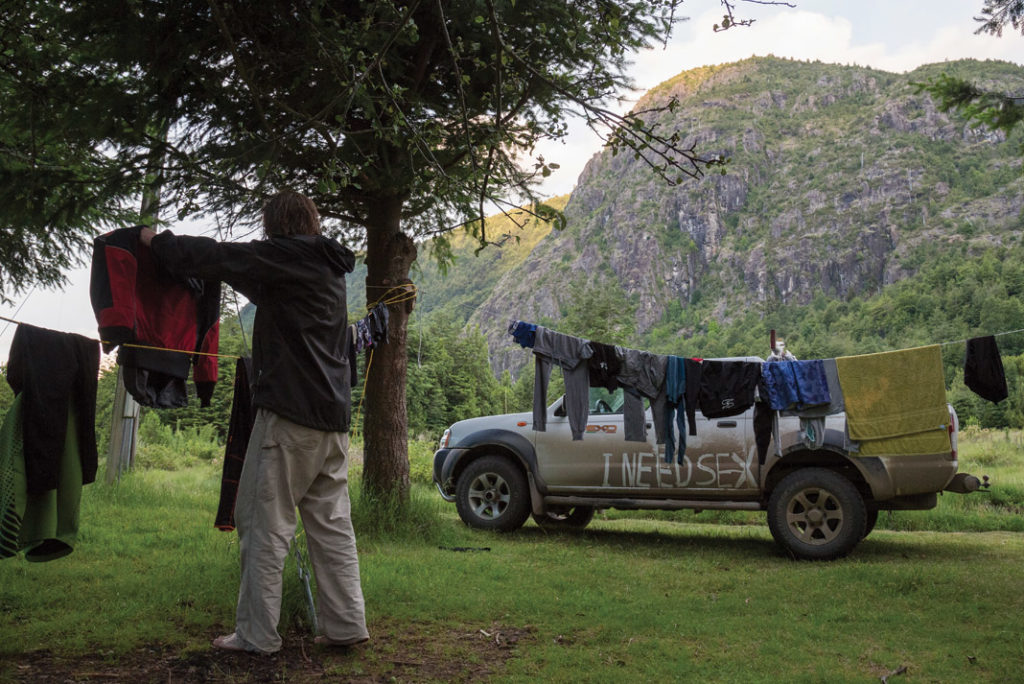
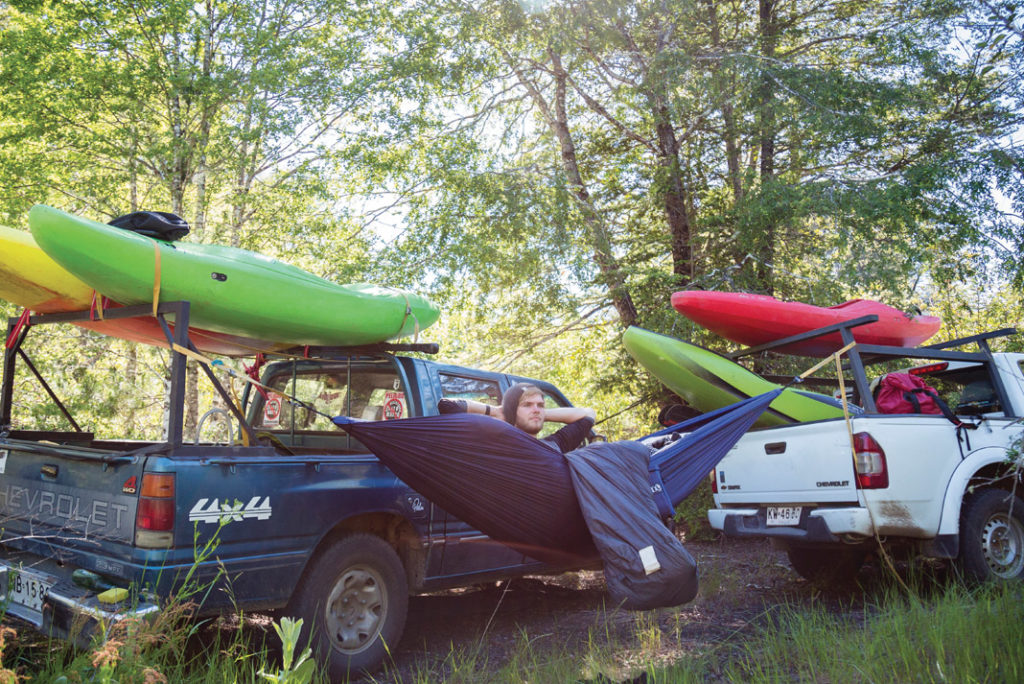
Camping is more or less acceptable on the side of the road in Chile. If you’re on private land there can be problems, but finding spots on the narrow shoulders really is no big deal. The evening before Newen Falls on a quiet logging road an exhausted twenty-one-year-old Edward Muggridge suggested the easiest spot—sleeping in the middle of a dirt road intersection. If we’d agreed to his brilliant plan we’d have been killed by the semi-trucks rolling through in the early morning.

paddler kayaks off 80 foot waterfall while whitewater kayaking in Chile
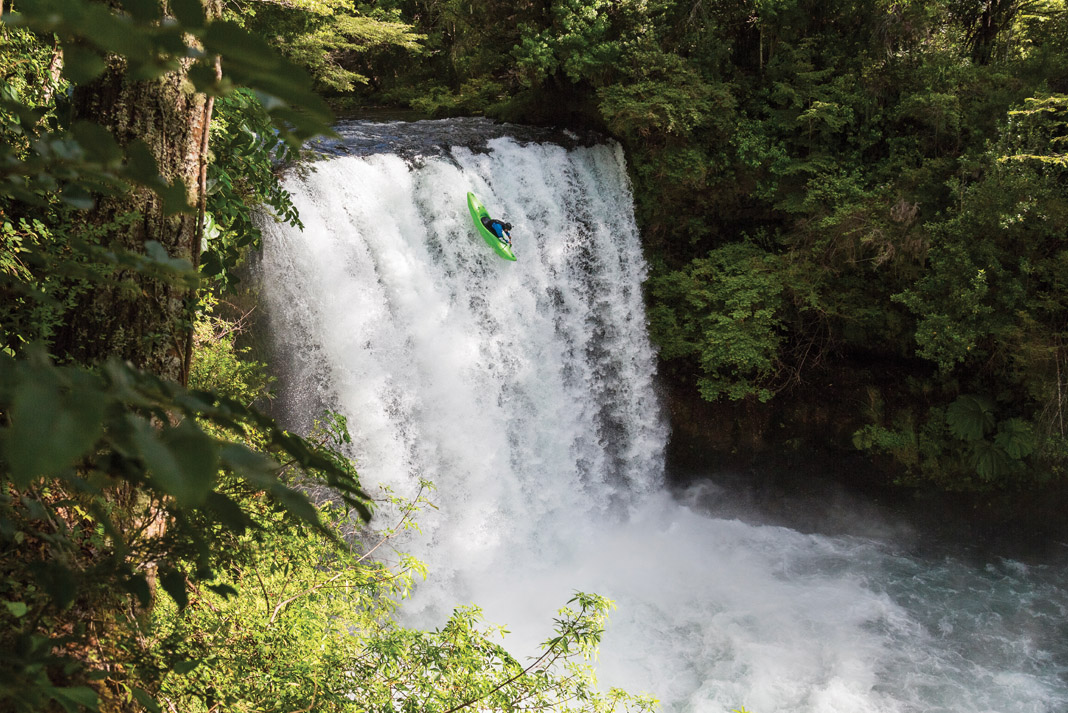
Newen Falls, found south of Curacautin. | Photo: John Webster

Waterfalls, creeks and dormant volcanoes

South of Curacautin, this waterfall has only seen a select few runs, including the first and second descent by Aniol Serrasolses back in 2015. Edward Muggridge and Jan Choutka made the decision to paddle off this clean approximate 80-footer. Ed, who broke his back off of Tomato 2 in Mexico a year to the day earlier, was the first of the two to fire off this seldom-paddled waterfall. Jan (shown above) is the first known C1 boater to have descended this drop and we think collected the record for highest descent in a C1.

The Palguin was mostly at a solid state the majority of the summer season. Having stretches like the Upper and Lower Palguin full of drops and scenery makes for a joyful afternoon lap away from the hustle in downtown Pucón. These small, creeky sections are mostly run by kayakers and are no stranger to private North American groups learning how to paddle off waterfalls during their Chilean expedition.

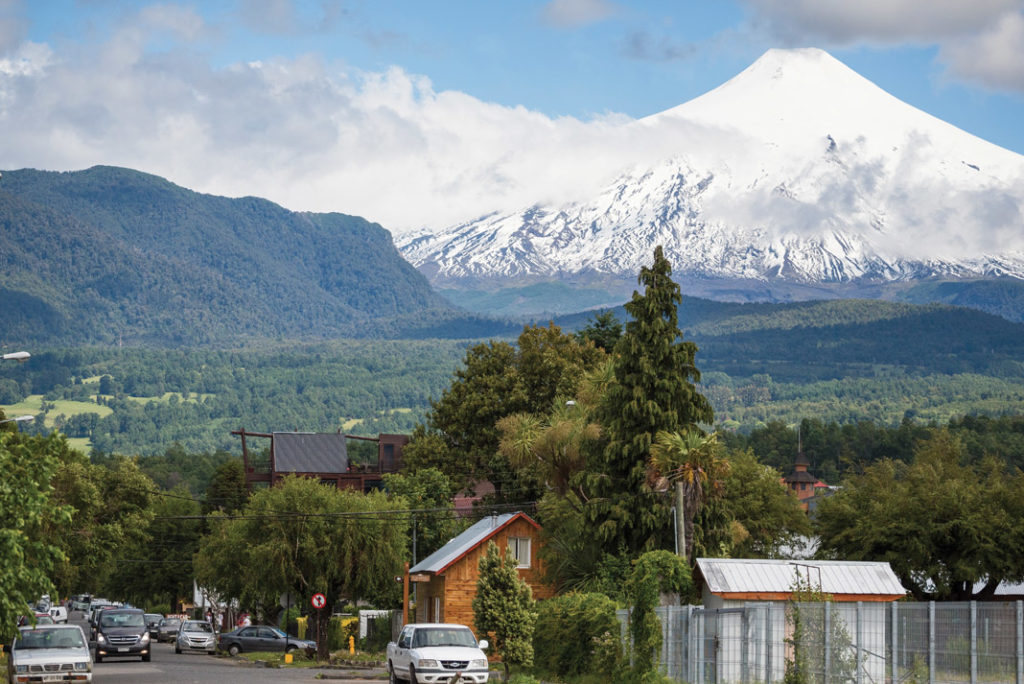
An eight-hour drive south of Santiago leads you to Pucón, which is directly under Villarrica, an active volcano. The reason Pucón is such a great destination for kayakers is the accessibility of different types of rivers and paddling adventures. The area is known as The Siphon because there is no reason to leave in search of other rivers and places to explore. Best yet, there are many hostels that are willing to accommodate smelly kayakers.

Chile has 500 active volcanoes and seeing them is quite a different experience from paddling in the Rockies. With volcanoes comes amazing whitewater and ever-changing features if there are earthquakes or eruptions. There are plenty of rivers that are in direct correlation to a volcano, in fact it is almost guaranteed that you can find a waterfall at the base of any volcano.

Pucón is a mecca for Chilean whitewater kayaking

A majority of kayaker income for those looking to work is in the tourism industry in Pucón. Be it raft guiding or waiting tables, kayakers have the opportunity to work here and play here. As spring ramps up to the incredibly busy summer in Pucón, the streets are alive with tourists ready to go whitewater rafting.

You can find everything from class II blue-water scenic runs to class V jungle creeks and waterfalls all within a couple hours of town. The classic stretches of Pucón are, but not limited to the Palguin, Trancura (above), Liucura, Nevados, and Turbio rivers. If you have the availability to travel out of Pucón, two hours south in the Lake District are runs like the Upper, Middle, and Lower Fuy.

kayaker paddling through whitewater in Chile
The Futaleufi River in Patagonia. | Photo: John Webster

The Futaleufú River offers some of the best whitewater kayaking in Chile

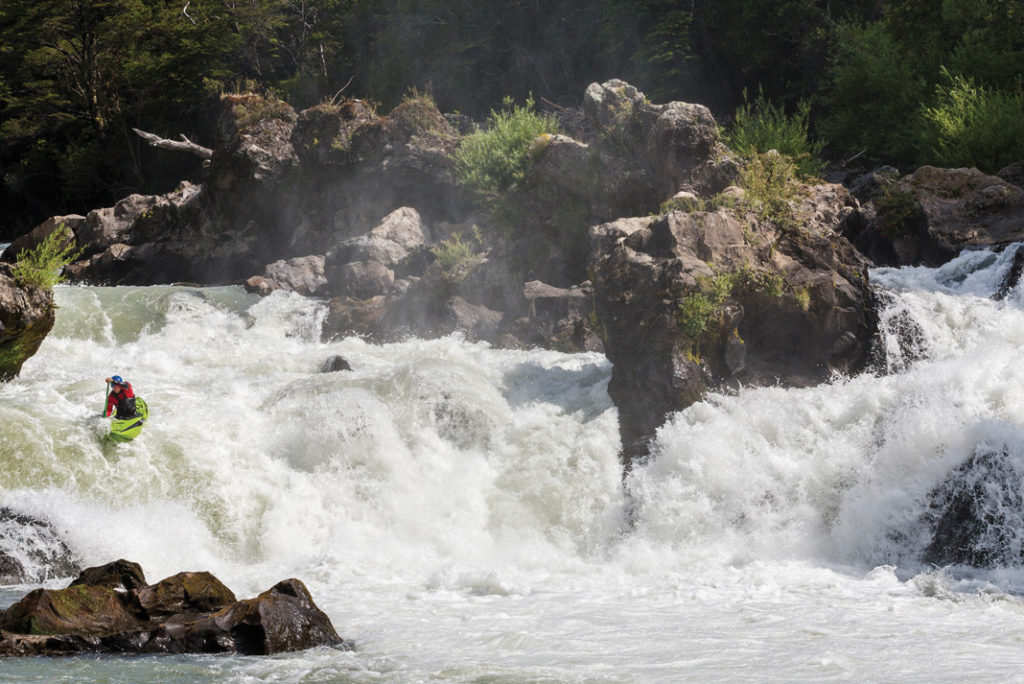
The Futaleufú River in the depths of Patagonia, Chile is the ultimate destination of an experienced whitewater kayaker. This world-class river runs close to the Argentinian border and its forests are thick with trees and bush. If you didn’t feel small enough in the big water all you have to do is look up and feel like a tiny molecule in this utterly scenic mountain corridor.

Paddlers have to earn their way to this deep and historical river. To get there you must take one or several ferries across the inlet of the Pacific Ocean. Once across, you arrive in the ghost town of Chaitén and then proceed on a dirt road for two hours to the Futa. Another route is to drive from Osorno, Chile east into the Andes, across the Argentinian border, south through Esquel and then back into Chile. The town of Futaleufu is actually right on the border of Argentina and Chile. Either route will set you back about two days of travel.

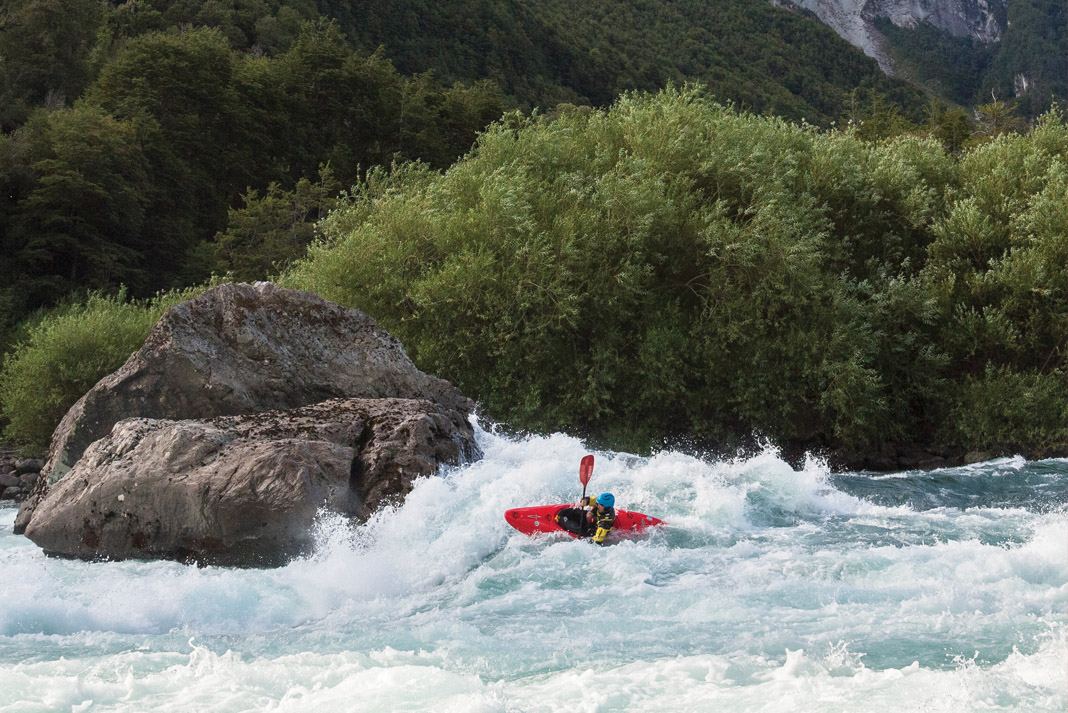
The most popular section of the Futa is simply known as the bridge-to-bridge section. It lies 40 minutes away from the tiny town of Futaleufú itself. The run is relatively continuous and contains amazing class IV wave trains that both kayakers and raft guides appreciate. The water is chock full of surf and kick-flip waves and the black cliff walls contrast sharply with the blue river. To many, this is the definition of Patagonia kayaking.

Travelling by ferry to reach the best whitewater kayaking in Chile
Ferrying across the Pacific Ocean. | Photo: John Webster

Cara Del Indio is a large property alongside the road that leads into the town of Futaleufú. Located in the middle of the bridge-to-bridge section, you can live cheaply here for a few weeks for less than the price of a couple nights stay at a three-star hotel in the States.

Reflecting on two months spent whitewater kayaking in Chile

Our three week stay allowed us to experience the quincho life and responsibilities it holds. A quincho is a hut that provides shelter, a fire pit and room to sleep. Being away from the town of Futa, we are responsible for getting there and shopping for food and supplies as needed. We learned to cook incredible meals in a disco—a large wok-like pan made to stand over a pit of coals.

Staying so close to the Futa was one of my luckiest experiences as a paddler. Besides large waves, good times and amazing scenery, this river has excellent fishing for the down days. Not enough could be said about the need to protect this river and its community of locals and gringos who travel to this Chilean whitewater kayaking oasis.


This article was first published in Issue 51 of Paddling Magazine. Subscribe to Paddling Magazine’s print and digital editions, or browse the archives.
 

Go Kayaking With The Whales In Telegraph Cove

man sea kayaking in Telegraph Cove
During the summer months, Telegraph Cove bustles with 120,000 visitors, including whale watchers, fisherman, boaters, campers and kayakers. | Photo: Dustin Silvey
Wildlife
Orcas, sea lions, humpback whales, eagles, bears, wolves, slugs, starfish, jellyfish and so much more.
Exposure
The wind can be strong, swell large and the weather changes on a dime. By staying close to shore you’ll never be far from shelter, just be prepared to camp an extra night or two if the weather is not agreeable. Beware of boat traffic when crossing the Strait.
Diversion
The Whale Interpretive Centre in Telegraph Cove is an excellent follow-up to your on-water sightings. Listen to vocalization recordings, learn about different types of whales and behaviors, and behold the epic size of a fin whale skeleton.
Outfitters
Multiple outfitters offer trips from several hours to several days in length, including BC Unbound, Sea to Sky Expeditions and Spirit of the West.
Must Have
Good rain gear is a must when visiting this temperate rainforest. Bring a waterproofed camera with a great zoom lens. Orcas, humpback whales and other wildlife may get close, but a 200mm zoom will assist you in getting excellent photos.

While kayaking in Telegraph Cove our guide calls out as a baby orca swims beneath my kayak, “It’s under us.” Closer to the rugged and rocky shoreline another orca breaks the calm ocean surface for a breath, while the remaining members of the pod slowly glide past our small flotilla.

They pay us little attention, far more concerned with making a breakfast out of the Pacific salmon inhabiting Johnstone Strait.

Just yesterday I witnessed a sea lion tear a salmon to shreds while a humpback whale put on a breaching show in the background. It sounded like a cannon being fired each time its 33-ton body hit the water, as impressive as anything I’ve ever experienced.

The secret is out.

Why has Telegraph Cove become a kayaking hotspot?

The small fishing village boasts relaxed vibes, quaint and colorful buildings and spectacular wildlife viewing. The unparalleled whale watching opportunities in Johnstone Strait are a particularly big draw.

Large motorboats and catamarans head out several times a day from the public dock crowded with tourists running from gunwale to gunwale hoping to catch a glimpse of mystical humpbacks and majestic orcas.

Kayaking allows for a much more peaceful and intimate experience with the whales. Not to mention the sea lions, bears and thousands of giant forest slugs calling this area home. Truly, they’re all amazing to see—even the slugs. With 40,000 islands making up the west coast of British Columbia, the options for trips of any length are limitless.

man sea kayaking in Telegraph Cove
During the summer months, Telegraph Cove bustles with 120,000 visitors, including whale watchers, fisherman, boaters, campers and kayakers. | Feature Photo: Dustin Silvey

What to do while kayaking in Telegraph Cove

If you have a half-day:

Paddle in and around the small islands in the harbor at Telegraph Cove. Expect to see a bounty of marine life in tidal pools, inquisitive otters swimming by and bald eagles overhead.

If you have one day:

Explore remote beaches and rugged islands just outside the harbor. You might even spot a seal or two. A single day on the water here will awe you, and leave you wishing for much more.

If you have two to seven days:

Cross both Johnstone Strait and Blackfish Sound while keeping your eyes peeled for orcas, humpback whales and sea lions. More than 200 orcas call this area home each summer.

[ Plan your next B.C. kayaking adventure with the Paddling Trip Guide ]

There are many islands to make camp on while kayaking in Telegraph Cove, but you may require a permit from the local Indigenous communities who lease the land to campers and outfitters.

This article was first published in Issue 53 of Paddling Magazine. Subscribe to Paddling Magazine’s print and digital editions, or browse the archives.
 

Boat Review: Dagger Green Boat Kayak

Person paddles a Dagger Green Boat kayak through river rapids
Feature Photo: Christopher Port

In 1996, 16 people lined up on river right below the Green River Narrows’ Bride of Frankenstein and hammered the half-mile of class V to a pool on river left below Rapid Transit. Ever since then, the first Saturday in November has kicked off the now famous Green River Race, the wildest and most exclusive of all whitewater creeking events. Last year 59 paddlers entered the open or longboat event, 39 of them paddling the Dagger Green Boat specialized creek racer.

Dagger Green Boat Specs
Length: 11’9”
Width: 24.25”
Volume: 95 U.S. gal
Weight: 50 lbs
Weight Range: 140-260 lbs
MSRP: $1,085
www.dagger.com
[ Paddling Buyer’s Guide: See the Dagger Green Boat kayak ]

Dagger’s Green Boat tops the podium

For the last two years prototypes of the Green Boat paddled by Dagger pros have dominated this crazy race. It all started in 2006, when Dagger’s Pat Keller finally beat six-time open class winner Tommy Hilleke in his now defunct eight-time winning boat, the Prijon Tornado.

In 2007, team paddler Andrew Holcombe followed up with a win in the open class, and a new Green Race record time of four minutes, 27 seconds. The Green Boat took the top four places that year.

In 2008, even with a quiet mid-season launch in June, the production Green Boat topped the podium once more and took 11 of the best 15 times.

Drive this Dagger on edge

The 11-foot, nine-inch Green Boat falls into the race’s most prestigious and fastest open category. The Green Race combines raw power and anaerobic speed with large rapids and extremely technical manoeuvres. The crew at Dagger knew they needed a boat that could hammer the flat sections, but also power through the rapids with precision and skim over the top of the water to avoid deep plugs.

Person paddles a Dagger Green Boat kayak through river rapids
Feature Photo: Christopher Port

Dagger designer Mark “Snowy” Robertson and team athlete Pat Keller examined several different old classics that had the desired speed. Their goal was to match this speed to the agility, responsiveness and boofing capabilities of Dagger’s performance creeker, the Nomad.

“The Nomad was used as a benchmark for the stability and forgiveness needed in a creek boat,” says Robertson. “But the Green Boat adds in speed by rewarding paddlers who drive it on edge using the rails.”

[ Paddling Buyer’s Guide: See the Dagger Nomad M kayak ]

Making a boat so specific seems crazy considering what we are told of the research, development and production costs of cranking out new whitewater boats. Keller, however, sees value beyond the monetary return. “Having Dagger place so much trust in the Green Race community with this boat has really legitimized not only the race, but the mentality of kayakers out there that still like to blaze from one place to another.”

The Green Boat is here to stay

At first, many believed the Green Boat would be a limited-edition boat built only for pro athletes. Not so. It is now part of Dagger’s 2009 catalogue lineup and available to all authorized Dagger retailers.

Who will buy it? It is a little early to tell, but so far Dagger says the Green Boat is being picked up by dealers from Pennsylvania to the southeast and west to Colorado—wherever there are mountains and creeks. Dagger also foresees a demand among old-school aggressive paddlers and those looking for long-day first descents who need to pack gear and haul ass.

[ Plan your next whitewater kayaking adventure with the Paddling Trip Guide ]

Race ahead with the Dagger Green Boat

“The core whitewater consumer may be a niche market, but it’s integral to the heart of Dagger,” says Cheri Mckenzie, Vice President, Chief Marketing Officer for Confluence Watersports. “The Green Boat is important to the sport as a source of new, younger consumers that, we hope, will stay with kayaking all their lives.”

Not to mention, dominating the most hyped whitewater race like the Dagger Green Boat has done is good for bragging rights and morale in any kayak company’s design and marketing department.

This article was first published in the Spring 2009 issue of Rapid Magazine. Subscribe to Paddling Magazine’s print and digital editions, or browse the archives.
 

Boat Review: Liquidlogic Braaap Kayak

Man paddles through rapids in a Liquidlogic Braaap whitewater kayak
Feature Photo: Brendan Kowtecky

As a farm kid who grew up with dirt bikes and ATVs, I had a hunch where Liquidlogic’s strange new boat name came from. A call to designer Shane Benedict confirmed the Liquidlogic Braaap gets its name from the onomatopoetic spelling of the sound a dirt bike makes when you’re out for a rip and give ‘er some gas: BRAAAAAAAAP.

Liquidlogic Braaap 69 Specs
Length: 8’11”
Width: 24.5”
Cockpit: 34.5” × 21”
Volume: 69 U.S. gal
Weight: 44 lbs
Weight Range: 100-220 lbs
MSRP: $899
www.liquidlogickayaks.com
[ Paddling Buyer’s Guide: See all Liquidlogic kayaks ]

The Liquidlogic Braaap races ahead

Team paddler Pat Keller is a longtime dirt biker. “He uses the term regularly for kayaking and life in general,” says Benedict. “When people complain about the name I just go ‘BRAAAP’ and they get it.” Yell it with a slightly rolled ‘r,’ and you’ll get it too. Still don’t like it? Take a few strokes in this boat, and you’ll be racing past the name.

One glance at the Liquidlogic Braaap and you’ll know this boat is different than most contemporary whitewater kayaks on the market. The pronounced rocker, round hull and long, tapering, low volume stern make it look like a close relative of a whitewater slalom boat—built for quick maneuvering and speed.

Get ready to roll

On the water, I instantly feel these differences. Paddlers accustomed to flat-bottomed freestyle boats or wide, stable creekers might feel out of their comfort zone at first. The rounded hull shape lacks the distinct and abrupt sidewall of most other kayaks, and means the Braaap likes to roll—similar to Liquidlogic’s Stomper, but without the rock solid secondary stability. This isn’t to say that beginners won’t be able to keep it upright, it’s just not what we’ve become used to. The bonus is that these same features make it super easy to roll back up.

“When Pat and I designed the Braaap together, we wanted to make a river running boat that would be fun for any paddler,” says Benedict. “The Braaap can get you down rapids that are challenging but also play along the way. Splat, squirt, surf or just learn what it’s like to paddle a more responsive hull.” What’s a splat or squirt? Go ask your mom and dad.

My take? Mission accomplished.

Play your way down the river

Zipping in and out of eddies and around the river, the Liquidlogic Braaap has a high-performance feel. Fast and agile, I’m driving it around the river with each and every stroke, never just hanging on for the ride. I’m moving at top speed with just a couple quick strokes and can rip into micro eddies and spin, slide and splat on every rock in sight. After a bit of practice, I can turn the Braaap on a dime with a powerful pivot on the stern.

Man paddles through rapids in a Liquidlogic Braaap whitewater kayak
Feature Photo: Brendan Kowtecky

It takes some practice and a change in technique to figure out how to slice the stern under and get myself vertical. The Braaap is a good balance—slicey enough to do splats and pivot turns but not so low volume that you constantly find yourself upside down. This lets me play on harder runs with confidence.

Liquidlogic’s classic Bad Ass Outfitting sets you up for a comfortable day of playing your way down the river.

Get down and dirty with the Liquidlogic Braaap

With the right driver, the Liquidlogic Braaap is up for a class V run, but just as much fun on a local class II to IV. The combination of speed and responsiveness of the Braaap will open up old runs to new moves and put you back in control of your boating. If you are looking for a fun new way to spice things up, grab a Liquidlogic Braaap and take ‘er out for a rip there, bud!

[ Plan your next whitewater kayaking adventure with the Paddling Trip Guide ]


Boat Review: WaveSport Super EZ Kayak

Person goes vertical in a WaveSport Super EZ whitewater kayak
Feature Photo: Rapid Staff

When you look at the broad spectrum of paddlers two user groups typically get overlooked by the Average Joe world of whitewater kayaking: little people and big people. Big paddlers typically just suck it up, paddling boats too big for any fun or cramming themselves into plastic torture devices for ten-minute sessions. Enter the WaveSport Super EZ, a jumbo playboat specially designed to round out the top end of WaveSport’s river play line.

WaveSport Super EZ Specs
Length: 7’
Width: 27”
Volume: 60 U.S. gal
Weight: 40 lbs
Standard Features:
F.A.T. 2.0 Outfitting
MSRP: $1,575 CAD

The WaveSport Super EZ has room to breathe

The Super EZ incorporates the new WaveSport F.A.T. 2.0 outfitting system (hey, who you callin’ F.A.T.?). With its carpeted seat, hip pads and thigh braces this system is easily adjustable by adding foam shims or with the turn of the supplied screwdriver. Tip: snap the screwdriver into the bungie cord holding the front pillar for on-river tweaking and pre-paddle bolt tightening leak prevention. The thigh braces are less aggressive than the ones found in the rest of the F.A.T. line-up leaving room for bigger legs, although even our largest paddlers considered swapping to the standard 2.0 thigh braces for more wrap around leg support. The adjustable bulkhead is clever and if you happen to be on the shorter side of tall, you might even get to foam it up a bit or wear your river shoes to reach.

There is so much foot room it’s silly. Designer Eric Jackson claims it will accommodate a 37-inch inseam, size 14 feet and 300 pounds. We couldn’t find anyone to confirm or deny it but the point is clear. This is a big paddler’s boat. Even the cockpit on the Super EZ is huge—a full 4 1/2 inches longer and almost 2 inches wider than other WaveSport boats. It’s possible to stretch a normal sprayskirt over it although we suggest doing yourself a favour and ordering one to fit—everybody makes one.

Telling the hull story

Different from the EZ and Big EZ, the planing surface on the Super EZ, Aces and Siren has been brought out closer to the edge, narrowing the width of the release chines. Just like boats designed for smaller paddlers and women specifically, having the optimum width is key to balance and edge control. In the case of the WaveSport Super EZ, Eric Jackson maintains its 7-foot length but brought it out another 11/2 inches wider than the Big EZ to provide a stable 27-inch platform.

The Super EZ’s seams or parting lines are nice and high above plenty of flare. The bow and stern maintain plenty of width and are incredibly rockered. Sitting next to any other playboat, the WaveSport Super EZ looks mammoth, yet on the river with a larger paddler inside, it rides perfectly normal.

Super EZ on the water

We had an interesting blend of paddlers in the WaveSport Super EZ ranging from a featherweight 175 to a respectable 230 pounds. The skill level and background was equally as varied with some old school displacement hull converts, freestyle paddlers and some all-river freeboaters—a cool cross section of the market. Interestingly, everyone’s first impression was that it was huge and they worried it would be too big, but that was only until they got on the river.

The most common first bit of feedback was that the Super EZ is confidence inspiring, predictable, super stable and comfy with room for a Pelican Case behind the seat. The bow and stern rest high and clear from the water for river running—this is where the Super EZ really shines.

Paddlers pulled off their cleanest lines in rapids where they said they are normally a little tentative. The high seam line or edge allowed them to cruise over otherwise small-boat-swallowing boils and not worry about the nose diving on ferries. Although no one can call a short boat fast, everyone was impressed by the speed of the WaveSport Super EZ. Most attributed the speed to floating higher out of the water than they have been used to. This floating rather than plowing sensation made the Super EZ feel very nimble and loose.

Person goes vertical in a WaveSport Super EZ whitewater kayak
Feature Photo: Rapid Staff

No matter how much you weigh it is worth borrowing a skirt and going for a rip in a Super EZ. Cruising off the tip of large waves it launches into the air and with such a large planing surface and friendly edges its an awesome flatspinner. When front surfing, the Super EZ does carve and although it’s 27 inches wide, transferring edges wasn’t an issue. Flatwater moves depends on weight; lighter paddlers (175 lbs) could still initiate and get vertical while heavier paddlers had the girth to stall and control the volume. Again it just looks and feels right.

Try the WaveSport Super EZ on for size

In the end, all our paddlers enjoyed the WaveSport Super EZ. Its river running capabilities opened their eyes to some of the challenges of paddling boats that have been too small for them. There is plenty of room and buoyancy in the Super EZ to wear shoes and carry a lunch and video camera. The built-to-proportion outfitting is ideal for large paddlers, and we think they enjoyed having to pad it out a bit. For once, big paddlers can watch others rip in smaller boats like the EZ or Big EZ and expect the Super EZ to perform the same for them. For more top picks and expert reviews, check out Paddling Magazine’s guide to the best whitewater kayaks here.

This article was first published in the Fall 2002 issue of Rapid Magazine. Subscribe to Paddling Magazine’s print and digital editions, or browse the archives.
 

Creek Boat Review: Liquidlogic Mullet Kayak

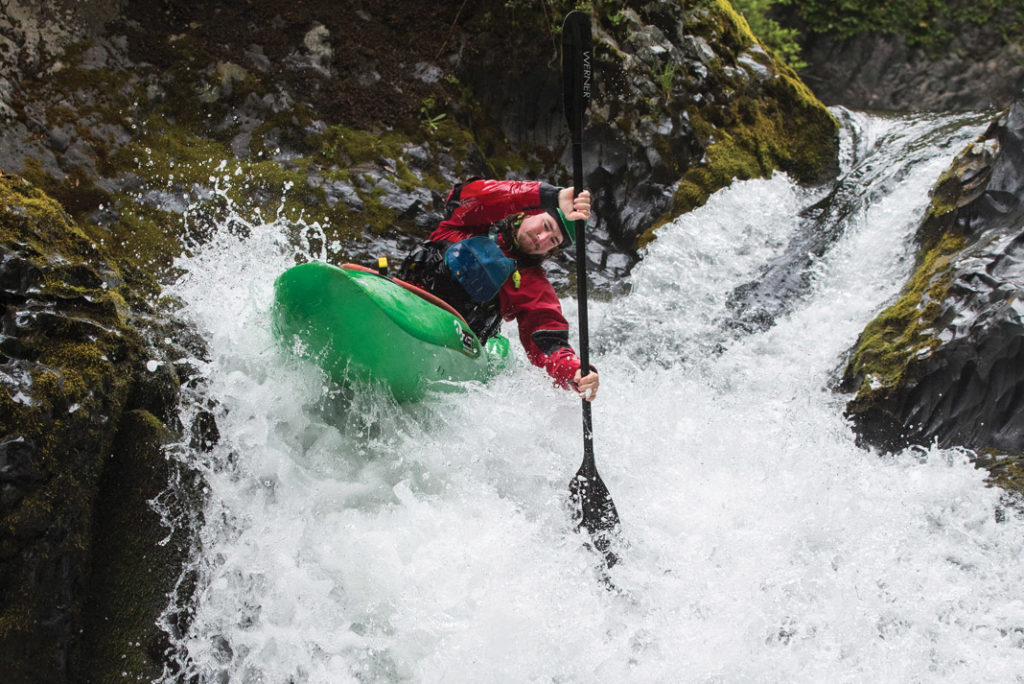
Person running a rapid in the Liquidlogic Mullet whitewater kayak
Feature Photo: Scott MacGregor

Dad rock is a term used for a slice of rock music that is heavily influenced by classic rock like “Sultans of Swing” by Dire Straits, tunes from an earlier era that appeal to my age demographic. If you know anything about the Liquidlogic Mullet or are the slightest bit intuitive, you’ve probably already guessed that it’s a throwback dad rock boat. It’s time.

Liquidlogic Mullet Specs
Length: 9’
Width: 26.25”
Volume: 71 U.S. gal
Weight: 45 lbs
Weight Range: 150-275 lbs
MSRP: $949 USD
www.liquidlogickayaks.com

Old school meets new in the Liquidlogic Mullet

When I first unloaded the Liquidlogic Mullet I remembered boats like the Perception Whiplash, New Wave Sleek, Dagger RPM Max and the Prijon Hurricane—I’d mention a Liquidlogic boat here, but the company hadn’t yet formed.

Whitewater kayak design and music have evolved and enough time has passed—literally a generation—for designers and musicians to poach good ideas from the past without the old school label.

Liquidlogic designer Shane Benedict and his team didn’t just remake one of the classics. That would have been too easy and quite frankly too bad. Instead, they took the best of what was fun about paddling in the ‘90s and worked in everything they’ve learned since.

The Mullet is not your father’s kayak

If you’re that person who thinks everything old is better just compare outfitting. Nobody even pipe dreamed something as comfortable or easy to adjust as Liquidlogic’s Bad Ass Outfitting now found in their full line of whitewater kayaks.

I’m six feet tall with size 11 feet and there is plenty of room for my chunkiest river shoes. Back in the day all we got was plastic foot pegs on aluminum rails. New is better.

a kayak balancing on rocks
A modern displacement hull, slice low volume stern and pronounced rocker. Not to mention the best boat logo ever, as voted by Rod Stewart, Travis Tritt and Joe Dirt. | Photo: Scott MacGregor

A big kayak for big whitewater

The bow gets all the volume for landing drops, crashing through holes and shedding water. The bow is also the business end for poppin’ enders and rockin’ pirouettes. The stern is lower volume and slicy for the rest of the fun stuff like surfing, blasting, splatting and squirts. All these retro tricks are fun to learn and relearn, but we can’t ignore the simple addicting pleasure of rocketing around the river in the Mullet.

While all playboats of the ‘90s had displacement hulls, Benedict says he used modern slalom boat design to make the Mullet so fast. Two good solid strokes and the Mullet is off with seemingly no upper limit. Most noticeable compared to other boat genres, the Mullet is more work to spin. Creekers have lots of rocker, freestyle boats are shorter with flat hulls. The Mullet has neither. Instead it has a modern displacement hull, which means it is slower to turn unless you pivot the stern like a slalom boat.

I felt like I needed to be moving my upper body front to back to make the Mullet work. Carving waves, blasting foam piles, and even mid-current pivots requires front to back slalom-style upper body English—back to pivot turn and forward for straight ahead features.

Sized specifically for dads

Don’t try to paddle the Liquidlogic Mullet like a freestyle boat, but do paddle it long enough to learn it and love it.

Person running a rapid in the Liquidlogic Mullet whitewater kayak
Feature Photo: Scott MacGregor

The Mullet is an inch to two inches wider than most boats these days. It feels impervious to swirlies and crashing waves. While the stern looks slicey there is still plenty of volume and stability there. Like boats back in the day, the Mullet comes only in one size.

Liquidlogic’s posted specs say the weight range is 150 to 275 pounds. This is bigger at both the low and high ends than their Braaap 69 and Remix 69. No doubt Liquidlogic did their market research and knows the market for this boat is older, bigger dudes and their boys.

At only 180 pounds the Mullet was almost too much boat for me on eddylines. Slalom pivot turns were no trouble, but I felt like I always needed another 40 pounds and stronger currents. The wide beam I enjoyed for river running makes it harder to disengage the leading edge and level the tilt to get the squirt to come around and go vertical. If you don’t know what I’m taking about, go ask your dad.

Times are a-changin’ with the Liquidlogic Mullet

Many of the old boats are still being paddled by those who say, “I don’t have any reason to switch…this boat does everything I need it to do…there’s nothing really on the market I like.” Well, now there is.

The other thing that would have been hard to image in the ‘90s is ordering your music or your kayak on the Internet. Crazy, but this is how Liquidlogic rolls: they deliver right to your door. Visit one of their 54 demo centers across the country and rock a Mullet today.


Mike Ranta’s Canoe Denied At Parliament Hill In Ottawa

Mike Ranta places a wreath at the Tomb of the Unknown Soldier in Ottawa
Mike Ranta places a handmade wreath at the Remembrance Day ceremony in Ottawa, Ontario. | Feature Photo: David Jackson

Barreling down the Ottawa River’s Deschênes Rapids, birchbark hat on tightly, canine friend Spitzii howling into the morning light, solo continent-crosser Mike Ranta was bound for Canada’s Parliament Hill. The duo left Vancouver, British Columbia, on April 1 and would arrive at Dominion Beach, Cape Breton, on October 18.

Mike Ranta paddles for a good cause

From bow to stern, over its red paint and Canadian flags, Mike Ranta’s canoe was covered in hundreds of signatures from the men and women who have served Canada. “I couldn’t think of a more Canadian way to honor our veterans,” said Ranta of his second cross-Canada voyage in as many years. “We lost a lot of men and women in the wars and the problem is, we are still losing them.” His 2016 trip was done in support of post-traumatic stress disorder research.

Ranta was captivated by the idea of detouring to the home of Canada’s government, chatting with people, collecting signatures, and taking time to consider the kilometers behind him. Arriving on the shores of Ottawa, his portage began just above the Chaudière Dam. He loaded his canoe onto a homemade cart, put Spitzii on a leash and hit Wellington Street with a smile the size of the world’s second largest country. Cars honked, passerbys took double takes, many stopped for pictures and police officers signed his canoe.

[ See the widest selection of canoes in the Paddling Buyer’s Guide ]

The last voyageur arrives at Parliament Hill

Rounding the corner of West Block, Ranta saw the Parliament Buildings in full.

“There it is Spitzii! Parliament Hill!” Ranta exclaimed. Ranta wanted to set up by the famous Centennial Flame monument, and say hi to every curious onlooker.

Security stopped him.

“I’m sorry, but you can’t come on the Hill with that—uh—canoe,” explained the young guard.

“I’ve paddled from Vancouver to get here, eh! You’re saying I can’t take my canoe to Canada’s capitol,” said Ranta.

“Sorry. It’s a beautiful canoe. It’s just a safety concern,” reiterated the guard. Backing away and parallel parking on the busy downtown street, Ranta looked back at the security guard who apologized a final time.

“Next time I should call, or make an appointment, I guess,” said Ranta in disbelief. Streetlights changed, cars whizzed by, tourists shuffled by as if passing a strange street performance. But this was no performance—at Canada’s doorstep stood a nation’s last voyageur.

Turning around, the duo silently marched back down to the banks of the Ottawa. With Parliament’s lofty towers behind them, Ranta loaded the canoe and paddled away into the final month of a nearly seven-month trip.

[ Plan your next canoe expedition with the Paddling Trip Guide ]

Ranta returns to honor veterans

On November 11, almost one month after completing his solo canoe trip across the country, Mike Ranta passed back through Ottawa. He had received an invitation to lay a wreath on the Tomb of the Unknown Soldier during Parliament’s official Remembrance Day ceremonies. This time, there was no canoe and Spitzii relaxed in a hotel room. All he had was his birchbark hat, and a wreath made of sticks from every province he paddled through.

Mike Ranta places a handmade wreath at the Remembrance Day ceremony in Ottawa, Ontario. | Feature Photo: David Jackson

Approaching the Tomb, wreath in hand, Canadian flag draped over his shoulders, Ranta’s usually jovial attitude briefly disappeared. Looking up at the Unknown Soldier, bagpipes playing and the 21-gun salute sounding off, he laid his wreath in a moment that lasted an eternity and thousands of arduous kilometers.

A satisfying end to Mike Ranta’s trip

“That was closure, my trip is over,” Mike Ranta told me afterward. Canada’s last voyageur left Ottawa, this time in a Toyota Tacoma heading west, his canoe floating on the breeze of his homecoming.


This article originally appeared in Canoeroots
 Spring 2017 issue.

Subscribe to Paddling Magazine and get 25 years of digital magazine archives including our legacy titles: Rapid, Adventure Kayak and Canoeroots.

Boat Review: WaveSport Project Kayak

Man paddling a WaveSport Project freestyle kayak in whitewater
Feature Photo: Ben Marr

There was a time not so long ago when every new boat design created a buzz: “It looks so radical! What’s it going to do?” After a dozen or so radical designs, new boats stopped generating the same buzz when they appeared in eddy lines. The WaveSport Project freestyle kayak, with its penchant for getting huge air, harkens back to the old days in this respect.

WaveSport Project Specs
(45 / 52 / 62)
Length: 5’11” / 6’1” / 6’4”
Width: 24.5” / 25” / 25.75”
Volume: 45 / 52 / 62 U.S. gal
Weight Range: 90-140 / 130-190 / 180-240 lbs
[ Paddling Buyer’s Guide: See all freestyle kayaks ]

The WaveSport Project makes big-time moves

WaveSport’s new Project prototypes started showing up on the Ottawa River late last summer. When we got our hands on one of the first product ion models of the Project 52 last fall, the locals at the Garburator were clambering over each other to give it a try.

At 6’1”, 25” wide and 52 gallons, the Project 52 is a true spud boat designed to replace the Transformer line. It’s small, fast, hops aggressively on big features, and can be absolutely pitched around. It jumps off the water thanks to an extremely sharp rocker break that marks a new step forward in bounce hulls. Combine this with a razor-like bow edge under your heels, and the WaveSport Project drives across a wave with authority to set you up to explode into the air. Test paddlers blasted their biggest moves ever on a first ride. It was clear after only a few rides that a new rung has been added to the top of the aerial ladder.

A hard driving freestyle machine

The Project is not for the meek, and performs for those who know what they are doing. It needs to be driven from the heel edge and the rocker break continuously sends it airborne, with each hop move creating more momentum for the next one.

[ Plan your next whitewater kayaking adventure with the Paddling Trip Guide ]

On smaller features the WaveSport Project is less remarkable. Its small size makes shredding smaller waves fun, but the boat moves so fast traditional moves like cartwheels become speed wheels and flat spins are now bounce spins. Its smooth lines mean it has a less decisive pop in a hole.

Man paddling a WaveSport Project freestyle kayak in whitewater
Feature Photo: Ben Marr

No compromise on quality

One design quirk is a difference in the rocker breaks of the bow and stern. The stern line is gentler, so while the boat launches rambunctiously while frontward, back surfing is tamer. WaveSport designer Robert Peerson says the lower rocker in the stern makes the Project faster by maximizing the total surface area of the hull when planning. It’s probably a reasonable concession, since the Project is surprisingly fast for its size and, as Peerson says, “Boat design is a play on compromises.”

Frills include the much-heralded WaveSport F.A.T. outfitting, but the defining performance characteristic of the Project is its big-wave air ability.

Catch some air with the WaveSport Project

Speaking of definitions, Oxford lists two for “project”: 1. noun, an undertaking, a carefully planned activity. 2. verb: to throw, cast, impel. Whatever definition was intended, it’s a well-chosen handle for the WaveSport project freestyle kayak—a carefully designed launching pad for your aerial exploits.

This article was first published in the Spring 2006 issue of Rapid Magazine. Subscribe to Paddling Magazine’s print and digital editions, or browse the archives.
 

Boat Review: Seaward Passat G3 Kayak

Man paddles in a Seaward Passat G3 kayak
Feature Photo: Scott MacGregor

In the name of Seaward Kayaks’ newest tandem, the Passat G3, you can hear echoes of two other brands, Volkswagen and Apple—two hip, sophisticated companies that like each other so much they recently paired up on the “Pods Unite” promo campaign. The Seaward Passat G3 is a slick kayak made with a similar attention to doodads and detail.

Seaward Passat G3 Specs
Length: 22’
Width: 26”
Depth: 15.5”
Cockpit: 32.25” × 16”
Volume: 183 U.S. gal
Weight: 90 lbs
MSRP: $3,575 USD or $4,580 CAD (fiberglass)
[ Paddling Buyer’s Guide: See the Passat G3 from Seaward Kayaks ]

The Seaward Passat G3 is a speedy tandem

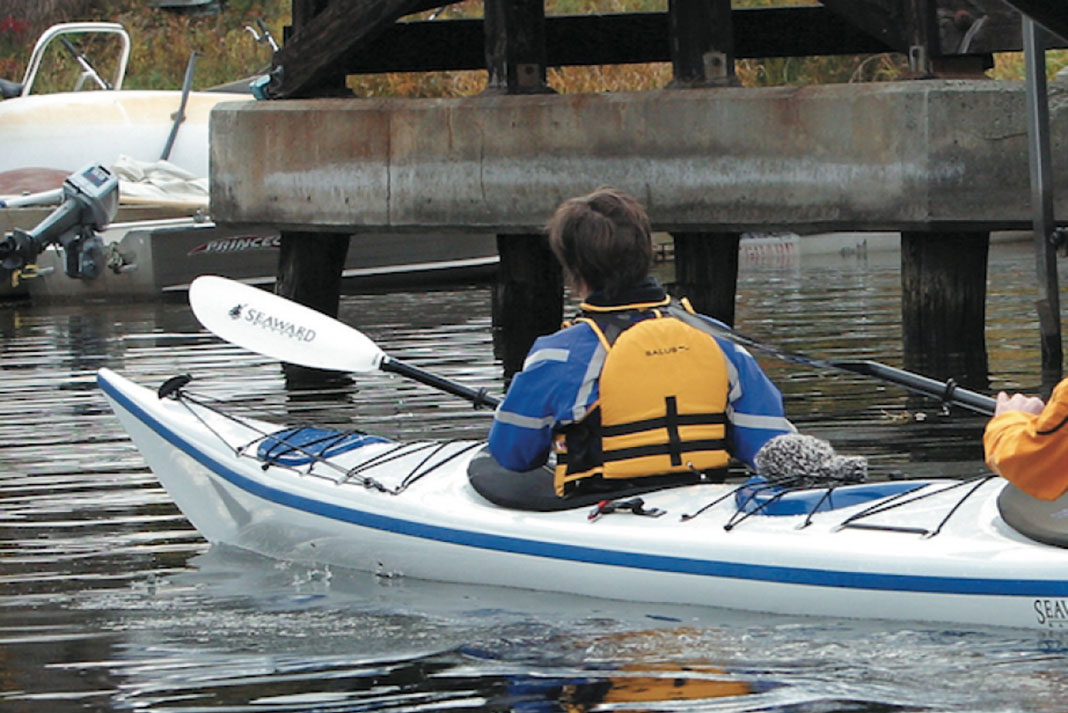
The original, two-hatched Seaward Passat is a narrow, fast tandem kayak popular with the adventure racing crowd. The new G3 has the same sleek design, just puffed up and tricked out with a bit more volume and a centre hatch/cockpit providing room for dogs, children, or easily accessible, waterproof storage for long trips. All this and its only five pounds heavier than the regular Passat and still slim enough to race.

The Passat G3 comes with standard Seaward features like nylon cockpit covers, hand layup, fiberglass seams and bulkheads, Kevlar-reinforced bow and stern, and a plastic stern skid plate. It’s also available with a cornucopia of upgrades from dual-steering to yummy colour fades, and a Kevlar layup for about a thousand bucks extra.

Get the performance of a single

At only 26 inches wide, the G3 is as narrow as many singles with performance to match. Playing in waves and currents, we had a great time carving sharp eddy turns with an extreme tilt, using the double’s speed to blast through power moves that we could never make in our singles, and feeling generally invincible with the size, stability, and inertia of a double. The Seaward Passat G3 is truly a lot of fun.

Details of the Passat G3 kayak from Seaward KayaksSeaward’s own smartRUDDER system of pivoting pedals is a secure alternative to sliding foot pedals. The pedals are built of anodized hardened marine aluminum covered with non-skid tape. Pivoting the ball of the foot forward cranks the rudder while keeping the foot arch, heel and knees solidly braced. Sensitive West Coast company Seaward anticipated the “divorce boat” potential of tandems and offers an optional dual-steering system that allows control from either cockpit ($224 CAD).


Kayakers, please take a seat

We can think of no better way to introduce the next generation to the wonders of kayaking than to sit them in the Seaward Passat G3’s optional fiberglass centre seat ($144 CAD). At first they’ll love it, and by the time they outgrow it they’ll be big enough to get a kayak of their own. Ma and pa can jettison the seat and have 180 litres of dry storage in that empty nest for a long expedition.

[ Plan your next kayak expedition with the Paddling Trip Guide ]

The extra-large opening is perfect for packing awkward items, and seals like any ordinary storage hatch, completely waterproof with a neoprene inner and a fiberglass cover. With the centre hatch, the Passat G3 has 348 litres of dry storage in total—115 litres more than the standard Passat—and less cockpit area to flood if you flip.

Man paddles in a Seaward Passat G3 kayak
Feature Photo: Scott MacGregor

Both front and stern cockpits are long enough to fit folks up to six foot two, possibly bigger. Seaward’s seats are unique—removable fabric-covered foam cushions that sit right on the bottom of the boat. The cushions are designed to be unclipped from the boat for use as an instant paddle float (or camp chair). Clever! This system trades the rigid support of a plastic bucket seat for a soft and roomy feel, fitting all sizes of derrieres and making it extra-easy to add foam for a completely custom fit.

[ Paddling Buyer’s Guide: See all Seaward kayaks ]

Double up in the Seaward Passat G3

The Seaward Passat G3 is the Euro station wagon version of the kayak world—the performance car you buy when you have a family. It lets you have your sporty speed and trip with it too. Beetles and iPods sold separately, for now.

This article was first published in the Early Summer 2004 issue of Adventure Kayak Magazine. Subscribe to Paddling Magazine’s print and digital editions, or browse the archives.