Home Blog Page 184

Get Outside With Paddling Magazine’s Trip Guide

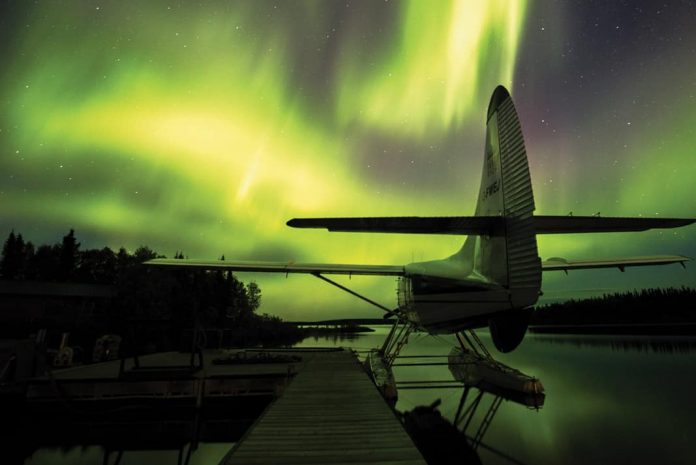
a seaplane docked with green northern lights in the sky
what happens in vegas can stay in vegas. | Photo: Jay Siemens

Paddling is complicated. Not the simple act of placing a blade in the water and pulling your body forward. That part children figure out in a matter of minutes without any training.

I watched hundreds of families do just this at the East Coast Paddlesports Symposium. The volunteers tried in vain to provide rudimentary instruction. But really moms and dads and kids just want to get on the water and figure it out for themselves. And they do.

We’ve been figuring it out for ourselves for generations, probably since the first sheets of birch bark were stitched together and since the first sealskin was stretched over a driftwood frame. How hard can it be, right? A little trial and error and presto we’re gathering beaver pelts and harpooning narwhals.

Elsewhere in James Island County Park, there were experts delivering seminars on packing, route finding, navigation, and menu planning. This is how canoeing, kayaking, paddleboarding and kayak fishing gets interesting. I like to paddle, but I love to travel. This is also how paddling gets complicated.

Planning and preparing all the details of a wilderness paddling adventure can be part of the fun. I love it but only when I have time to pore over maps and putter away at checklists.

Compared to the heyday of backcountry travel in the 1980s and ‘90s households today have fewer holidays and more distractions. With all the little details to consider paddling trips are postponed, sometimes indefinitely.

Why? Because I would rather you venture to Nahanni’s Virginia Falls than Niagara Falls

This must be why people go on cruises and all-inclusive island vacations. I will never go on a cruise, but I get it.

In the outdoor industry white papers, kayaking and standup paddleboarding participation are up. Canoeing is also hot again, making the top ten lists for aspirational activities in America. This new Paddling Trip Guide is well timed. People want to get on the water but have less time to plan than ever before.

Last summer, I almost booked a trip to the Whistler Bike Park instead of going on our annual family canoe trip. Why? Because they make it so damn easy. In two phone calls, one to the airline and one to the hotel I could have had it all organized—transportation, lodging, bike rentals, lift tickets and meals.

Many canoe and kayak outfitters are simplifying their offerings and streamlining their businesses to meet new clients’ needs. Their websites no longer list every widget of rental equipment they have to offer. Nobody has time for all that. I’ll take your six-day, all-inclusive, please. Here’s my credit card number. Kids, we’re going canoeing!

[ Paddling Buyer’s Guide: See all canoes ]

If 20 years ago you told me paddlers would or could book a vacation on the Internet, I’d have told you to open a window and get your head out of the epoxy and resin fumes. But this is the way things are going. Many of the 190 trips and services featured in this issue can be booked this way. More will surely follow.

My goal with this Paddling Trip Guide is two-fold. I want to inspire you to travel to destinations you may have not considered before while introducing you to companies who can remove the barriers and make your trips happen.

Many trips in this year’s guide are all-inclusive vacations but wait, there’s more. Inside you’ll find paddling skills clinics and rescue courses. Maybe you just need equipment rentals, a water taxi, food or a night in a cozy room before you head out. That’s here too. We don’t have every outfitter in every region offering every service, but we’re working on it.

Why?

I would rather you venture to Nahanni’s Virginia Falls than Niagara Falls. I’d rather you be mesmerized by the northern lights than the Vegas Strip lights. I’d rather you spot a bull moose in Northern Ontario than Mickey Mouse. Don’t even get me started about orcas at Sea World versus seeing them on the wild coast of British Columbia.

The Paddling Trip Guide is paddling made easy. Call now. I promise you won’t regret it.

Scott MacGregor is the founder and publisher of Paddling Magazine, Kayak Angler Magazine, and Paddling Business Magazine.

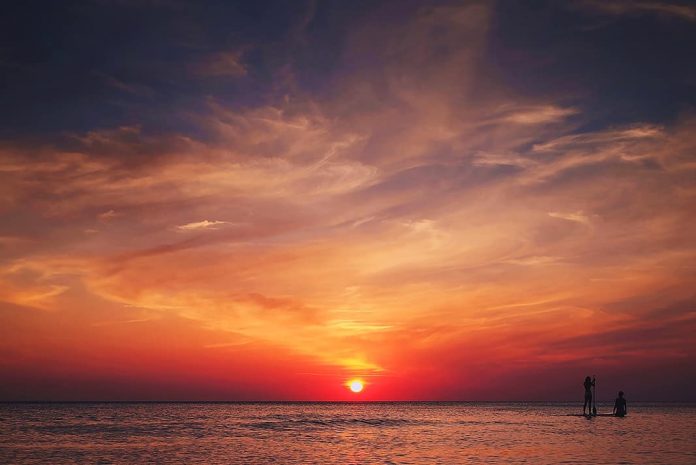
What happens in Vegas, can stay in Vegas. Feature Photo: Jay Siemens
Packraft Review: Kokopelli Packraft Rogue-Lite

Kokopelli Rogue-Lite
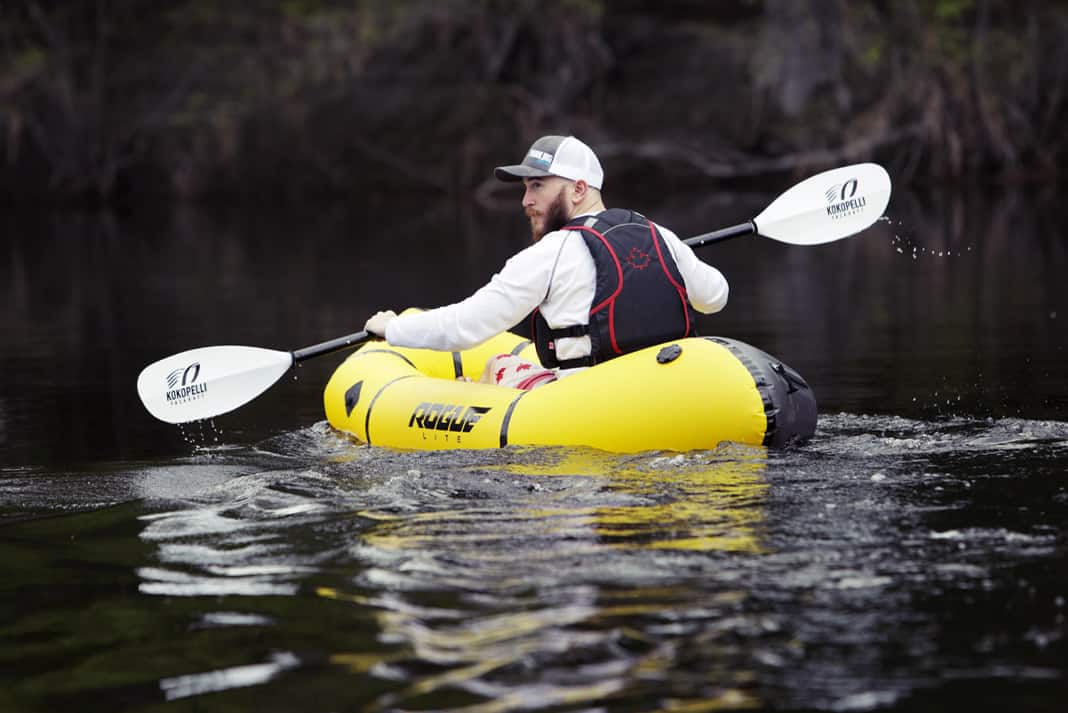
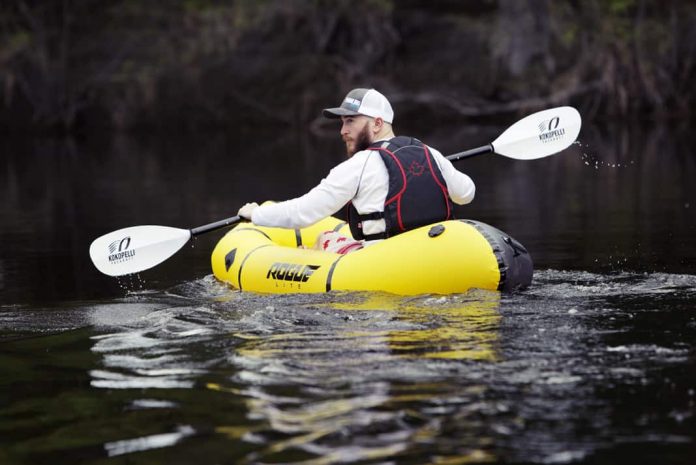
Kokopelli Rogue-Lite | Photo: Michael Hewis

Calling all adventure seekers. Whether you’re exploring high alpine lakes, need a river shuttle for your bikepacking adventures, or simply want the convenience of being able to store your kayak in a breadbox, Kokopelli’s Rogue-Lite delivers big action in a six-pound package.

Kokopelli Rogue-Lite Specs
Assembly Time 3-12 minutes
Paddlers 
Length 
7 ft 
Width 
37 in
Material 
Urethane-coated nylon
Weight 
6 lbs
Price 
$825 USD
kokopellipackraft.com

With the Rogue-Lite, Kokopelli has created an ultra-lightweight, one-person, inflatable packraft capable of handling lakes and rivers that can also be packed onto the front handlebars. No small feat.

Like many minimalist packraft set-ups, the Rogue-Lite’s storage bag doubles as its inflation bag and pump. There’s some technique to master here but try it a few times and inflation happens faster. Even after a few tries, we’re still five minutes off the three-minute inflation estimate Kokopelli suggests. A fun challenge and certainly not a deal breaker.

The Rogue series is the first in the Kokopelli lineup to offer a Kevlar-reinforced floor system to maximize durability while reducing weight and packing size. One of the main differences between the Rogue-Lite and its predecessor is the original Rogue comes with a spraydeck, adding extra comfort and protection from the elements but also half a pound.

Both Rogues feature slight rocker in the bows and large-volume sterns, boasting excellent maneuverability and stability in flat water and on gentle rivers. With a waterline less than seven feet, the Rogues wouldn’t be your first choice for high-mileage lake routes.

Kokopelli Rogue-Lite [ A ]

Kokopelli has included four strategically placed nylon loop D-rings for secure gear storage and just enough space in the Rogue-Lite to make it suitable for ultralight multi-day trips.

The innovative 21-inch-long Tizip, optional on the Rogue-Lite, makes this packraft even more versatile, giving paddlers access to the inside of the packraft’s pontoons to stuff more gear. Use with drybags, just in case, of course.

Kokopelli Rogue-Lite
Kokopelli Rogue-Lite | Photo: Michael Hewis

The four-inch-thick inflatable seat cushion keeps paddlers comfortable and offers a bit of height, improving paddling position. Kokopelli notes the Rogue-Lite does not come with the Rogue’s backband, but says, “leaning—chilling—against the stern or your backpack is comfortable and cool.”


Kokopelli Rogue-Lite | Photo: Michael Hewis

Learning To Never Paddle Impaired—The Hard Way

As a United Stated Coast Guard nonprofit grant recipient, the Water Sports Sports Foundation produces paddling safety outreach materials and distributes them through boating and paddling media providers.

Paddlesports currently has an inordinately high rate of accidents and deaths that for the past five years has been increasing, while power boating stats have been decreasing during the same period.

The goal is to create heightened public awareness of safer paddling making paddlesports safer and to ultimately reduce the total number of paddlesports-related deaths annually.


Salty Jefferson explains how you should never paddle impaired.
Image: Water Sports Foundation/YouTube

Speaker 1: This is the best day ever! Hailey, Hailey let’s go paddling right now!

Speaker 2: Are you sure that’s a good idea?

Speaker 1: Right now!

Salty Jefferson: I learned that lesson the hard way!

Speakers 1 & 2: Paddling legend Salty Jefferson!

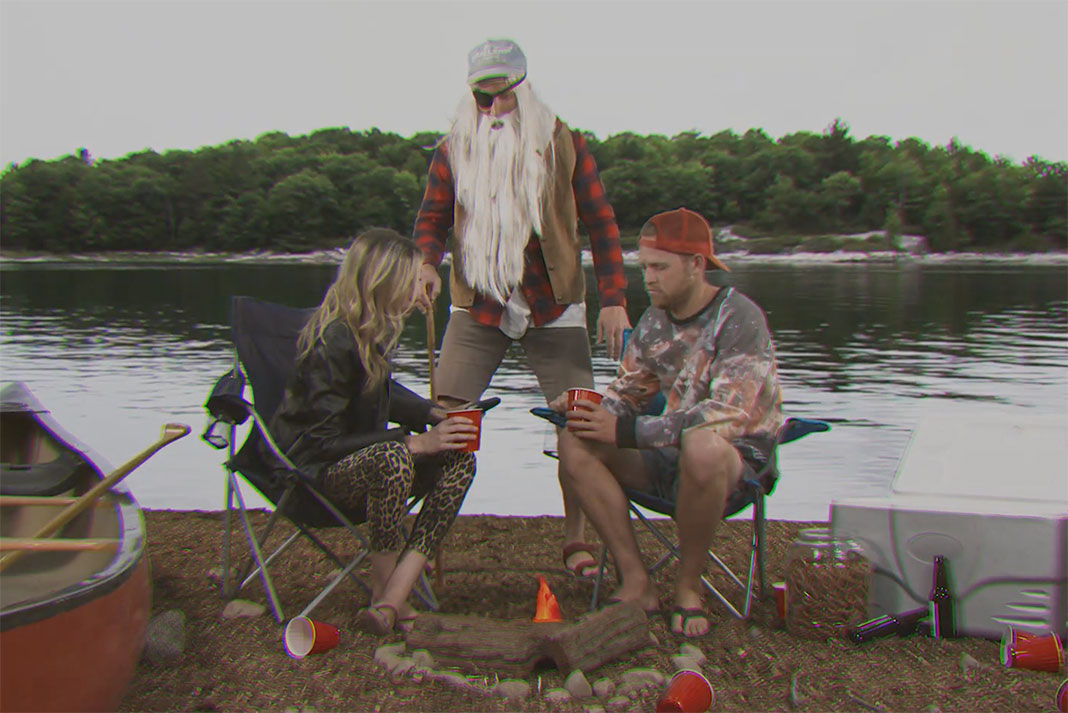
Salty Jefferson: One night, I thought it would be a good idea to take out this gal I was seeing, Tonya. I loaded up the canoe with everything we needed: roses, candles, even some of that fine canned champagne. She leaned in for the kiss, but we flipped. Tonya didn’t make it. But from that day forward I never paddled impaired again.

Paddle Sober And Smart
  • Never mix alcohol and paddling. Coast Guard and state BUI (boating under the influence) laws apply to all vessels. This includes canoes, kayaks, SUPs and rafts.


How Paddleboarding Brings New People To Paddlesports

Let’s be honest, standup paddling is sexy. The sport is a favorite among advertisers and consumers alike, regularly getting cameos in everything from kitschy car commercials to aspirational travel magazines. Standup paddling burst onto the scene more than a decade ago and is still very much in vogue.

“There’s a romance with SUP like you’re kind of surfing because you’re standing up and feeling the glide,” says Infinity SUP owner Dave Boehne. “Everybody wants to be a surfer.”

Standup paddling rode this wave of hype and exponential growth during its formative years, but recent growing pains and industry-wide belt-tightening have raised questions about the sport’s long-term sustainability. Getting people to try SUP is easy; keeping them coming back for more is tougher.

Of the estimated 3.3 million people who participated in standup paddling in 2017, the Stand Up Paddle Industry Association (SUPIA) reckons 85 to 90 percent did so at the recreational level. While this may not scream SUP addiction, it does suggest the gateway to the broader world of water sports is wide open, says Kristin Thomas, SUPIA executive director.

Thomas believes SUP is helping the growth of other paddlesports, from outrigger canoeing to recreational kayaking. “It’s a gateway to not only the water itself but also to water culture,” she says.

One reason for that is SUP’s accessibility, says Elaine Newbold, co-owner with her husband Randy of Crystal Lake Adventure Sports in Frankfort and Beulah, Michigan. SUP’s broad appeal and low barrier to entry mean more people in the Newbolds’ two retail stores and on the water—in all types of paddlecraft. The cross-fertilization is most evident in their kiosk on Lake Michigan, where they do a brisk rental business in kayaks, SUPs and bicycles.

“We are all in it together. What you paddle doesn’t matter”

“We rent and sell both SUPs and kayaks. And a lot of times when we rent a SUP we’ll rent a kayak at the same time, if one member of the family maybe wants to SUP and another prefers to kayak,” Newbold says, echoing Thomas’ assessment of SUP as a paddlesports gateway. “It’s fun and adventurous, but it’s not intimidating. I love seeing the mom with the kids and the dog on the board. It’s all really fun for the whole family.”

SUP may have started as the cool new kid on the block, but it seems to be settling into its niche as one more way to enjoy getting on the water. And while the SUP industry by itself is not sustainable in every region, working together with the broader paddlesports community presents an exciting opportunity for everyone.

Nowhere has this trend played out more notably than the event space. Whereas marquee races like the Pacific Paddle Games (PPG) placed a heavy focus on the elite side of SUP competition, regional events like the Chattajack 31 welcome all comers. Historically a canoe and kayak event, participation in the Chattanooga, Tennessee, race surged when organizers opened entries to standup paddlers. Now SUPs make up about half the field, and while PPG has been suspended for 2019, the Chattajack 31 sold out 600 spots in only minutes.

“If you look at events having gone by the wayside, they were all geared towards the elite,” says Dan Van Dyke, executive director of both the Standup for the Cure and the Hanohano Ocean Challenge in San Diego. “It’s clear that normal people don’t want to spend $185 to enter a race, so that they can give prize money to the top five guys.”
Most SUP paddlers couldn’t name even one of those top pro paddlers, but you can be sure they know the folks in their local paddling group—no matter whether their vessel of choice is a standup board, outrigger canoe or recreational kayak.

[ Paddling Buyer’s Guide: View all paddleboards ]

“Inclusivity is the future of our sport,” says Van Dyke. “We are all in it together. What you paddle doesn’t matter.”

Because in the end, it’s the water, not the craft, bringing people together.

Why Paddlesport Predictions Suck

Photo: Klaus Listl

It was 2007 and I walked into the Las Vegas Convention Center for the world’s largest sportfishing trade show. I had in my hands ink-still-wet copies of the premiere issue of Kayak Angler magazine. Turns out I was a bit early to the game. If it wasn’t my long hair and flip-flops getting me laughed out of ICAST booths of every major fishing brand, it was my enthusiasm about the big, bright, shiny, profitable future of kayak fishing. Twelve years later, I still remember the words of every marketing director, “You’ll never get 230-pound bass anglers into those goddamn tippy things, let alone land a five-pound smallmouth.”

The Danish physicist Niels Bohr said, “Prediction is very difficult, especially if it’s about the future.”

Every year in Paddling Business we round up a bunch of industry insiders, pundits, investors, sages, swamis and fortune tellers to predict the near-certain future of canoeing, kayaking, rafting and paddleboarding.

Almost invariably, they’re making straight-line assumptions based on current paddlesports trends. The problem with this way of thinking is what’s going on now won’t and can’t go on forever. Designs evolve, society reassesses its values, new materials emerge to replace the obsolete, and maybe some simple, new idea changes everything we thought we knew.

On top of pioneering revolutionary tech products, Steve Jobs was celebrated for predicting the future.

In 1985, Jobs predicted the use of personal computers would spread into the home. Computers at the time were clunky boxes of industrial grey plastic and metal used only by companies and schools.

Jobs didn’t make straight-line assumptions based on current trends. In fact, one of his favorite quotes goes, “The best way to predict the future is to invent it.”

Steve Jobs sent Apple on a trajectory to, “put an incredibly great computer in a book.” Apple was inventing the future.

Today, kayaks now travel in backpacks on city buses. Conveyor belts feed concrete rivers. SUP yoga is a thing. The Coast Guard allows CO2-charged self-inflating fanny packs. And kayak fishing is well on its way to being bigger than the rest of paddlesports put together, mostly because we’re now building boats bass anglers won’t fall out of.

What is the future of paddlesports? They say you can’t predict the future because current trends won’t and can’t go on forever. But here’s the thing. Unlike the world of technology, paddling in North America has been going on since forever. And probably always will. And if this year’s Paddlesports Retailer New Product Showcase is any indication, it’s going to be even better than what we have now.

Scott MacGregor is the founder and publisher of Paddling Business, Paddling Magazine and Kayak Angler.

Featured Photo: Klaus Listl

Inflatable Kayak Review: Aquaglide Chelan 155 HB XL

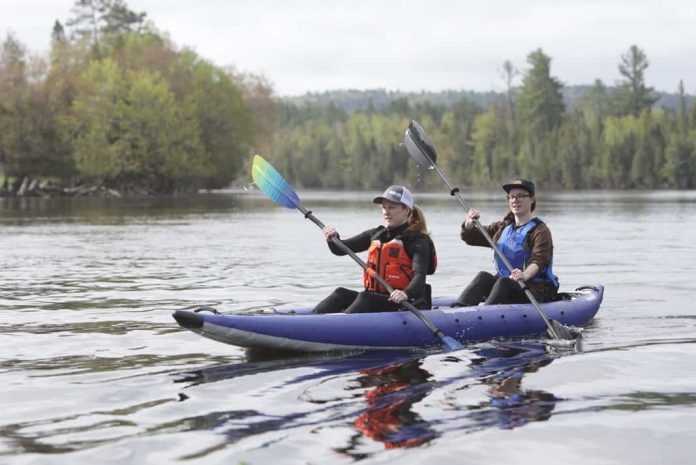
Aquaglide’s Chelan 155 HB XL has the speed, tracking capabilities and design elements paddlers want in a light touring tandem design, and then some.

Aquaglide Chelan 155 HB XL
Assembly Time 10 minutes
Paddlers 1 – 3
Length 
15 ft 5 in
Width 
36 in
Material 
PVC
Weight 
35 lbs
Price 
$1,099.95 USD
aquaglide.com

The Chelan 155 arrived at our office in a 28- by 24- by 20-inch box, about the size of a large suitcase. The 155 is the big brother to Aquaglide’s smaller Chelan touring designs, the Chelan 120 and 140, a solo design and smaller tandem respectively. The whole series combines tough Duratex tube construction with rigid floors for durable and long-lasting designs.

[ View all inflatable kayaks in the Paddling Buyer’s Guide ]

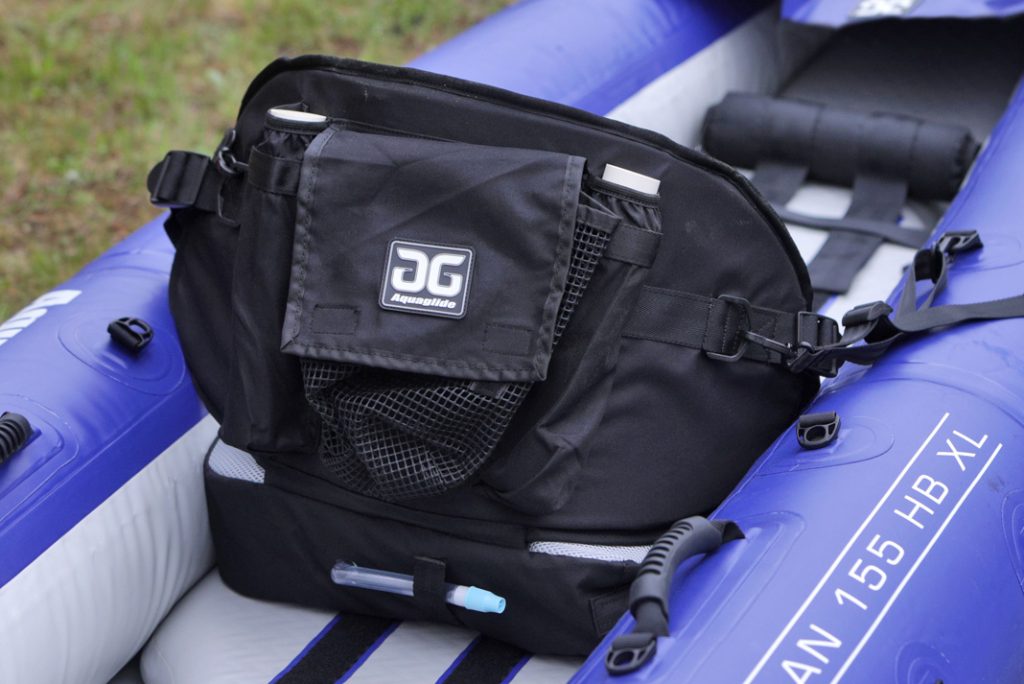
After inflating its three chambers to the recommended six psi, we installed the seats. The Chelan 155’s seats provide lots of features, including a cushy inflatable cushion, high backrest, integrated mesh storage pockets on the seat backs and integrated fishing rod holders. The seats are secured via Velcro and straps.

Two black Velcro strips run the length of the floor, which means the seats can be easily moved to trim the kayak and adjust configuration—solo, tandem or even tandem facing one another—then secured with clips to the many lash tabs along the length of the boat. Our tester model also came with an inflatable jump seat for a junior paddler. Unique footrests attach to the same Velcro floor strips.

The thoughtful features on the Chelan 155 don’t end there. Splash guards at either side of the cockpit help keep paddlers dry. Comfortable molded handles make transport easy and a removable fin helps with tracking. 
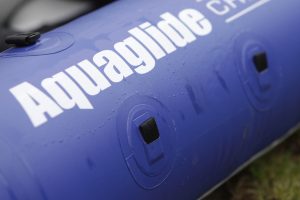
The Chelan 155 has a long waterline, just a little rocker, and sharp plastic bow contributing to impressive glide on the water. It’s been designed with lake touring in mind, and also to handle class II rapids and friendly ocean conditions.

Aquaglide Chelan 155 HB XL bThis spacious kayak offers ample room for multi-day tours. Think 600-pound capacity, storage underneath the decks for mid-sized drybags, bungees on the decks, lots of room and accessible tie down options along the length of the boat for securing gear. Tandem paddlers would need to be thoughtful in their packing, but a solo paddler can pretty much bring everything they’d put in a canoe.
For paddlers adventuring in colder climates who are looking for more protection or for those who just prefer a closed-deck kayak, there’s an optional accessory spraydeck. Comes with Aquaglide’s convenient travel backpack.


Learning To Check The Forecast—The Hard Way

As a United Stated Coast Guard nonprofit grant recipient, the Water Sports Sports Foundation produces paddling safety outreach materials and distributes them through boating and paddling media providers.

Paddlesports currently has an inordinately high rate of accidents and deaths that for the past five years has been increasing, while power boating stats have been decreasing during the same period.

The goal is to create heightened public awareness of safer paddling making paddlesports safer and to ultimately reduce the total number of paddlesports-related deaths annually.


Salty Jefferson talks about checking the forecast
Image: Water Sports Foundation/YouTube

Speaker 1: Are you sure it’s still okay to go paddling today? Maybe we should check the forecast.

Speaker 2: No…it’s all fake news anyway. Besides, it’s probably going to be hot. Especially with all this global warming…

Salty Jefferson: I learned that lesson the hard way!

Speakers 1 & 2: Paddling legend Salty Jefferson!

Salty Jefferson: Me and my pal Dready Doug were headed out for a paddle. My eye socket was aching something fierce, felt like there was a storm a-brewin’. I went to check the radio, but Doug wouldn’t let me touch it. The only think he would listen to were those live Steely Dan cassettes. We got out on the open lake and the weather went to heck, felt like it was raining sour eggs and rancid T-bone steaks. We flipped, I washed to the beach, but never saw Doug again. Never listened to Steely Dan again neither. That’s why I always check the forecast. And you should too.

Check The Weather
  • Plan for changing weather conditions. Prepare for the worst case.
  • Don’t forget to check tide, currents, or river levels.


Why Busy People Need An Epic Whitewater Trip

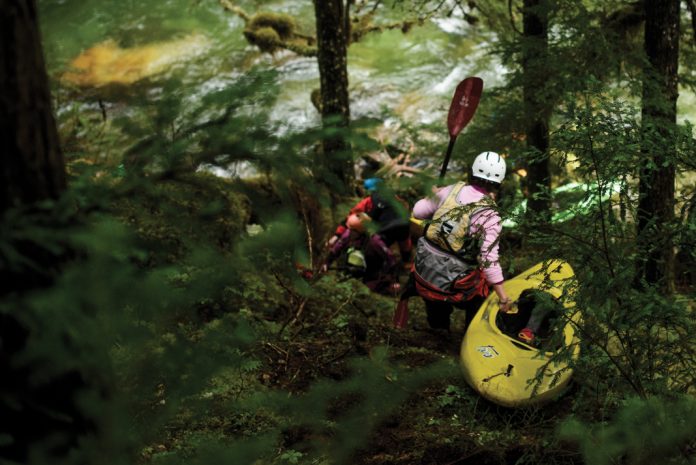
3 kayaker's dragging their boats through a forest with their kayaks and kayak paddles looking at whitewater
"hello, i'm out of the office, completely unreachable and may never return your call. goodbye." | Photo: Daniel Stewart

My dad has taught me a lot of important lessons. Tuck Skor bars into your jacket pockets when you go skiing. Always take the dog for a walk, even if it’s -22 degrees Fahrenheit. Make sure your line cutters are attached to your waders, wake up early to do your best work and never, ever, serve hot food on cold plates.

One of the most important things he has taught me is how crucial it is to plan and enjoy outdoor adventures, no matter how busy you are.

My dad often works 80-hour weeks, but carefully carves out time each year to do the things he loves, like paddling the remote river canyons of the Nahanni and skiing the dry powder of the Kootenay Mountains.

He schedules carefully, works hard to prepare for his absence and calms pre-departure anxieties by reminding himself that things will move on just fine without him.

When life becomes stressful and packed full, it is often our outdoor trips and adventures that are the first to get scrapped. We feel too tired, disorganized and fearful we will crumble under the workload on our return.

In 2014, the number of unused vacation days in the United States hit a 40-year high, with a collective 169 million days unused. That’s 169 million days that could have been spent exploring, facing challenges and learning about ourselves. The drops you never boof, new river friends never made and take-out beers you don’t crack.

Instead of ditching our time off to keep grinding away, we should be adjusting our perspective. Sending ourselves on paddling trips may make up just a fraction of the year, but it’s these experiences that make us happier, more inspired and vibrant the other 50 weeks.

Planning awesome whitewater adventures has benefits that begin long before your seal launch on the first morning of the holiday. Picture this. You book time off six months ahead, choose a flight and begin initial research.

[ Find your next adventure in the Paddling Trip Guide ]

After work, you spread topographic maps on your kitchen table and daydream about what features and wildlife those vermicelli-noodle-like blue lines hold. The trip comes closer, and you email the buddies joining you constantly to go over details.

You debate the benefits of beef jerky over granola bars while menu planning. Gear and boats spill into your living room. The trip hasn’t even begun and you have focus and stoke.

Adventures are not defined by geography, the number of rapids run, or photos captured. Yours could be like Michael Neumann’s kayaking the Zambezi in Zambia, or like Erik Boomer’s epic Kiteski traverse of Greenland.

Perhaps adventure will come in the form of a new river in your backyard. No matter what, find the time for whitewater adventures.

Trust us—no one ever came back from two weeks of road tripping in the Pacific Northwest or seven days catching eddies in the jungle and regretted it, wishing instead they had made a bigger dent in their to-do list.

Hannah Griffin is Rapid’s assistant editor and a whitewater paddler living on the banks of the Madawaska River.

Expert Tips On How To Photograph Swamps From A Kayak

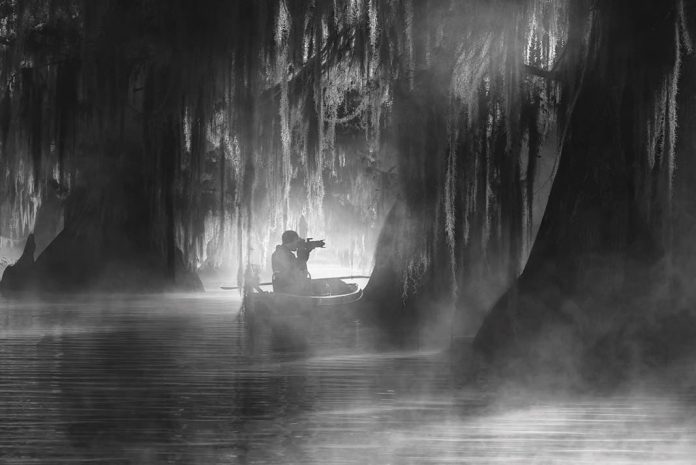
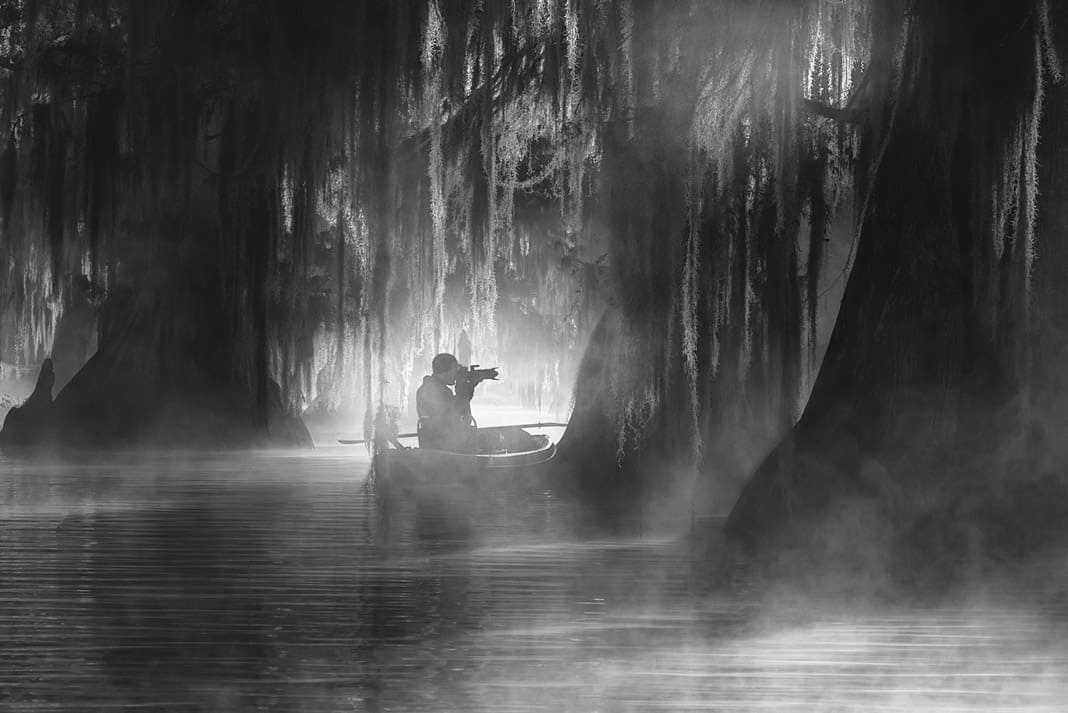
a man on his kayak photographing a swamp in Louisiana's Atchafalaya Basin
Swamp Fling. | Photo: Marsel Van Oosten

On the first few days in Louisiana’s Atchafalaya Basin I was suffering from what I call beauty paralysis—I was in a place so beautiful, I couldn’t decide what to photograph.

The Holy Grail of swamp photography for me is to get mist. This doesn’t happen very often so you have to be lucky, but when it occurs the views are just mesmerizing. I travel all over the planet for my work and I had never seen such surreal beauty.

The massive cypress trees create reflections, adding depth to every photo. A lot of trees are covered in Spanish moss and it’s the moss that creates the eerie look. The great thing is there are not many people out here and so you don’t see many photographs of these places. That’s partly because you need a kayak to get around.

My biggest challenge in capturing this shot was trying to use a tripod. I use one in all my landscape photography so I spent a lot of time finding spots where the water was shallow enough for me to put the tripod down.

a man on his kayak photographing a swamp in Louisiana's Atchafalaya Basin
Swamp Fling. | Photo: Marsel Van Oosten

A tripod enables me to shoot with a small aperture—lots of depth of field while keeping the ISO down. Camera shake is a serious issue when you’re shooting handheld from a kayak, so you need to take precautions. Make sure your kayak isn’t moving when you’re shooting. You can rest against a tree, and bring some rope to tie your kayak to a tree trunk or branch so you don’t have to constantly reposition.

[ Find a swamp to paddle in the Paddling Trip Guide ]

If you bring a tripod, get yourself some waders so you can hop out to set up your tripod in the water. Practice getting in and out on the water because that is when your kayak is most likely to flip.

This photo is actually a selfie. To get this shot I used a remote control to trigger the camera, which was on a tripod in three-foot-deep water. It was shot with a Nikon D4 using an 80-400 lens at 1/250 and f/18.


Marsel van Oosten is a renowned wildlife and nature photographer. He won the International Photography Awards’ prestigious Travel Photographer Of The Year honor for a series that includes this photo.

Swamp Fling. | Feature Photo: Marsel van Oosten

Whitewater Safari Near The Zambezi River

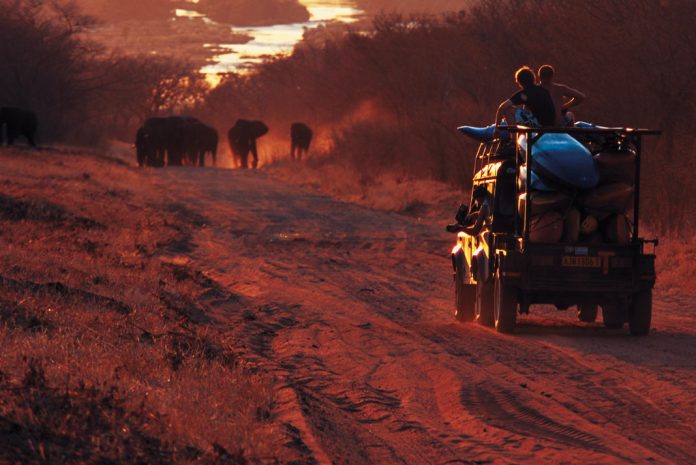
Photo and text by Michael Neumann Near the Zambezi River, Zambia

It was a dream trip. We paddled the Zambezi every day, from rapid Number Three down to Number 23. Every day, for an entire week.

After a day of spectacular high-volume rapids, we relaxed on our shuttle back to our hotel. Even along the Zambezi, an elephant crossing is not so common.

They moved quickly. Too fast for my tripmate and filmmaker Olaf Obsommer, who’s always sleeping like a baby once an engine gets started.

It’s an old picture—probably 2002. I had one of the first digital cameras with me as a second body, but for this shot, I trusted the old-fashioned way.

Film on my good old Fuji Velvia 50. I shot many pictures during my time traveling the world in a kayak, but if I had to pick just one shot from that decade, this picture is it.

Featured Photo: Michael Neumann