Home Blog Page 199

Why We Must Paddle Away To Protect Manatees

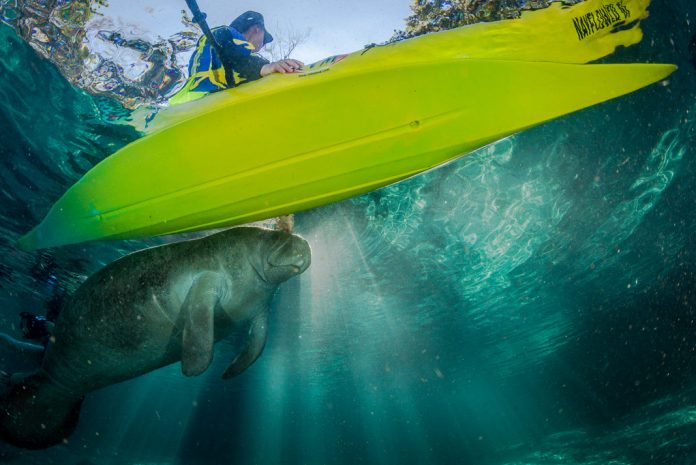
man paddle boarding above a manatee
Photo: Paul Nicklen

Six years ago, a National Geographic expedition took photographer Paul Nicklen to Florida’s Three Sisters Springs on the Crystal River, 70 miles north of Tampa. He was there to document the interaction between an increasing number of tourists and the river’s migratory manatees. The river is prime habitat thanks to more than 50 active springs keeping the water a constant 72°F, warming the manatees through winter months.

Manatee-seeking tourists and swim-with-the-manatees tours are a big business in Florida, generating between $20 and $30 million a year.

More than 40 tour operators work in the Crystal River area, alongside manatee-themed gift shops and restaurants. In addition to all this income, manatee tourism has generated some controversy. Manatees annually attract 450,000 people to Florida, most to the Crystal River National Wildlife Refuge. In March of 2016, an estimated 1,200 snorkelers visited the refuges’  Three Sisters Springs Sanctuary in one 24-hour period.

While manatees are curious and some engage with tourists, most prefer to spend their days catching some shuteye.

Manatees spend half the day napping—and hoovering down 10 percent of their body weight in aquatic plants. Motorboats are not allowed inside the Three Sisters Springs Sanctuary, however canoeing, kayaking and swimming with the 10-foot-long, 1,500-pound docile creatures is legal so long as the animal isn’t being touched or harassed, and people stay out of the buoyed restricted areas.
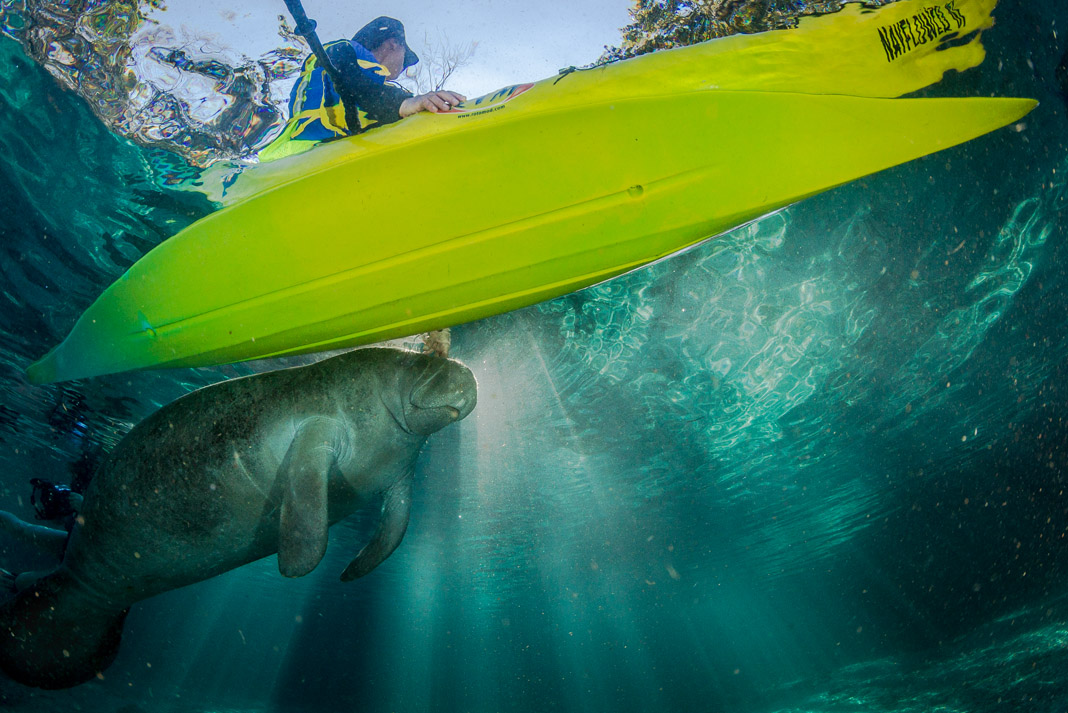
man paddle boarding above a manatee
Photo: Paul Nicklen

What people fail to acknowledge is the manatees are not here for our amusement, they’re here for their survival, says Matt Clemons, board member of Savethemanatees.org and owner of local outfitter Aardvark’s Florida Kayak Co., which offers small group kayaking tours, but not the more lucrative swim-with-the-manatee tours. In the colder months, when the manatees rely on the springs for survival, they can’t leave the warm water to escape the tourist swarm if stressed—if they do, they’re in danger of cold exposure and boat traffic, both a major contributor to manatee mortality.

Many of Florida’s 6,000 manatees bear scars from collisions with motorboat propellers, says Clemons

“The way we justify this type of tourism is to say if you allow people close access to the animals they will want to better protect them, but there’s no scientific studies that actually prove it,” says Clemons. “The data here is showing the more acclimated to humans the manatees become, the more likely they are to put themselves in harm’s way.”

In the six years since Nicklen took this photo, ramped up conservation efforts, restored habitat and motorboat speed limits near the springs resulted in a record number of manatees in 2016, and the animals were removed from the endangered species list.

The best way to appreciate manatees is from a respectful distance.

Natural manatee behavior can be disrupted by humans who approach manatees too closely. People should never approach, chase, surround, touch, disturb, ride or poke manatees,” says Clemons. “By observing manatees at a distance we have the best chance to observe natural behaviors, giving us a glimpse into their lives.

To get this shot, Nicklen was scuba diving in approximately eight feet of water, shooting with a Canon 1DX in a Nauticam housing. He used two strobes on camera arm extenders to crosslight the manatee.


Paul Nicklen is a National Geographic photographer and co-founder of SeaLegacy, an organization dedicated to protecting oceans via visual storytelling. www.sealegacy.com.
The Happy-Sad Phase Of Paddle Travel

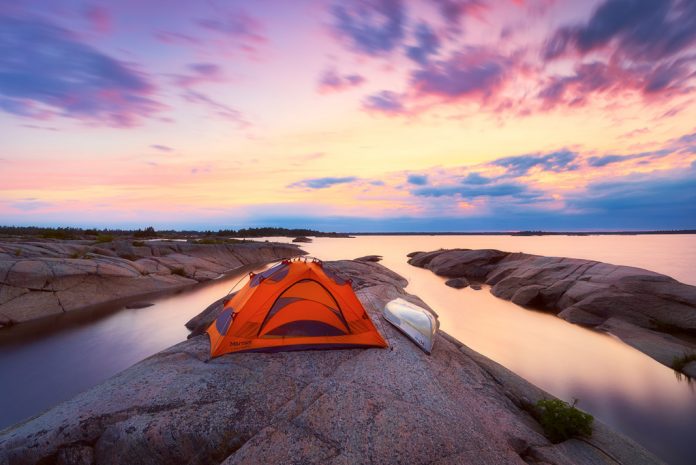
a tent and canoe on an island with a sunset in the background

In the academic world there exists a model outlining the five phases of the recreation and tourism experience. Researchers have come to understand how our overall satisfaction of a paddling trip depends on the degree to which our expectations are met or exceeded in each of the different phases. But hang on; I’m getting ahead of myself.

The first phase of paddle travel

Is The Planning And Anticipation Phase. It may begin with this Paddling Trip Guide issue of Paddling Magazine, in fact that’s sort of my goal. This stage builds the hype. We set goals and create expectations often months and sometimes years in advance.

Phases two and four

These are the travel to and travel from phases. From a tourism economic perspective, the travel stages are big business. For us, done right, these two phases can be as important as the adventure itself.

Phase three

This is the easy one—the actual trip. So long as the adventure meets our physical, social and intellectual needs we pretty much are going to have a good time. We usually do.

Phase five

This is the reason we buy souvenirs and hold potluck suppers.As time passes after the trip we tend to heighten the good memories and forget about the bugs, wind and rain. This recollection phase is why you are already planning your next adventure.

Who am I to argue with experts with doctorates, but I believe they are missing a crucial sixth phase.

Paddling trips offer an intense and emotional life-changing experience but often end abruptly, dropping us back into Monday morning traffic surrounded by people who, for the most part, frankly don’t get it.

When I worked as a commercial guide, we planned last night campfires to help our guests begin the transition back to real life. We handed out certificates of accomplishment and we shared trip stories. We talked about the feelings they would experience tomorrow.

This sixth phase is typically a happy-sad period

Happy because dreams came true. Horizons were broadened. Challenges crushed. Confidence boosted. Friendships strengthened. But sad because it is suddenly over.

Managed poorly, this post-trip phase of reintegration back to normal life can spiral into post-trip depression. Post-trip stress disorder is triggered by intense emotional or life-changing events, like wilderness trips by canoe, kayak and standup paddleboards.

Symptoms are similar to other acute forms of depression, including: fatigue, irritability, mood swings, inability to concentrate, increased desire to be alone and loss of interest in things you usually enjoy.

While only recently identified in psychology journals, post-trip blues has probably existed since the beginning of paddle travel.

Voyageurs felt it returning from travels with the North West and Hudson Bay Company. Inuit peoples suffered returning to their villages from the narwhal hunt. I watch my children mope around for days after arriving home from summer canoe camp.

While we return from paddling adventures feeling different and new on the inside, the world to which we’re returning is both unchanged, and yet smaller and less relatable. Early research on post-trip depression focused on international travellers returning after year-long walkabouts. Researchers later discovered what we already know, it doesn’t have to be an extended trip or experiencing a different culture to trigger post-trip blues.

I’ve experienced the post-trip blues after just a weekend canoe trip with my kids. We’d share so much together in just three days—returning to toys, tantrums and telephones would bring about a good cry, wishing life could always be as good as it just was on the river.

Clinical psychologist Linda Blaire recommends scheduling your return home from a big trip on a Friday.

“It takes a good three days to wind down, so likewise it will take you a bit of time to re-immerse yourself in real life,” Blair writes in The Key to Calm: Your Path to Mindfulness and Beyond.

Great advice for extended trips, but what do we do when the trip itself is from Friday to Sunday?

There’s a reason why we linger at take-outs, putting off the long drives to Sunday dinners. Sometimes a beer on the tailgate and 20 more minutes of camaraderie is all the happy-sad buffer we need. Sometimes it is the long, lonely drive home with the right playlist. For an extended trip, my happy-sad recovery place is my gear room. The hanging, folding, scrubbing and stuffing of gear is my therapeutic buffer. I’m also packing away my memories. This phase is both closure and preparation for life’s next adventure.

Most of us returning from paddling trips have temporary difficulty adjusting and coping upon our return. With time and good self-care, we usually settle in. If the symptoms get worse, last for months, or interfere with your day-to-day functioning, I suggest another alternative. Turn to pages 62, 120, 162 or 182, and self-medicate by beginning the cycle all over again. Repeat as often as required.

Scott MacGregor is the publisher and founder of Paddling Magazine.

The World Is Different. Paddle Forever

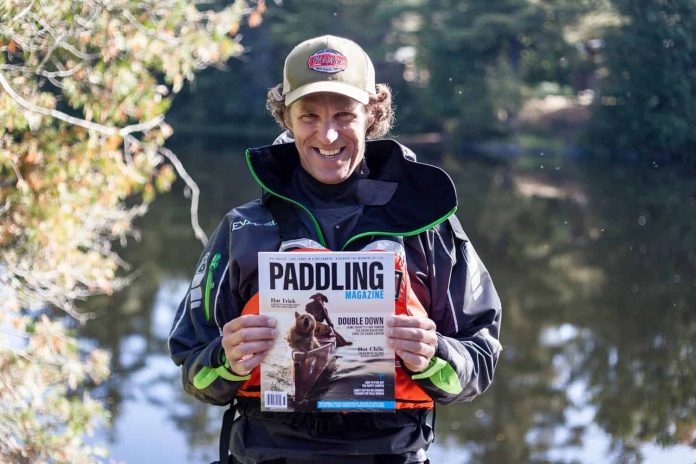
Scott MacGregor holding paddling magazine

“I’m not about to sit here in my duct taped plastic desk chair and predict the future of this magazine, but I do have a few ideas,” I wrote 20 years ago in my very first Off The Tongue in Rapid. I was 27 years old. The editorial was written, like this one, the night before the magazine went to press. I didn’t have a five-year plan. Hell, I didn’t have a one-year plan.

I couldn’t have then imagined my dream would evolve to include Adventure Kayak, Canoeroots and the Reel Paddling Film Festival. Kayak fishing wasn’t really a thing yet, so the idea of Kayak Angler certainly hadn’t crossed my mind. And standup paddling was still something kids were taught never to do in boats.

We Originally Created Paddling Magazine Back In 2013

The great content we were producing for Rapid, Adventure Kayak, Canoeroots and Kayak Angler was only being enjoyed by readers of those individual magazines. Too bad, we thought. So we took the best stories from the four titles, wrote a bunch of exclusive stuff each month and published it to our apps.

Paddling Magazine has grown to become our most successful digital title. It is our top-selling single issue and has the most digital subscribers. How can this be?

Things are different now

Years ago whitewater rodeo teams drove pimped-out white limos. Sea kayaking was stuffy, but huge. Recreational kayaking didn’t yet exist. Paddlers at the time put themselves into one camp and one camp only. They read only one of our magazines.

Today, Jackson Kayak’s company president, and the most decorated whitewater athlete of all time, Eric Jackson now spends as much time landing largemouth bass as he does landing whitewater freestyle tricks. Dagger makes touring kayaks. Canoeing is booming again. Perception doesn’t make whitewater kayaks at all; it makes recreational kayaks and paddleboards. Wave Sport is gone. Necky is gone. Liquidlogic put a hatch and a skeg on a whitewater kayak and called it a crossover.

The World Is Different Now

Millennials, the next generation of paddlers, don’t like to pigeonhole themselves like we did years ago. As a cohort they are less likely to be hard-core enthusiasts of anything, rather doers of everything. They too are more likely to read Paddling Magazine.

This spring we launched a readership survey. We asked thousands of subscribers and friends on social media why they paddle. We expected wildly different motivations from longtime readers of the different magazines. But the most popular reasons were pretty much the same. Fun. Freedom. Adventure. Exploration. Connection.

Yes, things are different.

There is a fantastic alumni of editors who have been making our magazines, newsletters and websites for the last two decades. There are canoe and kayak companies, gear brands and outfitters who have advertised in every single issue. We have readers who tell me they have every single issue we’ve ever produced. Some of these folks are going to ask me why this evolution has taken so long. Others will be sad with this change. Some may have already stopped reading this editorial to begin writing me letters.

Nobody Likes Change. I Get It. I Get It More Than Anyone. Rapid Media Is My Life

We’re bringing our long-time columns and your favorite writers together into distinctly branded sections of Paddling Magazine. You get your favorite magazine plus at least two more.

We created this model six years ago when we launched our Paddling Buyer’s Guide—the largest and best-selling paddling magazine of all time. And again this year when we launched our Paddling Trip Guide, on its way to becoming another best-selling paddling magazine.

I didn’t know when I walked into the Lone Star Bar & Grill that friends would suggest a couple young raft guides should start a whitewater magazine.

I Also Didn’t Know After The Recent Early Summer Issues Of Rapid, Adventure Kayak And Canoeroots I’d Soon Be Putting Them Together Into One

I may have written nostalgic eulogies for each. I certainly would have printed a few extra copies. What I do know is, when I get new ideas in my head I can’t let them go.

In Malcolm Gladwell’s best-selling book Blink he writes about successful army generals making strategic decisions with limited information. In war games, these army generals go with their gut feelings to beat super computers crunching millions of factors with thousands of possible combinations and permutations. Moving, is always better than not moving. Once the plan is rolling it’s possible to change course when new information crosses the war room or editorial table.

I don’t have all the answers. I never have. But this move feels right in my gut. I’m excited about the new Paddling Magazine.

Twenty years ago in that first Off The Tongue editorial I also wrote, “As Rapid matures it will take on many different forms, constantly changing, evolving and striving to be the best paddling magazine possible.” Maybe things aren’t changing all that much after all.

Paddle Forever

Scott MacGregor is the founder and publisher at Rapid Media.

How David Jackson Became A Paddling Cliche

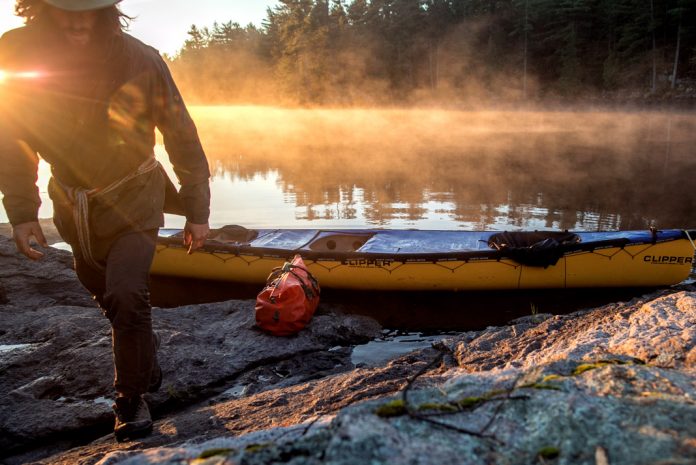
David Jackong walking away from his yellow canoe beside a lake in Canada

In the final moments before sunrise, little plumes of smoke escaped my coughing fire, billowing into the morning mist. Steam from my cracked coffee mug drifted and swirled above the inky river spilling past the little outcropping of rock serving as a home for one brief evening.

I hadn’t bothered to set up my tent. The poles were broken anyways, and the nights were free of bugs in the crisp, early October air. My gear lay heaped and exhausted beside the overturned canoe, which had warded off a heavy and wet fog overnight. I took a final sip of coffee and scoffed at the cliche that was my campsite.

I recalled romantic dreams of my youth—the overturned canoe for shelter, a blanket of stars, the solo paddler alone in the dawn’s fog.

David Jackson questions what is Cliche

But At This Point, What Was Cliche? More than six months earlier, the Pacific Ocean faded behind me as Mike Ranta and I hauled our canoes toward the towering continental divide. He was on his third coast-to-coast solo canoe expedition and I was on my first. A shadow beside a living legend, I was a conduit and lens to share his journey with the world.

Luck, however, was nowhere to be found on this trip.

Through British Columbia we portaged over 1,000 kilometers and paddled just 200. In the prairies, Lake Winnipeg took 30 days to traverse in pitiless winds. Times were idyllic through the pristine Boundary Waters, but Lake Superior was angry with our late summer arrival, and she let us know it.

After two weeks of delicate and sometimes life threatening maneuvers through gales and squalls, I listened to what I knew each hammering wave echoed. On a year marred by unpredictable weather events and with fall fast approaching, this was no place for two tiny canoes.

My father arrived to Superior’s north shore, plucking me from the fitful lake and dropped me on the shore of a windy Lake Huron.

I Continued Alone From There, 700 Kilometers By Paddle To My Home Just South Of The Ottawa River. As sunrise began to peak from behind tall pines, I looked at my battered canoe and the duct tape on my swollen hands. I kicked a little at the coals before dousing them in river water, cringing as their sizzle screamed for another breath. It was time to go.

As I loaded the canoe, I wondered which rapids I might paddle up today and which falls I might haul my load around. For the most part, I was alone and mapless on the French River. I was reading the currents and each stroke took me a little farther along the ancient story of its banks.

I loaded my last bag and pushed out into the vanishing fog, rubbing my eyes and mustering a half-hearted smile before taking my first stroke. On The Morning Of My 24th Birthday, I Had Become The Cliche Of My Childhood Dreams.

How Investment Preserves Kayaking Destinations

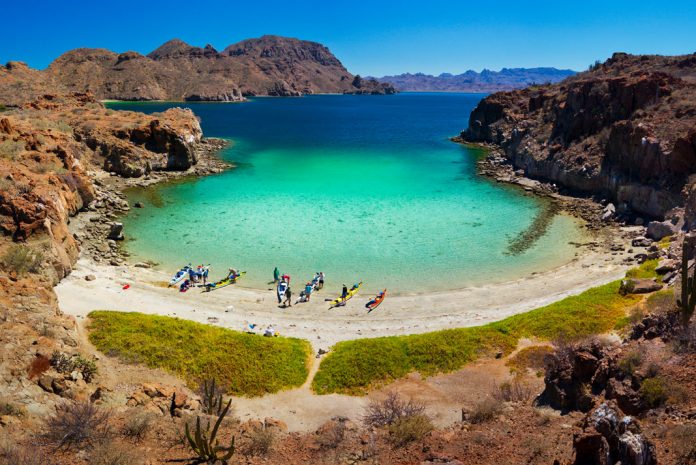
several sea kayakers at the bay of a lake

We open Antonio’s van and a mountain of gear disgorges itself. Stinky sprayskirts, leftover food, sandy tents, water bags and kitchen gear from 11 people for 10 days on the west coast of Mexico’s Baja Peninsula. We throw it in a pile and eat dinner.

The next day a small army descends on the patio. Carlos leads a systematic washing, drying and re-sorting of every pump, cockpit cover and drybag. Isabel sorts and stows leftover food and kitchen gear. Idalia cleans kayaks, carefully noting every gelcoat ding to be repaired later. Rapid-fire Spanish flies across the patio. Marcos uses gestures to show the sole gringo—that’s me—his system for washing, drying and storing gear. The people flitting about the Loreto-based shared house and kayaking nerve center all have jobs guiding, coaching, managing equipment, tracking rentals and keeping the website and social media of this small locally owned and operated business running.

Only one of the employees is the classic itinerant young sea kayak guide hopping between seasonal stints in Baja, Alaska and the Pacific Northwest. The other 13 are locals with deep ties here.

This means their money—and their love of place—sticks around.

If you want to preserve wild coasts to paddle, follow those paychecks

We didn’t see any other kayaks in Magdalena Bay on our 10-day trip. It’s dominated by a deepwater port and commercial fishing, with a few whale watching tours thrown in. We saw commercial fishermen in pangas and monstrous fishing hulks with onboard helicopters. What should have been ideal beach camps were awash in discarded fishing gear and crab traps, as well as the odd sea turtle skeleton.

Marcos hopes kayaking will one day bring more environmental stewardship to this area where he grew up.

Outdoor lovers and environmentalists have long seen ecotourism as a way to reframe the tired zero-sum debate between preserving wild places and generating jobs. If a community can sustain itself through paddling, surfing or climbing—instead of logging or mining—governments are more likely to see value in those wild places and safeguard them. Costa Rica is an often trotted example. Moab, Utah is another success story—a uranium-mining town in the ’80s and now the outdoorsy capital of Utah red rock.

The economic impact of outdoor recreation is enormous, but decentralized. Despite outdoor recreation consumers contributing $887 billion to the American economy in 2016, it’s hard to convince policymakers and locals alike of the economic magnitude of many tiny transactions, like a tank of gas and a meal on the way to the put-in. However slowly, the tide is turning in our favor.

Oregon just created a statewide Office of Outdoor Recreation. The Outdoor Retailer trade show moved from Utah to Colorado in protest over Utah’s environmental policies, taking $45 million with it.

The 11 kayaks plying Baja’s Magdalena Bay is a long way from there, but it paid for Antonio to shuttle us over the Sierra Giganta and back, and for hotels and meals in San Carlos, and a support panga.

Hopefully, our trip sent out a few ripples toward preserving Magdalena Bay too

As I cleaned gear, a story from a conservation colleague in Portland came to mind. In a committee hearing about clean water regulations, employees from nurseries growing native plants for restoring natural areas showed up. They could have talked about how they cherished wild places and clean water but they didn’t.

Instead, they said they had good jobs restoring the environment, and clean water regulations were essential to keeping these jobs. Politicians—who had heard the old environmental debates a million times—suddenly perked up. When Marcos, Carlos and Isabel describe what they do and why, they can talk the same way. When Deep Throat said to follow the money, he was right.

Neil Schulman has followed the money—figuratively, if not literally—during two decades of conservation work in the Pacific Northwest. 

Would You Rent Out Your Paddling Gear For Cash?

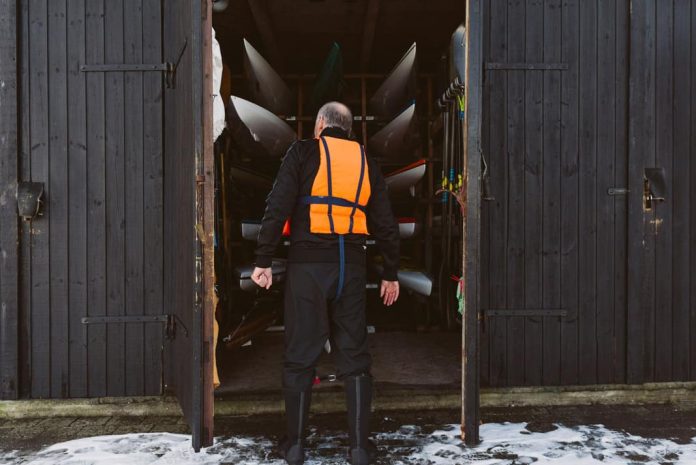
man wearing an orange pfd looking at boats
I get by with a little help from my friends. | Photo: Lior + Lone

Last year an acquaintance of an acquaintance, named Robert, emailed me to ask if he could borrow our three-seater family canoe. I’m ashamed to admit I balked.

I’ve had too many uncomfortable experiences sharing and borrowing stuff. I’m pretty lackadaisical with looking after my own equipment—it’s made to be used, right?

But I’m always worried about what will happen when I loan gear or borrow it from others. I’ve too often received things back damaged, or felt tormented about the wear and tear I inflict on the gear of others.

If I found 100 other people and we pooled our money we’d have an annual gear budget of $300,000.

I once borrowed a new sledgehammer and scuffed the handle with a missed swing, but then felt awkward when I returned the tool with a bottle of wine worth more than the tool itself. Another time I borrowed a friend’s cheap indoor bike trainer and wore it out training for an Ironman. I paid them full price for it and then threw it in the garbage, wishing I’d just bought myself a good one in the first place.

I think sharing expensive outdoor equipment is a great idea in principle – but what happens when high-value items are lost or damaged?

“An outfitter would probably not charge as much for replacement as it would cost me, so there is a greater financial risk to both of us in a private rental,” I replied to Robert.

In hindsight I’m ashamed for being so uptight. I feel like a hypocrite because I know the outdoor recreation community could do a much better job of sharing. The fact outdoor enthusiasts collectively spend $120 billion a year on gear, which sits unused most of the time, is both colossally inefficient and bad for the planet.

Wouldn’t it be smart to have a communal gear garage where all this equipment exists and is owned collectively?

Thanks to a new competitive paddleboarding habit, I easily spend $3,000 a year on paddling gear. If I found 100 other people and we pooled our money we’d have an annual gear budget of $300,000.

It exists in other competitive sports. Why is there no equivalent equipment sharing model for sea kayaking, canoeing or paddleboarding?

This sort of sharing is already being done by organizations. When I was studying outdoor recreation at university, there was a gear library where students could sign out equipment for personal trips. During a month housesitting in Eugene, Oregon, I joined the University of Oregon outdoor club and dropped in on a multi-day rafting trip down the Rogue River—no personal gear required.

Competitive sports like rowing and canoe racing have membership structures providing access to a fleets of club boats. Why is there no equivalent equipment sharing model for sea kayaking, canoeing or paddleboarding?

With the sharing economy taking off, why not develop a web platform to mediate gear sharing, like an Airbnb for kayaks and canoes? This was the plan of the Boston-based entrepreneurs Mike Brown and James Rogers, who launched GearCommons.com in 2013 to help outdoor enthusiasts rent gear to each other. The fledgling company got lots of media traction—everyone thought it was a great idea. The entrepreneurs signed up users with a collective $1 million of outdoor gear available for rent.

The problem was, nobody ever used it.

After two years, the pair abandoned the failed start-up noting a lack of equipment is only the second biggest problem keeping people from getting outdoors. Number one is lack of time.

In a postmortem chronicle of the company’s rise and demise, Brown concludes, “The two-sided marketplace model was high friction and required large amounts of time from both sides; renter and owner—request, approval, emails, texts, pickup, return, etc.” In other words, their solution to the gear problem made the time crunch even worse.

There’s another option out there for sharing called the Library of Things, which is essentially a non-profit rental business centred around the values of community and sustainability. There are examples all over the world, including near my home. What started as the Toronto Tool Library has successfully expanded into SharingDepot.ca, a downtown storefront lending out camping gear, including tents, tarps, stoves and coolers for a nominal membership or borrowing fee.

The idea has potential but most of the gear is suited to first-time or occasional users, not outdoor aficionados, and not likely readers of this magazine.

I want to suggest we all jump on board this idea, set up a library of things for outdoor gear in our communities.

The thing is, I really like owning my own gear.

[ View the largest selection of boats and gear in the Paddling Buyer’s Guide ]

Maybe it’s because wilderness-based recreation has always been partly about getting outside the sandbox of organized sports; for me, having gear to call my own is part of the libertarian appeal. It means I can go when I want with the gear I want.

There’s really nothing wrong with buying the gear you love and use most often. As financial planning guru Gordo Byrn blogged recently, “The best deals I’ve done are where I’ve traded money for time.” And as the GearCommons founders learned the hard way, there’s nothing more time-efficient than owning your own gear.

I think the best way to share gear is to let it happen organically.

Just as we’ve learned the perils of relying on Silicon Valley to mediate our face-to-face friendships, our gear sharing conundrum will not be solved by some tech-savvy millennials and their venture capital backers in a downtown loft, but the system that’s already in place, and always has been.

Another paddler in my neighbourhood recently invited me to demo two expensive new race paddleboards he’d borrowed from the local shop. We were joined by another friend, so between our own boards and the demos we had a quiver of five boards to test ride, no waivers or small print user agreements required.

After paddling for a few hours I had a whole different feeling than the physical buzz I get from paddling alone.

It was a warm glow of connection, of not being the only crazy person this side of Nebraska who is out dodging ice floes on the Great Lakes in February. I also learned about board design and picked up a few paddling tips. This just goes to show how quickly and easily you can expand your gear closet and combat social isolation at the same time.

I propose we build on our existing strengths as an outdoor community and go completely analog, building the million-dollar gear shed the traditional way, through good old fashioned face-to-face relationships.

As for my interaction with Robert, he responded to my reflexive paranoia with true class. After his trip he sent me a picture of his whole family paddling in the canoe he rented. He also invited me to come out paddling and try his surf kayak. I may not be posting my own gear for rent on the internet anytime soon, but the next time Robert asks to borrow my canoe, I’ll say yes.

Tim Shuff is the former editor of Adventure Kayak magazine and works as a firefighter and ice rescue instructor in Toronto. See the Pyranha Octane he borrowed from Paddling Magazine.

The Happy Camper’s Canoeing Bucket List

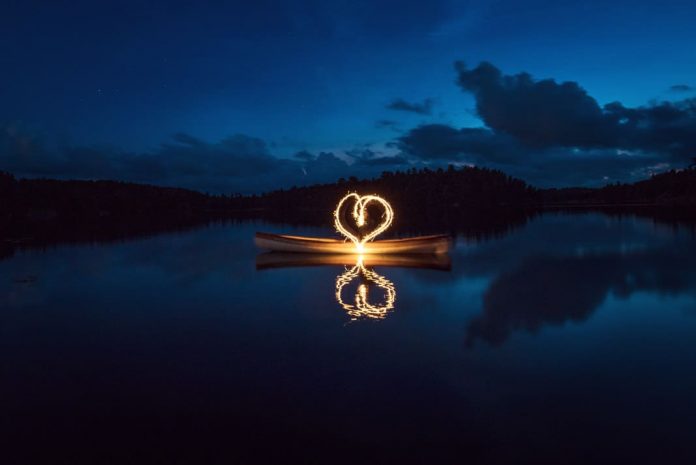
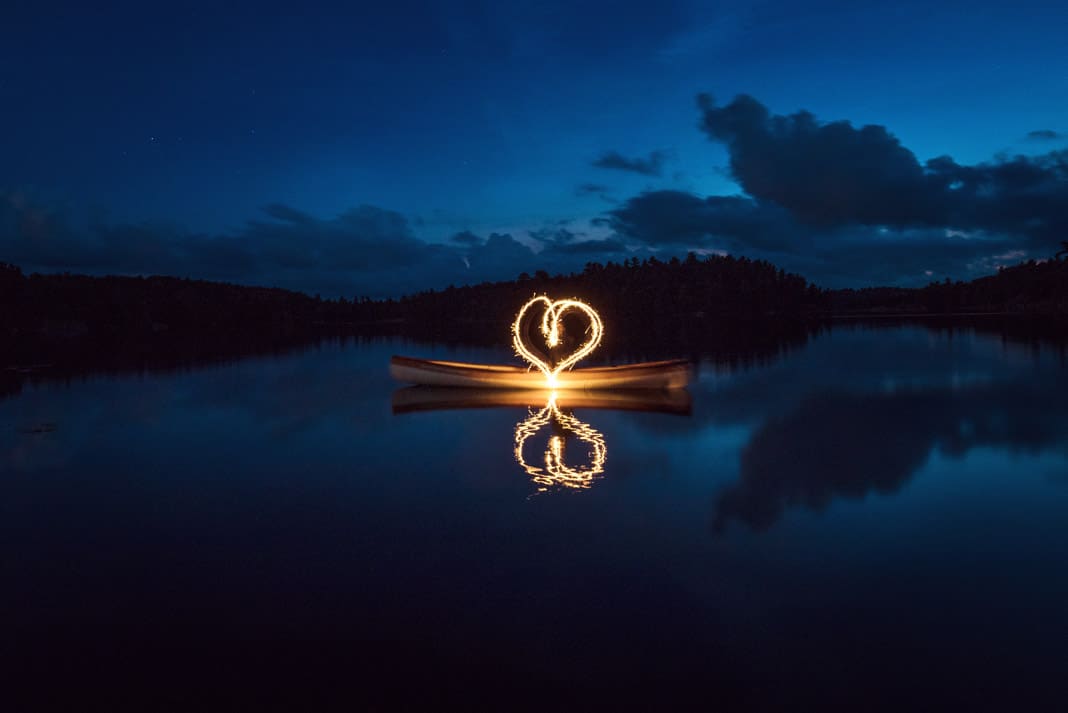
a heart made by light from a canoe

O ld age is slowing creeping up on me. I don’t necessarily consider 50 to be old, but I think I’m long enough in the tooth to be making a list of things to do before I kick the bucket. Or maybe better put, adding things to the bucket list I started many years ago.

Photo by Ivan Babydov from Pexels

As a boy I wanted to…

  • Skim a perfect stone
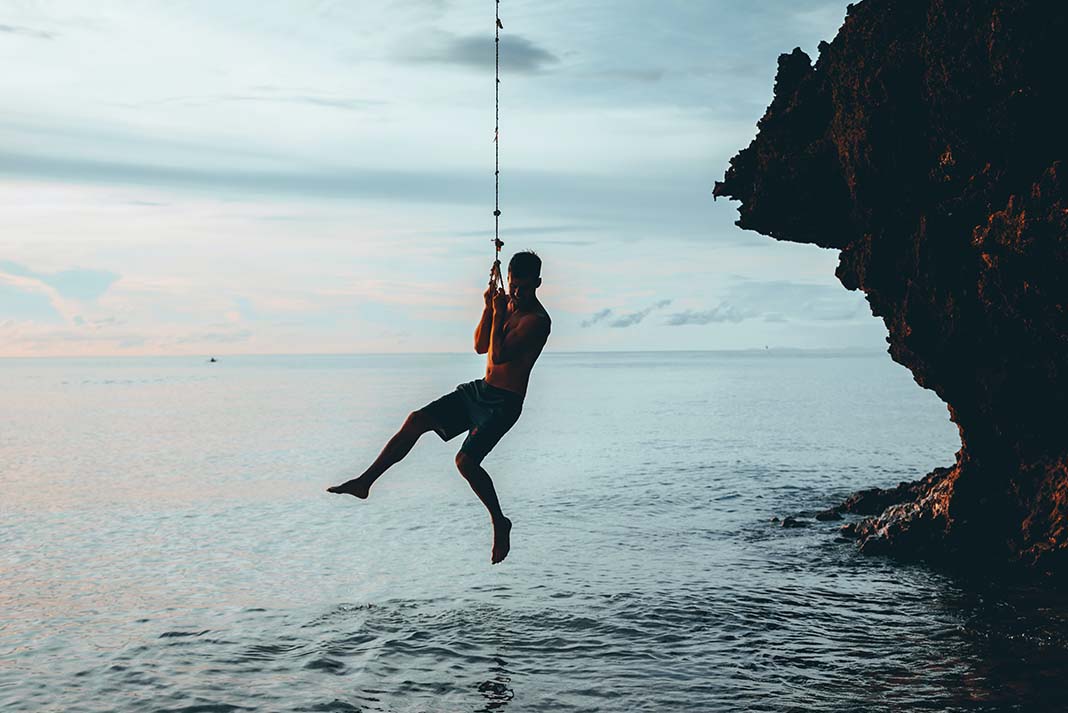
  • Tarzan on a rope swing
  • Discover dinosaur bones
  • Light a fire without matches
  • Paddle a canoe

In high school, I added wilder things to the bucket, like…

  • Playing the drums
  • Seeing KISS in concert
  • Skinny dipping
  • Getting past first base
  • Canoeing down a wild river
[ Browse the widest selection of boats and gear in the Paddling Buyer’s Guide ]
Photo: Kevin Callan
Portage

As a young man, I wanted to…

  • Work a job where I was outdoors more than indoors
  • I wanted to save wilderness
  • Get past third base
  • Canoe down an even wilder river. (Wild, I learned along the way, is a sliding scale.)
[ Plan your next canoeing adventure with the Paddling Trip Guide ]

The thing about buckets is you put a whole bunch of things in them and then forget about it for a while. If you’re lucky, as you go you cross off a bunch of stuff. I’ve done most of those early things and even more in the hustle-bustle of everyday life, I didn’t take the time to include.

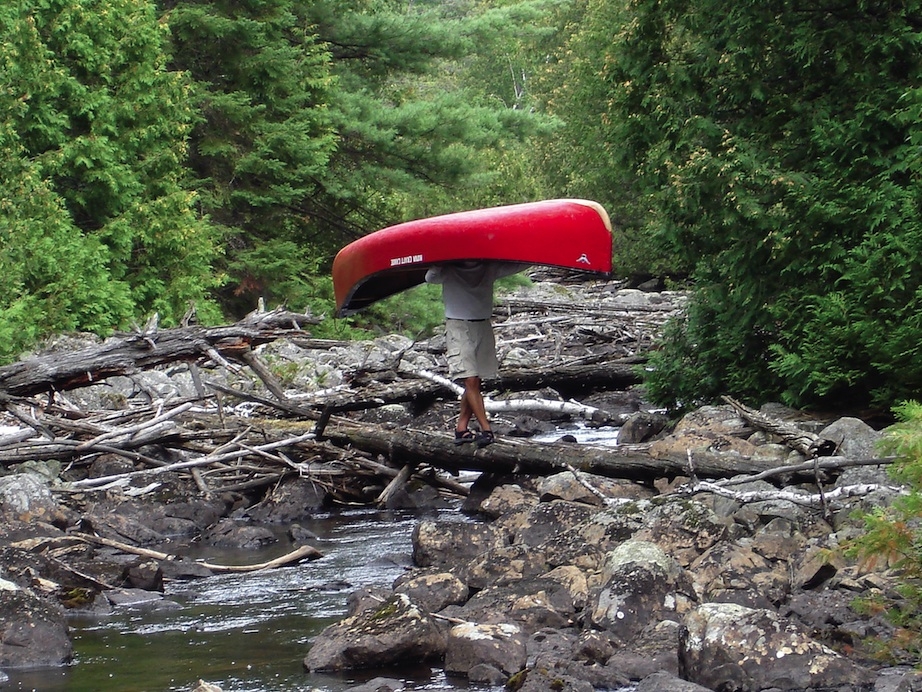
  • I’ve portaged across the front lawn at Parliament Hill and was forced off by the RCMP due to having a “vessel of too much magnitude.”
  • I’ve chatted with great musicians Gordon Downie of The Tragically Hip, Jim Cuddy of Blue Rodeo, Grapes of Wrath’s Kevin Kane and Jann Arden about the simplicity of canoe trips.
  • I’ve chewed the fat with legendary scribblers like Farley Mowat, James Raffan, Margaret Atwood, Pierre Burton and Red Green.
  • At one point I became a published author.
  • The dream was to write a book. Nobody puts 17 books on a bucket list.
  • Add a regular column in Paddling Magazine and life looks well lived.
  • The best part, however, is I’ve paddled more than 60 days a year for over 30 years.

Writing this piece, I realized how fulfilling my life seems, even to me. And it is. But my imagination is again filling the bucket before reaching my Golden Girls era.

  • I’m Not Talking About The Typical Bucket List Places To Paddle, Like The Nahanni.
[ Plan your next canoe tripping adventure with the Paddling Trip Guide ]

My dreams aren’t necessarily places I’ve never paddled before. Sure, I’d add to the list bodies of water such as….

  • The Florida Everglades
  • Great Slave Lake
  • Winisk River
  • Moisie Rver
  • But my priority is to revisit lifelong favorites in my province of Ontario.
  • I’d like to return to Woodland Caribou’s Artery Lake
  • the upper stretch of Missinaibi River
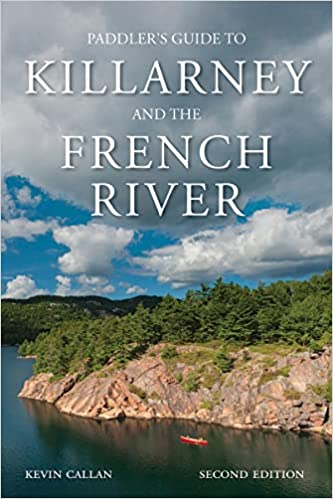
  • Killarney’s Great Mountain Lake
  • the northern shore of Lake Nipigeon
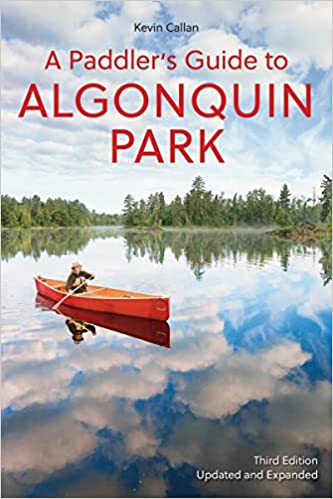
  • ….and, believe it or not, Algonquin Provincial Park’s Meanest Link route, an excruciating 385-kilometer circular route connecting the four Algonquin Park stores and named after the notoriously gruff founder, Bill Swift Sr.
Photo: Kevin Callan
Kevin Callan on the Meanest Link in Algonquin Provincial Park
  • I’d also like to build a canoe
  • Ink a portage sign on my chest, forearm or maybe my buttock.
  • I’ve always wanted to carve a wooden spoon
  • Go solo for more than two months
  • Play the penny whistle around the campfire
  • Sit amongst a pack of wolves and howl with them
  • Catch a brook trout with a homemade fly
  • Have a cup of tea with the highest-ranked First Nations elder to thank him or her for sharing the best mode of transport into these wild areas.

a heart made by light from a canoe

  • Last, but not least—I’ll have you know I did make it past first base a time or two—I regret never yet making love in a canoe. While I can’t imagine the actual physical act being all that comfortable, the celebration of being a true Canadian, according to author Pierre Burton, makes sense on a bucket list. Doin’ it in a volumous jacuzzi in central Ontario’s posh cottage country would be interesting, a hay field in the middle of prairie Saskatchewan would be noteworthy, and on a king-size bed at the Chateau Frontenac in old Quebec City may be impressive. But none of them are as stately Canadian or as high on my new bucket list as making love in a canoe.

Kevin Callan is the author of 17 books, including the bestselling The Happy Camper. Butt End first appeared in Canoeroots magazine 16 years ago. | Photo: TrustIn Timber 

8 Things You Didn’t Know About Rocker

hands in the air with rock and roll symbol

1. In Boat Design Terms, Rocker Refers To The Curvature Of The Hull At The Bow And Stern. Generally, a canoe with lots of rocker is more maneuverable and better able to ride up and over waves, so expect more rocker on river running designs. All other aspects being equal, the trade-off for more rocker is less tracking and speed.

2. For Most People, Rocker Is Synonymous With A Fan Of Rock Music. According to Forbes, three of the 10 highest-paid musicians in 2017 were extreme rockers Guns N’ Roses ($84 million), Bruce Springsteen ($75 million) and Metallica ($66.5 million). It’s proof good rock will never die.

3. The World’s Largest Rocking Chair Is A Towering 56.5 Feet Tall And Located In Casey, Illinois. It’s across the street from the world’s largest wind chimes (42 feet) and down the street from the world’s largest pencil (76 feet). #podunk

4. Asymmetrical Rocker. Usually more rocker in the bow than the stern—is popular in many touring and race designs and offers the benefits of a rockered bow with increased forward speed and tracking. Asymmetrical rocker hair is a hairstyle where one side is much shorter than the other.

5. The “Rock On” Hand Gesture—Index and pinky fingers raised and thumb clasped against the two middle fingers—was popularized by singer Ronnie James Dio, who joined Black Sabbath after Ozzy Osbourne’s departure in 1979. Also called devil’s horns, the gesture caused panic amongst Christian parents who believed rock music was the work of the devil.

6. Nineteenth-century gold miners used troughs called rocker boxes which could be rocked back and forth to separate soil from gold. These were popular with prospectors because they were portable but held more earth than a traditional pan.

7. The Phrase “Off Your Rocker” Refers To Someone Mentally Unsound Or Extremely Foolish. In 2012, now 96-year-old pop culture icon Betty White released a hit hidden camera TV show by the same name, featuring seniors playing pranks on young people.

8. Dwayne Johnson, More Commonly Known By His Wrestling Name, The Rock, Is The Ninth Most Popular User On Instagram With 103 Million Followers. He was named Forbes’ highest paid actor of 2016, making $65.5 million the year prior. Not bad for a guy who got his start as a fanny-pack-wearing Sunshine Boy in the Calgary Sun newspaper.

How Are Our Rivers Being Protected By Law?

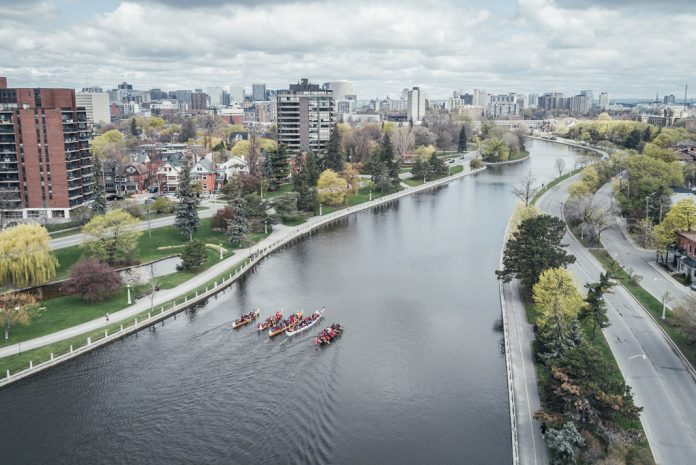
several large canoes paddling through city

The late 1960s was a tumultuous time. The Vietnam War was lurching toward an uncertain conclusion. Robert F. Kennedy and Martin Luther King Jr. were gunned down. There were racial protests at the Olympics in Mexico City and riots at the Democratic Convention in Chicago. Yet, through all this angst, a photograph came back from the Apollo spacecraft program crystallizing a new environmental sensibility throughout the western world.

Earthrise, a snapshot of Spaceship Earth coming into view over the lunar horizon, was taken on Christmas Eve in 1968 by astronaut Bill Anders. The photograph is widely considered the most influential environmental photograph ever taken.

The Creation Of The American Wild and Scenic Rivers Act

Among All The Actions taken by individuals, organizations, communities and governments in the ‘60s to curb growth and protect the beauty and fragility of the natural world was the creation of the American Wild and Scenic Rivers Act. President Lyndon B. Johnson signed it into law on October 2, 1968.

The Act reads

“It is hereby declared to be the policy of the United States that certain selected rivers of the Nation which, with their immediate environments, possess outstandingly remarkable scenic, recreational, geologic, fish and wildlife, historic, cultural or other similar values, shall be preserved in free-flowing condition, and that they and their immediate environments shall be protected for the benefit and enjoyment of present and future generations. The Congress declares that the established national policy of dams and other construction at appropriate sections of the rivers of the United States needs to be complemented by a policy that would preserve other selected rivers or sections thereof in their free-flowing condition to protect the water quality of such rivers and to fulfill other vital national conservation purposes.”

How The Wild and Scenic Rivers Act Is Doing Now

Five decades and nine presidents on, how is the Wild and Scenic Rivers Act bearing up? In the original act, eight rivers—Clearwater, Eleven Point, Feather, Rio Grande, Rogue, St. Croix, Salmon and Wolf—were designated and throughout the next 50 years the number has grown to more than 300 major rivers and tributaries.

More than 12,000 miles of rivers has been classified under this important legislation for their outstanding scenic, recreational, geological, natural, historic or cultural values.

While 12,000 miles sounds impressive, one must keep in mind for every mile of protected river there are 50 miles of American rivers altered and impounded by 75,000 dams throughout the country. Nearly 20 percent of all rivers in America are affected by dams, to say nothing of poor water quality. The Wild and Scenic Rivers Act protects roughly a quarter of one percent of America’s river resources.

Still, Potomac Riverkeeper, Dean Naujoks calls the Wild and Scenic Rivers program “amazing” for what it has done to preserve and protect from development the very best of America’s wild rivers.

Considered in concert with a wave of environmental legislation, including the Clean Air Act (1963), the Wilderness Act (1964), the Clean Water Act (1972), which began as an amendment of the 1948 Water Pollution Control Act, the Wild and Scenic Rivers Act has made a real difference,” Naujoks tells me. “If I want to take my daughter on a multi-day rafting trip any time in the future, I know the Rogue River is there, and it’s just one of many where this kind of activity is possible.

In Canada, the situation is equally hopeful and hopeless. In the same post-Apollo push to do better environmentally, governments at all levels became more informed, aware and statutorily proactive about human impact and environmental degradation. Outdoor and environmental education centers popped up all over the country. And the Canadian Wild Rivers Survey (1971-1973) led to the genesis of the Canadian Heritage Rivers System, which was finally established in 1984.

The Canadian Heritage Rivers System now includes parts of 40 rivers in all territories and provinces, except Quebec. However, in a nation of rivers from coast to coast to coast, involving hundreds of thousands of miles of waterways, the Canadian Heritage Rivers System stewards a scant 7,500 miles.

Whether or not we might consider these statistics evidence of success in literal terms, the nomination and designation process of both the Wild and Scenic Rivers program in the United States and the Heritage River System in Canada have compelled water managers and the public in all of these jurisdictions to come together to talk, to negotiate, to work collaboratively on workable management plans.

The two programs have lead to the identification and protection of what many have referred to as the world’s ultimate commons—our rivers.

And, in doing so, even with narrow corridors of protection and concern, the advocates who have participated in these processes over the last 50 years have moved rivers closer to the heart of human environmental consciousness.

In 1968, the concept of global warming was nowhere near the public agenda. Anthropogenic climate change would take another three or four decades to work its way into political consciousness. As planners, lawmakers and ordinary citizens contemplate all of the consequences and complications of a world inextricably altered by progress, it is rivers, the nourishing blue lines on Spaceship Earth, which are the point of tangible connection to the non-human world.

Fifty years on, the creation of the Wild and Scenic Rivers Act can be seen, however incidental and seemingly insignificant when weighed against the millions of tons of concrete poured by the U.S. Army Corp of Engineers, as a sovereignly worthy start.

James Raffan is an explorer, recovering academic and former executive director of the Canadian Canoe Museum. The Ottawa River received designation as a Canadian Heritage River in 2016. Twelve more American rivers are currently under review for inclusion in the Wild and Scenic Rivers Act.

The Radical Rise Of The Septuagenarian Adventurer

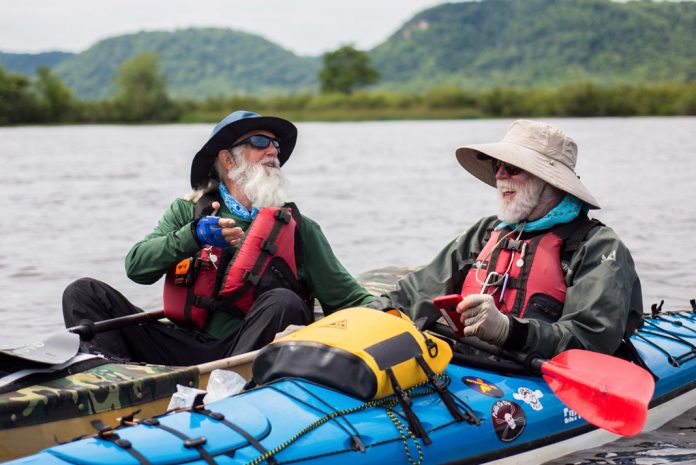
two men in kayaks laughing

Last year, Dale Sanders hiked the entire 2,190-mile Appalachian Trail. Two years prior, he paddled the Mississippi River from source to sea in 80 days. Others have done both trips faster, but they weren’t in their ninth decade, like the now-83-year-old Sanders.

As an aged adventurer, Sanders has more and more company. Last year, Aleksander Doba of Poland completed his third paddle across the Atlantic Ocean at the age of 73 and 80-year-old New Zealander Helen Thayer walked the length of California’s Death Valley solo and unsupported. At press time, polar explorer Will Steger, 73, was nearing completion of a 1,000-mile solo trek across Canada’s barren lands, dragging behind him a North Star canoe on skis filled with 200 pounds of kit.

Impressive feats, no doubt, but these headline-grabbing excursions hint at a more widespread trend of 70- and 80-year-old outdoor lovers refusing to hang up their paddles and packs because of the number of candles on the cake. Still enjoying the outdoors, they are putting a less euphemistic and more literal spin on the term sunset years.

Neil Hartling has run Nahanni River Adventures since the mid-1980s, during which time the average age of his clients has risen by one year annually. He says his trips have changed a lot since the 1980s, partly in response to the number of older clients that were rarely part of his groups in the early days.

“We take seven-centimeter thick inflatable sleeping mattresses and stools and chairs now,” says Hartling. “So many of our guests have some sort of chronic disorder. If we keep them comfortable, those issues are less likely to flare up.”

With the extra gear and improved food, comes the need for extra guides. There is now one guide for every four guests, which allows for more interpretation, something Hartling says his more mature guests are hungry for.

“In the 1980s, our guests wanted physical instruction, to learn new strokes. Now they come to the rivers having researched them, and they want to be exposed to the cultural history, the geology, the wildlife.” Says Hartling, adding many of the guests have been tripping for as long as his guides have been breathing.

Improved communication technology has no doubt encouraged some older trippers to commit to extended trips in remote locations, but Hartling credits more mundane gear innovations—lighter and more comfort-minded items—with encouraging backcountry trips among those in an age group in which bodies are becoming frail.

“When we began, people had the same ambitions, but we didn’t have suitable clothing and equipment. It was work boots and windbreakers, ponchos in place of wetsuits,” he says.

One of Hartling’s regular guests is 81-year-old Jo Ann Creore of Edmonton, Alberta. She has been on eight northern rivers since 2007, when she took up river raft trips to replace mountaineering. “They provide me a way to get into true wilderness, something I can’t do on foot any longer,” she says.

Creore doesn’t like to dwell on her river resume. “People always ask me what I’ve done,” she complains, “but they never ask me what my goals are.”

[ Discover the best paddling gear of the year in the online Paddling Buyer’s Guide ] 

The goal for this summer is the Coppermine River, 135 river miles in Nunavut and the Northwest Territories. It’s a rafting trip offering superb hiking, which Creore acknowledges she might not be able to take full advantage of.

“I don’t do nearly as much hiking as I used to. But I shed no tears over things I no longer can do. When something is over and done with, I find things to replace it.” So she’s taken up the study of wildflowers to replace hiking.

“I tried birds [identification] but they didn’t sit still for long enough,” she says.

Creore says she’s no more inclined to sit still than those birds are. My mother lived until she was 102. That’s 21 years away. I don’t plan on sitting around to wait for it. As long as I can put my tent up and crawl in and out of it, I’ll keep on river tripping.

For his attention-grabbing trips down the Appalachian Trail and the Mississippi River, Kentucky-born Dale Sanders says taking the kind of trips he’s been doing for many decades now takes more preparation.

“It started to get harder when I was in my late 70s, so now I have to train my body ahead of time,” he says, adding when he trains by doing things like paddling a canoe or kayak against the shore of his pond he needs a few days to recover afterward.

And he knows in the same way his body takes longer to recover from exertion, it would take longer to heal from an injury.

He counts this as wisdom, something he’s grateful for the experience of age to have provided him. “When you are out there at my age, you have to be aware of physical capabilities.” He says during his season on the Appalachian Trail he was careful and never fell badly— “when I was young, I would have broken bones.”

It’s more than a sense of caution Sanders appreciates about tripping at his age. He says he’s more mentally committed to doing these things now than he would have been when he was younger and “pulled in all different directions.”

“Motivation for me is much easier now,” he says. “I’m more mentally ready to do these things. I’m just so happy to be healthy in old age.” And, perhaps most importantly of all, that motivation is paying greater dividends now than it ever did before.

“As I get older, the process of reflection and appreciating the things around me only gets more intense. When I go to bed at night, sleeping on the ground or in a tent, I reflect back on the things I saw that day, the goals I met. Then I have a peaceful night,” says Sanders. “When I was younger, I didn’t appreciate nature, the beauty of things. The whole experience is getting better. I wish I knew then what I know now.”


Dale Sanders is planning his next grand adventure for 2019. One option he’s considering is to canoe the Missouri River—3,800 miles from Brower’s Spring in Montana to the Gulf of Mexico. Follow his adventures at greybeardadventurer.com.