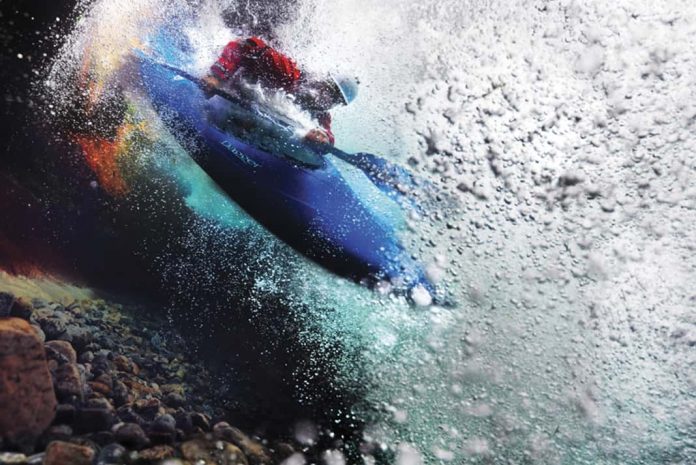
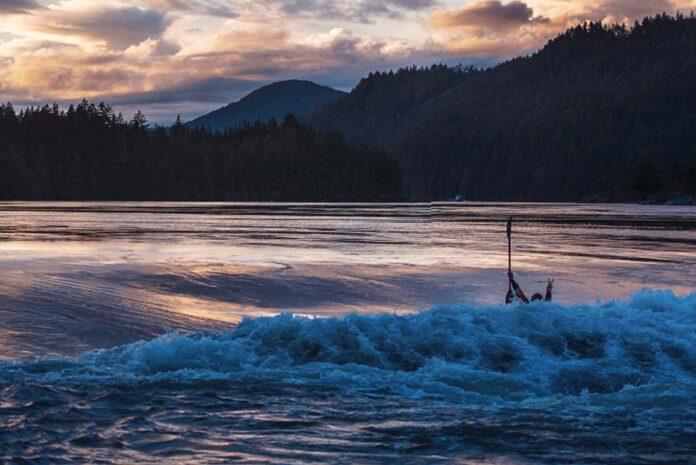
A whitewater kayak descending underwater | Photo by Thomas Morel
In the middle of summer, I received a request from Sogndal Lodge in Norway to create three signature shots for three of their main activities. One of them was kayaking and we agreed on doing a typical shot of a kayaker descending a spectacular drop or rapid.
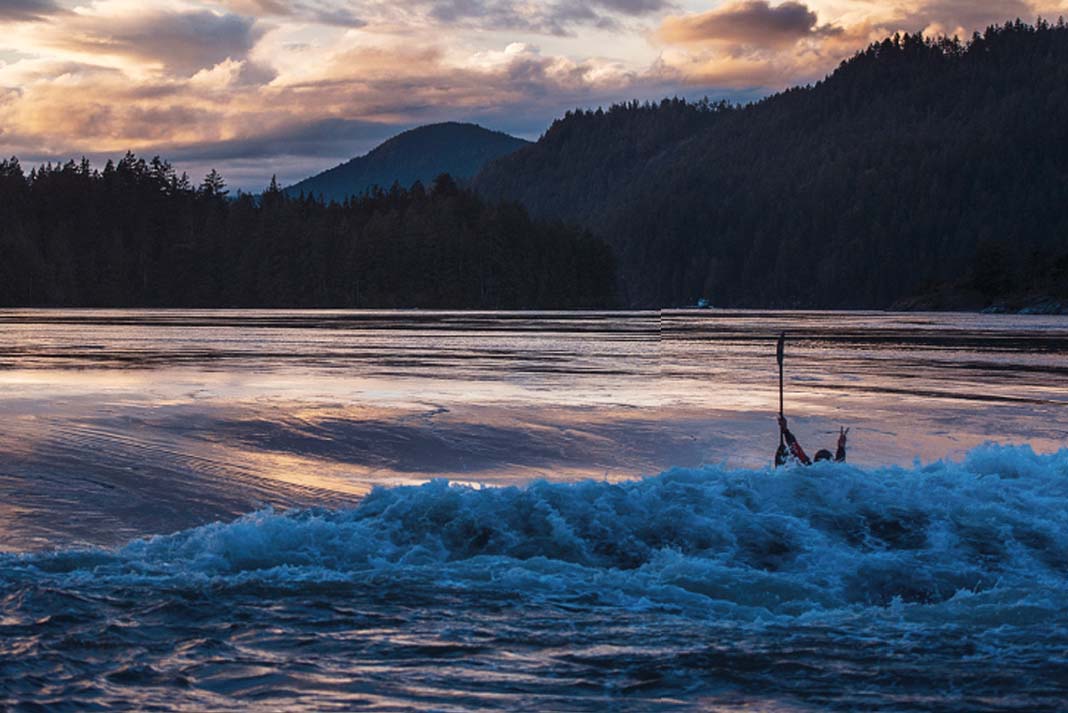
During the planning, while I was looking to find athletes and a location, I decided I would rather put a lot of extra effort in and try to expose a side of the drop I hadn’t seen before—what happens in the moment between when the athlete hits the surface and when he emerges again.
I asked four kayakers to join me to help and inspire each other. As a photographer, I am completely dependent on the knowledge and talent of the athletes, so their input is always of great value. My job is to tear the motion and gesture out of context and maybe even ask the athletes to perform an action that may not be technically correct or even realistic. The athletes’ presence helps make sure the image is aesthetically pleasing while honoring the sport.
Engaging in this shoot required days of trial and error, lying in ice-cold water with the current swiping me everywhere except where I wanted to be. It meant that the chance of not getting the shot I was looking for was pretty likely, but on the other hand, there was potential to end up with a result that stood out from the rest.
At the end of day three in ice-cold water, the magic finally happened…
We ended up shooting for three days. Nothing turned out the way I wanted during the first two. One of the main challenges was that the kayak didn’t go deep enough into the water to show in a part of clear water I had highlighted with the strobes. We finally got it to work by filling the kayak more than halfway full of water and descending not in the center, but on the side of the drop. Once the kayak went too deep and hit the rocks just 20 centimeters in front of me.
Since I had only one shot for each try, I needed to know approximately when I could expect the kayaker to breach the surface for the split second he was underwater. The easiest way was to tie a rope to my waist, which they rocked three times to signal ten seconds until impact.
Each day I learned what worked and what didn’t. During the process the production progressed significantly as I learned from my errors. At the end of day three in ice-cold water, the magic finally happened and all the elements came together exactly as I wanted.
This article originally appeared in Rapid Early Summer 2017 issue.
Subscribe to Paddling Magazine and get 25 years of digital magazine archives including our legacy titles: Rapid, Adventure Kayak and Canoeroots.
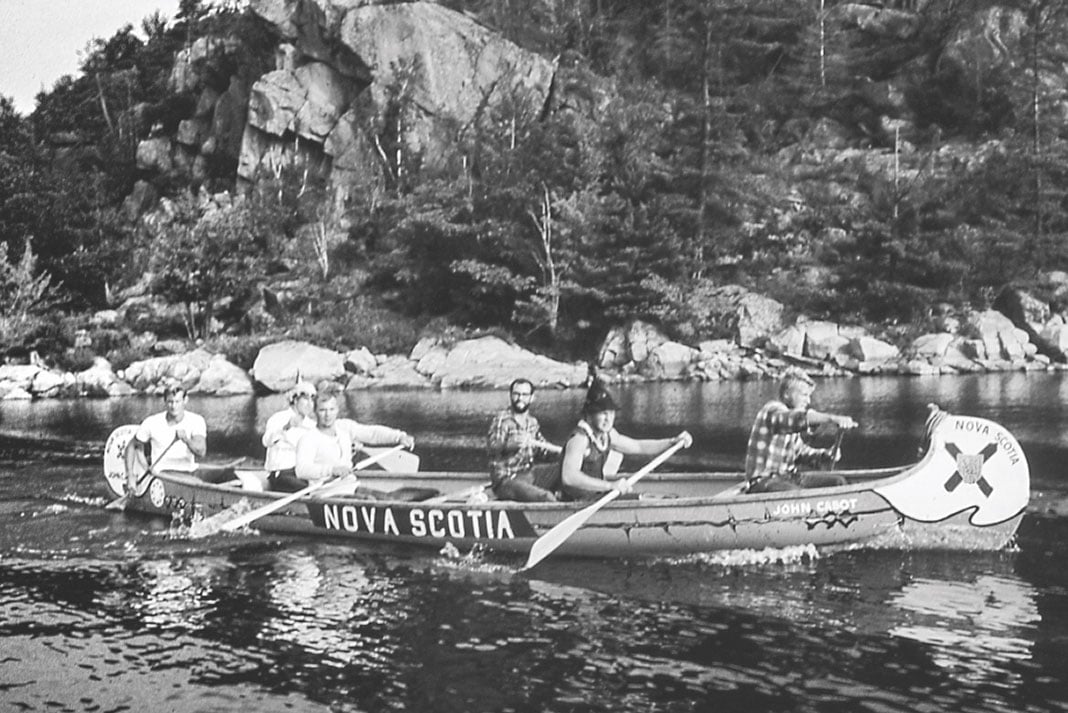
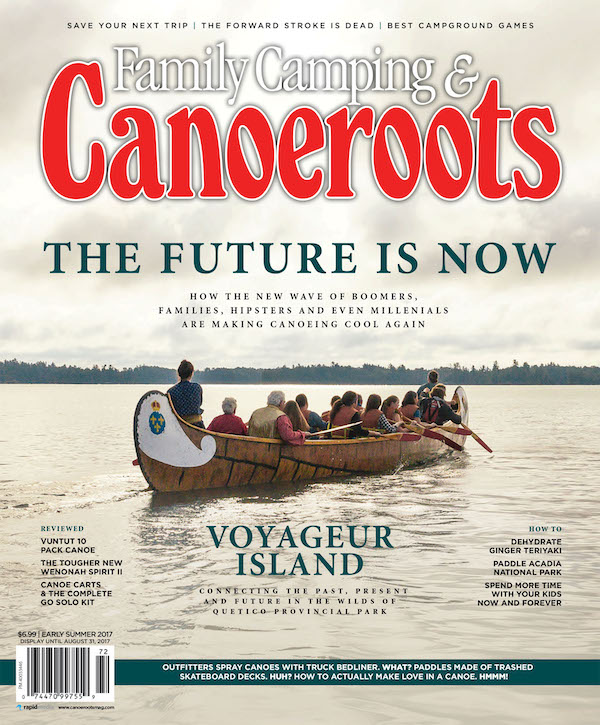
In the summer of ’67, there were canoes going this way and that way in this nation of rivers for Canada’s 100th birthday to show where we had come from and presumably to indicate some kind of water-borne hope for the future.
The Centennial Voyageur Canoe Pageant involved elite teams of mosty white men from eight provinces and two territories racing from Rocky Mountain House on the continental divide in Alberta to Expo ’67 in Montreal. At the time it must have seemed a fine thing to do. Marking 100 years of nationhood on the rivers that opened the country to the fur trade. Today, I’m not so sure.
Canada 150: Is canoe culture appreciation or appropriation?
Fifty years later, Canada is a much more diverse idea, enriched by immigration but also by a much stronger sense of a country built through partnership with First Nations’, Métis and Inuit communities from coast to coast to coast. Some are asking whether it is still appropriate for elite clutches of largely white males to flex their muscles on behalf of all Canadians on a similar race from one side of the country to the other. Thankfully, that’s not at all what’s being planned.
Feature photo: Glenn A. Fallis
This summer the Canada 150 Voyageurs Rendezvous is planning to re-enact aspects of the Centennial Voyageur Canoe Pageant. At the top of the list of benefits in a media release put out by the Honourable Amarjeet Sohi, Minister of Infrastructure and Communities, is how this project will include Canadian activities and workshops that highlight Indigenous cultures, wrapped into the main sesquicentennial themes: diversity and inclusion, national reconciliation, environment and youth engagement.
The canoe binds us to each other and to this geography called Canada
Some may worry that the canoe is just a symbol of ongoing conquest or worse, an idea or invention wrenched from First Nations by capricious agents of the fur trade. If used sensitively and collaboratively the canoe continues to be purposed or re-purposed if we have strayed, as a unifying force.
It has been and remains an unparalleled opportunity to learn from and about each other through an activity that is as restorative for our heads and hearts as it is for our bodies and souls. As history has shown canoeing is an activity that engages the whole person. Who we were, who we are and who we can be.
The prettiest congregation of nations, the nicest confusion of tongues
Hudson’s Bay Company Governor Sir George Simpson observed this sentiment on one of his self-propelled journeys travelling in a bateau, westward from Lachine, Quebec to Astoria at the mouth of the Columbia River on the coast of Oregon.
“As curious a muster of races and languages as perhaps had ever been congretated within the same compass in any part of the world. Our crew of 10 men contained Iroquois, who spoke their own tongue; a Cree half-breed of French origin, who appeared to have borrowed his dialect from both of his parents; a North Briton, who only understood the Gaelic of his native hills; Canadians who, of course, knew French; and Sandwich Islanders, who jabbered a medly of Chinook and their own vernacular jargon. Add to all this that the passengers were natives of England, Scotland, Russia, Canada, and the Hudson’s Bay Company’s territories; and you have the prettiest congregation of nations, the nicest confusion of tongues, that has ever taken place since the days of the tower of Babel.”
This summer there will be a host of other less publicized canoe escapades linking people and places across the country. Many of these canoe-born celebrations will be less about the actual kilometres conquered and more about all of the backgrounds and ethnicities, consciously getting into the same boat and pulling together toward the future.
James Raffan is the captain of the Connected by Canoe Journey that is travelling in May 2017 from Peterborough to Ottawa. His column, Tumblehome, is a regular feature in Canoeroots magazine.
This article was first published in the Early Summer 2017 edition of Canoeroots Magazine. Subscribe to Paddling Magazine’s print and digital editions, or browse the archives.
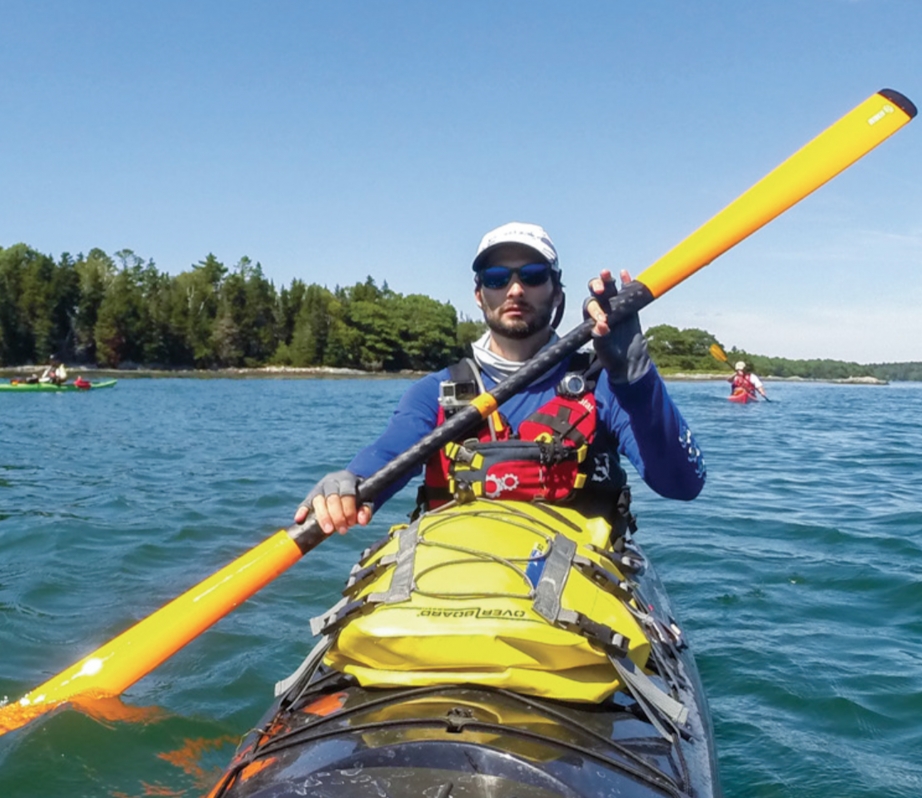
Luke Rovner, The Kayak Hipster, looking cool and colour-coordinated
CHANCES ARE, IF YOU POST sea kayaking photos or videos on Instagram you will eventually see a from the Kayak Hipster. Luciano “Luke” Rovner shares the social love with #paddlingmixedtape featuring bow shots and kayaking drone aerials the world over. He has been an avid enthusiast of Adventure Kayak since he and his wife first took up the sport. He now fills his days dreaming, filming and living out his double-bladed passionate life. You can live vicariously through him @kayakhipster on Instagram. GABRIEL RIVETT-CARNAC
Who was the Kayak Hipster before Kayaking?
“I grew up in Beunos Aires, Argentina with parents who loved the outdoors. My wife had a similar childhood, so camping and exploring became our go-to activity.
“We started paddling in recreational kayaks and we made the transition to sea kayaks when I decided to take courses to become a more proficient paddler. Through this pricess I eventually became a kayaking instructor. I do graphic design for photo and video production in marketing and advertising. It was just a matter of time before I brought it all together.
“The hipster thing is a running joke. I used to be a drummer for a rock band in New York City and my friends always teased me about my skinny jeans, v-necks and short-boxed beard. It was an obvious name choice.”
What draws you to Greenland-style paddling?
“Friends of mine had Greenland paddles and I was always intrigued. I tried one during a rolling session and was blown away by its buoyancy and forgiveness. I became obsessed with Greenland rolls. I loved the idea of rolling up from any position and doing so gracefully and effortlessly.
“During the span of a winter, I built a skin-on-frame kayak in my basement. It’s incredible to think how these used to be made without modern tools. I wanted to share my handiwork and further my rolling skills, so I attended several Qajag USA events. I was greeted by an extremely supportive community.”
Luke Rovner, The Kayak Hipster, looking cool and colour-coordinated
When did your social media take on a life of its own?
“I don’t think I would say it has. I’m still doing the same thing I’ve done for years, but recently the level of interaction has grown. It’s humbling.
[Editor’s note: @kayakhipster has over 13,200 followers on Instagram, which is certainly impressive for a rather niche photography subject! By comparison, our Instagram account @paddlingmagazine has just over 7,000 followers. Follow us. Please.]
“When I got into paddling, I began following the feats and adventures of really accomplished kayakers around the world. Reading their stories and watching their videos was truly inspiring. I haven’t yet attempted significant paddling feats like circumnavigations. But I think that might be part of why people have been connecting with me. I’m a regular paddler who loves documenting my small adventures and the associated learning process – my wins, my failures and lots of tips I’ve found helpful along the way.”
Where do you live and love to paddle?
“We live in Westchester, New York, around an hour north of New York City up the Hudson River. We’re thankful to have numerous paddling options in the region. Our usual playground is Long Island Sound, northeast of New York City along the coast. It’s great for day paddles, camping trips and boasts a myriad of launch spots along its northern coast extending up through Connecticut and up to Rhode Island.
“We also enjoy exploring the Hudson and Delaware Rivers. Each provides very different landscapes, with plenty to see. For fun we like playing in the surf on the south shore of Long Island.”
Why is sea kayaking important to you?
“It started as a weekend activity and through the years it has become much, much more than that. From quick morning paddles to multi-day expeditions, we always try to plan our time off so we can be near the water.
“I love kayaking because it works out my body and my mind. It reconnects me to nature at a moment’s notice. It fulfills my need for adventure, exploration and rush of adrenalin when playing in waves and rough water. It’s an ever-changing landscape waiting to be photographed. It has a vast history and an amazing community. It easily combines all the elements we seek when we get precious moments to escape our daily routines.”
This article originally appeared in the Early Summer 2017 edition of Adventure Kayak.
This article originally appeared in Adventure Kayak Early Summer 2017 issue.
Subscribe to Paddling Magazine and get 25 years of digital magazine archives including our legacy titles: Rapid, Adventure Kayak and Canoeroots.
Bateman and his paddling Buddha. | Photo: Tim Morch
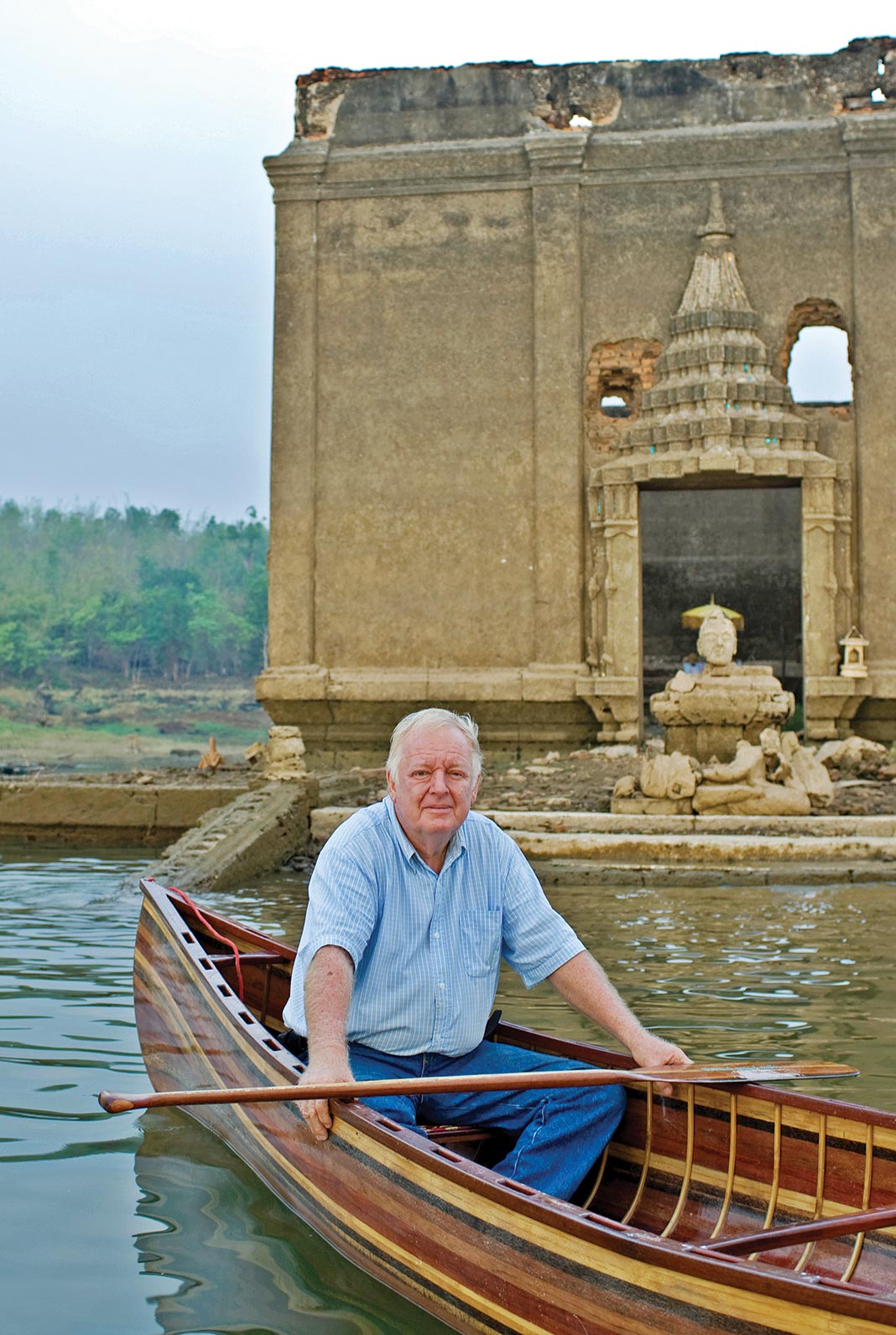
No loon call from the middle of Khao Laem Lake as Brent Bateman slips his canoe into the water and pushes off toward the Buddhist temple across the lake.
Sangkhlaburi is a Thai frontier town near the border of Myanmar, also known as The Country Formerly Known As Burma. It’s full of Burmese refugees, Buddhist temples and soldiers—not the place you would expect to find someone launching a Prospector canoe; let alone a canoe-building business.
Calgary-born Bateman arrived in 2003 on a break from a life of academia in Bangkok and decided to set up camp.
Bateman and his paddling Buddha. | Photo: Tim Morch
“I fell in love with the area,” Bateman said, “so I built a shop.” Before the end of the year, Bateman’s new company Sanghalei Canoe and Kayak was shipping canoes. He now sells a select roster of high-end canoes and kayaks to buyers with a taste for the exotic. His customers are mainly in Thailand and Hawaii, but Bateman is working with distributors to bring his hulls to North America.
Building in Asia means the materials differ from the cedar and ash found in most wood strip canoes. Bateman claims he is the only commercial wood strip building using bamboo. It’s a plant that grows fast and dense in Asia, which keeps each canoe’s environmental footprint modest.
Bamboo and the other exotic hardwoods Bateman uses wouldn’t submit easily to the conventional wood strip construction method which uses staples to secure the strips while they are glued together, so he devised a system of male and female steel frames that press on the strips from both sides and hold them in place as the hull takes shape. Each hull is finished with a layer of fibreglass and weighs around 75 pounds.
[ Paddling Buyer’s Guide: View all canoes ]
Building canoes in an area better known for gem smuggling than canoe portaging has presented practical difficulties. “The epoxy lay-up is an issue in the heat and humidity,” says Bateman, who goes on to explain the problems involved in training employees and gaining recognition in a country where canoes have been synonymous with dugout logs.
As Batemen skirts the far end of Khao Laem Lake he notes how different it is from the Vermillion Lakes of Alberta where he paddled his first homebuilt canvas and cedar boat at age 14. He won’t say which lake is more beautiful, but he knows which canoe he prefers.
Tim Morch is a paddler and adventure writer and photographer based in Thailand. See more of his work at www.timmorch.com.
This article was first published in the Fall 2008 issue of Canoeroots Magazine. Subscribe to Paddling Magazine’s print and digital editions here , or browse the archives here.
Bateman and his paddling Buddha. | Photo: Tim Morch
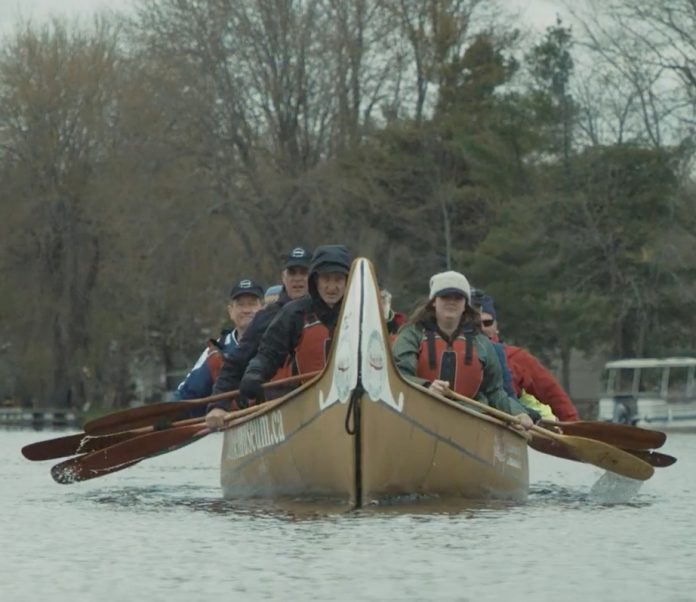
Video still: Connected by Canoe from the Canadian Canoe Museum
From the Canadian Canoe Museum website:
The Connected by Canoe Journey was a two-part canoe trip from Kingston to Ottawa that carried with it a message about the on-going importance and possibilities of canoes for community building in Canada’s continuing evolution as a nation and helped to welcome delegates to the Community Foundation of Canada annual gathering in Ottawa.
Imagine a floating conversation amongst a group of people from a variety of backgrounds as they paddled the Rideau Waterway, and at each stop along the way, the conversation expands in different ways to include local voices and discussions of building an equitable, sustainable and inclusive future for Canada.
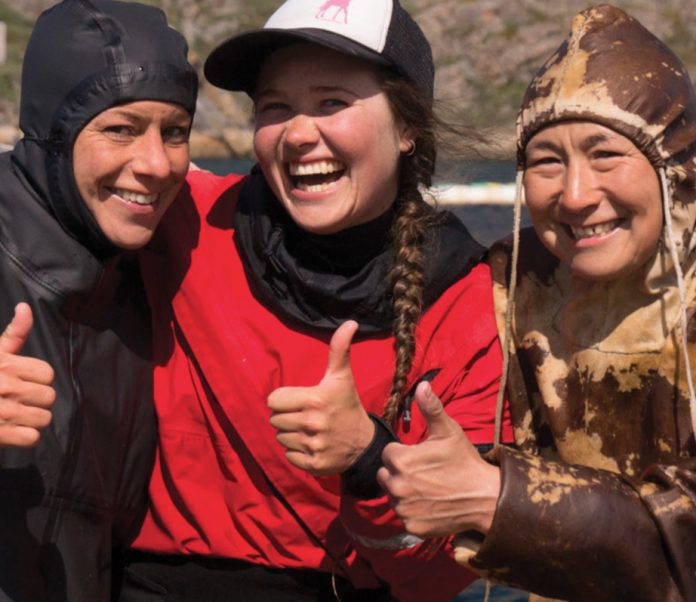
Freya Fennwood and her women's rolling teammates at the Greenland National Kayak Championships give a big thumbs up
AT THE GREENLAND NATIONAL KAYAKING Championships in Sisimiut there were all sorts of events. It’s kind of like a low-key Olympics for Greenland kayak junkies. There are races, rope gymnastics, harpoon throwing, kayak rolling and solo competitions. You get the idea. One of the categories that rarely receives much attention is the category for female group rolling. Each paddler has to complete a specific maneuver for each roll to count. Given there are 30 some-odd ways to roll a kayak in the Greenland National Kayaking Champion ships rule book, it’s a tall order for any paddler.
This year no town, team or country had enough female competitors who felt like doing the team-rolling event. Competing in the solo event, I earned the highest rolling score of any man or woman at the competition. An elderly Greenlander with smiling eyes came up to me and suggested in broken English that I should try and form a women’s team for the next day’s event. I decided to take the old man’s advice and make an international women’s rolling team— just for the fun of it.
Kayak rolling originated in Greenland. The only place to learn is the iceberg-filled water. I learned very few people know how to swim. It is a small country with a population of only about 56,000. That works out to be fewer people than my hometown of Bellingham, Washington. In 2015, they built the country’s first swimming pool. Our northwestern coastal waters are warm and swimming pools are an afterthought. The irony was not lost on me that kayaking proficiency requires much more determination in Greenland than my home in the United States.
Travelling to a foreign country where you cannot communicate is challenging. I understand how it is hard to connect—to bridge the language and cultural barriers—when everyone else is with their home team from a small village, somewhere on the southwest coast of Greenland.
The three women who came together didn’t speak the same language. The kayak connected our different countries and varied dialects. We all love, live and breathe kayaking. Sandie Desbois, on the left, speaks French. From our stilted conversations, I understood she teaches physical education in a public school. She was in Greenland for her summer break. Angerlaq Andersen Olsen, on the right, is one of the best Greenlandic female rollers in the world and sadly, with our limited words, I couldn’t quite grasp what she does for a living. As for me? Growing up with Pygmy Kayaks has allowed for snippets in time like this to occur as I travel capturing photographic moments and writing about adventuring on land and water.
“Three women laughing and playing on the water, speaking the language of the kayak”
As we sat on the water in our kayaks, we mimed the rolls, asking each other if we knew them. Then we would practice and practice—and practice. If we succeeded or not, the success or failure was met with cheers and unbridled enthusiasm. We cheered and coached each other. The crowd egged us on. There was no me against her, no my country against yours, no who is the best. It was just three women laughing and playing on the water, speaking the language of the kayak.
This moment was the highlight of my trip. This was why I had come thousands of miles with my boat: to connect and share and laugh. Afterwards, Angerlaq asked if I would like to try rolling in her traditional sealskin Tulic. I was ecstatic. As the cool, silky sealskin slipped over my head and they tightly tied my wrists and face and deck into the boat, I felt an overwhelming sense of gratitude. It is hard to recount the opportunities the kayak has given me. How it has taken me into wild places all over the world. It is the language we speak that makes us all sisters of the paddle.
Freya Fennwood is an Oregon-based photographer and sea kayaker. She and her partner, Leif Whittaker, are on a Books and Boats tour to promote Leif’s new memoir and Pygmy Kayaks. You can follow her at fennwoodphotography.com. This article originally appeared in the Early Summer 2017 edition of Adventure Kayak.
This article originally appeared in Adventure Kayak Early Summer 2017 issue.
Subscribe to Paddling Magazine and get 25 years of digital magazine archives including our legacy titles: Rapid, Adventure Kayak and Canoeroots.
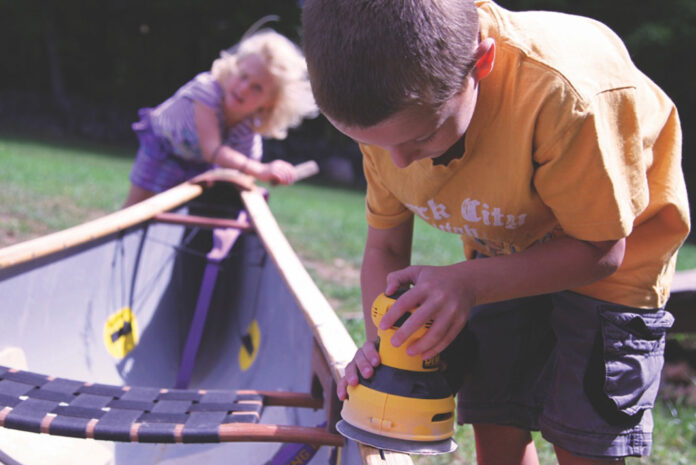
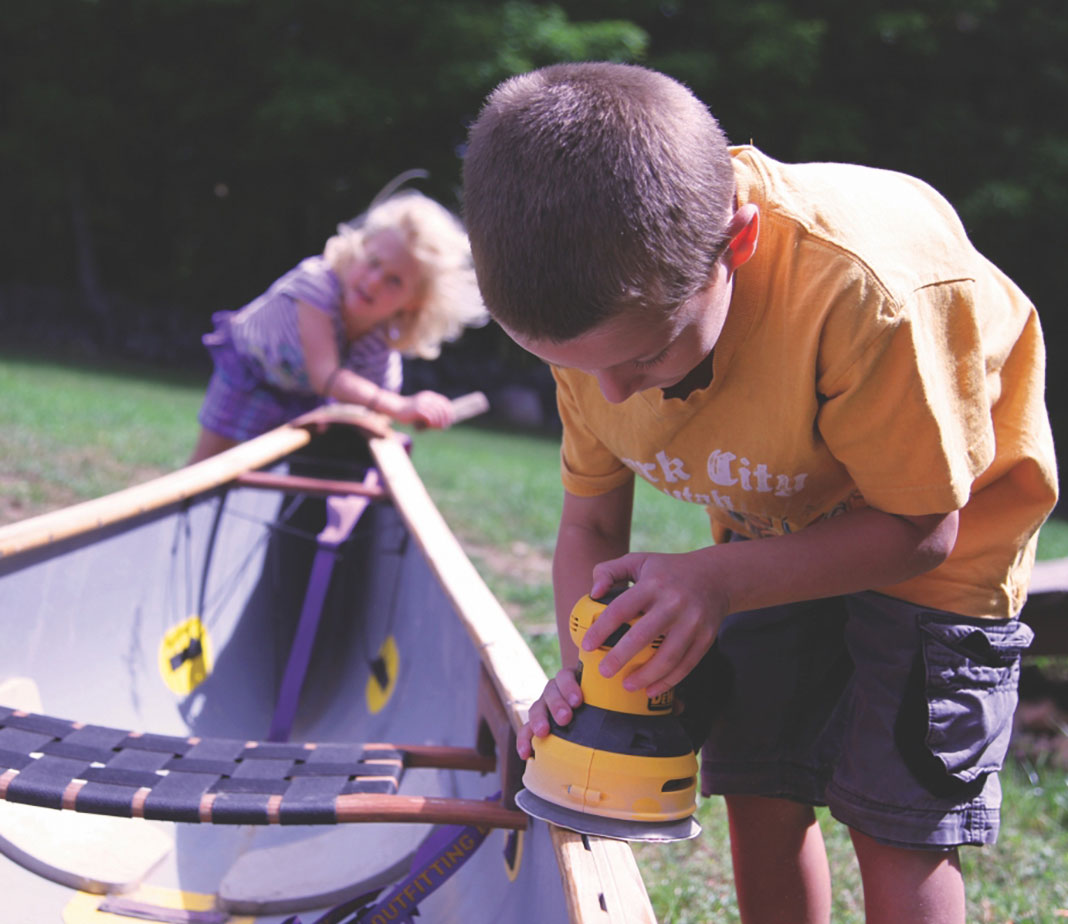
Daniel to Mr. Miyagi: “I learned plenty, yeah, I learned how to sand your decks.” | Feature photo: Scott MacGregor
The headline, “Quit Doing These 8 Things for Your Teen This Year if You Want to Raise an Adult” appeared innocuously in my Facebook feed, shared by a friend from a churchy website about spirituality, relationships and parenting.
The things parents are not supposed to do, according to this triplet rearing mom blogger, is wake up kids in the morning, make them breakfast, pack their lunches and do all the laundry. You get the idea. This wasn’t necessarily a tough love piece. On the contrary, it was about providing skills and routines for success in life.
Tough love: Providing skills to the next generation of canoeists
Shouldn’t this thinking also be true if we want to raise competent outdoor enthusiasts? Don’t we need to provide the happy campers of today the skills and abilities to be the adventurers of tomorrow? Sure we do. Studies show time and time again that the biggest influencer of the next generation of climbers, paddlers, hikers and skiers is families, most often parents. It is not enough to just take them outside. We need to show them the way.
Daniel to Mr. Miyagi: “I learned plenty, yeah, I learned how to sand your decks.” | Feature photo: Scott MacGregor
From planning to packing, kids can and should help
Outdoor recreation experiences consist of more than just the activity itself. Poring over maps, waxing skis, tuning bike derailleurs, seam-sealing tents and sanding wooden gunwales is all part of the fun. Granted it may not seem like fun to them, at first. But if we do everything and just let our children drop into our family adventures, we are robbing them of the most valuable thing we can give them.
Even before menus and packing checklists come out, I think we need to include kids in the dreaming stage. My kids dream up more adventures than any family schedule would allow. Dreaming is fun. And dreams don’t come true if you don’t flirt with them in the first place.
Without children being part of the preparation, we’re not teaching them valuable and practical planning and organizational skills. This is also the time we can teach them about first aid kits, rescue equipment, stoves and fuel, fishing tackle and secret spices mixed in fish batter.
Packing is as essential for outdoor adventures as it is for business trips.
[ Browse the widest selection of boats and gear in the Paddling Buyer’s Guide ]
Small, meaningful tasks teach children important life skills on and off the water
Make lists with kids and send them off to divvy up piles of the required items. Performing pre-trip inventories together is always a good idea no matter how old we are. We do this every morning when we leave the house. Keys, wallet, phone, coffee. Check.
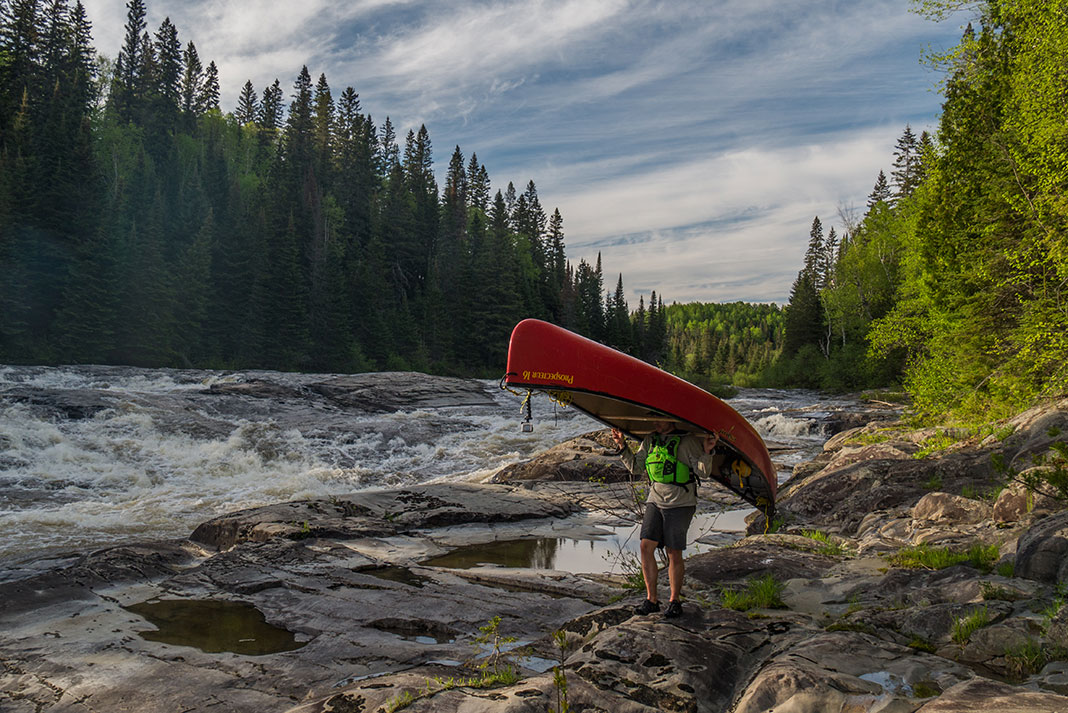
Nobody goes down a portage trail without a meaningful load. Okay team, this big pile of stuff has to be moved from here to way down there. I don’t have a guideline for how much is reasonable but there is no way anyone is going to the other end empty-handed. The walk together back for another load is one of my favorite times we spend together.
After the trip, too often kids are released to their bedrooms when tents still need to be hung, laundry needs to be started and smoky black pots need scrubbing. Pack-in is when the very important reflection stage of adventure begins. Already the bugs don’t seem as bad or the miles so far. Trip stories are already being exaggerated and the jokes are even funnier now than just a day before.
Our pack-in playlist fires up the troops with Def Leppard’s Pour Some Sugar on Me and winds down with Van Morrison’s lonely Into the Mystic. I always put the last pieces of gear away with tears in my eyes.
I know it would be faster to do all these jobs ourselves. Getting things over with isn’t my goal. Maybe I’m trying to raise outdoorsy adults or maybe employing their help just buys me a few more hours together on a clock that stops ticking after 18 short years.
When we truly succeed as parents we win by losing. Our children will dream up their own adventures and ultimately their own lives. And because we’ve given them the skills to plan, pack and head out on their own, the best we can hope for is to be invited to join them, so long as we do our fair share.
This article was first published in the Early Summer 2017 issue of Canoeroots Magazine. Subscribe to Paddling Magazine’s print and digital editions, or browse the archives.
Daniel to Mr. Miyagi: “I learned plenty, yeah, I learned how to sand your decks.” | Feature photo: Scott MacGregor
River conservationists, stake your claim before it’s too late. | Feature photo: Tegan Owens
Alchemy is the ancient science and philosophy of turning something base into something precious. This was the starting proposition guiding the writing of this column way back in 1999 and still is to this day. Longtime readers will recognize two themes occupying this space: risk and reward and the valuing of our rivers. Lately it has been more of the former and less of the latter. My pessimistic self senses paddlers today collectively value our rivers less than we did in the past and less than we should.
There was a time when being a river runner meant being an environmentalist. Through the 1960s, 70s and 80s—the dam building heydays—many of the significant battles to protect rivers were led by river guides. Heck, the only people who even knew the existence of some of these rivers were paddlers. The only people who realized what was at stake were whitewater paddlers.
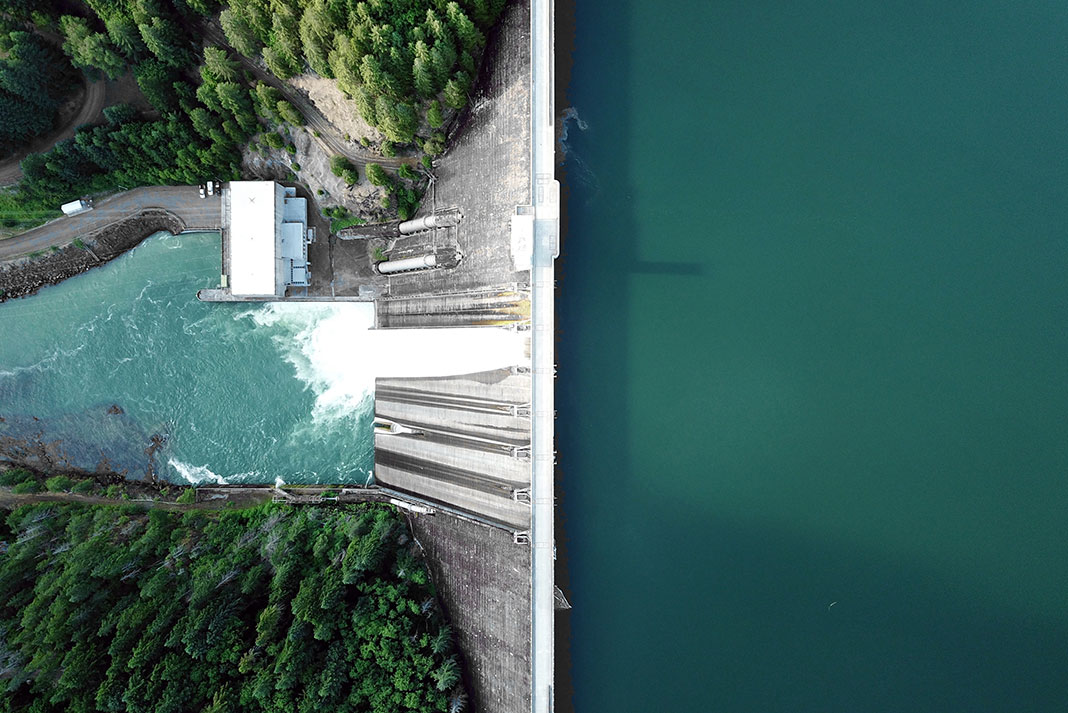
During the dam building heydays, being a river runner meant being a conservationist. | Photo: Dan Meyers/Unsplash
This isn’t the case anymore. With some notable exceptions—and not to downplay the disproportionately large role a few individuals play—river runners have all but disappeared from the river protection conversation.
The overwhelmingly good news story out of this is that now other people care. Lots of other people. Rivers, unlike pre-1990s, have legions of defenders. River protection used to be anti-development, counter-culture and on the fringes of society. It has now become mainstream, main street and second only to a more generic climate change in the average person’s understanding of the importance of the environment.
Changing coalition meets a new range of threats
Leading the new river protection movement are First Nations groups in Canada and Native Americans in the United States, people who have always cared but lacked a mechanism to state their concerns. Second are local citizens and landowner groups. There is also the greater public which has proven on occasion to mobilize around key environmental issues—river or otherwise.
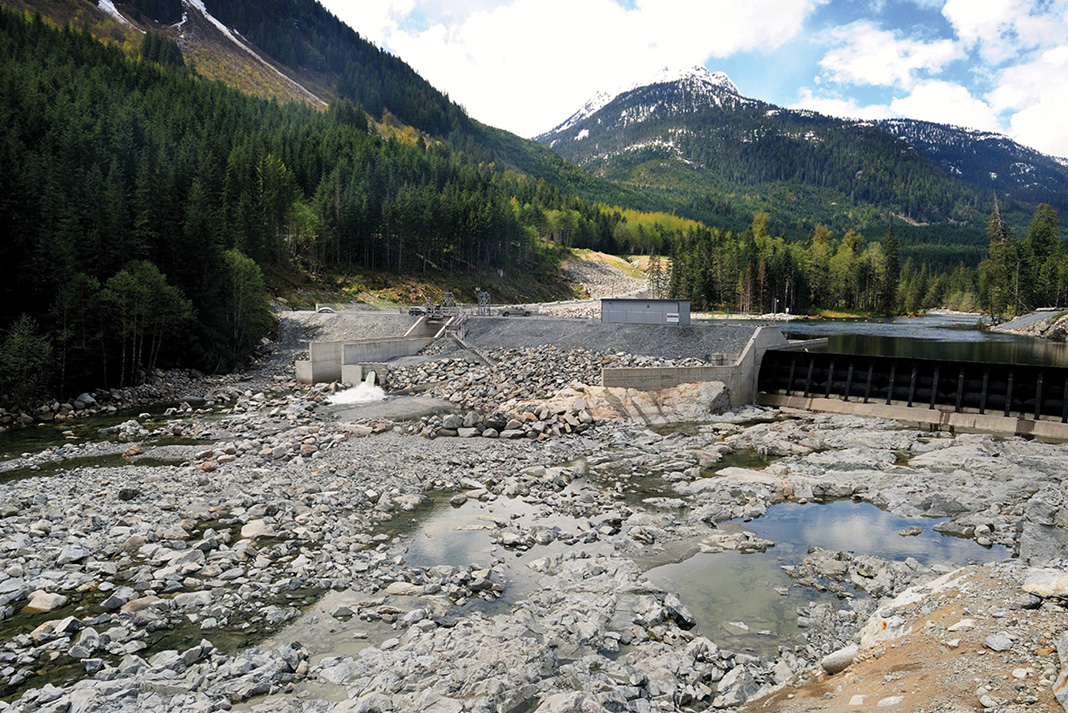
What’s important here is the changing nature of the threats to our rivers. Big hydro-electric used to be the big problem. This is less so today, although micro-hydro still rears its ugly head in various regions every five or so years. Big dams are, well, big. Big environmental impacts, big dollars and with sensibilities, pretty straightforward to argue against.
More insidious are today’s threats: water quality degradation, ecological habitat destruction, water exports, withdrawals and ambivalent legislative protection that represent slow incremental and watershed-wide creep rather than the focused crisis of a dam project.
River conservationists, stake your claim before it’s too late. | Feature photo: Tegan Owens
Consumers, not conservationists
At the take-out, I don’t hear many paddlers talking about what rising water temperatures will do to fish stocks or what acidification is doing to aquifers. At a very concrete level, these things won’t affect the shape of GoPro Wave or Big Huck Falls. Whitewater paddlers have become consumers of rivers rather than vested stakeholders.
Mountain bike groups and cross country ski clubs build the trails they recreate on. Fishing clubs sink money and manpower into restoring fish habitat. As paddlers we get our staggeringly amazing resource for free. Just because we don’t have to pay for it does not mean it is not worth anything.
Modern social media-centered paddling has turned rivers into nothing more than a series of features, with nothing in between them or connecting them. You may hear a paddler explain that there is really nothing between McCoy’s and The Lorne on the Ottawa River, or between Sunshine and Toilet Bowl on the Green River. The whole thing is a river.
Taking a holistic view
As paddlers we are pre-occupied with only the splashy bits, but that pales in comparison to the ecological and magical value of the whole headwaters-to-ocean thing. We need to recognize that what is upstream of the put-in and below the take-out is vitally important. We are getting a free ride on a precious resource. One that we are not so vocal about defending, short of a dam proposal.
So how do we move from consumer to steward? There are a few key groups at the provincial, state and national levels working hard. But more important is local ownership. We must stake a claim to a river we call home and make it our own, getting organized and contributing to caring for it, alongside other paddlers and other stake holders who share it with us.
Jeff Jackson is a professor at Algonquin College. Alchemy is a regular column in Rapid Magazine.
This article originally appeared in the Early Summer 2017 issue of Rapid. Subscribe to Paddling Magazine and get 25 years of digital magazine archives including our legacy titles: Rapid, Adventure Kayak and Canoeroots.
River conservationists, stake your claim before it’s too late. | Feature photo: Tegan Owens
The evolution of solo whitewater canoeing means going forward with new strokes
Paddling a solo canoe in whitewater has evolved. We no longer paddle small tandem boats, but solo ones—a very different craft that cannot be paddled in the same way as when sitting on the bow seat facing the stern. As solo canoes have gotten smaller, new techniques have emerged to paddle these new boats.
Back when we were solo tripping canoes in whitewater, lakewater strokes still worked. The J-stroke worked and purists remained pleased.
When the first generation of solo whitewater canoes came along we paddled them from the center of the boat. Our old techniques were not as efficient so adaptations ensued. The river-J, formerly know as the goon stroke, was employed as a quicker, more stable correction stroke to follow a powerful forward stroke. Solo boaters were born. Purists scoffed.
This led to that Holy Grail of the perfect forward stroke—a completely vertical paddle shaft, extension to the bow of the boat, torso rotated and wound up like a spring and a powerful unwind for the power phase. Follow this with a subtle stern pry pop and you will not slow momentum. I’ve spent the better part of my adult life working to perfect this forward stroke and I have taught it like this on every course to every student and every instructor over the last 20 years. It was a hard-won badge of honor to achieve. A new generation of purists was born.
That beautiful forward stroke did one thing and one thing well—it propelled a canoe forward in a straight line.
New solo canoes, new ways to paddle
This, however, was still tandem mentality, except that solo paddlers have to do both the bow and stern paddlers’ jobs of power and steering. As solo whitewater canoes have shrunk in length and hull designs have become more advanced, the new boats do not want to go in a straight line. Turns out they want to be carving one way or the other.
Advanced paddlers found themselves paddling in new ways. This included speeding up stroke rates and changing the placement or angle of the blade, dropping the t-grip and sweeping to change an arc and paddling up front for steering and control, tilting or flattening the boat for arc control. Skilled paddlers were carving their boats and driving them forward with no stern correction strokes whatsoever. Purists were confused.
Does the former stroke still get employed? Yes and no. The twisted torso, vertical shaft and extended blade is in the mix but it is no longer the default stroke. Solo boaters instead have many strokes in their arsenal to propel solo canoes, each with its rightful place for controlling the journey.
Each stroke is employed for a specific purpose. A stroke off the hip with an angled paddle shaft straightens an arc. A stroke in tight to the hull at the bow tightens an arc. A sweeping stroke switches an arc to the offside. These variations are being blended together to allow subtleties in control that were simply not possible when paddling a solo canoe like a tripping canoe paddled solo.
I no longer teach the forward stroke. I now teach various techniques to propel the canoe along a desired path. This is what paddling in whitewater is all about. Paddling is a dance with the river. It’s made possible by placing your canoe in the right water, at the right angle, with the right momentum.
It is a beautiful sight to see an accomplished paddler dance with the river, moving effortlessly across a wave or carving into an eddy. It is this end result, no matter the canoe, that is the mark of a beautiful paddler— not one particular stroke. —Andy Convery
This article originally appeared in Canoeroots Early Summer 2017 issue.
Subscribe to Paddling Magazine and get 25 years of digital magazine archives including our legacy titles: Rapid, Adventure Kayak and Canoeroots.
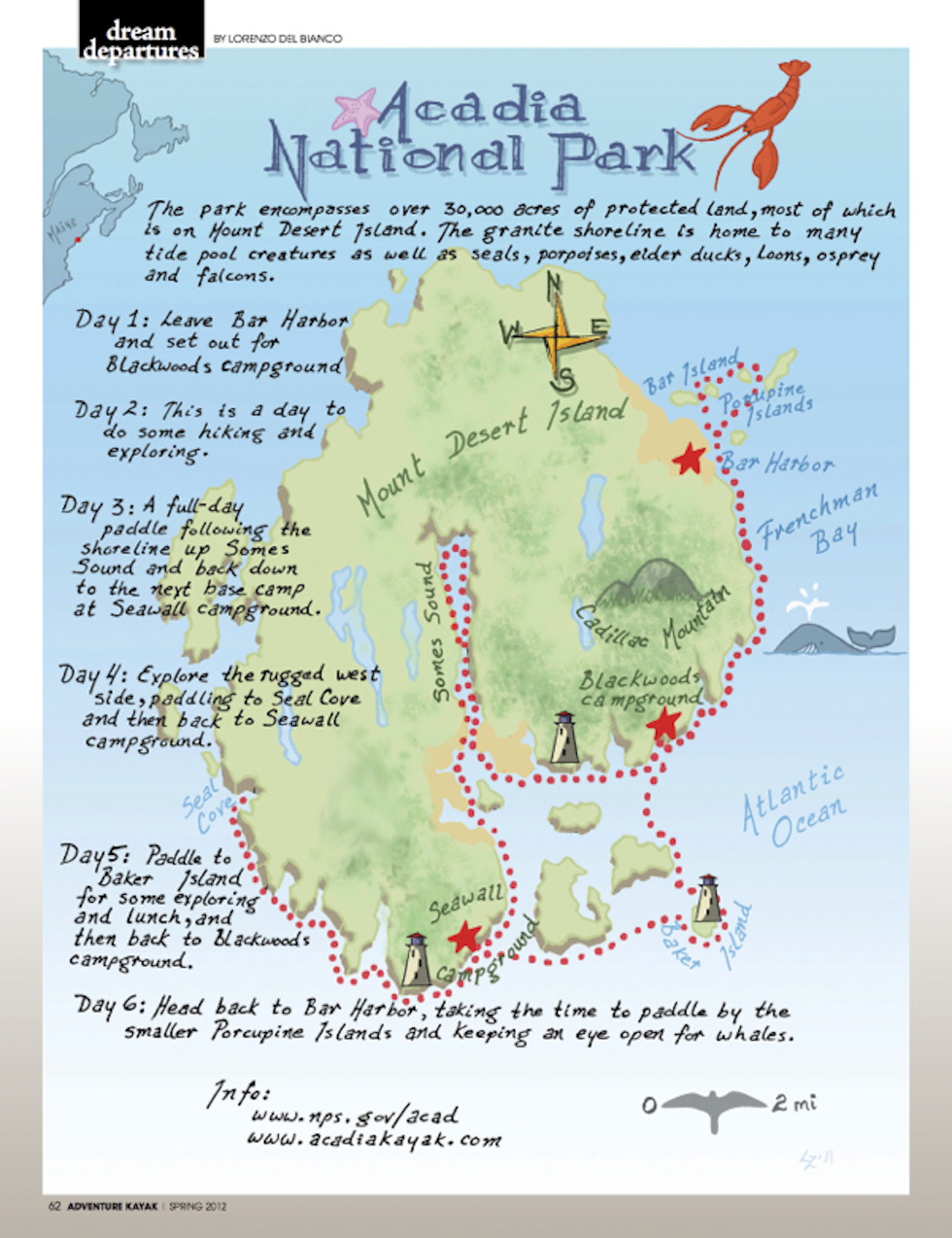
We love to hike Acadia National Park‘s bald granite summits and bike its 50 miles of carriage roads but when we really want to experience the quiet of Acadia we jump in our canoe. A canoe is the best way to see wildlife in the Park.
Kayaking in Acadia National Park is also popular and will be sufficient in allowing you to explore the beauty of the Park from the water and cover more distance on your tour.
Most of Acadia National Park’s 47,000 acres is located on Mount Desert Island, a road-accessed island on the northeastern coast of Maine. This means the Park is as much about the sea as it is about the mountains. The ocean waters of Acadia National Park contain a myriad of paddling opportunities rich in wildlife. We often spot seals checking us out as we paddle and occasionally we are startled by the nearby exhales of harbor porpoises as they surface to breathe between dives.
The dozens of small islands surrounding Mount Desert provide great lunch-time destinations, at times however several can be off-limits to paddlers due to nesting eagles.
While backcountry camping is not allowed in the park, the Maine Island Trail Association maintains campsites on private islands along the Maine coast including several in the area near Acadia National Park.
Annual visitation
Acadia National Park is one of the United States’s most visited national parks and sees between two million and three million visitors every year.
Summer temperature
In the summer, you can expect temperatures anywhere from 50 to 86 degrees Fahrenheit.
Wildlife
Whitetail deer, red fox, and beaver are common. You may also spot Atlantic puffins among other seabirds as well. Harbor and grey seals as well as harbor porpoises are common throughout the in-shore waters.
Canoeing in Acadia National Park
If you have half a day
Try the 5-mile paddle upstream and back on Northeast Creek on Mount Desert Island. You’ll find parking on the east side of ME Route 3, 2.5 miles east of the Park’s Thompson Island Information Center. Current is negligible and within the first mile you enter Fresh Meadow, a boggy wetland filled with birdsong and wildlife sightings, including great blue herons, belted kingfishers, river otters and whitetail deer.
If you have a day
Start with a sunrise paddle of Eagle Lake. Views of Cadillac Mountain, the tallest on the United States Atlantic coastline, will be with you the entire time as eagles and osprey circle above. After enjoying Eagle Lake, head over to nearby Jordan Pond, stopping first for lunch on the lawn at the famed Jordan Pond House—reservations recommended. A late afternoon paddle on Jordan Pond usually involves common loon sightings and the occasional visit by peregrine falcons which nest high up on adjacent Jordan Cliffs.
If you have a weekend
You can paddle around the Cranberry Isles, which are just off the southern coast of Mount Desert Island. Spend the night camping on tiny Crow Island. You’ll need to join the Maine Island Trail Association for access. Or stay at one of the handful of bed and breakfasts on Little Cranberry Island, otherwise known as Islesford.
If you have a week
You can island hop in the Acadian Archipelago, a collection of islands in eastern Penobscot Bay. Navigate your chosen route to Isle au Haut, an island six miles off the coast of Stonington, Maine. It hosts an Acadia National Park campsite where you can reserve a lean-to for up to three nights. Reservations are recommended for Isle au Haut.
Take a whale-watching tour from Bar Harbor. Minke, humpback, and fin whales are all spotted in the off-shore waters of the Gulf of Maine.
Must-see
Sunrise from the summit of Cadillac Mountain. A road leads to the bald top of Acadia’s highest mountain, the first spot in the United States to be touched by sunlight every morning.
Best eats
Café This Way in Bar Harbor for breakfast, and Beal’s Lobster Pier in Southwest Harbor for the classic Maine lobster pound experience— fresh boiled lobster and corn on the cob with a sunset view.
Luxury
Stay at the Bar Harbor Inn overlooking Bar Harbor and the Porcupine Islands.
Plan your trip
Rentals
Find canoe and kayak rentals in Acadia National Park from the following companies:
[ Paddling Trip Guide: View all canoe and kayak trips in the United States ]
Must-haves
Binoculars and a seaworthy canoe set up with full a spray deck for in-shore paddling routes and island-hopping. Maine Island Trail Association membership available at https://mita.org/join/.
These articles originally appeared as “Dream Departures: Acadia National Park” in Adventure Kayak‘s Spring 2006 issue and “Put-In: Acadia National Park” in Canoeroots’ Early Summer 2017 issue. Subscribe to Paddling Magazine’s print and digital editions here, or browse the archives here.
Marcy and Jerry Monkman first discovered Maine’s Acadia National Park in 1989. Experienced backpackers, the Monkmans were looking for an alternative way to explore the outdoors after Marcy injured her foot. Paddling in Acadia National Park was the perfect antidote. The Monkmans have visited every year since and have written three books about the park, including AMC’s Outdoor Adventures: Acadia National Parkpublished by AMC Books.
This article originally appeared in Canoeroots Early Summer 2017 issue.
Subscribe to Paddling Magazine and get 25 years of digital magazine archives including our legacy titles: Rapid, Adventure Kayak and Canoeroots.


 This article originally appeared in Rapid Early Summer 2017 issue.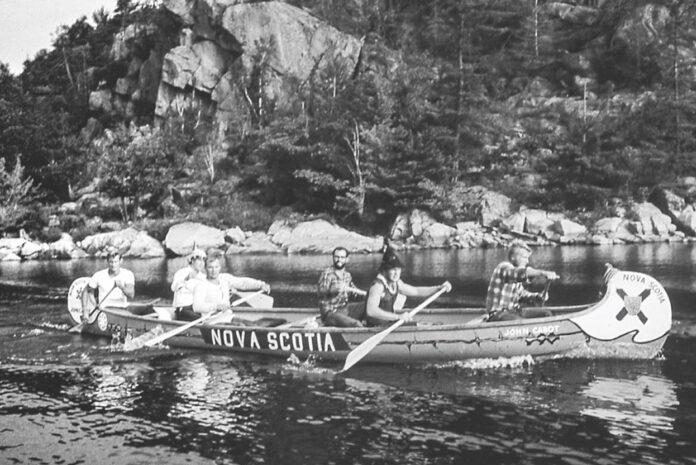
 This article was first published in the Early Summer 2017 edition of Canoeroots Magazine.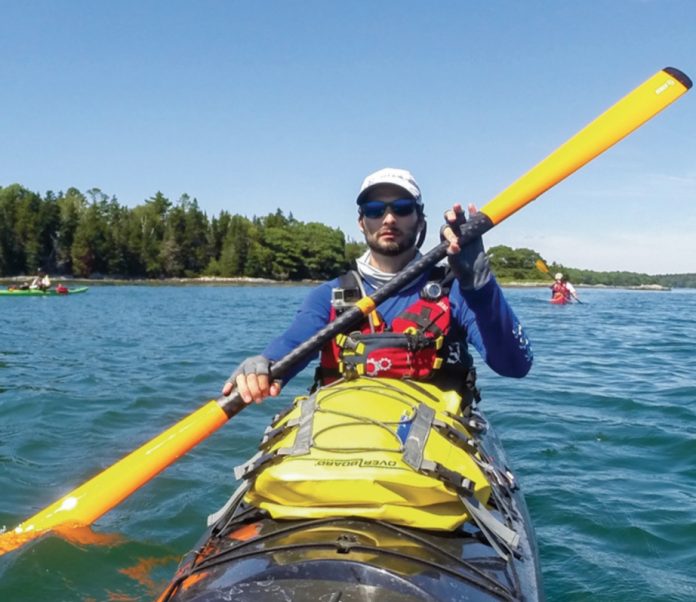
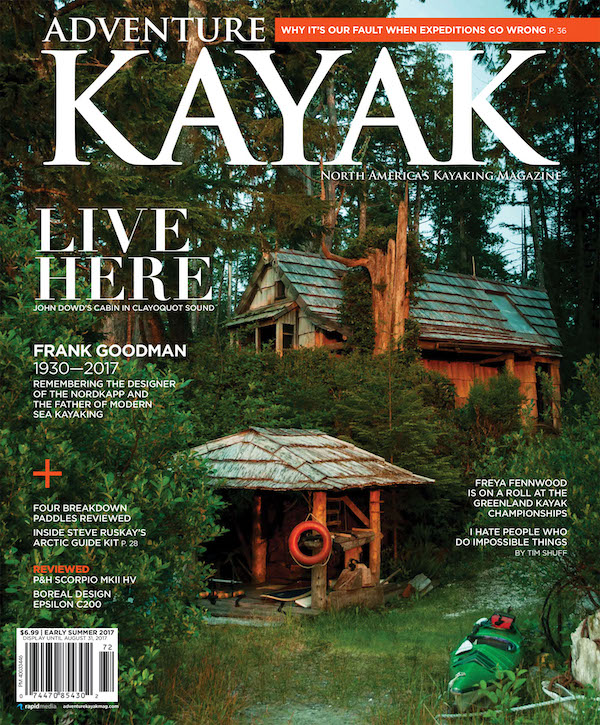 This article originally appeared in Adventure Kayak Early Summer 2017 issue.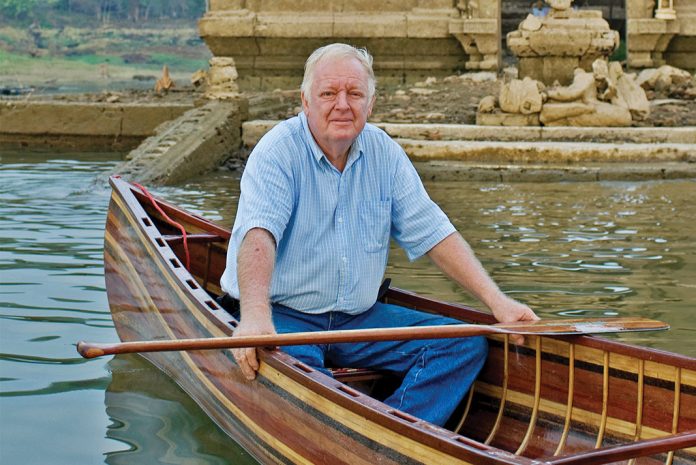
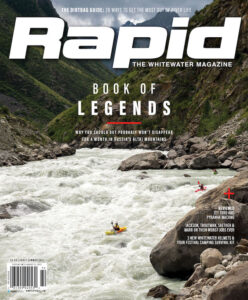 This article originally appeared in the Early Summer 2017 issue of Rapid.