Home Blog Page 239

Building An Empire: FeatherWeight Kayaks

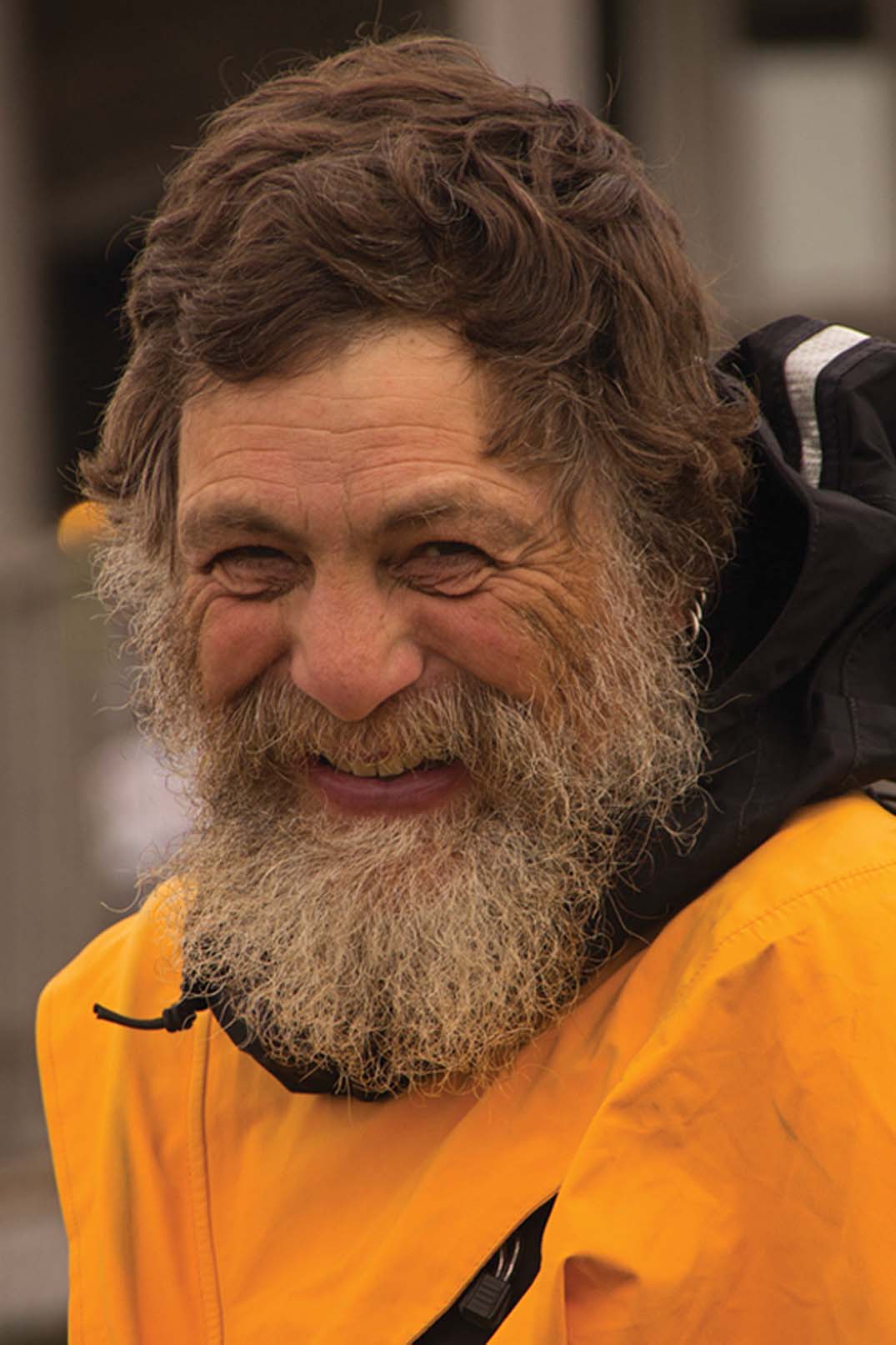
Photo: Ben Fraser
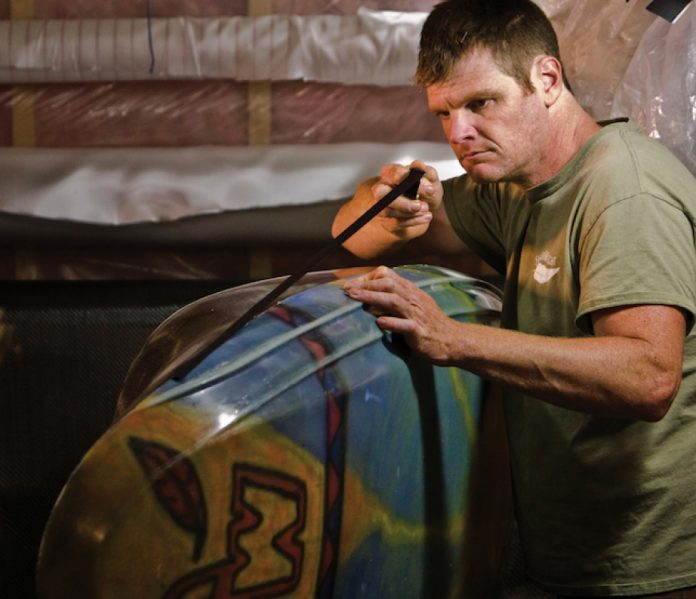
FeatherWeight Kayaks' Ben Fraser working on a boat

If the hand-drawn, custom art decorating the bottom of the boat doesn’t give away a FeatherWeight kayak, the amount of air between the boat and the water will. The kayaks are designed, built and tested in the Ottawa Valley, where owner Ben Fraser often takes his lunch break at Buseater. When the bright blue Marlin on the bottom of his boat is visible, it means his session is going well.

FeatherWeight’s origin story is simple. “Basically, it’s just a couple dudes who love to kayak. We wanted our own boats to be the best they could be and people liked them. There was demand so we started making them,” says Fraser.

Ottawa Valley local and freestyle authority, Dave Nieuwenhuis, and Fraser worked side by side to combine the characteristics they liked from different boats. “I missed the edges from my O-Fish but loved the forgiving rides of the Superstar,” Fraser says. The two paddlers created a Frankenstein prototype that had the whole package. Nieuwenhuis is no longer a part of the hands- on production but is still the creative genius behind the brand’s hand-drawn artwork.

{loadposition MidContent}

FeatherWeight boats currently come out of an unlikely location: a small, 10-by-10-foot shop in an ordinary south Ottawa neighborhood. The long hallway leading into the workspace is lined with molds piled up along the wall. A single workstation occupies the center of the room and boats, molds and materials lean against the walls and sit stacked in corners. Past workshop locations have included garages and the Nieuwenhuis family barn near the Ottawa River, but this suburban shop is much is much warmer during Canadian winters.

Fraser has always been self-employed, so the transition from carpentry to boat builder was a fluid one. “It wasn’t so much a one-time investment as a cumulative investment and putting in lots and lots of time,” say Fraser, who now works fulltime on boats. Fraser takes home money for the labor of each kayak but admits it’s sometimes a struggle to finance large purchases like rolls of carbon fiber cloth.

“When I can afford to build another mold I do,” he says. “I’ve managed to feed myself and keep a roof over my head. It’s starting to feel quite successful.”

Despite FeatherWeight’s growing popularity, each boat is built with impeccable attention to detail. Six FeatherWeight boats were flying high on Garborator during the Freestyle World Championships in 2015. Materials and design are key to FeatherWeight performance. “I think both the construction—aerospace grade carbon with premium epoxy—as well as the design of the boat itself, sets us apart,” he says. “And, of course, the custom artwork.” A fully outfitted FeatherWeight goes for $3,200 CAD.

Over the last year FeatherWeight has sold 30 boats. Fraser compares paddling a carbon boat to riding a top-of-the-line mountain bike. The all-round performance translates to a better experience. It’s easier to catch the wave, and easier to get a good bounce, which translates to easier airtime because you have a lighter boat over your head.

Positive feedback from paddlers fuels Fraser during those long days and nights in the shop. He loves seeing others having great surfs and epic days on the water. “For me, the most rewarding part is seeing so many people having their best boating days ever.” 

This article was originally published in Rapid, Volume 18 • Issue 3. Read this issue.


{loadposition EndContent}
Everything I Really Need To Know I Learned In Kayak School

Photo: Rob Faubert
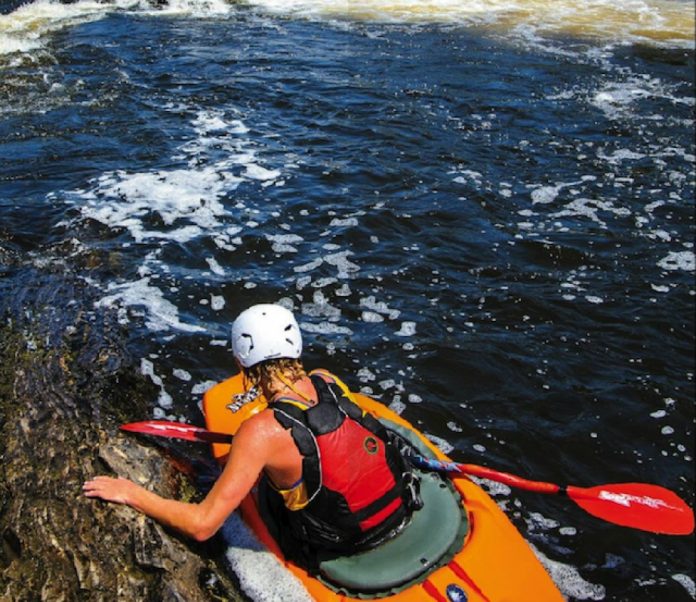
A kayaker waits in an eddy below a set of rapids.

I’ve spent a solid quarter of my life teaching kayak school—the kindergarten of whitewater. Just like grade school kindergarten, there is a Zen quality to immersing oneself in the very basics of anything. A seemingly complex and dynamic activity like navigating a little boat down a moving river can really be boiled down to just a few key elements. These elements become the rules of whitewater paddling, and may also become the rules by which to live one’s life. I propose that all you really need to know about life you already learned in kayak school:

  • Everyone feels awkward putting on a skirt for the first time.
  • Wet exits are good for you. Practice makes perfect.
  • No, these boats are not supposed to go straight.
  • Say you’re sorry when you bump into somebody.
  • The butterflies you feel before you get in your boat will never go away.
  • You will grow to appreciate them.
  • Always make sure your spray skirt tab is out.
  • Water shouldn’t be forced up your nose.
  • Your head always comes up last.
  • Swimming is a part of paddling. So is walking. Smart people know this.
  • Even though all whitewater boats look the same, some people will argue for hours about their subtle different qualities. Stay away from these people.
  • When in doubt, scout.
  • Throw rescue ropes to friends in need. Don’t let go.
  • Thanks to the late, great William Nealy, scouting and spitting will forever be related.
  • Look where you want to go.
  • Always pack a healthy lunch. Stay hydrated.
  • Always have a plan.
  • Always have a backup plan.
  • Don’t overthink it. But don’t under-think it either.
  • Going with the flow is all hippie and cool, but at some point you have to take control and impose your will upon your direction (Newton’s First Law).
  • When you are unsure of what to do, lean forward and paddle (Newton’s Second Law… sort of).
  • For every action, there is an equal and opposite reaction (Newton’s Third Law).
  • Rely on yourself. Be there for others.
  • Point positive.
  • Eddies are the calm spots, but at some point you have to get back into the current.
  • You get to decide for yourself the meaning of success.
  • We are all between swims.
  • Take care of rivers—these things are special.
  • Enjoy the ride.
  • Always take a minute to look back upstream to appreciate what you’ve accomplished.


This article originally appeared in the Rapid
Summer/Fall 2016 issue.
Subscribe to Paddling Magazine and get 25 years of digital magazine archives including our legacy titles: Rapid, Adventure Kayak and Canoeroots.

Ben Stookesberry’s Reflections On A Failed Myanmar Expedition

Photo: Courtesy of Eddie Bauer
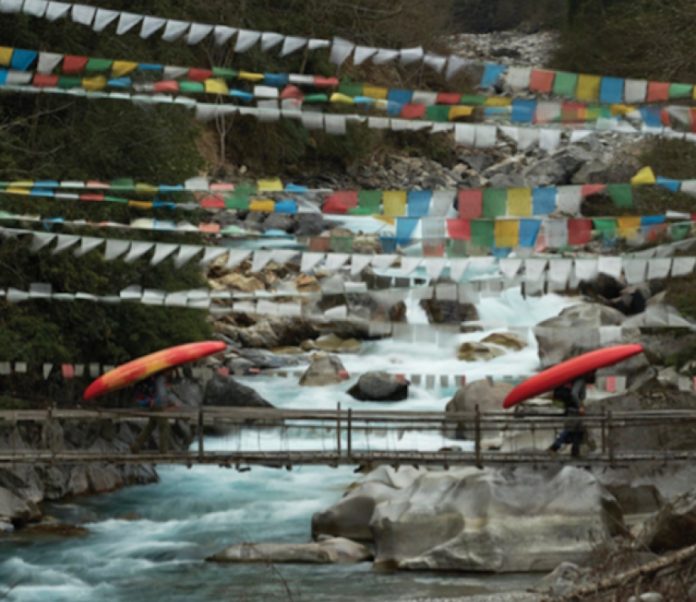
Ben Stookesberry's walks along a bridge over a whitewater river under flags in Myanmar.

A first descent, source to sea on a river considered one of the cradles of civilization. Paddling the raging headwaters of Myanmar’s Irawaddy River down to its coastal flats was to be a different sort of journey of a lifetime for whitewater dream team Ben Stookesberry and Chris Korbulic. Instead, Stookesberry’s trip report on the failed expedition is a meditation on the extreme challenges that sunk the trip. After frustrating delays and a 10-day portage, the twosome finally put their boats on water three weeks into their month-long journey. Just 200 miles later, they were forced to pull off the river or risk being shot. While formulating a Plan B, their boats went missing. Frustrated yet undeterred, the duo known for their successful descents of unrunnable whitewater bought a local, leaky canoe. With just 75 miles behind them they were then stopped by secret police and detained for a week. So, what went wrong?

When did things start to go awry?

As soon as we got to Yagong in Myanmar our idealized plan started to unravel. The domestic flight was not going to put our boats on the plane. The country’s mentality is very strict. We paid $3,000 and had to wait a week for our boats to be transported to us. Tourist permits are very controlled and our time was running out.

What attracted you to the Irrawaddy?

It’s so remote. There’s world-class whitewater, but also this sense of a journey, traversing so many different climates and cultures, alpine to tropics. This is one of the last undammed, truly free-flowing rivers in Asia. Knowing that the government is actively pursuing large-scale dams, this was an opportunity to see it before it’s changed forever.

What firsts did you experience on the trip?

We wanted to explore more than just the so- called class VI sections of a river and I think that’ll remain part of our motivation in the future. It was the longest hike with a kayak we’ve ever done. Eighty-five miles to the put-in carrying well over 130 pounds each. It was a 10-day hike with supplies for a full month up a 4,000-foot pass. It was miserable.

How does this compare to other trips?

The difficulty with logistics was unprecedented. We knew that Myanmar has the longest running civil conflict and a military beholden to none, financed by the jade and heroin trade. The logistics didn’t seem to us to be too big of a step from boating in other places with their own unpleasant situations but this became the crux. It ended our trip.

Who killed the Mission?

After our kayaks disappeared [and Plan B with them] we bought a local boat. Covered in sun gear, we felt invisible in our 16-foot leaky canoe. For 24 hours and 75 miles it was like a boyhood dream. Then a big boat rammed us. It was military, immigration and special police. They said we didn’t have proper permits and we were put under hotel arrest.

What happens next?

This trip might have only been the first chapter. The best expeditions don’t necessarily happen right off the bat. It’s a special place. I could see world class kayaking and eco tourism creating an economy that would stand opposed to a dam or diverting the river. But for us to go back the political situation will need to change.


This article originally appeared in the Rapid
Summer/Fall 2016 issue.
Subscribe to Paddling Magazine and get 25 years of digital magazine archives including our legacy titles: Rapid, Adventure Kayak and Canoeroots.

The River Of Regret Flows Forever

Photo: Scott MacGregor
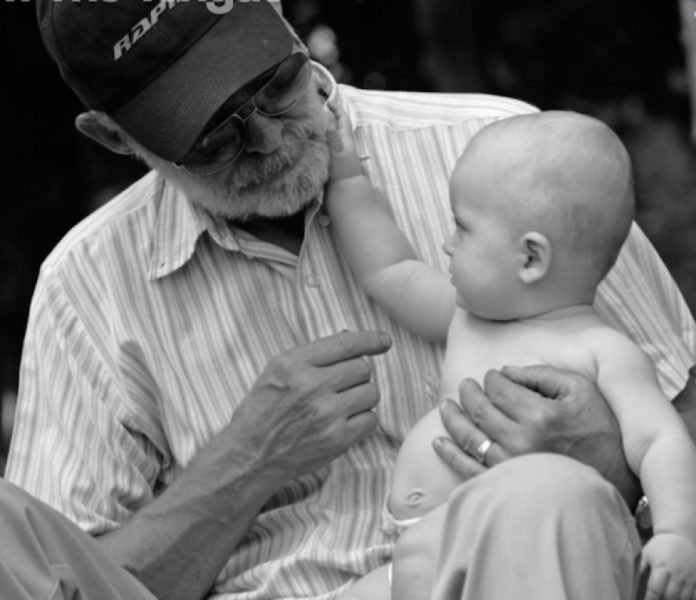
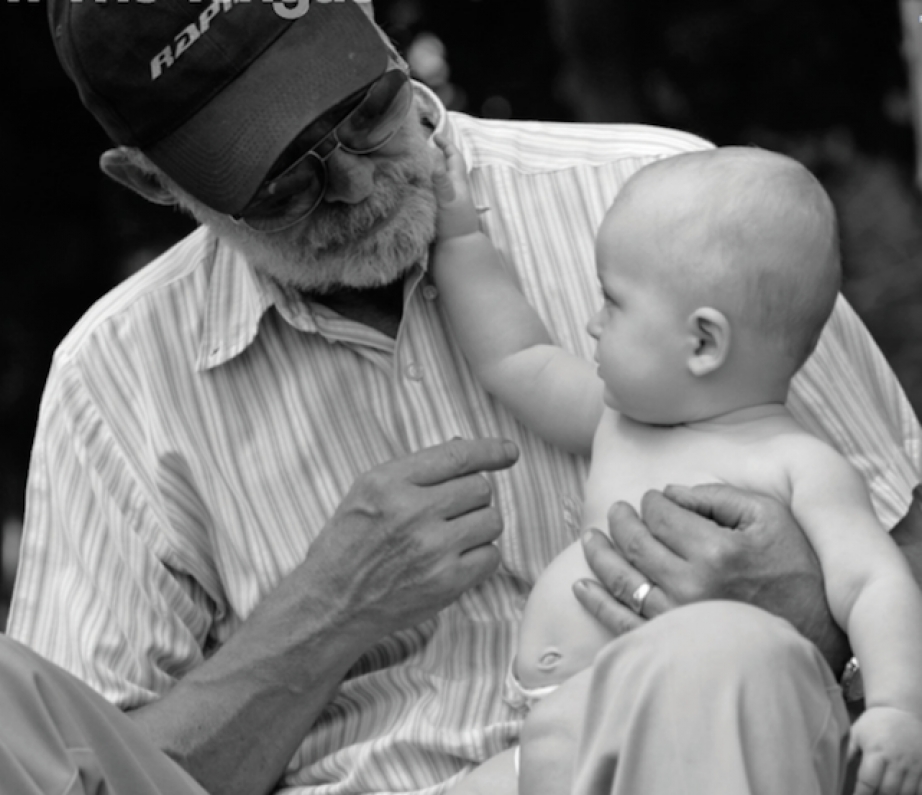
MALCOLM MACGREGOR, 1943-2016. | PHOTO: SCOTT MACGREGOR

The most common way youth are introduced to whitewater is by their families, usually their parents. Which makes sense, right? Mom and Dad love rivers and they wish to share that passion with their children. It seems only natural. Obvious. Indisputable.

Malcolm MacGregor didn’t paddle. He didn’t even swim. I don’t remember my dad ever sleeping in a tent. Instead, as a boy he was drawn to the bush with a .22-caliber lever-action Remington and a beagle named Suzie. In high school my dad won blue ribbons show jumping horses. He later rode the rails moving boxcars of cattle from Canada to Mexico. Around the time I was born he was breeding state champion bluetick coonhound hunting dogs. When a car accident in the late ‘70s left his leg a mess and his ankle fused solid, his buddies got him into bow hunting. Dad bounced his ATV close enough to the deer stand so he could crutch the rest of the way to the tree. He was not a paddler but he had the adventurous stubborn spirit of a voyageur.

During the proofing of this issue of Rapid my dad had a stroke. The week I’m usually a world away from him in my riverside office correcting spelling and writing pithy cover lines, I spent in the Hamilton General Hospital at his bedside watching his body slowly shut itself down.

On the monitors above, my dad’s heart rate trickled across the screens like standing waves in a slowly dying river. The crests and valleys became more shallow and closer together until finally their energies cancelled out for the last time. The river lay flat and motionless. I doubt my dad had any regrets. He was too pragmatic. As far as I know he’d never taken the time to think about things he couldn’t fix.

Photo: Scott MacGregor
MALCOLM MACGREGOR, 1943-2016. | PHOTO: SCOTT MACGREGOR

I have regrets. I regret not taking him down a river. I regret not insisting that we spend more time together. I regret never sharing with him what was so important to me and what sucked me away from my family, away from his trucking company and away from a wonderful home.

I could have taken him, of course. Over the years I’ve guided hundreds of non-swimming fathers down rivers. I even own my own raft.

I’d think of it from time to time and call him from airport terminals after red-eye flights to somewhere. We’d make half-assed plans to get together soon. Then there were always reasons to postpone the trip until another time. Bullshit reasons like deadlines, water levels and brake jobs.

Everything in the past 25 years of my adult life has been about moving water. My children learned to swim in rapids. My dad died having never seen me paddle.

Scott MacGregor is the founder and publisher of Rapid. Telling his dad how much he loved him isthe hardest thing he never did.


This article originally appeared in the Rapid
Summer/Fall 2016 issue.
Subscribe to Paddling Magazine and get 25 years of digital magazine archives including our legacy titles: Rapid, Adventure Kayak and Canoeroots.

Park & Play: 7 Essentials To Bring To Your Surf Spot

Photo: Nick Troutman
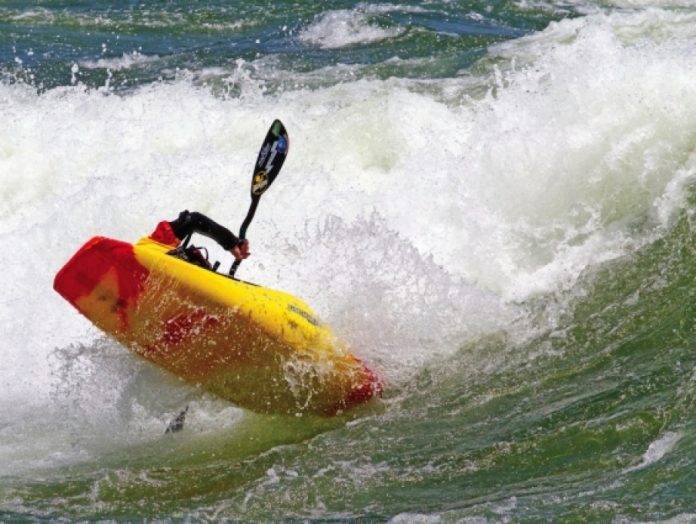
A kayaker in a playboat goes surfing on a wave

Heading to your favorite surf wave with your friends for a playboating session is a great way to enjoy a dynamic river feature. Park and play kayaking is different than river running in many ways but just as addictive. Read on to find out the seven essentials to bring to the river for your next sun-filled afternoon of carving, blunts and loops.

1. The perfect playboat

Always been a creeker? Running big rapids in a high-volume creek boat is a great way to explore new rivers, and the stability in these kayaks feels great. Playboats are a whole different animal, and once you catch your first wave in one you will be hooked. With their short length, small and square sterns and sharp edges, playboats are the ideal kayak for learning to surf. Kayaking in both a creek boat and a playboat will make you a more versatile and skilled paddler.

2. A quick and responsive paddle

There are a lot of different elements at play when surfing in your kayak and pulling off awesome freestyle moves, and the way you maneuver your paddle is a key one. Playboating requires quick and agile paddle movements, and you will want a paddle designed to help you with these techniques.

3. A well-fitted PFD

Wearing a PFD on the water in any activity is an obvious necessity. In whitewater kayaking where you can be at the mercy of river features, it is crucial you are wearing a reliable and perfectly fitting PFD. If you are a river rat who has had the same PFD for years, check the buoyancy by hopping into the water and ensuring it still keeps your head floating above the water. Any rot or degradation of the material may warrant a replacement.

4. Dry wear

Some of the best days on the river are bluebird, sunny days surfing waves with your paddling friends. Even on these summer days it can be nice to have a lightweight dry top or paddling top to keep you a bit dryer and warmer, especially if your surf sessions stretch into the evenings when temperatures dip. If you like to catch burly spring waves, a dry suit is a great investment that can make your park and play days a year round activity.

5. River booties and shoes

Having great footwear for the river will make your park and play days much more comfortable. From long walks through the forest to find that elusive wave you’ve been dreaming about all winter to climbing over rocks after a big swim, solid footwear will keep your feet safe and healthy. Some paddlers prefer neoprene booties while others are partial to shoes with a more solid sole.

6. A dry bag

A dry bag is essential for bringing important items with you at your park and play. Even if your car is just steps away from the surf, it’s nice to have a bag packed with river snacks and a first aid kit, or even your favorite DSLR in a camera-specific bag to make sure you capture great shots of your friends nailing new tricks. Explore dry bags here.

7. Gloves and mitts

If dialing down the number of surf sessions in the colder months of the year is not an option for you, invest in a quality pair of gloves and mitts. Fingers are one of the first body parts to go numb in cold water, and when you are trying to articulate a new paddle movement on a wave, dexterity is important.

7 Most Important Skills For Wilderness Paddlers

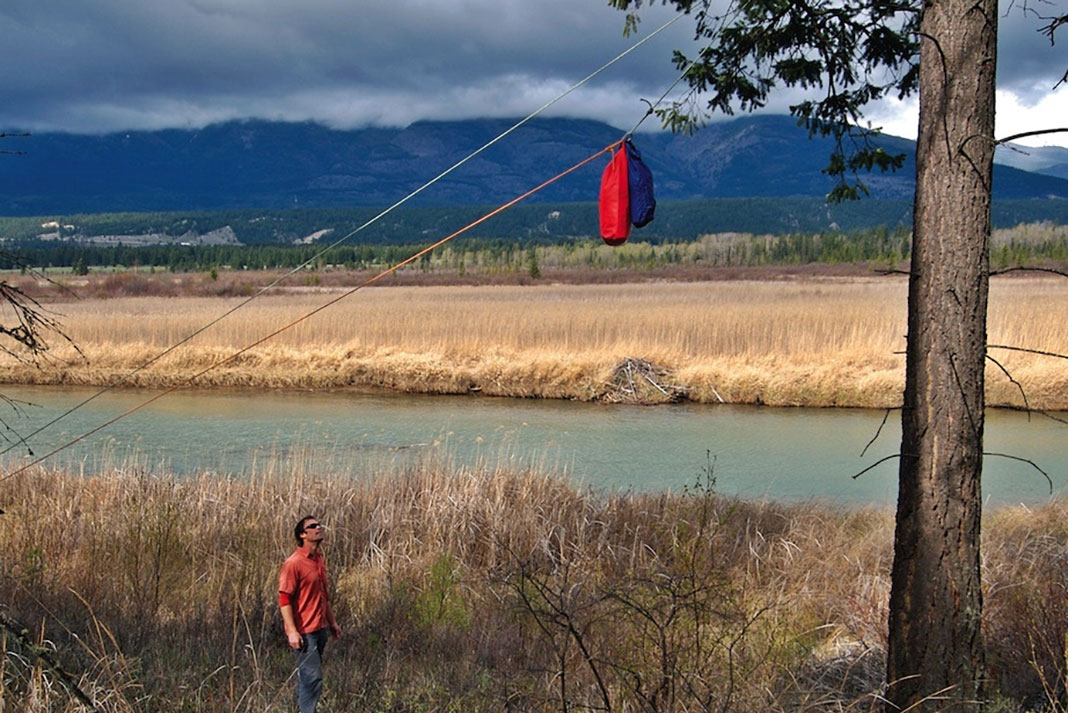
A man stares up at a bear hang on the side of a river
Far too many trippers have awoken on otherwise fine mornings to find a bear has stolen their food pack. | Feature photo: Dave Quinn

Thriving on backcountry canoe trips relies on having a solid skill set and a willingness to adapt to always changing conditions and circumstances. Many skills are acquired through trial and error and learning from mistakes, and others can be honed before heading into the wilderness. Here are the skills seven Canoeroots staff think are essential for your wilderness canoe trip success.

7 most important skills for wilderness paddlers

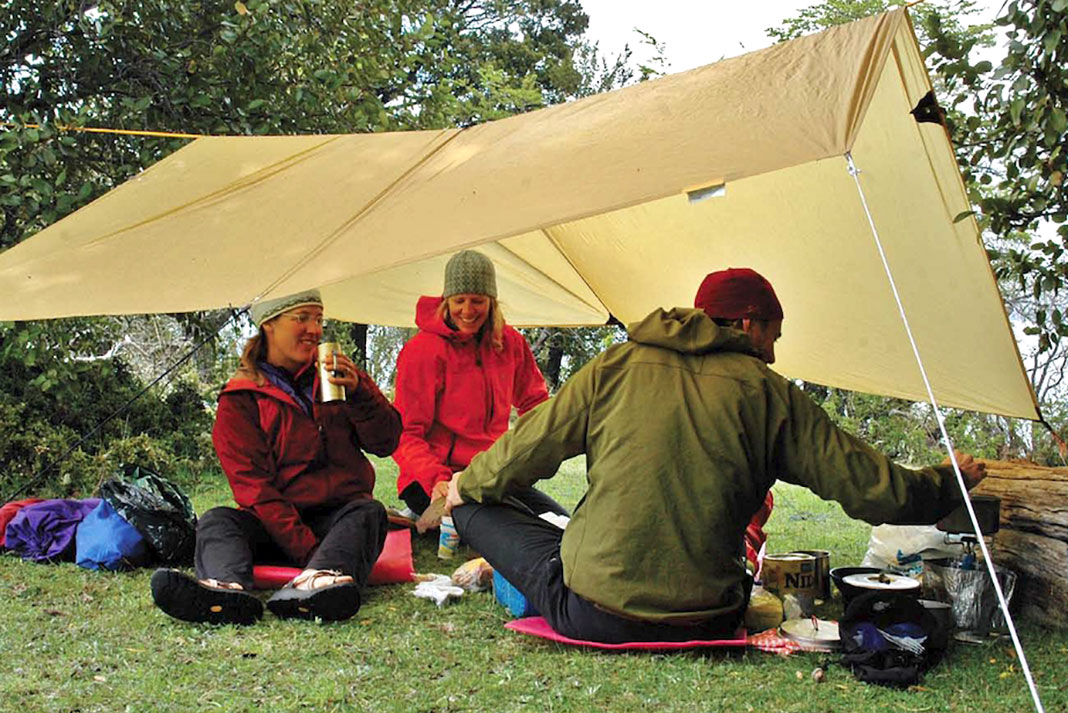
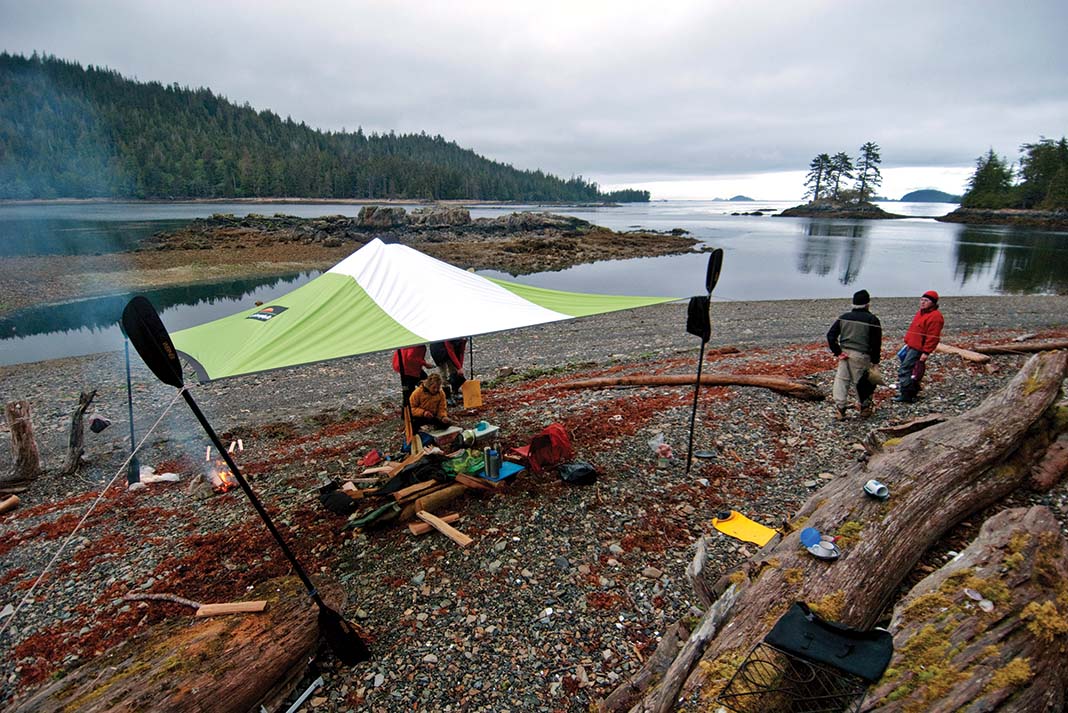
setting up a tarp shelter
Building a tarp shelter. | Photo: Dave Quinn

1 Build the perfect tarp shelter

Tarps are easy to pack and allow you to have a versatile shelter from the rain and wind. The most secure and stable tarp setups have a ridge forming the highest part of the tarp. The ideal way to support the ridge is to have a string or independent line between two trees or poles. Bungalow style roofs are awesome if the conditions of your campsite are appropriate, but often creativity is required in shelter construction.

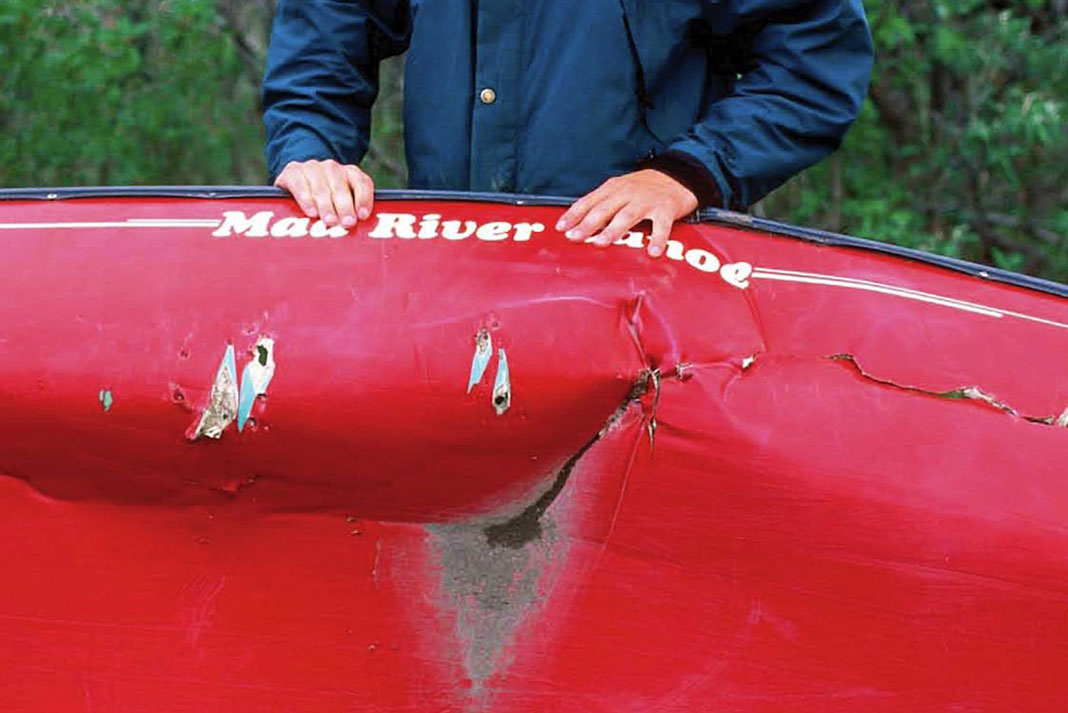
person holds up a damaged canoe with hull in need of repair
Backcountry canoe repair. | Photo: Peter Mather

2 Repair a canoe in the backcountry

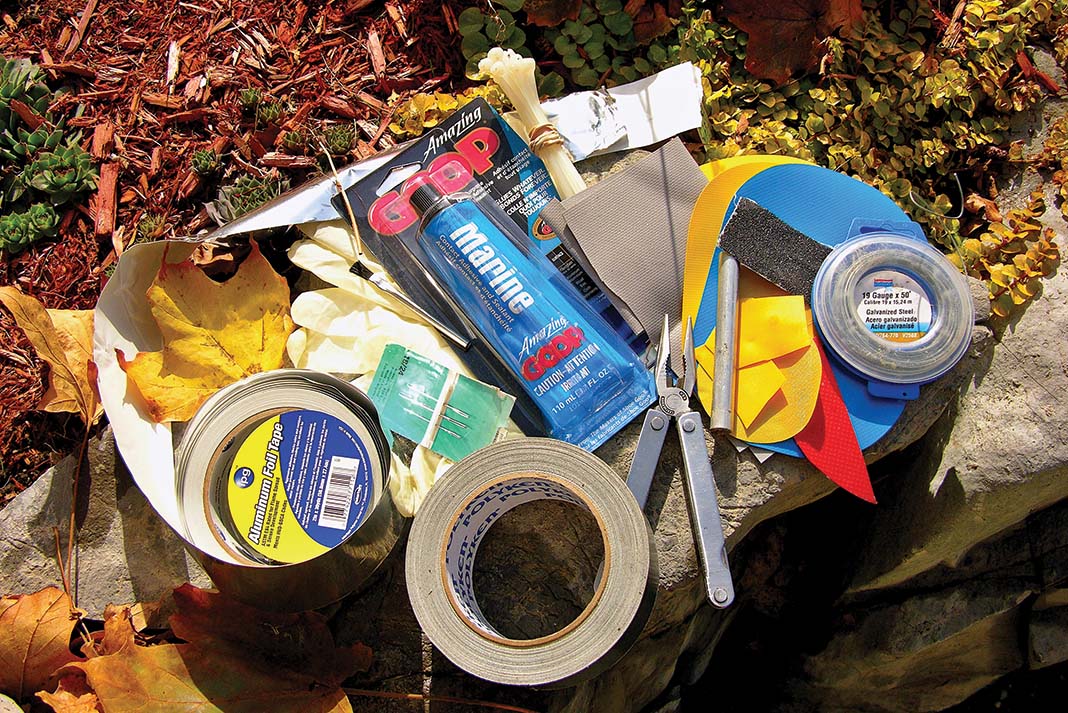
Encountering canoe damage can be a serious impediment to your trip livelihood whether you are in the backcountry for two days or two weeks. Keep panic at bay with a canoe repair kit and the know-how to use it. A good canoe repair kit will include heavy-duty duct tape, stainless steel wire, a nail kit, ABS plumbing pipe and more.

A man stares up at a bear hang on the side of a river
Far too many trippers have awoken on otherwise fine mornings to find a bear has stolen their food pack. | Feature photo: Dave Quinn

3

Execute a proper bear hang

Leaving food improperly stored at your campsite can have a swath of negative consequences. A bear at your site can eat your carefully packed food, damage your boats and gear and can even lead to the bear being destroyed. Knowing how to execute a proper bear hang will help decrease the chances of encountering one of these impressive animals too close to your site for comfort.

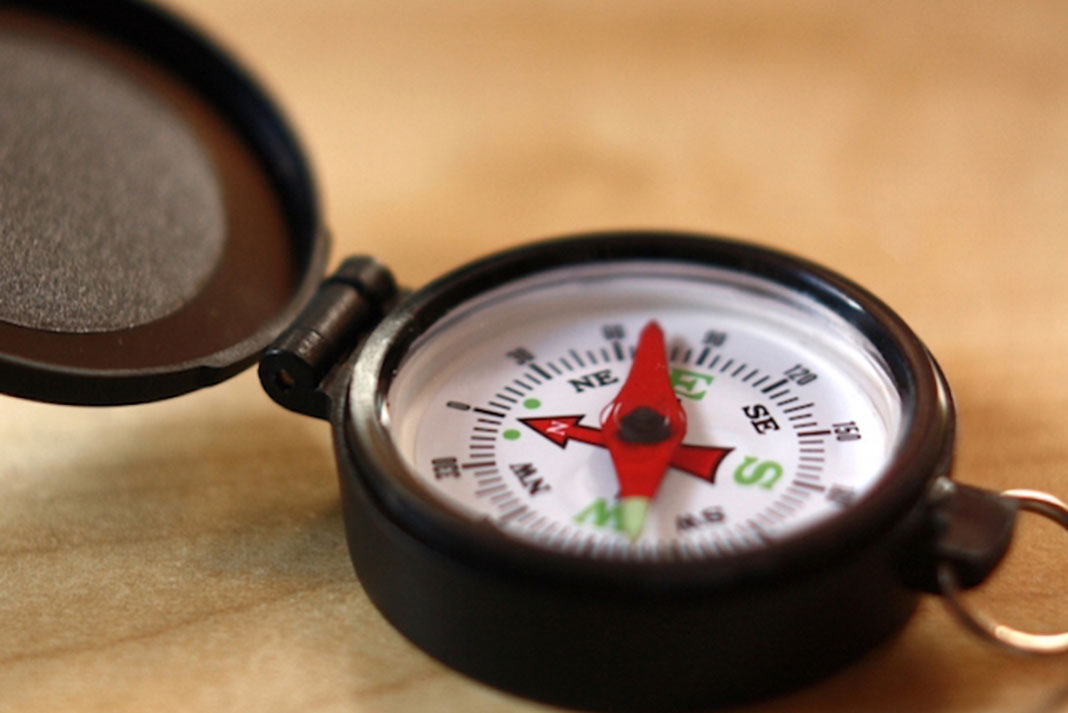
close-up photo of a hiking compass
How to use a map and compass. | Photo: Colin Zhu/Flickr

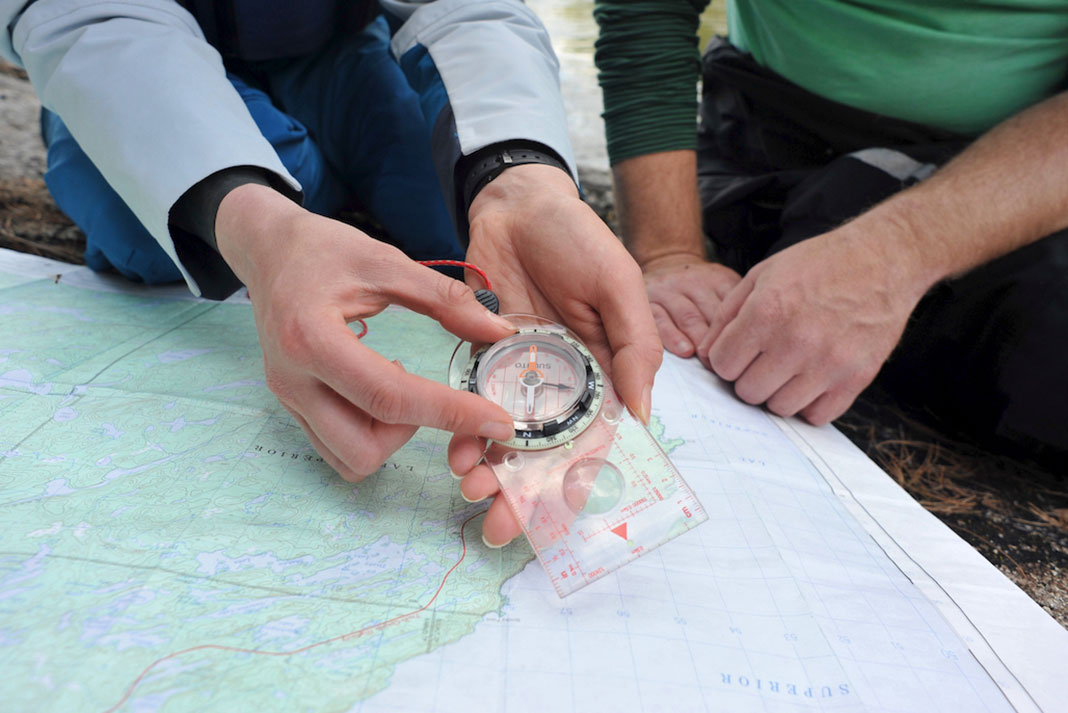
4 Know how to use a map and compass

Being well-packed with the best gear for your backcountry canoe adventure is great, but having the practical navigation skills to know where you are and where you are headed is key. Excellent navigation skills and the know-how to take advantage of a map and compass means you won’t spend an hour searching for the portage take-out or miss out on that amazing lookout point you’ve read all about. Learn how to use your map and compass to get a bearing, how to follow a visual compass bearing and how to compensate for declination.

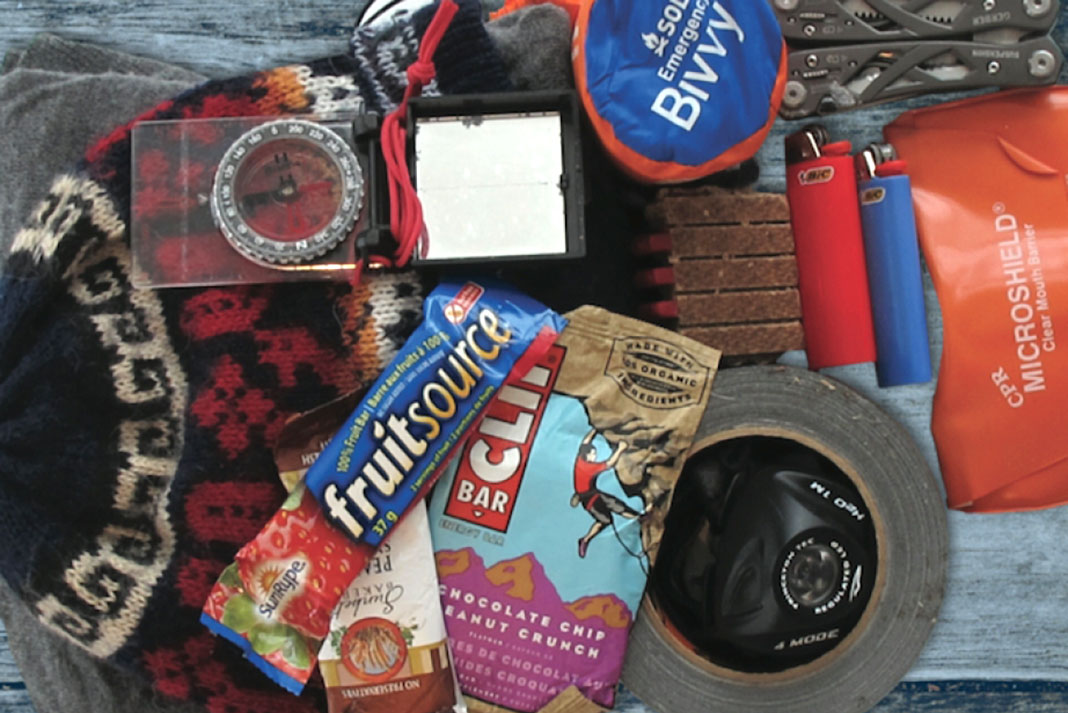
elements of a DIY ditch kit for paddlers
DIY ditch kit. | Photo: Charlotte Jacklein

5 Build a ditch kit for disasters

A ditch kit is the part of your equipment checklist you should put lots of effort into but hope you never have to use. This collection of important and useful items constitutes the essentials for survival in a small, compact and easy to transport package that can help decrease the consequences of any misadventures. A great ditch kit will include high-density food sources, a fire starter, extra layers, a first aid kit and more.

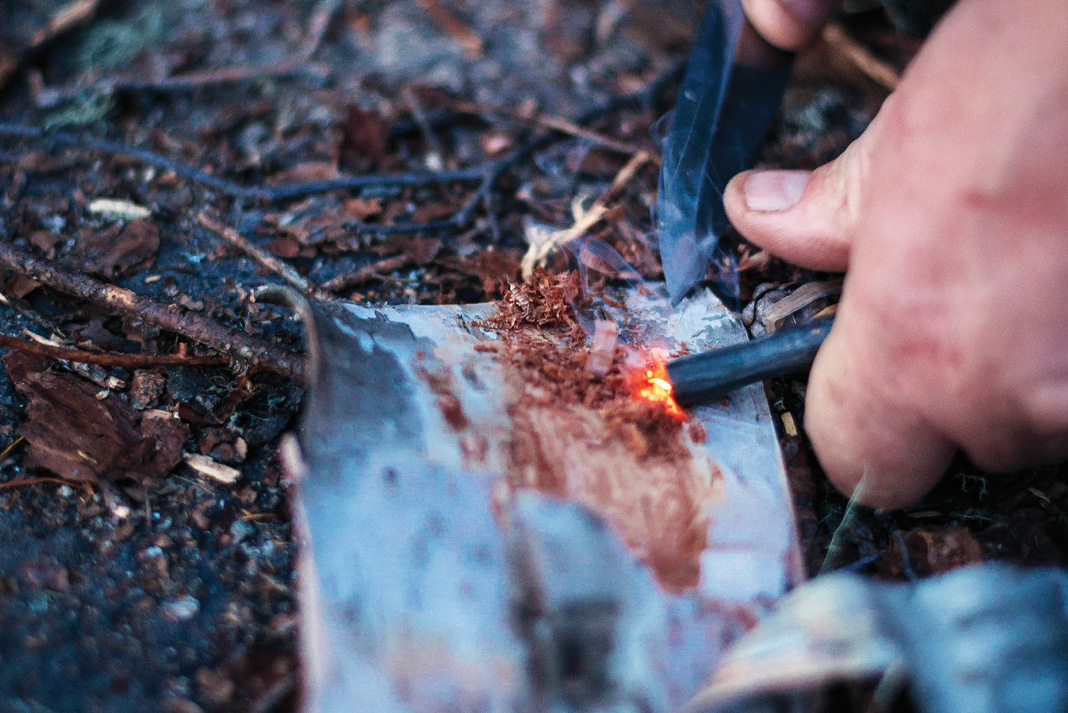
A close up of a spark hitting dry tinder from a flint and steel tool
Light me up. | Photo: Goh Iromoto/Ontario Tourism

6 Light a no-match fire

It is a great idea to pack multiple sets of lighters or matches in different places and compartments on your canoe trips just in case. In the off chance you find yourself without a fire source, having the ability to start a no-match fire is an invaluable skill that will keep you warm, cooking hot food and enjoying coffee and tea in the mornings. Modern fire strikers are usually made from carbon steel and metal ferrocerium and can be found at outdoor stores. The back of your camp knife can also be used as a striker, or any other metal if it is as hard or harder than the ferro rod.

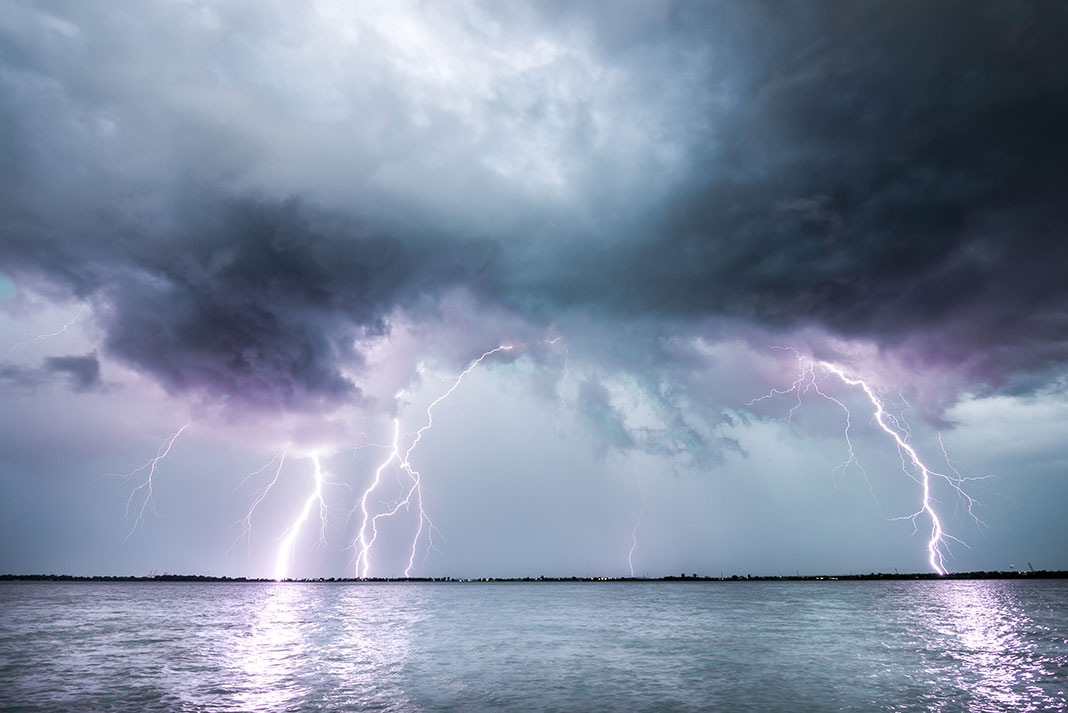
lightning strikes along the edge of a water body
Know what to do when lightning strikes. | Photo: Raychel Sanner/Unsplash

7 Survive a lightning storm

Lying cozily in your bed at home and watching lightning flicker and illuminate your walls can be beautiful. On the other hand, finding yourself at your campsite in saturated raingear watching a lightning storm swirl overhead is often a butterfly-in-the-stomach inducing experience. We give you tips to make yourself less vulnerable in these situations, including getting off the water immediately and adopting the lightning position.


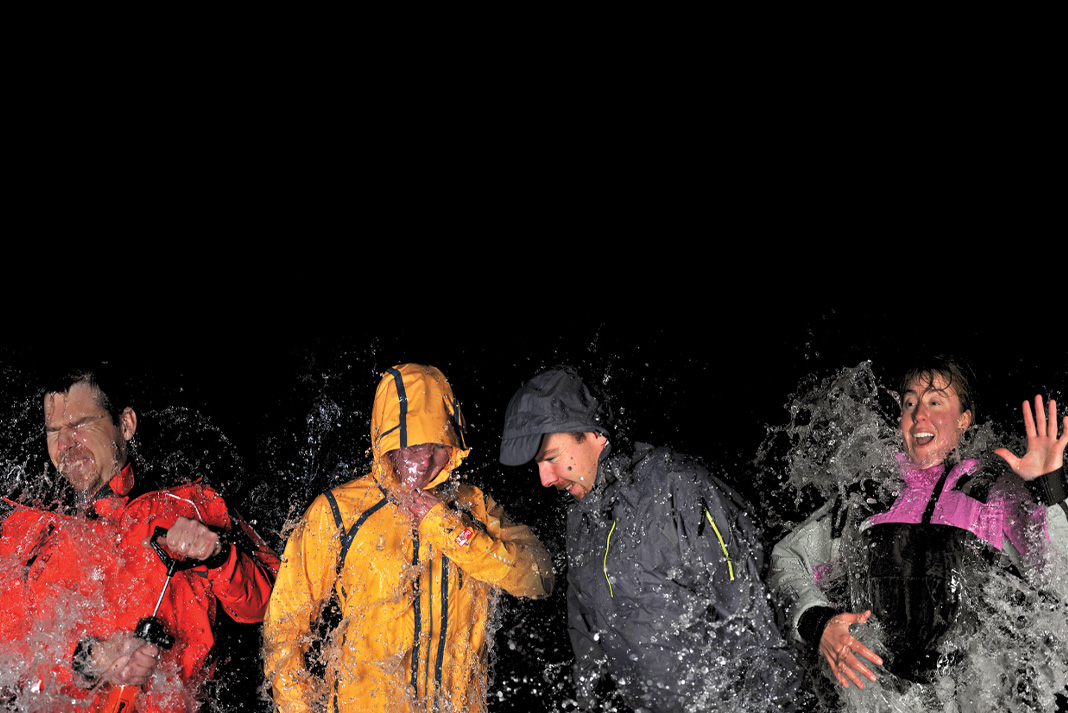
Stay Dry With These Impervious Apparel Innovations

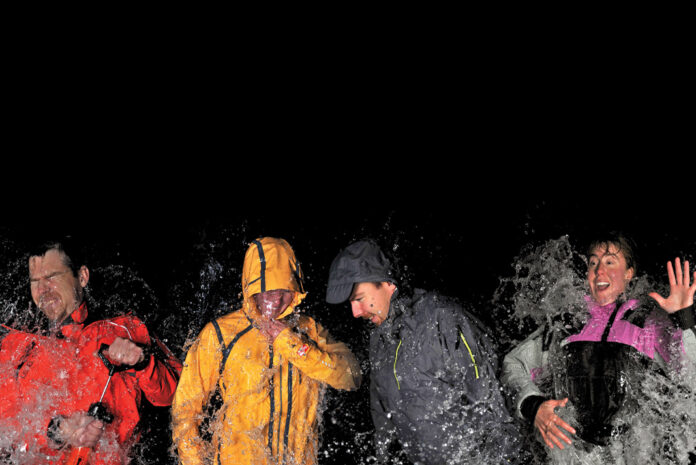
JUST ADD WATER | Photo: Virginia Marshall

Is a down puffy overkill for après paddling? Heck no, but many paddlers shy away from feathers since damp down quickly loses its insulating loft. That’s why Outdoor Research’s Floodlight Jacket was love at first zip. This is an 800+ fill goose down puffy with an important difference—it’s also waterproof. OR uses Pertex Shield, a fusion of tough face fabrics with a waterproof-breathable polyurethane laminate, as well as taped seams and bonded (rather than stitched) baffles to shield the Floodlight’s responsibly sourced down from showers, sodden forests and soggy kayakers. Super soft lining, fleece-lined pockets and a roomy, wire-brimmed hood complete the cocoon. No more shivering through shoulder season shore lunches—the minute we’re out of our boats, we cuddle into this incredibly cozy puffy to ward off chills from sweat, wet and wind. | www.outdoorresearch.com

When your core is warm, it increases blood flow to your extremities. Cold hands and feet? Zip into a fleece vest like Patagonia’s Classic Retro-X Vest. The Retro-X outclasses other vests with hip throwback styling, and outperforms the competition thanks to a windproof-breathable barrier between its fuzzy fleece exterior and moisture-wicking mesh lining. Zippered chest and hand pockets and a stand-up collar add utility as well as panache. The vest’s high-pile polyester fleece warms our hearts—not just because it’s a great insulator, but also because it’s made from recycled soda bottles, manufacturing scraps and worn-out outdoor wardrobes.

Long before I could afford a drysuit, I saved up for a quality paddling jacket. Today, descendants of this jacket continue to be staples in my touring kit. Why? Because a versatile touring jacket like Level Six’s updated Chilko is often the best fit for all but the coldest weather and water, or heaviest conditions. To find a jacket that can go the distance, I look for a few key features. The material needs to be breathable for summer showers yet robust enough to handle spring deluges; a hood is a must, a removable and stowable hood is even better; and a double-tunnel design mates with my skirt tunnel for a drier seal around the waist.

The Chilko offers all these features and more. Level Six’s eXhaust 2.5-ply nylon fabric is waterproof, breathable and lightweight for an athletic fit without a lot of bulk. Reflective details throughout increase visibility in low-light conditions. Our testers loved the vented, generously sized hood, which zips cleanly away for days when we just needed wind or light rain protection. Adjustable neoprene closures at the wrists and neck aren’t as dry as latex gaskets, but they’re more comfortable and add versatility for off-water wear. The deep neck zipper allows venting in warm weather, while zipping up the high, microfleece-lined collar feels like snuggling into a protective scarf. | www.levelsix.com

The yellow rain slicker reimagined and re-engineered, the shiny rubbery face of Columbia Sportswear’s new OutDry Extreme Platinum Tech Shell hints at the downpour-proof dryness we enjoyed as puddle-jumping tykes. But while those rubber raincoats of old grew clammy the minute you started sweating, the OutDry Extreme has the light, well-ventilated comfort we’ve come to expect from modern waterproof-breathable rainwear.

Founded in the Pacific Northwest in 1938, Columbia knows a thing or two about rain gear—the brand was the first to integrate Gore-Tex in their parkas in 1975. Since then, Gore-Tex and similar microporous membranes have remained the standard in waterproof-breathables, by keeping water out while allowing vapor to escape. The formula is simple: sandwich the fragile waterproof membrane between a comfortable next-to-skin layer and an outer fabric treated with DWR (Durable Water Repellent). But DWR coating doesn’t last forever, and a soaked-through Gore- Tex jacket is every bit as soggy feeling as sweaty rubber.

OutDry Extreme does away with that problematic outer layer, placing a tough-yet-breathable polyurethane waterproof membrane on the outside of the jacket. The result is a shell that never wet out, no matter what we threw at it. A single ply of wicking fabric on the inside kept us feeling cool even in sticky summer heat. Plus, we love the unique look of Columbia’s bright colors and contrasting exterior-taped seams. If you want the tailored fit, premium features and breathability of a performance shell, combined with the no-fuss, permanent waterproofness of a rubber slicker, this is the jacket you’ve been waiting for. The OutDry Extreme line includes jackets and pants for men, women and kids. | www.columbia.com

JUST ADD WATER | Photo: Virginia Marshall

When it comes to insurance policies, preparing for inclement weather is a lot like safeguarding our homes and cars—we want something that’s economical and hassle-free, out of sight but always there when we need it. Enter the NRS High Tide splash jacket. The jacket has all the features needed for a changeable weather day on the water, at a price entry-level paddlers can afford. A peaked hood, adjustable cuffs and gripper shock-cord hem prevent ride-up and kept us covered. The High Tide’s relaxed fit and simple, quarter-zip anorak design means it’s equally suited for use in camp or even drizzly dog walks around town. NRS’s breathable HyproTex fabric has a supple feel that’s great for humid summer adventures. This lightweight shell had our back in rain, spray and wind, yet it’s also super packable. Reaching into your hatch for the High Tide can make good fortune shine on your next paddling adventure, even if the sun does not. | www.nrs.com

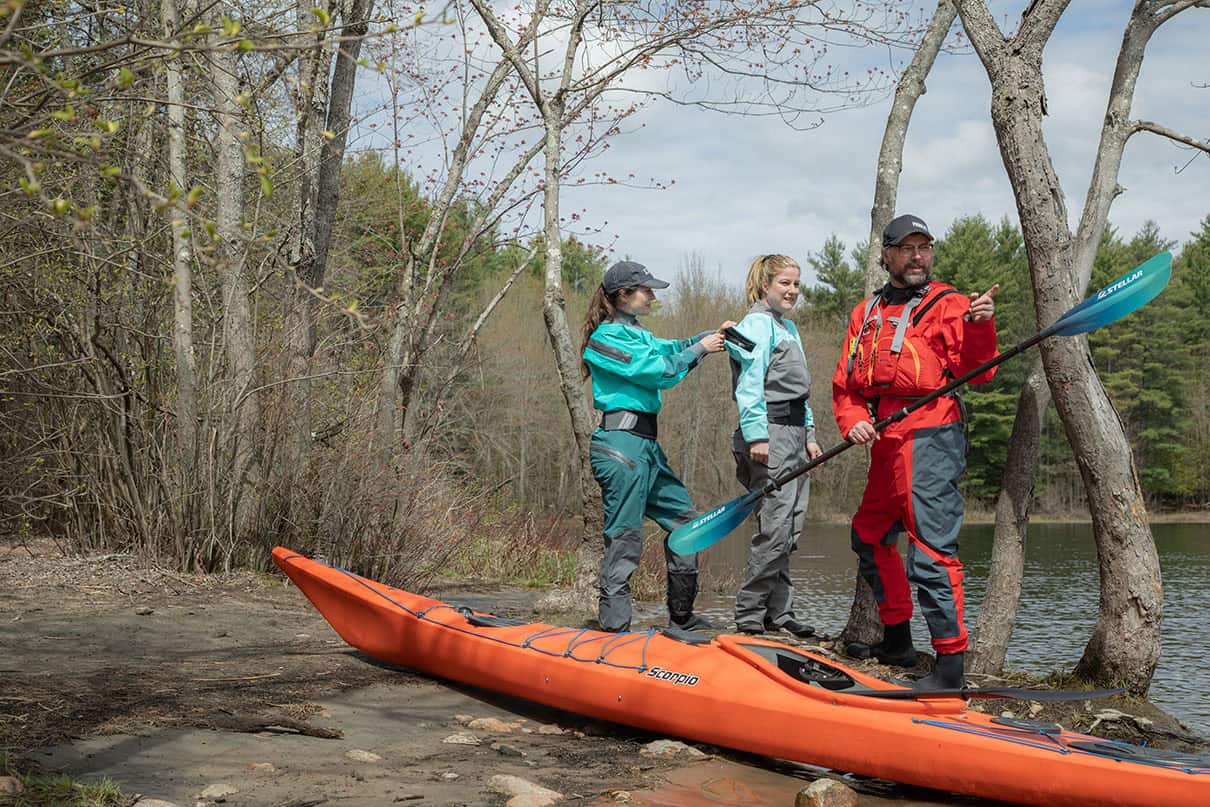
Expanding on their groundbreaking SwitchZip drysuit technology released last year, Kokatat debuted three new pieces for spring 2016, including a lightweight paddling suit, anorak and the expedition-ready Radius Drysuit. SwitchZip is a fully separating watertight zipper around the waist, allowing top and bottoms to be worn together as a full suit, or on their own as a paddling jacket and pants. The zipper’s location also eliminates the need for a dedicated relief zipper, reducing the weight of Kokatat’s Gore-Tex expedition suits.

I’ll admit, when I first fumbled with the unfamiliar waist zipper on our demo Radius, I was skeptical. Years of training had limbered my shoulders and strengthened my fingers for the more familiar over-the-shoulder drysuit tug-of-war. In contrast, donning the Radius top and bottom was like slipping into pajamas, but the SwitchZip mechanism took a bit more practice. Aside from an awkward struggle pulling my slim-fitting neoprene skirt over the lump of the SwitchZip closure, the fit in my kayak was exactly as promised. The zipper disappeared into the gap between seat and backband, and my torso felt wonderfully unrestricted. Even better, bathroom breaks were a breeze.

Kokatat makes top-quality paddling gear with all the bells and whistles, and the Radius is no exception. I never felt sticky inside the breathable Gore-Tex Pro suit, which is reinforced with tough Cordura fabric in high wear areas like seat and knees. The Gore-Tex socks and latex neck and wrist gaskets kept me bone-dry during rolling and surfing sessions. One of my favorite features was Kokatat’s new fleece-lined outer collar and removable storm hood. Buttoned up snugly, the hood fit over my face like a Bedouin head scarf, blocking stinging wind and salt spray. | www.kokatat.com


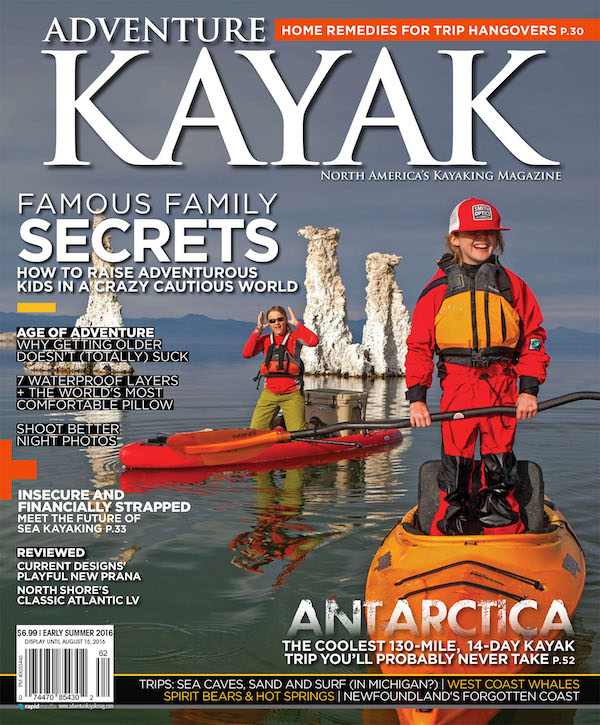
This article originally appeared in the Adventure Kayak
Early Summer 2016 issue.
Subscribe to Paddling Magazine and get 25 years of digital magazine archives including our legacy titles: Rapid, Adventure Kayak and Canoeroots.

5 Strokes That Will Improve Your Kayaking

5 Kayaking Strokes

1. The Bow Rudder

The bow rudder is an extremely effective tool to use when you need to change direction while travelling at speed. It is a simple stationary stroke that allows you to make smooth and fast turns or subtle directional changes. It will make you more confident in your ability to make quick decisions to avoid collisions with rocks, other paddlers and obstacles. Learn more about the bow rudder here.


2. The Low Brace Turn

Mastering the low brace turn is beneficial to your overall kayaking skills because it gives you more versatility and support in choppy water, and also makes you faster and more graceful while edging in flat water. Learn more about the low brace turn here.


READ MORE: How to buy a used kayak 

3. The Balance Brace

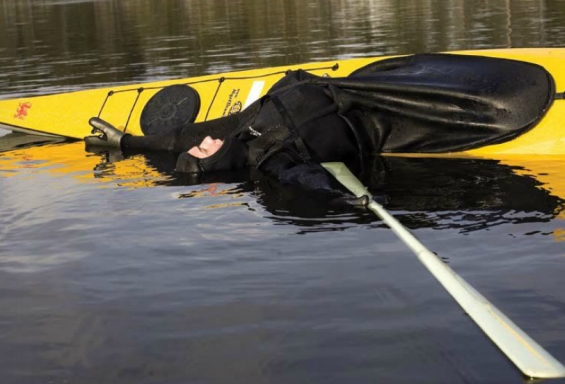
This stroke was used by the first sea kayakers as a technique for stretching their lower bodies while remaining in the boat. It is performed by maintaining the kayak at the capsize point without actually tipping by using upper body flotation and the Greenland paddle. This stroke will improve your kayaking because it is a great rough-water survival position and is also a foundation for certain Greenland-style rolls. Explore the balance brace here.

The Balance Brace kayak stroke technique

4. Forward Sweep Kayak Technique

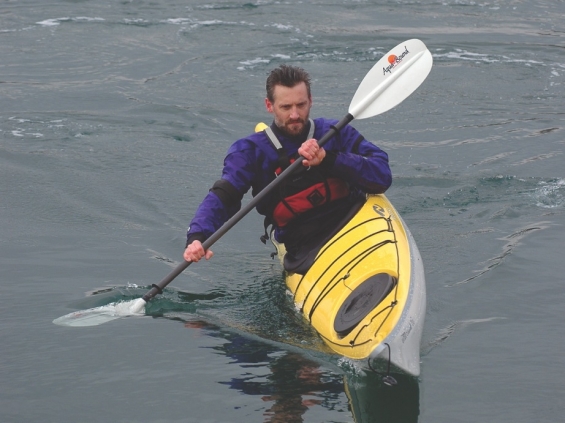
The forward sweep is an essential stroke to have in your kayaking skill set because it allows you to turn while still moving forward. For beginner kayakers the instinct can sometimes be to brake with the paddle to turn, but this decreases any speed the boat previously had. Make sure the power for your sweep stroke comes from torso rotation instead of arm strength. This stroke will make you a better kayaker because you will have more control over your direction while being able to keep up with your paddling partners. Learn more about the forward sweep here.

forward sweep

5. The Sculling Brace

The sculling brace is a key skill to have out on the water because it enhances your stability, especially in choppy or windy conditions. The main function of the sculling brace is that it acts as a second point of stability for your kayak, and it can be useful when you feel unstable on the water, to salvage a sloppy roll or for getting your legs back into the kayak during rodeo re-entry. Learn pro tips for the sculling brace here. 

sculling brace


How Aging Complicates the Wilderness Experience

STEVE SCHERRER RECENTLY DISCOVERED A NEW PASSION, QUIT HIS JOB AND IS TRAVELING THE COUNTRY IN A VAN AND TRAILER WITH HIS WIFE, CINDY. "SO MUCH NEW IN OUR LIVES TO KEEP US YOUNG AND ACTIVE!" HE SAYS.| PHOTO:SUE HUTCHINS

Through my thirties and early forties I was feeling and looking pretty damned good. People would say that I looked 10 years younger. Then this year people suddenly stopped being surprised that I was 43. I didn’t just slide a few years; I instantly started looking my actual age. I gained a decade all at once.

Some callous schlub on the beach after a particularly grueling surf session even ventured to say, “It’s great you can still do that.” That comment haunts me. I’ll always remember this year as the first time I heard those words. Also the first year I couldn’t do everything better-faster-stronger than the year before—or make any sense of a McDonalds menu.

The year I turned 30 I paddled for 80 days down the British Columbia coast. My friend and I didn’t have a cell phone or a sat phone or an emergency beacon. Our first aid kit contained little more than duct tape and Band-Aids. We were young and just assumed that we’d be fine. And we were.

Blithe gallivanting into the world’s remotest reaches was the ultimate expression of youthful invincibility, vitality and fearless flouting of mortality.

We slept on the ground without an ache in the world. On rest days we’d rise and greet the day after a blissful 10 or 11 hours flaked out on primitive foam pads the same thickness and consistency as the vintage, gold foil-wrapped, sawdusty PowerBars we happily munched as part of our inconsequentially horrible diet.

Nowadays when I crash in a tent, I call it “sleeping” in quotation marks. It’s more like a nightlong meditation on which position offers the most relief from competing discomforts. In the words of Leonard Cohen, “I ache in the places that I used to play.” In my case, most of those places are in the wilderness.

Okay, so I know “going on 44” isn’t actually old. But the aches and pains I have already make me fear for what’s to come. At this rate, what will my camping future hold?

So many people I know have completely given up sleeping on the ground, or sitting in kayaks, because of sore hips, backs and shoulders. Already, health issues are greatly complicating the carefree wilderness experience.

STEVE SCHERRER RECENTLY DISCOVERED A NEW PASSION, QUIT HIS JOB AND IS TRAVELING THE COUNTRY IN A VAN AND TRAILER WITH HIS WIFE, CINDY. “SO MUCH NEW IN OUR LIVES TO KEEP US YOUNG AND ACTIVE!” HE SAYS.| PHOTO:SUE HUTCHINS

That same friend I paddled the coast with turned 50 last year and had a small heart attack. For Christmas he got a brand new heart valve and a refurbished aorta. We used to talk about reuniting for another expedition, maybe on the coast of Chile. If we ever do, our emergency preparedness will look a lot different.

My great fear now that I have kids is that by the time I have the freedom to do long expeditions again, I’ll be too old. In the interim I have zealously instituted wilderness camping as a family tradition. My wife’s one condition was that I provision her with a collapsible chair and a portable camping mattress that packs to a size roughly equivalent to an additional child. I told her I was too embarrassed.

“Embarrassed in front of who?” she asked.

“In front of myself,” I said. I’m not the hirsute international expeditioneer I dreamed I’d become. But I sucked it up and bought the bleeping mattress. The saddest thing is that now I want one too.

Even at home we spend most days doing a complex regimen of physiotherapist-prescribed exercises, stretches and yoga routines to help us reclaim our lost limberness. By the time we get all warmed up, we’re feeling pretty good. Except every year the routines get longer, and I have to go to bed earlier.

Someday we’ll get to the point where the exercises aren’t over until bedtime. I’ll spend my whole life getting ready for activities I’ll never get around to doing. Come to think of it, that kind of describes my life now.

I’m more aware than ever that my days are numbered. It makes the call to adventure all the more urgent. As the British kayaker and journalist George Monbiot writes in Feral: Rewilding the Land, the Sea and Human Life, “Twice in one year I had heard the call—that high, wild note of exaltation—after a drought of sensation that had persisted since early adulthood; a drought I had come to accept as a condition of middle age, like the loss of the upper reaches of hearing.” I hear it now too.

Now going outdoors is less flouting mortality and more of a somber acceptance, an intensification of the psychological process of aging itself, coming to grips with that old process that I never thought would happen to me.

And yet there’s also the hope that wilderness has a kind of healing effect. On a family camping trip last summer, I woke up with back pain every morning, aggravated by all the unfamiliar paddling. Still, the sight of sunrise over the water and the brave act of throwing myself in for a plunge before breakfast was a tonic that made it easier to get going than a typical day at home, despite the added physical toil. Maybe this get-up-and-go is the secret; the answer is more camping, not less.

One close friend lent further hope when he recently reminded me that most of the ambitious wilderness travelers he knows are senior citizens. They’re the ones who have the time—even with all the physiotherapy exercises. When my own time comes, I’ll do whatever it takes to be out there with them.

Waterlines columnist Tim Shuff is a firefighter, freelance writer and former editor of Adventure Kayak who now packs plenty of Advil along with his Band-Aids.


This article originally appeared in Adventure Kayak
Early Summer 2016 issue.
Subscribe to Paddling Magazine and get 25 years of digital magazine archives including our legacy titles: Rapid, Adventure Kayak and Canoeroots.

Algonquin Park Is Ontario’s Best Canoe Camping Wilderness

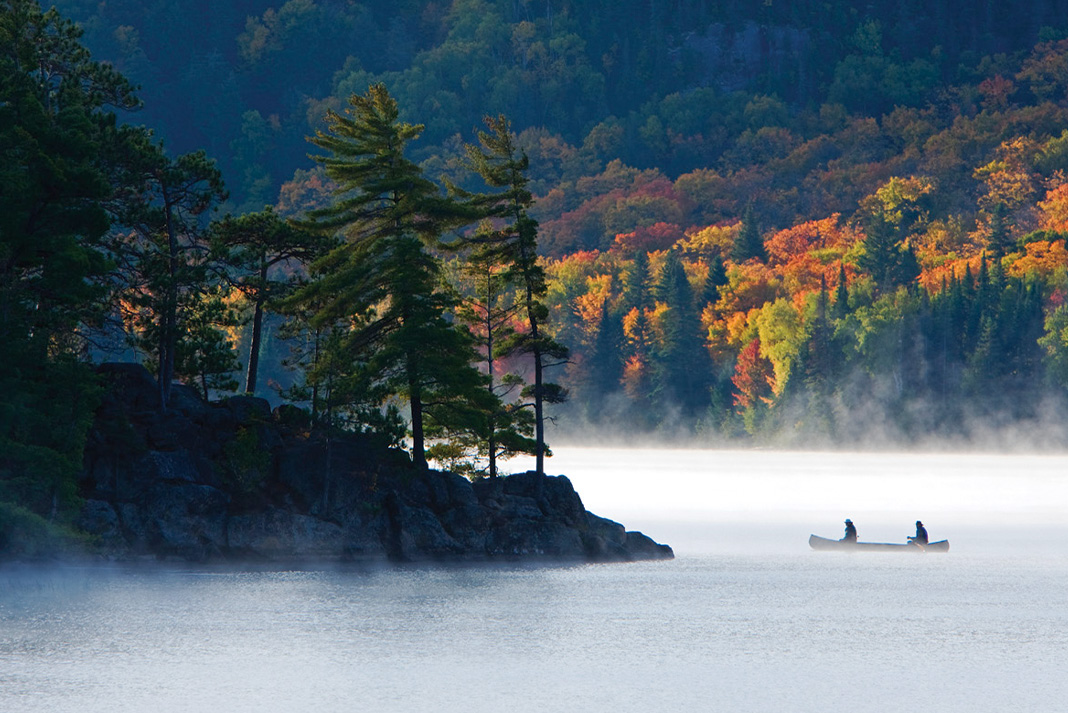
TWO TICKETS TO PARADISE.| PHOTO: ETHAN MEL

Robin Tapley is a wildlife researcher and photographer who grew up on the edge of Ontario’s Algonquin Park. He has traveled extensively through the park’s interior as a wilderness guide and biologist.

An internationally renowned canoeing destination, Algonquin Provincial Park is famed for its vast maple hills, rocky ridges and thousands of remote wind-swept lakes. About the size of Rhode Island, Ontario’s oldest provincial park has 29 access points located around its periphery, offering access to the remote and rugged Shield interior. Meanwhile, the 56-kilometer-long Highway 60 corridor cuts through the south, making for easy access to car campgrounds and 14 hiking trails, as well as naturalist guided interpretive programs, a visitor’s center and museum.

Algonquin’s expanse would take a lifetime to properly explore. From its modest peaks, a carpet of green teaming with wildlife stretches far into the horizon. I grew up on the edge of the park and have paddled, camped and hiked here for most of my life, yet I still find many surprises within its borders.

Algonquin offers something special during each season: Spring provides great birding and wildlife watching, while summer offers the opportunity for crystal clear, freshwater swims. Tag along with naturalists to listen to wolf packs howl in late August. Fall is incredibly popular as the colors reach their peak and explorers paddle and hike in an explosion of yellows, reds and oranges.

TWO TICKETS TO PARADISE.| PHOTO: ETHAN MEL

TRIPS

If you have a half-day select a couple of short hikes along the main corridor of the park. Don’t miss the Spruce Bog Trail, which meanders through a unique habitat—you’re likely to see spruce grouse, red-breasted nuthatches, gray jays and brown creepers.

If you have a day head to Lake Opeongo via access point #11. Pack a lunch and venture up the lake via water taxi to the headwaters of Hailstorm Creek. This wildlife zone is accessed only by canoe and is one of the best wilderness observing areas for moose, otters, beavers, great blue herons and other bird life.

If you have a weekend paddle to a remote site on quiet and sandy Booth Lake. There are two short portages on the way, and you can go from car to campsite in just a couple hours. Alternately, venture to the park’s quiet eastern side and explore the hallowed halls of the Barron Canyon. The park is busy on summer weekends so reserve a campsite in advance.

If you have a week venture into the park’s northern reaches from Kiosk access point. In this area you can paddle for days without seeing another soul, and there are endless loop possibilities. Or, challenge yourself on the gorgeous Lavielle and Dickson lakes circuit—it’s more centrally located, but a five-kilometer portage keeps all but the hardiest trippers away.

STATS

SUMMER HIGH

Warm days last from mid-May to mid-September with an average daily high above 19°C.

WILDLIFE

Moose, otter, beavers, wolves, black bear, red fox, common loon and many other bird species.

BEST EATS

Henrietta’s Pine Bakery in Dwight, on the western edge of the park. Great coffee and famous sticky buns.

DIVERSION

Near the southern edge of the park, Haliburton Forest’s Wolf Centre offers up-close viewing of the elusive canis lupus.

OUTFITTERS

Algonquin Outfitters (www. algonquinoutfitters.com) Algonquin Bound (www. algonquinbound.com) and Algonquin Basecamp (www. algonquinbasecamp.ca) are three of many boat and gear rentals.

MUST-HAVE

Camera, hiking boots and Jeff’s Algonquin Provincial Park Map.


This article originally appeared in the Canoeroots
Early Summer 2016 issue.


Subscribe to Paddling Magazine and get 25 years of digital magazine archives including our legacy titles: Rapid, Adventure Kayak and Canoeroots.