Home Blog Page 33

Red Bull Releases A Film On Historic First Descent Of Ivindo Falls (Video)

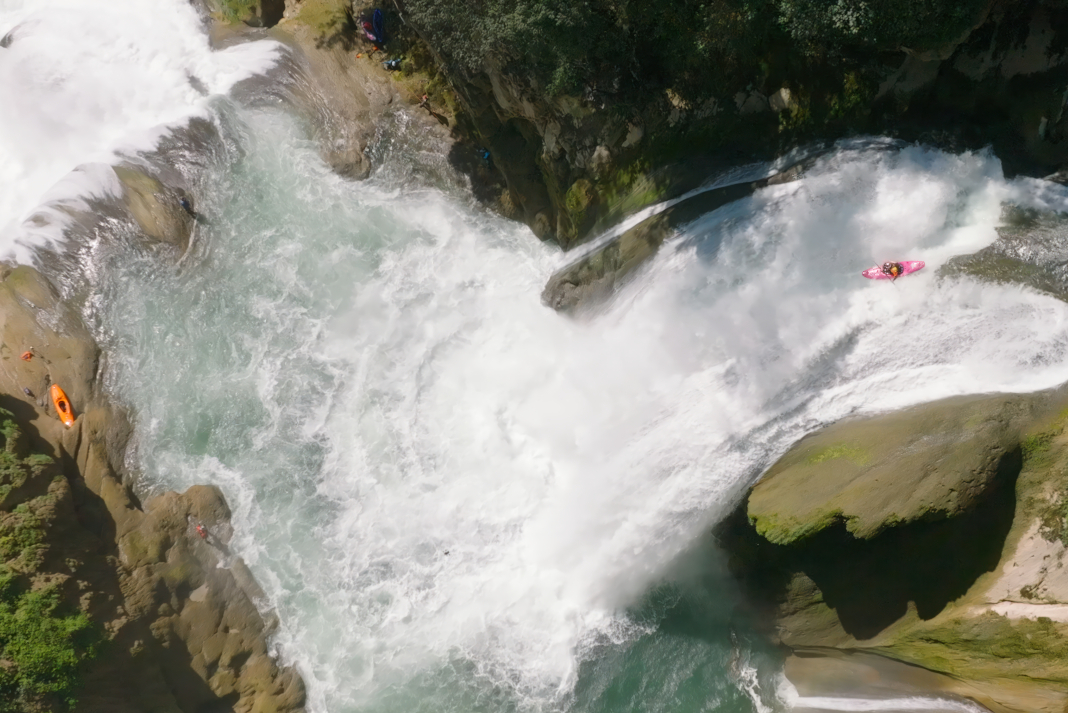
The Ivindo River winds through the Gabon Rainforest, with elephants and hippos, thick forest, and a maze of rapids untouched by whitewater paddlers—until recently.

Four-man elite kayak team of Adrian Mattern, Dane Jackson, Kalob Grady and the late Bren Orton tackled a 90-mile (145 km) expedition on the river with the goal of the first descent of four major rapids on the Ivindo River in Gabon, a country on the central African Atlantic coast bordered by Cameroon, Equatorial Guinea and the Congo. The Red Bull film Gabon Uncharted documents the depth of their drive to complete the expedition.

Meet the SEND collective

The team, self-named the SEND Collective, includes some of the top names in whitewater kayaking and as the film cheekily notes, most definitely the top names on whitewater kayaking Instagram.

Dane Jackson is often called the GOAT (greatest of all time) whitewater kayaker. Kalob Grady grew up on the banks of the Ottawa River and is now the head coach for World Class Academy. Bren Orton was the first European to paddle the 128 ft (almost 40m) Big Banana Falls in Mexico. In May 2024, Orton tragically passed away while kayaking with a group on the Melezza River in the Swiss Alps.

For the last member of the team, Adrian Mattern, the driving force behind the trip, the Ivindo has been a childhood dream to follow the expedition of Olaf ‘Big O’ Obsommer in 2007. On Obsommer’s Ivindo expedition they portaged most of the major rapids due to a lack of local knowledge and resources.

This attempt is different—with new technology and beta from Obsommer’s 2007 trip, the SEND collective seems set up for success. The ultimate game-changer this time around boils down to drones. Not only useful for capturing videos from above, drones allowed the paddlers to scout the rivers from the skies, virtually creating an aerial map of the area.

Is there more to the SEND Collective than big water and money shots?

Gabon Uncharted: Sending Ivindo Falls is not just another big water film. The film, produced by videographer David Arnaud who narrates and seems slightly skeptical of the SEND collective and their Instagram hype, on one hand sets out to make an epic whitewater expedition video.

But the film also asks a question—when you peel back the photos of epic drops, flips and thousands of likes, what’s left?

In the film, we watch the SEND collective pore over route plans and water level data prepared by Mattern. The SEND collective spends three days inspecting the area, and meets with local park rangers of Ivindo National Park, as they take extra care to minimize the impact of their expedition on the environment and pay astute attention to their own safety in the context of an extreme wilderness sport.

“We were told that there are most likely, almost certainly, perhaps not that many crocodiles in this area,” Orton jokes as they begin their journey.

The first major rapids on the Ivindo fan out through the forest in a labyrinthine rapids complex over a mile wide. On this first send, Arnaud describes the SEND collective as “joyful kids on an awesome playground.”

While there’s plenty of exciting big water shoots in the film, just as interesting, if not more so, is the group’s approach to risk management. In a move that seems to surprise the filmmaker, the SEND collective of Instagram fame unanimously chooses to play it safe and portage one of the large, iconic waterfalls they came to descend.

“Too often, group dynamics, biases, and egos lead to stupid decisions. Here it’s the opposite,” narrates Arnaud. “The SEND team navigates these pitfalls with grace and humility.”

Throughout the film we watch the SEND collective run incredible rapids, read their favorite books and get bug bites. We also watch as they help team member Mattern come to terms with the idea that one of the falls he’s dreamed of paddling is likely unrunnable and delicately handle the line between safety and the drive to push their skills for “the send.”

What’s compelling about Gabon Uncharted isn’t that you’re watching top whitewater kayaking athletes do inspiring athletic things—it’s that you’re watching top whitewater kayaking athletes work as a team, manage risk as a team, and ultimately just be people in a way that is inspiring to paddlers wherever they are with their own “send.”
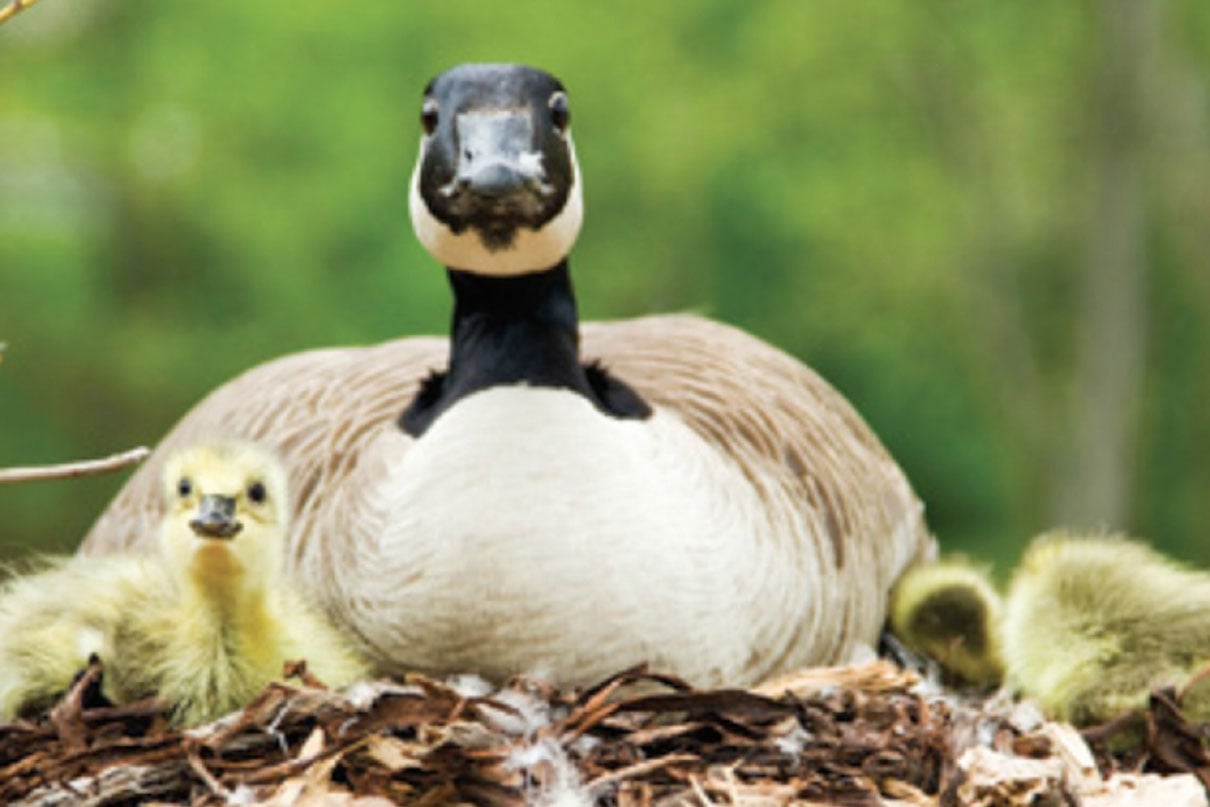
Kayakers Beware: Geese Gone Wild

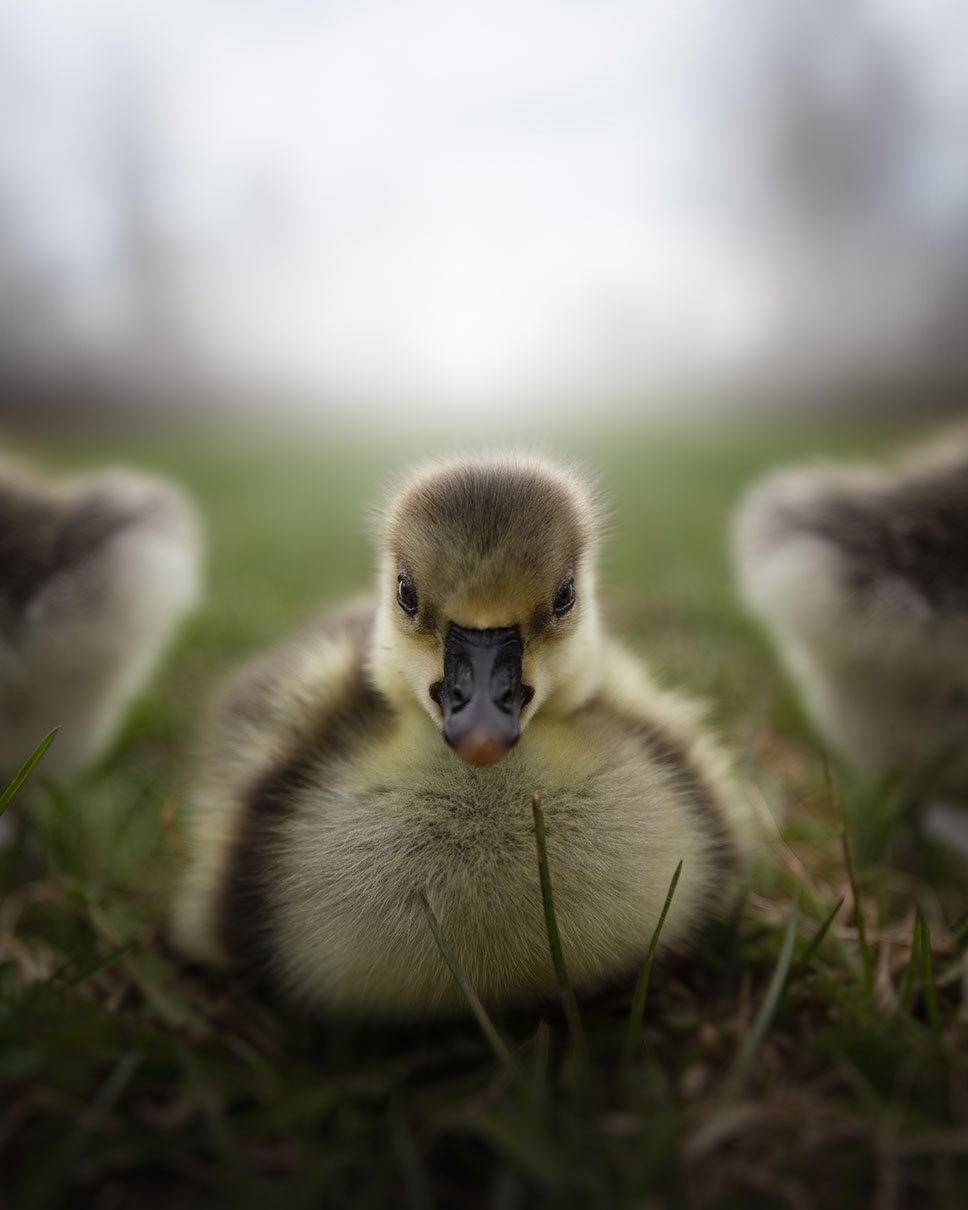
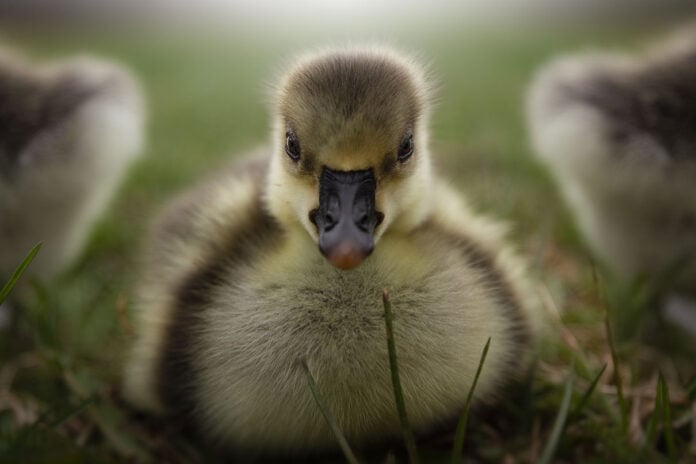
close-up photo of a gosling
Cute today; wreaking honking havoc at your local launch tomorrow. | Feature photo: Alan Poelman

In three decades of kayaking, the only injury I’ve suffered wasn’t from a pounding surf landing, a strainer or an angry grizzly bear. It came at the hands of Branta canadensis, the Canada goose, terror of kayak launches and golf courses. Carrying my kayak across the dock, I hydroplaned on a slimy layer of liquified goose poop and went stern-over-teakettle, landing hard on my wrist. Of all the critters kayakers encounter—hatch-opening raccoons, bloodsucking swarms of mosquitos or sand-lurking stingrays—geese are our true nemesis.

Kayakers beware: Geese gone wild

Hear me out.

The hairline fracture in my wrist was just one instance when my goose was cooked by the feathered scourge of city parks and shorelines. One goose guarded its bay on San Juan Island with such ferocity that as soon as we rounded the point, it sallied forth from its beach hissing. After a few days of us paddling by twice daily, it had enough and came in low and fast to bite our sterns. On a nearby island, a goose had set up its nest next to the outhouse door and assaulted anyone nearby, wings flapping, neck extended, honking obscenities. Its biological imperative to reproduce conflicted with our biological imperative to, well, you know.

close-up photo of a gosling
Cute today; wreaking honking havoc at your local launch tomorrow. | Feature photo: Alan Poelman

We scurried past when we needed to, and the next round of honking would signal the outhouse was free. And there are countless times when I’ve pulled up to a campsite of soft green grass, perfect for strolling barefoot or lounging after long miles in the kayak, only to find the grassy lawn was only 60 percent grass and 40 percent goose poop.

What’s their problem?

Like most species that have become hassles to humans, geese are problems because we create the perfect environment for them. According to the Canadian Wildlife Service, North America has at least seven million Canada geese. Their population increased by seven percent annually between 1966 and 2019, largely due to favorable conditions thanks to urbanization.

Geese like big open areas near water, where they can feast in big family groups, see predators coming and make for the water for a quick escape. This jives perfectly with our love of grassy lawns near water and idyllic campsites for kayakers.

The roots of the conflict between Homo sapiens and Branta canadensis run deep. Those open landscapes geese love, with a view near water, are also hired-wired into humanity’s evolutionary history from our origins in Africa’s savanna. John Falk, a professor at Oregon State University, showed photos of different landscapes to people worldwide, including those who had never seen a wet savanna along the shore of a large body of water. Yet, everyone selected it as the ideal landscape for finding food and water, and avoiding ambushes by saber-toothed cats and other Paleolithic predators. Geese love the same thing; of course, we come into conflict.

The geese are winning. Attempts to keep them from pooping all over our docks, fields and campsites have involved noisemakers, wooden cutouts of coyotes, bullets, poison, dogs and even robot dogs. They’ve all failed. The geese are undefeated.

If you can’t beat ’em…

Faced with a losing battle, I’ve tried to make friends. When I led kayak tours, a goose family near our dock would inevitably charge my tour groups. One day, we encountered a squawking, panicked gosling separated from the family. We carted the caterwauling kiddo on a sprayskirt back to its home cove, where the family came to claim him. Did it result in any sort of detente? Not a chance. The goose-on-kayaker harassment continued all summer.

But our cold war with geese is more than a territorial squabble. We hate geese because they’re just like us. They hang out in family groups, eat a lot, make a mess, travel great distances by air and love waterfront property. Except they’re better at it than we are.

“Geese mate for life with very low ‘divorce’ rates, and pairs remain together throughout the year,” says the Cornell Lab of Ornithology. Family groups remain together on migration and fly great distances without burning fossil fuels. They’re smart enough to let us build their waterfront property for them and then move in and make themselves comfortable. They just might be smarter than we are.

Neil Schulman kayaks, writes, photographs and tries to avoid stepping in goose poop in Portland, Oregon.

Cover of Issue 72 of Paddling Magazine, Issue 72This article was first published in Issue 72 of Paddling Magazine. Subscribe to Paddling Magazine’s print and digital editions, or browse the archives.

Cute today; wreaking honking havoc at your local launch tomorrow. | Feature photo: Alan Poelman


The Best Places To Standup Paddleboard In San Diego, According To A Local

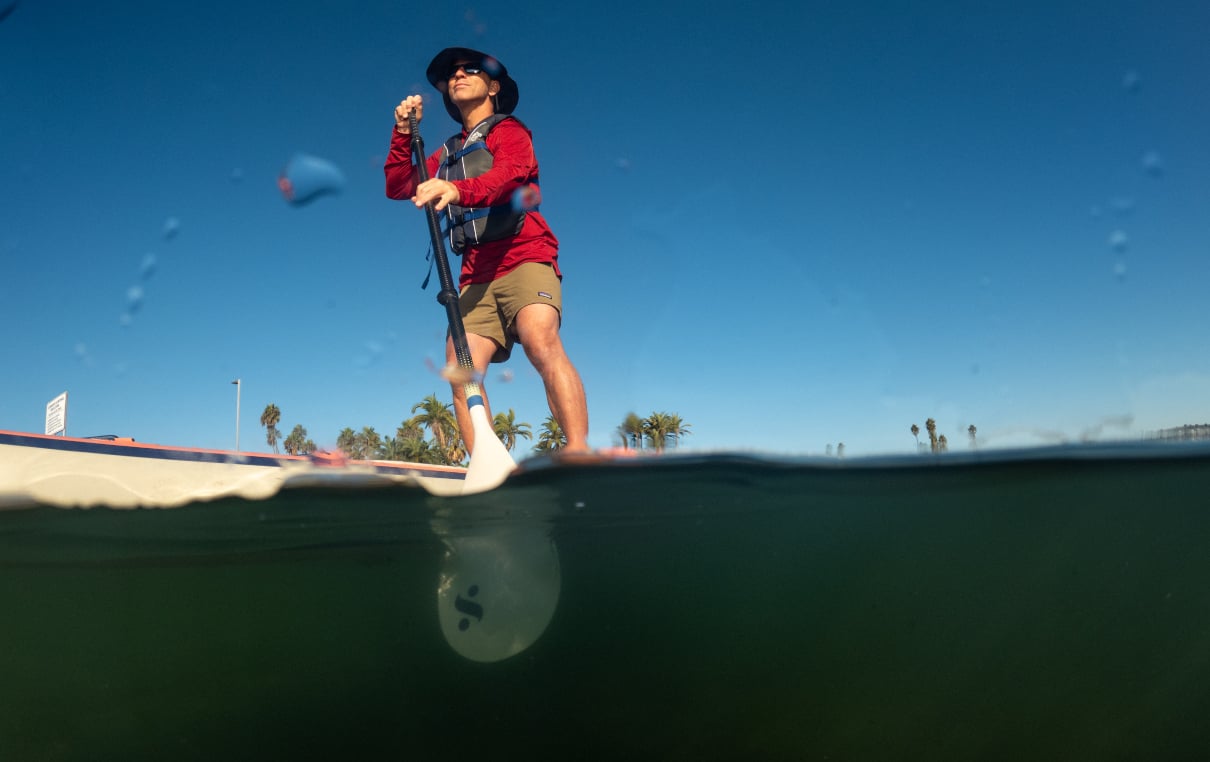
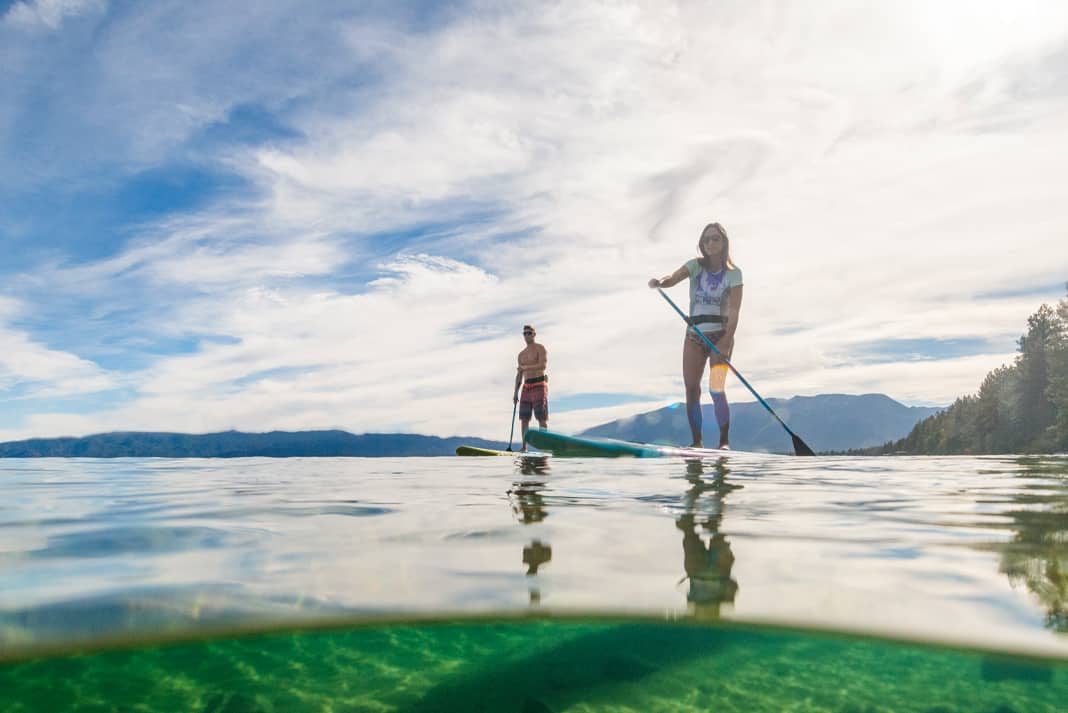
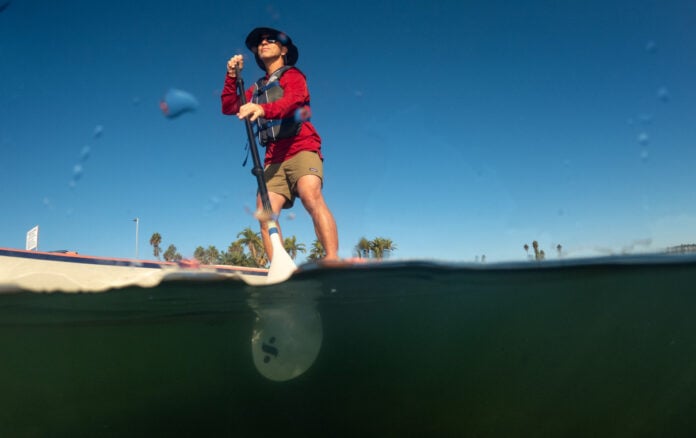
Man on paddleboard seen from water level.
A seal's-eye-view of the San Diego paddleboard scene. | Feature photo: Ana Ramirez

More than a decade ago, when I moved to San Diego, the bays and ocean afforded me the opportunity to access a paddling lifestyle. At first kayaking was my fix, but then I gravitated towards standup paddleboarding because of the higher viewpoints it provides. Plus, you can sit or kneel while paddling, offering a variety of angles.

What am I viewing? Wildlife. Mission and San Diego Bays are home to myriad wildlife and I know that every time I glide across the water, I’m going to observe the animal kingdom. One of my favorite memories is of a gull that seemingly flew directly over my shoulder to land on a small dock. On that dock were two smaller gulls, fledglings it turned out. In a moment of time, I watched as the adult gull regurgitated sardines onto the deck and then assisted in getting them into the mouths of their young. Cycle of life, I thought, as I slowly paddled on the water’s surface.

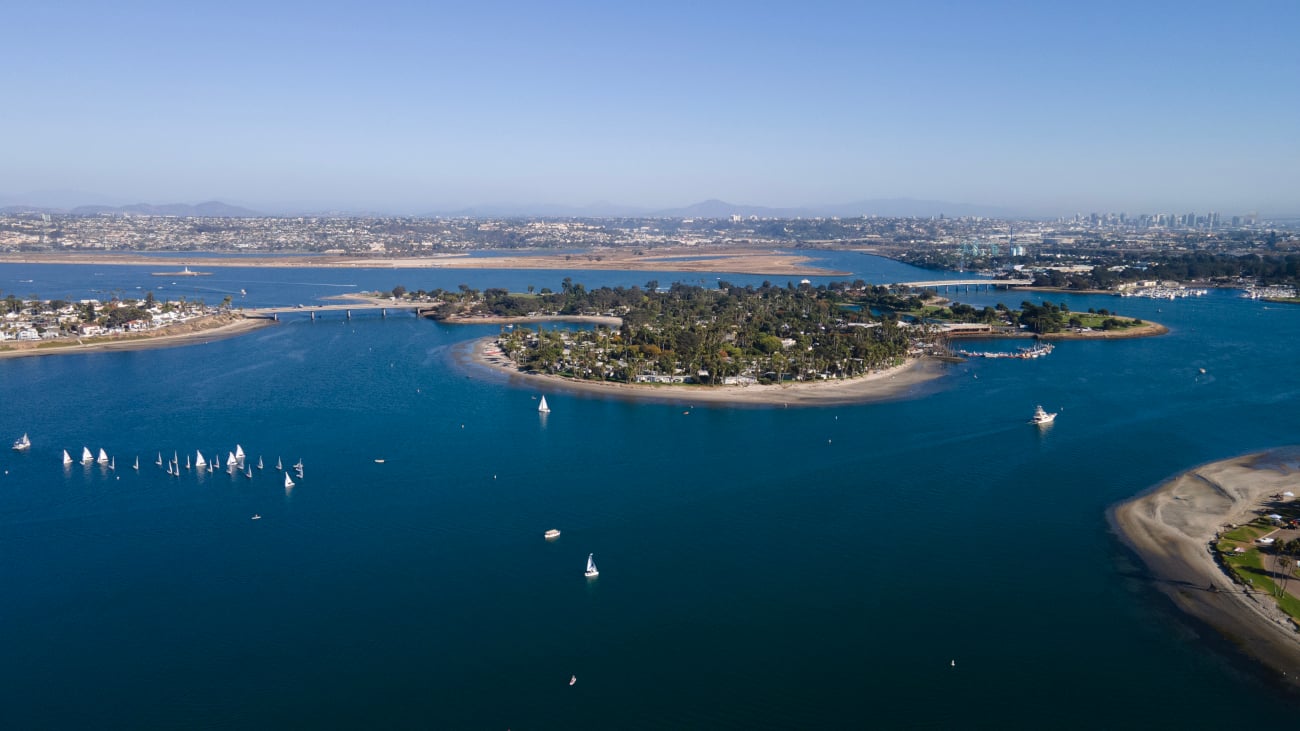
Drone shot over Mission Bay San Diego.
Mission Bay San Diego. | Photo: Ana Ramirez

The best places to standup paddleboard in San Diego according to a local

Mission Bay

San Diego’s Mission Bay consists of approximately 27 miles of shoreline, 19 of which are sandy beaches perfect for a stop. The bay itself is comprised of some 2000 water acres and is part of the larger Mission Bay Park, which totals about 4000 acres of man-made saltwater bay and recreational grounds. There is also a channel that provides access to the Pacific Ocean.

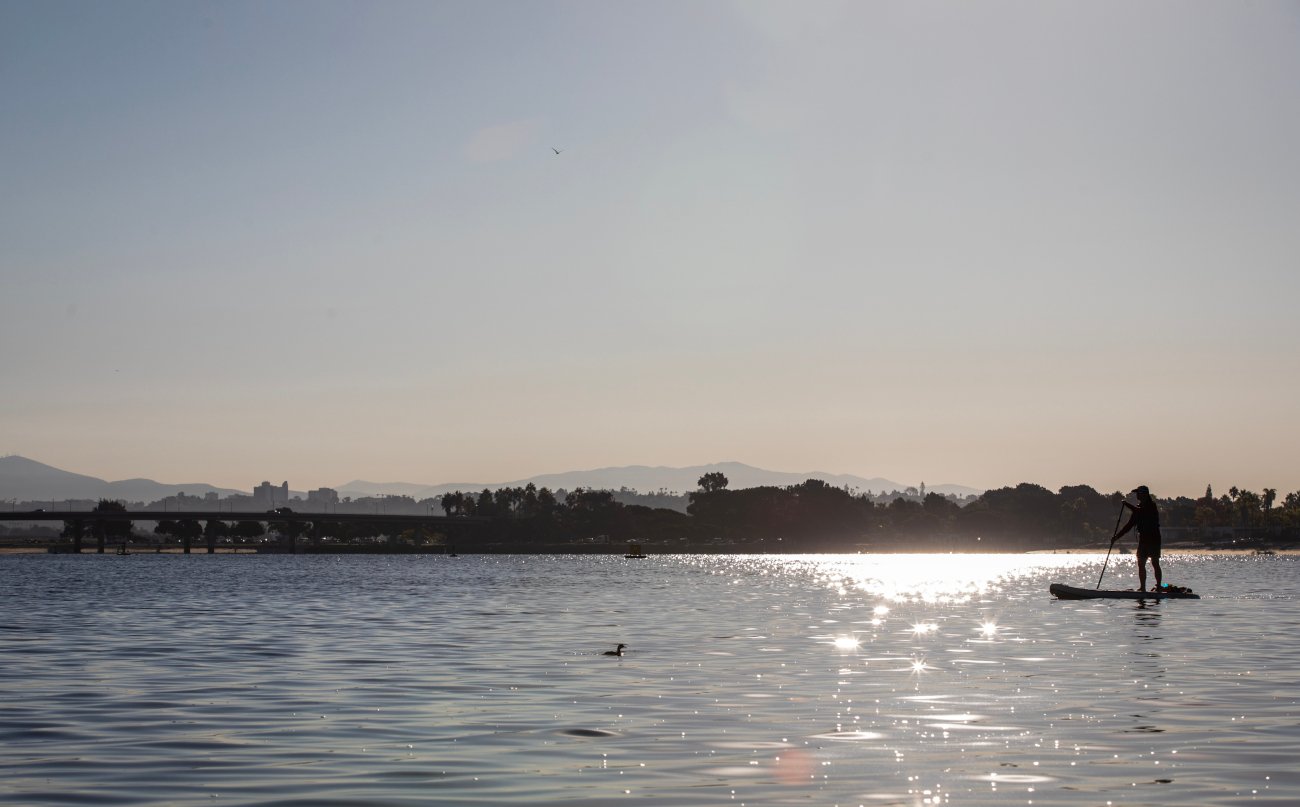
Mission Bay serves as a place for paddlers of all kinds, as well as kiters, anglers, water and jet skiers, and boat enthusiasts, among others. Yes, it can be a busy place, but if you get out on the water in the early morning or dusk hours, or during the off-season between October and April, SUPing on Mission Bay is a paddler’s delight complete with aquatic and aerial wildlife and distant views of rising foothills and roller coasters.

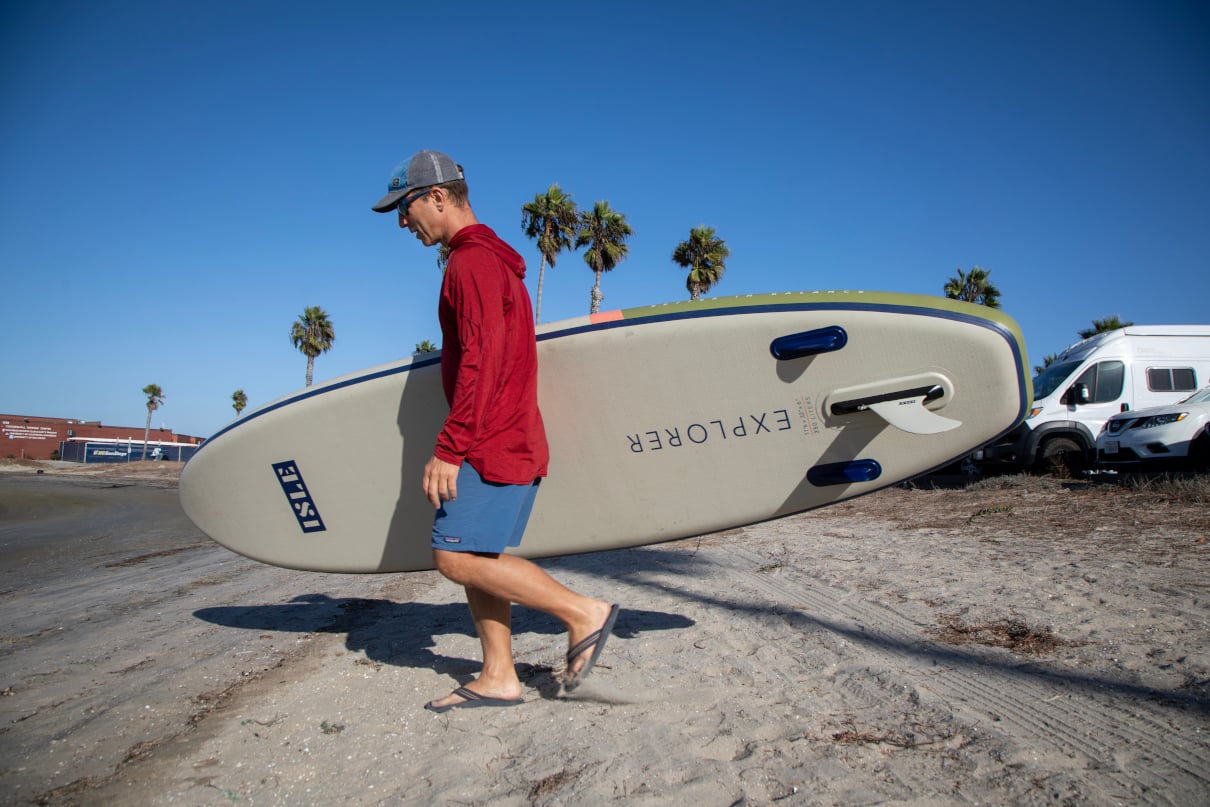
Man walking paddleboard to the water in San Diego.
The author heading for the water. | Photo: Ana Ramirez

Where to launch your paddleboard on Mission Bay

There are numerous put-in spots around the bay, but I prefer the public parking at Bahia Point. It is a little less traveled than other better-known areas, andhas public restrooms.

Mission Bay paddleboard routes

From Bahia Point you can go north into the larger bay area, creating longer routes that include several coves. Paddling all the way to the northern terminus, which is a sub-bay area called Sail Bay, you can then go along the eastern shoreline, watching for rays and crabs in the grasses and sandy bottoms.

You can continue on, going under and past the Art and Anne McDaniel Bridge (Ingraham Street) in the direction of Crown Point. Watch for flocks of California least tern flying overhead as you paddle. They are a protected species under the U.S. Endangered Species Act and some sections of land around the bay are off limits to human activity to protecting nesting. These are clearly signed and visible from the water. All told you can make a short trip through a few marinas in cove that’s around 1.5 miles or up and around to Crown Point and back for a more than four-mile loop.

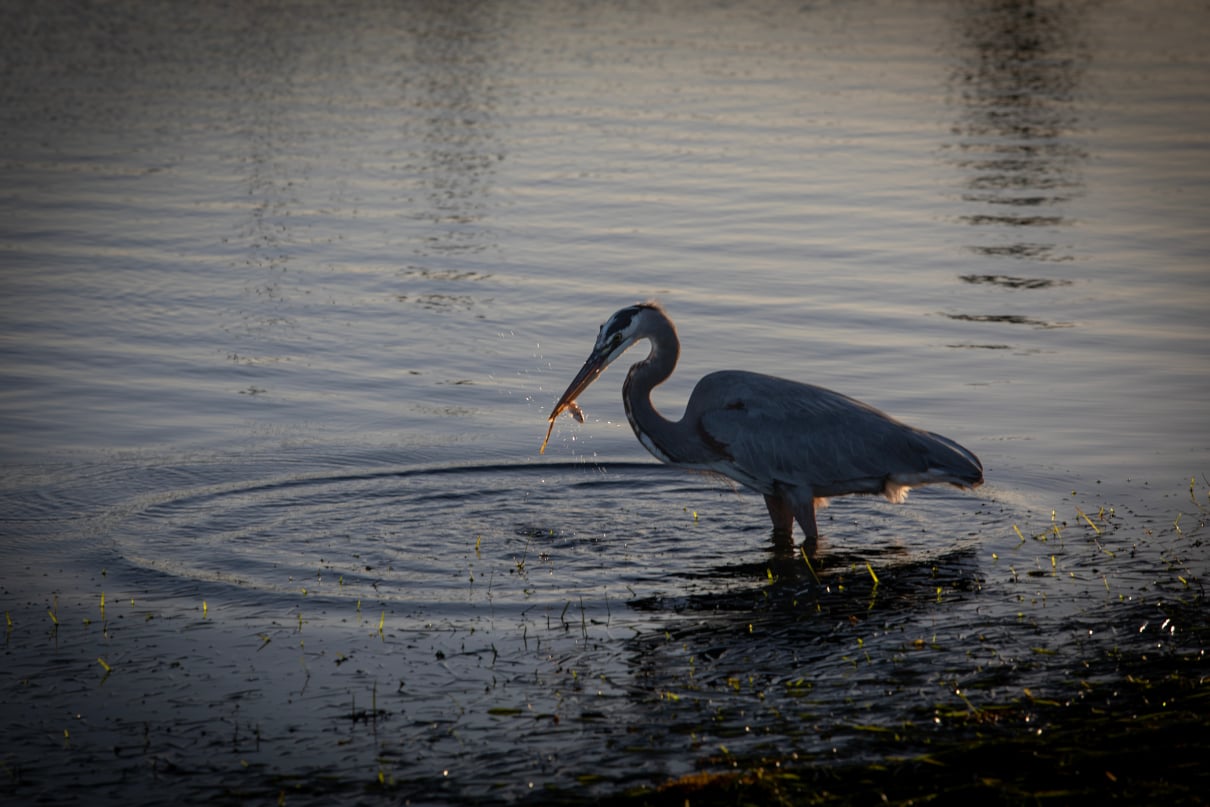
A wading heron.
Heron savoring a baitfish. | Photo: Ana Ramirez

If you are in it for a longer day, to the east is Fiesta Island, though it is not a true island, meaning you cannot paddle all the way around it. Check the map closely, determining which coves you many want to go check out, but noting that if you do paddle in the direction of the eastern side of the faux island, you will have to work your way back out and around to the open water of the bay. You could easily stretch a trip from Bahia to Fiesta Island and back up to eight miles depending on how deep along the eastern shore of Fiesta you’d like to go.

As you travel back to the McDaniel Bridge area, you can also work your way along the eastern shore of Vacation Isle by going south along it. The isle is a popular circumnavigation route for paddlers, offering several beautiful beaches for resting and refueling. As you paddle around it and come up and around the western shore watch for a sea lion or two in the water, as they are often seen in this area. In early 2024, a juvenile grey whale also spotted hanging around this area for a few weeks.

Worth the stop

Beach your SUP just north of the little marina on the western shore of Vacation Isle, maybe keep your paddle with you, bring your valuables, and walk on over to the Barefoot Bar and Grill for a bite.

Man on paddleboard seen from water level.
A seal’s-eye-view of the San Diego paddleboard scene. | Photo: Ana Ramirez

The Pacific Ocean

For experienced paddleboarders seeking an adventurous trip from the Mission Bay Bahia Point parking area, go south and make your way to the Entrance Channel. Follow the inlet out into the Pacific Ocean, being cautious of motorboat traffic.

Once you exit the inlet you’ll be beyond the surf unless it is a big swell day. Turn “left” and go south past Ocean Beach, the Ocean Beach Pier, and to Sunset Cliffs—a 3.5 mile trip one way. Watch for dolphins, and if you are super lucky during whale migration (December through April) you might see a grey whale or three, as upwards of 15,000 – 20,000 of them migrate south and then back north along the San Diego coast.

On a clear day, looking south, you will even spot the Coronado Islands (not to be confused with San Diego’s Coronado Island) in Mexican waters.

Magic hour paddleboarding in San Diego.
Get after the magic hours. | Photo: Ana Ramirez

San Diego Bay

San Diego Bay is another SUP-friendly location in the city environs. Locally, the southern part of it is called “South Bay,” which is the area I prefer to paddle.

Where to launch your paddleboard on San Diego Bay

To paddle the South Bay of San Diego Bay, I recommend going to a put-in at a little spit of sand right next to the Coronado Skate Park on Coronado Island. When you are coming over the bridge from the city, look down to your right as you are nearing the end of the bridge and you will see the small beach. Park your car in the public parking area in Tidelands Park. Get as close to the skate park as you can to shorten the distance for carrying your SUP.

San Diego Bay paddleboard routes

From the beach, you can paddle south into the wide open “South Bay” area. I suggest keeping to the Pacific Ocean side, which tends to be less trafficked with boats. This open bay stretches on for seven miles.

If you paddle north from the beach, you will get great views of the city skyline. Continuing north you will be in the vicinity of the naval base, with distant views of Point Loma peninsula in front of you. In 1769, the Spanish sailed into this area of the bay, home to the native Kumeyaay, who had already been living in the San Diego region for more than 10,000 years before colonization.

The northern end of San Diego Bay can be quite active with boats and even Navy ships. If you do paddle in and around the Shelter Island area (also not a true island), a good destination is the Shelter Island Pier, which is more than five miles paddle from the Coronado Skate Park.

Worth the stop

When you reach the Shelter Island Pier, go around to the back side of the pier. Look for the small landing dock. Use your leash to hitch your SUP to the dock, and ask if it is okay to keep it there for a maybe an hour. If not, paddle over to the shore, scramble up the rocks/boulders and make your way up onto the pier. The reason you’re here: Fathom Bistro. The bistro has one of the best beer selections in all of San Diego, all of the sausages are hand-made in-house using all-natural casings. This is a spot not to be missed.

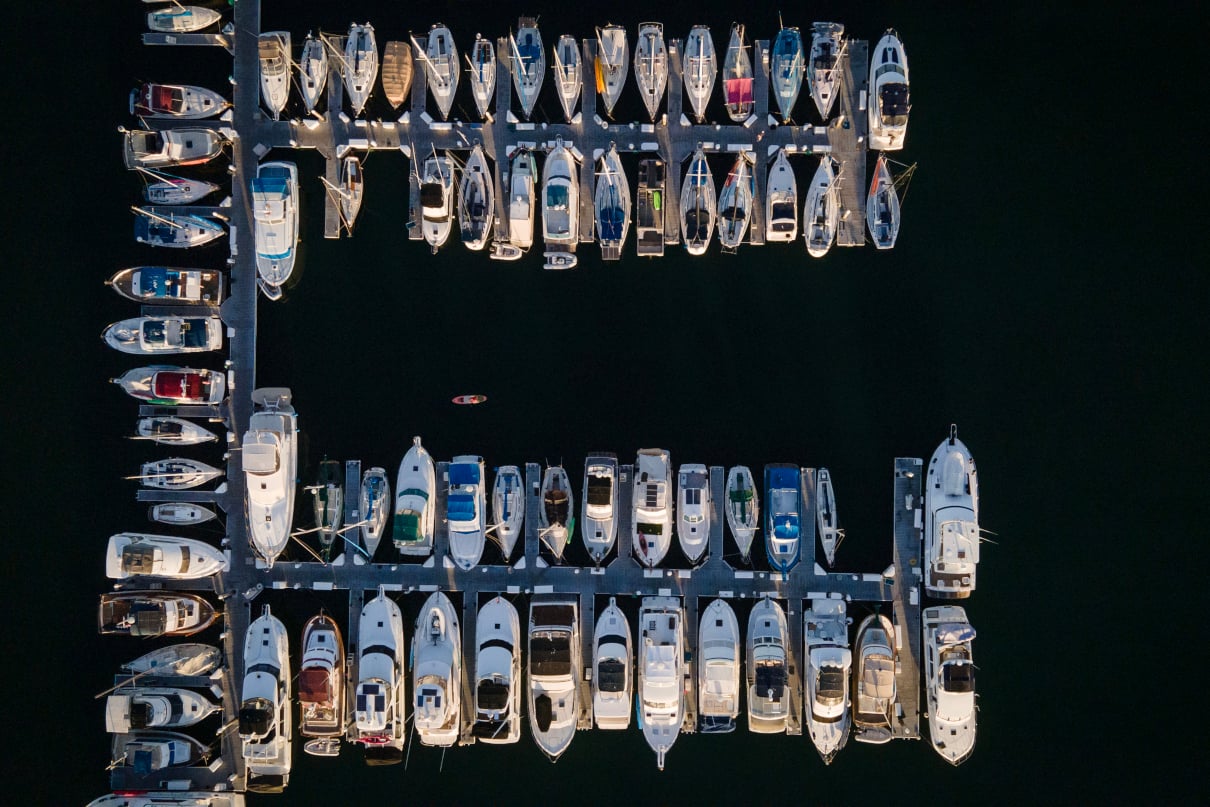
Paddleboard among boats at a marina in San Diego.
You could easily spend the day scoping out marinas and coves. | Photo: Ana Ramirez

Paddleboard rentals in San Diego

Mission Bay Aquatic Center

The Mission Bay Aquatic Center is a unique venture jointly owned and operated by San Diego State University’s Associated Students and University of California San Diego Recreation. They rent standup paddleboard gear, as well as for other watersports including kayaking, surfing, and sailing. The MBAC is open to the public and also offers various classes you can attend.

SUP Coronado

SUP Coronado has served San Diego Bay/Coronado Island paddleboarders since 2008. Rental wise, they have everything you need for a day of paddleboarding on San Diego Bay. They also offer guided tours.


A seal’s-eye-view of the San Diego paddleboard scene. | Feature photo: Ana Ramirez


How Teamwork Shaped A Solo Canoeing Record On The Wisconsin River (Video)

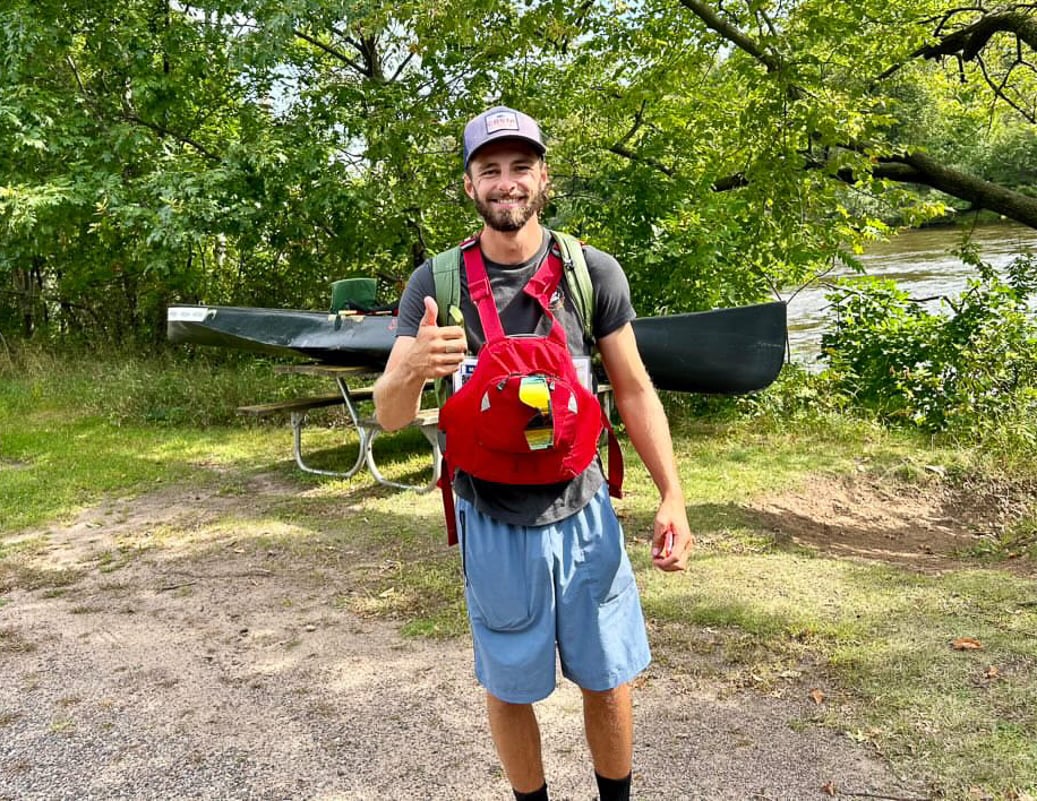
On September 11, 2024 Kyle Parker set the new record for the Fastest Known Time (FKT) for solo canoeing the Wisconsin River, paddling the 430-mile river in five days, 19 hours and 57 minutes. While Parker was in a solo canoe, he was quick to share that the record in many ways was a team effort.

The Wisconsin River is the longest river in the state, running from its border in Michigan in the northeast to where it joins with the Mississippi. Parker had long been interested in paddling the Wisconsin River, and decided to go for an FKT attempt when he struggled to find the time in his schedule to paddle the entire river.

“It’s kind of in my backyard.” Parker shared. “I have a full time job, so while trying to balance how much vacation time I can take off, and when will be the best time, I started looking into how fast it could actually be done.”

Training for the Wisconsin River FKT

In summer 2024, Parker reached out to the previous FKT holder, Dr. Joe Spenneta, whose own FKT came out to around six days and three hours, to learn more about paddling the Wisconsin River for speed, and Spenneta encouraged Parker to go for the record and offered guidance on everything from gear needed to river beta.

While Parker had a fair amount of experience canoeing having worked summers at an outfitter in the Boundary Waters Canoe Area Wilderness, endurance paddling was new to him, but Spenetta coached him through it.

In order to secure the record, Parker would need to average 73 miles a day. Factor in time needed to eat, sleep and portage— 73 miles a day is no easy task. Over the next three months, training came down to getting on the water as much as possible.

“After work I would go out for an hour or two, sometimes three or four times a week,” Parker explained. He would tackle longer paddles on weekends, with his first long paddle beginning at 20 miles.

“Starting out at 20 miles on that very first long paddle… I was like actually this is really hard. I don’t know if I can do this,” Parker said.

Kyle Parker canoes the Wisconsin River in less than six days
Kyle Parker sets new FKT for the Wisconsin River in a solo canoe. Feature image courtesy Dylan Durst.

As the weeks went by Parker added 10 miles a week, modeling his training after how runners train for marathons. Three weeks before his attempt he did his longest training paddle at 63 miles on the Wisconsin River. It took him over 36 hours.

“I was way behind on what I actually needed to do, but during that time I also had some more gear on me… a tarp, a sleeping bag, so about ten pounds of gear, self-supported. That was another eye-opener.”

Two weeks before his record attempt Parker tapered his training form 130 miles per week all the way down to zero miles in the five days before the river.

Support team, including previous record holder, plays key role in success

Parker met Dylan Durst while working at an outfitter in the Boundary Waters Canoe Area Wilderness. It was here that both Parker and Durst began to take canoeing more seriously, spending days off challenging each other and coworkers to see how many lakes they could paddle in a day. Durst went on to become one of Parker’s regular paddling buddies, and was the main support person on his Wisconsin River FKT.

Support from Durst included essentially everything off the water, including all the food and water drops, finding a place to spend the night and helping film so that the only thing Parker had to worry about was getting to the next portage or checkpoint.

“That’s honestly the biggest factor to my success,” said Parker.

For the five days and 19 hours of Parker’s paddle, Durst would drive ahead and walk the portage beforehand to scout to make sure the land portion of Parker’s journey went as smoothly as possible.

Around the Wisconsin Dells, Parker was warned by another paddler that there was construction ahead and he likely wouldn’t be able to use the portage. Rather than paddle back upstream, Parker opted to keep paddling and risk it.

“I get to the portage and there’s an excavator and a barge, and a bunch of guys there, and then I see Dylan,” Parker shared. “He’s just like, sitting up there talking to the construction workers.”

In scouting ahead for Parker, Durst already had eyes on the construction and simply explained that his friend was going for the FKT on the Wisconsin River in a solo canoe. He asked if they would be willing to hold off work for a little bit to let Parker through.

“They just stopped their work for like a half an hour and waited for me,” Parker said. “Without that I could’ve had to paddle back upstream.”

Durst also helped with cooking food, setting up the tent, helping Parker pace, and any logistics along the way, including communicating with previous record holder Spenneta for beta on the river ahead.

Spenneta not only gave Parker guidance the entire way through training but walked Parker and Durst through all the routes as they encountered them, tracking Parker’s route live along the way.

“It was almost like Joe was our eyes in the sky… Joe would text Dylan to say okay, the next section is going to be really fast and then it’s gonna slow down and then there’s trees on this side,” Parker explained. “Everything he said was spot on. He’s done the river about a dozen times in his life.”

On September 11, 2024 after five days, 19 hours and 57 minutes of paddling over the course of 430-miles on the Wisconsin River, Parker achieved the time. Later that day, he heard from Spenetta, who congratulated him on the record.

“He said training starts today. You’re in trouble. I’m gonna beat it next year,” Parker shared, laughing. “We’ve got a little friendly rivalry going on. We’ll see what happens next year.”


Why You’re Not Winning The River Permit Lottery

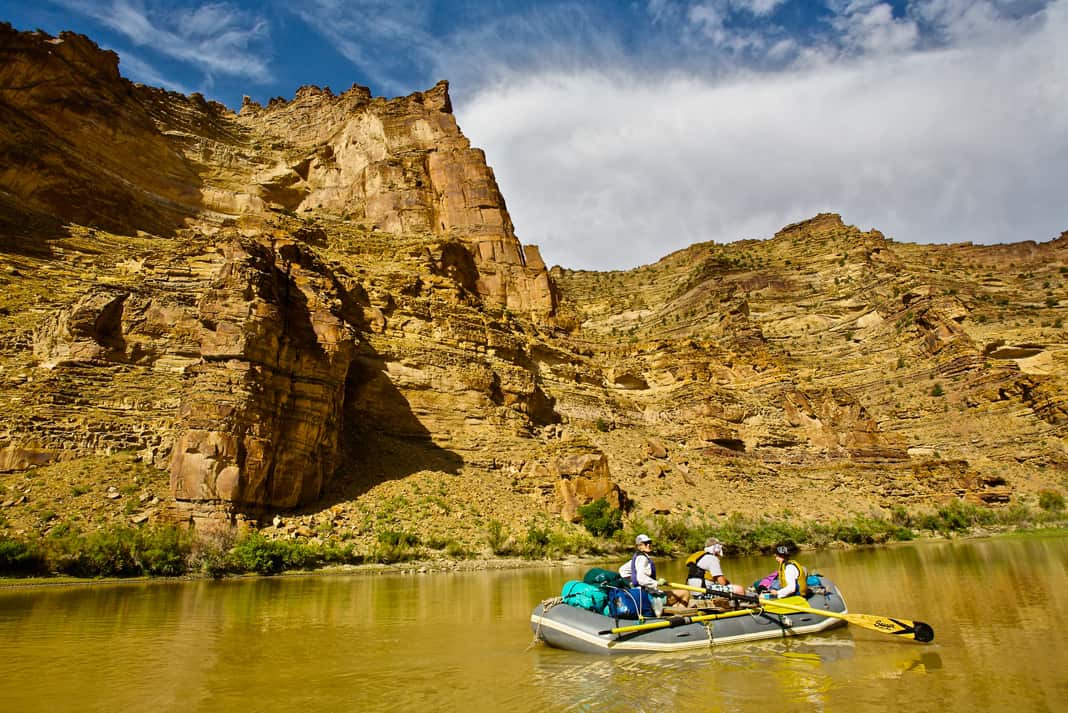
three whitewater rafts sit on the banks of a western river that requires a lottery system permit to paddle
May the increasingly long odds be ever in your favor. | Feature photo: Caleb Roberts

Permits for the United States’ most iconic river trips are difficult to secure, and it’s no surprise why. Data from the U.S. Forest Service reveals more than 58,000 applications were submitted in 2023 for permits to four of the West’s top rivers: the Middle Fork of the Salmon, the Main Salmon, the Selway and the Snake River’s Hells Canyon section. However, only 1,069 permits were available.

Why you’re not winning the river permit lottery

three whitewater rafts sit on the banks of a western river that requires a lottery system permit to paddle
May the increasingly long odds be ever in your favor. | Feature photo: Caleb Roberts

Applications have nearly tripled since 2010 for those four rivers, according to reporting in The Colorado Sun, leaving boaters with increasingly long odds of securing a permit. The most competitive permits were for the Middle Fork of the Salmon River and the Selway River. More than 21,000 boaters applied for 373 permits to float the Middle Fork in 2023. Odds were bleaker on the Selway River, where 10,294 boaters applied for just 62 permits.

It’s competitive outside Idaho, too. In 2023, almost 12,000 boaters applied for 423 permits on the San Juan River in New Mexico and Utah; 11,209 boaters put in for 377 permits on the Green River in Utah; and 18,508 boaters applied for 293 permits on the Yampa River in Colorado.

Permit systems were adopted in the 1970s due to the increasing number of boaters on America’s wild rivers. According to U.S. Forest Service representatives on the River Radius Podcast, 625 private trips ran the Middle Fork in 1962. By 1971, the number rose to 3,250. In the 50 years since, applications have increased by almost 600 percent, while the number of permits issued has stayed comparatively static. Part of the challenge of meeting increased demand is the finite and fragile resources—regulating permits helps keep the rivers wild. Increasing the number of people on the rivers would mean carving out more campsites, as well as increased trash, noise and evidence of use. Increasingly, descending these rivers is truly a once-in-a-lifetime adventure.

Survey says paddlers want a new approach

However, rampant dissatisfaction with the current lottery system led American Whitewater (AW) to survey 1,300 boaters in December 2022. The non-profit’s findings, published in the October 2023 issue of American Whitewater Journal, showed 71 percent of respondents considered their odds of obtaining a permit to be unacceptable, and 60 percent had not secured a permit in the past two years.

Only 10 percent of respondents preferred the current most widely used method for securing permits—equal-odds lottery. Fifty-six percent of respondents favored a new approach: awarding permits in a lottery weighted by number of failed attempts.

The weighted lottery concept isn’t new—it’s simply a lottery system that adjusts an individual’s odds of winning to create a fairer result. After waitlists for floating the Grand Canyon reached 20 years long, a weighted river permit lottery was established in 2006. In the Grand Canyon lottery, a person’s chance of winning a permit is decreased if he or she descended the river in the last five years.

[ Plan your next Western river trip with the Paddling Trip Guide ]

“This survey respondent preference level [for weighted lottery] is a potential opportunity for future discussions of change,” writes AW staffer Kelsey Phillips in the report. “Additionally, these results indicate that respondents were less dissatisfied in the capacity-setting component of river permitting systems, and more concerned with the rationing techniques utilized within them.” 

Your best bet to pull a permit

See Paddling Magazine’s guides to the John Day, San Juan, Rogue and Middle Fork of the Salmon rivers and find out what you can do to increase your chances of pulling a permit under the current lottery system.

Cover of the Spring 2024 issue of Paddling Magazine, Issue 71This article was first published in Issue 71 of Paddling Magazine. Subscribe to Paddling Magazine’s print and digital editions, or browse the archives.


May the increasingly long odds be ever in your favor. | Feature photo: Caleb Roberts


Pro Boaters On Why Expeditions Fail

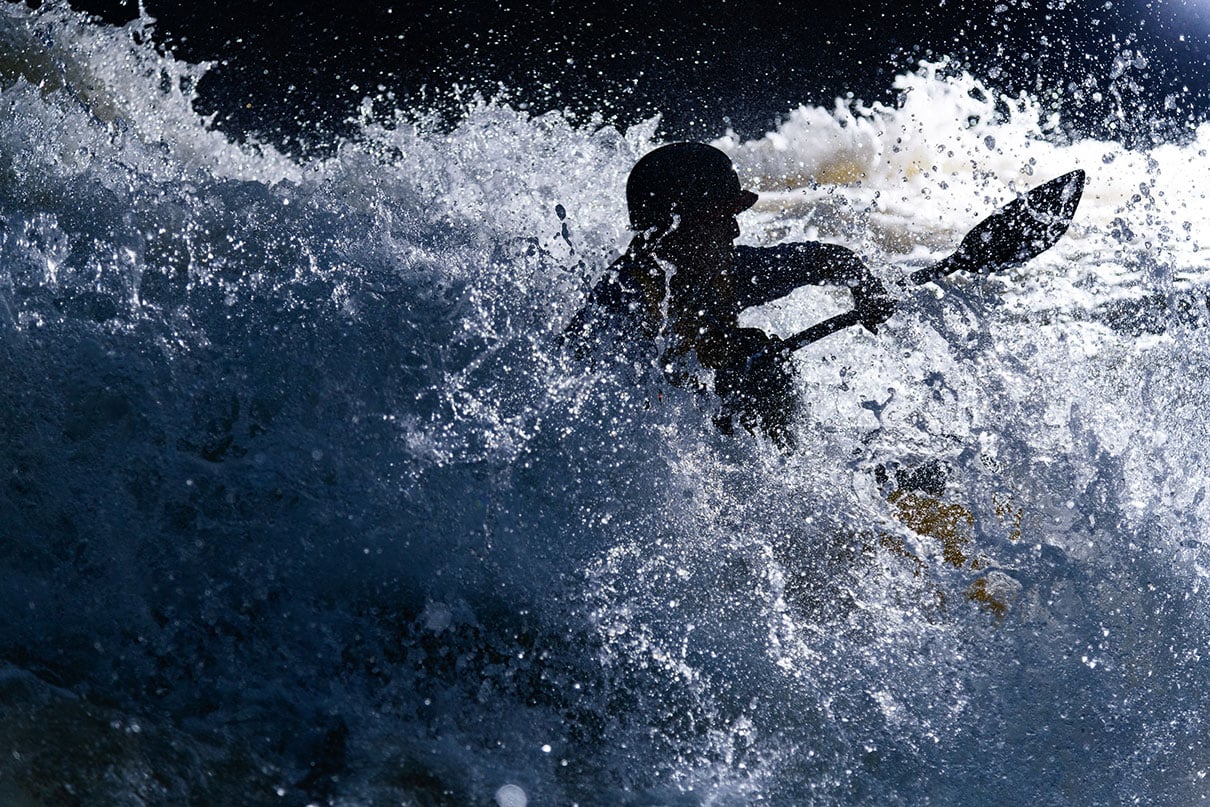
paddler Quinton Kennedy is silhouetted as he paddles through raging whitewater
Not the right team. Your team is only as strong as the weakest link in the group. —Mariann Saether | Feature photo: Daniel Stewart

Even the pros know that not every whitewater expedition goes as planned. From overlooked prep to unpredictable weather and challenging team dynamics, a lot can go wrong on the river. We talked to expert paddlers about the most common reasons trips fail and how to avoid them.

Pro boaters on why expeditions fail

“First, weather conditions. And two, being a bit slack in your preparation.”

—Nouria Newman

“The key to pulling off hard, dangerous, long and arduous missions is patience. When the conditions aren’t right, wait until they are adequate. When you or someone in your team gets hungry, thirsty, tired or injured, take a break and solve the problem. If you can’t come up with a safe way downstream, work back upstream or simply wait for more light and time tomorrow. The key to waiting and patience is carrying extra snacks and gear and always planning for the unplanned overnight. Of course, at the put-in, we must always keep the option open to wait for another day.”

—Ben Stookesberry

paddler Quinton Kennedy is silhouetted as he paddles through raging whitewater
Not the right team. Your team is only as strong as the weakest link in the group. —Mariann Saether | Feature photo: Daniel Stewart
“Team dynamic failure.”

—Corran Addison

“They never get planned because we get too busy with urgent things in life.”

—Natalie Anderson

“I challenge the word fail. If it’s to complete something from top to bottom, it can fail for any variety of reasons, and if you look at failed expeditions, they are all incomplete for various reasons. But, for anyone who takes the time to challenge a river or terrain, I hope they see success in their efforts because taking the initial step to explore is the most inspirational part in my mind.”

—Emily Jackson

“Failure is a matter of definition. If your expedition doesn’t proceed from the put-in to the take-out, does that make it a failure? Maybe you just need to explore what your real goals are and see whether you met them. I’d bet a lot of failed expeditions were still a lot of fun—type two fun included.”

—Leif Anderson

“Bad water levels. This is not always the expedition’s fault either. Weather, especially in really wet climates, can be hard to predict. Low water is much better than high water when you don’t know where to go.”

—Dave Fusilli

“Going on an expedition is first about making sure you have done the prep, and everyone knows what they’re getting into. From there, it’s going through the kit and making sure there’s enough of the right stuff, a good plan B, and comms are tight. Then it’s simply getting on and working as a team to get everyone to the bottom in good spirits. It’s about making good decisions for everyone in the group.”

—Mike Dawson

“Piss poor planning.”

—Adriene Levknecht

“When you don’t surround yourself with people you work well with or trust to make the best decisions, no matter what type of situation or whitewater you are on.”

—Dane Jackson

Cover of Issue 72 of Paddling Magazine, Issue 72This article was first published in Issue 72 of Paddling Magazine. Subscribe to Paddling Magazine’s print and digital editions, or browse the archives.

Not the right team. Your team is only as strong as the weakest link in the group. —Mariann Saether | Feature photo: Daniel Stewart


Kayaker Who Faked Death Speaks With Police (Video)

On August 12, 2024 45-year old Ryan Borgwardt left home with a kayak; he did not return. Months after his disappearance and the costly search and recovery effort, Borgwardt has come forward to share with police that he is alive and well, living in an apartment somewhere in Eastern Europe.

“The great news is we know that he’s alive. The bad news is we don’t know where Ryan exactly is,” shared Sheriff Mark Podoll in a press conference.

Kayaker presumed drowned faked his death and is now living in Eastern Europe

Borgwardt’s disappearance on Green Lake, WI in August was considered a likely drowning. Search and recovery efforts included dive teams and sonar and spanned several months. In those months Borgwardt’s wife and three children mourned the loss of their husband and father.

Search teams scoured the lake every day through August, September, and October, finding Borgwardt’s kayak, his phone and wallet, a floating PFD and his fishing gear, but no sign of Borgwardt himself. By mid-October, Sheriff Podoll suggested it was time to consider that perhaps Borgwardt wasn’t in the lake at all.

Shortly thereafter, police found records showing Borgwardt’s passport was checked by Canadian authorities. On his laptop they found questions about moving funds to foreign banks, a life insurance policy for $370,000 purchased in January, and communications with a woman in Uzbekistan.

November 11, the Green Lake County Sheriff’s Office made contact with Borgwardt through a Russian-speaking woman.

According to Sheriff Podoll, the primary concern was that Borgwardt was safe and well. They asked Borgwardt a number of questions about his family and life to confirm his identity, then asked for a video.

Borgwardt supplied a video, in which he shares his new apartment in Eastern Europe and says “I am safe, secure, no problem.”

Police do not know what country he may be in, and Sheriff Podoll was unable to comment on the identity or information regarding the Russian speaking woman.

How Ryan Borgwardt faked his death via kayak accident

The morning of August 12 Ryan Borgwardt came prepared. He had researched the deepest lake in Wisconsin, and planned his fishing trip accordingly.

Borgwardt stashed an e-bike near the boat launch. Then, he hopped in an inflatable, child-sized boat and paddled with his own kayak in tow to the deepest part of Green Lake. He overturned the kayak and threw his phone and wallet into the water. Borgwardt then paddled his inflatable boat to shore, got on the e-bike and rode through the night over 70-miles to Madison, Wisconsin where he then boarded a bus to Detroit.

Borgwardt crossed the border into Canada and caught a flight to Eastern Europe.

Presently, Borgwardt has no plans to return to his wife and children in Wisconsin.

Authorities continue to be in communication with Borgwardt, and are stressing the importance to Borgwardt of his return home to “clean up the mess he created.” No warrants have been issued yet and Sheriff Podoll stated that no warrants may be needed if Borgwardt cooperates and returns home soon.

Reportedly Borgwardt’s biggest concern is how the community is going to react to him should he choose to return home. In addition, Sheriff Podoll also shared that Borgwardt didn’t expect authorities to go more than two weeks searching for him on the deepest lake in Wisconsin.

Borgwardt shared his reasons for faking his own death and fleeing the country with the police.

“He just had personal matters going on and felt this was the right thing to do,” said Sheriff Podoll. “There was talk about the insurance plan he took out. It wasn’t for him, it was for his family.”

According to Sheriff Podoll, Borgwardt has expressed remorse for what he has put his family through, as well as for the amount of hours and resources put in by the community for the search and recovery effort.

“We keep pulling at his heartstrings,” said Sheriff Podoll. “We’re not going to give up. We’re going to continue because he needs to come home to his kids.”

Photo of Ryan Borgwardt, the missing kayaker who faked his death. Feature Image: NBC News | YouTube


Paddler’s Leg Amputated In Harrowing Rescue In Tasmania (Video)

On Friday Nov 22, 2024 a rafting adventure turned into a nightmare scenario when a Lithuanian paddler in his sixties fell and became entrapped and partially submerged in a crevasse on the river.

The paddler had over five decades of rafting experience and was pack rafting in Franklin-Gordon Wild Rivers National Park as part of an 11-member adventure rafting trip around the globe; Tasmania was the last stop of the trip. The paddlers were on a remote stretch of the Franklin River on their multi-day rafting trip when the Lithuanian paddler slipped and fell while walking alongside rapids scouting around 2:30 pm on November 22.

Harrowing rescue on Tasmania’s Franklin River

Emergency services were alerted by the man’s smartwatch and dispatched rescue units and paramedics.

Rescue efforts were complicated by the remote nature of the Franklin River, with this section accessible only by paddle-in or helicopter, as well as a language barrier.

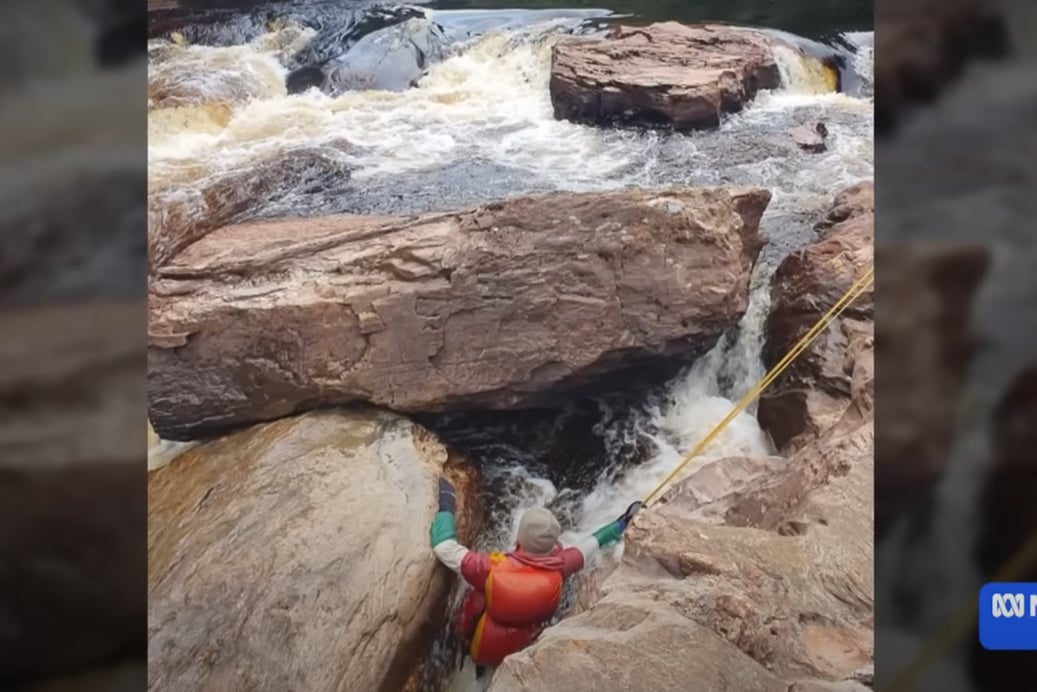
While rafting in Tasmania, Lithuanian man becomes trapped in a sieve. After 20 hours of rescue attempts, rescuers make the difficult decsion to amputate.
While scouting rapids on the Franklin River in Tasmania, Lithuanian paddler slipped and became trapped in a sieve. ABC News (Australia) | YouTube

The rescue attempt began with first ropes and pulleys, and eventually pivoted to using airbags and hydraulic tools to attempt to shift the submerged rocks entrapping his legs. According to Ace Petrie, a swift water rescue technician with Surf Life Saving Tasmania, even with the jaws-of-life hydraulic equipment and airbags capable of moving 50 tons, the rocks wouldn’t move.

Throughout the rescue, the entrapped paddler’s friends worked to keep his spirits up and provide hot food.

Efforts to free the trapped Lithuanian paddler continued throughout the night. On Saturday morning, after nearly 20 hours wedged in a crevasse and partially submerged the Lithuanian paddler’s condition began to deteriorate and hypothermia became an increased concern. The rescuers along with the Lithuanian paddler made the decision to amputate the leg in order to save the paddler’s life.

After 20 hours of rescue attempts, rescuers made the difficult decision to amputate trapped paddlers leg

A friend and fellow paddler who works as a doctor in Lithuania helped translate to the best of his ability what was happening for the trapped paddler.

“We did our best to convey the realities of his entrapment as a life versus limb discussion,” shared Mitch Parkinson, an intensive care flight paramedic on the scene. “The decision was only made at the end of every conceivable and exhaustive attempt at his rescue.”

According to Parkinson, surgical amputation of the leg above the knee is something they routinely train for, but it was complicated by being underwater, but the Lithuanian paddler’s hypothermic condition helped to reduce bleeding.

In 20 hours of being trapped in a cold rushing river, Parkinson also shared that the Lithuanian paddler was extremely resilient and calm given the circumstances and was cared for by his friends throughout the ordeal and maintained an “upbeat spirit”.

“I would describe him as probably the most incredible show of strength that I have seen,” said Parkinson on The Project.

“The resilience of the man… was just amazing,” said Ace Petrie, swift water rescue technician. “If I was to write a book I’d call it the will to live.”

The entrapped paddler was then transported to Royal Hobart Hospital where he remains in critical condition.

What The EXPLORE Act Could Mean For Paddlesports

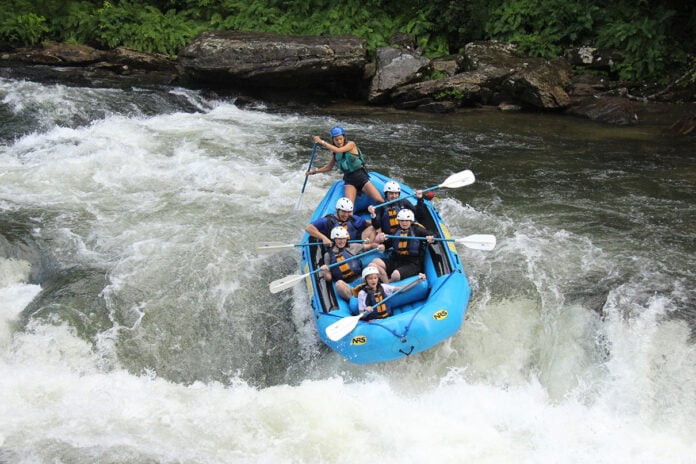
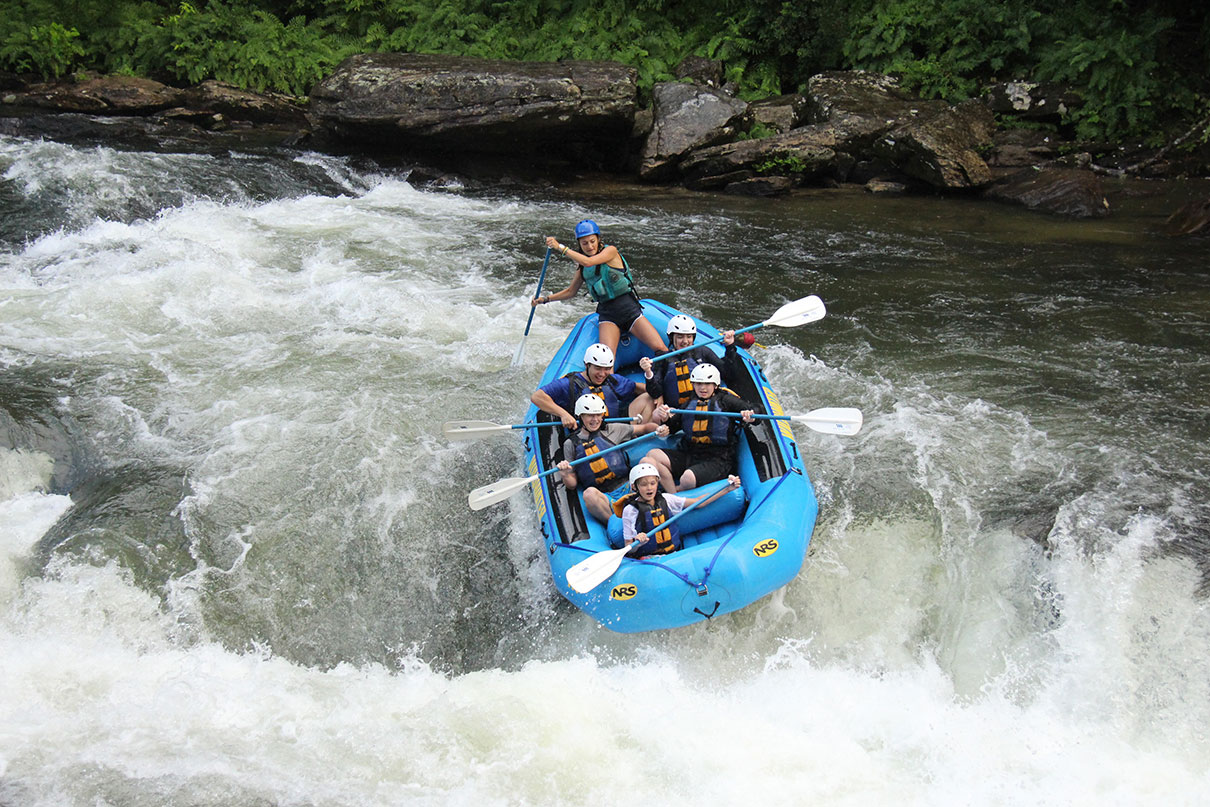
a group of rafters with guide paddle through a set of rapids
Feature photo: Courtesy Wildwater Rafting

The outdoor industry is flexing. At a time of historic gridlock in the U.S. Congress, the unanimous passage of the Expanding Public Lands Outdoor Recreation Experiences (EXPLORE) Act in April 2024 signaled the snowballing economic clout of outdoor businesses, which according to the U.S. Commerce Department’s Bureau of Economic Analysis pumped $1.2 trillion into the U.S. economy in 2023. On November 13, 2024, more than 300 outdoor recreation organizations and businesses signed a letter to members of Congress asking them to make sure EXPLORE is passed by the end of the year. 

What the EXPLORE Act could mean for paddlesports

The bill is loaded with high-profile provisions to study potential long-distance bike trails and paths, allow for new rock climbing routes on public land and support much-needed infrastructure improvements for federal lands and gateway communities. Of greatest interest to the paddlesports industry, however, is the section titled Simplifying Outdoor Access for Recreation (SOAR). The regulatory relief package isn’t new—it was first introduced in 2019—but didn’t receive a floor vote until it was folded into the EXPLORE Act this spring.

SOAR addresses one of the most frustrating issues outfitters operating on public lands face—paperwork. If enacted, the legislation would shorten the wait time in the permit application process and create a pilot program for multijurisdictional permits. SOAR would direct agencies to use existing environmental assessments in permit evaluations and issue special recreation permits in most areas without a separate needs assessment. It would allow outfitters to provide activities similar to those they already offer without requiring new permits. Finally, it would create a low-friction process for small groups and event permits. SOAR is the lifeline paddling outfitters have long been waiting for.

a group of rafters with guide paddle through a set of rapids
Feature photo: Courtesy Wildwater Rafting

As many see it, the glacial pace of special recreational use permit applications is not the result of cautious management of public spaces. Rather, it’s due to inefficient permitting processes at land-use agencies starved for resources.

“The biggest challenge is just trying to get a permitting process to happen,” says Aaron Bannon, executive director of the America Outdoors Association. “Budgets are constrained, and federal land managers have to focus on other processes that make money, such as timber and oil and gas. Recreation falls lower on the list.”

The long wait for approval

That may explain why South Carolina-based Wildwater Rafting has been waiting 15 years for a response—any response—to an application to add guided hiking excursions to the company’s raft trips. “It creates an inability for a business to be innovative and adapt to the economic environment and the interests of our customers,” says Wildwater CEO Jack Wise.

Wildwater’s bread-and-butter rafting trips on the Chattooga and Nantahala have also fallen into limbo at times, even though the company has been operating within national forests for more than 50 years. The Forest Service hasn’t always had the bandwidth to process the renewal paperwork, and in those cases issues temporary extensions. This creates a sense of instability that makes it hard for Wise to sleep at night, let alone plan for the future.

It’s the same story outside of Portland, Oregon, where Sam Drevo opened eNRG Kayaking and Rafting on the doorstep of the Mt. Hood and Willamette national forests nearly a quarter-century ago.

“We located ourselves around so many rivers that we are locked out of—locked into an old system,” Drevo says. His kayaking programs serve 5,000 youth students each summer, but once they graduate beyond the mild whitewater of the Lower Clackamas, Drevo says it’s easier to take the kids to Costa Rica than continue progressing in their own backyard. “It keeps our students from being able to experience the diversity of whitewater within two hours of where we live,” he says.

Drevo spent 19 years on a Forest Service waiting list for a permit to run rafting trips on the Upper Clackamas, a popular class III to IV river close to the city. When an opportunity finally opened in 2019, COVID sapped what resources the agency had. He is running his first Upper Clackamas river trips this year.

New tools and timeframes

As Wise and Drevo will attest, one of the most frustrating aspects of the permitting process is the radio silence from understaffed agencies. SOAR would address this by requiring officials to acknowledge receipt of an application within 60 days and provide a date by which they will issue a decision. The act also allows agencies to provide temporary permits for up to two years, giving land managers time to assess the impacts of an activity before issuing long-term permits.

Anyone who follows Congress will notice the EXPLORE Act looks a lot like the America Outdoors Recreation Act, which has been kicking around the Senate since 2022. The two bills are nearly identical, and while the Senate version has yet to see a floor vote, it enjoys strong bipartisan support in the upper chamber.

The next step is for House and Senate lawmakers to agree on a harmonized version of the bill that can pass both houses before Congress calls it quits for the year. If they miss this chance, Bannon says getting the landmark bill across the finish line will become incrementally harder. For his part, Wise is confident the outdoor industry wields more political leverage than in the past. Americans of all political stripes enjoy the outdoors, but the real difference-maker in the halls of Congress is the outdoor industry crossing the trillion-dollar threshold.

“We have had similar bills in the last 10 to 20 years,” Wise says. “But the recent surge of recreation and studies showing the outdoor industry is an economic driver to communities has mounted an undeniable pressure.”

cover of Paddling Business 2024This article was first published in the 2024 issue of Paddling Business. Subscribe to Paddling Magazine’s print and digital editions, or browse the archives.
Feature photo: Courtesy Wildwater Rafting


Google Celebrates Native American Heritage Month With Qajaq Doodle

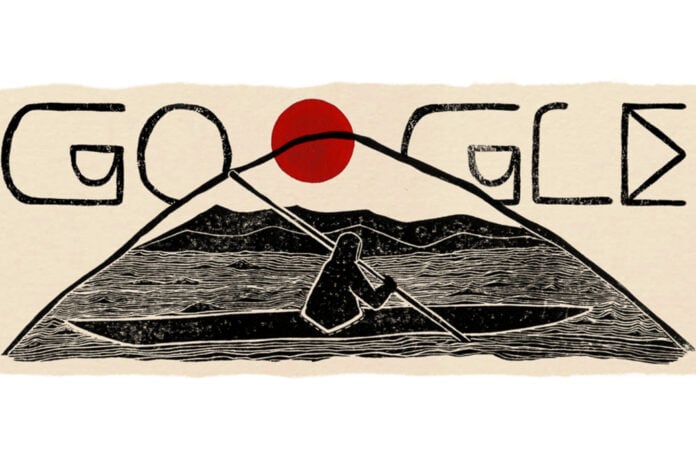
Google celebrates Native American History Month with qajaq doodle by Natashia Allakariallak
Google celebrates Native American History Month with qajaq doodle by Natashia Allakariallak. Google | Natashia Allakariallak

In celebration of Native American Heritage Month, Google released a doodle on November 15, 2025 celebrating the history of the kayak illustrated by Inuit Nunangat artist Natashia Allakariallak.

Celebrating Native American Heritage Month with the history of the qajaq

The doodle depicts a traditional Indigenous Arctic qajaq, used for thousands of years for hunting, fishing, and transportation. The qajaq serves as the early prototype for the modern kayaks we see widely available for recreational use today. The first developers of the predecessor to the kayak include Northern trines such as the Inuit, Aleut, Inupiat, and Yup’ik.

Rather than the fiberglass and gel coat of the modern sea kayak, the traditional qajaq was made using skin on frame— often dried seal skin stretched over a frame of whalebone or driftwood. Rather than for recreation, the traditional qajaq was designed for Indigenous Arctic hunters to harvest seals or whales from the water and each boat was customized to the individual paddler. The word qajaq comes from the phrases ‘man’s boat’ or ‘hunters boat’ in Inuktut dialects.

Google celebrates Native American Heritage Month with qajaq doodle by Natashia Allakariallak. Google | Natashia Allakariallak

“The qajaq, which has been created by Inuit, has now been adopted and used by the entire world,” shared qajaq doodle artist Natashia Allakariallak in a Q&A with Google. “It is an item from our culture that has allowed us to thrive for thousands of years and is still used today.”

What traditional qajaqs look like in Greenland today

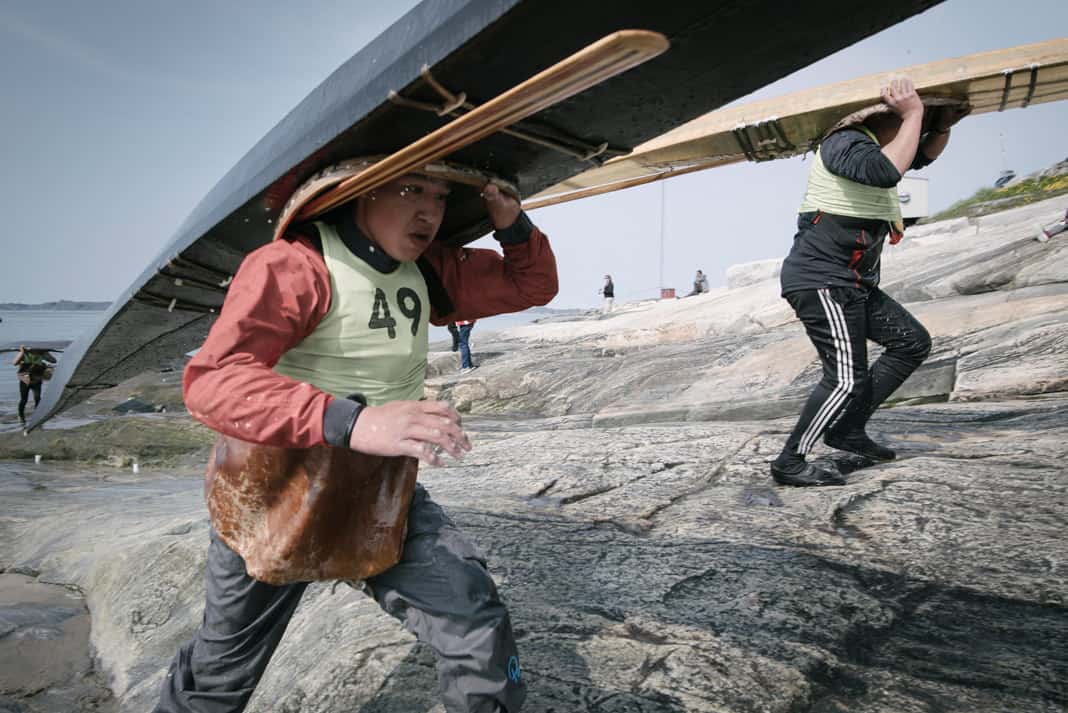
Today in Greenland, traditional qajaq paddlers still gather to practice traditional Greenland rolling, which includes 35 different rolls. Once a pivotal means of self-rescue for the traditional Arctic qajaq hunters, today paddlers from all over travel to compete in the National Qajaq Championships.

Rather than a neoprene spray skirt or PFD like paddlers wear today, traditional qajaq paddlers wore a tuilik; a fitted, waterproof jacket made of seal skins or large mammal intestines that sealed around the face, wrist and qajaq cockpit. The tuilik also served as additional buoyancy in the event of capsize; plenty of trapped air inside aided in rolling, or righting a capsized kayak without exiting. Today, a neoprene version of the tuilik for traditional Greenland rolling practice.

“It is important that people know where the qajaq originates from,” Allakariallak added. “I would like for people to honour the original design(s) and give credit where it is due. Inuit are an incredibly resourceful people and have adapted to many waves of colonial pressures, yet, we continue to strive for success and we celebrate the beauty of our culture.”