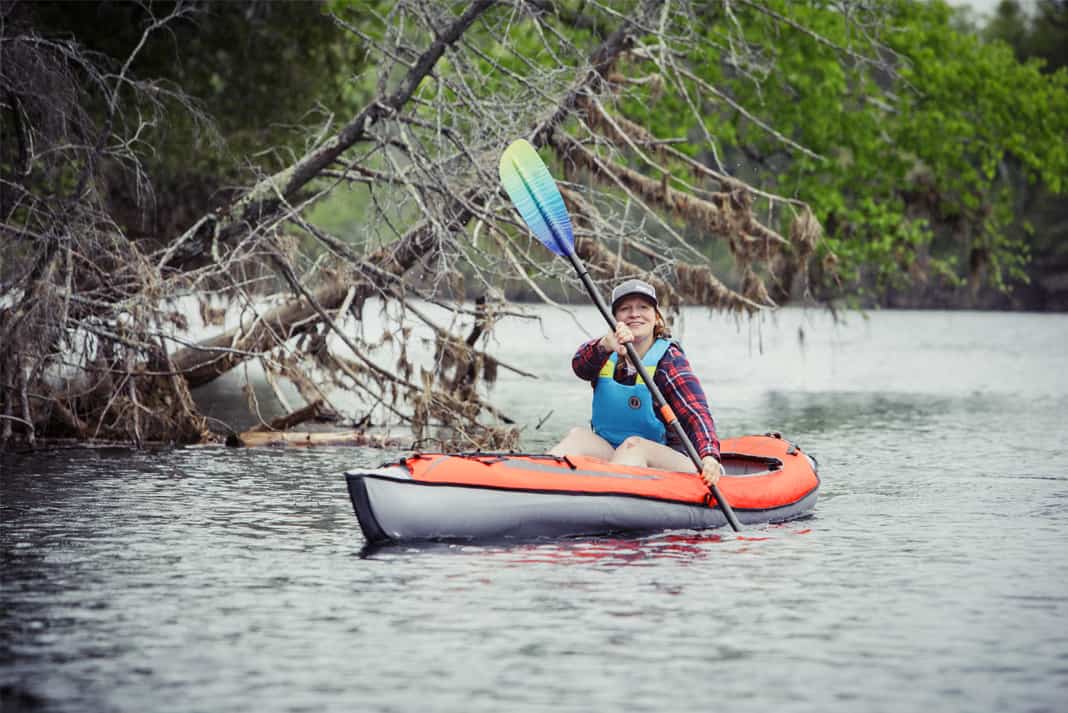
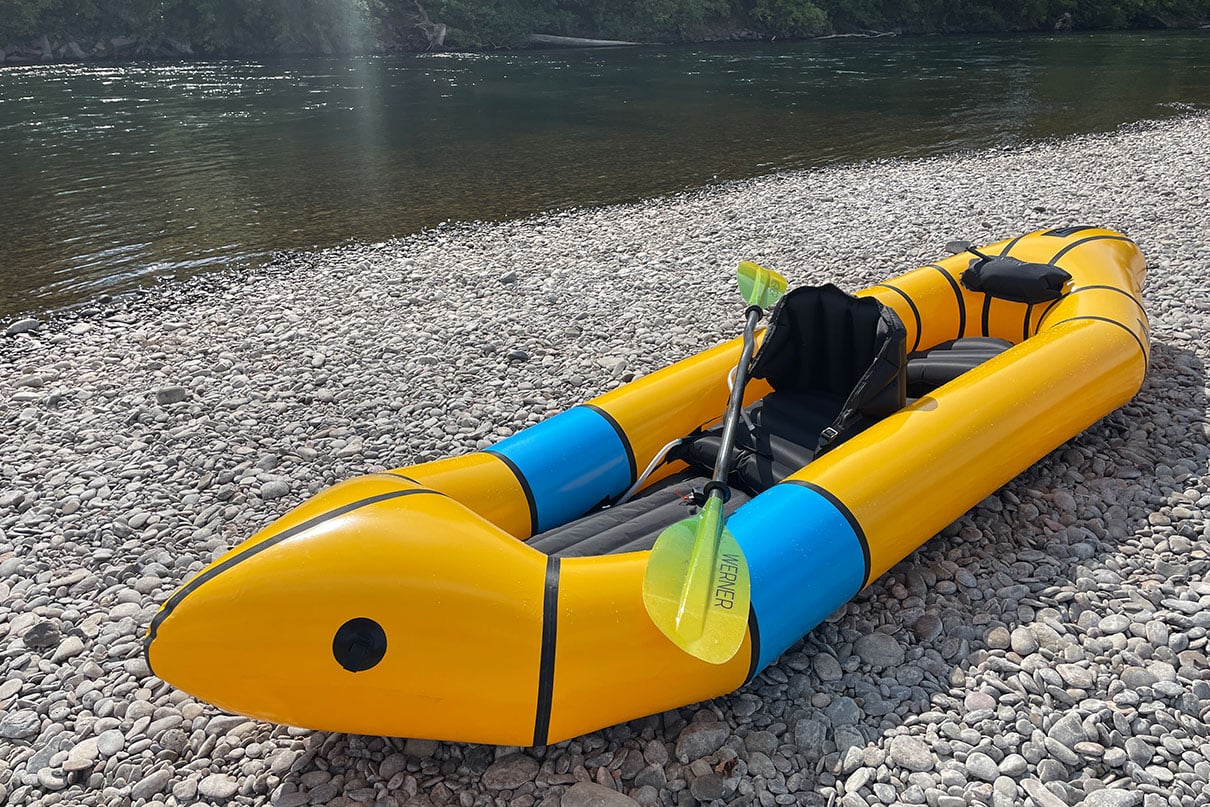
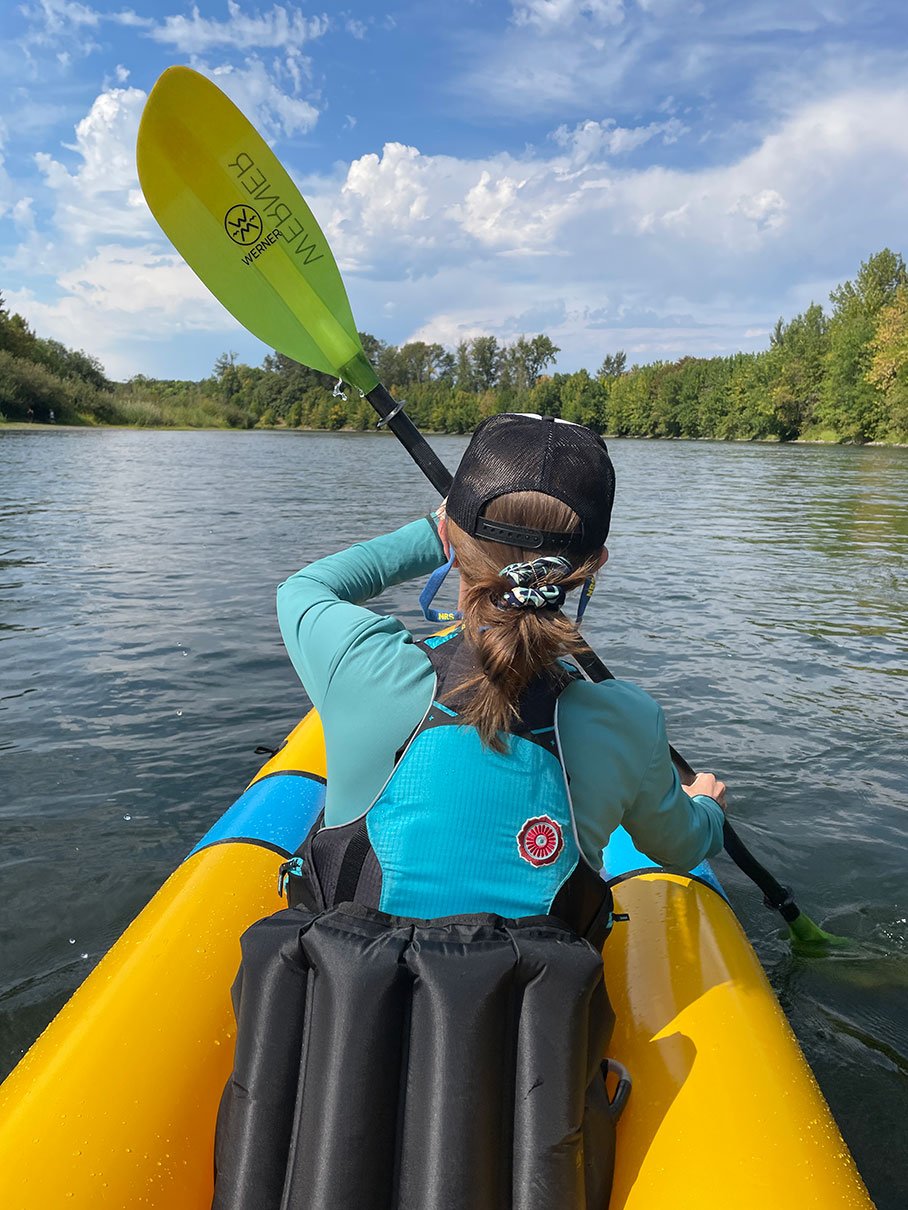
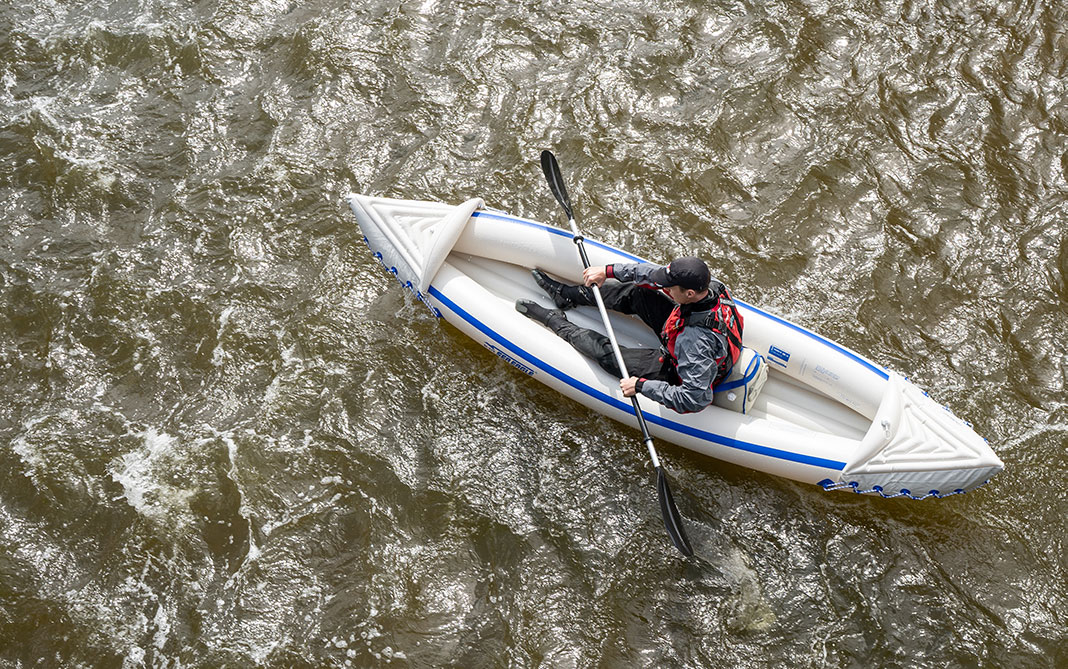
On August 12, 2024, 45-year old Ryan Borgwardt left home with his kayak to go fishing; he never returned home. Search teams found his capsized kayak and a life jacket floating in Green Lake, a large lake in Wisconsin with a maximum depth over 200 ft.
Borgwardt’s van and trailer were also found parked by a nearby boat launch. A few days later his fishing rod, tackle box, keys, and wallet were also recovered.
The search for a missing kayaker in Green Lake, Wisconsin
Search and recovery efforts began as the case of the missing Wisconsin kayaker was immediately considered a likely drowning. Meanwhile, Borgwardt’s wife and three children mourned the loss of their husband and father.
The search included the Wisconsin Department of Natural Resources, The Green Lake County Sheriffs Department, and Bruce’s Legacy, a nonprofit dedicated to the search and recovery of drowning victims able to lend valuable expertise and sonar equipment to help locate victims.
They soured the lake every day for several weeks until August 24, at which point they brought in three cadaver dogs and an experienced dive time according to a statement by Sheriff Mark Podoll.
The search continued through the summer but by the end of September there was still no trace of Borgwardt.
Keith Cormican, founder of Bruce’s Legacy, went to Green Lake County Sheriff Mark Podoll on October 4.
“Sir, I’ve done a lot of searches and I can’t find him,” Cormican explained. Cormican wasn’t ready to give up; he requested additional sonar technology to continue in his search of the lake for Borgwardt.
It was around this time that Sheriff Podoll began to suspect something was amiss. On October 7, he gathered his crew, suggesting it was time they considered other possibilities. Shortly thereafter, they found records showing his passport was checked by Canadian authorities the day after his disappearance.
From search to investigation
From here, investigators analyzed Borgwardt’s laptop and found questions about moving funds to foreign banks, a life insurance policy for $370,00 purchased in January 2024, and a history of messages with a woman from Uzbekistan.
Ryan Borgwardt with his family. TODAY | YouTube
The mission to recover Borgwardt quickly turned into an investigation. The FBI is now involved and goals are to identify any crimes committed, pursue for expenses in searches funded by taxpayers.
In total, 54 days were put into the search for Borgwardt, with 28 days put in by Cormican alone.
“Twenty-eight of them days on that lake searching for Ryan. When he wasn’t searching, he was looking over data. Looking over data, trying to figure out if he missed something,” shared Sheriff Podoll of the Green Lake County Sheriff’s Office in a press conference.
Sheriff Podoll asks that anyone with information contact the Green Lake County Sheriff’s Office.
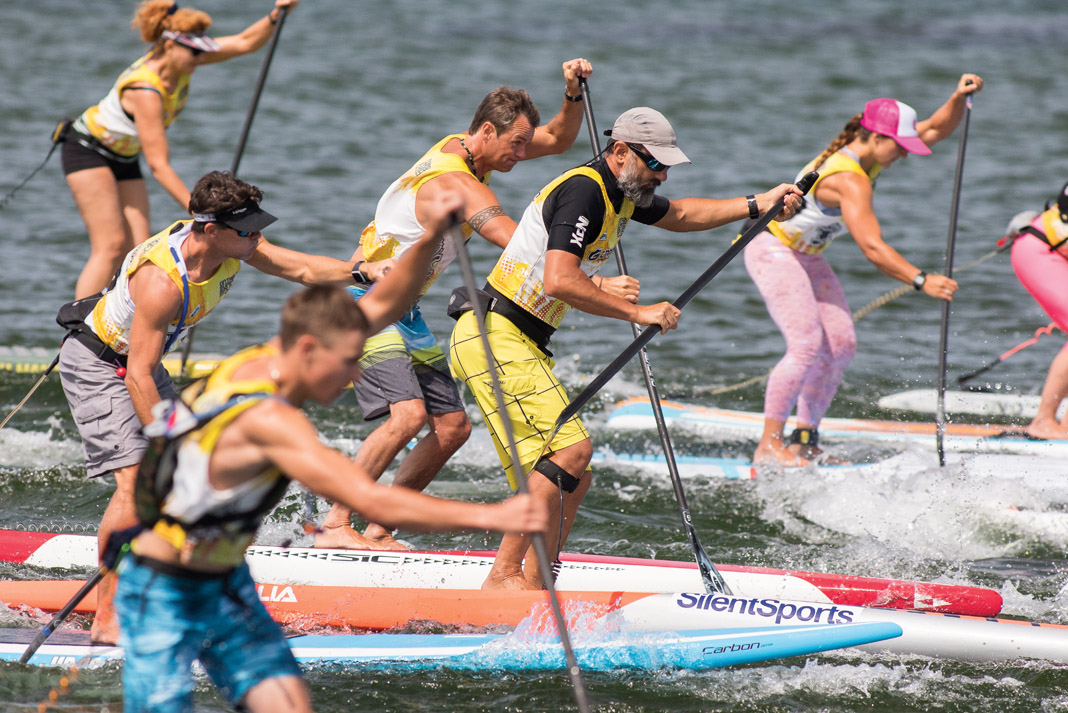
“Balance is key. Balance good, everything good. Balance bad, better pack up, go home.” —Mr. Miyagi, The Karate Kid | Feature photo: Cory Leis
Whether you want to paddle fast, paddle far or just paddle with your dog on board, it all starts with good balance. Spending time on your board is the best way to enhance your stability. The more you paddle, the more comfortable you’ll get and the sooner you’ll be able to safely venture off mirror-flat water into gradually more challenging conditions. The five simple tips, skills and strategies below will make you feel more confident and stable on your board.
Your paddle is vital not only for propelling you forward but for balance as well. First off, you brace with your paddle blade to find support and stability whenever you feel like you’re losing your balance. Secondly, holding a long pole-like object in your hands helps enhance balance—think of the poles tightrope walkers use. However, the most important way a paddle enhances stability is by supporting some of your body weight during the pull phase of the stroke. If you’re reluctant to put any weight on your paddle blade, all your weight stays on the board. If you can learn to trust your paddle enough to take some of your body weight, you’ll paddle more efficiently, go faster and feel more stable.
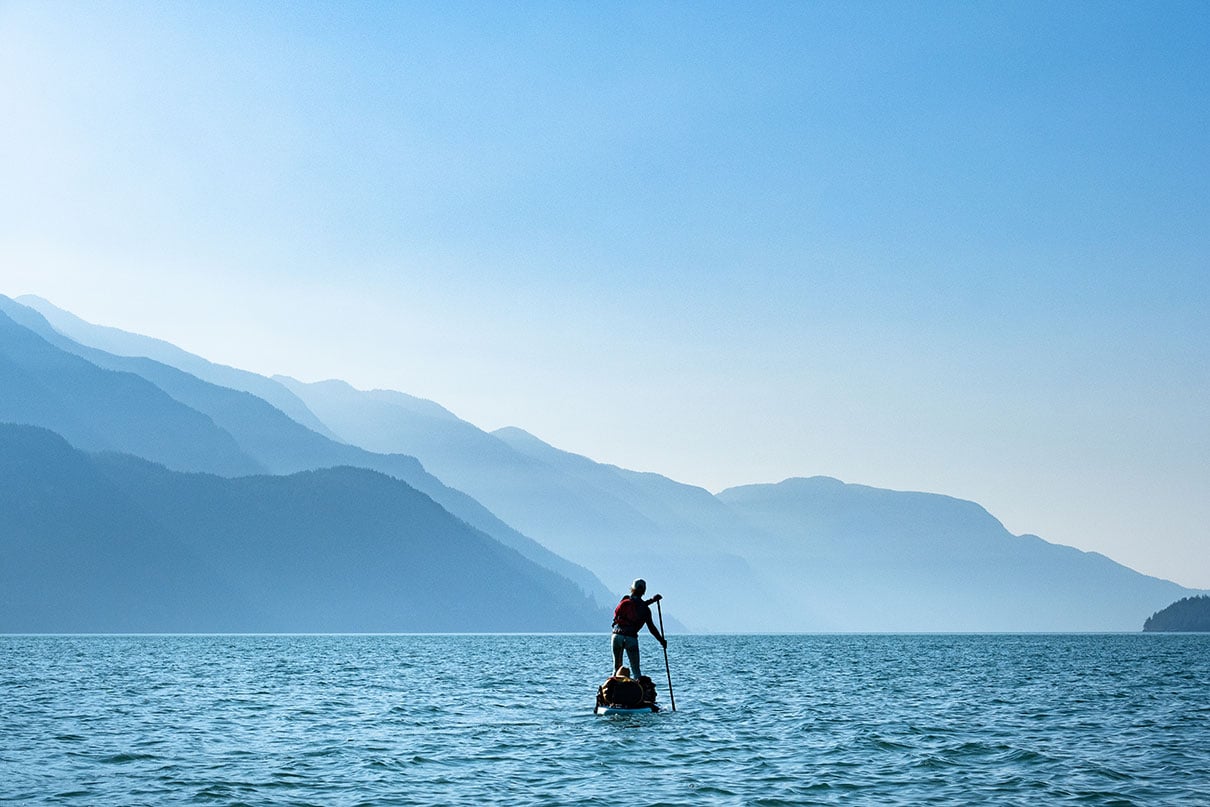
“Balance is key. Balance good, everything good. Balance bad, better pack up, go home.” —Mr. Miyagi, The Karate Kid | Feature photo: Cory Leis
2 Get a little lower
If you bend your legs, both at the ankles and the knees, you’ll get a little lower and lower your center of mass in the process. This enhances stability. It also helps you absorb some of the wobbles and twitches your board will inevitably make without losing your balance. Try to relax your legs as you bend them. If you’re standing up stiff-legged, you’re like the mast on a sailboat and every time the board leans, you’ll lean with it. When you lean too far, your center of mass will be outside your base of support, and then you’ll be swimming. Practice loose, relaxed and bent legs.
3 Move your body more when you’re feeling unbalanced
It’s human nature to get cautious and move less when encountering ripples and chop. However, if you’re overly cautious, reluctant to move and stiffen up, you’ll feel less balanced. Instead, the best thing you can do is engage more of your body in the forward stroke, get more weight on your blade and focus on the rhythm of your paddling. This rhythm and body motion will become the dominant movement rather than the side-to-side wobbling of your board. Again, it may seem counterintuitive, but the more you focus on your paddling rhythm and getting your body into your stroke, the more relaxed you’ll be and the less you’ll notice any feeling of instability.
4 Get to know your board
Every board has its stability characteristics. Primary stability is basically how twitchy the board feels underneath you. If your board has good primary stability, it will feel solid and be easier to learn to trust your paddle and focus on your paddling rhythm. If your board feels twitchy, you should experiment with its secondary stability. Every board will reach a point where it leans and then stops. If you can determine where your board will stop leaning and stabilize, it won’t bother you as much when it twitches. You can just let it wobble underneath you and absorb that wobble with your relaxed legs, comfortable in the knowledge that it will stop, stabilize and allow you to bring it back to level. Spend time near the dock or shore on a sunny day when the water is warm and play with your board’s stability. Try to make it lean to the point where it won’t lean any farther. Trusting in the board’s secondary stability will be an ace up your sleeve and give you confidence whenever you feel your board is starting to wobble underneath you.
Being able to comfortably move around on your board is important. If you’ve invested some time in learning the secondary stability of your board, you can then experiment with first lifting one foot, then the other, and eventually taking cross-steps backward and forward up and down the middle line of your board. This helps give you even more confidence on your board and learn to relax when paddling, and it allows you to move up and down your board to keep it trimmed correctly when paddling into or with waves. To get comfortable with the cross-step motion, a good drill you can do on land is cross-step up and down an eight-foot-long two-by-four you can get for $10 at any building supply store. This drill not only helps you develop the coordination the cross-stepping motion requires, but also helps heighten the proprioception in muscles in your feet and lower legs, which will help you better identify and react to the board wobbling and twitching underneath you on the water.
Larry Cain is an Olympic champion in canoe sprint, a SUP athlete, and a coach of both canoe and SUP athletes. He is cofounder of Paddle Monster, which provides online coaching and education for paddlesports athletes around the world.
This article was first published in Issue 72 of Paddling Magazine. Subscribe to Paddling Magazine’s print and digital editions, or browse the archives.
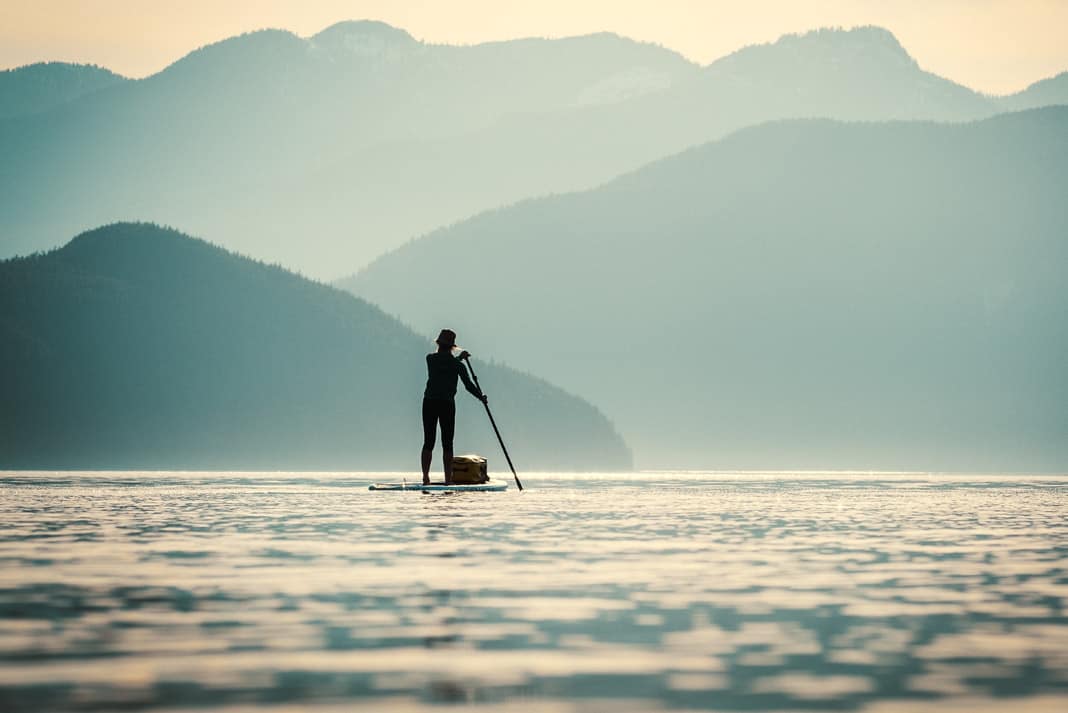
“Balance is key. Balance good, everything good. Balance bad, better pack up, go home.” —Mr. Miyagi, The Karate Kid | Feature photo: Cory Leis
Built for solo paddlers looking for something extremely lightweight, minimalist, and maneuverable, Josh Thrombley of Hornbeck Boats introduced the Paddling Mag team to the Ten Classic, a popular pack boat, at Canoecopia 2024.
Origins of the pack boat
Pack boats, sometimes called an Adirondack boat, function as a cross between a canoe and kayak in order to capitalize on the features of both best suited for solo, minimalist travel. In appearance a pack boat is most similar to a canoe, but it’s padded like a kayak with a long, double-bladed paddle and from a seat at the bottom of the boat.
“Pack boats have been around for hundreds of years but they really became popular in the late 1800s by a boat builder named John Henry Rushton,” Thrombley shared. “Rushton built boats for a gentleman named George Washington Sears, his pen name was Nessmuk.”
Nessmuk was an outdoor writer and conservationist who wanted to travel the Adirondacks, then known as the Northeast Wilderness, with just a small canvas pack and a small, maneuverable boat. Rushton, drawing from his experience building sailing canoes, designed a canoe specifically for Nessmuk and his goals.
“They were made out of Cedar strips and you sit on a little cedar plank, and you typically paddle with a double-bladed paddle,” said Thrombley. “He [Rushton] was about to do these boats at 13, 14,15 pounds.”
Fifty years ago Thrombley’s father-in-law, Peter Hornbeck, was in the Adirondack museum and saw one of Rushton’s designs. Hornbeck had been a kayaker and wondered how it would work to take one of Rushton’s designs and build something similar out of fiberglass.
He took inspiration from Rushton’s designs and arrived at the Long Pond Boat, or Hornbeck Boat’s Ten Classic. In the 1970s, Hornbeck boats swapped out fiberglass for kevlar and never looked back.
Today, the pack boat is a minimalist’s boat, lightweight and packable, designed for barebones solo wilderness travel. There are few features on the pack boat beyond the essentials.
“Anytime you’re adding features you’re adding weight,” explained Thrombley.
Ultimately in modern times the biggest pro of the pack boat might boil down to one, game-changing factor for solo paddlers: at 15 pounds, it’s easy to get on and off your car.
The Klamath River stretches 400 miles from its source in Oregon to the sea in California, and on October 21, 2024, for the first time in over 100 years, wildlife officials from both the Oregon Department of Fish and Wildlife and Yurok Tribe Fisheries department recorded Chinook salmon in Oregon’s Klamath Basin.
In September 2024, the Iron Gate dam on the Klamath River, the final of four hydroelectric dams on the Klamath, came down in what constituted the largest dam removal project in the United States. The fight for dam removal was driven by a number of players, including the Klamath River Renewal Corporation, the State Governments of California and Oregon, and most pivotally, local tribes including the Yurok, Karuk, Hoopa, Shasta, and Klamath.
The project restores nearly 400 miles of vital habitat for salmon with the goal of reviving an ecosystem that once not only supported salmon but Indigenous communities along the entirety of its banks including the Yurok, Karuk, Hoopa, Shasta, and Klamath — communities that suffered during the century the dams were in place.
Historically, the Klamath River was the third largest salmon-producing river in the continental United States. In addition to chinook and coho salmon, the Klamath also supports steelhead, coasts cutthroat trout, green and white sturgeon, and Pacific lamprey.
The Upper Klamath had a reputation as one of the best summer whitewater rivers in the west, with water flow around 1,000-3,000 cubic feet per second thanks to the John C. Boyle dam just upriver, now undamed.
The Paddle Tribal Waters Program aims for first descent of the new Klamath in Spring 2025
The removal of the four hydroelectric dams, first the Copco 2 dam in October 2023, followed by Copco 1 dam, the JC Boyle dam, and finally the Iron Gate Dam in September 2024 exposes a new, or rather rewilded, Klamath River.
Indigenous youth from the Yurok, Hoopa, Karuk and other local tribes have been reconnecting with sections of the Klamath river that have not flowed freely for over a hundred years by way of whitewater kayak. The Paddle Tribal Waters Program, organized by nonprofit Rios to Rivers, has Indigenous youth learning whitewater skills in preparation for a 400-mile source to sea journey in Spring 2025.
This will be the first whitewater descent of the new Klamath since its undamming.
Danielle Frank, director of development and community engagement for Rios to Rivers and member of the Hoopa and Yurok tribes, grew up deeply connected to the Klamath River.
“We’ve really grappled with this [the term first descent] a lot, recognizing that our river’s been a highway for water transit since time immemorial, canoes have existed from the top of the headwaters down to the mouth at Requa,” Frank shared. “We may not be the first people to run these places and we recognize that but we will be the first ultimate source to sea whitewater kayaking descent.”
While a first descent of the undammed Klamath and an accompanying documentary is the short-term goal of the Paddle Tribal Waters program, the scope of the project goes well beyond spring 2025. The long-term goal is to support Indigenous youth along the Klamath in becoming leaders in the paddling community, to promote peer mentorship, and strengthen the relationship between Indigenous youth and their ancestral waterways. These goals will span generations rather than a season.
“That’s what reconnecting our river is for us; it’s not just a new playground. It’s the ability to reconnect our people,” Frank said.
As a direct result of the damming of the Klamath over a century ago, salmon populations had almost died out in the region, unable to return to their spawning headwaters. For the first time in over 100 years, in Spring 2025, the first generation of newly spawned salmon will make the journey from the Klamath to the sea alongside the Indigenous youth kayakers.
The Indigenous-led battle to free the Klamath
In 1918 Copco 1 Dam, the first dam in the Klamath Hydroelectric Project was built, preventing the salmon run from reaching the Upper Klamath Basin. In 1925, Copco 2 Dam became operational, followed by J.C. Boyle Dam in 1958 and Iron Gate Dam in 1962.
Amy Bowers Cordalis of the Yurok Tribe was working on the Klamath as a fish technician when she witnessed the largest fish kill in the history of the Klamath. In September 2002, an estimated 34,000 Chinook salmon died in a severe epizootic outbreak. According to a report by the Yurok Tribal Fisheries Program, “low flow from Iron Gate Dam was a substantial causative factor in the fish kill of 2002.”
As a result, Bowers Cordalis was inspired to go to law school to prevent ecological collapse like that from happening in her home again. “Nothing like that in Yurok’s history has ever happened,” Bowers Cordalis said in Undammed, a Patagonia film documenting her journey.
The removal of the dams was not the first time the Yurok had to fight for the Klamath and their way of life. In 1969, Bowers Cordalis’ great uncle Raymond Mattz was fishing when a game warden confiscated his gill nets and gave him a citation.
The State argued that the Klamath River Reservation “for all practical purposes, almost immediately lost its identity,” and was not Indian country and therefore was subject to United States fishing regulations, while Mattz maintained that the Klamath River Reservation remained sovereign and retained the right to fish and practice Yurok culture in the manner they had since time immemorial.
Mattz pushed the issue all the way to the Supreme Court in what became the 1973 case Mattz v. Arnett which reaffirmed that the Yurok Reservation was still Indian Country and the Yurok people had federally-reserved fishing rights. This landmark case laid the groundwork for the Yurok Nation to express its sovereignty.
Despite reaffirming the sovereignty of the Yurok, in 1978 the federal government put a complete moratorium on Yurok fishing on the Klamath River. “They sent in federal Marshalls with full riot gear, raiding houses in the middle of the night without warrants, abuse and beatings down on the water,” Bowers Cordalis said in Undammed. “The Yurok people kept fishing.”
The fight for the restoration of the Klamath River has been ongoing and largely Indigenous-led. Bowers Cordalis was instrumental in the legal battle to remove the four dams from the Klamath River, serving as a tribal lawyer on behalf of the Yurok and other tribes.
“It’s really an exciting time to be a tribal lawyer because all of those fishing and water rights are the supreme law of the land,” said Bowers Cordalis in Undammed. “The people in my generation realize our fight is for the preservation of the fish and the river. And a lot of us have dedicated our adult lives to continuing that historical fight.”
During the century that the Klamath was dammed, water temperatures rose and toxic algae bloomed. Salmon were blocked from reaching the upper river to spawn, and their populations dropped below 10% of what they once were.
The first of the dam’s reservoirs was drained in January 2024, uncovering 2,800 acres of land in California that the state has promised to return to the Shasta Indian Nation. As part of the rehabilitation effort, teams made up of largely tribal members have been planting native seeds in former lakebeds and restoring river habitat for returning fish.
“When the dams come down, that’s when the work is able to start,” Danielle Frank of Paddle Tribal Waters shared. “The dams were in the way of the salmon returning, of revegetating the reservoirs and all the restoration that is to come… There’s 50 years of work to be done to bring this river to a state of restoration.”
Work that, Frank states, people couldn’t be more excited to have the opportunity to begin.
Restoration of the river’s health is intrinsically tied to the restoration of the health of the Indigenous communities along its banks. Along the Klamath, Indigenous communities are living in one of the biggest food deserts along the west coast without access to their traditional healthy food sources; food sources that were cut off by the Klamath River dams, Frank explained.
Paddling the Klamath River with Paddle Tribal Waters. | Paul Robert Wolf Wilson
“We really hope that all the folks looking to recreate on these new reopened spaces of river that they can also know there are years of work to come,” said Frank.
While a fully restored Klamath still may be many years away, this autumn, wildlife officials recorded Chinook salmon in Oregon’s Klamath Basin for the first time in over a hundred years.
A look at the new Gorilla with Chris Gragtmans. Feature Photo courtesy of Chris Gragtmans.
November 2, 2024 would’ve been the 29th annual Green Race, an event that draws thousands from all over the world to watch whitewater kayakers race a stretch of Class V rapids on Western North Carolina’s Green River Narrows.
Instead, paddlers rallied for a river clean-up day and memorial for the Green River as they knew it after floodwaters from Hurricane Helene altered the river beyond recognition.
Green River altered significantly by impacts from Hurricane Helene
“As whitewater paddlers we’re used to change…but rarely do we see the proverbial bedrock shaken and distorted in a way like it has,” shared Chris Gragtmans, lifelong paddler of the Green and whitewater professional.
“The Green River witnessed just an unbelievable, earth-shaking event here with this storm. There were a few watersheds in Western North Carolina and Eastern Tennessee that bore the brunt, the pinnacle of fury, of Hurricane Helene. The Green River watershed was one of them.”
Overall, Hurricane Helene caused an estimated 1,400 landslides in Western North Carolina, damaged over 160 sewer and water systems, damaged at least 6,000 miles (9,650 kilometers) of roads, and washed out more than 1,000 bridges and culverts according to the Associated Press.
“There’s obviously a lot of human pain involved. People lost their lives, their homes, people will go bankrupt over this.” Gragtmans shared. “For myself and for our community, where we deal with the hard things in life are these sacred rivers.”
“This is what rivers do, rivers change, but we’re not used to seeing geological time play out before our eyes,” Gragtmans added. “We make the assumption that these things occur more gradually, that the water wears the rock away over millions of years.”
In place of the 29th annual Green River Race, paddlers rally to clean up and honor the Green River
According to a statement from the Green Race, the road that allowed vehicle access to the lower Green River has been washed out from both above and below; the powerhouse that controlled water release through the Green River Narrows was partially destroyed by a landslide, rendering the Narrows fully dependent on rainfall for runnable water levels. Beyond that, the Green River Narrows itself has changed.
With the Green River Race an impossibility at this time, paddlers from throughout the region and world gathered on November 2, 2024 for the river clean up, fundraiser, and to honor the river itself.
Eric Deguil, a former Green River Race champion from France, competed in the Russell Fork “Lord of the Fork” Race, coming in first, and made the trip over to the Green River for the clean up and memorial, race or no race.
“Deguil, Corey Volt and countless others utilized their trade skill sets to help the community. He was in the river, climbing all over with borrowed chainsaws doing work that the rest of us aren’t qualified to do,” shared Gragtmans. “It’s just so beautiful to see people doing that, to see Eric still flying in from abroad, I really gotta give him props.”
A look at the new Green River
So what remains of the Green River as we knew it?
A look at the new Gorilla with Chris Gragtmans. Feature photo courtesy of Chris Gragtmans.
“Probably 97% of the rapids on the Green changed, and three percent are intact,” Gragtmans estimates. “Maybe less. It’s basically become a very young geological river bed. Sediment is going to fill in and rocks are going to roll.”
Overall, Gragtmans estimates that the river has likely become more difficult and more consequential.
“I believe we need to treat it like a remote class V river. I also think that rescue from the heart of that gorge is going to be really challenging,” said Gragtmans.
“I choose to believe that we can hold both the grief and sorrow of losing the place as we knew it and also wonder at the power of nature, and hope for the future stories that will be written in that gorge. I think it’s got a lot more to teach us,” added Gragtmans.
According to a post on Facebook on Thursday, November 7, Chris Gragtmans put that philosophy into action with friend and paddler Patrick Keller and opened up the Gorilla, one of the most recognizable rapids on the Green.
Gragtmans wrote on Facebook that while the river has changed not all hope is lost:
“She’s different, but still so beautiful and badass. And she’s got at least two more lines to share with us all when the flows and the energy align. It was a very special day.”
The author teamed up in a tandem on the Orange River, South Africa. | Feature photo: Regina Nicolardi
In all my years paddling, I’ve spent many days in kayaks and in rafts, but some of the most enjoyable times on the water I’ve ever had have been the trips partnered in a tandem inflatable kayak. There is just something fun about bobbing your way down the river, trying to synchronize as you bounce off rocks and bash through wave trains. Or, in those calm stretches, being able to swing your legs over the side and drift your way through long flat pools with a charcuterie lunch spread out on the deck. Yes, kayaking is always good time, but sharing a boat with a friend, relative or your significant other gives the whole experience a big boost of lighthearted adventure. Of course, going tandem will also test the foundation of any relationship, but let’s gloss over that for now.
Throw in the fact the best two-person inflatable kayaks available today roll up to fit in a closet, are made of lighter, durable material, and provide an accessible gateway to paddling that requires far less experience than a hardshell kayak, and the only question left is why wouldn’t you want to have one? The key element though in today’s flood of inflatables floating around online is finding one that you will actually enjoy paddling once you have it. To set you on the right course, I’ve put together a list of what I feel are the best tandem inflatable kayaks out there today. The goal of this article is not only to provide direct boat options but to share some insights that I hope will be helpful when considering the kayaks that are available for you.
Everyone, even strong swimmers, needs to wear a life jacket at all times when on the water. It is extremely difficult to put a life jacket on once you fall into the water. Even a light wind can blow any paddlecraft away from you, faster than you can swim.
Always wear a USCG-approved Level 70 or Type III life jacket designed for paddling.
Best tandem inflatable kayaks for whitewater
Nyce Haul
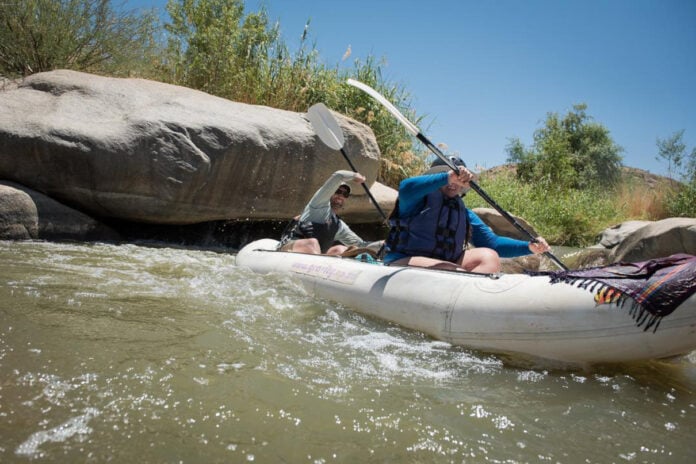
The Nyce Haul fuels those river running grins. | Photo: Joe Potoczak
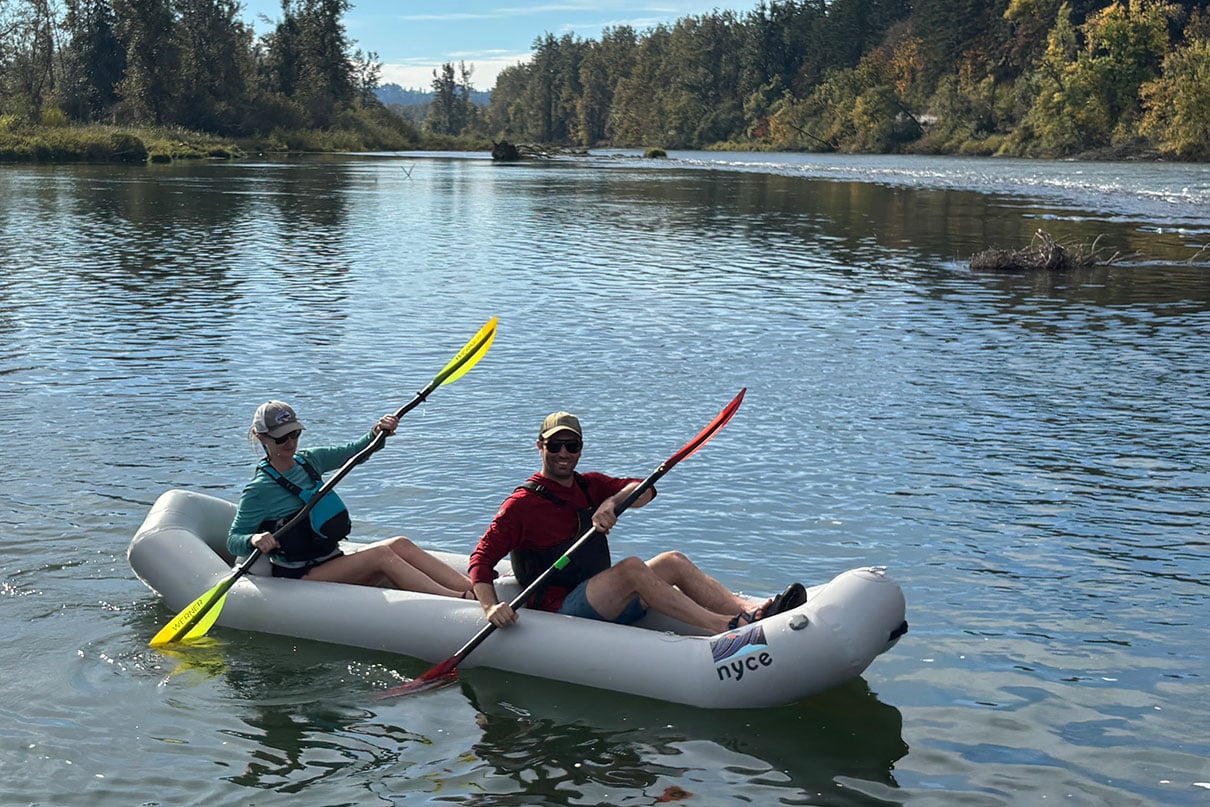
I didn’t know I could be as smitten with an inflatable kayak as I am with the Nyce Haul. The Colorado-based brand has incorporated thoughtful, unencumbered design elements to this tandem inflatable kayak which have made it an outstanding design in my mind.
The Haul takes on an elongated raft-like oval shape with 12-inch outer tubes and kicked-up bow and stern rocker that smashes rapids and feels plenty stable on the river.
There are 12 internal D-rings within the Haul for both securing the outfitting and strapping in gear. Speaking of outfitting, the Haul uses tubular backrests that provide good support and are secured with nothing more than a cam strap. This allows you to move the backrest position with next to no effort. This also means that while the 11-foot boat is a two-person kayak, you can easily switch the seating to a solo setup that is perfect for loading down with gear for a desert river trip. It all rolls up well in their travel bag, along with their included air pump, with some room left for a bit more gear like breakdown paddles.
Photo: Joe Potoczak
Photo: Joe Potoczak
My absolute favorite part of the Nyce Haul though is the drop-stitch constructed floor. What a drop-stitch floor provides is a more rigid structure because you can inflate it to a higher air pressure per square inch. Think of the solid feel of an inflatable paddleboard compared to a squishy pool floatie. Inflatable kayaks and rafts tend to fall somewhere between these two, however, because of the drop stitch floor, the Haul leans toward the firmness of a SUP. This means it has less squish as it punches through a drop, and it provides a sturdy platform to stand up and scout ahead or cast your fly rod across those long pools between rapids.
The floor of the Nyce Haul is also self-bailing, meaning any whitewater that splashes into the kayak drains out through ports running along the edge of the floor. And a bonus, the floor bladder slides out, which means it can be used as a makeshift camp pad, or, if damaged, conveniently replaced from Nyce.
Reasons to buy
Fun and comfortable hitting rapids or floating a lazy river
Drop-stitched high-pressure floor
Functional and thoughtful outfitting
Ready to load up for river trips tandem or solo
Consider another if
You need a boat that does most of the work to track in a straight line
You want more elaborate backrests and outfitting
You only plan to float slow rivers and paddle flatwater and would prefer a smaller tube diameter for paddle strokes and self-rescue
Bottom line
The streamlined and well-constructed design elements of the Nyce Haul have made it my new favorite tandem inflatable kayak, and whether I’m taking a summer float down the Willamette or convincing someone to try whitewater for the first time, it’ll be loaded in the car. See the Nyce Haul again on Paddling Mag’s list of best kayaks.
AIRE Tributary Tomcat Tandem
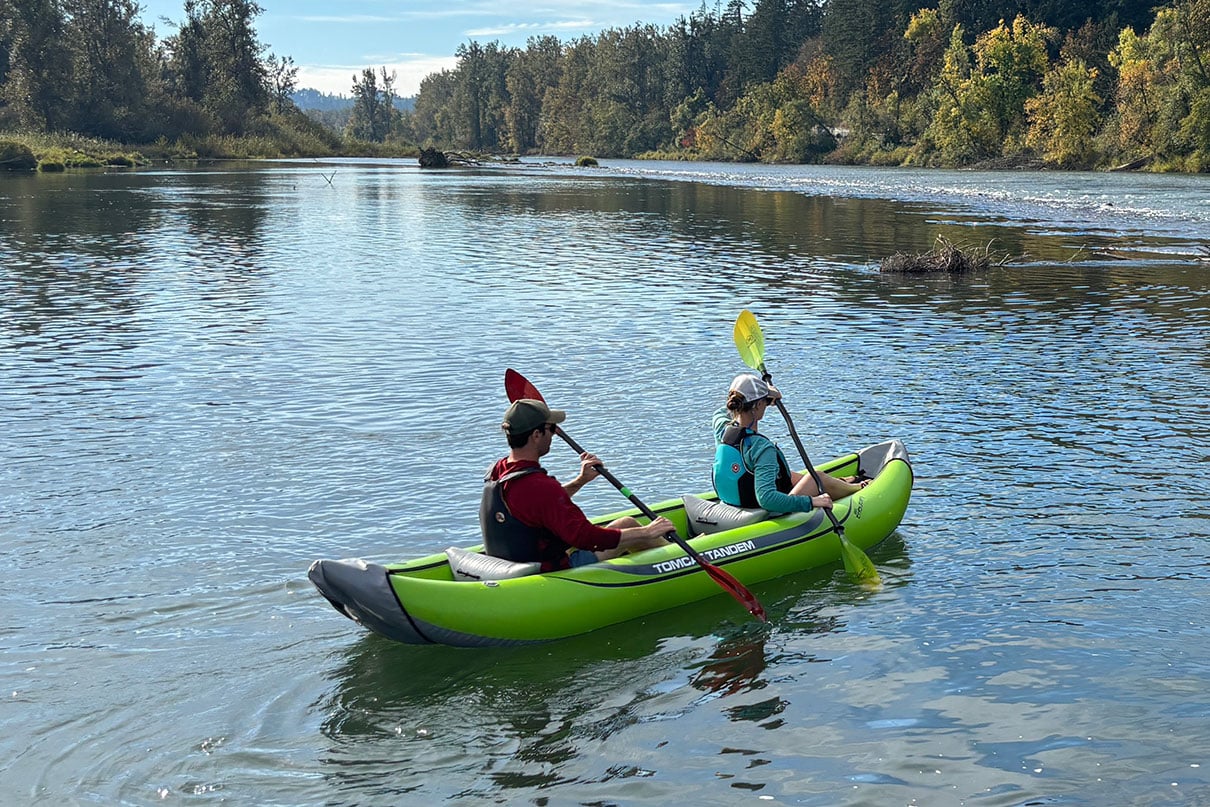
The AIRE Tributary Tomcat is a classic torpedo through rapids. | Photo: Joe Potoczak
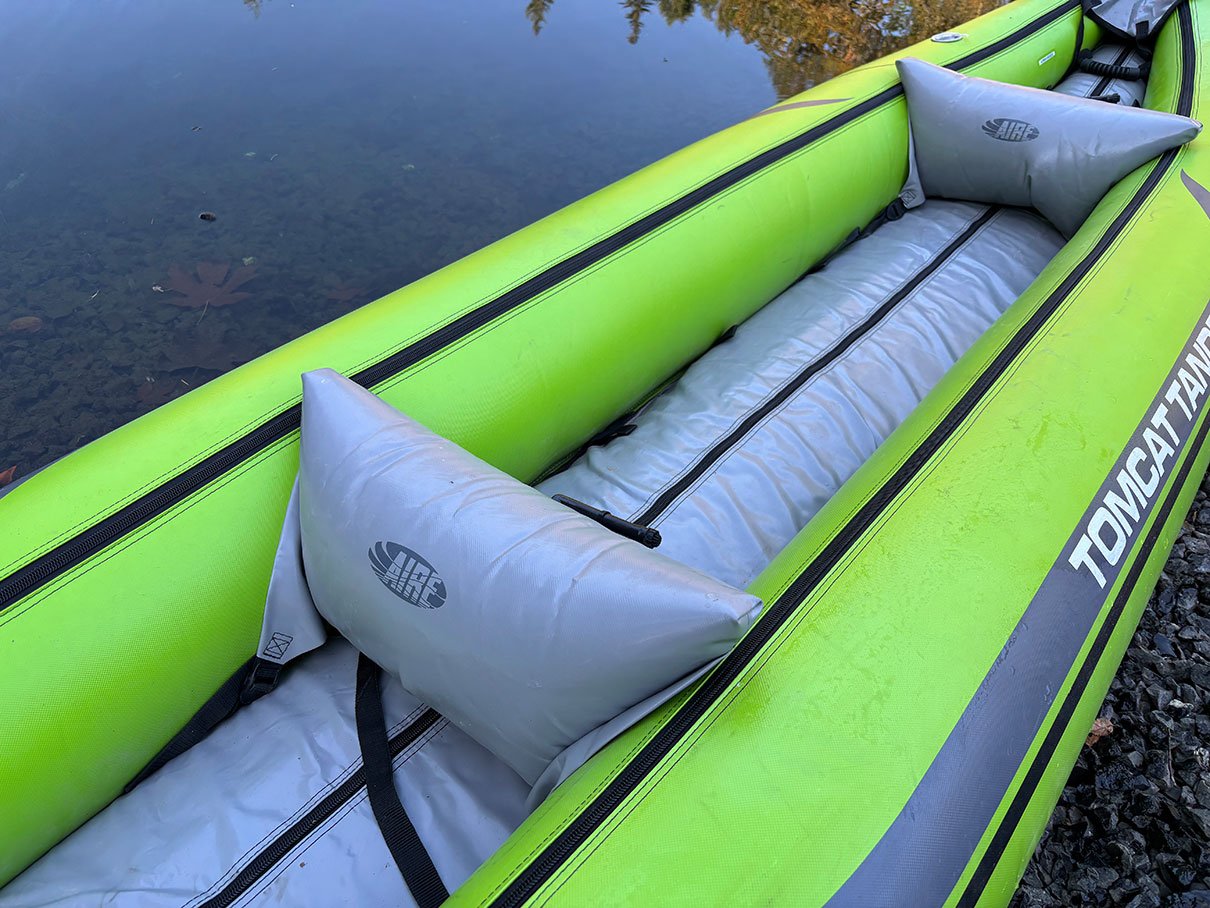
The AIRE Tributary Tomcat Tandem is a classic design in the world of inflatable kayaks, built for running rivers 20 years running. The torpedo shape with a rockered nose and plows over rapids and remains stable. The Tomcat II has a comfortable backrest to lean against, and the floor has a slight ridge to let water drain away from your butt and out through the self-bailing mesh ports. It also rolls up to a more reasonable size than I would have expected and easily fits in the back of my Subaru with more than enough room for gear.
AIRE also uses a unique construction element for river runners, an innertube-like bladder inside the outer PVC shell that can be easily replaced. The outer shell is tough, as tough as any other inflatable kayak out there, but no matter how tough a tube is, when you’re running whitewater a pop can happen and old seams wear out. If and when it happens, you can simply unzip any of the Tomcat’s three tubes and remove the vinyl chamber. Then simply throw on a patch or buy a replacement and the boat is back to work.
Photo: Joe Potoczak
The Tomcat’s 500-pound capacity and interior area provide plenty of space as a tandem kayak, along with room in the stern for a gear bag.
AIRE has a collection of respected tandem designs, including the bigger Outfitter II and sleek sporty Lynx II. The Tomcat II isn’t too dissimilar from either of these designs. The Tomcat, though, is half the price. Sure, there are slight differences in tube diameter and bow rise, but the biggest difference is in the innertube construction. The Tomcat uses a lower-cost vinyl bladder, whereas the other two use urethane. This doesn’t hold the Tomcat back and still withstand years of regular use—so you can put those savings toward the rest of your whitewater gear.
Reasons to buy
Proven, stable inflatable, capable of tackling rapids or drifting down your local river
Replaceable air bladders
Tough PVC outer construction with innertube-like air bladders
Value price within the reputation of an AIRE design
Consider another if
You plan to mostly paddle flatwater like lakes and bays
You’d prefer an inflatable kayak without an internal bladder system
You paddle class I–II whitewater and prefer a smaller outer tube diameter for your paddle strokes and for self-rescue
Bottom line
The AIRE Tributary Tomcat Tandem has been a long-tested and trusted river-running inflatable for two decades now. It is stable, punches through waves and holes, and has space to load up gear.
Best tandem inflatable kayak for lakes, bays and slow rivers
Advanced Elements AdvancedFrame Convertible Elite
The AdvancedFrame Convertible Elite in open cockpit mode. | Photo: Courtesy Advanced Elements
Advanced Elements AdvancedFrame Convertible Elite Specs
The words two-person inflatable kayak and flatwater paddling tend to mix like oil and water. Because of their ballooned shape and their bouncy, less-than-rigid structure, taking most inflatable kayaks across a lake or bay is a laborious slog. Not so for the Advanced Elements AdvancedFrame Convertible Elite. When our editors wrote a full review of the Convertible Elite, we applauded “its long waterline and chines, which help enhance speed, tracking and edging ability. These features make the AdvancedFrame Convertible Elite efficient and ideally suited for day trips and touring in friendly conditions.”
What makes the Convertible Elite a touring-capable inflatable is the fact its construction goes beyond rubber air bladders. A pair of aluminum ribs are inserted at the bow and stern to provide a stiff, peaked shape like you would find on a fiberglass or plastic kayak. This helps the bow to efficiently cut through the water instead of just slapping at it. Additional plastic plates are inserted on the deck ends as well to further strengthen the area and shed water.
The floor of the kayak uses a drop-stitch construction similar to a paddleboard. This provides rigidity to the kayak hull for efficient gliding across the water. The floor on the Convertible Elite also creates a chined hull, meaning you actually have some edge transition—a rarity on an inflatable paddle craft. The foam seat is comfortable enough to spend the day on and combined with the stiffness of the drop stitch floor, raises you to a nice high paddling position.
Factor all of this with the boat’s namesake—a convertible deck that can either be an open cockpit or closed up with the option of a zip-on spray deck—and you have an inflatable kayak that can be rolled up and stored in the back of your van, and unfurled to make a crossing against a wind chopped bay with an ability outranking most inflatable kayaks.
Reasons to buy
Capable touring inflatable with ribbed bow and stern, plastic end caps, and drop-stitched floor
Tracks well for its class and even has some edging ability
Convertible from open to closed deck depending on comfort and conditions
Consider another if
You plan to run rapids often
You prefer less components to keep track of
Are looking for weight savings on your inflatable
You don’t need a drop stitch floor—then consider the lower-cost non-elite Advanced Elements Convertible
Bottom line
The Advanced Elements AdvancedFrame Convertible Elite is one of few tandem inflatable kayaks you’ll find enjoyable on a flatwater tour.
Dress For Immersion, Not Air Temperature
Your body loses heat much faster when immersed in cold water than it does when dry.
Avoid cotton clothing like t-shirts and jeans; they retain water and accelerate cooling when wet. Synthetic fabrics, or wool, are generally a better choice. If the water is very cold (60° fahrenheit or less), you should wear a wetsuit or drysuit.
Best tandem packrafts
Alpacka Tango
The Alpacka Tango pops with color and is one of the lightest, most compact inflatables you’ll find. | Photo: Joe Potoczak
I know, it’s technically a packraft, but a packraft is really just an inflatable kayak. Or, wait, maybe an inflatable kayak is just a raft? Either way, you blow them up with air, sit in them and use a kayak paddle to propel them. Packrafts are a fantastic tandem kayak option, especially for two types of people. First, those who are really tight on space, whether at home or in their liveaboard vehicle. The other type is those who live the motto: it’s not just about the journey on the water but the journey to the water—people whose idea of fun is a hike to a mountain lake or bikepack to remote streams.
Alpacka is one of the most well-regarded brands when it comes to packrafts, and we found their Tango tandem a creative option in the realm of inflatables. The Tango is extremely lightweight at just 13 pounds. You can easily carry it with one hand and toss it around in the air like pizza dough. But the Tango is by no means a fragile tandem inflatable. Alpacka uses 210-denier nylon on the tubes, and a 840-denier ballistic nylon floor to maximize durability.
Photo: Joe Potoczak
The distinct, bulbous shape of the packraft rides over minor waves with ease. You could paddle the Tango across a small lake or down some mild rapids. The floor is not self-bailing however, and so I wouldn’t recommend it on anything over class II. Because of its flat hull design and short length, it doesn’t have the best tracking ability either, and so wouldn’t be my first choice to cross an open waterway.
The interior cockpit feels a little cramped, which is to be expected on such a lightweight 12-foot boat, but what I did appreciate about the Alpack Tango when it came to utilizing space was the Cargo Fly zipper built into the stern. This means if you and your partner want to head out and camp the night on an island, you can stow drybags and gear inside the packraft—a useful feature you won’t find on traditional types of inflatable kayaks.
Reasons to buy
Rolls up to the size of a packed camping tent
The most lightweight type of inflatable kayak you’ll find
Cargo Fly provides storage within the packraft
Consider another if
You prefer some room to spread out
Have the space in your vehicle or home for a traditional inflatable kayak
Favor comfort and performance over storage and portability
Bottom line
Packrafts are about as convenient as an inflatable kayak can get in terms of storage and transport. If you are traveling with limited space and just want to be able to get out on the water, or enjoy hiking or biking to remote paddling locales, the Alpacka Tango is your tandem packraft.
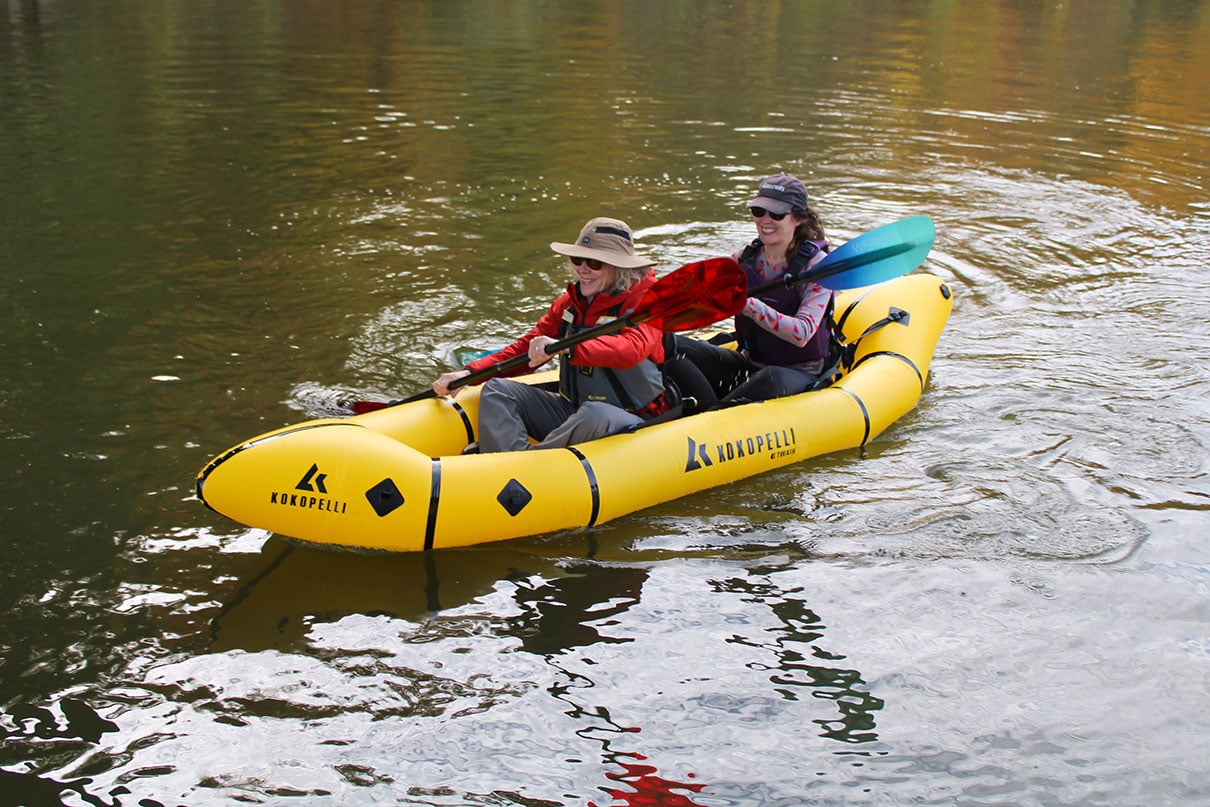
Kokopelli Twain
The Kokopelli Twain is ready for adventure with your favorite paddling partner. | Photo: Kaydi Pyette
Kokopelli Twain Specs
Length: 10’2”
Width: 37”
Weight: 11.2 lbs
Construction: 210d TPU and Nylon tubes | 840d TPU and DuPont Kevlar Aramid-Nylon Blend Floor
Our editor-in-chief Kaydi Pyette spent time with Kokopelli’s tandem packraft, the Twain. Kaydi found the Twain fun to paddle on local Ontario adventures with her mom. And, it was super stable—in her words, “approaching the stability of a small barge/pontoon.”
Kaydi also found the Twain maneuverable. If you were to flip the Twain over, you’d see it has a very flat hull, which, combined with its short waterline, lets it spin easily to change direction. This is great for moving water like rivers, but can be counterproductive on flatwater because it leads to corrections with each stroke. What the Twain provides that is unique for a tandem packraft, and alleviates constant corrections, is a removable center fin under the stern. Say you’re on a tandem paddle across the lake, that fin provides better tracking to help you draw straighter lines in your course of travel. In the packraft realm, this gives the Twain a big benefit over others on open waterways. Then if your next mission is down a shallow river, you simply remove the fin and you have that deft little boat for maneuvering back.
The Twain doesn’t have a self-bailing floor however, which limits the size of the rapids it would be suited for. And, with the short interior cockpit, Kaydi felt the inside space was snug for two paddlers and wouldn’t accommodate much camping gear. She recommends opting for the TiZIP upgrade that provides storage within the packraft.
It took less than 10 minutes for our editor to set up the Kokopelli Twain for the first time, and that was while figuring out the outfitting. To deflate and roll up, it was just five minutes to pack away the packraft. A tandem packraft like the Twain provides a nice option for after-work afternoons on the lake, meandering floats down the river and urban adventures.
Reasons to buy
Extremely lightweight
Easy to set up and pack away
A convenient choice for solo camping, tandem urban adventures, and the classic hike and paddle
Consider another if
You have the space to store a traditional inflatable kayak
Your regular access points are well-developed for larger craft
You prefer a roomy boat and beefy outfitting
Your adventures include whitewater bigger than class II or open water crossings
Bottom line
If a packraft provides the storability and portability you need for flatwater and slower rivers, the Kokopelli Twain provides a quick-setup, easy-to-paddle option and the bonus of a removable center fin for flatwater.
Best tandem inflatable fishing kayaks
BOTE Zeppelin Aero 12’6”
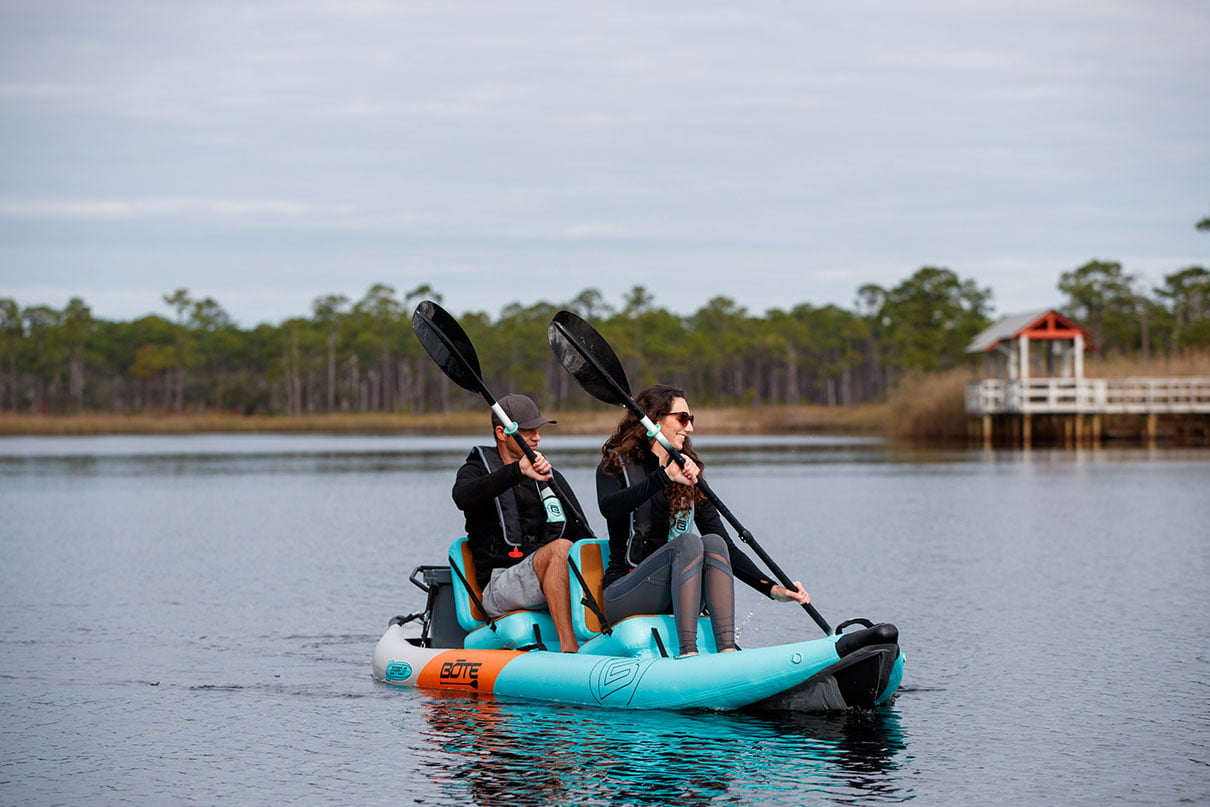
The elevated seat, drop stitched floor, and minimalist but well thought-out rigging make the BOTE Zeppelin Aero an angler’s tandem. Photo: Courtesy BOTE
Fishing kayaks have gone to such a rigging extreme that there is an endless debate over when they are still kayaks and just another boat. The BOTE Zeppelin Aero takes the fishing kayak discussion back to simpler times, with just a touch of outfitting to make this a tandem inflatable kayak great for fishing.
First off, the obvious advantage of a two-person-inflatable fishing kayak is that the BOTE Zeppelin Aero doesn’t require a trailer to get to the water. When rolled up, the Zeppelin is just three feet long and two feet wide. The combination of a keeled bow and removable fin on the stern help the Zeppelin Aero travel straight lines across the open types of waterways favored for fishing. And since it’s a tandem, you can have your paddling partner back you away from overhanging mangroves or hold you steady near the mouth of that irresistible channel.
What I really enjoy about BOTE’s design though are the outfitting subtleties that turn this into an angler’s inflatable kayak. The high-rise inflated seats provide an elevated casting position, and if that’s not enough, the drop-stitch floor can be blown up to 15 PSI, providing a solid platform to stand and sight cast. I also love their MAGNEPOD magnetic base plates on the deck and find them a fantastic place to put a fly or forceps while getting prepped.
The Zeppelin Aero also includes accessory points to attach your GoPro or other gadgetry and the ability to integrate BOTE’s Bucket-Rac system, which creates the option for rod storage and a secured five-gallon bucket.
Reasons to buy
Cuts through the noise of elaborate kayak rigging
Thoughtful outfitting including MAGNEPOD and Bucket-Rac systems
Elevated seats and high-pressure floor provide a good casting platform whether sitting or standing
Consider another if
You are looking for pedals or a motor
A wider boat with a larger tube diameter provides you peace of mind for stability on moving water
Bottom line
The BOTE Zeppelin Aero has everything an angler needs on a two-person inflatable fishing kayak and nothing you don’t.
Hobie Mirage iTrek 14 Duo
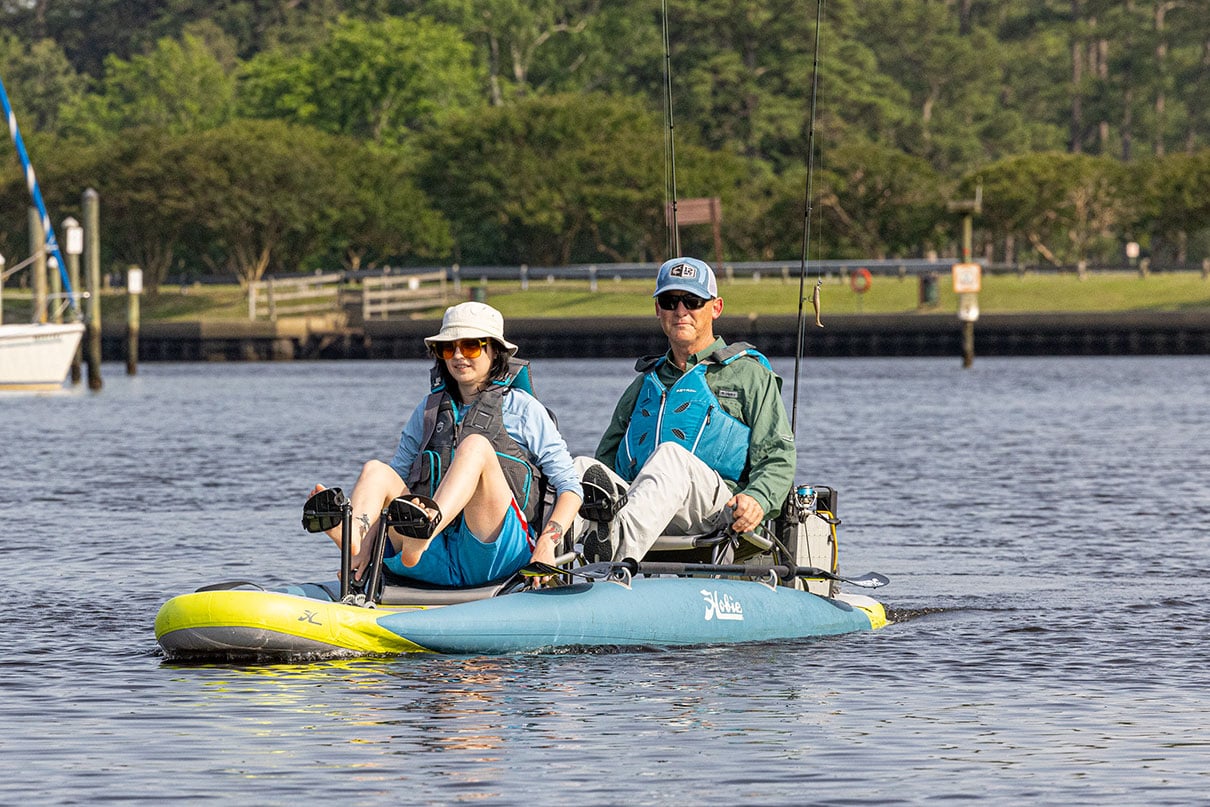
A lightweight pedal-drive tandem, the Mirage iTrek 14 Duo turns kayak fishing into a family trip. | Photo: Patrick Hayes
The pedal drive may just be the biggest moment of evolution in the history of kayak fishing. For those who’ve never fished a tight stream or along overhanging estuaries without a pedal drive or trolling motor, let me tell you, frustration was a large part of the experience as you had a paddle in one hand and a rod in the other. Thanks to pedal drives, the kayaking part of fishing became nearly hands-free, allowing you to focus on what you really hit the water to do, toss a line. It was the Hobie MirageDrive that led the way, and so it’s no surprise they looked at the inflatable paddleboards and kayaks floating around and realized they had something to offer—a pedal drive kayak that weighs just 45 pounds.
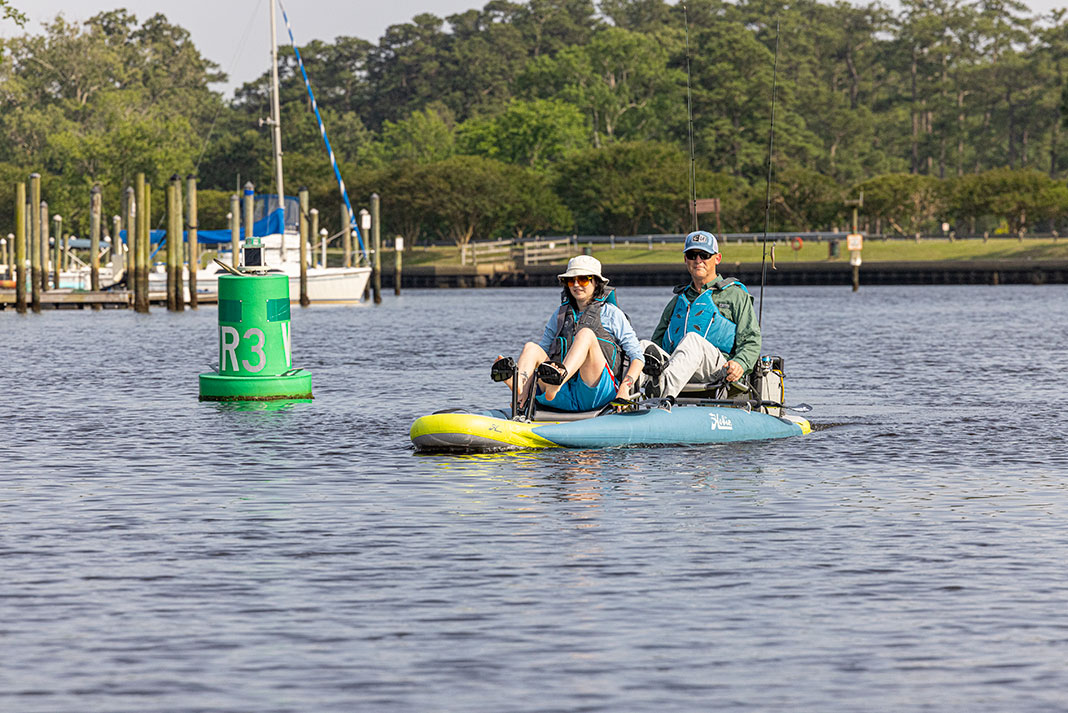
The 13-foot 8-inch iTrek Duo looks more paddleboard than tandem kayak, with the addition of outrigger-like rails to provide increased stability. The dual flipper-style pedal and rudder system mean you and your fishing pal can haul to your hot spot. The iTrek Duo doesn’t feature many fishing-specific features, but that keeps the weight and bulk to a minimum and is easily resolved to an extent thanks to the lash points to strap down a crate.
Our editor at Kayak Angler, Ric Burnley, has tested just about every fishing kayak in existence. After reviewing the Hobie Mirage iTrek 14 Duo, he declared it a sensible tandem solution. Ric said that the secret to the iTrek Duo’s success as a portable tandem kayak is its simple and stable design. “I always wanted a tandem kayak, but I don’t have room for another boat in my yard,” Ric shared in his full review. “The packable, inflatable pedal-powered tandem is a sensible solution. When the objective is family time with a side of fishing, the Mirage iTrek 14 Duo is the platform for focusing on what is most important—having fun with a favorite person.”
Reasons to buy
Lightweight tandem pedal drive fishing kayak
Includes Hobie MirageDrive GT
Paddleboard-like deck provides a stable casting platform
Coastal bays and flats or open lakes are your primary fishing spots
Consider another if
You are looking for a fishing-specific kayak with accessory mounts and rails
You prefer a traditional kayak design with a floor and raised side tubes
Moving rivers are your regular fishing spot
Bottom line
The Hobie Mirage iTrek 14 Duo opens the possibility of getting on the water with friends or family to do some tandem fishing with the efficiency and low-strain effort provided by the MirageDrive. The inflatable platform is a fraction of the weight of a comparable plastic kayak.
Budget-friendly two-person inflatable kayak
Sea Eagle 370
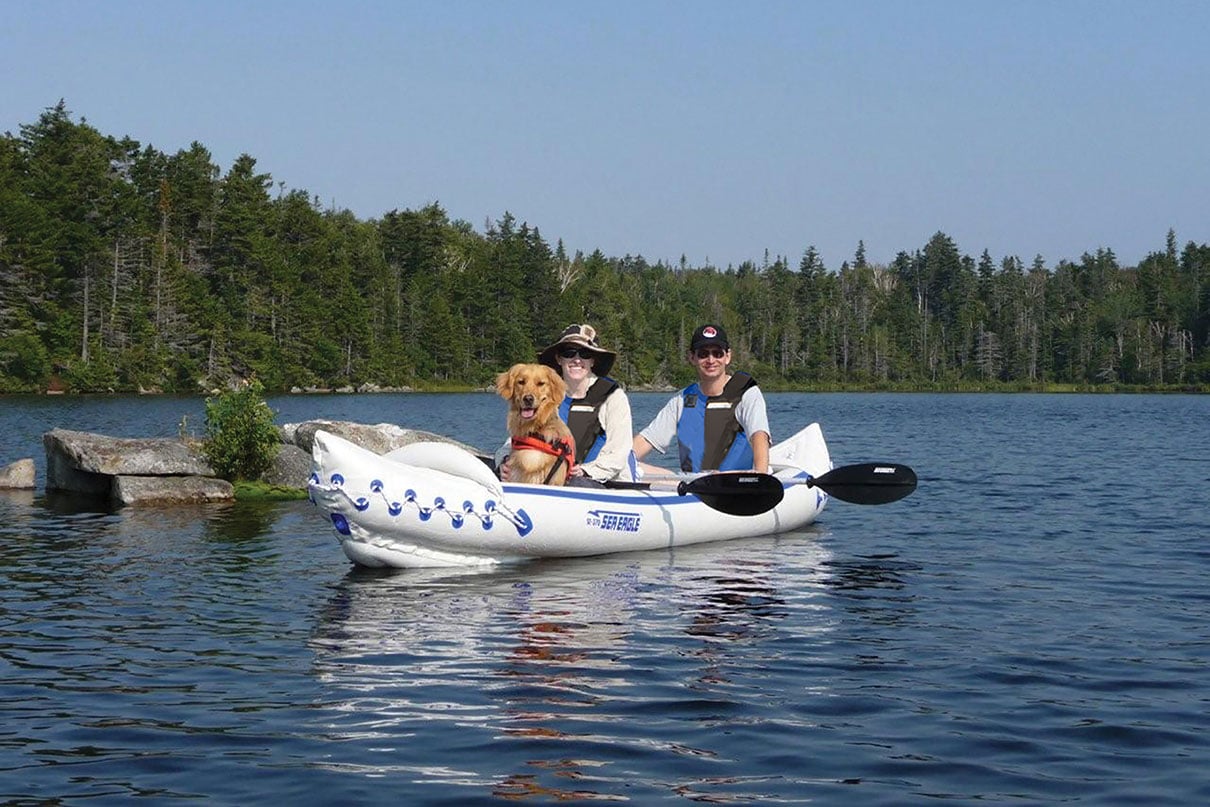
The Sea Eagle 370 is one of the most affordable inflatable tandems out there, and it’s made by a brand with a half-century of kayak-making experience. | Photo: Courtesy Sea Eagle
If you were to conduct a search for a cheap two-person inflatable kayak, two of the models that come up most often are the Intex Explorer K2 and the Sea Eagle 370. In fact, the Intex Explorer usually ranks higher in results, costs just a couple hundred dollars, and has tens of thousands of positive Amazon reviews. As someone who has sat in considerably more kayaks than I have office chairs, has had their share of rough paddling experiences, and wants you to get the best possible value for your dollar when it comes to gear, I’d like to ask you to consider spending just a little more to get an inflatable tandem you’ll be happier with for years ahead—the Sea Eagle 370.
Sea Eagle is a 50-year-running inflatable kayak company based out of Long Island, New York. The 370 represents their entry-level boat design, meaning if you are happy with what they produce, you can always upgrade to a higher-performance, heavier-duty kayak within their fleet.
Something you’ll notice in comparing the Sea Eagle 370 with the Intex Explorer are the valve styles on the floor and seats. The Sea Eagle provides screw-in one-way air valves on every chamber of the kayak, while the Explorer has small pool float style valves to blow up by mouth on the floor and seats. This means you can more easily inflate the Sea Eagle to its maximum air pressure. Why is that important? A fully inflated kayak has more rigidity which leads to better comfort and performance. A soft kayak is spongy, and feels like you are being folded in a bow to stern taco while swinging a paddle around.
The Sea Eagle 370 has a 38-millimeter PolyKrylar PVC build on its outer tubes which Sea Eagle warrants is strong enough to paddle up to class-III whitewater. This doesn’t mean you have to go anywhere near rapids with the 370, but what it does mean is the brand believes in the construction of the boat to bash against some rocks. Sea Eagle even provides a three-year manufacturer warranty on the 370, which says a lot for their trust in a boat at this price range.
Reasons to buy
One of the cheapest inflatable kayaks out there
Made by a well-established kayak brand
Includes everything you need to go kayaking except a life jacket
Every chamber on the boat includes a screw-in one-way valve for maximum inflation
Comfortable seats for the price with ability to upgrade
Stern skegs to help you go straight
Consider another if
Your maximum budget is less than the Sea Eagle 370
You want a tandem inflatable with a more premium construction and performance
You plan on making ambitious flatwater crossings
You plan to run class-III whitewater or go on remote extended trips
Bottom line
If you are looking for a two-person inflatable kayak at a low cost that will get you floating on the lake or drifting down the local river, the Sea Eagle 370 will be one of the best deals you can get for your dollar.
Know The Local Hazards
Check navigation charts before you launch.
Check with those who have local knowledge of man-made and natural hazards, e.g. low-head dams; sweepers, strainers and undercuts; tides and currents; and rocks and shoals.
What to consider when buying a tandem inflatable kayak
It’s easy to look at price tags and ask what could possibly be the difference between two inflatable kayaks. There are a few key elements you should bear in mind though before purchasing one to enjoy the water.
The construction of varying degrees of inflatable kayaks is likely one of the largest differences between boats. The best inflatable tandem kayaks are made of stronger, thicker soft plastics. A poorly constructed inflatable kayak is very often made with thin plastics that feel like they belong to an inflatable pool toy. Packrafts are an exception, having managed to use thinner material technology that is very light but durable and easy to repair.
Air valves are another major factor to reaching proper inflation, and, for the hull at least, a well-designed inflatable kayak features one-way valves that you can inflate without air escaping when you pull away your pump nozzle. This allows you to be able to put the maximum recommended air pressure into each tube. This and the construction of the tubes equates to a tandem kayak that feels more rigid for effective paddling—like you would sooner bounce off of it rather than sink into it.
Also, pay attention to how many air chambers there are. Air chambers are what keep you afloat, and while standup paddleboards have yet to regularly adopt multiple chambers, most well built kayaks will have a few, which provides a safety element should a chamber pop.
Along with the overall shape of a kayak and whether it is made more for rivers or flatwater, the outer tube diameter is something else to consider. The larger the tube diameter, the more of a pontoon each will provide to keep you riding high and stable. A larger tube diameter is especially important on whitewater, and much less so on flatwater. You do, however, also want to consider whether the size of the tube diameter inhibits your ability to self-rescue back into the boat should you capsize. With this in mind, if you have the opportunity to test out a friend’s inflatable or visit a local outfitter you’ll quickly see how comfortable and capable a model is for you to paddle.
To create this list of the best two-person inflatable kayaks we took popular boats available today out on our favorite local waterways, as well as gathered the feedback of editors and contributors and their reviews conducted over years of editorial coverage.
Paddling Magazine digital editor Joe Potoczak.
Why you should trust us
As a river guide and paddling instructor for nearly two decades, inflatable kayaks have played a key role in how I’ve introduced people to kayaking. Especially on rivers, they offer a low barrier of entry into the sport. I’ve spent many a day on the river paddling them myself to be in the same craft as students and guests, gaining a great appreciation for the benefits and limitations of inflatable kayaks.
The author teamed up in a tandem on the Orange River, South Africa. | Feature photo: Regina Nicolardi
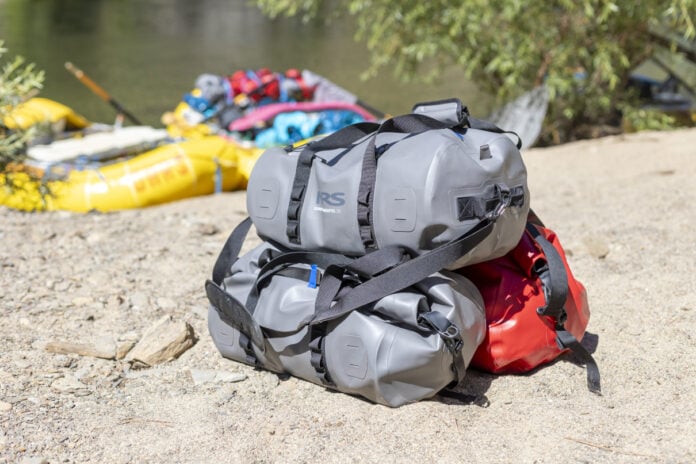
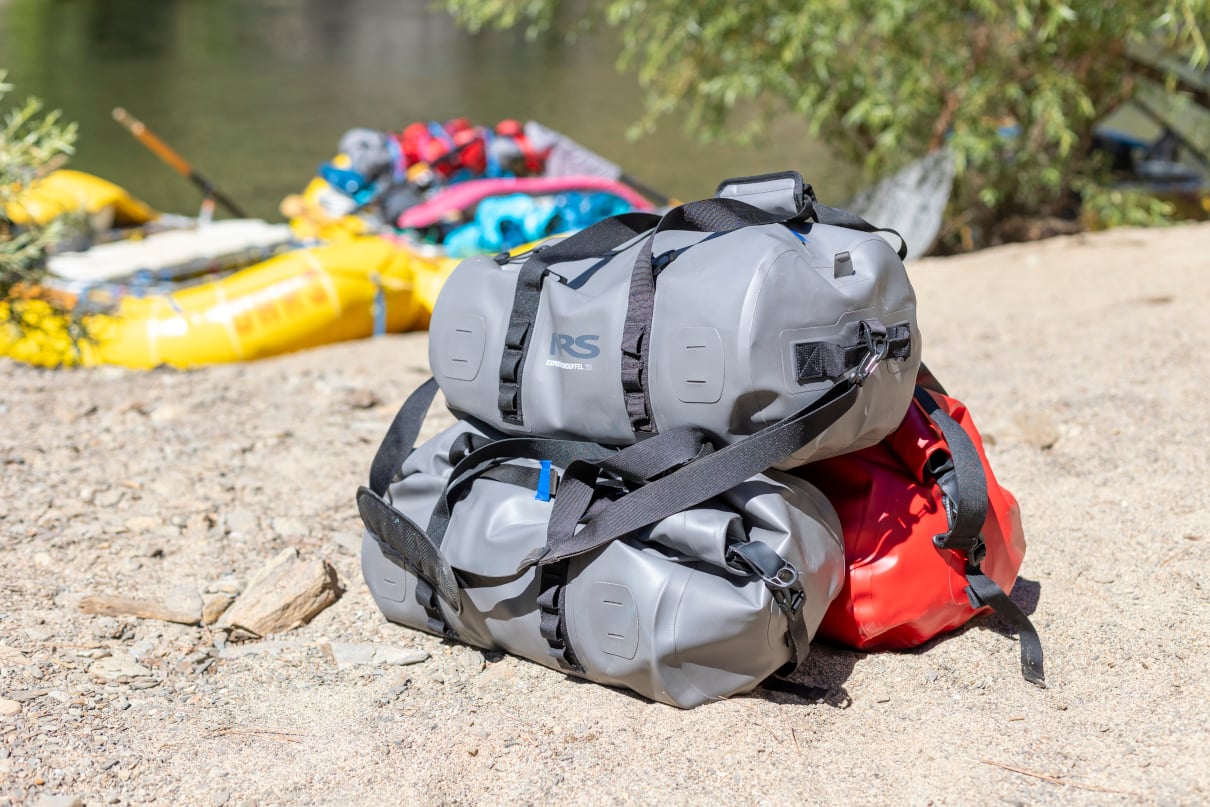
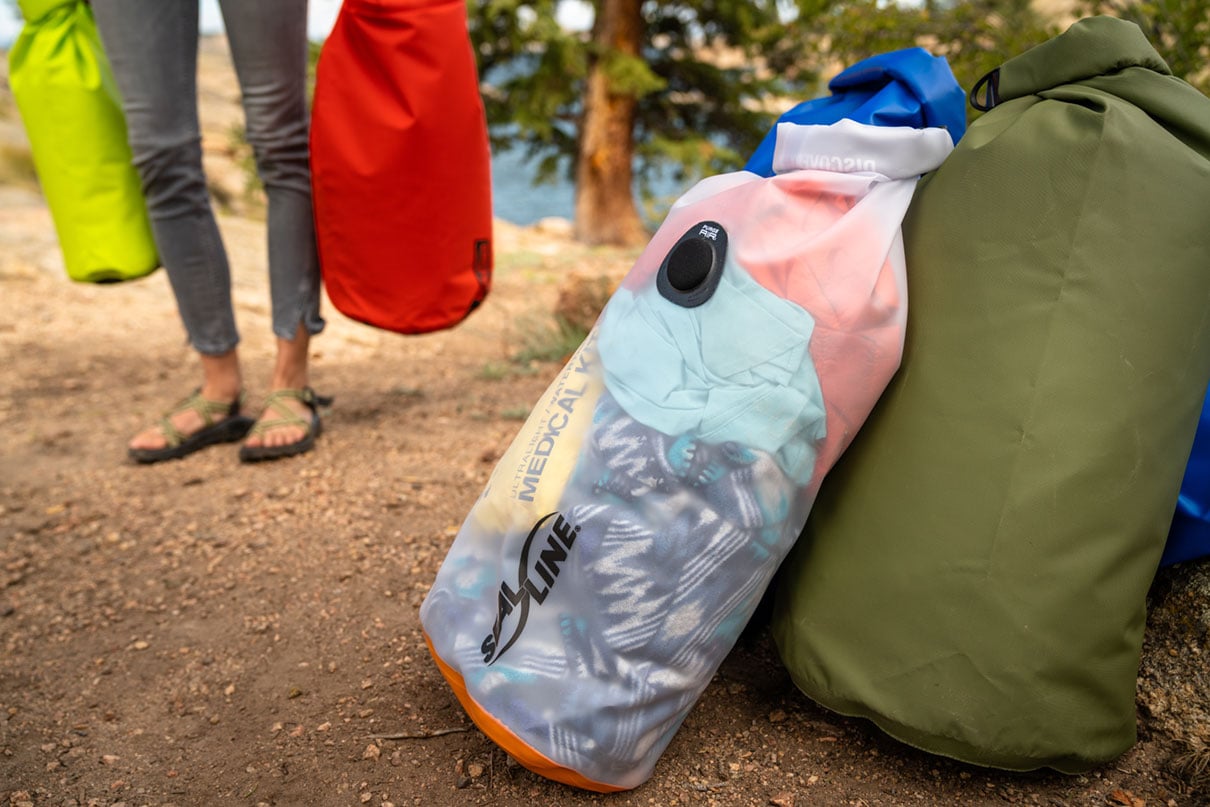
Pile of NRS DriDuffels ready to load. | Feature Image: Dylan Silver | OARS
The heat of summer is nice and all, but there is something special about fall paddling trips. Maybe it’s the landscape painted in the palette of autumn, the feel of cozy fleece under a drysuit, or the satisfying warmth of a hot meal at the end of the shortening days. As colder temperatures creep in we are nowhere close to thinking the paddling season is coming to an end, and that’s because for our team it never does. What we’ve figured out is it’s the little things, the gear we pack for comfort, fun and luxury that makes the difference in getting the most enjoyment out of these fall days.
To help you do the same, we asked our editors what they won’t go without this fall, and this is what they had to share.
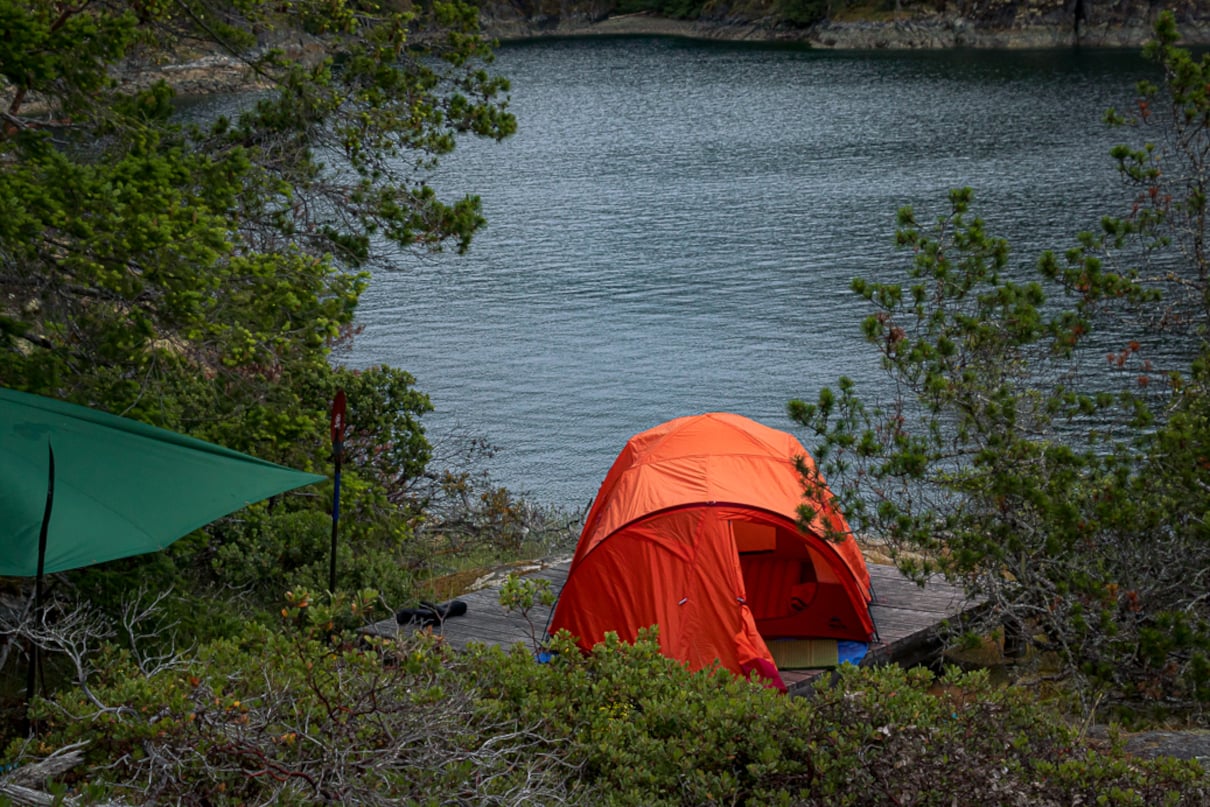
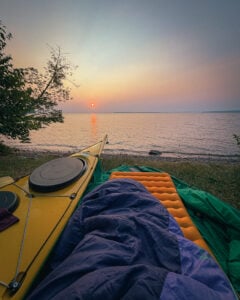
This tent is basically a backcountry castle with a super roomy vestibule to cook in when it’s rainy and windy outside. I love that this tent has extended my paddle camping season, and is easy to fit in a canoe or sea kayaks.
Bottom line
The MSR Remote 3 is a sturdy and roomy four-season tent that keeps you and your paddling partner’s gear bone dry for shoulder season camping. The central-support frame of the Remote 3 uses Easton Syclone poles, a ballistic-fiber, carbon, and resin composite that offers increased durability and significant weight saving compared to aluminum poles. The Remote 3 has a 22 square-foot vestibule, 46 square feet of floor space inside, and reaches almost four feet tall inside for space to move around on those windbound days.
Nalgene 16-ounce Storage Jar. | Photo: Maddy Marquardt
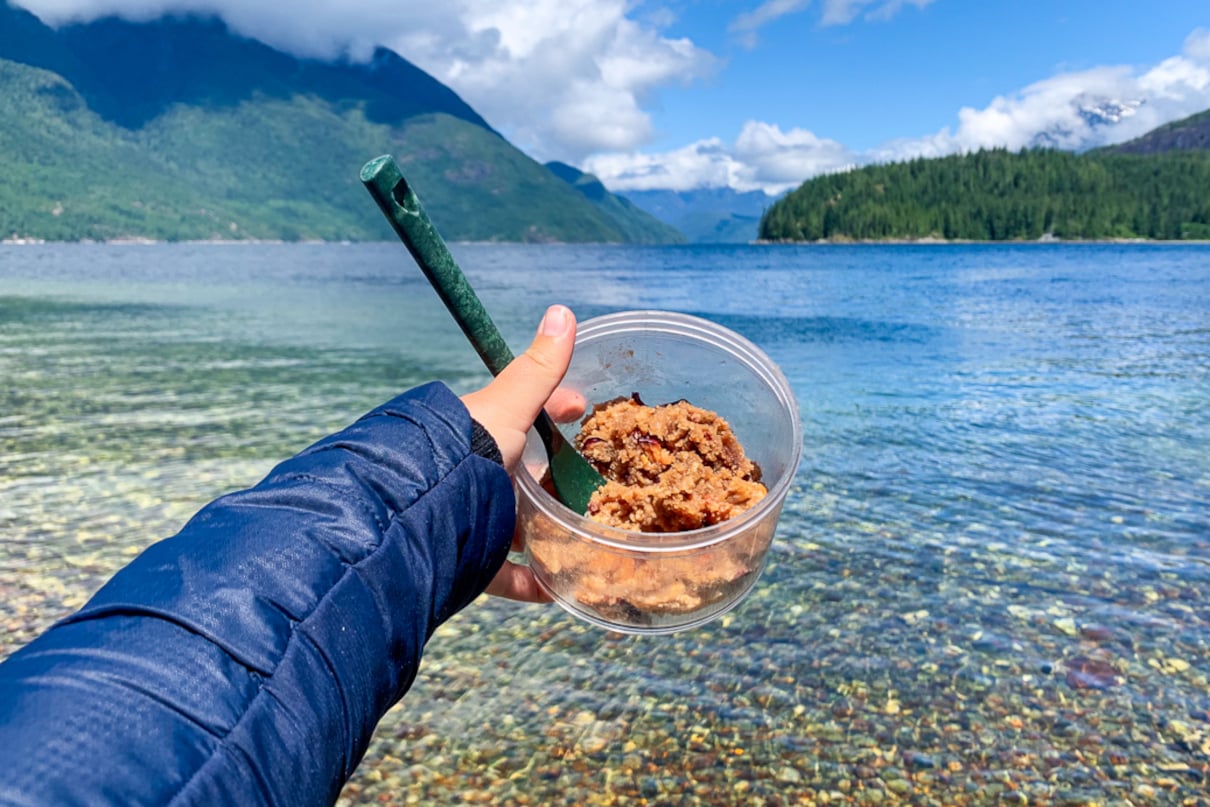
I love using a Nalgene jar for my bowl in order to never truly do camp dishes. I just screw the cap on and let my previous camp meal season the next.
Bottom line
The Nalgene Storage Jar can easily be your personal camp bowl, used for food prep, leftovers, or packing out coffee grounds and food waste. These jars are made of durable Tritan BPA/BPS-free plastic—so they won’t leave a funny taste in your meal. The lid is leakproof, and the 16-ounce is a condensed size that solves the puzzle in your drybag.
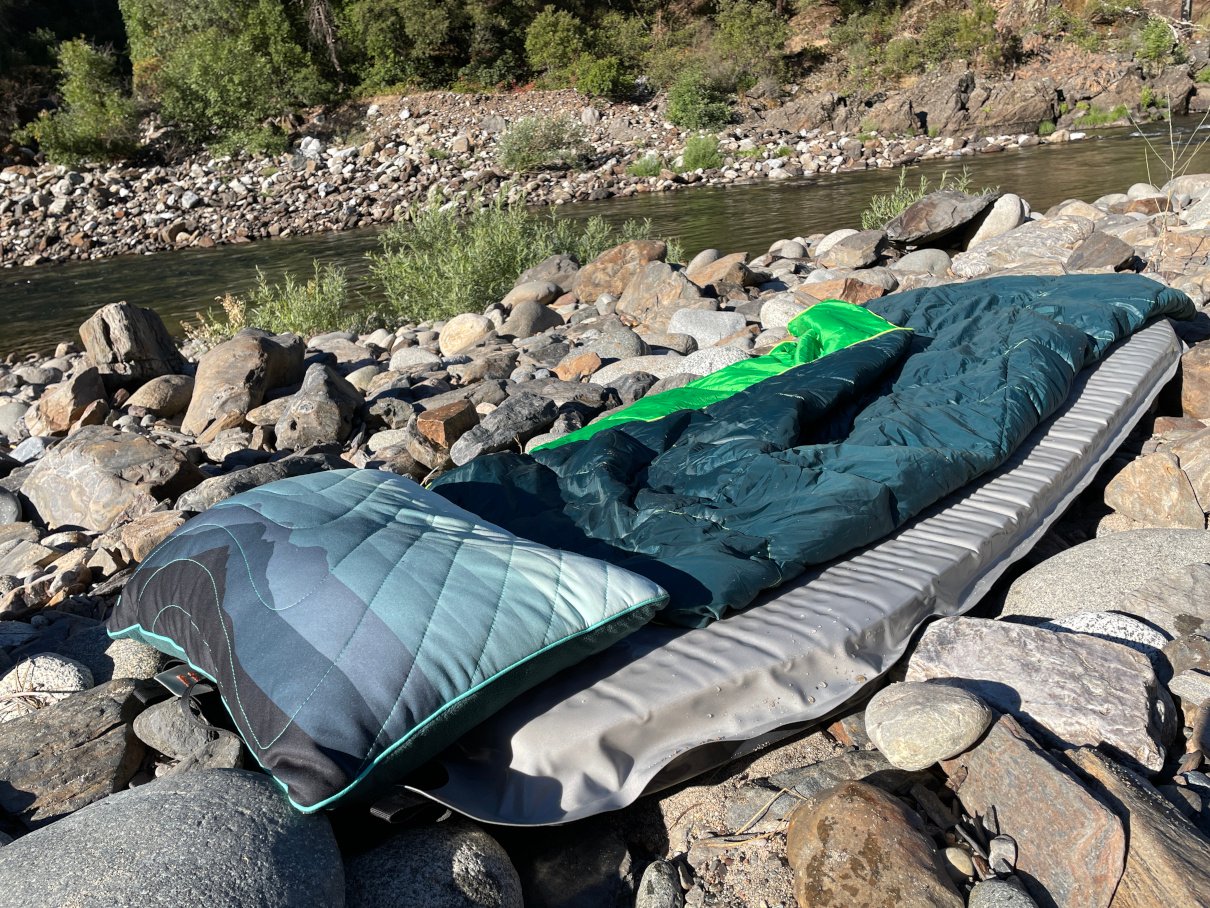
Nemo Tensor Sleeping Pad. | Photo: Maddy Marquardt
I love that the Tensor is quieter to sleep on than most other pads, packs small enough to fit behind my skeg box, and is as comfortable to sleep on as larger sleeping pads.
Bottom line
Comfortable, packable, and sturdy: the Tensor insulated sleeping pad has an 5.4 R-value, which places it toward the upper end of all-season insulation. The Tensor is 3.5 inches thick and uses an aluminized film for its insulation value. Nemo also makes the pads in four sizes including regular, regular wide, long wide and a mummy shape.
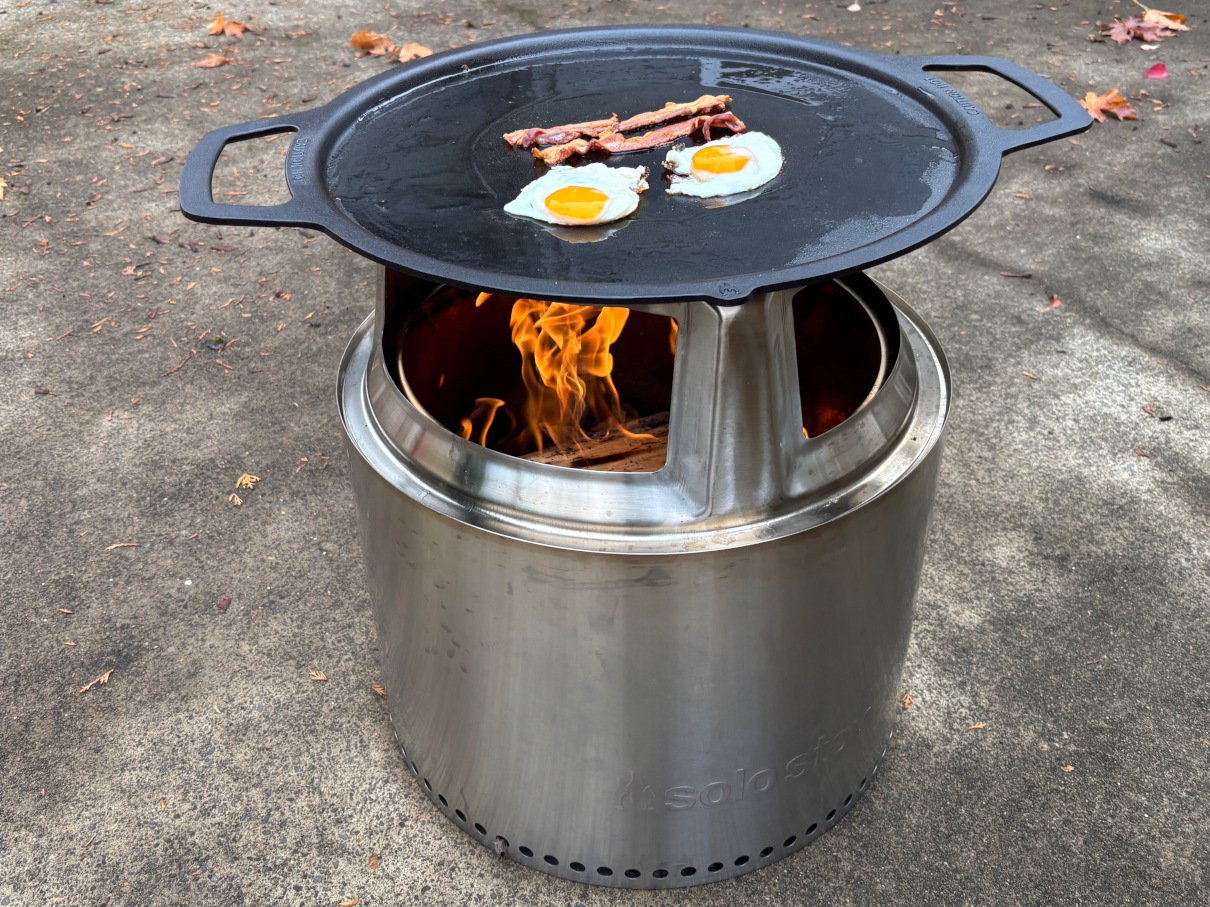
I was skeptical of the Solo Stove when the household first convinced me we should get one. It wasn’t until I had my hands on the griddle top that I saw the versatility of the Bonfire as both our backyard and basecamp low-impact firepit. The cleverness of the Solo Stove is in its cooking accessories that beat out those old grates over the fire ring and turn some serious heat up on the camp chefery.
Bottom line
The Solo Stove Bonfire can set up shop at the river festival, disperse camp down an NF road, or hold down the patio party. The 17-inch cast iron griddle top is the size of a large pizza, providing enough space to fire up breakfast for the whole crew. With the hub underneath to raise the griddle off the flames, you gain a built-on heat deflector to send some warmth out to those puffy-clad campers salivating over the sizzle of bacon.
The NRS DriDuffel had me at the zipper that slides like a hot knife through butter. My first time using it was on an overnight trip outside of Yosemite. The 35 liter had all the space needed for my personal effects. The lengthwise opening was a dream to not have to root around the bottom of a deep, dark dry bag to find my fly box once I caught a glimpse of rainbows rising on the Tuolumne.
The NRS DriDuffel seals with a TRU Zip zipper and has an IPX7 waterproof rating. That means it’s submersible at a meter deep for 30 minutes. To back up the zipper, the DriDuffel is constructed of PVC-free 84-denier heavy-duty TPU-coated nylon. The outer straps help secure and compress your gear to fit in the back of your kayak or minimize the pile on the raft. This is why we selected the DriDuffel as one of the best dry bags of the year.
What I love about The Camp Pillow is that it doesn’t try to be a minimalist, barely there, teched-out solution for one of the most neglected pieces of trip gear there is. Instead Rumpl has stuffed their camp pillow dense with shredded memory foam. While others have left me spending the night folding and configuring to finally get comfortable, Rumpl’s solution feels like a luxury as I drift off staring at the stars.
Bottom Line
The Camp Pillow from Rumpl is 22 inches by 15 inches with a two-sided outer shell—one side brushed polar fleece, the other a soft-touch polyester. The shredded memory foam fill is accessible and adjustable for your preferred loft, and The Camp Pillow includes a stuff sack to compress it for your pack.
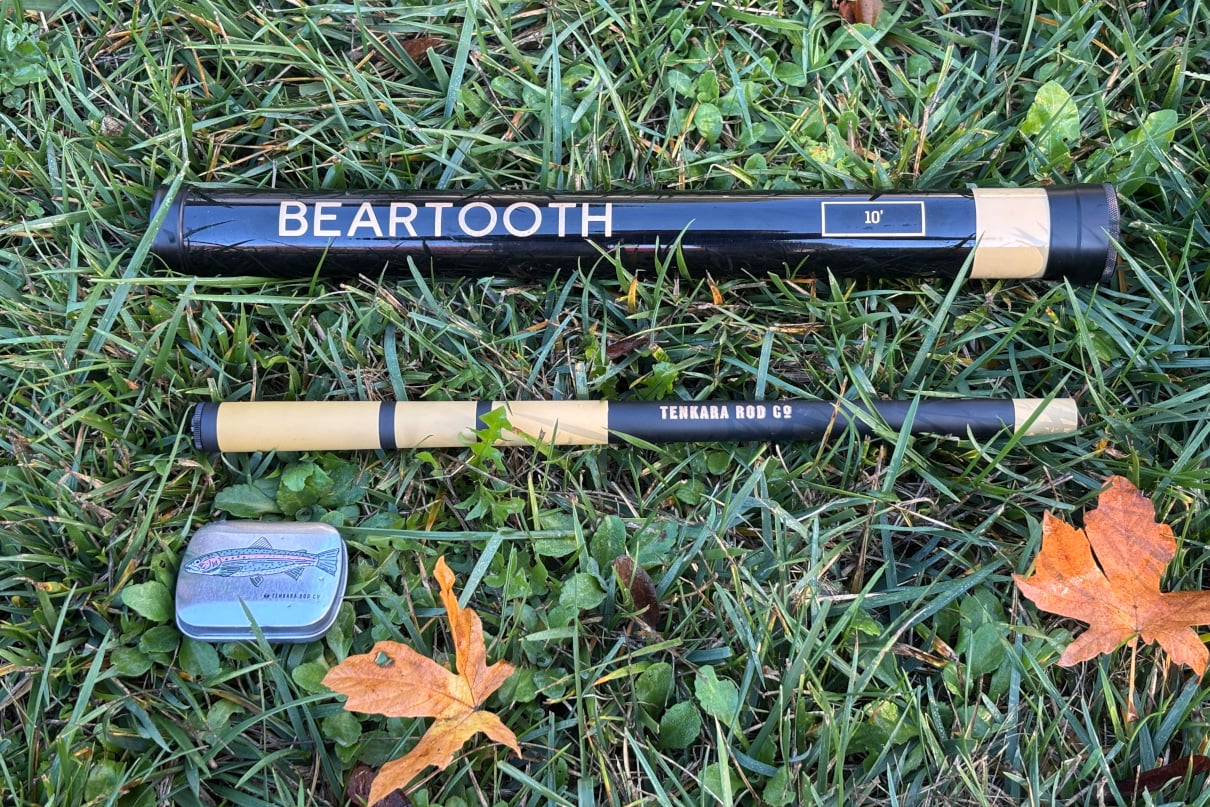
I never have to ask myself again whether it’s practical to bring my fly rod on the river because of the Beartooth. It telescopes down to just 14 inches long and fits in my drybag for a raft trip, and I’ve put it in the back of my kayak to pull over and work the tails of pools on river runs. I was hesitant whether tenkara fishing would provide enough line on casts, but soon realized how little I actually use and that reaching most pockets could be solved with a few small steps.
Bottom line
The Beartooth is Tenkara Rod Co.’s most compact packing fishing rod. It weighs 2.3 ounces, extends to 10-feet long, is constructed of carbon fiber and has a 6:4 flex that land bigger fish than you’d expect by looking at it. You can get the rod alone or purchase the kit that includes line, tippet and even a box of flies so you are immediately ready to roll your line out.
BruTrek OVRLNDR French Press. | Photo: Joe Potoczak
What I look forward to most on every day of camping is a cup of hot coffee, okay, not just camping, every day in general. I’ve used all sorts of coffee methods and contraptions to serve my indulgence, and the OVERLNDR is hands-down my favorite for brewing camp and travel coffee. The 24-ounce insulated French press makes just the right amount of coffee and keeps it hot. The Bru-Stop plunger keeps out the sludge, and it has a removable bottom chamber that lets me shake out the grounds, call it “camp clean” and brew another round. I also love the cylindrical shape without a handle, which gives it a big advantage for packing in a dry bag or bin.
Bottom line
The BruTrek OVRLNDR was designed for the adventurous. It’s body is made of a stainless steel construction, with a double-walled vacuum seal design to keep coffee hot for hours. The Bru-Stop plunger prevents over-extraction, and the removable base lets you break down as much of the OVRLNDR as you’d like for cleaning.
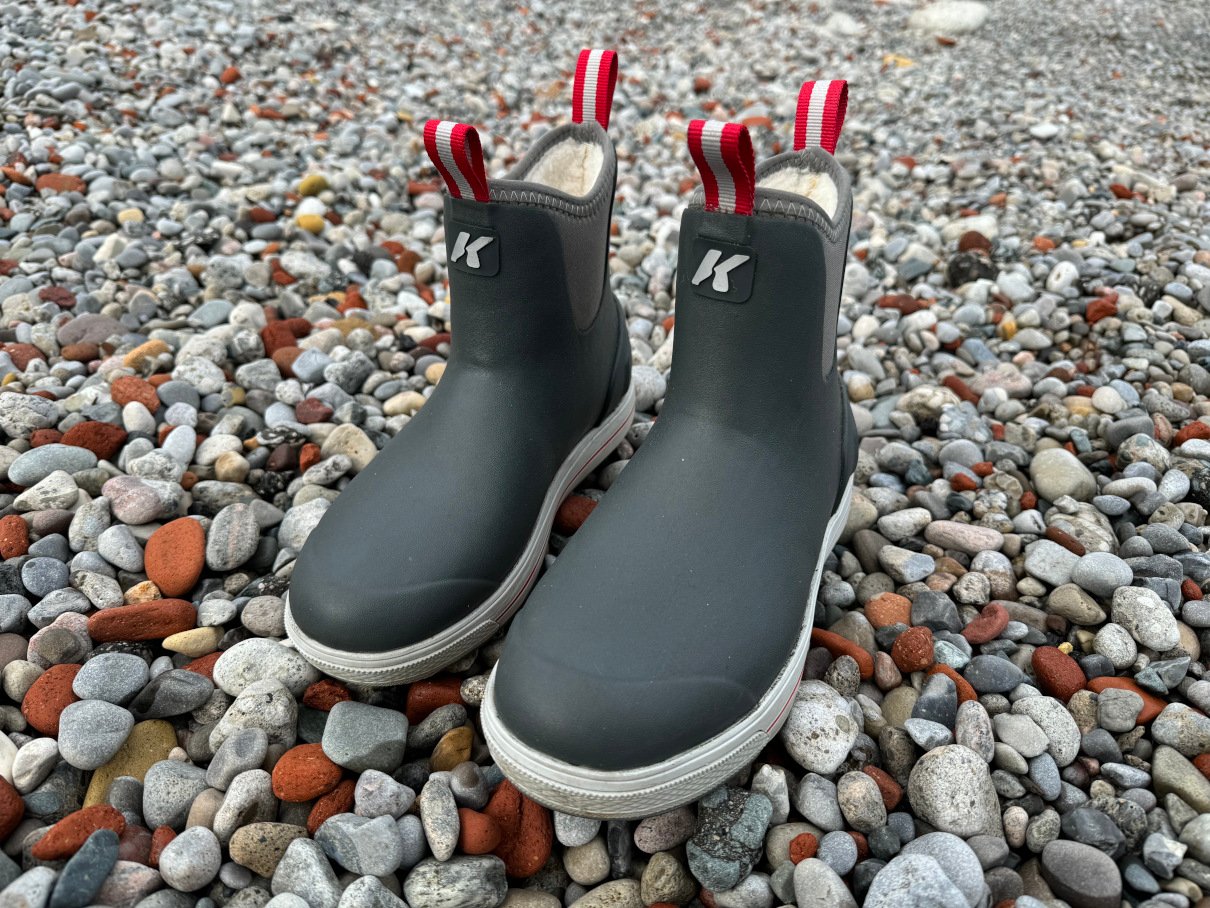
For wet, mucky, cold winter days, Korkers’ Neo Flex Thermo booties are possibly the most comfortable waterproof boots I’ve ever worn. The cushy fleece-lined interior is more reminiscent of a pair of cozy slippers than rugged outdoor shoes. They were invaluable in keeping my feet warm and dry during a snowy long weekend road trip in Yellowstone National Park this October that I felt otherwise unprepared for. The cushioning kept me comfortable during hikes, while the Kling-On Grip outsoles held firm on slippery boardwalks while other geyser gazers slid past.
Bottom line
Most rubber boots are made with a hard rubber midsole that leads to foot fatigue after a long day in the snow. The Korkers Neo Flex Thermo boots use Cush-Tech EVA on the midsole to absorb the day’s impact. The outsole is then finished with the non-marking Kling-On Grip rubber. The Thermos insulation is provided by 3.5-millimeter-thick neoprene and a fleece interior lining that adds up to a -20 degree Fahrenheit comfort rating.
North Water’s Water Bomber. | Photo: Courtesy North Water
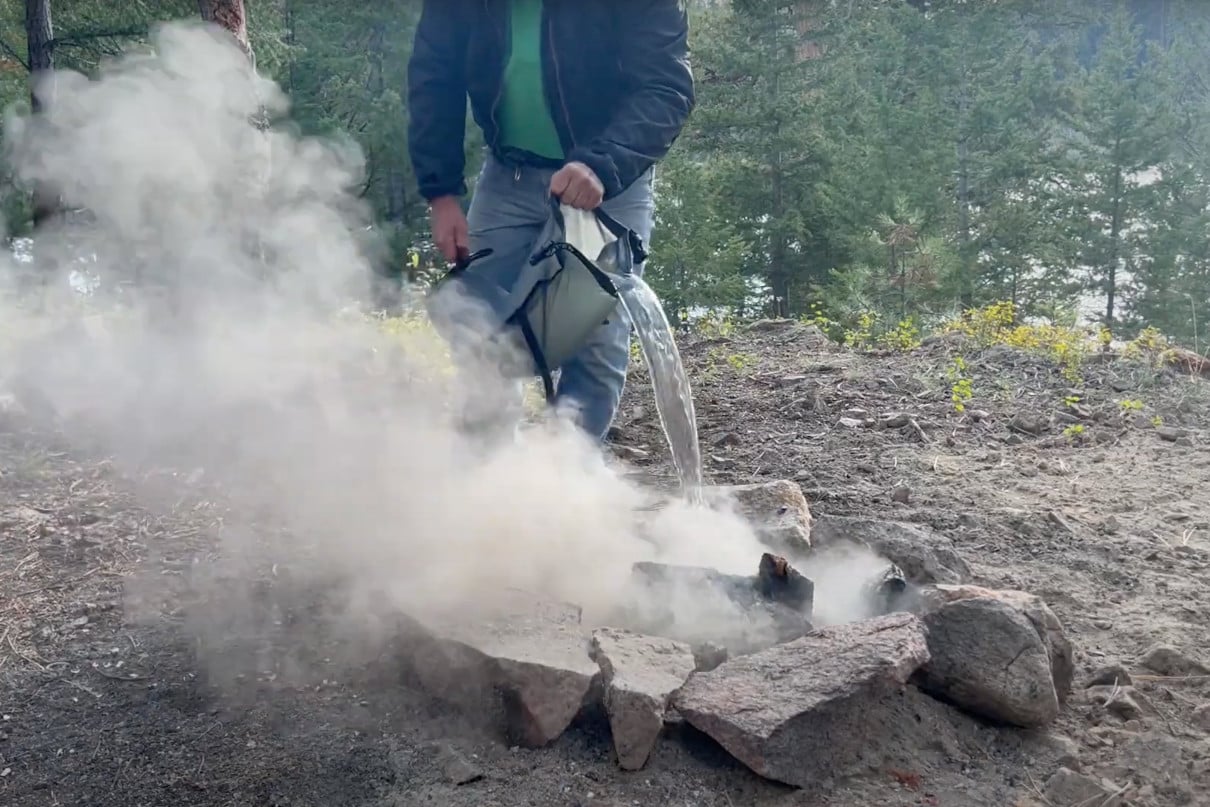
The Water Bomber from North Water takes a page from Smokey Bear’s book, making sure “Only YOU can prevent forest fires” is more than just a motto. How you ask? It’s simple. First, fill the 12-liter rolltop bag in one fell scoop from a stream or lake. Then, dump it over your campfire and enjoy the satisfying sizzle of fire safety. Beyond fire control, the Water Bomber doubles as a camp dromedary—hang it by its adjustable strap from a tree or picnic table, and use the twist valve to dispense smaller amounts of water for washing and cooking. It’s light, compact, easy to clean by flipping inside out, and rolls flat for easy packing.
Bottom line
The Water Bomber has 12 liters of volume and it’s top is designed to fill in one scoop and extinguish the flames of the campfire. The twist valve sits an inch above the bottom to not spout grit, and the hang strip is adjustable.
The NRS Ninja Pro got an upgrade in 2024 and the Paddling Mag team got a first look at the redesign of this classic PFD at Canoecopia 2024.
First Look: NRS Ninja Pro and OS and orbit fit technology
Already the bestselling PFD at NRS, the NRS Ninja has a classic design with high mobility and a thoughtfully placed clamshell pocket that has made it one of the most popular PFDs on the market according to Blake Longworth, from NRS. It’s also a favorite amongst the Paddling Mag team, and earned top marks as one of the best life jackets for paddlers.
The update for the Ninja includes an Orbit Fit technology to contour to the paddlers body right out of the box. The new Orbit Fit System differs from previous models in that rather than bending one large piece of foam for floatation, multiple pieces of precision cut ethafoam are laid to create a pre-curved shape, creating a snug and secure fit.
While the previous iterations of the Ninja have fit a range of body sizes and types, the new Ninja takes it a step further with a slightly altered form profile between sizes to allow for the most comfortable and customizable possible fit for paddlers of all sizes.
“This is a PFD designed for every… body,” Longworth shared.
A previous complaint of the NRS Ninja was the lash tabs for knife placement made it easy to get your knife snagged in your deck rigging or on the chicken lines on a raft. To remedy this, the new Ninja has moved the lash tabs to below the clamshell pocket of the PFD where it’s less likely to snag protected by the shape of the pocket itself.
Meanwhile, the new Ninja OS has been designed specifically for offshore paddlers, a rework of the classic version of the Ninja PFD.
According to NRS, the NRS Ninja OS is also made with sea kayakers in mind, where previously it had been engineered to cater more exclusively to whitewater. The NRS Ninja OS is built for sea kayakers who want a low profile PFD with more freedom of movement while retaining the classic safety features, storage, and visibility.
Rapid Media is pleased to announce the winners of the sixth annual Paddling Magazine Industry Awards, presented by the Safer Paddling Campaign. These awards recognize significant and innovative achievements in the development of products introduced to the paddlesports market this year.
The Paddling Magazine Industry Awards categories represent every aspect of the sport across all disciplines. The awards present brands with the outstanding opportunity to introduce new products to the largest audience of paddling enthusiasts and the industry.
Congratulations to this year’s winners, chosen by over 22,000 voters who cast their support for the best in paddlesports innovation and excellence.
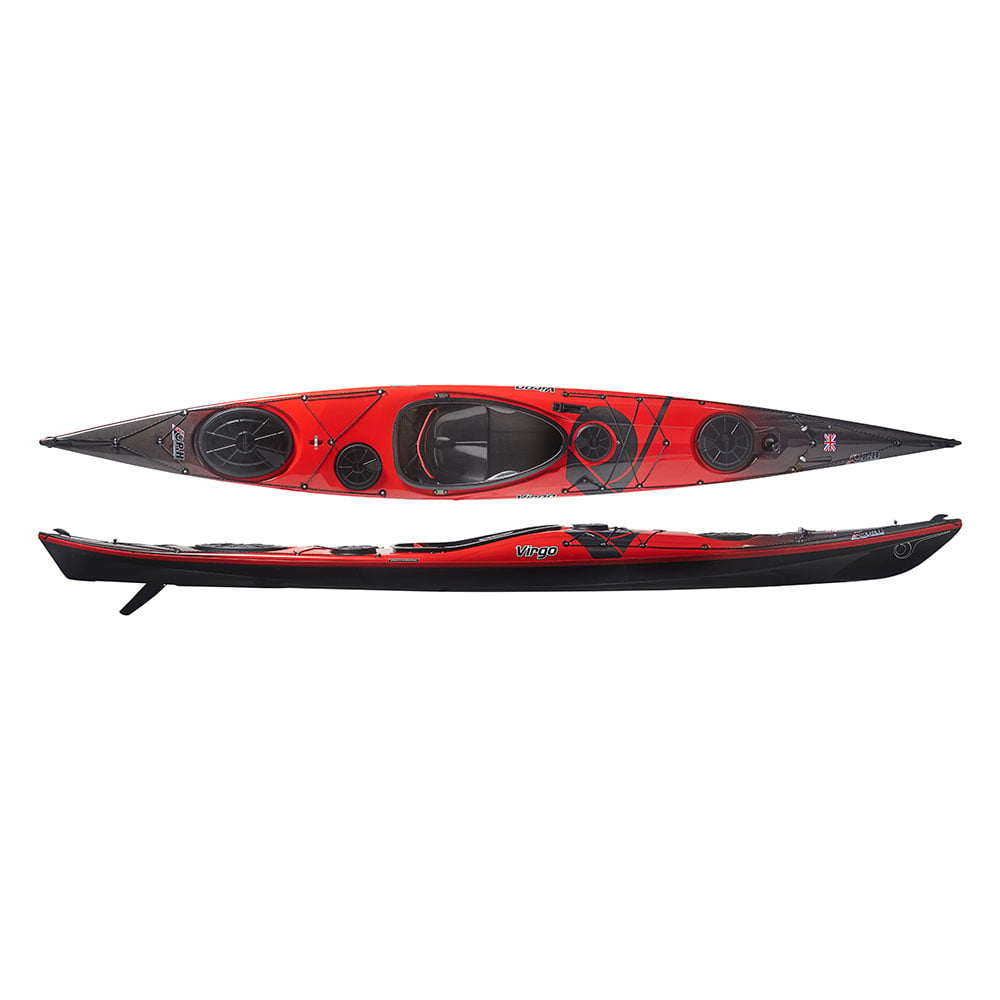
Best Sea/Touring Kayak: Composite Virgo by P&H Sea Kayaks
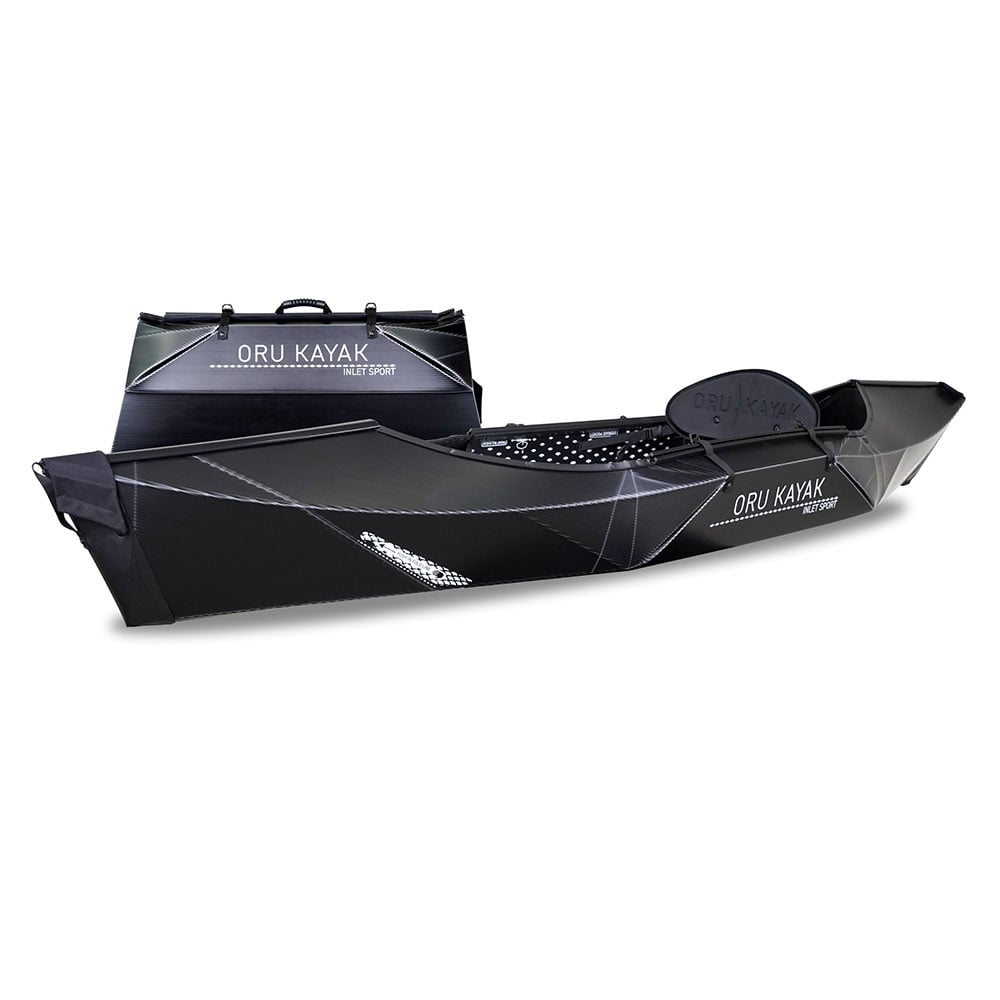
Best Recreational Kayak: Inlet Sport by Oru Kayak
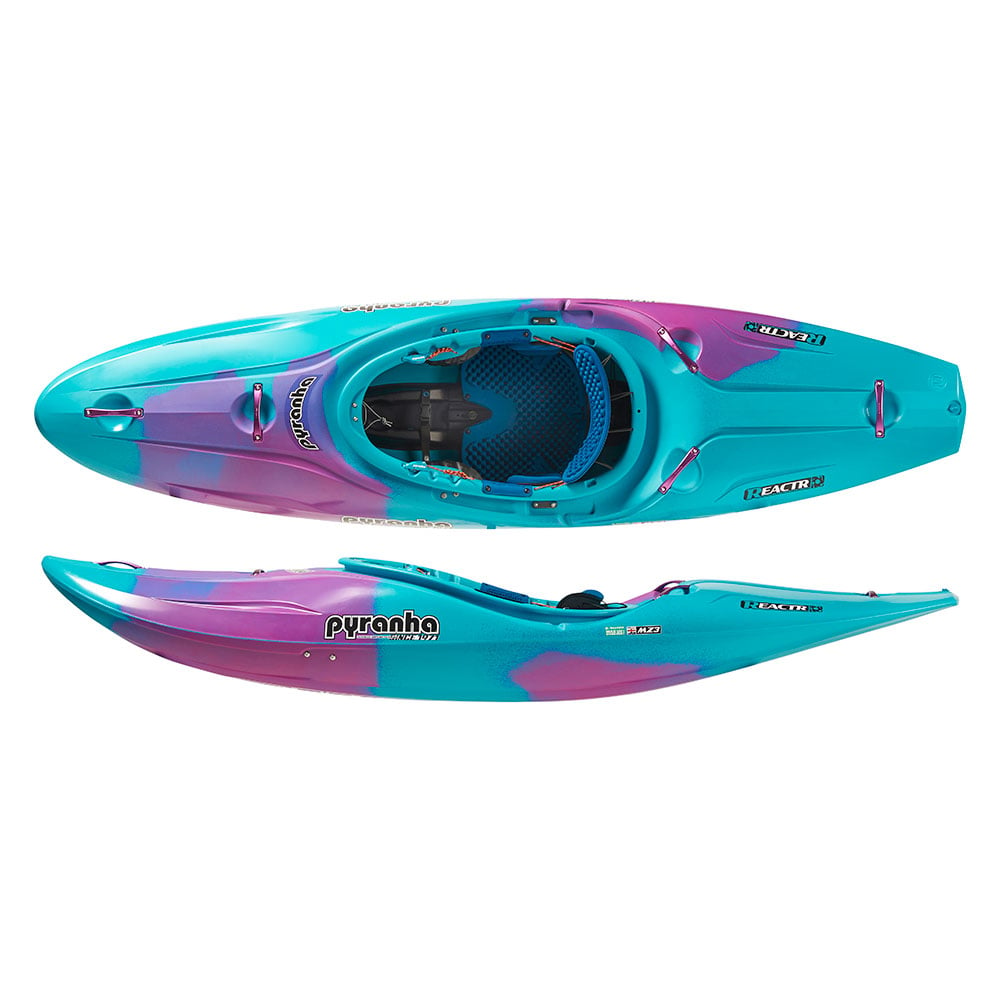
Best Whitewater Boat: ReactR by Pyranha
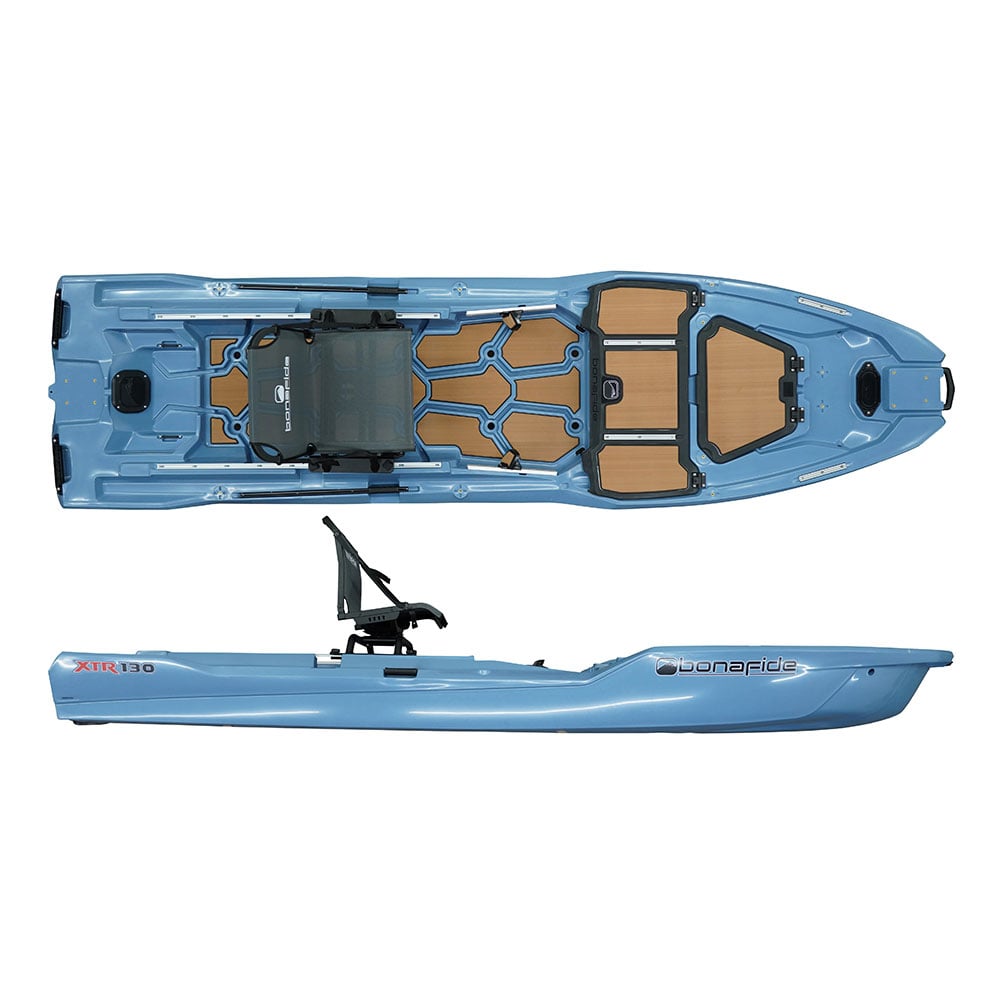
Best Fishing Kayak: XTR130 by Bonafide Fishing
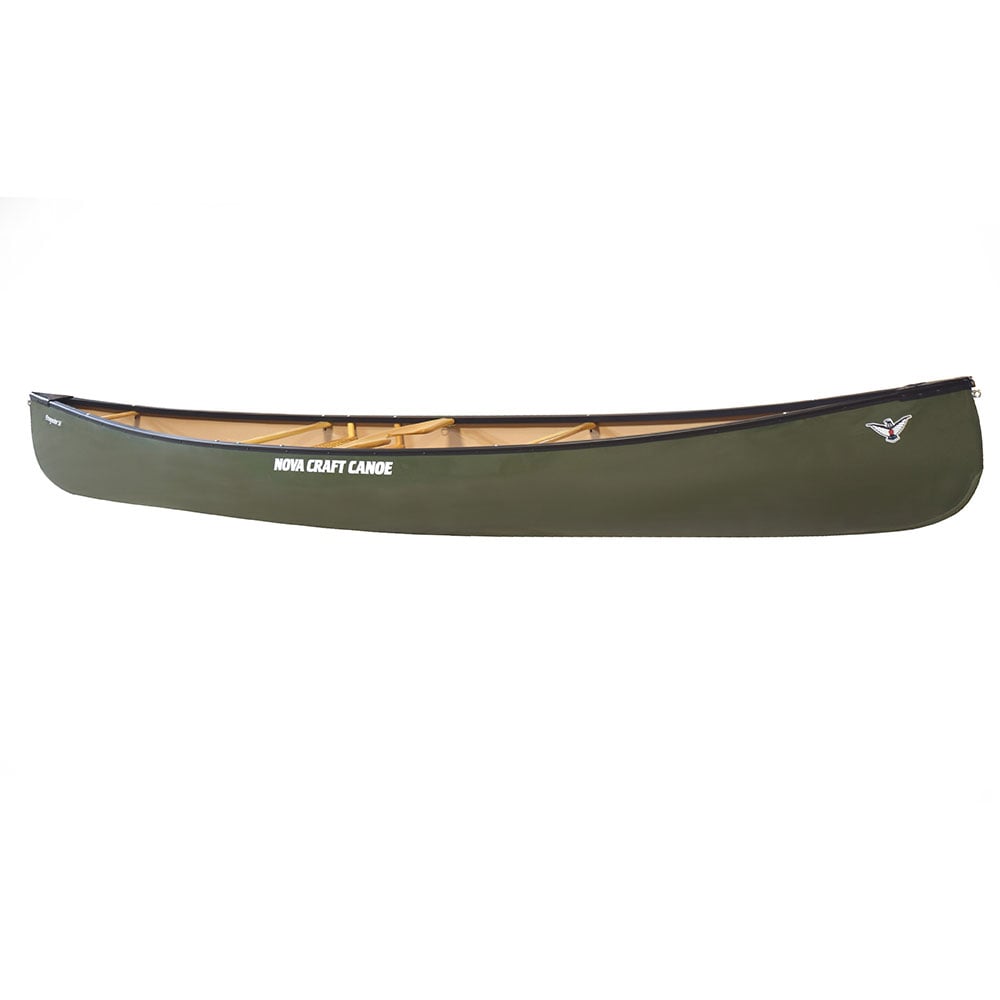
Best Canoe: Prospector 14 Solo by Nova Craft Canoe
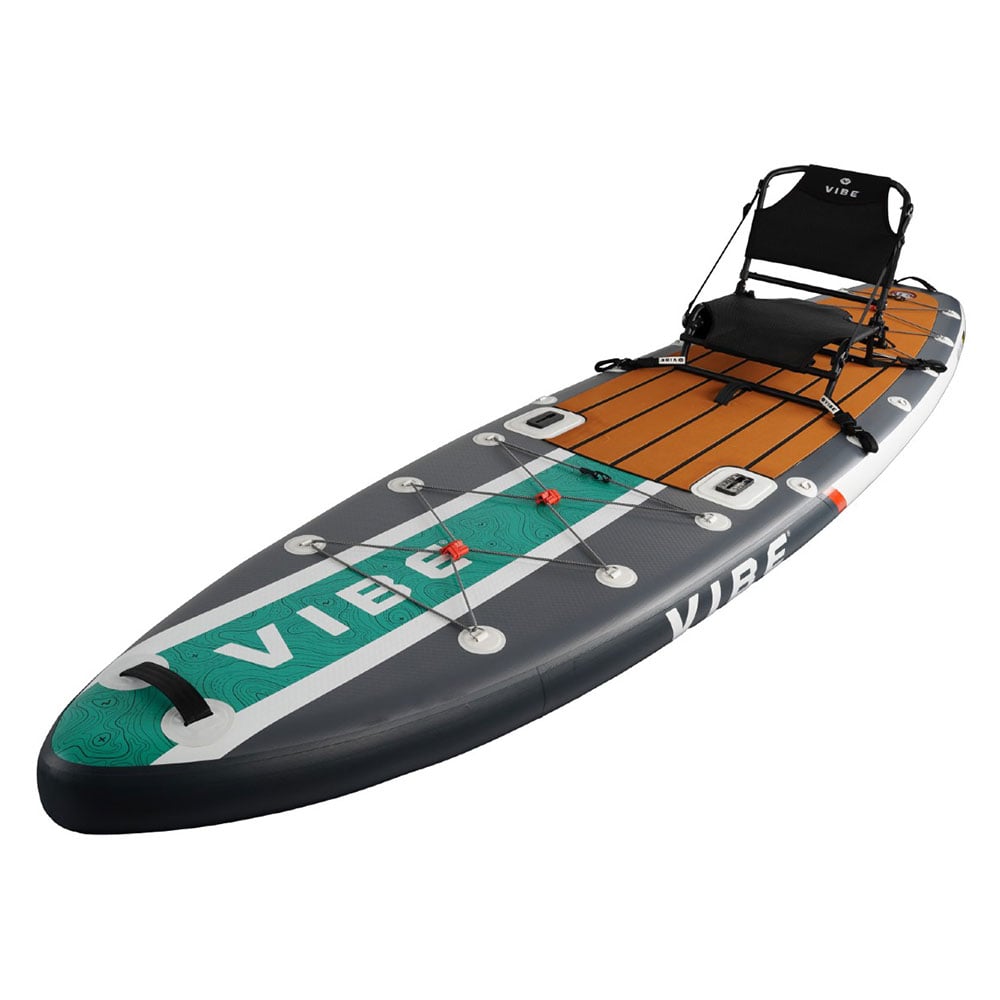
Best SUP: Cubera 125 Lite by Vibe Kayaks
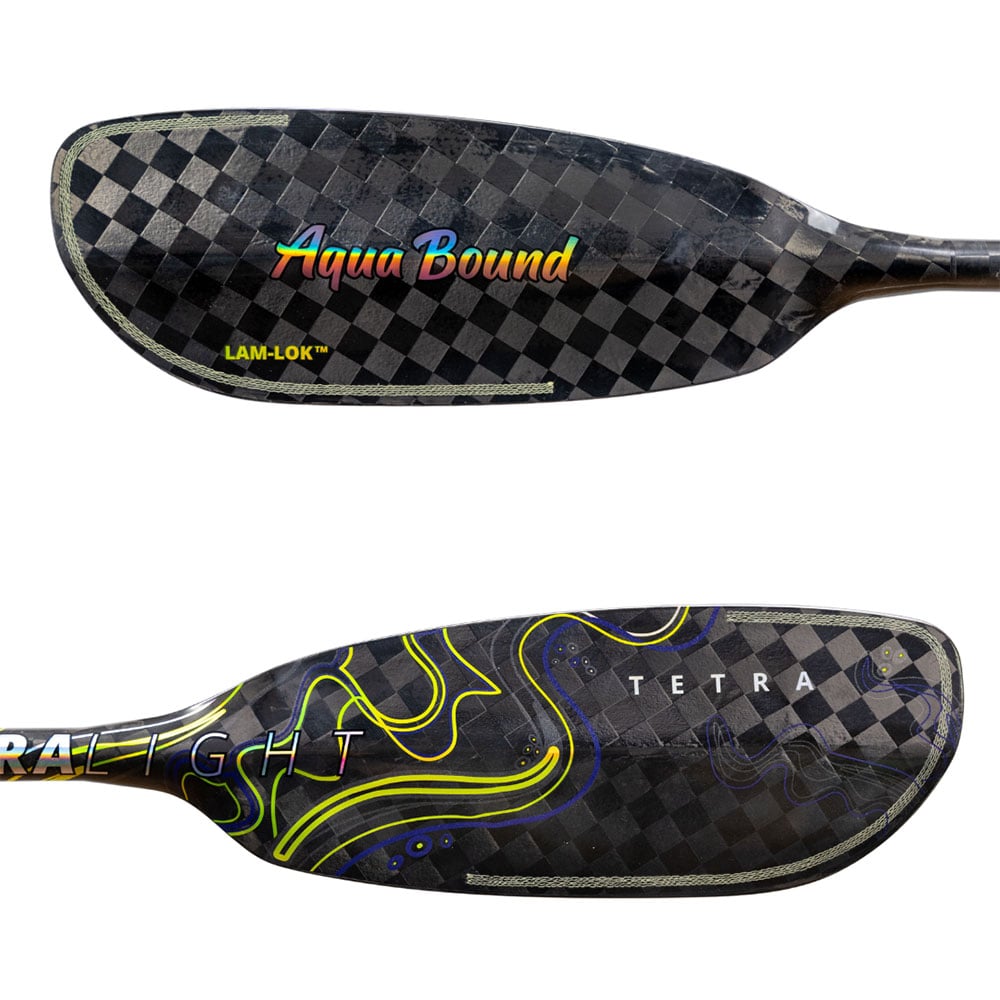
Best Paddle: Ultralight Tetra by Aqua Bound
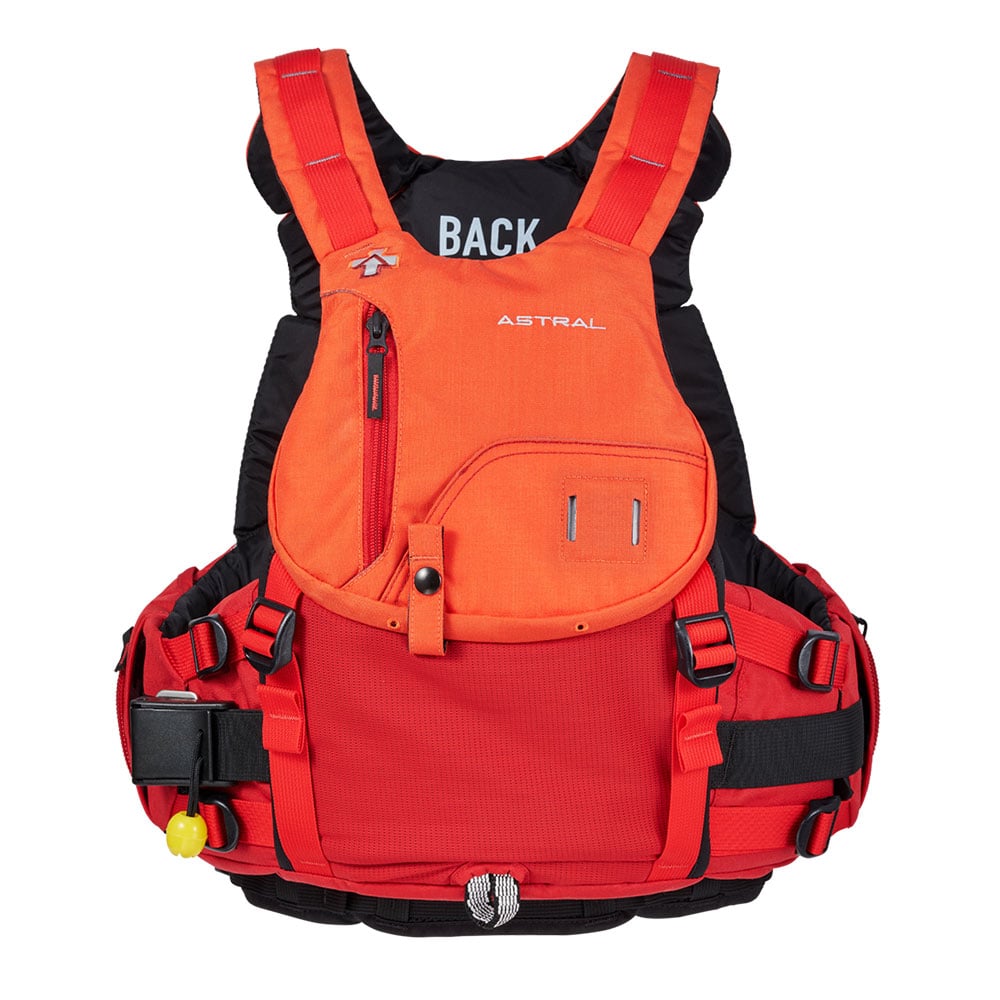
Best Safety & Rescue: Indus by Astral
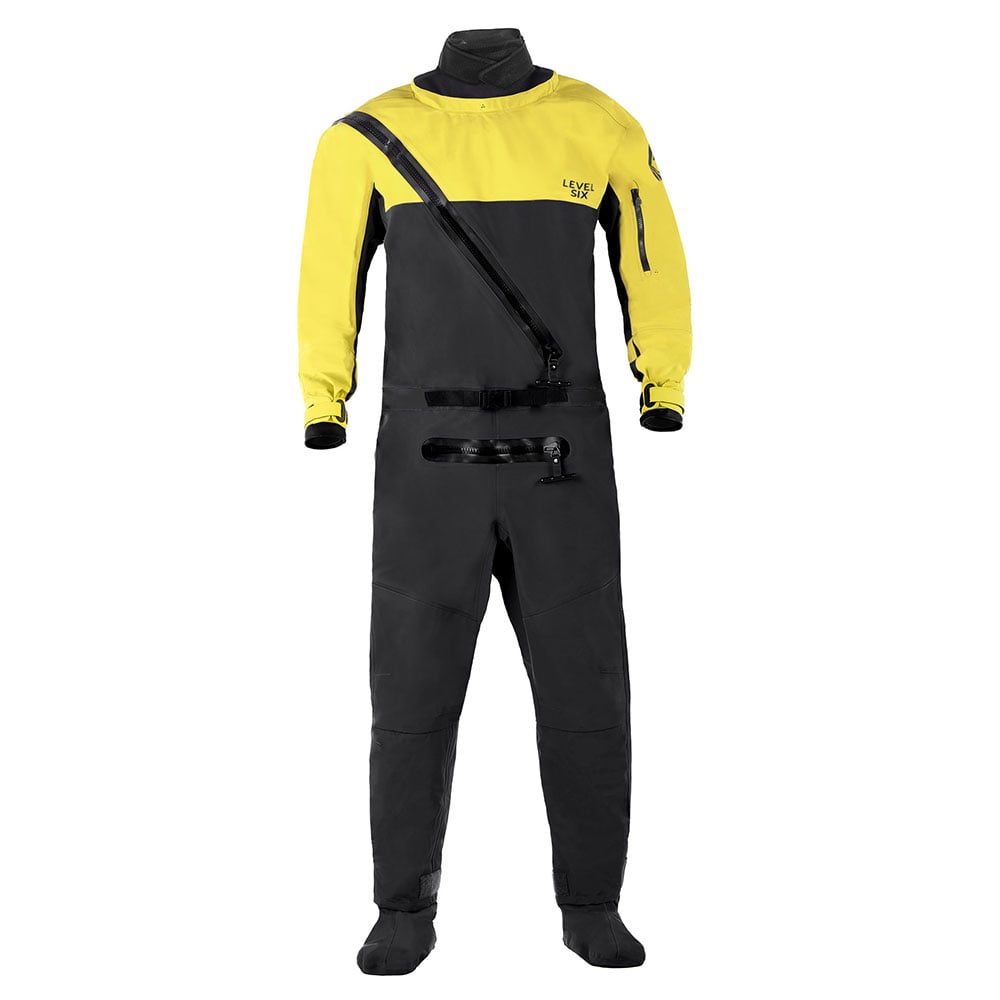
Best Clothing/Apparel: Loki Dry Suit by Level Six
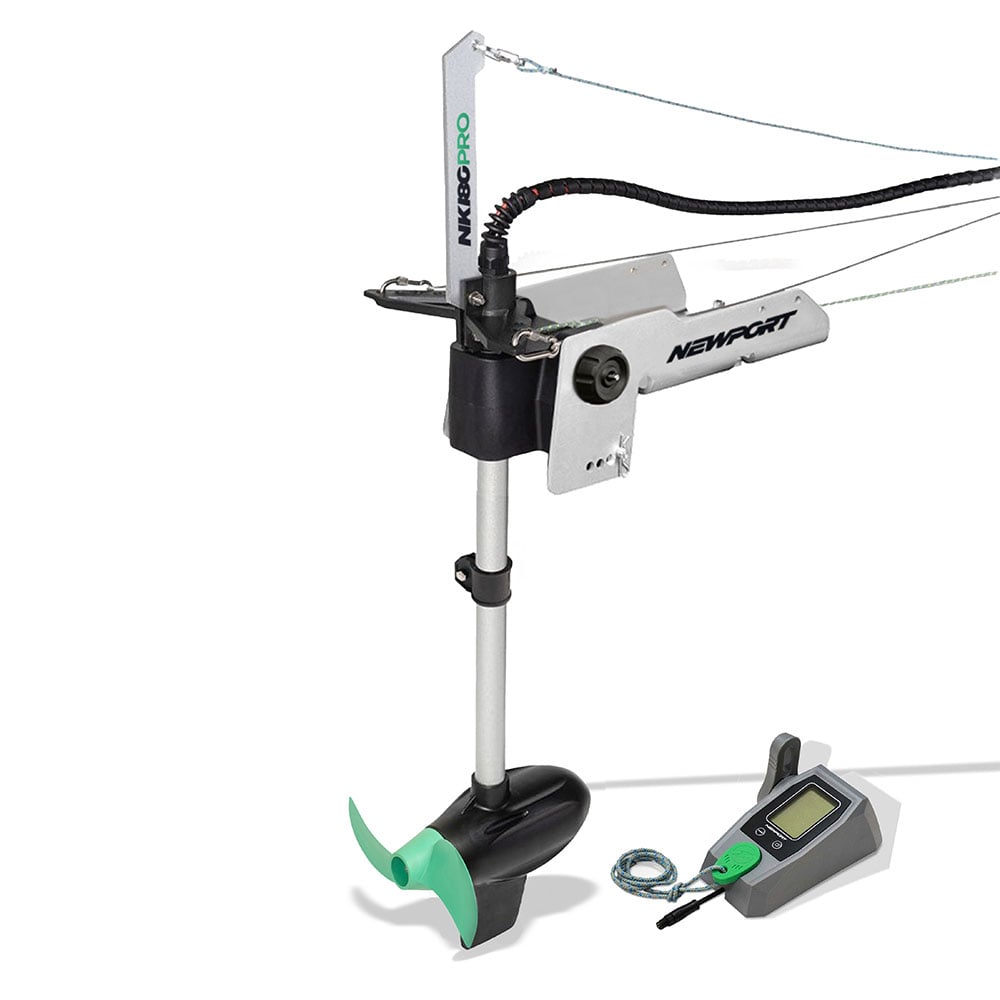
Best Rigging & Outfitting: NK180PRO Kayak Motor by Newport
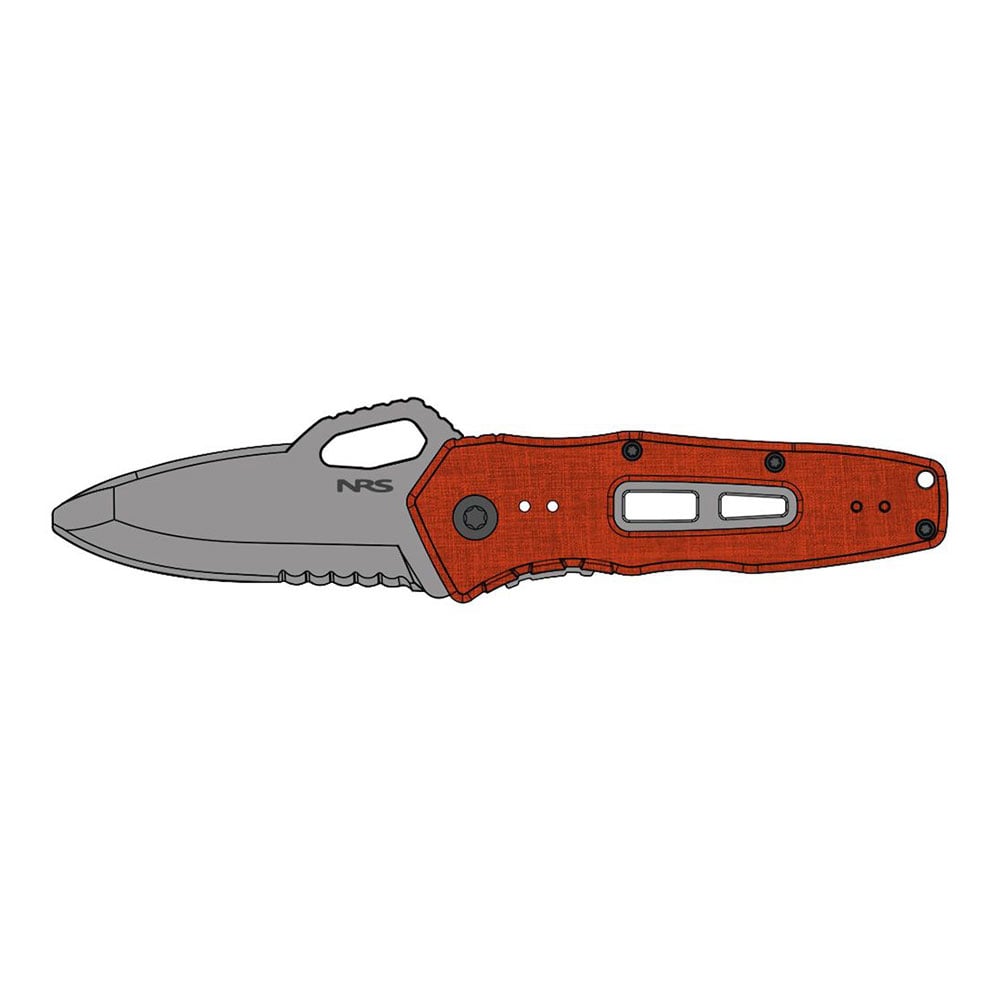
Best Paddling Accessory: Photic Knife by NRS
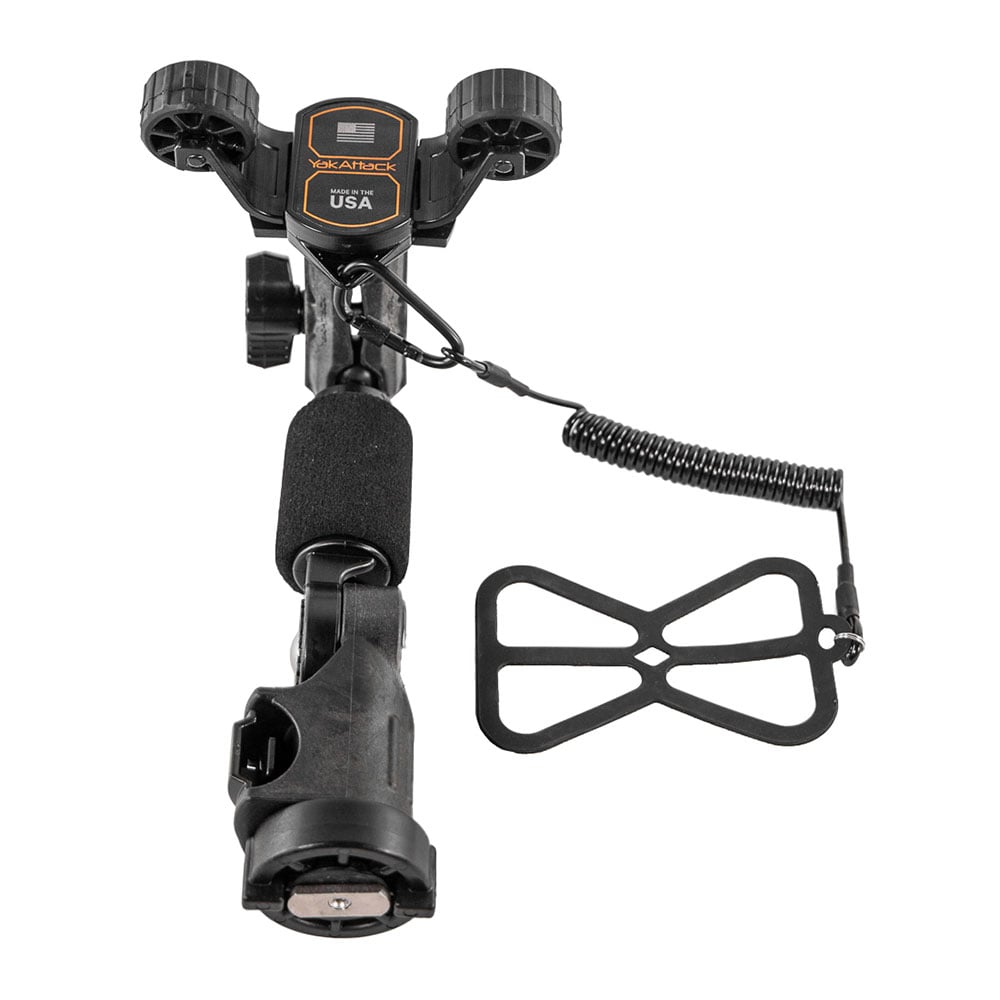
Best Fishing Gear/Accessory: RotoGrip Phone Holder Pro by YakAttack
Best Sea/Touring Kayak
Composite Virgo by P&H Sea Kayaks
P&H’s best-selling sea kayak is now available in composite. The Composite Virgo takes P&H’s best-seller of the last three years running and makes it even better; more responsive on the water, more efficient, and weighing as little as 35 pounds (16 kilograms), meaning it’s an easy choice for anyone who wants to upgrade from a plastic Virgo, or jump straight into composite in a design they can be sure of.
Best Recreational Kayak
Inlet Sport by Oru Kayak
The Inlet Sport is taking all of best components of the bigger Beach LT Sport kayak and adding some too. The only Inlet model that is compatible with Oru Kayak’s skeg and a sleek black-on-black colorway. Pair that with the rail track and gel cushion and you are set for long day on the water. At just 23 pounds and a compact size, you can take the Inlet Sport on your next big adventure with ease.
Best Whitewater Boat
ReactR by Pyranha
In the design of the ReactR, Pyranha spent significant time developing an entirely new style of hull, with a perfectly positioned pivot point and two planing surfaces, one in front and another behind, which the paddler can switch between with ease. This means the boat is stable both when landing a drop on the bow and when planing out of features on the tail. You want that skip and Pyranha delivers.
Best Fishing Kayak
XTR130 by Bonafide Fishing
The XTR130 combines kayak agility with bass boat features, it offers an open deck design, elevated platform and walkable deck for optimal fishing. Fully customizable with PowerLink ports for easy rigging, multiple motor configurations and battery storage options. It include a comfortable swivel seat, optional tandem seating and extensive gear tracks. The XTR130 delivers power, electronics integration, versatility, ample space, exceptional stability and meticulous fishing-focused design.
Best Canoe
Prospector 14 Solo by Nova Craft Canoe
Nova Craft’s most multipurpose solo model yet, this scaled-down version of the brand’s best-selling Prospector design is best suited for independent backcountry adventurers. Featuring a symmetrical hull with moderate rocker for responsive performance, the Prospector 14 Solo is more efficient on flatwater than its tandem counterparts, while maintaining the capacity you expect from a Prospector. For backcountry tripping, Nova Craft recommends adding its new removeable yoke option for ease of use on the portage trail. Available in a full range of composite materials.
Best SUP
Cubera 125 Lite by Vibe Kayaks
The Cubera 125 Lite is the latest inflatable standup paddleboard blending durability, stability and customization. At 12.5 feet long, it’s ideal for adventures with a child or dog up front. Tailored for adventurers with compact vehicles or limited storage, its storage bag accommodates all components and rolls for convenient transport. The package includes the Vibe Switchback Seat, a four-piece Roamer Hybrid Paddle, a paddle leash, a removable fin, a patch kit, and a high-pressure pump.
Best Paddle
Ultralight Tetra by Aqua Bound
Unbelievably lightweight and surprisingly durable. Aqua Bound’s premium, ultralight touring paddle maximizes weight reduction and durability with a full foam core and patent-pending Lam-Lok technology, protecting blade edges and dramatically extending the life of the paddle. Choose the Posi-Lok ferrule for smooth offset angle adjustments or Versa-Lok adjustable length ferrule (10 centimeters) to size more paddlers and conditions. The Tetra surpasses offers excellent construction and price.
Best Safety & Rescue
Indus by Astral
With 22 pounds of flotation sculpted into Astral’s industry-leading FoamTectonics architecture, the Indus is the world’s first freestyle-inspired high float life jacket. That’s a 33 percent increase in flotation over the legendary GreenJacket for those drawn to big water.
Best Clothing/Apparel
Loki Dry Suit by Level Six
The Loki is the world’s first PFAS-free and recycled drysuit. This is a groundbreaking shift in the industry, leaving behind toxic chemicals that negatively affect the world. It is also a latex and neoprene-free version of the Cronos. For those with latex and/or neoprene allergies or those seeking comfort this drysuit is for you. Featuring adjustable PU-coated Lycra gaskets, this suit’s adjustable closures make it perfect for your next long canoe or SUP adventure.
Best Rigging & Outfitting
NK180PRO Kayak Motor by Newport
Introducing the upgraded NK180PRO, meticulously designed to set a new standard for your angling pursuits. Navigate quickly and effortlessly to your favorite fishing spots, experiencing remarkable performance, silence and efficiency through the entire throttle range. Immerse yourself in the NK180PRO’s 16 percent increase in speed, 25 percent decrease in noise, 25 percent increase in efficiency and an upgraded IP67-rated throttle controller.
Best Paddling Accessory
Photic Knife by NRS
An everyday carry knife that can go where you go, from pocket to PFD, Europe to Canada, the NRS Photic Knife adapts the versatile fan-favorite features of the Pilot Access to a smaller, easier-to-carry and stow design you can still open with one hand or when wearing gloves. Features a stainless steel blade for use in freshwater, four-position carry clip, liner-lock blade locking technology, and textured all-weather G10 handle.
Best Fishing Gear/Accessory
RotoGrip Phone Holder Pro by YakAttack
The YakAttack RotoGrip Phone Holder Pro boasts a revolutionary design that elevates functionality, security, and easy one-handed operation. Featuring a one-inch ball for easy positioning and YakAttack’s LockNLoad track base for endless adjustment possibilities. Secure your phone in place with adjustable arms and YakAttack’s RotoGrip rubber wheels, ensuring a snug fit for all modern smartphones. Complete with a steel cable tether for added security, the RotoGrip is the perfect companion for your aquatic adventures.
Congratulations to all the 2025 Paddling Magazine Industry Award winners!
About Paddling Magazine
Paddling Magazine is the flagship title of Rapid Media, the world’s largest paddlesports media company. Rapid Media’s mission is to inspire and empower paddlers by leading as the sport’s definitive advocate and resource. Alongside Paddling Magazine, the brand produces Kayak Angler, Paddling Business, the Paddling Industry Awards and the Paddling Film Festival. Rapid Media celebrated its 25th anniversary in 2023.
If that surprises you, let me offer a brief recap of the 2023 fire season in Canada. It was the worst wildfire season in the country’s recorded history. Over 18 million hectares of forest burned, roughly equivalent to the size of the state of North Dakota. Before 2023, the record was eight million hectares in 1989. The 10-year average before 2023 was a mere 2,751,161 hectares. That year, more than 232,000 people were evacuated from towns and cities, equivalent to the combined total between 2011 and 2018. Smoke drifted as far as Europe and caused some Canadian regions to suffer the worst air quality in the world.
Drought and early snow melt significantly contributed to the conditions for wildfires. So, the fires—and their effect on the enjoyment of being outside—stay top of mind come summer.
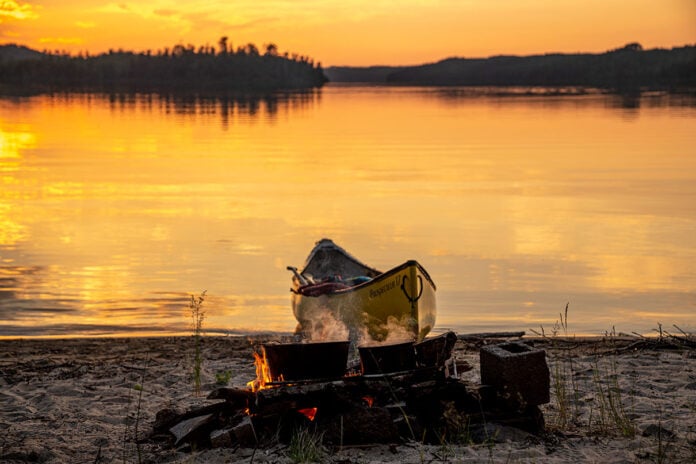
From embers to ashes and dust to dust. | Photo: David Jackson
Death of the campfire
According to the National Interagency Fire Center, wildfires are primarily caused by two things: lightning and people. In Canada, roughly half of wildfires are caused by human activity, while in the United States, the U.S. Forest Service estimates an astounding 85 percent are from human activity—from cigarette butts, escaped prescribed burns, malfunctioning equipment, fireworks, trash burning, arson, gender reveals gone wrong, and, yes, even campfires.
In my region, the default is to allow campfires until things get too dry, and then the local government institutes a fire ban on private property, campgrounds and in the backcountry. However, I’ve been hearing more campers suggest a summer ban on campfires on public lands.
Wildfires aren’t the only issue torching the campfire’s reputation. The fact is campfires don’t quite square with leave-no-trace principles—fires leave scorch marks and gathering and processing wood leaves visible impact too. As more people enjoy the backcountry and campsites experience higher use, it’s increasingly common to come across campsites with barely a twig of deadfall. Don’t even get me started on the campers who fail to extinguish their fires fully.
Pushback from the backcountry
The idea of a blanket campfire ban is tough to swallow for those who argue fire is synonymous with camping. Flickering light, sparks spiraling into the night sky, and warmth radiating from the inner circle—the appeal of a campfire stretches across the millennia to when fire meant safety and our ancestors depended upon its heat and light for survival.
Campfires offer many pleasures. Sitting around a campfire, whether in a group or alone, signifies you’ve begun to slow down. For me, the biggest benefit of the campfire is the feeling of calm it creates. My senses open up. I can hear the snap of exploding resin, watch the flames change color and smell the woodsmoke. Gathering around a flickering LED lantern and singing “Sweet Caroline” just wouldn’t be the same.
I still have the occasional campfire, but these days, I’m more mindful about when, where and why. However, with hotter, smokier summers on the horizon, maybe it’s inevitable we’ll decouple the campfire from camping. We’ll leave the axe and saw at home and watch a vibrant red sun descend instead.
Kevin Callan is the author of 19 canoeing books and a regular speaker at North America’s major canoe events. His Butt End column appears in every issue of Paddling Magazine.
This article was first published in Issue 72 of Paddling Magazine. Subscribe to Paddling Magazine’s print and digital editions, or browse the archives.
From embers to ashes and dust to dust. | Feature photo: David Jackson



 This article was first published in Issue 72 of Paddling Magazine.