Seventeen-year-old Kahiau Kawai was found treading water and clinging to his surfski kayak in the ocean, 11.5 hours after becoming separated from his high school paddling team, capsizing in high winds and losing his paddle.
Kawai was reported missing at 7:30pm on Wednesday, October 16th, 2024 when his paddling team realized he was no longer with the group and immediately called 911.
Beginning the search for missing Kahiau Kawai
Search and rescue efforts began immediately. Interagency communication was established between the US Coast Guard Honolulu, Coast Guard Air Station Barbers Point, Honolulu Emergency Medical Services, and another of other agencies and rescue services.
After spending the night clinging to his overturned kayak, a kayaker is pulled from the ocean. Feature image: US Coast Gaurd | YouTube
“I just want to emphasize this was a total team effort. We could not have done this without the expertise, planning, and professionalism of all of our partners,” shared Nick Iannarone, Lieutenant Commander from the United States Coast Guard in a press conference.
At 4:03 am on Thursday morning a half mile offshore of Diamond Head, crews from the Coast Guard Air Station Barbers Point in a MH-65 Dolphin helicopter and HC-130 Hercules airplane located the surfski kayak with Kawai clinging to the boat, and deployed a series of flares to mark his position offshore.
Off-duty lifeguard Noland Keaulana pulls Kawai from water with help from air team
On October 16th, 2024 Noland Keaulana, an off-duty lifeguard with 16 years of experience with Honolulu Ocean Safety as well as Polynesian voyager and waterman, received a text from his wife and learned the child of a friend was missing at sea. Keaulana went out and began what he estimates to be a hundred-mile search in a zig-zag pattern.
“I knew last night I wouldn’t be able to sleep,” Keaulana said in a press conference. “I’m a father, knowing there’s a kid out there.”
In the early hours of Thursday, October 17th Keaulana communicated with the air team who had spotted Kawai clinging to his boat by the moonlight. The air team gave Keaulana direction to Kawai’s location via flares.
“I’m just thankful the kid is alive. The whole night was an emotional night,” Keaulana said. “I was expecting the worst, then I saw his head up next to the kayak.”
Keaulana found 17-year-old Kawai hanging onto the sides of his right-side-up surfski kayak by each gunnel. Kawai was treading water with his legs behind the surfski, using it as a kick board to try and make his way back to shore.
According to Keaulana, Kawai saw helicopters go by but thought no one had seen him. He told Keaulana that he was fine and okay, but worried about his mom.
Conditions when Kawai was rescued according to Keaulana’s estimation were 25 knot winds gusting to 30 knots from the east-northeast with six-foot seas. A small craft advisory was in effect.
“It was such a pleasure to be able to call his mom as she’s crying on the phone and say ‘hey, we found him and he’s okay’,” said Nick Iannarone.
EMS was dispatched as soon as Keaulana made contact with Kawai, who was hypothermic and severely dehydrated but awake, alert and talking. Kawai was then transported to the local emergency room.
After the rescue, Kahiau Kawai attends school kayak race
Just three days after his rescue, Kahiau Kawai attended the championship kayaking race of the season to support his Kamehameha School teammates. His team took home first and second place for the first time that season.
“I just kept thinking to myself, Kahiau was out in the ocean for 12 hours. One minute of this race is nothing compared to that,” shared one of Kawai’s winning teammates on Hawaii News Now, Kawai grinning beside him. “Kahiau can.”
Personal flotation devices are the most crucial safety gear on the water. Each year, close to 200 paddlers die in the United States, and according to the U.S. Coast Guard, in more than 80 percent of fatal boating accidents, victims were not wearing PFDs. Whether you prefer a PFD built out with fancy features or streamlined and low profile, the best life jacket is the one you will wear.
Technically, a life jacket is a flotation device designed to turn an unconscious swimmer face-up. However, when most people refer to “life jackets” for paddling, they usually mean personal flotation devices (PFDs), which don’t guarantee face-up flotation for an unconscious paddler. Terms like life jacket, life vest and PFD are sometimes used interchangeably when discussing paddling gear. While calling a PFD a life jacket isn’t technically correct, everyone will understand what you mean.
After testing 31 PFDs this year, I’ve highlighted the best life jackets for 2025 based on comfort, features, fit and function. Of course, the feel and fit of a PFD varies by individual body shape, so it’s always best to try on a few PFDs at your local paddling shop to find the most comfortable model for you. If it’s comfortable enough to wear paddling all day, you’ll be sure to be wearing it when your life depends on it.
The NRS Ninja, updated for 2024, became a fast favorite during initial testing on a four-day backcountry canoe trip. It retains the same low profile and minimalist feel of the original best-selling design, while incorporating NRS’s new Orbit Fit System. This redesign of the chassis layers lightweight Ethafoam pieces that have been precision cut into flexible, pre-curved shapes to conform to the body to provide a snug fit. Combined with concentrating flotation into comparatively small surface areas on the front and back panels, the Ninja ensures comfort and maximum range of motion with its wide-open shoulder design. The Ninja was originally designed with freestyle kayakers in mind, though its athletic design is equally suited to tripping and recreational paddling.
Responding to user feedback, NRS moved the knife placement from the center of the clamshell pocket to underneath it, where it has less snag potential. The Ninja’s large clamshell pocket packs surprising capacity—toss in your smartphone, snacks, gear essentials and lots more. Inside, it’s equipped with smaller pockets, lash tabs, drainage holes and sides that prevent spillage when open. Strap garages, cozy hand warmer pockets and a grabby band that keeps the vest from riding up are nice extras.
Reasons to buy
New Orbit Fit System and graded sizing provide a comfortable, snug fit for paddlers of various shapes and sizes
Versatile for many types of paddling
Compact design works well for folks with shorter torsos
Consider another model if
You want a rescue vest—check out the NRS Ninja Pro
Sea kayakers will want to try the Ninja OS, which adds SOLAS reflective detailing and electronics pocket inside the clamshell
Some paddlers find the front panel bulky when the clamshell pocket is stuffed
Bottom line
Top-notch performance and minimalist comfort at a competitive price raise the Ninja to the top of the pack. It’s my new go-to for most paddling adventures.
Best life jacket for recreational kayaking
Astral EV-Eight
A summer favorite for Kayak Angler editor Ric Burnley, the Astral EV-Eight PFD provides lightweight, breathable comfort. | Photo: Patrick Hayes
The Astral EV-Eight is a lightweight and comfortable vest. The extra-high mesh back maximizes ventilation and pairs nicely with the high seat backs popular in many modern rec and fishing kayaks. Meanwhile, Astral’s Airescape system uses a combination of mesh fabric, contoured foam and vent ports to allow heat and moisture to escape, making the EV-Eight one of the most breathable foam PFDs I have ever tested. At 1.2 pounds, it’s also the lightest foam life jacket in this lineup.
With seven adjustment points, the EV-Eight can accommodate many body shapes and is now the PFD I loan out to friends and family most often. The low-frills design has two zippered pockets that are easily accessible, though not particularly deep. For example, I could just wrestle my smartphone inside. This is fine for the average day tripper who doesn’t carry much in their vest.
A standout feature on the EV-Eight are the Velcro shoulder straps that neatly manage excess strap length without the finickiness of stuffing strap garages. Bonus: the EV-Eight is made from 100-percent post-consumer recycled polyester ripstop, so you can feel good about your eco-friendly choice while paddling.
Reasons to buy
Excellent ventilation and comfort
The lightest PFD we tested
Solid all-around recreational performance
Consider another model if
You like to carry a lot of snacks or gear in your PFD—capacity is limited
The ultra-high back design features a small but chunky back flotation panel, which some paddlers may not love
Bottom line
A great, general-purpose life jacket ideal for the average recreational paddler who wants one PFD that works well for many applications.
Best for kayak touring
Kokatat Guide
The Kokatat Guide is a feature-packed PFD that’s been a stalwart companion on multi-week trips. | Photo: Virginia Marshall
The Kokatat Guide has been my go-to PFD for extended trips in remote waters for coming up on 10 years. Designed by Kokatat with professional guides in mind, this vest offers rescue features, including reinforced shoulders and quick-release belt, and is built for paddlers facing challenging waters.
I love the Guide’s ample storage, with a spacious front stretch pocket and electronics pocket. Keep VHF radio, snacks and sunscreen on hand, while three lash tabs can keep other essentials within reach. With a fit I like to describe as a gentle hug, the PFD’s thickness is mostly uniform throughout the vest. It makes for a warmer vest and on cool weather trips, I often wear the Guide long after I arrive on shore. The Guide’s 500-denier Cordura outer shell has also proven to be extra tough and has endured years of abuse on long trips, including a recent 52-day Great Lakes journey.
The Kokatat Guide boasts the features paddlers on long and remote tours want without sacrificing fit and comfort, so I was disappointed to learn Kokatat is phasing it out at the end of the year. Once gone, the HustleR (see below) will be Kokatat’s most similar offering to the Guide.
Reasons to buy
Comfortable, tough PFD
Kokatat’s rescue features
Ample storage for essentials
Consider another model if
You prefer a more low-profile fit
You don’t want a rescue vest but like this style, consider Kokatat’s similar OutFIT Tour, which I also loved for many seasons before retiring it
With fully stuffed pockets, some paddlers may find scramble rescues challenging
Bottom line
If you need a PFD that balances high performance with day-after-day comfort, the Kokatat Guide is hard to beat.
Best PFD for kayak fishing
Stohlquist Keeper
The Stohlquist Keeper, seen here on Paddling Mag art director Mike Hewis, offers anglers a comfortable fit with ample storage. | Photo: Courtesy Mike Hewis
Stohlquist Keeper Specs
Weight: 1.9 lbs
Entry: Front zip
Sizing: Unisex, chest 36 to 52 inches, three sizes
A favorite among the anglers on the Paddling Magazine and Kayak Angler teams, the Stohlquist Keeper PFD is packed with the fishy features fishing fanatics will love. First, the soft, thin back panel easily pairs with the tall seats on modern fishing kayaks, providing just a bit of extra cushion without interfering with paddling or casting.
Second, Stohlquist’s Graded Sizing system adjusts the PFD’s foam panel size, thickness and overall vest length to create proportional PFDs. Our large Keeper sent for testing offered a more comfortable fit on four big and tall testers than the other fishing PFDs we tested, including the NRS Chinook, which was a close second and well-loved in this category. The Keeper’s eight adjustment points include Stohlquist’s cross-chest cinch harness, which helps the vest stay in place without riding up when paddling, casting or swimming, and even over bigger bellies.
Storage is another win with the Keeper. The six pockets—four with zippers—are great for holding everything from tackle to snacks. The little neoprene pockets keep small accessories close at hand, and the handwarmer pockets behind the gear pockets are perfect for chilly mornings. I like this layered pocket design for keeping everything organized without getting too overloaded and bulky.
For paddling on hot days, ventilated mesh on the shoulder, back and chest panels kept our testers cool. Add multiple mounting points for tools, and the Keeper checks all the boxes and more for a comfortable and functional fishing life jacket.
Layered pocket design keeps items accessible and well-organized without excessive bulk
Consider another model if
You don’t want to carry a gear garage in your PFD
Bottom line
For avid anglers, this one is a keeper.
Ultimate whitewater PFD
Astral GreenJacket
Astral’s October 2024 limited-edition GreenJacket collaboration with whitewater legend Dave Fusilli marks their 15th since 2009, with 5 percent of sales supporting RISE Erwin’s Hurricane Helene recovery efforts in Southern Appalachia. | Photo: Courtesy Astral Designs
Astral GreenJacket Specs
Weight: 2.9 lbs
Entry: Pullover
Flotation: 16.5 lbs
Sizing: Unisex, chest 31 to 51 inches, three sizes
A PFD that needs no introduction. The legendary GreenJacket from Astral Designs is a staple on rivers worldwide and one of the most popular PFDs amongst river guides, as well as many recreational whitewater paddlers. As a feature-laden rescue vest, it packs all the essentials into a sleek package.
What has made it such an enduring design? In part, Astral’s Foam Tectonics tech is to thank, which features a separate upper front plate that moves freely, allowing your upper body to twist and extend unencumbered. Adjustment straps and buckles are placed towards the lower half of the life jacket, so no worries about any loose strap ends near your face. And then there’s the GreenJacket’s storage, too—which it boasts more of than any other vest we tested. Up front is the clamshell pocket with internal organizers, either side of the PFD has a zippered pouch, and additional storage is also behind the upper plate. Perfect for folks who want their whole kit in their PFD.
In 2024, Astral released its new Indus PFD, which is based on the GreenJacket. The Indus offers 21 pounds of flotation, 33 percent more than the GreenJacket, for paddlers on the world’s biggest-volume whitewater.
Reasons to buy
Steep, difficult or high-volume rivers are your average day
Top-tier rescue features
Tons of storage with organized, accessible pockets
Consider another model if
You’re not charging hard in challenging environments, the GreenJacket may be more PFD than you need. Try Astral’s YTV 2.0 or women’s specific Layla (below)
You’re on a budget—there are other good rescue vests available at lower price points, such as the NRS Ninja Pro ($229) or Kokatat HustleR ($289, see below)
Bottom line
The Astral GreenJacket has been tried, tested and found true by river guides worldwide for more than 15 years.
Most comfortable rescue PFD
Kokatat HustleR
Since 2020, the Kokatat HustleR has become a favorite among whitewater paddlers. | Photo: Kaydi Pyette
Kokatat HustleR Specs
Weight: 2.5 lbs
Entry: Pullover
Flotation: 16 lbs
Sizing: Unisex, chest 32 to 55 inches, three sizes
Designed with creeking and expedition whitewater paddling in mind, the Kokatat HustleR stands out as the most comfortable rescue PFD we tested. Its ultra-contoured Gaia foam paneling snugly hugs the body, providing a secure and familiar-feeling fit straight out of the box. Overall, the HustleR feels considerably lower profile in the front than the Astral Greenjacket (above).
Released in 2020, the mid-range HustleR features a quick-release chest harness, breakaway D-ring attachment, and a covered front lash tab for river knives. The protective knife garage and placement have received a lot of positive feedback, especially with raft guides, as it helps prevent snagging on perimeter lines.
The deep clamshell front pocket with a two-way zipper includes internal organization. Padded shoulders ease portages and neoprene sections on the interior of the vest make the PFD feel extra warm on chilled hands.
A rescue vest’s specialized features require training and practice to use safely. The HustleR is also available in the Hustle model, without the rescue bells and whistles. The Hustle features a similar shape but with side entry. And thanks in part to lighter-weight materials—including 210-denier Cordura instead of 500-denier—it’s substantially lighter, and more than $100 cheaper too.
Reasons to buy
Snug, body-hugging fit that’s ultra comfortable from the first wear
Low profile
Rescue-ready features
Consider another model if
You don’t need rescue vest features, check out the similarly featured but less burly Kokatat Hustle
Bottom line
With rescue-ready features and an off-the-rack comfortable fit, the Kokatat HustleR offers comfort for paddlers hustling hard in challenging conditions.
Canoeing PFD top pick
Salus Eddy-Flex
The Salus Eddy-Flex is a super comfortable Canadian-made PFD. | Photo: Kaydi Pyette
The Eddy-Flex from Salus has long been a favorite for Canadian canoe trippers—spend a day on the portage trails in Algonquin Park and you’ll be sure to see more than a handful paraded past.
Putting on the Eddy-Flex, it’s easy to see why it’s a bestseller. Right out of the box, the soft foam felt just about as comfortable as an old sweatshirt. Made in Kitchener, Ontario, this simplicity-focused PFD fulfills all the essentials for a reliable, comfortable canoeing vest. The contoured back foam and tapered shoulders provide a snug fit without restricting movement, while the Dry-Lex back lining kept it breathable on hot summer days.
One key element some paddlers look for in a canoeing PFD is a front zip entry, so it’s easy to slip off and fasten around the canoe seat during portages. Even better, when I do this, the Eddy-Flex’s 1.4 pounds are light enough not to mess with weight distribution when portaging the canoe.
The unisex design is available in five sizes, and when combined with the six-point adjustment system with pull-forward webbing, it provides an easy-to-customize fit for most body shapes. The Eddy-Flex offers a few thoughtful extras: A handy loop on the back shoulder fits a strobe light or hangs a hydration pack, while a front mesh pocket keeps small essentials accessible.
Reasons to buy
Lightweight at 1.4 pounds, this was the second-lightest foam PFD we tested
Simple, comfortable, low-profile design
Consider another model if
You prefer additional storage: the single mesh pocket is on the smaller side, better suited to a couple of granola bars; it won’t easily fit an iPhone 15
If you portage wearing your PFD, double-check the adjustment sliders won’t sit on top of your shoulders and under the yoke, as they did for our most broad-shouldered tester
Bottom line
A solid choice for any weekend warrior, the Salus Eddy-Flex is a reliable companion for your single-blade adventures and more.
Best foam life jacket for paddleboarding
Mustang Khimera
The Mustang Khimera blends the best of the foam and inflatable PFD worlds with its dual flotation design. | Photo: Courtesy Mustang Survival
Foam flotation doesn’t get any lower profile than this. The Mustang Khimera stands out by combining the lightweight comfort of inflatables with the added security of foam. This dual system offers some pretty cool versatility. With 7.5 pounds of foam buoyancy, it provides just enough flotation to keep me neutral and afloat in calm conditions without needing to tread water. In an emergency, I can deploy an additional 13 pounds of buoyancy by pulling the CO2 handle.
The Khimera features a large front bladder and a smaller one at the back, giving balanced support when inflated. The front storage pocket holds an extra CO2 cylinder for re-arming. With its over-the-head entry and adjustable side and shoulder straps, the unisex and one-size-fits-all Khimera fits a wide range of paddlers, from medium-sized women to large men. Paddlers on the smaller end of the Khimera’s fit spectrum, like myself at 5’8″ and 140 lbs, will appreciate the elastic loops that neatly manage excess shoulder strap length.
In swim tests, I liked the ease of climbing back on my board thanks to this vest’s ultra-low profile. Tested by Canadian expedition paddlers Norm Hann and Bruce Kirkby during their 50-kilometer Hecate Strait crossing in 2023, the Khimera has certainly proved itself in all conditions, however it is most appropriate for inland waters.
Reasons to buy
Combines security of foam flotation with emergency inflatable backup
Adjustable fit with manageable strap length, suitable for a wide range of paddlers
Consider another model if
You prefer a vest with more storage options
You’re at the extra small or XXL end of the body size spectrum (see sizing above)
Bottom line
The low-profile Khimera offers paddlers the best of both worlds: foam and inflatable flotation in one sleek, lightweight package.
The Astral Layla is the PFD that Eric Clapton would write a song about if he were into paddling. The Layla is a stylish women’s-specific PFD tailored for comfort on curvier figures. Its sculpted chest cups and hinged princess seams contour around the body like a well-fitted bodice, providing support and protection without compression. The design places less foam up top, leaving room for the chest and avoiding the uncomfortable pancake squish many bustier women experience with unisex PFDs. The Layla offers a more refined fit with four size options—unlike the typical three in women’s PFDs—and six adjustable straps to customize the fit. As a woman who has never opted for a women’s-specific PFD before, I was surprised by how much I loved the fit and feel of the high-waisted Layla.
Another aspect of the Layla I like is the deceptively spacious mesh front pocket. It has internal organization and more room than it appears for snacks, sunscreen, smartphone or even a soda can, and it fastens with a single buckle. With added details like a zipper protector over the durable YKK side-entry zipper, the Layla quickly became our testers’ top pick for curvier women who want a high-quality, well-fitting PFD, and at a dang good price too. If you’re interested in a similar unisex design, check out Astral’s Ringo, which shares many features with the Layla.
Reasons to buy
Princess seams, sculpted chest cups and six adjustment points give the Layla a tailored feel
Stylish
Astral uses biodegradable and eco-friendly organic Kapok foam in the Layla for a soft and supple feel
Consider another model if
You want your PFD to sit lower; the Layla is high-waisted and sits higher on the chest than some PFDs
The Layla’s chest cups suit fuller-busted paddlers, but smaller-chested users may find them too roomy. Some of our testers preferred the Stohlquist Betsea, another women’s-specific design and top contender, which offered a closer fit up top
Bottom line
The Astral Layla offers best-in-class comfort for curvier paddlers seeking a stylish, well-fitting PFD.
Best budget PFD
Onyx MoveVent Dynamic
Coming in under $100, the Onyx MoveVent Dynamic offers great value for recreational paddlers. | Photo: Kaydi Pyette
Onyx MoveVent Dynamic Specs
Weight: 1.3 lbs
Entry: Front zip
Sizing: Unisex, chest 28 to 56 inches, three sizes
The MoveVent Dynamic from Onyx offers solid durability and comfort for under $100, which makes it a standout choice for budget-conscious recreational paddlers. Yes, there are cheaper PFDs out there—at your local superstore, for example—but they’re typically bulkier, sweatier, stiffer and flimsier, restricting movement and ultimately making paddling less enjoyable—or discouraging you from wearing a PFD altogether.
With the MoveVent’s budget price tag, paddlers should expect straightforward functionality without frills. Our team has had this PFD in the gear closet for over five years. It is still going strong and shows little wear, even though it is in heavy rotation as a loaner among friends and family. I find the MoveVent’s flotation panels a little chunky up front, but its fit is comfortable for day tripping. Vented mesh channels in the foam promote great airflow and keep cool on hot days.
When it comes to features, the MoveVent keeps it simple with a single pocket housing a tethered whistle. The pocket will suit a minimalist paddler who wants to stash a set of keys and not much else. For those looking for a bit more room up top, there’s also the MoveVent Curve model for busty paddlers.
Reasons to buy
Great value
Mesh ventilation for breathability
High back to accommodate most canoe and kayak seats
Consider another model if
You want to stash more than a granola bar in your PFD
Paddlers in colder climates will appreciate more coverage
Bottom line
The Onyx MoveVent Dynamic is a great value PFD that offers essential comfort, ideal for recreational paddlers seeking just the basics.
Best inflatable vest PFD
Mustang Survival MIT 70 Manual
The Mustang Survival MIT 70 is an inflatable PFD offering manual inflation with a pull tab and comfortable all-day wear for paddlers who want minimal bulk. | Photo: Kaydi Pyette
Inflatable PFDs keep things light and minimal—ideal for hot and muggy days when you don’t want to wear anything extra. For a vest-style inflatable, my go-to is the Mustang Survival MIT 70, which is suited to calm-water paddling.
The MIT 70 is straightforward to use. Put the collar over your neck, fasten the buckle and tighten the strap. If you need to activate it, pull the tab to deploy an internal bladder and expand the vest with high-visibility cheek-hugging flotation. One aspect I love is how simple Mustang has made repacking this PFD—after deflation, fold the chest pieces lengthwise and secure the Velcro. That’s it—one fold, no rolling or stuffing. Maintenance is simple, too: replace the CO2 cartridge annually, keep the inflator clean and check the visibility window regularly. Replacement cartridges run about $35 each.
This inflatable vest PFD is available in three different models with different buoyancies (from 15 to 38 pounds), and it has a huge following amongst the sailors and anglers I know. I tested this vest while paddleboarding. I prefer a manual inflatable PFD over an automatic one so there isn’t accidental inflation from a downpour or unexpected swim. But remember: inflatables aren’t appropriate for everyone or every situation. A manual inflatable PFD must be activated to work, which means having a calm and conscious paddler who can deploy if needed. Inflatables are also a one-and-done deal until you re-arm them.
Reasons to buy
Great ventilation for hot climates
Inflator inspection window and access flap allow for convenient safety checks and re-arming
Super easy repacking
Consider another model if
You’re not a strong swimmer or under the age of 16
You paddle in varied conditions, including rough water or rapids
Bottom line
For strong swimmers who want the safety of a PFD without the bulk, the Mustang MIT 70 inflatable vest is a great choice for calm-water paddling adventures.
Best inflatable belt PFD
Onyx M16
The Onyx M16 provides the lowest possible profile. | Photo: Kaydi Pyette
Offering barely-there protection, the Onyx M16 is our testing lineup’s smallest, lightest and most low-profile PFD. Especially popular amongst paddleboarders, the ultra-slim design has an inch-wide belt and weighs less than a pound—truly, it’s barely noticeable around my waist. The M16 boasts 17 pounds of buoyancy from its CO2 cartridge, and you can increase that to 26.5 pounds by manually inflating it—solid flotation in a tiny package.
This belt pack’s activation mechanism is straightforward: one strong tug on the pull cord inflates the PFD. The M16 inflates into a rectangular pillow shape with a piece of webbing that the swimmer puts over their head. I prefer this to the neck-collar style some inflatable belts use, which can be awkward to wrestle into in the water. When not in use, the pull cord of the M16 neatly tucks away, keeping it from dangling and making it easy to find when in the water. Packing away the bladder took a few tries to get my technique down.
As mentioned above, inflatables come with a few drawbacks. They require a calm, conscious paddler for manual deployment, making them best suited for experienced swimmers on calm water and nearshore outings. Once deployed, the flotation’s placement can make swimming challenging.
Reasons to buy
One of the very smallest, lightest inflatable PFDs available
Pull-cord activation is straightforward, and the tucked-away cord keeps it in place for when you need it
Consider another model if
You’re not a strong swimmer or under the age of 16
You paddle in varied conditions, including rough water or rapids
Bottom line
For minimal bulk, the M16 belt inflatable from Onyx wins for calm, near-shore outings.
Best plus size
Stohlquist Trekker
The Stohlquist Trekker is a versatile, secure-fitting PFD with adjustable straps and a cross-chest cinch to prevent ride-up. | Photo: Kaydi Pyette
When purchasing a plus-sized life jacket, paddlers need to choose a PFD that offers the adjustability to accommodate them without being too tight and restrictive or riding up.
As a smaller paddler, I asked some larger-bodied friends about their favorite life jackets. Three name-dropped the Stohlquist Trekker, praising its exceptional adjustability—including the unique cross-chest cinch strap, which helps eliminate annoying ride-up, which can be common with bigger bellies. The Trekker’s open sides enhance ventilation and range of motion while the Wrapture torso design, with articulated foam, contours to the shape of the body. All this makes the Trekker a very comfortable PFD, and it’s one that fits generously too. Additional features like zippered bellows pockets with drainage ports and a rear lash tab for attaching safety gear make it a versatile and well-designed choice.
Bottom line
A favorite amongst our larger testers, the Stohlquist Keeper has multiple adjustment points and the cross-chest cinch holds it in place.
Best infant and toddler life jacket
Level Six Puffer
Shore time in the Level Six Puffer life jacket for kids under 21 pounds. | Photo: Brenna Kelly
The Level Six Puffer is a favorite infant and toddler life jacket. Paddling parents want to get their children on the water as soon as possible but it is hard to find something that fits well on children under 20 pounds since they are all head and no neck. With the float on the chest and back of the head, the Level Six Puffer does a great job of floating infants face up. The back of the life jacket features a few straps that keep the floats in place and help adjust sizing. One of the features on this jacket our testers most loved is the extra buckle at the crotch that allows parents to change a diaper without taking off the whole life jacket.
This PFD is not Transport Canada approved since there is currently no testing standard to certify PFD’s for children under nine kilograms.
Reasons to buy
Diaper access clip
Great design for mobility
Floats face up
Cons
Typically only one season of use because kids grow quickly
Best for dogs
Salus Skippy
The Salus Skippy rises to the top of the pack with well-placed flotation, dual handles and extensive sizing options. | Photo: Kaydi Pyette
Many people assume dogs are naturally great swimmers, but thousands of dogs drown each year in the United States, according to PetMD. There is no official Coast Guard standard for dog PFDs, so buyers must research and choose a reputable brand.
I’ve tested many brands of life jackets for dogs with the seven foster pups I have raised for a local guide dog organization. My favorite by far is the Salus Skippy and my pups never go out on the water without it. Most importantly, much of the flotation sits under the chest, where it helps lift the dog, rather than placing it on the back, as many dog PFDs do. Another essential feature I love is the double handle on the top of the life jacket to hoist the dog back on board if they jump in. I am also a fan of the high-viz colors to help the pup stay visible in the water.
Reasons to buy
Flotation under chest and durable, double handle on top
Compact flotation panels don’t interfere with sitting
Consider another model if
Dog breeds come in so many shapes and sizes; it’s best to try the life jacket on your family hound and confirm comfort and fit before purchase
Bottom line
After seven years and seven foster pups, the Salus Skippy is my go-to recommendation for dog owners looking to get a PFD. However, like humans, fit matters, and there is no perfect life jacket for every dog—see more of the best PFDs for dogs.
When shopping for a PFD, you’ll notice a variety of styles at your local paddling store, including mesh-back and foam-back designs, inherently buoyant and inflatable options, and closures that vary from zippers to buckles—or even just webbing. Each design has unique advantages, so considering your intended use is essential.
Like when choosing a canoe or kayak, the first question to ask yourself is what kind of paddling you plan to do. A PFD designed for relaxing afternoons meandering around the local duck pond will be different in fit, function and features than one designed for remote whitewater expeditions, for example. Choosing a PFD that matches your intended paddling environment will ensure it’s comfortable, functional and reliable.
For the average recreational paddler, comfort and mobility are key. Mesh-back PFDs with high foam panels on the upper backs are often better suited to kayaks with high-backed seats and allow more ventilation on hot days. You may also choose between inherently buoyant and inflatable PFDs. Inflatable PFDs are low-profile, great for hot weather and provide buoyancy with a CO2 cartridge (which needs maintenance). Most inflatable PFDs are more appropriate for calm water adventures close to shore. Foam-filled PFDs, on the other hand, always offer buoyancy. Some specialized foam PFDs are used in more challenging environments, such as by whitewater kayakers, sea kayakers and more. There’s a lot to know about how to choose a PFD.
Fitting your PFD
The right PFD should feel comfortable, with ample range of motion for your arms and torso. The right fit largely depends on how a PFD feels when worn and how snugly the straps adjust. PFDs should fit securely at the waist and ribs to avoid slipping upward. To check fit, tighten all straps and gently pull upward on the shoulder straps; if the vest slides up, it needs more tightening or isn’t a great fit.
Ultimately, finding the right PFD is as personal as body type. It’s always best to try several options in your preferred category to discover the perfect fit.
I’m sure my choices for the best PFDs will cause arguments—that’s because there are so many great PFDs, and each paddler has his or her favorite. To test these PFDs, we paddled, portaged, swam and floated. After evaluating 31 models, we narrowed it down to the top contenders. Each PFD was selected for its fit, comfort, features and function. These picks reflect not only hands-on testing in the summer and fall of 2024, but also years of accumulated experience and the expertise of our seasoned editors through extensive paddling and product testing.
Paddling Magazine editor-in-chief Kaydi Pyette
Why trust us
At Paddling Magazine, we take gear testing seriously. Editor-in-Chief Kaydi Pyette has spent more than a decade at the helm of Paddling Magazine, leading its product reviews. She has been an avid paddler for more than 20 years; her paddling adventures have taken her from Patagonia to the Yukon and across her home province of Ontario. Along with our team of seasoned editors and contributors, we rigorously test every piece of gear we recommend to determine our top performers.
Lightweight, strong and beautiful on a boat, Bill Swift from Swift Canoe & Kayak introduced the Paddling Mag team to forged carbon as a hull material at Canoecopia 2024.
First Look: Forged Carbon
Forged carbon, paired with epoxy resin designed specifically for marine use, is extremely strong. Swift demonstrated just how strong by taking a hammer to a thin sheet of forged carbon against rock to reveal virtually no wear and tear.
Differing from classic carbon fiber layups, forged carbon is made with shards of carbon made into a paste and arranged randomly. Rather than appear like a woven fabric as classic carbon fiber does, forged carbon appears flecked as each shard of carbon catches the light differently.
Another clear benefit beyond strength and lightweight forged carbon is its sleek look. Swift showed the team a custom-ordered forged carbon canoe with a blue and red tint built on the interactive boat builder on Swift Canoe & Kayak’s website.
“We do a lot of our boats now with all carbon interior. Even the seats were faint with a clear forged carbon,” he said.
Swift also shared the Saranac 15 kayak with forged carbon on the deck in purple and on the hull and black.
“What’s neat about them is on a day when it’s cloudy they have a little bit of a flat look to them. As soon as the sun hits them they’ve got this really cool pop to them,” Swift said.
This could be you in Raja Ampat, Indonesia. | Feature photo: Cory Leis
In a world with endless options, how do you choose your next adventure? We trust the word-of-mouth recommendations from fellow paddlers. Our community of adventurous canoeists, kayakers, whitewater boaters and standup paddleboarders have explored countless waterways around the globe. On the following pages, we’ve delved into our 26-year history making magazines and asked 24 longtime editors, writers, photographers, contributors and collaborators to share their favorite trips, offering a glimpse into the journeys closest to their hearts. From serene lakes to roaring rapids, day trips to multi-week journeys, and backyard jaunts to international waters, these routes will inspire your next unforgettable adventure.
Bruce Kirkby
Hot spot
British Columbia
Checleset Bay Ecological Reserve, British Columbia
Photo: Bruce Kirkby
Duration: 1–2 weeks, 37 miles
A one-hour water taxi ride from Fair Harbour brings paddlers to the biologically rich waters of Checleset Bay Ecological Reserve. Paddle north to take it all in.
Why you should go: This off-the-beaten-path area offers the best of Canada’s wild west coast—untracked beaches, towering old growth, windswept headlands, even rafts of curious sea otters—all within a relatively sheltered environment in the lee of the towering Brooks Peninsula. I’ve traveled these magical waters more than 10 times and am still drawn back. Together with my wife and young boys, we spent 17 idyllic days paddling and beachcombing.
Bruce Kirkby has been a regular contributor to Rapid Media since he nabbed an Adventure Kayak cover shot in 2004.
Tim Shuff
Hot spot
British Columbia
West Coast Vancouver Island, British Columbia
Photo: Dave Aharonian
Duration: 2 weeks, 180 miles
Winter Harbour in Quatsino Sound to Tofino in Clayoquot Sound. This route would ideally be paddled during a calm, sunny stretch of August.
Why you should go: Many years ago, I kayaked the whole west coast of Canada, from Prince Rupert to Victoria. This section was by far the highlight. This point-to-point route takes in all the greatest hits of Vancouver Island paddling—the north and south Brooks Peninsula, Kyuquot Sound, Nootka Sound and Clayoquot.
Tim Shuff joined the team as assistant editor of Canoeroots for the second-ever issue of the magazine in 2003. From 2006 to 2010, he was editor of Adventure Kayak. His Waterlines column appears in every issue of Paddling Magazine (page 27).
Brendan Kowtecky
Hot spot
British Columbia
Nuchatlitz, British Columbia
Photo: Brendan Kowtecky
Duration: 1 week
I began this trip at the northeastern tip of Little Espinosa Inlet, but boat shuttles from the nearby town of Zeballos and a handful of operators run trips here during the summer months.
Why you should go: Nuchatlitz is special because you have paddling options in almost all conditions. On a calm day, you can explore the exposed outer islets. If you’re feeling adventurous, you can cross over to Catala Island and spend a night camping—be sure to keep an eye out for sea wolves. When the weather acts up, you can explore the protected bays of Nuchatlitz Provincial Park or even paddle east toward Brodick Creek.
Brendan Kowtecky’s first photo for a Rapid Media publication was published in the Spring 2015 issue of Adventure Kayak.
Cristin Plaice
Grey Lake, Torres Del Paine National Park, Chile
Photo: Adobe Stock
Duration: 1 day, 18 miles
Starting on the shores of Grey Lake in Torres del Paine National Park, this one-day trip takes you past spectacular views of Paine Grande and Grey Glacier. It then begins its descent down the Grey River, merges into the Serrano River and ends in the Serrano Village.
Why you should go: There’s a reason Torres del Paine National Park is considered the eighth Natural Wonder of the World and has been named a UNESCO Biosphere Reserve. This world-class adventure destination is known for its famous hiking and climbing routes, but I think it’s best experienced by kayak. Think otherworldly mountains, glaciers, icebergs, canyons, wildlife and turquoise water. I don’t think there’s a place I’ve ever wanted to go back to paddle more.
Cristin Plaice joined Rapid Media in 2016. She is the publisher of Paddling Magazine.
Jeff Jackson
Canyon of Lodore, Green River, Utah
Photo: Scott MacGregor
Duration: 4–5 days, 45 miles
Brilliant red sandstone walls rise over 2,600 feet from the river, shading modest technical class III whitewater. In the midst of the desert, lush green camps and intimate side streams form oases. Permit required, which is challenging to get.
Why you should go: Easy continuous flow runs through a sublime canyon. From the first day’s imposing canyon entry, past box elder shaded camps and alongside layers and layers of geologic history, it is a place like no other. Passing under the sheer face of the iconic Steamboat Rock, passengers are silenced by its awe. The approach to Split Mountain is as unlikely a sight as you can find in nature. I was fortunate to spend several seasons guiding this stretch; all told, more than 40 five-day trips. Every single current line and thread-the-needle move has significance to me, as do the numerous side hikes to amazing views. If I were to make a canyon river from scratch, this is what I would build.
Jeff Jackson’s Alchemy column (page 70) has appeared in every issue of Rapid since 2000.
Cory Leis
Raja Ampat, Indonesia
Photo: Cory Leis
Duration: 5–14 days
Situated where the Indian and Pacific oceans collide, Raja Ampat represents one of the planet’s richest and most biodiverse marine ecosystems. Paddleboarders can center themselves around land-based accommodations, ranging from budget homestays to luxurious waterside bungalows, and day-trip to beautiful beaches, live colorful reefs teeming with sea life and mind-boggling karst formations. Or meander throughout the archipelago via a liveaboard boat. For the more adventurous, hire a local guide and use a touring iSUP for a self-supported, multi-week ocean mission.
Why you should go: Scribbled into any serious diver’s bucket list, the area hides various wonders above and below the surface. It’s a paddleboarder’s dream adventure trip, full of diving, snorkeling and hiking opportunities. Paddle to beaches void of footprints and into impossibly turquoise lagoons, hike up hillsides in search of the Bird of Paradise, dive and snorkel the many world-renowned reefs and coral gardens, and visit tiny, vibrant villages tucked along the coastlines rich in history and culture.
Cory Leis has been a regular contributor to Paddling Magazine since 2018.
Courtney Sinclair
Flåm, Norway
Photo: Courtney Sinclair
Duration: 3 days, 21–42 miles
Beginning in Gudvangen, start on an awe-inspiring paddle through Nærøyfjord, a UNESCO World Heritage Site, for 11 miles. Joining up with Aurlandsfjord, the route takes you another 10 miles farther to end in the village of Flåm. This route could be completed in the reverse direction, as an out-and-back trip or paired with a return on the electric ferry.
Why you should go: Paddling at a leisurely pace, soak in the views, swim in the fjords, stop in Undredal for brown goat cheese and set up camp along the way. The fjords tower over a half-mile high and feature powerful waterfalls with rivers for a cold dip. Watch for porpoises swimming nearby and farms high up on the mountains. This route is special to me as I guide many international guests here. Every time I paddle these fjords, it’s a completely different experience.
SUP instructor Courtney Sinclair has regularly contributed to Paddling Magazine since 2018.
Cliff Jacobson
Hot spot
Texas
Rio Grande River, Texas
Photo: Cliff Jacobson
Duration: 2–19 days, 30–170 miles
There are a number of options as to where to start and end a trip on the Rio Grande. The upper section, starting at Big Bend Ranch State Park down to Rio Grande Village, is easily done in nine days. Most parties take out there or continue downriver through Boquillas Canyon and get out at Heath Canyon Ranch. The lower canyon section from Heath Canyon Ranch down to Dryden is big water with many technical rapids and at least one portage. This part is very remote, and you’d better be a very good paddler because if you mess up, it’s a long way out. Go from Rio Grande Village to Heath Canyon Ranch for an overnight trip.
Why you should go: The Rio Grande River is not at all like the pictures you’ve seen in Western movies. The river flows through the Chisos Mountains in Big Bend National Park. Huge hills and deep canyons abound. It is essentially a mountain river with a fast flow. Camping and open fires (a firepan is required) are permitted everywhere. The upper section can be done in an uncovered solo canoe. It’s really fun—class I–II, maybe II+ in very high water—which is why I love it so.
Cliff Jacobson has contributed to Rapid Media publications since the Fall 2006 issue of Canoeroots.
Dale Sanders
Hot spot
Texas
Pecos River, Texas
Photo: Dale Sanders
Duration: 5–7 days, 60 miles
Running through southwest Texas, the Pecos is a clear river you can see to the bottom of. The surrounding landscape has a desert mountain look to it, with a lot of beautiful sandstone landmarks and not a lot of trees. We put in at Pandale River Crossing and took out at the Pecos River Access just south of US Hwy 90. For that last 10 miles before the take-out, it’s best to have a powerboat standing by to give you a tow in case of wind. Little cell coverage and shuttling vehicles needs to be planned in advance.
Why you should go: I’ve paddled a lot of rivers around the United States, and the Pecos is the best-kept secret. Everything you could want is on this trip. You’ve got some class I and II rapids, some class III, and even one class IV that most people portage. There’s one place you can hike near the river and see pictographs. You won’t see anybody else on this trip—you’re in the wilderness. It’s an ideal early spring trip because there isn’t a lot of water the rest of the year.
Dale “Greybeard” Sanders was first featured in the Early Summer 2016 issue of Canoeroots. A film about Dale’s record-breaking journey down the Mississippi River, entitled Grey Beard: The Man, The Myth, The Mississippi, won Best Canoeing Film at the 2023 Paddling Film Festival.
Joe Potoczak
Lehigh River Gorge, Pennsylvania
Photo: Regina Nicolardi
Duration: 1 day, 9–22 miles
Within a commuter’s throw of the largest metropolitan population in the U.S. is one of the most magnificent river gorges accessible to every level of whitewater paddler. Most run the nine-mile upper section, but the Lehigh finds true class II–III boulder garden form on the lower 13 miles beginning at Rockport.
Why you should go: Hemlock and rhododendron ravines, sandstone faces and waterfalls steal the show within the 1,000-foot gorge. To say I’ve paddled the Lehigh a thousand times is likely an understatement, and still, the view never disappoints.
Joe Potoczak is an editor at Paddling Magazine and Kayak Angler.
Nouria Newman
Verdon Canyon, France
Photo: Nouria Newman
Duration: Day trip, 20 miles
The Verdon Canyon from Pont de Carajuan to the Lac de Sainte-Croix (class IV+) is one of Europe’s most beautiful sections to paddle. The area is famous for multi-pitch climbing and paddling through massive vertical walls. The whitewater isn’t the hardest, but it should not be underestimated because there are quite a few siphons.
Why you should go: The Verdon is one of the most majestic places to paddle and probably the most scenic river in France, so it’s hard not to recommend it. That said, getting a local guide for your first time is better, so just hit Max from Raoul Rafting if you plan a trip there.
Nouria Newman has been a regular contributor since the Summer 2013 issue of Rapid.
Dave Freeman
Moose River North to Mudro Lake in the Boundary Waters Canoe Area Wilderness, Minnesota
Photo: Dave Freeman
Duration: 5–7 days, 45 miles
Follow Moose River North through Nina Moose Lake and Agnes Lake to Lac La Croix on the Minnesota/Ontario border. From Lac La Croix, you will paddle and portage along the border over the Bottle Portage in the footsteps of the voyageurs, across Bottle Lake and Iron Lake. Then portage around Curtain Falls. Crooked Lake is filled with islands and bays that you could easily spend a week exploring. From Crooked Lake, portage south into Papoose Lake and farther south through small lakes and streams to Fourtown Lake and Mudro Lake.
Why you should go: This classic Boundary Waters route has it all. One of the best pictograph sites in the region and some of the most beautiful campsites in the wilderness are found on the east end of Lac La Croix. Curtain Falls is one of the most dramatic waterfalls in the BWCA. These lakes offer great fishing for walleye, northern pike and smallmouth bass. Plus, the small lakes between Crooked and Wagosh provide solitude and are connected by tiny creeks lined with floating bogs dotted with carnivorous plants.
Dave Freeman has been a contributor since the Fall 2008 issue of Adventure Kayak.
John Webster
South Fork Payette, Canyon Section, Idaho
Photo: John Webster
Duration: Day trip, 9 miles
With class III–IV rapids, solid boofs, clear water and even a stout class V—runnable at lower flows and easily portagable—it’s got everything to entertain. If this is beyond your skill level, go guided with a rafting outfit.
Why you should go: Aside from the fun rapids, I appreciate how this section gives a sense of what Idaho scenery can be. You’re sometimes below the road, deep in the canyon, making it almost feel like the famous Middle Fork of the Salmon. It doesn’t get much better for a section that’s a 90-minute drive from downtown Boise, Idaho. If you know where to look, you’ll see elk herds around the area—be careful, though, as they flirt with the road often. Eventually, the Canyon section fades into the Swirley Canyon and the Staircase sections downstream. If you’re feeling ambitious, you can paddle down to Banks, Idaho, the confluence of the North and South Forks of the Payette.
John Webster has been a regular contributor since the Spring 2015 issue of Rapid.
Neil Schulman
Lower Columbia River Water Trail, Washington
Photo: Neil Schulman
Duration: 6–7 days, 144 miles
Start at the Bonneville Dam and paddle past the basalt cliffs of the Columbia River Gorge, then through Portland and mazes of islands. The mileage looks intimidating, but the current is your friend. When you reach the lower river, the Columbia widens and resembles the sea it will soon join, full of pelicans and wide-open views. You’ll share the river with big ships but few people. Bask in sunsets on dispersed island camps. Best paddled in spring when the current whisks you along and headwinds haven’t come up yet.
Why you should go: The Lower Columbia is my home water. I’ve paddled the Water Trail countless times, both as continuous journeys and day or weekend trips. There’s nothing quite like following one of North America’s premier rivers all the way to saltwater. You’ll experience waterfall-laced cliffs, the Northwest’s second-largest city, and two enormous wildlife refuges and feel the beginnings of ocean swell. For history buffs, you’re also retracing the route of the Lewis and Clark Expedition back in 1803.
Neil Schulman’s first article for Rapid Media was published in the Spring 2008 issue of Adventure Kayak. His Reflections column appears in every issue of Paddling Magazine (page 21).
Kaydi Pyette
Yukon River, Yukon
Photo: Joel Krahn
Duration: Two weeks, 460 miles
The iconic, fast and (mostly) flat river journey from Whitehorse to Dawson City has a rich cultural heritage, with a strong presence of First Nations communities and the history of the Klondike Gold Rush.
Why you should go: For paddlers with solid backcountry skills, this is an otherwise beginner-friendly river route weaving beautiful and vast wilderness with the easiest logistics of any northern river trip. Camp on gravel bars, visit historic ghost towns and marvel at the midnight sun, all while watching for bears, moose and eagles. Short on vacation time? Race to Dawson City in less than 72 hours as part of the annual Yukon River Quest.
Kaydi Pyette is the editor-in-chief at Paddling Magazine and has managed Rapid Media’s publications since 2012.
Becky Mason
Hot spot
Quebec
Gatineau River, Paugan Falls, Québec
Photo: Reid McLachlan
Duration: Day trip or overnight
This small reservoir above the Paugan Dam is my happy place for a quick shoulder season escape at ice-out or when the autumn colors are peaking.
Why you should go: For more than a decade, I’ve been drawn to our local watersheds. Especially the river that flows past our house—the Gatineau or, in Algonquin, Te-nagàdino-zìbi. Over many years, she has become part of me. I have paddled many of her tributaries and some of her 224-mile length. I have felt all her moods, traveled on her in every season and seen many of her charms. And this spot, only 20 minutes from our house, always revitalizes me completely.
Becky Mason’s first article for Rapid Media was published in the 2003 Buyer’s Guide issue of Canoeroots.
Dan Rubinstein
Hot spot
Quebec
Ottawa to Montreal via the Rideau, Ottawa and St. Lawrence rivers and Lachine Canal
Photo: Ty Burke
Duration: 5 days, 125 miles
Start on the Rideau River in Ottawa, below Hog’s Back Falls. Run a couple of sets of rapids and then portage to the Ottawa River at the end of the Rideau. Walk around the dam at Carillon, cross Lake of Two Mountains to get onto the St. Lawrence, and then make an industrial transect on the historic Lachine Canal into downtown Montreal.
Why you should go: This route offers a mix of urban and natural backdrops, plenty of places to resupply, and accessible transportation options to and from your put-in and take-out. I’ve done the first stretch, from my house to the eastern outskirts of Ottawa, many times, and went all the way to Montreal once as part of a much longer journey.
Dan Rubinstein has been contributing to Paddling Magazine since 2019.
Put in at KM 64 and spend five days paddling class I–III rapids. Finish the trip with a short paddle across the Ottawa River to the Stonecliffe public boat launch or Driftwood Provincial Park. This is a leisurely pace, allowing for plenty of time to relax at camp.
Why you should go: The Dumoine is a classic Canadian whitewater canoe trip that’s highly accessible thanks to many road access points, while feeling remote when you’re on the river. Beginners can join a guided trip, and more experienced paddlers can feel comfortable honing their skills.
Marissa Evans has been an editor at Rapid Media since 2019.
Alex Traynor
Hot spot
Ontario
Kattawagami River, Ontario
Photo: Alex Traynor
Duration: Two weeks, 125 miles
Put in 90 miles north of Cochrane at Kattawagami Lake. The Kattawagami joins the Kesagami River, then the Harricana River, and flows into James Bay.
Why you should go: The Kattawagami is an experienced paddler’s paradise in Ontario’s Arctic watershed. The river descends off the Canadian Shield, offering whitewater and picturesque campsites next to beautiful rapids and waterfalls. Farther along, the river gets bigger, and eventually, tides come into play. What makes this river so special is how varied it is. Watch a short film about the trip.
Alex Traynor joined the Rapid Media team as social media manager from 2018 to 2020.
Lorenzo Del Bianco
Hot spot
Ontario
Big Creek, Ontario
Illustration: Lorenzo del Bianco
Duration: An afternoon, 5–9 miles
Put in at Rowan Mills Conservation Area and take out at Port Royal. If the wind is calm, paddle farther south into the labyrinth wetlands of Long Point.
Why you should go: A thick Carolinian canopy overhead, lush undergrowth, and the call of a northern flicker or belted kingfisher illustrate why this route has been nicknamed the Canadian Amazon. Keep an eye open for turtles, deer, blue herons, bluebirds and bald eagles. It’s an easy paddle lending itself to all levels.
Lorenzo del Bianco has been creating illustrations for Rapid Media publications since the Spring 2004 issue of Adventure Kayak.
Virginia Marshall
Hot spot
Ontario
Lake Superior Provincial Park, Ontario
Photo: Virginia Marshall
Duration: 2–3 days, 16 miles
Easily accessible from Sault Ste. Marie, Lake Superior Provincial Park offers varied shoreline geology, ranging from fine sandy beaches to Technicolor cobbles and soaring pink granite cliffs. Start from the Michipicoten River, overnight at inviting backcountry campsites, and end at the 200-meter rock face at Old Woman Bay.
Why you should go: It’s in the name. Lake Superior. The greatest of the Great Lakes is a kayak touring destination unlike any other—a sprawling sweetwater sea containing 10 percent of the planet’s surface freshwater. Every time I slip my sea kayak into these waters, it feels like coming home.
Virginia Marshall’s first article appeared in the Spring 2007 issue of Adventure Kayak. She was the editor of Adventure Kayak from 2011 to 2017.
Start in the metropolis of Toronto and end in the neighboring town, Ajax.
Why you should go: Paddlers enjoy scenic views of the Toronto skyline and natural landscapes as they head east. This route is perfect for those who want to experience a mix of urban and natural settings and is ideal for those looking to get a taste of lake kayaking with manageable challenges. The proximity to urban centers allows kayakers to blend convenience, beauty, adventure and epic sunrises.
Mario Rigby was first featured in the 2021 Paddling Buyer’s Guide.
Conor Mihell
Hot spot
Ontario
Elliot Lake–Flack Lake Loop, Ontario
Photo: Conor Mihell
Duration: 3–5 days, 25–40 miles
Just north of Elliot Lake in Northern Ontario, this canoe route is reminiscent of Algonquin Provincial Park or Temagami but without the crowds. Backcountry camping permits (Mississagi Provincial Park) are required for Flack Lake; the rest of the route is in a nonoperating provincial park or Crown land.
Why you should go: I’ve paddled this route at least eight times, with family, friends and guiding small groups. It’s truly a lost gem with easy access, convenient logistics and diverse scenery. The rugged portages are a great way to test your body and feel like you’ve earned the right to visit secluded, clear-water lakes.
Conor Mihell has been writing for Rapid Media publications since the 2005 Buyer’s Guide issue of Canoeroots.
Justine Curgenven
Round the Stacks, Anglesey, North Wales
Photo: Leon Levasier
Duration: 1 day, 7.5 miles one way
For experienced sea kayakers, start on the smooth grey cobbles at Soldiers Point, a steep beach nestled on the outside of the proboscis-like breakwater of Holyhead Harbour. After a few surfs, make a wide arc away from shore, riding the current train to the next attraction, South Stack. Lunch is at a cozy rocky beach as the tide changes, before making your way to the final tidal race at Penrhyn Mawr (“big headland” in Welsh). Surf here before finishing the paddle on the sandy crescent beach of Porthdafarch.
Why you should go: My favorite Welsh paddle takes in three iconic tidal races, an imposing lighthouse perched on a craggy island, and towering ancient cliffs pulsating with nesting birds. It’s a beautiful location and an exciting paddle that’s always different. I’ve done it dozens of times, in different ways, and it’s the paddle I most look forward to when I return to Wales every year.
Justine Curgenven has been a regular contributor since the Spring 2005 issue of Adventure Kayak.
Jessica Wynne Lockhart
Hot spot
New Zealand
Whanganui National Park, North Island, New Zealand
Photo: Jessica Wynne Lockhart
Duration: Day trip, 6 miles
The 145-kilometer Whanganui Journey is one of New Zealand’s 10 Great Walks—a collection of routes through some of the country’s most iconic landscapes. However, the Whanganui Journey is unusual in that it’s not a walk at all, but a canoe trip. The full 90-mile paddle takes five days, but it’s possible to experience the river’s most spectacular section on a beginner-friendly day trip.
From the riverside village of Pipiriki, catch a jet boat to the Bridge to Nowhere with local tour operator Whanganui River Adventures. After a tour of the historic site, the jet boat will drop you six miles upstream from Pipiriki, where canoes await. You’ll spend the next two hours paddling back to where you started, with towering cliffs coated in lush green vegetation and waterfalls on either side of you.
Why you should go: A site of spiritual significance to the local iwi (Māori tribes), the Whanganui River was the first river in the world to be granted legal personhood status in 2017. It’s serene, family-friendly paddling, capped with a small dose of adrenaline as you navigate the Autapu rapids, which are never larger than class II.
This river is the epitome of New Zealand whitewater in a bite-sized dose. The Kaituna River is a narrow canyon trickling with vines and greenery from top to bottom. Look for glowworms if you lose track of time playing in the last rapid until dusk. The rapids are pool-drop though pretty sporty at most flows, including a 15-foot stout waterfall. To paddle this section, be a confident class IV boater or hire a guide who will test your skills before descending the river together. The latter option is a sure way to get introduced to the community of legends while you’re there, too.
Why you should go: The two main reasons to paddle here are the warm, wild water that makes you feel like an instant pro, and the fun, vibrant community of people surrounding it. There are thousands of other river runs within a couple hours’ drive.
Brenna Kelly is a Content Creator and Marketing Strategist for Paddling Magazine. She was first featured in Rapid in 2009, hucking a waterfall in the gallery section of the magazine.
This article was first published in Issue 72 of Paddling Magazine. Subscribe to Paddling Magazine’s print and digital editions, or browse the archives.
This could be you in Raja Ampat, Indonesia. | Feature photo: Cory Leis
A spooky October snowstorm when the river froze. | Feature Image: reader submission from @burchillcharles
It’s spooky season, and we asked paddlers for their 12-word paddling horror stories. From creepy crawlies to downright unnerving, here’s what you sent in:
1. “Find abandoned building by river. No wait… Abandoned prison! Those are cells.” —@paddlecentric
2. “Shots fired, I threw down my kayak and ran for the river!” —@kaycee.maas
Whitewater & halloween costumes. | Image: reader submission from @campoutsidephotos
3. “Franklin Island, two in the morning, black bear scratching at my tent.” —@miss_t_bliss
4. “The drop of water running down my leg was actually a spider!” —@tropic_anna_24
5. “In the thick Mississippi fog, his paddle stirred the water over her.”— Lucas Schwalle
6. “Lip of stout. Drain plug out. Upside down and swimming.” —@justjeffv
Pumpkin-headed paddling. | Image: reader submission from @suphikeexplore.co.uk
8. “Giant leech and six babies draining blood from my foot.” —@camperchristina
9. “The storm-ravaged shore retreated no matter how frantically I paddled.” —@bascamper
10. “Anytime I get up in the middle of the night to pee is a terrifying experience.” —@em.outdoors_
A spooky October snowstorm when the river froze. | Feature Image: reader submission from @burchillcharles
11. “Huge splashes after dark. Otter in the island bay in the morning.” — Joe Johnston
12. “My family and l were at Silent Lake camping. We stayed up late one evening watching the fire. A slow cool breeze drifted up to the campfire. My son went, ‘Mom?’ I said it’s okay, we have a visitor. Welcome l said. The firelight flickered strangely, and it sounded like someone actually sat down. It stayed for a time and then moved on.” —Patti Johnson
13. “The skulling draw of his paddle failed as the shoreline wolves inched closer.” —@nash_david_
The author below Victoria Falls on the Zambezi River. | Feature Image: Boyd Ruppelt
The cam strap dug into my shoulder through my t-shirt while I trudged through the airport, along with the rustling sound of the cheap tarp I had strapped around my “surf ski.” I was on my way to the Zambezi River, a proving ground for top paddlers, attempting to cloak my short whitewater kayak many airlines refuse to take.
Curious stares, side-eyes, and random glances of amusement were directed toward me as I awkwardly positioned myself closer to the check-in counter. I was still well-kept and clean-shaven, not yet the image of a man on an indefinite paddling trip. My pale skin hinted at months, years, working inside—a weekend warrior at best. But the goal was a correction.
Bracing for impact on the Zambezi. | Image: Boyd Ruppelt
Confessions of a school science teacher turned pro kayaker
At the age of 35, and with nothing else to lose, I was finally pursuing my dream to kayak the world full-time as a sponsored athlete. With a taste of professional kayaking in college, I had shelved the dream when I married at 26, but kept it tucked away under life’s many callings, ambitions, loves and expectations. Now I was all in and traveling alone, with nothing more than a loose plan and a kayak.
I never set out to become divorced, homeless and unemployed. Divorce is heartbreaking enough, but letting go of everything I had worked for in life to start over again was brutal. Doubling down, selling everything, and resigning from a decade-long teaching career was only slightly less scary. I resigned from one of the best private schools in the region, a position in the 99th percentile for teacher pay. On the upside, my savings got a little bump from the leftover equity from selling my house. I promised myself not to drain my account. These days, paddling sponsorships rarely provide significant money or cover travel. It’s about minimizing costs and maximizing social media reach in hopes of a future payday. So, I knew I would have to find work along the way.
Starting with a 16-hour flight from Atlanta to Qatar, my initial journey would take several uncomfortable and lonely days. The common questions people ask when they meet you, had suddenly become so simple they felt complicated. “So, what do you do? Where do you live? Where are you going after this?” I have no idea. For now, the ticket says Livingstone.
The author below Victoria Falls on the Zambezi River. | Feature image: Boyd Ruppelt
Rite of passage on the Zambezi
Arriving in Zambia the warm humidity billowed into the airplane cabin. When we stepped off, my eyes were fixed on the ground crew unloading our luggage in hopes that my kayak made it with me, maybe even unscathed. After 36 hours, little sleep, and a seven-hour time change, I stepped into an intimidating scene of rowdy and weathered overlanders and post-college backpackers. Torn between hunger and exhaustion, I was trying to figure out what to do with myself—fortunately, the only other kayaker there found me. Immediately, I had a new family for my stay. But I was also immersed in a new culture, in a place with a river that would keep me on my toes while pushing every boundary I’d known.
My first strokes were no different. Jet-lagged and weak, I paddled a playboat on the Zambezi River for the first time. It only took the first vortex of an eddyline to humble me.
Downstream the deep black walls cast a shadow over the green water of the Batoka Gorge and crocodiles dipped from view. I was soon looking down at a two- or three-story horizon into a chaotic wave train lined with safe but horrendous-looking holes: rapid Number Five. Accelerating down the most dynamic tongue I’d ever seen, I couldn’t believe I was finally there, then, the pulsing explosions of water snapped me out of it. I was engulfed.
The Zambezi was a quick teacher. I felt like a child when I arrived in Zambia, unsure and cautious of my surroundings, and unceasingly aware of my privilege as I hid away my expensive cameras and drone, almost as essential as a kayak. The river was a place where I was safe enough to grow, the only venue that allowed for introspection and immediate consequences that I could understand. The month on the Zambezi strengthened my confidence, and as big water will do, made me decisive—leading my next move to Chile.
Running the Rio Fuy, Chile. | Image: Eli Castleberry
Paying the dirtbag tax in Chile
To pay for a season in South America, I had to instruct and guide. From the outside, it looked like the dream: staff laps to get to know new lines and blow off extra steam. My runs however were always accompanied by the media hustle, and usually the fixing of preventable problems under increasingly heated and rushed conditions.
Guide life is often accompanied by limited food, shifting accommodations, and hoping guests leave leftovers from an underfunded chef in a kitchen. Some days, after the river, you even find yourself working in said kitchen. After months of the seasonal grind, people pleasing and customer appeasing, there was finally a moment to post a precious GoPro clip to hit Instagram.
I tell anyone interested in working as a guide that it’s 80 percent awful but the 20 percent makes it worth it, if it’s what you want. Eventually, my thirst for fulfillment led me to a monumental personal victory: running Demshitz Drop. It was the technical 60-foot waterfall I never thought I wanted.
Reflections under northern skies
A season later—sunburnt, weathered, and with longer hair—I found myself camping in the snowy rain in Canada surrounded by better freestyle paddlers, easily half my age. I recognized their energy and ambition as every camera was carefully set up and placed. Their media was meticulously collected and reviewed in hopes of earning the mythical big break. I wondered if that part of me was beginning to fade. The perpetual discomfort of scrounging for every dollar and waiting for waves in the most beautiful and inconvenient places reminded me how much I like to have the warmth of a partner and a home.
Under the Northern Lights, I had a chance to reflect on my years as a paddler and what this experience taught me. When I first gave up my dream in college, I watched any grasps of recognition I earned fade unpityingly into a distant memory—unshared by the masses and hidden by the turn-over of our little community.
From left to right: David Silk, Luke Pomeroy, Mark Zielonka, Casey Williams and Boyd Ruppelt during a Stakeout at Riviere Mistassibi. | Image: Boyd Ruppelt
The true scent of Polypro
When I chose to rejoin this dream after personal tragedy, I lived the fact that it’s never too late to create the life you’ve always wanted, but it also comes with some tough trade-offs. Financially, I broke even, but the dearest price I paid to travel the world was the loss of connection to my local crew and community. Local rally messages ceased, and when I was home, paddling became lonely.
Choosing paddling as a career also meant dealing with the intruding expectations of strangers, unsolicited judgments, and often existing only adjacent to the dream lifestyle while supporting the dream for others in hopes of earning enough to live this way for another day. It’s accompanied by a never-ending hustle for sales, media and clients and an unquenchable thirst for the next adventure or accomplishment to post.
These jaded troughs though are just part of the deal. If moments make you wealthy and experience gives you wisdom, then paddling made me rich, and the rivers have made me wise.
Boyd Ruppelt is currently on Team Jackson Kayak, instructing signature weeks in Chile and Canada, and traveling internationally to kayak. You can find him through his instructional YouTube Channel, @CleanLineKayaking, or at BoydRuppelt.com.
The author below Victoria Falls on the Zambezi River. | Feature image: Boyd Ruppelt
Scott Johnson (third from front) with his team in the Crossing in 2023. The Crossing begins at midnight and takes most participants between 12 and 15 hours to finish. | Feature photo: David Scarola
An avid surfer from the age of 13, Scott Johnson thrived in the water. “I don’t remember a time of my life that the beach wasn’t there,” he says in the 2024 documentary, Double or Nothing.
It was also prolonging his life; the ocean air helped loosen the mucus building up in his lungs, a symptom of cystic fibrosis (CF) that makes it difficult for patients to breathe.
Racing 80 miles on borrowed lungs
It wasn’t until Johnson was 29 his health began to fail. Bedridden for two months, he began contemplating suicide. But he received a second chance in the form of a double lung transplant.
Since then, he’s attempted seven Ironman triathlons, successfully completing one. In 2022, on the 20-year anniversary of his lung transplant, he attempted to paddleboard 80 miles from the Bahamas to Florida as part of the Crossing, an annual fundraiser for patients and families struggling with CF. In doing so, he became the first double lung transplant survivor to take on the challenge.
Scott Johnson (third from front) with his team in the Crossing in 2023. The Crossing begins at midnight and takes most participants between 12 and 15 hours to finish. | Feature photo: David Scarola
Paddling Magazine: Where did you first hear about the Crossing?
Scott Johnson: I was at a paddleboard race called the Carolina Cup in Wilmington, North Carolina. I was hyping up some friends who were racing, while my wife toured the expo. She met Piper’s Angels. She found me and said, “You have to talk to these people. They’re insane. They do a race from the Bahamas to Florida—and it’s all for cystic fibrosis.”
I was like, “Yeah, that’s pretty crazy.” But in my mind, I thought: “That is just my kind of crazy.”
PM: Who is Piper?
SJ: Piper is the daughter of Travis Suit. He founded Piper’s Angels—the nonprofit behind the Crossing for Cystic Fibrosis—when she was diagnosed with CF at age four. When I first met Travis and told him my story, it hit him in a profound way. When I was born in 1972, the average life expectancy for someone with CF was two. I told him having CF isn’t a death sentence. Miracles can happen. And when I looked up, he was crying. In meeting me, he saw what was possible for children with CF.
PM: What challenges does paddling with borrowed lungs present?
SJ: I’m good at maintaining a steady pace and can go all day, which is why I’ve gravitated to endurance events. But I’m not very fast. Anytime speed gets introduced into the mix, my whole body just falls apart.
On the day of the Crossing in 2022, there was no wind. Usually, the prevailing winds give you some help across. The water was so calm, it felt like an oven. My team realized we wouldn’t make the cutoff time at our pace of 3.5 miles per hour and would have to double our speed. I knew I couldn’t maintain it, so I had to call it quits around mile 43. I do a lot of crazy stuff, but I never put my health in such jeopardy it might end my life.
SJ: The progression is you can do longer, you challenge yourself, and you keep going. I push the lungs I have to the absolute limit because it is a gift I don’t want to waste.
PM: When are you attempting the Crossing again?
SJ: The Crossing is much harder than any Ironman I’ve ever done. With an Ironman, the distances are extreme, but there are three different disciplines. With the Crossing, it’s just paddling, so you have to be mentally prepared. There’s a saying in the endurance community: you learn more from your failures than your victories. I finished the Crossing as part of a relay team in 2023, but I’m going back in 2025 to try and do it solo.
This article was first published in Issue 72 of Paddling Magazine. Subscribe to Paddling Magazine’s print and digital editions, or browse the archives.
Scott Johnson (third from front) with his team in the Crossing in 2023. The Crossing begins at midnight and takes most participants between 12 and 15 hours to finish. | Feature photo: David Scarola
Oct. 10, 2024, Seattle, Wash. – Astral is proud to introduce its latest GreenJacket LE in collaboration with whitewater legend Dave Fusilli. This limited edition jacket is about enjoying the river with everyone, rolling deep, and being supportive of each other’s dreams, similar to a wolf pack. Featuring motifs of wolves, waterfalls, and the “Brown Claw,” this is Astral’s 15th limited edition life jacket since 2009. The LE collection represents a unique effort to push the limits of innovation at the intersection of performance, design, and creativity alongside athletes, artists, and nonprofits.
This collaboration GreenJacket LE, available in a Demshitz Purple colorway, is inspired by Fusilli’s desire to celebrate the whitewater community, who have supported his journey and goals as a kayaker. “This LE represents my journey as a whitewater kayaker,” said Fusilli. “The wolf explains a lot about how I became the paddler I am today. I couldn’t have done it without the help and support from my pack of friends. Do not underestimate what just a little bit of help can provide for someone who is motivated.”
This legendary vest was also selected as one of the best life jackets for whitewater paddlers by Paddling Magazine’s editors.
Fusilli adds, “The star shines on the mountains, where snow melts into the rivers that run through the valley. After such a journey, which many of us kayakers can relate to, you probably have a change in your perspective. Such great experiences may make you see things differently, which is represented by the third eye of the wolf. I think it’s so important to try to see things from the other side.”
Alaska-based artist and pilot, Meg Smith adds that “When Dave called me to design this LE, I was more than hyped! To create a meaningful piece of wearable art for a longtime friend who has done so much for a sport I love has been an honor and one of my favorite projects.” The LE is Smith’s second collaborative LE design with Astral. “I’ve always viewed Dave as being part of a Wolfpack and him being an Alpha. Demshitz always rolled in a posse. No matter when yinz have come and gone through the wolfpack, yinz are always family to him. I love that about Dave.”
The GreenJacket LE available in Demshitz Purple shares the same platform, architecture, and features as the industry-leading GreenJacket Rescue PFD. It is available online at astraldesigns.com and at select retailers.
Astral will donate 5% of online sales of its latest GreenJacket LE to RISE Erwin, a non-profit directly benefiting the rural communities at the intersection of the Nolichucky River and Appalachian Trail in Southern Appalachia that are beginning a long road to recovery after Hurricane Helene.
ABOUT ASTRAL
Established in 2002, Astral designs high performance wilderness equipment created in the least toxic, lowest impact ways. Built on decades of experience and experimentation, Astral has assembled athletes, artists, and craftspeople to build the cleanest, most beautiful, and highest performing gear. Astral has significantly reduced toxic PVC foam from the PFD industry, invented breathable life jackets, won awards for their paradigm changing footwear designs, and developed the stickiest rubber ever worn on wet rock. Visit www.astraldesigns.com for more information.
“I’ve been growing pumpkins since 2011 and I’ve been paddling pumpkins in the local pumpkin regatta since 2013,” Kristensen said.
The Guinness World Record for longest journey by pumpkin boat paddling
On the morning of October 12, Kristensen embarked on his pumpkin odyssey with the goal of breaking the then current Guinness World Record for longest journey by pumpkin boat paddling.The then-current record was 39.17 miles held by Steve Kueny on the Missouri River set on October 8th, 2023.
Breaking the longest paddle in a pumpkin record has been on Kristensen’s mind for a while.
Gary Kristensen paddles his pumpkin boat on the Columbia River | Image courtesy Temira Amelia Lital
“There was a lady in our giant pumpkin growing club who set the record many years ago, somewhere around 16 miles I believe,” said Kristensen. “I’ve always thought it’d be kind of cool to do that. I had an extra pumpkin in my yard this year that looked like it would be good for a long journey, so it felt like the right time to go for it.”
Armed with a sturdy looking pumpkin, a double-bladed paddle, safety equipment and a support team including an old friend in a pontoon, Kristensen decided to make his attempt on October 12, 2024.
Challenges of pumpkin boat paddling: from high winds to high tides
Kristensen’s adventure had a rocky start. Initially, he struggled to average two miles per hour and was then forced off the water temporarily by high winds.
“We were supposed to have a 15-mile-per-hour tailwind, what ended up happening was a 35-mile-per-hour tailwind. The waves were crazy big. We ended up having to stop only three hours and 45 minutes into the trip to wait out the waves on the beach. Water had been coming over the side of the pumpkin, almost sank it.”
Gary Kristensen after setting record for longest journey by pumpkin paddling | image courtesy of Kyle Kristensen
Landing to wait out the wind was one challenge; once Kristensen’s paddle resumed, landing in the dark to rest proved another. Rather than land, Kristensen opted to paddle his pumpkin boat for almost 17 hours straight, his friend in a pontoon nearby to keep him company and for additional safety in the dark.
“Pumpkins are fragile. If you hit a rock it could be game over. I didn’t want to risk damaging the pumpkin so that leg was 16 hours and 45 minutes,” Kristensen explained.
As soon as they could see well enough to safely land the pumpkin on a sandy beach Kristensen laid down on the pontoon boat to try and sleep. Kristensen slept for only about an hour, waking to find that the tide had gone out and his pumpkin boat was now high and dry.
“We spent like three hours trying to dig the pumpkin off the beach, where it was stuck, and finally got it back in the water to start paddling again,” Kristensen explained.
Ultimately, Kristensen would paddle a total of 26 hours to go 45.96 miles by way of paddling a pumpkin, securing the world record.
Paddling a pumpkin boat versus a traditional kayak
Paddling a pumpkin boat for 46 miles is no walk in the park. To prepare for the trip Kristensen trained by kayaking every weekend and running every day. While kayaking, he would put pool noodles around the kayak for additional resistance, but according to Kristensen it is still not anything like paddling a pumpkin.
Inside Gary Kristensen’s record-setting pumpkin boat | Image courtesy Gary Kristensen
“The pumpkin goes nowhere,” Kristensen explained. “It feels like when you pull the paddle back nothing happens.”
Kristensen’s pumpkin started out at 1224 pounds before he carved it; after carving, the pumpkin boat still weighed 950 pounds. For reference, the typical kayak weighs anywhere from 35-70 pounds.
Inside the pumpkin boat, Kristensen simply put down a yoga mat and alternated between sitting and kneeling throughout the duration of his paddle.
What makes a good pumpkin to paddle?
All of which begs the question—what exactly makes a good pumpkin to paddle?
“The more it looks like a kayak and is naturally shaped like a kayak, the better,” Kristensen explained.
According to Kristensen, the pumpkins that make the best boats are pointy on both ends, symmetrical and have smooth skin. Kristensen grows his giant pumpkins on a piece of plywood with foam on top rather than dirt to help keep the bottom flat for a more stable ride.
Gary Kristensen’s pumpkin boat and support team | Image courtesy Temira Amelia Lital
In addition, it also helps if the stem and the blossom of the pumpkin are level, meaning the ribs of the pumpkin would run parallel to the beam of the pumpkin boat, and the pumpkin is pointy on both ends, almost like a bow and stern.
“It started out to break the record but at the end it was just a cool adventure,” Kristensen said.
In his potentially record-breaking pumpkin journey, Kristensen also reconnected with an old friend from high school, who drove the pontoon that trailed Kristensen for the journey and proved instrumental as a support team member.
“We had put lights on the boat and the wires started catching on fire. A seat and a lifejacket caught on fire and he took care of that and fixed it,” Kristensen explained. “He was also the one that ended up doing most of the digging to get the pumpkin unstuck.”
Kristensen is not done with the Guinness World Record for longest journey by pumpkin boat paddling. Next autumn, he plans to go farther, longer, and hopefully break his own record.
I met Shannon Litzenberger flying home from the world’s largest consumer paddlesports show. She was returning from a conference at a remote island retreat center.
Litzenberger is an award-winning contemporary dancer and choreographer. Cool. But she’s also a freelance strategist, policy thinker and leadership developer.
“If our collective task is to imagine and co-create a better world for future generations, what role does culture play in this project?” she asked me.
I shrugged. I hadn’t thought about the culture of the paddlesports business in a long time.
“The culture we abide by today—including the stories we live by, our normative behaviors, rituals, metaphors and codes of belonging—has produced the world we live in now,” she added.
I walked off flight AC1900 wondering how Litzenberger’s ideas on a culture of collective thriving and leadership could work in our world. If Litzenberger attended the Paddlesports Trade Coalition Colab in Oklahoma City, what leadership capacities would she help us develop to navigate the many intersecting crises we face today?
The real problem with paddlesports
I helped curate the opening panel discussion at the PTC Colab. I asked longtime paddling industry professionals what they thought our greatest successes and failures had been in the first 50 years. What should we keep doing? What should we leave behind?
I realized that during the early years, the culture of the paddlesports industry wasn’t too far from paddling culture. We were creating an industry, one new paddler at a time. Driving sales, as we say these days, went like this: Meet people at the water with a trailer full of boat and gear samples. Take them down a river, across a lake or along an ocean shoreline. As Litzenberger would say, “These sensory capacities—attuning with the world around us, paying attention so we might discover beauty, awe and inspiration—is what helps us all understand how to be in relationship with ourselves and our world in a good way.”
Boat orders wrote themselves.
Why we’re here. | Feature photo: Ryan Creary
For years, industry leaders gathered in Salt Lake City for Outdoor Retailer’s Summer Market. They didn’t gather around a table, per se, but there were enough carpet conversations among company owners to develop new ideas and plant seeds for the industry’s future.
Between sales meetings, fiercely independent-minded, highly competitive leaders of the top paddlesports brands and scrappy startup entrepreneurs discussed industry issues. Yet, the core culture remained virtually unchanged.
Today, we have MBAs parachuting in to maximize returns for shareholders or plum profits for a quick flip of the company. Companies who are experts in plastics manufacturing look at boats as new line items in revenue forecast spreadsheets. Meanwhile, the rest of the industry is forced to adapt, or feel like they should adapt, a business culture that never had any business in the business of paddlesports.
Selling more was a by-product of sharing what we all loved with more people. Investors understood the connection to the water and believed what we believed. Twenty years ago, nobody was hired into sales or marketing roles because they were expected to double revenue in two years. They were hired because they understood what paddlesports meant to customers.
“As soon as we foreground industry and background the experiences we are trying to bring to life, we screwed up.”
— Shannon Litzenberger
Revlon’s co-founder Charles Revson used to say, “In the factory we make cosmetics; in the store we sell hope.” The day the beauty industry stops selling hope is the day consumers start asking why they are spending $40 on tiny tubes of wax, oil and pigment.
“As soon as we foreground industry and background the experiences we are trying to bring to life, we screwed up,” says Litzenberger.
I don’t know what kind of paradigm-shifting changes will be tabled at the inaugural Paddlesports Trade Coalition event. But I do know we aren’t selling as many boats and boards as we were during the bonkers years of the pandemic.
Participation during lockdown grew because people connected with themselves and the natural world. And they bought boats, boards and all the fixings. They bought everything we could make. They didn’t care about color. They didn’t haggle on price.
Litzenberger asked me, “How would the paddling industry organize itself differently if all that was needed were simple invitations to experience beauty, awe and a connection to the elements?”
I don’t know how exactly, but the who behind any paradigm-shifting cultural change is easier to find. You’ll find the answer stuck to the bumpers of station wagons and pickup trucks anywhere there’s water.
“The world is run by those who show up.”
Scott MacGregor is the founder of Rapid Media.
This article was first published in the 2024 issue of Paddling Business. Subscribe to Paddling Magazine’s print and digital editions, or browse the archives.


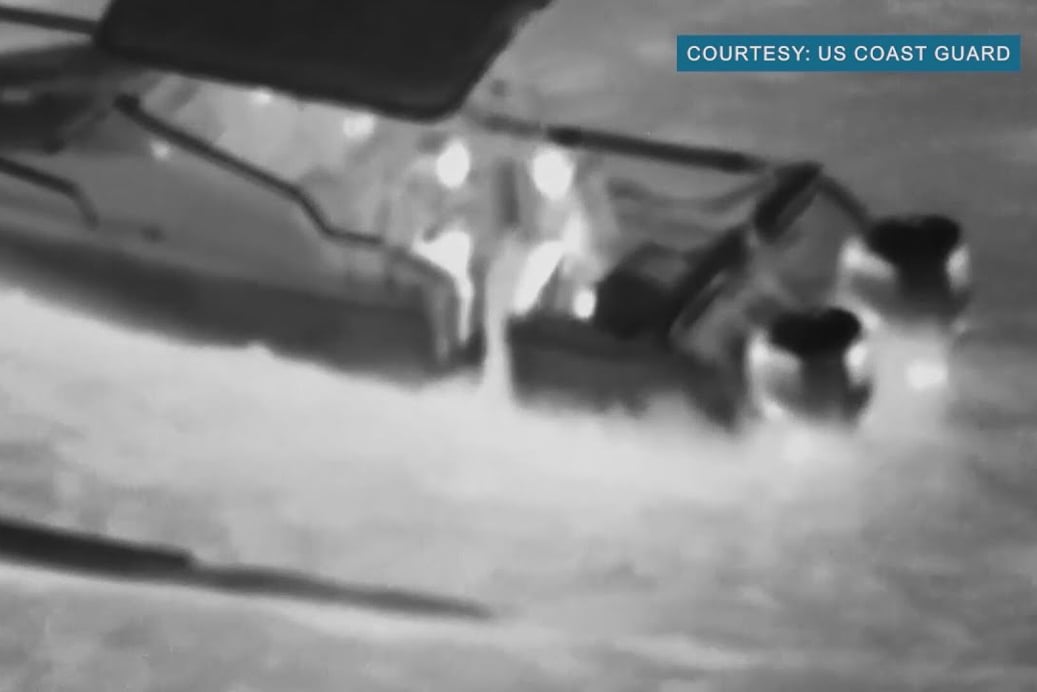

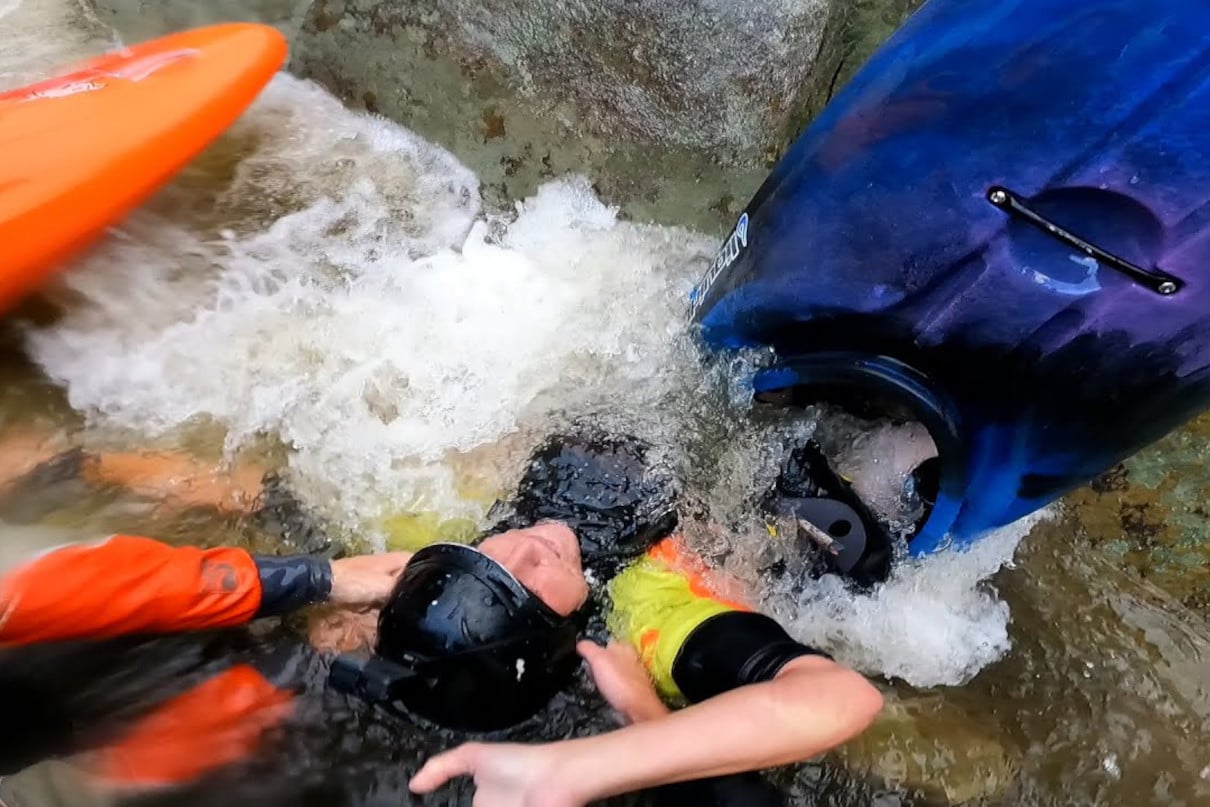
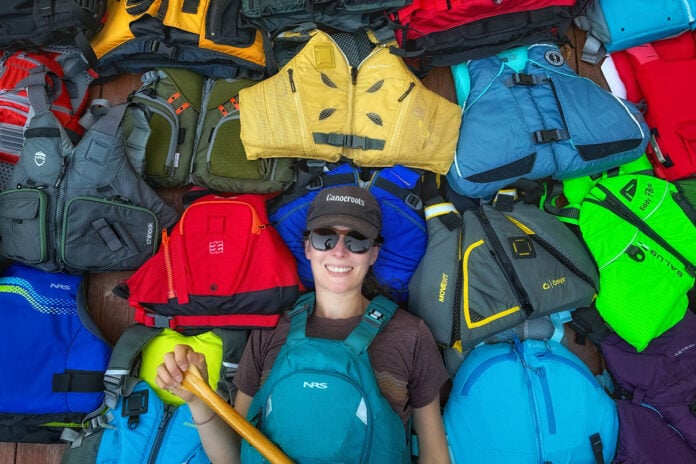
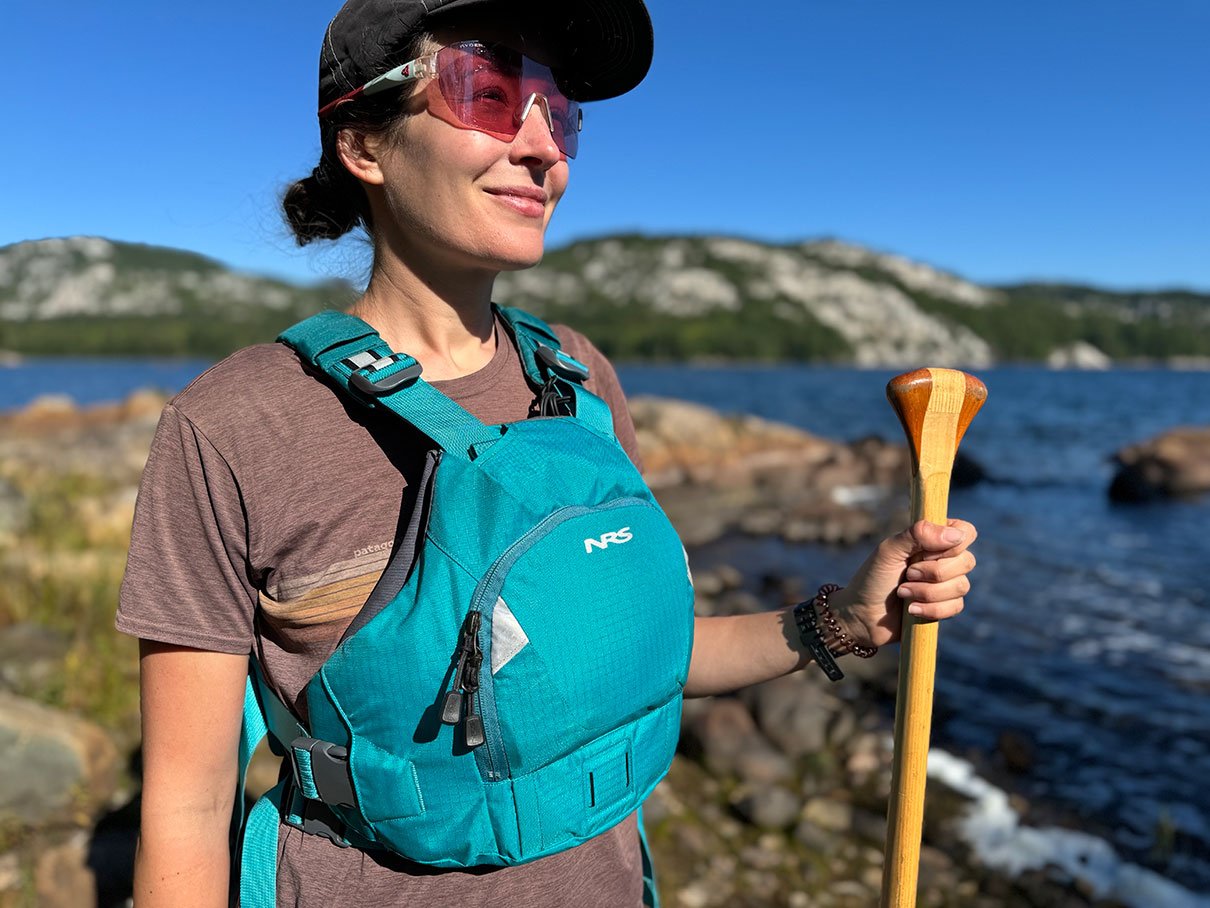
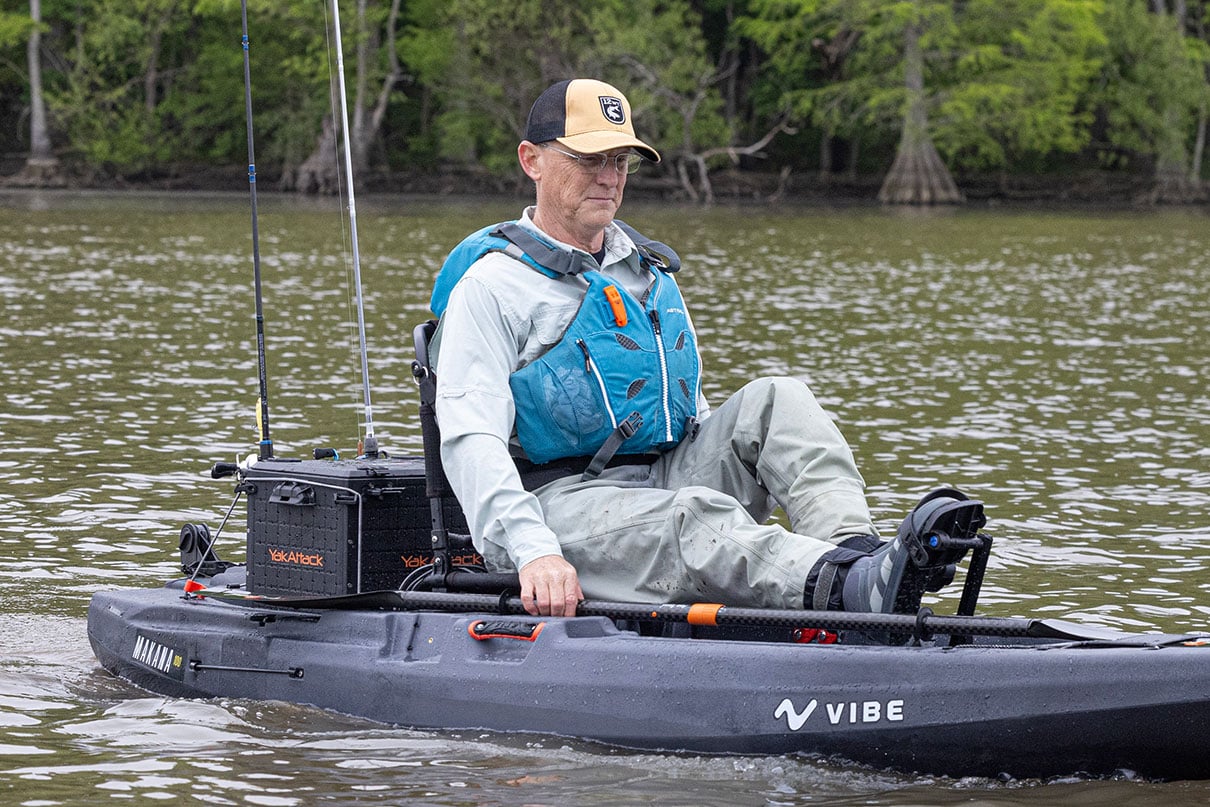
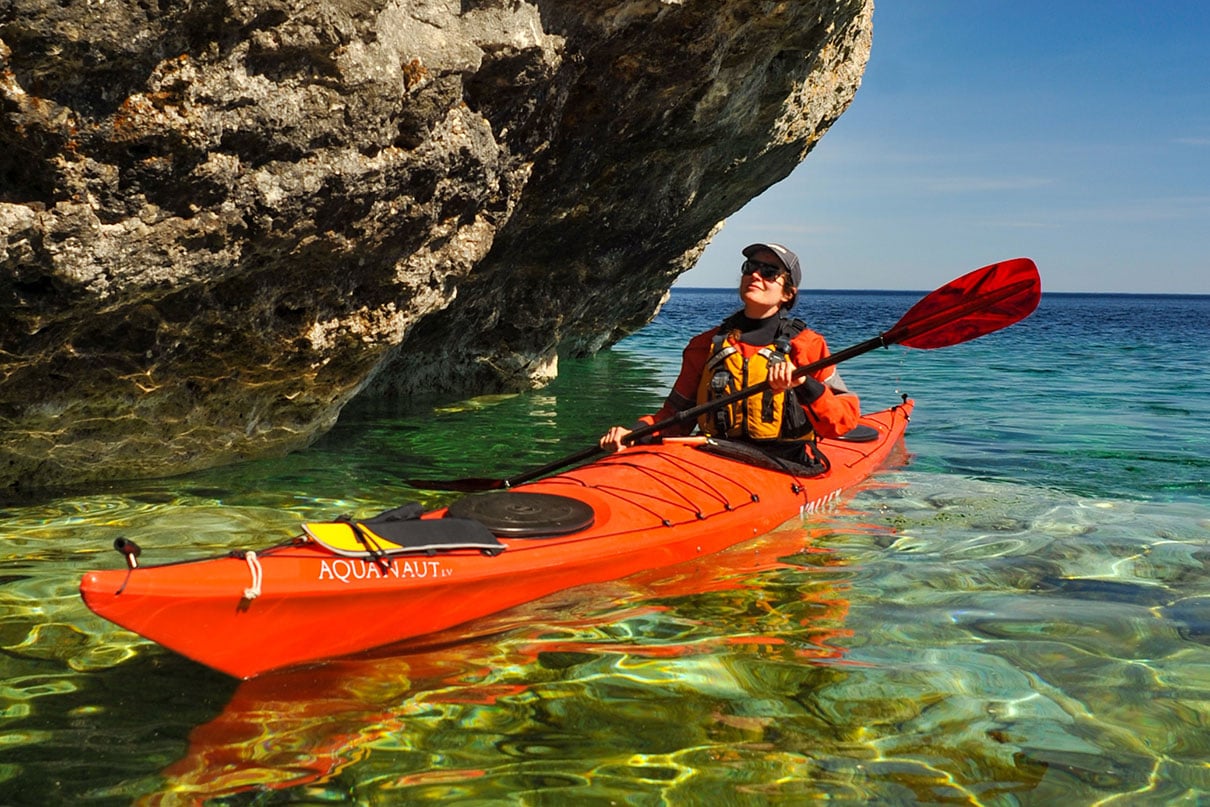
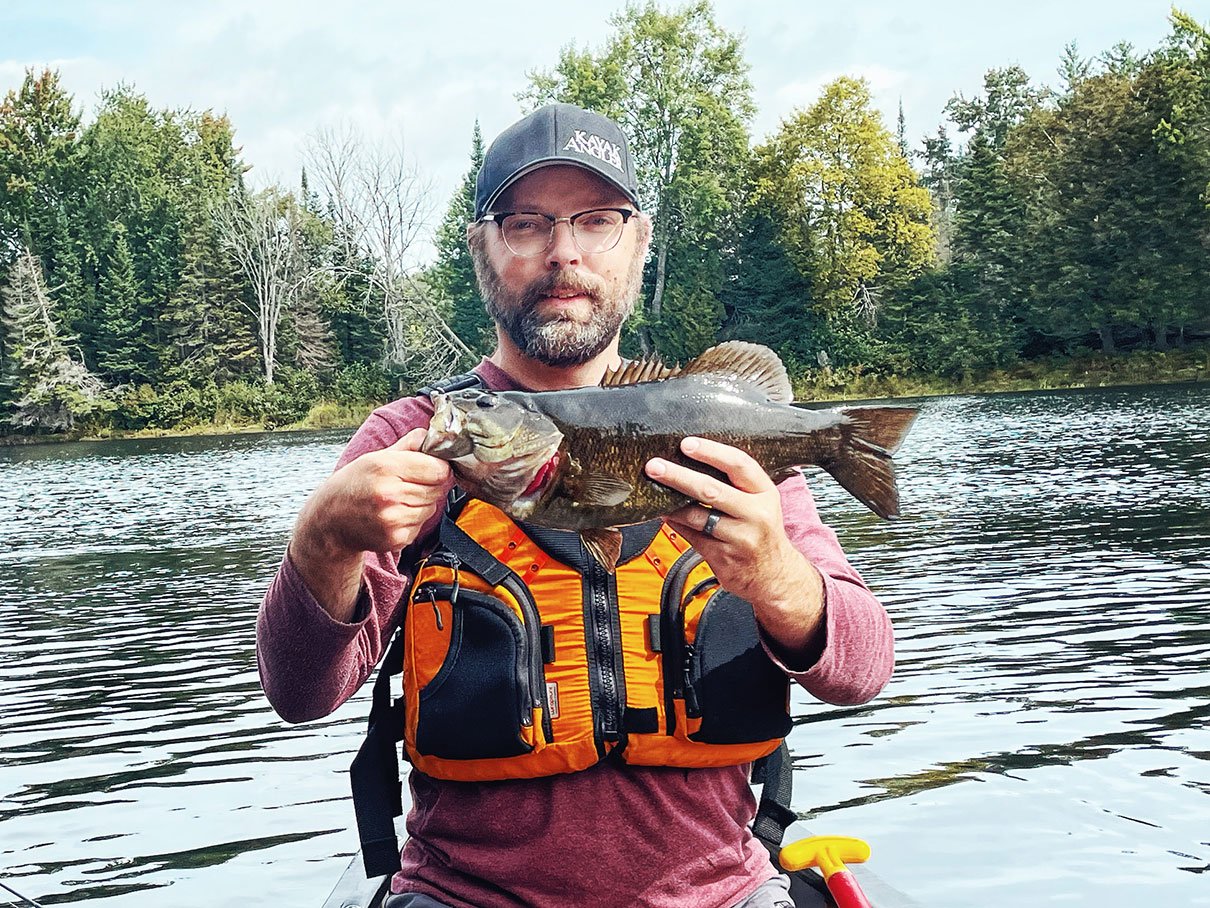
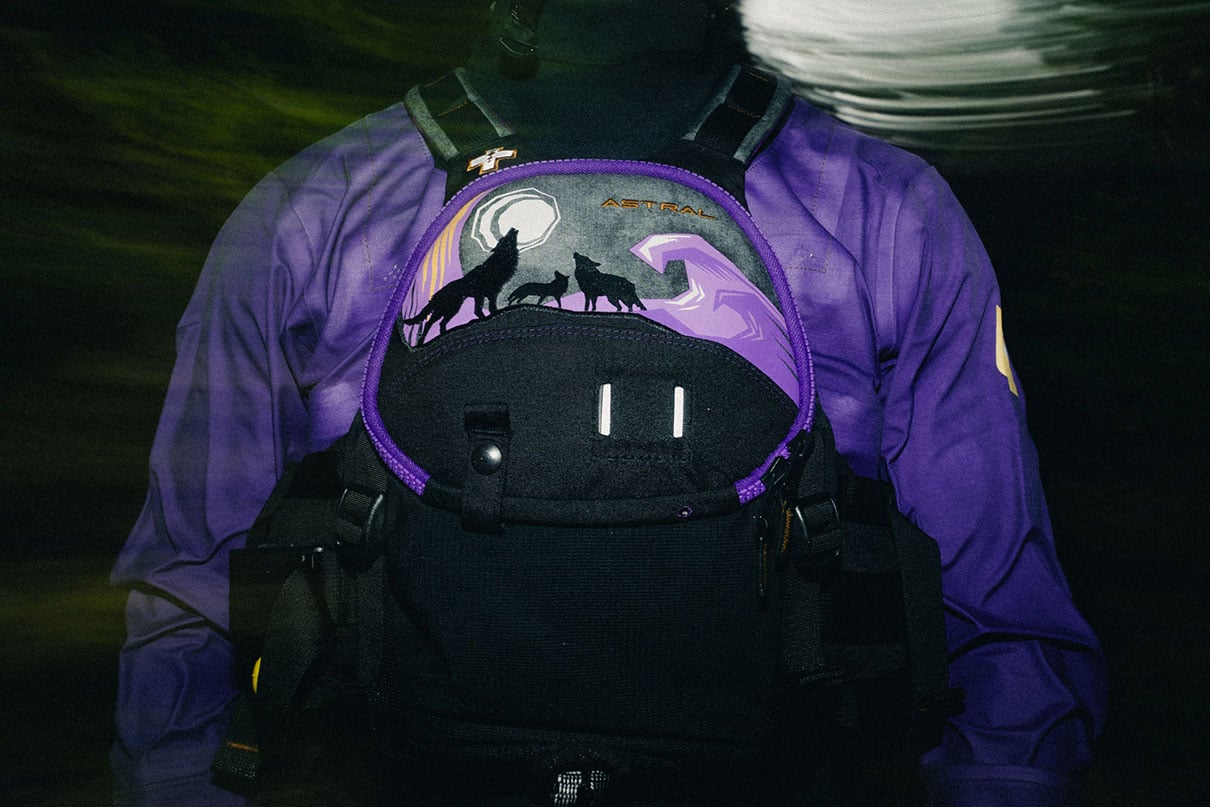
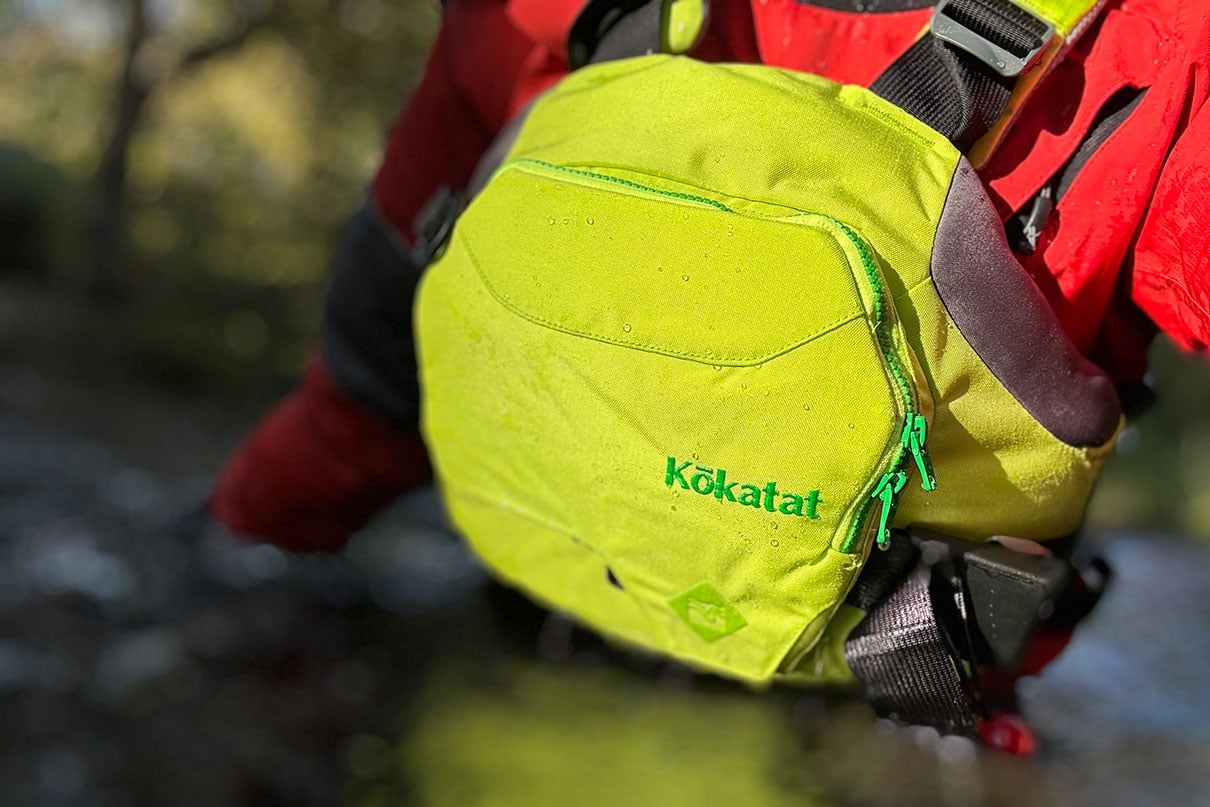

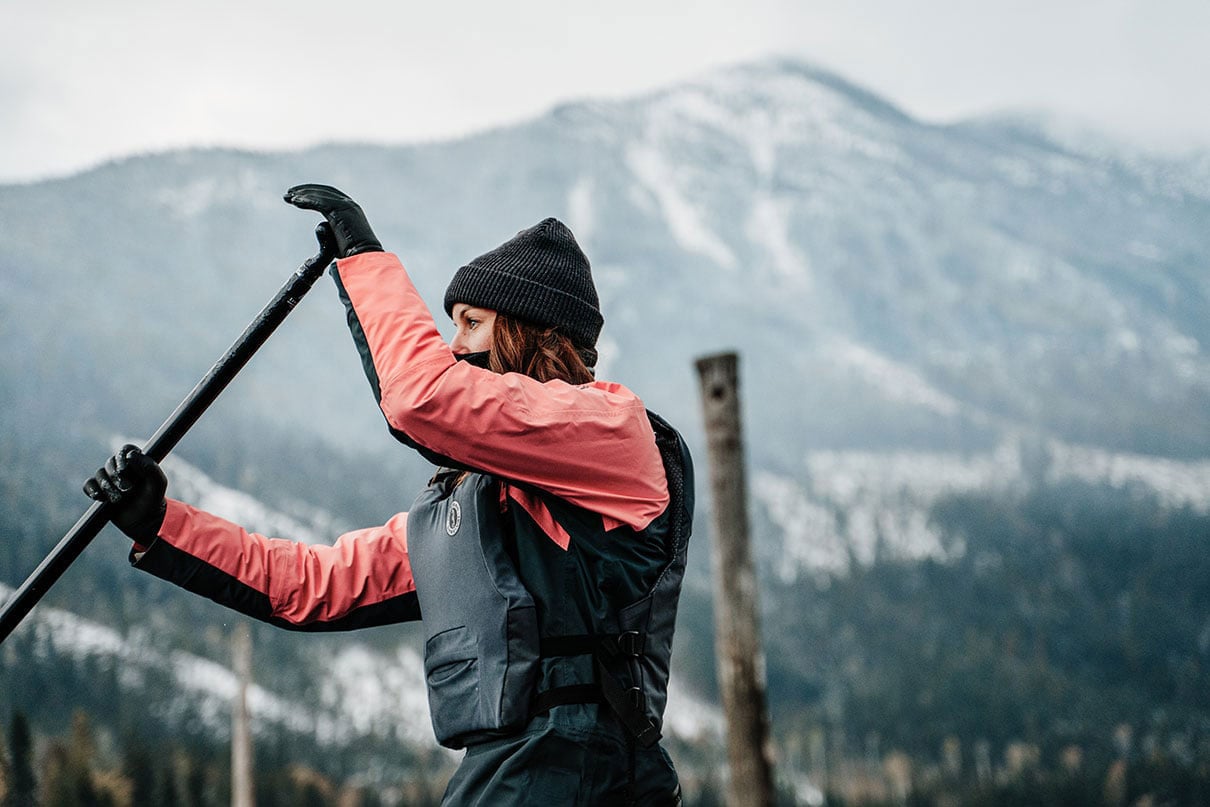
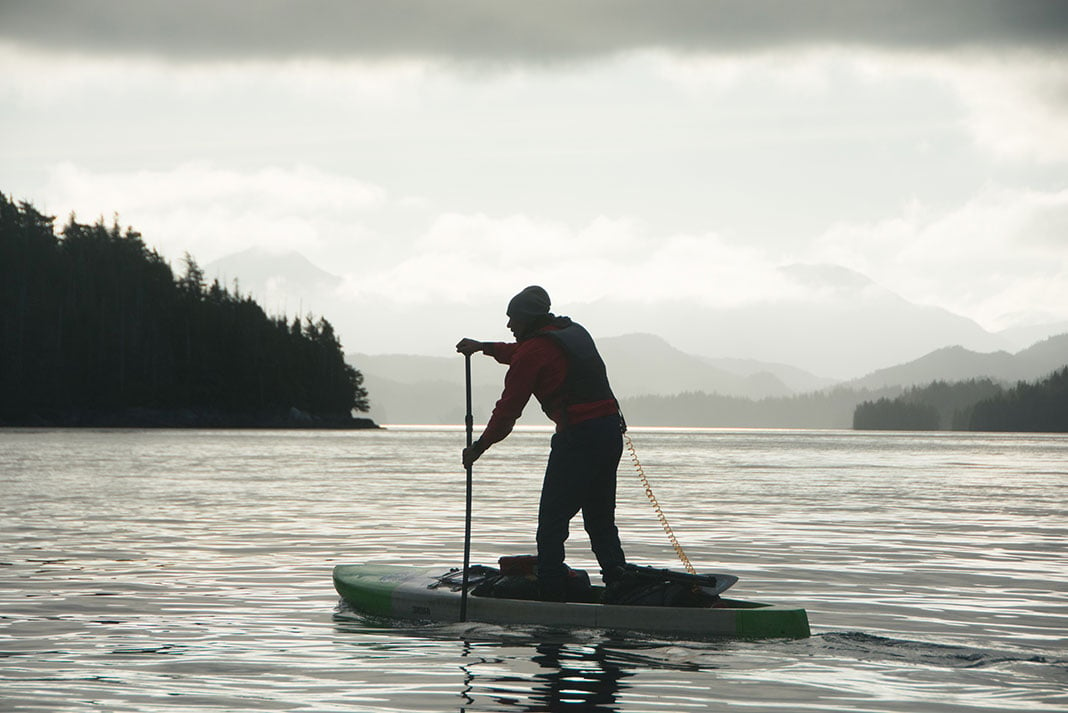
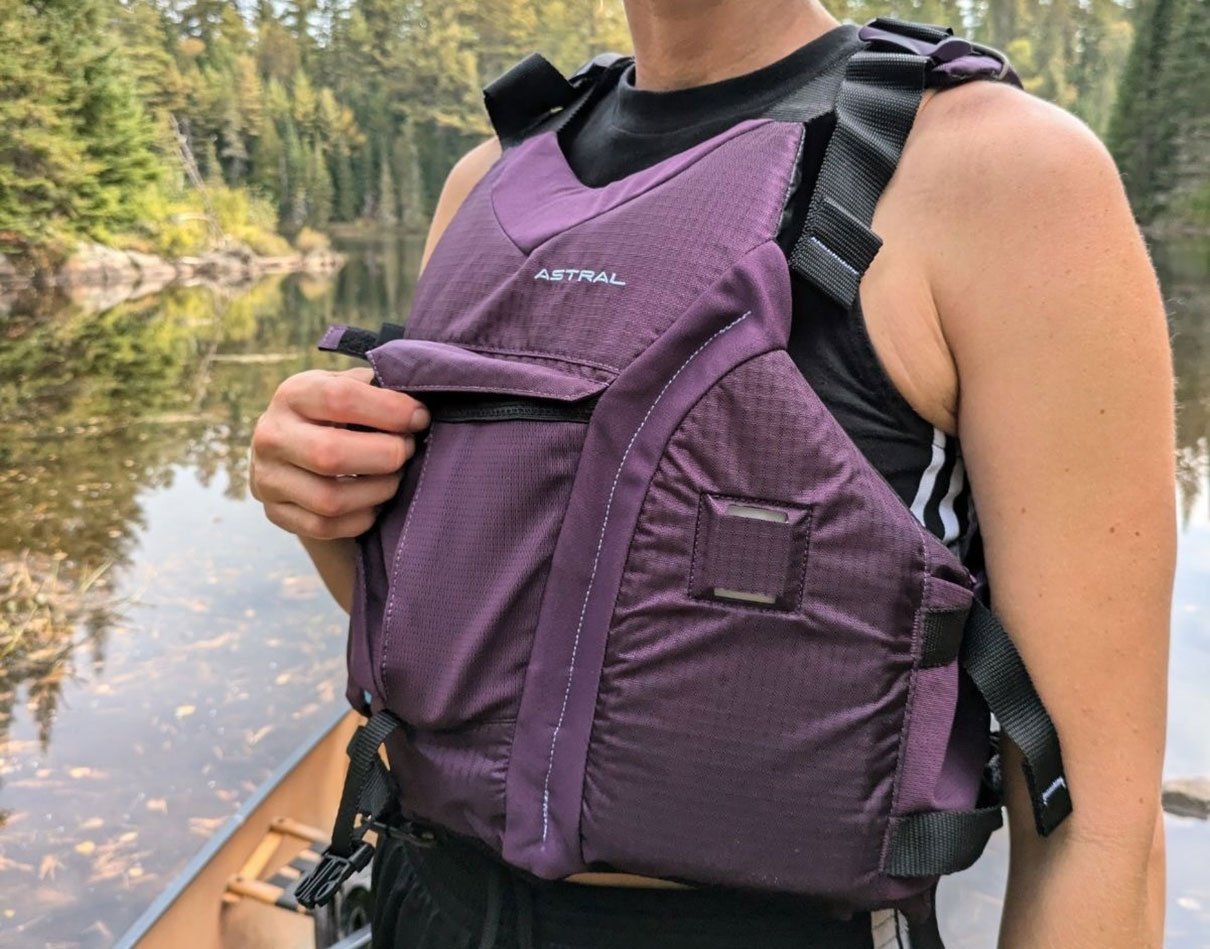
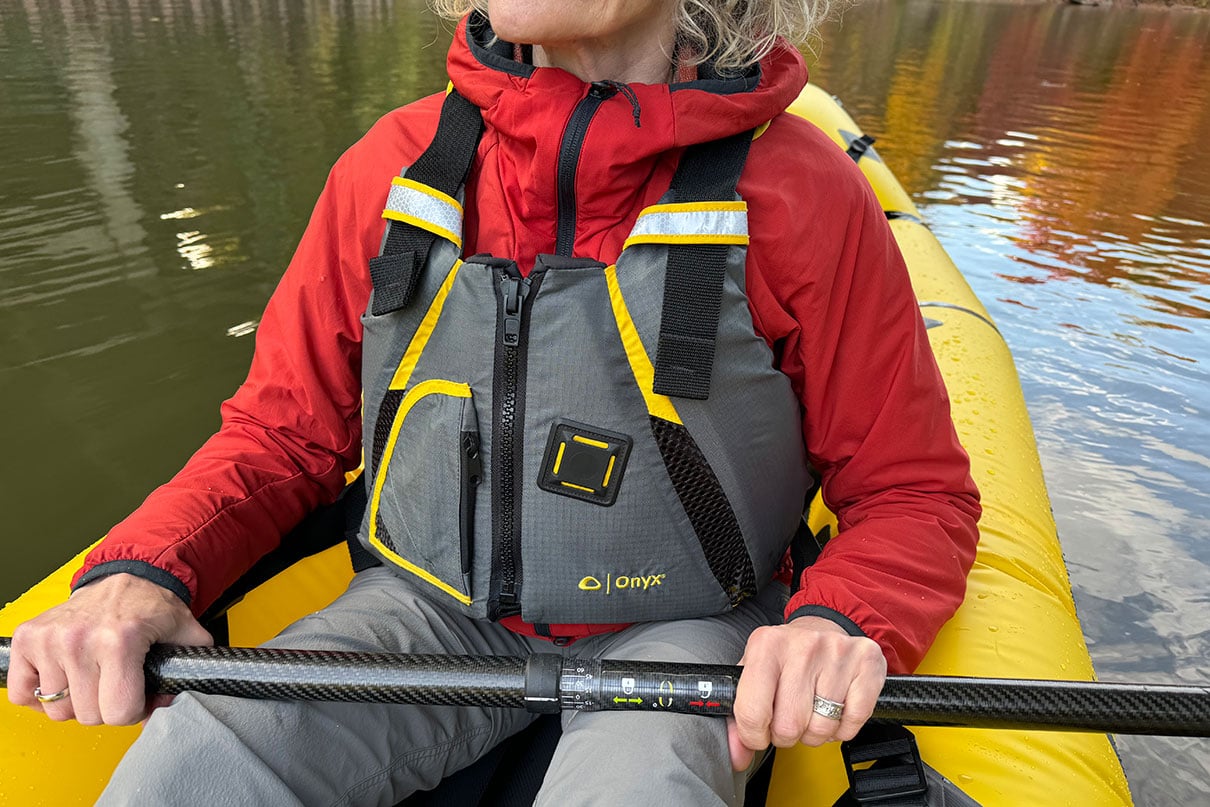
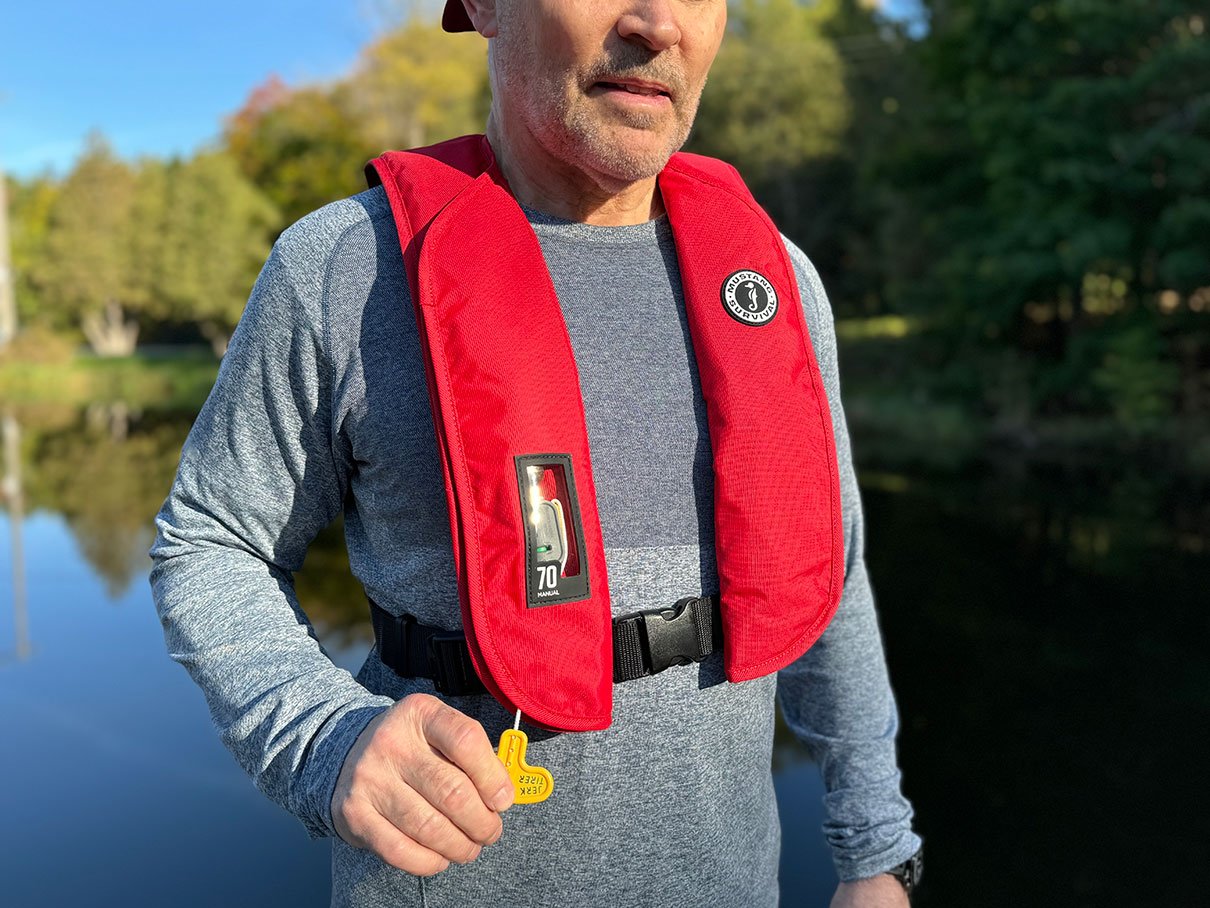
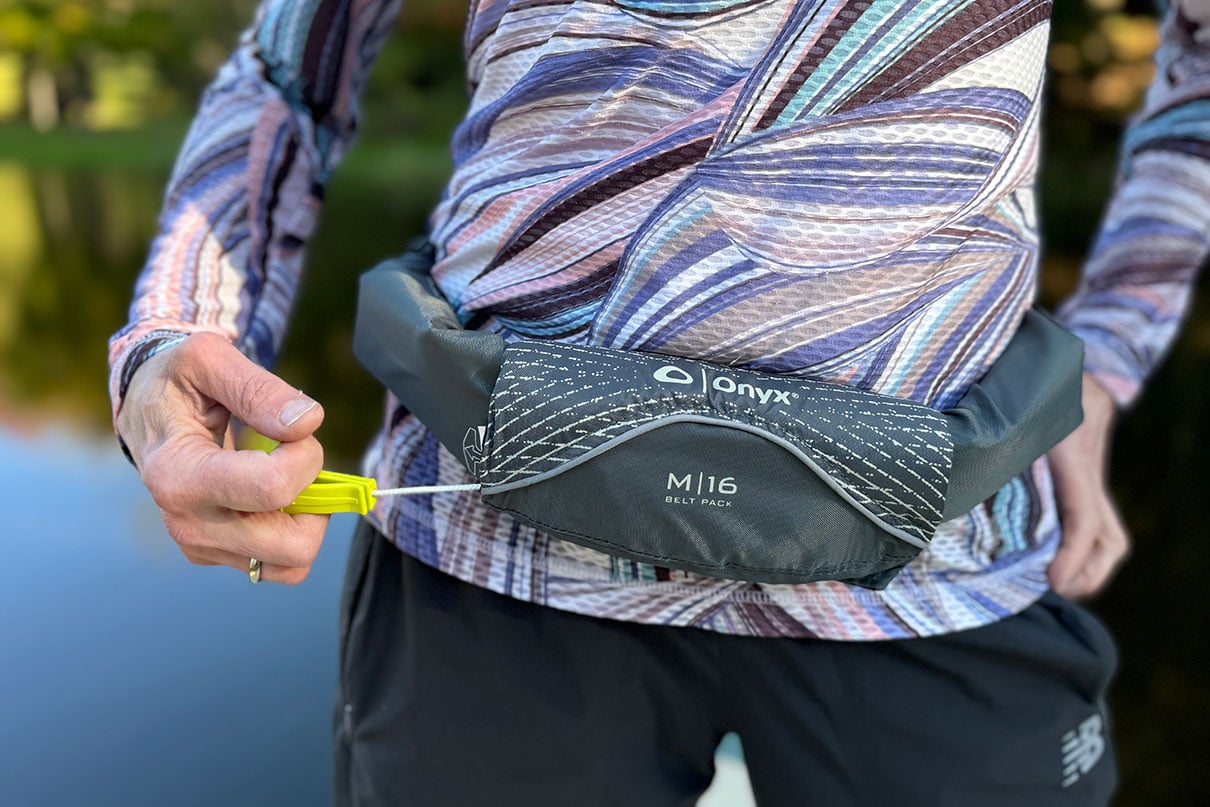
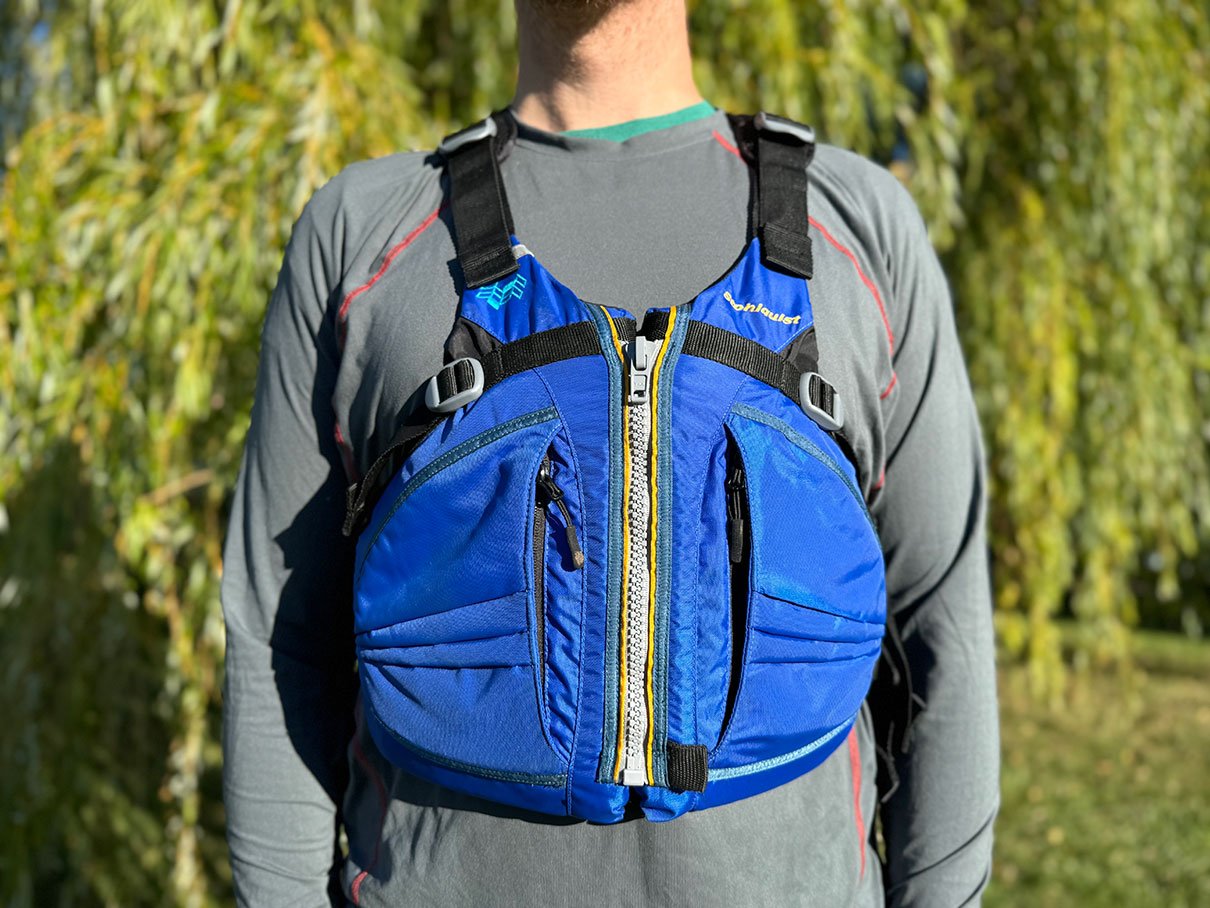
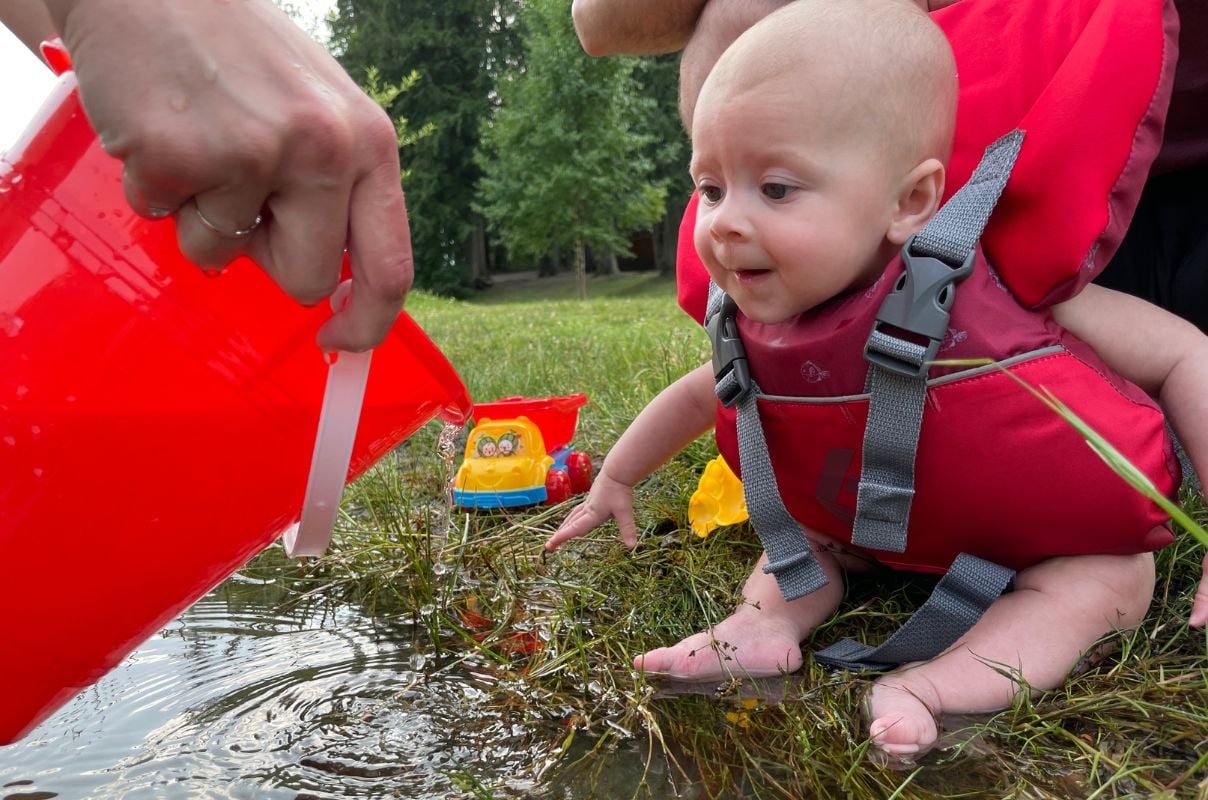
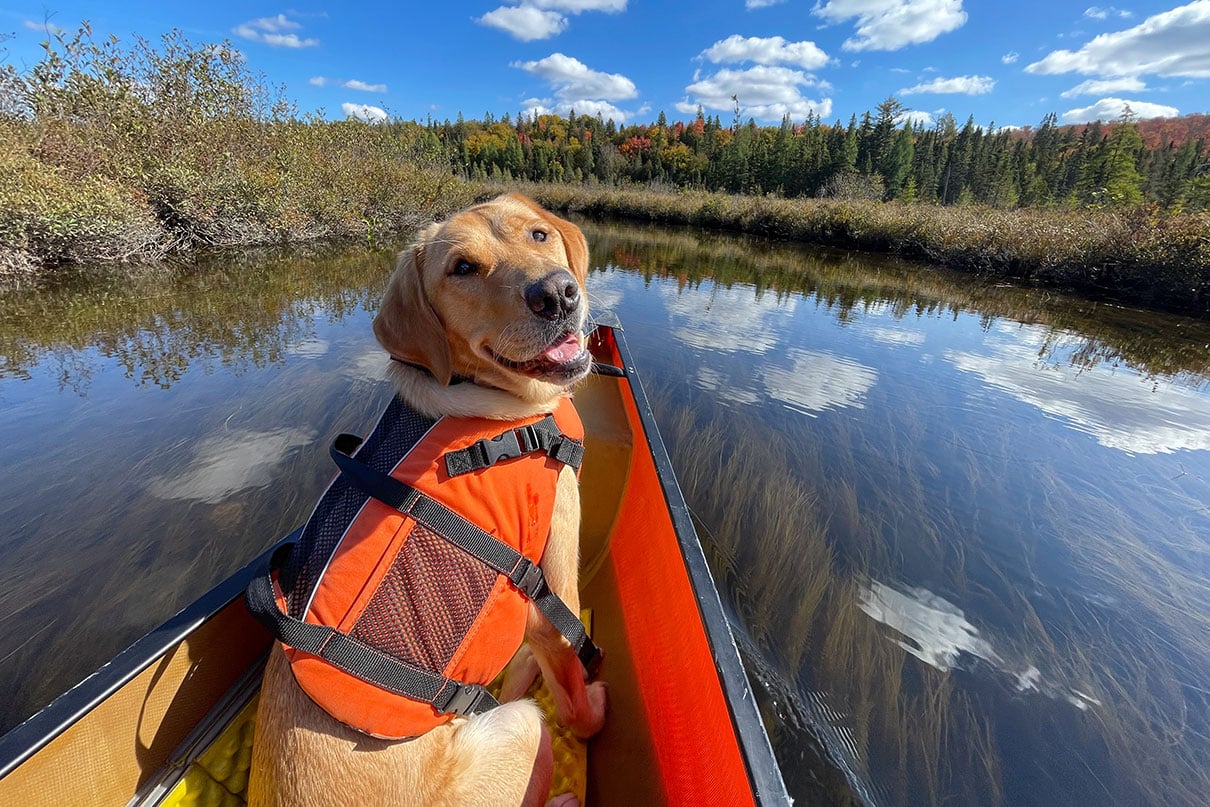
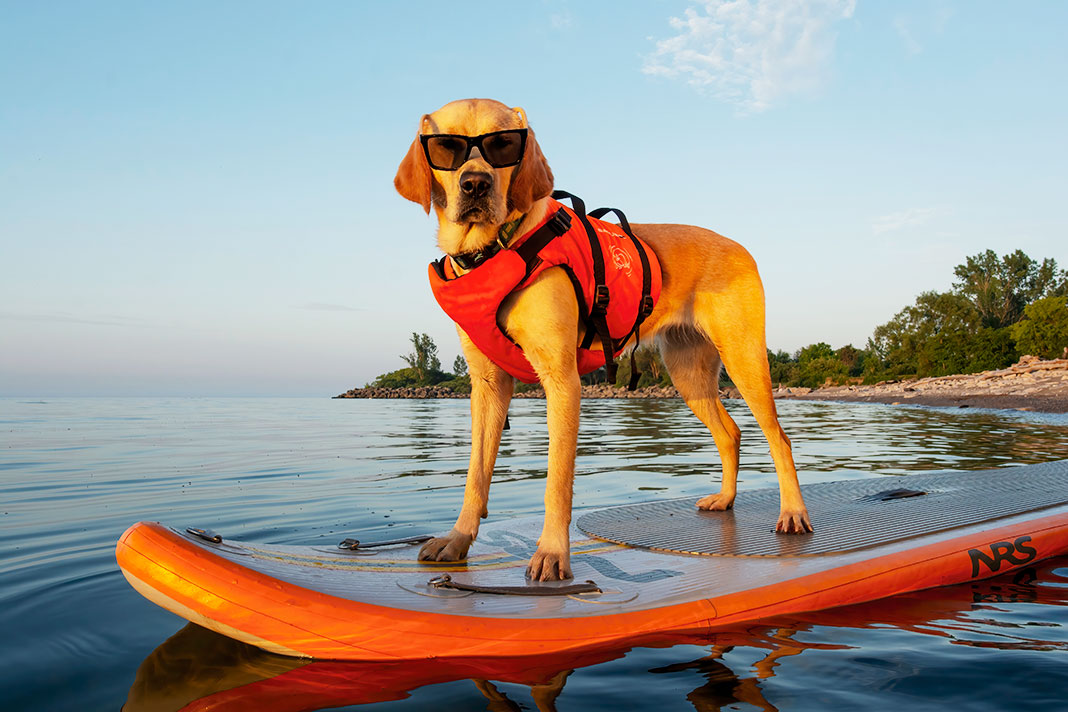
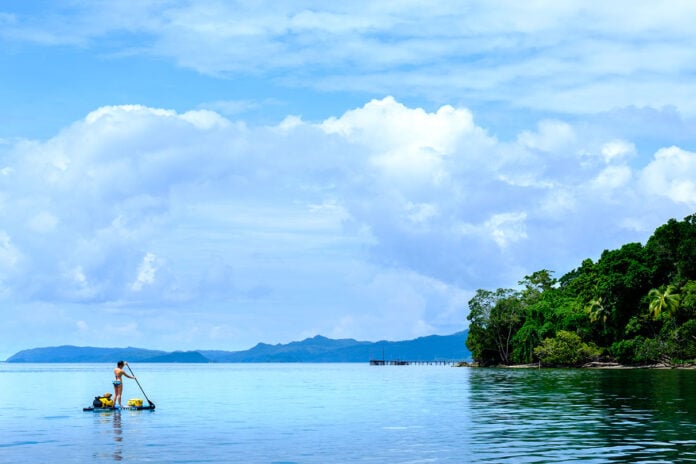

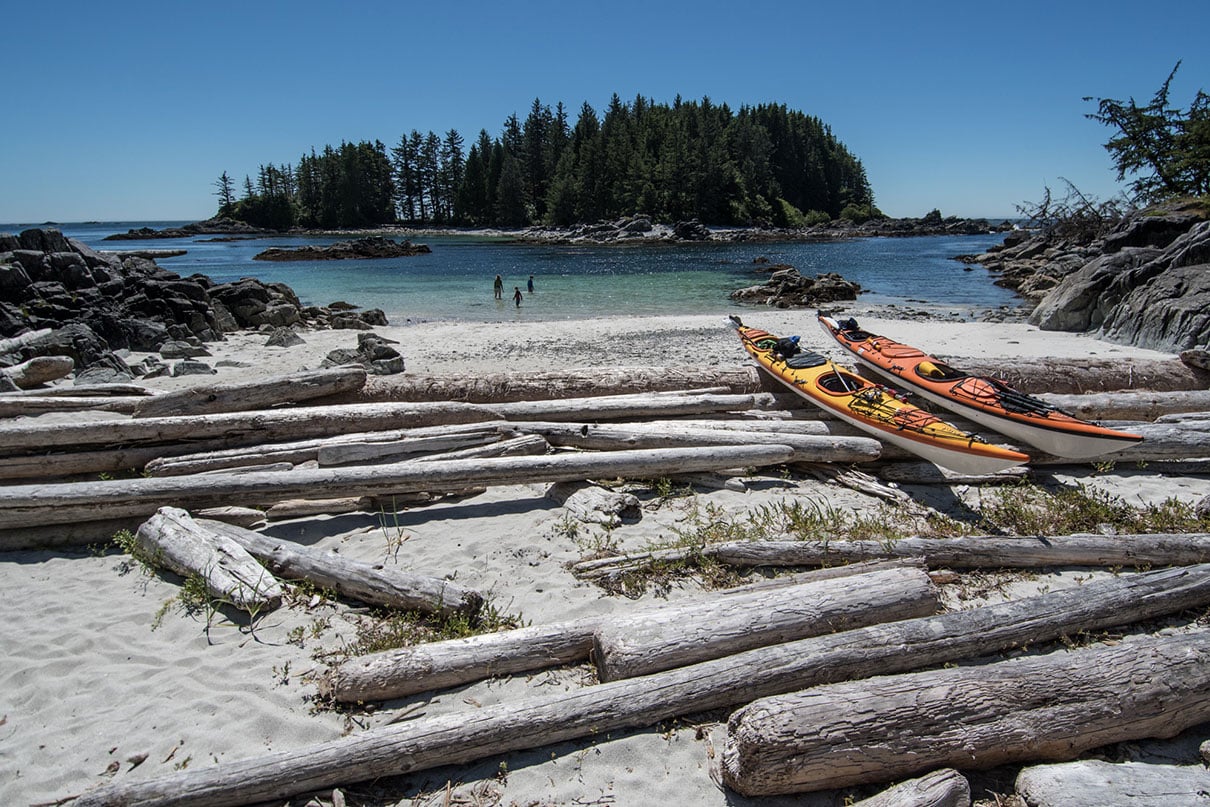
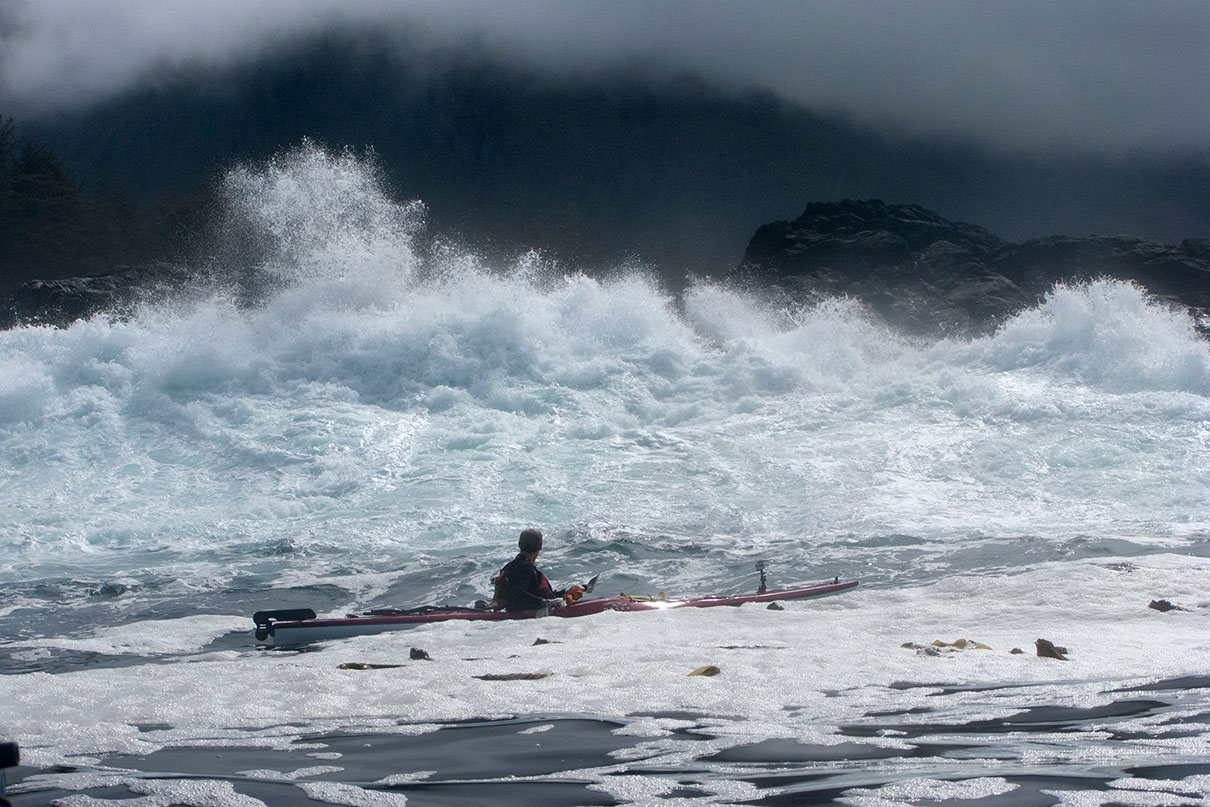
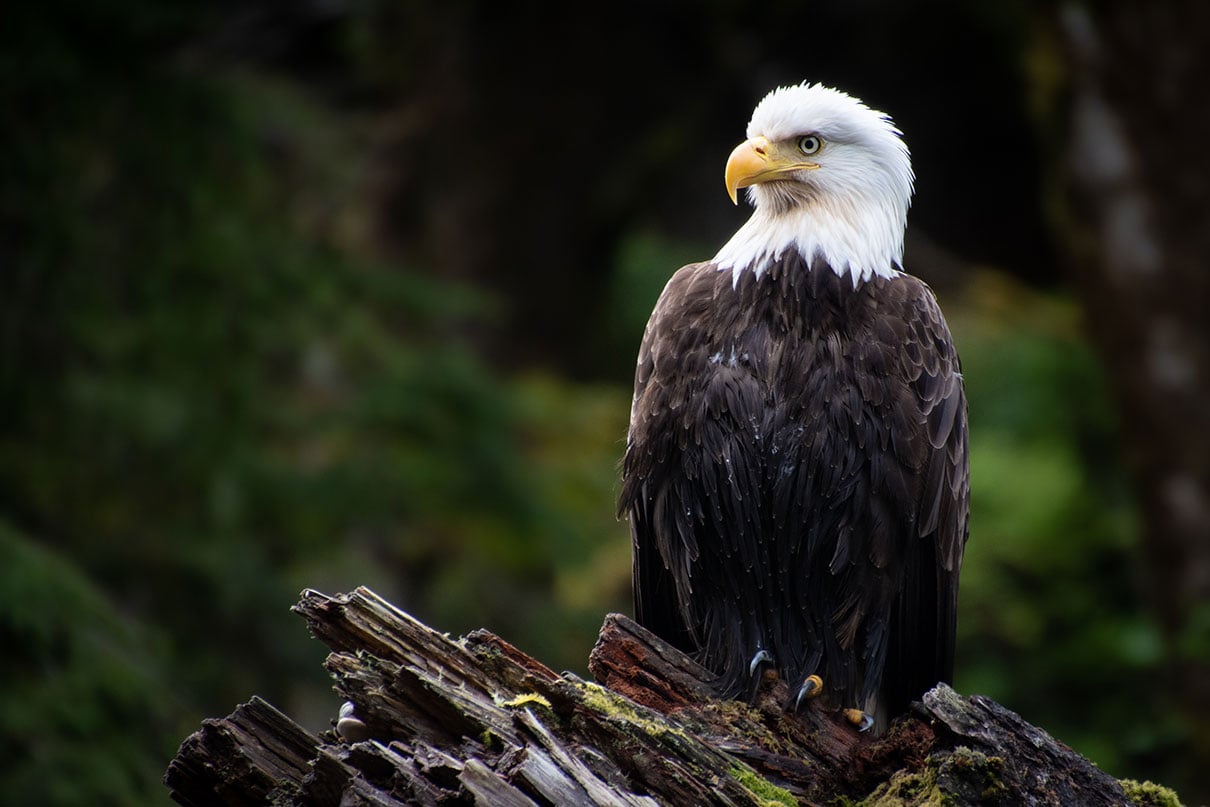
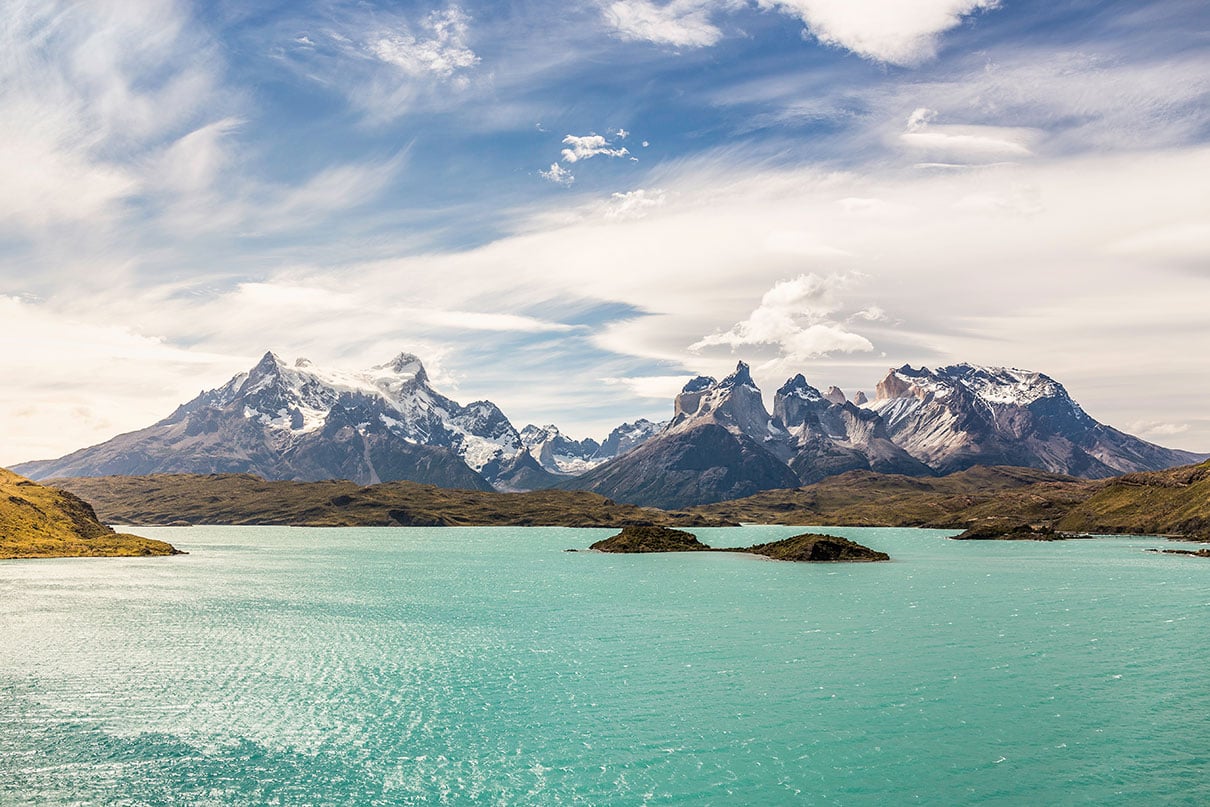
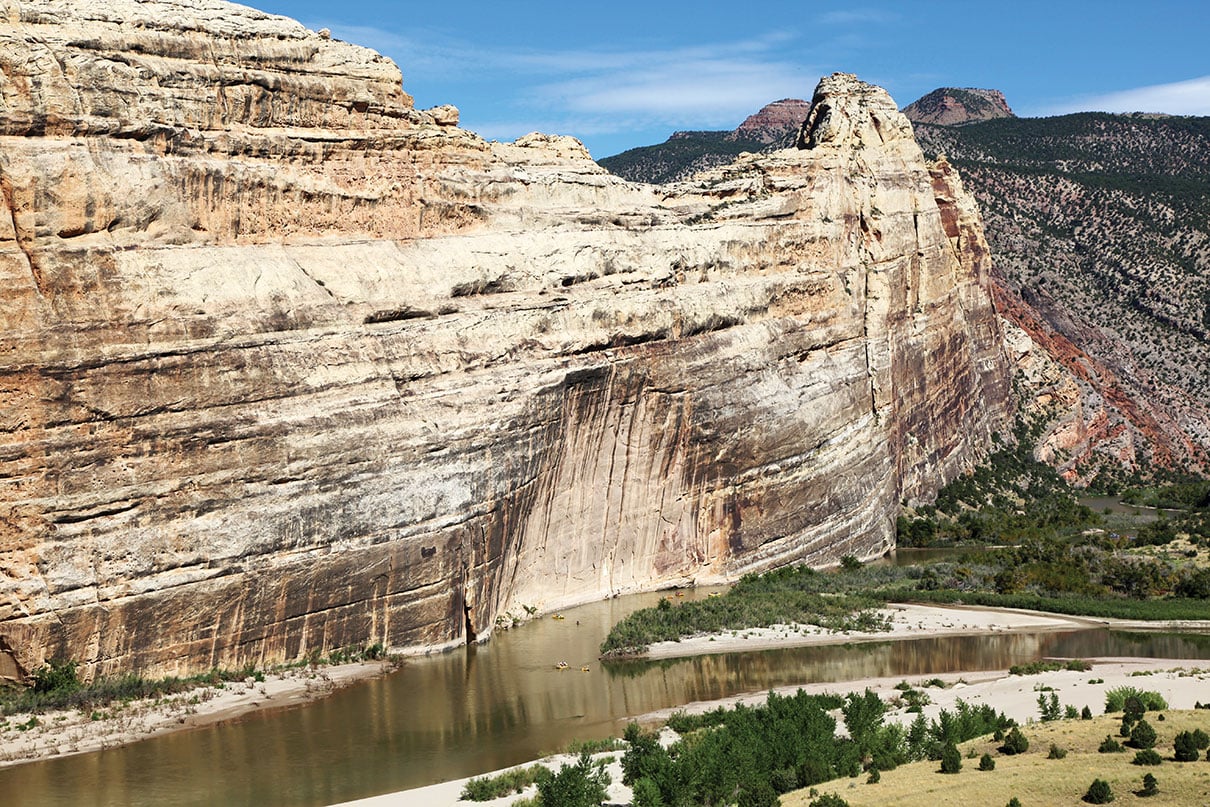
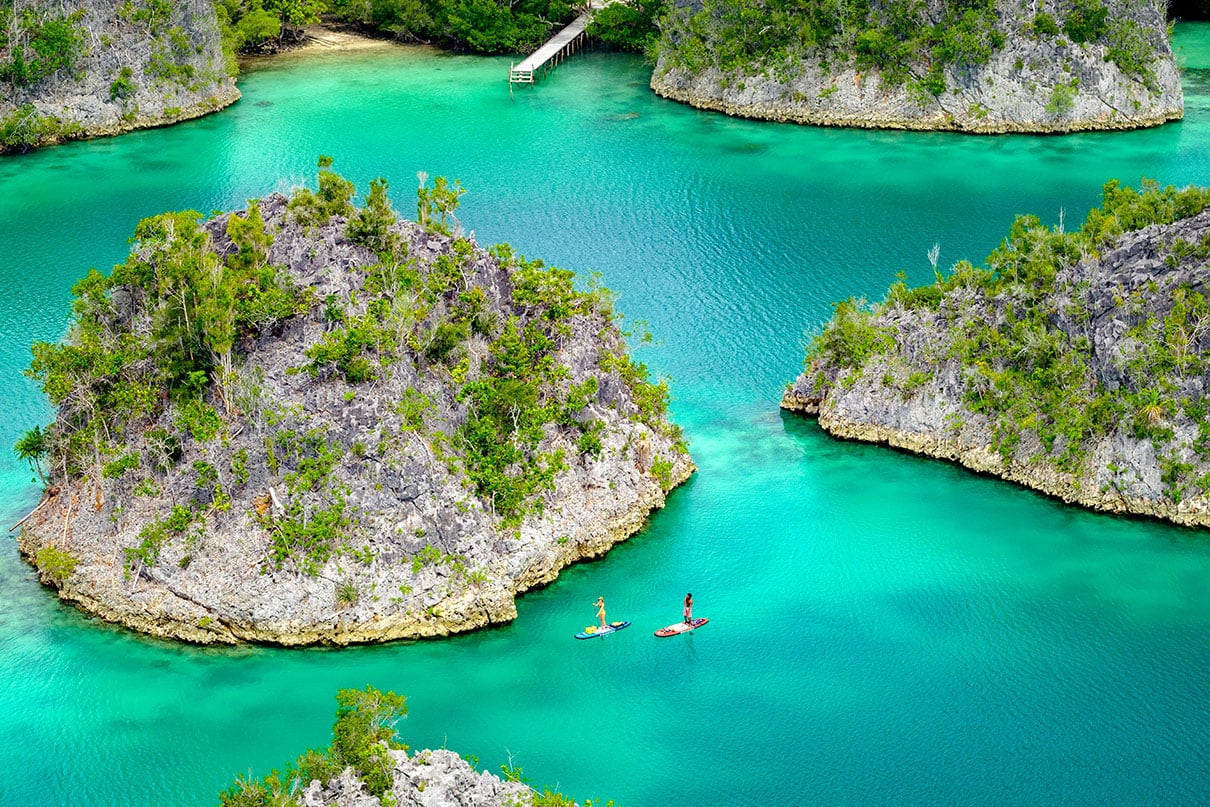
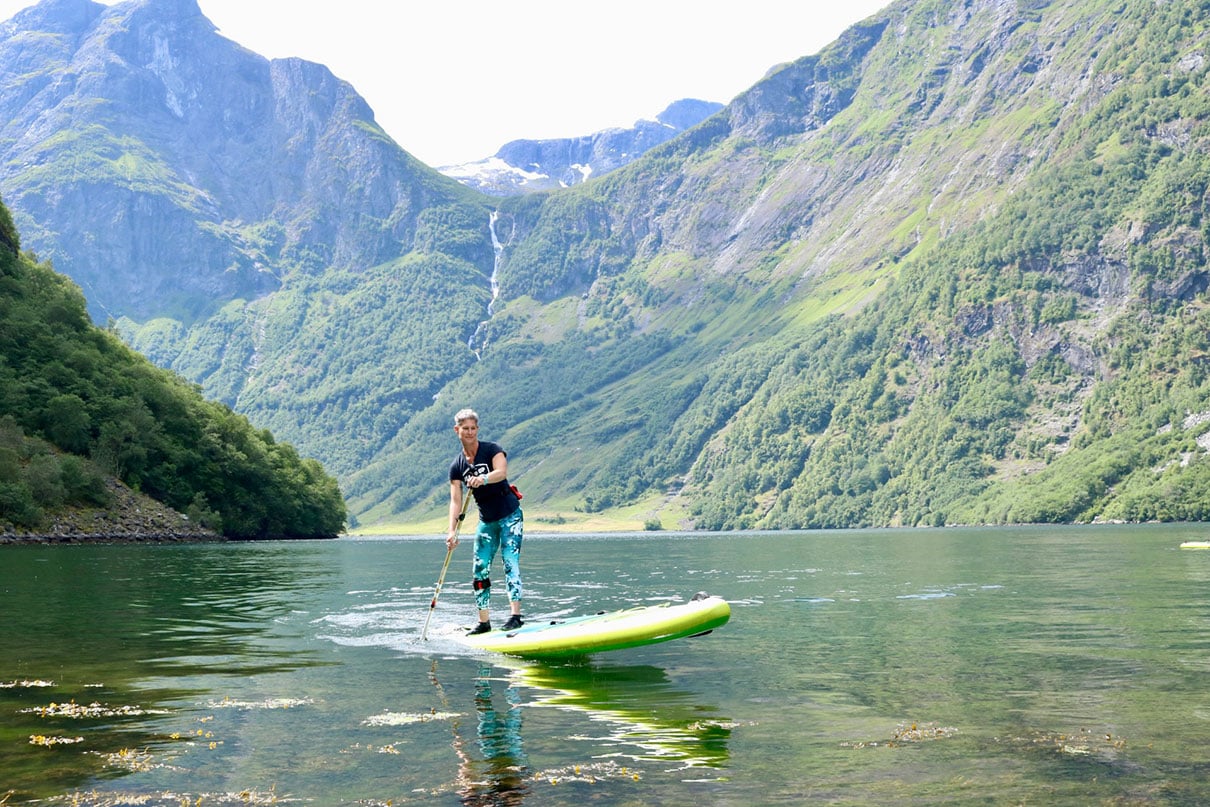
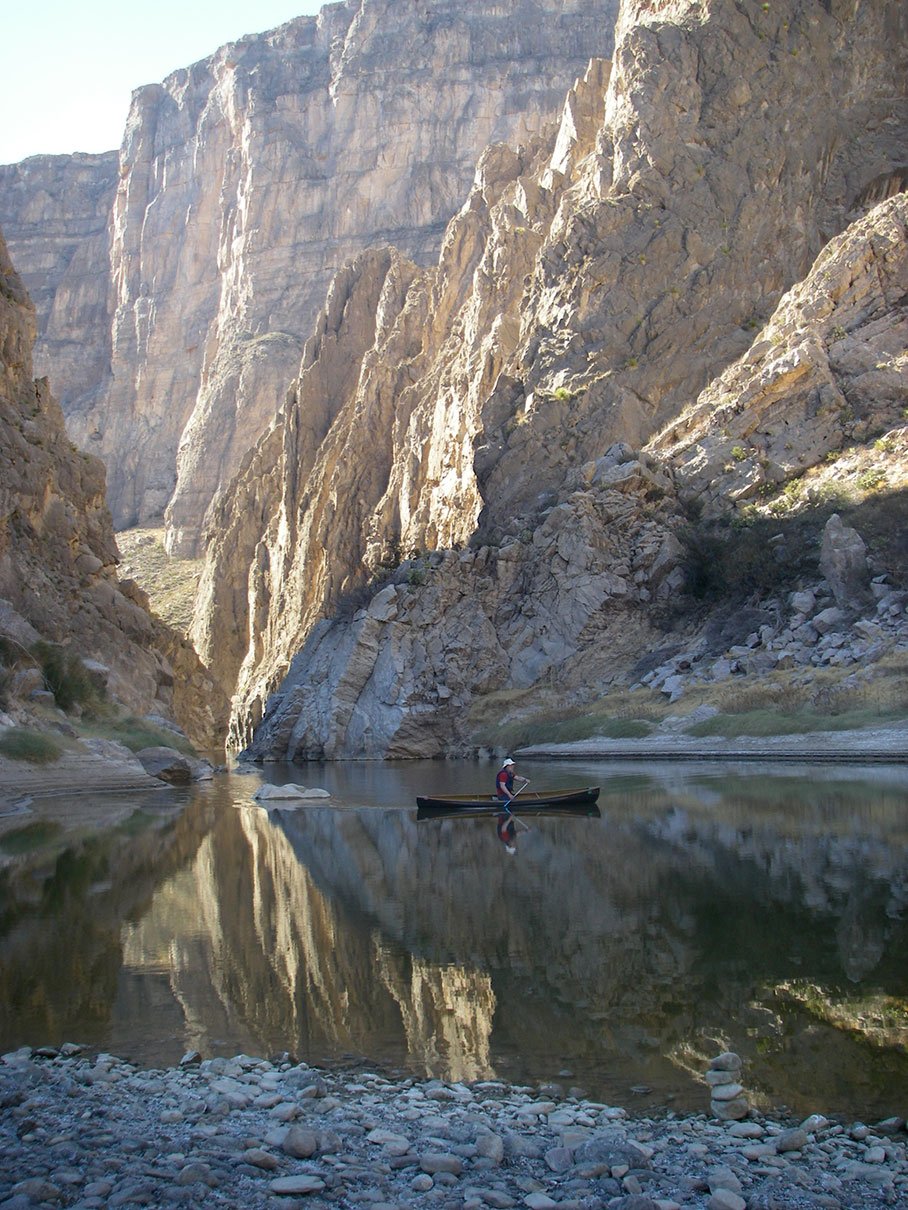
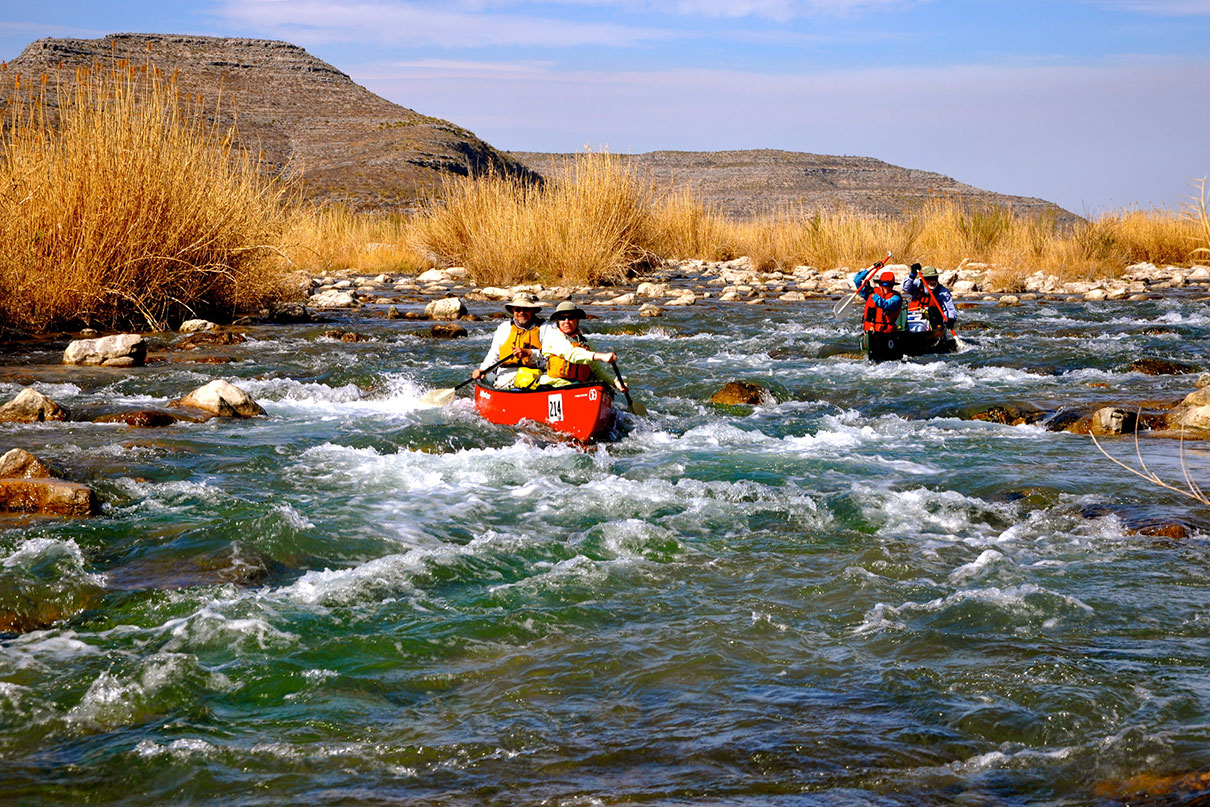
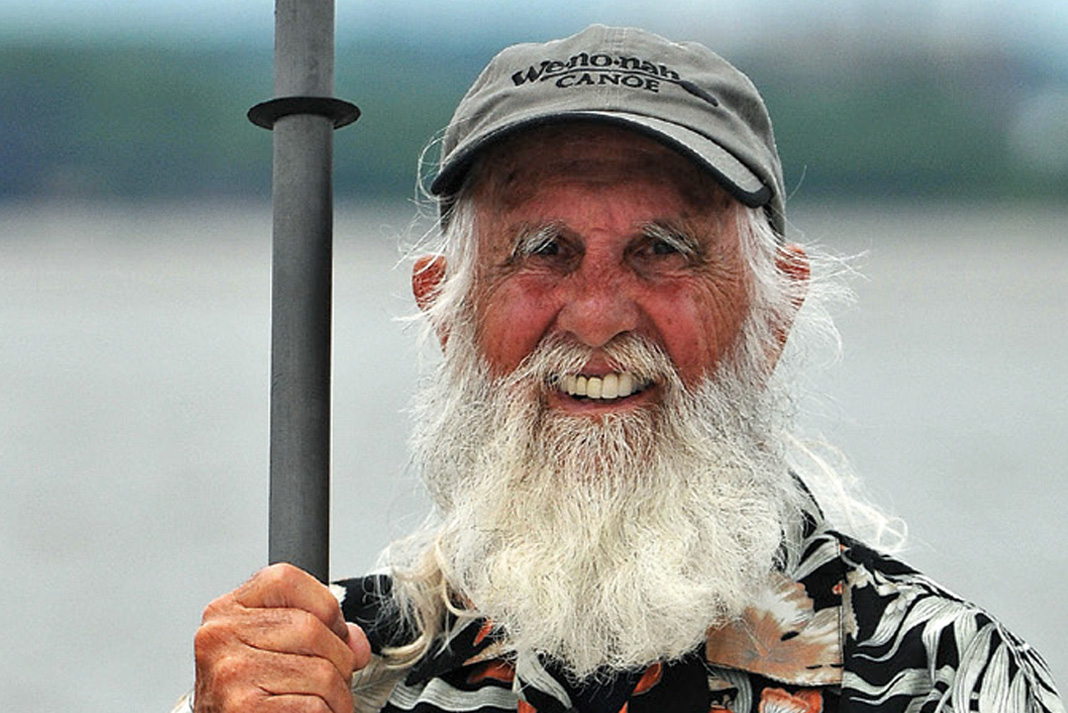
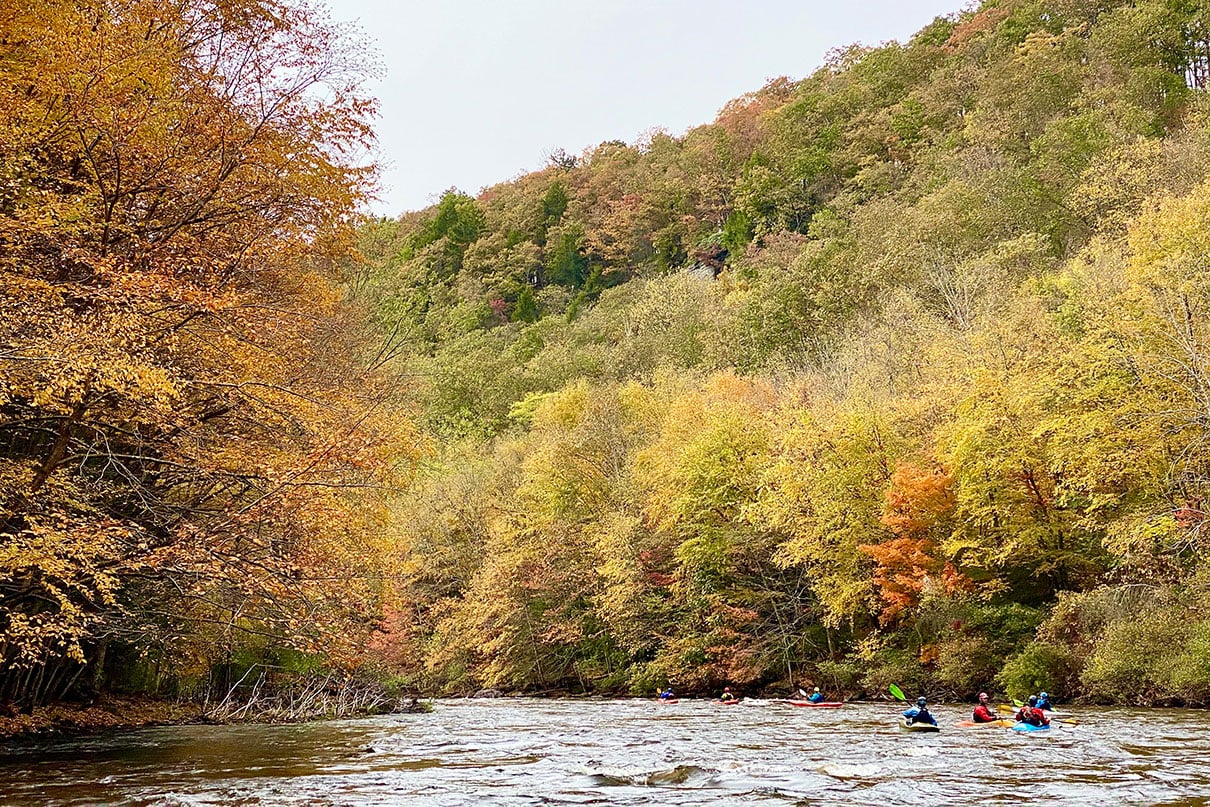
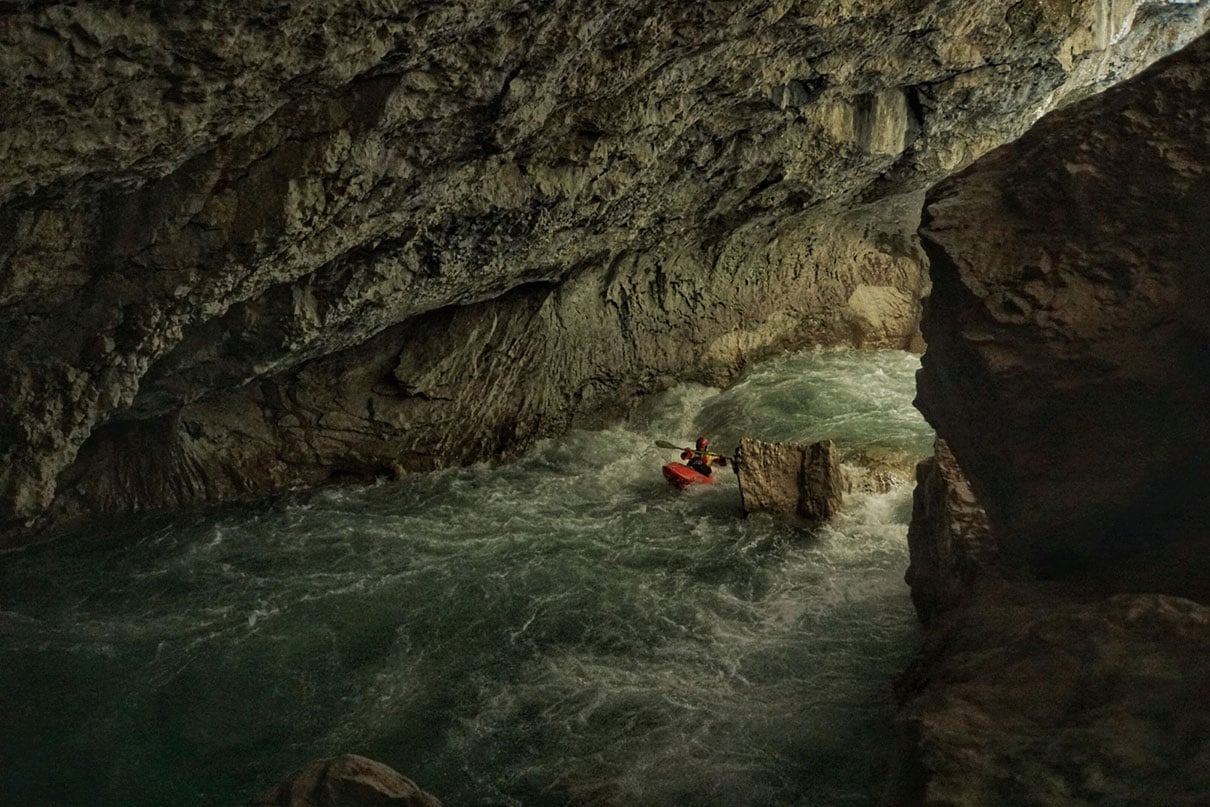
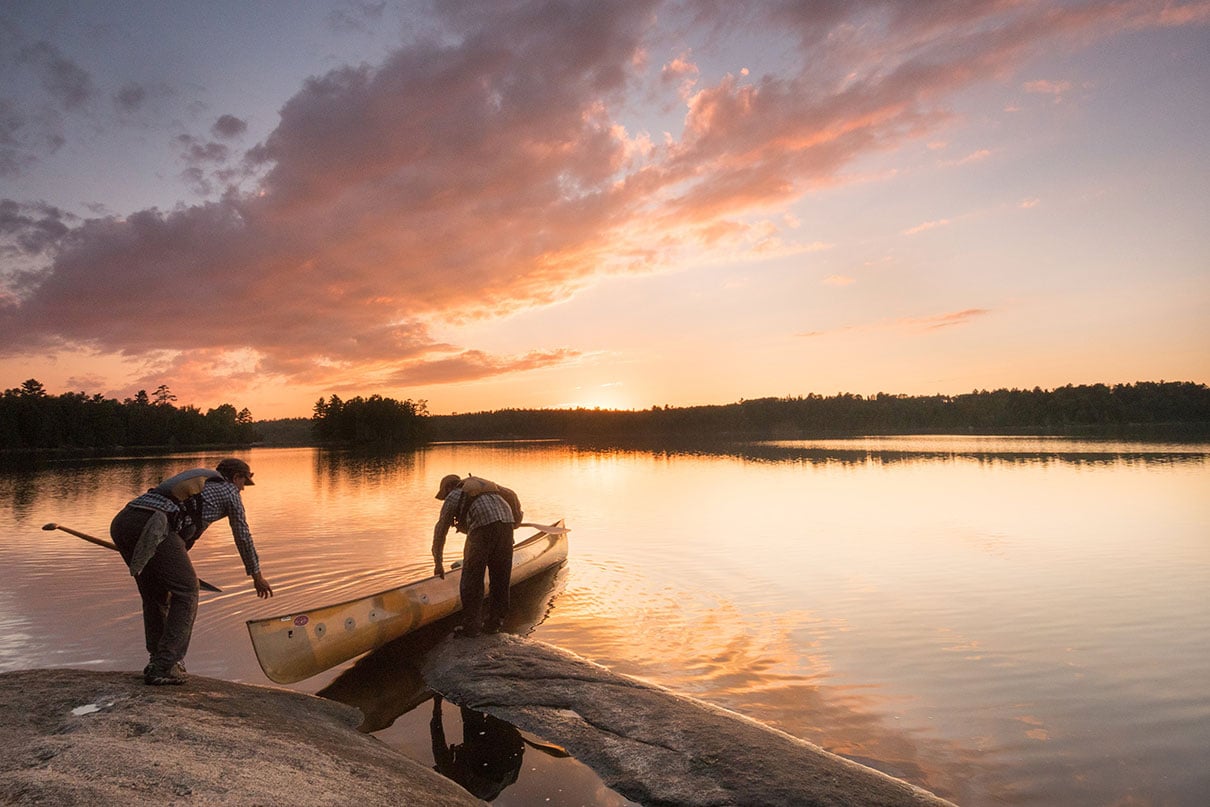
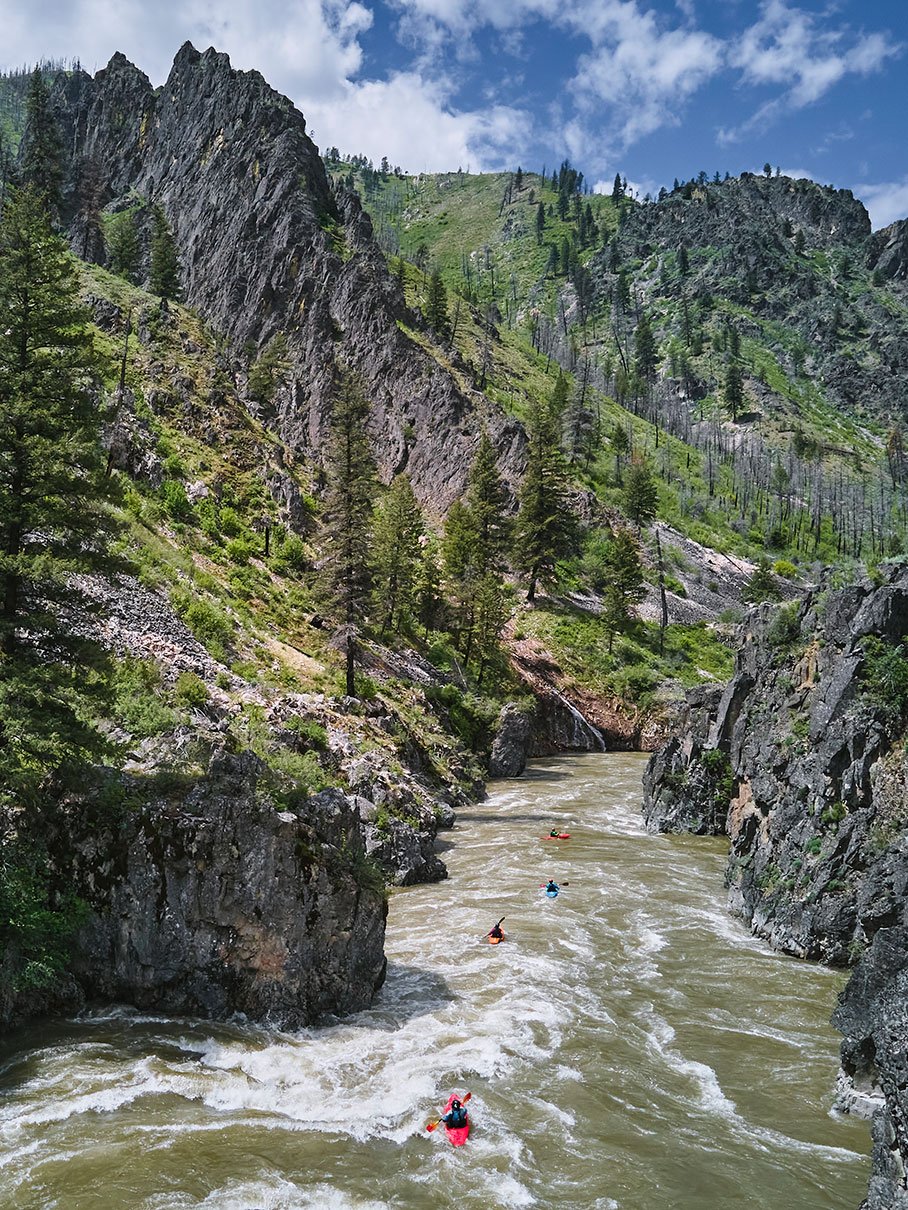
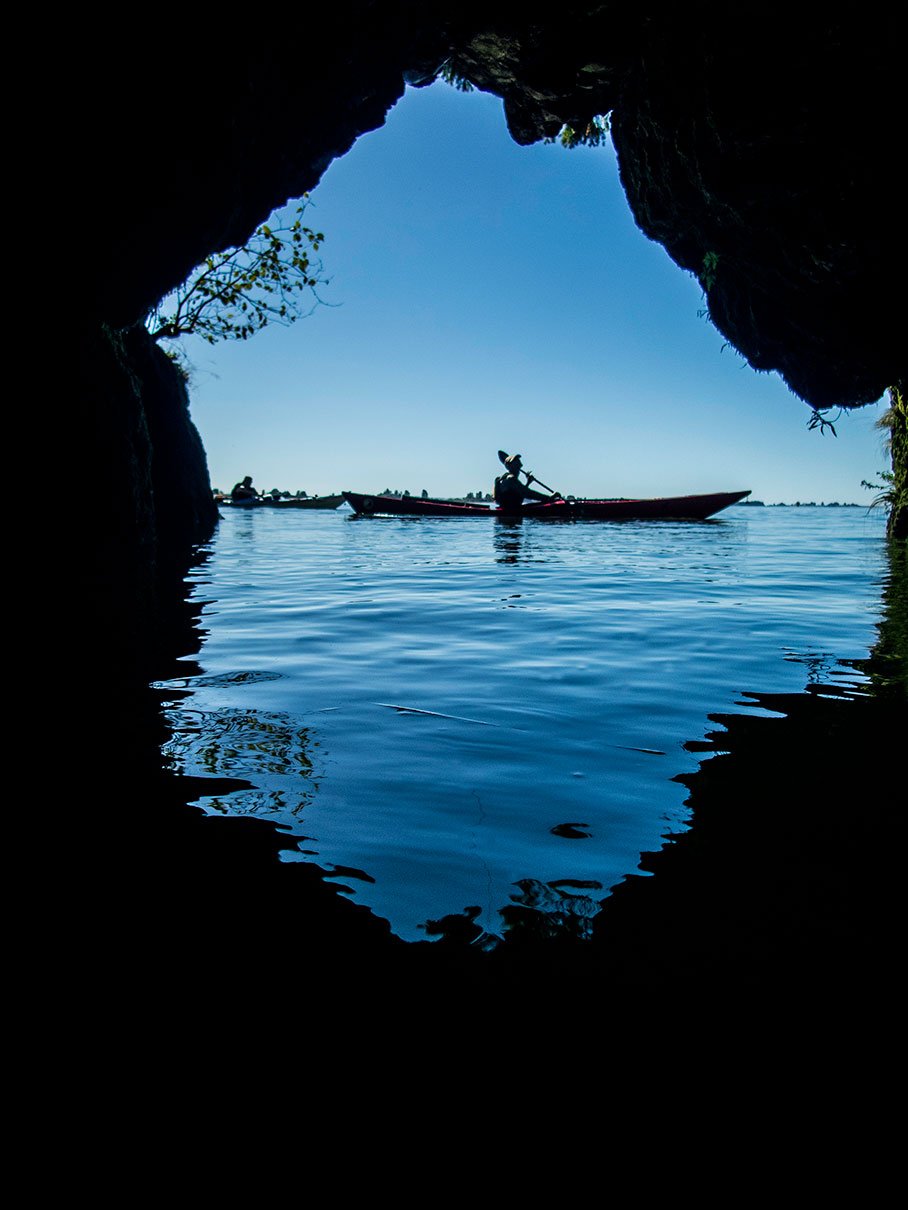
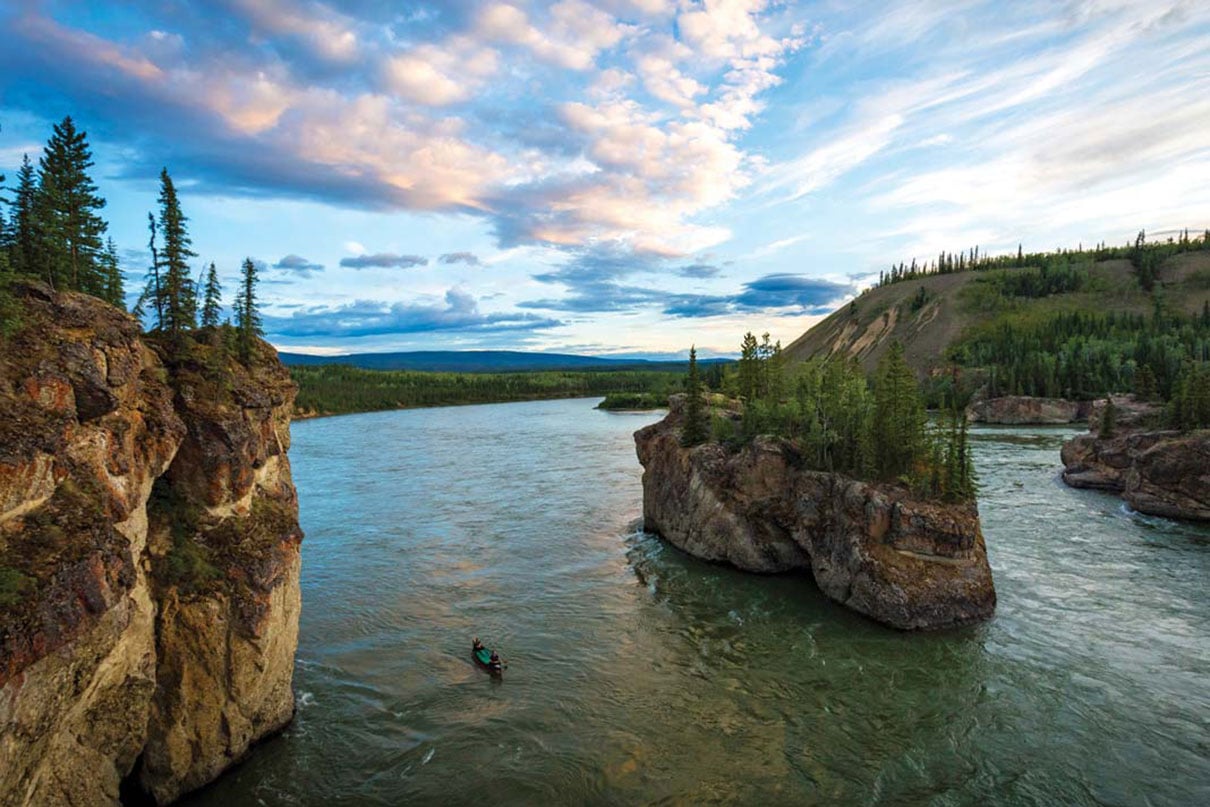
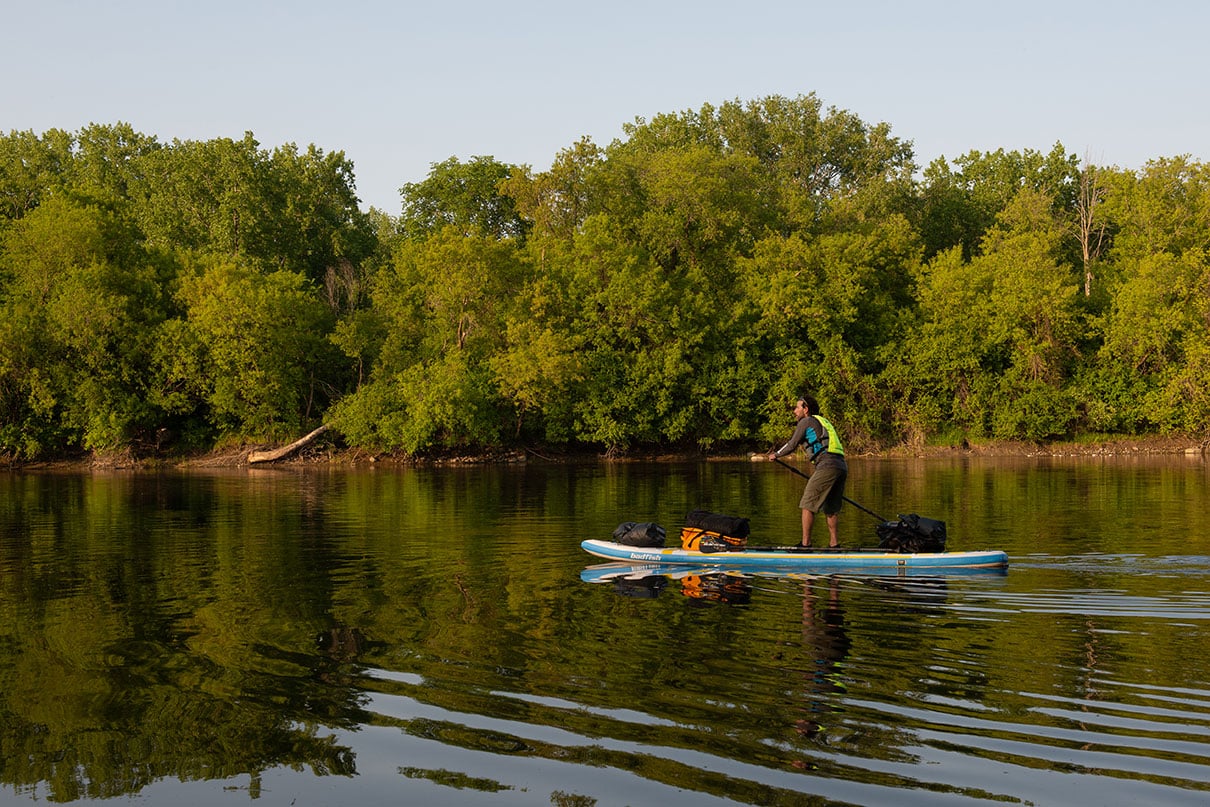
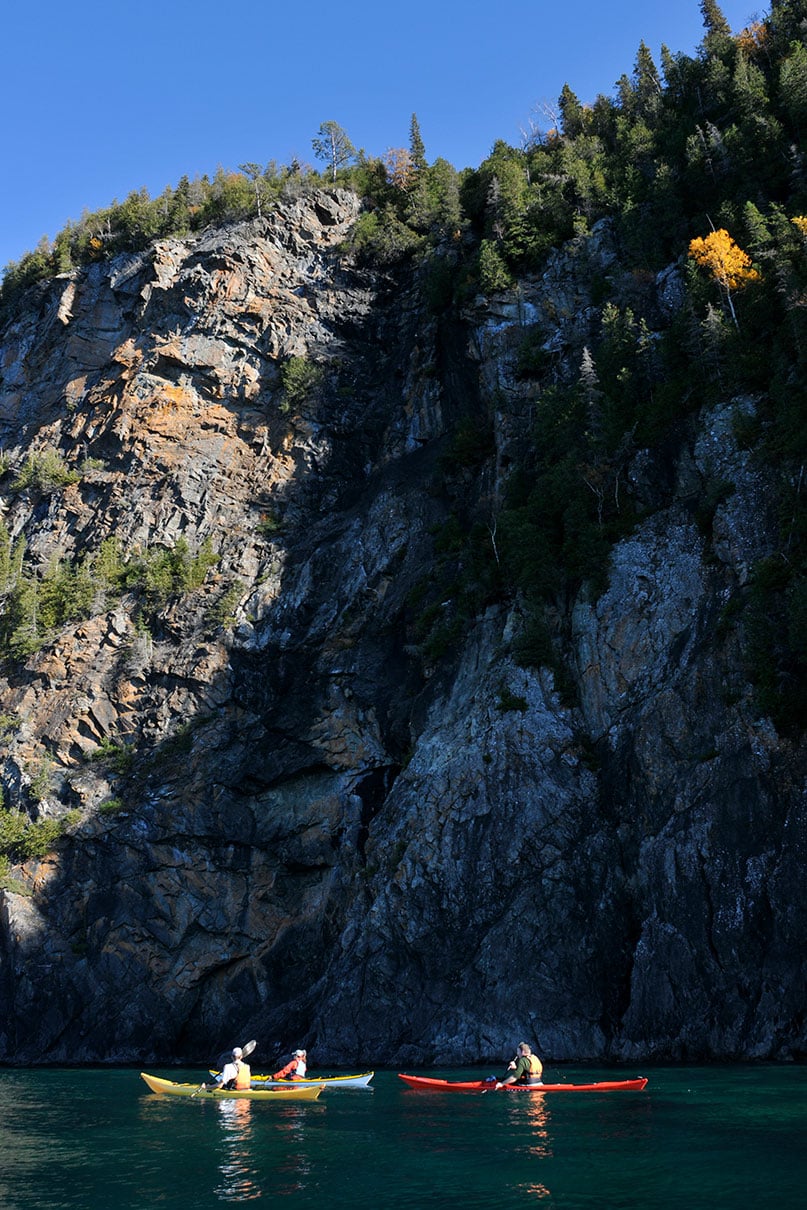
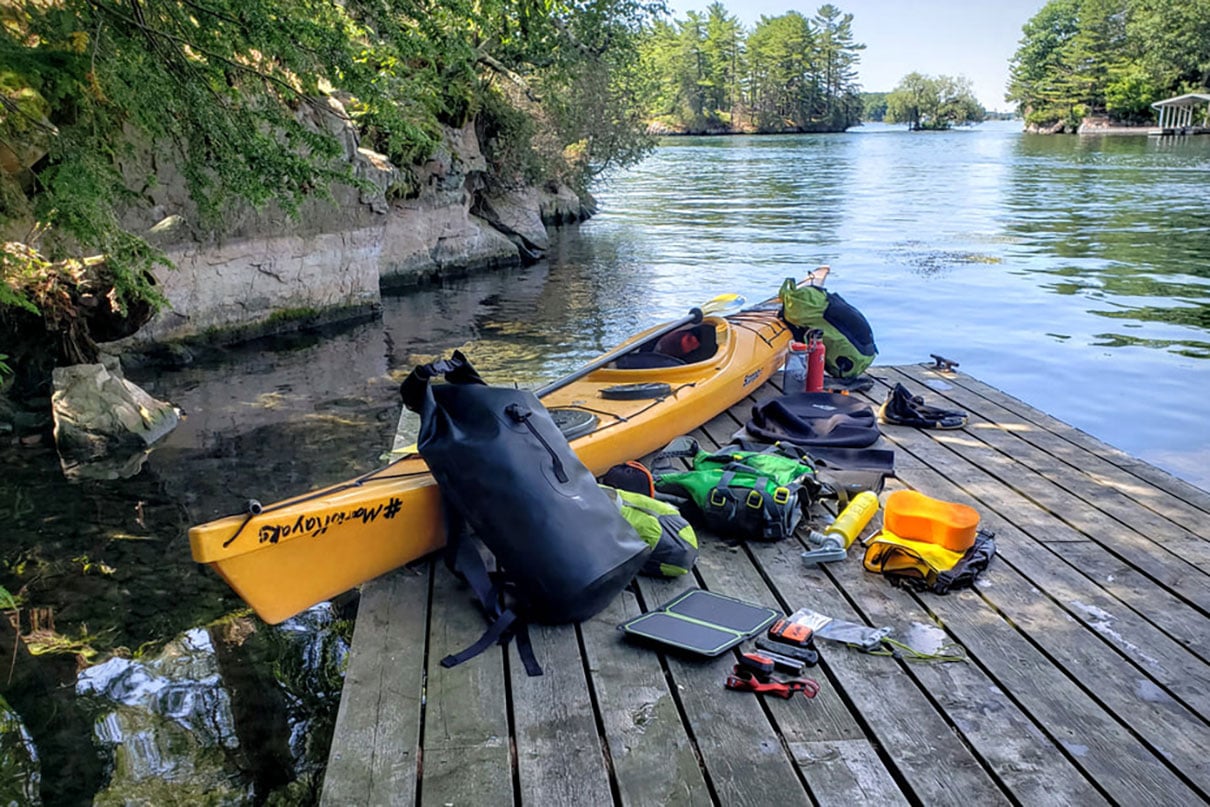
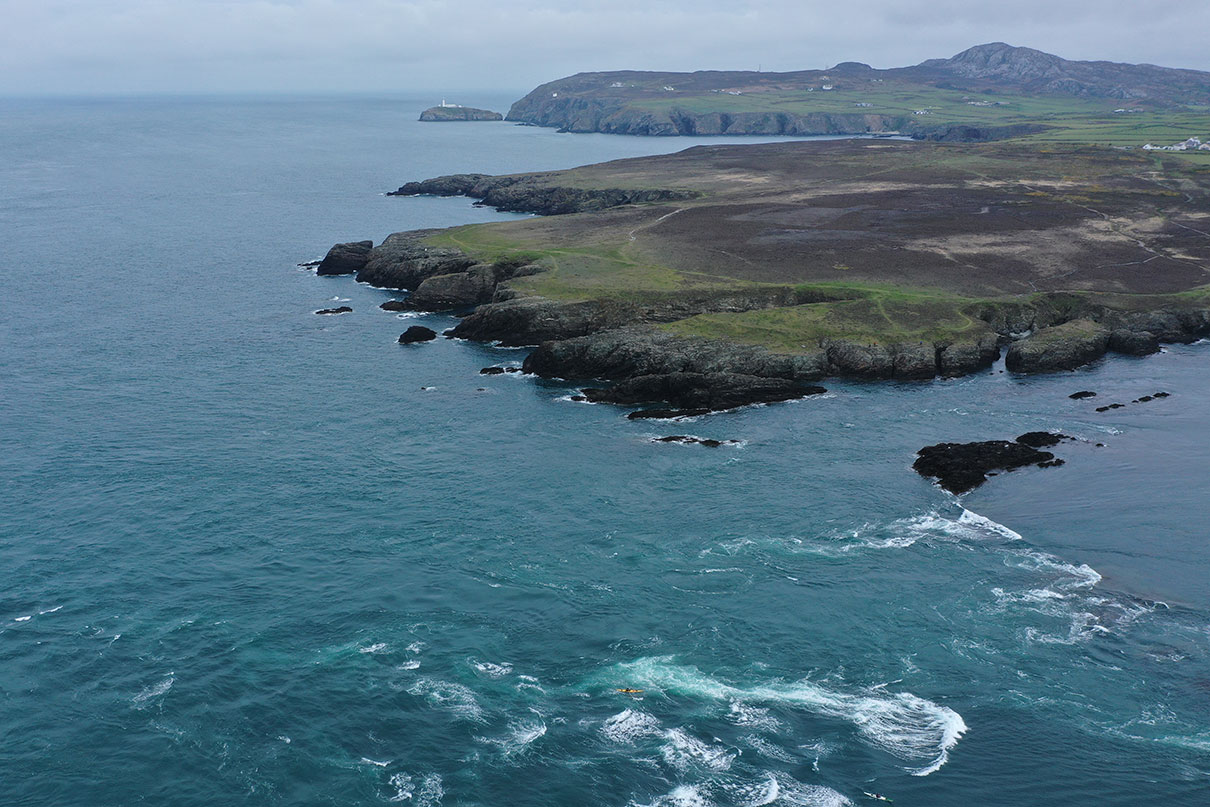
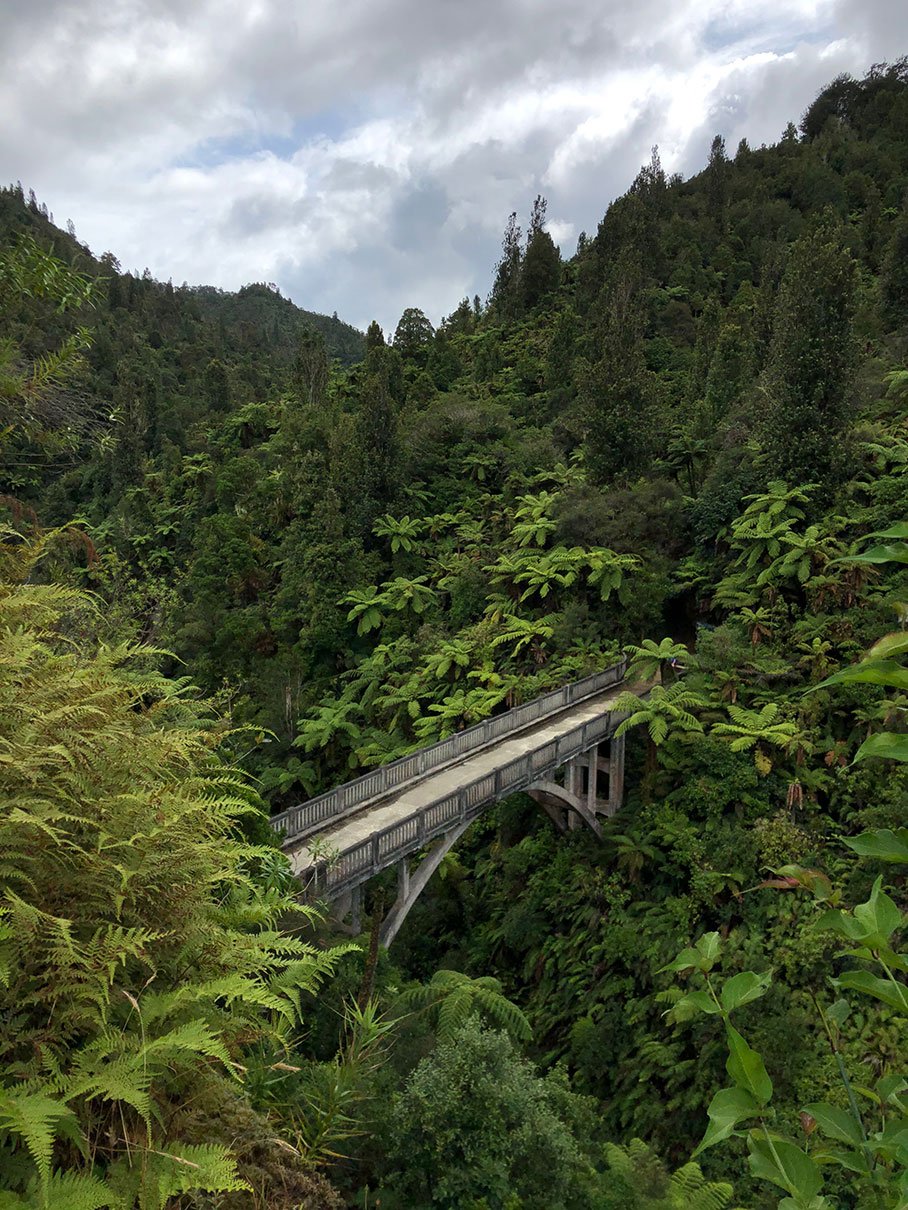
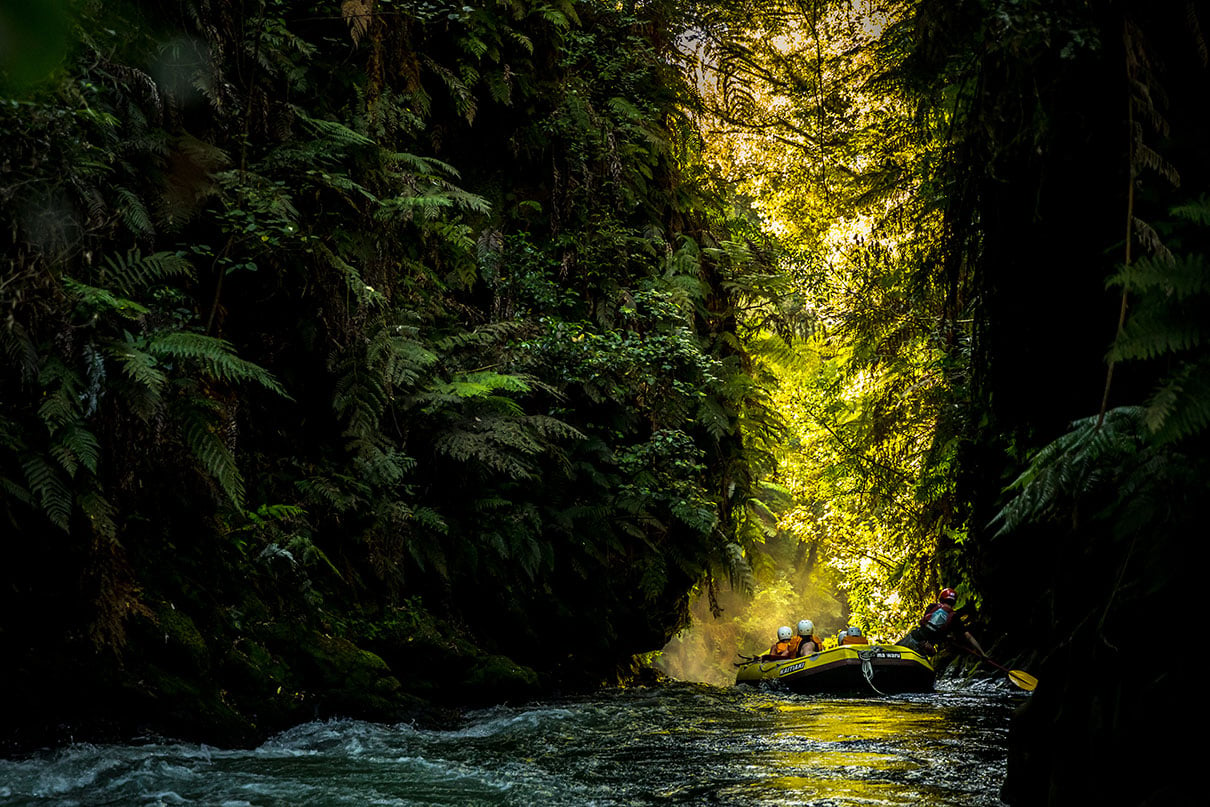
 This article was first published in Issue 72 of Paddling Magazine.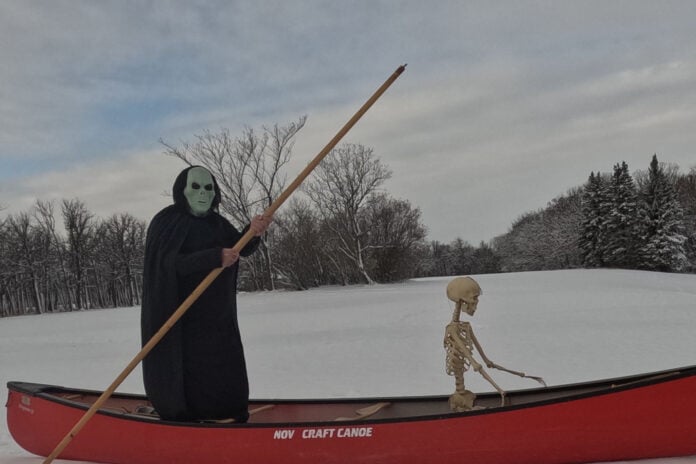
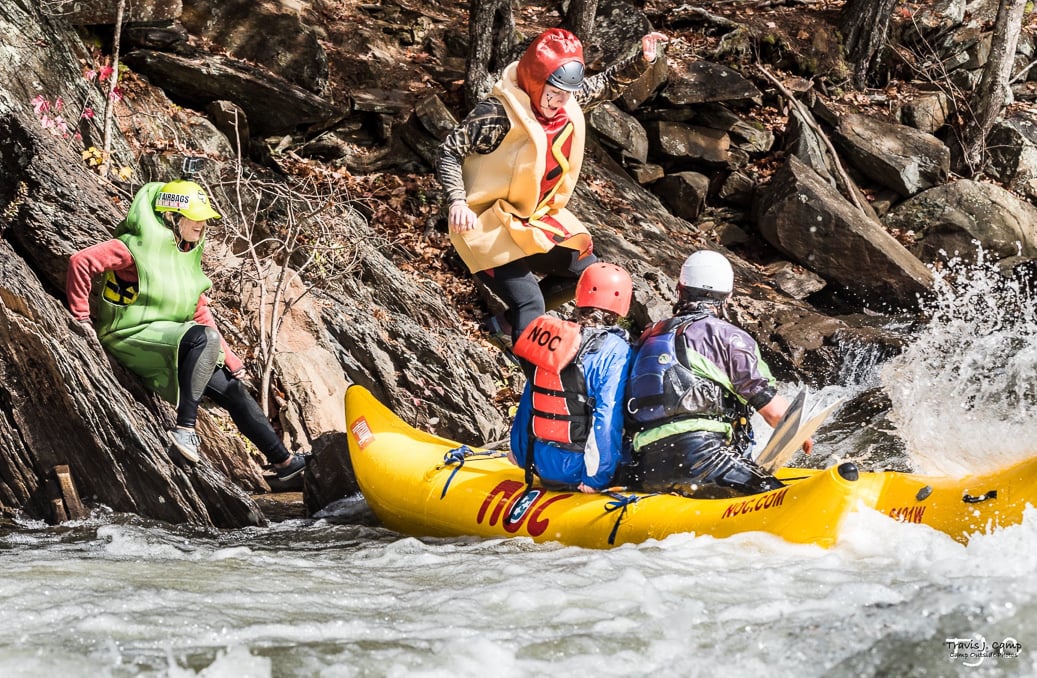
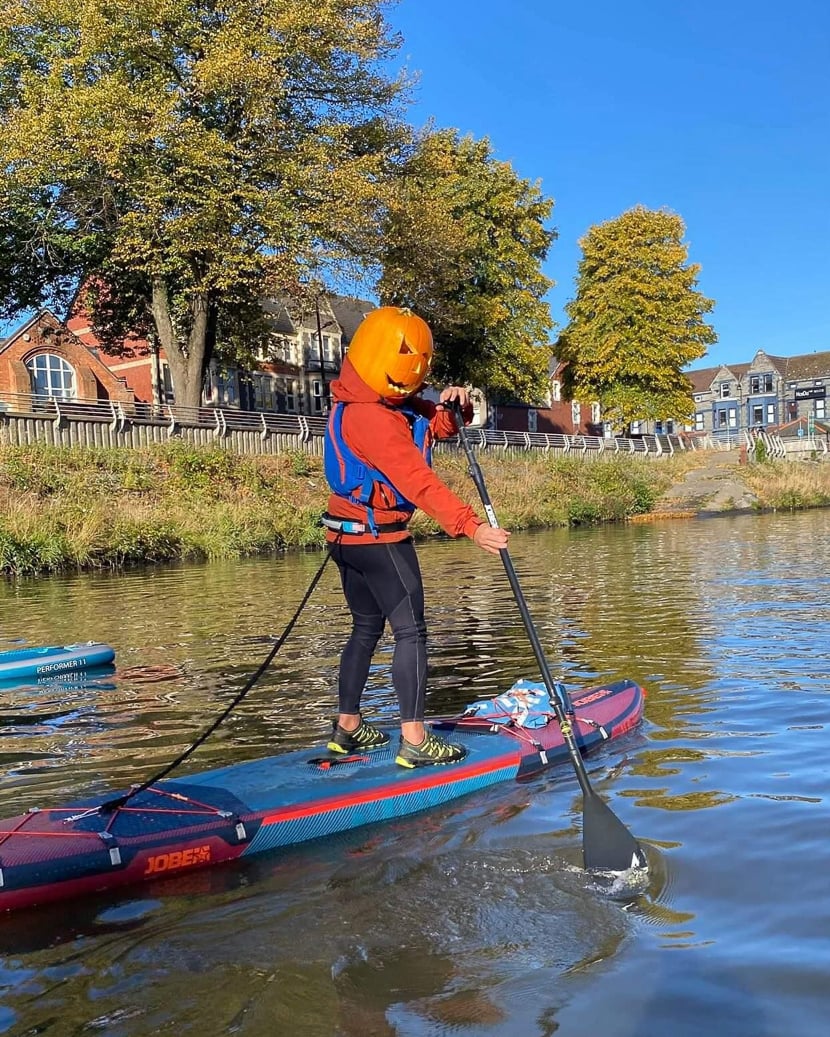

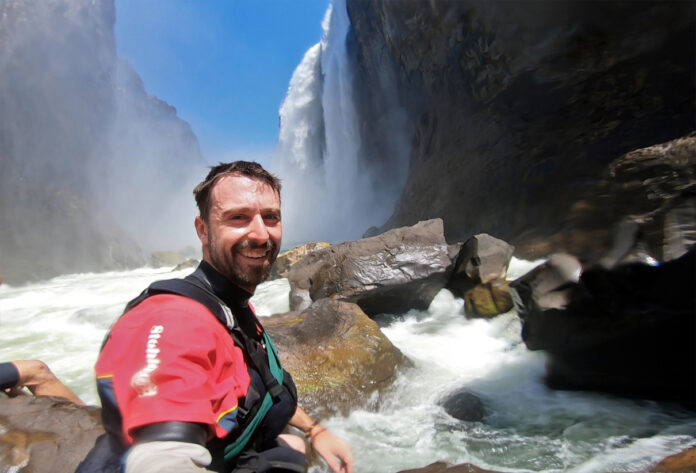
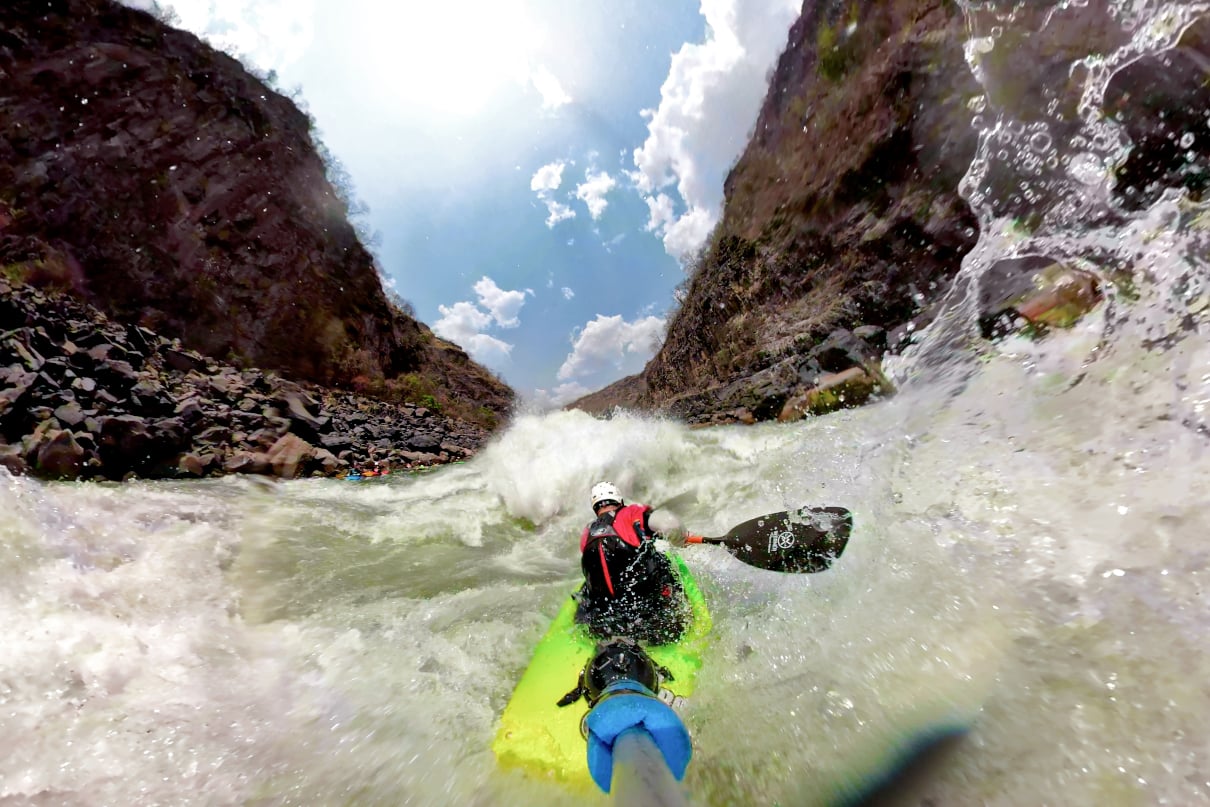

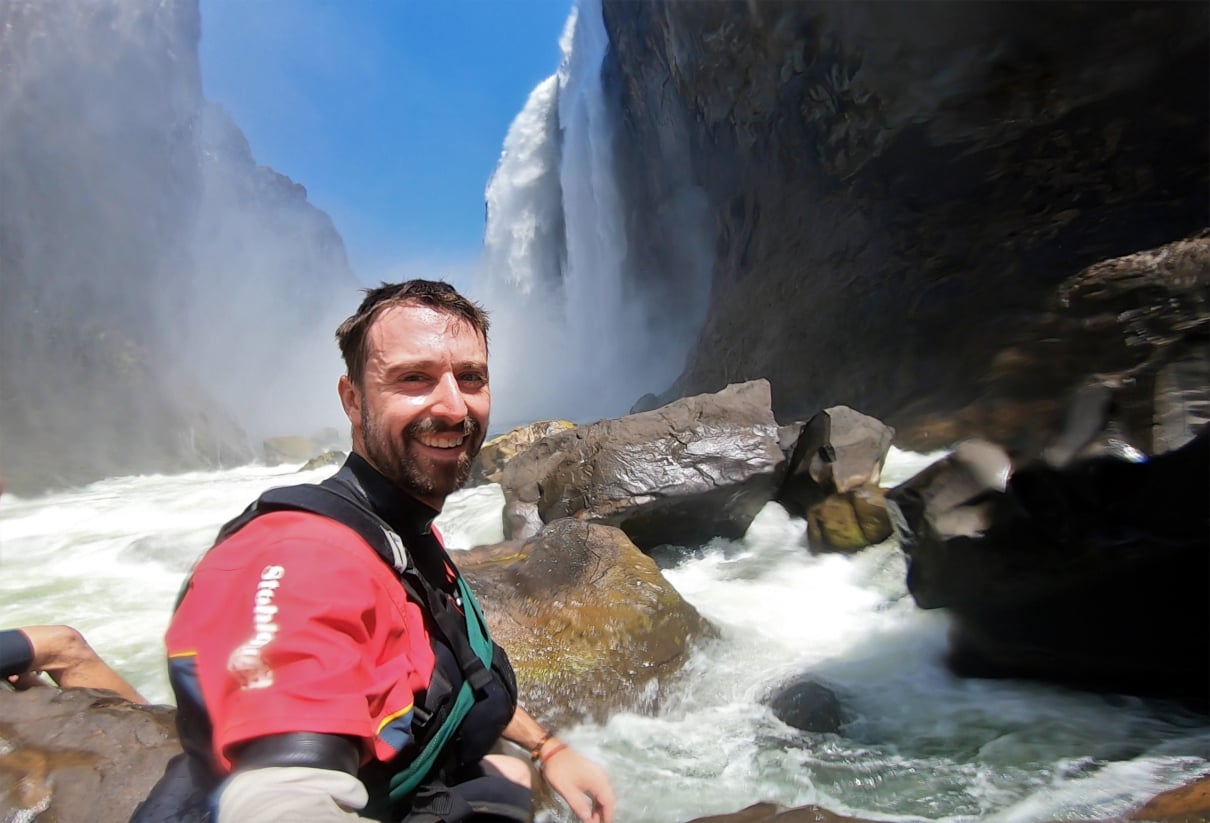
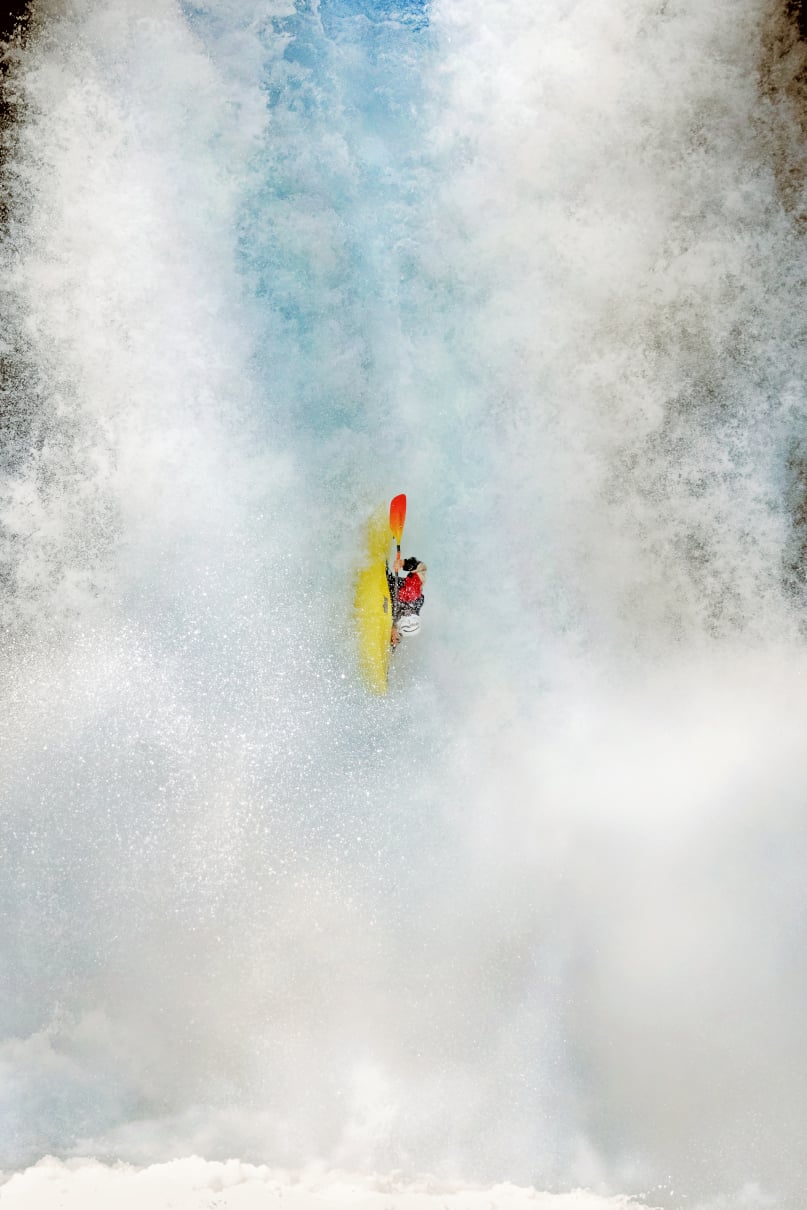
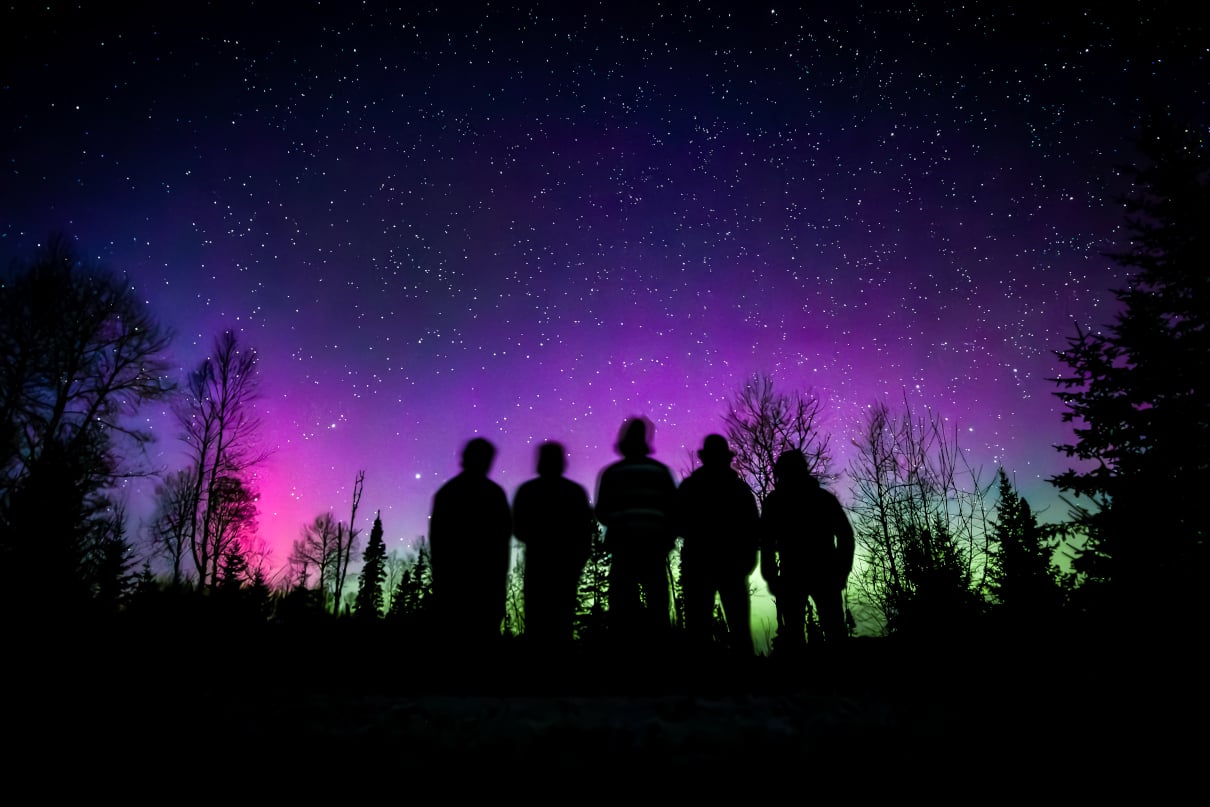
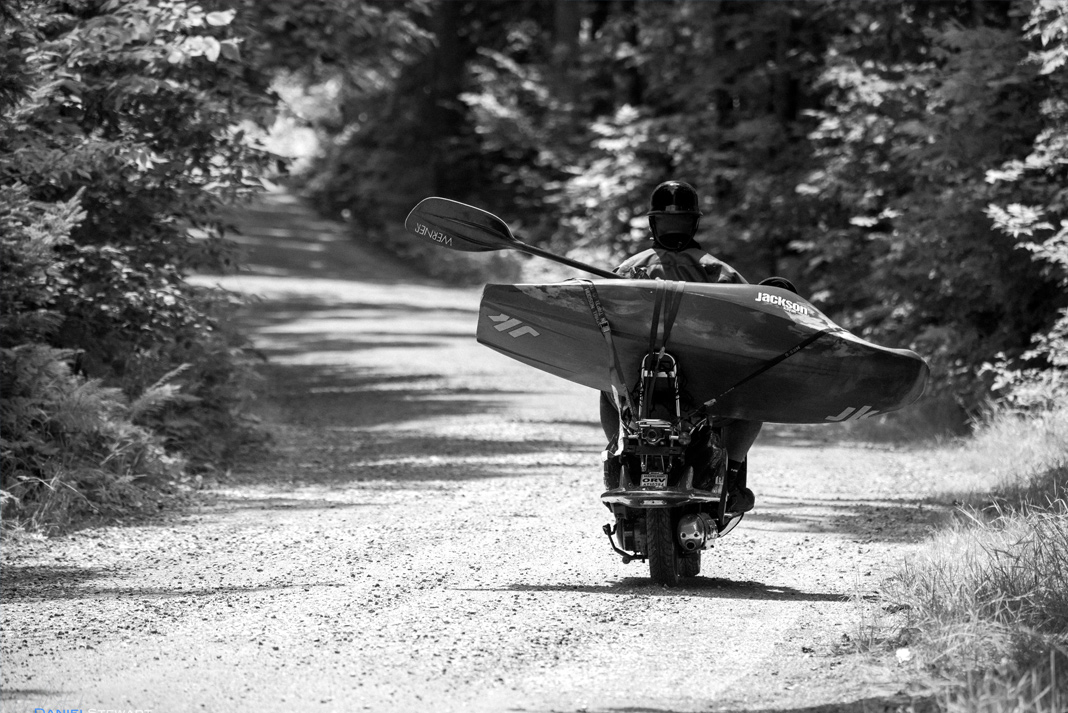
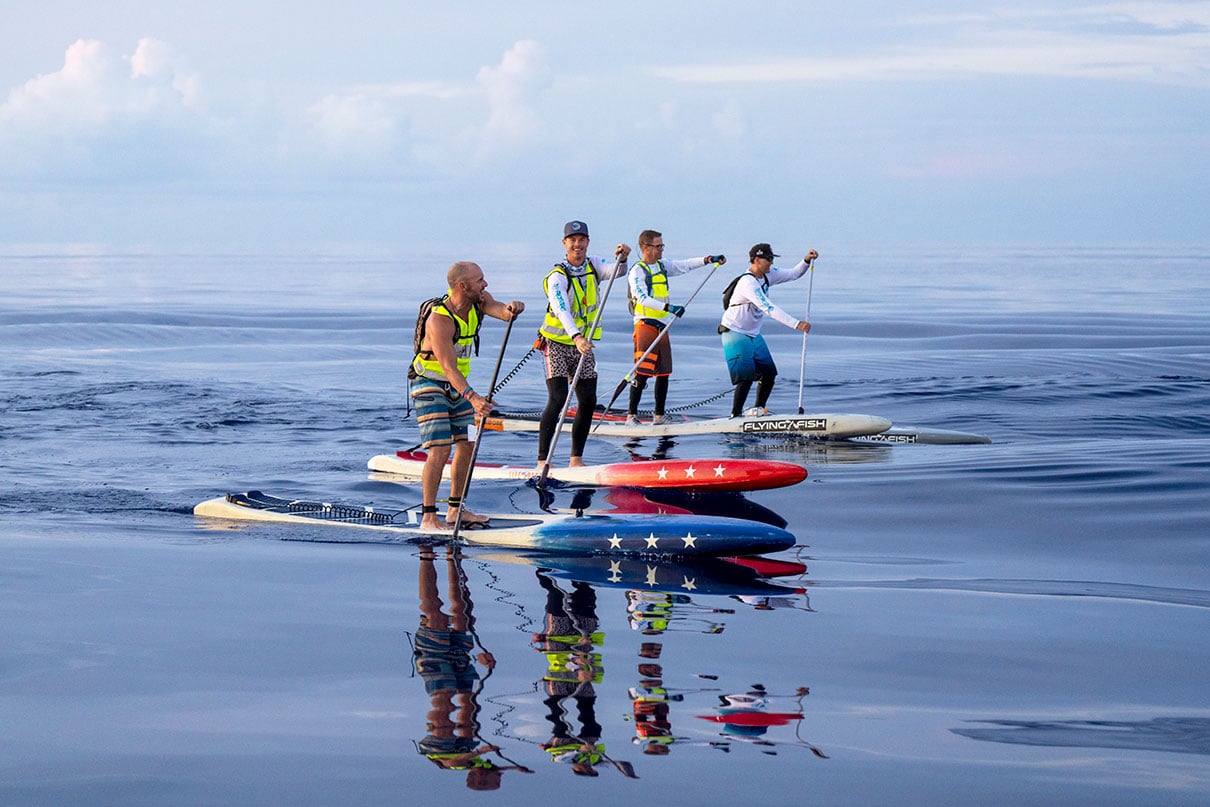
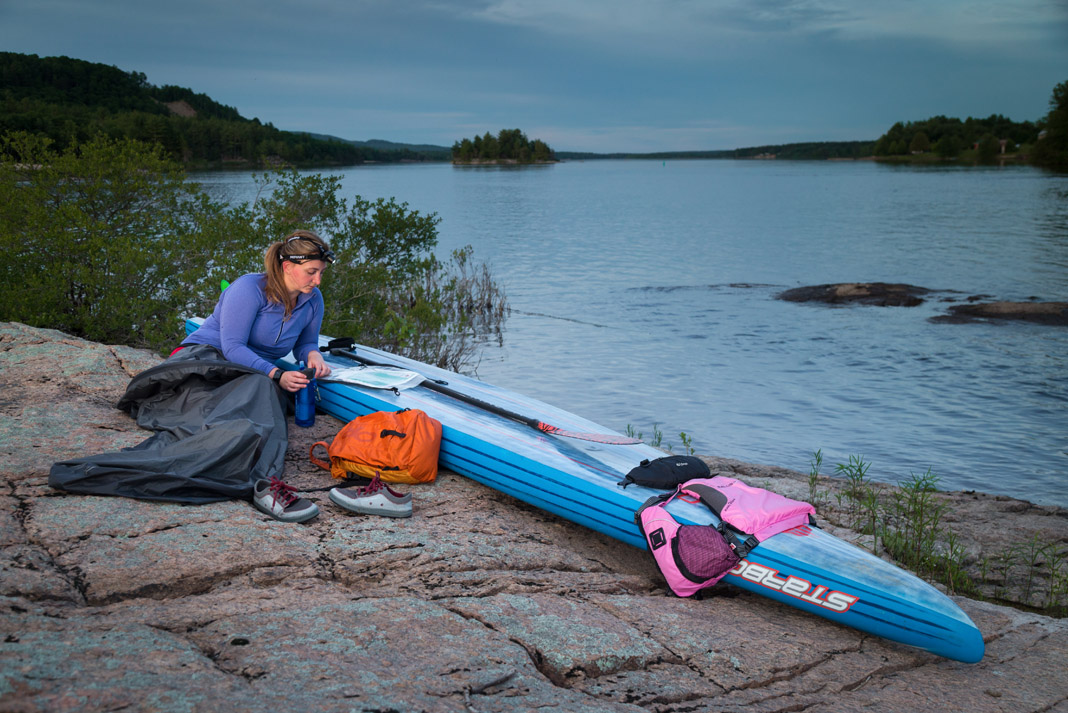
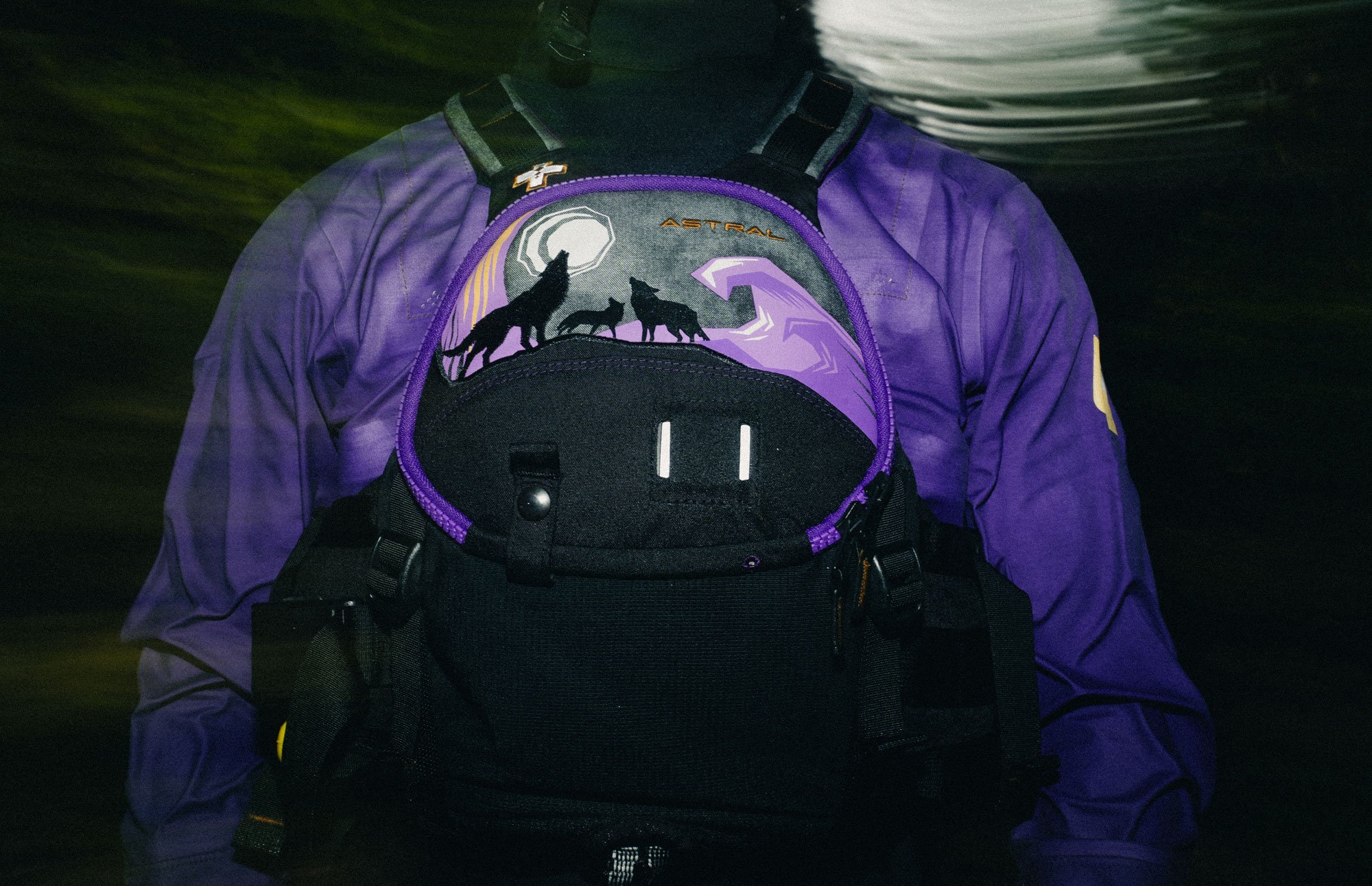
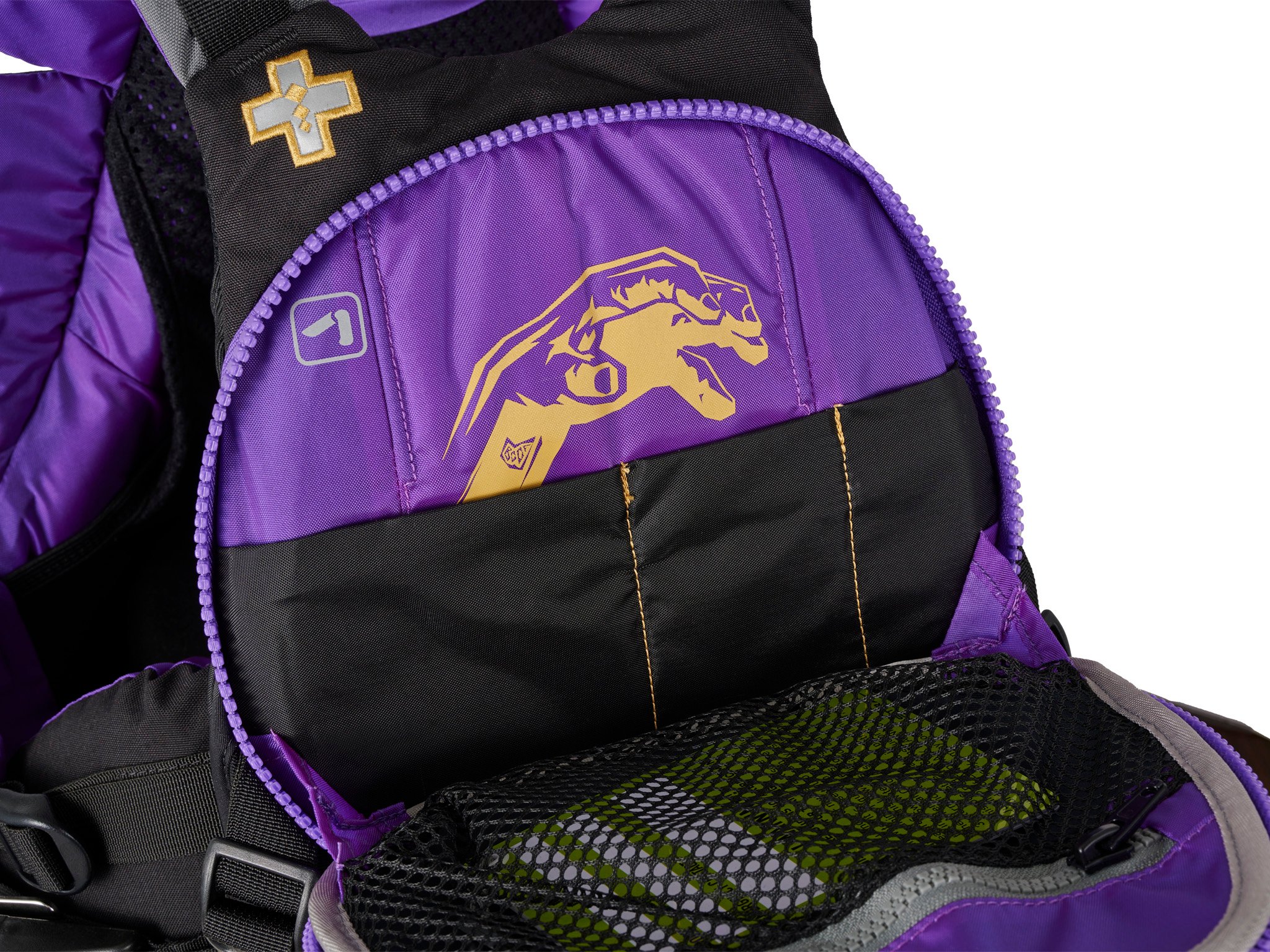
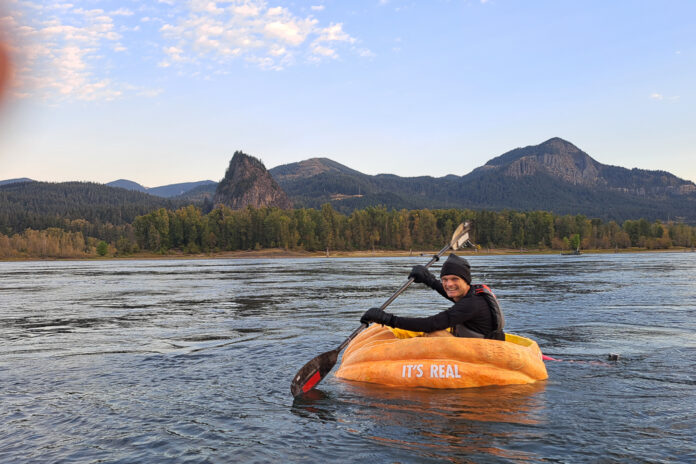
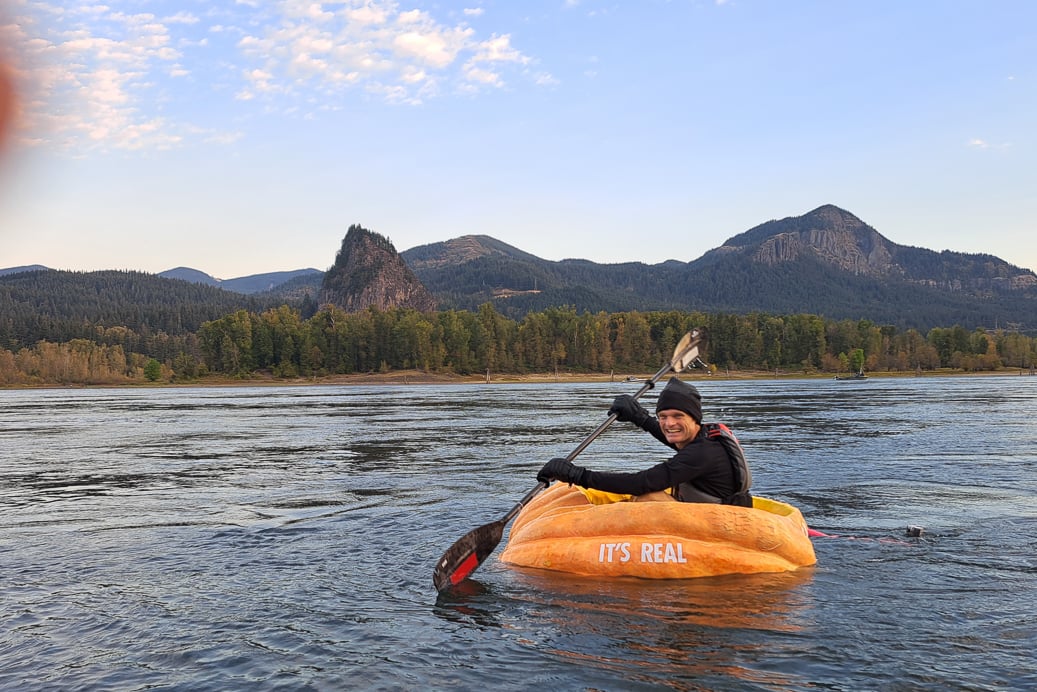
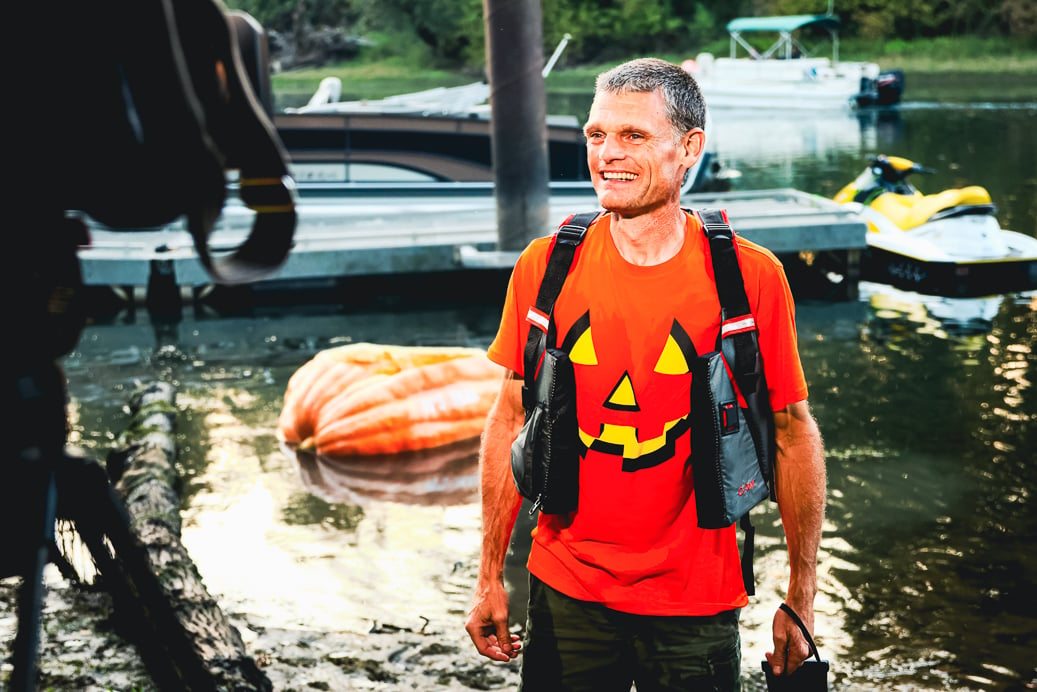
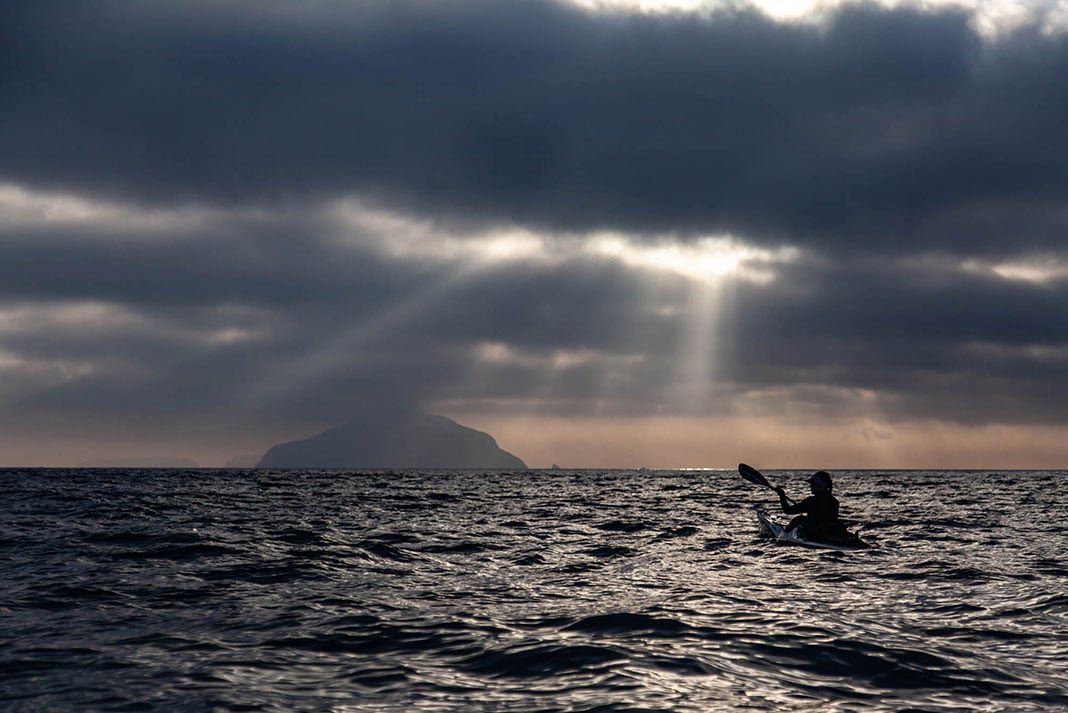
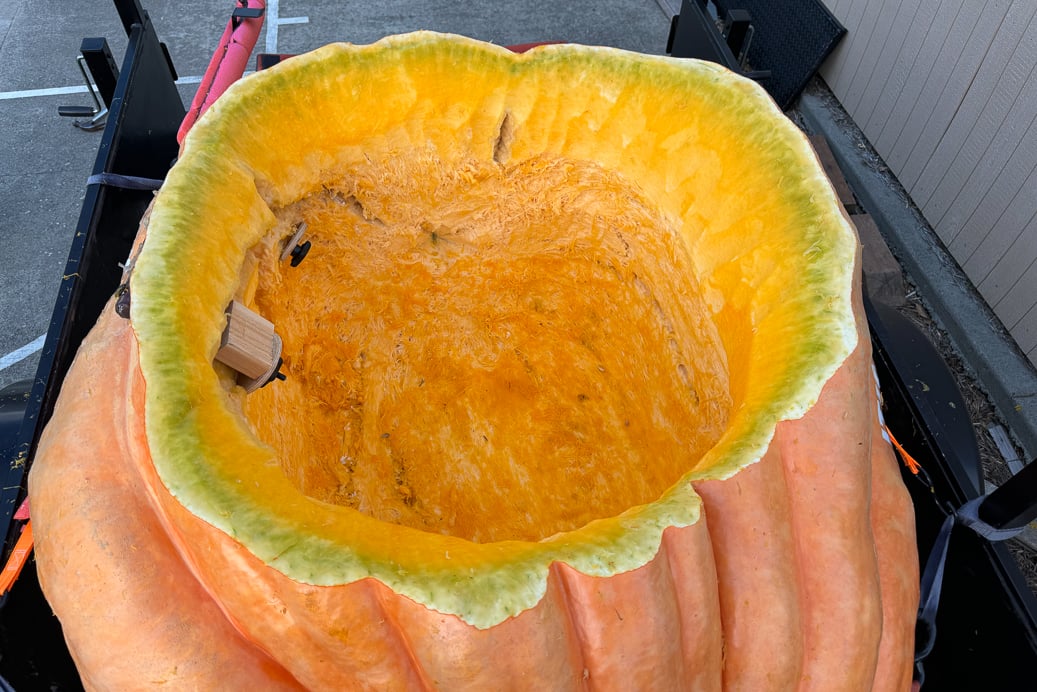
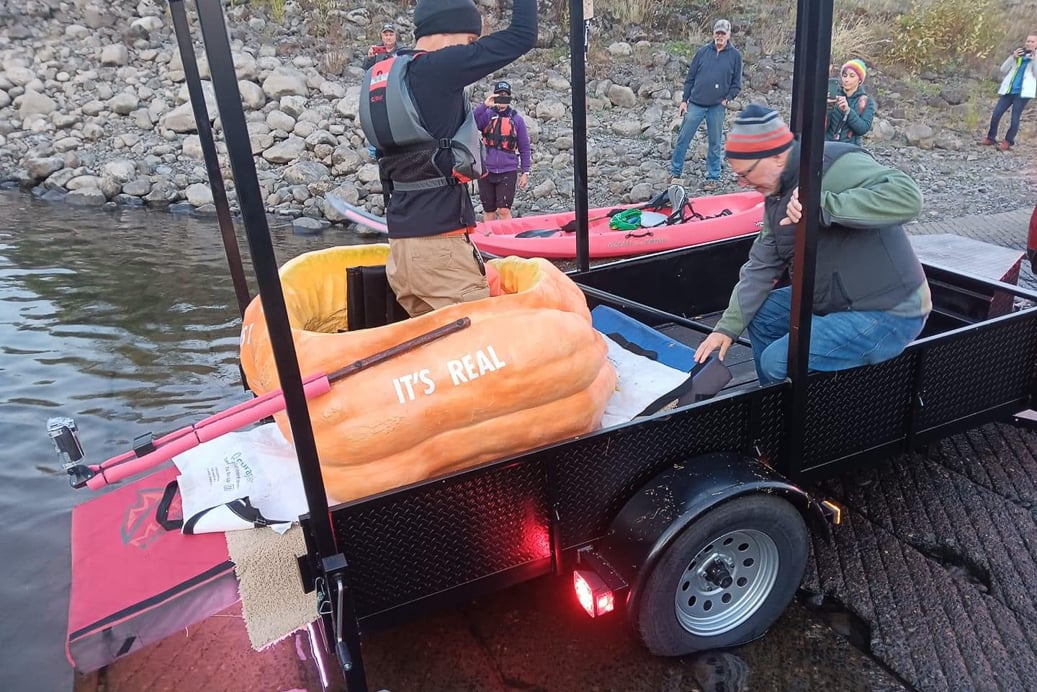
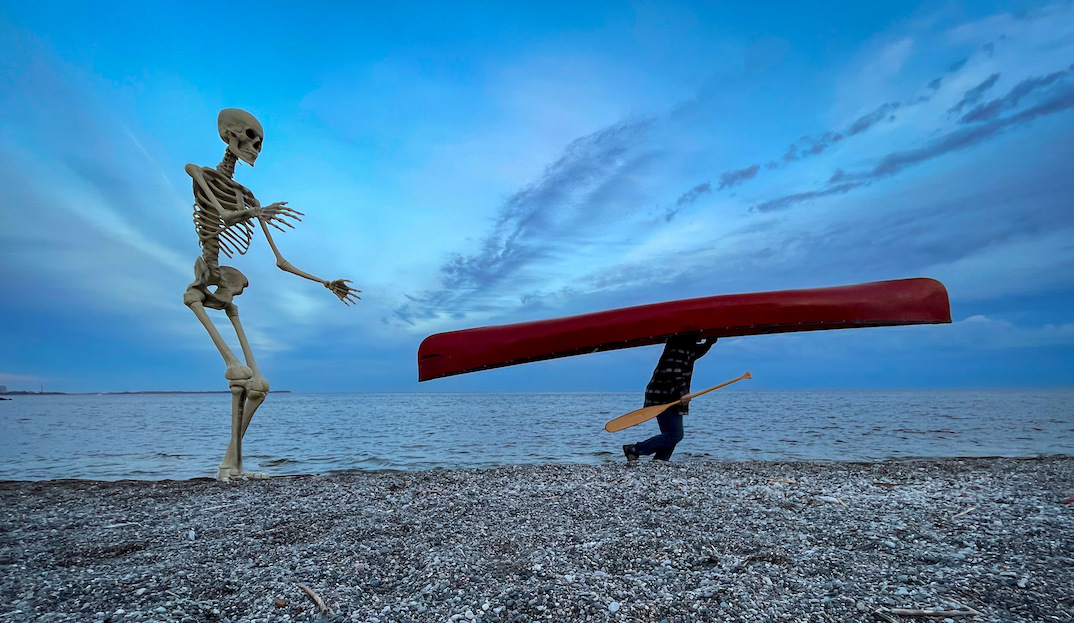
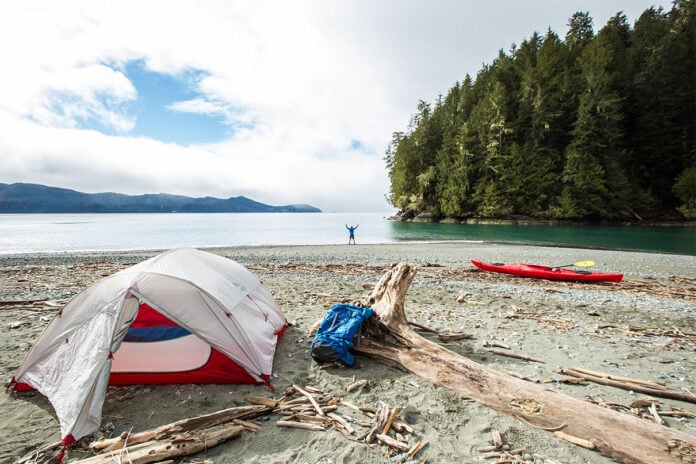
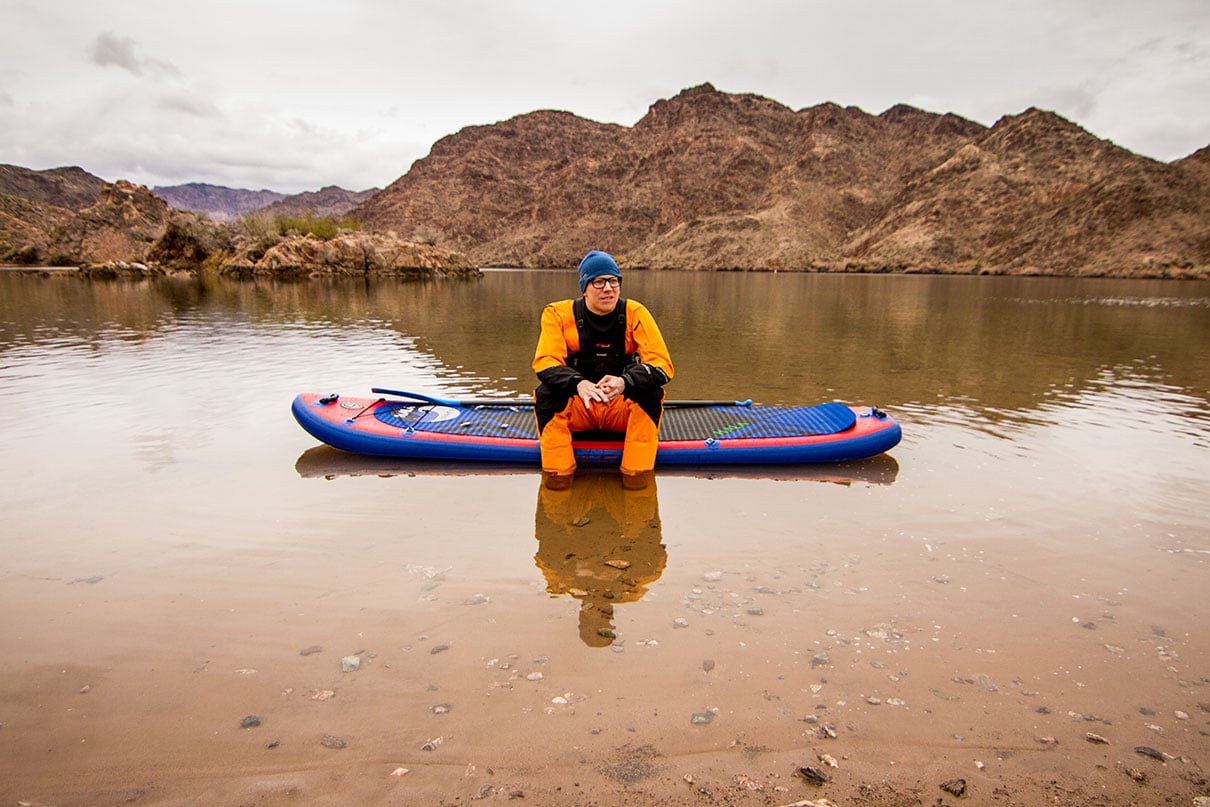
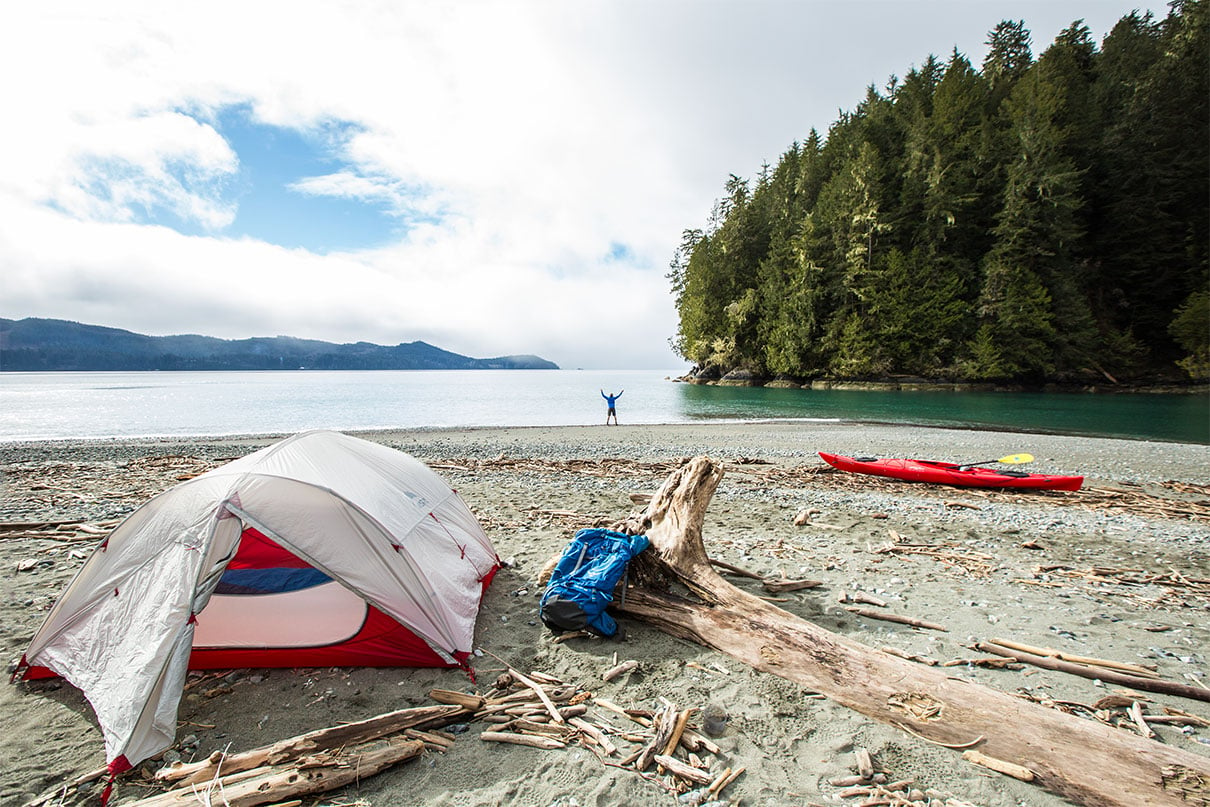
 This article was first published in the 2024 issue of Paddling Business.



