While kayaking and paddleboarding off the coast of Quindalup in Geographe Bay, a family of four was swept out to sea when conditions turned rough. As the situation turned dire, 13-year-old Austin Appelbee left his family and swam four hours through challenging conditions to sound the alarm.
“Not today” says teen hero who saved his family after a kayaking mishap
“I was scared, confused, frightened,” said Beau, Austin’s 12-year-old brother in an interview with ABC News Australia.
Clinging to a paddleboard 4 kilometers (2.5 miles) offshore, Joanne Appelbee, mother of Austin, Beau, and 8-year-old Grace, was forced to make the tough decision to ask her oldest, 13-year-old Austin, to leave his family to find help.
“I knew it’d be a long way… but the kayak kept on taking in water,” said Austin.
After first attempting to make it to shore with the kayak and with his life jacket on, Austin eventually left both behind to swim to shore as quickly as possible.
Hero teen Austin Appelbee recounts the swim to rescue his family through the choppy waters of Geographe Bay, Australia. Feature Image: ABC News Australia | YouTube
“I just said… not today, not today, not today,” shared Austin. “I have to keep on going.”
Austin recounted that the waves were massive, and that he used a mix of breast stroke, freestyle, and survival backstroke to reach shore. Upon reaching shore, he then sprinted 2 kilometers (1.3 miles) to reach a phone.
“I ran to the phone. I said ‘police, I need helicopters, I need planes, I need boats… my family is out at sea’,” shared Austin. “I was very calm about it.”
Rescuers praise efforts of 13-year-old Appelbee
Meanwhile, Appelbee’s family, all wearing life jackets, clung to the paddleboard and worked to stay together until help arrived.
“I didn’t know where they were, or how they were,” said Austin. “I thought they were dead. I had a lot of guilt in my heart… because you know, I thought ‘aw, man I wasn’t fast enough’.”
Rescue crews arrived on the scene to assist Joanne, Beau and Grace just after the sun had set.
“There’s no bigger word to describe you other than pride,” Joanne said to her son in an interview. “I’m speechless at his efforts but at the same time I knew he could do it.”
Just weeks before Austin failed his vacation swimming assessment; ABC News Australia reports that rescuers are urging his instructors to reconsider.
“He’s done really well,” said Paul Bresand, of Naturaliste Volunteer Marine Rescue. “Adult people couldn’t do that.”
Life jackets and staying together contributed to survival of rescued family
“He swam in, he reckons, the first two hours with a life jacket on,” Bresland told ABC News Australia. “And the brave fella thought he’s not going to make it with a life jacket on, so he ditched it, and he swam the next two hours without a life jacket.”
Austin’s swim and subsequent run and phone call resulted in a multi-agency search and rescue operation. Bresland also added that Austin’s description of the colour of the kayak and paddleboards aided in finding the family as soon as possible, and Joanne keeping the youngest two children with her and a paddleboard was key to their survival.
“This incident is a reminder that ocean conditions can change rapidly. Thankfully, all three people were wearing lifejackets, which contributed to their survival,” said Inspector James Bradley, South West District Office in a statement.
“The actions of the 13-year-old boy cannot be praised highly enough,” continued Bradley. “His determination and courage ultimately saved the lives of his mother and siblings.”
One paddler’s dream is another paddler’s nightmare, as demonstrated in a recent viral video in which two sea kayakers witness a humpback whale surfacing at close distance behind them off the coast of Newfoundland.
Coming face to fluke with a humpback whale
“My wife and I were sea kayaking off the coast of English Harbour, Newfoundland Labrador, Canada,” shared the paddler who submitted the video to Viral Hog. “We were not that comfortable with the aggressiveness of the feeding behavior. While attempting to get back to shore, we received the surprise of a lifetime.”
The video was originally shot on August 2, 2025. In the video, two kayakers can be seen rafted up when a humpback surfaces just behind the stern of the female paddlers sea kayak, while her husband, filming, repeated “Jesus”.
A humpback whale surfaces behind a sea kayaker in Newfoundland. Feature Image: Viral Hog | YouTube
“Okay, let’s get out of here,” said the paddler filming as the humpback dove beneath their kayaks.
As the paddlers adjust to leave the area, two humpbacks can be seen surfacing now off the bows of their kayaks. The duo began to make moves to get out of the humpback’s feeding grounds just as a humpback fluke, or tail, surfaced.
Humpbacks and kayakers
The waters off the coast of Newfoundland are home to the world’s largest population of feeding humpback whales between the months of April and October according to Newfoundland and Labrador Tourism. Capelin, a small forage fish found in northern oceans, are the primary prey that make up the diet of area humpbacks, reported Canadian Science Publishing Blog. Humpbacks in the North Atlantic hunt capelin using lunge feeding, a strategy in which the whale dives beneath a school of fish then uses its fluke (tail) to propel their body forward as they resurface, according to Nature Canada. Humpbacks in Newfoundland have been reported to feed and lunge in groups of two to five individuals.
While many kayakers dream of close encounters with whales, encounters at the proximity seen in this video of sea kayakers in Newfoundland is relatively uncommon, and not always a treat.
In February 2025, a packrafter was briefly engulfed by a feeding humpback whale. In this encounter, 19-year-old Adrian Simancas had been paddling without issue with his father, who caught the event on camera. A whale surfaced beneath Simancas, and both paddler and packraft briefly disappeared before surfacing moments later. Both Simancas and his father escaped without further incident.
Meanwhile in 2021, a pair of kayakers in Moss Landing, California had a humpback whale breach and, as it appears in the viral video, came crashing down directly beside the kayakers sending them into the water. The kayakers, luckily, came away from the incident unharmed.
Tripper in training on the Stikine River. | Feature photo: Jim Baird
Taking kids on a remote canoe trip is one of the most meaningful ways to introduce them to the wilderness. It’s a chance to build outdoor skills, confidence and family bonds far from screens and the noise of everyday life.
Some believe parenthood means the end of backcountry adventures, but that’s not true. Over the past six years, my family has completed numerous canoe trips—from Ontario’s French River to the mighty Stikine in Northern B.C. and Alaska, and the Teslin River in the Yukon.
I won’t pretend it’s easy. The stakes feel higher with kids, and you’ll worry more. But a bit of fear is healthy. It drives good preparation and awareness. Tripping with kids takes planning, patience and a sense of humor. But with the right approach, it’s unforgettable. Here are six tips to help make your family’s trips safe and enjoyable.
Tripper in training on the Stikine River. | Feature photo: Jim Baird
Jim Baird’s tips for remote canoe trips with young kids
1 Prioritize safety
Safety is the cornerstone of any successful trip, especially with kids. Start with properly fitted life jackets, and keep snacks accessible throughout the day to help dodge meltdowns. Customize a first-aid kit for children with items such as children’s ibuprofen, antihistamines and fun Band-Aids. Teach basic safety rules: no playing near the fire, stay within sight, and always wear your life jacket near the water. Establishing clear rules encourages independence while keeping everyone safe.
2 Pack smart
Overpack the essentials: extra clothing layers, quality rain gear, sun hats and lightweight sun shirts. Bring clamp-on umbrellas for sun and rain protection, and a satellite communicator like a Garmin InReach for emergencies beyond cell service and peace of mind. Bugs are almost guaranteed, so come prepared. A kid-sized bug shirt, family-sized bug shelter and repellants like Muskol Family & Kids (10 percent DEET) are helpful. A little 30 percent DEET behind the ears and along a kid’s hairline helps when bugs get particularly bad.
3 Choose a flexible route
Start small. Choose a route matching your child’s age, stamina and interests. You’ll cover far less ground than on an adult trip. Plan shorter paddling days with time to explore, and avoid campsites with hazards like cliffs or strong currents.
Know your exit strategies. Are there lodges, train tracks, ATV trails or motorboat access at any points along your route? Can a floatplane land if needed? Choose a route offering an exit strategy and store emergency contact numbers in your satellite communicator.
Emphasize the fun stuff—roasting marshmallows, spotting animals, exploring new places. Frame challenge as part of the adventure. If a portage is tough, celebrate the effort rather than the result.
Weather, water levels and kids’ moods can all shift unexpectedly, so build flexibility into your itinerary. Have buffer days and backup campsites mapped out so you can pull over early or take a day off if the weather is bad. On our Teslin River trip in the Yukon, it took four to five hours to break camp each morning with our three- and six-year-old along. We adjusted by waking up earlier and completing camp tasks before the kids woke up.
4 Set expectations
Kids thrive with structure and positive reinforcement. Before the trip, talk through what to expect, including paddling, portages, wildlife and camp chores. Emphasize the fun stuff—roasting marshmallows, spotting animals, exploring new places. Frame challenge as part of the adventure. If a portage is tough, celebrate the effort rather than the result.
5 Embrace the chaos
Staying upbeat and flexible goes a long way. Things will take longer than expected, and that’s okay. On our first trip with our eldest, we planned a multi-portage route in the backcountry. Two kilometers in, he had a full meltdown, so we stopped and camped at the first available spot. It wasn’t the trip we planned, but it was still magical. If everyone is warm, dry and safe, the memories will follow.
6 Know when to cut it short
Recognize when to pull the plug. If a child is sick or hurt, or if conditions turn dangerous, there’s no shame in cutting a trip short. You don’t need to push through the kind of adversity you tolerate on an adult expedition. When things go wrong, stay calm. Involve kids in age-appropriate problem-solving—it builds resilience and confidence. The point is to enjoy nature and each other, not to conquer the wilderness.
There are many ways of improving kayaking performance. The obvious one most paddlers go to first is simply paddling more. Unfortunately, or fortunately depending on how you look at it, the gains from this alone are limited and you quickly run out of time unless you are a professional athlete. One mode of training that most paddlers neglect or struggle to do well is strength training in the gym or at home. Smart strength training can have a huge impact on kayaking performance.
Whether you are a competitive paddler training for your next race, looking for adventure in whitewater or love the freedom of touring, you can improve your paddling experience with strength training. A well-planned kayak strength training program will help you paddle faster and longer, protect you from injury, allow you to get more out of yourself or just enjoy the journey more by not being as fatigued by the demands of paddling.
In this article, I’ll go over the fundamentals of strength training for kayaking so you can get started in designing a program that works for your goals and lifestyle.
Strength training both directly and indirectly improves your performance in the kayak. Let’s go over how this works.
Direct improvements: helping your muscles generate more force while kayaking
Direct improvements to your paddling come from an increase in the muscles’ ability to generate more force. This force production comes as a result of increases in muscle fibre size and neural activation. Force production—or how hard you pull on the paddle—is a key component of the power production equation, Power=f*v, where f is force and v is velocity or how fast you pull your paddle (aka stroke rate). By increasing either of these factors you can increase power and therefore your boat speed.
While you are not always paddling at your max power, having greater power production capacity also means you can power your boat up faster to catch that wave, make that eddy or get yourself out of a sticky situation.
Indirect improvements: providing you with greater resiliency to injury while kayaking
On the other hand, indirect improvements in the kayak from strength training come from improved core control, joint stability, and ligament and tendon strength, all of which make a paddler more resilient to injury. When a paddler has higher injury resilience they are able to train harder on the water and manage a higher training load which will result in increased performance. As a side note, improved core control can also have a direct impact on performance through improved transfer of power and maintaining good paddling technique longer as you start to fatigue.
While it is not black and white in terms of when you get direct and indirect performance improvements, generally indirect performance gains come in the early phases of training and you will be able to build your direct performance gains off this sounds platform in the future. The type of training required to obtain the direct performance gains is more advanced and demanding than the training required to obtain the indirect improvements. Regardless of ability, all paddlers can and should be doing some low-level strength work to get these indirect performance gains.
The nature of paddle sports and the modern lifestyle leaves many paddlers with some really tight and strong muscle groups (outlined in red above) and others that become weak and stretched (outlined in green). While there are hundreds of different exercises and plans you could do in the gym, for 95% of paddlers the best place they can put their attention initially is on strengthening these green areas while stretching and mobilizing the red areas. If you can do this then you will be taking a large step in the right direction.
Ensure your elbow is slightly below your shoulder. Keep your back braced for a more effective stretch. Don’t “arch.” | Photo: Matty Graham
The pectoral muscles become extremely tight with training and life in general. Accordingly, paddlers should focus special attention on this area with their stretching and mobilization
Because the strong pectoral muscle group is pulling the shoulders forward, the muscles of the upper back are under constant tension. This prolonged tension causes the muscles to atrophy (decrease in size) and “creep” (lengthening of the muscle fibre). This then leads to the muscles becoming weak and inactive. With this in mind your focus needs to be on performing pulling exercises such as the bent-over row, bench pull, and cable or seated rows to strengthen this area.
Always maintain a straight lower back and strong core to protect lower back. Pull the bar up the line of your quads, but not touching. Finish with the bar pulled into your belly button. | Photo: Matty Graham
Core muscles
Due to the kyphotic rounding of the shoulders, forward head posture and inactivity of many of the key core stabilizers, the erector muscles of the spine have to work overtime to keep it stable. This can lead to lower back pain and restricted movement, particularly rotation. Your strength training should focus on developing the surrounding core musculature to take some of this load off.
Maintain a straight back and neutral head position. Face the way the ball is travelling to maintain neutral head position. Rotate from side to side in a controlled movement. | Photo: Matty Graham
The core is the key link between the upper and lower body. For paddlers, it is critical for the transfer of power and stability. While the rectus abdominis (“six pack”) is often well-developed in paddlers, the more important, deep core stabilizers are typically inactive and overpowered by the more dominant rectus abdominis. Your attention should be focused on the development of these deep abdominal muscles to develop their activation and control.
Lay on your back with both legs in the air at a 90° angle. Lower one leg slowly to the ground, stop when you start to feel your lower back lifting off the ground, then return your leg to the start position and repeat with the opposite leg. Focus on pushing your lower back to the ground by squeezing your abs. | Photo: Matty Graham
The seated position and leg drive involved in kayaking coupled with prolonged sitting in day-to-day life means that paddlers’ hip flexors become very strong and tight. This often leads to lower back pain and the feeling of tight hamstrings due to a tilted pelvis. Focused stretching of the hip flexors can go a long way towards minimizing these issues.
When you are stretching hips or quads, squeeze your glutes for a more effective stretch. Try to maintain a neutral back position. If you lean back too far you will not get an effective stretch. You can shift your weight around slightly to target different areas. | Photo: Matty Graham
Gluteal complex and hamstrings
The muscles that form the gluteal complex and the hamstrings often become inactive and weak in kayakers. This affects postural control as well as power generation and transfer. Spending some time on developing the activation of these goes a long way.
Start with your feet on a Swiss Ball (SB) and your hips up off the ground. From this position activate your hamstrings and curl the ball in towards your butt. Focus on keeping your hips stable throughout the movement. | Photo: Matty Graham
Training phases
Introductory strength phase
During this introductory strength phase, select a weight you can comfortably lift for eight to 10 repetitions while holding good form at a controlled speed, for three to four sets. This will allow the rapid development of your strength, technique and stimulate some muscle growth in those weak green areas.
If you are new to strength training, then in the beginning, one session per week is going to be enough to see improvements
As your training progresses and your body adapts, increasing to two to three session per week will be required for you to continue getting optimal improvements.
Now that you have the knowledge, get into the gym and start your base strength development. This needs to be performed for six to eight weeks so your body develops the correct technique, structure and movement patterns to make the training you will perform in your next training phase as effective as possible.
Anatomical adaptation training phase
Now that you have completed some general introductory strength training, your body is ready to progress to the anatomical adaptation training phase. Over this training phase your focus still needs to be on refining your technique while you start to increase the amount of weight you lift. This training phase is really important to prepare your muscles, tendons and ligaments so they are able to cope with the next training phases.
During this training phase the focus is to stimulate some muscle hypertrophy, which is when your muscle fibres increase in size. A larger muscle has the potential to be a stronger muscle, so having some increase in muscle fibre size is beneficial.
Many endurance paddlers and multi-sport athletes worry about bulking up in the gym. These concerns are unnecessary as this training phase should coincide with the base endurance phase of your on-water training. The aerobic on-water training limits the amount of energy available for dramatic increases in muscle mass; therefore, endurance paddlers will not experience large gains in muscle mass.
During this training phase the load lifted is moderate (40-75% 1RM) at a moderate to high repetition range (2-5 sets x 10–20 reps, depending on the exercise) to expose the muscle to a large amount of accumulated load to “break down” the muscle fibres and trigger the hypertrophic response.
Once you have four to six weeks of anatomical adaptation training under your belt, you are ready to progress in to the maximal strength phase. Research indicates it is this phase of your strength training that will give you the biggest “direct gains” in your performance.
These performance gains are going to occur via increases in force production through an increase in neural activation. This means you will be activating more muscle fibres, more forcefully with each muscle contraction leading to a more powerful paddle stroke.
During this training phase, the weight lifted in the exercises is increased (85–95% 1RM) and the number of repetitions is decreased (5 sets x 3-6 reps). Because of the increased weight, the speed at which the exercises are performed naturally decreases, so you end up lifting a relatively heavy weight slowly.
During this phase of your training, aim to keep your gym sessions simple and limited to a few key exercises that are going to give you the biggest bang for your buck. Compound movements that use your prime movers such as the dead lift, bench pull, bench press and rotational exercises are key during these phases of your training.
Specific kayak strength exercises
Photo by: Matty Graham
Bent-knee deadlift
Set your feet up under the barbell with your shins almost touching. Keep lower back straight in the set up, and throughout the movement. As you lift the bar, keep it as close to your legs as possible without touching on the way up. Try and open your knee and hip joints at the same time for maximum efficiency and injury resilience. Always lower the bar back down with the same technique used to lift (straight back), think of it as a “backwards lift.”
Photo by: Matty Graham
Lying barbell row
Squeeze your shoulder blades together. Try not to raise your chest off the bench. Similar to the bench press, your elbows should point away from your head. Pull the weight until it touches the bottom of the bench, then lower back down.
Photo by: Matty Graham
Bench press
Centre load directly over shoulders. As the weight comes down, push your elbows down your body towards your feet. The bar should touch your body between nipple line and sternum. Press the weight straight back up to start position in a fluid movement.
Photo by: Matty Graham
Cable cross pull
Set the cable up in a high position. Stand with your feet slightly wider than shoulder width apart and feet facing forwards. Twist your torso around to grip the handles. From this start position, rotate through your core moving your arms in an arch down to finish position. Retrace the arch with your arms back to the start position, controlling the movement with your core.
How many sessions should you have in your kayak strength training program?
The research in this area has found performance gains with a number of different sessions per week. Anywhere between two to four sessions in the gym per week is required for you to get good results from your strength training. How many times you train in the gym each week will vary depending on who you are, your training history, goals and your other training load.
I have found two sessions per week seems to works really well for most weekend warrior athletes who are balancing work, family and training. For those looking to take things up a notch and push the sharp end of the field, bumping this load up to three to four times per week on some weeks is required to get maximal results.
The 21st annual Paddling Film Festival World Tour kicked off at the Toronto International Boat Show on Thursday, January 22, 2026. Hosted by The Complete Paddler, the premiere event showcased the world’s best paddling films to a packed crowd—including a selection of this year’s award winners.
Proceeds from the screening support Project Canoe, a nonprofit providing at-risk youth with educational and therapeutic outdoor experiences, primarily through summer wilderness canoe trips.
Kelly McDowell kicks off the world premiere event.
One lucky audience member won a kayak from Boreal Design.
Kelly McDowell, owner of The Complete Paddler, plans to run additional screenings of the festival at The Complete Paddler. Dates for these upcoming screenings will be posted to the Paddling Film Festival website.
Want to see the world’s best paddling films on the big screen? Find a World Tour screening near you. Read on to discover this year’s award winners and the World Tour shortlist.
2026 Paddling Film Festival Winners
FOLLOW THE WATER
A BAFFIN VACATION, LOVE ON ICE
WE STAND TOGETHER
Best Kayaking Film
FOLLOW THE WATER
Category sponsor: Matterhorn Protects
This short documentary follows a crew that embarks on a source-to-sea kayaking adventure. The goal was to find the source of the drinking water for Portland, Maine, then follow the water on its journey to the ocean. Along the way, the paddlers encountered many amazing people and organizations.
Director: Paul Friedman | Producers: Paul Friedman, Spencer Mendell
Best Adventure Travel Film
A BAFFIN VACATION, LOVE ON ICE
Category sponsor: Kokopelli
Join adventures Erik and Sarah on yet another epic Baffin Vacation as they kite ski north along the remote coastline of Baffin. Over their 69 day holiday, they ski mountains, climb an epic big wall, and cross a glacier in search of new rivers to whitewater kayak.
Directors: Rush Sturges, Skip Armstrong | Producers: Rush Sturges, Erik Boomer, Sarah McNair-Landry
Best Standup Paddleboarding Film
WE STAND TOGETHER
We Stand Together is a short documentary that highlights a remarkable group of women who have built one of the strongest, most supportive paddling events within the local paddleboarding community of Alberta.
Whitewater is Elisha McArthur’s everything. Her passion, her happy place, her career. Then, she welcomed her daughter into the world. After Charlotte was born, Elisha struggled to balance her passion for whitewater with the demands of being a single mom. She had no precedent to follow and no way to know if both were possible. River Mamma, a short film by Sarah Hamilton, is a tribute to motherhood, honoring the strength it takes to nurture others while staying true to your own passions.
Director: Sarah Hamilton | Producers: Ashley Peel, Charlie Turnbull
Best Documentary Film
A LITTLE BIT DIFFERENT
Category sponsor: Canadian Canoe Museum
A Little Bit Different is a compelling documentary that follows a group of Afghan refugees and U.S. teens through a shared transformative river rafting expedition on the Main Salmon River in Idaho. This heartwarming film celebrates the diverse tapestry of shared human experiences and illustrates the impact of growth-focused outdoor adventure. As the group navigates challenges imposed by the river and explores the vast surrounding wilderness, they find solace and empowerment in the restorative power of nature and forge deep, authentic friendships along the way.
Director: Joshua Ballinger | Producers: Brett Hochmuth, Frank Anello
Best Canoeing Film
1,000 MILES TO TUK
Category sponsor: Esquif
For over a decade, Niki Choo dreamed of a big canoe trip. When she finally meets the right partner, they take on a 1,000-mile journey from the Pacific to the Arctic testing their endurance, their bond and the limits of what’s possible.
Director: Whit Hassett
KAHUNA: EL CAMINO DE HIELO
HOW TO SELF-RESCUE ON A PADDLEBOARD
Best Environmental Paddling Film
KAHUNA: EL CAMINO DE HIELO
Kahuna team members Baptistin and Robin set themselves a new scientific exploration challenge in Patagonia. Leaving in January 2024 for 40 days of total autonomy (both food and logistics), they covered more than 650 kilometers on water and ice. The expedition descended the Rio Baker and crossed Pacific fjords in packrafts, before crossing part of the Campo de Hielo Sur, from where they brought back samples and data for Chilean glaciologists. The film is a portrait of endurance and extreme resilience, and bears witness to the ongoing melting and pollution of these isolated glacial sanctuaries.
Directors: Thomas Jarrey, Robin Villard | Producers: Baptistin Coutance, Vincent Lavrov
Best Instructional Film
HOW TO SELF-RESCUE ON A PADDLEBOARD
Category sponsor: Madawaska Kanu Centre
Watch this step-by-step guide to performing a self-rescue on a standup paddleboard. Self-rescue is a vital skill to ensure you can safely get back on your paddleboard and to shore in the event of a spill.
Director & Producer: Rylan McCarthy
BIG WATER THEORY
PATSO
Best Whitewater Film
BIG WATER THEORY
Category sponsor: Ottawa Valley Tourist Association
Follow French kayaker Nouria Newman and two childhood friends as they navigate one of the world’s most challenging sections of whitewater: the Rondu Gorge of the Indus River in Pakistan. This film documents the first integral descent of the Rondu by a woman, and offers a powerful look at the world of extreme kayaking.
Patso is a celebration of what is possible when we embrace the river community around us. Filmed on the South Fork of the American River in California.
Director & Producer: Greg Cairns
2026 Paddling Film Festival Shortlist
Find out which films are touring in this year’s Paddling Film Festival below.
1,000 Miles To Tuk
2025 International Whitewater Hall of Fame Inductees
A Baffin Vacation, Love On Ice
A Little Bit Different
A Non-Stop Endurance Challenge: The Brent Run
Big Water Theory
Follow The Water
Freeland: A Blackwater Story
Gabon Uncharted (Special Jury Mention)
Gauley Guide
Headwaters
How To Self-Rescue On A Paddleboard
Kahuna: El Camino de Hielo
Nocturne
Patso
River Mamma
Riverbound: The Storybook Has Just Begun
The 3100
The Celebration
The Next Adventure
The Shape Of Cedar
We Stand Together
Want to join in the fun and get the big screen experience? Find a World Tour event near you.
Prefer to watch these award-winning films from the comfort of your home? Stream all shortlisted films and more via Paddling Magazine TV, the premier streaming platform for paddling enthusiasts.
Thank you to our 2026 Paddling Film Festival World Tour partners who contribute to the energy and sustainability of the Paddling Film Festival. Without their support the World Tour would not be possible.
Govender rescues an endangered African penguin off the coast of Cape Town, South Africa. Feature Image: kirshia_ocean_educator | Instagram
Marine biologist and trip leader Kirshia Govender was paddling with a group off Mouille Point in Cape Town, South Africa when she encountered an injured African penguin in the water. Govender then worked to help the penguin onto her spray deck and paddle the bird to safety at the Southern African Foundation for the Conservation of Coastal Birds (SANCCOB).
Kayaker and marine biologist rescues endangered African penguin off coast of Cape Town
Govender wrote on Instagram that a young African penguin surfaced on the return trip of their paddle and began circling the kayaks. Immediately, Govender recognized something was amiss with the penguin’s behavior, and moved closer to assess the penguin. It was shortly after that the penguin hopped up onto Govender’s kayak and into her arms, as can be seen in the video.
Govender rescues an endangered African penguin off the coast of Cape Town, South Africa. Feature Image: kirshia_ocean_educator | Instagram
With the penguin out of the water, Govender noticed the bird had a bite wound on its chest. The group then decided to take the penguin back to shore and to SANCCOB for specialized care.
SANCCOB is a nonprofit committed to reversing declining seabird populations, with an emphasis on critically endangered species, most especially the African penguin. Their goal is to rescue, rehabilitate and eventually release endangered seabird species. SANCCOB has an 80% success rate of releasing African penguins rehabilitated in their centres.
African penguins are considered a critically endangered species. One of the smallest species of penguin, these birds live on the rocky South African coast. According to SANCCOB, only an estimated one percent of the population of African penguins remains.
Rescued African penguin expected to be rehabilitated and released back into the wild
Govender shared on social media that it took about half an hour to paddle back to shore with her new feathery friend seated in her lap. Additionally, Govender wrote that she has worked with African penguins in the past and is familiar with their sharp beaks and nasty pecks, but didn’t experience any aggression from the penguin in her lap, who rested against her shoulder and seemed content.
In the video, Govender can be seen holding the penguin in her lap next to her PFD and on top of her spray deck, while talking encouragingly to both the penguin and her group of paddlers.
The penguin is now recovering at SANCCOB thanks to Govender’s rescue and according to a Travel News article, SANCCOB shared that the penguin will be released soon. SANCCOB also warned travelers that approaching wild birds can be dangerous.
The Kwanza River in all its glory. | Feature photo: Mike Dawson
Sure, it’s only been 25 years. But that’s a lot of water under the hulls of the world’s best whitewater paddlers. To help chronicle these notable expeditions, we reached out to some of the world’s best boaters for their take on the century’s most heralded expeditions to date. The only caveat: the missions must have been completed between the year 2000 and the present day, with the nominations coming from peers. Below is a handpicked list of nine of the most significant whitewater descents of the 21st century—journeys that stretched the limits of endurance, skill and what paddlers thought possible.
Greatest whitewater descents of the century (so far)
Mike Abbott on the portage. | Photo: Charlie Munsey
The Upper Tsangpo Gorge is known among paddlers as the Everest of Rivers. | Photo: Charlie Munsey
Tsangpo Expedition, Tibet
2002
In February 2002, in the dead of the Himalayan winter, seven of the world’s top extreme kayakers attempted to paddle Tibet’s Tsangpo River, one of the most remote and deepest river gorges on Earth, three times deeper and eight times steeper than the Grand Canyon. The team included Steve Fisher from South Africa, Mike Abbott of New Zealand, Allan Ellard of England, Dustin Knapp of Oregon, twin brothers Johnnie and Willie Kern from Vermont, and expedition leader Scott Lindgren of California.
Flowing 700 miles east across the Tibetan Plateau, the Tsangpo (also known as the Yarlung in China) drains the north slope of the Himalayas before dropping into the jungles of India as the Brahmaputra. From the plateau, the river loses 9,000 feet of altitude in 150 miles. In 1998, U.S. Slalom Team member Doug Gordon drowned on an expedition attempting the first descent of the gorge, with the team making it only the first 27 of 44 miles.
The Lindgren team was 87 members strong, including five climbing Sherpas from Nepal, 68 Tibetan porters hauling 2,500 pounds of food and gear. When they put on near the remote Tibetan village of Pe, their spirits were high, with the river flowing an estimated 15,000 cubic feet per second and dropping 100 to 200 feet per mile.
“Most of us had paddled so much together we already trusted one another,” said Knapp. “We were confident that we would do what we could.” Still, the Tsangpo was more formidable than any other river expedition the team members had ever tackled.
Fourteen days and dozens of class V+ rapids later, they arrived at unrunnable Rainbow Falls, completing the first descent of the Upper Tsangpo Gorge. But they still faced a 96-hour portage around the falls, up and over 12,000-foot Sechen La Pass—never before attempted in winter—as well as a tense mutiny by their porters. The party eventually rejoined the river but, deciding the lower gorge was unrunnable due to a cataclysmic flash flood, they ended their expedition. Watch the action in Lindgren’s documentary, Into the Tsangpo Gorge.
In the thick of it. | Photo: Chris Korbulic
Lukuga River, Democratic Republic of the Congo
2010
South African paddler Hendri Coetzee earned his place in whitewater history with a series of landmark expeditions in Africa. In 2004, he led a four-month, source-to-sea descent of the 4,130-mile Nile. Five years later, he completed a 1,000-mile solo descent of the Congo River, from Rwanda’s Lake Kivu to the Atlantic Ocean, portaging around Inga Falls (see his book, Living the Best Day Ever).
In 2010, Coetzee partnered with Ben Stookesberry and Chris Korbulic to kayak from the headwaters of the White Nile and Congo rivers, which he had skipped in 2009, into the DRC to document its whitewater and call attention to the clean water crisis in Central Africa. This first descent ended in tragedy. Seven weeks into the journey, Coetzee was leading Stookesberry and Korbulic down a section of the Lukuga River when a crocodile attacked his kayak, capsized it, and Coetzee was never seen again.
“Hendri was, without doubt, one of the greatest river explorers of our time,” said Fluid Kayaks owner and expedition sponsor Celliers Kruger. “Hendri was never a guy for half measures. When he decided to do a source-to-sea he chose the longest river in the world. When he decided to run the Congo solo, he spent a few months in the DRC to learn to speak Swahili. He did the Murchison section of the Nile solo in two days, a feat unlikely to ever be met. He was a true legend, even in his own lifetime.” Fifteen years later, Coetzee’s legacy continues to inspire paddlers around the world.
Steve Fisher and Rush Sturges get caught in a 20-foot whirlpool. | Photo: Greg von Doersten / Red Bull Content Pool
Grand Inga Rapids, Democratic Republic of the Congo
2011
In 2011, after seven years of planning, four of the top expedition kayakers in the world—Tyler Bradt, Rush Sturges, Steve Fisher and Ben Marr—attempted to kayak the Congo River’s Grand Inga Rapids, the highest volume whitewater on the planet. The Congo flows at more than 1.6 million cubic feet per second and is the deepest and second-largest river on Earth. It’s also one of the most remote, with the 50-mile section these paddlers attempted having already claimed the lives of numerous explorers.
Led by South Africa’s Steve Fisher, with logistical help from Pete Meredith, the team first had to navigate the challenges and politics of the Democratic Republic of the Congo. During their five-day descent, they encountered 40-foot breaking waves, deadly whirlpools, semi-truck-sized hydraulics, and rapids 30 times larger than any found on the Colorado’s Grand Canyon.
“That’s the closest I’ve come to dying in my life,” Fisher said afterward. “This is a river like no other, and these rapids were a big step more difficult than we’d anticipated. When early explorers wrote that these rapids are unnavigable, they were dead right. We may have succeeded, but their statements are still accurate.”
No one got a better view of the carnage than expedition photographer Greg Von Doersten, who was high overhead in a helicopter documenting the descent. “These kayakers were among the best in the world and intended to paddle through the largest features, but their plans changed after inspecting the rapids,” he reported. “They’re class VI-plus. The wave in the Crystal Gorge is more than 30 feet high and 100 feet wide. It makes the Grand Canyon’s Crystal Rapid look inconsequential. I’ve never seen anything like it, and I’ve seen the Ganges and Zambezi at high water.” The expedition was captured with POV cameras and a team of three air- and land-based cameramen, and premiered in the film Congo: The Grand Inga Project. The team was named National Geographic’s Adventurers of the Year in 2013.
A flat stretch on the headwaters of the Amazon. | Photo: Darcy Gaechter
The Amazon
2013
As co-owner of Small World Adventures, Darcy Gaechter leads kayaking trips throughout Ecuador and the world. However, her most challenging expedition came in 2013, when she kayaked the 4,300-mile Amazon River, from its source to the Atlantic Ocean, becoming the first woman to do so. The expedition built on previous descents by Piotr Chmielinski and Joe Kane (1987), West Hansen (2012) and Rocky Contos (2012), who championed the Rio Mantaro as its new source.
Gaechter’s 148-day journey began on her 35th birthday. Along with Don Beveridge, Gaechter completed the trip with David Midgley, a computer programmer from London. With blistering lips and skin, the trio tackled class V whitewater for 25 days straight in the upper headwaters of the Rio Marañon, high in the Peruvian Andes. As if the bitterly cold class V wasn’t enough, they barely survived a dynamite-filled canyon being prepared for a new hydroelectric plant. Farther downriver, they encountered illegal loggers, narco-traffickers, Shining Path rebels, and black market poachers working in the endangered species trade. When all was said and done, they reached the Atlantic exhausted five months later.
While the trip itself stands as a significant achievement—at its end just 12 people had paddled the Amazon source to sea, the same number as have walked on the moon—Gaechter has since used the trip as a platform to challenge outdated ideas of who belongs on river expeditions. Her memoir, Amazon Woman, continues to inspire a new generation of river women to chase bold goals.
Scouting by helicopter in the Beriman Gorge. | Photo: Ben Stookesberry
Beriman Gorge, Papua New Guinea
2015
Lying just south of the equator, the island nation of Papua New Guinea is part of an arc of mountains stretching from Asia into the South Pacific, making it one of the most isolated countries on the planet. In 2015, Ben Stookesberry, Ben Marr, Pedro Oliva and Chris Korbulic headed deep into the jungle of its largest island, New Britain, to attempt the first descent of the Beriman River Gorge. Known as the Grand Canyon of the Pacific, the Beriman runs for 50 miles through 13 gorges in its 4,000-foot descent to the sea through narrow, jungle-lined limestone canyons.
The team took a week to scout the river by helicopter, using a high-resolution video camera to look at the water running through canyons so deep and narrow that they couldn’t be seen via satellite imagery.
“Once you’re in there, there’s only one way out, through some of the most committing whitewater on Earth, with no chance of rescue or resupply,” said Stookesberry.
Over the first days, they battled their way through three tight gorges, encountering blind sections of whitewater and class VI rapids requiring arduous portages. From scouting, they knew that eight of the 13 gorges were unrunnable, but you had to get through them to access the ones that were. After gorge four, they pulled their kayaks out of the water and hauled them up the canyon wall, spending the better part of a week carrying their heavily loaded kayaks through the dense jungle foliage. Then they began to run low on food and suffer from painful cases of foot rot.
In all, the team spent 13 days descending 3,600 vertical feet of the Beriman Gorge to the calm, turquoise water of the Solomon Sea. The expedition was captured in the film Locked In.
Dragging 200-pound loads through the most inhospitable terrain. | Photo: Courtesy Into Twin Galaxies
Paddling at last. |
Photo: Ben Stookesberry
Twin Galaxies, Greenland
2016
In 2016, kayakers Sarah McNair-Landry, Erik Boomer and Ben Stookesberry used Google Maps to find two barely known Arctic rivers in Greenland. The only problem was getting there, which required 30 days of crossing 600 miles of ice fields, towing their kayaks and 200 pounds of gear each behind them by foot and kite skis. On their first two days hauling gear, they only made it one kilometer—at that pace, the trip would’ve taken more than 10 years
“It was a crazy combination of beauty and punishment,” said Boomer. They eventually arrived at the ice cap, where the snow was smoother, and they could break out their kite skis, hauling their kayaks and sleds behind them. But that brought its own hardships: McNair-Landry—a veteran of five previous kite skiing traverses of Greenland—suffered a kite skiing accident. She continued with a fractured L7 vertebra, hauling gear across crevasses and traversing under dangerous snow bridges.
When they finally arrived at their destination 30 days later, they were chagrined to find their target river dry. So, they spent the next 16 days hoofing their gear up and over a ridge to the next adjacent river and paddling it to the ocean in Baffin Bay.
“It was an emotional roller coaster,” said Stookesberry. “We went from a super high to a super low, then back to high again when we could finally get in our kayaks.” On the river, they found an uncharted waterfall, which Boomer sent into an ice-lined gorge.
“The landscape surrounding the river was beyond our imagination,” said McNair-Landry. “The ice canyon was way bigger and deeper, and the mountains and terrain a lot more difficult to travel across than we’d initially predicted. The sheer scale of it all humbled us.”
“What they did was truly amazing,” said fellow expedition kayaker Rush Sturges. “It combined some of the hardest rapids ever run with an insanely remote and unforgiving environment—truly next level.”
The expedition team standing on the lip of a 30-meter waterfall. | Photo: Mike Dawson
Trunks have right of way. | Photo: Mike Dawson
Kwanza River, Angola
2018
Africa’s fourth-largest river, the Kwanza, originates in the Bié Plateau, which feeds the Okavango Delta and three of Africa’s four major river systems, including the Congo and the Zambezi. On its 600-mile journey to the Atlantic, the river drops over 5,000 feet through remote gorges before reaching the ocean at Barra do Kwanza.
In 2015, New Zealander Mike Dawson and fellow kayaker Aaron Mann first explored the river, with Dawson returning to run it in 2018 alongside South African Dewet Michau and Brit Jake Holland.
“The whole trip was about trying to find and run the whitewater section on the Kwanza—a river like the Zambezi, but unrun and unexplored from a kayak,” said Dawson, who later released a film about the expedition (see Paddling Mag TV).
The river already had four hydroelectric projects on it, with a fifth one underway. The trio faced complicated logistical and political hurdles, not the least of which was heading straight into the aftermath of a 27-year civil war with bandits, corrupt officials, illegal mining and diamond smugglers. Crocs, snakes and landmines—leftovers from the civil war—added to the danger.
“We had no idea what to expect as there wasn’t any information at all about Angola—it’s notoriously difficult to enter the country unless you’re mining or drilling for resources,” said Dawson.
But hidden behind all that was its whitewater. Their plan took them to the Malanje Province north of Luanda, Angola’s capital, to run the Lucala Gorge, the final whitewater section on the Kwanza that is free of dams. In all, they ran two 40-mile sections, filled with big water class V rapids and plenty of mandatory portages.
“They were massive, massive days,” Dawson said. “There was a lot of unrunnable stuff, a lot of runnable, and a lot that would maybe go with a larger crew and more time. There is so much more there waiting.”
Nothing went as planned on the Rio Chalupas. | Photo: Courtesy HBO
Rio Chalupas, Ecuador
2021
Sometimes, even the best-laid plans can still go awry. Such was the case with a team of kayakers attempting a first descent of the Rio Chalupas in Ecuador, a notoriously steep river located deep in the jungle gorges of the Andes Mountains.
In a project filmed for HBO’s Edge of the Earth documentary series, team members Eric Boomer, Nouria Newman and Ben Stookesberry—along with cinematographers and paddlers Chris Korbulic and Sandy MacEwan and logistical support from Ecuador’s Abe Herrera—tried to complete the upper section of the river in roughly eight days, planning to resupply food at a designated heli-drop location two-thirds of the way down. But things went downhill quickly, due to unpredictable and rapidly rising water, walled-in gorges, unscoutable lines, portages and more. In the end, they failed to complete the mission and had to be evacuated, but not for a lack of trying.
“Every time I saw someone have a line that was a bit scary, I was like, ‘Oh god, we got lucky,’” Newman said afterward. “You know, it’s just a flip, the paddle didn’t break, nothing bad happened. I look at that and I’m scared. I think for Ben and Boomer, they were like, ‘Okay, we made it through the rapid.’ I was maybe seeing more of the consequences than they were.”
But Boomer and Stookesberry weren’t finished. While the others headed home, they tried to finish it, teaming up with Diego Robles. That attempt fell short again, also due to high water. Robles and Stookesberry went for a third attempt, resulting in more mishap: a mid-jungle machete wound to Stookesberry’s leg that narrowly missed his femoral artery.
“I made a light chop through tangled vines and felt a strike on my kneecap,” he said. “I figured it wasn’t that bad, but I figured wrong. The cut was at least a quarter inch deep, and the tendon was protruding through. Luckily, we were able to hike downstream and evac from there.”
Last year, Stookesberry hiked and macheted five days into the Llanganates Mountains above Tena to retrieve the stashed boats. “Technically, Diego and I completed the entire Chalupas when we arrived at the Verdeyacu confluence back in 2021, but we didn’t reach our planned take-out near Tena, so the mission was almost but not completed.”
Stookesberry hopes to return to continue calling attention to the threats the area is facing. “My dream is to paddle the Chalupas again from the top in the páramo at 11,600 feet to at least the illegal miners’ camp at 3,000 feet without helicopter support to establish it as the most challenging self-support kayaking mission on the planet,” he said, adding the river remains threatened from a proposed road in Llanganates National Park. “I am extremely proud of our team. It took us over a month to paddle and portage 20 miles and 7,000 vertical feet. I have no other worthy examples to provide context for this mission.”
Aniol Serrasolses on the Austfonna ice cap in Svalbard. | Photo: David Sodomka / Red Bull Content Pool
Philip’s Ladder, Svalbard Archipelago
2023
Kayaking on, in and off a glacier? You bet. In 2023, Aniol Serrasolses headed to Norway’s Svalbard archipelago to do just that, marking the highest descent of a glacial waterfall. After a 36-hour sea voyage from Longyearbyen to the Bråsvellbreen glacier, the team, including kayakers David Sodomka, Aleix Salvat and Mikel Sarasola, trekked six miles across the ice to access a river through the glacier that led to a 60-foot waterfall cascading off the ice into the sea. The journey included climbing treacherous ice walls, navigating across streams and crevasses, and handling the unpredictable whitewater rivers sculpted in the Arctic ice. While it might not match any of these other expeditions in scope, it eclipses them all in uniqueness.
“It’s hard to find the words to explain the feeling,” said Serrasolses afterward. “It’s like kayaking on another planet. Without a doubt, it’s the most unique kayaking I’ve ever done in my life.” The descent, named Philip’s Ladder, honors the team member who carried the ladder needed to cross meltwater streams on top of the glacier and symbolizes the team support needed to achieve the feat. Watch the Ice Waterfalls documentary at Paddling Mag TV.
Eugene Buchanan is a longtime outdoor journalist and former editor-in-chief of Paddler magazine. A former ski patrol and river guide, his work has appeared in The New York Times, Men’s Journal, Outside, National Geographic Adventure and more. He lives in Steamboat Springs, Colorado.
Looking to the horizon. | Feature photo: Nick Spooner
We asked retailers, brands and industry leaders for their thoughts on everything from tariffs and direct-to-consumer sales to freight costs and how to invite new paddlers into the game. Here’s what some of you had to say.
21 Industry Leaders On Paddlesports’ Most Pressing Issues
Paddling Business: Will you change your manufacturing location or supply chain in response to tariffs?
No, we won’t. In 2018 we attempted to manufacture in North America and after going through three factories and wasting $100K and a year’s downtime on production, we were unable to get quality that’s even close to the high quality, and service, we get from our Chinese supplier. Instead, we are simply pulling out of the U.S.A. market and focusing on Canada and Europe.
— Corran Addison, Soul Waterman, Montreal, Québec
Not for now as we sell globally and the U.S. is in trade wars with a good part of the world. It would also cost us a lot more to produce in the U.S. and slow down our ability to innovate.
— Marc Pelland, Kayak Distribution, Montreal, Québec
The freight company is the biggest winner of the paddlesports industry.
— Colin Kemp, Jackson Kayak
There’s a big push here to buy Canadian and all the supermarkets are labeling what’s Canadian-made and what isn’t. But for us, if we didn’t have U.S. products we wouldn’t have anything.
— Simon Coward, AQ Outdoors, Calgary, Alberta
Most U.S. suppliers have brought in their seasonal inventories early in 2025 to avoid the tariffs, so for this year, it will be minimal exposure. 2026 remains unknown. As we move forward, we are looking for opportunities to move away from U.S. suppliers. The longer these tariffs remain, the more permanent our foreign relationships will be.
— Morten Fogh, Fogh Marine, Toronto, Ontario
All Pyranha and P&H kayaks are manufactured in the U.K. and as such are subject to the new 10 percent U.S. import tax. Our small size allowed us to act quickly as the threat of tariffs loomed and bring as many kayaks into the country as possible to supply our order book. The narrow margins in our industry forced us to adjust our U.S. pricing, and the tariff impact was distributed between Pyranha, our consumers and dealers. However, the saber-rattling and U.S. tariffs on Canadian goods resulted in a swift backlash toward U.S.-made products. As a U.K. brand we have a special trading agreement with Canada and were able to supply Canadian dealers and consumers to fill the vacuum. While our increase in Canadian business has been very positive, it does not come close to making up for the 10 percent tariff on the other side of the border, but it has allowed us to keep charging forward with product development and other exciting opportunities for the future.
— Chris Hipgrave, Pyranha US, Erwin, Tennessee
Some of the degradation in quality and service started when domestic manufacturers moved their manufacturing offshore. The tariffs shouldn’t have an impact on the paddlesports industry in the U.S.—and they wouldn’t if it weren’t for greed and sacrificing the essence of the industry for profits. I think if these tariffs kick anyone in the gut, then they probably deserve it for selling out.
— Pete Koerner, Adventures Up The Creek, Fernandina Beach, Florida
PB: What are the real cost of tariffs?
The uncertainty is a bigger factor than the prices currently. We’ve only seen a few increases so far, but we’ve certainly noticed people tightening their fiscal belts because of the uncertainty.
— Matt Gerhardt, 4Corners Riversports, Durango, Colorado
If these tariffs kick anyone in the gut, they probably deserve it for selling out.
— Pete Koerner, Adventures Up The Creek
Tariffs have been very bad for our business. We manufacture our products in China with trusted partners we’ve worked with for years. Beyond the obvious financial impact, the uncertainty surrounding tariff policy makes it extremely difficult to plan. We’re a relatively small company already stretched thin, and we’ve spent an enormous amount of time and energy strategizing, adjusting and re-strategizing around a policy environment that can shift week-to-week. It’s a massive distraction from what we should be focused on—designing great products and serving our customers.
— Mike Harvey, Badfish SUP, Salida, Colorado
We assemble our raft packages in-house but outsource materials, parts and other accessories from overseas. We have had to shrink the volume of our orders significantly to have a cushion protecting us from unexpectedly high tariffs. The worst part is the uncertainty. There is no way to anticipate costs and, in turn, what we should charge the consumer. I have an order set to arrive in early August, just after the 90-day pause. What will my tariff be when my shipment lands? No one knows for sure.
— Rich Stuber, Water Master, Stevensville, Montana
Photo: Andrew Strain
PB: Predictions for paddlesports economics?
The industry needs to consolidate as right now there are too many players for too few clients.
— Marc Pelland, Kayak Distribution, Montreal, Québec
One of the biggest problems the industry faces is that millennials have less discretionary income, and from observing my own kids, what discretionary funds they do have, they’re spending on experiences, not on stuff. Which is a problem for people who sell stuff.
— Darren Bush, Rutabaga Paddlesports, Madison, Wisconsin
We have a real ceiling problem in our sport. A $4,000 bike in Bend is a starter mountain bike, but a $1,600 recreational kayak is considered expensive. And that boat will last 30 years while the mountain bike lasts three.
We have undervalued our sport. Prices and profit margins have been too low since the beginning. On a positive note, paddling is still an incredible thing to do. First timers are still wowed. So are OGs.
— Tom Moore, Sierra South, Kernville, California
People are waiting for the world to calm down before they start buying paddle gear. With war in Ukraine and the Middle East, and Trump’s unpredictable interference in trade, people dare not spend their money.
— Lars Gram, Gram Kajak, Skoedstrup, Denmark
For anyone who is doing paddlesport retail, the highest and best use of whatever real estate they sit on is not paddlesports. So the business relies on passion. The passionate individuals who make it work are reaching the end of their careers, and who in their right mind is going to take over?
— Scott Holley, Eccles School of Business, University of Utah
A lot of what we’re seeing in the last two years has been venture capital people coming in trying to run a kayak company like a widget company. And that’s not how it works.
— Colin Kemp, Jackson Kayak, Sparta, Tennessee
Corporations have co-opted what was, at one time, more of a community than an industry and they’ve turned it into a machine with the primary function being the generation of profits at any cost.
— Pete Koerner, Adventures Up The Creek, Fernandina Beach, Florida
PB: How can we make paddlesports more accessible?
It’s not the most talked-about or glamorous part of the sport, but nothing gets more people into kayaks than livery. We’ve got clients with hundreds of our Rivieras in a fleet, and in some cases those boats go down the river two or three times a day. That’s one operator. On some rivers we have multiple operators.
— Colin Kemp, Jackson Kayak, Sparta, Tennessee
The low-use permit application period for the Gates of Lodore on the Green River lasted well under 60 seconds before every launch was claimed, and this has been the case for years now. Think about that for a moment, what it means concerning demand in general and the resource that is being asked to support that demand.
— Andy Neinas, Echo Canyon River Expeditions, Cañon City, Colorado
Accessible kayak and canoe launches should be deployed in appropriate locations whenever possible, to allow paddling access to those with mobility issues. We strive to make northwest Indiana the most accessible region in the world for paddlesports.
Creating community is the only way to survive in this industry as a small business. Focus on instruction and community building to create and foster your customer base.
— Matt Gerhardt, 4Corners Riversports, Durango, Colorado
Many dealers are lazy when it comes to product diversity. They sell year in and year out the same products they always have. Stability is nice, and working with the same suppliers for years on end makes things easy, but customers have little reason to come in and browse when everything in a store is the same stuff they have seen for years.
— Corran Addison, Soul Waterman, Montreal, Québec
DTC is here to stay, but if we want a thriving industry, we need to work together to support brick-and-mortar retailers.
— Mike Harvey, Badfish SUP
PB: How can the industry manage DTC sales to support brands and retailers?
Retailers having to compete directly with their own brands via DTC sales is the biggest issue facing our industry today. Brands are inadvertently choking growth in our industry with DTC sales, along with excessive “pro” deals and MAP discounting in season. We need a collaborative, industry-wide effort to establish solutions that benefit both parties, such as DTC dividends, utilizing retailers as points of purchase for “pro” clients as opposed to direct sales, and more requirements on dealers to provide instruction and demos to help foster the sport. We need to make our industry flourish again from the ground up.
— Matt Gerhardt, 4Corners Riversports, Durango, Colorado
We have turned down the knob on people that sell DTC, and we’ve turned up the knob on people that don’t. That’s all.
— Darren Bush, Rutabaga Paddlesports, Madison, Wisconsin
It’s just not that hard to support local retail. But we got here by brands thinking they didn’t need retailers to build the activity, support the local community, and build the brand equity they’re burning in the dumpster out back with DTC discounting.
— Todd Frank, Trail Head and SOAR, Missoula, Montana
I said to my dealers, we’ll sell DTC and we’ll take the zip code or postal code of whoever buys the product and we’ll give that commission to whichever dealer is closest to that home. Dealers said, “Let me get this straight. We don’t have to buy this thing. We don’t have to handle it. We don’t have to ship it. We don’t have to do anything, and you’re going to send us a check for every stick you sell direct to consumer? Sign us up.” There has to be a new model where we share in the opportunities… It has to be a two-way, win-win partnership, or else it doesn’t work.
— W. Graeme Roustan, Roustan Sports Ltd., Brantford, Ontario
At the end of the day, if we’re not moving everything forward together, then we’re just all squabbling over the same scraps.
— Simon Coward, AQ Outdoors, Calgary, Alberta
Looking to the horizon. | Feature photo: Nick Spooner
PB: Now that Covid is in the rearview mirror, are you seeing sustained interest from people who came to the sport during the Covid boom?
Some paddlers stayed, while most drifted. We’ve kept the engaged ones by building story-driven trail content, focused paddling trips, and meaningful connections on and off the water.
— Dennis Vasey, Marsh Paddlers, Collier County, Florida
What really killed sea kayaking is it became like karate. It’s a discipline; you need to train. They don’t even call it going paddling. They call it going training. That’s going to turn off 80 percent of the people in this sport.
You were either bitten by the bug if you came into the river community during COVID, or you weren’t. If someone prefers golf or video games, that’s what they will do. Those who have found the beauty and passion of the river will make it part of their lives.
— Andy Neinas, Echo Canyon River Expeditions, Cañon City, Colorado
On a positive note, paddling is still an incredible thing to do. First timers are still wowed. So are OGs.
— Tom Moore, Sierra South
PB: What challenges of DTC sales remain?
It used to be a handful of e-commerce players that were big enough to pay attention to. Now you’re paying attention to REI. You’re paying attention to Amazon. You’re paying attention to Cabela’s, Bass Pro, Academy Sports. And now, all the brands as well.
— Brian Vincent, Appomattox River Company, Farmville, Virginia
DTC may prosper, but overall growth will slow due to lack of exposure through regional retailers that also provide demos, advice and classes.
— Tom Moore, Sierra South, Kernville, California
There is no substitute for qualified guidance at the beginning of one’s paddlesports journey. The wrong boat or gear can ruin your experience.
— Pete Koerner, Adventures Up The Creek, Fernandina Beach, Florida
We do sell accessories online but we will not ship boats because we don’t want to undercut our retailers. We don’t think it’s healthy and we don’t think it’s a responsible thing to do. And there are also challenges to DTC. The freight rates are just so high and it’s so easy for product to get damaged.
— Steve Jordan, Hurricane Aquasports, BIG Adventures
Our general consumer has no idea what freight on a kayak really costs. The published rates you see for dealers shipping to customers is highly subsidized. The thought of selling a $1,000 boat and eating real freight to the tune of $300 to $500 or more after shipping that product to your shop—it’s a losing proposition.
— Colin Kemp, Jackson Kayak, Sparta, Tennessee
Pyranha does not sell DTC. While the momentum in that direction seems inevitable, canoes and kayaks are likely to be the last part of our industry to make the move (if at all) given the logistical mountain we’d need to climb. You can’t ship a 20-foot sea kayak without massive expense and a huge chance of significant damage.
— Chris Hipgrave, Pyranha US, Erwin, Tennessee
People say brands just need to be off Amazon. We tried that and it turns out that’s the worst thing for everybody. Because if you’re off Amazon, that means unscrupulous people are selling your products on Amazon without authorization and you can’t police it.
— Mark Deming, NRS, Moscow, Idaho
Smart people are doing what they should have donein the 90s, which is trimming SKUs. One year Confluence had six colors of the same boat and I remember thinking, “What are you doing?”
— Darren Bush, Rutabaga Paddlesports, Madison, Wisconsin
What does the future look like? Big box selling undifferentiated entry-level products, and a few connoisseurs making shiny glass boats. The middle ground is a wasteland for brands and retailers alike.
— Scott Holley, Eccles School of Business at the University of Utah
As baby boomers age out and move on, the tech-savvy younger people will replace them and they are used to buying everything online. We know it’s not the best way to buy a kayak or canoe, but it’s becoming a bigger piece of the paddlesports market. Reviews, pictures, specifications, explanations and ease of buying are the online tools the industry needs to ensure are there for customers to join our recreational sport.
— Morten Fogh, Fogh Marine, Toronto, Ontario
Photo: AQ Outdoors
PB: According to U.S. Coast Guard stats, 38 percent of fatal kayaking accidents involve paddlers with less than 10 hours of experience. Why do you think beginners are so vulnerable, and what can the industry do to stop it?
Paddlers often underestimate the risks and overestimate their abilities, which is a dangerous combination on the water. In our area, many don’t realize Lake Michigan behaves more like an ocean—with sudden weather changes, rip currents and high waves—so we focus on accessible education, promoting paddling as a skilled sport, and normalizing PFD use to help prevent tragedies.
Safety and education have suffered as a result of this new industry model. When you had to go to a specialty store to get a kayak, you’d automatically come face-to-face with someone who was experienced and cared about the sport and the safety and education of people getting into it. That’s no longer the case. Now people know kayaks are supposed to be fun, and that they saw one at Walmart for $150.
— Pete Koerner, Adventures Up The Creek, Fernandina Beach, Florida
Creating community is the only way to survive in this industry as a small business.
— Matt Gerhardt, 4Corners Riversports
PB: Will the industry ever be satisfied with a single trade show?
If you have a stand-alone paddle industry show, you lose some of the retailers who can’t justify the cost of attending for the number of kayaks and canoes they sell in a year. Many retailers sell more than kayaks and that’s why they will show up at an all-outdoor industry show rather than a paddle-specific show. More opportunities.
— Morten Fogh, Fogh Marine, Toronto, Ontario
I’m not sure that trade shows are still relevant. In the last 10 years, we have picked up almost no dealers as a direct result of trade shows.
— Corran Addison, Soul Waterman, Montreal, Québec
Trade shows are a dying thing. No one can wait for a trade show to introduce new products. And if it is an end-user show, the sales are too limited compared to the time and money spent. If it is a B2B show, it’s much more effective to contact vendors directly.
— Lars Gram, Gram Kajak, Skoedstrup, Denmark
Photo: David Jackson
PB: What can the paddling community do to promote participation among young people, women and minorities?
We see a lot of interest from young people. We have always strived for a good mix of men and women in our ranks and we are seeing more and more minorities in our staff but also our clients. We have always been welcoming of anyone interested in learning about habitat, wildlife and of course river recreation. The cost of entry should always be nothing more than caring about these things. If you have that, I feel you have paid the price of admission, and it then becomes the obligation of those of us who are tenured to nurture that into the best it can be.
— Andy Neinas, Echo Canyon River Expeditions, Cañon City, Colorado
While it’s massively important to promote our sport to all demographics, the industry as a whole has shown little success at a national level. However, we have many incredible examples of growing our sport on a more local level. National organizations like the ACA and PTC should focus their efforts on supporting local organizations that are making a real difference on the water. They’re the real heroes bringing people into our sport.
— Chris Hipgrave, Pyranha US, Erwin, Tennessee
Inclusion doesn’t happen through messaging. It comes through invitation.
— Dennis Vasey, Marsh Paddlers, Collier County, Florida
Growing the sport means making sure everyone feels welcome. As a 50-year-old white guy from Colorado, I can say most of my customers look like me—but that’s slowly changing. We’ve partnered with groups like Diversify Whitewater and supported athletes who connect with different communities to help drive that change. I really believe the future of paddlesports depends on inclusivity. The outdoors is for everyone, and we have to be intentional about creating that space. For me, it’s personal—I make a point to introduce myself to as many people as I can when I’m out on the water. My family jokes that I’m the Walmart greeter of the eddys, and I take that role seriously. It might seem small, but small acts of welcome add up.
This article was first published in the 2025 issue of Paddling Business. Subscribe to Paddling Magazine’s print and digital editions, or browse the archives.
Looking to the horizon. | Feature photo: Nick Spooner
Just me, myself and I. | Feature photo: Peter Bowers
Though not a hermit by nature, I do crave solitude, particularly in a canoe. One need look no further than the welter of solo canoe designs on offer to see I am not the only one. I easily counted three dozen different solo models from major brands in an online buyer’s guide. When you consider options for layups and laminations, seats, gunwales, thwarts and yokes, that means hundreds of variants. Perhaps it’s no wonder—lighter gear and digital tools have made going solo more accessible than ever before.
The quiet rise of solo canoe tripping
Bear Paulsen at Northstar Canoes in Minneapolis, Minnesota, says their solo models have increased to 12 over the last decade, even as solo canoe sales have remained consistent—about one-third of sales.
“Some of our customers,” says Paulsen, “turn to solo paddling because they’re getting older and maybe their partner has aged out.”Some crave an unfettered encounter with nature. Others, Paulsen says with a little smile in his voice, “just don’t want to deal with the headaches of paddling with someone else.”
Just me, myself and I. | Feature photo: Peter Bowers
That wasn’t quite how it went for musician Jerry Vandiver. A Nashville-based songwriter by trade, Vandiver connected with the paddling community online and was drawn to the Boundary Waters Canoe Area Wilderness to hone his canoe tripping skills. Those experiences were tandem, but it was only a matter of time before scheduling conflicts in his paddling group led Vandiver to a solo trip.
“It was a bit of a disaster,” Vandiver says with a chuckle. “I was triple portaging. I had way too much gear. I was paddling in the stern seat and had much to learn. But I was intrigued by being uninhibited by anyone else, by not being responsible for anybody but me and, to my surprise, I like being by myself.”
Now, when Vandiver packs the truck for his annual visit to the Boundary Waters, he puts two canoes on the rack—one tandem, one solo. “What I try to do,” he says, “is plan two group trips and, in between those, I schedule a little solo trip, just to balance things out.”
Nova Craft Canoe’s introduction of the Prospector 14 canoe in 2024 was a response to the popularity of solo canoe tripping. Mike Prout, manager at the London Paddle Shop, the retail outlet of Nova Craft, is convinced soloing has been encouraged by the outdoor industry’s trend toward ultralight gear.
If you’ve got a one-kilogram tent and a complete kit weighing just a couple of kilos more, why not splurge on a lightweight canoe as well? With ultralight setups, solo canoe tripping is increasingly attractive to more paddlers.
When Becky Mason started teaching canoeing in 1986, most of her students wanted solo instruction. For 20 years, she says, that was about all she did, perhaps with people drawn into solo style paddling by the popularity of her dad Bill Mason’s Path of the Paddlebooks and films. If there is a move toward solo canoeing today, she adds, it might be that canoeing on your own, as her dad so famously did, “is a way to access the dream.”
And speaking of big dreamers, I was fascinated to hear from iconic solo canoe adventurer Adam Shoalts that his inspiration for solo paddling is also Mason.
“[Mason gets at] the real appeal of solo paddling, which is that it is relaxing, liberating without distractions,” says Shoalts. While he is known for his epic solo canoeing ventures, Shoalts initially found himself alone by default. In Shoalts’ book, Beyond the Trees, which outlines his epic Yukon to Baker Lake transit of the Northwest Territories and Nunavut and back, he describes lining up two of his paddling buddies to join him: one decided it was too physically ambitious (this friend was 30 years older than Shoalts) and the other landed his dream job in the months leading up to the big trip.
Despite many examples of iconic solo canoe trippers—like John MacGregor and George Washington Sears (aka Nessmuk), reaching back to the mid-19th century, tracking up in time through characters like Kate Rice, Archie Belaney, Robert Perkins and, yes, Bill Mason, all the way up to Kristin Gates and Camper Christina—my sense is today’s interest in solo canoeing is less about rugged individualism and isolation, and more about practicality. Many paddlers seem to go solo out of necessity, adapting to busy lives and schedules.
This shift has been made significantly easier by gear innovations—the advent of resins, fabrics, materials and manufacturing methods that enable the creation of ultralight gear and canoes—but other, larger technological shifts also drive it.
With reliable GPS systems and cellular and satellite phone service, solitude is more a state of mind and an illusion, given a paddler almost anywhere can reach out for advice, guidance, technical assistance or evacuation at any moment. Backcountry help may take a while to arrive, but there is no doubt electronic navigation and satellite communication systems have made solo venturing less intimidating.
Secondly, back in 2002, cultural commentator Howard Rheingold published a book called Smart Mobs: The Next Social Revolution, which explored the ways electronic technology influences social connections and communities. Vandiver’s story is an example of how digital communication allowed him, despite being isolated in Nashville, to connect with his Boundary Waters paddling community, fostering a series of trips that nurtured his passion for canoeing.
Rheingold called these digitally connected social circles “communities of one,” which can both empower and isolate. The worry is when we find communities that resonate with our personal worldview, we risk disconnecting from local, face-to-face interactions, which are essential to the creation of functioning neighborhoods and communities.
Sound familiar?
The growth of solo canoeing may be a reflection, neither bad nor good in and of itself, of Western civilization’s move toward “communities of one.” My sense is, however, as long as we choose to express our love of paddling—solo, tandem, dragon boats, war canoes, whatever—and to share the joy as widely as possible with each other, with new friends, on the water, off the water, working always to keep the rivers clean and wildlands wild, the world will be a better place.
James Raffan is an author, explorer, occasional Zodiac driver and former executive director of The Canadian Canoe Museum.
This article was published in Issue 74 of Paddling Magazine. Subscribe to Paddling Magazine’s print and digital editions, or browse the archives.
Just me, myself and I. | Feature photo: Peter Bowers
A calm lake in Minnesota's Boundary Waters Canoe Area Wilderness. Feature Image: Maddy Marquardt
Editor’s Note: The vote on federal protections preventing copper-nickel sulfide mining upstream of the BWCAW (H.J. Res. 140) went to vote in the Senate on April 16, 2026. The Senate voted 50-49 to overturn the mining ban. The bill now heads to the US President.
On January 21, 2026, The U.S. House of Representatives voted to overturn federal protections that prevent copper-nickel sulfide mining upstream of the BWCAW, following a joint resolution filed by Minnesota Representative Pete Stauber. The resolution targets lands in Superior National Forest sought by Twin Metals Minnesota, a subsidiary of Chile-based mining company Antofagasta.
The Boundary Waters Canoe Area Wilderness (BWCAW) in Northern Minnesota is one of the most-visited wilderness areas in the United States with approximately 250,000 annual visitors. The 1.1 million-acre wilderness area is home to wolves, moose, lynx, excellent fishing and, of course, world-class canoeing.
Mines upstream of the Boundary Waters could introduce sulfuric acid to the watershed
Northeastern Minnesota has a long history of iron mining; Chris Knopf, Executive Director of Friends of the Boundary Waters Wilderness, a 50-year-old organization dedicated to the protection of the BWCAW, emphasized that iron mining historically conducted in the Iron Range, including the small trail town of Ely, Minnesota, is different from the currently proposed mining upstream of the BWCAW.
“This type of mining is copper-nickel sulfide mining,” shared Knopf. “When you have copper and nickel exposed to the air, you’re also exposing sulfide to the air and water, so you create sulfuric acid.”
Knopf claims that these proposed mines will create mine drainage containing sulfuric acid that will get into the watershed.
The Boundary Waters remain a world-class destination for overnight canoeists. Image: Maddy Marquardt
“With sulfuric acid in the water system and the ecosystem, there are a couple direct effects,” explained Knopf. “First, mercury that’s otherwise inert in the environment gets mobilized. Elemental mercury turns into methyl mercury in the water system, and from the water system it gets into plants, that gets into animals, that gets into humans.”
Knopf added that mercury is a neurotoxin known to impair brain development in infants and young children, raising concerns about long-term health impacts in communities downstream of proposed mines.
“This pollution will directly impact the neurological development of young people in northeast Minnesota,” said Knopf. “This has cultural implications in addition to the environmental issues.”
Twin Metals has claimed in a statement on responsible mining the project will not discharge process water and will reuse the water used in concentrating the minerals water onsite and that tailings will be non-acid generating due to mining methods and unique geology of the mineral deposit.
Opening the most visited wilderness area in the United States to mining
In 2023, the U.S. Department of the Interior under former U.S. President Biden issued a 20-year mining moratorium that included protection for land in the Superior National Forest upstream of the BWCAW. The overturning of this moratorium could pave the way for permits to be issued allowing Twin Metals to mine upstream of the BWCAW.
Throughout the wilderness area, paddlers, anglers, hunters and recreationalists can find over a million acres of lakes and boreal forest. With limits on motor use, the quiet waters of the BWCAW make for one of the most unique and accessible wilderness destinations for paddlers in the United States. Beyond recreational value, the BWCAW is culturally important to Minnesota and the outdoor community throughout the Midwest.
A calm lake in Minnesota’s Boundary Waters Canoe Area Wilderness. Feature Image: Maddy Marquardt
“In addition to this being the most visited wilderness area in the United States, having 20 percent of the freshwater in the national forest system, and supporting 17,000 jobs in the northeastern Minnesota outdoor recreation economy, the BWCA is a place where we have made family memories,” shared Kristen Lease from the social media channel Kristen in Minnesota.
“It’s a place to enjoy the natural wonders of Minnesota, get close to loons, paddle on pristine lakes, hike in the wild and spend quality time together without cell reception,” added Lease. “Seeing politicians ready to throw this place that belongs to the American people away for a foreign mining company is devastating.”
Analysis found Boundary Waters recreation provides more jobs to Minnesotans than proposed mines
Representative Stauber has argued that lifting the ban would support domestic mineral production and support local jobs, stating in the Duluth News Tribune that the prevention of mining in the region has “come at a huge cost to our economy and national security.”
However, a 2018 letter from Harvard professor James H. Stock preceding the 2023 mining moratorium advised Superior National Forest officials that an economic impact analysis found that while reinstating the federal mineral leases held by Twin Mining Minnesota within the Superior National Forest would likely result in a temporary net growth in employment in the Ely region, the initial economic benefit would eventually be outweighed by the negative impact of mining on the recreation industry.
Preparing to portage in the Boundary Waters. Image: Maddy Marquardt
“This leads to a boom-bust cycle in all the scenarios we examine,” wrote Stock. “In which the region is in the end left worse off economically.” The study examined 72 different income scenarios; in 69 of these 72 scenarios, it was found that the net present value of income under mining withdrawal from the region exceeds that under no-withdrawl.
“Friends of the Boundary Waters was founded 50 years ago. It’s our 50th anniversary. We stand on the shoulders of those that worked back in the 1970s to protect the Boundary Waters,” shared Knopf. “This is a generational effort to protect the Boundary Waters.”
While the U.S. House of Representatives voted to overturn the mining ban upstream of the BWCAW, Knopf emphasized that this vote does not mean that mining will begin in the immediate future.
“There are a number of steps that need to be taken before a shovel can be put on the ground. So we’ll be looking at legal challenges to this,” said Knopf. “Twin Metals has federal, state, and privately owned mineral leases, so it requires state leases as well. We will be working very hard, obviously in federal court, but also at the Minnesota legislature to generate support for protecting the Boundary Waters”.
“I think to experience the Boundary Waters is to love it,” added Knopf. “Anyone who’s been there knows how special it is and knows why we work so hard to protect it, and we will fight to the very end for this.”


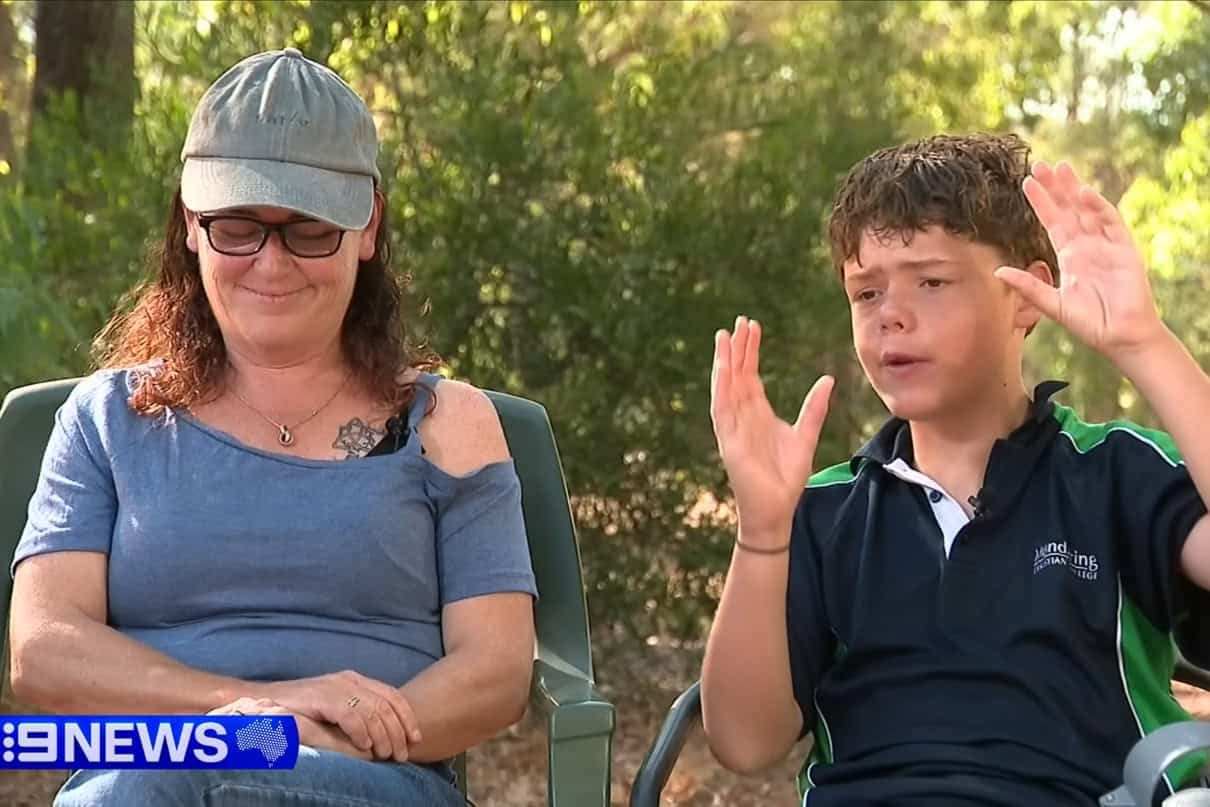
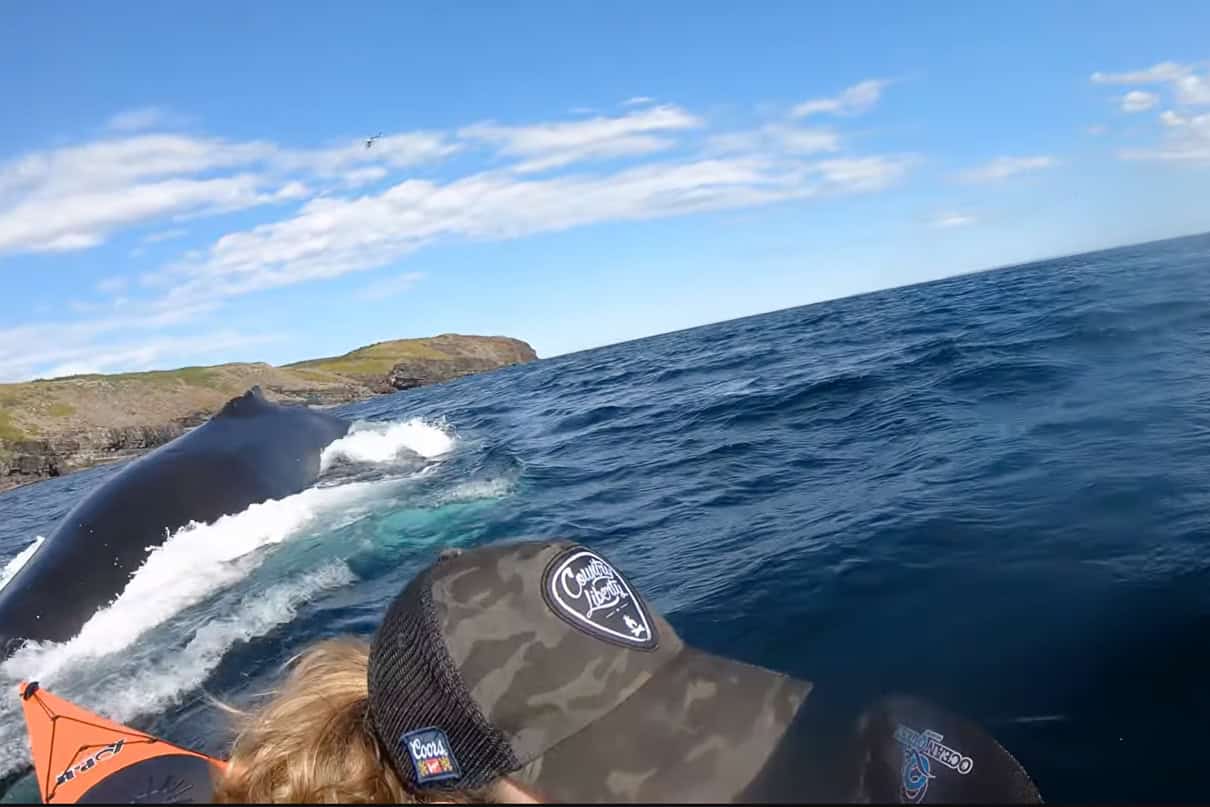
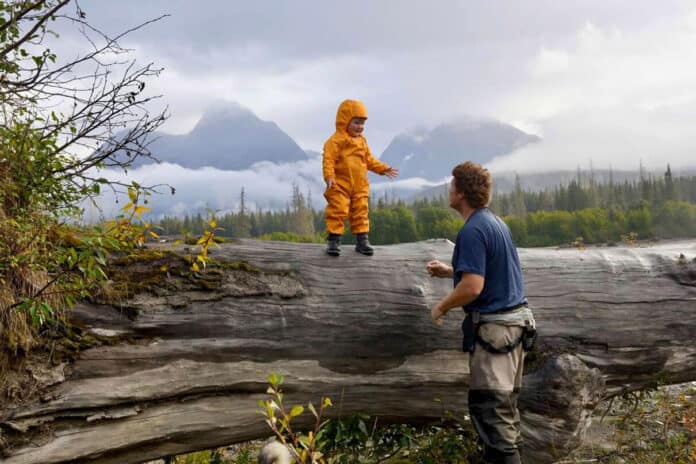
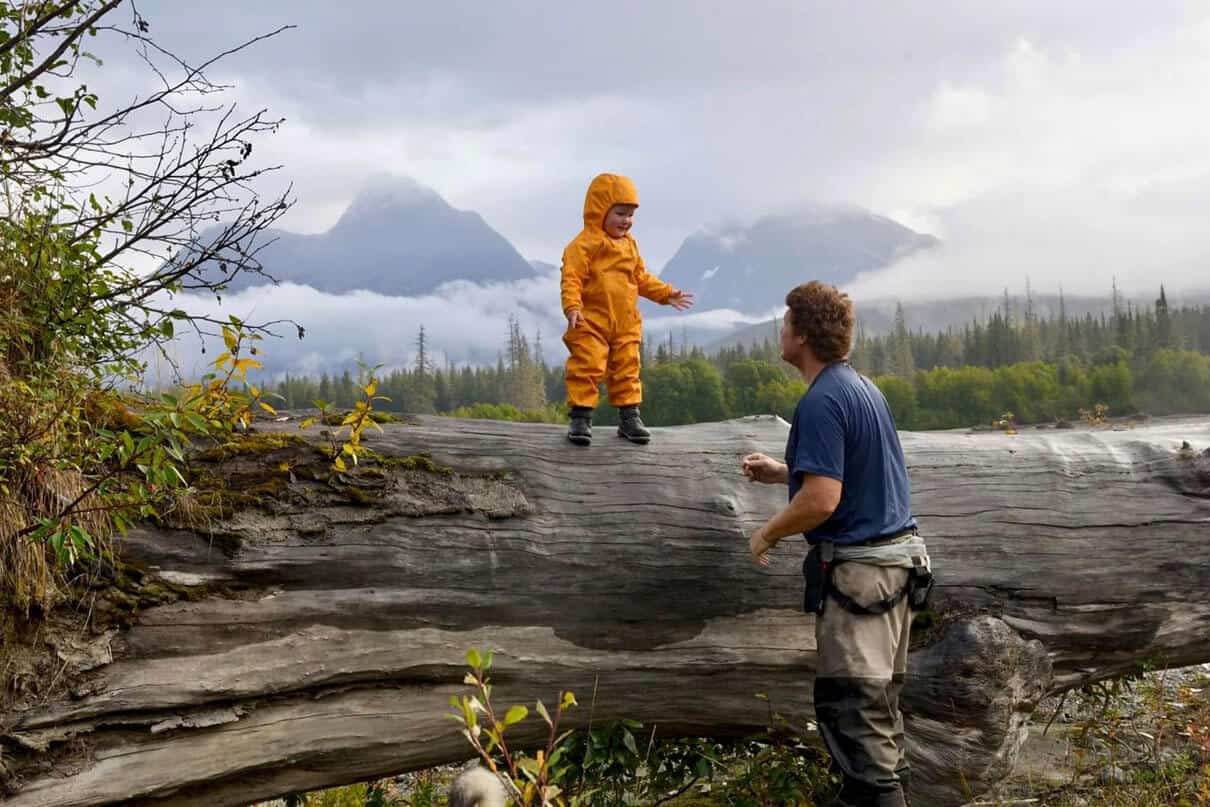

 This article was published in Issue 74 of Paddling Magazine.
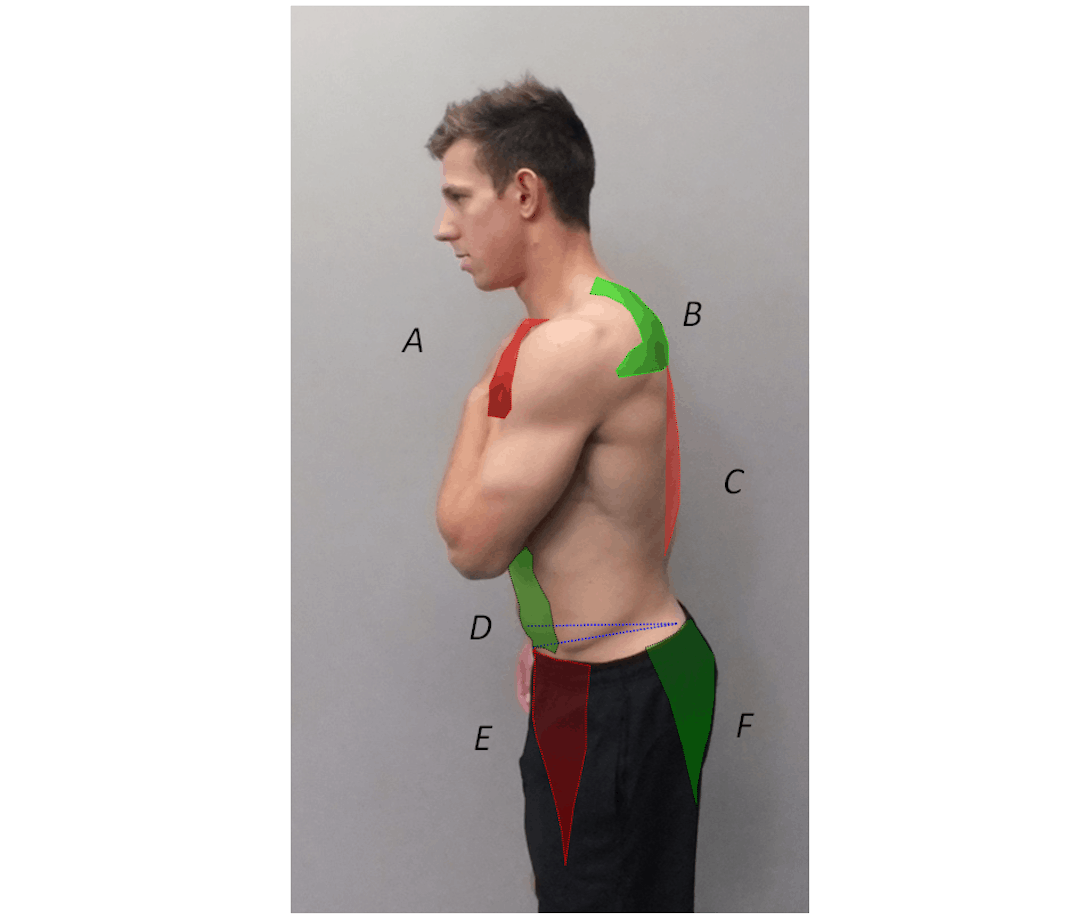
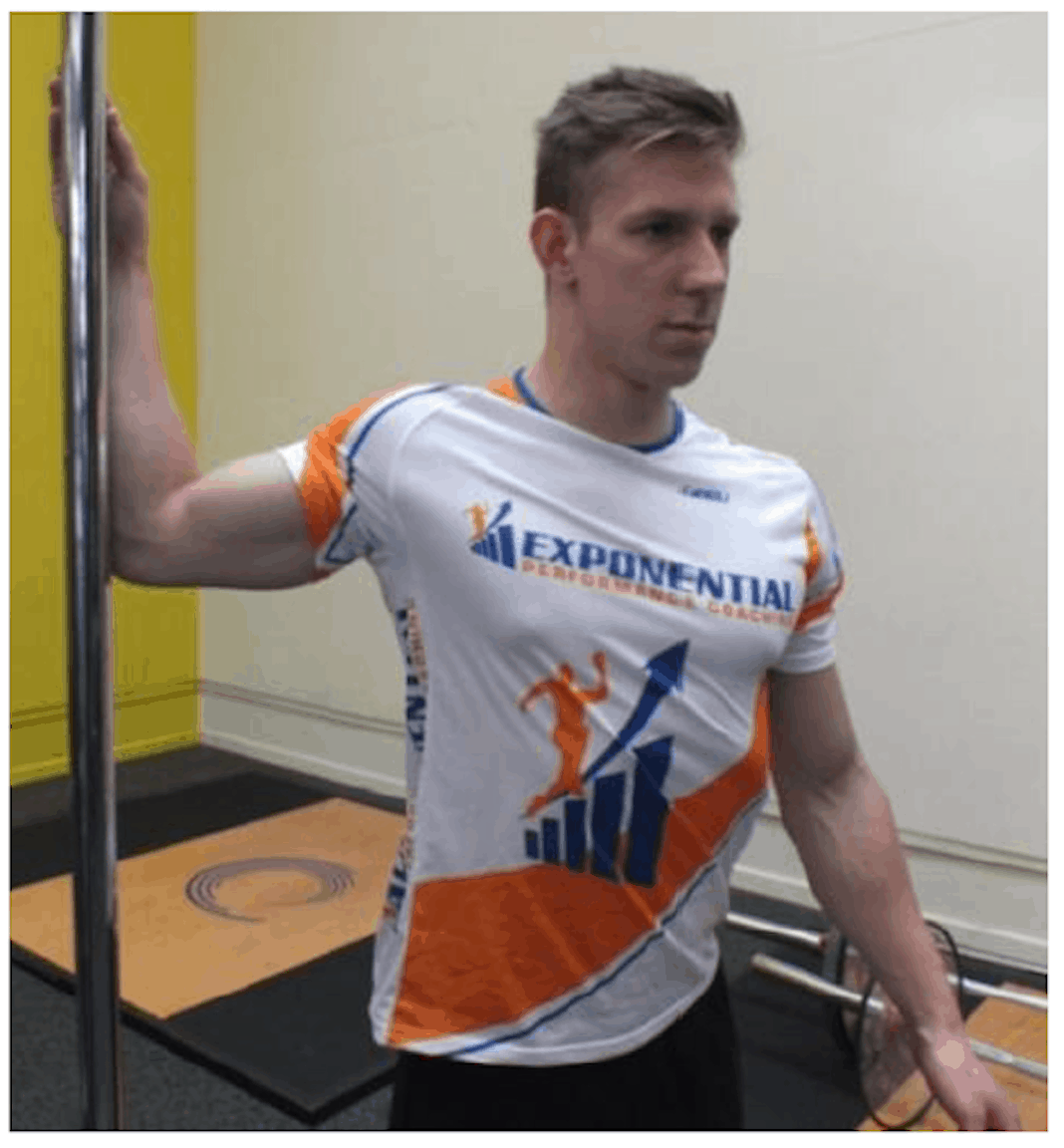
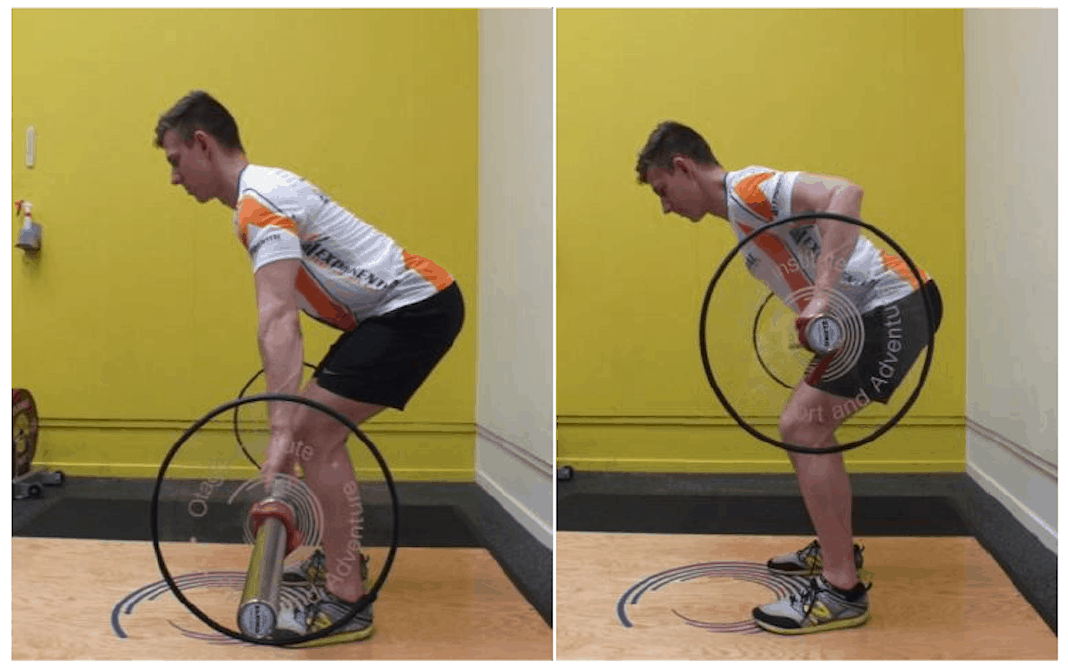
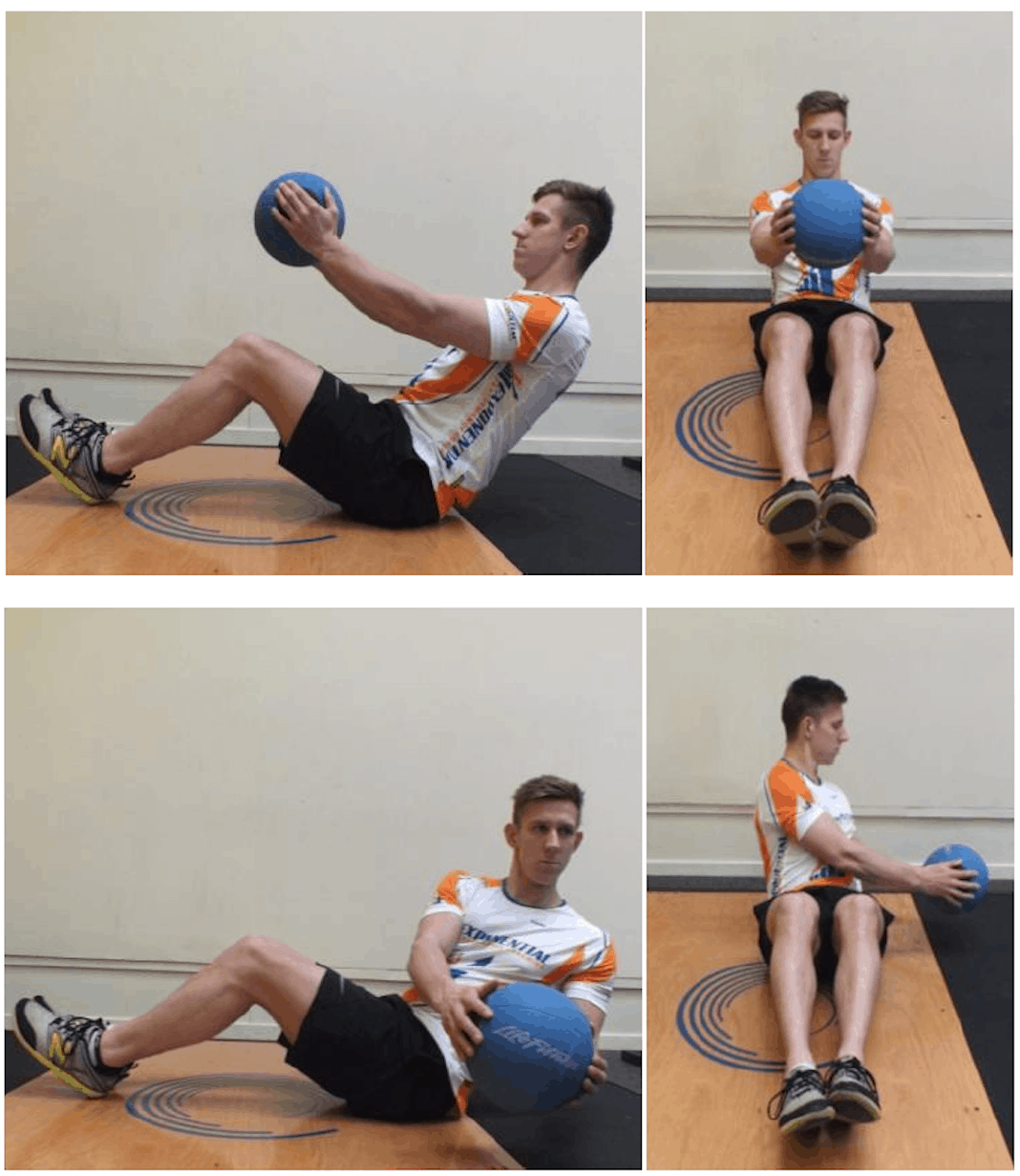
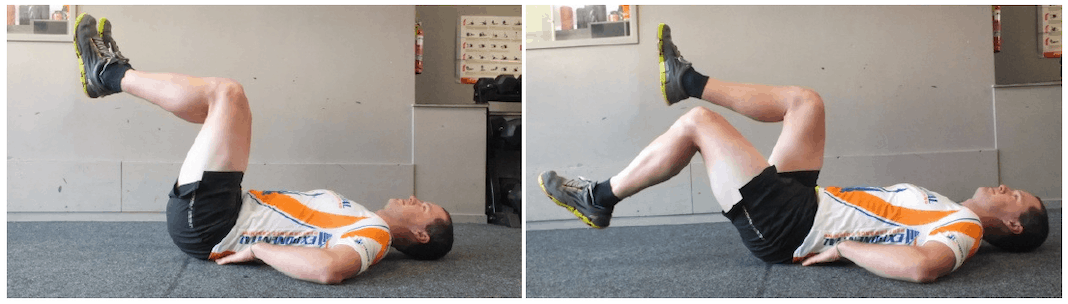
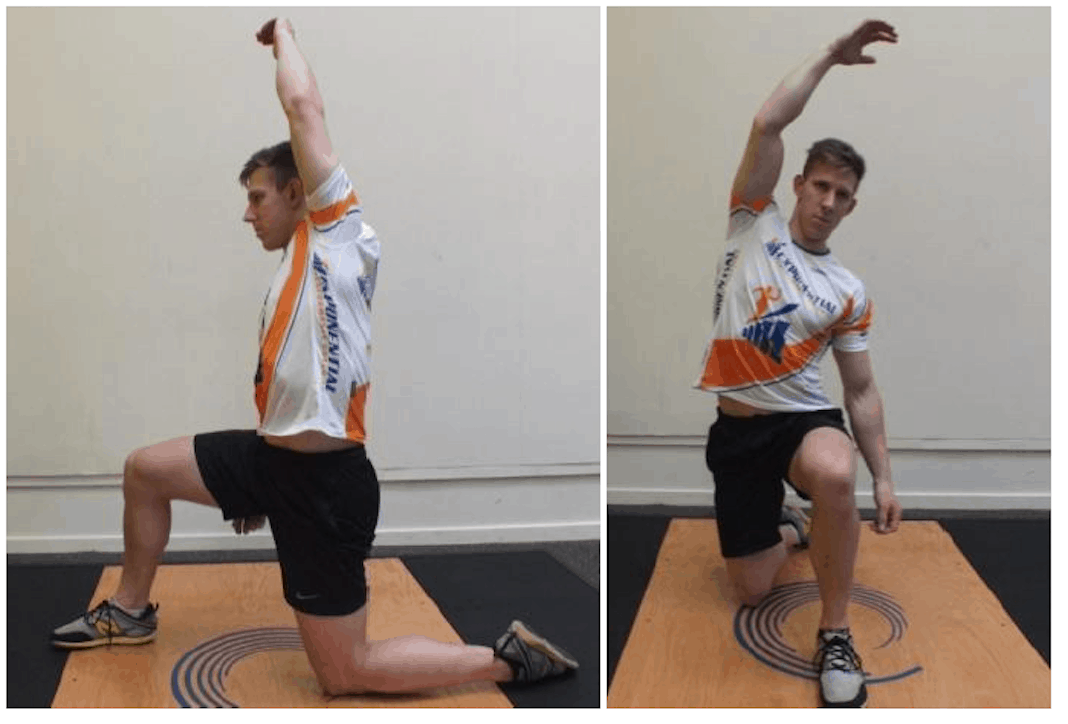
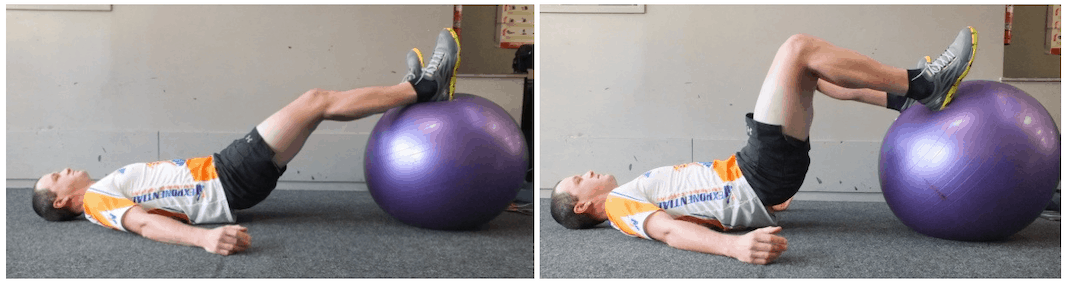
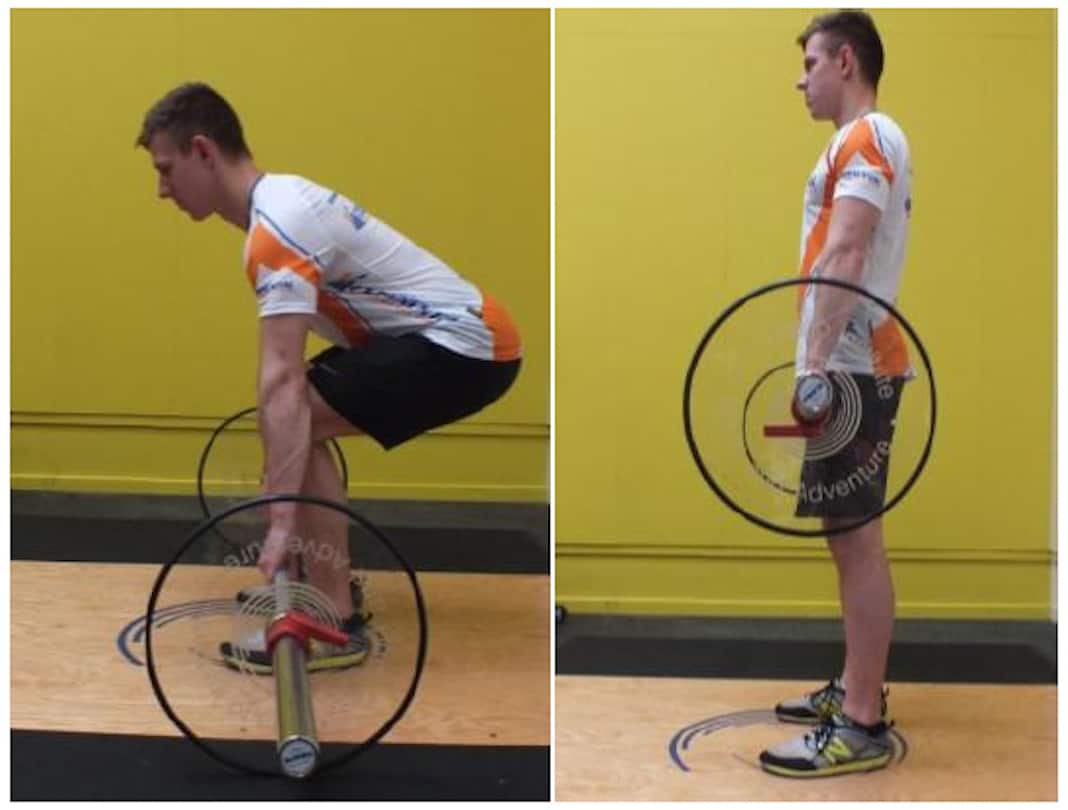
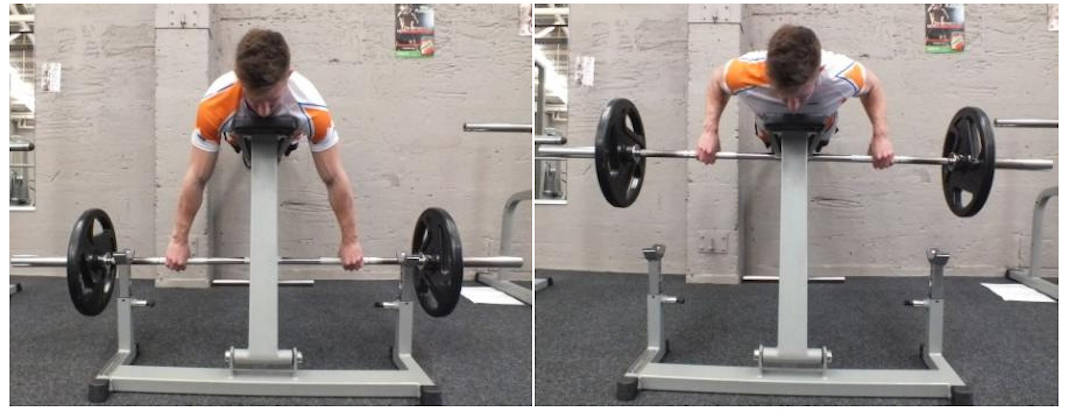
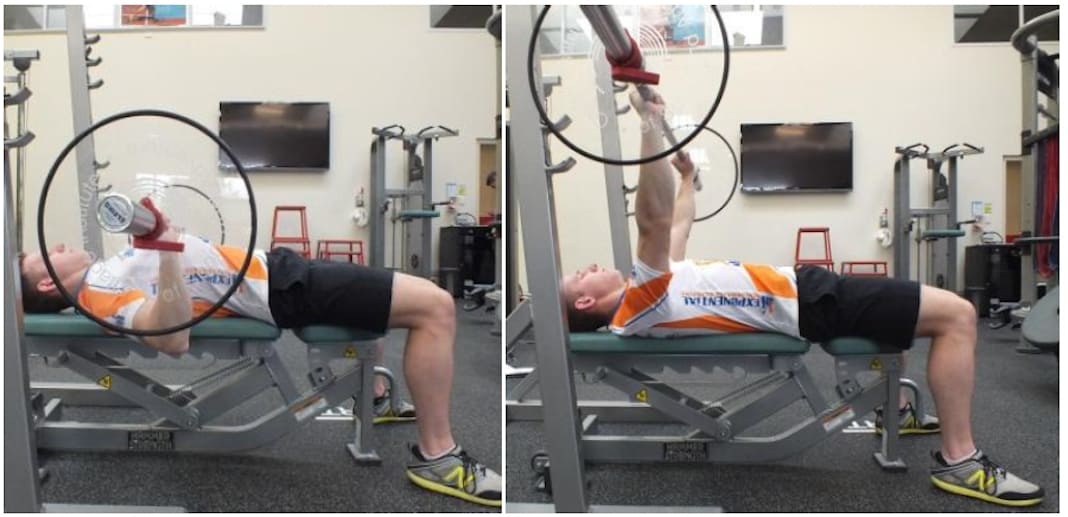
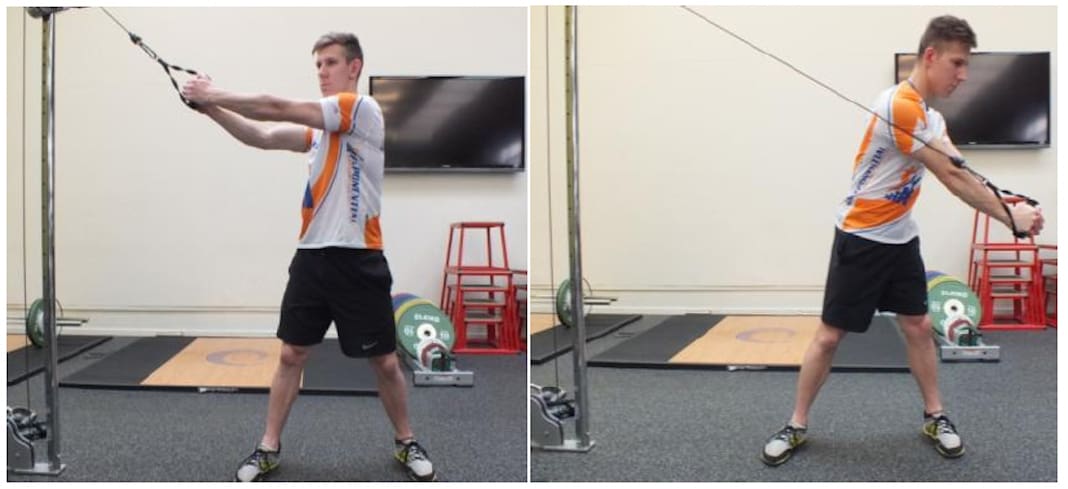
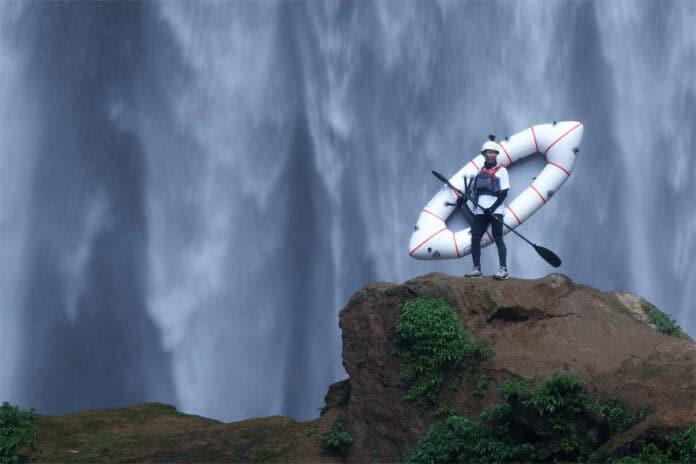
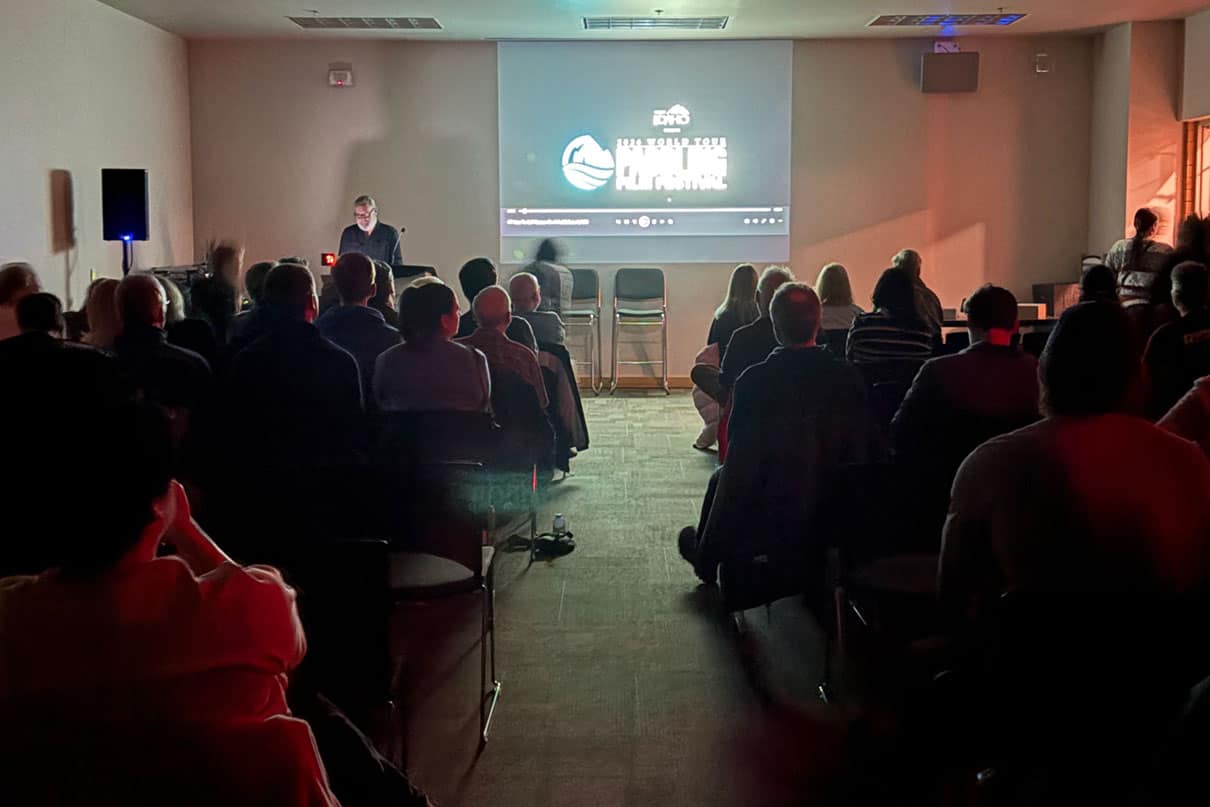
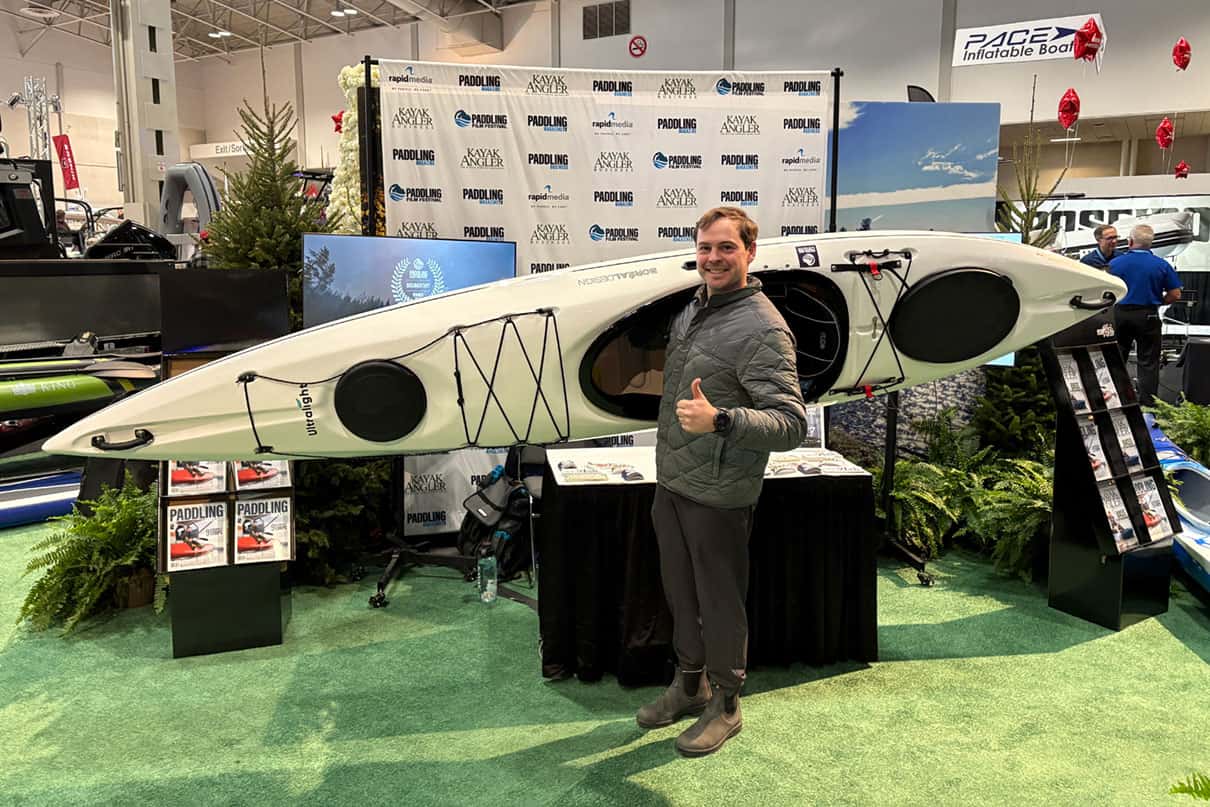
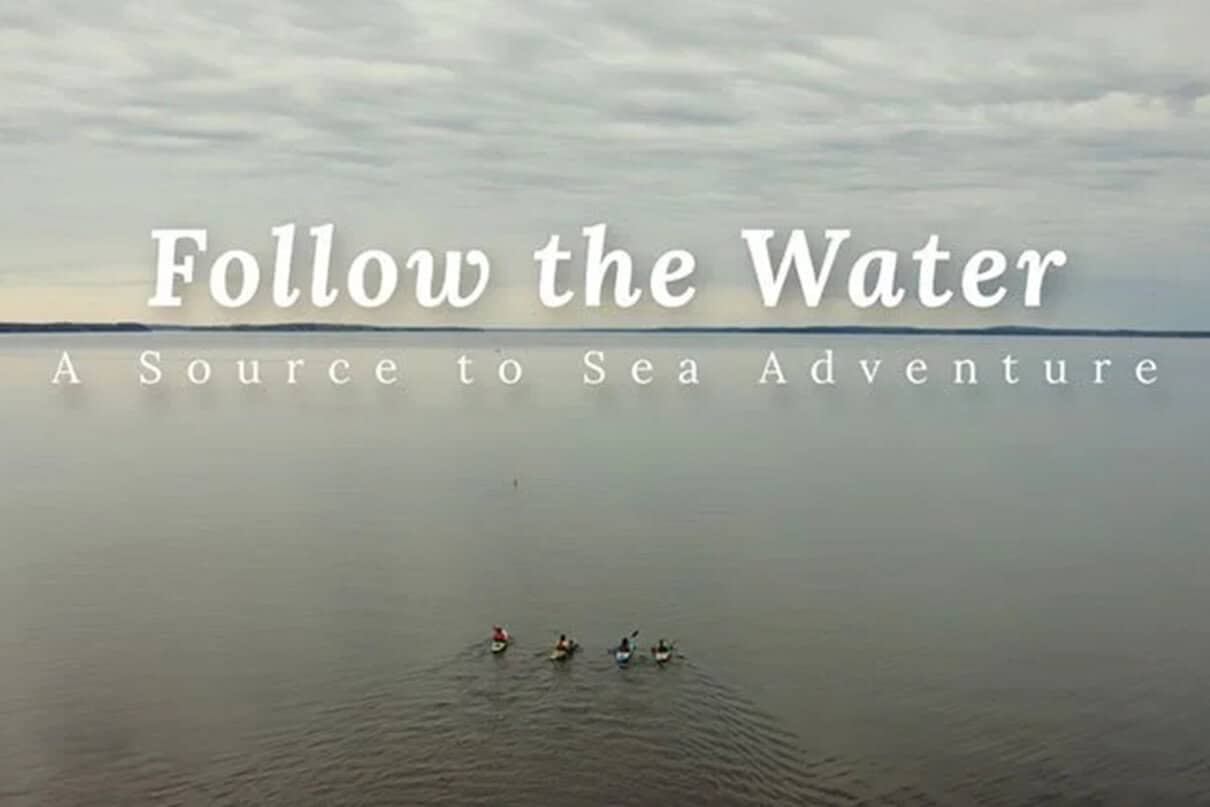
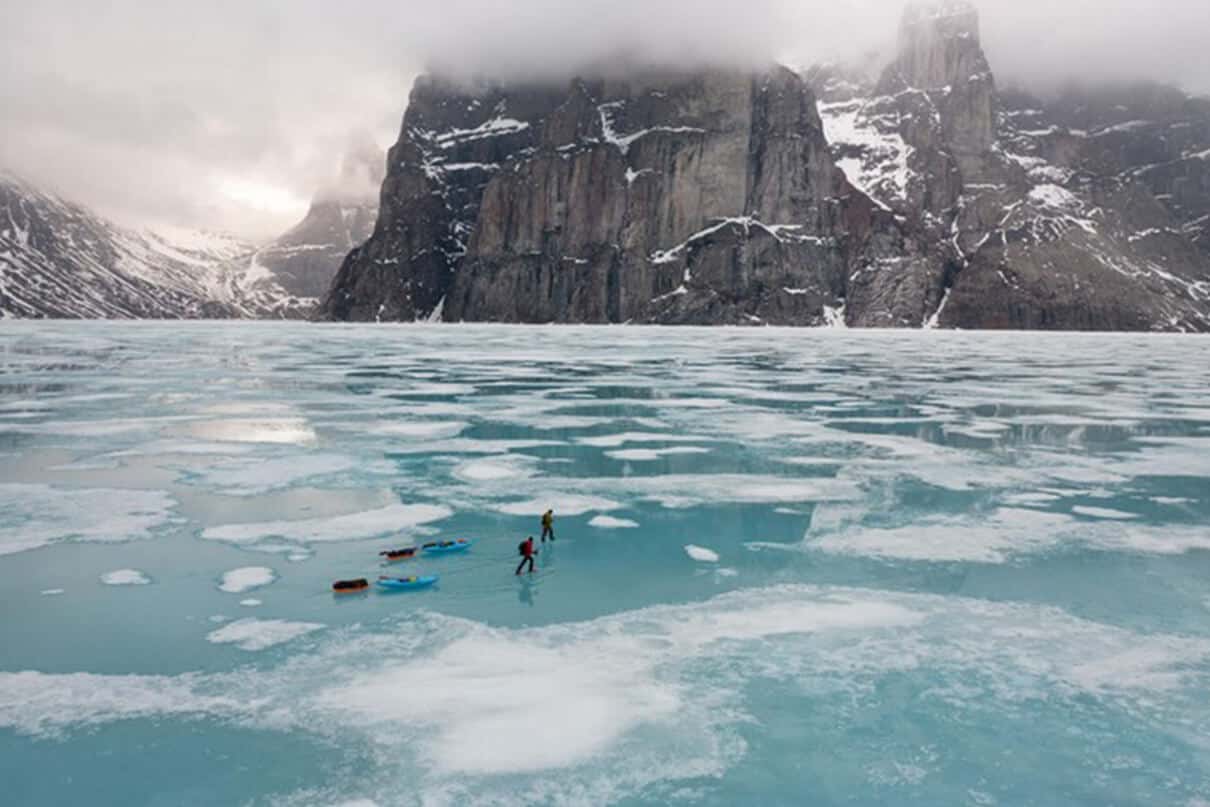
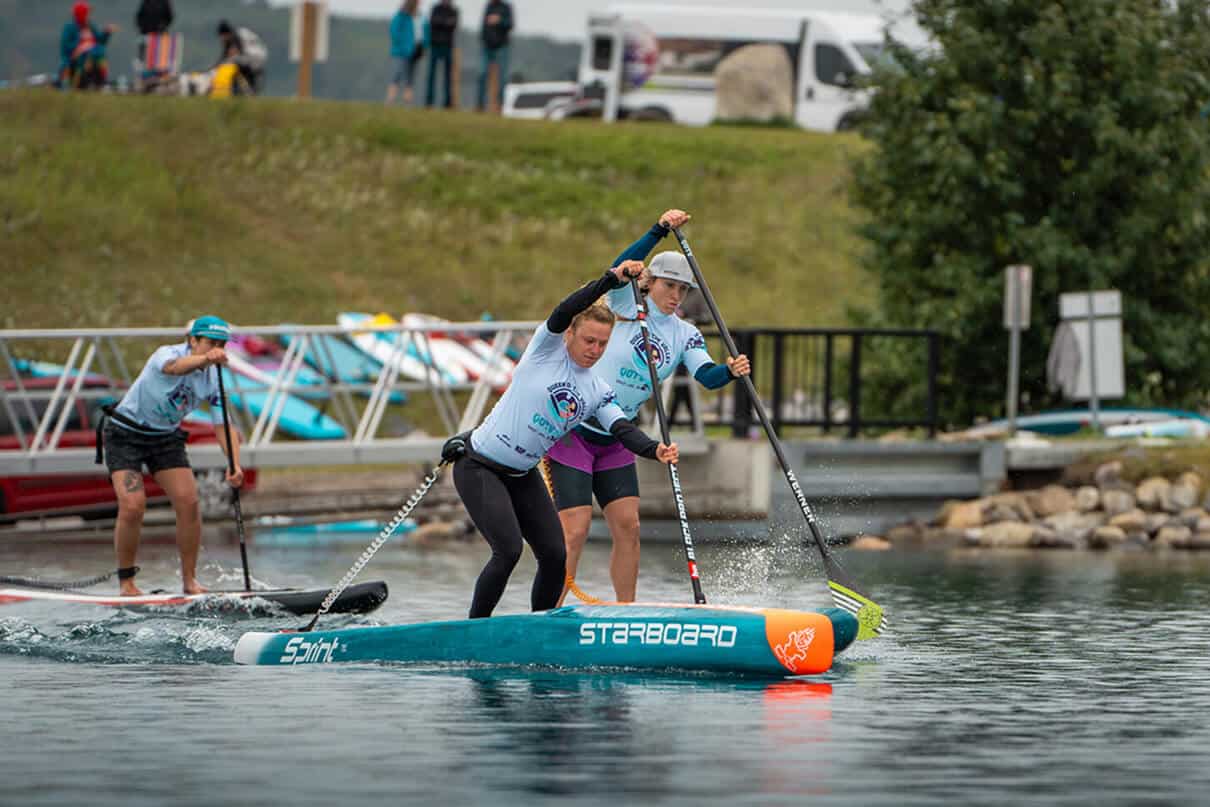
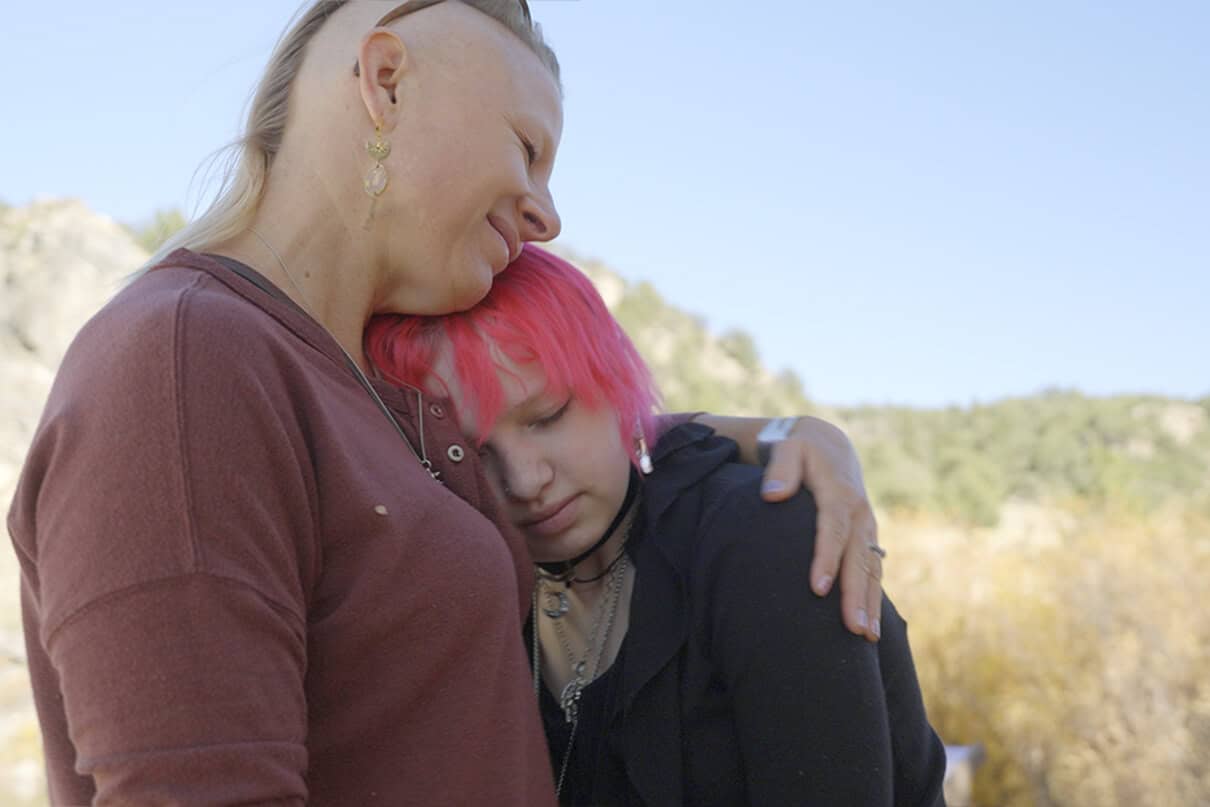
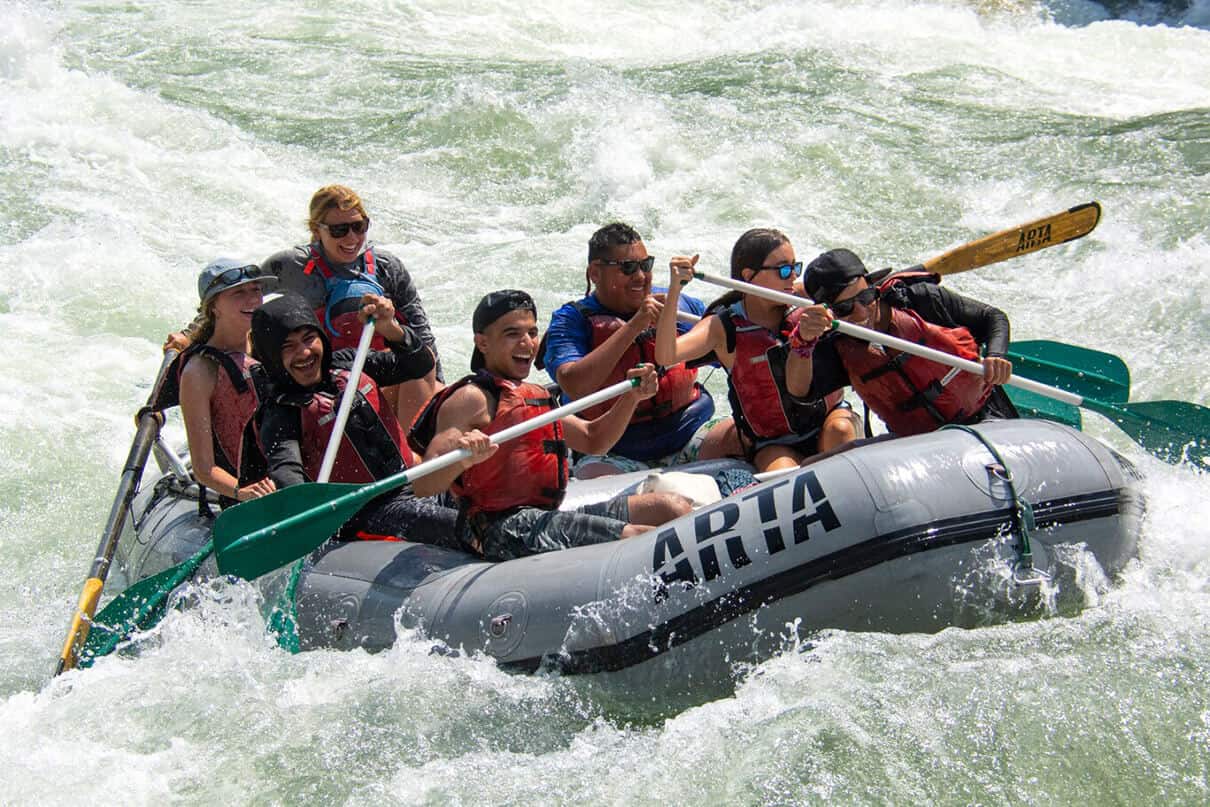
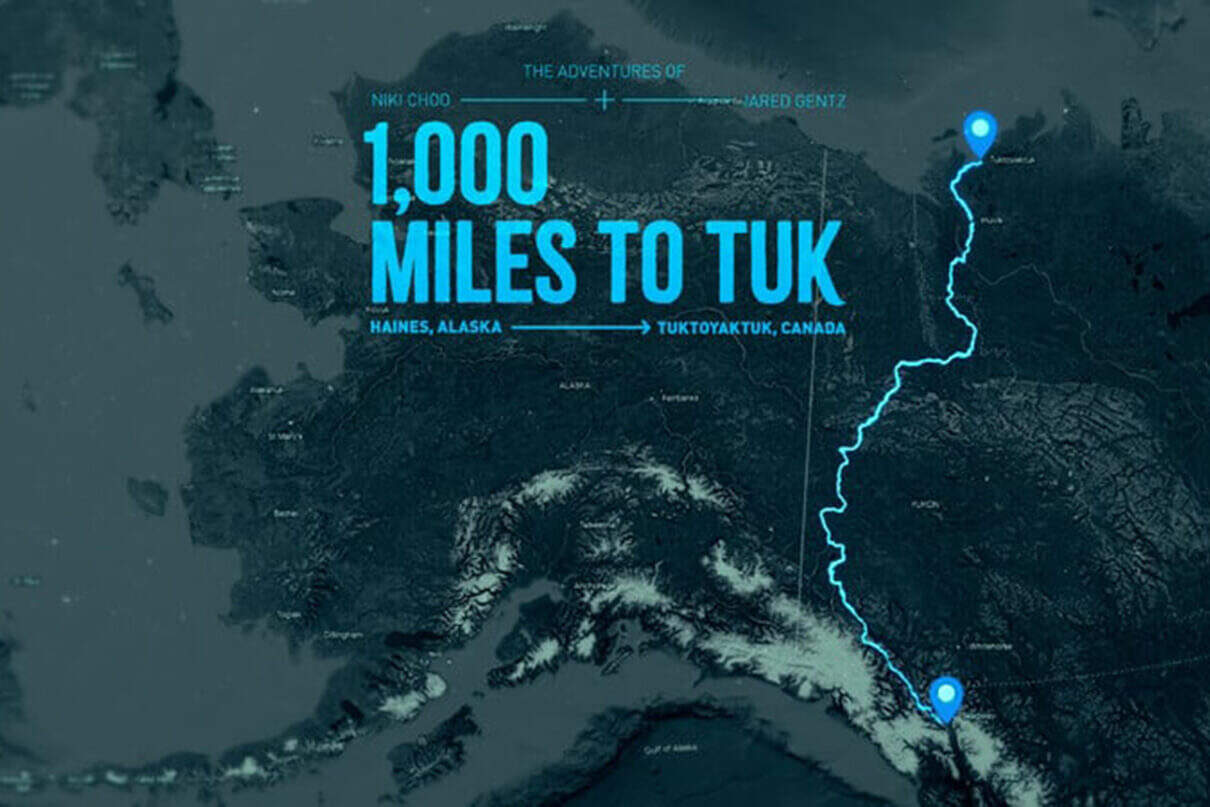
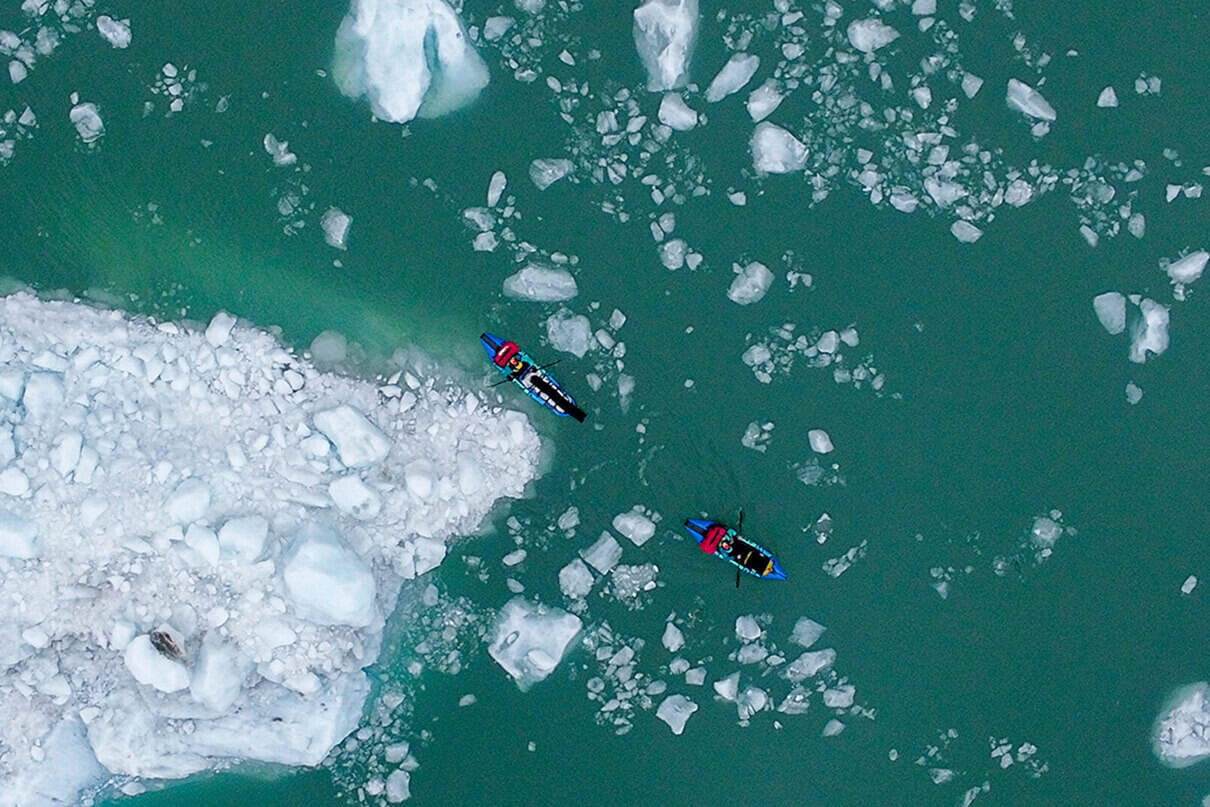
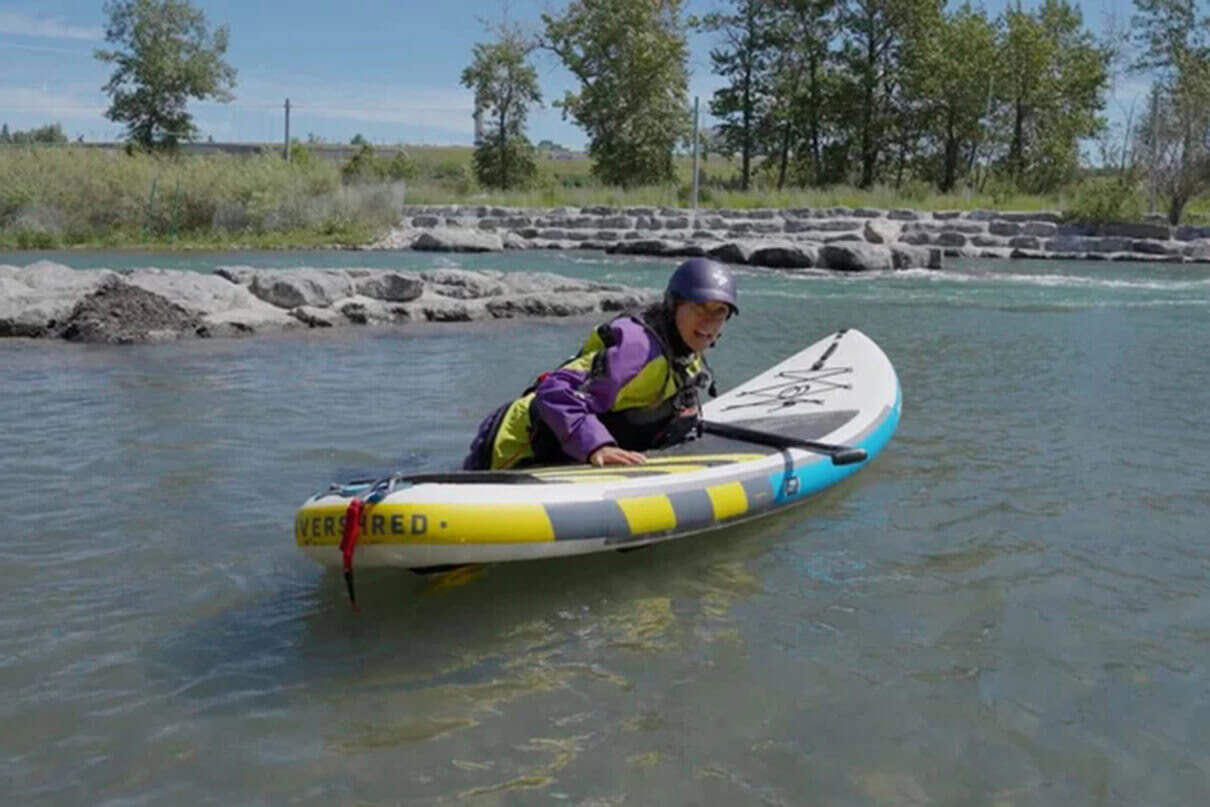
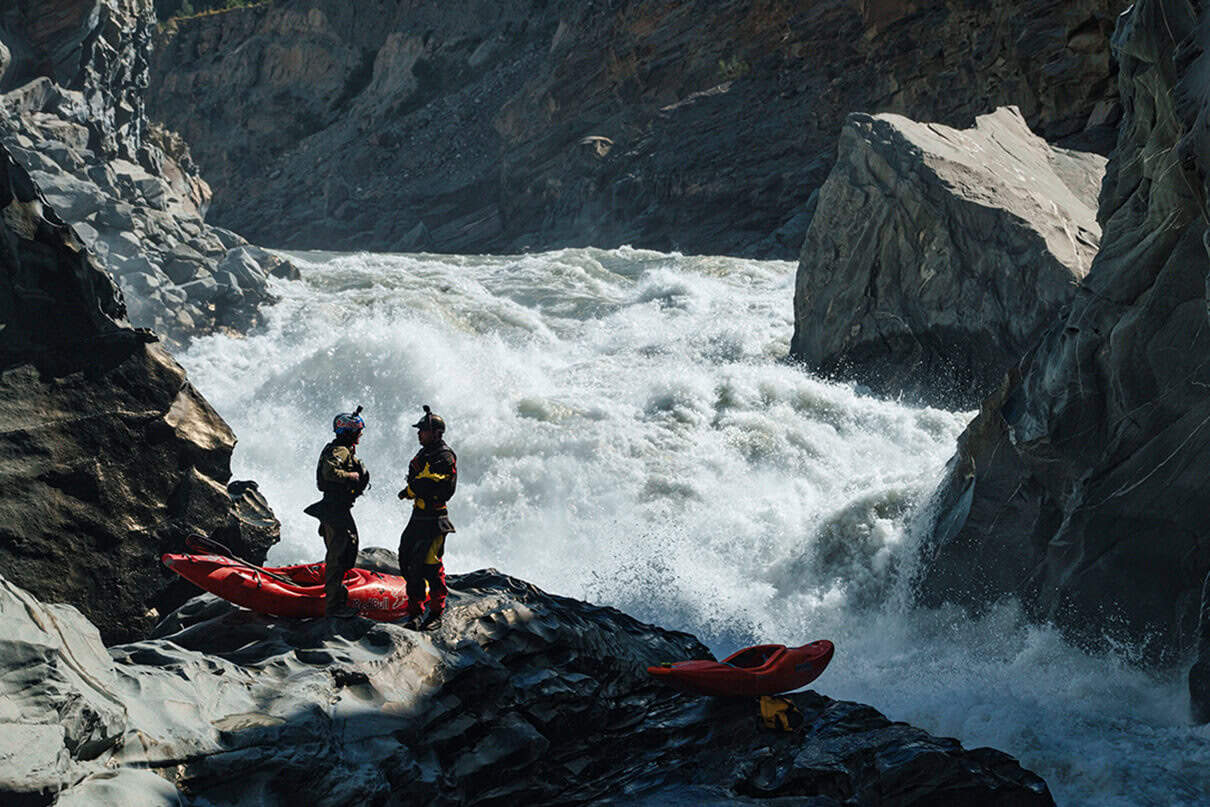
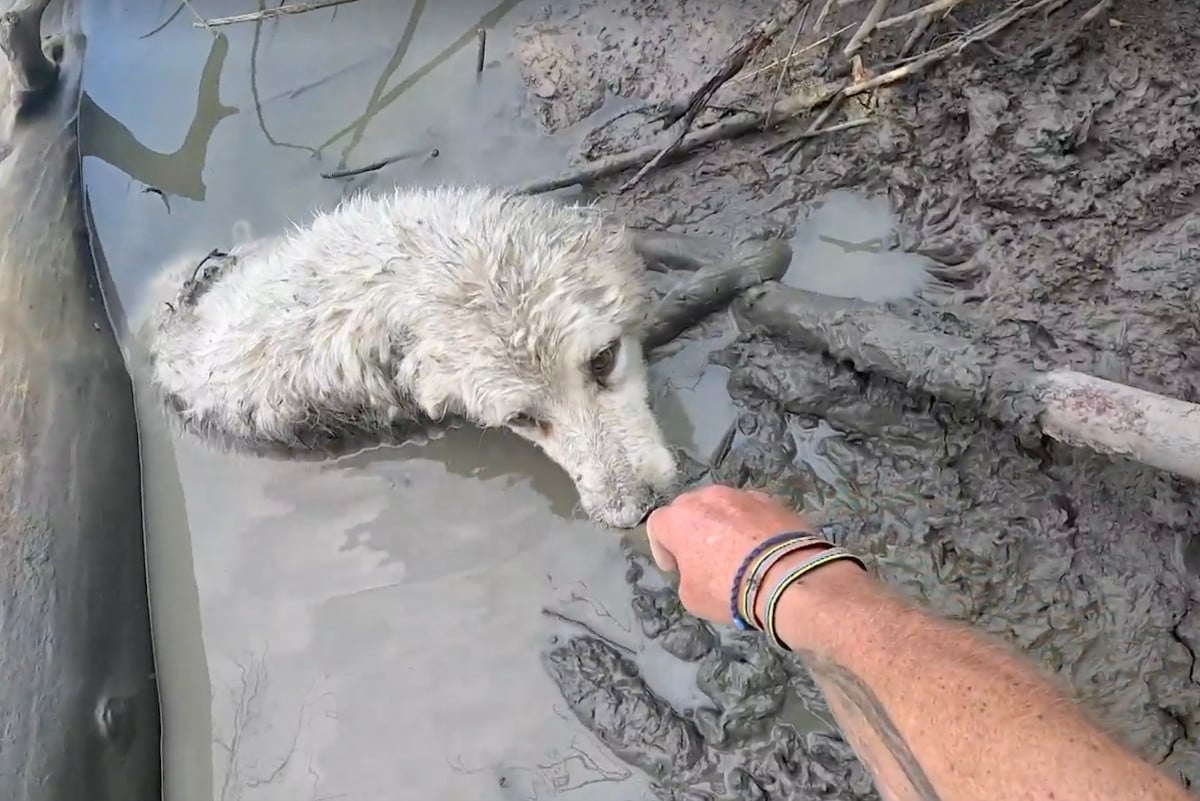
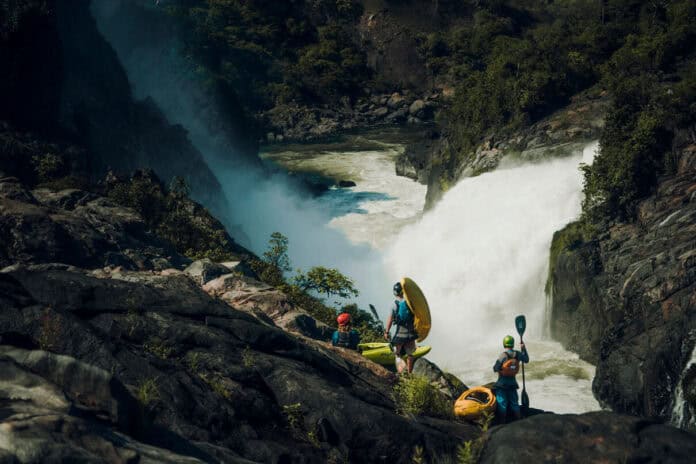
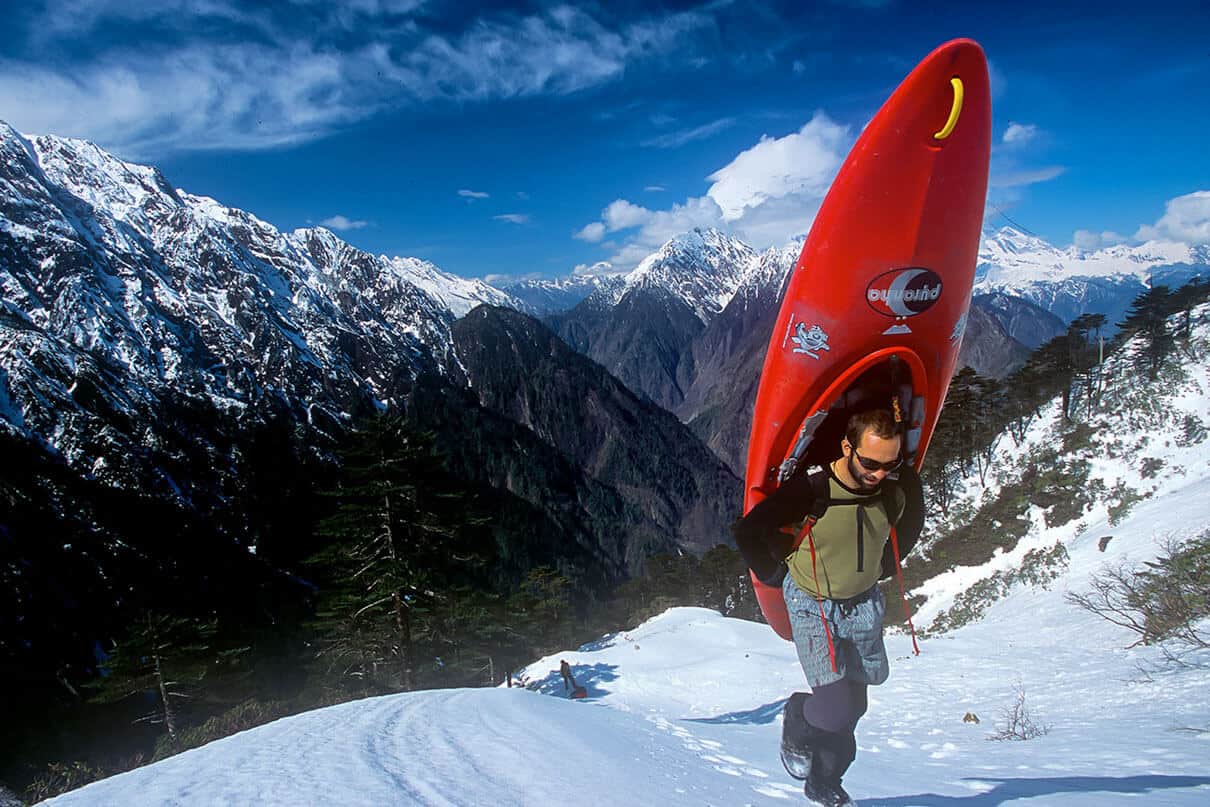
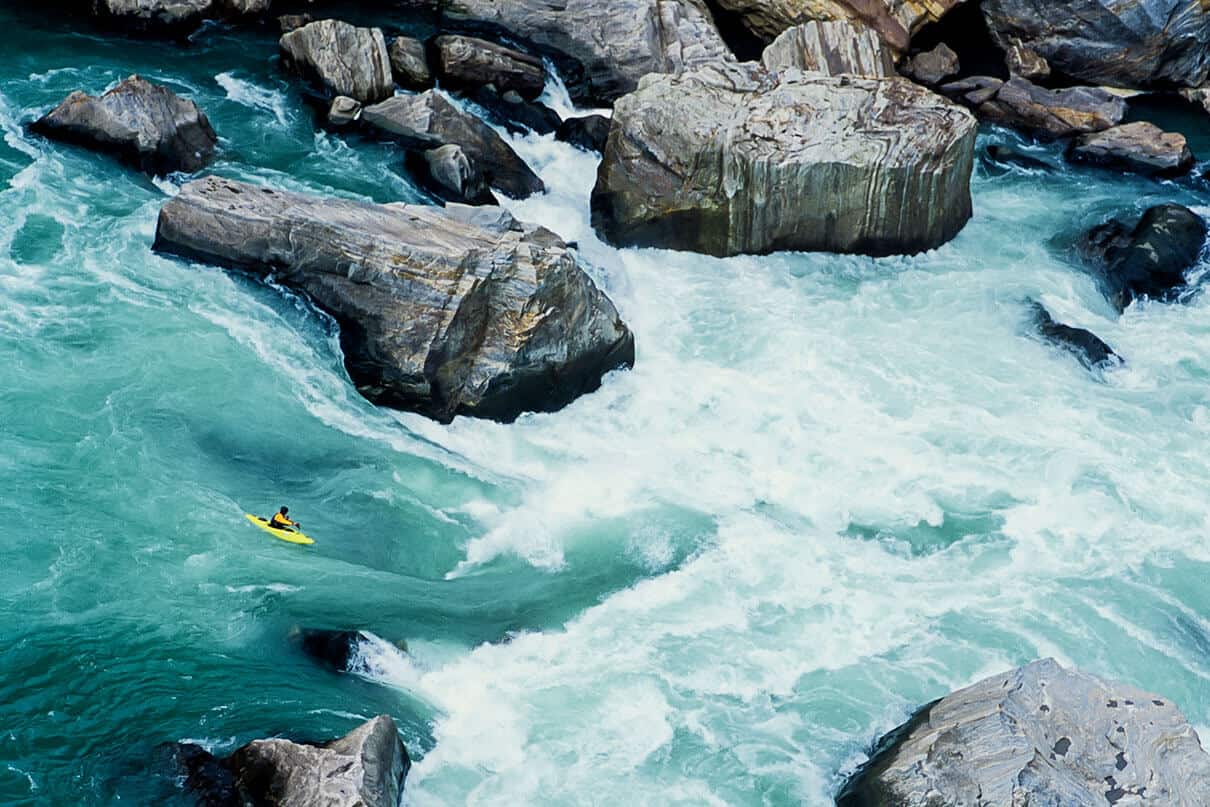
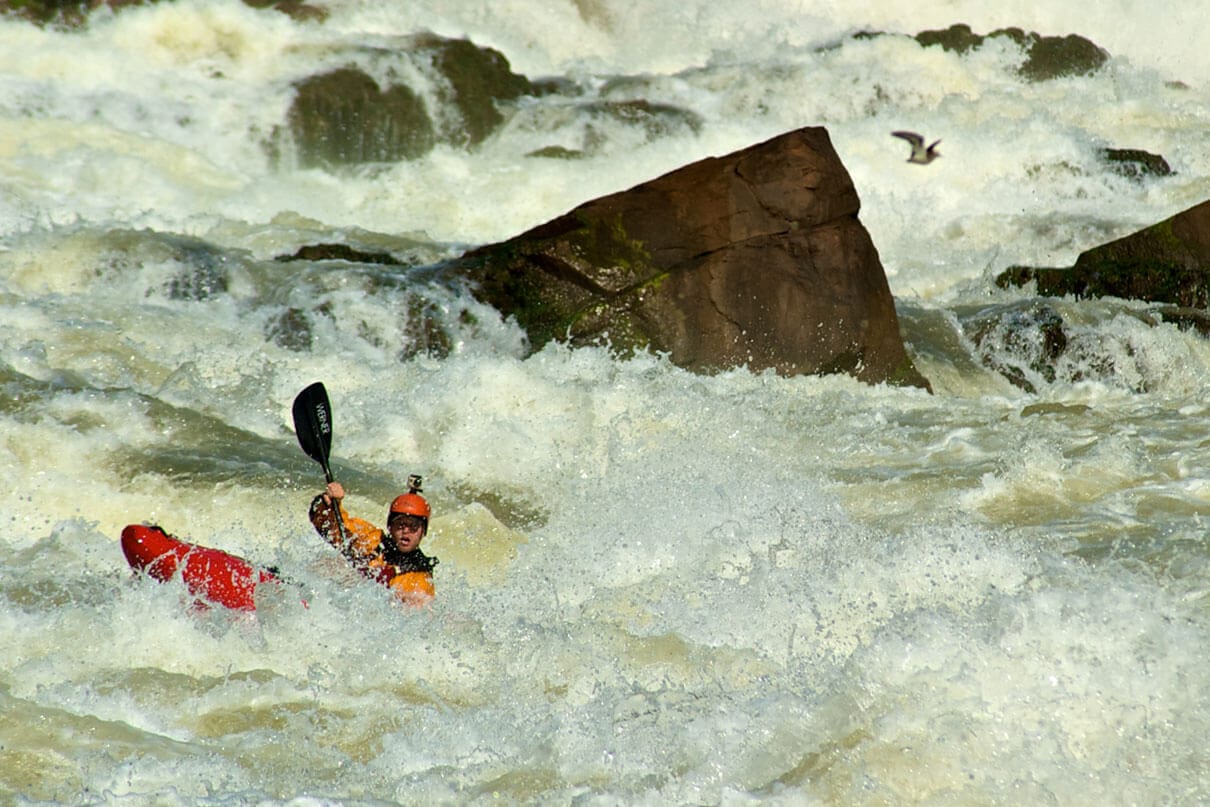
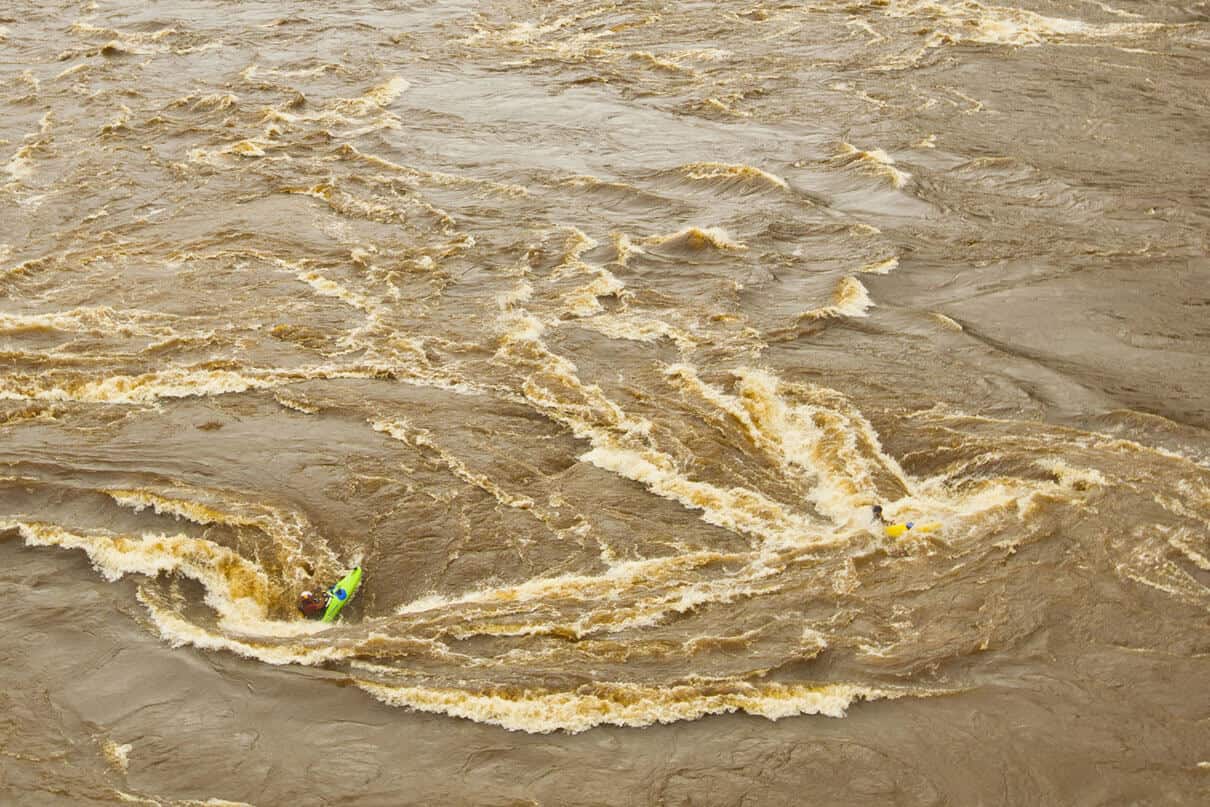
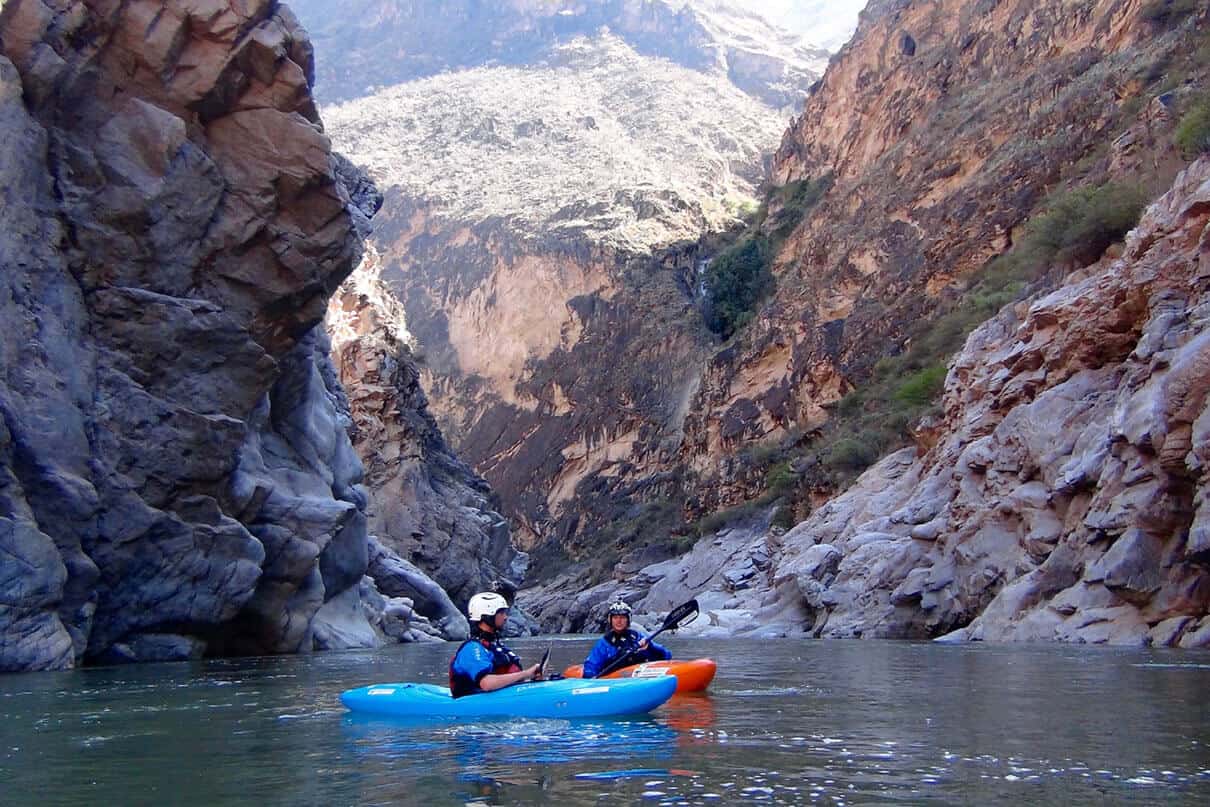
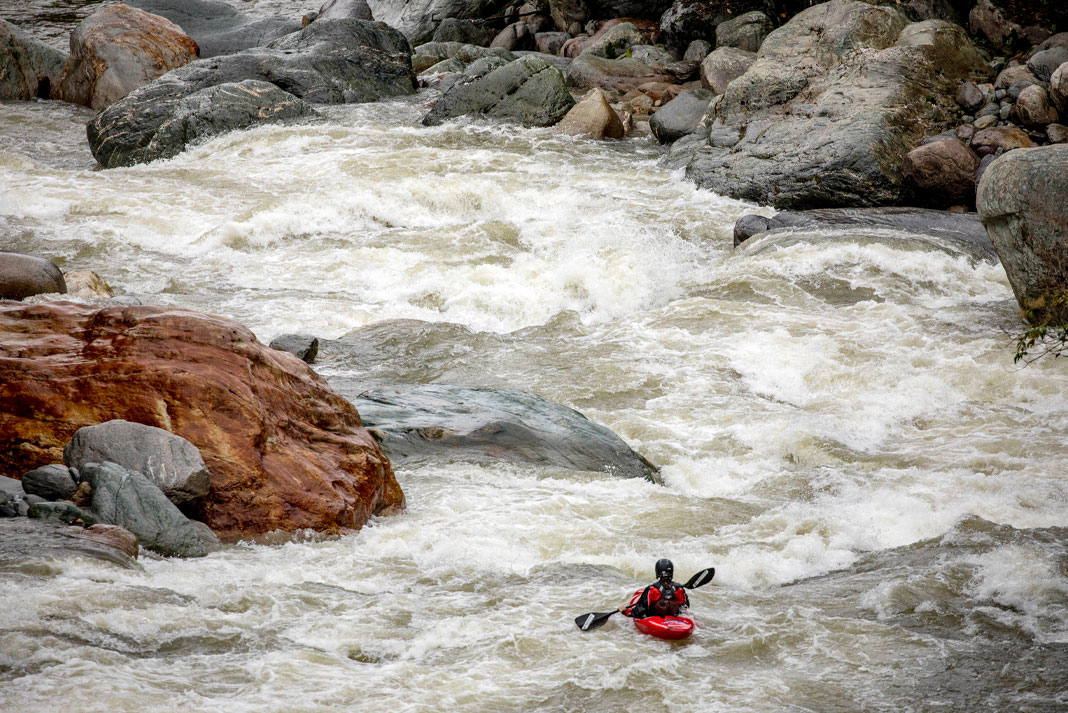
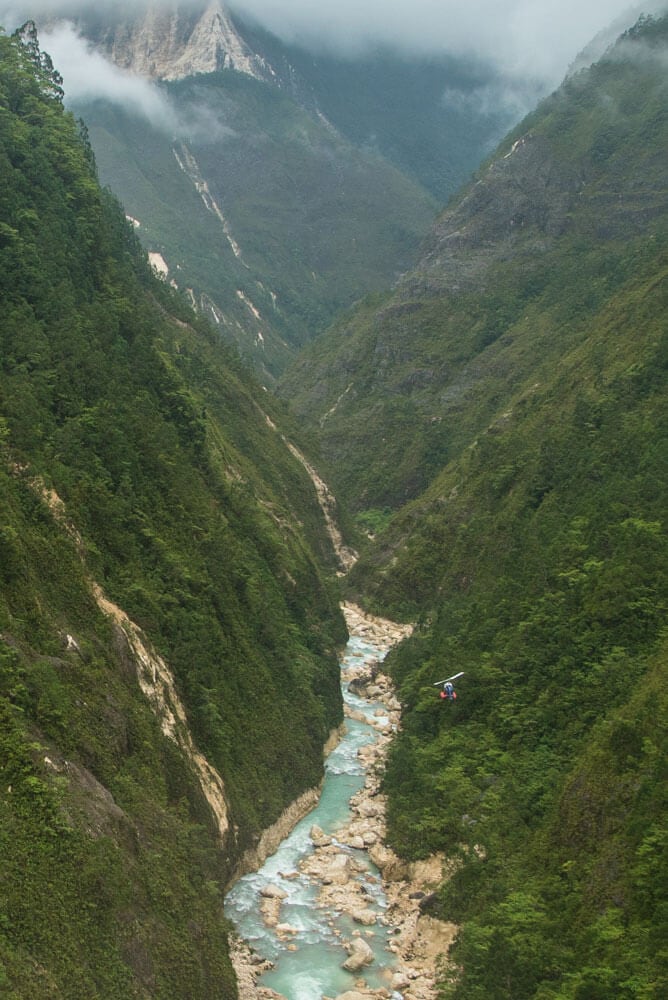
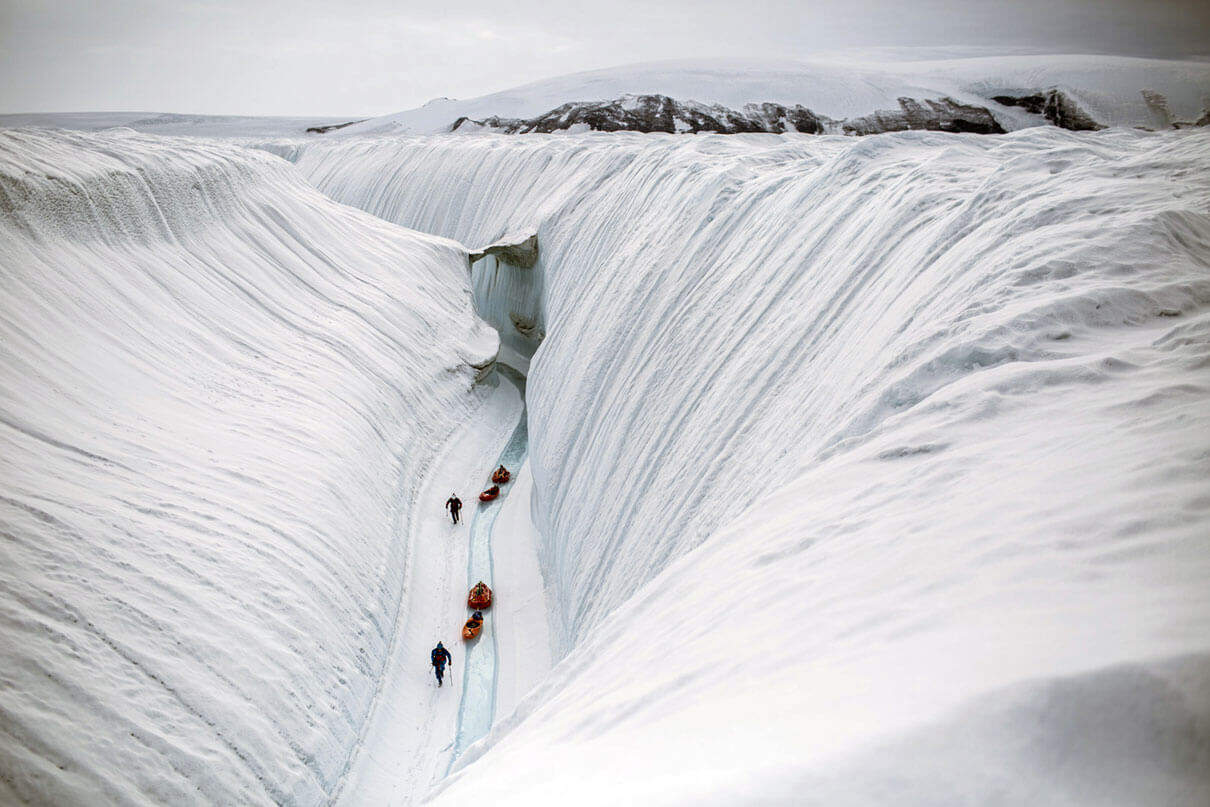
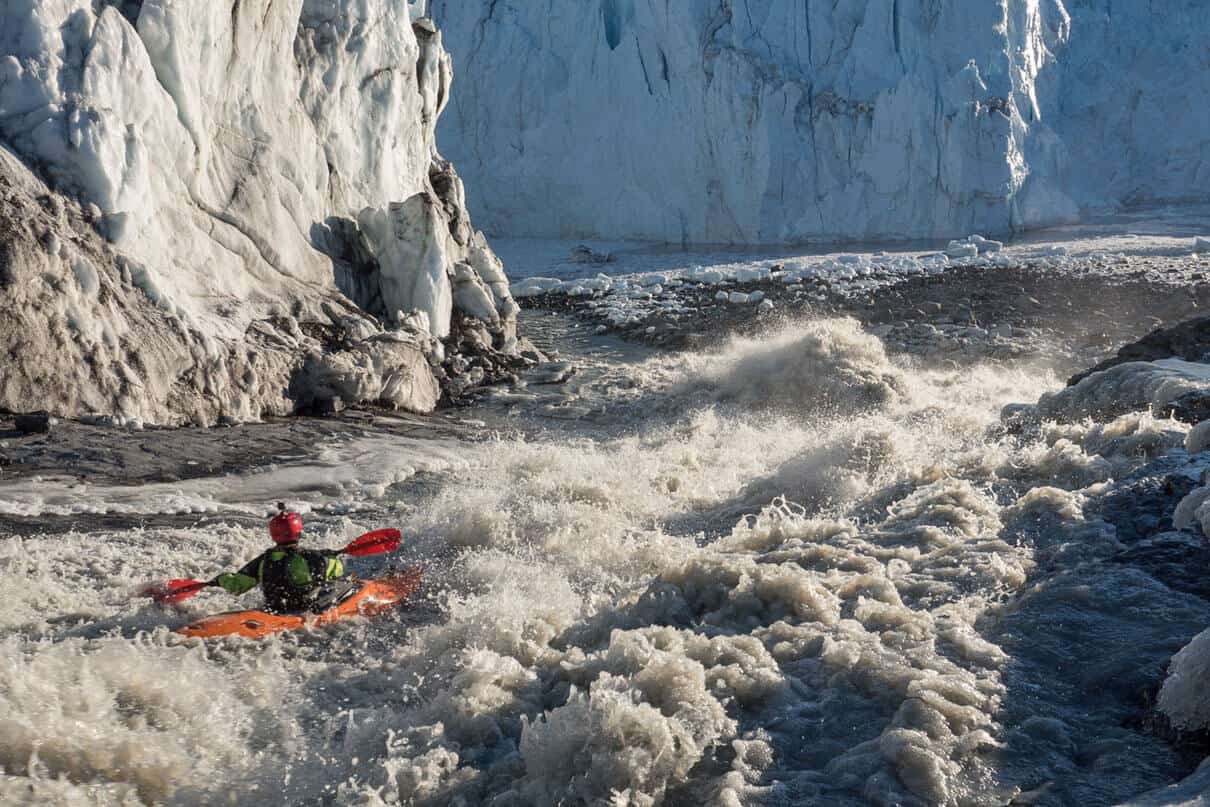
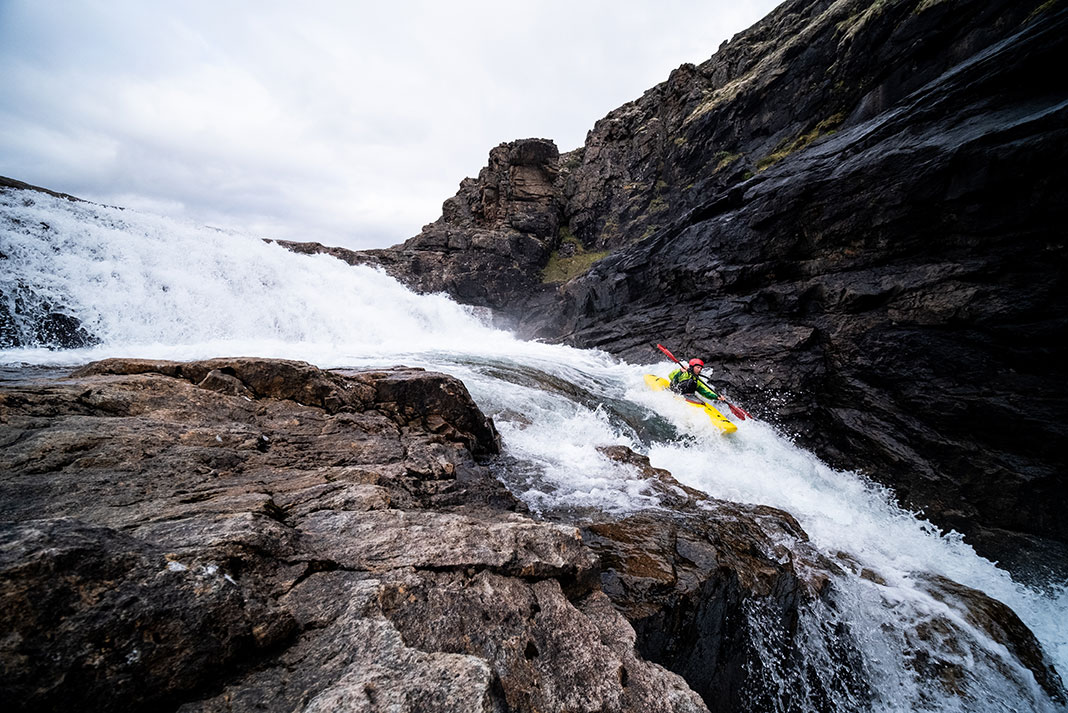
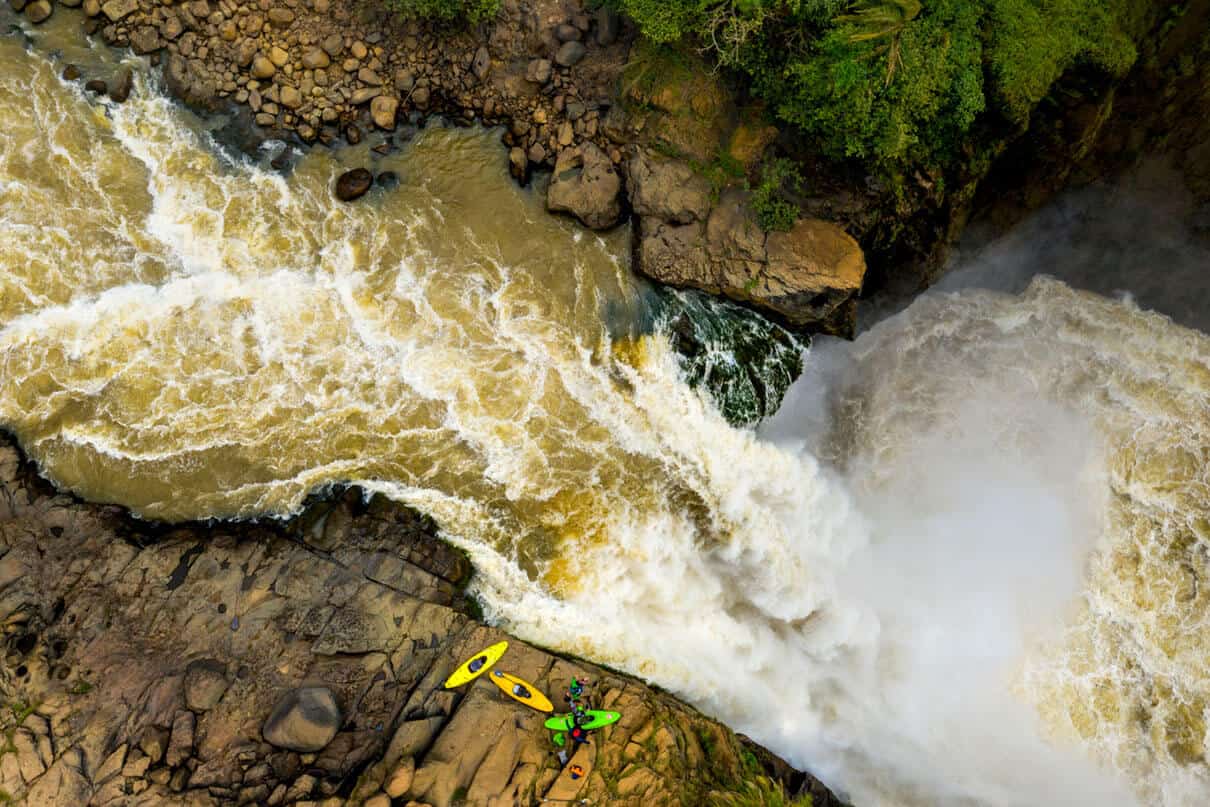
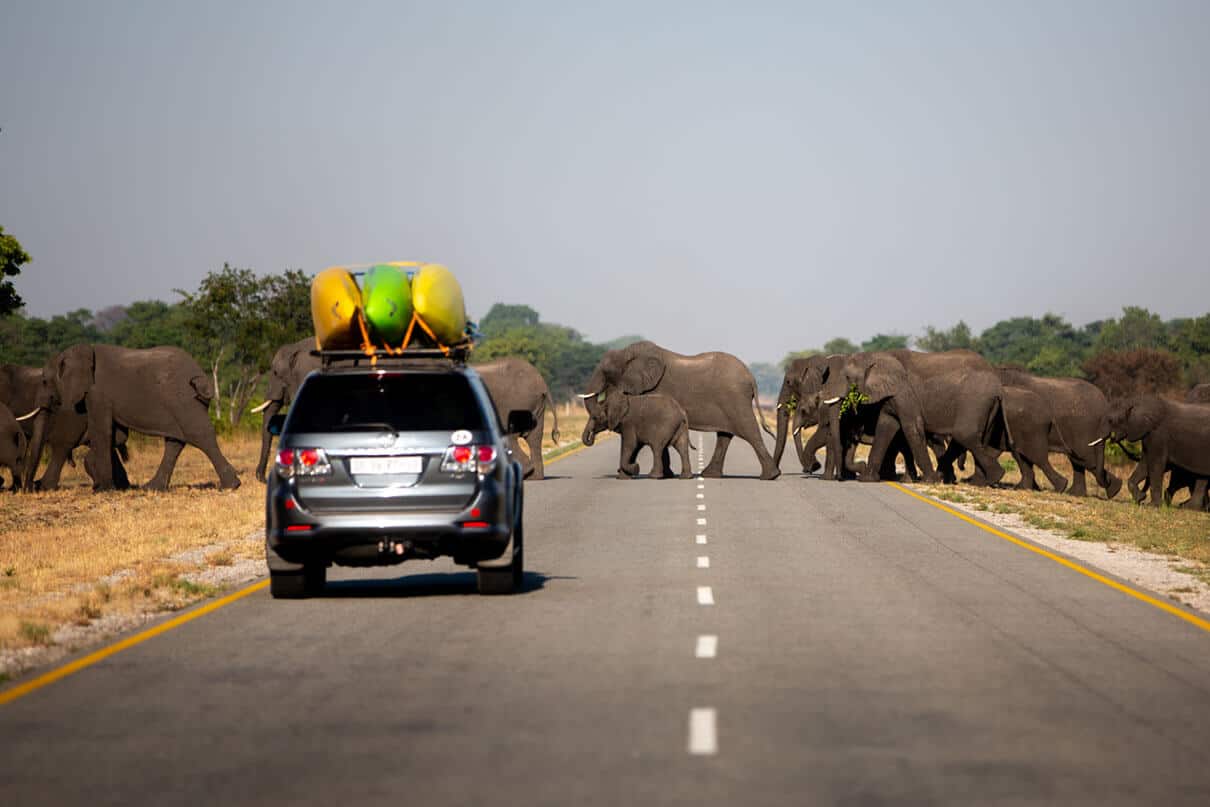
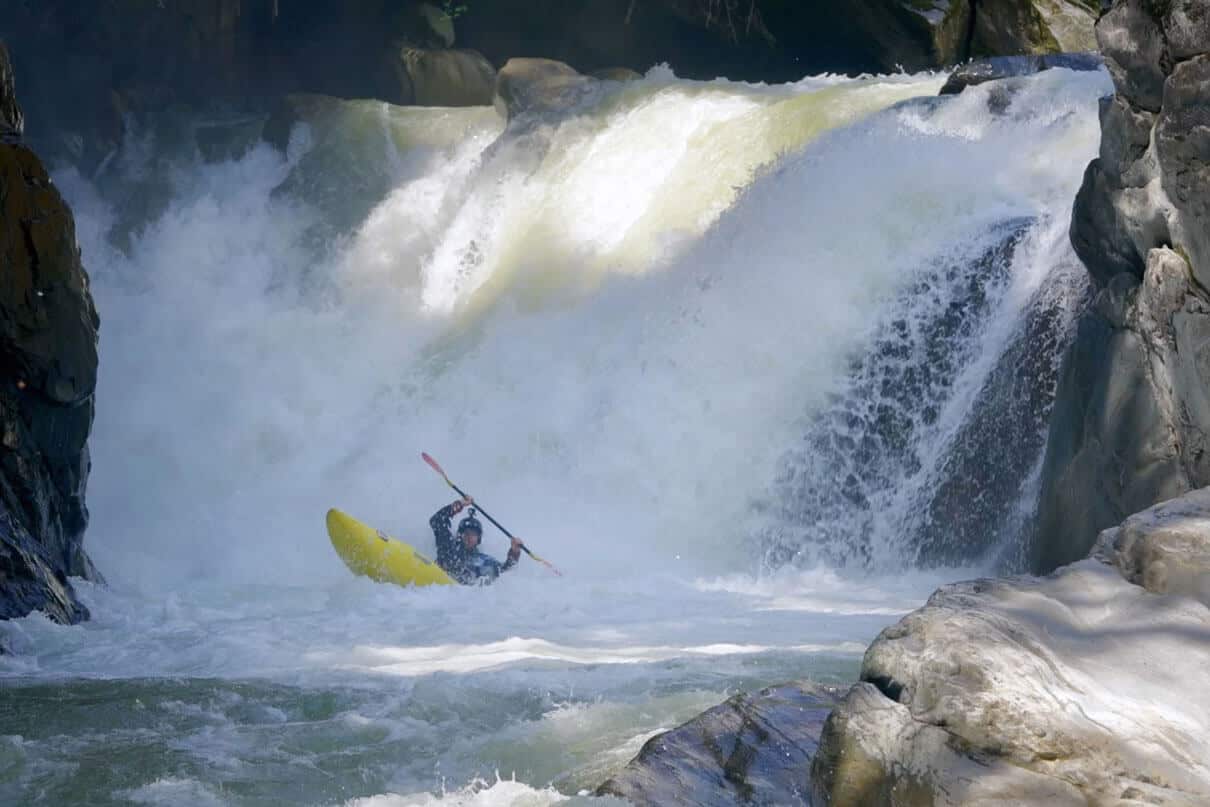
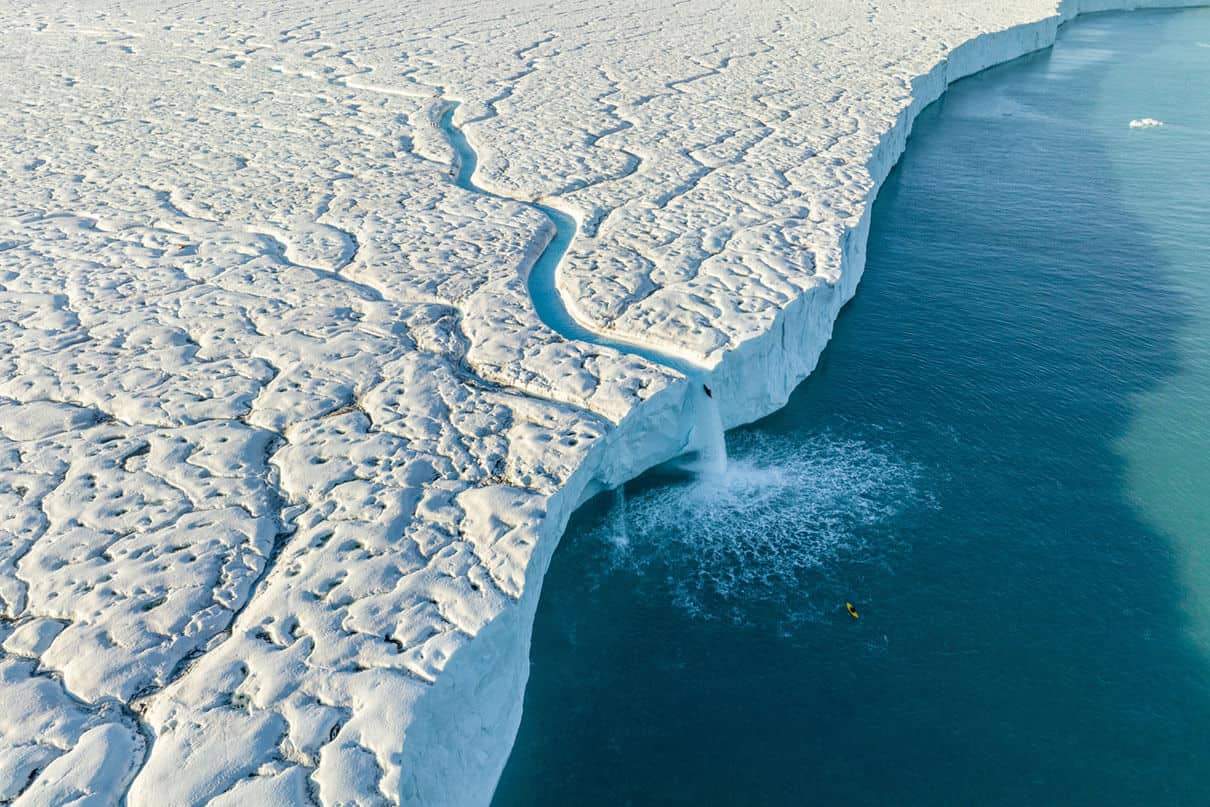
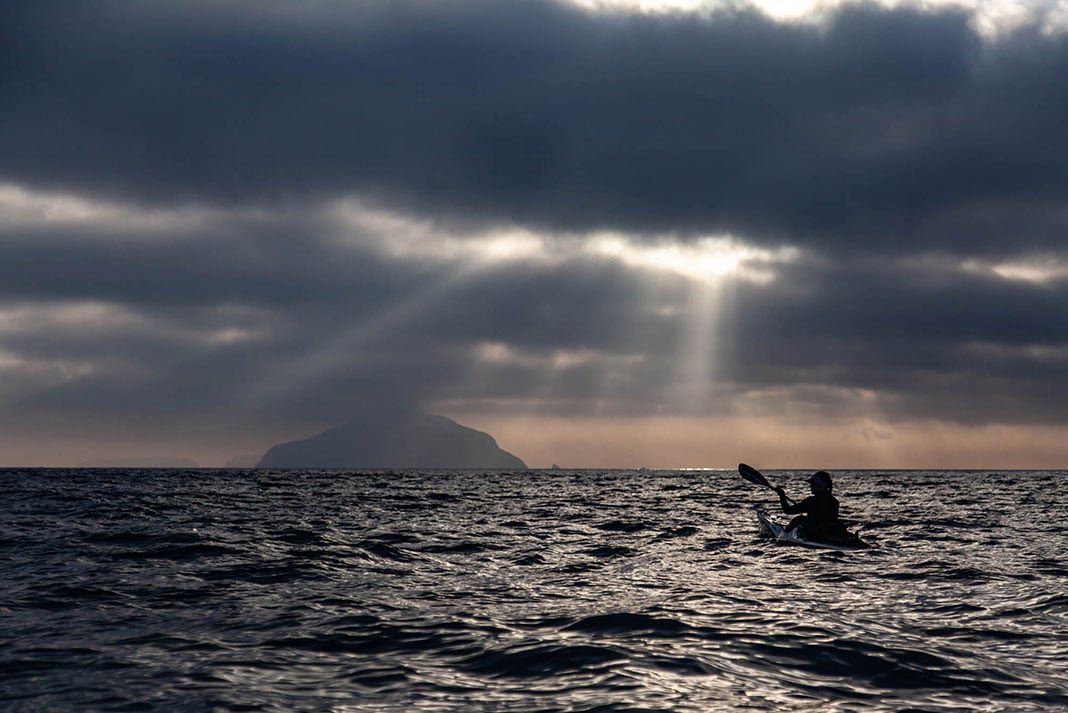
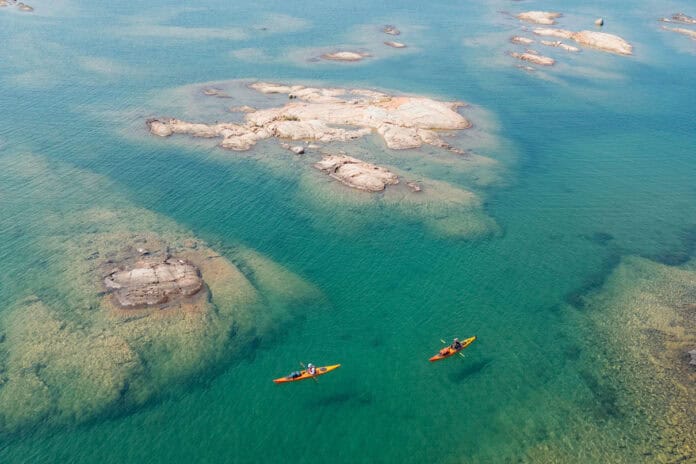
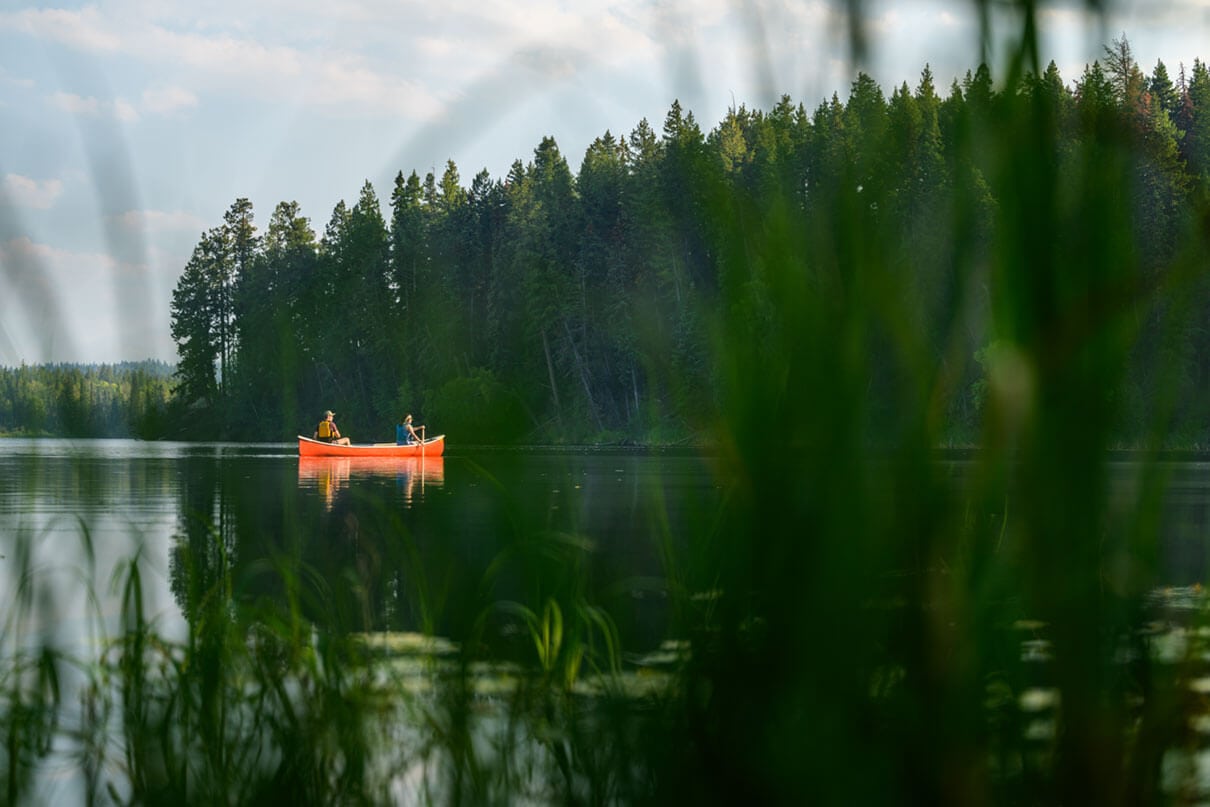
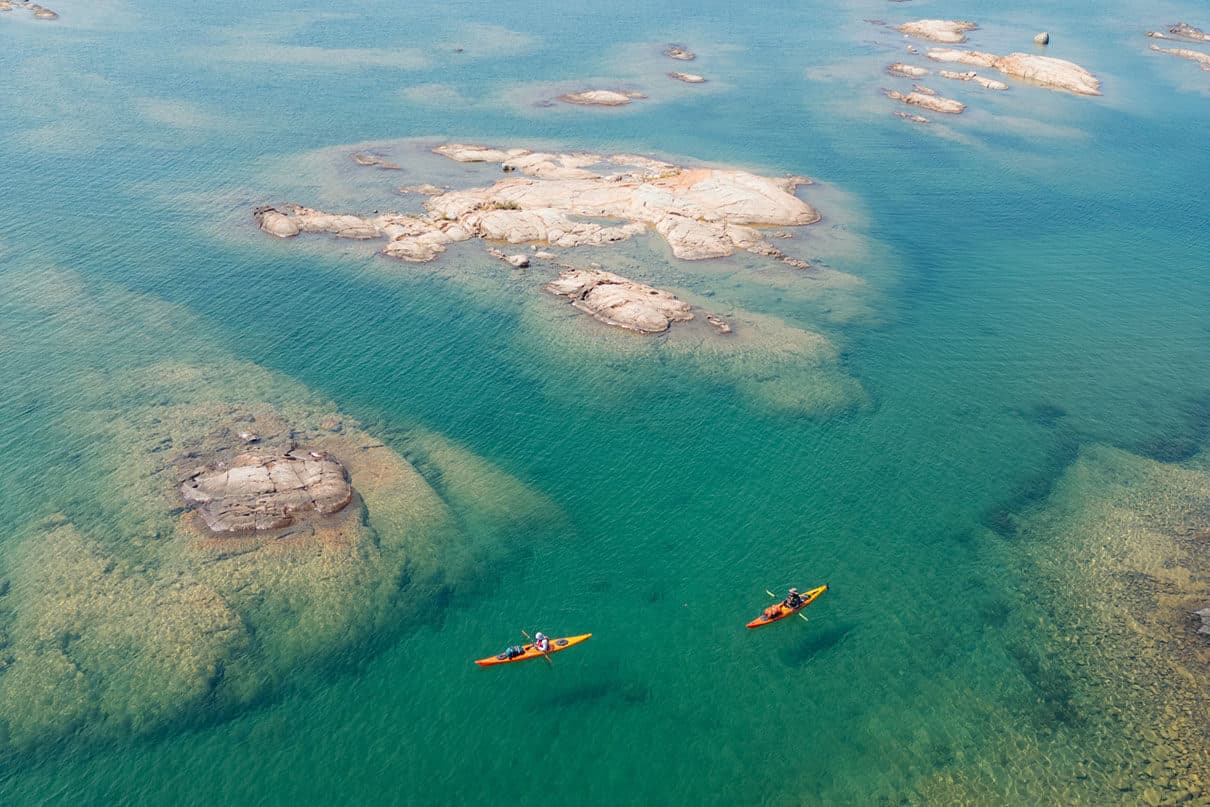
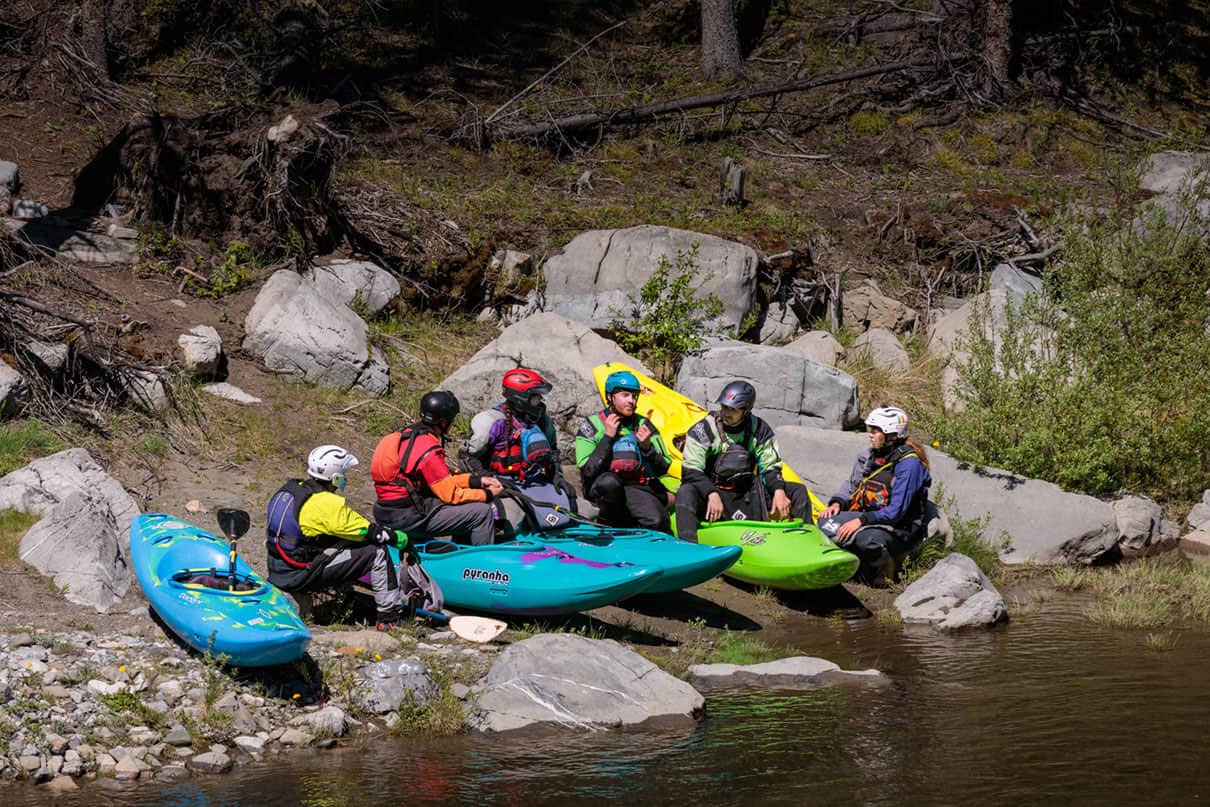
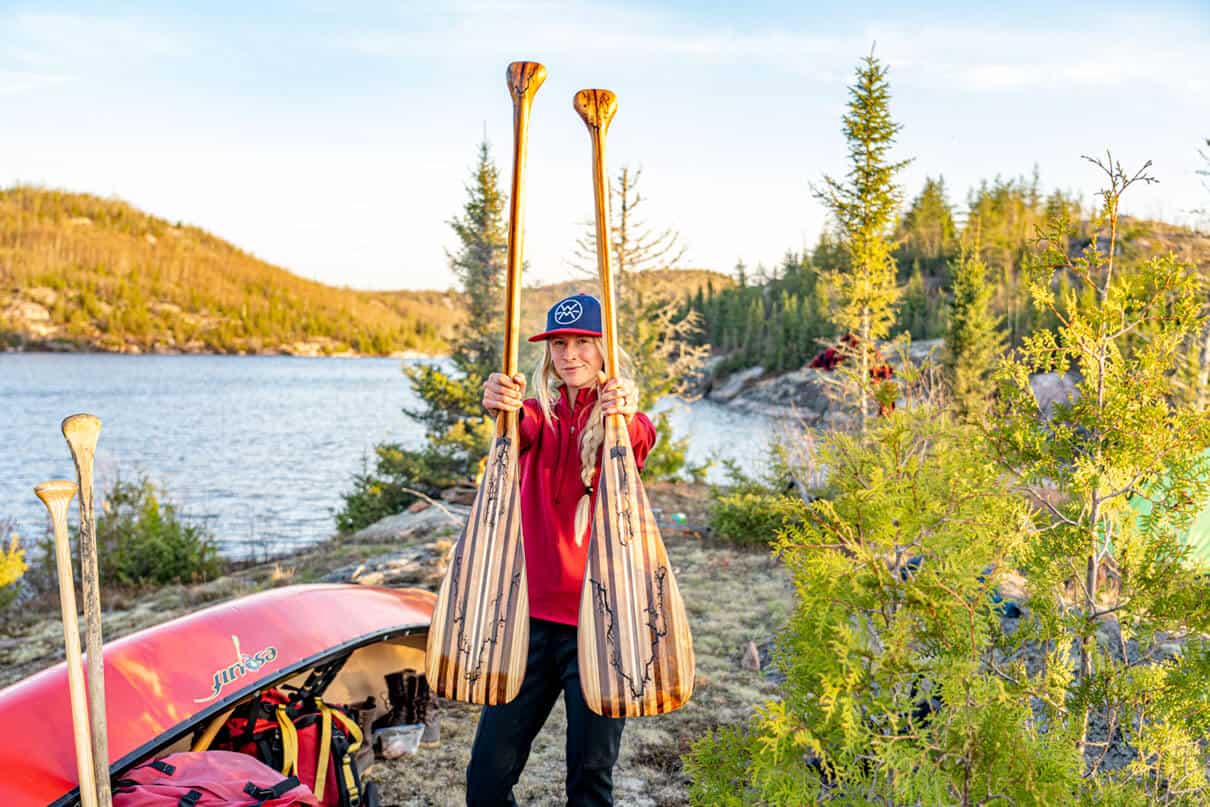
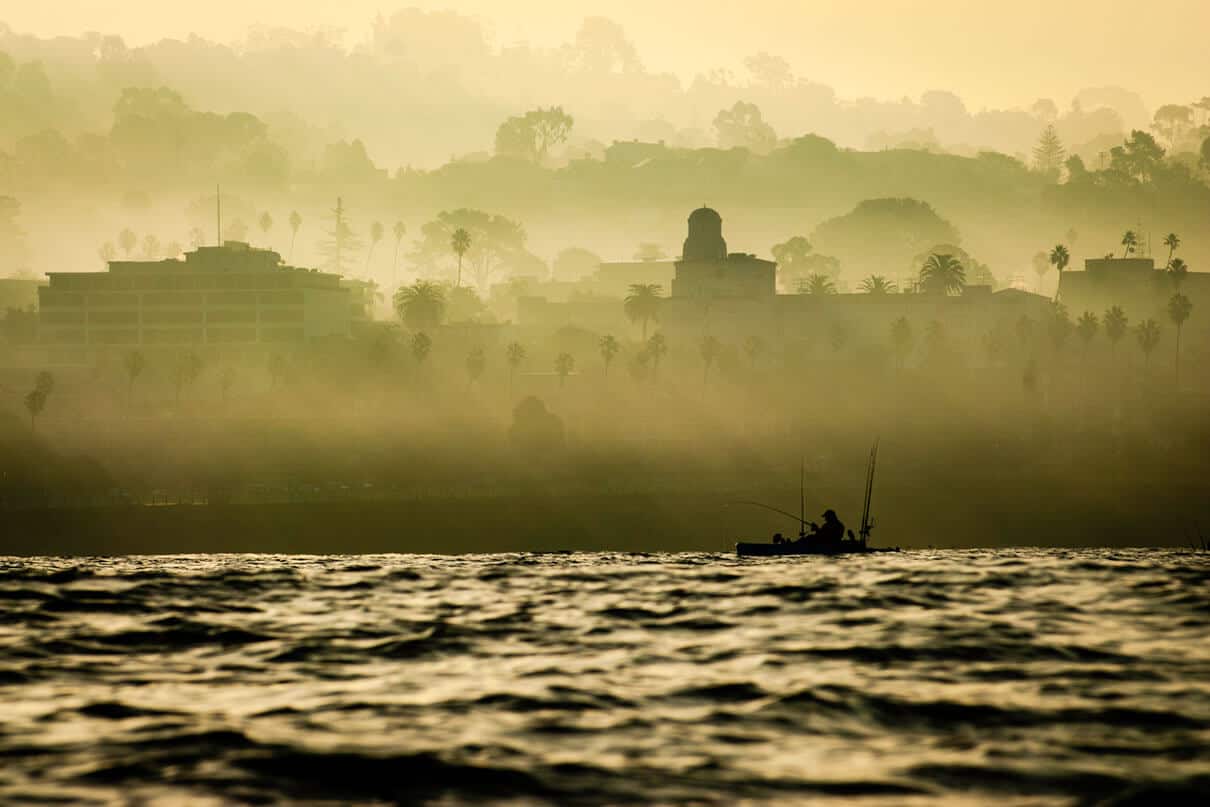
 This article was first published in the 2025 issue of