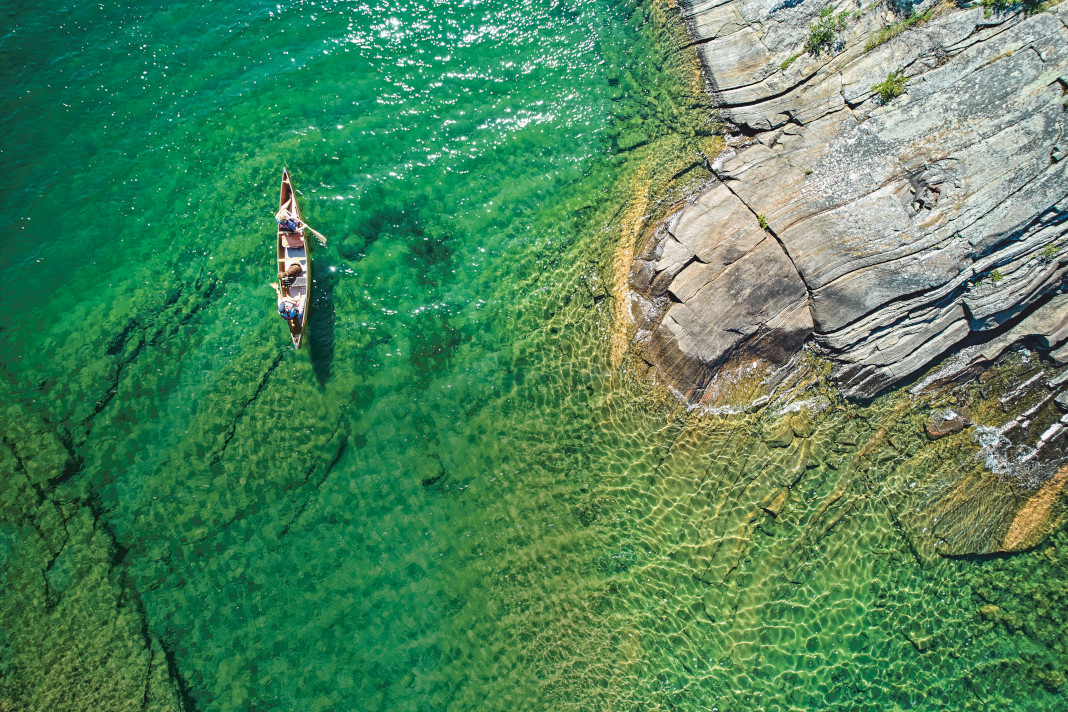
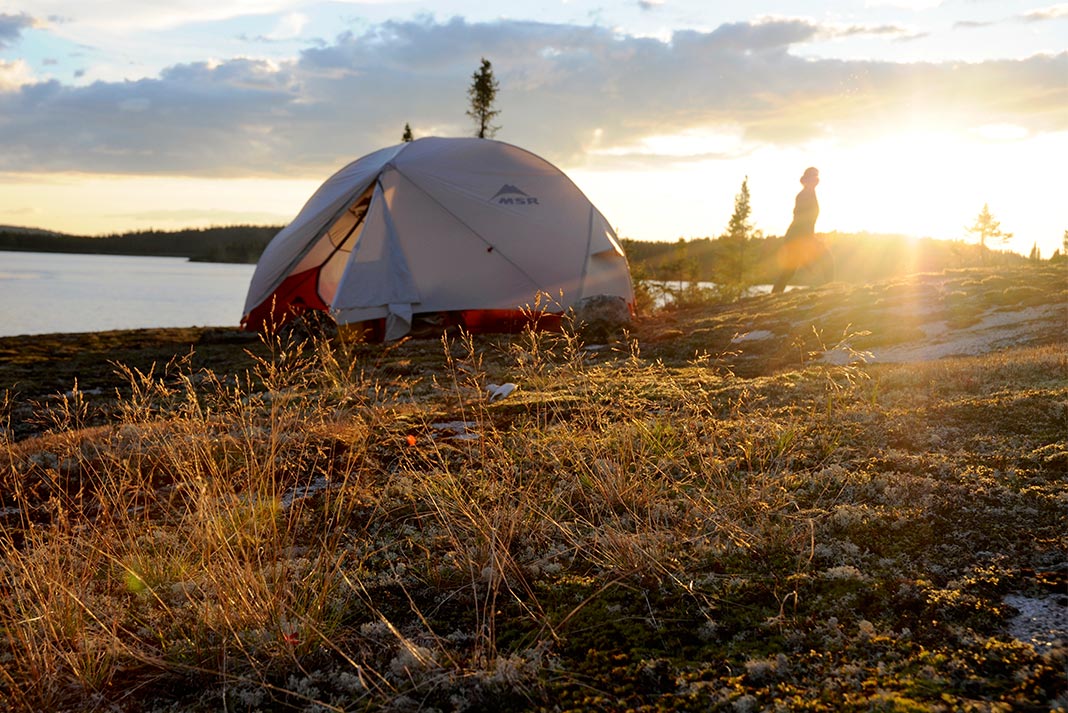
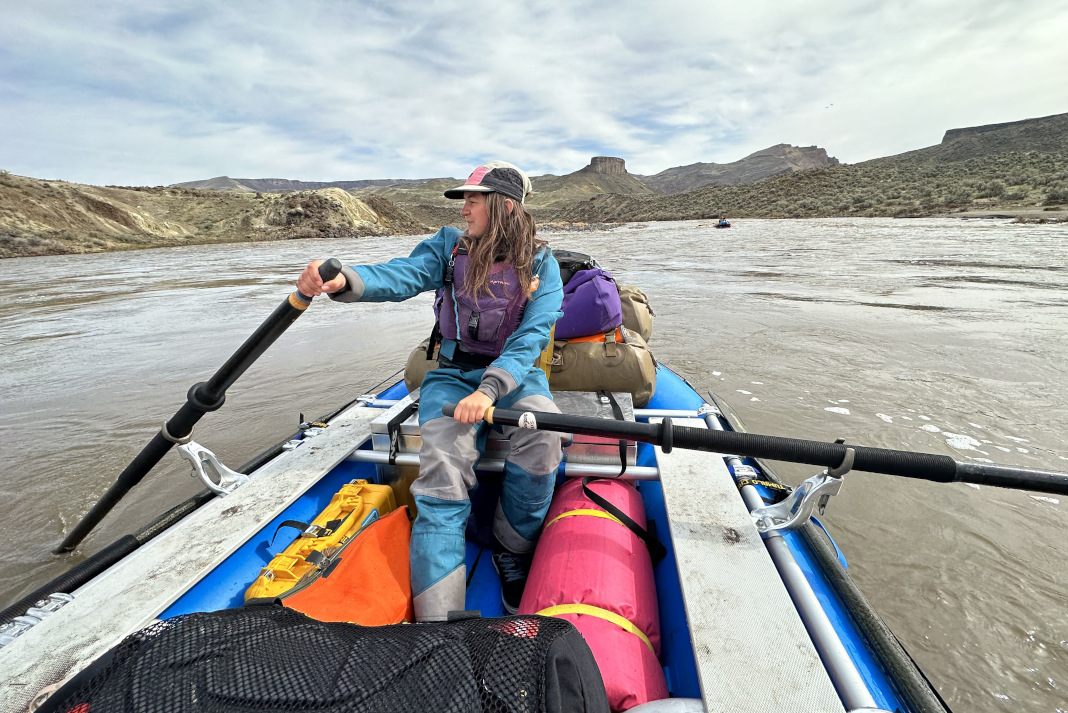
Add these items to your packing list before loading up for an Owyhee river trip. | Feature photo: K.M. Collins
Forgetting a critical piece of gear from your packing list runs the risk of ruining an entire river trip. On the other hand, learning about a new piece of gear you didn’t know existed can completely change your perspective on a weekend or weeks-long float.
We polled a whitewater jury far and wide to see what powerhouse female guides considered their most important piece of gear—the one item they would simply not leave the launch without.
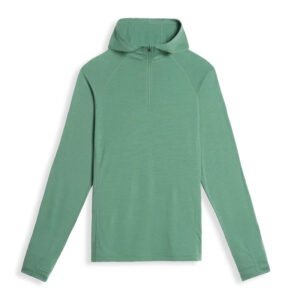
“I get sunburned and cold easily, so for fall whitewater rafting on the Rogue River, my favorite piece of multiday river gear is the Ibex Indie Hoodie. It’s lightweight enough to wear for sun protection but it’s warm enough to keep the chill off on the water and in camp. Plus, because it’s wool, it’s still warm when it’s wet and doesn’t smell even when I wear it multiple days in a row. It’s not cheap but I’ve had mine for about seven years and despite a few holes, it’s still going strong.”
—Ashley Drake, Co-owner and guide for Arrowhead River Adventures on the Rogue River, Oregon
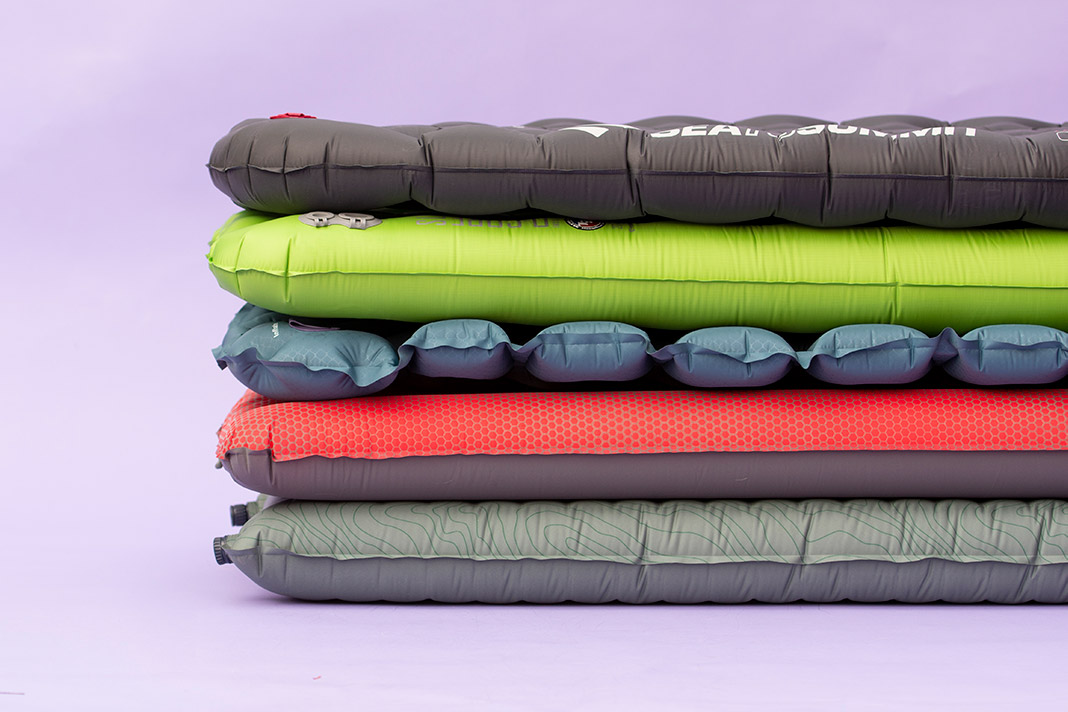
“My Paco Pad is my favorite piece of camping gear because I love sleeping. My sleep setup is actually the only thing I never ‘downsize’ on. I have a cute Mexican blanket I put down first, then sleeping bag, then pillow, and finally a puffy blanket to top it off. Sometimes I have little fairy lights depending on the trip. I also love my Paco because it floats and when it’s really hot outside I’ll attach it to my boat and lay on it in the water. It’s the definition of luxury.”
—Sarah Magley, professional raft guide for Momentum River Expeditions on the Rogue, Owyhee and Illinois rivers, Oregon
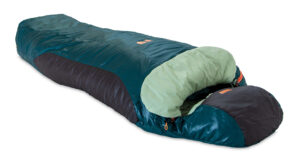
“My Nemo sleeping bag has a flap you can tuck into the neck if it’s cold, or basically flop it on your face to keep the moon or sunlight off your face. The Nemo is also nice because it’s spacious for side sleepers.”
—Katie Blanchard, 11 combined seasons guiding on the Middle Fork of the Salmon and the Section 4 of the Chattooga River with Northwest Rafting Company and Wildwater
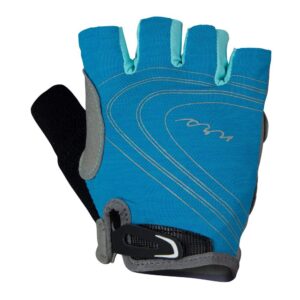
“I could not live without a pair of NRS Axiom gloves and I always have a back up. My hands look like working hands. They are calloused, dry and peeling though they are still sensitive to blisters. Even one hour of rowing without gloves will develop blisters and then the rest of my trip will be more difficult than it needs to be.
“I like the Axioms because they have padding on the palms, open fingers for dexterity to tighten PFDs and use zippers, plus, the velcro strap helps fit to your wrist perfectly.”
—Alaina Foster, seven seasons on West Water & Cataract Canyon on the Colorado River and Desolation & Grey on the Green River. Current Operations Manager with OARS.
[Editors note: NRS no long produces the Axiom gloves and currently offers the Boater’s gloves.]
“Gardening gloves are perfect for rigging. They are the number-one least obvious piece of gear that I can’t do without for multidays. Saves the fingers from cuts, strap burns and getting dried out. Cheap and grippy.”
—Rylin Dale, professional raft guide for Oregon River Experiences on the Rogue River, Oregon
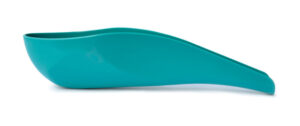
“My fave gear piece is the pStyle brand pee funnel. It makes peeing outside convenient and accessible for female bodies and, though I was skeptical at first, it’s been a real game-changer. So cheap and so worth it. It’s also made of recycled ocean plastic.”
—Rachael Healow, professional raft guide for Oregon River Experiences on the Clackamas River
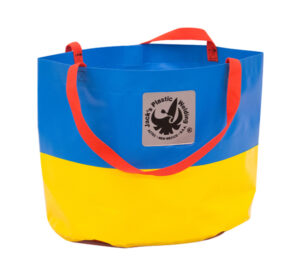
“The JP bucket is the perfect place to store my Dewalt blower/inflator plus extra batteries en route to the put-in, stray canned drinks rolling around the cooler, boat or car, a post-trip dry pair of clothes, the TL binder, snacks and virtually everything else. It’s essentially a large purse with an open mouth. More malleable and lighter than a bucket, the welding and plastic is waterproof, although the top doesn’t actually close. I own two and use them constantly. On the Owyhee River this spring, it was the perfect sack for my head lamp, towel and warm clothes on a trip to the hot springs. The JP bucket is my hottest item of the season.”
—The author, freelance raft guide on the Rogue, Owyhee in Oregon and Salmon River, Idaho
[ Browse the widest selection of boats and gear in the Paddling Buyer’s Guide ]
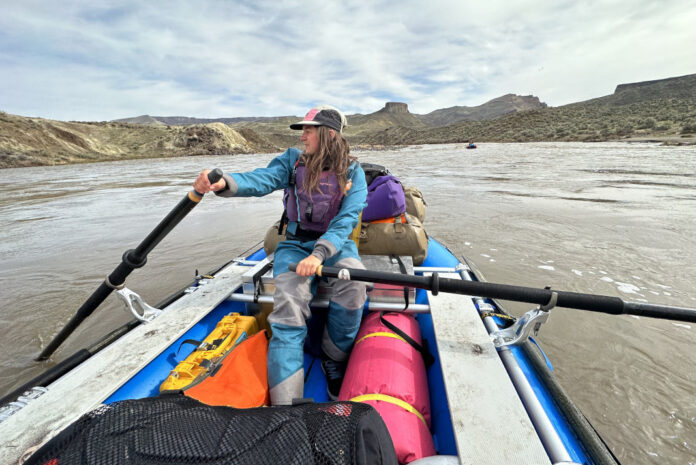
Add these items to your packing list before loading up for an Owyhee river trip. | Feature photo: K.M. Collins
Add these items to your packing list before loading up for an Owyhee river trip. | Feature photo: K.M. Collins
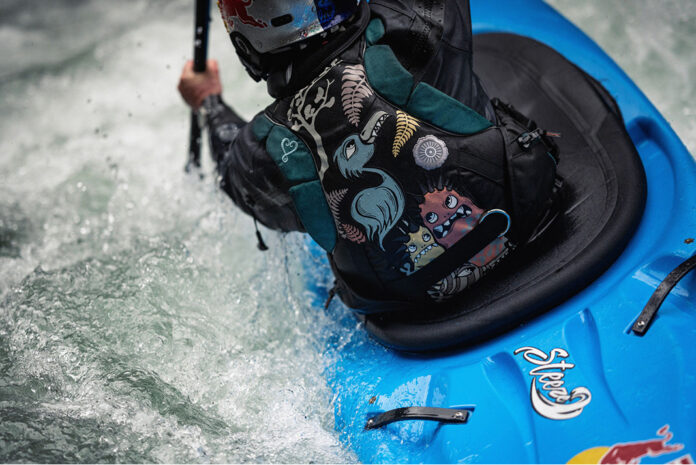
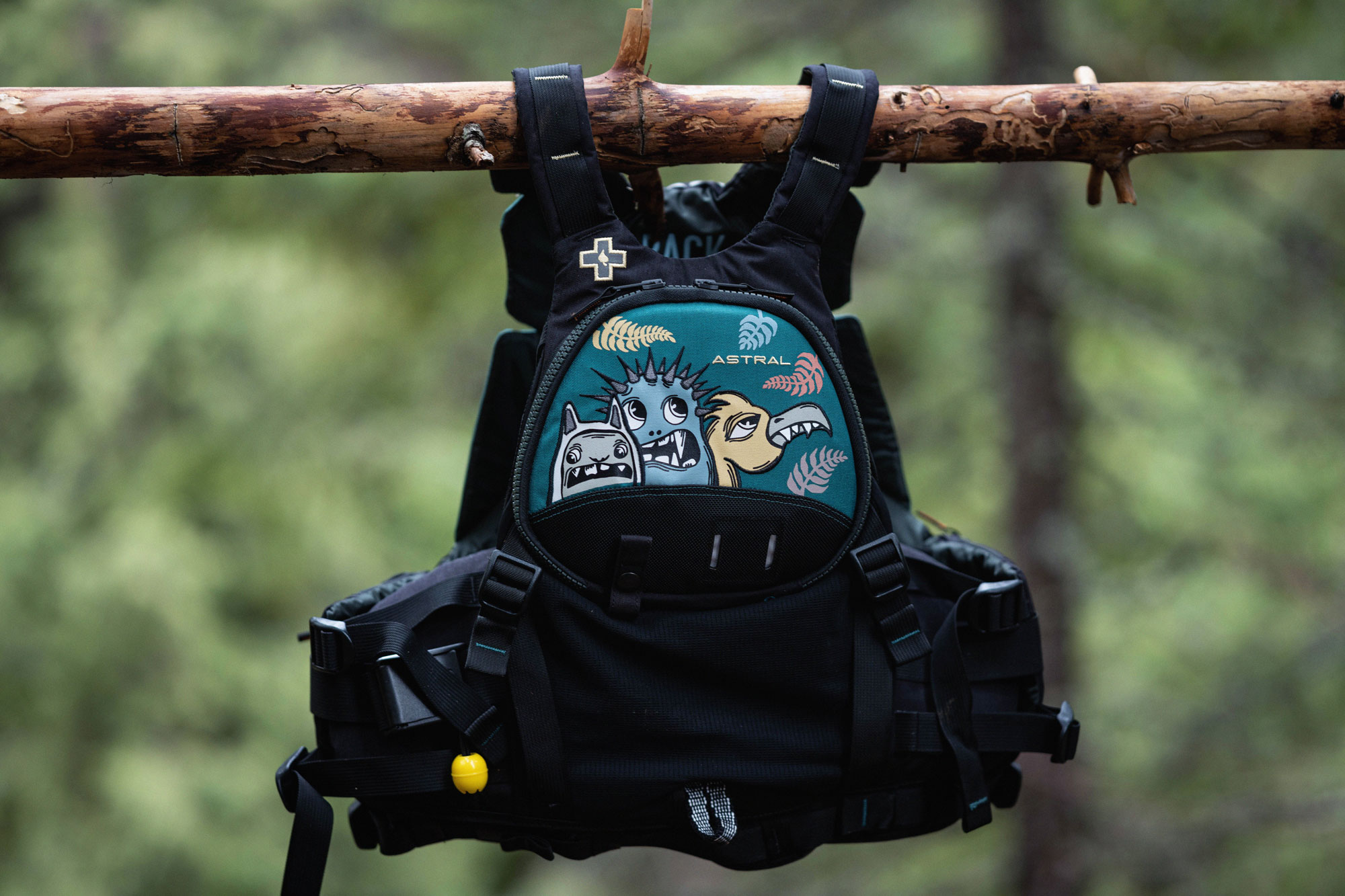
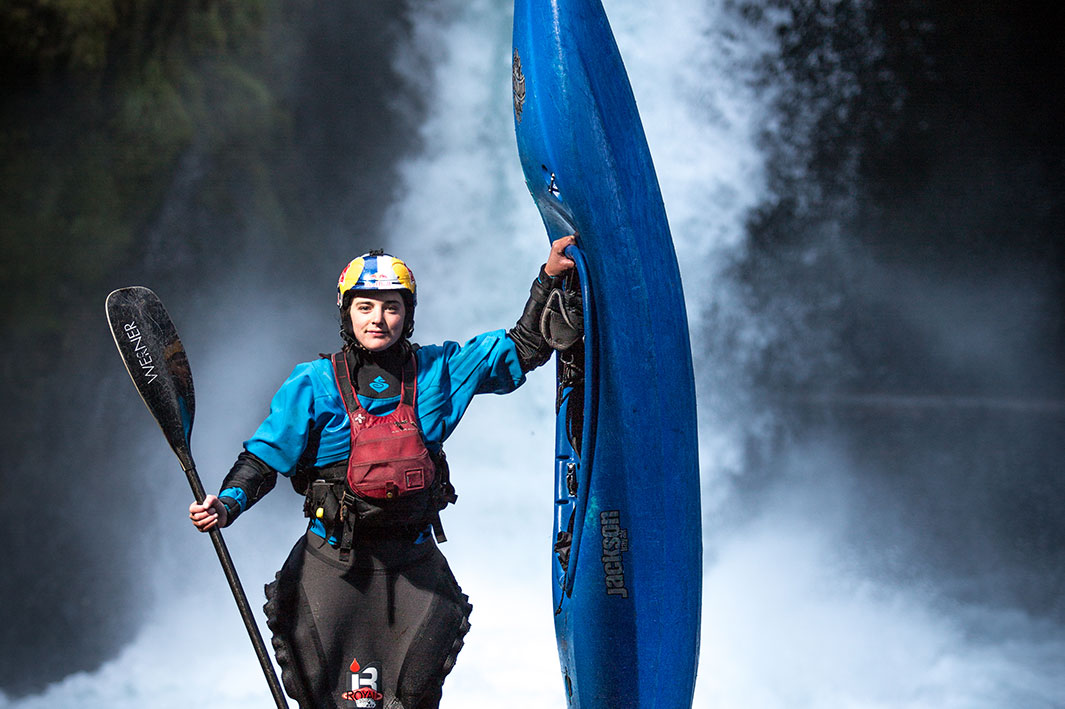
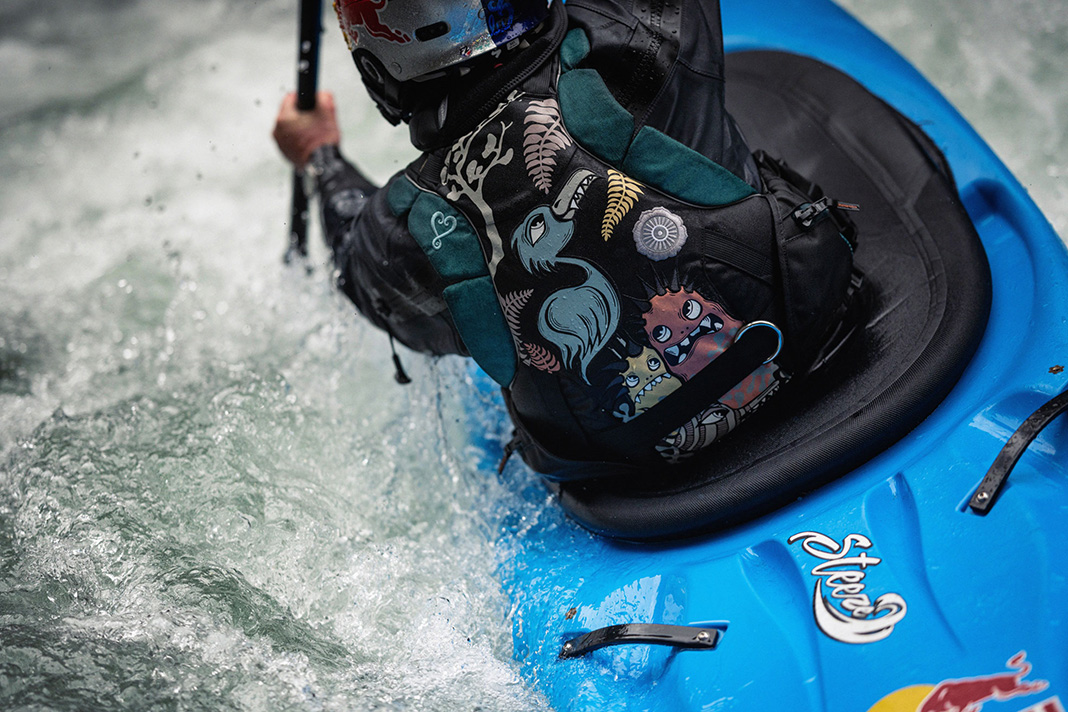
June 28, 2023– Asheville, NC – Astral is proud to introduce a limited edition GreenJacket Rescue PFD in collaboration with world-renowned athlete and Astral Archetype Nouria Newman. Dubbed the “Wild Things” GreenJacket LE, the design features abstract illustrations by California-based surfer, painter, muralist, and illustrator Bret Brown. This is Astral’s 14th limited edition life jacket since 2009, representing a unique effort to push the limits of innovation at the intersection of performance, design, and creativity alongside athletes, artists, and non-profits. This legendary vest was selected as one of the best life jackets for whitewater paddlers by Paddling Magazine’s editors.
Image: Regina Nicolardi/Astral
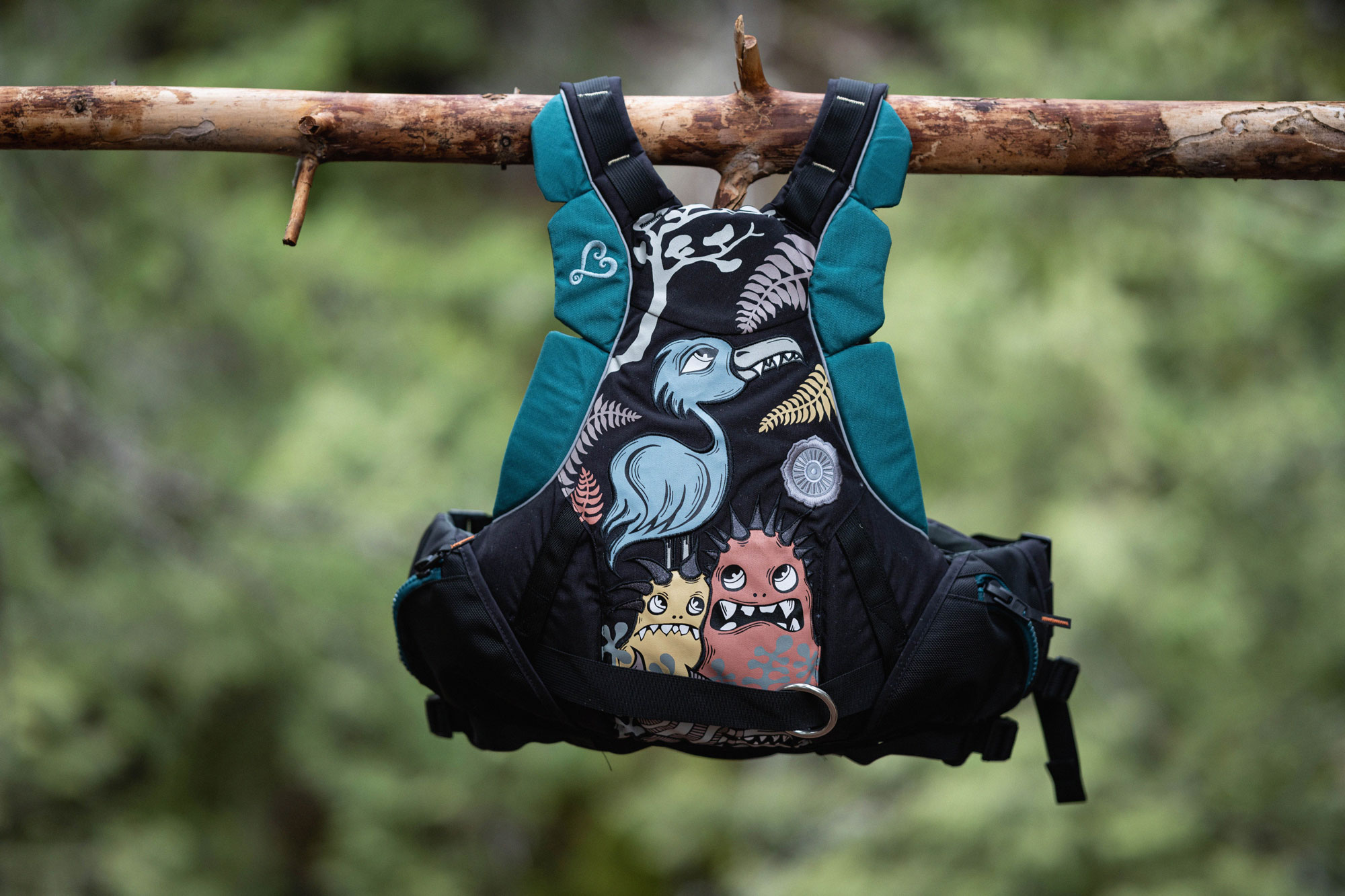
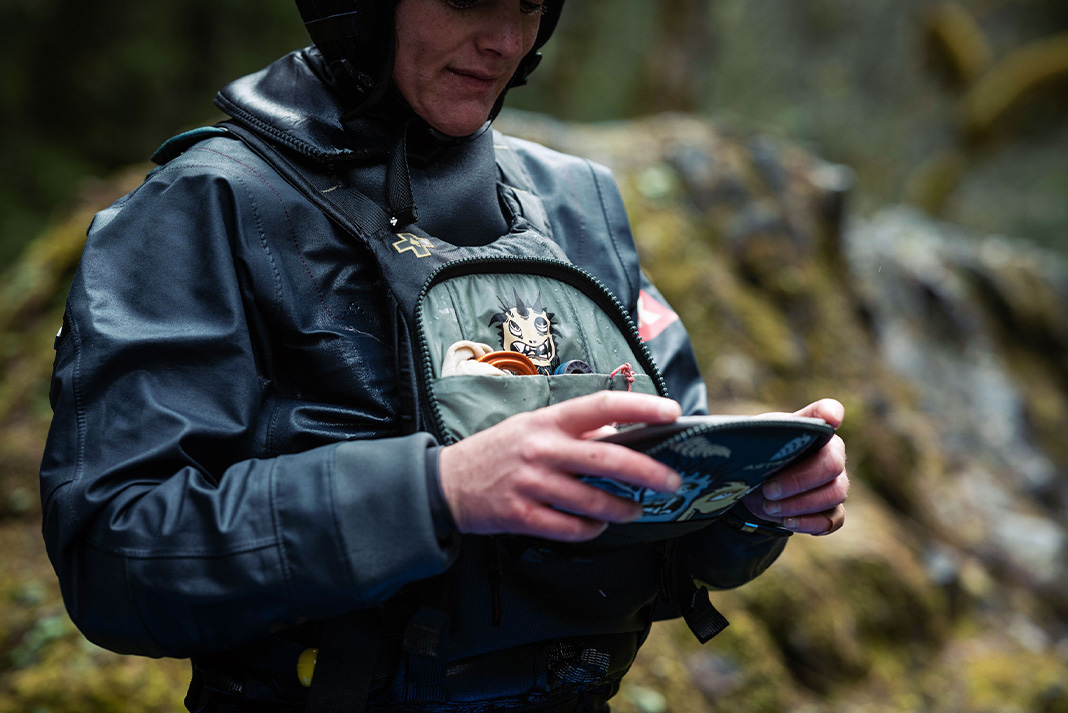
The Wild Things GreenJacket LE is inspired by Newman’s desire to pursue flow state experiences in nature and return home safely to her loved ones. On the front, back, and inside of the PFD, Brown’s artwork tells a playful and curious story of our innate call to the wild, using the colorful monsters and elements of nature he is known for. “I guess we all have our own monsters. Our own crazy dreams, fears, and doubts but [it is] also what motivates us. We tried to make friendly-looking monsters because going to places that scare you isn’t necessarily a bad thing,” shares Newman.
“This LE collab is a symbolic expression of returning. A returning to our human experience… [and] that inside each of us is a scary, wild, unpredictable calling that deserves being listened to,” shares Brown. “I’m all about supporting that call to the wild, the unknown, to the scary depths, and to be a part of a project with Astral and Nouria that spoke to that calling was perfect.”
Image: Regina Nicolardi/Astral
“This LE is inspired by Maurice Sendak’s children’s book ‘Where the Wild Things Are’. It’s about dreaming, overcoming fear, and going on all sorts of adventures, as well as coming back home to a warm meal and to your loved ones. For me that embodies a lot of what I love most in kayaking,” states Newman.
“Astral is honored to collaborate with Nouria and Bret to design a limited edition rescue PFD that champions having a present mind during wild experiences in Nature,” shares Philip Curry, founder and CEO of Astral.
[ Stay afloat and find your next PFD in the Paddling Buyer’s Guide ]
The Wild Things GreenJacket LE shares the same platform, architecture, and features as the industry-leading GreenJacket Rescue PFD. It is available online at astraldesigns.com and at select retailers.
Image: Regina Nicolardi/Astral
With all of Astral’s LE programs, a portion of proceeds will be donated to organizations and projects that protect soil and water or provide youth access to Nature. Astral will donate 5% of online sales from the Wild Things GreenJacket LE to Tri-Haut pour l’Everest, a sustainability project working to reduce the amount of plastics and waste that enter the soil and water of the Himalayas, that was selected by Newman as the recipient. “I’m stoked to support this student project because they need it,” says Newman. “They’re not just making noise and raising awareness, they are actually out there making a difference.”
Feature Image: Regina Nicolardi/courtesy of Astral
About Astral
Established in 2002, Astral designs high performance wilderness equipment created in the least toxic, lowest impact ways. Built on decades of experience and experimentation, Astral has assembled athletes, artists, and craftspeople to build the cleanest, most beautiful, and highest performing gear. Astral has significantly reduced toxic PVC foam from the PFD industry, invented breathable life jackets, won awards for their paradigm changing footwear designs, and developed the stickiest rubber ever worn on wet rock.
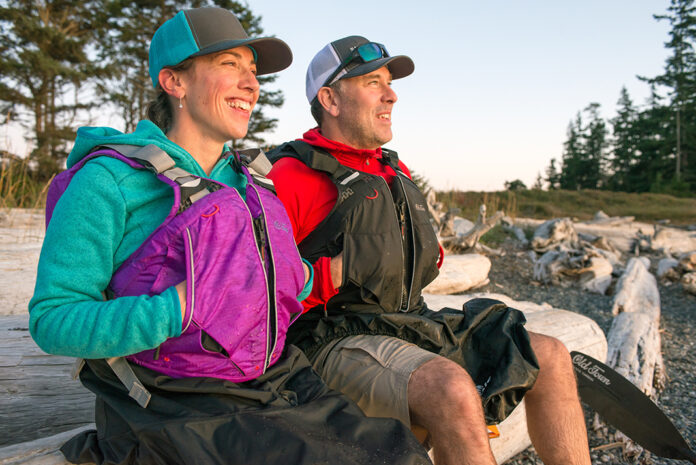
Feature photo: Courtesy Old Town Canoes and Kayaks
Rhode Island has joined a short list of U.S. states requiring a life jacket be worn by all paddlers at all times.
On March 23, 2023, the state announced a new law that took effect in April, stating, “All operators & passengers of canoes, kayaks, sailboards, kiteboards, paddleboards, and any other paddlecraft shall wear a U.S. Coast Guard approved PFD at all times while underway regardless of age.” Paddlers not wearing a PFD may be subject to a $100 fine.
New Rhode Island Law Requires Paddlers To Always Wear PFDs
The state’s new law was motivated by the three fatal kayak incidents in 2022, as well as the state’s recognition that nearly half of its boating-related drownings occurring between 2018 and 2021 were paddlecraft users not wearing life jackets.
Rhode Island is only the second state currently requiring persons, in an all-encompassing range of paddlecraft, to be wearing a life jacket at all times, regardless of age. New Mexico was the first. A few additional states, including Pennsylvania, Connecticut and Massachusetts, have seasonal laws for all paddlers to be wearing a PFD during the colder months. It should be noted, in every U.S. state, children are required to wear a PFD while paddling, and in the vast majority of states that age consideration is 13 and under.
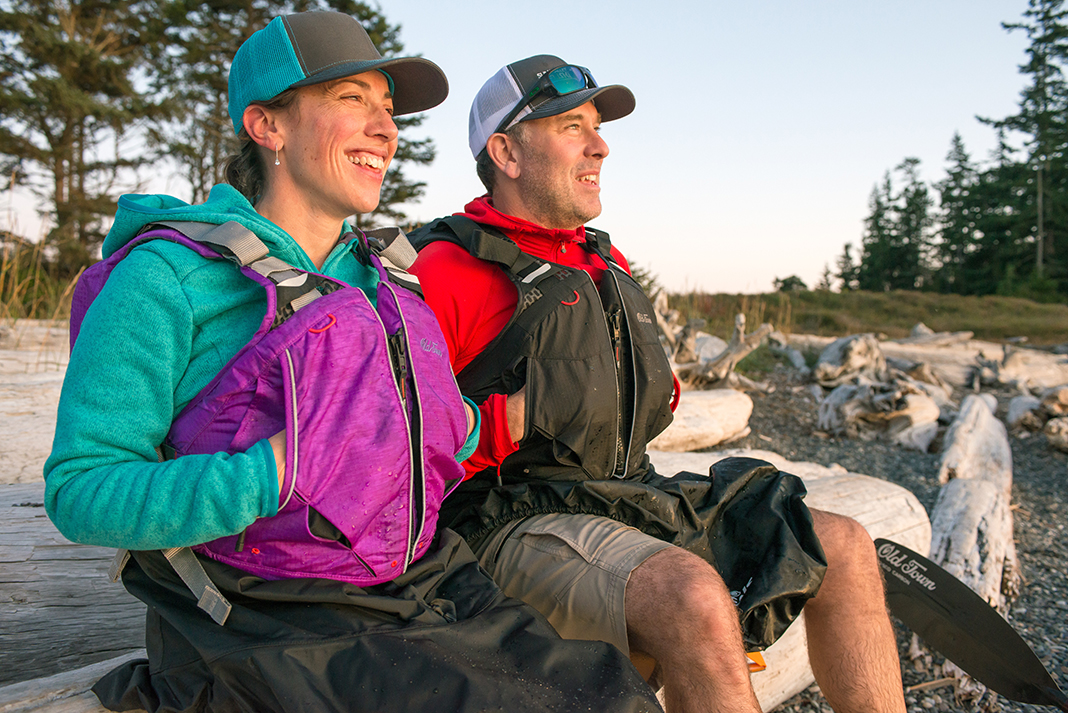
Save $100—and potentially your life—by always wearing a PFD while paddling. | Feature photo: Courtesy Old Town Canoes and Kayaks
The Providence Journal shared the opinion of a handful of paddlers as the new law went into effect. Some felt it is an overreach by their state government, while others, including members of area paddling associations, feel it is a net positive for safety.
Most states already require a life jacket to be on board paddlecrafts, but having every paddler wear their life jacket has not broadly been enacted at the legislative level.
In the Providence Journal article, Captain Michael Schipritt, the boating safety coordinator for Rhode Island’s Department of Environmental Management’s Division of Law Enforcement, puts the difference between having and wearing as such: “There is no time to put a life jacket on before a paddling accident. It’s like trying to buckle your seat belt before a car crash.”
New law dovetails with Coast Guard campaign
Getting paddlers to put on their life jackets has long been an educational mission of the U.S. Coast Guard.
The USCG 2022 summary of statistics on recreational boating incidents states, “Where the cause of death was known, 75 percent of fatal boating incident victims drowned. Of those drowning victims with reported life jacket usage, 85 percent were not wearing a life jacket.”
[ Paddling Buyer’s Guide: View all PFDs ]
Three out of every four drownings that occurred in the Coast Guard’s 2022 report were in vessels 21 feet or under, a category nearly all paddlecraft fall into. The Coast Guard also shares that in 2022, 21 percent of drownings involved a canoe or kayak.
The message the Coast Guard has resoundingly echoed over the horn is to put on a life jacket. In Rhode Island, this safety message has evolved the way of the seat belt and will now be enforced for paddlers to “click it or ticket” in their effort to make waterways safer for recreation.
Save $100—and potentially your life—by always wearing a PFD while paddling. | Feature photo: Courtesy Old Town Canoes and Kayaks
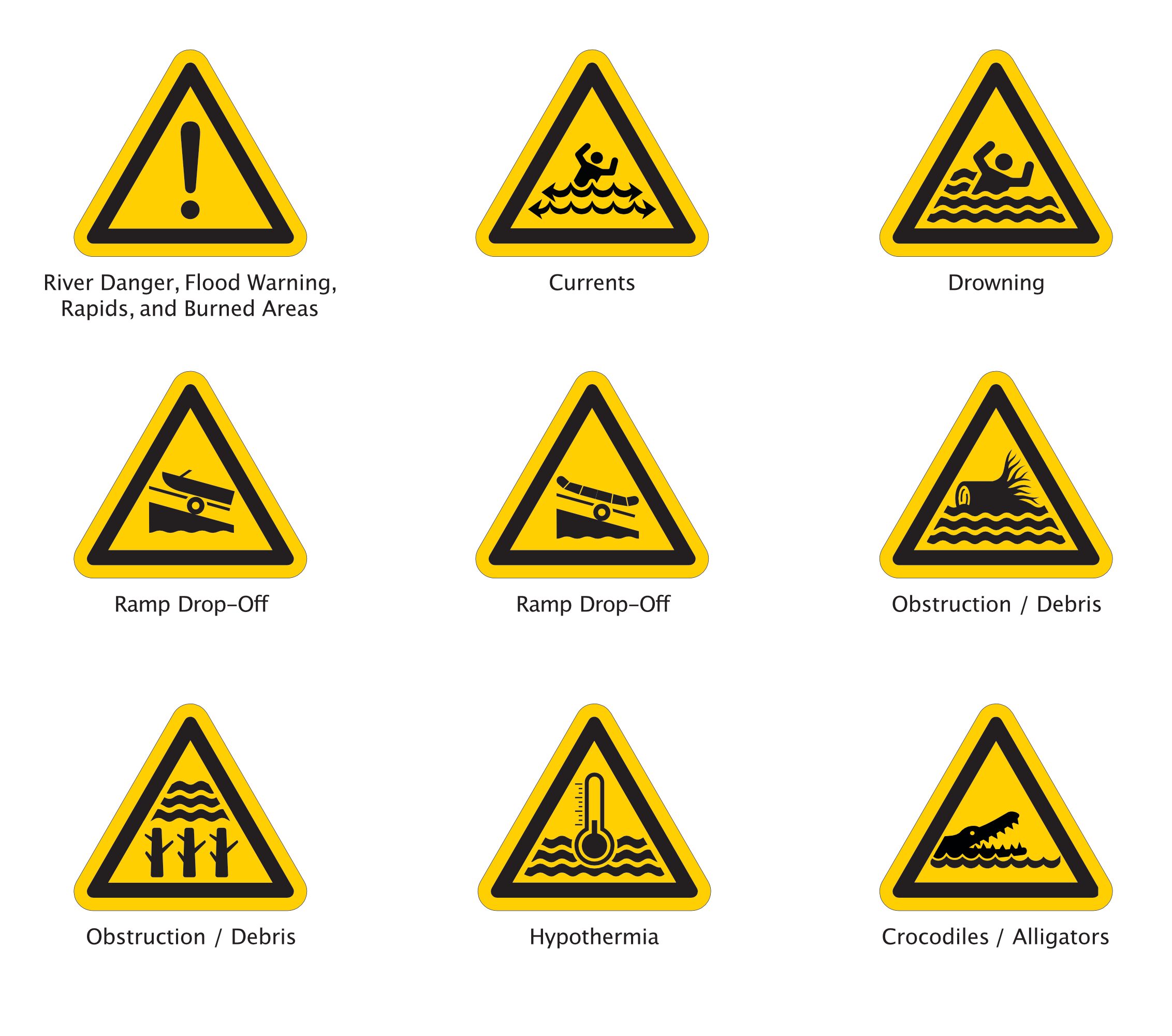
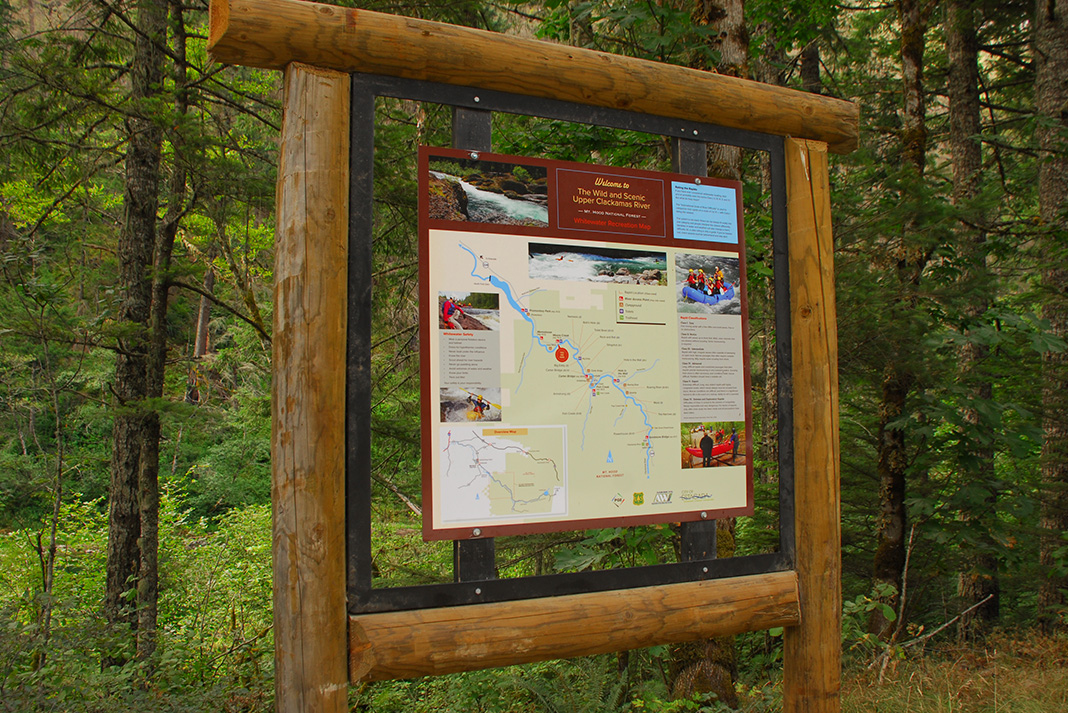
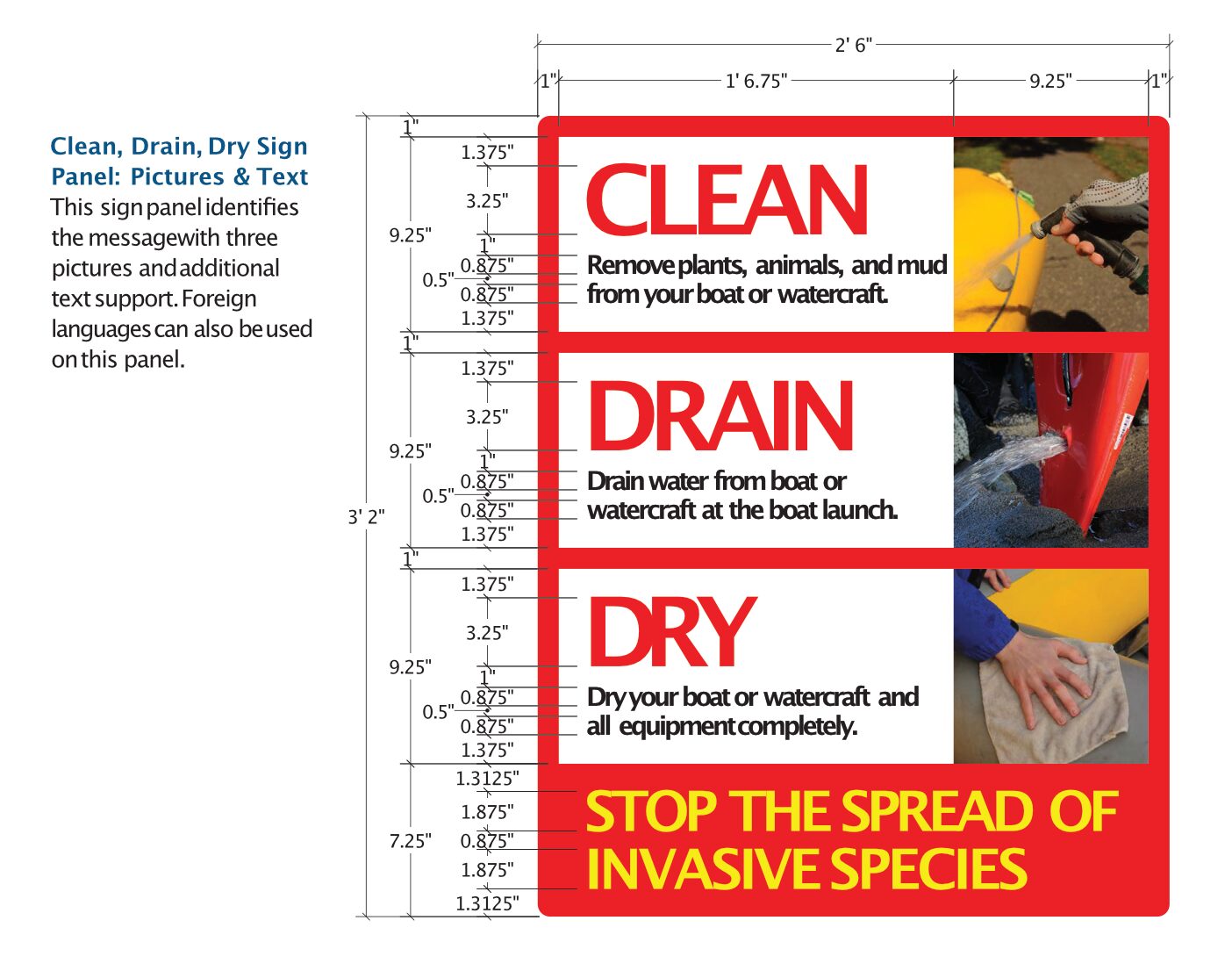
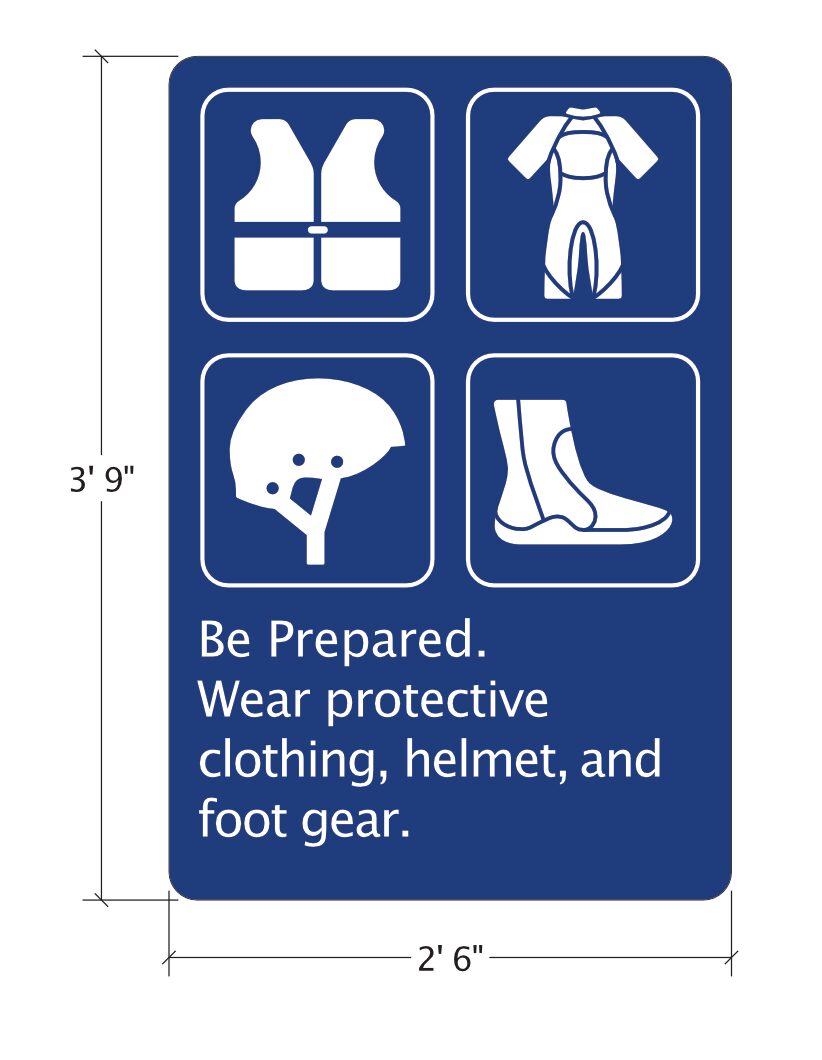
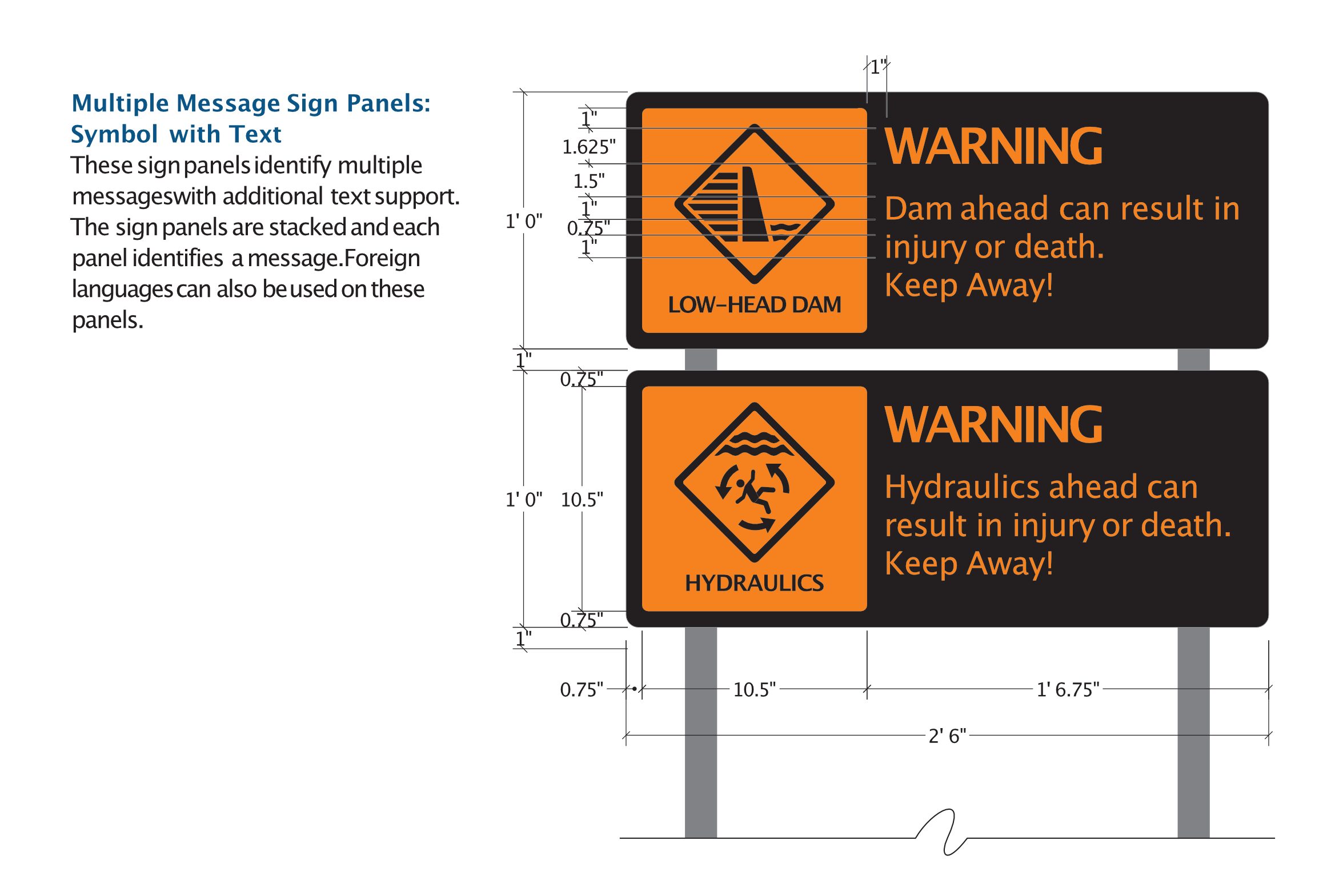
American Whitewater is all about open-source, river information sharing. This is the motivation and rationale behind American Whitewater’s recently released Open-source Signage Toolbox. The first of its kind in the river community, the Toolbox houses a database of templates for safety messaging regarding life jackets, caution messaging, river kiosk information, map content and river rapid classification info.
Photo: Courtesy of American Whitewater
American Whitewater has taken on the challenge of streamlining universal whitewater and river signage. Think of the Toolbox as conveniently usable excerpts and content from a universal river sign guidebook. In the same way ski resorts have cultivated unified symbols, signage and color coding standards for downhill difficulty ratings (i.e. black diamond, green and blue, etc.), American Whitewater has curated universal signage for relaying important river safety information in the form of the Open-source Signage Toolbox.
Photo: Courtesy of American Whitewater
And who better to oversee the production of the first universal whitewater signage Toolbox than American Whitewater? American Whitewater has been recognized as the expert in whitewater and river safety for over 60 years and has been looked at to provide input and guidance on safety messaging for signage at river access points across the country. In contributing to countless signage projects throughout scores of years, American Whitewater noticed a need for more consistent messaging and improved accessibility to a range of river managers and users.
Comprehensive by design, the 83-page Toolbox indicates best practices for symbol and text combinations, color, graphic and spacing standards on panel imagery, acceptable pictograms and preferred dimensions of physical signs and posts, as well as proximal placement to access location. The Toolbox brings together the diverse input of over 200 river industry community members to the editing process.
“The annual death toll on America’s whitewater rivers is filled with the names of people who were looking for a fun day on the water and blundered into a dangerous situation. American Whitewater’s Safety Signage Project is designed to alert people to downstream dangers and suggest simple safety practices. The Open-source Signage Toolbox will make it easier for river managers, landowners, and others to get the word out.” – American Whitewater safety chairman, Charlie Walbridge
American Whitewater communications director, Evan Stafford said, “The years of river safety experience that went into American Whitewater’s Safety Signage Project is hard to even put a number to, but suffice it to say it should be counted in centuries. Everyone from public lands agency river managers who’ve been working to educate river users for decades, to swiftwater rescue instructors who’ve been teaching courses for generations gave their input. The end result is a comprehensive, open-source toolkit, that will push river signage to be the most informative it can be, while maintaining consistent messaging that can be recognized across jurisdictions and from watershed to watershed.”
Photo: Courtesy of American Whitewater
American Whitewater’s ultimate goal in the Open-source Signage Toolbox initiative is to reduce boating fatalities and accidents under the premise that more effective information at river access points will result in a greater percentage of individuals engaged in safe boating practices.
“As a professional rescuer and firefighter I know the nexus between information and prevention. With information people can make an informed decision about where and how they want to recreate on the river. That critical information will lead to safer experiences for people and help to prevent accidents in the river environment,” noted Sean Norman, team leader of the Water Rescue Team for Cal Fire in Butte County.
Photo: Courtesy of American Whitewater
By building an Open-source Signage Toolbox that supplies designers and river managers with coherent signage elements and other visual assets with consistent messaging, iconography and graphic elements, American Whitewater helps improve river safety and standardize resources and materials used at river recreation sites. Supported by research and industry expertise, the Open-source Signage Toolbox has been developed to create a comprehensive signature and graphic program that will improve communication, safety and awareness. Specifically, this toolbox was developed to prevent, protect and improve the following:
Prevent deaths, emergencies, land-owner conflicts, harm to river and wildlife, and the environment, unlawful and unsafe behavior at the access sites and mistreatment of the river/sites. Protect lives, natural resources, rivers and the environment. And finally, improve communication, connectivity, safety, recreation experience, education, site infrastructure, river health and stewardship, dams, portage routes and hydraulics, equipment details, general river use and guidelines.
American Whitewater will evaluate the effectiveness of the project through outreach to state and federal agencies, dam operators, and other river managers who are responsible for providing recreational boaters with safety information. American Whitewater will work collaboratively with river managers and state boating law administrators to identify opportunities to install improved signage and evaluate effectiveness through actions of the public.
Photos: Courtesy of American Whitewater
The Toolbox was developed over the course of one year in partnership with Tangram Design under a grant from Sport Fish Restoration and Boating Trust Fund, administered by the U.S. Coast Guard. The original concepts for the project emerged from an effort by Snohomish County, WA to develop safety messages for communities along the Skykomish River.
Keep an eye out for an AW journal article and more press on the Open-Source Signage Toolbox. For more information, reach out to the American Whitewater Pacific Northwest Stewardship director, Thomas O’Keefe, 425-417-9012, okeefe@americanwhitewater.org.
Covid and a squeaky-tight job market have flipped the balance of power in hiring, with retail and light manufacturing wages in North America increasing about 10 percent since 2020. Many outdoor guides could get a big bump this season if a federal court backs a Biden executive order setting the minimum wage for concessionaires on U.S. federal lands at $15, plus overtime.
Companies throughout the paddlesports industry are offering more benefits, perks and flexibility—in addition to more money and some intangible smoke.
“Can’t wait to get back to the bus and crush that can of chili.” | Feature photo: Rob Faubert
“Know and support their goals, enable them as best you can, treat them as people and peers,” advised industry veteran Roger Poor.
Reece Fabbro Jr., owner of The Backpackers Shop in Sheffield, Ohio, checked in with a dose of reality. Retail margins aren’t high enough to pay floor help $20 or $25 an hour, and they can’t live on less. Ouch.
Maybe that’s why paddlesports job postings now sound a lot like they did in the old days, just with better leftovers in the cooler.
Take this nugget from a kayak tour operator seeking guides: “As soon as you and your group are safely on the beach, you dig into the coolers and produce a spread fit for a king; three types of locally cured meats, multiple kinds of cheese, smoked salmon, house pickled green beans, fresh strawberries, macadamia nuts, sliced baguettes and crackers spill over the edges of the walnut slab.”
No word on who is going to pickle those green beans (you are), but guiding on Yellowstone Lake never sounded better. “You slip into the calm cold water as the cry from a loon sends shivers up your spine… you settle into your boat and shake your head in wonder, thinking to yourself, ‘I am getting paid right now!’”
But wait, there’s more! Here for your enjoyment are our top five paddlesports recruiting lines, the 2022 edition.
Best Paddlesport Industry Recruiting Lines
“All recreational toys like mountain bikes, kayaks, SUPs and even horseback riding are available for free when not in use by our guests.”
“The dates of employment run 5/10 to 9/15 and busy, full-season guides can gross $8k–$10k+ across the course of the season—that’s before taxes and after tips!”
“Employee must be available to work all 18–20 nights of each schedule. Then you’ll have 10 to 12 days off—like having your weekends put together!”
“Free glampsite housing provided!”
“Better than working for your Uncle Dale driving nails back in Ohio.”
This article was first published in the 2023 issue of Paddling Business. Inside you’ll find the year’s hottest gear for canoeing, kayaking, whitewater and paddleboarding. Plus: Industry leaders on the post-pandemic landscape, 50 years of paddlesports, the rise and fall of ACK and more. READ IT NOW »
“Can’t wait to get back to the bus and crush that can of chili.” | Feature photo: Rob Faubert
A kayaker in Australia had the experience of a lifetime when a humpback whale swam beside his surf ski. According to 7News Australia, the humpback whale followed paddler Glenn “Nish” Annear from Coogee Beach to Bondi—a distance of over two miles. In an interview with Annear, the paddler said the whale was so close to his surf ski he could nearly touch it with his paddle.
Drone pilot Jason Iggleden captured the footage of the humpback whale and kayaker sharing the ocean. Iggleden’s footage is credited to Drone Shark App, an Australian drone company monitoring beaches for shark and marine life activity.
This is an active time of year for humpbacks off the coast of Australia. According to the Guardian Australia YouTube post, “Up to 50,000 whales are expected to pass Australia’s east coast during the annual migration from Antarctica to the Great Barrier Reef.” Fortunately, North American kayakers don’t have to take a trip to Australia to spot a humpback whale. Humpbacks travel throughout the U.S. and Canada’s east and west coast during the summer months.
There are the pragmatists, always planning the next reconstitution of one of their many indistinguishable, vacuum-packed, dehydrated pouches. They are happy to tell you how heavy a meal is, but can get as brittle as a banana chip if you ask them how it tastes.
Then, there are the hedonists. They are easy to track by following the trail of steak juice leaking from packs bulging with heavy cans and jars.
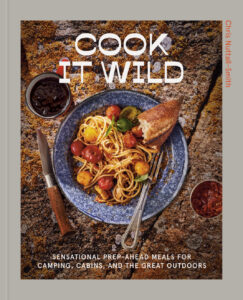
Chris Nuttall-Smith is on a mission to blend the best of both approaches. He’s the right man for the job. The avid canoeist is the former food critic for Toronto Life magazine and the Globe and Mail newspaper. He’s also been the on-screen judge for Top Chef Canada, so you know he appreciates an entertaining approach, which comes through in his ambitious and attractive new cookbook, Cook It Wild.
Chris Nuttall-Smith’s instant camp-cooking classic: Cook It Wild
Foodies can be guilty of being a little too precious about food, and themselves. Nuttall-Smith’s down-to-earth approach is never guilty of the same anywhere in the advice and commentary sections, which make up almost a quarter of the book.
“I began to see simple, practical, high-reward hacks that could dramatically change the way we cooked and ate outside.”
Nuttall-Smith doesn’t want you to take food too seriously, but he does want you to eat seriously well without having to work too hard for it. His recipe? Prep ahead. The thrust of the book is to convince you that you can eat the way you want to, without carrying too much and without working endlessly over the campfire. Just be prepared to spend some time over the chopping block before you go.
Image: Maya Visnyei / Penguin Random House
Before heading off on your trip, you’ll want to chop, cook, mix, seal and sometimes freeze ahead of time. Heed this advice, and you’ll soon find yourself pulling up to a campsite and unpacking a next course that needs minimal labor before it becomes a campsite meal to remember.
Nuttall-Smith explains his thinking in a conversational introduction. He had always tended to keep his campsite meals simple, to prioritize packability over delectability. This changed when a friend brought a block of frozen squid on a trip. It ended up being delicious.
“I began to see simple, practical, high-reward hacks that could dramatically change the way we cooked and ate outside,” Nuttall-Smith recollects. If it can be chopped, measured, mixed, marinated, braised, frozen or fully pre-made at home, suggests Nuttall-Smith, then do it, and reap the rewards while you enjoy restaurant-worthy meals at relaxed and tidy campsites. More than half the recipes come together in ten minutes or less at camp, yet most wouldn’t look out of place on a restaurant menu.
If you are old hat at cooking in the wild, you’ll be glad for an infusion of new ideas to put your practiced meal planning over the top.
If you are new to campfire cooking, Nuttall-Smith walks you through the basics, with sections on packing, equipment, planning, drinking water, stoves, cooking fires, food safety and what to do with the waste, though the beauty of Nuttall-Smith’s approach is that there won’t be much waste. You consolidated packaging before you left, and the food is so good there won’t be leftovers.
the top of every recipe indicates the ingredient weight, and tells you how long the provisions will last, whether kept cold or not.
The author enjoys a meal at camp with family. | Image: Maya Visnyei / Penguin Random House
Each of the more than 75 recipes has icons indicating if they are best cooked over a campfire or stove, or require a Dutch oven or cooler. Best of all, the top of every recipe indicates the ingredient weight and tells you how long the provisions will last, whether kept cold or not.
Nuttall-Smith believes it’s time that camp cooking caught up with how people actually want to eat. He’s put a lot of thought into blending ingredients that are as packable as they are palatable. It’s a very achievable goal. After all, as he notes, salted butter not only lasts longer than unsalted, it tastes better too.
To entice your appetite, Nuttall-Smith shares a collection of tips and even a sample recipe from Cook It Wild.
Camp cooking wisdom from the pages of Cook It Wild
Wheels of glory
Hard cheeses like Parmesan, Pecorino, Manchego and even aged cheddar can last for weeks in a pack (keep it shaded when possible). Once out of a vacuum pack, don’t stuff the cheese back in a plastic bag. Instead, wrap it in cotton cheesecloth and parchment paper or beeswax cloth (easy to make your own). This will keep it from getting sweaty or moldy.
Fresh foods that last
Even a week into a trip, you won’t regret finding any of the following at the bottom of a food pack: Granny Smith apples, beets, cabbage, carrots, ginger, onions or garlic. As well as fermented foods that just get better with age include sauerkraut and kimchi.
Chill
Coolers should be packed with a ratio of two parts frozen food or ice to one part perishables in sealed bags. Make your own ice blocks in empty juice cartons (or freeze the juice as treats for the kids). Fill remaining space with ice cubes and keep a towel underneath the lid to improve insulation. If chilling or freezing drinks for the first or second night, keep them in a separate soft cooler. You want to open the food cooler as rarely as possible.
For maximum flavor with minimum bulk, spend the off-season raiding the condiment counters at buffets and collecting take-out accessories. A few handfuls of ketchup, mustard, plum sauce, vinegar, mayonnaise, honey, syrup, relish and soy sauce packets will garnish a meal but travel effortlessly deep into a trip.
Libations
For cold beer on your first night, freeze tallboy cans (with at least 5 percent alcohol) for not more than seven hours in a freezer just before you leave. Wrap in newspaper (to become fire tinder). Later in the trip, use a mesh bag to deep-six alcohol to take advantage of the thermocline. Any lake deeper than 10 feet will be stratified and have a layer of distinctly colder water down deep. Or skip the need for chilling. Gin and vodka are best enjoyed cold, but whisky, rum, mezcal and tequila are just as good at campsite temperature.
Go Dutch
Consider adding an aluminum Dutch oven to open a world of baking desserts, and savory, one-pot meals like lasagna. When cooking with a Dutch oven, be sure to preheat the lid. Use three rocks to lift the base two inches off the ground, then cover a quarter of the ground underneath with hot coals and a third of the lid area. Rotate the pot a quarter turn every five minutes. Rotate the lid in the opposite direction, without lifting it off.
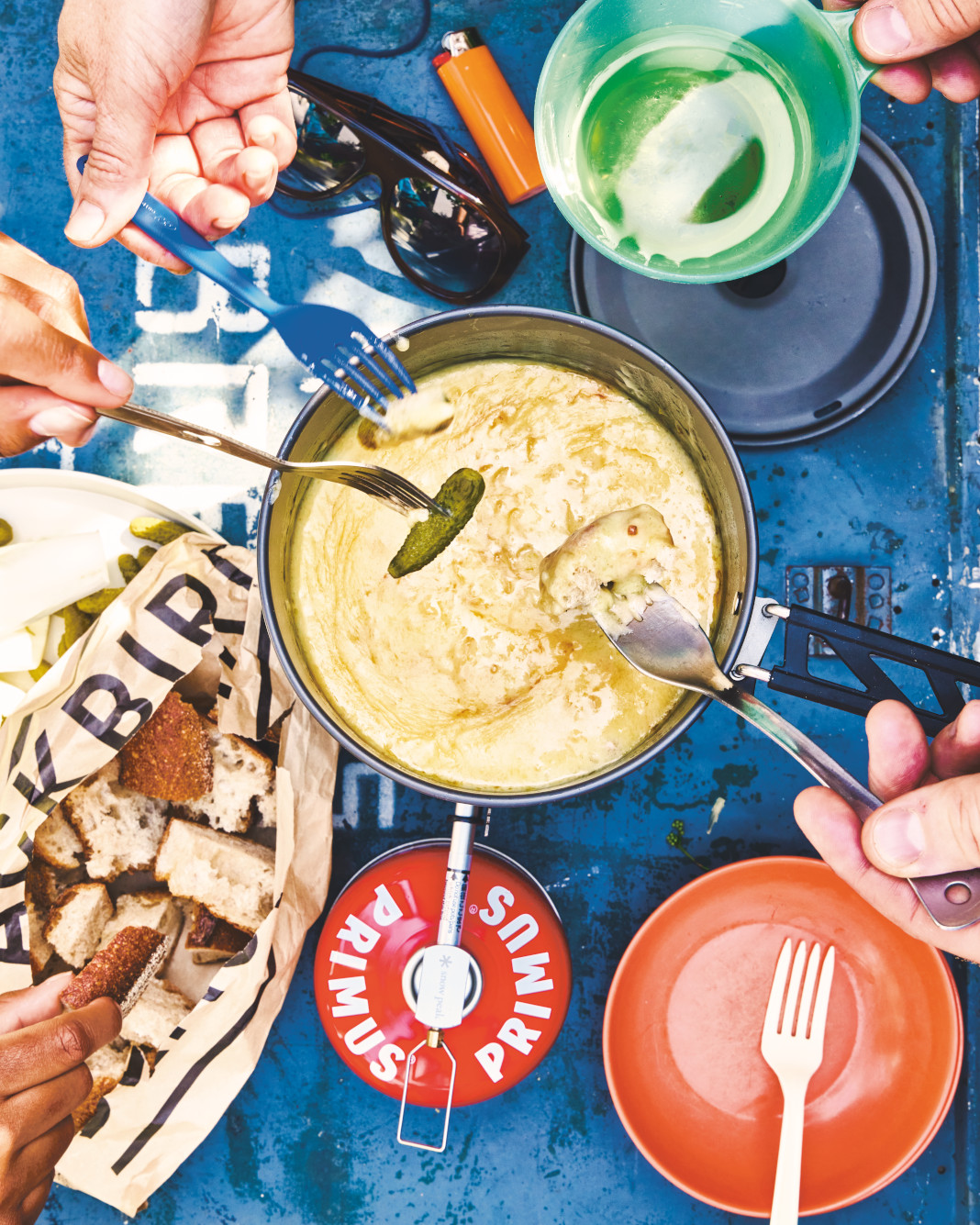
Instant caramelized shallot-cheese fondue. | Image: Maya Visnyei / Penguin Random House
Sample recipe from Cook It Wild: Instant Caramelized Shallot-Cheese Fondue
This is exactly the dish you pull from your pack at 7,500 feet as a pre-winter storm blows past. It’s also exactly the dish you pull from your pack while car camping on a crisp fall day when everybody’s got rosy cheeks and ridiculous smiles, and they’re high on that whole outdoor life thing. Wherever you make it, this one-pot is drop-dead easy and crazy delicious, and it will make you a bona fide backcountry (or KOA-country) star.
A few hardy, crunchy dippables such as endive leaves, or apple slices
1. Caramelize the shallots
In a small skillet over low heat, melt the butter. Add the shallots and salt and let them caramelize slowly and gently, stirring occasionally, until they’re tender, sweet-tasting, and an appealing hazelnut brown, 15 to 25 minutes.
Let the shallots cool, then wrap tightly in a small piece of parchment paper or wax paper.
2. Prep the cheese
Meanwhile, over a small bowl, grate the Gruyère on the coarse side of a box grater. Add the cornstarch and nutmeg and toss to combine thoroughly. Pack the cheese mixture into a resealable bag or airtight container, stick the packet of caramelized shallots inside the bag (on top of the cheese), seal the bag, and refrigerate or freeze. (The cheese mix and shallots will keep for one month, frozen.)
3. Melt, burble and serve
In a small saucepan over medium heat, bring the wine to a simmer. Add the cheese mixture and shallots. Decrease the heat to low and stir to melt the cheese. Once the cheese has melted and the fondue is bubbling gently, decrease the heat to its lowest setting.
Your goal is warm, very gently bubbling cheese. If your stove’s lowest setting has the cheese bubbling furiously, feel free to shuttle the pan on and off the burner.
Serve the fondue with sliced or torn bread and crunchy dippables, as well as forks if there are known double-dippers in your midst.
Keeps
Three days, unrefrigerated, or up to one week, kept cold.
Purchase a copy of Cook it Wild for your camping library.
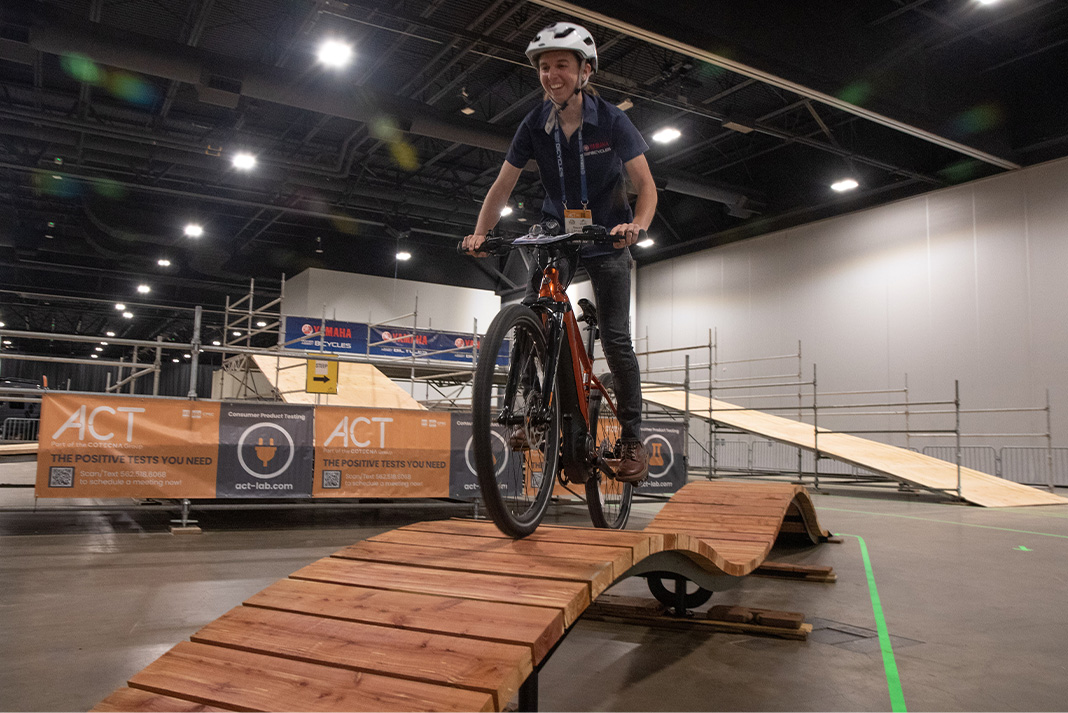
Yamaha Staff demonstrating an e-bike on the test track. | Photo Credit: Billy Michels
Denver, CO: Lost Paddle Events announced the successful execution of The Big Gear Show and (e)revolution e-bike show at the Colorado Convention Center in Denver. The combined show had over 250 exhibitors and attracted close to 4,000 attendees during the four-day event, including two trade show days and two consumer show days. Many exhibitors appreciated the unique B2B2C show format in which they engaged with retailers and consumers at one show.
Yamaha Staff demonstrating an e-bike on the test track. | Photo Credit: Billy Michels
In its inaugural year, (e)revolution showcased over 40 global e-bike brands across categories like commuter, cargo and mountain e-bikes. A significant feature of the show was the 28,000-square-foot e-bike demo track. It offered every attendee the opportunity to test any e-bike on display at the show and experience the power-assist features on inclines and various rollers, ramps, and zigzags. Many brands worked directly with local retailers to assist riders on the test track, allowing retailers and brands to collaborate on developing potential consumer sales leads.
“This has been a fantastic show,” said Ryan Spinks at Yamaha Power Assist Bicycles, discussing (e)revolution. “We loved the mix of the B2B and consumer aspect; we had really good conversations with all our retailers, and then we had our local retailers assist at the demo track where we have been able to feed them leads all day long.”
Now in its third year, The Big Gear Show demonstrated its leadership in producing an inclusive outdoor industry show. The show featured companies and gear representing a wide range of outdoor activities from several well-established brands and numerous innovative startups, like supporting sponsor Acacia. As one of the newer overland brands at the show, they exhibited their new three-in-one, portable, modern outdoor dwelling system.
“The show helped put Acacia Outdoor on the map,” said Ryan Hayter, president of Hayter Industries, Acacia’s PR and marketing firm. “The fledging brand was inundated with partnership and retail inquiries. The level of interest in the product helped shed light on new and creative opportunities within the industry that will ultimately shape the brand.”
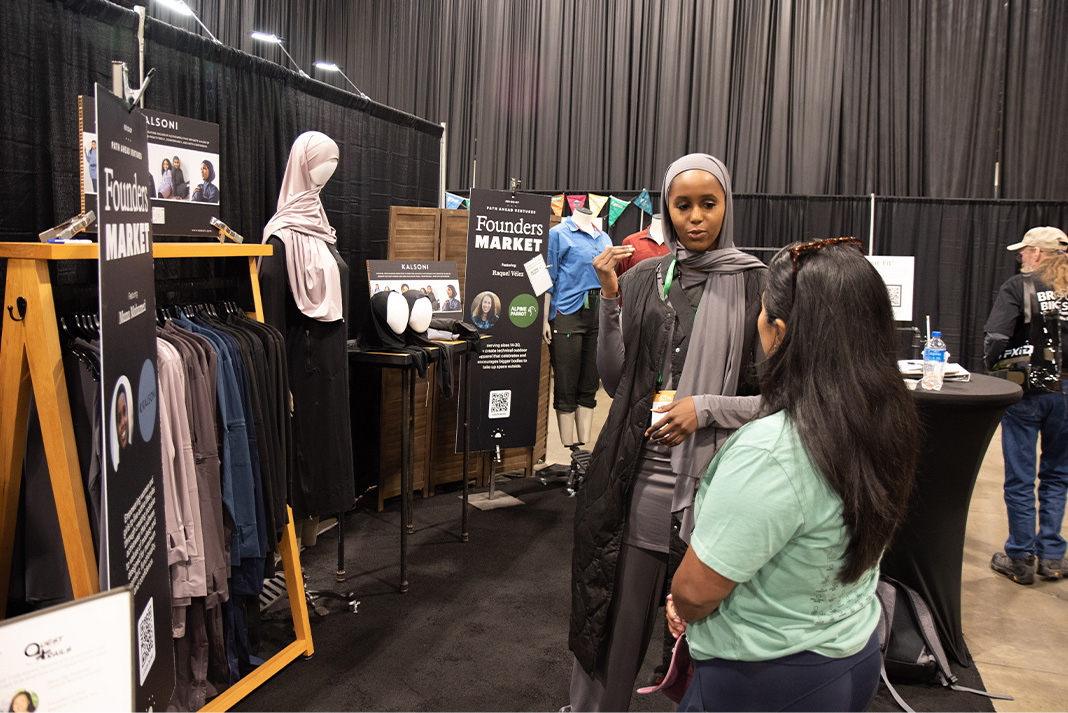
Among the many startups were companies led by underrepresented communities within the outdoor industry, including Tough Cutie, Northside Bags, and over two-dozen young companies hosted by the show’s inclusivity partners. For many of these new brands, The Big Gear Show was their first time to experience an industry trade show, offering them the chance to be discovered by retailers and consumers.
Muna Mohamed of Kalsoni agreed, stating, “What I really loved about this event was to network and connect with folks during the industry days, share my story and showcase my products.”
Arwen Turner, founder of WNDR Outdoors added, “As an entrepreneur at The Big Gear Show, I was not only able to meet with people interested in my product but also network with other businesses. It was spectacular.”
Muna Mohamed, founder of Kalsoni, showing her technical apparel line to a customer. | Photo: Billy Michels
In addition to access to retailers and consumers, the dual show event provided exhibitors access to local media leading up to and during the show. On day two of the industry trade show, local TV stations WDVR FOX 31 and KWGN CW 2 broadcasted eight times from the show floor, highlighting many brands at both shows.
Many exhibitors appreciated this exposure and acknowledge it was an added benefit of attending. “During the B2B days, the thing that really stood out to us was the media exposure. We met with all types of media from many platforms,” said Aaron Cupps, customer experience manager at Lifestraw. ”We were able to showcase many of the new products we just released.”
The show wrapped up on Sunday after the two-day consumer show in which many brands reported positive experiences, from gaining new customers to product sales that ultimately covered their show costs. Adam Saplin from Handlestash said, “We had a lot of consumer sales during the two days, which helped us pay for the show.”
For More Information Contact
Dave Petri
Lost Paddle Events
336-429-6860
Dave@lostpaddle.com
About The Big Gear Show
The Big Gear Show is redefining what an outdoor industry trade show should be. By embracing a wide range of outdoor recreation activities, this new B2B2C experiential model prioritizes meeting the needs of specialty retailers and their customers. The Big Gear Show features the gear that gets people outdoors, amplifying the stories of innovation and access for a new outdoor consumer base. Now in its third year, the event will not only gather professionals from the top outdoor recreation specialty retailers, brands, and media but will also be the first of its kind to invite consumers to attend.
About (e)revolution
(e)revolution is the world’s first B2B2C e-bike expo focused solely on the needs of e-bike brands, dealers, suppliers, and consumers. A four-day event that provides brands and suppliers opportunities to engage directly with e-bike retailers and cyclists, providing education, demonstrations, and industry networking and social events. The show takes place in Denver, Colorado at the Colorado Convention Center in June 2023.
About Lost Paddle Events
Lost Paddle Events is the leader in retailer and consumer-focused trade shows. Led by a team of industry trade show experts across multiple outdoor recreation categories, Lost Paddle Events produces outdoor-focused events across a range of outdoor recreation categories. Its events include the premiere multi-category trade show, The Big Gear Show, the first of its kind e-bike trade show, (e)revolution, and consumer-centric sports shows, including the Saltwater Fishing Expo, Chicagoland Fishing Travel & Outdoor Expo, and World Fishing & Outdoor Expo.
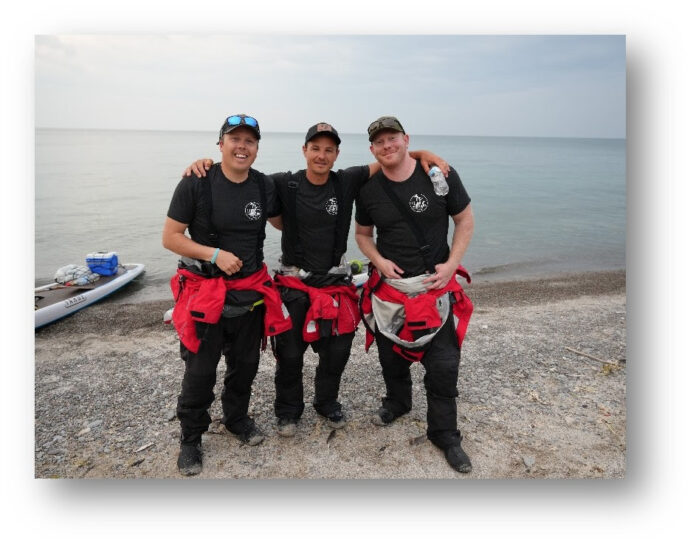
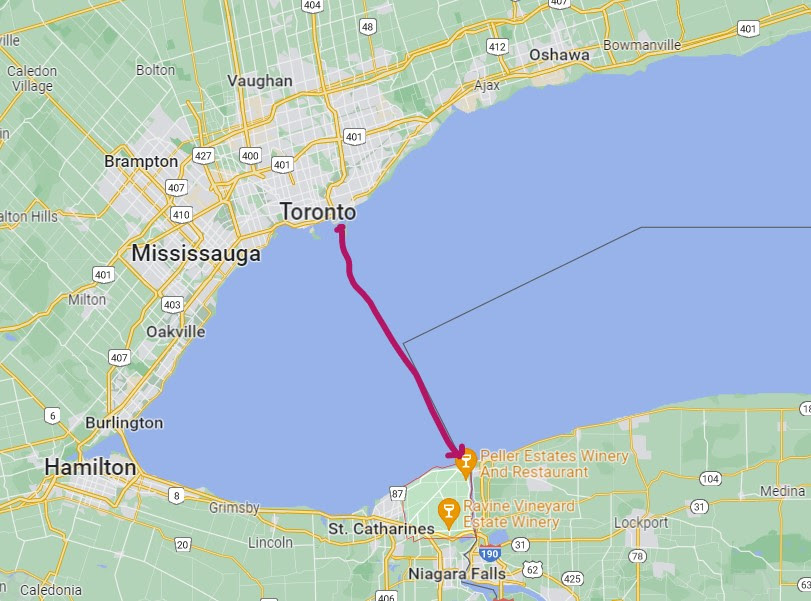
Jeff Guy, Kwin Morris and Joe Lorenz on the shores of Lake Ontario by Fort Niagara after 35 mile 13 hour paddle from Toronto on Friday June 9, 2023
TORONTO, ON – Last week three Michigan men completed an eight-year quest to cross all the great lakes on a standup paddleboard.
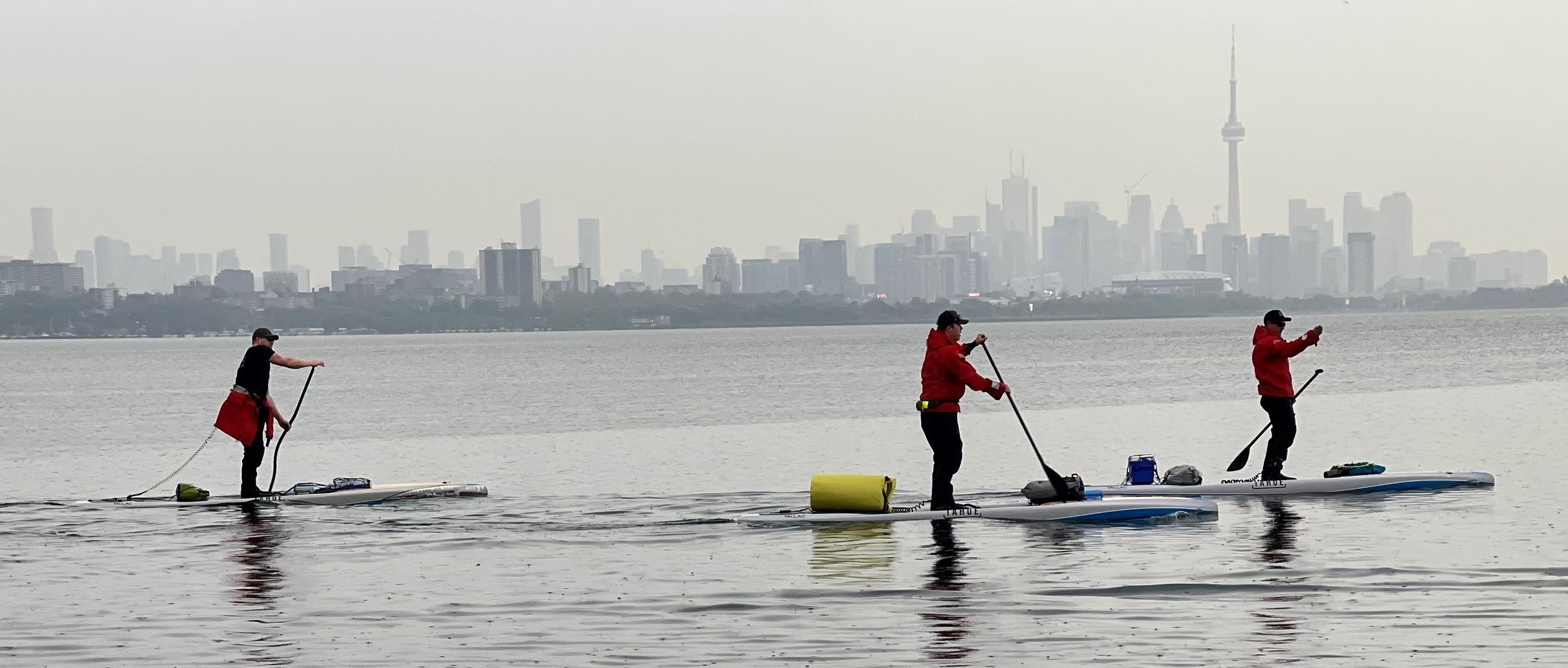
They finished the final leg by crossing Lake Ontario paddling from Toronto to Fort Niagara in a 13-hour, 35-mile journey. The trio battled one- to three-foot waves with some rollers at five feet, winds gusting to 16 knots, rain and lingering smoke from the wildfires directly upwind from the group.
Jeff Guy, Joe Lorenz and Kwin Morris successfully paddled Lake Michigan, Lake Huron, Lake Superior and Lake Erie and now they can add Lake Ontario to their conquests.
“Our original goal was to go there and back but that changed due to weather,” says Morris. “We fought some of the biggest waves on any of our paddles. This time they were from the west so we had to paddle on the right side of the boards for seven hours.
“When we got to shore, we looked at the forecast and saw the winds would be even higher overnight so we decided one way was enough, not to mention the first crossing kicked our butts. We made our Great Lake crossing, so mission accomplished.”
Corey Adkins, the Emmy Award winning documentarian said, “I’ve been on five paddles with these guys and this was the toughest, roughest, most intense I’ve ever seen—these guys dug deep. It was even hard for me to film from the safety boat. In the end, they made the right call for safety’s sake and did cross all five Great Lakes. I’m proud to be a part of these guys.”
Joe Lorenz, Jeff Guy and Kwin Morris after departing from Toronto on Lake Ontario heading for Fort Niagara.
The paddlers were accompanied by two safety boats from Orange Force Marine Ltd., a Canadian commercial marine services company based in Port Stanley, Ontario.
“We cannot thank enough Captain Derek Niles and his team who provided maritime expertise and on-water safety support,” said Jeff Guy. “It was great to know they were by our side the entire trip both on the water and in the planning stages.”
Guy, Morris and Lorenz founded a non-profit called Stand Up for Great Lakes whose mission is to preserve and protect all Great Lakes by inspiration, education, awareness and action. They have now raised more than $105,000 for various Great Lakes non-profit organizations and have captured the imagination of many who have been inspired by their mission and support their cause. The Lake Ontario goal was to raise $25,000 and they already surpassed it.
“We’re working with the Cooperative Institute for Great Lakes Research (CIGLR),” said Lorenz. “CIGLR is a non-profit housed in the University of Michigan. They do spectacular work with algal bloom research and their efforts to safeguard the Great Lakes ecosystem. They are experts in Great Lakes issues, it was good to have them on board our team once again.”
The route on Lake Ontario from Toronto to Fort Niagara. For more information or to make a donation, visit http://www.StandUpForGreatLakes.com
According to Mary Ogdahl of CIGLR, “Lake Ontario faces coastal flooding and water level issues, for which we are developing experimental models to prepare coast communities for future flooding.”
Watch the award-winning documentary about their Lake Superior crossing here and Lake Erie crossing here.
Past crossings
Their first crossing was Lake Michigan in 2015, a 60-mile and just under 25-hour journey in 38-degree water. They raised $10,000 for the Great Lakes Alliance. In June 2017, they crossed Lake Huron and raised $7,000 for Thunder Bay National Marine Sanctuary. Their 90-mile paddle journey took over 28 hours to complete.
In 2018, they paddled across Lake Superior in 21 hours. Their 60-mile trip began at Sinclair Cove, Ontario and ended at Whitefish Point, Michigan and raised $15,000 for the Great Lakes Shipwreck Museum. The trip across Lake Erie began in downtown Detroit’s Belle Isle and ended on the shores of Catawba Island, Ohio and raised $16,000 for the Cooperative Institute for Great Lakes Research.
About the team
Jeff Guy, 37, is a financial advisor with Merrill Lynch. He also enjoys golf, hockey and fishing. He lives in downtown Traverse City, Michigan.
Joe Lorenz, 37, is a personal trainer in Traverse City. When he’s not helping people achieve their fitness goals, he’s up for almost anything involving water, travel, sailing, adventure and fitness.
Kwin Morris, 36, was born and raised in Northern Michigan, making him a keen waterman, traveler and adventurer. He is a middle school science teacher in the Elk Rapids School District and the owner of Twin Birch Golf Club.
Corey Adkins, 52, is the Great Lakes Shipwreck Historical Society’s communication and content director. Though he doesn’t standup paddleboard, he has captured the guys’ adventures across four of the five Great Lakes and two rivers, producing a series of five documentaries garnering him multiple awards including two Emmys. Adkins lives in McBain with his wonderful wife, Stephanie, who also helps produce these stories.
About Stand Up for Great Lakes
Stand Up for Great Lakes is a non-profit organization dedicated to preserving and protecting all Great Lakes by inspiration, education, awareness and action. It began with a love of water, over a beer. The group has crossed all five great lakes by standup paddleboard and has now raised more than $105,000 to help raise awareness of the issues facing the Great Lakes.
The lakes are under threat, namely by oil pipelines of questionable integrity, invasive species, sewage leakage, pharmaceutical pollution, agricultural runoff, and those who choose to throw beer cans and cigarette butts wherever they please.
The list of threats to these majestic and vital bodies of water is endless. We’re asking others to stand up for Great Lakes and provide support and encourage us on this important mission.
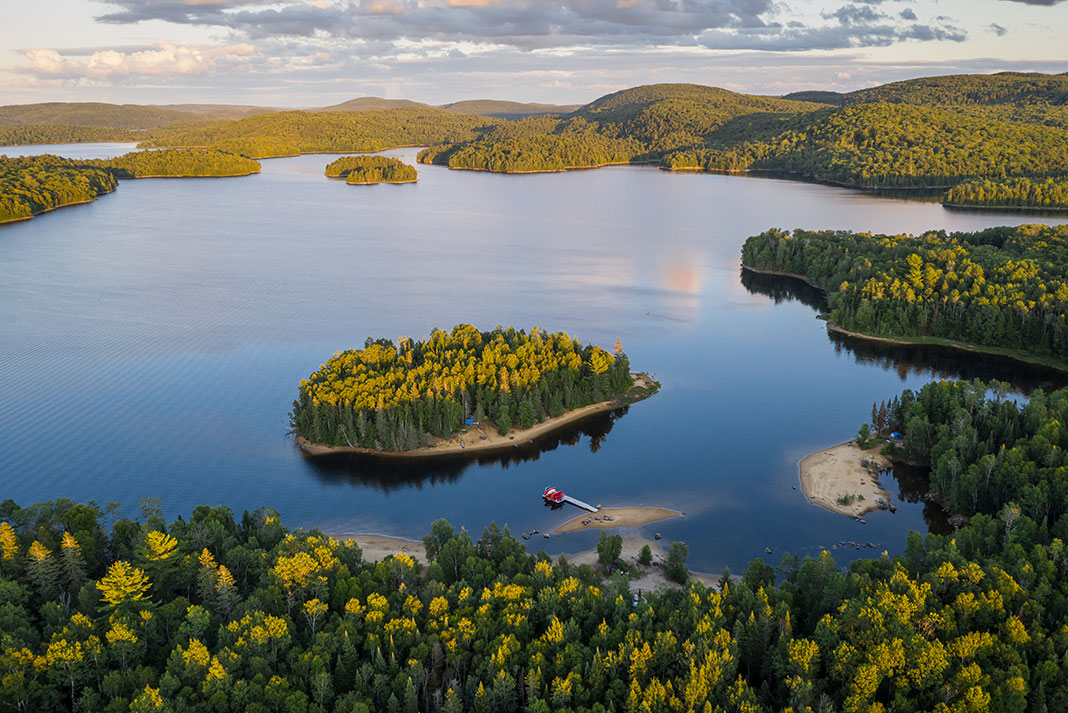
Québec is a province of wild landscapes and cultural hubs, from its Arctic far north to its biodiverse St. Lawrence coast, ancient mountains cut by gorges, and historic cities.
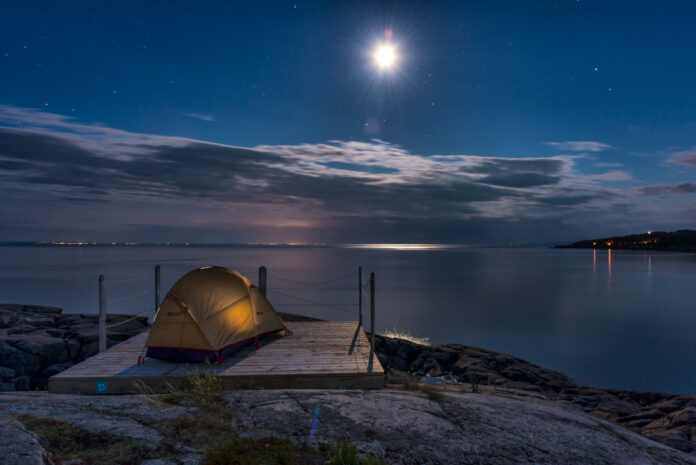
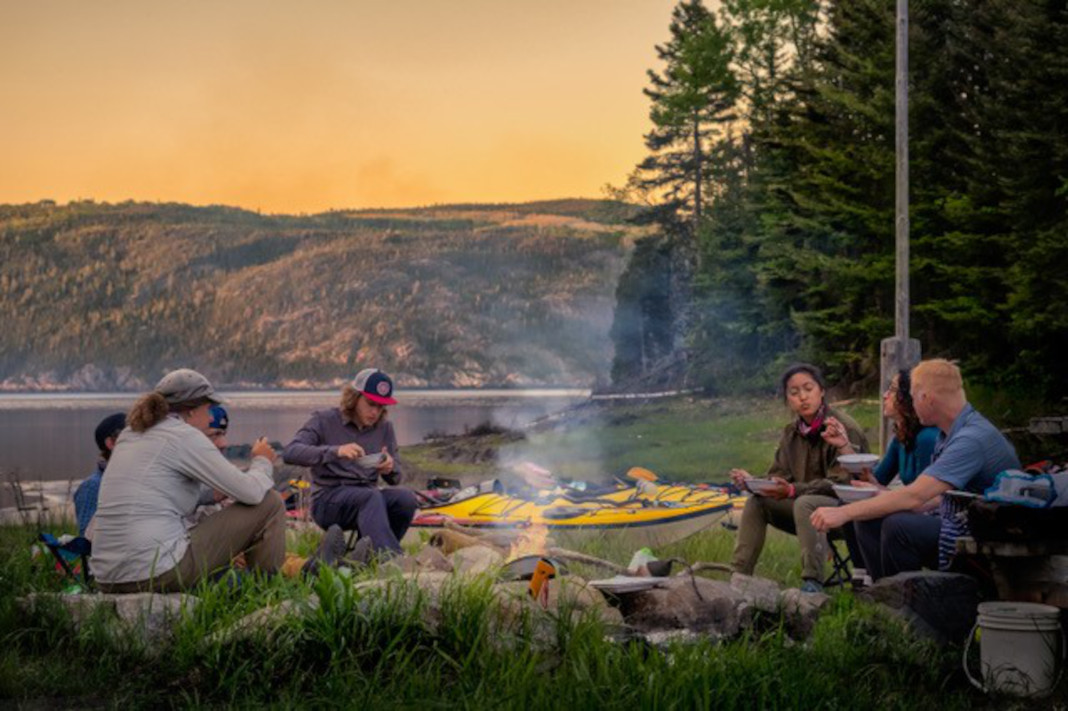
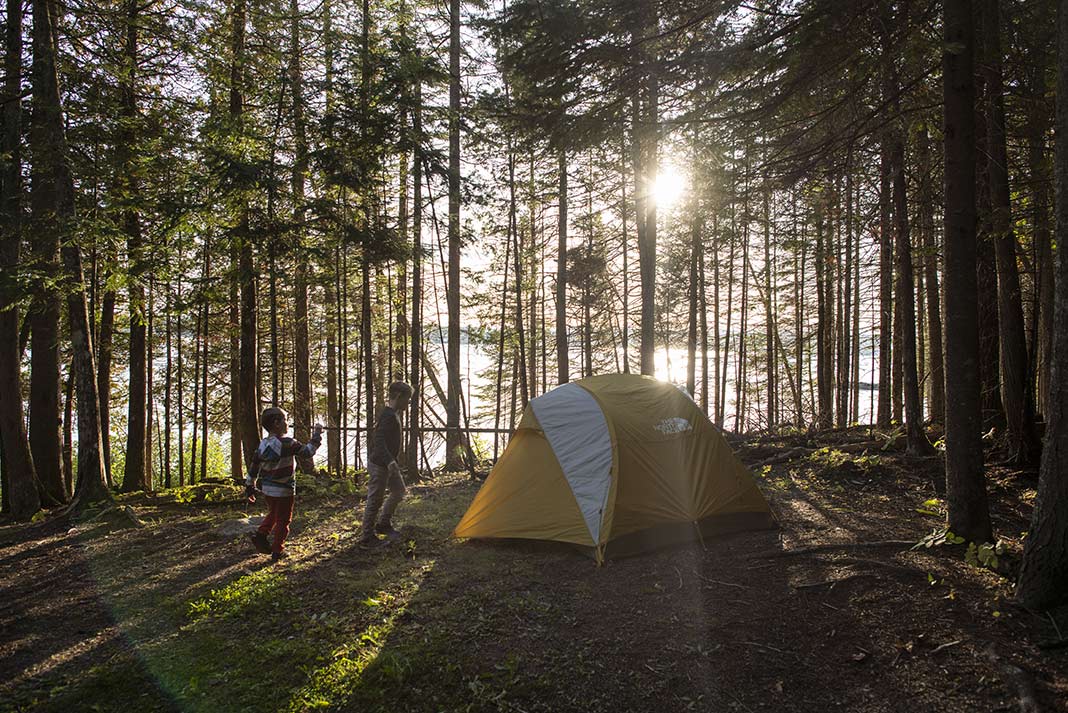
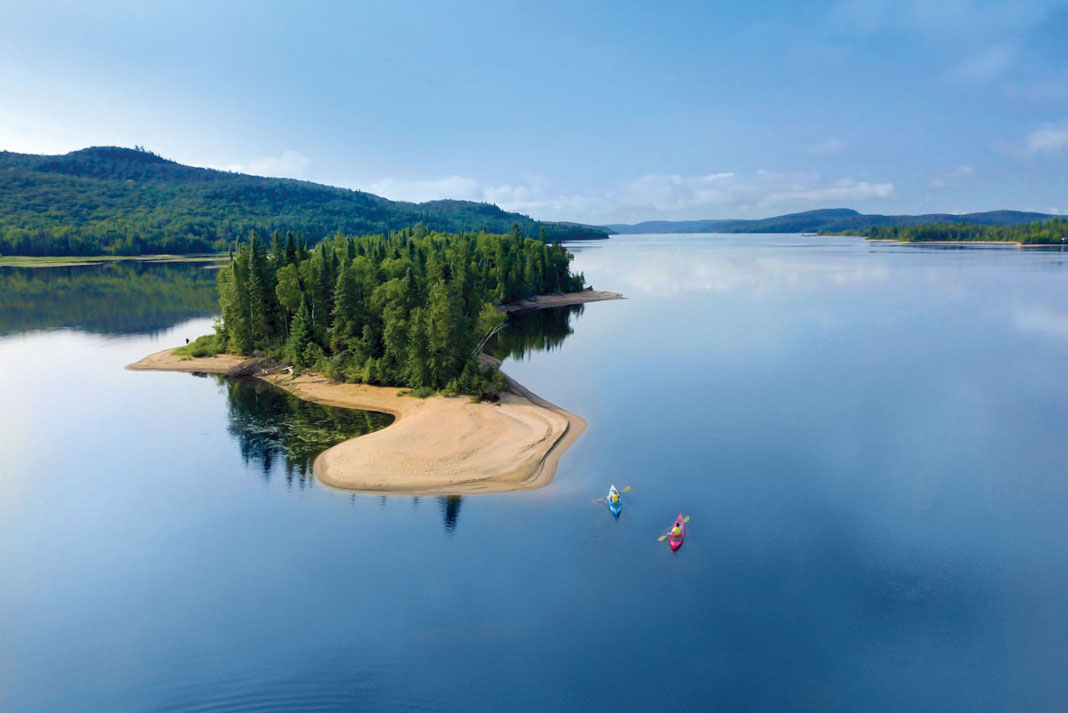
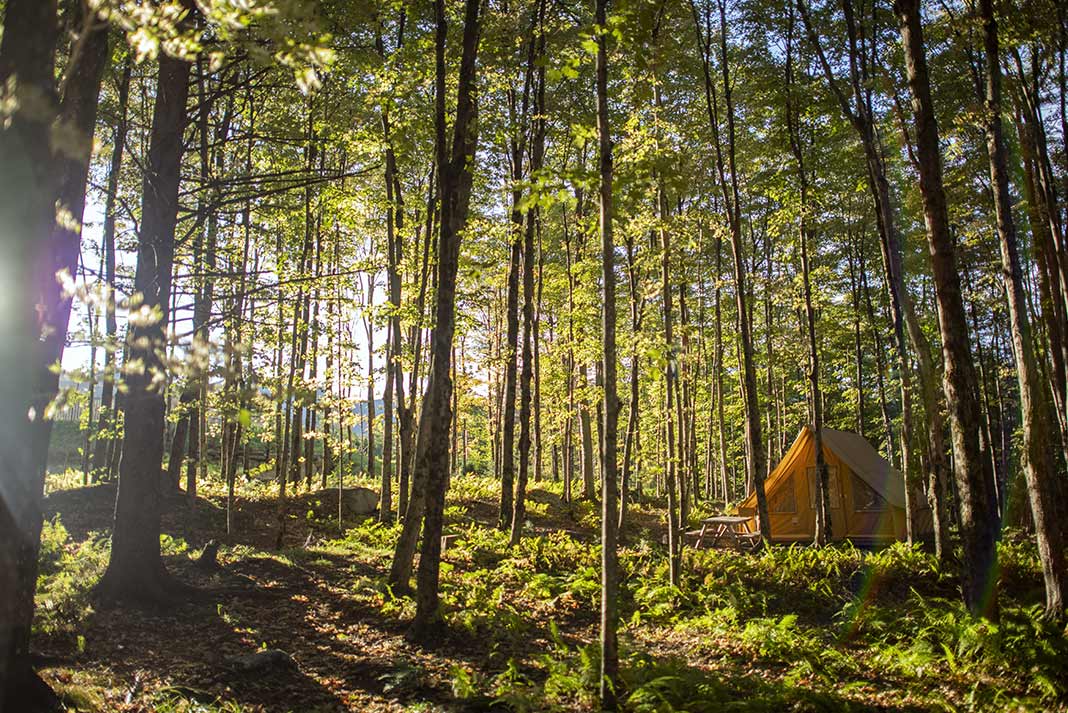
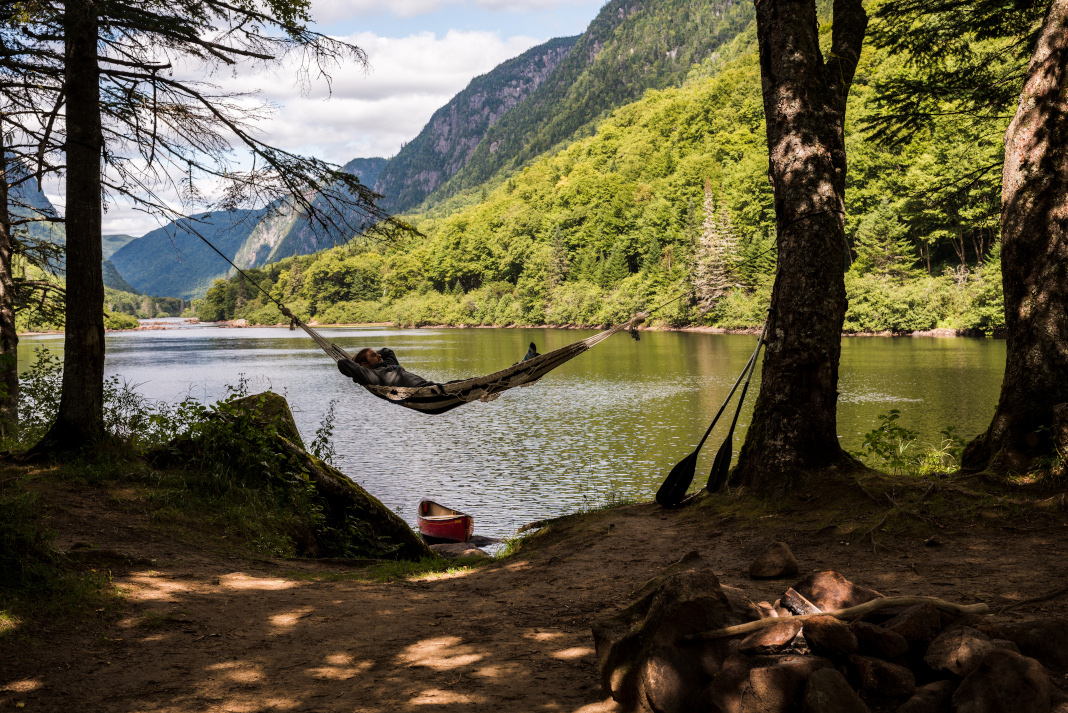
The trip possibilities are vast. The pressing question is where in Québec a paddler should make camp. There are a million lakes and more than 15,000 water courses—not to mention the gulfs and bays battering up against its edges. Narrowing down your list is an almost impossible task. Fortunately, no matter which corner of the province you explore, there’s no shortage of remarkable spots to pitch a tent.
Here are 12 recommendations for camping destinations a paddler will love in Québec to set you on the right course.
FjordEnKayak, Saguenay
12 camping destinations in Québec paddlers will love
Exode Batisseur, Abitibi-Témiscamingue
1 Sleep under the stars where the waters divide in Abitibi-Témiscamingue
If there ever was a place meant for paddlers, it’s Abitibi-Témiscamingue. The two territories’ Anishinaabe names quite literally translate to “where the water divides” and “deep water,” respectively.
There are 22,000 lakes and rivers in the Abitibi-Témiscamingue region, with the divide of rivers running north to James Bay and south to the St. Lawrence. The region is also home to prolific canoe tripping rivers, the Kipawa and Dumoine. So where should a paddler set up shop? As far from the main current of travelers as you’d like to go. An excellent place to start is embarking on Kipawa Lake.
Kipawa Lake is often touted by locals as one of the loveliest lakes in the entire province. For canoe trippers of all abilities there are few better places to get lost under the Milky Way for a night.
Exode Batisseur D’Aventures provides canoe tripping experiences across Abitibi-Témiscamingue including on Kipawa Lake and other favorites including the Kanasuta River and Raven Lake. Simply let them know where you want to trip and they’ll make it happen.
Aventures Archipel, Bas-Saint Laurent
2 Find a kayak touring haven in Bas-Saint Laurent
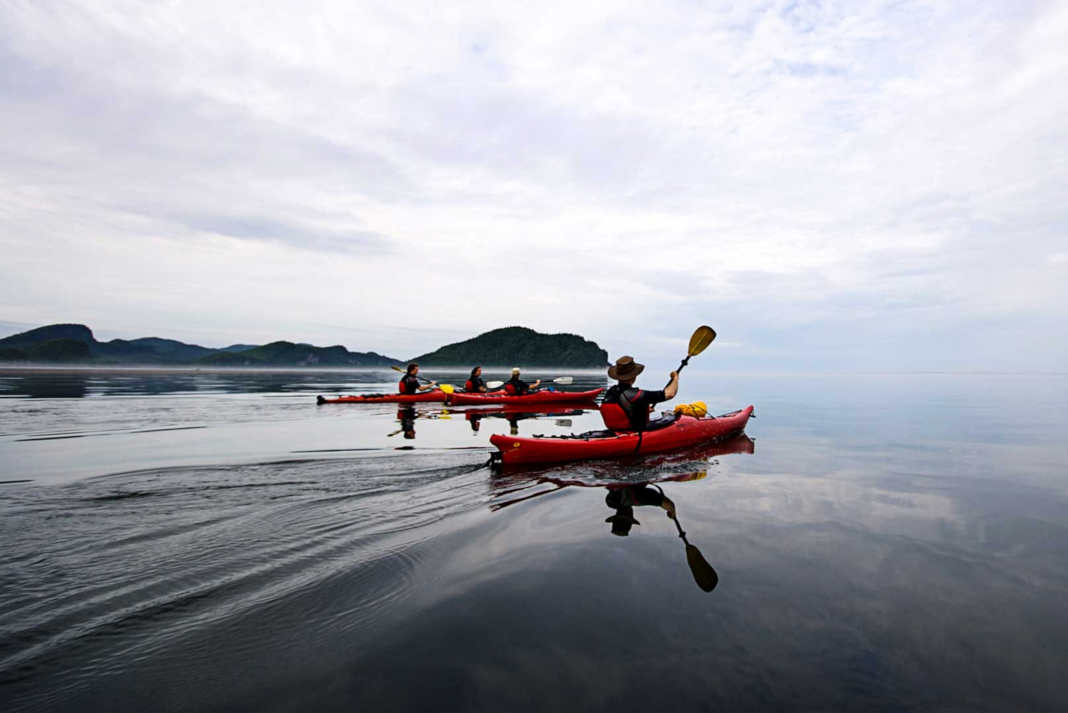
The Appalachian Mountains roll toward their northern terminus as the St. Lawrence River widens in Bas-Saint Laurent. Stunning maritime landscapes, minke whales, seals and lighthouses make this region a touring paddler’s dream.
Havre du Bic is a haven for marine life taking refuge from the exposed St. Lawrence, where you can take a guided sea kayak tour with Aventures Archipel. When it comes time to snooze, camping along the rocky coastlines of Bas-Saint Laurent is the cherry on top. The coves and cliffs of Parc national du Bic will provide a bingeworthy backdrop to kick back and enjoy from the comfort of your campsite. (Note that Québec’s provincially operated parks are called “national parks” but are not affiliated with Parks Canada. They are instead overseen by Sépaq.)
3 Enjoy accessible adventure in Centre-du-Québec
You don’t need to go far from the bustle to find a little adventure in Québec. The hills and valleys of Centre-du-Québec are right between the cities of Montreal and Québec City, yet their quaint forests and soothing rivers provide enough of an escape to satisfy the soul. It’s the perfect place to have the best of both worlds by experiencing the cultural centers while also enjoying the outdoors.
Your weekend detour should start with setting up a campsite. Parc Regional de la Rivière Gentilly is a centrally located choice. The riverfront park’s 50 tent sites are a favorite for unwinding with a bit of fishing on the Gentilly River (just make sure you obtain the proper fishing license first). Or, if you’d like a bit more luxury, they have 20 ready-to-camp A-frames and small cabins to stretch out in.
Recreational kayakers will especially enjoy a float on the Saint-François River. On the mellow run, you can pull your boat up on a rock outcrop, take a swim, enjoy a river picnic and perhaps even spot a wading heron.
[ Discover More Québec adventures in the Paddling Trip Guide ]
4 Camp among soaring gorges in Charlevoix
Charlevoix is home to the one million-hectare UNESCO Charlevoix Biosphere Reserve, two Sépaq parks, and some of the most dramatic mountainscapes in the province of Québec butting against the St. Lawrence River.
When it comes to camping, few places can compare to the soaring gorge of Parc National des Hautes‑Gorges-de-la-Rivière‑Malbaie, the cornerstone of the UNESCO biosphere.
Paddlers won’t have to travel far from a campsite around the park to enjoy the best of the Charlevoix region. You can challenge the whitewater of the Malbaie River by inflatable canoe with Descente Malbaie. River kayakers seeking experiences suitable for all levels can take a trip to Katabatik – Adventure in Charlevoix and the Gouffre River for a family-friendly recreational kayak trip on the stream with wild salmon.
5 Find big adventure and multiday camping in Côte-Nord
The Côte-Nord region of Québec is a place of big adventures.
In Tadoussac, where the Saguenay meets the St. Lawrence, touring paddlers can launch with Mer et Monde Ecotours for a three-day trip along the St. Lawrence in search of unspoiled beach campsites, whales and rock outcrops, while spending the evening feasting on local flavors.
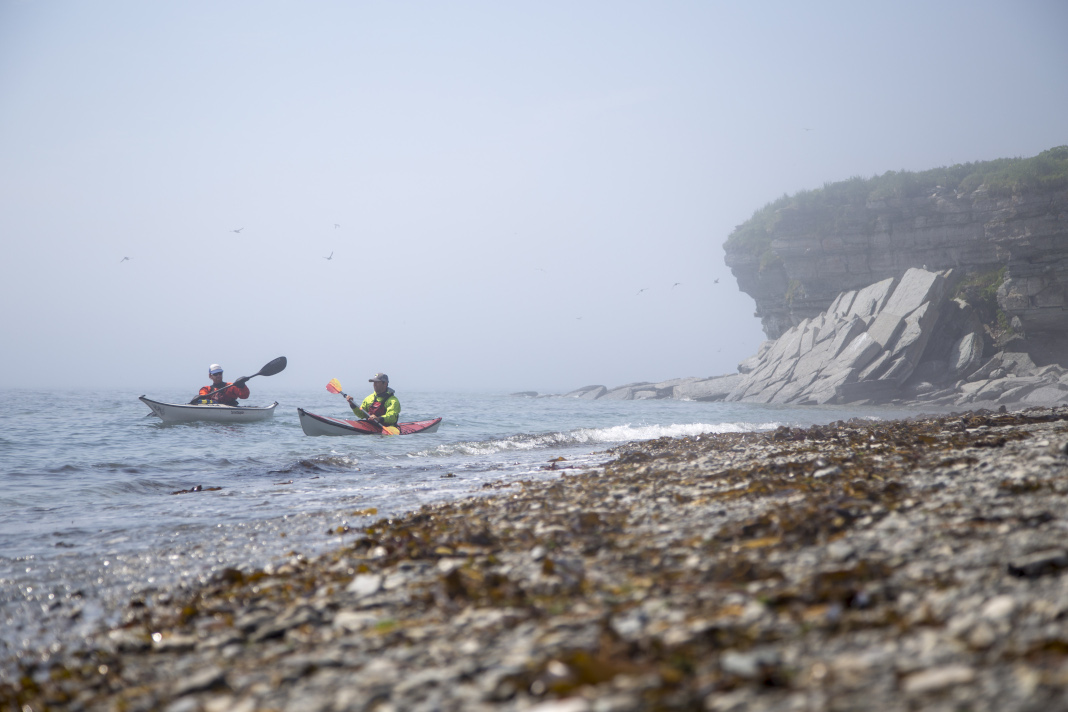
Farther down the St. Lawrence, you can find one of the Côte-Nord’s most unique camping destinations for sea kayakers—Mingan Archipelago National Park Reserve. The archipelago has the highest concentration of erosion monoliths in Canada, and the islands provide dramatic camping for multiday excursions within a few kilometers of the mainland with a permit from Parks Canada. Or better yet set up basecamp on the Big Island with Noryak Aventures, and let them handle the logistics while you set out to see the geologic wonders day after day from the island’s protected bay.
Noryak’s wilderness camping excursions don’t limit paddlers to the coast though. The outfitter also runs multiday river trips down the remote and word-class Magpie River in the North Shore’s interior.
6 Stay at the edge of the Earth on the Gaspésie Peninsula
On the Gaspésie Peninsula, 1,000-meter peaks reach down to meet the sea, while Cape Gaspé stretches like a finger into the Gulf of St. Lawrence, before being sheered abruptly at 95-meter limestone cliffs. This place makes it feel as if Québec is located at the far edge of the Earth.
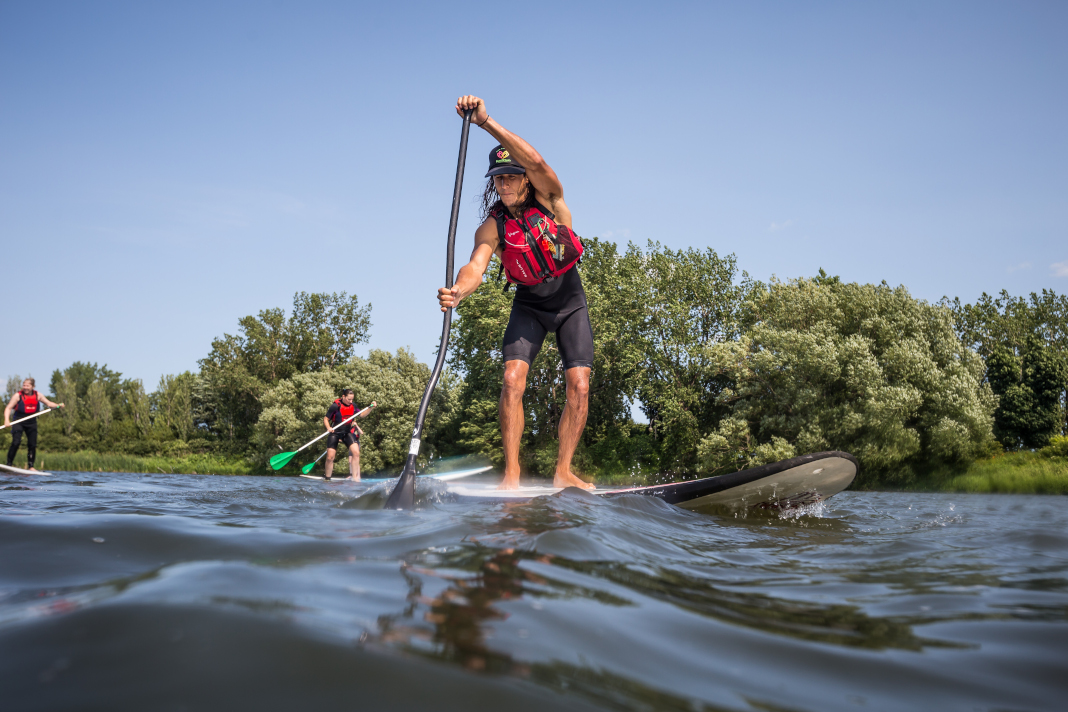
Sea kayakers and standup paddleboarders can camp out on a sandy beach with a view of the cape at tent and RV sites available with Cap Aventures just outside Forillon National Park. Cap Aventures also guides paddling tours throughout the cape and Gaspé Bay.
In a place like Gaspésie, the cliffs and arches of the sea aren’t the only marvel in town. Traveling farther south on the Gaspésie Peninsula, canoeists can admire the unbelievably clear water of the Bonaventure River draining the Chic-Choc Mountains. You can find a campsite right alongside the crystal clear Bonaventure at Cime Aventures and take a trip with the outfitter to gaze over the side of your canoe into pools full of Atlantic salmon swimming in plain view.
7 Find secluded camping on the lakes of the Laurentians
Hundreds of lakes and streams dot the serene landscape of the Laurentian Mountains. Many know of Mont-Tremblant National Park and its various camping options, from wilderness sites to treehouses, just a two-hour drive from Montreal and Ottawa. But when we load the canoe, we’re heading farther west into the Laurentians to Kiamika Region Park.
In Kiamika paddlers will find secluded campsites. The park remains an overlooked secret in the Laurentians, featuring dozens of lakes and islands, meaning you have your pick of the forest or a sandy beach.
Centre Aventure Mattawin, Maurice
8 Pitch your tent and experience pristine river tripping in Mauricie
La Mauricie National Park is sprinkled with lakes and cut along its edges by rivers. On its eastern border is its namesake Saint-Maurice River, and to the north, a major tributary, the Matawin. Up the Matawin, paddlers will find riverside campsites at Coop Aventures Mattawin, the perfect place to set up camp and explore the region.
Coop Aventures Mattawin’s 18 campsites provide sights and sounds of the Matawin flowing through the northern forest. The outfitter’s base also has eco-tents and cottages with electricity if you’re looking to upgrade from the tent.
With the Matawin River right in front of you, and the Saint-Maurice nearby, you won’t have to take the canoe far for a river experience. Coop Aventures Mattawin also offers guided canoe-camping trips to immerse paddlers in a complete Mauricie experience.
If you’re looking for more excitement, the Matawin also offers class IV whitewater, which the adventure center would gladly steer you and a crew through in their rafts. Heading out of the Matawin Valley you can take the canoe to one of La Mauricie’s many lakes or take a day trip to Maïkan Aventure in Trois-Rivières, where they have everything a paddler could need, from new boats to the piece of gear you forgot at home. You can also book a guided trip with them to float the lower Saint-Maurice River.
9 Find remote adventure within a stone’s throw of a Canadian metropolis in Montreal
Montreal may be one of Canada’s largest cities, with a metropolitan population of over four million, but that does not mean the city lacks adventure for paddlers. To the contrary, the St. Lawrence offers everything from wild water to wildlife.
Rafters can tackle some of the largest volume whitewater on the planet on the Lachine Rapids with Rafting Montréal.
Or you can take a kayak tour of Montreal’s Old Port on the renovated Lachine Canal with Aventures H2O. Kayakers on the tour will cross Saint-Gabriel Lock and paddle through the Peel Basin, meeting at the intersection of the city’s industrialization and the river’s natural world as you head for Old Port.
You may be surprised to find the city’s best kayak camping is not far from Old Port, in Parc National des Îles-de-Boucherville. The Sépaq national park is made of five islands inaccessible by car and offering on-island campgrounds for remote accommodations without leaving Montreal.
Rafting Momentum, Outaouais
10 Set up camp in Québec’s whitewater capital of Outaouais
When we think of Southwest Québec, it stirs images of the whitewater of the Outaouais region. The Ottawa River and its tributaries, like the Gatineau, are places of thrill-seeking. Warm, slow-moving pools of the voluminous rivers reach fall lines where they drop into thunderous rapids. Whitewater kayakers and rafters from all over the world descend upon the Outaouais region to get their fix from these dopamine-producing rapids.
The place to camp in Outaouais is right where the action is—at the outfitters serving these impressive rivers.
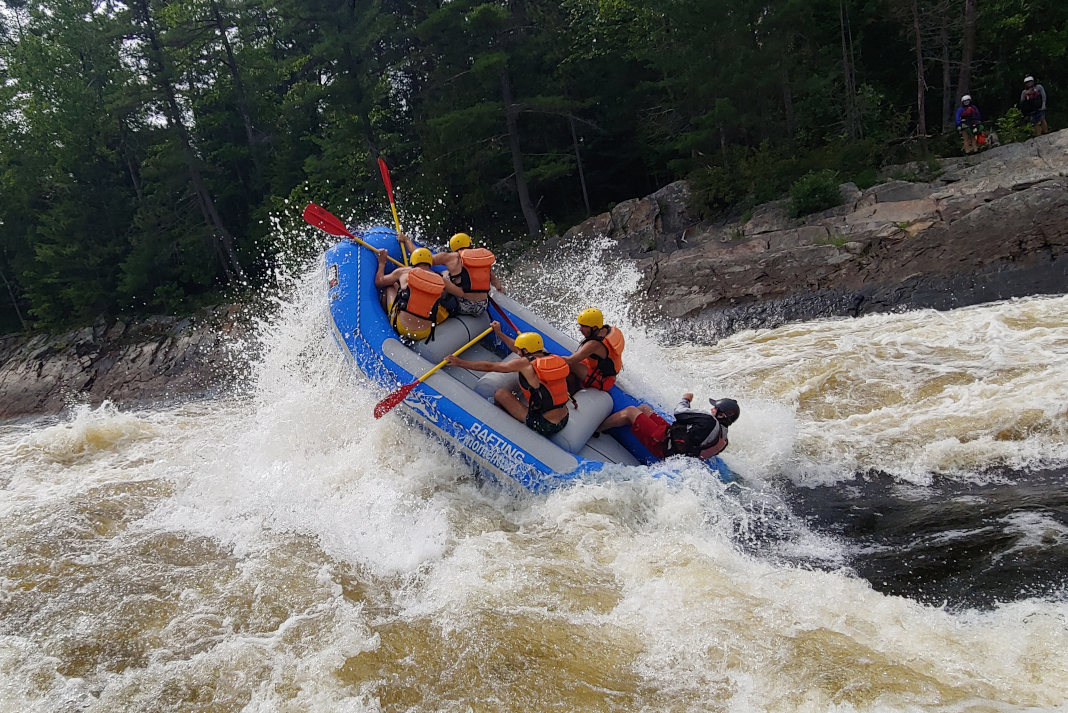
Rafting Momentum offers camping at their base but, more importantly, rafting trips on the Rocher Fendu section of the Ottawa. You’ll have a hard time leaving the post-trip camp celebration after a day conquering the crashing waves and churning hydraulics of mythical rapids, including McCoys Chute and the Lorne.
Up on the Gatineau, you can listen to guides at Bonnet Rouge Rafting spin tales of the river’s 150-year transition from log drives to whitewater paradise before going on to tackle the river’s infamous class IV-V rapids like Lucifer and High Voltage.
11 Take in the stunning views surrounding every campsite near Québec City
There are few cities in North America as stunning as Québec City. It’s known for its atmosphere and architecture as Canada’s oldest European burg, and equally so for the parks, forests and waterways surrounding it. The Jacques-Cartier River, Montmorency Falls and St. Lawrence surround Québec City, to name a few such water courses.
Camping near Québec City is just as diverse and magnificent. On Île d’Orléans just outside the city on the St. Lawrence River, you can camp with Quatre Natures on enchanting riverside sites at the island’s east end. Then take a kayak excursion along Île d’Orléans’ historical maritime shores where the St. Lawrence turns tidal.
Or head inland, 50 kilometers north of Québec City to canoe-camp with Quatre Natures within the gorge of the Jacques-Cartier River in the Sépaq national park. There is no better way to explore the park than from the seat of a canoe where you can witness the majestic valley floor rise up the mountain slopes to their round peaks covered in coniferous forest. For another unique experience on the Jacques-Cartier River head downstream of the park to Donnacona and take a packraft micro-adventure down Jacques-Cartier whitewater with Rivière Concept.
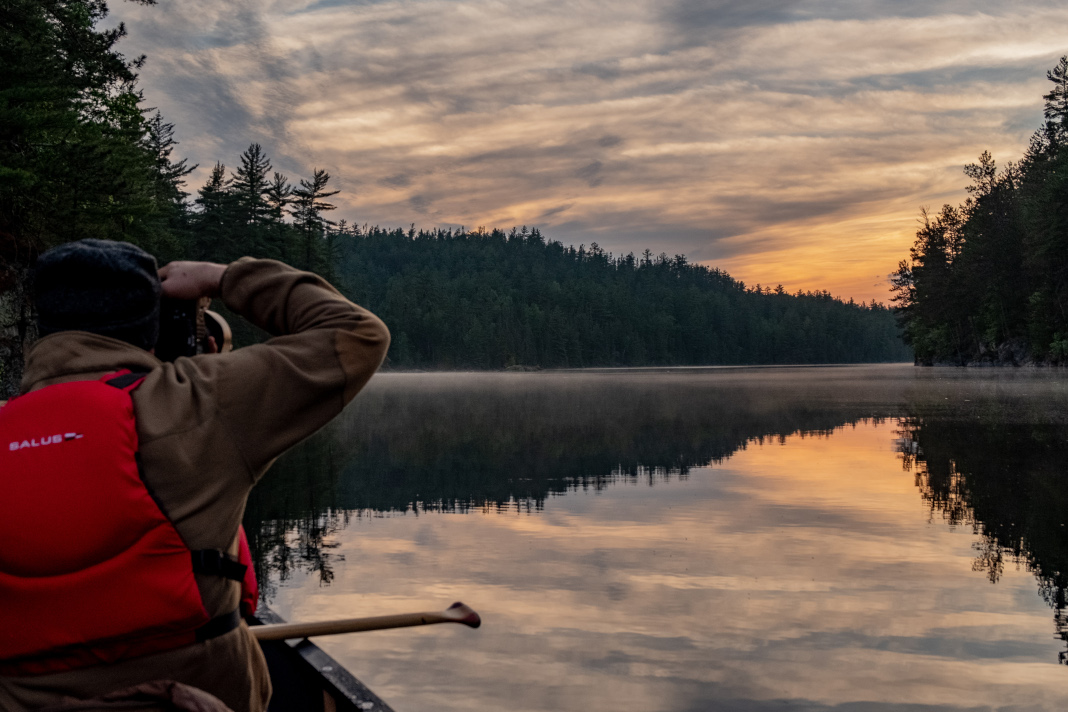
Canoeing the Mistassini River near Lac Saint-Jean with Aventuraid.
12 Get colossal water views from your tent in the “Land of Giants”
From the sandy shores of Lac Saint-Jean to the 300-meter-high cliffs of Saguenay Fjord, no view in this “Land of Giants” is anything short of showstopping.
Canoeists, paddleboarders and kayakers will find the perfect place to set up base camp in the numerous campgrounds circling the shores of the warm, relatively shallow 35-kilometer-long Lac Saint-Jean. A standout is the campsites near the beaches of Parc National de la Pointe-Taillon on the lake’s north shore.
Once you’re settled in, head off in any direction for the paddling opportunities that make this lake a destination. You can paddle the lake itself or sign up to navigate the class IV-V rapids of the Mistassibi River with H2O Expedition & Adventure.
Adventurous sea kayakers are drawn downstream from the lake to the Saguenay River and the rugged allure of the Saguenay Fjord. The fjord has 300-meter-high walls cut by glaciers above and water depths of 210 meters below, where social pods of beluga whales swim throughout. Fjord en Kayak offers guided outings to best experience the chiseled bay. For experienced paddlers, try out their kayak-camping expedition on the Fjord with a taste of local gastronomy.
If you’re looking for a place to stay, Parc Aventures Cap Jaseux is a camping experience as wild as the fjord. Their accommodations of hanging spheres and treehouses are just across the water from Parc National du Fjord-du-Saguenay.
Once you’ve dipped your paddle in the waters of Québec, you’ll discover there is always another perfect camping option right around the corner. Finding these new places is part of the fun of any paddling trip. You can learn more about every outdoor experience la belle province has to offer by visiting Quebec Aventure Outdoor.



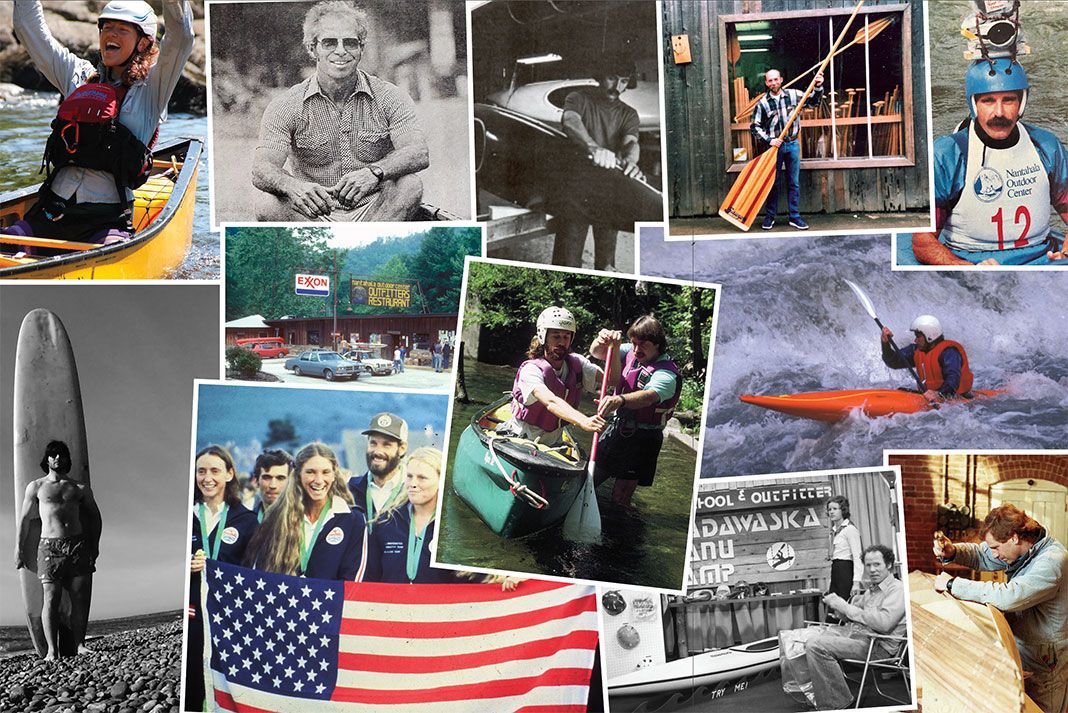
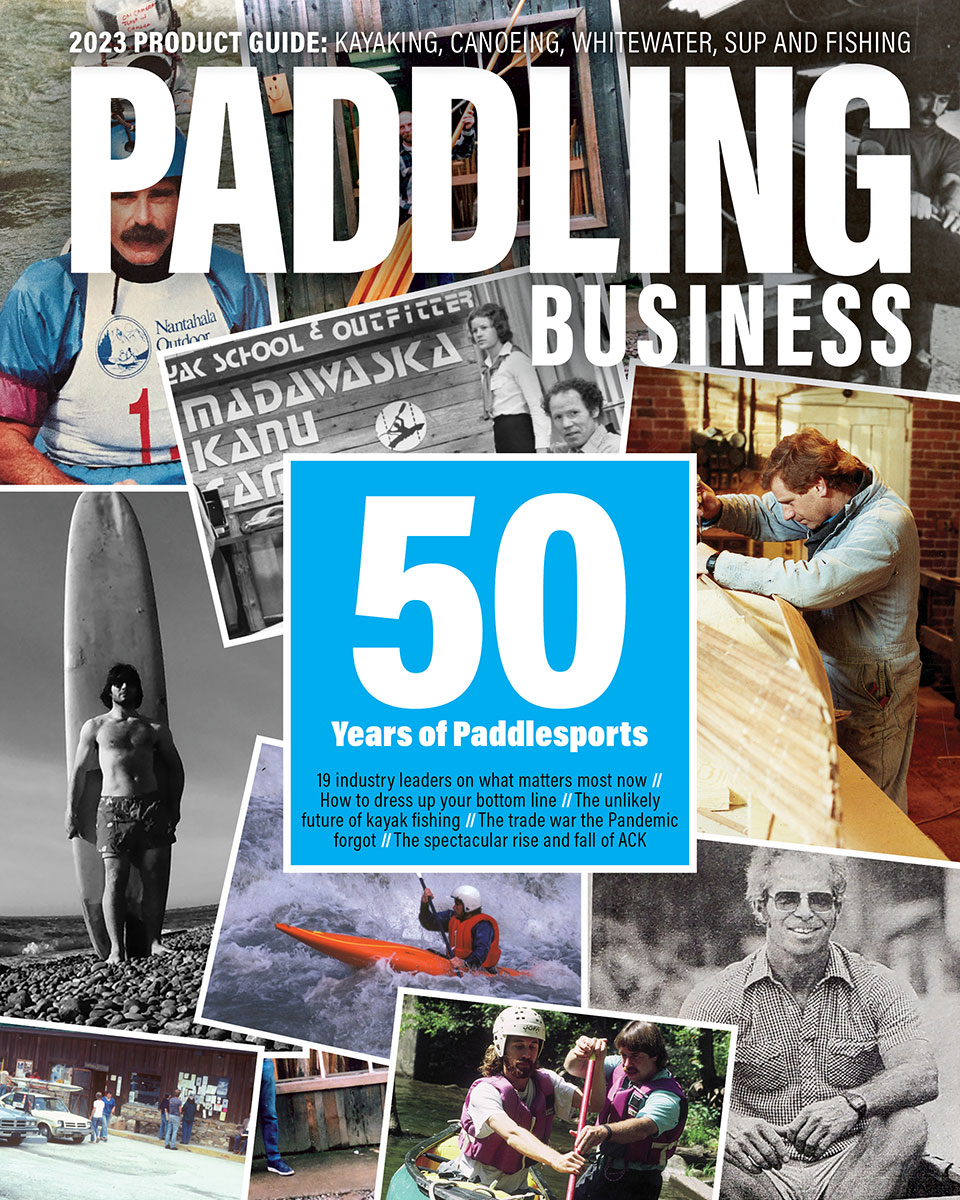 This article was first published in the 2023 issue of Paddling Business. Inside you’ll find the year’s hottest gear for canoeing, kayaking, whitewater and paddleboarding. Plus: Industry leaders on the post-pandemic landscape, 50 years of paddlesports, the rise and fall of ACK and more.