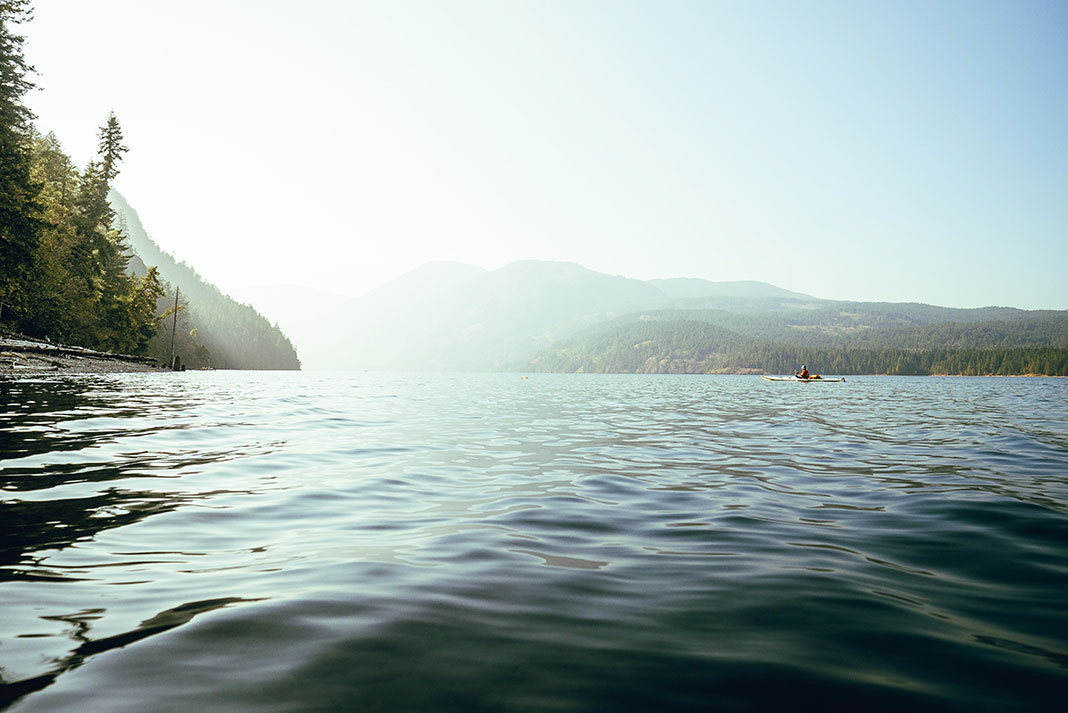
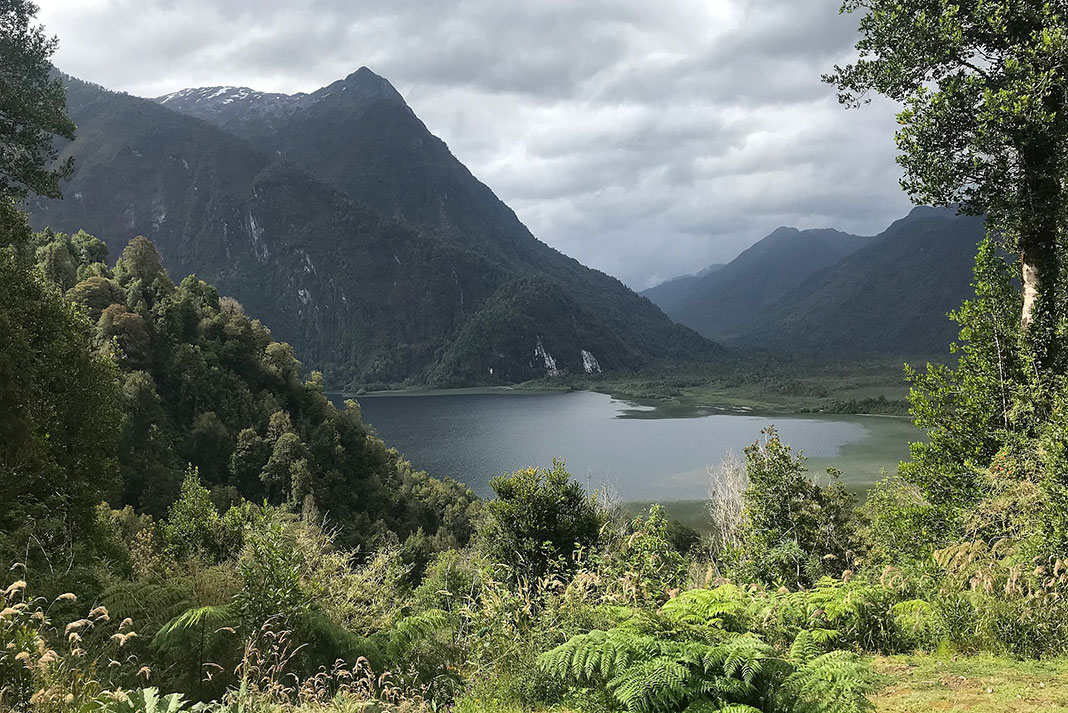
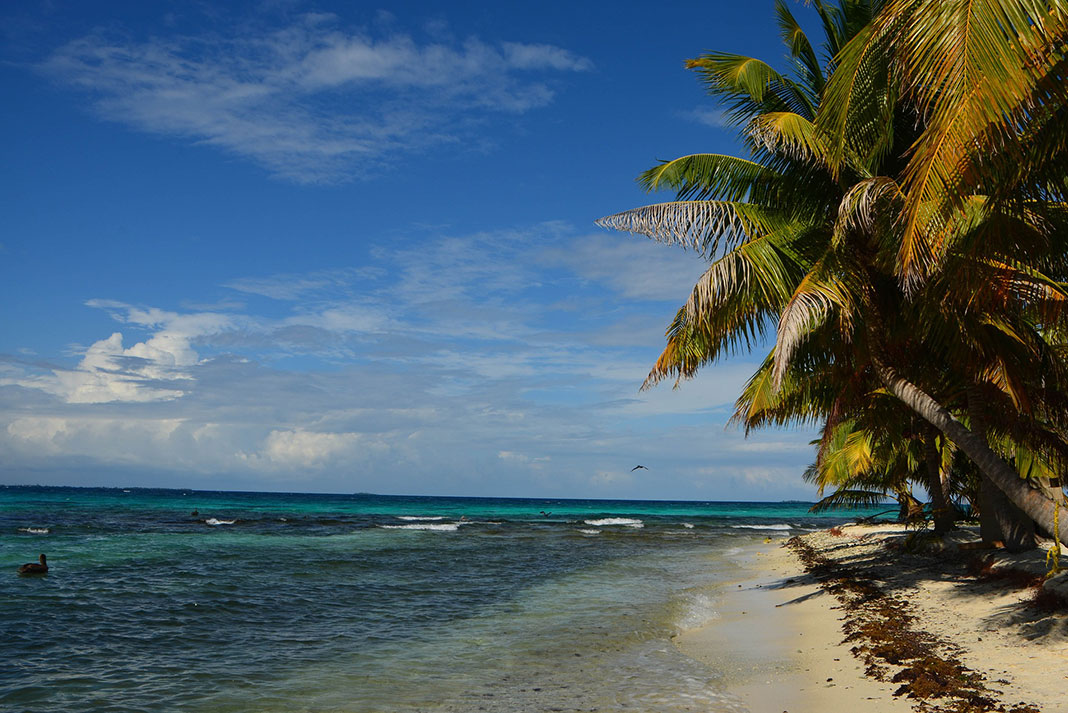
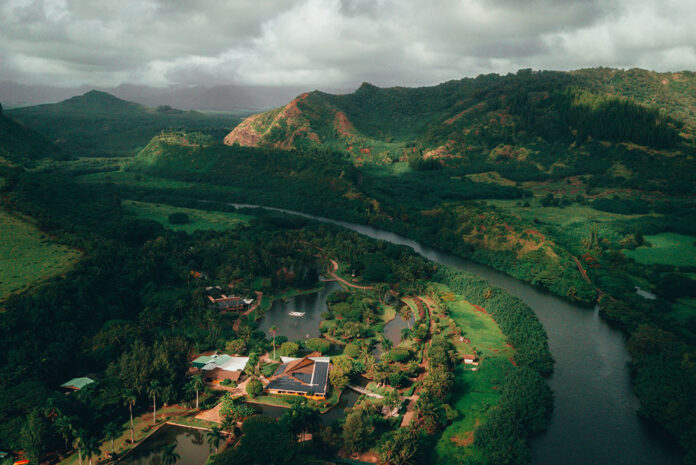
A story spanning nearly a decade, Changing the Flow shows the world what can happen when women defy strict societal norms to find and create a life of their own. In Nepal, women are expected to do a lot of things: stay home to look after their husband, children and in-laws, work the fields, cook, clean and do the washing. What they aren’t expected to do? Raft Guide. In the late 2000s, Inka Gurung first met Sita Thapa in the lakeside village near Pokhara. Inka introduced Sita to kayaking, forming an inseparable bond between the two. Through the years, it became apparent that Sita desperately needed a path to independence and Inka knew that river guiding could be that path. But Sita wasn’t the only girl craving the freedom and independence that kayaking offered. In 2018, Sita and three other female paddlers—Anu, Radha and Kamala—started their own company: The Himalayan Adventure Girls, the first all-female rafting company in Nepal. This is their story. At least, a part of it.
Film by: Bjarne Salen
Cinematography: Stefan Erdman, Bjarne Salen, Darby McAdams
Original Music: “Dream Explore” written and performed by Skaburbian Collective
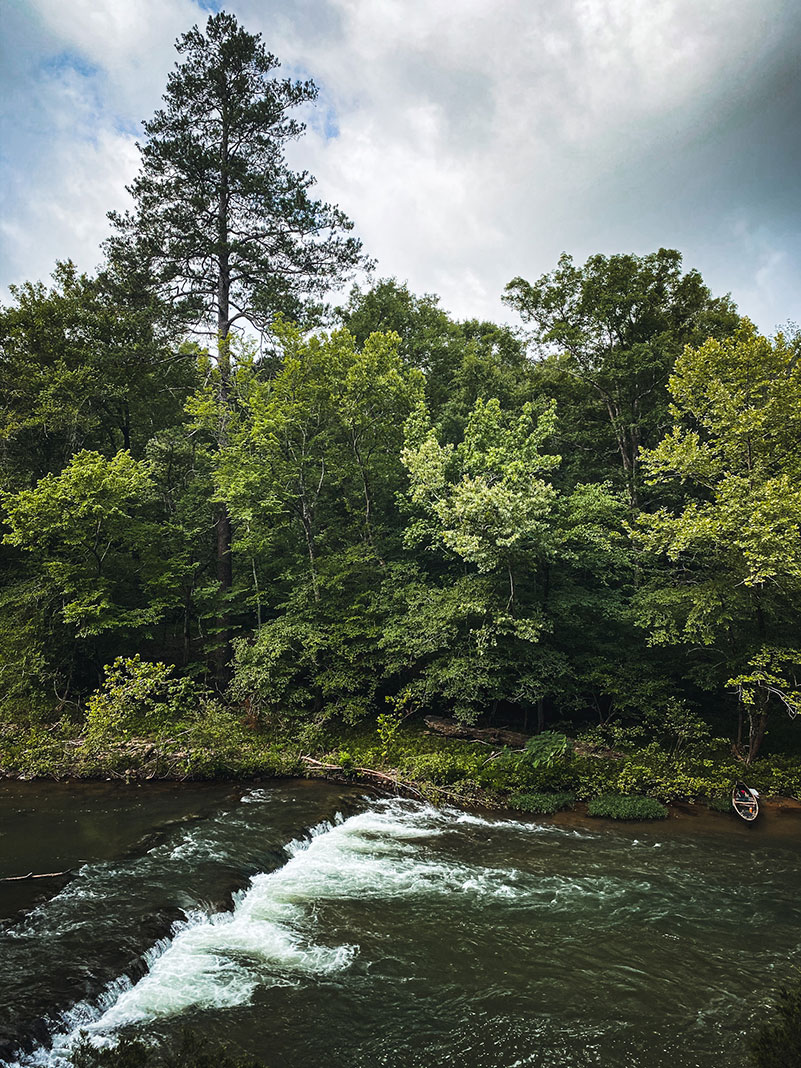
From the calm, man-made lakes of northern Alabama, to rushing whitewater routes that can be found within a short drive of Birmingham and Huntsville, Alabama is a state that’s been long defined by its 2,856-square-miles of waterways (and that’s not even counting the coastline).
It only takes a quick skim through a list of the dozens of designated river “trails”—including one that runs for over 620 miles from the mountains to the sea—to understand how much locals love getting out on the water, whether it’s in a canoe or kayak, or on a standup paddleboard or whitewater raft. There’s also something here for all skill levels; the languid rivers and calm canals will appeal to beginner canoeists, while more advanced paddlers will be drawn to the very rapids that have become a mecca for the freestyle whitewater kayaking movement.
No matter what you choose, it will only take a day of paddling here to figure out why they call it “Sweet Home Alabama.”
[ View all Alabama paddling adventures in the Paddling Trip Guide ]
Canoe in Alabama
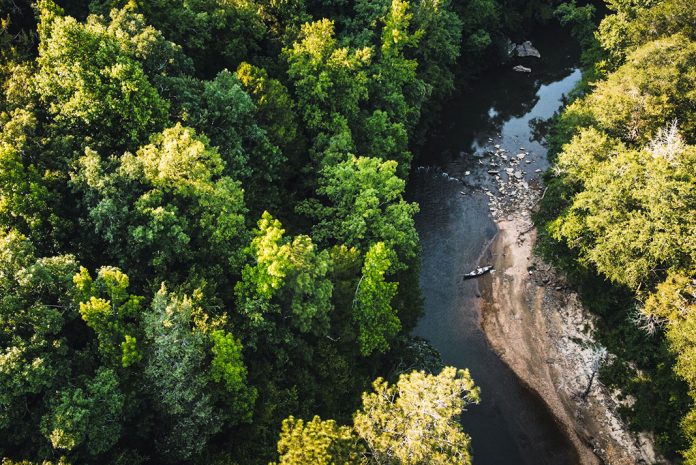
In addition to 23 public lakes and 600 miles of coastline, Alabama boasts 17 major river systems, adding up to 1,400 miles of navigable channels. That’s the most of any state in the country. With so many rivers, lakes and creeks to choose from, there are countless places to canoe in Alabama.
Here are some of the best places to canoe in Alabama.
With so many rivers, lakes and creeks to choose from, there are countless places to canoe in Alabama. | Photo: Ben Leopard
Alabama canoe trips
If you want to go camping and canoeing in Alabama, you’re going to be spoilt for choice. Home to one of the longest river trails in the country, your only problem is going to be narrowing down your list of potential overnight canoe trips in Alabama.
Alabama Scenic River Trail
If you want to complete the state’s most significant multi-day paddle, you’re going to need to have a bit of time on your hands. Alabama is home to the Alabama Scenic River Trail (ASRT), which at 631 miles is the longest river trail in a single state. The core route of the trail runs from Cedar Bluff, Alabama down to the Gulf of Mexico, with optional side adventures down the main river’s tributaries.
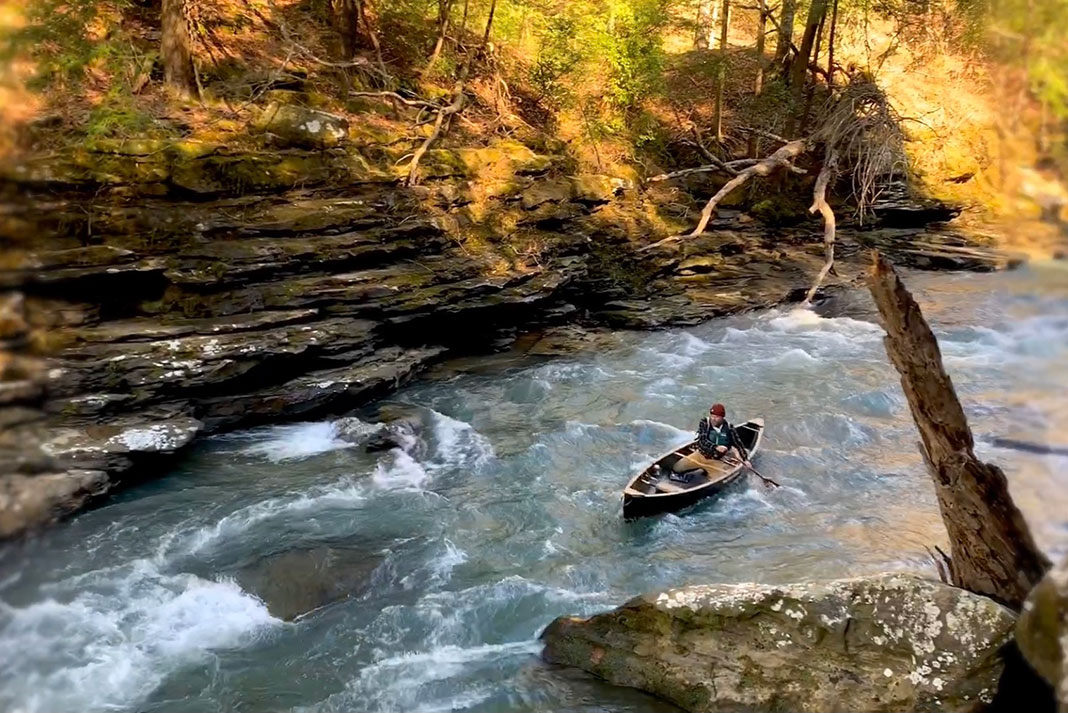
You’ll need more than time and an adventurous spirit to conquer the whole thing, though—you’ll also need skills. While there are lazy days of flatwater paddling, you can also expect to encounter boulder-strewn corridors with class II and III rapids.
Many of the rivers and creeks in this article (including Bear Creek, Elk Creek, the Cahaba River, the Tallapoosa River and the Mobile-Tensaw River Delta) are part of the ASRT. So even if you don’t have time to do the full thing, you can arrange to do a multi-day trip within one of the ASRT’s 10 districts.
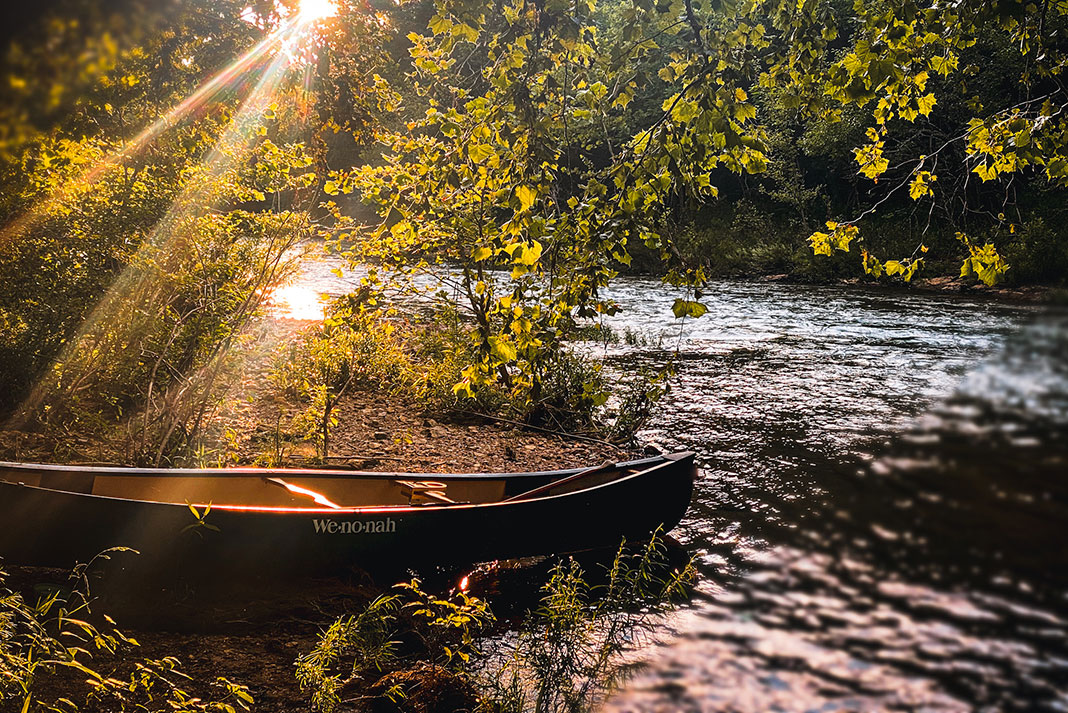
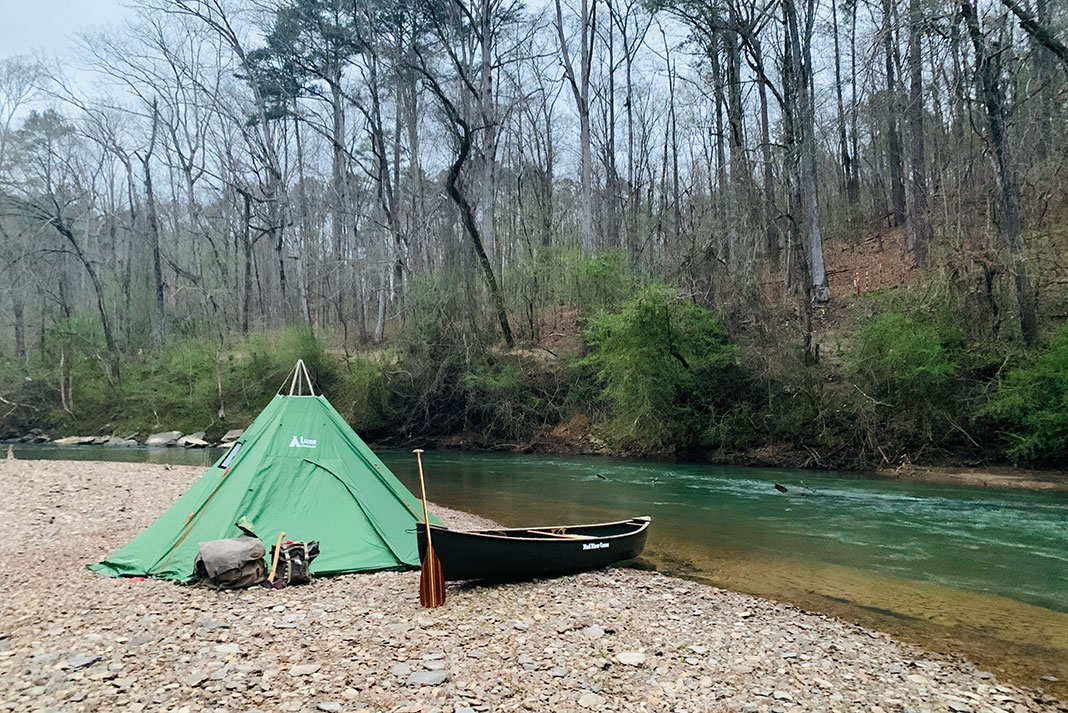
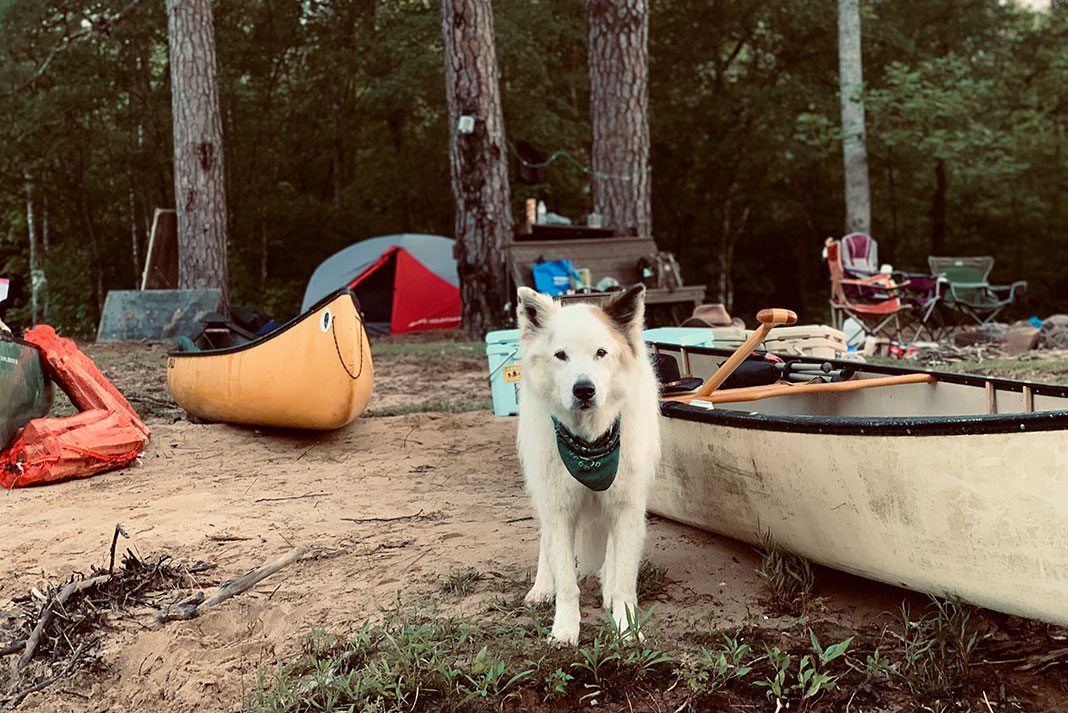
Camping out on the Cahaba River Trail. | Photo: Ben Leopard
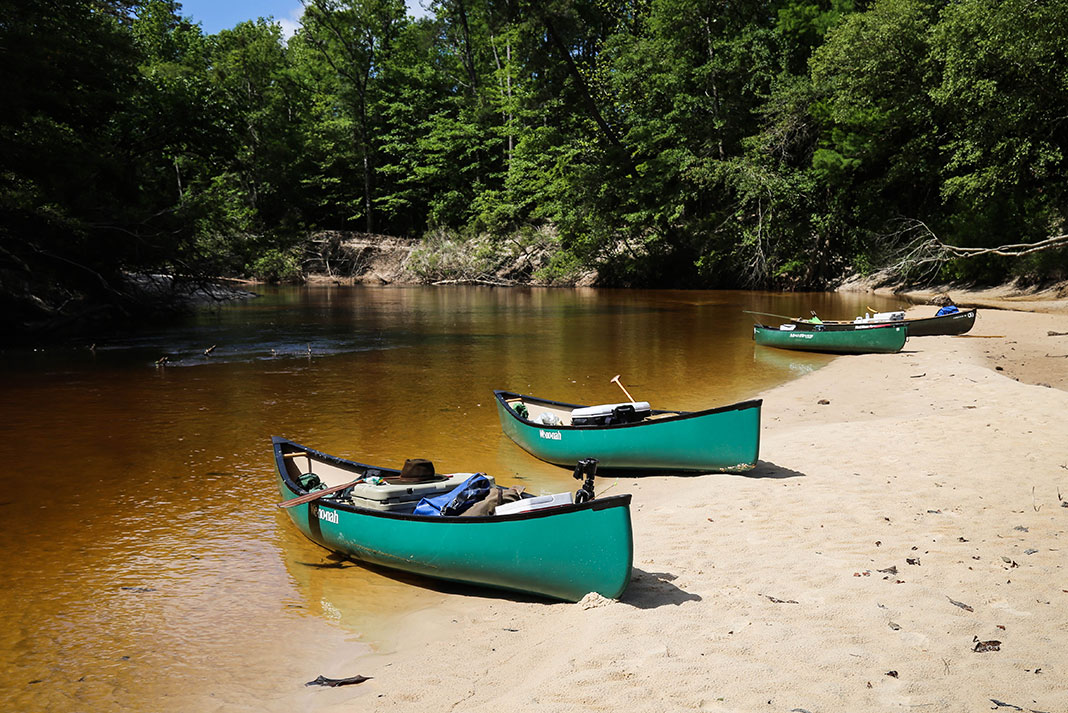
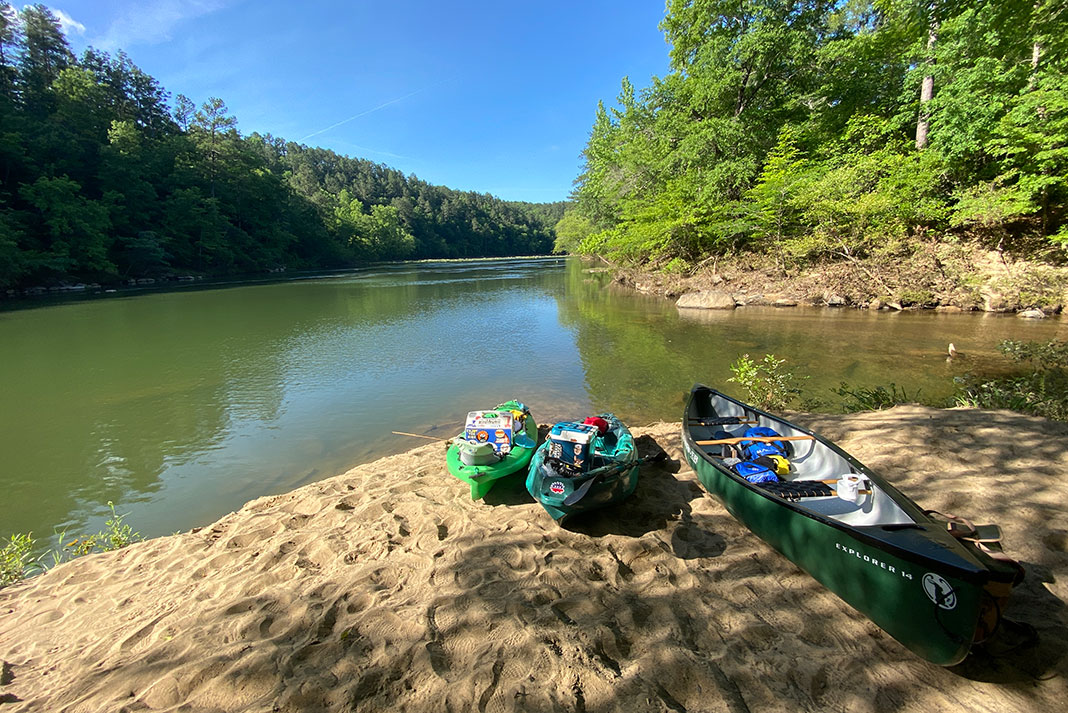
Take a break on the many riverside sandbars. | Photo: Ben Leopard
The Tallapoosa River
Winding for 258 miles from Georgia into Alabama at the southern end of the Appalachian Mountains, the Tallapoosa is a key part of the Alabama Scenic River Trail. One of the best ways to experience it is along the 25-mile Harold Banks Canoe Trail, named for the first man to solo paddle the river’s full length. The flatwater paddle goes through a fish trap and includes access to Horseshoe Bend Military Park, the site of the last battle of the Creek War on March 27, 1814. For a bit more excitement, the side chutes offer up small rapids, although the flow and volume of the river is dependent on the dams.
Alternatively, on the Upper Tallapoosa you’ll find the 40-mile Lloyd Owens Canoe Trail, which starts in Georgia and runs to the backwaters of Lake Harris. It’s known for its peaceful and clean water, good fishing and class I rapids.
Hatchet Creek Canoe Trail & Weogufka Creek Canoe Trail
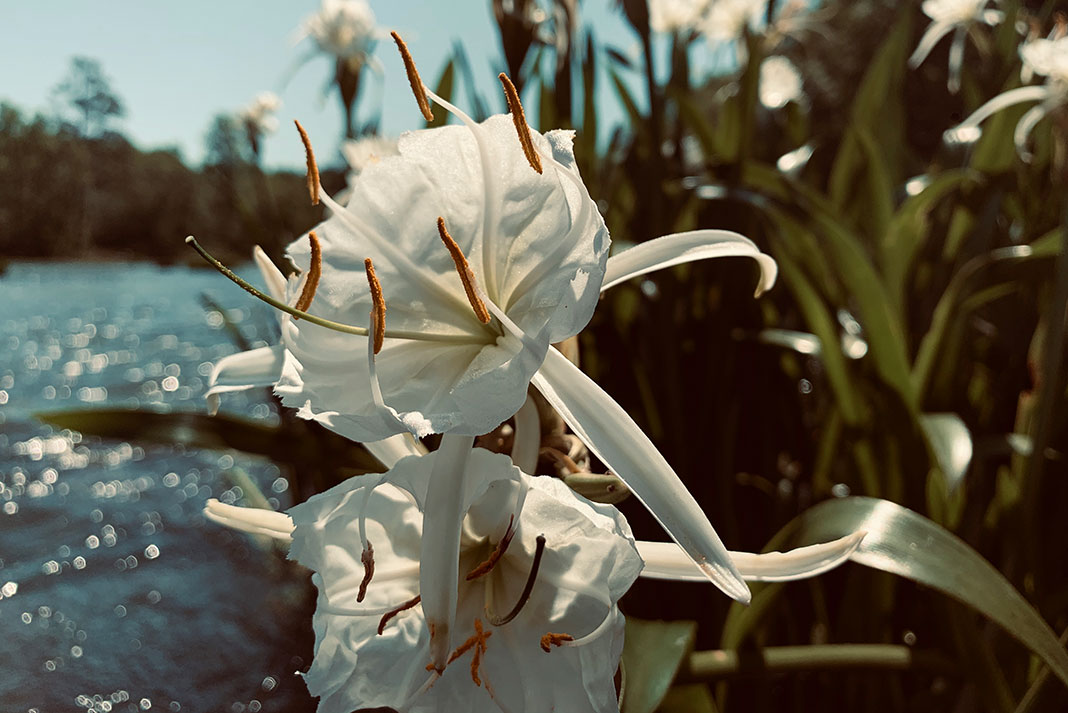
Located in Coosa County, Hatchet Creek and Weogufka Creek are both spur trails that shoot off from the Alabama Scenic River Trail. Running almost parallel to one another, the shorelines of the two creeks are covered in mountain laurel and flowering shrubs, along with rare blooming Cahaba lilies in the springtime. With rock gardens, sandbars and drops, be prepared for a few portages.
For those who want to turn their trip into an overnight, primitive campsites are available on private land—but be aware that access may be seasonal due to water levels. For guided floats and rentals, contact Off the Beaten Path Alabama.
Hatchet Creek and Weogufka Creek are home to rare Cahaba lilies blooming in the springtime. | Photo: Ben Leopard
Bartram Canoe Trail
If you hear “Alabama” and immediately think of bayous and swamps, this is the canoe trail for you. Named for naturalist William Bartram—who traveled extensively through the area in the late 18th-century—the Bartram Canoe Trail is located on the Mobile-Tensaw Delta. The country’s second-largest river delta, the swamp environment is home to 50 rare and endangered species, along with alligators. If the idea of camping close to reptiles excites you, then you’ll love the trail’s four floating camping platforms.
For a guided tour of this iconic route, contact the area’s specialists, Sunshine Canoe Rentals.
Lake Guntersville
If you’re after canoe trips in north Alabama, Alabama’s largest lake, Lake Guntersville, stretches for 75 miles from Nickajack Dam to Guntersville Dam. Its length makes it an ideal choice for overnight canoe trips in Alabama, particularly if you plan on fishing—it’s known for year-round bass fishing, while species such as bream, catfish and bluegill can also be caught.
Alabama canoe rides and float trips
When it comes to half-day or full-day canoe trips, you have plenty of options in both northern and southern Alabama, with dozens of established canoe trails to choose from. Here are just a handful of the put-in spots worth paddling out from.
Canoeing in North Alabama
The Flint River
Originating in Tennessee, the Flint River is also part of the ASRT, and is known for its fishing. You have a good chance of catching spotted bass, largemouth bass, catfish and bluegills off the back of your canoe. Don’t worry too much about paddling—the lower section is an easy float with no difficult rapids, making it perfect for solo missions.
North Alabama Canoe and Kayak offers rentals, as well as a shuttle service, with most canoeists taking about 3.5 hours to travel down the river.
When it comes to half-day or full-day canoe trips, you have plenty of options in both northern and southern Alabama. | Photo: Ben Leopard
Bear Creek & Little Bear Creek
Located in the northwest corner of the state, Bear Creek is a go-to destination for both canoeists and kayakers. The Bear Creek Floatway is a popular spot for teaching beginner paddlers how to navigate rapids and work with the flow of the rapids. Its water levels are controlled by a dam, with regular releases to control flow on weekends and holidays throughout the summer months. It begins below Upper Bear Creek and ends at Bear Creek Reservoir, and is mainly class I (approaching class II). There is also a mandatory portage at Upper and Lower Factory Falls.
It’s not the only trail on the creek, though. Canoeists, in particular, will enjoy the leisurely 34-mile Lower Bear Creek Canoe Trail, which runs from below the dam (starting at the Dixie Youth Park in Red Bay) to Bishop Bridge.
Just outside Hackleberg, you’ll also find Bear Creek Canoe Run, an outfitter that rents canoes and kayaks, alongside offering shuttle runs.
Big Canoe Creek
Located just northeast of Birmingham, Big Canoe Creek is located within a 422-acre nature preserve. It flows freely for over 50 miles and is home to more than 50 species of fish, including the trispot darter—which was thought extinct until it was rediscovered in 2008—and endemic species of mussels.
This tributary of the Coosa River can be explored with Springville outfitter Big Canoe Creek Outfitters.
The Elk River
A tributary of the Tennessee River, this class I stream is known for its towering bluffs, rolling meadows and pristine forest. Along the 21.9-mile Limestone County Canoe and Kayak Trail, you’ll find five easy put-in spots starting from Elkmont. Since the waterways are controlled by the dam’s flow, even in dry summers you’ll find plenty of water here.
Five Mile Creek
A town-owned canoe company is a bit unusual, but once you experience Five Mile Creek, you’ll understand why locals want to capitalize on the area’s greatest asset. Open for paddling from March to November—water levels permitting—the creek is 26 miles of Alabama’s best canoeing just 20 minutes north of downtown Birmingham, Alabama. In addition to rentals, the Five Mile Canoe Company also has a campground on site.
Cahaba River
If you’ve been reading this list carefully, you’ve probably already noticed that Alabama’s rivers and lakes tend to be controlled by dams. That’s not the case with the Cahaba River, which is the longest free-flowing river in the state.
Located just outside of Birmingham, it’s an easy urban float—the water is even slow enough in some areas that you can paddle upstream, eliminating the need for a shuttle vehicle. If you visit in the springtime, keep an eye out for the rare white Cahaba River lily, along with rope swings hanging from trees.
Outfitter Canoe the Cahaba offers rentals and shuttles, as well as guided trips.
Tripping on the Sipsey River. | Photo: Ben Leopard
Sipsey River & the Shark Tooth Creek
Considered one of the last wild swamp streams in Alabama, the Sipsey River had been called one of the “10 Natural Wonders in Alabama,” owing to its unique and diverse ecosystems. On a canoe trip down the Sipsey’s 92 miles, you pass through a canyon in Bankhead National Forest, where you’ll find waterfalls, sheer sandstone bluffs and class I rapids (along with one short section of class II rapids). The only official Wild and Scenic River in the state, the Sipsey has several put-in spots and primitive camping is welcome.
Book a canoe and campsite with the nearby Shark Tooth Creek Outdoor Adventures, and you may also be lucky enough to find a fossilized shark tooth or a million-year-old fossil.
Canoeing in South Alabama
Coastal Alabama Back Bay Blueway
With four trails and 21 access points to pick from, you can choose your own adventure along Alabama’s Gulf Coast with the Coastal Alabama Back Bay Blueway. You can explore historic Fort Morgan, spend the day fishing in the Little Lagoon, watch wildlife from Lake Shelby or Middle Lake, or navigate around islands in Wolf Bay.
The Perdido River Canoe Trail
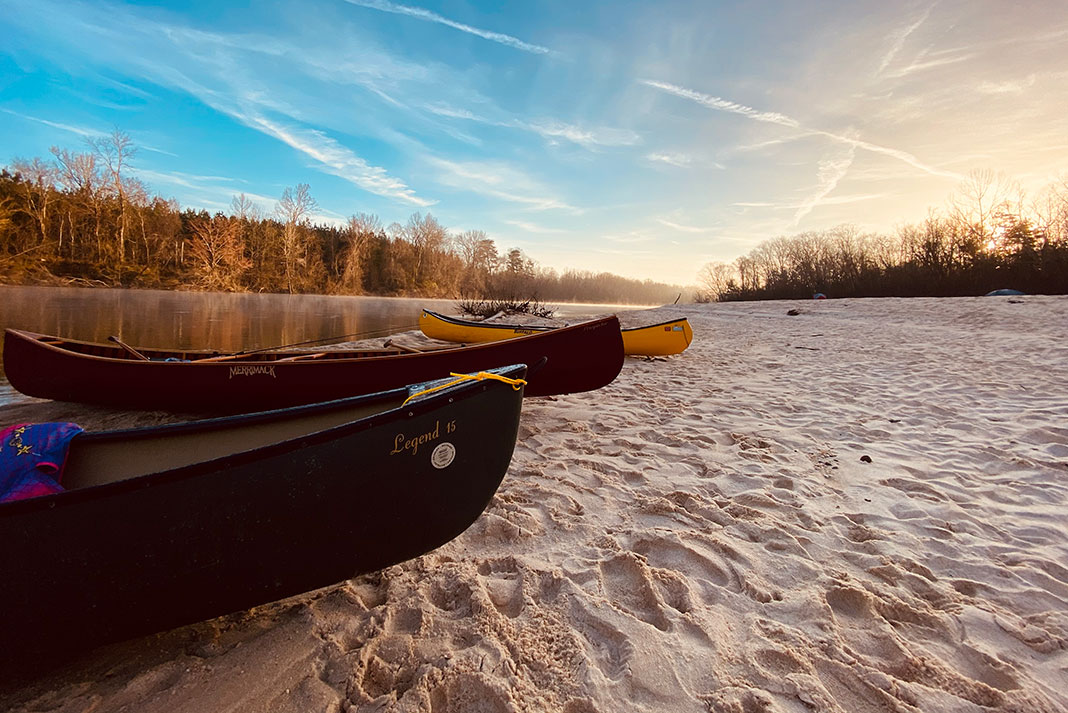
Straddling the southbound Florida border, the Perdido River Canoe Trail only runs for 19 miles, but once you see the tannin-stained waters and white sandbars, you might just be tempted to stay a while. Six reservable camping shelters are available, but canoeists are also welcomed to pitch their tent directly on one of the sandbars in front of the shelter.
Escatawpa River
Similar to the Perdido River, the Escatawpa is a meandering blackwater stream, known for its white sandbars. And again, like the Perdido, this waterway follows the state lines—this time between Alabama and Mississippi. One of the most trafficked stretches is the seven miles from Lott Road to Mason Ferry Road, although the trip can be extended into a weekend affair with primitive camping on its sandbars.
For outfitting, contact Escatawpa Hollow Park and Campground. The campground was temporarily closed in 2021 for renovations, but once it reopens, it will feature improved river access points along with a new interpretive center.
Pulled over on the Conecuh River, part of the Alabama Scenic River Trail. | Photo: Ben Leopard
Extend your trip with primitive camping on riverside sandbars on the Cahaba River. | Photo: Ben Leopard
Canoe rental Alabama
Looking for canoe rentals in North Alabama or South Alabama? In addition to the tour operators and outfitters listed above, contacting one of these shops is a good place to start:
North Alabama Paddling Adventures
Based in Fort Payne, this outfitter hires out sit atop kayaks and quality canoes, as well as offers paddling classes and guided multi-day paddling trips.
Brown Bear LLC Canoe and Kayak Rentals
Located on the Flint River, this outfitter offers canoe and kayak rentals for a four-hour route from
Brown Bear to Ryland Pike and a six-hour route from Brown Bear Winchester Road to Hwy 72.
Pea River Outdoors
Located in Elba, Pea River Outdoors rents out canoes and kayaks at hourly and daily rates, and also offers a shuttle service.
Fairhope Boat Company
Across the water from Mobile, you’ll find Fairhope—which is home to the Gulf Coast’s only full-service paddlesports store. In addition to rentals, guided trips throughout the county are also available.
Coosa River Adventures
Located on the banks of the Coosa River in Wetumpka, Alabama, this outfitter rents canoes (in addition to standup paddleboards and kayaks) and provides shuttles on the Coosa and Tallapoosa rivers.
Alabama canoe laws
Kayaks and canoes are considered recreational, non-motorized vessels in the state of Alabama. However, being aboard a pleasure vessel doesn’t make you immune to the state’s laws and regulations.
All passengers on pleasure vessels need to carry a U.S. Coast Guard-approved life jacket (PFD). | Photo: Ethan Honaker
First off, all passengers need to carry a U.S. Coast Guard-approved life jacket (PFD). Those under the age of eight are required to wear a PFD at all times, while the rest of us should just do so as a matter of good practice. If you plan on paddling after dark, you’ll need to have the appropriate lighting—and it’s also advised that you carry a whistle as a sounding device. The last non-negotiable is that you’ll need to have a Visual Distress Signaling (VDS) device, such as flares, if you plan on paddling in coastal waters.
Finally, it’s illegal to operate even a recreational boat with a blood alcohol level of 0.08% or above. You can also get a BUI for being under the influence of any other substance that impairs your ability to function mentally or physically on the water.
Kayaking in Alabama
Alabama may offer miles upon miles of calm waterways and small rapids to thrill canoeists—but it has just as much big water to keep kayakers’ adrenaline pumping. From flatwater to class V whitewater, and from half-day to full-day to overnight trips, you’re bound to find the perfect kayaking adventure in this incredible state.
Kayak trips in Alabama
If you’re looking to go kayaking and camping, Alabama is positively the place to go. Considering the best canoe tripping routes take place on the state’s rivers and creeks where portages are few, these same waterways will be suited to a multiday kayak trip. See the section above for ideas.
Whitewater kayaking Alabama
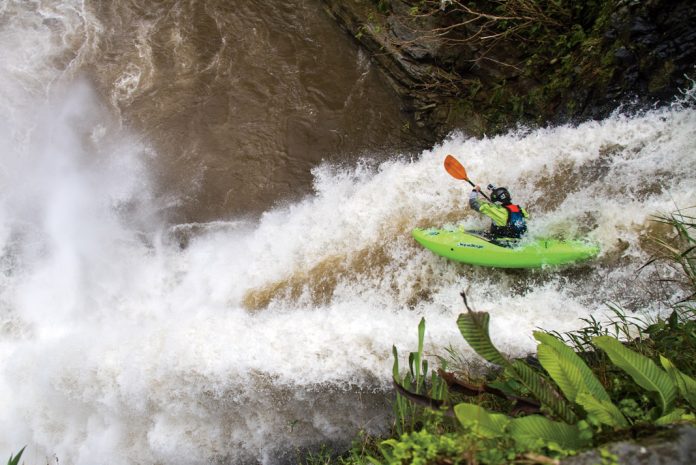
From mellow class I to gnarly class IV runs, Alabama has it all when it comes to whitewater. Take your pick from the favorite rivers below based on your skill level—or sign up for some whitewater instruction to ensure you have a blast on the river.
Sipsey River
Entry-level whitewater paddlers looking for a bit of fast-water fun should head to the Sipsey in Bankhead National Forest. On this river you’ll enjoy many unnamed class I rapids, as well as one named class II: the 100 Yard Dash. This area is known as the Land of 1,000 Waterfalls, so you know you’re in for a treat when paddling this route.
Locust Fork of the Black Warrior River
Experienced paddlers will find great fun on the Locust Fork of the Black Warrior River, where class II and III rapids can be found in abundance. The recommended run extends from Highway 231 to County Road 160.
Little River Canyon
Highly experienced whitewater paddlers should without a doubt head to the Little River Canyon, located on Lookout Mountain in northeast Alabama. You’ll find class III and IV rapids between Little River Falls and through the canyon (whereas the sections of the Little River above the falls and at the south end hold class I and II rapids). Your run will take you through stunning scenery, as you paddle past sandstone cliffs and over turquoise waters.
Paddle rivers leading into the Gulf of Mexico or paddle the Gulf itself. The southern portion of Alabama provides access to all the incredible features along the coast, including beaches, islands, inlets and marine life.
Mobile Bay
Sea kayakers will love paddling Mobile Bay, located on the Gulf of Mexico. Put in at the Scott’s Landing Boat Access and paddle south along the shore. There are multiple beaches and parks you can choose to take out at, depending on your trip length of choice. Many choose to finish at Fairhope, or use this as a turnaround point.
Pelican Bay
Take the Dauphin Island Bridge and launch your kayak from the island for a paddling experience rich in marine life. Put in at Dauphin Island beach on the southeast side of the island. You can circumvent the island or make a shorter journey along the southern shore, visiting the many beaches along the way and exploring Pelican Cove.
Kayak rental Alabama
No matter what type of kayaking you plan to do, or where you plan to do it, you can find a kayak rental company in Alabama that suits. Many outfitters also provide guided tours and shuttles. Note that many of the outfitters listed in other sections of this article also rent kayaks.
WildNative Tours
Rent single and tandem sit-in kayaks from WildNative Tours to access Mobile Bay. They’ll deliver anywhere along the Battleship Causeway.
Ken’s Kayak & Paddle Board Rentals
Get out on the waters of the Gulf with Ken’s Kayak & Paddle Board Rentals. They’ll deliver to the location of your choice.
No Worries Kayak Rentals
No Worries Kayak Rentals will provide you with a single or tandem sit-on-top recreational kayak, paddles, life jackets and shuttle so you can enjoy a day of paddling on Terrapin Creek.
North Alabama Canoe & Kayak
Rent a kayak from North Alabama Canoe & Kayak and enjoy a run down the Flint River.
Alabama kayak laws
The canoe laws explained in the section above also apply to kayaks. Do you have to register a kayak in Alabama? Registration is only required if you are using a gas or electric motor.
Getting ready to go on the Cahaba River. | Photo: Chris Miller
Paddleboarding Alabama
According to SUPBoardGuide.com, some of the best SUPing spots in the United States are in Alabama. It makes sense. The Tennessee River, for example—most of which is located within Alabama state lines—is one of the best touring rivers in the country thanks to its length, average depth and places to stop along the way. But really, the sweet spot here is along the state’s coastlines, with its calm bays (including Perdido Bay, Oyster Bay, Bon Secour Bay and Mobile Bay) and beaches.
Places to paddleboard
While many of the locations we’ve listed for canoeing above also offer suitable conditions for SUPing, the most popular place to paddleboard in Alabama is along the Gulf Coast. Considered one of the best SUP spots in the state, it has conditions for different skill levels, with miles of canals and countless islands—don’t miss Robinson Island—and coves to explore.
Although the Orange Beach Canoe Trail is considered prime paddling for kayakers, the canals near the Orange Beach Marina make for ideal SUPing conditions, as they’re a no-wake zone with relatively calm water. They also offer plenty to look at, including waterfront restaurants and homes, boats of all shapes and sizes, and dolphin visitors.
Paddleboard rentals
In addition to kayaks and canoes, many marinas and lakeside campgrounds throughout the state now offer SUP rentals. However, here are a few places that are keen to get you kitted up and out on the water.
Elk River
Fort Hampton Outfitters: Although it specializes in kayak rentals for use on the Elk River, this outfitter also offers SUP rentals.
Tennessee River
Forrest Paddle Boarding: Located in Huntsville, Forrest SUPing offers rentals at $35 for two hours, along with individual guided trips and coaching.
Gulf Shores and Orange Beach
Perdido Beach Service: This outfitter offers tandem ocean kayaks and SUP boards, starting from $25 per hour.
iBeachService: Single-person kayaks and SUP boards are available for rent, starting from $225 per week.
Go Go Kayaks: Starting from $65 per day and $125 per week, this outfitter rents out single kayaks, tandem kayaks and SUPs.
Paddled By You: Expect to pay $40 for a half-day or $55 for a full-day at this family-owned kayak and SUP rental service.
Rafting in Alabama
Although whitewater kayaking is one of Alabama’s most popular paddlesports, there are very few outfitters that take tourists on guided whitewater rafting in Alabama.
RushSouth Whitewater Park on the Chattahoochee River is the longest urban whitewater rafting course in the world. | Photo: Ethan Honaker
RushSouth Whitewater Park
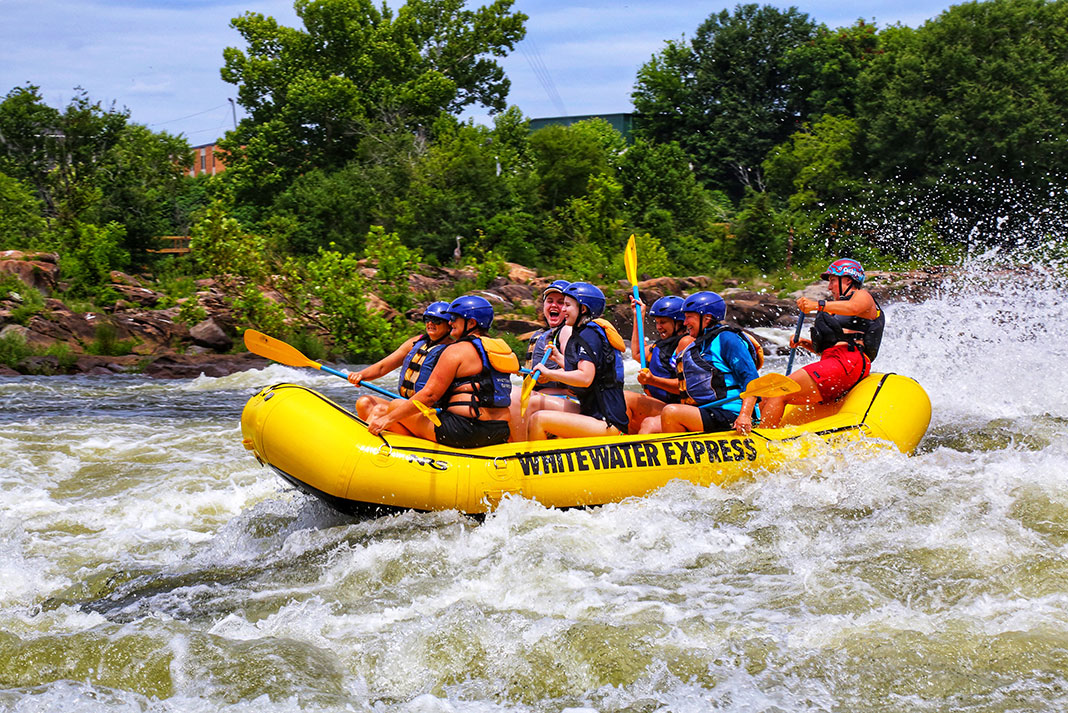
Running through Columbus, Georgia and Phenix City, the RushSouth Whitewater Park on the Chattahoochee River is the longest urban whitewater rafting course in the world. Yes, the rapids may be man-made, but that doesn’t make the class III, IV and V rapids any less challenging—they’re allegedly the largest south of Canada and east of Colorado.
Whitewater Express offers guided two- to three-hour trips starting from $46.95 per person.
Ocoee River
While technically not in Alabama, the Ocoee River is just a short drive from Birmingham and Huntsville, making it the spot to go in North Alabama for whitewater rafting. This Tennessee waterway flows through Cherokee National Forest and is considered one of America’s best whitewater rivers, with over five miles of class III and IV rapids.
Ocoee Inn Rafting runs half-day and full-day trips on the river from March to September, starting from $30 per person.
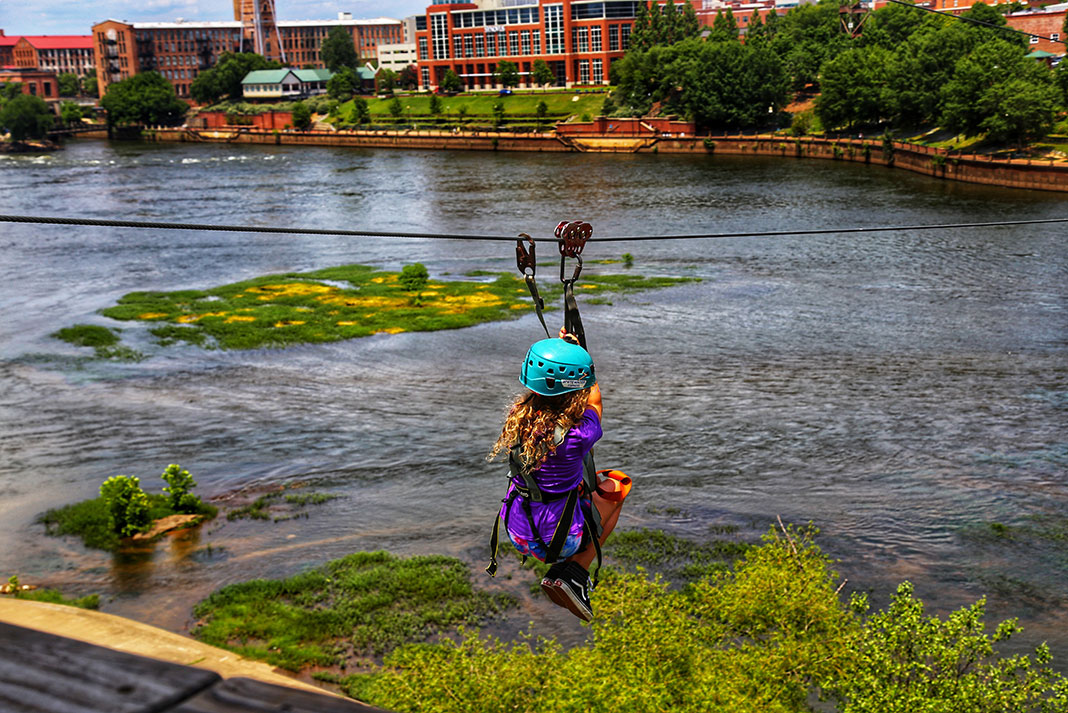
Cap off a day of rafting fun with a zipline ride over the river. | Photo: Ethan Honaker
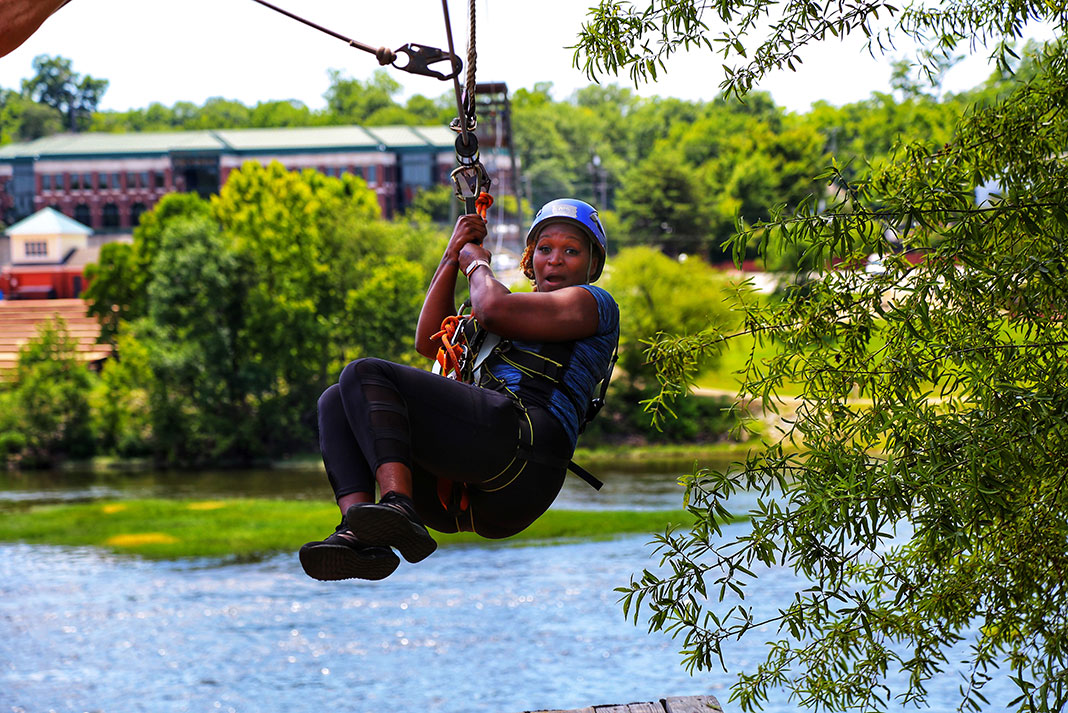
Thrills on thrills in Alabama. | Photo: Ethan Honaker
What to know before you go
While it’s possible to paddle year-round in Alabama, it’s worth noting that many of the rivers and lakes are controlled by a system of dams. Water levels during the height of summer can be notoriously low in some regions, making shoulder season the time to plan your canoe and kayak trips.
However, be aware that many outfitters, tour operators and campgrounds only operate between Memorial Day in May and Labor Day in September.
Slow is fast. Push too far, too quick and paddlers risk a small mistake making the technique collapse like a house of cards. | Feature photo: Seth Ashworth
Most people want to learn quickly, thinking fast progress makes better skills. Unfortunately, learning doesn’t work this way—on the water and elsewhere. Push too far, too quickly and whitewater paddlers risk making mistakes they’re not equipped to handle. So, what’s the first lesson for learners about fast paddling progress? Slow down!
A young friend illustrated the pitfalls of paddling progression not long ago. A talented paddler, he quickly progressed from beginner to intermediate, jumping from one test river to the next. His success encouraged him. His friends were amazed. And it seemed his progression would continue.
Unfortunately, on the tenth or so rung up the river ladder, he lost control in a shallow rapid. Suddenly upside-down, he took a couple of rock hits and his otherwise excellent roll failed. Carping for air led to a dislocated shoulder followed by a difficult swim to shore. Afterwards he struggled with the question: He was doing so well, progressing so fast, what went wrong?
Slow is fast. Push too far, too quick and paddlers risk a small mistake making the technique collapse like a house of cards. | Feature photo: Seth Ashworth
The reflexes and smooth technique of top paddlers can’t be learned quickly. Sharp reflexes and smooth technique build slowly from extensive practice, and—unknown by the novice—these skills actually consist of two different kinds of technique: the paddle positions you see and top paddlers carefully practice; and a tight web of correction moves you probably don’t even consider.
Good technique is just half the equation. Rivers are constantly pushing and surging, shifting their currents and are only partly predictable. The game of whitewater requires your technique to be fluid, strong, and versatile enough to match the rivers’ changes. This is especially true as you progress to more powerful whitewater, because it will find any weakness you have.
All it takes is an instant and one little break in your form. An unexpected cross-current grabs the edge of your boat and jars you off balance or flips you upside-down. A surge forces your paddle out of position for a roll. Then, like my young friend, you’re suddenly carping for air. Follow with an unexpected rock hit to your head and suddenly all that fast progression is flushed down the river, out of control and out of breath.
[ Paddling Buyer’s Guide: View all whitewater paddling accessories ]
Learning to correct mistakes on the fly
No matter how good your technique, the water will always force such errors, so you must have a broad set of quick corrections.
If the boat’s edge grabs, you slap a brace and apply counter pressure with your knees. If flipped and surging water shoves your paddle out of position, you must be able to drive the blade to the right position and crank the roll.
So the first lesson about fast progression is slow down. You have a lot to learn. All parts of your technique have to be coordinated to keep you upright and moving with the right angle, edge and speed. A mistake can make the entire skill collapse like a house of cards.
The second lesson: you cannot learn without making mistakes. Much of whitewater kayaking is the art of constantly adjusting errors to create your line, and these adjustments and corrections are every bit as important as the ideal technique.
The faster you progress, the more inevitable the plunge becomes.
Few beginners or intermediates realize this is practicing an unseen technique—every time you make an error, you practice strokes and techniques to correct the mistake and regain control. It is part of the skill. More than likely though, these mistakes piss you off because they feel like failures, not useful practice.
Understand you are practicing a safety net of error-correction skills, bringing the boat back into control and bringing your movements back into the proper technique. To be an expert, every error has to funnel back to the correct motion. Without this net, the river magnifies every error and flushes you away.
Mistakes that are corrected are a part of the paddling progression and creates an essential set of skills. When you pursue harder whitewater, it is only a matter of time before the river plunges you and your technique breaks down. The faster you progress, the more inevitable the plunge becomes.
Driving is a good comparison. Aggressive teenagers learn to drive very quickly. The classic problem appears when they get cocky and start speeding, not realizing when they make a mistake, they haven’t practiced correcting errors and don’t have the right timing or touch. The forces involved are far more powerful and happen twice as fast.
Driving is a blast until, going 80 miles per hour the kid skids on gravel, overcorrects and rolls the car. That’s what happens when you progress faster than your safety net of error corrections is formed.
Mistakes that are corrected are a part of the paddling progression and creates an essential set of skills. | Photo: Roya Ann Miller/Unsplash
The river is constantly forcing errors and you must be able to counteract them from any position. With time your corrections form an ever-tighter web around the ideal technique. This is how experts funnel the chaos of a rapid into the magic of fluid smoothness.
So take it easy and don’t rush. The beauty of rivers comes from their infinite variation. Moving with them and matching their fluidity requires learning in both seen and unseen ways.
This article was first published in the Spring 2018 issue of Paddling Magazine. Subscribe to Paddling Magazine’s print and digital editions, or browse the archives.
Slow is fast. Push too far, too quick and paddlers risk a small mistake making the technique collapse like a house of cards. | Feature photo: Seth Ashworth
From the filmmaker: “Meet Frank Kuiack, the last traditional fishing guide in Algonquin Park. Kuiack carries a lifetime of stories and wisdom about the Algonquin. His magnetic personality, skills on the water and knowledge of the park’s intricate lakes and trails has inspired two novels.
When Kuiack was eight-years-old, a group of American anglers offered him $5 to show them where to catch fish — and he’s been making his living as a fishing guide ever since.
At 84-years-old and recently diagnosed with bone cancer, Frank’s health has taken a turn for the worse. While he’s attempted to train guides over the years and pass on his knowledge, the physically demanding nature of the job has turned away most potential apprentices.
Kuiack’s niece, Sharleen, has shown a unique ability to go toe-to-toe with Frank on the water but, despite her ability and love for her uncle, she remains unsure how to carry on his legacy or whether she desires to be the next ‘Last Guide.'”
BAD RIVER – The Cooks River: Australia’s sickest urban river is located in the glamorous and famously pretty city of Sydney. This makes sense, given it’s also Australia’s largest, hard-surfaced, drainified, leaky-sewered, city.
In his little red kayak, Beau Miles traces all 23 kilometers of the Cooks River, inspired to do so after paddling his boyhood river over four days in the name of backyard adventuring. Finding it not only challenging, but shocking in terms of its ill health, Miles since shifted from wanting to see the wildest and most pristine places on earth, to the most degraded and sick. This is a journey of ill-health, sadness and hope; putting a test to the local saying, ‘if you fall in, you’ll dissolve’.
I recently had the rare experience of getting away for a solo weekend kayaking trip. Rare because responsible and gainfully employed fathers of young children do not just go away on solo trips in the wilderness—it’s not like the wilderness gives you anything concrete to justify your reasons for going there.
It just so happened that I got two nights off work, conveniently planned way in advance to coincide with the kids’ camp. I had not quite three days, from the camp drop off to pick up two days later—exactly 55 hours, 12 of which were to be spent driving to a suitable sea kayaking destination.
[ Plan your next sea kayaking adventure with the Paddling Trip Guide ]
Tallying the benefits of a solo weekend kayaking trip
Day one was a hot stinker in the city. I did the final sunscreen application on the kids and said goodbye to their bewildered faces (“You’re going kayaking without us?” they asked). Then I had to grocery shop to leave the family provisioned, walk the dog to leave him fully worn out, and clean the house to leave things well organized and not exacerbate the selfishness of my absence. Then I used another chunk of my precious time to actually pack, because I’d been too busy to do it earlier.
My vacation was already 10 percent over when I finally embarked, drenched in sweat in our battered minivan with the broken AC, heading into the city’s rush hour crawl. I was angry at the traffic and how many hours had already passed, but I arrived at my drive-in campsite well before sunset, and immediately washed away my frustrations by jumping off a cliff into the lake and eating my prepared-salad-in-a-box dinner overlooking the rolling hills.
True relaxation starts on day two. | Photo: Clayton Malquist/Unsplash
First came an onslaught of things I wanted to do to maximize my limited time. Swim! Eat! Drink beer! Light a fire! Roast a sweet potato! Paint a picture! Take a selfie! Read the newspaper! Call my wife! Charge the iPhone! Look at the maps! Get to bed early! Such is the frenzy of a trip’s beginning, before the mind settles down.
True relaxation started on day two when I packed up early and paddled into Georgian Bay, so pleased, as always, by how neatly everything fits inside the kayak. I swear I could love kayaking without paddling a stroke, just through the joy of packing and unpacking and sitting back to admire my boat in all its compact utility.
I quickly learned I was not alone. As it turns out many magazines, like this one, have named Philip Edward Island one of the best places on the planet to paddle, which de facto makes it less true. However, the beauty of this ice-, water- and wind-shaped landscape was undeniable, and traveling alone makes it easy to slip between the crowds.
I camped on an expanse of granite with my tent and kayak nestled beneath a pine tree, nearly invisible. Then a tour group pulled in next door, making as if to stay. I made a big show of myself, like one would to scare away a bear. I paced up and down the rock on made-up errands, clattering pots and shaking out large flapping objects as if to dry them. Then I hunkered back down and watched the group paddle away.
My last solo trip was more than a decade ago. At the time I took aloneness for granted. I lived by myself, and my life was awash in privacy and freedom. Today I migrate between family and work—a cramped fire station populated by eight to 10 people. Both families and firefighters move everywhere in packs, and this doesn’t suit my personality.
The Georgian Bay solitude struck me like water in the desert, a deep peace of no pressing interruptions or finding new emergencies. I swam in solitude, taking great thirsty gulps as I went. That day I had spent several hours paddling, exploring small islands—I saw a bear grazing berry bushes on the outside of one—and climbing lookouts to take in great distances, surfing wind waves into my campsite. Come evening, I was sitting on the smooth Georgian Bay granite, thinking and doing practically nothing, watching the stars come out one by one. The experience felt infinite, like I would always have enough.
Sand through the hourglass.| PHOTO: LAURI LOHI
In the morning, I was already scheduled down to the minute to pick up the kids. I contended not with rush hour traffic, but with picking my way through rocky shoals while trying to read a map. And when in my distraction I abruptly ran aground, leaving a white cloud of gel coat in the water, nobody flipped me the bird and I didn’t have to get out to exchange drivers licenses and insurance. I just laughed at myself and jumped out for a swim before pushing my boat free.
Back home I acted noticeably slower, like I’d been away traveling for months in rural Tibet. “Wow, are you ever relaxed!” my wife commented, both impressed and exasperated at my sudden inability to process the glut of information and requests she was dumping on me over dinner. The subtext: “Okay, you had your vacation, now get with the program!”
“It’s like you’re on a different planet!” For just those few hours, I was. I felt like I was indeed on a planet, not wrapped up in a city or a house, but under the blue sky on the round earth, listening to the breath of wind in the boughs of the white pine and the sound of water lapping on rocks and checking out far off things and having far off thoughts.
Though the wilderness portion of my trip boiled down to literally just 24 hours sandwiched between long bouts of bustling around, that solitude contained an intimation of infinity that more than made up for the short duration. I didn’t need to be out for long. I just needed to be reminded that there was more than enough time and solitude out there somewhere, just abiding, no matter how harried my home days might be. It’s a place I can access in meditation, or just a moment of deep breathing while sitting in traffic.
I’m reminded of a friend who once told me wilderness is his touchstone. I talked to a canoe builder recently who got a distant look in his eyes when discussing properly long wilderness trips. “It takes me at least three weeks to really settle in,” he told me. “Then everything just clicks. You sleep better, you breathe better, your eyesight is sharper, your mind is sharper.” But I swear I got there in just a couple of days.
On a solo weekend kayaking trip, the possibilities—and the stars—seem endless. | Feature photo: Lauri Lohi
Making a shortlist of Algonquin Park’s finest lakes is no easy task. With more than 1,500 lakes to choose from, there are hundreds of breathtaking destinations that offer something for everyone. To create this list of 21 lakes, we factored in each lake’s exceptional scenic value, as well as its ease of access for paddlers and hikers, and what else you can see in the surrounding area. We also selected lakes with above-average campsites, so you can spend as much time soaking up those lakefront views as you like.
[This article is part of our Ultimate Algonquin Park Travel Guide. Find all the resources you need to plan an adventure-filled trip to Algonquin Park.]
Best lakes in Algonquin
Unicorn sky at Rock Lake. | Photo: Virginia Marshall
Rock Lake
Rock Lake has all of the ingredients for a perfect paddle-hike-camp destination. You could paddle around it in a single day, but there’s so much to see that you’ll want to linger longer. Stay at Rock Lake Campground or one of the 18 backcountry campsites scattered around the lake’s southeastern shore and central islands. Choose your view: dramatic cliffs, spectacular sunset or serene bay—there’s a site to suit every taste. Return to the water to search for ancient Indigenous pictographs, try your best yodel in Echo Bay or park your canoe at the trailhead for Booth’s Rock—an easy 5-km hike with a jaw-dropping view of Rock Lake.
The panorama that unfolds as Highway 60 twists and turns around Lake of Two Rivers is a highlight of any fall-colours drive in Algonquin Park. Fortunately it’s easy to see more of this lovely lake than the fleeting glimpses from the highway. Book a campsite at Lake of Two Rivers Campground, and bring (or rent) all the toys: paddle at dawn to witness superlative sunrise views, then hike or pedal along the lake’s south side on the Old Railway Bike Trail.
The beauty of Pog Lake lies in this small lake’s quiet bays and superb accessibility. Pog Lake Campground encompasses much of the shoreline, with plenty of well-spaced lakeside campsites nestled in majestic pine forest. For such a petite lake, there’s lots to do once you’re here: two swimming beaches, easy access to the Old Railway Bike Trail and peaceful canoeing along the Madawaska River to Lake of Two Rivers or Whitefish and Rock lakes.
Morning solo on Mew Lake. | Photo: Courtesy Destination Ontario
Mew Lake
For an intimate lake experience with the convenience of being steps from your comfy vehicle campsite, Mew Lake is a great option. Cradled by the white pines of Mew Lake Campground, this small lake sees little traffic aside from the occasional forays of your fellow campers.
Look at a map of Algonquin Park and it’s impossible to miss Lake Opeongo. Sprawling across the heart of the park, Opeongo is the largest of Algonquin’s more than 1,500 lakes and undeniably one of its most beautiful.
[ Paddling Trip Guide: View all paddling trips in Algonquin ]
These are vast waters—there’s plenty of diverse shoreline here for a week or more of canoe or kayak tripping. With over 130 backcountry campsites to choose from, finding privacy and solitude is as simple as paddling around the next point. Historical remnants, hidden islands and wildlife-filled wetlands invite exploration.
Accessed by a 40-km gravel road from the north side of Algonquin Park, Cedar Lake receives far fewer visitors than the lakes found along the Highway 60 corridor. This is a large lake with lots to see, so base yourself at Brent Campground or one the widely scattered backcountry sites. Paddle into one of the lake’s two provincially significant marshes to spot moose and other wildlife, then search the shoreline for artefacts from the park’s pioneer era.
It’s no surprise that at times canoeing on Grand Lake feels more like paddling in a wide river valley than on a lake. This long, narrow lake occupies a natural fracture in Algonquin’s bedrock landscape and forms part of the headwaters of the Barron River, which enters its own spectacular canyon just a few kilometres downstream of the lake. Look for unique glacial remnants, Indigenous pictographs and secluded campsites along the lakeshore. South of the developed sites at Achray Campground, the undulating hills of Carcajou Bay form the backdrop to the iconic Tom Thomson painting, “The Jack Pine.”
Galeairy Lake is an access point to the interior of Algonquin Park’s southern panhandle, but this sizeable lake is also a beautiful destination in its own right. Many of the interior campsites here perch on high rocky points, giving lovely lake and sunset views. History buffs can explore Farm Bay for the remains of an amphibious boat called an “alligator”—used for hauling logs across both land and water.
The heart of central Algonquin Park is an area of mid- to large-sized wilderness lakes interconnected by centuries-old portage trails and meandering waterways. Big Trout Lake anchors the west side of a terrific weeklong canoe tripping circuit from Lake Opeongo. The only other visitors you’ll see on this remote, island-studded lake are adventurous trippers like yourself. If you like island campsites, you’ll love Big Trout Lake.
On the west side of Algonquin Park, Little Trout Lake makes an enticing stopover for canoe trips starting out at the Magnetawan Lake access point. At just two kilometres long, this pine-rimmed lake has an intimate feel and 11 fine backcountry campsites to choose from.
For seclusion-seekers, it’s hard to beat Little Eagle Lake. This small, isolated lake on the west side of Algonquin Park has a solitary campsite situated on a west-facing point—perfect for private sunsets (and skinny-dipping). Even better, you won’t have any unexpected visitors—the only way into and out of the lake is via a 340-metre portage.
In the northwest corner of Algonquin Park, North Tea Lake boasts a rare combination of breathtaking sandy beaches, loads of portage-free paddling and picturesque islands, and tons of gorgeous backcountry campsites. With two distinct arms and nearly 70 campsites to choose from, it’s possible to find privacy and seclusion even on busy summer weekends. Enjoy stunning sunsets and swimming, and watch for wildlife at the Amable du Fond River—this winding waterway is a moose hotspot.
Lying in the heart of the Algonquin backcountry, Burntroot Lake takes several days’ travel by paddle and portage to reach. But its isolation is what makes this large, island-studded lake so special. All 25 campsites on Burntroot remind paddlers why Algonquin Park backcountry camping is world-renowned. And, if you’re a fan of pitching your tent offshore, this lake has no fewer than 11 island campsites. Explore the varied shoreline for artefacts of Algonquin’s early homesteading, farming and logging eras.
Lovely Canisbay Lake offers some of Algonquin Park’s most secluded developed camping at Canisbay Lake Campground, as well as easy access to 16 backcountry campsites for novice paddlers and campers. In the fall, the surrounding hardwood forest explodes into a riot of colour and canoeists can forage for wild cranberries at the lake’s southern outlet.
Travelling north by canoe from Lake Opeongo, you could paddle right through Big Crow Lake on your way to the area’s larger lakes, but you would be missing out. Instead, pitch your tent at one of Big Crow Lake’s 10 backcountry campsites or, for a truly unique Algonquin experience, rent the restored fire ranger cabin on the lake’s south arm. Hike up the short trail behind the cabin to the old fire tower and enjoy a spectacular lake view from atop these cliffs. Nearby, another trail leads into a remnant of majestic, old growth white pine forest.
The beauty of Harness Lake lies not only in its quiet seclusion and rock point campsites, but also in the variety of ways you can visit the lake. Paddle and portage south from Cache Lake access point, or trek the long loop (35 kilometres) of Algonquin’s Highland Backpacking Trail. Either way, you’ll love the tranquility of this small highland lake.
Even if you don’t subscribe to the notion that a bit of sweat makes your backcountry campsite all the sweeter, Lake Louisa’s stunning natural beauty and isolation makes it worth the effort to get here. Before you can settle into one of the 23 campsites perched amid the lake’s windswept pines and panoramic rock points, you’ll need to carry canoes and packs 3,000 metres across the portage from Rock Lake. In spring, Lake Louisa rarely disappoints anglers—lunker lake trout in these clean, clear waters grow to 55 cm (22 inches).
Shall Lake is one of the less visited Algonquin Park access points on the south side of the park, making this small lake ideal for a quiet yet accessible day trip or overnight. From Shall Lake, paddlers can visit the equally peaceful Farm and Crotch lakes without needing to portage. All three lakes offer inviting interior campsites, as well as rewarding fishing for northern pike, smallmouth bass and, in spring, lake trout.
Regarded as one of the most picturesque Algonquin Park interior lakes, Booth Lake boasts 18 beautiful campsites strategically scattered around the lake on beaches, islands and rock points. Diverse fish species await anglers, while paddling photographers enjoy a visual feast that includes spectacular fall colours and abundant moose in the extensive wetland complex around McCarthy Creek.
In late September and early October, the hardwood forest hillsides cradling Rosebary Lake are ablaze with breathtaking fall colour. Situated on the west side of Algonquin Park, the lake has fewer visitors than routes accessible from Highway 60—late-season campers may find they have Rosebary’s six backcountry campsites all to themselves. Choose a site with southeast exposure for early morning sunshine to warm up after a chilly night, or pick one of the lake’s west-facing points for stunning sunsets.
Nadine Lake is one of the more remote Algonquin Park lakes. | Photo: Virginia Marshall
Nadine Lake
Perched in a copse of hardwoods, far off the beaten track in Algonquin Park’s central highlands, Nadine Lake is known as a green headwater lake. Unlike the familiar “root beer” tint of most of the park’s rivers and lakes, which results from staining by tree tannins, Nadine Lake’s crystal clear, chilly waters are spring-fed. Accessed via a 1,400-metre portage from the Nipissing River, there are four backcountry campsites on this remote Algonquin Park lake.
Photo: Stephen Smith, Whitney & Smith Legendary Expeditions
We all need a break from the everyday sometimes, and fortunately the world is full of paddling destinations that are anything but. Fancy an epic paddle down Norway’s longest fjord? How about searching out your own slice of paradise among the Fijian islands? Those are just two jaw-dropping destinations perfectly suited for your next paddling trip of a lifetime, so read on for the full list and start packing your bags.
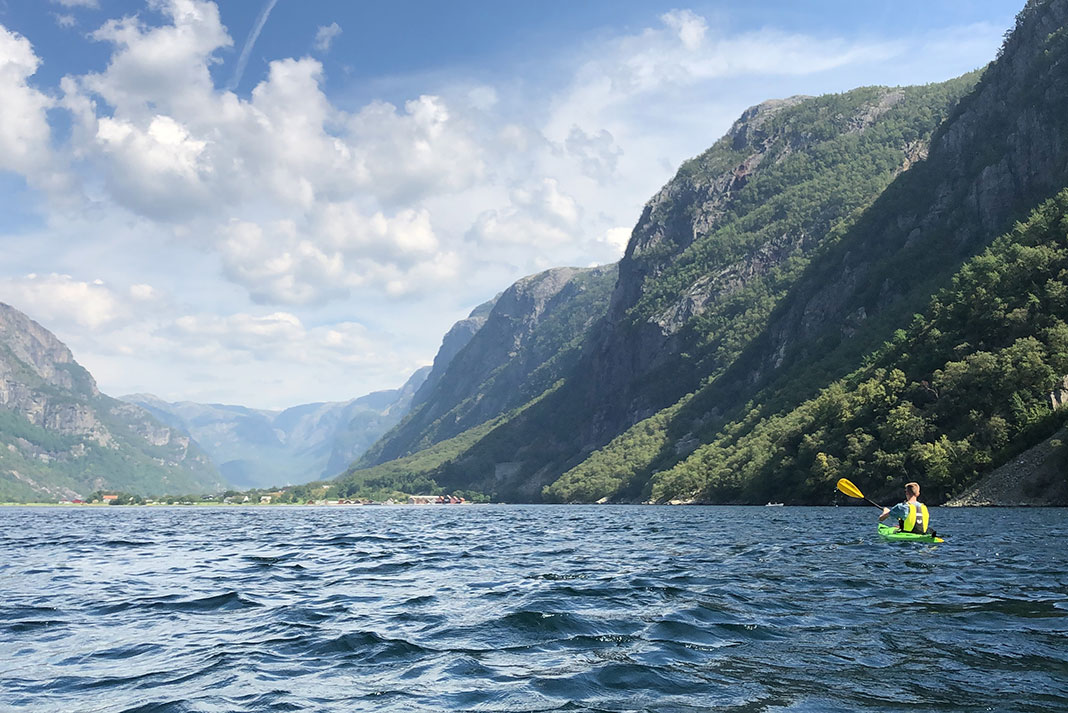
Morueldr—pronounced moor-eld—is old Norwegian for “ocean fire.” The fire in Norway’s dark waters is actually natural bioluminescence, the defense response of tiny sea organisms when stirred by the dip of a paddle. In the Fiordlands, the Atlantic Ocean creates a filigree of land and water, stretching its grasp far inland along narrow, deep inlets flanked by steep cliffs and plunging waterfalls. Trounce the discomforts of wet-weather camping with a luxury five-day inn-to-inn tour of the world’s longest fiord, the Sognefjord.
[ Plan your next Norway paddling adventure with the Paddling Trip Guide ]
Photo: Simon Hermans/Unsplash
2 Float through France on the Dordogne River
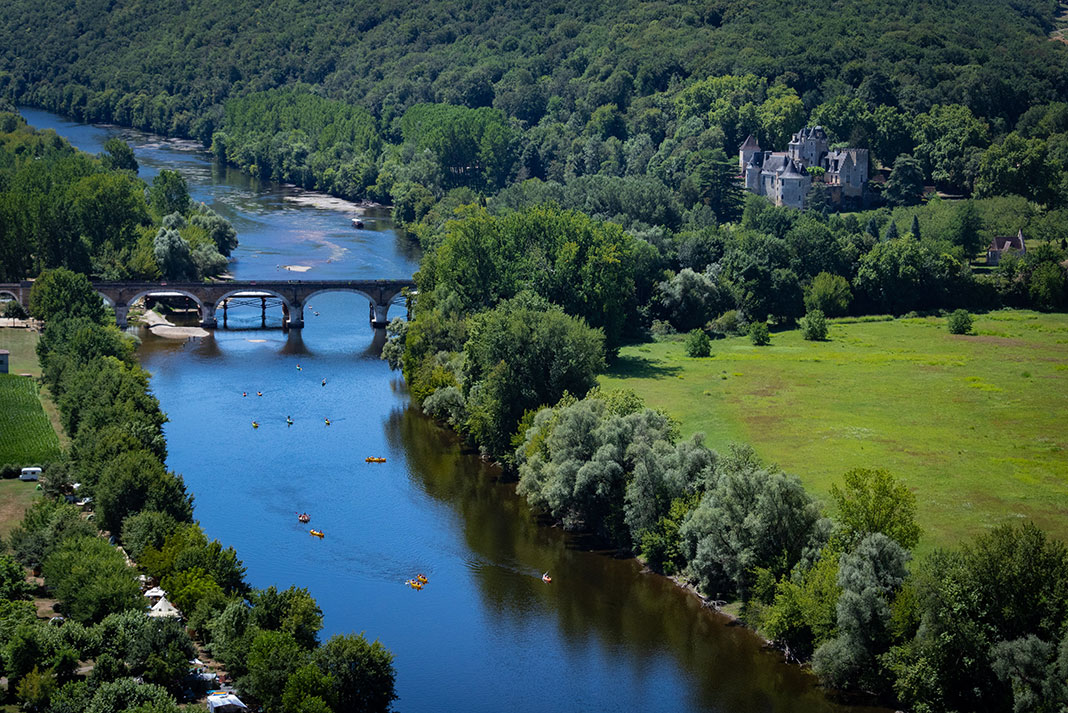
In southwest France, the Dordogne River traces a path through 37,000 years of human history. Leave the tour buses and crowded train stations behind and explore the “land of a 1,001 castles” along this breathtaking waterway. A scenic four-day trip travels from Saint Julien de Lampon downriver to Limeuil, passing two of Dordogne’s most spectacularly situated chateaux. Many small rapids make for lively paddling past medieval villages on the way to Limeuil. Accommodation choices include riverside campsites.
Photo: Jonathan Kalifat/Unsplash
3 Kiss the dragon in Halong Bay, Vietnam
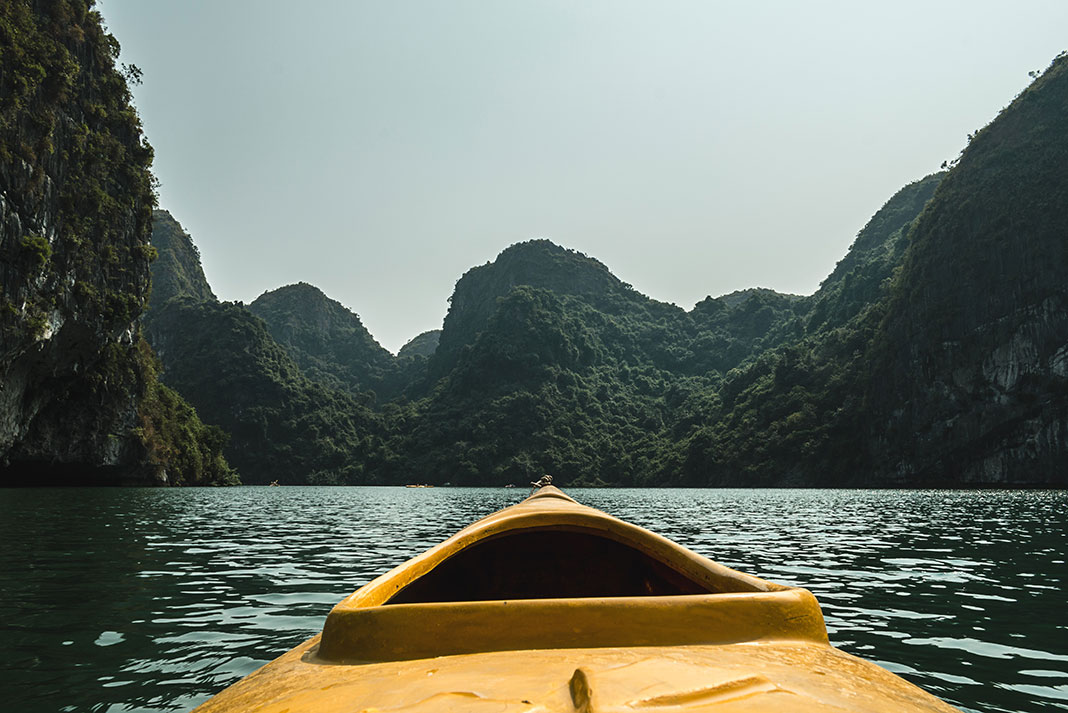
Junk n. 1 worthless articles. 2 flat-bottomed sailing boat used in the East Indies. Fortunately, Tofino Expeditions incorporates the latter into their October seven-day tour of Vietnam’s fancifully named Halong Bay (“Bay of the Descending Dragon”). Paddle the smoky green waters into a hidden sea cave and you too will wonder if this landscape might, after all, be the progeny of mythical creatures. With evenings spent savouring gourmet cuisine and sailing serenely to new paddling locales, kayakers enjoy more time soaking up the scenery and culture and less time worrying about mercurial feng shui—literally: wind and water.
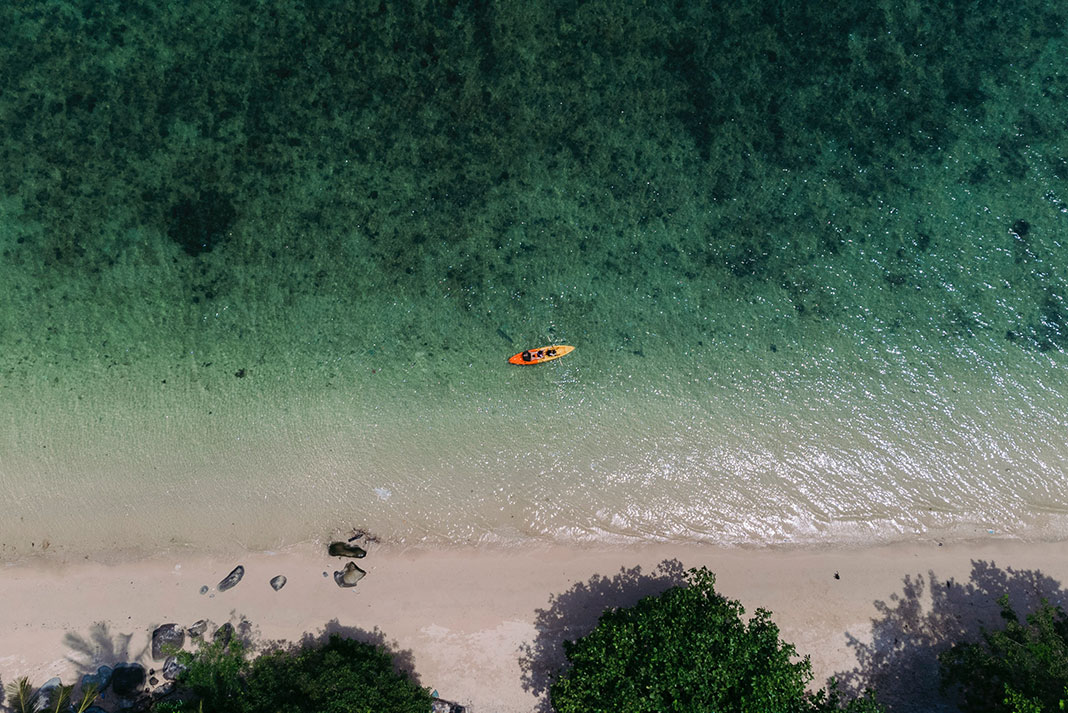
Few places promote the relaxing and recreational facets of kayaking better than the tranquil blue waters and warm beaches of Fiji. The Kadavu island group is one of the least developed and most culturally intact, offering paddlers a chance to interact with the natives while plying the coral reef–sheltered waters. Keep sand and sleep separate with New Zealand-based Tamarillo Expeditions, which hosts a seven-day tour of Kadavu with stays at intimate local resorts.
Photo: Tyler Lastovich/Unsplash
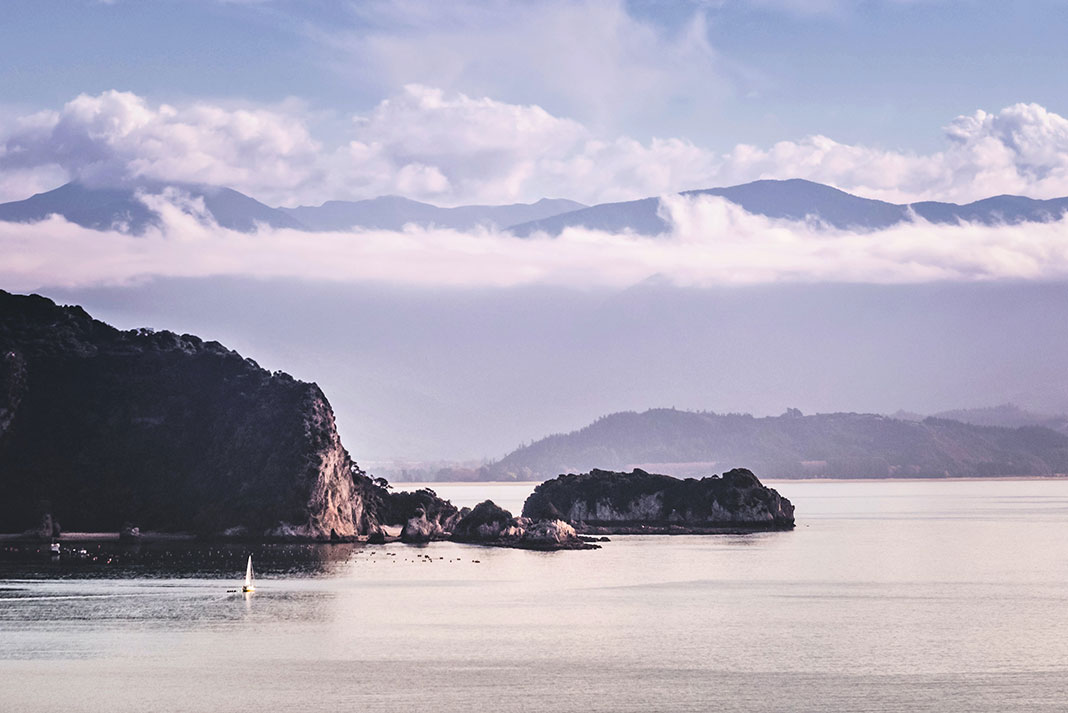
5 Camp without tramping in Abel Tasman, New Zealand
Abel Tasman National Park on the South Island is renowned for its spectacular “tramping” (hiking), but a tour of this unspoiled wilderness by kayak is just as scenic and a lot less work. Kaiteriteri Kayaks combines paddling with a water taxi and kayak sailing for an exclusive three-day tour of the entire park coast. Says Kaiteriteri’s Maria Bernstone, “Our trips are about good times, not hard work.” With azure lagoons, dozens of beaches and plentiful wildlife, including two colonies of friendly fur seals, the Abel Tasman’s 44-kilometre coastline brings your daydreams to life.
Photo: Lydia Mailloux/Unsplash
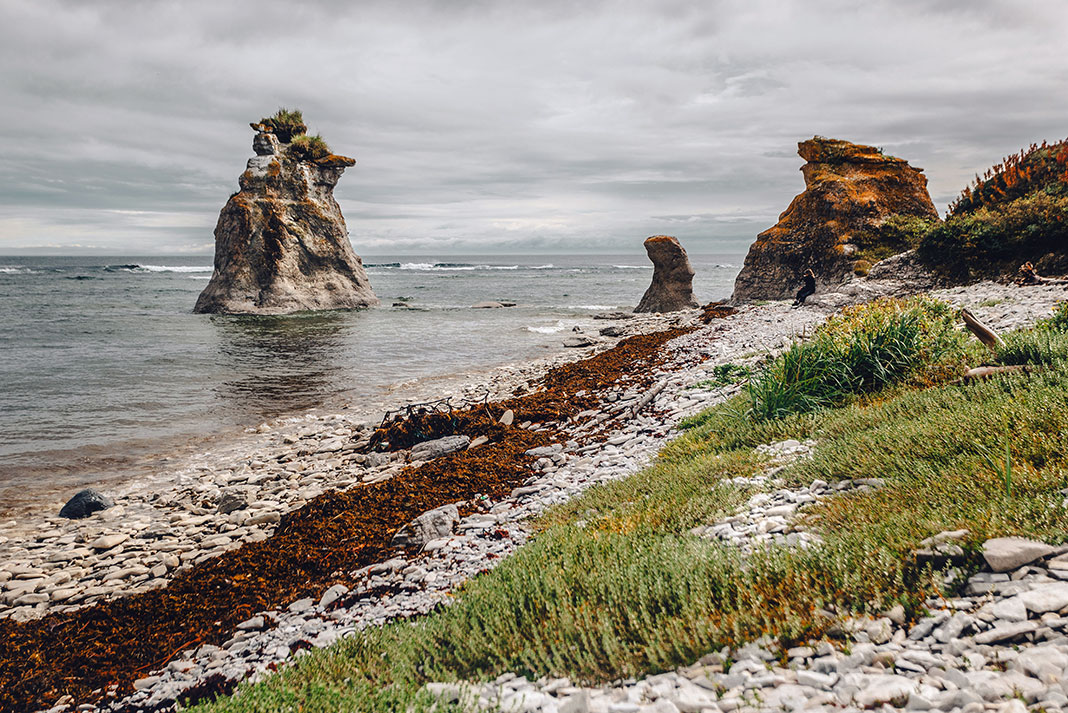
6 Master the Mingan Islands of Quebec
Stretching like a necklace of stone jewels from the north shore of the Gulf of St. Lawrence, the islands of Minganie are a sea kayaker’s Valhalla. Relentless wind and waves have eroded this limestone tableland into a fantastic array of sculpted rock, grottoes and turrets—a watery maze to which the kayak is perfectly suited. Odyssée Minganie leads one- to five-day interpretive voyages around the national park’s western islands, home to puffins, penguins, porpoises and lots of other things that start with the letter ‘p.’
Photo: Stephen Smith, Whitney & Smith Legendary Expeditions
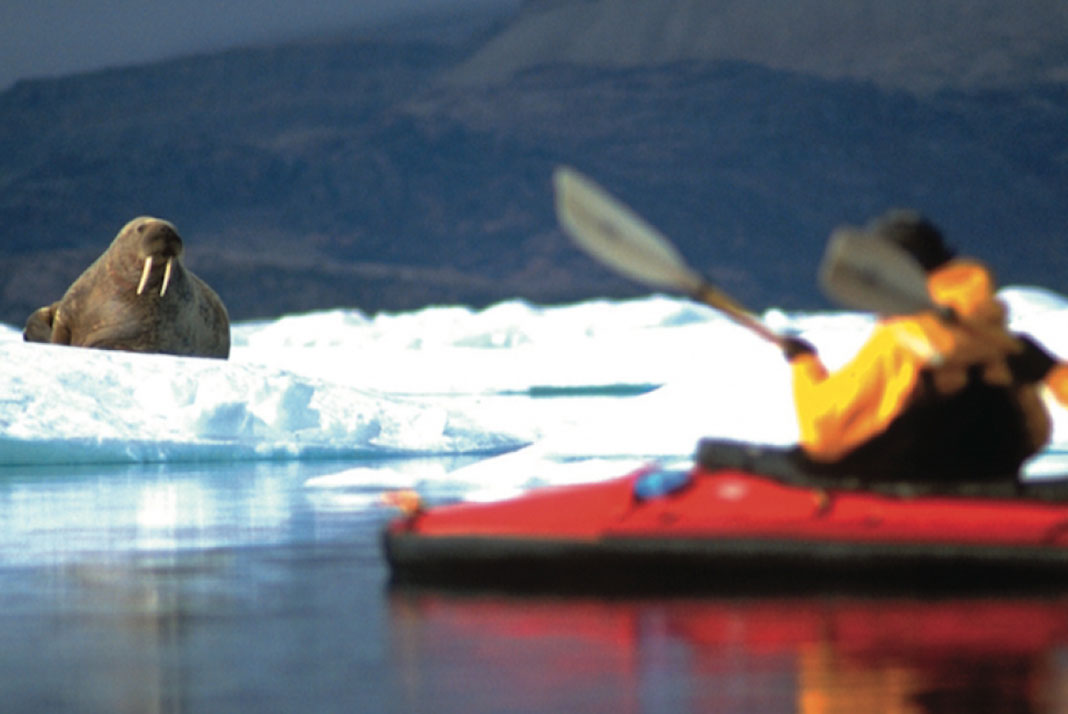
7 Go north to Ellesmere Island, Nunavut
The Far North is one of the few remaining landscapes of pristine wilderness, raw and untamed by the mollifying hand of civilization. Arctic aficionados and those simply tired of pedestrian peregrinations head to Ellesmere Island at the 79th parallel in the Canadian territory of Nunavut. A 12-day backcountry odyssey amidst icebergs, walruses, and 24-hour sunlight is just a Twin Otter flight and a paddle stroke away. Let Whitney & Smith Legendary Expeditions take care of the travel arrangements (in July/August for passable sea ice) and transform your arctic fantasy into reality.
[ Plan your next paddling adventure in Canada’s North with the Paddling Trip Guide ]
Photo: Devon Hawkins/Unsplash
8 See a great bear on British Columbia’s central coast
Which came first, the kayak or the mothership? Dunno, but any paddler who’s hunkered in a campsite soaked by the B.C. rainforest’s eponymous drizzle has surely dreamed they’d booked the mothership first. Captain Ross Campbell and family assure you’re well cared for aboard former hospital ship the Columbia III. The days on Mothership Adventures’ 9-day Great Bear Rainforest cruise (in September for prime grizzly viewing) are packed with paddling to earn you the organic delights of a shipboard chef and the comforts of a warm, dry berth.
Photo: Winniccxx/Wikimedia Commons
9 Get into hot water at Pumalin National Park, Chile
What could be better than spectacular fiord and mountain scenery, towering waterfalls and adorable marine life on a kayaking expedition? One word (OK, actually two): hot springs. Replenish your spirits and rejuvenate your body in natural baths at the edge of the Pacific. Do as local people have done for centuries and add seawater to the springs to attain the perfect temperature. Chilean outfitter Yak Expediciones leads four-, six- and 11-day self-supported trips in the northern fiords of Pumalin National Park, sharing their intimate knowledge of local culture, history, language, and of course, hot springs.
Running the length of the Belizean coast, the Barrier Reef forms one of the richest marine ecosystems on earth. Kayak to world-class snorkelling and diving sites or simply hang a hammock and drink cocktails beneath the swaying palms. Island Expeditions offers a unique five- day experience of the Paradise Islands. The trip is lodge-based but still fully guided—which means no camp chores and lots of free time to take advantage of your guide’s expertise in kayaking, snorkelling, and local nature and culture.
[ Plan your next Belize paddling adventure with the Paddling Trip Guide ]
This article was first published in the Spring 2007 issue of Adventure Kayak Magazine. Subscribe to Paddling Magazine’s print and digital editions, or browse the archives.
Taking the time to improve your overall fitness and strength will not only lower your chances of getting injured, but it will make you a better, stronger paddler too. These 11 easy-to-follow exercises and movements will improve flexibility and strength in all the right areas and will prevent fatigue and muscle soreness.
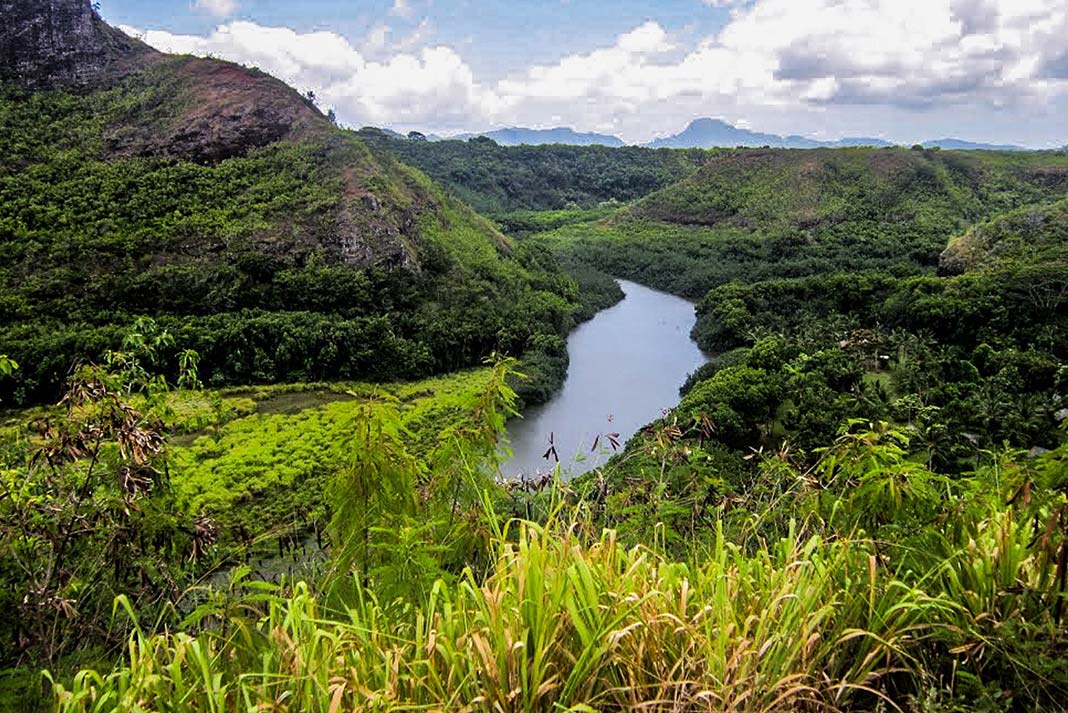
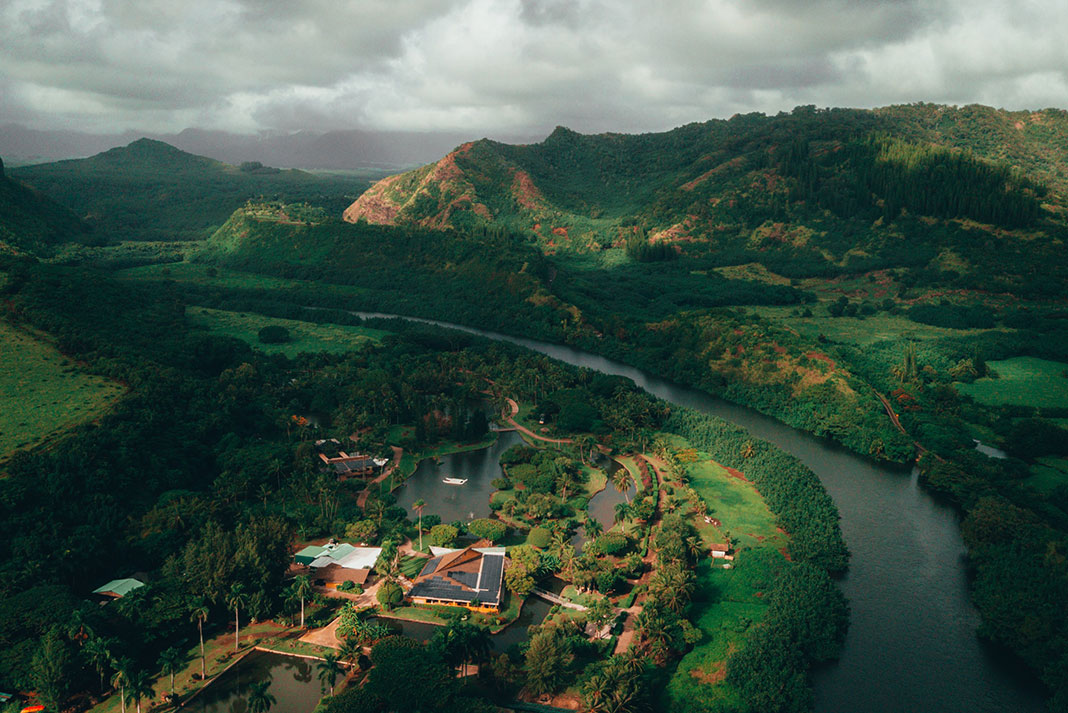
On the Hawaiian island of Kauai, you will find this distant state’s only navigable river. At 20 miles long, the Wailua River is Kauai’s largest and longest, beginning on Mount Waialeale and emptying into the Pacific Ocean on the island’s east side. With the lush tropical rainforests and beautiful waterfalls of the “Garden Island” waiting to be explored, it is not hard to see the draw of a Wailua River kayak trip.
As you can imagine, being the only navigable river out of all the Hawaiian islands means there are plenty of businesses that operate kayak tours along the Wailua. Here are some top-rated ones to check out.
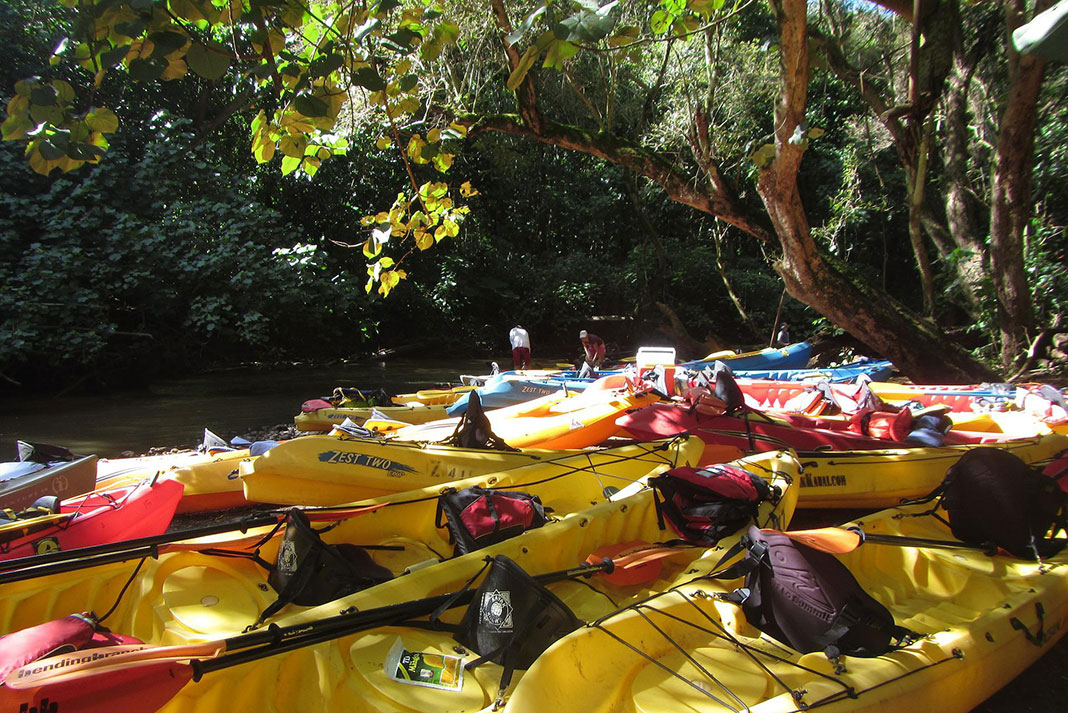
Plenty of local businesses operate kayak tours along the Wailua River. | Photo: Lois Neate/Pixabay
Kayak Wailua
Kayak Wailua offers numerous launch times Monday through Saturday, so you can depart almost any time you like, so long as it’s 1:00pm or earlier. You will be provided with a dry bag and cooler, and will depart with your guide across the street at the Wailua River Marina. From there, you will head up the river to Secret Falls, where you can enjoy a packed lunch (not provided) and swim in the pool at the bottom of the falls. This tour is perfect for beginners, including children, and prices start at $50 per person.
Ali’i Kayak
Ali’i Kayak’s Secret Falls Kayak/Hike tour is also perfect for families. Before heading out, your CPR and First Aid certified guide will provide a crash course on paddling techniques and water safety. Once you feel comfortable in your kayak, you’ll head a short two miles upriver and trek about 1.5 moderate-to-strenuous-miles to and from the falls. Tours start at $65 per person.
Wailua Kayak Adventures
Choose between a morning and early afternoon launch time and soak up the history of this sacred area of Kauai on your paddle to Secret Falls. Once you reach your destination, Wailua Kayak Adventures provides organic snacks at the falls to replenish your energy before taking a dip in the waterfall pool. Prices are $40 per child and $60 per adult and include dry bags and even hiking sticks to use on the walk to Secret Falls.
Kayak rentals
If time constraints aren’t your thing, check out some of these highly recommended kayak rentals in the area.
Kayak Kaua’i
For $95 for a double kayak, you can paddle all day on the Wailua River. Kayak Kaua’i is the exclusive outfitter for Wailua River State Park. While you rent your kayak from the Wailua River Marina, it should be noted that you will be required to car mount your kayak and drive a short distance over the Wailua Bridge to launch at the state park on the other side.
Wailua River Guides
Though their main office is located in Kapa’a, you will launch your rental kayak from the Wailua River Marina. Single and tandem kayak rentals are available Monday through Sunday.
Wailua Kayak & Canoe
Located right on the Wailua River in Kapa’a, you won’t have to worry about hauling your rental kayak with this company. Wailua Kayak & Canoe offers single, tandem and even tri-kayaks for rent. Prices begin at $50 per adult and $30 per child (5 to 7 years) and includes five hours of self-guided paddle time.
Journey to Secret Falls and Fern Grotto on this incredible river. | Photo: Michelle Raponi/Pexels
Kayaking the Wailua River without a guide
With its calm waters and fairly straightforward route, the Wailua River is a great place for beginner and novice kayakers to explore on their own. Most outfitters are more than happy to provide you with a waterproof map of the river to keep you on course.
Several put-in and take-out locations are available. These include the Wailua River State Park boat ramp, the Wailua River Marina and Kamokila Hawaiian Village. The easy-going nature of the river makes it possible to depart from and return to the same location, though it should be noted that you may be paddling into the trade winds on your route back. Most paddlers only venture a few miles out to the main attractions of Secret Falls and Fern Grotto.
There are several unique safety precautions to note on the Wailua. The southern edge and middle of the river are reserved for powerboats and barges, so paddlers are strongly cautioned to paddle no farther than 25 feet away from the north bank, both coming and going. Please be aware of the wakes these boats can produce.
As mentioned, you will likely be paddling into the wind on your return trip. The trade winds can become especially strong in the afternoons, which is one reason the majority of the local kayak tours launch in the morning.
Even if it’s not raining where you are on the river, flash flooding can occur from storms on the mountains where the river originates. If the river starts becoming muddy and murky, seek higher ground immediately.
Many people launch from the Wailua River Marina or Kamokila Hawaiian Village. Again, many outfitters will be happy to provide you with a map if you’re renting one of their kayaks. If you’re short on time, the Village is closer to the falls than the marina. The falls are about a 15-minute paddle upriver from the Village, while they’re a two-mile paddle from the marina.
When you reach the fork in the river, choose the right tributary and continue paddling for a short five to 10 minutes. Even if you don’t arrive during a time of day that’s busy for guided tours, when you will see plenty of kayaks and know where to “park,” the clearing is very obvious on your right-hand side.
The trail to Secret Falls from the bank where you leave your kayak is very well-marked as well. You will cross a fairly deep stream, which may or may not have a rope to assist you at the time, along with another small cascade along the way. The hiking portion to Secret Falls is about 1.5 miles round-trip.
Although the main attraction along the Wailua River is Secret Falls, there is another natural wonder nearby that is worth checking out while you’re in the area. Instead of taking the right fork in the river from the Wailua River Marina or Kamokila Hawaiian Village, veer left up the south fork and you will find the enchanting Fern Grotto a short ways upstream.
A former lava cave, this grotto is covered in—you guessed it—ferns, giving it a secretive feel. Nestled back in a cove surrounded by lush jungle, this attraction is easy to spot on your left-hand side.
From the Wailua River Marina, the paddle to Fern Grotto takes about four hours round-trip. You can also disembark from Wailua River State Park for a shorter trip as Fern Grotto is located within the park boundaries.
With its calm waters and fairly straightforward route, the Wailua River is a great place for beginner and novice kayakers to explore on their own. | Feature photo: Zane Persaud/Unsplash
How long does it take to kayak the Wailua River?
Although you can’t technically kayak the entire river since it begins on Mount Waialeale and there is a restricted zone near Wailua Bridge (a designated swimming area past the marina where the river meets the Pacific), you can still kayak much of the river. Also, while you can technically kayak to Kaholalele Falls on the north fork of the river, it is very much rain-dependent. If the water is not high enough, you will not be able to reach it by boat as it becomes too rocky to navigate. In a nutshell, you can easily spend a half or full day on the river exploring the spectacular sights mentioned above in the accessible areas.
With its calm waters and fairly straightforward route, the Wailua River is a great place for beginner and novice kayakers to explore on their own. | Feature photo: Zane Persaud/Unsplash