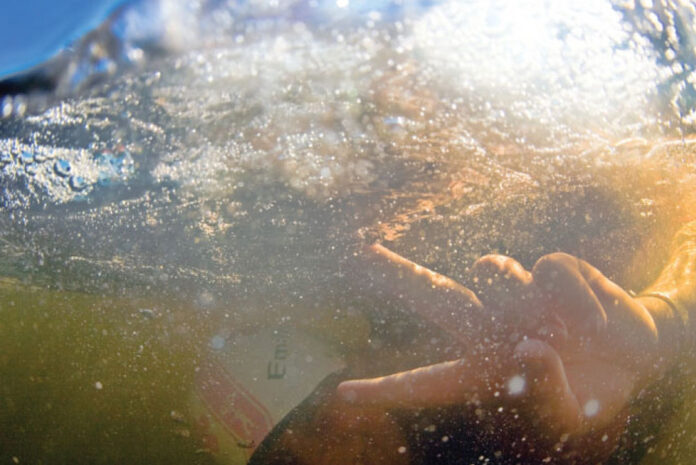
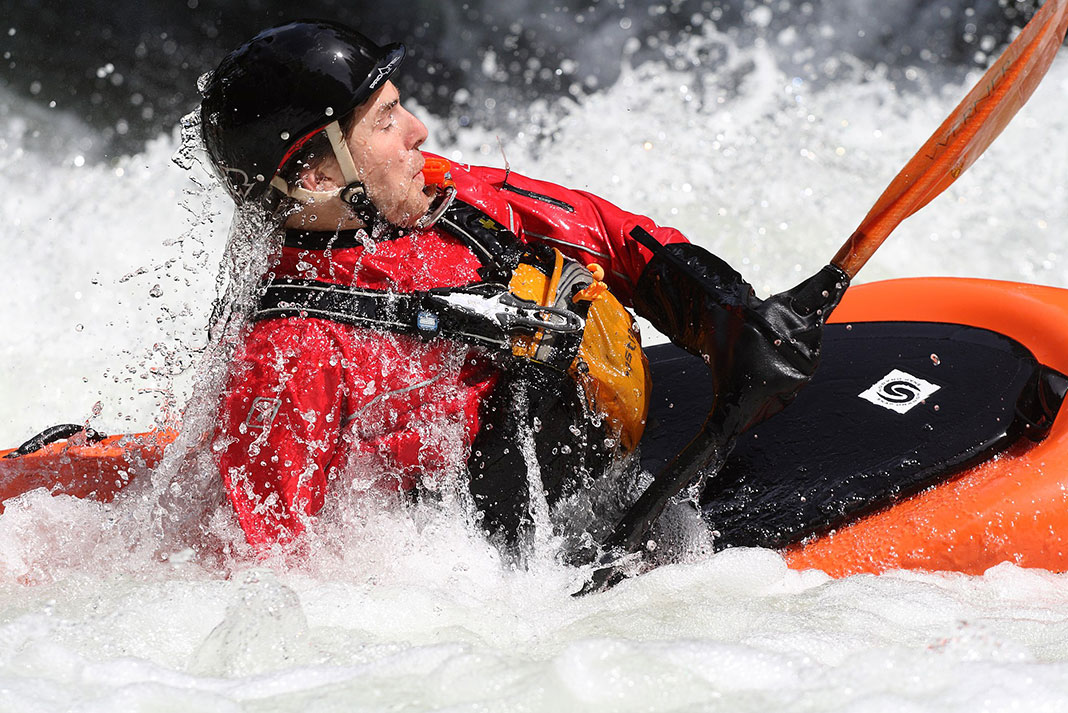
Nothing is more confidence-inspiring than a reliable kayak roll. With good instruction many new paddlers learn the basics and roll on the first day. Truly having a roll, however, means knowing you can count on it in any situation, not just in the pool.
Getting to this point requires training your muscles into immediate kinetic response and then training your brain to block out any other option or shred of self-doubt. Like any skill, mastering a no-fail roll takes plenty of practice, discipline and good coaching tips from those at the top of their game.
Director of paddlesports at Aquabatics in Calgary, Alberta, and Director of Paddler Education for the Alberta Whitewater Association
Favourite roll: Modified sweep roll. It is functional and effective for all body types and doesn’t rely on surface tension, so it works really well in aerated water.
Pro tip: If you feel resistance on the paddle you are working too hard. With the modified sweep roll, the paddle slices through the water and the rotation of the body and knee drive/hip flick right the boat.
To perfect your kayak roll, train your brain to block out any other option or shred of self-doubt. | Photo: Headwes/Wikimedia Commons
The secret: Take your time when setting up for the roll. If you have a good setup you will succeed most of the time, even in very aerated water.
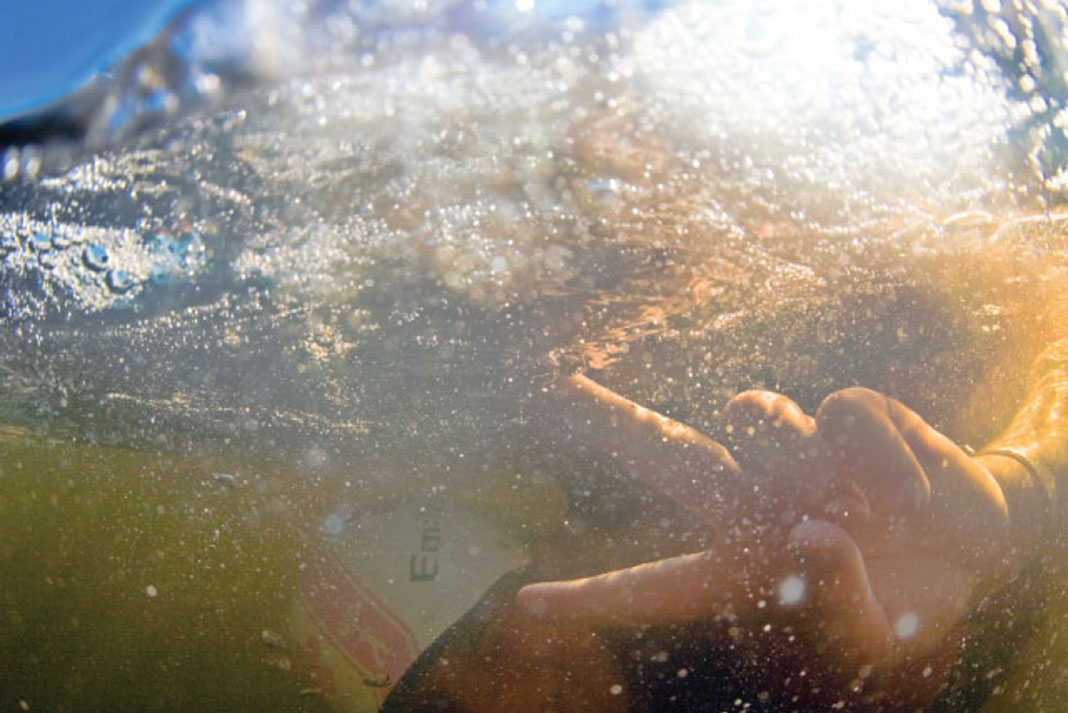
Try this: When you are practicing the roll, wear goggles and open your eyes. As you sweep, watch the paddle blade moving near the surface away from the boat. If you get this part right you have won half the battle.
2 Kelsey Thompson
Professional kayaker, multi-time Canadian national freestyle medalist from Truro, Nova Scotia
Favourite roll: Back deck roll. It’s fast, requires little to no setup and finishes in an aggressive forward position ready for the next stroke.
Pro tip: While underwater, putting your forearm in front of your forehead will protect your face from rocks in this more vulnerable back deck position.
The secret: Envision yourself doing a perfect roll—you have to mentally accept that you can do something before you will physically be able to. Telling yourself that you’re not going to swim brings greater success than flawless technique.
Try this: Keep your arms tight to get the most flexibility out of your hips. Reaching way out gives you more leverage but makes it harder to edge your boat. Also, commit to finishing on your front deck—coming up to the side often means falling back into the water.
3 Wayne Dickert
Paddling School Director; Nantahala Outdoor Center, North Carolina
Favourite roll: Sweep roll. It is especially good for older paddlers who have less flexibility.
Pro tip: Remember to sweep out about 20 degrees before you start your pull and hip-flick—it’s usually easier to roll the boat side-to-side than end-to-end!
Mastering how to roll a kayak takes plenty of practice, discipline and good coaching tips. | Feature photo: Ryan Creary
The secret: Arch your back a bit to keep your head low and body flat on the water. In a playboat, move your body weight toward the stern where the lower volume will roll more readily. Watch that your weight isn’t so far back that it inhibits your hip-flick.
Try this: Even if you’re a world class swimmer, you’ll want to use a comfortable set of nose plugs when learning the roll. Good plugs give you quality time when you’re hanging out upside down thinking through your roll.
[ Browse the widest selection of boats and gear in the Paddling Buyer’s Guide ]
This article was first published in the Spring 2009 issue of Rapid Magazine. Subscribe to Paddling Magazine’s print and digital editions, or browse the archives.
Mastering how to roll a kayak takes plenty of practice, discipline and good coaching tips. | Feature photo: Ryan Creary
If you’re looking for a state in the Midwest full of laid-back rivers and lakes to do some paddling, Ohio has you covered. Popular with canoeists and kayakers alike, the Buckeye State boasts over 3,000 named creeks and rivers, 60,000 lakes and reservoirs, and, of course, the mighty Lake Erie. So popular are man-powered watersports in the state that two annual events are held each year: Ohio River Paddlefest and Cuyahoga Falls Kayak Race.
So pack up your car and head out on a road trip to Ohio for a relaxing paddling adventure. We’ve done the work for you and have the best bodies of water, rental information, and other tips listed below to make for a pleasant time canoeing and kayaking in Ohio.
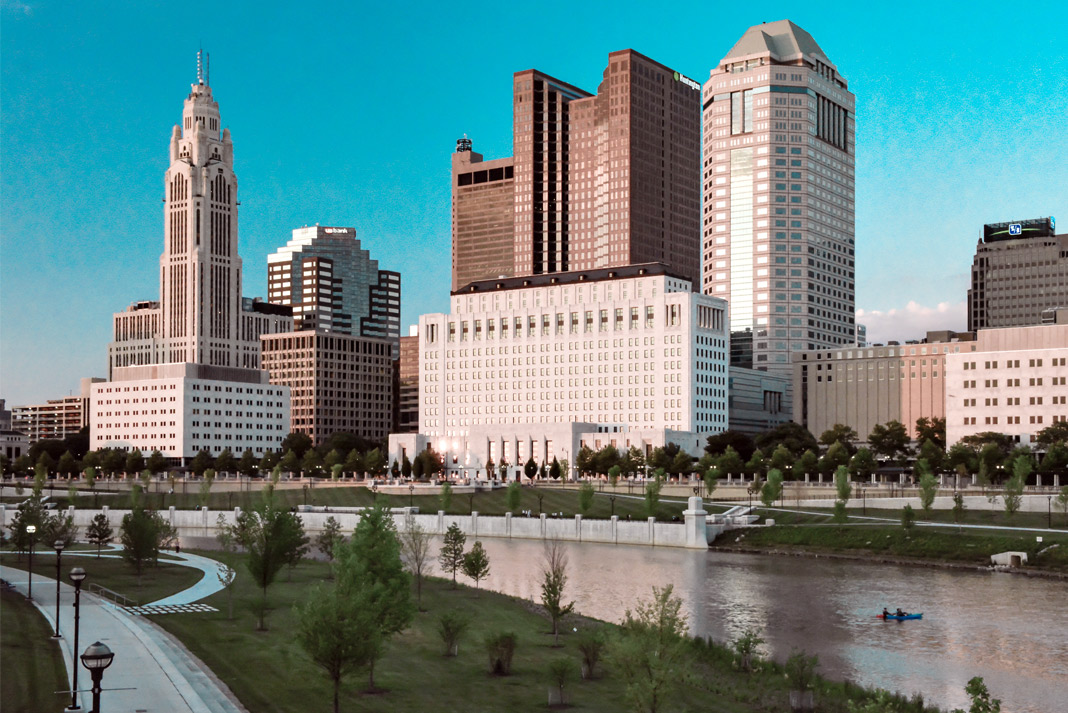
The Scioto River is one of many beautiful waterways in Ohio.
Best kayaking and canoeing in Ohio
Columbus
Located centrally in the state, the Columbus area offers Big Darby Creek. Beginning on the southwest side of the city, this 84-mile river offers up to class II waters as it meanders southeast of Columbus. This State and National Scenic Creek is noted for its biodiversity and offers easy paddling beginners and families can enjoy.
Trapper John’s is one of the most highly-rated outfitters in the area, providing both canoes and kayaks for rent on the Big Darby. Rental prices are dependent on the length of trip you choose, but begin at $16 per person for a canoe or kayak on their one- to two-hour “Sampler Trip.” Trapper John’s also offers shuttle services for those with their own vessels.
Beginning 97 miles north of the city, the Olentangy travels south where it meets the Scioto River in downtown Columbus. Efforts are currently underway to dredge part of the river near Columbus as sediment getting washed downstream has become somewhat of a problem for local wildlife since dams upstream were decommissioned some years ago. You can learn more about this river on Olentangy Paddle’s website.
For a different view of downtown Columbus, head out on one of the leisurely self-guided kayak or canoe trips offered through Olentangy Paddle as well. No previous experience is needed as the water is slow-moving.
Photo: Michael Bowman/Unsplash
Dayton
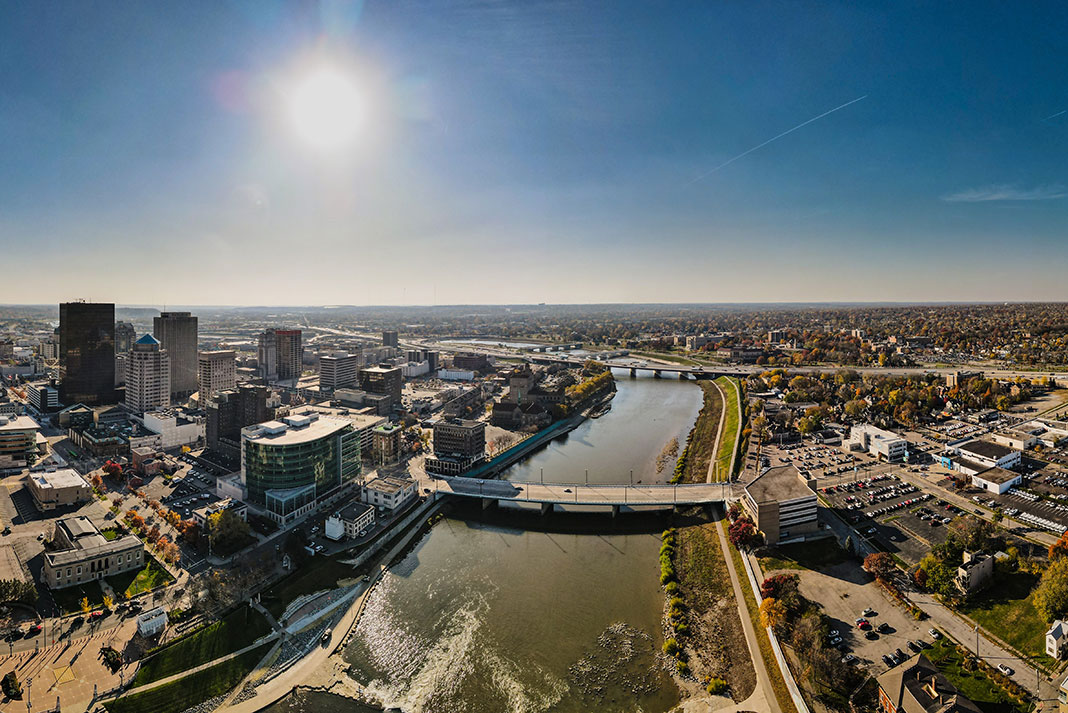
By far the most popular paddling area in the Dayton area, and the entire state, is the Great Miami River. Originating near Indian Lake, which is also popular among boaters, this river flows southwest for 156 miles before joining with the Ohio River near Cincinnati. The waterway generally ranges up to class I, class II at the most, making many sections of it enjoyable for novices. However, it is important to note that there are dams, small spillways and more obstacles along this water trail. Familiarize yourself with portage areas, put-ins and more with this map.
Adventures on the Great Miami is your best bet for hitting the river just outside Dayton. Canoes and kayaks both start at $25 per person. You can find more information on their five-mile trip, shuttle services and more on their website.
On the other hand, why travel when you can put your kayak in right downtown? Need to borrow one? Not a problem. Rent a kayak from RiverScape Paddling Rentals before checking out the RiverScape River Run.
The Stillwater River and Mad River are two other popular kayaking and canoeing spots nearby. Check out Barefoot Canoe to head out on the calm waters of the Stillwater and Mad River Adventures to enjoy some canoeing in Ohio fun on mostly slow-moving water with just enough “bursts” to keep you awake.
Ohio River
Ranking in the top 10 for both the longest rivers and average discharge, the Ohio River is certainly one of the most mighty waterways in the continental U.S. and particularly the Midwest. For one reason or another, many people seem to be uncertain about whether you can go kayaking in Ohio on this river. However, for most of the year, this large river is so slow-moving that you can paddle upstream with relatively little effort. The exceptions, of course, are that it can be quite choppy in winter and dangerous to be on after heavy rains, just like any other river.
You can find out more about the Ohio River Water Trail, which has been expanding in recent years, on the NRT Database and the Ohio River Trail Council website. Although a bit of a drive at 1.5 hours, the Louisville Area Canoe and Kayak site also has a great list of river sections to check out in that area.
Photo: David Mark/Pixabay
Hocking Hills
One of the most loved vacation and paddling spots in the state, you won’t want to miss a chance to hit up the Hocking Hills area and Hocking River in the south-central part of Ohio. Claimed by many to be one of the most scenic areas of the state, you can take in the views as you slowly meander down the class I Hocking River, a 102-mile tributary to the Ohio River.
There are tons of outfitters nearby to help you get on the river, including Murray’s Landing and Hocking Hills Adventures. Murray’s Landing offers three-, 5.5- and seven-mile trips down the wooded banks and under an old bridge. Head out on Hocking Hills Adventures’ nine-mile paddle to check out the natural arch known as Rockbridge and nature preserves in the area. Both outfitters offer your choice of canoe or kayak rental, and family-friendly tours.
Cincinnati
Other than the Ohio, the Little Miami River is the go-to paddling destination near Cincinnati. This class I river flows for 111 miles before emptying into the Ohio. For a nice put-in spot farther away from the city, head about 45 minutes northeast near Fort Ancient. There are several outfitters in the area if you need to rent a canoe or kayak. Enjoy paddling through the verdant valley, stopping off for a picnic or even camp overnight on an extended trip.
Boasting “paddling fun for folks of all ages,” Scenic River Canoe Excursions will have you out in a canoe or kayak with the whole family in no time, starting at just $20 per paddler. Loveland Canoe & Kayak Outfitters offers a cool five-mile trip the whole family will enjoy, involving a chance to check out Loveland Castle. For an extended, 10-mile trip, look into their Seven Bridges Excursion, available to those 16+. Tippecanoe and Kayaks Too offers rentals, guided tours and livery services.
Although we already touched on the Ohio River, it is worth noting Ohio River Paddlefest is held each year in Cincinnati. Plan your trip for August 1 to join in on “the nation’s largest paddling celebration.”
Photo: Igor Oliyarnik/Unsplash
Akron-Cleveland Area
Whether you’re looking for a sea kayaking adventure on Lake Erie or a calm, scenic paddle down one of the area’s rivers, the Akron-Cleveland region has you covered! For a relaxing trip down one of the most scenic rivers in the state, head to the class I Mohican. This 28-mile water trail provides a getaway from city life to the woods as it passes through quiet, forested valleys.
The Upper Cuyahoga River is another popular kayaking destination in the area. There are not many obstacles to worry about and the water flows slowly enough even beginners should be able to traverse it with ease. Other areas of the river mostly flow past privately owned land or are too narrow to paddle. You can find more detailed information on the different sections here. Also, if you are interested in whitewater kayaking, the Cuyahoga Falls Kayak Race, located in the identically named town, is an intense half-mile course through class II and V rapids, among other challenges.
For some well-known and trusted outfitters in the area, check out both Crooked River Adventures companies, one in Burton and the other in Kent, for trips on the Cuyahoga, Mohican River Adventures for kayaking and canoeing trips, and 41° North for rentals and guided tours on Lake Erie.
For some more great resources for planning your kayaking in Ohio trip, check out Ohio State Parks & Watercraft’s page on Ohio river basic paddling maps and Paddle Ohio for more maps, river conditions and access points.
Photo: Mike Toler/Pixabay
Paddling season in Ohio
The paddling season in Ohio generally runs from April through October. The first and last months are dependent on the finicky nature of both spring and fall weather in the state. Average temperatures range between 48° and 72°F during these months. The summer months of June through August make up the height of tourist season.
Shorts and shirt made of athletic material (in other words, synthetics. Avoid cotton, especially during cooler temperatures, as it does not dry quickly and increases your chances of hypothermia).
Tennis shoes you don’t mind getting wet, water shoes or sandals with straps
For cooler weather, consider thermal underlayers, an insulated hat and possibly a drysuit or wetsuit
Photo: Taylor Noble/Unsplash
Ohio kayak and canoe laws
Laws pertaining to kayakers and canoeists are pretty standard in Ohio. Here are some of the most important ones you should be aware of.
Registration
Before hitting any body of water in the Buckeye State, paddlers must register their kayak or canoe. Proof of ownership is required to register. Your registration sticker must be on your vessel and you need to keep the paper copy on you as well while paddling. However, if you will be visiting from another state where your craft is registered and are visiting for less than 60 days, you are exempt from registering in Ohio.
Life jackets
In terms of Ohio life jacket laws for kayaks and canoes, everyone must have a PFD with them in the boat. However, only children age 10 and under are required to wear them at all times while in the boat. Type I, II or III PFDs are acceptable for kayakers and canoeists in Ohio.
Distress signals, such as a flare gun, are not required unless you will be paddling at night on Lake Erie. You are, however, required to have some form of navigational light (e.g. waterproof lantern) on your vessel for paddling at night on any lake, stream, river, etc. It is also worth noting that you must have a sound device, such as a whistle, if paddling on Lake Erie, the Ohio River or the Muskingum River.
The internet loves this trick. Its success was perhaps born out of travel restrictions in 2021–when folks were spending more time on their home rivers practicing fun and challenging moves–or, perhaps it’s just a fantastic trick that was destined for instant success. Either way, the “Tennessee Tomahawk” has taken the whitewater world by storm.
Finally, we have the video we’ve eagerly been waiting for: a step-by-step tutorial. Once you’ve got this movement dialed, the possibilities are endless. Try it off a small ledge drop or a smooth granite rock sloping into the water. Be sure to check your surroundings carefully, looking particularly at water depth and identifying potential hazards or obstructions. And of course, don’t forget to bring safety equipment and a solid paddling crew.
A village of no more than 6,000 people in the northern Adirondacks, Saranac Lake is surrounded by wilderness, mountains, and dozens of lakes and ponds. Not to mention the Saranac River, part of the historic 740-mile Northern Forest Canoe Trail, which runs through its downtown. As a result, the community attracts a wide range of paddling enthusiasts looking to take advantage of its canoe routes, outfitters and plentiful lodging options throughout the warmer months.
In fact, Saranac Lake hosts a month-long festival each June called Celebrate Paddling ADK. For this reason, there’s no better time to visit the area. Festivities include voyageur canoe rides, canoe and kayak demos, guided kayak tours, a trivia night, an instructional symposium and so much more.
[ View all paddling adventures in New York State in the Paddling Trip Guide ]
Whether you’re visiting in June or during another month, though, you’ll want to know the best places to canoe in and near Saranac Lake. You’ll find below prime locations that offer day and overnight tripping options in abundance and showcase the area’s awesome beauty.
Find everything you’re looking for on the Saranac River.
Saranac River
If you’re looking to canoe Saranac Lake, this roughly 80-mile waterway is a good start. It offers paddling trips through whitewater, lakes, ponds and slow-moving current. It runs through communities and forests, along the road and for stretches that feel miles from civilization. Find a couple route options below.
Escape into wild forests and wetlands on the Saranac River.
Downtown to Permanent Rapids
One of the coolest things about Saranac Lake is that you can start paddling right from downtown. How many other places allow you to put in right in the heart of the community? And then, how many places allow you to put in right in the heart of the community and then escape into the wilds in short order?
If you have your own boat, start your trip down the Saranac River at the Pine Street bridge or Dorsey Street Parking lot. If not, rent one from St. Regis Canoe Outfitters, located right on the waterway near Broadway. From any of these locations, you can ride the gentle current to the outskirts of town, where you’ll then travel into forests and wetlands.
This trip eventually lands you at a take-out upstream from Permanent Rapids, a class II whitewater run, about 10 miles downstream from where you started.
Paddle Union Falls Pond for mountain views.
Franklin Falls Pond
Permanent Rapids empties into Franklin Falls Pond, a quiet water body that is used by anglers seeking walleye and solitude. The southern end of the pond has some campsites, while the northern end connects to Union Falls Pond via a carry around a dam.
Visit the bigger Union Falls Pond—it more resembles a lake—if you want to extend your trip. Both destinations offer views of Whiteface Mountain. An easy place to access Franklin Falls Pond is from the boat launch off River Road.
You’ll paddle across Oseetah Lake on the ‘Round the Mountain route.
‘Round The Mountain
This 10.5-mile route is a classic Saranac Lake canoe route that is named after a popular paddling race that takes place in May. The journey starts at the Ampersand Bay state boat launch on Lower Saranac Lake. Head southwest from there through the islands and then turn east near Bluff Island into the Saranac River.
Continue downstream to Oseetah Lake, where you can take in views of McKenzie Mountain. From there, head to Lake Flower, where you’ll pass the Saranac Waterfront Lodge, before ending up at another state boat launch. An outfitter, Adirondack Lakes and Trails, is a short walk from the boat launch.
Travel the Saranac Chain of Lakes as a day trip or part of a long journey.
Saranac Chain of Lakes
The Saranac Chain of Lakes consists of three connected water bodies that exist because of a series of locks that dam up water from the upper reaches of the Saranac River. You can paddle them as one trip, as part of a journey, or separately as people commonly do.
The upper lake has first-come, first-serve campsites, while the middle and lower ones are part of the Saranac Lake Islands Campground, which is run by New York State. These sites require reservations. Paddlers often book one site for numerous days in a row and enjoy day trips from there.
Pick a picturesque campsite on the shores of Lower Saranac Lake. | Photo: Brooke O’Neil
Lower Saranac Lake
This lake is popular among paddlers who want to spend a few nights on the water because many of its campsites are on islands or scenic shorelines. The campsites make great spots for swimming during the day and stargazing at night. Enter the middle of the lake by putting in at the state boat launch on Second Pond, which is part of the Saranac River and located off Route 3 southwest of Saranac Lake.
Head upstream, and after a mile, you’ll be on the big water paddling through the heart of the islands. If you head southwest, you can paddle another three miles to the end of a lake, through a meandering river and to upper locks.
One of the best parts of this lake is how close the location is to many amenities. The Saranac Lake Marina, which offers boat and canoe rentals, is located on the eastern shoreline, and St. Regis Canoe Outfitters and Adirondack Lakes and Trails are located in the nearby village.
Middle Saranac Lake makes for a great camping getaway.
Middle Saranac Lake
Like Lower Saranac Lake, this lake is a state campground and is popular among people looking for overnight trips. Access this water via the South Creek boat launch, off state Route 3 between Saranac Lake and Tupper Lake. From the put-in, you’ll paddle through a small winding stream before heading out into the big lake, which offers views of Ampersand Mountain from the northern side.
For a day trip, explore along the shoreline and take a diversion into Weller Pond, connected by a short channel. A beach on the southern edge makes for a fun spot to cool off from the summer heat.
Upper Saranac Lake
There are two main access points on the upper lake, one at the northern end at Saranac Inn and one at the southern edge at Indian Carry, which is part of many longer routes. The waves can be challenging on this eight-mile-long lake, but many of the islands and coves offer protection when it’s gusty at midday.
People looking for an end-to-end trip can connect the two main boat launches or simply turn around at any point to create a loop.
If you decide to pond hop in the St. Regis Canoe Area, you’ll want a lightweight canoe. | Photo: Courtesy Werner Paddles
St. Regis Canoe Area
The only designated canoe area in New York state, this 18,400-acre paddler’s paradise and designated wilderness area consists of about 50 ponds, many of which are connected via carries. You’ll want a lightweight boat if you decide to pond hop, but you can also stick to one of the larger roadside water bodies.
Campsites are first-come, first serve. Mac’s Canoe Livery and St. Regis Canoe Outfitters are both within minutes of ponds and provide shuttles and rentals, as well as sell equipment, including maps.
Little Clear Pond is just one of the pristine bodies of water you’ll travel across on the Seven Carries route. | Photo: Imade
Seven Carries
This canoe route starts at either Little Clear Pond or Lower St. Regis Lake and passes through four ponds along the way. The trip can be done in a few hours or extended to two or three days. There are campsites on many of the ponds. You can also make a stop to hike up St. Regis Mountain, by way of a boat-access trailhead on Lower St. Regis Lake.
Middle Saranac Lake is part of the Northern Forest Canoe Trail.
Northern Forest Canoe Trail
This 740-mile trail starts in the southwestern Adirondacks, passing through the Saranac Chain of Lakes and traveling along the Saranac River before reaching Lake Champlain where it finally heads east to its culmination in northern Maine.
The nonprofit Northern Forest Canoe Trail stewards the route, produces maps and provides online resources for trip planning if you’re looking for information about canoeing Saranac Lake and the nearby waters.
"I give your sterning abilities one star." | Feature photo: Tim Romano
What might be a gorgeous bucket-list destination for a keen paddler is evidently a nightmare for others. Using TripAdvisor and Yelp, we combed through the best of the worst one-, two- and three-star reviews of our most cherished paddling areas.
Even though the vast majority of reviewers raved about these locations, there’s always a few sour grapes in every bunch. Some made us laugh, some made us cry. See for yourself.
[ Plan your next paddling adventure with the Paddling Trip Guide ]
10 worst reviews of the best paddling destinations
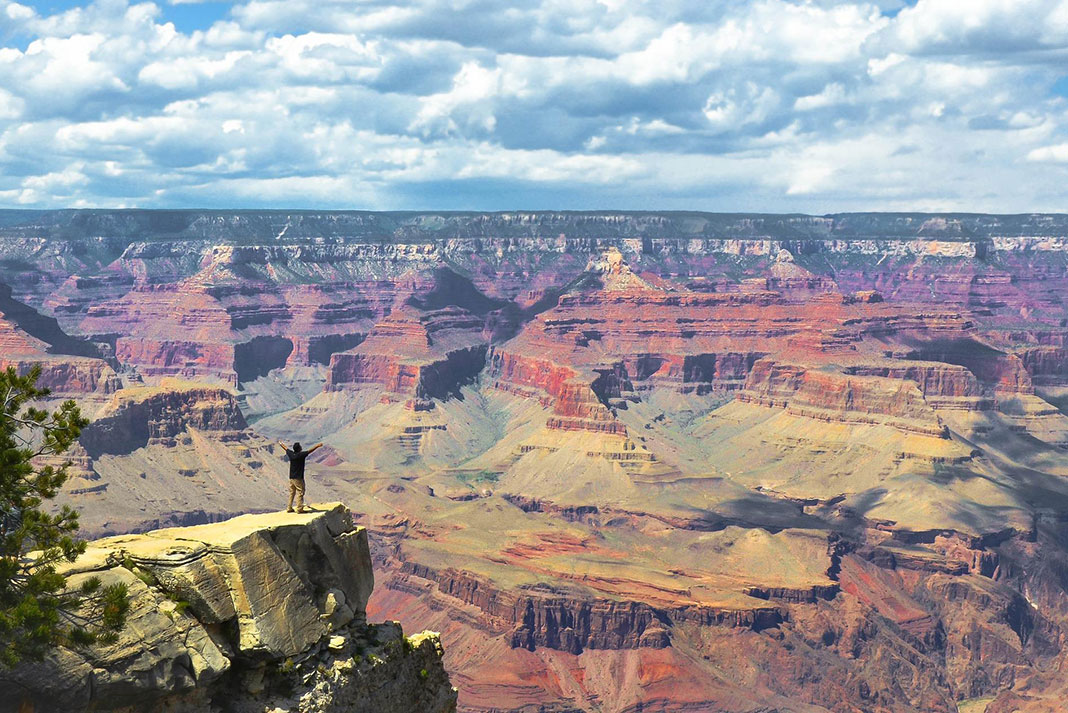
Give the Grand Canyon its due. | Photo: Suyash Dixit/Pixabay
“Couldn’t see what all the fuss is about. Dragged here by the missus when I should have been playing golf. It’s just a hole in the ground. A big hole, mind.”
— Grand Canyon National Park
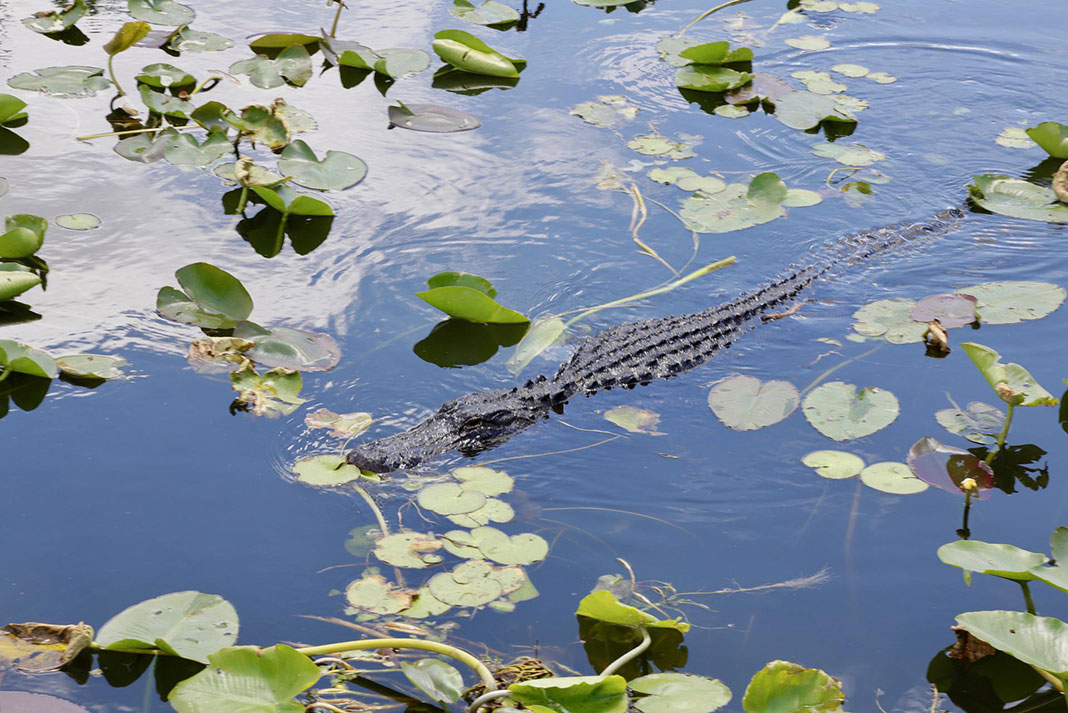
Don’t sleep on your chance to see all sorts of wildlife in Everglades National Park. | Photo: Philippe Kron/Pixabay
“Snooze City. I was advised to go here for the view, but I don’t get off on a bunch of grass. You’ll spend maybe 10 minutes here—tops. Perhaps there is more to be seen had I ventured further into the park or gone on a boat tour or something.”
— Everglades National Park
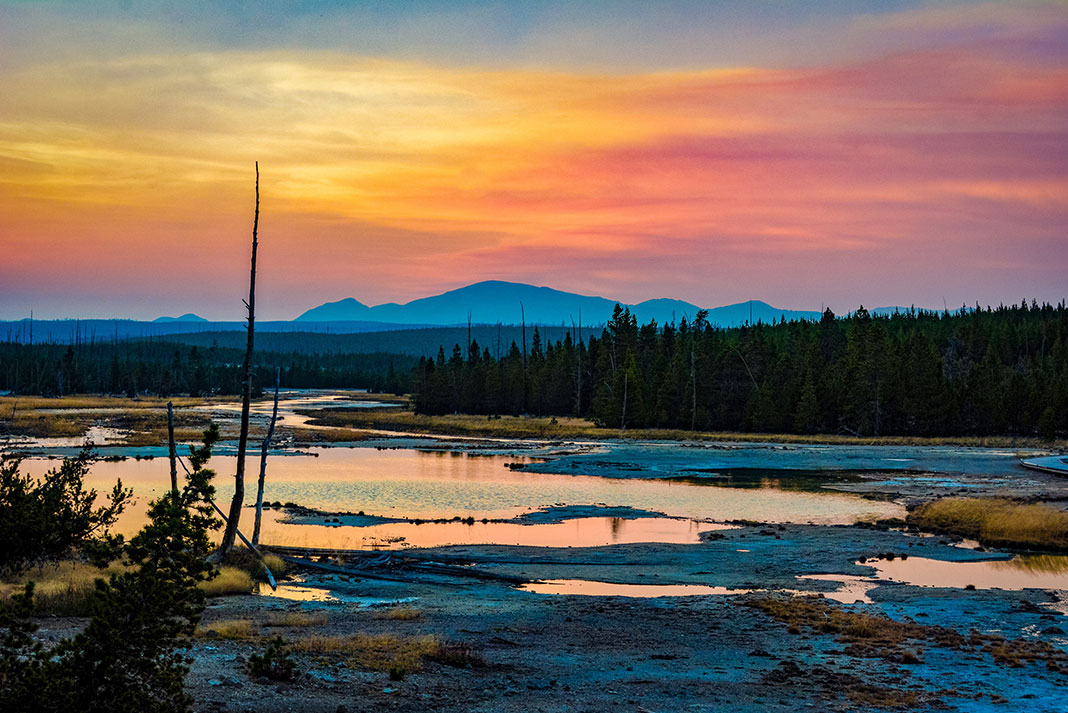
Spectacular scenery seems almost endless at Yellowstone National Park. | Photo: Omar Anukrati/Unsplash
“There are so many outlooks and trails to try, and they are all a distance away. Warning: Trails are not flat! The trails are more uphill than downhill. And uphill there are more stairs than ramps. The views are really boring, more river than the falls itself. It’s not worth the effort.”
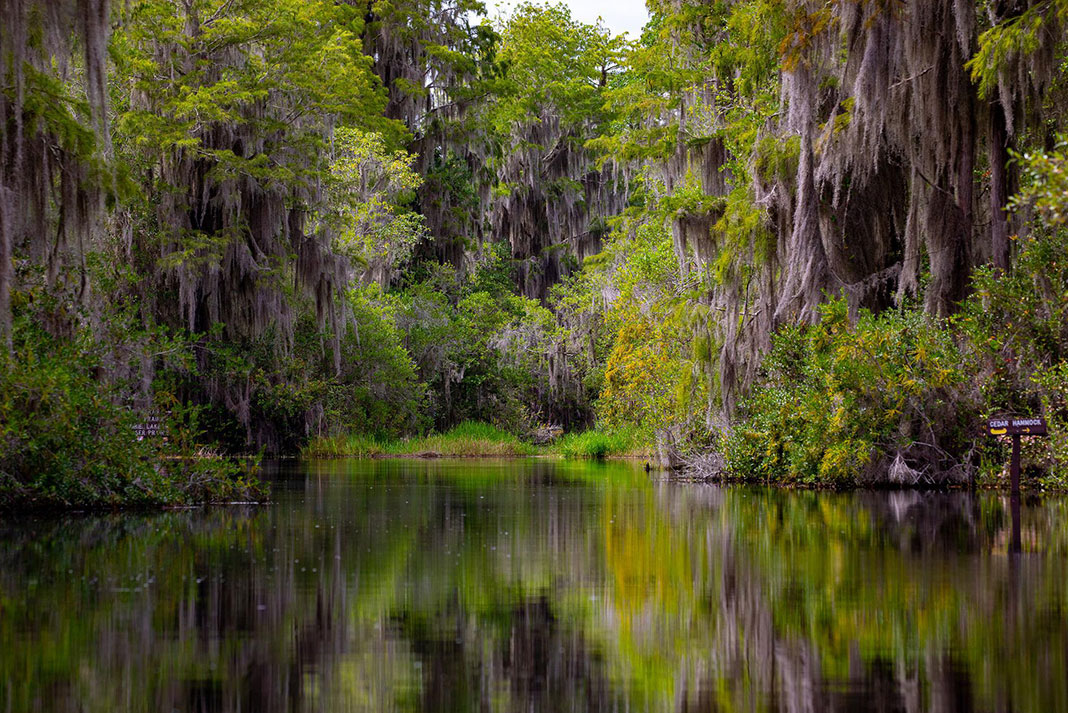
A sense of adventure will help you fit in at Okefenokee National Wildlife Refuge. | Photo: Donald Weird/Pixabay
“Scariest ****ing place! It felt like a scene from Deliverance. Fishermen warned us about local red necks. ‘Make sure you got a knife nearby or screwdriver will do,’ said one man. We hauled ass back, grabbed our camping gear and left quickly.”
— Campsite near Okefenokee National Wildlife Refuge
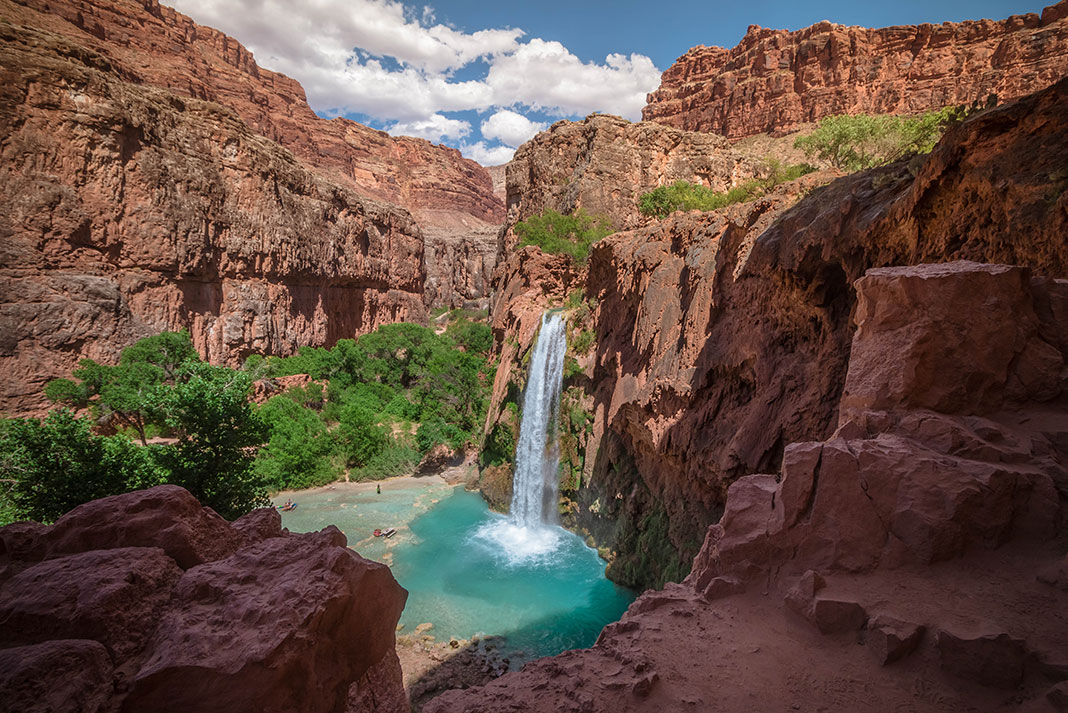
Havasu Falls is an oasis in the Grand Canyon’s dramatic, rocky landscape. | Photo: Jan Kronies/Unsplash
“Nature is crap. I’ve been to a number of so-called landmarks in my time but what the hell was this? Just an overblown sandy ditch.”
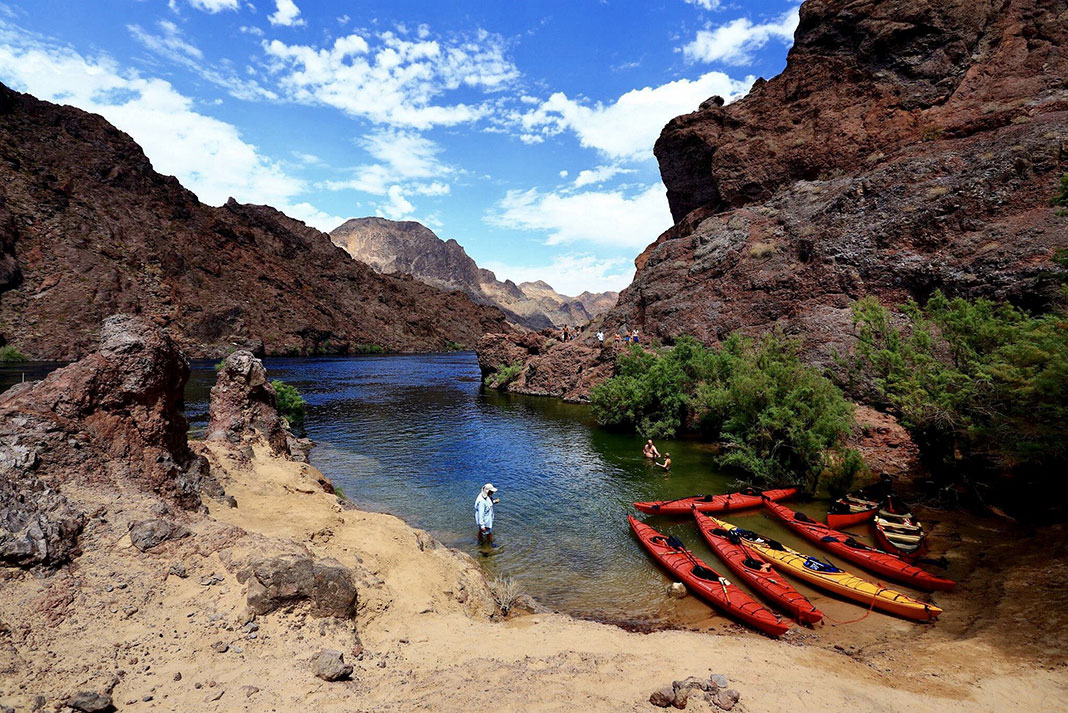
A group of kayakers get first-hand experience of the mighty Colorado River. | Photo: Vit Ducken/Pixabay
“Our guide welcomed us aboard and promptly proceeded to tell the passengers about eating a lamb’s eye and other disgusting organs, which is not appropriate for a family trip. The trip had very few facts, mostly just the guide’s hearsay.”
— Outfitter on the Colorado River
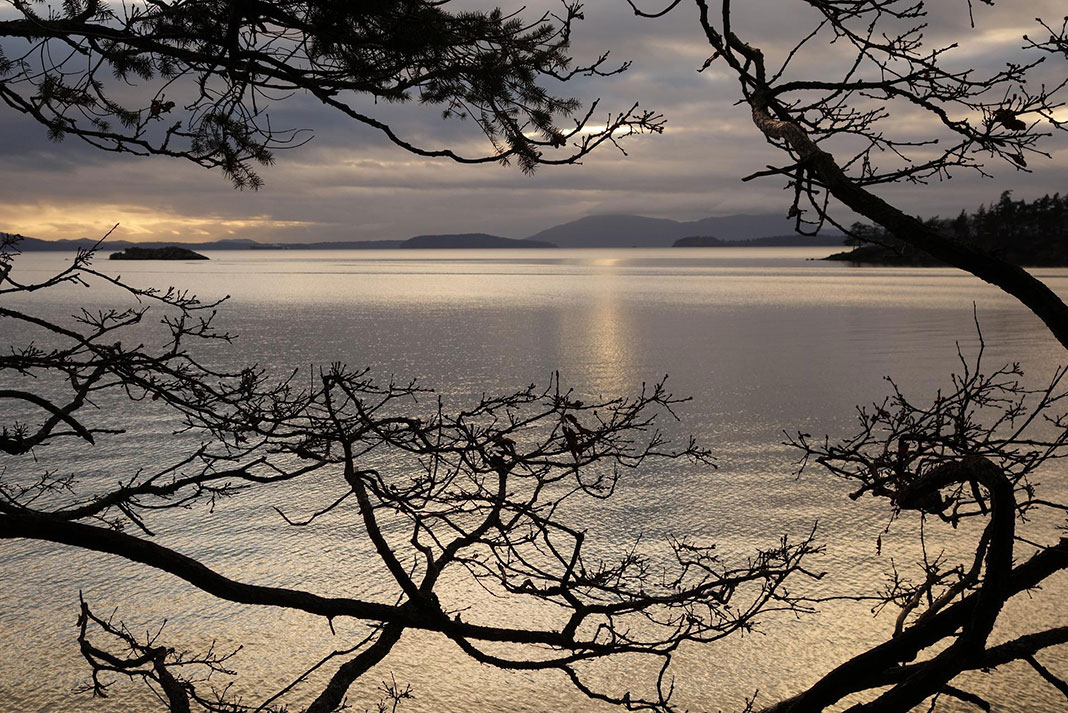
Washington’s San Juan Islands on a calm, temperate day. | Photo: E. Thorson/Pixabay
“Forbidding and scary. No shade, very hot in summer. Very cold and frigid in winter. Too windy to enjoy.”
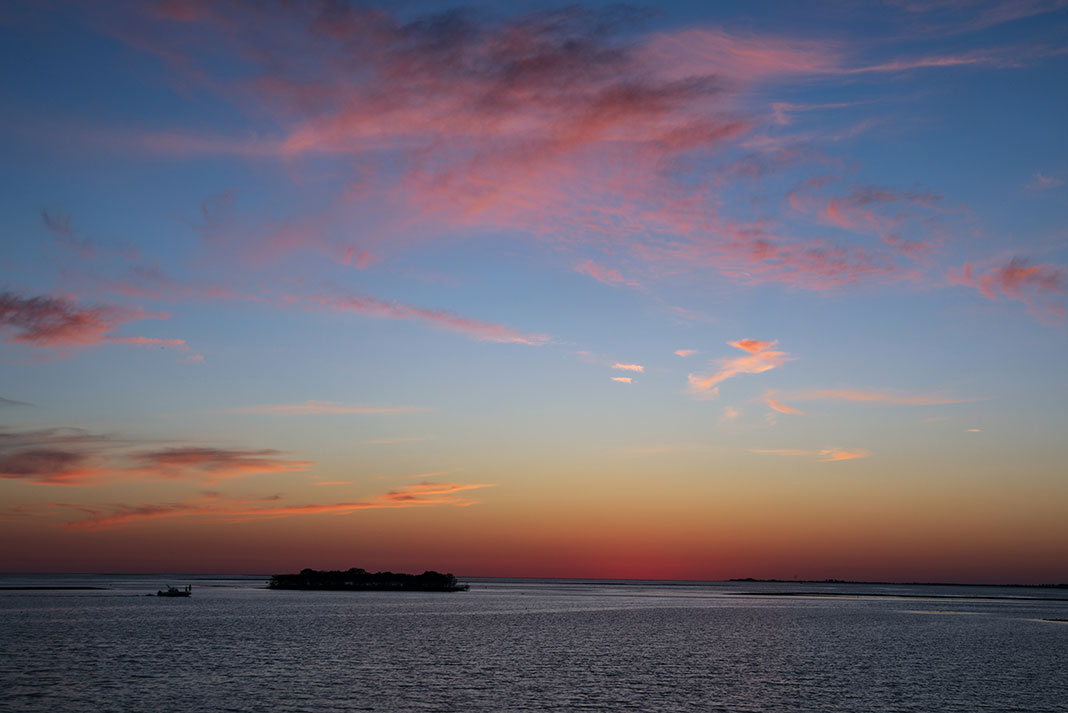
Don’t bail out! The sunset on Florida’s Gulf Coast is worth it. | Photo: Mick Haupt/Unsplash
“One of the kayaks had a crack in the bottom. It took on so much water that it went under and we had to pull it out and drain it. We called to get a replacement, no answer. Ended up stopping three more times to drain it out as we traveled. They gave us a $5 credit.”
— Outfitter near Crystal Springs, Florida
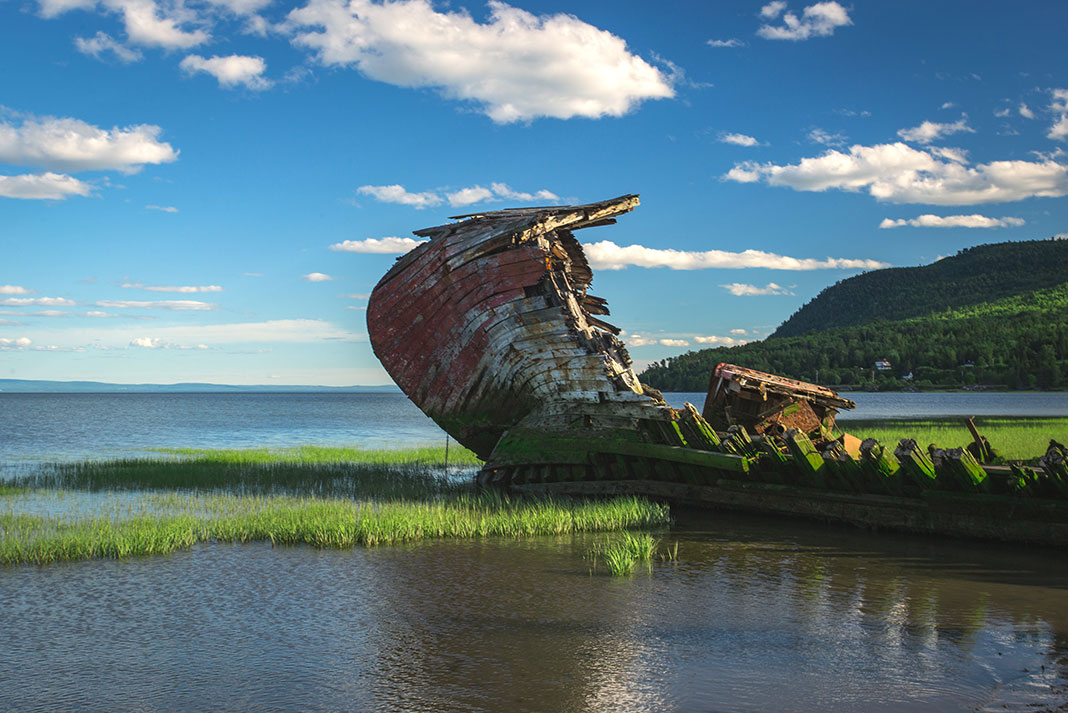
A shipwreck leans precariously at Baie-Saint-Paul, Quebec, on the St. Lawrence River. | Photo: JP Valery/Unsplash
“I was extremely disappointed with the lack of safety precautions taken, the complete disregard for us, and the fact that we never knew which way to go. And DO NOT use the vending machine, lost $2 and I wasn’t the only one.”
Enthusiasm for the Yukon River Quest is at an all-time high this year, with a record-setting field of 119 teams currently registered. That doesn’t surprise anyone, says board president, Deb Bartlette, considering the 2020 race was a no-go due to the pandemic and 2021 was cancelled due to flooding.
“I get emails every day from paddlers about how excited they are to actually be able to come back, or to come to the Yukon for the first time and to be able to race this year,” says Bartlette.
[ Discover the best gear of the year in the Paddling Buyer’s Guide ]
When the race starts on June 22, 257 paddlers will represent 13 countries, including Australia, Austria, Belgium, Canada, Estonia, France, Germany, Ireland, New Zealand, Sweden, Switzerland, the United Kingdom and the U.S.A. They’re racing for a purse of $59,000, under slightly different circumstances than in previous years.
Photo: Yukon River Quest
Photo: Yukon River Quest
Changes to the 2022 edition of the race include the following:
Due to higher water levels creating less shoreline access, there will be two start times, at 9 a.m. and 12 p.m. on June 22.
There are two checkpoints at Carmacks this year, at Coalmine Campground and the Bridge Site (the old YG campground). The Bridge Site will accommodate solo and tandem canoes and kayaks.
There is a new checkpoint at Minto Resort, replacing the former checkpoint at Coffee Creek.
This is the first time the race will have two road-accessible layover checkpoints.
Teams must take a mandatory 10-hour layover at the Carmacks and Minto checkpoints, but teams may divide those hours as they see fit.
[ Plan your next adventure with the Paddling Trip Guide ]
This year’s race is officially dedicated to long-time paddler, Ingrid Wilcox, who died of cancer in 2021. It also remembers race stalwarts Robert Carlin “Buckwheat” Donahue Jr., Linda Rapp, Shelley Gellatly, and Bob Daffe.
Water levels are currently being monitored to assess risk. Any changes to final race format will be made and relayed to racers by June 10.
The Awards Ceremony will be an outdoor event at Fort Herchmer, behind the Commissioner’s House in Dawson City.
At any indoor locations along the race route, or places where people are in close quarters, masks are strongly recommended.
Photo: Yukon River Quest
To follow along from June 22 to June 25, view the Race Tracker link at www.yukonriverquest.com, or check in for updates on YRQ’s Facebook and Instagram pages.
Paddler Aniol Serrasoles was only four years old when TLC’s breakout hit “Don’t go chasing waterfalls” spent seven weeks at number one on the Billboard Top 100. | Feature photo: Steve Rogers
If you have spent any time in the whitewater world, you’ve undoubtedly heard rallying cries to “Go bigger!” and “Step it up!” Boundary-pushing mantras of bravado like this pervade the sport, from professionals facing un-run rapids, to friends pushing each other over their first drop. All this enthusiasm is fun, but what’s the ultimate cost when it pushes beginners away from whitewater kayaking?
Why going bigger makes the whitewater world smaller
As a river runner for nearly four decades, it’s exciting to see the sport evolve with new skills and challenges. But the consequences of what happens when beginners and intermediates think in clichés are disturbing.
Whitewater kayaking is one of the smallest adventure sports there is. The Nantahala Outdoor Center estimates there are roughly 40,000 regular whitewater kayakers in the U.S., defined as people who own a kayak and paddle once a year. Compare that to 20 million skiers and two million rock climbers and you realize just how small our clan really is.
Compared to 20 million skiers and two million rock climbers, the roughly 40,000 U.S. whitewater kayakers are a tiny clan. | Photo: Paul Edney/Pixabay
Mantras are a poor substitute for mentorship
One reason for our minority is the huge attrition coming from bad experiences. Plenty of people think kayaking looks fun and they try it out. However, they are set up for failure by expecting success with little preparation, and dealing with fear using artificial bravado.
Consider the guy whose friends take him on the local run (“Dude, it’s easy!”). He flips, flails upside down, gasping and scared. He has no skills but they say, “Get back on the horse!”
Or the anxious intermediate woman looking at her first class IV. She doesn’t have confidence but her friends urge her, “Step it up!”
For every person I know who paddled whitewater for a season, many more have told me they got scared and quit. No wonder our sport is so small.
These mantras are part of the problem. You don’t deal with fear by denying it. You don’t get confident or improve skills by acting with false bravado under peer pressure.
These same clichés undermine a person’s sense of belonging. Countless times paddlers have confessed to me, “I’m not a real paddler—I only do class II.” Instead of feeling joy and accomplishment, the default attitudes pervading our sport make people feel insecure and dissatisfied.
That’s the sound of the future of our sport washing away. Whitewater kayaking can survive without class V daredevils, it can’t survive without beginners and intermediates.
Don’t let the default clichés of whitewater kayaking make your world smaller. | Photo: Timothy Reid/Pexels
Whitewater paddling has more to offer beginners
Fast progression to bigger and more difficult rapids isn’t everyone’s goal. That assumption takes a rich sport and narrows it to one dimension. Idolizing hard whitewater leaves out what the vast majority of whitewater paddlers do—catching a nice eddy, surfing a beautiful wave, and just enjoying a day on the river.
Water carries infinite beauty and moods, and our sport includes all of them. There are days bouncing down rapids shouting with friends, times listening to the rain fall on the water, or watching otters play—a million things the magic of rivers give us that don’t involve “stepping it up.” Don’t let the default clichés make your world smaller.
Nobody should think they aren’t a real paddler because they don’t chase big rapids or waterfalls. If you have a paddle in your hands and you are in your boat, once you push off into the river you are a real paddler. Go explore.
This article was first published in the Fall 2015 issue of Rapid Magazine. Subscribe to Paddling Magazine’s print and digital editions, or browse the archives.
Paddler Aniol Serrasoles was only four years old when TLC’s breakout hit “Don’t go chasing waterfalls” spent seven weeks at number one on the Billboard Top 100. | Feature photo: Steve Rogers
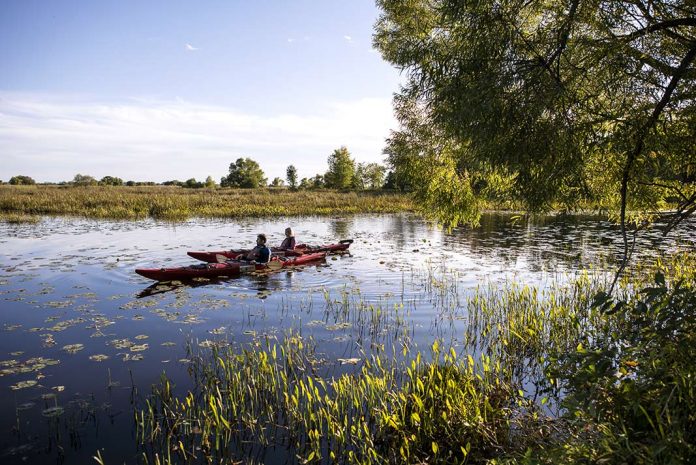
It should come as no surprise that an island city like Montreal boasts an abundance of exceptional opportunities to kayak and canoe—especially since Montreal sits at the confluence of two mighty rivers: the St. Lawrence and the Ottawa, which converge just west of the city at Lake of Two Mountains. The combined currents of these rivers splinter around the islands of Montreal and Laval, creating the Riviere des Prairies and the Riviere-des-Mille-Îles, as well as the famous Lachine Rapids of the St. Lawrence.
Travel just an hour or so outside the city and you can very quickly discover more lively rivers and many beautiful highland lakes. With such an immense variety of waters, kayaking in Montreal ranges from tranquil touring among bird-filled wetlands to kayak surfing on the St. Lawrence and whitewater kayaking descents of the region’s exciting rivers. Get started planning your paddling adventure today with these top places to kayak in Montreal.
[This article is part of our 24 Adventurous Things To Do In Montreal series. Learn more about where to hike, bike, paddle and sightsee around Quebec’s largest city.]
For some of the very best sea kayaking around Montreal, head to this beautiful national park in east Montreal just a few kilometers from the city’s Old Port. Situated right in the middle of the St. Lawrence, five closely-knit, vehicle-free islands make up Parc National des Îles-de-Boucherville, offering a peaceful escape from the noise of the city with green spaces and leafy channels teeming with birds and aquatic life. Explore the lush grasses of Chenal du Courant’s expansive marsh and watch for busy beavers and ubiquitous deer—two marked water trails make it easy for visiting kayakers to navigate between the various channels.
You can rent kayaks, canoes and SUPs at Grosbois Visitors Centre or the park Rental Centre. If you have your own equipment, use the launch at the Rental Centre. And if a day in paradise doesn’t seem like enough, not to worry. Campsites and Ready-to-Camp tents on Îles Grosbois make it easy for kayak campers to linger longer.
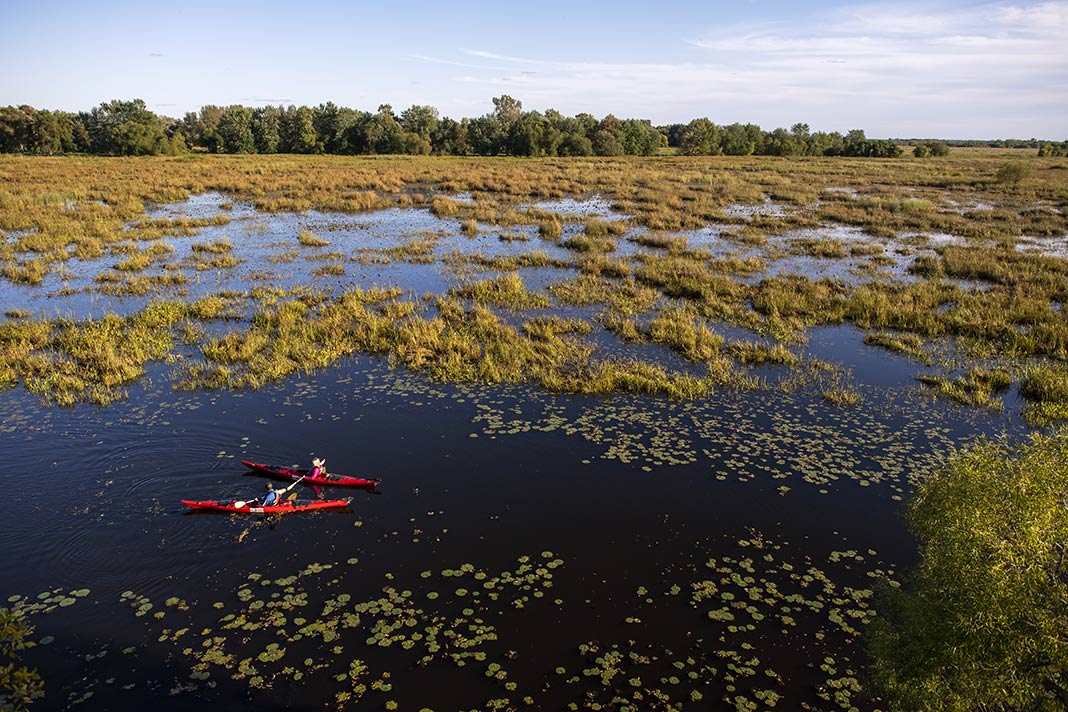
The “River of a Thousand Islands” flows gently across the top of Laval, forming an island-studded waterway that’s perfectly suited to leisurely exploration by kayak. In the Laval borough of Saint-Rose, launch from Parc de la Riviere-des-Mille-Îles, which encompasses some 20 islands scattered across the largest protected wildlife area in the metropolitan district—a pleasant labyrinth of water and vegetation just 30 minutes from downtown Montreal. The verdant wetlands, shady forest canopy and abundance of statuesque blue herons, sunbathing turtles and flotillas of geese and ducks make this river feel more like kayaking in the bayou than paddling in the city. Kayak, canoe and SUP rentals are available by the hour or day, and four self-guided paddling circuits keep navigation simple.
Oka National Park
Located on the mainland shore of Lake of Two Mountains just west of Montreal, Parc National d’Oka is a favorite escape from the hustle and bustle of the city. This is the place for a relaxing day at the beach, where you can paddle along 7 km of fine sand, or for a wildlife-filled tour of the vast marsh at Grande Baie. Oka also offers camping, trails, unique historic buildings and a rich cultural heritage. Kayak, canoe and SUP rentals are available in the park by the hour, half-day or full day. If you have your own equipment, launch at the La Crête boat ramp or from the main swimming beach.
Riviere des Prairies
Flowing between the islands of Montreal and Laval, the Riviere des Prairies offers a relaxing urban kayaking experience in the heart of the metropolitan area. Here, you can enjoy stretches of natural shoreline and an intimate view of the city’s finest waterfront homes. Consistent current and occasional swifts make this river best suited to downstream kayak journeys. Take advantage of two kayaker-friendly launch sites and a shuttle service on the Gouin Route of the river to plan a one-way trip from Beausejour Park to Sophie-Barat Nautical Site. Easy access, on-site kayak rentals and a unique bike back option along the adjacent bicycle path make for a fun, simple day of kayaking around Montreal.
For a unique perspective of the city, combine a leisurely kayaking tour of the historic Lachine Canal with all the food, culture and architecture you can handle in Old Montreal. Completed in 1825, the canal bypassed the treacherous Lachine Rapids of the St. Lawrence, allowing 19th century merchants to make Montreal one of the main hubs of North American trade. In its heyday, nearly 15,000 ships used the narrow canal each year, but with the completion of the much larger St. Lawrence Seaway in 1959, the Lachine Canal fell into disuse. Today, it is managed by Parks Canada as a national historic site, allowing kayakers and other pleasure boaters to traverse 14 kilometers from the Old Port of Montreal to Lake Saint-Louis. The canal is punctuated by five restored locks and a linear park lines its banks, making for easy options to rest, picnic or shorten your journey.
Kayaking near Montreal
Sorel Islands
The Sorel Islands–Lac Saint-Pierre Biosphere is one of the most ecologically diverse places to kayak near Montreal. Less than an hour down the St. Lawrence from the city, a dense archipelago of 103 islands stretches across the river at the western end of Lac Saint-Pierre. The Sorel Islands are the St. Lawrence’s largest archipelago and home to 50 percent of the river’s wetlands, making it an internationally significant waterfowl staging area. This is a bird-watcher’s paradise, as the islands also serve as North America’s largest heron nesting area.
The Société d’Aménagement de la Baie Lavallière (SABL) is responsible for the largest managed marsh in North America. This non-profit organization has set up two boat ramps that allow kayakers to launch and explore Baie de Lavallière and the Sorel Islands’ vast mosaic of hidden channels, maple swamps and wild wetlands. The eastern islands remain completely natural and undeveloped, home only to bird-filled marshes and secret, kayak-sized passages.
Across the St. Lawrence on Montreal’s South Shore, the historic Chambly Canal invites kayakers to travel back in time while enjoying a peaceful day in nature just 35 minutes from the city. Built in 1843 to bypass the thundering rapids of the lower Richelieu River and serve as a link between the St. Lawrence River and Lake Champlain, today the 19-km-long Chambly Canal National Historic Site is managed by Parks Canada as a recreational waterway. The canal’s 9 locks, eight of which are still operated manually by hand crank—as well as swing, rolling and lift bridges—set the pace for your kayaking excursion. Natural, grassy banks and towpaths make for easy launching and landing so you can enjoy a picnic or stretch your legs.
Riviere du Nord, Val-David
Set in a picturesque valley in the Laurentian Mountains just one hour north of Montreal, the charming village of Val-David seems conceived for the enjoyment of outdoor enthusiasts. At the foot of the mountains, the Riviere du Nord flows a gentle 7 km path through the village before reaching Lac Raymond, paralleled along its green banks by the P’tit Train du Nord cycle path. For a thoroughly relaxing half-day excursion, kayakers can paddle downstream to the lake and then pedal or hike back to their starting point.
Mont Tremblant National Park
It’s hard to believe this huge national park is within such easy reach of the city. Less than two hours north of Montreal, the forested mountains, sparkling lakes and rushing rivers of Parc National du Mont Tremblant offer some of the best kayaking near Montreal, along with an incredible variety of other outdoor activities. Kayaking in the park ranges from easy sojourns on mountain lakes and kayak camping at beautiful backcountry sites, to exciting whitewater descents of the Diable and L’Assomption Rivers. Portage trails allow kayakers to skirt around the rapids, putting these one- to two-day river trips within the grasp of intermediate paddlers. Kayak rentals are available at the park.
Rushing out of the Laurentian Mountains north of Mont Tremblant, the Riviere Rouge flows over 200 km south to the Ottawa River. It’s a river of many different moods, at turns meandering gently through bucolic rural landscapes and dashing violently through thick forest and steep-walled valleys. Where the current is calm, shallow sandbars and vast shoreline beaches invite leisurely paddle-swim-picnic excursions.
Classic flatwater kayaking routes depart from the villages of L’Ascension or Labelle—two hours north of Montreal—and finish at L’Annonciation (Riviere-Rouge) or La Conception, respectively. Here the Rouge River offers peaceful paddling, warm water, incredible sand point beaches and cliffs, and even a historic covered bridge. Most kayakers plan a downriver trip of 6 to 30 km, with numerous convenient take-out options to shorten the journey. Plan a half to full day for either section, depending on your distance of choice.
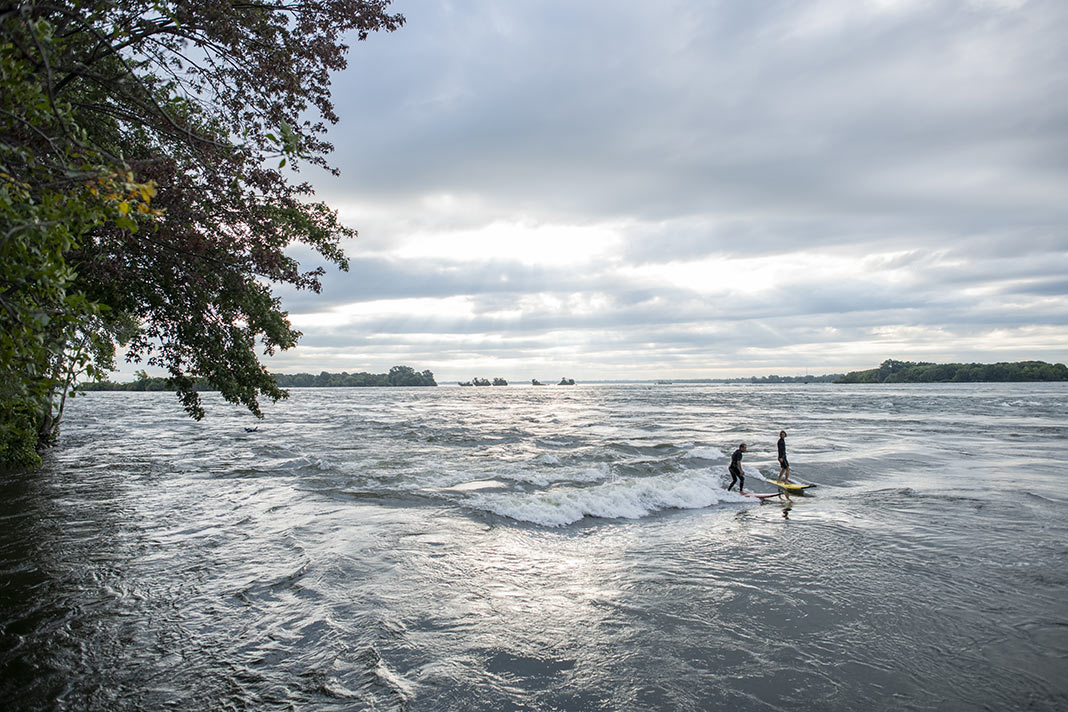
Located in Montreal’s LaSalle borough, the Parc des Rapides offers terrific park-and-play access to the famous Lachine Rapids of the St. Lawrence River. Experienced kayakers can connect with local surfers and paddlers for beta on the best surf waves, such as Big Joe, Gaétan, and the Pyramidal. If you’re more of a novice or intermediate kayaker, it’s highly recommended that you book a lesson with LaSalle’s whitewater and surf experts, KSF (Kayak Sans Frontieres) for your first foray into the rapids. They can get you started on beginner-friendly Guy’s Wave and help you progress into the larger rapids.
Habitat 67 Wave
This popular urban surf wave is named for the architecturally unmistakable apartment complex that towers above it. Built for Montreal’s World Exposition of 1967, the buildings resemble a Jenga tower of stacked cubes, making for a distracting backdrop between surf sessions. Habitat 67 Wave is accessible from Parc de Dieppe, located on a splinter of land between Montreal’s Old Port and the twin islands of Île Sainte-Hélène and Île Notre-Dame. Interestingly, these large islands were also built for Expo ‘67—from the debris excavated during construction of Montreal’s subway system!
Just an hour’s drive west up the Ottawa River from Montreal, the fast and furious Riviere Rouge is renowned for adrenaline-pumping whitewater kayaking and rafting. In its final 10 kilometers, the river enters a canyon and drops precipitously toward its confluence with the Ottawa—a cathartic spill of rapids and falls that have made the Rouge one of Quebec’s most popular whitewater rivers.
Ranging from moderate class II-III rapids to heart-pounding drops and continuous class III-IV rapids, the Rouge attracts both novice and expert whitewater kayakers. Early in the season, you can brave the high water of Harrington Canyon, while summer offers challenging descents of the rambunctious Seven Sisters section. Beautiful scenery, sandy beaches and surf waves make this an unforgettable kayaking destination. If it’s your first time paddling the river, book a lesson with local paddling school ABV Kayak. Located at Grenville-sur-la-Rouge, they offer beginner to advanced courses, one and two-day packages, equipment rental and riverside camping.
Kayak courses Montreal
Boreal River Adventures
Learn to paddle the powerful rapids of the Ottawa River at Gatineau in a single day with this unique, introductory 4.5-hour workshop from Boreal River Adventures. Paddling in a stable kayaraft (inflatable kayak-raft hybrid), you’ll learn whitewater skills and safety concepts while challenging the class II rapids of the Ottawa. This course is offered at Parc Moussette in Gatineau, 2 hours west of Montreal. Boreal River Rescue also offers whitewater rescue and wilderness first aid courses for kayakers.
The city’s oldest and best-known paddling school, KSF offers SUP and whitewater kayak lessons Montreal-style—you’ll follow a step-by-step progression to take you from flatwater to the advanced level surf waves of the Lachine Rapids. Based right at Rapids Park on the riverfront in LaSalle, KSF’s kayak program is divided into five 3- to 6-hour courses so you can learn safely and at your own pace.
Based on the waterfront in Verdun, NAVI offers introductory 3-hour sea kayaking lessons (plus rentals and tours) on the St. Lawrence River below the Lachine Rapids.
Location: 6500 Blvd LaSalle, Verdun, Montreal Phone: 514-800-0481 Website: www.espacenavi.ca/en/
KLN (Kayak Latins du Nord)
If you’re serious about sea kayaking, KLN offers day courses and outings, surf and current clinics, and Paddle Canada courses from beginner to expert in and around Montreal. Instruction is led by a top-level sea kayak coach, with courses and private coaching available in English, French and Spanish.
Familiarize yourself with paddling before setting off on the Rivière des Prairies. The GUEPE organization offers 1-hour training plus 1-hour single kayak rental packages at Parc Beauséjour on the river’s Gouin Route.
Location: 6891 Blvd Gouin Ouest, Montreal Phone: 514-713-6829 Website: www.parcoursgouin.ca/
Parc de la Riviere-des-Milles-Îles
All summer long, the Eco-Park offers 2.5-hour kayak lessons in co-operation with MEC. Learn the basics, practice your skills and receive a gift certificate for a free kayak rental in the park at the end of your lesson.
Located within the Lachine Canal National Historic Site just across from the famous Atwater Market, the nautical center offers 2-hour introductory sea kayaking courses (plus rentals and tours on the canal).
Location: 2727 Rue Saint-Patrick, Montreal Phone: 514-842-1306 Website: www.aventuresh2o.ca/
ABV Kayak
Experience the thrill of challenging the Rouge River’s famous rapids by whitewater kayak with beginner to advanced course offerings from this kayak school located at the powerful rapids of the lower Rouge. One and two-day packages, equipment rental and riverside camping are available.
Location: 1199 Chemin de la Rivière Rouge, Grenville-sur-la-Rouge Phone: 888-844-5292 Website: www.abvkayak.com/en/
Montreal kayak tours
NAVI
Based on the waterfront in Verdun, NAVI offers 2- and 3-hour, beginner-friendly sea kayaking tours on the St. Lawrence River below the Lachine Rapids. Choose from an easy tour to Rock Island; a more challenging descent to the southern tip of Île-des-Soeurs, including a few small rapids; or a full moon night paddle to enjoy the magic of Montreal after dark.
Location: 6500 Blvd LaSalle, Verdun, Montreal Phone: 514-800-0481 Website: www.espacenavi.ca/en/
Parc de la Riviere-des-Milles-Îles
At dusk every Friday and Saturday through summer, park staff offer a naturalist-guided, twilight outing in the archipelago of the Riviere-des-Milles-Îles. These 2.5-hour sea kayak tours are a great chance to see some little-known wildlife hiding on and around the islands—including beavers, turtles, bats and great blue herons.
Located within the Lachine Canal National Historic Site just across from the famous Atwater Market, the nautical center offers 3-hour interpretive tours of the canal and Montreal’s Old Port. Your guide will share the fascinating history of the Lachine Canal while you enjoy a new perspective of the city. Choose from a morning tour through the St-Gabriel Locks to the Old Port, or a sunset kayak and brewery tour.
Location: 2727 Rue Saint-Patrick, Montreal Phone: 514-842-1306 Website: www.aventuresh2o.ca/
Excursions Kayakalo
Excursions Kayakalo, based in Sorel-Tracy, offers guided sea kayak tours of the Sorel Islands, the Boucherville Islands and the Rivière-des-Mille-îles. The tours are flexible and can be adapted to a variety of interests. Basic kayak techniques are taught, and all equipment is provided.
Location: 2786 Chenal du Moine, Sainte-Anne de Sorel Phone: 450-880-1654 Website: www.kayakalo.com/
[ Plan your next paddling adventure with the Paddling Trip Guide ]
Nerrivik Aventures
Based just east of Montreal, Nerrivik Aventures is a sea kayaking outfitter specializing in day trips and multi-day tours on the St. Lawrence from the Boucherville Islands to the Sorel–Lac Saint-Pierre archipelago. Guided trips to the lakes of Mont-Tremblant National Park are also offered. Develop your kayaking technique and learn about the river and region’s natural and cultural history on a custom excursion with Nerrivik’s experienced guides.
Based right at Rapids Park on the riverfront in LaSalle, KSF offers surfboard, paddleboard, touring kayak and whitewater kayak rentals, as well as all the necessary gear and equipment to play in the water.
Based on the waterfront in Verdun, NAVI offers single and double sea kayak and recreational kayak rentals on the St. Lawrence River below the Lachine Rapids.
Location: 6500 Blvd LaSalle, Verdun, Montreal Phone: 514-800-0481 Website: www.espacenavi.ca/en/
GUEPE Nautical Sites
Two-hour rental packages on the Rivière des Prairies include kayak rental and bike transport, so you can paddle the river from Parc Beauséjour to Sophie-Barat nautical site and return by bicycle.
Location: 6891 Blvd Gouin Ouest, Montreal Phone: 514-713-6829 Website: www.parcoursgouin.ca/
Parc de la Riviere-des-Milles-Îles
Montreal’s largest kayak rental center, the Eco-Park offers 3-hour and daily rentals of single and tandem kayaks, as well as canoes and SUPs.
Situated in a peaceful park-like setting on the banks of the Riviere-des-Milles-Îles, this center rents single and tandem recreational kayaks, fishing kayaks, SUPs and canoes. Cabin rentals and a pick-your-own orchard are also located on-site.
Located within the Lachine Canal National Historic Site just across from the famous Atwater Market, the nautical centre rents single and tandem sea kayaks, as well as pedal-powered sit-on-top kayaks. Half-hour, 1- and 2-hour rentals available.
Location: 2727 Rue Saint-Patrick, Montreal Phone: 514-842-1306 Website: www.aventuresh2o.ca/
Montreal’s huge go-to store for kayaks and paddling equipment offers 3-day and 7-day kayak rental from their downtown location (roof rack rental also available).
Location: 8267 Blvd St-Laurent, Montreal Phone: 514-381-4399 Website: www.depotpleinair.com/
Montreal’s oldest and best-known paddling school, KSF also operates an on-site surf boutique and online store selling kayak, SUP and surf equipment and apparel.
[ See the largest selection of boats and gear in the Paddling Buyer’s Guide ]
Boutique Boréal Design
Makers of fiberglass and plastic sea kayaks, recreational kayaks and fishing kayaks, Boréal Design’s South Shore boutique offers a try-before-you-buy program, as well as a full range of paddling accessories and apparel from top brands.
Montreal’s huge go-to store for kayaks, paddling equipment, camping gear, outdoor apparel and more.
Location: 8267 Blvd St-Laurent, Montreal Phone: 514-381-4399 Website: www.depotpleinair.com/
La Cordée
Quebec outdoor retail chain La Cordée operates a flagship store just north of the Old Port and steps to the St. Lawrence. Purchase whitewater, sea and recreational kayaks; paddling equipment and apparel; camping gear and much more. If you’re in Laval, there’s also a La Cordée location here.
Location: 2159 Rue Sainte-Catherine Est, Montreal Phone: 514-528-3546 Website: www.lacordee.com/en/
MEC Montreal
Outdoor retail chain MEC operates Laval and South Shore locations in addition to their main Montreal store just north of Mont Royal, stocking everything you need to get on the water or out into the wilderness.
Location: 8989 Blvd de l’Acadie, Montreal Phone: 514-788-5878 Website: www.mec.ca
SAIL
With locations in Laval and the South Shore (Brossard), outdoor retail chain SAIL carries kayak, paddlesports, camping and outdoor equipment and apparel.
Location: 2850 Ave. Jacques-Bureau, Laval Phone: 450-688-6768 Website: www.sail.ca/en/
The birds and the bees. | Feature photo: Scott MacGregor
Every paddler knows—there’s nothing like going on a multi-day trip to really get to know someone. Tripping together can work out beautifully and cement lifelong friendships or can lead to dramatic disasters when personalities collide under challenging conditions. Here are some key questions to discuss with your tripping partners before setting out on a canoe trip together.
What are your trip goals? Do you want to be on the water before the crack of dawn for a long day of record-setting paddling? Are you looking forward to relaxing mornings in camp followed by a leisurely jaunt to the next bay? Gourmet meals or lightweight freeze dried fare? Lengthy consensus decision-making or dictatorial efficiency from a single group leader?
It’s time to have the talk—not the birds and bees, but rather some pressing questions about canoe trip compatibility. | Feature photo: Scott MacGregor
2 Experience
How well do you know each other? What skill sets and range of experience exist in the group? Who has first aid training? Does everyone know how to perform basic assisted and self-rescues? Is the intended route a good fit for the group? Taking an inexperienced paddler for their first wilderness trip can be a rewarding experience for all involved, but should be done thoughtfully. There always will be paddlers of varying speeds, skills and energy levels—can you put your egos on hold to support each other?
Do you have compatible levels of risk tolerance, and the experience and judgment to make sound decisions?
3 Trip route and pace
Do you want an easily accessible front country trip or remote wilderness route? Big crossings or sheltered bays? What is the potential cost of shuttles, float planes, ferries and camping? Given each paddler’s experience and current fitness levels, is your trip route realistic? Is your idea of fun paddling for 15 kilometers or 50 kilometers a day? Does your route have alternate take-outs in case of injury or inclement weather?
4 Decision making and risk tolerance
How is your group going to make decisions, both on shore and on the water? How will you manage risks such as large crossings or surf landings? Do you have compatible levels of risk tolerance, and the experience and judgment to make sound decisions?
[ Plan your next paddling adventure with the Paddling Trip Guide ]
Some personality quirks are best managed with advance warning. | Photo: Joe Pohle/Unsplash
5 Daily routine
Navigation, setting up camp, cooking, doing dishes, collecting firewood—how will daily tasks be divided? Will your group have a chore rotation or just go with the flow each day? Take into account people’s strengths or preferences, go it solo, or divide tasks equally among everyone?
6 Health concerns
Do any group members have health conditions that the others should know about? Food allergies? Nagging shoulder injuries? Critical medication? A tendency to become “hangry”? Share key information so you can support each other when it counts.
7 Secret phobias, pet peeves and essential needs
Do you secretly suffer from crippling ranidaphobia (fear of frogs)? Does it drive you crazy when people don’t stay out of the kitchen while you’re making dinner? Is it dangerous to talk to you before your morning coffee? Some personality quirks are best managed with advance warning!
Regular check-ins, feedback and conflict resolutionWill you have regular check-ins throughout the trip? How will you give each other feedback or resolve potential conflict? Do you relish a no-holds barred debate or do you prefer gentle “I feel” statements? Regular opportunities for honest check-ins will go far towards keeping your trip running smoothly.
It’s time to have the talk—not the birds and bees, but rather some pressing questions about canoe trip compatibility. | Feature photo: Scott MacGregor
For big water kayakers, the year is not segmented by regular seasons. Spring is generally replaced with “stakeout” season, a term first coined several years ago by Pat Camblin in reference to someone literally surveying–or “staking out”–a wave.
“Stakeout is one of the best seasons of the year,” claims Dane Jackson in his most recent video. Jackson is referring to the annual pilgrimage to eastern Canada to paddle some of the biggest paddle-able rapids and waves on the planet. “Whether you get to surf the biggest and baddest waves, or just simply run the biggest whitewater. There is never a dull day,” he says.
In the video, Jackson checks out the Mistassibi River in central Quebec at rowdy flows. Watch how he gets on.


 This article was first published in the Fall 2015 issue of Rapid Magazine.