Home Blog Page 165

Boat Review: The Capella 166 RM by P&H

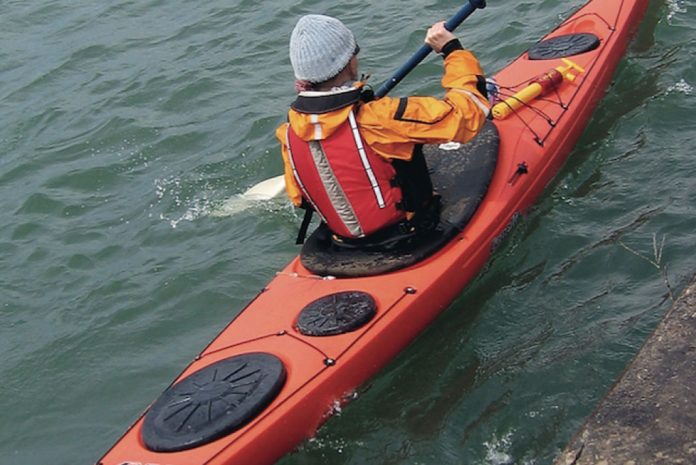
Paddler in a Capella 166 RM sea kayak by P&H
Photo: Tim Shuff

In Derbyshire, not too long after the Beatles launched out of nearby Liverpool, P&H became one of the original modern sea kayak manufacturers. Now the updated Capella 166 arrives in North America to introduce a new generation of paddlers to the P&H sensibility.

The Capella 166 RM (“166” for 16.6 feet and “RM” for rotationally moulded polyethylene) first came along in 1996 and rose to the top of the charts. P&H combined a sporty hull with straight-tracking expedition lines into a mid-sized boat that both turns and tracks reasonably well. Among many critics, the Capella developed a reputation as “the best plastic sea kayak” available.

P&H Capella 166 RM Specs
Length: 16’8”
Width: 22”
Depth: 14”
Cockpit: 29” x 16.5”, 155 litres
Weight: 54 lbs
Rear hatch: 16” x 9”, 85 litres
Front hatch: 9.5”, 45 litres
Day hatch: 7”, 34 litres
MSRP:  $1,895 CAD / $1,399 USD
[ Paddling Buyer’s Guide: See All Rotomolded Sea Kayaks ]

The Capella 166 RM still performs among the best

Despite new competition, the reputation of the Capella RM remains hard to disclaim. P&H has stayed at the top of its game by overdubbing the original Capella with modified performance, redesigned outfitting, new hatches and more durable plastic.

Designers have tweaked the mould to squeeze in a tad more initial stability and tracking for more comfortable cruising while retaining a playful side with equally strong secondary stability. It’s British pop with an edge, easing smoothly into a stable tilt for excellent carving. Quite manoeuvrable and moderately fast, cruising at four to six knots.

Outstanding features include the exceptional cockpit outfitting and one of the most rigid plastic hulls available. The triple-layer polyethylene resists deformation and paddles like fibreglass, while the welded plastic bulkheads add internal robustness.

Our testers agreed that the P&H mix masters have come up with an ultimate best-of-all-worlds, do-anything boat, small enough for day trips and ocean playboating but large enough for most multi-day trips.

Kayaks are like lovers and potato chips. It’s hard to have just one. But if you must limit your fleet to a single Yellow Submarine, include the Capella on your shortlist.

Features of note for the Capella 166 RM
Screen_Shot_2015-07-07_at_12.30.44_PM.png

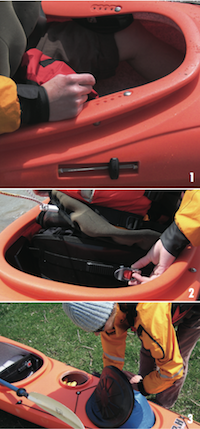
1) Baby you can drive my kayak

Excellent cockpit outfitting includes standard Yakima foot braces. Surprisingly, holes and attachment points are included for an optional foot rudder system, although we found the standard skeg and minor correction strokes sufficient to counteract weathercocking in crosswinds, tail- winds and following seas. Contoured plastic thigh braces adjust easily with a flathead screwdriver, flexing slightly but providing positive thigh contact without being confining. The cockpit opening was just long enough for six-footers to pull their legs out while seated, contributing to a snug feel. Yet testers ranging from 130 to over 200 pounds found the cockpit comfortable and spacious.

2) Eight days a week

…is how long you’ll be able to sit in the Capella. One of our testers found the moulded seat, which is padded not just on the bottom but also the sides, to be “one of the most comfortable kayak seats I’ve ever sat in.” Similar to what one finds on British composite kayaks, but more plush, the bucket seat is well secured in the boat, remaining reassuringly firm on a tilt. The comfortable backband adjusts using one of the simplest ratchet systems we’ve seen—neatly tucked out of the way behind the seat but well within reach.

3) You’ve got to hide your gear away

The Kajak Sport rubber hatches are new to this version of the Capella, as is the third hatch, which is easy to reach from the cockpit providing the rubber pull-tab is facing the right way. All hatches fit very snug and water- tight. The welded plastic bulkheads are one of the Capella’s prized features, said to be much more secure than bulkheads of glued foam found in many plastic kayaks, indicating the Capella 166 RM’s suitability for rough play: rock gardens, surf landings and deep-water rescues.
 

Creek Boat Review: Jackson Kayak Villain

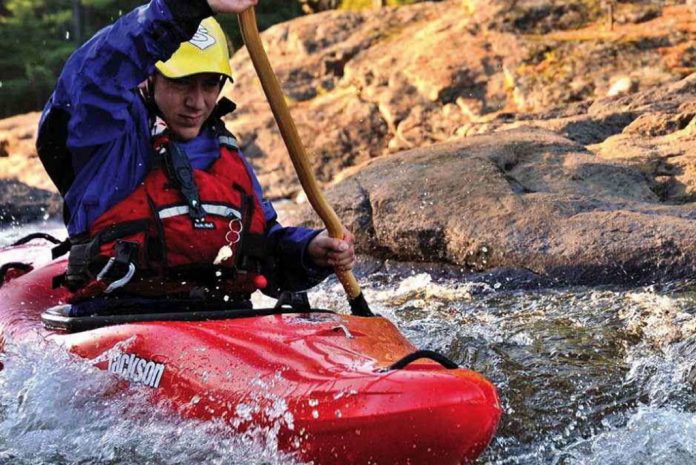
Paddling in the Villain by Jackson Kayak
Photo: Virginia Marshall

As the old saying goes, “if it ain’t broke, don’t fix it.” Fortunately designers follow another approach, which leads us to Jackson Kayak’s latest improvement on a good idea, the Villain. Introduced in April 2010, the Villain replaces Jackson’s first creek boat series, the Rockers, and complements the recently revamped river-running Hero series.

Jackson Villain S / Villain Specs
Length: 8’2” / 8’8”
Width: 25.5” / 27”
Volume: 79.5 / 92.5 U.S. gal
Weight: 46 / 56 lbs
Paddler weight: 100–180 / 155‑230+ lbs
Max capacity: 225 / 300 lbs
MSRP:  $1,049 USD / ELITE $1,195 USD
www.jacksonkayak.com

A Jackson Villain is born

After three years of paddling the Rocker, and thorough testing of the updated design features on the Hero series, Eric Jackson and design partner David Knight had a clear vision of how the new creek boat should look and perform.

“[The Villain] is a mix of the best of the Hero and the best of the Rocker,” Jackson summarizes. “Instead of reinventing the wheel, we went for the magic combination of top-rated features and qualities.”

[ Paddling Buyer’s Guide: See All Creeking Kayaks ]

Performance and handling

The designers gathered input from steep-creekers, expedition boaters and river runners of all skill levels and came up with a few crucial performance requirements: fast hull speed, easy boofs and stays on-line and on the surface in messy water. Three generations of prototype testing later, the Villain S emerged.

The smaller of two available sizes, the Villain S has dimensions and overall shape similar to the Rocker, but does away with its predecessor’s featureless displacement hull, replacing it with a hint of the Hero’s edges and planing hull.

Jackson describes the Villain’s semi-planing hull as “slightly crowned”; a shape that affords easier last-minute corrections and pivot turns on the tops of waves than a regular displacement hull, without sacrificing too much speed. The soft edges slip smoothly over rocks and slides but are assertive enough that you can hold your course and carve in and out of eddies like a getaway driver.

The Villain feels narrow and round, with lightning quick transitions and infinite degrees of edging, but it’s not the greased log Rocker paddlers are used to. We found the rocker profile strikes a nice balance between boofing the long waterline and punching holes. Well-proportioned volume in the ends keep the bow and stern clear of boils and cross currents.

The Villain provides comfort and safety

Outfitting is comfortable, especially in the Elite version (moulded from heavy-duty, crosslink plastic), which includes a plush Sweet Cheeks inflatable, beanbag seat cushion. Non-slip padding is glued throughout the knee and thigh area to give you better control when edging and rolling. A step-out pillar, hull stiffeners, three-inch-thick foam foot blocks and Jackson’s Uni-shock bulkhead round out a bevy of safety features aimed at serious creek boaters.

The Villain offers a great overall package for intermediate paddlers who enjoy running rivers fast and are looking to step up to steep-creeking. If surfing on your way downriver is more of a priority, stick with the Hero.

Is this the Villain you deserve?

For experienced creekers, the Jackson Kayak Villain is a confidence-inspiring ride that begs to rip on the steeps. And if you’re still hanging on to your old creek boat (it ain’t broke…) remember that buying a new kayak isn’t just fun, it’s the progression of our sport.

This article was first published in the Summer/Fall 2010 issue of Rapid Magazine. Subscribe to Paddling Magazine’s print and digital editions, or browse the archives.


What Chine Is It?

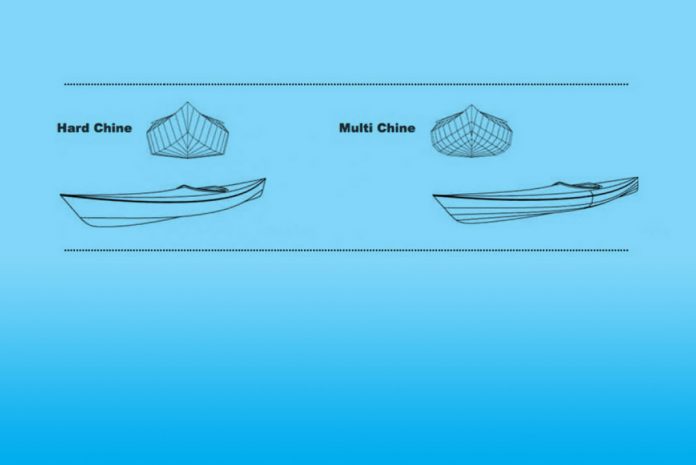
Illustration of Hard Chine vs Multi Chine boat hull
What chine is it? | Feature Image: Pygmy Kayaks

First, some terminology: Chine refers to the area where the sidewall of the kayak meets the bottom of the hull. A soft-chine boat exhibits gentle curves, while a hard- or multi-chine boat has abrupt edges.

The history of boat chines in kayak design

The early skin kayaks of the Arctic relied on wooden ribs and longitudinal stringers for form. Those stringers were responsible for the single hard-chine, V-shaped hull of the Inuit or Greenland-style kayak and the multiple hard chines of the Aleutian baidarka design. It wasn’t until the advent of fiberglass and plastic that builders designed rounded and shallow-arch hulls without pronounced edges—initially for whitewater slalom.

Hard chines in sea kayaking

According to John Lockwood of Pygmy Kayaks in Port Townsend, Washington, hard chines enable a sea kayak to carve crisper turns. When the paddler shifts her weight to tilt the boat, the sharp angles of a hard- or multi-chine hull effectively become a curved keel. Think of what happens when you engage the edge of a parabolic ski or snowboard—it’s essentially the same phenomenon as when a tilted kayak moves through the water.

[ Paddling Buyer’s Guide: See All Sea Kayaks ]

Advantages in turning and cruising

Lockwood says that the turning motion is enhanced in a single hard-chine hull; these designs will also turn with less angle of tilt. Lockwood’s calculations demonstrate that if all design variables are made equal, a multi-chine hull has 3.2 percent less wetted surface (and therefore less water resistance) than a hard-chine hull, and so is about 3.2 per cent more efficient at cruising speeds. Any difference in wetted surface between multi-chine and soft-chine hulls is even subtler, however a rounded hull will not offer the same maneuverability on edge.

What chine is it? | Feature Image: Pygmy Kayaks


TRAK And Level Six Partner Up

You always make the best friends during challenging times. TRAK Kayaks is pleased to announce a new partnership with Level Six, a leading Canadian manufacturer of world-class drysuits, safety equipment and other paddling garments.

Being one with water is what TRAK is in service of. Back in 2017, TRAK started a commitment to skills development and progression, so the community can get the most from their experiences paddling. When the pandemic began earlier this year, TRAK started their Sea Kayak Skills Accelerator program. From that a need emerged for immersion gear and drygear apparel.

TRAK scanned the market to curate the best complementary gear they could find. They arrived at none other than Level Six, from Canada’s capital in Ottawa. TRAK discovered that the backstories of TRAK and Level Six have some interesting parallels, rooted in a commitment to the water lifestyle.

To celebrate the new partnership, customers can get a free Level Six drysuit when pre-ordering a TRAK 2.0 for 2021. Simply select your TRAK Immersion Bundle Add-on + Pay in Full to claim your drysuit. Find out more here.


Kiliii Yuyan’s Kayak Building Workshop

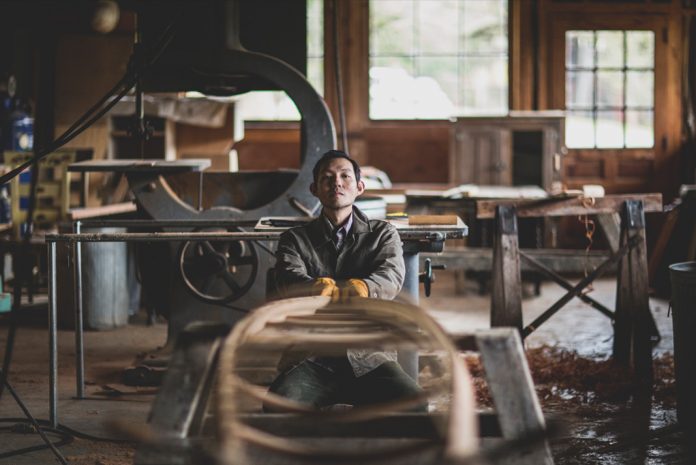
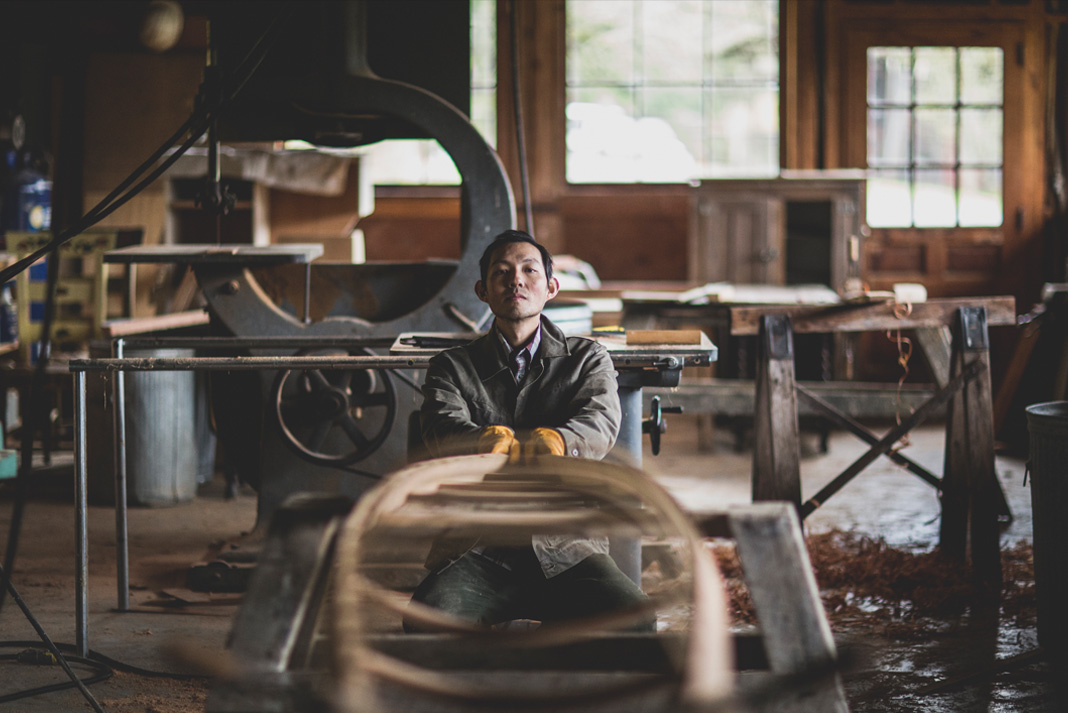
A man bends a frame for a skin on frame kayak.
Kiliii Yüyan’s Seawolf Kayak designs aren’t replicas. Instead, he says they’re designed for what modern kayakers do—playing in rough water, photographing wildlife, camping overnight, paddling for weeks and fishing the ocean. Photo: Courtesy Filson // Photography by Ford Yates

More than 4,000 years ago, the earliest kayaks were constructed from driftwood and the skins of marine mammals—and if anyone has a claim to building modernized versions, it’s Kiliii Yüyan.

An American of Chinese and Nanai (Siberian Native) descent, Yüyan grew up on his grandmother’s stories of heroes riding the backs of orcas and fish bigger than canoes. But it wasn’t ancestry alone that led Yüyan to build his first skin-on-frame kayak—it was his appetite.

Since his late teens, Yüyan had been interested in the traditions of hunting and gathering. He started embarking on rewilding expeditions led by British ex-pat Lynx Vilden—a survivalist who has been teaching primitive living skills since 1991—and it was on these trips he learned just how difficult the land could be to live off.

The one exception to the rule? The ocean. He reasoned a kayak would be a stable, strong and portable platform to fish, and would give him access to otherwise inaccessible waters.

“I could have just bought a plastic kayak, but there’s more to the soul of a skin-on-frame,” says the 41-year-old. “It was part of my ancestry, but more than anything, I was driven by my desire to eat.”

That was 17 years ago. Now the owner of Seawolf Kayak, a Seattle-based boat building business, Yüyan has constructed more than 600 kayaks. Every year, alongside instructor Addie Asbridge, he teaches dozens how to build their own skin-on-frame kayaks at nine-day workshops in America, Europe and the United Kingdom.

A man bends a frame for a skin on frame kayak.
Kiliii Yüyan’s Seawolf Kayak designs aren’t replicas. Instead, he says they’re designed for what modern kayakers do—playing in rough water, photographing wildlife, camping overnight, paddling for weeks and fishing the ocean. Photo: Courtesy Filson // Photography by Ford Yates

“The building of a boat brings together so many disparate aspects of being close to the land. From gathering the wood to knowing where it comes from, every step is like retracing steps your ancestors have taken: They’ve done the exact same motion before,” he says.

His early designs, he concedes, were “terrible” in comparison to Seawolf Kayak’s current product line-up. Its five models range from the Kelpie, an ultra-narrow “Seabiscuit of kayaks,” to the stable Selkie, designed for multi-day trips. Constructed from cedar frames, bamboo ribs and ballistic nylon, most weigh-in at just 26 pounds. Despite their lineage, his boats aren’t intended to be replicas of those found in Greenland or the Aleutian Islands. Their users are interested in camping and playing in the ocean, not harpooning seals.

It’s arguably his primary passion—photojournalism—that has allowed Yüyan to explore his northern roots fully. An award-winning photographer who specializes in the Arctic regions and Indigenous issues, Yüyan’s images have appeared in Vogue, TIME and Bloomberg Businessweek.

[Paddling Buyer’s Guide: See all kayak kits and plans]

One 2014 trip to northern Alaska to learn the art of skin-sewing (a process involving stitching seal skins together so they become fully waterproof) from Iñupiat elders resulted in a multi-year photography project. Over the course of three years in Utqiagvik, Yüyan documented the community’s subsistence whaling culture. The resulting photos were published in National Geographic and shown at the British Museum.

More than success, the project gave him a sense of belonging. “I found the thing I was looking for in so many ways; I feel at home there,” he says.

Yet, while northern and Indigenous communities are the common thread in his work, Yüyan has yet to return to his ancestral homeland. He’s been held back by Russia’s notoriously difficult visa processes and a harsh truth: The place mythologized through his grandmother’s stories no longer exists. It’s long been destroyed by decades of colonialism and communism.

Instead, Yüyan is currently starting to work on a skin-on-frame kayak from the Nain culture. It, too, is a project with complications; no drawings of the boats exist and only one modernized model remains in a museum in Khabarovsk, Russia. But like reconnecting with his Indigenous identity, Yüyan is in no hurry. After all, he says, boat building is about evolution, not revolution.

“It will be nice to take my time with it and figure out how it’s going to work,” he says.

This article was first published in Paddling Magazine Issue 62. Subscribe to Paddling Magazine’s print and digital editions here, or browse the archives here.


Kiliii Yüyan’s Seawolf Kayak designs aren’t replicas. Instead, he says they’re designed for what modern kayakers do—playing in rough water, photographing wildlife, camping overnight, paddling for weeks and fishing the ocean. Photo: Courtesy Filson // Photography by Ford Yates

Boat Review: Sea Eagle Travel Canoe 16

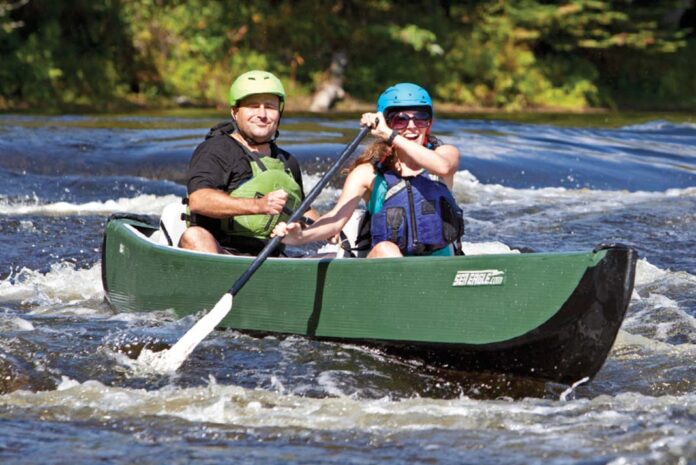
MORE FUN THAN A BOUNCY CASTLE.| PHOTO: SCOTT MACGREGOR

The inflatable canoes, dinghies and kayaks we grew up with were little more than pool toys. Long-time inflatable kayak manufacturer Sea Eagle will change your assumptions about blow-up boats with the world’s first performance-oriented inflatable travel canoe.

Pack this Sea Eagle canoe with your luggage and take it along anywhere

The Travel Canoe 16—or simply TC16—is a perfect craft for paddlers who don’t have 48 square feet to spare for canoe storage, or for travellers who want to be able to check their canoe on an airplane. When deflated, the TC16 packs to the size of a burly winter sleeping bag, small enough that it might not even be considered oversized baggage. In fact, it’s the only canoe that’s ever been delivered by courier and deposited in the office kitchen.

The TC16 weighs just shy of 60 pounds and is incredibly easy to set up. Literally, just pump and go. Inflation took Canoeroots publisher Scott MacGregor about seven minutes and then we were ready to hit the water. And that was without reading the instructions.

Hitting the waves with the Sea Eagle TC16

Stability and ease of handling

On the water, the TC16 makes for fun and easy cruising. Even without the optional skeg it tracks straight, turns easily thanks to moderate rocker and is quick to get up to top speed.

Its double-walled, drop-stitch hull is rock hard when inflated to the recommended 12 psi, and the PVC-based material had staffers climbing all over it, practicing Capistrano Flips and gunwale-bobbing without worry of bruising limbs on aluminum gunwales and wooden thwarts.

The flat bottom of the TC16 makes it feel stable so long as you remain on the level. With even a little tilt the canoe quickly falls to find its secondary stability on its inflated sides. Once you’re there, the secondary stability is rock solid.

How does this inflatable boat measure up?

Two factors impressed me most about the TC16. First, after righting the canoe following a capsize there’s almost no water inside the hull. When the canoe does overturn, it floats on the water instead of in the water, meaning you can right it, slither back in and keep on paddling without bailing.

Secondly, the TC16 is durable. We crashed it, bashed it and bounced it, and none of it left a mark. Not even a head-on collision at ramming speed with a car-sized chunk of billion-year-old Precambrian rock. Try that with your hard shell. There’s a limit to the TC16’s durability I’m sure, but we didn’t find it.

In moving water, the hull does bend and flex more than other travel canoes we’ve paddled. While grinding down shallow drops on our local river the canoe almost seemed to bend and slither over rocks—a funny sensation that takes some getting used to.

Our only complaint? The inflatable seats are attached to the floor with Velcro, and the feet-out-front, lean-back style isn’t what we’re used to for aggressive river running. We kept wanting to kneel.

MORE FUN THAN A BOUNCY CASTLE.| PHOTO: SCOTT MACGREGOR

Summing up the Sea Eagle TC16

In addition to the niche markets of urbanites and northern river travellers, Sea Eagle’s Travel Canoe 16 is sure to find a home in the boat houses of families, fishermen and river cruisers looking for a versatile recreational canoe.

Watch us unbox the Sea Eagle, inflate it and take it out on the water:


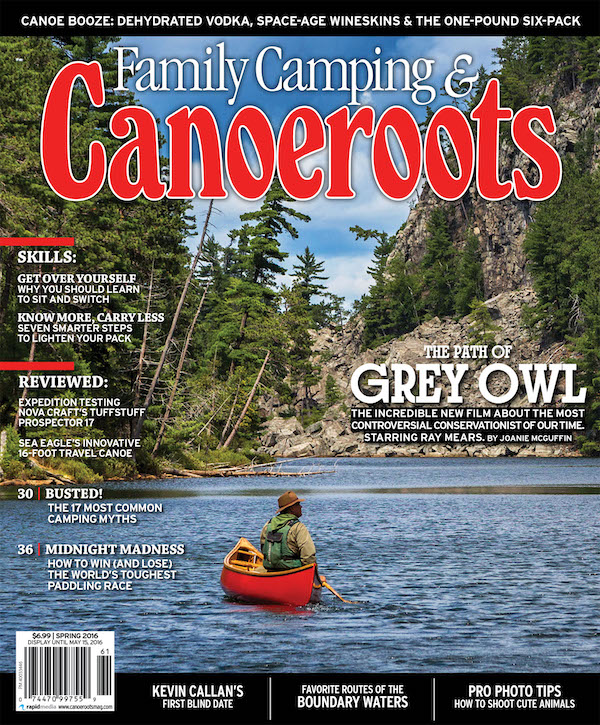
This article originally appeared in Canoeroots
Spring 2016 issue.
Subscribe to Paddling Magazine and get 25 years of digital magazine archives including our legacy titles: Rapid, Adventure Kayak and Canoeroots.

Boat Review: V7 by Epic Kayaks

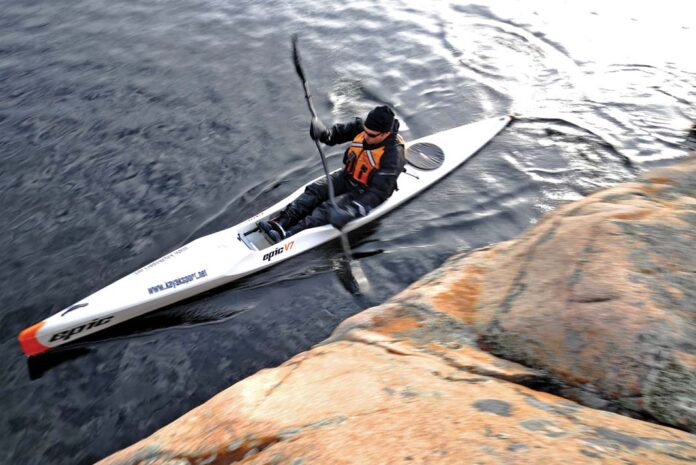
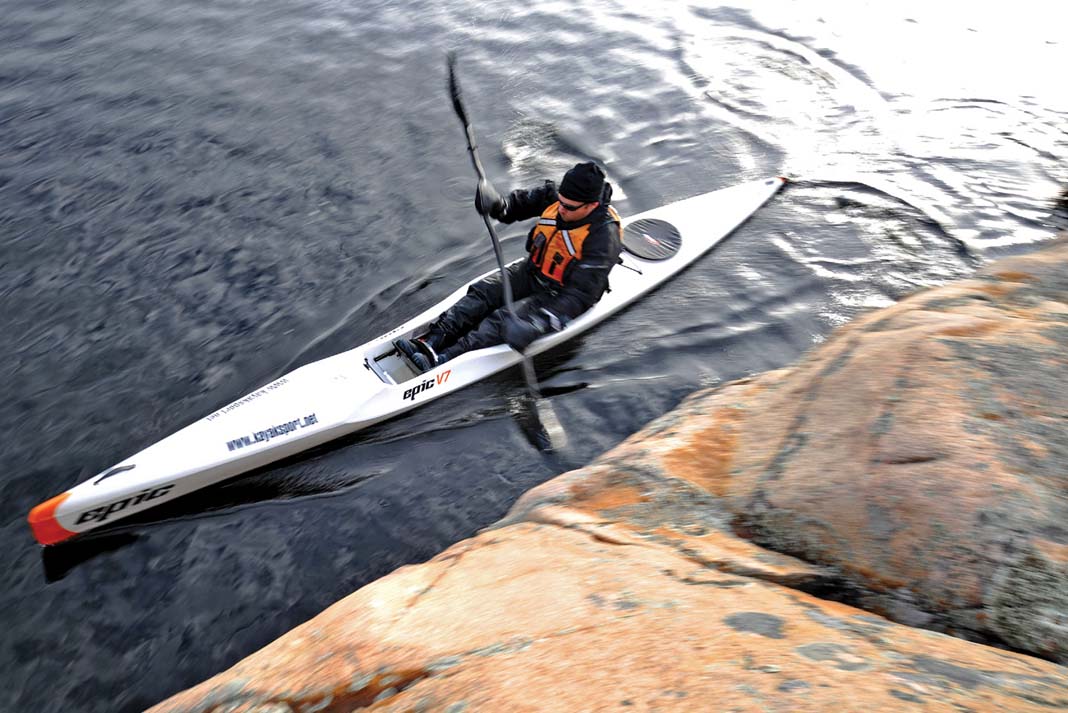
CATCH ME IF YOU CAN. | PHOTO: VIRGINIA MARSHALL

The Epic experience started before I even parked my bottom in our demo V7. I began by learning more about this new surfski at Kayak Sport Canada, a friendly shop in Toronto’s trendy Leaside neighborhood that caters to acolytes of performance paddling.

Owned by father-son team Mike and Dav, and lodged in a reclaimed paint factory, the shop’s airy, twilit space is an education in all things speed. Shiny trophies from Mike’s kayak racing career in his native Hungary crowd dusty shelves; a trio of Wenonah fast canoes hide in an alcove; a surfski with an anvil-sized hole through its hull awaits Dav’s meticulous repair, victim of a customer’s recent surfing accident. Race SUPs, paddles and fitness trainers share the space, but it’s the wall of moon-white Epic kayaks and surfskis that lures my eyes up into the rafters, where imported Hungarian racing kayaks hang in the sepulchral dusk. A lively, rusty-coated vizsla strains on his lead to greet us as Dav shows me into the shop. “He’s a Hungarian breed, like us,” jokes the dog’s owner.

The Epic V7 and the need for speed

Mike began selling sprint boats out of his garage in 1982. Performance paddlers may comprise a small niche of paddlesports, but they’re a dedicated and growing group. The pair moved into their current shop in 2010, Dav tells me, “But we’re already outgrowing the space.”

Most kayakers have felt the irresistible allure of speed—whether on a downwind run or cleaving calm water on a quiet morning—but not every paddler wants to commit to an expensive surfski just to go fast. For fence sitters, the V7 is a welcome game-changer.

“We’ve definitely tapped into a new market. A lot of people have wanted to try a surfski but haven’t wanted to get into a composite boat, or they wanted a lower price point,” says Vince Bechet, Epic’s chief marketing officer. “Sales have been phenomenal, we couldn’t keep up with demand last summer in both North America and Europe.”

The Epic V7 is streamlined and fast, but also affordable

The V7 sports the same flawless finish as Epic’s composite fleet, so it’s little wonder that casual observers and even those who paddle it don’t suspect this ‘ski is molded from durable polyethylene, not premium glass and carbon fibers. Until they pick it up, that is—the V7 weighs 11 pounds more than the heaviest lay-up of its composite sibling, Epic’s 18-foot V8. The trade-off is a very budget-friendly price tag; you can literally get two V7s for the price of one performance lay-up V8.

[ Paddling Buyer’s Guide: See All Rotomolded Plastic Kayaks ]

Belying its good looks, Dav says the V7 represents Epic’s learning curve with rotomolding plastics. While the boat’s orange bow and stern caps look fighter jet sharp and match Epic’s composite line-up, adding the splashes of color during the rotomolding process is a tedious procedure that greatly increases production time. For 2016, the V7 will lose the trademark color badging, but retain Epic’s signature clean white finish.

On the water, the V7 isn’t quite as speedy on acceleration as an ultralight composite surfski, but recreational paddlers aren’t likely to notice—this is still a very quick boat. It’s heavier weight also makes the V7 more deliberate feeling in wind and waves, good news for touring kayakers crossing over and looking for a less twitchy ‘ski with predictable stability.

Amid the growing cadre of accessible surfskis vying for touring kayakers’ attention—among them Stellar’s S14S, Current Designs’ Ignite and Epic’s brand new V5, a plastic 14-footer just announced at press time—the V7 stays perhaps closest to its roots: unapologetically streamlined, purposefully spartan and Epically fast.

CATCH ME IF YOU CAN. | PHOTO: VIRGINIA MARSHALL

Cross Over

With a 21-inch beam, the V7’s stability is closer to that of a nimble touring kayak than a racing ‘ski, making it perfect for effortless cruising and forgiving fitness or sprint paddling.

Cruise Control

Epic’s adjustable, carbon fiber footboard and pedals deliver smooth, precise steering inputs to either a removable under-stern rudder, or an optional SmartTrack kick-up rudder (recommended for shallow and rocky waters, $100).

Cover Up

For 2016, a new hard lid will be added to the rear hatch, protecting the existing waterproof fabric cover from damage. Careful packers with small gear will find adequate space inside for an overnight.


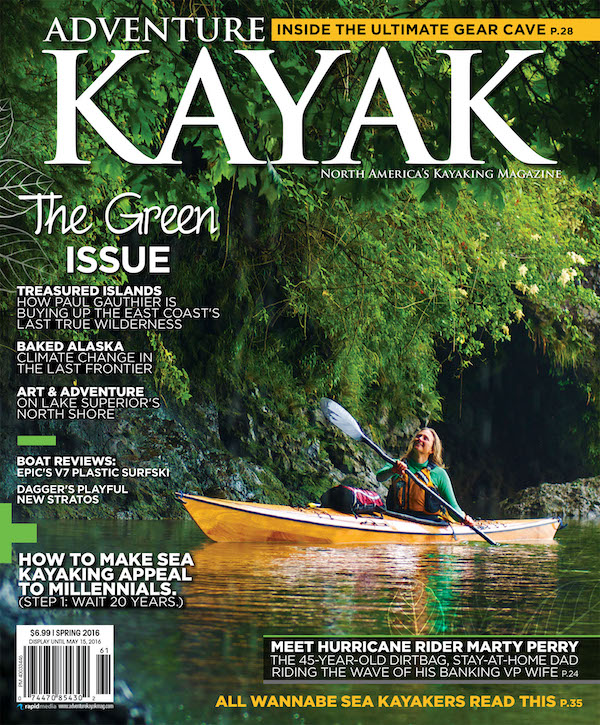
This article originally appeared in Adventure Kayak
Spring 2016 issue.
Subscribe to Paddling Magazine and get 25 years of digital magazine archives including our legacy titles: Rapid, Adventure Kayak and Canoeroots.

New Path of the Paddle Map Launched

New Path of the Paddle Overview Map Launched

(Neebing, ON, September 15, 2020) – Funding from Destination Northern Ontario has enabled The Path of the Paddle Association to complete an overview map that covers 1,100 km of a canoe/hiking and cycling route. The map is now on sale through its website as well at two local outlets.

The Path of the Paddle operates this 1100 km section of The Great Trail, Canada’s national trail from Fort William Historical Park to Whiteshell Provincial Park in Manitoba, through both the wilds and the communities of Northwestern Ontario. Volunteers keep the trail alive and it was through a large volunteer effort that the map was created.

Board Chair, Clara Butikofer, said that the map will serve as a tool for those planning their trips to the region.

“This map has been created for the purpose of trip planning and route overview. During this time of the pandemic, when everyone is advised to stay safe and stay close to home, there is no better resource available for planning adventures into the wilderness of Northwestern Ontario,” she said.

The map includes symbols for waterfalls, portages, camp sites and points of interest. It is priced at $12.95 and available online at pathofthepaddleassociation.com/shop or in Thunder Bay at Wilderness Supply and Chaltrek Work and Play Outdoors.

Butikofer extended the organization’s thanks to Destination Northern Ontario as the project partner, Steve Chapman of Mapmakers.ca and the Path of the Paddle volunteers.

Destination Northern Ontario is one of 13 not-for-profit regional tourism organizations funded by the Ontario Ministry of Heritage, Sport, Tourism and Culture Industries. It is the largest tourism region in geography, the second largest in expenditure and the only region that includes sub-regions.

Destination Northern Ontario coordinates, aligns and invests in sub-regional programs and leads in identified pan-northern management functions; co-ordination of marketing, product development, workforce and industry training, and investment attraction with the ultimate goal to significantly increase tourism revenues in Northern Ontario. Increased visitation and yield are achieved by delivering programs designed to enhance existing tourism products and developing new tourism opportunities for the North. Destination Northern Ontario is funded through the Ministry of Culture, Tourism, Sport and Heritage Industries.

Explore 103 National Wildlife Refuge Water Trails Online

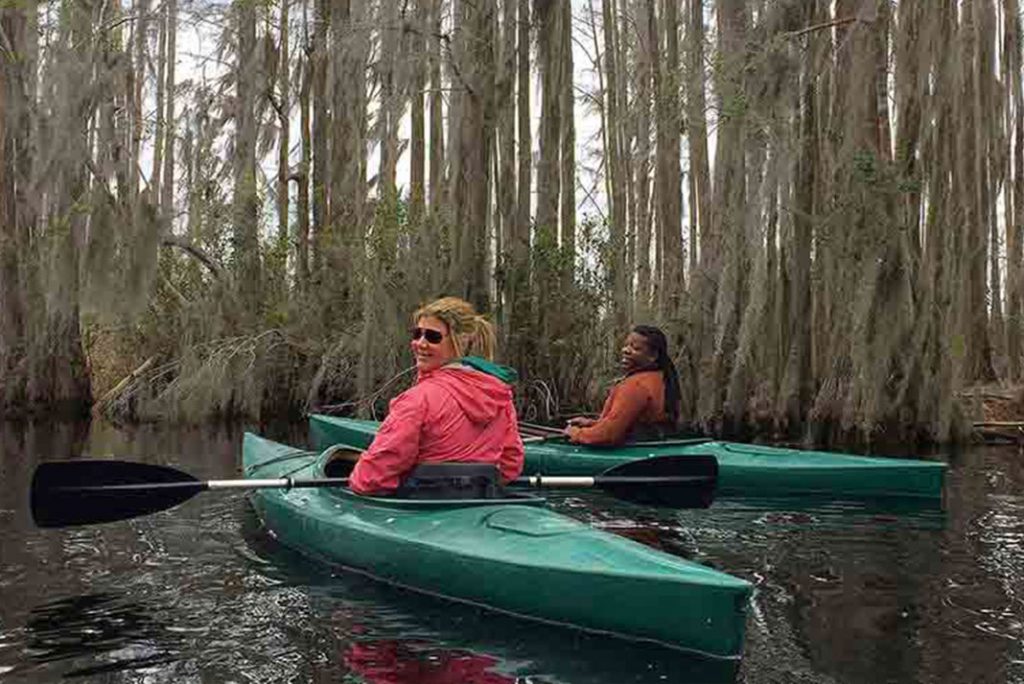
Photo by Marcia Pradines, USFWS: Okefenokee National Wildlife Refuge in Georgia is one of the many rivers now accessible on nationalriversproject.com. Here, visitors may spot black bear, cranes, alligators and tortoises!
Photo: Marcia Pradines

Dozens of popular paddling destinations along National Wildlife Refuge Water Trails are now even more accessible online having been recently added to the National Rivers Project (NRP), an interactive map and online database which helps to identify, explore and plan river trips. The NRP now includes 18 National Wildlife Refuges and features 103 water trails and 50 access points managed by U.S. Fish and Wildlife Service (USFWS).

Photo by Marcia Pradines, USFWS: Okefenokee National Wildlife Refuge in Georgia is one of the many rivers now accessible on nationalriversproject.com. Here, visitors may spot black bear, cranes, alligators and tortoises!
Photo: Marcia Pradines

NRP is a project of the River Management Society (RMS), a national nonprofit organization whose mission is to support professionals who study, protect and manage North America’s rivers. RMS partnered with USFWS National Wilderness Coordinator Nancy Roeper and USFWS Chief Cartographer Ron Salz to inventory and add to the NRP various Wildlife Refuges and associated waterbodies, which are listed as water trails and popular paddling destinations.

Roeper hopes that including these rivers, lakes, bays and coastlines in the NRP will allow for equitable access to information for paddlers across a variety of geographies and skill levels.

“This project enables more people to appreciate their National Wildlife Refuges and enjoy wildlife observation and photography, fishing or just relaxing, from a different point of view,” said Roeper. “Thanks to our partner, RMS, information about water trails and a number of popular paddling destinations in the National Wildlife Refuge System are now part of the NRP. Paddling is frequently the best way to see wildlife, and after all, the mission of the Refuge System focuses on conserving the nation’s fish, wildlife and plant resources and their habitats.”

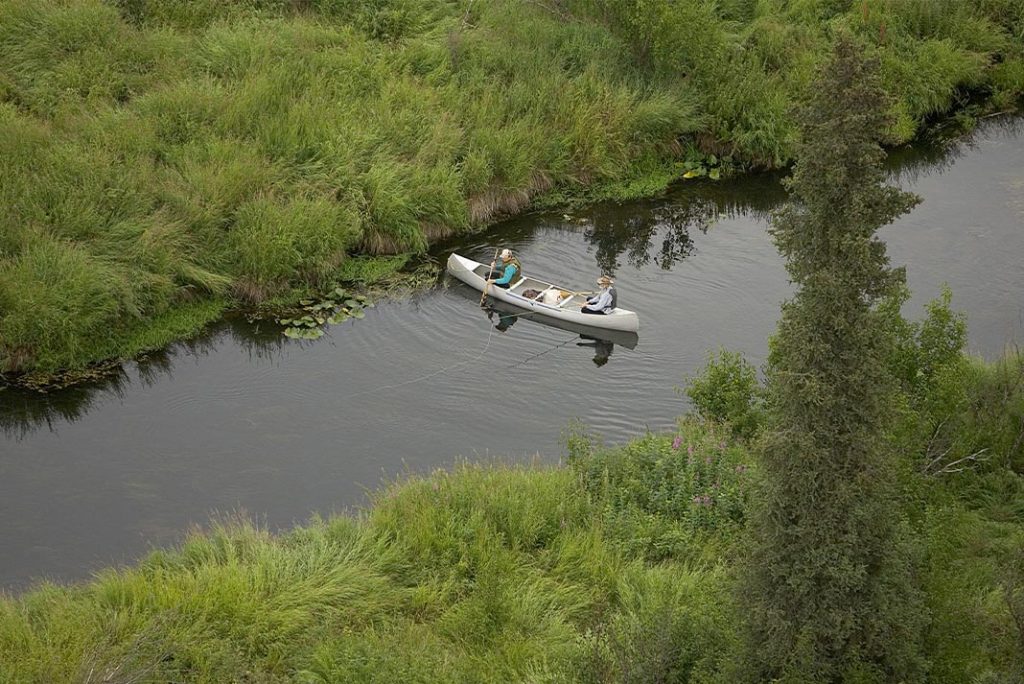
Exploring a refuge by canoe or kayak combines adventure with physical activity and an unparalleled close-up view of nature. From freshwater tidal marshes, to scenic estuarine habitat, and to cypress swamps and floating peat mats, paddling trails in the Refuge System can provide glimpses of great blue heron rookeries, manatees, roseate spoonbills, muskrats, egrets, sandhill cranes, alligators, warblers, bald eagles, kingfishers, river otters, pond turtles, hawks, carnivorous plants and more.

Photo by Marcia Pradines, USFWS: Okefenokee National Wildlife Refuge in Georgia is one of the many rivers now accessible on nationalriversproject.com. Here, visitors may spot black bear, cranes, alligators and tortoises!
Photo: Marcia Pradines

The USFWS segments added correlate with the information on the USFWS water trails website. The data were created by studying static and interactive maps on refuge websites, gleaning public GIS data on refuge amenities, researching waterbodies and access points through other websites and publications, and seeking feedback on data from refuge managers.

“We are excited and grateful to have developed this partnership with USFWS, creating and curating spatial data and descriptive information for several water trails on National Wildlife Refuges across the United States,” says James Major, NRP Coordinator. “We thank Jack Henderson, who worked on this project as past GIS and Project Coordinator with RMS. Many of refuges offer access to educational and inspiring waterways and we are proud to have developed this new way to help the public discover them, and to help refuge managers share their location in context of other regional river resources.”


ABOUT THE NATIONAL RIVERS PROJECT
The National River Recreation Database (NRRD) is a geospatial portfolio of authoritative information for Wild and Scenic Rivers, water trails, whitewater rivers, access points and campgrounds. The NRRD supports the National Rivers Project website, which provides river recreation and management information for paddlers and resource managers. The NRP has been developed with financial support from federal river-administering agencies (National Park Service, U.S. Forest Service, Bureau of Land Management and U.S. Fish and Wildlife Service) and the National Park Foundation. In addition, many state programs, non-profit organizations and individuals have contributed in-kind by contributing and maintaining accurate river data. Explore rivers at www.nationalriversproject.com. Additions and revisions to the database are always welcome! Learn more about RMS and join today by visiting www.river-management.org.

Photo by Marcia Pradines, USFWS: Okefenokee National Wildlife Refuge in Georgia is one of the many rivers now accessible on nationalriversproject.com. Here, visitors may spot black bear, cranes, alligators and tortoises!

How To Put A Kayaker On The Moon

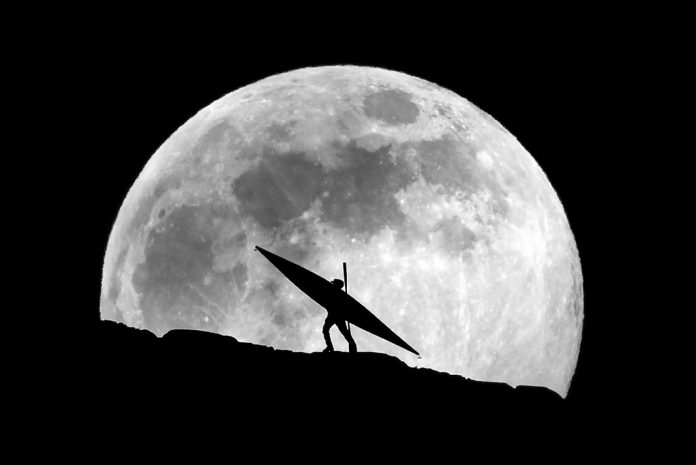
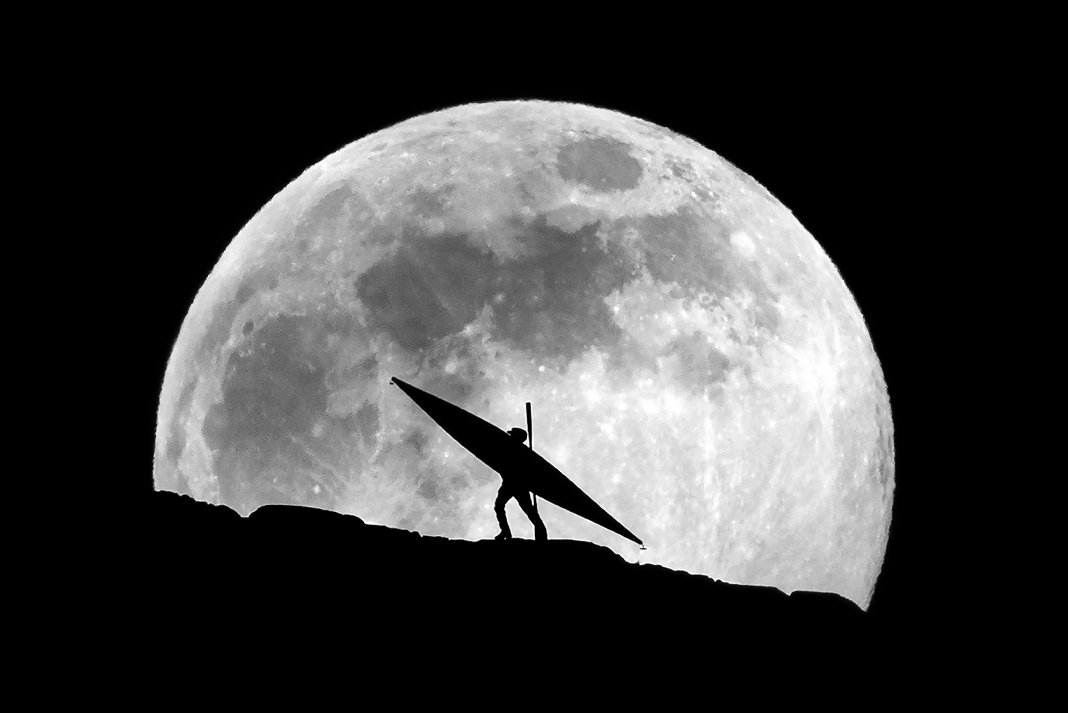
A kayaker silhouetted against the full moon
Supernatural delight, everybody was dancing in the moonlight. | Photo: Kevin Light

I began my photography career in 2012 and four years later met James Manke, the kayaker in this photo. We’ve created some remarkable imagery together, although nothing quite compares to this unique moon shot.

Both of us come from a high-level sporting background. James is a member of the Hurricane Riders, a rough water sea kayaking collective. I won a gold medal for Canada at the 2008 Olympics in Beijing for rowing. A mutual passion for the water encouraged our friendship. He believed in the success of this seemingly crazy photo when I dreamt it up four years ago, inspired by similar lunar silhouettes from other sports.

While experimenting with lunar photography, photographer John Lehmann showed me The Photographers Ephemeris, an app that tracks the time and position of moon rise. Armed with this resource, 738-foot-tall Mount Douglas, just five minutes from my house in Victoria, British Columbia, seemed like a good location to make this silhouette photo come true. Once I was comfortable with how the moon interacted with the mountain, I asked James to help make the shot happen. 

It took three years to come together because there are just 13 full moons in a year, so you have only 13 chances to try—a few more if you are willing to launch an attempt with an almost full moon. The date needed to work with my schedule, James’ schedule, and uncontrollable environmental factors, such as cloud cover. I practiced alone a few times, so when James brought his kayak, I was pretty sure we would get the photo. 

A kayaker silhouetted against the full moon.
Supernatural delight, everybody was dancing in the moonlight. | Photo: Kevin Light

This was our second try together. The conditions aligned on May 6, 2020. Moonrise over the ocean horizon was at 7:53 p.m. James got to the top of Mount Douglas 10 minutes early so he would have time to find a safe flat place to stand while it was still light. We used headsets connected to our phones to stay in constant contact and keep our hands free. The moon began to rise at 9 p.m., appearing to James’ right—exactly where I expected it to be.

As soon as the top half of the moon reached James in my viewfinder, I asked him to lift the kayak. I shot multiple frames as the moon rose. Even one foot left or right made a big difference when positioning James and the kayak in the center of the moon. James stood in a powerful stance to keep little details from getting lost. Aspects such as the placement of his arms and legs were important so every component stayed visible. To capture the thinner shape of the Greenland paddle, James held it at an angle to show off the intricate design.

It was only two minutes from the time the moon first touched James to the time it got too high. As quickly as the moment came, I witnessed the moon rise into the night sky like a child letting go of a balloon.

I had my camera set to manual with a shutter speed of 1/250, the ISO at 320 and aperture at f/10. I used a small aperture to ensure the moon and James would be sharp, and the lens was a 600mm f/4. I had the option to shoot wide open at f/4 and lower ISO, but I wanted to make sure the moon and the subject were both crisp. Using a monopod rather than a tripod allowed for a nimble and efficient setup that was easy to adjust in the dark.

The response to the photo has been astounding, especially from the kayaking community. Pictures like this usually have a mountain climber as their subject. This may have been the first time a kayaker has been photographed silhouetted in front of the moon.

Kevin Light is an Olympic gold medalist in Men’s Eight Rowing and a professional sports photographer.

This article was first published in Paddling Magazine Issue 62. Subscribe to Paddling Magazine’s print and digital editions here, or browse the archives here.


Supernatural delight, everybody was dancing in the moonlight. |  Photo: Kevin Light