Home Blog Page 246

Exploring The Contradictions Of Climate Change In Southeast Alaska

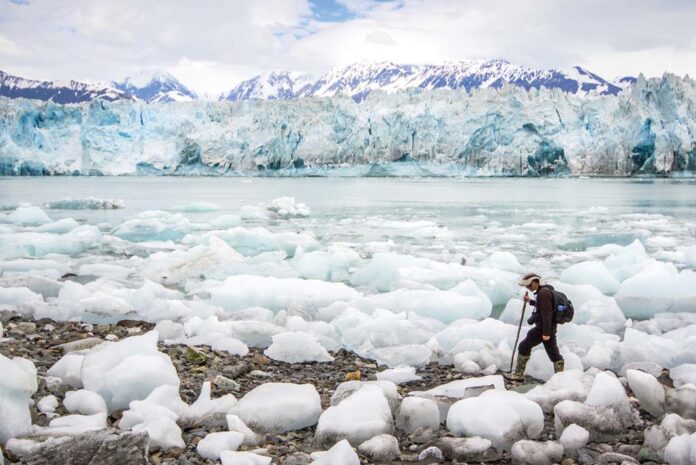
IN RUSSELL FIORD, THE ADVANCING FACE OF THE HUBBARD GLACIER STANDS IN STARK CONTRAST TO THE WARMING CLIMATE OF ALASKA. | Photo: A. Andis

Above the northernmost reach of the Alaskan Panhandle, sardined between piles of camping gear, food-stuffed dry bags and folding kayaks, I pressed my face to the cool window and gazed beyond the plane’s wing cleaving the cloudy firmament. My first glimpse of Russell Fiord.

After flying over the forelands, a flat buffer of marsh that lies between the small coastal town of Yakutat, Alaska, and the fiord, the de Havilland Turbo Otter lifted over the ridgeline to expose the length of the 17-mile inlet. The face of Hubbard Glacier, the longest tidewater glacier on the continent, guards the inlet’s mouth, dumping ice into the surging current. The port wing dipped low as we rounded a final, sharp peak and quickly dropped altitude. The gravel rose to meet the plane’s tundra tires, the oversized balloon wheels bouncing down the wild beach to a hasty stop.
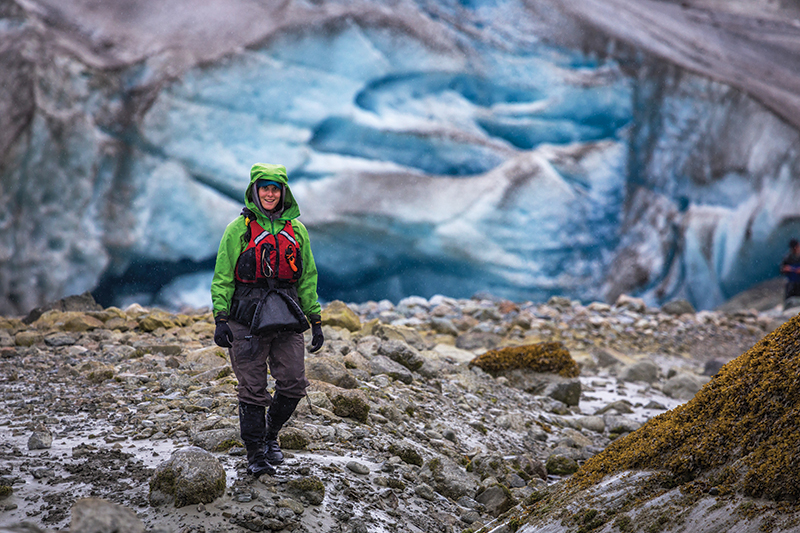
FOLDING KAYAKS ALLOW ECOLOGIST, DR. LAUREN OAKES, TO ACCESS THE REMOTE REACHES OF GLACIER BAY | Photo: A. Andis

Out the window, the scene looked more like the primary colors of a child’s finger-painting than a natural landscape. Glacial silt suspended in its depths turned the water a luminous blue, and between the snowcapped mountains and the sea, an explosion of brilliant purple lupine, scarlet paintbrush, golden cinquefoil and creamy dwarf fireweed engulfed the shoreline.

The wildflowers that make Russell Fiord such a remarkable destination are the result of its unique quirks of glaciology and geology. The Hubbard is one of few glaciers in the world that has been steadily advancing since it was first mapped in 1895. Twice in recent history—in 1986 and 2002—the face of the glacier advanced enough to create an ice dam at the mouth of the fiord. With no outlet, the waters rose as much as 80 vertical feet, inundating the shoreline under a brackish lake. In both cases, the ice dams eventually failed, flushing the retained water back to the sea and exposing a bathtub ring of newly open habitat on which wildflowers were quick to colonize.

As I paddled along the shoreline circumscribed by blooms and falling ice from Hubbard’s face, I wondered how to reconcile this advancing glacier with the growing concern surrounding climate change. The Hubbard seems a graphic contradiction to the narrative that global climate change means a less icy planet.
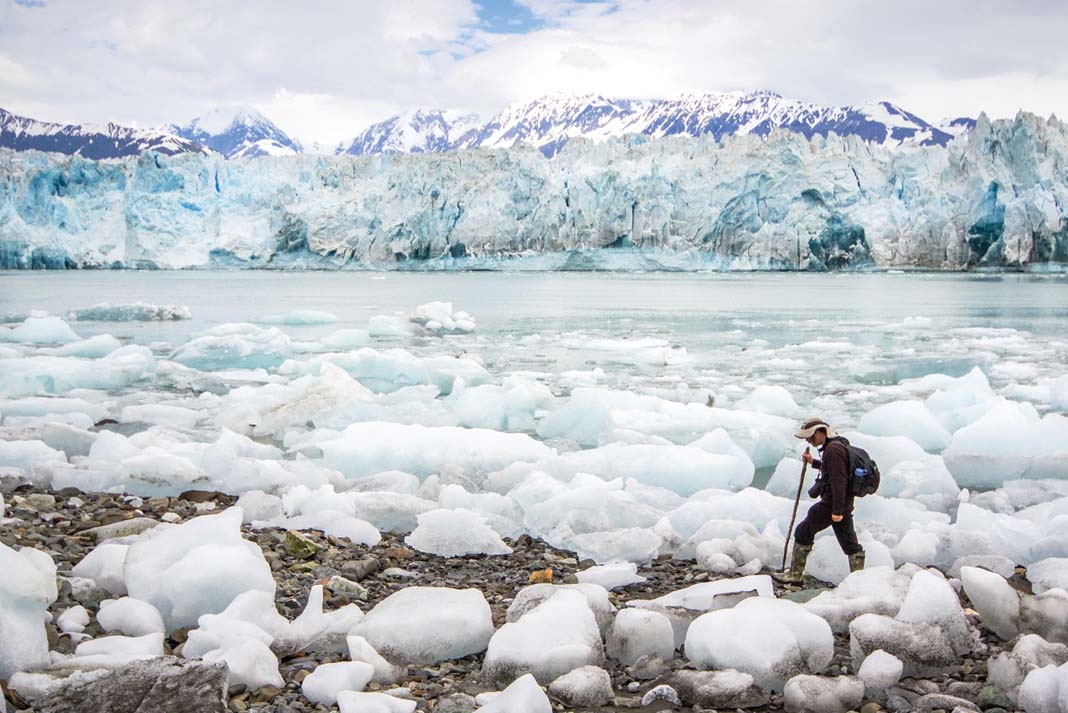
IN RUSSELL FIORD, THE ADVANCING FACE OF THE HUBBARD GLACIER STANDS IN STARK CONTRAST TO THE WARMING CLIMATE OF ALASKA. | Photo: A. Andis

OUT OF BALANCE

Dr Leigh Sterns is a researcher from the Glaciology and Remote Sensing Group at the University of Kansas who has extensively studied the fickle nature of the Hubbard. Her latest research, just recently published, explains why a glacier like Hubbard can rapidly advance in spite of a warming climate.

“The long-term trend is that the Hubbard is advancing because it needs to reach a stable balance between accumulation [the amount of snow and ice that falls on the glacier] and ablation [the amount of ice it discharges],” she says.

For a glacier to be in mass balance, neither accumulation nor melt can dominate. Long before it was mapped, the Hubbard fanned out well beyond its current limits. Then, at some point, it began retreating to its current pinch point. This small, geologically-restricted melting zone, combined with the sheer enormity of the glacier, now tips the scale in favor of advance.

“The really amazing fact is that it takes a glacier as out of balance as the Hubbard to be advancing in today’s climate,” Stearns adds.

A common refrain from climate change skeptics is that these changes are part of natural oscillations, not the result of human activities. After all, the history of Southeast Alaska is rife with these fluctuations. Over the past 10,000 years this land has been uncovered and recovered with ice five separate times. It’s tempting to think that our current warming spell is part of this natural process.

But Stearns points to the alarming rapidity and uniformity of glacial retreat across the globe. She also notes that if you just look at our natural climate cycle, we should be in a cooling period now, which recent climate data—and recent memory—shows clearly we are not.
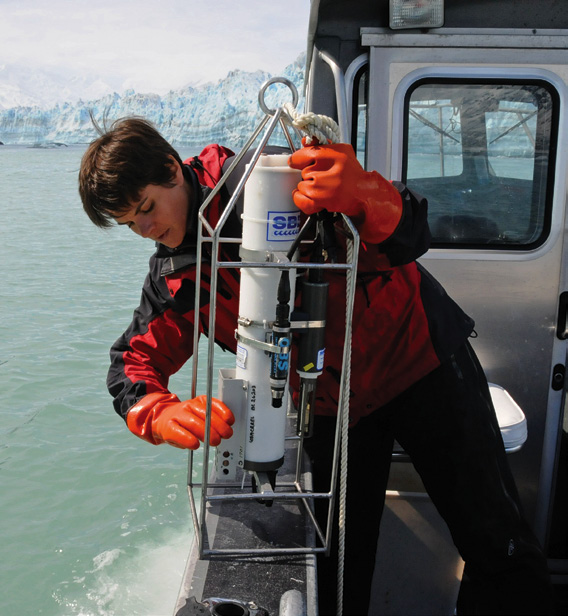
FROM LEFT: DR. LEIGH STEARNS SEARCHES FOR ANSWERS TO THE HUBBARD'S RIDDLE OUTSIDE RUSSELL FIORD; FOLDING KAYAKS ALLOW ECOLOGIST, DR. LAUREN OAKES, TO ACCESS THE REMOTE REACHES OF GLACIER BAY; WILDFLOWERS COLONIZE THE EXPOSED SHORES OF RUSSELL FIORD, CREATING A RIOT OF COLOR FOR CAMPERS.
DR. LEIGH STEARNS SEARCHES FOR ANSWERS TO THE HUBBARD’S RIDDLE OUTSIDE RUSSELL FIORD | PHOTO: LEIGH STEARNS

THE POSTER CHILD FOR CLIMATE CHANGE

In many ways, Alaska is the poster child for the effects of climate change. The flora, fauna and human communities have evolved for annual, deeply cold winter seasons and short, cool summers. Today, however, the mean annual temperature in Alaska is 3°F warmer than 50 years ago, double the average national increase, and well above the accepted 2°F global warming limit underlined at December’s UN Climate Change Conference in Paris. Villages are eroding as permafrost melts and sea levels rise, and native species are disappearing, taxed to their ecological limit.

Polar areas are our anchors to windward, and our canaries in the climate coal mine. According to Harvard climate scientist James Anderson, the swiftly melting Arctic ice cap and Antarctic ice sheets are barometers of an approaching climactic storm. He points to the 80 percent loss of Arctic sea ice, measured by volume, in the last 30 years. “Nobody predicted it. Nobody forecast it. Nobody quantitatively understands it today, except we know it’s happening at a breathtaking rate,” he says.
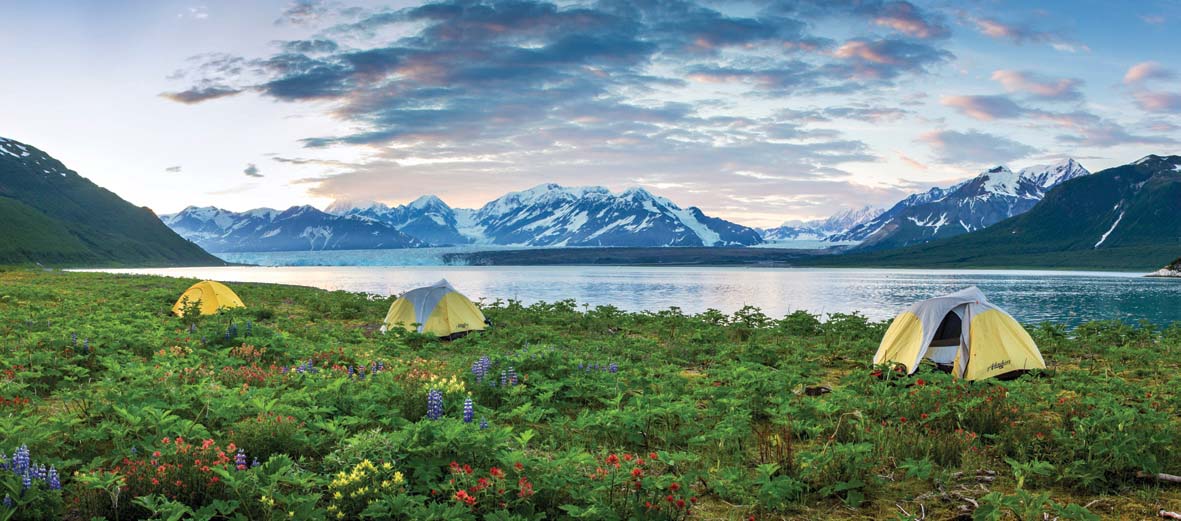
WILDFLOWERS COLONIZE THE EXPOSED SHORES OF RUSSELL FIORD, CREATING A RIOT OF COLOR FOR CAMPERS. Photo: A. Andis

And that rate is increasing. As the ice cover in northern Alaska, the Arctic Archipelago and Siberia melts, it will expose soil, releasing additional carbon into the atmosphere, hastening the process even further. Anderson forecasts the end to all permanent sea ice in the Arctic by 2025.

“When we lose that floating ice,” he says, “the temperature differential starts to drop between the polar regions and the tropics, and as soon as that starts to occur, the entire climate structure starts to shift.” Most of us are familiar with the dire predictions of such a shift: flooded seaboards, increasingly unpredictable and violent weather, food shortages, mass extinctions.

For every tale of a warming climate, though, there is an example that bucks the trend: an exceptionally cold winter, heavy snowfall, or a glacier that’s growing rather than melting. These anecdotes are the fuel that feed the controversy and confusion surrounding human-induced climate change and often stall meaningful action to slow our current trajectory.

“Climate change seems remote, it’s indirect, the timescale is long, and it’s driven by a collective process rather than an individual action,” notes Dr. Lauren Oakes, an ecologist and recent Stanford graduate who studies the impacts of our changing environment on temperate rainforests and communities in Alaska.
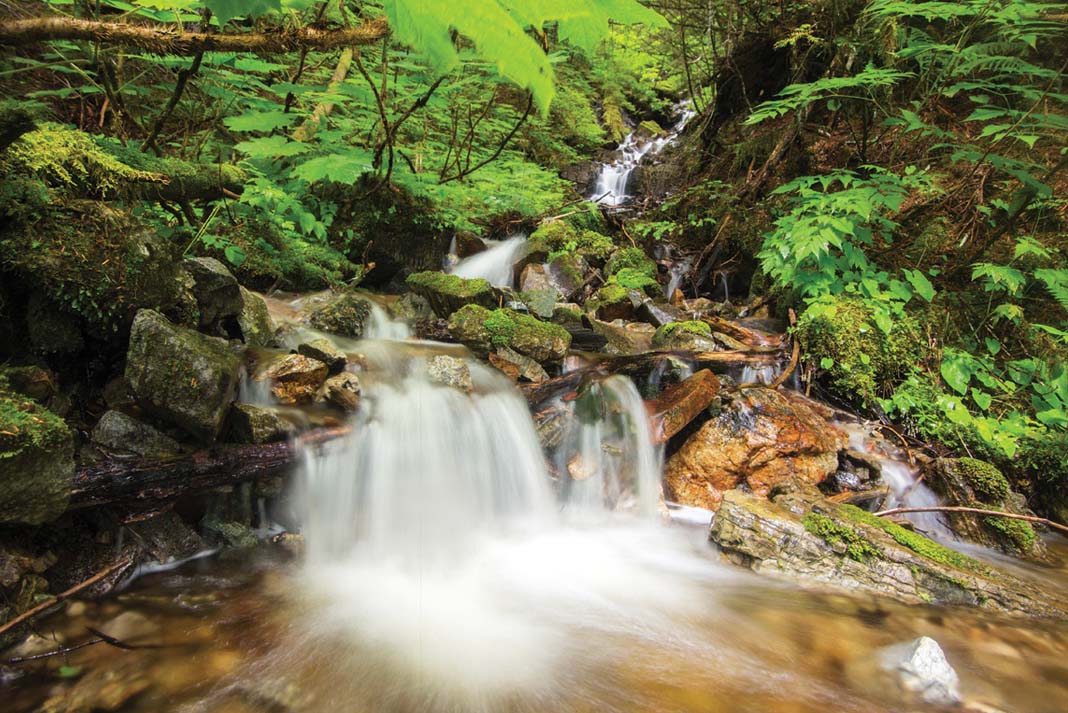
THE LUSH UNDERSTORY SURROUNDING A STREAM IN GLACIER BAY | PHOTO: LAUREN OAKES

Oakes is no stranger to the counterintuitive impacts of climate change. She and her research crew spent three seasons traveling by kayak and camping at remote field sites in Southeast. Specifically, she studied yellow-cedar, a species of slow-growing, long-living trees that range from northern California up through Southeast Alaska’s coastal old-growth forests. The species is in decline, with massive die-offs observed since the end of the 20th century. Ironically, our warming climate is causing the trees to freeze to death.

Yellow-cedar relies on consistent snowpack to insulate its shallow root system. Ordinarily, the trees prepare for winter by shunting resources from their branches and roots, but uncharacteristically warm early spring weather is reducing the insulating snowpack and reinvigorating the trees too early. Subsequent cold snaps freeze the exposed and unprepared trees, leading to a gradual death.

I recently paddled with Dr. Oakes at her old stomping grounds in Glacier Bay, a landscape etched by the climatic shifts that drive the advance and retreat of glaciers. As Oakes and I paddled toward John Hopkins Glacier, we talked about the disconnect between scientific reality and public perception.

“We have a good understanding of climate change and it is always getting better, but part of science is uncertainty,” Oakes acknowledges. “The problem is how that uncertainty is portrayed and viewed by the public.”

Sipping glacial ice margaritas at camp one night, I circled back to this idea of uncertainty. “The thing I find so appealing and exciting about science is that there is always something to discover,” Oakes confides, “but the flip side of that means that there will also always be some things that we don’t yet know, that are waiting to be understood.”
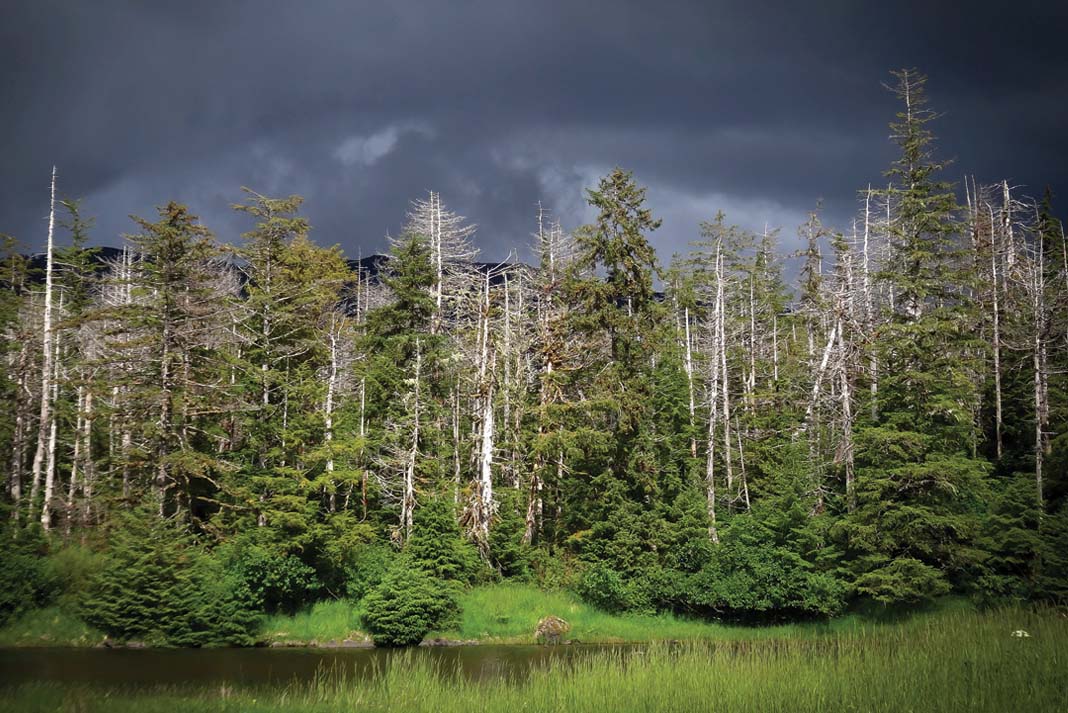
CONTRASTS WITH THE SKELETONS OF CLIMATE-KILLED YELLOW-CEDAR ON CHICHAGOF ISLAND, ALASKA. | PHOTO: LAUREN OAKES

WHOLESALE DENIAL

Alaska’s position on the frontlines gives the state an opportunity to lead the way in climate change recognition and research, but it won’t be easy. “For the last five or 10 years, there has been a growing, but reluctant, acceptance among Alaskans,” about the significance of the issue, says Alli Harvey, a Wild America Campaign Representative for the Sierra Club in Anchorage.

Unfortunately, she hasn’t seen that message incorporated into the state’s policies. In fact, there seems to be wholesale denial among many representatives. Both of Alaska’s Senators voted against a bill admitting human activity has significant impact on the climate, and the state’s single federal Representative, Don Young, charges that any surety of our role in climate change is “a tremendous disservice to science and society.”

Consider this analogy: imagine a kayaker crossing a wide river above a rapid. A perceptive paddler will gauge the current, set a ferry angle to counteract its effect, and reach the far shore above the rapid. By turning a blind eye to humans’ role in climate change, we revoke our agency and absolve our responsibility to take corrective action—essentially, it is like getting into the middle of the channel, then denying that you have a paddle at all.

Alaskan politicians not only wish to ignore the current of climate change, but some like Governor Bill Walker are advocating that the solution is to paddle directly into the maelstrom. In response to the threat of rising sea levels, Governor Walker recently proposed that immediate drilling in the protected Arctic National Wildlife Refuge is needed to fund mitigation and relocation projects for affected villages. This despite research released just months earlier urging all remaining Arctic oil and gas be left in the ground to help keep global temperature rise below catastrophic levels.

But there is change on the horizon. In 2013, Jonathan Kreiss-Tomkins was elected to the Alaska State House of Representatives in an upset race against an incumbent, Big Oil proponent. Since then, he’s risen from third youngest official ever elected in the state to a respected politician and staunch advocate of responsible energy development.

There is another story that few know about Kreiss-Tomkins: just a year before he began his campaign, he spent the summer leading a pioneering study to address the effects of climate change on Alaska’s alpine glaciers. To access the remote bays on approach to his climbs he, like Dr. Oakes, relied on kayaks as his primary transportation.
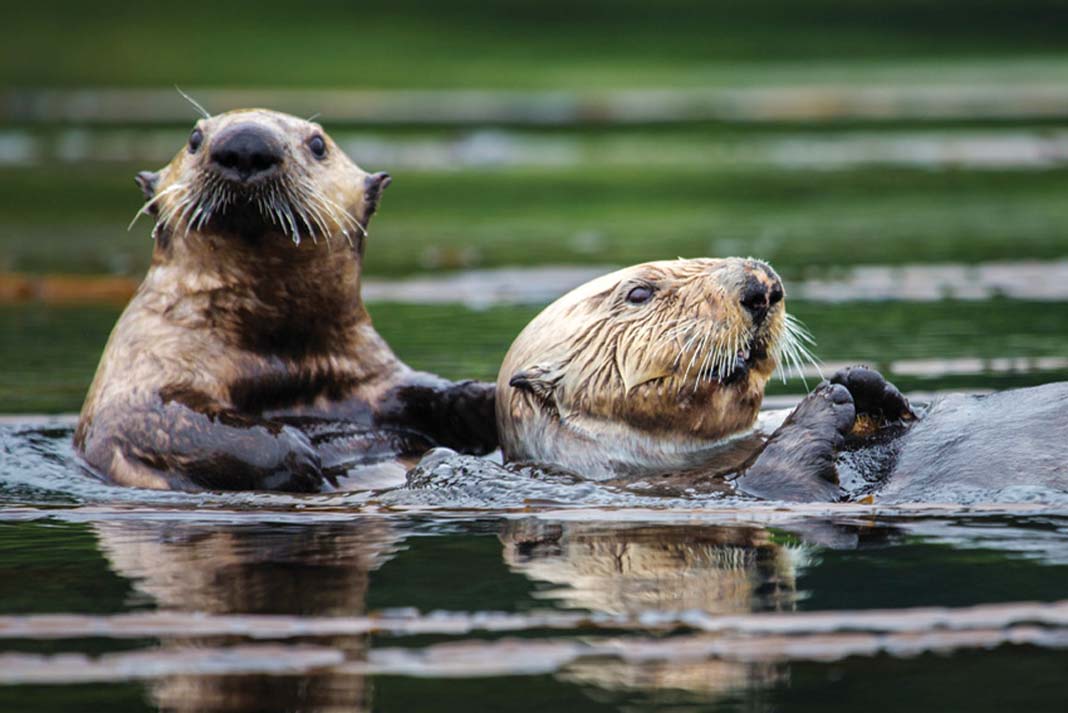
SEA OTTERS RELY 0N THE DELICATE ECOLOGICAL BALANCE OF GLACIER BAY | PHOTO: LAUREN OAKES

THE SYMBOL OF THE KAYAK

In an era when people spend less time interacting with their natural environment, paddlers may understand climate change better than most, simply because we spend more time outside. Paddlers ply the transition zones between water and land where climate change is wielding some of its greatest impacts. We pay attention to river levels. We know when floods come early, late or not at all. We notice when our lake levels drop.

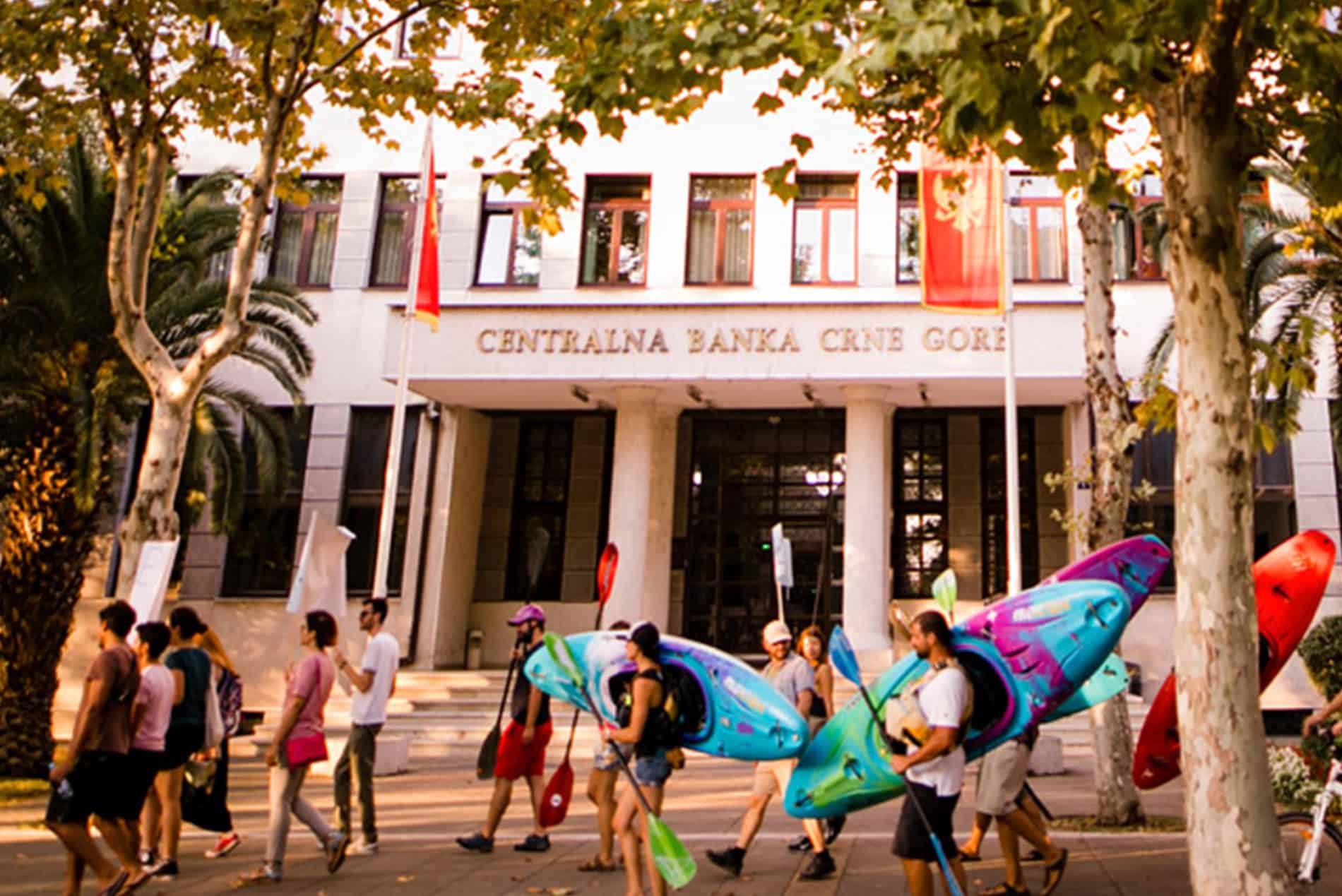
Nationwide, we’re raising our voices to call for more responsible energy development. Thousands of boaters in Seattle and Portland, as well as smaller gatherings throughout the country, came together in 2015 to protest Arctic drilling, making this a groundswell year for paddlers engaging in the climate movement. It even added a new term to the nation’s lexicon: kayaktivism.

“The kayak is now a symbol for demanding a sea change in our approach to energy use and development,” says the Sierra Club’s Alli Harvey. She believes significant credit for Shell’s decision late last summer to cease oil exploration in the Arctic—closing the door on an eight billion-dollar investment—is due to the paddlers who spoke out.

Not everyone appreciates kayaktivism, though. Social media trolls were quick to bemoan the hypocrisy of using petroleum-based craft to protest fossil fuel. Harvard science historian and Merchants of Doubt co-author Naomi Oreskes, in an interview with The Nation, offered perhaps the most compelling rebuttal of the alleged irony of a flotilla of plastic kayaks in Seattle Harbor protesting beneath the hulking carapace of Shell’s Polar Pioneer oil rig.

“People in the North wore clothes made of cotton picked by slaves. But that did not make them hypocrites when they joined the abolition movement,” Oreskes points out. “It just meant that they were also part of the slave economy, and they knew it. That is why they acted to change the system, not just their clothes.”

THE CONTROVERSY AND CONFUSION SURROUNDING CLIMATE CHANGE OFTEN STALL MEANINGFUL ACTION.

If kayaks are the new symbol for the climate movement, our job as paddlers is to continue this momentum at whatever scale we can. Some, like Australian kayaker and Kayak4Earth blogger Steve Posselt, have used transcontinental expeditions to highlight the issues, but local actions are just as meaningful. Organizing a small floating protest, giving a presentation at a local paddle shop, or simply taking others outside to build their connection with natural systems add extra strokes to counter the current.

Across the nation, individuals and institutions—from colleges and universities to media companies and charitable funds—are divesting from fossil fuels. “Look to see if your retirement fund is invested in fossil fuels,” suggests Harvey, “or more broadly, look to see where your municipality or college is investing, and then reinvest in more sustainable, local, proactive, renewable energy programs.”

We are standing on the shore of a swelling river. The current is accelerating, and downstream, the roar of the rapids is growing louder. The solution lies in navigating those uncertain waters; getting across will require thoughtful planning and the dedication of visionaries like Stearns, Oakes and Kreiss-Tomkins. And it will require many, many collective paddle strokes from those of us with an understanding of tricky crossings.

A. Andis is the former Wilderness Director for the Sitka Conservation Society and an Alaskan kayak instructor and photographer. He is currently completing a graduate degree in Environmental Studies in Missoula, Montana. 


This article originally appeared in Adventure Kayak
Spring 2016 issue.

Subscribe to Paddling Magazine and get 25 years of digital magazine archives including our legacy titles: Rapid, Adventure Kayak and Canoeroots.
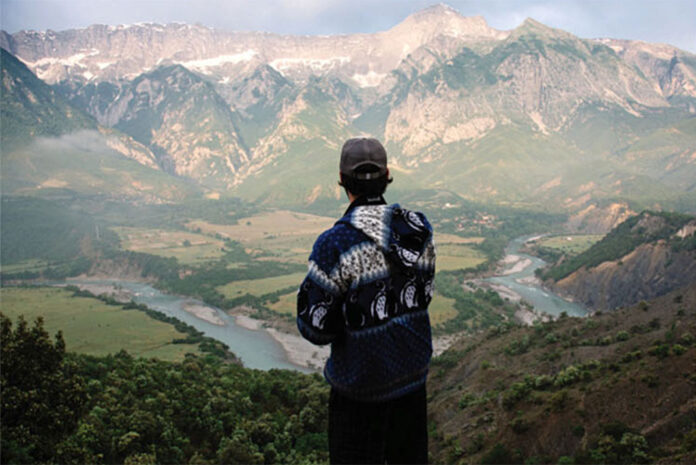
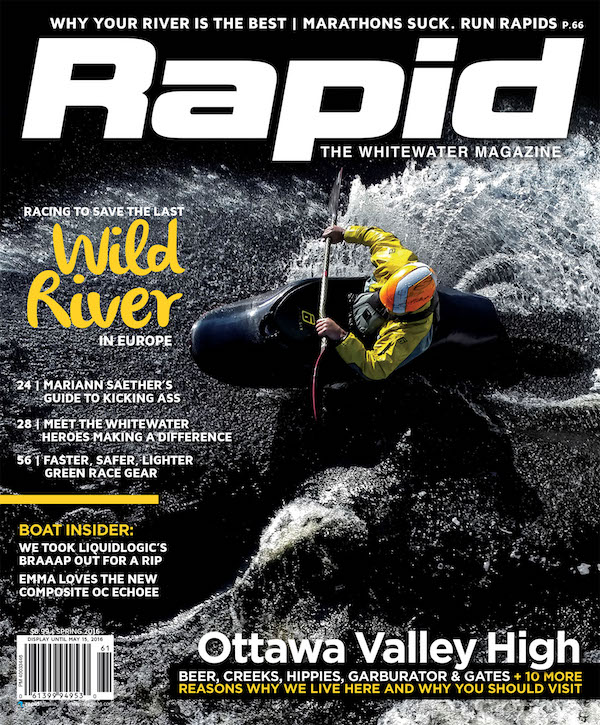
Racing To Save The Last Wild River In Europe

man looks out over the Vjosa River and surrounding mountains
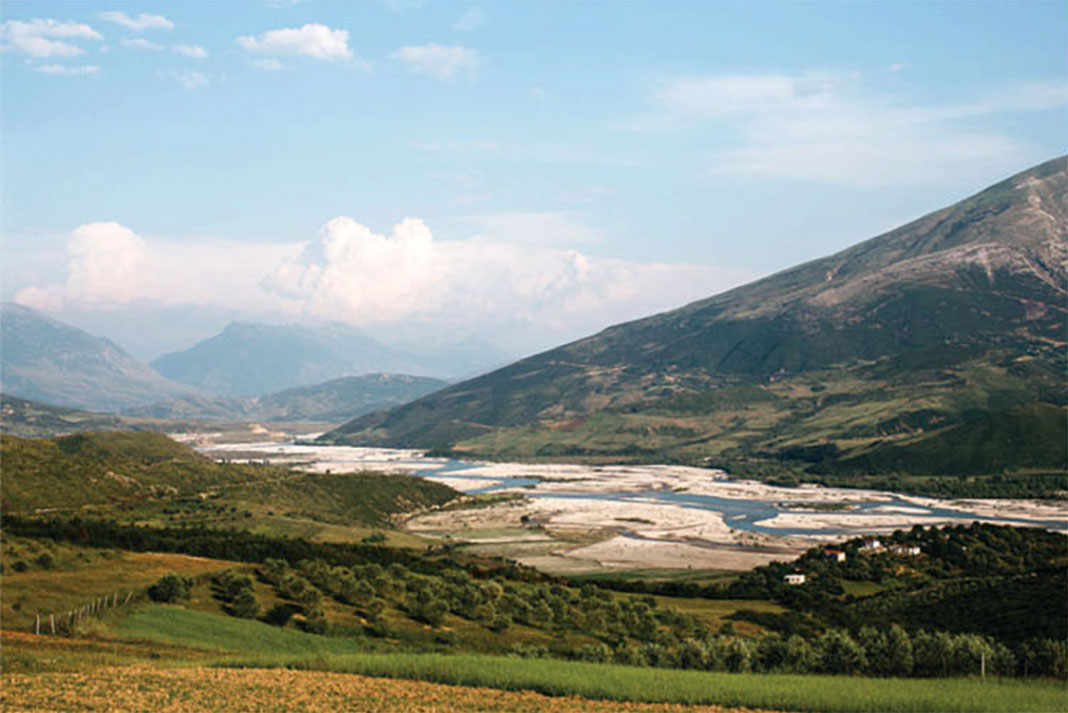
The Vjosa River is a gift to the earth, as powerful as a mountain and yet subject to human agendas. | Feature photo: Anze Osterman

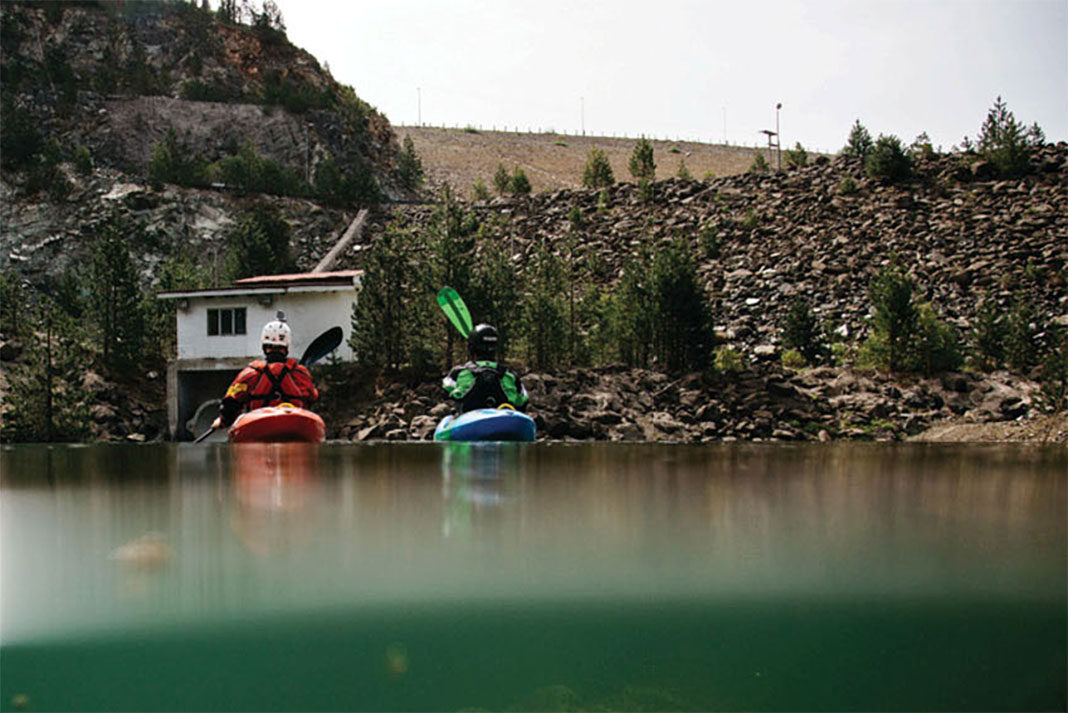
Go with the flow into the unknown, to see what the blue line on the map has to tell you. This is the mantra that leads former Olympic Slovenian rower Rok Rozman and fellow kayaker and friend Zan Kuncic to their dead-end predicament. They had been following a steadily growing stream of melting snow high in the remote Pindus Mountains of Greece for only a few hours, before their route widened into a lake held back by a of a wall of concrete boulders.

Unable to follow the flow any further, they sit in their river runners staring up at the man-made barrier that halts their path down the mountain valley. This is the only operating dam on the Vjosa, the only blemish on an otherwise perfectly intact river system. Aside from this, the Vjosa remains one of the last truly wild rivers in Europe.

two kayakers approach a house on the banks of the Vjosa River
Photo: Anze Osterman

Racing to save the last wild river in Europe

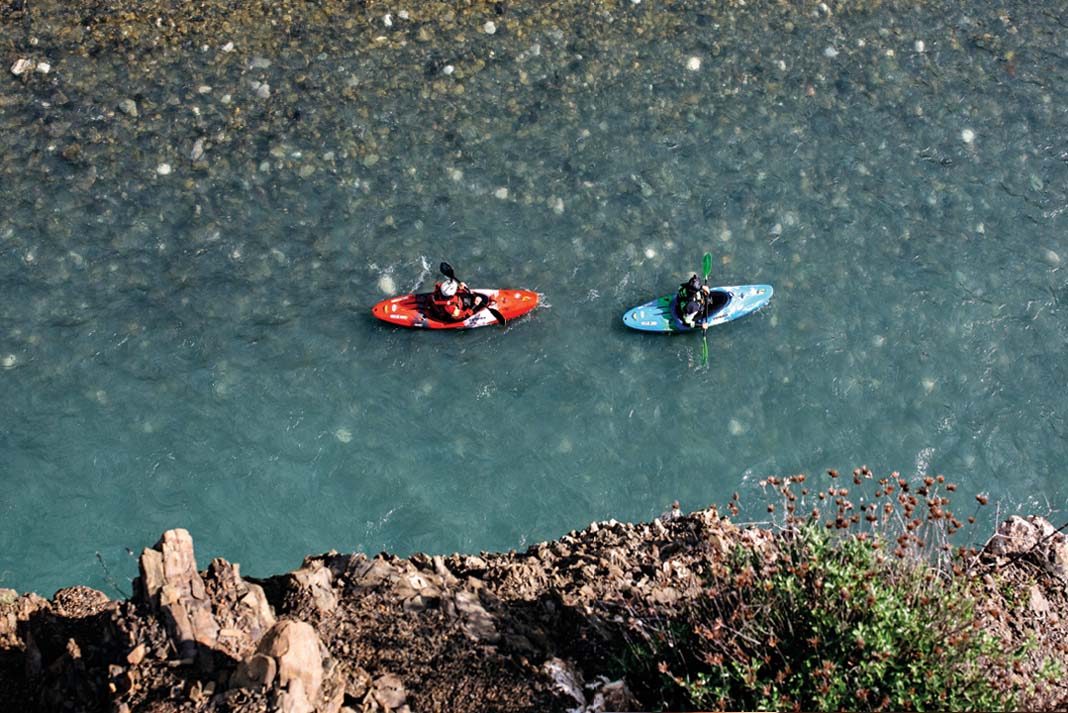
The Vjosa and its many weaving tributaries, known as the Aoos in Greece where it begins, is like an ancient and deeply rooted tree, with wild and untamed branches flowing down from the Pindus Mountains towards the Adriatic Sea—but perhaps not for long. The flow of the Vjosa is slated to supply 38 hydroelectric power plants, all part of a looming dam tsunami that has already washed across Europe.

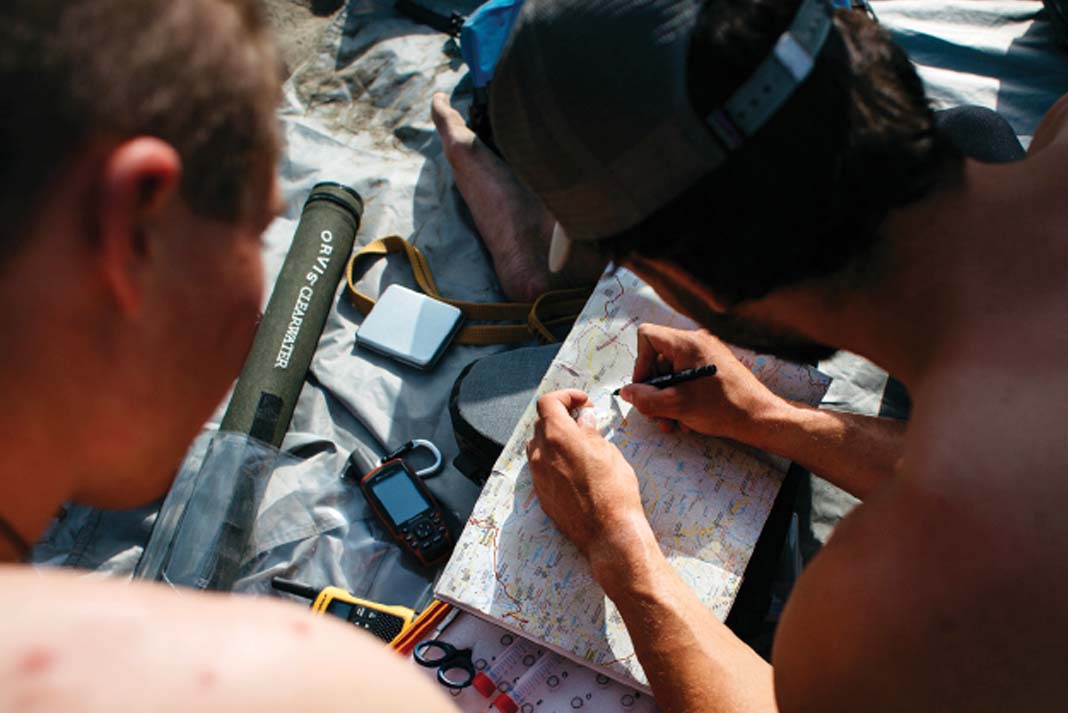
Filmmaker Anze Osterman stands on the banks to get the shot composition just right. He and Nejc Miljak plan to document Rozman and Kuncic as they paddle all 168 miles of the near pristine river in hopes of persuading the world that this one last vestige of wilderness is worth saving.

“It’s like a dinosaur. You wonder, how could it survive?”

Together calling themselves the Leeway Collective, they approached Ulrich Eichelmann, a passionate, forthright and award-winning conservationist who has been working for the protection of rivers for 26 years, fighting dam construction all over Europe. They offered to be ambassadors for the Save the Blue Heart of Europe campaign—coordinated by Eichelmann to conserve Balkan rivers—to show the world what it would miss if the Vjosa were to be squeezed into power lines.

Even if every nature conservationist put the Vjosa Projet as their number one issue, they would still be outnumbered. | Photo: Anze Osterman

To Eichelmann, the Vjosa is a gift to the earth, as powerful as a mountain and yet subject to human agendas. “It’s like a dinosaur,” he says. “You wonder, how could it survive?”

Water, though, is resilient by nature. The Pigai Aoos tributary dam where Rozman and Kuncic are left stranded cuts off six miles of riverbed, but then a stream forms out of the earth, joining another and gaining power and momentum with each passing bend in the river. The Vjosa is reborn.

The dam tsunami

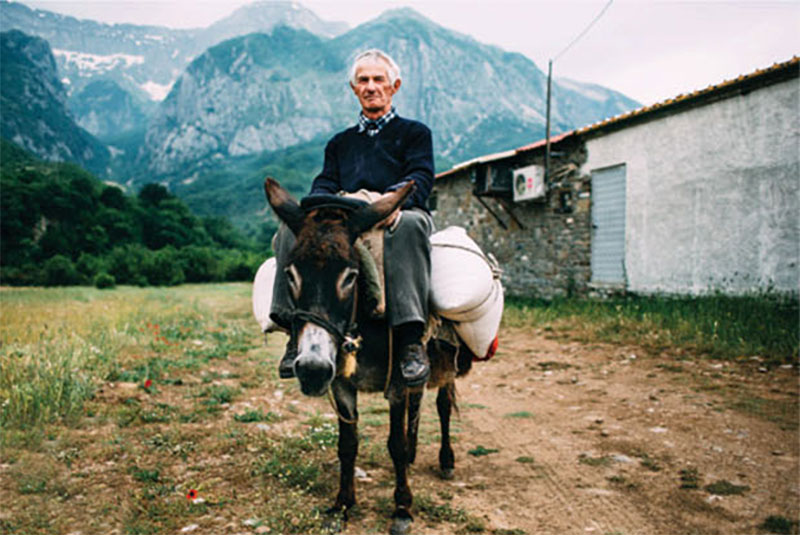
After many long days of paddling, Rozman and Kuncic take a break in Albania to explore one of the scenic bridges that passes over the Vjosa. Their kayaks capture the attention of a few men herding sheep nearby. Rozman, a gregarious people-person, is not at all deterred by the lack of a shared language. The converation is a back-and-forth banter of wild gestures, and before they know it, they’re following one of the shepherds and his overladen donkey along the Nemercke mountain ridge to the small riverside village of Kanikol.

Inside the man’s home they are introduced to a liquid called rajika, which bears a striking resemblance to vodka. In no time the ukulele and tambourine come out, and the once quiet shepherd and his wife and brother do their best to deliver as many hymns of Albanian beauty and pride as the rajika will permit.

“There is more than one parallel when rivers and people are compared,” says Rozman. “Both are friendly and full of surprises.” As Rozman steers the conversation to the Vjosa he notices a look of solemnity and respect come across the faces of the shepherd and his family.

In Kanikol, and so many villages like it, the river is a lifeline—a living, breathing member of the community. They carry it in their bodies and minds as well as in their songs.

It’s an unfortunate predicament. Albania is also in need of the electricity that hydropower could provide.

“Most of the energy never goes to the villages,” says Eichelmann. Instead, the energy is destined for export through transmission lines, which, he says, often lose upwards of 30 percent of the electricity in the process.

“To some, river flow is just something that waits to be squeezed in a power cable so we can produce more and more and more.”

The surrounding Balkan region is slated to host over 2,700 dams, a crushing number to not only the locals, but also the nature conservationists, paddlers and anglers. Yet the Vjosa, with almost all of its tributaries intact, has managed to sustain its natural sediment flow and fish migrations.

“To some, river flow is just something that waits to be squeezed in a power cable so we can produce more and more and more,” writes Rozman in one of his journal entries used in the narration of the film. “They are the ones who don’t nourish their own gardens.”

In many ways it is Albania’s historic isolation that has preserved the Vjosa from development.

Following the Second World War, Albania’s Stalinist leader Enver Hoxha kept the country rigidly sealed-off from the rest of the world. It remained that way for four decades until his death in 1985.

With a leader who wouldn’t trust the outside world, there was no money coming into Albania to invest in dam construction. Neighboring countries began setting up dams at every bend in the river but Albania lagged behind, and suffered economically for it.

“They are still living in the fifties,” says Rozman. He says many of the villagers such as those he met in Kanikol do not even know about the bids that have been placed on the Vjosa just outside their door. As far as they are aware, the river has always flowed and will continue to do so.

two paddlers look over a map of the Vjosa River
Photo: Anze Osterman

The Italian job

Almost three-quarters of the way through the team’s journey, with the smell of the Adriatic Sea almost tangible in the wind, the threat of dams becomes unquestionably real. They paddle through the Kalivac site, the first of the plotted dams to enter the implementation process.

Just after paddling through a massive alluvial plain, signalling the health and positive sediment flow of the river, Rozman and Kuncic enter an area that looks more like an open mine pit than a river. Terraced pyramids are cut into the surrounding hillsides and the tree line has been flattened into submission. The sounds of owls and nightjars are replaced by the hollow echo of their reluctant conversation as they enter the abandoned worksite.

The Kalivac dam construction began in 2007 but was halted when it was only 30 percent complete amidst a flurry of controversy. Francesco Becchetti, an Italian energy and waste removal heavyweight, had intended to sell the electricity to Italy through 60 miles of transmission cables.

For Albania, a country seeking a way into the European Union, hydropower was seen as a green solution and a way out of energy insecurity—never mind the deforestation, soil erosion and biological disruption.

“But in 2009, something strange happened,” says Eichelmann. The value of electricity in Europe collapsed and in an instant Becchetti halted the project. Since then, Becchetti has been accused of fraud-related offences and money laundering for dealings related to the Kalivac project. The Deutsche Bank, the second half of the joint venture project, also pulled out.

The Kalivac is a sleeping giant and Rozman and Kuncic paddle through the abandoned construction site as if afraid of waking it. “I know that this is a David and Goliath situation, as always, and it’s not very likely that we’ll win,” says Eichelmann. “But nevertheless, until the dams are finished and the reservoirs flooded, we should not stop our fight.”

Science may save the Vjosa River

If the rest of the world is any indicator of how this struggle ends, it’s going to be an uphill battle for conservationists like Eichelmann and the Leeway Collective team.

But they have a few unlikely heroes on their side—for one, trout.

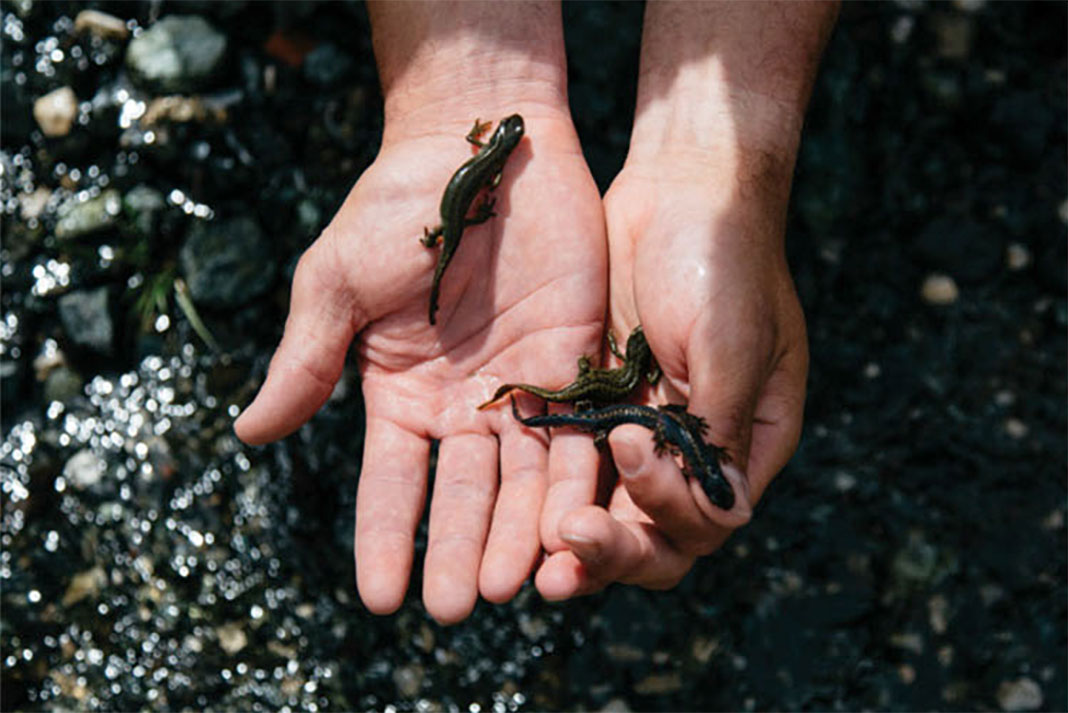
Before they left, Rozman, who is currently completing his masters in ecology and biodiversity, met with the Balkan Trout Restoration group in Slovenia and offered to collect trout samples on their journey, at no cost.

“If we find a new subspecies or something, then it’s easier to protect the river,” says Rozman. “Then you have legislation that helps you protect the river.”

Of the five tissue samples he brought back, three contained different species of trout. The results, while preliminary, indicate different evolutionary origins and a huge potential for genetic diversity.

“If high diversity of the trout population from the Aoos River is also confirmed on a larger scale, this will be a firm argument for protecting and preserving this population,” says Ales Snoj, a senior research associate at the University of Ljubljana and member of the Balkan Trout Reservation Group.

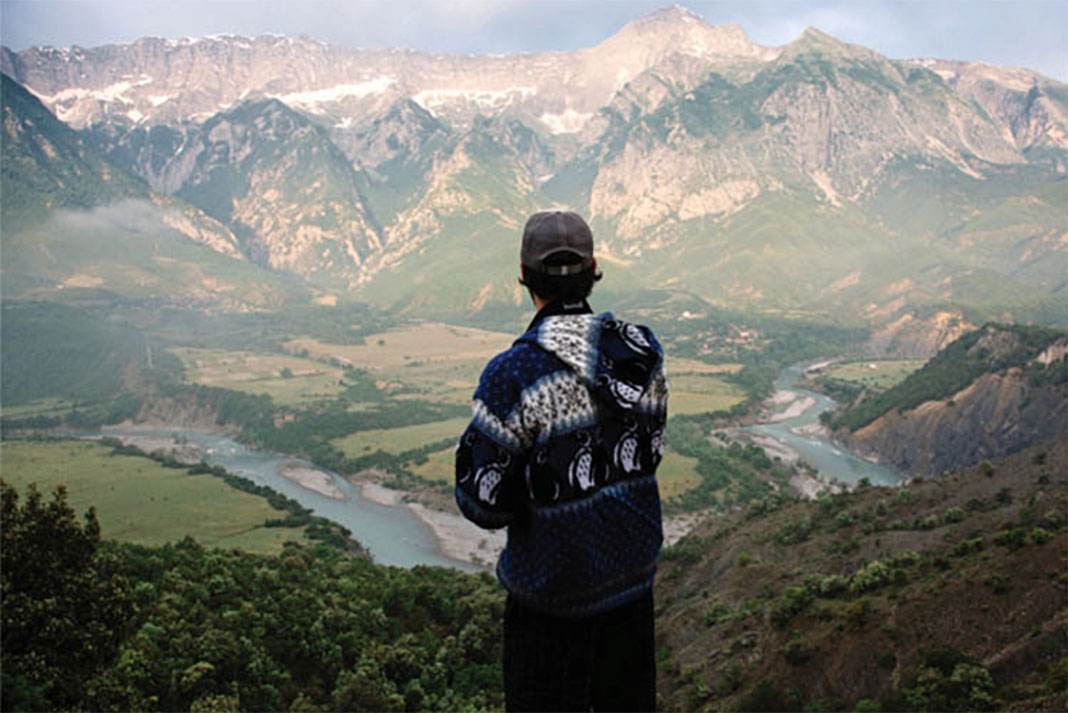
a man in hat and sweater looks over a river valley surrounded by mountains from a high vantage point
The Vjosa River is a gift to the earth, as powerful as a mountain and yet subject to human agendas. | Feature photo: Anze Osterman

For Slovenia’s Sava River, a decision on a chain of hydroelectric power plants is currently pending, waiting for an assessment on the stability of the Danube salmon population there.

Even if every nature conservationist put the Vjosa project as their number one issue, they would still be outnumbered. For Eichelmann, the key is joining forces with the kayaking and fishing communities.

“For the Vjosa to stand a chance of surviving, all groups must work together.”

“The funny thing here is that the three groups—nature conservationists, fishermen and kayakers—normally have a bit of a rivalry. They don’t like each other very much,” Eichelmann explains. The anglers resent the conservationists and kayakers for disturbing the still waters and the conservationists resent the kayakers and anglers for disturbing nature.

But, he says, for the Vjosa to stand a chance of surviving, all three groups must work together.

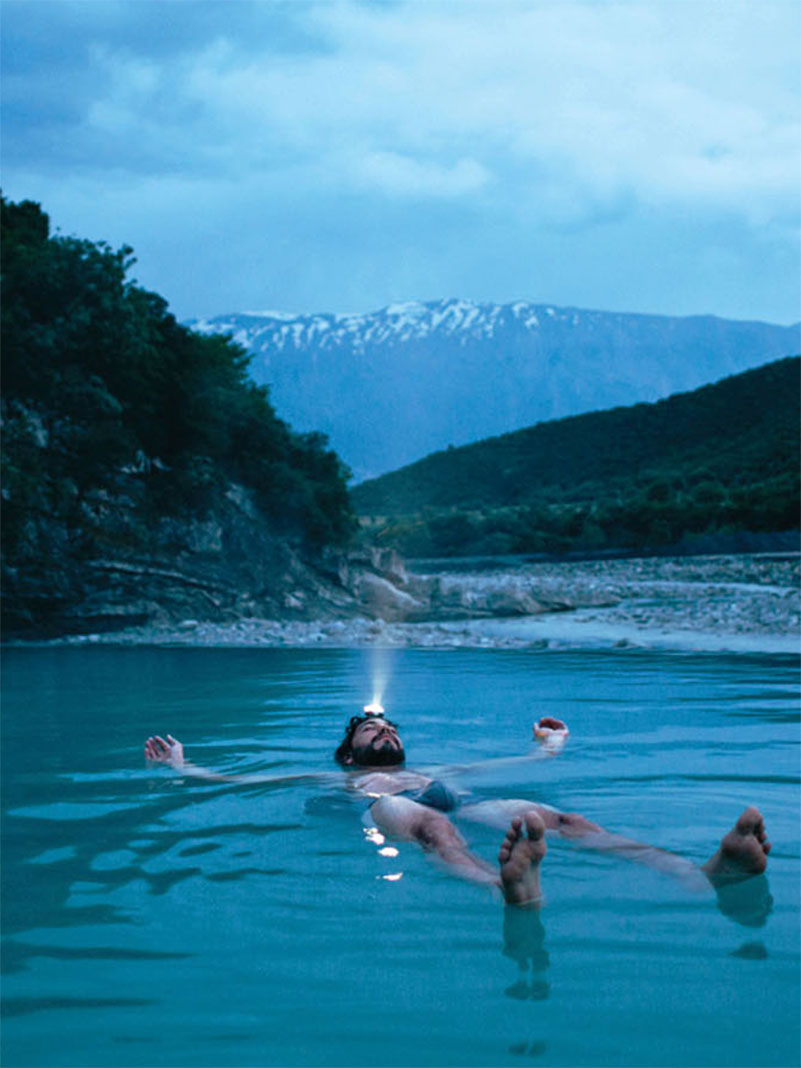
man floats in the Vjosa River while wearing a headlamp in cloudy weather
Photo: Anze Osterman

Balkan redemption

Some foes and allies are less clear. Earlier this year, Albanian Prime Minister Edi Rama announced his support for the idea of the proposed Vjosa National Park, the only wild river national park of its kind. He praised the idea of the park as a pride point for Albania, although his recent actions, sending out a tender for a dam upstream from Kalivac, have suggested he may have other plans for the area.

The Leeway Collective team plan to remind Rama of his spoken commitment at a Patagonia-sponsored event this spring that they’re calling the Balkan Tour. They hope to guide a mass of paddlers on rivers threatened by dam development from Slovenia across seven countries ending on the Vjosa in a massive flotilla. Along the way they will recruit paddlers and ambassadors from various watersports, as well as locals, to sign a petition that will eventually be presented to the Albanian parliament.

“Our love of and dependence on free-flowing, undeveloped rivers and wild places have inspired us to advocate against similar developments for nearly 30 years,” says Mihela Hladin, Patagonia’s European social initiatives manager.

While still in Greece, before Rozman and Kuncic came upon the Kalivac dam site, they found a narrow canyon that continued in darkness for eight kilometers. Rozman says it was filled with some of the most delicate and technical class IV whitewater you could hope for.

As they paddled single file through the deep canyon, the moans and booms of the fast-running whitewater echoed through the darkness. They could almost hear the river breathing in and out, as if in deep slumber waiting to be restored to its full glory.

Katrina Pyne is a freelance writer, photographer and videographer based in Halifax, Nova Scotia.

Rapid Magazine, Spring 2016 issueThis article originally appeared in the Spring 2016 issue of Rapid. Subscribe to Paddling Magazine and get 25 years of digital magazine archives including our legacy titles: Rapid, Adventure Kayak and Canoeroots.
The Vjosa River is a gift to the earth, as powerful as a mountain and yet subject to human agendas. | Feature photo: Anze Osterman


First Blind Date

QUITE A LOOKER.| PHOTO: KYLE MCDOUGALL

On the fourth day of 20 spent paddling and portaging around Algonquin Park, my buddy Andy insisted I sign an agreement that let him plan our next trip together. He had good cause to take control of our future misadventure. This trip consisted of 93 portages and 68 kilometers of portaging. It was one of the most difficult trips we had shared together—and according to Andy, certainly the most absurd. We sweated and suffered, and Andy swore, “Never again.”

Andy’s plan for this new trip was simple. He dubbed it Kevin and Andy’s Magical Mystery Tour. He gave me dates to set aside—eight days in early August— and told me nothing else. I was to pack my gear, although I didn’t know what specifically, and he would pick me up. I knew nothing about where we were going, or the purpose of our trip.

I had misgivings about Andy’s plan. As the author of 15 books, most of them paddling guides, I’ve planned canoe trips for most of my adult life. Then I write up my recommendations on the routes for thousands of others to follow. Being a paddling guidebook author has become part of my identity; handing over control is easier said than done.

And sure, I’ll admit that spending so many nights outside a year in some of the most beautiful places in the country has made me a bit picky about the destinations for my personal trips. I like routes with good fish- ing, little motorboat traffic and scenic campsites. Not only was it unsettling to be picked up and taken to an unknown location for eight days, another concern loomed: What if we were stuck on a route that wasn’t so great?

Andy picked me up one early August morning. We drove west. Then east. Then north. I think he did this just to confuse me. He was having fun with the role-reversal.

QUITE A LOOKER.| PHOTO: KYLE MCDOUGALL

Then Andy blindfolded me. Was this a case of the blind leading the blind? Andy just giggled. After what felt like hours, Andy stopped the car and pulled off my blindfold to reveal a vast blue expanse surrounded by granite outcroppings and gnarled pines.

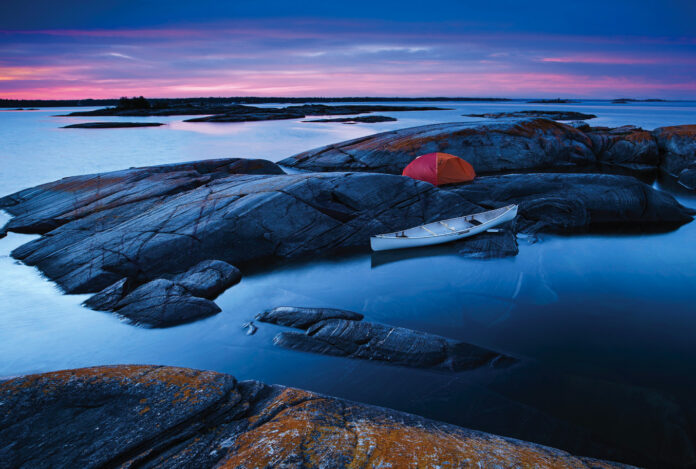
We’d arrived at Georgian Bay. We were to paddle from the Key River south to Honey Harbour, a distance of some 160 kilometers. And there wasn’t a single portage en route, Andy told me gleefully.

I should have pieced things together before we reached our put-in. I packed as if we had to portage. We always portage. I dehydrated meals, brought lightweight gear, minimized the whiskey supply and even second- guessed bringing a small camp chair.

Andy picked me up toting an 18-foot Nova Craft ABS Prospector. That’s a heavy canoe for portaging, I’d thought with a sinking feeling. Now I understood. Andy also had a massive, extra-comfy Therm-a-Rest sleeping mat and an over-sized lawn chair strapped to his pack. I couldn’t help but laugh—he’d got me good.

My route anxiety evaporated at the put-in, but it took a few days pad- dling the big waters of the Bay, basking under a hot sun and laughing around the campfire to hear what this trip was teaching me. In all the years being a professional route planner, I feel like this lesson was one I’d forgotten: It matters little where you go, as long as you go. Forget about getting from A to B, the trip is what happens between the two.

Andy certainly thought so. He’s planning our next adventure—and I can’t wait for our next blind date.

The last trip Kevin Callan let someone else plan was in 2003.


This article originally appeared in Canoeroots
Spring 2016 issue.

Subscribe to Paddling Magazine and get 25 years of digital magazine archives including our legacy titles: Rapid, Adventure Kayak and Canoeroots.
3 Easy Breakfast Recipes To Fuel Your Camping Fun

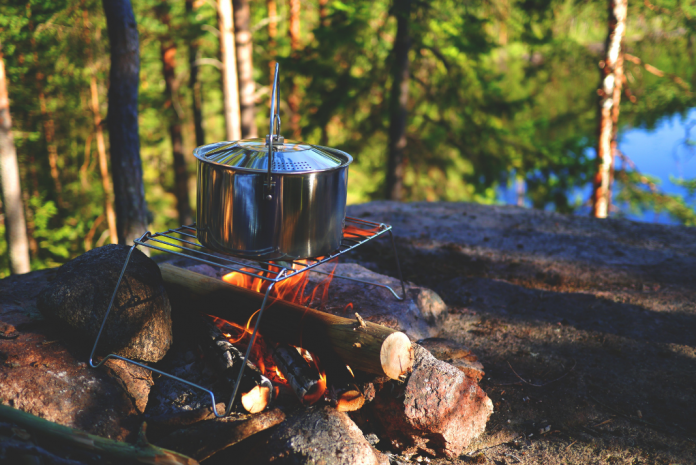
breakfast cooking over a campfire
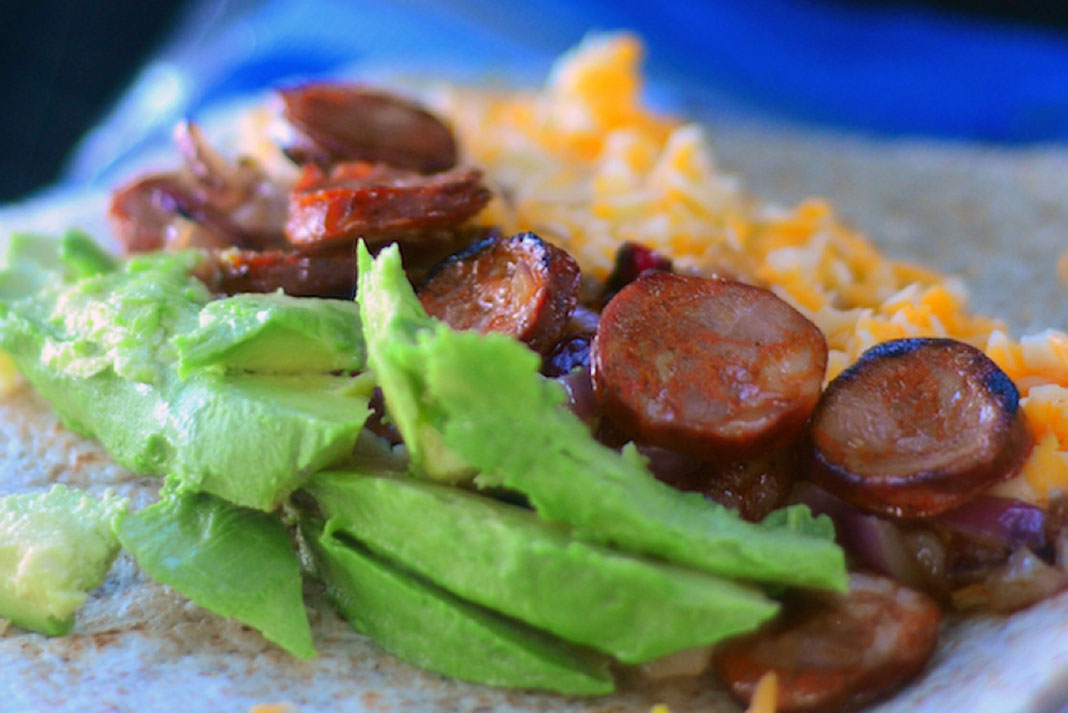
Get cooking while you’re camping with this badass breakfast burrito recipe.

Breakfast is the most important meal of the day whether you’re paddling, swimming, hiking or just lounging. Taking the time for a good breakfast is worth it. Our top three favorite recipes for camping breakfasts will make your whole day.


3 Easy Camping Breakfast Recipes

Badass Breakfast Burrito

  • 4 eggs
  • 4 tbsp oil
  • 1 avocado (sliced)
  • 1 onion sliced
  • 1 chorizo sausage (thinly sliced)
  • Salt and pepper to taste
  • 4 burritos

Break eggs into a bowl and beat. Set aside.

Heat 2 tbsp of oil in a pan and gently fry the onions until translucent. Add the chorizo and salt and pepper to taste. Fry for 2 minutes. Spoon chorizo mixture onto the burritos.

Put the pan back on the coals and add the two remaining tablespoons of oil and scramble eggs. Arrange on the burritos with the sliced avocado and BAM! You’ve got yourself a badass breakfast burrito.

badass breakfast burrito, made with a campfire recipe
Get cooking while you’re camping with this badass breakfast burrito recipe. | Feature photo: Nikki Fotheringham

Badass Burrito Tips

  • If you are making this dish in the first couple of days of your trip, add cheese and salsa.
  • Add chili flakes or hot sauce for a little spice.
  • For a vegetarian option, omit the chorizo and substitute fried tofu.
  • If you are making this dish on the last few days of your trip, pack an avocado that isn’t ripe so it can ripen while you travel or substitute this for salsa.

Toad in the Hole

  • 4 rashers of bacon
  • 4 slices of bread
  • 4 eggs
  • Extra oil

Fry up the bacon until crispy and set aside. Leave the bacon fat in the skillet. Use a camping cup to cut out a hole in the middle of each slice of bread. Lay the bread in the skillet and brown on one side. Turn the slice over and crack the egg into the hole. Fry until the egg is done and slide bread onto a plate. Crumble the bacon over the top.

toad in the hole campfire breakfast recipe
Toad in the hole will hit the spot. | Photo: Nikki Fotheringham

Toad in the Hole Tips

  • The bacon fat may not see you through all four slices, so use the extra oil if the bread starts to stick.
  • If you are making this after the second day, omit the bacon or use salami or chorizo instead.
[ Paddling Buyer’s Guide: Browse all camp kitchen accessories ]

No-Bake Backpacking Bars

The perfect breakfast for those who don’t have the time to cook, especially since you can make them before you leave.

  • 1 cup instant oats
  • ½ cup peanut butter
  • ¼ cup honey
  • 1 tbsp melted coconut oil
  • 3 tbsp chocolate chips (optional)
  • Pinch of salt
  • ¼ tsp ground cinnamon
  • ¼ cup of raisins, nuts, dried fruits or coconut

Mix the ingredients together and roll into little balls. Store in a Ziploc bag.

no bake backpacking bar recipe for camping
No bake backpacking bars can be prepared and packed in advance. | Photo: Nikki Fotheringham

Backpacking Bar Tips

  • Mix things up by using maple syrup instead of honey.
  • Make the bars before you leave and keep them in the fridge for a couple of days to firm up.

Get cooking while you’re camping with this badass breakfast burrito recipe. | Feature photo: Nikki Fotheringham


Video: Tips for Running Your First Waterfall

Use this expert advice to run your first drop. Brendan Kowtecky with AO Boatwerks (boatwerks.com) in Ontario, offers series of tips to successfully boof a small waterfall.

Author: Paddling Magazine Staff

The Butterfly Effect

REALIZING THE GRAVITY OF THE SITUATION. | PHOTO: VIRGINIA MARSHALL

Butterflies make us brave.

A threat or challenge—a wave, a headland, a roll, a job interview—triggers this familiar physiological response. The pituitary and adrenal glands receive signals from our anxious brain and produces a hormonal cascade, pumping cortisol and adrenaline into the bloodstream, elevating heart rate and boosting blood sugar. Vessels constrict, amping pressure, and shunt oxygen-rich blood to the heart, lungs and legs, and away from non-vital places like our extremities and digestive system. Clammy hands, cold feet, dry mouth, flip-flopping stomach—classic fight or flight.

Instinct tells us to avoid this rabble in our guts, but the siren song of adventure beckons the butterflies to take flight. It can be a cathartic impulse.

“I had been vaguely bored with my life and its repetitions—the half-finished, half-hearted attempts at different jobs and various studies,” writes explorer Robyn Davidson in Tracks, an account of her 1,700-mile walk across the Australian desert, “…the most difficult thing had been the decision to act, the rest had been merely tenacity—and the fears were paper tigers.”

In mathematics, chaos theorists define the butterfly effect as the phenomenon in which a minute, localized change in a complex system can result in sweeping differences later. The theory applies to meteorology and, if Bradbury is to be believed, time travel, but it may also describe human behavior. The butterfly flaps its wings, and we may find ourselves racing NASCAR rather than commuting to the city.

REALIZING THE GRAVITY OF THE SITUATION. | PHOTO: VIRGINIA MARSHALL

If small changes can have dramatic effects, imagine the consequences of a daunting act. “Do one thing every day that scares you”—this advice makes for a pithy pearl on fridge magnets, bookmarks and bumper stickers, but it’s been around much longer than Hallmark. Ralph Waldo Emerson popularized the idea of moving outside of one’s comfort zone to achieve personal growth way back in the mid-19th century. First Lady Eleanor Roosevelt spoke similarly about conquering fears. And in 1999, Baz Luhrmann included the nugget in his spoken-word radio hit, Everbody’s Free (To Wear Sunscreen). Emerson, Babs and Luhrmann knew about the benefits of butterflies.

As paddlers, we invite the butterflies more often than most. Oceans, rivers and lakes are dynamic environments, rife with novelty—always a reliable rabble-rouser. Facing these unknowns, developing the skills and experience to cope, even play, with them, allows us to confront greater challenges in the future. To be brave and smart when our stomach is storming.

Some of these thrills can be found time and again. A curling wave or a foggy crossing, for example. Others we may experience just once. The airy, silvered wooden pier that hosted the Snug Harbour Dock Launch is no more, replaced by a perfectly pragmatic, safe and box store-boring floating dock. Yet the butterflies remain.


This article originally appeared in Adventure Kayak
Spring 2016 issue.

Subscribe to Paddling Magazine and get 25 years of digital magazine archives including our legacy titles: Rapid, Adventure Kayak and Canoeroots.
How to Build a River Twice

Photo: Nathaniel Wilson

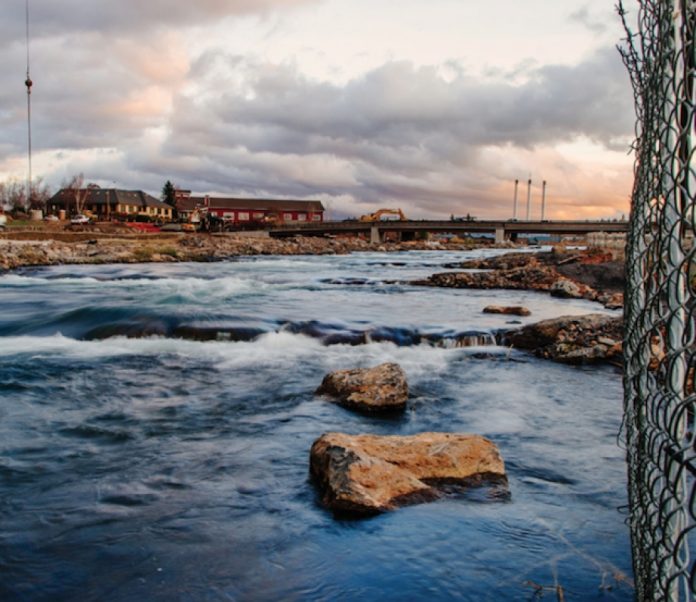
On a long-anticipated September day on the Deschutes River in Oregon, the ropes that cordoned off the long-awaited Bend Whitewater Park were hardly enough to contain the throngs of people with colorful tubes, kayaks and paddleboards waiting to get at the whitewater.

As the crowd grew so did Ryan Richard’s excitement as he paced the site back and forth like a security guard, making sure no one became too eager and jumped in before the 5 p.m. grand opening.

After years of pooling funds, exchanging ideas and designing a manmade riverbed around a former dam, the cranes were finally gone.

“It was a 10-year dream coming to fruition,” says Richard, the lead wave shaper for the park. He would now get a chance to see how their 470-foot-long underwater architectural masterpiece affected those floating above.

Finally the gathering of paddlers proved too much for Richard’s security efforts and they let the ropes down early, watching as the river became painted with color.

Prior to this day, that same stretch of the Deschutes River had been a site of tragedy. The park was originally conceived to be a floating detour around a dam that had been the cause of accidents for years, including several deaths. People would miss the take- out for the portage and get swept up in the riffraff under the Colorado Avenue Bridge.

“Up until last summer, there had been at least an incident per month,” says Chelsea Schneider, a landscape architect and acting project manager for the park.

Now the river has been divided into three channels, one designated for playboaters, one for swimmers in tubes, and one left as natural as possible to preserve the habitat and fish passage. The once eight-foot drop has been made into a series of drops including four features on the whitewater channel. The features, three of which were named for people who died on the river, range from novice to expert as you move upstream.

BUILDING ADJUSTABLE WHITEWATER PARKS

For the vibrant paddling community in Bend, opening day meant putting to test the designs that Richard and his team had spent countless hours creating over the course of many years.

One feature, Jason’s Wave, drew a crowd of paddlers cartwheeling and throwing loops and McNasties.

While the initial response to the park was positive, it quickly became clear more work was needed.

A series of harsh comments on the Bend Whitewater Park Facebook page indicated that the surfing community had been left out of the design.

“A whole contingent of the whitewater users basically came out of the woodwork after the project was already down the river,” says Schneider. “This project started 10 years ago so nobody had an inkling that [short board surfing] would be something to include.”

Open for only a month, the park was closed in order to redesign one of the features to be surf-dedicated, and to tweak a number of mechanical issues in the underwater pneumatic panel system used to form features.

So after 10 years of planning and a brief teaser, the cranes are now back on the Deschutes shifting rocks and rearranging the flash boards that help shape the flow.

“The thing with building adjustable whitewater parks,” says Richard, “is even for the smartest engineer who designs these things they really don’t know what’s going to happen until it’s full-sized and you’re running water through it.”


This article originally appeared in Rapid
Spring 2016 issue.

Subscribe to Paddling Magazine and get 25 years of digital magazine archives including our legacy titles: Rapid, Adventure Kayak and Canoeroots.
Facing Waves: Adventure awaits just outside your comfort zone

OLDER AND MIGHTIER.| PHOTO: ELISE GIORDANO

A hundred years ago, in February of 1916, Ernest Shackleton and the crew of the Endurance were stranded on an ice floe drifting aimlessly around Antarctica’s Weddell Sea. This unfortunate event occurs after their expedition ship sank following 10 months trapped in sea ice. The Endurance men don’t know it but in April 1916, the floe they’re camped on will break up, necessitating that they take to three 20-foot-long rowboats and face the frigid sea. The 28 men will land on tiny and barren Elephant Island, from which Shackleton will launch a rescue mission, rowing 720 nautical miles across stormy open seas to reach South Georgia Island. He and his small rescue party will scale the mountainous shore with only 50 feet of rope and one carpenter’s adze between them to reach a whaling station and salvation on the island’s far side.

You probably know this story. Shackleton’s firsthand retelling, South, is one of the greatest survival stories of all time. The tale of suffering is a testament to the extremes of human endurance, and Shackleton’s leadership under pressure is legendary. Plus, it’s a story with a happy ending—it’s one of few polar misadventures in which everyone survives.

This past spring I reread South while preparing for my own epic, though far less impressive, feat of survival. My first canoe marathon. Shackleton’s stiff upper lip provided much needed perspective during training, when my body ached or I felt discouraged. “At least you’re not stranded on an ice floe in the Weddell Sea” became my strange, inspirational mantra.

OLDER AND MIGHTIER.| PHOTO: ELISE GIORDANO

Prior to June, I’d never entered a canoe race, or paddled a racing boat. Signing up for the Yukon River Quest, the longest annual canoe and kayak race in the world, felt a bit like signing up for an ultra-marathon before completing a five kilometer run. I didn’t know if I’d have the muscles, stamina and will to finish.

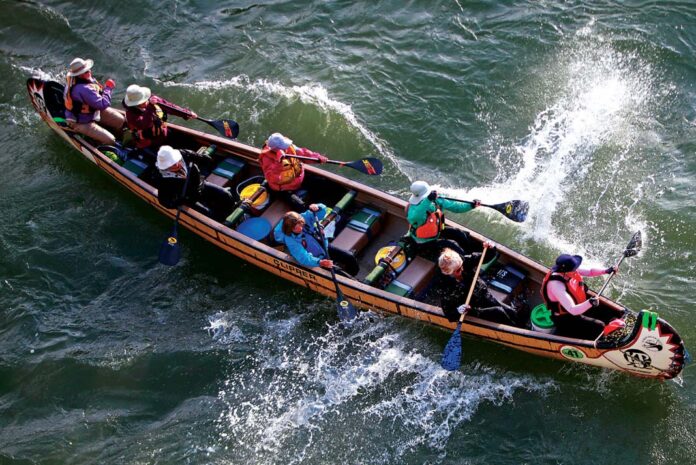
As it turns out, competition in the Yukon River Quest included Ironmen and former Olympians. To be expected. It also included grandfathers, teenagers and cancer survivors. Racers ranged in age from 17 to 71. Paddlers were from all walks of life. One voyageur canoe team consisted entirely of senior women—and they kicked my butt. The low-impact mechanics of canoeing allow for competitors to continue paddling (and win!) long after giving up more wearing sports.

Just like every other aspect of canoeing, I discovered marathons aren’t a battle of brawn. For the most part, it’s a head game. Armed with the necessary skills, all that’s needed is a willingness to face the next challenge and the next forward stroke. This seems to hold true whether tackling an intimidating race, a burly expedition or weekend trip with toddlers.

This year, resolve to do something outside your comfort zone on the water. Try something new. Surprise yourself. And if your endeavor goes south, put your misfortune into perspective by repeating the following: At least I’m not stranded on an ice floe in the Weddell Sea. I find it helps. 


This article originally appeared in Canoeroots
Spring 2016 issue.

Subscribe to Paddling Magazine and get 25 years of digital magazine archives including our legacy titles: Rapid, Adventure Kayak and Canoeroots.
Video: 5 Things to Pack For Your River Canoe Trip

Photo: Canoeroots Staff
[iframe width=”560″ height=”315″ src=”https://www.youtube.com/embed/cZQdHJCno7Y” frameborder=”0″ allowfullscreen ]

Scott MacGregor catches with with Black Feather head guide Steve Ruskay to discover what five items every paddler needs to bring to the river for a canoe trip. 

Must-haves include: personal warm layers, good footwear, personal hygiene products and a water bottle. The rest Black Feather can supply! 

But there are some other items that will make your trip even better. Find out what they are above.

Hobie’s New Mirage Eclipse Stand Up Pedal Boards

Photo: Courtesy Hobie

Hobie has done it again. They have married their renowned MirageDrive pedal system with 65 years of boardsports expertise to create a totally new kind of Hobie fun

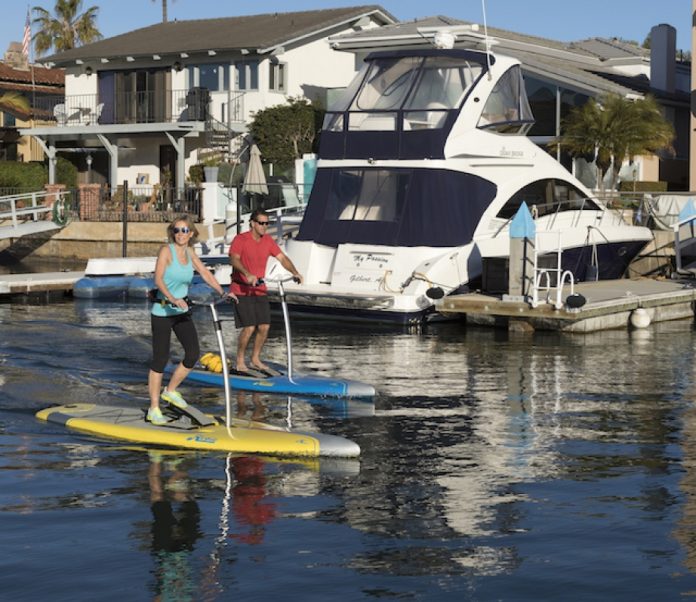
Introducing the world’s first Mirage stand up pedal boards: Hobie Mirage Eclipse 10.5 and Hobie Mirage Eclipse 12. It will now be just as easy for fun seekers to stand on the board and pedal with the new MirageDrive as it has been for Hobie kayakers to pedal the original MirageDrive. Using these boards is as intuitive and stable as walking. Step on and go– no seat, paddle or overboard splashes required. The audience? Anyone seeking a fun and easy way to play on the water, those who enjoy fitness outside the gym, and resort and tour operators who wish to offer their guests a great new experience. And – the Eclipse is sized right for storage and portability on cars, sailboats and powerboats.

Inventing new ways to enjoy the water is a way of life at Hobie. Company namesake Hobie Alter created the modern fiberglass foam core surfboard and the iconic Hobie Cat sailboat,” commented Doug Skidmore, president of Hobie. “His creative spirit inspired the MirageDrive hands-free pedal drive that revolutionized both recreational kayaking and kayak fishing. Now that same technology is launching a new category of Mirage Standup.

Jim Czarnowski, Hobie’s Director of Engineering, describes the MirageDrive as “the heart of the Eclipse”

The engineering is simple. A natural stepping motion cycles the large topside pedals connected to powerful underwater fins that efficiently power the Eclipse as slow or fast as desired. The fins fold against the board for shallow water and beach landings.

The high strength advanced composite epoxy hull harnesses decades of Hobie boardsports heritage for its quick displacement design. The graceful bow pierces the water, enhancing speed and glide. The square tail and flat bottom add to the board’s quiet, stable ride. The steering controls on the graceful aluminum alloy handlebar could not be simpler.

Squeeze the right caliper, go right. Squeeze the left caliper, go left. The handlebar adjusts from 36 to 43 inches high to accommodate a range of rider statures from kids to tall adults. The rudder offers pinpoint stand up control unique to the Eclipse. It kicks up in shallow water and can also lock into place for improved tracking when the Eclipse is used as a traditional SUP – just one alternative way to enjoy this board for upper body fitness paddling.

Large EVA deckpads provide carefree, high-traction footing and enhanced comfort for all-day rides

There is plenty of room for extra gear or the family dog to perch on the stern. Cargo Bungees® on the aft deck secure gear. Eclipse accessories include a protective board bag and a cart that makes transportation to and from the water a breeze. A cup holder and universal phone mount are available to keep riders refreshed and ready to capture every memory.

MSRP: Hobie Mirage Eclipse 10.5, $2499; Hobie Mirage Eclipse 12, $2599. Each size comes in two colors: Solar (yellow) and Lunar (blue). They will be available later this spring at Hobie dealers around the world.

Since 1950, Hobie has been in the business of shaping a unique lifestyle based around fun, water, and innovative quality products. From their worldwide headquarters in Oceanside, California, Hobie Cat Company manufactures, distributes, and markets an impressive collection of eco-sensitive watercraft, with subsidiaries; Hobie Cat Australasia, in Huskisson, NSW, Australia and Hobie Cat Europe, in Toulon, France and independent distributors; Hobie Kayak Europe and Hobie Cat Brasil. These products include an ever-expanding line of recreation and racing sailboats, pedal-driven and paddle sit-on-top recreation and fishing kayaks, inflatable kayaks, fishing boats and stand-up paddleboards and a new category of Hobie Mirage Standup pedalboards, plus a complementary array of parts and accessories.