Home Blog Page 260

All In The Family: The First 50 Years Of Werner Paddles

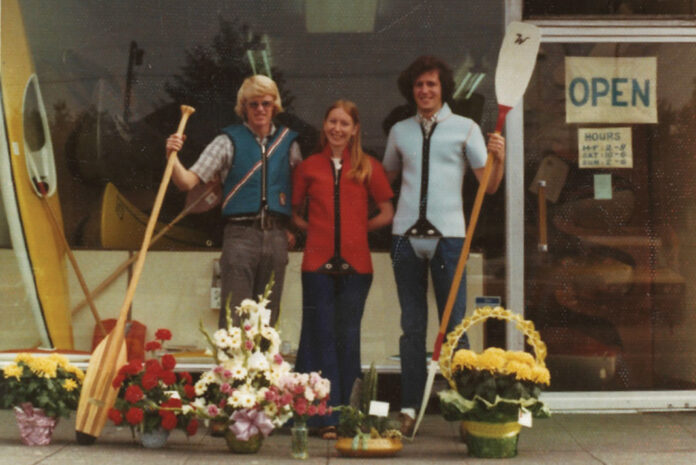
THE FIRST 50 YEARS OF WERNER PADDLES| PHOTOS: COURTESY WERNER PADDLES

In 1965 Werner Furrer used a piece of plywood, some glue, varnish and wooden dowels made for the clothes hangers in his closet, to scrap together a paddle for his newly purchased kayak.

A professional engineer, Furrer was living in Hoquiam, Washington at the time with his wife Martha and their four kids. Paddling quickly became the family sport.

“With little money and some design ideas in mind, the garage became a kayak building shop,” says Bruce Furrer, who was four at the time, the second-youngest Furrer child. “Necessity spurred innovation.”

“Each kayak needed a paddle as well as all the other accessories. Everything was handmade.”

Today Werner Paddles employs nearly 100 people, makes hundreds of paddles every day and has athlete ambassadors traveling the globe with Werner sticks.

In the ‘60s though, the Furrers made just enough paddles to outfit the family, plus a few extra to account for breakage when they started racing on whitewater.
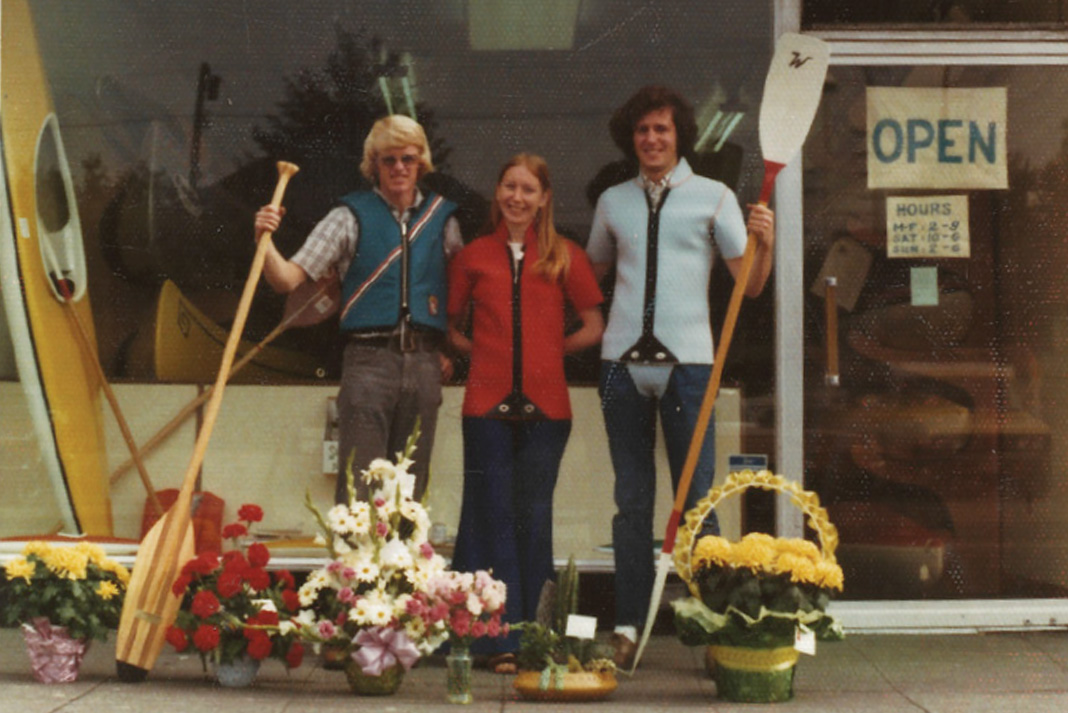
THE FIRST 50 YEARS OF WERNER PADDLES| PHOTOS: COURTESY WERNER PADDLES

“Our garage had never seen a car inside of it,” says Bruce, who took over presidency of the company in 1989. “It was always just kayak and paddle shop.”

By 1970, signs of business were stirring. Friends who paddled with the Furrers started asking to buy their blades and Werner Jr., the eldest Furrer son, saw it as an opportunity to support a career in slalom racing. With the help of Werner Sr., he sold 47 paddles in 1971, at seventeen dollars each.

Werner Jr. built the paddles with the same process used on early prototypes. “He used fiberglass blade molds and the same wooden dowels used on the first paddle,” says Bruce. “Wet polyester resin and fiberglass cloth were sandwiched between two fiberglass molds held in place with primitive C-clamps. Simple but effective.”

Werner Sr. took care of the bookkeeping and business side of things, including drawing this brochure from 1971, which reads, “Specifically selected material, design based on extensive experience in connection with developed skills created these paddles.” They were always built for personal use first, and eventually crafted for sale once they’d been tried and tested.

“Everyone was involved at some point,” says Bruce. “Extra help from family was always needed when an order came in.” When the popularity of kayak touring blew up in the early ‘80s, Werner Paddles officially outgrew its roots as a family garage business. They found industrial space in Everett, WA, incorporated, and business took off.

Although the molds are more precise and the carbon fiber is higher tech, a Werner paddle you buy today was crafted using methods surprisingly similar to how they were made from the start. It’s also branded with a logo that evolved as the Furrer family symbol: a W for Werner Sr. and an M for Martha, surrounded by a circle symbolizing their family, and two birds representing freedom.
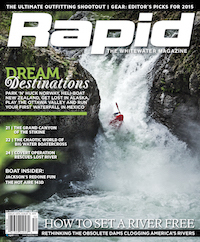

This article on whitewater canoeing was published in the Early Summer 2015 issue of Rapid magazine.This article first appeared in the Early Summer 2015 issue of Rapid Magazine. 

Subscribe to Paddling Magazine and get 25 years of digital magazine archives including our legacy titles: Rapid, Adventure Kayak and Canoeroots.
The Real Hazards And False Fears Of Wilderness Camping

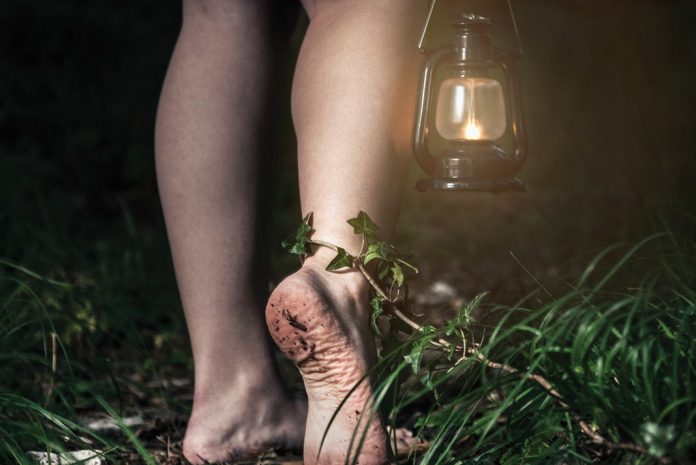
Woman walking barefoot through grass holding lantern
Nothing to fear here. | Feature photo: iStock

Not all threats are equally dangerous. To put the risks in perspective, we look at your nine biggest backcountry fears. Find out which are valid, which are bogus, what should really be worrying you and how to prepare for all of them.

The real hazards and false fears of wilderness camping

1 Hypothermia

According to the U.S. National Safety Council, exposure is the number one killer outdoors. It’s caused when cold, wet or windy conditions cause body temperature to drop—below 95 degrees Fahrenheit is a medical emergency.

Statistically speaking, it’s unlikely to be a winter camping trip that endangers you—hypothermia preys on the unprepared. Many cases occur when the temperature is between 30 and 50 degrees. Florida, one of the warmest states, reports hundreds of cases of exposure each year because recreationalists aren’t prepared for cold weather.

Best defense: Remember the acronym C.O.L.D. Cover up, avoid Overexertion and activities that cause you to sweat, wear Layers and stay Dry.

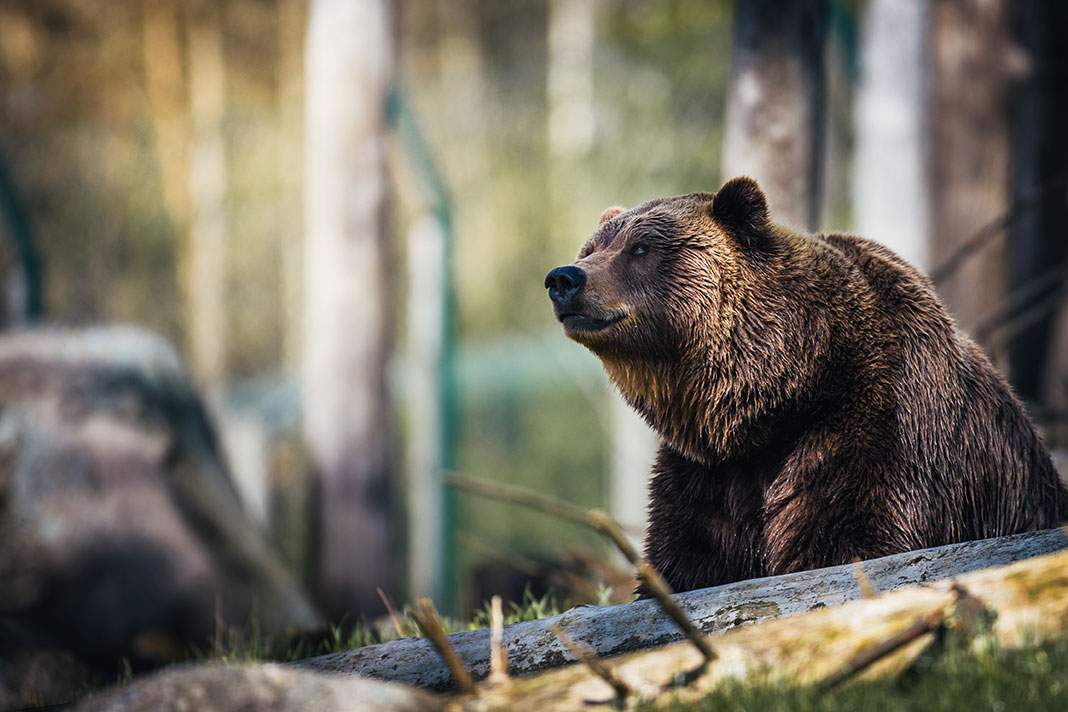
Close-Up Photography of Grizzly Bear | Photo by Janko Ferlic from Pexels
Far more dangerous than a grizzly bear are the nearsighted deer wandering America’s interstates. | Photo: Janko Ferlic/Pexels

2 Wild animals

Cougars and grizzly bears have brawn, beauty and a certain terrifying mystique, but even combined, attacks on humans resulting in fatalities average just two per year in North America. Far more dangerous are the nearsighted deer wandering America’s interstates.

In the U.S., vehicle collisions with deer cause about 200 human deaths every year. Pennsylvania has the highest number, with an estimated 115,000 collisions in 2013. According to State Farm Insurance, West Virginia holds the dubious distinction of being the state where you’re actually most likely to hit a deer (a one in 39 chance over a 12-month period).

Best defense: Slow down. (Or drive a really, really big truck.)

3 Injury

Injuries resulting in death in the wilderness are uncommon. A three-year internal study by the National Outdoor Leadership School (NOLS), which was conducted over 441,885 program days, found that athletic injuries accounted for 50 percent of all injuries on trip, and soft-tissue injuries accounted for another 30 percent.

Athletic injuries were most often sprains and strains of knees (35 percent), ankles (30 percent) and backs (13 percent). Falls and slips were the most common reasons for injuries, resulting from games (such as touch tag), rock hops while stream crossing and lifting boats. There were no fatalities during the study period.

Best defense: Stay fit prior, and lay off the contact sports on trip.

4 Illness

As reported by NOLS in the same study, the most common illnesses affecting participants on trip are gastrointestinal upsets, such as nausea, vomiting and diarrhea. Recent research supported by Tulane University challenges the conventional wisdom that an upset tummy is the result of ill-treated water containing water-borne bacteria, giardia (cause of the infamous beaver fever).

Experts now think many gastro cases are caused by a far more disgusting culprit—what we call Poopy Hand Syndrome. PHS results from poor hygiene practices—fecal bacteria spread from hand to mouth—and it can rip through a group like wildfire.

Best defense: Use hand sanitizer prior to meals and wash hands religiously. And, don’t poop on your hands.

5 Dehydration

Paddlers rarely seem to worry about dehydration—water is everywhere, right? Dehydration can be an insidious crippler of good judgment, even before it becomes physically crippling. Combatting this common ailment sounds deceptively simple—just drink water.

The adage that recommends adults drink 64 ounces (eight glasses) daily might seem like overkill at home but won’t cut it on an active outdoors trip at any time of year.

Best defense: Juice crystals and electrolyte solutions can help up your intake and stave off water boredom.

6 Burns

Campfires and stoves look hazardous but are thankfully responsible for few trip-ending injuries. The greater danger may lie overhead. Skin cancer is the most common type of cancer with more than two million Americans diagnosed each year.

Children are especially vulnerable: The Skin Cancer Foundation predicts one blistering sunburn in childhood or adolescence more than doubles a person’s chances of developing melanoma later in life.

Best defense: The sun protection factor on sunscreen refers to UVB rays, which are primarily responsible for sunburns. Your sunscreen may not protect against UVA rays, which penetrate deeper into the skin. Choose a broad-spectrum sunscreen.

7 Drowning

According to the Red Cross, each year in Canada there are approximately 525 water-related fatalities. Of those, 166 are boating-related incidents. Alcohol is present or suspected in more than 50 percent of cases. The Red Cross estimates that wearing a life jacket would prevent 90 percent of those deaths.

Best defense: Wear a properly fitting PFD. Don’t drink and paddle. Invest in swim lessons for kids and water-wary adults.

Photo by Alexandre Bringer from Pexels
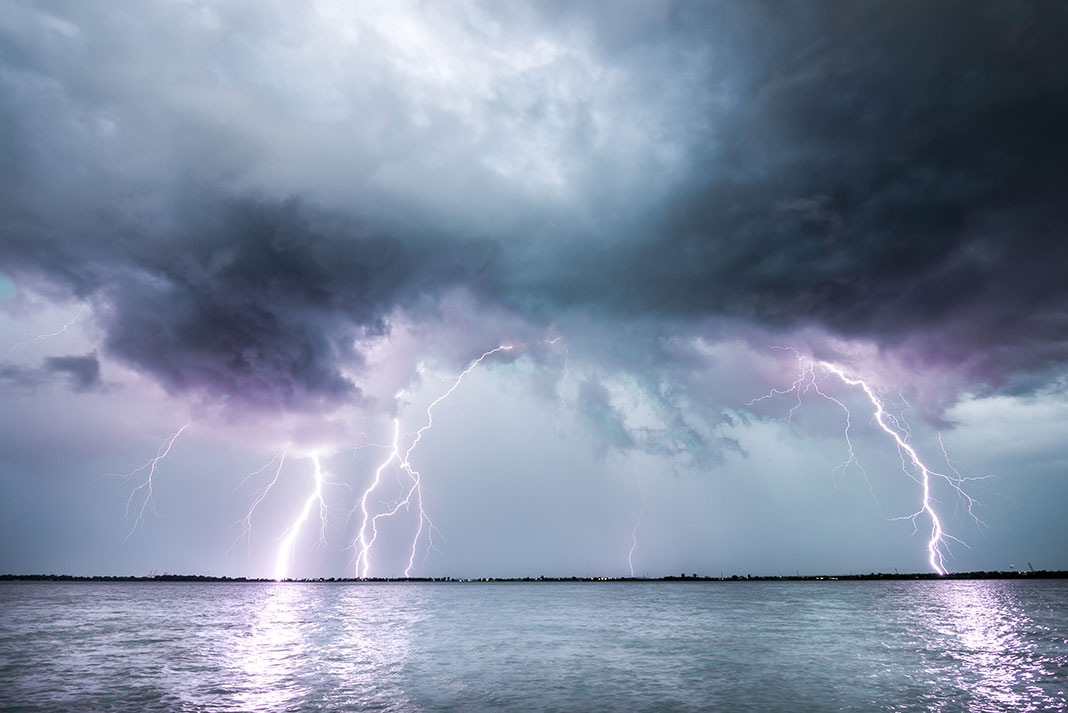
The greatest danger of any kind of severe weather lies in not recognizing the threat in time to react. | Photo: Alexandre Bringer/Pexels

8 Storms

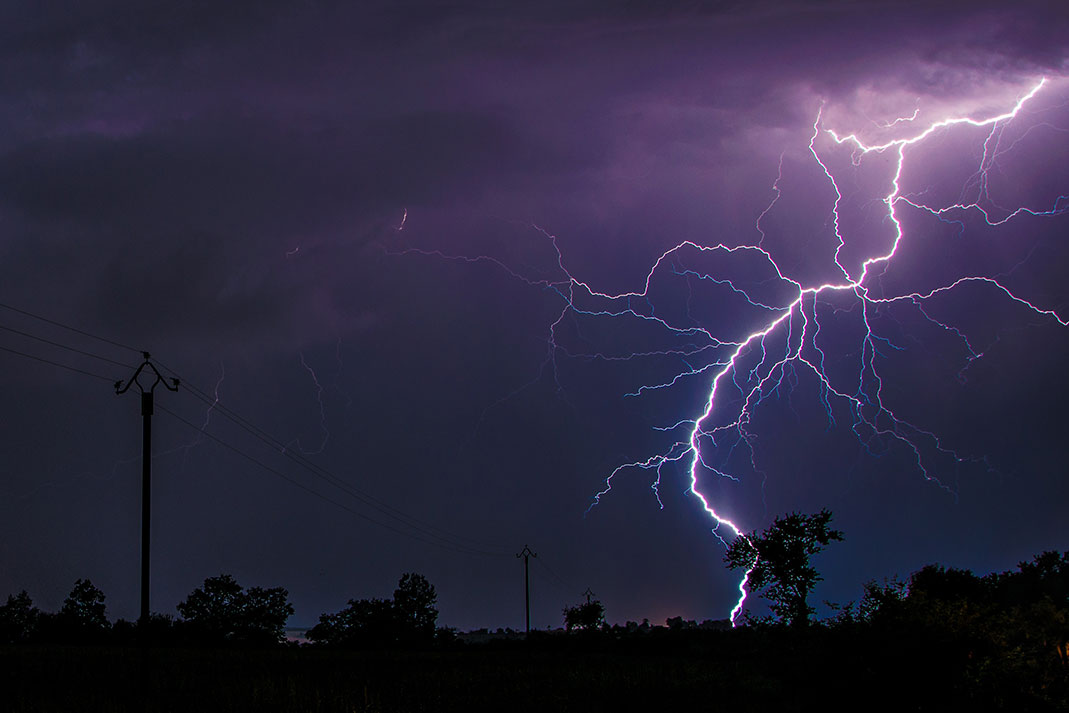
Each year, lightning kills approximately 33 people in the U.S. The National Oceanic and Atmospheric Administration estimates the odds of being killed by lightning in any given year are one in 1.9 million. Those are pretty slim odds. The greatest danger of any kind of severe weather lies in not recognizing the threat in time to react.

Best defense: Listen to the forecast and keep an eye on the sky. Be wary of cauliflower-esque clouds with rapid vertical growth; this often indicates a thunderstorm, wind and heavy rain are on the way. Get off the water and seek shelter.

9 Not going at all

The wilderness might seem intimidating sometimes, but face it—smog, Big Macs and a sedentary lifestyle pose bigger threats to your health than anything you’re likely to face in the woods. All three are linked to lifestyle risk factors for heart disease, the leading cause of death in North America, causing 611,105 deaths last year according to the Centers for Disease Control and Prevention.

America’s entire national park system, which saw 283 million visits in 2012, suffered just 143 fatalities that year (including car accidents, and front and backcountry deaths). Countless studies prove time in nature increases happiness and decreases stress hormones, blood pressure and heart rate. Children who engage in outdoor play have enhanced imaginations and attention spans, and do better in the classroom.

Best defense: Go camping. Repeat regularly.

Cover of the Early Summer 2015 issue of Canoeroots MagazineThis article was first published in the Early Summer 2015 issue of Canoeroots Magazine. Subscribe to Paddling Magazine’s print and digital editions, or browse the archives.


Nothing to fear here. | Feature photo: iStock


Drytunes Speaker

Photo: Dawn Mossop
Drytunes Speaker

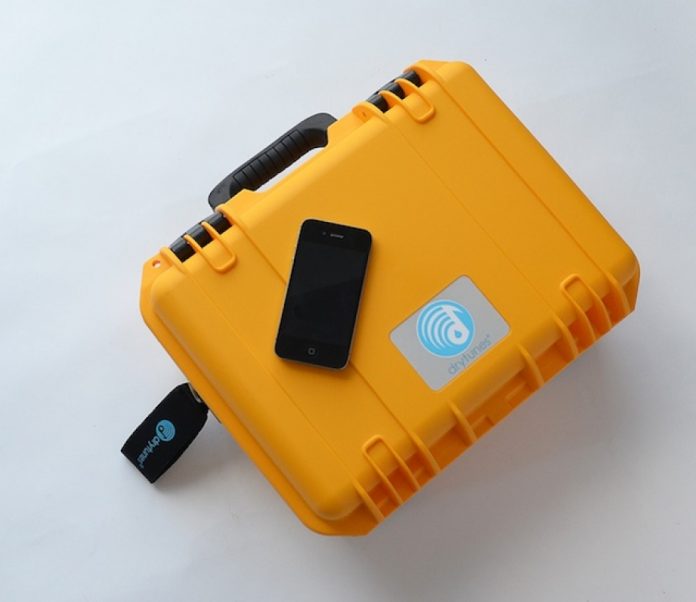
An environment-proof dry case and speaker, Drytunes pairs via Bluetooth or cord to any device and snaps shut with room for the items I carry around during the day: keys, wallet, a light layer and snack. Magnetic controls let me change songs and volume without opening the case, and after a full day of use, the rechargeable battery is still running. My favorite feature: exceptional sound quality. You’ll be amazed.

$399 | www.drytunes.com

RPv17i2 Cover


This gear review first appeared in the Early Summer 2015 issue of Rapid magazine.


10 Best Places to Kayak in the World

Photo: Flickr user AntarcticBoy
10 Best Places to Kayak in the World

Whether you want tropical beaches, northern fjords, cultural experiences or wildlife encounters, here are 10 ultimate kayaking destinations around the world.

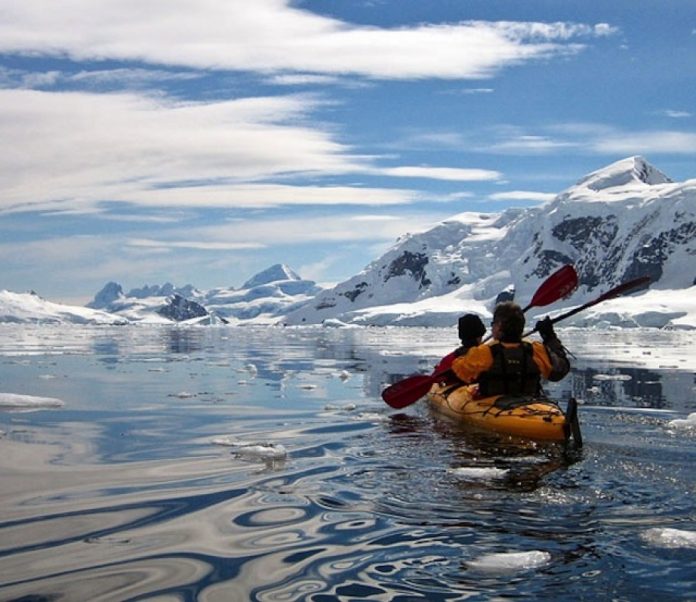
Antarctica

Paddle with icebergs and penguins, visit research stations, follow the footsteps of Shackleton, and experience the austere beauty of the world’s most isolated continent—all made more accessible by a handful of specialised expedition mother ships.

Vancouver Island

Explore the wild coastline of Nootka, relax on the sandy beaches of Clayoquot Sound, kayak with orcas in the Johnstone Straight and indulge in a soak at Hot Springs Cove. Have camera ready for whales, wolves, eagles and sea otters—but also keep that raingear handy!

kayakpatagonia.jpg

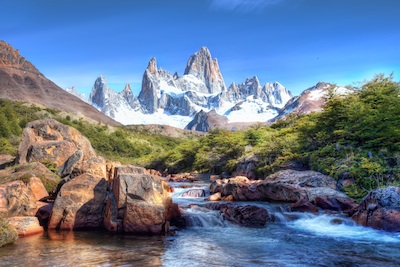
Patagonia by Flickr.com/photos/chrisschoenbohm

Patagonia

With windswept fjords, restless volcanoes, hot-springs, glacial rivers and enough islands and inlets to keep European explorers flummoxed for decades, Patagonia is the ultimate bucket list destination for adventurous kayakers seeking spectacular scenery and challenging paddling conditions.

Panama

Want to kayak and snorkel with turtles, rays and whale sharks? Head to the Pacific island of Coiba, known as Panama’s Galapagos. To explore the Atlantic side, paddle the picture perfect San Blas Islands and enjoy the hospitality of the indigenous Kuna people.

kayak_hawaii.jpg

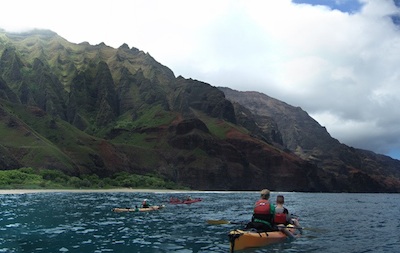
Paddling in Hawaii by Flickr.com/photos/fortes/

Hawaii

For a peaceful daytrip, paddle with dolphins in Kona’s Kealakekua Bay or depart Oahu’s Kailua Beach for a picnic and swim at the Mokulua Islands. For paddlers ready for challenging surf and currents, explore Kauai’s famed Napali Coast or the north shore of Molokai, home of the tallest sea cliffs in the world.

New Zealand

With diverse landscapes and climates, the North and South Islands have an incredible array of kayaking options. The coastal paradise of Abel Tasman National Park is perhaps NZ’s most famous paddling destination, but there are dozens of options from Milford Sound in rugged Fiordland to the sub-tropical Bay of Islands.

Baja

Sun-kissed sandy beaches, warm waters and spectacular sunsets over the Pacific keep many kayakers returning to this paddling paradise year after year. Paddle with migratory gray whales in Bahia Magdalena, explore Loreto’s Gulf Islands, or try your hand at some seriously epic kayak fishing.

kayak_newfoundland.jpg

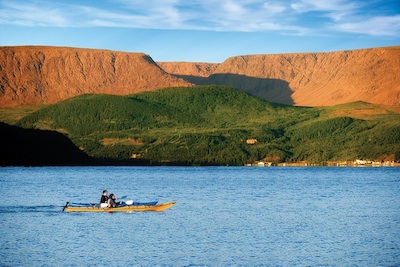
Kayaking in Gros Morne, Newfoundland by Flickr.com/photos/grosmornecoop

Newfoundland

The cold waters around the Rock are more than balanced by the warm welcome of the people. Explore the rocky grandeur of Gros Morne National Park or paddle with puffins, whales and icebergs along the Avalon Peninsula.

Iceland

Hot springs, geysers, waterfalls, volcanoes – this mystical island of sagas, storms and endless summer daylight feels like an alternate reality. Paddle past glaciers along the fjords of Jökulfirðir, or explore the cosmopolitan city of Reykjavik from the water.

Ireland

The Emerald Isle boasts an irresistible mix of history, culture, picturesque seaside villages and ocean paddling for all levels. Visit the haunts of Gaelic pirate queen Granuaille along the Connemara coastline, test your skills in the surf at Bundoran or dozens of lesser known breaks, and wrap up your day swapping tales in the local pub.

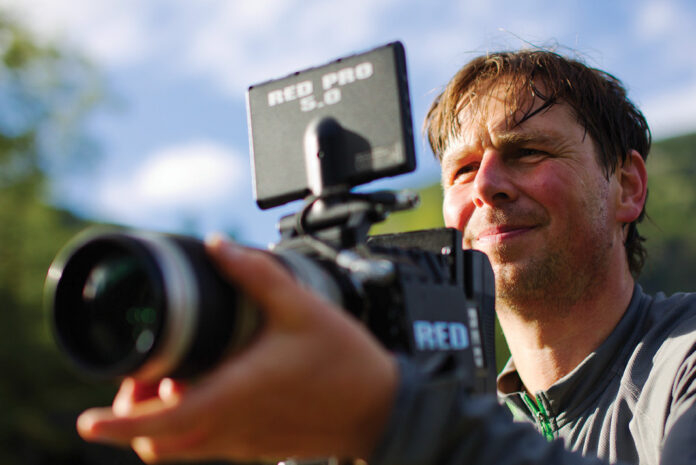
Olaf Obsommer’s Grand Canyon Of The Stikine

TAKE TWO: NEARLY IMPOSSIBLE CANYON OF INFAMOUS REMOTE RIVER. AND...ACTION! | PHOTO:JENS KLATT

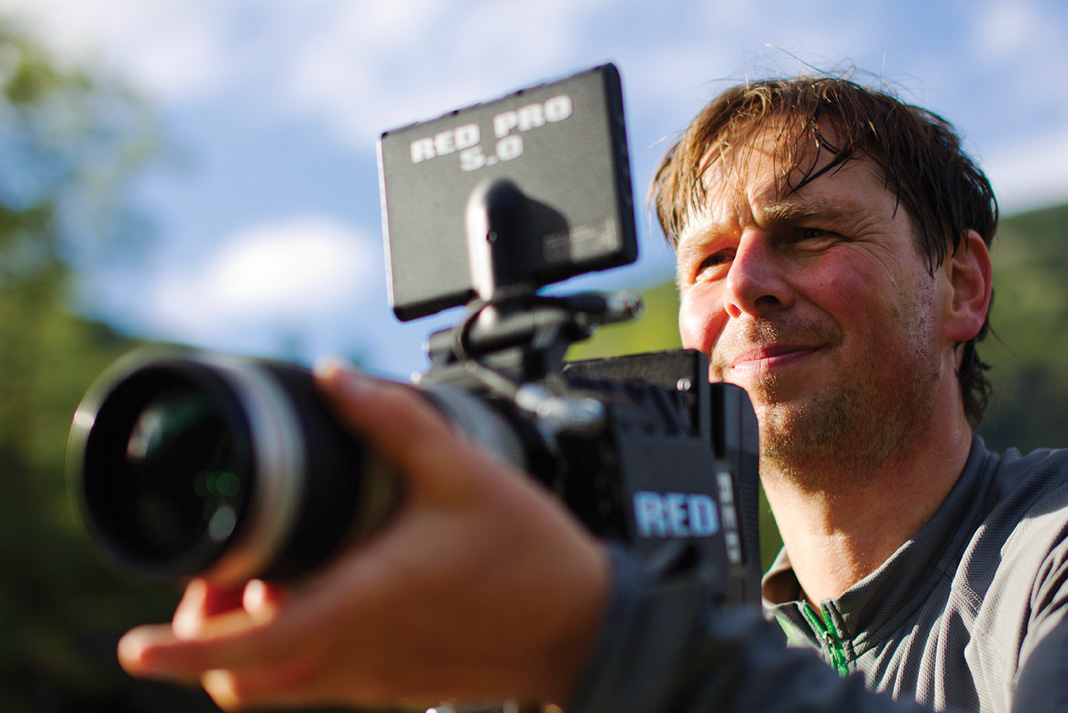
Through an expert combination of thoughtful interviews and heart-stopping whitewater footage, German filmmaker Olaf Obsommer’s latest project, The Grand Canyon of the Stikine, captures the heart and soul of the storied river—the closest most people will get to the real experience. Born to paddling parents, Obsommer’s entire life has been on the water, and he’s been filming whitewater since 1992. The Grand Canyon of the Stikine won Best Whitewater Film in the 2015 Reel Paddling Film Festival.

Why filmmaking?

In my dreams, it’s a sex, drugs and rock ‘n’ roll lifestyle. In reality, being outside in nature is the main thing. That’s what it’s all about—I don´t have to be filming kayaking as long I’m close to Mother Earth. It’s a privilege to live this way. It fills my heart with love and makes all the effort that goes into a film worthwhile when people thank me for the inspiration and entertainment.

What makes a great whitewater film?

Action, passion, interesting characters, humor and, if possible, some historical footage. A good story, music and little bit of craziness is important. Maybe I’m old school, but I always film with a camera on a tripod with fluid head. We had two of those in Stikine Canyon. Of course it’s more stressful to run rapids with a tripod between your legs, but the quality is worth it, and a telephoto lens lets you get shots you couldn’t get on a wearable camera.

What’s your approach?

Most importantly, I try not to take myself too seriously—it’s only kayaking. It’s important to know what market you’re making a film for. If it’s just for fun, it’s easy—I can do whatever I want. If a movie is for an audience of kayakers, I don’t have to explain basics and difficulty. If it’s for non-kayakers, I explain more about the sport. For videos that will be online, I don’t like long intros—I joke that if there’s no action in the first 30 seconds, the movie fails. That’s why Stikine starts straight away with hard whitewater.

TAKE TWO: NEARLY IMPOSSIBLE CANYON OF INFAMOUS REMOTE RIVER. AND...ACTION! | PHOTO:JENS KLATT
TAKE TWO: NEARLY IMPOSSIBLE CANYON OF
INFAMOUS REMOTE RIVER. AND…ACTION! | PHOTO:JENS KLATT

What are the challenges?

Having extra gear in my kayak—cameras, lenses, tripods and other little tools—make it difficult to be fast. You have to have good climbing skills too. On the Stikine I’d climb 15 minutes up to get a shot. Then, after a long day of paddling and filming on the river, you have to find the motivation to shoot interviews, the camping lifestyle, landscape and wildlife. The hardest part is finding the drive and spirit to invest as much passion as possible in each shot.

How do you choose an expedition team?

Friendship is important—you can be in the most beautiful place on earth but when the chemistry is wrong in the group, it’s a nightmare. How do I avoid this? I make sure all the egos on a trip are smaller than my own! Joking aside: big egos kill adventures. I’ve heard of expeditions that ended in fistfights. Harmony is important. The people I started paddling with aren’t all still living the kayak lifestyle I am, so these days I’m usually the oldest and I’m happy to be on trips as long as I don’t slow things down too much for the young fellas.


This article on whitewater canoeing was published in the Early Summer 2015 issue of Rapid magazine.This article first appeared in the Early Summer 2015 issue of Rapid Magazine. 

Subscribe to Paddling Magazine and get 25 years of digital magazine archives including our legacy titles: Rapid, Adventure Kayak and Canoeroots.
Betcha Didn’t Know About… Ants

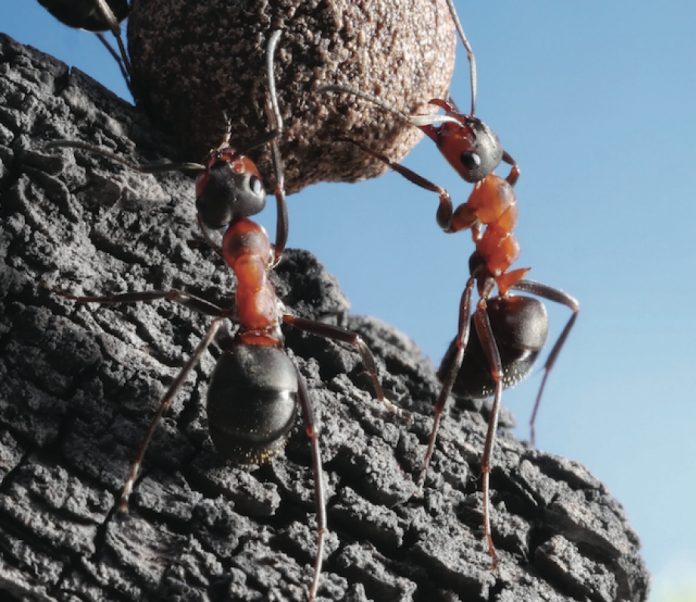
Photo: istockphoto.com/antrey
Family Camping: Betcha Didn't Know About... Ants
  • The total biomass of all the ants on Earth is roughly equal to the total biomass of all the people on Earth. Scientists estimate there are at least 1.5 million ants on the planet for every human.
  • Though many campers have literally had ants in their Carhartts, the top candidate for the first non-literal use of “ants in your pants” is the 1934 recording by Chick Webb and His Orchestra, “I Can’t Dance (I Got Ants in My Pants).”
  • Ants are capable of carrying objects 50 times their own body weight with their mandibles. With that kind of strength, a human could hoist a pickup truck overhead.
  • Award for the most heroic ant of all time goes to Anty, the protagonist in the 1989 live action Disney hit, Honey, I Shrunk the Kids. Anty selflessly sacrificed herself in battle so that oddball scientist Rick Moranis’ tiny children could make it to safety. It makes more sense when you watch the movie, I promise.
  • The bullet ant is named because the sting of its neurotoxic venom is said to be as painful as a gunshot wound. Entomologist Justin Schmidt rated the stings of 78 insect species and described the pain of a bullet ant sting as, “pure, intense, brilliant pain. Like walking over flaming charcoal with a three-inch nail in your heel.” Which would pretty much ruin anyone’s picnic.

Screen_Shot_2015-06-12_at_11.26.38_AM.pngThis article first appeared in the Early Summer 2015 issue of Canoeroots and Family Camping magazine.

Subscribe to Paddling Magazine and get 25 years of digital magazine archives including our legacy titles: Rapid, Adventure Kayak and Canoeroots.
5 Questions With Paddling Lensman Gary Luhm

STARVING ARTIST. PHOTO: GARY LUHM

Seattle-based Gary Luhm is one of the most prolific paddling photographers working on the water today. Whether capturing intimate portraits of seabirds and marine life, or shooting high-action kayaking and stirring seascapes—like the Early Summer issue’s cover—Luhm has combined his keen eye and his comfort in a cockpit since the early ‘90s. After learning to roll his kayak, he discovered “a whole new world: rough-water paddling, coastal exploration, solo trips.” There was no turning back—Luhm left an engineering career in 1998 to pursue his twin passions full-time.

WHO has been your most difficult subject?
We were aboard the kayak mothership Home Shore, in 2003, anchored in protected waters off Chichagof Island, Alaska. It was stormy weather—17- foot swell on the outside. My paddling buddy Tim Walsh and I paddled out through a slot between islets and into a maelstrom of ocean swell, rock reef and reflected waves. I pulled out an all-manual Nikonos underwater camera and shot a dozen, one-handed frames. A couple of images from that shoot became best sellers. Not long after, Home Shore lost their liability insurance when the insurer saw the published photos!

WHAT advice to you give photographers?
Make a shot list. If you have trouble thinking up a list, study images others have created from the area you’re going to paddle, and imagine how you could do better. Don’t shoot from eye level—lie on the ground, climb a tree. If seated in the kayak, shoot with the camera at arm’s length, either down near the water or high overhead—anything to get your subject’s eyes off the horizon line. It’s difficult to get out front for shots of paddlers moving toward you, but that’s the shot that sells. We’re wired to want to see faces.

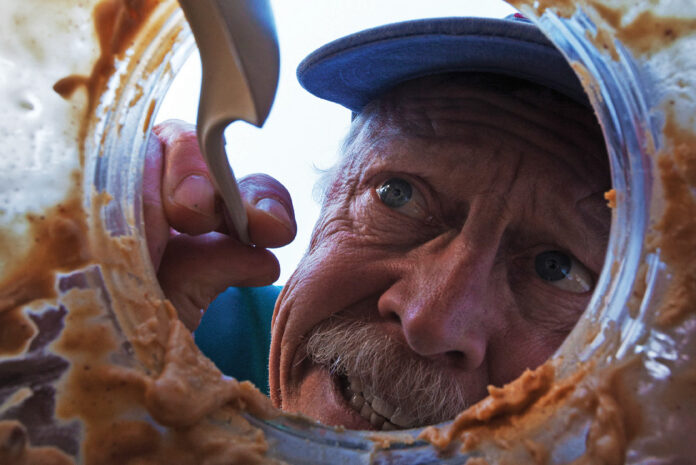
STARVING ARTIST.
PHOTO: GARY LUHM

WHEN did you run out of P.B.?
I stole the idea for this self-portrait from Seattle photographer John Greengo. His own peanut butter jar selfie accompanies a great story about how he ran out of food on a canoe trip and he wanted to represent that photographically. The empty peanut butter jar did the trick. My selfie, similarly composed with a wide-angle lens peering from the bottom of a Costco-size jar, has a starving artist angle. For execution, I simply cut the bottom out of a spent jar and tried to show some desperation in my face.

WHERE do you look for creativity?
I don’t have a problem staying creative—I’ve got an internal shot list that never shrinks. My ratio of paddling for fun versus work is probably 10:1 on the fun side. On weekends, paddling with friends or Washington Kayak Club trips, I don’t often pick up the camera. A typical year, I shoot 70 days in the field, or roughly one day in five. Non-shooting workdays, I’m editing photos, marketing, planning the next shoot, or traveling. My advice: shoot locally. You benefit from more days shooting, save on travel cost (that’s big), and it’s better for the planet (even bigger).

WHY not mountain biking or skiing?
I had some knee trouble and was looking for a sport I could really embrace. Sea kayaking is perfect: a year-round activity, as vigorous as you want it to be, no limit to skill-building, great camaraderie, quick getaways, fascinating scenery and wildlife, and great food, too. Exploring by kayak is endless. Lately, I’m almost glad it seems to be losing popularity to SUP and other lower-cost-of-entry activities. We can still have those remote, no-cell-service beaches to ourselves.


Screen_Shot_2015-06-15_at_3.44.39_PM.pngThis article first appeared in the Early Summer 2015 issue of Adventure Kayak magazine. 

Subscribe to Paddling Magazine and get 25 years of digital magazine archives including our legacy titles: Rapid, Adventure Kayak and Canoeroots.

Northwind Solo by Northstar Canoes: Solo Canoe Review

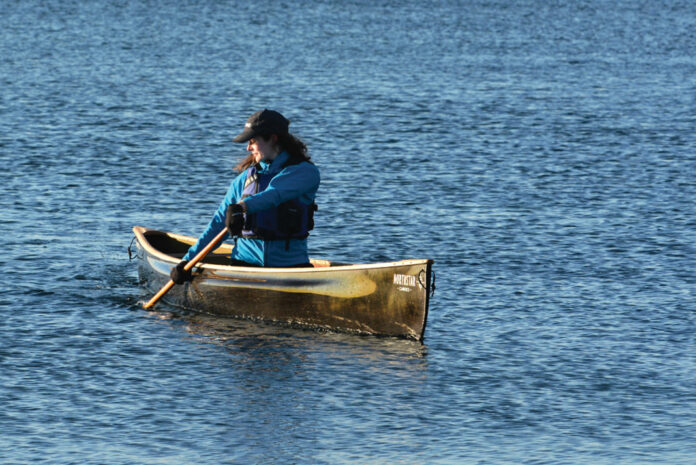
Northwind Solo By Northstar Canoes | PHOTO: GEOFF WHITLOCK

Nine years after selling Bell Canoe Works to ORC Industries, Ted Bell is back at the helm of a canoe making business.

Northstar Canoes Northwind Solo Specs
Length: 15 ft 6 in
Width: 26.5in gw / 30 in mx
Weight: 33 lbs
Optimal Load: 170–320 lbs
Capacity: 700 lbs
Price: $2,695 ($3,045 with wood trim)
northstarcanoes.com

The new Northstar Canoes line appeared on American showroom floors with a limited run in 2013, just a year after Bell’s non-compete expired. Their catalog has since expanded from four models in the first year to nine and increased production to several hundred boats in 2015.

When I meet with Northstar Canoes’ general manager Bear Paulsen outside a casino in a blustery border town to pick up our tester model, he tells me that business is flourishing. Even in early spring, Northstar was sold out well into the summer.

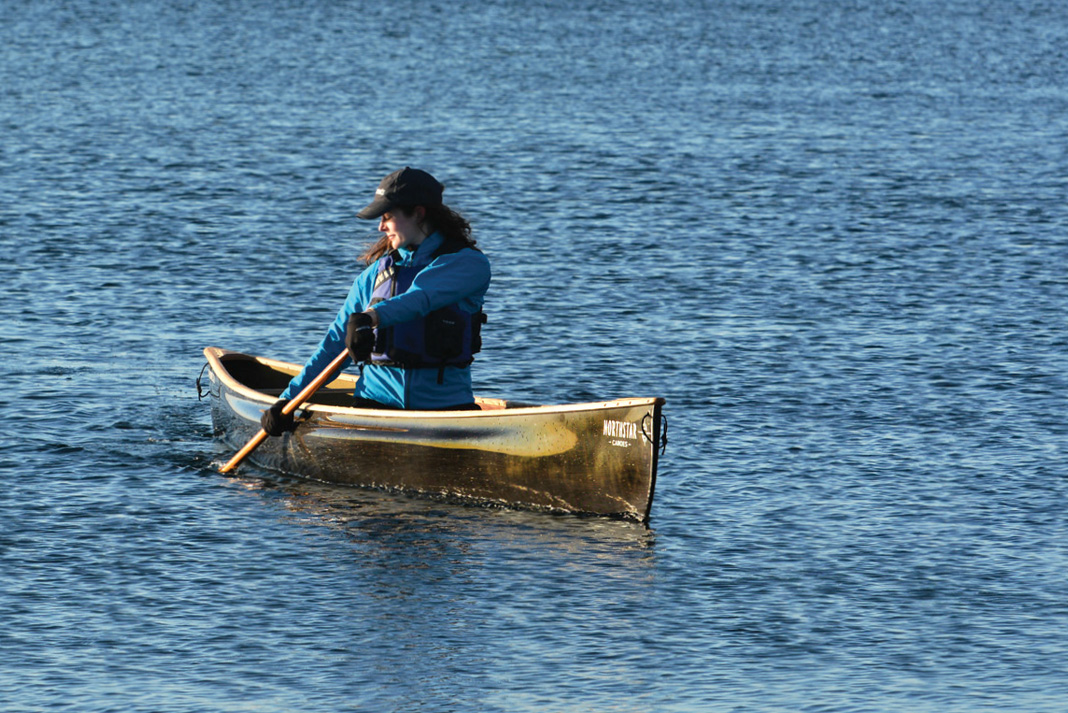
Northwind Solo By Northstar Canoes | PHOTO: GEOFF WHITLOCK

The Northwind Solo is the do-everything solo canoe

I return home with a sleek Northwind Solo. It’s one of four solo designs that Northstar makes, and the only solo in their Northwind touring series. “The Northwind Solo is the do-everything solo canoe,” advises Paulsen. “It’s perfect for canoeists who don’t want to specialize in any one type of paddling.”

Built with adventure in mind, the Solo is ideal for lake tripping, travel, and even moderate whitewater. Oiled ash gunwales, walnut and ash bow and stern decks and a low seat hung on walnut trusses make it lovely to look at. I’ve only paddled a few strokes from the dock and I already understand why this has become Northstar’s most popular solo boat just a year after its release.

Responsive and energetic, the Solo only gets better when we add the weight of camping gear. It boasts good initial stability and exceptional secondary. Two-and-a-half inches of rocker in the bow and one-and-a-half in the stern hits the sweet spot between maneuverability and fast and easy tracking.

“Traditional tumblehome can create a wet boat and carry waves in,” says Paulsen of the canoe’s shouldered flare. “We carry the flare all the way up, almost to the gunwale, instead of the widest part of the canoe being at the waterline.” It’s a dry ride in rough water and when heeled over, the Solo gets wider and more stable.

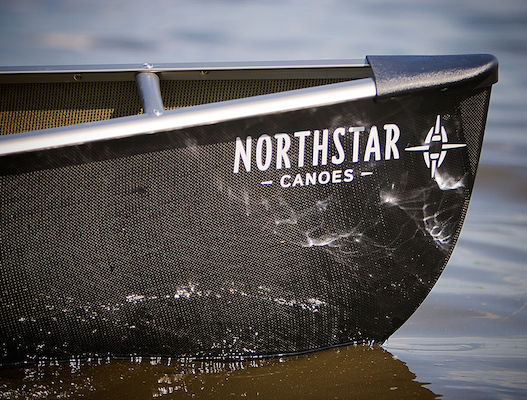
The bow of Northstar Canoe's Northwind Solo canoe
The classic design and a comfortable ride. | Photo: Geoff Whitlock

A Kevlar and carbon fiber canoe by Northstar Canoes

Longtime followers of Bell Canoe Works might recognize the Northwind Solo as an updated incarnation of Bell’s Merlin II. It’s also far more user-friendly. Famed canoe designer, David Yost returned to shape this new incarnation with his son, Carl.

[ Paddling Buyer’s Guide: View all carbon fiber canoes ]

The Black Lite material of our test model is made with a carbon outer and Kevlar inner. It’s the toughest hull Northstar manufactures and tips the scales at a featherweight 33 pounds.

“Most people think of carbon as the lightest weight; for Northstar, it’s the most expensive but not the lightest lay-up,” says Paulsen. “We add more material, using carbon and Kevlar together to create more durability than either by itself at the same weight.”

The same model is made in 100-percent Kevlar (30 pounds, $2,295). A fiberglass-and-Kevlar blend Northstar calls White Gold (38 pounds, $1,895).

Northstar Canoes is unique in that they sell a high percentage of solo boats, “About 30 to 40 percent of sales are solo canoes,” says Paulsen. “I guess you could say they have a bit of a cult following—that’s Ted’s legacy.”

Paddling a Northwind Solo canoe is like being in the most stable relationship you could ever want…with a canoe. Feature Photo: Geoff Whitlock


Screen_Shot_2015-06-12_at_11.26.38_AM.pngThis article first appeared in the Early Summer 2015 issue of Canoeroots and Family Camping magazine.

Subscribe to Paddling Magazine and get 25 years of digital magazine archives including our legacy titles: Rapid, Adventure Kayak and Canoeroots.
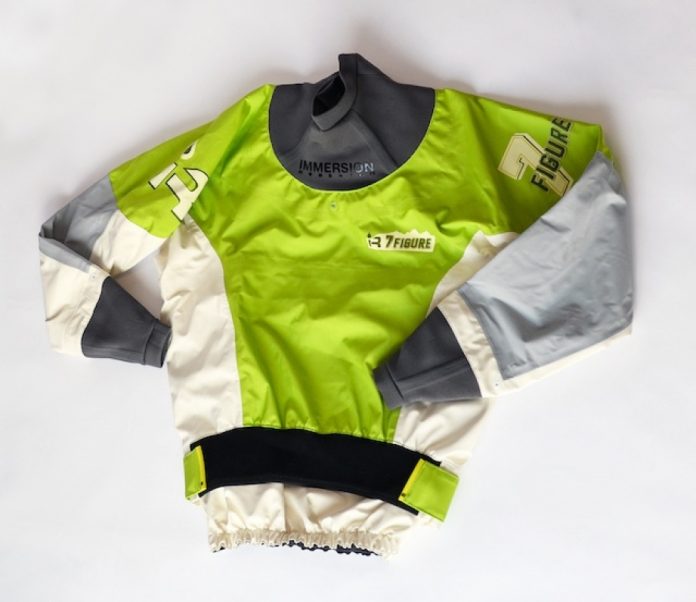
Immersion Research 7Figure Dry Top

Photo: Dawn Mossop
Immersion Research 7Figure Dry Top

Nothing beats gear that feels and looks good while performing perfectly. The 7Figure Dry Top is part of an eye-catching new line of drywear from Immersion Research. The cut and size is dialed for long days on the water. Along with being reliably waterproof, the outer shell is also thoroughly water repellant. We don’t doubt this tough top will last for the long haul.

$389 | www.immersionresearch.com

RPv17i2 Cover


This gear review first appeared in the Early Summer 2015 issue of& Rapid.


The Pumphouse

Photo: Tim Cutts
The Pumphouse

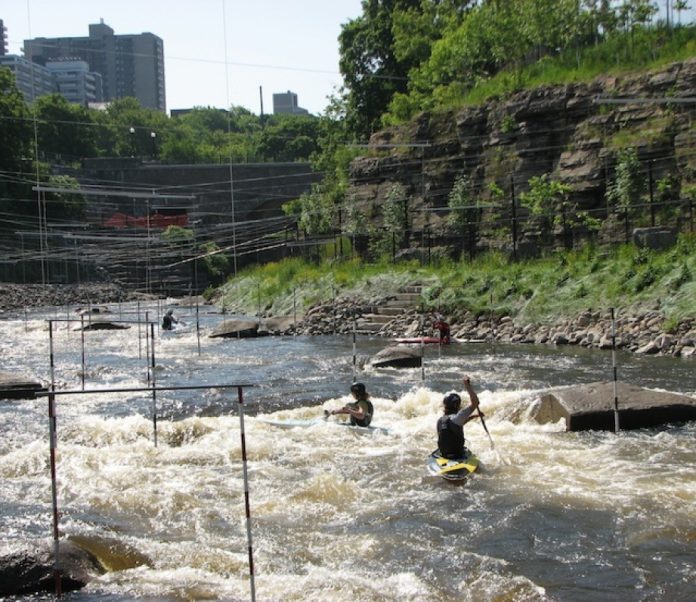
Nestled between condo buildings, bridges, roads and bike paths that lead to Ottawa’s bustling downtown core—just moments from the capital city’s Royal Canadian Navy Monument, War Museum and National Library—is a 19th century limestone pumphouse water station.

While it may not have always symbolized a metropolitan paddling paradise, to John Hastings, an eight-year member of Canada’s national kayak team, the old building pumps the lifeblood for Ottawa paddlers and the community he’s come to know.

Hastings first encountered the aptly named Pumphouse course at 14, when he visited Ottawa for a weeklong training camp. Those hours spent dipping into eddies and struggling in the bubbling water would be where Hastings mastered strokes, met the future best man at his wedding, and where he now plans to raise his eight-week-old son on the river.

The story of the Pumphouse—of its transformation from industrial outflow to whitewater playground—began long before Hastings was in the picture.

Ottawa River Runners’ club president Doug Corkery first discovered runoff from the pumphouse in 1972, when it was nothing more than an overgrown drainage ditch teaming with garbage left by decades of snow dumps. Corkery didn’t give the site a second glance until the late 80s when he realized the city would shut the water off for days or even weeks at a time.

When the flow stopped, Corkery and a handful of fellow paddlers took the ditch by storm, clearing trees with chainsaws and cleaning out rebar, oil cans and other toxic waste. Their guerilla mission to build a local slalom site meant building stairs down the embankment and rolling handmade obstacles into the ditch to form waves—an undercover operation on federal land.

At 7 a.m. on a rainy Friday morning, a National Capital Commission officer appeared, having been tipped off to Corkery and company’s activity by a nearby apartment dweller.

Corkery talked his way out of a ticket—“the officer thought it was a kind of cool idea,”—but thus began a struggle to secure permission from multiple levels of government for their every move on site.

With relentless commitment, Corkery and the paddling club dealt with lawyers, regional officials, federal bodies, construction companies and a carnival of other interested parties. The once makeshift course became a slalom success story.

Contaminated soil was removed from the site and the banks were stabilized. Some companies even donated truckloads of cement to build more stable whitewater obstacles.

The Pumphouse now attracts Olympic athletes like Sarah Boudens, James Cartwright and Michael Taylor. It was the site of the Canadian Whitewater Championships in 2000. The River Runners run kayaking camps for youth during the summer with, true to their humble beginnings, shipping containers on the banks as their change rooms and gear storage—they’re awaiting approval to add a proper building.

Every year the club puts on a race for kids. To participate, contenders each ante up a plate of cookies—winner takes all. Hastings heads to the Pumphouse to race the kids, many of whom he knows by name, hopping into a C2 and putting it all on the line for a glorified cookie medallion. Eager young paddlers seek tips and pointers as they bump boats on the same course as the Olympic contender. 


This article on whitewater canoeing was published in the Early Summer 2015 issue of Rapid magazine.This article first appeared in the Early Summer 2015 issue of Rapid Magazine. 

Subscribe to Paddling Magazine and get 25 years of digital magazine archives including our legacy titles: Rapid, Adventure Kayak and Canoeroots.