Home Blog Page 32

First Look: AIRE Hot Potato (Video)

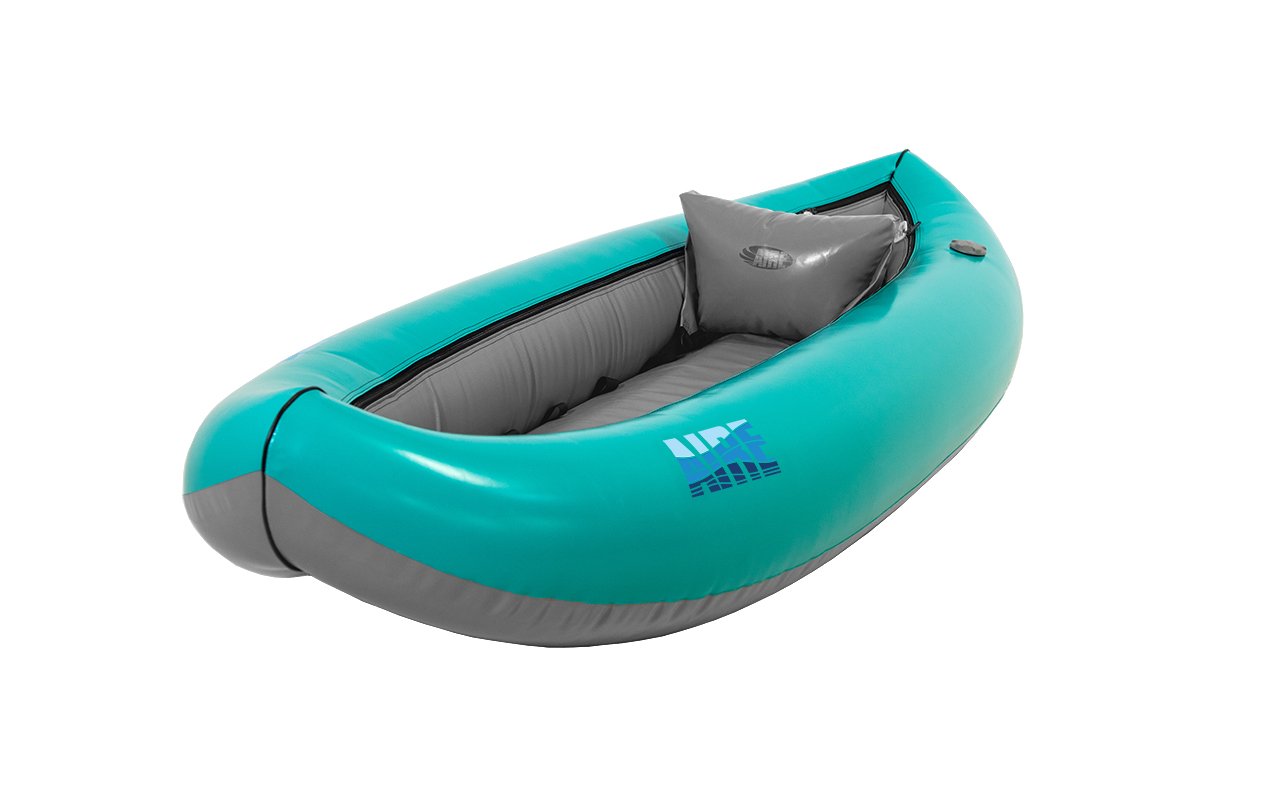
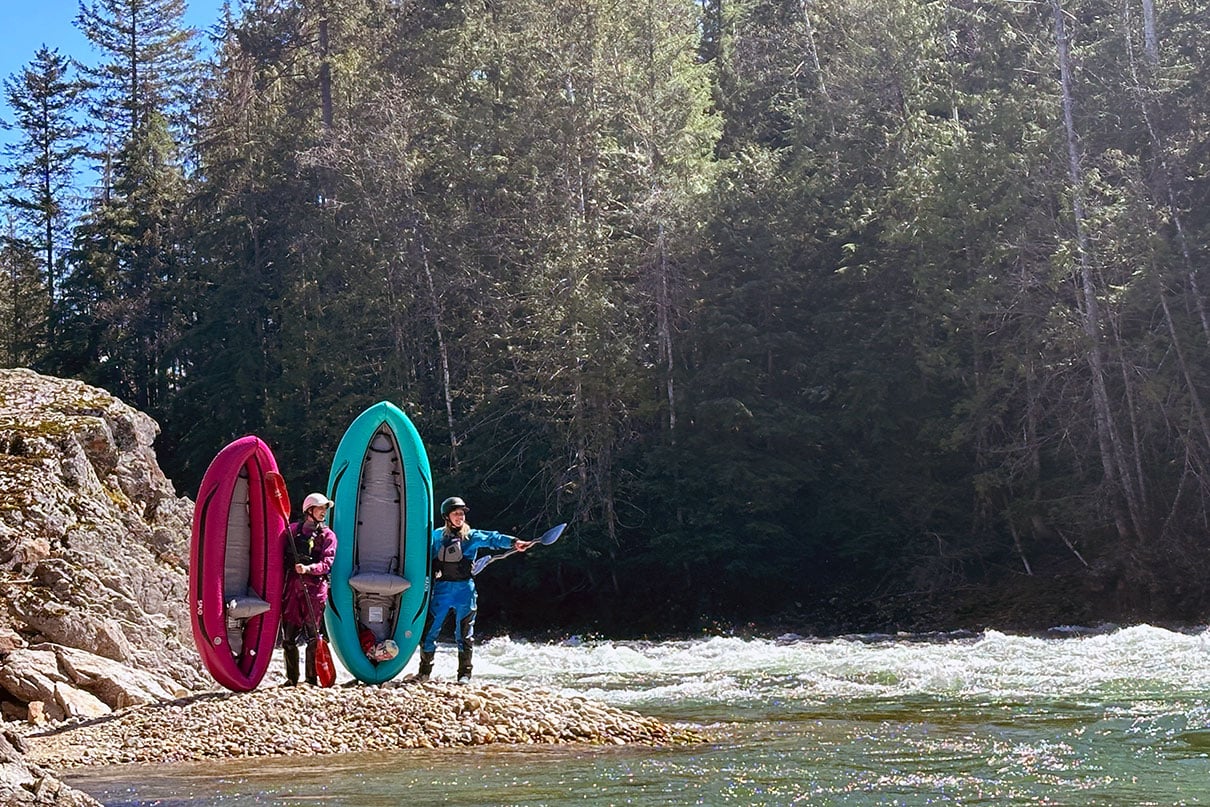
Based in Meridian, Idaho, AIRE rafts is launching a new, beefier inflatable whitewater playboat in 2025: the Hot Potato. The Hot Potato comes after the Tributary SPUD and Tater inflatable kayaks, with similar features to both but built tougher to cater to the folks using the kayaks for whitewater.

The AIRE SPUD was a youth inflatable turned whitewater playboat: enter the AIRE Hot Potato

“We wanted to stay within the potato family of names since this [the Hot Potato] is based on the SPUD specs,” shared Abigail Taylor from AIRE rafts. “It’s going to be like our other AIRE kayaks with a ten-year no-fault warranty, so you can put this thing through the trenches and we will fix it for you.”

Hot potato in Teal
The AIRE Hot Potato in Teal. Image: AIRE

The AIRE Tributary SPUD was originally made for children but caught on as an inflatable whitewater play boat. Paddlers can roll the SPUD and have tackled class IV drops. AIRE decided to make a tougher, beefier model in the Hot Potato to address the needs of the folks using the SPUD for whitewater.

Overall, the AIRE Hot Potato is a really compelling compromise for folks looking to tackle white water kayaking who aren’t necessarily comfortable in an enclosed whitewater kayak. Additionally, the Hot Potato comes with enhanced stability, increased durability and increased maneuverability according to AIRE.

The Hot Potato is available in red, orange, yellow, green, blue and teal. Thigh straps for rolling can be purchased as an add on.


Squirt Boating: The Wettest Form of Kayaking (Video)

To the one person in our reader survey who asked for more squirt boating content, this one is for you.

Squirt boating: drowning, but for fun

Squirt boating is one of the most mysterious subcultures of kayaking, not only because it saw its peak in the early 90s and has a small, devoted following but also because this type of whitewater kayaking happens largely underwater.

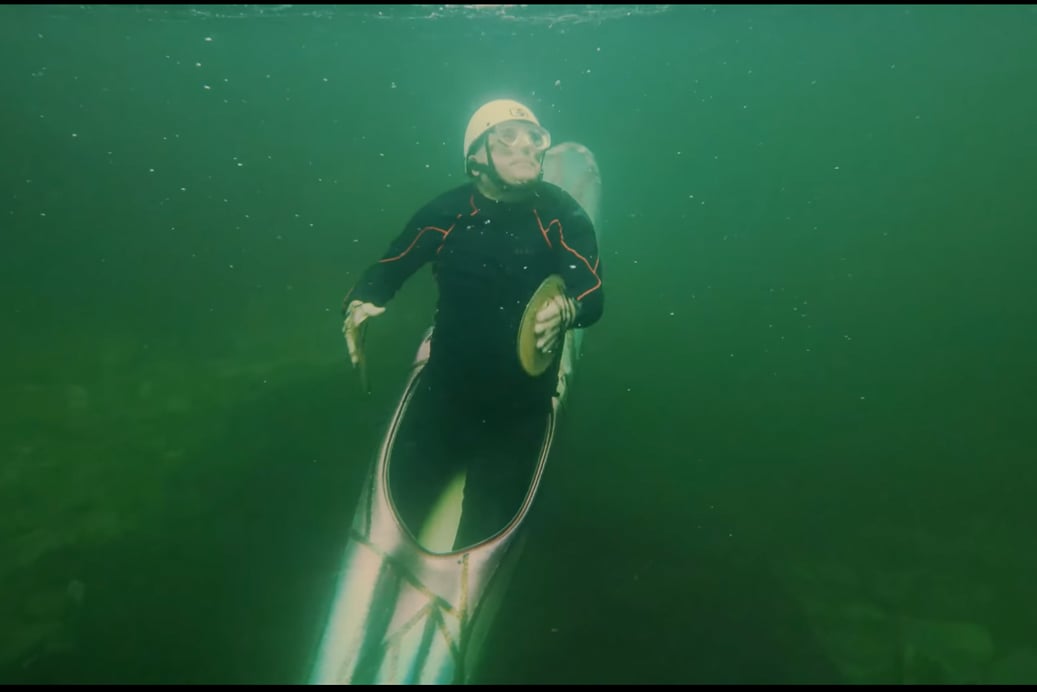
In a thin whitewater kayak with very little buoyancy and hand paddles on the hands in lieu of a traditional paddle, the purpose of squirt boating is to submerge oneself and ride underwater waves and currents. For many people, the idea of kayaking beneath the water holds very little appeal— in fact, for many buoyancy is considered chief among desirable qualities in a kayak.

@murped

#kayak #extremesports #watersport #rapids

♬ original sound – Murped

“The only reason I even know about squirt boating is because I was on a rafting trip and after we went over a set of rapids we saw this squirter pop up right behind our boat,” shared Mark Murphy while narrating a viral video on squirt boating. The comments on the viral video are rife with quips about how the sport is glorified drowning or “kayaking with less breathing”. Which speaks to one of the challenges of the sport: it’s obscure and not just because it happens underwater.

Squirt boating is incredibly niche, with a small, dedicated community. According to the NRS film The Mystery, in the nineties there were likely only a couple thousand squirt boaters in the states, while today there’s likely less than two hundred.

Squirt boating, niche and nerdy paddling subculture, and humility

The squirt boating subculture is decidedly nerdy in the way of “Tevas with socks and Dave Matthews Band kinda look”, an interviewee explained in the The Mystery, citing sparkles on boats and a vibe that rode the line between dorky and very cool as the tone of the squirt boaters of the nineties.

Squirt Boating, or whitewater kayaking on underwater currents
Squirt boating, or whitewater kayaking underwater comments. Feature Image: The Mystery by NRS | YouTube

In the 1991 brothers Jim and Jeff Snyder’s instructional film Certain Squirting is as bright with the neon colors and the coolest paddling jackets ever seen as it is filled with detailed instructions. The Snyder brothers are credited with popularizing and founding squirt boating, and Jim is responsible for the design of most of the squirt boats in existence.

In the Summer 2008 issue of Rapid Magazine, Jeff Jackson broke down the allure of squirt boating and Jim Snyder’s The Squirt Book.

“The tight-fitting, custom-built, surfboard-like kayaks were designed for neutral buoyancy—half way between floating and sinking—and to tap into underwater currents,” he explained, adding that squirt boating is about humility, about literally going with the flow, about listening to the river.

“Snyder’s book, while setting the stage for much greater things in kayaking, speaks louder now as a comment on putting the river, current and universe first. It stands in contrast to the bounce and bravado in today’s kayaking,” Jackson added.

Ultimately, squirt boating is about getting up close and personal with the river, about challenging yourself on and in the rapids in a way that isn’t flash– oftentimes it isn’t even visible. As the nineties trends like film photography and vintage bright windbreakers make their way back into the spotlight, maybe there’s a place for squirt boating in the mainstream too.


Q&A With Charlie Walbridge On 30 Years Of River Rescues

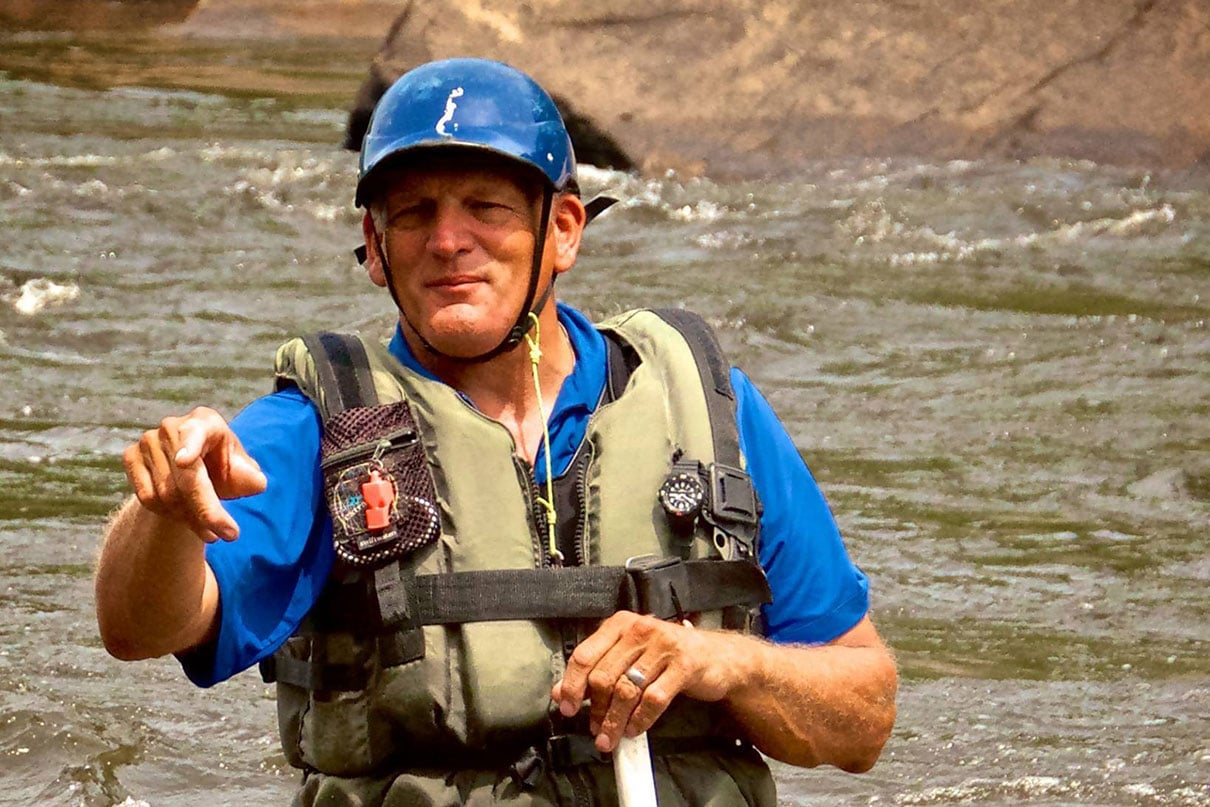
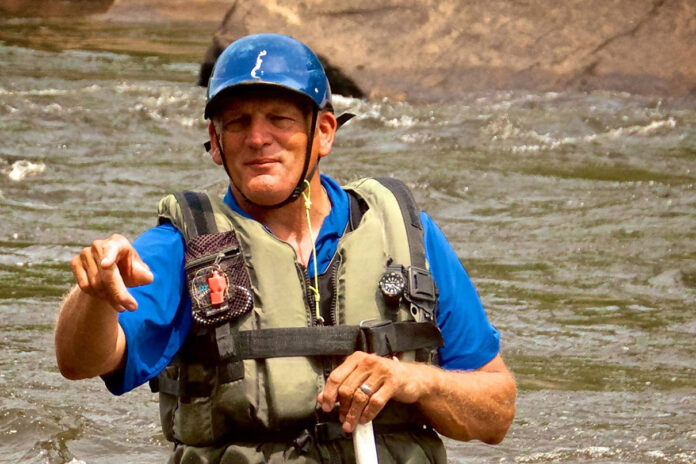
Charlie Walbridge, author of Whitewater Rescues, stands and points in a knee-deep river with rescue gear and paddle
Charlie Walbridge has been the keeper of the American Whitewater Accident Database for 30 years. The lessons learned and practices developed from the data have saved countless lives. | Feature photo: Courtesy Charlie Walbridge

No name is as synonymous with river rescue as Charlie Walbridge. Walbridge was a driving force in kayak and canoe instruction at its dawn in the 1970s. He co-created the swiftwater rescue clinic and literally wrote the book on it.

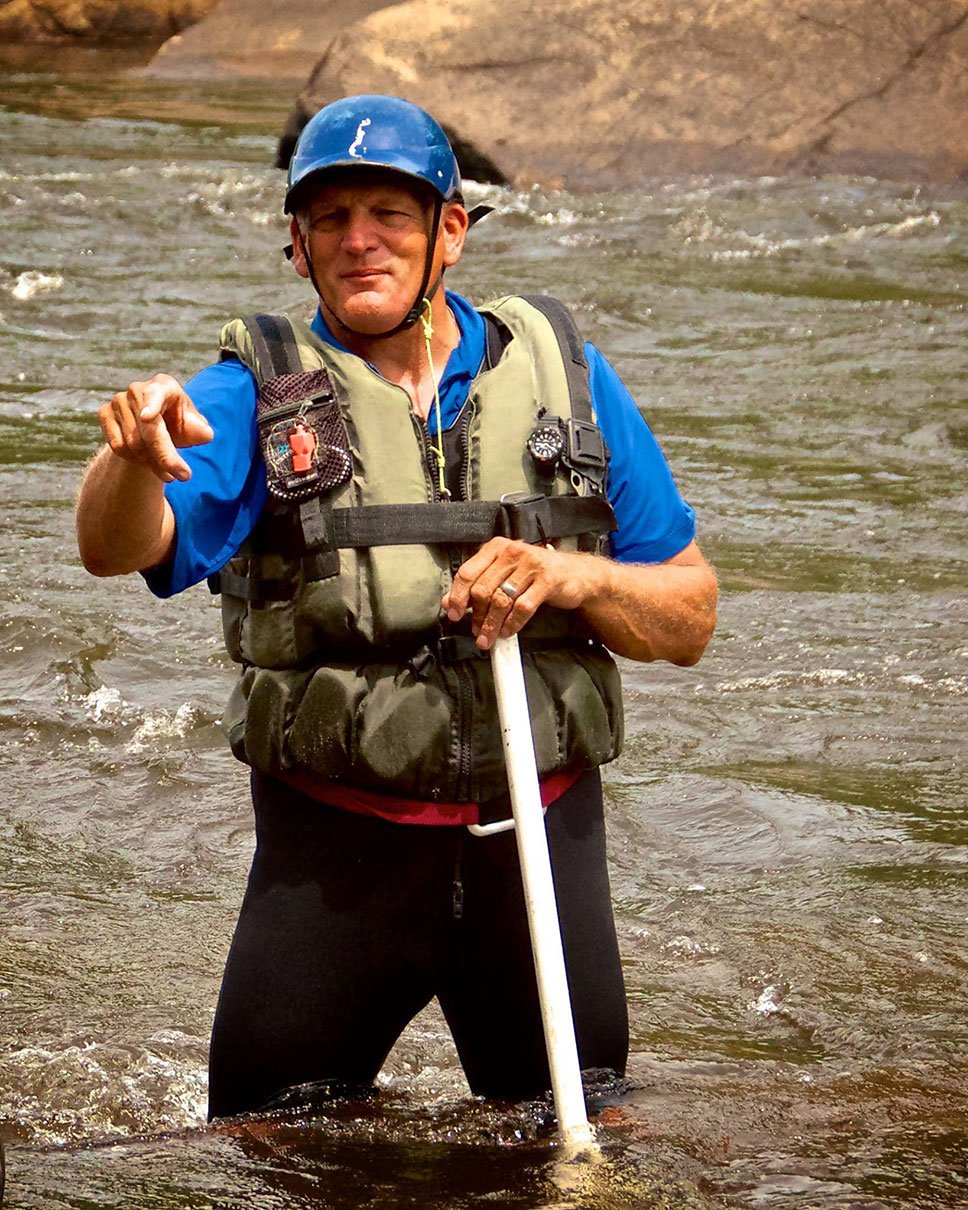
Charlie Walbridge, author of Whitewater Rescues, stands and points in a knee-deep river with rescue gear and paddle
Charlie Walbridge has been the keeper of the American Whitewater Accident Database for 30 years. The lessons learned and practices developed from the data have saved countless lives. | Feature photo: Courtesy Charlie Walbridge

For three decades, Walbridge has also volunteered as the chronicler of American Whitewater’s Accident Database, an indispensable trove of incidents providing empirical knowledge to the river-running community. The database holds more than 3,000 accounts. The majority have unfortunate endings in a sport we pursue to live life to the fullest. However, because of Walbridge’s decades dedicated to sharing insights from the data, an incalculable number of paddlers’ lives have also been saved.

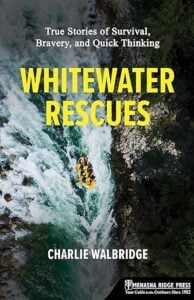
These are the stories Walbridge shares in his new book, Whitewater Rescues: True Stories of Survival, Bravery, and Quick Thinking.

Q&A with Charlie Walbridge on 30 years of river rescues

When was the first swiftwater rescue you were involved with?

In 1975 at an icebreaker slalom. There was a guy caught underwater. I was coming down the course and I pulled over and we ran downstream. Nobody knew what to do. It was a fatality. I was really upset and asking people questions. I found out the guy had been trying to stand up when he washed over a ledge, and his foot got caught under a rock. I wrote the accident report and it was published in several canoe club journals. I got a lot of feedback from people saying something similar had happened on their river. It turned out to be the first description of a foot entrapment.

cover of Whitewater Rescues by Charlie Walbridge

Why did you decide to write this new book, Whitewater Rescues?

Writing about fatal accidents, it’s really useful to learn as much as we can. The whole purpose of what I do is to get people talking. But it’s pretty depressing. We also get near-miss reports and they haven’t really been the focus before. It took me a while to realize what we had. I was going through every near miss over the last 45 years and realized there’s good stuff there, too good just to sit in the database. These are amazing stories, and they’re not depressing. They’re stories of ingenuity, courage and persistence.

Where are the biggest takeaways you’ve seen over the years in river running safety?

We are much more knowledgeable about risks. Second, are the techniques swiftwater rescue has developed for dealing with those risks. For instance, in that first rescue I was present for, now, there would undoubtedly be people there who know how a stabilization line or a cinch works, and they would’ve made a real effort to get the guy out quickly.

Who eventually carries on your legacy in accident reporting?

I don’t think it’s going to be easy to find a volunteer to do what I’ve been doing. I suspect that for this to be successful, it’s going to have to be a staff position. When I’m done, I’m done. I have no timeframe in mind. I enjoy it. I plan to keep doing it, but I’m 75 years old and life moves on.

What’s kept you enjoying paddling all these decades while carrying a burden like the one you have for the whitewater community?

Well, it’s not a burden. When I hear about something, I want to find out what happened, like any other reporter. I talk to people, get the story and put it out there in the words of the people who were there. It’s fascinating and rewarding. And when I’m out on the river, I’m not thinking about that sort of thing. I’m just out with my buddies.

Rivers are incredibly beautiful. But it’s the people. When I think about the stories I tell, they’re often not about the rivers. They’re about people and the things we did together.

Cover of Issue 72 of Paddling MagazineThis article was first published in Issue 72 of Paddling Magazine. Subscribe to Paddling Magazine’s print and digital editions, or browse the archives.

Charlie Walbridge has been the keeper of the American Whitewater Accident Database for 30 years. The lessons learned and practices developed from the data have saved countless lives. | Feature photo: Courtesy Charlie Walbridge


REI Closes Experiences Business, Laying Off 400+ Employees

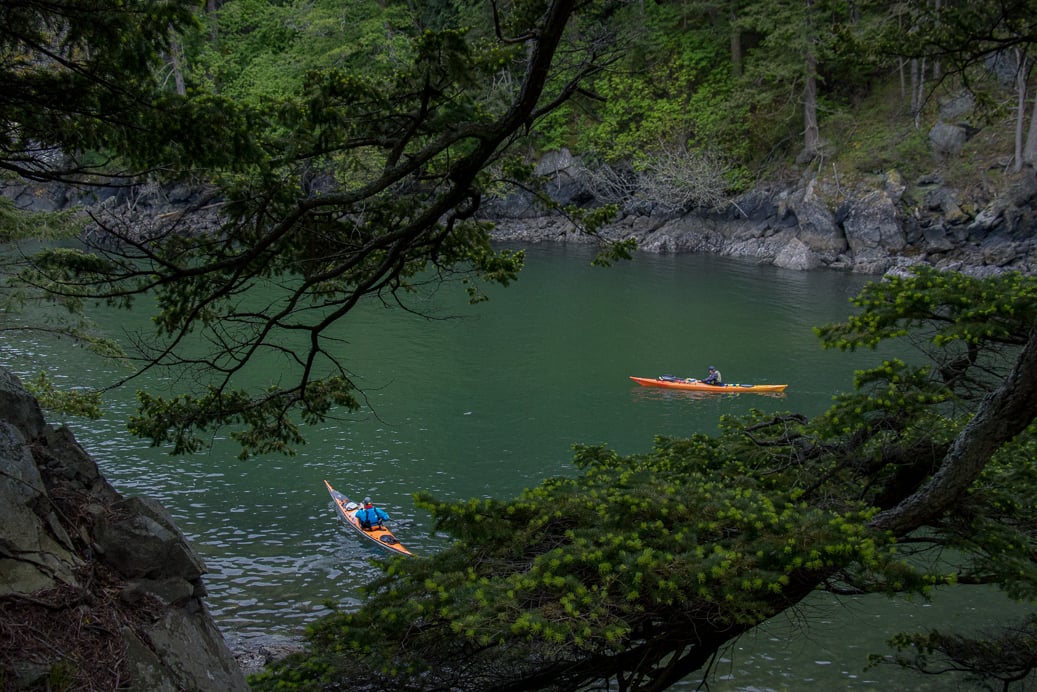
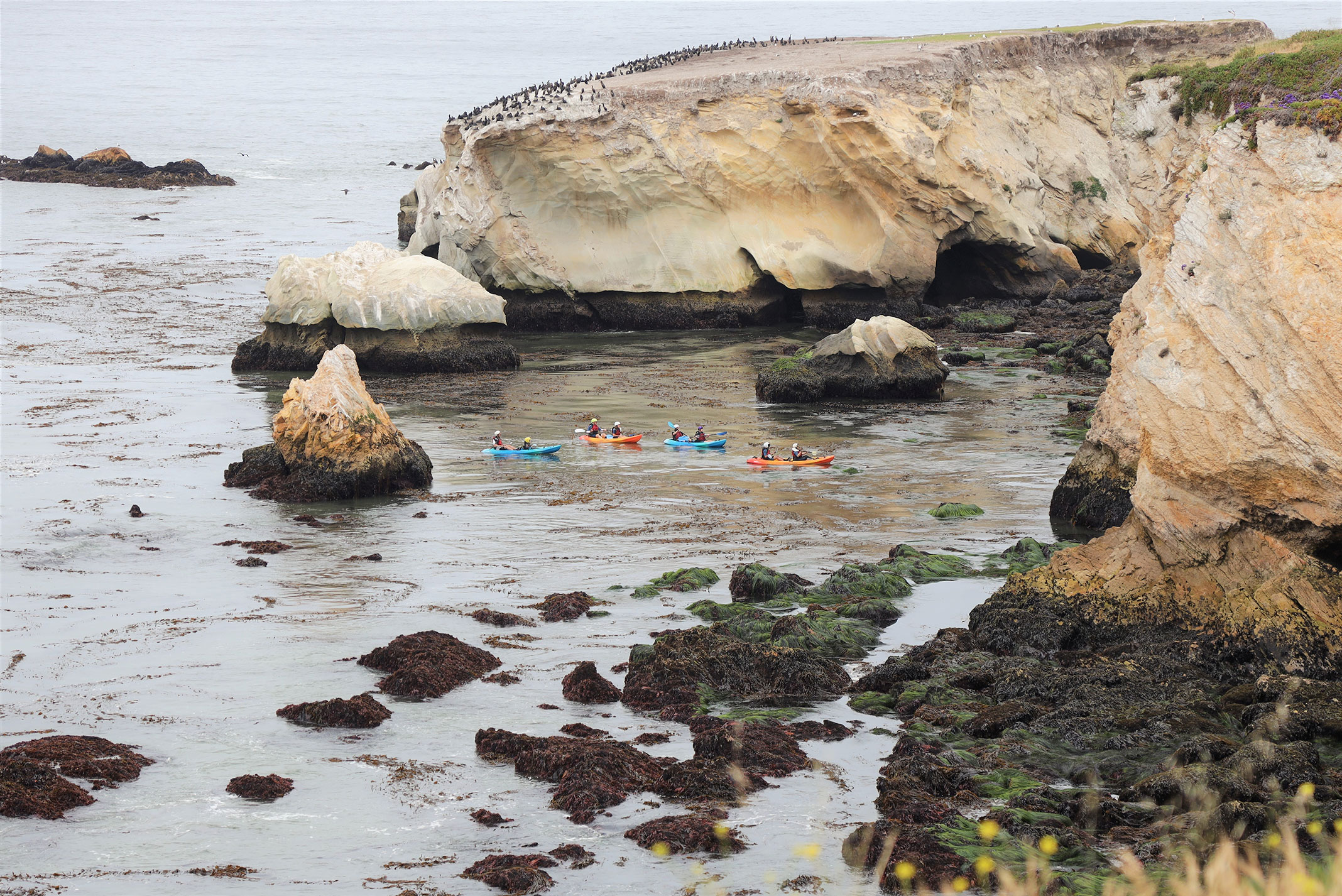
Sea kayaking trips in the San Juan Islands cancelled in wake of REI closing Experiences business
In the wake of REI ending its Experiences business, 29 paddling trips have ben cancelled for 2025 including San Juan Islands sea kayaking trips. Feature Image courtesy Maddy Marquardt

On January 8, 2025, REI president and CEO Eric Artz announced that REI would end its Experiences business. The Experiences business has been around for 40 years, and includes adventure travel, day tours, and classes.

Headquartered near Seattle, Washington, REI is the United States’ largest consumer co-op with 24 million members, specializing in outdoor and camping gear.

Over 400 employees, 180 full-time employees and 248 part-time guides’ jobs were eliminated.

REI ends Experiences business after 40 years, with 26 paddling trip options cut

“Earlier this morning we shared with our Experiences team that after a thorough review and careful consideration, I have made the difficult decision to exit the Experiences business altogether, effective this week,” Artz wrote in the January 8 email to staff. Artz went on to explain that the program was not profitable and the co-op plans to return focus to “sustainable, profitable growth.”

The Experiences business has been a part of REI for over 40 years, providing guided adventure travel trips in various disciplines, including paddling, day trips, and classes. Final trips will be running mid-January, with all trips departing on or after January 15 cancelled.

In total, 19 kayaking, two canoe and five rafting trips options were cut in 2025 as well as a number of other climbing, backpacking, and multi-discipline guided outdoor trips and Wilderness First Aid and Wilderness First Responder courses. While some of these trips were outfitted entirely by REI in-house, many of these trips were contracted through small, local outfitters.

In his email to employees, Artz assured the Experiences team that they have worked extremely hard and created “wonderful experiences for nearly one million people over those years” and that they had done nothing wrong. Artz explained the business decision, stating that in 2024, Experiences served 40,000 customers, making up less than 0.4 percent of all co-op customers. He also shared that Experiences cost significantly more to run than it was bringing in.

“When we look at the all-up costs of running this business, including costs like marketing and technology, we are losing millions of dollars every year and subsidizing Experiences with profits from other parts of the business,” Artz wrote.

Artz also stated that every full-time employee laid off will continue to receive regular salary through March 9, and active benefits through the end of March, while part-time employees will remain “benefits-eligible through January 2025 and will also be eligible for a severance payment.” Additionally, employees who split time between Experiences and Stores may have the option to continue employment.

2025 REI Experiences layoffs impact employees, outfitters, and customers

Plans are in motion to update customers and partners, Artz shared. Customers currently booked on trips will receive a “full refund of all costs paid to REI.” Travel partners with REI, including small, local outfitters across the U.S. will also be impacted, with Artz sharing that REI would “begin informing partners this week and will work with them to terminate our existing contracts.”

Additionally, many kayaking outfitters who had partnered with REI to provide gear and in many cases guide their vendor-model trips are also significantly impacted.

“I would guess that it’s an equal or greater number of people that are losing their jobs from the vendor network than there are actually REI employees,” shared Brian Goodremont, of San Juan Outfitters in Washington. San Juan Outfitters has partnered with REI for 16 years to lead sea kayaking trips throughout the San Juan Islands, as well as a number of multi-day backpacking and multisport trips throughout Washington State.

Sea kayaking trips in the San Juan Islands cancelled in wake of REI closing Experiences business
Cancelled trips include a number of San Juan Islands sea kayaking trips for 2025. Feature Image courtesy Maddy Marquardt

“Everything that REI advertised and delivered in Washington State was us,” explained Goodremont, adding that San Juan Outfitters itself will be experiencing layoffs as a result. “It will take a significant amount of time to rebuild our business to where it was because to work with a partner like REI you have to sacrifice a lot of your other business.”

“I would typically employ 40 seasonal guides and 10 full-time year-round staff with benefits, and my seasonal staff is going to decrease by almost two thirds… I will probably lose two to three full-time year round support staff,” Goodremont added.

The news comes not only as a hit for the Experiences team and travel partners, but for travelers who used and loved the program as well.

“My experience with REI guides over the years has been so positive. I’m really upset about REI dropping the experience division of their company. I spent so much money at REI leading up to each trip,” Amanda, who asked to be identified by first name only, shared with Paddling Mag.

According to a source who asked not to be named and who had a headquarters position within REI Experiences, about 300 of the people laid off were field staff and guides, while 130 had positions in headquarters.

“I’m sad but I’m not shocked,” shared the former REI Experiences headquarters employee. “This is an incredible loss for REI. It’s the heart and soul of REI; it’s the actual getting outside.”

The former REI Experiences staffer shared that on January 7 they received an email for all employees to join a Microsoft Teams meeting at 8:30 a.m. PST the following day from a headquarters device. During the meeting, everyone’s mics were automatically shut off.

“The Experiences vibe was so fun and everyone was really passionate, and family. I had never worked on a team that was so big into celebrating each other,” shared the former employee. “The Teams chats on meetings would be really really silly and fun… the fact that we were all muted, shut off, there was no chat, was somber. Everyone was off camera.”

Despite the loss of REI Experiences business, the former headquarters employee remained hopeful, stating “such a bright pool of talent is ripe for the taking for competitors”.

What comes next for REI?

“We continue to believe there is a role for REI in outdoor education and expertise,” Artz shared in the email. “However, we need to reexamine and rework how we deliver classes and education to ensure they’re relevant to our customers, aligned to our mission and financially viable. We are funding a small team to innovate and test in this area in 2025.”

“Our goal must always be the long-term financial health of the co-op, and while today’s decision is a difficult one, it is necessary.”


When To Trust Your Fear In The Backcountry

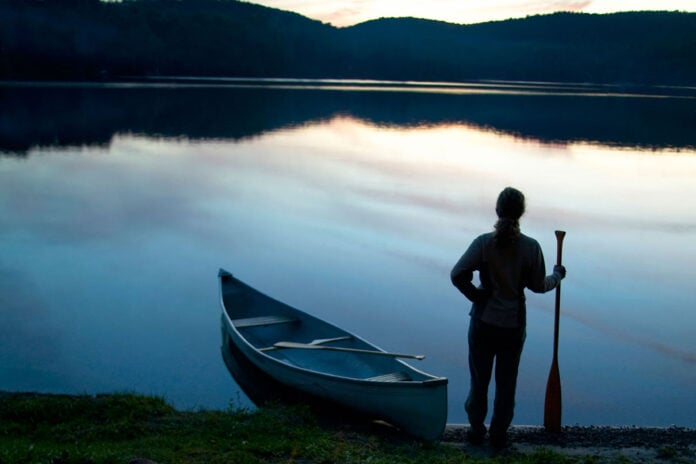
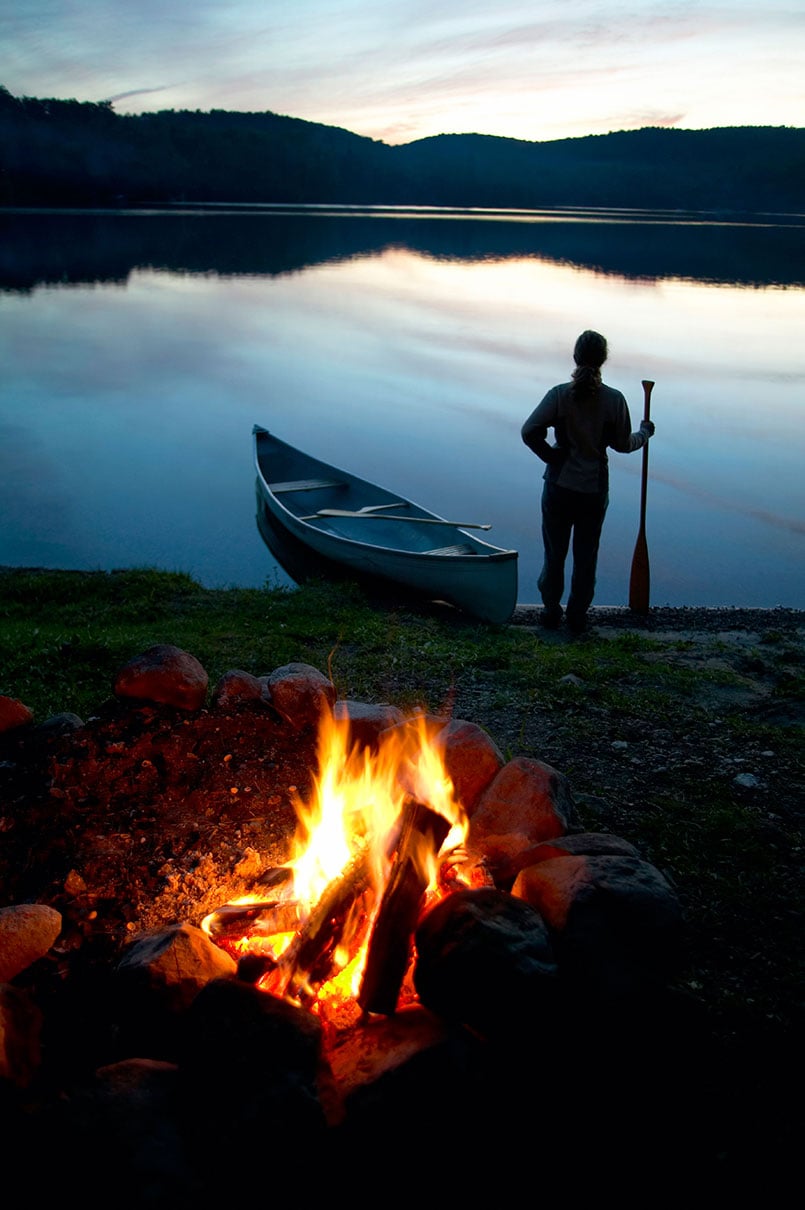
person stands at dawn or dusk holding a canoe paddle beside a canoe parked at the shore of a calm waterway with hills behind
Gut instinct: reliably guiding you to safety and snack time. | Feature photo: Roderick Chen/Alamy

“Trust your gut,” they say. It’s the most common advice when faced with the unknown. But at the start of a four-day backcountry trip with two girlfriends, I can’t tell if this uneasy rumbling in my belly is my intuition talking or the spicy roadside burrito from lunch.

We arrived at a wilderness campsite with three sites clustered together. When I hastily planned this trip two nights prior, no one else was booked here. Now, a shirtless man is set up at the neighboring site 50 meters from us.

“Hey there,” we call out as we approach. He says nothing but sizes us up as we portage by. Weird.

When to trust your fear in the backcountry

We should leave, I think. But I don’t say it out loud. It’s one friend’s first backcountry trip, and I don’t want to ruin it by overreacting. On our sun-kissed piney campsite, I ignore my percolating worry about the shirtless stranger, our relative isolation and the lack of cell service. We put up the tent and start dinner. There are three of us; everything will be fine.

person stands at dawn or dusk holding a canoe paddle beside a canoe parked at the shore of a calm waterway with hills behind
Gut instinct: reliably guiding you to safety and snack time. | Feature photo: Roderick Chen/Alamy

The next two hours were surreal. Our neighbor paddled vigorous circles around the small lake, the only way to get a clear view of our site perched above. He then blared 1940s jazz tunes, including “Jeepers Creepers,” the theme song of a 2001 horror movie by the same name. As dusk settled, he started shouting curses from his site.

“This is weird, right?” Mel asked after the second outburst. Hell, yes. But the weirdest part was we were still there at all.

When darkness fell and our neighbor’s flashlight suddenly panned through the woods behind our site while he screamed obscenities, we pulled the plug. Setting a record for the fastest takedown, we hustled out of there, one teeny-tiny blade on a multitool held between us. We camped hidden in a bushy ditch back at the parking lot where we’d been dropped off and fell asleep listening to the cries of coyotes.

The rest of the trip passed without incident, but I’ve often thought back to this encounter. Of all the strangers I’ve met in remote areas—almost all kind, helpful and generous—how did I know this unremarkable guy was trouble from the first moment? And why didn’t I listen?

Tapping into your intuition

Years prior, before I pedaled off on a six-month solo cycling tour in Asia, my mom insisted I take a self-defense course. After pummeling me, the instructor recommended reading The Gift of Fear by Gavin de Becker. The bestselling author is a private security specialist focusing on personal safety, but his advice on disentangling real danger from mere anxiety and why you should never ever ignore your gut feeling is relevant for every outdoor adventurer.

According to de Becker, gut feelings aren’t mystical, woo-woo, unexplained phenomena. Instead, they are the subconscious mind rapidly processing information without conscious awareness. Intuition isn’t a sixth sense; it’s simply unconscious observation.

According to de Becker, intuition evolved to alert us to danger before logic can catch up. Too often, we ignore or rationalize it away.

Sound familiar?

Hindsight is 20/20. Get off the water early and batten down the campsite before an unexpected ferocious storm rips through and feel vindicated. But if I had packed up every time I lay awake, imagining marauding bears while field mice snapped twigs outside the tent, I’d never make it past the first night on any solo trip.

Distinguishing between imagined danger and intuition is crucial to making effective decisions. De Becker describes intuition as a calm, clear feeling prompting specific action. Helpful. On the other hand, anxiety is often diffuse and noisy, overwhelming us with endless what-ifs. Not helpful.

With that distinction, the advice to trust your gut can be an actionable safety tool instead of a well-worn cliché.

Editor-in-chief Kaydi Pyette has wild camped on self-propelled trips all over the world. A stranger once burst into her tent, but it was a curious four-year-old boy who invited her for dinner with his family. She listened to her gut and accepted, of course.

Cover of the Summer 2024 issue of Paddling Magazine, Issue 72This article was first published in Issue 72 of Paddling Magazine. Subscribe to Paddling Magazine’s print and digital editions, or browse the archives.

Gut instinct: reliably guiding you to safety and snack time. | Feature photo: Roderick Chen/Alamy


Paddleboarder Rescues Man Who Fell Through Ice On Jet Ski (Video)

On December 26, 2024, on Long Island, New York, a man rode his jetski onto a semi-frozen part of Poopspastuck Creek, and broke through the ice. Witnessing from her window, 28-year-old Kayla Masotto was quick to action, tossing a jacket over her pajamas and grabbing her paddleboard.

Her younger sister filmed while Masotto took to the ice.

Harrowing ice rescue by paddleboarder on Poopspastuck Creek

“I was putting my weight on the front of my board and pushing hard,” Masotto shared in an interview.

In the video shot by Masotto’s younger sister, Masotto quickly works through the best method to get herself and her paddleboard across the ice and out to the victim without breaking through the ice herself. She begins by laying prone on the board and attempting to scoot. Masotto quickly finds that to be ineffective and switches to a different tactic.

Masotto then tries to scoot from the kneeling position on the board before switching tactics again, opting to put her weight on her hands on the board and use her legs to propel her and the board across the ice.

When Masotto reached the man, she used her paddle to help pull him toward her paddleboard. Kneeling and keeping a low center of gravity on the paddleboard, Masotto held her board steady while the man climbed out of the water and onto the front of her paddleboard, also keeping low to the board with Masotto’s help.

Other rescuers from the nearby marina joined Masotto on the ice with paddlecraft of their own, and tossed Masotto and the victim a rope to pull them off the ice and to safety.

“His hands, fingers, legs, his whole body was numb,” Masotto said. “He had let me know that he really thought he was gonna die.”

“Kayla just saved this man’s life,” Masotto’s younger sister says at the end of the video she filmed of the ordeal.

After rescue, Masotto and other good samaritans honored in a ceremony

Masotto and the other rescuers were recently honored by first responders in a ceremony, where Masotto met with the man she had saved and his family.

“He brought me flowers and said that I was his guardian angel,” said Massotto.

According to the Mastic Fire Department, at 12:30 p.m. on December 26, the department was activated for a cold water rescue at Poopspastuck Creek. Thanks to Masotto and the other good Samaritans on the scene, the victim was recovered from the water and experiencing the early effects of hypothermia as first responders rallied to the scene, according to a post on Facebook.

“This is what I want the message to be going into 2025,” Kayla shared in an interview. “We all need to look out for each other and help each other.”

While Masotto’s quick thinking and bravery saved a life, the incident highlights safety measures every paddler should follow: Always wear a PFD, dress for immersion, and use a leash on your paddleboard. These precautions not only help ensure your safety but also your ability to help others in an emergency.

Feature Image: Kayla Masotto shares the story of the ice rescue. Inside Edition | YouTube


Alpacka Raft Launches New Mage Whitewater Packraft

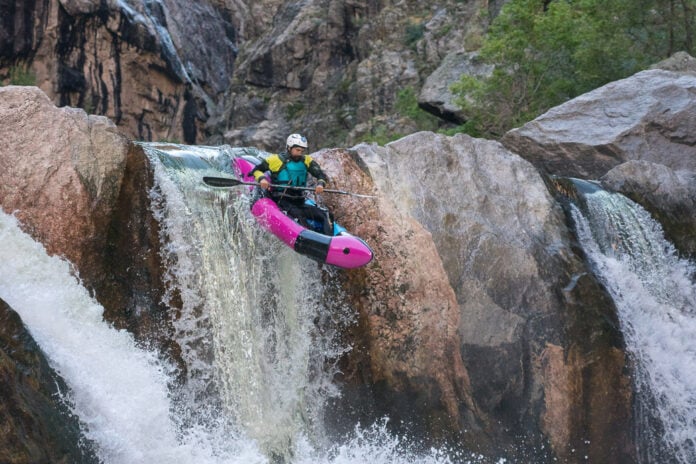
New Alpacka Rafts Mage descends waterfall
The new Alpacka Rafts Mage tackles a waterfall. | Feature photo: courtesy Alpacka Rafts

Alpacka Raft has launched the all new Mage, a packable whitewater packraft designed for intermediate to advanced whitewater along with updates to four other Alpacka lineups in their 2025 updates.

Colorado-based Alpacka Raft was founded in 2000 by Sheri and Thor Tingey, a mother and son team, and the rafts are designed and handmade in Mancos, Colorado.

“The Mage represents the pinnacle of our passion and ingenuity. It’s light, lightning-fast, and handles large whitewater incredibly well,” shared Thor Tingey, Alpacka Raft CEO and co-founder. “We are already inspired by what paddlers are doing with it, and we can’t wait to see where they take it next.”

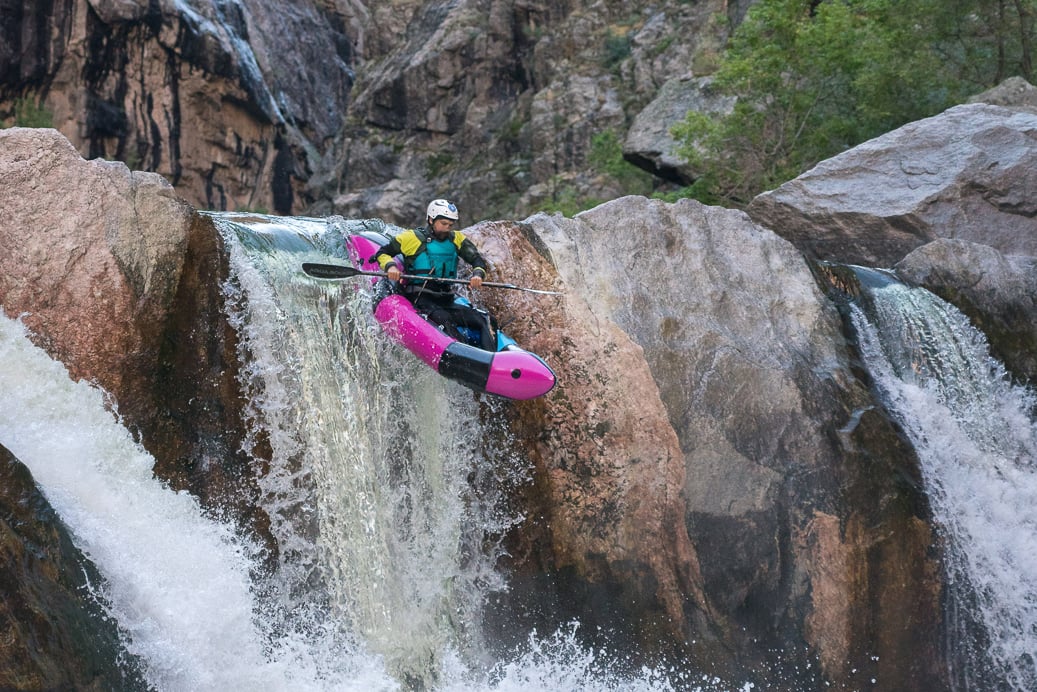
New Alpacka Rafts Mage descends waterfall
Featured Image: The new Alpacka Raft Mage. Image courtesy Alpacka Raft.

The new Alpacka Raft Mage cuts weight while retaining speed and volume

The Mage sports a whitewater-style hull and the best of the performance features from the Valkyrie V3, culminating in the most responsive, fastest and smoothest traditional whitewater packraft from Alpacka Raft yet, according to a press release.

Despite having increased cargo capacity compared to the Valkyrie, the Mage weighs less than the Valkyrie at 10.7 lbs with the self-bailer, or 11.75 lbs with the whitewater deck compared to the Valkyrie at 13.9 lbs. A narrow and longer hull on the new Mage makes for a longer waterline, increasing speed and improving tracking.

Additionally, the Mage sports a slight increase in bow and stern rocker and a one-piece dropped floor with a full-length inflatable pad. Paddlers can expect this to boost edging, secondary stability and efficiency compared to the Valkyrie without sacrificing speed, according to Alpacka. The Paddling Mag teams look forward to field testing the Mage in Spring 2025.

The Mage is available both in a whitewater deck and self-bailing configuration. Pricing starts at $1,600.

Other changes for Alpacka Raft in 2025

In addition to introducing the new Mage whitewater pack rafting design, Alpacka Raft has also updated the Caribou, Expedition, Refuge, and Gnarwhal designs. The Wolverine model has been replaced. Meanwhile, the long-longest-running Alpacka Raft packraft, the Classic, has been retired.

“Our packraft lineup includes a model for every paddler type. We are continuing to move forward and push the limits on design while providing options for everyone,” said Tingey. “From mellow river runs and fishing trips to demanding backcountry outings and challenging whitewater, and everything in-between, our lineup delivers something special for everyone who wants to use a packraft to access locations they otherwise couldn’t.”

Combating “Shrink It And Pink It”

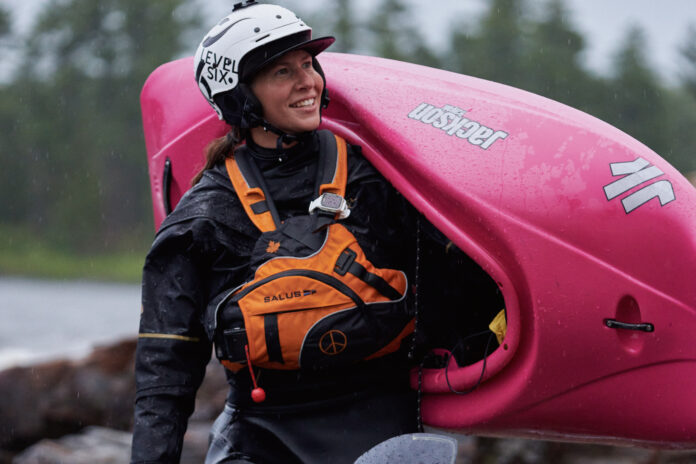
Level Six women's drysuit

In November 2024, Level Six launched the Freya Drysuit Design Feedback Survey, seeking input on measurements, fit and stories from paddlers who have experiences with women’s or non-unisex drysuits.

In all, 480 people filled out the survey, representing a niche population of an already niche sport — women’s drysuit users. According to Morgan Lirette from the Level Six team, the average user spent a half hour filling out the survey and a variety of age groups and skill levels were represented.

Kokatat launched the first women’s paddling drysuit in 1995. Today, every major drysuit manufacturer makes at least one women’s option. After 30 years of innovation and refinement in women’s drysuits, what’s unique about Level Six’s initiative is that they’re collecting user-driven data and hundreds of personal anecdotes about how drysuit fit has affected women as data for future updates to their drysuit line.

“We can’t say we’re creating accessible and inclusive gear unless we’re looking at who our gear actually fits, and does it actually fit and work for our clientele,” shared Lirette.

“Making a drysuit that has a better fit doesn’t necessarily mean that more people are going to buy it… but for people who really are looking for a drysuit that is well thought-out and has fit in mind it is going to be a game changer, more than just owning drysuit that gives you the ability to paddle,” Lirette added.

“Shrink it and pink it” in outdoor sports

Many sports come from a long legacy of “shrink it and pink it”, or the practice of taking products designed for and often by men, scaling those products down in size and making them pink or traditionally “feminine” without actually altering the product design to meet the needs of users. While the outdoor industry has made efforts to better consider the distinct needs of female paddlers, there is still a long way to go when it comes to leveling the playing field.

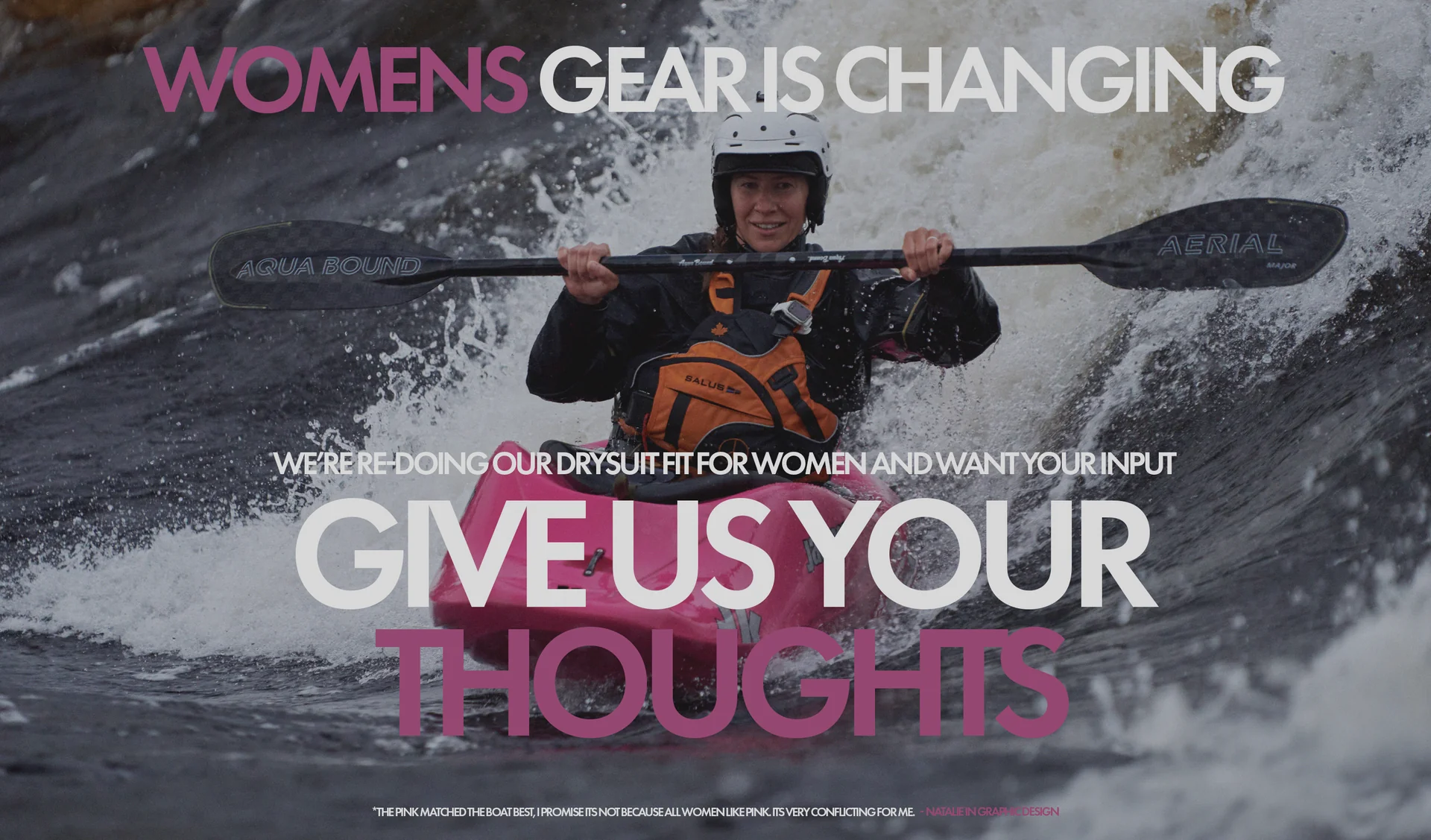
Image from the Level Six Freya Drysuit survey
“Womens gear is changing,” reads the landing page on the Drysuit Design Feedback Survey. | Image courtesy Level Six

Anecdotally, the most common gripes women report are that their drysuits fit too tightly in the hips, bust, and thighs. Or, when a drysuit does fit in those places, some report excess fabric length-wise or in height.

But how does one quantify the importance of gear fit beyond the conversations of women and people who don’t fit the unisex drysuit well?

Lirette shared that while measurements were an important part of the Freya Drysuit Design Feedback Survey, it was just as important to get context beyond the measurements. Put simply, what are the effects when a person cannot find outdoor gear that fits them well? What are the stakes of a lack of inclusive sizing?

Why drysuit fit matters in paddling skill development

“A lot of the comments and responses we got were extremely personal, extremely passionate people sharing how this [drysuit fit] has affected them—their mental health, body image, their paddling skills and abilities,” Lirette shared.

Which, of course, makes sense: bodies are personal. A drysuit is an important piece of gear for paddlers looking to advance their skill set and practice rescues. Drysuits keep a paddler dry when in the water and extend the paddling season from summers and warm water exclusively to anywhere and anytime there is open water to paddle.

Too tight, and a drysuit can restrict motion. Too large with excess material, drysuits can snag, get in the way and also restrict motion.

A paddler who can’t find a drysuit that fits them well will not be able to practice effectively in colder water, preventing that paddler’s skills from progressing. This holds true for outdoor gear well beyond the realm of paddling: a hiker who cannot find a backpacking bag that fits their body has an additional barrier to becoming an accomplished backpacker.

Gear fit is a concrete barrier for many people in outdoor sports when it comes to building skills, but it also has more subtle effects that can be even more difficult to quantify. Drysuit fit is personal for paddlers of many skill levels, including Lirette, who, in addition to her role at Level Six, has worked as a whitewater kayaking instructor on the Ottawa River.

“I had a time period where I felt that my growth as a paddler had kind of stagnated,” Lirette shared. “We are so lucky that the Ottawa River is warm water, warm weather paddling in the summer, but anything shoulder season is not… there was a point where I was really struggling to find a drysuit.”

The typical drysuit runs anywhere from $800 USD to $1,500 USD, making it one of the most expensive pieces of paddling gear beyond a boat itself.

“If I’m investing that much in something that isn’t going to fit? I’m not going to be comfortable, that’s what I’m going to be preoccupied with, thinking about when I’m trying to paddle harder stuff,” Lirette added. “I’m not going to do well.”

“It’s a barrier that just shouldn’t exist. For a lot of people, it doesn’t, and they’re fine; they can get a drysuit that works,” said Lirette. “But for the people that it does exist, it’s a huge factor.”

The widespread effects of “shrink it and pink it”

The practice of “shrink it and pink it” makes waves far beyond the outdoor industry, and in its wake impacts range from stymying the growth of female outdoor athletes to more insidious results.

Verity Now shares that women in the United States are 73% more likely to sustain injuries in a vehicle crash than men, and 17-18.5% more likely to die in a vehicle crash than men. Tellingly, female dummies are not required in the United States to be crash tested in the driver position in vehicles.

According to an article in Harvard Social Impact Review, female soldiers in the United States are more likely to fracture their pelvis than males as a result of the unisex design of military boots, backpacks, and course requirements.

Survey results

Lirette shared that information Level Six gathered via the survey will be reflected in changes in the 2027 Freya drysuit line.

“We say it’s a women’s fit survey, but it’s not a problem that affects women exclusively. We’ve kind of used women’s as a term for anyone who doesn’t use male or unisex gear.” Lirette went on to add that the survey is about more than women’s fit, and rather about meeting the needs of a growing sport and changing industry.

This isn’t the first time Level Six has worked to make gear for more body types; their push for inclusive sizing is also reflected in the Ace Sprayskirt, Level Six’s spray skirt designed for big water, which in addition to a variety of tunnel sizes also has a trim-able tunnel length, meaning that paddlers can customize fit at home.

“Fifty percent of our staff is female, all of whom actively paddle. We are constantly getting feedback from our team to make sure we are adjusting the fit and features to meet their needs for a higher-performing garment. With a big push right now as a company to ensure that every piece of gear we make has a female-specific option, we have the unique opportunity to start from scratch on many of these new styles to ensure the fit is perfect,” shared Stig Larsson, CEO of Level Six.

While the Level Six team has already gathered the data they needed for drysuit design updates, they’ve decided to leave the survey up on their website as a place for paddlers who don’t see their body type represented in gear to share their stories.

Find the survey linked here.

Feature Image: Paddler Katie Kowalski in a Level Six Drysuit | Casey Bryant Jones, courtesy Level Six


When A Paddler Dies, We Are Too Quick To Judge

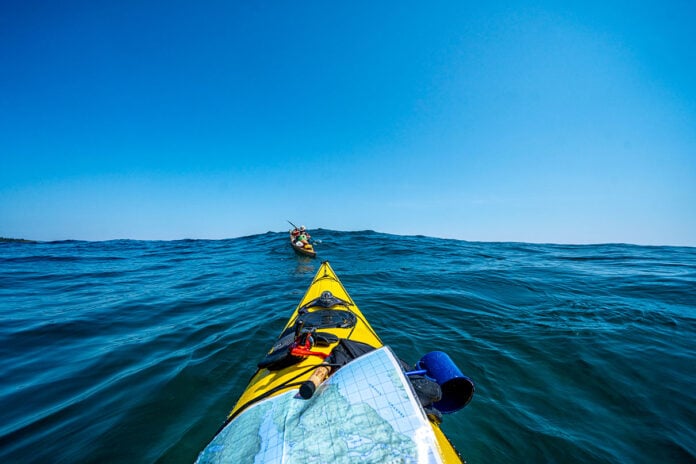
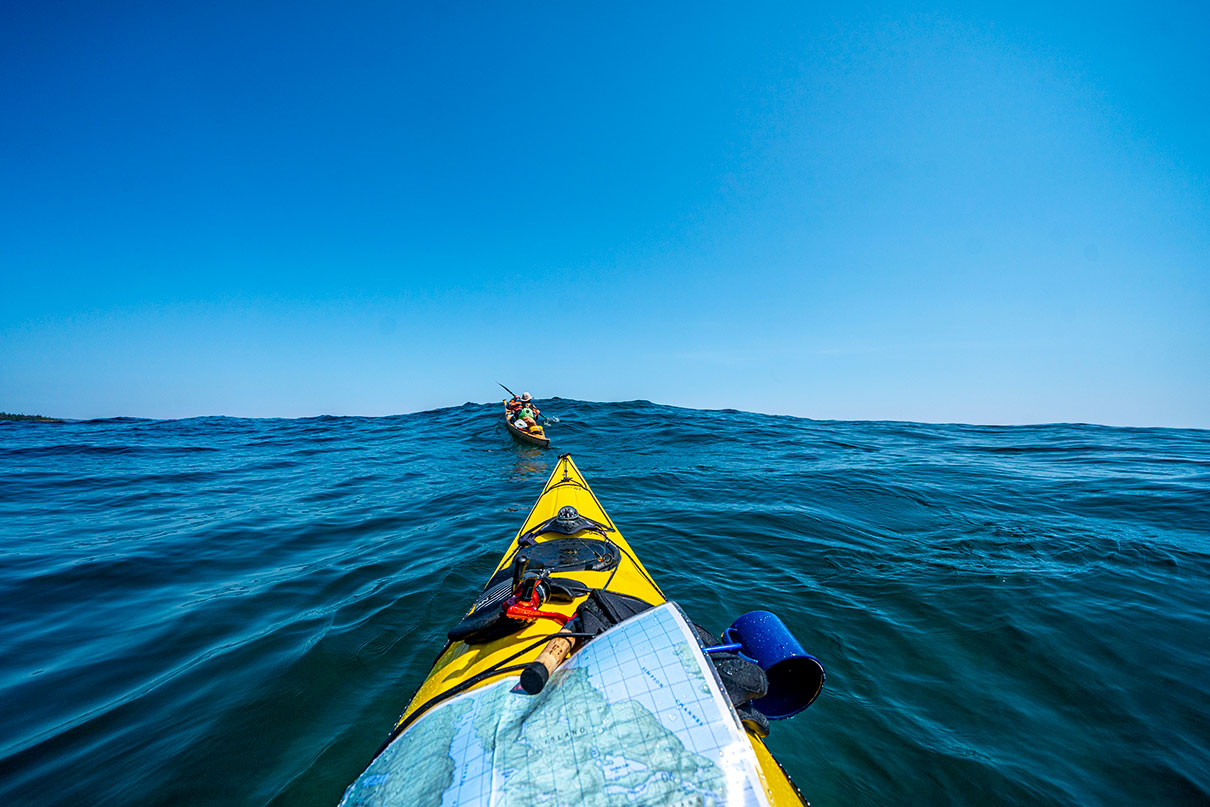
bow shot of a sea kayaker with map paddling after another kayaker over an ocean swell while they are on an expedition
Friendly swell or time to get off the water? It depends on who you ask. | Feature photo: David Jackson

The paddling community judges accidents harshly. We are so determined to figure it out and ascribe a cause to the incident we often rush to conclusions before all the facts are available and blame the victims in the process. Instead, we ought to humbly reflect on what lessons the incident can teach us and give thanks for surviving our own near misses.

When a paddler dies, we are too quick to judge

To be sure, analyzing, debriefing and accident reviews are essential to lifesaving takeaways. Accidents are too common and need to be reduced. According to United States Coast Guard (USCG) data, there were 183 paddling deaths in the U.S. in 2023. Kayaks were the second most common type of vessel involved in fatalities, second only to open motorboats.

Even as I sat down to write this, reports came in of two separate kayaking accidents that killed three people in one windy afternoon in British Columbia. On Saturday, April 20, two young men flipped in a tandem kayak in waves and tidal currents near Victoria. Their kayak and bodies washed ashore separately in the nearby San Juan Islands. Later the same day, a father and son in another tandem kayak flipped in Deep Cove, a popular kayaking spot near Vancouver. They were rescued, but the 70-year-old father didn’t survive. Early reports, which can often be wrong, suggest none of the victims were dressed for immersion.

bow shot of a sea kayaker with map paddling after another kayaker over an ocean swell while they are on an expedition
Friendly swell or time to get off the water? It depends on who you ask. | Feature photo: David Jackson

Predictably, the online comments rolled in. First came the ill-informed armchair experts, pompous pronouncers of the obvious who bestow Darwin Awards and claim they wouldn’t have made the same mistakes. They are the first to speak up because what they say requires the least thought.

“Why would they be so far off land in a kayak in the ocean in the first place?” suggested one commenter about the first incident. From another: “This area is subject to the Venturi Effect. Consequently, currents can be quite strong and are influenced by various factors, including tides, winds and the topography of the sea floor.”

Okay, Einstein.

Or how about this one: “When a mistake is made in the ocean, it can be an unforgiving place.”

Thanks, Captain Obvious.

More knowledgeable commentary emerges later. However, some self-appointed experts parse the details and act as if the mastication of the event’s minutiae by their incisive intellectual chops can nullify all likelihood of any such tragedy occurring in the future. If only we would all keep cool heads and just look at the facts, our safety would be guaranteed. Simply venture forth protected by perfect knowledge, perfect judgment and an armor of radios, flares, satellite communicators, Gore-Tex, and leashes of the appropriate length and material to stay attached to all of it, in all conditions.

Too often, this is accompanied by an unspoken it-couldn’t-have-been-me subtext. We cling to every discerning detail—the victims had the wrong kind of kayak, a lack of certain safety equipment, insufficient training, or a bad weather forecast—anything to separate them from us.

That wouldn’t have happened to a real sea kayaker.

“The truth is, we are all vulnerable. The judgment we are too keen to apply to other people’s paddling accidents is an unhealthy coping tool, a way to avoid facing this truth.”

There is some truth to such distinctions. According to the same USCG data, three-quarters of paddlesports deaths are people with less than 100 hours of experience. And over 80 percent of people who drown in boating accidents weren’t wearing PFDs. But these stats probably say less about how dangerous it is to be a beginner and more about how many beginners there are. It’s like the statistic stating most people die near where they live. It doesn’t mean you’re safe if you never go home. Similarly, having a kayak with bulkheads and wearing a PFD doesn’t make you immortal.

Down to a coin flip

The movie Beyond the Salish, which won best sea kayaking film in this year’s Paddling Film Festival, shows how easily things can go wrong even for those who think they’re well-prepared. It tells the story of two enthusiastic young kayakers, Richard Chen and William Chong, who are rescued by helicopter after a harrowing capsize on the outer coast of Vancouver Island.

The pair had practiced rescues and wore wetsuits, paddling jackets and quality PFDs. But the movie will attract commentary from the same backseat critics who vulture around every kayaking accident: They were stupid and should have known better. Richard says as much himself.

My friend Dave and I paddled the same stretch of coastline when we were about the same age. In hindsight, I tend to think our survival is evidence of superior skill and judgment. I wouldn’t have let go of my paddle and lost my balance like Richard, right? But I need look no further than my journals to see how much of our safety was dumb luck.

There was the time we found ourselves panicking in huge seas offshore of the Cape Beale Lighthouse. In my memory, we’d headed out into calm weather and been surprised by the conditions. But my journal tells a different story. The forecast had been for a 13-foot swell.

“This could be a crazy day,” I’d told Dave. But, brimming with confidence from hundreds of miles of safe paddling, often with threatening forecasts that had turned out to be fine, our motto had become, “paddle anyway, change plans later.”

“If we get pummeled, we get pummeled,” Dave announced, responding to my concern about what 13-foot swell might mean for a surf landing. Once we got a half-mile offshore, our confidence dissolved.

“Now I’m scared,” Dave yelled over the wavetops. We shakily turned around, bracing against the whitecaps, and surfed into safety behind the lighthouse.

“So you’re the kayakers giving me more grey hairs this morning,” the lightkeeper greeted us. He’d had his binoculars trained on us the whole time, ready to call the coast guard.

I can count half a dozen other close calls with no help nearby.

“I thought we were elite kayakers, but now I see we just had good weather,” I wrote in my journal. “The feeling of power is gone, replaced by a reverence, gratitude, humility.” Over time, humility was replaced by complacency and pride.

The only thing separating us from Richard and William is we didn’t capsize. Maybe we were stronger paddlers, or perhaps it was because we had the good judgment to turn around. But at the time, the decision felt like a coin flip. There’s probably some alternate universe where those two young men finish their trip safely, and Dave and I are airlifted out. Our good fortune is not a qualification for grandstanding.

What the water teaches

The truth is, we are all vulnerable. The judgment we are too keen to apply to other people’s paddling accidents is an unhealthy coping tool, a way to avoid facing this truth. In her memoir, No Cure for Being Human, the religious scholar and cancer survivor Kate Bowler explains this tendency we have to recoil from the tragedy in others’ lives. “Who wants to be confronted with the reality that we are all a breath away from a problem that could alter our lives completely?” she writes.

To learn from others’ mistakes and misfortune, we have to first accept it could have been us. Less judgment, less opining, more openness and empathy. This is what the water teaches us, after all, if we are willing to listen.

Tim Shuff is a sea kayaker, firefighter and former editor of Adventure Kayak magazine.

Survey Says

We asked our readers about safety habits. Here’s what you had to say.

How often do you paddle alone?

A: All the time — 22%
B: Most of the time — 36%
C: Rarely — 25%
D: Never — 17%


When paddling, which do you always carry?

A: Signaling device (whistle or strobe) — 23%
B: Cell phone in a waterproof bag or case — 33%
C: Handheld VHF radio — 2%
D: A combination of these devices — 42%


Do you check weather or river gauges before paddling?

A: Always — 73%
B: Frequently — 15%
C: Occasionally — 7%
D: Never — 5%


Well, this is a surprise. More than half of our poll respondents say they paddle alone most or all of the time. That goes against the prime directive we paddlers have heard from summer camp straight up to today—never paddle alone. According to our survey, only 17 percent of paddlers stick to that golden rule all the time, while 25 percent admit to paddling alone on rare occasions.

There are different degrees of paddling alone, of course. If you go to a popular paddling area by yourself, you could be alone but not entirely on your own. After all, another cardinal rule of our sport is to always help a paddler in need—strangers included.

Readers do better when it comes to carrying signaling devices and phones with them on the water. Still, if you need help, it’s a lot easier to holler at the paddling buddy next to you than to phone a friend in the next county.

Cover of Issue 72 of Paddling Magazine, Issue 72This article was first published in Issue 72 of Paddling Magazine. Subscribe to Paddling Magazine’s print and digital editions, or browse the archives.
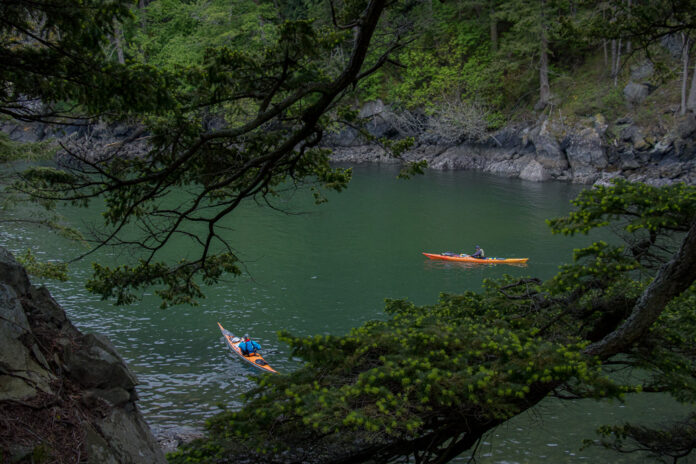

Friendly swell or time to get off the water? It depends on who you ask. | Feature photo: David Jackson


Our Editor’s Favorite Stories Of The Year

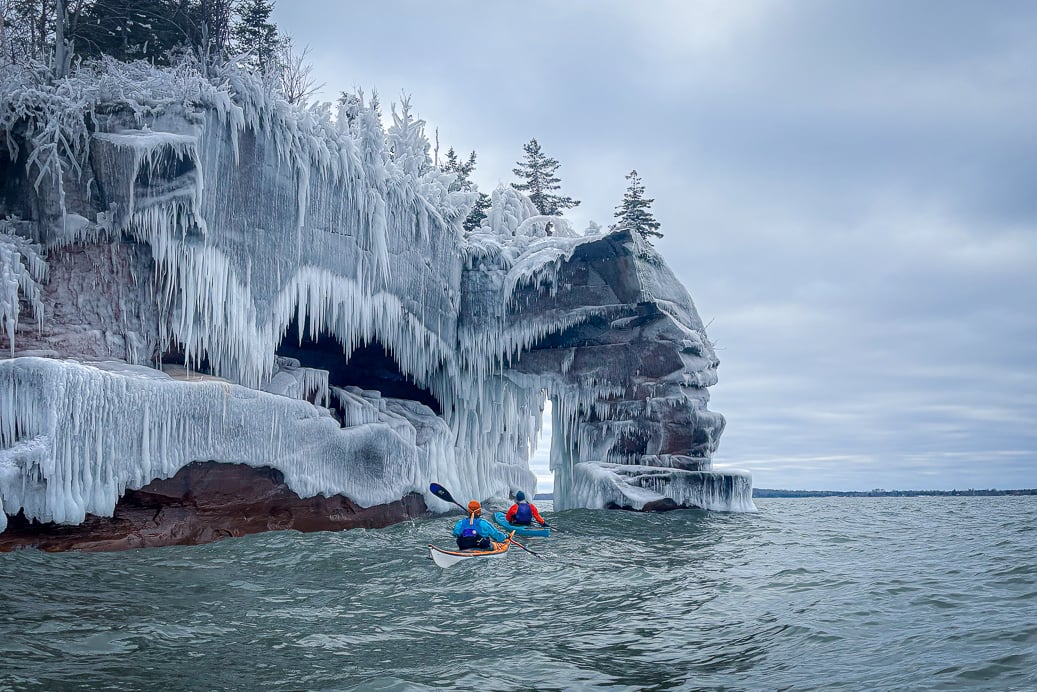
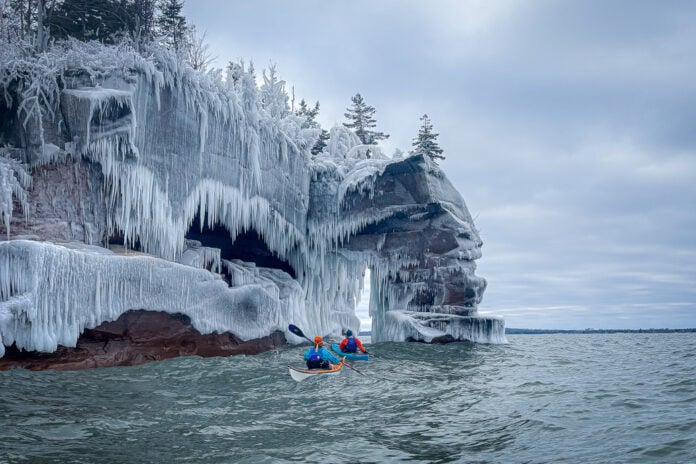
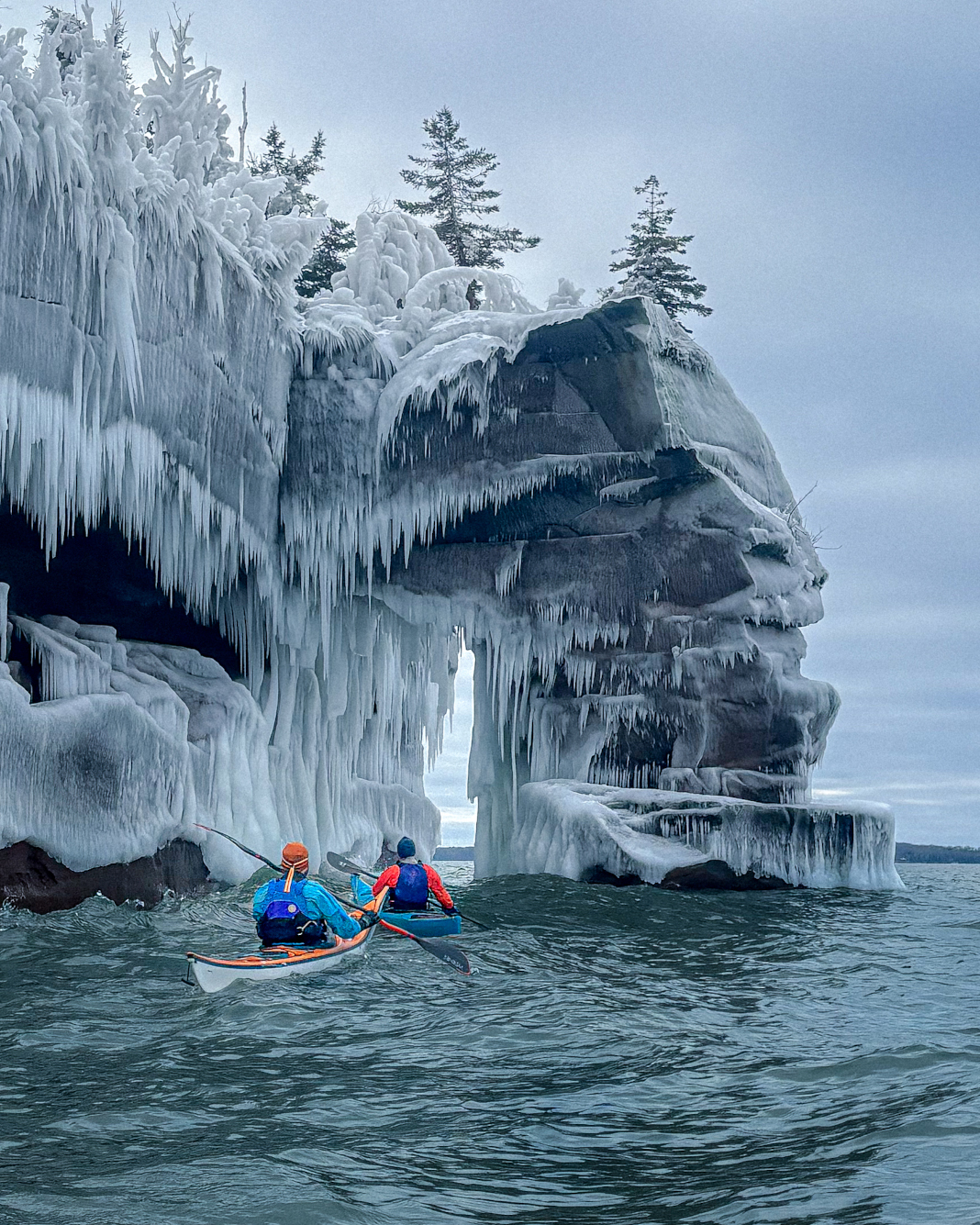
kayakers at an ice cave | image maddy marquardt
Sea kayakers at an ice cave on Lake Superior. | Photo: Maddy Marquardt.

Happy New Year! In 2024, the Paddling Mag team covered some unforgettable tales. Our favorite stories included a kayaker who used a camp chair to fend off a polar bear, a canoeist who survived an underwater gunfight, a follow-up with the paddler nearly crushed by a whale in that jaw-dropping viral video (you know the one), and our picks for the greatest kayak expeditions of the century (so far). Below is a selection of 10 top stories that inspired the most discussion, debate and delight amongst the team in 2024. Enjoy! —Editors

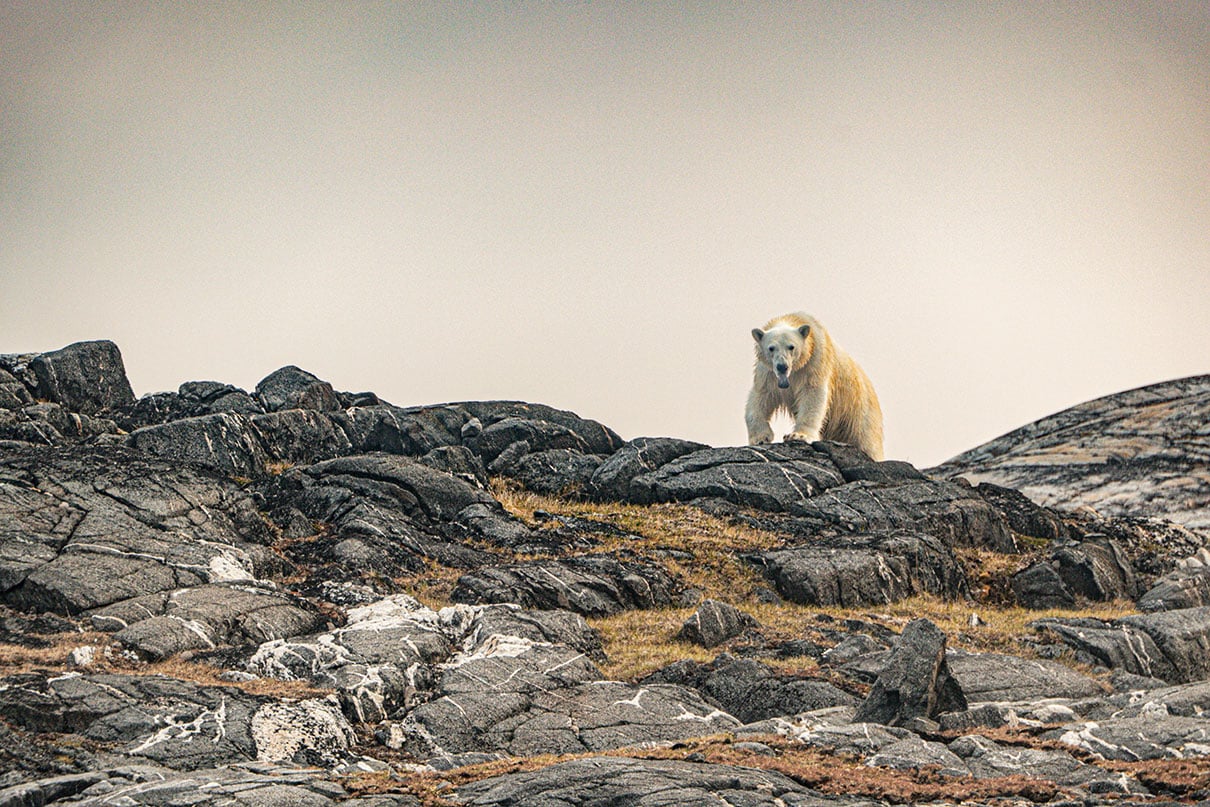
1) Kayaker Fends Off Polar Bear With Camp Chair

Four kayakers navigate treacherous waters, towering icebergs and one of the densest polar bear populations on the planet, culminating in one dangerously close encounter:

“Instinct tells me to turn around. Urgently. The worst-case scenario is a polar bear right behind me, I think, not believing it as I write in my diary by the fire. I look over my shoulder, and two piercingly black eyes in a creamy white face meet mine. For a moment, I wonder if I am dreaming. Twenty meters away, dinnerplate-sized paws pad slowly but purposefully toward me.”

When four kayakers embark on a 1,000-kilometer journey along the remote coastline of Labrador, they navigate dangerous waters, towering icebergs, and the constant presence of polar bears. In this gripping first-person account, Justine Curgenven recounts a heart-pounding encounter with one of the planet’s top predators. Read more about the daring expedition and close call…

2) Canoeist Survives Underwater Gunfight On Amazon

John Bathgate was shot twice—here’s why he’s going back to finish the expedition:

John Bathgate was submerged beneath his attacker’s boat when he realized he’d been shot through the shoulder. His expedition partner, Ian Roberts, was still up above somewhere, along with the gun-wielding pirate. He and Roberts knew of the piracy problem along the Amazon River and even discussed what they’d do if attacked. Still—they never thought it’d happen to them.

The Amazon Summit to Sea Expedition began in early May 2023. Unlike other Amazon River paddling expeditions that sought to traverse the river from its farthest source to the Atlantic, Summit to Sea would begin from the highest source: Mount Chimborazo…

3) The Man With The Mushroom Kayak

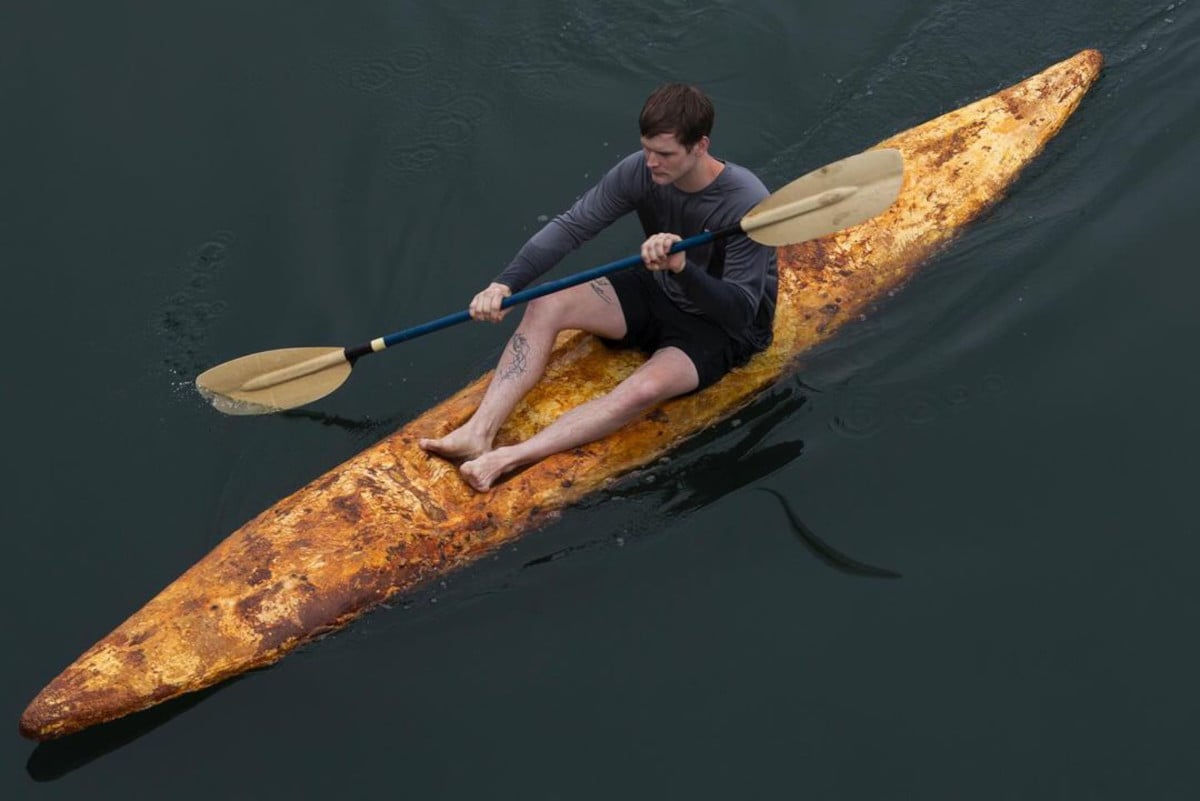
The harbor of Long Beach, California has seen its share of remarkable vessels, but perhaps none as intriguing as the one Los Angeles artist Sam Shoemaker launched on its waters. Shoemaker recently caught the attention of social media with images of a full-size mushroom kayak grown in his studio and bravely brought to a marina adjacent to the second busiest port in the U.S. for a float test.

4) Orcas Investigate Kayakers

For as many kayakers and whales travel the ocean, it’s incredible just how magical the moment remains for the two groups to share an interaction. Now, imagine how it would feel to have an Orca swim right up to the side of your boat

When a group of kayak guides in New Zealand, who seek to show others whales and wildlife, actually came face to face with a pod of Orcas, even they had trouble finding the words to express the astonishment…

5) Outdoorsy Girls Are Mean Girls But We Don’t Have To Be

Sexism in the outdoors isn’t always from the direction you’d expect:

Last year at a wilderness medicine course, I shared a quick story about an incident with a bee sting to the neck on the water. A woman just a little older than me approached me afterward, wanting to know who I was and where I was from.

“I’m a sea kayaker too,” she said. “I guided for two years in the San Juan Islands.”

There were only three other women in the class of more than 25. We were the only two who had taken the course before, and I could tell she did not like me. She had approached me with the intent of comparing her guiding and outdoor resume to mine—to correct me on something I had shared.

I’m a fifth-year coastal kayaking guide and people often ask if I experience sexism in the outdoors. Yes and no, I respond, and never from the direction I expect it…

6) Meet The Kayaker Almost Crushed By A Whale In This Viral Video

How the near-death experience inspired Tom Mustill to investigate human-animal communication:

In September 2015, Mustill, an accomplished biologist and documentary filmmaker, was kayaking off the coast of Monterey, California, when a 30-ton humpback whale the size of a school bus breached and collided with his kayak, sending him and his paddling partner tumbling into the ocean. The dramatic moment, captured on video by a nearby whale-watching boat, has been viewed more than 6.6 million times…

7) Out In Front With Dan Dixon

The kayak instructor of 40 years has traveled the globe and has wild tales to share:

“I put the student out in front,” explains kayak instructor Dan Dixon. “They lead me down the river, and I let them get into anything I can get them out of.”

Three of us are kayaking down Section 9 of the French Broad, eddy hopping and joking along the way. Going first is Jean-Marc, an adventurer from Mexico City who has worked with Dan for five years. After decades of cenote diving, sailing and car racing, an accident forced Jean-Marc to have several vertebrae fused. So, he sought Dan’s guidance to adapt his paddling…

8) How To Make Portaging Great Again

“When it comes to load carriage, we’re awash in dubious improvements to what was very likely the first and simplest way to move stuff from one place to another: the tumpline. Back straps, external frames, internal frames, Trapper Nelsons, widgets, zippers, waist belts and chest straps—all came along after the tumpline and eclipsed the single head strap,” says James Raffan. But tumplines allow paddlers to carry a heavier load for a longer distance than anyone ever could with just shoulder straps…

9) Greatest Kayaking Expeditions Of The Century (So Far)

Following his successful transatlantic expedition, kayaker Peter Bray said, “If somebody says something can’t be done, I like to know why it can’t be done, and then prove it can be.” This sentiment echoes through the motivations of some of the most extraordinary kayaking expeditions, inspiring journeys that push not just physical and mental boundaries, but also the limits of what we believe is possible.

Drawing on the nominations from more than a dozen of today’s most accomplished expedition paddlers, we’ve curated a list of some of the most remarkable journeys by double blade in the past 25 years. While few of us will ever attempt such daring trips, these stories inspire us to question our own limits and fuel the spirit of adventure…

10) Last Call On The Klamath River

The world’s largest dam removal project has wiped out one of the West’s best summer rafting experiences. Here’s why that is a good thing:

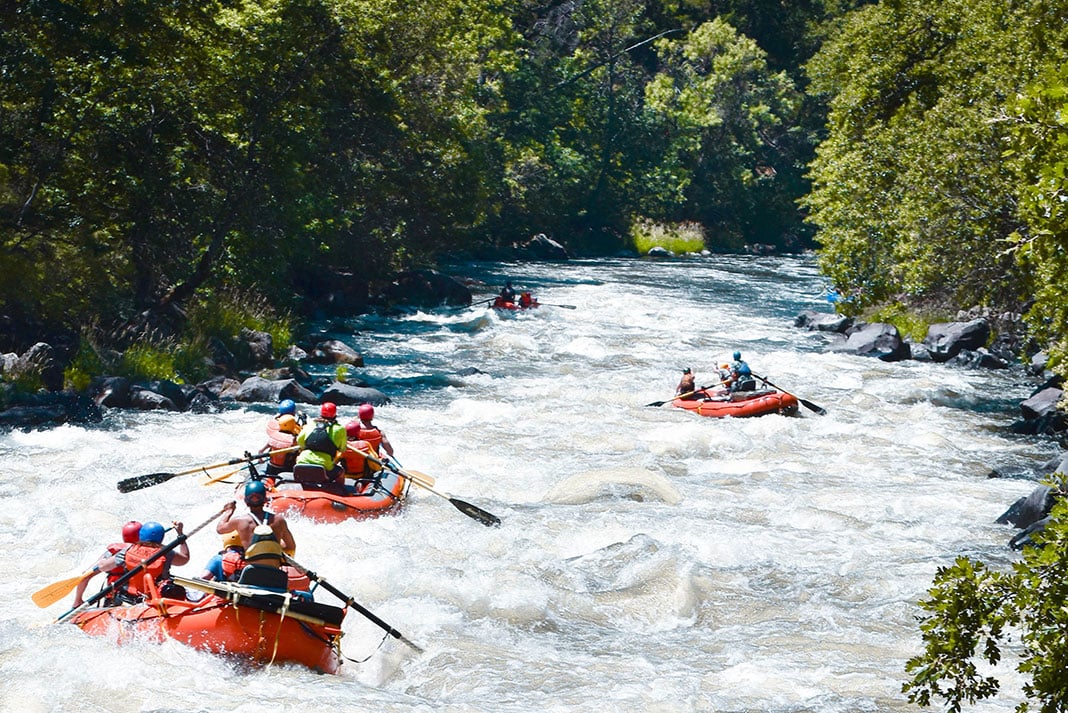
Join writer Mary K. Miller on one of the last guided rafting trips on the Upper Klamath, taken on the cusp of its historic transformation. Construction has begun to demolish four aging dams on the river, in the world’s largest dam removal project. Its aim is to return historic salmon runs to the Klamath—once the second-largest in the lower 48 states—and free 400 river miles on one of the most culturally important rivers in the western United States. The implications for river enthusiasts will ripple for years to come. Find out why…

Sea kayakers at an ice cave on Lake Superior. | Feature Image: Maddy Marquardt.