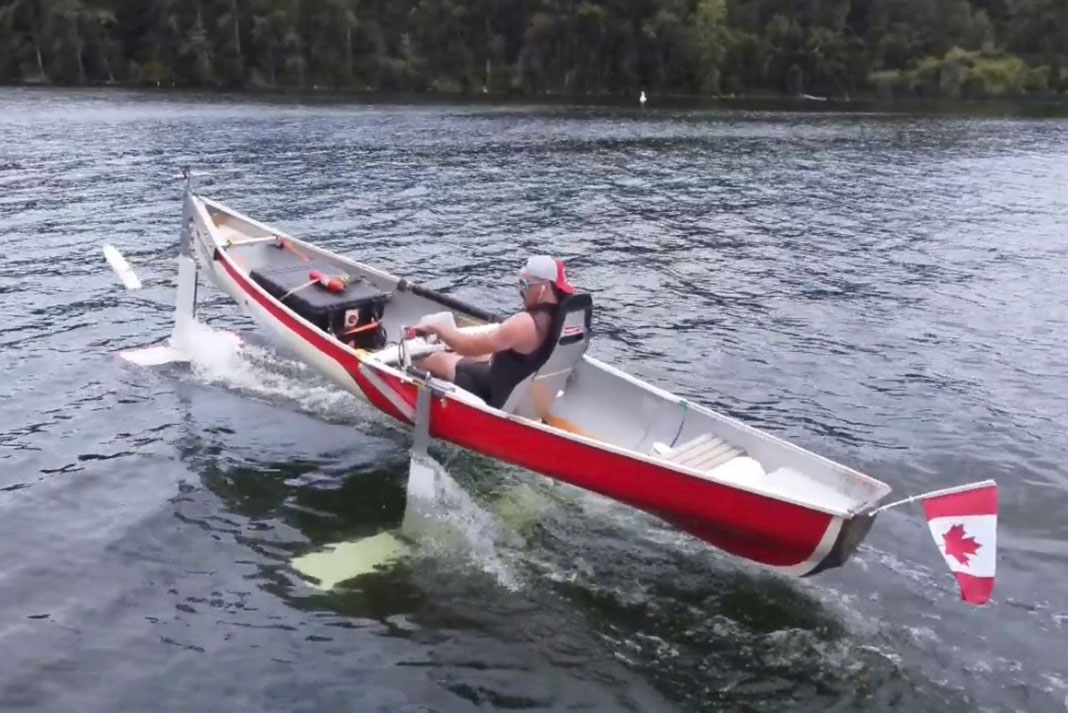
Sometimes, procrastination is the mother of invention. Just ask Dermot MacDougall. The mechanical engineering technology student at Camosun College in Victoria, British Columbia, was avoiding thinking about his upcoming exams while listening to the 1986 hit song “Danger Zone” by Kenny Loggins. You might remember it as the theme song in the original Top Gun film. As MacDougall’s mind wandered, an idea struck him: What if I could make my canoe fly?
Marrying his two passions of aviation and boating, he went home and made sketches of a canoe with hydrofoil wings. MacDougall had recently purchased a well-loved 18.5-foot fiberglass canoe for $75. Boats and boards are increasingly utilizing hydrofoils, but no one had yet put hydrofoils on a canoe, he thought.
In need of a capstone engineering project for his following term at college, he pitched the flying canoe idea to the faculty. “My first and second submissions lacked important details, so our professor sent me back to the drawing board twice before giving the project a green light,” he says.
College project takes flight. Literally. | Feature photo: Dermot MacDougall
MacDougall and his classmates worked tirelessly to bring the invention from idea to reality over four months. The design had three masts projecting into the water to hold the central and front hydrofoil wings in place. Two 6,000-watt electric motors, powered by three deep-cycle marine batteries, would give the canoe the power for lift off. Foot pedals controlled the forward mast rudders.
[ Paddling Buyer’s Guide: View all (non-flying) canoes ]
The flying canoe was a team effort and included classmates Trevor Stothard, Victoria Contreras, Fatima Alsoufi and Griffin Adams. Adams coined the canoe’s name, Millennium Phoenix, as a nod to the Star Wars spaceship and mythical bird that rose from ashes.
Millenium Phoenix makes its maiden flight
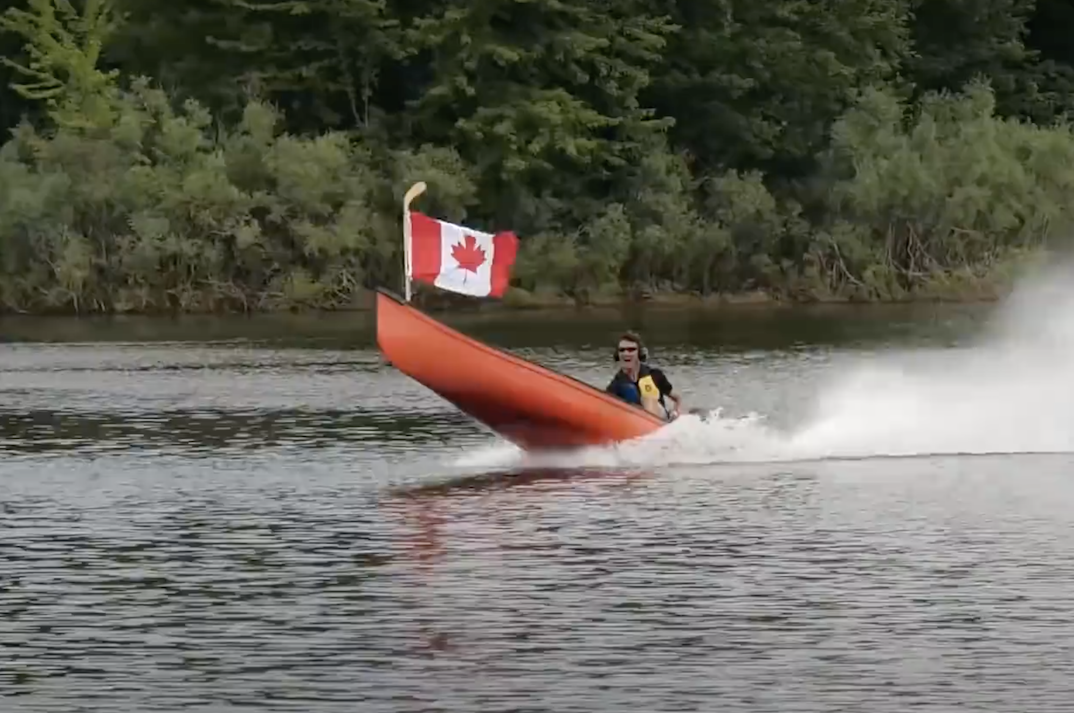
After months of revisions and redesign, MacDougall’s team and professors, Jeffrey Stevens and Richard Burman, launched the 750-pound canoe on Elk Lake. MacDougall piloted the vessel, feeling the weight of so much resting on this day. He nervously pressed the button to control the motors.
“I got jolted back, and everything was shaking as I gained speed. Water was lapping at the hull, and then it got dead quiet,” MacDougall said. “I heard my team cheering from another boat, and my professor’s voice came through my headset saying the words I’d been hoping for: Dry hull! The feeling of flying something I’d invented was surreal. I was about one foot out of the water, looking down at people in the safety boats. It was the best day of my life.”
“I got jolted back, and everything was shaking as I gained speed. Water was lapping at the hull, and then it got dead quiet.”
The Millennium Phoenix flew 10 times before eventually taking up residence in MacDougall’s driveway. It won the team bragging rights for the year’s best capstone project, literally soaring above the competition.
As for MacDougall, once he completes his diploma in mechanical engineering at Camosun, he may seek funders to refine the design and commercialize it before proceeding to university for an engineering degree. He also wants to get his pilot’s license and has started concept drawings for an ultralight plane he hopes to pilot.
This article was first published in the Spring 2024 issue of Paddling Magazine. Subscribe to Paddling Magazine’s print and digital editions, or browse the archives.
College project takes flight. Literally. | Feature photo: Dermot MacDougall
Winona, MN – Sanborn Canoe announces the acquisition of Twin Cities-based Grey Duck Outdoor. With the acquisition, the Sanborn family of brands now includes Sanborn Canoe Co., Merrimack Canoes, Current Designs and Grey Duck Outdoor.
Grey Duck Outdoor founder and owner, Rob Bossen, says, “We’re thrilled to be a part of the Sanborn family and look forward to continued growth with the Grey Duck brand over the coming years. The additional resources of the Sanborn team will enable Grey Duck to reach its long-term goals in ways that wouldn’t have been possible before.”
Sanborn Canoe Vice President Peter Boysen says, “We’re really excited to add Grey Duck into the growing family of Sanborn brands. We’re passionate about getting out on the water in ways that are both functional and inspiring, and Grey Duck SUPs and canoes fit that mission perfectly.”
About Grey Duck Outdoor
Grey Duck is a Minneapolis, Minnesota, based canoe and paddleboard manufacturer, focused on building products that allow each of us to live our adventure. They believe in reconnecting with nature, time with family and friends, and exploring often. Learn more at greyduckoutdoor.com.
About Sanborn Canoe Co.
Sanborn Canoe Co. is a leading manufacturer of handcrafted canoes, paddles and outdoor gear, based in Winona, Minnesota. With a commitment to quality craftsmanship and a passion for outdoor adventure, Sanborn Canoe Co. strives to provide customers with premium products that enhance their outdoor experiences. Learn more at sanborncanoe.com.
The question we faced in curating this article was simple: how to list the most beautiful places to paddle in the world without playing favorites?
To create a more objective tally, we focused on both beauty and diversity. In just about every example, our 15 greatest destinations have a variety of types of scenery and paddling opportunities for canoeists, kayakers and rafters—as well as options for a wide range of skill levels. There’s always room for improvement, but we feel like the results come close to the ultimate paddler’s bucket list.
Call us biased, but we believe Rapid Media’s home province easily ranks among the most beautiful places to paddle in the world. From the vast horizons of the Great Lakes to wilderness rivers and immense networks of freshwater lakes, there’s something for every paddler in Ontario.
Lake Superior is a world-class destination for sea kayaking, with Pukaskwa National Park and surroundings boasting over 200 kilometers of wilderness coastline. Similarly, Georgian Bay is a sea kayaker’s dream with 30,000 islands to explore. History comes alive on canoe tripping rivers like the Missinaibi and French. The powerful Ottawa River has been a training ground for the world’s best whitewater paddlers—with exciting opportunities for whitewater rafting, too. Finally, Killarney, Quetico, Algonquin, Wabakimi and more feature incredible lake-to-lake canoe and portage routes that it would take a lifetime to explore. Have we said enough?
VIEW ONTARIO PADDLING TRIPS
Photo: Erik McLean/Unsplash
2 Newfoundland and Labrador
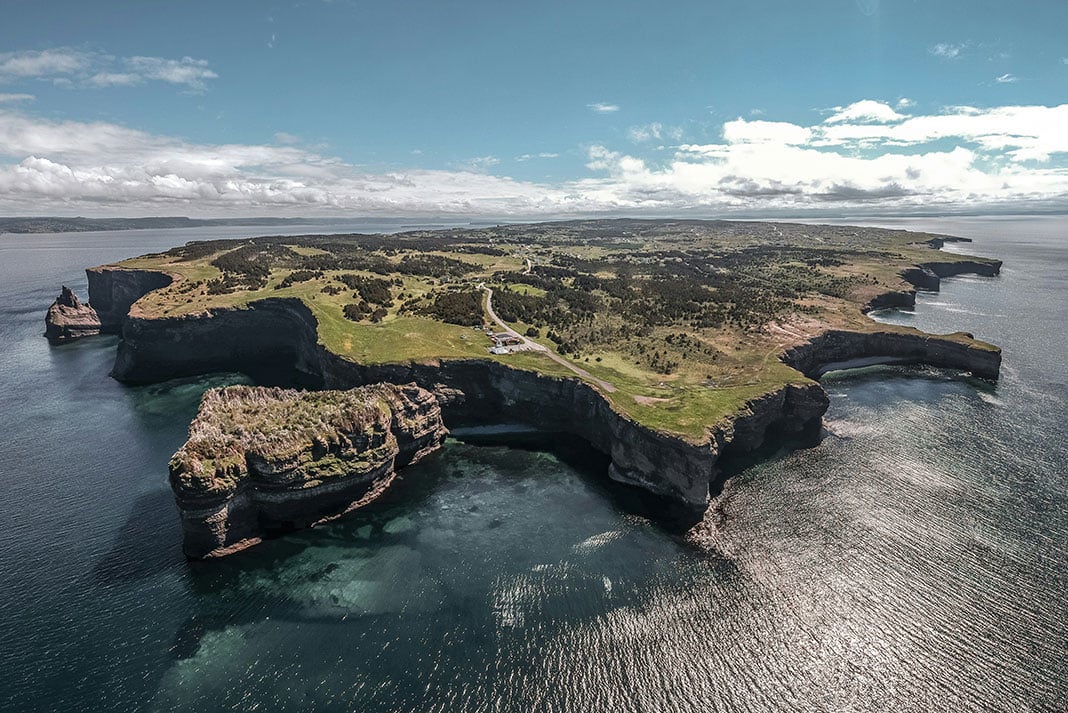
“The Rock” is truly a world apart, rich in cultural heritage and blessed with a unique geography that’s perfect for paddling. Located in eastern Canada, the island of Newfoundland is known for its rugged coastline and maritime traditions, which are best experienced in a sea kayak. Newfoundland’s rugged and remote southwest coast is one of the planet’s finest sea kayak destinations for expert paddlers, while incredible sea caves near the provincial capital of St. John’s make great day paddling for novices and families on guided trips.
Newfoundland canoeing is underappreciated yet equally spectacular, with several free-flowing waterways, including the Main River, offering options for multiday trips in the lush boreal forests and sparse taiga of the island’s interior. Meanwhile, mainland Labrador is a true frontier for long-distance wilderness paddlers.
VIEW NEWFOUNDLAND & LABRADOR PADDLING TRIPS
Photo: Kristina Delp/Unsplash
3 Yukon
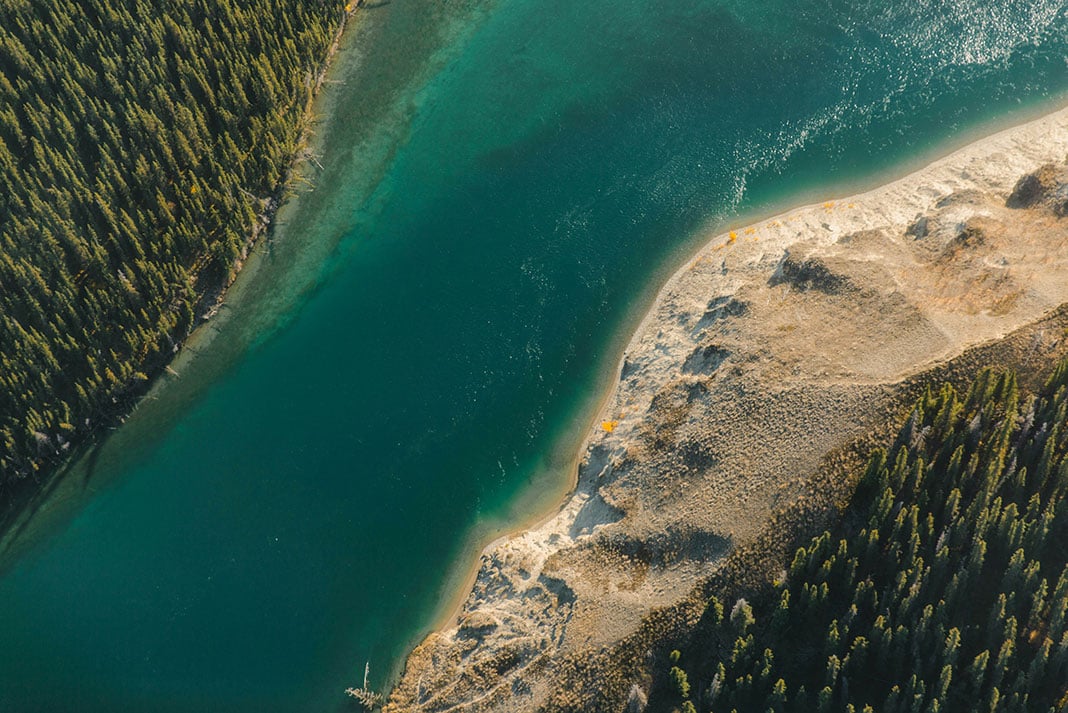
Canada’s Yukon Territory offers a wide range of superlative adventures for all types of paddlers. For starters, the Yukon’s namesake river is one of North America’s longest, with a captivating gold rush history revealed in the legacies of Jack London and Robert Service. You don’t need to be an expert to paddle the Yukon River, and guided trips are available for families and novices alike. Some of the river’s headwater lakes make for good kayaking, too.
Countless wild rivers spill off the northern Rockies in the Yukon, including the spectacular Snake and Bonnet Plume rivers, which are bucket list destinations for whitewater canoe trippers. Meanwhile, the Firth and Wind rivers can be navigated by canoe or raft alike, and each offer unique northern landscapes of tundra and mountains. The Yukon is a place where time stands still, and it’s still possible to experience the lands and waters of your dreams.
VIEW YUKON PADDLING TRIPS
Photo: John Thomas/Unsplash
4 Alaska
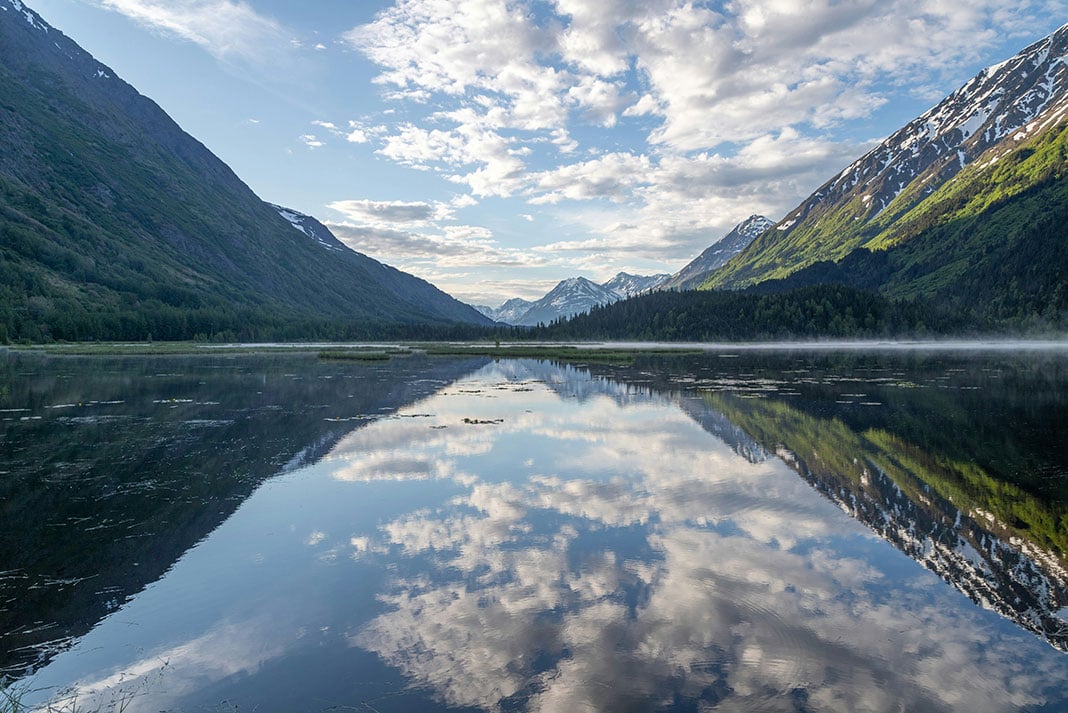
Just across the border from the Yukon Territory, Alaska features similar attractions and geography—with the addition of coastal fjords and glaciers. In Alaska you’ll find the world’s best wilderness whitewater rafting on the the Tatshenshini and Alsek rivers; incredible canoeing on Wild and Scenic rivers like the Noatak and Kobuk; whitewater creeking around the city of Anchorage and beyond; and incredible sea kayaking amidst the islands and glaciers of Prince William Sound, at the north end of the Inside Passage.
VIEW ALASKA PADDLING TRIPS
Photo: David Morris/Unsplash
5 Montana
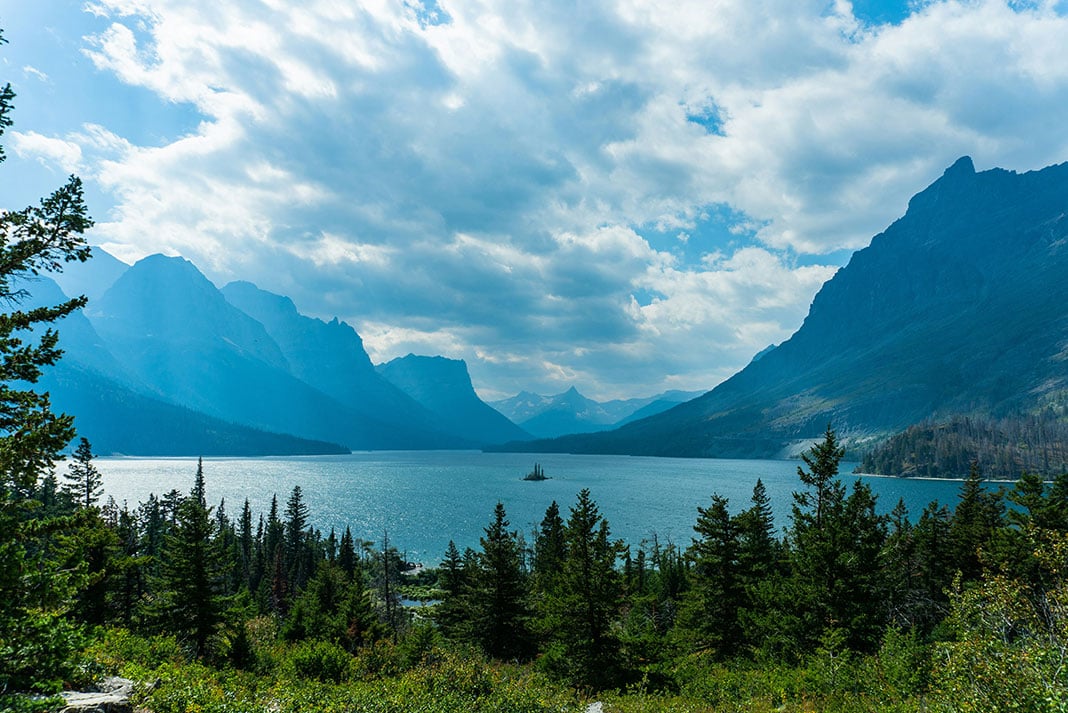
If you’ve watched A River Runs Through It you’ve got a good sense of just how spectacular Montana rivers can be. In particular, the Wild and Scenic Missouri River takes canoeists into the landscape of Lewis and Clark, with austere white rock landforms set between the Great Plains and the foothills. Meanwhile, the Yellowstone, Gallatin, Flathead and Madison rivers all offer outstanding whitewater rafting. Brennan’s Wave on the Clark Fork River offers fantastic freestyle kayaking in the heart of Missoula, one of America’s greatest outdoor cities.
VIEW MONTANA PADDLING TRIPS
Photo: Trac Vu/Unsplash
6 Four Corners States
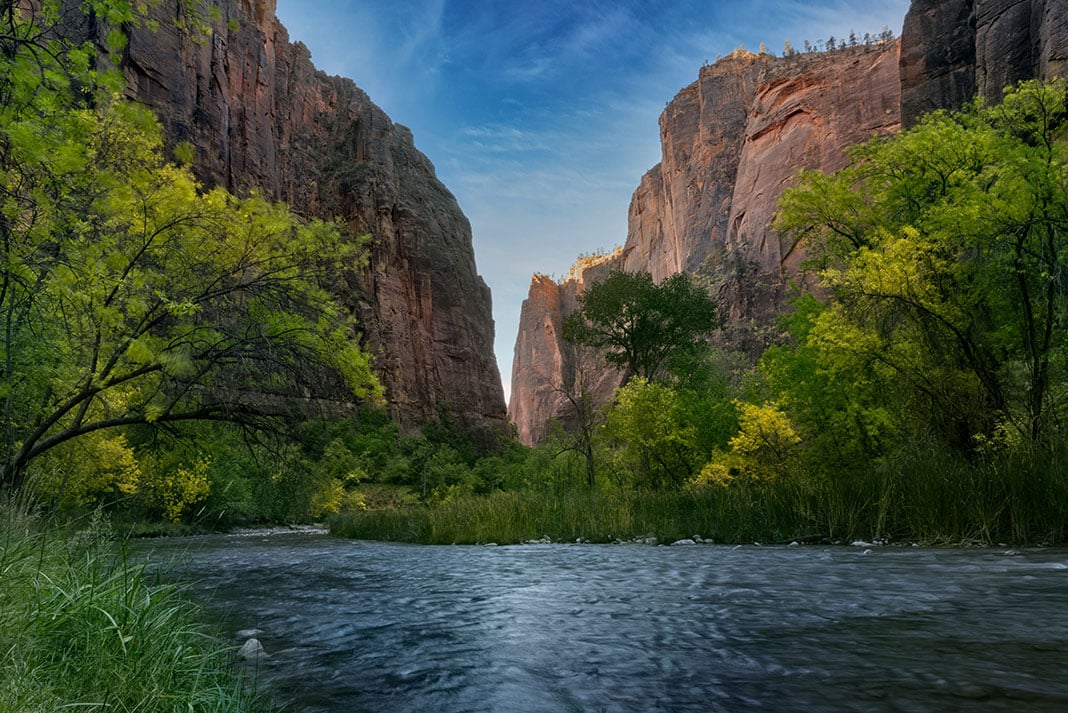
All the Four Corners states of Arizona, Colorado, Utah and New Mexico offer a range of experiences for paddlers. The magnificent Colorado River lives up to its reputation as a bucket list destination for whitewater rafting and kayaking. The Green River in Utah offers exposure to similar geology and arid landscapes, yet includes flatwater sections suitable for sea kayakers and canoeists. Meanwhile, you’ll find plenty of shoreline to explore on Lake Mead. Colorado is known for its expert-only class V Front Range rivers, and Arizona is home to numerous lakes and rivers for recreational paddling.
VIEW SOUTHWEST U.S. PADDLING TRIPS
Photo: Joe Pohle/Unsplash
7 Minnesota
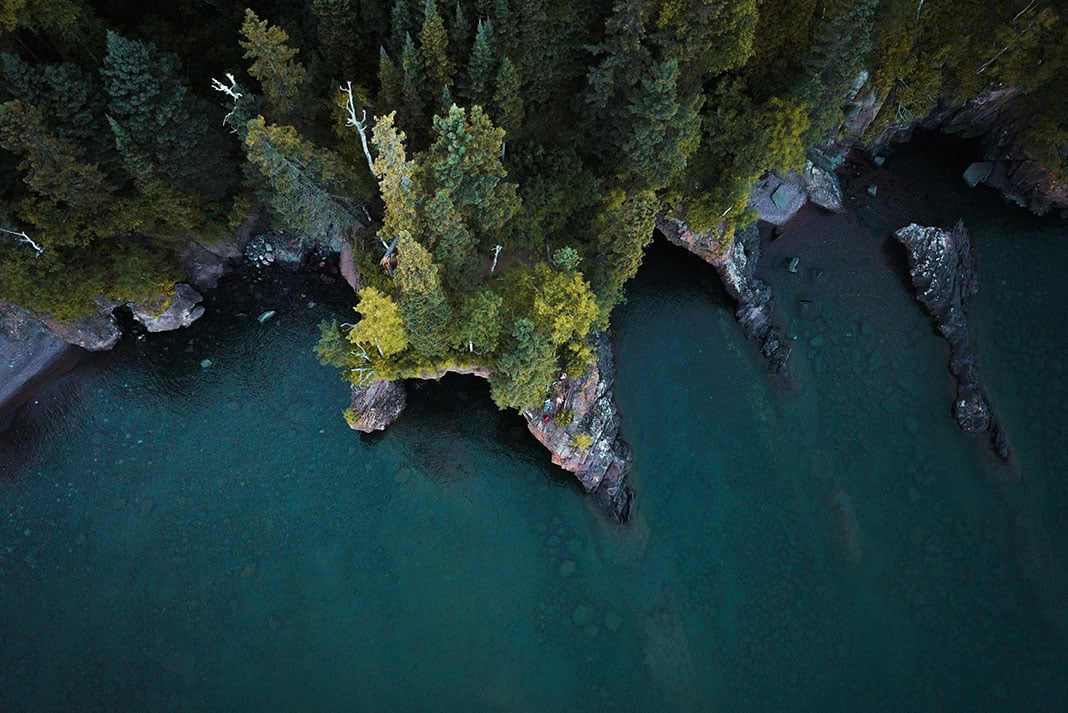
There’s a lot of beautiful paddling in Minnesota. For starters, the Boundary Waters Canoe Area is the most popular canoe tripping destination in the world—for good reason. This 1.1-million-acre wilderness contains thousands of miles of canoe routes and connects to Ontario’s Quetico Provincial Park.
Minnesota also marks the headwaters of the Mississippi River, and the Twin Cities of Minneapolis and St. Paul offer some of America’s best urban canoeing and kayaking, living up to the state’s moniker as the Land of 10,000 Lakes. Northeastern Minnesota pushes up against Lake Superior, and communities like Duluth and Grand Marais provide access to world-class sea kayaking on an inland sea.
VIEW MINNESOTA PADDLING TRIPS
Photo: Miro Vrlik/Unsplash
8 Maine
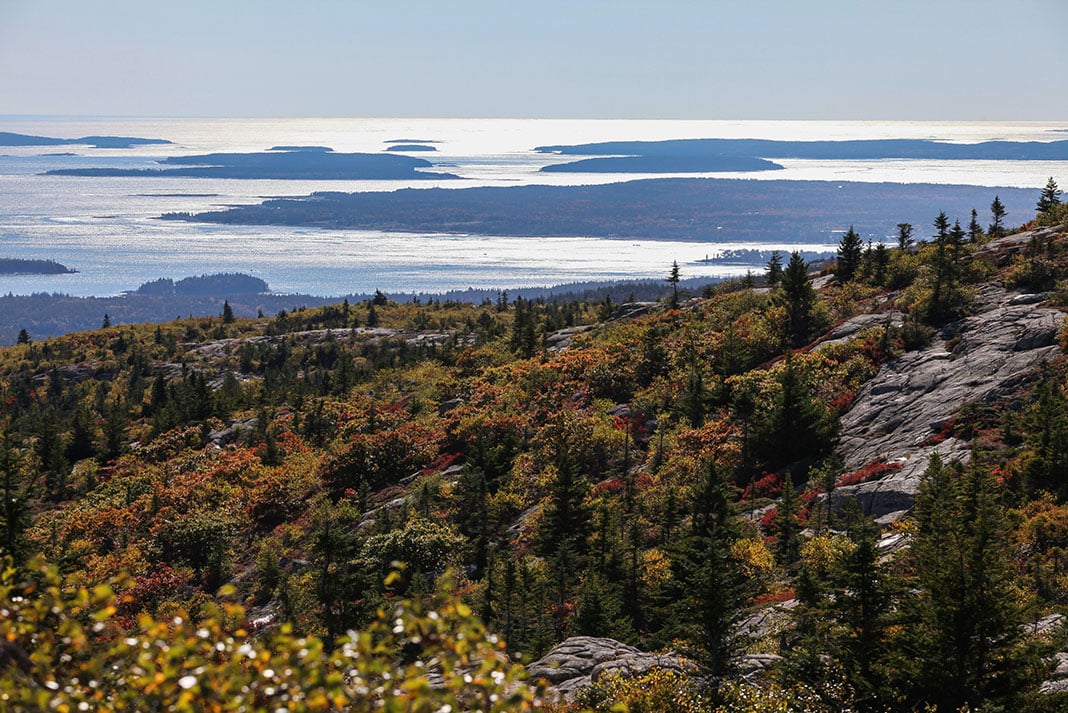
Legendary American nature writer Henry David Thoreau celebrated canoeing in Maine’s North Woods. Not much has changed along the canoe routes of the Allagash and Penobscot rivers in the century and a half since Thoreau traced these waters with Indigenous guides. Maine beckons with pristine forests, tall hills, vast lakes and Wild and Scenic rivers—some of which fall along the epic 740-mile-long Northern Forest Canoe Trail.
The coastline of Acadia National Park tempts expedition sea kayakers with deep bays, countless islands and rugged bedrock coastline to explore. From easy day trips to wilderness sojourns, Maine easily serves up some of the most beautiful paddling in America.
VIEW NEW ENGLAND PADDLING TRIPS
Photo: Christopher Kuzman/Unsplash
9 Mexico
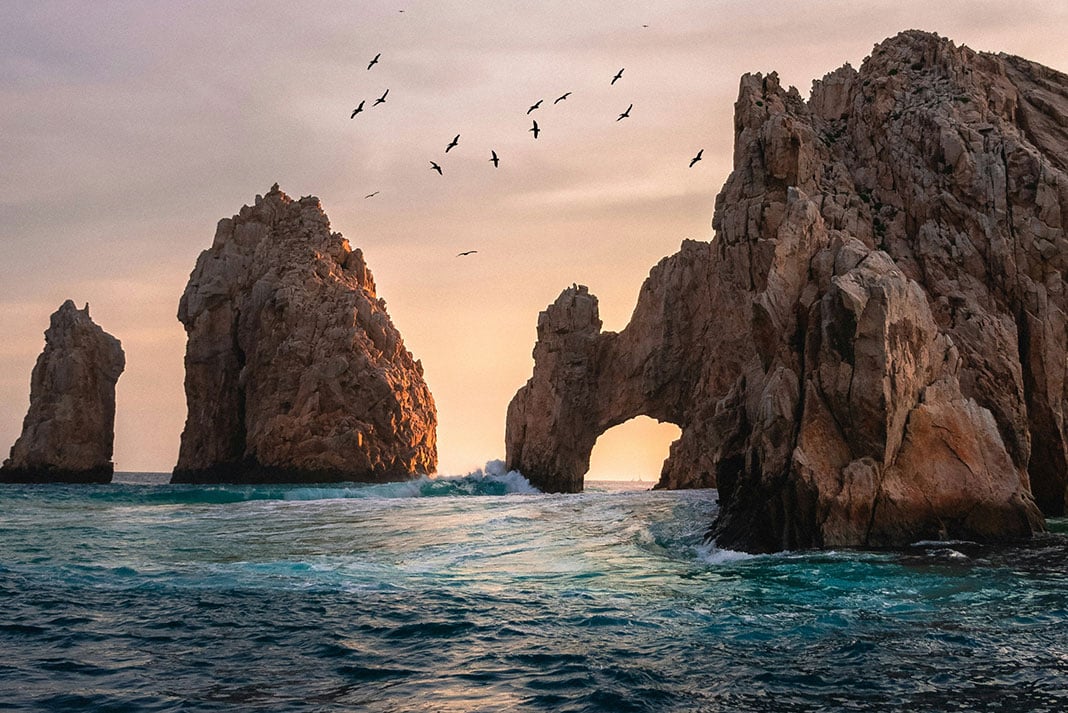
Mexico is a place of stark contrasts for paddlers: aquamarine rivers tumble through moist, dense jungles, serving up some of the finest whitewater on the planet; meanwhile, stark desert landscapes, rocky, treeless mountains, and spectacular beaches line the warm azure waters of the Sea of Cortez. It’s hard to imagine better destinations for winter whitewater and sea kayaking to ignite your sense of wonder and keep you sharp in the offseason.
Mexico whitewater kayaking and canoeing is best for expert boaters. Most vacations are based out of small, friendly communities where an adventurous spirit is beneficial for visitors—though some guided packages are available. There’s a huge range of Baja sea kayak trips, including family-friendly and beginner guided tours to more advanced expeditions, including open water crossings and exposed coastlines.
VIEW MEXICO PADDLING TRIPS
Photo: Andrew Svk/Unsplash
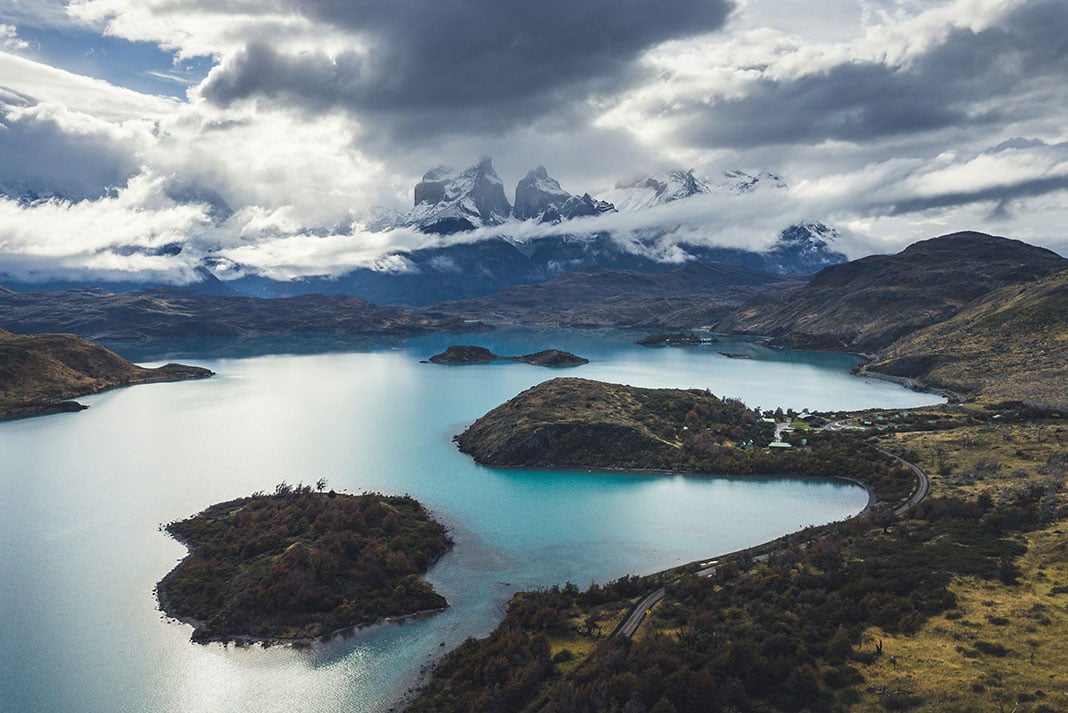
10 Patagonia
Located at the southern tip of South America, the mountain wilderness of Chile and Argentina feature equal parts world-class whitewater and jaw-dropping coastal fjords. As you can imagine, Patagonia is one of the most beautiful places to go paddling—especially when combined with rich and friendly South American culture.
Big rivers like the Futaleufu are renowned proving grounds for the world’s best whitewater paddlers. However, you don’t have to be an expert to go on a Patagonia whitewater rafting trip. Similarly, there are guided sea kayak trips where you can experience the fjords and glaciers of Chile’s Pacific coast up close.
VIEW ARGENTINA & CHILE PADDLING TRIPS
Photo: James Eades/Unsplash
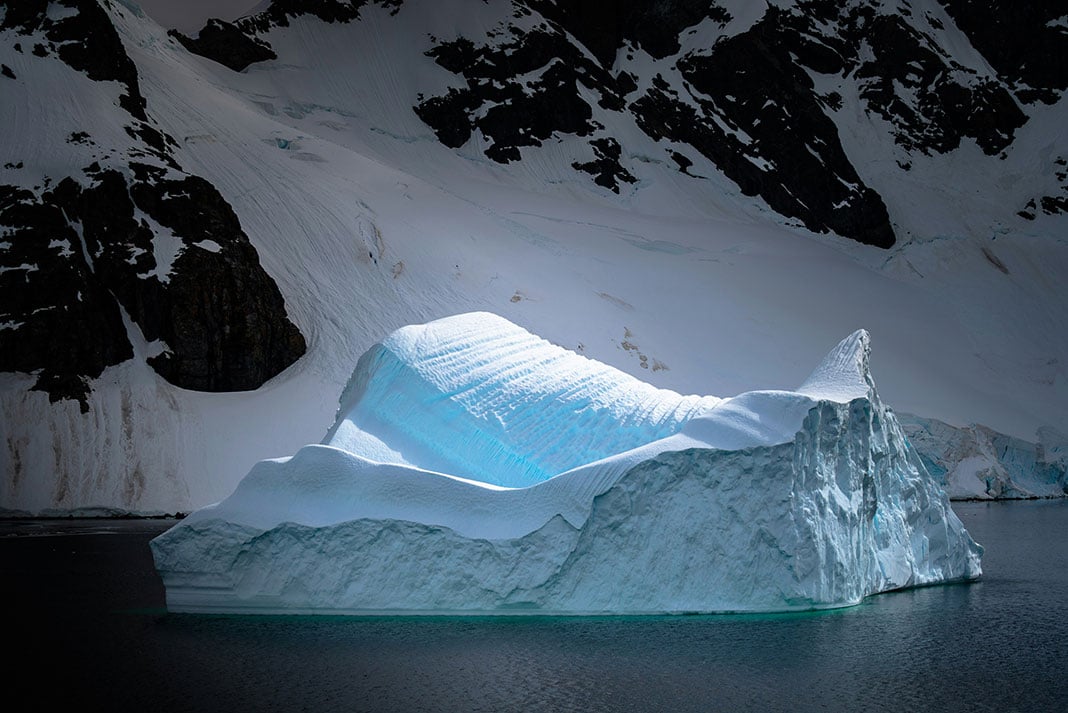
11 Antarctica
The paddling options in Antarctica are limited, yet it still ranks as one of the world’s most beautiful places to paddle for its icebergs, mountains and wildlife-covered shores. Most Antarctica kayak trips are based from adventure cruise ships, where guides and naturalists will take you out on the Southern Ocean for close encounters with otherworldly seascapes. Short, all-inclusive tours make these experiences of a lifetime available to novice kayakers.
VIEW ANTARCTICA PADDLING TRIPS
Photo: Murilo Gomes/Unsplash
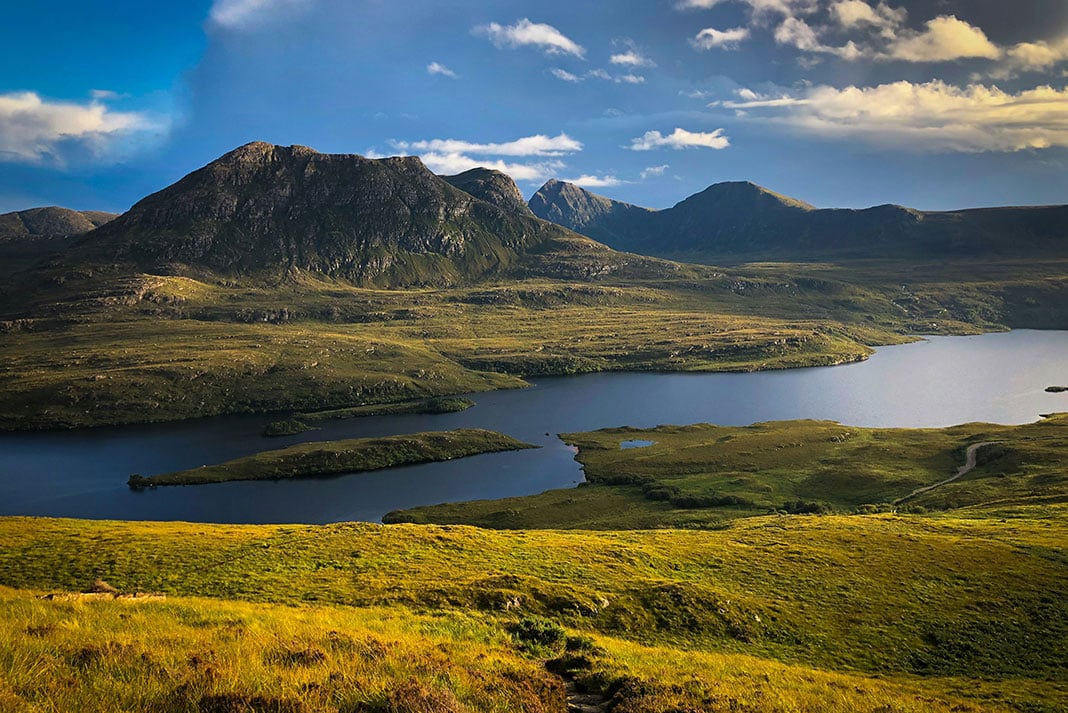
12 Scotland
With a mind-blowing coastline of islands and tide-washed channels on the North Sea, Scotland is a proven ground for expert sea kayakers. Places like the Isle of Skye and the Hebrides are world-renowned for outstanding scenery and challenging paddling conditions, with plenty of routes for day trips and overnight expeditions. The Scottish Highlands make for great canoeing, too, with tall peaks and harsh landscapes setting the backdrop for excellent paddling on rivers and lakes.
Feature photo: Benjamin Kraus/Unsplash
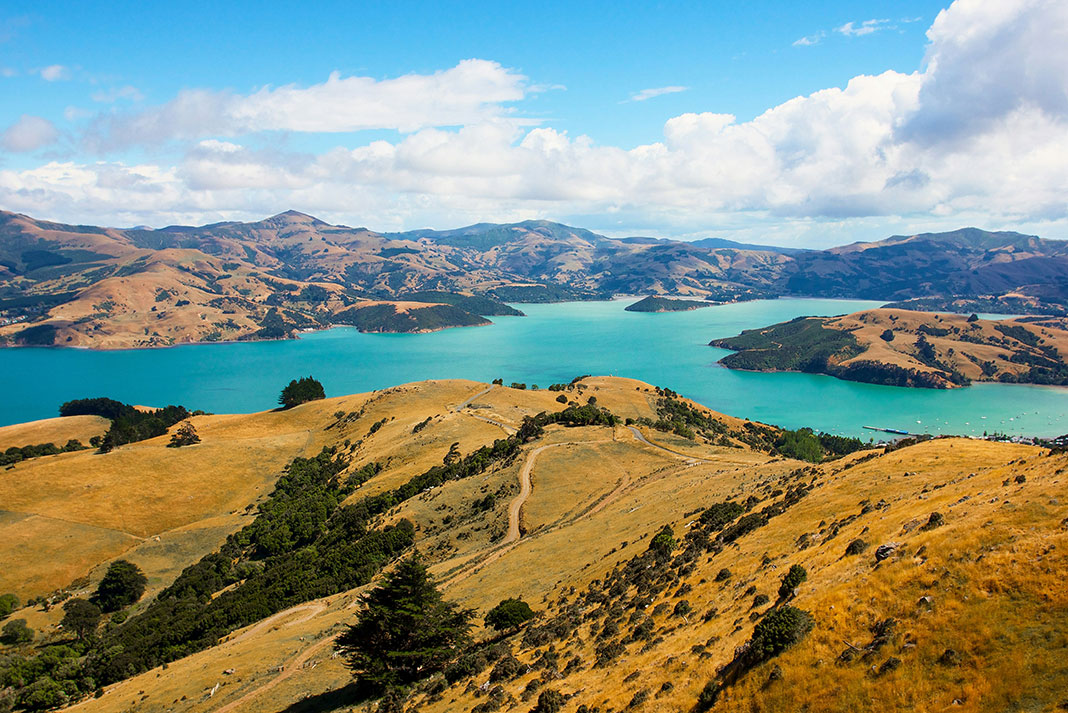
13 New Zealand
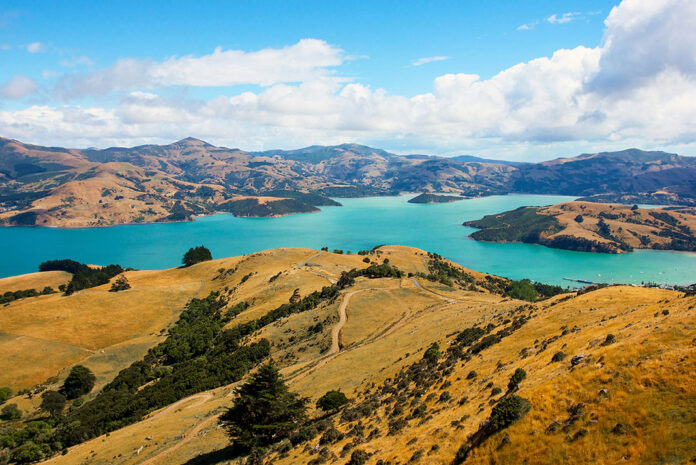
New Zealand routinely tops the list of most beautiful adventure destinations in the world, so it makes sense the country would also feature fantastic paddling. Abel Tasman National Park, located at the north end of the South Island, showcases New Zealand’s best kayaking, with expansive beaches, incredible coastlines and impressive biodiversity—even blue penguins. The area’s well-developed ecotourism industry includes guided tour operators, outfitters and water taxis to allow paddlers of all levels the opportunity to customize their own kayak trips, ranging from hours to days on the water.
What’s more, there are a multitude of whitewater rafting and kayaking options available on both the North and South Islands. Crystal clear, wild waterways like the Tongariro and Wairoa rivers cascade from New Zealand’s mountainous interior. Indigenous people coordinate much of New Zealand’s tourism and conservation, and efforts of the Maori community led to the Whanganui River being granted legal “personhood” in 2017.
VIEW AUSTRALIA & PACIFIC PADDLING TRIPS
Photo: Henrik Morkel/Unsplash
14 Sweden
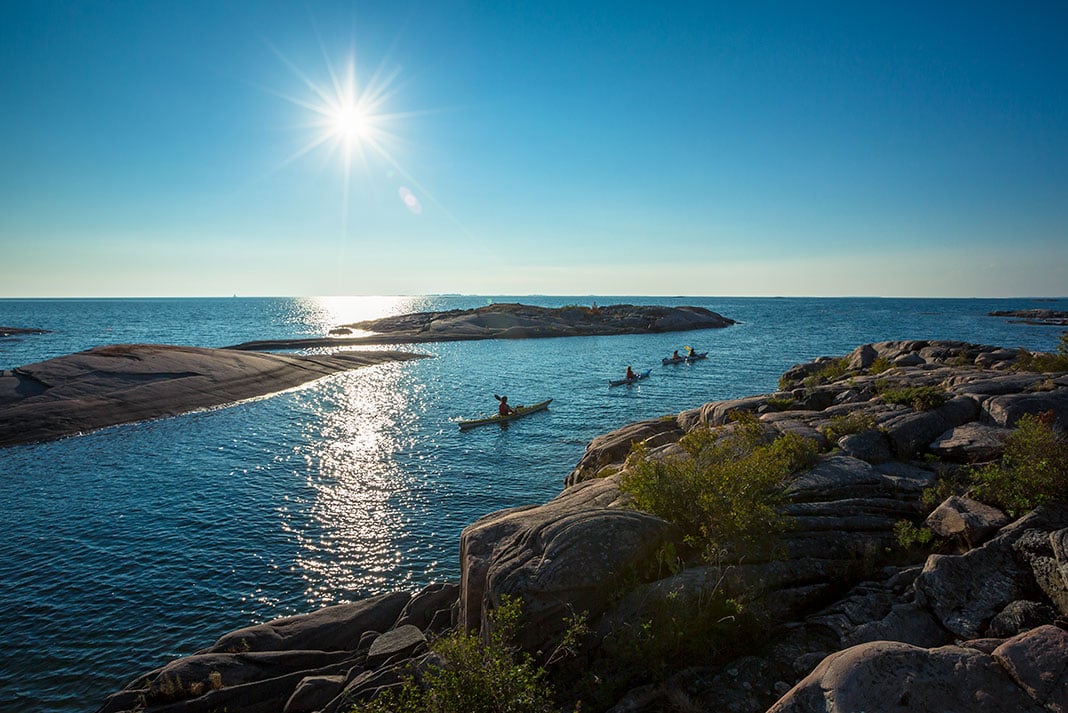
Scandinavia includes some of the world’s most beautiful places to paddle, with Sweden offering a huge variety. For starters, the Swedish backcountry offers multitudes of canoe routes amidst a classic landscape of lakes, rivers and boreal forest. The country also boasts plenty of coastline, and the Baltic Sea near Stockholm provides thousands of islands to explore by sea kayak. Come summer, the whole country basks beneath the midnight sun. Great public access to wilderness areas makes it easy to plan the paddling trip of a lifetime in Sweden.
Photo: Tristan Mimet/Unsplash
15 Portugal
Of Mediterranean paddling destinations, Portugal offers the greatest diversity of trips by kayak or canoe. The historic Douro and Mondego rivers flow peacefully through sweeping pastoral landscapes, complete with ancient vineyards and historic farms. Combined with a pleasant climate and friendly people, there’s no better place to paddle into Old World culture.
How does Astral evolve on the success of the long-running GreenJacket? By pouring over a decade of development into a freestyle-inspired high-float PFD built for the rigors of big volume rivers. Meet the all-new Indus line of life jackets.
Astral unveils high-float Indus line of PFDs
“People are running rivers at higher flows than ever before. As a brand that makes gear to promote calm confidence in extreme places, it’s obvious that more buoyancy was needed in case of a swim. The obstacle has been how to do it in a manner that doesn’t interfere with your body’s natural biomechanics,” explains Philip Curry, founder and CEO of Astral, on the launch of the new Indus.
“The answer is our signature Foam Tectonics architecture that allows the various foam panels to work independently of each other.”
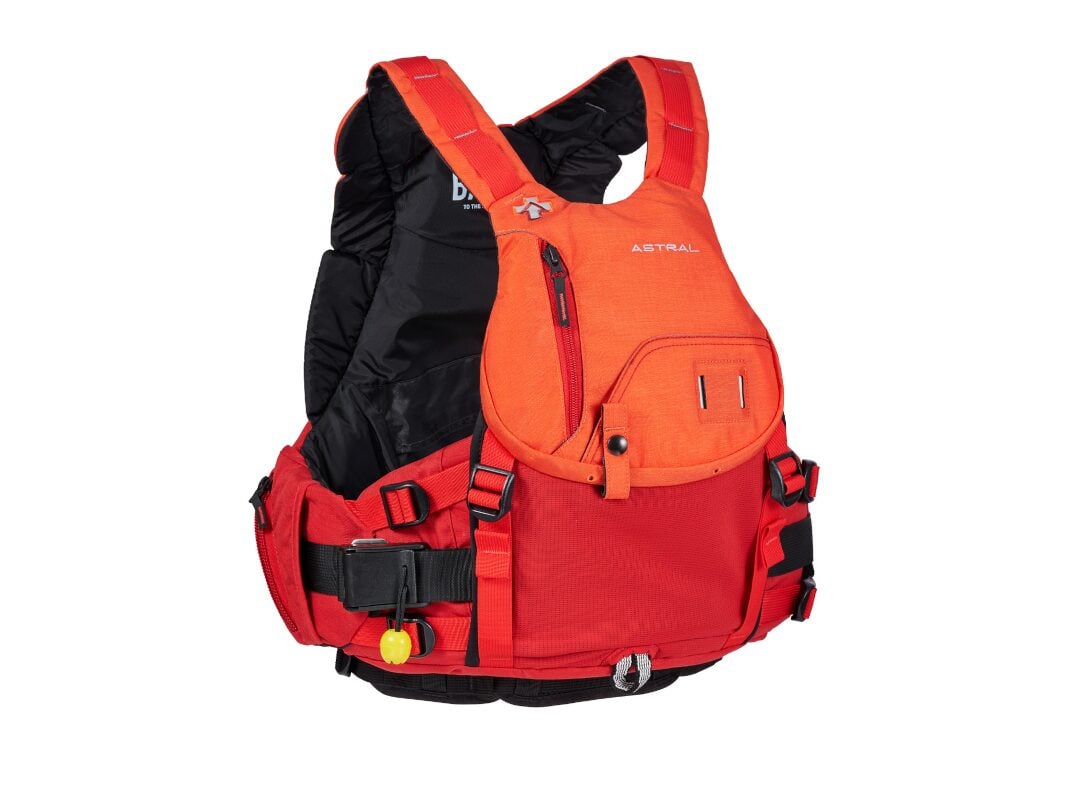
Astral Indus PFD. | Image: Astral
The Indus features 22 pounds of buoyancy built into a design prioritizing full mobility and performance. This is a 33 percent increase from the GreenJacket. The reason? Float higher and increase the chance of survival on a high volume river. It’s a PFD geared toward whitewater athletes, guides and swiftwater professionals. In short, river users who place a high value on a crafted blend of buoyancy and the mobility of a low-profile life jacket.
The Indus also features many of the elements Astral is known to include for serious river running, such as reinforced shoulder straps and a quick-release belt. GreenJacket fans will notice the Indus does not have a clamshell pocket. This was a move to slim down the profile of the jacket.
Eddyline first introduced the Caribbean 10 in 2023 as a sit-on-top kayak geared toward paddlers seeking calmer waters like slow rivers, lakes and ponds. The 10-foot length keeps the kayak manageable for beginner paddlers while providing enough speed to cover some ground. These qualities, skilfully achieved, land the Eddyline Caribbean 10 on our list of best beginner kayaks.
Carry A Whistle (And A Light For Night Use)
Every paddler should have a whistle attached to his/her life jacket.
Carry a light at night. Consider carrying a distress signal device.
First Look: Eddyline Caribbean 10
Speaking of covering ground, you’ll notice the hull on the Caribbean 10 is keeled from bow to stern, which keeps the kayak tracking straight with minimal corrections. At the same time, Eddyline combined the length with a tapered bow and stern shape that cut through the water with efficiency.
The hull also features scupper holes within the cockpit with the paddler and in the stern storage. This allows any water that enters the boat, whether from paddle splashing or waves, to drain out through the floor. With the elevated seat position, you won’t have to worry about sitting in a puddle, but for those calm, chilly days when you’d rather not have a bit of water swashing around at your feet, you can easily pick up a set of scupper plugs to close these drain holes.
The sit-on-top advantage
With a well-designed hull, the Caribbean is an enjoyable sit-on-top to paddle. What’s more it has a distinct advantage over an enclosed kayak: the ability to more easily climb in and out. Whether you’re just launching awkwardly from shore or have just capsized, the open and low profile of the deck around the cockpit is significantly less cumbersome than sit-inside kayak when it comes to climbing in.
“It’s easy to get on to, easy to get off of, and very stable in the wind,” Alex Stoeffl, Eddyline’s director of commercial operations, told us in a walkthrough of the Caribbean 10.
Because the Caribbean is an open-concept design, it also doesn’t really take on water should you capsize, and whatever is there will drain out the floor.
Know The Local Hazards
Check navigation charts before you launch.
Check with those who have local knowledge of man-made and natural hazards, e.g. low-head dams; sweepers, strainers and undercuts; tides and currents; and rocks and shoals.
Additional outfitting and features
Along with the padded seat, Eddyline has also included adjustable, sliding foot braces on the Caribbean 10. There are also solid webbing carry handles covered with a rubber grip on both the bow and stern, and a paddle holder to each side.
To cap it off, the Caribbean 10 features hatches for interior storage on the bow and stern of the kayak, and recessed tankwell storage behind the paddler with that scupper hole drainage mentioned earlier.
In the spring of 2024, we got our first look at one of the most unique recreational kayak designs we’ve ever seen, the 10AR from Delta Kayaks. The Delta 10AR, has outfitting components you don’t often find on a kayak in its class. But what really blew us away was the concept we saw when Nikki Rekman flipped the 10AR over and showed us the hull.
First look at the Delta 10AR
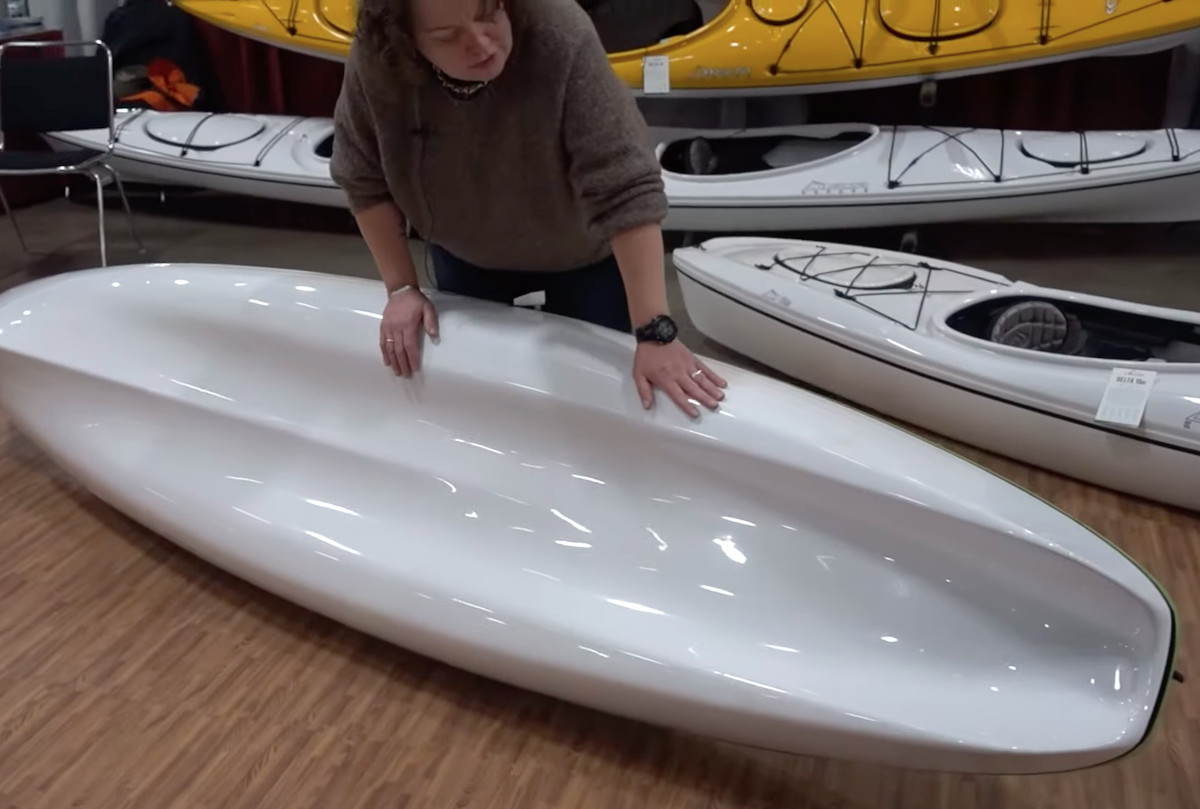
The unique Fusion Hull on the Delta 10AR | Image: Paddling Magazine Staff
A unique looking hull
The Delta 10AR is a 10-foot length. A size popular with paddlers who are newer to the sport or often paddle calmer and more protected stretches of water and aren’t seeking to cover big miles. The issue with these shorter kayaks is ensuring they have some tracking capability to go in a straight line, like their longer touring relatives, and also that they have good stability. Delta solved these issues with an intriguing hull concept.
If you take a look at the 10AR hull, you’ll notice the front looks traditional with its tapering V-shape. This gives the 10AR some tracking capability and also efficiency in cutting through the water to gain some speed. But when you move to the stern half of the 10AR things are radically different.
Carry A Waterproof VHF Radio, Use Your Phone Only As A Backup
A handheld VHF marine band radio allows you to communicate with the Coast Guard and other boat traffic. Use Channel 16 only for hailing and emergencies. The radio should be waterproof, because it is virtually certain to get wet.
A cell phone, even if in a waterproof case or sealable bag, might not work, so don’t rely on it as the primary means of emergency communication.
The stern shape of the 10AR mimics a pontoon or catamaran shape, which Delta calls their Fusion Hull. The goal, shared Rekman, is to accomplish two things. “It’s going to offer us great stability and great tracking, which is really nice in a recreational boat.”
The increased stability on calmer water that a pontoon-style hull provides can be a big help to recreational paddlers. We’ve seen these catamaran hulls gain widespread popularity on fishing kayaks, and it will be interesting to see this hybrid design put to use on a 10-foot recreational kayak.
Delta 10AR outfitting
A shorter recreational kayak doesn’t always feature the most elaborate outfitting, but Delta was thoughtful in what they’ve provided paddlers here.
The Contour II Seat System of the 10AR is a comfortable waffled foam. It also has a backband with adjustable height for support, and a seat that easily moves forward and back. This combines with an adjustable foot peg system at the paddler’s feet.
Education: Get Some!
Take a paddling safety course from the American Canoe Association (ACA), your local paddling shop or outfitter, or other reputable source.
Take a boating safety course from the U.S. Coast Guard Auxiliary, U.S. Power Squadrons® or your own state’s boating agency.
Take on-the-water skills training.
Behind the paddler is a stern storage hatch. This hatch is also sealed with a bulkhead, making it a dry storage area. I big bonus here is also the added safety the bulkhead provides by creating a space water does not enter should you capsize. This means less water that can enter the kayak, keeping it more buoyant and making for a much less strenuous to self-rescue.
The deck of the 10AR also has bungee storage on both the bow and stern, providing a place to strap quick-to-reach items like your radio or rain shell.
Inside the cockpit, in front of the paddler, there is even a small storage hatch that is easy to access, making a great spot to hold your sunglasses, a cellphone or camera.
Kayakers choosing a recreational kayak usually seek a few key attributes. First, a manageable size, around 10 feet, making them easier to transport and store. Another key is a kayak that tracks well to travel in a straight line, yet isn’t too much of a hassle to turn. A rec kayak should also be stable as to not easily flip. And lastly, affordable.
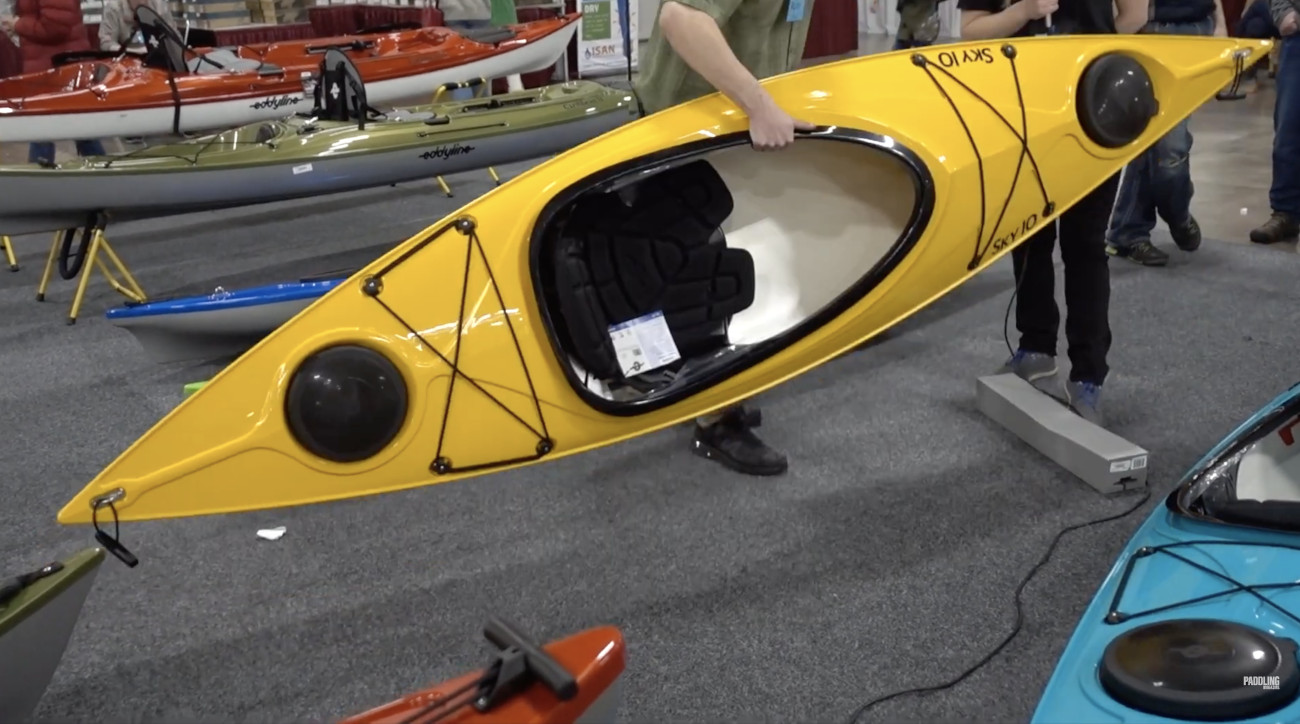
It’s tough to find a boat that checks each of these boxes, yet with the Sky 10, Eddyline has created a boat that exceeds the capabilities of what you’d expect in a recreational kayak.
A first look at the Eddyline Sky 10
Alex Stoeffl, Eddyline’s director of commercial operations told us in an interview that the Sky 10 is the boat he finds himself in most of the time. “It’s one of the best paddling 10-foot boats on the market,” Stoeffl said. “It paddles like it’s a longer boat than it really is.”
The Eddyline Sky 10 is a light lift. | Image: Paddling Magazine Staff
How the Sky 10 outperforms its class
Much of this ability is due to the tracking and light weight of the Sky 10. The tracking keeps paddlers going in a straight line, which means fewer corrections when wind or currents are attempting to push you off course. With the Sky 10, Eddyline accomplishes this with a ridged, keeled hull running bow to stern.
Wear A Life Jacket
Everyone, even strong swimmers, needs to wear a life jacket at all times when on the water. It is extremely difficult to put a life jacket on once you fall into the water. Even a light wind can blow any paddlecraft away from you, faster than you can swim.
Always wear a USCG-approved Level 70 or Type III life jacket designed for paddling.
The Sky 10 is also light — weighing just 32 pounds. This is at least 10 pounds lighter than many plastic kayaks used for recreational paddling on lakes, tidal waterways and slow rivers. In our video walkthrough of the Sky 10, you can see Stoeffl easily lift the boat with just one arm. This makes the Sky 10 more manageable to lift on and off your vehicle and carry to the river without strain.
The Sky 10 weighs just 32 pounds largely because of Eddyline’s Carbonlite 2000 material. It’s technically a plastic, but has the polished look of a kayak that has been built with fiberglass and resins. Carbonlite is also durable for a kayak build that you’re likely going to bash against a few rocks and drag up beaches.
Bonus features of the Sky 10
It’s not just the paddling performance of the Sky 10 that led us to call it more capable than many other rec kayaks of the same size. Eddyline has also included some great features, from the outfitting to storage, that are extremely helpful for paddlers.
The outfitting of the Sky 10 features a padded seat that you can actually spend durations of time sitting comfortably in, as well as adjustable sliding foot braces.
The deck of the Sky 10 is fitted with deck bungees both in front of and behind you, providing a space for quick-to-reach gear, like a water bottle, small drybag, radio or your bilge pump to empty any water that finds its way into the boat.
Check The Weather
Plan for changing weather conditions. Prepare for the worst case.
Don’t forget to check tide, currents, or river levels.
Impressive hatch storage
One of the Sky 10’s most impressive storage features are the forward a rear hatches on the bow and stern of the kayak sealed with bulkheads.
These hatches provide ample storage for more gear like additional layers and lunch. They are sealed with bulkheads inside the kayak, making them dry storage.
These sealed bulkheads are also a big bonus in the event you capsize. As long as the hatches are closed, they create large pockets in the bow and the stern of the kayak that will not take on water, keeping the kayak buoyant and above the surface. This makes it extremely more doable to empty and climb back in or swim it to shore.
Somehow Eddyline has fit all these features into this compact recreational kayak.
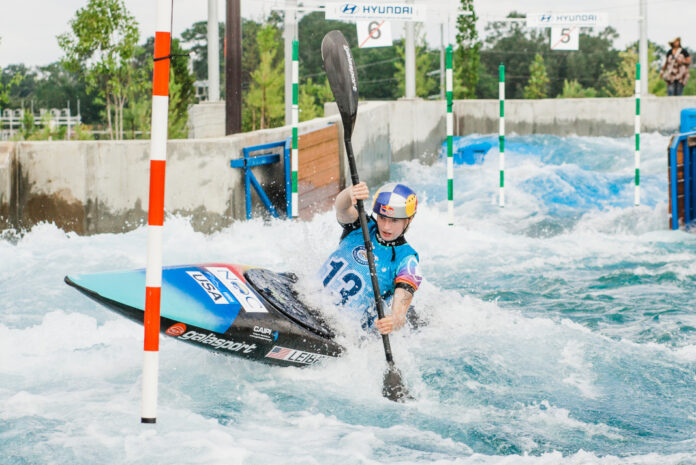
Evy Leibfarth on the Montgomery course set to host U.S. Olympic Team Trials. Feature Image: Montgomery Whitewater Park
American whitewater slalom and kayak cross athletes seeking a berth to compete in this summer’s Paris Games will take center stage on April 13, when the Olympic Trials stream on Peacock.
The whitewater trials are part of NBC’s Making Team USA Presented by Nissan, a campaign to air over 200 hours, including 35 of prime time coverage on NBC, showcasing the road for U.S. athletes to qualify for the 2024 Summer Olympic Games.
“All the drama we love about the Olympics begins with Making Team USA, when our nation’s best athletes vie to make the most competitive team in the world. In some events, it’s harder to qualify for the U.S. team than it is to win a medal at the Olympics themselves,” shares Molly Solomon, Executive Producer & President of NBC Olympics Production.
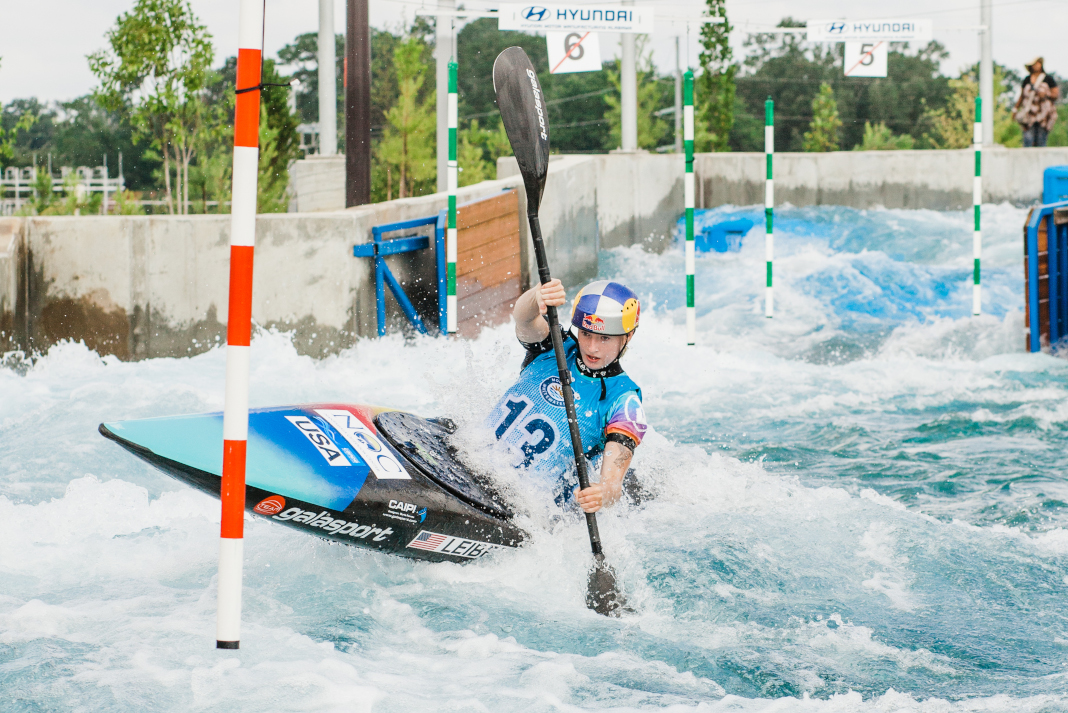
Evy Leibfarth on the Montgomery course set to host U.S. Olympic Team Trials. Feature Image: Montgomery Whitewater Park
Catch The U.S. Whitewater Team Trials
The U.S. canoe and kayak whitewater team trials will take place in two stages. The first leg will kick off this weekend at the recently opened whitewater park in Montgomery, Alabama on April 13 and 14, with live coverage streaming on Peacock starting at 10:00 am ET each day.
The second part of the trials unfold later this month at Riversport Rapids in Oklahoma City on April 26 and 27. Live coverage will air on Peacock also starting at 10:00 am ET each day.
This year, canoe slalom will share the whitewater course with kayak cross, the fresh event making its Olympic debut in Paris. The promise of kayak cross is an exciting, head-to-head race in creek boats, engaging to both spectators and whitewater enthusiasts.
Team USA has a rich history in slalom, but haven’t won an Olympic medal since Rebecca Giddens took silver in the women’s kayak in 2004.
This year, attention will be on phenom Evy Leibfarth, a strong contender on the women’s side, but first she will have to put on a display in Montgomery and Oklahoma City to claim her place at the Paris starting gate. So whether you are at home or hanging at the takeout, pull up the Peacock app and tune in for Olympic whitewater action.
Dates and Coverage for the 2024 U.S. Canoe Slalom Team Trials (Eastern Time)
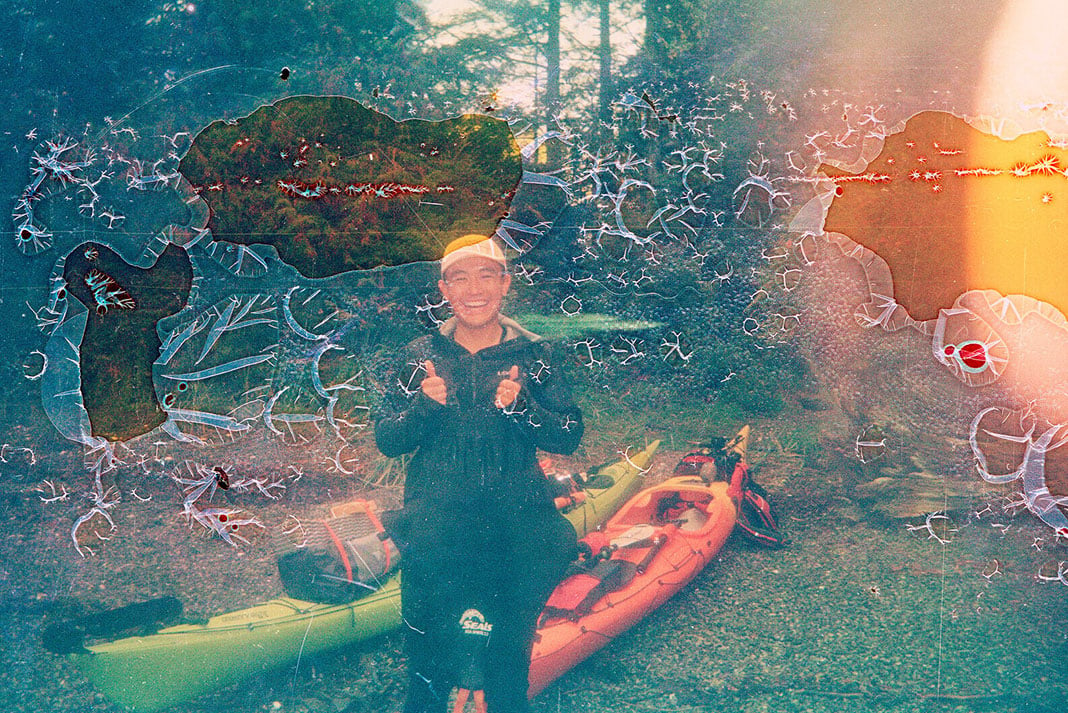
It’s not often a sea kayaking video opens with a viewer discretion warning. Then again, it’s rare to encounter a paddling film so brutally raw and with scenes so haunting they’ll keep you up at night. Vancouver-based filmmaker Richard Chen’s Beyond the Salish tells the story of a sea kayak expedition that nearly ended in tragedy—and will certainly provoke plenty of hand-wringing and commentary from audiences at stops on this year’s Paddling Film Festival World Tour.
Chen was introduced to sea kayaking by his friend, fellow 24-year-old Vancouverite William Chong. Chong was looking for a partner in paddling adventures, having previously kayaked solo from Prince Rupert to Klemtu along the Inside Passage of British Columbia’s northern coast. The pair spent last summer practicing their skills along the Vancouver waterfront, in preparation for a seven-day trip from Cougar Creek to Tofino on the west coast of Vancouver Island in late September.
“There’s nothing like learning by doing,” Chen says early in the film. “This journey would be my rite of passage.”
Photo: Courtesy Richard Chen and William Chong
From the outset of the film, it’s evident to viewers—if not the paddlers themselves—that Chen and Chong are in over their heads with the 150-kilometer route, most of which is exposed to the open Pacific Ocean. They were challenged by choppy seas and headwinds as they ventured out of sheltered waters on the second day. Chen remarks there were “points when I couldn’t even see Will” in the growing swells. In the moment, he says to the camera that he’s contemplating calling SOS with his phone.
Chong was equally concerned. “Conditions were getting out of hand,” he recalls. “I was worried if Richard could finish the trip.”
Going from bad to worse
The pair were slow to get started on their third day, and they finally hit the water around noon to find rising seas as the tide changed, forcing them a kilometer offshore to avoid breaking waves and shoals.
“As we navigated past the second reef, a rogue wave blindsided my kayak,” says Chen. “I yanked my sprayskirt, bailed out and screamed for Will.”
“For a brief moment, I thought, ‘Why did I decide to go with Richard?’” admits Chong.
Photo: Courtesy Richard Chen and William Chong
Photo: Courtesy Richard Chen and William Chong
From the water, Chen made an SOS call. Amidst surf and exposed rock, the pair struggled for 10 minutes to pump out Chen’s flooded kayak. Their attempts failed and after abandoning the boat, Chong tried to tow his partner out of harm’s way. This effort was also futile, and Chong says he knew he would be in the water soon, too. For the viewer, the panic in the friends’ terse communication, laced with expletives, is haunting.
“My initial reaction watching the footage was something along the lines of, ‘How did we not see this coming?’”
For Chen, the situation was “desperate.” He reached for Chong’s boat just as a “monster wave hit, snatching my glasses and phone.” Chong capsized and was now in the water, too. “At that moment,” says Chen, “it felt like all hope was gone.”
“My initial reaction watching the footage was something along the lines of, ‘How did we not see this coming?’” admits Chen. “Unlike many people who’ve experienced near-death experiences, our experience was self-inflicted, and criticizing us is perfectly valid. We had no business doing the kayak trip on that route with our experience both as a team as well as individuals. I think what’s important to know is that there are always risks to taking any expedition and it’s important to know where the edge of what you’re comfortable with is, and how far you can push yourself beyond your comfort zone. This is the lesson we’ve learned—is to take manageable risks and know when to pull back.”
Rescue comes by chance
In the point-of-view footage of the disaster, viewers can see an aluminum boat bobbing in and out of the background. Commercial fisherman Rick Williams just happened to be boating by, and he tenuously navigated the choppy waters and pulled Chen and Chong from the sea.
“He found us in distress completely coincidentally,” says Chen. “What I felt when I was pulled out of the water was perhaps the biggest relief of my life. I collapsed onto the deck and I couldn’t muster anything else but a ‘thank you’ out of my mouth.”
Photo: Courtesy Richard Chen and William Chong
“The fact that we came out alive and unscathed is something beyond luck and human comprehension,” adds Chen. “Often filmmakers make the hero’s story a long-winded journey of struggle and failure that in the end leads to success. At the heart of Beyond the Salish is a humbling experience where two young men, optimistic with big dreams, come face to face with the obstacles of a harsh reality.”
Moscow, Idaho — Northwest River Supplies (NRS), the world’s leading supplier of equipment and apparel for water recreation, safety and rescue, proudly announces the launch of its highly anticipated suite of innovative new products, set to revolutionize the outdoor industry and enhance the adventure experience for enthusiasts worldwide.
With a rich history rooted in a passion for rivers and outdoor exploration, NRS continues to push the boundaries of possibility, leading the way with cutting-edge solutions designed to meet the evolving needs of adventurers. The new suite of products showcases NRS’s unwavering commitment to excellence and its dedication to providing customers with the tools they need to embark on unforgettable adventures with confidence. Designed with input from top athletes and outdoor experts, NRS’s new line of paddling gear sets a new standard for comfort, performance and versatility. Each product in the lineup represents the pinnacle of craftsmanship and reliability, meticulously crafted to enhance the paddling experience.
Highlights of the new product suite include:
Life Jackets / Personal Flotation Devices (PFDs)
All new PFDs are specifically designed to fit all genders and body types thanks to the new NRS Orbit Fit System. Orbit fit’s flexible pre-curved shape immediately wraps around and embraces the paddler’s torso for a snug, secure fit without having to over tighten. Full PFD line release coming March 12, 2024.
Ninja, Ninja OS and Ninja Pro — A fan favorite for years, the Ninja is known for being NRS’s lowest-profile jacket. By concentrating all the flotation into a smaller surface area, the Ninja redefines what freedom of movement means while wearing a life jacket. This year, NRS redesigned the Ninja platform to better fit a range of body types and introduced rescue and touring-specific options.
Odyssey — Designed for offshore safety and convenience, the redesigned Odyssey PFD combines an unmatched fit with incredible freedom of movement to enhance the touring and adventure paddler’s experience.
Vector — We combined the superior fit of the Orbit Fit System with extensive Class V rescue-specific details to reimagine the performance of a rescue PFD. Built for guides, Search and Rescue professionals and expedition kayakers, the Vector is the lightest, most comfortable rescue vest available.
Ambient — A modern take on a classic design, the NRS Ambient PFD combines simplicity and comfort with safety and protection. With the convenience of a front-zip entry and the freedom to swim, paddle and splash, you won’t find a more comfortable recreational jacket than the Ambient.
Fishing Rafts
Building on the release of the Slipstream Fishing Rafts in 2022, NRS continues to evolve its lineup of rafts purpose-built for adventure anglers. Engineered for maximum performance and durability, NRS’s latest fishing raft models feature innovative construction materials and advanced design elements, ensuring unmatched stability, maneuverability and safety on the water, and guaranteeing to enhance the adventure angler’s experience. Full Approach and Slipstream release coming March 26.
Approach — Lightweight and easy to transport, the Approach Rafts redefine the limits of where a boat can take you. A combination of smaller tubes and a thick drop stitch insert floor enhances buoyancy, letting the Approach draft in really skinny water. With customizable features and two sizes to choose from, the NRS Approach micro-raft packages open access to headwaters and tighter, more remote waters other boats can’t reach.
Slipstream — The NRS award-winning Slipstream hits the 2024 season with next-level updates, including an increased drop stitch floor volume for superior low water drafting, improved storage and enhanced stability and comfort for standing anglers—all in a lighter package.
Packrafts
Leaning on 50 years of boat-building experience, NRS is introducing a line of packrafts that are more durable and will expand the boundaries of the adventurous spirit. Overlapping, heat-welded seams combine with interior taping, to create an incredibly strong mechanical bond for fail-proof air retention. PVC-free, TPU-coated nylon interior and exterior coating provides additional resistance to abrasion. With three unique designs purpose-built for calm, moving and whitewater, there’s a packraft for all levels of paddlers. Full Packraft release coming April 9.
Stand-Up Paddleboards (SUPs)
Whether living in the city, the burbs or the backwoods, NRS inflatable SUPs make getting outside accessible. In 2024, we’re excited to announce that we’re hand-shaping inflatable paddleboards in Idaho and pushing the evolution of SUP to a new level. New NRS boards boast a combination of two innovative construction methods. Integrated Shaping Technology (IST™) makes it possible to purposefully design boards for specific paddling styles while Z/Blend Core™ uses woven, rather than knit, drop stitch to build stiffer, lighter boards. Plus, all boards are backed with an industry-best warranty. Full SUP release coming May 7.
Clipper SUP — The Clipper SUP Board is a premium touring board featuring a deliberately shaped nose and tail rocker to balance tracking and maneuverability. Whether you’re challenging headwinds on the Great Lakes or crushing river miles to make camp, the Clipper handles touring and overnight adventures with ease.
Clean SUP — The Clean SUP Board turns clean-line dreams into a reality. Featuring a significant continuous tail and nose rocker, the Clean transforms rapids into a paddling playground. Downriver paddlers can choose between two sizes—a shorter playful board or one better designed for multi-day adventures.
Sleeping pad? Check. Seat cushion? Check. Cooler insulation? Check. River float? Check. The Snooze Pad is summer’s best friend. Sleep easy on three different sizes of dual-density foam covered in durable, waterproof TPU-coated nylon. PVC-free and self-inflating for a comfortable night spent under the stars.
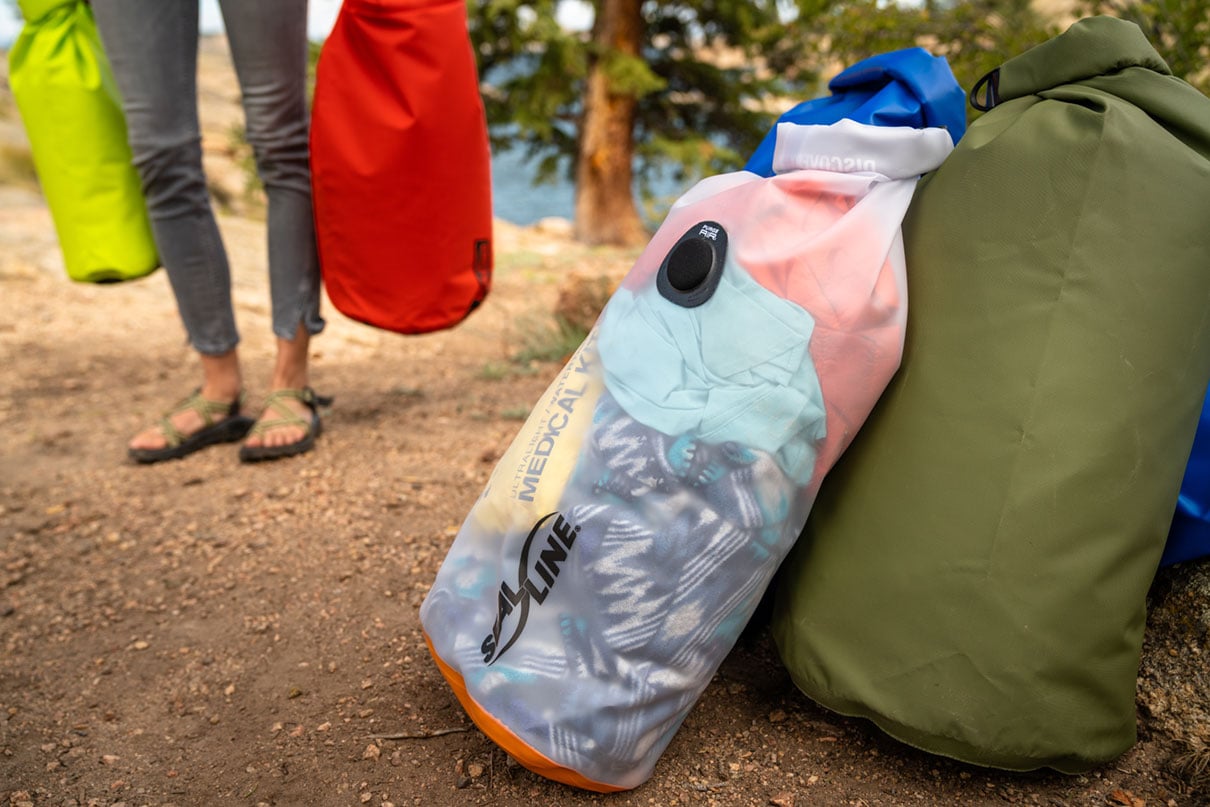
Home to the legendary Bill’s Bags, NRS is revising its line of dry bags with the new, improved and PVC-free Expedition DriDuffel and High Roll Duffel. The heavy duty UV and wear-resistant Expedition DriDuffel sports RF welded seams that can handle the wear and tear of any outdoor adventure season after season and a TRU® Zip closure that delivers an immersion-ready waterproof seal and a self-repairing toothless “zipper,” making wilderness maintenance a non-issue.
About NRS
100% employee-owned, NRS is the world’s leading supplier of equipment and apparel for water recreation, safety and rescue. Founded in 1972 with a vision to create a better kind of company, NRS is dedicated to promoting the health and well-being of its customers, employees and community.


 This article was first published in the Spring 2024 issue of Paddling Magazine.