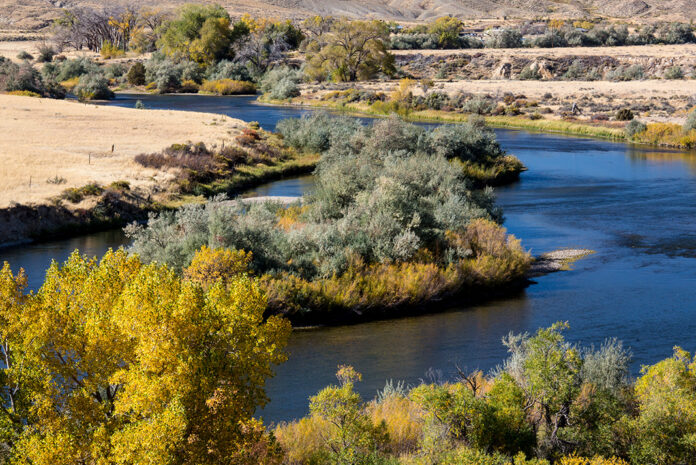
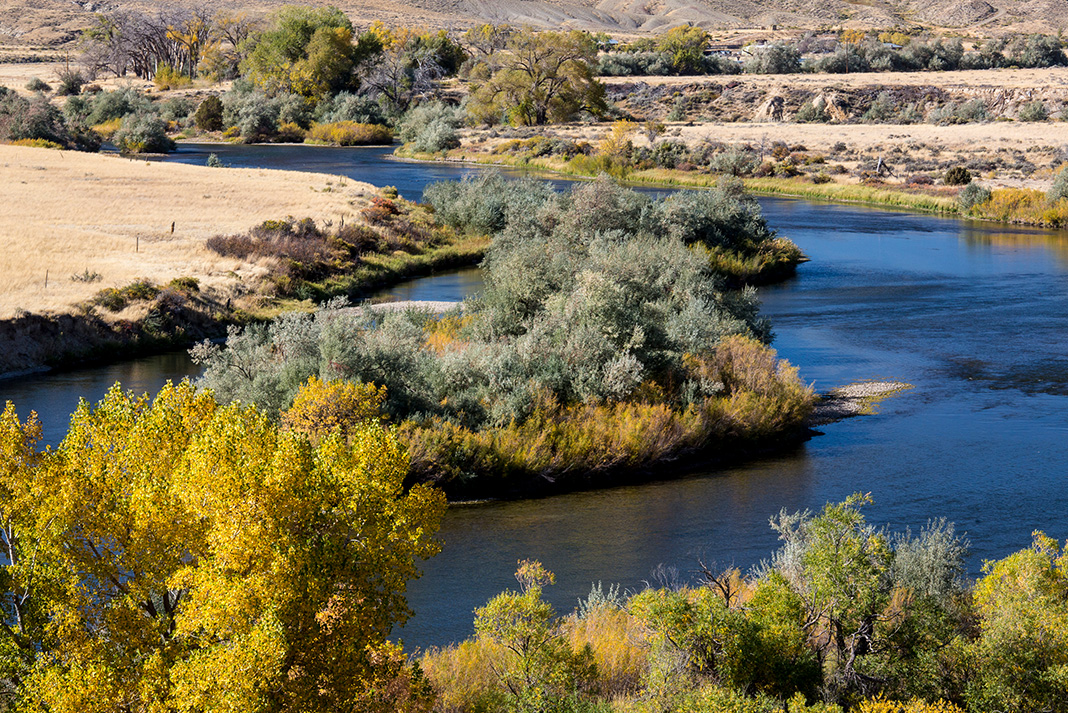
TAKOMA PARK, MD, May 25— With a click or a swipe, paddlers and anglers can now “shop” the rivers in Wyoming when planning outdoor excursions. The National Rivers Project (NRP) website now features 850 river miles and nearly 120 access points with the recent addition of rivers managed by the Bureau of Land Management (BLM) in Wyoming.
“The National Rivers Project allows recreationists to explore new parts of Wyoming, whether they’re looking to float, fish, camp or just hang out along public rivers,” said Katy Kuhnel, BLM outdoor recreation planner. “This way, we introduce new users to public lands and waters while protecting important resources like riparian ecosystems and clean water.”
Newly added rivers include the North Platte River, recognized among the top five fisheries in the state as a Blue Ribbon Stream, and the Bighorn River Blueway Trail, which is set to gain recreational facilities through a partnership with the Bighorn Basin Outdoor Recreation Collaborative and local communities. Both are popular for floating, fishing, observing wildlife, picnicking and camping.
The River Management Society launched the NRP in 2015 to increase visibility for water trails, whitewater rivers and Wild and Scenic Rivers. Site visitors can search for rivers by location, difficulty, managing agency and related activities. Nearly 60 federal, state and local watershed partners have provided the data, making it the most comprehensive and reliable river map on the web. For this project, RMS gives special thanks to BLM Wyoming and its outdoor recreation planners for their partnership.
“It is wonderful to have river access information in one easy-to-use database.”
“It is wonderful to have river access information in one easy-to-use database,” said Lochen Wood, fellow BLM outdoor recreation planner. “It’s all about access.”
The River Management Society is a 501c3 non-profit organization that supports professionals who study, protect and manage North America’s rivers by providing resources, training and networking opportunities to its members. One such resource is the National Rivers Project. Powered by authoritative river data in the National River Recreation Database, this online map and search engine enables tens of thousands of recreationists to discover new river sections nationwide each year.
Ethan Ebersold & Dan Arbuckle | Photo Courtesy of Level Six
Ottawa, Canada | May 26, 2023 – Level Six announced today that they have hired three new sales representatives in two key U.S. territories.
Ethan Ebersold and Dan Arbuckle have joined the team as Western U.S. sales representatives. Ethan and Dan will work in conjunction to manage sales and dealer support in the following states:
Washington (WA)
Oregon (OR)
California (CA)
Idaho (ID)
Nevada (NV)
Montana (MT)
Wyoming (WY)
Utah (UT)
Arizona (AZ)
Ethan Ebersold & Dan Arbuckle | Photo: Courtesy of Level Six
“Dan and I are thrilled to join forces with Level Six to support dealers and paddlers in the Western U.S.,” said Ethan Ebersold.
“We’ve admired and used their gear for years and are especially excited to be part of their commitment to more sustainable materials and resource protection,” added Dan Arbuckle. “This territory’s waters and weather can range from drysuit conditions to swimwear and everywhere in between and Level Six has it all.”
In addition to Ethan and Dan in the west, Level Six is pleased to welcome Bahen Privett as Southeast U.S. sales representative. Bahen brings an intimate knowledge of the Southeast retail and paddling landscape. He’ll also manage sales and dealer support in the following key states:
West Virginia (WV)
Virginia (VA)
Kentucky (KY)
Tennessee (TN)
North Carolina (NC)
South Carolina (SC)
Mississippi (MS)
Alabama (AL)Georgia (GA)
Florida (FL)
Bahen Privett. | Photo: Courtesy of Level Six
“I am excited to work with a company that is passionate about making the paddling experience as amazing as possible for everyone,” said Bahen. “Level Six is not only creating some of the best gear out there to paddle in, but they’re doing it in a sustainable way and working to introduce more people to the magic that being on the water provides.”
“As Level Six continues to grow in the U.S., we are fortunate to have Ethan, Dan and Bahen on board to guide our sales and brand awareness in key markets,” VP of sales, Patrick Quinney, said. “We are very excited to have these passionate individuals on our team. The experience and pedigree they bring to our team is going to be integral to our long-term growth and brand presence in the Western and Southeast United States.”
For Level Six, this is a continuation of its commitment to be present and engaged in the communities that it sells in. Stay tuned as more exciting news is coming down the pipeline this year.
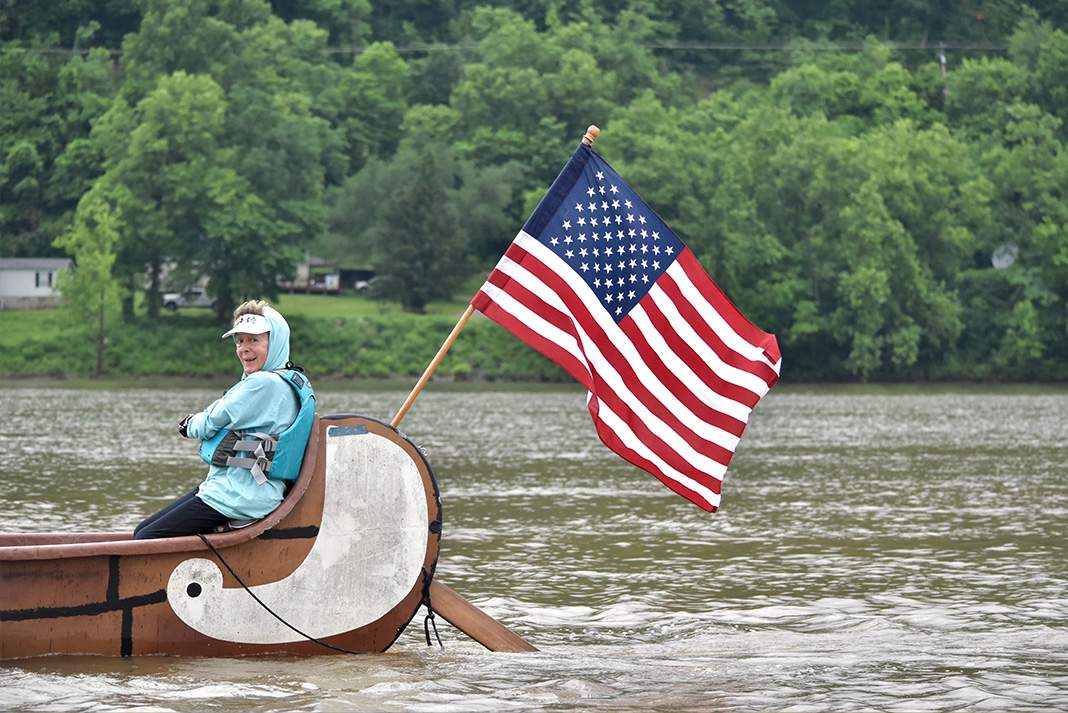
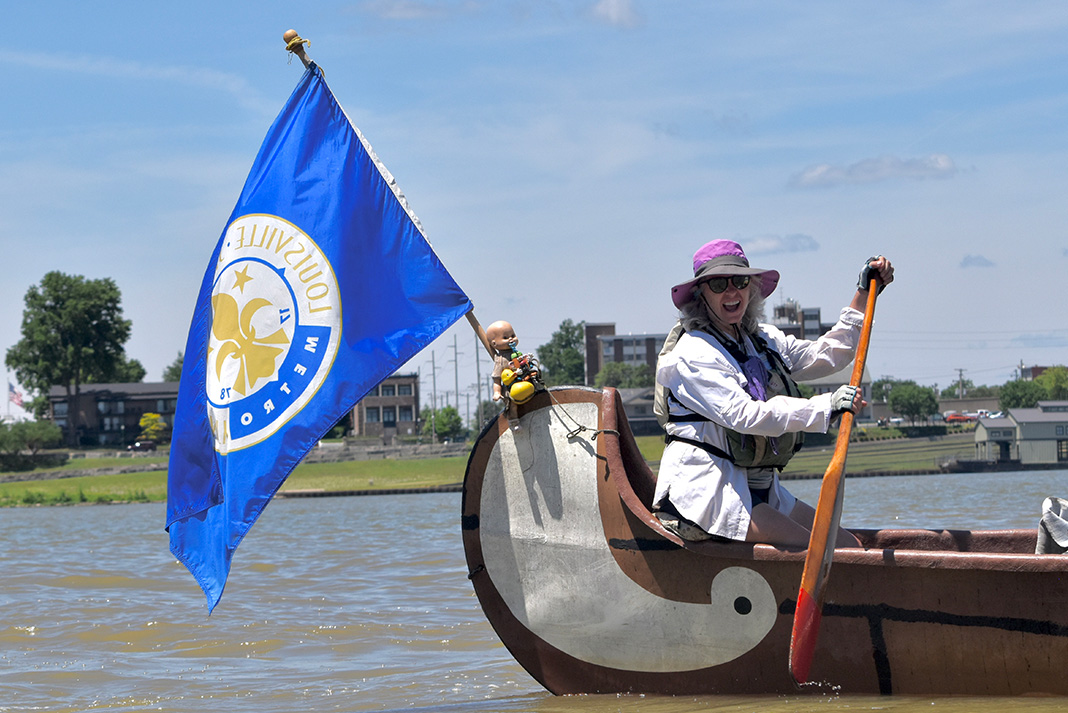
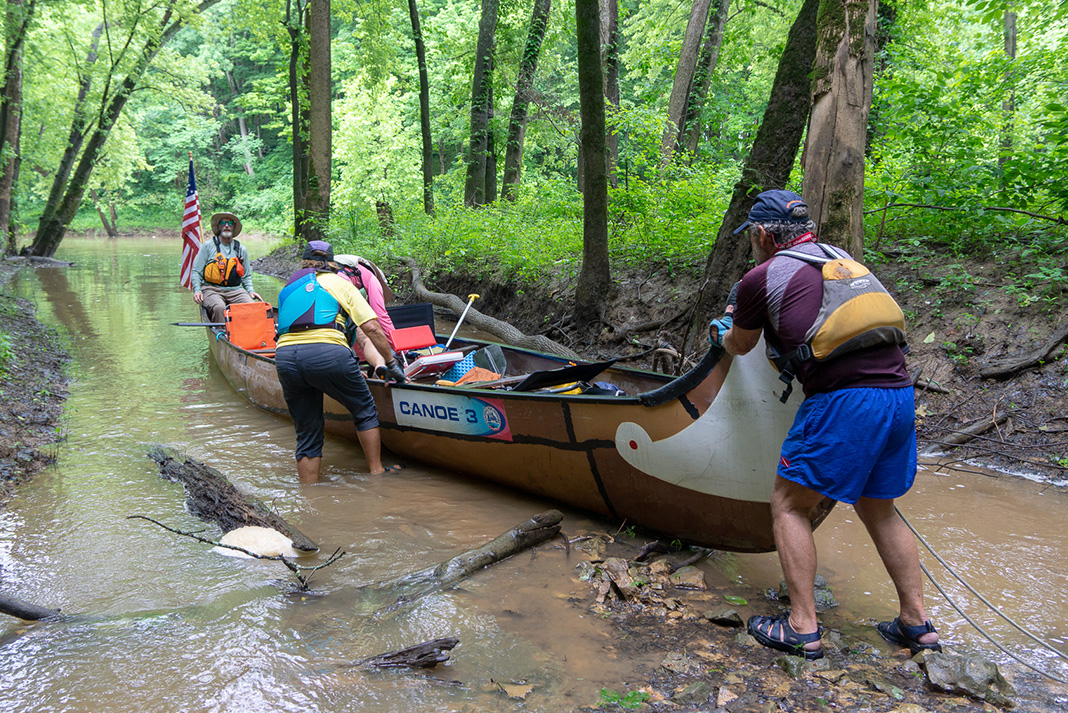
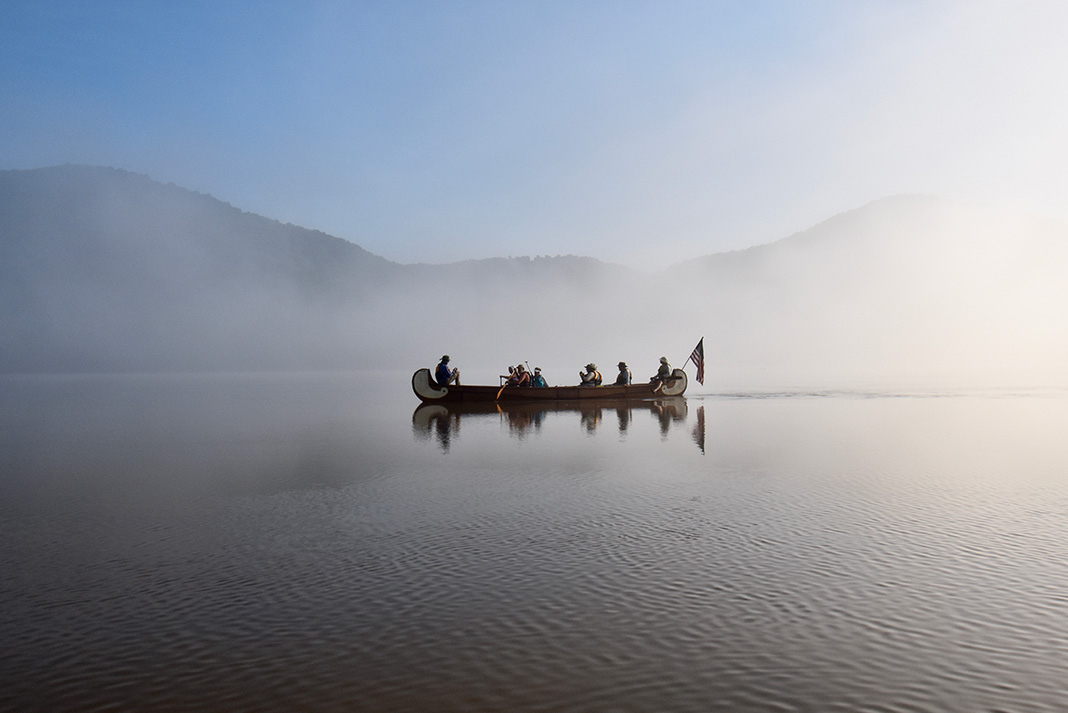
CINCINNATI, Ohio (May 29, 2023) – On June 2, a team of intrepid paddlers is set to embark on the Ohio River Challenge, a 250-mile, 10-day expedition from Portsmouth, Ohio to Louisville, Kentucky. Retracing the route of past explorers, their expedition has a modern day mission: forge partnerships showcasing the region’s natural beauty, cultural heritage and abundant opportunities for outdoor recreation.
Along the way, the team of adventurers will moor their 30-foot-long voyageur canoes in river towns large and small. At each stop, these ambassadors of the Ohio River Way will connect with community leaders and residents while getting a taste for the local culture. At the end of each day, they’ll continue these conversations at a local eatery before making camp for the night.
Photo by Susan Griffen Ward
Photo by Susan Griffen Ward
The expedition’s lead organizer is Dr. David Wicks, chair of Louisville’s River City Paddle Sports and vice-chair of the Ohio River Way. When asked about the purpose of the paddle, Wicks explained, “As we float down this majestic river, we’re shining a light on the tapestry of vibrant culture, untold stories and ecological wonders that weave the fabric of the Ohio River Way. If you’re looking for an adventure, you don’t have to look far from home. The Ohio is right here.”
“This expedition encapsulates the very essence of the Ohio River Way,” said Brewster Rhoads, chair of the Ohio River Way. “We’re eager to immerse ourselves in the awe-inspiring beauty and rich history of the river, while promoting outdoor recreation and connecting the communities that are a part of its legacy. Together, we can celebrate the Ohio River Way of Life and cultivate sustainable economic growth throughout our region.”
Photo by Joe Wolek
Launching in Portsmouth, the expedition will pitch their tents in 10 communities before arriving in Louisville:
June 2: Depart Portsmouth, Ohio
June 2: Vanceburg, Kentucky
June 3: Maysville, Kentucky
June 4, Augusta, Kentucky
June 5, Thomas More Biological Research Station
June 6: Cincinnati, Ohio
June 7: Rising Sun, Indiana
June 8: Vevay, Indiana
June 9: Madison, Indiana
June 10: Westport, Kentucky
June 11: Arrive in Louisville, Kentucky
Photo: Susan Griffen
The Ohio River Challenge is organized by River City Paddle Sports in partnership with the Ohio River Way, both 501(c)3 nonprofit organizations. The mission of River City Paddle Sports is to expand community access to paddle sports through education, outreach and competition. The Ohio River Way is a region-wide organization that works to promote outdoor adventure, attract sustainable tourism and enhance the overall quality of life in the river towns.
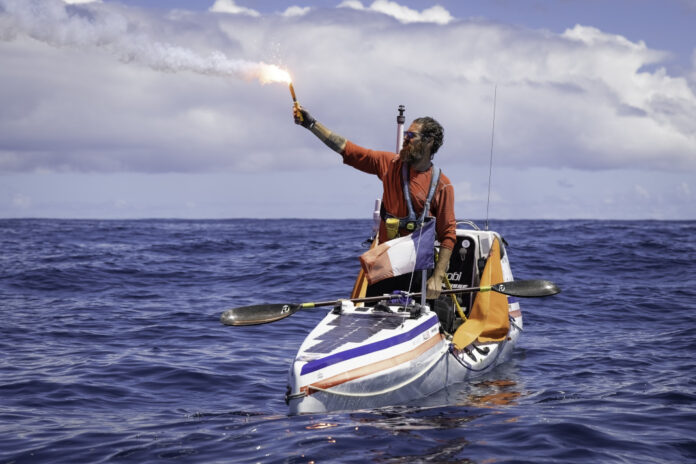
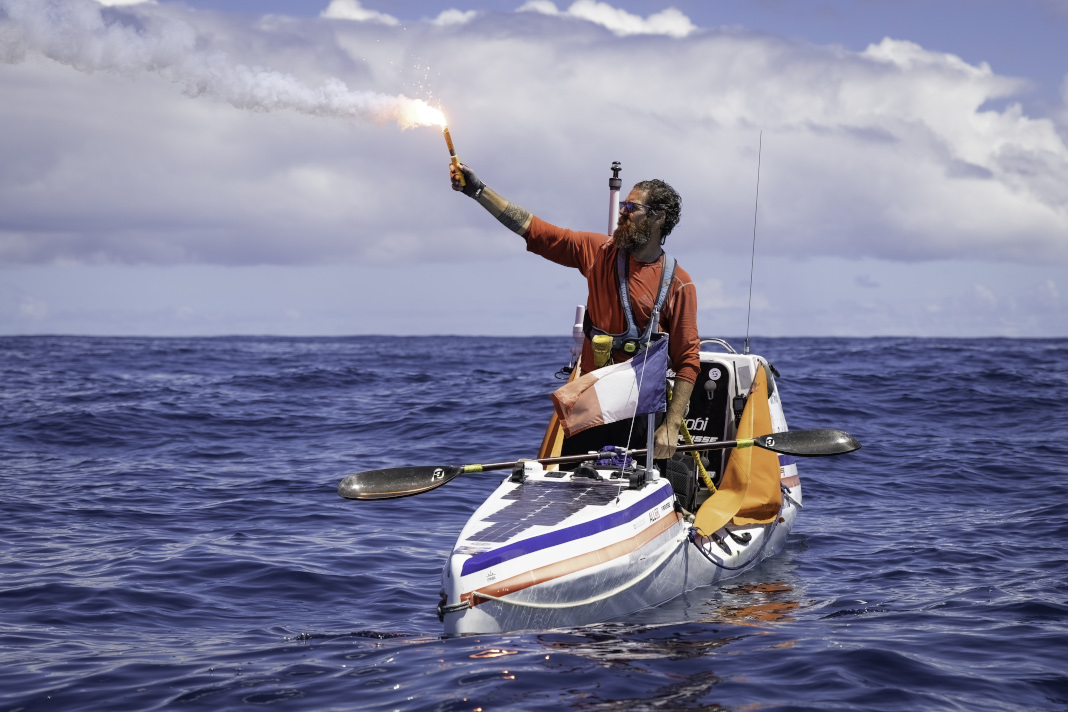
Cyril Derreumaux became just the second known person to complete a solo, unsupported crossing between California and Hawaii by kayak in September of 2022. Now, the 46-year-old adventurer seeks to follow up on the 2,400-mile achievement. On May 22, 2023, Derreumaux announced his intention to kayak across the Atlantic from the Canary Islands to Barbados—a voyage of 2,800 nautical miles.
“Following my 91-day expedition from California to Hawaii last year, I’m happy to announce my intentions to cross the Atlantic east to west in 2024, once again in a solo, unsupported and 100-percent human-powered Kayak,” Derreumaux shared in the announcement on social media.
“This will be another exploration and demonstration of the human potential, pushing against my physical and mental limits, and sharing my thoughts and learnings along the way.”
Cyril Derreumaux’s Plan To Kayak Across The Atlantic
Derreumaux plans to depart the Canary Islands in December of 2024 for Barbados. The French-born adventurer expects the expedition to take between 80 to 90 days. He will be using the same 23-foot kayak that safely carried him to Hawaii. The kayak features a fully sealable and self-righting survival pod used as a sleeping cabin.
In the recent social media post, Derreumaux goes on to say he will only be able to pull off the crossing with the help of partners and sponsors to assist in supporting the effort.
The solo Atlantic crossing has been completed by more paddlers than the journey from California to Hawaii. However, the attempt would put Derreumaux among an intrepid collection of expedition athletes, notably: the three successful crossings made by Aleksander Doba; the first standup paddleboard journey completed by Chris Bertish; and, most recently, the South Africa to Brazil voyage of Richard Kohler.
2024 is just around the corner when it comes to an expedition of this magnitude, and we look forward to following Derreumaux’s voyage as it develops. Learn more about Cyril Derreumaux’s upcoming expedition at: https://www.solokayaktheatlantic.com/.
Team Mississippi Speed Record accomplishing just that. Image: Mississippi Speed Record
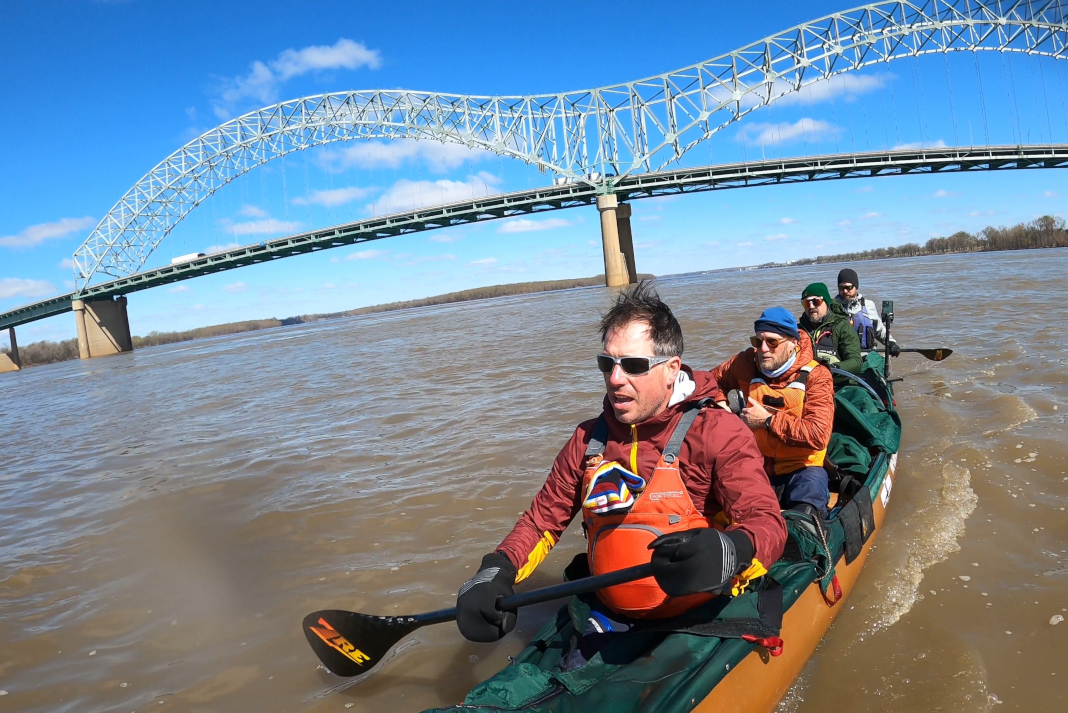
A team of four paddlers has unofficially set a new Guinness World Record for the fastest time to “row the length” of the Mississippi River, voyaging some 2,350 miles from source to sea in 16 days, 20 hours and 16 minutes.
Team Mississippi Speed Record accomplishing just that. Image: Benjamin Hamilton / courtesy Mississippi Speed Record
Setting A New Mississippi Speed Record
Team Mississippi Speed Record (MSR) captain Scott Miller said the effort was dramatic to the end. Miller described coursing down the river in the pitch black toward the buoy that marks the finish, feeling a tunnel vision and a palpable roar of energy propelling them to the finish.
“We’re going down the river, and it was like some demonic influence took over, and my teammates were pumping so hard to get to the end,” Miller recounted on Saturday after a few hours sleep at a hotel in Louisiana. “Of course, I’m worried we’re going to slam into the mile marker zero buoy and ruin everything because they were going too fast.”
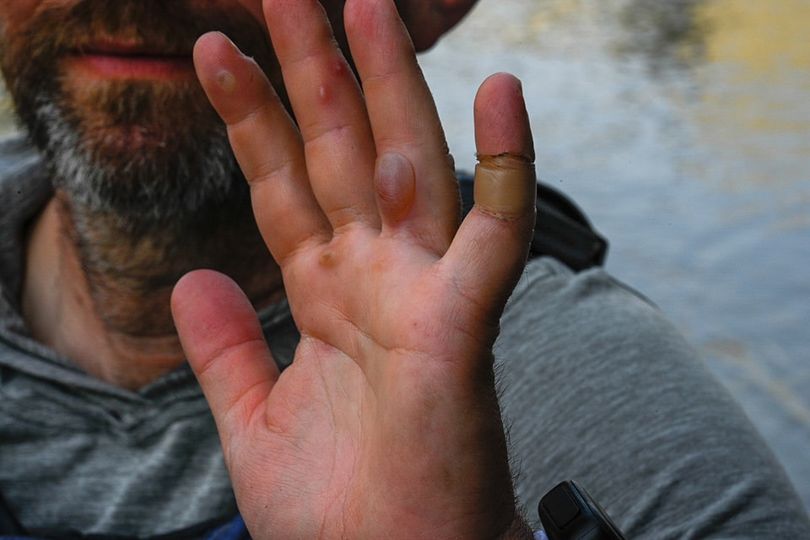
Sore, blistered, chafed and sleep-deprived at the finish, Miller and his teammates Paul Cox, Judson Steinback and Wally Werderich climbed the buoy at the Heads of Passes, pumping their fists, hugging and taking selfies while dozens of family, friends and support crew members cheered from nearby vessels.
“I had three incredible paddling teammates. They supported me. I learned a ton from them because they’re really the expert paddlers,” Miller said, referring to their resumes in endurance events like the Great Alabama 650 and Missouri River 340.
The MSR team set off from the headwaters in Lake Itasca, Minnesota, on May 10, and arrived at the Gulf of Mexico in Louisiana just after 2 a.m. on May 27.
“Such amazing things happened literally every day: the ice, the fog, the rain, the big, huge lakes, the rapids,” said Miller. “It takes my breath away to think of the epic quality.”
Mother Nature put on a show — and threw in a few favors. “To set this record, you’ve got to be really good and you’ve got to be really lucky,” said Miller, noting the good weather, low wind and short wait times at locks and dams.
Their first days in Minnesota were a good omen. Their May 7 launch was delayed to wait for ice-out on Lake Winnibigoshish, but after three days, they couldn’t wait any longer. Setting off from Lake Itasca, they hoped to paddle through or around the disintegrating ice by the time they got to Winnibigoshish some 33 hours later.
“It was a gamble. We were running out of time,” said Miller. “We think there’s a pretty good chance that we get through this… but we just have to go. And miracle of miracles, by the time we got there, the ice was entirely gone.”
The spoils of victory. Image: Wilderness Mindset / courtesy Mississippi Speed Record
Avoiding The Brink Of Disaster
The team built up a lead on the 2021 record-holder’s time splits early on, but they never allowed themselves to think they had it in the bag.
“We tried not to ever say it internally to ourselves, even in our own minds … If you had that mindset, you’re just asking for it. It’s dangerous until the last second,” said Miller, recounting how a boat wave bobbled their canoe in the final minutes near the finish. “Had that wave been a little bigger or we hadn’t been paying attention, we could have flipped the boat right there with 15 minutes to go.”
The team’s scariest moment came while waiting for a tugboat to pass at a lock and dam in Iowa. A strong current pulled them toward a dam downstream. The team called in support boat Falcon and grabbed on to be towed back upstream — the Guinness rules only forbid help with forward progress — before passing safely through the lock. Shaken up, they stopped ashore for several hours to recuperate.
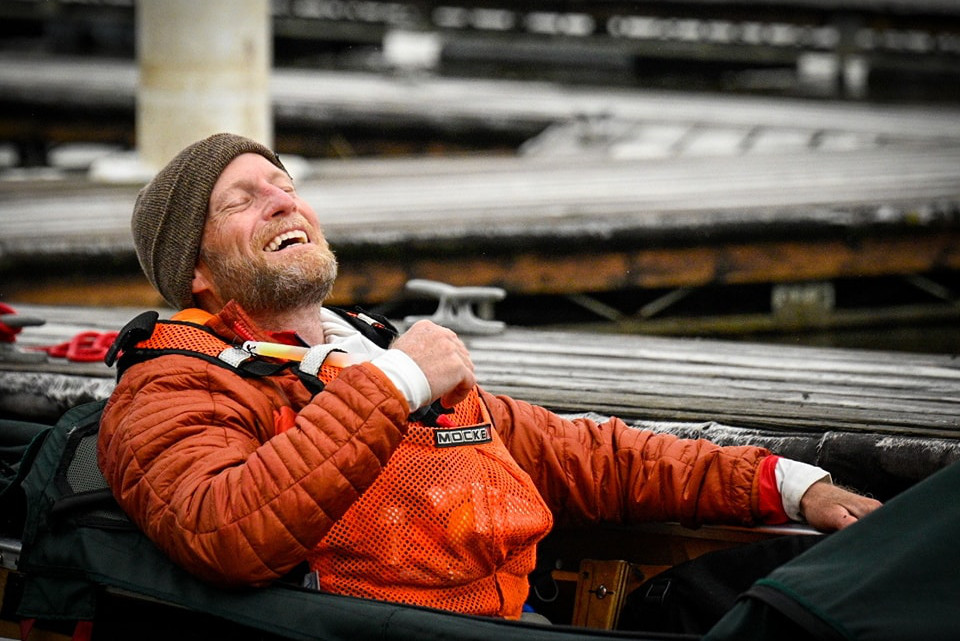
MSR team member Paul Cox showing the exhausting thrill of the record run. Image: Wilderness Mindset / courtesy Mississippi Speed Record
The Village It Took
Such efforts from hundreds of people brought them to the finish, said Miller. Volunteers worked 12-hour shifts to set up roving base camps, refuel vehicles and support boats, cook food and shuttle to and from rendezvous points. Local pilots joined support boats on the crowded, expansive southern portion of the river to navigate and communicate with massive barges.
“It’s the kind of world record that depends on athletic ability, but that’s only one small piece of what you need to set this record,” said Miller. “It’s all these other places where you can make up the difference: teamwork, planning, organizing, getting help, organizing a crew.”
And then there’s the hundreds of supporters who drove out to bridges, locks and dams to cheer the passing canoe even in the middle of the night.
“You’d get on the shore and you could see somebody showed up just to see us, just to be a part of it,” remarked Werderich in a video posted to social media.
Steinback added: “I felt like we were hometown heroes. It was wild!”
“You just keep asking, and people want to be a part of the big adventure. This energy builds, and you’re able to do something you’d never, ever be able to do with a smaller group,” said Miller. “If it hadn’t happened organically, it would be totally overwhelming.”
Redemption For Miller And A Journey Reason Enough
The victory was satisfying for Miller, who also made an attempt in 2021 but capsized in bad weather in Louisiana. Even if they hadn’t succeeded on his second try, the journey was reason enough.
“I wouldn’t have done it again if I didn’t have fun last time,” he said. “Really, the record is the excuse to organize a big fun project to get out on the water.”
“If you take your boat out on a river, you’re guaranteed to have an adventure, even if it’s just for a couple of hours — or sixteen days.”
The numbers speak for themselves: British Columbia has 25,725 kilometers of coastline, 20,000 lakes, and too many rivers and creeks to count. Simply put, this is paddling paradise. And it’s not just about bucket list-worthy sea kayaking trips or intense whitewater rafting excursions. There are family-friendly floats, multiday canoe routes, and standup paddleboarding beneath snowcapped mountains. It’s also one of the only places in the country—if not the only place—that you can try heli-rafting.
But while British Columbia is unique in that it offers up year-round kayaking, canoeing, SUPing and whitewater rafting opportunities—a claim that few other provinces or territories could credibly make—choosing when to dip your paddle in the water is just as important as choosing where.
That’s why we’ve highlighted the best places to paddle in BC and the best time to visit.
The 10 Best Paddling Destinations in British Columbia and When to Visit
Castlegar, British Columbia is home to prime paddling opportunities of all sorts. | Photo: Paddle BC
Castlegar: Best for paddlers who want to catch the big one
When to go: Spring
Nestled in the Selkirk Mountains at the confluence of the Kootenay and Columbia Rivers, Castlegar has earned its rightful place on this list. With three major lakes in its vicinity, it offers fun, calm adventures suitable for families—although there’s a bit more adrenaline in the spring when the hydroelectric dams open.
Like many destinations throughout the Upper Columbia Basin, it has a rich and storied history of canoeing—from the birch bark canoes of the Sinixt Nation to explorer David Thompson, who camped near the mouth of the Kootenay River in September 1811. It’s even where Paddle BC—a non-profit organization that promotes watersports in the province—got its start.
More recently though, it’s gained a solid reputation for its kayak fishing, as highlighted by resources like Fishing BC. The 232-kilometer-long Arrows Lakes system is where the largest kokanee salmon in the world was caught—but drop your line, and you might reel in rainbow trout, bull trout, walleye or whitefish. Large schools of sturgeon can also be found in the Columbia River, which you see from atop a SUP with Endless Adventure. Keep an eye out for the big ones, which measure up to three metres long. The local tour operator also offers whitewater rafting on the Slocan River, kayaking on class III and kayak rentals.
Whitewater kayakers will find big water near Fernie. | Photo: Paddle BC
Fernie: Best for paddlers who like their adventure with a side of socialization
When to go: Summer
Internationally, the Rocky Mountain town of Fernie is known for its slopes and après ski scene. But playtime doesn’t end when the snow melts. With dozens of lakes in the region and three major rivers, Fernie is a multi-adventure playground that will appeal to a range of skill levels.
First up, there’s the Bull River, found about a 90-minute drive west of Fernie. Kayakers and whitewater rafters head here in early spring for big water (class II, III and IV rapids). It’s runnable until late fall, which is when it transforms into a calmer route that’s slow enough to admire the wooded shorelines and spot deer drinking from its edges.
It’s not to be outdone by the 220-kilometer-long Elk River, with its hoodoos, towering canyon walls and great wildlife viewing—including mountain goats and eagles. Whitewater enthusiasts travel here in the early spring for the more technical middle section, which includes the Leap of Faith, a 36-foot waterfall. As with the Bull, the Elk becomes more family-friendly later in the season.
Fernie whitewater rafting is incomparable, but if you’re looking for a social atmosphere minus the rapids, you’ll find the answer at Tunnel 49. The tour operator also hires out a “SUPSquach.” The mega SUP fits up to eight adults, making it a party boat for paddlers.
Golden, British Columbia has world-class whitewater rafting for all skill levels. | Photo: Paddle BC
Golden: Best for those who want to eat, sleep and breathe whitewater rafting
When to go: Summer
Picture this: You’re sitting on the patio at the pub enjoying a beer and prime people-watching. Except, in this case, the people aren’t strolling down the street—they’re coming down the Kicking Horse River with looks of sheer glee on their faces.
That’s the reality in Golden, where the takeout spot is right in town, and rafting is part of the lifestyle. Golden whitewater rafting became legendary thanks to the 80-kilometer Kicking Horse River, famous for its class III to IV runs, as well as intermediate options for novices.
[ Find your next British Columbia adventure in the Paddling Trip Guide ]
Kicking Horse whitewater rafting is made easy with a dozen operators in the town. Still, if you want to do something truly different, Golden is also one of the only destinations in Canada to offer heli-rafting.
The Glacier Raft Company, a member of the BC River Outfitters Association, takes experienced paddlers on the “ultimate adventure” to raft all three sections of the river in one day via chopper. After all, a helicopter is the only way to access the Kicking Horse’s lower canyon, where you’ll experience a four-kilometer stretch of continuous class IV whitewater and huge vertical rock walls.
Once you’ve got all the rafting out of your system, don’t miss the nearby Columbia Wetlands, which is suitable for canoeists, kayakers and SUPers of all skill levels.
Inland paddling adventures await you in the Cariboo Chilcotin Coast region. | Photo: Paddle BC
Cariboo Chilcotin Coast: Best for multiday canoe adventures
When to go: Spring
With its lush forest, fjords, plains, and the peaks of the Cariboo Mountains, the Cariboo Chilcotin Coast is a varied landscape with ample opportunities for paddling. And despite its name, its best adventures aren’t coastal (although sea kayaking isn’t out of the question if that’s your flavor). In fact, this region’s inland adventures surrounding the town of Williams Lake are where it truly shines, with the Bowron Lakes Canoe Circuit topping paddlers’ lists.
One of the most popular canoe routes in Canada, the Bowron Lake Canoe Circuit is made up of a 116-kilometer-long chain of lakes, waterways and portages located within a 1,500-hectare provincial park. The west side can be paddled in just two to four days. But to get the full experience—including passing through ever-changing landscapes, with the chance to spot caribou, wolves, otters and mountain goats—you’ll need to budget six to 10 days.
For Bowron Lakes canoe rental, contact Bowron Lake Lodge, which hires out everything from family-friendly expedition canoes, to tents and drybags.
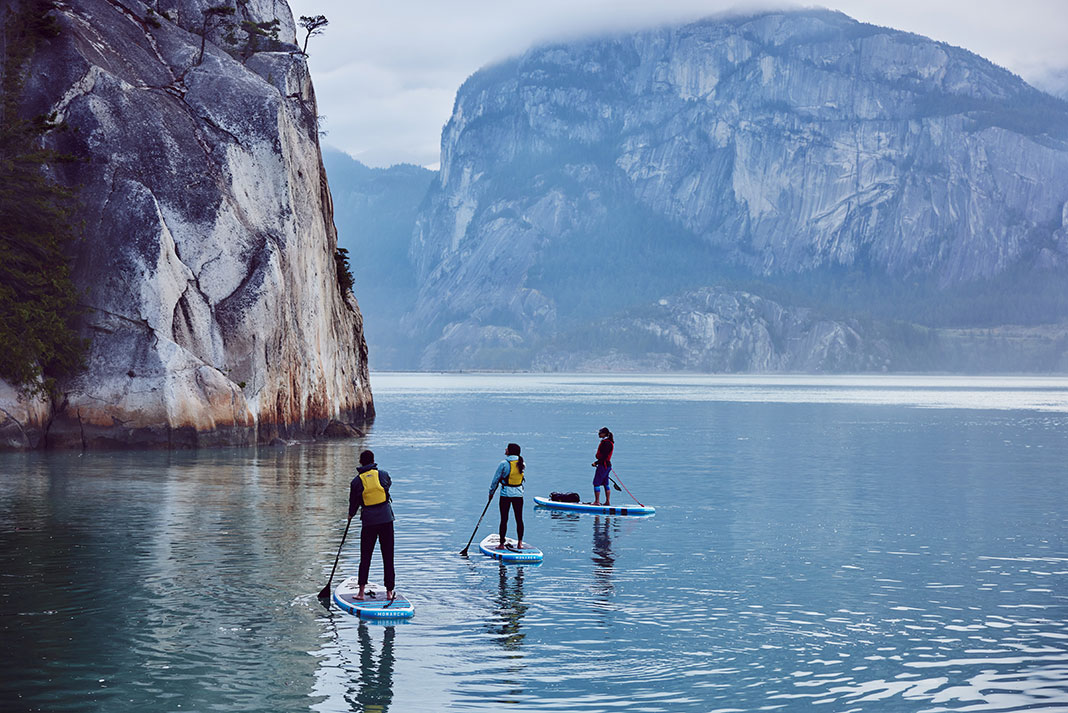
Near Squamish, take in the dramatic landscape of Howe Sound by paddleboard. | Photo: Paddle BC
Squamish: Best for off-season adventures
When to go: Autumn
It’s only a 50-minute drive to Squamish from Vancouver—which means it takes less than an hour to be transported to some of the province’s best standup paddleboarding and ocean kayaking experiences in British Columbia.
The proximity to Vancouver is also a testament to why the shoulder season is the best time to put your paddle in the water. Summertime swells can make paddling through Howe Sound challenging. Yet, once the leaves start to fall, the weather calms, turning the 46-kilometer stretch from Squamish to the Strait of Georgia into a tranquil paddle.
Even the 411-hectare Alice Lake Provincial Park is made better by the cooler months, when crowds thin out and it’s easier to book a campsite. Then again, if you just want to visit for the day, this is the perfect put-in spot for canoes and SUPs, with its stunning views of the nearby mountains. This is Squamish kayaking at its finest.
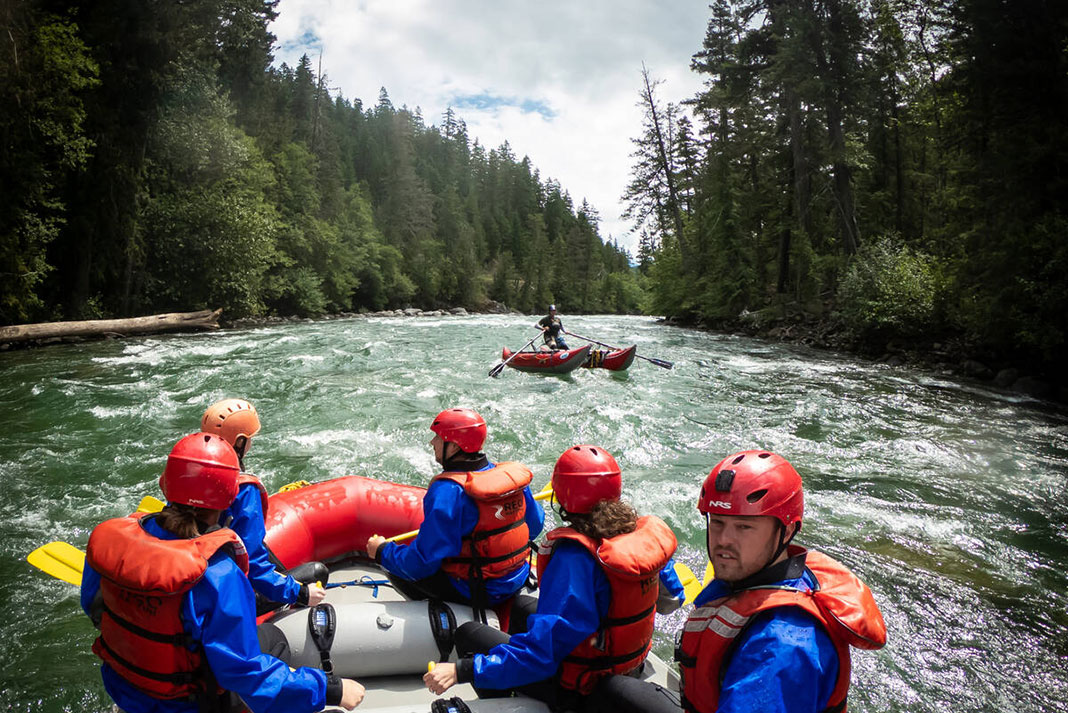
Of course, if you do want to visit during the summer, this is when you can experience Squamish rafting down the glacier-fed Cheakamus River, with something for all skill levels. The lower section features class II and III rapids, making it better for beginners, while the upper section offers more skilled paddlers a chance to tackle class IV whitewater.
Moccasin Trails will take you on a guided canoe tour of the scenic and culturally significant waters near Kamloops. | Photo: Paddle BC
Kamloops: Best for beginners and history buffs
When to go: Summer
You’d think Kamloops’ biggest selling point would be that there are over 100 easy-to-access lakes within a one-hour drive of this city. While we can’t deny that it’s a serious part of its allure, it also offers unique guided trips for those who want to immerse themselves in another culture.
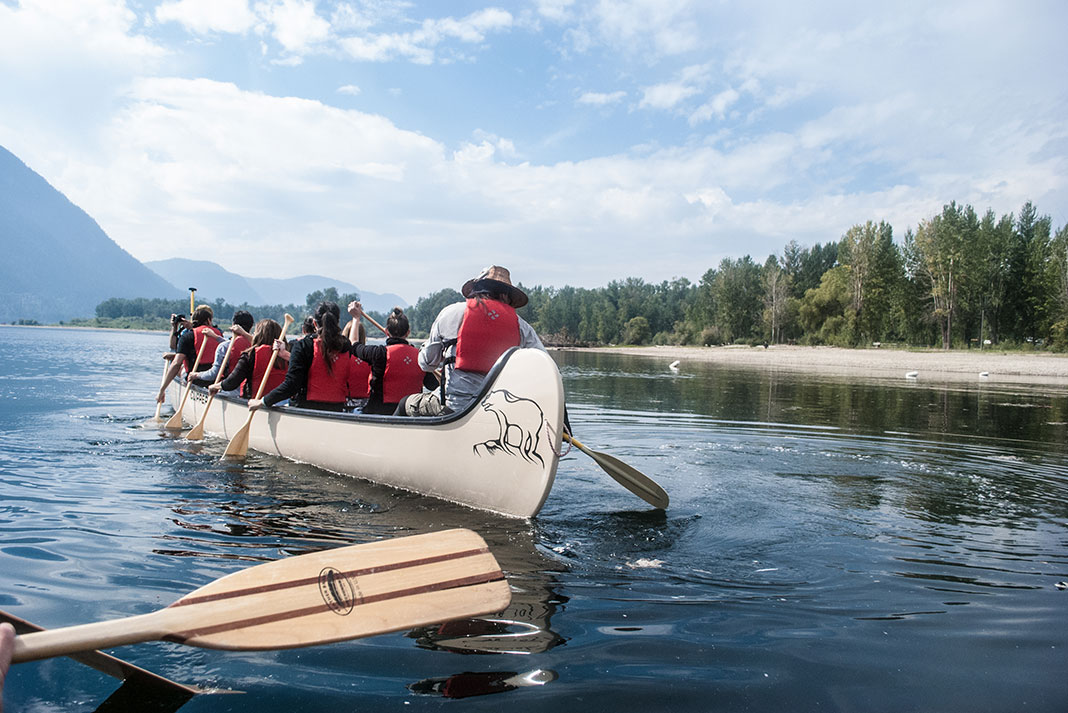
Moccasin Trails, a member of Indigenous BC, offers a River Setétkwe Tour. You’ll spend 90 minutes canoeing down the South Thompson River, where you’ll learn more about the history of the Shuswap peoples. Traditional songs will be the soundtrack as you paddle through the city of Kamloops.
Meanwhile, those who are new to paddling will love a trip to Heffley Lake. All SUP rentals from the lakeside Paddlesurfit come with a mini-lesson, while those who are stopping and staying a while will find ample opportunities to upskill, including from the Kamloops Canoe & Kayak Club.
From whitewater to wildlife, you’ll find it all in Hope, Cascade and Canyons. | Photo: Jonny Bierman/Paddle BC
Hope, Cascade and Canyons: Best for a family-friendly long weekend
When to go: Summer
Drive 90 minutes inland from Vancouver and you’ll arrive in Hope, through which the Fraser River flows. Here, you’ll also find the calm waters of Kawkawa Lake and Lake of the Woods, along with ample wildlife spotting opportunities. Bird-watchers flock here for the more than 300 species that migrate through or reside in the area, while 41 species of fish can be found in the Fraser River.
It’s an easy day trip, but to do it in a day means missing out on the REO Rafting Resort, just over an hour north of Hope. Although it was originally created as a whitewater rafting resort, with direct access to the 24 action-packed rapids of the Nahatlatch River, it’s since evolved to feature luxurious glamping tents and yoga. All-inclusive packages are available, and excursions include scenic float trips, kayaking, SUPing, hiking, cliff jumping and a kids’ camp.
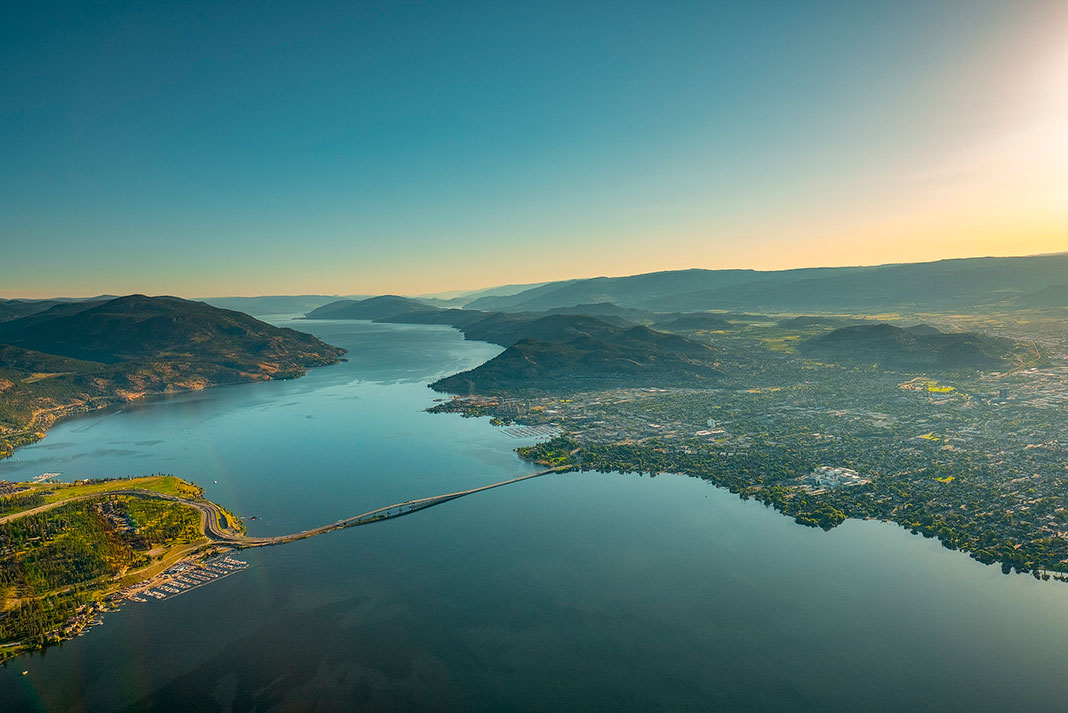
Kelowna’s Okanagan Lake is home to a scenic paddle trail. | Photo: Paddle BC
Kelowna: Best for exploring by paddle
When to go: Spring
Kelowna is a beloved vacation destination, and its water offerings play no small part in this status. It’s no secret that you can kayak Kelowna, paddleboard Kelowna, canoe Kelowna… just about the only thing you can’t do is go whitewater rafting in Kelowna. The closest place to do that is in Revelstoke, roughly 2.5 hours away, with operator Wild Blue Yonder.
But did you know Kelowna is also home to a paddle trail? Starting from McKinley Beach and running to Bertram Creek Regional Park, this 27-kilometer trail on Okanagan Lake paddles past over 20 beaches and parks, two bird sanctuaries and the city’s downtown. Although the water is cooler during the spring and fall, conditions may be calmer—and you won’t have to battle the crowds.
All types of paddlers are spoiled for choice on BC’s beautiful Sunshine Coast. | Photo: @glamouraspirit // Paddle BC
Sunshine Coast: Best for those looking for variety
When to go: Spring
Easy to access from Vancouver, yet still a world all of its own, the Sunshine Coast has something for everyone, with its bays, fjords, freshwater lakes and islands to explore. Situated north of Vancouver, it’s buffered from rough ocean weather by Vancouver Island, offering hundreds of kilometers of sheltered shoreline. Although kayaking the Sunshine Coast is the most popular activity, it’s also great for SUPers and canoeists.
This isn’t a region for those who have decision fatigue. You could spend the day canoeing down the Powell River. You could sea kayak through the waters of Desolation Sound—the province’s largest marine park—and spend your nights backcountry camping on remote islands. You could try to tackle the Powell Forest Canoe Route, a 57-kilometer journey that spans eight lakes and takes roughly five days to complete. You can even whitewater kayak on the Skookumchuk Narrows, where the tide change results in spectacular whirlpools and wild rapids.
Nanaimo is a gateway to the BC Marine Trails Network. | Photo: Andrew Chobaniuk/Paddle BC
Nanaimo and the Southern Gulf Islands: Best for marine wildlife watching
When to go: Spring or Fall
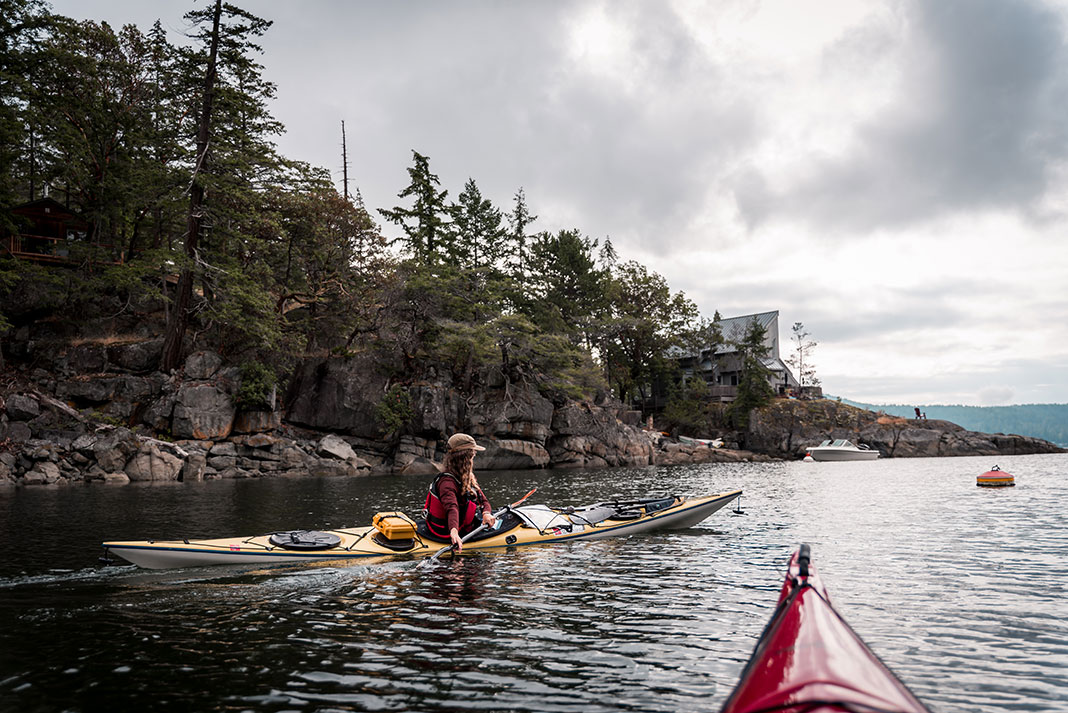
There’s a reason why the Southern Gulf Islands—situated off Vancouver Island’s eastern coast—have been designated by Parks Canada as a National Park Reserve. The sheltered and islet-dotted waters are a haven for marine wildlife, including seals, otters, orcas, porpoises, eagles and other seabirds.
Whether you’re on a day trip or a multiday excursion, sea kayaking is a chance to get closer to nature. You can explore the rock formations of the island clusters closest to Gabriola Island, camp on empty beaches, or paint patterns in the sea thanks to the bioluminescent plankton.
You can start your adventure with one of the outfitters scattered across the islands or from Nanaimo, which is a gateway to the BC Marine Trails Network and the nearby Saysutshun (Newcastle Island) and Protection Island.
Like the other coastal destinations on this list, Nanaimo is a prime shoulder season destination. This is when the weather stabilizes, making sea kayaking and paddleboarding a more beginner-friendly affair.
The diverse paddling available year-round means you’ll have no shortage of destinations to choose from in British Columbia, and these picks are just the beginning. Take a trip to Paddle BC, and you’ll find more about the various paddling adventures the province has to offer.
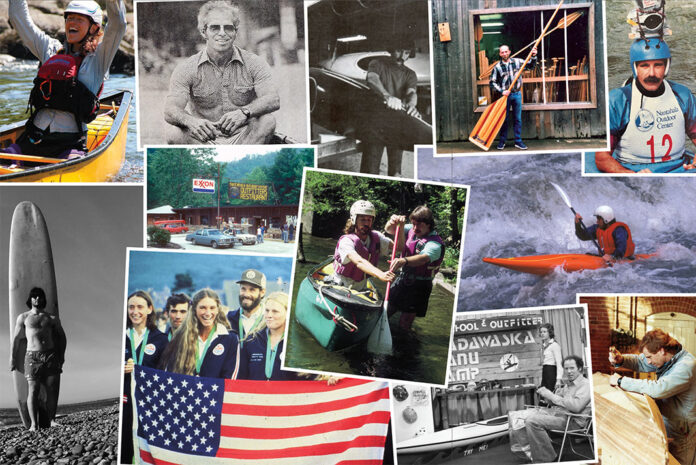
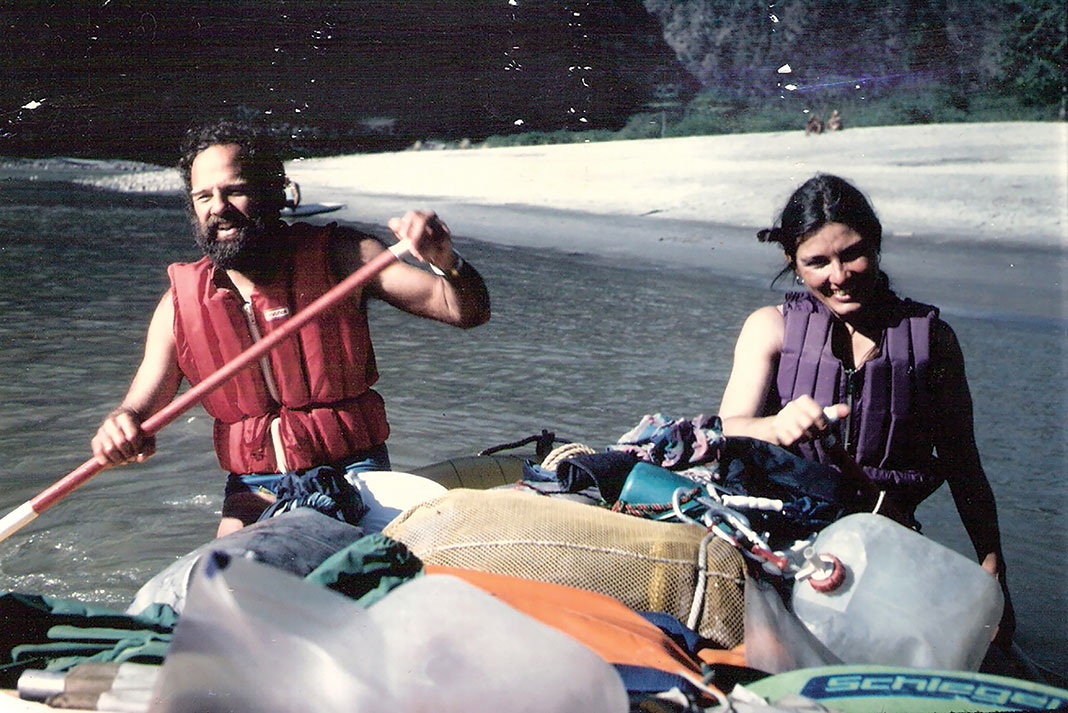
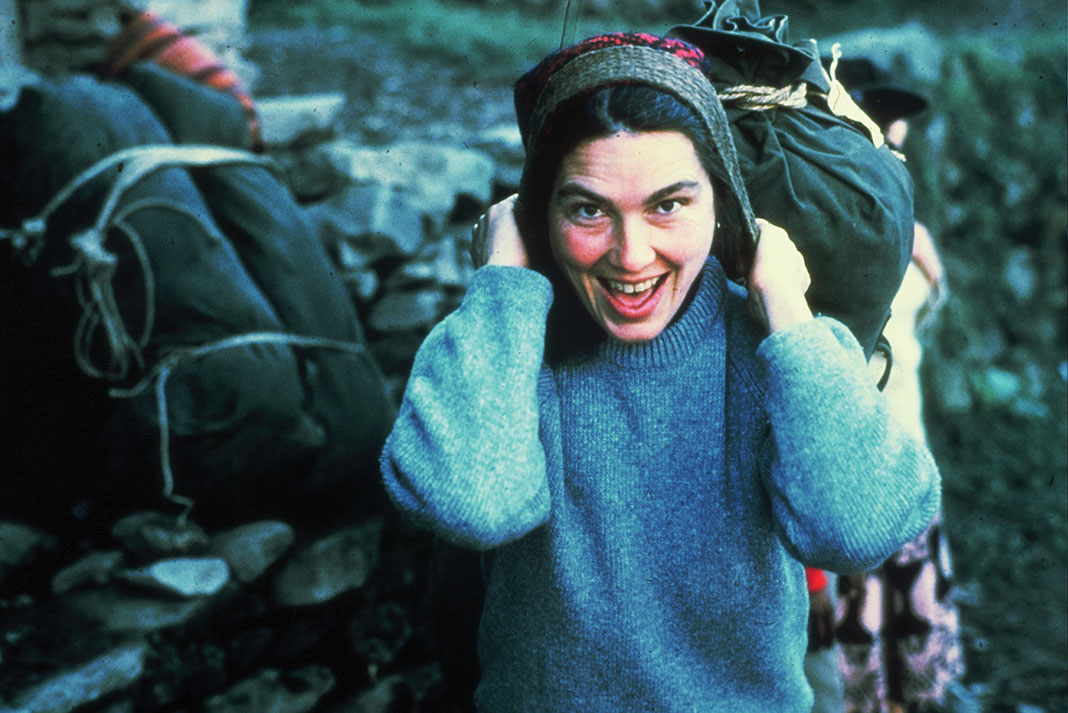
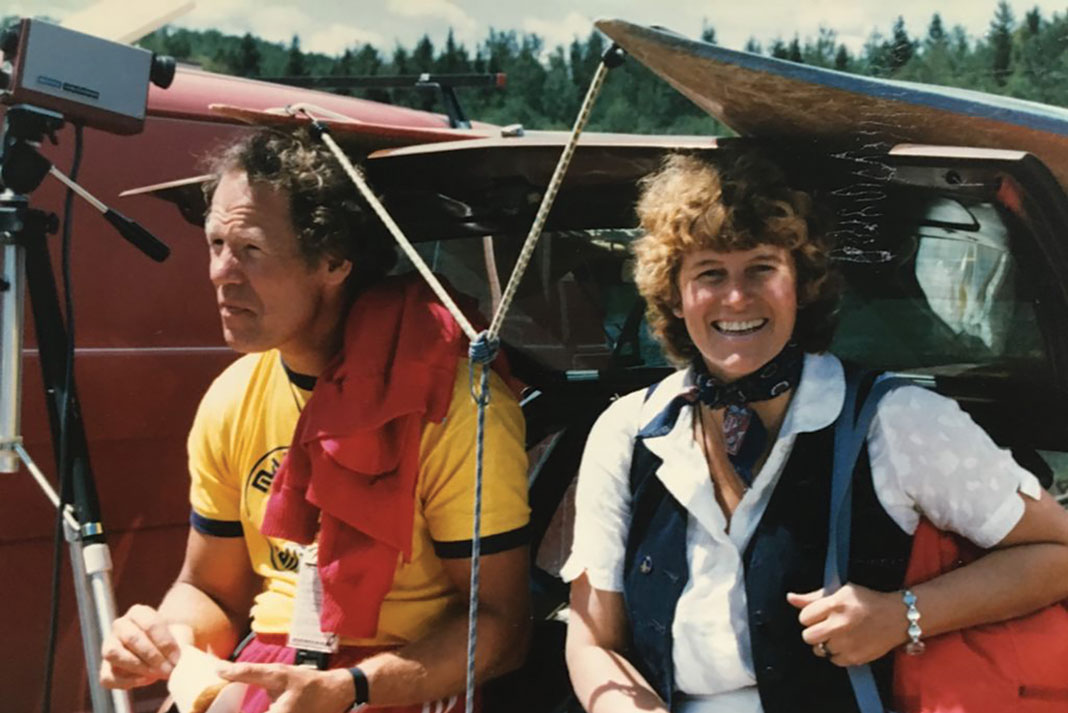
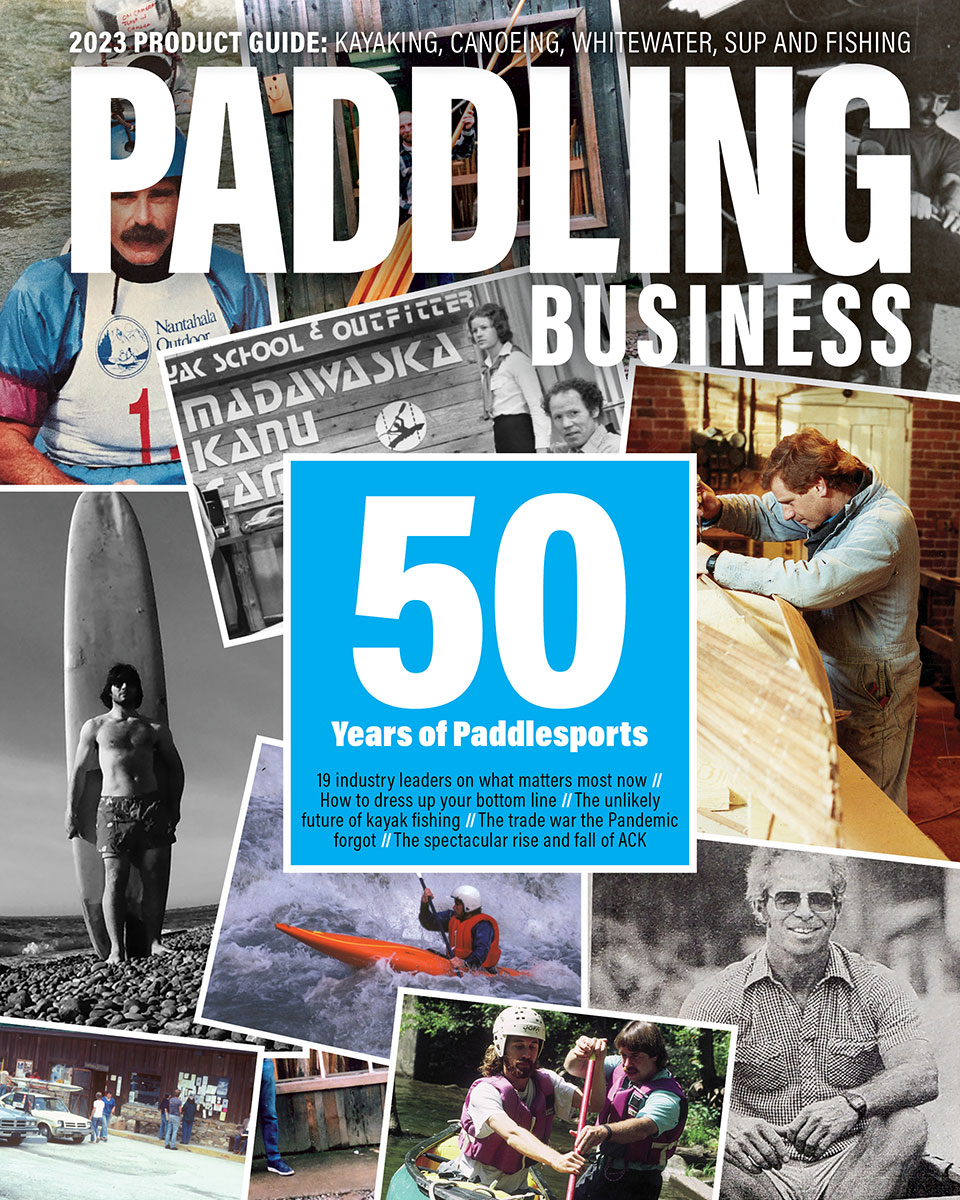
Clockwise from top left: Stefi van Wijk in her vehicle of awe (MKC); Ralph Sawyer (Sawyer); The NOC Store in 1980; Eddyline Kayaks founder Tom Derrer; Bruce Bergstrom thinking big circa 1985 (Sawyer); somebody hold this man’s beer (NOC); Lars Holbek on the Grand Canyon of the Stikine, 1981 (Lesser); Brian Henry; MKC founders Hermann and Christa Kerckhoff; mullets and crossbows will never go out of style (NOC); NOC staffers in their 1972 Olympic uniforms (NOC); Tim Niemier with his original sit-on-top (Niemier).
Fifty years ago this summer, paddling was having its moment. A wider outdoor renaissance was underway, and young people who’d tuned into backpacking and other self-powered pursuits also were turning on to paddling. Then, in August 1972 Deliverance debuted on the silver screen, introducing a nationwide audience to the rugged appeal of sleeveless wetsuits and wild rivers, as well as darker themes we wish we could forget.
Looking back at 50 years of paddlesports
Behind the scenes, a handful of pioneer paddling entrepreneurs were busy moving their humble operations from garages and living rooms into honest-to-God factories. Most didn’t have the first idea of how to run a business, and yet many of the companies they launched continue to define the sport 50 years on. While paddling has remade itself a dozen times over and its niches have ebbed and flowed, the industry as a whole is stronger now than ever. So if you had to pinpoint the birth of paddlesports as an industry, it would be 1972.
Tom Johnson traveled to Munich that August as manager of the U.S. Olympic slalom team. Along the way, the L.A. firefighter, coach and part-time inventor stopped at the Tennessee headquarters of a company that had pioneered the art of molding plastic trash cans. Out of that meeting was born the River Chaser, the first rotomolded plastic kayak.
That same year, the first high-performance Royalex canoes came to market. The material had been around since the mid-60s, used for suitcases, a Ford concept car and generic canoe hulls stamped out at the Uniroyal tire factory in Indiana. But paddlers didn’t warm to the material until Blue Hole founders Roy Guinn and Bob Lantz began molding their 17-foot OCA from the stuff. Their motivation? “At first, Bob just wanted a canoe for himself,” Guinn said.
In Southern California, Tim Niemier had long dreamed of a kayak that could punch through ocean surf and make a better platform for diving and fishing than the enclosed sea kayaks of the day. He started in the late 1960s with a seat and footwells carved into an old fiberglass surfboard. By 1972, he was selling along the beaches of Malibu, California some of the first sit-on-top kayaks.
Meanwhile in the U.K., Valley Sea Kayaks founder Frank Goodman modeled his first Anas Acuta kayak from a West Greenland Inuit design. Soon he would begin work on the Nordkapp, which would define the pinnacle of expedition touring kayak design for more than 30 years.
From these deep roots, the paddlesports industry would continue to grow and branch for the next five decades. Paddlesports has lived through boom and through bust, nurtured by passion and the insatiable drive for better kayaks and canoes. Then as now, paddling was an incredibly mixed bag, but the pioneers of every discipline shared the same inspiration—an obsessive love of the sport.
A generation later, when curators from the British Museum described his Nordkapp as the archetypical sea kayak, Goodman thought they were joking. “The Nordkapp was simply a way to do bigger and better trips,” insisted Goodman, who used it on the first kayak expedition to round Cape Horn, in 1977.
Goodman wasn’t the only U.K. kayak maker who was thinking big to go far.
Graham Mackereth founded Pyranha in the family garage in 1971, producing a variety of flatwater, wildwater and slalom racing boats. After Pyranha’s Vedel kayak claimed two top-10 finishes at the slalom world championships, expedition paddler Mike Jones asked for an expedition-worthy version for the 1976 first descent of the river that drains the Everest massif, the Dudh Kosi. In those days before durable plastic kayaks gained widespread acceptance, Mackereth supplied 11 kayaks to the six-person team.
Volume orders aside, building better boats to do bigger trips might not stand the scrutiny of an MBA case study. In the real world of paddlesports, however, it’s proven a remarkably effective business strategy. Valley Sea Kayaks is alive and thriving at 50. So is Mackereth’s Pyranha, at 51.
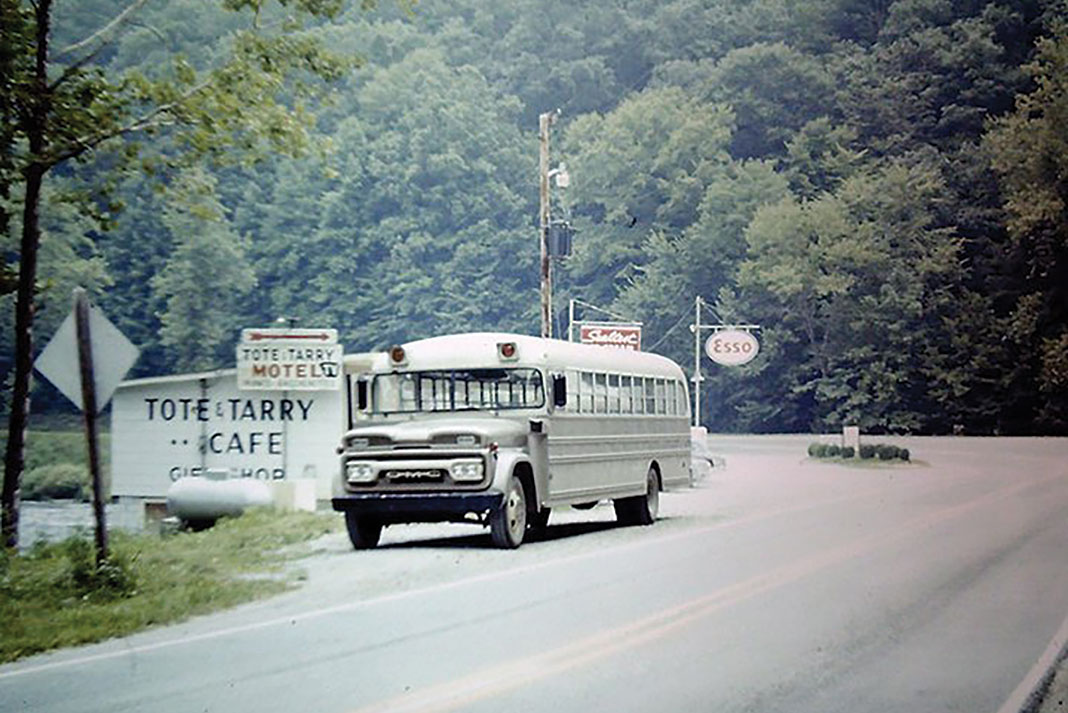
Nantahala Outdoor Center founders Payson and Aurelia Kennedy (above); NOC co-founder Aurelia Kennedy (below left); and the ole Tote n’ Tarry (below right). | Photos: NOC
Go with the flow
For an unscientific analysis of why love of the sport has been an effective strategy, let’s go back to the summer of Deliverance, and the Georgia Tech librarian who moonlighted as a stunt double in the film’s paddling scenes. After the production ended, Payson Kennedy, his wife Aurelia and their friend Horace Holden Sr. took a chance on the Tote & Tarry, a combination gas station and motel on the banks of the Nantahala River in Western North Carolina. Their plan was to build it into a center for paddling and other outdoor pursuits, by tapping the sense of confidence and joy they’d learned to trust on the river.
“When you’re in the flow state, you perform way above your normal ability,” Kennedy explains in a video celebrating the Nantahala Outdoor Center’s 50th year. “I thought that if you could find a job where that happened frequently, where you were often in that state, you’d be happy. You would enjoy it and you would do your best work.”
They refurbished the motel, opened a restaurant and began offering raft excursions and paddling lessons. They hired a handful of river rats and the entire 1972 U.S. women’s Olympic kayak team, then put them to work doing pretty much everything.
“We all cleaned motel rooms, we all worked in the restaurant,” recalls Cathy Kennedy, who was a sophomore in high school when her parents founded NOC. “It was a very group-oriented project.”
Through the years, NOC became an incubator of paddling culture, seeding the Southeast and the world with generations of former guides and paddling entrepreneurs. That pattern repeated itself across North America.
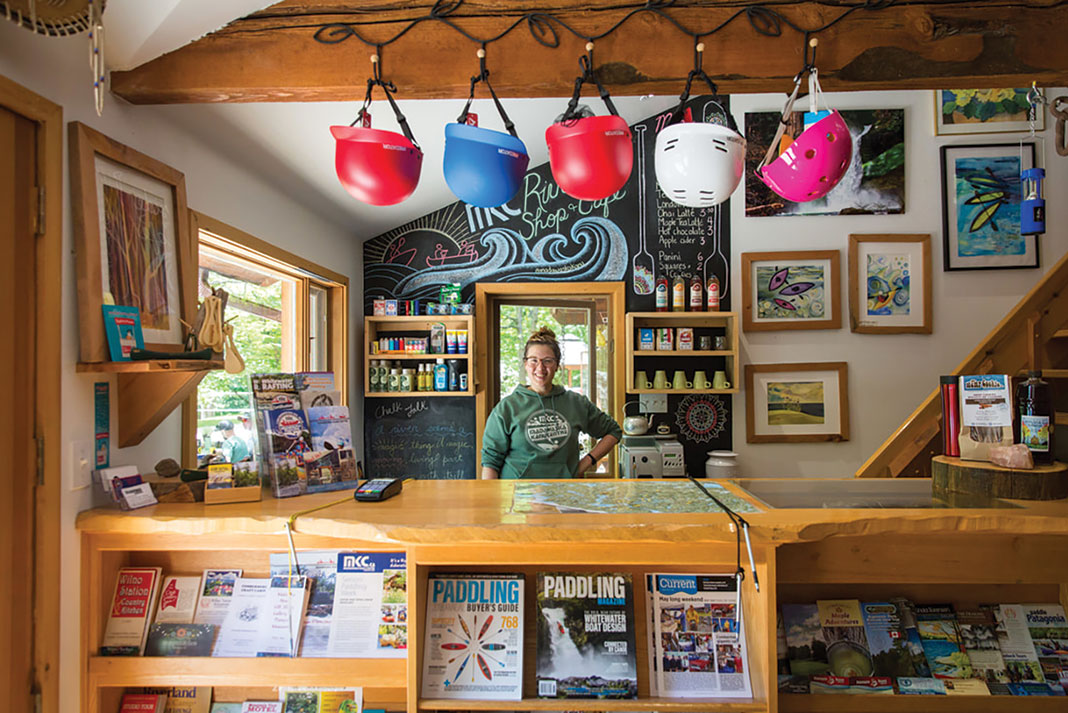
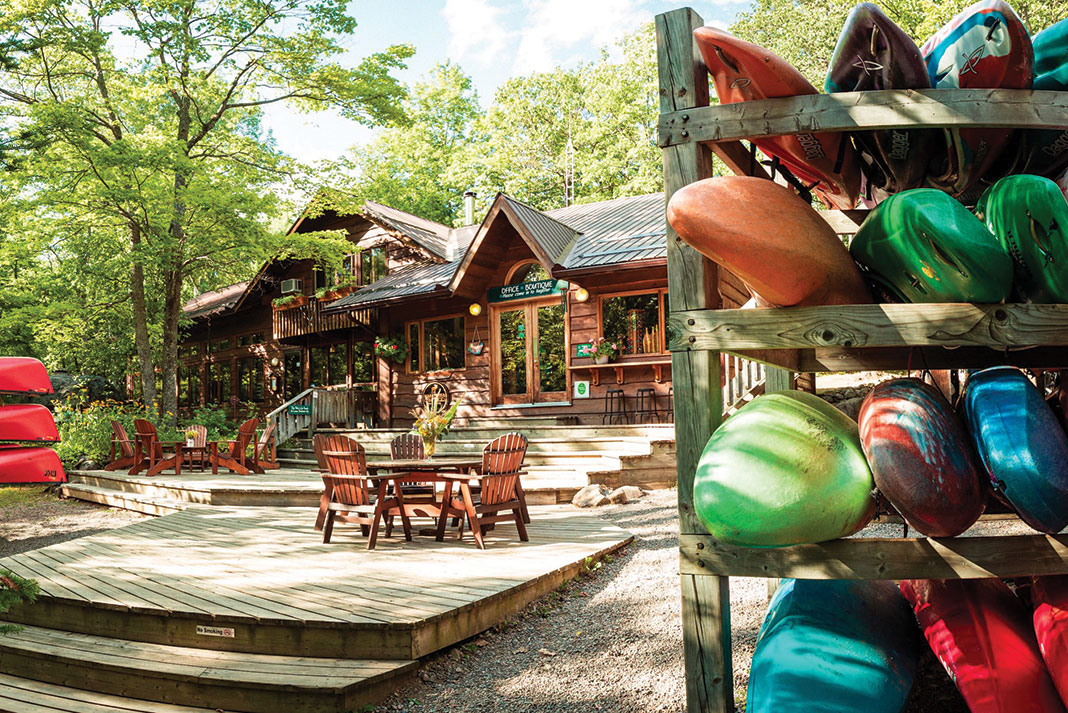
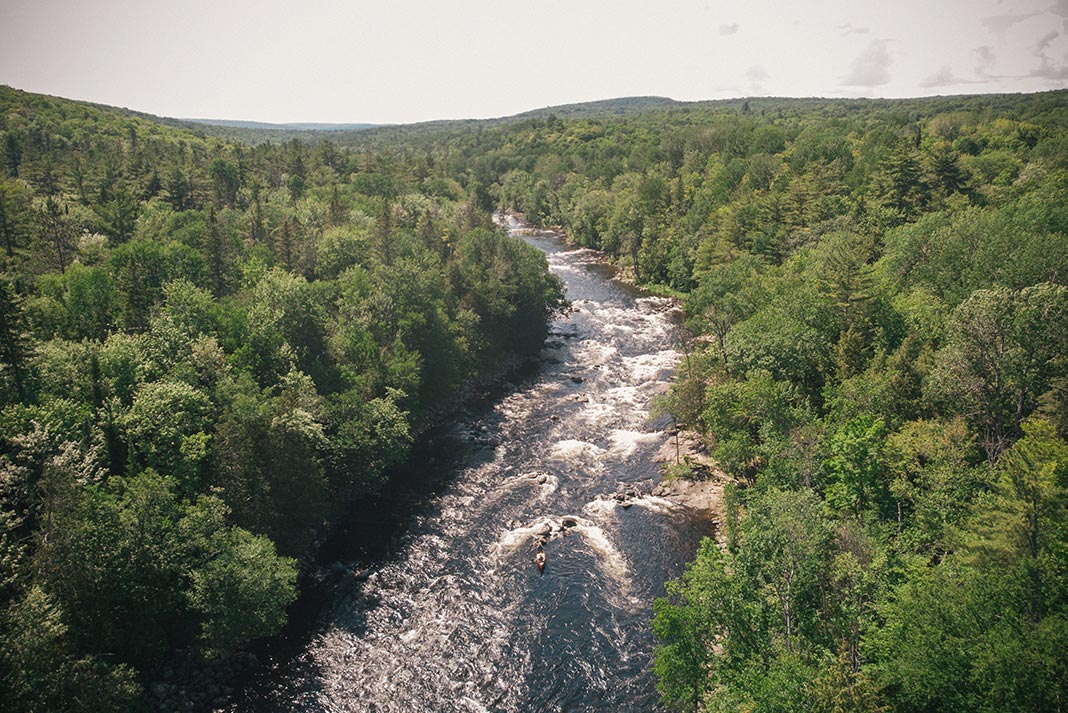
During that same summer of 1972, as the Kennedys carved out their foothold in North Carolina, Canadian paddling champions Christa and Hermann Kerckhoff established a lodge and paddling school on the Madawaska River in the Ottawa Valley. Their daughter Claudia grew up on the river and eventually took the reins with her husband Dirk van Wijk. Now their 30-year-old daughter Stefi van Wijk runs the show, often working with guests who have been coming to MKC since well before she was born.
Then and now: Madawaska Kanu Centre founders Hermann and Christa Kerckhoff circa 1980 (above), and (below) the riverside oasis today, thanks to the next generations and some savvy product placement. | Photos: Courtesy MKC
Through the decades, MKC has changed with its clients, from a program designed to send people to the Olympics to one focused on making lifelong paddlers. The ability to evolve has been key to MKC’s enduring success, and it’s rooted in the sense of community animating staff and clients alike. “As peoples’ wants within the paddling world change over time, if you as a company are centered around people then you can change with them,” van Wijk says.
Van Wijk’s own paddling evolution began over lunch in the MKC dining hall with Wendy Grater, the longtime owner of Black Feather, a wilderness canoe outfitter founded in, you guessed it, 1972. Grater convinced van Wijk to work as an apprentice canoe guide, an experience that taught her to see paddling in a new light. “Instead of a tool for going fast, the canoe became a tool to experience awe,” recalls van Wijk, who was 15 that first summer guiding.
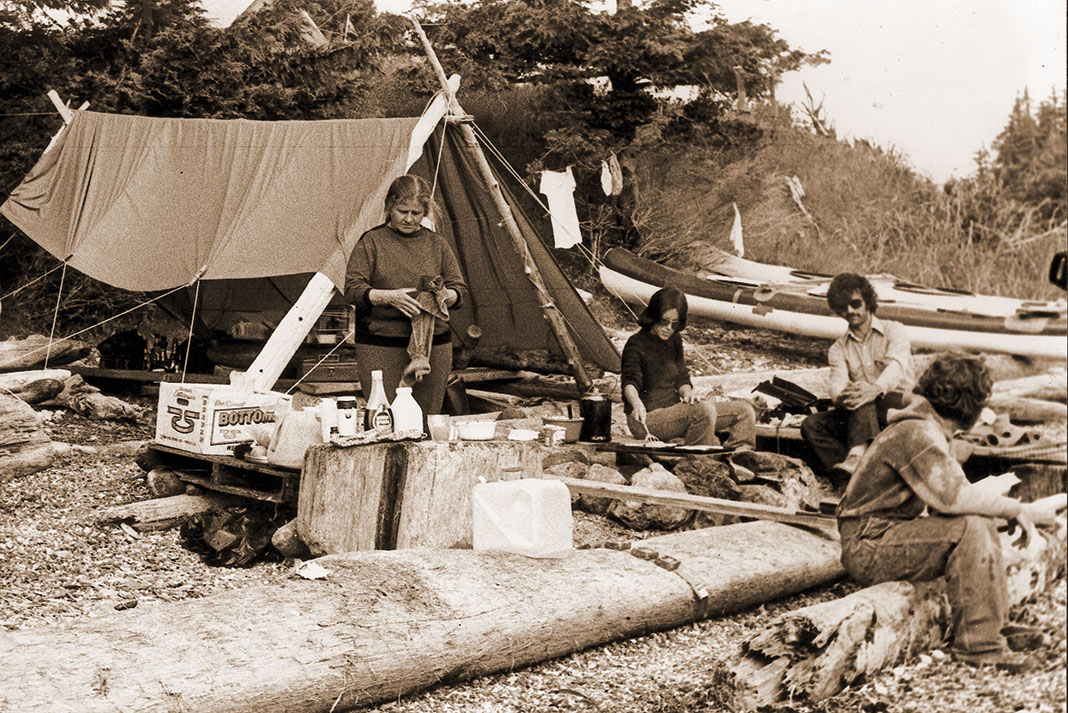
Awe has been Black Feather’s stock-in-trade since Wally Schaber and Chris Harris launched it as a sideline to their Ottawa-based outdoor retail store, Trailhead. Eco-tourism was still in its infancy when Grater started with Black Feather in 1984. Whetherit was sea kayaking in Greenland or exploring new rivers in the Barrenlands, she often found herself guiding something she’d never seen before. Like many paddlesports companies in those days, Black Feather’s business model could best be described as seat-of-the-pants. “We didn’t put a lot of thought into it until someone phoned,” said Grater, who managed a Trailhead store in Toronto in the off-season. “Then we’d go up there and figure it out.”
As the company’s clientele matured, Grater recognized a demand for regular schedules and less-Spartan trips. It was a familiar evolution in paddlesports outfitting. OARS, which celebrated its 50th anniversary in 2019, made a similar shift and both companies have expanded from strictly paddling trips to offer a variety of bucket list outdoor adventures. Black Feather and OARS also have worked to create opportunities for women, with female guides now filling out more than 35 percent of each company’s roster.
These first river running businesses, founded with purpose and sustained by passion (and often little else) are still seeding the sport with skilled guides and river-stoked newbies half a century on. They were like fuel on the fire, growing and nurturing the sport from its infancy.
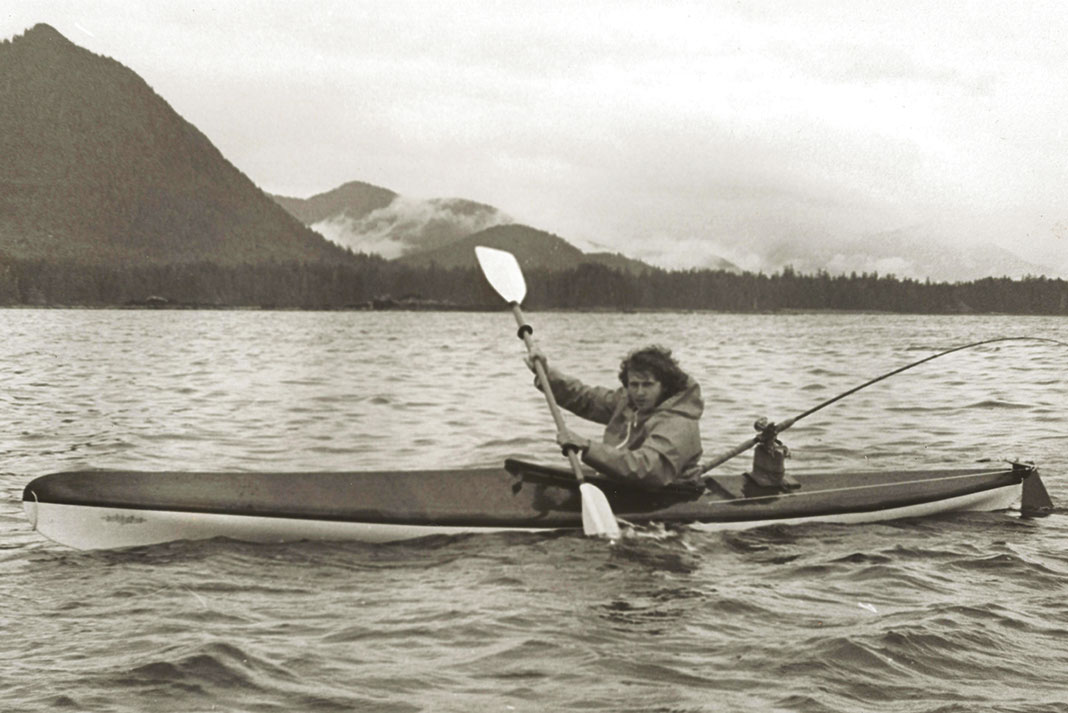
Werner Furrer Jr., seen here trolling for salmon in 1975, was well ahead of the kayak fishing curve. | Photo: Courtesy Werner
If you can’t buy it, make it
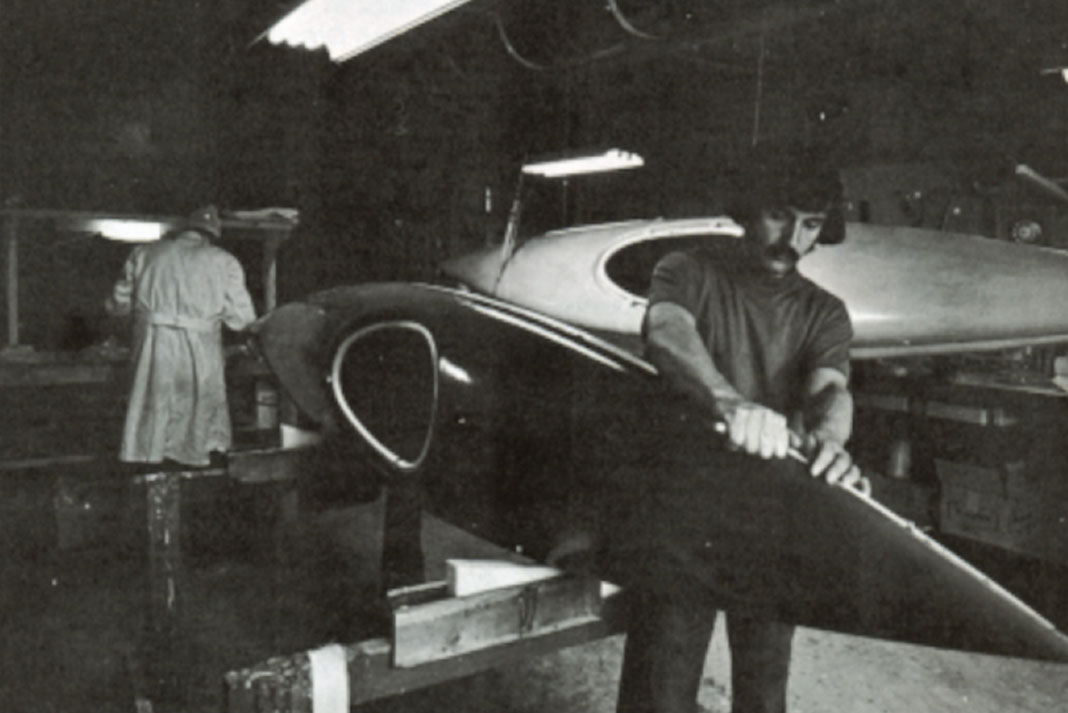
It’s hard to imagine in this day of blow-molded box store kayaks, but 50 years ago a paddler couldn’t just buy a kayak. In those days, the most reliable way to get a boat was to make it yourself, preferably with the help of someone who’d done it before you. The result was a cadre of accidental boat makers springing up throughout the paddling community. If they had one thing in common, other than a love of paddling, it was a desire to experiment—a drive to improve the boats they paddled, sometimes by unconventional means.
Tom Derrer founded Eddyline Kayaks in 1971 after building whitewater kayaks for himself and friends for several years in Colorado. Two years later he moved to Seattle and began building touring kayaks designed by Werner Furrer Sr., the patriarch of Werner Paddles.
Derrer’s pursuit of better sea kayaks led him to experiment with advanced laminating techniques such as vacuum bagging. Starting in 1994, Derrer began molding kayaks from sheets of high-performance thermoplastic. The technology provided a middle ground for touring boats, somewhere between the rotomolded boats that were beginning to dominate sales volume and the composite sea kayaks that occupied an increasingly narrow niche. Eddyline now molds all its boats from its Carbonlite thermoplastic, and the company celebrated its golden jubilee in 2021 with record sales.
Most didn’t have the first idea of how to run a business, and yet many of the companies they launched continue to define the sport 50 years on.
Furrer, too, began by building kayaks and paddles for family and friends. Werner crafted his first paddle in 1965, and drew up his sales brochure in 1971 for “Werner Furrer Designs” paddles, with fiberglass blades and shafts of Douglas fir. His son Werner Jr. started the business that became Werner Paddles as a way to support his slalom racing, one $17 paddle at a time. It was a family affair from the very beginning. At one point the whole Furrer family was working there, including Werner Sr. and brothers Erich, Werner Jr., and Bruce, who is now the company’s president and sole owner.
A Furrer family paddling trip. | Photo: Courtesy Werner
Bending Branches was founded 40 years ago in a St. Paul, Minnesota garage, where founders Dale Kicker and Ron Hultman developed the Rockgard canoe tip. The company built its reputation on those reinforced wooden canoe paddles, dabbled briefly in hockey sticks, and found its footing with composite kayak paddles in the late 1990s. In 2008, Bending Branches acquired its top rival, British Columbia-based Aqua Bound. In 2011, Aqua Bound became the first company to market a kayak fishing paddle.
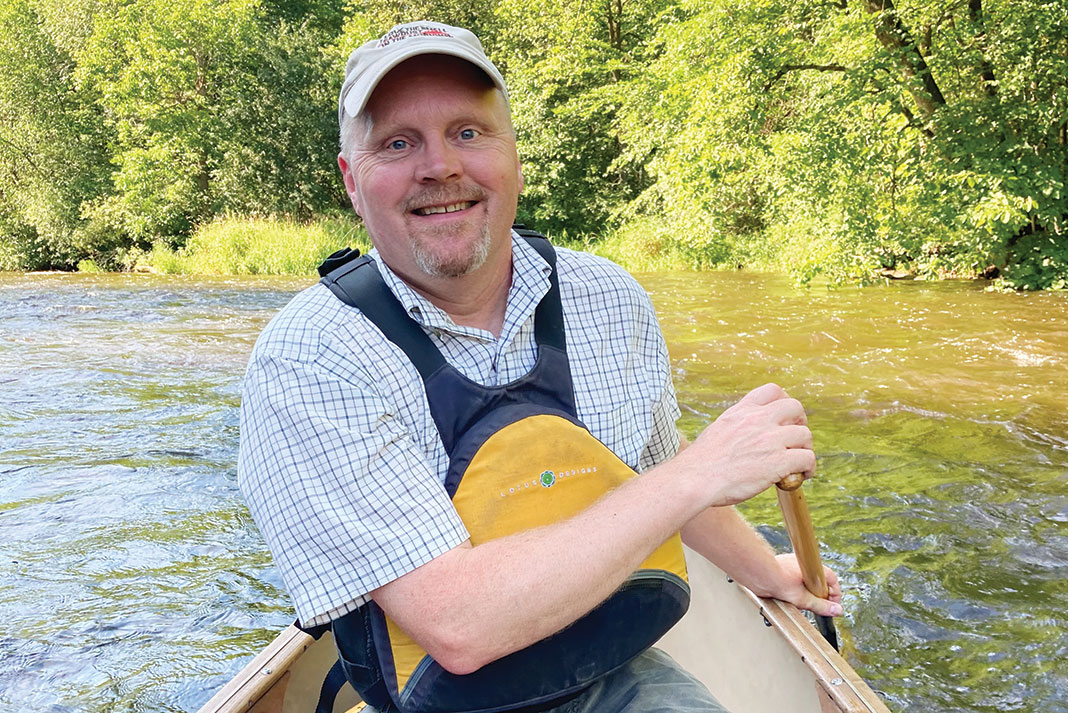
Now the world’s largest specialty paddle maker, Branches owner Ed Vater sold the company in early 2022 to a trio of company veterans he’d brought on board and mentored—competent professionals who love paddling and, in Vater’s words, “would walk through fire” to make the company succeed.
“I could have gotten more by selling it to some outside party, but I never could have lived with myself if some big outfit bought it and hooched it all up,” he says. “I would just be heartbroken.”
Consolidation is just as much a through-line in the history of paddling as innovation, but Vater had no interest in reliving the cautionary tale of Mike Neckar, the Czech-born innovator who shaped some of sea kayaking’s most classic designs while working from a secret lair somewhere in the rainforest of British Columbia, if the legend is to be believed. Necky Kayaks was a leader in both whitewater and touring when Johnson Outdoors acquired it in 1998. Nineteen years later the brand was quietly discontinued “to better align with consumer demand and further build brand equity.”
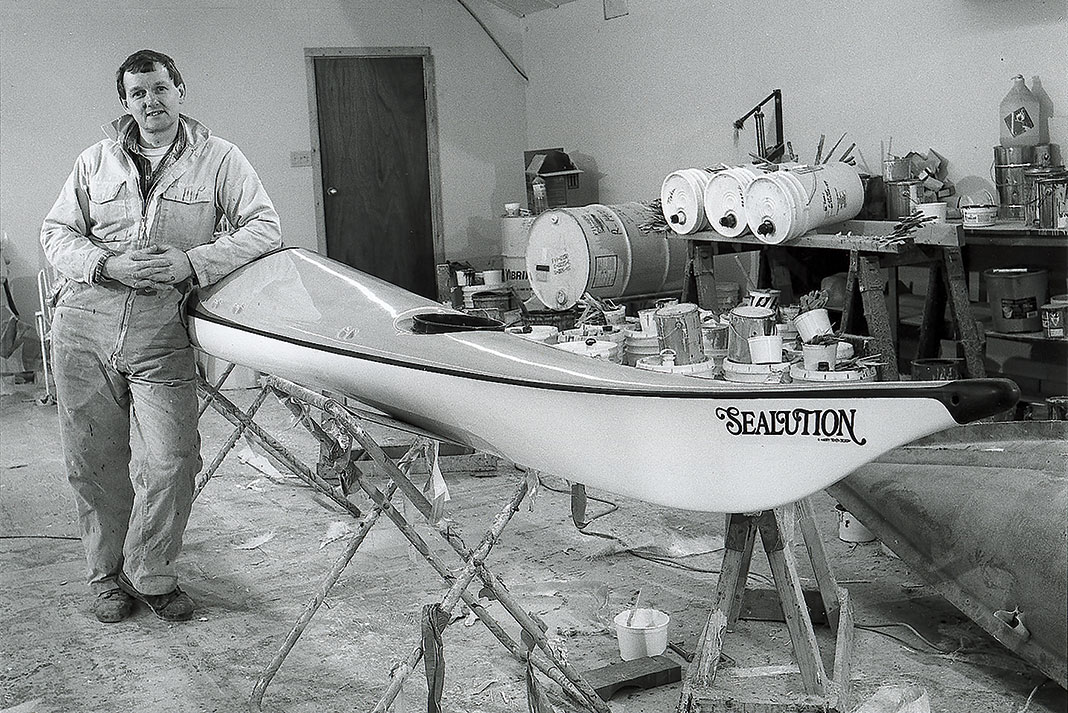
Harrie Tieken started making kayaks on a Dutch canal barge in 1972 before emigrating to Canada, where he designed Wilderness Systems’ iconic Sealution. | Photo: Courtesy Harrie Tieken Collection // Paddling Mag Archives
Johnson attempted to inject the Necky DNA into a new kayak line from its most venerable brand, Old Town. Old Town began making wood and canvas canoes in 1898, riding the sport’s first big boom in the early 20th century and surviving the post-war onslaught of aluminum Grummans. Old Town was also among the first companies to mold canoes in Royalex. An ad campaign of Old Town dropping one from its four-story factory roof did as much for Royalex as the river running exploits of Blue Hole’s legendary OCA.
Johnson Outdoors also acquired Ocean Kayak, the Tim Niemier startup that led the sit-on-top revolution in the late 1980s and early 1990s. He’d been selling fiberglass versions of his Scupper design since the early 1970s, but, to paraphrase a line from Dustin Hoffman’s character in The Graduate, young Niemier was convinced the future was in plastics.
By then Tom Johnson’s original Hollowform kayaks had come and gone, replaced in 1982 by Perception’s iconic Dancer, which revolutionized the sport of whitewater kayaking. Perception, by the way, is another product of paddling’s class of ’72. The company can trace its lineage to founder Bill Master’s first kayak, which he built that year in the back of a mortuary. By the mid-1980s, Perception had become the world’s leading maker of rotomolded kayaks, and Niemier approached the company about a plastic version of his Scupper sit-on-top.
“We thought it was interesting, but that real kayaks had decks,” said Dagger founder Joe Pulliam, who was with Perception at the time. “Fortunately, there were other visions of the future of kayaking.”
Niemier went it alone, adding factories in California, New Zealand and France to his original Hawaii facility before selling to Johnson Outdoors in 1997. By then, nearly every kayak manufacturer in the world had at least one sit-on-top in their line.
“CAN’T FAKE THE FEELING” topped the disco charts in 1980, and as if to prove the point, John Wasson carved this Grand Canyon wave in his Perception Mirage. | Photo: Rob Lesser
Pulliam went on to found Dagger, one of a handful of whitewater companies that went head-to-head with Perception through the 1990s. The rivalry drove a whitewater arms race pulling in the likes of Pyranha, Wave Sport and Prijon, and continued after the same corporate buyer snapped up both Perception and Dagger in 1998. The acquisitions were part of an industry wide consolidation eventually bringing the brands under the Confluence umbrella, together with Wilderness Systems, Wave Sport and Mad River Canoe, which was founded in 1971 and brought the first Kevlar canoe to market two years later. Johnson Outdoors assembled a similarly formidable portfolio in the late 1990s.
Paddlesports was growing up, from its roots in the garages and basements of passionate paddler-entrepreneurs into the mature industry we know today. The boats were changing too. Some of that is down to technology; Hobie’s Mirage Drive pedal system may have seemed like a curious anomaly when it was introduced in 1997, but it helped fuel the kayak fishing boom that transformed and reenergized the industry in the aughts, just as whitewater had in the 1990s and standup paddleboarding would in the 2010s. All three injected fresh energy into the industry, backstopped by steady growth in rec kayaking. Put that down to design changes and evolving consumer taste, but there’s also an argument to be made that paddlesports changed because the decision-makers became more distant from the sport.
A person who builds a kayak in his garage is by definition an enthusiast. The boat that person designs will be a paddler’s craft, whether it takes the form of an expedition sea kayak, a cutting-edge whitewater boat or a standup paddleboard. Consolidation gave market research a seat in the design room, which gave us new generations of sit-on-tops, user-friendly rec kayaks with stable hulls and ample cockpits, and generations of battle-ready fishing sleds with pedal drives or, increasingly, electric propulsion.
Fifty years ago, the sport’s pioneers couldn’t have dreamed what paddling would become today—even though many of them guided the first 50 years or so of evolution that brought us all the way to here.
Don Banducci, Rob Lesser, John Wasson and Bo Shelby show off their Blue Puma jackets, Pro-Tec lids and 90-degree Mitchell sticks after the first descent of the Alsek River, 1980. | Photo: Lesser
Pride and perseverance
Steve O’Meara founded the outdoor apparel maker Blue Puma in 1971 with two sewing machines in the back of an Arcata, California, backpacking store. Then two things happened. Dan Banducci and Rob Lesser came by to ask about paddling gear for their 1980 descent of the Alsek River, and German shoe giant Puma sued for trademark infringement. O’Meara stitched some of the first proper paddling jackets for the Alsek crew, and later changed the company name to Kokatat.
The name means “into the water” in the language of the indigenous Klamath River people, which fit O’Meara’s new focus on paddlesports and his commitment to keeping production in Arcata. But even with a clear purpose and fresh name, Kokatat almost didn’t make it, and at one point O’Meara put the company up for sale.
“The offer I got was kind of insulting, so I decided I had to turn the company around,” he said.
O’Meara did just that, building Kokatat into a global purveyor of quality paddling apparel. He stayed at the helm for half a century, and sold Kokatat last year to the company’s long-serving director of operations, Mark Loughmiller.
“The offer I got was kind of insulting,
so I decided I had to turn the company around.”
— Kokatat founder Steve O’Meara
While it’s tempting to gloss nostalgic about the iconic designs and visionary founders who laid the foundation of the modern paddlesports industry, nobody said it was an easy road. Zac Kauffman and his partners are the fourth owners of Sawyer Paddles and Oars. He says all his predecessors brought the company to the edge and back again. So did Kauffman’s group, which took ownership of the iconic 55-year-old company at the beginning of 2020, just as the Covid pandemic took hold. Orders tanked and then rebounded. The little factory in Talent, Oregon was running at full capacity until the day after Labor Day 2020, when a massive wildfire swept through the Rogue River Valley.
For 24 hours after the forced evacuation, Kauffman didn’t know whether he had a home or a business left standing. Finally someone hiked to high ground and posted a picture of the devastated town on social media, revealing that the flames had stopped 100 yards from his shop walls. With power knocked out across the region, Kauffman’s crew ran the lathes on generators and opened the bay doors to work by daylight.
“It took about a week to get things moving and convincing suppliers that there were still back roads they could use to deliver to us, and how to get through the National Guard checkpoints,” he says. There was no time to waste; the fire had done nothing to quell the insatiable demand of the Covid boom, as Kauffman’s customers politely reminded him. “All our dealers were sending messages, saying, ‘We’re sorry to hear about what you’re going through, but how about my order?’”
The episode shows the industry hasn’t lost any of its resilience in the five decades since it emerged from the basements and garages of paddling-obsessed dreamers. Kauffman’s friend and competitor Ed Vater trusted his company’s legacy to employees who would “walk through fire” to meet orders, and through the Pandemic they had, metaphorically. Kauffman’s team had done so literally, walking through the ashes of their own homes in some cases to do work that matters because it feeds people’s passions.
As we celebrate 50 years of the paddlesports industry, there’s no better sign the future of paddlesports is in good hands.
This article was first published in the 2023 issue of Paddling Business. Inside you’ll find the year’s hottest gear for canoeing, kayaking, whitewater and paddleboarding. Plus: Industry leaders on the post-pandemic landscape, 50 years of paddlesports, the rise and fall of ACK and more. READ IT NOW »
Clockwise from top left: Stefi van Wijk in her vehicle of awe (MKC); Ralph Sawyer (Sawyer); The NOC Store in 1980; Eddyline Kayaks founder Tom Derrer; Bruce Bergstrom thinking big circa 1985 (Sawyer); somebody hold this man’s beer (NOC); Lars Holbek on the Grand Canyon of the Stikine, 1981 (Lesser); Brian Henry; MKC founders Hermann and Christa Kerckhoff; mullets and crossbows will never go out of style (NOC); NOC staffers in their 1972 Olympic uniforms (NOC); Tim Niemier with his original sit-on-top (Niemier).
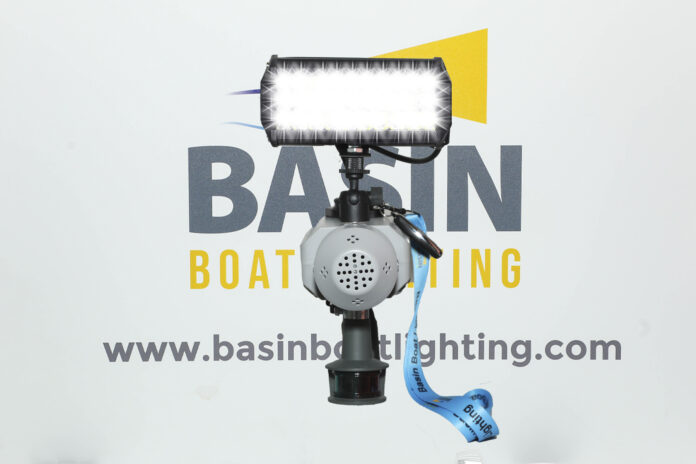
Basin Boat Lighting in Broussard has been awarded a design patent by the United States Patent and Trade office for its cutting edge safety lighting systems. With the mission of keeping boaters and kayakers safer on the water, each unit incorporates several U.S. Coast Guard required onboard safety features in one easy-to-use piece of equipment.
Design patents protect just that—the design and configuration of products in the marketplace from being copied by would-be competitors. They protect the “look and feel” of a product. Already applied for, Basin Boat Lighting’s utility patent will protect how the safety lighting systems work and is expected to follow shortly.
Both the brightBird and earlyBird models for boats and kayaks provide visual (super bright LED lights) and audible (105db horn) signaling and distress tools that are critical for boaters and kayakers to stay safe—particularly before dawn or when out later than expected after sunset. The “plug and play” design makes them incredibly easy and convenient to use.
Each unit features a USB port to keep mobile phones charged and ready to use in an emergency and a convenient Bluetooth key fob, or remote control, to operate the entire system from the captain’s chair. An optional app is available for both Apple and Android users that will operate the system using a mobile phone and, if subscribed to, alert first responders and emergency contacts that help is needed.
Locally owned Basin Boat Lighting is owned by U.S. Navy veteran and avid Louisiana fisherman Brian Signorelli. For more information, go to www.basinboatlighting.com.
The Mississippi River has no regard for the planning of our society. The river basin is the third largest in the world, draining 1,245,000 square miles. With all this water flowing, the geological forces of the earth are hard at work on the Mississippi.
The steadily churning power of the Mississippi was easily recognized by Mark Twain, who stated in his 1883 book, Life on the Mississippi, “One who knows the Mississippi will promptly aver—not aloud, but to himself—that ten thousand River Commissions, with the mines of the world at their back, cannot tame that lawless stream, cannot curb it or confine it, cannot say to it, Go here, or Go there, and make it obey.”
The lawless nature Twain describes would lead the Mississippi to uniquely change course and be absorbed in the direction of its distributary, the Atchafalaya River, if not for our efforts. If the Mississippi completely shifted track, it would likely be an economic catastrophe for the U.S. So, mainly since the 1950s, engineers have attempted to control the course of the Mississippi River with a series of mechanisms, including locks, dams, and gates.
The Mississippi is a clear example of the ongoing change occurring in a river system, but every river operates in similar ways on its own scale. In this video by Practical Engineering, paddlers get a free lesson on how our rivers work and humankind’s endless efforts to control them.
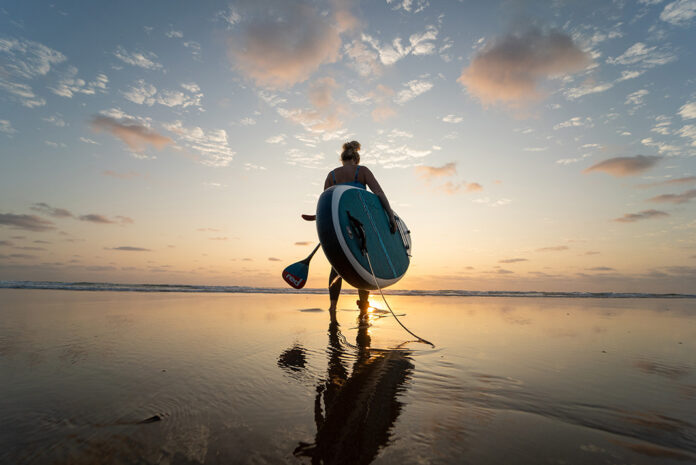
International paddleboard brand Red Paddle Co has just announced they have become a certified B Corp. They join an ever-growing group of organizations that are committed to prioritizing the environment and society within every aspect of their business.
The impressive status has come as the company celebrates its 15th anniversary. It shows the brand’s commitment to taking steps to be more responsible in all areas of their business, as head of design, Phil Hawthorne explains:
“Since day one, we have been committed to taking steps to be more responsible in everything we do, from product to people. For us, becoming a certified B Corp is an exciting next step on that journey. It was a long and rigorous process in which we were independently assessed across every aspect of our business to ensure the very highest standards are being met. It is more than just a rubber stamp, once you’ve been certified as a B Corp, it is a legally binding commitment to ensure we are doing what we promise.”
B Corp is the only certification that measures a company’s entire social and environmental performance. For Red, this certification is an important development in their ongoing commitment to being more responsible. Something that runs deeply throughout the whole organization.
Hawthorne continues, “While we’re immensely proud of what we’ve achieved by being certified as a B Corp, this is just one part of our journey. It is a giant leap on our path to continually improve and innovate everything we do.”


 This article was first published in the 2023 issue of Paddling Business. Inside you’ll find the year’s hottest gear for canoeing, kayaking, whitewater and paddleboarding. Plus: Industry leaders on the post-pandemic landscape, 50 years of paddlesports, the rise and fall of ACK and more.