

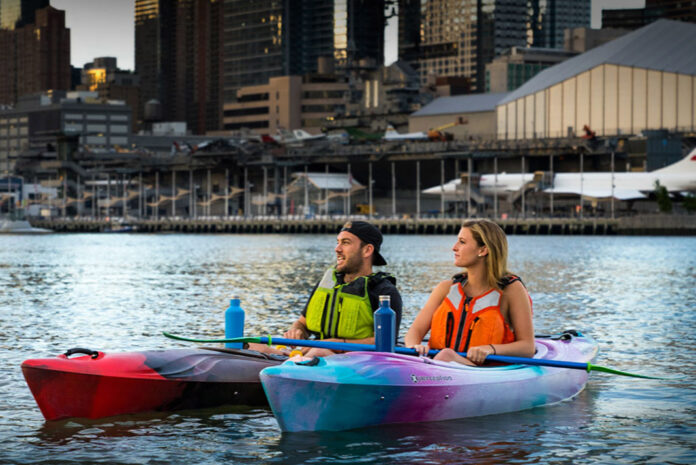
Perception has been making kayaks for over 40 years. Throughout the decades, their boat designs constantly evolved, playing with hull shapes, volume and materials to build better performing kayaks. In 1977, Perception introduced some of the first rotomolded plastic kayaks, a revolutionary innovation that paved the way for kayaking’s explosive growth in the 1990s and early 2000s. Until that point, kayakers had been limited to hand-made composite craft.
Durable, affordable and—most importantly—easily manufactured, plastic kayaks allowed for mass production and distribution. Throughout the ‘80s and ‘90s, Perception Kayaks brought the sport to the general public with industry-leading recreational, touring and whitewater designs. Their experimentation with kayak design led to many of the modern shapes we see today.
Today, Perception Kayaks is owned by the Confluence Outdoor group, which also includes five other paddling companies, among them Wilderness Systems and Dagger Kayaks. In more recent years, Perception’s focus has shifted towards recreational sit-inside and sit-on-top kayaks, fishing kayaks and day touring boats. These kayaks continue to be made with durable rotomolded polyethylene plastic, keeping the prices low.
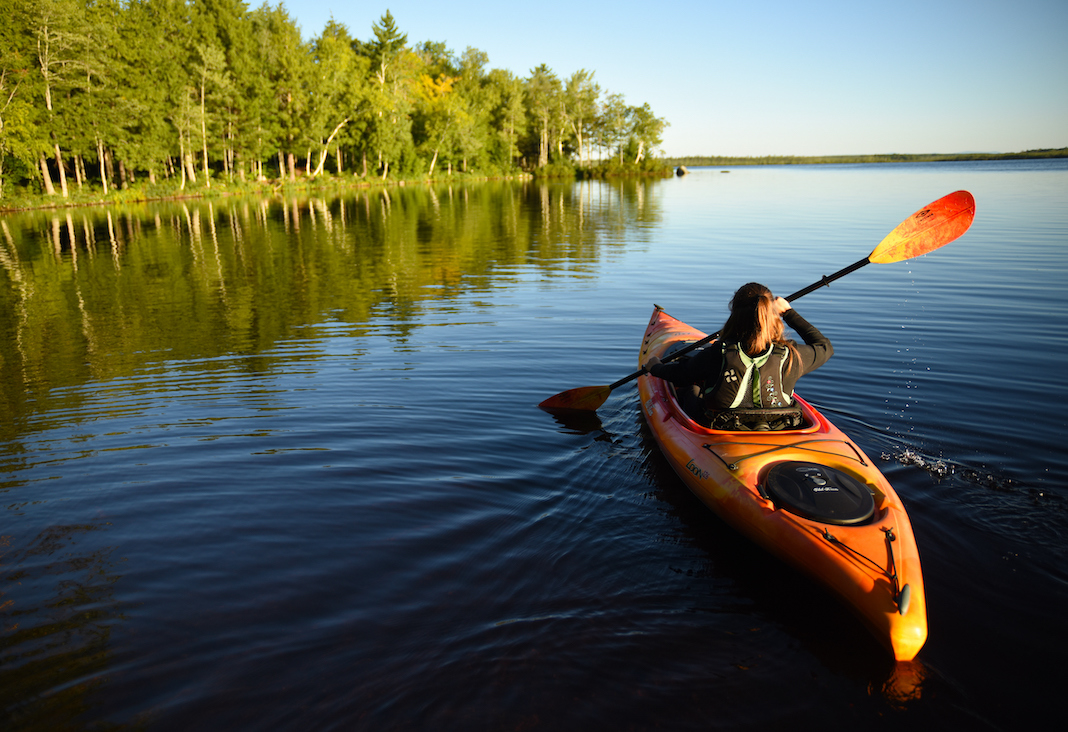
Perception kayaks are great starter kayaks for families, recreational paddlers and kayak anglers with limited budgets. With a Perception kayak, paddlers will get solid performance and some features that are found on more expensive models. As most of these are recreational kayaks, they are best suited for casual paddlers exploring calm waters on shorter outings.
If this sounds like your paddling goals, read on to learn more about the best Perception kayaks. This guide includes links to specific models and reviews, advice for buying new and used Perception kayaks, and answers to common questions.
Shopping for a used Perception kayak?
If you can find a used Perception kayak, you’ll spend less and get more value out of your dollars. Perception kayaks have been around for over 40 years, and they are distributed across North America. There’s a good chance you will be able to find both current and classic models on the used market. Keep these pointers in mind when shopping for a used Perception kayak.
Knowing where to look is the first step. To find used Perception kayaks, check online classifieds like eBay, Kijiji, Craigslist or Facebook Marketplace. Browsing these websites or searching, for example, “eBay Perception kayak” may yield models that are now discontinued. Even though these kayaks are no longer being produced, they are still great designs.
Some models were discontinued to avoid competition or redundancy with Dagger, another brand in the Confluence Outdoor family, and others may have just gone out of style. If they are in good condition, these older models may be a perfect fit for your needs.
Keep in mind that it may be difficult to source replacement parts for discontinued models. Seats, foot pegs, buckles and bungees are all parts that may need to be replaced on an older, used kayak. If some of these parts are missing or damaged, it may not be a deal-breaker. Contact Perception and see if they have any compatible replacement parts. If you are handy, you may also be able to improvise a repair with parts from your local hardware store.
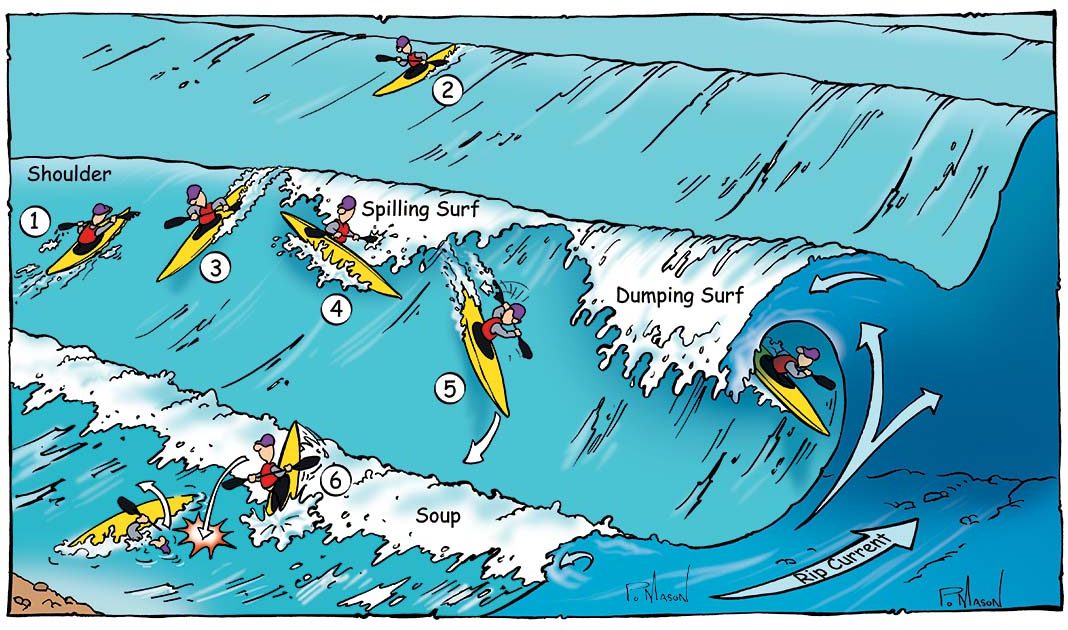
Some of the used Perception kayaks you find may be whitewater kayaks. When whitewater kayaking entered the mainstream in the late ‘80s and early ‘90s, durable plastic kayaks like the Perception Mirage and Dancer were at the forefront of innovation. While the outfitting may be rudimentary compared to modern whitewater kayaks, these early boats are just as fun to paddle today as when they were introduced decades ago.
If you are looking to get into whitewater paddling, grabbing a cheap, older kayak is a great way to enter the sport while saving money for whitewater courses and instruction. Closely inspect a used whitewater kayak, checking for any cracking along the hull resulting from hard impacts.
For more tips on what to look for when selecting a used kayak, read our article How To Buy A Used Kayak.
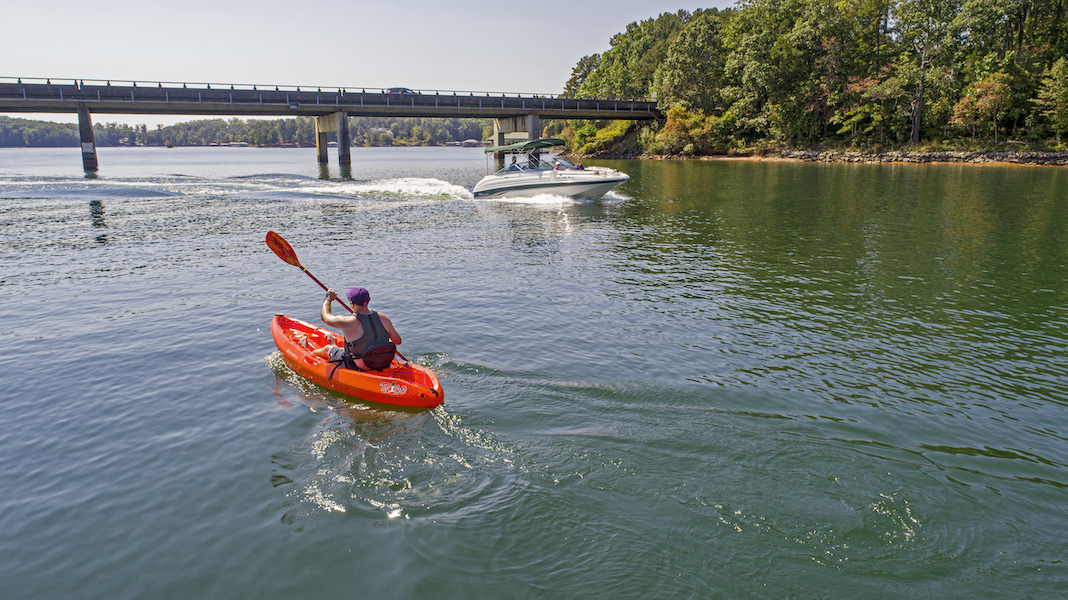
Perception kayak buying guide
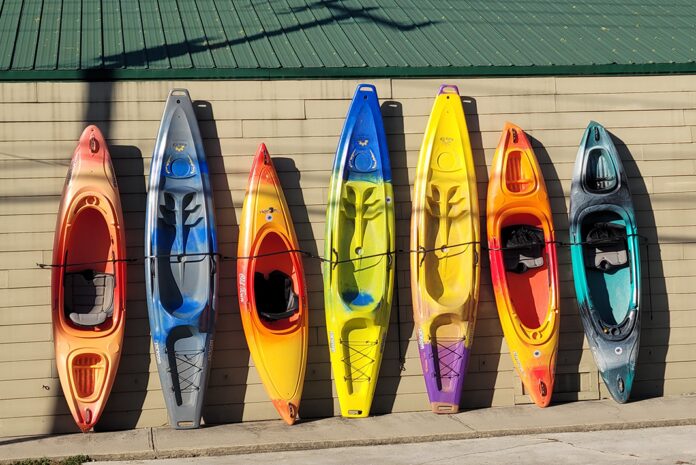
Understanding the different types of Perception kayaks will help you find the most suitable kayak for your needs. Their current lineup includes six different categories: sit-on-top recreational, sit-inside recreational, sit-inside day touring, fishing, tandem and kids kayaks. Let’s take a closer look at these categories, along with some of the models within them, to help you find the best Perception kayak for your paddling aspirations.
Sit-on-top kayaks
Sit-on-top kayaks are the easiest kayaks to use. These kayaks have open decks and wide hulls that are extremely stable. Unlike sit-inside kayaks, on a sit-on-top, the paddler’s legs do not slide inside the kayak. Because you don’t need to lower yourself into the kayak, a sit-on-top is easier to enter and exit. If you capsize or fall off in the water, you can just clamber back aboard. Sit-inside kayaks require more technique to re-enter and the closed cockpits can make some new paddlers feel confined or claustrophobic.
Sit-on-top kayaks’ high stability and open design makes them great for casual recreational paddlers on sheltered waters and slow-moving rivers. Many have molded-in foot rests so that multiple people can share the same kayak without needing to adjust anything. Because there are few moving pieces on sit-on-top kayaks, fewer things can break.
Perception offers a wide selection of sit-on-top recreational designs, from the simple, budget-priced Rambler and Access to the more feature-rich Pescador and pedal drive-equipped Pescador Pilot and Crank, which allow you to propel the kayak with your legs. The Perception Hi Life is a hybrid sit-on-top/paddleboard that is so stable that you can stand up on it.
The candy-colored Hi Five is a sit-on-top kayak sized and designed specifically for kids. Many anglers also prefer sit-on-tops, and most of Perception’s fishing kayaks are made in this style (more on those below).
Sit-inside kayaks
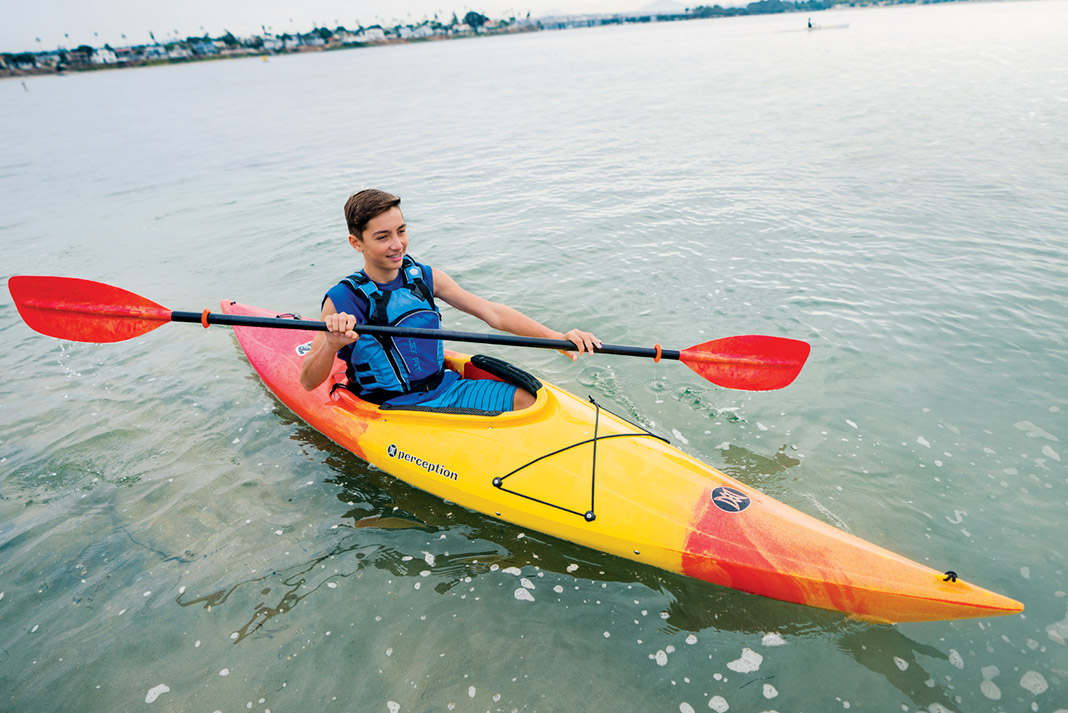
Perception’s sit-inside kayaks range from the short Drift 9.5 recreational kayak and kid-friendly Prodigy XS to the sleek Carolina 14 touring kayak. Sitting inside the kayak gives a bit more control than sit-on-top kayaks as the paddler’s legs engage with the sides of the cockpit.
They also provide some protection from sun, rain and splashing waves on your legs as you paddle. If you plan on graduating to a longer sea kayak, or you want a bit more control, choose a sit-inside. These are great starter boats to help you grow your skills.
Consider length when you are looking at sit-inside kayaks. Generally, longer kayaks—like those in Perception’s day touring lineup, including the Expression, Conduit and Carolina models—are quicker and track (travel in a straight line) better. Shorter, wider kayaks like the Drift 9.5 and JoyRide are much more stable and turn more readily. They are also easier to store and transport. If you plan on paddling with your friends, look at their boat lengths. You should try to get something similar so that you are not struggling to keep up.
Remember that most of these kayaks, with the exception of the Carolina 14—do not have bulkheads (interior walls within the hull of the kayak). Without bulkheads, a sit-inside kayak won’t float well if it capsizes. For this reason, sit-inside kayaks without bulkheads should only be used in sheltered waters on calm days. If you plan to paddle offshore (further than you could swim), it’s imperative that your kayak has bulkheads.
Fishing kayaks
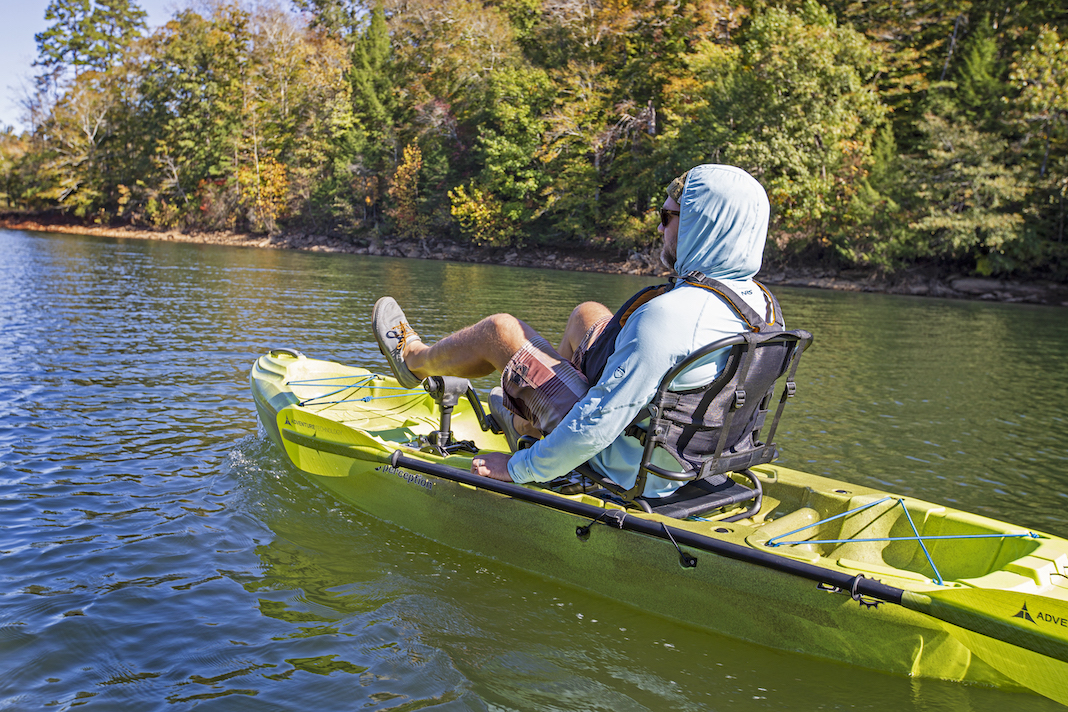
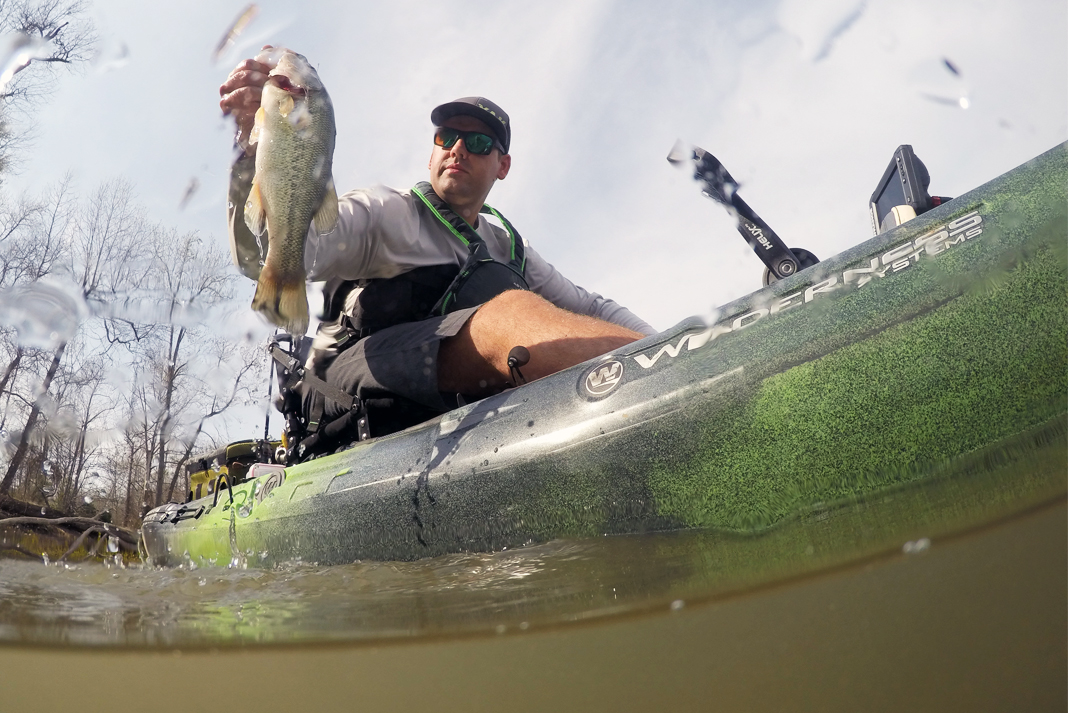
Fishing kayaks use similar hull designs to recreational kayaks, but include fishing-specific outfitting and accessories. Rod holders, tank wells and tackle storage areas are standard. Another common feature is a frame seat that is more supportive and allows you to sit higher on the water for easier casting, stalking and fighting fish.
Perception’s most stable fishing kayak, the Outlaw 11.5, features an open deck with grip pads so you can stand up for an even better perspective. Perception’s current lineup includes four sit-on-top fishing kayaks and one sit-inside, the Sound. Their popular Pescador series offers three models, including the pedal-powered Pescador Pilot, which allows anglers to keep their hands free for fishing on the move.
Tandem kayaks
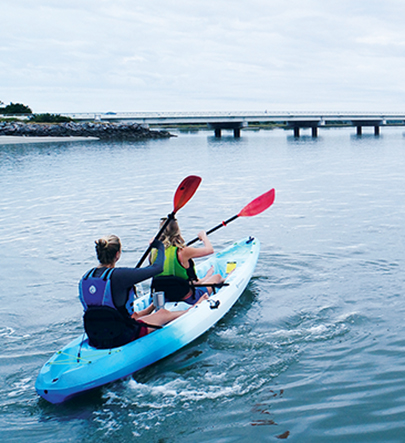
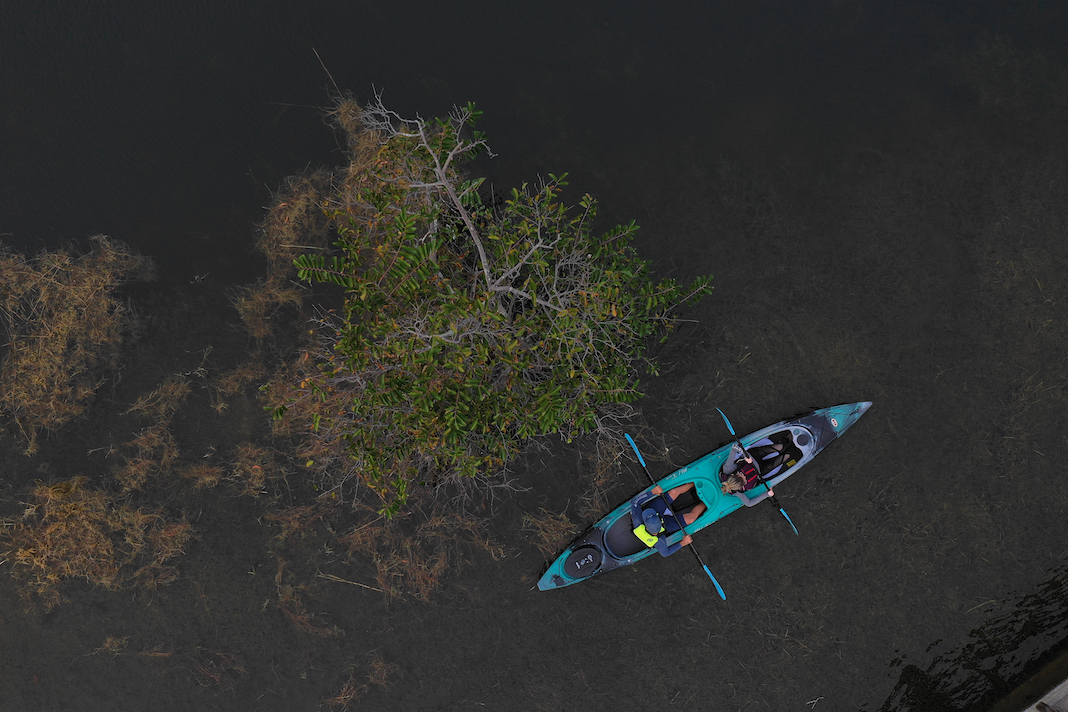
Tandem kayaks have two seats and are meant to be paddled by two people. Tandems have higher weight capacities and more stability than solo kayaks. They’re a great option to get on the water with a less experienced kayaker or a child. Perception sells three recreational tandem models: the sit-on-top Rambler 13.5 and Tribe 13.5, and the sit-inside Cove 14.5.
Use this as a start, and remember that online research will only get you so far. The best advice we can offer is to always test paddle before buying any boat. Of course, that’s a challenge at most of the big box stores where Perception kayaks are sold. Try to borrow a Perception kayak from a friend for a test paddle in real-world conditions. The more time you can spend on the water in a similar style of kayak, the better the purchasing decision you will make.
Here are answers to some of the most common questions about Perception kayaks.
-
Are Perception kayaks good?
Perception Kayaks makes good quality recreational and fishing kayaks priced in the low- to mid-range. They have a variety of models, including tandem and kids kayaks, all made with durable plastic materials. Read the rest of the Perception Kayaks Buying Guide for more details.
-
Types of Perception kayaks
Types of Perception kayaks include fishing kayaks, pedal-powered kayaks, sit-inside and sit-on-top recreational kayaks, day touring kayaks, as well as tandem (two-person) kayaks and kids kayaks. Perception fishing kayaks are exceptionally stable and have rod holders and accessories for more efficient angling.
Perception Kayaks began making whitewater kayaks in the 1970s, and some Perception whitewater kayaks are still available on the used market.
-
Perception kayak models
Perception Kayaks’ current lineup includes over 25 different kayak models. These range in length from the 6-foot Hi Five kids kayak up to the 14.5-foot Cove tandem kayak. Perception makes sit-inside and sit-on-top kayaks for recreational paddling, day touring and fishing.
-
Discontinued Perception kayaks
With over 40 years of boat-building history, there have been a great many now-discontinued Perception kayaks through the decades. In the 1980s through early 2000s, Perception Kayaks was a key player and industry leader in whitewater kayaking and made river runners, playboats and slalom kayaks.
While Perception no longer makes whitewater kayaks, you’ll still find plenty of Perception whitewater kayaks—as well as discontinued touring and recreational kayaks—on used classifieds pages.
-
What is the lightest Perception kayak?
The lightest Perception kayak in their current lineup is the Prodigy XS, for kids and petite paddlers. It weighs just 26 lbs. For other paddlers, the Drift 9.5 weighs 40 lbs.
-
Perception kayak weight
Perception kayaks are average in weight compared to other recreational kayaks, ranging from 26-pound kids kayaks to 85-pound fishing kayaks. Like most other recreational and fishing kayak manufacturers, Perception Kayaks makes their boats from rotomolded plastic.
Thermoformed kayaks, such as those made by brands like Delta or Eddyline, will be lighter than similar-sized rotomolded kayaks. Composite kayaks, like Swift’s carbon fiber recreational boats, are even lighter (but much more expensive).
-
Perception kayak weight limit
Except for their youth kayaks, the weight limit of Perception kayaks is at least 300 lbs. Sit-on-top kayaks have a higher weight capacity, with tandem kayaks having the highest weight limits, generally sufficient for two adult paddlers. This is average compared to similar recreational kayak brands.
-
Perception kayak dimensions
When viewing kayaks, many companies, including Perception, have a number in the kayak’s name (for example the Carolina 12.0). The number indicates the length of the kayak in feet. Perception kayaks range from 6-foot kids kayaks to 14.5-foot tandems.
Other dimensions like the width and volume are found in the product specifications. The width refers to the kayak at the widest point. The cockpit size (for sit-inside kayaks) is another dimension worth looking at, but it’s best to try a kayak in person to truly know if it is going to be comfortable for you.
-
What are Perception kayaks made of?
Perception kayaks are made of high-density polyethylene. This strong and inexpensive plastic is great for kayaks; it bends and flexes instead of breaking. Although it isn’t the lightest kayak material, it is quite durable.
-
How are Perception kayaks made?
Perception kayaks are made by rotomolding high-density polyethylene (HDPE). This process is commonly used for making kayaks. It involves pouring plastic pellets into a shaped mold. The mold is then heated and rotated so the plastic melts into the shape of the kayak.
-
Where are Perception kayaks made?
Perception Kayaks are made in their Greenville, South Carolina, factory.
-
Who makes Perception kayaks?
Perception Kayaks’ expert molders and craftspeople make their kayaks in a facility in Greenville, South Carolina, alongside sister brands in the Confluence Outdoor group (including Wilderness Systems, Dagger, Mad River, Adventure Technology and Boardworks).
-
Who owns Perception kayaks?
Perception Kayaks is owned by Confluence Outdoor, a group of six paddlesports brands that also includes Wilderness Systems, Dagger, Mad River, Adventure Technology and Boardworks. All of the company’s products are made in the USA in Greenville, South Carolina.
-
Where can I buy a Perception kayak?
Perception kayaks are distributed through outdoor retailers like Dick’s Sporting Goods or Dunham’s Sports, as well as many independent paddle shops. Use their dealer locator tool to find the one nearest to you.
-
When will Perception kayaks be back in stock?
Like many outdoor gear companies during the pandemic, Perception Kayaks experienced a boom in sales coupled with delays in the supply chain, decimating their stock. They are working to fill orders, and the company’s recommendation is to contact local Perception dealers for the most up-to-date information.
-
What happened to Perception kayaks?
Perception kayaks have moved away from whitewater kayaking and touring, instead focusing on recreational and fishing kayaks. Current models are widely available across North America, and are still being produced in their South Carolina manufacturing facility.
-
Perception kayak warranty
Perception kayaks come with a 5-year limited warranty for the hull and deck of their kayaks. Parts and outfitting like foot pegs, bungees and seats have a 1-year limited warranty. You must register your kayak within 30 days of purchase to be eligible for the warranty.
Compare Perception kayaks
-
Wilderness Systems vs Perception kayaks
Both Perception and Wilderness Systems kayaks are owned by Confluence Outdoor and produced in Greenville, South Carolina. Perception kayaks are more entry-level, with less refined outfitting and a lower sticker price. Wilderness Systems kayaks are targeted to a mid-high price range, reflected by the construction and outfitting options.
They also make longer touring kayaks like the Tempest and Tsunami, as well as top-of-the-line fishing kayaks. If you are looking for a touring kayak that can handle rougher conditions, or you’re an avid kayak angler looking for all the bells and whistles, opt for Wilderness Systems. If you want to save some money and still get a quality recreational or fishing kayak, choose one of Perception’s boats.
-
Perception vs Hobie kayaks
Hobie exclusively makes pedal-driven sit-on-top kayaks for recreation and fishing. If you are looking for a pedal drive kayak, Hobie has many more options to choose from than Perception Kayaks, including a line of Mirage Inflatable pedal kayaks. In addition to inflatables, Hobie also makes thermoform pedal kayaks, which are lighter than rotomolded ones, and sailing kayaks with pedal drives.
Hobie’s Mirage system is one of the best on the market, making pedaling easy and efficient. If you’re willing to spend more on a pedal drive kayak, look at Hobie kayaks. If you have a limited budget, Perception’s two pedal drive models—the Crank and Pescador Pilot—are durable and cost less.
-
Sun Dolphin vs Perception kayaks
Sun Dolphin kayaks are another recreational kayak brand. Their kayaks are entry-level in terms of pricing and performance. If budget is the sole motivator in your kayak purchase, Sun Dolphin offers cheaper kayaks. Perception’s kayaks cost a bit more but have more refined seating systems, storage compartments and their longer kayaks are faster than Sun Dolphin’s.
If you’re looking for a kayak that can cover a bit more distance, or is outfitted better, opt for a Perception.
-
Perception kayak vs Lifetime
Lifetime brand makes low-end recreational kayaks for casual paddlers. They are sold through big-box stores and online retailers like Walmart and Amazon. These cheap kayaks are adequate for someone who doesn’t want to make much of a financial commitment to kayaking, or just wants a boat to use for short outings.
For a bit more money, Perception kayaks have more refined outfitting and designs for improved comfort and performance. With over 25 models, including tandem, kids and fishing kayaks, there are more options to choose from with Perception. Bottom line: Lifetime kayaks will perform well enough for an hour or so on calm water.
If you are looking for something more than that, choose Perception.
-
Vibe vs Perception kayak
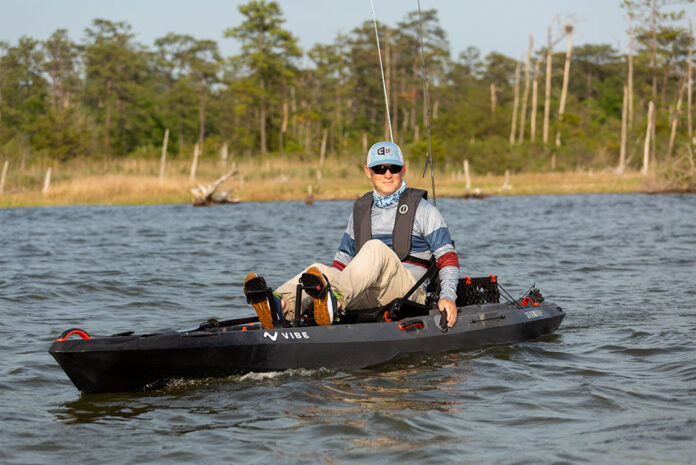
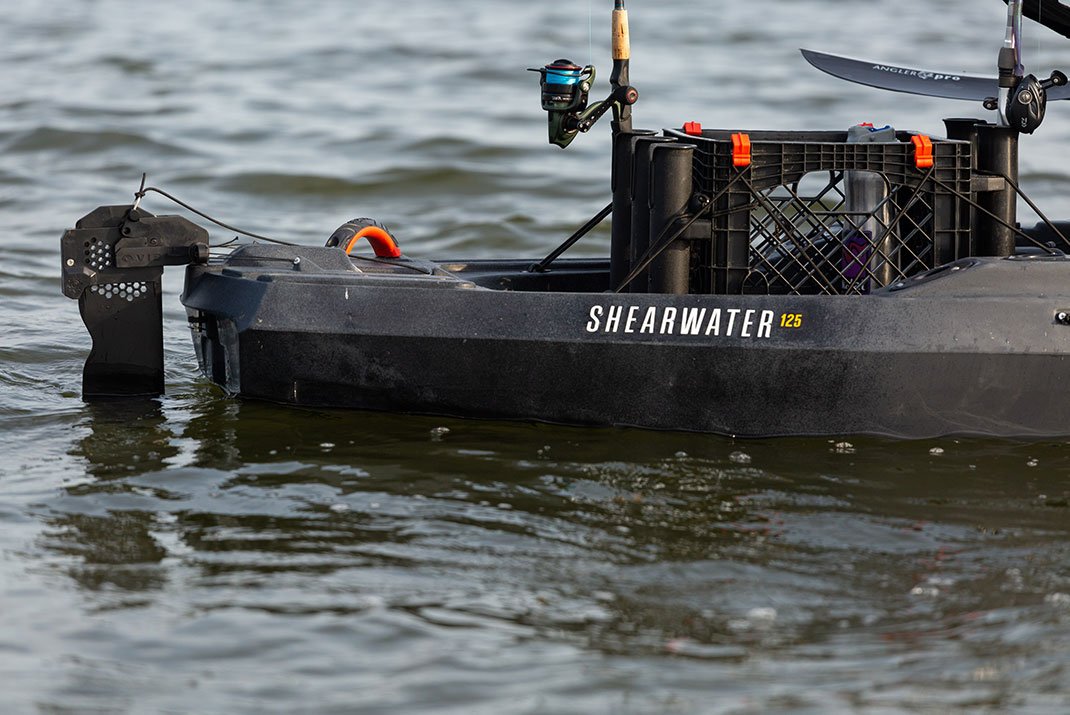
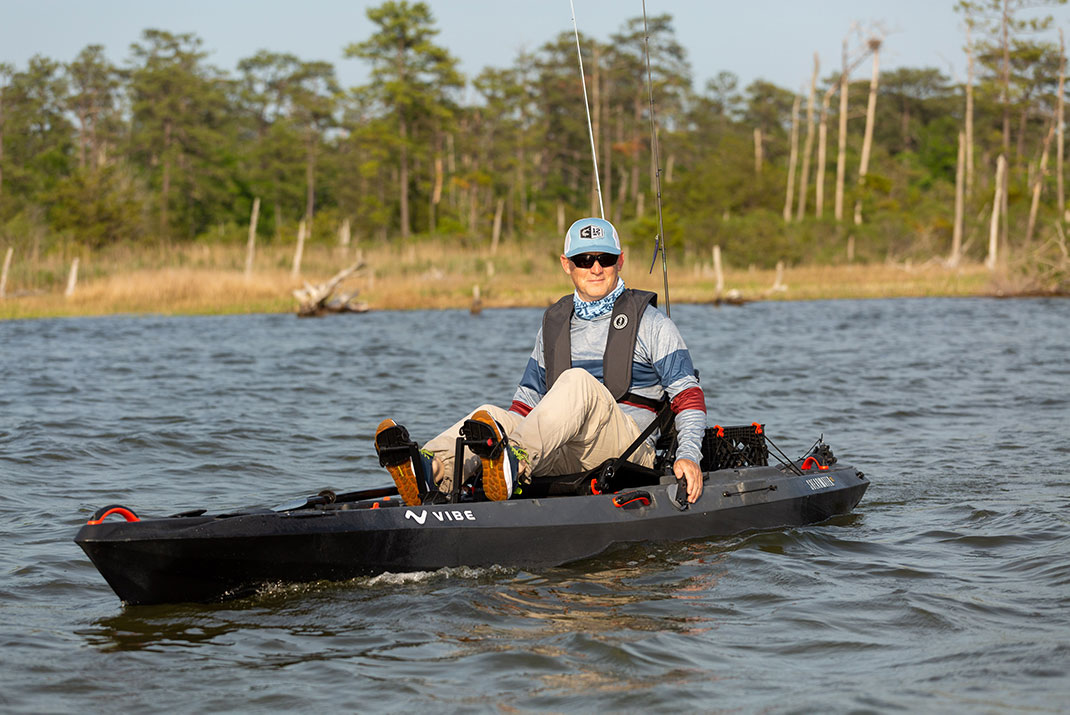
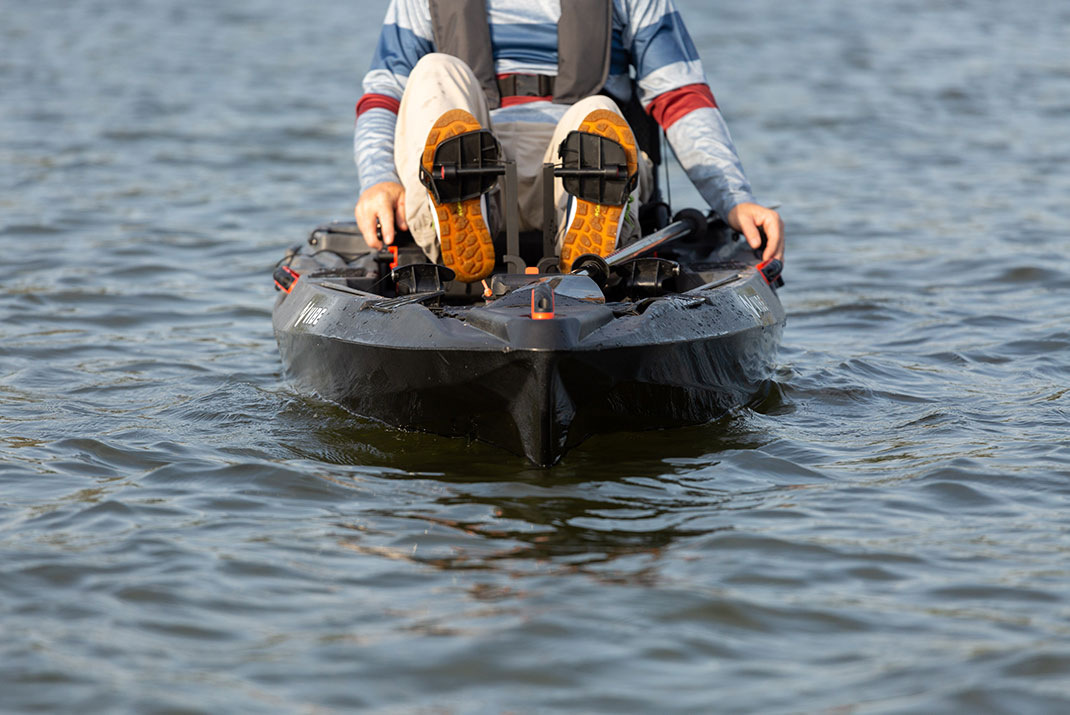
Vibe makes premium sit-on-top fishing kayaks. This small company focuses exclusively on kayaks for fishing. They are mid-range in terms of price but have lots of different customization options. If you’re a dedicated kayak angler, you would be hard-pressed to find a kayak with more versatility than Vibe’s Shearwater 125.
This kayak has jet propulsion as well as pedal-drive and paddle-power options. Vibe kayaks come at a higher price than Perception’s fishing kayaks, so if you just want something simple or are more of a casual angler, choose Perception. For the serious kayak fisherman, Vibe kayaks are a great option.
-
Dagger vs Perception kayak
Both Perception and Dagger kayak brands are owned by the Confluence Outdoor group. While Perception offers recreational and fishing kayaks—most of them sit-on-top designs—Dagger focuses on whitewater and performance day touring kayaks. These kayaks are for paddlers who want to push the limits a bit more, playing in the surf or current.
Dagger kayaks are made of burlier plastic than Perception kayaks to handle heavier impacts. Most Dagger kayaks are sit-inside designs with tighter-fitting cockpits to allow more control of the boat, compared to the spacious cockpits or sit-on-top designs of Perception kayaks.
Look at Dagger kayaks if you plan to do any sort of rough-water or whitewater paddling. If you’re content to stick to calm waters, Perception’s kayaks better suit your needs.
-
Ocean Kayak vs Perception
Ocean Kayak makes sit-on-top kayaks exclusively, with more sit-on-top options than Perception. Some of the sit-on-tops are comparable between these two companies, especially the lower-priced ones. However, Ocean Kayak also makes sit-on-top kayaks designed for more open water touring, like the Tetra 12, which is longer and faster than any of Perception’s one-person sit-on-tops.
If you’re set on a sit-on-top, take a look at the Ocean Kayak lineup; if you are looking for a sit-inside kayak, Perception is the obvious choice.
-
Pelican kayak vs Perception kayak
Pelican makes a vast selection of recreational kayaks, many of which are extremely similar to Perception in price and design. Pelican’s kayaks are made with RAM-X, a high molecular weight polyethylene. This material results in a slightly lighter kayak than Perception’s high-density polyethylene boats. Like Perception, there are lots of different Pelican kayaks to choose from.
If you are trying to decide between these brands, it’s best to compare individual models of kayaks. Where they do differ is in some of the more specialized boats. Perception’s Carolina day touring kayak is unparalleled by any of the boats Pelican makes.
If you are looking for a day touring kayak that acts much like a small sea kayak, look at Perception’s longer sit-inside models.
-
Ascend vs Perception kayak
Ascend is Bass Pro Shop’s in-house kayak brand. They have a small selection of sit-inside and sit-on-top kayaks mostly focused on fishing. These kayaks are very stable, with higher-than-average weight capacities. They are marginally cheaper than Perception kayaks.
Choose an Ascend kayak if you’re looking for a more simple kayak with lots of stability. Perception kayaks are a bit quicker on the water because of their tapered shape, and they have more options for pedal-driven kayaks or day touring.
-
Old Town vs Perception kayak
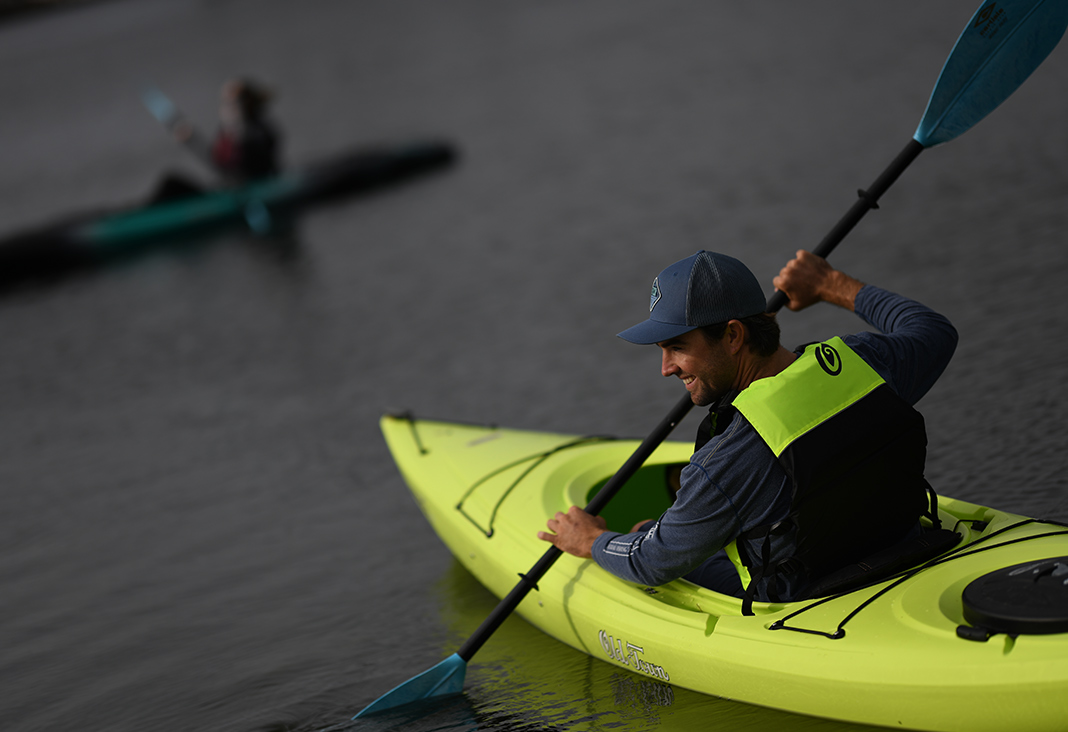
Both Perception and Old Town are well-established kayak brands with a reputation for making quality products. Like Perception, Old Town’s kayaks are also made with durable and inexpensive rotomolded plastic. Perception has more kayaks under $800 USD, so if you’re on a tight budget, choose Perception.
Old Town makes sit-on-top recreational kayaks as well as longer, sit-inside touring kayaks like the Looksha 17 (formerly the Necky Looksha). For kayaks longer than 13 feet, you will find more options from Old Town, making them a solid choice for those who enjoy longer tours.
Perception kayak reviews
Reviews are helpful tools to understand the kayak beyond the information given by the manufacturer. Reading reviews from other kayak users is helpful in deciding which boat will be best for you. As you read the reviews, consider where you plan to kayak, and the kind of conditions you’d like to paddle in. See if it matches what the reviewer describes.
- Recreational Kayak Review: Perception Tribe 9.5
- Recreational Kayak Review: Perception Swifty Deluxe 9.5
- Fishing Kayak Review: Perception Pescador 12
- Boat Review: Perception Sonoma 13.5 Airalite Kayak
- Boat Review: Perception Expression 14.5 Kayak







 This article was first published in Kayak Angler Issue 45.



