Home Blog Page 193

Sea Kayaking Tragedy at Dungeness Bay

Dungeness Spit is a sliver of hard sand barely 100 yards wide and more than five miles long, sheltering a shallow bay on the northern edge of Washington’s Olympic Peninsula. The wildlife sanctuary teems with birds and sea life, and the spit is home to the historic New Dungeness Lighthouse, built in 1857 and still operating today. The annual hike to the lighthouse had become a cherished tradition for the Mountain View Church of the Nazarene outing club, and in recent years some members of the group began kayaking to the lighthouse.

“We loved kayaking so much that we begged to add kayaking to the hikes,” says group member Bill Kelley. So on April 11, 2015, the club split into two groups. Some members would hike out along the spit while others would kayak to the lighthouse, a straightforward paddle of less than three miles.

[ View all sea kayaks in the Paddling Buyer’s Guide ]

The low-lying spit provides shelter from ocean swells, but little protection from the afternoon winds that often come whipping off the North Pacific. Forecasters had warned of bad weather for more than a week, but when the group arrived the sky was clear and the wind was light.

The group gathered for a prayer and devotional, after which Dennis Caines asked if any of the hikers would like to kayak. Jacob Austin, 52, and Mandi Walkley, 39, raised their hands. Both were frequent participants in club kayak outings. Austin was keen to paddle, and Walkley wanted to hike to the lighthouse and paddle back. She arranged to share one of Caines’s kayaks with her boyfriend Rob Johnson, who would paddle to the lighthouse and walk back.

The kayakers piled into Caines’ van for the short drive to Clines Spit, where they launched by twos and threes. The conditions could hardly have been better, with Fairchild International Airport in nearby Port Angeles reporting winds of 6-8 mph from the west-southwest—a quartering tailwind.

“It was warm and sunny and nice and we were just flying across the water,” recalls Kelley, then 50, who raced ahead with Austin and Johnson. “We were loving it. We were having the best time.”

The lead trio was in 17-plus foot sea kayaks equipped with rudders and sprayskirts. Ken and Esther Corcoran followed in their Wilderness Tsunami rec-touring boats, while Caines and his wife Linda brought up the rear in a 22-foot tandem. All of the kayakers wore lifejackets, but most weren’t dressed for immersion in cold water. Only the Caines had wetsuits; the others wore cotton layers under light jackets.
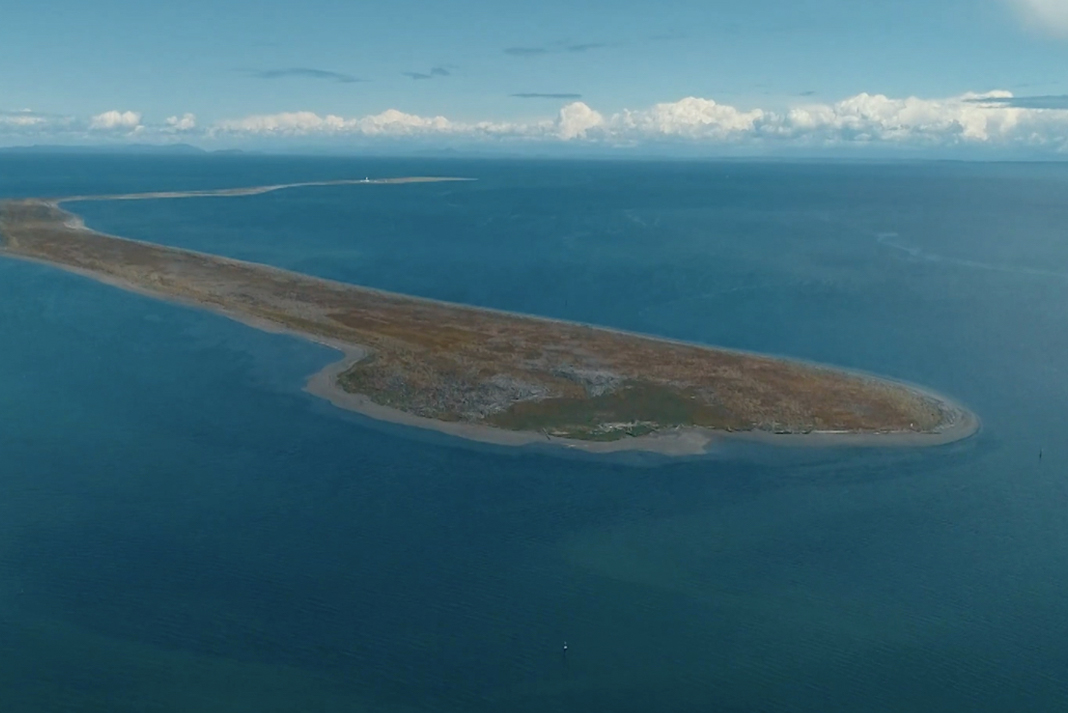
Dungeness Spit from above, with the New Dungeness Lighthouse in the distance.
Dungeness Spit from above, with the New Dungeness Lighthouse in the distance. | Photo: Dennis Caines

The kayakers soon arrived at the lighthouse, where they lingered for about two hours, eating their lunches and mingling with the hikers. Austin napped in the grass, and some of the others chatted with the volunteer lighthouse keepers.

At about 1:20 p.m., the kayakers started back. As before, they didn’t depart as a group. Austin, Walkley and the Corcorans all left before the Caines, who needed more time to launch their tandem kayak. By the time the double was on its way, Kelley was ready to go and Walkley had already doubled back to the beach to adjust her kayak’s footpegs, which had been set for Johnson’s longer legs.

Dennis Caines was focused on catching up to the others because he had the keys to the van and didn’t want to leave his friends waiting. At the time, he thought all the other paddlers were ahead of him. In fact, both Walkley and Kelley were behind.

Almost immediately, the conditions began to worsen. At 12:53 p.m., a few minutes before they launched, the weather station at Fairchild International recorded winds of 12 mph from the west-northwest, with no gusts. Half an hour after they left the beach the wind was 16 mph with gusts to 24 mph. By 2:41 the wind at Fairchild was 22 mph, gusting to 36 mph. The airport is four miles inland; actual conditions on the bay were likely even more severe.

As the wind and waves continued to build, Caines caught a glimpse of Austin ahead and to the right, paddling in the sheltered water closer to the spit. Caines decided to follow, but discovered he couldn’t turn the 22-foot double kayak into the wind.

“I gave all the right rudder I could and we started paddling and just on the left side of the boat, but I could not bring the bow around more than probably a 45-degree angle to the waves and the wind,” Caines recalls. He couldn’t turn toward the sheltered water or even hold a course to Cline Spit, where the van was waiting. The Caines crabbed sideways across the bay, their kayak pointing southwest but moving almost due south. Kelley and Walkley followed.
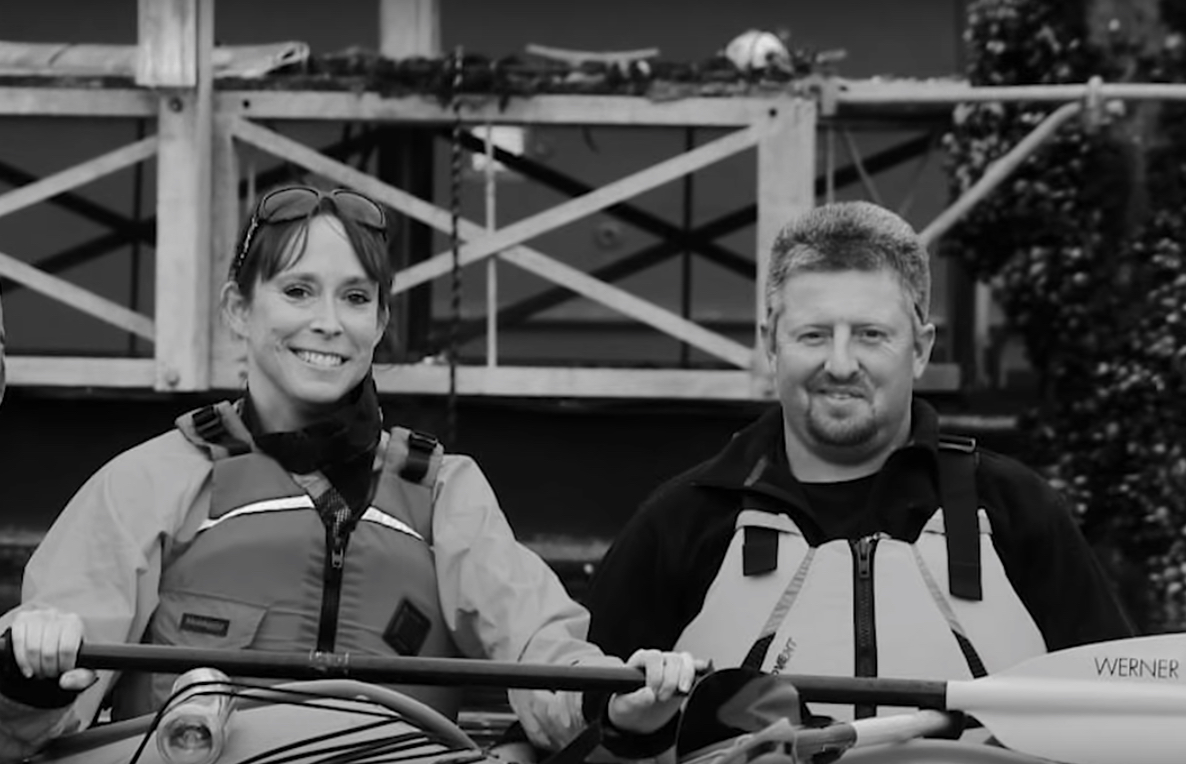
Mandi Walkley (left) and Rob Johnson shared a kayak at Dungeness Spit.
Mandi Walkley (left) and Rob Johnson shared a kayak at Dungeness Spit.| Photo: Dennis Caines

“I was right behind Dennis and Linda, trying to keep up with them. I could hear Linda telling Dennis she was afraid,” Kelley recalls. He struggled to catch up, his arms burning, and when he stopped for an instant to rest, the wind spun him sideways. That’s when he saw that Walkley had capsized. She was shouting and waving her paddle.

“She wanted to get rescued. She was screaming for me to come help her,” Kelly says. He pauses. “I did everything I could to try to get to Mandi.”

Kelley couldn’t turn his kayak into the wind to reach her. He took deep, hard left strokes, trying to push the bow through the wind, but dug too deep and capsized.

Austin also capsized, though no one knows precisely when or where. None of the other kayakers saw him go over.

In fact, none of the remaining four kayakers realized that three of their friends had capsized. The 911 call came at 2:18 p.m. from a lighthouse volunteer, who watched through binoculars as the disaster unfolded. The initial reports were sketchy, and it’s not clear whether dispatchers immediately recognized the severity of the situation.

The 911 operator transferred the call to the U.S. Coast Guard at 2:26 p.m. The agency dispatched a patrol boat and an MH-65 Dolphin helicopter from Port Angeles, about 14 miles west. The race was on.

The typical survival time for a person immersed in 49-degree water without protective clothing is from one to three hours. It’s not clear precisely when Walkley, Kelley and Austin entered the water, but it’s likely that the group lost time—perhaps a few minutes, perhaps more—because the other kayakers were not aware their friends were in trouble.
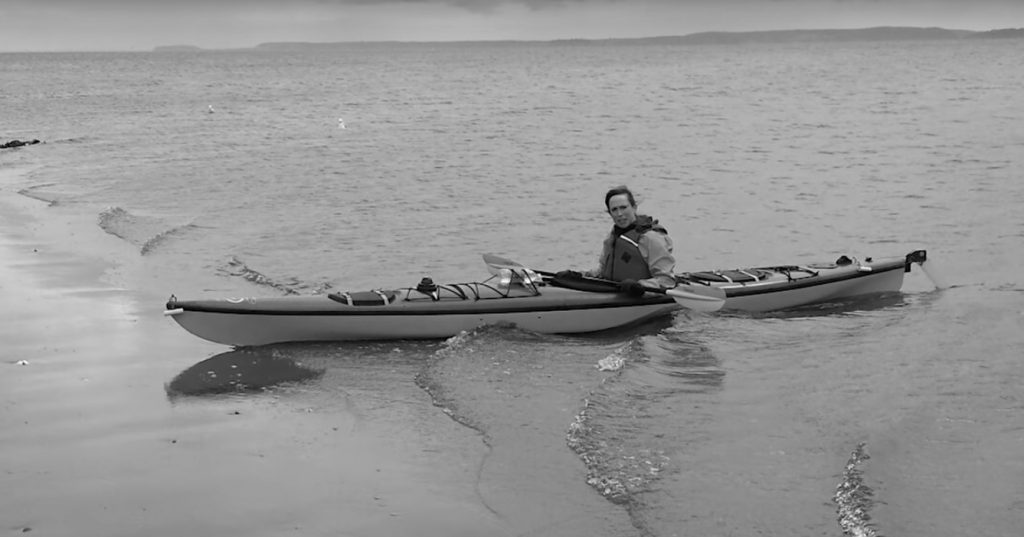
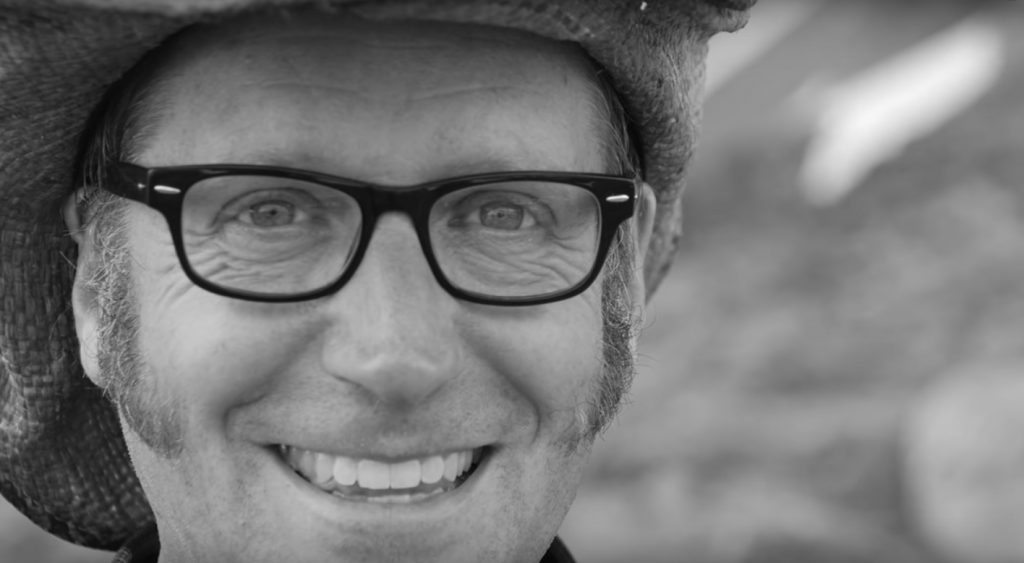
The Corcorans reached shore more than a mile east of Clines Point, followed a few minutes later by the Caines. Dennis Caines was still expecting the others would paddle straight to the van at Cline Point, and he was in a rush to get there with the keys. He hitched a ride to the van, where a Clallam County Sheriff’s deputy found him a few minutes later.

“I started walking toward him to get some information,” Caines says. “And he just said, ‘It’s not good.’ And that just sort of ripped the heart out of my chest.”

Moments later the Coast Guard chopper roared overhead.

In the moments after he capsized, Kelley resolved to hold on to his kayak, knowing that it gave him the best chance of being spotted and rescued. As a trained scuba diver, he knew that swimming to shore was impossible in such cold water, with the wind and waves pushing him away from shore. He thought it would take about an hour for rescuers to arrive, so he held fast to his kayak and began to count, breaking the wait into 15-minute segments. Eventually, a wave tore the kayak from his grasp, and it drifted quickly away. It would later be found on Protection Island, 9 miles southeast, along with Walkley’s paddle.

We don’t know whether Walkley or Austin attempted to hold on to their kayaks, or if they abandoned them to swim for shore. However, at some point both became separated from their boats.

The Coast Guard helicopter spotted Kelley first and lowered a rescue swimmer to hoist him aboard. The chopper flew him to Olympic Medical Center in Port Angeles, Wash., where he was admitted in critical condition. At 4:11 p.m., county dispatch received word that Kelley had been recovered.

Austin was next, picked up minutes later by the Coast Guard patrol boat. He was unresponsive. Rescuers began CPR as they raced to a local marina, then transferred him to a waiting ambulance. He too was brought to Olympic Medical Center.

Meanwhile, with the Dolphin helicopter running low on fuel, the Coast Guard requested assistance from Naval Air Station Whidbey Island, which scrambled an MH-60S Knighthawk helicopter. According to the Navy incident report, “the Coast Guard had located two of three individuals and were having difficulty locating the third.”

Mandi Walkley was still missing, somewhere in the bay.

The Navy helicopter arrived on station shortly after 5 p.m. The crew quickly spotted two empty kayaks, but no trace of Walkley. They conducted an expanding square search until the aircraft commander made the call to start over, essentially doubling down on the initial report of Walkley’s position. As the chopper flew to restart the search, a crewmember spotted a flash of orange. It was Walkley’s jacket.

The time was 5:20 p.m. Walkley had been in 49-degree water for more than three hours, perhaps almost four. The Navy rescuers hoisted her aboard the helicopter and flew to Olympic Medical Center, where a vigil was already underway.

As the church group waited for news of their friends— pastor Bill Bowers and some of the hikers had joined the kayakers at the hospital—hospital staff attended to Austin. They performed CPR for more than two hours, and for a brief time detected a heart rhythm. It didn’t last. Shortly before 7:00 p.m., doctors informed pastor Bill Bowers that Jacob Austin had died.

Mandi Walkley died early the next morning. Her death hit the church group particularly hard. She had been a lively presence in the club—warm, positive, and energetic. When the others speak of her their affection is almost palpable, as is their anguish at her loss.
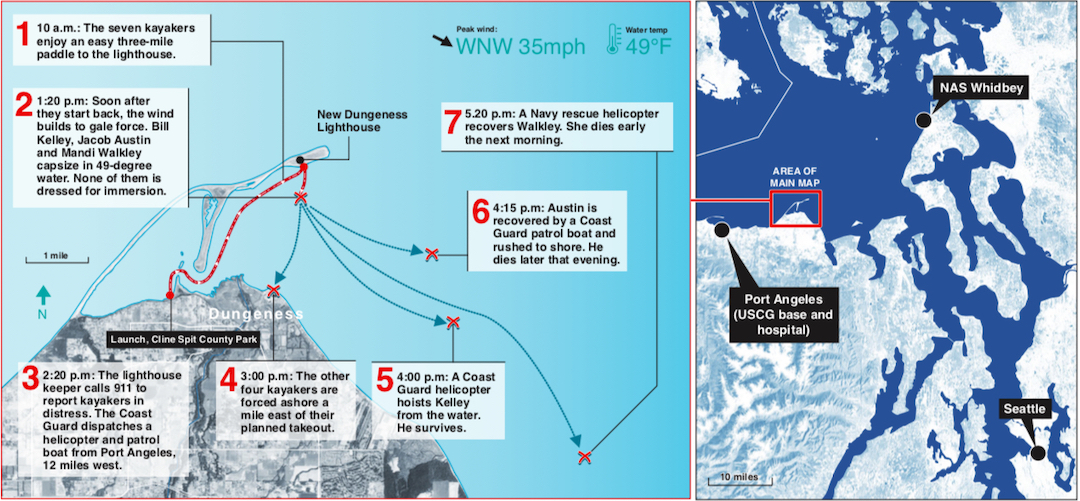
Map showing location of events in the Tragedy at Dungeness Bay

More than three years later, Dennis Caines and Bill Kelley shared the painful memories of that day at Dungeness Spit in a short documentary film, in hopes that their experience will serve as a cautionary tale to others.

The accident could easily have been avoided.

In hindsight, the lessons are obvious. The two most salient are the importance of heeding weather warnings, and the need to dress for immersion when paddling in cold water.

Forecasts had predicted foul weather for a week, and according to Clallam County Sheriff’s Sgt. Lyman Moores, an advisory had been issued the previous day. “Nobody should have been on the water that day,” Moores told the Seattle Times.

All of the kayakers were wearing lifejackets, but none of those who capsized was wearing a dry suit or wetsuit designed to prevent hypothermia. In such cold water, Moores said, “the human body can shut down in a matter of minutes.”

If Austin and Walkley had been wearing drysuits, they almost certainly would have survived. One of the biggest barriers to drysuit use is cost. Good ones start at about $800, but they’re not the only option. A $150 neoprene Farmer John wetsuit would likely have allowed both paddlers to survive the ordeal.

Of course, the if the group had chosen not to paddle that day due to the forecasted bad weather, or if they had decided to leave the kayaks and hike back when the weather turned foul, there would have been no emergency at all.

Author: Jeff Moag | Featured Photo: Dennis Caines
Rapid Media Launches New Online Paddling Trip Guide

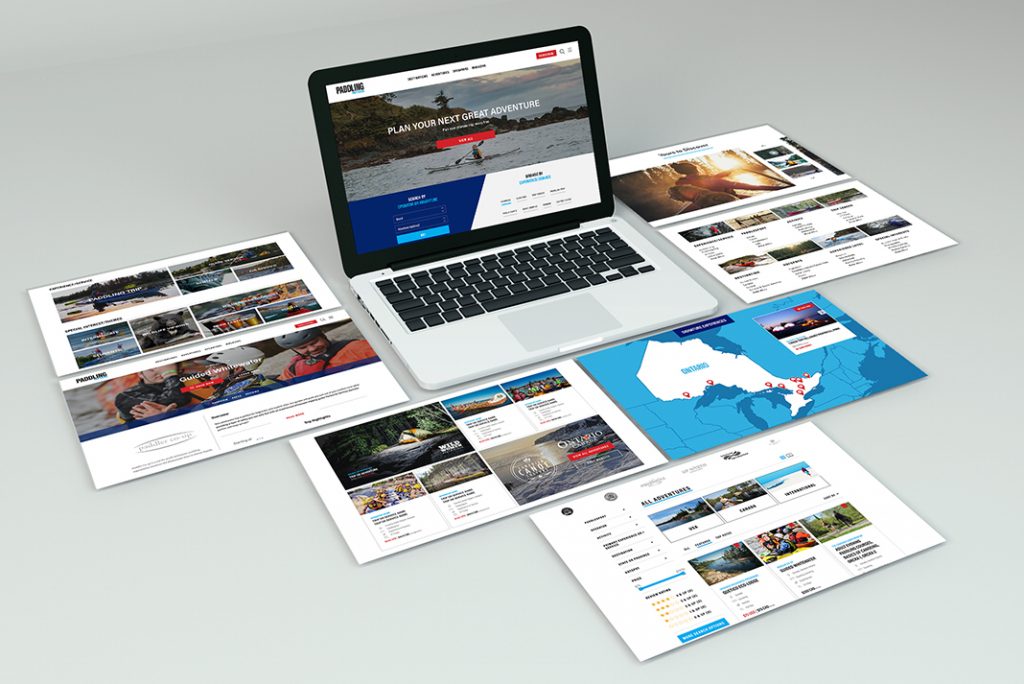
Rapid Media is making planning and booking paddling trips easier than ever before with its all-new online Paddling Trip Guide. This innovative Paddling Trip Guide offers the world’s widest selection of paddling adventures and professional services. Shop hundreds of multi-day all-inclusive paddling trips, tailor-made experiences, self-guided canoe, kayak, paddleboard and raft packages or find just the help you need with accommodations, shuttles, air services or rentals. The Paddling Trip Guide makes it easier to plan and book epic adventures fitting your style, pace, schedule, budget and experience level – all with the click of a mouse.

[ See the largest selection of adventures and services in the Paddling Trip Guide ]

On the Paddling Trip Guide, you browse hundreds of trips and services from top adventure paddle tourism operators. Refine your search based on paddlesport, activity, duration, ability level, type of accommodation, destination and special interests like family trips, women’s only, certification programs, photography and wildlife viewing for paddlers. Learn about each trip including background on the operator, detailed itineraries, photo galleries and traveler reviews so you can book your next adventure with confidence.

Paddling Trip Guide Online
The Paddling Trip Guide is an easy-to-use tool helping paddlers discover and book canoe, kayak, paddleboard and raft adventures.

“The Internet has expanded our options for travel booking but had yet to offer a tool making paddlesports adventure planning a breeze. Now the perfect paddling trip is easier to find and book,” says Cristin Plaice, Rapid Media’s director of marketing.

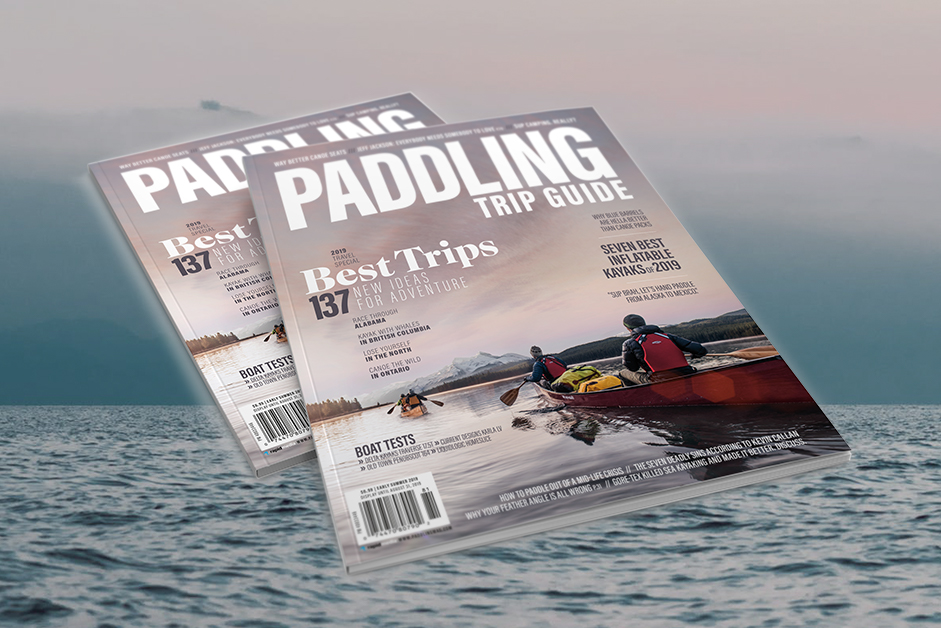
Rapid Media also publishes its annual Paddling Trip Guide. It’s the print and digital wish book, a 150-page special issue of Paddling Magazine complementing to the online tool.

Paddling Trip Guide
The 2019 Paddling Trip Guide is now available on newsstands and on the Paddling Magazine+ App (iOS and Google Play).

“We’ve listened to our readers and fans. We know they want to go on amazing paddling adventures but these days don’t have the time or know-how to plan themselves,” says Scott MacGregor, Rapid Media’s founder and publisher. “For 20 years we’ve been inspiring our audiences to fill their bucket lists with awesome adventures. Now we are connecting paddlers with their dream trips and getting them on the water as seamlessly and easily as possible.”

With so much selection in the Paddling Trip Guide magazine and easy booking on the online trip finder, the only challenge is deciding when and where to go.

“Whether you’re planning a multi-day fly-in adventure up north, a friends get-away this summer, or just looking for somewhere new to paddle, Rapid Media has the online tools and resources to help you plan the trips you’ve always wanted,” says Plaice. “With so many destinations, where should you begin? How about Quetico and the Boundary Waters, Alabama, Great Lakes, Georgian Bay, Canadian North, Algonquin, Bahamas, Chile, Mexico, Iceland, Russia, Norway or Costa Rica?”

[ See the online Paddling Trip Guide ]

Pro Kayakers vs. Whirlpools

Have you ever wondered what happens when you pair up world-class kayakers with some of the most powerful whirlpools on the Ottawa River? Luckily, the Senders crew consisting of Bren Orton and Adrian Mattern have tested these waters.

Check out their video highlight reel that also includes pro kayakers Dane Jackson, Nouria Newman, Alec Voorhees and Rush Sturges.

“I feel you’re going to see some very interesting beat downs today and just know the river doesn’t care who you are. I’m sure everybody is going to get the beat down and I’m looking forward to that” Mattern mentions at the beginning of the video.

Dane Jackson actually gets held underwater for the longest amount of time and the commentary between Orton and Mattern is hilarious.

Bren Orton: “Alright here we go. Dane Jackson, the world’s best kayaker dropping into the whirlpools. Nice 360, oh he surprised himself. He’s going for the 720, look at the look of joy on his face, into the stern end, catching the whirlpool and getting some downtime. This is sick. Swirling around down there, popping back up, and looks like his ride is all over. Oh my God, it’s going to get him again. Oh my God, he’s back down again.”

Adrian Mattern: “Oh no Dane-o!”

Bren Orton: “He is not having the fun that was promised to him. He’s not. Oh my God. Get out of there Dano! Get out of there! DANE-O! Oh my God, dude, he’s going into China. Oh, it’s gonna get him again. Nope. No, he’s out.”

Adrian Mattern: “Nope he is back in”

Bren Orton: “Oh God, I can’t watch it. Oh my God. Yeah. No. Oh my God. Still fighting for it. Pops up. Finally gets a breath.”

Orton mentions, “some important things for viewers back home. We sort of know what we’re doing. Whirlpools are awesome fun. There’s just one golden rule and that is to never exit your Kayak in a whirlpool because things will go much, much worse.”

Paddling Magazine does not recommend trying anything in this video unless you have had proper instruction and have proper safety on the river.

Top 7 Photography Tips For Paddlers

If you are a paddler, there is a good chance you also enjoy taking the odd photo. Even if you aren’t an expert photographer, there are simple tricks you can learn to take better photos. Here is our collection of the best photography tips from paddlers. We figure if you learn to take better paddling photos, Paddling Magazine can start paying you for them.

1. The Best Camera Gear For Wildlife Photography

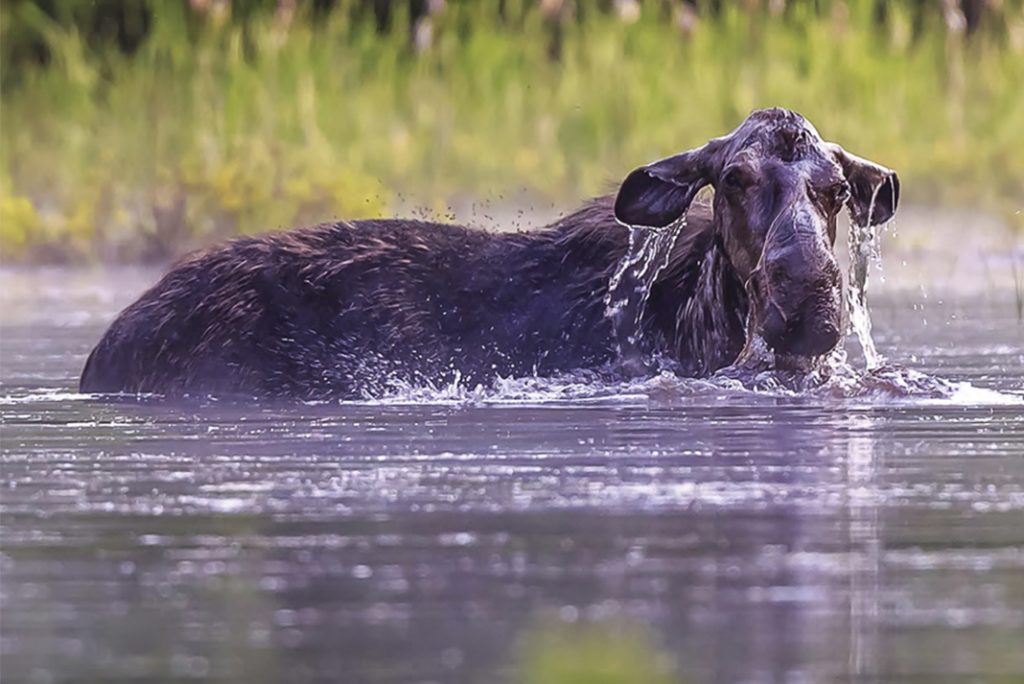
Moose in the water
The kit that will get you the best wildlife photography. | Photo: Ben Eby

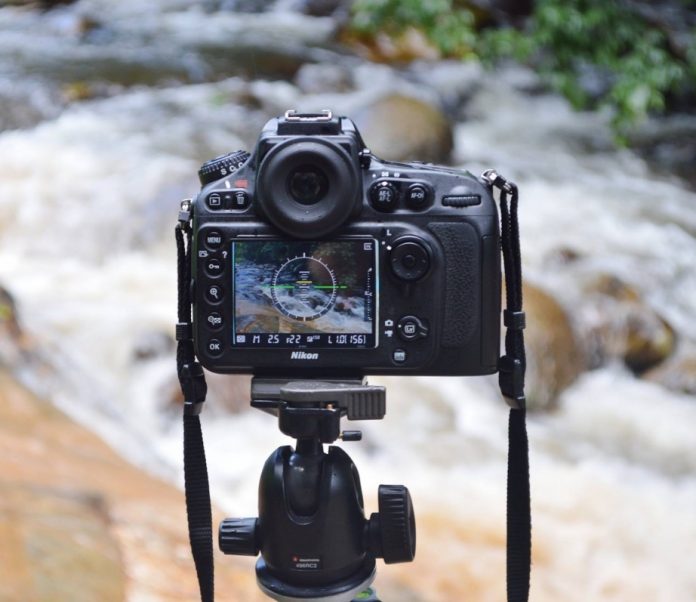
If you are lucky enough, you might just come accross some wildlife while you are on your paddle. Whether that includes moose, deer, birds, fish, beavers, snails or anything else you could think of capturing, you want to make sure you have the right gear. Here is the kit that photographer Ben Eby likes to use [ Ben Eby’s Wildlife Photography Kit ].

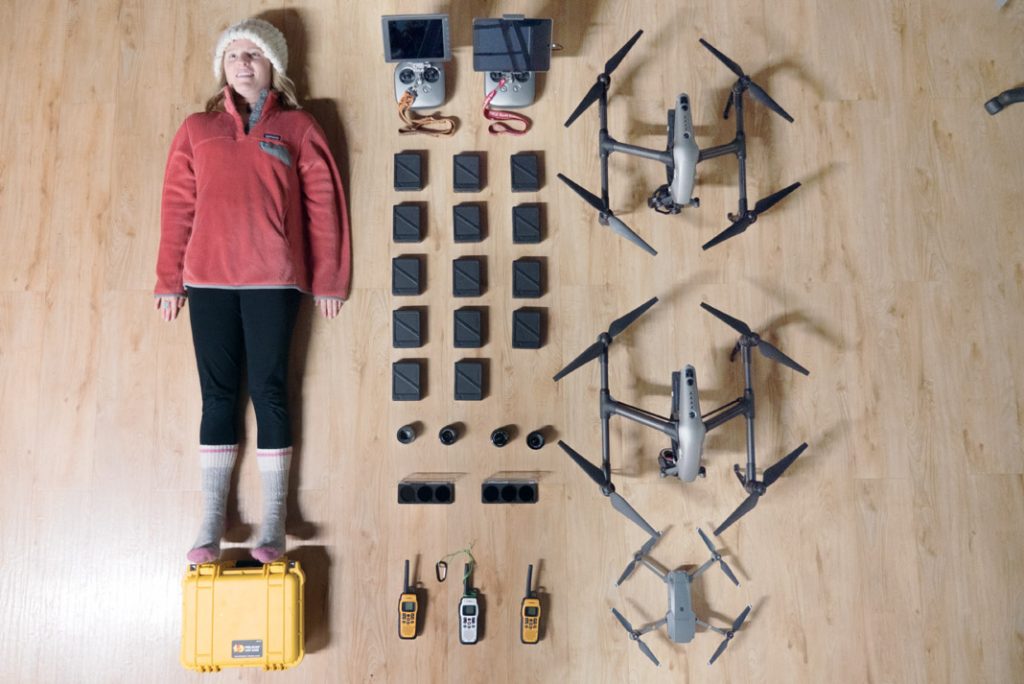
2. The Best Drone Kit For Paddlers

A drone kit for paddlers
The ultimate drone kit | Photo: Raphael Boudreault-Simard // Flow Motion Aerials

Now that drones are coming down in price and more consumers can get their hands on one, why not add one to your gear bag to get some new angles. While this is a great way to get creative, don’t get too carried away with too many drone shots. [ Tips To Elevate Your Drone Kit ].

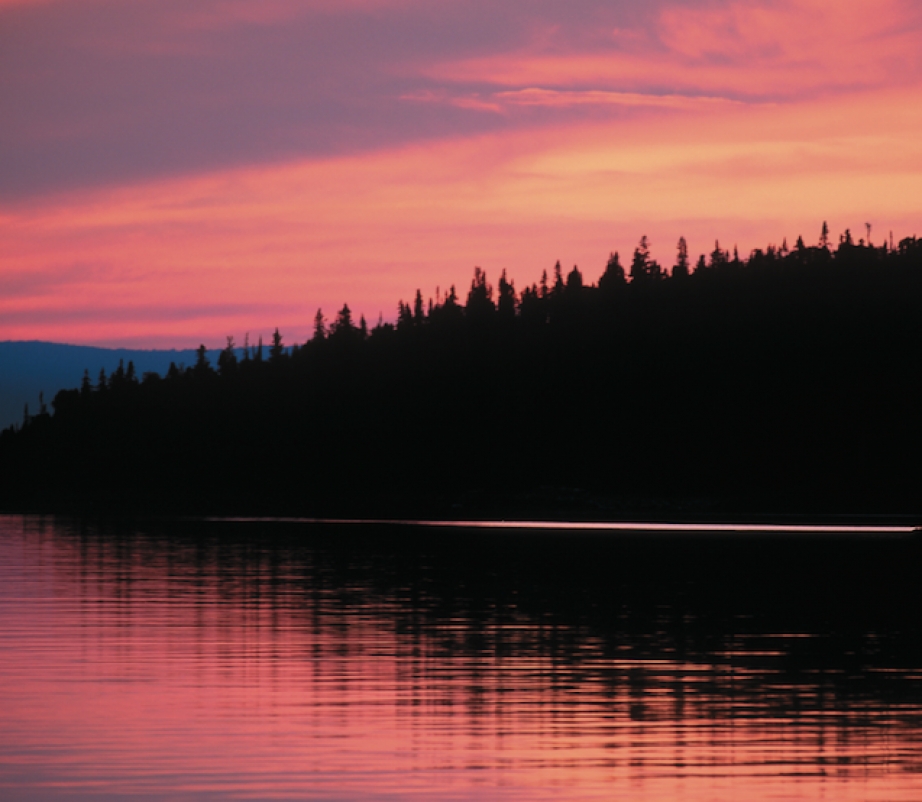
3. Photographing Sunsets And Using Backlighting

Pink sunset on a camping trip
Who doesn’t love a good photo of a sunset? | Photo: Rick Matthews

Sunset and sunrise provide two of the best times to take photos, but they are also two of the most difficult times to get the right settings on your camera. Cameras are getting better and better these days but knowing a few simple tricks will help you take the best photos possible during these beautiful times. Pro tip: if you get better at shooting sunsets, you spend less time taking photos and more time enjoying them and living in the moment. [ Tips For Photographing Sunsets and Using Backlighting ].

4. How The Best Paddling Photos Are Taken

Kayaker paddles between a bunch of logs
Get creative and think outside the box. | Photo: Kevin Light

Learning from others is a great way to expedite the learning curve. Every photographer has their tips and tricks that they have either learned from lots of practice or from other photographers. Many photographers will share what settings they use and tricks for getting the best shots possible. [ Crazy Paddling Photography And How They Were Taken ].

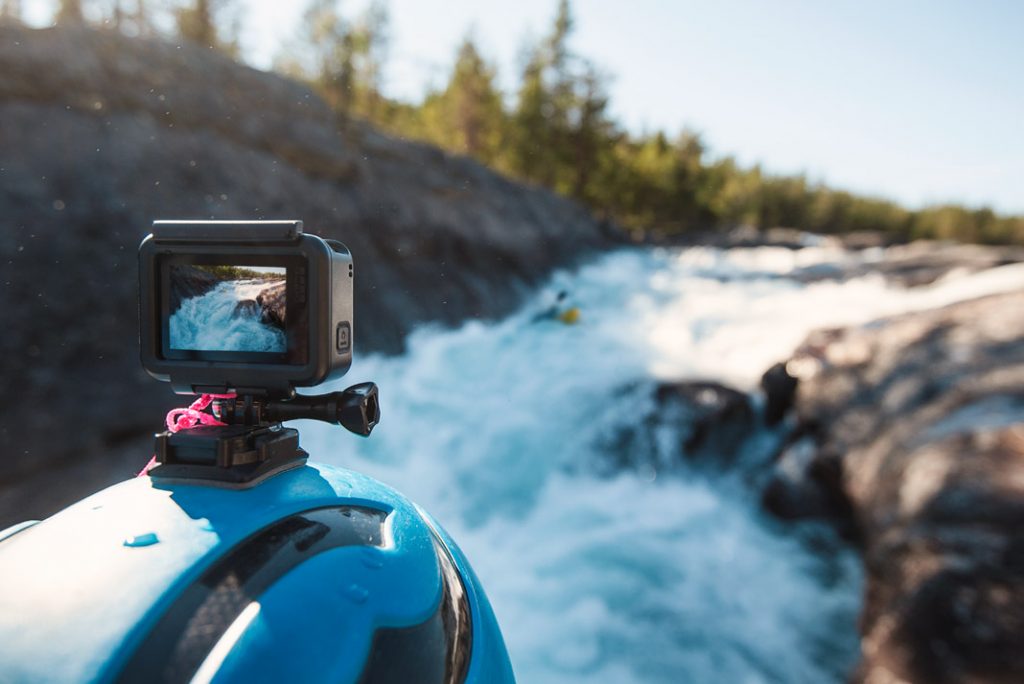
5. How Action Cameras Have Changed The Game

If a paddler sends it but no one sees it, did it really happen? | Photo: Tegan Owens

The camera market is getting crazy good. There are so many options giving paddlers endless opportunities to get the shot they want. GoPros are waterproof, drones can chase you down a river better than a helicopter ever could and 360° video is opening up a whole new world of possibilities. Time for you to get the best shots yet. [ How Action Cameras Have Changed The Way We Paddle ].

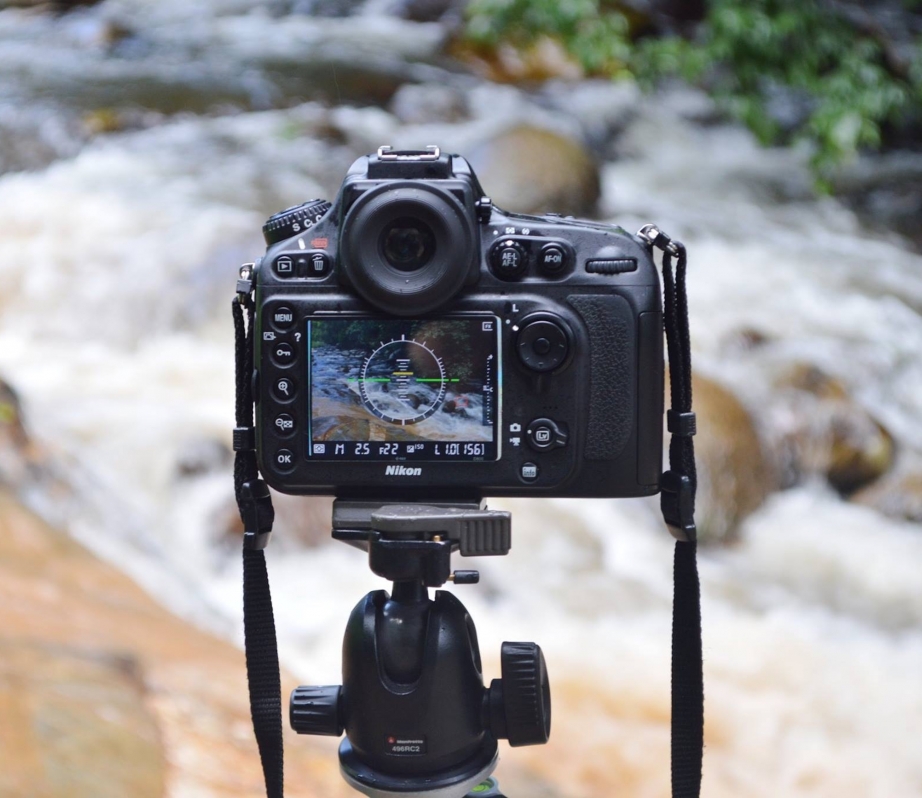
6. Camera Gear You Want To Splurge On

Consumer camera gear is getting good. Real good. | Photo: Paddling Magazine Staff

Camera gear isn’t cheap, so it is important to know what you are looking for. With so many different options out there, how does one decide what is the most important gear to get? Let us get you started here. [ Camera Gear Paddlers Should Splurge On ].

7. Learn To Change The Memory Card Often

Cool shot until you no longer have it… | Photo: Colin Field

Memory cards can be more important than the camera itself. Well, kind of. The size of memory cards keeps climbing and while that can be helpful in some circumstances, it isn’t always ideal to have all your photos on one card. Learn this lesson now before it’s too late. [ A Paddling Photographers Nightmare ].

Justin Barbour And Saku The Dog Cross Newfoundland

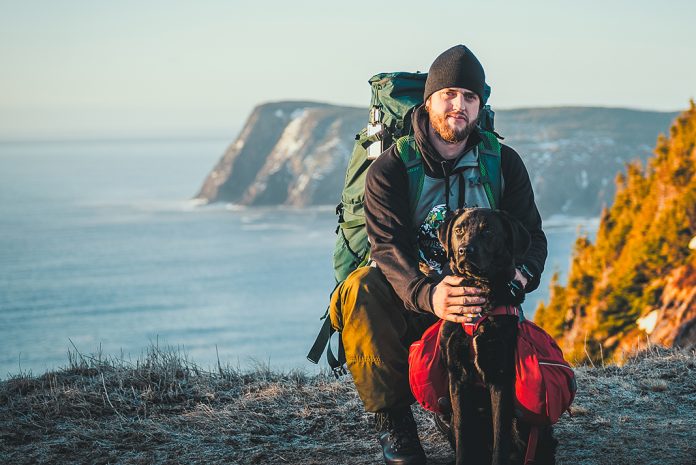
Man wearing pack kneeling behind dog, also wearing a pack, with ocean and cliffs in background.
Justin Barbour and his dog Saku in Newfoundland. | Photo: Justin Barbour

In 2017, Justin Barbour along with his trusted sidekick Saku set out on a 68-day expedition across Newfoundland. Newfoundland and Labrador have some of the last truly untouched wilderness on the planet. We reached out to Justin to get the inside scoop on his epic Newfoundland crossing.


Tell us about your background?

I’ve been on adventures for as long as I can remember. During my childhood, I lived in a small rural community outside of St. John’s, Newfoundland. I was always outdoors and loved every minute of it. Building cabins, lean-tos, biking, fishing, swimming, I was always at it. And always had dreams.

Hockey was also a huge part of my life and like many other young players, I dreamt of making the NHL. I played competitively for years, moved to New Brunswick for Junior, and took my shot, but as we all know the chances are slim and eventually I came back home to study Physical Education and become a teacher. While still playing senior hockey locally, it was during university when we studied outdoor activities and survival, that I rediscovered that passion from my youth.

For years I hardly went in the woods because hockey was my focus. But I stirred up that feeling of exploring the unknown and freedom that I remembered as a young boy. Now, this life and the endless trips there are to be planned is the new focus.

The physical and mental challenges, the indescribable rewards that await and that feeling of being alive and in the moment that can only be felt by being off the beaten track and traveling by your own power. I love to live it and share it so that others can be encouraged to dream their wildest dreams and live their lives to the maximum. If they get out to appreciate and respect mother nature then that’s a double win.

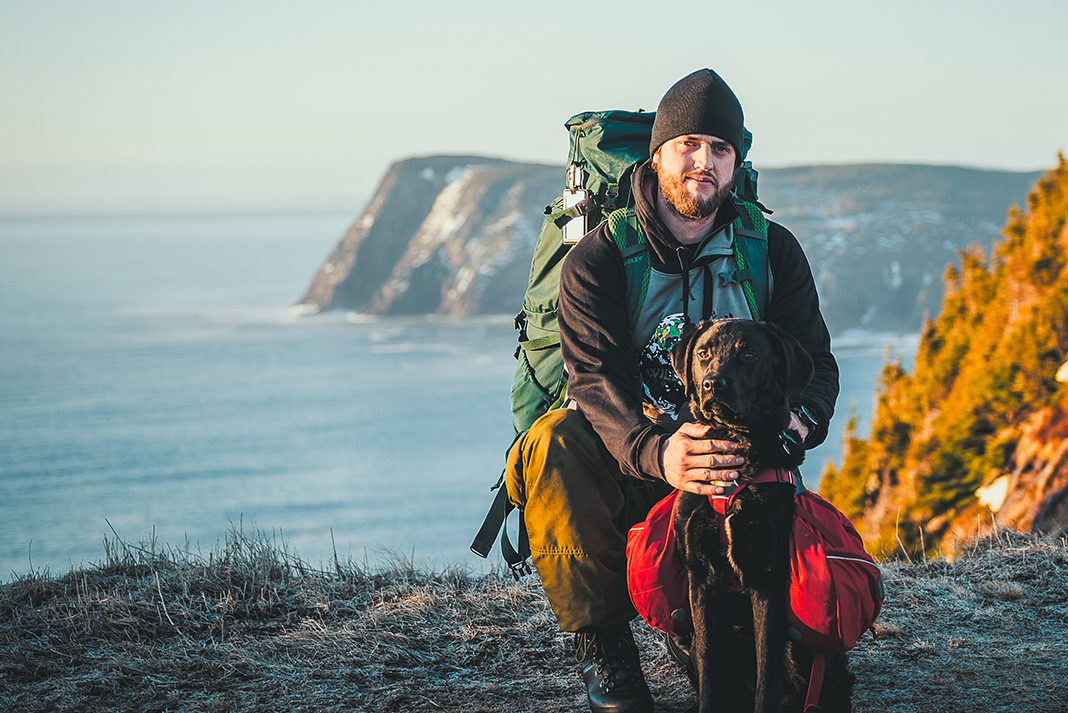
Man wearing hiking pack kneeling behind dog, also wearing a pack, with cliffs and ocean in background.
Justin Barbour and his dog Saku in Newfoundland | Photo: Justin Barbour

What made you want to go on this expedition?

I had been doing smaller trips—three or four days, seven days, 14 days. 99% were solo, including the longer ones because committed partners were difficult to find. And also because I sort of got into this on my own time through books, documentaries and solo practice whenever I could.

I was just so enthralled by being out there. So I was focused early. And one thing I’ll tell you about me is that when I get an idea, I need to run with it, I’m locked on.

I wanted to go big and thought this would be a fine way to see the least explored areas of my province’s wilderness

Early on, most thought it was strange for me to be spending a couple of nights in the bush on my own while there were more important things happening in town. But to me, I was preparing for something bigger, that I did not yet know of and I was fine by that. I needed to be out there and was super content with my own independence and company. I would entertain others when they wanted to join and loved it, but no one seemed to have the same intensity of interest. So most times it was solo and it became an obsession of my own.

I had begun reading books on old Newfoundland and Labrador explorers and trappers. Some early Europeans and others the aboriginal people of our province, Beothuck, Mi’kmaq, Innu and Inuit. There were epic stories of adventure, of struggle, success and fascination in the splendors of nature. I also read and watched trips from more modern outdoorsmen and explorers. Like Dick Proneeke, Lars Monsen and Mike Horn.

With that all digested I had the itch to plan an expedition of my own, so looking at the whole of Newfoundland one evening I decided that traveling its width, some 700 kilometers, would be a perfect challenge. I wanted to go big and thought this would be a fine way to see the least explored areas of my province’s wilderness.


Why did you choose Newfoundland and specifically this route?

Newfoundland and Labrador have so much wilderness, why go any farther? It’s some of the last true wilderness left in the planet. Living on the island portion of our province, I thought why not go the distance and cross it all? If I started in the west I would get the prevailing winds at my back when I paddled and I would finish near my home on the most easterly portion of the island.

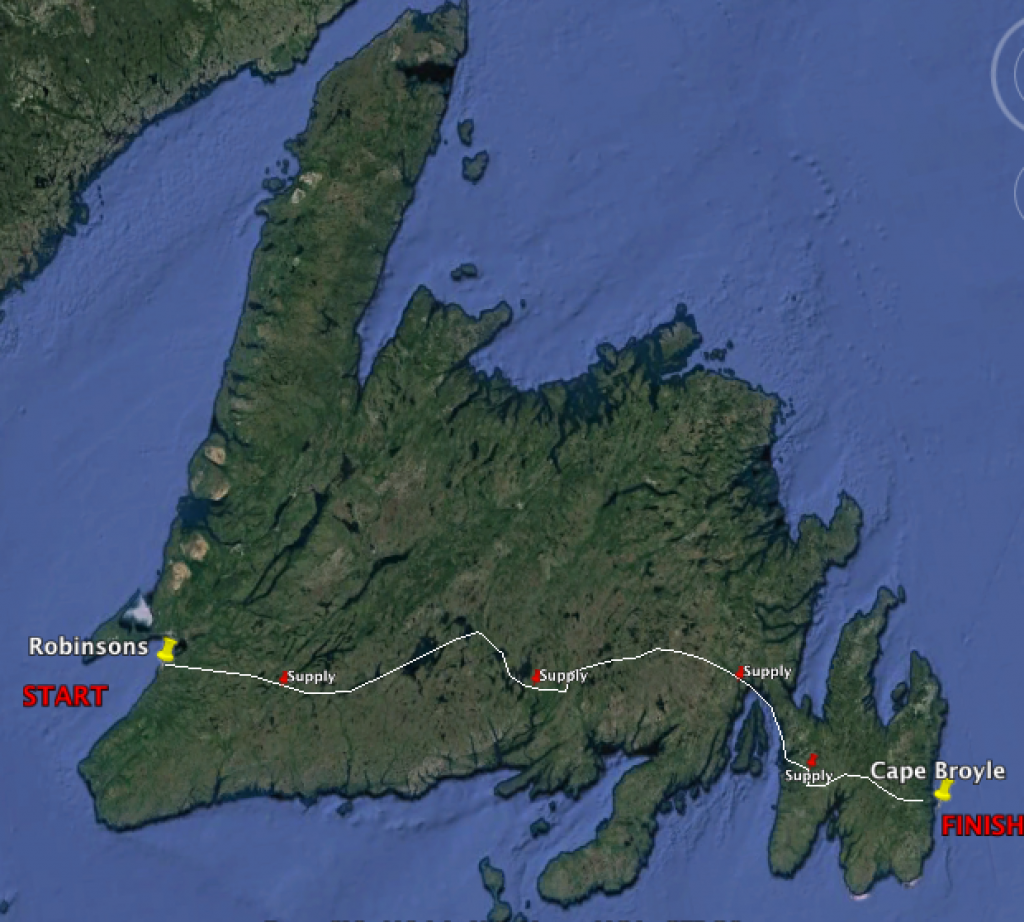
Map of Newfoundland with start on west coast and finish on east coast.
Justin Barbour and Saku’s Newfoundland expedition | Photo: Justin Barbour

I planned to first cross 100 kilometers of the Long Range Mountains by foot, then paddle and portage the remaining 600 to the end. My boat was a 6-pound Alpacka Raft. In the last days leading up to the expedition start, I added a sled to pull my gear over the mountains on snowshoes because snow levels were still extremely high due to a late winter.

[ Paddling Buyer’s Guide: View all packrafts ]

What were the highlights of the expedition?

There were highlights daily on the trail. So much is happening when you’re always moving forward. Some good, some not so good. Walking through the Long Range Mountains (an extension of the Appalachian Chain here in Newfoundland) pulling a sled was memorable. We started at sea level and climbed about 1,800 feet and then back down the other side.

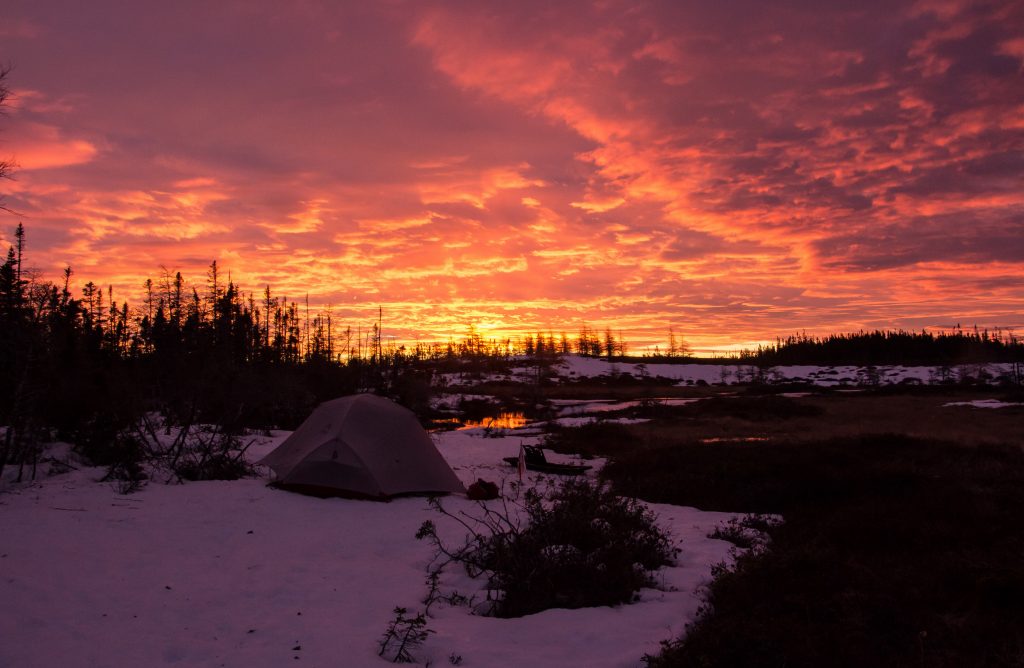
Tent in snow with a sunrise and red sky in Newfoundland
Taking in the sunrise behind Burnt Pond | Photo: Justin Barbour

We were blessed with some warm and sunny late spring days but the albedo effect was strong off the high mountain snow. Unfortunately, I forgot sunscreen and had none until my first resupply at the 100-kilometer mark. I received a bad sunburn to say the least.

Hitting some real productive fishing holes that were deep in the country was also a treat. Wetting a line is a big joy for me on these trips. A learning experience and a not so good highlight came when I flipped the raft in whitewater and lost plenty of gear. It was scary stuff. Amazingly I have footage of this on the YouTube series. Luckily Saku and I were okay. Lessons were learned every day out there.


What were your biggest challenges on the trip?

Challenges are what make trips interesting. Managing yourself is one of the biggest. On this trip, my body held up pretty well and in my mind, I just kept breaking the trip down in small chunks to minimize the feeling of distance. One actual situation was when the snow was melting and I was still pulling a sled. I had to break camp at first light to get hard crusty conditions because by afternoon you would sink to your chest even with snowshoes on. I battled that for a few days.

“To make matters worse, on this trip I had to wait unexpectedly for over a week for lake ice to thaw and during that time all food had to be rationed down even further.”

Another big and interesting challenge on this expedition was trying not to eat all my food. I’m serious. You get really hungry out there grinding solo through the conditions and only have limited rations. Every bite is savored and appreciated. Many evenings I stare at the food bag wanting more but know I am only eating into the next days’ rations. Over time your body adapts and you can run on less, but some evenings you still you get that craving to eat more once supper is finished. Then again, on other nights, I’m that tired I can’t even cook and just end up eating a few handfuls of trail mix and diving into the sleeping bag.

To make matters worse, on this trip I had to wait unexpectedly for over a week for lake ice to thaw, and during that time all food had to be rationed down even further. Drinking tea and coffee helped curb my hunger and I relied on fish to fill the void, which I did well with. Ultimately your three biggest challenges on any expedition are managing your food, getting from point A to B and staying safe while doing it.


What was it like to do the trip with Saku your dog?

Doing a trip with Saku was everything I could have asked for. I find it hard now to think of doing an expedition without him though I know it is a reality. Especially if I want to get into longer winter treks which is a strong desire I have. But Saku is always the silver lining out there. When things get rough and the daily grind and distance are wearing me down, I look to Saku for motivation from the jump in his step. It’s contagious energy to see him so excited. The security around camp and his scent is good for marking your territory and decreases the chances of any unwanted animal visitors. He is also entertaining and has become my best friend and wilderness traveling companion.

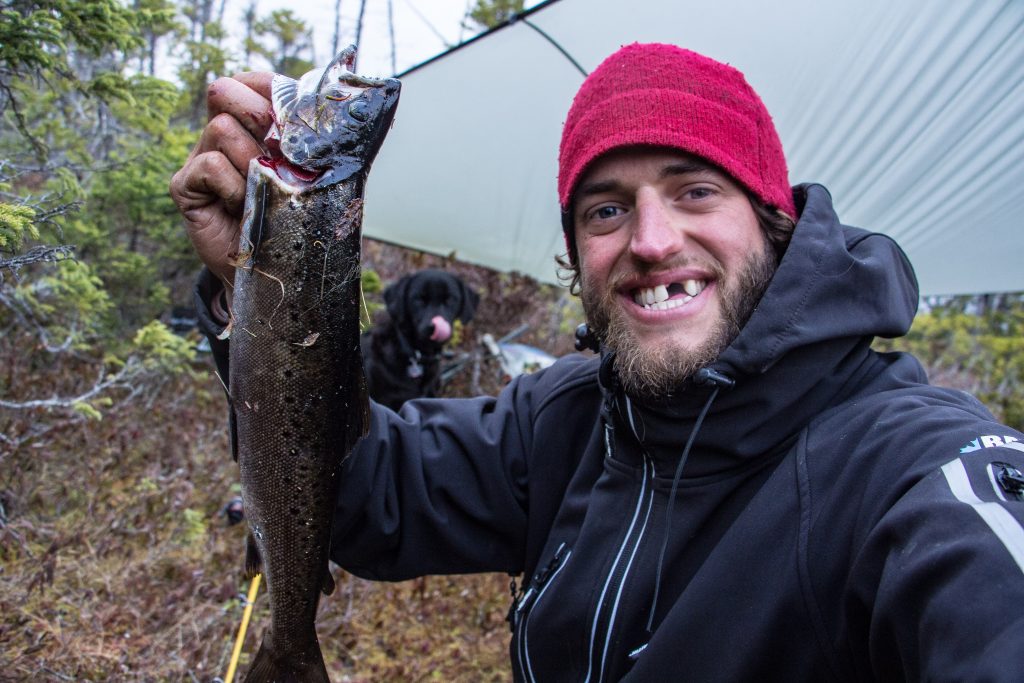
Justin Barbour holds large trout with his dog Saku in the background
Time to eat. | Photo: Justin Barbour

If there was one disadvantage it would be dealing with his food weight, though it can be managed. During certain points of this trip, which were longer sections in between resupplies, I would have to carry some of his extra food and of course, his first aid because he only has limited room in his pack. But that’s okay because it’s worth having him there and I’m pretty hardened to it now. Just means a better workout.

Overall there are really no negatives to taking a dog on any wilderness adventure if they are suited for it, well-trained and obey your commands.


What were the trip stats?

Started the trip in Robinson’s Newfoundland April 19, 2017 and ended in Cape Broyle Newfoundland June 25, 2017. A total of 68 days and 700 kilometers.

[ Plan an adventure of your own using the Paddling Trip Guide ]

What is on the horizon for Justin Barbour?

Last summer I paddled 1,000 kilometers across Labrador and into Northern Quebec with Saku, so that was a big step. I had hopes of going 1,700 kilometers and reaching Hudson Bay. Nature had other plans though and we were cut short by an unusually early October winter. So now I am leaning toward a winter expedition to maybe finish that. But nothing’s in stone and ideas are always rolling so all I can say is that more adventures are to come.

On the creation side of my expeditions, I am about to begin my first speaking tour here in Newfoundland presenting the 1,000-kilometer Labrador trip. Last year I visited 30 venues and schools presenting the 700-kilometer Newfoundland journey.

I also have a book coming out in September on the Newfoundland expedition and Saku has a children’s book being released by a local author at the same time. Then in the fall, I plan to release a new documentary series on the Labrador-Quebec trip. So it’s exciting times and I am looking forward to moving forward.


Find Barbour’s book, Man and Dog, and Saku’s children’s book, Saku’s Great Newfoundland Adventure.

Oil Still Effects Sea Kayaking Destination Exxon Valdez

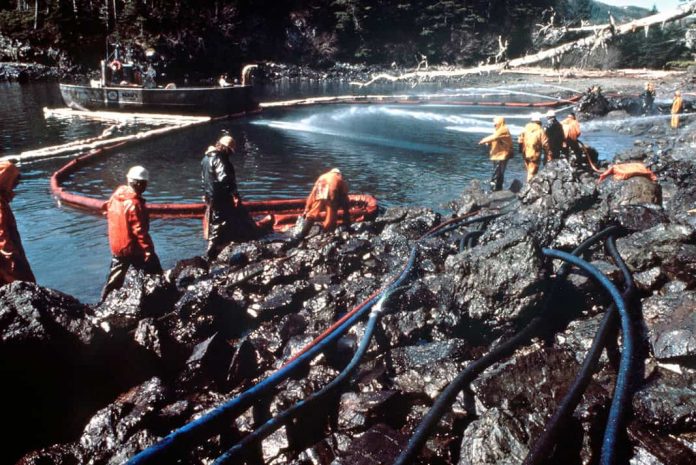
the united states coast guard cleaning up an oil spill in Exxon Valdez
“Despite heroic efforts involving more than 11,000 people, $2 billion, and aggressive application of the most advanced technology available, only about eight percent of the oil was ever recovered,” says Dr. Jeffrey Short, research chemist, Oceana USA. | Photo: united states coast guard

Thirty years ago, 11 million gallons of crude oil spilled into one of the world’s best sea kayaking destinations. Images of oil pouring from the torn hull of the Exxon Valdez and spreading across 1,300 miles of Prince William Sound filled the news. Volunteers tried to scrub clean oiled sea otters and birds while Hazmat-suited workers hosed down rocks and steam cleaned beaches.

The oil spill in Exxon Valdez could have been prevented

It was an eminently preventable tragedy. Captain Joe Hazelwood was in his cabin, sleeping off a bender. The third mate missed a turn and plowed the single-hulled tanker into the clearly charted and buoyed Bligh Reef. Alaska Pipeline owners had disbanded their spill response team a few years earlier. The Sound’s remoteness, mostly reachable only by helicopter, plane or boat, slowed response.

On March 24, 1989, I was looking to start a career in environmental work. The following season I went to Alaska as a wet-behind-the-ears Forest Service seasonal. Eight hundred miles away in the panhandle, I tried to explain the spill to visitors gawking at glaciers and vast coastal mountains.

The oil is still there

I recently unrolled my charts for this coming summer’s paddle through the icy fjords and islands of Prince William Sound. The oil is still there, buried under gravel on beaches and hidden in the fatty tissue of orca whales. A 2004 study showed 78 of 91 beaches still had oil on them. Sea otter populations have bounced back, but 17 of 27 other critters, including the herring that feed fishermen, salmon, seabirds and orca, have not.

Our route starts deep in the glacier-filled western fjords, mostly shielded from the plume of oil spread southwest from Bligh Reef. Then we’ll head east and north to the craggy shoreline of Knight Island, firmly in the path of the spill. Herring Bay, our endpoint, is a deep bay with scalloped beaches. Responders tried to shunt the oil into the Bay in a desperate and futile attempt to contain the spread. I wonder what I’ll find when I scoop up the beach gravel.

Why aren’t we talking about it?

Strangely, the spill barely came up in conversation as we planned our trip, until I asked. It makes sense—the Sound, with its glaciers, mountains and islands, is beautiful. Pollution and dams impact my backyard waters too, and I love them anyway. What’s to be done other than to continue to love Prince William Sound? The oil doesn’t go back into the tanker any more than the toothpaste goes back into the tube.

Kayaking has increased in the Sound since the spill. “The settlement funded the Whittier access road [access had been only by train] which has brought more pleasure boat traffic, hunting, fishing, and kayaking to western PWS,” said Paul Twardock, guidebook author, paddler and professor of outdoor studies at Alaska Pacific University. “If you haven’t been there, you’ll probably think it’s an amazing place, which it is, but pre-spill, pre-Whittier road it had very few pleasure boaters.”

Without knowledge of what it was before, I won’t know what wildlife is missing. But the nagging feeling will be there.

“It’s quiet in Prince William Sound,” fisherman Tom Copeland told journalist Doug Struck in 2009. “You don’t see the wildlife that you used to see.”

And there lies the paradox of ecological tragedy. We’re told to move on; to progress through denial, anger and grief to acceptance. But tragedies caused by neglect hold lessons, and acceptance can doom us to repeat history. Oil-filled trains chug down the banks of my local river, the Columbia. For years, my friend had warned about the risk of a spill. In 2016, one jumped the tracks and 11 tank cars caught fire. We dodged a bullet because of luck, not because we learned. Last year the federal government stopped requiring oil trains to use modern electronic brakes.

Marybeth Holleman, who lived in Whittier in 1989, carried a vial of oil around in her purse for six years as she struggled to make sense of the spill. In the end, she wrote, that like loving a person “loving a place unconditionally requires a willingness not just to fight for its protection, but also to change along with it.”

Grant Sims, another writer, likened Prince William Sound to Katherine Hepburn’s beauty—more captivating and distinctive as she aged than the innocent look of youth.

This summer, I’ll find out.

Neil Schulman paddles and writes from Portland, Oregon. After the spill, the Exxon Valdez was repaired and renamed, and continued service as an oil tanker overseas until it was dismantled for scrap in 2012. After 19 years of legal wrangling, the US Supreme Court limited Exxon’s damages to $507 million in a year of $45 billion in profits. 

“Despite heroic efforts involving more than 11,000 people, $2 billion, and aggressive application of the most advanced technology available, only about eight percent of the oil was ever recovered,” says Dr. Jeffrey Short, research chemist, Oceana USA. Feature Photo: united states coast guard

Learning To Wear A Life Jacket—The Hard Way

As a United Stated Coast Guard nonprofit grant recipient, the Water Sports Sports Foundation produces paddling safety outreach materials and distributes them through boating and paddling media providers.

Paddlesports currently has an inordinately high rate of accidents and deaths that for the past five years has been increasing, while power boating stats have been decreasing during the same period.

The goal is to create heightened public awareness of safer paddling making paddlesports safer and to ultimately reduce the total number of paddlesports-related deaths annually.


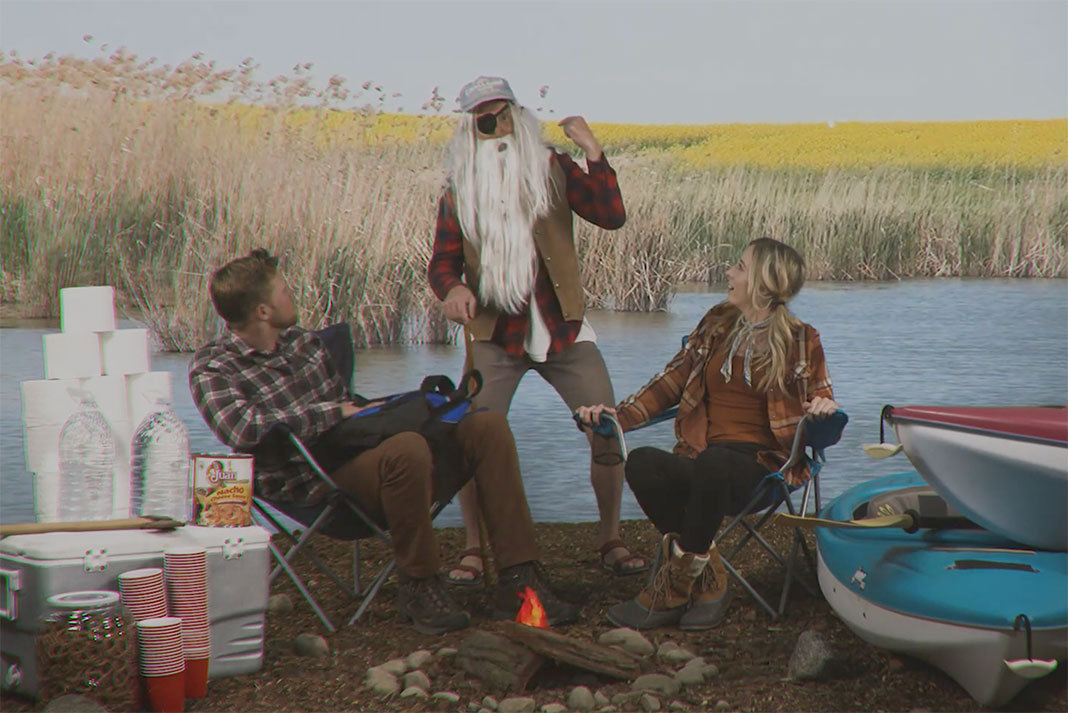
Salty Jefferson talks about life jacket safety
Image: Water Sports Foundation/YouTube

Speaker 1: This is going to be the best camping trip ever.

Speaker 2: I just went to the big box store and I got 2000 rolls of toilet paper, 50 pounds of tri-tip, and these great recreational sit inside kayaks.

Speaker 1: Don’t people usually use life jackets with these things?

Salty Jefferson: I learned that lesson the hard way.

Speaker 2: Paddling legend, Salty Jefferson?

Salty Jefferson: My buddy Shaggy Brad and I were out with the old two man cruising for babes. We saw a few on a cigarette boat with some dudes. Shaggy didn’t have a life jacket cause he liked to show off his guns. I had mine on, got a couple extra nipples I like to keep protected from the UV. But the boyfriends weren’t impressed. They hit the throttle and we hit the water and I never saw Shaggy again. That’s why I always wear my life jacket, because safety first, but also the nipples.

Wear A Life Jacket
  • Everyone, even strong swimmers, needs to wear a life jacket at all times when on the water. It is extremely difficult to put a life jacket on once you fall into the water. Even a light wind can blow any paddlecraft away from you, faster than you can swim.
  • Always wear a USCG-approved Level 70 or Type III life jacket designed for paddling.


Old Town’s Topwater 120 PDL Pedal Kayak Review

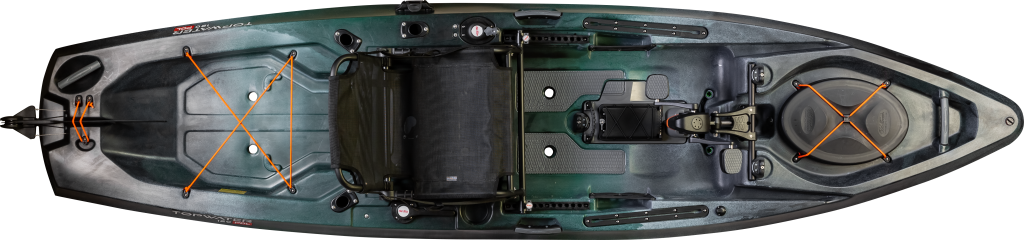
Old Town Topwater 120 PDL
Old Town Topwater 120 PDL | Photo: Old Town

In the tempest of new fishing kayaks hitting the water, it’s hard to make waves with a fresh boat. Especially a company that’s been around for 120 years. But last year, Old Town released the Topwater line to compete with lower-priced competition. This year, they blew the other guys out of the water.

Old Town Topwater 120 PDL Specs
Activity: Fishing, Hunting
Style: Sit-on-Top
Number of Paddlers: 1
Propulsion: Pedal
Material: Single Layer Polyethylene
Seat Type: Element Air Seating
Weight Capacity: 500 lb | 226.8 kg
Length: 12′ | 3.7 m
Width: 36 in | 91.4 cm
Price: $2149 USD

When we fished the Old Town Topwater 120 last summer, our team anticipated Old Town would release a pedal version. The super-stable Double U hull and smart outfitting were perfect for stand-up backwater fishing and the price was perfect for any budget.

So, we weren’t surprised when Old Town released the Topwater 106 PDL. At only 10-feet, six-inches, we were surprised by the pocket pedal boat’s ride and handling. The Double U hull lent itself perfectly to a pedal drive. And the tried and true PDL lived up to its strong and silent reputation. The little Topwater PDL made us hungry for a hotly anticipated 12-foot version. While we were impressed with the Topwater 106’s performance, the team agreed we needed more room for stuff.

Shazam! This spring, the Kayak Angler crew picked up word of a new Topwater PDL in the works and the result exceeds expectations.

The same smart features available on the other Topwater models added to the proven PDL system gives the 120 PDL more to love.

Topwater’s super-stable Double U hull improves stability and keeps the boat traveling straight. Steering is handled with a low-profile knob that is easy to index and a large, responsive rudder. One of our favorite features is the extra-long lever to retract the rudder. Instead of fighting with lines and bungees, the lever lifts the rudder without complaint.

Old Town Topwater 120 PDL Fishing Kayak Review
Overview of the Old Town Topwater 120 PDL Fishing Kayak | Photo: Courtesy Old Town

A lightweight fishing kayak

The boat comes in at a prize-winning 87 pounds and the drive weighs just under 20 making the Topwater 120 PDL one of the lightest pedal boats on the water.

The topside of the 120 shares our favorite Topwater touches. The padded deck is easy for stand-up fishing. A large bow hatch seals for dry storage. Gear tracks on the gunnels are positioned to keep rod holders and fish finder display within reach and out of the path of the action.

Topwater makes it easy to install the fish finder and power cables with a transducer scupper and mounting system.

Two flushmount rod holders behind the seat are angled for trolling. My favorite is the flushmount rod holder beside the captain’s chair. I use it a hundred times a day to hold my rod for rigging or unhooking fish.

Old Town carried over the Elementair Seat which is light and strong, even if it lacks extra padding or supports. I like how the back is angled to accept a PFD with plenty of room in the 21-inch-wide seat.

Old Town PDL pedal fishing kayak

The star of the show is Old Town’s PDL drive. Engineers and pro-staff worked for years to develop the original PDL drive. The extra effort paid dividends with is a system that hasn’t needed improvement since. The pedal system is sealed and maintenance free, as capable in salt water as fresh. The PDL is so reliable, Old Town backs it with a five-year warranty.

I prize the fit and finish on the PDL. The system wedges solidly in the kayak with virtually no flex to transfer maximum power from the pedals to the propeller. Even if the system is larger than other power plants, the solid connection with the hull is worth the trade. When the pedals are inserted in the deck well, the base has a small hatch to double as dry storage.

Probably the Topwater feature that will appeal to the widest range of anglers is the price. At $2149 dollars, the Topwater 120 PDL brings Old Town quality at a great value.

walking out of the store with a solid pedal kayak for just over $2000 feels like highway robbery

I was so stoked about one of our favorite pedal boats growing up, I reached out to marketing manager Ryan Lilly. “Based on consumer feedback, we saw an opportunity to bring a lighter, compact, easy to maneuver and transport kayak to the market,” he explains. The Topwater line has been one of the best-selling in Old Town’s 120-year history. “That’s saying something,” Lilly crows.

Lilly gives credit to the guys behind the scenes. “Our product engineers are some of the best in the business and they delivered some of their best work with the Topwater series.” He points out the Topwater 120 PDL paddles as well as it pedals. “It cuts through the water with confidence and ease,” he adds.

[ View all Old Town Fishing Kayaks in the Paddling Buyer’s Guide ]

We asked Lilly for the secret to building a feature-filled boat at a reasonable price. “There is a race to the bottom,” he admits, pointing to companies sacrificing quality and features to sell a less expensive kayak. “We are not interested in chasing cheap,” he insists, explaining Topwater’s ideal owner is looking for quality for their money.

Still, walking out of the store with a solid pedal kayak for just over $2000 feels like highway robbery. This boat is a great fit on any inshore or back water expedition with the capability to cover distance and survive moderate seas. It’s the grab-and-go boat you use more than your big, heavy tournament ride. The Topwater 120 PDL will keep friends and family smiling; I’m getting one for my mother-in-law. With smart features and a great price, the Topwater 120 PDL will fit anywhere.

https://www.youtube.com/watch?v=MFGVaEgoQfY

Staffing Shakeups at ACA and Paddle Canada

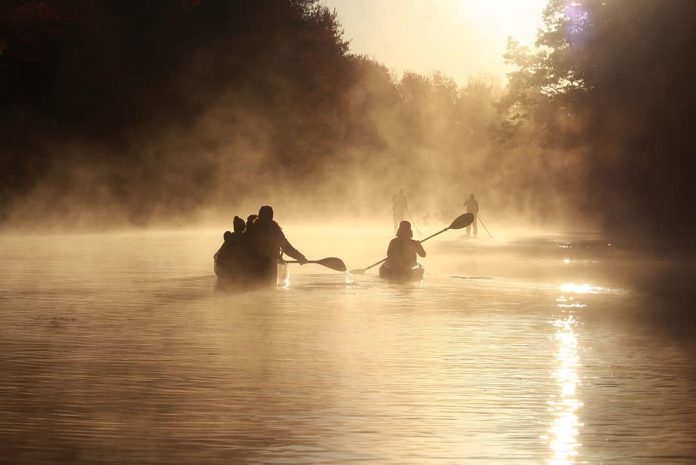
Canoeists paddle into a misty morning on the lake
Photo: Kristel Hayes

The past three months have seen significant staffing changes at two of the largest paddling organizations in North America. After nine years of working with Paddle Canada, Graham Ketcheson, the organization’s Executive Director, has resigned from his position. Christopher Stec has also resigned from his post as the Chief Operating Officer at the American Canoe Association.

Since joining Paddle Canada in 2010, Ketcheson led the organization through growth and change. He helped implement better membership and course registration strategies and solutions, newsletter and social media communication with members, and a partnership with Rapid Media, so all Paddle Canada members receive a complimentary subscription to Paddling Magazine or Kayak Angler. During his time with the organization, Paddle Canada aimed a media campaign at educating paddlers to be smarter on the water, reaching millions of Canadians.

“One of my realized goals was to bring financial stability and profitability to Paddle Canada and to see the organization succeed by using smarter technologies while cutting traditional operating expenses,” says Ketcheson. “The organization has seen 30 percent growth during this time, mostly in membership and course offerings, plus more than a tripling of operating budgets.”

It’s hard to say goodbye to an organization I have so much passion for

“Graham had many positive traits he brought to the team at Paddle Canada,” says Jeff Martin, current President of Paddle Canada. “He is a people person who can effectively communicate and problem solve when members had questions. Over his nearly 10 years with Paddle Canada, he was able to effectively manage staff and many vital volunteer committees and communicate the vision of the organization.”

“It’s hard to say goodbye to an organization I have so much passion for,” wrote Ketcheson following his March resignation. “Our organization is in such a better place now compared to 2010, when I first arrived in office. We are at a much more sustainable level and have an excellent mix of courses, program offerings and great brand recognition in the outdoor marketplace. We have established partnerships with outdoor manufacturers, safe boating and government partners. The future of Paddle Canada looks bright.”

Both Paddle Canada and the American Canoe Association are in the process of hiring new staff

Ketcheson has taken on a role as managing director at OWL Rafting on the Ottawa River. It’s still in the paddling world, but a big change of duties and responsibilities. Ketcheson says he is excited to “learn a lot more about the world of commercial rafting, which is brand new to me.”

Christopher Stec also announced his resignation effective March 8, 2019, from his job as Chief Operating Officer at the American Canoe Association. In his resignation letter, Stec stated he was grateful for everything accomplished by staff and members of the American Canoe Association since his beginnings with the organization, and was unavailable for further comment.

Both Paddle Canada and the American Canoe Association are in the process of hiring new staff. “In terms of filling the Executive Director’s role, we have a hiring committee in place currently and have advertised the position over the last month,” says Jeff Martin of Paddle Canada. “We have also shared the job advertisement through Paddle Canada social media platforms and through word of mouth. Graham has left some big shoes to fill.”

Gearlab engineer uses force sensors to test paddle strength

Kayaker paddles while being hooked up to force sensors collecting data
This new standard will allow the consumer to compare the strength of paddles manufactured by different companies. | Photo: Gearlab

Gearlab, pioneer of the first modern Greenland-style paddles with exchangeable tips, has partnered with engineer Declan Nowak to develop a mechanism to measure the forces on a carbon fiber Greenland-style paddle in the water, allowing Gearlab designers to increase paddle strength and efficiency.

“In the industry, there is no set standard for testing stress placed on the paddles,” says lead designer and co-founder, Henry Chang. “All Gearlab products go through systematic and rigorous research, usability analysis, and field testing. As part of that process, we needed a way to measure how much force is in each stroke and determine the strength-to-weight ratio.”

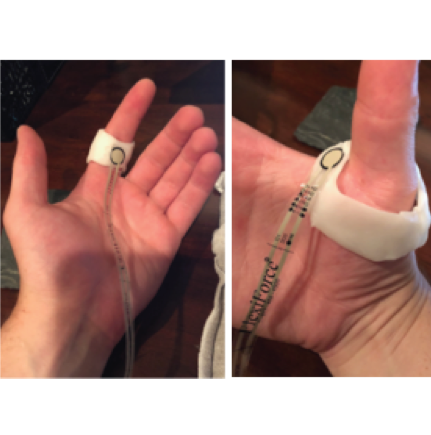
In consultation with engineers at Gearlab’s design laboratory in Taiwan, Nowak designed an Arduino-powered sensor that records the force exerted by a paddler’s hands on a paddle. An Arduino is a small lightweight microcontroller that is perfect for data-recording applications because it records information to an SD card.

This new standard will allow the consumer to compare the strength of paddles manufactured by different companies

“Using the sensor, I was able to determine the maximum force a paddler is likely to apply in ideal paddling conditions,” Nowak explains. “By knowing the stress a paddle can withstand in controlled lab tests and what the average force of a paddle stroke is, Gearlab can ensure that every paddle will handle tough conditions and meet customer expectations.”

As a result of this collaboration, Gearlab applied these results in developing the new Kalleq paddle (from the Inuit word for lightning) to be released this spring. The new Kalleq paddle, which is even lighter in weight than other models, offers a new sharper edge that improves paddle efficiency in the water, as well as paddling stability. The Kalleq has a redesigned internal carbon fiber structure that offers greater strength and durability in harsh conditions than previous models. And Gearlab’s signature exchangeable tips are smaller and the blade slightly wider than previous models.

With these innovations, the user can go farther and faster, with less stress to the shoulder and arm joints. The tests ensure that as the paddles become lighter, they maintain Gearlab’s rigorous durability standards.

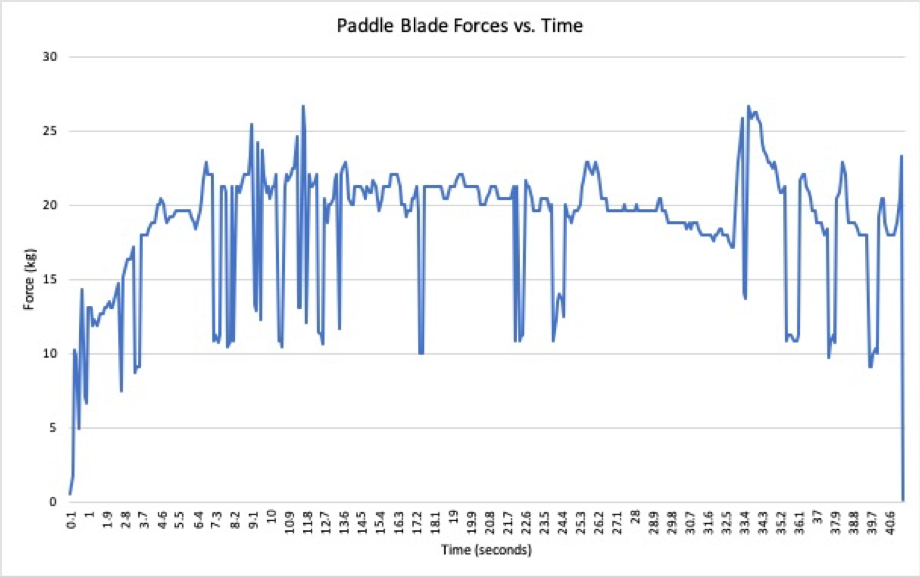
Graph showing paddle blade forces over time
Paddle blade forces vs. time | Photo: Gearlab

*To simplify the graph, no data is recorded when the sensors registered a force of zero.

** While the analysis states that the units of kilograms are a force, the paddle is actually moving the mass of water. The force on the paddle will depend on how fast the paddler is accelerating. For the purposes of this experiment, I assumed that the paddler’s acceleration was the same as the acceleration due to gravity—which is significantly more than the rate a paddler would be accelerating.

Nowak says the next step will involve refining the sensor system and analyzing paddle strength using computer models in various water conditions. He also plans to put the new flagship Kalleq paddle to further tests this summer with Gearlab’s chief engineer, Chung-Shih Sun, on a 740-mile expedition on the historic Northern Forest Canoe Trail through the Northeastern United States and Canada.

In the future, Nowak aims to work with Gearlab to establish a universal metric for paddle companies.

Paddle Force Sensors
Paddle force sensors | Photo: Gearlab

“While each kayak paddle company has its own internal standards for product development, Gearlab is working toward establishing a universal standard,” Nowak says. “This new standard will allow the consumer to compare the strength of paddles manufactured by different companies, the strength of various lengths and widths of Greenland paddles, and even the strength of different types of paddles—such as Euro blades versus Greenland paddles.”

For more detailed information on Nowak’s Arduino-powered force sensor and field testing, go to gearlaboutdoor.com/PaddleForceTest.

About Gearlab:

For the past eight years, Gearlab has designed and manufactured Greenland-style carbon fiber paddles for ocean kayakers around the world. Created by a team of award-winning industrial designers and outdoor enthusiasts, the paddles are adapted from indigenous Inuit designs. Greenland paddles provide a long range, efficiency, and precision while reducing injury and fatigue. Made from 100% continuous carbon fiber material, Gearlab perfects thousand-year-old ergonomics with advanced material strength and durability. Gearlab paddles will open up a new realm of adventure for both weekend kayakers and expert paddlers. Find out more about the benefits of Gearlab paddles at www.gearlaboutdoor.com.