A publisher once approached me and invited me to write a kayaking how-to book, a “complete” guide to the sport. Despite a momentary rush of excitement at the thought of fame on the symposium circuit as sea kayaking’s next great know-it-all, I politely refused. The last thing we need is another how-to book.

Why we don’t need another complete guide to sea kayaking
Scanning any shelf of sea kayaking volumes turns up plenty of “manuals,” “guides” and “handbooks.” There are already at least half a dozen titles purporting to be kayaking’s “complete” or “comprehensive” guides. These books claim to offer insights that are “efficient,” “optimum” and “essential.” Many of them emphasize the beloved subject of “safety.” With so many fine books already available, there really isn’t much new to say on the subject of how to kayak.
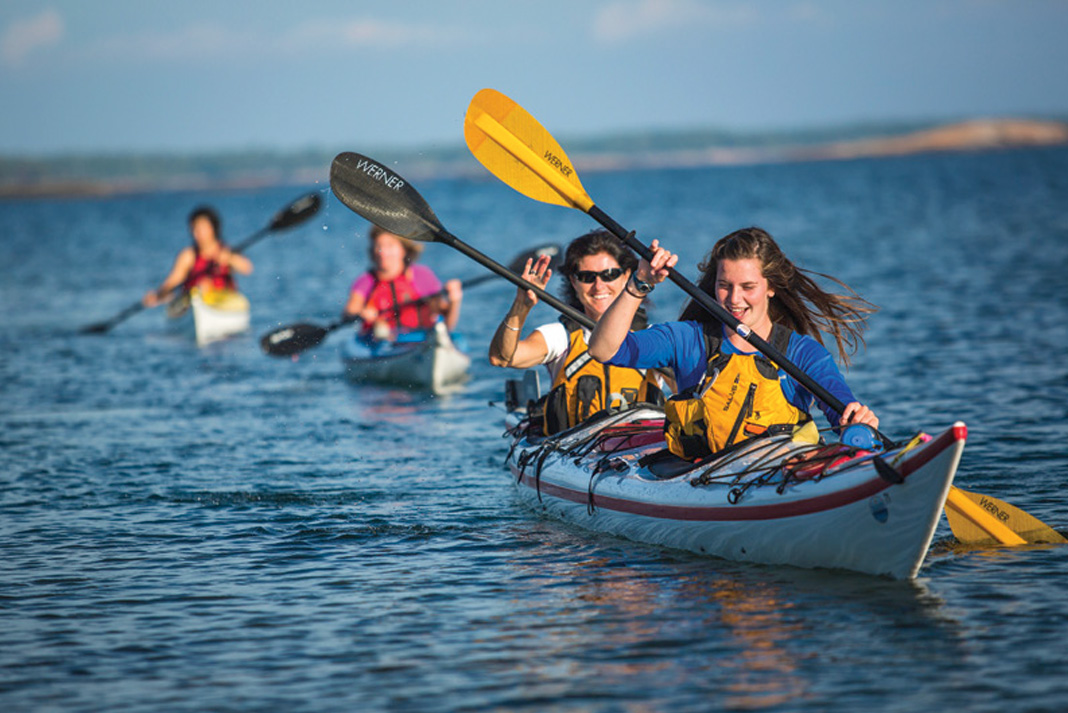
Sea kayaking is the same sport, fundamentally, that it was when it first evolved from a prehistoric survival tool to a recreational pastime. Kayaking now is play; a joyful celebration of life and a ritual break from our workaday lives. Which raises the question: why do we take it so damned seriously?
Other sports do a much better job. Climbing, skiing and surfing have always had their philosophers, deep thinkers and flamboyant practical jokers to explore their sports’ subtle and soulful sides.
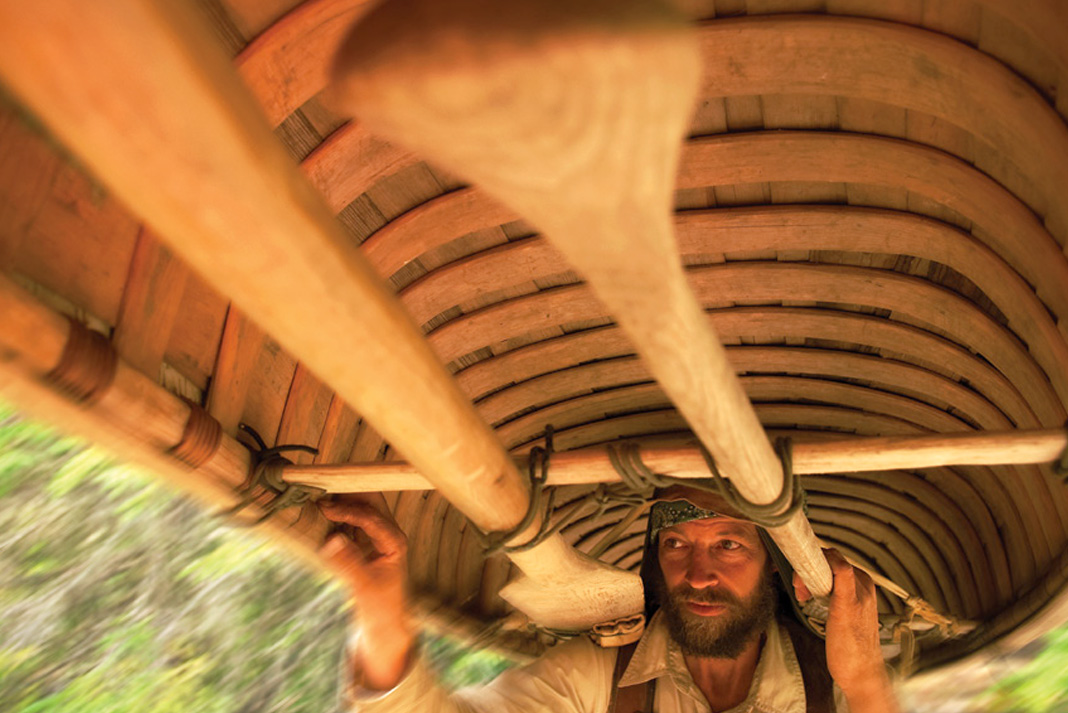
Consider canoeing, kayaking’s dreamy, artistic cousin. Eloquent canoeing writers like Sigurd Olson and James Raffan have always been much more interested in writing about what’s going on in their hearts and minds, or being discussed around the campfire, than what they’re doing with their paddles.
Canoeing’s classic guidebook is Path of the Paddle: An Illustrated Guide to the Art of Canoeing—no mention of completeness or efficiency. Its author, Bill Mason, was an artist and devout Christian for whom canoeing was a creative inspiration and both a literal and metaphorical path to salvation. He was on a spiritual mission to teach people to paddle so they could save their souls and be inspired to save the planet.
Enlightenment from the seat of a sea kayak
If canoeing is an art, then surely kayaking is too; so why do we treat it like a science or an extreme athletic pursuit? There’s plenty of evidence that sea kayaking goes together with an unconventional and free-spirited lifestyle—stories of entrepreneurs and artists living off the grid in outback locations, homeschooling their kids and growing their own food—but few champion this the way Mason did for canoeing.
Kayaking authorship has long keened toward scholarly preoccupation with the sport’s Indigenous origins, or such militaristic and masculine nautical concepts as “seamanship.” Our shining lights tend to be hard-charging A-types who leave families and jobs behind to head off on ambitious global expeditions. Hard-assed mountaineers of the high seas, not warm fuzzy sorts with a taste for introspection.
Why, then, are kayakers stereotypically such nerds?
From the wonders these gurus experience abroad they bring back not enlightenment but new paddling strokes, safety principles, speed and efficiency graphs, techniques to do headstands in kayaks or 27 different rolls while holding a lit candle.
Sure, there are exceptions—Jon Turk’s spiritual odysseys rival those of any adventure literature. And the female perspectives shared by explorer-writers like Audrey Sutherland and Victoria Jason have helped open the door to an insightful, lyrical and more reflective way of viewing our sport.
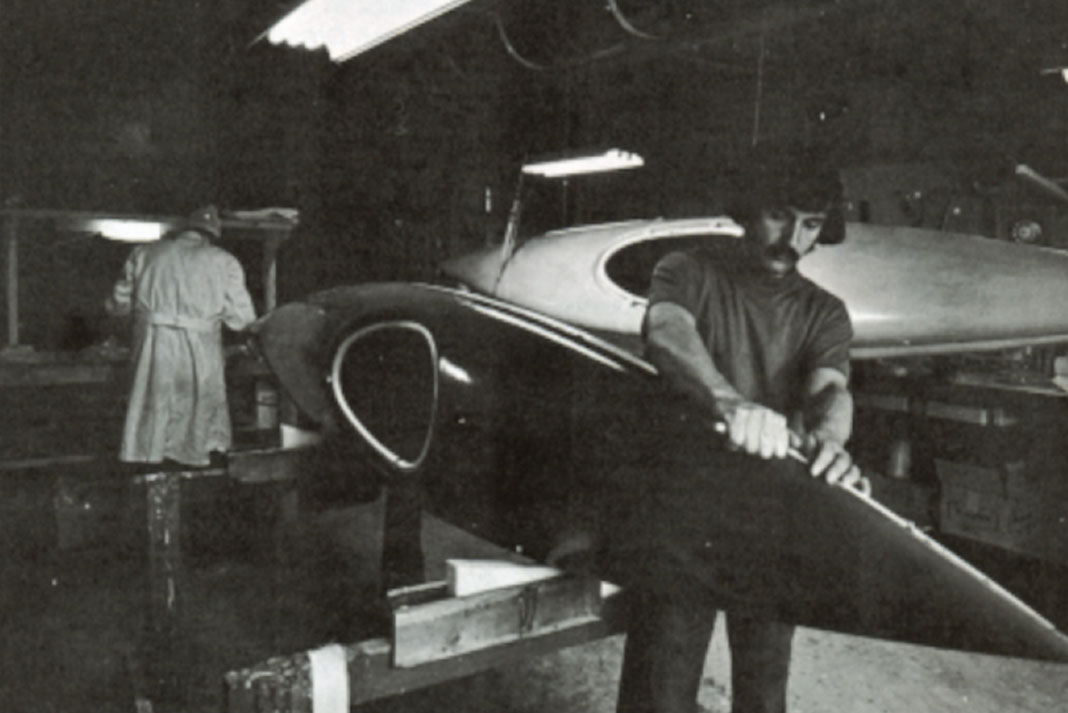
Why, then, are kayakers stereotypically such nerds? Is it demographics—our advanced age or the critical bias of our university educations? Is it because most of us are really landlubbers, fearful city folk trying to come to grips with the alien sea in an absurdly vulnerable craft? Is it because kayaks are tippier than canoes? Is it the dour Eastern European character of expat Czech and German pioneers or the scientific rigor of Seattle aerospace engineers who influenced early sea kayaking in North America?
“We shall comprehensively describe this sport in every practical detail so that it may be optimally disseminated to the wider population with complete accuracy and efficiency.”
Finding the spirit of the sport
Sea kayaking is not rocket science. It’s play, which by very definition is neither serious nor practical. As philosopher and writer Alan Watts said, “Man suffers only because he takes seriously what the gods made fun of.”
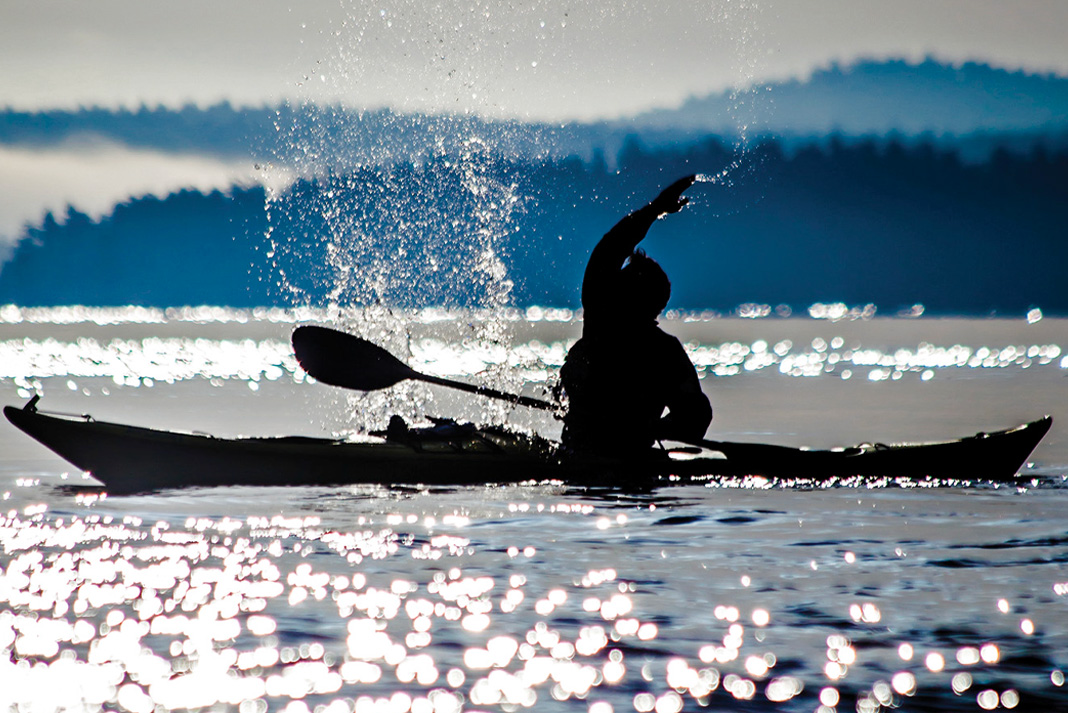
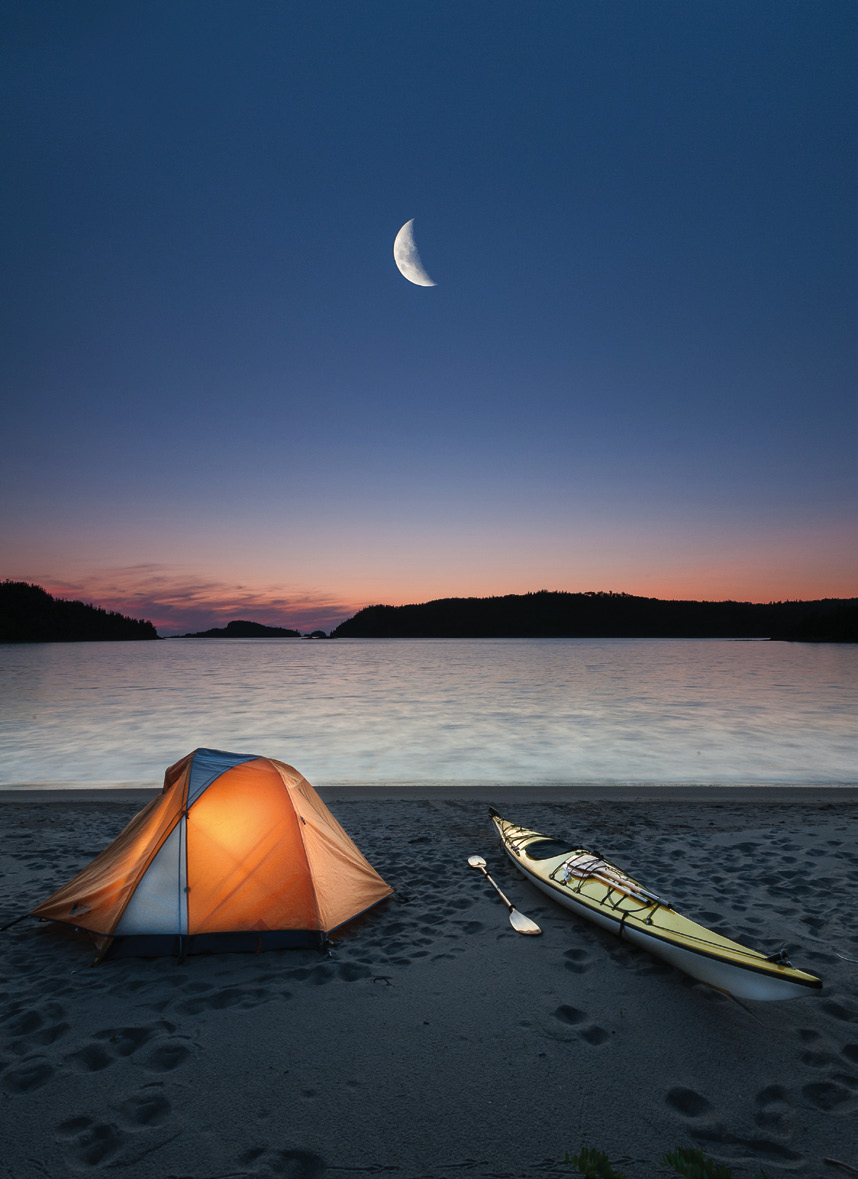
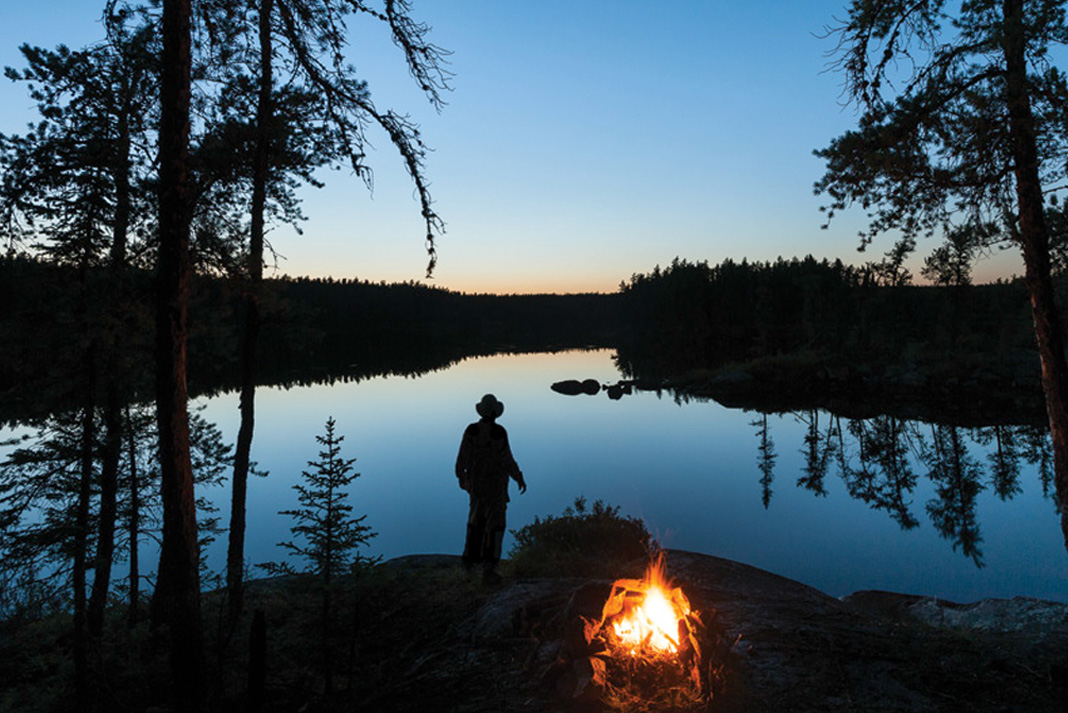
Try going on a long sea kayak expedition and you’ll very quickly figure out what to do with your paddle and how to set up your tent. But spend a season bobbing on the waves and camping on the sand and then come home to our crazy modern world and tell me there’s anything complete about a kayaking book that doesn’t help you make sense of the meaning of life as experienced by the warmth of a beach bonfire and sunset.
What sea kayaking needs is not another expert, not another guide of how to do it, but a guide of why to do it, and what for, and what it means. More kayaking Bill Masons, John Muirs, Ralph Waldo Emersons and Henry David Thoreaus. More kayaking art, poetry, philosophy and religion; less kayaking science.
If kayakers need another manual, it isn’t the complete or comprehensive guide to anything. Rather, it’s the essential guide to the art, soul and spirit of the sport. Maybe it could be called Way of the Paddle: A Playful Romp Through the Soul of Sea Kayaking.
Tim Shuff joined the team as assistant editor of Canoeroots for the second-ever issue of the magazine in 2003. From 2006 to 2010 he was the editor of Adventure Kayak.
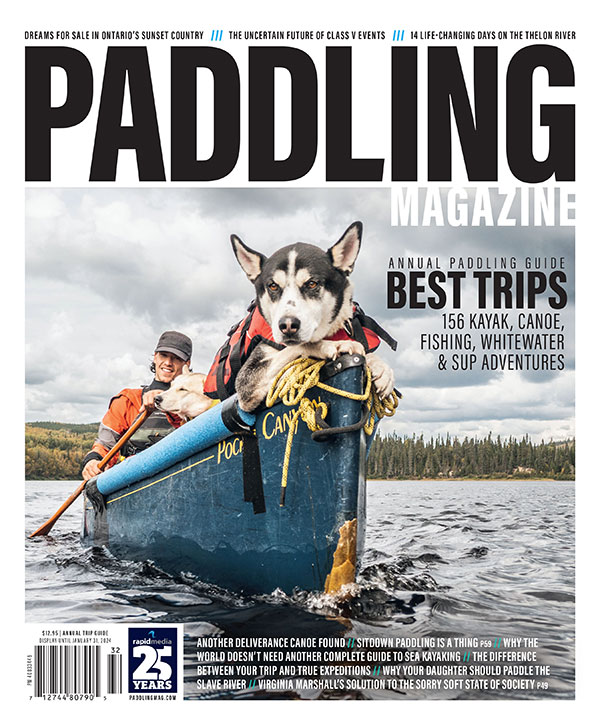 This article was first published in the Early Summer 2015 issue of Adventure Kayak Magazine and was republished in the 2023 Paddling Trip Guide.
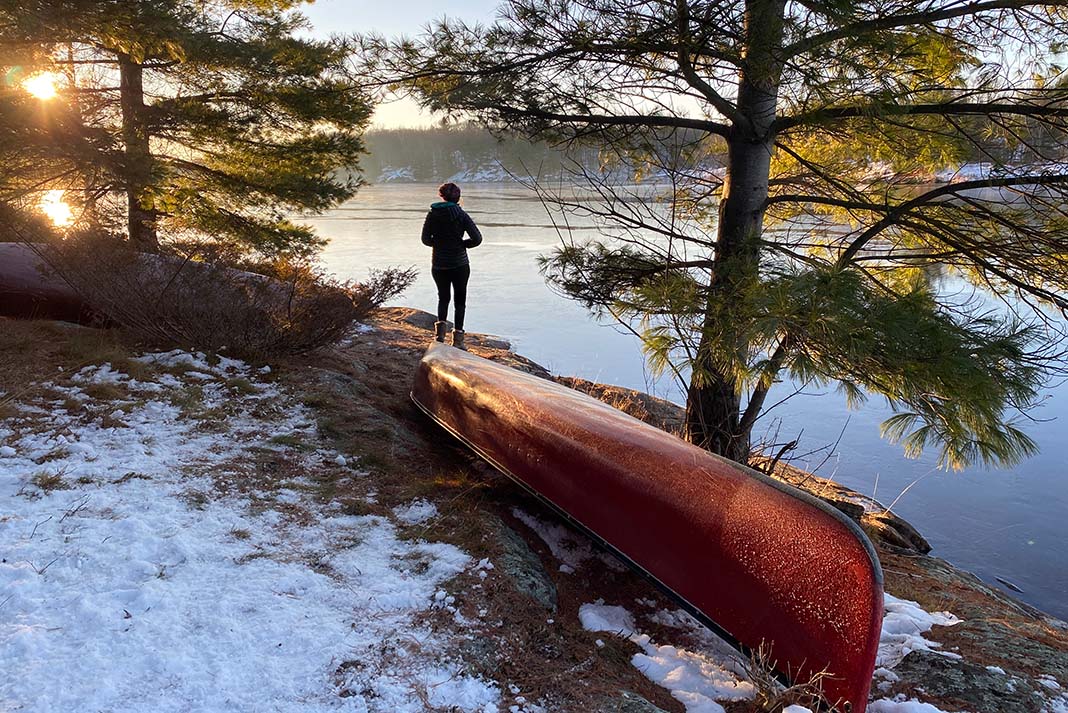
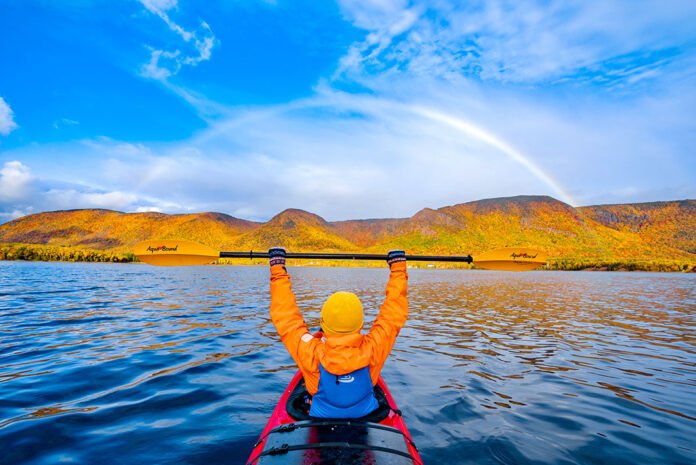
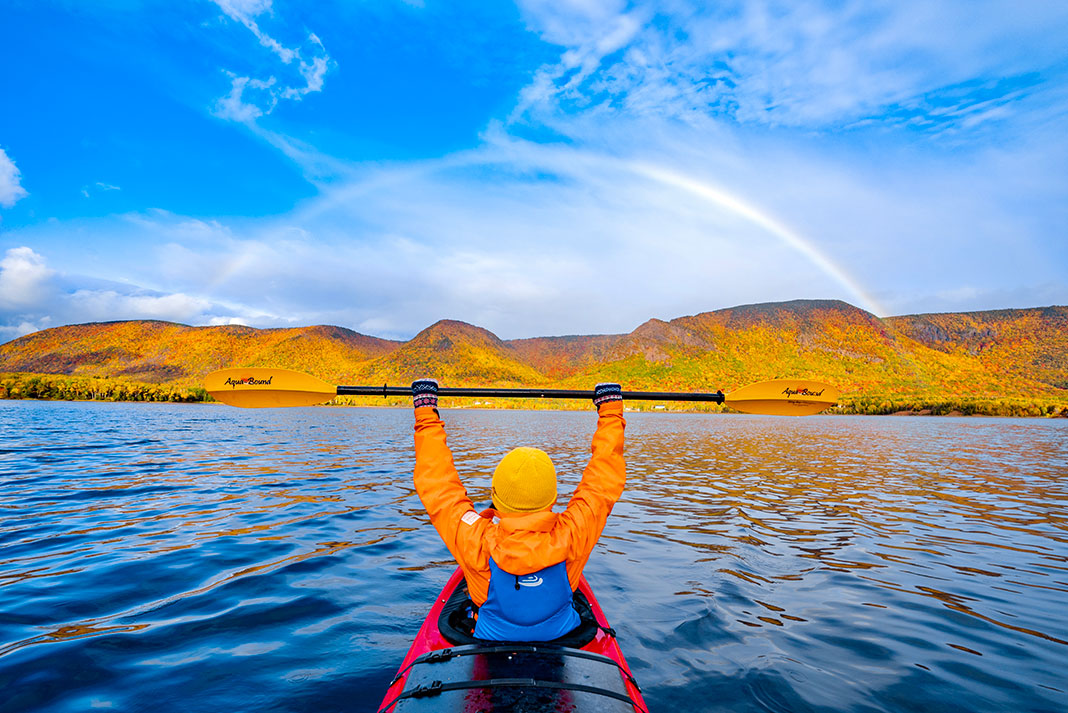
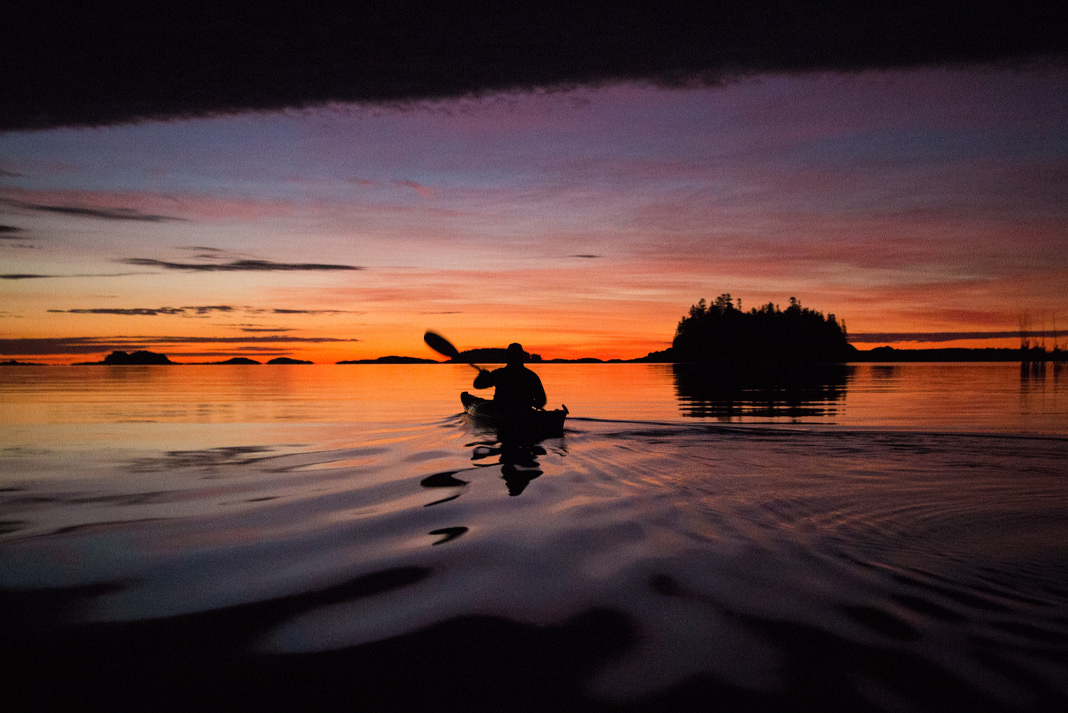
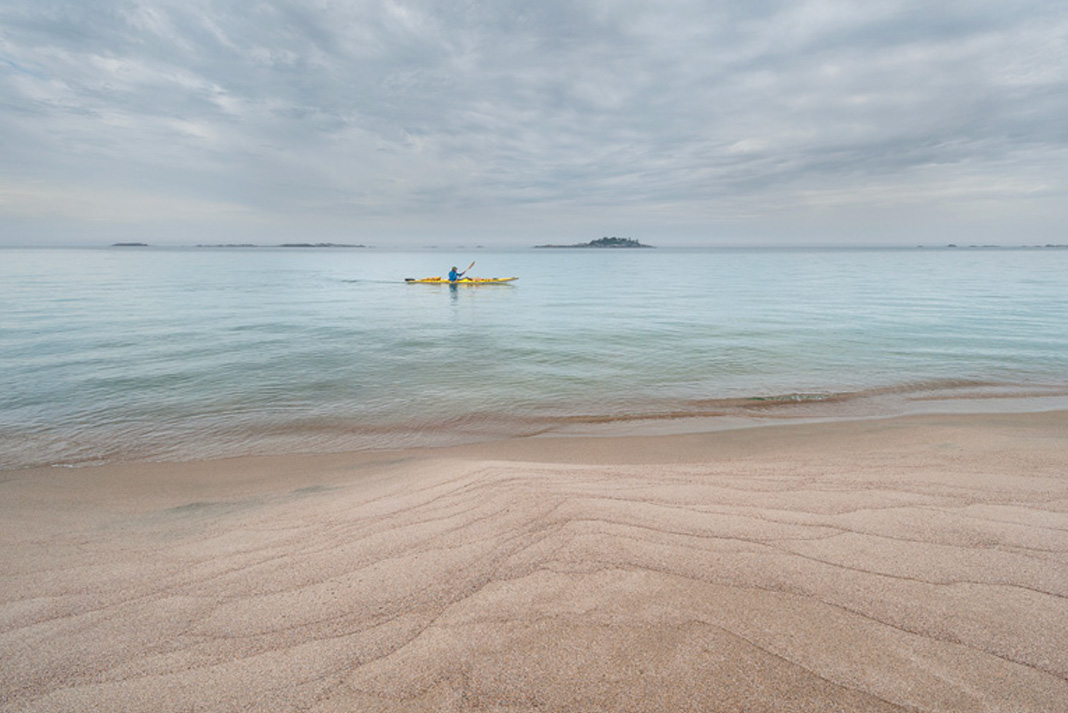
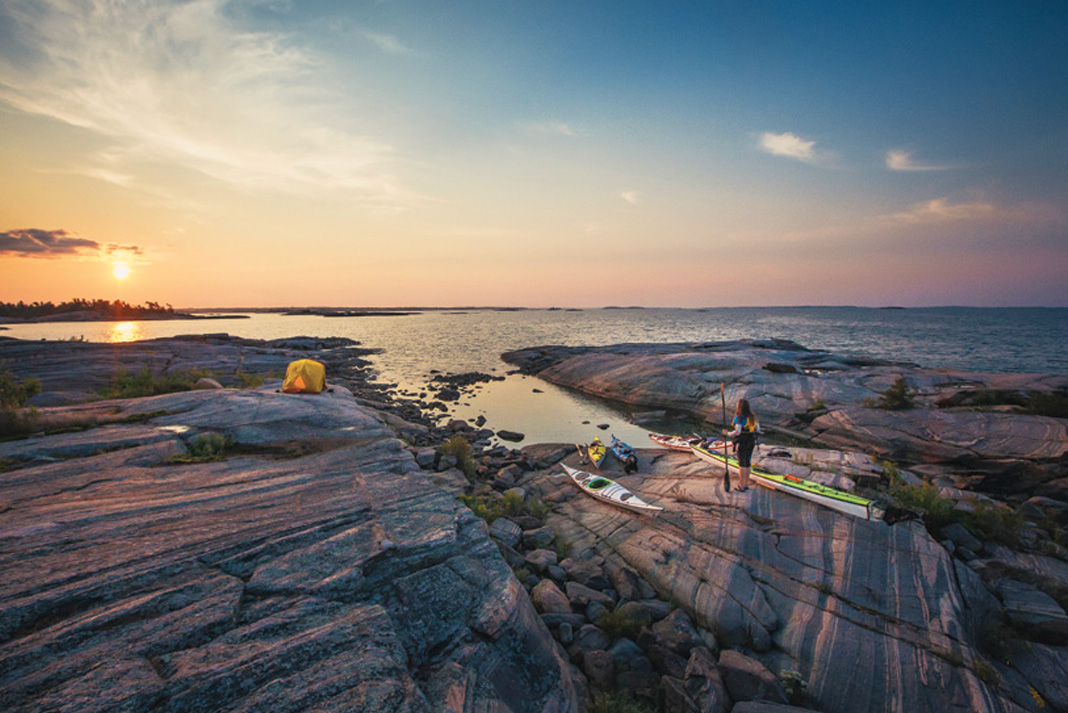
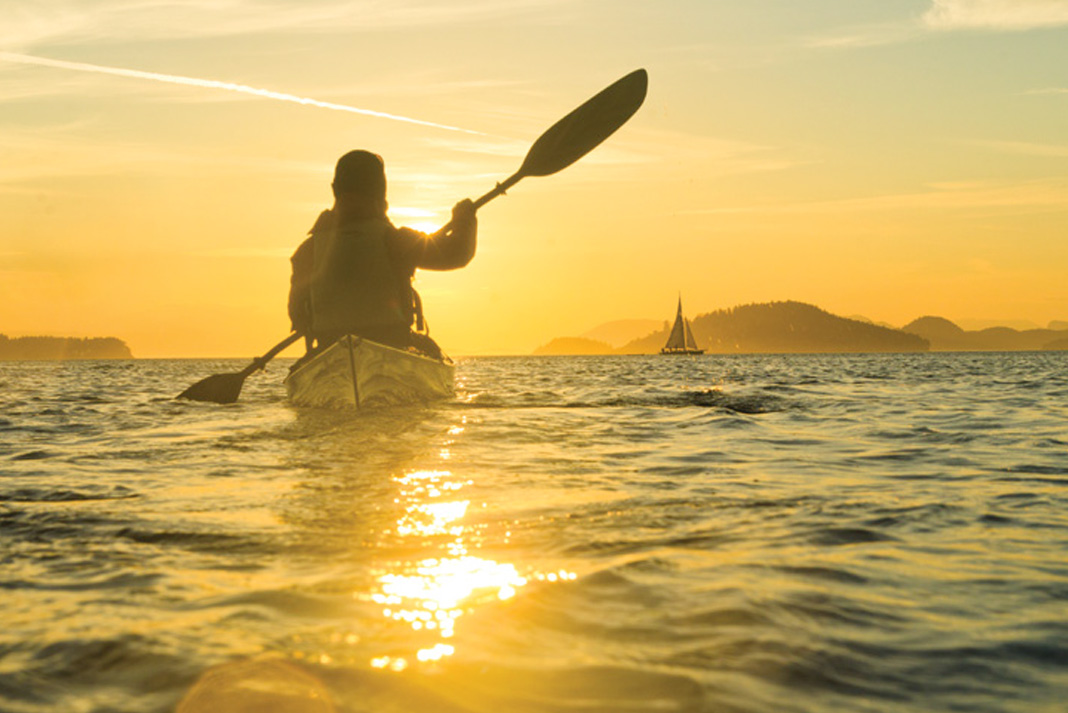
 The question isn’t how to hold a paddle, it’s why you should hold a paddle at all. | Feature photo: David & Skylar Anderson // @daveyandsky







 This article contains content that first appeared in the Early Summer 2015 issue of Canoeroots and Family Camping magazine and in the Early Summer 2014 issue of Adventure Kayak Magazine.
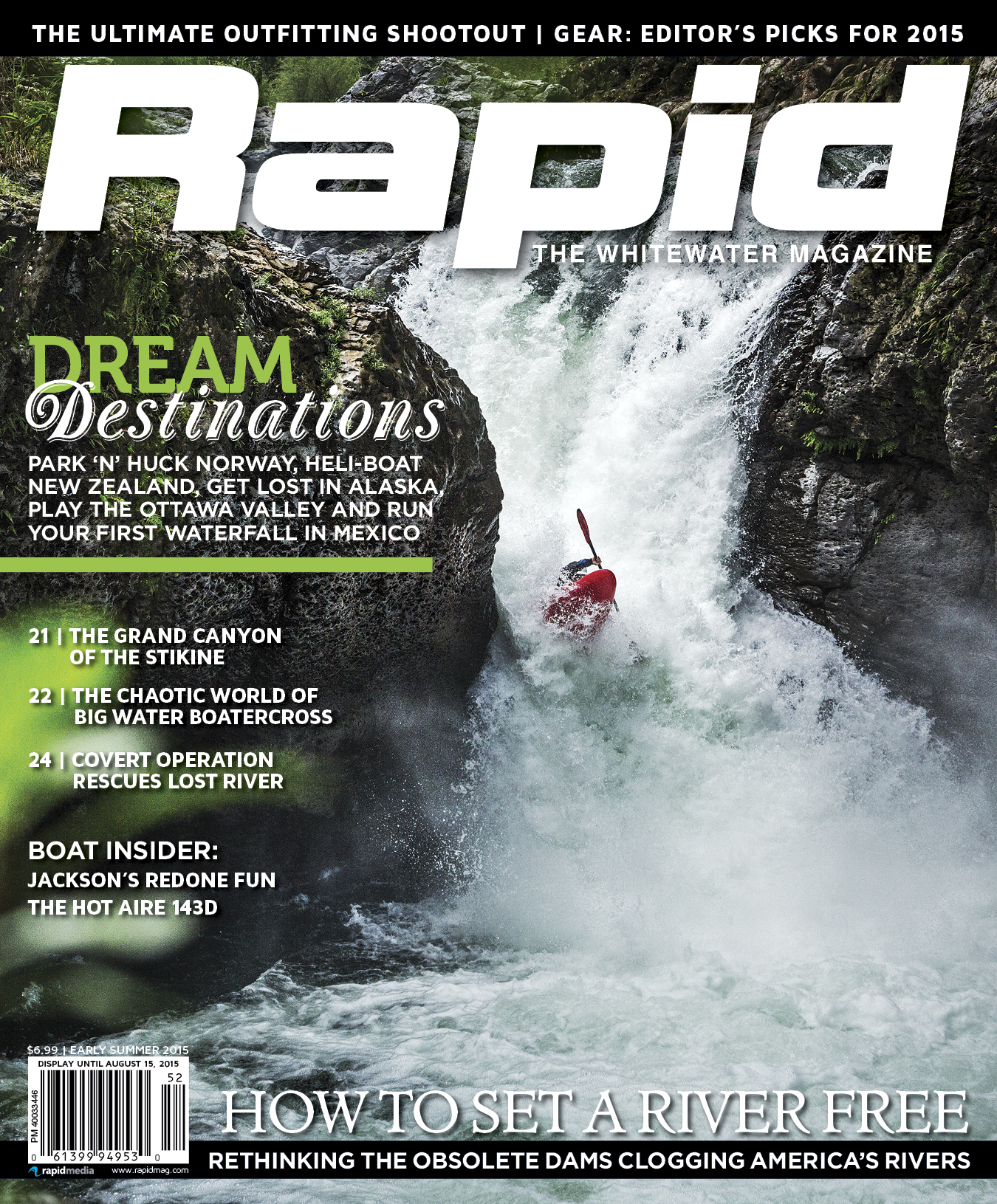
 This article first appeared in the Early Summer 2015 issue of Rapid Magazine.