Fish today, feast tonight. | Feature photo: David Jackson
If you’re not fond of bones or skin, you’ll want to fillet your fish to prepare it for cooking. Follow these five simple steps to get a great fillet every time.
How to fillet a fish
1 Prep and cut
First, wipe the cutting surface and fish down with paper towels to lower the risk of slippage. Make sure your fillet knife is super sharp and then insert it just behind the top of the fish’s skull. You should be able to feel where the skull ends and the body starts. Cut only as deep as the ribcage.
Fish today, feast tonight. | Feature photo: David Jackson
2 Slice along the backbone
Slide the knife toward the tail, keeping it parallel to the midline of the body and up against the backbone. Avoid puncturing the abdominal cavity where the entrails are encased. Once the blade is past the anus, push the knife all the way through the fish’s belly. Slide the blade the rest of the way to the tail.
3 Lift and trim the fillet
Create another incision behind the gill plate toward the top of the head where the initial cut was made. Raise the flap of meat and cut along the curvature of the ribs and abdominal cavity. The meat should peel back until only the skin attaches it. At this point, you can simply cut through the skin and detach the fillet.
Finally, separate the meat from the skin. With the scale side down, use a sawing motion as you slide the knife along the full length of the fillet where the flesh meets the skin. Depending on the type of skin, you can start at the tail and hold on to the skin with one hand as you cut away from you with the other. If the skin is too thin and breaks easily, hold the fillet down with one hand and start cutting at the thicker end of the fillet.
5 Repeat and clean up
Repeat on the other side of the fish. Wash the fillets and pat them dry. When enjoying the beauty of harvesting a meal in canoe country, remember that fish remnants attract animals. It’s best to prepare your catch away from your campsite. Bon appétit!
This article was published in Issue 73 of Paddling Magazine. Subscribe to Paddling Magazine’s print and digital editions, or browse the archives.
Fish today, feast tonight. | Feature photo: David Jackson
Transform and roll out. | Feature photo: John Webster
When you’re on the water as much as the pro whitewater paddlers we polled below, you see a lot. The good, the bad and the ugly. We asked nine pros to weigh in on the most common mistakes they see on the river when it comes to gear and equipment. Are you guilty of any of these? Here’s what the pros had to say.
9 Pros On What Boaters Get Wrong About Gear
“Nose clips are crippling paddlers. You have to open your mouth to breathe. It makes no sense in bigger rapids.”
—Mariann Saether
“It’s hard not to bring too much gear on a road trip or international paddling adventures. The annoying part is that it’s a time-suck dealing with it, stashing it and worrying that it may get stolen out of a vehicle or storage spot.
The best trips I have done are the ones where everything I bring goes with me in the kayak. The good news is that all that extra gear makes for great barter or, better yet, the opportunity to donate to your adopted paddling community.”
—Ben Stookesberry
Transform and roll out. | Feature photo: John Webster
“Assuming everything that ever happens when using something new is 100 percent the equipment’s fault and not focusing on potential user error.”
—Dane Jackson
“They don’t wear a protective layer over their drysuit socks.”
—Natalie Anderson
“The backband. Most kayakers would put their backband up to the back of their necks if they could. If you keep the backband low but tight, it keeps you in the boat nice, but then you have much more range of motion when paddling. If you want power, you need to use more than just your skinny little arms.”
—Dave Fusilli
“Small creek boats for women or small paddlers. You can be small and paddle big kayaks.”
—Nouria Newman
“Simplicity is best. When you’re starting, it’s easy to complicate your gear, bring too much and not have a great system for ensuring you have the right stuff for the river you’re jumping on.”
—Mike Dawson
“Believing they need something specific and consistent to perform rather than believing they can adapt to anything they need to.”
—Benny Marr
“Paddlers think gear is more important than it really is, and paddlers don’t think about how important gear is. What I mean is people stress out and invest too much into pieces that aren’t crucial.
For example, do you need a top-condition spray skirt? I would say no for 99 percent of paddling. Do you need a nice drysuit? I’ve used wetsuits in some remarkably cold weather. However, here’s the flip side: lives are on the line. Being warm is not just a matter of comfort. If you have a wetsuit instead of a drysuit, you better be absolutely sure you can hike out or deal with a long rescue. Throw ropes need to deploy and hold.
What I’m trying to say is people don’t always have an accurate picture of what their gear will do. It doesn’t have to be the best, but even if it is top of the line, you have to know exactly what its limits are and stay within them.”
Even if you’ve just gotten into paddleboarding, you’ve probably already realized the only way to improve upon a day spent on the water is to bring your best friend along for the ride. Many dogs can be trained to enjoy a ride on a paddleboard, and it’s an excellent way to deepen your bond, have fun and get some exercise together.
Crucial to enjoying a dog paddleboarding adventure is to have a dog-friendly paddleboard. Fortunately, there are many paddleboards suited for this purpose. In this comprehensive guide, we’ll cover everything you need to know about selecting the best paddleboard for your adventures with your pup and answer the most commonly asked questions about paddleboarding with dogs too. This beginner’s-focused buying guide will also cover must-have paddling accessories for dogs, training tips to keep everyone comfortable, and essential safety advice to ensure you both enjoy your next adventure.
Read on to get expert advice on the best SUP type, size and accessories for the ulti-mutt dog-friendly paddleboard adventures.
How to buy a dog-friendly paddleboard
Choosing a board requires careful consideration since the paddleboard you buy will help determine whether or not you and your dog have a fun time on the water. There is no one single best paddleboard for dogs because the best board depends on the type of paddling you like to do, as well as your dog’s size, weight and temperament. From board size and stability to materials and features, here’s what you need to know.
Stability
When selecting a paddleboard for your dog, stability is the top priority. A stable-feeling board will inspire more confidence. All other aspects being equal, a wider paddleboard will provide more stability. However, a wider board will be slower, and a too-wide board can be difficult to paddle. To paddleboard with your dog, look for paddleboards around 32 to 36 inches wide. With a smaller dog, you might be able to opt for a board on the narrower end of that spectrum, while if you have a larger dog you might opt for a board on the wider end.
Weight limit
Capacity is a critical component of an enjoyable paddleboarding experience with your dog. Ensure the capacity of your chosen paddleboard exceeds the total weight when you combine your weight, your dog’s weight and any other gear you’re likely to bring along. If you exceed the capacity of a paddleboard, it will ride low in the water, won’t feel stable and won’t glide efficiently.
Board shape
All-around paddleboards are the most popular type of paddleboard for beginners. All-around paddleboards tend to be 10 to 12 feet long and typically come with a rounded surf-style nose or a slightly pointed touring-inspired nose. A user-friendly, all-around paddleboard is a perfect choice for relaxed days spent paddleboarding with your dog. Paddlers who want to make miles should look to touring board design.
Inflatables vs. hard boards for dogs
Inflatable boards are convenient for storage and transport and incredibly popular. They’re typically made from a soft but tough PVC material, which provides better traction for a dog’s paws and nails and a softer landing if a dog loses its balance and falls on the board. Hard boards can be made from plastic, wood or composite materials. Their rigidity provides extra stability and increased performance, as there is less bend to the board in waves or when a dog or paddler moves around the deck. Learn more about the pros and cons of inflatable paddleboards and hard boards.
Deck padding for dogs
Particularly on a hard board, a deck pad on the top of the paddleboard provides essential traction for your dog. Your dog’s confidence will be greatly enhanced by getting a grip and not sliding around on a slick wood, plastic or composite surface. Look for full-length EVA foam deck pads, which provide good grip. Full-length deck padding isn’t as essential on an inflatable, as the softer construction material provides some traction.
Leash essentials
A paddleboarder should always wear an ankle leash (unless in moving water), which is a cord connecting the board to the paddler’s ankle. This crucial piece of safety gear is even more important when paddling with a dog, as your chances of ending up in the water increase with an excitable pup on board. So, too, do the chances that your board will travel away from you in an upset. Even a light wind can blow a paddleboard away from you, faster than you can swim.
Wear The Appropriate Leash When Stand Up Paddleboarding
Always wear a leash on open bodies of water like lakes, bays, and oceans. Due to the risk of snags and entrapment, leashes should only be worn on rivers if they include a quick release attached to your life jacket.
However, a dog doesn’t have to wear its leash on a paddleboard. A well-trained dog shouldn’t need a leash while on a paddleboard, and any dog can be trained to remain in place on the board until released. If your pup is not reliable, you may feel safer leashing your dog. However, never attach your dog’s leash to the paddleboard and never leash your dog in moving water and current.
Photo: Kaydi Pyette
Dog paddleboard accessories
There are a few essential safety requirements to take your dog paddleboarding. Remember: Always wear your life jacket. Everyone, even strong swimmers, should wear a life jacket at all times when on the water. And just like you, your dog should always wear a life jacket on the water too. Not all dogs are strong swimmers. In particular, dogs with short snouts or short legs, and puppies, older dogs and those with mobility issues tend to be weaker swimmers. Plus, any dog can get tired or panic. Protect your best friend by investing in a dog life jacket. Ensure your dog’s life jacket fits snugly and matches their weight. See our top picks for the best dog life jackets for paddleboarding.
In addition to a PFD for your dog’s paddleboarding adventures, some paddlers opt for a dog mat to put on the deck for extra comfort. Others add a kayak-style seat to their paddleboard. To attach these items, choose a paddleboard with some attachment points designed for accessories. You can also use these attachment points to secure snacks, a water dish and other items.
Training your paddleboarding dog
Dogs are naturally curious and want to explore by your side, so tap into that natural instinct and approach paddleboard training as just another fun adventure together. First, introduce the paddleboard on land, where the dog is comfortable, and allow the dog to investigate it and walk all over it until it’s no big deal.
Next, treat your first few outings to the water as training sessions. Keep these sessions short and filled with positive reinforcement (think soft, stinky dog treats and lots of them!) and only paddle in calm and sheltered conditions to maintain stability and cultivate confidence in your new paddleboarding companion. Always check weather conditions before getting on the water and paddle within your skill level.
Finding a paddleboard to enjoy with your dog doesn’t have to be complicated. Let us help demystify the process. Below are the eight most commonly asked questions about finding the perfect paddleboard for you and your dog.
Can dogs go on paddleboards?
Of course! While some dogs may be apprehensive at first, most dogs can be trained to enjoy riding on a paddleboard. It is important to ensure the paddleboard is large enough and stable enough to accommodate the dog’s extra weight. It’s also important to introduce the paddleboard experience gradually—start slowly, always wear your life jacket, always put your dog’s life jacket on her, and provide lots of positive reinforcement to create a fun experience for the dog.
Wear A Life Jacket
Everyone, even strong swimmers, needs to wear a life jacket at all times when on the water. It is extremely difficult to put a life jacket on once you fall into the water. Even a light wind can blow any paddlecraft away from you, faster than you can swim.
Always wear a USCG-approved Level 70 or Type III life jacket designed for paddling.
Can dogs go on inflatable paddleboards?
Yes, inflatable paddleboards are a great option for dogs. The material inflatable paddleboards are constructed with is not slick like hard boards, and provides good traction for the dog’s paws, which leads to increased comfort and easier reboarding.
Can dogs pop inflatable paddleboards?
No. The construction material of a paddleboard from a reputable brand is a world apart from the cheap material of a Walmart pool toy. Don’t worry about your dog’s nails puncturing the board; the material is way tougher than that.
Do dogs like paddleboarding?
Not every dog will enjoy paddleboarding, just as not every person enjoys paddleboarding. However, so long as you introduce the activity slowly and with lots of positive reinforcement, most dogs can grow accustomed to the experience of being on the water. Plus, your dog always enjoys being with you. Keep training sessions short and sweet, and make your dog’s safety and comfort your priority.
Paddleboard vs. kayak with dog
Both paddleboarding and kayaking can be enjoyable activities to share with your dog. One is not more suitable for bringing your dog along than the other—it just depends on your personable preference. From your dog’s perspective, sitting on the deck of a paddleboard versus sitting on the deck of a sit-on-top kayak is not so different. For dogs who like to swim, a paddleboard may offer easier reboarding. Sitting paddlers may find it easier to manage anxious or excitable dogs.
What is the easiest paddleboard to bring your dog on?
A stable-feeling paddleboard is the most important factor in your dog having a good time on the water. Look for a design 10 to 12 feet long, 32 inches wide or more, and with a capacity that exceeds your combined weight. A full-length deck pad will also help ensure your dog’s comfort.
Dress For Immersion, Not Air Temperature
Your body loses heat much faster when immersed in cold water than it does when dry.
Avoid cotton clothing like t-shirts and jeans; they retain water and accelerate cooling when wet. Synthetic fabrics, or wool, are generally a better choice. If the water is very cold (60° fahrenheit or less), you should wear a wetsuit or drysuit.
What size paddleboard is best for dogs?
The best size of paddleboard for your dog will depend on its size, weight and temperament. Generally, a wider board provides more stability and a longer board provides more space for you and your dog. Larger boards larger weight capacities. Dog paddleboards around 32 inches wide and 10 to 12 feet long are often a good size to start with for small and medium-sized dogs.
What happens when a dog falls off a paddleboard?
If your dog falls off your paddleboard and they’re wearing a life jacket, it’s no big deal. Stay calm and encourage your dog back to you and the board, using treats or toys if necessary. If your dog is wearing a leash, you can also use that to guide them back. Use the handles on your dog’s life jacket to assist with reentry onto the board. Once they’re safely back on the board, ensure they’re comfortable. Don’t make a big fuss about the plunge.
Wenonah canoes have maintained a presence in the Midwest for more than 50 years. Owner and founder Mike Cichanowski first fell in love with making cedarstrip canoes, which grew into a small business. After taking over an abandoned factory in Winona, Minnesota, the company exploded, associating itself with the burgeoning canoe racing scene.
Wenonah’s tripping models quickly became popular in the nearby Boundary Waters Canoe Area Wilderness, beginning with Circhanowski’s original design—the Wenonah 17.
Today, you’ll find a variety of canoe designs available in different materials. No matter the type of canoe you’re considering, there’s a chance Wenonah has one to match your needs. They build everything from stable recreational canoes to fast racing boats. In between, Wenonah has a range of tripping models using durable T-Formex or lighter composites for one, two or more paddlers.
This article will help you find a high-quality Wenonah canoe that matches your needs. You’ll be joining a long line of canoeists who’ve paddled the world’s waters in these signature boats. For most general canoeing needs, there’s a Wenonah canoe to match.
We’ll give an overview of the types of canoes available, as well as some tips for buying new and used models. Along the way, you’ll find links to curated lists, specific models and pertinent information. Read on to learn more.
Top picks: Best Wenonah canoes
Wenonah Canoe Wee Lassie
At just 16 pounds, the Wee Lassie is so light we could play catch. | Photo: Joel Clifton
“Weighing just 16 pounds, I marched the Wee Lassie a kilometer through my sleepy suburban neighborhood to the lonely waterfront launch. I tiptoed around some shore ice and settled for my first paddle of the season. Bliss. Dawn patrols, sunset sessions, and sneaking out for lunchtime paddles are precisely the sorts of adventures the Wee Lassie is designed for. Wenonah markets it as a roomier, more portage-friendly alternative to a solo recreational kayak…” [ Read full review ]
“Shallower and narrower than the average tripper, the Minnesota II’s roots are in the Gene Jensen-designed Whitewater II, a go-fast downriver racer. The tweaks may have turned a race boat into a touring-friendly model, but paddlers can still feel Jensen in the Minnesota II’s minimal rocker, sharp lines and unbeatable cruising…”[ Read full review ]
Wenonah Canoe Spirit II
On the water with the Wenonah Spirit II canoe. | Photo: Alyssa Lloyd
“In 1983 the Spirit II was born. It went on to become the most successful canoe model in Wenonah’s line. The Spirit II bridged the gap between whitewater tripping boats and the abundance of 32 to 33-inch waterline canoes deemed too tippy by too many consumers. It also became the center of a family of touring boats…”[ Read full review ]
Shopping for a used Wenonah canoe?
Electing to buy a used canoe, especially a Wenonah, is a great way to get a high-quality canoe for a lower price. These plastic canoes, made out of Royalex or T-Formex, are long-lasting. Wenonah’s composite canoes are easily repaired if they have any damage.
If you’re considering buying a used Wenonah, you’ll want to know where to look, what to look for, and of course, to try it out if you can.
Where to look
You can start looking for a used canoe right now from your computer or smartphone. On classified pages like Craigslist or eBay, Wenonah canoes may be listed. Sometimes they will provide more details, but they may also simply be listed as “Fiberglass Canoe.” Depending on how informed and thorough the seller is, you may have to deduce the model and materials from photos and check Wenonah’s website.
The Boundary Waters Canoe Area is practically in Wenonah’s backyard. Many outfitters in Northern Minnesota use Wenonah canoes in their rental fleet. Renting canoes gives you a chance to take a trial run, helping you understand how some of the differences in specifications and design that you read about affect how the canoe behaves on the water.
It’s common for outfitters to sell off their rental fleets at the end of each season. Consider renting during the season and following up in the autumn to pick up a used canoe that’s new to you.
The shoulder seasons, spring and autumn, are good times to start shopping for used canoes. People will be upgrading their boats or cleaning out garages and sheds.
What to look for
Inspect the entire canoe before you buy it. Knowing which type of material the canoe is made from is important, as they wear differently. Read the “Wenonah Canoe Buying Advice” below for an overview of their canoe materials.
T-Formex or older Royalex canoes can withstand repeated impacts without much damage. You may see faint dings and bumps on the hull, but they are superficial. Any prominent creases might indicate that the canoe was wrapped or suffered a more significant impact. An advantage of these canoes is that more significant deformities will often pop back into shape, but they might be weak spots in the future.
Unless you plan to really bang the canoe around, this shouldn’t be an issue. Any scrapes or gouges penetrating the outer coloured layer and revealing the pale ABS plastic beneath should be refinished. This is an easy fix with repair kits available from Wenonah.
Most Wenonah canoes are made of aramid, fiberglass or other composite blends. Composite canoes can wear out faster than plastic ones. How a canoe has been stored is a good indicator of its overall condition. If it has been kept inside and upside down on a rack, there’s less chance of damage. Direct sunlight can damage and discolor the canoe.
As well, leaving a canoe sitting upright on its hull deforms it. Over time, the canoe’s weight puts pressure on the unsupported hull. The gunwales are stronger; it’s better to rest the canoe’s weight on them.
Composite canoes are finished with a gelcoat or a clearcoat to protect the resin and cloth. Any time the canoe rubs along the ground—even just across the sand—it may show scrapes. These scratches are superficial and harmless, although they are unsightly. Inspect the hull for deeper cuts that might expose the cloth. Like plastic canoes, Wenonah sells composite repair kits for any touch-ups needed.
You can also source epoxy or gelcoat from marine suppliers, and there are many good articles explaining these fixes online. If you find a Wenonah canoe that needs some major repairs, they may be able to fix it for you. You’ll have to get the canoe to the factory, and it will take some time, but this is an option for those who are less handy.
Most composite canoes have float tanks; sealed compartments in the bow and stern of the canoe to give it buoyancy. When you pick the canoe up, give it a shake and listen for any water that might be sloshing around in the tanks, indicating a leak, most likely from the canoe into the tanks.
Try it out!
Lifting the canoe is essential, as you want to understand how it feels to portage. Don’t be afraid to walk around with it for a while. Even ask the seller if you can take a lap around the neighborhood with it. You may also want to bring your canoe pack or barrel along and make sure they fit inside (will two barrels fit beside each other between the thwarts?).
As mentioned before, the best way to know if the canoe is a good match is to actually paddle it. While this may not always be possible with a used canoe, prioritize listings where it’s an option, like outfitters or waterfront locations.
For more tips on what to look for when selecting a used canoe, read our article How To Buy A Used Canoe.
Wenonah canoe buying advice
Understanding the different types of canoes Wenonah builds can help you to find one that matches the type of paddling you plan to do. Wenonah breaks down their canoe models by the activities they’re used for: General Touring, Performance Touring, Sports & Leisure, Downriver, Expedition, and Racing. There are differences in the design of these canoes that affect their performance on the water. Deciding which category best suits your needs is a good place to start when choosing a canoe.
Once you’ve decided on a model, consider different material options. We’ll give an overview of these materials and their strengths and weaknesses.
Canoe types
General touring
These canoes are as close to “all-arounders” as you can get. They are versatile in length, ranging from just under 15 feet to more than 19 feet. They have a combination of primary and secondary stability, so the canoeist will feel reasonably comfortable no matter if the hull is flat or on edge. With a small-to-moderate degree of rocker, these canoes turn readily enough and track reasonably well.
They are suitable canoes for families or paddlers on day trips or easy weeklong outings. Most beginner paddlers will find a model in this category that matches their paddling style. Included in this category is the flagship Wenonah 17 canoe. Look at the range of boats in this category if you plan to dabble in different types of paddling and prioritize stability over speed.
Performance touring
Wenonah’s Performance Touring canoes are fast-traveling cargo haulers for the dedicated canoe tripper. These canoes are longer and slimmer than canoes categorized under General Touring. They have sharp entry lines (pointed fronts) to cut into the water efficiently. Canoes like the Minnesota are very common in areas like the Boundary Waters, where the travel is generally across large lakes.
They move quickly and track exceptionally well. Look at the options here if you want an efficient canoe for long days on the water. If you plan to travel in rivers, consider models in the Expedition or Downriver categories.
Sports and leisure
Sports and Leisure canoes would be called recreational canoes by other companies. These models are characterized by their flat bottoms. They provide tons of initial stability for anglers, hunters or families paddling casually. While canoes like the Kingfisher 16 won’t be winning any races, they have enough stability to stand in and ample space for larger paddlers to feel comfortable.
These canoes are maneuverable, being all less than 17 feet long. Their high weight capacities accommodate the extra gear that usually accompanies these endeavors. Also included in this category is the Backwater square-stern canoe. This boat is designed to be equipped with a small two-to-three-horsepower motor.
The Fusion and Wee Lassie pack boats are compact, solo canoes that users can paddle with either a canoe or kayak paddle. For extra control, the Fusion has a rudder.
Downriver
Downriver canoes are happiest in moving water. These boats have lots of rocker to navigate obstacles as they move in the current. They have deep, high-sided walls, adding volume to the canoe for a dry ride through rapids. The Prospector is a classic canoe design for wilderness travel. It’s versatile enough to travel through riffles and rapids while loaded, but tracks decently on lakes too.
Many companies have their own takes on the Prospector model, but Wenonah’s particularly sharp entry lines lend the canoe better glide. It’s available as a 15- or 16-foot canoe. One great thing about Prospector canoes is that they all have symmetrical hulls. Solo paddlers can sit backward in the bow seat and paddle these canoes stern-first.
For exclusively solo downriver paddling, the Argosy is a solo boat capable of running up to class III rapids with an experienced paddler at the helm.
Expedition
Wenonah’s Expedition canoes are built for extended trips in wild spaces. They are some of the longest and highest-volume canoes Wenonah builds. The two models in this category are the Itasca 19 tandem and Encounter 17 solo canoe.
Choose one of these if you need the high storage capacity that comes with deep wells. They are good options for coastal canoeing, as the depth helps keep water out in rolling swells.
Racing
Racing canoes are highly specialized boats. Wenonah builds tandem and solo racing canoes that regularly win flatwater canoe races. These canoes have flat keel lines, with almost no rocker, and extremely pointed entry lines for speed and efficiency. Because of their shallow sides, these canoes are best used for day outings if they aren’t being raced.
What material should you choose?
After discovering the ideal design, the next step is to choose which material you want for your canoe. Wenonah makes most of their boats in a range of materials, each of which has its own merits. Let’s walk through them. We’ll use the Wenonah Spirit II 17-foot canoe as a baseline to indicate the different weights of these materials.
T-Formex
If you run every rapid you can, look at getting a T-Formex canoe. Until 2014, Royalex ABS material dominated the market as an inexpensive, indestructible material for canoes. Production of Royalex ceased in 2013, and companies began searching for alternatives. Quebec-based Esquif Canoes developed T-Formex to fill the hole left by Royalex’s departure. Wenonah now purchases the material from Esquif.
T-Formex is a stiff, durable material consisting of distinct layers. A layer of closed-cell foam in the centre gives the canoe stiffness and buoyancy. ABS (acrylonitrile butadiene styrene) plastic layers encase both sides of the foam to protect it and add stiffness to the shape. Beyond the ABS is a proprietary abrasion-resistant “skin” layer. The outside of the canoe is reinforced in places for additional protection against impacts. It is also treated with a UV-resistant coating.
T-Formex canoes are popular because they are worry-free. They don’t require much maintenance, and can withstand impacts and abrasions impressively. T-Formex outperforms single or triple-layer polyethylene plastics as it is stiffer and lighter. A 17-foot Spirit II canoe made with T-Formex weighs 78 pounds.
Composite materials are lighter than T-Formex, but cannot match its durability. T-Formex canoes will tolerate just about whatever you throw at them and are excellent choices if you don’t mind the extra weight. If you’d prefer to shave some pounds off your canoe, composites are the way to go.
Composites
Composite material is an all-encompassing term describing canoes made with woven fabrics and resins. These could be aramid, fiberglass, polyester or a combination of materials. The advantage of building canoes with this method is that it produces stiff, lightweight canoes.
Wenonah uses five different blends of composite materials, varying in strength, weight and price. They are organized under Ultralight and Flexcore categories.
Ultralight
Ultralight materials are Wenonah’s lightest and most expensive canoe material options. They prioritize weight, with reinforcement in only the necessary places. To further save weight, gelcoat is not typically applied to the whole canoe, giving these canoes a signature clear coated look.
Some models have the option to have the hull gelcoated for extra resilience.
Aramid Ultralight
Aramid is one of the most commonly used ultralight composites. You may recognize the trademarked name Kevlar, which is an aramid fiber. It’s a good material for building canoes that are easy to carry. It’s pretty stiff, so it’s more responsive than T-Formex. It is also significantly lighter. A Spirit II 17-foot canoe built with Ultralight aramid weighs 42 pounds, or 45 pounds with a gelcoat hull.
IB Ultralight
The IB in IB Ultralight stands for Innegra blend. Innegra is a polypropylene-based fiber mixed with other materials like aramid or fiberglass to add strength without compromising weight. This makes the canoe stronger than it would be with pure aramid, but also more expensive. A Spirit II 17-foot canoe built with Ultralight IB weighs 44 pounds, or 47 pounds with a gelcoat bottom.
Graphite
Select canoes are available with woven graphite for a stiffer and more responsive canoe, and it also gives the canoes a sleek, dark aesthetic. There’s little weight difference between aramid and graphite canoes, but expect to pay 10-15% more for this layup.
Flexcore
Wenonah’s Flexcore canoes weave a core into the laminate, adding durability to the performance of a composite. This process is ideal for canoes that will not receive the same degree of coddling as ultralight ones. It adds a bit of weight, but also, with the extra durability, you’ll worry less about damaging the canoe when you’re out paddling.
Tuf-weave
Tuf-weave is a blend of fiberglass and polyester. It’s heavy but more durable than any other composite from Wenonah. It’s also the most affordable composite material available from them. This is a good option for a resilient canoe that compromises well between price, weight and durability. A Spirit II 17-foot canoe in Tuf-Weave Flex Core weighs 58 pounds.
Aramid Flexcore
Aramid Flexcore has the benefits of aramid with some extra reinforcements. This is a great all-around material, balancing weight and strength. It’s more rigid than Tuf-weave and a little bit lighter. It costs the same as aramid canoes. A 17-foot Spirit II canoe with this material weighs 54 pounds.
Seating options
You can choose between bench or bucket seats on most Wenonah canoes. Bench seats allow the canoeist to either sit or kneel. Wenonah’s bench seats can be either cane or webbing. Cane has a traditional look, while webbing is more durable.
Bucket seats restrict the paddler to sitting—which may be the more comfortable option on longer trips. The bucket seats are lower than bench seats, bringing the paddler’s center of gravity down. Bucket seats from Wenonah also come on a slider to adjust forward and back. Both options have their merits, and accomplished paddlers sit or kneel on either side of the debate.
Trim and yoke options
All Wenonah Canoes come with standard aluminum trim. You also can pay more to upgrade to a sleek black aluminum trim or a wooden trim. Anglers can decide to upgrade to Wenonah’s VersiGunwale system. This system integrates their standard accessory rail inside the gunwale for mounting fishing rod holders and other equipment.
The standard carrying yokes are made of ash, and they can be upgraded to stronger multi-piece laminate with padding or even lighter carbon.
Want to know more? Find our answers to common questions about Wenonah canoes below.
Cost of Wenonah canoe
The cost of a Wenonah canoe varies by the model, materials and upgrade options chosen for it. They can range from $2,000 to over $4,000. Generally, longer boats with ultralight materials will be more expensive than shorter boats that are built with T-Formex or Flexcore. In the canoe market, Wenonah canoes are comparable to other composite canoes.
Are Wenonah canoes worth the money?
A Wenonah canoe is a significant investment, but you’re purchasing a high-quality craft. These canoes use better materials and incorporate more workmanship and expertise than canoes found on the shelves of big-box stores.
The composite construction is easily repairable, and the T-Formex is rugged enough that these canoes will last many seasons. Their racing heritage and decades of canoe-building have given Wenonah designers the experience and time to make adjustments and modifications that result in a better boat.
Wenonah canoe models
Wenonah has an extensive line of canoe models that meet the needs of most paddlers, be it touring, fishing, recreation, racing or expedition paddling. If you come across a Wenonah canoe that has been discontinued, you can learn more about it on their Retired Canoe Models page.
Most stable Wenonah canoe
Wenonah’s Sports & Leisure canoes are the most stable of their models. These canoes have wide, flat hulls, making them ideal for paddling in flat waters with families, dogs or nervous paddlers. Models in this line include tandem canoes from 14 to 17 feet long like the Fisherman, Kingfisher or Boundary Waters, as well as the square-stern Backwater. Solo canoes in this category include the Wee Lassie and Fusion pack boats.
Wenonah canoe weight
Some Wenonah canoes are among the lightest on the market, thanks to the use of ultralight materials. Their weights vary by the design and materials used, and canoes will range from 30 to 90 pounds.
Wenonah canoe weight capacity
Wenonah takes an interesting approach towards the specifications of their canoes. They don’t provide a specific number for their weight limits or capacities of particular canoe models. The justification for this is that a number cannot adequately account for the weight distribution or conditions the canoe will be paddling in.
Canoe models designed for longer trips or multiple paddlers like the Minnesota 3 have higher capacities. Day-tripping canoes like the Heron are intended for two paddlers and a small amount of gear. Actually paddling the canoe will give the best sense of its capacity.
What are Wenonah canoes made of?
Wenonah canoes are made with T-Formex plastic or composite woven materials. They have a range of composites available, varying in price, weight and durability. The composite materials include the Ultralight and the more affordable Flexcore categories. Read a detailed description of each material in “Wenonah Canoe Buying Advice” above.
Wenonah canoe dealers
Wenonah has an extensive network of dealers across North America, including REI. Use their dealer locator tool to find where to buy a Wenonah canoe near you. If your local paddle shop doesn’t carry the Wenonah you have in mind, you may be able to order it through them for the following season.
Where are Wenonah canoes made?
Wenonah canoes are all made in a factory in Winona, Minnesota.
Who owns Wenonah canoe?
The company founder, Mike Cichanowski, still owns Wenonah canoe. Wenonah also owns the kayak brand Current Designs and builds them in the same Minnesota facility.
Compare Wenonah canoes
Wenonah vs Old Town canoes
Maine-based Old Town is another storied American canoe builder. They build durable canoes targeted for beginner and recreational paddlers. Unlike Wenonah, all Old Town canoes sell for under $1,900. They build their canoes exclusively with three-layer polyethylene, which explains the boats’ affordability and durability. These are solid canoes for recreational paddling, but much heavier than Wenonah’s composites.
Wenonah has more canoe models for backcountry tripping or paddling with more than two paddlers. Their composite canoes are lighter, making them easier on portages. The T-Formex canoes are as durable as three-layer polyethylene but much stiffer, resulting in better performance.
If price is more important than weight, get an Old Town. If you want more model options to choose from, and you’re willing to pay a bit more, Wenonah canoes are the better choice.
Wenonah canoe reviews
Reading reviews of Wenonah canoes helps you better understand their performance characteristics. Product descriptions may help give you an idea, but hearing other users’ experiences gives you valuable insight into where these canoes excel. The best Wenonah canoe you’ll find will be one that aligns with your paddling style, so note where the reviewer takes the canoe and what they use it for.
Yes, this really is kayaking’s most contentious topic. | Feature photo: Andrew Strain
For avid kayakers, few debates are as popular—or as polarizing—as the controversy over skeg versus rudder. Which system is easier to use, more effective, more efficient, more reliable—in a word, which is better, a kayak skeg or rudder?
Like all great debates, however, there really is no right or wrong answer. Both rudders and skegs have their merits and their limitations. Kayak design, paddling style and wind and water conditions all play a role in which system will perform the best. Ultimately, paddlers have to make their own decisions based on need and personal preference.
Novice kayakers often have questions like, “Do you need a skeg on a kayak?” or “What is the purpose of a rudder on a kayak?” If you are new to kayaking and wondering what the difference is between a skeg and a rudder—or how each affects a kayak’s handling and performance—read on. We’ll look at the purpose of skegs and rudders, how they work, and the pros and cons of each system.
What is the purpose of a kayak skeg or rudder?
First and foremost, the primary purpose of both skegs and rudders is to aid in tracking, meaning the ability to run in a straight line without using your paddle to make major correction strokes.
In ideal conditions, well-designed sea kayaks and recreational kayaks should track well without a skeg or rudder. But even the most well-behaved, straight-tracking kayak can start to wander off course when you add in the dynamics of wind, waves and weight distribution. The most common phenomenon is called “weathercocking.”
Weathercocking works like this: crosswinds and quartering winds push your kayak sideways. If you are sitting still, your kayak will simply drift sideways. But when you start paddling forward, the bow of the kayak cuts through the water and is held in place by the pressure from its bow wake. Behind the paddler, there is less pressure on the stern of the kayak, leaving it free to keep drifting sideways. The upshot: your kayak turns into the wind.
Paddling in following seas can be just as problematic. When the wind and waves are at your back, the bow of the kayak tends to bury in the wave troughs, while the stern rises and is pushed sideways by the faster-moving wave crests. This tendency to turn sideways to following waves is called broaching.
Unless you are paddling directly into the wind, your kayak will require some correction to compensate for weathercocking or broaching.
Without a skeg or rudder, the paddler can only counteract the kayak’s tendency to wander in the wind by edging and making corrective strokes. But constantly battling to maintain your course by endlessly sweeping on one side or trying to hold your kayak on edge for extended distances can be inefficient and punishing to your body. This is where a skeg or rudder can play a valuable role in kayak control.
What is the difference between a skeg and a rudder?
What is a skeg on a kayak?
A skeg is a retractable fin that drops out of a slot in the kayak hull near the stern. The skeg fin cannot move side to side, but its depth can be adjusted up and down by means of a control slider, cleat or knob beside the cockpit.
A skeg works by changing the bow-to-stern trim of your kayak—in essence, it makes the slippery stern sit deeper in the water, by adding surface area below the waterline, and helps lock it in place. By adjusting the depth of the skeg fin, a kayaker can balance out the forces of wind or current on the kayak, enhancing tracking and making it easier to hold course.
What is a rudder on a kayak?
By contrast, a rudder has a stern-mounted blade that pivots side to side, controlled by foot pedals in the cockpit that are connected to the rudder blade by cables or line. In this way, a rudder allows for steering with your feet. How do you steer a kayak with a rudder? It’s pretty intuitive: push with your right foot, turn right; push with your left, turn left. Most kayak rudders can be flipped up out of the water via haul lines and tucked against the deck when not in use.
Paddling with a skeg
So, when it comes to a kayak’s performance, how much does the skeg help? Beyond the ability to help your kayak paddle straight in wind and current, skegs can also add versatility to kayak design.
Many recreational paddlers want a kayak that is efficient and tracks well, but is also responsive and maneuverable. Yet, as any kayak designer will tell you, tracking and turning ability in kayak design is a compromise, trading more of one for less of the other. Incorporating a drop-down skeg allows designers to build more versatile kayaks by blending playful, maneuverable hulls with on-demand tracking.
How to use a kayak skeg
As mentioned above, even a well-designed kayak will turn into the wind (weathercock) when the skeg is up. But if you lower the skeg fully, chances are you’ll overcompensate, moving the kayak’s trim too far toward the stern. Now your kayak will start turning away from the wind.
Instead, you’ll want to slide your skeg down a little at a time, until you are able to hold course without any extra correction—or frustration. Throughout your paddle, you can make subtle skeg adjustments as required to trim the kayak to suit variable conditions.
Pros and cons of skegs
Pros
Simple and effective way to improve kayak tracking in wind, current and waves
Less complexity and weight than a rudder
Because a skeg is mounted under the kayak, it doesn’t create any extra wind resistance and is less prone to damage during transport
During self or assisted rescues, a skeg does not impede over-the-stern re-entries
Cons
Drop-down skegs are prone to jamming with small stones or shells when launching from a beach. Don’t try to force the slider control before manually cleaning the skeg slot, or you may kink the cable creating a more serious issue
The skeg box for a retractable skeg takes up space in the rear hatch, reducing storage capacity for multi-day trips
The usefulness of a rudder depends on the type of kayak and its intended purpose. | Photo: K. Lee Corey/Unsplash
Paddling with a rudder
Given the popularity of skegs on sea, surf, river and recreational kayaks, you may be wondering just when does a kayak need a rudder? One common misconception is that rudders are most helpful for novice paddlers. In fact, the usefulness of a rudder has more to do with the type of kayak, and its intended purpose, than it does with the skill level of the person paddling it.
Where appropriate, the main advantage of a rudder is that it allows paddlers to effectively steer the kayak by foot, without the need to interrupt or modify their forward stroke. This means that you can focus all your energy into powering forward, maximizing speed and distance. For this reason, the vast majority of competitive racing kayaks and go-fast surf-skis are designed to be paddled with a rudder. Many renowned expedition sea kayakers also choose a ruddered kayak for the same reasons.
Because they can assist with steering, rudders also aid in maneuvering kayaks that are inherently less maneuverable—for example, long tandem sea kayaks or wide, stable fishing kayaks. Finally, rudders are useful to control boat drift and direction when a kayaker’s hands are occupied with something other than paddling—such as fishing or sailing.
How to use a kayak rudder
If rudders are most effective on larger kayaks and racing and expedition designs, why are they so commonplace on general touring kayaks and entry-level boats? Unfortunately, in some cases, rudders are used to cover up poor designs and compensate for lackluster hull performance.
Too often, beginners are encouraged to rely on rudders to quickly gain control over their kayaks, even though this over-dependence will likely slow skill development. Remember, just because a kayak is equipped with a skeg or rudder, doesn’t mean you have to use it all the time!
When conditions are fine and the wind calm, there’s simply no need for the average recreational paddler to deploy a rudder the minute they leave shore. Of course, when you are paddling in crosswind, waves or current, a rudder can be used similar to a skeg to help you stay on track.
Pros and cons of rudders
Pros
Adds maneuverability to large or heavy kayaks, such as double kayaks and fishing kayaks
Because it allows you to focus on paddling forward fast, a rudder is integral to most flatwater racing and surf-ski designs
Expedition paddlers can focus on making miles, rather than steering control
Cons
More moving parts to service and maintain
Outdated rudder systems with sliding foot rests don’t provide solid contact points for power transfer and bracing. Look for “gas pedal”-style systems with a fixed pedal base instead
Rudders are more at risk of damage from a collision or hitting the bottom. Always pull your rudder up before landing or backing up in shallow water
Skeg or rudder: which should you use?
When it comes to the debate of which is better, a kayak skeg or rudder, the answer is: it depends. Before choosing sides, you should decide what sort of kayaking you will be doing most often, and what are the environments where you will spend most of your time? Different kayak designs often suit one system better than the other.
Rudders work great on a variety of specialized kayaks—from surf-skis and fishing kayaks to tandems and sailing set-ups. A ruddered kayak is faster when racing, more efficient on long expeditions and helpful to beginners who are just getting the hang of paddling.
Skeg or rudder: which should you use? It depends. | Photo: Andrew Strain
For many touring, recreational and sea kayakers, a skeg provides an optimal blend of tracking and maneuverability, enhancing versatility in a broad range of conditions.
If you are still unsure whether a sea kayak rudder or skeg is the way to go—not to worry. Most kayaks come ready from the manufacturer with the system that best suits their design. Some skeg-equipped sea kayaks are also “rudder-ready” so you can order them with an optional rudder, or choose to add one later. It’s also worth noting that many sub-14-foot kayaks have neither. These boats are skeg- and rudder-less by design, since they are already exceptionally maneuverable and aren’t intended for cranking out serious miles in windy conditions.
Above all, don’t worry too much about what equipment you “should” or “shouldn’t” use. Remember that you don’t need a rudder or skeg to enjoy kayaking and paddle efficiently. Learn good paddling technique so you know how to control your kayak without a skeg or rudder. That way, if your skeg jams or your rudder cable breaks, you won’t be completely lost at sea.
This article was first published in the Early Summer 2022 issue of Paddling Magazine. Subscribe to Paddling Magazine’s print and digital editions, or browse the archives.
Yes, this really is kayaking’s most contentious topic. | Feature photo: Andrew Strain
On August 27, 2025 a search and rescue effort began on Seagull Lake in the Boundary Waters Canoe Area Wilderness (BWCAW) after a 911 text went out stating that a person was on fire. First responders did not find any fires, any people on fire or anyone needing rescue. It was later proven a false alarm, with the mysterious text sent using new iPhone satellite technology.
According to The Ely Echo, dispatch was able to contact the wife of the owner of the iPhone from which the text had originated, who was later able to confirm that the owner of the iPhone was alive and well and not experiencing an emergency. Additionally, it was confirmed that the alert was not only accidentally sent but sent without the owner’s knowledge.
Summer 2025 saw multiple instances of search and rescue efforts triggered by false alarm “someone is on fire” texts
Apple’s emergency SOS new satellite technology enables users to send text messages using passing satellites even when out of range of cell service. The satellite messaging technology is available on iPhone 14 or newer.
These alerts can be triggered by repeatedly and quickly pressing the side button on the iPhone five times, pressing and holding both the side button and volume buttons of the iPhone simultaneously and/or through the iPhone crash detection feature.
The Ely Echo also reported that this instance is not only not the first false alarm sent from an iPhone, but the August false alarm is not even the first instance of an SOS text message reporting a person on fire in the BWCAW. On Brule Lake in June 2025 a similar text prompting a search effort went out. The text alert in both instances read “someone is on fire”.
Mystery false alarm SOS texts could be due to an Apple glitch
Meanwhile on August 1, 2025 in British Columbia a similar satellite SOS text message went out reading “THERE IS A FIRE, SOMEONE IS ON FIRE,” according to The Williams Lake Tribune. Six volunteers, a helicopter winch team and flight crew were dispatched. The iPhone provided GPS coordinates showing the device out in the mountains and moving toward the trailhead while the team attempted to contact the iPhone’s owner.
Shortly thereafter, the command team was notified by the Royal Canadian Mounted Police that the owner of the iPhone had reported the messages from the search team as potential spam or a scam and was at home on the couch, where they had received the messages. It was later determined that earlier in the day while out hiking the hiker’s phone battery had died around the time they had been walking near an area previously burned by wildfire. Beyond these details, it remains unclear precisely how the SOS text was triggered.
In July 2025 The Colorado Sun reported at least ten Colorado 911 dispatch centers received emergency texts sent from iPhones claiming people were on fire, trapped or lost. All ten of these messages were false alarms and all ten of the messages were sent using the iPhone’s satellite texting feature.
“I spoke with our division chief and his opinion is that it’s some glitch in the Apple system,” Boulder County Sheriff’s Office spokesman Vinnie Montez told The Colorado Sun.
In response to the most recent instance of the person-on-fire text sent in the BWCAW, Cook County Sheriff Pat Eliasen told Northern News Now that it often takes many hours for rescuers to go out and investigate a situation, and with a message like that it’s often assumed the situation is quite serious. Most of the search and rescue teams in Cook County are volunteer, meaning that a false alarm such as this takes them away from their jobs and families.
There was an icy wind in the spring air when English chef-adventurer Mike Keen started out on a kayak journey up the coast of Greenland. From the harbor in Qaqortoq, cheered on by a crowd of around 200 people, he set off towards Qaanaaq, 2,000 kilometers away in the north.
This chef kayaked 2,000 kilometers along Greenland’s coast—fueled only by an Inuit hunter’s diet
“I wasn’t totally naive: I knew what I was getting into,” he said. “But it was a shock when it all went quiet. There was a transition from leaving the port to suddenly being alone—I realized that was what it was going to be like for the next three months.”
Mike Keen (left) was powered by dried halibut and whale jerky. | Feature photo: Courtesy Mike Keen
Paddling past ice, barren islands and icebergs, Keen had been inspired by Greenlandic traditions to kayak the west coast. Greenland gave the world the kayak, both the vessel, which has been in use for over 4,000 years, and the word, qajaq, itself. Keen had picked up kayaking two years earlier while working in the country as a chef.
“I have always felt a sense of awe about the Greenlandic kayak,” he said. “It’s amazing to think about the Inuit making them out of driftwood and sealskin to go out hunting in the harsh environment.”
Traveling in a heavily laden P&H Scorpio MKII, Keen planned to paddle about 30 kilometers a day, stopping to pitch his tent on rocky shores.
Expedition by the Numbers
Paddle strokes: 1.8 million
Days stormbound: 12
Percentage of body fat lost: 9.4%
Seal meat consumed: 2.5 kilograms
Vegetables eaten: 0
Along the way, he collected seal scat for microplastic analysis and engaged with his passion for food. He wanted to see what impact it would have on his body to avoid processed food, choosing instead to follow a traditional Inuit hunter-gatherer diet. His diet consisted of dried capelin fish, dried halibut, jerky-like dried whale and a local whale skin and blubber treat called mattak as he paddled. In the evenings, he dined on seal or whale stew. Coffee was off limits as were most fruit and vegetables.
On some days, the trip was pure joy: people came out of their houses to wave as Keen passed, and local TV tracked his progress. He saw whales every day in Disko Bay, along with porpoises, seals “nearly every day” and muskox and reindeer on shore.
On other days, high winds and blizzards had him bound to his tent, and foggy days brought icebergs looming out of the mist or winds pushing him in the wrong direction. Despite the spring timing, his water bladders froze overnight in temperatures that dipped to 10°F (-12°C).
After his successful expedition in 2023, Keen returned to Greenland in the summer of 2024 to compare the results of the diet on his body with and without all-day exercise. He followed exactly the same traditional Inuit diet but without kayaking. Between the trips he ate a typical English diet.
In both experiments he found similar results: significant weight loss of around 30 pounds that stabilized quickly, plus a striking improvement in lung function, blood pressure and reduction in body fat. It’s a testament to the value of an unprocessed diet that makes the most of local provisions, says Keen—something he calls “eating the environment.”
While the kayak adventure is over, Keen’s involvement in Greenlandic food continues. He is working with local people to establish a non-profit restaurant in Greenland and researching further into ancestral food traditions.
This article was published in Issue 73 of Paddling Magazine. Subscribe to Paddling Magazine’s print and digital editions, or browse the archives.
Mike Keen (left) was powered by dried halibut and whale jerky. | Feature photo: Courtesy Mike Keen
If you’re on the right board, you’ll forget it’s even there—leaving you to focus on scenery like this instead. | Feature photo: Chris Hendrickson, Tourism Saskatchewan
Inflatable paddleboards are everywhere you look these days, and it’s understandable why. These boards have opened the world of SUP ownership to condo dwellers and compact car drivers, as well as those looking to bring their paddleboard on planes or on hikes into remote access points.
Don’t be deceived by the paddleboards you most commonly see at the put-in, though. Hard paddleboards still have their place and manufacturers are continuing to find innovative ways to improve board performance and construction. So, how do you know if a hard board is right for you? Read on to find out.
Shopping for a used hard paddleboard?
Since hard boards are typically more expensive than inflatables, buying used is a great way to make purchasing a hard board more affordable. When considering a previously owned board, look for chips, cracks, dings and repair jobs when you see the board in person. Any damage that shows the interior of the board is concerning. Ask when the damage happened, what repairs have been done, and if it’s taken on water. If the seller isn’t sure, it may save you stress to pass on the board, or you can take photos and ask a trusted board repair professional to see if it’s worth fixing.
Be sure to also ask the seller where the board has been stored.
“Delamination occurs often, especially for paddleboards that were left outside, exposed to the sun for hours, instead of keeping it in the shade when not in use,” say Keana and Nailani Cavero of Keanaila Surf Co.
When looking for used boards, check local surf and SUP stores to see if or when they sell their demo boards. Many established board brands also have a gently used or clearance category that may include a limited warranty. Buying from an individual is taking a chance with no warranty.
For more tips on what to look for when selecting a used paddleboard, read our article How To Buy A Used Paddleboard.
Choose a board that’ll get you here most often. | Photo: Tammy Cabana Ryan
Hard paddleboard buying guide
With origins in surfing and cultures with vessels propelled by a person standing, the first standup paddleboards were rigid. Inflatables entered the market in the late 2000s and quickly became some of the most popular boards on the market.
For people with a limited budget, a lack of storage space and no roof rack on their vehicle, inflatable paddleboards have clear advantages over rigid. If you are looking for the most inexpensive options and a board that will fit in your closet and car, an inflatable is the way to go.
Likewise, if you are looking for the fastest, most efficient board and are planning to enter in races, go on long SUP journeys, or surf, a hard board is the right choice.
“Personally, if I have the choice when touring, I will always be on a hard board,” says Norm Hann, a SUP expedition leader and Paddle Canada instructor trainer. “I love the efficiency and speed you get in return from a hard 14-foot touring board. That efficiency and speed make a really big difference on long multiday expeditions where you can push your hourly kilometer rate higher than on an inflatable.”
If you fall somewhere between these sets of priorities, though, there are other considerations when deciding between a hard and inflatable paddleboard.
Some people find the setup and takedown time and effort of inflatables is an inconvenience. You’ll need to not only inflate the board at the put-in, but ensure the board is fully deflated and dry before folding it up to be put away again. There is also more room for user error with inflatables as you’ll need to ensure it’s inflated to the proper PSI. With a hard board, you can roll up to the put-in, untie your board, and hit the water.
Inflatable boards generally have more mounted-on handles and features, such as D-rings and straps, while hard boards have more shape and physical performance-based features, such as raised rails, drainage holes and valves. You’ll need to weigh which features you need for how you’ll be using the SUP.
Another advantage, Hann says, if you plan to tour with your SUP—hard boards can be more easily repaired in the field than inflatables.
“This past summer, one of our inflatable boards got a big hole in it on our Yukon trip,” he continues. “I had to pull over every couple kilometers to pump it up.”
That said, depending on what material it’s made of, a hard board can be more susceptible to damage than an inflatable. You should consider where you plan to paddle most and what hazards the put-in poses that might damage your hard board during a launch. Likewise, is there space to lay out an inflatable board to inflate?
“We see many more hard paddleboards needing repairs because they are more prone to damage and need a totally different type of care,” say Keana and Nailani Cavero of Keanaila Surf Co. “Dings usually happen from being careless or the board not being forgiving when accidents occur. Common accidents we see from our customers are people dinging it when trying to get it out of the house or storage room, like hitting the wall, stairs or doors.”
Once you’ve decided a hard board is right for you, here’s how to narrow down your options to find the perfect board.
Types
There are hard and inflatable board options for most types of SUPs. Whether a hard or inflatable is the better option in a given category is subjective to the paddler’s preferences, abilities and the environments they are using the board in. All-around paddleboards are suited to a variety of pursuits—including recreational touring, surfing and yoga—making them a popular choice among entry-level and casual paddlers. Most paddlers who prefer an all-around board also prefer inflatable construction, since these are less costly and easier to transport. However, if stability is a high priority, go with a hard board in this category.
Touring boards are shaped to maximize glide for efficiency over long distances and track straight, have multiple tie-down points, and have carry handles, making them ideal for camping trips and expeditions. A high-quality inflatable can provide respectable speed and glide, but to maximize these qualities, choose a hard touring board. Sometimes grouped with touring boards, race boards are narrower, lighter weight, and have pointier noses—all of which work together to make the board faster. Because speed is a priority, race boards are typically hard boards.
You’ll find almost all SUP surfing boards are rigid to provide superior maneuverability. | Photo: Troy Nebeker
While inflatable models do exist, you’ll find most SUP surf boards are rigid. This is because hard boards provide better maneuverability, which is essential to surfing waves. Because stability is key for fishing on a paddleboard, most fishing paddleboards use a rigid construction. These boards are wide and thick, providing ample carrying capacity for all manner of gear.
A properly sized paddleboard will be able to carry you and any gear, match your abilities and pursuits to ensure enjoyment on the water, and suit your lifestyle needs.
In brief, longer boards track better, while shorter boards are slower but more maneuverable. Wider boards are more stable, while narrower boards glide better. Lastly, the higher volume the board, the higher its weight capacity and buoyancy. Note that when comparing hard boards with inflatables of the same length or width, the board’s volume and carrying capacity can be significantly different.
With a hard board, you’ll also need to keep in mind your storage and transportation plans when considering its length and width. Will the board fit in the bed of your truck or in the spot you had picked out in your garage?
For a more in-depth explanation of different considerations when it comes to SUP sizes, read How To Size A Paddleboard.
Materials
The materials a board is made of can significantly affect its durability, performance, price and lifespan. Hard boards are made of one or a combination of the following materials. Carbon fiber is the most lightweight but most expensive material. It’s also the most susceptible to damage, which is best repaired by a professional. PVC, on the other hand, is more durable and cheaper than carbon, but not as lightweight.
You’ll find some wood boards on the market, which are typically covered with fiberglass or epoxy resin. Wood boards are durable and their weight will vary depending on the type of wood used. Fiberglass is often combined with wood, resin, and other materials and is typically used to reinforce a board; the number of layers provide greater strength and durability.
Lastly, expanded polystyrene foam (EPS), often referred to as “foam core,” is wrapped in other materials such as wood, PVC veneer, fiberglass and epoxy. It’s the main “filler” material in almost all hard boards.
Common Mistakes
One of the most common mistakes people make when buying a hard board is picking a board that’s not appropriate for their paddling ability or environment. Buying a high-end race board because you can afford to when you’ve only paddleboarded once may result in many frustrating paddling sessions as you struggle to understand “why the board is so tippy.”
Don’t be quick to blame the board. If you are new to paddleboarding, taking a few SUP lessons with a certified instructor will help identify your strengths and weaknesses so you can purchase a board that corresponds to your needs. Gaining some paddling skills will also help when testing boards out; it’s difficult to tell how a board performs if you aren’t paddling properly. Lessons are also a great opportunity to get to know how it feels to paddle differently sized and shaped boards.
Another common mistake is not considering how you will transport and where you will store a board. Perhaps you’ve decided on a hard board over an inflatable because you have a roof rack on your vehicle and a backyard, but the considerations don’t end there. Can you cartop the board by yourself? Are you prepared to take the time to properly store the board outside to avoid warping and sun damage?
Lastly, many make the mistake of buying a lower quality board but expecting high performance. Buy the best board you can, but be sure to do your research so you set realistic expectations for when you’re out on the water.
If you’re on the right board, you’ll forget it’s even there—leaving you to focus on scenery like this instead. | Feature photo: Chris Hendrickson, Tourism Saskatchewan
Where to buy
You can find hard paddleboards at a range of stores, from box stores to specialty paddlesports shops. Sometimes even grocery stores. Even if you don’t plan to buy a board from your local paddling shop, it can be helpful to make this your first stop to get advice about what type of board will suit your needs best. The knowledgeable sales staff can help point you in the right direction as well as let you know what other gear you should make sure to purchase, such as a PFD, paddle and leash.
Here are expert answers to some of the most common questions from rigid paddleboard buyers.
What is a hard paddleboard called?
Hard paddleboards are sometimes also called rigid paddleboards. The name is meant to differentiate them from inflatable paddleboards.
Are hard paddleboards better?
Whether a hard paddleboard is better than an inflatable can be a matter of preference or intended use. The rigidity of hard paddleboards can make them more efficient when touring and maneuverable for surfing. They are also preferred by folks who don’t want to deal with inflating or deflating a board.
Are hard paddleboards more stable?
Many people assume that because a hard paddleboard is more rigid than an inflatable that they are automatically more stable. However, stability has much more to do with the width of a board than the material it’s made out of. The wider a board, the more stable it will be. When properly inflated, an inflatable board will provide comparable stability to a hard board of the same dimensions.
Are hard paddleboards easier?
Whether a paddleboard is easy for a beginner to use depends more on the type of board than its construction. All-around paddleboards—either hard or inflatable—are great for beginners, providing ample stability.
Someone looking for a board that makes touring—traveling long distances—easy would prefer a hard board, since its rigid construction helps it glide more efficiently. However, someone who is looking for a board that will be easy to store and transport would prefer an inflatable board.
How long do hard paddleboards last?
If properly cared for, a hard paddleboard can last a lifetime. Store the paddleboard inside, away from the sun’s harmful UV rays.
How do you transport a hard SUP?
Many people choose to transport their hard SUP on the roof of their vehicle, either by using a roof rack or foam blocks. If you have a truck, it may also be an option to transport the board in the truck bed. The most important thing is to make sure the SUP is properly secured on the vehicle. For more information, read How To Transport A Paddleboard.
Inflatable paddle board vs hard
The advantages of an inflatable paddleboard relate to the portability and use of the board. For paddlers who are tight on storage space and/or want a board that is easy to transport to and from the water, inflatable standup paddleboards are ideal. They pack easily into a duffel and can be stored in a small closet or the trunk of a car.
For an all-around paddleboard, an inflatable SUP is an excellent choice for beginner paddlers as the deck (top) of the board is softer and more forgiving than a solid hardboard should you accidentally fall on it. This also makes inflatable paddleboards a great fit for SUP yoga and kids or family paddlers.
Compared to solid hardboards, inflatable paddleboards actually offer equal or even greater durability. An inflatable SUP board will bounce off rocks and flex on impact, while solid paddleboards can crack or dent on impact, depending on the materials they’re made from.
Proper storage is key to the longevity of any paddleboard, but you’ll want to be especially careful that inflatable boards are dry and clean before being folded away for storage.
Performance-wise, a hardboard has the edge for anyone who is looking to do serious paddleboard surfing or racing. Solid boards flex less than inflatables, resulting in better efficiency, responsiveness and glide, so these boards excel in high-performance situations where speed and agility are important.
Surfers also prefer rigid boards because they can be made thinner, allowing for greater maneuverability so the board can “carve” (perform sharp turns and cutbacks) on waves.
Hard paddleboard price
The price of a hard paddleboard will vary greatly depending on the type and materials used. An entry-level, all-around paddleboard might be as low as $300 while a high-end performance race board can be upward of $5,000.
This article was first published in the 2023 Paddling Buyer’s Guide. Subscribe to Paddling Magazine’s print and digital editions, or browse the archives.
If you’re on the right board, you’ll forget it’s even there—leaving you to focus on scenery like this instead. | Feature photo: Chris Hendrickson, Tourism Saskatchewan
Warning: Creek boating is addictive. Paddlers may experience emotional highs after exposure. | Feature photo: Nick Gottlieb
Creek boats have come a long way since 1973, when Tom and Jamie McEwan attempted the first descent of North Carolina’s Linville Gorge in fiberglass slalom boats. Plastic kayaks first hit the market around the same time. But it wasn’t until 1986 that the Perception Dancer really kicked off the revolution and changed the course of kayaking.
Since then, whitewater boats have gone through all sorts of permutations. The modern creek boat emerged in the mid-1990s. Creek boats got short for a time; now they’re getting longer again. They went from round displacement hulls to flat-bottomed planing hulls and then got rounder again. And what they’re used for has changed, too. Creek boats aren’t just for hair boaters anymore. Now they are paddled by boaters of all skill levels on all types of rivers. So, what is a creek boat these days? And is a creek boat right for you? Probably, yes. Read on to find out for sure.
Shopping for a used creek boat?
Kayaks can last decades, so there’s no reason not to consider buying used. That said, used kayaks come in all sorts of conditions. Of course, you want to be sure you’re paying a reasonable price for the number of days you’re likely to get out of the boat.
Try to ascertain how much the person selling the boat has paddled it and on what kind of whitewater. If you’re buying a pro paddler’s year-old creek boat, the odds are good they’ve used and abused it and even if it isn’t cracked, it might be close. When I lived on the East Coast, paddling 150 to 200 days a year, I would break about one boat a year, regardless of brand. If a boat has been paddled consistently on hard, lower volume whitewater, odds are it’s near its breaking point.
You can also assess this by looking at the boat. Is there oil canning, an indentation under the seat? Is the hull heavily worn? Is the outfitting torn, worn and falling apart? Are there any major dents in the boat or any other evidence of a catastrophic piton? Look closely at any areas around dents that might harbor a small crack.
Old boats lose strength over time, especially if stored in the sun. Even if a boat hasn’t paddled extensively, its age could be an issue, so ask when it was originally purchased and where it’s been stored. A popular design could have been in production for 10 years. A well-used boat isn’t necessarily a “don’t buy”—it’s just a question of price and value.
Lastly, when you buy one, make sure to check that all the grab loops are securely attached. In the event of a pin, it could be a lifesaver. And while you’re at it, as you’re setting up your outfitting, be sure to tighten all your seat bolts.
For more tips on what to look for when selecting a used kayak, read our article How To Buy A Used Kayak.
Each creek boat model will perform slightly differently on different types of whitewater. | Photo: Daniel Stewart
Creek boat buyer’s guide
Creek boats generally make challenging whitewater more manageable, and that’s true whether you’re crushing class V or a beginner looking to step up to class III.
The term creek boat is an allusion to creeking—paddling steep, low-volume whitewater. Modern creek boats typically have high-volume designs, displacement hulls and rounded ends to charge downriver and not get hung up in or on river features on the way. The stability and predictability of this category also make creek boats a top choice for some paddlers on difficult, high-volume whitewater. Those same attributes are also valuable for helping beginner and intermediate paddlers feel confident and step up their game. Finally, a creek boat’s higher volume and relatively larger size also make it an ideal kayak for carrying gear on multiday river trips.
Creekboats defined
One of the most common questions new paddlers ask is, “What’s the difference between a playboat, river runner and creek boat?” Playboats are short, low volume and designed for surfing, freestyle moves and play in place.
River runners form an increasingly blurry category situated between playboats and creek boats. Some river runners, like Jackson’s Antix, are more similar to playboats but have more rocker and length for better capability on downriver runs. Others, like the LiquidLogic Braaap, share a lot in common with creek boats but have a specific design element, like a slicey stern, encouraging play on river features. Speed and playability are two features prioritized in current river runner design trends.
Thanks to design improvements in comfort and safety, it’s a great time to be a boater. | Photo: Daniel Stewart
Most major whitewater kayak brands manufacture one or more creek boat models. There are differences in boat design when comparing models, but the basics of the modern creek boat are consistent enough to be lumped together. They’re typically eight to nine feet long, high volume with lots of rocker, and designed for downriver efficiency.
The primary design elements differentiating creek boat models from each another are rocker profile, amount and distribution of volume, and hull shape.
You might be familiar with the concept of rocker profile. If you are looking at a boat from the side, its rocker profile defines where and how much the stern and bow rise. A boat with a large, continuous rocker profile would be shaped like a banana. In practice, rocker is distributed unevenly throughout a boat’s profile. The distribution and amount of rocker are important characteristics helping determine the speed, maneuverability and other performance aspects of the kayak.
Many of today’s creek boats have embraced an aggressive amount of bow rocker. According to long-time Liquidlogic Kayaks designer Shane Benedict, “The trend right now is rocker. All the new boats have lots of rocker.” More bow rocker makes boofing easier and keeps the paddler drier and moving faster through waves. But more bow rocker shortens the waterline reducing the boat’s overall speed.
The cross-sectional side-to-side shape of the hull also affects performance. Most modern creek boats feature displacement hulls. The round bottom of displacement hulls slide off rocks more easily and are usually more forgiving.
Hybridization with a flat bottom planing hull is becoming more common. Planing hulls are relatively flat laterally and have more defined edges. Planing hulls can turn more sharply but are also more susceptible to catching an edge, whether on an unexpected current or a rock.
Many of today’s creek boats feature a high-rocker displacement-style bow paired with a planing-style stern with hard chines and an abrupt change in stern rocker that Benedict calls “stern kick rocker.” Each manufacturer’s rendition of this style varies and paddles differently.
Photo: Nick Gottlieb
Volume is the third characteristic feature of creek boats. A high-volume kayak will quickly resurface. The high-volume bow and stern typical of creek boats reduce the chances of either end submerging. Creek boats will be more forgiving when the paddler is in the lower end of the weight range. When looking at the manufacturer’s optimal weight range, don’t forget to account for the added weight of gear, especially if using the kayak for multiday missions.
What’s inside
Most creek boats, like the rest of whitewater kayaks, are made from rotomolded high-density polyethylene. Polyethylene is a resilient plastic suited for the abuse creek boats suffer on river rocks. To make the kayak, plastic pellets are poured into a hollow metal mold and then heated and rotated in a massive oven to distribute the now-molten plastic throughout the mold. The trick is to get the right amount of plastic to be crazy durable but not stupid heavy. After it has cooled, the mold is removed to reveal a perfectly cast kayak requiring only light hand-finishing for outfitting and accessories.
Speaking of accessories, comfort matters. Creek boating is not like playboating at a local surf spot where you’re typically taking a few rides and then getting out for a break. If you’re paddling a creek boat, you’ll likely be in it a decent amount of time, especially on longer trips or multiday expeditions. Today’s boaters are lucky. Outfitting has never been better for comfort and safety, or more adjustable to fit as many people as quickly as possible.
If you’re considering multiday trips, it’s important to be able to pack gear into the boat easily. The boat’s outfitting contributes to this in a few ways. First, some creek boats allow you to remove the bulkhead easily and pack gear in front of it. This is a great feature, but it’s not a dealbreaker—many people self-support without packing gear in front.
Access behind the seat varies from boat to boat, too. While it’s good enough in virtually all creek boats, some models and designs will be easier to work with. Ultimately, it depends on the hardware at the back of the seat, and the space between the seat and the top of the hull behind the cockpit. Either test your gear to see if it will fit or be prepared to change your packing list and system to suit your new boat.
No kayak outfitting is more robust than creek boat outfitting. Things we’ve learned about durability and safety have been filtering down into river runners.
In terms of safety, modern creek boats from reputable brands come with two bow and three stern grab handles. Most are metal, reinforced, angled and shaped to clip into easily. Safety step-out pillars are a reasonably new idea replacing minicell foam pillars in the bow. Two things here: The boat is less likely to crush and trap your legs; and, if pinned, you can step on them and step out of the boat.
Creek boats have bulkheads, not foot pegs. It’s a good practice to cover the bulkhead with minicell foam to cushion your ankles from impact and prevent your feet from slipping past the edges of the bulkhead and getting trapped. Some kayaks ship with this pre-installed foam, other manufacturers provide adjustable foam blocks to glue to your bulkhead. Dagger’s bulkheads, for example, can be adjusted to fit the hull’s shape and come with pre-marked foam pads. If your boat doesn’t come with foam on the bulkhead, consider buying some and adding it yourself.
Warning: Creek boating is addictive. Paddlers may experience emotional highs after exposure. | Feature photo: Nick Gottlieb
Top creeker buying mistakes
You can do all the research about rocker profile, volume and hull shape. You can read the reviews in this magazine. You can watch all the trending videos on YouTube. But each creek boat model will perform slightly differently on different types of whitewater. For example: Sharp edges can be less forgiving in rocky whitewater; aggressive rocker can make it harder to hold a line but much easier to boof; and a longer, bigger boat might be faster and more stable but may feel less maneuverable in low-volume, tight, technical whitewater.
The best way to tell what boat is right for you is to paddle it. The biggest mistake is buying a creek boat without paddling it. “Figure out how you can get into a boat, ideally on the section of whitewater you run most often,” says Canadian pro paddler Ben Marr. He adds that it’s all about the feel of the boat and finding something suitable and fun for you on the whitewater you want to paddle.
Not all paddlers have a quiver of kayaks to choose from, so whatever you purchase, make sure it’s a kayak that makes you want to paddle more.
This article was first published in the Early Summer 2022 issue of Paddling Magazine. Subscribe to Paddling Magazine’s print and digital editions, or browse the archives.
Warning: Creek boating is addictive. Paddlers may experience emotional highs after exposure. | Feature photo: Nick Gottlieb
Have the blade exit when it reaches your feet to get the most out of your stroke. Image: Scott MacGregor
Just like paddleboards themselves, paddle technology continues to evolve to the point that it’s nearly impossible to only have one paddle in your arsenal. If you’re anything like me, you’ve got a quiver of boards to choose from depending on the conditions or type of paddling experience you’re looking for.
Using a lightweight carbon race paddle for whitewater SUP would be a recipe for disaster. Likewise, trying to check a one-piece paddle on a flight alongside your folding inflatable SUP would likely end up with you making a trip to an outdoors store on your vacation for a replacement.
Below are some of the best options across a wide range of paddling disciplines and scenarios.
Wear The Appropriate Leash When Stand Up Paddleboarding
Always wear a leash on open bodies of water like lakes, bays, and oceans. Due to the risk of snags and entrapment, leashes should only be worn on rivers if they include a quick release attached to your life jacket.
Starting this feature off with a $400 paddle may raise some questions, but when it comes to paddles, that old saying, “you get what you pay for” couldn’t be more true. If you’re going to own one single paddle to do it all, a lightweight carbon paddle is the way to go. Werner is one of the biggest multisport paddle companies in the world and they’ve proven over decades that they know what they’re doing.
The light weight of this paddle, combined with a smaller blade size and the option of a small or standard fit shaft and grip, means you can tailor the Trance 85 to your needs. The two-piece with a LeverLock adjustable system allows a variety of settings, and for others to try your gear.
Reasons to buy
Lightweight
Customizable sizing options
Small blade size
Plenty of versatility
Consider another if
You want something more budget-friendly
You’re a bigger or very strong paddler who needs more blade surface
You spend most of your time paddling in rocky or shallow areas
Bottom Line
If you’re going to own a quiver of boards but one single paddle, this is it.
We’re going from one of the most expensive to the most affordable on the list. One of the things that makes paddleboarding so inclusive is that just about anybody can do it. But you don’t need an expensive paddle to get on the water or introduce a friend to the paddleboarding. Keeping a couple of entry-level paddles on hand for days when there’s a high likelihood of a paddle getting lost or damaged is also just plain smart.
Boardworks makes a wide variety of paddles, but their entry-level aluminum option is beefy, durable and has a very low entry price. This no-frills paddle will handle plenty of abuse.
Reasons to buy
Very low price
Adjustability will fit many users
Durability
Consider another if
You are an experienced paddleboarder
You are spending a significant amount of time on the water
You have the budget to invest in something better
Bottom Line
If you need a cheap first paddle or a backup, this is a good option.
Traveling with your paddling gear to new destinations is one of life’s great pleasures. There’s nothing more enjoyable than discovering new waterways on your own equipment. For that reason, keeping a high-quality, three-piece paddle in your equipment closet is a must for frequent flyers or road trippers. Red Paddle Co. has been making some of the most reliable inflatable paddleboards since 2008, and the UK-based brand’s paddle lineup is just as good.
The Prime Adjustable is a lightweight, high-performance do-it-all paddle that splits into three pieces to easily fit into your inflatable SUP bag. It features a full carbon shaft and blade, as well as a deep scoop blade design and profiled edge, features that you’ll feel on the water.
Reasons to buy
Good value for the money
Easily packs into inflatable paddleboard bags
Won’t leave you with paddle envy on vacation
Consider another if
You want the best-of-the-best paddle no matter where you are
Storage space isn’t a concern when traveling
Bottom Line
If you’re going on vacation with your inflatable paddleboard, or just prefer a reliable multi-piece, bring along the Red Equipment Prime Adjustable.
Quickblade has made a science out of standup paddleboard paddle research and design. It’s why they’re the only brand you’ll find in two categories on this list. Truthfully, we could have slotted them into a number of additional spots.
When it comes to adjustable paddles, you have two options for the ‘adjustable’ part: some sort of a lever that closes to tighten the extension in place at any interval, or a push-pin style that locks the paddle at set lengths.
Both have their advantages and disadvantages. Quickblade uses a push-pin closure for set lengths with a set it and forget it design. There’s no slippage to worry about. Aside from that, the Quickblade Kanaha is a very lightweight paddle—especially for a two-piece—and offers an excellent blade design for a variety of paddling disciplines.
Reasons to buy
An adjustable paddle that feels like a one-piece
Years of R&D went into this paddle
Great value for a high-end paddle
Consider another if
You want infinite adjustability
You’re a very strong paddler who prefers a bigger blade
You need an unusually short paddle length
Bottom Line
Quickblade is the paddle of choice for most professional paddlers for a reason.
Black Project is as close to a boutique brand as you can find when it comes to SUP paddles. These are the ultimate in customizable paddles, where you can select your shaft length, blade size, number of pieces and more. When it comes to SUP surfing, not all paddles are created equal.
You’ll likely need a slightly shorter paddle than you would typically use for long-distance paddling, and paddle weight and durability is important. The shape of the blade also matters because you need quick power to get you up onto the waves.
The Surge offers all of this and more. It comes at a premium price, but with a surf-specific handle, shaft and blade design, this is the best money can buy.
Reasons to buy
You’ll be the envy of your SUP surf buddies
Reinforced carbon blade edges protect your investment
Available in a ridiculous number of length/blade combinations
Consider another if
You only SUP surf occasionally
Price matters
Bottom Line
When it comes to SUP surf paddles, this is the best of the best.
Standup paddleboards are, by definition, meant to be used while standing up. However, many people enjoy using paddleboards while kneeling or even seated. Trying to paddle with a traditional SUP paddle while in either of these positions is awkward and incredibly inefficient. That’s why the Hala Butterknife paddle is so handy.
Unlike some convertible paddles that require you to switch between SUP mode and kayak mode by swapping out the SUP grip for a second kayak paddle, the Butterknife has the second paddle already in place behind the SUP grip. It may look a little odd when you’re using it standing up, but swapping back and forth between SUP and kayak modes requires zero effort.
Reasons to buy
Quick switch from SUP to kayak-style paddling without extra hardware
Travel-ready paddle that splits into three pieces
Adjustable carbon shaft cuts weight and adds stiffness
Consider another if
You don’t frequently switch between standing and sitting during paddles
You’re looking for something a bit more budget-friendly
Bottom Line
If switching between standing and sitting is something you often do while paddling, you won’t find an easier-to-use option than the Hala Butterknife.
The start line of any serious SUP race around the world is filled with the familiar orange noses of Starboard’s carbon fibre race paddleboards. Their attention to detail and years of R&D have led to countless world championships in many disciplines. Not surprisingly, the company making the most popular race boards also makes some fantastic race paddles.
The Velocity paddle is solely designed with racing in mind—from its aggressive 14-degree blade angle to its winglet design on the blade, to the ultra-lightweight carbon construction.
The Velocity comes in four different shaft lengths from S-XL, three shaft flex options, five different shaft diameters and shape options, and size-specific blade sizes.
Reasons to buy
You want to win races and don’t mind spending to do so
Ultimate customization
It’s backed by the top pros in the world
Incredibly lightweight
Consider another if
You need a paddle for more than just racing
You prefer sprint races over longer distance events
Bottom Line
Starboard makes the winningest race boards on the planet. Here’s the paddle to match.
If you really want to raise eyebrows on the starting line or in your next group paddle, show up with a Quickblade Stingray. The odd, bulbous look of the carbon blade is half the length of most traditional blades, reducing the catch and exit time.
The result is an efficient paddle with a winged foil effect that is said to increase speeds by up to two percent. If you’re going to buy one, Quickblade recommends ordering it two inches shorter than your typical SUP paddle length.
Reasons to buy
You need a paddle capable of high-speed power (think SUP foil)
You like to be on the cutting edge of technology
Consider another if
You prefer endurance over sprints
You don’t want to be asked repeatedly to try your paddle
Bottom Line
Give the Stingray a try. You’ll either love it or hate it.
Whitewater paddleboarding requires a completely different set of skills—and equipment—from almost every other discipline. As much as a stable, bomb-proof board can be the difference between success and failure, a reliable and purpose-built paddle is nearly as important.
The long-proven Rip Stick lineup from Werner is built specifically for surf and whitewater. While it’s available in a travel-friendly three-piece setup, going with a one-piece cut to the length you need means a light paddle without any risk of slipping locking mechanisms.
The Rip Stick’s 79 square inch carbon blade has a double concave shape to maximize power for quick acceleration.
Reasons to buy
Tough fiberglass reinforced nylon blades
The fiberglass shaft is warmer and lighter than aluminum
Great for beginners and handy to have around as a loaner or spare
Consider another if
You are looking for a high-angle stroke option
The basic, push-button ferrule offers limited options for feathering
Reasons to buy
Seven-degree blade offset is exactly what you want for whitewater and surf
Purpose-built whitewater paddles are designed to handle the abuse of rocky rivers
Many length/blade combinations mean you can get the perfect fit
Consider another if
You travel frequently for whitewater adventures (get the three-piece)
You tend to break paddles often because of shallow rivers or rocks
Bottom Line
If you plan to be a whitewater paddler, you need the board, body protection and paddle designed specifically for that discipline.
Kids love to paddleboard, but not so much when they’re forced to use an oversized paddle meant for adults. The iRocker Kids Fiberglass Paddle is a kid-sized and durable entry-level paddle that comes in bright colors the young paddlers will love.
The three-piece design makes it easy to transport, and iRocker’s Hexa adjustable paddle feature will allow for the ideal paddle length for anyone under about 5’1” tall.
Reasons to buy
Perfect paddle for kids
Bright colors will put a smile on their face
Durability is great for kids who may not be gentle on gear
Consider another if
You want the best money can buy for junior
Your kids spend hours on the board (go for a lighter option)
Bottom Line
If you’ve got a kid and you want them to enjoy paddling, get them a kids paddle like the Hexa.
SUP Paddle Buying Advice
Buying standup paddleboard paddles is a lot like buying the boards themselves: many companies make them, and hardcore paddlers think the brand they support is the absolute best. But here’s the truth: lots of companies today are making lots of fantastic paddles covering every type of paddling discipline you can imagine, from whitewater to long-distance racing to foiling.
The good news is that there is most certainly the perfect paddle out there for you. The bad news is that it’s really difficult to know if a paddle is the right fit until you try it out yourself, and ideally, have it cut or adjusted to your preferred length.
If you have the opportunity to try out a number of paddles at a demo event, do so—even if you think you’re not in the market for a particular type of paddle in the near future. The more time you can spend with a variety of paddles, the more you’ll discover what you like and don’t like. Similar to the boards, you get what you pay for. A material such as carbon costs more for a reason—it’s lightweight, offers a range of stiffness options, and can be shaped into unlimited design variations.
If you can swing it, buy a paddle better than you think you need today, because otherwise you’ll end up spending more when you combine the paddle you settle for now, and then the upgraded paddle you move to in the future.
Wear A Life Jacket
Everyone, even strong swimmers, needs to wear a life jacket at all times when on the water. It is extremely difficult to put a life jacket on once you fall into the water. Even a light wind can blow any paddlecraft away from you, faster than you can swim.
Always wear a USCG-approved Level 70 or Type III life jacket designed for paddling.
These paddles were hand-picked based on expert knowledge and first-hand experience from more than a decade of paddling in many types of SUP disciplines, including touring, racing, whitewater and surf.
Why trust us
Freelance writer Dan Dakin has been a paddleboard racer and adventurer since the early 2010s. He was the first person to paddle on all five Great Lakes in a single day, and has paddled or raced down rivers as long as 225 kilometers. These days, he gets as much enjoyment spending hours on lakes and rivers with his kids as he does crossing a finish line.


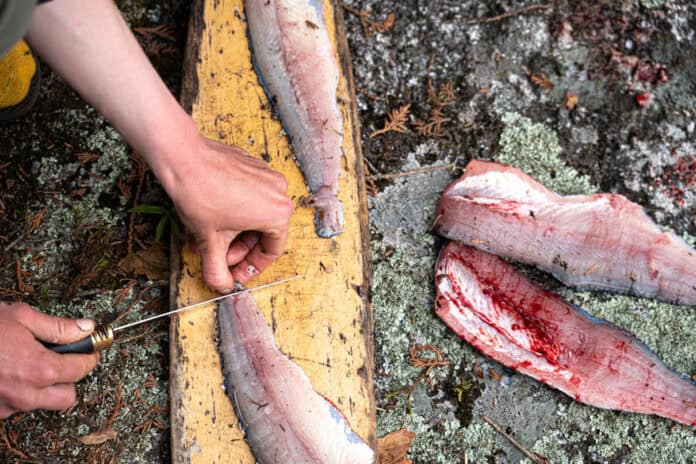
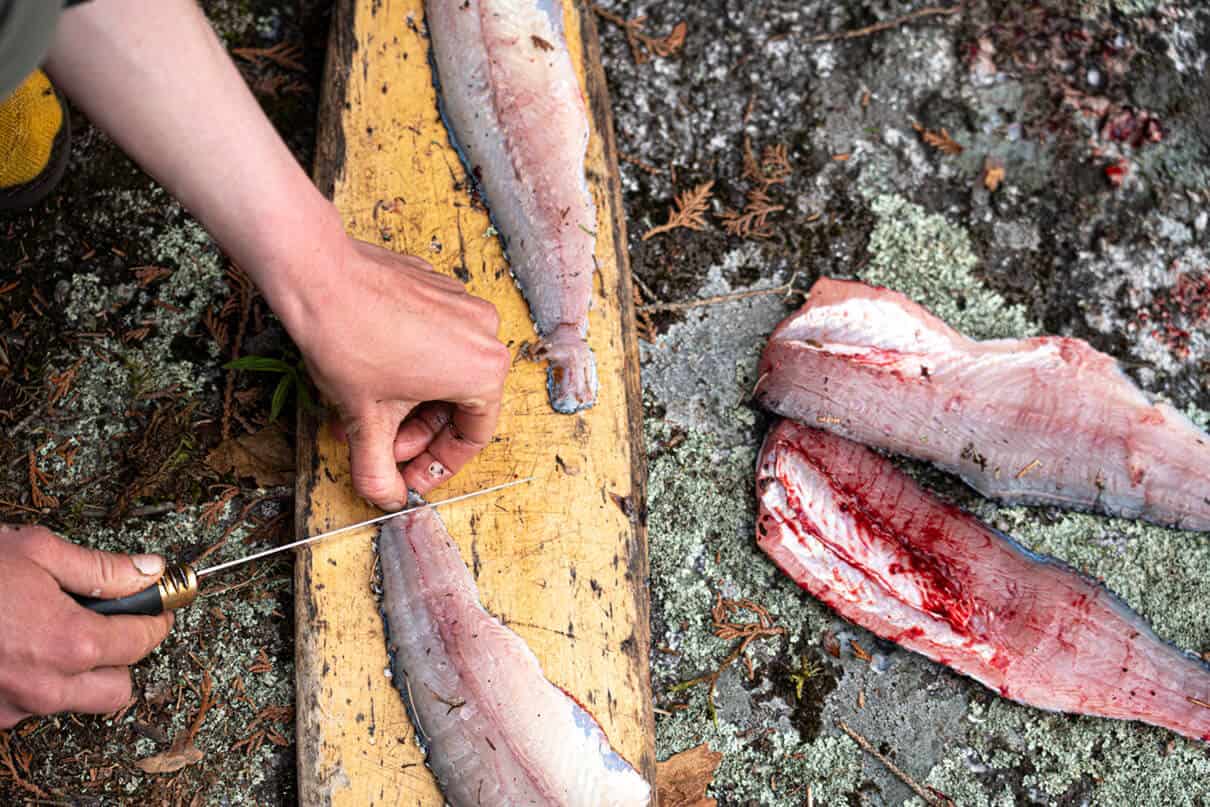
 This article was published in Issue 73 of Paddling Magazine.

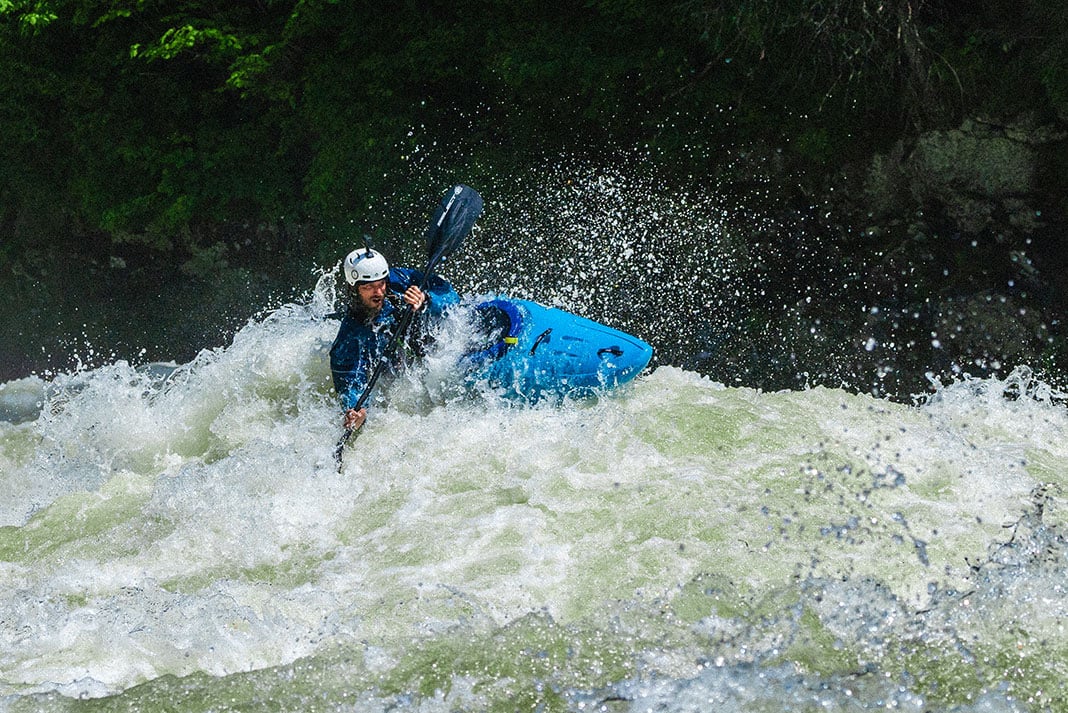
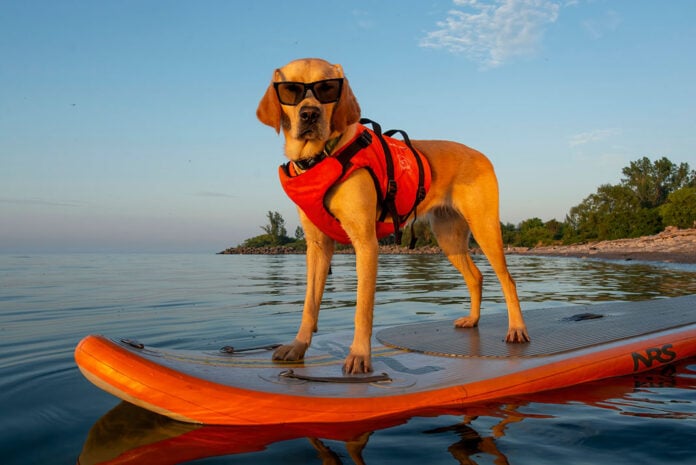
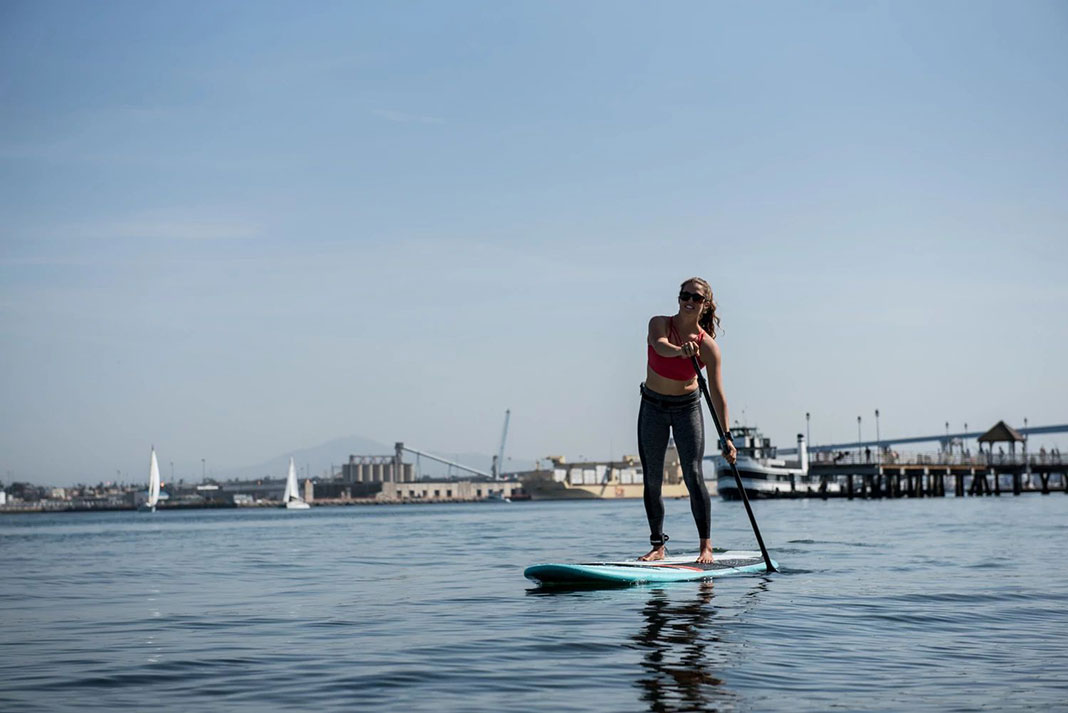
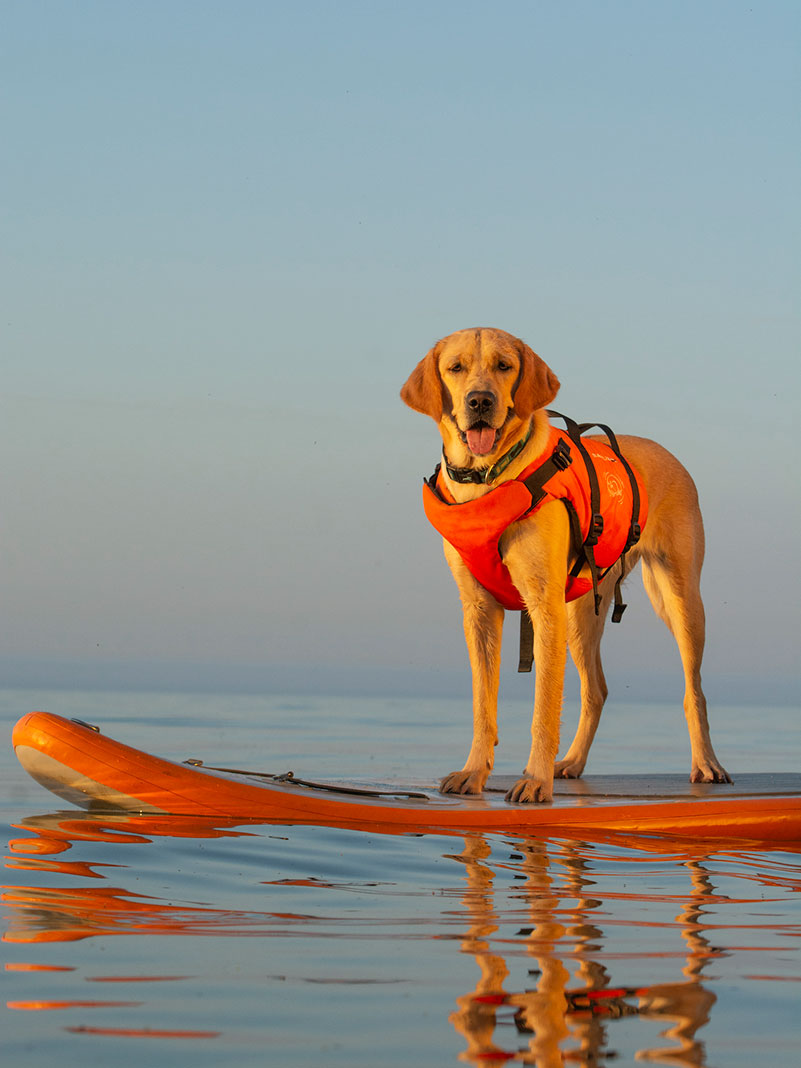
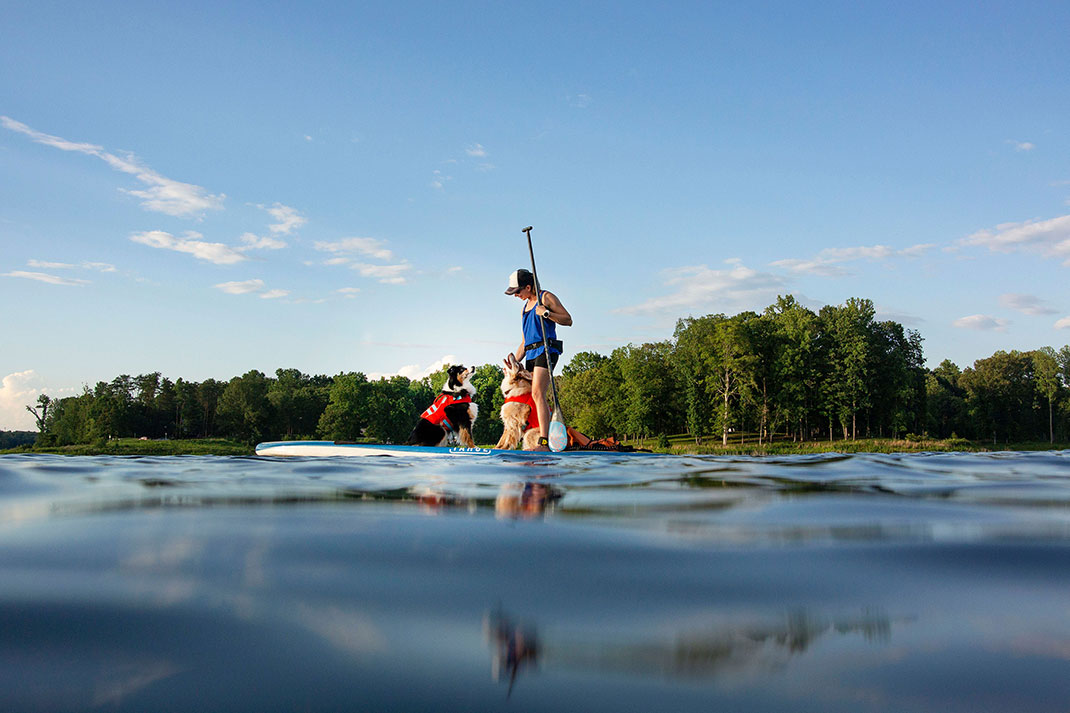
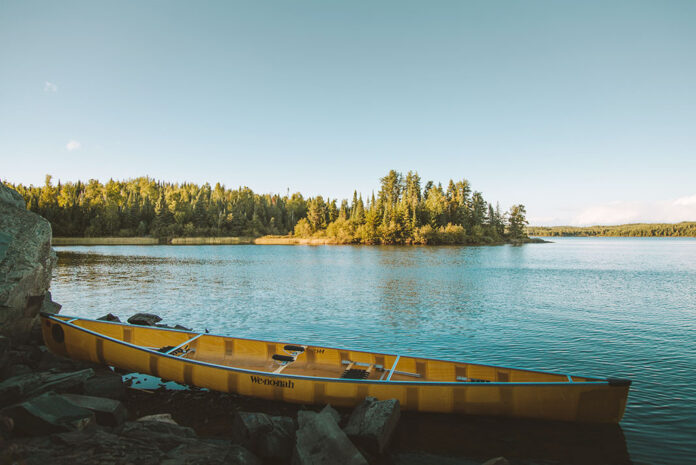
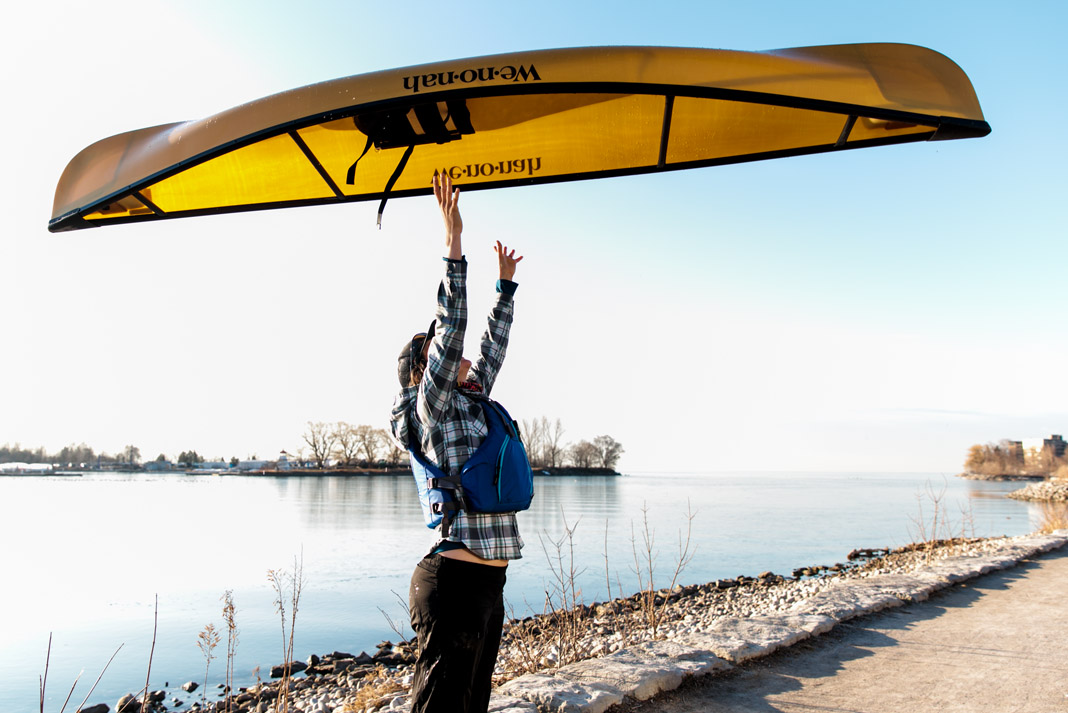
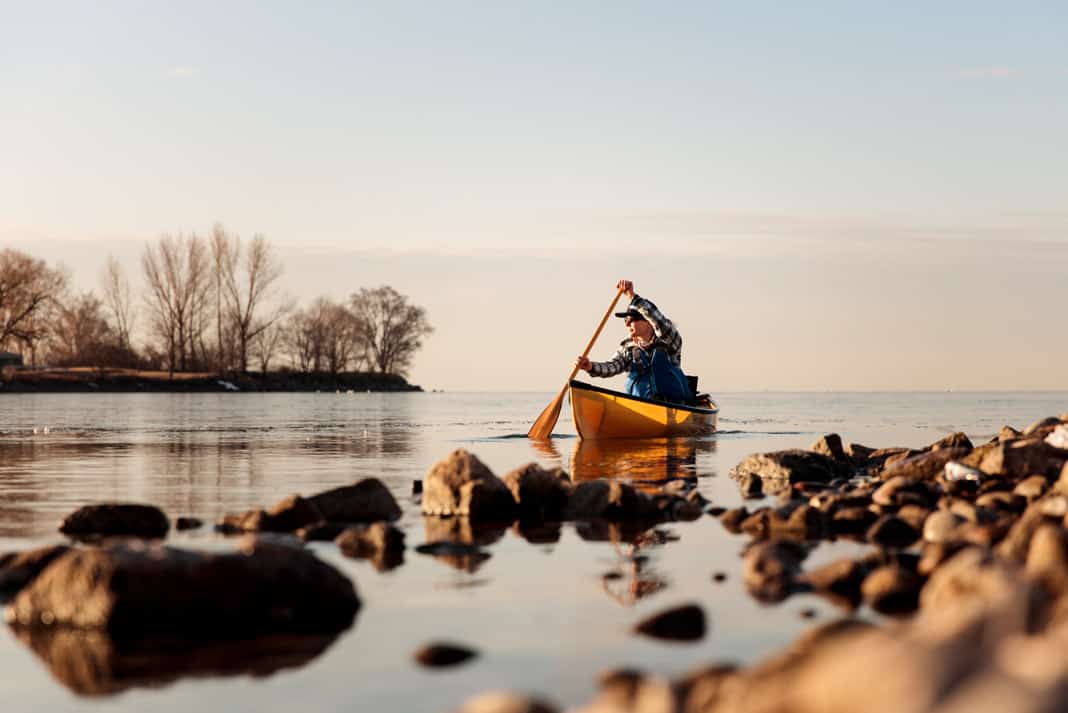
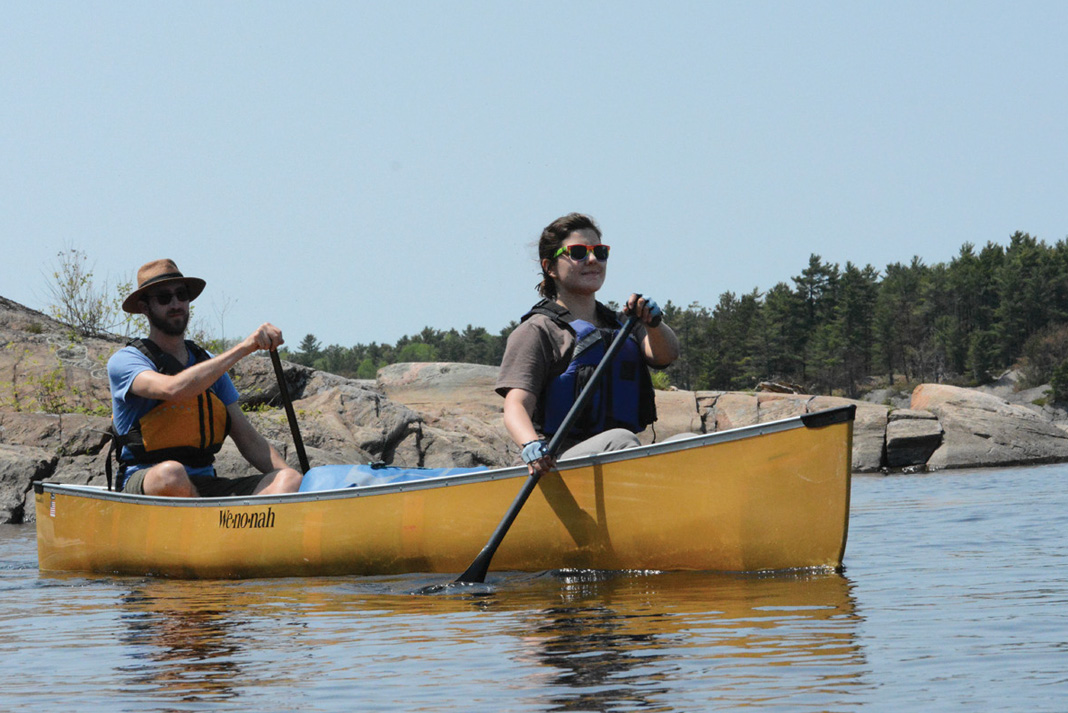
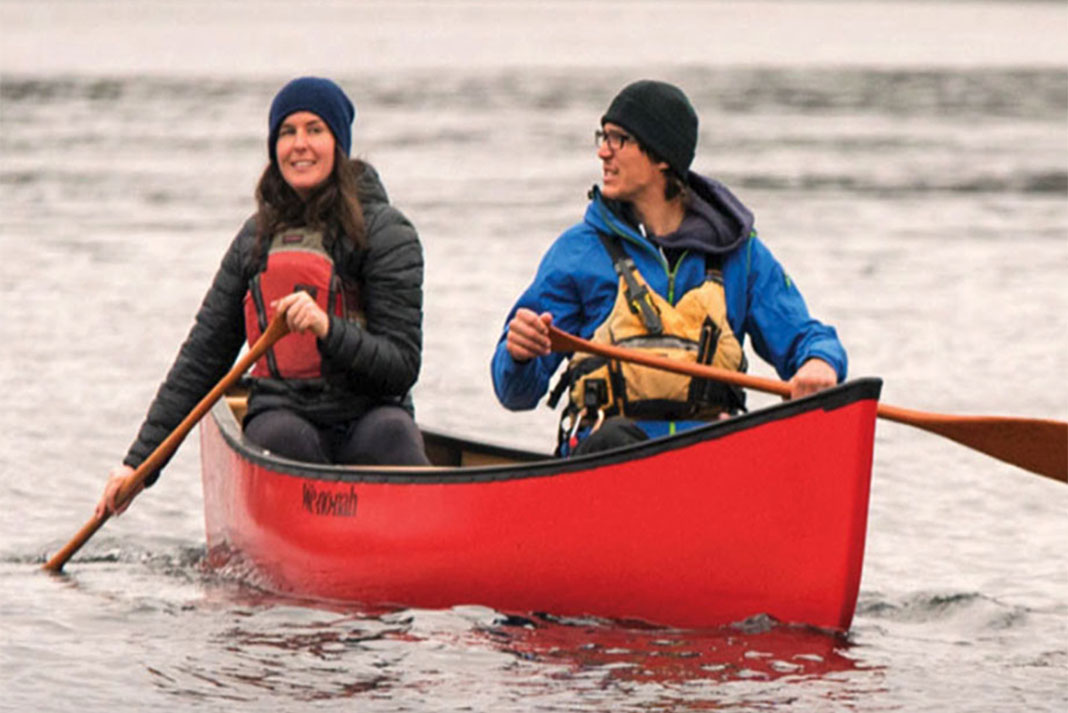
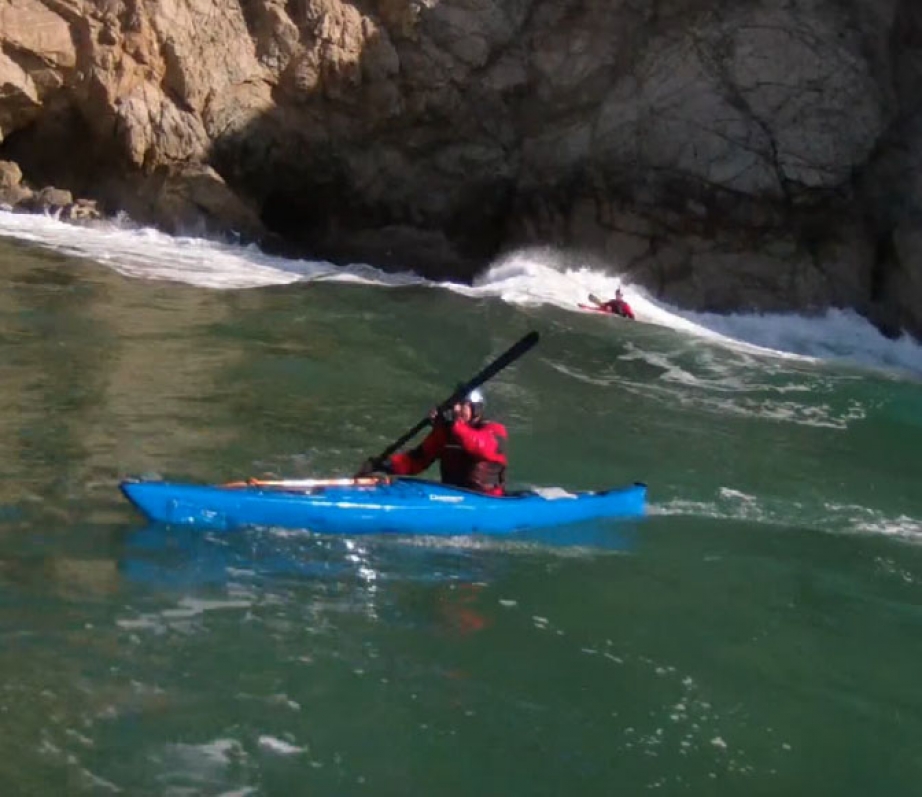
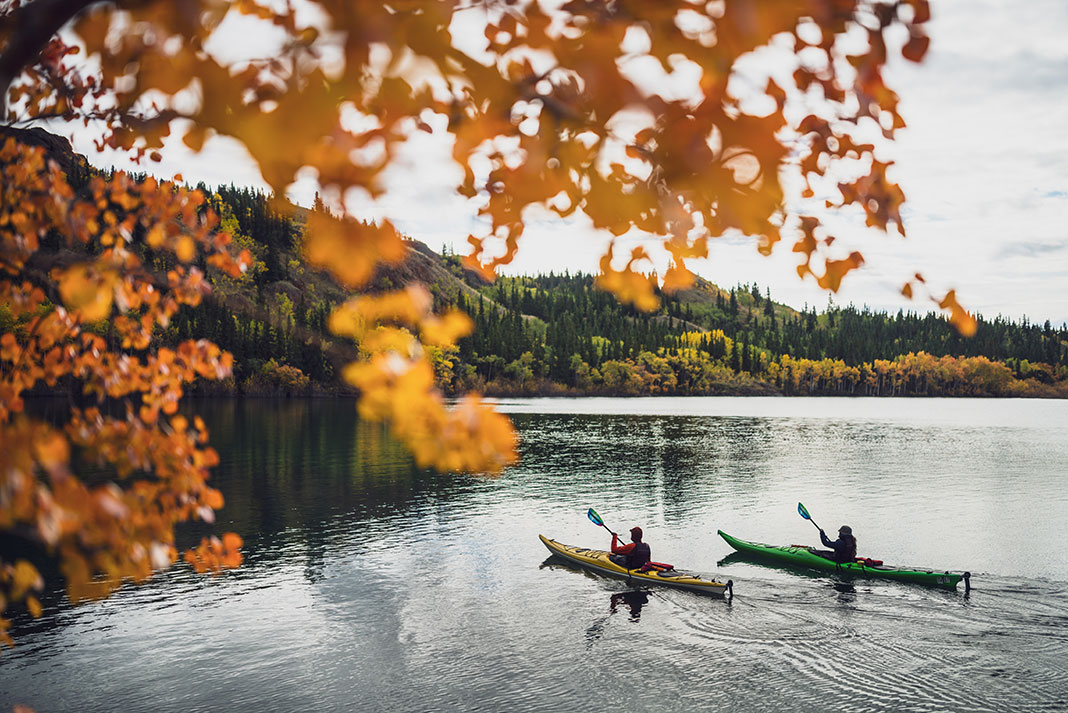



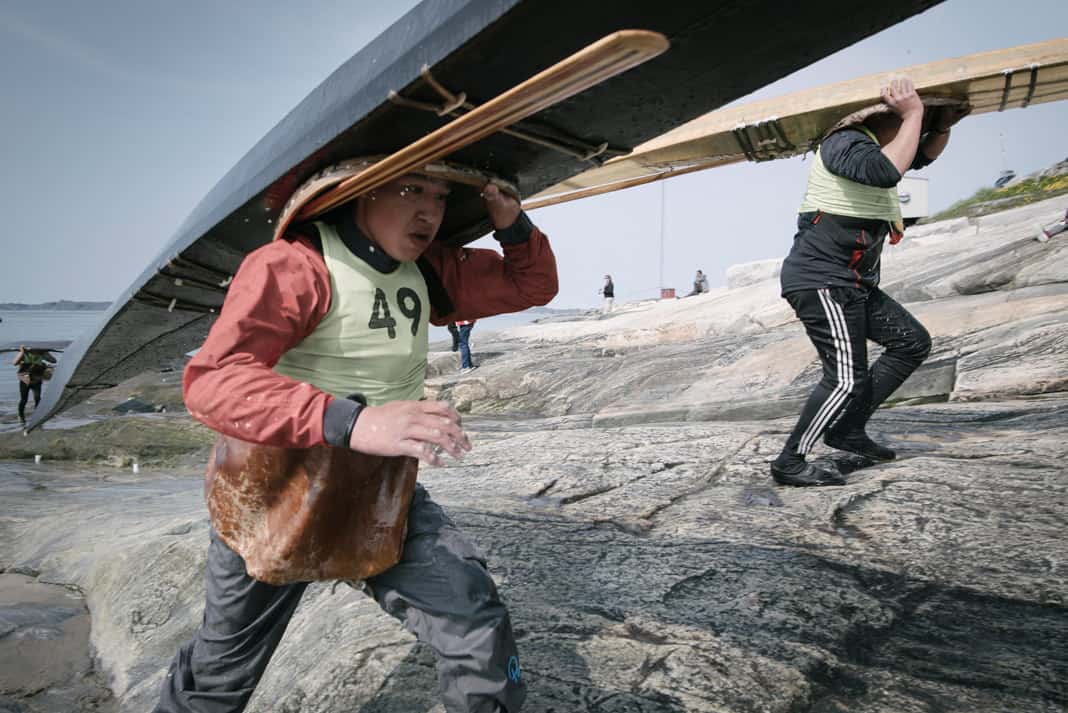
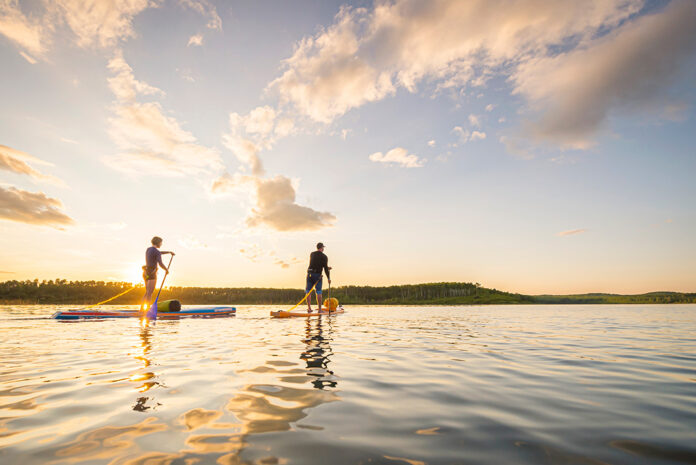
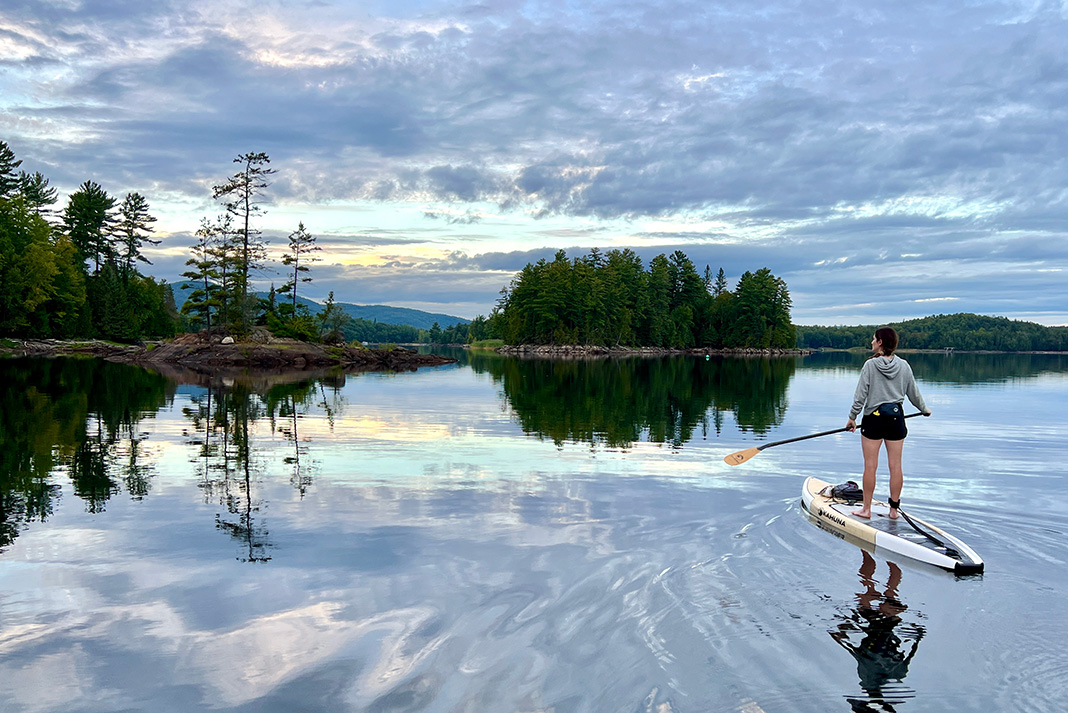
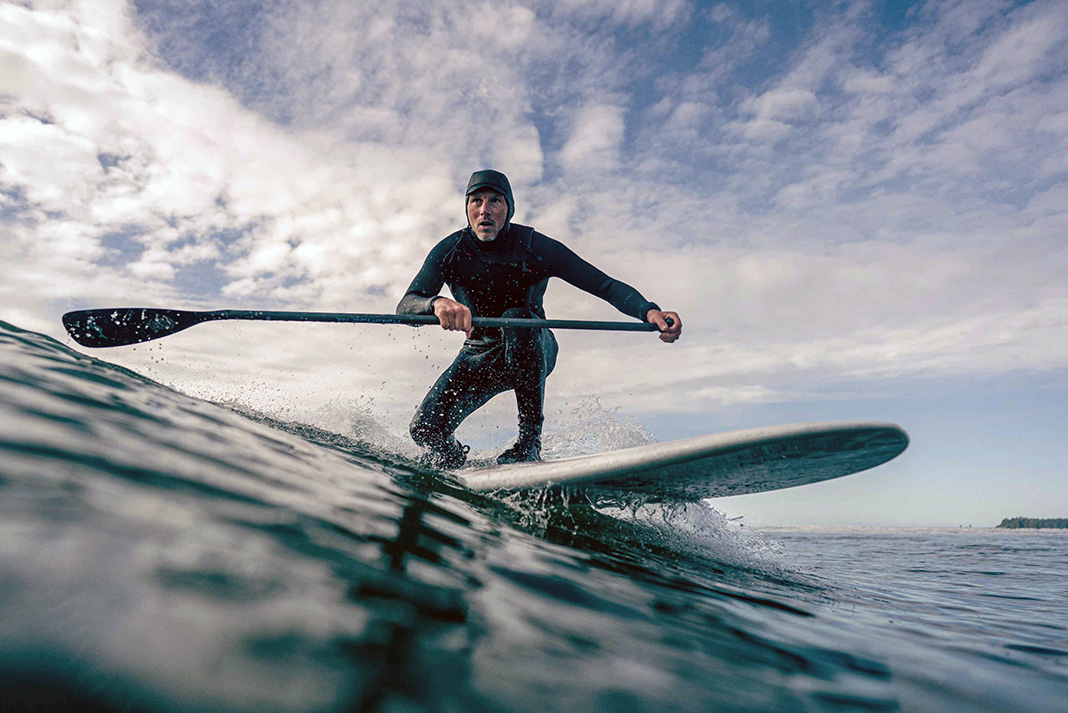
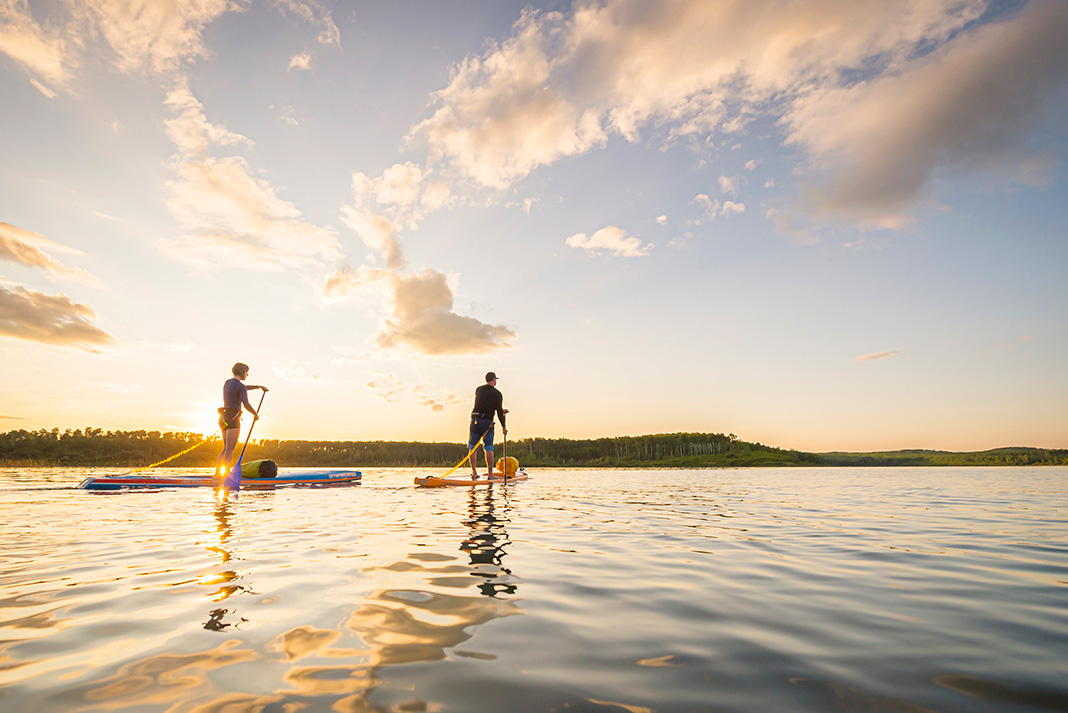
 This article was first published in the 2023 Paddling Buyer’s Guide.