Home Blog Page 188

Cannabis Canoeing: Weed Comes To Guided Wilderness Trips

a grinder filled with cannabis and small characters camping
Cannabis + Campouts + ??? = Profit! As Canadians smoke, eat and otherwise consume $4 billion in cannabis products in 2019, marijuana tourism of all kinds is predicted to drift into a campground near you. Photo: Colin Field

Picture this. A luxury guided trip. Ultralight canoes. Six-inch-thick air mattresses. Pan-seared steaks prepared over the fire at night. Chocolate fondue drizzled over fresh fruit for dessert. A friendly guide offering you the choice between a pinot noir and a cabernet sauvignon. All set under the backdrop of hanging boughs in a remote, spruce forest. Sounds a bit like paradise.

Now can you imagine the same scene, but instead of offering wine, your friendly guide offers up some cannabis?

That’s exactly what some new start-ups are proposing to do this summer. Thanks to legalization in October of 2018, Canada’s cannabis business is booming. Canadians are slated to spend $4.3 billion on cannabis sales in 2019, according to Deloitte, and that’s said to be just the tip of the iceberg. With experiential tourism continuing to be the hottest niche in travel, experts are predicting cannabis tourism to be Canada’s next high.

a grinder filled with cannabis and small characters camping
Cannabis + Campouts + ??? = Profit! As Canadians smoke, eat and otherwise consume $4 billion in cannabis products in 2019, marijuana tourism of all kinds is predicted to drift into a campground near you. | Photo: Colin Field

South of the border, in states where weed is legal, tourists can seek out thriving bud and breakfasts, puff-and-paint classes, blaze-and-gaze art tours, weed-infused yoga classes, cannabis-friendly wellness spas and blossoming coffee shop scenes. Think of every activity tour operators have ever paired with wine or beer tastings—cycling, gourmet food, walking tours, and more—and imagine it with marijuana.

As Canada’s first summer with legal cannabis approaches, a handful of entrepreneurs are taking reefer madness to new heights, pairing cannabis’ new legal status with the most classic of Canadian pastimes—camping and canoeing.

New Green Economy

“Canoeing is quintessentially Canadian, and there is going to be an increase in tourism for cannabis—we’re trying to be ahead of the game,” says Jeremy Blair, owner of Ontario Cannabis Tour (OCT) (ontariocannabistour.ca). The company specializes in fully-guided, cannabis-infused backcountry canoe trips in Algonquin Provincial Park and on the class I to III Madawaska River. It starts running trips this summer.

OCT is a BYOB operation—bring your own bud. “Due to the regulations, we can’t purchase cannabis for clients, but we can make recommendations on strains based on desired effects,” says Blair.

Once clients arrive, OCT runs like any other full-service guided trip. Trips start at $550 for a long weekend, and include equipment, transport, food—some of it cannabis-infused—as well as three guides who are experienced with cannabis. Of those three guides, one acts as a cannabis guide—like a sommelier but with more plaid and marijuana—while the others remain sober for risk management purposes.

Blair anticipates a majority of this summer’s clients to arrive internationally, but he’s also getting interest locally from seniors attracted by the pain relief potential of cannabis, in addition to the full-service guiding.

[ View the largest selection of trips in the Paddling Trip Guide ]

“There’s a consumer out there looking for a more in-depth experience with cannabis and a lot of people who are curious first-time users. Either way, this is a safe space to explore,” he says. Blair is quick to agree with comparisons to alcohol—is what OCT offers different than luxury guided tours providing their clients with a glass of wine or a beer after a day of paddling? Is it much different than guided canoe trips touring the distilleries of Scotland by paddle?

“Of course, we’ve also seen what alcohol can do. You can enjoy yourself with a couple of beers, or you can be the drunken fools. We’re providing an opportunity to experience cannabis responsibly,” he says.

We view cannabis as an addition to the camp routine only

On any Canadian canoe trip, guided or not, cannabis can only be consumed off the water and canoeists cannot be on the water intoxicated. Toking up in a canoe could result in a $1,000 to $5,000 fine. A landmark decision last fall declared canoes subject to the Criminal Code of Canada’s impaired driving laws. The first case in Canadian history where a paddler has been charged with impaired operation of a vessel causing death is currently before courts.

“We view cannabis as an addition to the camp routine only,” says Blair, stressing that consumption only happens after the paddling day is done.

Spliffs And S’mores

Under Canada’s new laws, adults can carry 30 grams of cannabis—almost enough loose buds to fill a one-liter Nalgene—on domestic flights, in cars and, yes, in canoes, so long as the cannabis is stored and sealed. However, where it can be consumed varies by province, with some provinces treating it like alcohol and others treating it more like cigarettes.

Last fall, Parks Canada announced it would allow cannabis use at its campsites. “While Parks Canada campgrounds are public areas, the agency treats individual campsites as temporary domiciles for our visitors. For this reason, at Parks Canada campgrounds, consumption of cannabis will be permitted in campsites,” spokesperson Marie-Hélène Brisson wrote in an email to the CBC, likening its rules to those around alcohol.

However, she cautioned: “It is important to maintain environmental awareness and a clear mind when performing activities in Parks Canada’s places to help prevent accidents, incidents or injury.”

The warning is an understatement to some. Not everyone is stoked on the idea of legal cannabis entering the outdoor recreation sphere. In an article titled “Why it’s a Bad Idea to Get High in the Mountains,” posted last summer on British Columbia’s North Shore Rescue (NSR) blog, first responder Curtis Jones writes, “There is no safe way to experiment with drugs in the mountains… The combination of mind-altering drugs and being in the wilderness is a terrible and dangerous idea.”

The mountains are not the place to lose yourself in a drug-induced stupor

In response to impending legalization and the burgeoning canna-tourism scene, he wrote that SAR teams have enough trouble with unprepared hikers flocking to the mountains and regularly respond to calls for those who are well prepared, do everything right, are completely sober, and still get into trouble. “Being in the mountains is worthwhile, but it comes with significant risks, which can be reduced through fitness—including being clear-headed—and preparation,” he says. “When you’re high in the mountains—and I don’t mean elevation—you shift your position on the continuum between prepared hiker and candidate for rescue significantly towards the latter position.”

Jones goes on to cite recent intoxication-related incidents North Shore Rescue responded to, including a snowshoer who consumed edible marijuana, had a seizure and required intubation and ventilation; a hiker who consumed mushrooms and marijuana, and fell 60 meters into a ravine sustaining a serious head injury; and two young people who left a bar on Burnaby Mountain drunk, took a shortcut down the mountain and fell to their deaths.

“The mountains are not the place to lose yourself in a drug-induced stupor, nor are they a place to experiment and learn your tolerance. The reality we face is the wilderness is unforgiving, and it can take a long time for rescue crews to reach you, even if you are only a couple of kilometers up the trail,” Jones writes. “This is our plea to everyone to be responsible in the mountains, and leave the weed at home.”

There are high-profile stories confirming these fears—a highly publicized case in 2017 of four men getting stoned on Scafell Pike, England’s tallest peak at 3,100 feet, and rallying a mountain rescue with air support and ambulance to get them off the summit comes to mind. However, statistics on the effect legal cannabis has had on search and rescue operations are hard to find. So Paddling Magazine contacted four search and rescue organizations in the outdoor recreation mecca of Colorado, the first state to legalize cannabis five years ago. Colorado now hosts millions of cannabis tourists on weedcations every year and credits a quarter of its tourism to legal cannabis.

“We have not noticed any uptick in search and rescue mission counts or incident type trending that can be related to recreational marijuana use,” says Patrick Caulfield, commander of Fremont Search and Rescue, located a few hours south of the mile-high city, Denver. He adds drug-related SAR activities in Fremont are rare.

“The biggest challenges currently for the SAR community are the increasing number of people getting out there, social media-based versus experience-based expectations of a backcountry adventure, and inadvertent non-emergency activation of personal locator beacons,” he says. “All result in an increasing number of missions for our non-paid professional SAR teams here in Colorado.”

Cannabis And Canoe Culture

Recreational marijuana use is currently legal in Colorado, Alaska, Washington, California, Nevada, Oregon, Maine, Vermont and Massachusetts. Another 22 states are pursuing some form of cannabis decriminalization or legalization. And while the cannabis tourism industry flourishes in some states, outdoor recreation within it remains a small niche.

“A lot of cannabis tourism in the U.S. focuses on immersing cannabis in party-style tours. I see an opportunity in Canada to get away from that, and more into education and sightseeing opportunities,” says Tristan Slade, owner of Vancouver-based High Definition Tours (highdefinitiontours.com) and a founding member of the National Association of Cannabis Tourism (NACT). “The goal is to combine Canadian culture and cannabis culture in a fun and legal environment.”

Many cannabis strains are complementary to physical activity

Matt Cronin, founder of Canada High Tours (www.canadahightours.com), provider of more than two dozen cannabis-infused experiences, expects growth to be slow but steady. “Alberta is ahead of the curve in terms of instant access to legal dispensaries. Coupled with their amazing parks and lakes, we believe Alberta will be the go-to province for combining all that’s great about Canadian and cannabis culture, especially when we look at outdoor activities—kayaking, hiking and camping.”

Slade is quick to note the risk factors many outdoor recreation activities present aren’t compatible with any level of intoxication and indicates cannabis should be consumed back at camp or after activity has concluded.

But not everyone agrees. “Many cannabis strains are complementary to physical activity,” Cronin insists. “And equally, just like you may have a beer or two after a long hike or a two-hour paddle, you may well want to sit back, relax and have a nice mellow joint or two instead.”

Cronin’s clients are diverse—from 20 to 60 years old, and from Canada, the U.S. and Europe. In addition to the Maligne Lake Paddle and Puff Experience (two hours, $95) which takes place in Jasper National Park, Canada High Tours offers a Stoned Stampede Experience—which is a visit to the Calgary Stampede—and a Moose and Mashed Experience—a wildlife viewing opportunity—plus more typical fare appealing to the average canna-curious tourist. It’s this type of tour—low commitment, half-day trips with less risk and investment than a backcountry-style tour—that have gained a foothold in the U.S.

NACT’s Slade is quick to note stigma is a barrier for the emerging market, both in terms of attracting new customers, but also in reticence from owners of already established tourism operations to experiment.

Black Feather, a Canadian guiding company with 30 years of experience leading remote paddling trips all over Canada, has no plans to welcome cannabis on trips, according to lead guide Steve Ruskay.

“The spirit of our policy remains the same,” he says. “No one—guide or guest—shall consume any substance that causes impairment before or during any wilderness activity. On certain trips in high-risk environments, no consumption is permitted at all.”

Ruskay adds there’s not enough evidence to determine to what extent, and for what duration, impairment from cannabis will cause, and therefore guides are not to permitted to consume cannabis while in the field. Alcohol consumption for guides is also limited to certain trips, small amounts, and after all activity has concluded. Similarly, Paddle Canada’s policy extends to any inhibitors of judgement, “so even though it was written pre-cannabis legalization, we didn’t feel a need to update it,” says executive director Graham Ketcheson. Paddle Canada members may not consume alcohol, cannabis or other drugs on the water, and there must be eight hours between consumption and paddling. “This is a safety policy for Paddle Canada instructors and for participants taking training, to make sure all are coherent and able of mind and body,” adds Ketcheson.

The risks can’t be ignored, but nor can the fact Canada’s cannabis-tourism industry is about to spark. Mixing weed and wilderness legally has only just begun and integrating cannabis into Canadian experiences—whether city tours, tastings, wellness experiences or backcountry campfires—is already in full swing. It’s something the entire outdoor community will have to reckon with. Regardless of the controversy, pot-loving adventurers, tourists and entrepreneurs will be enjoying Canada’s green rush and blazing new trails this summer, legally for the first time.

Kaydi Pyette is the editor of Paddling Magazine. Of the more than 40 slang names for cannabis she came across while writing this article, her favorite was the wacky asparagus.

Cannabis + Campouts + ??? = Profit! As Canadians smoke, eat and otherwise consume $4 billion in cannabis products in 2019, marijuana tourism of all kinds is predicted to drift into a campground near you. Feature Photo: Colin Field

Best Throw and Tow Bags

Discover some of the year’s best throw and tow bags from Kokatat, Level Six and Salus Marine. Throwbags are some of the most important safety items for whitewater paddlers. Here’s Paddling Magazine’s top five favorite throw and tow bags for 2020.

The Best Whitewater Safety Gear in 2020

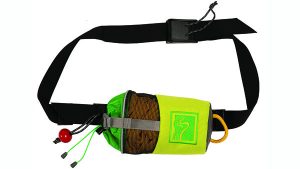
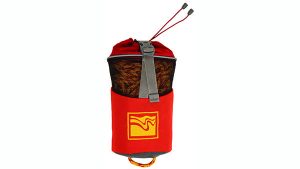
Huck 50′ Throw Bag with Belt by Kokatat 

Price: $79
kokatat.com

For paddlers who place a premium on being prepared, this compact throw bag comes with 50 feet of quarter-inch floating polyethylene core rope (max strength 1,465 pounds). It has a fully adjustable quick-release nylon belt and can be worn on the waist or lap. Easy to stuff after each use, the bag fits flat against the body, has a quick-drying mesh top, foam side panels for flotation and reflective piping.

[ See more products from Kokatat ]

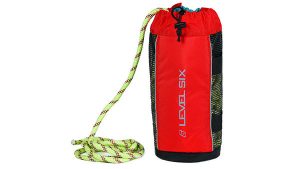
Quick Throw Pro from Level Six

Price: $120
levelsix.com

The Quick Throw Pro features 65 feet of 3/8” static dyneema rope with a new glow in the dark sheath. Its new easy re-stuff system means you can pack the bag faster and easier than ever before. High-visibility reflective piping and screens, mesh drainage panels, a 600-denier durable nylon bag and belt loops to pair with a new quick-release throw bag belt creating the ultimate rescue system available.

[ See more products from Level Six]

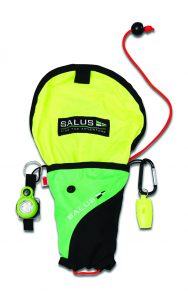
Amigo Throw Bag from Salus Marine

Price: $49
salusmarine.com

This handy and compact side-worn throw bag clips easily to a belt pack inflatable. Comes equipped with 50 feet of paracord, a light and whistle. This throw bag provides all of the legal requirements for SUP and other small craft. Available in lime, red and pink colour.

[ See more products from Salus Marine]

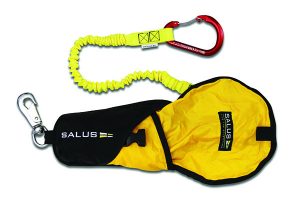
Sea Throw n’ Tow from Salus Marine

Price: $89
salusmarine.com

Ideal for sea kayaking, the Sea Throw n’ Tow has the ability to set up multiple tow lengths and contains 15 meters of polypropylene line with a spectra core for reduced resistance while dragging through the water in a tow scenario. A large high-visibility bib allows for easy throwing in a rescue scenario or to other sea kayakers. Bungee cord is removable to absorb wave shock.

[ See more products from Salus Marine]

Huck 70′ Throw Bag from Kokatat

Price: $169
kokatat.com

Ideal for kayak touring, the Salus Ungava is a unisex-style vest with all of Salus’ trademark features, including soft foam, round edges and contour fit. Additional features, including hand-warmer pockets, the ability to attach a quick-release belt, zippered security pocket, mesh drop-down pocket for quick access, five lash points and added reflective trim, make the Ungava a welcome companion on any water adventure.

[ See more products from Kokatat ]

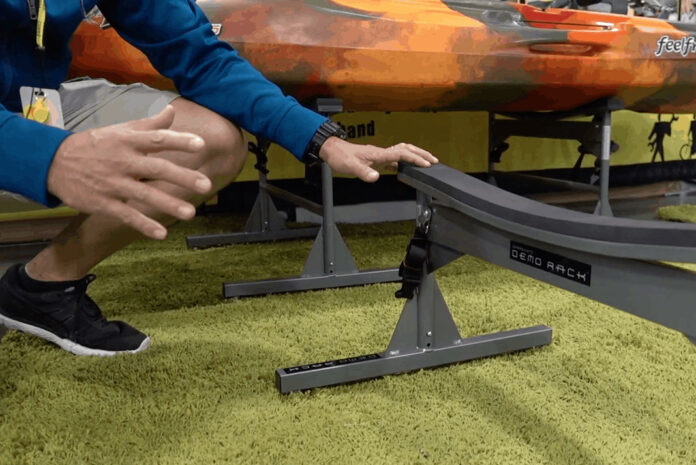
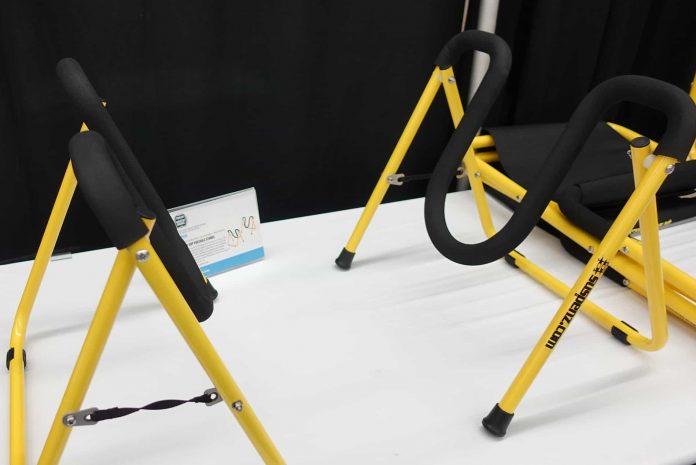
Sparehand Demo Rack

Sparehand Demo Rack

The new Demo Rack is an original innovation from Sparehand. Aimed at retailers, the Demo Rack is ideal for showcasing pedal drive kayaks, allowing customers to test out a kayak’s configuration and pedal to their heart’s content without having to hit the water.

“The Demo Racks elevates the kayak to clear the drive system, and allows for easy paddler on and off,” says Spearhand rep Mike Tsou. Sparehand president Dennis Wang was on hand to show how easy and stable it is to get on and off a kayak when resting on the demo unit.

[See more transport, storage and launching.]

Made of high tensile steel, the Demo Rack comes in two sizes. The shorter option lifts the kayak 14 inches off the ground while the taller unit lifts the kayak 17 inches off the ground. The Demo Rack is rated for 410 pounds.

The Demo Rack can also be used for showcasing canoes. It’s also a perfect storage rack for home use as well.

The Demo Rack’s curved features and safety straps help center and stabilize larger boats.

“This portable rack improves the retailer experience by allowing customers to test boats in-store,” summarizes Tsou. MSRP is $299–$369.


Ugo Dry Packs Keep Your Electronics Safe

Anyone who spends much time around the water has lost a cell phone, keys, wallet or all three into the drink. To prevent further loss, Ugo Dry Packs are the toughest personal carriers on the water.

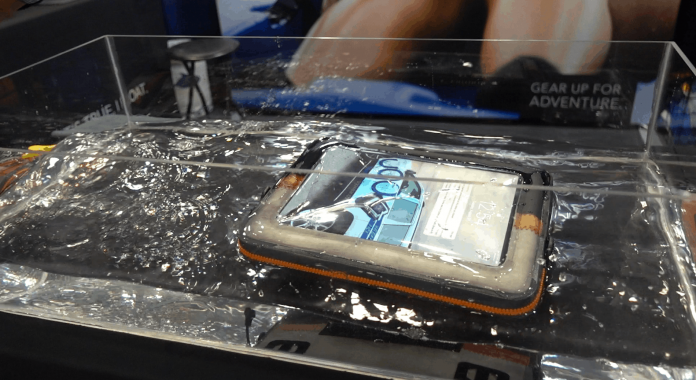
Starting with a high-quality, dry-suit zipper that’s approved for hazmat suits, Ugo seals out all water and seals in air. Not only is the Ugo air-tight, but it floats, too. The clear window allows paddlers to see and use their phone. Use the phone to film photos and video underwater. It even plays music with minimal sound dampening. The Ugo keeps electronics from overheating or freezing and it doesn’t collect condensation.

The case comes with a padded strap and D-rings to attach to a belt. After thousands of units sold, Ugo says they’ve never had a failure. In addition to holding electronics, the Ugo also has room for keys, wallet and other smalls. The dry pack comes in sizes for a cell phone, tablet or small computer. They’re working with Line Cutterz to develop a model for anglers.

To keep your electronics safe, rely on Ugo Dry Packs on the water and off.

Suspenz SUP Beach Cart and EZ-Fold SUP Stand
Suspenz EZ-Fold SUP Portable Stands

Standup paddleboards are a great grab-and-go option for water babies, but longer, wider and heavier boards still need some help getting to the launch.

Suspenz developed the Double Up SUP Beach Cart and EZ Fold SUP Portable Stands are a two-step solution to handling a big, heavy SUP. After removing the SUP from the roof racks or truck bed, set it horizontally on the portable stands to install a box fin or stick the board in the V-cradle keep the board from being damaged on the ground.

The EZ Fold stands work great for storage at home, too. Once the board is assembled and waxed up, set it in the Double-Up SUP Beach Cart with a padded cradle for two full-size SUPs. The balloon tires will traverse any terrain, moving two SUPs with two fingers on the padded handle. To maintain air pressure in the low-pressure tires, Suspenz includes a special air pump. Using the SUP Beach Cart and EZ Fold stand makes it easy to grab your SUP and go.

2019 Paddling Magazine Industry Awards: Winners Announced

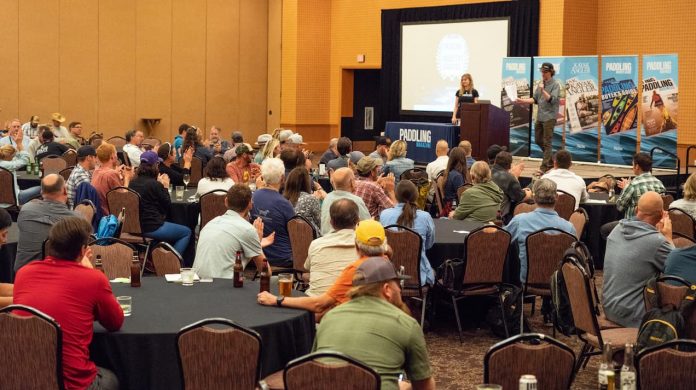
Industry Awards at Paddlesports Retailer 2019. | Photo: Alex Traynor

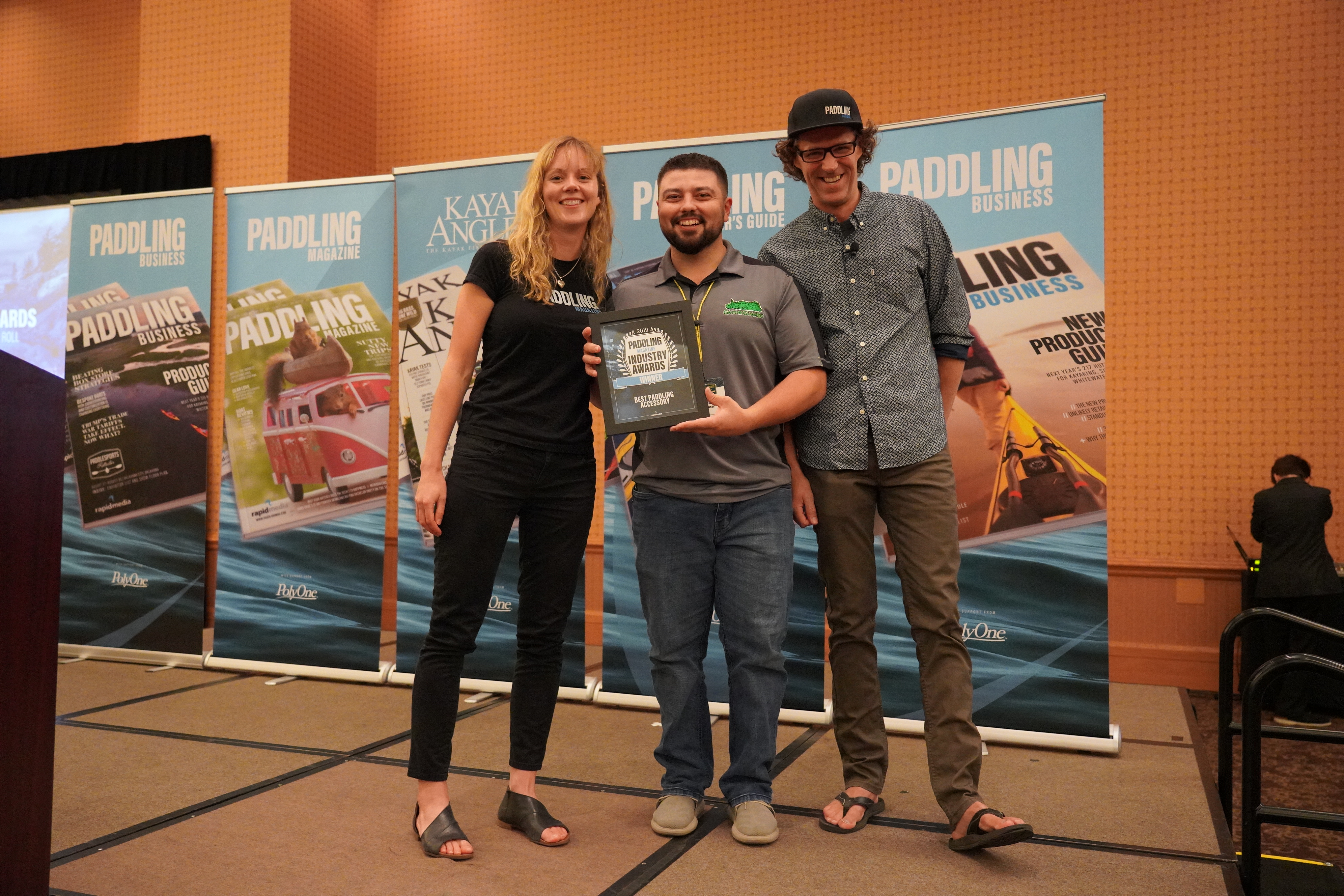
Oklahoma City, Oklahoma, August 28, 2019 // Paddlesports Retailer’s official media partner Rapid Media presented the second annual Paddling Magazine Industry Awards tonight at the Paddlesports Retailer Show and Paddlesports Industry Dinner.

The Paddling Magazine Industry Awards recognizes outstanding achievements in the development of new products introduced to the paddlesports market at the 2019 Paddlesports Retailer Show, which was attended by more than 120 exhibitors showing 200 brands, and 357 buyers.

“The Paddling Magazine Industry Awards embodies the paddlesports industry’s innovative and entrepreneurial spirit,” said emcee and Rapid Media founder and publisher Scott MacGregor, presenting the awards on stage at Oklahoma City’s 100,000 square-foot Cox Convention Center.

The winners were voted on from the 92 products featured in the New Product Showcase by Paddling Magazine. This show feature provides Paddlesports Retailer exhibitors with an outstanding opportunity to introduce new products to onsite and offsite retail buyers and editorial media. More than 22,262 votes were cast onsite and online at www.paddlingawards.com by retail buyers, consumers and media.

The award winners are as follows:

Paddling Magazine Product & Industry Awards

1. Best Touring/Recreational Kayak — Virgo by P&H Sea Kayaks

P&H Kayaks Virgo
P&H Sea Kayaks’ Virgo

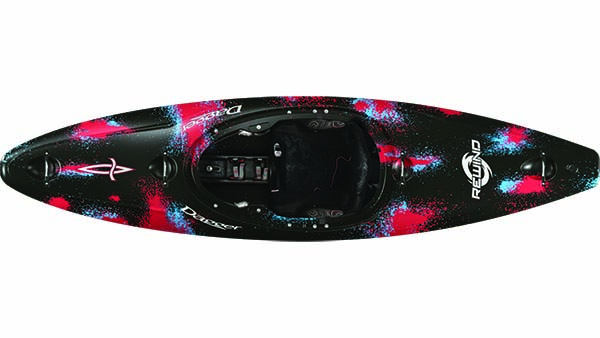
2. Best Whitewater Boat—Rewind by Dagger

Dagger Rewind Cosmos
Rewind by Dagger

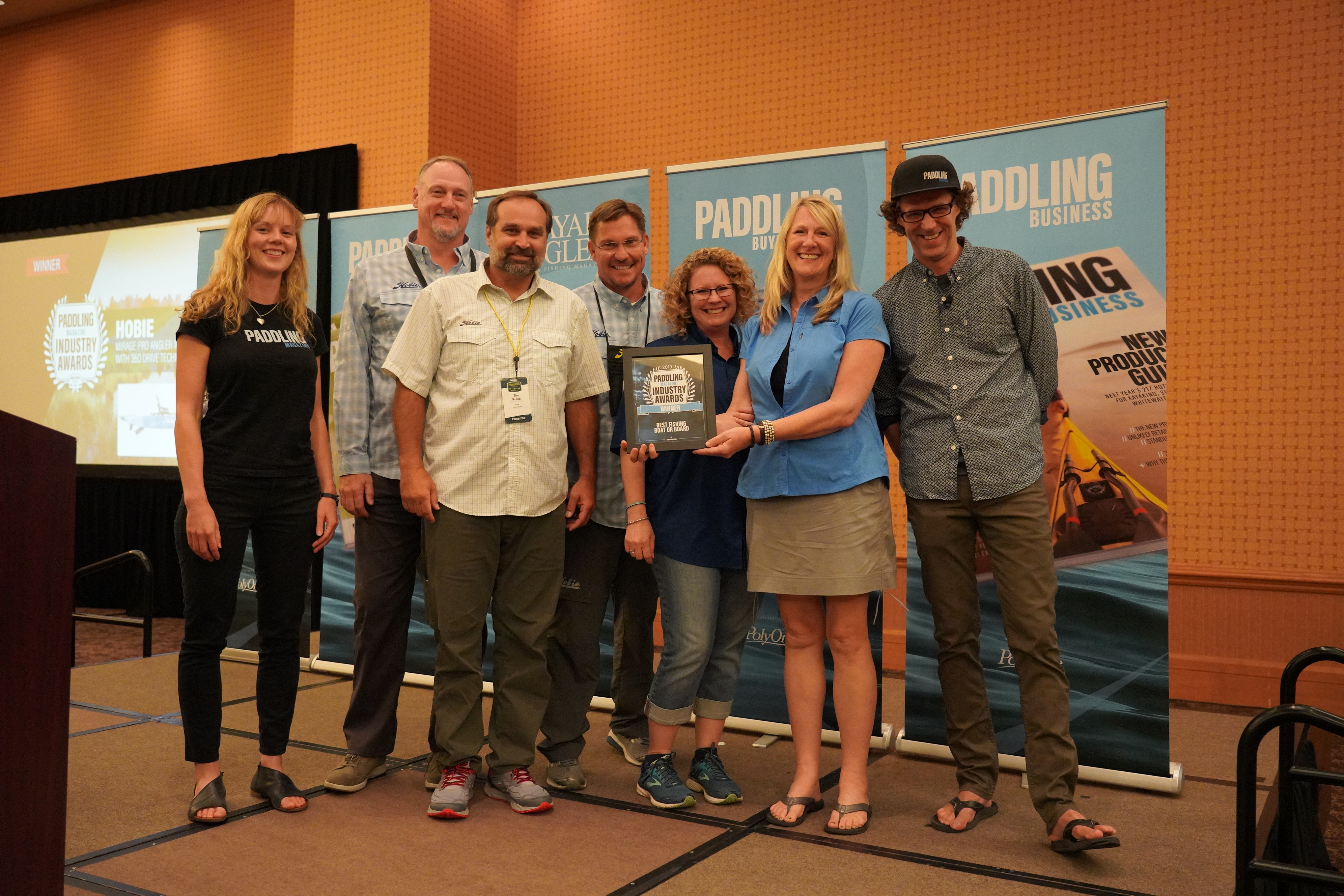
3. Best Fishing Boat and Board— Mirage Pro Angler 14 with 360 Drive Technology by Hobie

Hobie Pro Angler 14 with 360 Mirage Drive
Hobie Pro Angler 14 with 360 Drive Technology

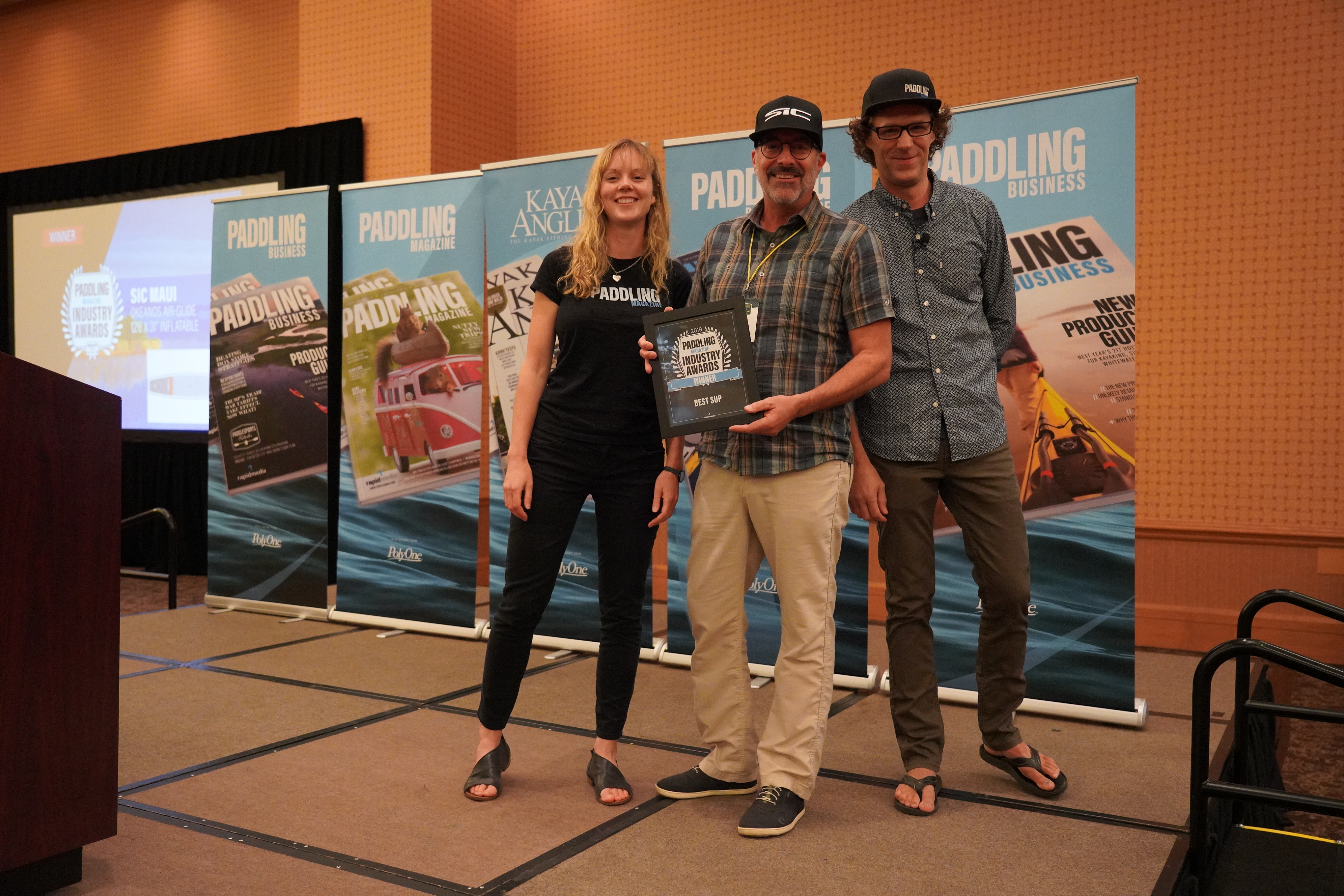
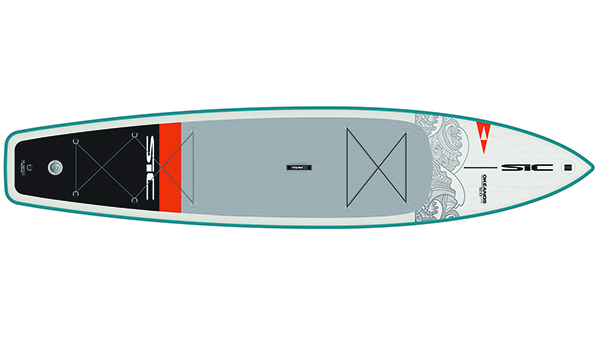
4. Best SUP—Okeanos Air-Glide 12’6″ x 31″ Inflatable by SIC Maui

SIC Maui AirGlide Okeanos

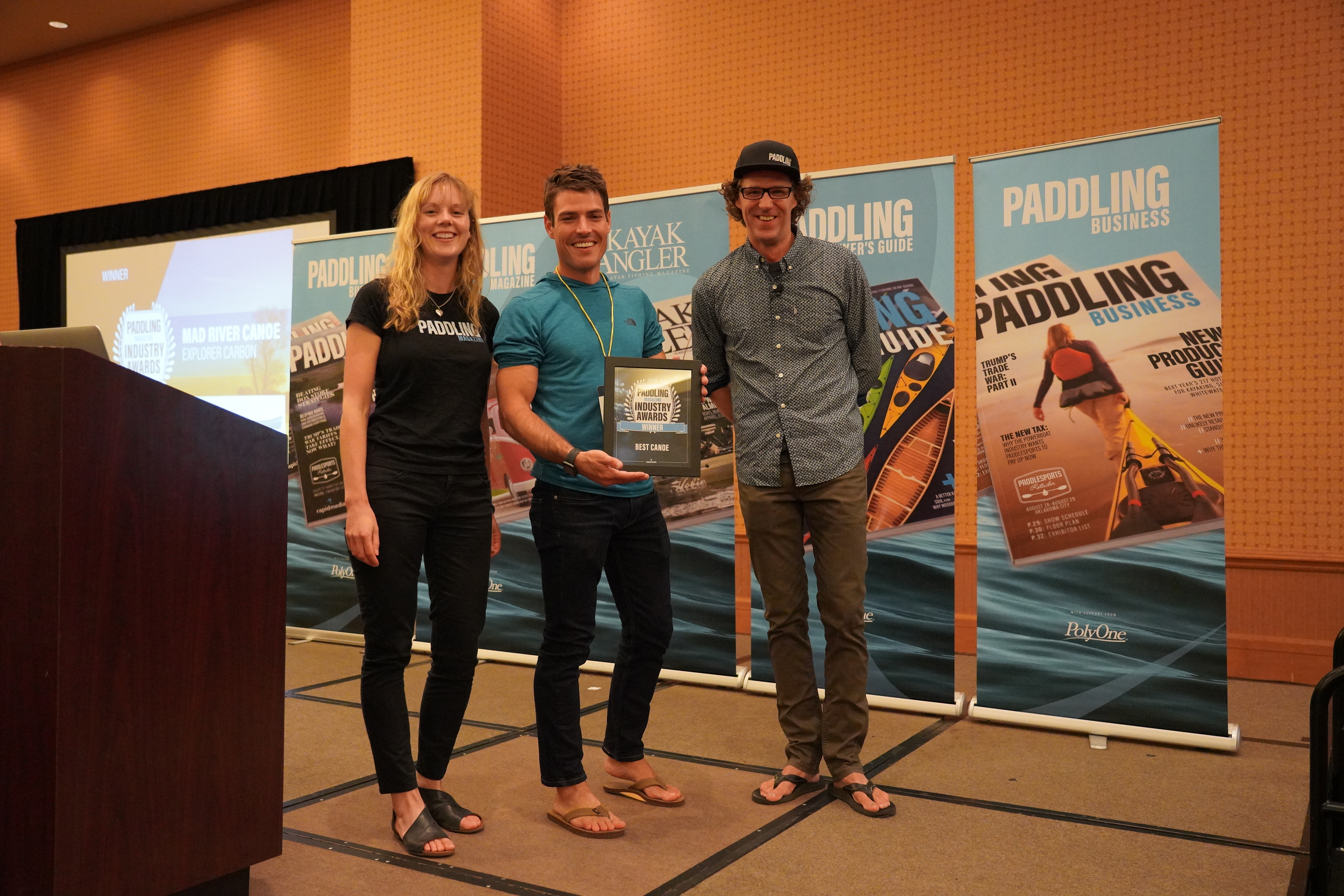
5. Best Canoe—Explorer Carbon by Mad River

Mad River Canoe Explorer Carbon
Explorer Carbon by Mad River Canoe

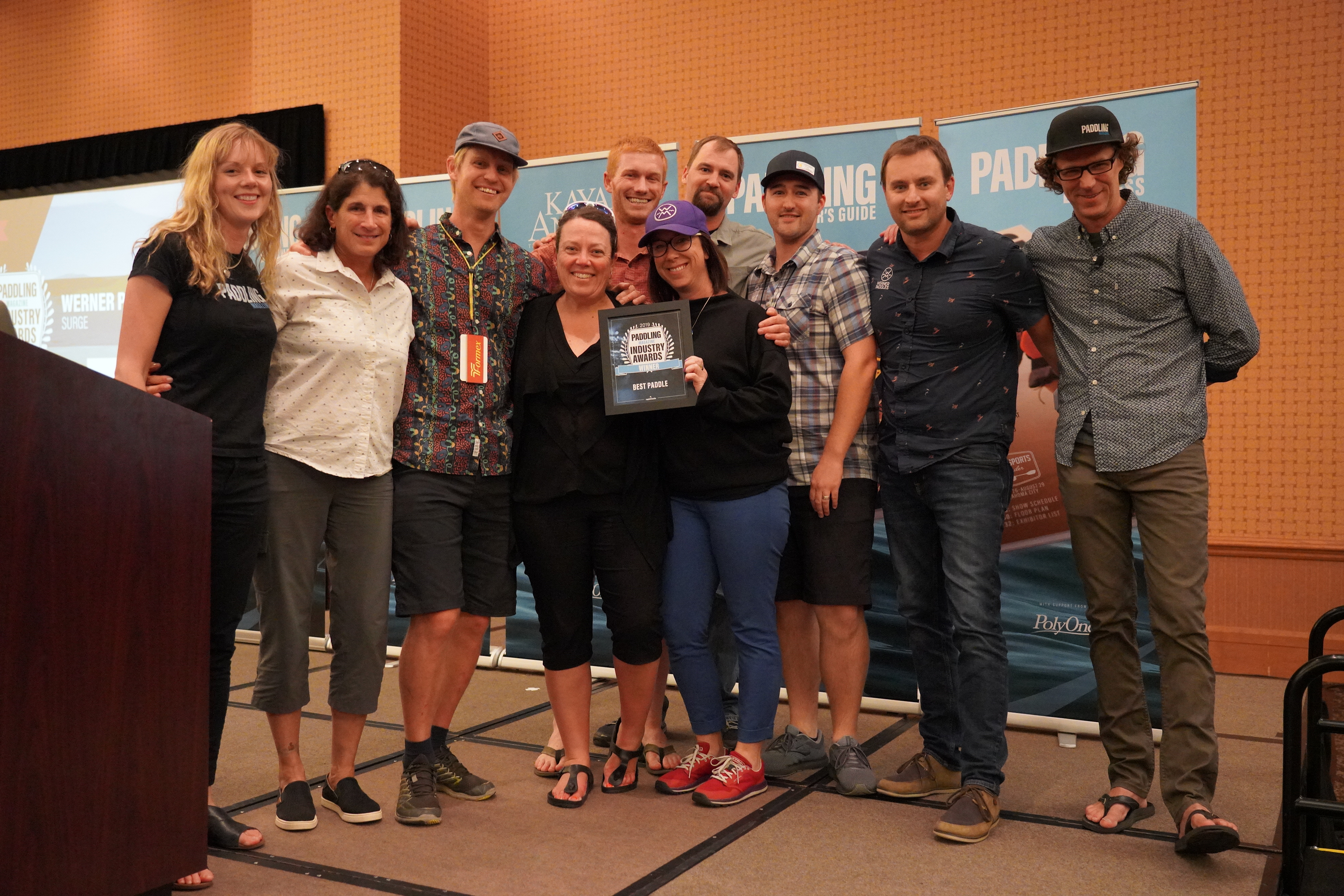
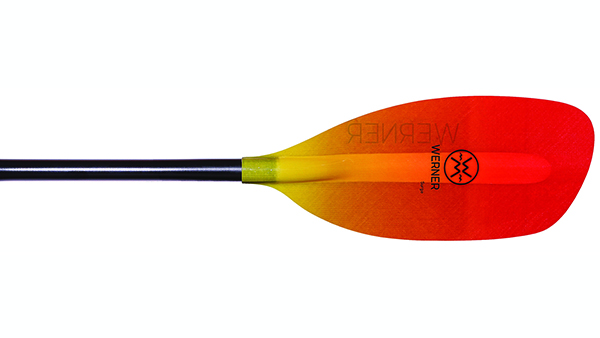
6. Best Paddle—Surge by Werner Paddles

Surge by Werner Paddles

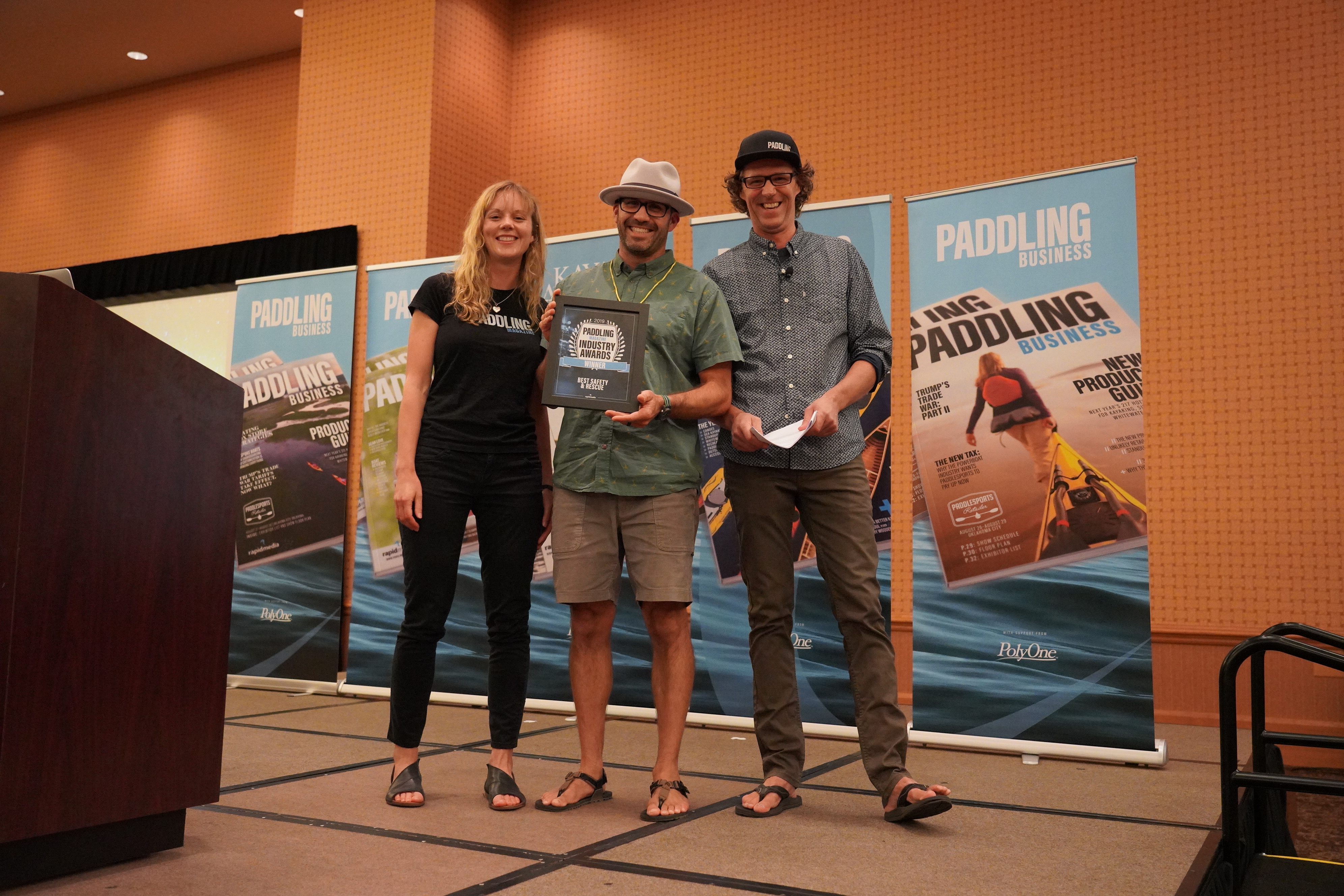
7. Best Safety & Rescue—Hustle R by Kokatat


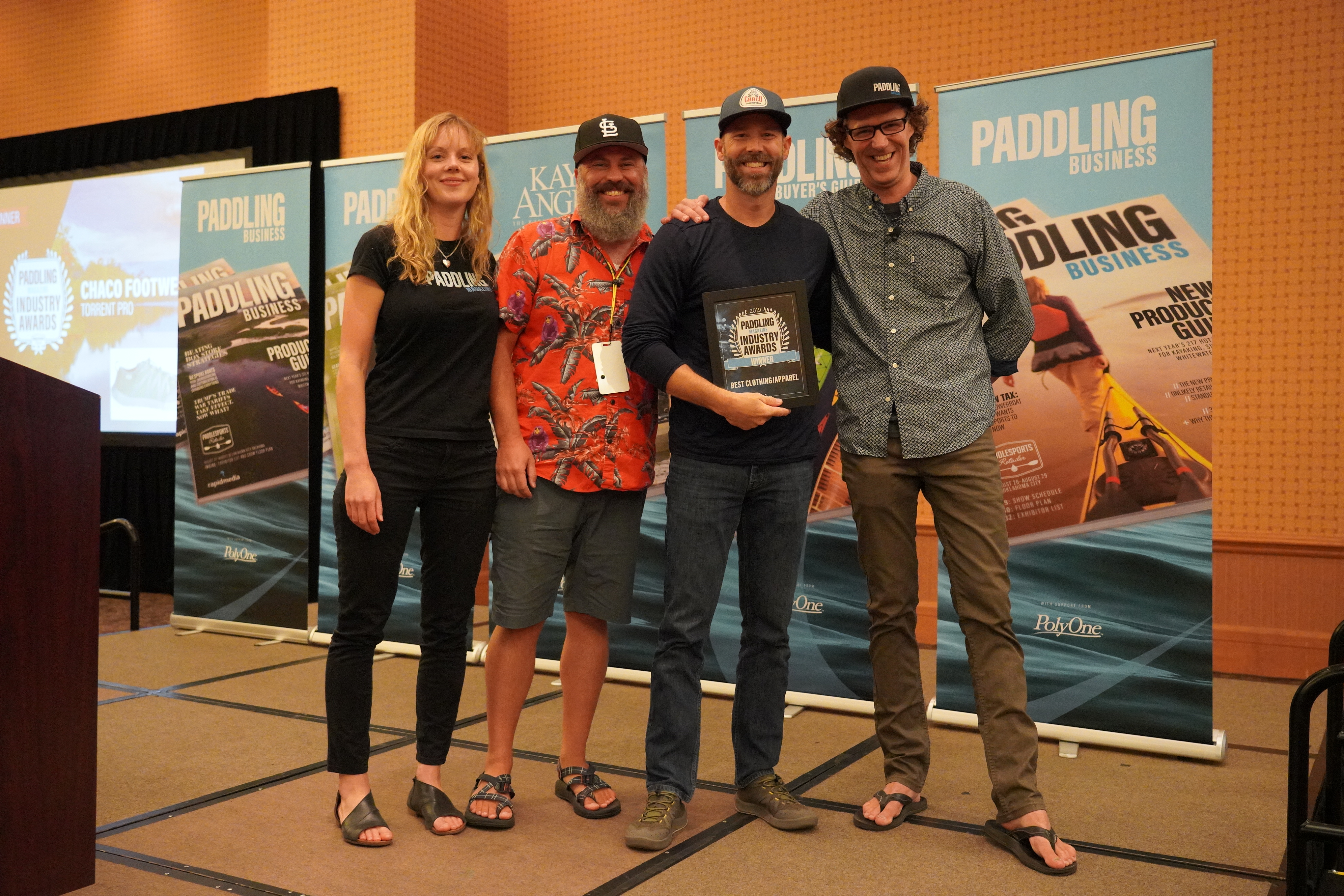
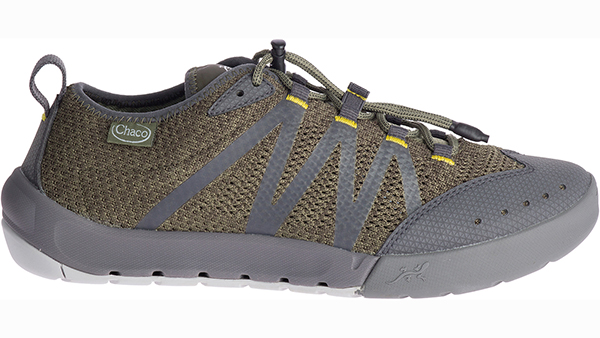
8. Best Clothing/Apparel—Torrent Pro by Chaco

Torrent Pro by Chaco

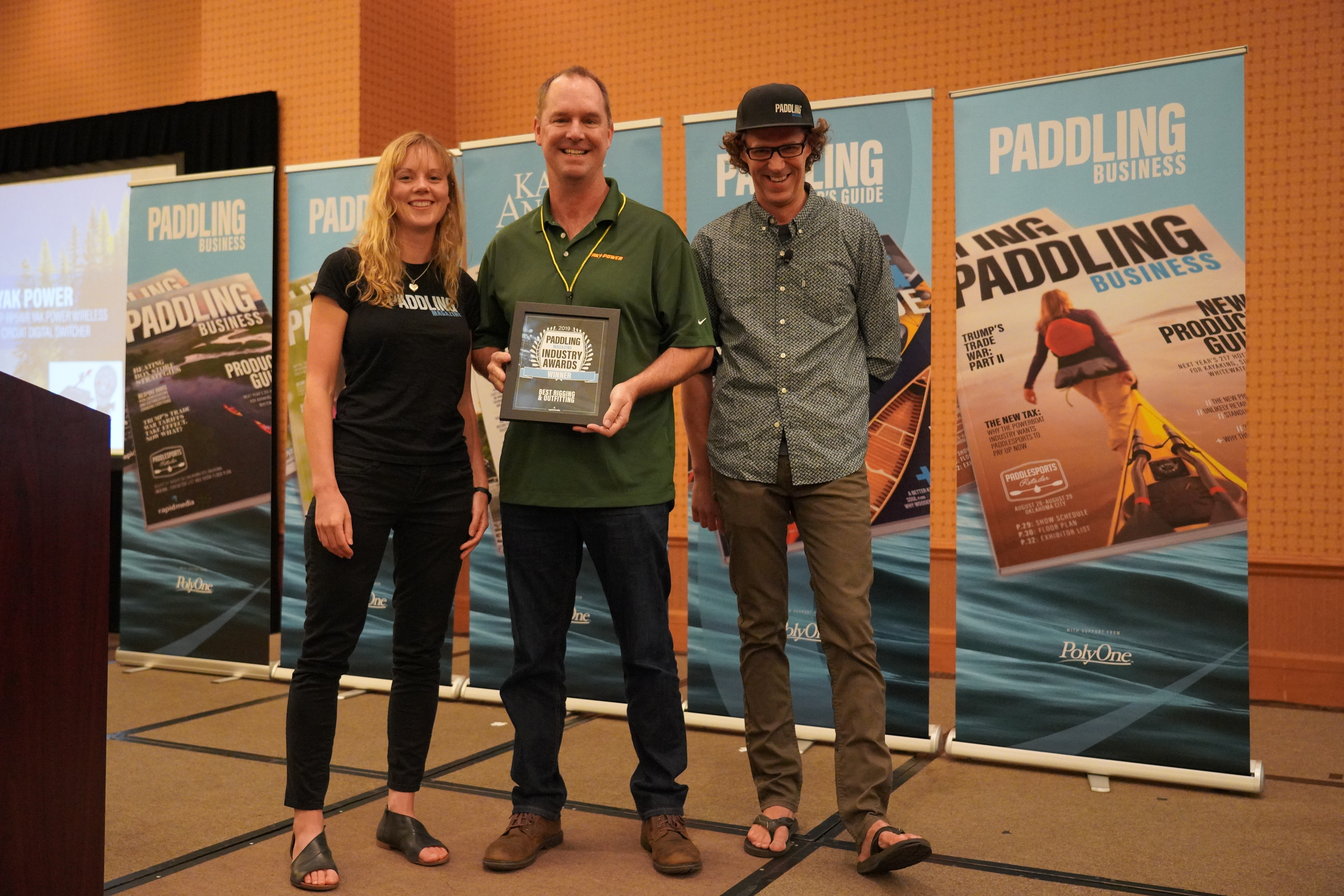
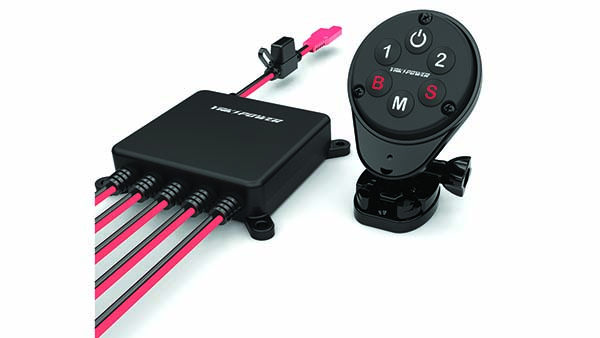
9. Best Rigging & Outfitting—5 Circuit Digital Switcher by Yak Power

5 Circuit Digital Switcher by Yak Power

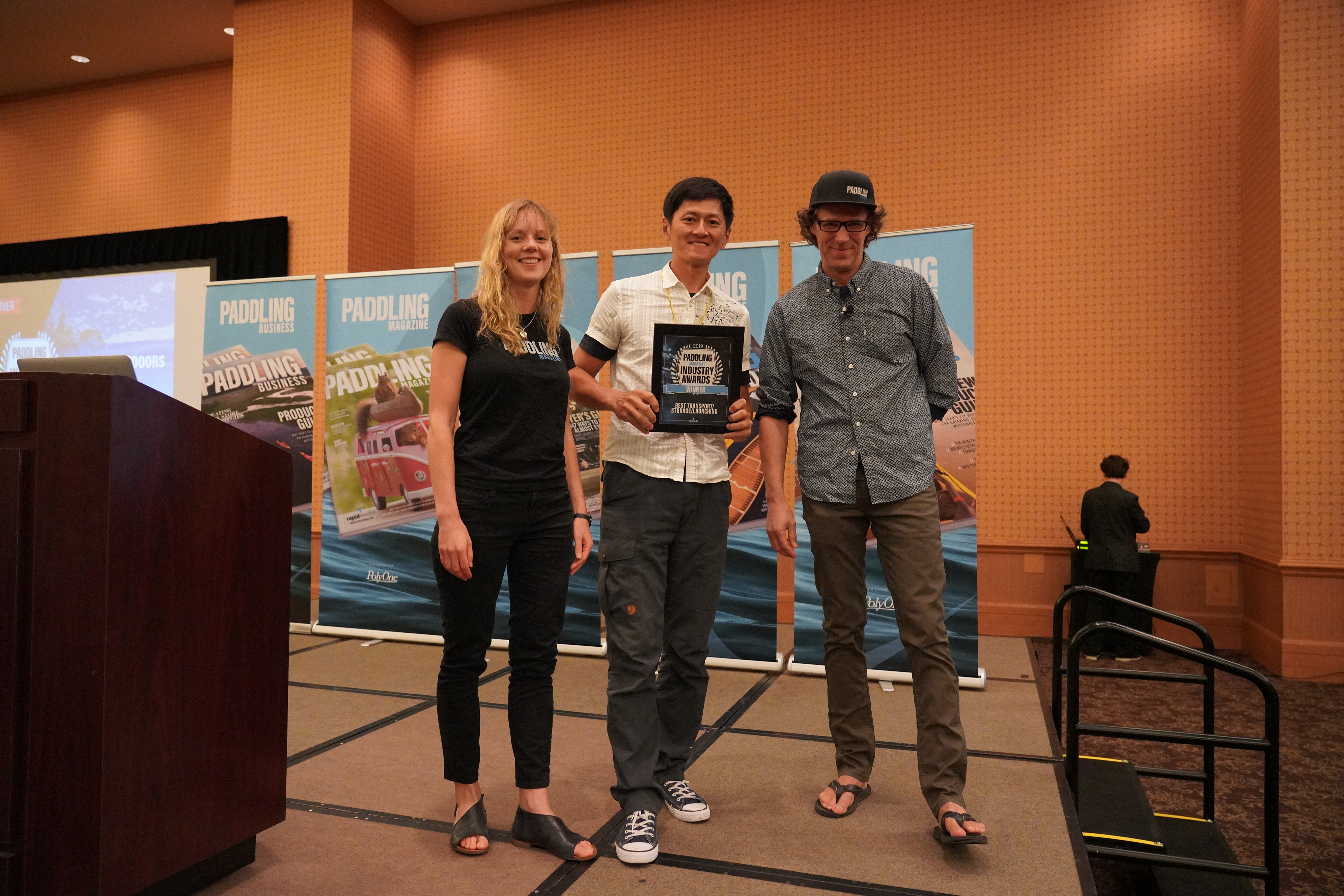
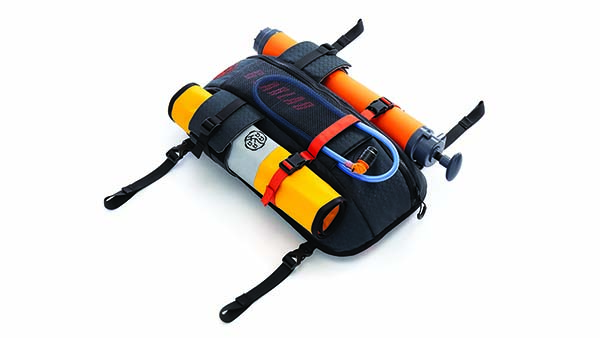
10. Best Transport/Storage/Launching—Deck Bag by Gearlab

Gearlab Deck Bag
Gearlab Deck Bag

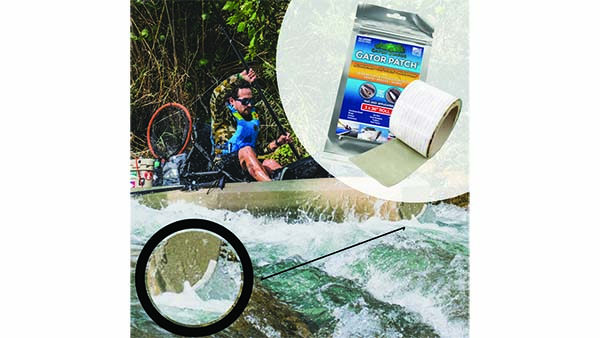
11. Best Paddling Accessory—Gator Patch by Gator Guards

Gator Guard Gator Patch

Best In Show Award

All category award winners were eligible for the Best of Show Award which got announced at the end of the Paddlesports Retailer Show.

This year, the Best In Show award went to Hobie with the Mirage Pro Angler 14 with 360 Drive Technology.

Best In Show – Hobie Mirage Pro Angler 14 with 360 Drive Technology

Hobie Pro Angler 14 with 360 Mirage Drive

Congratulations to all the award winners.

About Paddlesports Retailer

Paddlesports Retailer is a trade show, endorsed by the Paddlesports Trade Coalition, providing the premier commercial and cultural experience for exhibitors, retailers, media and industry advocates alike. Paddlesports Retailer runs August 26-29, 2019 beginning with demo day at Riversports Rapids Adventure Park followed by three days of exhibiting at Oklahoma City’s Cox Convention Center. For more information, visit www.paddlesportsretailer.com or contact: info@paddlesportsretailer.com

About Rapid Media

Rapid Media is the world’s leading paddlesports media company. Rapid Media publishes Kayak Angler, Paddling Magazine and Paddling Business, including the Paddling Buyer’s Guide and Paddling Trip Guide annuals. Rapid Media also produces the Paddling Film Festival and Rapid Media TV.

Rapid Media Contact: Cristin Plaice cristin@rapidmedia.com

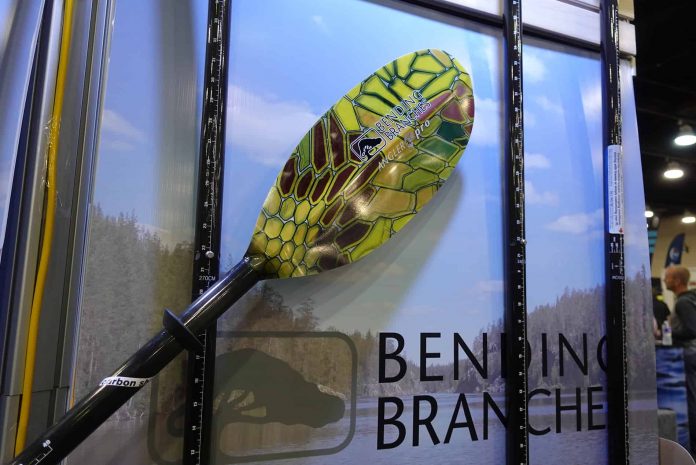
Bending Branches Glowtek Paddle

Bending Branches Angler Pro GlowTek Kayak Fishing Paddle

When Bending Branches wanted a new design for their popular Angler Pro paddle blade, they reached out to pro staff to send in ideas. The result was an influx of photos, images, designs and sketches for the BB folks to choose from.

The winner was West Coast pro staffer J R Rowlands’ Glowtek pattern.

A cross between alligator and python patterns with colors ranging from bright green to dark brown, the blade will get plenty of attention on the water. Bending Branches applied the pattern to their wildly popular and versatile Angler Pro fiberglass blade. The Angler Pro is the result of years of research and development to design a blade with enough torque to push a heavy fishing kayak combined with efficiency to go for miles in an open-water boat. Best news is, Bending Branches received so many great designs, they are already planning future paddles.

Best Canoe Paddles For 2025

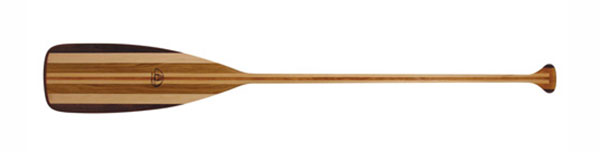
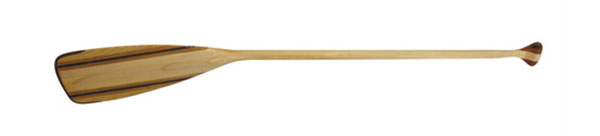
Discover seven of the best canoe paddles from Bending Branches, Grey Owl Paddles and Sawyer Paddles. Everything from bent shafts, to voyageur paddles, to guide paddles and more, there are lots of options to choose from.

Whether you’re looking for a canoe paddle for cruising, tripping or whitewater adventures, Paddling Magazine has rounded up seven of the best picks. Take a look at the list of canoe paddles below.

Bending Branches Catalyst canoe paddle

Bending Branches

Catalyst Straight/Bent

$139.95 | bendingbranches.com

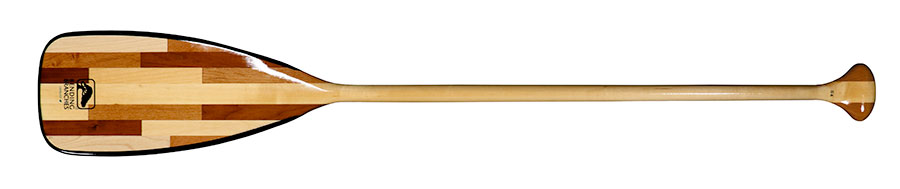
Meet the new Catalyst canoe paddle from Bending Branches, made entirely of recycled wood scraps that would otherwise be discarded. A catalyst of change for the betterment of the planet and paddlers. Made with the most desired features, including full Rockgard coverage, two-ounce fiberglass coating and a palm grip. Five dollars from every paddle sold will be donated to American Rivers.

LEARN MORE SEE MORE FROM BENDING BRANCHES

Grey Owl Paddles Voyageur

Grey Owl Paddles

Voyageur

$76 | greyowlpaddles.com

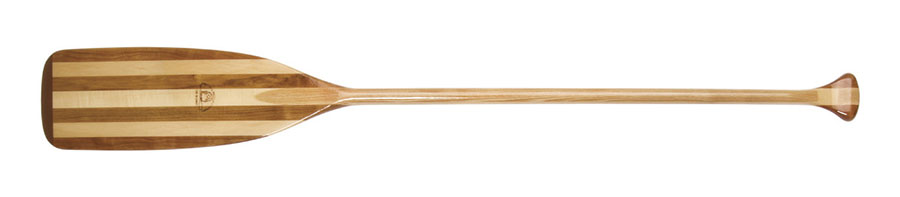
Grey Owl’s most popular laminated paddle, combining durability, design and value. An excellent all-around paddle for wilderness tripping. Offers the benefits of a full carbon unit but at a fraction of the price.

LEARN MORE

Grey Owl Paddles Northern Light

Grey Owl Paddles

Northern Light

$165 | greyowlpaddles.com

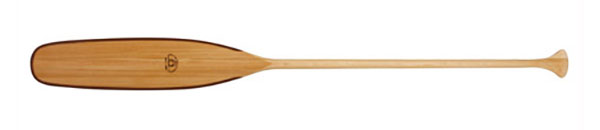
The lightest traditional paddle available from Grey Owl. Perfect for easy cruising and experienced style paddlers. Suitable for solo and tandem deep-water paddling (minimum two to two-and-a-half feet).

LEARN MORE SEE MORE FROM GREY OWL PADDLES

Sawyer Paddles Ranger X canoe paddle

Sawyer Paddles

Bent Shaft Ranger X

$165 | paddlesandoars.com

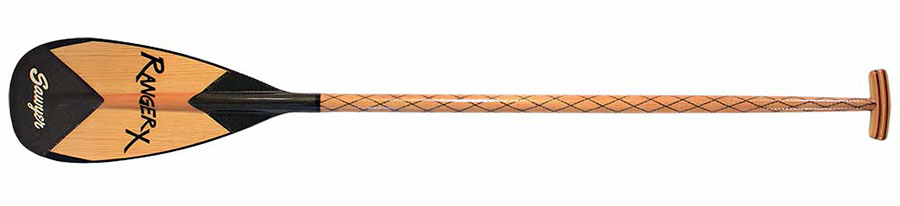
The Ranger X is a heavy-duty expedition and whitewater canoe paddle featuring a modern teardrop blade profile and an 11-degree blade offset intended for long trips and heavy use. This tough paddle has a dual tapered Douglas fir wood shaft reinforced with carbon fiber and fiberglass X-Weave durability. Delivers real power to the carbon fiber and fiberglass reinforced Ponderosa pine blade.

SEE MORE FROM SAWYER PADDLES

Grey Owl Paddles Pathfinder

Grey Owl Paddles

Pathfinder

$90 | greyowlpaddles.com

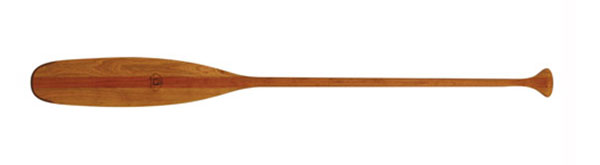
An upscale version of Grey Owl’s Voyageur paddle with a new blade shape and fabulous grip design. An excellent all-around paddle for wilderness tripping.

LEARN MORE

Grey Owl Paddles Touring

Grey Owl Paddles

Touring

$100 | greyowlpaddles.com

A tough, durable paddle for those who like to cruise the wilderness. Also available in a six-degree bent shaft for those who want to combine the efficiency of an offset blade with the style of a straight shaft.

LEARN MORE

Grey Owl Paddles Guide

Grey Owl Paddles

Guide

$76 | greyowlpaddles.com

The Guide is a rugged and inexpensive tripping paddle for bow, stern or solo use.

SEE MORE FROM GREY OWL PADDLES


Kokatat Huck 50 Throw Bag with Belt

In a rescue emergency, every second counts. Kokatat’s new Huck 50 Throw Bag with Belt is designed to deploy quickly and reliably. The 50-foot, quarter-inch, floating polyethylene core rope has a maximum strength of 1,465 pounds.

The stuff bag has stiff sides for easy packing. The mesh top allows the rope to dry and the bag floats. The fully adjustable belt can be worn on the waist or lap.

Quick-release buckles detach the bag in an instant for a fast response in any conditions. For a heavy-duty option, the Huck 70 Throw Bag includes a 70-foot Spectra rope with a maximum breaking strength of 2500 pounds in a tough Cordura bag.

It’s a Bloody Roller Coaster

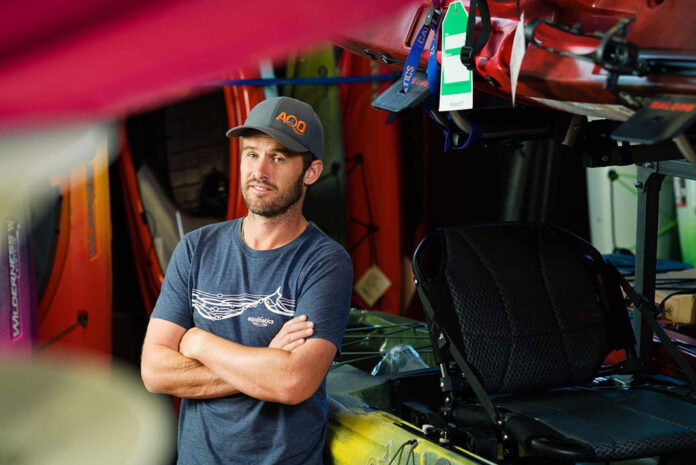
Simon Coward, owner of Aquabatics, poses in his store

There’s no perfect road map to becoming a successful business owner, but some routes are less traveled than others.

Simon Coward was introduced to whitewater on a trip to New Zealand when he was 18, and then spent his formative years raft guiding and chasing whitewater around the globe. By his own estimate, the Australian-born paddler has dipped blades in at least 25 different countries.

In 2005, Coward’s rambling river life led him to Canada, where he took a job as the kayaking director at Aquabatics, a Calgary-based whitewater retailer. Four years later, Coward purchased the 10-year-old business, plunging headlong into the murky waters of paddlesports retailing.

[ Paddling Trip Guide: See all Aquabatics trips ]

“I didn’t have a university degree and didn’t know what I was going to do,” said Coward. “So, I figured it was probably as good a bet as any.”

Under Coward’s leadership, Aquabatics became a dirtbagger’s utopia. The staff spent days creeking together, locals came in to talk shop, and community outreach efforts included grassroots events and instructional paddling programs helping grow Calgary’s local paddling community.

“If Aquabatics disappeared tomorrow, I think it would be a big void in the local paddling community,” said Coward. “Not just from a product standpoint, but connectivity.”

Coward’s investment in strong community ties and developing a dedicated staff—including six full-time, year-round positions—has produced a healthy return. In the past decade, the company’s revenue numbers have tripled, and this past spring, Coward opened a second store in Edmonton.

While the dirtbag vibe remains, the revenue spike is the result of long hours devoted to the analytics-driven process of business management. While correctly forecasting next season’s trends is always a daunting task, Coward’s crystal ball is a little less hazy when he gazes south.

“We just need to watch the U.S. very closely and see what’s going on there,” Coward says. “I feel like the Canadian market is a good three to four years behind the U.S.”

While whitewater had always been the shop’s bread and butter, Coward has seen steady growth in the recreational and touring markets. Last year, Aquabatics saw “unpredictable” growth in kayak fishing sales.

This year brought a softening in the fishing market and a rise in inflatable kayak sales. “It’s a bloody roller coaster,” said Coward. “It’s up and then it’s down.”

But Coward isn’t one to cry about it. While offering car racks and snowboards has helped bolster sales in the off-season, he’s currently busy trying to crack the latest puzzle stumping the paddling industry: How to not only survive, but capitalize on the rise of cheap boat sales at big box stores.

“I’m a firm believer that retailers are really whiny as a group,” said Coward. “I think we all talk a lot about the big box bit, but we don’t actually look at the opportunity that more people are being exposed to paddling than ever.”

The river teaches you to accept the challenge and always look for an opportunity. It seems this lesson was not lost on this paddling dirtbag.

Feauture photo: Pierre-Luc Cormier