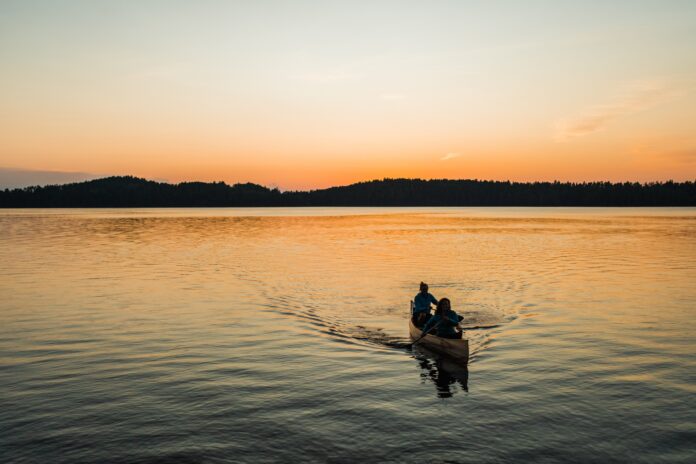
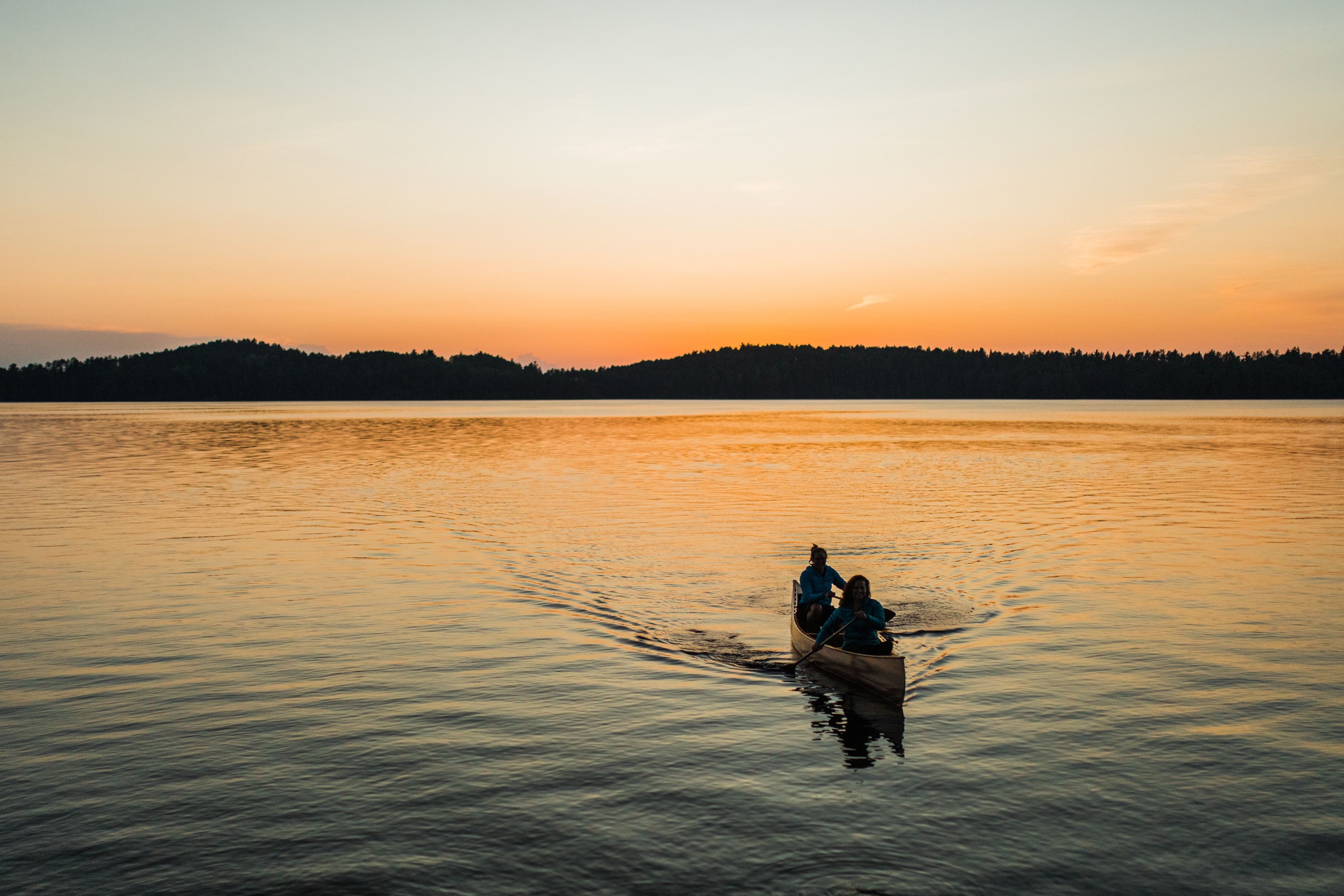
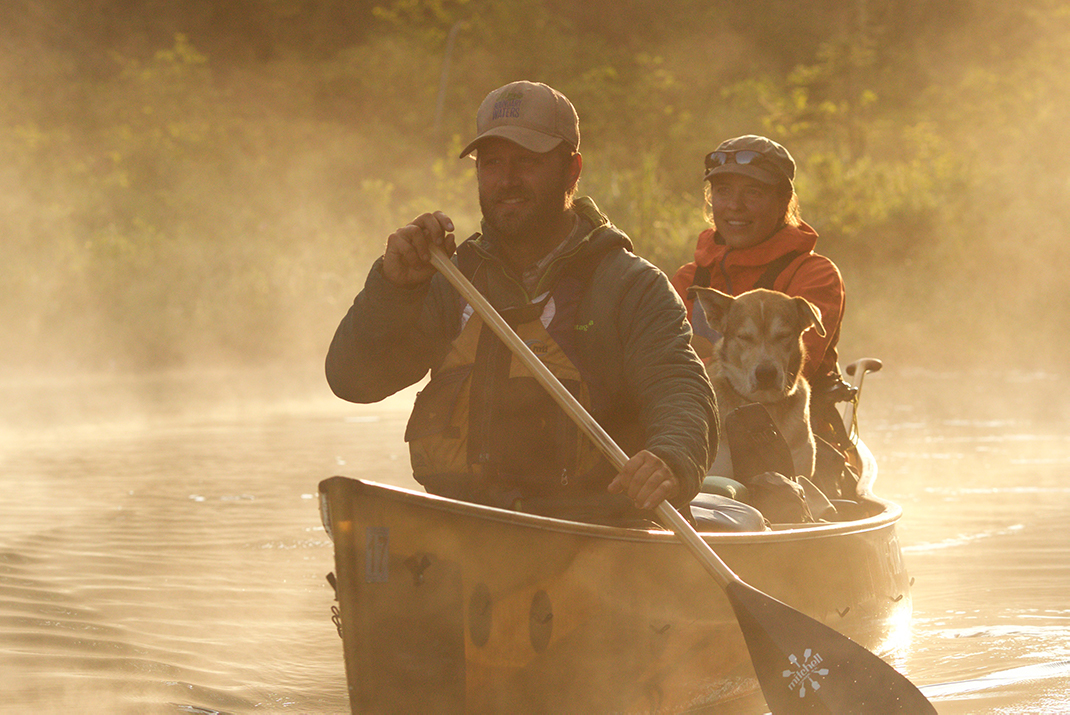
“Over summers in college, I worked as a guide in the wilderness. We carried a canoe over Gichi Onigaming (known as the Grand Portage), an 8.5-mile-long path used for centuries by the Ojibwe, French voyageurs and other explorers to reach Lake Superior,” Stephanie Pearson shared of the Boundary Waters in a behind-the-scenes look at the New York Times’ “52 Places to Go in 2024.”
How the Boundary Waters landed on the New York Times’ 52 Places To Go
These days, the former canoe guide is a contributing travel writer for the New York Times, Outside and National Geographic. In the “52 Places to Go in 2024,” she shares with 10 million readers what paddlers have long known: few places in the world can compare with the wilderness of northern Minnesota.
Pearson regaled how her great-grandfather emigrated from Sweden to Minnesota in the 1800s. Her grandfather and father grew up paddling and fishing the waterways, and the travel writer herself began taking trips on the Boundary Waters Canoe Area Wilderness around the age of five.
Featured Image: Lee Vue on Unsplash
“Today my sister and I escape to the Boundary Waters for canoe trips whenever our schedules allow,” Pearson shared of her enduring connection to the paddler paradise. “On a trip in 2018, our food pack was ripped to shreds by a black bear. I always naïvely thought this wilderness would remain pristine forever, but it is under constant threat from mining.”
The ongoing fight to save the Boundary Waters
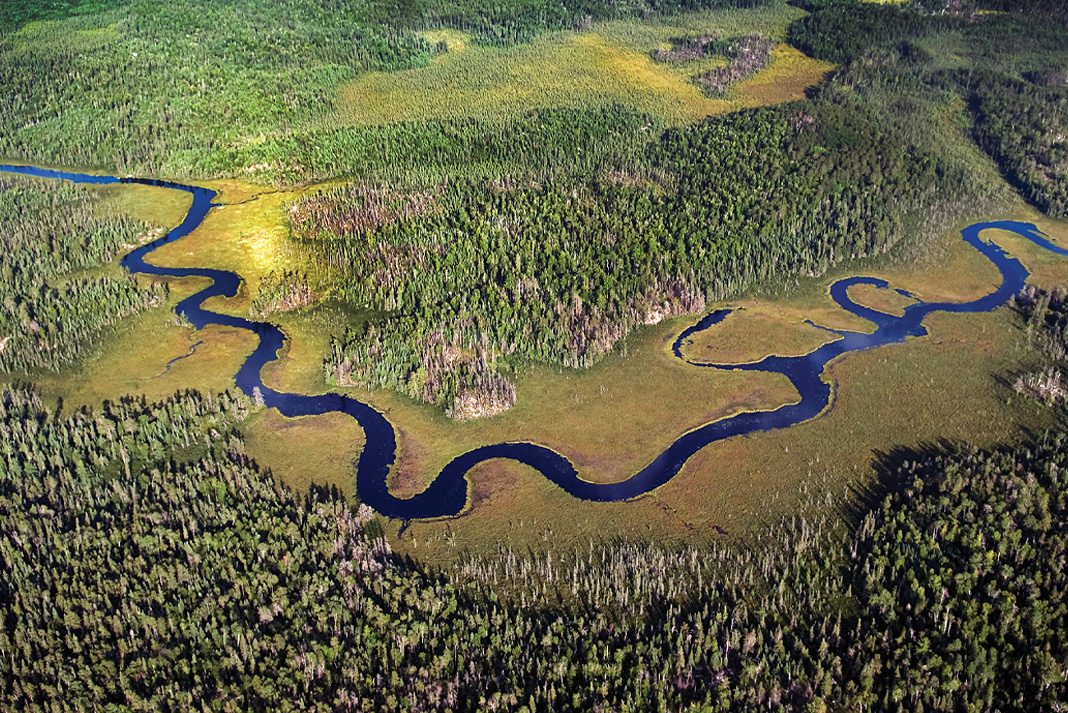
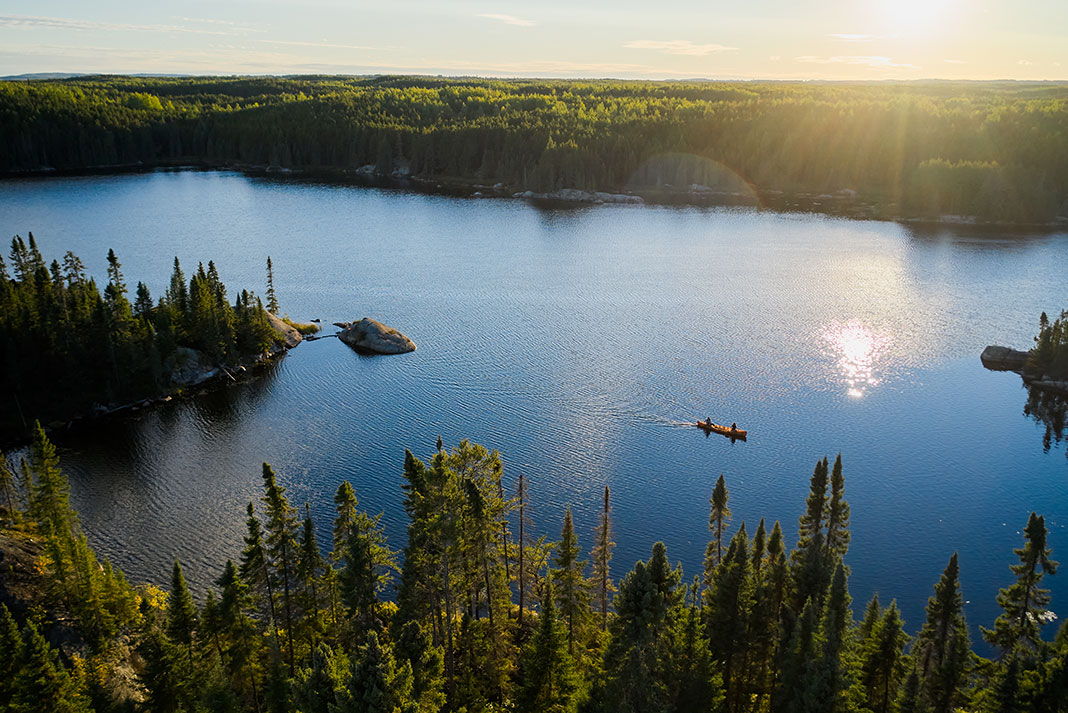
This latter thought is a significant reason why the Minnesotan felt compelled to include her home waters on this year’s venerable travel list. The one million-acre wilderness area is home to some 1,200 miles of canoe routes connecting over 1,000 lakes. However, the prospect of copper mining activity has increased in the area over recent years, and many conservationists fear the impact extraction industries could have on this place of irreplaceable freshwater value.
The fight by conservationists and paddlers to save the Boundary Waters from the effects of copper mining has been ongoing. Famously, in 2014, Amy and Dave Freeman canoed from their home in Minnesota to Washington D.C.—collecting petition signatures on their Wenonah Itasca over the 2,000-mile journey. Conor Mihell’s 2015 article for Paddling Magazine’s former title, Canoeroots, looked at the efforts of the Freemans as well as heard from members of the communities surrounding the wilderness wetland.
“We have a unique moment in time when we the people can ask for public lands to be withheld from mining,” Becky Rom, an Ely, Minnesota-based environmental activist, said in Mihell’s article. “We have an opportunity to finish the job.”
For the time, efforts of conservationists such as the Freemans and Rom have prevailed. Pearson notes in the 52 Places article that in 2023, Interior Secretary Deb Haaland signed a 20-year moratorium on toxic mining on 225,000 acres within the Rainy River Watershed in the Boundary Waters Canoe Area Wilderness. The ban created two decades of protection for future generations of canoeists such as Pearson to immerse in the watery wilderness of the Upper Midwest and the opportunity for the writer to share the cherished value of the waters with readers worldwide.
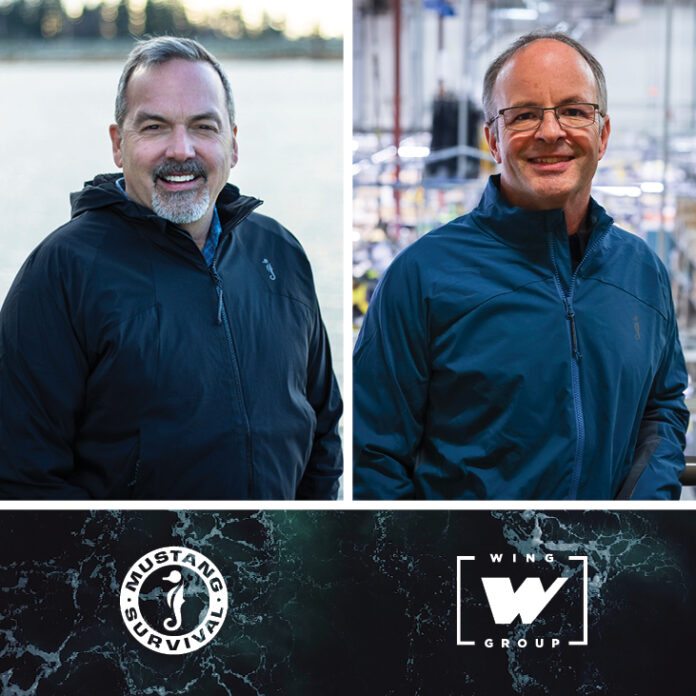
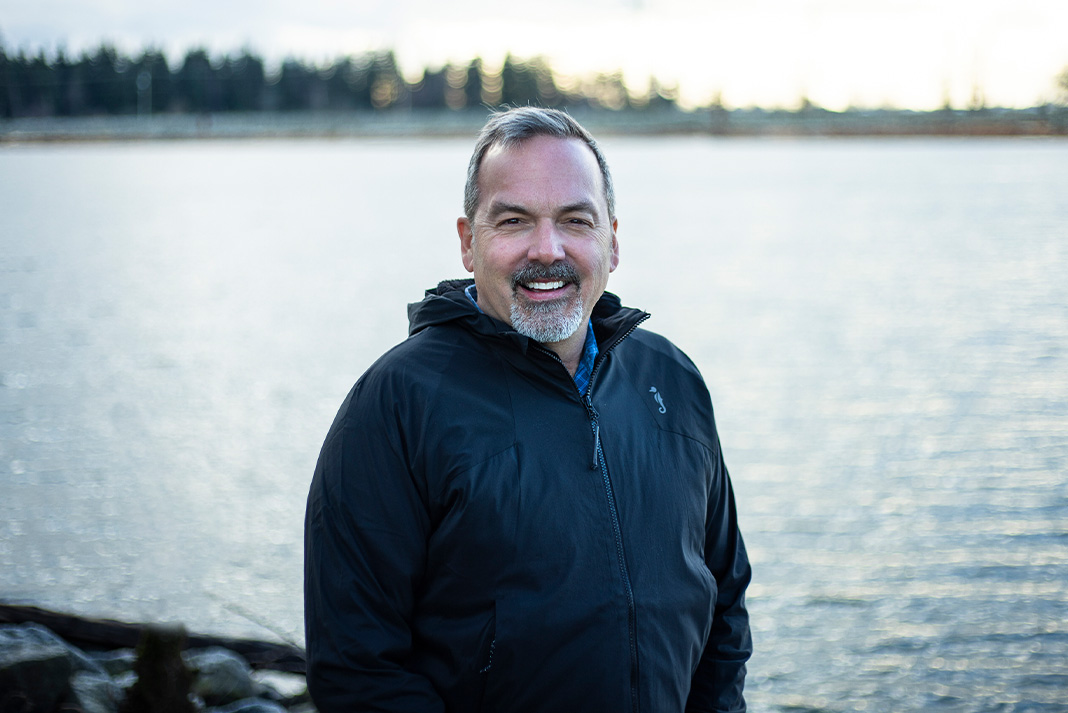
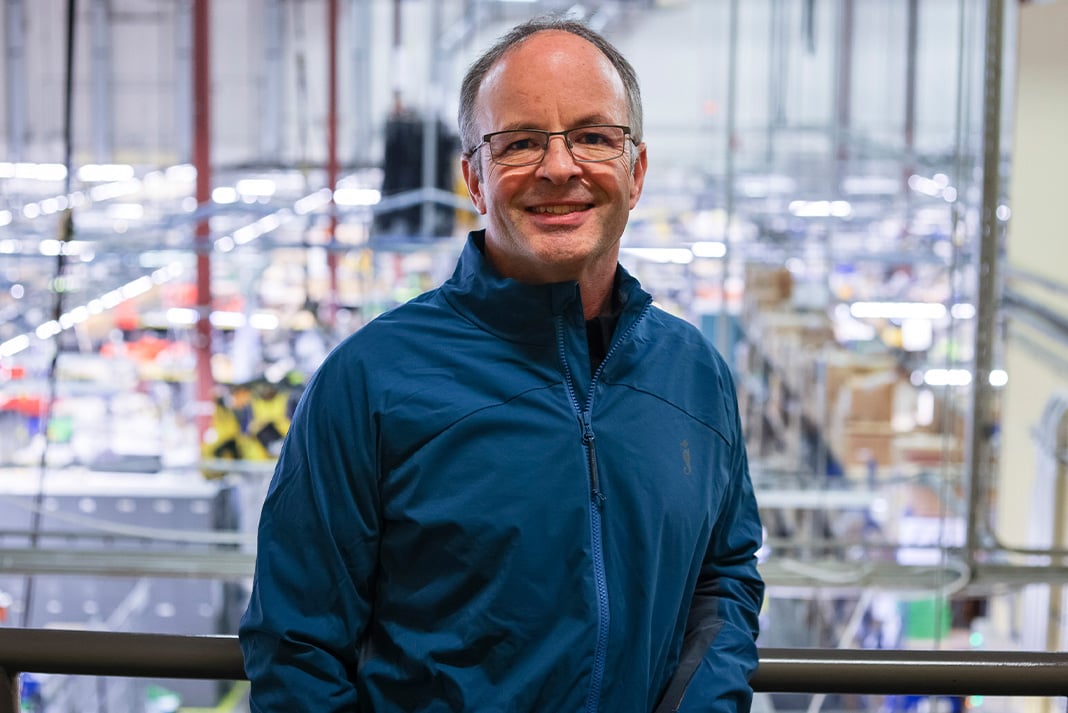
Vancouver, BC – Outdoor industry professional Kenny Ballard has been appointed Mustang Survival’s new President. Ballard takes over responsibilities from Juanita Killen, who stepped into the role of Interim President in 2023, leading the company through a challenging year of growth and evolution. Additionally, Lance Richardson, an expert in domestic manufacturing and efficiency, takes on the newly created role of VP, Manufacturing and Innovation for the Wing Group, Mustang Survival’s parent company.
Ballard brings a wealth of experience from previous executive roles with renowned brands, including Osprey, SwissGear, Wenger Outdoor, Kelty, and, most recently, his own successful consulting firm. Having once worked at Mad River Canoe, Ballard returns to his roots by re-immersing himself in the water sports industry.
Andrew Branagh, CEO of the Wing Group, expresses: “Kenny’s history of exceptional leadership across a diverse spectrum of outdoor businesses uniquely qualifies him as the ideal candidate for this pivotal role at Mustang Survival. Kenny has consistently worked across the retail sector and knows how to navigate the complexities of commercial and military operations.”
Photo by Mustang Survival – Kenny Ballard
In response to his hiring, Kenny Ballard shared his excitement: “I’m ecstatic to be working with a brand that has a heritage of innovation, saving and protecting lives and enabling everyday marine adventures.”
Ballard continues: “It brings me back to my watersports roots—some of my fondest memories and grandest adventures have been on and in the water. Sailing, paddling, and fishing: the Mustang brand DNA, product portfolio, and most importantly the global team are built around these activities, and I am excited to align business with my passions.”
Ballard will lead from the Mustang Waterlife Headquarters Vancouver, BC, which includes the local manufacturing facility. He’ll be overseeing the newly moved and expanded Jacksonville, Florida, plant, operations in Spencer, Virginia, and the overseas office in Salisbury, UK.
Photo by Mustang Survival – Lance Richardson
Lance Richardson will have his desk next to Ballard’s at the Vancouver headquarters so as not to miss a beat of the manufacturing processes. As an Arc’teryx and Herschel alumni, Richardson’s supply chain and manufacturing expertise will fold seamlessly into the needs of the Wing Group. He says: “I am excited to join the Wing Group, which, across its brands, has an incredible history and future in making purpose-built safety products for people who need and use them. It’s an honour to join the team and work to enable, protect and save lives.”
Andrew Branagh adds: “I am thrilled to have Lance join the Wing Group on the corporate level to implement iterative efficiency process to manufacturing. We are starting the year strong by adding these two experienced professionals to the workforces of Mustang Survival and the Wing Group as we’re looking ahead to continue to serve our customers and consumers better with the best products available.”
About Mustang Survival
Pioneer in the design and manufacture of lifesaving solutions since 1967. Mustang Survival is committed to the protection and enhancement of those who push themselves to extremes, whether for work, duty, or to escape the daily grind.
About The Wing Group
The Wing Group and its companies (Wing Inflatables, Henshaw Inflatables, Patten Company, FabTek Industries, and Mustang Survival) deliver confidence to the world’s most demanding marine and aviation users through innovative and high-quality technical solutions – on, over and under the water. The Wing Group is the world leader in inflatable boats, life rafts, flotation, dry suits, and other tactical and survival solutions for recreational, commercial, and military customers.
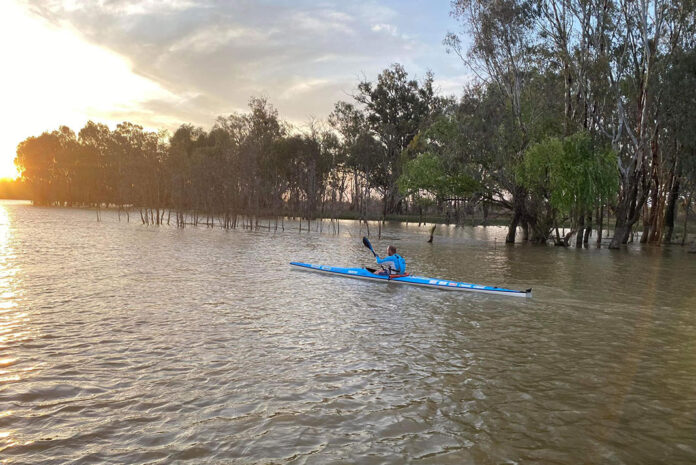
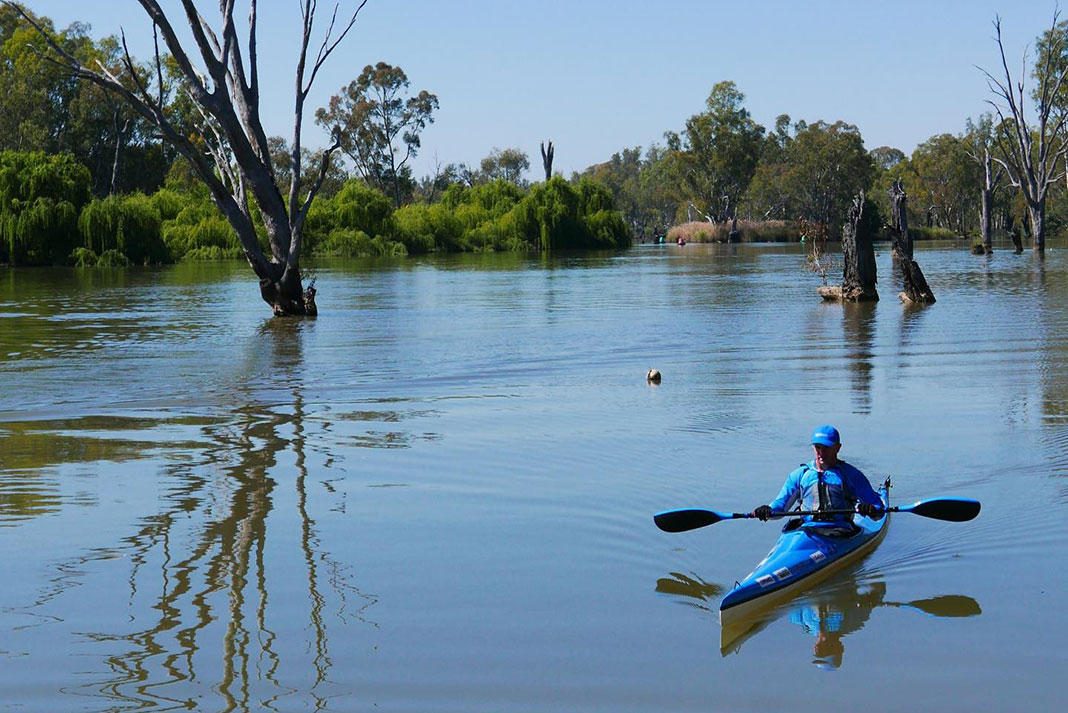
Dave Alley paddles the Murray River, setting a new speed record on Australia’s longest waterway. | Feature photo: Courtesy Dave Alley
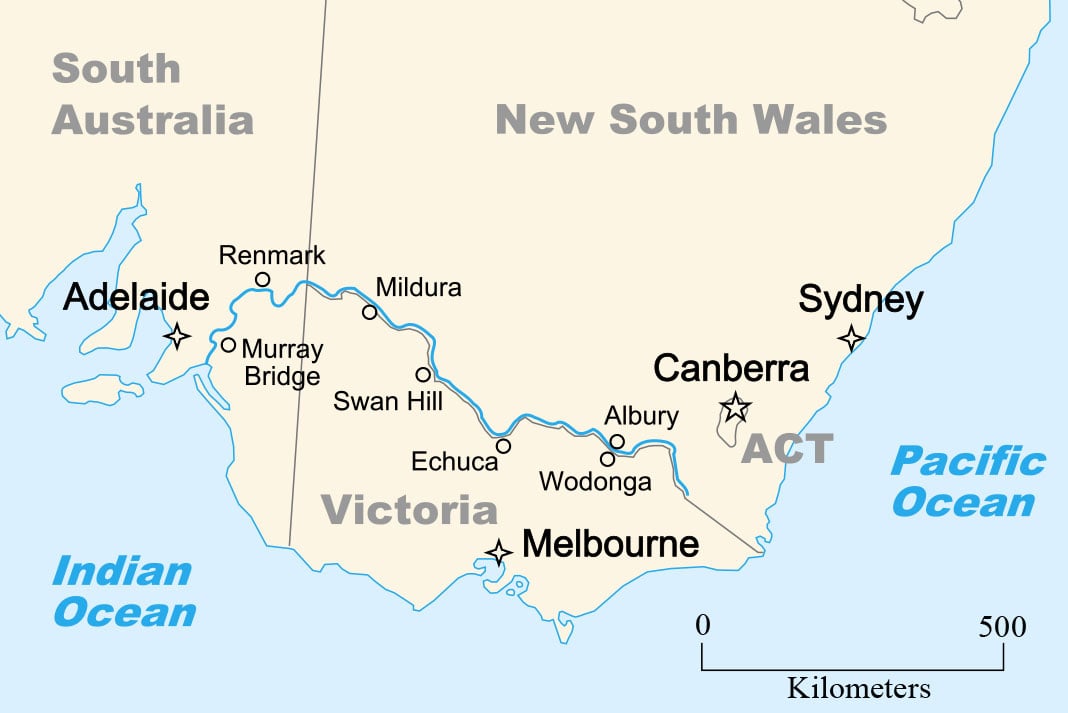
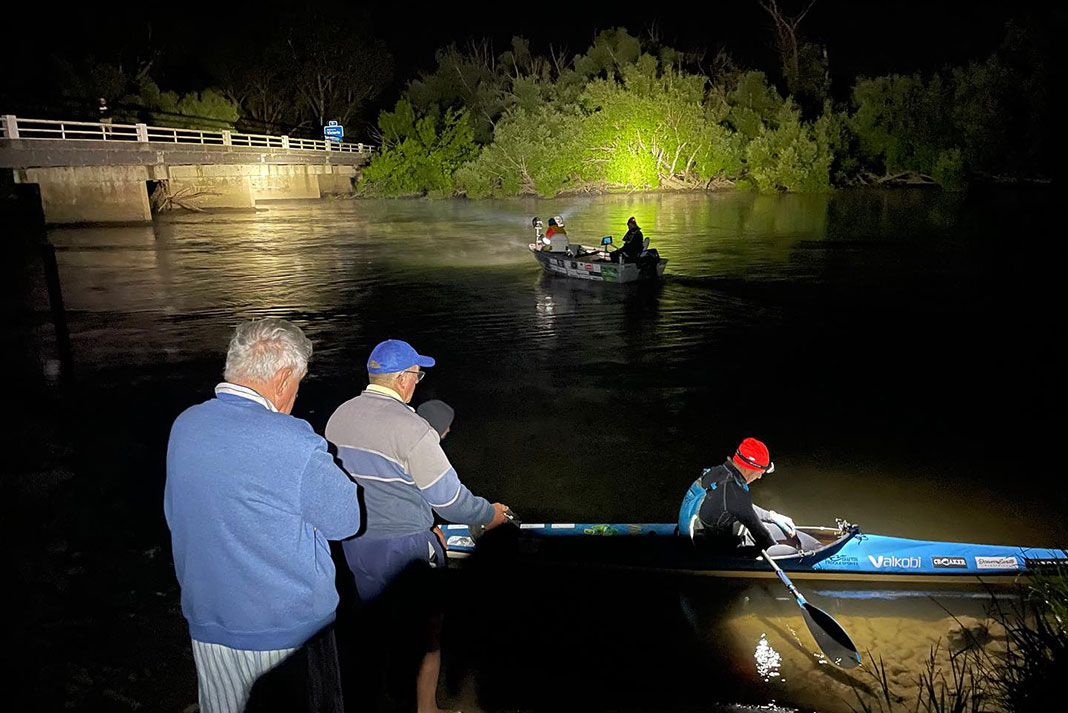
Dave Alley had only 18 months of paddling experience when he climbed into his sleek and slender kayak on the Murray River last November and set out to challenge a 30-year-old speed record for paddling Australia’s longest waterway. Securing a new record would require Alley to paddle the 2,278-kilometer river that’s been compared to North America’s Mississippi in less than 16 days, six hours and 58 minutes. Thankfully, the 47-year-old paddler from Pottsville, New South Wales was no stranger to pushing his body to the limits.
“I’m drawn to leaving my comfort zone and challenging myself to try and achieve what otherwise seems impossible,” says Alley, who previously set and still holds speed records for cycling and running Australia’s full 13,383-kilometer perimeter in 2011 and 2015, respectively. “I thought I was happily retired from the ultra endurance game but was seeking a different form of training to mix things up with my general fitness program.”
Alley’s plans to paddle the Murray River originated with a suggestion from his wife.
“I had bought an expedition kayak and had hardly used it,” he says. “I live in a beautiful seaside village and my house is approximately 1.5 kilometers from the Pacific Ocean and a creek. I took the advice of my wife and took the kayak down to the creek with no set agenda other than to use the kayak as a form of training.”
Casual outings quickly turned into an obsession for Alley. “I quickly fell in love with kayaking, the feeling of being in the boat and the time on my own,” he says. “This turned into thoughts of another epic adventure and what I could do. I did some research and the idea of tackling Australia’s and one of the world’s longest rivers was born.”
Alley acknowledged his lack of paddling experience and sought to become “like a sponge” in fast-tracking his skills progression on the water, while also drawing from his previous endurance challenges.
The record Dave needed to beat was 16 days, six hours and 58 minutes. | Photo: Courtesy Dave Alley
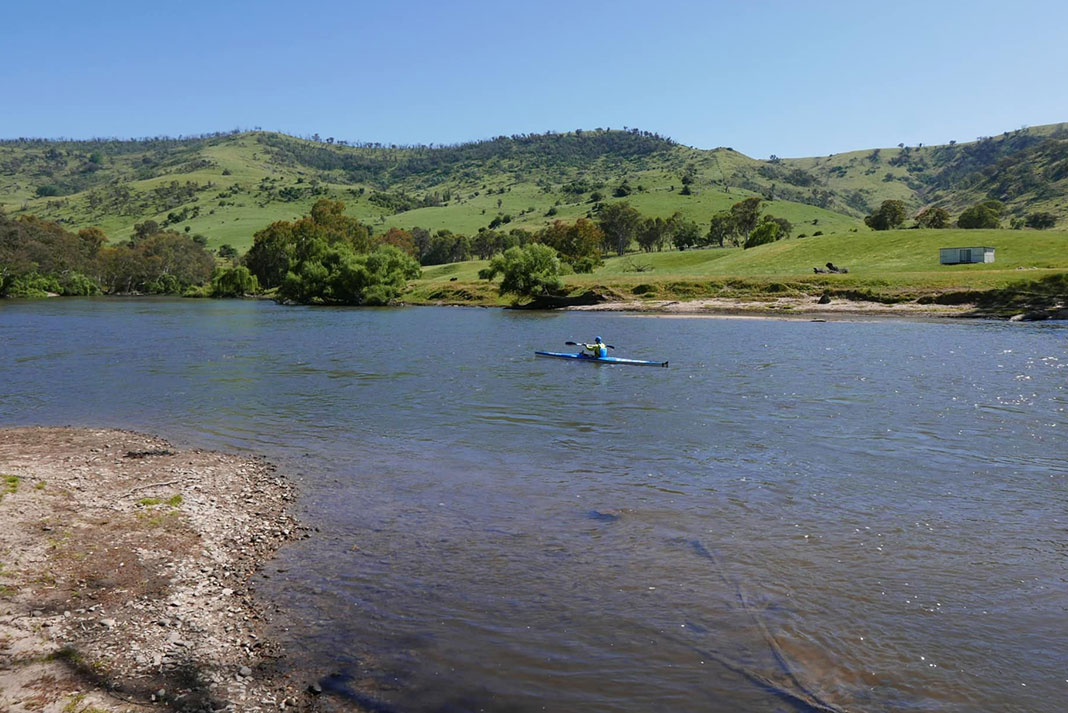
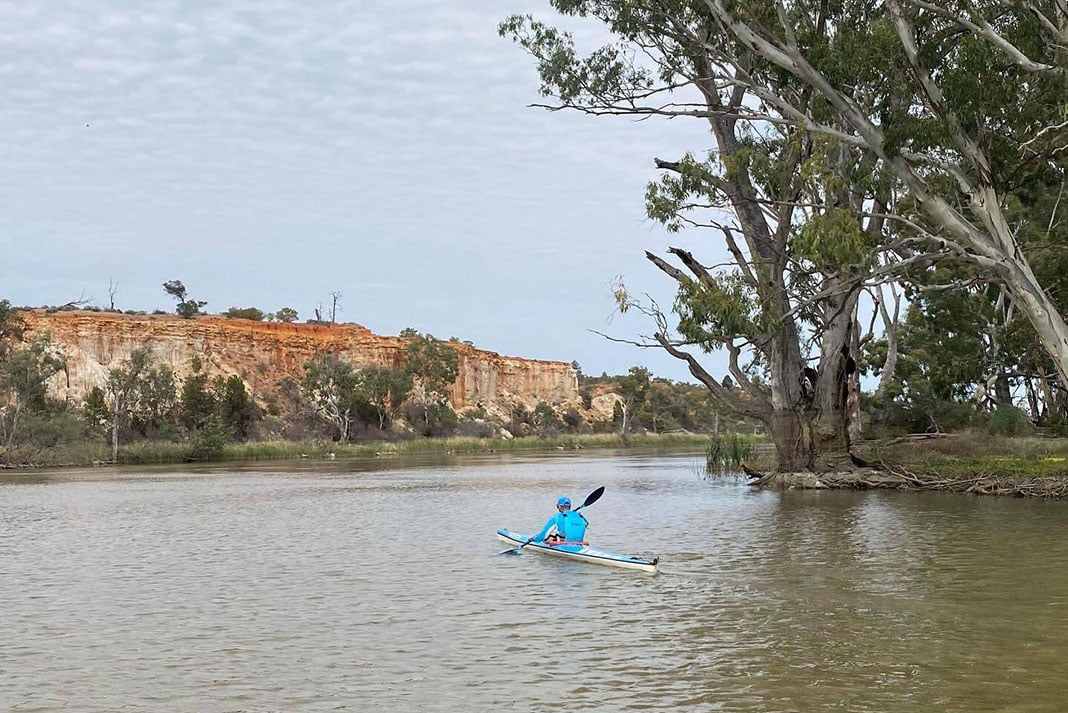
At 2,278 kilometers long, the Murray River travels through many diverse landscapes. | Photo: Courtesy Dave Alley
Day 13 on the river. | Photo: Courtesy Dave Alley
“At 47 years of age, no prior kayaking experience and having never been on the river was deemed by most as laughable,” he admits. “This record had been held for 30 years and all those who had previously attempted such a feat were seasoned, highly skilled and trained kayakers. I was effectively self-taught and it was a real process of trial and error.
“I used the same principles and process that were successful for me on the cycle and run. Essentially building distance over time while giving great thought preparation to the mountain of logistical work required. But it was a much shorter preparation for the kayak adventure. My thinking here was that I’m 47 years old and it’s now or never.”
The record attempt begins
On November 1, 2023, after driving three days to the Murray’s headwaters, Alley launched his custom-made, six-meter-long Fusion LR6 TK1 sea kayak and began his speed record attempt.
The epic started inauspiciously when Alley knocked his phone into the river. “I had downloaded audiobooks, podcasts, and music to keep me entertained and as a distraction only to have it gone,” he recalls. “It actually didn’t phase me. I just smiled and thought, this is what it is all about. Adapt and overcome.”
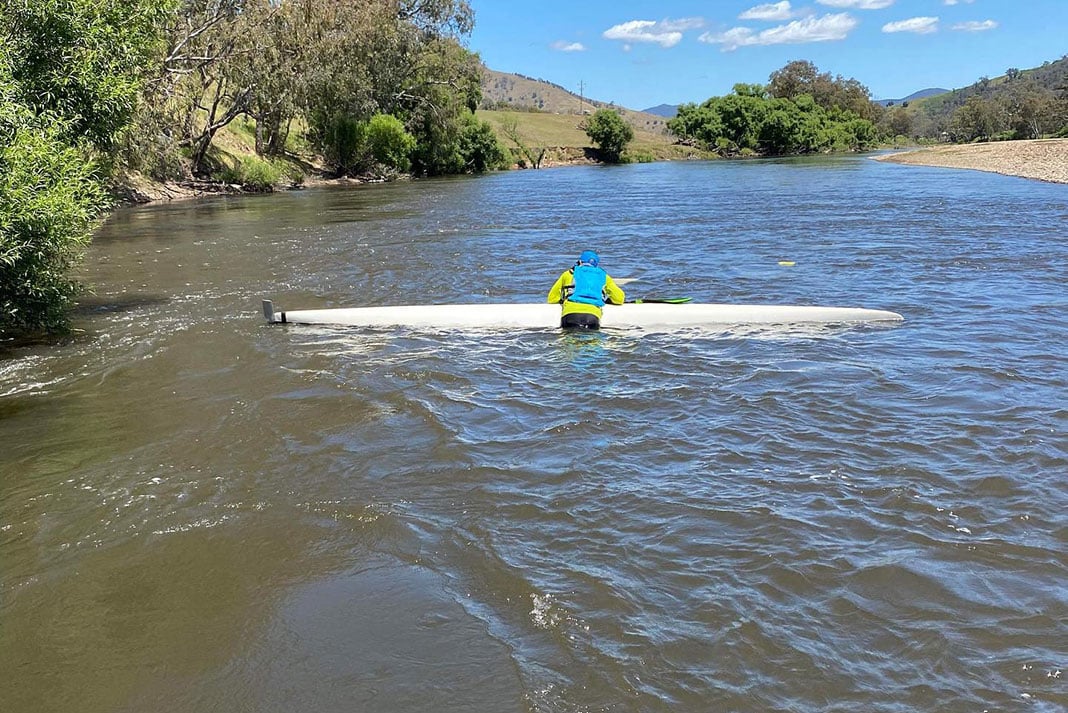
Greater concerns on day one of the trip included subzero temperatures, thick fog, low water and “a tough, technical section of river with multiple hazards,” Alley says. “In total, I capsized six or seven times throughout the record attempt due to fatigue, fallen trees and submerged objects.”
Low water levels throughout the trip meant he’d need to push extra hard to attain the record; especially considering when David Armytage made the fastest-known descent in 1993, he did so during a major flood. Add to this steady headwinds and temperatures ranging from minus three to 41 degrees Celcius, and it was clear Alley had his work cut out for him.
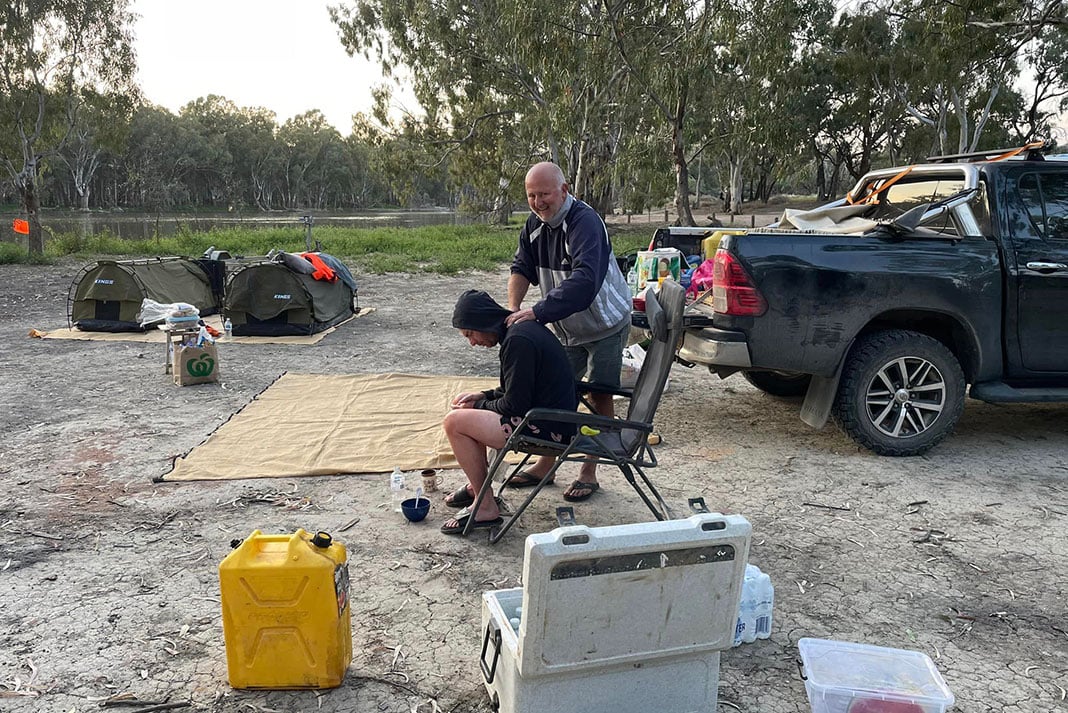
Alley’s six-man support team was integral to the expedition, allowing him to paddle up to 23 hours per day.
Dave capsized six times on the expedition.
With the help of his support team, Dave was able to paddle up to 23 hours a day.
A large part of expeditions like this is the mental aspect, in particular dealing with sleep deprivation. | Photo: Courtesy Dave Alley
“I had hallucinations and my expected pace was reduced significantly due to the low water and headwinds, which meant only one thing: if I wanted the record I had to forego sleep and keep paddling,” he says. “It was tough, but I knew it was possible. I only had to look at my crew members and what they were pushing themselves through to see me do the job to know quitting wasn’t an option. They motivated and inspired me.”
Through the hardships, a sense of satisfaction
Alley admits he missed the opportunity to take in the stark contrasts of plains and long stretches of sheer cliffs that make the Murray a world-class waterway. But when he finally reached the river mouth, just south of Adelaide, Alley succeeded in shaving nearly 20 hours off the previous record, with a final time of 15 days, 11 hours and 33 minutes.
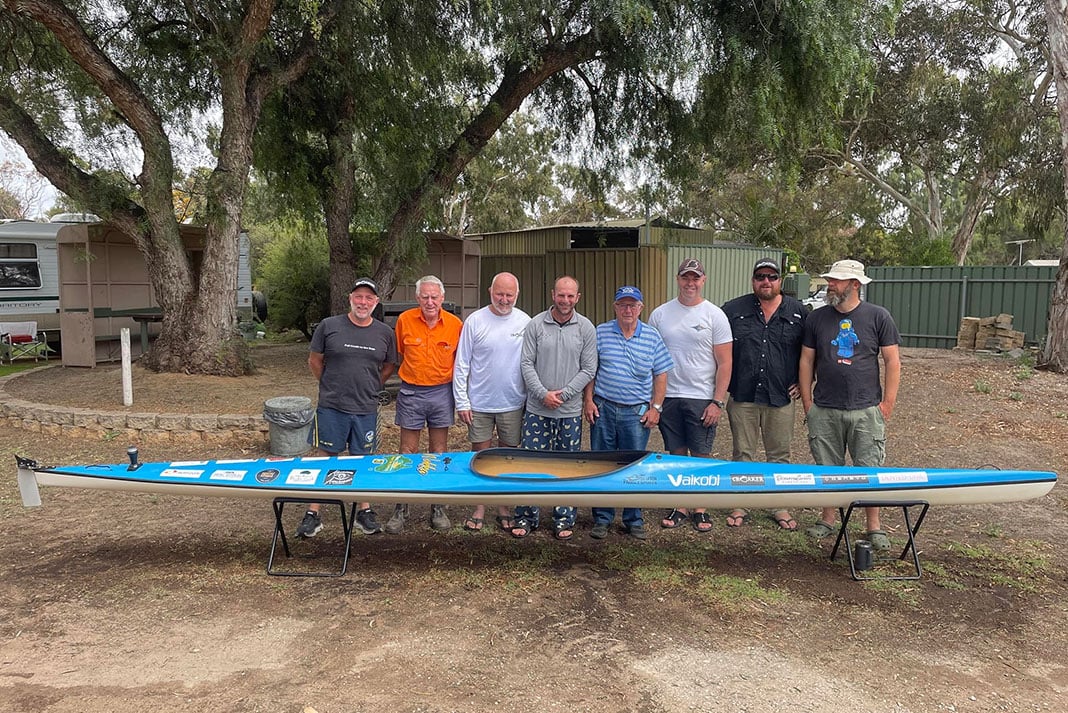
Dave with his support crew and custom kayak. | Photo: Courtesy Dave Alley
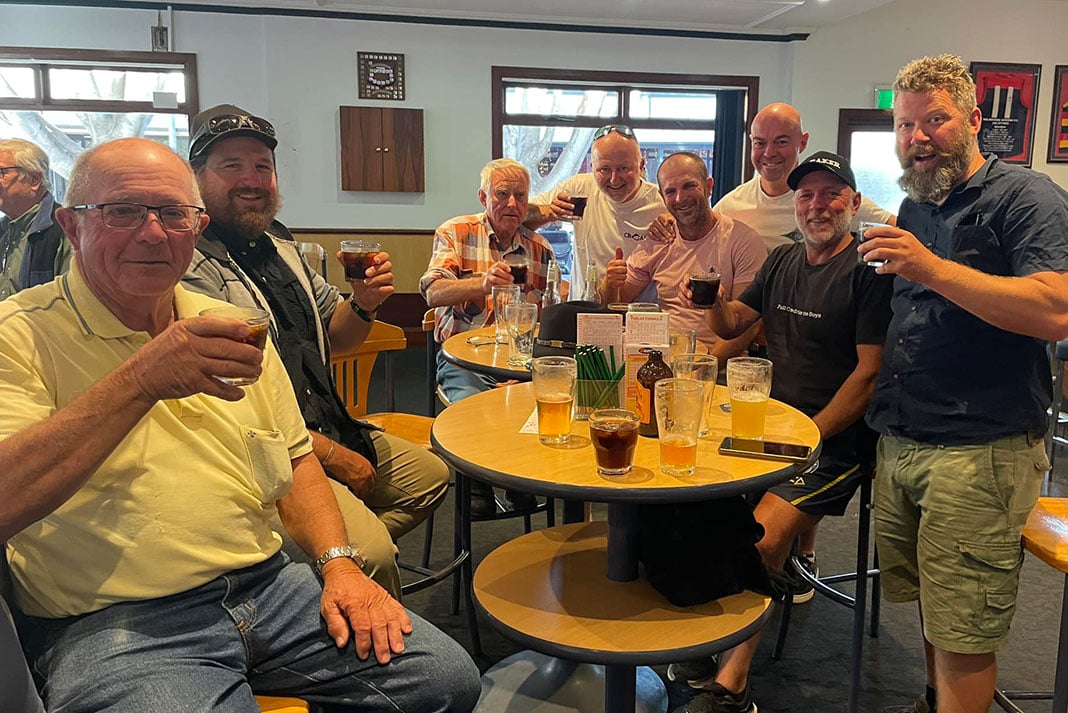
Raising a glass to a record-setting journey. | Photo: Courtesy Dave Alley
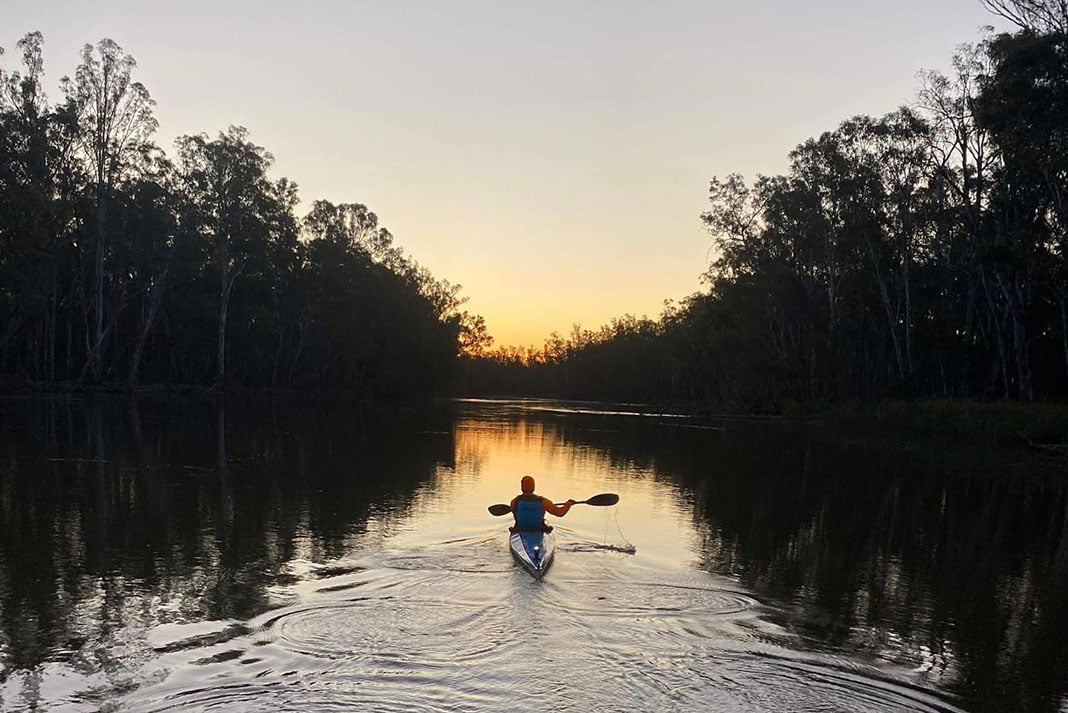
Alley kayaks into the sunset. | Photo: Courtesy Dave Alley
“The cycle, run and kayak were obviously different experiences due to being completely different sports,” says Alley. “However, dealing with the pain, sleep deprivation and having to get up day after day after day were similar experiences. Once you get through this and achieve your goal against all odds, you’re filled with a sense of deep satisfaction, pride and memories that I can’t put into words. I don’t do it for fame or fortune. I do it to prove an ordinary Aussie bloke can achieve big things through mental toughness.”
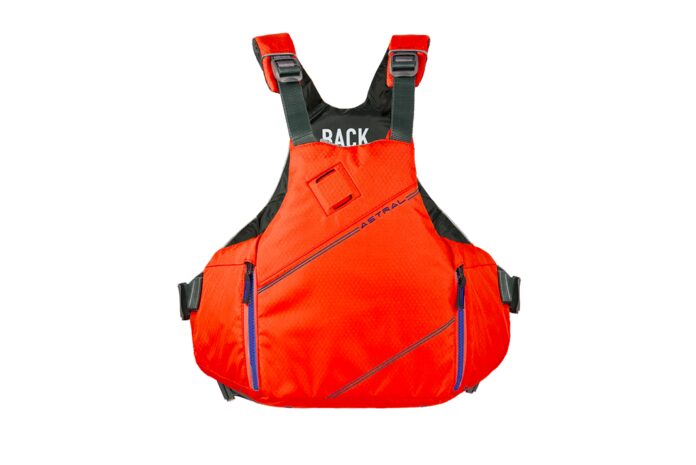
SEATTLE (January 10, 2024) — Since 2002, Astral has led the outdoor industry in designing high performing equipment with the priority of protecting soil and water resources through the production process. Today, Astral proudly unveils its latest innovation in performance and sustainability with the introduction of the YTV 2.0 – the fifth addition to Astral’s premier collection of life jackets that features a bluesign® approved 100% recycled polyester shell.
Astral’s collection is the first of its kind in the paddlesports industry to use bluesign® approved materials and marks a significant leap forward in eco-conscious design combining style, performance, and environmental responsibility. The YTV 2.0™ is a high mobility, low profile freestyle personal flotation device crafted from bluesign® approved, 100% recycled polyester, PVC-free Gaia and PE Foam. The YTV 2.0™ maintains the same low profile, proprietary Torso Lock™ architecture as its predecessor, the YTV™, while increasing the quantity and volume of pockets.
Designed for paddlesports enthusiasts seeking a blend of style, lightweight durability, and a ‘less is more’ ethos, the YTV 2.0™’s low-profile, minimalist design provides unparalleled freedom of movement. The smooth front ensures unimpeded transitions, enabling easy re-entry into a raft or onto a paddleboard. This expansion of Astral’s bluesign® life jacket collection perfectly blends the brand’s emphasis on removing toxic chemicals while enhancing performance.
“When it comes to water quality issues, paddlers are the “canary in the coal mine”. We feel, smell, and see when industry or agriculture is polluting water,” explains Philip Curry, Founder & CEO of Astral. “In our never ending quest to protect the maximum amount of soil and water, bluesign® is the trusted partner to help us ensure that the chemicals we use have the least possible impact on water quality.”
The YTV 2.0™ retails for $150, and is available now at astraldesigns.com and at participating retail partners. For additional information about Astral, please visit astraldesigns.com.
ABOUT ASTRAL
Established in 2002, Astral designs high performance wilderness equipment created in the least toxic, lowest impact ways. Built on decades of experience and experimentation, Astral has assembled athletes, artists, and craftspeople to build the cleanest, most beautiful, and highest performing gear. Astral has significantly reduced toxic PVC foam from the PFD industry, invented breathable life jackets, won awards for their paradigm changing footwear designs, and developed the stickiest rubber ever worn on wet rock. Visit www.astraldesigns.com for more information.
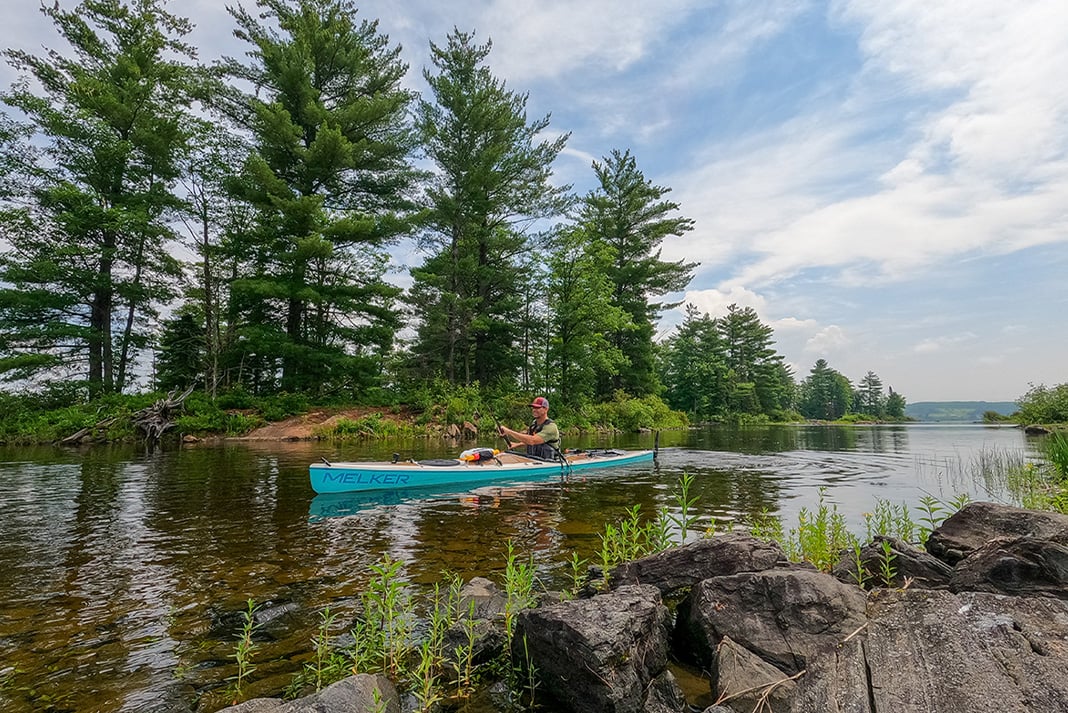
In an inspiring move towards sustainable innovation, PaperShell (papershell.se) and Melker of Sweden (melkerofsweden.se) are thrilled to announce a groundbreaking partnership. As we move into the new year, this collaboration marks the start of a journey to challenge each other to redefine kayaking with a focus on environmental stewardship and cutting-edge design.
Photo Courtesy of Melker of Sweden
Melker of Sweden, known for its commitment to sustainable outdoor experiences, and PaperShell, a pioneer in eco-friendly material innovation, are joining forces to create a new era of kayaks. Drawing on PaperShell’s expertise in sustainable material technology and Melker’s design prowess, this partnership is dedicated to creating kayaks that are not only top-performing but also environmentally friendly. Our initial focus is on incorporating the material into smaller components of the existing kayak’s, with the ultimate goal of constructing the entire kayak using PaperShell.
“We are diversifying our kayak production by collaborating with PaperShell and their eco friendly material. Alongside continuing to produce our existing premium models using plant-based composites, a new model segment will now involve PaperShell. This shift represents our commitment to sustainable practices and reflects our collaboration with PaperShell, marking a major stride in our journey towards more environmentally-friendly kayak manufacturing. This partnership is a step towards realizing our dream of a completely sustainable kayak.”
Pelle Stafshede – CEO & Creative Director of Melker of Sweden.
Photo Courtesy of Melker of Sweden
The collaboration beginning with the production of vital components for Melker kayaks from January, is not only a significant move to broaden Melker of Swedens current product range but also a strategic effort to reach new target groups. This initiative goes beyond conventional manufacturing, representing a bold venture into the realm of sustainable outdoor equipment. By integrating PaperShell’s innovative materials into the kayaks, we are not only diversifying the offerings but also appealing to a wider audience, including environmentally-conscious consumers and enthusiasts of cutting-edge design, thereby reinforcing our commitment to environmental sustainability and innovative design. Our calculations show that transitioning to PaperShell will yield notable positive outcomes, both in terms of economic performance and in accelerating our shift to more sustainable materials.
“Kayaks are among the most beautiful products on the market. It’s the outdoor sports version of fine dining. It’s nature! Art & Science. Aesthetics sustainability in every sense. Pelle shared a vision of kayaking in northern parts of Norway where there are whales. In a kayak made of PaperShell produced in our highly automated lines. Do I share that dream? Hell yes!”
Anders Breitholtz – CEO & founder of PaperShell.
Photo Courtesy of Melker of Sweden
With visions of kayaks gliding through serene waters, silhouetted against sunsets, embodying the perfect blend of nature and human ingenuity. This partnership goes beyond mere production – it’s about creating a legacy of sustainability and excellence in outdoor sports.
How PaperShell could be a better choice
PaperShell reverse engineering paper back into high tech 3D-wood components. 100% fossil carbon free. Storing atmospheric carbon in products instead of wasting it on single use items. Stronger than plastics, versatile like glass fibre and lighter than aluminium. Enabling companies to switch materials towards a circular bio economy. Where science meets art and finance supports Nature.
About Melker of Sweden
Founded in 2015, Melker of Sweden aims to revolutionize the Outdoor Hardware industry with a focus on balancing environmental ethics and economic viability. Our approach involves continuous innovation and sustainable practices, ensuring our products not only meet user needs but also contribute positively to the planet. Central to our ethos is the joy of working with like-minded partners, friends, and family, as we strive to create a legacy for future generations and a sustainable, impactful business.
PaperShell is reverse engineering wood into high-tech 3D free-form components. It is stronger than plastics, as versatile as glass fiber, and lighter than aluminum. This enables partner companies to transition towards a circular bioeconomy, where science meets art and finance supports nature, aiming for carbon net zero and beyond.
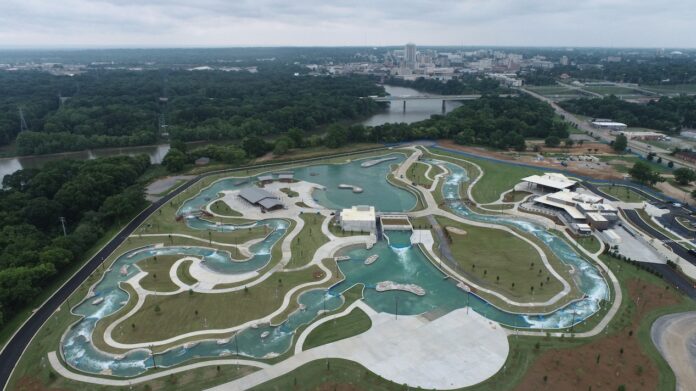
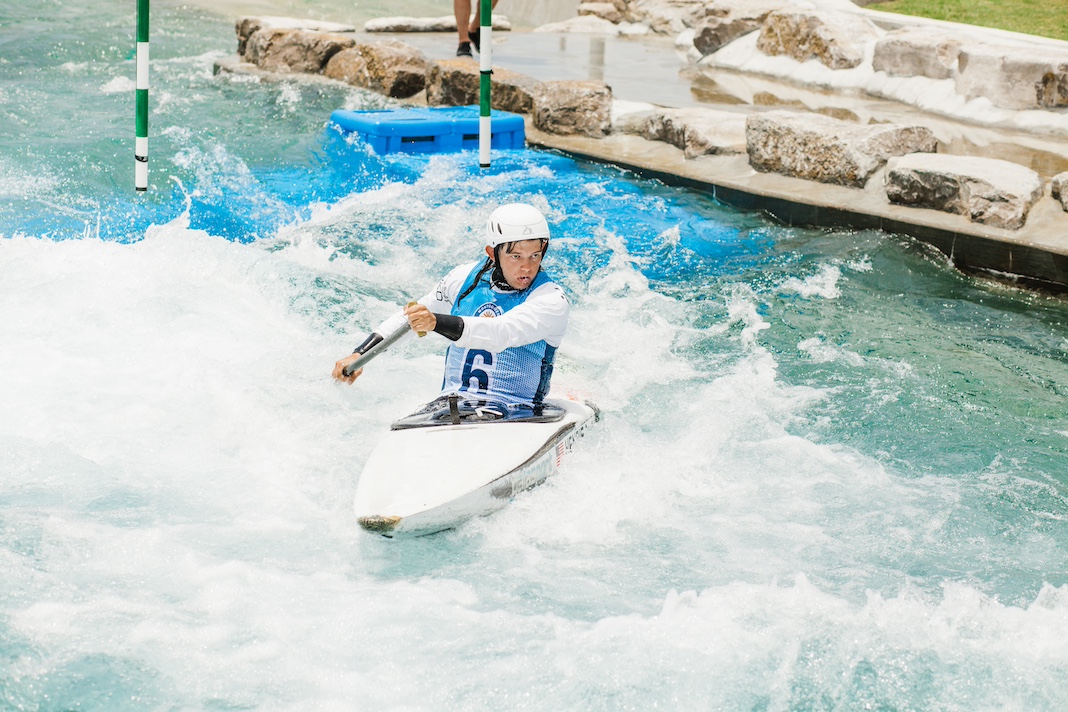
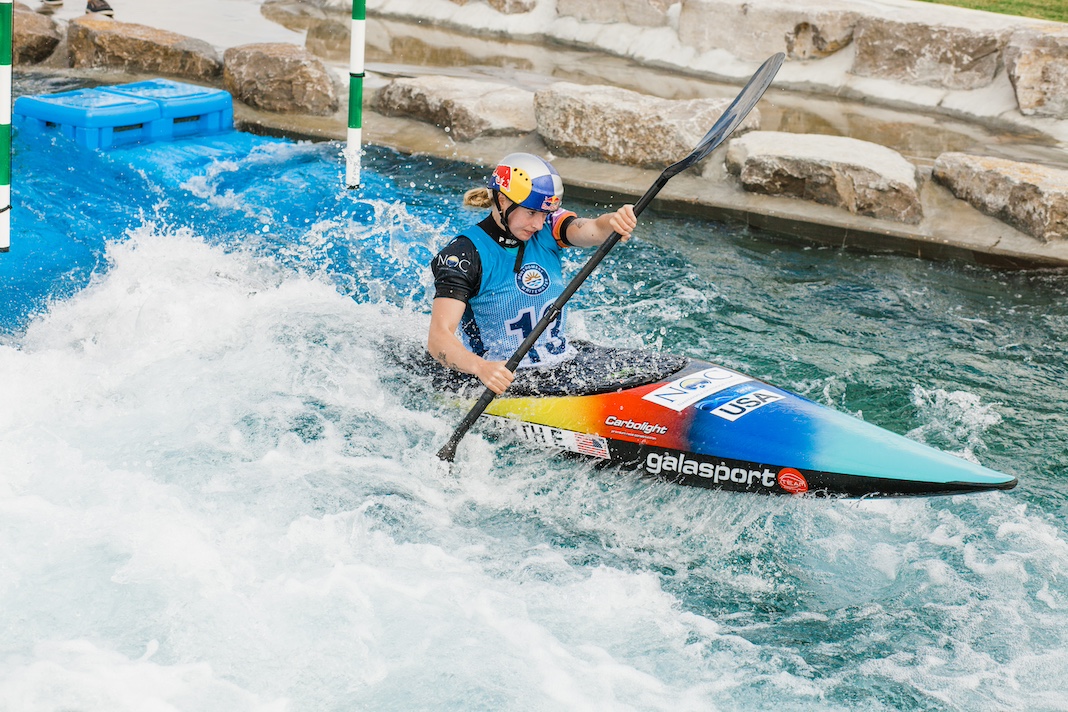
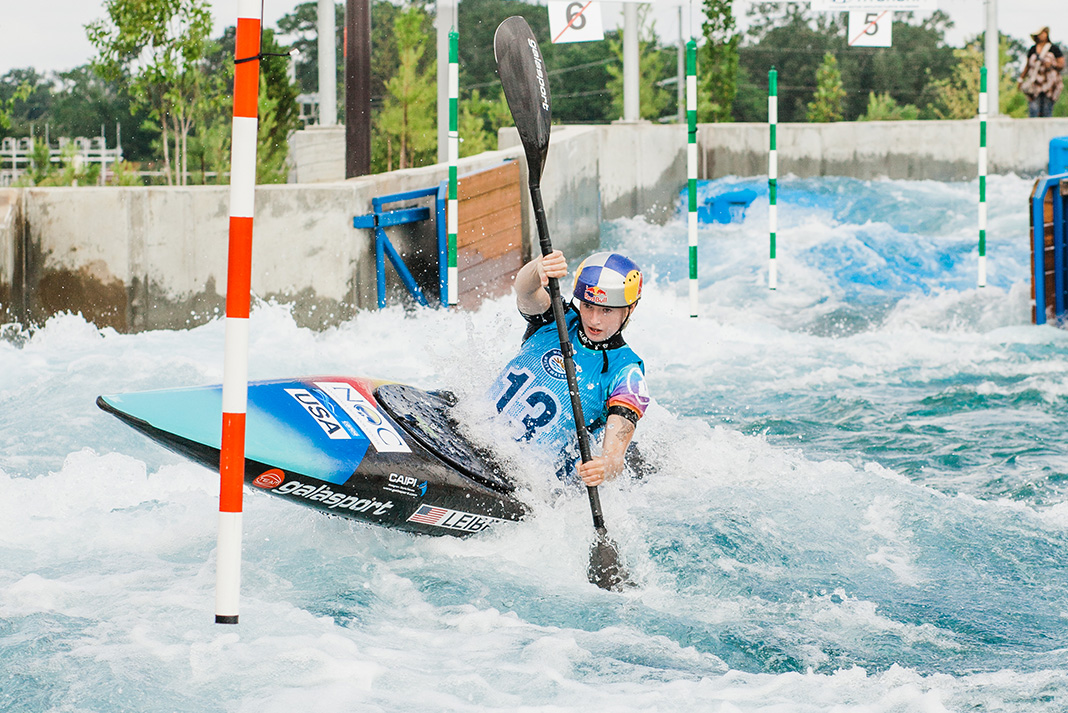
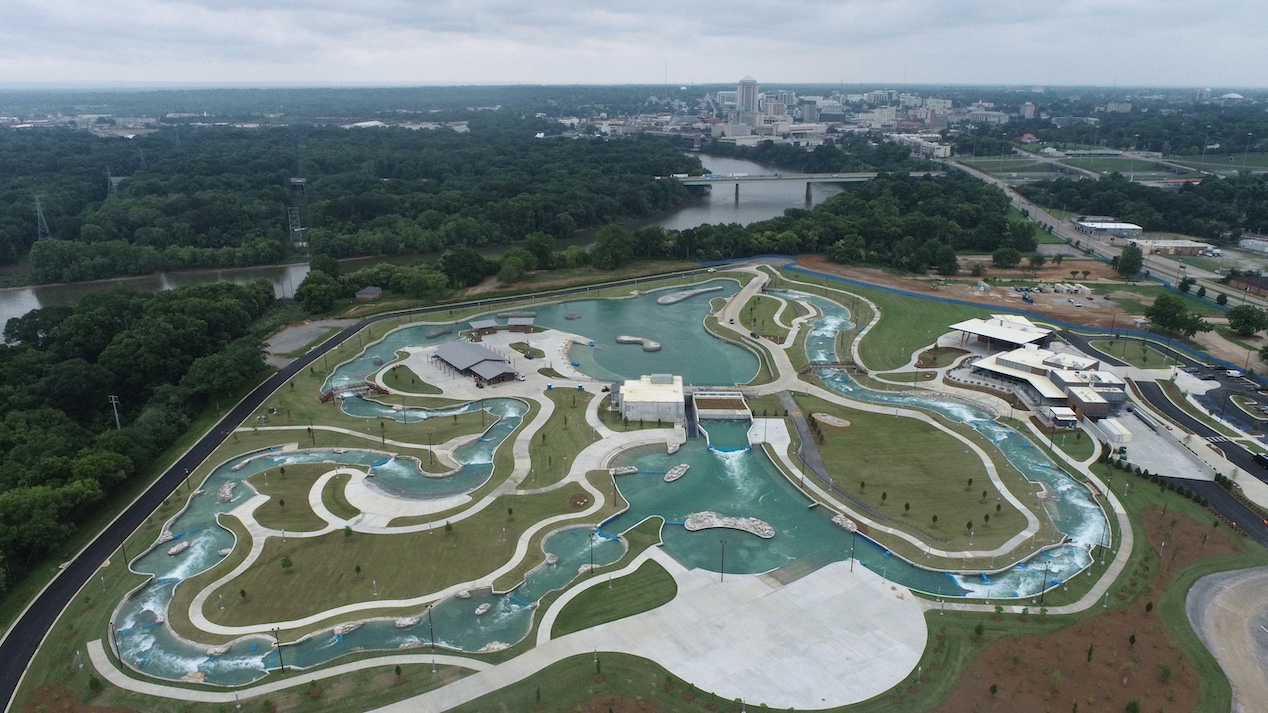
Montgomery, Ala. – Jan 4, 2024 – Montgomery Whitewater Park, Alabama’s new, world-class outdoor adventure park and lifestyle destination, announced today that the American Canoe Association (ACA) has selected it to host the 2024 Canoe Slalom and Kayak Cross Olympic Team Trials on April 13 and 14, 2024. This is the first time Canoe Slalom and Kayak Cross will hold its Olympic Team Trials in the state of Alabama, and the first of two selection events to be held before the 2024 Paris Olympics.
Photo courtesy of Montgomery Whitewater Park
Known as an iconic Civil Rights destination and home to the internationally renowned Equal Justice Initiative’s Legacy Sites, which have drawn hundreds of thousands of visitors in recent years, Montgomery will now welcome some of the world’s best paddlesport athletes and become part of the Olympic story.
Montgomery Whitewater Park opened in July 2023 and hosted the ACA’s Age Group National Championships in Canoe Slalom and Kayak Cross. The facility is the newest and most advanced of only three Olympic-caliber pumped whitewater courses in America capable of hosting the highest-level international events and offering recreational kayaking, canoeing, rafting and instruction.
Photo courtesy of Montgomery Whitewater Park
Photo courtesy of Montgomery Whitewater Park
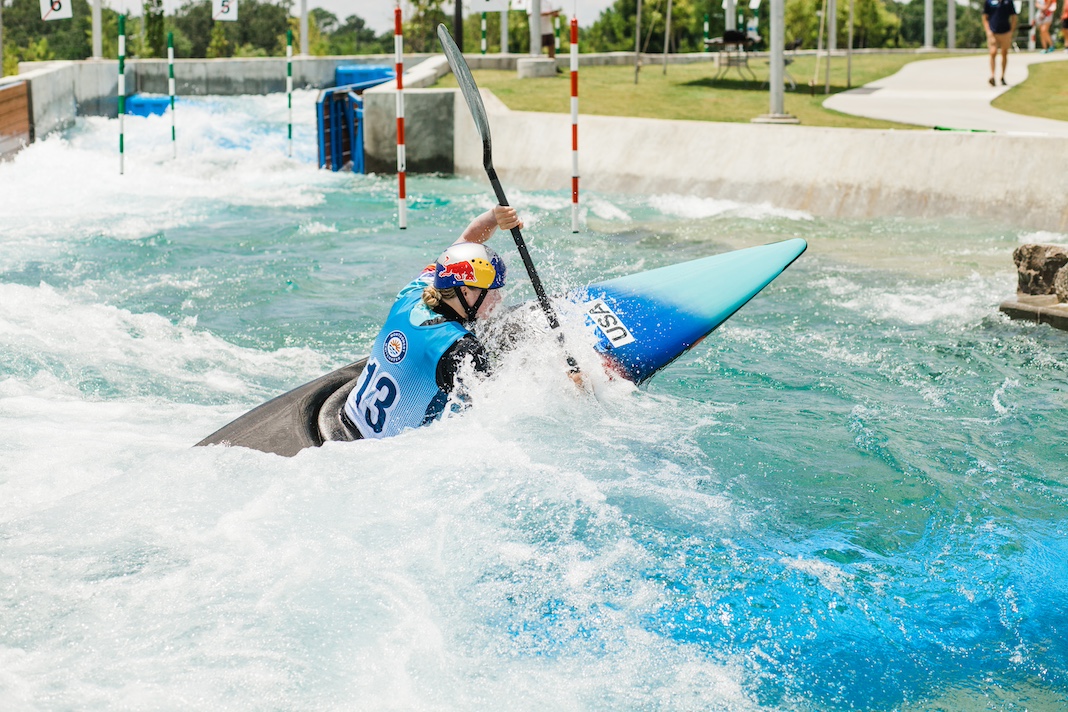
Canoe slalom is contested by two types of boat, canoes and kayaks. In canoe, a single-blade paddle is used by an athlete who is kneeling in their boat. In contrast, kayakers use a double-bladed paddle and are sitting. Canoe and kayak competitions are timed events where competitors navigate a whitewater course by passing through a combination of gates. Upstream gates are designated by the color red and downstream are green. Time penalties can be incurred for touching a gate (two seconds) and missing a gate (50 seconds).
Photo courtesy of Montgomery Whitewater Park
Kayak Cross is the latest addition to the Olympic Program and will debut in Paris. This exciting new Olympic event puts four kayakers in a head-to-head format, racing down a section of whitewater while negotiating several inflatable gates. The race starts with four kayaks on a ramp above the river. After launching 10 feet into the river, the athletes paddle around a series of red and green inflatable “gates” and complete a full kayak roll under a “roll zone” marker; the first boat to cross the finish line wins.
The Olympic Team Trials at Montgomery Whitewater Park will be open to the public and a schedule will be published when available at montgomerywhitewater.com, along with more information on the park and its other events. This will be the first of two team selection events with the second one taking place at RIVERSPORT in Oklahoma City, OK on April 26-28, 2024.
Photo courtesy of Montgomery Whitewater Park
About Montgomery Whitewater Park
Montgomery Whitewater Park is a 120-acre state-of-the-art recirculating whitewater park and outdoor adventure center located off I-65 in Montgomery, Alabama offering a variety of outdoor lifestyle activities both in and out of the water for all ages and skill levels. Developed and operated by Southern Whitewater Design Group for the Montgomery County Community Cooperative Group, this park was conceived and developed as a large-scale public-private investment to catalyze economic growth and provide health-focused recreation and employment opportunities. More information is available at Montgomerywhitewater.com.
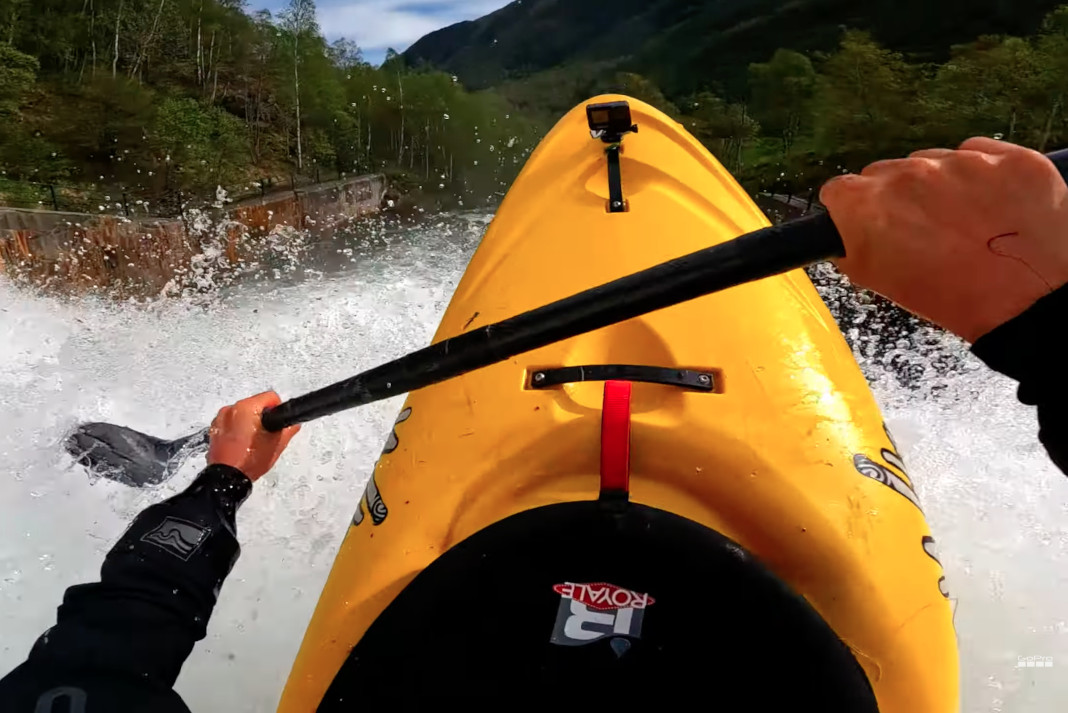
The Lions Bay drainage ditch in British Columbia has become infamous for the occasional high-speed kayaking video. A group of three kayakers upped the ludicrous ante in a head-to-head race down the concrete slide, as seen in this video shared by GoPro.
According to the GoPro post, Stu Telfer, Harrison Stacey, Jarrah Anderson and Chloe Pocock made the trip to the Lions Bay drainage ditch once some rain started coming down. They lowered their boats, positioned themselves at the edge, and went full send toward the Pacific Ocean. The fact all three made it to the bottom in one piece on this head-to-head race is a feat in and of itself.
Standing on river left at Clarno Rapid, I watched the water tumble over a wide ledge, forming a hole that stretched from bank to bank. I was on a paddleboard mission down the Wild and Scenic John Day River, contemplating the risk and reward of running the rapid versus portaging. Clarno was the most significant drop near the start of the 70-mile trip.
Eventually, I walked back to my board and cranked down on the straps of my PFD. As I started downstream, my speed steadily increased, and my heart rate kept pace. I landed the drop facing upstream and stalled out in a micro eddy I hadn’t recognized from the scout. As I readied myself to start paddling again, the blade of my paddle caught the current, which unexpectedly jerked the T-grip toward my face, and before I knew it, I had clocked myself with a southpaw undercut to the jaw.
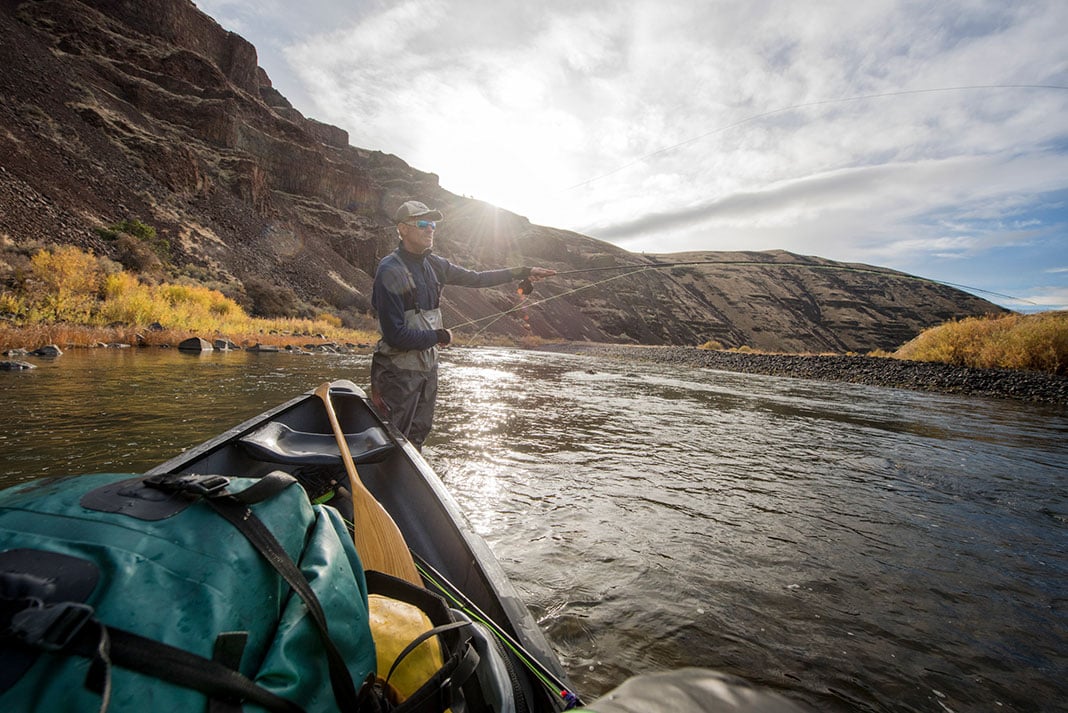
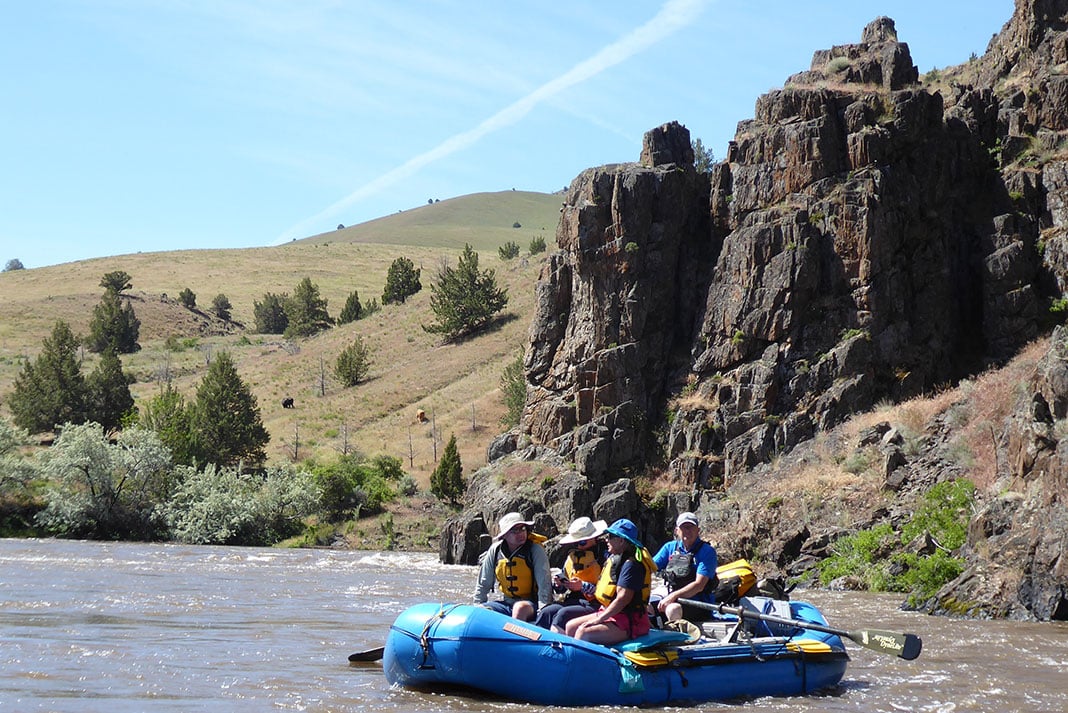
That was the extent of the carnage, though, because overall, the John Day from Clarno to Cottonwood is a mellow and inviting whitewater run. The river holds the longest stretch of free-flowing water west of the Rockies and is an Oregon Scenic Byway. One hundred forty-eight miles are designated Wild and Scenic and require a permit to float. The two most popular sections are the 70 miles between Clarno and Cottonwood and the 48-mile stretch from Service Creek to Clarno upstream. Both offer excellent fishing, pristine desert scenery, exceptional wildlife viewing, and an exceptional float for families, beginner boaters, paddleboarders and canoeists. As a classic Oregon River, though, the John Day has no issue attracting experienced boaters too.
Photo: Austin Trigg
Photo: Austin Trigg
Photo: Austin Trigg
Origin story
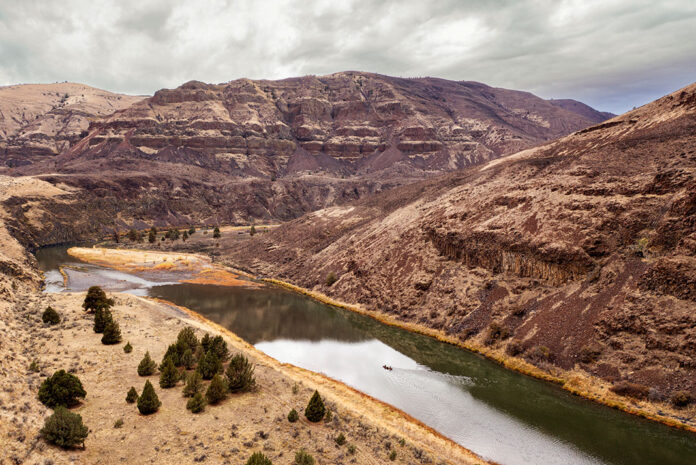
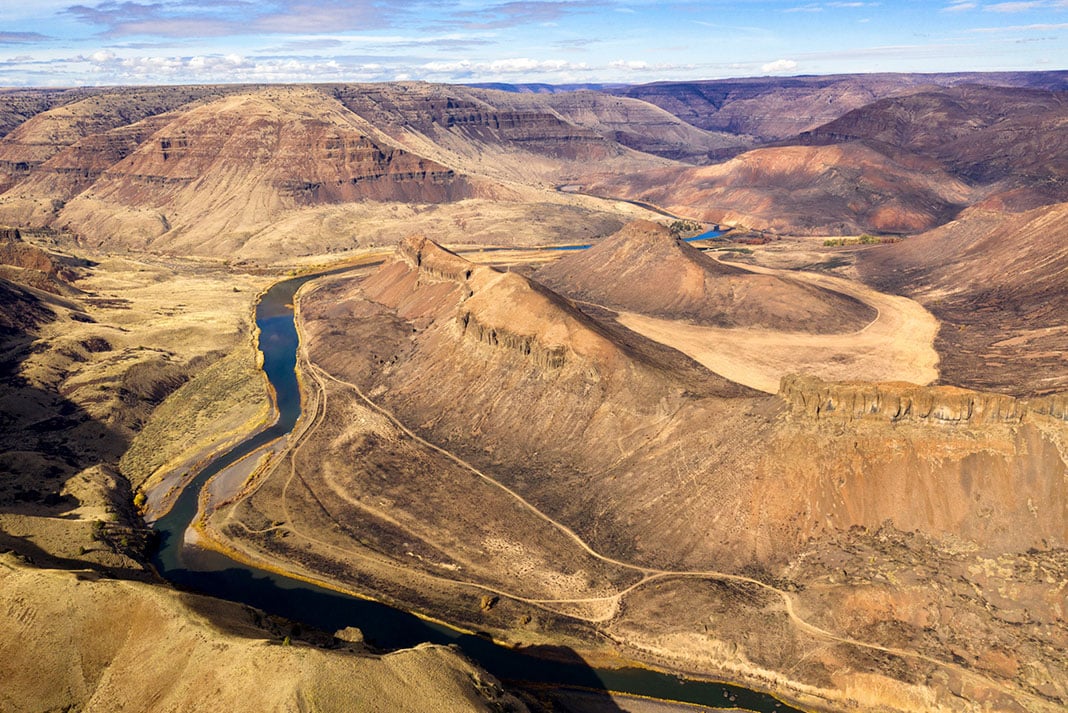
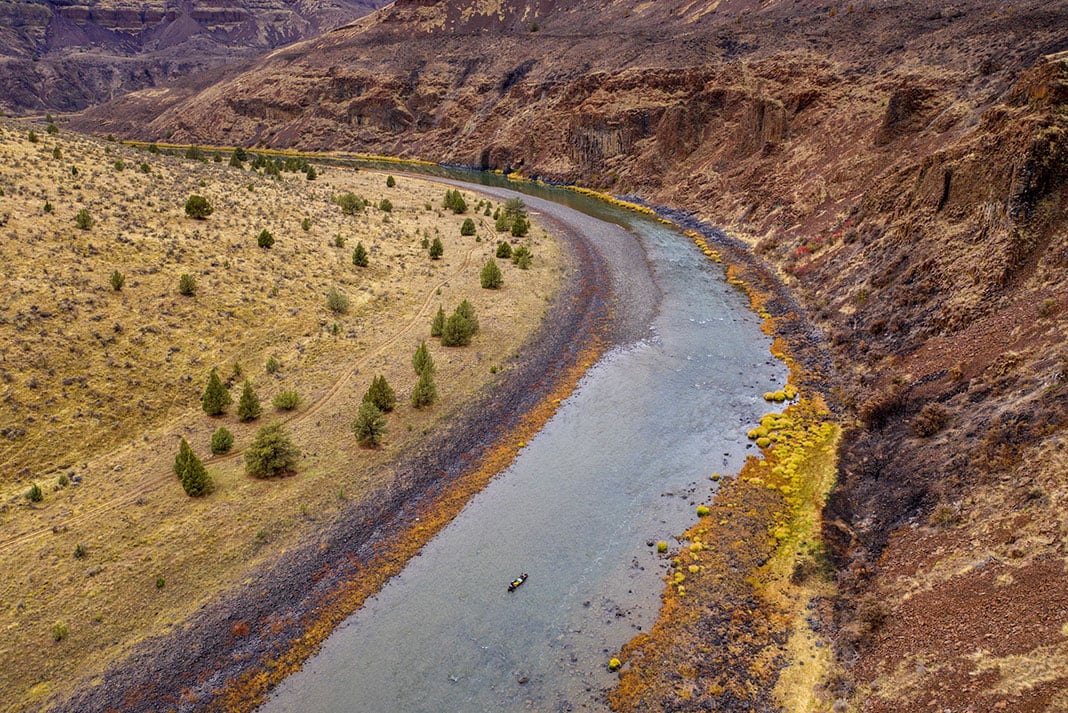
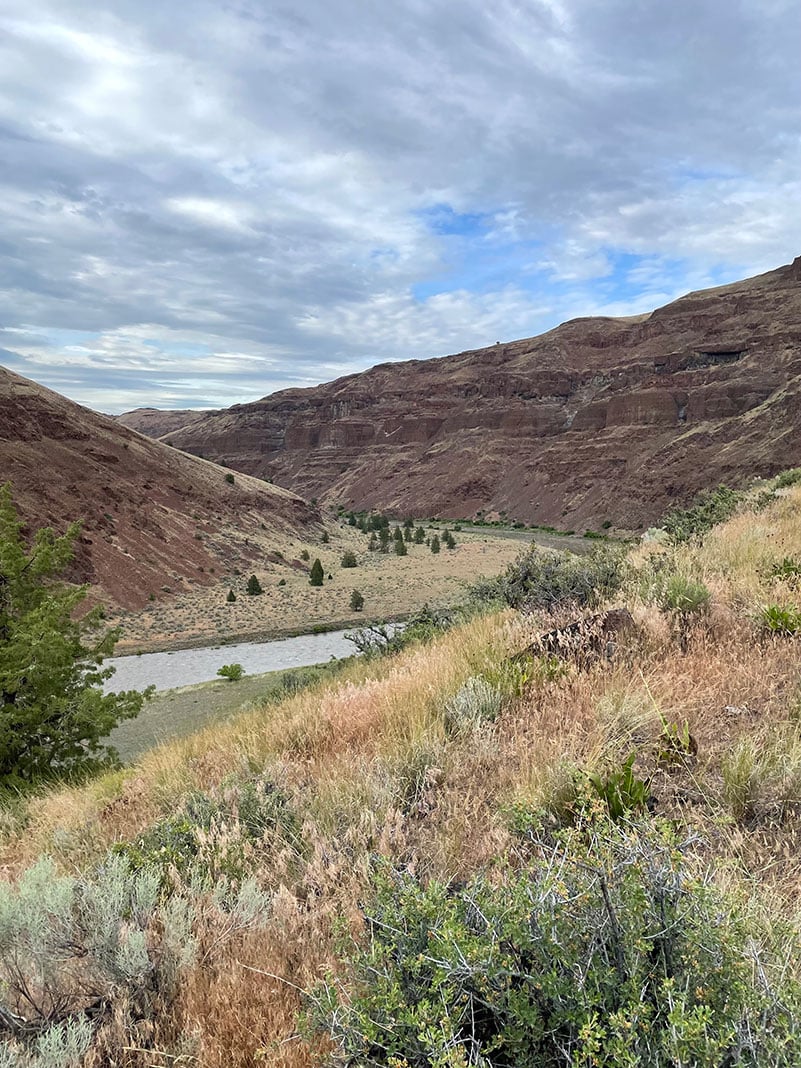
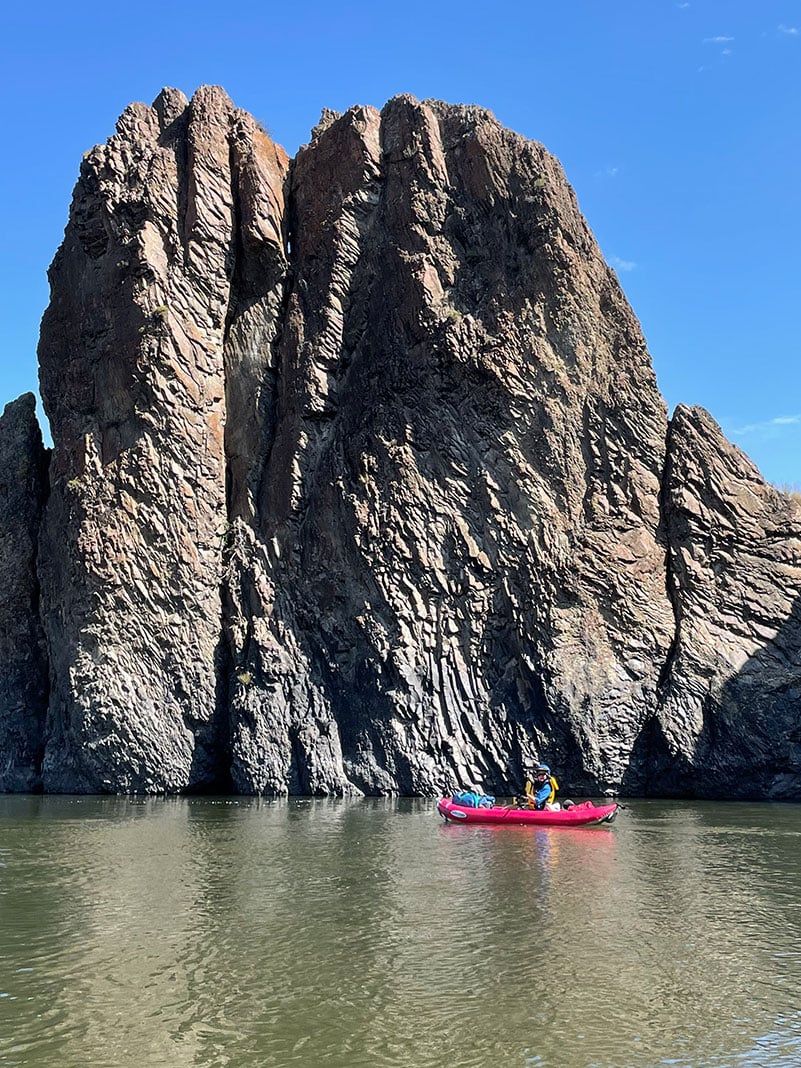
Geologically, the John Day landscape is dominated by flood basalts of every shape and geometry as old as 17 million years. Organ pipes, perfect columns, confused knots of horizontal and vertical buttresses in walled cross sections, and pilings of dismantled ridges are just a few of the shapes the basalt forms.
Deep canyons with alternating towering basalt mounds and angular talluse piles are the most incredible basalt formations. These sections resemble castle ruins or adobe cliffside homes. One could almost convince themselves they were viewing a piece of antiquity. The basalt fortresses also give way to rattlesnake formations—horizontal layer-cakes, climbing in distinguished black, red and orange strata that meet the sky on the horizon.
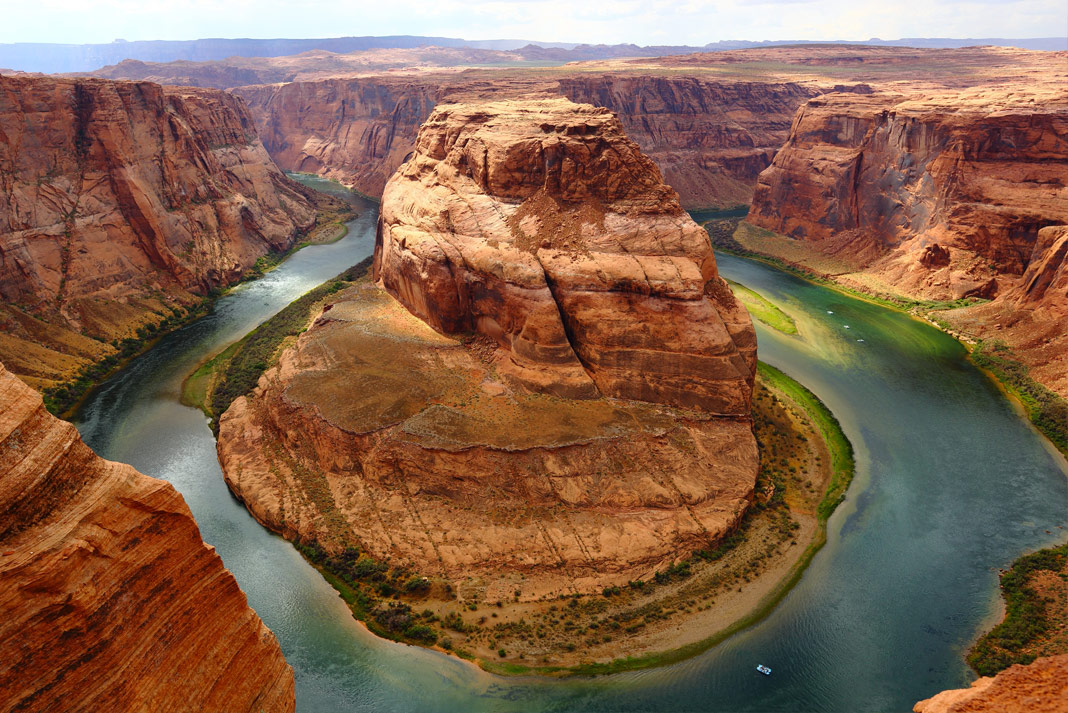
Basalt holds up strong through the erosion process, which manifests in the river profile as long meanders, horseshoe bends and gooseneck curves.
[ Plan your next Oregon paddling trip with the Paddling Trip Guide ]
In wider open sections of the river, basalt is blanketed in golden grasses. This arid, ponderosa pine savanna and grassland hosts juniper trees, occasional sage shrub-steppe, and the largest herd of bighorn sheep in Oregon.
Known to Chinook Native Americans as the Mah-Hah River, the John Day River is named for a member of the Pacific Fur Company’s Astoria Expedition who headed west from St. Louis five or so years after Lewis and Clark. In 1812, John Day and a hunting associate were stripped of their goods and supplies at the mouth of the John Day River in retaliation for the unrelated murder of a native person. Though little is known of Day, more natural features are named after him in Oregon than anyone from the same period.
Photo: Mark Steudel
Photo: Oregon River Experiences
How to score a John Day River permit and plan the ultimate trip
John Day River permits
Permits to float the John Day River anywhere in the 148 miles between Service Creek and Tumwater Falls are required year-round.
Photo: Oregon River Experiences
During the high visitor season from May through July, a limited number of permits are available through the Prineville District Bureau of Land Management. There are varying quotas for high-season day and overnight trips.
The river is divided into segments (segment map), and permits become available according to a published schedule. Fifty percent becomes available four months in advance and the remainder one month in advance. The first permit dates go on sale January 1. This differs from the lottery permit system used on popular river destinations like the Grand Canyon.
During the high season, from May into July, a recreation fee must be paid by each trip launching on the river. The recreation fee is $20 per overnight trip per group or $10 per one-day trip per group.
[ Paddling Buyer’s Guide: View all whitewater & river running accessories ]
River access
There are two popular sections of the Wild and Scenic John Day River that most overnight trips are based around.
One is the 48-mile stretch from Service Creek to Clarno, which takes an average of three days.
The other is the 70-mile stretch from Clarno to Cottonwood, which takes an average of five days.
There are various access points within these stretches and both upstream and downstream of these sections. The segment map of the John Day River provides more info on the various segments and access points.
Photo: Mark Steudel
John Day River camping
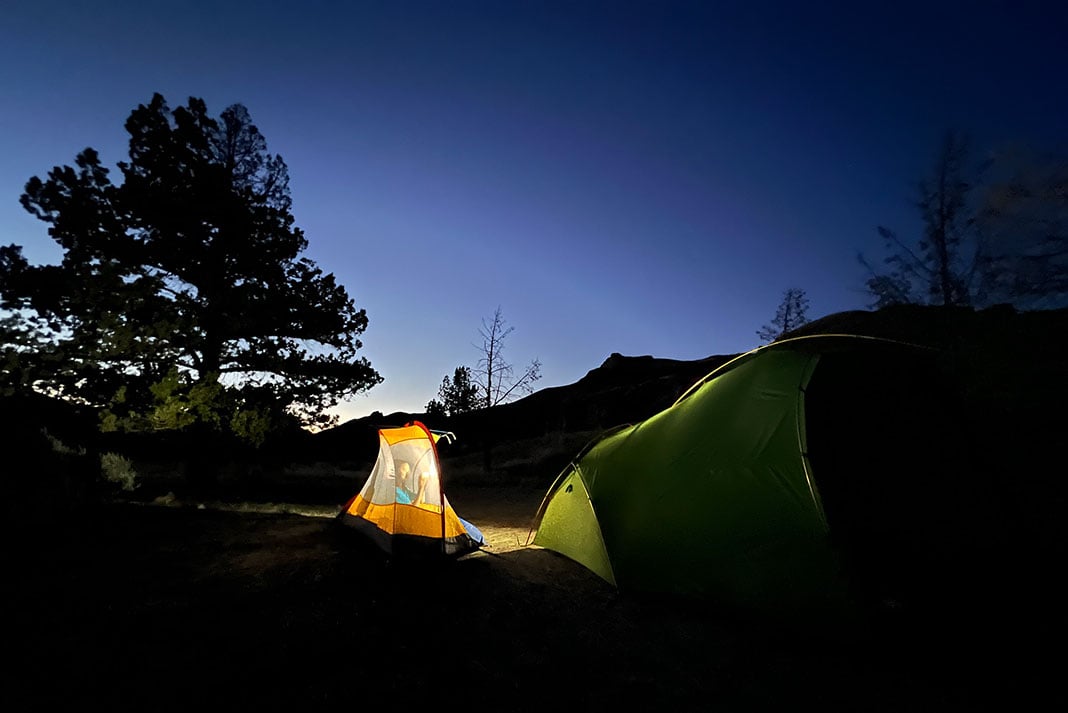
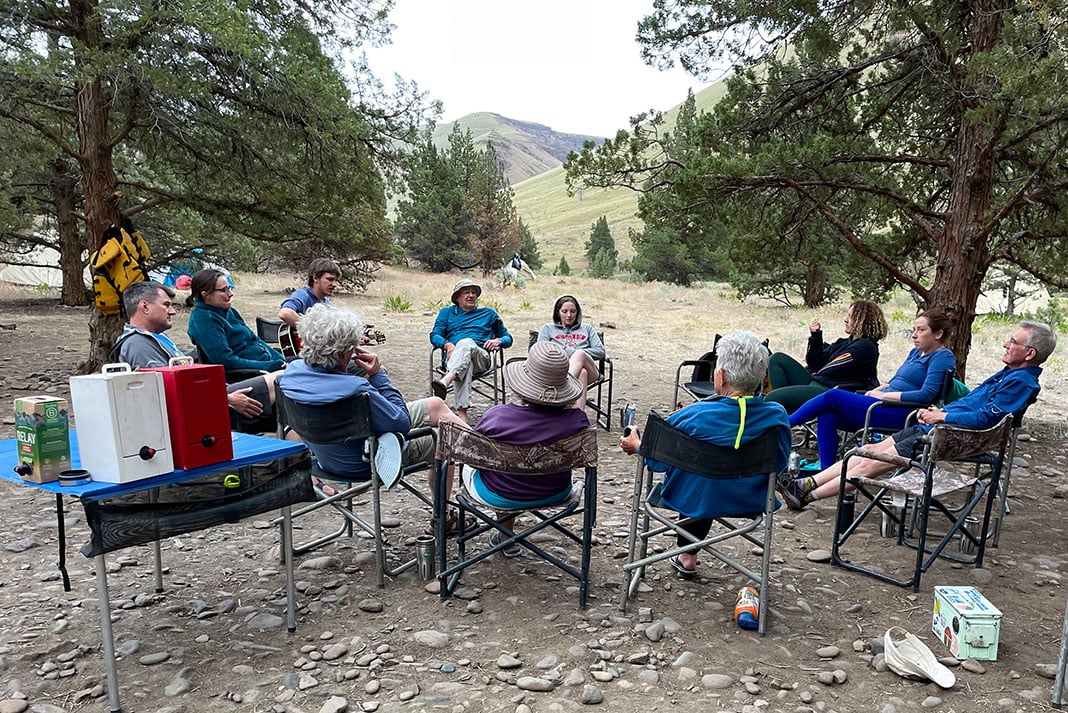
Camping on the John Day River is dispersed and first-come, first-served.
If you start at Service Creek, camping at Cathedral Rock is a must. The wide-based basalt tower climbs to a point and resembles an old-world basilica. An easy walk to the top from camp is a fun evening adventure. I’ve even witnessed an engagement at the summit during more than one river trip.
Photo: Austin Trigg
Photo: Austin Trigg
John Day River season and flows
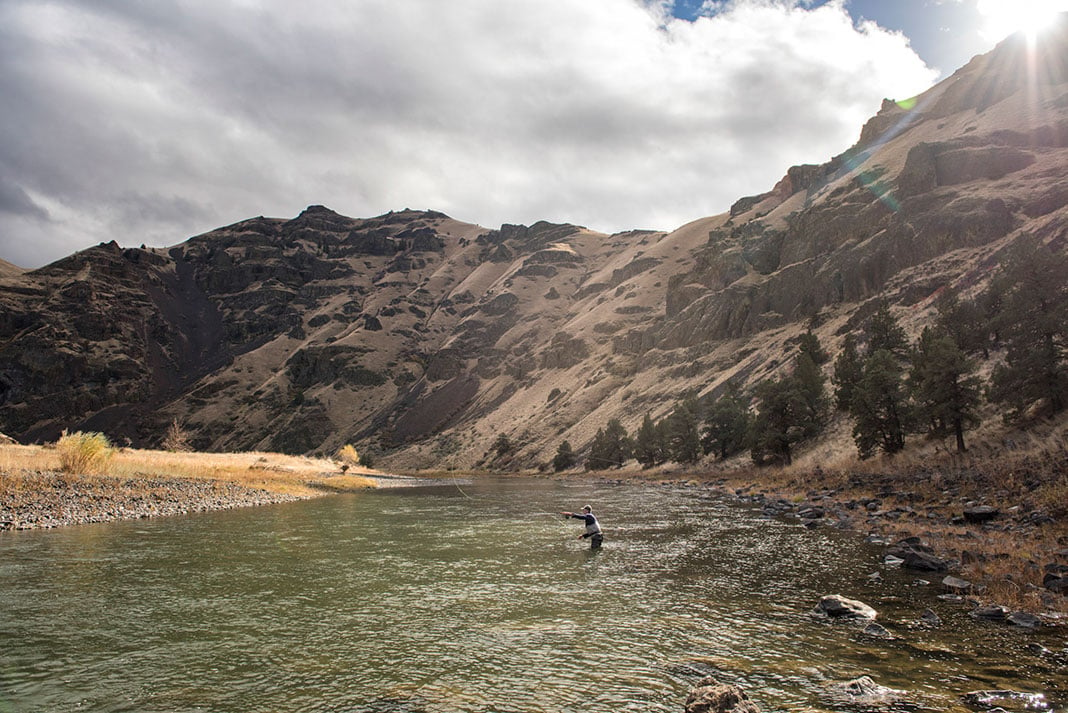
John Day flows are largely provided by snowmelt in spring and summer. Depending on the watercraft (raft, canoe, etc.), the river starts flowing inconsistently in February and more regularly in April and June, possibly into July. For the best fishing, anglers searching out summer steelhead visit the John Day from October to December. For non-native smallmouth bass, spring and summer are best. If you are flexible on watercraft, a trip can be manageable most of the year despite flows.
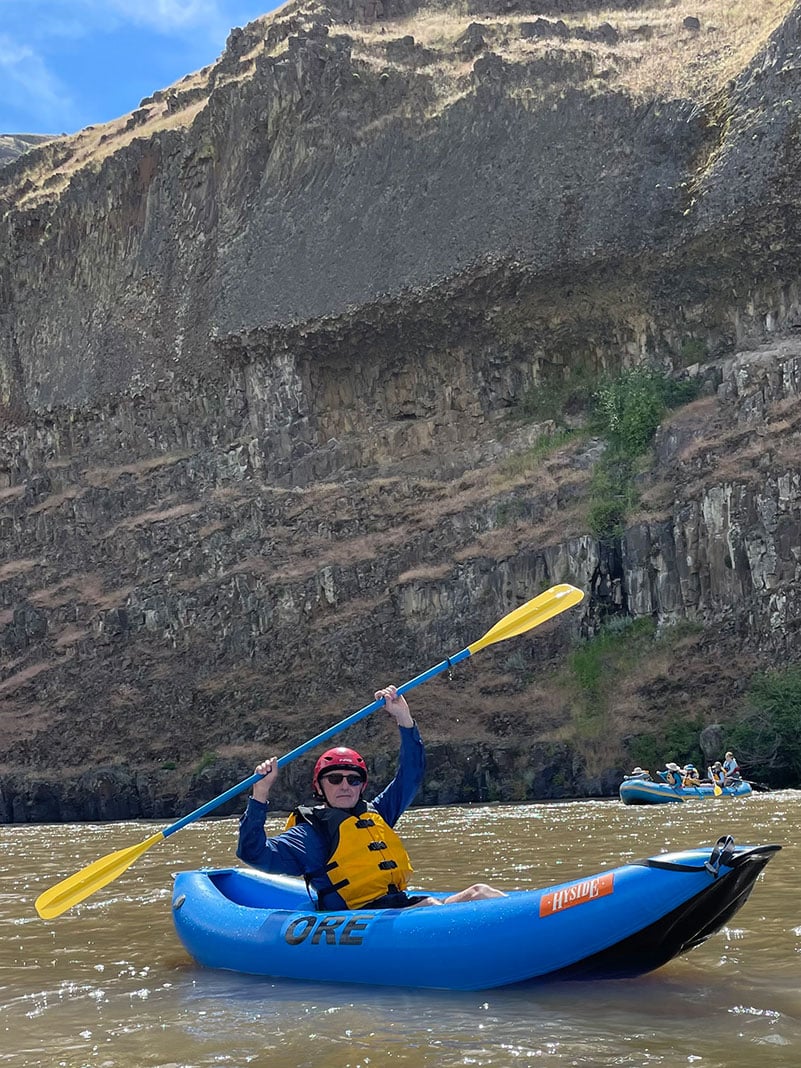
The BLM’s lowest recommended flow for the John Day is 300 CFS if you use an inflatable kayak. The lowest recommended flow for rafts is 1,000 CFS.
There are some unique sites to see in the John Day River region. In 1981, spiritual guru Bhagwan Shree Rajneesh relocated his ashram from India to Oregon near Antelope, Oregon, just 15 miles from the Clarno put-in. A documentary called Wild Wild Country debuted in 2018 on Netflix, detailing the conflict that arose with locals and how it became a national scandal.
John Day Fossil Beds National Monument is a mixed sedimentary and igneous complex of rocks that houses a diversity of fossils tracking the mammalian expansion starting 63 million years ago. These fossil beds are one of the most comprehensive collections of specimens from this time period in the world. Monument sites are scattered throughout John Day Country, the closest to the River being the Painted Hills.
Riverside hiking is the most developed out of Cottonwood Canyon State Park, at the take-out of the lower 70-mile stretch. At the park, Pinnacles Trail and Lost Corral Trail are 4.3 miles in one direction and follow each side of the river downstream. The Hard Stone Trail traces the river for 1.5 miles upstream to a whirlpool. The state park also offers year-round camping, rustic cabins, mountain biking and extensive amenities.
John Day River shuttles
The distance and remote nature of many western rivers make it most efficient to hire a shuttle service to get vehicles from put-in to take-out. The John Day River is no exception. Service Creek Resort is a good option for hiring a shuttle company that provides service to every stretch of the John Day River.
Photo: Oregon River Experiences
Photo: Oregon River Experiences
Rafting outfitters
The John Day is an approachable river in terms of difficulty, but that doesn’t mean you have to handle it yourself. Skip searching for permit availability and have experienced guides handle the trip by using an experienced rafting outfitter on the John Day River, such as Oregon River Experiences.
Paddlers visiting the John Day River need to be sure they follow etiquette for camping and boating while taking a trip to the environmentally sensitive and popular recreation destination. Read the Boater Etiquette guide before departing for your trip to be sure you are fully prepared for an experience on the John Day.
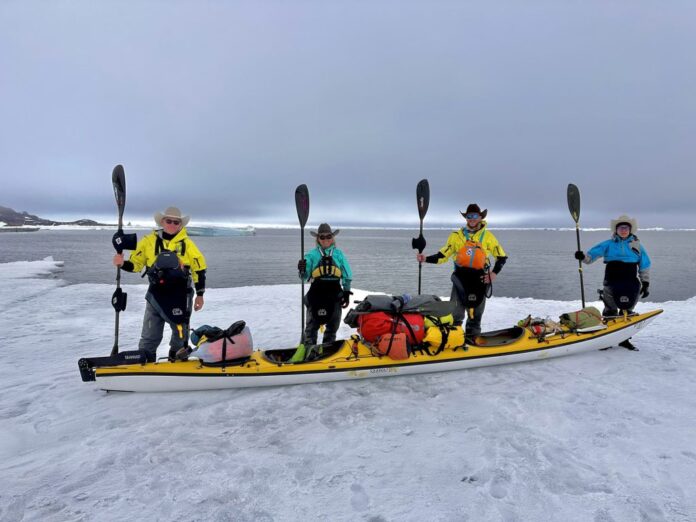
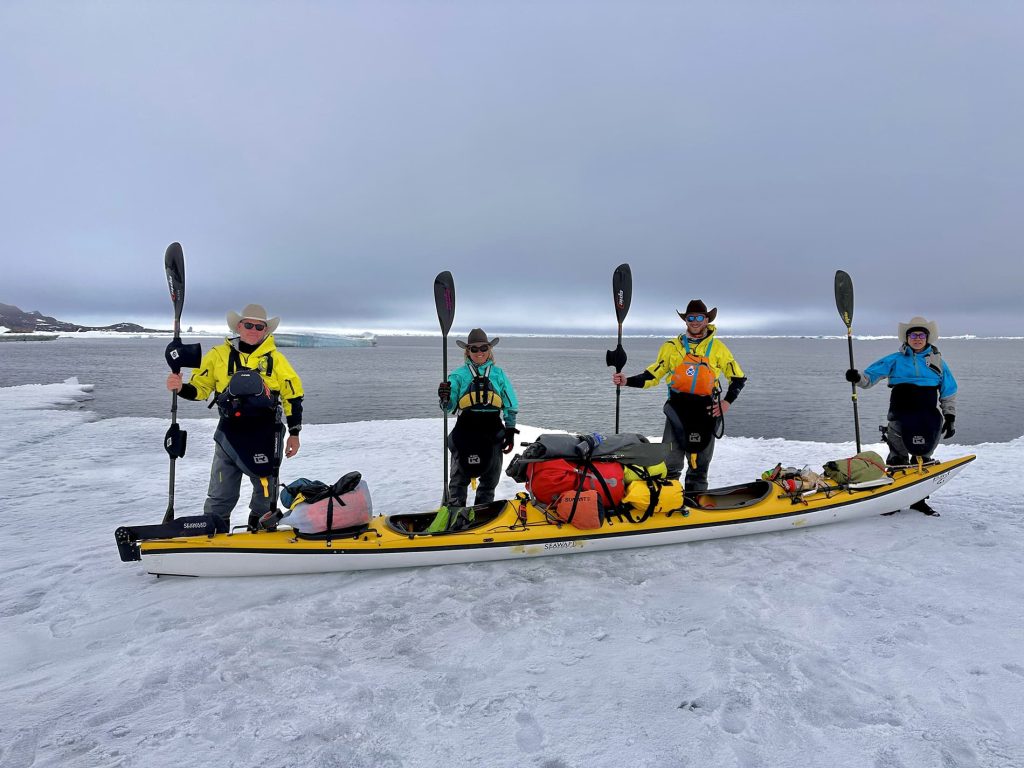
The Arctic Cowboys at the beginning of their expedition. Feature Image: Arctic Cowboys
Following their historic completion of the Northwest Passage by human power alone, the expedition team known as the Arctic Cowboys find themselves in hot water.
According to news stories published by Nunatsiaq News and the CBC, the team members Edward “West” Hansen, Jeff Wueste, Eileen Visser and Mark Agnew each face 45 counts of charges against the Canada National Parks Act and Migratory Birds Convention Act.
The Arctic Cowboys at the beginning of their expedition. Feature Image: Arctic Cowboys
The source of the legal trouble stems from the group’s time on Bylot Island at the beginning of their journey. Bylot Island is home to a Canadian Migratory Bird Sanctuary and a segment of Sirmilik National Park.
The CBC lists the alleged offences the Arctic Cowboys face as follows: Using public lands in a park contrary to the Canada National Parks Act; Possessing a firearm in a park contrary to National Parks Wildlife Regulations; Disturbing wildlife in a park contrary to the National Parks Wildlife Regulations; Unlawfully entering a park without registering as required by the superintendent, contrary to the National Parks General Regulations; Unlawfully entering a restricted area in a park, contrary to the National Parks General Regulations; and Camping on public land in a park contrary to the National Parks of Canada Camping Regulations.
An email from Parks Canada spokesperson Megan Hope to Nunatsiaq News states, “On Aug. 25, Parks Canada law enforcement assisted by the Royal Canadian Mounted Police arrested, interviewed and released a group of sea kayakers in Cambridge Bay, Nunavut.”
This means the Arctic Cowboys were arrested approximately 1,000 miles and over a month after departing Bylot Island. They were then permitted to continue with the completion of their expedition following their detainment in Cambridge Bay.
The allegations have since been laid as charges with Nunavut Courts, and a court date has been scheduled for Monday, January 8, 2024.
Paddling Magazine has not received comments on the case from expedition leader West Hansen. We will continue to monitor the proceedings.
The San Juan River holds a long-running record of drawing life to its waters within an extremely arid region of the Utah desert, and today you can add paddlers to the list.
The San Juan consistently supports year-round flow for boating. So obtaining a permit for a trip down the San Juan River, when others have run dry, is a small trifle rafters can appreciate. Various dams on the San Juan, like the Navajo Dam, have tamed seasonal fluctuations and provide consistent residential water for an environment sparse on H2O.
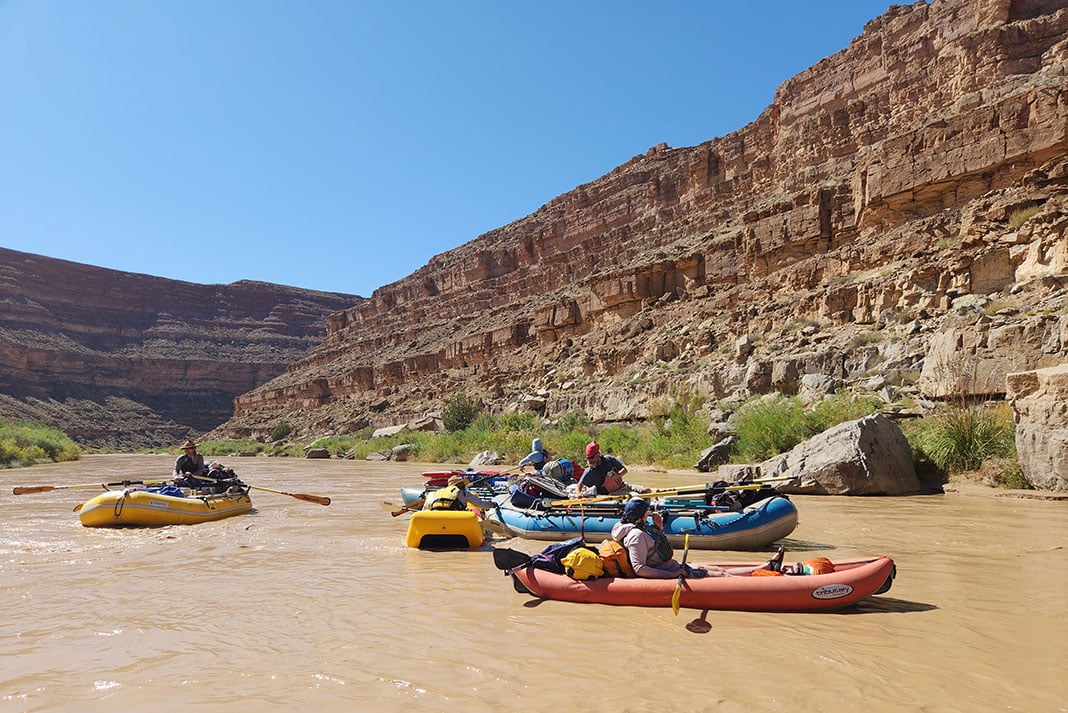
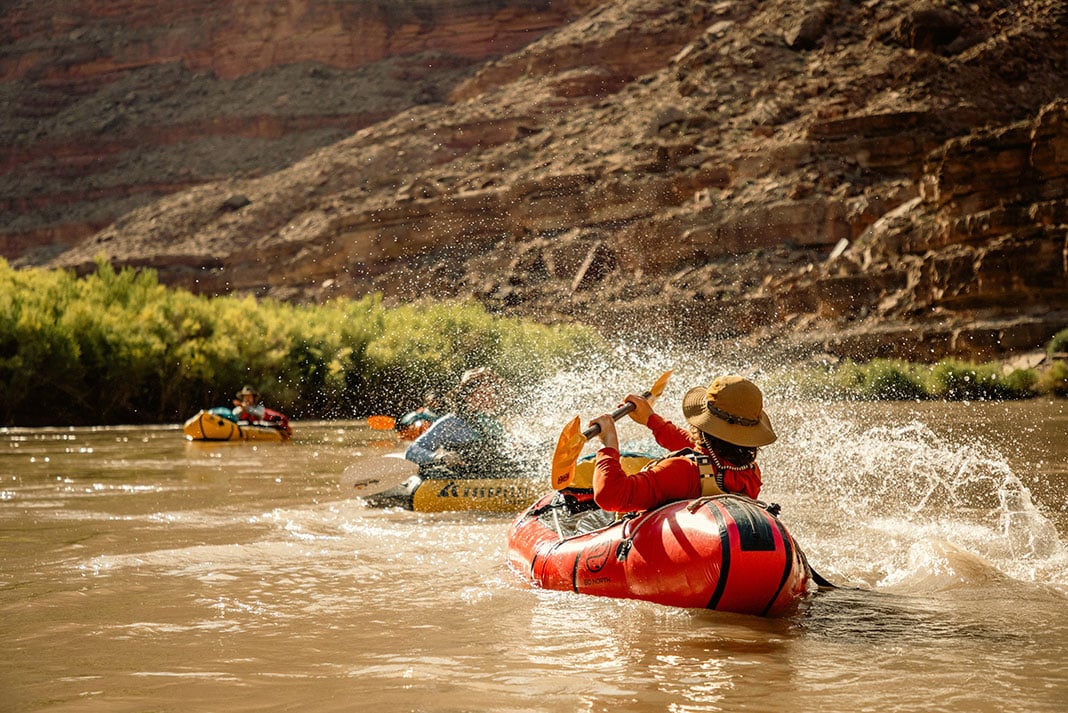
While the rapids on the San Juan River are comparatively mild when considering the roaring waves after its confluence with the Colorado River, the culture recorded in the numerous observable artifacts and the opportunity they provide visitors to time travel are incomparable to many other river experiences in the West. Seeing and experiencing the well-preserved remains of the mysterious Anasazi and their more recent descendants is a precious and invaluable peek into pre-history that is reason enough every paddler should consider a San Juan trip.
Photo: Corryn Smith
Photo: Corryn Smith
Origin story
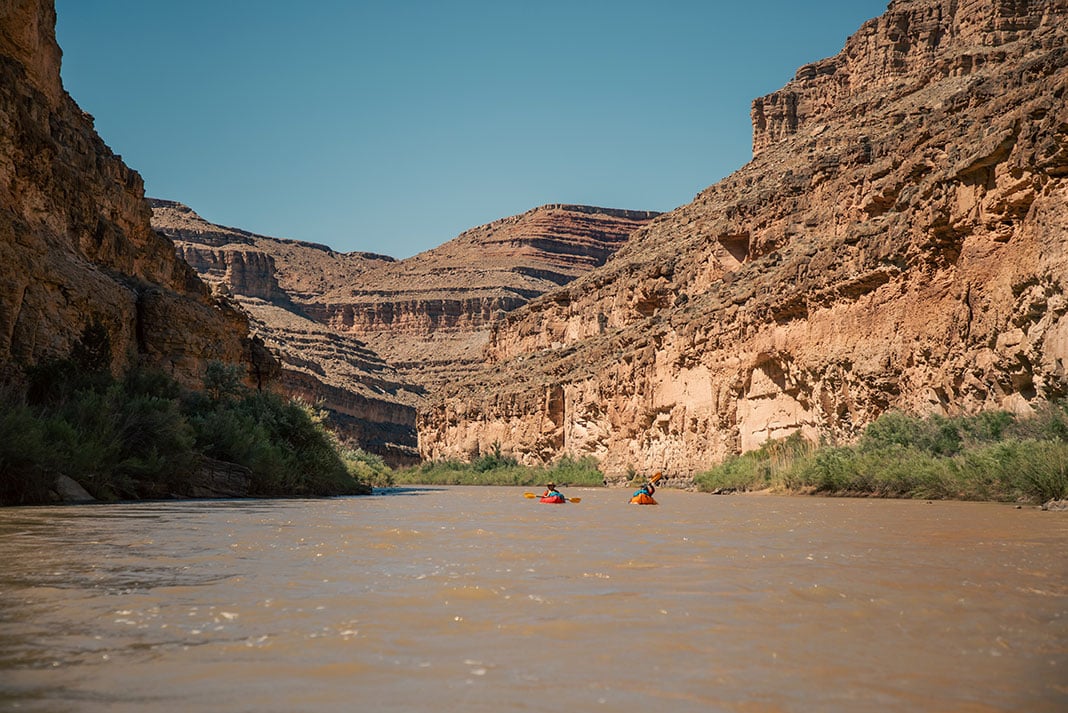
The San Juan River is a major tributary of the Colorado River and forms one of the borders to Bears Ears National Monument. It’s fueled by snowmelt from the arid San Juan Mountains (part of the Rockies) and courses 383 miles before joining the Colorado. Along its reaches are outstanding examples of historic and natural wonders like petroglyphs, ruins, blooming cacti and stacked sandstone that make for some exhilarating jump rocks.
[ Plan your next Utah paddling trip with the Paddling Trip Guide ]
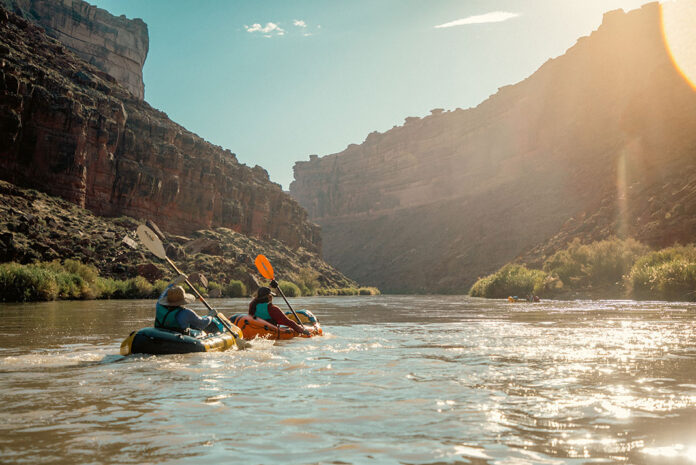
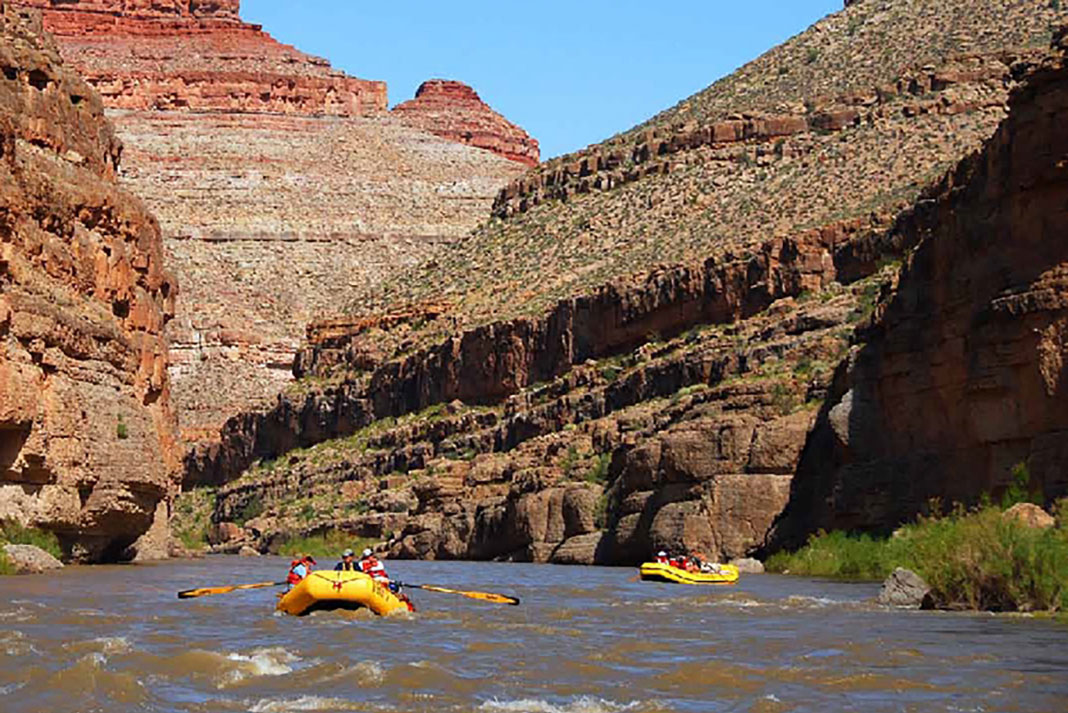
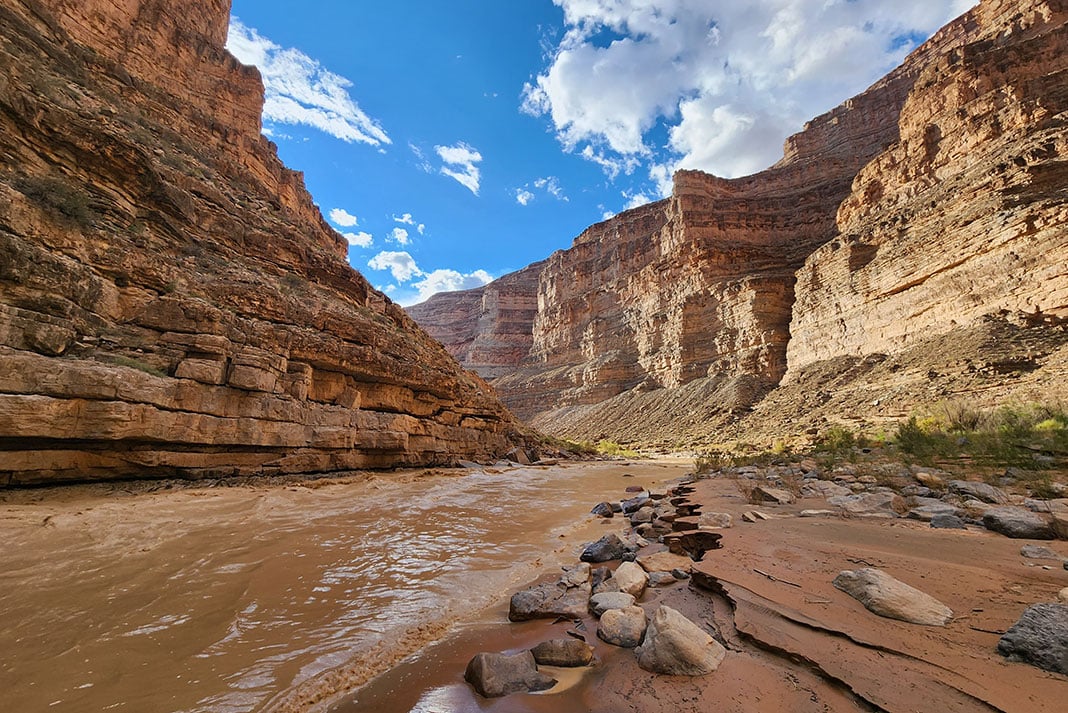
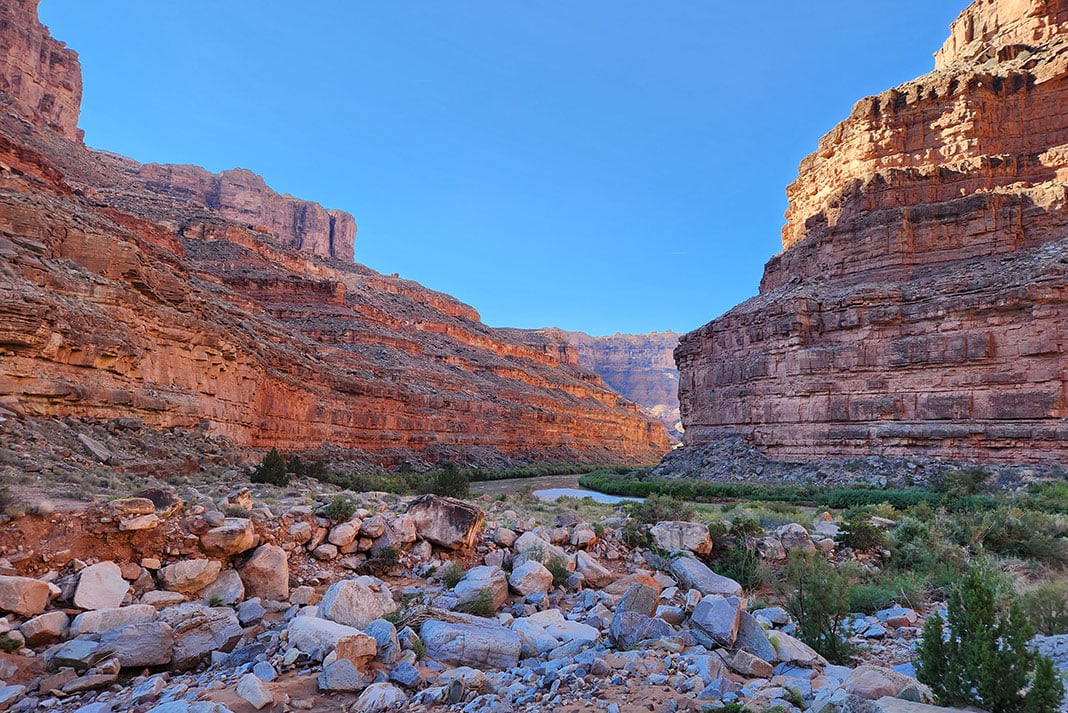
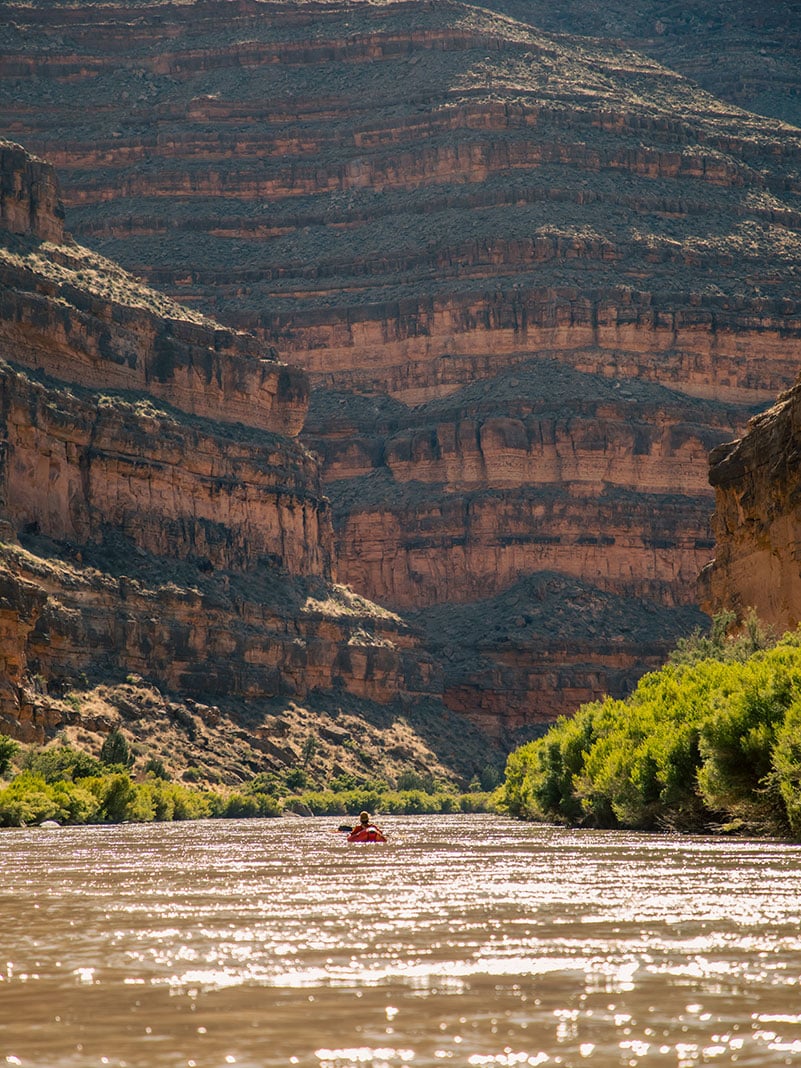
Traveling the San Juan River, rafters weave their way between curving sandstone canyon walls. Layer by layer, a maze of slot canyon labyrinths unfold. Each bend reveals a never-ending stratigraphy of red rocks, sandy beach campsites, heavenly waterfalls, and relics from ancient civilizations, like vertical Moki steps carved around 800 years ago.
Because the San Juan River holds many rich secrets to a 14,000-year human history and is not only located in a hotbed of world-renowned outdoor recreation, but also crosses the landscape in close proximity to sovereign Navajo Nation Reservation lands, permits and access to boating on the San Juan River can seem more highly regulated than other rivers one might have navigated.
Photo: Corryn Smith
How to score a San Juan River permit and plan the ultimate trip
San Juan River permits
To float the San Juan River between the points of Montezuma Creek and Clay Hills (102 miles) in Southeast Utah, a permit is required year-round. Permits are only issued through advance reservation requests and a preseason lottery process.
The peak season of the San Juan River from April 15 to July 15 requires entry in the annual lottery. This is when flows and weather are optimal for most users. You can register for the lottery from December 1 to January 31 through the Bureau of Land Management (BLM).
The process for obtaining a permit outside of the lottery season requires advanced registration through the Montevallo Bureau of Land Management San Juan River permit application guidelines.
The user fee to float the San Juan between Montezuma and Clay Hills for each trip depends on the stretch you plan to paddle, ranging between no fee and $30 per person.
San Juan River access
Most trips on the San Juan start at either Mexican Hat or Sand Island and end at Clay Hills.
The trip from Mexican Hat to Clay Hills is 57 miles and takes four to five days.
The stretch starting farther upstream from Sand Island to Clay Hills is 84 miles and takes six to seven days.
River trips on the San Juan can also start farther upstream in Montezuma Creek, making a trip up to 102 miles if you decide to travel all the way to Clay Hills. The Montezuma boat launch is an undeveloped site managed by the BLM and you will need to contact the Monticello Field Office to receive a permit. The Montezuma Creek launch is also within the Navajo Nation and if you plan to camp or hike in this initial stretch you will need to visit Navajo Nation Parks & Recreation for a permit.
Photo: Alex Hadik
Notable rapids
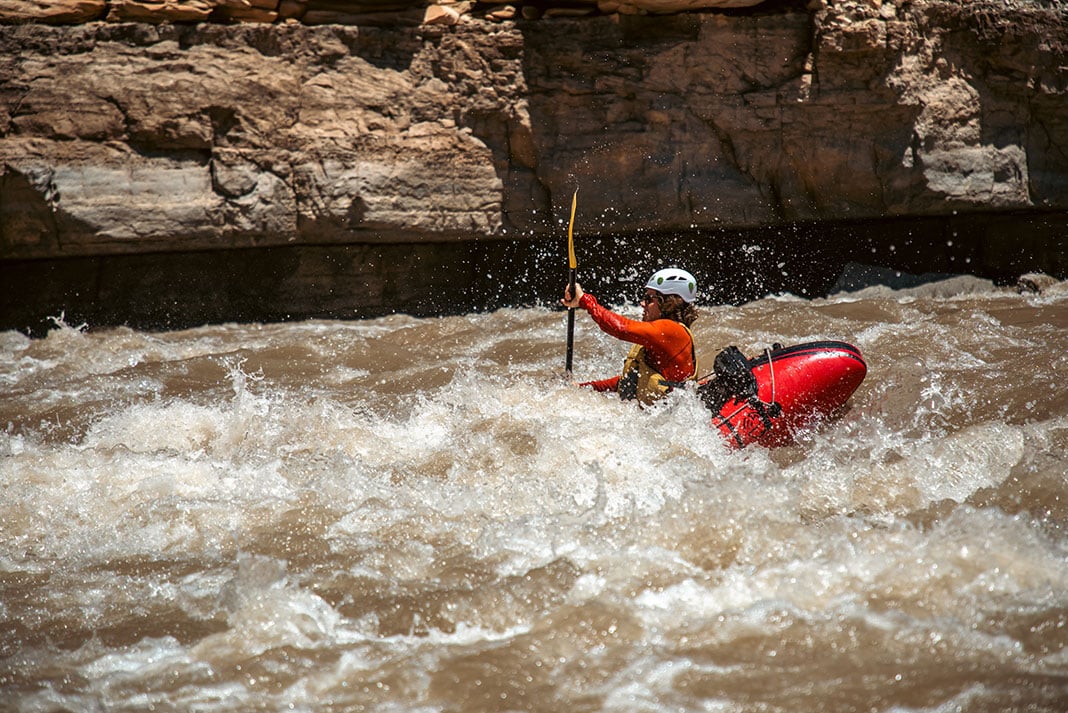
The San Juan River is fairly mellow in terms of rapids compared to other multiday river trips in the West. For this reason, it makes a great inflatable kayak or paddleboarding trip. The most concerning rapids are Ross (class II) and Government (class III) between miles 63 and 64. A handful of miles above the Clay Hills take-out, shifting sandbars and afternoon winds often kick up.
Photo: Alex Hadik
Posting up for the night
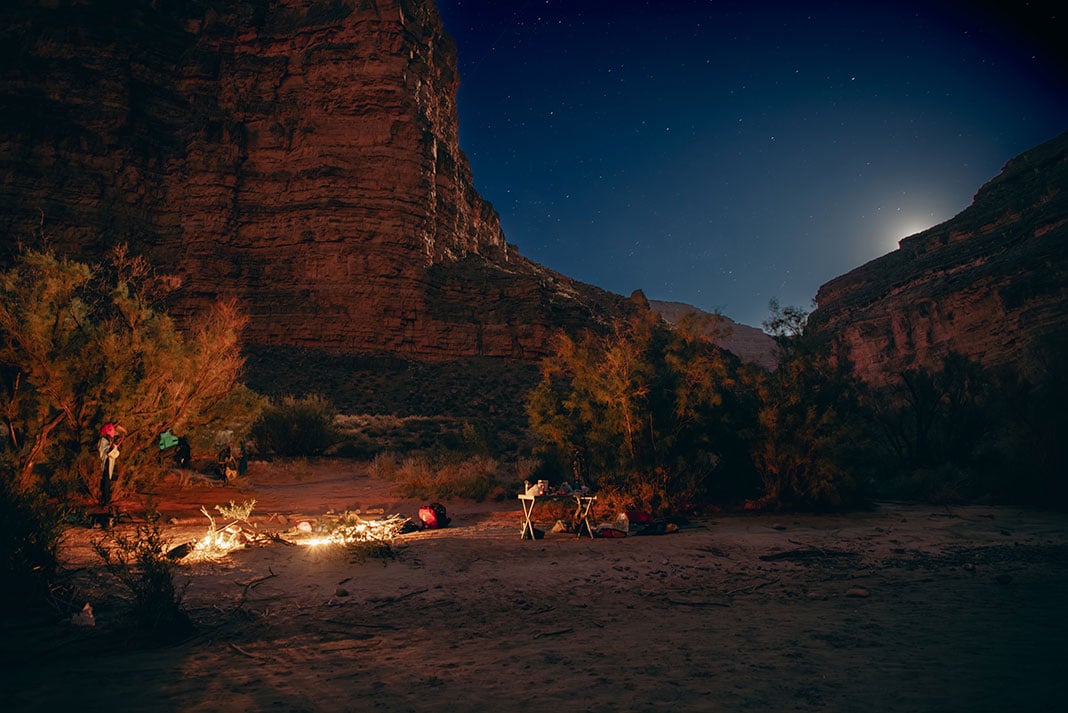
Uniquely, camping along the San Juan River from Montezuma Creek to Clay Hills requires at least one campsite reservation, made when securing a permit. If one is not available, the permit will be revoked. Visitors may find San Juan River camping guidelines more stringent than on other rivers and should be sure to familiarize themselves with the regulations well in advance of their river trip. In addition, camping in cultural sites is prohibited including the Butler Wash Petroglyph site at mile 4.2. For further camping information see the Monticello Field Office Bureau of Land Management San Juan River Rules and Regulations fact sheet.
San Juan River flows
Photo: Alex Hadik
Depending on the snowpack, April and June are hands down the best time of year to float the San Juan River. Ideally, the snowpack is larger and so are flows. Since flows can be a moving target for rivers fueled by runoff, the peak season can be too. The USGS flow gauge in Bluff is ideal for staying in the loop on San Juan River water levels. Be sure to select the cubic feet per second (cfs) tab for the graph view. According to American Whitewater, ideal flows are 500–8,000 cfs.
Points of interest
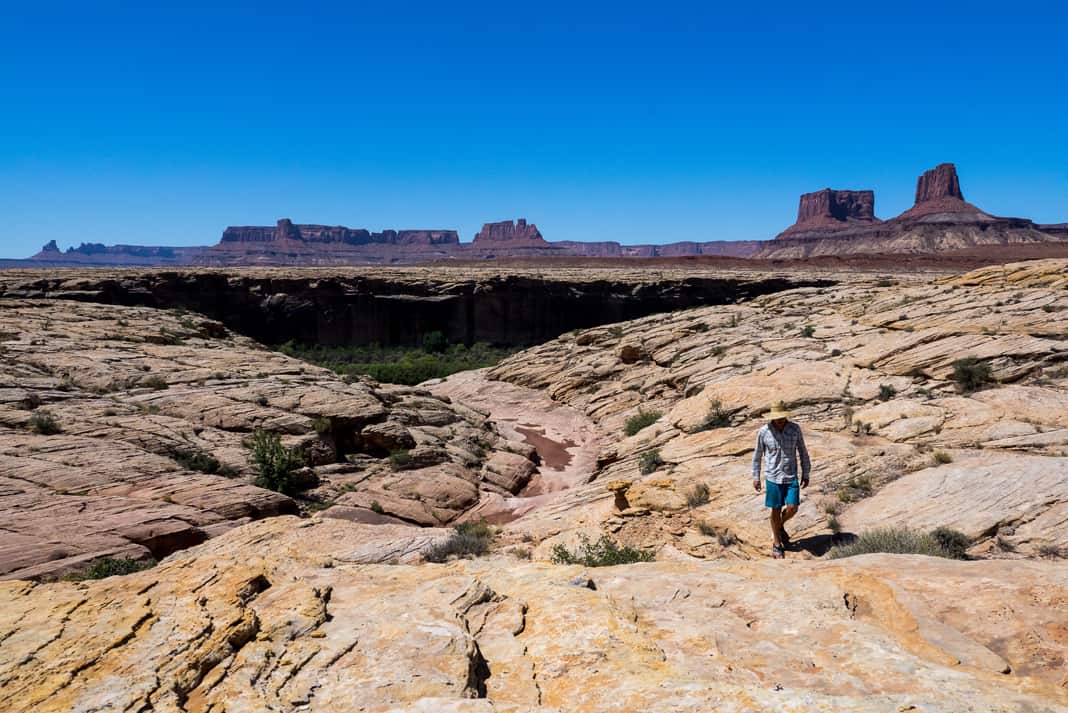
Although the novelty of being on any multiday river trip is enticing enough, in particular, the rock art, remnants of Puebloan cliff dwellings and warm water to swim in are attractive features of the San Juan River. River House, a site with architecture of cliff dwellings constructed of sandstone bricks and mud mortar and containing rooms with rounded walls, is a can’t-miss stop.
San Juan River shuttle
Like many western U.S. river trips, the most efficient way to set shuttle on the San Juan is to employ a shuttle service to take your vehicle from the top to the bottom. Wild Expeditions offers shuttle services for the various sections of the San Juan.
San Juan River maps
A river map and guide is a great way to plan and track your way down the San Juan River. The RiverMaps San Juan River Guidebook is an indispensable option now in its fourth edition.
Rafting outfitters
Even though the San Juan is an approachable river in terms of difficulty, going with a guided service is always a fantastic option to skip the lottery system or have a well-versed company handle everything. OARS is a well-known western outfitter and offers trips on multiple sections of the San Juan. Their guided trips cost up to $1,500 USD depending on your trip option.
Photo: Alex Hadik
Photo: Alex Hadik
Know before you go
Paddlers on the San Juan River are required to carry certain equipment. This includes equipment for camp and human waste. See the Monticello Field Office Bureau of Land Management San Juan River Rules and Regulations fact sheet for guidelines before making your trip out to the desert.
Beware: This is flash flood country, which is most common from July through August during the monsoon season. Keep an eye on dry washes, which are the former outlets of flash floods. The San Juan River can also carry one of the highest sediment loads in North America. Keep this in mind when swimming.
We know river time is best with furry friends, but no pets are allowed on the San Juan River. Service animals, as defined under the ADA, must be pre-authorized by the Monticello BLM River Office prior to arrival.