Home Blog Page 54

Secrets Of The Back Deck Roll (Video)

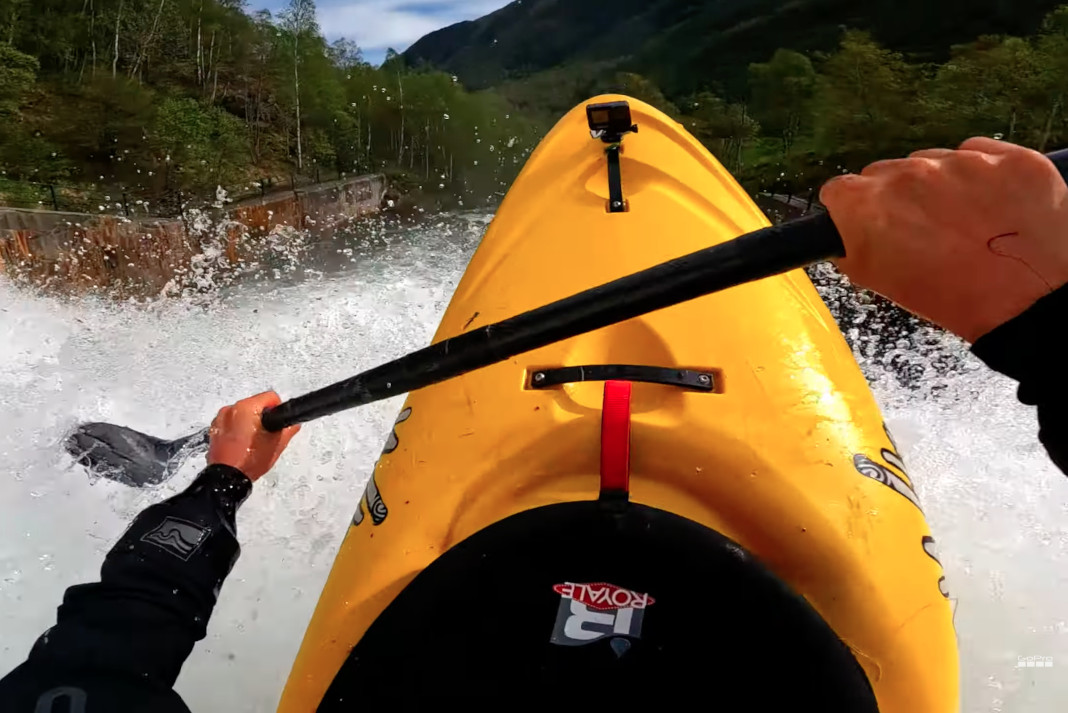
Popularized in playboating as a way to avoid washing out of a hole, the back deck roll isn’t just for the rodeo circuit these days. Some within the sport even argue that once you’ve learned proper technique, it will quickly become your go-to tactic anytime you need to right your kayak. Jackson Kayak paddler Boyd Ruppelt shares why and shows us how to perfect our back deck roll in this video from Send School.

Secrets Of The Back Deck Roll

“I back deck roll almost every single time. I use it everywhere. As a creeker, I prefer it. The back deck roll, despite convention, is not actually more dangerous as long as you keep your shoulders in the box and you use proper technique,” Ruppelt shares in defense of the roll historically thought to be a riskier maneuver than the traditional C-to-C and sweep rolls.

“You’ll find the back deck roll is safer because it’s faster. It’s less exposed. You actually take up less vertical space when you’re underwater.”

Ruppelt goes on to illustrate the difference in body position between a conventional roll and the back deck. Showing the upright body position in the first and the more body parallel with the boat in the second.

So why, then, is the back deck roll, not the roll we learn from the beginning?

Ruppelt believes it is because the sweep and C-to-C rolls are easier to teach and break down into steps, while the back deck is more of one fluid motion.

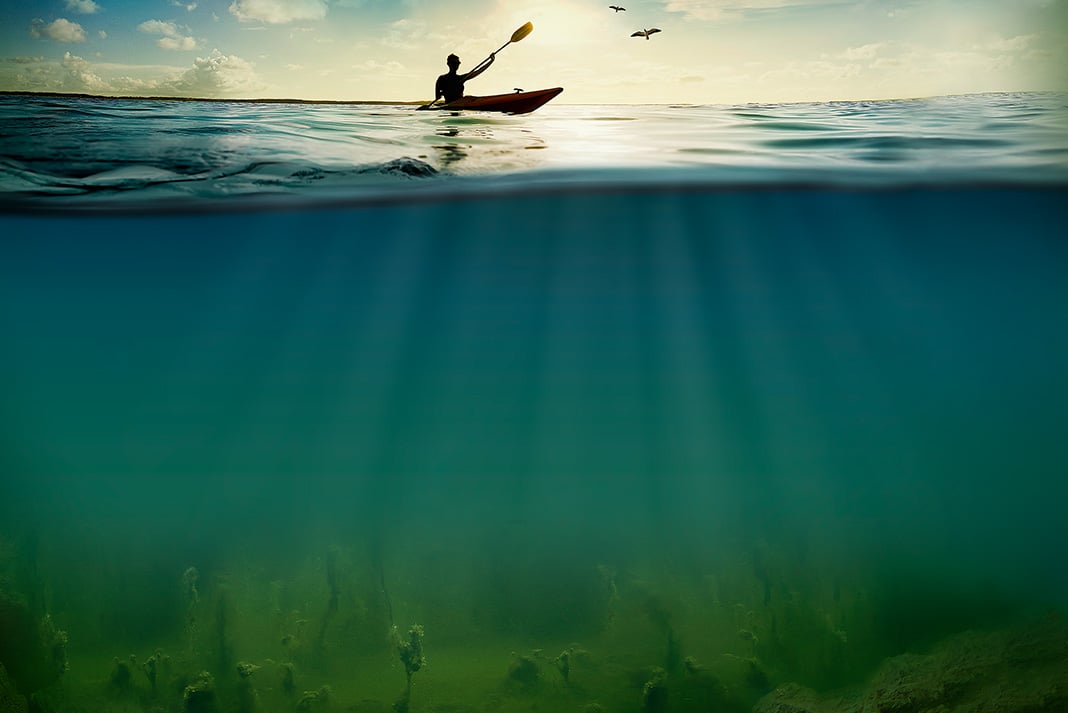
Underwater view of a back deck kayak roll.
Feature Image: Send School / YouTube

How To Back Deck Roll

When trying to learn the back deck, Ruppelt first acknowledges it helps to already have the fundamentals of a roll; this way, you understand the hip snap, staying within the box, and a sense of the end goal.

If you use a right-hand control paddle, your right blade is generally your onside roll. If this is the case, the easiest way to complete your first back deck roll is to flip to your left and travel all the way around the boat, using the momentum as a continuous, fluid motion. For those who use your left blade to roll as your onside, it will be just the opposite, and you will flip to the right.

Ruppelt goes on to show how to hold the paddle horizontally, keeping the elbows down and tilting the wrists up to allow the power face of the blade to glide through the water.

To begin the roll, Ruppelt says to look over your left shoulder and begin to bring the right paddle blade all the way around until you hit air. When you fell the air, start to hip-snap.

“If you can imagine just watching your right blade go all the way around to the other side along the surface, and then hip snap when it feels natural, you’ll pop right up.”

Like all paddling skills, this maneuver is perhaps easier said than done. But with signs of winter outside, it’s about that time of year for plenty of practice at the local pool session.


Inflatable Kayak Review: Tobin Wavebreak

two people paddle the Tobin Sports Wavebreak
Feature photo: Tobin Sports // Costco

The Tobin Wavebreak is a bargain-priced two-person inflatable kayak that’s sold at big box stores and on Amazon. It comes with several key accessories, too: a backpack for storage, two paddles with aluminum shafts and plastic blades, a hand pump, and a repair kit for making simple patches. Before you rush out to score a steal of a deal on one of the cheapest kayaks on the market, let’s address the question, what is a Wavebreak kayak, to determine if it’s right for you.

Manufactured by Tobin Sports, the Wavebreak is an inflatable two-person kayak meant for casual use on calm, sheltered waters. The most important Tobin Wavebreak kayak instructions you can receive is to be modest with your expectations: this is an entry-level inflatable kayak that prioritizes a cheap price over seaworthiness—a critical factor to bear in mind when considering your safety on the water. However, when used in the right environment and with proper safety gear, the Tobin Wavebreak kayak can be a fun option to discover paddling.

Essentially, the Tobin Wavebreak is a slimmed-down rubber raft that’s meant to be paddled using kayak paddles. It is lightweight and packs up to fit in a car trunk and store in a closet, and offers excellent stability on the water for a wide variety of users. The tandem design means you can paddle it with a friend, though the Tobin Sports Wavebreak kayak can also be used solo. This Tobin Wavebreak kayak review describes how its design features influence handling on the water, key safety considerations, tips for setup and how this inflatable kayak compares to competitors.

Tobin Sports Wavebreak performance

Tobin Wavebreak Specs
Length: 10’1” / 308 cm
Width: 33.9” / 86 cm
Weight: 37 lbs / 16.7 kg
Capacity: 440 lbs / 200 kg
MSRP: $219 USD

On the water

The Tobin Wavebreak’s greatest attribute on the water is its rock-solid stability. A 34-inch width makes it pretty difficult to tip it over, creating a comfortable platform for floating around in calm water. The 10-foot length makes for a very maneuverable kayak at the expense of speed. Don’t expect to win any races in the Tobin Wavebreak: not only is it a relatively short kayak, which hinders glide, the spud-shaped inflatable hull barges through the water and gets pushed around by the wind. Fins attached to the hull of the kayak help you move forward, but it’s a good exercise in teamwork to keep it going in a straight line while paddling with a partner.

The inflatable hull is quite buoyant, allowing for a maximum capacity of 440 pounds—considerably greater than similarly shaped hard-shell recreational kayaks. Outfitting is basic: the Tobin Wavebreak features an adjustable seat but lacks foot rests, which makes it less efficient to paddle. Overall, the performance of the Tobin Wavebreak is adequate for occasional use, but if you’re looking for an inflatable kayak for more serious use, you are better off investing in a longer and sleeker model.

two people paddle the Tobin Sports Wavebreak
Feature photo: Tobin Sports // Costco

Market & demographics

The Tobin Wavebreak inflatable kayak is designed for people who want a cheap kayak for occasional use. Though stable and easy to enter and exit, the Tobin Wavebreak is slow and cumbersome to paddle and hard to handle in windy conditions. The inflatable design makes it extremely buoyant, but it’s not meant for use outside of sheltered coastlines. Look elsewhere if you want a kayak to help develop your paddling skills in more challenging conditions. Some Tobin Kayak Wavebreak reviews allude to the boat’s suitability for paddling in easy rapids, but we recommend you stick to smooth-flowing rivers or invest in a more serious inflatable kayak for whitewater use.

Stay Clear Of All Other Vessels
  • Know the “Rules of the Road” Navigation Rules that govern all boat traffic and stay out of the way of all other vessels.
  • Never assume that power boaters can see you. Avoid high-traffic areas whenever possible. Proceed with caution when you can’t avoid paddling near boats. Dress for visibility.

Is Tobin kayak a good brand?

Google “is Tobin kayak a good brand?” and read between the lines to get the full story on this discount-priced kayak. The top hits are options to buy a Tobin Wavebreak inflatable kayak. Costco, Walmart and Amazon come up high on Google. It is telling that you won’t find a website representing the Tobin Sports brand. It’s also difficult to find any mention of design specifications or performance. Clearly, Tobin Sports is a brand meant for those looking for a cheap kayak for recreational use, with little attention to detail and overall low performance. However, if you’re simply looking for a basic kayak for floating around at the cottage or beach, the Tobin Wavebreak two-person kayak is perfectly adequate.

About the Tobin Wavebreak

Built like a rubber raft with twin air tubes and a flat, inflatable floor, the Tobin Wavebreak kayak is supremely stable. Though it’s comfortable for beginner kayakers, this design is meant to facilitate inflation rather than performance. Inflatable kayaks tend to respond quickly to paddle strokes due to their inherent buoyancy; at the same time, don’t expect the Tobin Wavebreak to paddle in a straight line particularly well as the hull tends to flex as it moves through the water. A pair of removable fins on the hull help tracking, but the design is always prone to getting blown around by the wind, so be wary of venturing any distance offshore. As with any kayak, consider signing up for a beginner class for safety and paddling tips to use your Tobin Sports Wavebreak. Instructions usually focus on getting in and out of the boat as well as specific strokes to help you maneuver the kayak.

Your first step in getting on the water is to review the Tobin Wavebreak manual to learn how to inflate and set up your kayak. This inflatable kayak comes packed in a convenient backpack, as well as an Air Hammer hand pump for inflating. Make sure you have enough space to complete the inflation process. Consider using an electric or battery-powered compressor to save time—just make sure not to overinflate your kayak. Keep in mind that your kayak may lose air pressure if you’re paddling in cold water, so be prepared to adjust the level of inflation when required. Getting the right pressure is a matter of feel, with underinflation causing noticeable drag on the water. With practice, you should be able to set up the Tobin Wavebreak kayak in under 15 minutes.

Material & construction

The Tobin Wavebreak is constructed of heavy-duty PVC, a rubber-like material that bounces off of impacts and resists punctures from dog claws and tears from sharp rocks. The hull is made up of large air tubes on each side and smaller tubes in the floor area, which create greater stiffness. Of course, it’s important to protect all inflatable kayaks from sharp fishing hooks and knives. Equally important is storing your kayak out of direct sunlight to maintain its color and durability.

Buying a used Tobin Sports Wavebreak

Thrifty shoppers can save a few bucks by buying a Tobin Sports Wavebreak used kayak. There are plenty of used Tobin Wavebreak kayaks available on buy-and-sell platforms like Facebook Marketplace, Craigslist and Kijiji. But it’s important to be an informed shopper and inspect the kayak carefully before making a deal. Do your research and know what you’re buying—and try to insist on a test paddle before you commit to making a purchase. Check out this article for more information about used kayak shopping.

Start by examining the kayak closely for missing parts or obvious damage. It goes without saying to check for leaks in an inflatable kayak like the Tobin Wavebreak. Inspect the valve area and make sure that the boat holds air. You should also take a close look at the cockpit area to ensure the seats are both functional. Ask the seller about any modifications and inspect how these changes have influenced the fit and performance of the kayak, especially in terms of entering and exiting the boat.

A used kayak’s overall condition is written all over its surface. Watch for obvious fading, an indicator of prolonged sun exposure. Extended outdoor storage can degrade the boat’s PVC construction.

Some sellers may “sweeten the deal” with accessories like PFDs (life jackets) or paddles; it’s critical to ensure that these accessories fit properly. In the end, you may score a great deal on a used Tobin Wavebreak, but the fact is this boat’s suggested retail price is already an excellent bargain for entry-level paddlers.

Wear A Life Jacket
  • Everyone, even strong swimmers, needs to wear a life jacket at all times when on the water. It is extremely difficult to put a life jacket on once you fall into the water. Even a light wind can blow any paddlecraft away from you, faster than you can swim.
  • Always wear a USCG-approved Level 70 or Type III life jacket designed for paddling.

Tobin Wavebreak accessories & outfitting

The Tobin Wavebreak two-person kayak comes just about ready to paddle—all you need to add are PFDs, a 50-foot heaving (rescue) line, a whistle or air horn, and a bailing device to complete your safety kit. The Tobin Sports Wavebreak kayak bag is durable and provides convenient storage. The included paddles are tough, though heavy when compared to more advanced and expensive models. Paddle holders on the side of the kayak are handy if you just want to drift or take photographs while out on the water. The package comes with a pair of removable fins to assist with tracking (moving straight on the water) as well as a hand pump for inflation. All the outfitting is basic and reflective of a value price. Some reviewers indicate that the Tobin Wavebreak seats don’t offer enough back support to allow the paddler to maintain an upright posture.

It can be difficult to track down Tobin Wavebreak kayak replacement parts. The company does not maintain its own website, so if you lose a fin or break a seat buckle your best bet may be modifying a spare part from another kayak brand. Lack of service after the sale is a distinct shortcoming of the Tobin Wavebreak.

Warranty

The Tobin Wavebreak kayak does not come with a manufacturer’s warranty. Depending on where you purchase your kayak, you may benefit from a short warranty period from the retailer.

How the Wavebreak compares

The Tobin Wavebreak is one of the cheapest two-person inflatable kayaks on the market. Here’s how it compares to other options.

  • Tobin Wavebreak vs Intex Explorer K2

    The Intex Explorer K2 is another budget-priced, entry-level two-person inflatable kayak meant for recreational paddling. It boasts similar specs to the Tobin Wavebreak, with a 10-foot length and width of 36 inches. The maximum capacity is slightly lower at 400 pounds. Handling is similar, with good maneuverability on twisty rivers. Both of these models should only be used close to shore on sheltered water. Some users may prefer the overall comfort of the inflatable seat of the Intex Explorer K2 compared to the more basic seat on the Tobin Wavebreak. Read our full review of the Intex Explorer K2.

  • Tobin Wavebreak vs Advanced Elements Island Voyage

    The Advanced Elements Island Voyage is another two-person inflatable kayak for casual beginner paddlers in sheltered water conditions, as well as easy whitewater. It offers somewhat better overall performance than the Tobin Wavebreak, with a higher price. The 11-foot Advanced Elements Island Voyage two-person kayak has somewhat better glide and similar stability characteristics to the Tobin Wavebreak. You’ll find the cockpit is designed for greater ergonomics and comfort—hallmarks of a higher-quality kayak. The Advanced Elements Island Voyage is also noticeably lighter than the Tobin Wavebreak, tipping the scales at only 31 pounds.

Pros & cons

Pros

  • The Tobin Wavebreak is one of the cheapest two-person inflatable kayaks on the market, and it comes equipped with two paddles and a pump
  • Offers the versatility of being able to paddle solo or with a partner, up to a maximum capacity of 440 pounds
  • The inflatable design is easy to pump up and deflate and stores conveniently in the included backpack for transportation and long-term storage
  • On the water, the Tobin Wavebreak’s greatest attributes are its stability and buoyancy, making it perfect for first-time paddlers. Just bear in mind the open deck leaves paddlers exposed to the elements. This entry-level kayak should only be used in sheltered water conditions

Cons

  • The Tobin Wavebreak is slow and difficult to paddle in a straight line
  • The high side tubes make for a less ergonomic paddling experience
  • Extremely susceptible to being blown around in strong winds and should only be used in calm conditions
  • Outfitting is basic and minimal, and a lack of footrests in the cockpit contribute to an overall lack of efficiency on the water
  • Does not come with a manufacturer’s warranty
  • Replacement parts are hard to find

Feature photo: Tobin Sports/Costco


6 Spectacular Kayaking Experiences You’ll Only Find In Loreto And Beyond In Baja Sur

Kayak guide José Sergio Navarro.
Kayak guide José Sergio Navarro. Image: Visit Baja Sur

“Wait and just drift,” says Ramon. We stop paddling, but we’re not sure why. We’re in the middle of a turquoise patch of water between Isla Danzante and Isla del Carmen. It’s a gorgeous color, but it’s been that color all day. But Ramon said stop paddling, so we stop.

Two minutes later, we know why. A series of small puffs of air start popping out of the water about a football field to our north. They’re coming closer. They have smooth, dark heads, and soon, tails pop up as they dive. They’re bottlenose dolphins. About 10 of them pass a kayak’s length in front of us, unconcerned about our brightly colored fiberglass kayaks or our clicking cameras.

How Ramon knew they’d come this way is a mystery. But Ramon lives in Loreto and guides in Baja’s Gulf of California all the time. Knowing when dolphins are likely to be moving down the coast is like knowing what time the neighbor takes his dog for a walk. It’s just part of the fabric of Baja.

Two people carrying kayaks up beach in Baja Sur.
Image: Visit Baja Sur

Loreto, Baja California Sur, is a one-traffic-light town nestled between the Sierra La Giganta Mountains and the Parque Nacional Bahia de Loreto (Bay of Loreto National Park or PNBL) on the Gulf of California, which Jacques Cousteau described as “the world’s aquarium.” 

The Parque Nacional Bahia de Loreto formed in 1996. It’s the first national park in Mexico initiated by local residents, who have  recognized ecotourism as key to the local long-term economy. Not to mention, 244 islands and islets in the Gulf of California, including all those in the national park, are UNESCO World Heritage Sites. In 2023, two more parks were created. In 1996, there were 12 kayak companies dipping their paddles in the water, but they were mostly foreign-owned. Today, three of the sea kayak companies in the area are based out of Loreto. They offer a range of experiences, from motor-supported trips in forgiving double kayaks to skill-building expedition-style paddling in sporty British-style touring boats. 

Kayaking in Baja on your own can be tricky. The fearsome “el Norte” wind is fickle, and on-water weather forecasts are sketchy to nonexistent. The last nautical charts were surveyed in 1893. Park permits and camping require coordination with the Park management and harbormaster (who will close the waters when wind builds), which means local knowledge and fluent Spanish are vital. So, for most paddlers, the best way to experience the sea around Loreto is a guided sea kayak trip.

When you trade your warm slippers for flip-flops to escape the winter, here are some of the best kayaking adventures out of Loreto and beyond in Baja California Sur, Mexico.

6 Spectacular Kayaking Experiences You’ll Only Find In Loreto And Baja California Sur

Whale fluke.
Image: Visit Baja Sur

Isla Del Carmen Journey

Sea Kayak Baja Mexico

Isla del Carmen is the heart of the Park, visible from Loreto. This 60-mile-around island contains dramatic cliffs, beaches, sea caves, marine fossils, bighorn sheep, a giant sand dune, a ghost town, rare plants and an endlessly varied coastline. In spring, it’s the northern end of the “whale triangle” where fin and blue whales are often spotted, along with dolphins, sea turtles, blue-footed boobies, and other wildlife. Ten days lets you immerse yourself in the Park in a self-contained world. One where tasty meals come out of kayak hatches while circumnavigating the centerpiece of the Park.

Trip length: 10 days
Recommended experience level: Intermediate paddlers comfortable spending half the day paddling

Kayaking on the water around Isla Espiritu Santo near Loreto.
Kayakers near Espiritu Santo. Image: Visit Baja Sur.

Baja Marine Wildlife Safari

Sea Kayak Adventures

If you’re obsessed with large animals, this trip is for you. The Baja Marine Wildlife Safari combines a five-day paddle along the coast of Isla Espiritu Santo with whale watching in Magdalena Bay and seeking out whale sharks out of La Paz. You’ll hopscotch around Southern Baja before starting a five-day powerboat-supported paddle along the shores of Espiritu Santo out of La Paz.

Trip length: 9 days
Recommended experience level: Beginner-friendly

Paddler at sunset in Mexico.
Image: Visit Baja Sur
[ Discover the adventure of a lifetime in the Paddling Trip Guide ]

Embark On Coastal Wilderness

Paddling South

The rugged surroundings of Conception Bay have helped the stretch from Mulege to Loreto remain one of the most remote coastlines in the region. The expedition from Mulego to Loreto crosses the bay to the eastern peninsula that cuts it from the Gulf of California. Once you find yourself on this eastern edge of Baja California Sur, you’ll’ paddle to immaculate campsites beneath mountainous backdrops, land at seldom-visited fishing camps, tuck into hidden desert coves, and hike to unforgettable lookouts as you make the voyage 80 miles south to Loreto.

Trip length: 10 Days
Recommended experience level: Intermediate to advanced

Mesmerizing turquoise waters, kayaking in Loreto.
Mesmerizing turquoise waters. Image: Visit Baja Sur

Isla Espiritu Santo Kayak Sojourn

Sea Kayak Adventures

Off the coast of La Paz, Isla Espiritu Santo is popular for a good reason. It’s a deeply scalloped island with a mix of coves and jutting headlands. This powerboat-supported trip mixes paddling, hiking, snorkeling, visits to a sea lion colony and a chance to snorkel with whale sharks.

Trip length: 5 days
Recommended experience level: Beginner-friendly

Rocky Loreto cove.
Image: Visit Baja Sur

Coast & Islands

Paddling South

Hop in wide, stable double kayaks to explore the coast from Loreto southwards to the remote villages of San Cosme and Aqua Verde. Mix kayaking and snorkeling with learning about ranch and village life, culture and history from local-owner guides.

Trip length: 6 days
Recommended experience level: Beginner-friendly

Blue Footed Boobies credit Visit Baja Sur
Blue-footed boobies. Image: Visit Baja Sur

Magdalena Bay Waves & Wildlife

Sea Kayak Baja Mexico

The hop from Loreto to Baja’s west side takes you to a whole new world. Magdalena Bay, a large lagoon on the Pacific side, is a meeting spot of two major ocean currents, and wildlife of every kind is drawn to this nutrient-rich sea. Paddle through an intricate maze of bird-rich mangroves, visit frigatebird colonies and explore the ocean environment near the bay’s mouth. To top it off, get up close with the gray whales that come to Magdalena Bay and other Baja lagoons to mate and give birth. A motor support and resupply make paddling through this vast and varied area possible.

Trip length: 9 days
Recommended experience level: Intermediate, with some distance and challenging conditions.

Mobula rays in Baja Sur.
Mobula rays. Image: Visit Baja Sur

What About Kayaking Day Trips In Loreto?

The most immersive way to paddle in Baja is on multiday trips. There’s no match for sleeping on a sandy beach beneath a great swath of stars, seeing the islands lit up at sunset, or snorkeling between paddling and dinner. But day trips are an option if you’re squeezing in kayaking with other activities on your vacation.

The most common destination is Isla Coronados, a volcanic island closest to Loreto. Sea Kayak Baja Mexico does sunrise and sunset tours from Loreto, as well as custom trips for families and small groups.

The Best Time To Go Kayaking In Loreto And The Gulf Of California

Most northerners crave Baja when they’re scraping ice off their cars in midwinter. But the optimal times for kayaking in Baja are November, February and March. El Norte, a northerly wind that can blow the length of the Gulf of California, is the weather pattern that can create rough water and can be most intense in December and January.

November has the warmest water for snorkeling. Gray whales arrive in the west coast lagoons in late December and early January and stay until April. February and March often bring gigantic blue and fin whales into the Bay of Loreto.  A highlight of March and April can be jumping mobula rays.

Loreto kayaking guide José Sergio Navarro.
Kayak guide José Sergio Navarro. Image: Visit Baja Sur

It’s Not Just The Kayak: Supporting Local Conservation

As Loreto embraced ecotourism, you too have a chance to make sure your tourist dollars support both wild places and local people. Recent years have seen the paddling community in Loreto engage more locals, both as guides and recreationally. This is helping reverse a trend where local residents thought of kayaking as only available to wealthy tourists. Before you book, ask a few questions:

Do they hire local guides? Seek out companies who employ local residents as guides. They’ll know the area better, and it helps keep your money supporting the local community.

Do they hire other locals? Who gets the jobs managing the team, maintaining the gear, administering rentals, driving shuttles, and all the other tasks associated with running a sea kayak operation? Does the money stay local or go to itinerant workers who will hop a flight out of town when the season ends?

Are they engaged locally? Is the company engaged in local conservation, science or community development? Do they support paddling programs for locals?

Misión San Ignacio, Mulegé credit Visit Baja Sur
Misión San Ignacio, Mulegé. Image: Visit Baja Sur

Loreto Kayaking Travel Logistics

Getting to Loreto

Alaska, American and Westjet fly to Loreto from the U.S. and Canada; Volaris flies from Mexico. Travelers from the U.S. can also fly Volaris in Tijuana using the Cross Border Xpress from San Diego. The Loreto airport is a few miles south of town and will require a taxi ride.

Lodging

Loreto has a number of hotels and good food to enjoy on either end of your trip. You’ll never eat better fish tacos.

Beyond Kayaking In Loreto

While you’re in Loreto, take a few more days to explore the old mission, stroll the town, enjoy local microbrews, or head out for other adventures in Baja and the Gulf of California. If the wind is up, surf your kayak amidst diving pelicans at Juncalito, explore the La Giganta mountains or read a book on the beach.

Learn more about your next kayaking trip to Loreto at Visit Baja California Sur.


Neil Schulman is a writer and photographer based out of Portland, Oregon, who has kayaked and photographed in Baja. Ginni Callahan is a Loreto resident, BCU 5-star kayaker, owner of Sea Kayak Baja Mexico, member of the advisory board for the PNBL and founder of Club Nómadas de Loreto—a club dedicated to community education, water access and conservation.


Kayak Review: Sun Dolphin Excursion 10

man fishes from the Sun Dolphin Excursion 10 kayak
Feature photo: Walmart.com / KL Outdoor

The Sun Dolphin Excursion 10 kayak is a versatile boat that works for both kayak angling and recreational paddling. Billed as a fishing kayak, the Sun Dolphin Excursion 10 includes many of the features of the Sun Dolphin Aruba 10, with the addition of two flush mount and one swivel rod holders. This means you get the best of both worlds with this 10-foot Sun Dolphin kayak: it is a sit-inside kayak that’s easy to enter and exit, reasonably swift and responsive on the water, and durable for low-maintenance fun while chasing lunker fish or paddling with a friend on sheltered lakes and smooth-flowing rivers.

This Sun Dolphin Excursion 10 review gives you all the details on this compact, easy-to-paddle fishing and recreational kayak that’s made in the USA and comes with a budget-friendly price.

Sun Dolphin Excursion 10 performance

Sun Dolphin Excursion 10 Specs
Length: 9’5” / 285 cm
Width: 29” / 73 cm
Weight: 41 lbs / 18.6 kg
Capacity: 250 lbs / 113 kg
MSRP: $450 USD

On the water

The Sun Dolphin Excursion 10 is reasonably nimble and responsive for a short kayak. Credit the boat’s relatively light 41 pounds for its quick response to paddle strokes. The compact, 10-foot length gives the Excursion 10 turn-on-a-dime maneuverability, which is especially convenient for anglers. Of course, you’ll never win any races against longer kayaks in this 10-foot Sun Dolphin kayak. Also, bear in mind the maximum weight limit is 250 pounds. More serious paddlers may also feel limited by the barebones outfitting, which makes for a sloppier fit and lower performance on the water. We’ll break down the outfitting components later in this article.

Market & demographics

The Sun Dolphin Excursion fishing kayak is designed squarely for recreational kayakers and anglers looking for a basic boat at a great price. This 10-foot Sun Dolphin kayak is the “sister ship” of the Sun Dolphin Aruba 10, a popular sit-inside kayak for beginners. These boats are only safe for use on flatwater, such as smooth-flowing rivers, cottage lakes and smaller ponds, since they lack flotation and will sink if they fill with water. In the proper environment, the Sun Dolphin Excursion 10 is an excellent introduction to kayak angling. Fishing-friendly upgrades on the Excursion model include two flush mount holders and one swivel rod holder, giving you plenty of options to wet a line—and easy access to the most hidden fishing holes in the shallowest or most confined areas.

Sun Dolphin kayaks, including the Excursion 10 fishing kayak, are widely available both new and used. Despite their no-frills designs, these durable boats offer a gateway to paddling in calm water conditions. The Sun Dolphin Excursion 10 can be easily modified with accessories and custom DIY upgrades to improve its fishing performance and comfort.

man paddles the Sun Dolphin Excursion 10 kayak
Photo: Walmart.com / KL Outdoor

About the Sun Dolphin Excursion 10

Expect reassuring stability in the Sun Dolphin Excursion 10 fishing kayak. A flat bottom and broad 29-inch width make it feel comfortably stable on the water. The short length and symmetrical design make it easy to handle around river bends or obstructions, so you’ll be able to get to your favorite fishing spots. The Sun Dolphin Excursion 10 has sharp entry lines at the bow and stern compared to many other fishing kayaks, allowing it to slice more efficiently through the water with minimal noise, so you can sneak up on fish and wildlife alike.

As a sit-in fishing kayak, the Sun Dolphin Excursion 10 sheds small waves, rain and spray (unlike open-deck sit-on-top kayaks) and yet is still relatively easy to enter and exit, with a large cockpit size. All this contributes to excellent Sun Dolphin Excursion 10 fishing performance.

Material & construction

The Sun Dolphin Excursion 10 fishing kayak is made of Fortiflex high-density polyethylene, a durable plastic material that’s highly resistant to impacts, abrasion and UV damage, and constructed in Sun Dolphin’s manufacturing facility in Michigan. This rotomolded plastic is perfect for those looking for a no-maintenance kayak that can be left outdoors worry-free during the paddling season. The material flexes to absorb impacts and regains its shape after hard hits. The Sun Dolphin Excursion 10 fishing kayak weighs a reasonable 41 pounds, making it a good choice for those who want to be able to car-top their kayak solo.

Design trends

The Sun Dolphin Excursion 10 is exemplary of the huge number of entry-level recreational and fishing kayaks available on the market today. This 10-foot Sun Dolphin kayak is cheap and easy to find new or used at box stores or on online buy-and-sell marketplaces. With such widespread availability, it’s hard to imagine people asking what happened to Sun Dolphin kayaks. This common question relates to the brand’s pause in kayak manufacturing in 2019. Today, Sun Dolphin kayaks are manufactured by KL Outdoors in Muskegon, Michigan.

Buying a used Sun Dolphin Excursion 10

Searching “Sun Dolphin Excursion 10 used” turns up countless options on Facebook Marketplace, Craigslist or Kijiji, depending on your location. You can save a few bucks by buying a used Sun Dolphin Excursion 10, but it’s important to be an informed shopper and inspect the kayak carefully before making a deal. Do your research and know what you’re buying—and try to insist on a test paddle before you commit to making a purchase. Check out this article for more information about used kayak shopping.

Start by examining the kayak closely for missing parts or obvious damage. Look closely at the seat and cockpit area and make sure that all adjustments are working properly. The Sun Dolphin Excursion 10 is meant as a fishing kayak, so it’s important to ensure that the boat’s three rod holders are functioning properly. Ask the seller about any modifications and inspect how these changes have influenced the fit and performance of the kayak, especially in terms of entering and exiting the boat.

A used kayak’s overall condition is written all over its surface. Specifically, take a closer look at the hull (bottom) of the kayak. A few scratches are fine, but a good quality, used Sun Dolphin Excursion 10 shouldn’t have any deep gouges in the plastic. It’s also important to check for fading, an indicator of prolonged sun exposure. Extended outdoor storage can degrade the boat’s plastic construction.

Some sellers may “sweeten the deal” with accessories like PFDs (life jackets) or paddles; it’s critical to ensure that these accessories fit properly. In the end, you may score a great deal on a used Sun Dolphin Excursion 10, but the fact is this boat’s suggested retail price is already an excellent bargain for entry-level paddlers and kayak anglers.

Dress For Immersion, Not Air Temperature
  • Your body loses heat much faster when immersed in cold water than it does when dry.
  • Avoid cotton clothing like t-shirts and jeans; they retain water and accelerate cooling when wet. Synthetic fabrics, or wool, are generally a better choice. If the water is very cold (60° fahrenheit or less), you should wear a wetsuit or drysuit.

Excursion 10 accessories & outfitting

Sun Dolphin Excursion 10 parts are barebones, reflecting the bargain price of this boat. Many Excursion 10 paddlers comment on the basic seat, thinly padded thigh braces and foot braces that were hard to reach; this minimal outfitting can make paddling uncomfortable if you’re on the water for an extended period of time.

It’s easy enough to add your own padding to make your Sun Dolphin Excursion 10 kayak more comfortable—just make sure that any DIY upgrades you make to the cockpit area don’t impede your ability to enter and exit the boat. Many kayak anglers are adept at making upgrades to their boats, and the basic design of the Excursion offers a blank canvas to create a customized boat for your style of fishing. Common replacement parts like drain plugs and fasteners are available directly from the manufacturer.

The ability to add a sprayskirt for greater paddling comfort in cool or wet conditions is a major advantage of a sit-inside kayak like the Sun Dolphin Excursion 10 compared to open deck, sit-on-top models. Sun Dolphin sprayskirts are available online from several manufacturers. You can also purchase a cockpit cover to keep water and creepy crawlies out of your boat when it’s in storage or transportation.

Warranty

The Sun Dolphin Excursion 10 fishing kayak comes with a limited lifetime warranty for the original owner, covering manufacturing defects. You must register your new kayak with the manufacturer within 30 days of purchase to validate the warranty.

stern view of the Excursion 10 as it is paddled
Photo: Walmart.com / KL Outdoor

How the Excursion 10 compares

The Sun Dolphin Excursion 10 is a solid choice for an entry-level fishing kayak, but it is by no means your only option. Here’s how it compares to other popular boats.

  • Sun Dolphin Excursion 10 vs Sun Dolphin Excursion 10 ss

    The Sun Dolphin Excursion 10 SS features upgraded accessories and outfitting compared to the standard Excursion 10 fishing kayak. Additions include a covered electronics console on the front deck and a removable stern deck pod that provides dry storage, as well as a more comfortable seat. This makes for a slightly heavier kayak, with the Excursion 10 SS model weighing in at 44 pounds compared to 41 pounds for the standard Excursion 10 model.

  • Sun Dolphin Excursion 10 vs Sun Dolphin Explorer

    The Sun Dolphin Explorer is a popular and cheap sit-inside recreational kayak that’s easily modified for kayak fishing. It features similar specifications and performance to the Sun Dolphin Excursion 10. The Sun Dolphin Explorer 10 is widely available on the used market and could be a good alternative to the Excursion 10 if you’re looking for a bargain price. Just bear in mind that, like the Excursion 10, the Sun Dolphin Explorer is only safe to paddle on calm and sheltered water.

  • Sun Dolphin Excursion 10 vs Sun Dolphin Boss 10

    The Sun Dolphin Boss 10 is a sit-on-top kayak that’s designed for kayak fishing. Compared to the Sun Dolphin Excursion 10, the Boss is more stable and has far more space to move around since it lacks a deck and sit-inside cockpit. Sit-on-top kayaks like the Boss feel less confining and provide kayak anglers with more space to cast and land fish, as well as giving you easier access to tackle and gear than a sit-in like the Excursion 10. However, the Boss is a heavier kayak and far less responsive on the water than the Excursion. The Excursion offers a more comfortable ride in inclement weather, since the deck and cockpit protect you from wave spray and precipitation. The Sun Dolphin Excursion 10 is a better choice than the Sun Dolphin Boss 10 if you’re looking for an all-around kayak that works for recreational paddling on calm rivers and lakes as well as a bit of kayak fishing.

  • Sun Dolphin Excursion 10 vs Sun Dolphin Marquette

    The Sun Dolphin Marquette 10 is the sit-on-top version of the Sun Dolphin Excursion 10. This open-deck kayak may be more comfortable if you’re concerned about the confined feeling of a sit-inside kayak. It also offers easier access to your fishing tackle at the expense of protection from the elements. The Marquette 10 features the exact same specs as the Excursion 10, so you can expect similar paddling characteristics.

Carry A Waterproof VHF Radio, Use Your Phone Only As A Backup
  • A handheld VHF marine band radio allows you to communicate with the Coast Guard and other boat traffic. Use Channel 16 only for hailing and emergencies. The radio should be waterproof, because it is virtually certain to get wet.
  • A cell phone, even if in a waterproof case or sealable bag, might not work, so don’t rely on it as the primary means of emergency communication.

Pros & cons

Pros

  • Cheap and widely available, new or used
  • Stable and versatile beginner kayak fishing and recreational paddling on calm and sheltered waters
  • Large cockpit for easy entry and exit
  • Sit-inside design offers some protection from the elements
  • Includes two flat-mount rod holder and one swivel rod holder, with the option of making custom modifications for kayak fishing

Cons

  • 10-foot length and wide width makes for less efficiency
  • Lack of flotation in the hull makes it unsafe to paddle in exposed areas where waves are possible
  • Basic outfitting has minimal padding

Feature photo: Walmart.com / KL Outdoor


Striking Gold: Catching Rare High Flows On The Lower Owyhee River

Woman rafting the Owyhee River.
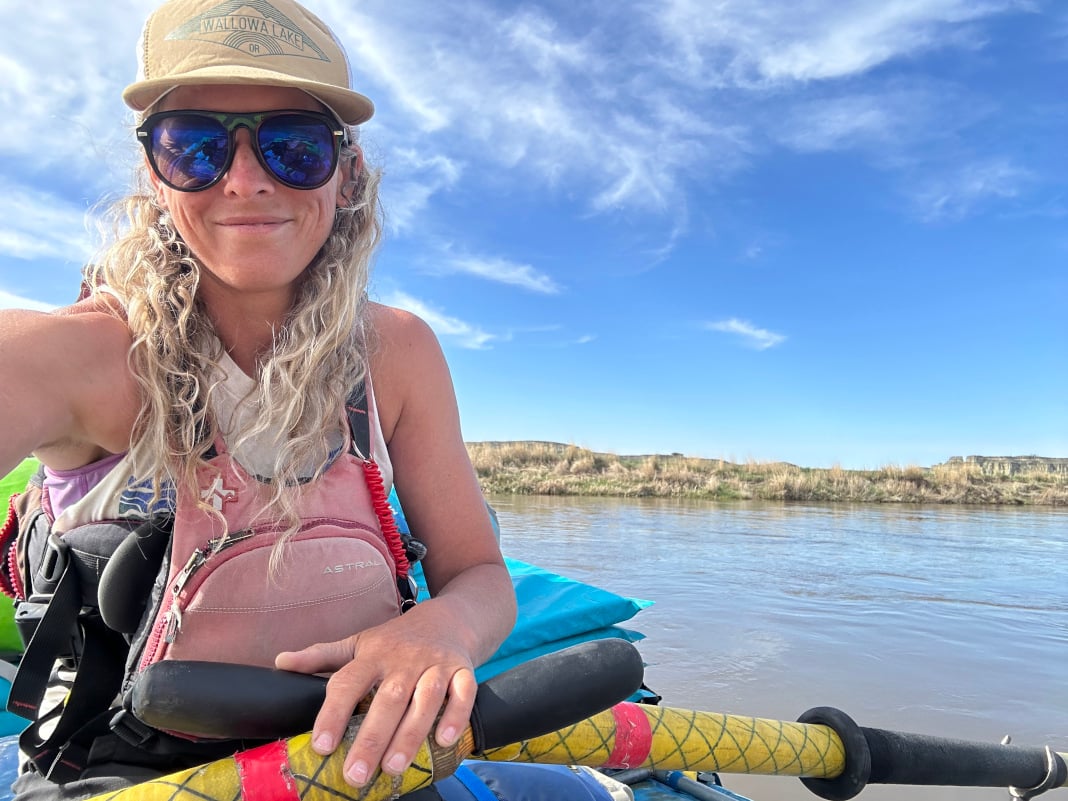
The author catching high flows and desert sun. Image: K.M. Collins

Chasing blind corners through Iron Point Canyon, I knew Montgomery Rapid was coming up fast. The telltale marker was an eddy on river left. Undoubtedly, there was always a commercial company pulled over for a scout.

This was my third trip down the Lower Owyhee River, the 67-mile stretch from Rome to Leslie Gulch, during what was arguably the best season to guide in two decades. There was still more than 200 percent snowpack cached in the mountains from the winter season of 2022 to 2023, and the river had spiked to 18,000 CFS in a day. The commercial trip I was scheduled to guide canceled. So I made the eight-hour trip home and back to nab my personal raft. When our group returned to the launch for a run, the river was still at 9,000 CFS.

Montgomery Rapid at 9,000 is juicy. The entry pool, where there’s typically tons of time to set up, was gushing through like a freight train. It converged with a wall on river left. My line on two previous descents was a shallow one on river right. Today, that wasn’t an option. The current pulled our boats left toward the wall. The move was to tee up, thread the needle between two truck-sized boulders, tightrope a green tongue to miss the holes on either side and ride the wash out without crashing into a lower left wall in the runout.

[ Stock up for your next river trip with the Paddling Buyer’s Guide ]

It all went well until I took the tongue too close to the hole behind the river right rock. My bow stalled in the eddy fence, and my stern whipped around in the current. I was sideways before I knew it and lost an unleashed oar. After a half a half-second pause in disbelief, I reloaded the oar lock with my spare Sawyer Square Top and started rowing upstream to catch the stray. And I managed to grab it before it could become a snack for oar-eating rocks below.

Fortunately, the rest of the Owyhee held little in the way of carnage and plenty of desert solitude.

Lower Owyhee River.
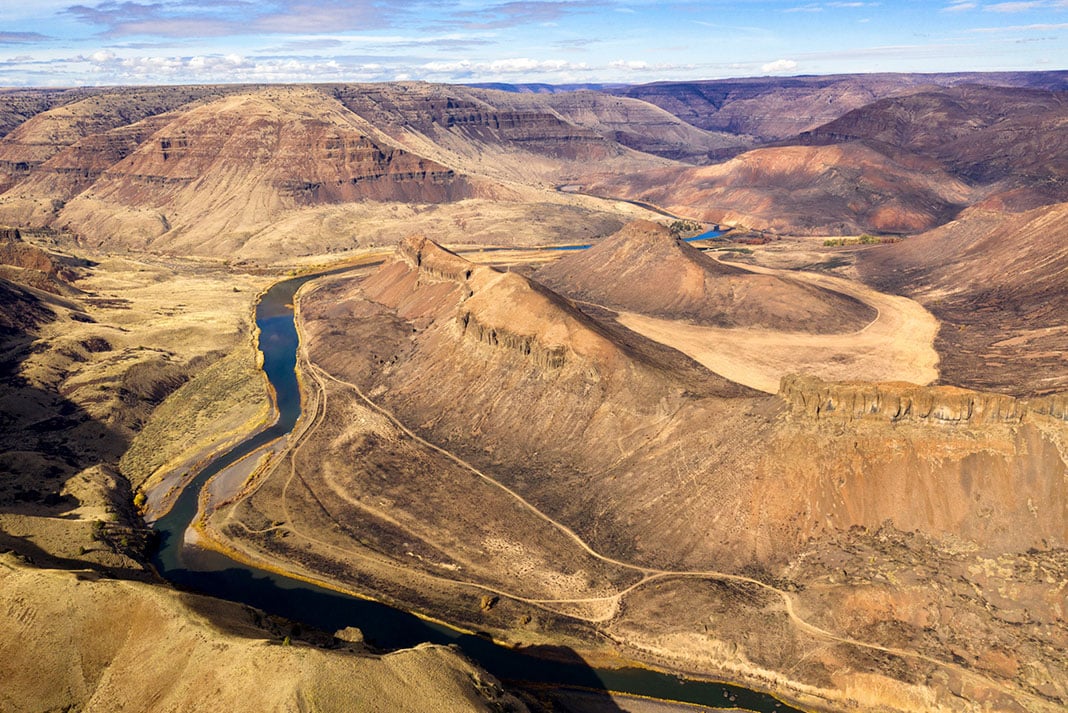
The Lower Owyhee River. | Photo: K.M. Collins

Praying for snow and flow

High water on the Owyhee isn’t just uncommon—it’s a sought-after prize that seasonally holds the attention of western boaters. A fever pitch for high water mirrors the Owyhee drainage’s history of attracting fortune seekers lusting to strike it rich and pad their pockets with gold.

By some accounts, an 18,000 CFS spike hasn’t been seen on the Owyhee River since 1992. And a fully loaded season where all commercial trips booked actually launch hasn’t happened in at least 15 years. It’s ironic that one of the commercial trips I was booked for canceled as a result of high water, as more often than not, trips don’t run due to low water. Let me explain.

Where obtaining permits and elaborate lottery systems might preclude boaters from getting on other bucket list rivers around the West—for the Owyhee River, its nature is unpredictable in terms of flow and atmospheric conditions and, therefore, is considered unreliable. In a typical Owyhee River season, a guide might only get to run one or two commercial trips, even though six are booked. The watershed’s combination of a boom-bust snow melt feeder system and wily weather can make it difficult to know whether booked trips will actually launch until the last minute. This is also true for private trips. In recent years, the snowpack has been so low it hasn’t held out for any significant length of time. Boaters have to be willing to catch the flow in March when the weather will likely be cold and precipitous.

In a word, the Owyhee River is moody—and it’s hard to catch her in a good mood. And like it or not, I think ultimately that is part of the attraction. Scarcity drives the market, but an Owyhee investment is worth the pay out.

Woman rafting the Owyhee River.
The author catching high flows and desert sun. | Feature photo: K.M. Collins

Striking gold: How to catch flows for a Lower Owyhee River trip

When to raft or kayak the Owyhee River

March to May is the window of flow. This is problematic because while late March is a boater’s best bet in terms of river level, the weather will likely be unfriendly. Snow, hail and sub-freezing temps are real possibilities at this time of year. If boaters wait for more desirable weather, first off, it isn’t guaranteed, and second, generally speaking, flows are even less reliable approaching April and May. Keep in mind whatever dates you set to go, between flows and weather, plans are a crapshoot.

Owyhee River flows

The recommended river flow for the Lower Owyhee is between 800-6,000 CFS on the USGS gauge for the Owyhee River near Rome, Oregon. The best place to find flows is on the USGS website. The gauge is in Rome and is passed along the river profile in the first several miles of the downriver journey.

Owyhee River permits

Unlike a number of popular western U.S. rivers, the Lower Owyhee does not require winning a permit lottery. To float the Owyhee River, fill out a self-issue permit form and pop it in the Bureau of Land Management box at the put-in in Rome, Oregon. For other guidelines around fire and waste, see the latest Owyhee River Private Boater Information sheet published by the BLM.

Rock art on the Owyhee River.
Ancient art of the Owyhee River. | Photo: K.M. Collins

Owyhee treasures

The upside of gambling on an Owyhee trip is a chance to witness some of the nation’s most awe-inspiring geology. From Pruits Castle, a striking set of alternating volcanic and lake bed sediment weathered into numerous hoodoos and towers, to Lamberts Dome, a rocky layer cake of black basalt, white chert and red oxidized layers. Add Weeping Wall, where the water table intersects a cliff line and moss, watercress, and flowers grow out of drippy seeps to your must-see list too. Devils Tower, numerous caves and the Cliffs of Rome are also main geologic attractions.

Perhaps the Owyhee’s favorite river amenity is its hot springs: Ryegrass and Greely. Unmaintained, muddy and a bit tight, be prepared to crowd in and share the hot water. These are charming backcountry hot springs, not to be confused with front-country cemented or sculpted hot pools.

Legend and lore: The Owyhee’s namesake

Named for three fur trappers from the Sandwich Islands, or Hawaii, Owyhee is actually a mispronunciation of the homeland of these fortune seekers who never returned from their walk about in the Jordan Valley region. Native people have inhabited the region for thousands of years, and artifacts of their presence can still be found, including flecked arrowheads and petroglyphs.

In more modern times, sheepherders and cattlemen have occupied the region with the animals they tend to. Be prepared to pass their defunct ranches and grazing grounds, where it’s worth pulling over to peak at the remnants.

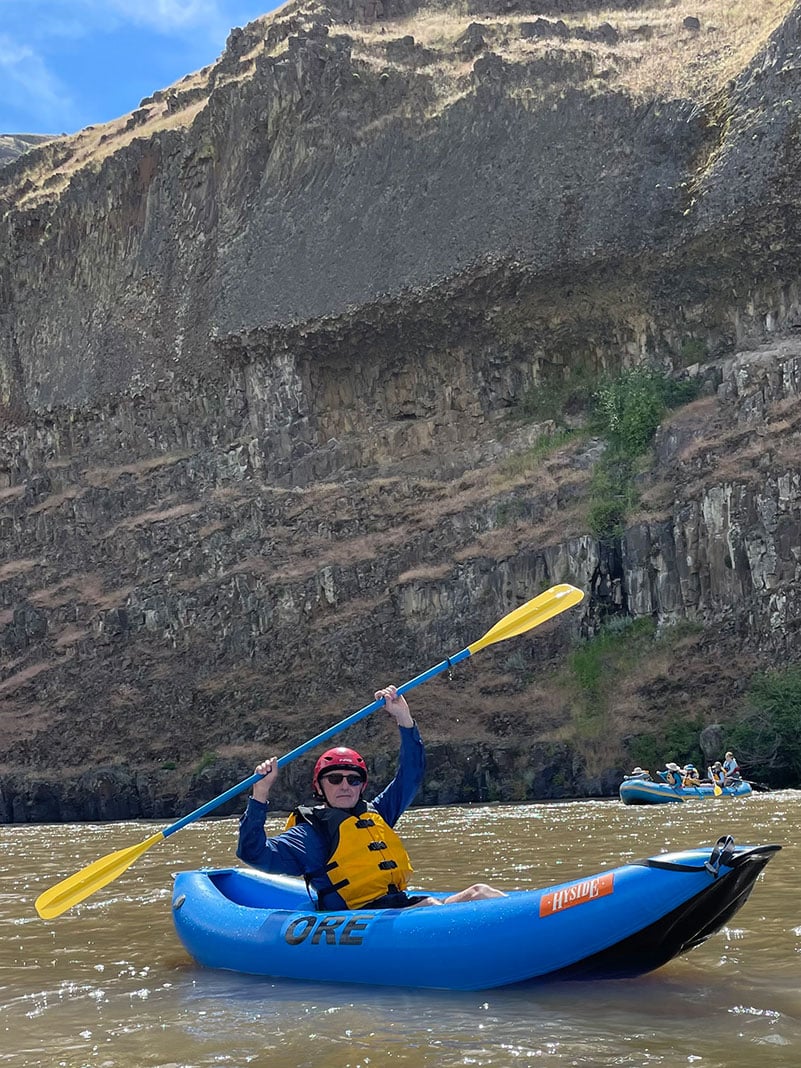
O.R.E. outfitters on the Owyhee.
O.R.E. outfitters on the Owyhee. | Photo: K.M. Collins

Take-out options

The first take-out option is 45 miles downstream of Rome at Birch Creek. The road out of Birch Creek is often not open until a little later in the season and requires sturdy four-wheel drive vehicles to navigate.

The second option is Leslie Gulch, 67 miles from put-in with miles of flat water. For Leslie Gulch, it is wise to bring a small outboard in order to motor out. A sign a few miles downstream of Birch Creek indicates when it’s legal to kick on your motor.

Owyhee River shuttle

Shuttle services can be unreliable on the Lower Owyhee River. Many boaters have found themselves stranded at Birch Creek and, even worse, Leslie Gulch take-outs. And logistics for finding your way out can get squirrely in the Owyhee’s remote areas. The best recommendation for a shuttle service is to ask around for current circumstances. Poll the jury on your local boating forums, and be sure you have word-of-mouth information before picking a service.

If you decide to set shuttle yourself, it’s at least a two-hour drive from Birch Creek or Leslie Gulch back to the boat launch in Rome.

Meal at camp on a desert river.
Charcuterie doesn’t get any better than at a desert river camp. | Photo: K.M. Collins

Notable Owyhee outfitters

Remember this region is Wild and Scenic, which means remote—thus, extra precautions should be taken regarding safety. It isn’t a bad idea to go with an outfitter. Northwest Rafting Co. has a stellar reputation for their commercial Lower Owyhee River trips.

Find more info and a boating guide for the Lower Owyhee River on the Bureau of Land Management site.

The author catching high flows and desert sun. | Feature photo: K.M. Collins


Beat The Cold With These Winter Paddling Must-Haves

There is no reason for the boating season to end, as long as you know how to dress for success. Winter offers some of the most rewarding whitewater experiences, with few others out on the river and stunning scenery. The key to enjoying winter paddling is dressing for comfort and safety. Simon Coward, owner of AQ Outdoors (AQ Outdoors is a paddling shop and school with locations in Calgary and Edmonton), is here to share his thoughts on the gear you need for cold-weather paddling. The following is a transcript of his video review.

Simon Coward of AQ Outdoors dressed in the gear for cold water success.
Simon Coward of AQ Outdoors dressed in the gear for cold water success. Image: AQ Outdoors

Beat The Cold With These Winter Paddling Must-Haves

Simon here from AQ Outdoors. I’m checking in from Harvey Passage here on a cool April morning with some tips and tricks around getting ready for spring paddling and paddling in colder temperatures.

Our season really never ends. Some people paddle year-round on the Kananaskis River, and they’re paddling down to -8 or -10 degrees (celsius). It’s not quite that cold right now. The philosophies though are the same.

We’re trying to dress for comfort and for safety. So if we do happen to wind up in the water and take a bit of a swim, we’re not going to end up in dire circumstances as far as cold water immersion goes, because that can sneak up on us very quickly.

Layering

For me personally, when I’m dressing for colder temperatures and longer days on the water, I’m thinking about layering.

I’m basically going to wear a fleece onesie. I wear a relatively thick one. I’ll wear a base layer on my upper body.

I’ll wear ski socks on my feet and then I wear my dry suit over the top. Then over my dry suit I wear socks. A, for some thermal protection. But B, to protect the dry socks in the dry suit. I’ll wear thin neoprene socks over the top and then some pretty beefy sort of creeking river shoes over the top of that as well.

Now if I end up standing in the water for a rescue or for any period of time I’m giving my toes the best chance of not freezing off.

Safety Gear

Then we have safety gear. Obviously, we carry all of our safety gear.

We’ve got a neoprene spray skirt which adds an additional layer of insulation here because we have that tunnel that goes up with our PFD which is also some insulation.

Then I wear a neoprene hood. I just wear a half-cut one that just goes over my ears. I have a nice thick helmet with lots of foam in it. This has a lot of insulation just by nature.

Gloves on pogies on paddle
Image: AQ Outdoors

Gloves And Pogies

Now for gloves. For the longest time, I didn’t wear gloves or anything on my hands. I just sucked it up and kind of did the old every five minutes or so. But now I’ve decided that wearing gloves is A-Okay with me.

Now this depends on the temperature of the water and the temperature of the day. I’ve got NRS Maxim gloves on here which are quite thick, waterproof gloves, so really cold water gloves. They do take a lot of feel off the paddle though so a lot of people don’t like them.

Another option I’ve been growing increasingly fond of are pogies. Basically, pogies allow you to put your hands inside the neoprene sleeve and still have feel on the paddle, so you don’t feel like you’ve got this big barrier between you and the paddle shaft. They don’t offer necessarily as much thermal protection as gloves or mitts, but they certainly do take the edge off with wind, and they do keep a lot of the splashes off.

Cold water gear for winter whitewater.
Feature photo: AQ Outdoors

Comfort Equals Safety And Progression

In a nutshell when we’re dressing for cold water paddling, like I mentioned, at the start we want to be comfortable. We want to have the freedom to move. We don’t want to feel all claustrophobic and that we can’t rotate or anything because that really affects performance and in turn enjoyment.

But we also do need to be fairly aware of what the implications are if we do end up in the water.

Part of that can just be planning early season, when it’s cold and you’re a bit rusty, maybe paddle stuff that you’re really comfortable with and the likelihood of a swim is much lower.

As that water warms up, and your strength and confidence build, progress through the grades, and by the mid-summer or late summer, you’re going to be cranking. Then you can start pushing into some harder whitewater.

AQ Outdoors offers retail and kayak instruction in Calgary and Edmonton. Learn more about their school and stores at AQOutdoors.com.


Feature photo: AQ Outdoors


Yukon River Quest 2024 Race Dates And Registration Announced

Race canoe on Yukon River
Yukon River Quest | Image: Mark Kelly

The countdown has begun to the opening of registration for the 24th Yukon River Quest. Registrations will be accepted beginning at 14:00 Yukon time (MST) on November 15, 2023, for entry in the annual paddling marathon, which will be held from June 24 to June 29, 2024.

The 715-kilometer (444-mile) race is run on the Yukon River from Whitehorse to Dawson City in Canada’s Yukon Territory in late June. The race passes through the traditional lands of five Yukon First Nations and honors the cultures of those who have lived off the river and nurtured it for centuries. Annually, the River Quest’s continued success depends on more than 125 dedicated volunteers who bring great skills and enthusiasm to the event.

The “Race to the Midnight Sun” for many years was the world’s longest annual paddling race, and it remains unique because teams race round-the-clock on a wilderness river and under a sky that never gets dark. The full race is all about endurance. Aside from 10 hours of mandatory layover time, teams paddle non-stop to reach Dawson City, the heart of the Klondike. The YRQ is now a qualifier for participants in the Yukon 1000, which happens a few weeks later.

Photo: John Howland // Yukon River Quest

The allure of the Yukon River has made the YRQ a draw for teams from many other countries to participate. To date, paddlers from 36 nations have been represented. And in recent years, more than 100 teams have registered, prompting race officials to adjust the total number allowed to 125 teams. Prior to the pandemic in 2019, the YRQ saw a record 117 teams start and 86 finish. After not having the race for a couple of years, the race returned in 2022 on a fast and high river, resulting in a new course record of 39 hours, 18 minutes, 12 seconds by the Canadian C4 team “Something Else Entirely.”

In 2023, the race was moved into early July to avoid higher water levels. The 54 teams and 134 paddlers from 10 countries experienced record-high temperatures of 30°C and lower water levels that prevented any records from being broken.

In setting the race dates for 2024, YRQ officials noted that the anticipated snowpack this winter has been forecast to be low due to El Nino. They also heard from racers and volunteers that they are keen to return to the long-standing race start date on the first Wednesday after the summer solstice. Teams are advised to register early to both ensure a spot in the field and give paddlers plenty of time to train for one of the world’s toughest endurance races.

Things To Know For The YRQ 2024

  • Entry fees are $400 per boat plus $400 per paddler.
  • Prize money of $64,000 CDN if there is a full field.
  • Race start time is 9 AM on June 24 unless numbers and water levels necessitate a second start time.
  • Paddlers are encouraged to provide their own support crews. However, the YRQ has implemented a paid service to support teams at the mandatory layover in Carmacks.
  • Mandatory layover time will be a total of 10 hours.
  • Tracking devices (SpotX, In Reach) are required.

More details will be made available soon in the 2024 rules on the website, yukonriverquest.com. The rules are posted in English along with a Racer Guide and several preparation tips. The rules are subject to change. Watch for race updates in newsletters and on social media sites that are easily linked from the web page.

Photo: Jason Wolsky // Yukon River Quest

Honouring YRQ Accomplishments

While many enter the race to finish with a fast time and earn prize money, most do the race for the personal satisfaction of staking their claim to a coveted YRQ Finisher Pin. It’s a life-fulfilling, bucket list accomplishment for many. Paddlers who have finished multiple YRQs also now covet entrance into the “Great River Club” which was unveiled for the 20th anniversary. Racers who have logged 5,000 and 10,000 kilometers are members of that elite club and receive special pins. For more information, visit the Great River Club page on the website.

The race is organized by the Yukon Marathon Paddling Association, which is based in Whitehorse, Yukon, Canada. Major sponsors include Yukon 1000 Race Timing Software, Gold Trail Jewellers, The Whitehorse Star, Air North, yukoninfo.com, Kanoe People, Up North Adventures, The Coal Mine Campground, Total North Communications, Little Salmon Carmacks First Nation, Selkirk Development Corporation, and Newmont Coffee.

2024 Paddling Magazine Industry Awards: Winners Announced

Paddling Magazine Industry Awards 2024

Paddling Magazine Industry Awards, presented by Paddle Responsibly and the U.S. Coast Guard

Rapid Media is pleased to announce the winners of the fifth annual Paddling Magazine Industry Awards presented by the Safer Paddling Campaign. These awards recognize significant and innovative achievements in the development of products introduced to the paddlesports market this year.

This year we saw a record number of votes, with more than 38,000 ballots cast from retail buyers, consumers and media across 12 categories at paddlingawards.com.

The categories of the Paddling Magazine Industry Awards represent every aspect of the sport across all disciplines. The awards present brands with the outstanding opportunity to introduce new products to the largest audience of paddling enthusiasts and the industry.

Congratulations to the winners of the fifth annual Paddling Magazine Industry Awards:

  • Best Sea/Touring Kayak: Värmdö LV (13’6”) by Melker of Sweden
  • Best Recreational Kayak: Beach LT Sport by Oru Kayak
  • Best Canoe: Scout by Esquif
  • Best Whitewater Boat: Flow by Jackson Kayak
  • Best Fishing Boat & Board: BigWater ePDL+ 132 by Old Town
  • Best SUP: Jukdo SUP by NRS
  • Best Paddle: Aqua Bound Aerial Carbon by Aqua Bound
  • Best Safety & Rescue: Safety Dry Bag Kit SB-3L by Sirius Signal LLC
  • Best Clothing/Apparel: Phenom GORE-TEX PRO Dry Suit by NRS
  • Best Transport/Storage/Launching: TowNStow BarCart Kayak Cart by YakAttack
  • Best Paddling Accessory: K-1 Angler Pro Outboard Kit by Bixpy
  • Best Rigging & Outfitting: 139 Phone Holder by Scotty Fishing & Outdoor Products

Here are the winners of the fifth annual Paddling Magazine Industry Awards as decided by over 38,000 voters:


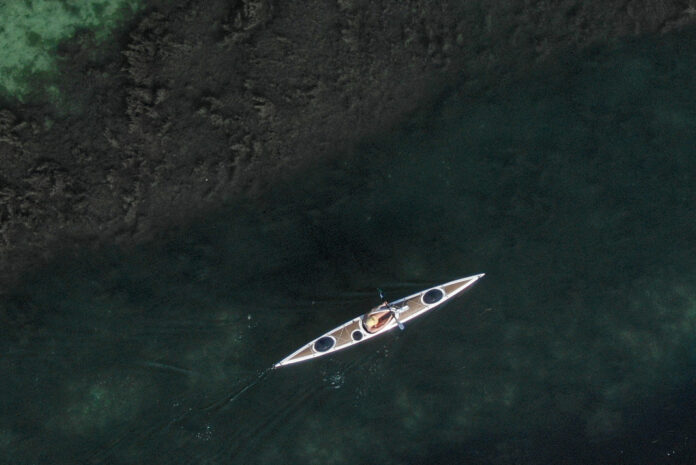
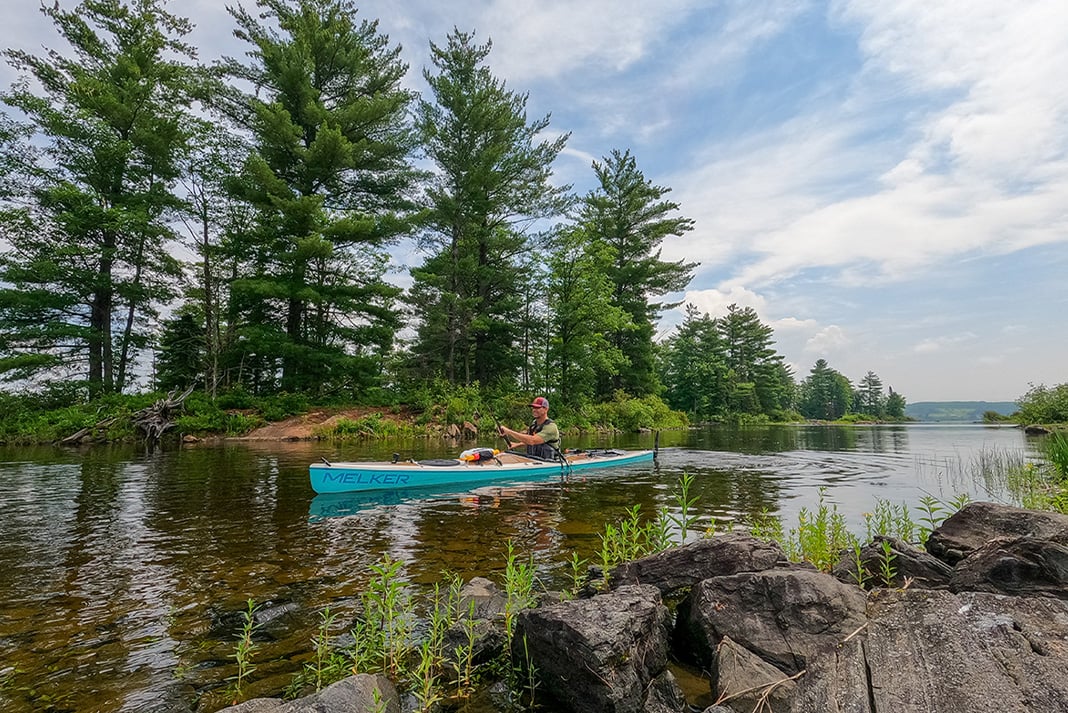
Värmdö LV (13’6”) by Melker of Sweden

Best Sea/Touring Kayak

Värmdö LV (13’6”) by Melker of Sweden

The Värmdö is a lightweight, high performance, playful light touring boat featuring a plant-based construction. Targeted to savvy performance paddlers and recreational paddlers who want to feel like rock stars on the water. Smooth, forgiving and stable for new paddlers to learn in, with performance characteristics, predictability and endless play time for surfing, carving and rock gardening. With an all-new premium comfort cockpit with easy adjustability, built just for you.

LEARN MORE
SEE ALL MELKER KAYAKS


Beach LT Sport by Oru Kayak

Best Recreational Kayak

Beach LT Sport by Oru Kayak

The Beach LT is perfect for fun, easy and casual paddling. Oru’s newest model is even easier to assemble and use. The Beach LT’s stable hull shape and spacious cockpit make it ideal for beginners without compromising speed and agility. Take the original origami kayak out for day trips, picnics and mellow paddles on smooth water.

LEARN MORE
SEE ALL ORU KAYAKS


Scout by EsquifBest Canoe

Scout by Esquif

A canoe the whole family can enjoy in a smaller, lighter and more easily transportable package. Built with added width and volume, the Scout is also made from indestructible T-Formex for durability and zero maintenance. Unlike other plastic canoes, it will not warp or dent and instead will give you a lifetime of maintenance-free paddling. Designed for families, sportsmen and paddlers. The reliable Scout canoe is always ready to be strapped on your roof for your next water adventure.

LEARN MORE
SEE ALL ESQUIF CANOES


Flow by Jackson Kayak

Best Whitewater Boat

Flow by Jackson Kayak

The Flow is the perfect combination of confidence where you need it and sportiness when you want it. Whether you are just starting out or pushing the boundaries with class V, this boat will take care of you with a shorter, lighter, sportier ride. A modern creek boat rocker profile without all the weight and volume? The Flow is just what the doctor ordered. It has a full-on creek boat hull with a slimmed down deck and shorter length for a lighter, nimble, easy-to-boof, easy-to-carry experience.

LEARN MORE

SEE ALL JACKSON KAYAKS


BigWater ePDL+ 132 by Old Town

Best Fishing Boat & Board

BigWater ePDL+ 132 by Old Town

Designed to keep anglers in the chase, ePDL+ combines pedal and battery assist to propel your fishing experience to the next level. With ePDL+ drive you have options. In it for the long haul? Fish all day with light to moderate motor assist. Need to get there quickly? Crank it up and get there first. Need a break? Set it to cruise control and let the motor get you there. With motorized versatility at your fingertips, your odds out on the water just got a whole lot better.

SEE ALL OLD TOWN PRODUCTS


Jukdo SUP by NRS

Best SUP

Jukdo SUP by NRS

The Jukdo SUP Board with IST (Integrated Shaping Technology) gives the do-it-all paddler a premium board that tracks straighter on flatwater with the maneuverability to handle light surf and river running. NRS’ innovative woven drop stitch Z/Blend Core is 20 percent stiffer yet 15 percent lighter than previous boards. Rig gear for an overnighter, or ditch the gym and opt for daily jaunts on the water. Fitness or fun—the Jukdo can do it all, with unparalleled stiffness, performance, stability and durability.

LEARN MORE
SEE ALL NRS PRODUCTS


Aqua Bound Aerial Carbon by Aqua Bound

Best Paddle

Aqua Bound Aerial Carbon by Aqua Bound

Introducing one of the most revolutionary paddles in whitewater. Lam-Lok technology mechanically bonds blade layers together, protecting and dramatically extending the paddle’s life. Carbon shaft optimized for a sweet spot of flex between carbon and fiberglass to avoid blowing out shoulders. Blades with a wide, flattened foam spine simulate performance qualities of full foam core blades without sacrificing durability. Two blade sizes, one/two/four piece, straight/crank, fixed length/adjustable.

LEARN MORE
SEE ALL AQUA BOUND PADDLES


Safety Dry Bag Kit SB-3L by Sirius Signal LLC

Best Safety & Rescue

Safety Dry Bag Kit SB-3L by Sirius Signal LLC

All-in-one safety kit for kayaks, boats, canoes and paddlecraft with drybag. Safety kit including everything you need during an emergency on the water. C-1004 eVDSD flashes USCG spec SOS and infrared signal. IP68-rated floating flashlight with CR123 lithium battery. Daylight signal mirror, orange daytime distress flag and marine whistle complies with USCG audible signal requirements. Drybag, waterproof cellphone pouch, liquid filled hand compass, 12 feet of paracord and first aid kit.

LEARN MORE

SEE ALL SIRIUS SIGNAL PRODUCTS

Phenom GORE-TEX PRO Dry Suit by NRS

Best Clothing/Apparel

Phenom GORE-TEX PRO Dry Suit by NRS

Paddlers who crave the class V hike-in to reach the class V runs need the exceptional, reliable protection the Phenom GORE-TEX PRO Dry Suit delivers. Featuring the same exceptional qualities as the Axiom, the Phenom boasts a back entry zipper, relief zipper and GORE-TEX PRO construction for class V protection with minimum bulk. Men’s and women’s specific cuts with deliberate seam placement reduce wear and tear and increase comfort, extending the Phenom’s life and wow factor.

LEARN MORE
SEE ALL NRS PRODUCTS


TowNStow BarCart Kayak Cart by YakAttack

Best Transport/Storage/Launching

TowNStow BarCart Kayak Cart by YakAttack

Designed for extreme duty, the BarCart is universal, collapsible, user-friendly and robust, requiring no tools to assemble or disassemble. With the push of a button or the flip of a lever, the BarCart can be deployed, adjusted or collapsed in seconds. With two bunk bar configurations, it boasts unprecedented compatibility with different hull shapes. Built from UV resistant, high quality, injection molded polymers and anodized aluminum tubing, and assembled with stainless steel hardware.

LEARN MORE

SEE ALL YAKATTACK PRODUCTS


K-1 Angler Pro Outboard Kit by Bixpy

Best Paddling Accessory

K-1 Angler Pro Outboard Kit by Bixpy

The K-1 Angler Pro Outboard Kit is Bixpy’s pro version of its K-1 Outboard Kit. The K-1 Angler Pro Outboard Kit combines the power of the Bixpy K-1 Motor, with 38 pounds of thrust, and the waterproof, wireless PP-768 Outboard Battery to power virtually any personal watercraft on the market. The Bixpy K-1 Angler Pro allows you to stay out longer, explore new waters, effortlessly glide through strong tides, troll for hours, or just get home effortlessly at the end of a long, tiring day on the water.

LEARN MORE
SEE ALL BIXPY PRODUCTS


139 Phone Holder by Scotty Fishing & Outdoor Products

Best Rigging & Outfitting

139 Phone Holder by Scotty Fishing & Outdoor Products

Scotty’s 139 Phone Holder offers a phone holder that is legitimately marine grade. Varying temperatures, constant UV exposure and saltwater are no match for what makes Scotty famous. Scotty’s Phone Holder is made to withstand heavy use in harsh environments. Positioning and securing your device has never been easier. Easy Grip knob allows for width adjustments between 2.75 and 3.75 inches wide. Also has open access for charging your device while in use. Includes post, track and rail mount.

LEARN MORE

SEE ALL SCOTTY PRODUCTS


Congratulations to all the 2024 Paddling Magazine Industry Award winners!


About Paddling Magazine

Paddling Magazine is the flagship title of Rapid Media, the world’s largest paddlesports media company. Rapid Media’s mission is to inspire and empower paddlers by leading as the sport’s definitive advocate and resource. Rapid Media celebrated its 25th anniversary in 2023. Alongside Paddling Magazine, the brand produces Kayak Angler, Paddling Business, the Paddling Industry Awards and the Paddling Film Festival.


Secrets Of The Sub-Four-Minute Green Race Run (Video)

Dane Jackson competed in the Green Race for years before winning the event. Each time, learning from a minuscule error or misfortune proved costly on such a technical course. Then, in 2018, Jackson won his first Green Race. From that year on, Green Race aficionados knew it was just a matter of time before Jackson broke the elusive four-minute barrier.

It happened in 2022. Jackson posted an unbelievable time of 3:58.6—a feat that required a run of perfect power, pace and grace. Now, the Green Race record holder is here to divulge the secrets of his sub-four-minute 2022 run just days before the 2023 event.


The 2023 Green Race is available to stream live. Find more info at greenrace.us.


5 Unforgettable Float Trips In The Heart Of Missouri

Canoe float trip in Missouri.
Feature Image: Pulaski County

The name Missouri, it’s said, comes from an Algonquin term roughly meaning, “the people with canoes.” So, it seems natural that paddling is a beloved pastime deep in the heart of this rugged Midwestern state. More specifically, take a closer look at the northern Ozarks. Here, you’ll find a wild region of hardwood forests, meandering rivers, and spring-fed streams that often go unnoticed by people speeding through on nearby Interstate 44. All are good reasons to put Pulaski County at the top of your list when it comes time for your next float trip in Missouri.

From short and relaxing floats to longer paddling adventures, there’s something for everyone here. And when you stay at a riverside outfitter, you can often conveniently float a few miles or more back to your campsite or cabin rental. Now, when it comes to choosing between river sections, the best is always the one that you’re currently floating. In other words, if your goal is to have fun on the water, you can’t go wrong. But if you’re looking to home in on some of the more adventurous paddling in the area, here are a few unforgettable options.

River scenery and kayaks in Pulaski County, Missouri.
Image: Pulaski County

5 Unforgettable Float Trips in the Heart of Missouri

The Gasconade Narrows

The Gasconade is the longest river falling entirely within the state of Missouri, and some call it one of the most crooked rivers in the world. From its headwaters on the Salem Plateau to its confluence with the Missouri River, the Gasconade crams about 270 miles of meandering into only 115 straight-line miles. This twistiness is fully displayed in Pulaski County, where about a hundred river miles wind through the rural countryside. At one spot called the Narrows, the river takes about seven miles to loop back around to a neck only a quarter-mile wide.

Starting from Schlicht Springs Access, you can put in about a third of the way around this riverbend. After floating four miles, you’ll reach the Narrows. On the opposite bank is Ruby’s Landing, a resort and outfitter offering boat rentals, cabins, and camping. Continuing downstream after three more river miles, you’ll reach Falling Spring. During lower water levels — like those you might find on a fall colors float during October and into November — there is a fun class II riffle where the waters from Falling Spring dam up behind some emerald-green moss-covered rocks. The typical take-out comes ten miles down from Schlicht Springs at a gravel access off MO-17 at the confluence with Roubidoux Creek.

A short drive upstream along this lovely tributary leads to the Historic Route 66 town of Waynesville. Anglers may want to check out Laughlin Park, where the outflow from Roubidoux Spring gives rise to a white ribbon trout stream. Plus, plenty of Mother Road attractions can be found, including the 1903 Courthouse Museum or the quirky Frog Rock.

Unloading kayaks for a Missouri river trip.
Image: Pulaski County

The Wild Gasconade

If you’re looking for a challenging adventure, consider paddling this longer section of the Gasconade. This trip starts where the section described above ends, the gravel access just off MO-17 at the confluence with Roubidoux Creek. The take-out is at the gravel Riddle Bridge Access. The reward is paddling about 14 miles through some of the Gasconade’s wildest scenery with wooded bottomlands, occasional farm fields, and sheer bluffs rising above the river.

At typical water levels, there will be regular gravel bars for beaching boats and stretching your legs. And this section, like others, often displays the wild signs of recurrent flooding on the Gasconade due to its vast 2,800-square-mile watershed. While you’re on the water, look closely and you’ll likely spot logs suspended surprisingly high in the riverside canopy, wedged there during prior flood events.
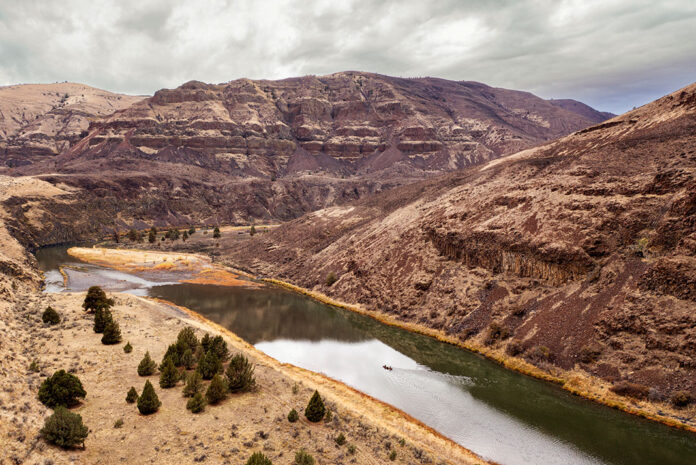
BSC Outdoors, a riverside outfitter and resort offering cabins and camping, is a good base for exploring this part of the Gasconade. A bonus of staying with BSC is having access to an equally adventurous 14-mile paddling run below Riddle Bridge — this one has limited public access points and some of the tallest bluffs on the entire river.
Enjoying a cup of coffee on a cabin porch in Missouri.
Image: Pulaski County

Upper Big Piney River

Start by heading upstream on Big Piney River to Sandy Shoals Ford. Up here, one of Missouri’s finest float trips is more like a swift creek with occasional class II riffles. Sheer bluffs rise overhead and are often topped with pine trees that give the stream its name. Because of the dense foliage that frequently overhangs the channel, there is great shade for a sunny summer day. Along the way, the flow is augmented by numerous freshwater springs that sometimes burst from the banks near water level.

After floating just under six miles, the take-out is at Boiling Spring Access. This spring is aptly named, given an estimated 10 million gallons burble forth each day. At Boiling Spring, you’ll also find a classic swimming hole and a rope swing dangling above the clearwater pool. Since Upper Big Piney is so remote, keep in mind there aren’t many options for post-river meals or accommodations. Thus, the restaurants and lodgings closer to I-44 in Pulaski County make for a convenient choice when your day on the water is done.

Canoe float trip in Missouri.
Feature Image: Pulaski County

Lower Big Piney River

Unlike the upper creek-like section, in its lowest reaches, the Big Piney River lives up to its moniker with deeper pools and slower currents. You’ll find some great sections for lazy float trips down this Missouri stream. Because many of the lower access points are on private land, going with a Pulaski County outfitter is a great way to explore this part of the river.

However, several sections found just upstream in Mark Twain National Forest provide a little bit of everything: wider channels, deeper pools, and swifter sections of current with sporty riffles. One such section starts at Slabtown Access. From there, you can float six miles and take out at Horse Camp Access — or break out your paddle for a full 15 miles to Ross Access. Another option: Continue a half-mile further to Wilderness Ridge Resort, a riverside outfitter that offers cabins, campgrounds, and an RV park.

When paddling a lower reach on Big Piney River, consider stopping by Devils Elbow. This famous spot on Route 66 is known for a tight bend in the river and a historic bridge. The famous Elbow Inn, once a raucous biker bar, was sadly closed in a record flood, but restoration on the iconic establishment is in progress, which may someday raise hell — and pints — again. Fortunately, the Devils Elbow River Safari and Campground continues to operate on the inside bend of the elbow, offering a family-friendly way to experience the lower Big Piney.

Missouri wilderness kayak trip.
Image: Pulaski County

The Osage Fork of the Gasconade

Like so many great adventures, our final entry takes us west to a little-known stream near the edge of Pulaski County. As its poetic name suggests, the Osage Fork is undoubtedly peaceful as it winds through tangled forest. But a trip here is not for the faint of heart. This is wild Ozark floating at its finest. Yes, you will have to paddle at times. You may also have to drag past shallows, around brush jams, or over downed trees.

The watershed of this Gasconade tributary is on the smaller side, so this six-mile section is more challenging to catch. The put-in is at Hull Ford Access and the take-out is at Hazelgreen Access on the Gasconade, roughly a quarter-mile downstream from the confluence of the Osage Fork. There’s typically enough water during the spring, and the fork’s main paddling season usually lasts into early or mid-summer. Then, it dries out until enough significant rains recharge it, whether they arrive during fall or winter.

[ Find your next Missouri adventure in the Paddling Trip Guide ]

The nearby outfitter Gasconade Hills Resort is a good base for adventuring in this area, including floating several sections on the main Gasconade. Or they can arrange a shuttle for you to explore the Osage Fork. But keep in mind this remote tributary is for experienced paddlers only. Once you’re on the water, you’ll be on your own — and that’s the point.

These unforgettable canoe and kayak float trips are just the beginning of a visit to this Missouri region. Visit Pulaski County and learn what other adventures await at the edge of the Ozarks.