Home Blog Page 71

Vanishing Trails: Canoeists Retrace Ancient Routes To Hudson Bay

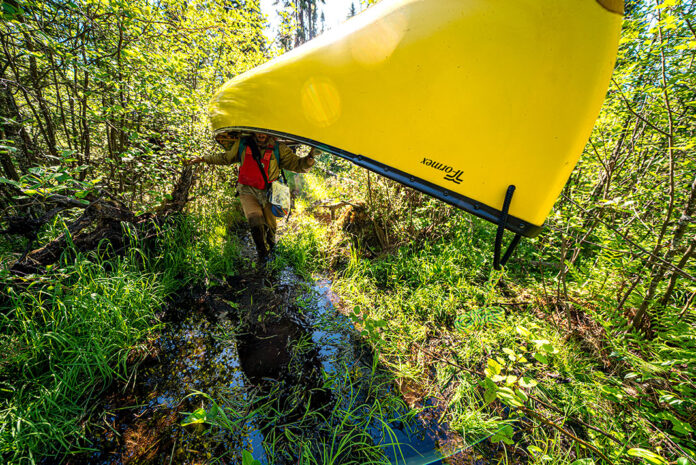
David Jackson carries yellow canoe along a swampy route to Hudson Bay
The second of three carries heading to the height-of-land crossover from the Eabmet River in the Albany watershed to the Marten Drinking River in the Attawapiskat Watershed. | Feature photo: David Jackson

The crackle of embers stirred sleep from my eyes and snapped the daze I had fallen into. I glanced left and noticed Leah had dozed off too, her face being bit by bugs. I looked out at the hazy mist of midnight along the Severn River, rolling a few more logs in the fire and adjusting my belt. The leather had three new holes, souvenirs marking the rigor of the old canoe routes that had led us here, to the Hudson Bay Lowlands.

I was to stay attentive, for earlier in the day we noticed polar bear tracks creeping in the shallows, stalking caribou, and it was just the two of us. I wiped some of the blackflies from Leah’s face, little smears of blood following, and urged her to the tent. We stood up together, two skinny figures at the end of a ragged journey. Strong yet weary of the gnawing hunger that wasn’t letting calories stick to our ribs.
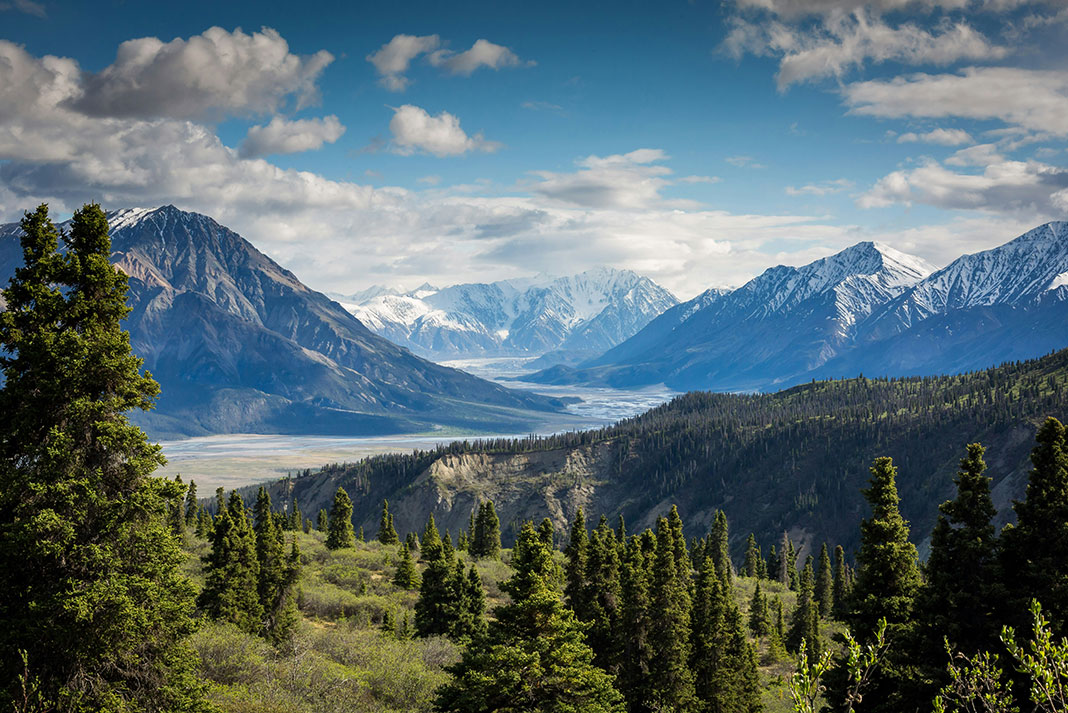
Canoeists retrace ancient routes to Hudson Bay

We had traveled 1,200 kilometers over two months, facing all the joys and challenges a long canoe journey delivers in Northern Ontario. Hard rivers, gorgeous sunsets, a mix of beautiful and bad campsites, a standoff with a wolverine, enough walleye for two lifetimes, near misses with wildfires and, of course, bad bugs. We followed a route of vanishing trails, a fading network of once-bustling portages crisscrossing between watersheds. These thousand-year-old trails have all but faded back into the wild mosaic of the landscape.
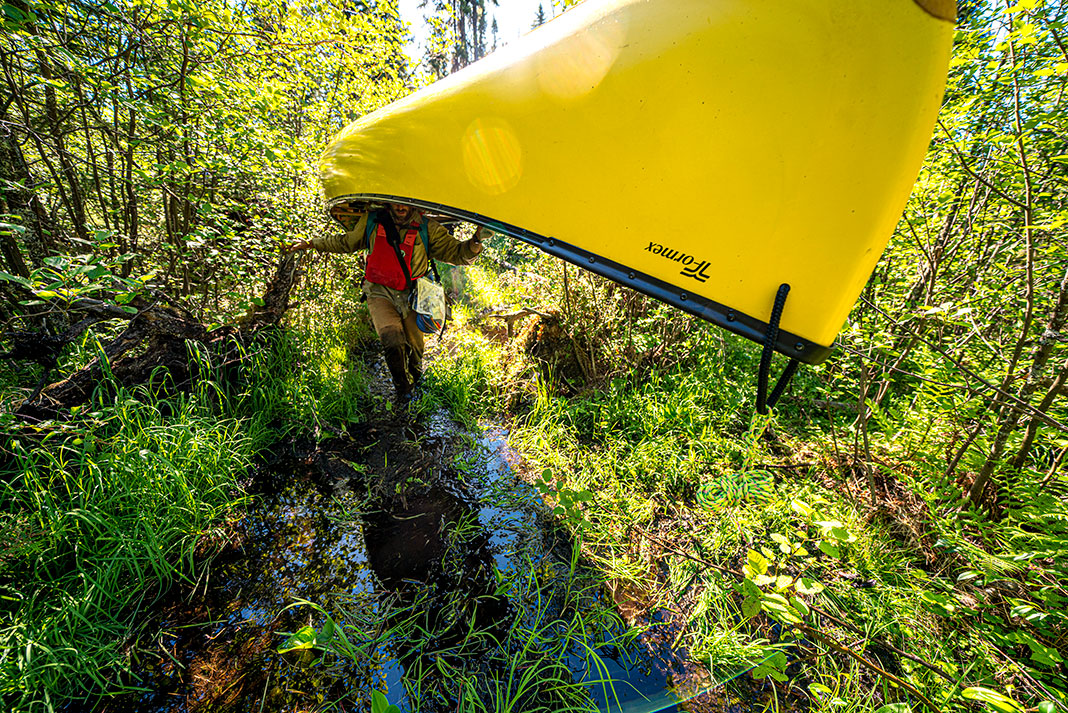
David Jackson carries yellow canoe along a swampy route to Hudson Bay
The second of three carries heading to the height-of-land crossover from the Eabmet River in the Albany watershed to the Marten Drinking River in the Attawapiskat Watershed. | Feature photo: David Jackson

Fifty-eight days earlier, Leah and I had left the Pikitigushi River bridge east of Armstrong, Ontario, and paddled north. We began on the eastern edge of Wabakimi Provincial Park bound for the distant coastal Hudson Bay community of Fort Severn. When we started, we carried five packs weighing 600 pounds total, enough to deliver us to the polar bear-dense region without resupply.

Gathering stories, following trails

The route was not a conventional line for canoeing to Hudson Bay. Instead, it was a dream from my work as a photojournalist. While covering stories in the Nishnawbe Aski Nation communities found along these waterways, I often talked with the friends I made on assignments about the rivers and lakes at their doorsteps. I heard stories about where someone was born or about the journey the community of Nibinamik made when its residents took canoes loaded with their possessions and paddled and portaged from their former community of Landsdowne House 150 kilometers northwest to the Winisk River, where they settled.

I wondered about the trails they had taken and if those trails would still be there. I told my new friends I would return by paddle to visit them someday.
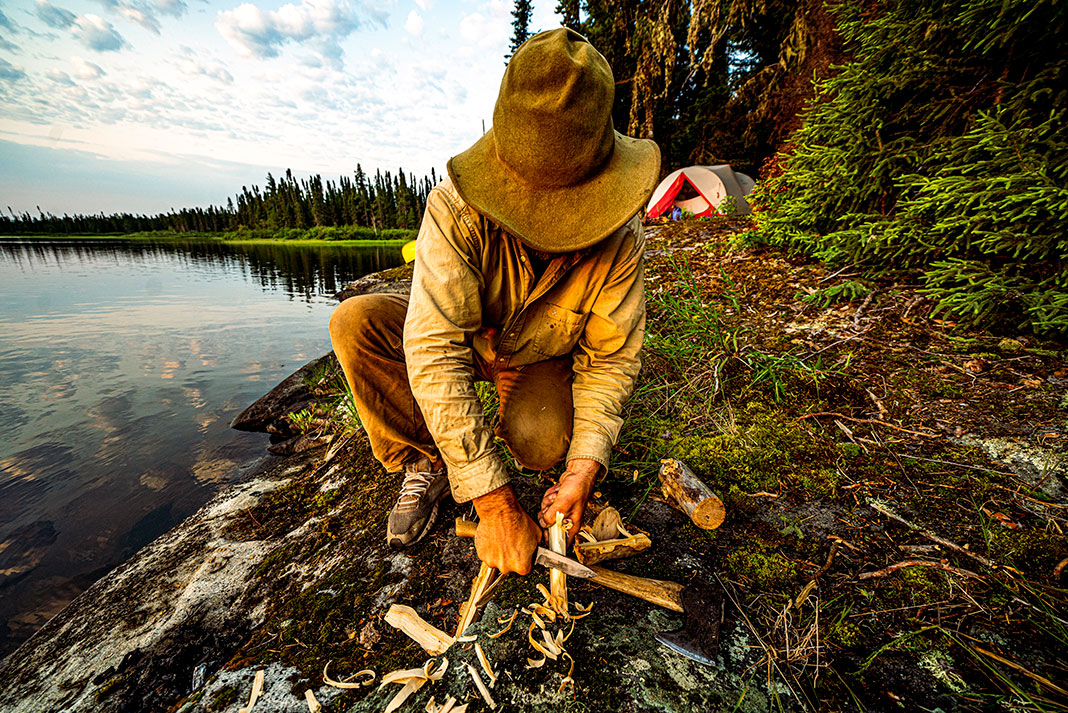
man starts a campfire with wood shavings on the Winisk River
Wood shavings when there’s no bark on the Winisk River. | Photo: David Jackson

Back home, I studied the Canoe Atlas of the Little North to figure out how possible it was.

The line Leah and I drew went something like this: Whitesands, Fort Hope, Neskantaga, Nibinamik, Wunnimun Lake, Kingfisher Lake, Big Trout Lake, Wapekeka, and down into Fort Severn. The places in between are the traditional trails of the Nishnawbe, a series of carrying places often 8,000 years old. While we hoped to find joy and challenge, the portages were first eked out of the forest for hunting, seasonal migrations and to travel the complex land of muskeg, bedrock, water and stunted trees we now call Northern Ontario.

On each river we were challenged. The Marten Drinking River was dark and deep, with steep bouldery rapids and rock ledges covered in jack pine and spruce. Beside a rapid early in the morning, I made wood shavings in the misting rain, my hands aching in the cold, wishing there was birchbark closer to camp. Our little twig stove for boiling water sat beside a fireplace now grown-in with moss. We found these most everywhere we stopped.
We came to a gorge where we heard there was a long carry-around and all morning we searched. Paddling from the edge of a swamp to the brink of the rapid, which fell into a small canyon, we searched in vain for the faint trail to deliver us safely below. All we found were beaver trails and moose highways.

A search for signs of the past

If Nishnawbe had used this trail for thousands of years, and later the fur trade companies, there must be something that remained. At least, that’s what we told ourselves on the edge of the buggy spruce glade.
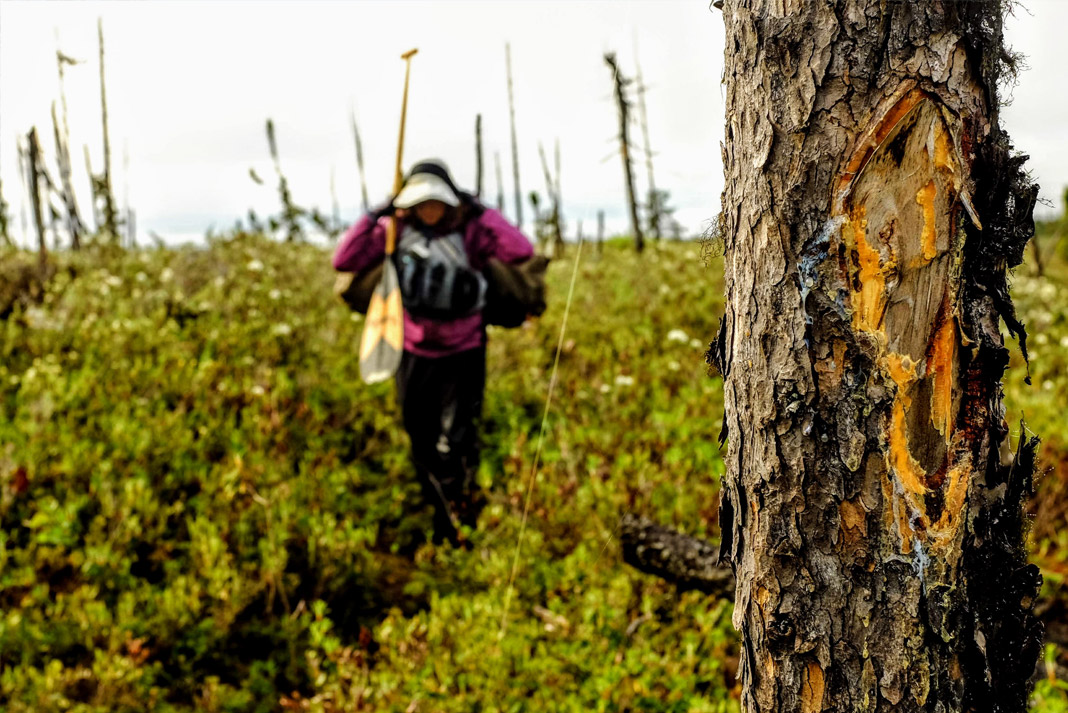
Descending into the gorge seemed reckless, so we reconsidered the first place we landed, in the corner of a swamp, a likely carrying place for a wooden canoe to land. Moving deliberately, scanning every scrape and butt end of a tree, my eyes settled on something I hadn’t noticed: a groove. If I looked at the trail, I missed it, but if I looked just above, I saw in my peripheral vision a faint trough in the deep moss, almost undetectable.

For hours we carefully retraced this faint hint of the past, following the trail of ghosts.

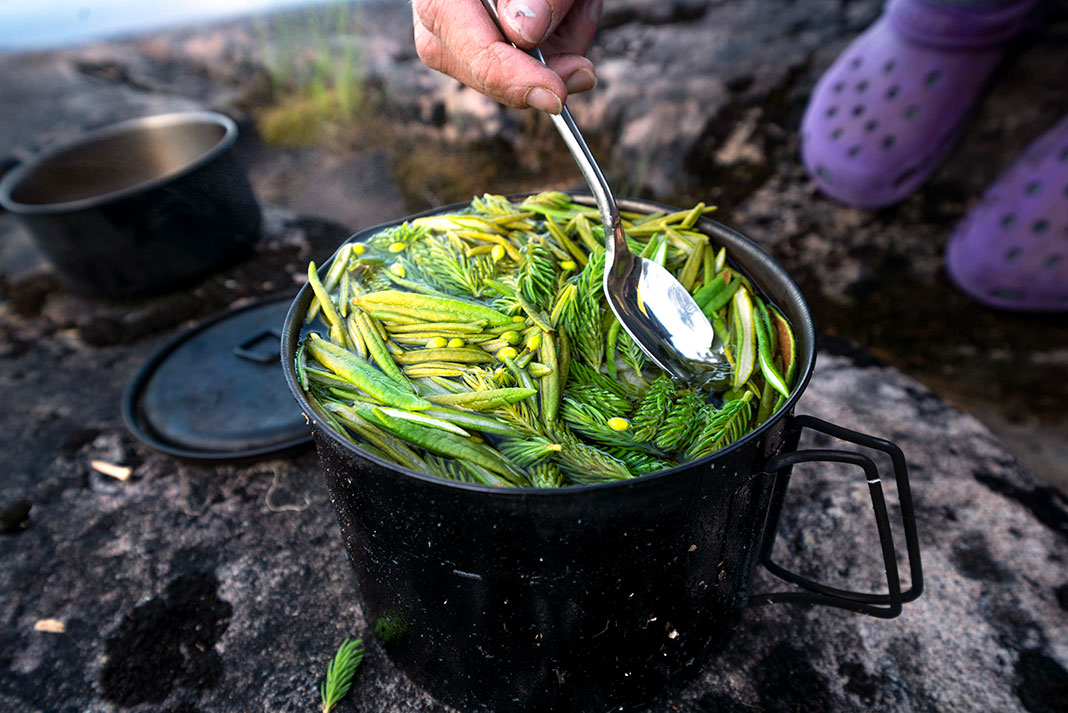
That evening, on the downstream side of the long, tedious carry, we drank spruce tip tea and talked about this beautiful river. If it were anywhere else in the province, it would be a summer highway of canoeists. Instead, these traveling corridors between watersheds, once the bloodline of the north, have all but disappeared into the boreal, gone with the winds and fire. For us, the journey is more important than our destination. The soul of a trip is in connecting the places in between.
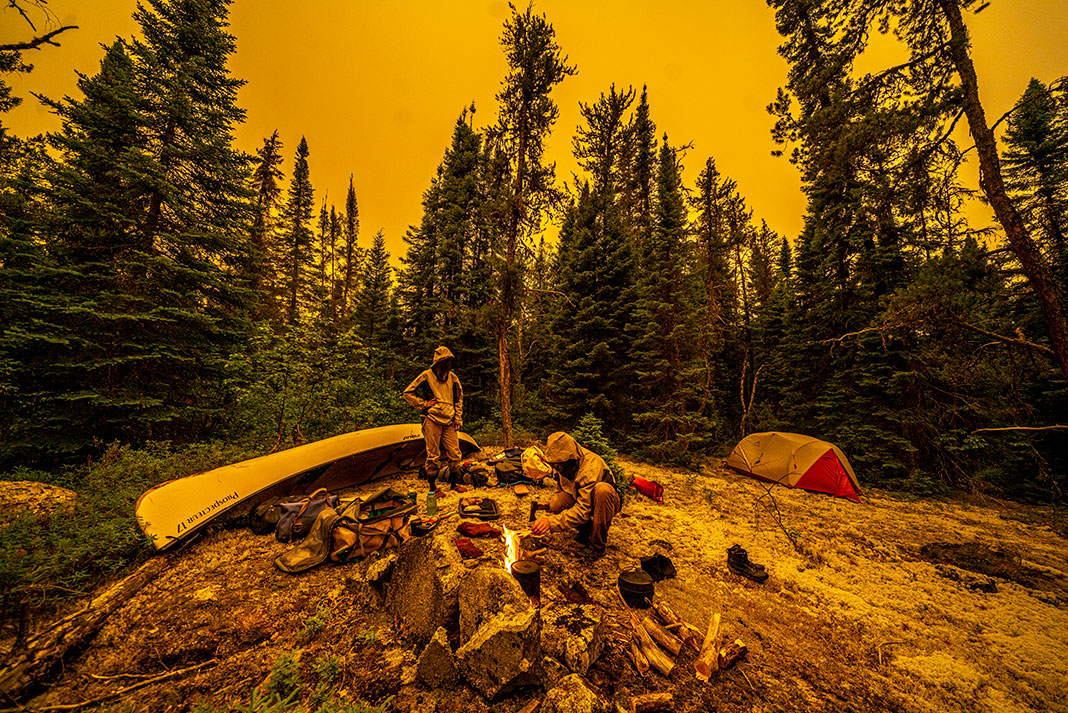
two people in bug jackets at a campsite along an ancient canoe to Hudson Bay with everything tinted yellow by the smoke of a nearby forest fire
In the final crossover of the trip to reach the Fawn River, we were stuck in a series of waterless creeks with a fire just a few kilometers away, creating a huge anxiety that we would be burned alive in those dry creeks surrounded by volatile jack pine. | Photo: David Jackson

Ten days later, we found ourselves in the middle of the crossover the Nibinamik people used in the 1970s when fleeing the turbulent times of Landsdowne House and marveled at their creativity. The route was little more than a succession of small heights of land on Winisk River tributaries as it crossed from the Attawapiskat River, but the going was convoluted. Lakes like Onisabaweigan appear as a shotgun blast on our map, and navigating was a nightmare. In some places, there were winter trappers’ trails; in most places, we were left with muskeg headwater lakes, dry boulder beds where a glacial stream once flowed, and never a rock or suitable campsite.

Embracing the timeless spirit of travel

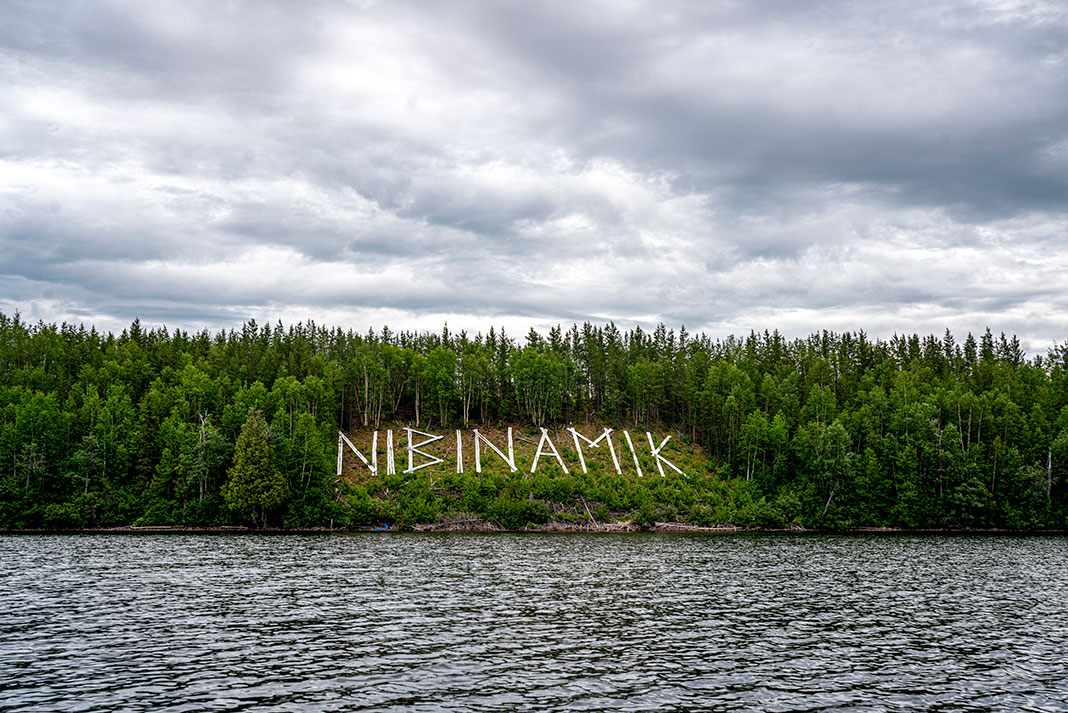
By the time we reached Nibinamik, we were beat down after a descent of Horley Creek. Nibinamik was locked down in Covid protocols like everywhere else on our journey. We could not stop, resupply or visit old friends. Still, passing by the giant wooden Nibinamik sign built into the town’s esker, made by the late Sam Beaver, we smiled at the Northern Hollywood homage.

Sprawled out on a bald rock island of Big Trout Lake, our tent in the spruce at the center, we luxuriated and swam in the cold, turquoise water. The lake reminded us of Lake Superior, except to the south we watched plumes of smoke rise from a forest fire we had narrowly skirted. What was supposed to be old trails through a network of creeks dividing the Asheweig and Fawn rivers was relentless portaging down 15 kilometers of dry creeks and over long out-of-use trails. Leah’s neck was a swollen war zone of blood and bites.

a woman's neck is covered in black fly bites during a canoe expedition to Hudson Bay
Vampires are real. | Photo: David Jackson

We understand why people don’t travel these ways anymore. Perhaps it’s too hard, the margins of joy too thin for people to devote months to. Busy schedules and limited holidays have encroached on what the essence of a canoe trip has always been—a process of reading the landscape by pack and paddle, a journey to uncover the story of river and lake.

These old canoe routes to Hudson Bay may mean nothing to a bucket list, but they mean everything to the spirit of traveling. Their intricacies represent a fundamental connection to the freedom we gain with time and patience. When we let a trail fade, we part ways with a story thousands of years in the making.
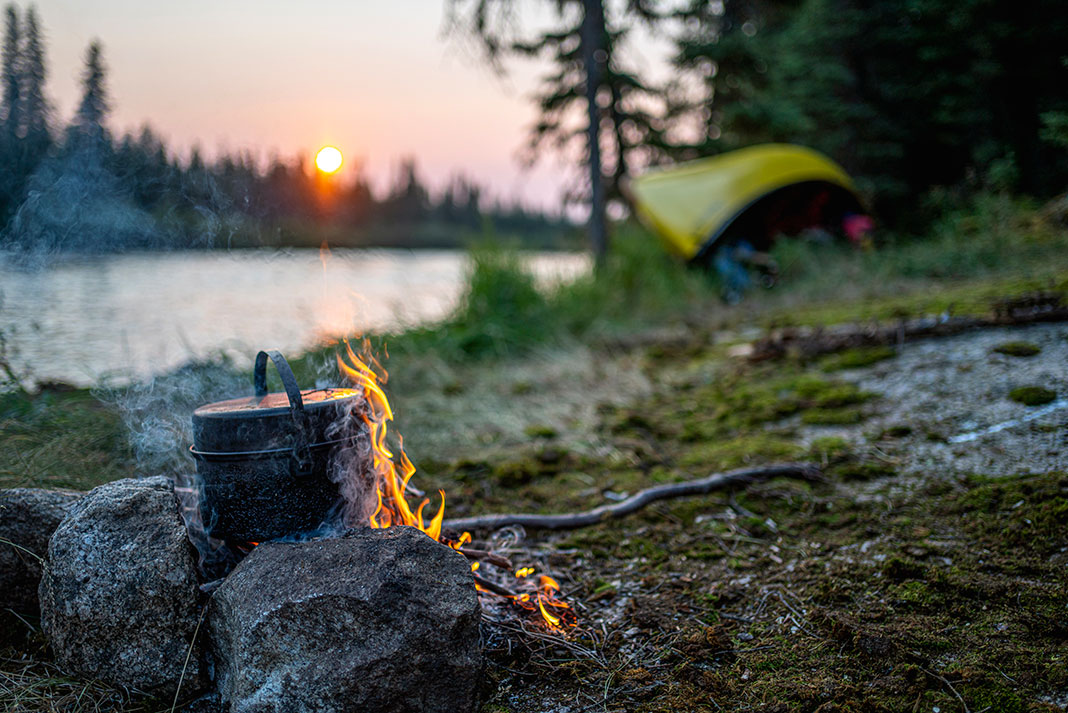
a covered pot sits on a campfire at dusk with beached yellow canoe and river behind
Life on the trail, Fawn River. | Photo: David Jackson

When I woke Leah on the banks of the Severn, we shivered against an icy wind not quite cold enough to knock the bugs down. The fire had become a smoldering heap of coals. I kicked at them, their glow mesmerizing my sleepless fog until Leah poured river water over them and steam rose fast to the grey sky. I placed my hand on Leah’s shoulder. We were to be in Fort Severn the following evening.
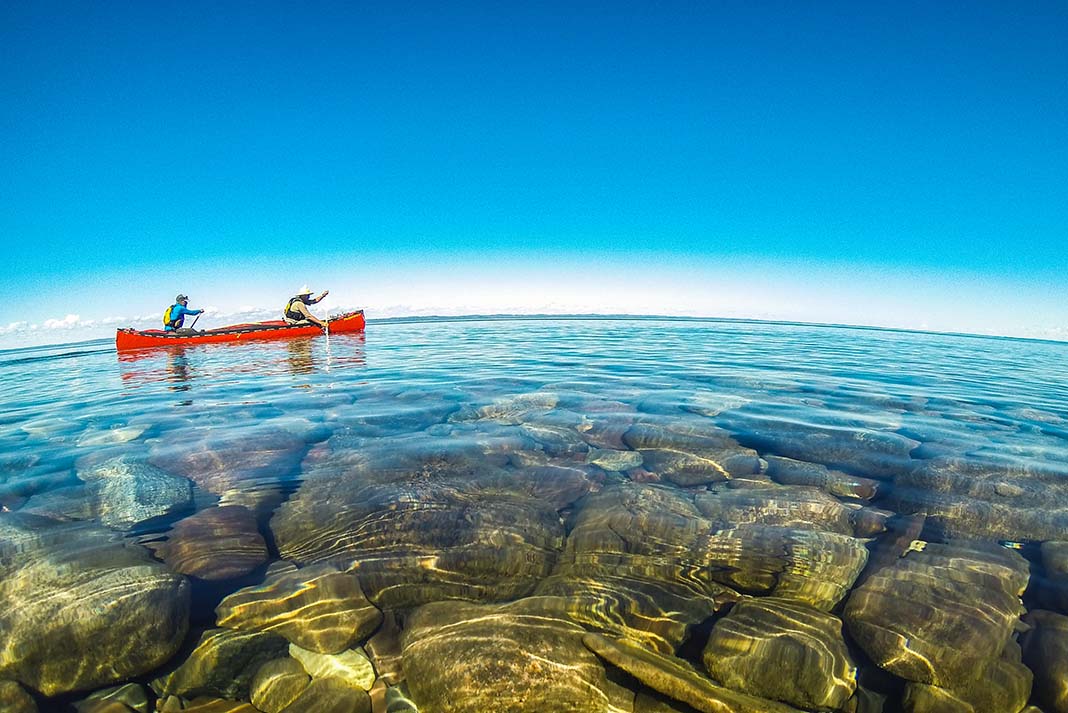
In time, our world would whisk back to planes, trains and automobiles as we made our way home. But for a moment, we felt the enormity of where the trails had brought us, and we wondered how many others had come this way. It’s hard to say who might next walk the lines we followed and if they will notice the signs we left. Maybe all trails fade someday. Yet, even when these old routes disappear further into the recesses of time, we will remember these vanishing trails that brought us so far.

David Jackson is a photojournalist who calls the north shore of Lake Superior home. Follow his adventures @davidjackson__.
Cover of Paddling Magazine issue 68This article was first published in the Fall 2022 issue of Paddling Magazine. Subscribe to Paddling Magazine’s print and digital editions, or browse the archives.


The second of three carries heading to the height-of-land crossover from the Eabmet River in the Albany watershed to the Marten Drinking River in the Attawapiskat Watershed. | Feature photo: David Jackson
 

Kayaker Completes Solo Unsupported Crossing Of South Atlantic Ocean

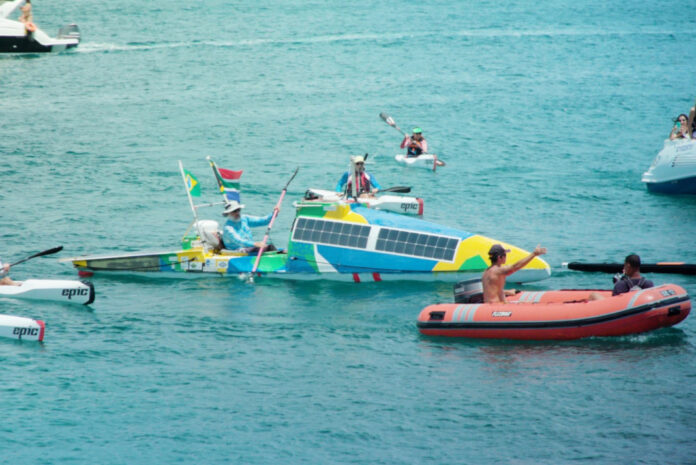
Richard Kohler completes unsupported crossing of Southern Atlantic Ocean
Feature Image: richardkohler.co.za/

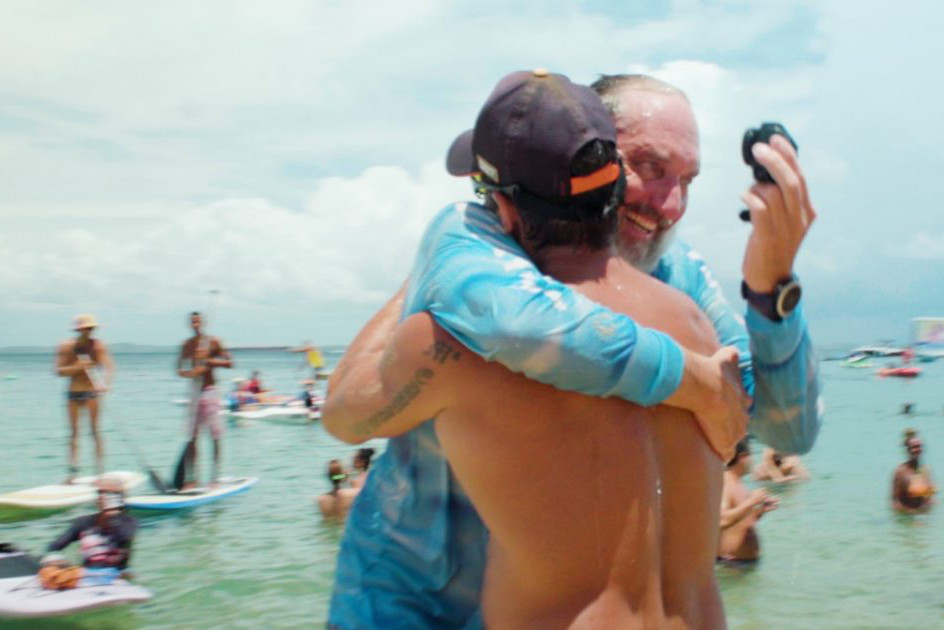
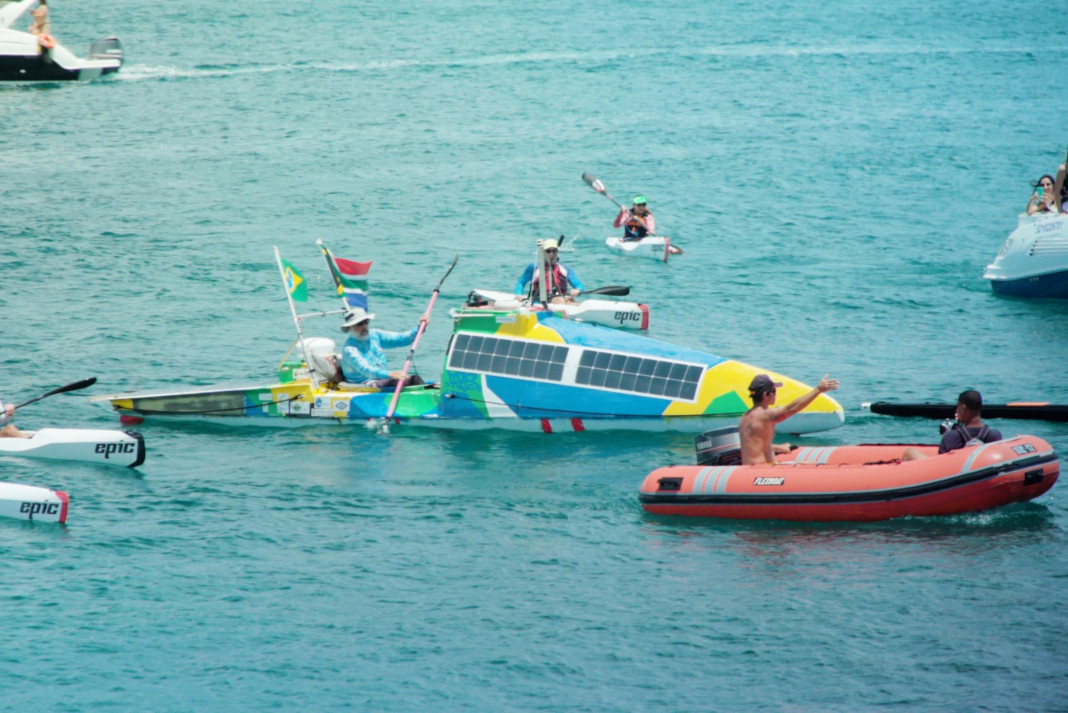
On February 19, 2023, kayaker Richard Kohler landed on the shore of Salvador, Brazil. Kohler completed a more than 4,000-mile, solo, unsupported kayak crossing of the South Atlantic Ocean in two months.

Richard Kohler completes unsupported crossing of Southern Atlantic Ocean
Feature Image: richardkohler.co.za/

“It’s been a dream of mine to cross an ocean alone. Paddling a kayak across the ocean has been a ten-year dream and the last five years of planning and execution. I am very relieved that I had what it takes for an adventure like this but also very grateful that it has come to an end,” Kohler said upon his arrival in Salvador, according to a press release on his website.

The South African began his expedition called Ocean X on December 18, 2022, from Granger Bay Harbour. Just 63 days later, he landed on the sandy beach of Porto Praia do Porto da Barra in Salvador, just inside the mouth of the Bay of All Saints.

These sorts of endeavors are nothing new to Kohler. The paddler, who turned 53 during his crossing was the first known person to kayak solo along the entire 3300 km South African coast. As well as the first person to solo SUP the length of the Breede River in South Africa. Kohler has also sailed the equivalent of three times around the world as a professional yachtsman.

Kohler’s unsupported kayak crossing of the South Atlantic was more than just for the record books. The kayaker also used the expedition as a fundraiser for Operation Smile, an organization operating in 34 countries to assist millions of children in receiving costly medical care. Kohler’s crossing raised 600,000 South African Rand for the organization.

Richard Kohler greeted in Brazil after crossing Atlantic by kayak.
Image: richardkohler.co.za/

“The crowning glory must be the phenomenal success of the fund raising for Operation Smile South Africa. We have raised over half a million Rand ensuring that more than a hundred children will receive corrective cleft surgery,” Kohler also stated in the press release on his site.

“The experience is one that I will cherish for the rest of my days, but more importantly I hope that my story has inspired others to dream and to act on their dreams. I would like to thank all my sponsors, supporters, followers, donators, my exceptional shore team and my family for getting me across the ocean.”


What Really Happens When Someone Drowns

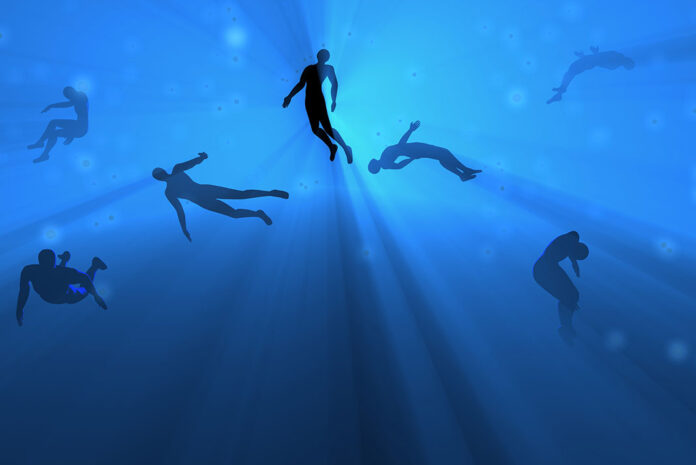
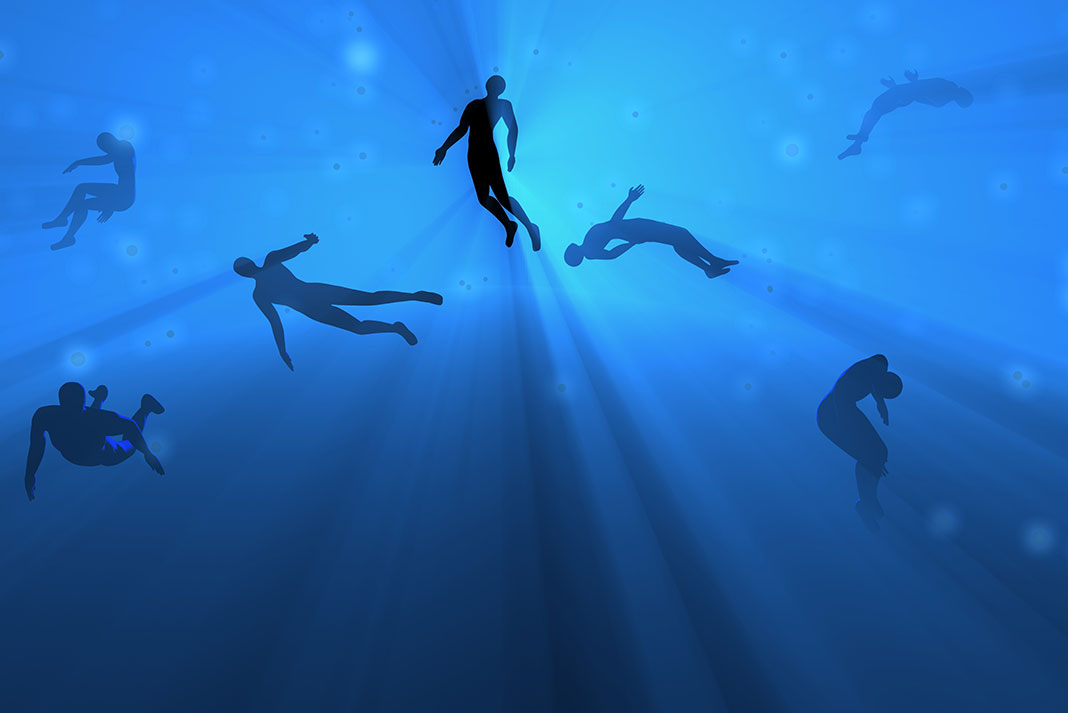
illustration looking up through the water at silhouetted bodies drowning
The steps of not drowning: Step 1, wear a life jacket. Step 2, never skip Step 1. | Feature photo: Adobe Stock

The World Health Organization defines drowning as “…the process of experiencing respiratory impairment from submersion or immersion in liquid.” Sounds simple, but you may share some common misconceptions about what really happens when someone drowns.

New York-based drowning death investigator Andrea Zaferes, who works with medical examiners and police around the world, says contrary to what most people believe, drowning victims’ lungs don’t fill up with water.

“It doesn’t take a significant amount of water to potentially cause injury,” Zaferes says. “Just 10 to 20 milliters per kilogram of body weight, with seawater being more potentially destructive than freshwater.”

Also, many more drowning victims are hospitalized and live, compared to those who die. In other words, “you can drown and still survive,” says Dr. Joost Bierens, a disaster medicine expert and drowning researcher with Vrije Universiteit Brussels.

While the following stages don’t always play out, and may not happen in sequence, they provide context for what paddlers could experience in a worst-case scenario.

illustration looking up through the water at silhouetted bodies drowning
The steps of not drowning: Step 1, wear a life jacket. Step 2, never skip Step 1. | Feature photo: Adobe Stock

The steps of drowning

1 Cold shock

Immersion in cold water can overcome your intention to hold your breath. This is called cold shock and its symptoms include gasping, hyperventilation and increased heart rate. The response starts when immersed in water somewhere between 15 and 10°C. The first 30 seconds or so are the worst, but the shock subsides at around the two- or three-minute mark.

2 Stress or panic response

We’re talking about the kind of panic that stems from a paralyzing fear of drowning when suddenly confronted with cold water, rip current, or unexpected underwater objects. This impairs the ability to comfortably breathe. “Fall out of a kayak and have a foot entrapment with whitewater two feet above your head—who is not going to panic? Most folk will,” says Zaferes.

3 Breath-holding

Peoples’ ability to hold their breath differs widely and it’s possible to train yourself to lengthen breath-holding. In warm water, the average maximum breath-hold time is roughly 45 seconds. In coldwater, it’s much shorter.

Drowning by the numbers

Drowning is the third leading cause of unintentional injury death worldwide, accounting for 7% of all injury-related deaths.

Every year, an estimated 37,000 people around the world die by drowning.

After powerboats, the next most common type of watercraft in recreational boating-related fatalities in Canada between 2008 and 2017 was: 23% canoe; 7% kayak.

In the United States, kayaks are listed as the vessel type with the second-highest fatalities, behind open motorboats. Motorboats: 44%; kayaks: 15%.

In 2021, where cause of death was known, 81% of fatal boating accident victims drowned, according to the U.S. Coast Guard.

Of drowning victims with reported life jacket usage 83% were not wearing a life jacket.

Sources: World Health Organization, Drowning Prevention Research Centre, U.S. Coast Guard

4 Elevation of carbon dioxide in the blood

When we breathe in oxygen, our bodies produce carbon dioxide as a waste product. When we hold our breath, oxygen drops and CO2 builds up in our blood. This sends a signal to our brains to take another breath.

5 Breathing in water

At some point, our brains can no longer hold back the need to breathe. Water enters through our nose or mouth, or both.

6 Water in stomach

Some research suggests drowning victims swallow more water than they inhale, which increases the chances of vomiting while underwater or during resuscitation. The risk is you could breathe in your vomit, leading to pneumonia if you survive.

7 Water in lungs

When water enters our noses, it flows into our lungs. More precisely, it flows into microscopic air sacs, called alveoli. Alveoli are coated in a thin fatty layer allowing oxygen to easily pass into nearby blood vessels. When that coating encounters water, it washes away. This makes it harder for whatever oxygen remains in the lungs to reach the blood.

8 Oxygen deprivation

If your body’s oxygen levels drop low enough, your organs begin to shut down. You can lose consciousness and die, or have a cardiac arrest and die. Oxygen deprivation is the ultimate cause of death in drowning.

Cover of Paddling Magazine issue 68This article was first published in the Fall 2022 issue of Paddling Magazine. Subscribe to Paddling Magazine’s print and digital editions, or browse the archives.


The steps of not drowning: Step 1, wear a life jacket. Step 2, never skip Step 1. | Feature photo: Adobe Stock


Two Whitewater Greats Join Forces For Latest Project (Video)

Did Dane Jackson have his most successful year yet in 2022? He makes an argument for it in his recently released highlight reel. Jackson ups the creative ante for the project by teaming up with fellow whitewater paddler and musician Rush Sturges.
Sturges’ newest track, “Live or Die,” provides the score to Jackson’s visual paddling display. “Live or Die” is also available on Spotify for those looking to add to their shuttle drive playlist.


Never Turn Back

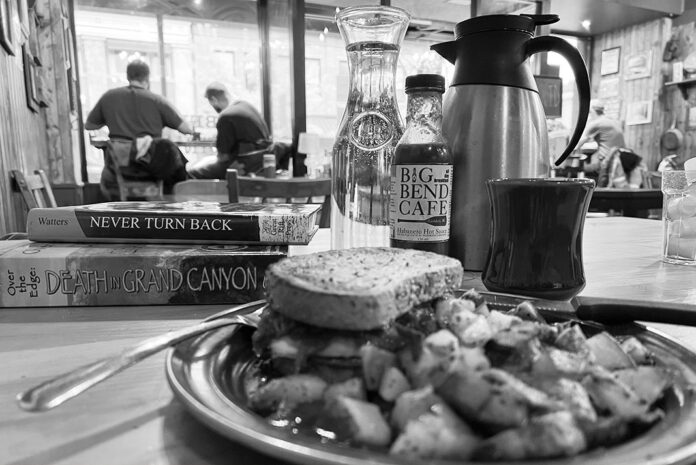
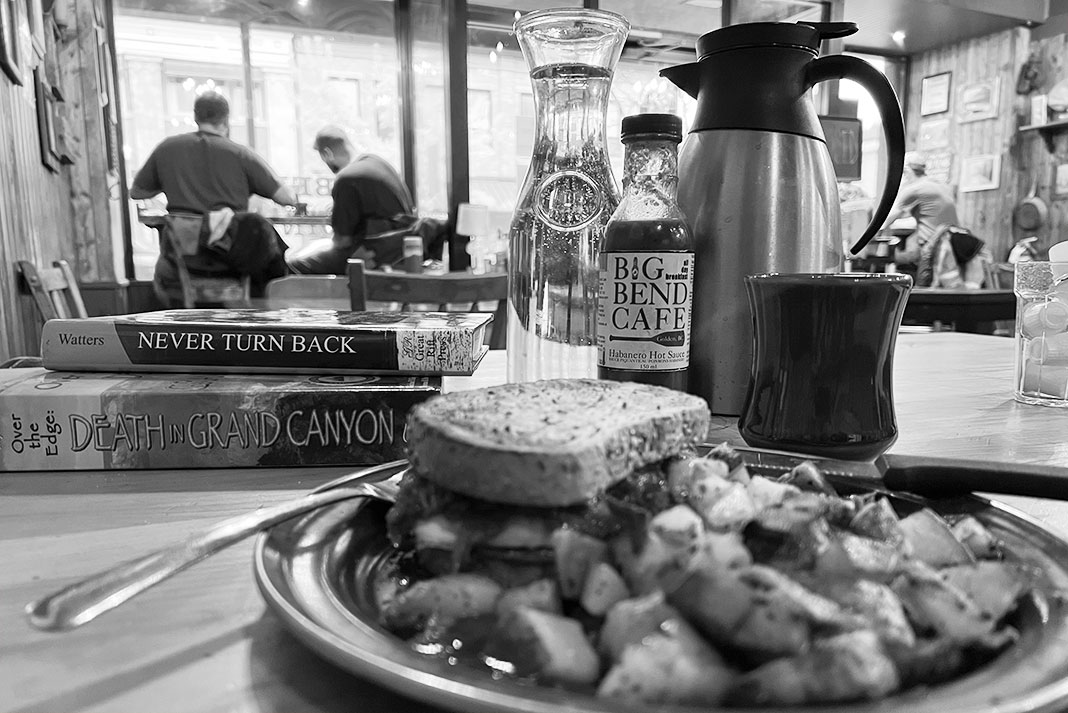
black and white photo of a lunch plate in a diner with a stack of paddling books and other people dining in the background
Whether rocky or smooth, never turn back on life’s winding course. | Feature photo: Scott MacGregor

I spent a lot of time this summer floating in eddies. Mostly alone. These were the same eddies of my mid-20s where I spent time hiding from answering the big questions.

Most authors of self-help books don’t like to use the word crisis. In Daniel J. Levinson’s best-selling version of the story, The Seasons of a Man’s Life, he argues these are not times of crisis, but rather “specific periods of personal development through which all human beings must pass.”

It’s good to know you’re not alone. Crisis or not.

Although, simply knowing about the stages through which we all must pass doesn’t make the way through any easier.

Never turn back

I’d met Stephi Walker a few years ago. At the time she was living the dream. Mid-20s, a fresh whitewater instructor and experienced wilderness guide bouncing from contract to contract, from country to country. This summer, Stephi was back in the Ottawa Valley where she carved into one of my eddies. I was happy for the company and to get out of my head.

She was back in town for a visit and to sell her car, a Toyota Matrix she’d left here three years ago. She had only a few days left before she flew home to Scotland, where she’d spent most of the Pandemic working for an environmental agency. She had a couple more rivers to paddle and a canoe trip planned. She hadn’t yet sold her car.

black and white photo of a lunch plate in a diner with a stack of paddling books and other people dining in the background
Just about the time you think you’ve figured life out, you get to do it all again—in midlife. | Feature photo: Scott MacGregor

“Sounds to me you have commitment issues,” I joked.

Selling the car meant cutting ties with her life here. Selling the Matrix meant moving further into the adult world, also known as settling down.

What does it mean to settle down?

Most people learn to paddle sometime in their 20s. You know, about the time we begin exploring all the possibilities of adult living. The world is full of adventure and wonderment. A time for keeping our options open and avoiding strong commitments.

Fun, right?

Except this is also when we are tasked with being more responsible, making sense of life and creating what Levinson calls a stable life structure.

Too much adventure and Levinson says life takes on an extremely transient, rootless quality.

Too much internal or societal pressure to settle down and “there is a danger of committing oneself too prematurely to a structure, without sufficient exploration of alternatives.”

By our early 30s, most of us are trying to work out the flaws and limitations of our chosen life paths. “Is this who I want to be?” we ask ourselves as we’re floating in eddies.

If we haven’t sorted it all out, annoying little voices scream in our heads, “If I am to change my life I must now make a start, for soon it will be too late.”

Just about the time you think you’ve figured it out, you get to do it all again—in midlife.

Pondering life at the Big Bend

Roddy MacIsaac is 67 years old. He owns the Big Bend Cafe where I drink coffee and write editorials. I usually order one of his all-day breakfasts, most of which are from his Grand Canyon guiding menu. Roddy tells me because of hip surgery, rehab and the Pandemic, he’s just returned from his first rafting trip in five long years. Roddy says he’s applied for another permit and invites me to join a spring run down the Main Channel of Idaho’s Salmon River.

When Roddy delivers me a BBQ pulled pork breakfast sandwich, he also drops on my table a copy of Never Turn Back, the life story of Walt Blackadar who, at age 49, made the first solo descent through Turnback Canyon on the Alsek River.

Forty-nine is about the age of the foreseeable second coming of the big question: What the hell am I going to do with my life? Call it a midlife crisis if you must.

As a physician, Blackadar was probably too busy to think about the life he really wanted. It’s no flashy sports car but first descents on remote rivers seems a legit way to rejuvenate himself and enrich his life.

We all feel at least some bits and pieces of a midlife transition, says Levinson. Our happiness depends on how much we let things like money, career, family and legacy chip away at us as we settle into full-fledged adulthood.

Roddy is older than me and seems less tyrannized by the ambitions and illusions of youth. He told me he’s cut back to four days a week at the restaurant. He seems content puttering around his property and playing in his gear shed. He says he wants to raft and ski deep into his 70s.

According to Levinson, a developmental crisis only occurs when we wake up to find our present life intolerable and we feel unable to form a better one. To form a better life, we first need to see a better life.

I know some people go to therapy. But floating the Main Channel of the Salmon in June looks pretty good to me.

Scott MacGregor is the founder and publisher of Paddling Magazine. Stephi didn’t sell her car and is currently on a ship sailing to Antarctica.

Cover of Paddling Magazine issue 68This article was first published in the Fall 2022 issue of Paddling Magazine. Subscribe to Paddling Magazine’s print and digital editions, or browse the archives.


Feature photo: Scott MacGregor


2023 Paddling Film Festival Winners Announced At Premiere

The 18th Annual Paddling Film Festival World Tour premiered on February 23—the first in-person premiere since 2020. The event was hosted by The Complete Paddler at The Royal Theatre in Toronto. The show treated the audience of 221 to the first screening of the year’s award-winning films.

All proceeds—totalling $1,694—went to Project Canoe, an organization that provides educational and therapeutic outdoor programming to at-risk youth, mainly through a summer wilderness canoe trip program.

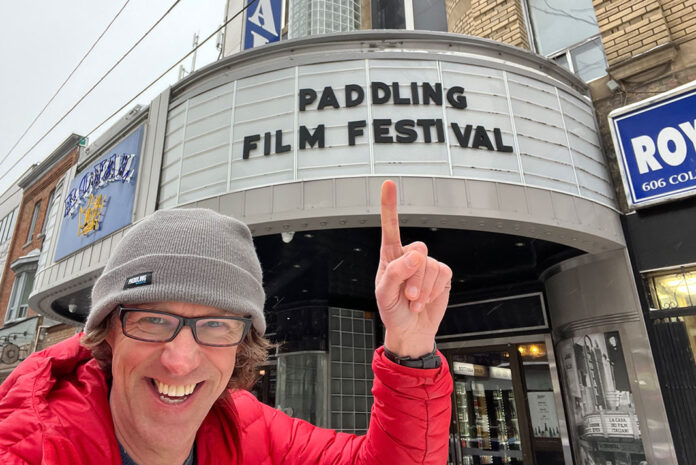
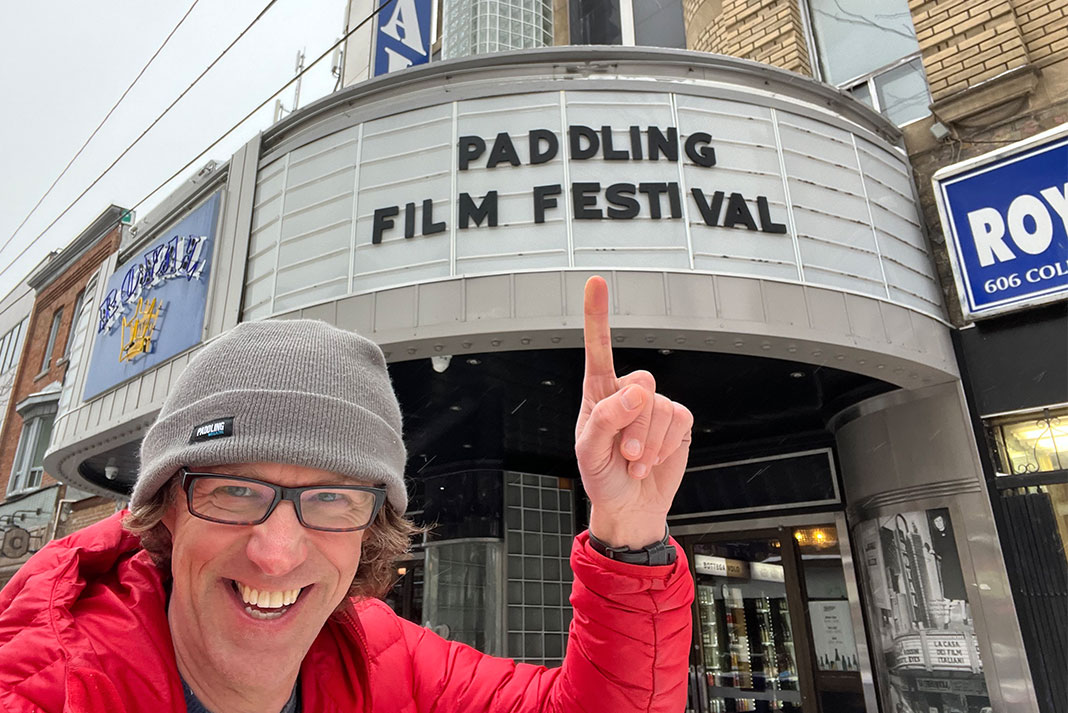
Man wearing winter hat and pointing at Paddling Film Festival sign on theater.

Rapid Media founder, Scott MacGregor, emceed the event and announced this year’s winners.

2023 Paddling Film Festival Winners

2023 Paddling Film Festival Best Environmental Film Winner, sponsored by Thompson Rivers University - Adventure Studies Program

Best Environmental Paddling Film

Bad River
Category sponsor: Thompson Rivers University – Adventure Studies Program

Director: Beau Miles
Producers: Beau Miles, Mitch Drummond

In a little red kayak, Beau Miles descends the 23-kilometer-long Cooks River in Sydney, Australia. This is a journey of ill health, sadness and hope. Miles tests the local saying about the river: “If you fall in, you’ll dissolve.”


2023 Paddling Film Festival Best Adventure Travel Film Winner, sponsored by Kokatat

Best Adventure Travel Film

A Baffin Vacation
Category sponsor: Kokatat

Directors: Sarah McNair-Landry, Erik Boomer
Producers: Rush Sturges, Erik Boomer, Sarah McNair-Landry

Erik Boomer and Sarah McNair-Landry set off on a bold multisport 45-day expedition — traveling through the remote landscape of Baffin Island in search of stunning cliffs to climb and unexplored rivers to whitewater kayak.


2023 Paddling Film Festival Best Kayaking Film Winner, sponsored by TRAK Kayaks

Best Kayaking Film

Iceland’s Most Remote Peninsula: Hornstrandir By Kayak
Category sponsor: TRAK Kayaks

Director & Producer: Eike Köhler

Due to its proximity to the Arctic Circle, Hornstrandir is damn fresh even in summer, and this northern coast is hardly protected. In paddling Iceland’s most remote peninsula, this group of kayakers learns how to fail beautifully.


2023 Paddling Film Festival Best Whitewater Film Winner, sponsored by Ottawa Valley Tourist Association

Best Whitewater Film

Stakeout
Category sponsor: Ottawa Valley Tourist Association

Director & Producer: Dane Jackson

For decades, Eastern Canada has brought people from all over the world to paddle its huge variety of whitewater. There is one aspect in particular that continues to bring the world’s best paddlers—big waves. As the rivers rise with the spring melt, each of these unique waves takes form. Every year, a small group of whitewater athletes dedicates their time to the chase. Those who started this tradition gave it a name: Stakeout.


2023 Paddling Film Festival Best Documentary Film Winner, sponsored by The Canadian Canoe Museum

Best Documentary Film

WILD WATERS
Category sponsor: The Canadian Canoe Museum

Director: David Arnaud
Producer: Red Bull Media House

Adventurer, competitor, daughter, friend, pioneer, hero and badass human are all words used to describe French kayaker, Nouria Newman. In Wild Waters, we watch Nouria grow from a young Olympic hopeful to one of the greatest kayakers of all time, and follow her as she prepares to become the first female to run a 100-foot waterfall. Running the world’s hardest whitewater isn’t Nouria’s biggest challenge, though. Realizing the expectations placed upon her as an athlete and as a woman weigh heavily as she pushes back to make her own path.


2023 Paddling Film Festival Best Canoeing Film Winner, sponsored by Nova Craft Canoe

Best Canoeing Film

Grey Beard: The Man, The Myth, the Mississippi
Category sponsor: Nova Craft Canoe

Director: Zak Rivers
Producers: Zak Rivers, Alex Maier, Kyle Johnson, Amy Robin

Dale “Grey Beard” Sanders challenges himself to set another world record, trying to reclaim his title as the oldest person to paddle the full source to sea on the Mississippi River. At 87 years old, it takes perseverance and an attitude that says, “One of these days I’ll get old.”


2023 Paddling Film Festival Best SUP Film Winner

Best SUP Film

Circumnavigate

Director & Producer: Will Reddaway

Tragedies in former lifeguard Brendon Prince’s past forced a change in his life to pursue water safety education. In the pursuit of raising awareness for this cause, he must put his own life at risk, pushing his limits and attempting something no one has accomplished before.

Circumnavigate follows the South Devon-based father of three as he attempts to become the first person to standup paddleboard around mainland Britain in hopes of breaking five world records—a challenge many have tried, but none have achieved.


2023 Paddling Film Festival Best Rafting Film Winner, sponsored by AIRE

Best Rafting Film

Georgie
Category sponsor: AIRE

Directors & Producers: Dale Wright, Isaac Wright

Georgie, a forgotten raft rediscovered at a yard sale, narrates her story of running rivers. From her wild days with legendary Georgie White in the Grand Canyon to leisurely weekend floats, Georgie’s wisdom rings true to every generation of river traveler.


2023 Paddling Film Festival Best Short Film Winner, sponsored by Paddle Responsibly

Best Short Film

On, In & Under The Sava
Category sponsor: Paddle Responsibly

Directors: Rožle Bregar, Carmen Kuntz
Producers: Balkan River Defence, Leeway Collective

Armed with a raft, snorkels and flippers, four friends drift down Slovenia’s Sava River. Their one mission: find the elusive finned monsters that dwell in the deep, in order to help protect the Sava from the construction of dams.


2023 Paddling Film Festival Best Kayak Fishing Film Winner

Best Kayak Fishing Film

On The Edge

Director & Producer: Katie Falkenberg

Five women set out on an eight-day, 65-mile pack rafting journey deep in the wilderness of Montana. A trip inspired by self-growth, adventure and world-class westslope cutthroat trout fishing quickly evolves into a deeper exploration of how we are on the edge of a new climate era. The group begins to question what the future of conservation and ethical wilderness recreation will look like in a rapidly changing climate.


Want to join in the fun and get the big screen experience? Find a World Tour event near you at paddlingfilmfestival.com/world-tour.

The Virtual Paddling Film Festival will be released in March allowing you to rent and watch the award-winning films plus 14 others in the comfort of your home. Check back here for the release of the 2023 virtual program.

Algonquin Outfitters Continues Expansion Within Canada’s Most Famous Provincial Park

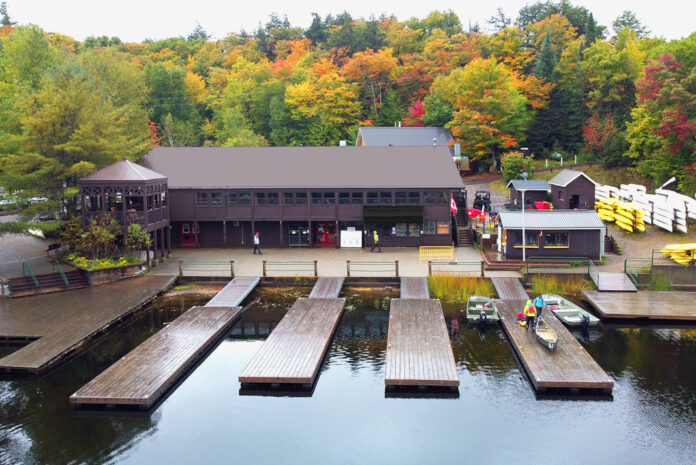
Portage Store Algonquin Outfitters
Feature Image: Algonquin Outfitters

An outfitter that first opened its doors in Algonquin Provincial Park more than 60 years ago continues to grow within the fabled 7,600-square-kilometer canoeist’s paradise in Ontario. The family-owned Algonquin Outfitters set up shop on Oxtongue Lake in 1961. The outfitter has expanded in the decades since to operate over 12 locations both within Algonquin Park and on its periphery.

In mid-January 2023, Algonquin Outfitters announced they had won the lease to the store on the edge of Canoe Lake, celebrating their 13th business establishment.

Algonquin Outfitters Expands to Operate Canoe Lake Store

“The team at Algonquin Outfitters is excited to announce that after an open tender process, Ontario Parks has selected us to be the operator of the Canoe Lake Store concession (known as The Portage Store) in Algonquin Park, starting this season,” Rich and Sue Swift, the owners of Algonquin Outfitters, shared in a recent press release.

[ Embark on Canadian adventures with the Paddling Trip Guide ]

Rich’s father Bill Swift founded the outfitter. The family name is also  behind Swift Canoes, including the aptly labeled Algonquin model. Rich grew up a part of the Algonquin Park community and began working for his family’s business in 1976. By the 1980s, Rich and his brother Bill Swift Jr. became driving forces in expanding the outfit’s reach. The latest addition of the concession on Canoe Lake adds to Rich’s legacy, 47 years and counting, of growth with Algonquin Outfitters.

Portage Store Algonquin Outfitters
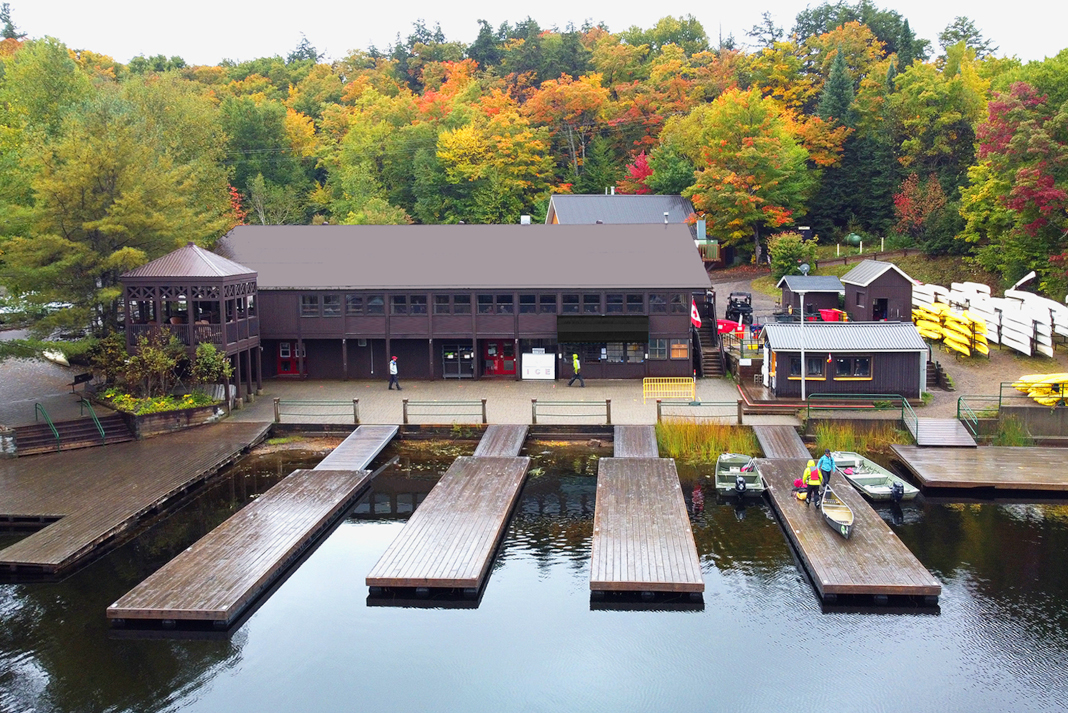
The restaurant building and docks at Canoe Lake. Image: Courtesy of Algonquin Outfitters

Legacy Of The Portage Store

The store on Canoe Lake known as the Portage Store was an institution that’s been soaked with nostalgia within canoeing circles since it opened in the 1930s. Located in the heart of the Park, the Portage Store was both an outfitter and restaurant—a place to rent gear, grab a rewarding post-trip burger and meet up with fellow paddlers. For the last 47 it has been run by one family: Sven and Donna Miglin.

Ontario Parks owns the physical buildings on Canoe Lake, which through an open tender process is leased to a chosen operator. Every 10 years the lease is up for renewal and potential operators are invited to place bids to become the concessionaire. The 10-year lease is a process that’s intended to financially benefit the province.

The awarding of the lease to Algonquin Outfitters has not been met without criticism. While most commentary has respectful words for how the company operates, paddlers have also noted the Park concessions have turned into a monopoly. The three paddling facilities located within Park boundaries are all now operated by Algonquin Outfitters, along with the Lake of Two Rivers Cafe and Store.

Most directly, the province’s decision impacts the previous operator of the Portage Store, Sven Miglin, whose family business of nearly half a century has essentially been shuttered.

“I’ve got 47 years worth of history,” Miglin shared in an interview with Cottage Life. “My kids were partners in the company and now they’re looking for jobs. It’s pretty stressful.”

Miglin has operated The Portage Store on Canoe Lake since 1976. The Cottage Life article shares that in the Miglins’ most recent agreement with Ontario Parks, they were paying the agency approximately half-a-million dollars in rent annually, as well as a fixed percentage of sales from the location’s annual revenue of around $3 million.

When the tender process opened in 2022 in anticipation of the 10-year lease expiring in December, the Miglins placed their bid among the others. After decades running the Portage Store, the Miglins’ bid was declined by Ontario Parks. In an open letter to their patrons and staff the Miglins thanked all for decades of business, and stated they are exploring options, including possibly opening a location outside the Park.

The Business Of Managing Algonquin Park

Ontario Parks’ decision to enable Algonquin Outfitters to monopolize the Park confused Miglin as much as anyone.

“Algonquin Outfitters now owns every concession in the park. I had those concessions back in the 80s and Ontario Parks took them away from me because they said monopolies are terrible. So why would it have changed?” Miglin goes on to say in the interview with Cottage Life.

According to a representative from Ontario’s Ministry of the Environment, Conservation and Parks, the ministry “conducts all procurements adhering to the Ontario Public Service Procurement Directive (2014), which was developed to ensure that goods and services are acquired through a process that is fair, open, transparent, geographically neutral and accessible to qualified vendors.” This process utilizes an electronic Request for Bids (eRFB).

When asked about placing a bid and how a business is awarded the lease, the ministry stated, “The bidder’s submission needed to articulate and demonstrate how they would meet the required deliverables (called the Technical submission), as well as bid on how much revenue would be returned to the ministry (called the Commercial submission).

“Each bidder’s technical submission was evaluated and scored by three ministry staff. Once the technical evaluation was complete, each bidder’s commercial submission was opened. A ranking of the submissions was determined based on a weighted formula of the technical score and the commercial score.”

Algonquin Outfitters Sees Trail Ahead On Canoe Lake

Now that Algonquin Outfitters has secured the lease they’ve made their intention for the Canoe Lake Store clear heading into the 2023 season.

“The opportunity to improve and enhance the visitor experience in Algonquin Park has always been our focus. Some of our initiatives include education and raising awareness in important areas such as Indigenous culture, canoe and camping ethics, and respect for Algonquin’s wildlife and natural spaces. This will help us embrace, preserve, and share the unique history and experiences of Canoe Lake and The Portage Store,” the Swifts included in their press release.

“We have a long history of providing quality canoe trip outfitting packages, equipment rentals and guided experiences for Park visitors. We are looking forward to bringing that experience to Canoe Lake.”

Algonquin Outfitters will be open for business on Canoe Lake in May of 2023 and are already accepting equipment reservations. To learn more visit: algonquinoutfitters.com.


First Look: The Pyranha Firecracker Is Ready To Make Noise (Video)

Following on the heels of success with the Ripper series, Pyranha has unveiled their latest half-slice creation, the Firecracker.

According to Pyranha, the Firecracker has been somewhat five years in the making. When the UK headquarters was convinced by their US cohorts that paddlers would get a kick out of a creek boat bow with a squashed tail, they were hesitant it would take off the same way on the small rivers of the UK. They drew up the concept for a shorter design, and put it on the slow burner. What has come to be of Pyranha’s 7′ 11″ science project is intended to be well suited on low-volume rivers, catapult into downriver moves, and surfs just about any wave.

[ See the complete quiver of Pyranha Kayaks in the Paddling Buyer’s Guide ]

The Firecracker has been let loose, and Wade Harrison got his hands on the Pyranha kayak at the Chattahoochee Whitewater Park for this first look at what the explosive boat can do.


No Truce In The Trade War

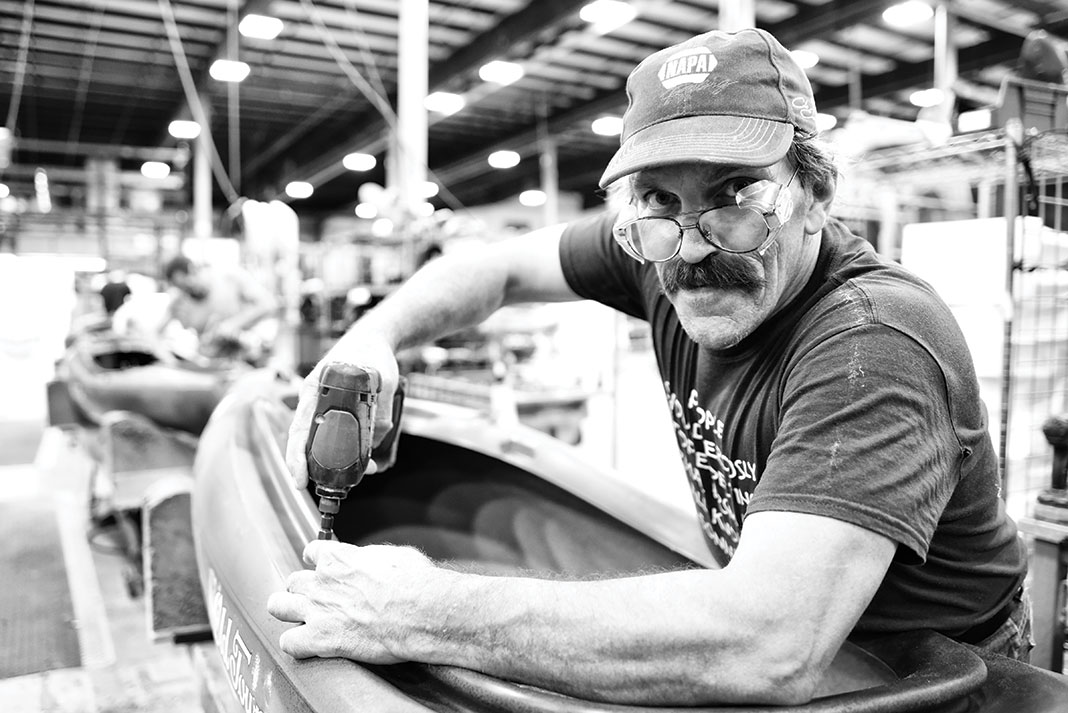
man works on a kayak on the Old Town assembly line
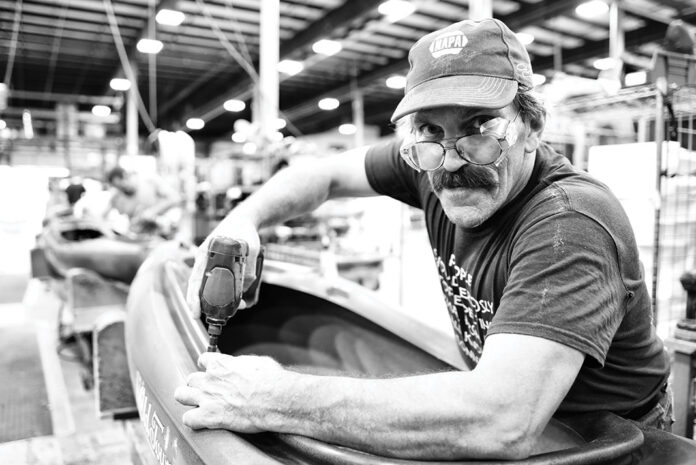
In theory tariffs are designed to protect American manufacturing jobs, like those on the Old Town kayak assembly line. | Feature photo: Courtesy Old Town

Remember back before Covid turned the paddlesports world on its head, when the biggest thing many retailers and manufacturers had to worry about was an old-fashioned trade war? Covid may finally be coming under control, but the tariff battles are still raging. In fact, the so-called Trump tariffs are still in place two and a half years after their namesake’s reluctant exit from the Oval Office.

No truce in the trade war

The tariffs could be with us for years more to come, thanks to forces great and small in American politics, from the powerful labor interests at the foundation of President Joe Biden’s constituency all the way down to Vermont Senator Patrick Leahy’s bum hip.

More on that in a moment, but first, let’s review.

Back in 2018, the Trump administration levied new tariffs on steel and aluminum—including imports from most-favored besties Canada and the EU. The snubbed trading partners answered with retaliatory duties on U.S.-made canoes and kayaks, and thousands of other goods. The Europeans slapped a 25 percent tariff on U.S. paddlecraft, and the Canadians put a 10 percent tax on northbound kayaks and canoes.

man works on a kayak on the Old Town assembly line
In theory tariffs are designed to protect American manufacturing jobs, like those on the Old Town kayak assembly line. | Feature photo: Courtesy Old Town

U.S. takes aim at Chinese imports

While the transatlantic squabble impacted the European sales of U.S. manufacturers such as Wenonah and Jackson, it was a mere sideshow to the trade war with China, which Trump kicked off in 2018 and 2019 with tariffs on some $370 billion in Chinese imports. Among them were duties on standup paddleboards, kayaks, pedal drives and all manner of raw materials.

The import duty on inflatable kayaks from China increased from 2.4 percent to 27.4 percent overnight, says Sea Eagle CEO John Hoge. The tariffs were a body blow to his business, but to add insult to injury, they made no sense. Tariffs are supposed to protect domestic industry by slowing competition from abroad, but Hoge says no one in the United States makes inflatable kayaks anything like those Sea Eagle imports from Asia.

Hoge took his case to the Office of the United States Trade Representative in 2019, requesting tariff exclusions for inexpensive inflatable kayaks and entry-level paddles from China. It worked.

“We got a refund on everything we had paid before the exemption was put into place, and for one year from the date of the exemption, everything we brought in from China was tariff-free,” he says. However, not all paddlesports imports received exclusions. Products such as hard-shell kayaks and canoes competing with U.S.-made boats don’t meet the requirements for tariff relief.

Also, the loophole was temporary. When the exclusions expired in August 2020 the Trump administration didn’t renew them, but by then the Covid paddling boom was in full swing and not even a 27.4 percent surcharge could dampen buyers’ enthusiasm.

“All the inflatable companies are paying the full tariff again, but in the environment where people had more money than ever and they were chasing goods, it wasn’t a problem,” Hoge says.

Squinting to see relief on the horizon

Now with the market coasting toward a new post-Covid normal, the tariff issue is again front of mind. Democrats had railed against the Trump trade war for years, but when President Biden took office he kept them in place. His blue-collar blue-state coalition has close ties to organized labor, and the unions have made clear they want no concessions on the trade war’s central fronts. Steel and aluminum, automobiles, aircraft, heavy equipment, washing machines—those are all off the table.

What is on the table? Duties on consumer goods like bicycles, according to press accounts citing administration sources. That could be good news for some paddlesports segments—surely a kayak pedal drive is like a bicycle?—though the odds for any product gaining relief seem rather long. Biden floated the idea of lifting about $10 billion of the $370 billion in tariffs his predecessor imposed, but that was way back in July. By August, the trial balloon was running short on helium.

Democrats railed against Trump’s trade war for two years, but when President Biden took office, he left them in place.

Biden stayed mum on the subject all summer, apparently waiting for the U.S. Congress to make the issue go away. For more than a year, competing bills had been marching through the House and Senate to make the U.S. semiconductor industry more competitive with China, among many other things.

These were the kind of bipartisan must-pass bills that collect all kinds of legislative passengers. One rider in the Senate version would have reinstated all the tariff exclusions in place during the Trump administration, including those on inflatable kayaks and aluminum-shafted paddles. The House bill had no such provision.

For most of the summer the bills were in reconciliation, a process in which 107 Senators and Representatives decided what baggage the combined bill would carry across the finish line, and what would be thrown overboard.

Along the way the combined bill collected a new name, the CHIPS for America Act, as well as $52 billion in support for the domestic semiconductor industry and a further $228 billion for other stuff—but no tariff relief. Lawmakers jettisoned the provision just days before the bill passed with bipartisan support.

For now at least, there will be no truce in the trade war.

Paddling Business cover mockupThis article was first published in the 2023 issue of Paddling Business. Inside you’ll find the year’s hottest gear for canoeing, kayaking, whitewater and paddleboarding. Plus: Industry leaders on the post-pandemic landscape, 50 years of paddlesports, the rise and fall of ACK and more. READ IT NOW »

In theory tariffs are designed to protect American manufacturing jobs, like those on the Old Town kayak assembly line. | Feature photo: Courtesy Old Town


The Bear Canoe: A Risky Way To Store Food Overnight

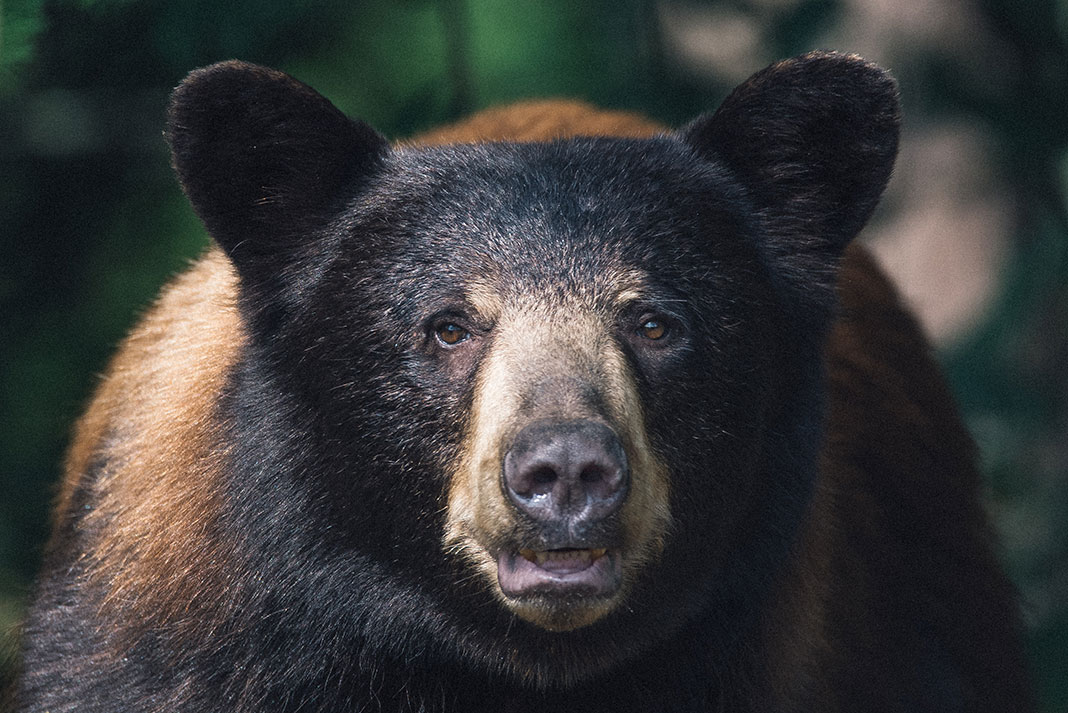
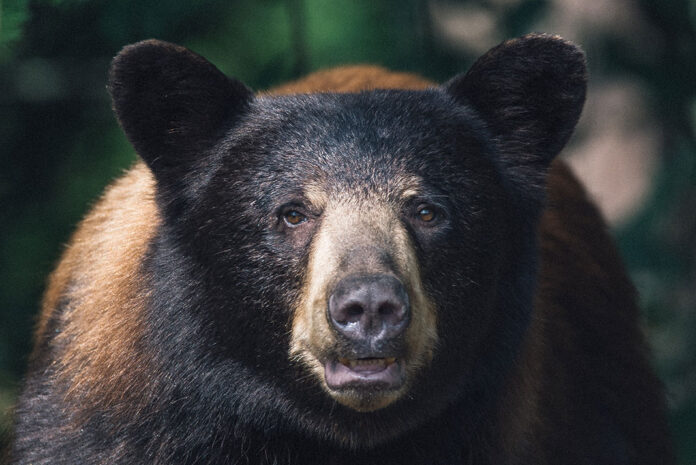
a black bear stares at the camera
Skeptical about your storage methods and plotting to raid your supplies later for the baby cheeses. | Feature photo: Alan Poelman

Canoeists love to debate camping techniques. Single blade or double. Stuffing your tent or rolling it. Ground cloth inside or outside. One of the longest-running, raging disputes among wilderness paddlers is how to properly store your food to keep it away from bears.

The bear canoe: Debunking the second worst way to store your food overnight

According to many experts, the best way to store your food in many areas is to hang it. You know the drill. String it up between two trees or over an outstretched limb, a minimum of 10 feet from branches and trunks and more than 10 feet off the ground. However, large groups face another challenge. What if you’ve brought so much food your storage barrel or bag weighs too much to haul up? Or, what if you have multiple bags or barrels?

a black bear stares at the camera
Skeptical about your storage methods and plotting to raid your supplies later for the baby cheeses. | Feature photo: Alan Poelman

Dear reader, you may have many solutions to this conundrum, but please pipe down. Instead, let me tell you about the bear canoe method.

Also called the floating technique, this alternative has been used by many youth camps I worked at throughout the years. The system is simple, though not idiotproof.

How to try the bear canoe technique—if you dare

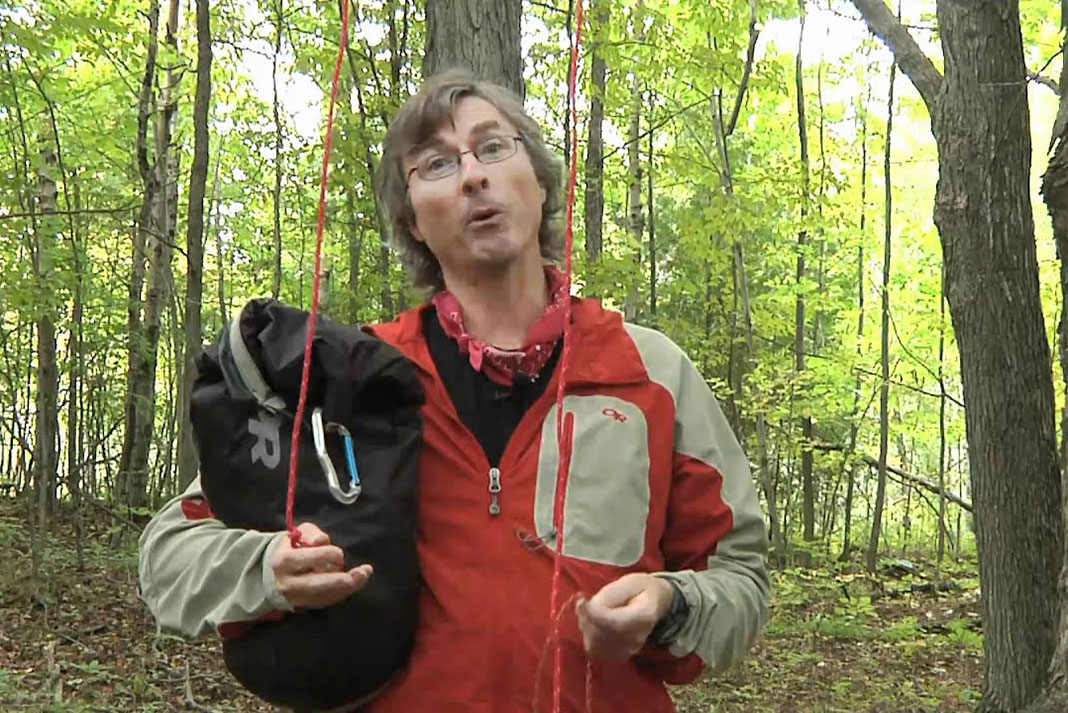
First, place your food in waterproof storage sacks or barrels and clip the barrels or packs into a canoe. Then tie a 30- to 40-foot rope on one grab handle of the canoe and tie the other end to a tree on the shore. Next, tie a second, shorter rope to the same grab handle of the canoe and then tie a rock to its other end. This is your anchor.

Now, using your second canoe, paddle the canoe with all your sustenance out into the lake, about to the end of the rope attached to the tree. Finally, drop the anchor and paddle back to camp.

Now go to bed. Sweet dreams.

If you’re on a trip with only one canoe, here’s a trick so you too can participate in this risky overnight food storage method. First, place the tied-up anchor rock on the gunwale, and wrap it with a couple of loops of the main rope that has been tied off to shore. Then, when you push the canoe out into the lake and the main line becomes taunt, the rock will roll into the water and become an anchor for the canoe.

Now, forget that you’ve just sent your only means of transportation out to sea and sleep soundly.

Pitfalls of floating food storage

I never slept well listening to a light chop slap the hull of my canoe all night, anxiously wondering if both my bacon and boat would be gone by morning. In fact, I’m skeptical of this storage technique altogether. Bears can swim, right? If a bear can locate food on the ground, why wouldn’t she find it in a tethered canoe?

There’s a theory bears can’t tread water very well, so it would be hard for a bear to propel itself into the canoe. It’s not a theory I want to test, and capsizing the canoe also seems like a poor outcome in my book.

Most concerning, if a storm comes up in the night, the wind and waves could release the canoe’s anchor, sending the canoe and food off on a joy ride across the lake. A less unfortunate but still far from ideal outcome is if the canoe washes up on shore like a great big picnic basket for nocturnal critters.

On most wilderness canoe trips, the canoe is your most essential tool. You can likely survive without food, tent and supplies for a few days. You can drink the water from the lake. But your canoe is your ticket home. Don’t leave it floating.

Kevin Callan is the author of 19 books, including his new memoir, Another Bend In The River.

Cover of Paddling Magazine issue 68This article was first published in the Fall 2022 issue of Paddling Magazine. Subscribe to Paddling Magazine’s print and digital editions, or browse the archives.


Skeptical about your storage methods and plotting to raid your supplies later for the baby cheeses. | Feature photo: Alan Poelman