“The question of what you want to own is actually the question of how you want to live your life.” ―Marie Kondō.
| Photo: Andrew Strain
My attempts at traveling light, paring everything down to the bare minimum, started and ended with my clothes. My daily uniform amounted to a wetsuit, a quick-dry T-shirt and a Gore-Tex paddling jacket, with a single, lightweight set of dry clothes to wear in camp.
It all fit in a small drybag behind the seat in my cockpit, leaving the spacious waterproof bow and stern hatches free for camping supplies, books and three weeks’ worth of food. Thus began my preparations for an 80-day kayak trip down the West Coast.
Why traveling light holds the key to true happiness
Packing for the first time took three hours. Usually, when packing a kayak, I put everything in various stuff sacks and then stow those in suitable spaces in the boat. But the narrowness of our kayaks on this particular trip and the vast quantity of our larder required an entirely different method.
A big part of why I like paddling so much is the hard limit on what you can carry, which is both physical and mental.
We had virtually every individual item of food unpacked and strewn on the dock. After pushing the narrow items, like bags of tent poles and rolled up sleeping pads into the far reaches of the bow and stern, and then jamming in the larger items like tents and sleeping bags, we resorted to squeezing single cans and bags of food into all the remaining irregular spaces in-between. I had sardines wedged beside my hips.
It reminded me of the long-ago advice of some productivity guru about how fitting important things into your life is like putting rocks in a jar. You have to put the biggest ones in first, then you can put in the pebbles and finally the sand, but if you start with the sand first, you run out of space for the big stuff. Which means you first need to figure out what is most important.
“The question of what you want to own is actually the question of how you want to live your life.” ―Marie Kondo | Feature photo: Andrew Strain
After launching off the dock in Prince Rupert, I remember the joyful realization that everything I needed for the foreseeable future was trimly packed and organized into the slim confines of my kayak’s hull. Inside the shell of my kayak were my legs, followed by my toes, then a bulkhead, some clothes and sleeping gear and a thin boundary of Kevlar between me and the rest of the known and unknown world. The self-contained feeling at the start of a trip always puts a smile on my face.
A big part of why I like paddling so much is the hard limit on what you can carry, which is both physical and mental. At home, the more space we have, the more we hang onto things representing aspirations, like a kind of material to-do list. The photographs we may someday put into albums, the guitar we’ll learn to play when we have time, the books purchased but unread. These things surround and nag us about everything we don’t have time to accomplish.
Everyone I know is engaged on some level with managing either their personal storehouse or downsizing the possessions of older relatives. It looks the same—clearing out cluttered basements and rented storage lockers, sorting China sets, silverware and antique furniture for the thrift store or Craigslist. Our lives are funnels, taking in more than we need, and more than we can care for or properly care about.
Less is more—in life and in your kayak
I think of managing this inventory of goods as a kind of background radiation constantly bombarding and degrading us. It’s no wonder minimalism has caught on. Japanese decluttering guru Marie Kondo recently turned her ruthless war on stuff, made famous in her bestselling book The Life-Changing Magic of Tidying Up, into a Netflix series.
In Free Solo, the recent documentary on free climber Alex Honnold, he turns minimalism into an art form, living in a van to pursue the ultimate in simple pastimes—the climbing of natural rock with little more than a chalk bag, a pair of shoes and fraying pants. The appeal is not so much in living without, but the clarity of mind and purpose suggested by such simplicity.
Surely, it’s no accident sea kayaking flourished in the counterculture 1960s Pacific Northwest as part of a wholesale rejection of western materialism.
Wilderness travel is boot camp for downsizing, a lesson in just how little we truly need. Streamlining also can be a metaphor for the other transformations occurring in the wilderness—casting off of old ideas and routines, coming out the other side with an emptier pack and a brimming spirit. Surely, it’s no accident sea kayaking flourished in the counterculture 1960s Pacific Northwest as part of a wholesale rejection of western materialism.
I turn to the water when I need a respite from the flood of stuff in my life. I’ve bought books about hiking and paddling purely for their packing lists and tidy color-coded diagrams showing where everything should be stowed. Unfortunately, there’s no equivalent list or diagram for everyday life to help me manage the malaise upon arriving home to a cluttered house begging for my divided attention.
[ View all touring kayaks in the Paddling Buyer’s Guide ]
“We all live in a machine designed to get us to neglect what is important in life,” says journalist and author Johann Hari, who writes about society’s epidemics of addiction and depression. “Nobody thinks they’re going to lie on their death bed and think about all the things they bought; they’re going to think about moments of love and connection and meaning in their lives, and yet we’ve created a culture designed to get us to neglect those things.”
Learning to let go of clutter
Wrapped up in our attachment to stuff can be found profound sadness. I just attended a memorial service for my wonderful uncle, whose passing marks the end of a family era. My cousins now have to sell the house he and my aunt lived in for 40 years.
The thought of disposing of most of their possessions magnifies the heartache that he’s not coming back. It’s tempting to hold on. But it helps to remember our lives are not the sum of our things. Even the kayak and the paddle I used on that 80-day trip are long gone. I don’t need them anymore, but the memories are strong.
Wilderness travel is boot camp for downsizing, a lesson in just how little we truly need. | Photo: Joshua Sukoff/Unsplash
In the modern world, I think of the kayak as a kind of prop for the brain the same way those blocks and pillows in yoga class help people who aren’t flexible enough to bend into the pretzel poses. It’s a crucible for simplification, a metaphor for clarity of purpose and forward motion.
[ Plan your next epic kayaking adventure with the Paddling Trip Guide ]
Life keeps renewing and moving. Once afloat in a kayak, you’ve belted yourself in for a ride, during which you will not think about anything else but what’s right here in front of you. I find solace in the thought of getting my kayak finally loaded and setting off, with only the view of the upturned bow and then everything else ahead.
This article was first published in the Spring 2019 issue of Paddling Magazine. Subscribe to Paddling Magazine’s print and digital editions, or browse the archives.
“The question of what you want to own is actually the question of how you want to live your life.” ―Marie Kondo | Feature Photo: Andrew Strain
When Christian Nelson’s kayak turned turtle 3 miles offshore, a friend’s cell phone was his only way to call for help. | Photo Courtesy Christian Nelson
Christian Nelson didn’t know the trouble he was in. He was three miles out from Gulf Shores Alabama when the kayak he was trolling from developed a 9-inch crack between the scupper holes. He didn’t notice the damage until the kayak was full of water and on the verge of sinking.
Who do you call when your kayak sinks?
“It feels bottom-heavy,” he told his friend Bryan Llanes. Thirty seconds later he was in the Gulf of Mexico, treading water with a 2/0 circle hook buried in his shin. He reached for the pair of life jackets he kept stowed in the kayak’s center hatch, one for him and one for Bryan. He managed to shimmy into his and get it buckled, but Bryan’s life jacket floated away as Christian struggled to save himself and his gear. Christian kept his video camera rolling throughout the ordeal, and later uploaded a 20-minute edited clip to his YouTube channel, FishinAll50.
When Christian Nelson’s kayak turned turtle 3 miles offshore, a friend’s cell phone was his only way to call for help. | Feature photo: Courtesy Christian Nelson
Christian didn’t know it at the time, but the clock was ticking. In an hour, maybe two, he would become incoherent and eventually lose consciousness. He had to get out of the water, but there was no room on Bryan’s kayak. Christian tried to pull himself onto his half-sunken kayak to get out of the water, but it wouldn’t hold him.
It was a cool day in February, with air temperatures in the 50s and the water not much warmer—hypothermia conditions, especially for a man dressed in jeans and a light jacket. Bryan was even less prepared for cold weather, in only shorts and a hooded sweatshirt. He did, however, have his cell phone and it was picking up a couple bars of service.
Bryan pulled up Google, typed “Coast Guard Gulf Shores” into the search box, and called the first number that popped up. The U.S. Coast Guard rescue coordination center in New Orleans is on standby 24-7 to direct search and rescue operations on the Gulf Coast. But that’s not the Coast Guard office Bryan reached.
This is one of the best reasons not to rely exclusively on a cell phone in a maritime emergency: It’s only as good as the number you call.
People in an emergency who need Coast Guard assistance should broadcast a distress call on VHF marine radio Channel 16, says Paul Barnard, the Recreational Boating Safety Program Manager at U.S. Coast Guard District 8 in New Orleans.
Christian’s chilly close call in the Gulf of Mexico shows why. The Coast Guardsman who took Bryan’s call had to act as a middleman. He asked for the kayakers’ position, a description of their kayaks, and physical condition—then told Bryan to hold the phone as he relayed the information. That took time.
Coast Guard Rescue Coordination Centers and most 911 call centers have equipment that can pinpoint the location of a cell phone, but the office Bryan was talking to didn’t have that capability. He tried to describe their position based on where they launched and landmarks on shore, with Christian’s help. “We launched at the Gulf State Park pavilion,” said Christian, clinging to the side of Bryan’s kayak. “We’re straight out from a blue water tower.”
Finally Bryan opened the fishing app on his phone to find their latitude and longitude. He read the coordinates back to the person on the phone, who asked Bryan to hold the line again as he passed the information to rescue crews. Help was on the way, but not as quickly as it could have been.
Christian had been in the water for more than an hour when the life guard PWC arrived. | Photo: Courtesy Christian Nelson
If Bryan had broadcast a Mayday on VHF Channel 16, watch standers in the Sector Command Center would have received the call instantly. Nearby boaters likely would have heard it too.
“VHF Channel 16 is your best bet because when that call goes out it reaches a broad audience,” Barnard says. “Everybody that’s on the water and has their radio on is going to receive that call.” In many cases, nearby Good Samaritans are able to respond to a call for assistance before the Coast Guard can get there.
That day in the Gulf, the message took a little longer to get through. When it did, the nearest first responder was a Gulf Beach Fire lifeguard, who answered the call on a personal watercraft. An Alabama Marine Police vessel arrived on the scene soon after, and a Coast Guard helicopter flew overhead. The cavalry had arrived just in time. Christian had been in the water for more than an hour.
Paramedics checked him out on the beach. Though chilled to the bone, he didn’t require hospitalization. The police boat even recovered his kayak, which Christian took back to Bass Pro for a full refund. He thinks he may have stressed the hull by over-tightening the straps when transporting it on his car’s roof rack, or maybe the plastic just wasn’t up to snuff. In either case, he says he should have inspected the kayak before he launched—something he now does every time he leaves shore.
That’s just one of the lessons Christian’s close call drove home. He enumerated some of them in a follow-up video on his YouTube channel: Wear the right apparel for immersion in cold water, don’t skimp on rescue gear like a waterproof VHF radio, Personal Locator Beacon, bilge pump, a sharp rescue knife and, most importantly, a life jacket that you wear. Securing your phone in a waterproof pouch is also a smart move.
Two kayakers going three miles offshore with only one life jacket between them is a recipe for disaster, no matter who you call.
Watch Christian’s original kayak sinking video here:
This article was produced under a grant from the Sport Fish Restoration and Boating Trust Fund, administered by the U.S. Coast Guard.
Learn from our past mistakes and avoid these easy-to-fix family camping missteps. | Feature photo: Andreas Rønningen/Unsplash
Family camping trips are all about making s’mores and singing Neil Diamond’s ultra-classic “Sweet Caroline” around the campfire, right? We certainly hope so. Not everything always goes according to plan though, and even the most experienced campers can make silly mistakes. Whether you’re car camping or taking to the backcountry by foot, canoe or kayak, ensure your time outside is relaxing instead of aggravating. Learn from our past mistakes and avoid these easy-to-fix family camping missteps.
15 Family Camping Mistakes (And How to Avoid Them)
1 Leaving food in your pack
Everyone worries about the 400-pound hungry ursine that might come knocking in the middle of the night, and that’s a legitimate safety concern in bear country. Far more common however, is the chubby-cheeked, 19-gram field mouse that will scurry into camp and use its tiny teeth to chew through your fancy $400 canoe pack, all to get at the leftover nub of a forgotten Clif bar you didn’t really enjoy in the first place. Fortunately, many bear safe practices will help vermin-proof your gear.
Many bear safe practices will also help vermin-proof your gear. | Photo: Peupleloup/Wikimedia Commons
2 Not taking care of your gear post-trip
It sucks when you pull out gear for your next trip and it’s not been repacked properly or pieces are missing. “Have you seen the tent poles?” is not a question you want to ask at midnight when you roll into a sleepy riverside campground. Worse, gear that’s not cared for doesn’t last long. Damp gear rots, loses waterproofing and durability—plus, it smells. Forgetting to clean your water filter pump post-trip is a sure way to take the manufacturer’s claim of 10,000 clean liters pumped and reduce its output to nine measly trips. When you return home, wash and dry the gear that needs it before carefully storing it until next time.
3 Burying bear spray at the bottom of your pack
It can’t help you there, and can potentially be set off accidentally, coating your kitchen kit and other essential items in capsaicin. Bear spray is a great safety tool, but needs to be easily accessible to be useful. Easy-reach side pockets of packs might work well but even better is a purpose-specific holster. Pretend you’re in a spaghetti Western and practice drawing your piece from your chosen location— don’t get stuck asking the bear to stick ‘em up empty-handed.
4 Bringing weird, heavy things
On portage-heavy backcountry canoe trips, the Paddling Mag team has witnessed friends new to interior camping bring: four kinds of beans rehydrating in glass mason jars, five-pound citronella bucket candles to ward off mosquitoes, an exceptionally large portable Coleman gas heater for use inside a flammable nylon tent on a balmy September night, and several other questionable things. Safety concerns aside, huffing needlessly heavy items up and down portage trails is a quick ticket for many to wonder why anyone goes camping at all. Help your new-to-camping friends with a helpful list of essentials pre-trip.
Newbies aren’t the only ones to benefit from list making. “I’m 52. I don’t think I should check a list—I know I have to,” says canoeing guidebook author Kevin Callan. “It started out by forgetting small items, such as toothpaste and after dinner snacks. The moment I started forgetting T.P. and extra rations of whiskey is when I started making a list religiously.” It’s the only way to make sure you don’t leave something important behind.
6 Packing for an expedition on a weekend trip
Stop bringing so much stuff. If you’re packing enough gear to survive an apocalypse, then of course it’s going to seem like a lot of effort to get outside. Once you’ve looked after your needs for shelter, water and food, the rest is gravy. Pay attention to what gear is brought but not used and—unless it’s your rain jacket, first aid kit or another safety essential—leave it behind next time.
Learn from our past mistakes and avoid these easy-to-fix family camping missteps. | Feature photo: Andreas Rønningen/Unsplash
7 Forgetting the guide
Get a bird nerd or tree sleuth into their natural environment and they’re pointing out a spotted wood thrush and explaining that its Australian relative, the bassian, directs a stream of flatulence towards suspected earthworm sites to gas them out and then eat ‘em for dinner. Cool! And gross. Natural interpreters don’t come pocket-sized, but field guides do. Worth the $15 in the park office.
8 Relegating your adventures to long weekends only
The 100-mile, four-hour bumper-to-bumper crawl back to Urbania following a three-day statutory holiday weekend is enough to make anyone say, “We’re never going camping again.” Get out more often by mastering the lost art of the microadventure.
Don’t cross your fingers and gamble on blue skies and balmy temperatures. The one-day temperature forecast is now accurate within two degrees—compared to within six degrees in 1972—according to the National Weather Service. Coming prepared will exponentially increase your enjoyment of any trip.
10 Checking the weather report
In his essay, “The Weatherman Is Not A Moron,” Nate Silver refers to a study of TV meteorologists in Kansas City that found when they said there was a 100-percent chance of rain, it failed to rain at all one-third of the time. Wet bias is well documented and refers to commercial forecasters overestimating the chance of rain. For example, a five-percent chance of rain may be reported to the public as a 20-percent chance. This is said to increase the usefulness of the forecast, but overstating the risk of rain is more likely to keep campers at home. Use weather reports to guide how to pack for a trip—don’t let it be the deciding factor in whether or not to go. Possible exceptions include: hurricanes, monsoons and volcanic lightning.
11 Walking around barefoot
The editorial office—half of them barefoot for the discussion—was divided on this point, but shoes protect your feet from all sorts of sharp and bitey hazards. For backpackers and backcountry campers, it’s better to minimize the risk of injury to your tootsies completely. No shoes, no service? We like to say no shoes, no epidermis. We’re trying to make that a thing.
12 Killing your campfire with too much, too soon
Patience you must have, young padawan. A sixth sense for fire-making develops with the more campfires tended. However, a good rule of thumb is that if you can get your hand within six inches of the fire without feeling extreme (read: painful) heat, it’s still too early to put on anything thicker than your forearm.
Photo: Brooks Rice/Unsplash
13 Improper axe usage
There are only two ways to avoid putting that axe blade in your shin—either good luck or proper form. We prefer relying on the latter. With a sharp blade, take a wide stance and swing the axe on an arc between your legs. Kneeling makes this safer. The aim is to create an arc for the axe blade that avoids every part of you. The longer the axe the safer your kneecaps are.
14 Waiting until your kids are older to start camping
“The best age to start kids camping is now,” says Bruce Kirkby, author, explorer and father of two. Along with his wife, Christine, and two boys, the Kirkbys have climbed mountains, traversed deserts and paddled remote rivers. Our favorite example: When their youngest was just four months old the Kirkbys flew to Georgia, bought a chesnut mare and spent two months traversing the Caucasus Mountains. “For parental sanity, try to avoid bugs, heat and severe cold. Like anything in life, start the way you want to continue. Getting them outside early is setting you up for years of healthy, outdoor family fun,” adds Kirkby.
Feel the rush at Algonquin Provincial Park’s High Falls. | Feature photo: Courtesy Destination Ontario
Algonquin’s High Falls is the perfect place to cool off on a hot day. Pack your swimsuit and a picnic lunch for an exciting afternoon of sliding and splashing down this natural rock water slide. The Barron River doglegs over slabs of water-polished granite and through deep, placid pools cradled by sun-warmed stone. Slide, sun, swim and repeat.
The High Falls water slide is located on the eastern edge of Algonquin Park, accessible from Barron Canyon Road and Achray Access Point on Grand Lake. There are a number of ways that hikers, canoeists, kayakers and paddleboarders can reach the slide, including an easy walking trail or a short paddle down Stratton Lake. Interior backpacking and canoeing campsites near the falls invite a longer stay—there’s nothing like a bracing, wake-up swim down Algonquin’s High Falls slide to start your day!
The chute is a popular swimming hole for park users of all ages, but as with any moving water, it should be enjoyed with caution. Supervise children, wear a life jacket while sliding and always scout the slide for hazards before entering the water. Be aware that the top of High Falls itself is hidden just 100 meters downstream. While the falls are beautiful and well-worth hiking down to see, they are not safe for swimming! Watch for poison ivy while hiking, portaging and camping in the High Falls area—this pesky weed is abundant along trails and shorelines and causes an itchy rash.
[This article is part of the Ultimate Algonquin Park Travel Guide. Find all the resources you need to plan an adventure-filled trip to Algonquin Park.]
Algonquin High Falls Trail hike
The most direct way to reach Algonquin’s High Falls is to walk a well-defined trail that travels 4.5 kilometres through mixed forest to the chutes. The pleasant High Falls Trail is the most popular option for day hiking to the falls. To find the trailhead, drive 13 kilometres beyond Algonquin Park’s Sand Lake Gate (where you can purchase permits for day-use or camping). Roughly 250 meters past the Brigham Lake access point, turn left down a short dirt road to the trail parking lot.
For a longer backpacking trip to High Falls, begin at Achray and hike the Eastern Pines Backpacking Trail. The four backcountry campsites tucked on Stratton Lake’s High Falls Bay are the furthest from the trailhead—making for a 20-kilometre loop. To get here, hikers will skirt several small lakes and a peat bog, while scrambling over and around huge boulders deposited by glaciers during the last ice age. From the campsites, it’s a short stroll to the High Falls water slide.
Canoeing to Algonquin’s High Falls
Most paddlers access the High Falls water slide by canoe from Algonquin Park’s Achray launch on Grand Lake. Where the Barron River exits Grand Lake, there is an easy 50-meter portage around a small dam into Stratton Lake. Paddle the length of Stratton Lake and turn left up High Falls Bay to reach the top of the chutes—a distance of 8.5 kilometres (around two hours) from the put-in.
If you are planning an overnight or basecamp canoe trip and wish to camp close to Algonquin’s High Falls, you can choose from interior campsites on Stratton Lake or neighbouring St. Andrews Lake. The six well-spaced campsites on St. Andrews Lake offer a quieter, more remote feeling alternative to the popular sites on Stratton Lake, which can get crowded on busy summer weekends.
Canoeists can also include High Falls on longer canoe trips in this part of the park. The wonderful Barron Canyon canoe route starts from Achray and travels downstream on the Barron River through Stratton, St. Andrews, High Falls and Brigham lakes to the spectacular Barron Canyon. As you paddle into the slow-moving waters of the canyon, sheer cliffs rise 100 meters (330 feet) from the river. Towering white pines on the gorge’s rim appear like toy trees from this vantage point.
[ Plan your next Algonquin paddling trip with the Paddling Trip Guide ]
Return to Achray by backtracking along the same route, or portaging through Opalescent and Ooze lakes to re-join the river at High Falls Lake. Allow at least three days to complete the Barron Canyon canoe route. Five days is even better—basecamp a couple nights on both St. Andrews and Opalescent lakes and day-trip to the water slide and the canyon.
For a shorter one-way canoe trip, contact local outfitters Algonquin Portage or Algonquin Bound to arrange a shuttle.
Hikers enjoy the closest High Falls camping, with four waterfront campsites located a short walk from the water slide. Both the Eastern Pines Backpacking Trail and High Falls Trail access this popular backcountry camping area, so it is recommended that you make campsite reservations well in advance of your trip to avoid disappointment.
Canoe campers will find more than 20 interior campsites on Stratton Lake and St. Andrews Lake—all within an hour’s paddle of the High Falls water slide.
Backcountry camping fees are charged per person: around $12 for each adult, $6 each for those under 18. A maximum of nine campers is allowed per backcountry campsite.
If you are planning to access the falls as a day trip, but looking to stay nearby, Algonquin Park’s Achray Campground offers 45 developed sites for car-campers and RVs, as well as a heated yurt that can accommodate up to six people. This quiet campground also features flush toilets, sandy swimming beaches and direct trailhead access to the Eastern Pines Backpacking Trail.
Campsite reservations can be booked online at www.ontarioparks.com, or by calling 1-888-ONT-PARK (1-888-668-7275).
Source: Jeff’s Map Algonquin
Algonquin High Falls map
For a detailed look at the High Falls area, pick up a copy of the official Algonquin Park Backpacking Trails Map. Published by the Friends of Algonquin Park, the map is available for purchase at the park’s Sand Lake Gate or from their website. A number of excellent Algonquin Park Canoe Routes Maps are available for paddlers exploring the High Falls water slides and beyond. See our top picks at Don’t Get Lost In The Woods: A Guide to Algonquin Park Maps.
Guided trips to High Falls
For a fun, educational, no-hassle exploration of Algonquin Park, consider booking a guided canoe trip with local outfitter Algonquin Bound. Travel with an experienced Algonquin Park guide who will share their knowledge of park history and ecology, animal identification, canoeing and outdoor living skills. Your guide will also plan and prepare delicious camp meals, so you can spend more time relaxing, hiking and enjoying the High Falls water slide.
Custom guided trips from 1 to 5 days are available upon request from Algonquin Bound.
The outfitter also offers fully or partially outfitted self-guided trip packages. These packages include detailed 1-, 2-, 3- and 5-day trip itineraries, backcountry meals, canoe delivery, shuttle service and bus stop pick-up, if needed.
In recent years, swimming and picnicking at the High Falls water slide has exploded in popularity, especially during the heat of summer. Consider visiting the slide mid-week or in the off-season to avoid the crowds.
Travellers planning a trip to Algonquin’s High Falls water slide should also be aware that the park has a number of different cascades named “High Falls” that could be confused with the swimming hole we’ve described here. In fact, there is even another High Falls Trail—located in south Algonquin near the park’s Kingscote Lake and Benoir Lake access points—named for a spectacular falls on the York River. While swimming is popular in the pools at the base and top of this High Falls, the cascade itself is too steep and rugged for safe sliding.
Feel the rush at Algonquin Provincial Park’s High Falls. | Feature photo: Courtesy Destination Ontario
Sleep(n): A time machine to breakfast. | Photo: Kaydi Pyette
A restful night in the backcountry starts with a dependable sleeping pad. Unlike backpackers who rank weight above most else, packability, price and pleasure tend to be more critical metrics for paddlers when choosing a pad. Here are five top inflatable pads that prioritize creature comforts while minimizing bulk, perfect for your next kayak camping adventure.
Ether Light XT Extreme. | Photo courtesy: Sea To Summit
Clever construction for all seasons, Sea To Summit’s Etherlight XT Extreme features an R-value of 6.2 and four inches of opulent comfort. Our tester is the women’s version, built with narrow shoulders and wider hips than the unisex size. This toasty platform minimizes convection heat loss with internal Thermolite insulation and is as about as snug as it gets for cold nights while minimizing bulk. Packed up, the Etherlight XT Extreme has the largest silhouette of the pads we tested here by just a small margin—shaped more like a 1.5-pound loaf of Wonder Bread than a water bottle. Sea To Summit’s innovative stuff sack design doubles as the inflation pump bag. It’s a remarkably efficient bag, getting the Ether Light XT filled with just three bags of air, the fastest inflation of all the designs tested here.
Thick, lightweight and also the most compact of the pads reviewed here. Big Agnes’ Q-Core Insulated SLX inflates to a bump-banishing 3.5 inches and features even chunkier 4.25-inch-thick outer rails to keep you comfortably cradled all night long. The 20-inch width of our tester model is best for side sleepers and lithe paddlers, while larger paddlers and back sleepers will want to opt for the 25-inch-wide option. Open the inflation valve and peek inside; you’ll see a reflective layer, part of the Q-Core’s toasty silver insulation system that gives this pad a cozy R-value of 3.2, welcome on late summer nights around the Paddling Magazine office. We found Big Agnes’ upcycled inflation bag a bit stiff and low volume; it took eight repetitions to inflate the pad using it. We’d leave the inflation bag at home and blow up the pad with some old-fashioned huffing and puffing. Antimicrobial treatment keeps the pad’s interior microorganism-free if you choose this route.
A lightweight, full-size sleeping pad is the height of luxury on trip and Klymit’s Static V Luxe SL summer pad delivers. Named for its V-shaped air chambers, these diagonal baffles create comfortable, 3.5-inch-high pods of heavenly support. Our tester measured in at a spacious 27 inches wide—perfect for bigger paddlers or those camping with a snuggly furry friend. The Static V’s raised side rails make it easy to stay on the pad through the night, even if you toss and turn, and its 30-denier polyester fabric is soft and quiet even if you’re prone to flopping around. A slight taper at the foot of the pad trims its weight down to a respectable 1.3 pounds. Rolls up into a tidy Nalgene-sized sack, especially notable given its broader inflated size. With an R-value of 1.5, the Static V Luxe is best paired with summer adventures.
Suited to most year-round exploits, Exped’s Ultra 5R is a lightweight pad that packs down into an impressively small 5- by 9-inch silhouette given its toasty R-value of 4.8. Rated for temps down to -5°F (-20°C), our tester provides far more insulation than most kayakers will ever need—but it does so while tipping the scales at just over a pound in a standard 72- by 20-inch size. If you’re looking for one sleeping pad that can handle most overnight adventures, the Ultra 5R is a strong contender. Exped’s Schnozzel Pumpbag system is an editor favorite. It’s intuitive to use and blows up this voluminous pad in about five bags of air. A small but thoughtful design feature we’re big fans of is the stuff sack’s hidden pocket storing a tiny repair kit, so it doesn’t get accidentally lost or left behind. Another thoughtful feature we love? Exped’s mats are carbon neutral.
Experts at crafting industry-leading pads, Therm-a-Rest elevates their NeoAir line to new heights with the Topo Luxe. Pairing luxury with hatch-friendly compression, the Topo Luxe offers a lofty four inches of insulated comfort for an R-value of 3.7. The wizards at Therm-a-Rest have made a pad comfortable enough for car camping but designed with backcountry portability in mind. Made without bulky fill materials, our tester model in regular 20- by 72-inch size is just a titch larger than a Nalgene when packed. The topside fabric is soft nylon featuring a cool topo map design—soft and comfortable next to skin. Despite the large volume of the provided inflation sack, it took us about ten repetitions to get the pad to optimal fill, likely due to the cotton sack not being air-tight. Available in several lengths, including a roomier wide option.
This article was first published in Paddling Magazine Issue 64. Subscribe to Paddling Magazine’s print and digital editions here, or download the Paddling Magazine app and browse the digital archives here.
Sleep(n): A time machine to breakfast. | Feature photo: Kaydi Pyette
The shortest and lightest of Delta’s touring kayaks at just 45 pounds. | Photo: Virginia Marshall
From the archives: this article was first published in the Summer 2007 issue of Rapid Magazine. Subscribe to Paddling Magazine’s print and digital editions, or browse the archives.
After nearly 10 years and 38 issues of Rapid we’ve barely made a dent in the original list of story ideas we had for our very first issue. Not to mention the “Hey-you-guys-should-do-this” list of tips and techniques we get every day via email, at events and on the river. And this spring, at our Canadian Whitewater Instructor Conference, instructors came up with their own lists of things they should be sharing with beginner paddlers—there is more to being a paddler than just strokes and drills. So in the name of education and entertainment we present Rapid’s first, 101 Things Every Paddler Should Know.
WARNING: The 101 things described in this article may be hazardous to your health and the health of your relationships. The onus is on you to apply these things appropriately; they are best learned and practiced under the guidance of a qualified instructor.
101 things every paddler should know
1 Everybody swims
Now that we have that out of the way, here are 100 more things you should know.
2 Plastic bag booties
Found last minute at any grocery, liquor or general store, plastic bags tucked under dry suit gaskets are bone dry… at least until you step on a pebble.
3 Beer tastes better at the take-out
Especially if you didn’t swim and are drinking beer belonging to the swimmer in your group. Round out the meal with leftover ribs or falafel.
4 Throw a throw bag
Missing sucks. Throwing into the trees is embarrassing. And it’s your responsibility to your fellow paddlers. Practice throwing when you hang it to dry after every trip.
5 Stuff a throw bag
Because if you’re quick about it, you might get another chance to redeem yourself (and rescue the swimmer).
It’s essential to take a swiftwater rescue course. | Photo: Yellowstone National Park // Flickr
6 Get naked, not busted
A well-practiced technique keeps park wardens at bay and saves waiting for a change room at the mall.
7 The last song on the radio will be in your head all day
Because AAA/CAA and roadside assistance is just that, “Roadside assistance.”
9 Boost your car with Mohawk paddles
Yes, it’s possible.
10 Website for local water levels
Duh.
11 Duct tape an ankle
You tell your friends that 95 percent of paddling injuries happen on shore. P.S. There is no good way to peel it off.
12 Paddle slalom
Hint: Go down through the green gates and up through the red ones. The rest is just practice.
13 Read contour lines
“Dude, so like all these lines touch up ahead, should we scout?” The answer is yes!
14 Positive river signals only
How many times have you wondered if she is pointing to the nasty hole or the tongue? Once and for all, point away from danger and to where you want the paddler to go.
Although the stench of your wet paddling bag brings back fond memories for you, it doesn’t have the same effect on your family or flatmates. Try Febreze Fabric Refresher. Download grocery store coupons.
17 Don’t teach your girlfriend, boyfriend, husband or wife to paddle
Unless of course, you don’t like sex or half your house.
18 J-stroke
Learn how to paddle in a straight line without switching sides (a terrible faux pas) using the J-stroke.
The unofficial river rules has always been: Finder’s keepers. That said, bulletin boards are full of posts from very honest people on missions trying to return lost gear to the rightful owners. And, if you left a green Old Town Tripper wrapped around a rock on the Opeongo River in 2003, give us a call.
It looks pretty in pictures, but camping in sand sucks. | Photo: Lesly Derksen/Unsplash
21 Camping in sand sucks
Oh, it looks pretty in the pictures and does have a sexy Bo-Derick-in-Ten appeal to it, but trust us, unless you want to spend the rest of your trip digging sand out of your zippers, dry bags, wannigan, spice kit, hair, tooth brush, et cetera, get your head out of the sand.
22 Duct tape on your helmet is stupid
And for God’s sake, write your name and telephone number on the inside of your PFD.
23 Sunscreen isn’t waterproof
The American Melanoma Foundation recommends reapplying even waterproof sunscreen after 80 minutes of exposure to water. Water-resistant sunscreen should be reapplied every 40 minutes.
25 Look at the camera and you will never get in a magazine (except this one)
And nobody wants to see your tongue.
26 Tip your instructor
Nothing says thank you for dragging my sorry ass to shore like a six-pack and a wad of cash.
27 River right
It is the right side of the river when you are looking downstream. FYI it is still river right when you are looking upstream.
28 Back ferry
Go to the National Film Board of Canada website, www.nfb.ca, order Bill Mason’s film, Path of the Paddle. You’ll see.
29 Bottle bans
In a long-standing effort to reduce the amount of trash campers think will burn in fire pits, many provincial and state park officials do not allow non-reusable cans or bottles within their boundaries. Thankfully, red wine is now available in Tetra Paks and Wiser’s Deluxe Canadian Whisky comes in plastic mickeys.
30 Light a one-match fire
What, do we look like Boy Scouts to you? Look it up.
Burning with a cigarette; applying mosquito repellent, shampoo, or salt; or pulling at the leech can result in the leech regurgitating into the wound and causing infection much worse than the leech bite itself. Instead, simply slide your fingernail along your skin at the narrow (biting) end of the leech, forcing it to let go; then flick it to get the fat end to let go. You learn something new every day.
33 Long-term effects of Ibuprofen
Destruction of the kidneys and liver and the ability to paddle past the age of 35.
34 Ice cream headache
The temporary (although it feels like forever) stabbing pain in the forehead is the blood vessels in your face constricting to minimize heat loss—the body’s natural response to being recklessly dunked in freezing cold water. The pain usually subsides by the time you scream, “HOLY F*@#!” Brainfreeze, as it is often called, has no long-term effects.
35 Hydration
To stay properly hydrated on a hot day of paddling, the average person will need to replenish one litre of water per hour, so roughly six litres or more over the course of a day trip. Symptoms of being low on fluids include headaches, feeling your helmet is too tight or thinking you see hippos in the river—unless of course you’re paddling the Nile, in which case you might really be seeing hippos in the river.
36 Pee zips are worth $200
Refer to number 35.
37 Men paddle in the stern
Just kidding. Jeesh, give us a break.
38 About PFDs
You should retire a PFD if you notice: rips, tears or holes; damage to seams, buckles and straps; any signs of water logging, mildew, shrinking or hardening of buoyant materials; or poor fit and floating performance.
39 Snickers vs. power bar
Calories in a chocolate Power Bar: 236. Calories in a Snickers bar: 280. A chocolate Power Bar is low in saturated fat and sodium, and very low in cholesterol. It is also a good source of protein, vitamin E (alpha tocopherol), calcium, iron, magnesium, phosphorus, zinc and copper, and a very good source of vitamin C, thiamin, riboflavin, niacin, vitamin B6, vitamin B12, pantothenic acid and manganese. A Snickers bar contains nugget and tastes good.
40 CPR
The Heart and Stroke Foundation’s new standard for CPR are 30 compression to two breaths. And how do they like it now? Hard and fast.
Sea kayaking is fun. | Feature photo: Virginia Marshall
43 Hitchhiking
Not as illegal as you might think. You’ve heard that one before. Anyhoo, here are some tips: Look like a boater and boaters will pick you up; hiding your kayak in the ditch might help; taking off your river knife increases your odds; and so does not being dripping wet.
44 Gas money
Cough it up dirt bag. If the driver is kind enough to refuse your money, at $1.09 a lousy liter for gasoline you should be forking out for everything else, i.e.: lunch, park fees, chips, etc.
45 Whistle signals
One whistle blast means give me your attention or look at me; continuous whistling or three short blasts repeated means danger or emergency. Blowing it all the time for no real reason means you’re an annoying ass.
46 Get dressed before the rink
Try this peewee hockey trick. For cold weather paddling get your base layer on at home so you don’t have to get buck naked at sub-zero temperatures. And if you’re that paddler who stares down into your behemoth bag of gear and asks, “What are you wearing?” Get lost.
47 Get a Grand Canyon permit
The Grand Canyon National Park has recently changed its 12- to 25-day river permit policy from a wait-list system to a weighted lottery. If your group of up to 8 or 16 are lucky enough to be awarded the permit your credit card is immediately charged a $400 non-refundable deposit. The balance of $100 per person is due 90 days before you launch. Your dates may not be changed, deferred, or traded. If you wanted to go next year, you’ve already missed the lottery. Is all this paper work and waiting around worth it? Yup.
48 A real good shit-kicking
I mean a complete rag dolling in a chundery hole. Why? Because it’s happened to us.
Like a blacksmith, the experience of a man with a bread knife and rasp is almost defunct thanks to thigh brace and hip pad innovation. If not for older boats and C-boaters this art would be lost.
53 Say waterfall in three different languages
Waterfall, le waterfall and el waterfallo.
54 Thread a throw belt
Through the friction plate once for water situations. Through the friction plate and back through for very high loads. Remove any twists in the webbing and then thread into the quick-release buckle. Ensure the bobble is free and clear.
55 Names of the staff at your local shop
And how they take their coffee.
56 Running on empty
My father tells me it is as easy to keep the top half of the tank full. I tell him that I can go 105 kilometres after my low fuel light comes on. Running On Empty is also a classic Jackson Browne road trip song.
57 Three chords
G, C and D.
58 Number of times your buddies swam last year
59 Number of times you swam last year
Unless more than your buddies, in which case don’t bring it up.
60 Micro hydro
…is not so micro. When we think of “micro” we think chartreuse-coloured VWs or four-inch ABS pipes hidden in the bush beside an otherwise free flowing river. But anyone fighting these proposed development projects knows that micro hydro is like saying giant shrimp, airline food or free love.
Lemmings do not follow one another over cliffs in mass acts of suicide. This urban myth was created by Walt Disney in the 1958 film, Wild Wilderness. The metaphor for the behavior of crowds of people who foolishly follow each other, regardless of the consequences, describes every river festival we’ve ever attended.
64 Love the locals
They’ll trailer you in and pull you out. These folks live here, we’re just guests.
Most of us started paddling in our 20s and 30s. Never before have there been so many kids paddling whitewater. Kid-sized rides and confident paddling parents are making the impossible possible for young paddlers, which is good for everything, except our egos.
Consider a gift registry at the following outdoor shops: EMS, MEC, LL Bean and Home Depot (because you always need tools).
73 Politics of power
As Hydro Quebec’s sole shareholder, the provincial government gets roughly one billion dollars a year in dividends from the damming of Quebec’s rivers. They also happen to sign off on environmental assessments.
74 Dogs Part 1: The bike shuttle
Deter a predatory dog by spraying it with your water bottle. Scream like a banshee. Throw empty bottle at dog. Pedal faster.
75 C2 is cool
[ Paddling Buyer’s Guide: View all racing & training kayaks ]
76 Stash a spare key
Tell everyone where you hide it. FYI, expensive electronic remotes short circuit in wet PFD pockets.
77 Cell phone numbers of three reliable, last-minute paddling buddies
Preferably ones without jobs, partners or kids. But with sweet wheels.
78 Your next big trip
[ Plan your next paddling adventure with the Paddling Trip Guide ]
79 Never tilt upstream
Curious? Try it.
80 Plan a shuttle
The goal: boats, people, all necessary paddling gear to the top of the river run. Empty cars with keys, racks, ropes, dry clothes, nacho chips, salsa and Labatt 50 at take out. Simple. I’ve got $5 that says you forget one of them.
“I think we’re going to make it!” | Photo: Scott MacGregor
81 Carry a spare paddle
You only have to walk out once.
82 Bag balm
Farmers know what I’m talking about. Designed to protect cow’s teets, there is nothing better than Bag Balm for treating cracked hands and feet. Smother it on before bed and cover hands and feet with socks. Carry a special pair of socks for this specific use. Moo.
83 Lube and tighten your roof racks
If you’re going to surpass the manufacturer’s recommended maximum load on your roof racks (and who doesn’t?) you need to be sure they are not going to come off. Tighten your factory racks if you have them. Give everything a twist and spray with lube as rubber compresses and the metal bits can seize.
84 Gretzky’s shuttle road driving tip #5
If you will hurt it (i.e. squirrel), don’t swerve; if it will hurt you (i.e. moose or logging truck), swerve.
85 Real raft guides carry pliers
Preferably on their belt (offset channel locks are the best) to deal with seized valves and belligerent cam buckles. They’re also great for lifting lids off Dutch ovens.
86 Don’t panic taking off a dry top
Locked in the closet as a kid? Relax, it’s not out to get you. And we promise not to whip down your shorts.
Rub it on the grip hand of your paddle. Especially useful in cold water.
89 Clubhouse sandwich
Safest bet in questionable diners. Although I hate the way the toast rasps the top of my mouth.
90 Carry a sponge, Bob
If drain plugs are the personification of urination, a sponge is the shake.
91 Bags, not boxes
Rubbermaid is for soccer moms with their closet organizers and boxed lunches. There is no room for your storage bin in our shuttle…or is that your new open boat?
92 Cam buckles blow under big loads
Big water raft guides tie-in with webbing and knots.
93 Don’t believe guidebooks
Buy them. Read them. But don’t always believe them. We’ve done 10-day trips in four. Floated “unrunnable” sections and walked supposed class II. Guidebooks are wonderful things but have scared more people away from rivers than they have inspired. Choose your own adventure. You can’t run it (or walk it) if you don’t go and see it for yourself.
94 History of home river
You should just know.
Photo: Community Archives of Belleville and Hastings County
95 Carry a dress shirt and tie in your barrel
[ Paddling Buyer’s Guide: View all paddling apparel ]
96 Class II is cool
In the race for more air and higher drops we may be bouncing or falling further away from the soul of whitewater.
97 Knots
Bowline. Half hitches. Prusik. And the very important trucker’s hitch.
98 Don’t feed the animals
…or doing anything else to them for that matter.
99 Disc golf
Turn pro for cash purses bigger than rodeo or just turn your old boats into disk golf holes for après river fun.
100 Old boats never die
How many do you have in your garage? There should be one day each year when we dust them off and go boating. Or how about a series of retro rodeos? Long live the New Wave Cruise Control!
101 How to make love in a canoe
If we told you, you’d miss out on half the fun.
This article was first published in the Summer 2007 issue of Rapid Magazine. Subscribe to Paddling Magazine’s print and digital editions, or browse the archives.
Sea kayaking is fun. | Feature photo: Virginia Marshall
“Maravia hits its 50th anniversary this year, and Cascade River Gear has been in business for 43 years. It’s important to tell the story of legacy river companies because it’s a small and very niche market. For companies like ours to last, we have to work together and strive to improve our products and services on an ongoing basis.”
Angela Sherman, former river guide and Chief Operating Officer, Maravia Rafts and Cascade River Gear
Living Legend
Legend has it that Ralph Sawyer never really wanted to get into the oar business in the first place. A renowned Great Lakes marathon canoeist, in 1967, he broke free from Michigan and put thousands of miles between himself and his partners at Sawyer Canoe Company. Ralph was content to run the handcrafted wooden paddle division from Rogue River, Oregon, and sink into his newfound love: west coast whitewater.
Meanwhile, Willie Illingworth was a Southern Oregonian fervently searching for the perfect drift boat design. Out of a mutual affinity for hand shaping innovative boats and boat components, Willie searched Ralph out and unrelentingly pestered him into fashioning wooden oars for his yet to be manifested dream boat. After all, who better for the job than a pro wooden canoe paddle builder. When Willie began constructing his now signature aluminum, McKenzie style drift boat, Ralph gave in and handcrafted his first set of wooden oars for Willie.
[ See more from Sawyer Paddles and Oars in the Paddling Buyer’s Guide ]
Unbeknownst to either party, this first partnership was the moment of inception for what would be Sawyer Paddles & Oars unchallenged reign as an industry leader in the niche market of wooden (and composite) oars (and paddles) for decades to come.
According to Jim Bittle, current Willie Boats CEO, one through-line has always remained the same between the companies; a strong ethic toward collaboration with each other and industry wide. Bittle states, “There is power in numbers and partnership. Companies with well-grounded relationships can tackle obstacles and finish strong. Both companies value where we are now and understand how we got here. Over the years, Willie Boats has worked with Sawyer owners Ralph Sawyer, Bruce Bergstrom, Pete Newport and the current leadership team, Zac Kauffman (CEO), Israel Ramirez (Operations Manager), and Shyne Tourville (Production Supervisor) to develop oars that are unrivaled in the industry.”
Photo Courtesy of Sawyer Paddles & Oars
Innovation Station
Oars have always been a focal point at Sawyer. Staying true to their origin story, if you look at the sum of total revenue at Sawyer as a fully outfitted vessel, splitting up product categories in the de-rig, oars make up 65% with an undercurrent of 35% paddles in overall sales.
To get a sense of the trajectory of oar technology and design over the last half-century and the role Sawyer has played in that evolution, one needs to consider that since inception, Sawyer has been primarily guided by the lens of a canoeist (Ralph) and/or a drift boater (Willie).
What do these two watercraft have in common? They are rigid boats requiring a discerning and detail-oriented pilot to operate successfully. Canoeists and drift boaters frequently refer to running rapids in their rigid crafts as dancing on water. The nuance of each stroke and the interplay with whitewater can be far more consequential than that of a raft or inflated vessel.
Throughout Sawyer’s tenure, they have continually partnered with the nation’s top drift boat companies. More recently, Stealth Craft (Michigan) since 1996, Stream Tech Boats (Idaho) since 1997 and Adipose Boat Works (Montana) since 2010. Even before the partnership, often for decades, many operators worked closely with Sawyer as guides and customers, sharing product feedback and design perspectives.
Most paddle and oar companies haven’t had the blessing (and curse) of design progression heavily influenced and, in some cases, completely driven by rigid water crafts. A blessing to the end-user regarding oars because the final product shows enhanced precision and detail for which all river user groups benefit, drift boaters and rafters alike.
This guiding light has been the foundation of Sawyer’s ability to simultaneously stay true to their roots in producing homegrown wood paddles and oars as well as break the mold and recast oar design with innovative technology that utilizes emerging market materials. A bearing toward tradition and innovation combined with thoughtful explorations of expansion and acquisition are the components that, when assembled with artisan’s hands, have made Sawyer as a whole a world-renown paddle and oar manufacturer.
Cedar laminate canoe paddles. | Photo Courtesy of Sawyer Paddles & Oars
Pioneering and Trailblazing
The first time Sawyer broke the mold was in 1969 with the Sawyer Light oar. They were originally shaped from laminated pacific northwest straight grain Douglas fir (a wood known for its light weight to high strength ratio). As their original bread and butter staple oar product, the spirit of this first wood oar model is infused in many oar models today and is still the go-to for guides and drift boaters.
By 1987 (five years after this article’s author was born), when Bruce Bergstrom stepped into leadership at Sawyer, the company had an excellent reputation for handcrafting quality, lightweight and durable paddles and oars. With such a great reputation, they were quickly outgrowing their Rogue River facility. Even better, they were poised to acquire their top competition.
[ See more from Sawyer Paddles and Oars in the Paddling Buyer’s Guide ]
In 1991 a larger manufacturing headquarters was opened in Talent, Oregon, and soon Smoker Paddles and Oars was incorporated, including their marquee product, the solid ash, heavy-duty Smoker Whitewater oar. Smoker was an all-wood oar company who made wagon wheel spokes at the turn of the century and started making oars in the 1930s. Keen to focus on other pursuits, they were eager to sell the oar division. With these major achievements notched in Sawyer’s belt, the company was free to initiate a tech revolution in the river industry. Materials revolution
By the 90s, composite materials had worked their way into the mainstream and were readily incorporated into many common consumer products as a cost-effective replacement for wood and metal. Bringing composite materials into paddle and oar manufacturing was one step towards modernization for Sawyer and one giant leap for the paddle industry.
Under Bergstrom’s leadership, flagship products made from wood, plastic and composite materials (sometimes merged into a singular oar) were brought to customers like never before. Hot commodities like crowd-pleasing SquareTop oars, rough-and-tumble burly DyneLite blades, fan-favorite MX shafts, the Polecat series and blending composite shafts with optional wood blades (and handles) allowed for wide market coverage over many price points and customer needs.
The origin of combining carbon fiber with wood started with a product called the Fir-Lam DyneLite (not in circulation since 2010) which shaft-wise was essentially a twin to the Sawyer Light, with a DyneLite Blade built on. At the time, mid-composite revolution, customers were shying away from wood a bit, and the product of this blended material kept Sawyer competitive. With a lightweight DyneLite blade and the soft flex of a wood shaft, the swing weight was smooth, and it was an overnight sensation.
Kauffman notes the only problem: “It wasn’t super beefy. From the get-go, the product was over-bladed and under-shafted.” Translation: Guides were maxing out the models’ capabilities on 18-foot rafts weighted down with eight plus passengers. The blade caught lots of current, and the high flex shaft couldn’t help but crack, buckle or break at the shaft/blade junction point. Out of Bergstrom’s desire to repair wooden shafts and reinforce the Fir-lam DyneLite came the concept of blending wood and composites. Soon, instead of a technique for repairing, the carbon and fiber-glass over-wrap approach was standardized and infused in the building process for many products. The approach was a seminal work that continues to greatly influence oar design at Sawyer today.
Bruce Bergstrom a trade show. | Photo Courtesy of Sawyer Paddles & Oars
Keeping A Finger On The Pulse
Thoughtfully listening to industry and partner input has continually led to innovations at Sawyer. When Gary Beebee of Mountain Drift Boat in Teton Valley, Idaho, suggested a “spoonbill” shaped oar blade in the early 2000s, Sawyer was game. Beebee recalls, “Before I became a fishing guide, I was a whitewater kayaker. When the first spoon whitewater kayak blades came out, I switched to the blade styles and never used a straight one again. When the DyneLite blade came out, I asked Bergstrom if he would make me one with the spoon shape. Up until the development of the composite material the DyneLite blade was composed of, a wood spoon blade would have been out of the question. Bergstrom agreed, and I sent him a pattern of the shape I was interested in. He built it. This is now the long-standing signature Mountain Driftboat Oar. To Bruce’s surprise, it became quite popular, and he designed the shoal cut blade to complement the Mountain Drift Boat blade. Just a few years ago, Kauffman designed the third spoon blade for the Smoker Bandit oar, the smallest and lightest shoal cut blade.” Read more about the Smoker Bandit oar below.
Another unique oar design Sawyer re-awakened was the concept of balanced oars (not to be confused with counterbalanced oars), which provide a low impact and friendly swing weight for a lifetime of fishing and drift boat guides. Although the design was in play over 100 years ago, when lazy shapers didn’t always round out the upper portion of their oars, Sawyer breathed new life into this idea in their now infamous and trademarked SquareTops. Although customers were initially reluctant, the risk paid off, and paddlers across all genres of boating notoriously treasure this product.
By the time anglers were hooked on SquareTops, “Crazy” Pete Newport was poised to take the helm at Sawyer. Starting in 2011, Newport led the charge in tightening up business practices, culling down product offerings, developing a riverside retail brick and mortar called Sawyer Station and generally trimming the company fat. The retail location in Gold Hill, adjacent to the Nugget section of the Rogue River, would serve as an easy-access demo location for customers and allow more staff to learn how to paddle.
Newport noted when he entered Sawyer, post composite material revolution boom, they were making about 4,000 products, 40% of which were Sawyer branded. Like in any environment of unchecked exponential growth, an in-house spring cleaning was in order. “We killed any product that did not have the ability to be number one in its market. We ended up with a line of over 200 oars, oar locks and paddles. I brought a vision to grow Sawyer into the industry’s product quality and service leader, which required daily changes in products, services, and craftsmanship, made by a team that knew how to use the products they were creating.”
In addition to the spring cleaning and codifying business practices, a significant part of Newport’s legacy at Sawyer was ensuring that the hands producing the products were the hands of tried and true paddlers. Although this legacy has been ever-present in many ways, an explicit return to this ethic was paramount to Sawyer’s goal to be the industry product quality and service leader for decades to come. Water-sports enthusiasts around the globe will tell you the reverberation of this value can be felt through each paddle and oar produced by Sawyer.
Photo by Steve Johnson
Masters of Research & Development
Today, Sawyer’s partner since 1985, Phil Walczynski of Down River Equipment, recognizes the reverb and says, “Sawyer’s innovation is cutting edge because they’re constantly listening to people who spend a lot of time on their oars.”
Case and point, just as a changing of the guard was happening between Newport and Kauffman in 2019, Justin Waayenberg, General Manager at Adipose Boatworks, tested Sawyers’ willingness to evolve. The result was the aforementioned Smoker Bandit. “It wasn’t the easiest, and I know Zac had a lot of apprehension about making the Smoker Bandits,” explains Waayenberg. “As a wood oar company, the idea of turning the original Smoker oar design from wood to a complete carbon fiber oar shaft (with a carbon blade) seemed incomprehensible.”
But Waayenberg remembers, “After a few years of persuasion and conversations at different events, Sawyer stepped up and took the plunge. Many companies, especially in the outdoor space, are stuck in their ways and don’t want to change with the times. Sawyer saw an opportunity to stay ahead of the market and be an innovator and took it. From what I can see, the Bandits have been a big seller for them.” The Smoker Bandit is only four pounds, about half the weight of an average oar. It has a light swing weight and is highly sought after by drift-boaters.
[ See more from Sawyer Paddles and Oars in the Paddling Buyer’s Guide ]
This commitment to partnership and listening to paddlers’ needs is a consistent theme throughout Sawyer’s 55- year stronghold. “I know that Mountain Drift Boat would not have reached the success we have if it wasn’t for our partnership with Sawyer. Sawyer oars are built by rowers and paddlers with a passion for the sport, and it shows in the products they build. Professional guides are hard on their equipment, and Sawyer has built a product that performs and can take the punishment of everyday use,” expresses Beebe.
Bittle echoes the sentiment by saying, “What’s most compelling about Sawyer’s legacy is their ability to adapt to the demands of the industry.”
Current Cultural Shifts
Presently, Kauffman says, Sawyer’s biggest challenge to date is keeping up with unprecedented post-COVID outdoor industry product demand. With Sawyer since 2012 and CEO since 2019, Kauffman says to keep pace; Sawyer has hired and trained new staff, created a quick ship ordering tool that gives customers access to any items Sawyer has in excess and encourages customers to prioritize buying from dealers. Never before has the industry seen such a backlog of fulfillment, and this has catalyzed an industry-wide paradigm shift. No one is sure how long the demand will last, if they should plan to expand accordingly or if it’s a boom and bust bubble.
Another modern challenge is finding effective ways to promote the conservation of waterways and fish populations amid a global climate crisis. “Things we have taken for granted are in danger now. First, we see the effects on fisheries; once the fish are gone, with big business stealing water rights, the river could be gone next. Many of us make a living on the fact that we have free-flowing rivers in the west. Out east, rivers are overly polluted, and this wouldn’t be an option.” For this reason, Kauffman partnered with Link Jackson of Streamtech Boats to create the Artisan Oar Series featuring Cutty Rain Brown and Steelhead art overlaid and permanently affixed to SquareTop oars.
Purchase of these oars benefits Pacific Rivers and their mission to protect and restore the watershed ecosystems of the west to ensure river health, biodiversity and clean water for present and future generations. Other non-profit organizations Sawyer supports include Save Our Wild Salmon, Trout Unlimited, Western Resource Advocates and Guide Relief Program.
A final climate challenge Southern Oregon residents and businesses face every year (including Sawyer) is wildfires. In 2020 the Almeda Fire raged through many parts of the region, including Talent. Kauffman had to evacuate headquarters and, like many of his staff, his and his family’s residence. “For a 24-hour period, I had no idea if we had a business or home left standing. When the dust settled, our business and home were spared. Many employees were not so lucky.”
Kauffman felt he needed to do something to help others whose personal belongings and houses were lost to the inferno. He harnessed the reputation of the Sawyer brand to raise over $54,000, which was distributed to Talent School District, Northwest Seasonal Workers, Unete, MRG Foundation, United Way Food Unites and Re-make Talent. Kauffman also led the charge in promoting several Go Fund Me campaigns on behalf of his staff to help cushion their enormous losses.
A kingpin in the market since day one, overcoming challenge after challenge, Sawyer is now celebrating 55 years of handcrafting paddles and oars with virtually no competition and no end in sight.
It’s hard to know what exactly makes a company stand the test of time. What is in the secret sauce that keeps bringing us back for more? Just like a great oar is only as good as the sum of its parts – a successful, gold-standard brand like Sawyer must be assembled from 24-carat, top-shelf components. Though we want to break down the winning formula piece by piece, pinpointing some flavors in the recipe can be harder than others. Whatever the coveted spice, the industry unanimously agrees that Sawyer is a pillar that upholds the legacy of paddling worldwide. Exactly how they’ve managed to stay such a solid sentinel for over half a century is a compelling mystery infused in every paddle and oar they produce.
Find leisurely and thrilling paddling opportunities in the Ottawa Valley. | Photo courtesy of: Destination Ontario
Those looking to go canoeing and kayaking near Ottawa are in luck—one of the premier paddling destinations in the entire province is merely a one- or two-hour drive away, depending where in the region you decide to explore. This place is known as the Ottawa Valley. Located to the west of Ottawa, “the Valley” stretches along the Ottawa River from Arnprior up to Deep River and extends west to Barry’s Bay.
Known as the Whitewater Capital of Canada, the Ottawa Valley is home to some of the fastest, cleanest, warmest and safest rivers in the country—but did you know that the area also boasts more than 900 beautiful lakes? From the pristine, clear lakes of the Algonquin and Madawaska Highlands to the gentle reaches and roaring rapids of the mighty Ottawa River, the Valley offers something for every paddler to explore and enjoy.
[This article is part of the Ultimate Ottawa Valley Adventure Guide. Find all the resources you need to plan an adventure-filled trip to the Ottawa Valley.]
Find leisurely and thrilling paddling opportunities in the Ottawa Valley. | Photo courtesy: Destination Ontario
Calabogie Lake, Calabogie
Crystal-clear water and stunning views of some of the highest hills in the Ottawa Valley make Calabogie Lake one of the region’s best lakes for canoeing, kayaking and paddleboarding. The Madawaska River tumbles into the south end of the lake at Barrett Chute and flows out the north side at the village of Calabogie. There are a number of access points for paddlers found around the shores of this large lake, as well as a variety of lodges, resorts and campgrounds for those planning a weekend escape. Kayak, canoe and paddleboard rentals are available at Calabogie Peaks Resort.
An especially rewarding half-day trip for viewing wildlife and waterfowl is to explore the flooded wetland area off Calabogie Lake known as Grassy Bay. This tranquil, marshy bay is separated from the lake by a causeway, originally built as a crossing for the abandoned K&P Railway line. Watch for great blue herons and loons, as well as migrating geese and ducks during spring and fall. Parking is available at the public boat launch behind the tourist information cabin on County Road 511 in Calabogie.
World-renowned as a whitewater playground, the Rocher Fendu (Split Rock) Rapids of the Ottawa River are famous for huge waves, thrilling rapids, pristine scenery and warm water—the perfect combination for sensational Ottawa river rafting.
While the Ottawa River’s more placid reaches are often over-shadowed by its high-adrenaline offerings, another reason this is one of the best rivers near Ottawa is that scenic flatwater paddling options also abound. Highway 17 provides easy access all along the Ontario shoreline. Just about any town, resort or campsite along the river can be the starting point for a paddling day trip. From Mattawa downstream to the Pembroke area, much of the shoreline of the Ottawa is public land available for camping. A few suggested one-day routes include: Deep River to Oiseau Rock or Fraser Landing (on the Quebec side of the river); Petawawa to Fort William, Quebec via scenic island archipelago; and Westmeath to Bellows Bay wetland and sandspit.
Along with rafting, rentals and accommodation, most of the Ottawa River’s acclaimed whitewater resorts also offer guided and self-guided flatwater adventures by sea kayak, canoe or paddleboard. Explore the secret swimming holes, jumping rocks and sandy beaches of the lovely Lower Channel from Wilderness Tours or River Run Campground & RV Park. Or base yourself at OWL Rafting and paddle upriver to Voyageur Bay.
Located west of Barry’s Bay and upstream from Kamaniskeg Lake, Bark Lake is larger, deeper and wilder than its more popular sister. The Upper Madawaska River enters Bark Lake through a delta of islands in its northwest arm, and exits as the Middle Madawaska near the lake’s south end. The rugged shores and dense forests surrounding Bark Lake are 90 percent crown land, meaning there is very little development and limited access.
Paddlers can access the lower lake at Bark Lake Dam, off Siberia Road at the Madawaska River outlet. Access to the northwest arm is from a public launch off ON-523, 7.5 km south from the village of Madawaska. On the east side of Bark Lake, Sunny Hill Resort occupies an idyllic, grassy hillside with sun-kissed campsites, cottages and RV sites overlooking Bark Lake’s spectacular sunsets. The year-round resort offers canoe and paddleboard rentals from their natural sand beach, as well as a full range of amenities. When the wind is up on the main lake, guests can paddle the sheltered waters of adjacent Littlebark Bay.
Round Lake owes its clear waters and fine sand to the glacial meltwater of the last ice age, when this area was the delta of a great spillway that drained the Algonquin Highlands. Two provincial parks serve as convenient and scenic departure points for paddling explorations of the lake and the Bonnechere River, which flows through Round Lake.
An easy half-day trip for novices and families begins at Bonnechere Provincial Park near the village of Round Lake Centre and ventures upstream from the lake along the meandering Bonnechere River to Jack’s Chute. Highlights include exploring the river’s oxbows, which are habitat for turtles, fish, ducks and deer. Return to Round Lake for a post-paddle swim, or try your luck fishing for bass, pickerel, pike and lake trout. The park rents canoes and kayaks.
Foy Provincial Park is a hidden gem on the east side of Round Lake, just a few kilometers away from Bonnechere Provincial Park’s better-known beach and campgrounds. Foy is a non-operating park, which means you’ll have to leave your vehicle at the gate on Red Rock Road and walk your boat or board through a stately forest of mature white pine, oak, aspen and birch to the park’s gorgeous, golden-sand beach. An arc of small islands invites mellow paddling journeys beyond the beach.
As the Bonnechere River makes its way from Algonquin Park to the Ottawa River, it passes through Golden Lake near the charming village of Killaloe. Public launches to access this large lake are available at Station Park in Killaloe (paddle down Brennan’s Creek to reach the lake) and at Bonnechere Lodge on the lake’s south shore. Canoe, kayak and paddleboard rentals are available from Bonnechere Lodge & Cottages and Golden Lake Park Campground at the mouth of the Bonnechere River. Campers and day visitors enjoy exploring upstream along the river, swimming at the campground’s beautiful sand beach and casting for large- and smallmouth bass, pumpkinseed, pickerel and lake trout.
Situated just north of the Bonnechere River and the historic town of Eganville, Lake Doré is so named for the golden color of its refreshing waters (think ginger ale, or pilsner). This is one of the best lakes near Ottawa for easy and convenient day trips, with an excellent public beach and launch located at Melissa Bishop Park. From the park, paddle north along the shore a short distance to the Snake River. The river flows gently to the bird-filled wetlands of Shaws Pond, an old millpond that is now home to the scenic walking trails, old growth forest and interpretive exhibits of the Shaw Woods Outdoor Education Centre. For a longer day trip, take the 270-meter portage to bypass a dam at the end of the pond and continue along the Snake River paddling route as far as your time permits.
Long and narrow Muskrat Lake parallels Trans-Canada Highway 17, with the village of Cobden at its south end. The lake is 14 km long and lies in a preglacial valley that occupies an old fault line. Each side of the lake offers distinctly different scenery. Pastoral agricultural lands frame the low-lying west shore of the lake while, to the east, an escarpment of Precambrian rock rises more than 60 meters above the water.
Paddlers seeking a more secluded experience should set their sights on Muskrat Lake’s north end; a public launch with limited parking is located at the intersection of Cornerview and Faught roads. From here, you have a couple fine options: Turn right and paddle up the lake to the mouth of the Snake River, or turn left and paddle out the end of the lake onto the Muskrat River. The first option explores the Snake River Conservation Reserve, while the second penetrates the bird-filled wetlands of Mud Lake. Both of these day trips are wonderful canoe and kayak routes for nature and wildlife sightings, including otters, muskrat, herons, wood ducks and sandhill crane.
Crystal-clear water, a smattering of undeveloped islands and a scenic setting nestled among the hills of the Bonnechere Valley make Lake Clear one of the area’s best lakes for paddlers. A handful of island campsites invite overnight canoeing and kayaking adventures, while the crystalline water means anglers can sight smallmouth bass, lake trout and walleye feeding along rocky shoals.
Two public access points serve as convenient launches for Lake Clear paddlers. At the north end of the lake, Lake Clear Beach features fine sand and a gradual drop-off to deep, refreshing water. Launch here for a peaceful paddle to nearby Hurds Creek, where you may spot snapping turtles or even peregrine falcons performing their aerial acrobatics above the cliffs. At day’s end, tour over to Big Rock and hike to the top to watch the sunset.
For a lovely day tour or camping trip among the islands of the Lake Clear Conservancy, depart from Opeongo Mountain Resort. The islands’ combination of rocky shores and deep water makes for breathtaking swimming and cliff jumping—there’s even an epic rope swing, if you dare. Campsite reservations are required for camping on the islands.
[ Paddling Trip Guide: View all canoe and kayak trips and clinics in the Ottawa Valley ]
Kamaniskeg Lake, Combermere
Kamaniskeg Lake is one of the largest lakes found along the Madawaska River system, and one of its most beautiful. Among anglers, Kamaniskeg is renowned for producing monster northern pike, smallmouth and largemouth bass, as well as walleye, lake trout and rock bass.
Stretching from the town of Barry’s Bay in the north to the village of Combermere in the south, the lake’s many bays are accessible from an array of public beaches and launches scattered around its shores. Because of its size, paddlers should choose an access point based on which part of the lake they would like to explore. If fishing from your canoe or kayak is your aim, put in at Barry’s Bay Public Park or the nearby boat launch and focus on the waters around Mask Island. At the opposite end of the lake, accessible from the Combermere public launch, Blackfish Bay is known for holding lunker pike.
For a scenic day trip with great swimming, picnicking and the chance to paddle over a century-old shipwreck, launch from Hinterland Beach (off Kamaniskeg Lake Road) and follow the lakeshore north through a natural pinch point called The Narrows to reach a pair of undeveloped islands. Look for the wreck of the Mayflower off the north side of the larger island, where you can also head ashore for rock point swimming and cliff jumping. Save this tour for a calm day, as winds on this part of Kamaniskeg can produce dangerous waves.
Gain whitewater skills at the Madawaska Kanu Centre. | Photo courtesy: Destination Ontario
Madawaska River
Originating at Source Lake in Algonquin Park, the Madawaska River travels for 230 km on its easterly journey to the Ottawa River. Along this winding route, the river links a series of large lakes and sections of still water, alternatively meandering slowly and plunging vigorously through spectacular rapids. While partially tamed by hydroelectric dams, the “Mad” is still a defiant river, mostly undeveloped with some exhilarating whitewater runs for both novice and expert paddlers, making it one of the best places to kayak near Ottawa.
Whitewater paddlers seek out three primary sections of the river. The Upper Madawaska links Algonquin Park with Bark Lake, featuring a 27-km section of challenging Class II–V whitewater between the villages of Whitney and Madawaska. The Middle Madawaska comprises 5 km of Class I–IV rapids between Bark Lake and Kamaniskeg Lake. Finally, the Lower Madawaska is an excellent learning river that offers both a popular Class I–IV day run, and a 40-km downriver camping trip. A fourth option centers around a short stretch of Class II–III whitewater at Palmer Rapids—perfect for park-and-play paddling.
For whitewater paddling instruction, retreats and riverside accommodation, contact world-renowned Madawaska Kanu Centre on the Middle Mad, or the Paddler Co-op, located just below the last set at Palmer Rapids.
[ Paddling Trip Guide: View all canoe and kayak trips and clinics from the Madawaska Kanu Centre and Paddler Co-op ]
White Lake, McNab/Braeside Township
Nestled south of the Madawaska River near the historic hamlet of Burnstown, White Lake boasts clean, clear waters and an intricate labyrinth of inlets, arms, islands and narrows—perfect for exploring by canoe, kayak or paddleboard. While the lake measures 16 km long, it claims nearly 100 km of shoreline, much of it undeveloped. In the fall, the surrounding hardwood forest bursts with stunning autumn colors.
The north end of White Lake offers the most amenities, with a diverse selection of campgrounds, RV parks and cottage rentals for overnight visitors. Paddlers can make use of the public boat launch and picnic facilities at the Waba Cottage Museum & Gardens or nearby White Lake Village Beach. There is also a municipal boat launch and beach at the far south end of the lake, off ON-511. Put in here for serene nature paddling among wildlife-rich wetland coves and a lovely archipelago of forested islands. Pack a lunch to enjoy on the island picnic sites, and see if you can find the locals’ favourite swimming hole on Hardwood Island.
Flowing through the farmlands and mixed hardwood forests of Lanark County, the Indian River passes through Clayton Lake near the hamlet of Clayton. Paddlers can park and put in at the public launch in Clayton Taylor Park. Circumnavigating this small lake by canoe, kayak or paddleboard is the best way to view the lake’s extensive wild rice beds and prime turtle, duck and marsh bird habitat. Following the northwest shore brings you to the mouth of the Indian River. Look for picnic sites along the river and on the lake’s small islands. Anglers can try their luck for pike, walleye, bass and perch. For lakeside camping and rustic cottage accommodation, check out these two family-run campgrounds: Thompson’s Black Rock Park and Clayton Lakeside Campground.
Who says you don’t have room for a few more kayaks? Property square footage comes at a premium these days, and that means you might have to get creative with stowing your boats. So let’s be problem solvers here. In this video, backcountry professional Wayne Jennings shows us a unique kayak storage solution for any fenced backyard.
A Quick And Cheap Backyard Storage Solution For Your Kayak
We often jump to the idea of building a rack for our kayaks. Though wood is costly, and for many of us finding the appropriate space to put a kayak rack may be tough.
Feature Image: Wayne Jennings/YouTube
Wayne Jennings of Explore The Backcountry, has an interesting and relatively cheap solution to backyard kayak storage. The fence posts, already anchored in the ground, may make a great option with minimal footprint when paired with a set of cam straps.
In Jennings’ video, he instructs how you can put together this fence storage system on your own. The parts and tools are relatively straightforward. A set of cam straps with hooks on the end. And some D-rings to anchor to the posts.
Image: Wayne Jennings/YouTube
You have to do what you have to do for storage, but keep in mind this system has its drawbacks. The cam straps could start to groove the plastic from the weight of hanging. Also, UV from the sun slowly deteriorates the plastic of your kayak. So it would be best practice to construct this backyard kayak storage solution out of direct sunlight.
[ Explore accessories in the Paddling Buyer’s Guide ]
One of the nicest aspects of Jennings’ backyard kayak storage solution, besides the simplicity, is that the boats lay on their edge. This minimizes how far they stick out in the yard. The setup works well for sit-on-tops with a lower profile. And also for decked kayaks. Jennings’ system gives us a place to organize our kayaks on low-cost budget, and we’ll call that a win any day.
Kayaking and climbing offer different types of extreme sport. | Feature photos: Marko Petek and Jef Willemyns/Unsplash
On the surface, the differences between extreme sports like kayaking and climbing are obvious. Climbing traverses solid rock while kayaking travels through fluid water. Climbing moves upward against gravity while kayaking moves downward with gravity. Climbing is self-paced while kayaking is paced by the ever-changing speed of the river. Climbers usually place protection and are roped to a partner, while in kayaking there is never any protection or rope—you are always free soloing, even in a group.
As you look closer, however, you see that the two are fundamentally similar, just at different extremes. The implications of this divergence are fascinating.
Kayaking and climbing offer different types of extreme
Consider the pacing. As climbing gets harder, it gets slower. The moves become more delicate and smaller, until a climber at the limit of his ability is hardly moving, balancing on tiny holds. The emphasis is on careful, deliberate movements and precise control of pace, even stopping and reassessing, because if there’s any mistake, gravity takes over.
As kayaking gets harder, it gets faster, more dynamic. The moves get bigger with more power and speed until a paddler at the limit of his ability is hurtling along on exploding water. The emphasis is on reeling it in and riding it out. There is no stopping because in any stout rapid gravity has already taken over.
As climbing gets harder, it gets slower, until a climber at the limit of his ability is hardly moving. | Photo: Jef Willemyns/Unsplash
In mountaineering, the slowing of movement with difficulty is exaggerated all the more by altitude. Consider Reinhold Messner’s epic solo of Everest. He speaks of Himalayan mountaineering as “the art of suffering,” and describes the stress of exertion at altitude, lack of oxygen and sleep, inability to eat and hallucinations, with his body breaking down in the “death zone” above 27,000 feet. All the while maintaining his balance, willpower and hold on the skills that allowed him to endure the climb.
[ Plan your next kayaking adventure with the Paddling Trip Guide ]
Hazards like extreme weather, high winds, frigid cold, falling rock, avalanches and snow and ice conditions vividly grab the imaginations of outsiders. We hear horrific stories such as Maurice Herzog’s ascent of Annapurna, in which he completely froze his hands and feet and then endured crude amputations at basecamp.
What stories do we have to compare to such things? How hard is kayaking next to climbing?
Kayaking keeps time with the river
Threats on the river don’t have the violent and stunning solidity of striking a rock ledge during a fall, where a single impact breaks bones or kills. Instead, we fear the rough hands of the water holding us under, surrounded by a whirlwind of bubbles, as we flail out of breath and grasp at air out of reach.
This is what strikes fear into the hearts of climbers looking at kayakers. In flowing water, we are constantly dealing with a slow motion avalanche. Slow in the sense that it’s not traveling 200 mph, but fast enough to jam us underwater between the rocks, wrap our boat around us, bury us in a watery grave.
Because it is paced by the speed of the river, we can’t go to the limits of our endurance and still paddle hard whitewater. We can’t do it by sheer force of will like Messner did Everest, stopping to take breaths every few steps, strung out, starving and hallucinating, weak and tottering. Endurance in paddling means being able to maintain the power output, acute focus and quick reflexes required by the river. We can’t slow it down.
In flowing water, kayakers are constantly dealing with a slow motion avalanche. | Photo: Marko Petek/Unsplash
Climbing casualties outpace kayaking
Yet, if there is one chasm between the sports that can’t be bridged, it is the death rate. Statistically speaking, steep creeking, big waterfalls and expedition kayaking are far safer than high altitude climbing.
Over 40 climbers and sherpas lost their lives before Hermann Buhl reached the summit of Nanga Parbat. Twice, more than 10 of the world’s best climbers perished in storms on K2. For every five climbers who reach the summit of Everest, one dies. There is nothing like that in kayaking. Are we wimps? Let us be thankful for that.
If mountaineering is the slow art of suffering, then whitewater kayaking is the fast art of right here, right now. Both sports deal with the limits of control, but at opposite ends of the spectrum. Climbing breeds a more contemplative view of the world, while kayakers are like the hyperactive, attention deficit younger brothers.
Doug Ammons has been a world-class kayaker for 25 years and is a PhD in psychology. He was named “one of the 10 greatest game changers in adventure since 1900” by Outside magazine for his audacious Class V solo expeditions. Also on Outside’s list, for his mountaineering exploits, was Reinhold Messner.
This article was first published in the Spring 2011 issue of Rapid Magazine. Subscribe to Paddling Magazine’s print and digital editions, or browse the archives.
Kayaking and climbing offer different types of extreme sport. | Feature photos: Marko Petek and Jef Willemyns/Unsplash


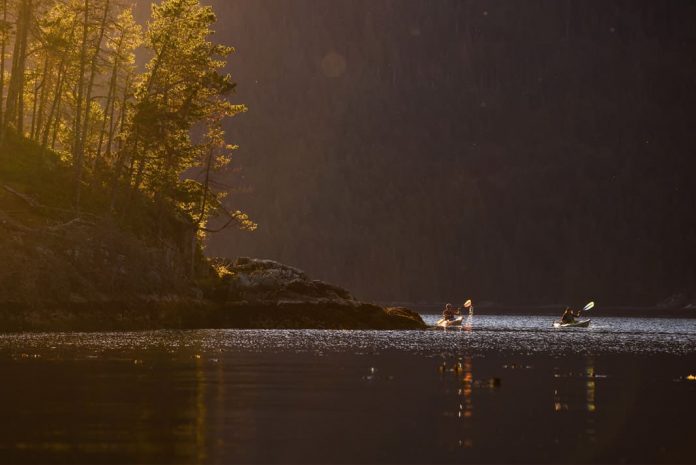
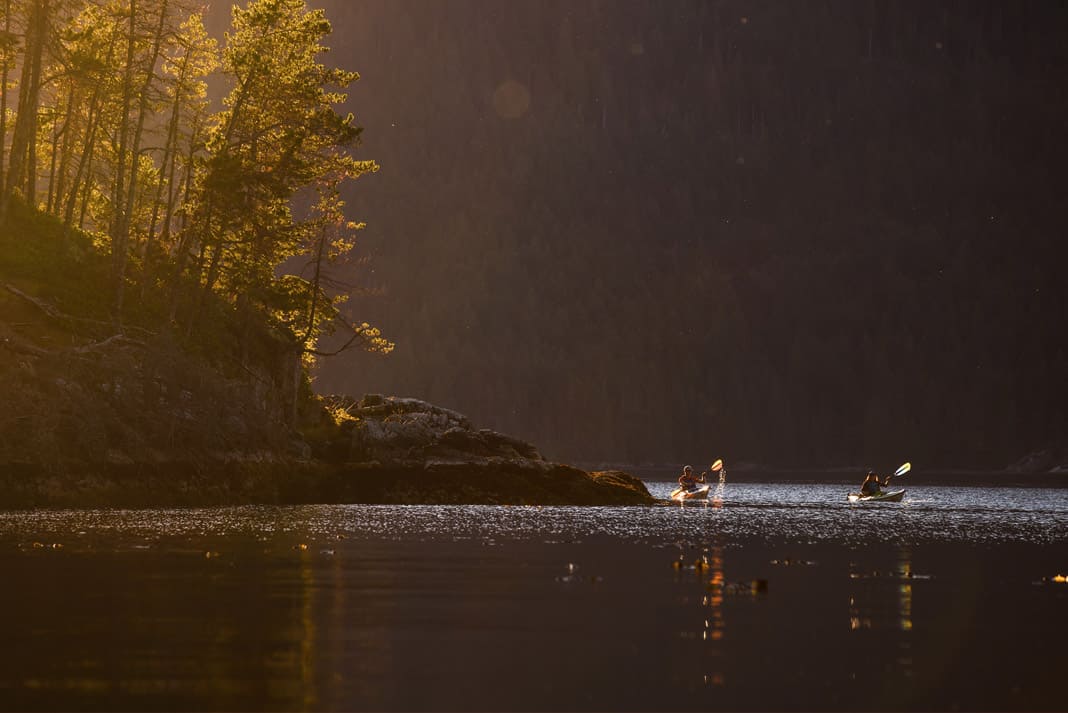
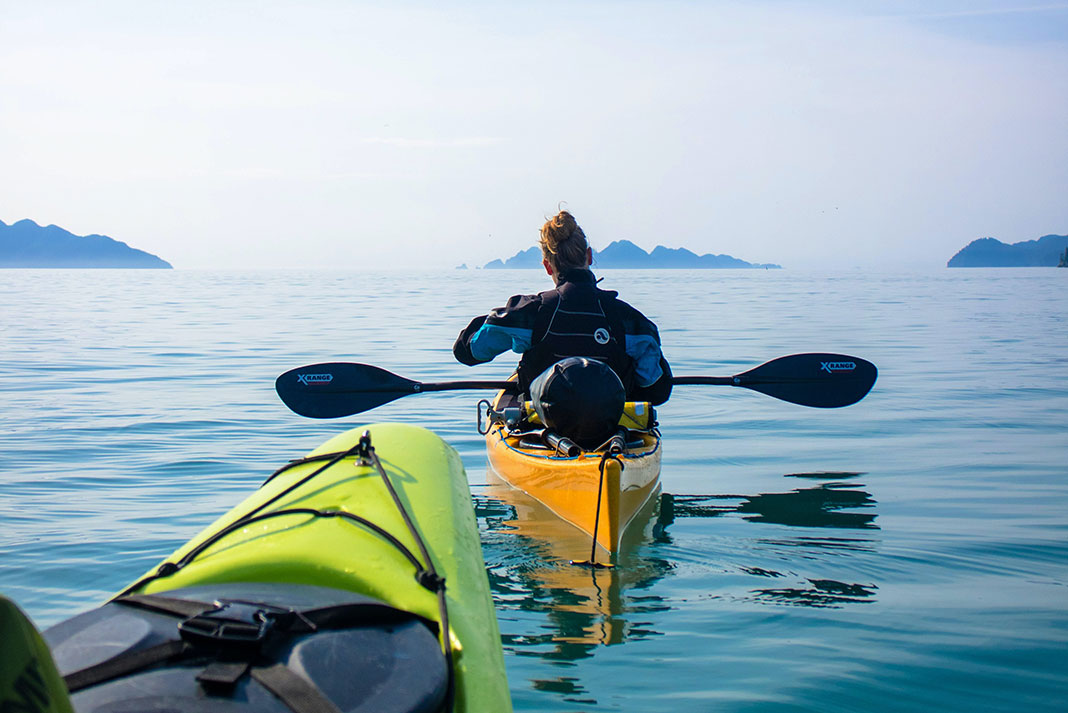
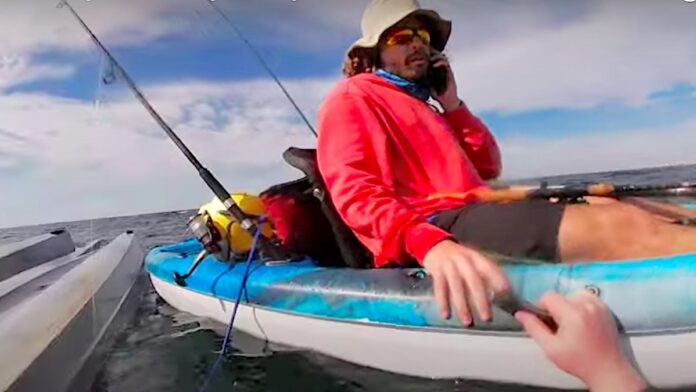
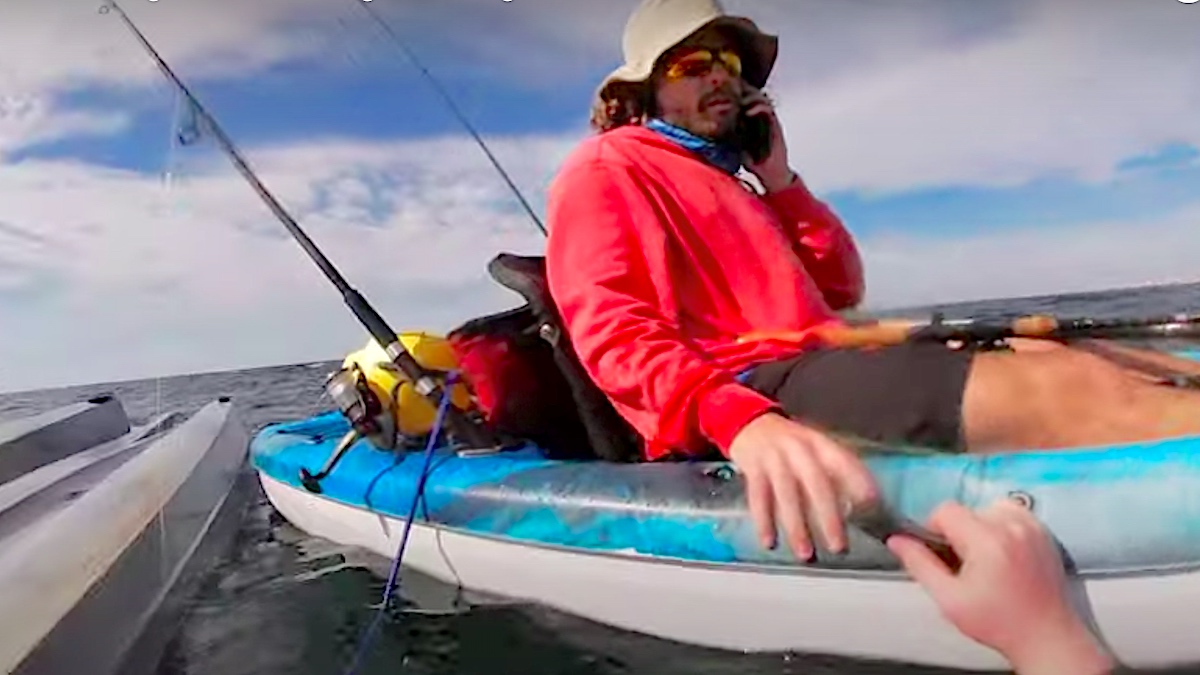
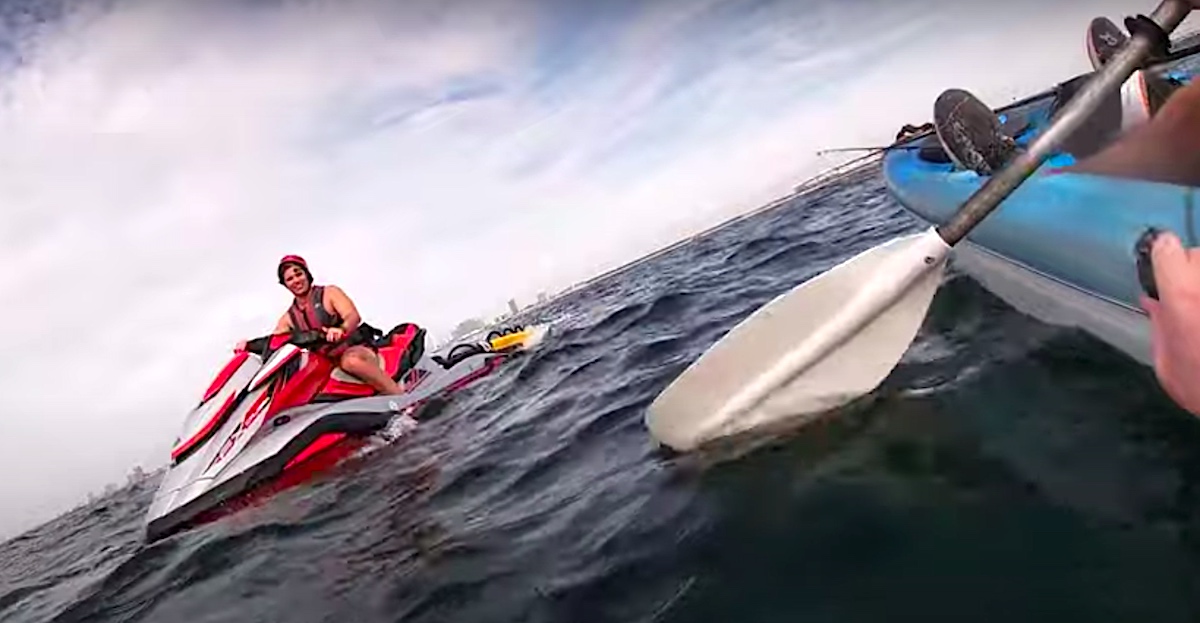
 This article was produced under a grant from the Sport Fish Restoration and Boating Trust Fund, administered by the U.S. Coast Guard.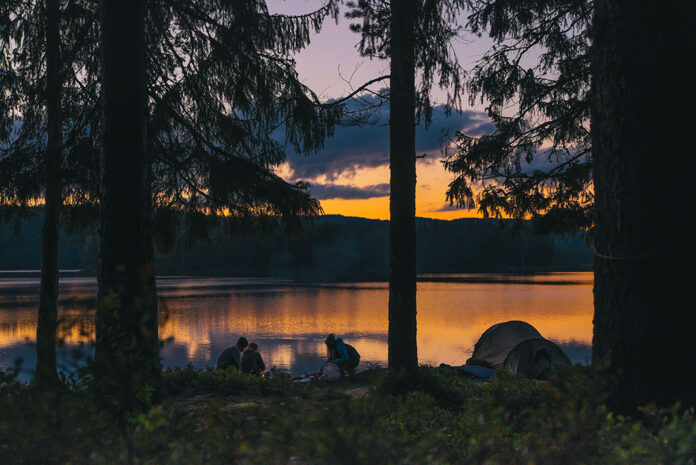
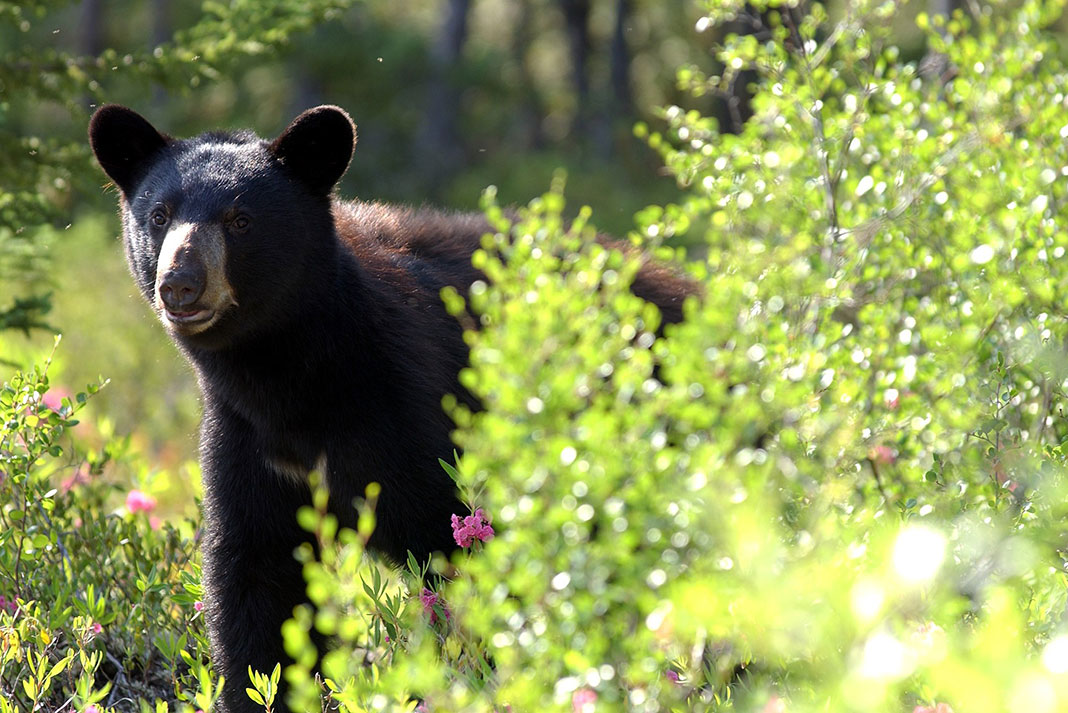
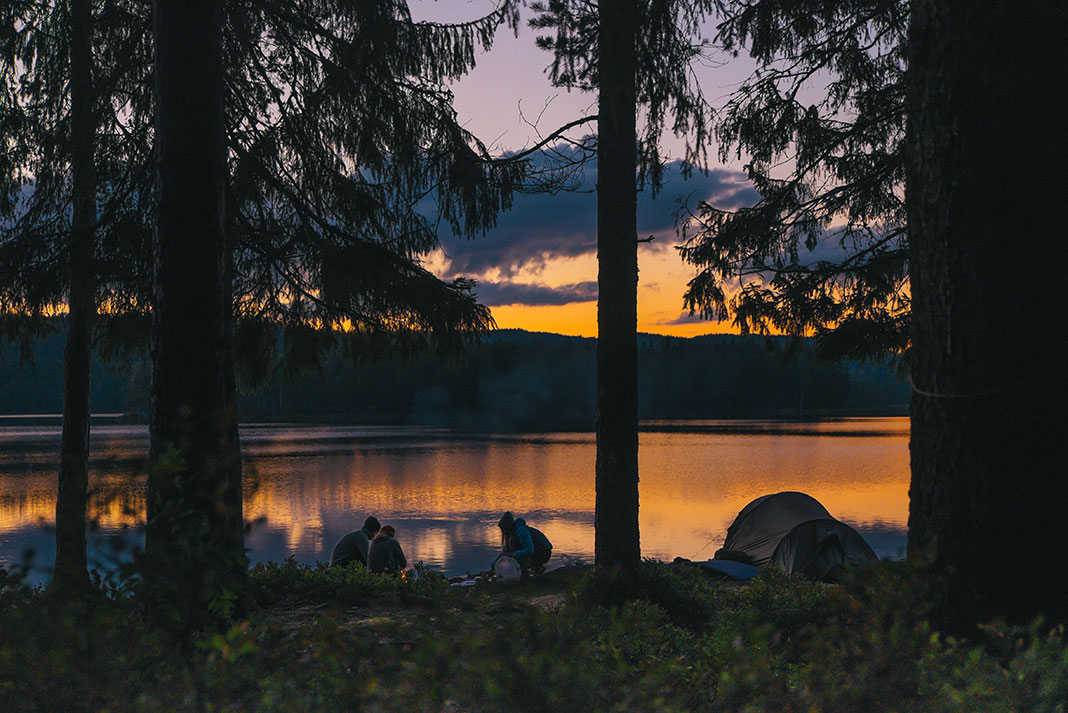
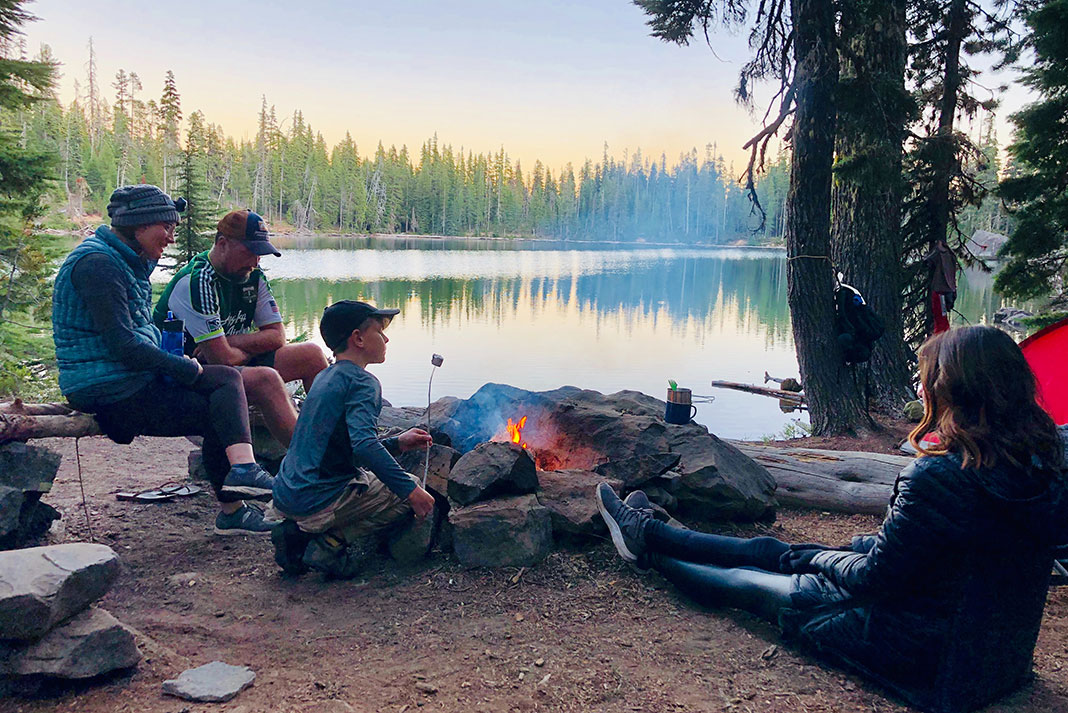
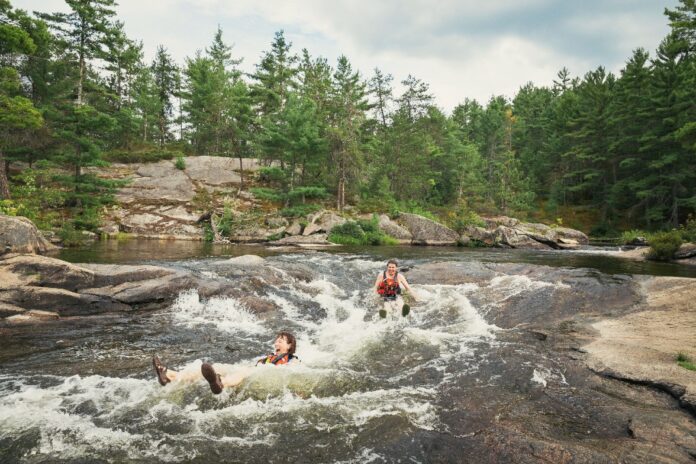
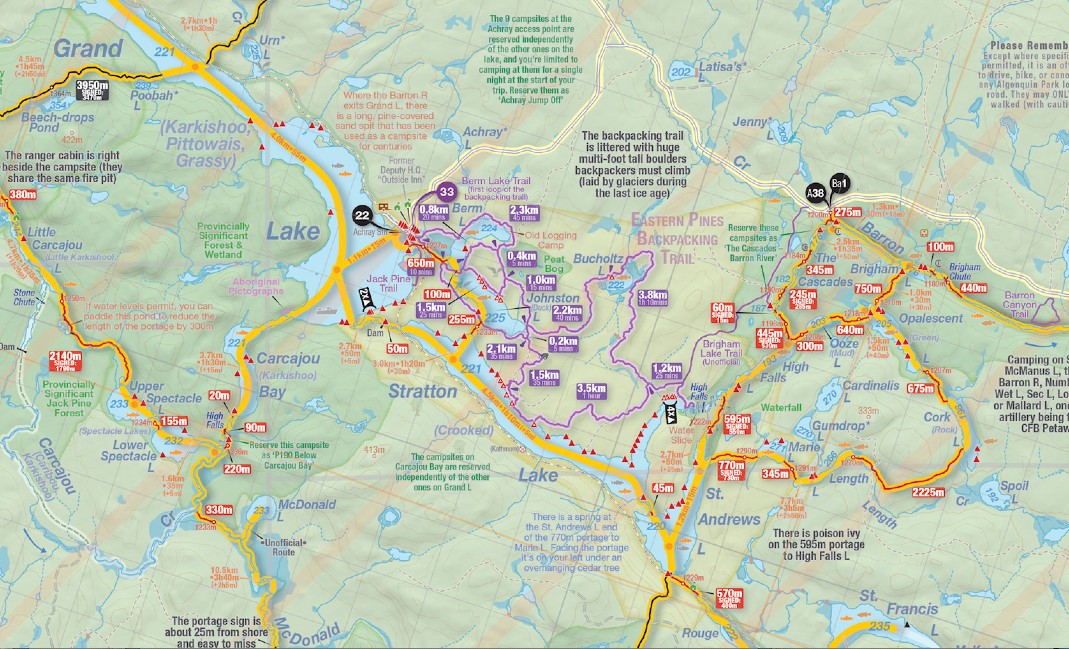
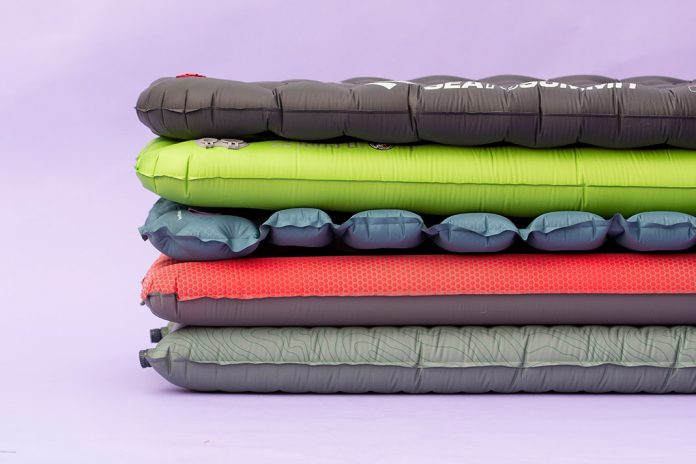
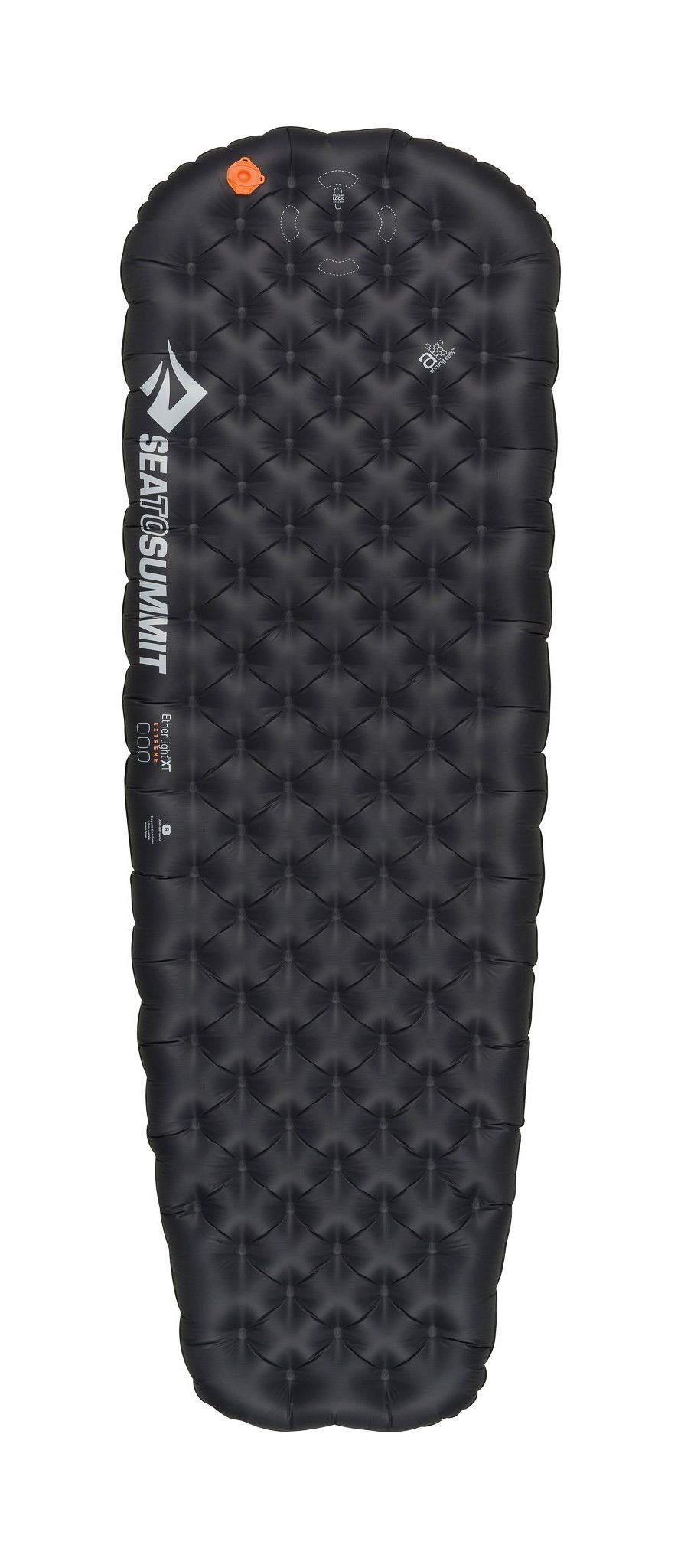
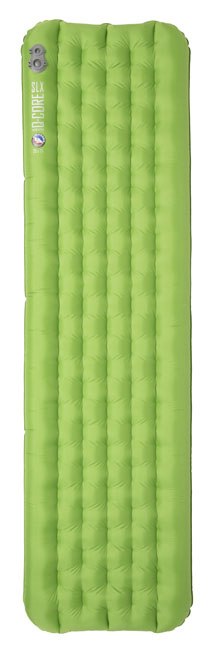
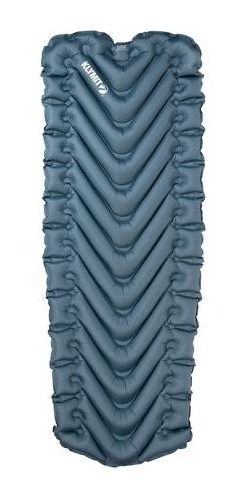
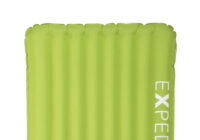
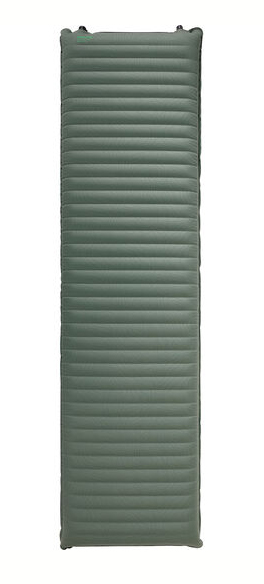
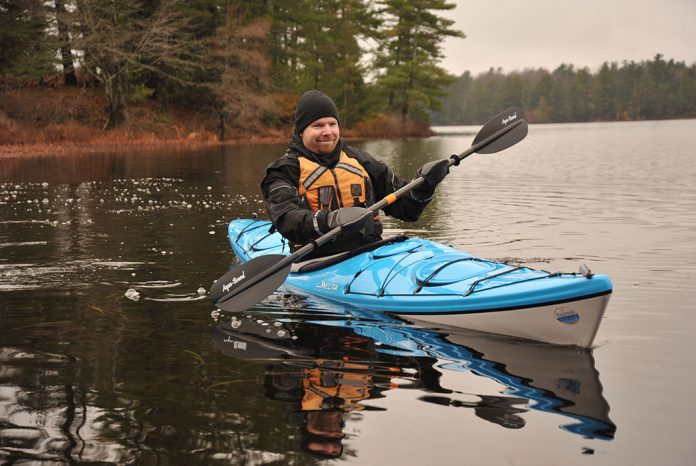
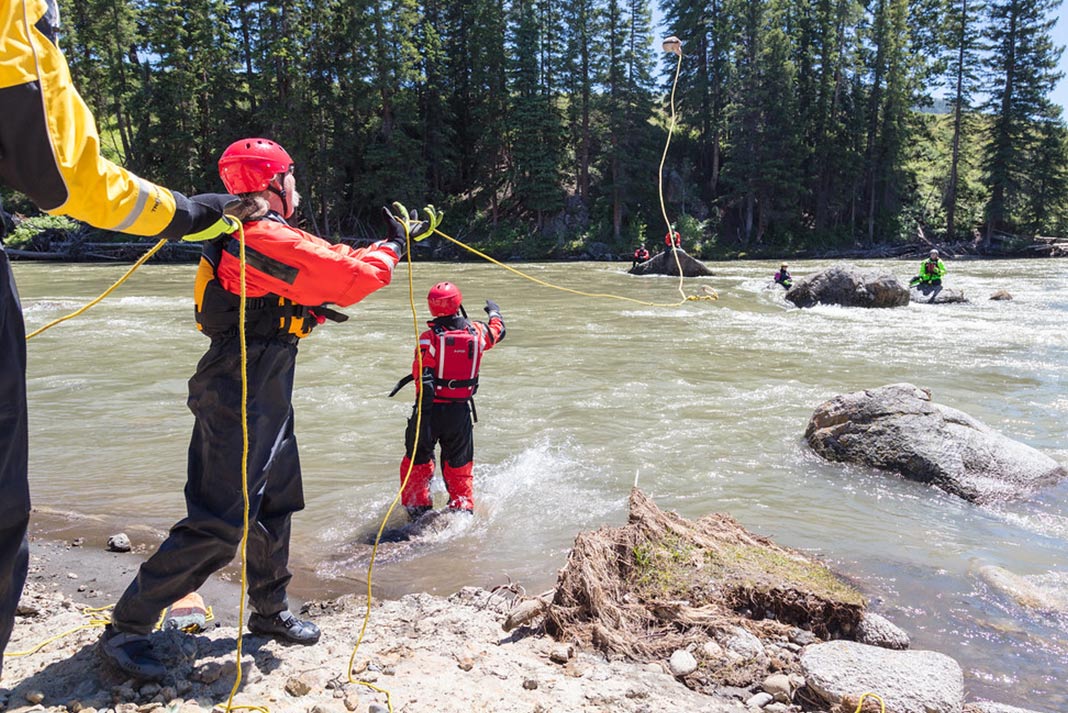
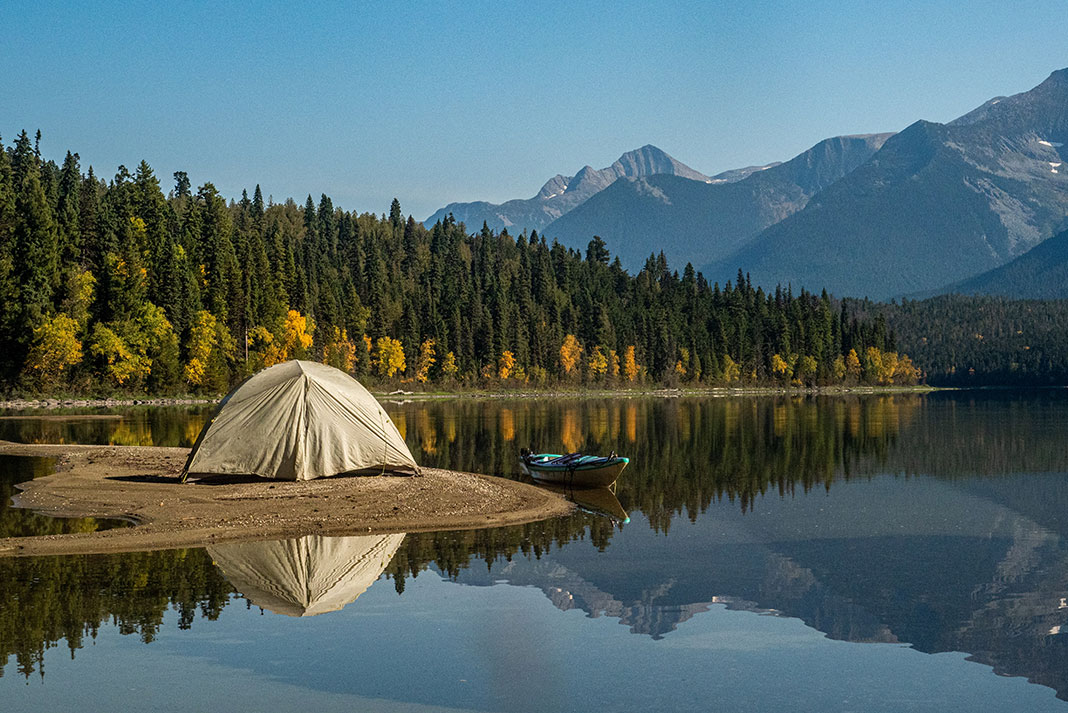
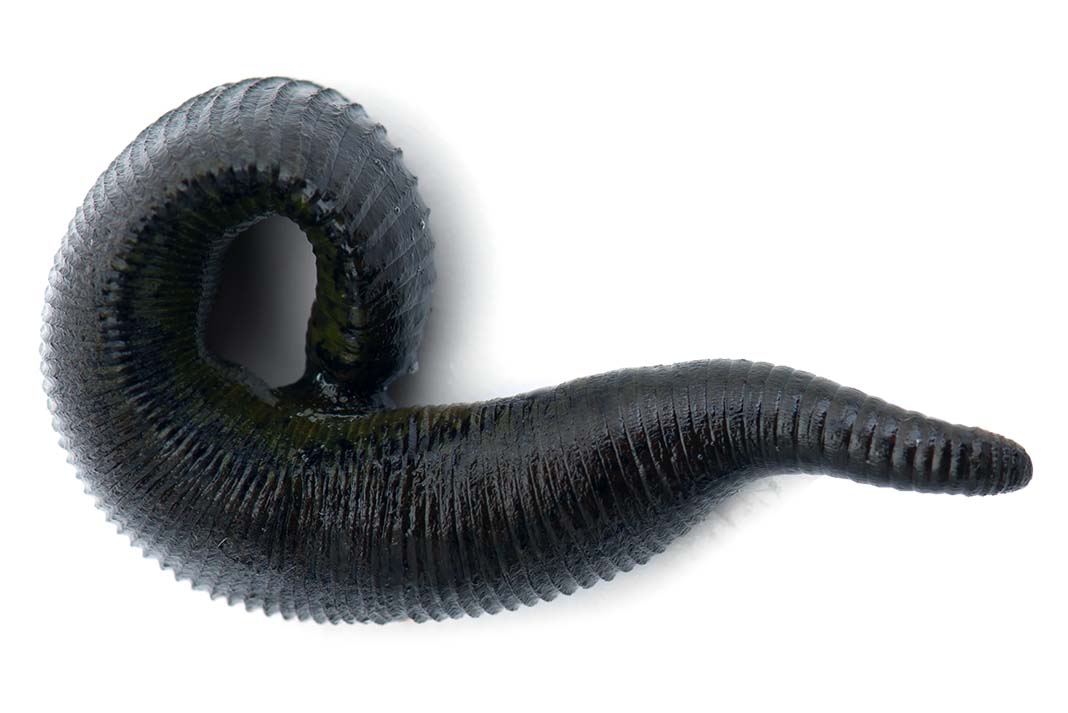
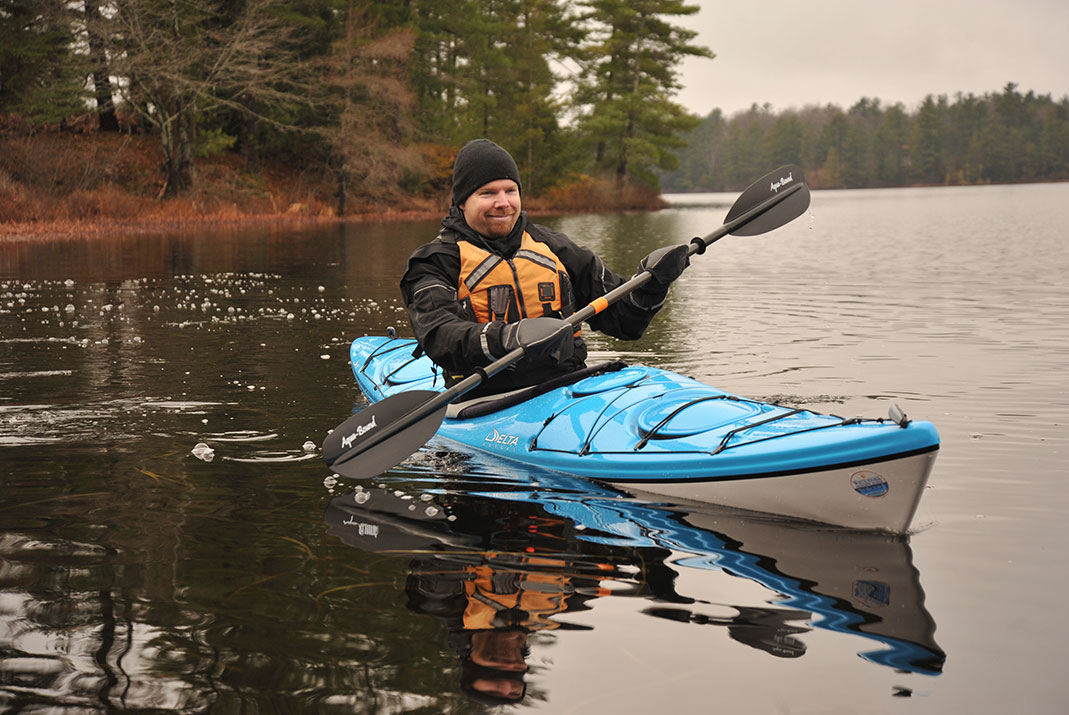
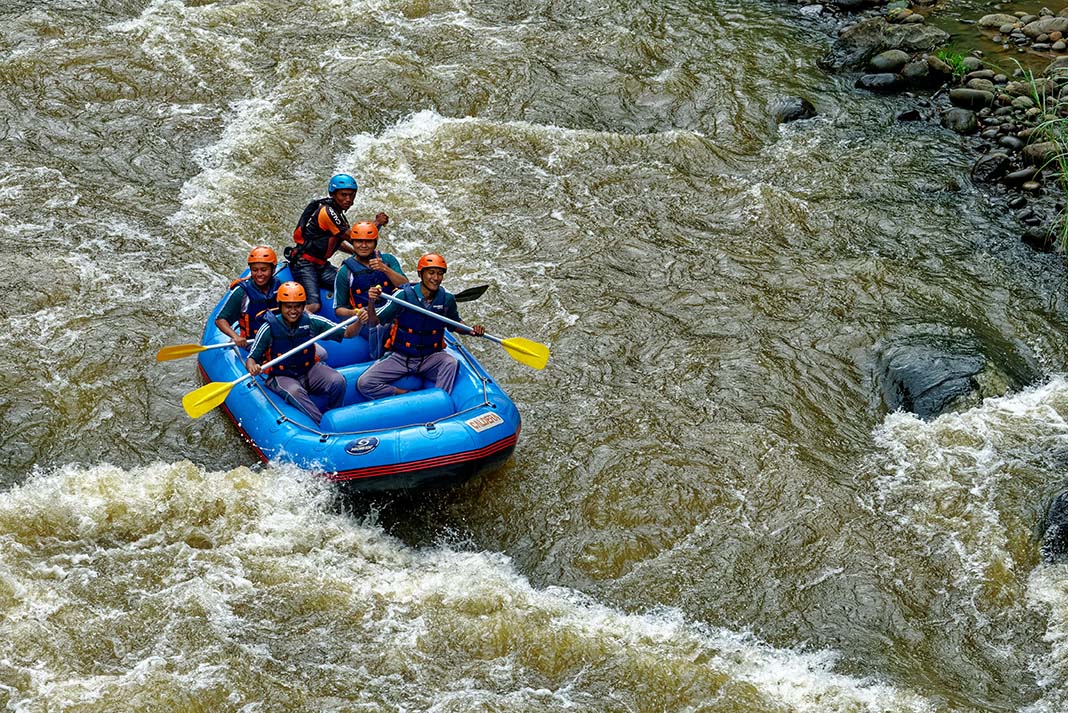
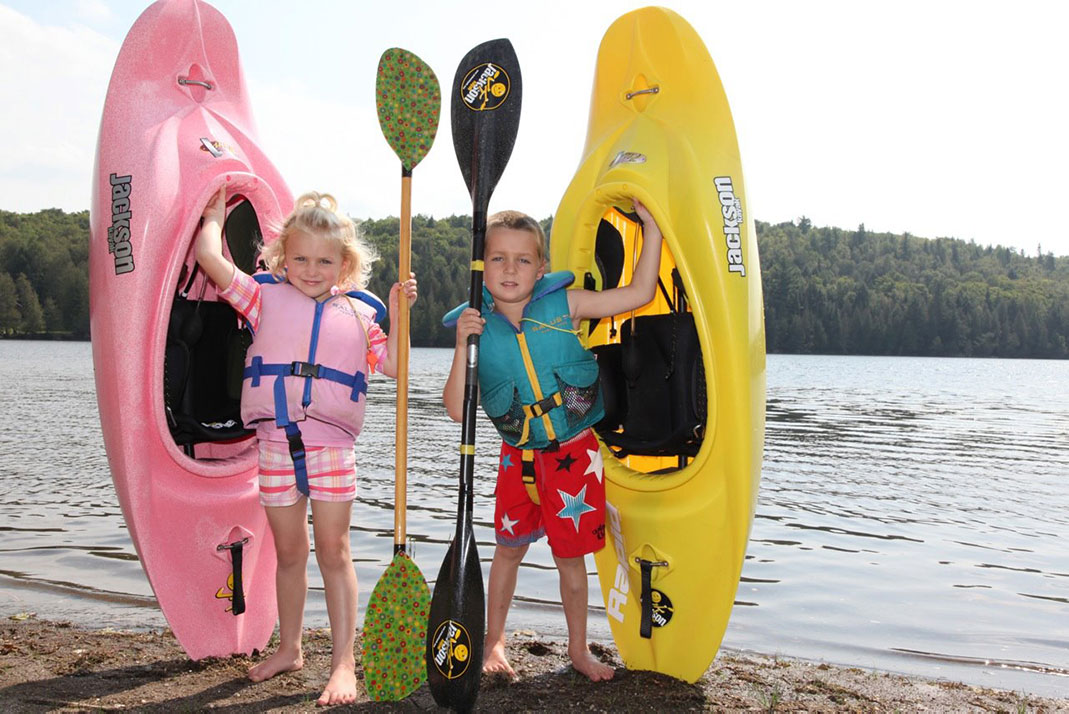
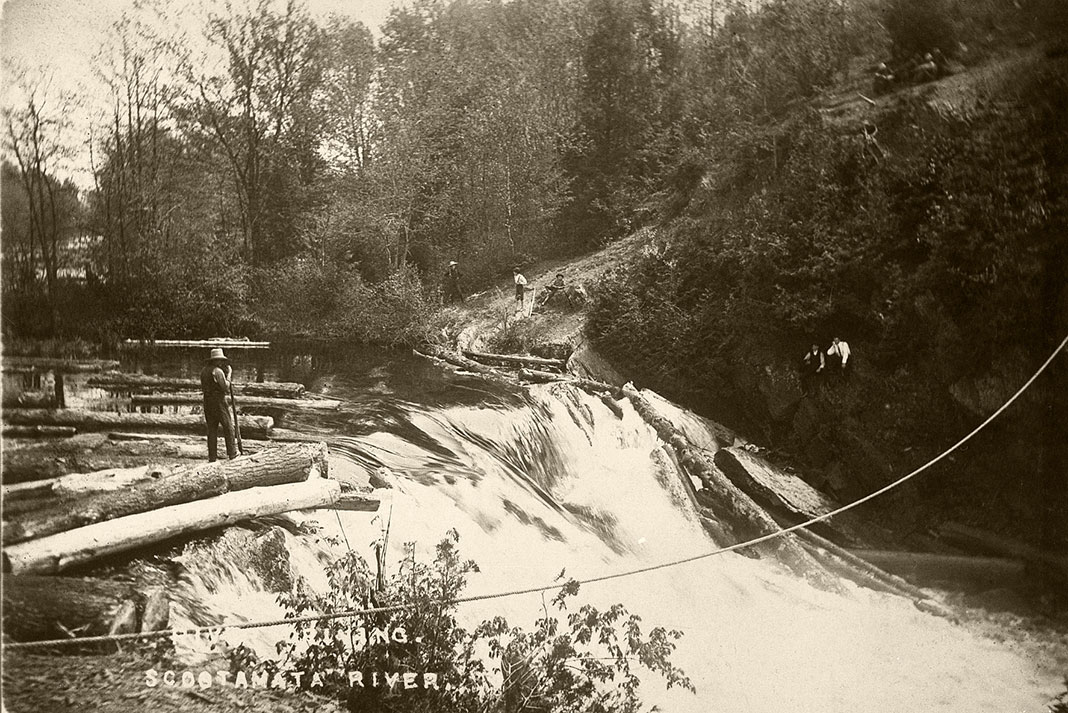
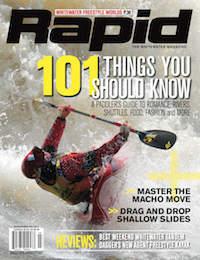
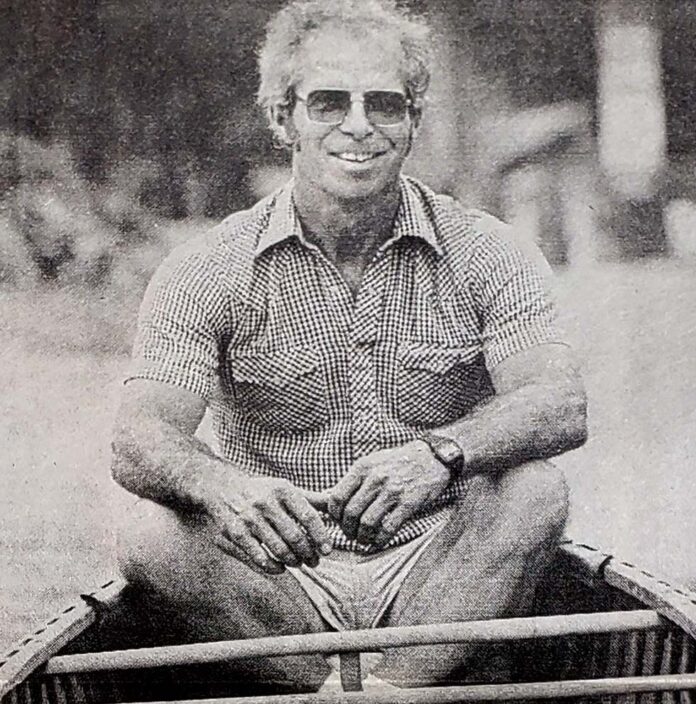
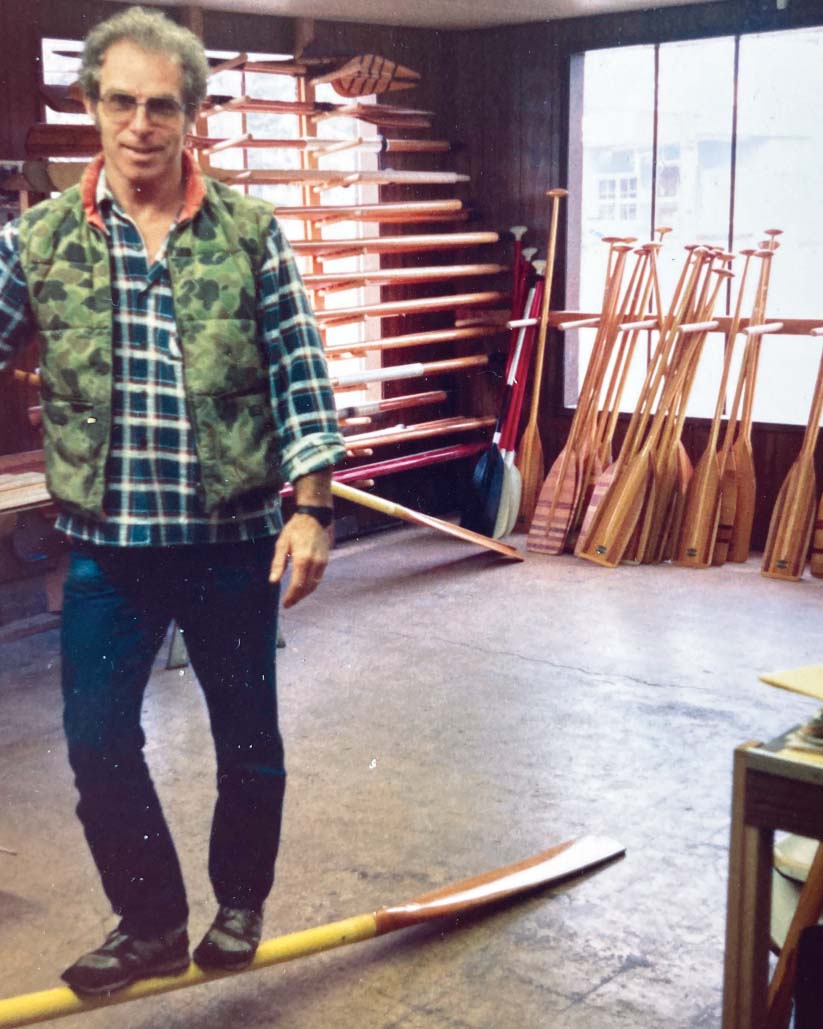
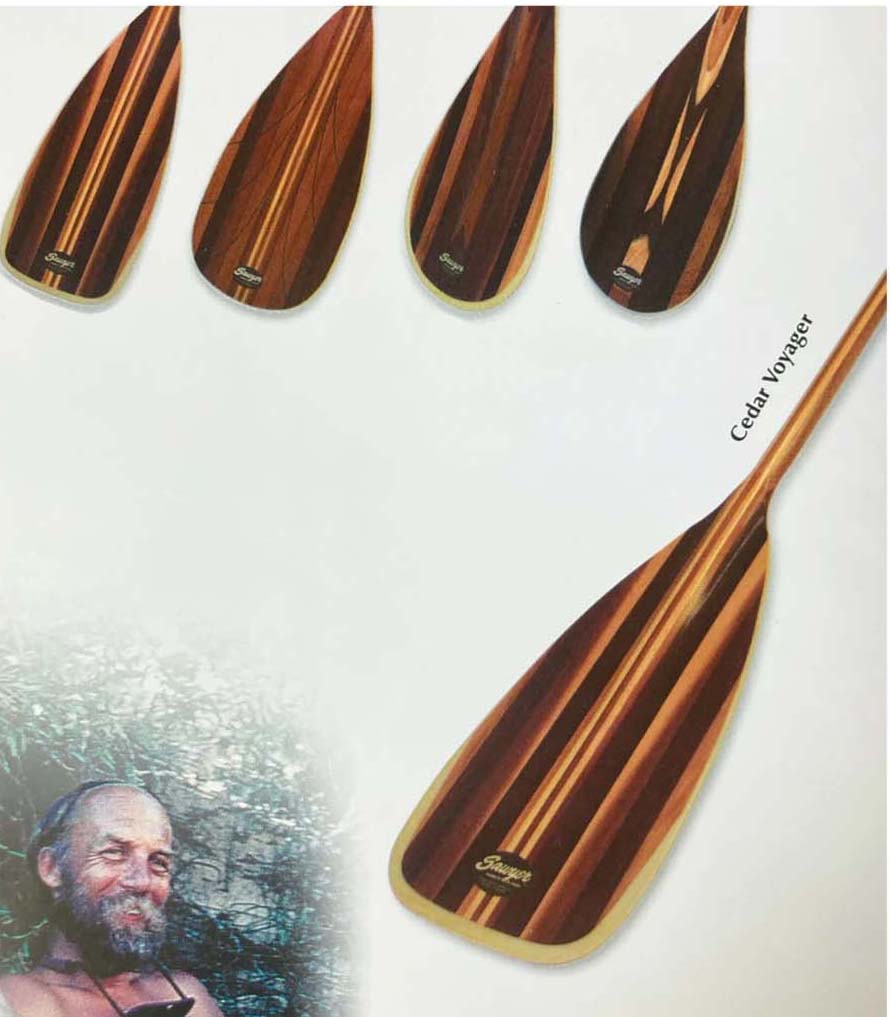
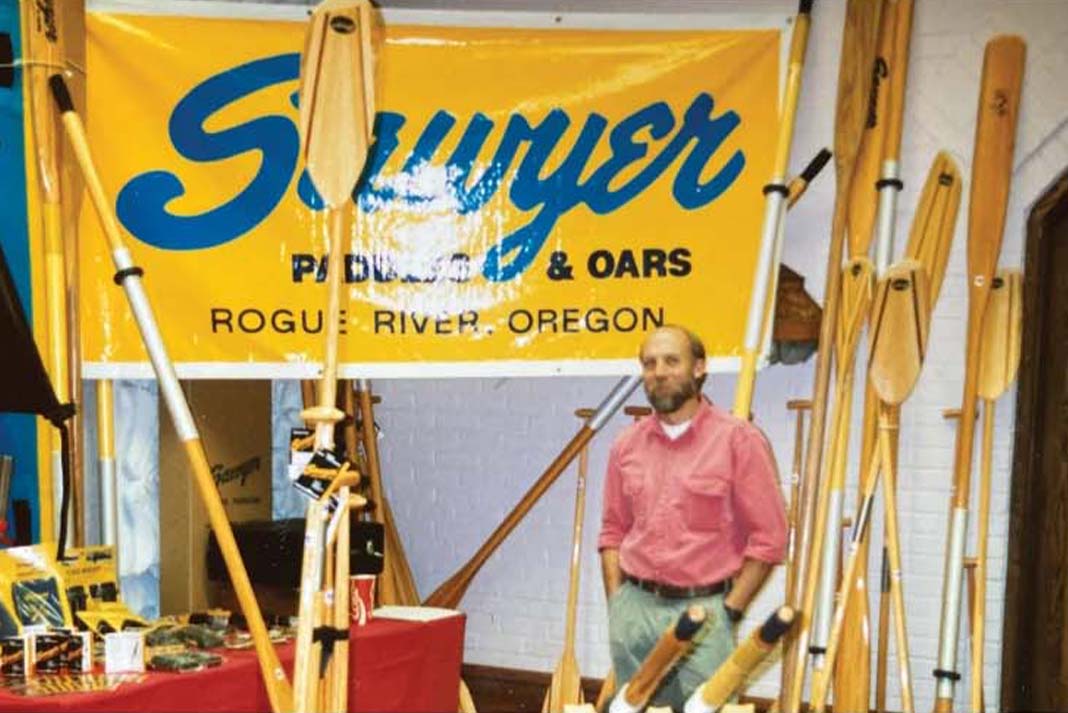
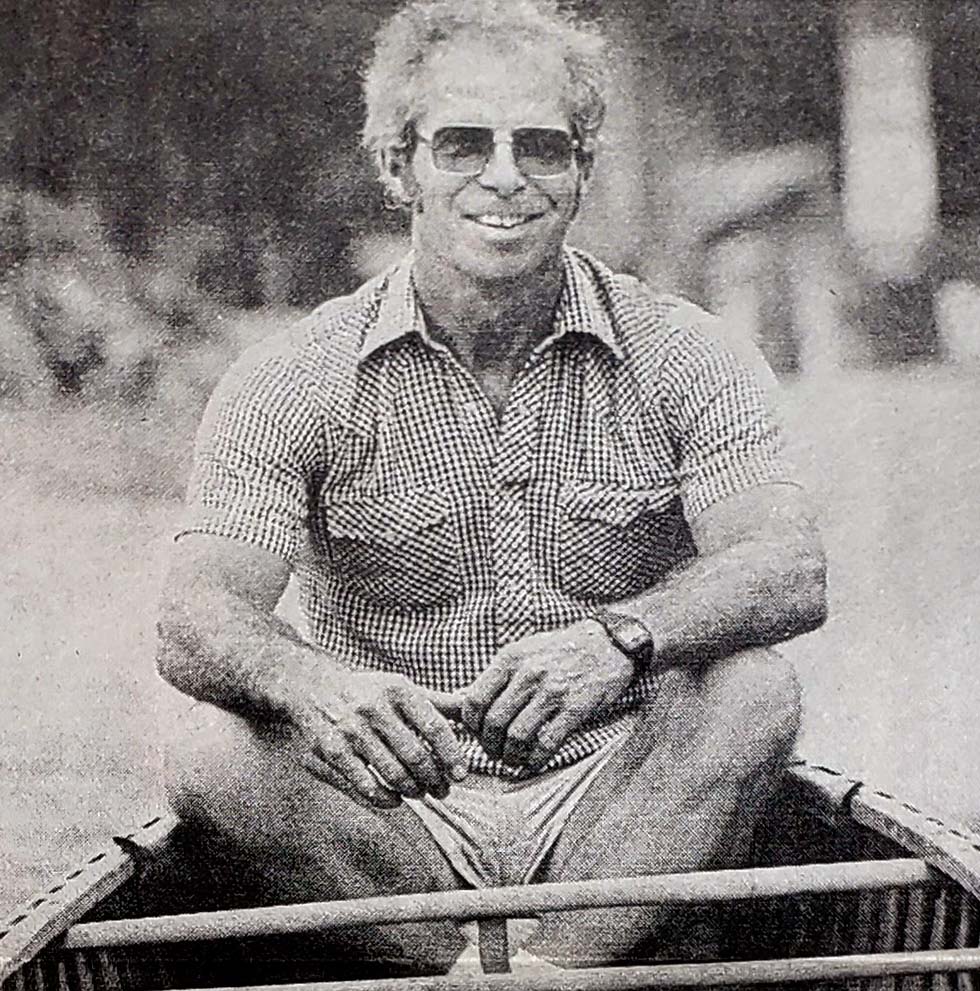
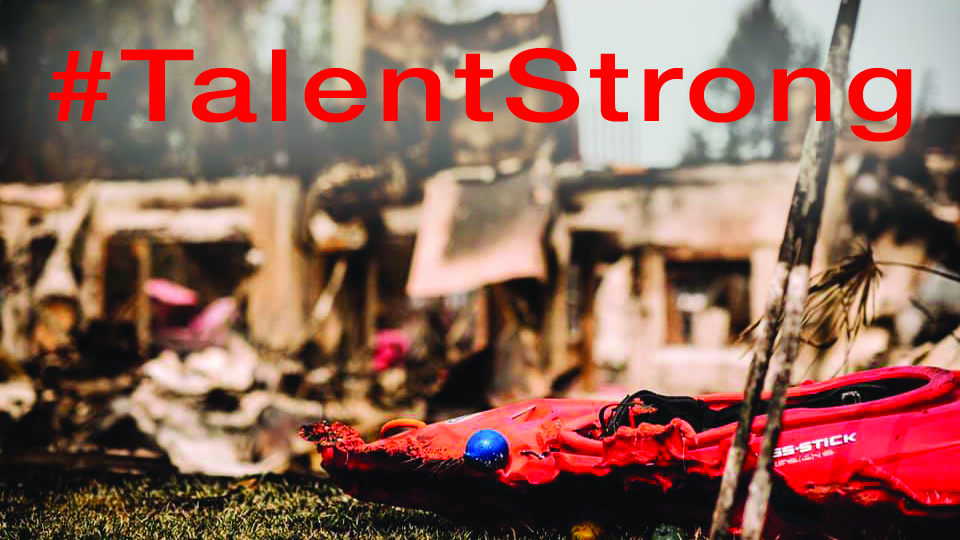
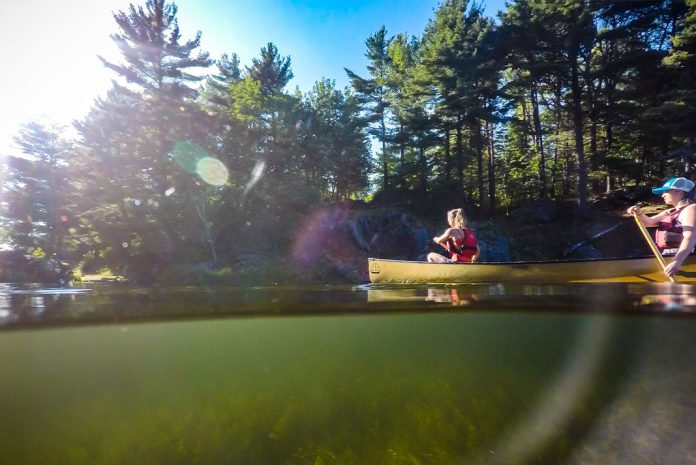
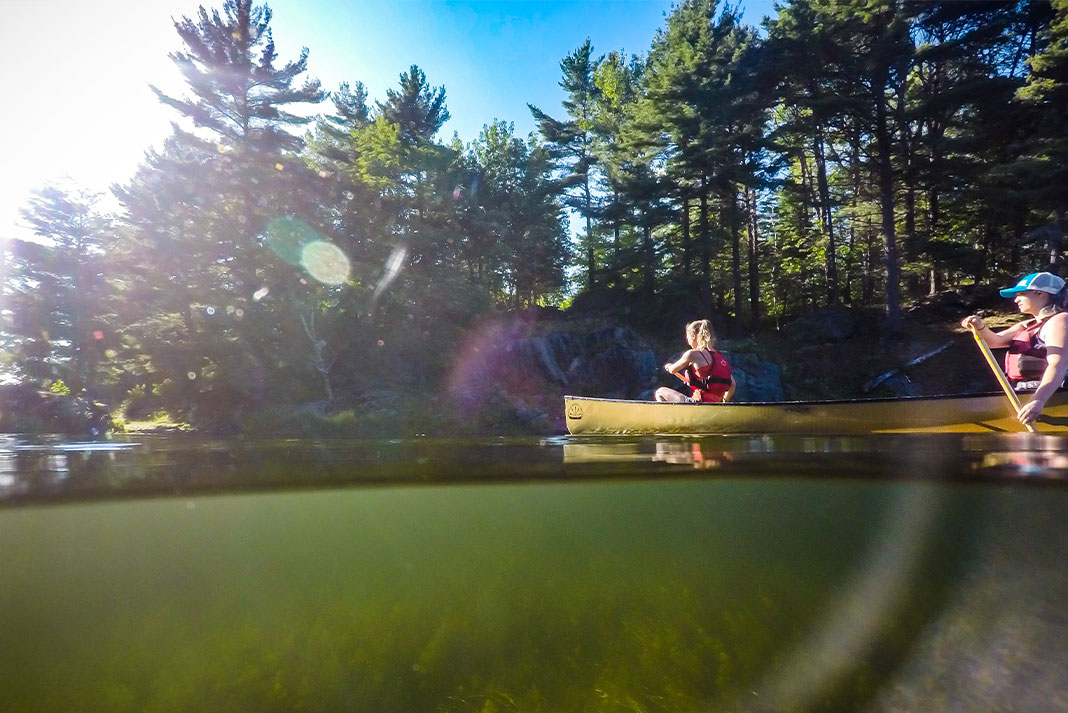
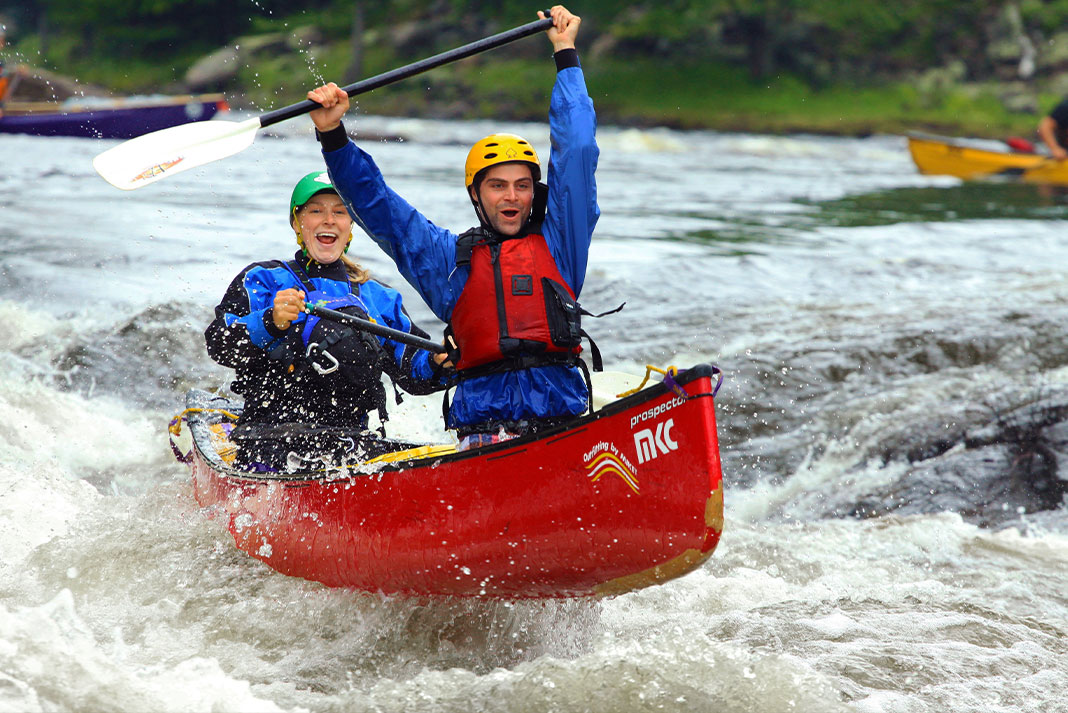
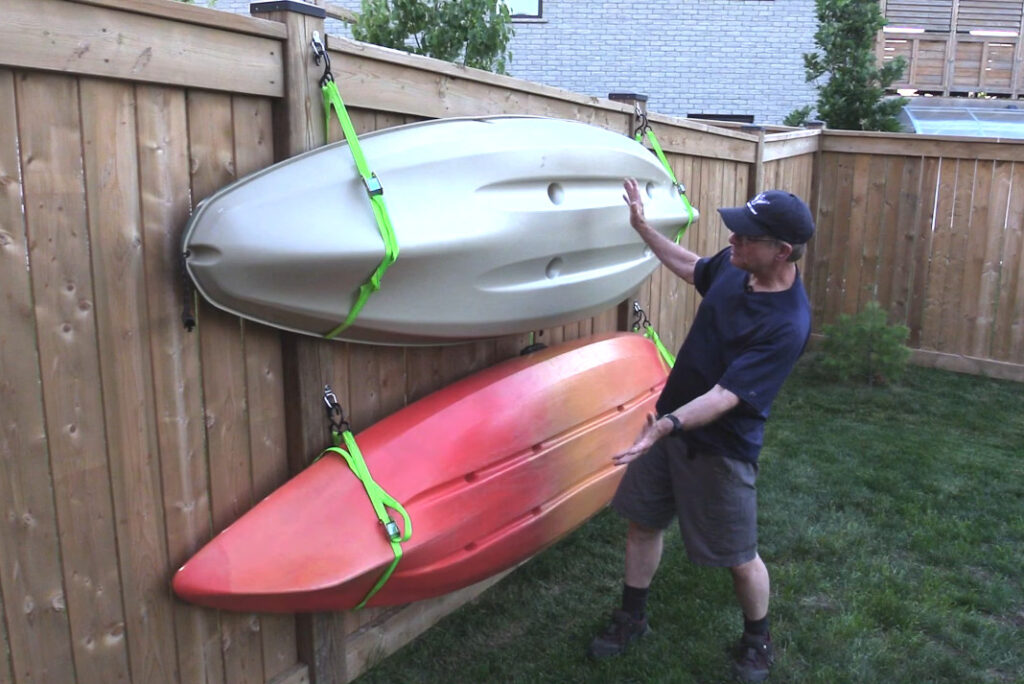
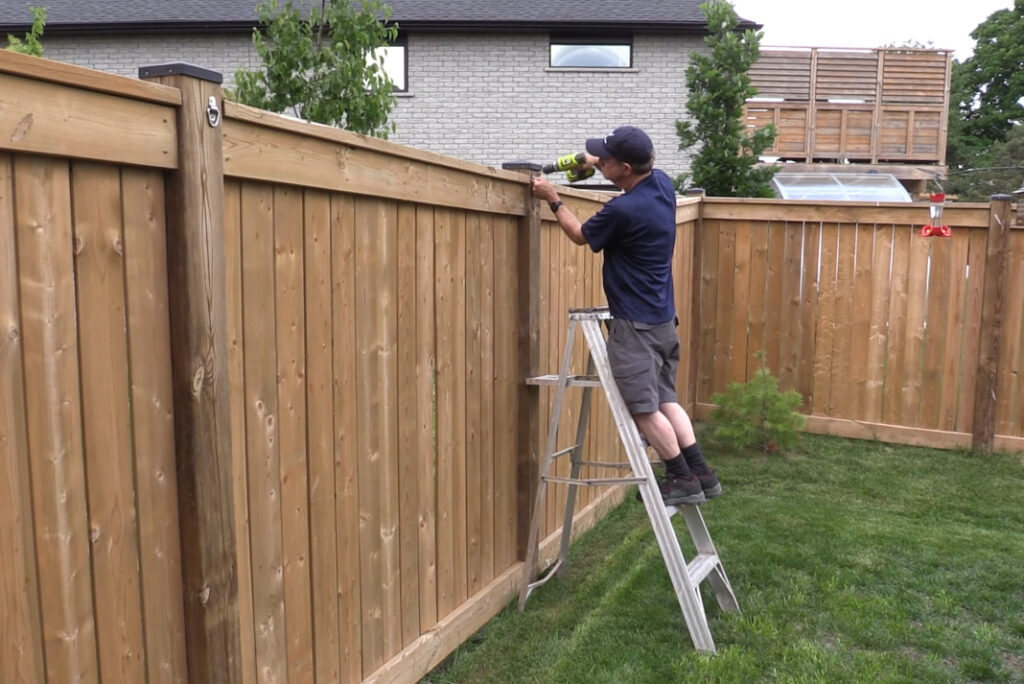
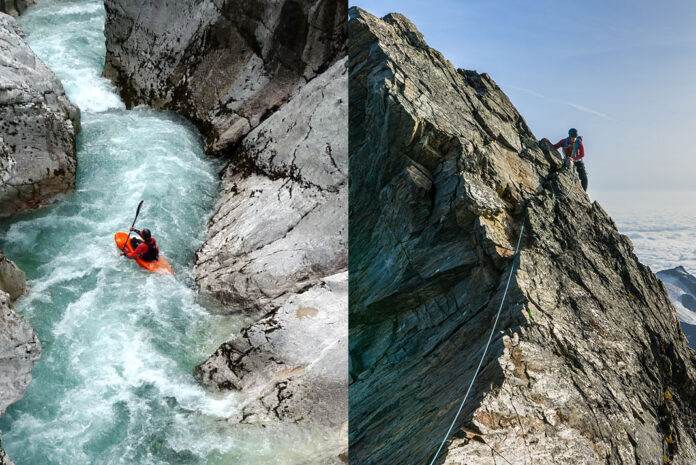
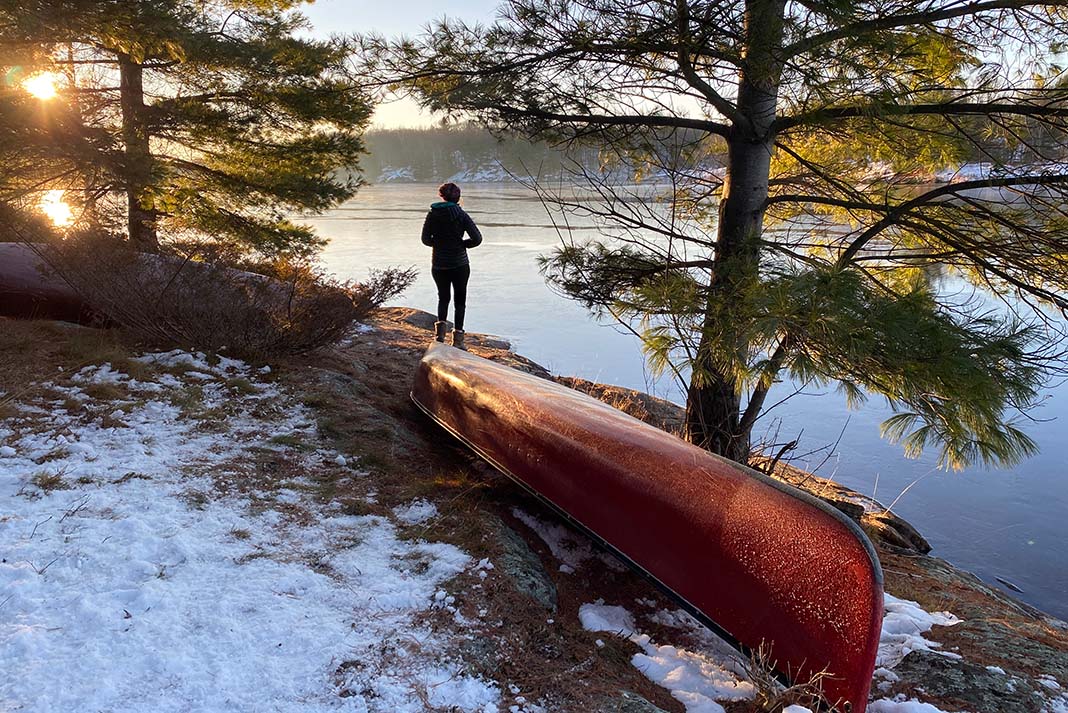
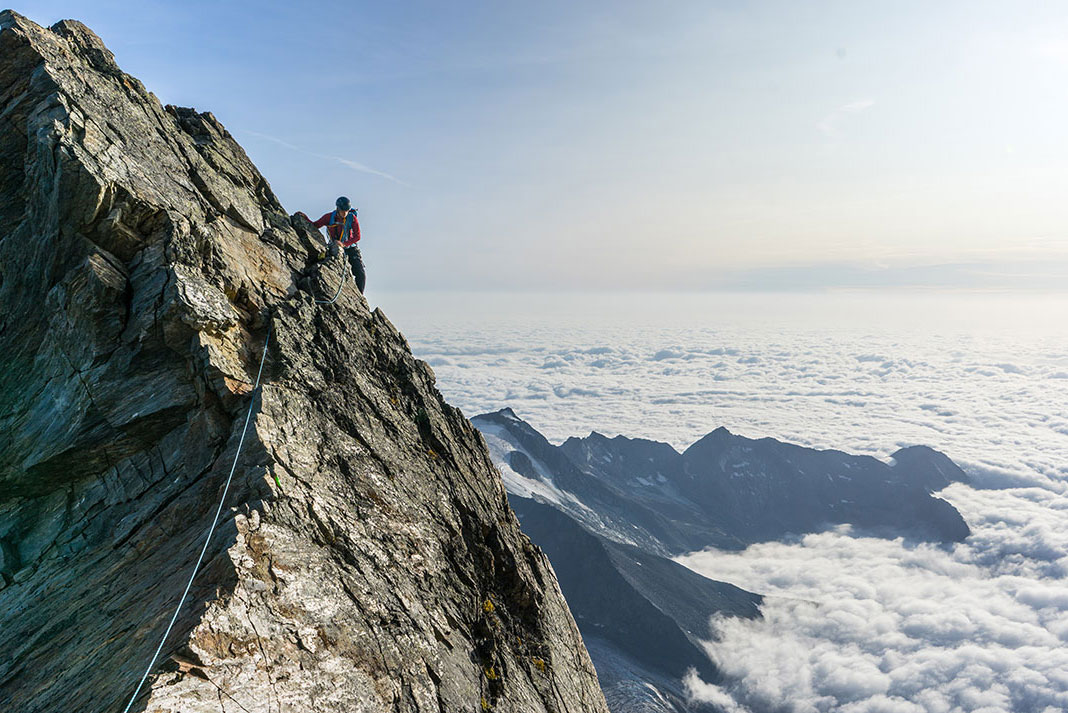
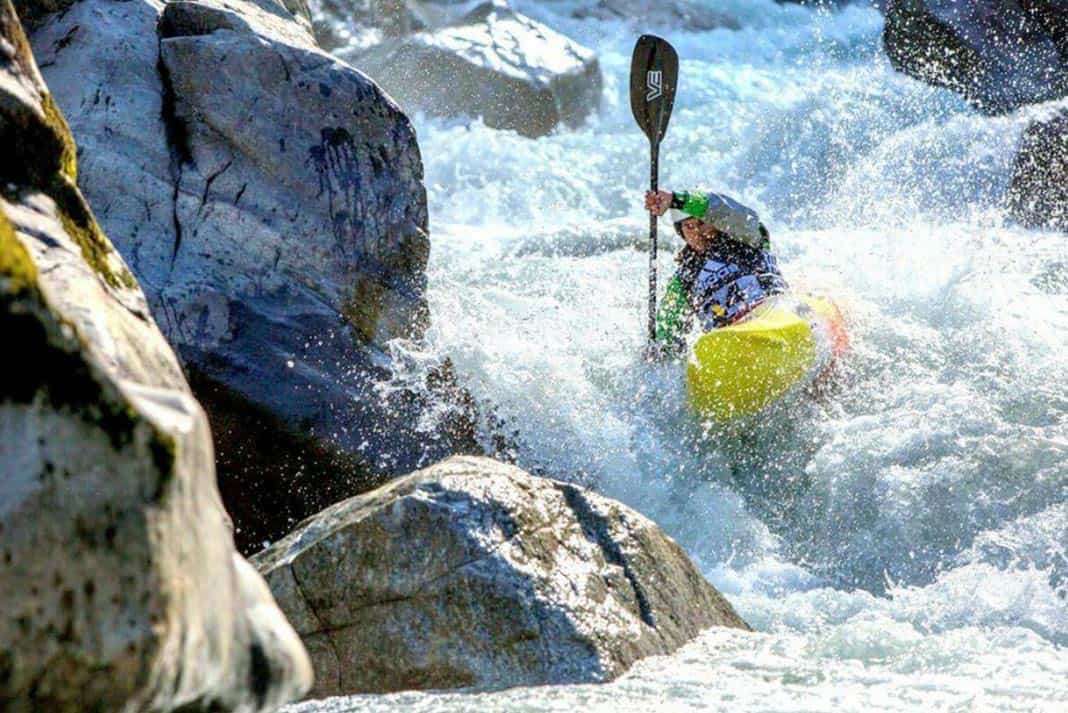
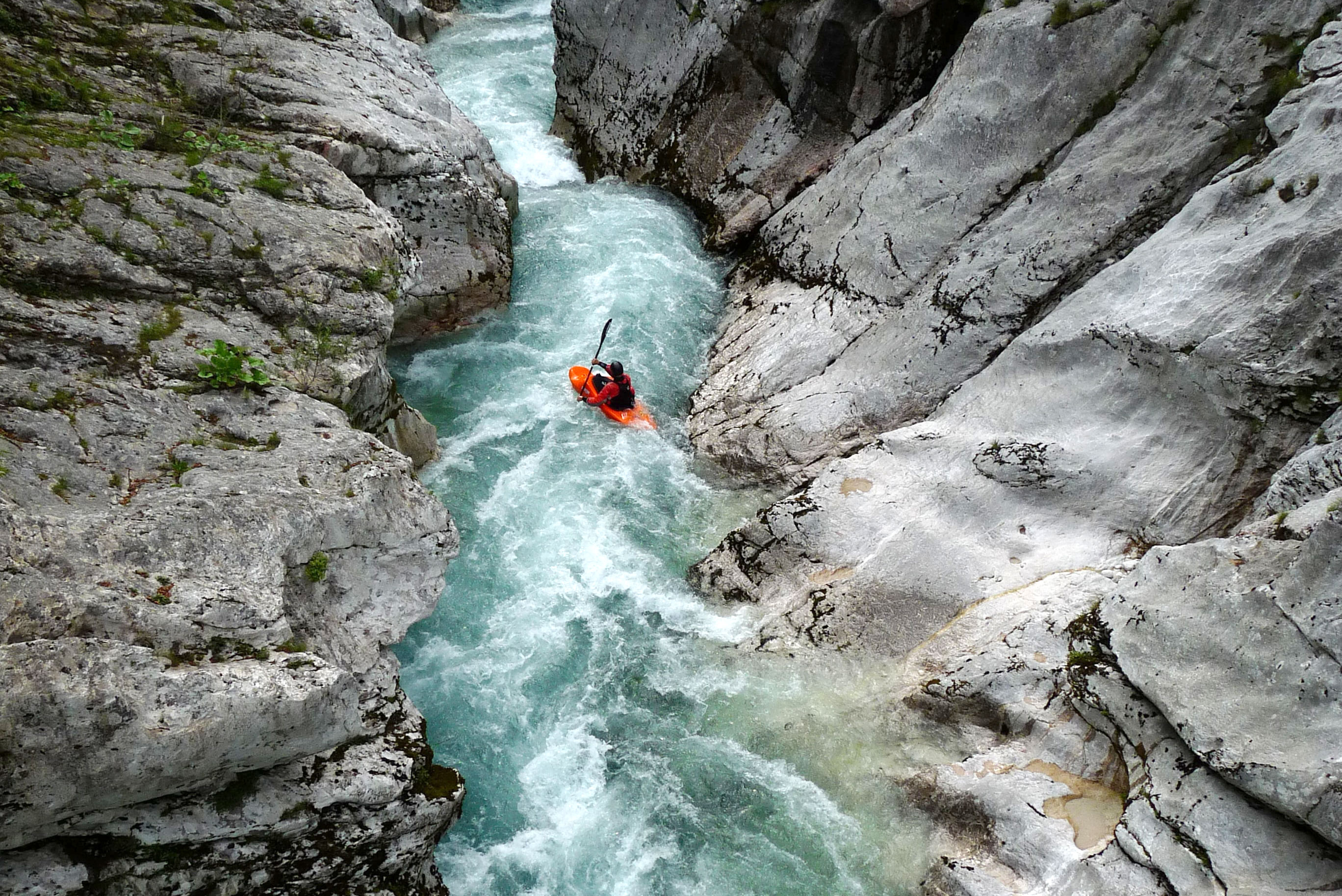
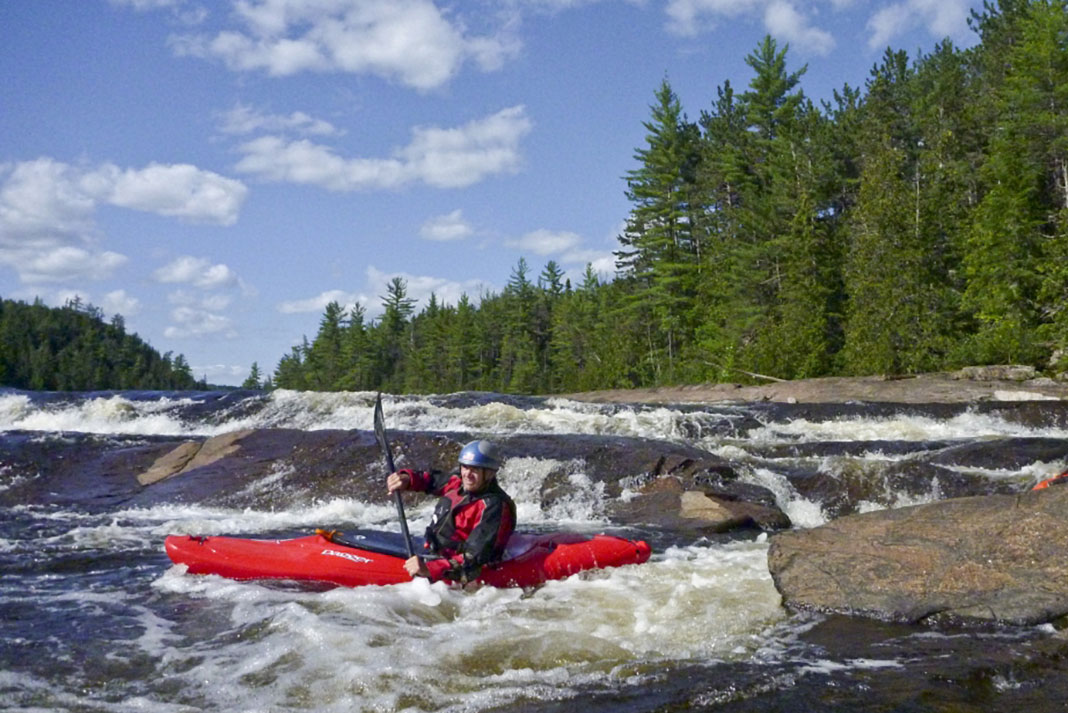
 This article was first published in the Spring 2011 issue of Rapid Magazine.



