Home Blog Page 105

7 Reasons North Alabama Needs To Be On Your Paddling Bucket List

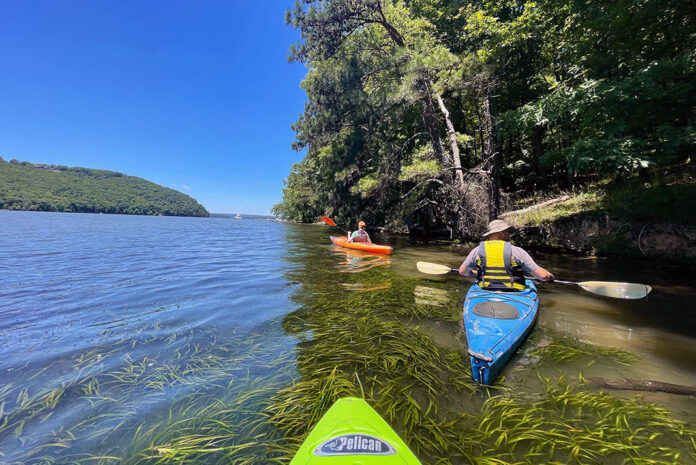
Kayakers explore shallow waters near shore on a lake. You can see seaweed beneath the surface.
On a paddling adventure on Guntersville Lake. | Photo: Desiree Keepper // @kayak_and_coffee

For most first-time visitors, North Alabama calls to mind sultry summer afternoons and images of unspoiled southern Appalachia. But dig a little deeper and you’ll find this diverse region is home to sparkling lakes, exhilarating rivers, picture-perfect waterfalls and a wealth of unforgettable natural wonders.

North Alabama is especially enthralling for water-lovers. It seems like everywhere you turn, water flows through the Heart of Dixie, from the magnolia-scented meanders of Bear Creek and the bird-filled wetlands of Wheeler National Wildlife Refuge, to the mountain lakes crowded with trophy fish and the breathtaking plunge of DeSoto Falls. Whatever your appetite, you’ll find amenities and campsites to support overnight trips or any kind of day trip you can imagine.

Even better, paddling in North Alabama is spectacular year-round. Each season offers something special, from thundering spring waterfalls and flaming fall colors, to refreshing summer swimming holes and incredible winter wildlife viewing.

Whether you are a dedicated kayak angler, avid recreational paddler or whitewater enthusiast, here are seven great reasons North Alabama belongs on your paddling bucket list.

[This article is part of our Ultimate Guide To Paddling In Alabama. Find all the resources you need to plan a paddling adventure in Alabama.]
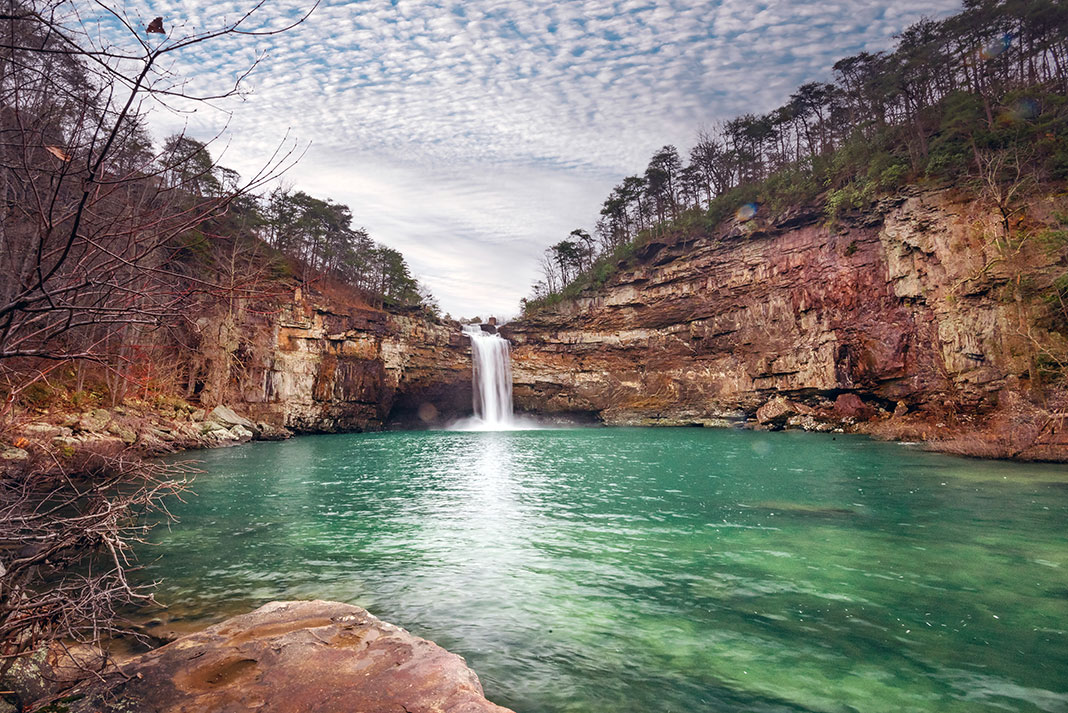
Waterfall pouring over rocks into green-colored waters.
The magical DeSoto Falls in North Alabama awaits. | Photo: Leann Hill Photography

1 Breathtaking waterfalls

Few places rival North Alabama for the sheer number and easy accessibility—not to mention the fairy tale beauty—of its many waterfalls. In fact, the 25,000-acre Sipsey Wilderness in northwestern Alabama is nicknamed the “Land of a Thousand Waterfalls” because it seems you can’t take a hike or go for a paddle without seeing one!

[ View all paddling adventures in Alabama in the Paddling Trip Guide ]

Feel the mist from the brink of 107-foot DeSoto Falls as it plunges off Lookout Mountain, then leave from the top of the falls for a peaceful flatwater paddle up the West Fork of the Little River. Nearby, don’t miss 133-foot Grace’s High Falls and thundering Little River Falls in Little River Canyon National Reserve. The Little River Canyon is the deepest and most extensive river canyon east of the Mississippi. It’s also a magnet for paddlers of all skill levels, offering easy floats with gentle rapids and expert-only class IV-V whitewater through the park’s namesake canyon.
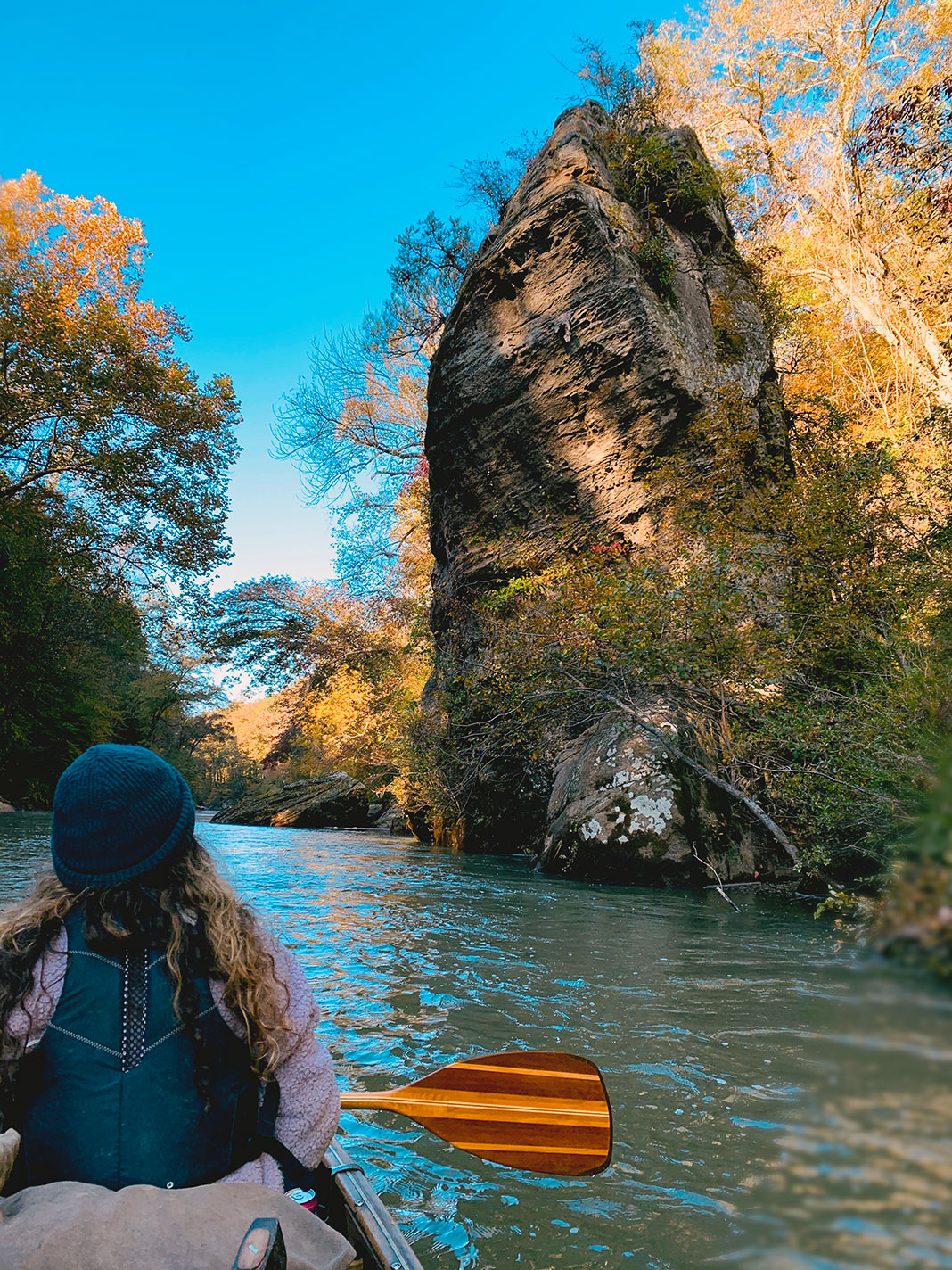
Woman sits in bow of canoe holding a paddle and looking up at a rock formation next to the river.
The Buttahatchee River is just one example of Alabama’s beautiful waterways. | Photo: Ben Leopard // @ben2thewild

Explore North Alabama’s Waterfall Trails to find more of the region’s most scenic falls. Just remember, the falls are most spectacular in late fall, winter and spring when water levels are high. Many waterfalls and streams are dry in summer and early fall, depending on rainfall.

2 Spectacular rivers

Alabama is home to more than 77,000 miles of rivers and streams that wind their way through its pristine parks and wilderness areas. The state also boasts one of the most experience-diverse water trails in America: the Alabama Scenic River Trail. Whether you are a whitewater enthusiast, naturalist, angler or just looking to enjoy a scenic float and a refreshing dip, there’s a spectacular North Alabama river for you.

The extraordinarily varied waters of the Tennessee River create some of the finest paddling opportunities in North Alabama. Observe thousands of waterbirds—including up to 14,000 sandhill cranes during winter months—and watch for alligator hatchlings in Wheeler National Wildlife Refuge. The nearby Flint River and Flint Creek Canoe Trail are a must for canoe and kayak campers, with gorgeous wild campsites right next to the river.

Escape the summer heat on Bear Creek in northwestern Alabama, which offers the state’s only recreational water release. On weekends, the release transforms the shallow creek into a series of easy rapids and swimming holes cradled by deep valleys with beautiful sandstone outcroppings and banks of flowering magnolia.

In northeastern Alabama, don’t miss Terrapin Creek for hours of swift-flowing and twisty fun—or even a multi-day adventure. Great access, campgrounds and outfitters make this tributary of the Coosa River a popular family float, with the option for more experienced boaters to challenge up to class III whitewater.
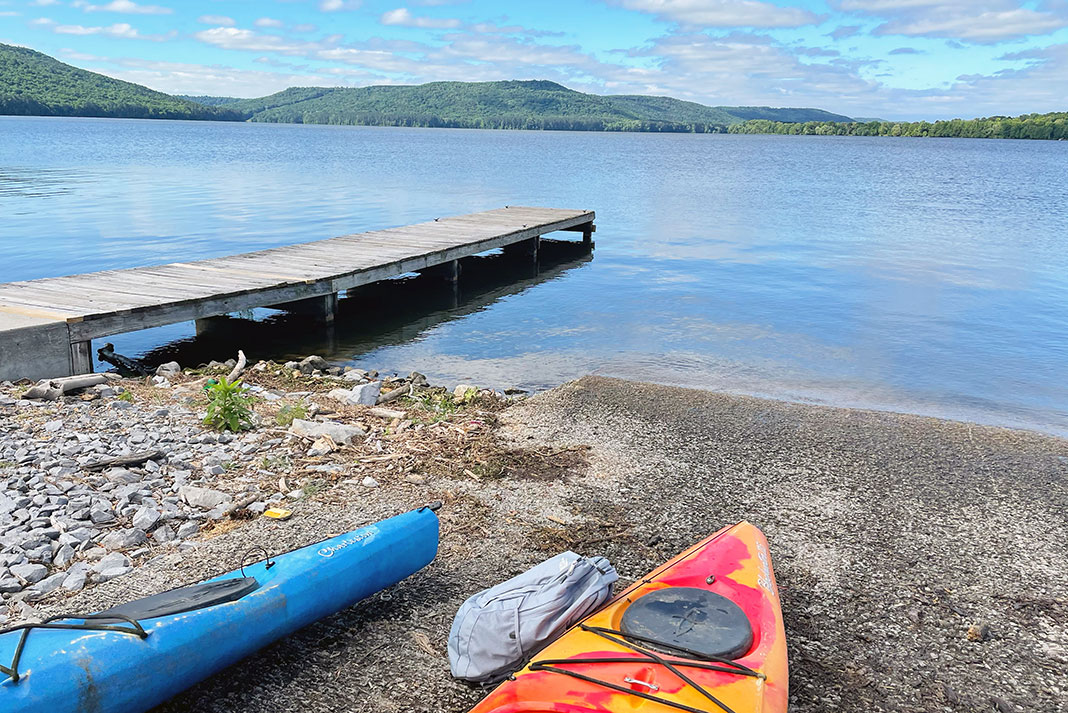
Two kayaks rest on a boat launch into a lake, with a dock stretching into the water and green, tree-covered hills in the background.
Explore Alabama’s largest lake, Guntersville Lake. | Photo: Desiree Keepper // @kayak_and_coffee

3 Beautiful lakes

Postcard-worthy sunsets, abundant wildlife and outstanding fishing are just some of the reasons you’ll love exploring North Alabama’s eight big and beautiful lakes.

Nestled in the Appalachian foothills with over 900 miles of shoreline and countless park and recreation facilities, local paddlers say Lake Guntersville boasts the best combination of flatwater paddling, nature watching and fishing in the Southeast. Little wonder you’ll find resorts and accommodations to suit every taste tucked along its shores. Farther west along the Tennessee River, wildlife enthusiasts and birders flock to the sprawling wildlife refuge at Wheeler Lake.

The deepest lake in Alabama, Lewis Smith Lake entices anglers and wilderness-lovers with its emerald-green waters, rolling hills, rocky bluffs and myriad bays. Smith Lake is also the state’s cleanest lake; it’s fed by the crystal-clear waters of the Sipsey Fork of the Black Warrior River, which flows out of the Sipsey Wilderness in nearby Bankhead National Forest.
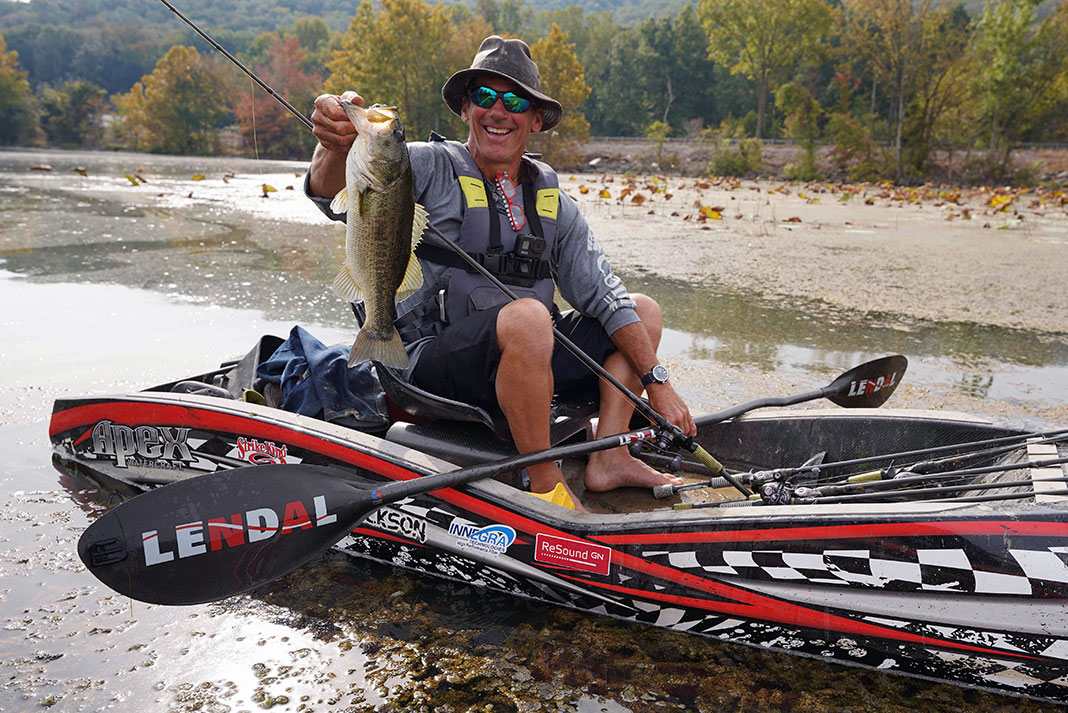
Angler sitting in kayak holds paddle with one hand and a bass with his other.
Make the catch of a lifetime in North Alabama. | Photo: Brad Wiegmann

4 Incredible fishing

There’s no better place to plan your next paddle fishing adventure than North Alabama. With its mild climate, mineral-rich reservoirs, and abundant access to public launches and affordable lakefront accommodations, Alabama is a year-round destination for anglers.
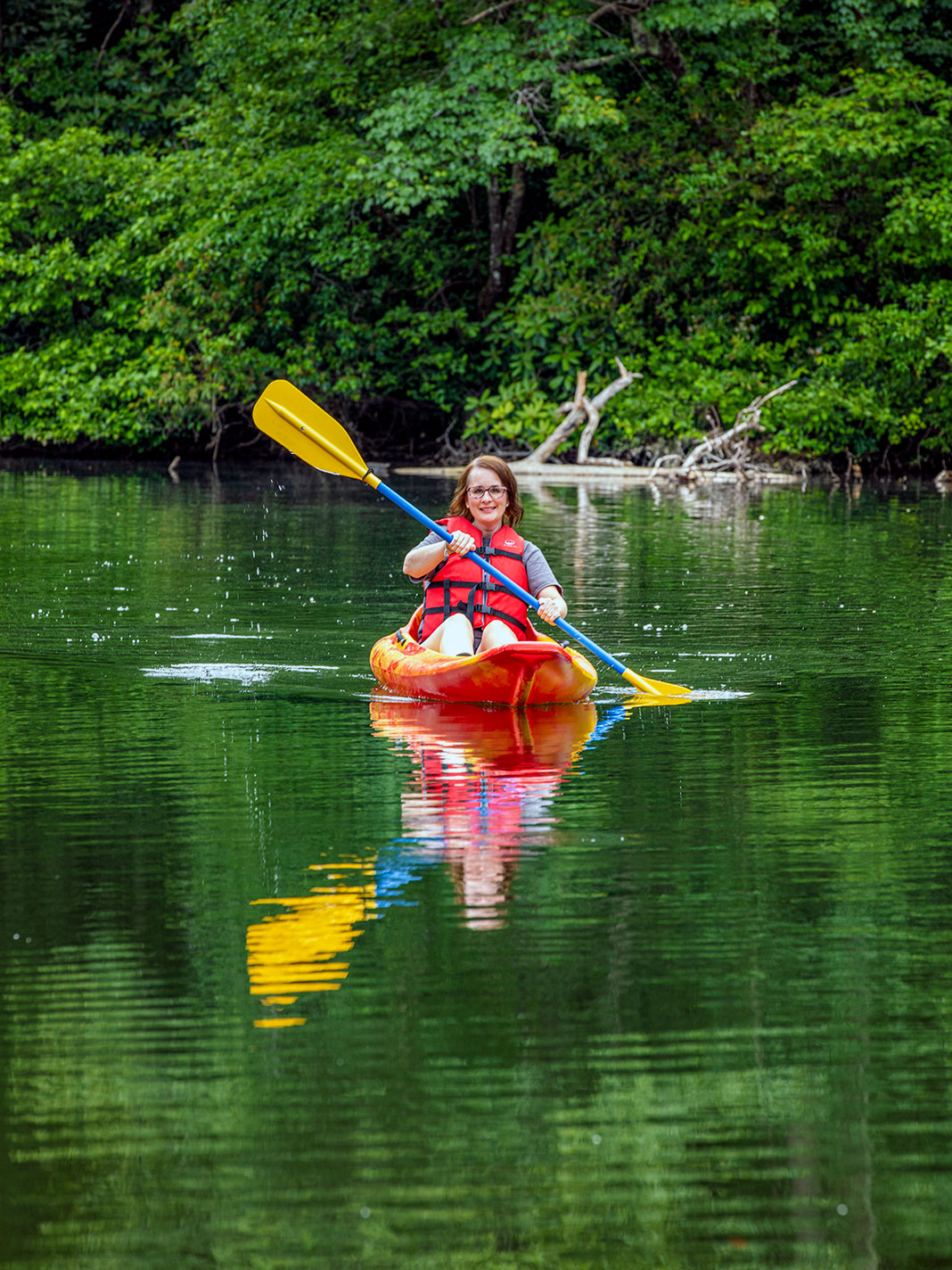
a woman kayaking in front of green trees
North Alabama is an outdoor adventure playground. | Photo courtesy of: North Alabama

Pursue plentiful largemouth, smallmouth and spotted bass, or chase crappie and channel catfish in the lakes and sloughs of Bear Creek and the Tennessee River system. Enjoy explosive bass fishing on legendary Lake Guntersville or head to Weiss Lake, known as the “Crappie Capital of the World.” Whether you’re stalking lunker smallmouth on Pickwick Lake or looking to trick a trophy striper on Lewis Smith Lake, North Alabama’s seasoned fishing guides and outfitters can help put you on the fish.

Find outfitters, accommodations and guide services at North Alabama, or join the Alabama Bass Trail and discover even more of the state’s best bass fishing lakes.

5 It’s an outdoor adventure playground

Embrace adventure in the natural outdoor playground of North Alabama, where you can spend the day hiking, mountain biking, canoeing, kayaking, horseback riding, rock climbing, caving, rappelling, zip lining or enjoying a refreshing swim at a waterfall. Whether you are looking for an epic adventure, or just want to soak up the natural beauty, there is an unforgettable outdoor experience close at hand.

For a thrilling underground adventure, explore the miracle mile at Rickwood Caverns State Park, or see the stalagmite forest and more spectacular limestone formations at majestic Cathedral Caverns State Park. For rocks you can climb, scale the sandstone cliffs at Little River Canyon, Hurricane Creek Gorge in Cullman or Cherokee Rock Village in Leesburg. Then head to beautiful Bankhead National Forest to hike, camp, swim in waterfalls and paddle the Sipsey Fork—Alabama’s only national Wild & Scenic River.

Hungry for more? Lookout Mountain boasts the ultimate guided outdoor adventure sampler with True Adventure Sports.
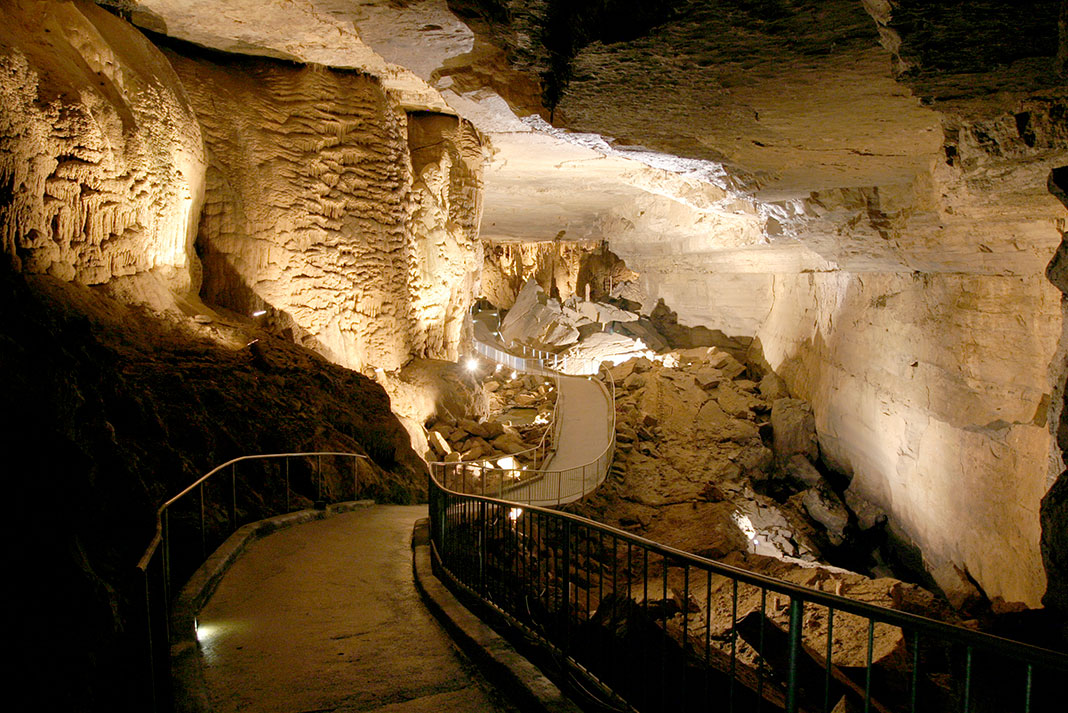
Interior of a cavern, with cement walkway
Take a tour of Cathedral Caverns, one of North Alabama’s many exciting state parks. | Photo courtesy of: Outdoor Alabama

6 So many state parks

Alabama is home to 21 state parks, which protect some 48,000 acres of land and water from the mountains to the Gulf. You’ll find seven of the most beautiful state parks right here in North Alabama, offering every imaginable activity from hiking, picnicking, fishing and wildlife viewing to paddling, camping, climbing and exploring underground caverns.

Base yourself at Buck’s Pocket State Park or Lake Guntersville State Park to paddle and fish hidden tributaries tucked around the shores of this vast lake. You could easily spend a week exploring everything this 6,000-acre park has to offer, including an amazing zip line course, bald eagle viewing trips (in winter), camping, lodging and so much more.
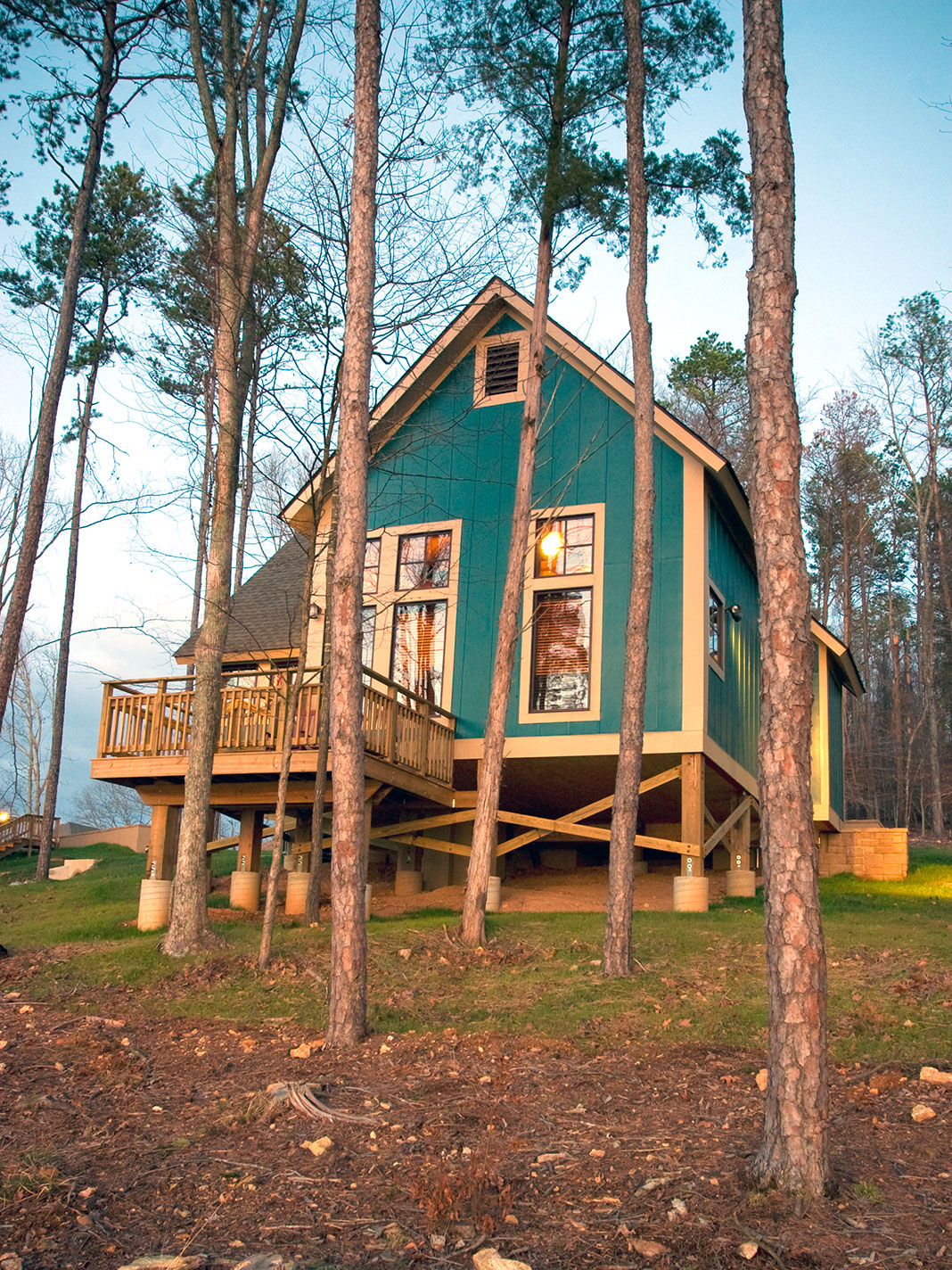
Small, blue cabin stands behind trees.
Find cozy accommodations at Joe Wheeler State Park. | Photo courtesy of: Outdoor Alabama

DeSoto State Park is another must-visit for outdoor enthusiasts. Perched atop Lookout Mountain, the park boasts rushing waterfalls, fragrant wildflowers, kayaking, camping, rustic cabins, and more than 30 miles of hiking and biking trails. Monte Sano State Park and Joe Wheeler State Park offer two very different outdoor resort experiences: the former atop a stunning mountain, and the latter beside the shores of wildlife-rich Wheeler Lake.

For an experience you’ll never forget, head underground at Cathedral Caverns or Rickwood Caverns state parks. Discover vast chambers filled with mind-blowing limestone sculptures, blind cave fish, 260-million-year-old fossils and a frozen waterfall—just don’t forget to bring a light and your camera!

7 Amazing accommodations

North Alabama has an incredible variety of accommodations to suit every taste and budget. Whether you want to escape from the hustle and bustle for a few days at a mountain resort, are looking for a cozy cabin with a view or simply want to camp out under the stars, it is easy to find the perfect fit.

From primitive camping and RV sites to log cabins and luxury lodges, Alabama state parks offer the full range of accommodation experiences. You’ll also find many more options close to prime outdoor attractions. Discover charming mountain retreats, relaxing lakefront resorts and stunning vacation rentals with all the comforts of home.

Want to learn more about visiting North Alabama?

Stay inspired with the Unexpected Adventures in North Alabama podcast, which takes a deeper dive into the amazing places and things to do in North Alabama you might not know about. It’s available on Spotify, Amazon Music and just about anywhere you listen to podcasts.

North Alabama has a reputation for its pristine waterways and untouched wilderness; help preserve these irreplaceable natural treasures by traveling responsibly. The Leave No Trace Center for Outdoor Ethics outlines seven principles you can follow to ensure you are being a good steward of Alabama’s beautiful outdoors.


 

Recreational Kayak Review: Sun Dolphin Aruba 10

The Sun Dolphin Aruba 10 kayak is a discount-priced rec boat that’s made in the USA and conveniently available at big-box stores. Check out the Aruba 10 if you’re looking for a small, lightweight, beginner-friendly kayak that won’t break the bank.

Our Sun Dolphin Aruba 10 review provides all the details on this compact, easy to paddle kayak with minimal outfitting.

On the water with Sun Dolphin’s Aruba 10

Sun Dolphin Aruba 10 Specs
Length: 9’7” / 2.92 m
Width: 29” / 74 cm
Cockpit: 38.5” × 18.5” /
98 cm × 47 cm
Weight: 40 lbs / 18 kg
Capacity: 250 lbs / 113 kg
MSRP: $200–300

Performance

The paddling performance of the Sun Dolphin Aruba 10 kayak is similar to other small rec boats, with modest speed and outstanding maneuverability and stability. Don’t expect to win any races in this 10-foot, pumpkinseed-shaped kayak.

However, that compact size means the Sun Dolphin Aruba 10 kayak will turn on a dime; this great turning ability makes the Aruba 10 a great choice for slow-moving river paddling and exploring all the nooks and crannies of sheltered shorelines. The Sun Dolphin Aruba 10 weight limit is 250 pounds.

Market and demographics

The Sun Dolphin Aruba 10 kayak is clearly best for occasional paddlers and those looking for an introduction to kayaking at a reasonable price. The Aruba 10, and other recreational boats, are ideal for paddling on flatwater, smooth-flowing rivers and cottage lakes. Using the Sun Dolphin Aruba 10 as a fishing kayak is another great option, especially if you’re an angler on a tight budget looking for an easy way to access out-of-the-way fishing holes.

At this price point don’t expect all the bells and whistles of a premium angling kayak, but the Sun Dolphin Aruba 10 performs admirably and can be easily modified with accessories and custom DIY upgrades to improve its performance and comfort.

Comfort

Perhaps the greatest downside of the Sun Dolphin Aruba 10 kayak is its bare-bones outfitting, which some testers identified as lacking comfort. The seat and thigh supports feature minimal padding (handy users can add custom closed-cell foam pads to both areas using a contact adhesive) and some reviewers indicated that the foot rests were hard to reach.

The discontinued Sun Dolphin Aruba 10 SS kayak was essentially the same boat but with enhanced comfort features. If out-of-the-box comfort is important, check out the longer Sun Dolphin Aruba 12 SS kayak.

About the Sun Dolphin Aruba 10

Design

Design features and details

The first thing you notice when paddling the Sun Dolphin Aruba 10 kayak is a reassuring sense of stability, owing to its flat bottom. Reasonably sharp bow and stern entry lines allow the Aruba 10 to slice through the water with minimal noise, making it a good choice for observing wildlife on sheltered water.

The symmetrical design allows it to handle predictably for beginners. The large cockpit is easy to enter and exit for most paddlers; the Sun Dolphin Aruba 10 kayak strikes a good balance between achieving the water-shedding security of a decked kayak, without feeling confining for first-time paddlers.

Material and construction

The Sun Dolphin Aruba 10 kayak is made in the USA of Fortiflex high-density polyethylene, a durable plastic material that’s highly resistant to impacts, abrasion and UV damage. This type of rotomolded plastic is perfect for those looking for a no-maintenance kayak that can be left outdoors during the paddling season.

The material flexes to absorb impacts and regains its shape after hard hits. With such great durability you may wonder how much does a Sun Dolphin Aruba 10 kayak weigh? The specs indicate a very reasonable 40 pounds, making it a good choice for car-topping.

Sun Dolphin Aruba 10 kayak accessories and outfitting

The main advantage of a sit-inside kayak like the Sun Dolphin Aruba 10 compared to a sit-on-top kayak is the ability to add a sprayskirt for greater paddling comfort in cool conditions. A Sun Dolphin kayak Aruba 10 sprayskirt is available from Extent Paddle Gear and other accessory manufacturers. A nylon sprayskirt offers shelter from the sun, rain, cold weather and spray, yet also remains comfortable in warm conditions and is safe and easy to enter and exit.

A similar accessory is the Sun Dolphin Aruba 10 kayak cockpit cover, which keeps moisture and creepy-crawlies out of the cockpit when your kayak is in transportation or storage.

Common replacement parts, such as the Sun Dolphin Aruba 10 drain plug, are available from the manufacturer. There are many easy upgrade options when it comes to installing a seat cushion, ranging from simple DIY self-adhesive kayak seat pads to using a removable piece of closed-cell foam, such as a garden kneeling mat.

Be sure to test any modifications in a controlled setting in case adding padding to the seat changes the center of balance and stability of your kayak. The following section covers popular Sun Dolphin Aruba 10 kayak modifications.

Sun Dolphin Aruba 10 ft kayak modifications

Implementing some quick and easy modifications will improve your paddling experience on the Sun Dolphin Aruba 10. Kayak anglers love to customize their rides and the basic  Aruba 10 offers a blank canvas to design your perfect fishing kayak. Popular (and practical) Sun Dolphin Aruba 10 fishing mods include installing aftermarket rod holders and upgrading the standard deck bungees to improve on-deck storage.

A sit-inside kayak like the Sun Dolphin Aruba 10 offers less deck space for fishing mods than a comparable-length sit-on-top, but the large cockpit provides space to install small tackle holders, drink holders and other convenient accessories.

Another great modification is a Sun Dolphin Aruba 10 seat upgrade. Your easiest solution to add padding to the basic plastic seat is to cut and shape a custom cushion from closed-cell foam, which can be removed from the kayak. Depending on your body type, a simple foam gardening pad is another good seat upgrade. You may also use contact adhesive to glue the foam into the seat, but be aware that this may void the kayak’s warranty.

Check out paddlesport retailers for other seat upgrades, such as self-adhesive pads and aftermarket back-support bands.

Wear A Life Jacket
  • Everyone, even strong swimmers, needs to wear a life jacket at all times when on the water. It is extremely difficult to put a life jacket on once you fall into the water. Even a light wind can blow any paddlecraft away from you, faster than you can swim.
  • Always wear a USCG-approved Level 70 or Type III life jacket designed for paddling.

Warranty

The Sun Dolphin Aruba 10 comes with a limited lifetime warranty for the original owner that covers manufacturing defects. You must register your new Aruba 10 kayak with the manufacturer online within 30 days of purchase to validate the warranty.

Storage

Dry storage is a key attribute of sit-inside kayaks like the Sun Dolphin Aruba 10 kayak. The Aruba 10 features a stern storage compartment that affords plenty of room for day gear and a picnic lunch. Note that the hatch is not separated from the rest of the hull by a bulkhead (or interior wall) and is therefore not watertight. Be sure to pack your gear in sturdy dry bags to protect it from any water that may trickle into the storage area from the kayak’s cockpit.

How it compares

The Sun Dolphin Aruba 10 isn’t your only option when it comes to buying a beginner kayak. There’s plenty of competition in the area of recreational kayaks. Here’s how the Sun Dolphin Aruba 10 compares with other popular boats.

  • Pelican Trailblazer 100 NXT kayak vs Sun Dolphin Aruba 10

    The Pelican Trailblazer 100 NXT kayak is available exclusively in the United States. It features similar specs to the Sun Dolphin Aruba 10 kayak, with a slightly longer overall length and one inch narrower. Unlike the Aruba 10, the Trailblazer 100 NXT has an open storage area on the back deck (compared to the Sun Dolphin’s hatch-covered compartment).

    The Pelican Trailblazer 100 NXT is about double the price and comes with more comfortable outfitting, including an ergonomic padded seat. Choose the Trailblazer 100 NXT over the Aruba 10 if you are serious about spending time on the water and want a kayak with all-day comfort.

  • Pelican Argo 100 vs Sun Dolphin Aruba 10

    The Pelican Argo 100 is another kayak with specifications similar to the Sun Dolphin Aruba 10. The Argo 100 has the same overall dimensions as the Pelican Trailblazer 100 NXT, with a weight limit of 275 pounds (compared to the Aruba 10’s weight limit of 250 pounds). The Argo 100 boasts comfortable seating, hatch-covered storage in the bow and an open storage well in the stern. It’s only available in U.S. stores.

  • Sun Dolphin Aruba 10 vs Phoenix

    If you’re looking for a bit more length (and glide while paddling) and a more comfortable seat, consider the Sun Dolphin Phoenix. This recreational kayak measures 10 feet, four inches long and includes better outfitting than the Sun Dolphin Aruba 10. It’s also slightly wider at 32 inches and has a rubber hatch for storage in the stern of the boat. The flat bottom and hard-chine design (“chines” describe the area where the sides of the kayak meet the bottom) makes it maneuverable yet also stable.

  • Sun Dolphin Aruba 10 vs Aruba 10 SS

    The Sun Dolphin Aruba 10 SS is the upscale version of the base model Aruba 10. Key additions include a removable stern deck pod that provides dry storage and a more supportive back rest. Among a few other creature comforts you’ll also find an electronics console on the front deck. The Aruba 10 SS weighs in at 44 pounds, compared to the 40-pound Aruba 10 kayak.

  • Sun Dolphin Trek vs Aruba 10

    The Sun Dolphin Trek has the exact same specifications, design features and paddling performance as the Sun Dolphin Aruba 10, only it is available at a different array of big-box retailers in the United States.

  • Sun Dolphin Aruba 10 vs Pelican Summit 100

    The Pelican Summit 100 is another good choice for a budget-priced, entry-level recreational kayak. Like the Sun Dolphin Aruba 10, it’s easy to enter and exit and extremely stable, meant for paddling in calm, sheltered-water areas. The Summit 100 has an open stern deck storage well and benefits from Pelican’s twin-arched hull, which makes it more efficient to paddle (by reducing drag) and lighter weight at 36 pounds.

    The more advanced design and upgraded outfitting mean the Pelican Summit 100 is considerably more expensive than the Sun Dolphin Aruba 10. Choose the Summit 100 if you are serious about spending time on the water and want a kayak with all-day comfort.

  • Sun Dolphin Aruba 10 vs Lifetime Lancer

    Another kayak comparable to the Sun Dolphin Aruba 10 is the Lifetime Lancer. The boats’ specs are nearly identical, with the Lifetime Lancer affording space for a slightly larger paddler (with a maximum capacity of 275 pounds). Check out the Lifetime Lancer if you’re looking for upgraded outfitting and comfort features, including a nicely padded seat, right out of the box.

  • Sun Dolphin Aruba 10 vs 12

    In general, a longer kayak will glide better than a shorter one—so check out the Sun Dolphin Aruba 12 kayak if you’re looking for a bit more efficiency on the water. Of course, all things being equal, a 12-foot kayak like the Sun Dolphin Aruba 12 has greater carrying capacity: in this case, a weight limit of 395 pounds (versus 250 pounds for the Aruba 10).

    The Sun Dolphin Aruba 12 is simply a more advanced kayak than the Aruba 10, with enough space to pack gear and food for an overnight trip and better overall paddling performance and upgraded outfitting. Check it out if you plan to stick with kayaking and go beyond short outings at the beach.

Stay Clear Of All Other Vessels
  • Know the “Rules of the Road” Navigation Rules that govern all boat traffic and stay out of the way of all other vessels.
  • Never assume that power boaters can see you. Avoid high-traffic areas whenever possible. Proceed with caution when you can’t avoid paddling near boats. Dress for visibility.
  • Sun Dolphin Aruba 8 vs 10

    At 27 pounds, you’re hard pressed to find a lighter sit-inside kayak than the Sun Dolphin Aruba 8. This potato-shaped kayak is ultra stable and maneuverable—even easier to turn than the Sun Dolphin Aruba 10. More depth and width means it also has a slightly higher weight limit. However, at eight feet in length, the 8 is slower than the Aruba 10 and does not come with a rear storage compartment.

Where to buy Sun Dolphin Aruba 10

The Sun Dolphin Aruba 10 kayak is widely distributed at big box stores and online retail outlets across North America. The following search terms will help you find a kayak at a great price: Sun Dolphin Aruba 10 kayak Walmart; Sun Dolphin Aruba 10 Amazon; and Sun Dolphin Aruba 10 Dunham’s Sports.

In Canada, you can buy a new Sun Dolphin Aruba 10 kayak at Canadian Tire. Of course, such wide distribution means used Sun Dolphin Aruba 10 kayaks are abundant on platforms like Craigslist, Facebook Marketplace and Kijiji.

Pros and cons

Pros

  • Cheap, entry-level boat that will allow you to paddle gentle rivers and quiet lakes
  • Great stability
  • Large cockpit that’s easy to enter and exit
  • Compact hull that beginners will find comfortable to handle on the water
  • Solid choice for anglers with a tight budget

Cons

  • Basic seat that lacks padding
  • No thigh supports
  • No foot rests

Related articles

Sun Dolphin kayak reviews

Walmart kayak reviews

Carry A Waterproof VHF Radio, Use Your Phone Only As A Backup
  • A handheld VHF marine band radio allows you to communicate with the Coast Guard and other boat traffic. Use Channel 16 only for hailing and emergencies. The radio should be waterproof, because it is virtually certain to get wet.
  • A cell phone, even if in a waterproof case or sealable bag, might not work, so don’t rely on it as the primary means of emergency communication.

Beginner recreational kayak reviews

SEE ALL KAYAK REVIEWS


9 Reasons Wakasa Bay Is The Best Place To Kayak In Japan

mountaintop view of the Wakasa Bay area of Honshu Island, Japan
Feature photo: Nozomi Deguchi

Taking a look at Japan on Google Maps, you have to zoom way in—then zoom in again before the town of Wakasa will appear on your screen. Fitting, considering a visit to this dot on the map will give you a more detailed and personal look at Japanese life outside the city centers. It’s no secret that more authentic experiences are to be had the more off the beaten path you go. And that’s exactly what’s on offer in Wakasa, tucked in an unassuming bay within Wakasa Bay on the Sea of Japan.

Huddled along the shore are five interconnected lakes: the Mikata Five Lakes. These, along with the intricate coastline, gave birth to the culture of traveling by boat in the Wakasa area. The few remaining boathouses show how people lived, relying on their vessels to carry them to their farmland. Some of these boathouses were in use as recently as 40 years ago, though there’s evidence of humans inhabiting the area since the Jōmon period (14,000–300 BCE). It’s only natural, then, to take to the water while you are here—to follow in the wake of those who shaped the area, and see the landscape from their perspective.

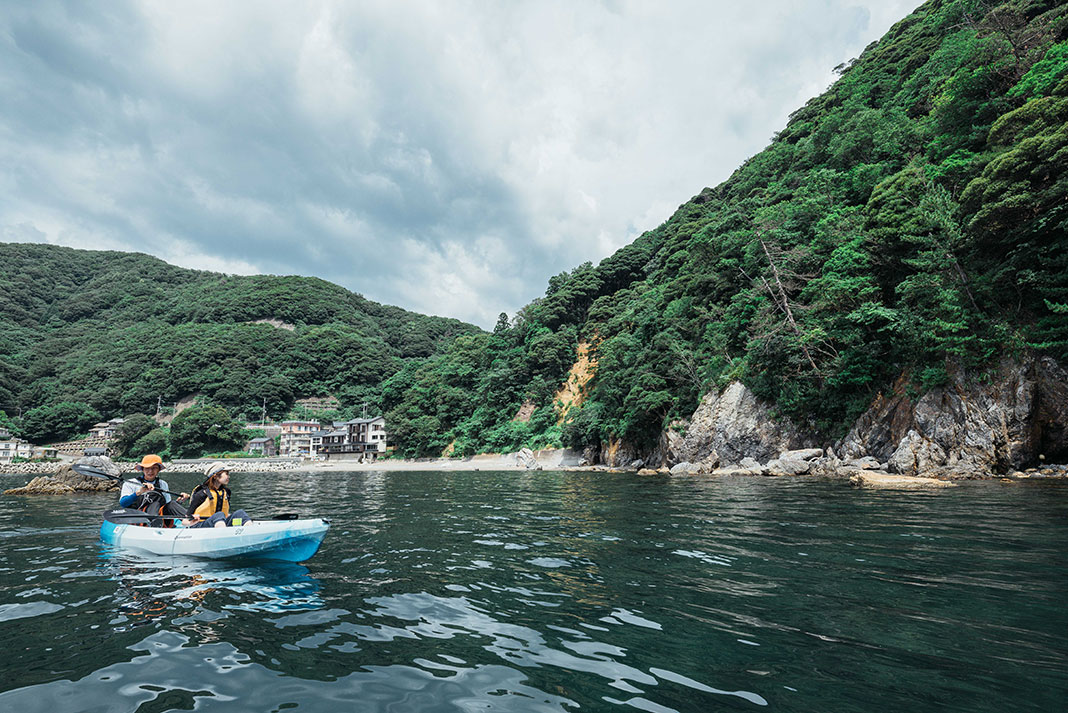
Plus it’s a dazzling place to explore. Mikata Five Lakes is the collective name for Lake Mikata, Suigetsu, Suga, Kugushi and Hiruga. Each of the lakes have different depths and salinities, creating different color tones and earning them the nickname the Five-Color Lakes. Picture sparkling gemstones nestled among verdant, rolling hills. Now picture yourself skimming across them, paddle in hand.

Paddling tours in the area are offered by Asoboya, a company that runs out of the Pamco Hotel.

Tours are held on Wakasa Bay and the Mikata Five Lakes, with a variety of experiences available on both, depending on season, time of day and your preferred trip length. Choose between endless horizon or 360-degree mountains, the unpredictability of coastal environments or the security of sheltered waters, true seclusion or cultural immersion. And that’s just the beginning.

What other experiences await on these paddling excursions? Find out why you can’t miss kayaking in Wakasa below.

[ View all paddling adventures in Japan in the Paddling Trip Guide ]

You can get underwater views on a clear kayak

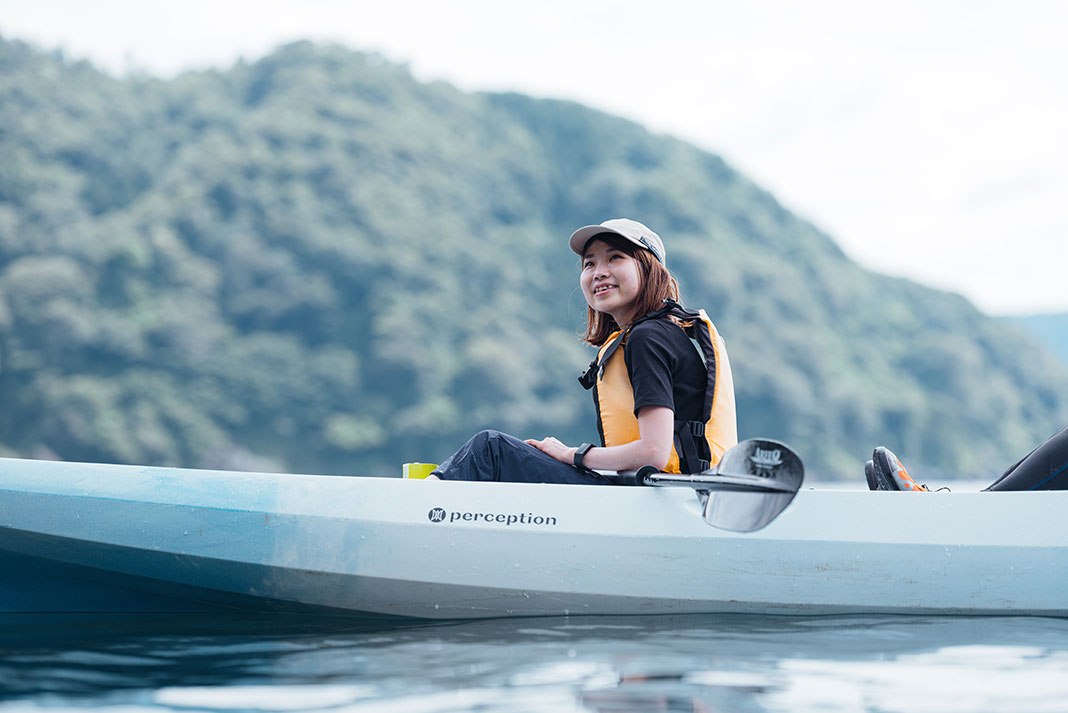
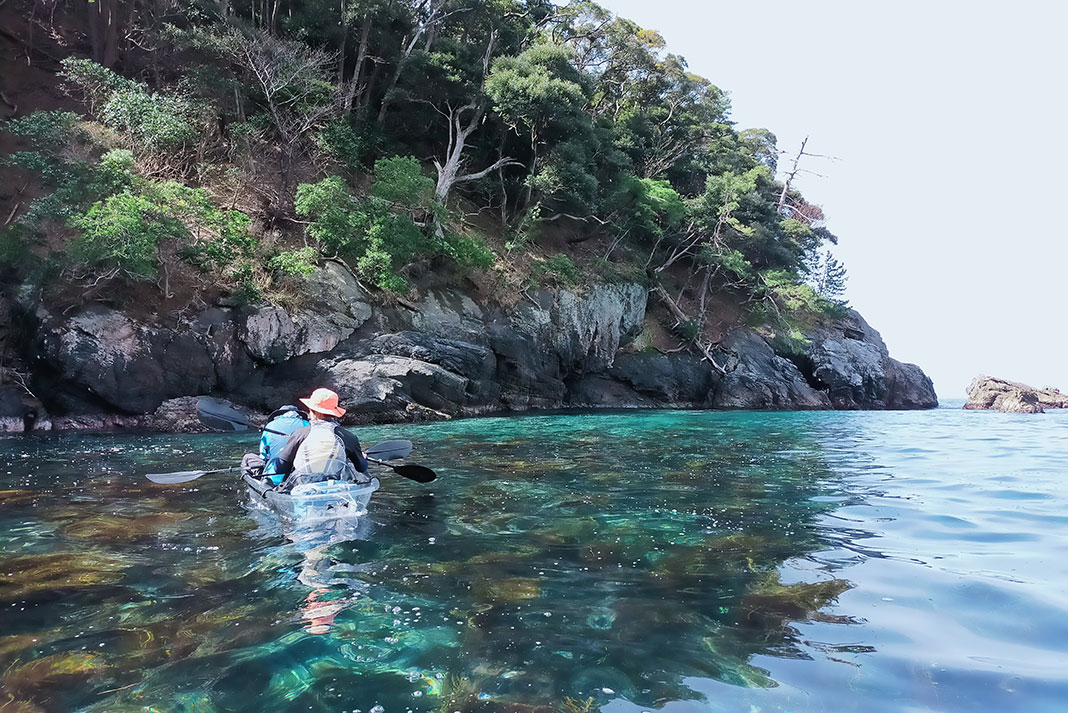
Wakasa Bay is home to some of the clearest waters along the Sea of Japan coast. Get the full experience of the area not just by looking around you, but by peering into the depths. On a clear kayak you’ll feel like you are truly at one with the water, and will be able to gaze below you at the vibrant marine life.

people on a clear kayak paddling tour in Japan look at scenery
A clear kayak is the best way to enjoy some of the clearest waters along the Sea of Japan coast. | Photo: Courtesy of Asoboya

Asoboya’s Clear Kayak Tours are three hours in length and run from the end of April until the end of September. Also on the itinerary are a stop at a secluded beach, snorkeling and underwater fishing—a unique kind of fishing where participants wear snorkeling gear and hold the fishing line with their hand, the former allowing them to see the fish interacting with their bait and the latter enabling them to easily manipulate their tackle in response.

Where to stay

Stay onsite at the Pamco hotel for easy access to their sea kayaking tours.

Where to eat

Visit the Drive-In Yoshida for their squid bowl, a popular dish in the Wakasa area.

How to get there

It takes 3.5 hours to get to Wakasa from Tokyo. The Shinkansen, or “bullet train,” is scheduled to be extended to the town of Fukui, an hour up the coast from Wakasa, in 2025. From Osaka it takes 1.5 hours by train. From Kyoto it takes about an hour by train.

Paddling season

The paddling season is typically from April to November.

You can paddle among the cherry blossoms

Each spring, millions of people from around the world travel to Japan with the express purpose of viewing the cherry blossoms in bloom—an activity that’s referred to as hanami. There are more than 600 places throughout the country where you can view cherry blossoms, with most people descending on parks, temples and shrines in the big cities of Tokyo, Nagoya and Osaka. If you want to escape the crowds, however, and experience the beauty of cherry blossoms in a unique way, take a kayak tour on the Mikata Five Lakes.

Cherry Blossom Kayak Tours typically run in April, but of course depend on when the cherry blossoms are in bloom. They are two hours in length and involve a quiet paddle around Lake Suigetsu—the largest of the lakes—as well as Suga Lake and Kugushi Lake. Take the tour in March for an equally beautiful experience. More than 80,000 plum trees surround the lakes and bloom in red and white each March, peppering the area in a sweet fragrance. Either tour will allow you to drift quietly beneath colorful blossoms, enhancing the natural beauty of the area.

For an even rarer experience, take a Night Cherry Blossom Kayak Tour. These tours only run for eight days a year, typically at the beginning of April. You’ll paddle across the calm waters of Lake Suigetsu in the dark, taking in the magical view of illuminated cherry blossom trees along shore.

You can drink tea on a secluded beach

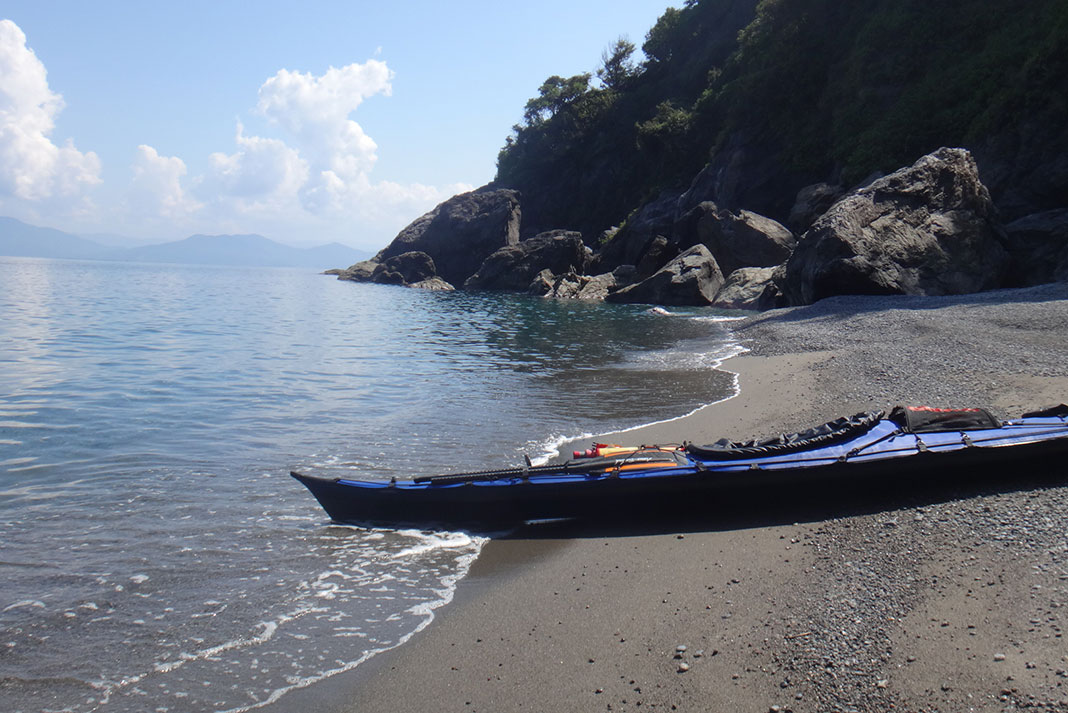
While many kayak tours like to pack in the sights and keep a fast pace, Asoboya believes in giving you space to enjoy the moment. Yes, you’ll cover distance and see some spectacular places along the Wakasa Bay coast, but taking a pause and enjoying the view is built into the itinerary. Partway through the paddle, the group will stop at a secluded beach. Here, your guide will make tea over an open fire or on a campstove for you to sip while taking in the surroundings.

This experience is available on any of the summer, daytime tours Asoboya offers on Wakasa Bay.

You can stargaze in the middle of a lake

Truly amazing stargazing is dependent on two things: a lack of buildings and trees so you can see as much of the sky as possible, and a lack of light pollution so the stars in the sky you do see shine all the more clearly. Taking a Night Kayak Tour on Lake Suigetsu meets both those conditions.

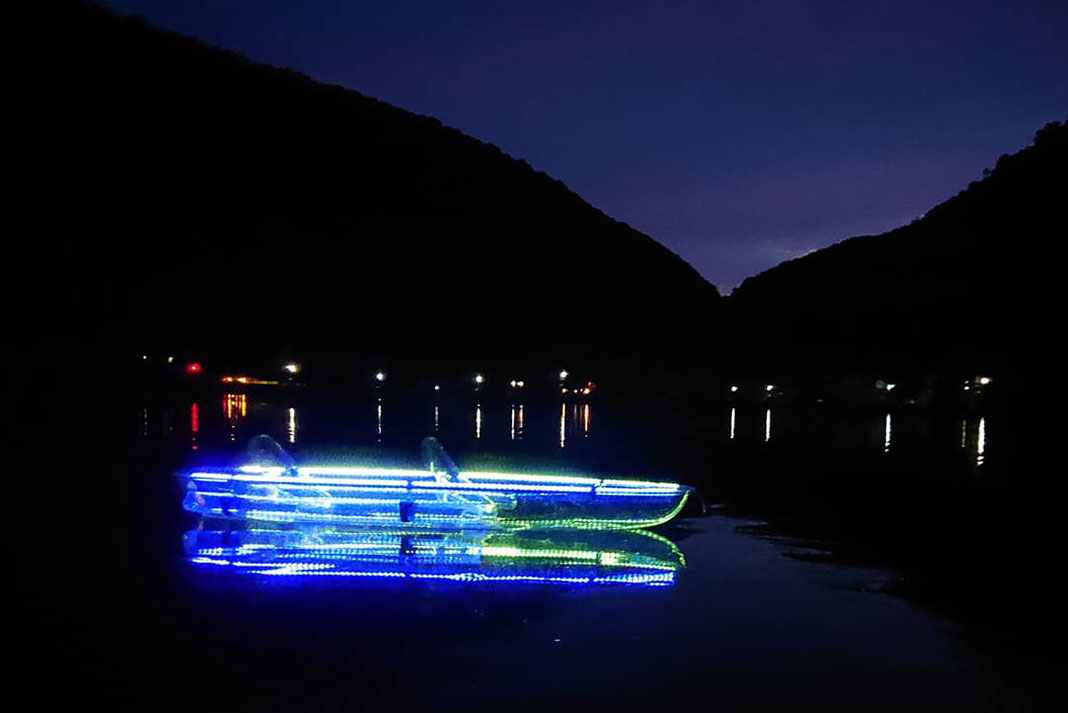
a clear kayak lit up with LED lights in Wakasa Bay, Japan
Take a night kayak tour on Lake Suigetsu for some truly amazing stargazing. | Photo: Courtesy of Asoboya

Paddle clear kayaks lit up with colorful LED lights into the middle of the lake; once there, turn the lights off and tilt your head back. Being away from the shore will give you a totally unobscured view of the night sky and likewise being situated so far outside major cities will make light pollution minimal. What follows is a display of millions of stars twinkling in the velvety, black sky—gaze long enough and you just might see some shooting stars.

Night tours are held on new moon and full moon days—the former providing the best stargazing because there will be no light from the moon blocking out the stars, the latter providing the best paddling as the entire lake will be visible under the light of the moon. Night tours can be arranged on other days as well, upon inquiry.

You can paddle through rock tunnels and visit sea caves

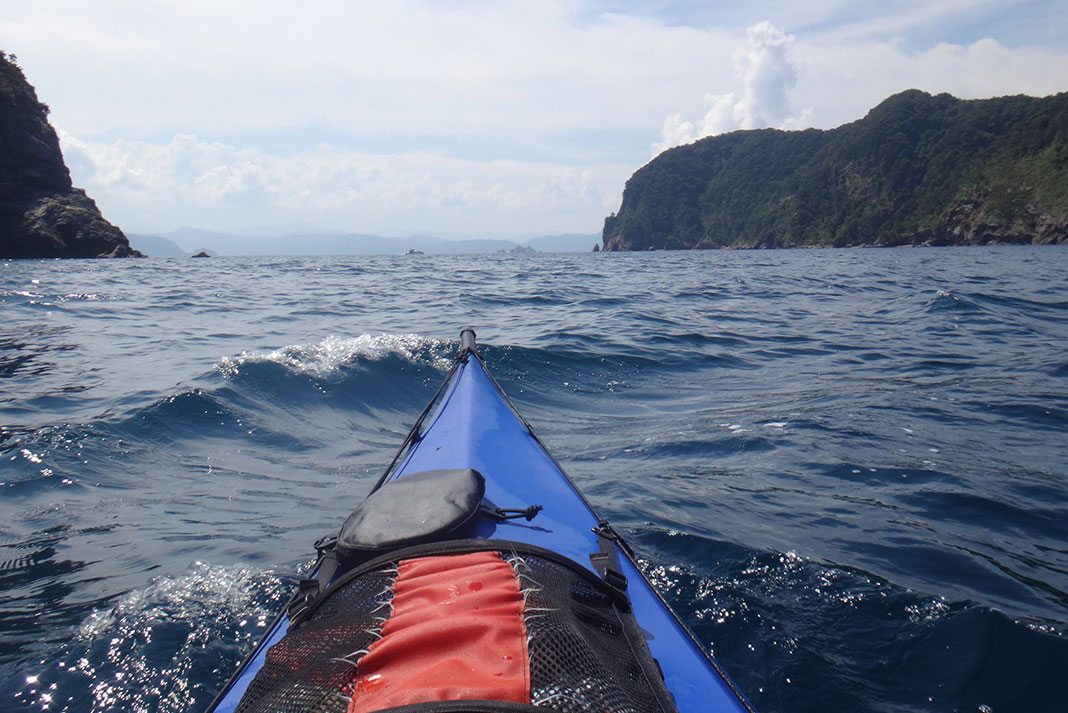
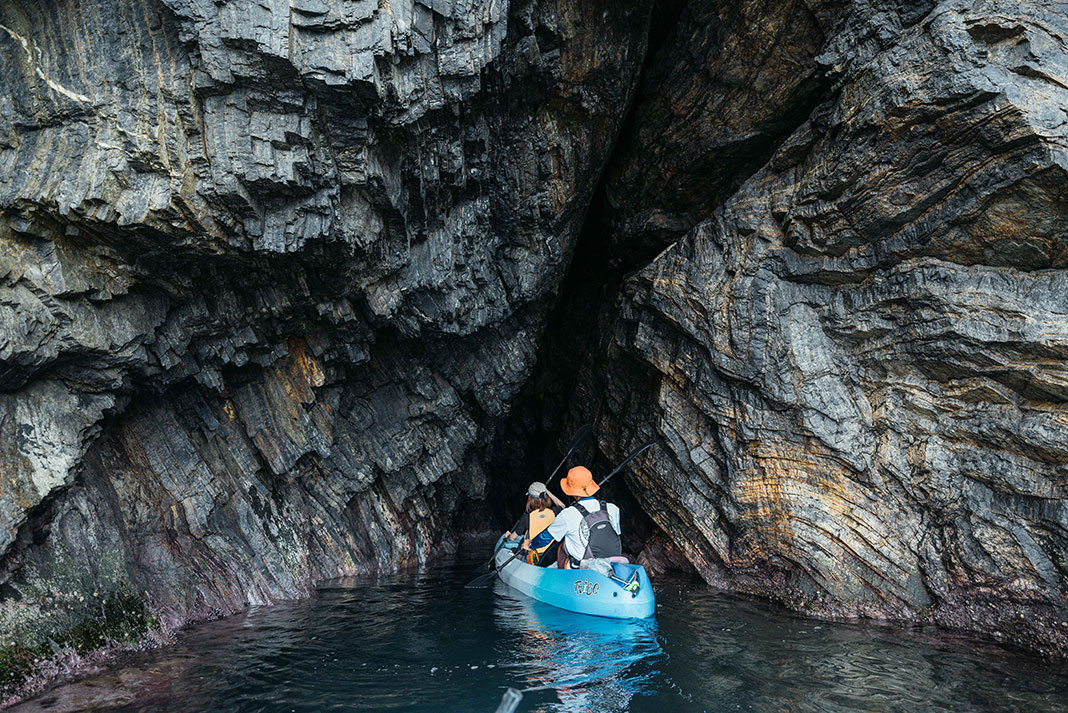
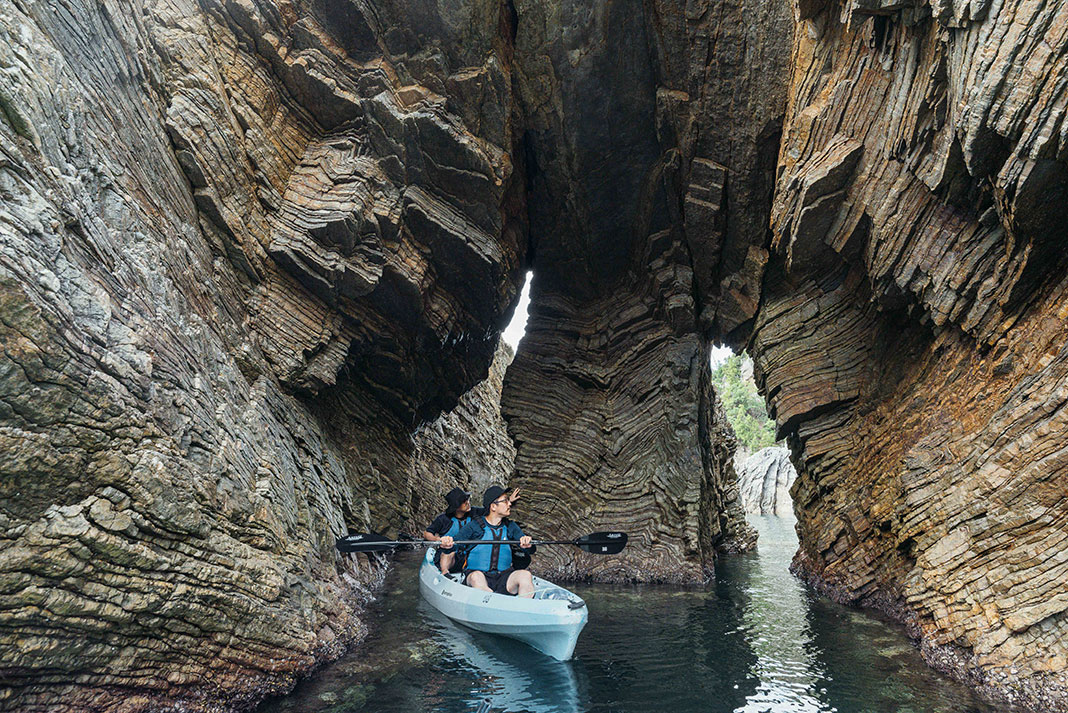
If you aren’t on the lookout as you paddle along the cliffs that line Wakasa Bay, you might miss them. Hidden in the cliff faces are entrances to rock tunnels and caves, carved out by the waves over thousands of years. The rock walls have intricate and unique designs, sculpted by Mother Nature herself. You’ll have the opportunity to paddle inside and through these caves and tunnels while on either of the three- or five-hour kayak tours on Wakasa Bay.

man jumps from a cliff while on a kayaking tour in Wakasa Bay, Japan
Feel the exhilaration of jumping off a cliff high above the water of Wakasa Bay. | Photo: Kazutoshi Hasegawa/HASHU Co., Ltd.

You can go cliff-jumping

Feel the exhilaration of jumping off a cliff high above the water while on a sea kayak tour on Wakasa Bay. Partway through the three- or five-hour tour, you’ll take pause for the chance to scale the rocky shore and cannonball (or whatever aerial technique you so choose) into the crystalline, refreshing waters below.

You can paddle through an autumn wonderland

Fall in Wakasa is a magical time of year, when the leaves change to vibrant reds, yellows and oranges, turning the hillsides into a colorful display that reflects in the calm waters of the Mikata Five Lakes. The color change occurs throughout November and December, making for a beautiful backdrop to a kayaking trip. Take the two-hour kayak tour on Lake Suigetsu, which includes a stint on the Urami River and a break for tea along the shore, the perfect way to warm up on a crisp autumn day.

Explore a jungle

Enter into a world apart when you paddle the Urami River, a waterway connecting lakes Suigetsu and Kugushi. A canopy of low-hanging trees and vines overhead and a narrow path between the banks make paddling the river feel like exploring an ancient jungle. No wonder it’s sometimes referred to as the Wakasa Mangrove. You’ll have the opportunity to paddle the Urami River while on a three-hour kayaking tour that also includes time on the lakes on either end, and occasionally Lake Suga as well.

You can explore an area rich in adventure, history and culture

Miyake Hikouemon Brewery

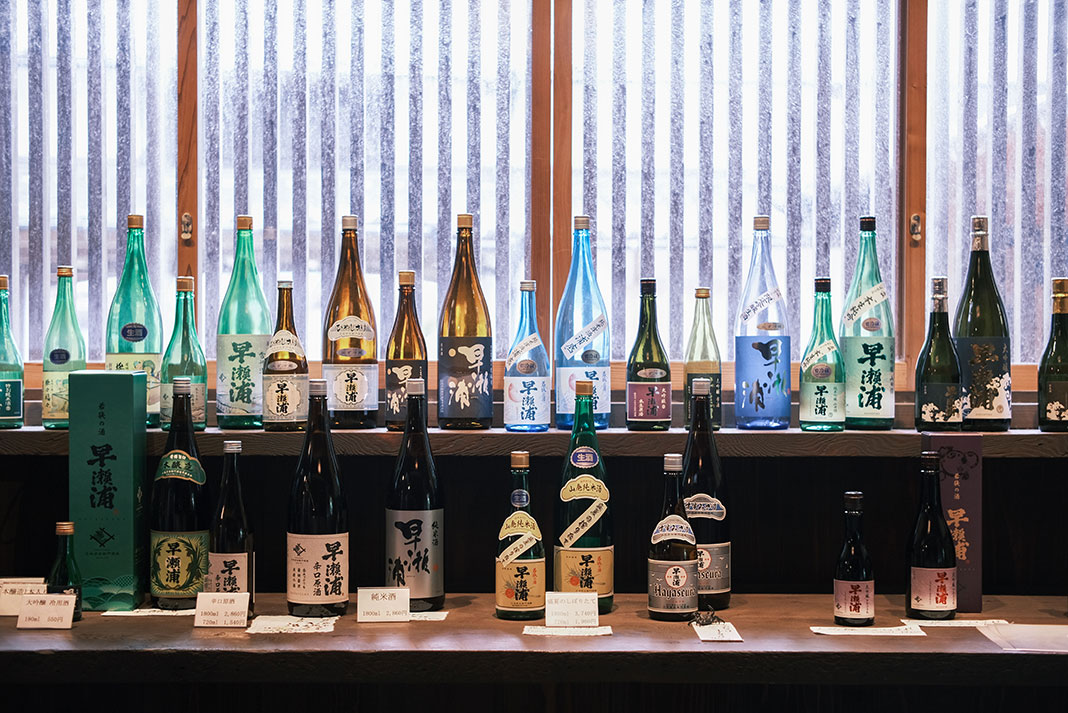
Be sure to stop in at the Miyake Hikouemon Brewery, a sake brewery established 300 years ago. You’ll be able to talk to the 11th-generation owners while sipping on their refined beverage.

Varve Museum

Lake Suigetsu isn’t just a pretty lake—far below the surface is a natural phenomenon that’s of global importance. Sediment that accumulated over 70,000 years formed stripe-like patterns—called varves—on the lake floor. These varves are used to measure the age of other archeological and geological finds, as well as provide clues as to how the climate and environment have changed over time. At the Varve Museum, the 70,000-year-old, 45-meter varve—the world’s longest—is exhibited as stained glass. You can also view other exhibits here that explain the dating process and formation of the varves.

Waterfall climbing

Looking for an adventurous experience that’s unique to Japan? Sawanobori, or “stream climbing” or “shower climbing,” involves climbing and descending waterfalls. Yes, you’re going to get wet. PLUSWild offers tours on some of the most beautiful and wild waterfalls in Japan, giving you the chance to be fully immersed in their majesty.

Suishohama beach in Wakasa Bay, Japan
Wakasa Bay is home to some of the best beaches in Japan. | Photo: Tichakunda Gabi // @tichakundagabi

Surfing

Never tried surfing? Take lessons at Familiar Beach Side Village on Wakasa Bay. They’ll provide you with a two-hour experience. Included in the price are your wetsuit and surfboard, as well as lunch and hot shower after your session.

Beaches

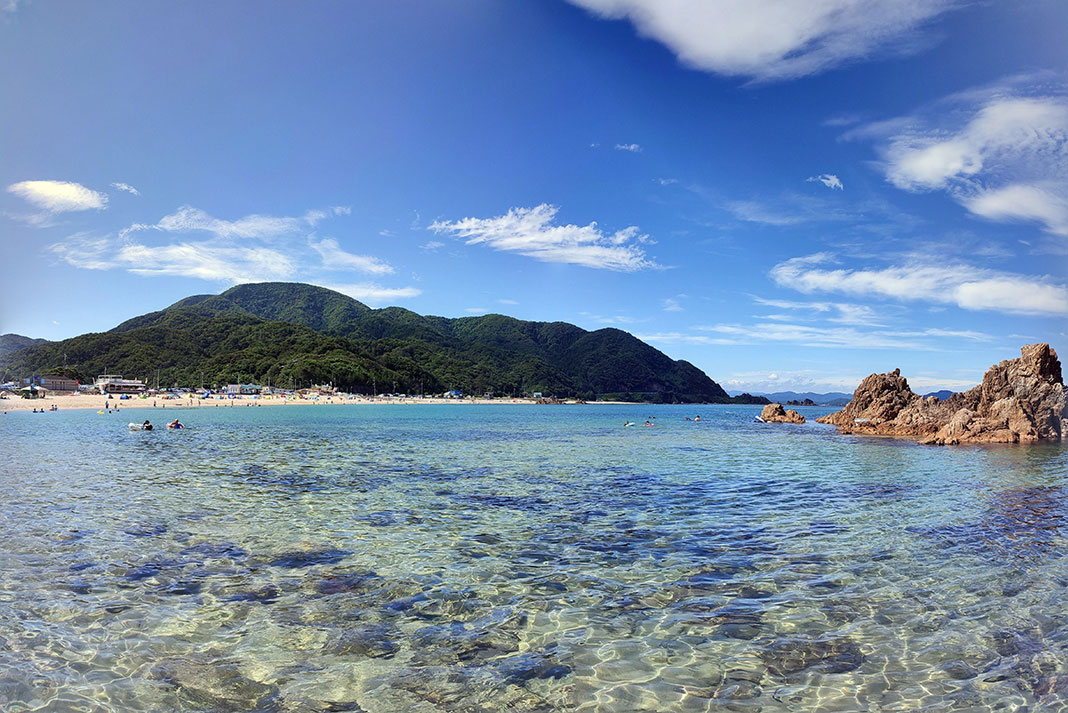
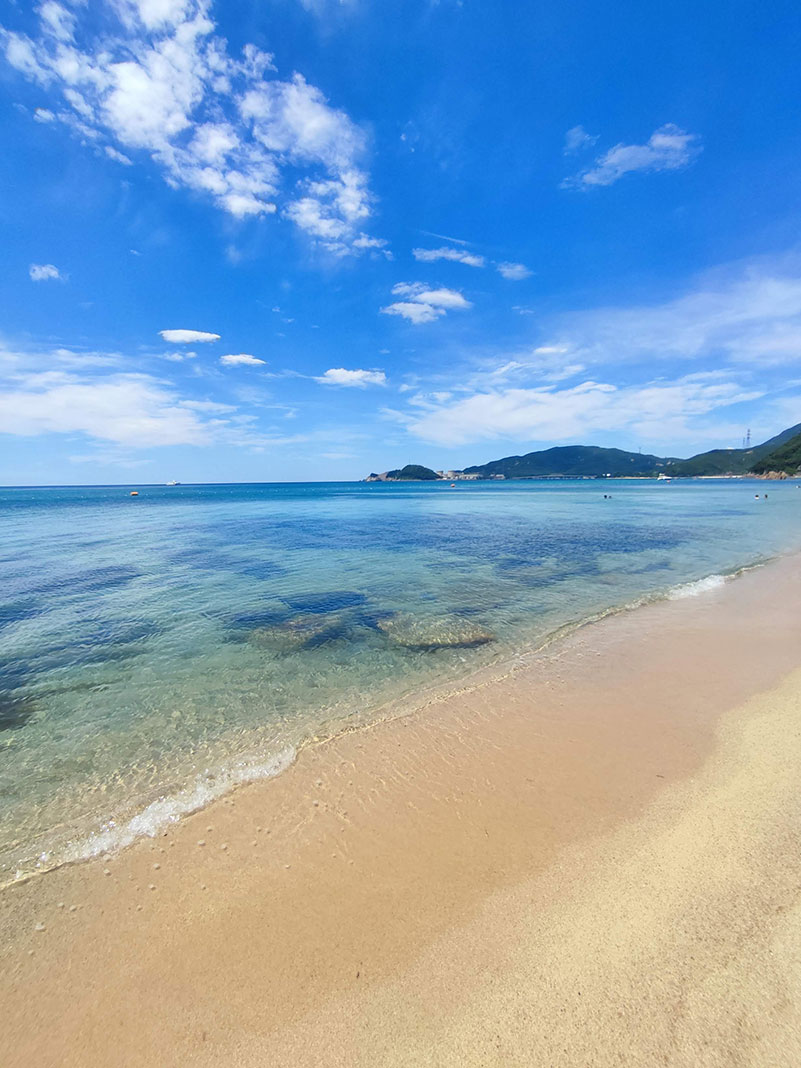
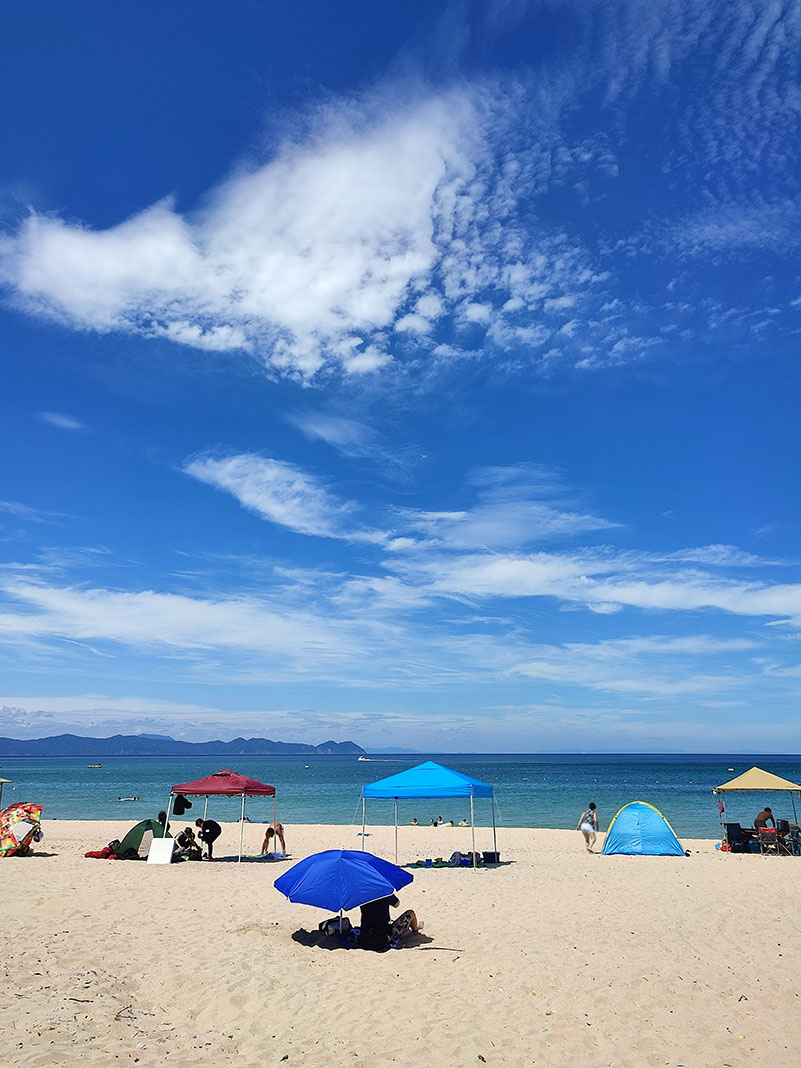
Wakasa Bay is home to some of the best beaches in Japan, the most famous being Wakasa Wada Beach in Takahama. Suishohama Beach in Mihama is also well-known for its clear waters. However, any of the beaches along Wakasa Bay will provide you with crystal-clear waters, idyllic stretches of sand and beautiful views of the hilly shoreline.

Rainbow Line Summit Park

The best view over the Mikata Five Lakes is found at Rainbow Line Summit Park. The Rainbow Line is an 11-kilometer toll road spanning from Mihama to Wakasa, and leading to the base of the cable car that will take you up to Summit Park. From the top, you’ll be able to take in the incredible view, and appreciate why the Mikata Five Lakes are recognized as a wetland of global importance under the Ramsar Convention.


12 Stupidest Questions Asked By Canoe Trippers

asking to play with a brown bear cub, pictured, is one of the stupidest canoe tripping questions
Cute, but not to be trifled with. | Feature photo: Janko Ferlic/Pexels

Outfitters have to be truly patient, knowledgeable and sometimes even psychic to answer their clients’ questions. It turns out there may be some stupid questions after all. Kevin Callan and Conor Mihell compile the best of the worst, the stupidest questions outfitters have heard about canoe tripping.


12 stupidest canoe tripping questions

1 Paging M.C. Escher

“Are there any loops that are
downstream the whole way?”

An easier journey is an understandable goal for novice canoe-trippers, but outfitters can’t bend the laws of physics. If you want a downstream paddle, look into a linear route with shuttle service to take you back to your vehicle.


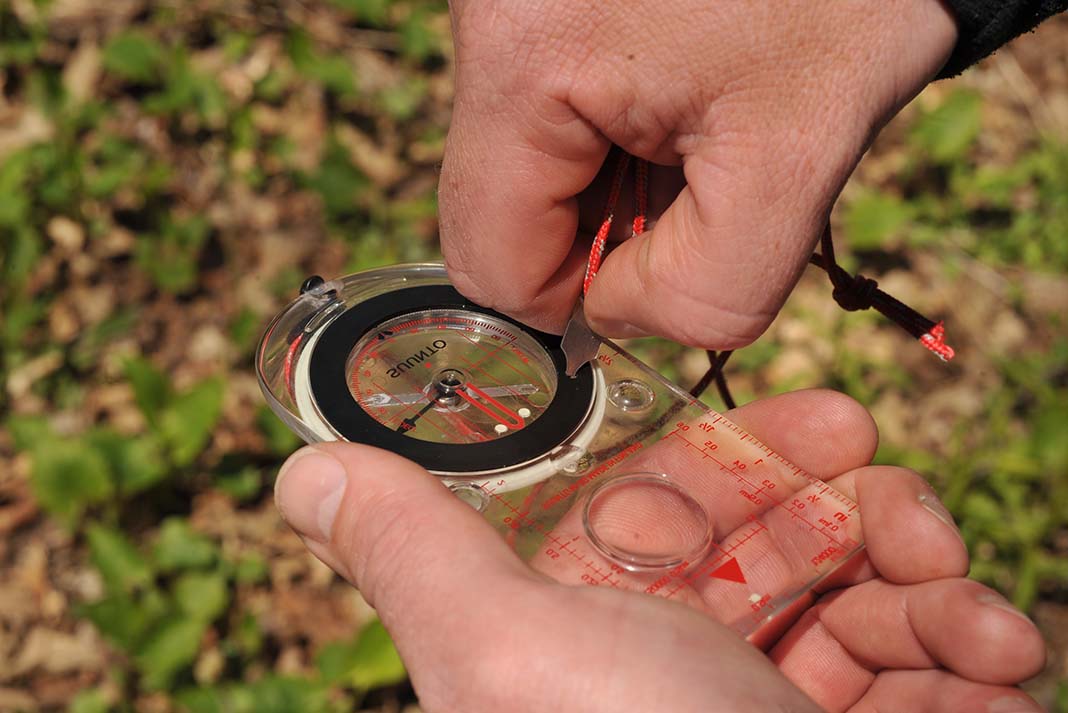
person adjusts the declination a compass
Never get lost again with these essential navigation skills. | Photo: Virginia Marshall

2 Deep thoughts

“How will I know if I’m lost?”

The problem is, at least at first, you don’t. Being lost often presents itself as a nagging suspicion, followed by more concrete signs like missed landmarks, unexpected terrain and sometimes even circling back on the same location. To avoid getting lost, your best bet is to learn how to effectively use a map and compass.


3 Into the unknown

“Are there any undiscovered
lakes in the park?”

On a canoe trip, the important thing is that you are discovering the lakes for the first time. But no judgment if you need to invent some fantastic voyageur scenario to motivate yourself to get through the next portage. Speaking of which…


4 An ear for languages

“What’s a portage called in French?”

Sometimes you know more than you think you do. Let’s leave it at that.


5 Superior intellect

“Does the lake have a name?”

—A park visitor asks while pointing to Lake
Superior, the largest freshwater lake in the world.

It really pays to do some basic research about a body of water before you attempt to paddle it. Setting aside safety concerns, at the very least you’ll avoid embarrassing yourself in front of the locals.

[ Plan your next Great Lakes canoeing adventure with the Paddling Trip Guide ]

Black Deer Lying on Plants Near Green Trees during Daytime
Wildlife viewing always involves an element of luck. | Photo: Pexels

6 No guarantees

“Is there any sort of refund
if we don’t see a moose?”

Wild animals don’t plan their days according to our schedule, so even the most experienced guide can’t guarantee what you’ll see. But it is just this timeless nature that makes it so worthwhile to travel through the backcountry.


7 Bear necessities

“Do the pins on the map
mark the best spots to camp?”

—A park visitor asks about Quetico Provincial
Park’s map of bear encounters.

Some wildlife encounters are better off avoided for everyone’s sake. Canoe-trippers should know how to bear-proof their campsites before hitting the backcountry. Most outfitters and parks post information on bear safety (as evidenced above), so make sure you consult these resources where available.


8 Eye of the beholder

“How far do we have to canoe from the base in order to reach scenic surroundings?”

A big part of finding beauty in the world around us is taking the time to look. In everyday life we’re often in a rush, trying to achieve as much as possible in a finite number of hours. There are a finite number of hours on the river too, but you’ll have a more memorable trip if you let the experience come to you.


9 Word of mouth

“We’re interested in a place someone told us about. Perhaps you could tell me a little more about it. The only thing I know is that it’s an island, and to get to it or near it, we will have to pass under either a bridge or a culvert.”

This is like asking an Australian friend, “Do you know ‘Dave’ from Australia?” The world is full of places to paddle, just like Australia is full of Daves, so the onus is on you to pick one. Otherwise, you can ask a different someone (an outfitter) to recommend a place that they actually know exists.

a canoe tripper asks stupid questions
It turns out there may be some stupid questions after all. | Illustration: Lorenzo Del Bianco

10 Training wheels

“Would it be useful to have wheels for the canoe, or are the trails too rugged for a wheeled canoe?”

This one isn’t as stupid as it sounds, because a canoe cart can be indispensable on long-distance trips like Mike Ranta’s cross-Canada canoe expeditions. But for the average canoe trip, you better gird your loins and get ready to portage that canoe. It builds character.


Photo by Janko Ferlic from Pexels
Cute, but not to be trifled with. | Feature photo: Janko Ferlic/Pexels

11 Bear necessities, part two

“My daughter really wants to cuddle with a baby bear. Where is a good place to find one?”

It’s hard to believe that this line of questioning actually occurs, but social media and news reports are full of evidence to the contrary. At this point, maybe your canoe rental should be cancelled.


12 The longest portage

“I am heading to the Western Uplands Backpacking Trail and need to know how much it is to rent a light two-person canoe for seven days?”

Just like you can’t hike across a watery lake without scuba gear, you can’t canoe a backpacking trail. Unless you really love to portage, that is—like the brothers who carried their canoes to Mount Everest. For the rest of us, the presence of water is the first prerequisite for a canoe trip. Do we really need to say this?

Paddling Magazine Issue 65 | Fall 2021

This article originally appeared in Paddling Magazine Issue 65. Subscribe to Paddling Magazine’s print and digital editions here, or download the Paddling Magazine app and browse the digital archives here.


Cute, but not to be trifled with. | Feature photo: Janko Ferlic/Pexels


Best Advanced Elements Kayaks For 2026

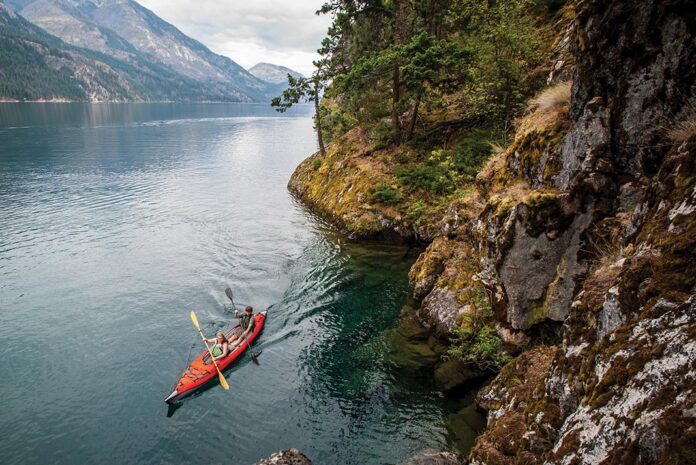
Two people paddling tandem inflatable kayak beside cliffs
Photo: Courtesy Advanced Elements

Advanced Elements kayaks blend the portability of inflatable kayaks with the performance of hard-shell kayaks. Advanced Elements hybrid kayaks include rigid hull components, such as a take-down aluminum frame, that allow the kayak to slice through the water more efficiently than a typical inflatable kayak. Yet Advanced Elements folding kayaks still deflate to pack into a lightweight duffel that’s easy to transport and stores in the back of a closet.

Advanced Elements kayaks include ultralight models that perform like packrafts, perfect for carrying into remote locations; full-featured sit-on-top fishing kayaks; and expedition kayaks that bridge the gap between ocean paddling and easy whitewater.

Consider an Advanced Elements kayak if you’re an enthusiastic paddler looking for good performance in a folding kayak. Advanced Elements appeals to outdoor adventurers who want a quality kayak—but lack the storage space or means to transport a hard-shell touring kayak. Advanced Elements inflatable kayaks are also perfect for traveling.

Advanced Elements kayak designs include options for recreational paddling, kayak fishing, whitewater and kayak expeditions. Advanced Elements kayaks include safety features that make them more suitable for use in more exposed and challenging paddling conditions, such as ocean coastlines and moderate whitewater rivers, than discount-priced inflatable kayaks.

Are you looking to buy an Advanced Elements kayak? The brand has good North American distribution at outdoor stores like L.L. Bean and REI. While they’re not quite as efficient to paddle as a hard-shell touring kayak, Advanced Elements hybrid kayaks are among the best performing folding kayaks you’ll find.

Shopping for a used Advanced Elements kayak?

You may come across a used Advanced Elements kayak on buy-and-sell websites like Craigslist, Kijiji and Facebook Marketplace. Advanced Elements hybrid inflatable kayaks are a good choice for paddling (and adventure travel) enthusiasts who lack the storage space for a full-size touring or fishing kayak. They perform better than cheaper inflatables and are lightweight and easy to transport in small cars, on public transport or even commercial flights.

Multiple options are available to choose from depending on your style of paddling, from day tripping to expeditions, kayak fishing and whitewater. Your first step in making a good investment is to research the specific attributes of the Advanced Elements hybrid kayak model you are considering. Once you’ve found a contender, consider the following advice to make a good used purchase:

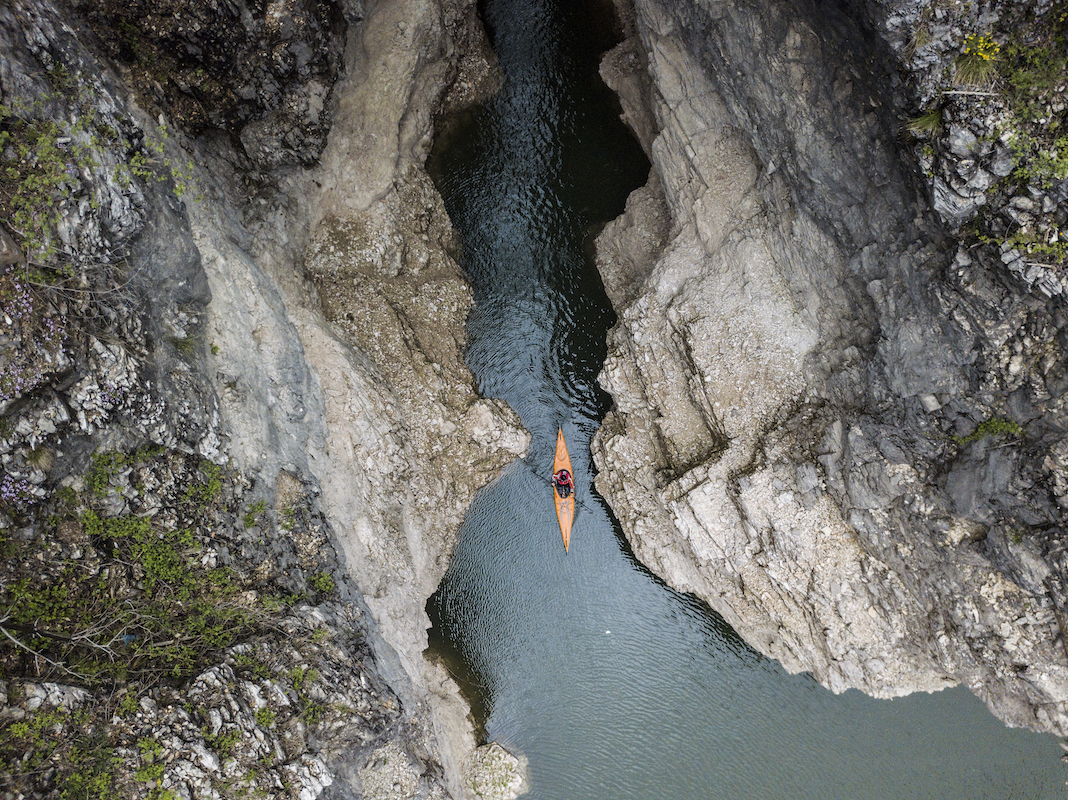
Overhead shot of inflatable kayak being paddled between two cliffs
Photo: Courtesy Advanced Elements
  • Advanced Elements kayaks are built tough, with reinforced PVC hulls. However, their inflation valves are subject to wear and tear, like any inflatable kayak, and internal aluminum frame members can be bent, twisted or dented by impacts. Be sure to check all parts before you commit to making a purchase. Start by examining the overall condition of the Advanced Elements kayak.Assemble the frame and inflate the air chambers. Listen for air leaks in the valves and tubes and watch for any stains and mold, which may reveal the kayak was stored wet. Is there any fading on the Advanced Elements kayak’s deck (top) or hull (bottom)? Fading reveals UV damage, which may compromise durability. Similarly, look for any obvious signs of abrasion or blown seams.
  • It goes without saying, but check and double-check any used folding kayak to ensure there are no missing parts. This includes frame pieces, seat(s), decks, any rigging or accessories and removable skeg (fin that attaches to the stern hull to assist with paddling straight).
  • Advanced Elements boasts excellent outfitting compared to other inflatable kayaks. Bear in mind that outfitting is often a matter of personal preference. Take a close look at comfort features like the seat (is it supportive for your body type? Does it hold air?). Foot rests are critical to give you purchase on the kayak to paddle efficiently; make sure they’re functional and appropriate for your leg length.
    Examine these parts individually and consider how well they work together as a whole—the easiest way to achieve this is by sitting in the boat (and ideally paddling it) to make sure it feels comfortable. Think about how long you’ll be sitting in the kayak. If it’s uncomfortable in a quick test, how will it feel after an hour?
  • Accessories are key features of Advanced Elements fishing kayaks; if you want to do some kayak angling make sure you examine features like rod holders and accessory frames.
  • The only way to fully appreciate the comfort and performance of a kayak is to try it before committing to a purchase. Arrange a meeting place with the seller that allows you to take a few moments on the water. Bring your usual paddle and dress in what you plan to wear while paddling. Be sure to assess how easy the boat is to enter and exit.
  • In general (that is, before Covid-19 put a premium on outdoor equipment) the typical starting point for a used Advanced Elements kayak in moderate condition was about half its retail price. All that’s changed in the wake of boat shortages brought on by the pandemic, but you can use it as a starting point in haggling a fair price.
  • If you’re offered a PFD as part of a used kayak sale make sure it’s in good shape, fits properly and is Coast Guard approved for the location you’ll be paddling.

For more tips on what to look for when selecting a used kayak, read our article How To Buy A Used Kayak.

Advanced Elements kayak buying advice

Advanced Elements kayaks are available across North America at outdoors stores and online outlets. A huge variety of Advanced Elements folding kayaks are available, many of which are good choices if you’re low on storage space and looking for a quality inflatable kayak with a hybrid rigid frame to make it perform better than cheaper inflatables. You can buy Advanced Element kayaks to meet a wide range of paddling needs, including recreational paddling and fishing, single and tandem, for paddlers of all sizes.

While Advanced Elements kayaks are superior to most other inflatable brands, they’re still slow and sluggish to paddle compared to a hard-shell kayak. Advanced Elements kayaks are the ideal choice for serious paddlers who love international travel and don’t want the hassle and uncertainty of renting a kayak at their destination.

They’re also an excellent choice if you want a kayak with reasonable performance that stores in a closet. However, if you’re a serious paddler with access to storage space and a means of transporting your kayak, you may prefer the efficiency and speed of a hard-shell kayak.

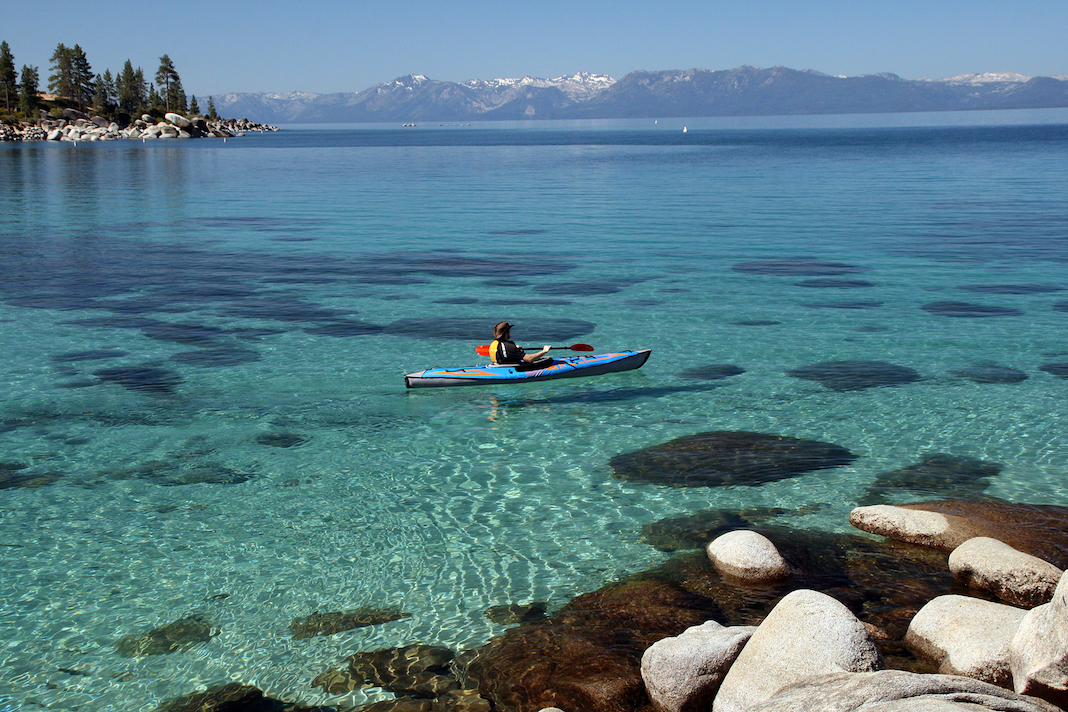
Woman in inflatable kayak floating on lake with mountains in background
Photo: Courtesy Advanced Elements

Advanced Elements kayaks are divided into categories based on type of use. These include recreational kayaks designed for casual use on sheltered water; day touring kayaks, which feature additional volume and better glide for longer journeys; expedition kayaks for multi-day trips; sit-on-top fishing kayaks for angling in a variety of conditions; crossover kayaks that are equally capable on flatwater and class I-III whitewater; and dedicated whitewater inflatable kayaks.

Advanced Elements kayaks are available as single (one-person) and tandem (two-person) models. Here’s a rundown of some of the most popular Advanced Elements kayaks:

PackLite

Do you want a lightweight kayak for amphibious adventures? The Advanced Elements 7-foot, 10-inch PackLite kayak weighs only four pounds, making it ideal for carrying into remote lakes or multisport missions involving hiking, biking and paddling.

AdvancedFrame

The AdvancedFrame kayak is a solid day touring sit-inside model with a large cockpit for easy entry and exit and durable construction. This 10.5-foot kayak outperforms many recreational hard-shell kayaks, yet comes with a reasonable price of $599.99.

Airfusion Evo

The Airfusion Evo is Advanced Elements’ flagship expedition kayak. This sit-inside 13-footer is ideal for globetrotting paddlers looking for an easy-to-transport kayak that sets up fast and offers reasonable glide with a stiff, hybrid inflatable and aluminum frame hull, and adequate storage for food and gear.

Straitedge and Straitedge2 Pro

The Advanced Elements Straitedge and Straitedge2 Pro models are ideal crossover kayaks, suitable for flatwater and whitewater paddling in up to class III rapids. These open-deck kayaks have good stability and are easy to enter and exit. The 13-foot Straitedge2 Pro is a great option for both solo and tandem kayaking and weighs barely 40 pounds.

Straitedge Angler and Straitedge Angler Pro

Advanced Elements offers two versions of its Straitedge Angler kayak, both featuring an aluminum rib frame structure that adds rigidity, as well as standard fishing accessories like rod holders. The Straitedge Angler Pro provides even better stability for stand-up fishing with an extra-stiff floor, as well as two accessory frames for even more gear-mounting options.

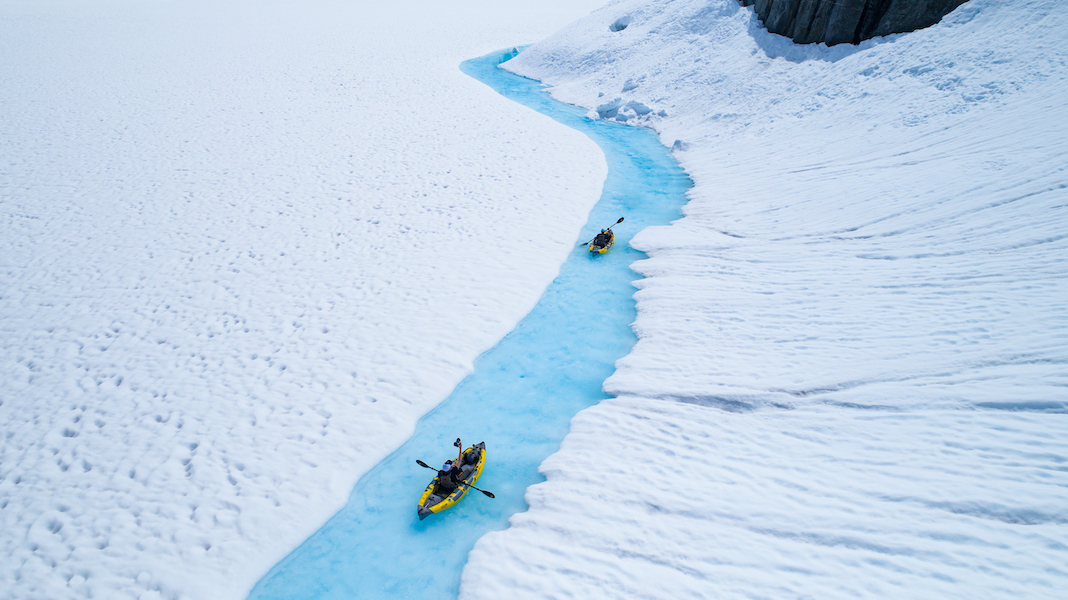
Two kayaks being paddled on narrow rive running between snowy shores
Photo: Courtesy Advanced Elements

Attack Pro

The Advanced Elements Attack Pro Whitewater Kayak is designed for use in serious rapids, featuring great maneuverability and buoyancy in waves and aerated water. The Attack Pro has an open deck, with full-time self-bailing that quickly drains waves and spray out of the cockpit. The drop-stitch floor is of the same design as whitewater rafts, affording great stiffness and durability.

Use this as a start, and remember that online research will only get you so far. The best advice we can offer is to always test paddle before buying any boat. Of course, that’s a challenge at many of the outdoor stores and online outlets where Advanced Elements kayaks are sold. Try to borrow an Advanced Elements kayak from a friend for a test paddle in real-world conditions. The more time you can spend on the water in a similar style of kayak, the better the purchasing decision you will make.

Here are answers to some of the most common online questions about Advanced Elements kayaks.

  • Advanced Elements kayak warranty

    Advanced Elements kayaks have a one-year warranty that covers defects in material and workmanship under normal use. Owners must contact the company to put forth a warranty claim.

  • Where to buy Advanced Elements kayak

    You can buy Advanced Elements kayaks at outdoor retailers across North America; the brand boasts a robust network of distributors. If you’re located in the United States check out stores like REI and L.L. Bean for the best selection. You can also order Advanced Elements kayaks at many paddlesports specialty stores. In Canada, check out Valhalla Pure in British Columbia and Latulippe in Quebec.
  • Advanced Elements kayak price

    The prices of Advanced Elements kayaks range from $350 US for its most basic recreational models to $1,650 US for fully equipped folding tandem kayaks. Advanced Elements kayak prices are somewhat higher than the cheap kayaks you’ll find at big box stores, but the additional cost is worth it if you’re looking for a higher-performance hybrid inflatable kayak with better longevity and durability.

  • Where are Advanced Elements kayaks made?

    Advanced Elements kayaks are made in China. The brand designs and distributes its kayaks from its headquarters near San Francisco, California.

Compare Advanced Elements kayaks

  • Advanced Elements vs Aquaglide

    Aquaglide and Advanced Elements offer similar ranges of inflatable kayaks. Both feature construction technology that was inspired by whitewater rafts to create a stiffer, higher-performance hull compared to cheaper inflatable kayak brands.

    Choose an Advanced Elements kayak if you want an even stiffer hull with a take-down aluminum internal frame for increased performance; Aquaglide, on the other hand, offers lighter weight models that are more versatile for both flatwater and moving water use.

  • Sea Eagle vs Advanced Elements kayaks

    Sea Eagle makes several kayaks that are faster and sleeker than Advanced Elements, including the RazorLite series—making this a better model if you’re looking for flatwater performance. Similarly, the Sea Eagle Explorer series provides good whitewater performance with a three-person model available.

    Choose Advanced Elements kayaks over Sea Eagle if you’re looking for greater versatility and better stability, particularly in fully decked sit-inside models. Advanced Elements also makes dedicated inflatable fishing kayaks, making this a better brand for anglers.
  • Gumotex vs Advanced Elements

    Gumotex offers a good alternative to Advanced Elements kayaks for Europe-based paddlers. The brand’s offerings provide similar performance characteristics and include sit-on-top and sit-inside varieties. If you want an inflatable kayak for fishing, get an Advanced Elements kayak.
  • Oru vs Advanced Elements

    If you want a state-of-the-art folding kayak, with no inflatable air chambers, get an Oru. This San Francisco-based innovator produces high-performance recreational and day touring kayaks that fold like origami. Oru kayaks are lighter, stiffer and cut through the water better than Advanced Elements, and pack up in a similar sized package.

    On the other hand, choose Advanced Elements if you want to paddle whitewater, are looking for a budget folding kayak, or want an angler-specific portable kayak with stand-up fishability. Advanced Elements is also the better choice for multi-sport adventurers who need an ultra-packable kayak that fits in a backpack.

Inflatable kayak being paddled beside waterfall
Photo: Courtesy Advanced Elements

Advanced Elements kayak reviews

Look no further than our expert reviews for solid advice in selecting and purchasing an Advanced Elements hybrid kayak.


Fishing Kayak Review: Pelican Mustang 100x

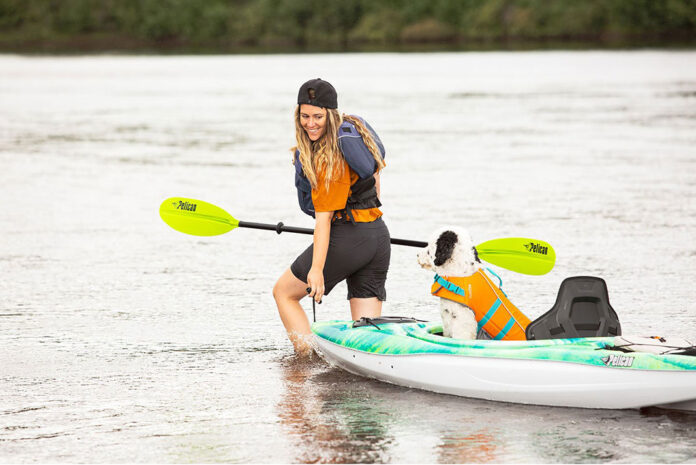
woman pulls Pelican Mustang 100x kayak with dog sitting in it
Feature photo: Courtesy Pelican

The Pelican Mustang 100x is an inexpensive, lightweight, stable, sit-inside fishing kayak. For these reasons, and more, it has become a popular choice for those who paddle and fish in sheltered waterways.

Pelican International was founded in Quebec in 1968. Along with kayaks they produce canoes, standup paddleboards, pedal boats and even small motorboats. Pelican’s kayaks are regularly available at large retailers in North America, including Dick’s Sporting Goods and Canadian Tire.

The 10-foot-long Pelican Mustang 100x falls into the recreational kayak category. The term recreational describes kayaks that favor increased stability at the cost of speed and rough-water performance. This is a topic we will discuss further in the Performance and Demographic portions of this Pelican Mustang 100x review.

The Pelican Mustang 100x is a sit-inside kayak, meaning the paddler slides into the cockpit, with legs enclosed or partially enclosed within the kayak. It’s common to also see kayakers with sit-inside kayaks wearing sprayskirts covering the cockpit of the kayak to keep water from entering.

If you are curious as to whether you are reading a review of the Pelican Mustang 100x kayak or Pelican Mustang 100x EXO fear not. For all intents and purposes, they are the same boat. The EXO designation simply indicates that for that model there is a storage bag included on the rear deck.

On the water with Pelican’s Mustang 100x

Pelican Mustang 100x Specs
Length: 10’ / 3.05 m
Width: 29” / 74 cm
Weight: 39 lbs / 17.7 kg
Capacity: 300 lbs / 136 kg
MSRP: $389 USD

Performance

Users of the Pelican Mustang 100x often note the kayak’s good stability. When discussing stability in a kayak it is important to note the two types: initial stability and secondary stability. Initial refers to how stable the boat feels when you are sitting still on flatwater. Secondary is how stable the boat feels when you tilt the boat or encounter waves.

Good initial stability is often provided by a wide, flat hull on a kayak. This creates a large, fairly even, surface area for the boat to rest on while on calm water.

Secondary stability is often provided by an overall rounded hull shape. This would include soft, curving, edges where the bottom of the hull and sides of the kayak meet, rather than an abrupt edge, like a right angle. This secondary stability allows the waves to pass around the boat with little resistance which prevents capsizing.

So what makes the Pelican Mustang 100x kayak stable? Looking at the boat, it seems fair to say it does a good job of achieving both types of stability, or a reasonable compromise between them. The Mustang 100x has what Pelican refers to as a twin-arched, channeled hull. Another way to refer to this would be a multi-hull or pontoon hull. This shape creates a flat center with two flanking areas to provide good initial stability.

The other design feature which contributes to secondary stability is multi-chined edges. The edges, where the bottom of the boat meets the side, go through staged transitions. This creates more of a curved shape than an abrupt edge. This allows the bottom of the boat to have a flat shape to provide initial stability without a hard right angle edge which would be liable to catch a wave and potentially capsize the kayak. The multi-chined edges assist in allowing waves to roll under the boat with less resistance.

The Pelican Mustang 100x also boasts decent tracking ability thanks to the skeg that projects along the keel at the stern of the Mustang 100x. As well as by the twin-arch hull mentioned earlier. The twin-arch hull provides two channels for water to travel along, rather than an even flat bottom. The combination of these channels and the skeg help the Mustang 100x travel in a straight line, instead of having the bow slip from side to side with each paddle stroke.

Market and demographics

The Pelican Mustang 100x is classified as a recreational fishing kayak. What exactly is a recreational kayak? Aren’t we all recreating no matter the kayak we are in? Good question.

“Recreational” describes a kayak designed for use on calmer waterways, such as sheltered lakes, bays or slow-moving rivers. Recreational kayaks generally favor increased stability at the cost of speed. This means the width of the kayak in ratio to the length is often wider than you would find on a high-performance kayak.

Recreational kayaks can be a sit-inside style like the Mustang 100x, or a sit-on-top kayak where you are not enclosed at all. Recreational kayaks often feature a lower price and use a less advanced type of material in production.

For these reasons, recreational kayaks such as the Pelican Mustang 100x are often intended for novice paddlers, either beginners or more experienced paddlers who know that they like to keep to protected waters where they won’t be challenged by the conditions, as well as paddlers or anglers who are not looking to cover long distances.

Know The Local Hazards
  • Check navigation charts before you launch.
  • Check with those who have local knowledge of man-made and natural hazards, e.g. low-head dams; sweepers, strainers and undercuts; tides and currents; and rocks and shoals.

About the Mustang 100x

Material and construction

The Pelican Mustang 100x kayak is constructed of Pelican’s Ram-X plastic. Ram-X is a high molecular weight polyethylene (HMWPE) that can withstand impact and return to shape after being flexed. The Mustang is produced using a thermoforming process, which means plastic sheets are heated to a pliable temperature then placed over a mold to shape. This lightweight construction allows the Mustang 100x to weigh just 39 pounds.

Pelican Mustang 100x kayak accessories and outfitting

The Pelican Mustang 100x has a number of useful outfitting features.

The bow grab handle comes in handy when pulling the Mustang 100x up a beach or into the bed of a pickup truck.

There is a storage hatch near the bow of the Mustang 100x. The hatch is covered by a deck plate which is held in place only by bungee cords. A common user gripe is that this seal is not dry at all, and the hatch easily takes on water.

As a sit-inside kayak, the Mustang 100x has a large cockpit that measures 47 inches long and 25 inches wide. A large cockpit makes the kayak easier to enter and exit, but also allows for more water to enter and makes it harder to find a spray skirt to close the cockpit if desired.

Within the cockpit of the Mustang 100x are the foot rests and seat. The foot rests resemble a set of steps, with incremental plastic ledges for different foot positions. The seat is also molded-in, with a fabric cover for padding.

Behind the seat, within the cockpit, is the backrest. The backrest is also fabric, and features adjustable webbing straps. These straps let paddlers tighten the backrest to provide support for an upright, active posture. Or you can loosen the backrest to kick back and relax.

There are two molded-in fishing rod holders on the deck directly behind the seat of the Mustang 100x. These rod holders provide accessible storage for two different tackle setups, and are ready to go when you arrive at the action.

Also, behind the cockpit on the Mustang 100x is a recessed tankwell for storage. This tankwell can accommodate Pelican’s EXO removable drybag. Much like the bow hatch, users often complain this storage bag is not very dry at all. This is something to keep in mind for users of the Mustang 100x if they have personal gear they would like to keep dry.

One of the items I often carry for paddling trips is a small dry bag. This is to be sure my belongings and lunch stay dry. Good options are the Pelican Exodry 10-liter dry bag, or an NRS Tuff Sack. You can secure your dry bag in the rear tankwell or, if there is room, push it inside the bow hatch of the Mustang 100x.

At the stern you will find the Pelican Mustang 100x drain plug. When you are finished paddling, pulling on shore for a break, or recovering from capsizing, the drain plug can be unscrewed to empty water which has entered the Mustang 100x.

One of the major outfitting issues to be aware of with the Pelican Mustang 100x are the lack of bulkheads. What are bulkheads? Bulkheads are pillars segmenting the inside of a kayak hull into separate chambers. They are often made of foam, and glued into place with a waterproof sealant. These chambers create separate air pockets to give the kayak buoyancy when capsized. This makes a self-rescue or assisted rescue easier, should you require one to get back in the kayak or to shore.

Wear A Life Jacket
  • Everyone, even strong swimmers, needs to wear a life jacket at all times when on the water. It is extremely difficult to put a life jacket on once you fall into the water. Even a light wind can blow any paddlecraft away from you, faster than you can swim.
  • Always wear a USCG-approved Level 70 or Type III life jacket designed for paddling.

When buying a kayak without bulkheads, it would be a sound investment to also purchase float bags. Float bags can act as a suitable stand-in for the safety value of bulkheads. They are inflated within the kayak to provide buoyancy. In doing so they take up volume and reduce how much water can enter the kayak in the event of a capsize. The Harmony float bag for small recreational kayaks would make a good fit in the Pelican Mustang 100x. You can inflate one in both the bow and stern of the kayak.

Another way to keep water from entering the Mustang 100x would be a sprayskirt. Sprayskirts are commonly made of neoprene or nylon. They are worn above your waist, and wrapped over the edges of the cockpit to provide a cover. Nylon would be suitable for a Pelican Mustang 100x spray skirt. Be sure any skirt will fit the cockpit size of 47 inches long and 25 inches wide. Don’t use a sprayskirt unless you have practiced pulling the skirt and exiting the kayak when capsized.

Another accessory available to keep water from entering the kayak during storage is a cockpit cover for the Pelican Mustang 100x. Pelican sells what they refer to as a cockpit drape for their recreational kayaks.

Pelican Mustang 100x mods

For kayak anglers, modifications are a given. They are part of the fun. There are a number of Pelican Mustang 100x upgrades you can make at home.

One of the first modifications you can make to the Mustang 100x that is especially helpful to kayak anglers is a paddle holder. Pelican sells a mountable paddle clip to be bolted to the kayak. When deciding where to place your paddle holder be sure it will not interfere with your paddle strokes.

Another modification offered directly from Pelican is a swiveling rod holder. A swiveling rod holder can be mounted to the deck of the Mustang 100x in front of the cockpit. This provides immediate access to a rod set up while paddling.

An accessory track is another useful upgrade for your Mustang 100x. This allows you to mount items like cameras or fishfinders. The YakAttack GearTrac is a popular accessory track option to install on the deck.

A Pelican Mustang 100x kayak seat upgrade is a topic of interest for many. As a sit-inside kayak, options for completely overhauling the seating system of the Mustang 100x are limited. One option is to purchase a cushion such as the YakGear Sand Dollar Seat Cushion, for an immediate comfort upgrade. Another option would be to purchase outfitting foam from a supplier such as Northwest River Supply and shape a seat of your own in place of the installed seat from Pelican.

Warranty

Pelican offers a lifetime limited warranty against defects in materials and workmanship on the hull and deck on all kayaks.

Parts and accessories are given a warranty against defects and workmanship for one year from the date of purchase.

How it compares

There are a number of sit-inside kayaks similar to the Mustang 100x. With this in mind there are a few popular standouts worth comparing.

  • Pelican Mustang 100x vs 120x

    The Pelican Mustang 100x can be compared with Pelican’s larger counterpart the Mustang 120x. These two kayaks have all of the same features and provide a similar design and feel. The main difference will be found with length and weight capacity.

    The Mustang 100x is 10 feet long, while the Mustang 120x is 12 feet. This makes the 120x faster and also contributes to a higher weight capacity of 375 pounds (compared to 300 pounds for the 100x).

  • Pelican Mustang 100x vs Trailblazer

    The Trailblazer 100 NXT is another kayak from Pelican comparable with the Mustang 100x. Like the Mustang 100x kayak, the Trailblazer is a sit-inside design.

    Both kayaks are 10 feet in length, and have the same twin-arch hull design. At 28 inches, the Trailblazer is one inch narrower.

    Kayak anglers take note, the Trailblazer lacks rod holders, while the Pelican Mustang 100x EXO has two located behind the cockpit. If kayak fishing from a sit-inside kayak is your goal, the Mustang 100x will be much better suited.

Dress For Immersion, Not Air Temperature
  • Your body loses heat much faster when immersed in cold water than it does when dry.
  • Avoid cotton clothing like t-shirts and jeans; they retain water and accelerate cooling when wet. Synthetic fabrics, or wool, are generally a better choice. If the water is very cold (60° fahrenheit or less), you should wear a wetsuit or drysuit.
  • Pelican Mustang 100x vs Perception Swifty

    The Pelican Mustang 100x and Perception Swifty 9.5 are similar fishing kayak designs offered by separate manufacturers. Both are in the class of sit-inside, recreational fishing kayaks. The Swifty is similar in length at 9.5 feet, just six inches shorter than the Mustang 100x. They both feature built-in rod holders. The Mustang 100x has the bow storage hatch, and stern tankwell. The Swifty has a stern storage hatch, with a tight-fitting plate which does a better job of staying dry. The construction of the Swifty is a one-piece, rotomolded polyethylene, compared to the two-piece thermoformed sheets of the Pelican Mustand 100x EXO kayak.

    Both kayaks are sold exclusively at Dick’s Sporting Goods, so you can take a look at the two boats side by side and see which might work for you.

  • Pelican Mustang 100x vs Sun Dolphin Aruba 10

    The Sun Dolphin Aruba 10 is a widely popular sit-inside kayak within the same price range as the Pelican Mustang 100x EXO kayak. The Aruba 10 has a similar overall design to the Mustang 100x. However, the Aruba 10 has a lower weight capacity at 250 pounds compared to 300 pounds for the Mustang 100x.

    While the Aruba 10 is a similar design as the Mustang 100x from a recreational paddling standpoint, it lacks installed rod holders. The Mustang 100x has two. This makes the Mustang 100x a better off-the-rack choice for kayak fishing.

    Another factor is availability. The Mustang 100x kayak is exclusively sold through Dick’s Sporting Goods and Field & Stream. While the Aruba 10 can be found at a number of large retailers including Canadian Tire and Walmart.

  • Pelican Argo 100x vs Mustang

    The Pelican Argo 100x is another sit-inside recreational kayak offering comparable to the Pelican Mustang 100x kayak.

    A glance will reveal that the Pelican Argo 100x does not have rod holders. This means if you are a kayak angler you will not have the ability to store rods without modifications.

    The Argo 100x is close to par for specifications with the Mustang 100x, and is also built on Pelican’s twin-arched hull design. The Argo 100x has two noticeable differences standing out in design and outfitting.

    In design, the rear storage tankwell of the Argo 100x has scupper holes, whereas the Mustang 100x does not. The scupper holes at the tankwell in the Argo allow water splashing inside this storage space to drain out the bottom.

    As for the outfitting, The Mustang 100x features an installed foot rest with designated foot positions. The Argo 100x has a sliding, adjustable foot brace. There are pros and cons here. Sliding foot braces allow for some fine tuning, but are also difficult to reach and adjust on the water. For foot rests, you have fewer options for fit, but can easily slide your foot from one position to the next even while paddling.

Where to buy the Pelican Mustang 100x

The Pelican Mustang 100x kayak is currently sold exclusively at Dick’s Sporting Goods and Field & Stream. This means while it is a popular design, you will not find the Pelican Mustang 100x kayak at Walmart, Canadian Tire or other large retailers.

Mustang 100x pros and cons

Pros

  • Lightweight
  • Low cost
  • Good stability for its class
  • Large cockpit for easy entry
  • Installed rod holders
  • Aft tankwell
  • Flexible plastic

Cons

  • Lack of bulkheads
  • Resilient plastic
  • Wet storage hatch
  • Limited deck storage

Related articles

Pelican kayak reviews

Budget fishing kayak reviews

Sit-on-top fishing kayak reviews

SEE ALL KAYAK REVIEWS


Fishing Kayak Review: Lifetime Tamarack Angler 100

The widely available Lifetime Tamarack Angler 100 is a 10-foot sit-on-top fishing kayak with a price tag that makes it a popular choice. But is the Lifetime Tamarack a good kayak? That’s what this Lifetime Tamarack Angler 100 review sets out to answer.

You may know the Lifetime brand from other plastic home and garden items like picnic tables and sheds. Lifetime got its start in 1986 making basketball hoops. In recent years, it’s become a common name in the kayak aisles of large retail stores.

As mentioned, the Lifetime Tamarack Angler 100 fishing kayak is a sit-on-top kayak. What does that mean? A traditional kayak has a hollow rounded hull and a cockpit opening in which the paddler sits, legs extended under the deck. A sit-on-top design has more of a flat deck, on which there is a fixed seat or molded seating area. The paddler sits on top of the deck, enjoying more freedom of movement and access to gear, but less protection from the elements or waves.

On the water with the Tamarack Angler 100

Lifetime Tamarack Angler 100 Specs
Length: 10’0” / 3 m
Width: 31” / 79 cm
Weight: 51 lbs / 23 kg
Capacity: 275 lbs / 125 kg
MSRP: $629 USD

Performance

Users of the Lifetime Tamarack Angler 100 often refer to the boat as having great stability.

This sense of stability comes from the wide, flat bottom of the Lifetime Tamarack Angler 100. The stability of the kayak when it’s sitting still on flat water is referred to as initial stability. The large surface area making contact with the water provides much of the impressive initial stability of the Angler 100.

The Lifetime Tamarack Angler 100 also has rounded edges where the bottom meets the side of the kayak. The rounded edges of the kayak soften the transition and allow water to roll more easily under the boat rather than catching on the edge. This design feature improves the Tamarack Angler’s secondary stability, the stability (or lack of) experienced when the kayak is tilted or in choppy water.

Users of the Lifetime Tamarack Angler 100 fishing kayak also say the kayak tracks well. What do we mean by tracking? Tracking refers to a kayak’s ability to travel in a straight line and not wiggle from side to side in response to each paddle stroke.

Once again, certain aspects of the shape of the hull determine tracking characteristics.

The ridge that runs under the centerline of the kayak’s hull is called a keel. It helps the Lifetime Tamarack Angler 100 travel in a straight path. There are also two ridges under the hull of the kayak toward each side that contribute to making the Tamarack relatively decent at tracking for a short boat.

The Lifetime Angler 100 also features a pronounced skeg at the stern. This skeg acts like a stationary rudder to help a paddler maintain a straight course. The skeg is like the fin on a surfboard or standup paddleboard. If you were to get rid of the skeg, the stern of the kayak would want to drift out once you stop paddling. The skeg will not keep the kayak traveling in a straight line forever, but you’ll notice its effect when you try to turn on purpose and are met with resistance.

Market and demographics

The Lifetime Tamarack Angler 100 is a sit-on-top kayak intended for kayak fishing. It is most suitable for day trips on mild waterways including small lakes, bays and slow moving rivers.

That’s a great start, but is the Lifetime Tamarack Angler 100 fishing kayak ocean capable? In concept, the Tamarack Angler 100 could be used  on near-shore outings where there is minimal swell and tidal influence. The kayak design has a low seat, keeping the paddlers center of gravity low. The Tamarack also has some secondary stability for waves, as mentioned earlier. This is combined with a tapered bow to cut through waves, and shallow storage areas that won’t collect excessive water on the deck. So you could reasonably paddle this kayak along the sandbars of an East Coast beach while fishing for summer flounder.

Know The Local Hazards
  • Check navigation charts before you launch.
  • Check with those who have local knowledge of man-made and natural hazards, e.g. low-head dams; sweepers, strainers and undercuts; tides and currents; and rocks and shoals.

Your ability level and environmental conditions will be larger factors in the decision of whether you decide to take the Lifetime Tamarack Angler 100 for near-shore action. Will the swell size allow you to launch or land on the beach? Are the tides through the inlet going to work in your favor? The Tamarack Angler could handle smaller ocean conditions, but ask yourself if you are comfortable with your paddling abilities and experience while on exposed coastal water. It might be a very important question.

About the Lifetime Tamarack Angler 100

Material and construction

The Lifetime Tamarack Angler 100 kayak is constructed of blow-molded, high-density polyethylene.

High-density polyethylene is a commonplace type of plastic that’s used in many consumer goods, and regularly used for kayak manufacturing.

Blow molding is a process during which liquified plastic is placed in a mold. Air is blown into the mold to push the plastic into shape.

Lifetime Tamarack 100 Angler kayak accessories and outfitting

The Lifetime Tamarack 100 Angler features many of the outfitting components commonly found on a sit-on-top fishing kayak.

There are four grab handles, so the kayak can be grabbed or carried from the bow and stern or each side. The handles at the side also make for a great handhold to re-mount the kayak should you fall overboard.

Near the bow of the Lifetime TamarackAngler 100 is a shallow storage area.This storage area is covered with a web of bungee cord to keep any gear secured. This bow storage area is not recessed much at all, making it more of a deck rigging storage space than a tankwell or hatch found on similar fishing kayaks.

Within the cockpit of the Lifetime Tamarack Angler 100 are the footwells. Footwells are molded-in, incremental steps for foot placement. This provides an easy index of positions for solid foot placement while you are paddling. Footwells do not provide the fine tuning of a sliding foot brace, but they are hassle-free and indestructible.

Between the footwells and the seat of the Lifetime Tamarack Angler 100 there is a storage hatch. The lid of this hatch opens to store gear within the interior of the hull. Inside the hatch there is no liner or bulkhead to section off the storage area, so anything you place within the hatch of the Angler 100 can slide around underneath.

The Lifetime Angler 100 fishing kayak seat is molded into the deck, and is covered with a thin pad secured with plastic rivets. The rivet holes have leaking potential as places where water could enter the interior of the Angler 100. The seat’s back rest folds down for storage and transportation, and up for paddling and fishing. The backrest features two adjustable straps that can be cinched to encourage a preferred paddling posture.

Within the cockpit of the Lifetime Tamarack Angler 100 fishing kayak are scupper holes. These four holes allow water to drain out of the floor, but their presence also means water can swash up through them and into your seating area. For this reason, kayakers often put foam or plastic plugs in the scuppers on days they expect to paddle calmer water. You can then pull the scupper plugs in rougher water, when waves are likely to make their way over the gunwales.

Directly behind the seat of the Lifetime Tamarack Angler 100 fishing kayak are two built in rod holders. These rod holders provide the ability to carry two fishing setups that are ready to go and easily accessible from the paddler position.

Near the stern of the Lifetime Tamarack Angler 100 is another shallow tankwell. The tankwell toward the stern is larger and more rectangular than the bow area, providing a space to keep some tackle. Again there is a web of deck bungees to secure your items. This tankwell also has two scupper holes, just as the pairs found in the cockpit, to drain water from the area.

Within the rear tankwell of the Lifetime Tamarack Angler 100 there is also a storage hatch. The hatch opens to allow access to the interior of the hull and store items. Just as mentioned for the cockpit hatch, the rear hatch does not have a liner or bulkheads within, meaning what you place within the hatch can slide around inside the Angler 100. The rear storage design is unique by providing both interior storage and a recessed tankwell, giving you some options on how best to store certain gear.

One downside of the Lifetime Tamarack Angler noted by users is the shallowness of the tankwells. The rear tankwell is deeper than the bow storage area, but still relatively shallow. This limits how much gear you can store and how secure your tackle feels. One benefit to shallow tankwells is it limits how much water can enter the boat. A tendency to shed water rather than taking it on can be a benefit in rough conditions.

Check The Weather
  • Plan for changing weather conditions. Prepare for the worst case.
  • Don’t forget to check tide, currents, or river levels.

The Lifetime Tamarack Angler 100 kayak includes a small number of accessories beyond the essential outfitting.

In addition to the two built-in rear rod holders, there is also an included fishing kayak rod holder to be installed on the gunwale of the kayak to the cockpit’s starboard side. The swiveling rod holder provides a place to have your rod in use while fishing with live bait, or light trolling while paddling along.

Kayak anglers who want to add on to the stock version can find further compatible Lifetime Tamarack Angler 100 fishing kayak parts and accessories from well-known third party manufacturers. These include YakAttack, Ram and Scotty.

Lifetime Tamarack Angler 100 mods

As far as Lifetime Tamarack Angler 100 fishing kayak upgrades are concerned, one common trend stands out. Many owners replace the low, molded seat with an elevated seat. There also seems to be a small cult following among Tamarack users to use the Cascade Mountain Tech Stadium Seat. The Cascade Mountain seat is by no means a kayak seat. But it appears to be the go-to choice for DIY modifiers of the Tamarack.

One thing to consider before elevating the seat in a kayak not designed for it is that you are lifting your center of gravity in the kayak. This decreases stability.

Users of the Lifetime Tamarack Angler 100 may also have an interest in increasing the kayak’s ability by mounting a trolling motor. Lifetime actually produces a trolling motor mount kit for some of its kayaks, however it is not compatible with the Tamarack 100. There is no factory Lifetime Tamarack Angler 100 fishing kayak trolling motor mount. If you decide to fashion a trolling motor to the Angler 100 you will have to go the DIY route.

How it compares

Just how does the Lifetime Tamarack Angler 100 stack up against other kayaks competing for your attention at the outdoor store? Let’s take a look.

  • Lifetime Tamarack Angler kayak 100 vs 120

    There is regular confusion over the differences between the Lifetime Tamarack Angler kayak 100 vs 120. When looking at the specifications of the 120 compared to the 100 they seem identical. This is because they are. The 120 is an earlier version of what Lifetime now refers to as the Angler 100. If you are shopping for the 100 and come across a great deal on a 120, you would be purchasing the same kayak with a different name.

  • Lifetime Tamarack 100 vs Sun Dolphin Journey 10 SS

    The Sun Dolphin Journey 10 SS is a sit-on-top fishing kayak similar to the Lifetime Tamarack Angler 100. Both kayaks are widely available and popular designs among kayak anglers.

    The 9.5-foot Journey 10 is slightly shorter than the 10-foot Angler 100. The Journey 10 is also slightly narrower (29.5 inches compared to 31 inches). In comparing the stability of the two boats, the Tamarack Angler 100 appears to have the edge according to reviewers.

    Both the Journey 10 and Angler 100 have outfitting features for kayak fishing, including flush-mounted rod holders and tank wells for storing tackle.

    For foot placement, the Angler 100 has molded-in foot wells, while the Journey 10 has adjustable foot braces. The foot braces on the Journey 10 provide more increments, but also require reaching for adjustment. The foot wells on the Angler 100 allow you to switch foot positions as needed, hands-free.

  • Pelican Castaway 100 vs Lifetime Tamarack 100 Angler kayak

    The Pelican Castaway 100 is another sit-on-top fishing kayak comparable with the Tamarack Angler 100.

    The 10-foot Tamarack Angler is slightly longer than the 9.5-foot Castaway. The Angler 100 is also just slightly wider than the Castaway (31 inches compared to 30 inches). They have the same capacity of 275 pounds, but the Angler 100 kayak weighs more at 51 pounds compared to the Castaway 100 at 44 pounds.

    Both the Angler and Castaway have a wide, stable hull.

Wear A Life Jacket
  • Everyone, even strong swimmers, needs to wear a life jacket at all times when on the water. It is extremely difficult to put a life jacket on once you fall into the water. Even a light wind can blow any paddlecraft away from you, faster than you can swim.
  • Always wear a USCG-approved Level 70 or Type III life jacket designed for paddling.

Where to buy the Tamarack Angler 100

The Tamarack can be found at a number of large retail stores, though you may want to check your store’s stock before taking a drive. You will find the  Lifetime Tamarack Angler 100 fishing kayak at Walmart, and Tractor Supply among others.

Pros and cons

Pros

  • Stable
  • Open cockpit
  • Tracks well

Cons

  • No dividers in hatches
  • Seat holes may leak
  • Shallow tankwells

Related articles

Lifetime kayak reviews

Budget fishing kayak reviews

Sit-on-top fishing kayak reviews

SEE ALL KAYAK REVIEWS


Master How To Sweep Roll A Kayak

man demonstrates how to sweep roll a kayak
Follow these simple steps and learn how to sweep roll a kayak. | Feature photo: Rochelle Relyea

Knowing how to roll isn’t a prerequisite to enjoy kayaking, but a dependable roll will transform your paddling experience. It will increase your confidence on the water immeasurably and encourage you to play with new techniques, safe in the knowledge you can quickly recover should you capsize. There are many different ways to roll, but learning how to sweep roll a kayak is one of the most basic.

A successful roll depends on good technique, not on power, so any reasonably fit paddler with the dedication and patience to practice can learn. Tip over and follow this step-by-step guide to unlocking the easiest roll.


4 easy steps to sweep roll your kayak

step 1 of the kayak sweep roll
Step 1, lean all the way forward and position your paddle. | Photo: Rochelle Relyea

1 Lean all the way forward

To set up for the sweep roll, lean far forward from the waist so that your chest is on your foredeck with your paddle held parallel to the boat.


2 Follow your forward blade

step 2 of the kayak sweep roll
Step 2, sweep your forward blade and follow it. | Photo: Rochelle Relyea

Sweep the power face of your forward blade out to the side, arcing the blade toward the stern with your back arm being the pivot point. To keep your blade from sinking as you sweep, maintain a sculling or climbing angle on the blade. This means angling your blade so the leading edge is slightly higher than the trailing edge, so it creates lift. Extend your body out to the side, following your blade with your head to get yourself as close to the surface as possible.


3 Hip snap the kayak upright

step 3 of the kayak sweep roll
Step 3, hip snap the kayak upright. | Photo: Rochelle Relyea

As you sweep your forward blade out to 90 degrees, actively weight your paddle, using it for support to keep your body floating close to the water’s surface, and hip snap your kayak upright while keeping your head in the water.

The hip snap is the most important step in any roll, and it’s also a skill that will make your braces much more effective. Also known as the hip flick, the hip snap refers to the action of rotating your hips to right your kayak while your body and head remain in the water. Initiate the hip snap by driving your lower knee skyward.


4 Swing your body back to center

step 4 of the kayak sweep roll
Step 4, swing your body back to center. | Photo: Rochelle Relyea

Once you’ve hip snapped your boat upright, swing your body back overtop of your kayak. The key to completing a roll without falling back in the water is keeping your head down until your hip snap has rolled the kayak almost completely upright. This fights your natural instinct to get your head out of the water as quickly as possible.

One of the best ways to keep your head down is to watch your active blade throughout its motions. Think in terms of a subtle movement, drawing each vertebra back upright starting at the base of your spine and flowing all the way up to your neck, with your head coming up last.

This is how we roll. | Photo: Rochelle Relyea
Follow these simple steps and learn how to sweep roll a kayak. | Feature photo: Rochelle Relyea


Follow these simple steps and learn how to sweep roll a kayak. | Feature photo: Rochelle Relyea


Daring Kiwis Paddle Off Tutea Falls In “3-Stacker” Raft (Video)

The triple stacked raft takes on the kaituna river
The triple stacked raft takes on the Kaituna River. Photo: Maurycy Prystupa | Instagram

While many North Americans loaded the chairlifts over the Christmas holidays, the local paddlers of New Zealand’s Okere Falls readied themselves for an adventure more fitting to a 70°F degree December climate.

Launching the “3-stacker” raft on the Kaituna River has become somewhat of a tradition for locals in the area. Members of the Okere Fall’s tight-knit paddling community flock to the river to participate in–or at least witness–the wild ride of the ill-balanced invention.

Photo: Maurycy Prystupa | Instagram

Though the whitewater rapids on the Kaituna River are world-renowned, they are not just reserved for skilled paddlers. At 7 metres (approximately 22 ft) in height, Tutea Falls (one of the river’s crux rapids) is the highest commercially run waterfall in the world. The internet is riddled with videos of novice paddlers enjoying the ride of their lives as they drop over the intimidating waterfall.

Watch this year’s attempt at this bizarrely entertaining tradition here.

Video: Mitchell Lamb | Photo: Maurycy Prystupa

Fishing Kayak Review: Ascend 128t

The Ascend 128t is a sit-on-top fishing kayak that has been discontinued at the time of writing. If you would like to read about the most comparable current kayak from Ascend check out the Ascend 128X. If you would like to learn more about the Ascend 128t discontinued kayak, continue reading this Ascend 128t review. We will also provide comparisons to some changes made for the newer 128X.

You may notice Ascend kayaks are found almost exclusively in Bass Pro Shops and Cabela’s. This is because Ascend kayaks are a brand of the White River Marine Group, better known as the world’s largest manufacturer of motorized boats, which is owned by Bass Pro Shops. You may also find Ascend kayaks in small marine stores that carry White River brands.

What makes the Ascend 128t fishing kayak stand out among a sea of competition? The 128t is a platform-style fishing kayak with an elevated seat position and an open, flat cockpit intended for standing casts. A standing platform provides the ability to sight fish, enhance casting ability and increase mobility when fighting fish. These design features are commonly found on kayaks priced well above the 128t’s sub-$1,000 price tag.

Is the Ascend 128t kayak a good fit for your kayak fishing needs? We’ll help you answer that question in this Ascend 128t review.

On the water with the Ascend 128t

Ascend 128t Specs
Length: 12’8” / 3.86 m
Width: 33” / 84 cm
Weight: 96 lbs / 43 kg
Capacity: 350 lbs / 159 kg

Performance

If there is one word paddlers use to sum up the Ascend 128t fishing kayak, it is “stable.” The 128t is built on a tunnel hull. Think of a tunnel hull as a pontoon boat or catamaran. There are essentially two rounded surface areas bridged by the center of the kayak. Tunnel-hulled kayaks are generally wider than other kayak hulls. The pontoon shapes on the outside act like outriggers, and provide a stable platform capable of standing to fish.

A pronounced keel runs down the center of the Ascend 128t’s tunnel hull, beginning at the tapered bow and extending back to the stern, where it protrudes into a skeg. The keel and skeg provide the 128t with well-behaved tracking, which describes the kayak’s ability to travel in a straight line, without the need for a rudder.

For the Ascend 128X, the design team changed the hull to what Ascend refers to as a catamaran hull. It works in a similar way as the 128t as far as providing a great deal of stability, but removes the central keel. The 128X resembles a widened, upside down letter-U compared to the M-shaped profile of the Ascend 128t hull.

In fishing kayaks we are now seeing kayaks powered in three different ways. These are paddle, pedal drive and motorized. The Ascend 128t is designed for the first, good old fashioned paddling. However, with the pre-installed Ascend 128t Yak-Power (more on that below), a trolling motor could be mounted to the stern to extend the kayak’s range and versatility.

The updated Ascend 128X makes the option of adding a trolling motor much easier, with a widened, squared-off stern and a flat mounting area that can accommodate a trolling motor or rudder system.

Market and demographics

The Ascend 128t is a sit-on-top fishing kayak. Sit-on-top kayaks are kayaks where the paddler is not enclosed at all. They sit on the deck of the boat, which has been molded for an exterior seating position. This is in comparison to a sit-inside kayak. A sit-inside kayak is one where the paddler slides into the cockpit of the kayak. They may also wear a sprayskirt to cover the cavity of the cockpit. Sit-on-top kayaks have become popular for fishing kayaks because of their ease of entry, open storage and easier rescue scenarios in the event of a capsize.

The Ascend 128t kayak was designed specifically with the kayak angler in mind. The elevated seat position and tunnel hull make the  128t less about covering water as a paddler, and more about comfort and stability. The stable hull of the 128t provides a platform for standing casts and sighting fish. The open concept of the 128t is valued by anglers for the large and accessible storage space it provides.

This kayak is best suited for deep, slow-moving rivers, smaller lakes and sheltered coastal waterways.

Carry A Waterproof VHF Radio, Use Your Phone Only As A Backup
  • A handheld VHF marine band radio allows you to communicate with the Coast Guard and other boat traffic. Use Channel 16 only for hailing and emergencies. The radio should be waterproof, because it is virtually certain to get wet.
  • A cell phone, even if in a waterproof case or sealable bag, might not work, so don’t rely on it as the primary means of emergency communication.

About the Ascend 128t

Design

Material and construction

The Ascend 128t is constructed of high-density polyethylene. Polyethylene is a plastic commonly used in kayak manufacturing. This polymer compound is also regularly used to make other durable plastic goods like milk jugs and shampoo bottles.

Ascend produces the 128t through a rotomolding process. Small plastic pellets are loaded into a mold. The mold is then placed in a large oven at high temperatures and rotated at speed, pushing the liquified nurdles outward so they spread and take the shape of the mold. While the mold is pulled from the oven it continues to rotate as it cools. When the mold is opened, presto, we have a kayak. Rotomolded kayaks are one of the standard production processes in the industry to produce durable and affordable kayaks.

Ascend 128t accessories and outfitting

Perhaps the most unique aspect of the Ascend 128t’s outfitting is the Yak-Power system. The Yak-Power system is a pre-wired setup for electronics running through the 128t. The built-in master controller and power plugs are a big bonus in a fishing kayak. The Yak-Power system saves time, money, energy and drilling holes in your kayak, allowing kayak anglers to keep electronics including Ascend 128t fish finder, GPS and action cameras charged. With the Yak-Power system, you can also easily install Ascend 128t lights for night navigation. Additionally, the system makes it possible to run an Ascend 128t yak power trolling motor (see “Modifications” below for more on this).

The Yak-Power system provides plugs toward the bow, mid-ship and stern of the 128, and can power 12-volt devices. There is a master controller for the power system located next to the Ascend 128 kayak seat. A battery is not included with the power system of the 128t.

Beyond its unique power system, the Ascend 128t is a fully loaded fishing kayak when it comes to outfitting and accessories. Let’s take a walk through everything you will find on the Ascend 128t.

Behind the bow is a small plastic hood that functions as a rod tip protector. Since kayak anglers often lay their rods down in the kayak, the tip protector is designed to prevent damage from rod tips getting snagged on a branch or bumping into a bridge pillar.

The Ascend 128t has both bow and stern tankwells, or recessed storage areas on the deck of the kayak. They provide an accessible place for kayak anglers to keep fishing crates, tackle boxes, dry bags or even a five-gallon bucket.

The tankwells on the Ascend 128t aren’t very deep, especially considering the size and tunnel hull of this kayak. Deeper tankwells make it less likely for gear to accidentally slide into the drink. The tankwells are one of the most significant upgrades from the 128t to the 128X. The Ascend 128X kayak has deeper, elongated tankwells, with almost the entire deck recessed for storage.

The cockpit of the Ascend 128t kayak is an open concept, with an overall flat surface, covered with traction padding. This Ascend 128t deck mat allows kayak anglers to use the floor of the cockpit as a standing platform, which increases your ability to cast, sight fish and move around the deck. The traction padding provides better footing than bare, wet plastic.

Also within the cockpit of the 128t are sliding foot braces. Sliding-style foot braces provide more positions than molded-in footwells. They do however require you to reach down by hand if they need adjustment on the water. Foot braces are an important part of a kayak’s outfitting because they provide a point of contact with your kayak. This gives you more leverage for paddling strokes, and more control over the kayak.

At the center of the cockpit is a large, rectangular hatch accessing the interior of the Ascend 128t. This hatch can be used for storage or to reach the interior of the kayak for repairs and modifications. The hatch has a hinged cover for easy opening and closing.

On the floor of the cockpit you will see four scupper plugs. Why exactly are there holes in the bottom of the kayak? Scuppers allow any water that splashes into a sit-on-top kayak to drain out the bottom. They are useful to keep water from waves or paddle drip from sloshing around the 128t with you all day. Should a large wave swamp the deck of the 128t, within a minute most of the water will drain out these scuppers. The Ascend 128t has six scupper holes in total. Four on the floor of the cockpit, and two in the rear tankwell.

Water can also come up through the scuppers. If you are paddling in calm conditions, and don’t want water to splash up through the floor, you may want to close the scupper holes. You can do this with a set of universal Ascend scupper plugs.

The Ascend 128t kayak seat is a removable, elevated stadium-style seat that is mounted in small grooves molded into the cockpit of the kayak. There are multiple grooves for higher or lower seat positions. This allows the angler to choose the best seat height for their needs and the conditions.

A higher seat position provides more line of sight, and may be more comfortable for a long day of sitting. The lower position, however, will provide more stability, keeping your weight lower in the kayak. The lower position also provides a better posture for increasing the output of your paddle strokes.

Early versions featured an Ascend 128t swivel seat. However, this was phased out by the late 2010s, and replaced with the folding stadium-chair seat.

One area of concern cited by users of the Ascend 128t is the seat’s vulnerability to rusting. A rusted out seat on a fishing kayak with an elevated seat would render the kayak relatively useless until you have an Ascend 128t replacement seat. Rinsing and drying your seat after use will help avoid this issue.

Within easy reach of the Ascend 128t kayak seat are a number of useful accessories that anglers need close at hand. These include a standup assist strap to give you a boost when you are going from the seated to standing position; two accessory mounts for gadgets on either side of the paddler; and four, flush mounted rod holders. Two of these rod holders are in the forward end of the kayak, and two are just behind the seat.

Behind the Ascend 128t kayak seat is a second large rectangular hatch for access to more interior storage space. The Ascend 128t rear hatch cover also operates like a hinged door and has a water-resistant gasket. There is a smaller, third hatch at the stern of the Ascend 128t, this one with a threaded, watertight deck plate.

The Ascend 128t drain plug allows you to empty any water which has entered the interior of the hollow hull. How can water get inside a sit-on-top kayak? Water ingress can occur at seams, screw holes or places where the hull has been cut for exterior components. It’s not uncommon to get a small amount of water inside your kayak, and you should drain it at the end of your trip.

Before you launch, check you have closed and gently hand tightened your drain plug.

Comparing the 128t to the newer 128X, Ascend made some major changes to the stern shaping and design. On the 128t, the hull tapers toward the stern and finishes with a narrow, squared-off back. For the 128X, the hull stays wide all the way through the back, before squaring off abruptly at the stern. On the 128X stern, there is a thick plastic transom that provides a mounting block for an Ascend 128x rudder system or trolling motor.

Wear A Life Jacket
  • Everyone, even strong swimmers, needs to wear a life jacket at all times when on the water. It is extremely difficult to put a life jacket on once you fall into the water. Even a light wind can blow any paddlecraft away from you, faster than you can swim.
  • Always wear a USCG-approved Level 70 or Type III life jacket designed for paddling.

Ascend 128t mods

Speaking of trolling motors, the Ascend 128t fishing kayak does not include the designated mounting area on the stern that is built into the newer 128x. If you would like to add an Ascend 128t Yak Power trolling motor, this is a modification you will have to construct yourself. Check YouTube for an array of DIY how-to videos from other Ascend 128t users.

The nearly 100-pound weight of the Ascend 128t means you will likely need to use a kayak cart to transport your 128t to and from the water. Another option is to install landing gear. The Groovy Landing Gear wheel system by Boonedox can be installed on the 128t. This clever system saves you the trouble of loading and strapping your kayak to a cart (and then dealing with where to store the cart). Instead, the landing gear uses a bar screwed to the deck of the kayak, with retractable wheels. Envision the landing gear of an aircraft and you have the premise of this convenient system from Boonedox.

With the great stability of the Ascend 128t, users who want an even higher vantage point often make seat modifications to raise the elevated seat. This is typically done by installing a metal bracket within the cockpit, to give the seat frame a higher placement. Again, watch a few YouTube tutorials before you start drilling holes in your kayak.

Raising the seat of your Ascend 128t gives the paddler more comfort by allowing a more upright, knees bent sitting position. It also increases visibility while fishing, and reduces the effort needed to make the transition from sitting to standing.

Before raising the seat in your Ascend 128t, keep in mind this could decrease your overall stability, by raising your center of gravity.

How it compares

The Ascend 128t finds itself in a crowded class of fishing kayaks. Here we are going to take a look at various models often compared to the Ascend 128t fishing kayak.

  • Ascend 128t vs 128x

    The 128X is an updated version of the 128t. As we discuss throughout this article, Ascend has made some changes from the 128t to the 128X.

    The biggest change is the hull shape. Ascend went from a tunnel hull (shaped like the letter “M”) on the 128t to a catamaran hull on the 128X, which removed the center keel (forming an upside-down “U” shape). Both are extremely stable hulls, and provide a similar pontoon-style platform for standup fishing.

    Another major change is the design of the stern from the 128t to 128X. The stern of the 128X has a wider, squared off shape with an integrated transom for easy installation of a trolling motor or rudder system. While some users have installed trolling motors on the narrower stern of the 128t, it’s less user-friendly to do so and requires a willingness to tackle DIY modifications.

    Topside, the biggest difference between the 128t and 128X are the on-deck storage areas. For the 128X, Ascend made the tankwells deeper, increasing storage capacity and providing more security for your gear. Essentially, the entire deck of the 128X is one oversized storage area.

    Since the 128t has been discontinued, you’ll likely be looking at the 128X for its easy availability. It also offers some significant improvements to the 128t, especially if you are considering adding a trolling motor to your kayak. On the other hand, if you find a deal on a used 128t, this can be a great way to get a similar kayak for much less money.

  • Ascend 12t vs 128t

    The Ascend 12t is another platform-style, sit-on-top fishing kayak design, though it doesn’t offer some of the features—or the rock-solid stability—of the Ascend 128t.

    Most obvious is the 128t’s inclusion of Ascend’s Yak-Power system. The Yak-Power system includes wiring harness and plugs, meaning with a 12-volt battery your fishing gadgetry is ready to plug and play on the 128t.

    The 128t also has substantial differences in design to the 12t. The 128t is eight inches longer at 12 feet 8 inches, and wider at 33 inches. The 128t also extends the tunnel hull further through the bow and stern. These factors provide a larger, more stable standing platform than the 12t. The downside to all this is the 128t is substantially heavier at 96 pounds, compared to 77 pounds for the 12t.

    Power-hungry anglers and those who want a kayak with the rock-solid stability of a barge should take a look at the 128t (or the new 128X). If you want a fishing kayak that still retains some of the agility and handling of a traditional kayak, stick with the 12t.

  • Ascend FS12 vs 128t

    The Ascend FS12 is another fishing kayak in the Ascend lineup. While the 128t is a sit-on-top kayak, the FS12 is a sit-inside kayak. If you are looking for this enclosed style in a fishing kayak, consider the FS12. However, a sit-on-top like the 128t has more accessible on-deck storage and gives kayak anglers the ability to use the cockpit as a standing platform. Both the Ascend 128t and the FS12 are now discontinued. If you’re looking for a similar sit-inside fishing kayak, the FS12’s smaller sibling, the Ascend FS10 sit-in, is still available.

  • Ascend FS128t vs 128t

    If you are confused about the difference between the Ascend 128t and FS128t, no need to worry. They are the same kayak. Ascend has used slight variations in model name at different times, but the FS128t and 128t are one in the same. If you are in search of a 128t and come across one with FS designation, feel free to scoop it up.

  • Ascend 128t vs Pelican Catch 120

    Pelican is another popular brand of fishing kayaks found at large retailers across North America.

    One of the first comparisons to make between Pelican kayaks and Ascend is the construction. Both are made from durable polyethylene, however Ascend uses a rotomolding process to manufacture all of their kayaks, while Pelican uses thermoforming to produce their kayaks.

    Thermoforming is when you take sheets of plastic and heat them to a pliable temperature. You then put the plastic sheet over a mold and use a vacuum to shape it to the mold. With thermoforming, the deck and hull are formed separately, then chemically bonded together. Ascend and Pelican offer similar quality kayaks at competitive prices, but in general, thermoforming produces lighter weight boats.

    Design-wise, the Pelican Catch 120 is a full one foot shorter than the Ascend 128t, at 11 feet 8 inches compared to 12 feet 8 inches. Both are built on a tunnel hull that provides good stability and include a standing platform and elevated seat.

    For storage, the Ascend 128t has bow and stern tankwells, as well as two large rectangular hatches accessing the interior of the kayak. The Pelican 120 has a stern tankwell, but on the bow has an enclosed hatch. While this would seem to put the Ascend ahead for storage space, in fact, the Pelican Catch tankwell and hatch are deeper and therefore may be more functional than the shallower storage space of the 128t.

    Ultimately, weight may play the most important role in your decision between these two capable kayaks. The Ascend 128t tips the scales at 96 pounds, while the Pelican Catch 120 weighs just 66 pounds—that’s a weight savings of 30 pounds!

  • Vibe Sea Ghost 130 vs Ascend 128t

    The Vibe Sea Ghost 130 is a sit-on-top fishing kayak intended for use on slow-moving rivers, larger lakes and nearshore sea conditions.

    Compared to the tunnel hull of the Ascend 128t, the Vibe Sea Ghost 130 has a flat bottom hull, with rounded edges where the bottom of the hull curves up the sidewall. Both boats have nearly identical width with enough stability for standup fishing capability.

    For storage, the Vibe Sea Ghost includes a bow hatch for storing gear inside the kayak, as well as a hatch within the center console, and a stern tankwell. The Ascend 128t has shallow tankwells at both bow and stern, and the hatches ahead of and behind the seat of the kayak.

    Another big difference between the Vibe Sea Ghost 130 versus the Ascend 128t is the steering system. The Vibe Sea Ghost 130 features a built-in rudder system. The rudder system is controlled by the foot pedals for steering while paddling or on a drift. The Ascend 128t does not include a rudder, giving it less maneuverability and versatility for drift and current fishing.

    Deciding between these two boats may come down to where you fish the most. The Vibe Sea Ghosts excels in rougher water outings, like nearshore fishing. While the Ascend 128t favors standup fishing on sheltered, inshore waters.

Check The Weather
  • Plan for changing weather conditions. Prepare for the worst case.
  • Don’t forget to check tide, currents, or river levels.
  • Ascend 128t vs NuCanoe Frontier 12

    The NuCanoe Frontier 12 is a hybrid kayak providing the deep, wide open cockpit of a canoe with the stability of a kayak. Like the Ascend 128t, the NuCanoe Frontier is designed to provide a platform-style kayak for fishing and hunting.

    The NuCanoe Frontier 12 comes standard as a paddle kayak, with the option for easy upgrades to pedal drive or motor power. By contrast, the Ascend 128t is a paddle kayak that would require some creative DIY modifications to accommodate a trolling motor.

    Another major feature difference between the Ascend 128t and the NuCanoe Frontier 12 is in the seating. The Ascend 128t comes equipped with a stadium-style frame seat with simple high and low positions. The Frontier 12 is equipped with NuCanoe’s Fusion Seat—a 360-degree swiveling seat on a sliding track to move forward and back within the cockpit of the Frontier.

    Comparing these two boats, the NuCanoe Frontier 12 is a definite upgrade from the Ascend 128t. A closer comparison would be to the new Ascend 128X, which has a square stern and mount for trolling motor.

    For its upgrades compared to the Ascend series, the NuCanoe Frontier 12 also comes with a heftier price tag. The NuCanoe Frontier 12 retails for $1,649 USD, compared with the list price of the Ascend 128X at $999.99 USD.

  • Ascend 128t vs Bonafide SS127

    The Bonafide SS127 is another standing platform-style kayak comparable to the Ascend 128t. The Bonafide SS127 has what they call a hybrid catamaran hull, which resembles the tunnel hull of the Ascend 128t or catamaran hull of the 128X, with similarly high stability.

    The Bonafide SS127 and the Ascend 128t are similar in overall design, but Bonafide is a definite step up in features and price bracket. This difference comes down to higher end construction and components. For example, Bonafide uses premium YakAttack accessory tracks.

    Also, the Bonafide SS127 has a HiRise seat system, allowing the paddler to have their knees bent at almost the same angle as sitting in a chair. This deluxe seat offers a significantly higher seating position than the Ascend 128t.

    If your budget allows, the Bonafide SS127 is a great fishing kayak. But if you want similar functionality with a lower price point ($999 compared to $1,799 for the Bonafide), the Ascend 128 series gets the job done.

  • Ascend 128t vs Shadow Caster

    The Shadow Caster 123 is an entry-level sit-on-top fishing kayak from Field & Stream, and is available at large retailers such as Walmart. The Shadow Caster and Ascend 128t are both standing platform-style fishing kayaks with a tunnel hull for stability, and come in at a similar price.

    Like the Ascend 128t, the Shadow Caster features a standing area with traction padding, storage areas in the bow and stern, as well as an elevated seat.

    The Ascend 128t and the Shadow Caster are similar designs overall. Which you decide on may come down to personal preference and availability.

Where to buy the Ascend 128t

Try searching “Cabela’s Ascend 128t” or “Bass Pro Ascend 128t” and you’ll come up empty handed. The Ascend 128t discontinued production and is no longer available to purchase new at retailers. If you are set on a 128t, you will have to buy used. Find other Ascend kayaks, including the updated 128X, at retail stores carrying the Ascend brand, chiefly Bass Pro Shops and Cabela’s.

Ascend 128t Pros and cons

Pros

  • Stable tunnel hull
  • Standing platform
  • Elevated seat
  • Numerous accessory mounts and rod holders
  • Low price

Cons

  • Heavy
  • Shallow tankwells offer limited storage
  • Seat is known to rust
  • Discontinued—purchase used or check out the updated 128X

Related articles

Ascend kayak reviews

Sit-on-top fishing kayak reviews

12-foot fishing kayak reviews

SEE ALL KAYAK REVIEWS