Home Blog Page 112

Best Eddyline Kayaks For 2026

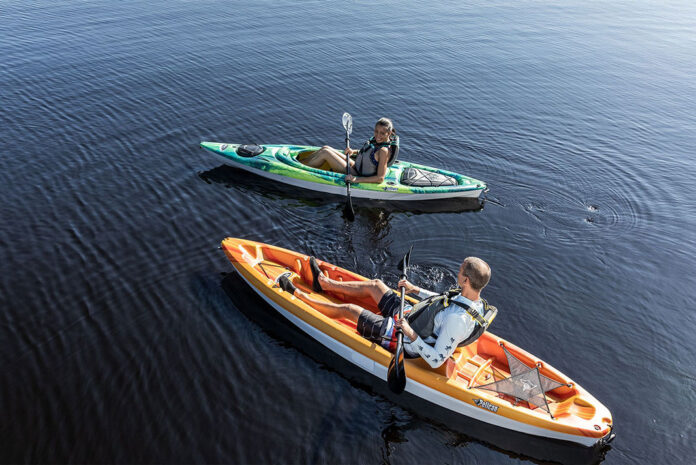
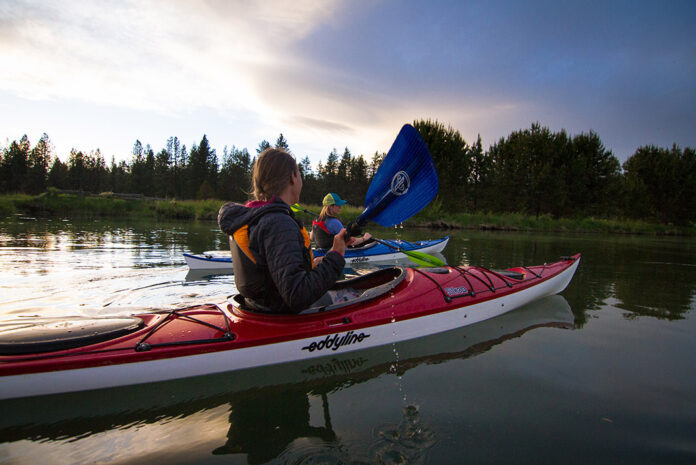
Two people paddling day touring kayaks on calm waters
Photo: Courtesy Eddyline Kayaks

Founded in 1971, Eddyline was one of the first commercial kayak builders in North America, first with whitewater boats and then with high-volume sea kayaks for West Coast adventures. Today, you’ll find Eddylines all around the continent. With their candy colors and glossy finishes, Eddyline kayaks are hard to miss. They are still made in the U.S. at Eddyline’s production facility in Burlington, Washington.

Today, Eddyline has adapted their expertise in building whitewater and sea kayaks to expand their lineup to include recreational, sit-on-top and fishing kayaks as well. The common feature across all these categories is that every one of Eddyline’s lightweight, nimble kayaks is made from thermoformed plastic.

If you are looking for a high-end kayak that is easy to carry and responsive on the water, consider an Eddyline. New paddlers will appreciate the intuitive handling of the boats, while experienced kayakers will recognize the carefully crafted designs.

Eddyline’s range of kayaks include models suitable for everything from day trips on calm waters to weeklong expeditions on exposed coastlines. Traditionally, recreational and sit-on-top kayaks are made with the least expensive materials available, often resulting in a heavier, but durable kayak with bare-bones outfitting.

Thermoforming allows kayaks to be made that retain the durability, but shave off the weight. Lighter kayaks are easier to carry and load onto a vehicle/trailer. Eddyline also takes elements from their more advanced touring boats, like bulkheads, and incorporates them into their entry-level models.

In this guide, we provide an overview of Eddyline’s lineup, along with some buying advice and links to more reviews and information on specific kayaks.

Shopping for a used Eddyline kayak?

Choosing to buy used means you can get a quality kayak for less. The challenging part is knowing where to look, what to look for, and what is a fair price.

Where to look

Eddyline kayaks are sold across North America, so there’s a good chance one will turn up in your area. If you are specifically looking for an Eddyline kayak, Craigslist, Facebook Marketplace or Kijiji search terms can help filter other kayaks you aren’t interested in. Consider setting up an email alert to be notified when one is posted.

Visit a nearby Eddyline dealer and see if they have any demo kayaks or floor models for sale. If paddling events like symposiums are being held, dealers will bring boats for test-paddling. These boats are often for sale, and you may be able to get some reductions off the sticker price while being able to not only try the kayak, but also talk to an expert.

What to look for

When viewing a used kayak, give it a thorough inspection, paying special attention to the condition of the deck (top) and hull (bottom). Eddyline kayaks are finished with a UV- and abrasion-resistant coating that will protect the boat from most impacts. Minor scratches are okay, but major drops or abuse can result in cracking. In this case, repairs may need to be done.
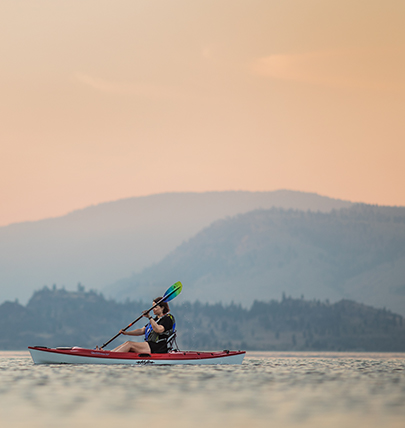
Person paddling sea kayak
Photo: Courtesy Eddyline Kayaks

Eddyline sells a Carbonlite repair kit that can be used for all of their thermoform kayaks, and the repair process is relatively simple. If the kayak has a skeg or rudder, check that it deploys smoothly. Also check the function and condition of all outfitting, such as the seat, back rest and foot braces or pedals. If any replacement parts are needed, they can be ordered through Eddyline’s website.

How the kayak was stored is a good indicator of the condition it may be in. If the boat was kept in a garage, it will have less UV and moisture damage than one that was left sitting on a lawn. Some prolonged UV damage can be seen—look for fading or discoloration. If you can’t see any, it doesn’t hurt to ask the owner how they’ve stored the kayak.

Excessive UV damage may mean the kayak hull needs to be refinished. This is a bigger job, but one that a professional can do. Moisture damage is often indicated by mildew inside the kayak, stick your head inside the cockpit and hatches and shine a light to check.

What’s a fair price?

It’s difficult to gauge a fair price for used kayaks, especially as supply has not quite caught up with the increased demand for paddling gear that’s happening now. This may drive the prices of used kayaks higher than expected. Still, don’t forget that you get what you pay for. If a deal seems too good to be true, it likely is.

Kayaks hold their value well, especially if they have been cared for. That being said, a used Eddyline listed at its original sticker price is too expensive. A five-year-old kayak will lose about half of its original value, putting a fair price at 50% of the MSRP, but will not lose much more if it is in good condition.

For more tips on what to look for when selecting a used kayak, read our article How To Buy A Used Kayak.
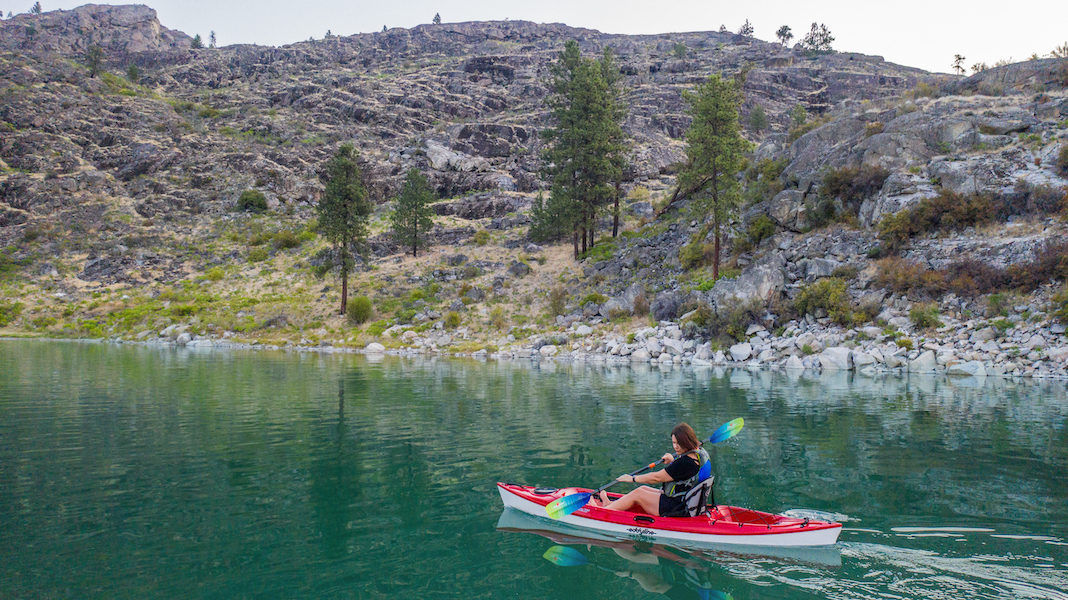
Woman paddling kayak on green-colored waters
Photo: Courtesy Eddyline Kayaks

Eddyline Kayaks buying advice

Eddyline focuses on making light kayaks that are easy to maneuver and transport. Most of the boats they make are 14 feet or less. Eddyline divides their kayak catalog into four categories: Sit-on-top, Fishing, Recreational and Touring.

Sit-on-top

Sit-on-top kayaks include the Eddyline Caribbean in 12- and 14-foot lengths. Although the 12-foot kayak can accommodate a wide range of users, the 14-foot kayak adds speed and load capacity. The Caribbean 14 accommodates up to 325 lbs of weight compared to the Caribbean 12’s capacity of 275 lbs. There is also an option for the “FS” version, which comes with a deluxe frame seat (FS). The seat is removable and doubles as a beach chair.

Sit-on-tops are best suited to warm environments and are perfect for beginner kayakers who plan to explore calm, sheltered waters. With no cockpit to lower into, they are easy to enter and exit and feel less confining than a sit-inside kayak. While Eddyline sit-on-tops are very stable and easy to use, they offer less protection from the elements (sun, rain, cold) than a sit-inside design.
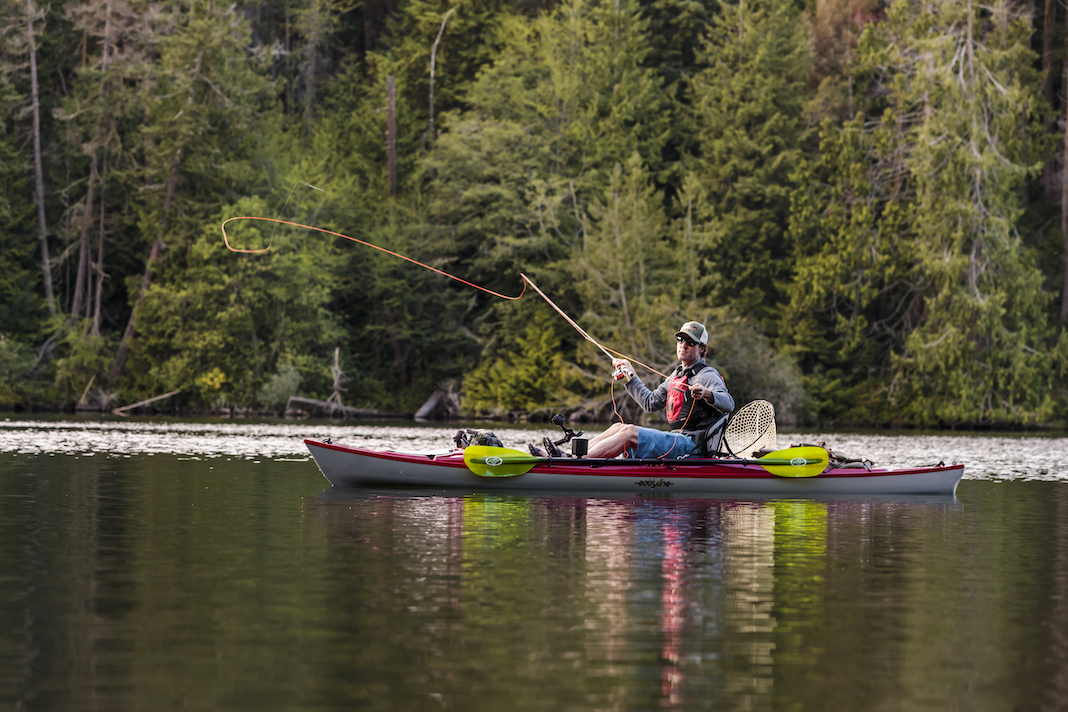
Man fishing from kayak
Photo: Courtesy Eddyline Kayaks

Fishing

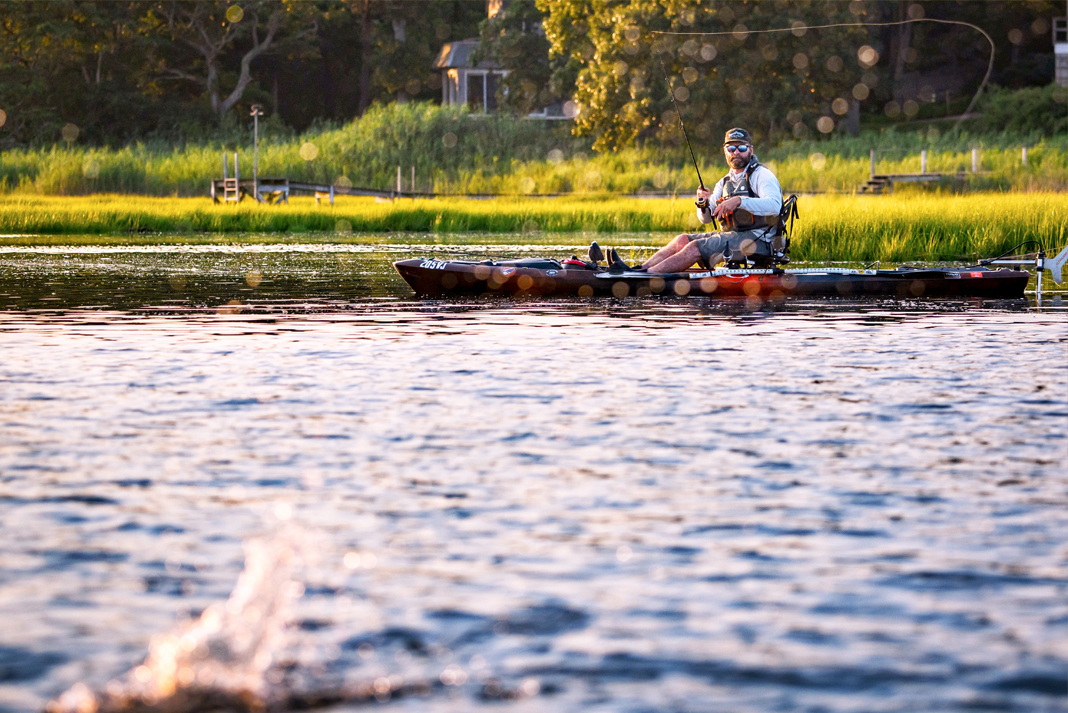
Fishing kayaks from Eddyline are modified versions of the Caribbean sit-on-top models with tweaks for anglers. These include integrated rod holders and grip pads in the footwells. Sit-on-top kayaks are a favorite for anglers, as they are stable, easy to enter and responsive to paddle. Having an open deck is also great for accessing and storing gear like tackle boxes and fishing crates.

Eddyline’s fishing kayaks stand apart with their lightweight construction; as well as looking great with their glossy finish, these boats are easy to transport and carry solo.

Recreational

Eddyline offers six recreational kayaks in their catalog. Recreational kayaks bridge the performance of a touring kayak with the stability and responsiveness of a sit-on-top. Eddyline’s recreational kayaks are “sit-in” style, which gives additional control as the paddler’s legs engage with the kayak. Their recreational lineup ranges from 10-  to 14-foot lengths.

The longer kayaks are geared towards paddlers who want to cover more distance on the water on day outings. This lineup includes best-sellers like the Skylark, which is an ideal boat for newer kayakers who want something they can turn easily when exploring calm waters.

All of Eddyline’s recreational kayaks are equipped with the storage and safety features of their larger touring kayaks, including hatches and watertight bulkheads.

Touring

Touring kayaks are the longest kayaks made by Eddyline. They are designed for adventurous paddlers who want to paddle in advanced conditions or take multi-day trips. They are at home in exposed coastal environments or choppy conditions. These kayaks are longer and narrower than the other Eddyline boats, making them more efficient to paddle. All of these touring kayaks feature a snug cockpit for additional boat control, and a comfortable seating system for long days in the saddle.

The touring category includes three iterations of the Sitka day-tourer for all different sizes of paddlers (XT, LT, ST); the flagship Fathom, Eddyline’s longest solo kayak, designed for extended wilderness trips; and the tandem Whisper, for paddling pairs who want to get out for day-long or multi-day trips.

All of Eddyline’s single person touring kayaks use a skeg for controlling the kayak as opposed to a rudder. The skeg is a retractable fin that drops into the water under the stern (back) of the kayak, helping it to stay on course (called “tracking”) when there is wind and waves pushing the kayak otherwise.

A rudder aids with both tracking and steering—a necessity on long tandem kayaks like the Whisper—but Eddyline solo kayaks turn easily enough that rudders aren’t needed.

Just like any kayak you are considering, it is crucial to “try before you buy.” Head to your nearest Eddyline dealer and chat with one of the staff there—they know boats. Describe your paddling goals, and take the kayak out for a spin to make sure it fits and performs as expected.

Still wondering if Eddyline kayaks are right for you? Here are answers to some of the most common online questions about Eddyline kayaks.

  •  Are Eddyline kayaks good?

    Eddyline kayaks are a good choice for anyone who is looking for an attractive and lightweight sit-on-top, fishing, touring or recreational kayak at a fair price. Depending on your paddling style, Eddyline offers kayaks for sheltered waters, day touring, fishing and longer paddles on more exposed waters. They come in a range of sizes and colors to suit everyone. The best way to know if an Eddyline kayak is a good fit for you is to try it out.

  • What are Eddyline kayaks made of?

    Eddyline kayaks are made of their proprietary “Carbonlite” material, developed from ABS plastic. Carbonlite sheets are heated and vacuum-formed into the kayak mold. An outer layer of abrasion- and UV-resistant acrylic material is applied to the hull. The result is a kayak that is more impact-proof than premium fiberglass kayaks, but lighter than the rotomolded plastic models that are common amongst recreational and fishing kayaks.

  • Where are Eddyline kayaks manufactured?

    Eddyline kayaks are made in Burlington, Washington.

  • Eddyline kayak durability

    Eddyline kayaks are very durable due to the thermoforming process and impact-resistant materials used in the construction. Eddyline’s proprietary “Carbonlite” ABS material is applied in two layers for added strength, and then coated with an acrylic exterior to protect from abrasions and UV damage.

    Nothing is indestructible, however, and it is possible to damage an Eddyline kayak in extreme circumstances. Thermoform plastic is more susceptible to cracking and shattering than rotomolded polyethylene, especially in very cold temperatures. Damage is most likely to result from a direct impact, such as a fall from a roof rack onto a sharp rock. If the hull does have a crack in it, the material can be repaired relatively easily by applying epoxy and a woven patch.

  • Eddyline kayak prices

    Eddyline kayak prices range between $1,200 and $3,250 depending on the make and model of the kayak. Compared to other kayak brands, Eddylines land in the mid-range. They are more expensive than entry-level polyethylene kayaks, but cost less than space-age, ultralight composite kayaks.

  •  Eddyline kayak dealers

    Wondering where to buy Eddyline kayaks? Use the dealer locator tool to find one near you. At outdoor chains like REI, Eddyline kayaks and accessories may be available, although they are not listed on the site. Check your local store or inquire about special ordering a kayak. This is essentially placing an order through REI to have a kayak shipped.

  • How to store Eddyline kayaks

    Storing Eddyline kayaks properly is key to ensuring they have a long life. Although the hull is UV-resistant, it is best to keep your kayak out of direct sunlight, ideally in a garage. If you need to store it outside, place the kayak under an awning to minimize sun damage.

    Keep the kayak off the ground to prevent moisture damage and reduce the chances of critters making it their home. Make sure that the contact points of the rack do not warp the kayak. It’s ideal to place these near the bulkheads, using webbing or wide straps to minimize pressure points.

    After paddling, rinse the kayak with freshwater to clear any sand, debris or salt, especially around the skeg and inside the cockpit. Make sure the kayak is completely dry before storing it.

    Check out some creative storage solutions for your Eddyline kayak.

  •  How to transport Eddyline kayaks

    Kayakers can opt for either a roof rack or trailer when getting their boat to the put-in, and there are benefits to both, depending on the vehicle you drive. Smaller boats may fit into the bed of a pickup truck, but it isn’t ideal for anything longer than 10 feet.

    Transporting your Eddyline kayak can be stressful. Serious damage can occur if the kayak is not secured properly. You’ll want four points of contact connecting the boat to the vehicle. Attach lines from your vehicle to the bow and stern for added safety and peace of mind.

    A common mistake when securing the kayak is over-tightening the straps. This puts undue pressure on the kayak and can lead to cracks in the hull or deck. Avoid ratchet straps, and instead use cam straps to safely secure the kayak to your roof rack.

  • What is the lightest Eddyline kayak?

    The lightest Eddyline kayak is the Sky 10 recreational kayak, weighing 32 lbs / 14.5 kg. All of Eddyline’s kayaks are built with lightweight materials and will be some of the lightest boats when compared to similar models from other brands.
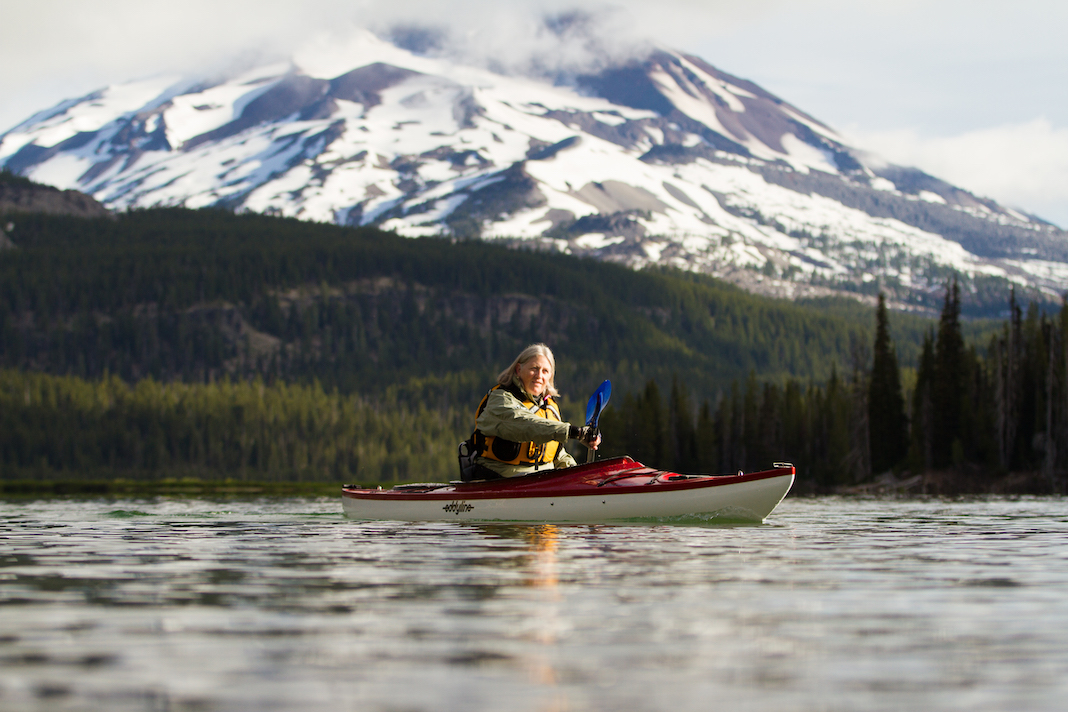
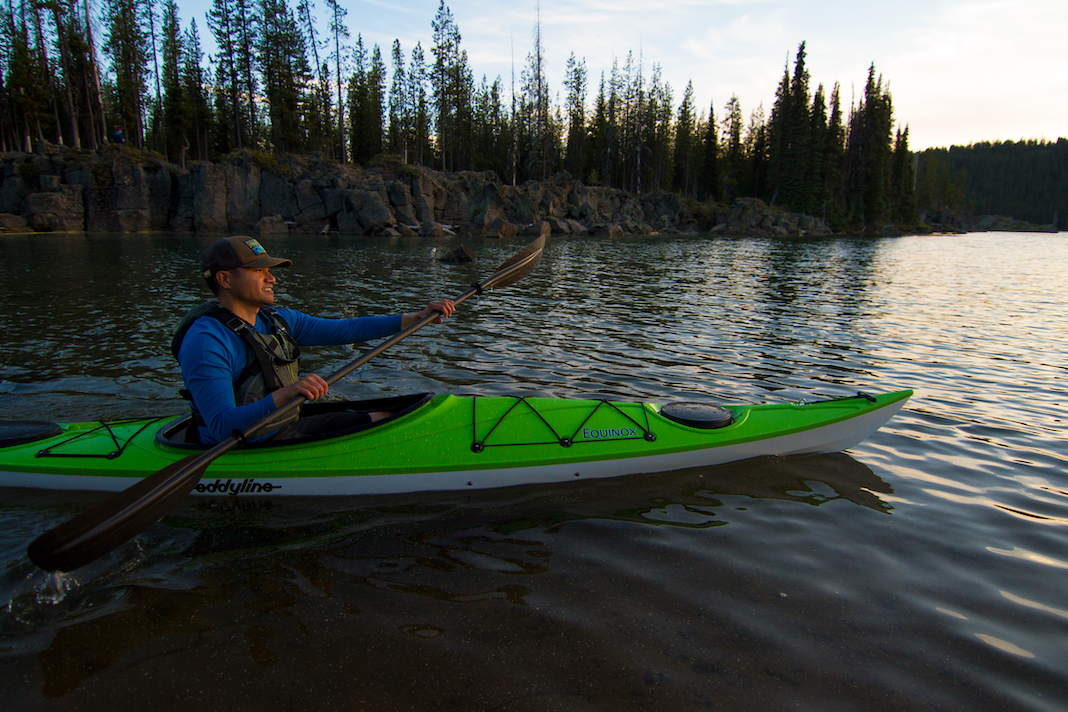
Compare Eddyline kayaks

  • Eddyline vs Delta kayaks

    Like Eddyline, Delta kayaks are made exclusively from thermoformed plastic. Where Eddyline kayaks are manufactured in Burlington, Washington, Delta builds their boats near Vancouver, British Columbia. Delta focuses more on touring kayaks, although they also make quality recreational kayaks. Both companies are excellent options for lightweight day touring kayaks. Go with Eddyline if you are looking for a sit-on-top or fishing-specific kayak.

  • Hurricane vs Eddyline

    Hurricane kayaks are also high-quality thermoformed kayaks. They feature a more extensive line of sit-on-top kayaks than Eddyline. Look to Hurricane kayaks if you are set on a sit-on-top; Eddyline kayaks are designed more for touring, as evidenced by comfort-focused outfitting and skegs for superior tracking.

  • Eddyline vs Wilderness Systems

    Wilderness Systems is another popular kayak company, making a variety of boats for recreational, fishing and touring paddling. Wilderness Systems makes kayaks that can be paddled, pedaled or motor-powered. The main difference between Eddyline and Wilderness Systems kayaks is the construction.

    Wilderness Systems’ kayaks are made from rotomolded polyethylene plastic as opposed to Eddyline’s thermoform construction. Rotomolded kayaks cost less but are heavier than thermoformed kayaks.

  • Eddyline vs Current Designs

    Current Designs makes their kayaks with a deliberate focus toward longer boats and touring. They offer kayaks longer than 15 feet for expedition travel, ocean play and day touring. Current Designs makes rotomolded plastic kayaks as well as ultralight Aramid composite boats. Eddyline’s kayaks land in between these materials for durability, price and weight.

    Eddyline also focuses more on shorter recreational, fishing and day touring kayaks. Go for an Eddyline if you are looking for a good value, lightweight, mid-range kayak and aren’t planning on extended paddling trips or heading out into big swells.

  • Eddyline vs Dagger

    Dagger kayaks are found anywhere there is whitewater to be run. They take this sleek whitewater design and apply it to their line of sporty recreational and day touring models. All of Dagger’s kayaks are made from durable rotomolded plastic. Eddyline kayaks are more expensive, but lighter and available in more color and design options.

    Choose Dagger if you are considering multi-water paddling that includes swiftly moving rivers or rapids, or if you want an extremely durable kayak that can handle repeated impacts with rocks. If you are a beginner or experienced paddler looking for a lightweight recreational or touring kayak, Eddyline is the better fit.

  • Eddyline vs Perception

    Perception makes rotomolded plastic fishing, recreational and sit-on-top kayaks at an entry-level price point. Perception is part of the Confluence Outdoor family, the same group that owns Dagger and Wilderness Systems. For a dependable, no-frills kayak, Perception has a variety of good options.

    By comparison, Eddyline’s kayaks have more premium features and their thermoform construction shaves weight. As a result, expect to pay more for an Eddyline kayak.
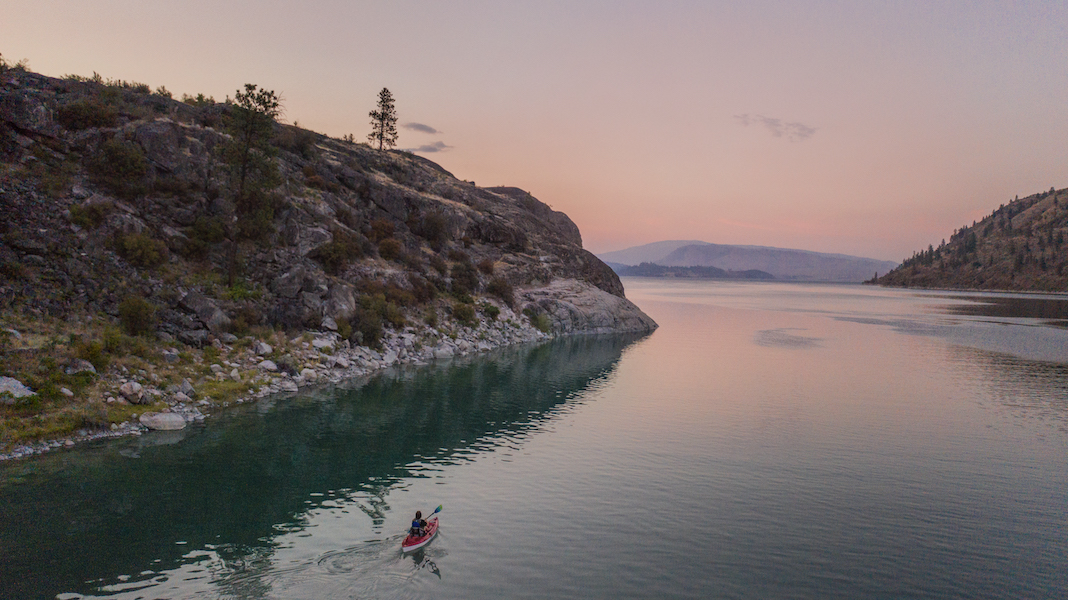
Woman paddling touring kayak on glassy waters
Photo: Courtesy Eddyline Kayaks

Eddyline kayak reviews

Paddling Magazine is your best online resource for Eddyline kayak reviews. Remember, the first step in choosing a kayak is considering the type of paddling you aspire to do. Reading expert reviews will allow you to evaluate how each kayak handles and how it performs for the intended paddler and conditions.
 

Inflatable Pedal Kayak Review: BOTE LONO Aero Apex

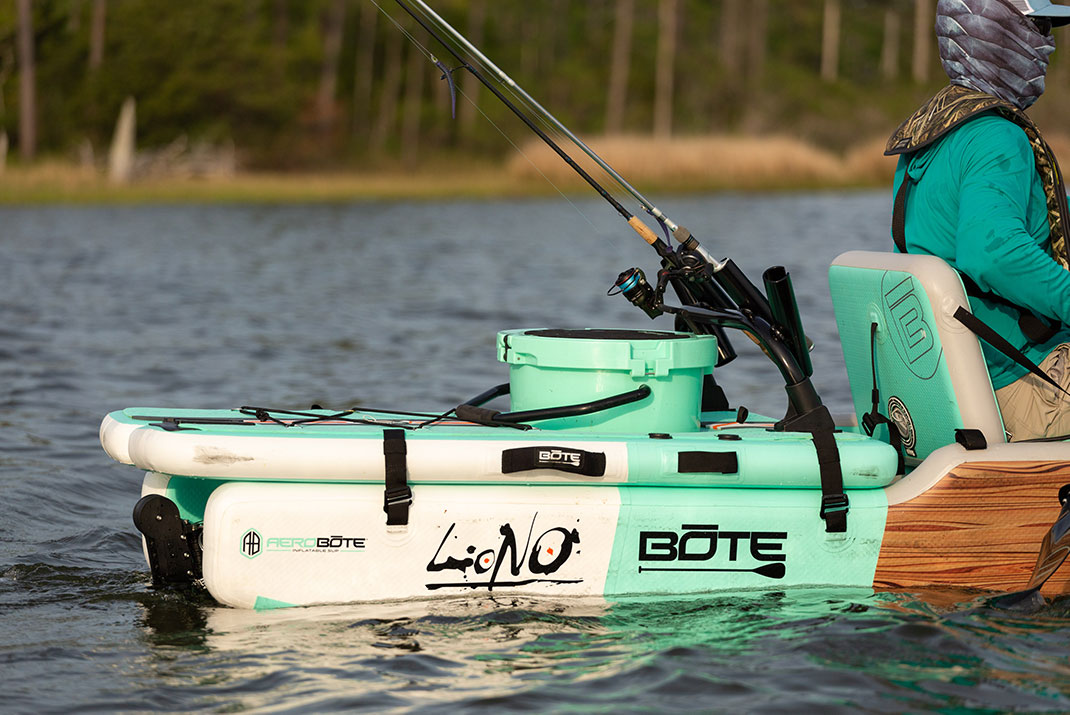
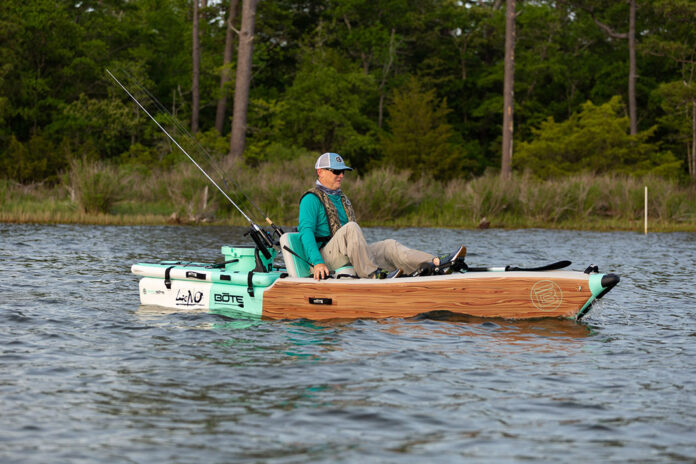
man pedals the BOTE LONO Aero Apex inflatable pedal kayak
Get away from the crowd with this one-of-a-kind flats fishing secret weapon. | Feature photo: Roberto Westbrook

Like a scourge of locusts or a blood red sea, it seems like new anglers have taken over every fishing hole. Oh well, I can’t fight them, so I decided to find a new place to fish. That means finding a launch other anglers can’t reach. To pull off the plan, I needed a kayak that can go places other kayaks can’t go. Enter the BOTE LONO Aero Apex, a kayak like no other.

BOTE takes LONO Aero to the Apex

BOTE LONO Aero Apex Specs
Length: 12’6”
Width: 35.5”
Weight: 93 lbs with drive
Capacity: 400 lbs
MSRP: $2,200
boteboard.com

Sure, there are plenty of capable inflatable kayaks, even pedal-powered blow-up boats. But I needed a full-function fishing kayak with pedal drive I can drag 100 yards through woods to reach virgin water. The LONO Aero offers a full-size, full-feature fishing kayak with a pedal system. Using the LONO Aero Apex, I can go where no kayak can go and still have a capable fishing platform when I get there.

Here’s how it works: I start by searching a satellite image for prime fishing grounds out of reach of boaters and kayakers. Then, I look for a place to park my car within dragging distance of the honey hole. Once I have a few leads, I spend a windy day exploring each spot. When I find a suitable off-grid launch, I return in season loaded for bear.

Places where I would need a heavy-duty, balloon-wheel cart to muscle a rotomolded kayak to the water, an inflatable will bang and bully through any terrain.

Normally, to reap the advantages of an inflatable, I would give up the performance of a pedal boat and the rigging on a full-feature kayak. If I want to explore Shangri-La, I expect to sacrifice performance and range. With the BOTE LONO Apex, I get the advantages of an inflatable and the performance of a hard-bodied kayak in one boat.

In the Early Summer issue of Kayak Angler, I reviewed the paddle version of the BOTE LONO. I wrote “Calling the LONO a kayak doesn’t do it justice.” Adding a pedal drive further makes the point.

A well-earned reputation for innovation

The LONO isn’t BOTE’s first foray into an out-of-the-box design. The company’s history is full of genre-breaking and industry-leading ideas. From the high-sided Rackham to the first inflatable micro skiff, the folks at BOTE see a problem without seeing obstacles to a solution. The LONO is their solution to the biggest problems with inflatable kayaks: performance and rigging.

Start with the LONO’s unique design. The LONO comes in two pieces. The main hull is constructed of three high-pressure chambers, a floor and two gunwales. When I’m hitting a hidden spot that is hard to reach and super shallow, I can fish the LONO like a 50-pound standup paddleboard with almost zero draft.

The inflatable stern deck turns BOTE's Aero into an inflatable kayak with gear storage and a standing platform. | Photo: Roberto Westbrook
The inflatable stern deck turns BOTE’s Aero into an inflatable kayak with gear storage and a standing platform. | Photo: Roberto Westbrook

Adding the inflatable deck to the stern turns the LONO SUP into a kayak. I can sit or stand on the stern deck and store tackle and gear below. The inflatable deck also offers more options for rigging with rod holders, Power-Pole Micro and other accessories.

The design allows the LONO Aero Apex to go from formidable inflatable standup to equally capable inflatable kayak. Now, BOTE has added a pedal drive to give the LONO greater range and open more possibilities.

Adding pedals to an inflatable boat

To pull off the conversion, BOTE keeps it simple. A small port in the deck holds the propeller drive. To install the drive, drop it through the hole and secure it with three knobs. Going into shallow water mode takes several seconds to lift the lower unit out of the port.

The LONO Apex includes an inflatable bench seat that can be moved forward and back to adjust pedal distance. The seat is comfortable and functional as a solid pedaling platform for short distances.

It only took a few minutes to rig the rudder and steering controller. From deflated to inflated pedal kayak, I spent about a half hour setting up the LONO. With three large, high pressure chambers, the seat and rear deck to inflate, I highly recommend a power air pump.

A flared bow and reinforced keel keep the inflatable on course even in choppy seas. | Photo: Roberto Westbrook

Since the LONO Aero requires some effort to inflate, I assemble the boat at home and truck it to the fishing spot. At only 93 pounds with the drive, I can roll it on a light cart or drag the boat to the water through almost any terrain. Some people worry an inflatable will spring a leak, but the heavy-duty vinyl is almost puncture proof and, if it does spring a leak, it’s easy to patch. When I’m beating the LONO around, I don’t worry about breaking it.

On the water with the LONO Aero Apex

But does the LONO Aero Apex keep its promise on the water? Is it an inflatable that performs like a hard body? Well…almost.

Okay, so you’re not going to replace a Hobie Mirage Pro Angler or Old Town Sportsman PDL with the LONO Aero Apex. On the other hand, you’re not going to fit the PA or PDL in your broom closet. While the LONO may not perform like a full-size kayak, it handles a hell of a lot better than the average inflatable.

First, the 12.5-foot-long, 35.5-inch-wide kayak is as stable as any full-size boat. The flat, open deck provides plenty of room for standup fishing. I like the LONO rigged with Rocket Rack rod holder and Kula cooler for tackle and gear. I keep rigging to a minimum. However, the boat can be set up with rod holders, accessories and even electronics.

Without the stern deck, the inflatable paddleboard performs almost as well as a hardboard. The boat has a unique flared bow and a stiff ridge in the hull creates a keel. A couple fins in the stern improve tracking. The high sides catch the wind, but they also offer more room for gear and keep my catch from flopping overboard.

Add the deck section to the stern and I get a convenient seat or standing platform. The boat’s design and elevated seat make it more comfortable and improve performance, but the LONO Aero isn’t as efficient as a hardbody boat. The AeroBote drop stitch construction keeps the inflatable chambers rigid so the boat doesn’t bend under pressure.

man pedals BOTE LONO Aero Apex inflatable pedal kayak
Get away from the crowd with this one-of-a-kind flats fishing secret weapon. | Feature photo: Roberto Westbrook

With the pedals, the LONO Aero turns into a formidable fishing kayak. Pedal power cancels the negatives of paddling an inflatable, and the lower unit and propeller improve tracking and speed. The pedals work efficiently to turn the propeller and push the inflatable like any other pedal kayak. While the Apex pedal system isn’t on par with higher-priced pedal kayaks, it will go toe-to-toe with many budget hard plastic pedal boats.

The rudder control is responsive and easy to index, so I can feel the angle the rudder is pointing. Of course, the high-sided, low-draft inflatable is subject to wind and current, but the pedal drive and large rudder help keep the boat on course. Turning the rudder hard to the side, I couldn’t get the boat to do donuts, but it did turn well enough to go where I pointed the bow. The shallow draft and light weight make the LONO Aero a champ scooting across skinny water.

Fish outside the box with LONO Aero Apex

To be honest, the LONO Aero Apex probably wouldn’t work if it wasn’t for BOTE’s dedication to quality. The drop stitch chambers, heavy-duty vinyl and high-quality components make it possible to put a pedal unit in an inflatable. The LONO’s design combined with BOTE’s pedigree as skinny-water, flats-fishing enthusiasts is behind the boat’s out of the box design that keeps its promises. If you’re looking to find new places to fish other anglers can’t reach, the BOTE LONO Aero Apex can take you there.

Related articles

BOTE kayak reviews

Pedal fishing kayak reviews

Hybrid kayak reviews

Coming soon

SEE ALL KAYAK REVIEWS

Kayak Angler magazine, Summer 2021 issueThis article was first published in Kayak Angler Issue 45. Subscribe to Kayak Angler and get the magazine delivered to your front door. Download the Kayak Angler Magazine+ app to seamlessly glide between the digital archives, the latest articles and videos.


Get away from the crowd with this one-of-a-kind flats fishing secret weapon. | Feature photo: Roberto Westbrook


Tarp Shelter Tips For Canoe And Kayak Camping

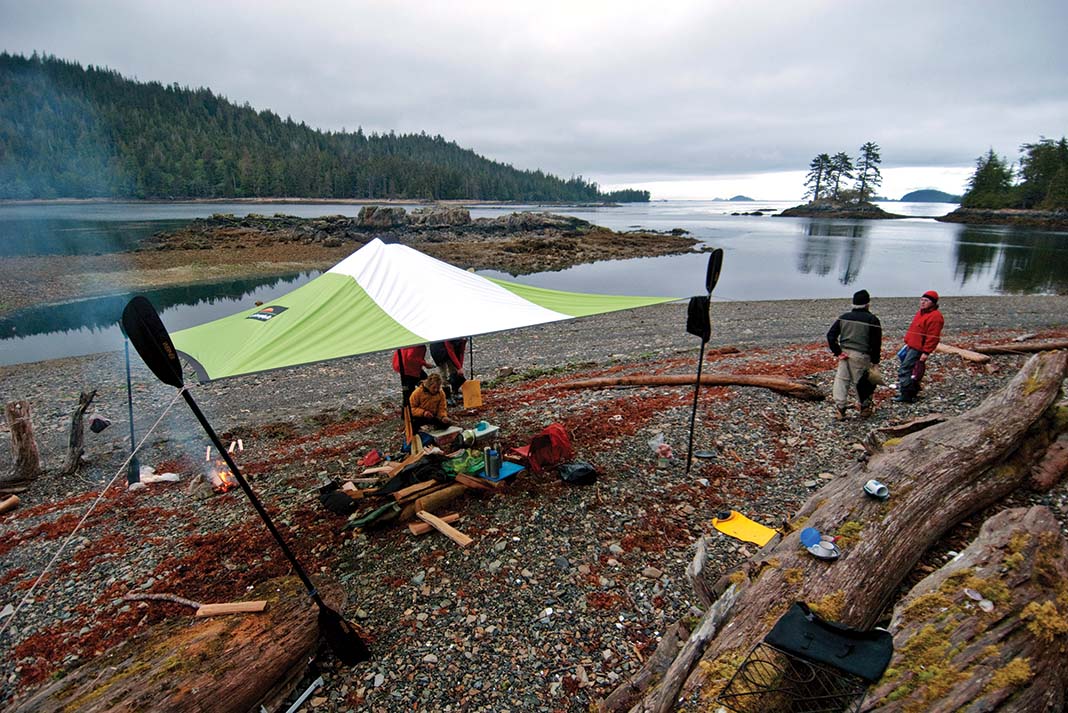
kayakers setup a tarp shelter while on a camping trip
“We all need a little shelter/Just a little helper to get us by...” —Cinderella | Feature photo: Dave Quinn

You’re a paddling Jedi who can keep it hull-down in any sea conditions, roll a loaded double and cook a mean backcountry soufflé. But can you set up a tarp? Follow these tips to stay out of the elements and setup a tarp shelter on your next kayak or canoe camping trip.


Tarp Shelter Setup for Kayak Camping

Whether you’re stuck in a 10-straight-day reminder of why it’s called the “rainforest” or blessed with blistering sun in Patagonia or Baja, solid tarp skills are the sine qua non of campcraft lore that separate the backcountry pros from the schmoes.

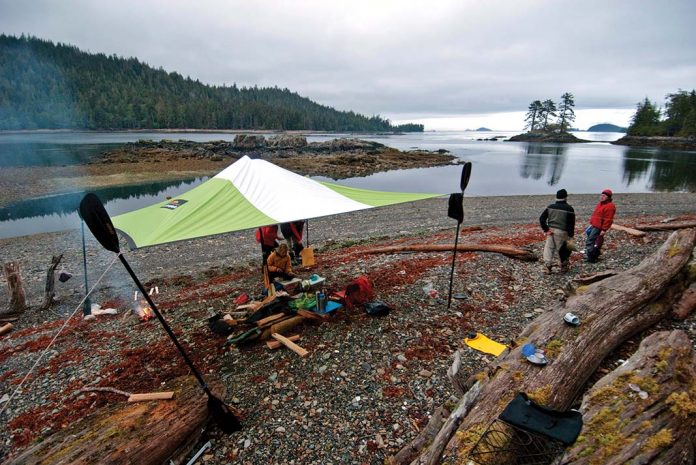
To salvage an otherwise drowning or overcooked experience, try this advanced tarp setup, known as the Big Top. With a little practice, you can create a spacious shelter for any situation.

“We all need a little shelter Just a little helper to get us by...” —Cinderella | Photo: Dave Quinn
“We all need a little shelter/Just a little helper to get us by…” —Cinderella | Feature photo: Dave Quinn

4 Easy Steps for Tarp Shelter Setup

1 Tie Tarp to Poles

Attach tarp corner lines to either paddles or cut driftwood poles just above head height, using a clove hitch.

2 Secure the Corners

Tautly secure all four corners at a 45-degree angle from the tarp edge and a 45-degree angle to the ground.

3 Prop Up the Big Top

Elevate the center with either a driftwood pole, raft oar or two paddles duct-taped together (experiment with lengths, depending on tarp size). Tie the top of the pole to the tarp center to keep it from falling in wind gusts.

4 Watch Out for Extreme Weather

Extreme conditions may require extra anchor ropes along the tarp sides. Anchors can be driftwood, boulders, boats, trees or simply a deadman anchor—a stick or log buried in the beach perpendicular to the rope, with the rope tied to the center.

[ Browse the widest selection of boats and gear in the Paddling Buyer’s Guide ]

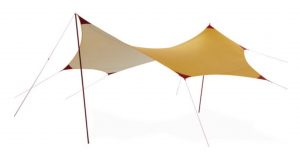
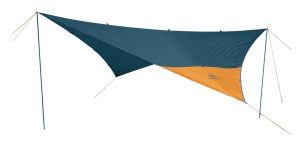
3 Top Tarps for Your Next Camping Trip

Sea to Summit Escapist tarpSea to Summit

Escapist Tarp

$229 | seatosummitusa.com

Perfect for minimalist camping trips, this ultralight tarp shelter comes with eight super-strong tie-out points and attached cord adjusters. Weighing less than a pound, this versatile tarp can be setup with trekking poles or attached to nearby trees. Also attaches to Sea to Summit’s Escapist Bug Tent.

BUY ON AMAZON SHOP SEA TO SUMMIT ON AMAZON

MSR Sun Shield 200 camping tarp shelterMSR

Sun Shield 200

$349 | msrgear.com

The modern, lightweight MSR Sun Shield 200 would be equally at home on the set of Battlestar Galactica as the wildest, wettest corners of Earth. Sold with poles, the funky design provides 200 square feet of shelter while weighing only six pounds. Now with updated UPF of 50+ for sun protection. Perfect for expeditions where weight is as important as comfort.

BUY ON AMAZON SHOP MSR ON AMAZON

Kelty Noah's 12 tarp shelterKelty

Noah’s Tarp 12

$79 | kelty.com

Carried in a convenient roll-top bag, this simple tarp shelter from Kelty includes attached corner guyline with storage pocket and multiple reinforced tie-out points for secure setup. Weighs less than three pounds and provides 144 square feet of shelter. Poles sold separately.

BUY ON AMAZON SHOP KELTY ON AMAZON


Paddling Magazine Issue 65 | Fall 2021

This article originally appeared in Adventure Kayak, Spring 2010 as well as in Paddling Magazine Issue 65. Subscribe to Paddling Magazine’s print and digital editions here, or download the Paddling Magazine app and browse the digital archives here.

“We all need a little shelter/Just a little helper to get us by…” —Cinderella | Feature photo: Dave Quinn


Best Canoes For 2026

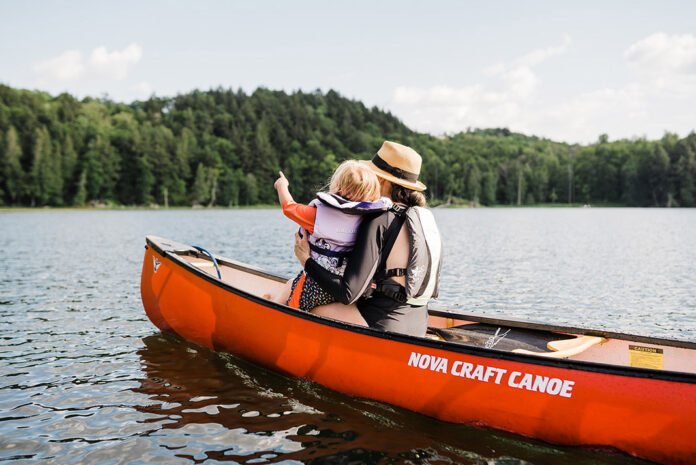
Woman and little girl sitting in bow of red canoe.
Courtesy of: Nova Craft

Some folks just can’t imagine a summer without time spent in a canoe. For them, nothing compares to the experience of gliding across the water in a canoe. One of the beautiful things about canoeing is how many ways that experience can unfold. It’s a lifetime activity that changes as you get older. You might take a canoe out for an afternoon outing with toddlers or on a weeklong retirement backcountry camping trip.

And just as there are many ways to paddle, there are many types to choose from. There are recreational canoes designed to be stable while fishing or speedy ones to take you across big lakes. You can find plastic canoes that are indestructible or ultralight ones that portage with ease.

Some people’s canoe experience started before they could walk. Maybe that’s you, or perhaps you’re just beginning now. Either way, that’s okay—there’s a canoe for you.

Whether you’re looking to upgrade, go lighter, or just begin, you can find a canoe to match your needs. Finding the best canoe is a combination of knowing what’s out there and knowing what you want. We’ll help you do both here. We have links to various canoes, sorted by type, size, material and more. In our “Canoe Buying Guide,” we outline the steps to buying a canoe and answer many questions that may arise during your search.

Best canoes

Aren’t sure what type of canoe is best for you? Learn more about what different types, materials, sizes and brands of canoes have to offer by following the links below. Each will take you to our articles about these more specific kinds of canoes, which include buying advice and top models to make it easier to narrow down your options.

Best canoes by type

Best canoes by material

Best canoes by number of paddlers

Coming soon

Best canoes by brand

Shopping for a used canoe?

Buying a used canoe is a great way to score a deal. With the money saved, you can buy a canoe that would be too expensive if purchased new. If you are new to the paddling world, you’ve likely realized how high the initial costs of paddling are. The great thing is that once you’ve got the gear, the expenses are minimal—just travel costs and maybe access fees.

Once you have a complete kit, you can slowly add or upgrade items, including the canoe. With the prevalence of online classifieds like Kijiji, Facebook Marketplace or Craigslist, canoe shopping has gotten much easier. Much of the new boat-buying advice applies even to pre-loved hulls. Still, there are some things unique to used canoes worth considering.

 Use the following advice when looking to buy a used canoe:

1 Decide what type of canoeing you’ll most often do

This is a big one. While advice from your friends and others is helpful, really think about how you want to use the canoe. Doing this will help guide the rest of your search. Are you looking for some solitude on small ponds? Maybe a solo pack boat is for you. Or is this a boat to take out fishing at the cottage? Look towards recreational canoes. Do you want to travel through lake country? Consider a versatile Prospector shape.

2 Figure out what material you want

Your answer to the above will dictate the ideal canoe material for you. If you plan to carry the canoe along portages or need to load the canoe on your car by yourself, the weight will be a big factor. Look for Kevlar canoes to save your shoulders.

If weight isn’t an issue, look toward plastic canoes. These are also ideal for whitewater paddling as they handle impact and abrasions better. Bonus: they cost less too.

Aluminum canoes were once ubiquitous, and many paddlers grew up with their first memories seared on the hot aluminum of a Grumman. Plastic and composites like fiberglass or Kevlar have replaced aluminum, offering better performance, weight and all-around performance. Used aluminum ones may still be floating around.  After all, they are no-nonsense canoes that will last forever (until wrapped around a rock in a river).

If you’re looking for a project, consider restoring a wood-canvas canoe. Many wooden canoes find their way to the classified pages after sitting in backyards exposed to the elements. They may need lots of love, but if that’s your thing, then wood is good.

3 Pick between solo or tandem

Who will you be paddling with the most? Do you have a committed paddling partner, or do you mostly go solo? If you want a bit of both, 16-foot Prospector-style canoes can be paddled tandem, but they become solo boats by sitting backward in the bow seat. The symmetrical hull of most canoes makes this possible.

4 Know your budget

If you have a set amount you’re prepared to spend, stick with that price. Leave some cash for other gear like paddles and well-fitting PFDs.

Have a look online, but set price filters when you’re checking classified websites. Pro tip: utilize the “minimum price” option as well as the maximum. This will clear away ads that are selling canoes you aren’t interested in.

5 Find a place to buy

Look everywhere when shopping for a used canoe. Most canoes are for sale—for the right price. If your neighbor has a canoe that hasn’t come off the rack in years, ask them if they’d part with it. They may even appreciate someone clearing it out of the yard for them.

Outfitters often sell some canoes from their rental fleets at the end of each season. Renting one of the canoes is an excellent way to test the canoe out. If you like it, you may even be able to reserve it on the spot. Another good place to look for a canoe is at a trade show. Floor models or demo boats are sold at a markdown, and as the name implies, you can demo it out. Do you see a theme here? Try before you buy.

6 Ask the right questions

One piece of fantastic buying advice is to watch how the current owner handles the canoe. If they are rough with it in front of you, they were probably rough with it on the trail. Also be sure to ask how the owner stored the canoe. UV rays are harsh on canoes, and if the canoe was always stored outside, it would have been exposed to the elements.

You can also get a good sense of the canoe’s capabilities by asking the current owner the type of paddling they did with it. This is essentially a product review, a handy tool to gauge if the canoe is a good match for you.

7 Take it for a test paddle

Ultimately, you won’t know if it’s the boat for you unless you get it on the water. There are small things that may go unnoticed otherwise.

Don’t just paddle the canoe, be sure that you can carry it! See how it feels to lift, whether that’s onto a car or over a portage trail; if it’s uncomfortable to carry, you’ll be less inclined to use it.

If you cannot try out the specific canoe you’re looking at, extra time spent reading reviews or paddling similar canoes will help.

8 Inspect for damage

Carefully check the hull of the canoe for scratches and cracks. Most canoes will have some scratching from sliding up onto the shore or a bump in the shallows. These are superficial and nothing to worry about. If it’s deep enough to see the cloth or base, you may need to make minor repairs.

Kevlar and fiberglass canoes often have “float tanks”, airtight compartments at the bow and stern to prevent the canoe from sinking. Lift the canoe and listen for any water sloshing around. This might mean that there is a breach in the float tank.

Wooden gunwales may show signs of warping and cracking. Aluminum gunwales are durable, but under intense pressure, they can crimp or fold. Plastic ones are incredibly resilient, but if they are cracked, they will need to be replaced. Don’t let damaged gunwales discourage you from buying a canoe; knock a few dollars off of your offer and get them replaced for relatively cheap.

For more tips on looking for a used canoe, read our article How To Buy A Used Canoe.

Canoe buying guide

Read the following advice if you’re new to buying canoes or if it’s been a while since you last bought one. Deciding what type of canoe to buy depends on more than just your budget. Different canoe designs match specific paddling styles, so it’s important to think about the type of canoeing you want to do.

There are also materials, sizes and brands to consider. Below, you can find some advice that will detail how to pick a canoe. We also have answers to questions that you may already have about canoe-buying.

1 Assess your needs

The “perfect canoe” depends on who you are, where you paddle, and what you expect from a canoe. Some people want a canoe for whitewater, others want one for fishing, and others are looking for something to relax in while at the cottage.

There are so many options out there, so which canoe is for you? Determine what type of canoe is going to best suit your paddling style. Before wandering into your local outdoor retailer or canoe manufacturer, take time to determine what type of canoeing you would like to do.

2 Choose a canoe type

Can you picture yourself taking your grandchildren fishing at the cottage? Recreational canoes will be right up your alley. Have you dreamed about making an independent voyage into the Boundary Waters? A solo canoe will help you make it happen. Do you like the idea of traveling with your family to La Vérendrye on a weekend vacation? Stuff a lakewater and touring canoe full of barrels and fun.

Whitewater canoes are for the adventurer looking to get a little wet and wild. Each activity requires a very different canoe, so it’s important to know what you want.

3 Set your budget

You can spend almost anything on a canoe. It’s tricky with canoes; price isn’t everything but it does make a difference. Refer to Step 1: Assess Your Needs. The most expensive canoe isn’t automatically the best—if you want a rugged canoe for river-running, a mid-range plastic canoe is better than the top-of-the-line carbon fiber cruiser.

That being said, a canoe is a purchase you only make every few years. If it’s only a few hundred dollars between a canoe you like and a canoe you love, you’ll regret not spending the extra money down the road.

4 Choose your canoe material

There are lots of different options for canoe materials. Each has its own strengths and weaknesses. For an in-depth review of the materials, check out The Best Canoe Material. Here’s a quick overview of some of the common ones you’ll find.

Composites are probably the most common types of canoes sold now. These range from low-end fiberglass to ultralight Kevlar/Aramid. They vary greatly in performance and price, but typically are lighter than plastic though not as durable.

Plastic canoes cost less than composites but weigh more. If weight isn’t an issue, or price is, then a cheap plastic boat that can get knocked around is a good option.

Aluminum canoes are another “beater” canoe choice; these can handle anything you hurl at them. Popular before the rise of plastics, new aluminum canoes nowadays are not as easy to find. They are heavy, noisy and cold or hot to touch, but will last forever.

Wooden canoes come as DIY projects in build-your-own kits or are assembled by master woodworkers. Paddling them is like floating in a piece of art. These masterpieces require infrequent but  periodic maintenance and are heavier than space-age composites.

5 What are the must-have features?

Look at the options available. Some trim options, such as molded, adjustable seats and sculpted yokes, affect the performance and handling of the boat. Others, such as wooden gunwales, wicker seats, and cherry deck plates, serve the same function as aluminum or vinyl but make the craft more elegant.

6 Consider the brand

There are many canoe brands out there, with some more common in certain places than others. Swift canoes, for example, are all tested in Ontario’s Algonquin Park. It’s no surprise that they are popular there, since they excel on flatwater portaging trips.

If a brand is popular in an area, specifically if the outfitters choose to use them, the canoes will be well-suited for travel there. What does this mean for you? Well, if you know that you want to canoe exclusively in a particular place, see what the locals use.

If you’re the type of person to go against the grain or want something unique, browse the different brands in our Paddling Buyers Guide. There’s a good chance you’ll find some you’ve never heard of in there.

7 Find a canoe to buy

There are lots of different places to look for canoes now, even Amazon. Big-box stores like Costco and Walmart also carry select recreational models. Look to national outdoor chains like MEC or REI to have a range of canoes, or they may be able to order one in. If you see an intriguing canoe online, look up the nearest dealer. Many canoe brands have online catalogs and a “Dealer locator” option.

There’s something to be said about supporting your local canoe shop. These are run by experts, who will be able to provide a level of service that you can’t get by clicking “add to cart”. If you aren’t sure of some features, the staff here have the knowledge to answer questions and quell concerns.

8 Get out and enjoy it

Try it out! If you have a chance, take advantage of an opportunity to paddle the canoe before you buy it. It’s good if you can do that at a dealer before purchase, but if not, see if they have a return option if you don’t feel comfortable in the boat for whatever reason.

9 Bonus step: Get the gear

The canoe is just the start. Don’t forget to get the other stuff as well. Depending on where you live, there will be items you legally need to have in your canoe like a floating rope, bailer and PFD. A properly-sized paddle will maximize your efficiency on the water too. If you’re going to be canoe tripping, look into proper packing gear like canoe barrels or drybags.

Have more questions? Find our answers to common queries below.

  • Canoe meaning

    According to Etymology Online, the word “canoe” is adapted from the Spanish canoa, derived from the Arawakan canaoua. The indigenous people of the Caribbean spoke Arawakan languages, and the Spanish colonizers adopted the word in the 1550s. Now, canoe extends beyond dugout canoes to all the different types of open hulled, paddle-powered craft.

  • What is a canoe used for?

    In the simplest sense, a canoe is used for travel on water. Most of the time, it is powered by paddling, but some canoes can have motors equipped. Canoes are great for accessing places where water is too shallow to take a boat. The other fantastic thing about canoes is that they are relatively easy to carry, and accessing remote lakes is suddenly possible.

  • What makes a good canoe?

    Craftsmanship, high-quality materials and design are all aspects of a good canoe. Canoe brands that outfitters commonly use are ones that they know are reliable and require little maintenance. Canoes that are made in dedicated factories will also have rigorous quality control measures in place. Look for ones from companies that have a history of building canoes.

  • What is the difference between a kayak and a canoe?

    The main difference between a kayak and a canoe is the closed deck of a kayak compared to the open deck of a canoe. Kayaks are always paddled seated, while canoeists can sit or kneel. Similarly, kayaks are always paddled with a double-bladed paddle, but canoes can use either a single or double blade.

    Both kayaks and canoes are excellent ways to travel across the water, but what one is best for you?

    Read Kayak vs Canoe and find out.

  • Canoe or jon boat?

    Jon boats are another popular boat for cruising small, shallow waterways. These boats are characterized by their boxy shape, low sides, and stable, flat bottom. Traditionally made of wood, the term now includes aluminum boats with the same relative shape. They’re favored by fishermen or waterfowl hunters who want a boat they can guide through marshes.

    Jon boats were typically rowed but new ones can be equipped with a motor. With their wide bottoms, jon boats do not move through the water as efficiently as a canoe. They are more stable, however. Canoes are easier to carry on portages, and some square-sterned canoes can accept a motor.

    If you are deciding between a canoe and a jon boat, think about the areas you’ll be traveling through. If you plan to stay on one lake, and want the extra floor space, opt for a jon boat. If you plan to portage, a canoe is much easier to carry. If you’ll be using paddle power, a canoe is much more efficient, and you’ll be able to cover more distance than you would while rowing a jon boat.

  • Paddleboard vs canoe

    Paddleboards and canoes are both excellent ways to get on the water, but they are very different. The only thing they share with canoes is they both use a single-bladed paddle. On a paddleboard, the user stands rather than sits or kneels. They are not as efficient but they give a full-body workout. Paddleboards don’t require re-entry techniques; simply just get back on if you fall off the board. Paddlers can use paddleboards for different activities like surfing and yoga.

    Canoes are better for traveling longer distances than paddleboards. They are more efficient, and the sitting/kneeling position is more sustainable for long periods. Sitting inside the boat also keeps the paddler drier than they would be on a paddleboard. The carrying yoke makes portaging a canoe much easier. Multiple people can paddle canoes, and they have lots of capacity for gear.

  • Pack boat vs canoe

    Pack boats are short and light solo boats, easy enough to “pack” around. They are paddled with a double-bladed kayak paddle. The paddler sits in the center of the boat, low to the floor. Canoes are generally paddled with a single-bladed paddle from a sitting or kneeling position. They are longer and a bit heavier than a pack boat, offering more storage space for an extra paddler or gear for multi-day trips.

  • Difference between canoe and rowboat

    Rowboats are another common human-powered boat. Unlike a canoe, rowboats are rowed facing backward, using two oars simultaneously. Recreational rowboats are spacious, often at least three feet wide. Canoes are a bit narrower, and each paddler uses one single-bladed paddle.

  • Canoe material

    Different canoe materials meet different needs. Ultralight materials are excellent if you want to easily carry your canoe, while plastics offer the durability to withstand heavy impacts. There are many other options like wood, aluminum or folding canoes.

    Visit The Best Canoe Material for an in-depth review of canoe materials.

  • How much does a canoe cost?

    Canoe prices range from $1,200 to beyond $4,000. The brand, material and shape all affect the cost. If you’re asking yourself, how much does a canoe cost, consider the price to weight ratio. This is a general rule on how much canoes cost relative to their weight. The higher the canoe price, the lower the weight. At the lowest end of the price spectrum is the heaviest material, plastic. At the high end are ultralight composites like carbon fiber.

  • Parts of a canoe

    Canoes follow boat terminology with their names. Instead of the front, it’s called the bow. The back is the stern. Straight bars run from side to side, which help hold the shape. These are the thwarts, and the one in the center is the yoke. The yoke is for carrying (portaging) the canoe. Running around the perimeter are the gunwales (pronounced gun-nels). If you’re new to canoeing, don’t worry if these terms seem confusing.

    Read Parts Of A Canoe to learn more.

  • What type of canoe to buy

    The canoeing you will do will dictate the type of canoe to buy. You have lots of options, with canoes available for a range of needs and budgets. Follow the steps outlined above in “Canoe Buying Guide” to help narrow down your search.

  • Canoe sizes

    Canoes come in different sizes, each meeting different needs. Length affects the performance of a canoe. Generally, the longer a canoe is, the better it will move straight (known as tracking). Shorter canoes tend to turn more easily, making them ideal for rivers or paddling styles where maneuverability is essential.

  • How big a canoe do I need?

    Sizing a canoe depends on the type of paddling you will do and the number of people you’ll be paddling it with. Solo canoes tend to be no longer than 16 feet, while most tandem canoes are at least 14. Three-person canoes are closer to 18 feet, to allow for sufficient space between the paddlers.

    In a tripping context, a 16-foot canoe can hold two weeks’ worth of well-packed gear. 17-foot canoes give you the extra space for another two weeks of food. For trips longer than a month, you’ll be most comfortable in an 18-foot canoe.

    Whatever size of canoe you choose, make sure you can store and transport it easily. If it’s not easy to get the canoe on your car, chances are you won’t use it as much as you initially hoped to.

  • Where to buy a canoe

    There are lots of places to buy a canoe. Big box stores like Costco and Walmart carry recreational models. National outdoor chains like REI or MEC also carry many different styles of canoes.

    Outfitters and local paddling shops can get you in a canoe that will meet your needs, and the staff know their stuff—they can answer any questions you may have about canoe models. This also gives you the chance to try a canoe out before you buy, something you can’t do inside a Costco.

  • Bench or bucket seats

    The two main styles of canoe seats both have their merits. Ultimately, it comes down to personal choice when deciding whether to opt for a bench or bucket seat. Bench seats are more versatile and give paddlers the option to kneel or sit, while buckets are exclusively for sitting. They provide a bit more support to the lower back and have more form than a flat bench. There is some fascinating history behind the evolution of the bucket seat, and maybe even some implications for speed.

    Check out the debate in Bench Vs Bucket Seats: Which Is Better On A Canoe?

  • Canoe weight limit

    The weight limit for a canoe will be different depending on each model. Check the manufacturer’s specifications to be sure. There are some indicators of how much weight a canoe can carry, for example, examining the amount of freeboard the canoe has when it is loaded in the water. This refers to the amount of the boat that is riding out of the water, or how high above the water the gunwales are. Wider and longer canoes will have higher weight limits.

  • Canoe weight

    Canoe weight depends largely on the material and size of the canoe. Size is straightforward; the longer/bigger the canoe, the more it will weigh. For continuity, let’s consider a 16-foot canoe. Ultralight composite materials like Kevlar or Aramid will make this 16-foot canoe 38-45 pounds, depending on the shape and brand.

    Reinforced composite layups like Novacraft’s TuffStuff weigh a bit more, 50-65 pounds. Fiberglass is the heaviest composite available; a 16-foot canoe will weigh 65-75 pounds. Plastic and aluminum canoes are heavier than this, weighing up to 95 pounds.

  • How long is a canoe?

    Canoes range in length, from short whitewater boats of less than 10 feet to 36-foot voyageur canoes. Most of the canoes that you see on the water will be 14-18 feet. Tandem flatwater canoes are generally at least 15 feet.

  • How many people can fit in a canoe?

    Looking at the number of seats may help answer the question “How many people does a canoe fit?” but it is not always the case. Some tandem canoes can have an extra third seat added in, or small kids can sit on bags in the middle. It depends on the specific canoe, but it is important that everyone is comfortable and the canoe feels stable on the water.

  • How to measure a canoe

    Canoes are measured in different units. Length refers to the distance from the furthest points of the bow (front) to the stern (back). The width is the distance at the widest point. Volume refers to how much space is inside the canoe.

Canoe reviews

Begin reading reviews of some popular canoe models. This is an excellent way to understand what options are there and possibly narrow down your search. Canoes aren’t like cars because they don’t change a lot from year to year. This means that older reviews are still relevant for most new boats.


Maddie Kimmel Lands A Cobra Flip (Video)

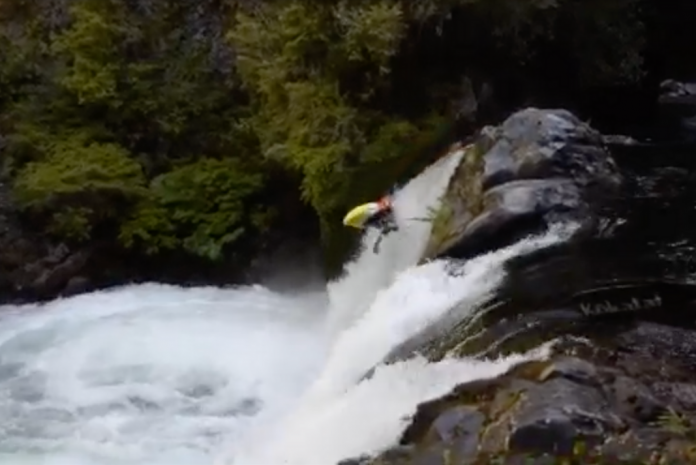
Sixteen-year-old Maddie Kimmel just stunned the whitewater community by landing her first Cobra Flip. Rumour has it, she may be the first woman to have successfully landed the expert-level trick.

The Cobra Flip–coined by Aniol Serrasolses–involves a barrel roll off the lip of a waterfall, spinning a complete 360 along the axis of the kayak before landing upright in the pool below.

Watch it here.


View this post on Instagram


A post shared by Paddling Magazine (@paddlingmagazine)

Recreational Kayak Review: Pelican Bandit NXT 100

man and woman paddle in Pelican Bandit NXT kayaks
Feature photo: Courtesy Pelican

Do you find yourself overwhelmed by the sheer bulk of typical recreational kayaks? The Pelican Bandit NXT 100 kayak is a lightweight sit-on-top that fits smaller paddlers especially well. Its size makes it easy to handle on the water and simple to transport on your car—while at the same time providing the stable, easy paddling characteristics of a beginner rec boat. It’s a great choice for casual paddlers of all sizes looking for a mellow ride on sheltered waters.

On the water with Pelican’s Bandit 100 NXT

Pelican Bandit 100 NXT Specs
Length: 10’0” / 3.0 m
Width: 30” / 76 cm
Weight: 40 lbs / 18 kg
Capacity: 300 lbs / 136 kg
MSRP: $310 USD

Performance

Take a closer look at the Pelican Bandit NXT 100 kayak and you’ll discover a recreational boat that’s designed to be stable and comfortable on the water. The compact, 10-foot hull features a “twin-arched multi-chine”—essentially a shallow-V hull for tracking with parallel lobes on either side for stability—which contributes to a secure, stable feeling. This makes it a great choice for beginner paddlers and those with poor balance.

In fact, Pelican Bandit NXT 100 kayak reviews describe a boat that’s easy to enter and exit and perfect for floating around your favorite lake. The 10-foot length means the Bandit NXT 100 won’t win any races, but it’s easy to maneuver around obstacles and store. Paddle strokes are comfortable thanks to the boat’s modest 30-inch width, which doesn’t impede shaft movement. Despite its generally small dimensions, the Bandit NXT 100 has a decent maximum capacity of 300 pounds.

Market and demographics

The short length and light weight of the Pelican Bandit NXT 100 makes it perfect for smaller paddlers. Shorter users appreciate the relatively narrow width of this kayak, which makes it easier to reach the water. Similarly, the compact length contributes to ease of handling and more control and comfort in winds. A smaller, lighter boat like the Bandit NXT 100 is also easier to cartop and carry to and from the water.

With a maximum capacity of 300 pounds the Pelican Bandit NXT 100 will accommodate larger people, but those well over six feet tall may want more space on board and prefer a larger kayak. The boat comes in one size only; the Bandit NXT 100 in a size large is not available.

The manufacturer describes the Pelican Bandit NXT 100 kayak as being ideal for tranquil waters, such as at the cottage. You can use it in small surf, but it’s hazardous to paddle open-decked sit-on-top kayaks of this style on exposed, cold water. The Bandit NXT 100 is also a good option for kayak fishing, especially for anglers looking for a cheap, easily modified kayak that works well for sit-down casting in sheltered water.

Know The Local Hazards
  • Check navigation charts before you launch.
  • Check with those who have local knowledge of man-made and natural hazards, e.g. low-head dams; sweepers, strainers and undercuts; tides and currents; and rocks and shoals.

Comfort

The modest comfort level offered by the Pelican Bandit NXT is what we’d expect for a kayak like this at the lower end of the price range. Users describe the adjustable Ergoform seat back as offering reasonable support and good cushioning in the lumbar area.

Like other discount-priced sit-on-top kayaks, the Pelican Bandit NXT kayak features molded footrests, which accommodate paddlers up to six-foot-four, but lack the finer adjustability of foot pegs found in pricier kayaks. It would be nice to see more footrest options for shorter paddlers; the Bandit NXT may be less suitable for shorter youth under 12 years of age.

About the Pelican Bandit 100 NXT

Design

Design features and details

Pelican employed a hybrid hull design to strike a balance of stability, speed, maneuverability and tracking in the Pelican Bandit NXT kayak. The hull shape is unique, with a “flared”, V-shaped bow that cuts through the water and blocks waves for a drier ride in choppy waters. The hull becomes somewhat flatter as it transitions to the bottom, or keel line, of the kayak, retaining just enough V-shape to allow the Bandit NXT 100 to steer straight with minimal effort from the paddler.

Meanwhile, arched “cheeks” on either side of the boat’s bottom feature step-like chines (hull edges) to provide outstanding stability. Pelican Bandit NXT kayak reviews indicate that this comfortable sit-on-top kayak is by no means tippy! The great stability and open deck make it especially easy for launching and landing.

Material and construction

The Pelican Bandit NXT kayak is constructed of RAM-X rotomolded polyethylene, a supremely durable plastic that’s been used in the construction of heavy-duty, no-maintenance canoes and kayaks for decades. Pelican’s hull design makes this resilient plastic stiff and efficient in the water yet also keeps the overall weight to a very reasonable 40 pounds.

Paddle Sober And Smart
  • Never mix alcohol and paddling. Coast Guard and state BUI (boating under the influence) laws apply to all vessels. This includes canoes, kayaks, SUPs and rafts.

Pelican Bandit 100 NXT outfitting and accessories

The standard Pelican Bandit NXT 100 kayak seat is pleasantly comfortable, with a folding Ergoform backrest that maintains your posture while paddling and provides excellent lower back support. The seat pan is padded for added comfort, unlike some other sit-on-top kayaks. Otherwise, outfitting on the Bandit NXT 100 is minimal.

The Pelican Bandit NXT 100 features a large cargo well to the rear with a mesh cover to secure day gear, as well as a smaller storage area in the bow. Carry handles are available at the bow and stern. Scupper holes in the seating deck cavity let spray that accumulates from choppy water drain away to keep you dry while paddling. Replacement Pelican Bandit NXT 100 scupper plugs are available from the manufacturer.

Opportunity for modifications

You can make a Pelican Bandit NXT 100 kayak seat upgrade to add comfort to the standard hull. Several options are available depending on your budget and aptitude for DIY modifications. The Pelican Ergocast seat comes in two available versions, depending on whether you want the option of a removable seat to use elsewhere.

These stadium-style seats are easy to enter and provide more support than the standard arrangement—but you’re best to try it first before installing to make sure the high back doesn’t get in the way of your elbows and works for your preferred paddling postures.

How it compares

Can’t find a Pelican Bandit NXT 100 kayak? You’ll find many comparable sit-on-top kayaks in the Pelican lineup. The Pelican Sentinel, Pelican Catch and Pelican Challenger models offer similar specs, with features that will appeal to recreational kayakers and kayak anglers alike. The Pelican Kayak Ultimate 100 NXT (available in the U.S. at Dunham’s Sports) has similar dimensions and an upgraded stern storage pod.

  • Pelican Bandit NXT 100 vs Trailblazer

    The Pelican Trailblazer 100 NXT kayak is a partially decked, sit-in kayak with similar dimensions and specifications to the Pelican Bandit NXT 100. The Trailblazer is a good choice if you’re agile enough to climb inside the cockpit, and if you want some shelter from the sun and more protection from wind and spray. However, the sit-on-top Bandit NXT 100 is more comfortable in hot weather and drains water more easily.

    Both the Pelican Bandit NXT 100 and Trailblazer 100 NXT kayaks measure 10 feet in length. The Trailblazer is slightly narrower at 29 inches wide; it has a 275-pound maximum capacity and weighs in at 36 pounds, compared to the 40-pound Bandit NXT 100. The Pelican Trailblazer 100 NXT kayak retails for $280 at Dick’s Sporting Goods.

Where to buy the Bandit 100 NXT

The Pelican Bandit NXT 100 kayak is available exclusively at Dick’s Sporting Goods in the U.S., so don’t bother searching Pelican Bandit NXT 100 kayak Academy Sports, Pelican Bandit NXT 100 kayak Walmart, or Pelican Bandit NXT 100 kayak Amazon. Similar Pelican Sport 10-foot recreational kayak models are available at other box stores and online in Canada and the U.S.

Pelican Bandit 100 NXT pros and cons

Pros

  • Excellent choice for beginner recreational kayakers
  • Stable, easy-paddling kayak that works well in calm water conditions
  • Fits a wide variety of paddlers, with a maximum capacity of 300 pounds
  • Standard Ergoform seat is comfortable and offers great support

Cons

  • Molded-in footrests have fewer settings for positional adjustments to accommodate paddlers with shorter or longer legs
  • Look at the Pelican Trailblazer 100 NXT if you prefer a partially decked kayak

Related articles

Pelican kayak reviews

Beginner recreational kayak reviews

Wear A Life Jacket
  • Everyone, even strong swimmers, needs to wear a life jacket at all times when on the water. It is extremely difficult to put a life jacket on once you fall into the water. Even a light wind can blow any paddlecraft away from you, faster than you can swim.
  • Always wear a USCG-approved Level 70 or Type III life jacket designed for paddling.

Sit-on-top recreational kayak reviews

SEE ALL KAYAK REVIEWS


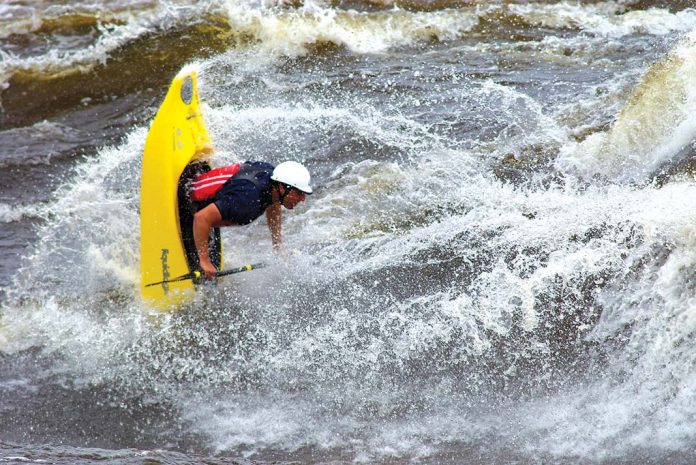
Freestyle Move: How To Master The Blunt

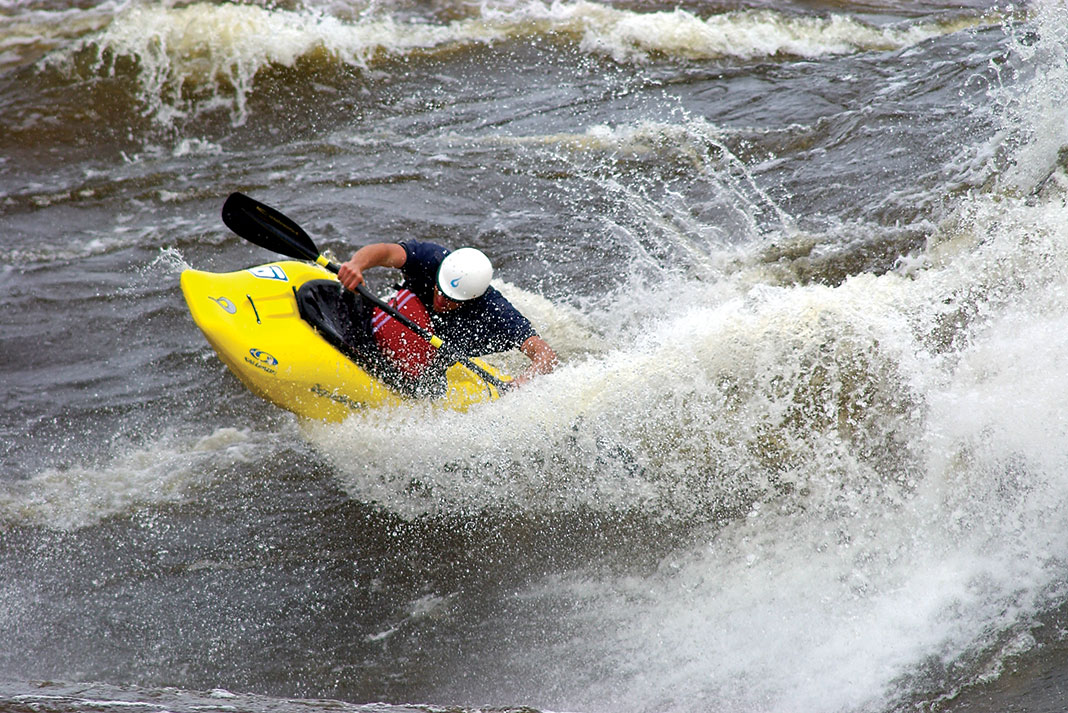
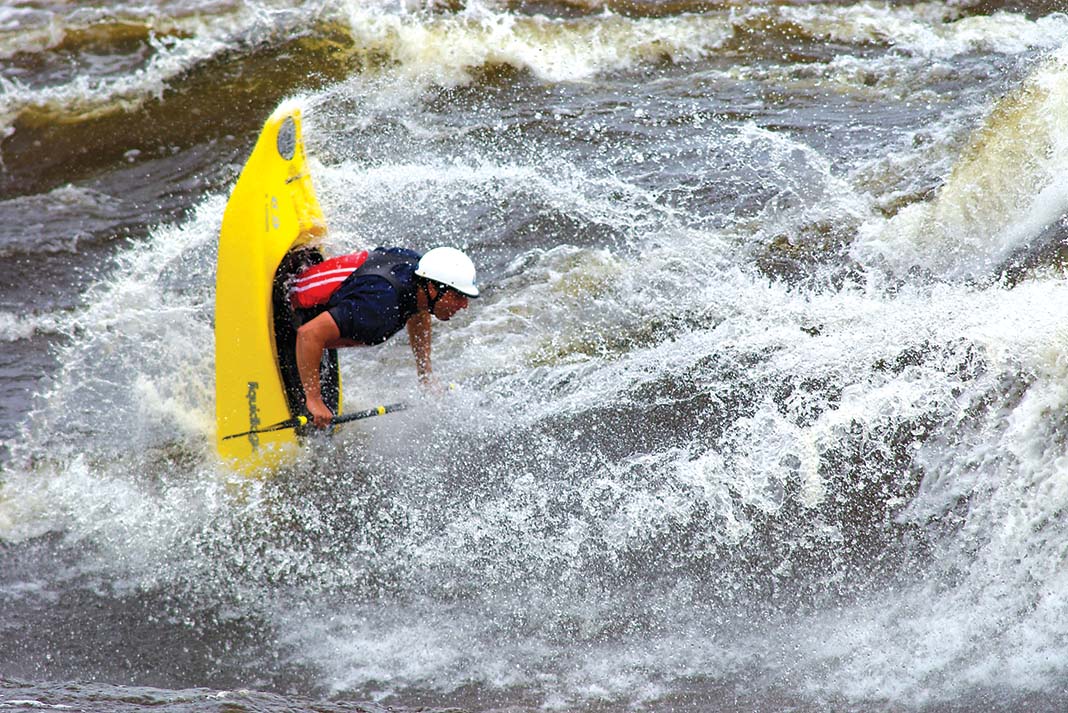
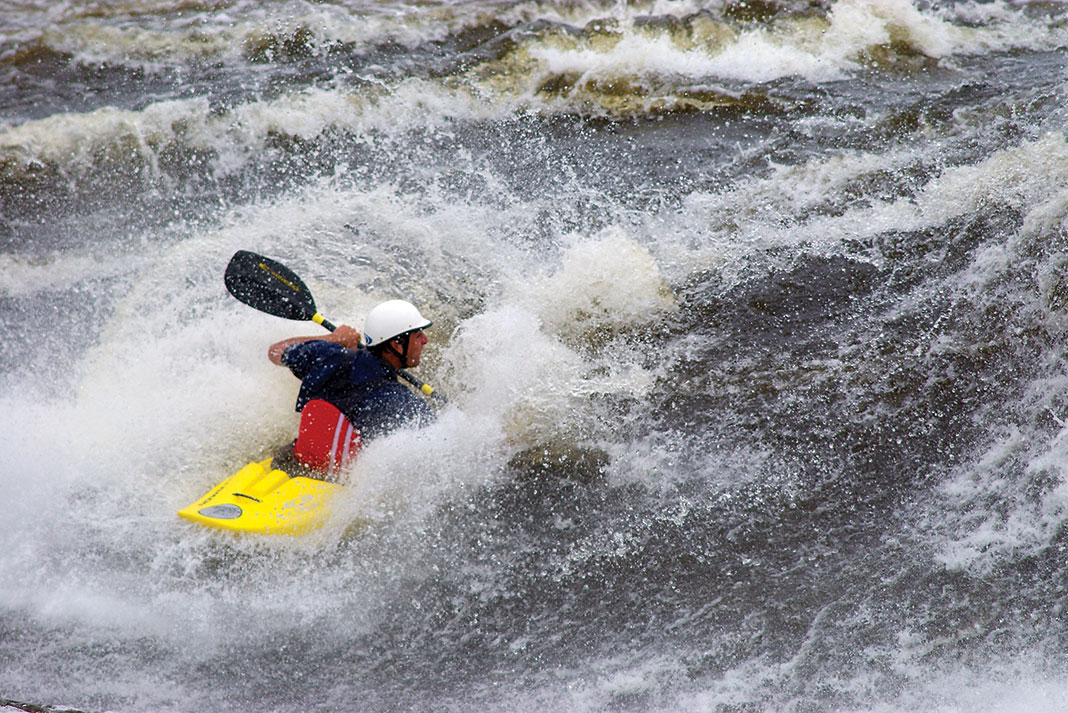
how to master the blunt kayak move, step 4
The blunt is freestyle’s meritorious intermediate kayak move. | Feature photo: Rapid archives

Remember when you were a Boy Scout or Girl Guide and you worked hard to earn all those merit badges? There was a sequence to them and you couldn’t get some badges before achieving others. The same rules should apply on the river. Before you jump ahead to your aerial merit badge, master the blunt kayak move and you will open the gateway to more advanced boating.


4 steps to master the blunt

In a blunt, dig your bow into the face of the wave, throw your stern almost vertically off the wave and swing from a front surf to a back surf. Follow these four easy steps to pull it off without a hitch.

1 Start high on the water

Begin high up on a wave so that you can generate speed carving down the face of it and so that you will have room to complete the blunt while still on the wave. You can still blunt in the trough, but it will likely cause you to flush.

how to master the blunt step 1
Step 1: Start high on the water. | Photo: Rapid archives

Initiate your blunt with one last aggressive forward thrust stroke on the downstream side when you are no more than halfway down the wave. This will give you a boost of speed and allow you to pop the bow up out of the water in anticipation of throwing it back down into the wave.


2 Wind up, plant and tilt

Turn your body aggressively into your spin and snap your boat onto its other edge while putting in a back stroke on the upstream side. This short stroke starts at your hips and ends at your knees.

how to master the blunt kayak move step 2
Step 2: Wind up, plant and tilt. | Photo: Rapid archives

3 Bow down and stern over

With shoulders perpendicular to the wave crest, throw your weight forward, forcing your stern up into the air so it pivots around the bow as it slices into the wave. Think of swinging your butt into the air as you keep your eyes looking into the wave.

Freestyle’s meritorious intermediate move. | Photo: Rapid archives
Step 3: Bow down and stern over. | Photo: Rapid archives

How much you tilt your boat determines how vertical you go. Too little tilt and you end up doing a roundhouse. If you tilt too aggressively you virtually do a cartwheel on the wave and fall on your head.


4 Land flat and back surf

As your stern comes back down flatten out your edge so you land flat in a back surf. Use a backstroke to accelerate and stay on the wave and give you a rudder at your bow. Enjoy the back surf or spin back up to the foam pile for another blunt.

how to master the blunt kayak move step 4
Step 4: Land flat and back surf. | Photo: Rapid archives

A common mistake is to put too much emphasis on the strokes while forgetting about proper body movements and timing. If you time the body movements correctly—squaring your shoulders at a right angle to the wave and throwing your butt in the air—you shouldn’t even need a paddle to blunt. Scout’s honour!

Paddling Magazine Issue 65 | Fall 2021

This article first appeared in the Early Summer 2006 issue of Rapid Magazine and in Paddling Magazine Issue 65. Subscribe to Paddling Magazine’s print and digital editions here, or download the Paddling Magazine app and browse the digital archives here.


The blunt is freestyle’s meritorious intermediate kayak move. | Photo: Rapid archives


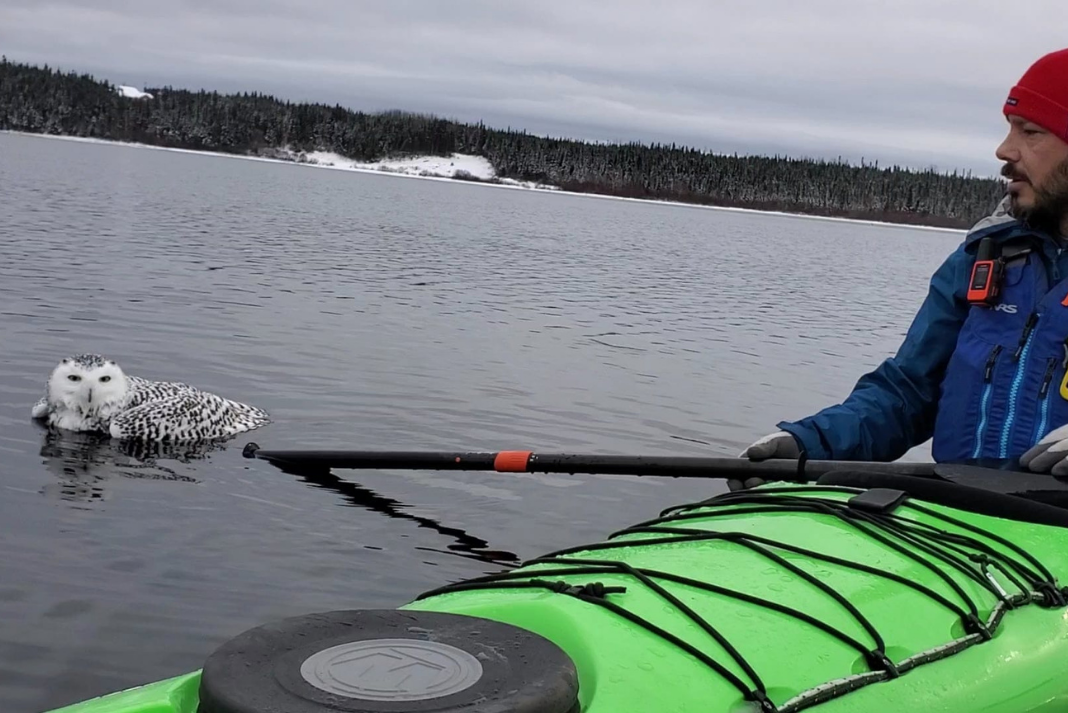
Kayaker Saves Owl From Raven Attack

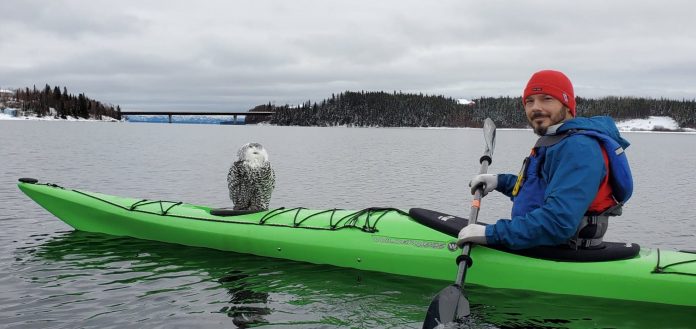
A kayaker saves this snowy owl from an attack
Gauthier saved this snowy owl from an attack. Photo: Billy Gauther / Facebook

A labrador kayaker is being hailed as a hero after saving a distressed snowy owl from being dive-bombed by ravens.

Billy Gauthier was out for a paddle on Little Lake near Labrador’s North West River when a surprise owl swooped down beside him, narrowly missing him.

“[It] really came quite close to me, actually. I was quite startled at first,” Gauthier said.

He then noticed a group of Ravens, chasing closely behind the owl, dive-bombing it repeatedly. He knew he needed to so something—and fast.

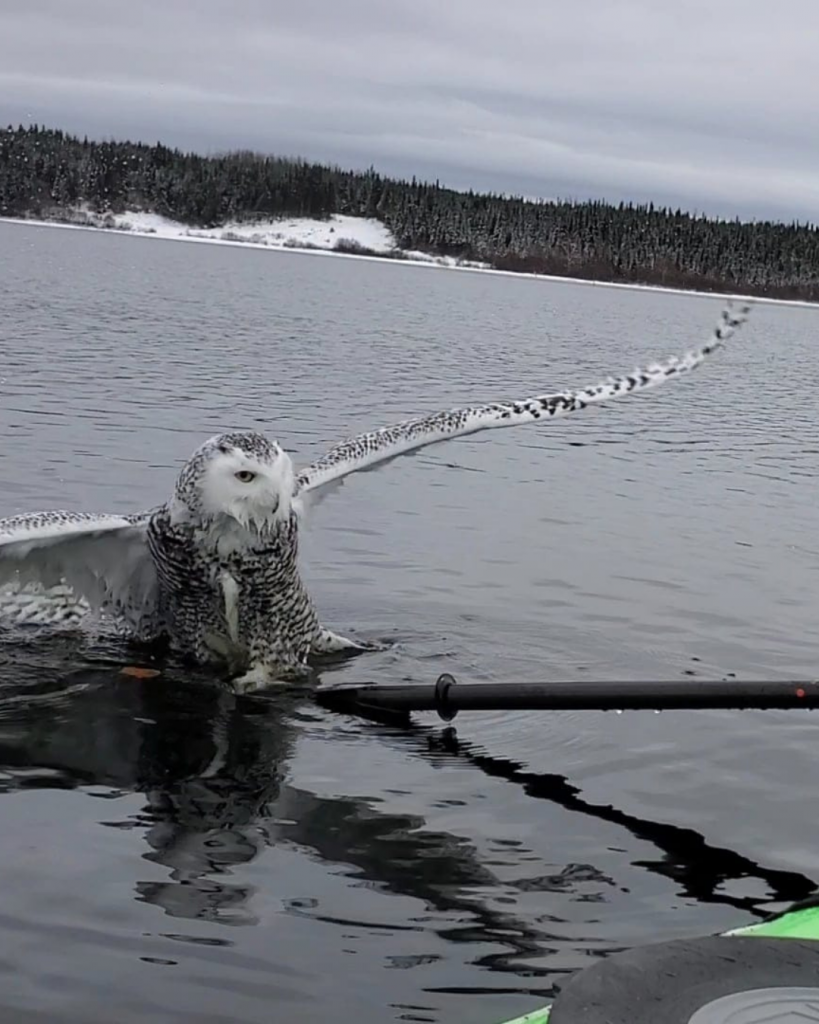
He and a fellow kayaker paddled towards the owl to see how they could assist. The owl was now bobbing in the cold water and didn’t appear to be fending off its attackers, he said.

“We took off to rescue him but it took 10 minutes to get to the owl. I lifted him with my paddle and moved him close to the bow of my kayak. He caught hold of the grab lines and pulled himself up.”

kayaker lifts snowy owl with his paddle and pulls him closer
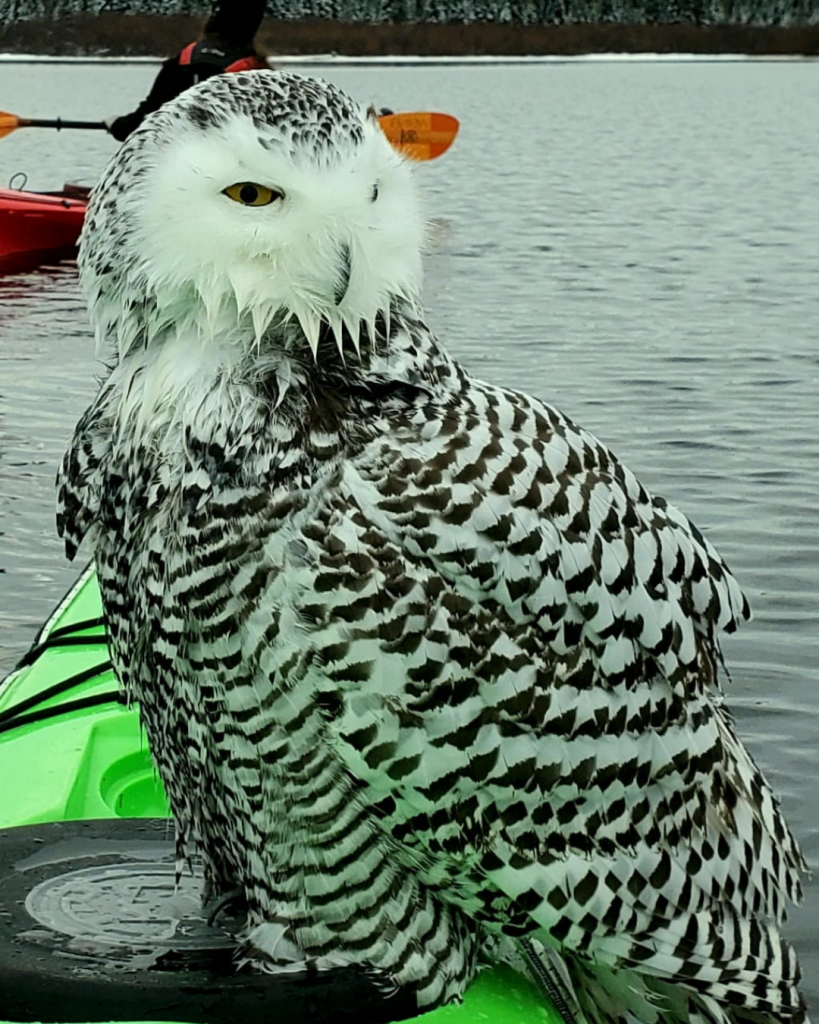
Gauthier says he will never forget the bird’s piercing yellow eyes. Photo: Billy Gauthier / Facebook

The exhausted and waterlogged owl sat there for 15 minutes on the bow of Gauthier’s kayak, too drained of energy to move. During that time, Gauthier and his partner decided to get the bird to shore.

In total, the bird was with the kayakers for a full 30 minutes.

[ View all Touring Kayaks in the Paddling Buyer’s Guide ]

“About 20 yards from shore he jumped off the bow and flew to a stump. He stayed there for another hour before he flew off,” said Gauthier.

The bird was later found by wildlife officers and taken in for an evaluation. On closer inspection, it appeared that the bird was in fact a female, not a male as Gauthier at first believed. “She’s in safe hands now, hopefully, she’ll completely recover,” said Gauthier.

How To Identify, Avoid And Treat Poison Ivy

poison ivy
When it comes to poison ivy, you need to heed the weed. | Feature photo: istockphoto.com

Poison ivy ranges across most of Canada and the United States. Persistent sores and itching beset most humans who come into contact with the plant’s oil. With practice it is possible to identify the plant in its various forms and, if caught early, an exposure need not spell the end of an otherwise enjoyable paddling trip.

poison ivy vine
The vining form of poison ivy grips a tree trunk with wiry rootlets. | Photo: Melissa McMasters/Wikimedia Commons

How to Evade Poison Ivy’s Itch

Poison ivy grows in many different forms. It can blanket the ground in a dense, low-lying mat; grow in a spindly shrub; stand in shin-high shoots or climb up trees as a vine, gripping the bark with wiry rootlets.

The noxious weed is often found along forest edges, beside portages, on shorelines, in open areas, behind beaches, throughout swamps and across rocky ridges. In other words, just about anywhere.

Whatever form it takes, all poison ivy bears the trademark cluster of three pointed leaves. Leaves are asymmetrical, waxy and droopy with small notches or irregular teeth along the edges.

[ Paddling Buyer’s Guide: See all safety & rescue gear ]

Changing flowers, leaves and berries

Poison ivy’s color changes with the seasons. As they unfold in May, the leaves are a reddish purple; in the height of summer they’re bright green; and in the fall they turn bright red. Be on the lookout for bright red patches in sunny areas and yellowish varieties in the shade.

In the summer, greenish-white flowers form in two-inch-long clusters beneath the junction of the leaf and stem. Tiny white or dull-yellow berries cluster on the stalk.

Exposure and treatment

A painful, itchy, blistering rash occurs at least a day after contact with the oil of poison ivy’s leaves. This allergic reaction varies from person to person and ranges from no symptoms at all to mild itching to severe blisters leading to infection. A person’s susceptibility may change over time and after new exposures.

Wash with soap and water as soon as possible after suspected contact. If a reaction occurs, relieve itching with calamine lotion or baking soda and water. In the case of severe blisters, prescription drugs may be required.

SHOP POISON IVY TREATMENTS ON AMAZON

Paddling Magazine Issue 65 | Fall 2021This article originally appeared in Paddling Magazine Issue 65. Subscribe to Paddling Magazine’s print and digital editions here, or download the Paddling Magazine app and browse the digital archives here.


When it comes to poison ivy, you need to heed the weed. | Feature photo: istockphoto.com


Inside North America’s Instruction Crisis

Photo: Adobe Stock
Photo: Adobe Stock

At the height of the COVID-19 pandemic 18 months ago, Kelly McDowell told Paddling Business that he’d decided to suspend kayaking courses through the summer of 2020, even though customers were clamoring for instruction.

His shop, the Complete Paddler in Toronto, is one of the biggest paddling stores in North America, with a robust rental and instruction program augmenting the core retail business. As Toronto emerged from one of the strictest COVID-19 lockdowns on the continent in May 2020, demand for paddling gear and instruction shot through the roof. McDowell couldn’t get boats fast enough to satisfy his retail customers, let alone restock the rental and instruction fleet he’d sold off the previous fall. Instructors bowed out too, wary of close contact with students and potential legal liability should someone get sick.

So McDowell pulled the plug on his instruction program. Nearly two years later, it’s still shut down. This comes at a time when paddling instruction is needed more than ever. Participation is up across the board, but with classes and club outings still rebounding after a near-total shutdown in 2020, new paddlers in some areas are still largely on their own.

Meanwhile, the waterways are full of enthusiastic new paddlers, many of whom don’t know what they don’t know, said Trey Rouss, owner of The Power of Water in Lansing, Michigan. “All we have to do in our courses is present these two questions—and it doesn’t matter whether you’re a beginner who’s never paddled before or you’re level five at the top of the game—they’re always the same two questions: Should I be out here paddling today? And do I have a solution for when things don’t sort themselves out the way I expected them to?”

“All we have to do in our courses is present these two questions—and it doesn’t matter whether you’re a beginner who’s never paddled before or you’re level five at the top of the game—they’re always the same two questions: Should I be out here paddling today? And do I have a solution for when things don’t sort themselves out the way I expected them to?”

Just by talking to folks in his shop, McDowell can see they’re doing risky things without knowing any better. “One person paddled out into the middle of Toronto harbor and capsized in the busiest and widest section,” he said. “They were lucky they didn’t get run over by a ferry or succumb to the effects of the cold water because they weren’t dressed properly, either.”

Not everyone has been as lucky. According to the most recent U.S. Coast Guard data, paddling fatalities in the U.S. surged last year to 164 people, an increase of nearly 20 percent over 2019. Tellingly, almost three-quarters of those deaths involved people with less than 100 hours of paddling experience. Many who took up the sport in 2020 had little access to instruction because it just wasn’t available for much of the year.

“What we heard anecdotally from our instructors is that 2020 was just a wash. Most people were not teaching at all,” said American Canoe Association (ACA) President Robin Pope. “This past season, 2021, everything picked up dramatically and every instructor I know was teaching as much as they wanted.” The ACA certifies instructors in all paddling disciplines, and while it doesn’t track how many people take paddling classes each year, it has a very good handle on the number of certified instructors. That number dropped 17.9 percent, from 4,573 in 2019 to 3,821 in 2020. Most of those who did teach last year taught fewer courses.

“Normally, I’ll teach between 18 and 25 courses a year. Last year I gave three,” said Mike Aronoff, a veteran instructor-trainer and long-serving member of the ACA’s Safety, Education and Instruction Council. Like many of his colleagues, Aronoff adjusted the way he taught to mitigate the COVID-19 risk. He reduced his class sizes to no more than three people and sought groups already in close contact: a husband and wife, a brother and sister, and a group of coworkers. This year he’s on track to teach 28 courses, keeping some common-sense precautions in place and requiring all his students to be fully vaccinated.

Aronoff leaned heavily on the recommendations of an ACA panel led by Dr. Steven Henkind, an MD-PhD and ACA Level 4 instructor. The group included Pope, who works as a physician’s assistant by day, and other paddling instructors with medical training. The group’s guidelines for operating in a COVID-19 world was the most read email sent by the ACA in recent years.

“Fortunately, most of us weren’t very busy because we were in the middle of a lockdown for Covid, so we started with a lot of reading, pulling together best practices and CDC recommendations and figuring out how to apply those when we’re paddling,” Pope said. “Using paper surgical masks is great, but it doesn’t work when you’re wet.”

Photo: Adobe Stock
Photo: Adobe Stock

The group drafted core recommendations and vetted them with epidemiologists, public health experts and the wilderness medicine community, Pope said. “We essentially wrote a master’s thesis or doctoral dissertation on it and then summarized it for the ACA website. To my knowledge, nobody that followed those practices had a problem with infection.”

That’s heartening news for the paddlesports community. The barrier to instruction now isn’t so much the risk of infection, but the logistical hurdles that come as a result of the pandemic. While he’s still wary of the virus, the reason McDowell hasn’t resumed classes in Toronto is because he can’t spare the boats and instructors are in short supply. He can’t teach courses himself because he’s needed on the retail floor. His store is chronically understaffed.

However, even at the height of the pandemic last year, some found a way to continue teaching. Rouss hosted the Great Lakes Sea Kayak Symposium in July 2020, even as similar gatherings were canceled. He made the call in May, at about the same time McDowell decided to suspend instruction in Toronto.

“We had to make a decision, and what we discovered was that people were going out and doing stuff anyway. So our approach was to give them a little more structure and accountability to each other within the confines of what the CDC is recommending.”

“We had to make a decision, and what we discovered was that people were going out and doing stuff anyway. So our approach was to give them a little more structure and accountability to each other within the confines of what the CDC is recommending,” Rouss said. He implemented several protocols, from temperature checks and alcohol wipe downs to reducing the number of participants and assigning them to small pods. Everything was done outdoors, and none of the approximately 50 participants and instructors got COVID-19.

While many jurisdictions were tightening restrictions at the time, the host community of Grand Marais, Minnesota, welcomed the paddlers. “They were begging us to come up there, so that wasn’t an issue at all. In fact, we were more concerned about their lack of taking it seriously,” Rouss said.

Steve McKone, the director of Calleva’s River School near Glen Echo, Maryland, told DCist that after canceling a popular program in spring 2020 and partially refunding customers, Calleva went on to have its shortest and biggest season ever, beating its 2019 numbers by 20 percent. 2021 was another banner year, constrained only by the supply chain. McKone said he started the season with boats, paddles, life jackets and sprayskirts on backorder.

Like the pandemic itself, paddling instruction in the COVID-19 era has been a shifting patchwork of hotspots and empty quarters. It’s a dynamic environment, and as any good paddler knows, you don’t fight moving water. You flow with it.

The same is true in business. When COVID-19 hit last year, Anna Levesque dropped her group courses altogether, accelerating a planned switch to one-on-one coaching. She was lucky to have an established clientele, which, together with a Paycheck Protection Program loan, allowed her business to weather a lean year and come back stronger than ever. “I have a really strong relationship with most of my clients, and so most of them simply deferred to a year later,” said Levesque, an Ashville, North Carolina-based whitewater and SUP instructor who was recently elected chair of the ACA’s instruction council.

Levesque’s instruction business rebounded quickly after pandemic restrictions eased in North Carolina and COVID-weary paddlers returned to the river with the determination of spawning salmon. Her annual Costa Rica whitewater is sold out for the first time in years. It feels almost as if her business, and the paddling instruction game in general, is getting back to normal—or at least something close to it.


Photo: Adobe Stock