Home Blog Page 40

2024 Great Alabama 650: The Longest US Paddle Race is Coming
2024 Great Alabama 650: The Longest US Paddle Race is Comin

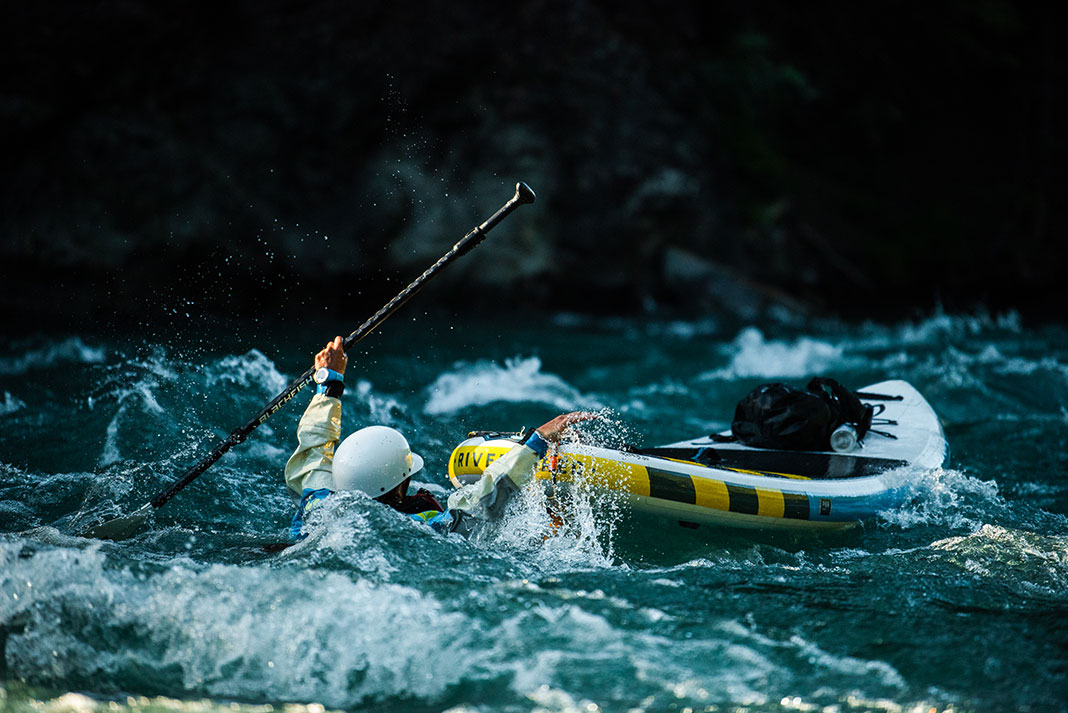
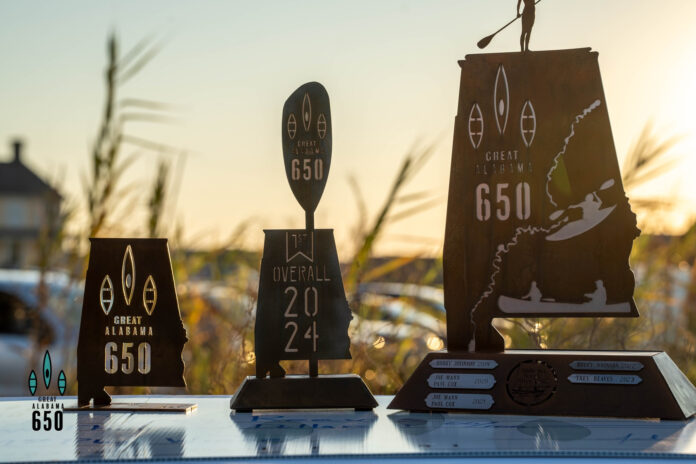
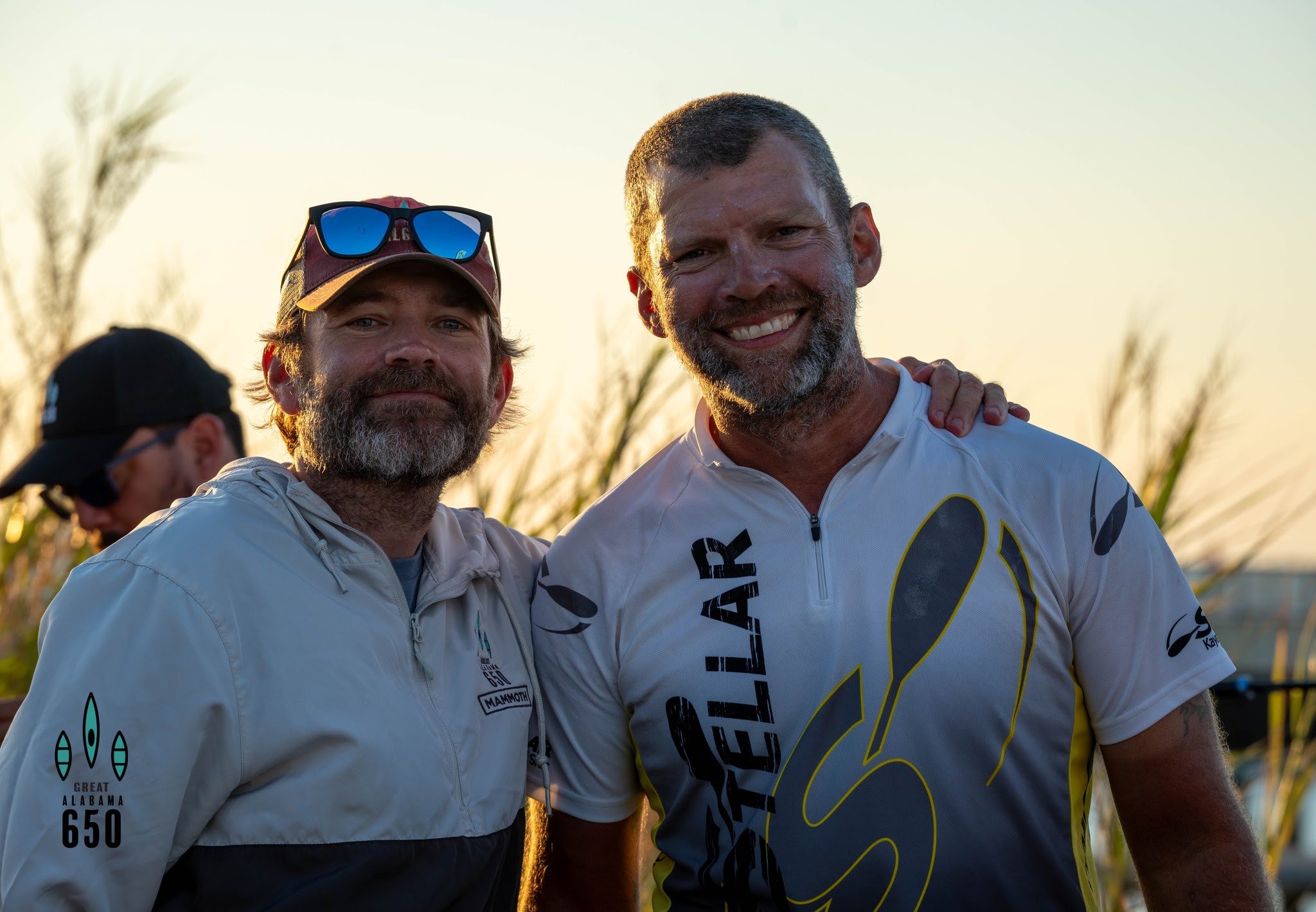
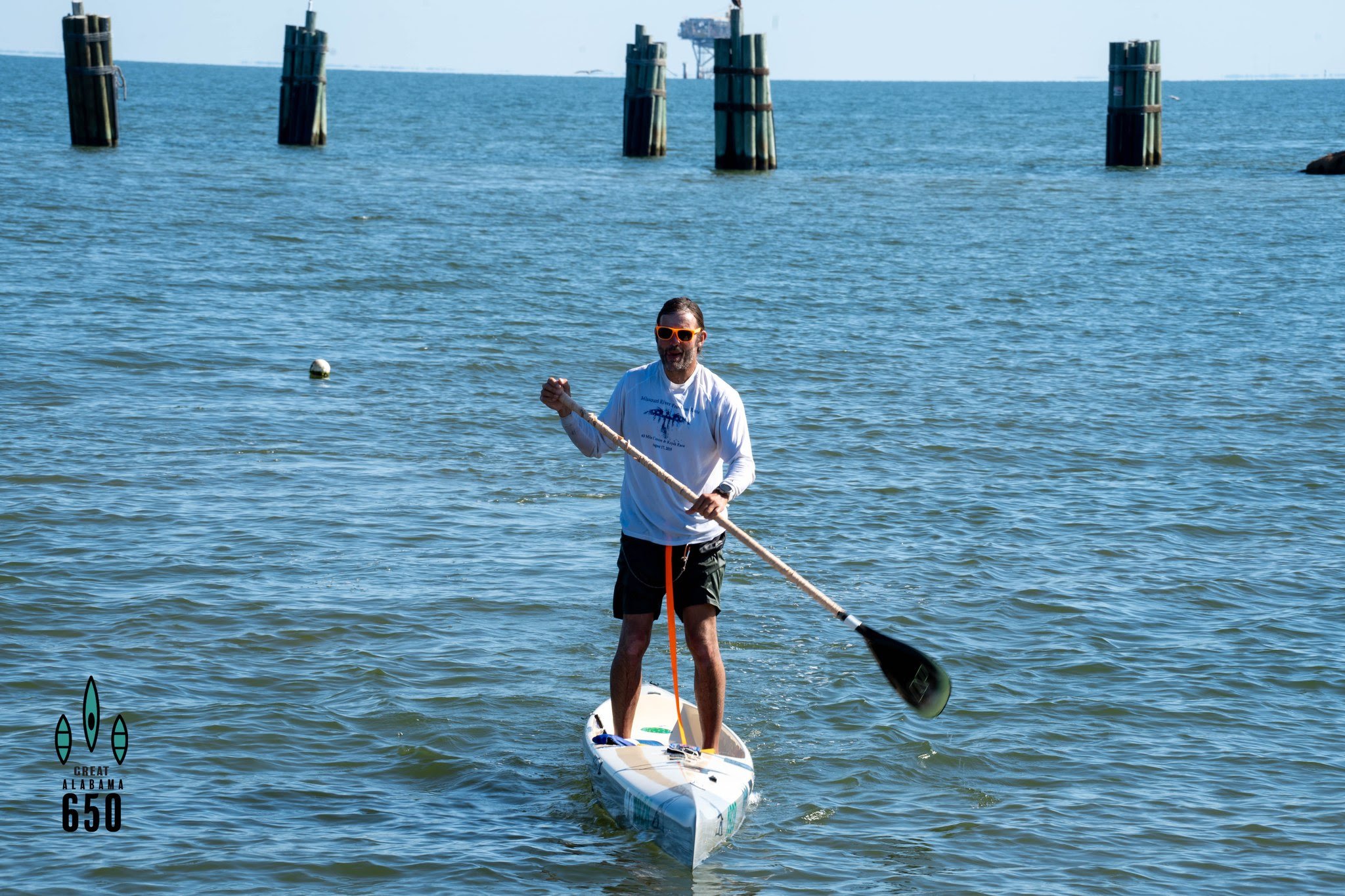
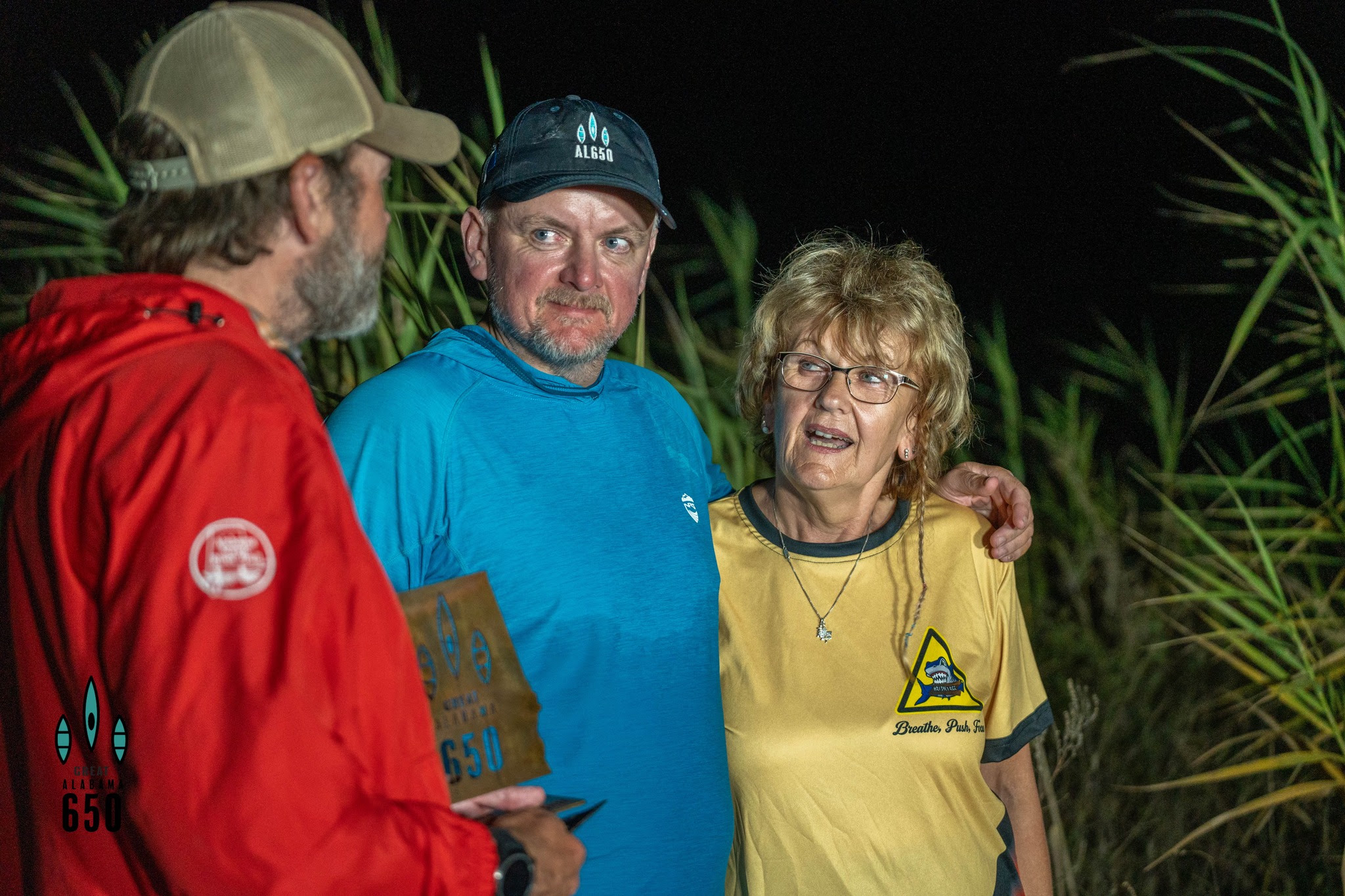
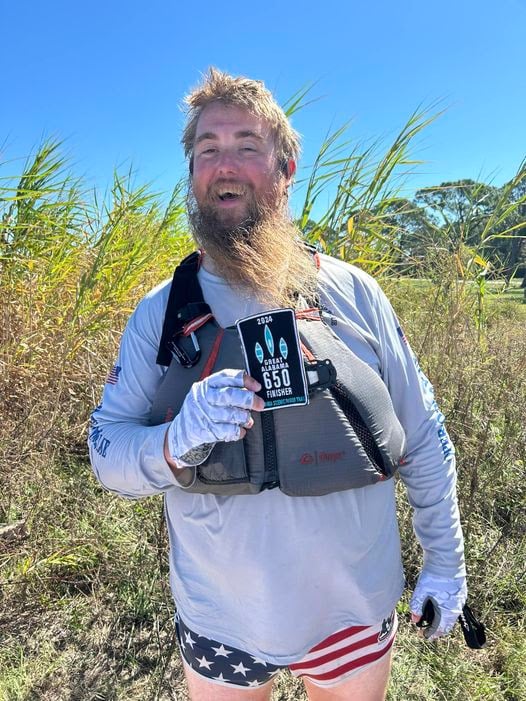
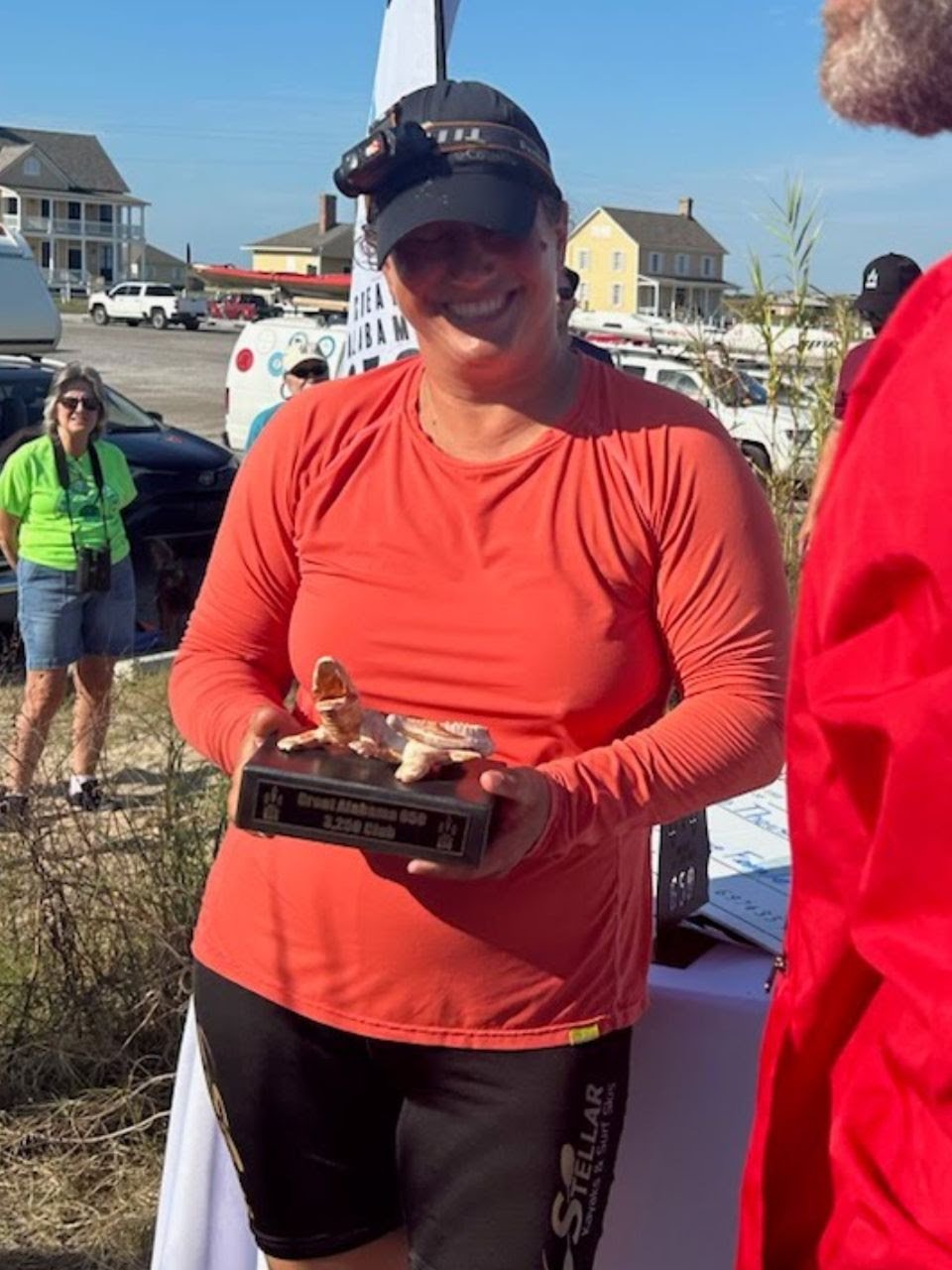
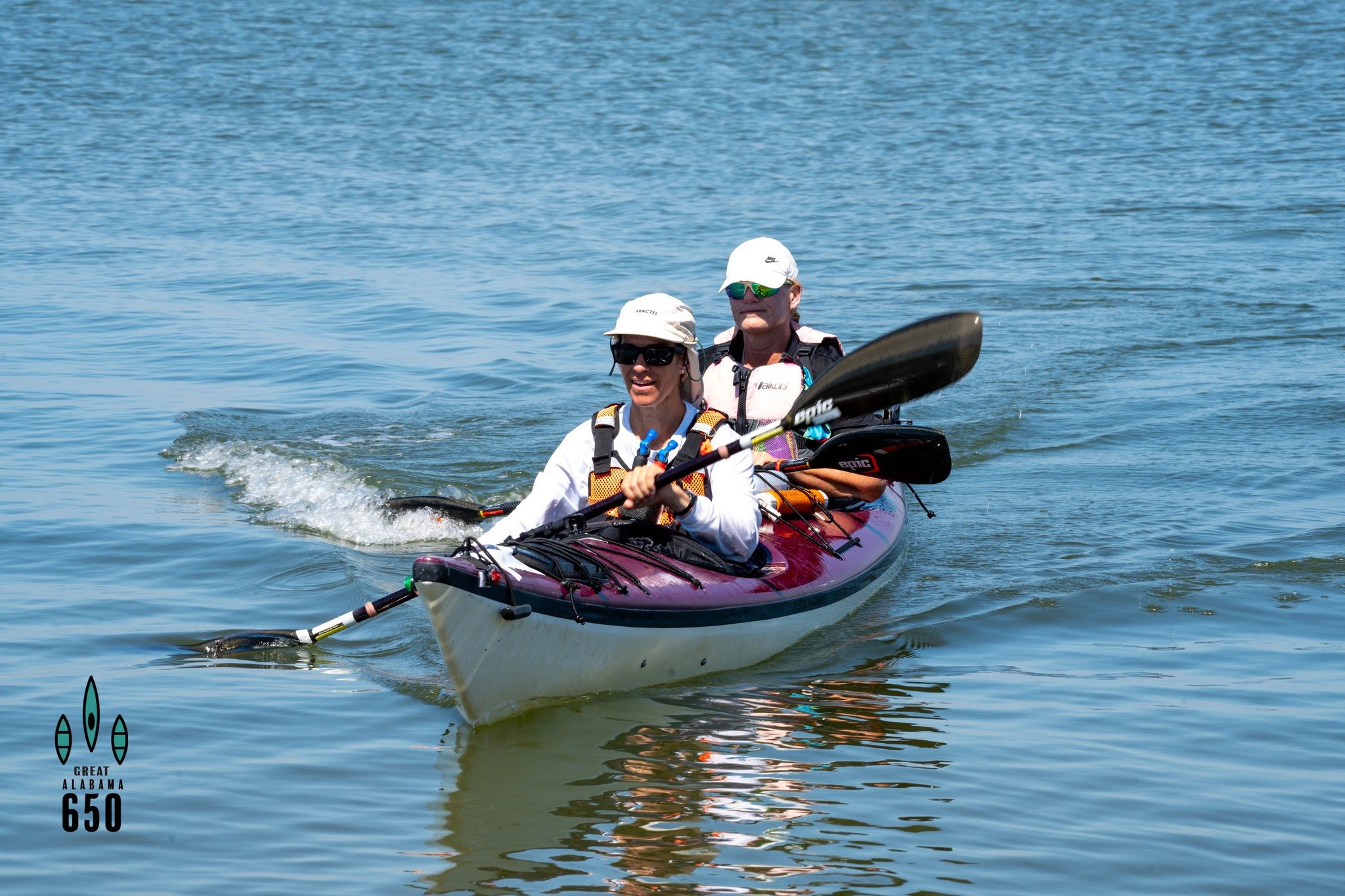
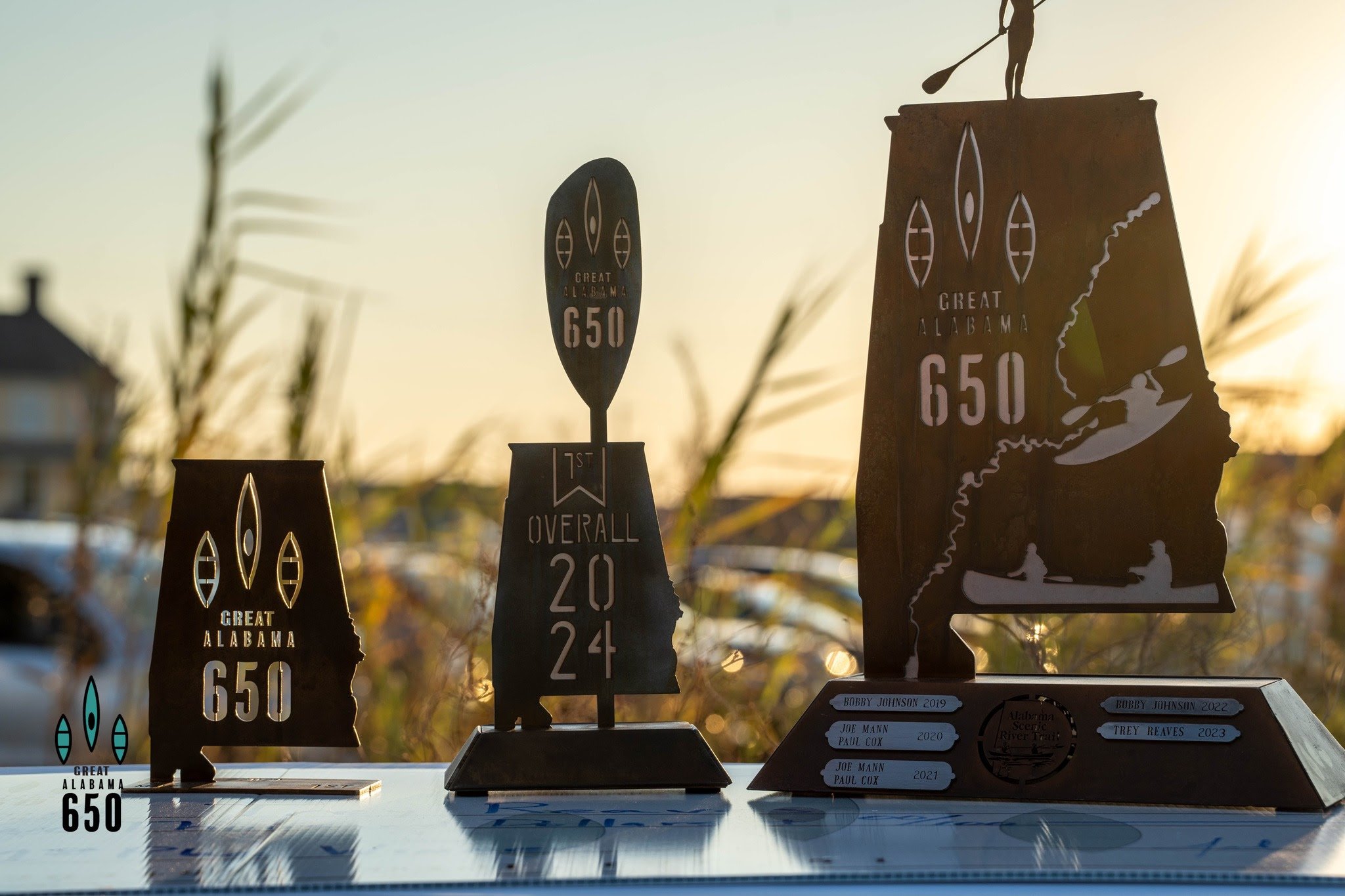
ALABAMA- Twenty of the fiercest paddlers from across North America and Europe will converge on Alabama next month for the 6th annual Great Alabama 650, a state-wide race that tests endurance paddling to its limits. Racers will face whitewater, battle tidewater currents, and traverse around nine dams in this 650-mile nonstop, adventure-style paddle race. It kicks off in Northeast Alabama at Weiss Lake on Sept 21, and spectators can cheer for racers on riverbanks in Gadsden, Pell City, Wetumpka, Montgomery, Selma, Fairhope, and more.

The race course is the core section of the longest National Water trail, the Alabama Scenic River Trail. The Alabama Scenic River Trail (ASRT) organization, which maintains paddling trails and volunteers throughout the state, puts on this annual event to showcase Alabama’s great water recreation opportunities and bring attention to the unique experiences to be had paddling in Alabama. The 650-mile core section of the National Water Trail extends from the foothills of the Appalachian Mountains in Northeast Alabama down through the heart of Alabama and on to Mobile Bay & the Gulf.

Racers will have up to ten days to finish the nonstop race going all out for a first-place win in one of three divisions– male solo, female solo, and two-person team. Participants can interchangeably use kayaks, canoes, or stand-up paddleboards throughout the event. Spectators can follow the event virtually at AL650.com, where ASRT will post a live map reporting up-to-the-minute updates on each racer’s progress. ASRT Race Staff will also share live race information through Facebook and Instagram posts, which spectators can find by following official race accounts (@GreatAlabama650) or using the hashtag #AL650.

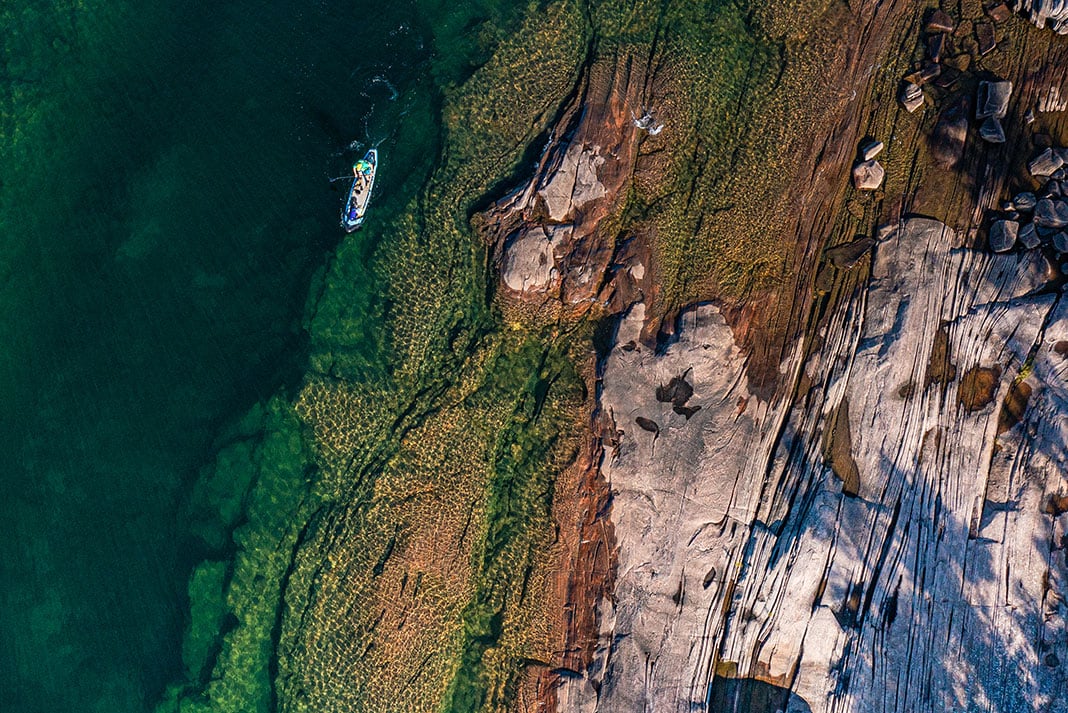
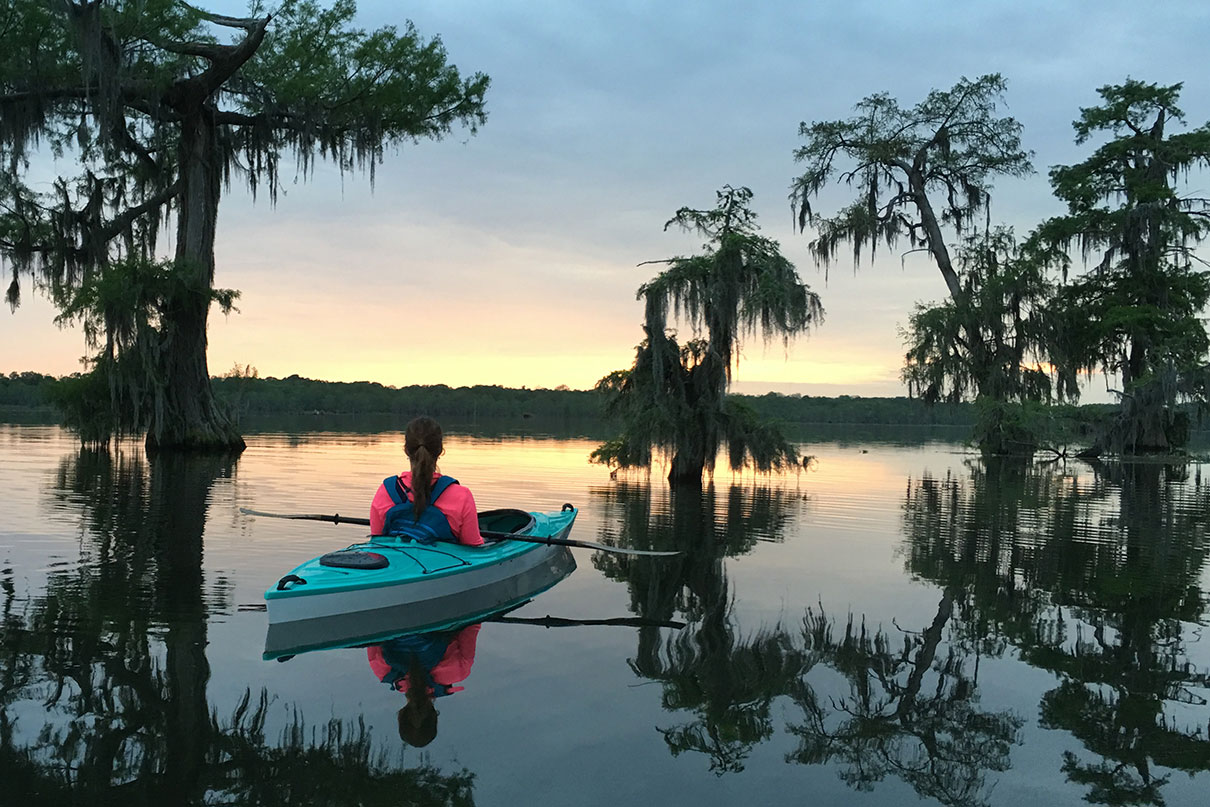
2024 Great Alabama 650: The Longest US Paddle Race is Coming; Photo: Alabama Scenic River Trail 
2024 Great Alabama 650: The Longest US Paddle Race is Coming; Photo: Alabama Scenic River Trail

Who: 20 Racers

What: The Great Alabama 650: 6th Edition of a 650Mile Alabama Professional Paddle Race

When: September 21, 2024 – October 1, 2024

Where: Alabama Scenic River Trail – Weiss Lake, Coosa River, Alabama River, to Mobile Bay & Fort MorganWebsite: AL650.com

Social media: @GreatAlabama650 and #AL650

The Alabama Scenic River Trail (ASRT) uses a network of members and outfitters to create, improve, and promote more than 6,300 miles of river trails. ASRT connects adventurers with opportunities to explore and appreciate Alabama’s great waterways through unique experiences. Working primarily through community partnerships, ASRT promotes safe, fun, and welcoming paddling experiences across the state for people of all skill levels. The Alabama Scenic River Trail, for which we are named, is the longest (650 miles) and most experience-diverse National Water Trail in America, covering mountain streams and multi-class whitewater to river delta and the salty waves of the Gulf of Mexico. To learn more, please visit alabamascenicrivertrail.com.


Feature Image: Alabama Scenic River Trail

A Paddlers Guide To Whale Watching In Baja California Sur

a whale tail breaches the water while a camera is watching in Baja Mexico
Feature photo: Visit Baja Sur

Peter Grubb was kayaking between two islands in Loreto Bay National Marine Park—a protected area off the coast of Mexico—when he saw the first clue his group wasn’t alone. Ahead, a whale’s spout erupted above the water’s surface.

But he was still in for a shock when he glanced back to check on his niece in the kayak behind him. Just then, a massive blue whale surfaced between the two kayaks, its dorsal fin just the tip of the iceberg for the full 80-foot giant under the water.

a whale tail breaches the water while a camera is watching in Baja Mexico
Feature photo: Visit Baja Sur

“It literally takes your breath away when a whale comes up, because they are just so big,” says Grubb, who is the owner of Sea Kayak Adventures, which operates guided kayaking tours in the region. “We’ve had some amazing whale encounters.”

Offering both incredible whale watching and prime paddling conditions, Mexico’s Baja California peninsula is one of North America’s best kayaking destinations. However, even with the convergence of these conditions, seeing whales is an exceptional occurrence, especially from a human-powered vessel. Many of the prime marine habitats off the coast of the Baja California peninsula are also protected with restrictive access for the safety of both whales and visitors. This is a reason why outfitters in Baja California Sur often recommend combining multi-day kayaking trips with an additional motorized boat cruise to specific whale viewing destinations to maximize your chances.

Regardless of whether you’re interested in booking a guided kayak trip with a local tour operator or interested in getting out on the waters on your own, here’s what you need to know about viewing whales in Baja California Sur.

seaside view in southern Baja, Mexico
Photo: Visit Baja Sur

A paddlers’ guide to whale watching in Baja California Sur

Why whales migrate to the Baja California peninsula

The Baja California peninsula in western Mexico extends into the Gulf Of California. It is a paddler’s paradise, with 2,038 miles of contrasting coastline to explore.

On its east side, the Gulf of California has crystal clear waters with incredibly rich biodiversity, boasting abundant wildlife all year round. It’s only enhanced by its dozens of islands (including the popular Isla Espiritu Santos, Isla San Jose and the islands of Loreto National Park), with white-sand beaches that make for ideal kayak camping.

On the peninsula’s west side, the Pacific Ocean is more exposed to wind and weather but offers up sheltered deep-water harbors and its own offshore islands.

It’s not just the environments that differ—it’s also the creatures that live here, with both sides being home to different species of whales. Fortunately, the peninsula’s narrow size means it’s possible to visit the Gulf of California and the Pacific Ocean on the same trip.

A chance encounter with humpback, minke and blue whales in the Gulf of California

After spending their summers feeding in cooler, nutrient-rich waters, hundreds of humpback and blue whales migrate to the warm waters of the Gulf Of California at the start of every year to breed and give birth.

Blue whales, the world’s largest animal, are frequently seen in the waters off Loreto (which is where Grubb was paddling when he had his up-close encounter). For humpbacks, Cabo San Lucas and the wider region of Los Cabos at the peninsula’s southernmost tip is the place to go. Minke whales, fin whales, and orcas may also be sighted along the eastern side of the Baja California peninsula.

If you are organizing your own unguided trip within the Gulf of California, it is important to consider the peninsula’s cherished ecological zones, such as Loreto Bay National Marine Park and Isla Espíritu Santo can require permits for various activities, including kayaking and camping.

You may be lucky enough to see whales on a guided or independent kayaking excursion, but as Grubb says, it’s usually “serendipitous.” Instead, for a greater chance of encounters, book a tour by motorized boat.

group of tourists whale watching on a motorized boat in Baja, Mexico with a blue whale surfacing right beside them
Photo: Visit Baja Sur

Witness gray whales by motorized boat in the Pacific Ocean

It’s the peninsula’s western side that attracts the eastern Pacific population of gray whales. These giants travel nearly 12,000 miles round-trip—one of the longest migrations of any mammal on earth—from their summer feeding grounds in the Arctic to the warm lagoons of the Baja California peninsula to breed and give birth.

These breeding grounds are protected, so paddling isn’t permitted. Instead, visitors travel with an authorized tour operator into the waters of Laguna San Ignacio, Laguna Ojo de Liebre or Bahía Magdalena. The experience is just as intimate as if it were taken via kayak, though, with as few as six people on a small 20-foot skiff—and with whales that are eager to interact.

“They’re known as ‘friendlies,’” says Grubb whose company operates a whale-watching camp in Magdalena Bay, which can be combined with a sea kayaking trip in the Gulf Of California.

Grubb explains that the mothers will push their calves up beside the boats, where passengers can reach out and touch them.

“If you don’t interact with them, they’ll go find another boat,” he says. “You can stick your hands in their mouths and smell their horrible breath,” he says. “You may not be in a kayak, but it’s a really amazing and powerful experience.”

Whale watching season for Baja California Sur

If kayaking is your primary objective, time your visit for the dry season, between the months of December and April, which offers up clear skies, sunny days and moderate temperatures.

Fortunately, this time of year also coincides with the arrival of whales, which are best sighted from late January until mid-March. It’s not only about the massive mammals, though. In addition to orcas and gray, humpback, minke and blue whales, there are also other massive marine animals on display. During the winter, whale sharks are present in the waters off Laz Paz (found on the peninsula’s southeastern coast) and thousands of Mobula rays congregate in the Gulf Of California’s waters. These species are the main attractions, but you may also spot dolphins, sea lions, elephant seals, and hundreds of species of fish.

dolphins jump in the waters surrounding the Baja peninsula
Photo: Visit Baja Sur

Whale watching trips in Baja California Sur

To make the most of your time in Baja California Sur—and maximize your chances of seeing a variety of marine species, including whales—Grubb recommends combining a multi-day kayaking trip to the Gulf of California with a whale-watching tour on the peninsula’s Pacific side.

Here are a selection of tour operators in the region.

Sea Kayak Adventures

Sea Kayak Adventures’ most popular Baja wildlife tour starts at its beach camp, situated next to the gray whale calving grounds of Magdalena Bay. After three days of whale watching in a small skiff and interacting with “friendlies,” you’ll then head across the peninsula to Loreto. There, you’ll be led by a naturalist kayaking guide through the waters or Loreto Bay National Marine Park, where you’ll camp on remote islands. Or, for something entirely different, you can choose to combine your whale-watching experience with kayaking on the Pacific Ocean side.

Sea Kayak Baja Mexico

At the intersection of the cold California Current coming from Alaska, and the warm Equatorial Countercurrent sits Magdalena Bay, where the mixing waters create an upwelling of nutrients that support an astonishing level of biodiversity. Sea Kayak Baja Mexico offers a 10-day motor-supported kayak tour traversing the coast of one of the world’s richest estuaries. On resupply day, take a boat ride to the protected area of the lagoon to witness the gray whales that have migrated thousands of miles here.

To learn more about whale watching and kayaking along the Baja California peninsula, head to Visit Baja Sur.


Silver Surfer: Ross Turner Challenges Waves And Stereotypes At 85

Ross Turner, center, with instructors Yves Aquin and Patti Stevens
Ross Turner, center, with instructors Yves Aquin and Patti Stevens. | Feature photo: Courtesy Ross Turner

Ross Turner owns four kayaks and exercises several times a week. For his birthday, he asked a couple of friends to join him sea kayak surfing off Vancouver Island. None of this would be noteworthy except for the fact it was Turner’s 85th birthday.

Silver surfer: Ross Turner challenges waves and stereotypes at 85

Yves Aquin and Patti Stevens first met Turner seven years ago while teaching him a sea kayak surfing course through their company, Go Kayak. “It’s our most challenging course,” said Stevens. “It’s for paddlers to learn launching and landing through surf to prepare for multiday paddling expedition trips.”

They were taken aback when Turner showed up for his first surf lesson at age 77, but his prowess playing in the waves allowed them to exhale.

“He’s doing things much younger people haven’t mastered,” said Aquin. “Most of us want to be like Ross when we get older.”

Ross Turner, center, with instructors Yves Aquin and Patti Stevens
Ross Turner, center, with instructors Yves Aquin and Patti Stevens. | Feature photo: Courtesy Ross Turner

The octogenarian has been called a rock star of kayaking by his paddling peers, but Turner thinks the moniker is “frankly a bit embarrassing.” He’s happy anyone is inspired by his skill level and the way he lives his life.

Stevens is most impressed by his work ethic: “At the end of every paddle, he practices his roll, and he does it in dynamic water, which is even more challenging. But he just wants to play.”

Turner has acquired several watercraft over the years but favors his NDK Romany Surf. Although he calls the 16-foot fiberglass boat “a bit slow,” he says it turns well and surfs well.

“Yves and Patti taught me side surfing, surfing straight down a wave… how not to get turned over,” said Turner. “It’s exciting like skiing, and I love to ski. I like hills and a little action, and that’s what you get when you kayak surf.”

Turner’s routine for surfing success

Turner first favored canoeing, but after he retired to Nanoose Bay on Vancouver Island, he picked up kayaking at age 65. He went through several levels of Paddle Canada certifications and took private lessons to master his roll before the surf course. 

To balance adventure and safety, Turner won’t go out when the wind blows more than 20 knots. He always wears a drysuit and helmet and carries a VHF radio. A fall off his step stool while unloading his kayak prompted Turner to invest in a hydraulic assist to get his kayak easily and safely onto his vehicle, but he hasn’t had to modify much due to his age otherwise.

In addition to kayaking, he keeps fit with a home exercise routine, including resistance exercises, squats, pull-ups and push-ups, as well as walks around his neighborhood. “Loss of muscle mass is the big worry at my age,” said Turner, “but with everything I’m doing, I might even be gaining some muscle, but I’m definitely not losing it.”

Turner underwent a prostate removal in 2013, which he deems a success. “Everyone has arthritis, but right now, I’m lucky, I don’t have any serious health problems,” he said. “I probably have a life expectancy of five years… and I’m going to make the most of it.”

A few more kayak trips on the west coast of Vancouver Island are still on his bucket list.

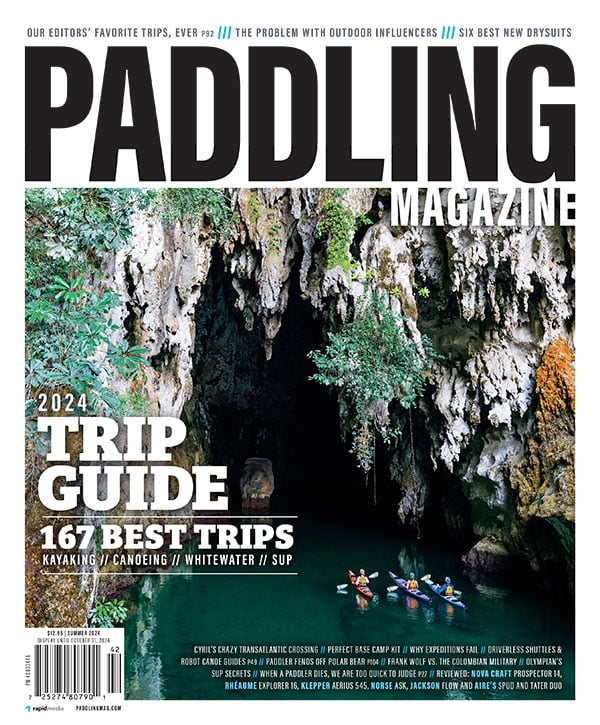
Cover of Issue 72 of Paddling Magazine, Issue 72This article was first published in Issue 72 of Paddling Magazine. Subscribe to Paddling Magazine’s print and digital editions, or browse the archives.

Ross Turner, center, with instructors Yves Aquin and Patti Stevens. | Feature photo: Courtesy Ross Turner


Terrifying Moment A Motorboat Runs Over Father And Son’s Kayak (Video)

Looking at the severed Perception Tribe kayak, the first thought that comes to mind is Phillip and Anthony Hill are lucky to be alive. The father and son were paddling for just 10 minutes on a bay in the southern Puget Sound when a speeding motorboat appeared to be heading right for them.

Motorboat runs over father and son’s kayak

According to an interview with King 5 Seattle, The Hills were paddling near Steamboat Island with a plan to land at Hope Island Marine State Park when they noticed the motorboat on their path. They waved their bright yellow paddles and screamed at the boat operator. It was to no use. Realizing the boat was not changing course, Anthony and Phillip dove into the water and under their kayak to avoid being run over.

“As he [the boat driver] went over the top of it, it just pushed it into my back,” Phillip Hill told King 5, recalling the moment the motorboat ran over their kayak.

“I hit the water and went, ‘there’s no way that just happened,'” Anthony Hill said to King 5.

“I turned around, and I was screaming. I was yelling for him five or six times before he surfaced,” Anthony added of the moments he was unsure of his dad’s whereabouts or condition. “Those were the longest couple of seconds of my life.”

Kayak nearly cut in two after being run over by motorboat
Phillip and Anthony Hill’s kayak after being run over by the motorboat. Image: King 5 Seattle | YouTube

Inches from tragedy

The motorboat nearly severed the Hill family’s boat completely. In the news report, you can also see where the propeller punched additional holes in the Tribe kayak. One of the lifejackets also showed a long-running tear in the back. Fortunately, neither the father nor son suffered physical injuries, though they shared that they are still shaken from the event.

The driver of the motorboat did not stop to assist the Hills, but other recreationists present in the well-trafficked area did. The bystanders were also able to provide an eyewitness account and a description of the boat. According to additional news reports, the driver has since been arrested and will be arraigned in early September.

Lessons from a near miss

In a separate news report, the Hills mention they have ten years of paddling experience. From the accounts, the father and son did everything right. They waved their bright paddles and made audible attempts. It is difficult to say if there is anything else they could have done to avoid the actions of the boat driver.

For paddlers traveling among motorboats, having a noise-producing device at hand that can pierce the next decibel level is always a sound practice. Also, carry and monitor a VHF radio, have bright equipment, and display proper lighting at night.

One of the other realities to understand is the minimized visibility of different types of motorboats and light conditions. Minimizing time spent within and crossing boat channels also helps mitigate these situations.

Above all, the Hill family’s story with a fortunate ending is a reminder to never assume boat traffic can spot you as a paddler and to take a similar approach to what many learned back in driving class: always paddle defensively.


Feature Image: King 5 Seattle | YouTube

Update: September 5, 2024, According to King 5 Seattle, on September 3, the motorboat driver, David J. Seymour, pleaded not guilty to charges of reckless boating.

Whitewater Kayak Review: Jackson Kayak Flow

man paddles the new Jackson Kayak Flow creek boat
It’s official: sub-nine-foot kayaks are cool again. | Feature photo: Owen Roth

In a world where nine-foot-long, high-volume creek boats and half-slice river runners have taken over, the Jackson Flow diverges. While other boat categories push the boundaries of high-performance river running, the Flow promises fun and forgiveness for paddlers running their local creek classics and leveling up their games. But make no mistake—nothing about this kayak’s abilities is dulled down for the sake of friendliness.

Meet the Flow, from Jackson Kayak

Jackson Kayak Flow (Medium) Specs
Length: 8’5”
Width: 26.75”
Volume: 77 gal
Weight: 47 lbs
Paddler Weight Range: 130–190 lbs
MSRP: $1,599 USD
jacksonkayak.com

Design & performance

When Jackson made the Gnarvana a couple of years back, they cranked up the bow rocker and volume from previous creekers to make a 90-gallon kayak capable of a dry ride on the most insane runs out there. But the Gnarvana is also much more boat than most paddlers need for a daily driver. Dare we say, the Gnarvana can even be boring on easier whitewater.

Jackson solved this by creating a shorter, less voluminous river-running creeker with a nimble feel. Enter the Flow. The medium size comes in at eight feet, five inches long and 77 gallons. It’s a sporty size and feels like a throwback to some classics released two decades ago. You won’t find anything old-school about the Flow though.

For more than a decade, Jackson’s Zen series fit the space in the brand’s lineup for local class III–V runs and building abilities. The Flow is its successor. Comparing the Zen and Flow side by side, you’ll find the Flow is not an update to the Zen series but a rethinking of the category. At its broadest, the Flow is a quarter-inch narrower than the Zen 3.0, with a sleeker tapering shape and a more intuitive feel on the water. The Flow features more rocker than the Zen, utilizing one of the design elements that made the Gnarvana popular.

man paddles the new Jackson Kayak Flow creek boat
It’s official: sub-nine-foot kayaks are cool again. | Feature photo: Owen Roth

Taking from the Gnarvana, the Flow has a high rocker profile at the bow and stern, making it easy to boof ledges and clear holes. The stern profile has a taper to it and a flat deck. The Flow is nowhere close to a half slice, and you aren’t going to be stern squirting your way down the river, but the stern profile does allow the paddler to lift the bow over features with techniques like leaning and sweeping boofs. The combo of rocker, planing hull and stern shape also provides paddlers with the tools to skip out of the bottom of drops rather than stall. Even on small ledges and pourovers, you’ll feel the Flow accelerate away from the drop.

On the water

October in the Pacific Northwest means the return of rain. When it came time to test the Flow, river gauges were on the rise. The west slope of Oregon’s Cascades is cut with one mossy gorge after the next, and I was fortunate enough to catch a run called Butte Creek with water. Butte Creek is exactly the type of run the Flow was designed for. The creek is class III–IV with a smaller watershed. It has some ledgy drops with a splash of technicality, not to mention a few small surf waves. It was just the place to see how nimbly the Flow handles.

My favorite aspect of paddling the Flow was the combination of the planing hull and profile of the boat. The flat hull, combined with lots of volume around the paddler and short waterline, allowed me to drop into holes and spin like a top. It might have the loosest hull of its kind I can remember paddling.

Similarly, the Flow can tear up waves. The dropped-chined edges running to the tapered, lifted stern allowed for tight carving, easily transferring edges back and forth. Combine this with the high rocker to keep the bow from diving, and you can sit on waves all day.

detail of the outfitting on the Jackson Kayak Flow
In addition to Jackson’s bomber outfitting, the Flow features a surprisingly roomy deck shape for all-day comfort. | Photo: Owen Roth

Surfing is a blast and all, but how do these features translate to downstream progress? The loose hull can spin to make quick corrections and change course. The edges and tapered stern are present when you decide to engage on your line and drive down it. Even better, these elements give you the confidence to move around on the river utilizing reactionary waves, pillows and anything else you wish to carve across.

Jackson Flow outfitting

The Flow is a comfortable and easily adjustable ride thanks to Jackson’s outfitting inside. The Uni-Shock Bulkhead System is a clever, shock-absorbing foot brace system that adjusts with rope and cleat, similar to the Sure-Lock Backband System Jackson is known for. This means you can pop your skirt open in any eddy and pull the foot braces closer or push them farther back without getting out of the boat.

The Flow combines Jackson’s well-loved Uni-Shock Bulkhead System and the Sure-Lock Backband System with Velcro inserts on its Bees Knees Thigh Hooks for better boat control. It’s an interior system that is a dream for paddlers who are obsessive about the fit of their outfitting and want to adjust on the fly.

The Jackson Flow is a kayak that feels right the moment you jump in it. The time I spent paddling the medium Flow on a ledgy class III stretch was easily one of the most fun days of kayaking I’ve had in a spell. I expect in the years ahead this boat will join the ranks among the best kayaks, and some of the best whitewater kayak designs of all-time, like the Liquidlogic Remix and Dagger Mamba.

Related articles

Creek boat reviews

Jackson Kayak reviews

Cover of Issue 72 of Paddling Magazine, Issue 72This article was first published in Issue 72 of Paddling Magazine. Subscribe to Paddling Magazine’s print and digital editions, or browse the archives.

It’s official: sub-nine-foot kayaks are cool again. | Feature photo: Owen Roth


End Of An Era: Seaward Kayaks Announces Closure

Seaward Kayaks officially announced its closure last week after almost four decades in business, marking the end of an era for a cornerstone of the sea kayaking community.

The Seaward story began in 1986 when Steven Ree and Geoff Workman, two pioneering figures in the North American sea kayaking industry, joined forces. Under the ownership of Ree and his wife Jacquie, Seaward earned a reputation for crafting high-quality composite kayaks on Vancouver Island, British Columbia. The kayaks became trusted companions for paddlers worldwide, from recreational enthusiasts to outfitters leading multiday expeditions.

Over the years, Paddling Magazine has reviewed many Seaward models, including the Passat G3, Chinook, Infiniti 175 TX and Quantum.

Navigating The Waves of Business

In 2014, Seaward gained broader public recognition when it appeared on the Canadian television show Dragon’s Den (similar to the American TV show Shark Tank) with a pitch to build a rotomolded plastic kayaks division. While the business initially had the interest of four of the five Dragons, after due diligence, the venture capitalists and the Rees decided to part ways.

Instead, Kayak Distribution acquired Seaward’s thermoform division. The composite operations remained owned and operated by the Ree family, and the kayaks continued to be handmade by two dozen skilled craftspeople on Vancouver Island. Seaward went back to “doing what we do best,” Jacquie Ree said at the time.

After 38 years in business, Seaward Kayaks announced its closure on August 14, 2024. | Photo: Alamy.com

In the fall of 2019, Seaward changed ownership. Steve Emery and Louise Defryn, who previously owned a fleet of over 100 Seaward kayaks for their tour operating business, purchased the company.

In May 2024, Emery replied to speculation about Seaward’s future on a forum for West Coast paddlers: “Seaward is closing its factory in Chemainus this summer. No further Seaward kayaks will be manufactured for the foreseeable future. We have no current plans to re-open but will eventually be making Seaward available for sale to whoever is interested.”

Emery did not respond to Paddling Mag’s request for comment.

In the official closure announcement made via a Facebook post on August 14, 2024, Seaward expressed thanks to the paddling community for its unwavering support. “With a mixture of sadness and gratitude, we would like to announce that after 30-plus years, Seaward Kayaks is closing its doors,” the post stated. “Your dedication contributed overwhelmingly to Seaward’s long-time success.”

The company’s Facebook page has since been flooded with messages from customers with one user reminiscing, “I own four of your boats. They are my absolute favorites and what I consider a top-notch Canadian product. This is devastating news.” Another paddler shared, “I’ve toured in Seaward kayaks and know their quality was legendary. Seaward will always be a part of West Coast sea kayaking history.”

“This is especially unfortunate not only for West Coast, Canadian-made kayaks but manufacturing in general,” added another.

Though Seaward will no longer manufacture kayaks or parts, its online store will remain open until inventory is depleted. “We encourage anyone that owns a Seaward kayak and may need replacement parts to order them sooner rather than later,” the announcement advised.

Chasing Ice: Climbers Paddle To Winter Wonderland

a photographer stands on his inflatable paddleboard, taking a photo of a jumping man who has been ice climbing by a waterfall
Cold play. | Feature photo: Jimmy Martinello

A January cold snap in Squamish, British Columbia, meant ice formations were coming up all around the valley. Ice climbers were out on the hunt in full force, getting after it while the getting was good.

Chasing ice: Climbers paddle to winter wonderland

As a professional adventure photographer, I’m always looking for the next spectacular shot. The day before venturing on this wild trip, I hiked into scenic Mamquam Falls. Through the icy spray, I spied hanging daggers and frozen fangs clinging to the overhanging rock-face amphitheater—an ice extravaganza.

I went home, made a few phone calls, and rallied a team together. It was essential to make this vision come to life. Ice climbing spots are short-lived in our temperate rainforest zone; they are there one day and gone the next. This scene was so unique and special because it might only form once every 10 years.

a photographer stands on his inflatable paddleboard, taking a photo of a jumping man who has been ice climbing by a waterfall
Cold play. | Feature photo: Jimmy Martinello

With the stoke on, the team soon swelled to five and we had a full safety crew. Because sharp objects, like crampons and ice axes, are not the best mix with inflatable paddleboards and drysuits, we packed along a piece of plywood for each board so we could have something to step on to access the ice while wearing our crampons and without risking blowing a hole in our boards.

I had been up to the falls from the bottom a few times on my paddleboard to establish rock climbing routes in the summer, so I was familiar with the access, but now the rocky riverbank was covered in ice. We arrived at the access, armed with our plywood, inflatable paddleboards, drysuits, PFDs, and all the climbing and ice gear essentials. We paddled upriver to start and then climbed a short little pitch, a mix of snow, rock and ice, hauling up our gear and boards behind us.

When we reached the upper falls, we paddled into the cauldron of water at the base of the raging falls, surrounded by hanging daggers of ice. It was a playground like no other.

We all had a go shuttling our climbing crew across the river to attempt the frozen icicles dripping off the falls. This was Valterai Rantala’s very first time ice climbing. After his climb, he took the cold plunge of reward, as seen in this photo. I don’t know what was more exciting—climbing up or jumping down.

Climbing in a mist of spray, hanging off tools, clinging to the ice and being surrounded by an orchestra of colors and sounds was mind-blowing. I’m so grateful for days like these and having an incredible team of adventure-seeking friends to make it happen.

Jim Martinello’s photography and film work have been published worldwide, including in National Geographic, Outside, Outpost, Mountain Life, and many more.

Cover of Issue 72 of Paddling Magazine, Issue 72This article was first published in Issue 72 of Paddling Magazine. Subscribe to Paddling Magazine’s print and digital editions, or browse the archives.


Cold play. | Feature photo: Jimmy Martinello


Striper Madness Nearly Turns Deadly For Kayak Angler

Ambrose Salmini was going through a rough patch in April 2022 and like many of us he took comfort in fishing. But that wasn’t going well either.

“It was five days in a row and I did not even have a bite. I can’t really explain how strong that urge to catch a fish was,” he says. “I’d leave work early and come home any time between midnight and two in the morning.”

Ambrose’s obsession with stripers often pushes him to go beyond what most anglers consider reasonable, such as fishing from a kayak in heavy chop and 40-mile-per-hour gusts. Such was the case on day six of his quest, when he pulled into a Union Beach, N.J. lot popular with fishermen. On any normal day it would be bustling with activity, but on this wind-whipped afternoon it was eerily empty.

Striper madness nearly turns deadly for kayak angler

As Ambrose unloaded his bright green kayak an older man approached. “I know you’re not going out there.” When Ambrose replied that he was, the old-timer looked him dead in the eyes.

“You’re an idiot. You’re crazy,” he said. “Be careful.”

Ambrose didn’t give the warning a second thought. He had fish on the brain, and as tough as the conditions looked for kayaking, they were promising for stripers.

“Seeing the wind and the waves, I thought, ‘Good, the fish will be here because it’ll be dirty. They’ll be stirring up bait. There’s going to be fish everywhere,’” recalled Ambrose, who launched through the shore break without even taking time to put on his life jacket.

The old-timer looked Ambrose dead in the eyes.
“You’re crazy,” he said. “Be careful.”

It was tough going from the start. Ambrose struggled to get off the beach and put his lines in the water. He was out of his element and knew it, but just as he decided to turn back his reel screeched to life. For a few glorious minutes Ambrose forgot all about the wind and waves. “Battling that fish in those conditions was an incredible rush,” he says. “It’s why I fish.”

From fighting fish to fighting for survival

When he finally got the fish to his kayak, he let out a joyous whoop and reached for his phone. He wanted a photo to commemorate the moment, and that meant punching in his passcode and setting the self-timer with one hand, all while wrangling a 20-pound striped bass with the other. As he worked, the kayak drifted broadside to the waves, one of which rolled under him just as he hoisted the fish for the photo. “That shift in weight, combined with the wave, tipped me over,” Ambrose recalls. “I went into survival mode the second I hit the water.”

a fishing kayak flips with a striped bass on the deck
The Striper capsized Ambrose’s kayak, sent his phone and rods to the bottom, and got away with his Rapala grips.

Without a life jacket, Ambrose struggled to keep his head above the surface. His waders filled with water, pulling him down. Struggling to stay afloat, he realized the gravity of his situation.

“With no life preserver on and the big waves come in, I was swallowing saltwater and really struggling to breathe. My waders were filling with water, pulling me down like a sinker,” he says. “It’s hard for me to explain fully that feeling. There was a good 10 seconds where I was kind of grappling with the fact that I’m probably going to die drowning, fishing away from my family.”

The kayak immediately began to drift away, and in a moment of clarity Ambrose lunged after it and latched on. The water was 48 degrees. Ambrose had only a few minutes before hypothermia would set in, robbing him of the strength to grip the kayak. Climbing back aboard with his waders full of cold seawater was out of the question, so Ambrose turned toward shore and started kicking. He didn’t seem to be getting any closer, but the exertion kept him warm.

Help arrives, sirens blaring

Fortunately, the old man in the parking lot wasn’t the only one who had taken an interest in the lone kayaker fishing the storm. Someone watching from their apartment window saw Ambrose capsize, and dialed 911.

Ambrose watched from the water as squad cars and a fire truck pulled into the empty fisherman’s lot, lights blazing. “I was choking on saltwater, freezing, and genuinely afraid I wouldn’t make it,” he says. “But hearing the sirens gave me a little bit of hope.” Then, inexplicably, the emergency vehicles rushed off in a different direction. Ambrose kept kicking.

A few minutes later, officers from the Union Beach Police Dept. Marine Unit arrived in a patrol boat and hoisted Ambrose aboard. Soon he was shivering in the back of a Union Beach Fire Dept. aid car, with the heat cranked up as high as it would go.

portrait of kayak angler Ambrose Salmini
“With no life preserver on and the big waves come in, I was swallowing saltwater and really struggling to breathe.” –Kayak Angler Ambrose Salmini

Lessons Learned from a Brush with Death

Reflecting on the incident later, Ambrose acknowledges his mistakes and the thin line between passion and recklessness. The combination of inadequate equipment, dangerous weather conditions, and lack of essential safety gear nearly cost him his life.

“Going out in those conditions without a life vest was laughably stupid,” Ambrose admits. “It’s a miracle I’m here to tell the story.” Ambrose did survive, and he told his story in a YouTube video that garnered thousands of views. One of the people who commented on his video was the person who made the life-saving 911 call.

“Buddy, I was watching you from my living room,” wrote the person, identified only by their YouTube handle. “Glad I stumbled across this video and that you are okay. As a kayak fisherman myself my heart started pounding when you went over … Good luck and tight lines.”


Cyril Derreumaux Prepares For Atlantic Kayak Crossing

Cyril Derreumaux arriving in Hilo, Hawaii, after 92 days, aboard his 23-foot-long kayak Valentine, named after his sister
Cyril Derreumaux arriving in Hilo, Hawaii, after 92 days, aboard his 23-foot-long kayak Valentine, named after his sister. | Feature photo: Tom Gomes

In 2022, Cyril Derreumaux kayaked solo and unsupported from California to Hawaii, relying entirely on human power—a feat that came mere years after he’d sworn off long-distance ocean paddling.

Cyril Derreumaux prepares for Atlantic kayak crossing

Perhaps even more remarkable is the French-born adventurer didn’t start kayaking or canoeing until he was 32 when he moved to California and got hooked on outrigger canoeing. As part of a team, he raced from California’s Newport Beach to Catalina Island, followed by the 32-mile Moloka’i Hoe from Moloka’i to O’ahu. At the time, it felt like an insurmountable distance. “How do I train for six straight hours of paddling?” he remembers thinking.

Then came surfski and canoeing. Still a relative newcomer competing against seasoned pros in the 715-kilometer Yukon River Quest, Derreumaux’s team finished in 45 hours, placing second. With it came a realization: “Maybe long distance is what I really like.”

Cyril Derreumaux arriving in Hilo, Hawaii, after 92 days, aboard his 23-foot-long kayak Valentine, named after his sister
Cyril Derreumaux arriving in Hilo, Hawaii, after 92 days, aboard his 23-foot-long kayak Valentine, named after his sister. | Feature photo: Tom Gomes

Rowing was the natural next step. He competed in the 2,400-mile Great Pacific Race from California to Waikiki, Hawaii. His team completed the race in 39 days, earning a Guinness World Record. But for Derreumaux, it also marked what he thought was the end of his long-distance ocean paddling career.

“I loved the experience at sea, but I said, ‘I’ll never do this again. It’s too tough,’” he says.

Yet, something inside him was jolted from its slumber when he read The Pacific Alone, the story of Ed Gillet’s 1987 solo kayak crossing from California to Hawaii in a tandem Necky Tofino.

By the numbers
$80,000: Funds needed to cross the Atlantic.
2.5 mph: Max nautical speed.
3 hours: Average amount of sleep per night at sea.
2 hours: Time Derreumaux had to spend making fresh water daily after his watermaker broke.
91 days, 9 hours: Time it took to kayak from Monterey, California, to Hilo, Hawaii.
2: Number of Guinness World Records Derreumaux holds.

“I was mesmerized,” says Derreumaux.

True to form, Derreumaux wasn’t satisfied with just reading books. He spoke with Scott Donaldson, who was the first person to kayak solo across the Tasman Sea in 2018. Peter Bray—the first person to kayak solo across the Atlantic without sails (paddlingmag.com/0168)—put him in touch with his boat builder, who had retired. Derreumaux convinced the designer to build one last boat; an ocean kayak with a custom-designed pedal system.

He applied this same dogged persistence and systematic approach to prepare for what he knew would be his biggest challenge—paddling without a team. “I’m an extrovert, and I knew it was a mental game, so I tried everything,” he says. His arsenal included the Wim Hof breathing method, working with a coach, hypnosis and yoga.

In 2021, Derreumaux set out amid rough seas and high winds and lost his sea anchor. He was picked up by the U.S. Coast Guard six days later. By 2022, he was ready to try again. He knew his second attempt wouldn’t be smooth sailing but couldn’t have predicted a tropical storm would flood a compartment, causing problems with his batteries and steering lines. His desalinator failed, requiring him to make fresh water manually. And as his time at sea stretched out, so did his rations. Although he’d prepared for 70 days on the water, in the end, it took him 92.

“It was probably the hardest thing I’ve done so far, but I discovered something about myself being alone,” he says. “I want to feel alive. I’ve always found a lot of pleasure in pushing the limits.”

Now 47, Derreumaux’s next expedition is in December, when he will attempt a 3,000-mile solo crossing of the Atlantic from the Canary Islands to Barbados. It will be roughly the same distance as his last, but it will be far from the same journey.

“It will be a different spiritual trip,” he says. Derreumaux is currently raising funds for the expedition on GoFundMe.

Cover of Issue 72 of Paddling Magazine, Issue 72This article was first published in Issue 72 of Paddling Magazine. Subscribe to Paddling Magazine’s print and digital editions, or browse the archives


Cyril Derreumaux arriving in Hilo, Hawaii, after 92 days, aboard his 23-foot-long kayak Valentine, named after his sister. | Feature photo: Tom Gomes


Paddle-Powered Research On Precipitous Moose Population Decline

canoeists paddle at dawn, searching for moose while researching their population decline
Dawn patrol searching for moose. | Feature photo: Ian Finch

The moose is under threat in the mosaic wilderness in far northern Minnesota, close to the Canadian border. It’s estimated moose once numbered 10,000 in the state, but the population fell by 64 percent more than a decade ago.

Paddle-powered research on precipitous moose population decline

Seth Moore is the lead biologist for the Grand Portage Band of Lake Superior Chippewa and he’s become a leading voice on Minnesota’s moose. His scientific work has focused on sustaining the iconic species for the band’s annual subsistence moose hunt, which has been conducted for thousands of years. The band calls this Seventh Generation Planning—a process of protecting the moose so future generations can continue the same subsistence practice as their great-grandparents. It’s a vital cultural thread connecting the modern-day band to their ancestors. As subsistence hunting has become increasingly uncommon as the moose population dwindled, Moore and fellow biologists have been tasked to protect the moose.

canoeists paddle at dawn, searching for moose while researching their population decline
Dawn patrol searching for moose. | Feature photo: Ian Finch

Last year, I connected with Moore to explore the moose decline from a scientific and native perspective as part of a two-year-long film and photo project. Together, we launched a 10-day canoe route into the borderlands between Canada and Minnesota, reported to contain healthy populations of moose but in low numbers. Alongside U.K. filmmaker Jamie Barnes and Quebecois expedition canoeist Martin Trahan, the journey aimed to film and photograph the moose in their natural habitat as we learned from Moore about ecosystem health and threats facing North America’s second-largest land mammal.

Echoes of the moose call

In August, our group of four watched from a small sandy beach as our floatplane thundered off into the distance behind a wall of vaporized water produced by the engine thrust. Within the hour, our canoes pushed upstream through small rivers interlinking this wilderness’ vast peppered lake systems. Our plan was to paddle into the quietest and most marshy corners in this wilderness paradise at dawn and dusk. Amongst the swamps and flooded high grass is where moose would frequently travel in the tangled habitat and wild they called home.

Our route took us through swamp systems, lengthy portages and immense lake and island regions. Day after day, we probed and paddled into motionless swampy bays. In shallow waters, Moore often pointed and whispered to me, “Moose tracks underwater,” his trained eye spotting sign of a used trail and frequented local habitat. In my canoe, Moore mimicked a moose call using a half-cut white bleach bottle. The echoes and acoustics from his call reverberated in the immediate area and throughout miles and miles of dense, impenetrable forest, only to bounce back to the drifting canoes. The four of us would sit and wait for the return call of a nearby bull moose or female cow. Each time, silence was the only response.

The repetition of call and no response permeated each morning while paddling into the tangerine colors of sunrise, and each evening, paddling under the purple hues of sunset. Around the fire each night, eating fish caught by rod and line, the haunting sound of loons echoed around the lake. Packs of wolves howled, and we howled back from the shoreline. Moore estimated two active packs surrounded us. I uncovered wolf scat on a long, narrow portage trail. On closer inspection, Moore noted the scat predominantly consisted of moose calf hair.

In moments like this, Moore transformed from paddler to biologist. He reached into the depths of research and data he’d uncovered so far, sharing the grim story he felt was unfolding for the moose if left to the natural cycles. He told us in recent decades, warming winters have allowed white-tailed deer to migrate farther north into moose territory. As part of the natural predation cycle, wolves followed the white-tailed deer, only to discover the easy pickings of moose calves, derailing the repopulation of the next generation.

biologist uses a plastic jug to call for moose while researching their population decline
Biologist Seth Moore calls for moose. | Photo Ian Finch

But one of the primary sources of adult moose fatalities has been the arrival of brainworm, also brought by the deer. The parasitic roundworm inhabits the brain cavity and does not affect white-tailed deer. But in moose, it leads to a lack of sensory perception, deafness, weakness and ultimately, paralysis and death. According to Moore’s research, brainworm has been killing up to 30 percent of the adult moose he’s studied over the past 18 years at the tip of Minnesota’s Arrowhead region.

Additionally, shorter and warmer winters mean more ticks survive when previously they would flounder under snow cover. Biologists have found moose covered in more than 100,000 ticks. And some moose will scratch themselves bald against trees to relieve themselves of the irritating ticks, scouring off large chunks of the fur needed to stay warm.

Ghost tracks leading into the future

According to Moore, these are the likely reasons moose populations declined and haven’t recovered. Fundamentally, a changing climate is at the heart of the issue.

Perhaps it’s not surprising on an expedition investigating the decline of the moose population, after nine days and nights, we tiredly paddled two canoes into the take-out location with not a single sighting. The team was quietly disappointed. After every effort made, we’d seen only ghosts and footprints.

Six months later, in February, Barnes and I joined Moore for fieldwork in Minnesota to continue our film and photo project. We took part in a helicopter population survey and witnessed Moore collar a moose, take blood, tick and body data, and then carefully release it. The awe of being so close to a moose—weighing between 800 to 1,300 pounds and majestic even in its drugged stupor—was overshadowed by the record-breaking winter warmth in the region, highlighting the challenges this iconic species continues to face.

 Ian Finch is a former U.K. Royal Marine Commando, a photographer and expedition guide. Find him online at @ianefinch.

Cover of Issue 72 of Paddling Magazine, Issue 72This article was first published in Issue 72 of Paddling Magazine. Subscribe to Paddling Magazine’s print and digital editions, or browse the archives.


Dawn patrol searching for moose. | Feature photo: Ian Finch