Home Blog Page 53

These Paddling Images Turned Heads At The Red Bull Illume Image Quest

Red Bull Illume 2023 Emerging with Canon winner Gonzalo Robert Parraguez. Image of athlete Kilian Ivelic Astorga. Maipo, Chile. Featured Image: Gonzalo Robert Parraguez // Red Bull Illume 2023
Red Bull Illume 2023 Emerging with Canon winning photographer Gonzalo Robert Parraguez. Image of athlete Kilian Ivelic Astorga. Maipo, Chile. Featured Image: Gonzalo Robert Parraguez // Red Bull Illume 2023

For photographers in the adventure-sports world, perhaps no stage is more regarded as an artist’s potential “breakthrough” as the annual Red Bull Illume Image Quest. Consider the Illume a Cannes Film Festival, if you will, of adrenaline-inducing imagery. It is an opportunity for photographers to make their work known worldwide. The 2023 awards were no exception, and at this year’s Red Bull Illume, photographers were turning heads with some stunning paddling imagery.

Through the vast number of entries, 52 judges cull selections across ten categories. Much of the contest takes place online. The Red Bull Illume Image Quest then culminates to the final award ceremony in Sölden, Austria, at the end of November. Australian photographer Krystle Wright took the Grand Prize for her shot of athlete Angela Vanwiemeersch climbing a Utah canyon in a sliver of light like a lightning bolt.

Paddlers had cause for celebration, too. The Emerging With Canon Award went to Gonzalo Robert Parraguez for his shot of Kilian Ivelic Astorga running a rumbling waterfall in Chile.

Red Bull Illume 2023 Emerging with Canon winner Gonzalo Robert Parraguez. Image of athlete Kilian Ivelic Astorga. Maipo, Chile. Featured Image: Gonzalo Robert Parraguez // Red Bull Illume 2023
Red Bull Illume 2023 Emerging with Canon winning photographer Gonzalo Robert Parraguez. Image of athlete Kilian Ivelic Astorga. Maipo, Chile. Featured Image: Gonzalo Robert Parraguez // Red Bull Illume 2023

On the image submission, Robert Parraguez shared what it took to capture the shot.

“To get to the waterfall, you had to drive two hours, walk 10 minutes, and then to take this photo, I had to do a 15-meter rappel as the waterfall is in a deep canyon. To get in the position I wanted the only way to get there was to rappel in. With Kilian, we have been filming and looking for places for a couple of years now and continuing to do these missions with him is one of my favourite things to do.”

If Robert Parraguez’s name sounds familiar, the photographer’s work is catching fire lately. The award winner was part of the media team capturing Aniol Serrasolses’ recent descent of a glacial waterfall.

The Chilean wasn’t the only paddling image creator to get a nod from the venerable judges of the annual Red Bull awards. A number were also shortlisted as semi-finalists.

Here are a few stunning paddling shots that stood out from the Illume crowd at the 2023 Red Bull contest:

Packrafters Robert Kozakiewicz and Kylee Lambert, Palmer, Alaska. Image: Janessa Anderson
// Red Bull Illume 2023

Janessa Anderson—RAW Semi-Finalist

“Supraglacial lakes are a place of absolute wonder. Formed as meltwater accumulates on the surface of the ice, these fleeting lakes can drain at any time, adding to the allure of experiencing them. I had been scouting the area for a few months, watching as the glacial landscape began to change, waiting for a blue pool that would be ideal for a packraft exploration.”

Seán Mc Ternan on the Elk River, BC, Canada. Image: Tim Retzik// Red Bull Illume 2023

Tim Retzik—Innovation by MPB Semi-Finalist 2023

“I found a way to wedge myself so I could get close enough for the angle I wanted. Because of the way I was set up to take the shot, I couldn’t see the paddlers until they were hitting the rock. Sean nailed the line, and through a 14mm lens, it looked like I was going to take a boat to the face. I had a feeling we nailed it. The image reminds me of photos in Thrasher magazine from the big air contests of the 80s.”

Adrian Mattern on the Rio Santo Domingo, Chiapas, Mexico. Image: David Sodomka // Red Bull Illume 2023

David Sodomka—Energy Semi-Finalist

“Santo Domingo River is the steepest section of whitewater kayaking in the world. It’s short, but extremely steep, linked up and consequential. We went there as a group of five kayakers. We spent five days on this section, and paddled it four times.”

Dennis Werden paddling with salmon on the Eagle River, Revelstoke, BC, Canada. Image: Daniel Stewart // Red Bull Illume 2023

Daniel Stewart—Lifestyle by COOPH Semi-Finalist

“Ever since I’ve seen my first salmon run, I’ve been addicted at getting some good photos of them. It’s one of the most challenging things I’ve ever really taken on. I am naturally not a wildlife photographer, so when I first got in the water, the only thing I’d ever capture was them running away from me.”

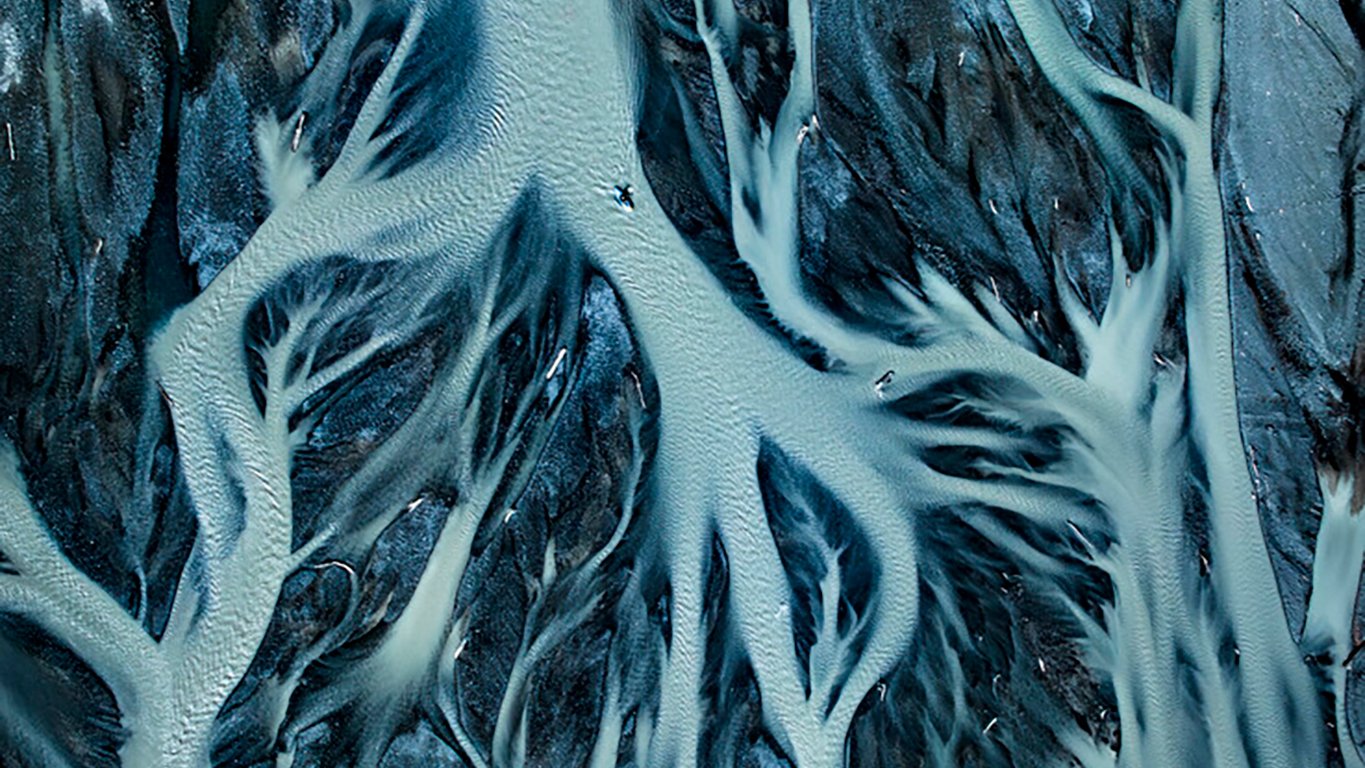
Jemma Bowles kayaking at the mouth of a braided river. Sandvatn Lake, Iceland. Image: Anthony Pearson // Red Bull Illume 2023

Anthony Pearson—Playground by Radiant Photo Semi-Finalist

“With a walkie-talkie in hand, Jemma sets off in a kayak, and paddles across the river. Having kayaked to the foot of the braids, there are many shallow sand banks which she cannot easily see. So, with a bit of guidance from above, Jemma finds her line, and gets into position whilst I snap away. High winds and two depleted batteries later, it’s time to retrieve the drone and move on.”


Inside Adam Shoalts’ 3,400-km Journey From Lake Erie To Ungava Bay

man paddles a canoe on a solo expedition in cold weather
Shoalts followed the peregrine falcon’s migratory route for his book, Where the Falcon Flies. | Feature photo: Adam Shoalts

On a foggy day in July 2022, adventurer Adam Shoalts found himself clinging to a moss-covered granite crag in the Torngat Mountains in Labrador. It was an unlikely climax to a three-month, 3,400-kilometer canoe expedition from Lake Erie to Ungava Bay, yet it was exactly where Shoalts intended to be. His arduous journey had traced the path of peregrine falcons, from their migrational stopovers on Lake Erie’s shores to nesting sites in coastal Labrador. Now, Shoalts had left his canoe on the shores of the George River and trekked far inland in search of a falcon nest, the ultimate objective of his journey.

Inside Adam Shoalts’ 3,400-km journey from Lake Erie to Ungava Bay

Shoalts has garnered a reputation roaming the wilderness and spinning yarns about his sometimes esoteric quests. The British newspaper The Guardian called him “Canada’s Indiana Jones” for a project to document an unmapped waterfall on an obscure river flowing into James Bay, which yielded his first bestseller, Alone Against the North. He followed that up with many more adventures and several books, including Beyond the Trees, Shoalts’ account of his 4,000-kilometer west to east canoe expedition from the Yukon to Nunavut’s Hudson Bay coast in the summer of 2017.

Where the Falcon Flies is Shoalts’ latest title, which documents the trip that led him to that moss-covered granite crag in the Torngat Mountains.

map of Adam Shoalts' canoe expedition from Where The Falcon Flies
From Long Point to Kangiqsualujjuaq. | Image: Courtesy Adam Shoalts

Inspiration for the peregrine epic came on an “ordinary April day” at his home in St. Williams, Ontario, near Lake Erie. Shoalts glanced out the window and “spotted a peregrine falcon flying over the neighboring field.”

“The area near our place is a major birding hot spot, so spotting falcons isn’t that uncommon,” Shoalts recalls. “But living in Southern Ontario, there are times when the Arctic feels unconnected to anything local. The falcon made me realize that isn’t really the case. Each spring, falcons migrate from Southern Ontario to the Arctic. So I thought, why not grab my canoe and backpack, and follow that falcon from our doorstep to the Arctic?”

[ Plan your next northern canoe trip with the Paddling Trip Guide ]

Shoalts’ motivation was also practical: starting from home would save on travel costs.

“Plus, I really liked the idea of exploring the connections between wild places, from the local woods right in my backyard to Arctic mountains, and everywhere in between,” he adds.

Adam Shoalts' canoe rig in front of Niagara Falls
Portaging around the Falls. | Photo: Adam Shoalts

Under bridges and along urban shorelines

Setting off, he immediately encountered what could’ve been the expedition’s greatest challenge: portaging around Niagara Falls. But other than crowds of gawkers and a couple of concerned police officers who “thought [he] might be doing something dangerous,” Shoalts says the 13-kilometer portage followed an easy paved trail and took only five hours to complete.

Another problem came in navigating urban shorelines along Lake Ontario and the St. Lawrence River. But even near Toronto, Shoalts says he was able to find secluded copses of trees in which to camp. He also slept a night under the Jacques Cartier Bridge in Montreal and pitched his tent adjacent to Quebec City’s Old Town.

The tone of the expedition shifted dramatically when he veered north, ascending wild waterways draining into the St. Lawrence to the height of land on the Labrador Plateau. Here he accessed the George River, which flows into Ungava Bay at the Inuit community of Kangiqsualujjuaq.

“I was relieved to get to a wilder section after more than a month of paddling through Southern Ontario and Quebec,” he says. “I just studied maps and traced my finger between places to work out what seemed like the easiest and most straightforward route from point A to point B. Labrador’s interior is so laced with lakes, rivers and ponds, that so long as you don’t get lost, it’s possible to go from pretty much any point to any other.”

Where the falcon flies

Shoalts admits he saw only three peregrine falcons on the three-month journey, perhaps owing to the vast speed difference between a solo paddler and the planet’s fastest animal. He made up for that near journey’s end, when he finally found a falcon’s nest high among the misty ridges of the Torngats.

“Peregrine falcons nest all across Canada’s Arctic, wherever they can find suitable nesting sites,” he says. “But the sheer cliffs and high peaks of the Torngat Mountains are especially a hot spot for peregrines, and many of the Lake Erie falcons are known to migrate there in particular.”

Unlike his previous expeditions, Shoalts says the greatest hardship he faced was loneliness. Arriving at journey’s end was a huge relief, in stark contrast to the bittersweet emotions he felt at the terminus of his 2017 expedition across Canada’s far north.

“When I did that trip, I wasn’t a parent. Now I am,” he says. “My son was only 14 months when I embarked on this journey, so missing him was definitely the hardest part. I was happy to have finished it and reached the end, but even happier to be going home to my family.”

Shoalts followed the peregrine falcon’s migratory route for his book, Where the Falcon Flies. | Feature photo: Adam Shoalts


The 9 Best Paddling Films Of 2023

From the wild icescapes of Baffin Island to the mighty Mississippi River, Paddling Magazine’s top picks for the best paddling films of the year promise to awe and inspire viewers of all ages and abilities. These films celebrate the spirit of adventure and our connection to water through exceptional storytelling and stunning visuals.

The following nine films are currently screening as part of the Paddling Film Festival, which is the largest paddling film festival in the world and has been showcasing the best canoeing, kayaking, paddleboarding and whitewater films every year since 2006. Watch the films here.


A Baffin Vacation

Winner of Best Adventure Travel Film 2023

Erik Boomer and Sarah McNair-Landry set off on a bold multisport 45-day expedition—traveling through the remote landscape of Baffin Island in search of stunning cliffs to climb and unexplored rivers to whitewater kayak.

Directors: Sarah McNair-Landry, Erik Boomer

Producers: Rush Sturges, Erik Boomer, Sarah McNair-Landry

Watch this film in the Paddling Film Festival’s Adventure Program 2023.


Georgie

Winner of Best Rafting Film 2023

Georgie, a forgotten raft rediscovered at a yard sale, narrates her story of running rivers. From her wild days with legendary Georgie White in the Grand Canyon to leisurely weekend floats, Georgie’s wisdom rings true to every generation of river traveler.

Directors & Producers: Dale Wright, Isaac Wright

Watch this film in the Paddling Film Festival’s Voices Program 2023.


Wild Waters

Winner of Best Paddling Documentary 2023

Adventurer, competitor, daughter, friend, pioneer, hero and badass human are all words used to describe French kayaker, Nouria Newman. In Wild Waters, we watch Nouria grow from a young Olympic hopeful to one of the greatest kayakers of all time, and follow her as she prepares to become the first female to run a 100-foot waterfall. Running the world’s hardest whitewater isn’t Nouria’s biggest challenge, though. Realizing the expectations placed upon her as an athlete and as a woman weigh heavily as she pushes back to make her own path.

Director: David Arnaud

Producer: Red Bull Media House

Watch this film in the Paddling Film Festival’s Adrenaline Program 2023.


Icelands Most Remote Peninsula: Hornstrandir By Kayak

Winner of Best Sea Kayaking Film 2023

Due to its proximity to the Arctic Circle, Hornstrandir is damn fresh even in summer, and this northern coast is hardly protected. In paddling Iceland’s most remote peninsula, this group of kayakers learns how to fail beautifully.

Director & Producer: Eike Köhler

Watch this film in the Paddling Film Festival’s Adventure Program 2023.


Circumnavigate

Winner of Best SUP Film 2023

Tragedies in former lifeguard Brendon Prince’s past forced a change in his life to pursue water safety education. In the pursuit of raising awareness for this cause, he must put his own life at risk, pushing his limits and attempting something no one has accomplished before.

Circumnavigate follows the South Devon-based father of three as he attempts to become the first person to standup paddleboard around mainland Britain in hopes of breaking five world records—a challenge many have tried, but none have achieved.

Director & Producer: Will Reddaway

Watch this film in the Paddling Film Festival’s Adventure Program 2023.


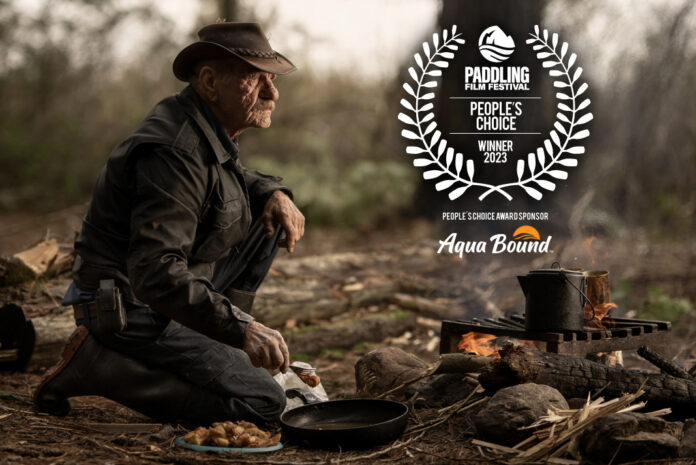
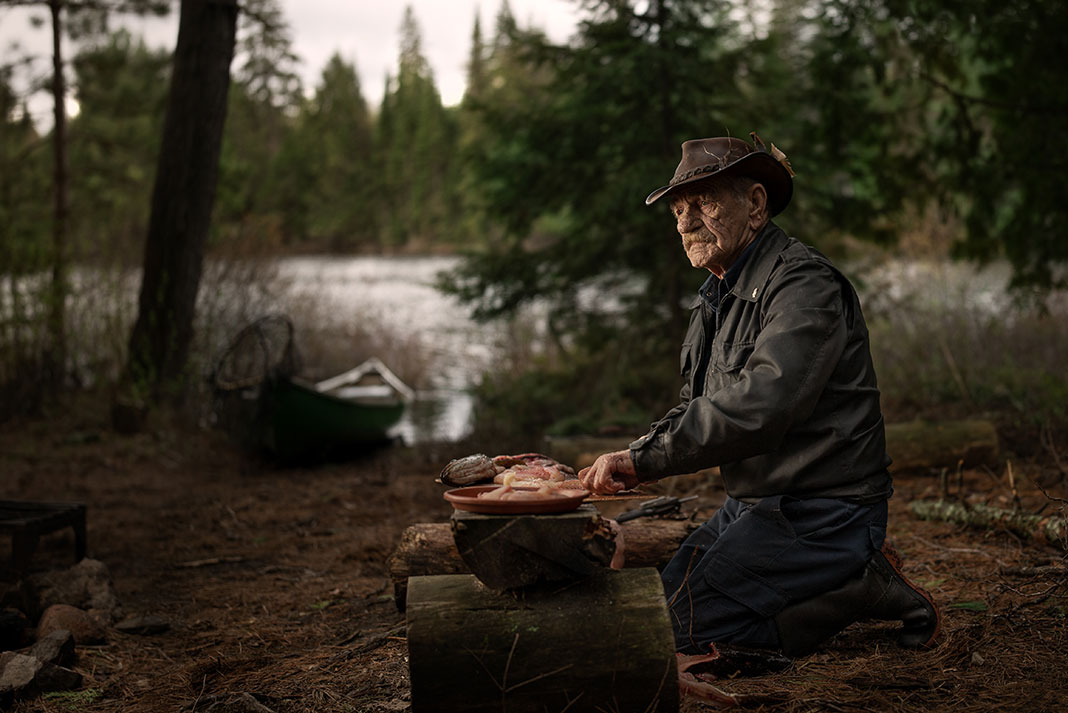
Greybeard: The Man, The Myth, The Mississippi

Winner of Best Canoeing Film 2023

Dale “Greybeard” Sanders challenges himself to set another world record, trying to reclaim his title as the oldest person to paddle the full source to sea on the Mississippi River. At 87 years old, it takes perseverance and an attitude that says, “One of these days I’ll get old.”

Director: Zak Rivers

Producers: Zak Rivers, Alex Maier, Kyle Johnson, Amy Robin 

Watch this film in the Paddling Film Festival’s Adventure Program 2023.


On The Edge

Winner of Best Kayak Fishing Film 2023

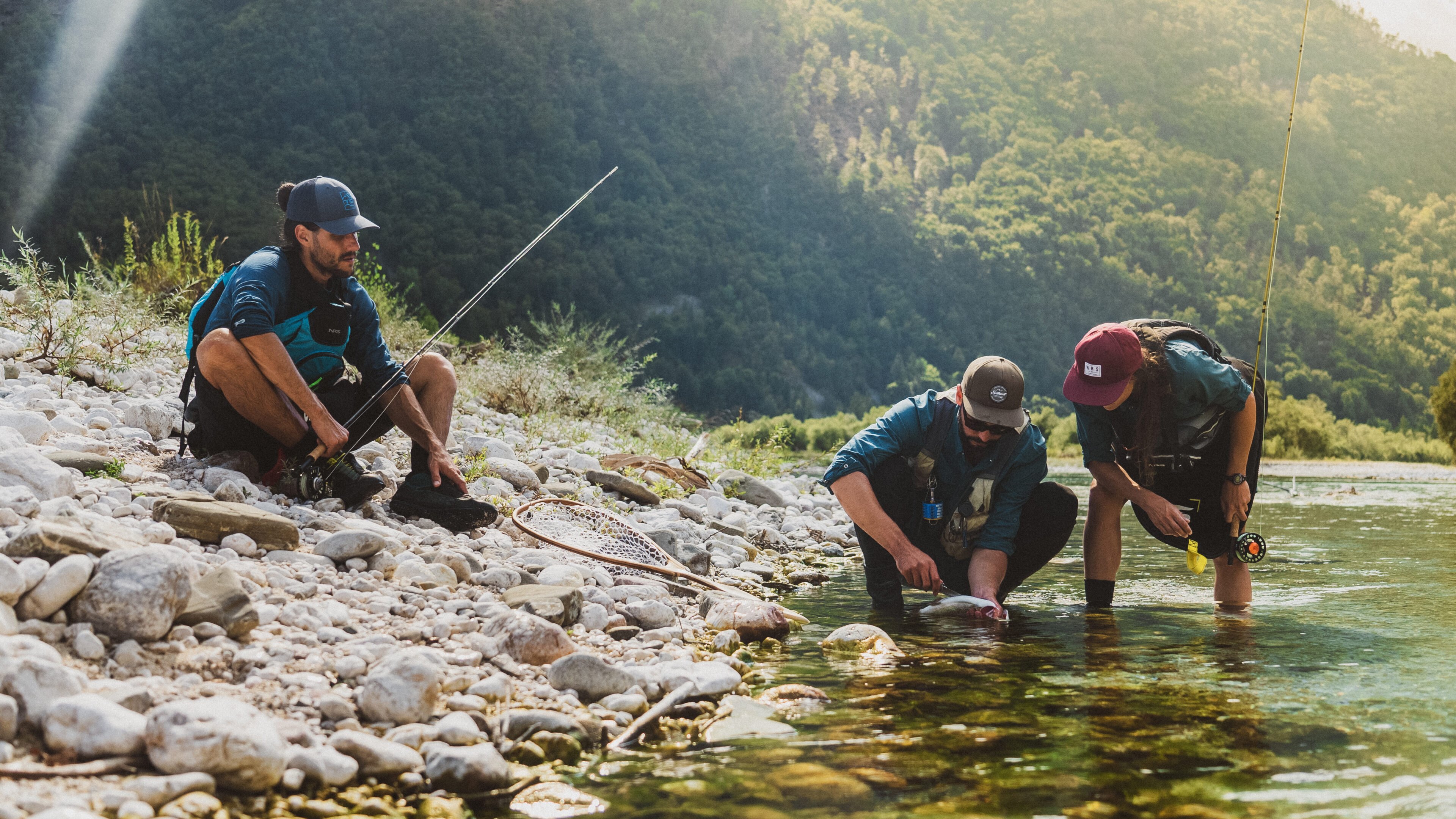
Five women set out on an eight-day, 65-mile pack rafting journey deep in the wilderness of Montana. A trip inspired by self-growth, adventure and world-class westslope cutthroat trout fishing quickly evolves into a deeper exploration of how we are on the edge of a new climate era. The group begins to question what the future of conservation and ethical wilderness recreation will look like in a rapidly changing climate.

Director & Producer: Katie Falkenberg

Watch this film in the Paddling Film Festival’s Adrenaline Program 2023.


On, In & Under The Sava

Winner of Best Paddling Short Film 2023

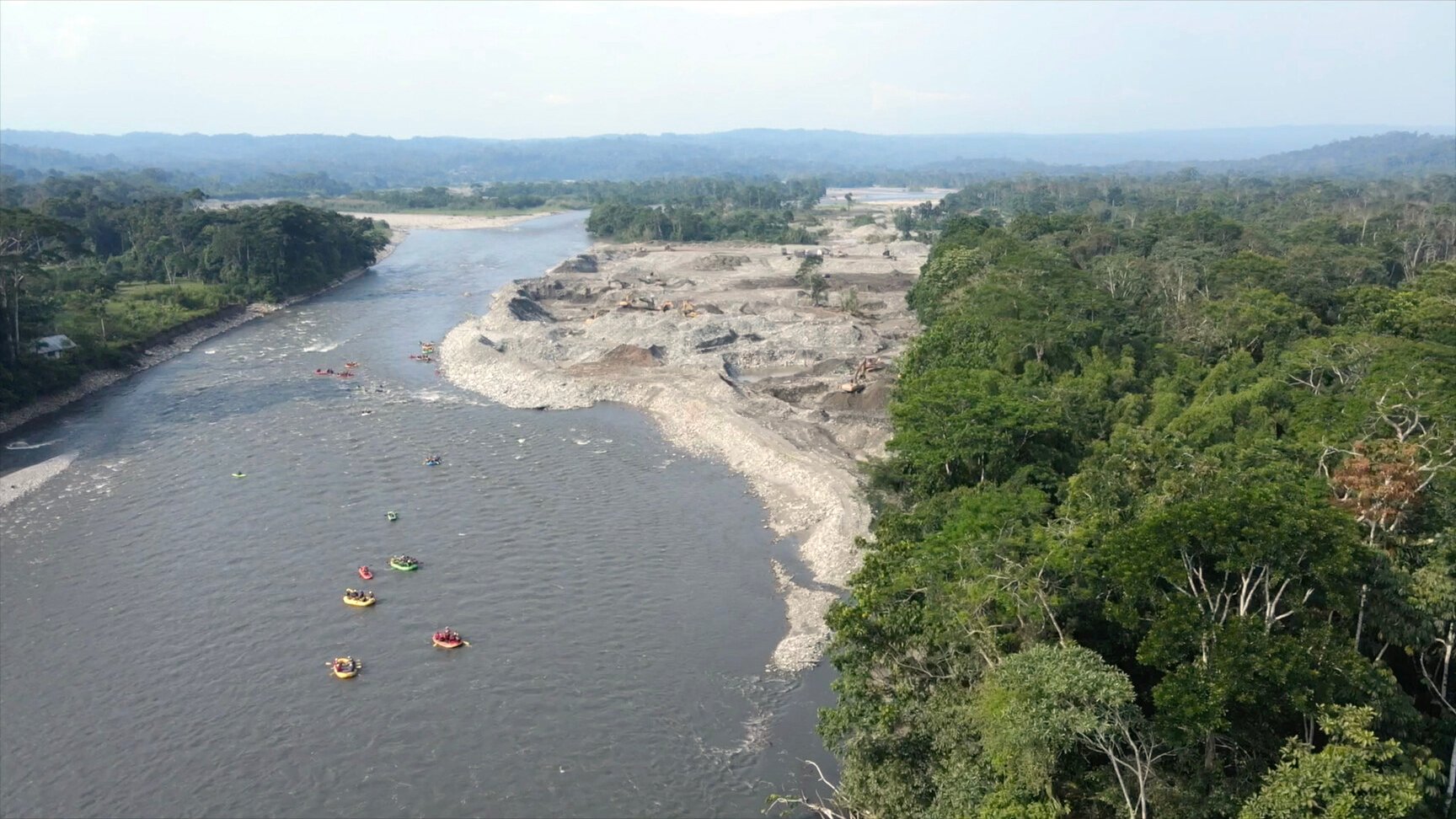
Armed with a raft, snorkels and flippers, four friends drift down Slovenia’s Sava River. Their one mission: find the elusive finned monsters that dwell in the deep, in order to help protect the Sava from the construction of dams.

Directors: Rožle Bregar, Carmen Kuntz

Producers: Balkan River Defence, Leeway Collective

Watch this film in the Paddling Film Festival’s Voices Program 2023.


Stakeout

Winner of Best Whitewater Film 2023

For decades, Eastern Canada has brought people from all over the world to paddle its huge variety of whitewater. There is one aspect in particular that continues to bring the world’s best paddlers—big waves. As the rivers rise with the spring melt, each of these unique waves takes form. Every year, a small group of whitewater athletes dedicate their time to the chase. Those who started this tradition gave it a name: Stakeout.

Director & Producer: Dane Jackson

Watch this film in the Paddling Film Festival’s Adrenaline Program 2023.


Perks Of The Job: This Minnesota Police Department Is Giving Recruits Free Canoes

Ely Police Department giving recruits free canoes
Featured Image: Chad Houde/Ely Police Department via AP

In a small town at the edge of the fabled Boundary Waters Canoe Area Wilderness, a police department is incentivizing recruits with a pretty sweet sign-on bonus—free Kevlar Wenonah Canoes.

Ely, Minnesota, has a population of just over 3,000 residents in a remote corner of the state. Like many police departments in recent years, the small outfit serving Ely is struggling to hire new officers. Utilizing what the town has access to and what Minnesotans value, Police Chief Chad Houde came up with a creative and fitting benefit to joining his force. Houde is giving new (and current) police officers free Kevlar Wenonah Canoes valued at $3800 for committing to three years of duty.

[ Check out finely crafted Wenonah Canoes in the Paddling Buyer’s Guide ]

“You can get done with a shift, maybe it was a stressful shift. … The best way to decompress is go out canoeing, hunting or fishing,” Houde shared with the Associated Press.

Ely Police Department giving recruits free canoes
Featured Image: Chad Houde/Ely Police Department via AP

Talk about a quality of living bonus. The bordering Boundary Waters Canoe Area Wilderness comprises one million acres of forests and connecting waterways, with over 1200 miles of canoe routes.

To give the offer more state pride, Wenonah Canoes were founded in Minnesota 50 years ago and are still made there today.

For paddlers pursuing a career in law enforcement, one could do worse than scoring free canoe and joining a police department serving a community at the edge of one of the most treasured natural areas in North America. The Ely police department has one slot currently open and another soon to come. But we imagine those won’t last long once word spreads through the canoeing ranks.


What paddlers and campers can do to help reduce their environmental impact

Photo: Duncan Macpherson

Canadians are going outside in record numbers. That’s a good thing: spending time in nature improves mental and physical health. But all those extra boots on the ground is leaving an impact. Now there’s a new way Canadians can play a part in preserving natural spaces.

“Land managers and trail groups across the country tell us they are struggling to keep up with the influx of people,” says Richard Vinson, the Chair for Leave No Trace Canada, a non-profit that promotes the sustainable use of parks and natural spaces. “With more people sharing these outdoor places, the more it matters how we all behave when we’re out there. But there are simple things we can do that make a big difference.”

Photo: Duncan Macpherson

One of them is taking the new Leave No Trace Pledge, a joint project between Leave No Trace Canada and Subaru Canada. By visiting LeaveNoTrace.ca people can learn about the Seven Principles of Leave No Trace and then commit to adopting them by taking the Pledge. For everyone who shares their Pledge on social media Subaru Canada will plant a tree in the spring 2024.

“This is a real win-win-win,” says Vinson. “We’re planting trees in Canada, educating people and protecting parks, natural spaces and wildlife all at the same time. The Pledge is something anyone can do to show that they care.”

Photo: Taylor Bond

Subaru Canada thinks the Pledge is a good way to mitigate environmental impacts.

“We are excited to partner with Leave No Trace Canada and help promote their Seven Principles,” said Tomohiro Kubota, Chair, President and CEO of Subaru Canada Inc. “We look forward to challenging Canadians to take The Pledge as we believe these guidelines provide the basis of responsible exploration.”

Outdoor recreation and park use were both increasing across the country before 2020 and then shot up significantly during the COVID-19 pandemic. A Park People report found that 66 percent of Canadians increased their park visits since 2019, while a Leger Opinion study for the Trans Canada Trail found 40 percent of Canadians increased their trail use in 2021. In addition, Parks Canada experienced its busiest camping years ever with more than 500,000 camping nights in 2022.

Photo: Elisabeth Lacroix

Research shows that more people using parks and natural spaces means more people caring about these important places, says Vinson. But visitors and trail managers tell Leave No Trace this increase is leading to more negative impacts: more waste left behind, more off-trail damage, more campfire scars, more wildlife disturbance and more user conflicts.

“I think most of the impacts are from people who don’t know there is a better way,” says Vinson. “This is where the Leave No Trace principles come in. They aren’t rules. They’re guidelines to help people be gentler users of our natural spaces.”

Research by Brock University’s Garett Hutson backs this up. “Leave No Trace principles and practices give people the tools to experience natural areas responsibly and sustainably,” Hutson says.

The Seven Principles are:

  1. Plan ahead and prepare
  2. Travel and camp on durable surfaces
  3. Dispose of waste properly
  4. Leave what you find
  5. Minimize campfire impacts
  6. Respect wildlife
  7. Be considerate of others.

“Practicing the Leave No Trace Seven Principles and taking the Pledge present an opportunity to make an investment in the future of our natural spaces,” says Vinson.

Learn more about the Seven Principles and take the Leave No Trace Pledge at https://takethepledge.leavenotrace.ca/


British Canoeing Awarding Body Podcast Wins Coaching Podcast Of The Year Award

British Canoeing’s British Canoeing Awarding Body Podcast (BCAB) has been awarded the Coaching Podcast of the Year Award at this year’s UK Coaching Awards. The award acknowledges the British Canoeing Awarding Body Coaching Podcast (BCAB), which has facilitated the development of others in coaching and encourages the delivery of broader social impact through sports and physical activity.

The UK Coaching Awards is a national celebration event, regarded as the most prestigious within the coaching community and created to honour the remarkable contributions coaches make – from delivering high quality and technical coaching, to supporting participants both physically and mentally.

The BCAB Podcast is released monthly, exploring different topics around coaching with a range of guests from within the paddling and sports community, now helping coaches far and wide progress their professional development. Nearing 100 episodes, the podcast is a free resource for any coaches to use – praised most recently by the RNLI for detailing specific advice from a leading researcher on the significant danger of winds to stand up paddleboarders, helping to raise awareness for those heading out to sea.

Conducting distinctive and forward-thinking conversations accessible to everyone, the podcast has been acknowledged for notable efforts across multiple topics, including Neurodiversity Celebration Week. In one instance, it engaged in conversations with a marathon and sprint athlete, as well as an Olympic rower, both diagnosed with ADHD and high-functioning autism. By offering an open and secure platform for them to share their experiences, the podcast has ensured a space for the neurodiverse community and praised for exemplifying the broader impact of exceptional coaching.

Overwhelmed to be announced as an award winner, the team reflected:

“We are a bit starstruck, it is an honour, there is a lot of work that goes behind the scenes that go into this and with every episode we feel really proud and happy to be recognised.

“It is incredibly important to celebrate coaches, because they are often there in the background with people mainly focusing on the athletes and the physical participation of people doing the sport.

“Coaches need support as they are giving so much of themselves and so the idea of a coaching podcast is that support for the coaches who are then supporting their participants. It also celebrates lot of different coaches and something we have tried to do in recent series of the podcast is to represent lots of different coaches from different backgrounds, disciplines and experiences.”

With previous award winners including Sarina Wiegman, Jane Figueiredo, Judy Murray, and Ben Stokes’ coaching chain, the awards are seen as one of the most prestigious within the coaching community, recognising the contributions coaches make to their participants lives and their impact within the wider coaching world – including outstanding podcasts that continue to play a vital role in supporting the well-being of the nation.

UK Coaching’s CEO Mark Gannon congratulated BCAB on their award, and for the profound coaching contribution that saw it honoured as part of the annual celebration:

“I would like to extend a huge congratulations to them on their fantastic work which we are very proud to recognise by presenting him with a UK Coaching award. British Canoeing’s Awarding Body Podcast, and all our winners and finalists should be extremely proud of what they have been able to achieve. Great coaches change lives, tackle inequalities, and help build communities, and continue to be the essential conduit to getting our nation more active.

“It is so important that we celebrate great coaching and acknowledge the tireless work our amazing coaching community deliver to support individuals on their own unique sporting journey. The podcast helps our nation’s outstanding coaches, who chang so many lives through their dedication and creativity in making sport and physical activity accessible for even more people.

Find out more about this year’s winners and the awards by heading to www.ukcoaching.org/uk-coaching-awards.


Paddleboarders Who Crossed The Great Lakes Donate Big Check For Sustainability

Left to Right: Joe Lorenz, Dr. David Cannon Assistant Research Scientist, Dr. Yi Hong, Assistant Research Scientist, Melissa Mattwig, Earth System Modeler of CIGLR, Kwin Morris and Jeff Guy

Traverse City, MI – A check for $25,200 was presented to the Center for Great Lakes (CIGLR) by Stand Up for Great Lakes. The presenters were the three men who have now crossed all five of the Great Lakes by Stand Up paddleboards.

The funds raised were from their most recent trip crossing Lake Ontario in June of this year. The trio paddled from Toronto to Fort Niagara in a 13 hour, 35-mile journey. They faced waves up to 5 feet with steady winds of 16 knots for several hours and gusts upwards of 30 knots, rain and lingering smoke from the wildfires directly upwind from the group.

Left to Right: Joe Lorenz, Dr. David Cannon Assistant Research Scientist, Dr. Yi Hong, Assistant Research Scientist, Melissa Mattwig, Earth System Modeler of CIGLR, Kwin Morris and Jeff Guy

Jeff Guy, Joe Lorenz and Kwin Morris successfully paddled Lake Michigan, Lake Huron, Lake Superior, Lake Erie and Lake Ontario all in an effort to raise awareness for Great Lakes issues.

They founded a non-profit called Stand Up for Great Lakes whose mission is to preserve and protect all Great Lakes by inspiration, education, awareness and action.  They have now raised more than $105,000 for various Great Lakes non-profit organizations and have captured the imagination of many who have been inspired by their mission and support their cause. The Lake Ontario goal was to raise $25,000 and they surpassed it.

Jeff Guy, Kwin Morris and Joe Lorenz on the shores of Lake Ontario by Fort Niagara after 35 mile 13 hour paddle from Toronto on Friday June 9, 2023

In accepting the check, Dr. David Cannon, Assistant Research Scientist of CIGLR said, “Thank you very much for the donation. It’s obvious how passionate everybody is for the Great Lakes on the Stand Up for Great Lakes team. It’s a good reminder of the privilege we have in doing this research and we appreciate the awareness you bring to the issues.”

Asked what they will do with the money, Mary Ogdahl of CIGLR said, “The funds will help expand Lake Ontario flood control and shoreline restoration work as well as train the next generation of Great Lakes scientists!”

For more information or to make a donation, visit StandUpForGreatLakes.com and follow the team on Facebook.com/StandUpForGreatLakes and on Instagram.com/StandUpForGreatLakes

Watch the award-winning documentary about their Lake Superior Crossing here and Crossing Lake Erie here.

Joe Lorenz, Jeff Guy, Kwin Morris after departing from Toronto on Lake Ontario heading for Fort Niagara. The paddle was a 35 mile 13 hour journey on Friday, June 9, 2023.

Background: Their first crossing was Lake Michigan in 2015, a 60 mile and just under 25-hour journey in 38-degree water. They raised $10,000 for the Great Lakes Alliance. In June 2017 they crossed Lake Huron and raised $7,000 for Thunder Bay National Marine Sanctuary. Their 90-mile paddle journey took over 28 hours to complete. In 2018 they paddled across Lake Superior in 21 hours. Their 60-mile trip began at Sinclair Cove, Ontario and ended at Whitefish Point, Michigan and raised $15,000 for the Great Lakes Shipwreck Museum. The trip across Lake Erie began in downtown Detroit’s Belle Isle and ended on the shores of Catawba Island, Ohio and raised $16,000 for the Cooperative Institute for Great Lakes Research. (CIGLR)

About Jeff Guy: Guy, 37, is a financial advisor with Merrill Lynch. He also enjoys golf, hockey and fishing. He lives in downtown Traverse City, MI.

About Joe Lorenz: Lorenz, 37, is a personal trainer in Traverse City. When he’s not helping people achieve their fitness goals, he’s up for almost anything involving water, travel, sailing, adventure and fitness.

About Kwin Morris: Morris, 36, was born and raised in northern Michigan, making him a keen waterman, traveler, and adventurer. He is a middle school science teacher in the Elk Rapids School District and the owner of Twin Birch Golf Club.

About Corey Adkins: Adkins, 52, is the Great Lakes Shipwreck Historical Societies Communication and Content Director. Though he doesn’t stand-up paddleboard, he has captured the guys’ adventures across 4 of the 5 Great Lakes and 2 rivers, producing a series of 5 documentaries garnering him multiple awards including 2 Emmy’s. Adkins lives in McBain with his wonderful wife, Stephanie who also helps produce these stories!

Stand Up For Great Lakes is a non-profit organization dedicated to preserve and protect all Great Lakes by inspiration, education, awareness and action. It began with a love of water, over a beer. The group has crossed all five Great Lakes by stand-up paddleboard and has now raised more than $105,000 to help raise awareness of the issues facing the Great Lakes. The lakes are under threat: Oil pipelines of questionable integrity, invasive species, sewage leakage, pharmaceutical pollution, agricultural runoff, and those who choose to throw beer cans and cigarette butts wherever they please.

The list of threats to these majestic and vital bodies of water is endless. We’re asking others to Stand Up for Great Lakes and provide support and encourage us on this important mission.

The route on Lake Ontario from Toronto to Fort Niagara. For more information or to make a donation, visit http://www.StandUpForGreatLakes.com

CIGLR is hosted by the School for Environment and Sustainability (SEAS) at the University of Michigan. CIGLR consists of a Research Institute and a Regional Consortium that is a partnership between the National Oceanic and Atmospheric Administration (NOAA), universities, non-governmental organizations, and businesses. Together, we work to achieve environmental, economic, and social sustainability in the Great Lakes. https://ciglr.seas.umich.edu/

To donate visit: https://standupforgreatlakes.com/ and click ‘donate.’

Aniol Serrasolses Runs 65-Foot Waterfall Off A Glacier (Video)

Aniol Serrasolses and a crew traveled deep within the Arctic Circle for his latest mind-boggling feat. Serrasolses paddled a sliding whitewater stream from a glacier’s melt, terminating at a 65-foot waterfall, which the kayaker plunged into the Arctic Ocean.

“It’s hard to find the words to explain this feeling,” said Serrasolses following his successful run of the glacier’s waterfall. “It’s like kayaking on another planet. Without a doubt, it’s the most unique kayak[ing] I’ve ever done in my life.”

Aniol Serrasolses paddles the river on the Austfonna ice cap, Svalbard.
Aniol Serrasolses paddles the river on the Austfonna ice cap, Svalbard on August 6, 2023. Image: David Sodomka / Red Bull Content Pool

How Aniol Serrasolses Ran A 65-Foot Waterfall Off A Glacier

The glacier stream Serrasolses descended is located on the Austfonna ice cap within the Norwegian archipelago of Svalbard. The northern end of Svalbard is just 650 miles from the North Pole. The archipelago is home to a long list of ice caps and glaciers. Yet, as NASA reports, these glaciers have been melting at exceptional rates in recent years—leading to the healthy flow that allowed Serrasolses to seek out a clean 65-footer.

Serrasolses traveled to the Svalbard ice cap with a team of safety and media that included David Sodomka, Aleix Salvat, and Mikel Sarasola. The team trekked seven miles across the Arctic landscape just to reach the upper access point for the glacier run. They climbed ice walls, crossed streams and crevasses, and, most notably, handled an unpredictable whitewater river sculpted by ice.

“We were in a constantly changing environment, a totally unpredictable place. We knew how risky it was, but when you look around you, it all made sense,” Serrasolses shares of the risks and rewards of the feat.

An upcoming documentary titled Ice Waterfalls, chronicling Serrasolses’ Arctic endeavor to paddle off glaciers, is set to air on Red Bull TV in the coming weeks.


Canoe Review: Old Town Saranac 146

Old Town Saranac 146
Feature photo: Courtesy Old Town Canoes and Kayaks

Designed for affordable family fun on calm waters, the Old Town Saranac 146 is a great choice if you are looking for a beginner- and budget-friendly recreational canoe that can easily seat two or three paddlers. The Saranac 146 comes equipped with two contoured seats with comfortable seat backs and a center bench seat that is perfect for smaller passengers. Its flat hull shape and slightly lowered seats make it easy to maneuver while still feeling stable on the water. A convenient hatch-accessed storage compartment, plus molded-in rod and cup holders, make this a versatile option for families, anglers or casual canoeists who want a recreational canoe that performs well on sheltered lakes, ponds and slow-moving rivers.

Fans of the Old Town Saranac 146 say it is rugged, durable, easy to paddle and comfortable—and the inexpensive price makes it affordable for most paddlers. But is it the right boat for you? Read our Old Town Saranac 146 review below to find out.

Old Town Saranac 146 performance

Old Town Saranac 146 Specs
Length: 14’6” / 4.45 m
Width: 36” / 91.4 cm”
Weight: 79 lbs / 35.8 kg
Capacity: 750 lbs / 340 kg
Material: Thermoform polyethylene
MSRP: $899.99 USD

On the water

Old Town’s Saranac canoes prioritize stability and comfort, making the series a superb choice for families, beginners, anglers or casual canoeists looking for a recreational canoe that is easy to paddle. At 14.5 feet long, the Old Town Saranac 14’6” is compact and nimble for a two- to three-person canoe, but offers less speed and carrying capacity than its larger sibling, the Saranac 160. For growing families and those paddling with large dog breeds, a 14-foot canoe can quickly become crowded. If you think you’ll need more volume for longer trips or larger paddlers, consider sizing up to the Saranac 160.

How stable is the Old Town Saranac 146?

Wide, flat bottoms offering exceptional primary stability are the signature of recreational canoes, and the Saranac 146 by Old Town is no exception. Along with hull shape, the Saranac 146’s lower seat positions and generous 36-inch width make this a very stable canoe when paddled on the calm waters for which it is intended. Old Town designed the Saranac 146 to be stable enough for families with young children or pets, as well as anglers focused more on fighting fish than balancing delicately in their canoe. An added bonus of the lower seat position is that the Saranac 146 can easily be paddled with a kayak paddle, increasing its versatility in windy conditions or for those paddling solo or with small children.

Old Town Saranac 146
Feature photo: Courtesy Old Town Canoes and Kayaks

Market and demographics

The Saranac 146 by Old Town is suited to entry-level paddlers who want a durable and affordable canoe that performs well on a variety of sheltered waters. Like many sub-15-foot recreational canoes, it is at home on smaller lakes, shallow waters and smooth-flowing rivers. Unlike canoes with just two seats, however, the Saranac 146 comfortably sits a third paddler on its middle seat. And where many cheaper recreational canoes can be uncomfortable due to rudimentary outfitting and a pain to paddle due to poor tracking, the Old Town Saranac 146 features comfortable and supportive seats and tracks well, meaning you can be out on the water as long as you like.

Old Town added fishing-friendly features to the Saranac 146, including rod holders, storage options and tackle trays, giving anglers plenty of options to wet a line. The boat’s nimble size ensures easy access to hidden fishing holes in shallow or confined areas. Keep in mind that the directional seats mean the bow paddler is unable to turn around to face the stern paddler to assist with landing your catch. A canoe with traditional bench seats might be a better option if you want the flexibility of both paddlers being able to face the center of the boat.

That said, the Saranac 146 does have some other limitations to consider. For starters, the center seat replaces the carrying yoke found on many tandem canoes, meaning you won’t be able to solo carry on portages. If you’re looking for a lake-to-lake canoe that can eat miles with ease and carry camping gear for an extended journey, a dedicated tripping canoe would be a better choice. Look to Old Town’s Penobscot canoe for proven tripping performance on rougher waters.

Likewise, if you want to run rivers and expand your whitewater paddling skills, a whitewater canoe with appropriate outfitting—and enrolling in a whitewater paddling course to learn critical river safety skills—is the way to go.

About the Old Town Saranac 146

Old Town designs their canoes with an emphasis on primary stability, making them ideal for new paddlers, anglers or families who want the reassurance of a steady canoe. The priority here is stability and comfort over speed or rough-water performance. Old Town canoes have wide, flat hulls that feel remarkably steady in flat water, making them exceptionally kid- and dog-friendly, even when the canoe is paddled near its 750-pound maximum capacity. The relatively short length of this Old Town 3 person canoe makes it easy to maneuver around river bends or obstructions, so you’ll have no trouble getting to your favorite fishing spots.

Dress For Immersion, Not Air Temperature
  • Your body loses heat much faster when immersed in cold water than it does when dry.
  • Avoid cotton clothing like t-shirts and jeans; they retain water and accelerate cooling when wet. Synthetic fabrics, or wool, are generally a better choice. If the water is very cold (60° fahrenheit or less), you should wear a wetsuit or drysuit.

Material & construction

Old Town is one of America’s original canoe manufacturers. Their Maine factory has shipped tens of thousands of boats out of its doors. The Old Town Canoe Company’s history began in 1898 with wood-canvas canoes; today, they’ve shifted to exclusively building polyethylene plastic canoes. If you’re okay with the extra weight of this material—the Old Town Saranac 146 canoe weighs 79 pounds, for example—it’s a durable option that requires very little maintenance and can withstand repeated impacts.

The Saranac canoes are the single-layer polyethylene iteration of Old Town’s Guide series, which is made from three-layer polyethylene. The Saranacs are about 25 percent cheaper than the three-layer set ups, but are not as stiff as the triple-layer material, making the canoes less responsive on the water. Single-layer polyethylene is also slightly lighter, and while less durable than triple-layer, it’s still fairly resilient.

One final consideration of single-layer versus triple-layer construction is buoyancy. A three-layer Old Town canoe has foam sandwiched between layers of polyethylene, adding some degree of flotation. However, like any canoe, if it is filled with water, it will ride uselessly low in the water. Single-layer polyethylene canoes will float even lower when swamped. For this reason, Saranac 146 paddlers should stick to more sheltered waters with frequent, easy access to shore landings.

Buying a used Old Town Saranac 146

Old Town canoes are inexpensive, making them attractive to folks who don’t yet know if paddling is for them. As they fall in love with the activity, they may sell their heavy polyethylene canoe and upgrade to a lighter composite one. Or, they may decide that canoeing isn’t for them, and the canoe goes up for sale.

Either way, the rugged durability of these canoes makes them a solid bet for buying used. Here are some tips on where to find a second-hand Old Town Saranac 146, and what to look out for when you find one on the used market.

If you’re looking at an Old Town canoe built pre-2014, check if it is Royalex or polyethylene. It’s usually indicated on the registration plate or with an “RX” in the model name. Royalex is lighter and more durable than polyethylene and resists sun damage better. In 2013, the company that made Royalex sheets ceased production, and Old Town shifted to making canoes exclusively with polyethylene.

All Old Town Saranac canoes made from 2014 to the present are polyethylene. Polyethylene is also a rugged plastic material that can withstand repeated impacts. Damage to these canoes is more likely to happen off the water from improper storage. Leaving the canoe upright on the ground, or hanging from its thwarts, can stretch the hull shape and stress the gunwales.

Ask the seller how the canoe was stored—inside, out of the elements and away from UV rays is best. If you see any significant discoloration or deformities, you may want to steer clear of that canoe. Also, give the outfitting a thorough once-over, ensuring all seats and accessories are in good working condition. Some sellers may “sweeten the deal” with accessories like PFDs (life jackets) or paddles; it’s critical to ensure that these accessories fit properly.

For more tips on buying used, read Everything You Need to Know About Buying a Used Canoe.

Saranac accessories & outfitting

The seats are the first thing you’ll likely notice about the Old Town Saranac 146 three-person canoe outfitting. Old Town’s Saranac seating system extends beyond traditional canoe bench seats, offering lumbar support with comfortable backrests and a molded center seat with integrated storage.

The lower positioning of the Saranac seats means users can opt to use a canoe or kayak blade. However, one downside noted by some users is that the design of the Saranac’s molded plastic seats does not permit kneeling on the bottom of the canoe—a technique preferred by more advanced paddlers to lower their center of gravity and enhance stability in bumpier waters.

Old Town’s Saranac 146 also includes accessories for fishing from your canoe. Flush-mounted rod holders allow for easy rod placement while you paddle. There’s also dedicated storage space for gear and tackle, including tool trays and a six-inch screw-top hatch. If you’re buying a canoe for fishing as well as family fun, this is an excellent option.

Paddle Sober And Smart
  • Never mix alcohol and paddling. Coast Guard and state BUI (boating under the influence) laws apply to all vessels. This includes canoes, kayaks, SUPs and rafts.

Warranty

The Old Town Saranac 146 recreational canoe comes with a limited lifetime warranty for the original owner, covering manufacturing and material defects to the hull and decks.

Old Town Saranac Q&A

  • How long is the Saranac 146 canoe?

    The Old Town Saranac 146 canoe measures 14 feet, six inches in length.

  • How wide is an Old Town Saranac 146?

    The Saranac 146 canoe measures 36 inches across at its widest point.

  • How much does the Old Town Saranac 146 weigh?

    The Old Town Saranac 146 weight is 79 pounds, which is on the heavier side for a canoe of this length. The extra heft of this canoe means it is durable enough to withstand repeated impacts.

  • What is the Old Town Saranac 146 weight limit?

    The Saranac 146 canoe has a maximum carrying capacity of 750 pounds, including paddlers and gear. For three full-size adult paddlers, consider the Old Town Saranac 160 instead, with a weight limit of 850 pounds.

  • What is the Old Town Saranac 146 price?

    The MSRP of the Saranac 146 is $899.99 USD.

How the Saranac 146 compares

  • Old Town Saranac 146 vs Old Town Saranac 160

    The Old Town Saranac 146 is the smaller sibling of the Saranac 160, at 14 feet, six inches in length versus 16 feet, respectively. Look to the Saranac 146 if you primarily want a tandem canoe that will occasionally carry an extra person or pet, or you have a young child and a smaller, lighter-weight canoe is a priority. With its greater speed and carrying capacity, the Saranac 160 is a better option for growing families, three full-size adults and those paddling with large dog breeds. Keep in mind a 14-foot canoe can quickly become crowded with three people onboard; if you think you’ll need more volume for longer trips or larger paddlers, consider sizing up to the Saranac 160.

  • Old Town Saranac 146 vs 146 DLX

    The Old Town Saranac 146 DLX is Old Town’s premium, angler-focused version of the Saranac 146 for paddlers serious about their fishing. The DLX package adds a stern thwart with two additional flush mount rod holders, and a bow thwart with recessed accessory track for holding rod holders, camera, fish finder, and more. You can also expect upgraded seating with enhanced cushioning and flashy orange color accents. But, at $1,049 USD versus the O.G. Saranac 146’s $899 price tag, the added cost is probably only worth it for the keenest anglers.

  • Old Town Saranac 146 vs 146 XT

    Over the years, the Old Town Saranac has been available as both the 146 and 146 XT; both models feature identical outfitting, materials and hull shape. The only model currently offered on the Old Town website is the Saranac 146, but if you are shopping the used market, consider these canoes interchangeable.

  • Old Town Saranac 146 vs Old Town Discovery 160

    Old Town’s Discovery line embodies the wide, flat and exceptionally stable hull shape of all their recreational canoes, available in a range of lengths. However, this is where the similarities end.

    First, the Discovery 158 is outfitted with a carrying yoke and two standard bench seats, while the Saranac 146 has three molded plastic seats that fit flush with the hull of the canoe. Bench seats offer more versatility for kneeling and paddling solo or tandem, as well as more storage space for longer trips. Along with the carrying yoke and an additional 400 pounds of carrying capacity, this makes the Discovery 158 a much better choice for extended paddle-and-portage trips. Furthermore, the Discovery series is built with Old Town’s supremely rugged three-layer polyethylene—versus the Saranac’s single-layer construction—making the Discovery 158 more responsive, durable, buoyant and, yes, expensive than the Saranac 146.

    At $899 USD for the Saranac 146 versus $1,349 USD for the Discovery 158, the former is a great option if you are looking for an inexpensive canoe for paddling and fishing calm waters. The Saranac 146 is also the clear choice if you need a compact canoe that can easily seat three people.

Pros & cons

Pros

  • Affordably priced
  • Stable and versatile, can be used for family paddling, fishing, or canoeing with your pet
  • Great size for most casual canoeists—can be paddled solo, tandem or with a third smaller paddler
  • Contoured seat backs provide all-day comfort

Cons

  • Molded seats offer less sitting positions than traditional bench seats
  • No carry yoke for portaging
  • Single-layer polyethylene material is prone to warping or denting if stored improperly
  • Heavy compared to composite canoes

Related articles

Old Town canoe reviews

Family canoe reviews

Tandem canoe reviews

Feature photo: Courtesy Old Town Canoes and Kayaks


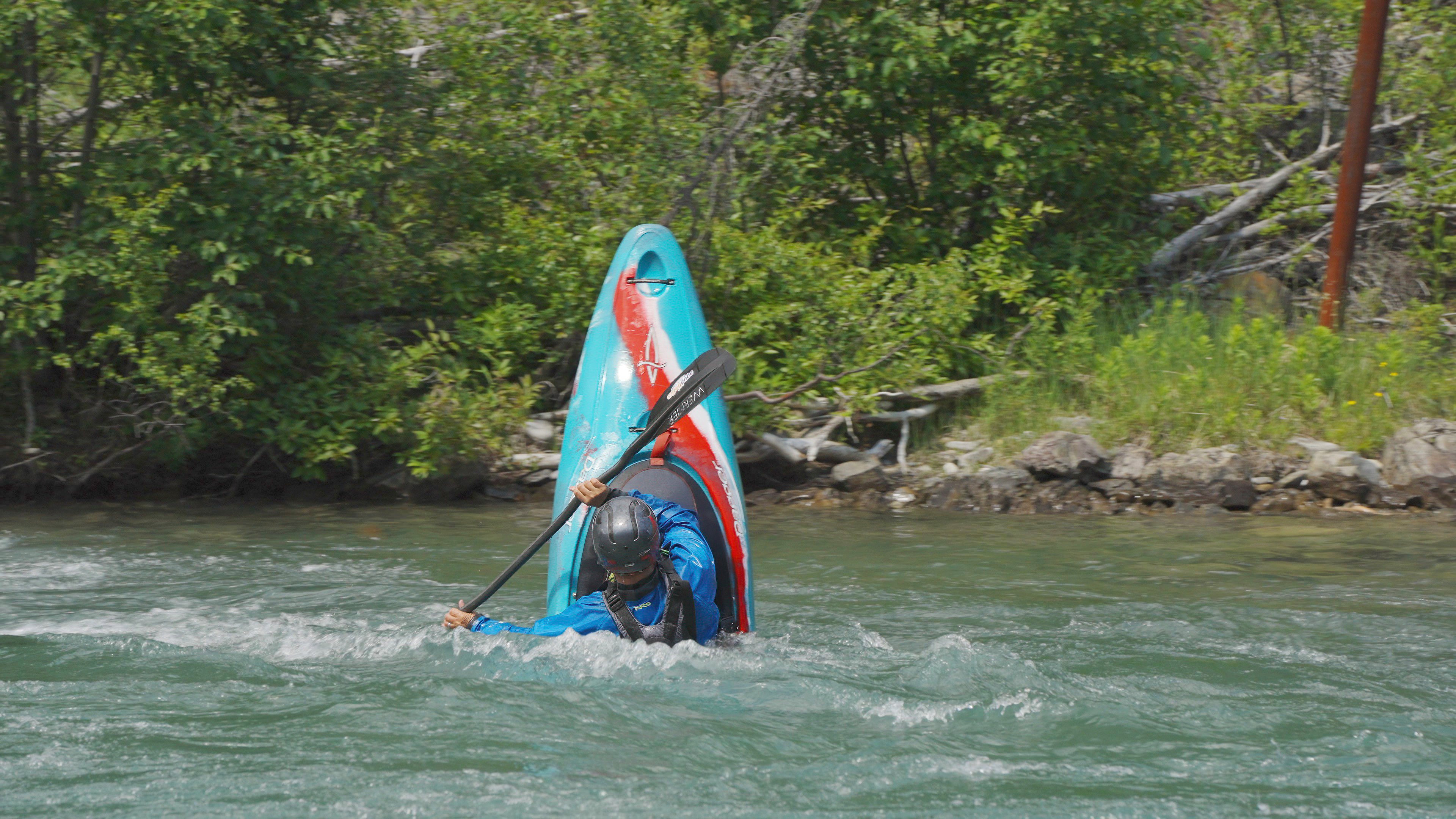
Secrets Of The Back Deck Roll (Video)

Popularized in playboating as a way to avoid washing out of a hole, the back deck roll isn’t just for the rodeo circuit these days. Some within the sport even argue that once you’ve learned proper technique, it will quickly become your go-to tactic anytime you need to right your kayak. Jackson Kayak paddler Boyd Ruppelt shares why and shows us how to perfect our back deck roll in this video from Send School.

Secrets Of The Back Deck Roll

“I back deck roll almost every single time. I use it everywhere. As a creeker, I prefer it. The back deck roll, despite convention, is not actually more dangerous as long as you keep your shoulders in the box and you use proper technique,” Ruppelt shares in defense of the roll historically thought to be a riskier maneuver than the traditional C-to-C and sweep rolls.

“You’ll find the back deck roll is safer because it’s faster. It’s less exposed. You actually take up less vertical space when you’re underwater.”

Ruppelt goes on to illustrate the difference in body position between a conventional roll and the back deck. Showing the upright body position in the first and the more body parallel with the boat in the second.

So why, then, is the back deck roll, not the roll we learn from the beginning?

Ruppelt believes it is because the sweep and C-to-C rolls are easier to teach and break down into steps, while the back deck is more of one fluid motion.

Underwater view of a back deck kayak roll.
Feature Image: Send School / YouTube

How To Back Deck Roll

When trying to learn the back deck, Ruppelt first acknowledges it helps to already have the fundamentals of a roll; this way, you understand the hip snap, staying within the box, and a sense of the end goal.

If you use a right-hand control paddle, your right blade is generally your onside roll. If this is the case, the easiest way to complete your first back deck roll is to flip to your left and travel all the way around the boat, using the momentum as a continuous, fluid motion. For those who use your left blade to roll as your onside, it will be just the opposite, and you will flip to the right.

Ruppelt goes on to show how to hold the paddle horizontally, keeping the elbows down and tilting the wrists up to allow the power face of the blade to glide through the water.

To begin the roll, Ruppelt says to look over your left shoulder and begin to bring the right paddle blade all the way around until you hit air. When you fell the air, start to hip-snap.

“If you can imagine just watching your right blade go all the way around to the other side along the surface, and then hip snap when it feels natural, you’ll pop right up.”

Like all paddling skills, this maneuver is perhaps easier said than done. But with signs of winter outside, it’s about that time of year for plenty of practice at the local pool session.