Home Blog Page 102

Fishing Kayak Review: Ascend 12t

The Ascend 12t is a sit-on-top fishing kayak with major features geared toward anglers. The elevated seat, standing platform cockpit and large tankwells leave no question this boat was built to chase fish.

Ascend kayaks are a brand under the banner of the White River Marine Group. By volume, the White River Marine Group is the world’s largest manufacturer of motorized boats. The White River Marine Group is owned by Bass Pro Shops. As such, Ascend kayaks are most commonly available at Bass Pro Shops, Cabela’s and also boating retailers who carry White River Marine Group brands.

What makes the Ascend 12t stand out among a sea of fishing kayaks? The 12t is a platform-style fishing kayak with an elevated seat position and an open, flat cockpit intended for standing casts. A standing platform provides the ability to sight fish, enhance casting ability and increase mobility when fighting fish. These design features are commonly found on kayaks much more expensive than the 12t fishing kayak.

Fishing-centric kayaks of this size and style are regularly priced two or three times higher than the Ascend 12t. That being said, the 12t does have a higher price tag than some other fishing kayaks available at large retailers. So is the Ascend 12t worth it? We’ll try to help you answer that in this Ascend 12t review.

On the water with the Ascend 12t

Ascend 12t Specs
Length: 12’0” / 3.6 m
Width: 31” / 79 cm
Weight: 77 lbs / 35 kg
Capacity: 350 lbs / 159 kg
MSRP: $779 USD / $1,119 CAD

Performance

What are anglers looking for in a kayak? Often it’s the ability to get where conventional motorized boats can not, without sacrificing storage space or stability for casting and catching fish. There’s also the appeal of skipping out on the hassle of owning a motor boat, and the chance to turn everyday fishing into a bit of an adventure. With this said, let’s talk performance and Ascend 12t stability.

The Ascend 12t sit-on-top kayak is built on a tunnel hull. Tunnel-hulled kayaks are generally wider than other kayak hulls. Think of a tunnel hull as a pontoon boat or catamaran. There are essentially two rounded surface areas bridged by the center of the kayak. The dual, rounded surface areas provide reliable initial and secondary stability. These tunnel hulls are especially popular with fishing kayakers for the stable platform they provide.

The reason for the tunnel hull is to provide the Ascend 12t’s standing platform area. What do I mean by standing platform in a kayak? It’s when the floor of the cockpit is an open, flat area, rather than being scooped out for a footwell, and the kayak is stable enough to allow the paddler to stand. Standing platforms are a game changer for fishing kayaks, giving a kayak angler the opportunity to sight fish and increase casting ability. It’s a next step up in the fishing capability of a kayak.

The Ascend 12t provides this open standing area. But the 12t dimensions are worth looking at when assessing the stability of the kayak. The Ascend 12t is 12 feet long and 31 inches wide. In comparison to other fishing kayaks with a standing platform, the 12t is on the small side. For this reason, inexperienced paddlers may find the 12t to feel unstable when it comes to standing.

Market and demographics

The Ascend 12t is a sit-on-top fishing kayak. Sit-on-top kayaks are kayaks where the paddler is not enclosed at all. They sit on the deck of the boat, which has been molded for an exterior seating position. This is in comparison to a sit-inside kayak. A sit-inside kayak is one where the paddler slides into the cockpit of the kayak. They may also wear a sprayskirt to cover the cavity of the cockpit. Sit-on-top kayaks have become popular for fishing kayaks because of their ease of entry, open storage and easier rescue scenarios in the event of a capsize.

The Ascend 12t kayak was designed specifically with the kayak angler in mind. The elevated seat position and tunnel hull make the 12t less about covering water as a paddler, and more about comfort and stability.

This kayak is best suited for slow-moving rivers, lakes and sheltered coastal waterways.

Know The Local Hazards
  • Check navigation charts before you launch.
  • Check with those who have local knowledge of man-made and natural hazards, e.g. low-head dams; sweepers, strainers and undercuts; tides and currents; and rocks and shoals.

Beyond rod and reel action, kayaks like the Ascend 12t can also be used for hunting. Duck hunting is well within its scope, since its open cockpit design, elevated seat and large tankwells are also benefits to carrying decoys, setting up a shotgun rack or even bringing along your bird dog. The spacious decks make it manageable to ride along in the 12t with dog for duck hunting.

About the Ascend 12t

Design

Material and construction

The Ascend 12t is constructed of high-density polyethylene. Polyethylene is a plastic commonly used in kayak manufacturing. This polymer compound is also regularly used to make other durable plastic goods like milk jugs and shampoo bottles.

Ascend produces the 12t through a rotomolding process. Small plastic pellets are loaded into a mold. The mold is then placed in a large oven at high temperatures and rotated at speed, pushing the liquified nurdles outward so they spread and take the shape of the mold. While the mold is pulled from the oven it continues to rotate as it cools. When the mold is opened, presto we have a kayak. Rotomolded kayaks are one of the standard production processes in the industry to produce durable and afforable kayaks.

Ascend 12t accessories and outfitting

One of the most obvious elements of the Ascent 12t is the amount of open storage.

This starts at the bow, where the Ascend 12t has a roomy forward tankwell. Tankwells are storage areas molded into sit-on-top kayaks. The tankwells of the 12t have plenty of space for storing tackle, fishing crate, coolers and dry bags for a day on the water.

Nearly two feet at its widest and two feet in length, the forward tankwell has a built-in bungee system for securing your gear. One downside to this system is that it is attached to the floor of the tankwell, rather than mounted on the deck. This means the bungees are not able to stretch over the entire tankwell for securing gear, but rather just for items stored close to the floor. It may be thoughtful in some instances, but removes some versatility in securing gear.

Another thoughtful design to the Ascend 12t’s front tankwell is the cut-out where it meets the cockpit, allowing waves splashing over the bow to drain out into the floor of the cockpit, where it will exit via the scupper holes.

The cockpit of the 12t Ascend kayak is an open concept, with an overall flat surface, covered with traction padding. This allows kayak anglers to use the floor of the cockpit as a standing platform, which increases your ability to cast, sight fish and move around the deck.

Also within the cockpit of the Ascend 12t are sliding foot braces. Sliding-style foot braces provide more positions than molded-in footwells. They do however require you to reach down by hand if they need adjustment on the water. Foot braces are an important part of a kayak’s outfitting because they provide a point of contact with your kayak. This gives you more leverage for paddling strokes, and more control over the kayak.

At the center of the cockpit between the foot braces there is a hatch for storage. This deck hatch is large and rectangular, providing access to the interior of the hull. The hatch operates on a hinge and has a gasket to provide a seal. Items can be stored within this hatch, but be mindful this section is not divided from the cavernous interior of the kayak. The upside to this is it also provides a way to access the interior of the kayak to make repairs or install new gadgetry.

Directly behind this large hatch is a smaller hatch, sealed with a threaded deck plate. It is located closer to the seat, and makes for accessible dry storage of smaller items you want stowed away.

On the floor of the cockpit you will see four scupper plugs. Why exactly are there holes in the bottom of the kayak? These scupper holes are built in to let water entering the boat drain out through the floor. This keeps the cockpit of the kayak from filling with water. The Ascend 12t has six scuppers in total. Four are in the cockpit, and two in the rear tankwell.

Water can also come up through the scuppers. If you are paddling in calm conditions, and don’t want water to splash up through the floor, you may want to close the scupper holes. You can do this with a set of scupper plugs, which are included with the 12t.

The seat of the Ascend 12t fishing kayak is an elevated, stadium-style seat. It has a mesh construction, with some padding under the butt and on the back. The raised seat provides a more natural posture and sitting height than the low position of traditional kayaks.  An elevated seat also increases visibility, and keeps you off the wet floor of the kayak.

The Ascend 12t seat has a unique track system. Near the hinge on each side of the seat are small plastic blocks. These blocks slide into an enclosed track, rather than resting on top of a track. This keeps the seat from bouncing up off its position, but also means if you want to move it out of the way you must slide it forward, rather than just folding upward. This is not necessarily an advantage or disadvantage. It does make for a specialized system, creating difficulty for any seat upgrade.

One area of concern cited by users of the Ascend 12t is the seat’s vulnerability to rusting. A rusted out seat on a fishing kayak with an elevated seat would render the kayak relatively useless until you have a replacement seat.

The area around the cockpit of the Ascend 12t features pre-installed accessory tracks; on either gunwale near the knees. This provides a place to easily mount electronics on your 12t such as a fish finder or action camera. It’s a simple pre-installed add-on, but saves time and money for a kayak angler who wants to have their boat ready to launch the day of purchase.

Another handy accessory beside the cockpit area is a two-piece paddle clip. Paddle holders are an easily overlooked but useful accessory for a fishing kayak. Without a paddle holder or some sort of leash, your paddle can easily drift away without notice while you are rigging up a line or landing your catch.

Behind the kayak seat are two flush-mounted Ascend 12t rod holders. Flush-mounted rod holders are a common standard found on fishing kayaks, and give you the space to carry two rigged setups.

Near the stern of the Ascend 12t is another large, recessed tankwell. This tankwell is segmented into two areas. The first, closest to the seat, is rectangular and makes for a great place to keep a small cooler, or battery if you decide to modify your kayak with a trolling motor or power hungry electronics. There are also two scupper holes underneath this section of the tankwell to drain any water which makes its way into the storage area. The second section of the rear tankwell closely resembles the bow tankwell with an elongated, triangular shape and similar bungees running along the floor.

Finally, the stern is where you will find the drain plug. The drain plug allows you to empty any water which has entered the interior of the hollow hull of the Ascend 12t. How can water get inside a sit-on-top kayak? Water ingress can occur at seams, screw holes or places where the hull has been cut for exterior components. It’s not uncommon to get a small amount of water inside your kayak, and you should drain it at the end of your trip.

Dress For Immersion, Not Air Temperature
  • Your body loses heat much faster when immersed in cold water than it does when dry.
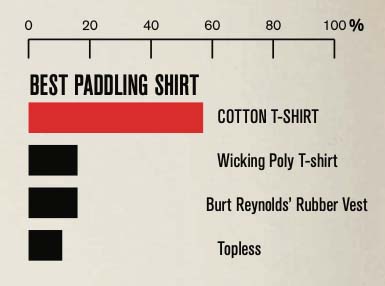
  • Avoid cotton clothing like t-shirts and jeans; they retain water and accelerate cooling when wet. Synthetic fabrics, or wool, are generally a better choice. If the water is very cold (60° fahrenheit or less), you should wear a wetsuit or drysuit.

Ascend 12t kayak mods

Even with all the components included with the Ascend 12t, kayak anglers may want to make some additions to the kayak.

The Ascend 12t only has the two built-in flush mounted rod holders behind the seat. You may want a rod holder in front of you for when you are actively fishing. Thanks to the pre-installed accessory mounts, adding a forward, swiveling rod holder is as simple as sliding it onto the gear track. Ram and Scotty are two brands of popular aftermarket rod holders.

To take full advantage of fishing from the Ascend 12t, anglers may also want to install a fish finder. The pre-installed accessory tracks mean you won’t have to drill any holes on the deck to install a kayak fish finder. Simply mount your transducer and decide on your power system. Depending on the fish finder you choose, YakAttack has some great options for mounting your device on the accessory track.

Warranty

Ascend provides a one-year, limited warranty covering parts and labor to correct defects in materials and workmanship.

How it compares

The Ascend 12t finds itself in a crowded class of fishing kayaks. Here are a few regularly compared with the 12t.

  • Ascend FS12t vs 12t

    For all intents and purposes, the Ascend FS12t is the same kayak as the 12t. As the kayak has gone through different iterations the name has changed back and forth in recent years. If you find a kayak listed as the Ascend FS12t, you are looking at the same boat as this review of the 12t.

    Ascend also made a now-discontinued sit-inside fishing kayak called the FS12. If you’re looking for a similar sit-inside fishing kayak, its smaller sibling, the Ascend FS10 sit-in, is still available.

  • Ascend 12t vs 10t

    The most comparable kayak you will find to the 12t in the Ascend line is the 10t. The Ascend 10t is a shorter version of the 12t discussed in this review.

    The major difference between these two kayaks comes down to dimensions, and how those dimensions affect the layout of the kayak.

    The 10t is so-named because it is 10 feet long. This is two feet shorter than the 12t which, you guessed it, is 12 feet. The 30-inch 10t is also an inch narrower compared to the 31-inch 12t.

    The 10t offers similarly spacious bow and stern tankwells to the 12t, with the caveat that the longer kayak’s tankwells are even roomier. However, both kayaks have enough on-deck storage to carry all of your gear and tackle for the day.

    Another storage difference is the 12t has an additional dry hatch compartment within the cockpit. It is accessible through a large, hinged hatch cover.

    The difference in size is also going to equate to a difference in weight. The 10t being smaller weighs less at 67 pounds compared to the 12t at 77 pounds. It also has a somewhat lighter capacity at 325 pounds compared to the 12t’s 350 pounds.

    The two kayaks are close to par with one another. The increased dimensions of the 12t may give it an edge in storage, stability and perhaps a bit of speed. If weight and ease of transportation are more of a factor, the 10t offers similar performance in a more compact package.

  • Ascend 12t vs 128t

    The Ascend 128t is another platform-style, sit-on-top fishing kayak design, though this specific model has been replaced by the updated Ascend 128X. The 128t is a definite upgrade from the 12t in regards to design and features.

    Most obvious is the 128t’s inclusion of Ascend’s Yak-Power system. The Yak-Power system includes wiring harness and plugs, meaning with a 12-volt battery your fishing gadgetry is ready to plug and play on the 128t.

    The 128t also has substantial differences in design to the 12t. The 128t is eight inches longer at 12 feet 8 inches, and wider at 33 inches. The 128t also extends the tunnel hull further through the bow and stern. These factors provide a larger, more stable standing platform than the 12t. The downside to all this is the 128t is substantially heavier at 96 pounds, compared to 77 pounds for the 12t.

    Power-hungry anglers and those who want a kayak with the rock-solid stability of a barge should take a look at the 128t (or the new 128X). If you want a fishing kayak that still retains some of the agility and handling of a traditional kayak, stick with the 12t.

  • Ascend 12t vs H12

    The Ascend H12 is what Ascend has dubbed a hybrid kayak. It is not quite a sit-inside or sit-on-top kayak but somewhere in between. It has a recessed cockpit surrounded by a deck, similar to what you would find for a sit-inside, but the cockpit is open and squared off.

    The H12 features supersized storage hatches in both the bow and stern, covered with a hard plastic deck plate in the bow, and plastic fabric cover in the stern. Again, following this hybrid mentality, these storage areas fall somewhere in between an open tankwell and an enclosed hatch. The intention is to provide storage for long outings and even overnighters. There are, however, no bulkheads built in to isolate sections of the kayak. Any water entering the H12 will not drain through a scupper and should the boat capsize, it will take on water. This makes the H12 only suitable to paddle on calm or sheltered waterways.

    The Ascend 12t will drain water. And should the 12t capsize all you have to do is climb back in. There is no open cavity where water will collect. While it is open air, the Ascend 12t kayak has plenty of storage space in the open tankwells, where gear can be stowed within dry bags. For this reason, the 12t feels like a much more versatile craft.

Stay Clear Of All Other Vessels
  • Know the “Rules of the Road” Navigation Rules that govern all boat traffic and stay out of the way of all other vessels.
  • Never assume that power boaters can see you. Avoid high-traffic areas whenever possible. Proceed with caution when you can’t avoid paddling near boats. Dress for visibility.
  • Ascend 12t vs Pelican Catch 120

    The Pelican Catch 120 is a sit-on-top fishing kayak with a similar design to the Ascend 12t.

    The Pelican Catch 120 is also a 12-foot sit-on-top kayak with a tunnel-shape hull. It also features an elevated seat, sliding foot braces and a flat standing platform within the cockpit.

    One noticeable difference is the seat for the Pelican 120 sits on a ledge molded onto the deck of the kayak. This makes it easier to mount and remove, but some users may feel less secure than sitting in the slightly recessed Ascend 12t seat.

    The major difference between the two, when it comes to performance, may be the width. The Pelican 120 is a full three inches wider than Ascend 12t. Generally speaking, with similar hulls this is going to translate to lower speeds but more stability for the standing platform.

  • Ascend 12t vs Perception Pescador

    Perception is one of the oldest names in kayaks, with a reputation for building quality boats. The Pescador is a sit-on-top fishing kayak within the same price range as the Ascend 12t. While these are both sit-on-top fishing kayaks, they are geared toward a slightly different type of use.

    The Pescador has a traditional, molded seat so users are sitting lower to the floor of the kayak than the 12t’s elevated stadium-style frame seat. The hull is also more streamlined than the Ascend 12t’s, providing less stability for standup fishing but a considerable weight savings of 13 pounds. In fact, the Pescador 12 is one of the lightest fishing kayaks in its class, making it a good option for those who want a kayak that is easy to transport and carry.

    The Pescador also has a different storage layout than the Ascend 12t. The Pescador has an open stern tankwell and a dry storage hatch on the bow. The Ascend storage is distributed between two large, open tankwells in the bow and stern.

    If you want the higher vantage of an elevated seat, and plan to do a lot of standup fishing, choose the stable platform of the Ascend 12t. If you’d rather an agile fishing kayak that is just as fun to paddle recreationally, then take a close look at the Pescador 12.

  • Ascend 12t vs Perception Outlaw 11.5

    Another sit-on-top offering from Perception comparable to the Ascend 12t is the Outlaw 11.5. Like the 12t, the Outlaw has an elevated frame seat and an open, platform-style cockpit set atop a super stable tunnel hull for standup fishing. The Outlaw also offers large open tankwells in the bow and stern.

    To cut to the chase, the Outlaw is a full four inches wider than the Ascend 12t. While measurements are only part of what gives a kayak design its stability, it is fair to say this additional width gives the Outlaw superior stability while standing. Add to this Perception’s throne-like seat allows for one of the highest fishing and paddling positions ever in a kayak, and the choice for those who like to fish on their feet is clear.

  • Ascend 12t vs Lifetime Teton

    The Lifetime Teton Angler 100 sit-on-top fishing kayak is in the same price range as the Ascend 12t. Right off the bat, it is important to note availability of these kayaks may be a deciding factor. The Teton 100 is sold exclusively at Dick’s Sporting Goods, while the Ascend 12t is sold through Bass Pro Shops and Cabela’s.

    While the Teton has an elevated seat, it does not have a flat standing area, and is intended for seated fishing. Without a tunnel hull, and at just 30.5 inches wide, the elevated seated position of the Teton can make it feel less stable than the Ascend 12t. This is likely a major factor when deciding between the two kayaks. If you want both an elevated seat and a standing platform, the Ascend 12t is the obvious choice.

Where to buy the Ascend 12t

Where can you find the Ascend 12t available for purchase? Bass Pro and Cabela’s carry the Ascend 12t. Ascend Kayaks are a part of the White River Marine Group, which is owned by Bass Pro Shops. This is why these are the retailers carrying Ascend kayaks. You will also find the Ascend kayaks available at a limited number of smaller local boating stores that carry White River brands.

Ascend 12t Pros and cons

Pros

  • Large tankwells and hatches for storage
  • Standing platform for sighting fish and active fishing
  • Elevated seat provides comfortable seating and better casting
  • Affordable price point

Cons

  • Narrow width makes standing stability suspect
  • Tunnel hull is heavier than other kayaks
  • Seat is known to rust
  • Limited availability with select retailers

Related articles

Ascend kayak reviews

Sit-on-top fishing kayak reviews

12-foot fishing kayak reviews

SEE ALL KAYAK REVIEWS


Recreational Kayak Review: Pelican Trailblazer 100 NXT

man paddles Pelican Trailblazer NXT kayak in light surf
Feature photo: Courtesy Pelican

The Pelican Trailblazer 100 NXT is a popular recreational kayak that updates the construction and outfitting of Pelican International’s best-selling Trailblazer model. This 10-foot sit-inside kayak offers great value and ease-of-use for beginner paddlers, and its light weight and outstanding stability make it a favorite for family kayaking, touring on calm waters and casual kayak fishing.

On the water with Pelican’s Trailblazer 100 NXT

Pelican Trailblazer 100 NXT Specs
Length: 10’0” / 3.0 m
Width: 28” / 71 cm
Weight: 36 lbs / 16.3 kg
Capacity: 275 lbs / 125 kg
MSRP: $280 USD

Performance

When it comes to kayak design, there are a few fundamental trade-offs to consider. First trade-off: how well does a kayak turn to navigate obstacles (maneuverability) compared to its ability to glide in a straight line (tracking)? Too much maneuverability and you’ll find yourself zig-zagging rather than traveling in an efficient line. Not enough maneuverability and the kayak will feel sluggish and unresponsive when you try to turn it.

Second trade off: how stable does the kayak feel versus how fast is it? Wider kayaks tend to be slower but more stable, but the ideal width must complement the hull length and shape.

The Pelican Trailblazer 100 NXT manages to strike a good balance both between maneuverability and tracking, as well as speed and stability. It has a twin-arched, multi-chine hull that distributes weight evenly across its 28-inch width, so new paddlers will find it very stable. That outstanding stability means the Trailblazer NXT isn’t the fastest 10-foot recreational kayak, but its narrow bow and light weight help it to accelerate quickly and maintain speed with minimal effort.

Market and demographics

With its attractive price, user-friendly handling and durable construction, the Pelican Trailblazer 100 NXT is a great starter kayak for beginners looking to buy a first kayak. With a carry weight of just 36 pounds, it’s an especially attractive option for casual paddlers who want a sit-inside kayak that is as easy to transport as it is to paddle. In fact, many Trailblazer NXT fans are smaller-framed adults and teens who want a kayak they can carry unassisted to and from the water.

Those who are looking to use the Pelican Trailblazer NXT kayak for fishing will appreciate the roomy cockpit and excellent stability. While there are no dedicated fishing features, this compact kayak offers a generous amount of space, including a rear tank well with a mesh cover that can be used to hold a fishing crate or cooler. The front cockpit tray and below-deck storage hammock are handy for keeping smaller accessories within easy reach.

The Pelican Trailblazer 100 NXT is best suited to exploring calm rivers, lakes and waterways. The sit-inside design also makes it a better choice for all-weather paddling than a comparable sit-on-top kayak. However, the Trailblazer NXT kayak is not intended for use in rough waters, or anywhere you may be exposed to strong currents or winds.

If you are looking to head further offshore or play in larger waves, choose a kayak that has built-in safety bulkheads to assist with flotation and emptying water from the kayak should it capsize.

Comfort

The Pelican Trailblazer 100 NXT kayak features an oversized cockpit that is 42 inches long by 20 inches wide for an unrestricted fit and easy entry and exit, even for larger paddlers. The spacious seat has a cushioned bottom and is paired with an adjustable, padded back rest that most kayakers will find comfortable and supportive for shorter day trips.

About the Pelican Trailblazer 100 NXT

Design

Design features and details

The Trailblazer 100 NXT’s user-friendly design begins with its twin-arched, multi-chine hull: Pelican combined the straight tracking attributes of a deep-V keel at the bow and stern with the outstanding stability of a flatter, twin-arched mid-section. The latter adds volume to the sides of the hull, creating a more stable kayak that won’t feel tippy should you shift your weight off-center. This kayak has a maximum capacity of 275 pounds, which is fairly typical for a recreational sit-inside kayak of this length.

Material and construction

Pelican International is known for the exceptional durability and stiffness of their plastic kayak construction. The Trailblazer 100 NXT is built from Pelican’s proprietary RAM-X material, an ultra-durable, multi-layer, high-density polyethylene. Along with superb resistance to impacts, UV radiation and abrasion, this material is valued for its stiffness and longevity.

Wear A Life Jacket
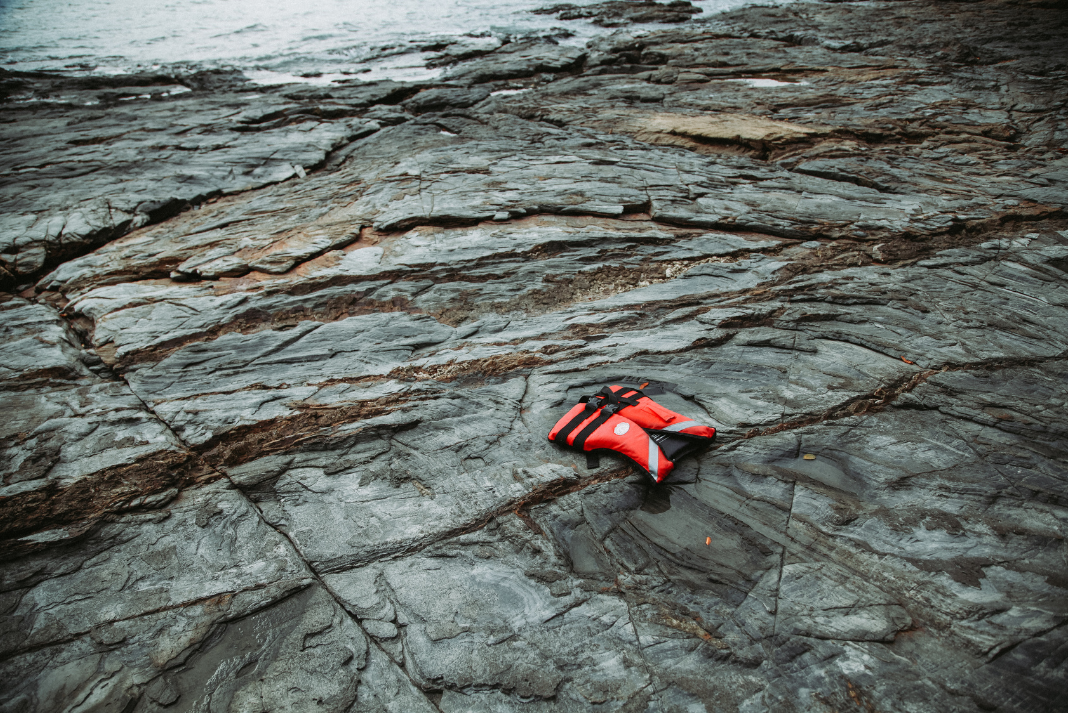
  • Everyone, even strong swimmers, needs to wear a life jacket at all times when on the water. It is extremely difficult to put a life jacket on once you fall into the water. Even a light wind can blow any paddlecraft away from you, faster than you can swim.
  • Always wear a USCG-approved Level 70 or Type III life jacket designed for paddling.

The Pelican Trailblazer NXT kayak is constructed using twin sheet thermoforming (TST)—meaning two plastic sheets are heated and vacuum-formed over the kayak mold. This allows for more refined design features and lighter weight than traditional rotomolded kayaks, since the TST technology uses less material per boat.

Another advantage of RAM-X polyethylene is that this robust material requires minimal care and maintenance, and all TST kayaks include a lifetime limited warranty on the hull. Good to know, Pelican makes their kayaks from recycled post-industrial plastic and recycles 99 percent of plastic waste generated during their production.

Pelican Trailblazer 100 NXT outfitting and accessories

The Pelican Trailblazer 100 NXT kayak boasts an assortment of molded-in features throughout the deck and cockpit. You’ll find a cockpit table with an accessory tray and bottle holder, a mesh storage hammock under the front deck and a tank well in the stern deck (which makes the Trailblazer 100 NXT an appealing option for first-time kayak anglers who need an accessible place to store gear).

The cushioned seat features a cup holder, padded back rest and a range of molded-in foot rests to help you optimize your paddling posture. Another handy feature is the drain plug, which allows you to empty any accumulated splashes or rain when the kayak is out of the water. Popular accessories, such as a Pelican Trailblazer 100 NXT kayak cockpit cover, are available from the manufacturer.

Opportunity for modifications

The spacious decks of the Pelican Trailblazer NXT make it a favorite kayak for custom do-it-yourself modifications and accessorizing. Popular Pelican Trailblazer 100 NXT kayak mods include adding flush-mounted rod holders and a paddle holder alongside the cockpit, and adding decklines and different bungee configurations for increased safety and storage. Some DIY-ers even cut a hole in the rear tank well for a 6-inch round hatch, giving access to additional (wet) storage under the deck behind the seat.

Since there is no bulkhead under the front deck, you can also easily slide a large (20-liter or more) dry bag between and beyond the foot rests for even more storage. This also has the advantage of increasing the flotation (and therefore the safety) of the kayak, by displacing the amount of water that can enter the hull should you find yourself in rough conditions.

Carry A Waterproof VHF Radio, Use Your Phone Only As A Backup
  • A handheld VHF marine band radio allows you to communicate with the Coast Guard and other boat traffic. Use Channel 16 only for hailing and emergencies. The radio should be waterproof, because it is virtually certain to get wet.
  • A cell phone, even if in a waterproof case or sealable bag, might not work, so don’t rely on it as the primary means of emergency communication.

Warranty

Pelican offers a limited lifetime warranty on its RAM-X, RAM-X Premium and POLY-XR boats (hull and deck) and a 1-year warranty on product parts and accessories. Just be aware that any warranty coverage is nullified if you modify the hull by drilling or cutting holes for accessories.

How it compares

The Pelican Trailblazer 100 NXT replaces its predecessor, the Trailblazer 100, a boat with similar specs that featured a stern hatch rather than a tank well. But how does the Trailblazer compare with other companies’ popular recreational kayak designs? Overall, is the Pelican Trailblazer a good kayak?

  • Pelican Trailblazer 100 NXT vs Pelican Mustang 100X

    Like the Trailblazer 100 NXT, the Pelican Mustang 100X is another best-selling 10-foot kayak in the sit-inside class. The Mustang is slightly wider and heavier, with a modestly higher capacity than the Trailblazer 100 NXT, and is equally suitable for recreational paddling and fishing. Both kayaks share Pelican’s twin-arched, multi-chine hull.

    The main difference between the two kayaks is that the Mustang 100X has a front storage hatch in the bow and is fishing-ready with two flush-mounted rod holders.

  • Pelican Trailblazer 100 NXT kayak vs Sun Dolphin Aruba 10

    The Sun Dolphin Aruba 10 is a 10-foot, sit-inside beginner kayak with a similarly attractive price as the Trailblazer 100 NXT. Both kayaks offer spacious cockpits and a user-friendly blend of moderate stability and tracking. While the Aruba 10 is slightly heavier (40 pounds versus 36 pounds), it offers a covered rear storage hatch and adjustable foot braces—so it’s a good choice if paddlers of different heights will be sharing the same kayak.

  • Pelican Trailblazer 100 NXT vs Argo 100X

    The Pelican Argo 100X is the same kayak hull as the Trailblazer 100 NXT, with slight outfitting differences on the deck. While the Trailblazer sports a clean front deck, the Argo 100X is equipped with a front deck storage hatch. There are also subtle differences in the molding of the rear tank well. Otherwise, the two kayaks share the same spec sheet, including identical width, weight and capacity.

  • Pelican Trailblazer 100 NXT kayak vs Lifetime Zenith 10 kayak

    The Lifetime Zenith 10 kayak (also known as the Zenith 100) is an entry-level sit-inside kayak with similar performance attributes to the Trailblazer 100 NXT. Like the Trailblazer, the Lifetime Zenith is 10 feet long and manufactured from durable, high-density polyethylene. However, weighing in at 46 pounds, the Zenith 10 kayak is more than 25 percent heavier than the Trailblazer 100 NXT—so it’s not the best choice for smaller paddlers who enjoy being self-sufficient to and from the water.

Education: Get Some!
  • Take a paddling safety course from the American Canoe Association (ACA), your local paddling shop or outfitter, or other reputable source.
  • Take a boating safety course from the U.S. Coast Guard Auxiliary, U.S. Power Squadrons® or your own state’s boating agency.
  • Take on-the-water skills training.
  • Pelican Trailblazer 100 NXT kayak vs Pelican Bandit NXT 100

    The Pelican Bandit NXT 100 offers a sit-on-top profile that shares the super-stable 10-foot, twin-arched hull of the Trailblazer 100 NXT. The open deck of the Bandit NXT 100 means it’s even easier to get in and out, and there’s more on-deck space for longer legs or even a furry companion. For those who want the peace of mind of a sit-on-top design, the Bandit NXT 100 features integrated flotation inside the hull and weighs just four pounds more than the Trailblazer.

Where to buy the Trailblazer 100 NXT

Dick’s Sporting Goods is the primary retailer for the Pelican Trailblazer 100 NXT, so check here first for the best range of in-stock color choices. You can also search for “Pelican Trailblazer NXT Walmart” and “Pelican Trailblazer NXT Amazon” to see if these companies have any kayaks in-store or available to ship.

Pelican Trailblazer 100 NXT pros and cons

If you’re looking for an entry-level, sit-inside recreational kayak that offers superb value and ease of use on sheltered waterways, the Pelican Trailblazer 100 NXT could be the perfect fit. The main advantages of this kayak for both beginner and casual paddlers are its confidence-inspiring stability and a light carry weight that’s easy to manage off the water. Pelican is also a favorite for DIY fishing kayak mods, since the spacious, rigid deck allows for the simple installation of accessories.

Pros

  • Lightweight
  • Stable
  • Spacious cockpit
  • Decent amount of storage space
  • Durable, long-lasting Pelican RAM-X material
  • Limited lifetime warranty
  • Budget friendly

Cons

  • No dry storage
  • No bulkheads or flotation for safety in open water
  • Fixed foot braces offer a limited range of foot positions
  • Max capacity of 275 pounds may not be ideal for larger paddlers

Related articles

Pelican kayak reviews

Beginner recreational kayak reviews

Sit-inside recreational kayak reviews

SEE ALL KAYAK REVIEWS


What’s The Difference Between A Kayak And A Paddleboard?

kayaker and paddleboarder paddle together in cold weather
Feature photo: Adobe Stock

Paddleboard versus kayak is a foundational debate for paddling enthusiasts, whether they’re beginners looking for the best way to get into paddlesports or experts arguing over their favorite ways to paddle.

Paddleboards originated in Hawaii, seeing sporadic use over decades before their popularity took off in the early 20th century. Kayaks, on the other hand, were invented centuries ago in the Arctic and used as hunting vessels. Whereas most paddleboards closely resemble their Hawaiian ancestors, kayaks have morphed into a huge array of shapes and styles with only a few (seriously hard-core) models remaining true to their Inuit roots.

The main difference between a kayak and standup paddleboard is how you paddle. A kayak employs a double-bladed paddle, with the user sitting down either in an enclosed cockpit (sit-inside kayak) or on the open deck (sit-on-top kayak). With a SUP paddle, the paddler stands and uses a single blade for propulsion. Some common ground in the SUP vs kayak comparison is that many design types are available in each style of watercraft, ranging from racing models to touring, recreation, fishing and surf.

A good way to decide on a paddleboard vs kayak is to consider your level of fitness, aspirations and where you plan to paddle. Once you figure out the basics of paddleboarding, it’s a great full-body workout, requiring balance and core strength. Kayaking is also good exercise, but it’s a bit easier to balance and move efficiently through the water because you’re in a sitting position and have two paddle blades to work with.

Paddleboarding in a headwind is tedious whereas a kayak is more aerodynamic—a good consideration if your typical paddling environment is windy. Furthermore, a sit-in kayak offers far more shelter from precipitation and cold water compared to a standup paddleboard.

This article provides an overview of the differences and similarities in paddleboards vs kayaks, helping you consider the topics of design, performance, gear and use, based on your needs. Once you’ve narrowed down your selection to SUP or kayak we recommend you peruse the Paddling Buyer’s Guide for an overview of the various styles and models available to meet your paddling needs.

Differences and similarities

Design

Assessing paddleboard vs kayak designs exposes some major differences between the two types of craft. First off, most paddleboards feature a planing hull, meaning that the bottom of the board is flat and designed to skim across the water (a design feature harkening back to standup paddleboarding’s surfing roots). This makes for good stability in some wider models and provides a great platform for standing (obviously) and, in some models, sitting or even doing yoga.

Kayaks, on the other hand, nearly always feature displacement hulls which provide better tracking (ability to move straight), greater efficiency for traveling longer distances and more volume inside the boat. Some specialized racing SUPs feature displacement hulls for greater speed.

In general, recreational and fishing SUPs and kayaks are about the same length when it comes to beginner friendly, all-around models. These types of kayaks and SUPs are typically eight to 11 feet in length. Construction varies between kayaks vs standup paddleboards, with most recreational and fishing kayaks made of rotomolded polyethylene while SUPs are generally constructed of expanded polystyrene foam sandwiched between a plastic bottom and a fabric-covered soft-top.

However, more advanced kayaks and SUPs share similar high-tech composite construction using materials like fiberglass and epoxy. Both SUPs and kayaks are available as super-portable inflatables, which are easy to transport and store but lack the paddling performance of hard-shell (non-inflatable) models.

General purpose, beginner-friendly paddleboards and kayaks have similar comfort features, albeit in different iterations. Paddleboards have soft and grippy decks for comfort while standing; kayaks have ergonomic seats with adjustable back supports and (usually) foot pegs. Some hybrid paddleboards (see below) offer features for both kayaking and paddleboarding, providing you with the option of doing both activities with the same watercraft.

Most paddleboards and kayaks come equipped with grab handles for carrying, bungees for securing gear and accessories like cup holders and fishing rod holders in some models.

One important difference between paddleboards vs kayaks is that paddleboards won’t sink when they capsize. More advanced touring kayaks have built-in floatation to avoid this serious problem, but basic (and cheap) recreational kayaks can be dangerous to use in open water conditions if they do not have a means of staying buoyant and afloat in the event of a capsize. This is an important consideration if you plan to paddle on open water.

Outfitting

Most paddleboards and kayaks come ready to paddle. However, kayakers are more likely to wish to custom fit their boat by making adjustments to the outfitting. For starters, most kayak seats offer adjustable back support and (in some cases) adjustable seat heights and angles. For kayaks equipped with footrests it’s important to adjust the length to assure a good fit in the boat for greater paddling efficiency, comfort and ease of entry and exit. With paddleboards, the main outfitting item is a leash, which allows you to retrieve your board should you fall off.

Anglers may wish to make bigger adjustments to outfitting. For example, rod holders and tackle storage devices can be added to both fishing kayaks and SUPs for greater convenience for anglers.

Gear

Many new buyers wonder, can you use a kayak paddle for a paddleboard? That depends on the style of paddleboard you’ve purchased. A single-blade is advised for most paddleboards, with the exception of hybrid models that include seats and foot braces for sit-down paddling with a kayak paddle. A PFD (personal floatation device) is another essential piece of gear.

For kayakers this usually means a paddling-specific life vest; for recreational kayaks you may prefer a “high-back” PFD with more clearance to accommodate the larger seat backrest in most beginner boats. Many paddleboarders prefer inflatable PFDs, which attach discreetly to your torso and can be inflated if necessary.

In general, SUPs are less gear-intensive than kayaks. All you need is a paddle, a PFD and a leash and you’re good to go. Kayaks, on the other hand, require a paddle, PFD, bilge pump (or a bailing device), a tow- or throw-rope, and in some cases, floatation and a sprayskirt (the latter creates a seal between the paddler and the boat and allows for rough water paddling as well as advanced techniques like rolling).

Whether you’re paddling a paddleboard or a kayak, you may wish to add accessories like dry bags for carrying gear and paddling-specific footwear for greater comfort while launching or while on the board or in the boat.

Price

“Why are paddleboards more expensive than kayaks?” is a common question when it comes to paddleboard vs kayak prices. It’s true, big-box retailers often sell kayaks cheaper than SUPs—and, for better or worse, these massive department stores do the lion’s share of paddlesports business. However, it’s important to note that the cheap recreational and fishing kayaks sold at places like Walmart and Costco are absolute entry-level models.

The price relationship is inverted if you shop at paddlesports specialty retailers, where the cost of a high-quality kayak is invariably more than a similar quality SUP. That’s because advanced kayaks have features that require precision construction, including internal bulkheads (critical safety items absent in most barebones beginner kayaks) to offer floatation and intricate seams between the deck (top) and hull (bottom) of the kayak, particularly in composite (fiberglass) boats.

A good paddleboard costs $1,000 to $1,500, depending on the construction (inflatables tend to be cheaper than hand-made composite and epoxy boards), compared to a high-quality touring kayak which retails for $2,000 and up. However, you’ll find plenty of cheaper options if you’re only looking to kayak casually, with decent recreational models retailing between $500 and $1,000 (entry-level SUPs come with similar price tags). However, the market is flooded with cheap kayaks available for $300 or less at big box department and hardware stores. Beware that you get what you pay for, and these cheap kayaks are only suitable for casual use in calm, sheltered water.

Performance

In general, kayaking is faster, the boats are more stable and the skills are easier to learn than paddleboarding. Kayaks also have the added benefit of having more capacity to stow gear, whether it’s for a day trip, an overnight or a multi-day adventure. Paddleboard speed vs kayak is subjective, however, and depends entirely on the board and boat designs in question.

A displacement hull racing SUP is faster than most kayaks (even sleek touring models). However, a general-purpose SUP is slower than a typical day-touring kayak. General-purpose SUPs and recreational kayaks have similar speeds, if you’re wondering can a SUP keep up with a kayak.

Another common question regarding paddleboard vs kayak performance relates to stability: “Is a kayak more stable than a paddleboard?” Invariably, kayaks are more stable than SUPs simply because of the seated position one assumes while kayaking, which contributes to a much lower center of gravity.

It’s easy to see why paddleboarding is popular among fitness enthusiasts: the sport delivers a full-body workout, engaging your lower body (for balance), as well as your upper body and core for propulsion. In terms of calories burned when kayaking vs paddleboarding, you’ll get a far better workout on a SUP.

Kayaking is typically easier to learn than paddleboarding. The double-bladed kayak paddle creates symmetry and allows you to move forward with less effort than a single-bladed SUP paddle. Steering strokes on a SUP are more complicated, unless you have a background in canoeing (the strokes are relatively similar).

Furthermore, SUP has the added challenge of requiring adept balance. You may prefer a SUP if you’re worried about being confined within the cockpit of a sit-inside kayak, however this fear is assuaged for most new paddlers when they take a basic lesson. Sit-on-top kayaks have the easy paddling benefits of a kayak without the confined feeling of sitting inside a cockpit.

Purpose

Performance has a lot to do with water conditions and how a paddleboard vs kayak is used. General-purpose SUPs are slow and cumbersome in a headwind, while kayaks are sleeker and easier to paddle in challenging conditions. However, some advanced paddleboards are a thrill to use in downwind conditions and surf.

Wondering what’s the difference between kayaking and paddleboarding? For most beginners, the main difference is one of posture: do you want to paddle sitting down (kayak) or standing up (SUP)? Are you looking for fitness (SUP) or an easy, relaxing paddling experience (kayak)? Do you wish to surf (SUP) or travel long distances on a camping trip (kayak, though some touring SUPs are capable of multi-day trips)?

Paddleboards are simple with less required gear and accessories, as well as easier to transport and require less storage space. Furthermore, inflatable paddleboards perform far better than inflatable kayaks. Kayaks, on the other hand, are easier to learn, more comfortable in cold air and cold water conditions, and offer better overall performance in the paddling conditions most beginners and intermediates are likely to encounter.

Quick differences

Got a specific question regarding paddleboards vs kayaks? Here are quick answers to some common internet search queries.

  • Fishing paddleboard vs kayak

    Most people prefer a kayak for fishing. A kayak gives you more options to sit and stand with greater stability and comfort, as well as more space to store your tackle and gear. Kayaks are easier to paddle than paddleboards and work better in the wind. However, you can’t beat the extremely shallow draft of a fishing paddleboard for targeting fish in skinny water, and the standing perspective offers advantages in sight-casting in shallows.

  • Inflatable paddleboards vs inflatable kayaks

    SUPs win the battle between inflatable paddleboards vs inflatable kayaks. An inflatable paddleboard is more rigid and performs better than an inflatable kayak. The simpler hull shape of a paddleboard, coupled with technology like dropstitching which allows for higher inflation pressure, allows it to cut more efficiently through the water. Inflatable paddleboards also pack up smaller and assemble faster than most inflatable kayaks.

  • Sit-on-top kayak vs paddleboard

    The difference between sit-on-top kayaks vs paddleboards is largely one of paddling style. Do you want to use a single blade or a double blade? Are you looking for a better workout (SUP) or comfortable, stable experience on the water (kayak)? Both sit-on-top kayaks and paddleboards leave the user exposed to the elements; this is a nice perk in hot weather, but less comfortable in colder climes. The typical recreational sit-on-top kayak and all-around paddleboard move at roughly the same speed on the water.

Kayak-paddleboard hybrids

Still can’t decide between a paddleboard or a kayak? A paddleboard kayak hybrid could be just the ticket for you. A kayak-paddleboard hybrid is essentially a paddleboard with a kayak seat and foot support to allow for sit-down paddling with a kayak paddle. These features are removable or adjustable to allow for standup paddling with a single-blade SUP paddle as well.

As with most hybrids, a paddleboard kayak combo strikes a compromise between both styles of watercraft, and should only be considered if you’re certain you wish to dabble in both standup and sit-down paddling. If you’re simply looking for a way to take a break while standup paddling, be aware that you can sit on a SUP board for a rest or increased stability when desired.

Where to rent

Pretty much every waterfront city in North America has a place to rent kayaks and SUPs. Often, you’ll find SUP rentals centered in communities on the coasts, resort destinations and along the Great Lakes.  Kayaks are more common in inland places, as well as the Great Lakes and coastal areas with access to sheltered water. Renting is a great way to settle the paddleboard vs kayak debate with practical on-the-water experience to find out what’s truly best for you.

Where to buy

Both kayaks and SUPs are available in a wide variety of retail outlets, each with its advantages and disadvantages. Here’s a list of options if you’re thinking of buying.

  • Box department stores (like Walmart) and large online retailers (such as Amazon) offer excellent selections of cheap, entry-level SUPs and kayaks. Box stores and Amazon are great if you’re looking for a cheap paddleboard or kayak for casual use. However, you’ll miss out on the higher-quality models sold at specialty retailers as well as their expert advice. Another big drawback of buying a paddleboard or kayak online or at a box store is that you won’t be able to try out the product before committing to a purchase.
  • General outdoors and sporting goods stores (like Dick’s, Atmosphere, MEC and Bass Pro Shop) offer a step up in quality from box stores and Amazon. Again, don’t expect to receive expert paddling advice from sales associates, but you get a better selection of higher-quality paddleboards and kayaks at somewhat higher prices. These stores are a good option for general outdoors and fitness enthusiasts who want a more refined paddling experience for semi-serious use.
  • Paddlesports specialty stores are your best choice if you wish to invest in a high-quality paddleboard or kayak. Retailers like Rutabaga and The Complete Paddler (there are many others across North America) offer great selections of performance boards and boats, including models for racing, touring and expeditions. You’ll benefit from the expertise of paddlesports professionals and usually have the option of test paddling multiple boards and boats before you make a purchase. What’s more, many paddlesports specialty stores offer rentals, season’s end sales and demo models for those shopping for a serious SUP or kayak on a budget.

The verdict

The question of paddleboard vs kayak ultimately comes down to your paddling preferences. Do you wish to stand tall and paddle with a single blade, or sit down and use a double-bladed paddle? Are you looking to paddle in hot conditions or would you rather tackle cold water destinations or paddle year-round? SUPs offer distinct advantages for fitness enthusiasts looking for a full-body workout and those wishing to experience surfing and downwind paddling in ocean environments.

In general, SUPs are best for those looking for single-day adventures (though larger, expedition SUPs are also available), while kayaks are more versatile if you wish to day-trip and go camping. Kayaks offer a wide range of applications, from casual paddling in comfortable recreational boats to long-distance touring in exposed environments.

As with any big outdoor equipment purchase, our best advice is to try as many paddleboard and kayak options before you commit to a purchase to make the best choice for you. Check out the Paddling Buyer’s Guide for a comprehensive overview of all the options available on the market, including specs, performance guidelines, where to buy and user reviews.


Learn The Bow Stall Kayak Technique

two male whitewater kayakers demonstrate the kayak bow stall in an icy river
Paddle into the third dimension. | Photo: Tyler Toohey

Not only will the bow stall improve your balance and vertical boat control, it will also give you something to do in the eddy while you wait for your turn to surf. Follow these steps to paddle into the third dimension with a kayak bow stall.


How to do a kayak bow stall

There are two ways to initiate a bow stall. The most straightforward method is to paddle your bow straight ahead and down until you reach a point of equilibrium. If there is too much volume in your bow you may have a tough time submerging it.

two male whitewater kayakers demonstrate the kayak bow stall in an icy river
Paddle into the third dimension with a kayak bow stall. | Feature photo: Tyler Toohey

1 Get straight to it

Start by taking a few paddle strokes in your neutral body position to attain some speed. Keeping the boat straight while paddling your bow underwater is difficult. Look ahead to a reference point instead of staring at the bow of your boat.

[ Browse the widest selection of boats and gear in the Paddling Buyer’s Guide ]

2 Catch a lift and lean forward

Once you have some momentum and a wake forms behind you, stop paddling for one second to allow the wake to catch up to your boat. It will lift your stern and help push your bow down and forward. Once your bow dives below the surface you want to continue paddling with your weight all the way forward. Remember to bend at the hips and not at the back.

3 Shorten strokes, push down

As the bow dives, make your strokes shorter and quicker to keep the momentum steady. Once the boat begins to approach vertical, push down with your legs and feet to drive the bow right under your body.

4 Keep your balance

Continue leaning forward and try to put both paddle blades and your face in the water. Your paddle blades and head form a tripod and let you maintain balance. By leaning back you can push the boat entirely vertical—but only for a second. Once the bow dives too deep it will no longer support your upper body, the kayak will fall forward and you’ll land on your face. To stay in a bow stall, keep your head near water level.

Paddling Magazine Issue 65 | Fall 2021

This article originally appeared in Paddling Magazine Issue 65. Subscribe to Paddling Magazine’s print and digital editions here, or download the Paddling Magazine app and browse the digital archives here.


Paddle into the third dimension with a kayak bow stall. | Feature photo: Tyler Toohey


Fishing Kayak Review: Sun Dolphin Boss 12 SS

The Sun Dolphin Boss 12 SS is a fully featured, sit-on-top fishing kayak. With an elevated seat, huge tankwells and a standing platform built over a catamaran hull, Sun Dolphin clearly designed the Boss 12 to compete with dedicated and higher-priced fishing kayaks.

Sun Dolphin is a Michigan-based brand that’s part of KL Companies Inc., the largest kayak manufacturer by volume in the world. As such, you are likely to have stumbled across a large number of Sun Dolphin kayaks at retailers and on waterways.

The Boss 12 has what Sun Dolphin refers to as a catamaran-style hull, though it could even be considered a tri-hull of pronounced pontoon-like shapes that provide platform-like stability. The Boss 12 also comes with a raised seat; a flat, open cockpit for standing casts; and deep tankwells for loading up plenty of tackle.

These are all features which make the Boss 12 stand out as Sun Dolphin’s most fishing-centric kayak design. We will discuss each in more detail as we walk through this Sun Dolphin Boss 12 review.

On the water with Sun Dolphin’s Boss 12

Sun Dolphin Boss 12 SS Specs
Length: 12’4” / 3.75 m
Width: 33.25” / 85 cm
Weight: 78 lbs / 35 kg
Capacity: 500 lbs / 227 kg
MSRP: $550 USD

Performance

Simply put, the Sun Dolphin Boss 12 SS fishing kayak is a barge.

The Boss 12 has what Sun Dolphin refers to as a catamaran hull. This double-tunnel hull has a pontoon shape at each edge, set a short distance to either side of the large keel running down the center of the Boss 12. The tunnels between the keel and each pontoon are bridged with a shape similar to an upside down U. A pontoon-style hull is very stable and the ample 33.25-inch width also contributes. The Boss 12 SS’ stand up capabilities are aided by the large platform to make stand-up fishing safer and easier.

Just what does it mean for a kayak to be stable? Kayaks have what are called initial and secondary stability. The stability is influenced by how much surface area is making contact with the water. When a kayak is sitting flat on a calm pool it behaves according to its initial stability. When it rolls toward one side or another, such as in waves, this is the kayak’s secondary stability coming into play.

Through sheer surface area, the catamaran hull delivers good initial stability. It’s rounded edges, where the bottom and sides meet, also contribute to improved secondary stability, but generally there is a trade-off between initial and secondary stability. When it comes down to it, it’s hard to get this catamaran hull to heel off its base. Take that as a hint not try too hard to tilt it.

To take full advantage of this initial stability, the Sun Dolphin Boss 12 has a flat and open floor plan with a large traction pad. In traditional kayaks intended for staying seated you will notice there are curves within this footwell area following the overall shape of the hull. The Boss 12’s open flat area provides the standing platform for increased casting ability and sight casting.

Market and demographics

Who is the Sun Dolphin Boss 12 SS intended for? Someone who takes their kayak fishing seriously. The standing platform, elevated seat, spacious tankwells and numerous rod holders leave little to be desired.

At 78 pounds, the Sun Dolphin Boss 12 is heavy. Without having a pedal drive or motor it isn’t going to cover a lot of ground as a paddle kayak. The elevated seat also does not provide as much leverage for powerful strokes under difficult conditions. The design is also meant to value stability over speed or maneuverability.

The Sun Dolphin Boss 12 is best suited for short-distance paddles to your favorite trophy fishing spot on lakes, bays, slow rivers and coastal waterways.

About the Sun Dolphin Boss 12 SS

Design

Material and construction

Sun Dolphin constructs their kayaks from thermoformed high-density polyethylene, a common material in kayak construction.

Thermoforming is done by taking sheets of plastic and softening them to a pliable state. They are then put on a mold and shaped to form. The Sun Dolphin kayak begins as two major halves joined together at a seam. Thermoformed construction creates a plastic kayak that’s sleeker-looking than rotomolded polyethylene kayaks.

Sun Dolphin Boss 12 accessories and outfitting

This Sun Dolphin Boss 12 SS fishing kayak is loaded with outfitting and accessories. Let’s take a walk from bow to stern and discuss everything pre-installed on the Boss 12.

At the bow of the Boss 12, a grab handle makes it easy to pull the heavy craft up on a beach.

The space in front of the paddler’s feet is occupied by a tankwell, a hollowed out storage area on a sit-on-top kayak. This forward tankwell is large enough to store a small cooler or bags of gear and also includes a bungee rigging system at deck level to keep gear secured.

Carry A Whistle (And A Light For Night Use)
  • Every paddler should have a whistle attached to his/her life jacket.
  • Carry a light at night. Consider carrying a distress signal device.

An off-the-shelf Sun Dolphin Boss 12 has five rod holders, four of which are flush-mounted and located in pairs in front of and behind the cockpit. The fifth is an additional swiveling rod holder included with the Boss 12  that you insert in a centrally located port for active fishing.

Two pre-installed accessory mounts provide spots for fish finders, cameras or even additional rod holders.

There are two large rectangular hatches in the Sun Dolphin Boss 12. The first is in the cockpit between your legs.These hatches provide storage within the interior of the Boss 12 hull, as well as access to the inside of the kayak.

The hatches have a hinge opening, and a removable liner bag within. This liner keeps gear you stow inside the hatch from rolling around the interior of the hull. They are easily removable should you have to access part of the kayak for a small repair or accessory installation.

The Boss 12 has two sliding foot braces within the cockpit. The foot braces on the Boss 12 provide the paddler with an important point of contact. While paddling the foot braces give leverage for strokes and control over the Boss 12. You do have to adjust the foot braces on the Boss 12 by hand, which may be tricky to reach the first few times you are in the kayak but easy to do on the beach.

On the floor of the cockpit you’ll notice the wide open flat space and floor padding. This traction padding makes it much easier to keep your footing on a wet plastic floor while standing up to cast or land a fish.

Also on the floor of the kayak you will see the scupper holes. Scuppers are the drain holes which allow water to empty out through the floor of the kayak. The Boss 12 has eight of these scuppers all together. Water will also lap up through the scuppers, and scupper plugs are a great idea for flatwater days. If scupper plugs are not available where you purchase the Boss 12 you can buy them from Sun Dolphin’s accessory brand Extent Paddle Gear.

One of the best features of the Sun Dolphin Boss 12 SS is the elevated folding seat, which provides a higher vantage point for sighting and casting for fish. This could also be described as a lawn chair or stadium-style seat. The elevated seat has a high and low position, both of which keep you off the floor of the kayak, which equates to staying relatively dry.

Elevated seats are comfortable but they do provide a higher center of gravity, which can feel more unstable. If you are in calm water and seeking the most visibility and upright seat position, place the seat bar on the high position. If the ride is going to include a bit of turbulence, clip the Boss 12 seat in the lower position.

Behind the seat you will find the second gear hatch, which also includes a liner.

The stern tankwell is recessed and massive. It’s big enough to fit a cooler, or your favorite milk crate full of tackle.

Finally at the stern we have another grab handle, and one of two drain plugs (the other is at the bow). The drain plug allows you to empty any water which has found its way inside the kayak through screw holes and seams.

Wear A Life Jacket
  • Everyone, even strong swimmers, needs to wear a life jacket at all times when on the water. It is extremely difficult to put a life jacket on once you fall into the water. Even a light wind can blow any paddlecraft away from you, faster than you can swim.
  • Always wear a USCG-approved Level 70 or Type III life jacket designed for paddling.

Sun Dolphin Boss 12 SS mods

The outfitting and accessories included on the Sun Dolphin Boss 12 leave little left to add. One of the popular modifications made by users is not so much an upgrade as it is a repair to a potential seat issue.

Users have reported that in hot weather when plastic is more pliable the elevated seat tray has collapsed under loads, sending the seat to the floor of the kayak. If you purchase the Sun Dolphin Boss 12 you should be aware of the potential design flaw. Consider making a preemptive seat fix by providing additional support to the seat bars.

Warranty

Sun Dolphin provides a limited lifetime warranty of the deck and hull to the original owner of the kayak. Sun Dolphin also provides a one-year warranty on boat components to the original owner starting at the date of purchase.

How the Boss 12 compares

The Sun Dolphin Boss 12 SS is far from the only option for fishing kayaks. The Sun dolphin lineup itself has less extravagant, yet more portable boats such as the Journey 10 and Journey 12. Beyond this there are other boats with similar features available at popular retailers.

  • Sun Dolphin Boss 12 SS vs Ozark Trail 12’ Pro Angler

    If you think the Boss 12 and Ozark Trail 12’ Pro Angler look identical, this is because they are. The Boss and the Angler are the same boat manufactured with a different label. If you are out to find a Sun Dolphin Boss 12 and stumble upon the Pro Angler go ahead and scoop it up.

  • Sun Dolphin Boss 12 SS vs Ascend 12t

    The Ascend 12t is a sit-on-top standing platform fishing kayak competitive with the Sun Dolphin Boss 12 SS. Ascend is a brand ultimately owned by Bass Pro Shops and exclusive to stores that carry Bass Pro brands.

    The Ascend is similar in concept to the Boss 12, however the Boss 12 is two inches wider and three inches longer. This gives the Boss 12 a larger platform, and arguably more stability. The Ascend 12t has large tankwells, a forward hatch, and two flush-mounted rod holders. But the Boss 12 is tough to beat on outfitting with five rod holders in total and the fore and aft hatches along with the tank wells.

    I like the Boss 12 seat system with fixed drop-in positions, compared with the sliding track of the Ascend 12t.

    The deciding factor may be whether you prefer the single piece rotomolded construction of the Ascend 12t, or the two pieces of thermoformed plastic joined at a seam on the Boss 12.

Where to buy the Boss 12

The Boss 12 can be found at large retailers in North America. Walmart stores carry the Sun Dolphin Boss 12. And you can even order the Sun Dolphin Boss 12 SS on Amazon, though it may be hard to find in stock.

Pros and cons

Pros

  • Stable
  • Standing platform
  • Elevated seat
  • Five rod holders
  • Large tank wells

Cons

  • Heavy
  • Potential seat failure

Related articles

Sun Dolphin kayak reviews

Budget fishing kayak reviews

Sit-on-top fishing kayak reviews

SEE ALL KAYAK REVIEWS

Education: Get Some!
  • Take a paddling safety course from the American Canoe Association (ACA), your local paddling shop or outfitter, or other reputable source.
  • Take a boating safety course from the U.S. Coast Guard Auxiliary, U.S. Power Squadrons® or your own state’s boating agency.
  • Take on-the-water skills training.


Best Dog Kayaks For 2026

man paddles a kayak with his dog sitting in the bow
Feature photo: Courtesy Eddyline Kayaks

Leaving your dog on shore when you go out for a paddle can be tough. It feels like those “puppy-dog” eyes sear into your back as you float away. What if you could bring them along? Thanks to the expansive range of dog-friendly kayaks now available, there are lots of options for bringing your furry plus-one along on your next paddling adventure.

Choosing the right kayak depends on the type of paddling you want to do, and when you’re bringing your dog along, you’ll have to take their size and disposition into consideration, too. The ideal kayak for a 90-pound Labrador will be different from one that can handle a pocket-sized Pomeranian.

Good kayaks for dogs benefit from a bit more stability and space; recreational and fishing kayaks are a better bet than sleeker day touring kayaks. Look at sit-on-top styles, also available in tandems, for more space for larger dogs. Sit-inside recreational kayaks with oversized cockpits are a good option for sheltered waters.

Finding a stable, comfortable kayak is the key to getting you and your dog safely on the water. Some kayaks are better than others for this, and we’ll touch on key features you should look for when buying a dog-friendly kayak.

In this article, you will also find links to learn more about recommended kayaks for you and your paddlin’ pup.

Shopping for a used kayak for a dog?

Choosing to buy used can save you some cash, and a lower initial investment might be a good idea if your dog decides they aren’t a kayaker. You can always sell a secondhand kayak for what you paid if things don’t work out.

If you’re looking for a used dog-friendly kayak, consider the following five tips:

Look everywhere

You can start browsing online buy-and-sell pages for dog-friendly kayaks right now. Check out popular ones like Craigslist, Kijiji or Facebook Marketplace using general search terms like “kayak”. This strategy casts a wide net, and it takes a bit more time to sift through the results but ensures you don’t miss any potential matches.

You can also look for used kayaks through special interest groups like local paddling clubs. Kayakers love upgrading their boats, and often sell off older models. Outfitters are another option, as they may be updating their rental fleets at the end of the season. The best times of the year to look are spring and fall, before and after the paddling season.

Do your research

Check the kayak’s listed weight capacity against the weight of you, your dog and any gear you’ll be bringing. Pay special attention in the reviews if there’s any mention of users taking their dogs along. For an overview of what makes a kayak dog-friendly, read the “Dog Kayak Buying Advice” section below.

Talk to the kayak’s owner as well about your plans to paddle with your dog. Have they ever done it? Do they think the kayak is stable enough? Of course, their answers only reflect their own experience, but it will help guide your decision.

Inspect the kayak

Bring Fido along to view the kayak—just be sure to check with the owner beforehand. Especially if your canine companion is a larger breed, you’ll want to make sure that they can get in and out of the boat easily and sit comfortably. Look for any sharp edges or exposed hardware that may scratch your dog when they’re getting in and out of the kayak.

As with any used kayak purchase, be sure to inspect the hull, seat, hatches and other outfitting for damage. If replacement parts are needed, they may still be available from the manufacturer.

Consider modifying

When you are looking at the kayak, try imagining any steps you can take to make it a bit more comfortable for your pup. If it’s a plastic kayak, the material might be a little slippery and unsteady for their feet. Gluing a layer of foam or rubber on the deck or inside the cockpit can provide more grip, security and insulation from cold water.

Don’t forget the extras

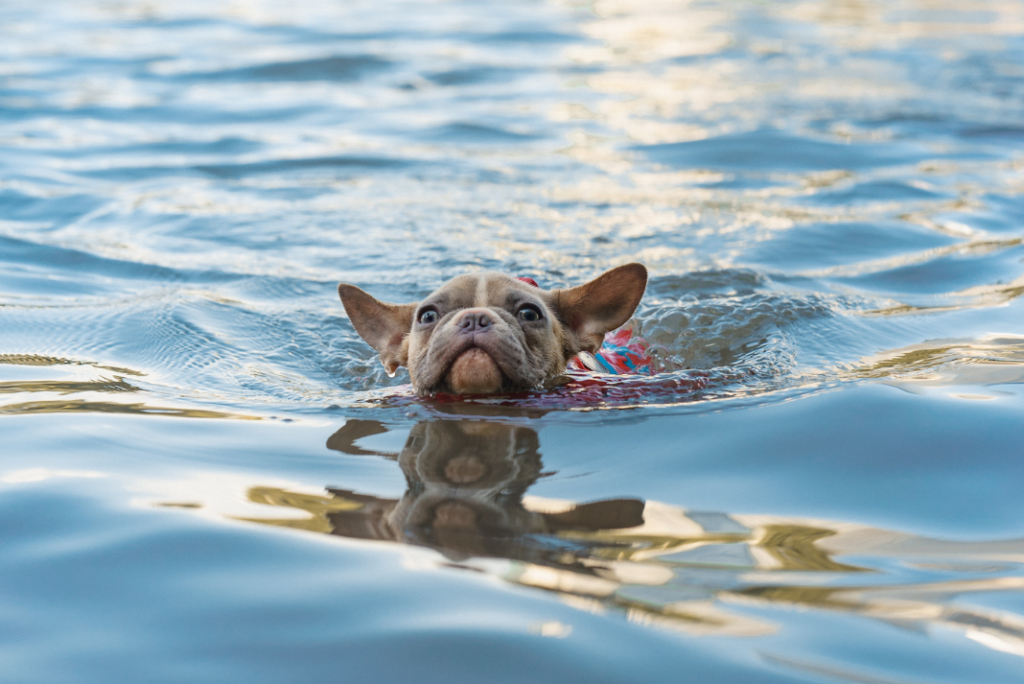
A Personal Flotation Device (PFD) is not only an essential piece of kit for you, but also for your canine friend. Even though some dogs are strong swimmers, a PFD helps them conserve energy and stay afloat in current or choppy waters. If you have a puppy, looking for a gently used PFD that’s appropriate to their size makes sense as chances are they will quickly outgrow it.

For more tips on what to look for when selecting a used kayak, read our article How To Buy A Used Kayak.

Dog kayak buying guide

As dog owners well know, each dog’s personality is unique, and so is their behavior aboard a kayak. Some excitable dogs move around on the kayak, while others just lay down and snooze. When choosing a kayak, consider how you want to paddle, but also the size and energy of your pup. Most doggy paddlers don’t use a dedicated kayak with dog seat when they go out. Instead, look for a kayak with the following features to ensure a safe and fun experience for both of you.

Stability and space are key. A wide kayak with a flat hull is going to provide tons of stability for the extra weight that your dog brings. Sit-on-top recreational or fishing kayaks are the best choice for bigger dogs, while sit-inside recreational kayaks with oversized cockpits are suitable for small to mid-sized dogs.

man paddles a kayak with his dog
Photo: Courtesy Delta Kayaks

Furry friends should have enough space to sit or lay down without interfering with your paddle stroke, or your ability to get in and out of the kayak. Recreational tandem sit-on-tops are popular options, as they are short enough that a solo paddler can maneuver them, but provide more space for lounging hounds. A sit-on-top kayak’s open deck also makes it easy for your dog to jump on or off.

Smaller dog breeds can fit into a wider range of kayaks, but they have unique needs, too. They might be able to fit comfortably into the cockpit of a touring kayak with you, but if you have a curious pup, make sure they can peek their head above the sides of the boat. Allowing a small dog to ride in an open hatch is fine on calm, near-shore water.

However well-behaved your dog, remember that it only takes a sudden, unexpected shift in weight to potentially spill both you and your dog into the water. For this reason, stick to sheltered waters and slow-moving rivers where you are within easy swimming distance of shore. Avoid paddling with your pup early or late in the season when water and air temperatures are colder.

Still have questions? Here are answers to some of the most common questions about kayaking with your dog.

  • Can dogs go in kayaks?

    Bringing your dog along in a kayak is a matter of having a spacious and stable kayak (sit-on-top kayaks generally work well) and taking it slow. Kayaking is an unfamiliar activity for most dogs, and building trust goes a long way in making the experience fun. Start with short excursions on very calm water, and pay close attention to your dog’s behavior. If there are any signs of nervousness, bring them ashore.

    Even though many dogs are strong swimmers, a doggy PFD conserves energy and helps keep them afloat in current or choppy waters. Most puppy PFDs also have convenient handles on the back, so you can haul your pup out of the water if they decide to abandon ship.

  • Is a canoe or kayak better for a dog?

    There are benefits to either a canoe or kayak for your dog, depending on your dog’s nature and the type of paddling you’ll do. A canoe has high sides and lots of space to stretch out. This can be more comfortable for bigger dogs or ones who like to move around.

    Smaller dogs may feel uncomfortable not being able to see over the canoe’s high sides. If your dog is a keen swimmer, and you suspect they will want to jump off the boat, a kayak’s lower profile—especially a sit-on-top kayak—is easier for them to climb back on.

  • What kind of kayak can I take my dog on?

    When assessing whether a kayak is suitable for your dog, look for certain aspects that will make it more comfortable and safe, like space and stability. Make sure there’s enough space for your dog to sit or lie down comfortably, without interfering with your ability to paddle or get in and out.

    Sit-on-top kayaks have more deck space for restless pups and are easier to climb on and off. If you are using a sit-inside kayak, ensure that it has a wide and long cockpit with room for your legs and your dog. Check the capacity of any kayak you’re considering as well, to see if the kayak’s weight limit is greater than the total of your weight plus your dog’s and any gear you’ll bring along.

  • Can a dog be in an inflatable kayak?

    Inflatable kayaks are a good choice for kayaking with your dog, since the flexible materials give dogs more grip and cushiony comfort than the slippery plastic of rigid kayaks. Nearly all inflatable kayaks are puncture-resistant, and many mid-range and high-end inflatable kayaks use reinforced PVC that is strong enough to handle the sharp toenails of a large dog inside.

  • Can a dog fit in a one-person kayak?

    Most dogs can fit in a one-person kayak, as long as the kayak’s deck (if it’s a sit-on-top) or cockpit (if it’s a sit-inside) is large enough for you and your dog to sit comfortably. If your dog is uncomfortable, they will be restless, making it difficult to paddle (and possibly even stay upright).

    The most dog-friendly kayaks are wide and stable recreational or fishing kayaks. Make sure the kayak’s recommended weight limit is greater than the weight of you and your dog, plus any gear you’ll bring along. For very large breeds, a tandem sit-on-top kayak is a better choice.

Dog kayak reviews

Read our expert reviews of a wide range of kayaks that are appropriate for kayaking with your dog below.


Best Kayak Brands For Fishing, Sea Kayaking, Touring & More

two people paddling Eddyline brand kayaks
Feature photo: Courtesy Eddyline Kayaks

What makes a good kayak brand? The best kayak brands offer comfortable, efficient designs; well thought out, user-informed outfitting and accessories; durable, attractive construction; and integrated safety features—all while keeping the cost of their kayaks within the budget of their target paddlers.

Brand loyalty can be strong among kayakers. When people find a brand they like, they often stick with it. The top kayak brands make boats of varying sizes and shapes that fill different paddling niches and suit many types of paddlers. As paddlers upgrade or progress their skills, the same brand may offer more advanced models to continue that progression.

Some brands specialize in building kayaks with specific processes and materials like thermoformed plastics or ultralight composites. If they’ve been doing it for a while, you can be assured that they’ve nailed the construction.

There’s also merit in seeking out kayak brands that are steeped in the waters you’d like to paddle. This has been true since the inception of kayaks, when Inuit people used them for hunting and travel across the Arctic. Hundreds of years ago, Inuit kayak designs varied by where they were built.

East Greenland’s calmer waters resulted in low-profile designs that could silently stalk even the wariest of seals. West Greenland was subject to more wind and waves funneling through the Baffin Strait, and as a result, the kayaks built there had more upturned bows to cut through the rough seas.

Whether you aspire to paddle rugged ocean coastlines or quiet meandering rivers, consider what waters inform your potential kayak brand’s designs. For example, West Coast kayak brands like Delta and Seaward produce capable, high-volume coastal cruisers with spacious hatches for packing gear on extended trips.

Whitewater heritage influences river-ready recreational kayaks from Southeast brands Dagger and Jackson Adventures. Of course, with today’s global markets and paddlesports conglomerates, many of the top kayak brands cover a range of waters and paddling ambitions.

What will your kayak brand be? We’ve compiled everything you need to help narrow your search for the right brand, and find the perfect kayak to make your paddling dreams come true.

Best kayak brands

What does it take for a brand to be considered “The Best?” It’s generally a combination of factors. Often, these brands build kayaks that excel at a particular type of paddling. Other brands make exceptionally comfortable or durable kayaks, which earns them a spot on this list.

Start browsing the best kayak brands using the links below. Each link takes you to articles about these kayak brands, including details on their top models and buying advice for new and used kayaks.

Best Kayak Brands

Best Kayak Brands By Type

How to choose a kayak brand

Before you ask, “What brand kayak should I buy?” consider this expert advice to ensure you get the best kayak for your paddling aspirations:

1 Define your needs

The first question you should be asking yourself is, “How and where do I want to kayak?” Are you looking to paddle casually for an hour or two on sheltered waters, or load your kayak for backcountry camping excursions? Your paddling style and ambitions will influence the type of kayak that best suits your needs, which in turn, will lead you toward the best kayak brand to choose.

In many ways, choosing a kayak brand is similar to choosing a car brand. Certain brands focus on reliability, while others emphasize speed, off-road capability or comfort. Just as Toyota makes vehicles that are of good quality and value, Lexus builds luxury vehicles with extra features (and higher price tags). Both brands are owned by the same corporation, but each meets a specific need.

This can be seen in kayak brands as well. For example, Perception and Wilderness Systems kayaks are both owned by Confluence Outdoors. Perception boats have less refined outfitting and land at a lower price. For a few hundred dollars more, Wilderness Systems kayaks boast more deluxe seating and extra features like additional hatches or bungees for better storage. Both kayak brands are great options, but they meet different users’ needs.

2 Know the kayak brands to avoid

Kayak brands to avoid include mass-market companies that sell poorly designed kayaks alongside the other beach toys they produce. These kayaks are generally found on the shelves of big-box retailers, and they are much cheaper (about a third of the price) than the kayaks you see in specialty paddle shops. If you only plan to paddle casually for an hour at the beach, cottage or campground, the price of these discount box-store brands makes them an attractive option.

But for a bit more money, you can get a kayak designed by a brand that understands the realities of kayaking. Subtle design changes reflect this knowledge, leading to a more comfortable, better-performing and safer kayak.

Physically trying out a kayak is the best way to ensure it fits and performs as expected. Head to a dedicated paddlesports shop or demo day at your local waterfront and feel for yourself the difference in a quality kayak from a reputable brand. It’s not just comfort and performance that matters here—safety is an important consideration as well, especially if you plan to paddle in anything but the most sheltered waters.

Cheap sit-inside recreational kayaks usually don’t have bulkheads (interior walls inside the hull, which ensure the kayak remains floating even if the cockpit fills with water). Instead, they put a piece of styrofoam in the back. This foam is not sufficient for flotation, and if the kayak fills with water, it becomes useless and may even sink.

3 Go with what they know

Many kayak brands carve out some sort of niche or specialization. They may use a specific material, or focus exclusively on one type of kayak (fishing kayaks, for example). If the brand has been around for a long time, they’ve had time to correct mistakes and tweak their designs.

The largest brands offer quality options in a variety of styles—recreational, touring, fishing—but if a niche brand decides to foray into a new genre one year, you should be a little skeptical until you see positive reviews from trusted sources.

4 Shop local

If a brand builds its boats in the USA or Canada, they’ll proudly state it on their website. While there are certainly quality brands built overseas, buying a boat made domestically is a reliable way to ensure your purchase supports a brand with a focus on sustainability and workmanship.

5 Looks are important

Let’s revisit the car brand analogy briefly. One major difference is that cars are often bought out of necessity, while a kayak is purely for fun. Driving a late-model Honda Civic is practical, sure, and it will get you from A to B. Your kayak should be more than that.

Don’t pass up a boat you love because you want to save a few hundred bucks. Years later, you probably won’t miss that money, and you’ll be glad you chose a kayak you love to paddle.

If you like the aesthetics of a kayak, but it doesn’t match the type of paddling you do or doesn’t fit quite right, look at other boats in the brand’s lineup. Most brands carry a range of sizes and designs.

6 Join the clubs

Buying certain brands of kayaks grants access to members’ clubs and support. Kayak brands like Hobie have an owners’ group where people can discuss repairs, modifications or just share stories about their experiences with the kayaks. Old Town kayak also fosters a community page where people share photos and stories.

Belonging to these groups can be helpful if you ever have specific questions about the kayaks. They also get paddlers connected by organizing social events and meetups throughout the country.

7 Keep an open mind

Shopping by brand is just one way to buy a kayak. You can also choose a kayak based on its features, by reading reviews, or test paddling and comparing boats from multiple brands. In fact, the latter is by far the most reliable way to find a kayak you’ll love.

You may also find the ideal kayak inadvertently. You may have a specific kayak model in mind, but with demand surging, it’s become difficult to find. Some distributors have already maxed out their pre-orders for the year, and if you want to get on the water, it will have to be in a different kayak brand.

Make note of the things you love about your dream boat, and then shop around. Few designs are unique to one brand; more often than not, there’s something similar available from a competitor. Reach out to your local paddling shop, tell them the model you had in mind, and they’ll show you other comparable options.


Fishing Kayak Review: Old Town Vapor 10

Man fishing from sit-inside kayak
Photo: Courtesy Old Town Canoes & Kayaks

The Old Town Vapor 10 is a compact sit-inside recreational kayak. Those seeking a fishing kayak will be especially interested in the Old Town Vapor 10 Angler, which adds useful features geared to the needs of the kayak angler.

Over 100 years ago, the first Old Town canoe was built along the Penobscot River in Old Town, Maine. More than a century later, some of their oldest boats are still on the water and Old Town has grown to become one of the most storied canoe and kayak makers in America. Whether you paddle recreationally, fish the local farm pond or chase tournament victories, Old Town has a kayak to make your experience unforgettable.

The Old Town Vapor 10 kayak and Vapor 10 Angler are recreational sit-inside styles, which means the cockpit is partially enclosed by the kayak deck. This is a popular style for recreational kayaks as it provides a comfortable and supportive seat and the deck keeps water from splashing into your lap while paddling.

The drawback to a recreational sit-inside kayak—versus a sit-on-top—is that if the kayak tips over or swamps, it will fill with water. Rather than simply climbing back aboard as with a sit-on-top, the paddler will need to swim their kayak to shore and empty the water before continuing on their way.

The Old Town Vapor 10 kayak is intended for use on slow-moving rivers, smaller lakes and other sheltered waterways that are not exposed to strong wind, current or waves. It’s perfect for novice and casual paddlers, families and anglers, and the large cockpit makes it a good choice for those with mobility limitations that can make using a kayak with a more confined cockpit difficult. The spacious cockpit, stable hull and plenty of volume in the bow also make the Vapor 10 ideal for paddling with your pet.

As its name suggests, the Old Town Vapor 10 is 10 feet long, putting it on the shorter end of the recreational kayak spectrum. This makes it relatively lightweight and easy to store and transport. Look to the  Vapor 10 angler and recreational kayaks if you’re seeking comfort, stability and maneuverability for exploring calm waterways, and want a compact and capable kayak that doesn’t break the bank.

If this sounds like you, keep reading for a comprehensive Old Town Vapor 10 review.

On the water with the Old Town Vapor 10

Old Town Vapor 10 Specs
Length: 10’0” / 3 m
Width: 28.5” / 72 cm
Cockpit: 48” × 19.5” /
122 × 49.5 cm
Weight: 47 lbs / 21 kg
Capacity: 325 lbs / 147 kg
MSRP: $529 USD /
$599 USD (Angler)

Performance

The Old Town Vapor 10 offers new paddlers and kayak anglers reassuring stability thanks to its wide, flat hull and rounded, high-volume sidewalls. These allow the Vapor 10 to tilt from side to side without feeling tippy. Despite the Vapor 10’s compact, 10-foot length, this is a deceptively spacious boat with a weight capacity of 325 pounds, which further adds to its feeling of stability.

The Old Town Vapor 10 features a buoyant, wedge-shaped bow that cuts through waves and wind chop, making for a drier ride. This is paired with a pronounced keel (central ridge that runs down the center of the hull) and built-in skeg (where the keel becomes a deeper fin at the stern of the boat). These features help with tracking, which is a kayak’s ability to maintain a straight course with minimal corrections.

Every aspect of kayak design involves a trade-off of some kind. For example, too much tracking and a kayak becomes hard to turn; too little, and trying to paddle straight becomes a frustrating exercise of weaving and correcting. Fortunately, kayak designers have found many different ways to finesse a kayak’s shape so it remains fun to paddle in a variety of conditions and situations. Another tool designers use is called rocker.

Rocker describes the upward curve of a kayak hull at the bow and stern. Comparing kayaks to fruit, lots of rocker looks something like a banana. The Old Town Vapor 10 has minimal rocker in the bow and a little more in the stern. This assists with maneuverability by allowing the stern to release from the water, giving the Vapor 10 a good balance of efficient tracking and easy turning. It also makes paddling and fishing rivers with small riffles and class I rapids feasible and enjoyable in the Vapor 10.

Market and demographics

The Old Town Vapor 10 and its sibling, the Vapor 10 Angler, are 10-foot recreational and fishing kayaks suitable for use on sheltered waters such as smaller lakes and slow-moving rivers that are not exposed to strong wind, current or waves.

The Old Town Vapor 10 sit-inside kayak is a great fit for novice and casual paddlers, families and anglers, and the large cockpit makes it a good choice for those with mobility limitations that can make using a kayak with a more confined cockpit difficult. The spacious cockpit, stable hull and plenty of volume in the bow also make the Vapor 10 ideal for paddling with your pet.

About the Old Town Vapor 10

Design

Material and construction

The Old Town Vapor 10 angler and recreational kayaks are constructed of high-density polyethylene (HDPE), which is a durable and cost effective plastic for kayak production. The affordability and toughness of this material make it the most popular choice for recreational and fishing kayaks.

Old Town uses both single-layer and triple-layer polyethylene in the construction of their recreational kayaks, with the latter offering the highest durability and resistance to warping, denting or cracking. As you’d expect, three-layer construction commands a higher price, and the budget-friendly Vapor 10 uses a lower cost single-layer build. Even so, many Vapor 10 users report their kayaks are still going strong after more than a decade of heavy use and abuse.

Old Town kayaks are built using a rotomolding process in which small plastic pellets are poured into a mold that is then heated and rotated in an industrial-size oven. This liquifies the plastic pellets and evenly distributes the plastic throughout the mold, resulting in a robust and seamless final product.

Red sit-inside kayak

Old Town Vapor 10 accessories and outfitting

Both the Old Town Vapor 10 and the Old Town Vapor 10 Angler share the same standard outfitting, with the Angler edition adding a few extras that are especially useful for kayak fishing.

Compared to the Old Town Vapor 10, the Angler edition adds two flush mounted 10 rod holders. The rod holders provide ready storage of two setups, so you can be rigged and ready to cast. The Vapor 10 Angler also has deck bungees on the bow for stashing smaller items, and an anchor trolley system.

The cockpit of the Old Town Vapor 10 angler and recreational kayaks focuses on comfort and easy accessibility. At 48 inches long by 19.5 inches wide, it’s easy to enter and exit the Vapor 10, and there’s plenty of space for gear, or even a furry friend, between the paddler’s legs. The elongated cockpit also lets you raise your knees if that position feels more comfortable, and provides room to reach for items you’ve stored inside the bow.

The cockpit rim of the Old Town Vapor 10 features a recessed tray and cup holder. This tray is handy for both anglers and casual paddlers, with space to prepare your rig, store tackle or stash snacks. There’s also a built-in paddle holder at the front of the cockpit where you can secure your paddle to leave hands free for taking a photo or making a cast.

If you would like to keep the cockpit of your Old Town Vapor 10 sealed from rain and other elements during storage and transportation, you may want to pick up a cockpit cover. Cockpit covers are made of nylon or neoprene and provide an inexpensive way to keep creepy crawlies out of your kayak when not in use. Check manufacturer sizing before purchasing to ensure the cover fits. One great option is a Seals size 7 nylon cockpit cover.

Inside the cockpit, the Old Town Vapor 10 features sliding adjustable foot braces. These foot braces allow incremental adjustments to find a comfortable foot position. Properly fitted foot braces are critical to ensuring good posture and efficient power transfer through your paddle strokes, reducing fatigue and allowing you to paddle further. Thigh pads along the cockpit rim enable you to brace your knees and thighs inside the kayak to provide additional points of contact, helpful with stability and boat control.

Recent Old Town Vapor 10 kayaks benefit from a seat upgrade that is much more comfortable than seats found in earlier versions of this boat. Old Town’s new Comfort Flex seat offers plenty of padding and a supportive, adjustable backrest to accommodate a wide range of users. The best way to know if the Vapor 10 seat is comfortable for you is to sit in the boat and try it out.

The designers also included a drain plug that makes it straightforward to empty any water that has splashed or dripped into the kayak while paddling. Always check that the drain plug is closed and lightly hand tightened before launching.

Where many recreational sit-inside kayaks have a covered stern hatch for storage, the Old Town Vapor 10 borrows from fishing kayaks with an open rear tankwell. A tankwell is a recessed storage area molded into the deck of the kayak. The Vapor 10 tankwell provides more accessible storage than a closed hatch, but as a fishing kayak this is an outfitting element where a sit-inside kayak’s storage opportunities are limited compared to the wide-open on-deck storage space of a sit-on-top kayak.

Old Town Vapor 10 mods

If you’re looking to further enhance your recreational paddling or fishing experience, consider a couple easy Old Town Vapor 10 upgrades.

For those who would prefer a covered storage area behind the seat, Old Town offers a stern hatch kit that transforms the stern tankwell recess into an enclosed hatch. The hatch kit is installed with rivets, and operates on a hinge.

Users have had mixed reviews about this Old Town Vapor 10 hatch upgrade. The hatch is not watertight, so even with enclosed storage you have to pack your gear in dry bags. As a kayak angler, enclosing the hatch also reduces usable on-deck space for a cooler or other bulky items.

Another modification available directly through Old Town is a folding anchor kit. The Old Town Vapor 10 Angler anchor attaches to the trolley line running around the stern half of the Vapor 10 Angler. Dropping anchor gives you an opportunity to sit still while fishing in mild current or windy conditions.

For both the hatch kit and anchor kit, Old Town provides pop rivets to install the systems to the Vapor 10 and other Old Town kayaks. This may seem like a simpler choice than a screw or bolt fitting, but keep in mind you’ll need a way to install the rivets. Also, this method does not allow for re-tightening if the hardware becomes loose over time.

Kayak anglers seeking a trolling motor are advised to search YouTube for DIY videos from other anglers and Vapor 10 users. In short, anything is possible, but there is no one-and-done kit to motorize your Vapor 10 kayak. Old Town does offer a Minn Kota powered Sportsman fishing kayak that’s ready to go off the shelf, but it’s a major investment at nearly $3,000.

Warranty

The hull and deck of Old Town kayaks are covered by a limited lifetime warranty. This is a serious step up from the 1- to 5-year warranties you’ll find on many other budget boats found at big box stores.

Child paddling red sit-inside kayak
Photo: Courtesy Old Town Canoe & Kayak

How it compares

The Old Town Vapor 10 is far from being the only choice for an entry-level recreational or fishing kayak. Nearly every major recreational kayak manufacturer offers a comparable 10-foot sit-inside kayak, and there are a number of other options within the Old Town lineup itself. Here is a look at how the Vapor 10 stacks up against other models.

  • Old Town Vapor 10 vs Angler

    You may have noticed the Old Town Vapor 10 and Old Town Vapor 10 Angler are mentioned interchangeably in this review and other sources online. The Old Town Vapor 10 is the base model from Old Town, while the Angler version adds a few useful accessories for kayak fishing including rod holders and an anchor trolley.

    Both the Vapor 10 and Vapor 10 Angler have the exact same hull, so the performance of both kayaks is the same. If kayak fishing is not your priority, then you’ll save $70 on the purchase price of an Old Town Vapor 10 and can choose from brighter color schemes.

  • Old Town Vapor 10 vs 10xt

    The Vapor 10xt is the same kayak as Old Town’s Vapor 10 base model, with a large oval Quick Seal stern hatch rather than the Vapor 10’s open stern tankwell. If you prefer covered dry storage, the upgrade to the Vapor 10xt may be worth the additional $170 price tag. If you’re just as happy with putting your gear in a $20 dry bag and tossing it in the tankwell, save some coin on the basic Vapor 10.

  • Old Town Vapor 10 vs 12

    The Old Town Vapor 12 adds an extra two feet to the waterline of the 10-foot Vapor 10, making the 12-footer a good choice for anglers and recreational paddlers seeking a bit more speed and storage space. All other things being equal, longer equals faster when it comes to kayaks. Because the Vapor 10 and Vapor 12 share the same width and general hull shape, the 12-footer will have better glide and tracking (the tendency to hold a straight course without making corrections).

    On the other hand, the Vapor 10 is slightly more maneuverable, lighter (49 lbs versus 56 lbs) and easier to store and transport. It’s also $200 cheaper, so choose the Vapor 10 if ease of transportation or budget are a priority. Choose the Old Town Vapor 12 Angler if you want fishing features in a sleeker, faster kayak; look at the Vapor 12xt if you prefer a dry stern hatch to an open tankwell.

  • Old Town Vapor 10 vs Trip 10

    If you are looking at a side-by-side comparison of the Vapor 10 and Trip 10 and feel they look exactly the same, this is because they are. The Old Town Trip 10 is the same boat as the Vapor 10, produced by Old Town under a different name exclusively for Dick’s Sporting Goods. The only other difference between the kayaks is color scheme.

  • Old Town Dirigo 106 vs Vapor 10

    Another 10-foot recreational sit-inside option from Old Town is the Dirigo 106. The Dirigo 106 is a long-time favorite from Old Town that offers a more premium paddling experience than the budget-priced Vapor 10. Higher end features include three-layer polyethylene construction for even better durability, bow and stern deck rigging for on-deck storage, a deluxe high-back seat, and handy storage hatch built into the front of the cockpit.

    Perhaps the most important difference between the Vapor 10 and the Dirigo 106 is the latter has a large stern hatch with a sealed bulkhead for dry storage. In addition to keeping your gear dry and secure, a bulkhead (an interior wall within the kayak hull) ensures positive flotation should the kayak tip over or swamp in deep water. This makes the Dirigo 106 a safer and more suitable choice for exploring more exposed waterways, whereas Vapor 10 users should stick to only the most sheltered waters.

    For those who are strictly paddling on calm, near-shore waters, the Vapor 10 is a good, low-cost choice. If you aspire to paddle more types of water—or just like the deluxe features of a more expensive boat—choose the more versatile Dirigo 106.

  • Ascend FS10 vs Old Town Vapor 10

    The Ascend FS10 is another sit-inside fishing kayak intended for use on calm waters. The Old Town Vapor 10 and the Ascend FS10 are very similar boats in overall concept. The stern tankwell on the FS10 is larger, which is a bonus for kayak angling.

    One drawback to the Ascend line is availability. Ascend is only available at Bass Pro Shops and Cabela’s, while Old Town is carried by many paddlesports and general outdoor retailers across North America. Ascend is also a newer brand with limited variety of designs, whereas Old Town has a proven track record of manufacturing quality canoes and kayaks going back over a century.

  • Perception Sound 10.5 vs Old Town Vapor

    Perception is another venerable kayak brand known for decades as a leader in paddlesports. The Perception Sound 10.5 is a sit-inside fishing kayak similar in price, specs and performance to the Old Town Vapor 10 Angler. Both are 10-foot recreational kayaks intended for calmer bodies of water, with built-in fishing features like rod holders and a storage tray within the cockpit rim.

    When comparing features, the Perception Sound 10.5 has a larger tankwell for increased storage space, and includes scupper holes for drainage along with a bungee rigging to secure your gear. If this is the style of kayak you are looking for, you can’t go wrong with either. It may just depend on which is available at your retailer.

Where to buy the Vapor 10

Old Town kayaks are available at specialty paddlesports shops and a number of large retailers across North America. Try searching the following retailers, and check availability before making a trip to purchase the Old Town Vapor 10:

  • Old Town Vapor 10 angler kayak Cabela’s
  • Old Town Vapor 10 Dunham’s
  • Old Town Vapor 10 angler Academy
  • Old Town Vapor 10 LL Bean

Vapor 10 Pros and cons

Pros

  • Comfortable seat
  • Good stability
  • Compact length and manageable weight for easy transportation and storage
  • Affordable entry-level price
  • Add-ons available directly from Old Town
  • Lifetime warranty

Cons

  • Small tankwell limits storage
  • No dry storage
  • No bulkhead—kayak will fill with water if swamped or overturned

Related articles

Old Town fishing kayak reviews

Sit-inside fishing kayak reviews

10-foot fishing kayak reviews

SEE ALL KAYAK REVIEWS


50 Little Birds Wins 2021 World Tour People’s Choice Award

PALMER RAPIDS, ON – The 2021 tour season marked the 16th year Paddling Film Festival audiences were able to redeem a free digital subscription to Paddling Magazine and cast a ballot for their favorite film from the World Tour’s 20 feature films. After being viewed virtually and touring around the globe, paddlers cast their ballots and Hannah Lindgren’s film 50 Little Birds was voted as the Paddling Film Festival World Tour 2021 People’s Choice Award winner, an award sponsored by Aqua Bound. 

About 50 Little Birds

Duration: 9:36

Director: Hannah Lindgren
Producers: Hannah Lindgren, David Neidert, Sarah King, Luke RennerIndiana folk artist Geoff Davis reflects on his childhood, career, mental health and how he found peace through reconnecting with his life’s purpose.
Watch this film in the Lakes Program.

About Lakes Virtual Program

Duration: 1hr 17 min

The Lakes Program begins with 24 Leeches, this year’s Best Canoeing Film winner and one of the most touching and inspirational family paddling adventures of all time. Dig out your woolly beanies and join the four snowboarder dudes who went canoe tripping in search of epic backcountry powder while the temperatures dipped to record breaking -40°C. In 50 Little Birds, folk artist Geoff David finds peace and his life’s purpose. Will you?

Films:

Price: $15 USD (10-day rental once you make your purchase).

Access this content and share the program with your entire household. Watch on your TV by using Chromecast or by connecting your computer to the TV using an HDMI cable.

Rental Period: 10-Day Rental

Watch this film in the Lakes Program


Hannah Lindgren
Photo: Hannah Lindgren

About Director Hannah Lindgren

Hannah Lindgren is a visual storyteller based out of Indianapolis, Indiana. She is passionate about telling real stories that make an impact. 50 Little Birds is her fifth documentary. In addition to filmmaking, Hannah is a passionate advocate for women’s health, mental health and animal rights.

Fishing Kayak Review: Ascend 10t

Grey sit-on-top fishing kayak being paddled on wavy waters
Photo: Courtesy of Ascend

The Ascend 10t is a sit-on-top fishing kayak with a host of useful features geared toward anglers. The elevated seat, standing platform cockpit and large tankwells leave no question this boat was built to chase fish.

Ascend kayaks are a brand under the banner of the White River Marine Group. By volume, the White River Marine Group is the world’s largest manufacturer of motorized boats. The White River Marine Group is owned by Bass Pro Shops. Not surprisingly, Ascend kayaks are most commonly available at Bass Pro Shops, Cabela’s, and also boating retailers who carry White River Marine Group brands.

What makes the Ascend 10t stand out within a sea of fishing kayaks? It incorporates an elevated seat and a platform-style cockpit, which we will discuss further below. These design features are commonly found on kayaks much more expensive than the 10t. That being said, the 10t does have a higher price tag than some other fishing kayaks available at large retailers.

So, is the Ascend 10t worth it? We’ll try to help you answer that in this Ascend 10t review.

On the water with the Ascend 10t

Ascend 10t Specs
Length: 10’0” / 3 m
Width: 30” / 76 cm
Weight: 67 lbs / 30 kg
Capacity: 325 lbs / 147 kg
MSRP: $679 USD / $999 CAD

Performance

What are anglers looking for in a kayak? Often it’s the ability to get where conventional motorized boats can’t, without sacrificing storage space or stability for casting. There’s also the appeal of skipping out on the hassle of owning a motor boat, and the chance to turn everyday fishing into a bit of an adventure. With this said, let’s talk performance and the Ascend 10t kayak’s stability.

The Ascend 10t sit-on-top kayak is built on a tunnel hull. Tunnel-hulled kayaks are generally wider than other kayak hulls. Think of a tunnel hull as a pontoon boat or catamaran. There are essentially two rounded hull surface areas bridged by the center of the kayak. The dual, rounded surface areas provide reliable initial and secondary stability. These tunnel hulls are especially popular with fishing kayakers for the stable platform they provide.

The tunnel hull enables the Ascend 10t’s standing platform area. What do I mean by standing platform in a kayak? It’s when the floor of the cockpit is an open, flat area, rather than being scooped out for a footwell. This gives a kayak angler the opportunity to sight fish and increase casting ability. It’s a next step up in the fishing capability of a kayak.

The Ascend 10t features this open standing area. But the 10t dimensions are worth looking at when assessing the stability of the kayak. The 10t is 10 feet long and 30 inches wide. In comparison to other fishing kayaks with a standing platform, the 10t is on the small side. For this reason, inexperienced paddlers may find the 10t feels unstable when it comes to standing.

Education: Get Some!
  • Take a paddling safety course from the American Canoe Association (ACA), your local paddling shop or outfitter, or other reputable source.
  • Take a boating safety course from the U.S. Coast Guard Auxiliary, U.S. Power Squadrons® or your own state’s boating agency.
  • Take on-the-water skills training.

Market and demographics

The Ascend 10t is a sit-on-top fishing kayak. Sit-on-top kayaks are kayaks where the paddler is not enclosed at all. They sit on the deck of the boat, which has been molded for an exterior seating position. This is in comparison to a sit-inside kayak. A sit-inside kayak is one where the paddler slides into the cockpit of the kayak. They may also wear a sprayskirt to cover the cavity of the cockpit. Sit-on-top kayaks have become popular for fishing kayaks because of their ease of entry, open storage and easier rescue scenarios in the event of a capsize.

The Ascend 10t kayak was designed specifically with the kayak angler in mind. The elevated seat position and tunnel hull make the 10t less about covering water as a paddler, and more about comfort and stability.

This kayak is best-suited for slow-moving rivers, lakes and sheltered coastal waterways.

Beyond rod and reel action, kayaks like the Ascend 10t can also be used for hunting. With the Ascend 10t, duck hunting is well within scope. The open cockpit design and large tankwells are conducive to carrying decoys, setting up a shotgun rack or even bringing along your bird dog.

About the Ascend 10t

Design

Material and construction

The Ascend 10t is constructed of high-density polyethylene. Polyethylene is a plastic commonly used in kayak manufacturing. This polymer compound is also regularly used to make other common plastic goods like milk jugs and shampoo bottles.

Ascend produces the 10t through a rotomolding process. Small plastic pellets are loaded into a mold. The mold is then placed in a large oven at high temperatures and rotated at a speed, pushing the liquified nurdles outward so they spread and take the shape of the mold. While the mold is pulled from the oven it continues to rotate as it cools. When the mold is opened, presto we have a kayak. Rotomolding is one of the standard production processes in the industry for producing durable kayaks.

Ascend 10t accessories and outfitting

One of the most obvious elements of the Ascent 10t is the amount of open storage.

This starts at the bow, where the Ascend 10t has a roomy forward tankwell. Tankwells are storage areas molded into sit-on-top kayaks. The tankwells of the 10t have plenty of space for storing tackle and drybags for a day on the water.

On the floor of the forward tankwell there are four metal D-rings. These rings provide tie-down points to secure your gear. Many fishing kayaks commonly include bungee cords pre-installed on a deck rigging system. On the Ascend 10t you have to run your own bungee, or other type of cord. I do not see this as a disadvantage, but rather a blank slate. The D-rings provide good anchor points to run the length of cord you choose.

Another thoughtful design element of the Ascend 10t’s front tankwell is the cut-out where it meets the cockpit, allowing water splashing over the bow to drain out into the floor of the cockpit, where it will exit via the scupper holes.

The cockpit of the 10t Ascend kayak is an open concept, with an overall flat surface, covered with traction padding. This deck mat and flat surface allows kayak anglers to use the floor of the cockpit as a standing platform. A standing platform increases your ability to cast, sight fish and move around the deck.

Also within the cockpit of the Ascend 10t are sliding foot braces. Sliding-style foot braces provide more positions than molded-in footwells. They do, however, require you to reach down toward your feet if they need adjustment on the water. Foot braces are an important part of a kayak’s outfitting because they provide a point of contact with your kayak. This gives you more leverage for paddling strokes, and more control over the kayak.

At the center of the cockpit between the foot braces there is a small dry hatch for storage. This hatch is sealed with a threaded deck plate. The hatch is a good place to store small items.

On the floor of the cockpit you will see four scupper plugs. Why exactly are there holes in the bottom of the kayak? These scupper holes are there to let water that enters the boat drain out through the floor. This keeps the cockpit of the kayak from filling with water. The Ascend 10t has six scuppers in total. Four are in the cockpit, and two in the rear tankwell.

Water can also come up through the scuppers. If you are paddling in calm conditions, and don’t want water to splash up through the floor, you may want to close the scupper holes. You can do this with a set of scupper plugs. Ascend has included scupper plugs with the 10t.

The seat of the Ascend 10t fishing kayak is an elevated, lawn-chair-style seat. It has a mesh construction, with some padding under the butt and on the back. The raised seat provides a more natural posture and sitting height.  An elevated seat also increases visibility, and keeps you off the wet floor of the kayak.

The Ascend 10t kayak seat has a unique track system. Near the hinge on each side of the seat are small plastic blocks. These blocks slide into an enclosed track, rather than resting on top of a track. This keeps the seat from bouncing up off its position, but also means if you want to move it out of the way you must slide it forward, rather than just folding upward. This is not necessarily an advantage or disadvantage. It does make for a specialized system, though, creating difficulty for any Ascend 10t seat upgrade.

One area of concern cited by users of the Ascend 10t is the seat’s vulnerability to rusting. A rusted out elevated seat would render the kayak relatively useless until you have a replacement seat.

The area around the cockpit of the Ascend 10t also features pre-installed accessory tracks, on either gunwale near the knees. This provides a place to easily mount electronics on your 10t such as a fish finder or camera. It’s a simple pre-installed add-on, but saves time and money for a kayak angler who wants to have a boat ready to launch the day of purchase.

Behind these accessory tracks and closer to the seat, the Ascend 10t includes two carry handles. These handles are in great positions if you need to hop out of the kayak and perch it on a shoreline. The handles can also be helpful if you fall out of the 10t and need to climb back in. The included grab handles within the cockpit are in a great spot to aid in standing up or sitting back down in the seat.

Behind the Ascend 10t kayak seat are two flush-mounted rod holders. Flush-mounted rod holders are a common standard found on fishing kayaks, and give you the space to carry two rigged setups.

Near the stern of the Ascend 10t is another large, recessed tankwell. This tankwell is elongated and rectangular, and can accommodate a small cooler or milk crate. There are also two scupper holes for drainage under the tankwell.

At the stern you will find the drain plug. The drain plug allows you to empty any water which has entered the interior of the hollow hull of the Ascend 10t. How can water get inside a sit-on-top kayak? Water ingress can occur at seams, screw holes or places where the hull has been cut for exterior components. It’s not uncommon to get a small amount of water inside your kayak, and you should drain it at the end of your trip.

Ascend 10t kayak mods

Kayak anglers are known to seek out upgrades to their paddle craft. One common upgrade with this model is an Ascend 10t seat raise.

The seat of the Ascend 10t is already elevated. If it isn’t high enough, check out DIY videos of how other anglers have mounted rails on the deck of the 10t to further raise the seat height.

Before you go installing new rails on the Ascend 10t and making a lifeguard stand out of your kayak though, spend some time in the 10t as is and consider if a seat raise is actually needed. The higher the seat, the higher your center of gravity. Translation: you lose stability. When the water gets rough you may appreciate the opportunity to be sitting a little closer to the boat.

Know The Local Hazards
  • Check navigation charts before you launch.
  • Check with those who have local knowledge of man-made and natural hazards, e.g. low-head dams; sweepers, strainers and undercuts; tides and currents; and rocks and shoals.

Another easy add-on is a forward, swiveling rod holder.

The Ascend 10t only has the two built-in rod holders behind the seat. You may want a rod holder directly in front of you for when you are actively fishing. Thanks to the pre-installed accessory mounts, this is as simple as picking up a rod holder to slide on. Ram and Scotty are popular brands to check out for these components.

When making modifications to the Ascend 10t, consider that a paddle holder is not included on the deck of the kayak. This is a simple, cheap, yet extremely helpful upgrade to secure your paddle while fishing. You can make some extreme modifications to your 10t, but little details like adding a paddle holder will make a huge difference in your experience.

The Ascend 10t is a stable, pontoon kayak which could accommodate a trolling motor. There is no trolling motor available directly from the manufacturer, however. Anglers looking to motorize their 10t will have to fashion a DIY-driven, after-market installation of a trolling motor for the 10t.

Warranty

Ascend provides a one-year, limited warranty covering parts and labor to correct defects in materials and workmanship.

How it compares

The Ascend 10t finds itself in a crowded class of fishing kayaks. Here are a few regularly compared with the 10t.

  • Ascend 10t vs 12t

    The kayak in the Ascend line most comparable to the 10t is the Ascend 12t. The major difference between these two kayaks comes down to dimensions, and how those dimensions affect the layout of the kayak.

    The 10t is so-named because it is 10 feet long. This is two feet shorter than the 12-foot 12t. The 30-inch-wide 10t is also one inch narrower compared to the 31-inch-wide 12t.

    The 12t’s stern tankwell is larger than the 10t, and is shaped into multiple segments.

    Another storage difference is that the 12t has an additional dry hatch compartment within the cockpit. It is accessible through a rectangular, hinge-operated deckplate.

    The difference in size is also going to equate to a difference in weight. The 10t weighs less at 67 pounds compared to the 12t at 77 pounds. It also has a lighter capacity at 325 pounds compared to the 12t’s 350 pounds.

    The two kayaks are close to par with one another. The increased dimensions of the 12t may give it an edge in storage, stability and perhaps a bit of speed. If carrying weight and size limitations are more of a factor, the 10t should appeal.

  • Ascend 10t vs Pelican Catch 100

    A similar design to the Ascend 10t is the Pelican Catch 100.

    Pelican’s Catch 100 is also a 10-foot sit-on-top kayak with a tunnel-shape hull. It also features an elevated seat, sliding foot braces and a flat-standing platform in the cockpit.

    Some small differences standing out between the two boats are the storage and built-in accessories. The Ascend 10t kayak has two open tankwells, one in the bow and one in the stern. The Pelican Catch 100 has an open tankwell in the stern, but an enclosed hatch in the bow.

    The Pelican Catch 100 also features four rod holders behind the seat, and a bungee to secure your paddle to each side of the seat.

    The largest difference between the two, when it comes to performance, may be the width. The Pelican Catch 100 is a full four inches wider than Ascend 10t. Generally speaking, with similar hulls this is going to translate to lower speeds but more stability for the standing platform.

  • Ascend 10t vs H10

    The Ascend H10 is what Ascend has dubbed a hybrid kayak. It is not quite a sit-inside or sit-on-top kayak, but somewhere in between. It has a recessed cockpit surrounded by a deck, similar to what you would find for a sit-inside, but the cockpit is open and squared off.

    The H10 features storage hatches in both the bow and stern, covered with a hard plastic deckplate in the bow, and plastic fabric cover in the stern. Once again following the hybrid mentality, these storage areas fall somewhere in between an open tankwell and an enclosed hatch.The intention is to provide storage for long outings and even overnighters. There are, however, no bulkheads built in to isolate sections of the kayak. Any water entering the H10 will not drain through a scupper and should the boat capsize it will take on water. This makes the H10 only suitable to paddle on calm or sheltered waterways.

    On the other hand, the Ascend 10t will drain water. And should you fall overboard, all you have to do is climb back on. There is no open cavity where water will collect. While it is open air, the 10t kayak has plenty of storage space in the open tankwells, where gear can be stowed within drybags. For this reason, the 10t feels like a much more versatile craft.

  • Ascend D10 vs 10t

    Another kayak from Ascend you may find in stores alongside the 10t is the D10.

    The D10 is a sit-inside kayak where the paddler slides into the cockpit, whereas the 10t is a sit-on-top kayak.

    The D10 is a recreational kayak intended for sheltered waterways and slow-moving rivers. It does not feature the gadgetry of the 10t geared toward anglers. The D10 is a great option if fishing is secondary to the paddling trip, and you intend to take in the views more often than casting a line.

Carry A Waterproof VHF Radio, Use Your Phone Only As A Backup
  • A handheld VHF marine band radio allows you to communicate with the Coast Guard and other boat traffic. Use Channel 16 only for hailing and emergencies. The radio should be waterproof, because it is virtually certain to get wet.
  • A cell phone, even if in a waterproof case or sealable bag, might not work, so don’t rely on it as the primary means of emergency communication.
  • Ascend 10t vs Lifetime Tamarack

    The Lifetime Tamarack Angler 100 is a kayak you’ll often see sharing the water with the Ascend 10t. The Tamarack is a more traditional, sit-on-top kayak. What I mean by traditional is the paddler is sitting on the floor of the cockpit, in a molded-in seat, not on an elevated seat. The Tamarack also has a flat bottom compared to the tunnel hull of the 10t. The Tamarack has footwells, and does not include the flat standing area featured on the Ascend 10t. The Tamarack is suited for seated fishing.

    The Ascend 10t provides the comfortable elevated position, but also comes with added weight from the size of the tunnel hull to provide a larger platform. The Ascend 10t is 67 pounds compared to the Tamarack at 51 pounds. This can be a major factor when considering transporting your kayak

    When deciding between the Ascend 10t and Lifetime Tamarack Angler 100 you will want to ask whether you prefer the elevated position of the 10t, or low position of the Tamarack Angler 100.

  • Ascend 10t vs Lifetime Teton

    Lifetime also produces the Teton Angler 100 sit-on-top kayak. You may notice the Teton has features of both the Ascend 10t and the Lifetime Tamarack mentioned previously. The Teton has a flat bottom hull just as the Tamarack. The Teton, however, has an elevated seat similar to the Ascend 10t. This keeps the paddler off the floor of the boat.

    While the Teton has an elevated seat, it does not have a flat standing area, and is intended for seated fishing. Without a tunnel hull, and at just 30.5 inches wide, the elevated seated position of the Teton may easily feel less stable than the Ascend 10t. This would be a major factor when deciding between the two kayaks.

  • Ascend 10t vs FS10t

    The FS10t from Ascend takes the sit-inside kayak deck of the D10 mentioned previously and adds on the features of a fishing kayak. It has two rod holders behind the seat. The FS10t also has accessory tracks on each side of the cockpit, and a small storage tray at the front of the cockpit, which can be helpful when sorting out your lures or rigging up a line.

    The FS10t differs from the 10t in that it is a sit-inside kayak, where the paddler slides inside the kayak, rather than sitting out in the open as the paddler does in the 10t. The FS10 also features a different style of hull: a V-shape, rather than the tunnel of the 10t. The 10t is designed for elevated sitting and even standing, and the FS10t is not at all. When deciding on the style of kayak fishing you would like to do, this will be an important consideration.

Where to buy the Ascend 10t

Where can you find the Ascend 10t available for purchase? Bass Pro and Cabela’s carry the 10t. You will also find Ascend kayaks available at a limited number of smaller local boating stores that carry White River Marine Group brands.