Home Blog Page 118

Q&A With Expedition Canoeist Frank Wolf

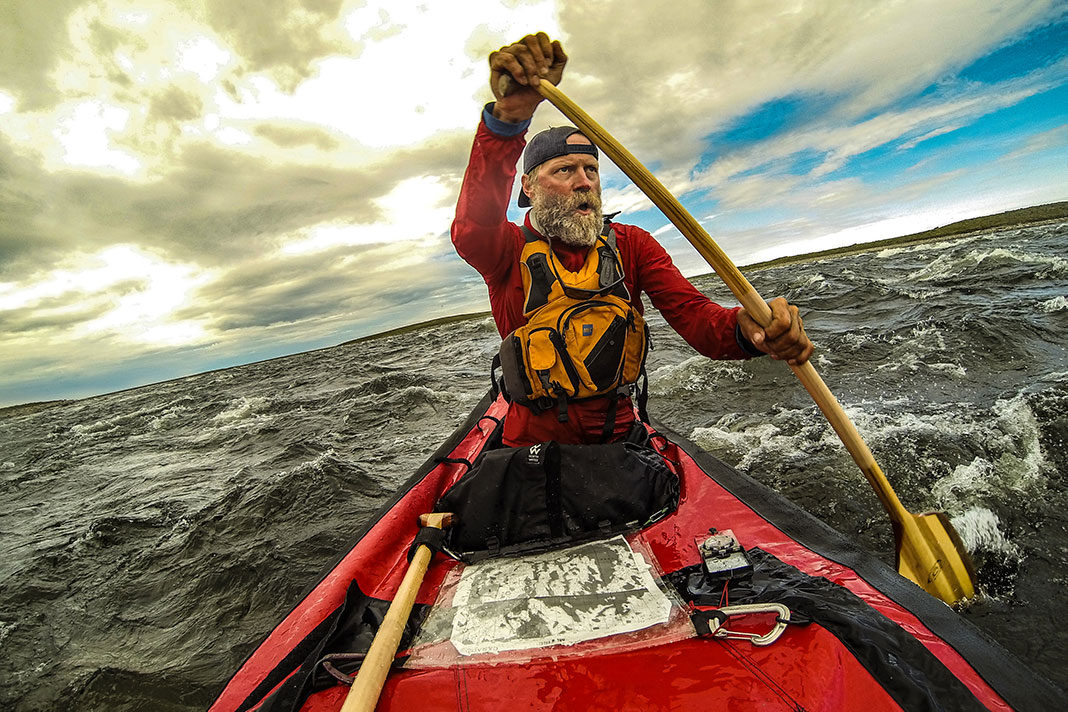
Man with beard paddling a canoe on choppy waters
Frank Wolf in his happy place. Photo courtesy of: Frank Wolf
Read more profiles
Paul Caffyn
Nouria Newman
Amy & Dave Freeman
Jon Turk
Cliff Jacobson
Justine Curgenven
Mike Ranta
Ben Stookesberry

After decades of exploring, where do the boldest sea kayakers, whitewater boaters and canoe trippers fantasize about paddling? That’s the question that inspired Paddling Magazine to query some of our long-time contributors and favorite nomadic aquaphiles to ask after their dream destinations, most challenging expeditions and what a life of exploration really means anyways.

In this series of profiles, these exceptional water-wanderers share their top trips, best advice and biggest blunders. And whether their ambitious journeys were taken in the name of discovery, education, environment or glory, these legends affirm what we already know: There’s far more to explore by paddle than anyone could fit in a lifetime—but don’t let that stop you from trying.

[ Plan your next adventure with the Paddling Trip Guide ]

Adventurer Frank Wolf is known for his award-winning films documenting wilderness expeditions in northern Canada. His first major expedition was canoeing across Canada in a single season, and he’s set out on big, demanding trips somewhere in the world almost every year in the two decades since. Whether pedaling 1,250 miles from Dawson to Nome on the frozen Yukon River, paddling 1,250 miles of the British Columbia coast or rowing 1,180 miles along the Northwest Passage, Wolf never stops pushing.

Location: North Vancouver, British Columbia
Occupation: Writer and presenter
Latest Project: Kayaking around Canada’s Vancouver Island


Man with beard paddling a canoe on choppy waters
Frank Wolf in his happy place. | Photo courtesy of: Frank Wolf

Q & A with Frank Wolf

1 One destination I dream of returning to is…

the 1,750-kilometer line from Yellowknife, Northwest Territories, to the source of the Back River and down to the ocean. This location still captivates me because of the incredible wildlife, like caribou, musk ox, grizzly and wolf. It’s a fabulous mix of tripping, from whitewater to big lakes to grinding portages.

2My biggest pet peeve is…

 whiners.

3One thing I can’t live without is…

cayenne pepper.

4The greatest advice I ever got was…

“nothing worthwhile is easy,” and that was from my dad.

5The canoe I’m paddling most right now is…

an Esquif Prospecteur 17.

6The best paddling companions are…

joyful.

7My biggest blunder was…

almost drowning on the Babine River during a cross-Canada attempt 23 years ago and I learned I wasn’t invincible.

8The hardest part about making that dream trip happen is…

inertia.

9Happiness is…

being in the midst of an adventure, when past and future are irrelevant and there is only now.

10My most challenging expedition was…

canoeing across Canada and it taught me I love paddling through new landscapes for weeks and months at a time.

In 1995, Wolf and his paddling partner became the first modern paddlers to canoe across Canada in a single season. They started in Saint John, New Brunswick on the Atlantic coast and paddled to Vancouver, traveling against the prevailing winds. The duo paddled 12 to 14 hours a day, every day, until they got to the Pacific Ocean 171 days and 5,000 miles later.

11What scares me most is…

emotional vulnerability.

12My favorite camp meal is…

grilled grayling with cayenne pepper.

13

The true gift of big trips is…

 being fully and truly engaged in the moment at all times and stepping into a new dimension of consciousness.

14

My best advice for young paddlers is…

keep paddling and you’ll stay young forever.

Paddling Magazine Issue 63 | 2021 Paddling Trip Guide Cover

This article was first published in Paddling Magazine Issue 64. Subscribe to Paddling Magazine’s print and digital editions here, or download the Paddling Magazine app and browse the digital archives here.


Frank Wolf in his happy place. | Photo courtesy of: Frank Wolf

The Wing Group Opens New Global Business Development & Product Headquarters in the UK

The Wing Group Opens New Global Business Development & Product Headquarters in the UK

The Wing Group encompasses the brands; Wing, Henshaw Inflatables, Patten, Fabtek and Mustang Survival, all of which have built deep, trusted relationships with marine and aviation consumers over a collective span of nearly 75-years. Built on a rich and authentic heritage in delivering survival equipment to people in the harshest operating environments in the world, the group’s brands have earned loyalty and recognition for designing and manufacturing innovative and high-quality product solutions. Wing has already established a strong North American market share and is now expanding into the European market with its highly innovative product portfolio.

The company is growing rapidly and is pleased to announce the opening of the Wing Group Global Business Development & Product Team Office.  The new Global Team will be led by Nigel Parkes, Managing Director Europe, a stalwart authority, and presence in the marine industry with decades of experience leading teams designing, developing, and going to market with advanced safety and lifesaving equipment.

Commenting on the new team and headquarters at Throope Down in Salisbury, UK, Andrew Branagh, CEO of the Wing Group said, “Our company is obsessed with customer intimacy as we profoundly believe it is the key to unlocking truly innovative solutions and product greatness. As we build global marketplace presence, we knew it was imperative to assemble talented teams in the same region and time zone as our strategic partners so that we can serve them better every day.”

Matthew Bridge Commercial Sales Director leads a team of Global Sales Managers with deep professional experience across the spectrum of tactical operations, commercial & leisure marine, and aerospace & defence. In addition, a high caliber product design & development team has been established to rapidly prototype for military and industrial partners, and to blend the unique insights and requirements of the UK and European markets into the company’s existing product portfolio.

Nigel Parkes said, “The Wing Group companies have well established market presence with their product lines in the Americas. Working closely with our Wincanton-based Henshaw Inflatables business, our Throope Down Business Development & Product Team will access and collaborate with the incredible talent of the Mustang Survival Waterlife Studio and the unparalleled engineering force at Wing Inflatables and Patten to deliver immense value for our partners and customers like no other brand in the market.”

The Wing Group will be exhibiting at the METSTRADE Show, Amsterdam, November 16-18th.

The Wing Group Opens New Global Business Development & Product Headquarters in the UK

About The Wing Group

The Wing Group is the world leader in inflatable boats, life rafts, flotation, dry suits and other tactical and survival solutions for recreational, commercial and military customers.

Built on 200 years of combined experience, The Wing Group and its companies have developed an unparalleled reputation for highly technical, high quality customer solutions – whether it’s a private yacht deploying an expeditionary craft, a fighter jet pilot requiring an aviation life raft, a rescue swimmer requiring protection in arctic conditions or a special forces unit depending on high-performing combat rubber raiding craft.

The Wing Group

The Wing Group

The Wing Group delivers confidence to the world’s most demanding marine and aviation users through innovative and high-quality technical solutions – on, over and under the water.

Wing Inflatables

First in the field of innovative polyurethane design for tubes, inflatable boats and sponsons. Wing’s combatant crafts are used throughout the world by the U.S. Army, the U.S. Navy SEALs and tactical and military professionals who demand only the best.

Henshaw Inflatables

The leading manufacturer of Hypalon-constructed inflatable tubes and collars to RIB builders in the UK and throughout the world. Superyacht customers and militaries alike put their trust in Henshaw products.

Mustang Survival

Pioneer in the design and manufacture of lifesaving solutions since 1967. Mustang Survival is committed to the protection and enhancement of those who push themselves to extremes, whether for work, duty, or to escape the daily grind.

The Patten Company

Patten is proud to have provided life rafts on the NASA’s legacy Mercury and Apollo missions as well as today’s NASA Orion and SpaceX manned space missions.

FabTek

Custom designer and manufacturer of doors, windows, and hatches for the leading recreational, commercial and military.

For media enquiries, please contact Jamie Moran at MindWorks Marketing:

winggroup@mindworks.co.uk

+44 (0)1243 388940

Father-Daughter Team Reclaim World Record On Mississippi River Speed Descent

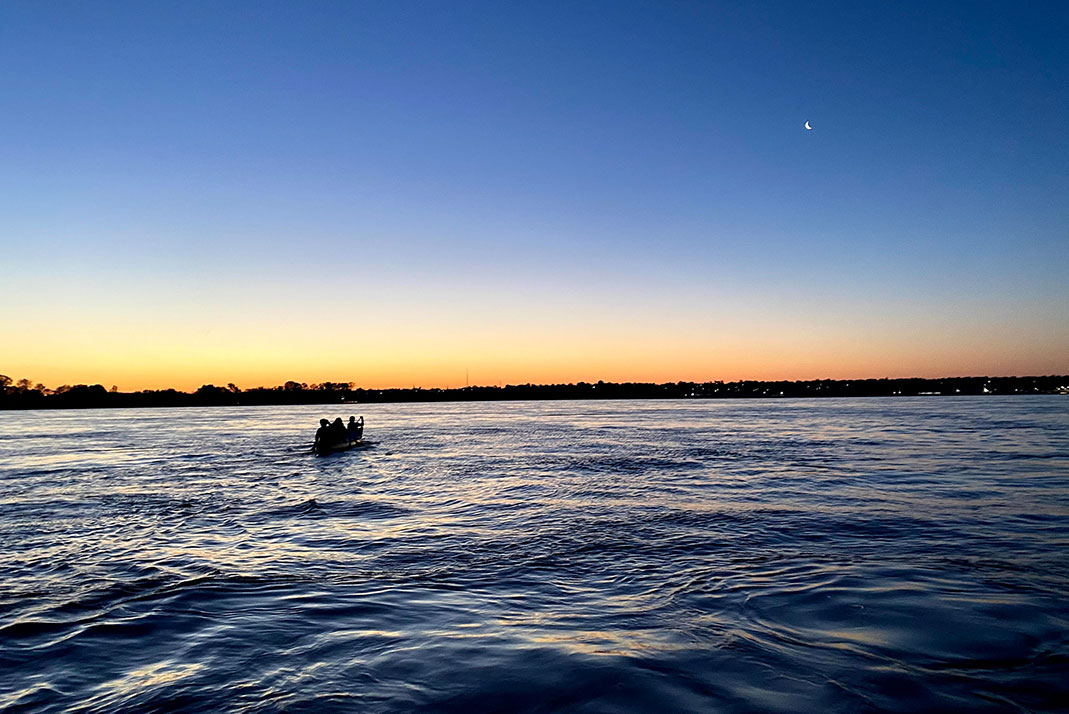
Canoe on lake silhouetted at sunset
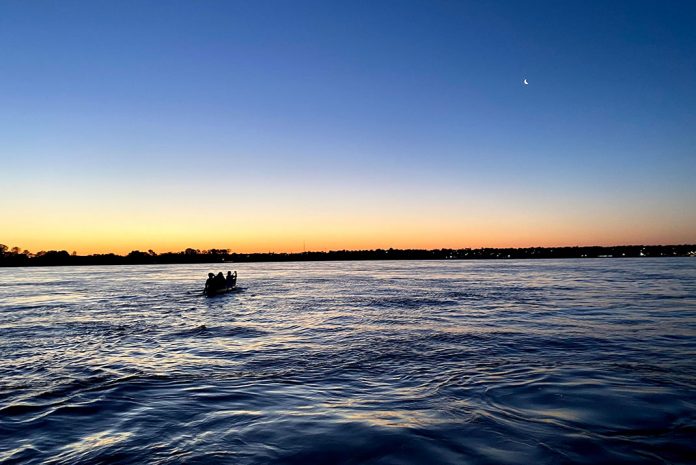
To set a new world record, the team paddled day and night in nine-hour shifts, taking turns to sleep in the canoe for three hours at a time. | Photo: Courtesy MMZero

On April 22, four paddlers launched a 20-foot canoe in northern Minnesota’s Lake Itasca with an unfathomable goal: To paddle more than five miles per hour, 24 hours a day for nearly 18 days. That’s the pace they’d need to set a new speed record for paddling the Mississippi River on a 2,350-mile journey to the Gulf of Mexico.

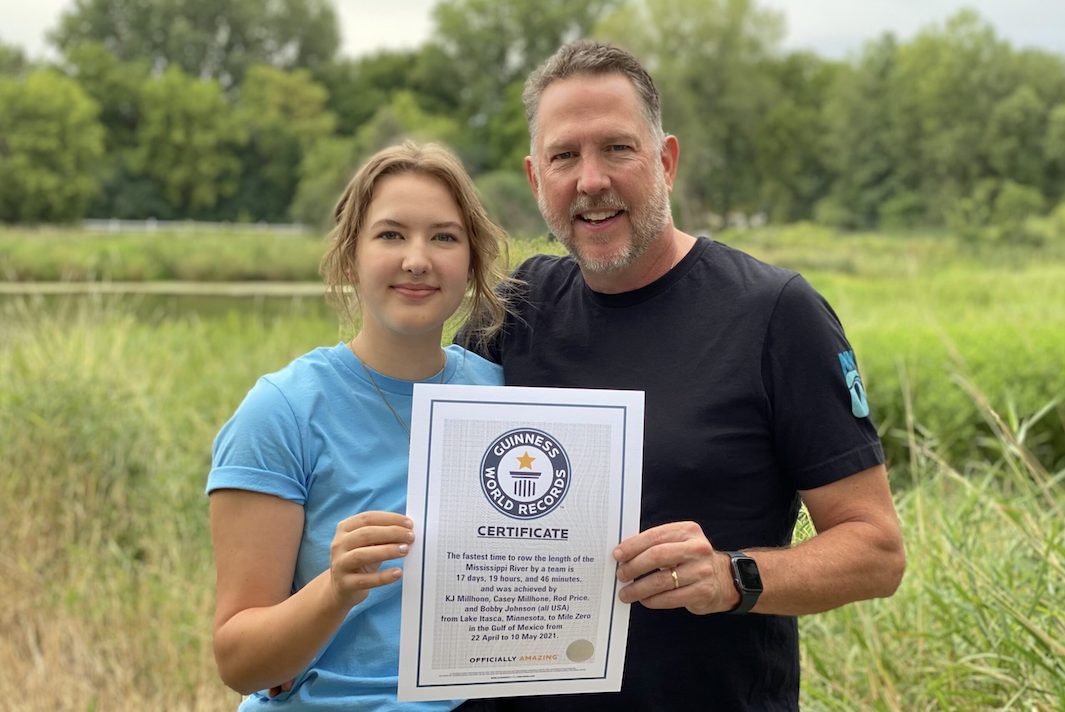
KJ Millhone had done it before. In 1980, at age 22, KJ canoed the length of the Mississippi in 35 days with his friend Steve Eckelkamp, establishing a Guinness World Record. The record was trimmed to 23 days by legendary long-distance canoeists Verlen Kruger and Valerie Fons in 1984. Finally, Bob Bradford and Clark Eid completed an 18-day Mississippi speed run in 2003. KJ’s dreams of reclaiming the speed record with Eckelkamp were dashed when his best friend died in 2017. Then, his 20-year-old daughter, Casey, suggested they try it together.

Three men and one woman stand arm in arm on beach in front of a canoe
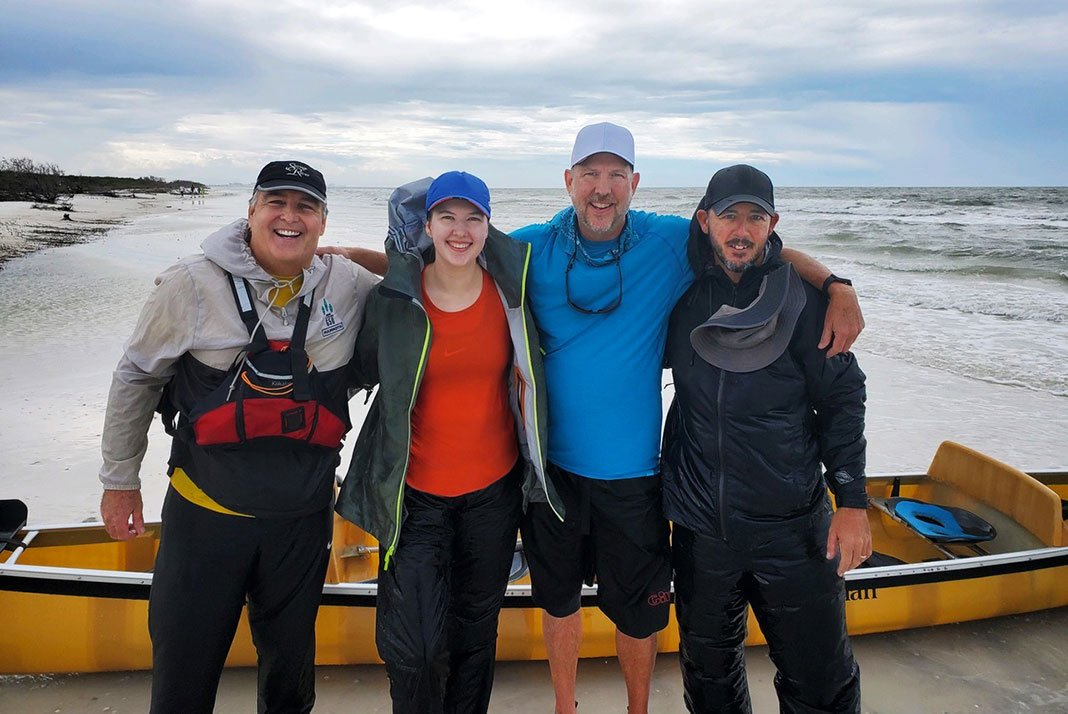
MMZero team members Rod Price, Casey Millhone, KJ Millhone and Bobby Johnson. | Photo courtesy of: MMZero

“The trip with Steve changed the trajectory of my life,” says KJ. “When Casey said she wanted to do it, I thought the best gift I could give her was the opportunity for this experience to broaden her world as it did mine.”

The Millhones recruited long-distance canoe racers Bobby Johnson, 42, and Rod Price, 60, to join their team. Departure was timed to reap the greatest benefit of high water. “You simply couldn’t do this on calm water,” notes KJ. Of course, a shoulder season expedition also meant tornados, lightning and temperatures ranging from sub-freezing to scorching. “I think we got more than a fair shake from Mother Nature,” KJ adds.

A big part of the MMZero expedition was to raise funds to support the Mississippi River Network, an environmental coalition. The tiny creek draining Lake Itasca becomes a broad, muscled river within 600 miles as Northwoods wilderness transitions into the bluffs of the Midwestern plains. Countless river towns attest to the Mississippi’s role in shaping the United States’ heartland.

Canoe on lake silhouetted at sunset
To set a new world record, the team paddled day and night in nine-hour shifts, taking turns to sleep in the canoe for three hours at a time. | Photo courtesy of: MMZero

KJ imagined floating with Huck Finn and Tom Sawyer as the river wanders through Arkansas and Mississippi; he watched the millions of birds that use the waterway as a migration corridor pass overhead. From Baton Rouge to the Mississippi Delta, the paddlers encountered ocean-going freighters, tugboats and barges plying the river’s powerful muddy water. “You experience two centuries of history,” says KJ. “It’s timeless, priceless and preciously American.”

The team attempted to enjoy the scenery while maintaining a breakneck pace. To ensure the team could obtain the record, they paddled their Wenonah Minnesota IV day and night in nine-hour shifts, taking it in turns to sleep in the canoe for three hours at a time.

Price recalls sheer exhaustion, sleep deprivation, hallucinations, hypothermia and extreme weather. “When the conditions cause you to lose time,” he says, “you realize there’s no wiggle room at all. But on the other hand, one good night can completely turn things around.”

“Riding the Mississippi River is like Mount Everest for paddlers.”

“Riding the Mississippi River is like Mount Everest for paddlers,” Price says. “More than 4,000 people have climbed Everest, but I can guarantee far fewer than 4,000 people have paddled the whole Mississippi. It’s a phenomenal task.”

Casey and KJ Millhone pose with their Guiness World Records certificate. | Photo: Courtesy Team MMZero

Casey says the team’s 24-hour paddling schedule put the river in a new perspective. “Your awareness of sounds and the environment is so different at night,” she says. “Although that’s scary in some ways, it was also exciting to be on the water and experience the river at all times of day.”

[ Plan your next adventure with the Paddling Trip Guide ]

Meanwhile, KJ reflected how this expedition differed from his previous one. “We were just two 20-something guys paddling down the river,” he says. “But now, with all the logistics we needed to keep in mind, it felt a lot closer to trying to make the first trip to the moon.”The journey was also an opportunity for him to witness the changes four decades have brought to the Mississippi River. “It seemed healthier, more vibrant and wilder than it did in 1980,” KJ notes.

Paddling Magazine Issue 63 | 2021 Paddling Trip Guide Cover

This article was first published in Paddling Magazine Issue 64. Subscribe to Paddling Magazine’s print and digital editions here, or download the Paddling Magazine app and browse the digital archives here.


To set a new world record, the team paddled day and night in nine-hour shifts, taking turns to sleep in the canoe for three hours at a time. | Feature photo courtesy of: MMZero

Q&A With Expedition Kayaker Nouria Newman

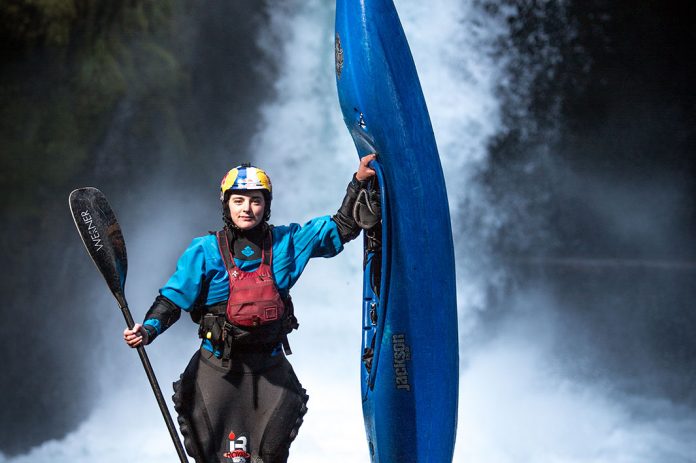
Woman wearing PFD, helmet, sprayskirt and drysuit. She is holding a kayak paddle in one hand, and a whitewater kayak in the other. She is standing in front of a waterfall.
Nouria Newman, ready for adventure. | Photo: Erik Boomer
Read more profiles
Paul Caffyn
Amy & Dave Freeman
Frank Wolf
Jon Turk
Cliff Jacobson
Justine Curgenven
Mike Ranta
Ben Stookesberry

After decades of exploring, where do the boldest sea kayakers, whitewater boaters and canoe trippers fantasize about paddling? That’s the question that inspired Paddling Magazine to query some of our long-time contributors and favorite nomadic aquaphiles to ask after their dream destinations, most challenging expeditions and what a life of exploration really means anyways.

In this series of profiles, these exceptional water-wanderers share their top trips, best advice and biggest blunders. And whether their ambitious journeys were taken in the name of discovery, education, environment or glory, these legends affirm what we already know: There’s far more to explore by paddle than anyone could fit in a lifetime—but don’t let that stop you from trying.

[ Plan your next adventure with the Paddling Trip Guide ]

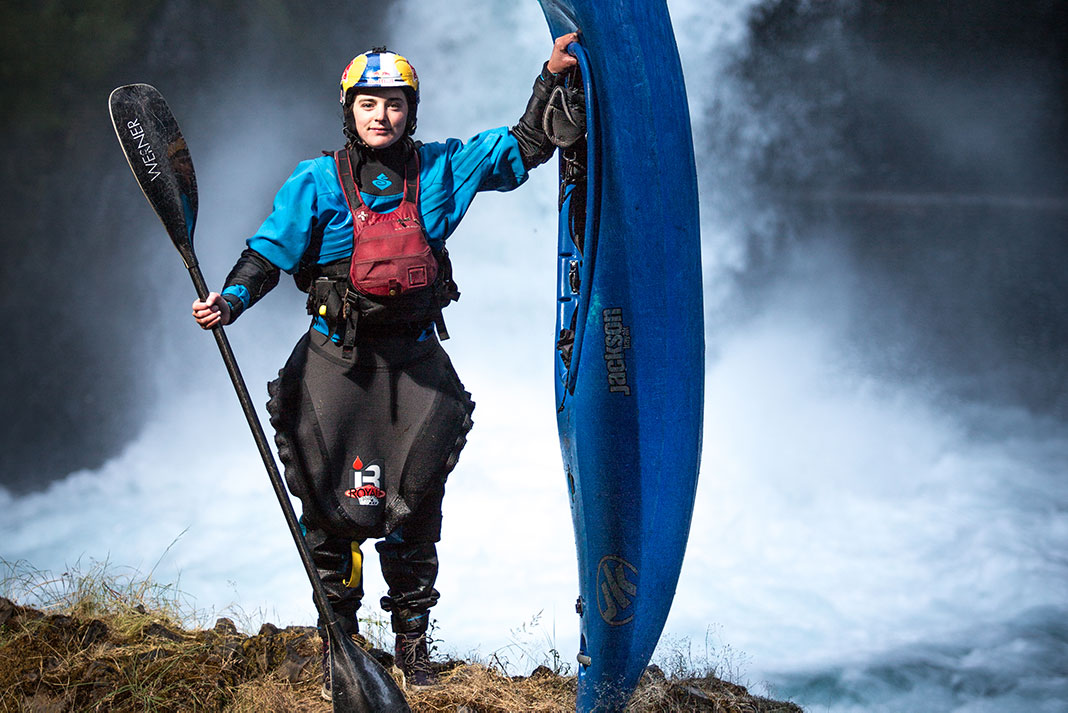
Nouria Newman has been pushing the boundaries of whitewater for a decade. The ex-slalom boater has claimed first descents, dominated competitions and paddled some of the world’s most challenging whitewater, including the Stikine’s Site Zed. Earlier this year, Newman snagged the first descent of Pucuno Falls in Ecuador and became the first woman to run a 100-foot waterfall.

Location: Tignes, France
Occupation: Professional kayaker
Next project: An expedition in Ecuador, “but these days, nothing is sure.”


Woman wearing PFD, helmet, sprayskirt and drysuit. She is holding a kayak paddle in one hand, and a whitewater kayak in the other. She is standing in front of a waterfall.
Nouria Newman, ready for adventure. | Photo: Erik Boomer

Q & A with Nouria Newman

1 One river I dream of returning to is…

the Tsangpo in Tibet, or the Stikine.

“This location still captivates me because I have so many good memories from that river,” says Newman. “I will never forget the feeling when I first entered the canyon. A sense of pure freedom, fear mixed with excitement. It was just beautifully overwhelming, and at this point, there was no turning back. That’s what I wanted to do with my life.”

2 One place I dream of paddling is…

Pakistan. I want to paddle there because if this place is known to have the most beautiful mountains in the world, it must have the most beautiful rivers too.

3 My biggest pet peeve is…

lack of critical thinking and Internet trolls.

4 One thing I can’t live without is…

the important people.

5 The greatest advice I ever got was…

never to forget to have fun and that was from a friend who knew me better than I knew myself.

6 The kayaks I’m paddling most right now are…

the Waka Stout and Goat.

7 My biggest blunder was…

I don’t even know where to start. My friends created a dedicated scoring system to keep track.

8 I learned…

I have to focus more and sometimes take the time to slow down.

9 The hardest part about making that dream trip happen is…

permission, budget and dam removal.

10 My best advice for young paddlers is…

do it because it’s fun and because you love it.

11 Happiness is…

the most important thing.

12 My most challenging expedition was…

high water Rio Tunuyan in Chile or the Patagonia tour and it taught me that sometimes you just have to put your head down and keep going.

Newman teamed up with Ben Stookesberry and Erik Boomer to tackle nine rivers in Patagonia. The team achieved four first descents and the second human-powered descent of the Pasqua, one of Patagonia’s largest rivers (you can read about it here). To access the Pasqua, they had to bushwhack for 54 miles.

13 What scares me most is…

losing someone I love—and siphons.

14 My favorite camp meals are…

Jo’s sausage croissant and Chomps’ pepper with cheese and egg.

15 The true gift of big trips is…

the good things that come unexpectedly from the hard times and the people you meet and become friends with.

16 One thing I will never do again is…

swim through a siphon.

Paddling Magazine Issue 63 | 2021 Paddling Trip Guide Cover

This article was first published in Paddling Magazine Issue 64. Subscribe to Paddling Magazine’s print and digital editions here, or download the Paddling Magazine app and browse the digital archives here.


Nouria Newman, ready for adventure. | Photo: Erik Boomer

Inflatable Kayak Review: Sea Eagle 370

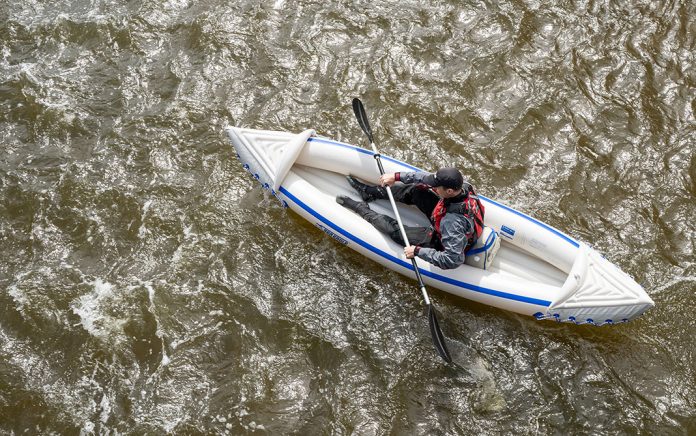
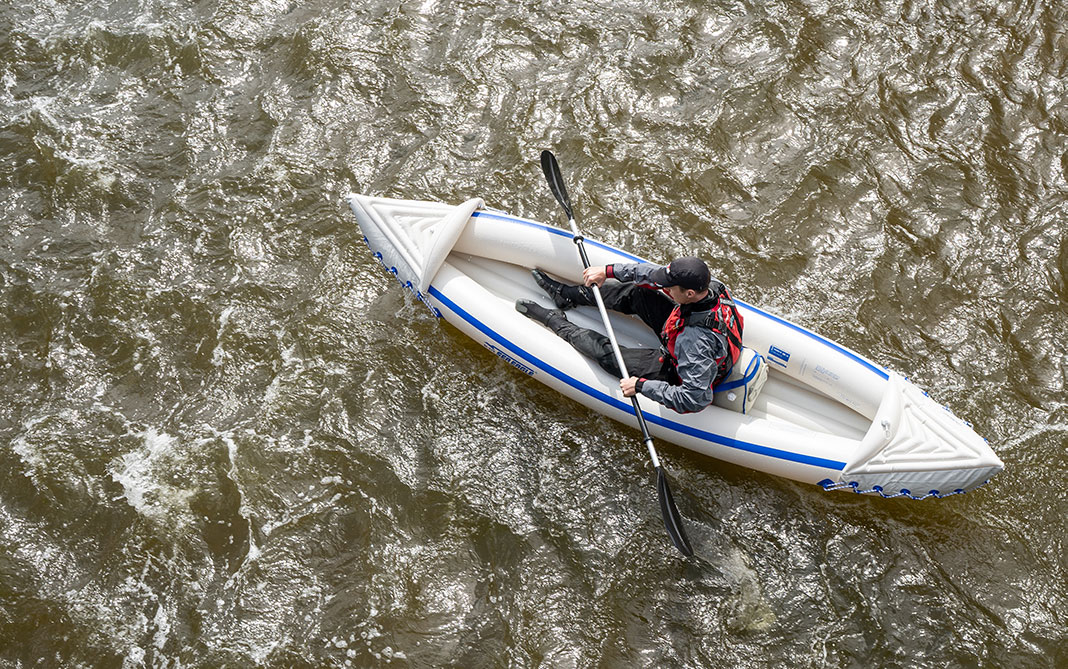
Blue and white inflatable kayak, with paddler on the water
With a lightweight design and efficient hull shape, the Sea Eagle 370 is easy to handle for paddlers of all abilities. | Photo: Colin Field

When I think of canoes, I think of the traditional wood-canvas Prospectors straight out of a Tom Thomson painting. Of kayaks, I imagine handcrafted composite hulls built on Greenlandic lines in an Old World workshop. So, I had to park my prejudices to review the Sea Eagle 370, an inflatable PVC two-seater that retails starting at $349 USD. I also had to deflect several derisive remarks from snooty companions referencing mail-order catalogs. After all this, the Sea Eagle 370 went on to make Paddling Mag’s list of best kayaks.

On the water with the Sea Eagle 370

Sea Eagle 370 Specs
Length: 12’6”
Width: 34”
Weight: 32 lbs
Packed size: 31” × 19” × 8”
Capacity: 650 lbs
MSRP: $399 USD (Pro Package)
www.seaeagle.com

The catalog business is, in fact, where Sea Eagle proudly got its start way back in 1968, supplying retailers like L.L. Bean and Sears & Roebuck with a $99 inflatable called the Pyrawa closely resembling today’s 370. Sea Eagles went on to cruise the length of the Mississippi and float expeditions worldwide, including the first descent of China’s upper Yangtze River. By 2015 the Long Island-based family business estimated it had sold more than 250,000 boats, which by numbers alone should trump anyone else’s definition of a proper kayak.

Comparison is not only the thief of joy, as Theodore Roosevelt said. It is also the downfall of the snob because my suspicion of the Sea Eagle’s pedigree caused me to stick it in a corner of my garage until test day and completely forget to look up the set up instructions or the instructional video. And then one sunny afternoon found me on a riverbank surrounded by loose valves, plastic bags, an expanse of vinyl and sections of paddle feeling like a complete novice fool.

Set up in less than 10 minutes

Fortunately, the Sea Eagle is very forgiving. The included foot pump plugs into each of the five screw-in one-way valves—three for the main hull chambers and one for each inflatable spray decks—one at a time, starting with the floor. The Sea Eagle 370 inflation pressure of 1.1 psi is easily achieved with the foot pump and measured on the tubes using the included visual ruler. My improvisational approach ate up several times more than the manufacturer’s claimed eight-minute inflation time. Still, I was rather chuffed with how intuitive the Sea Eagle turned out to be.

Blue and white inflatable kayak, with paddler on the water
With a lightweight design and efficient hull shape, the Sea Eagle 370 is easy to handle for paddlers of all abilities. | Feature photo: Colin Field

Immediately, the inflated craft spoke to my 10- and 12-year-old kids with the marine-architectural vernacular of an oversized pool toy. Or maybe I should say jumpy castle because the two siblings, whose minds had not been preprogrammed by any notions of paddlecraft hierarchy, immediately jumped into it and initiated a game of rocking back and forth, trying to pitch each other out onto the grass.

“Can we keep it,” they asked, in a voice reserved to beg for puppies or ice cream, “Pleaaaase?” It was all I could do to get them out so I could paddle and discover how much more the Sea Eagle 370 is than just an inflatable kids toy.

I headed out solo, with just one of the two seats installed in the middle position, into some spirited spring class I and II whitewater. The Sea Eagle felt stable, dry, nimble and responsive, tracking well when ferried back and forth across the river thanks to the two molded plastic skegs and the shape of the I-beam floor tubes that run the length of the river hull to form chines.

Yet the Sea Eagle 370 also turned quickly into eddys and even responded to being put on edge like a hard chine sea kayak. In straight-ahead paddling, the side pontoons almost sit above the water, making a narrower waterline for good speed, and only really engage in waves, under a heavy load, or when tilted into the water to help carve a turn. The Sea Eagle 370 tracks and turns much like a narrower rigid-hull sea kayak of the same length.

Remarkably stable and durable

After scraping and bouncing over a few rocks and being dragged upriver for a bit, the K80 PVC hull showed no signs of wear. Sea Eagle rates the Sea Eagle 370 for whitewater up to class III. The lack of self-bailing valves might be a problem in bigger water, but since the single stern drain plug sits mostly above the waterline, it could function as a self-bailer in the right conditions.

A few days later my family headed to the beach. Out of a suburban garage quiver of carbon fiber paddleboards, a Kevlar canoe and one fancy British sea kayak (with a total value equaling the GDP of a small island nation), I’ll give you one guess as to which craft made the cut. You could almost hear the heathen cry of the Sea Eagle, like the voice of Buzz Lightyear to the highfalutin toys that got left behind: So long, suckahs!

My second inflation attempt came in close to 15 minutes. With the optional electric DC pump plugged into my van, I might have achieved the suggested eight. At the beach, the Sea Eagle became a play platform. Although much more susceptible to wind, the Sea Eagle beats any other kayak for sheer unsinkability. My attempts to wash the sand out by filling the hull with water completely failed because there was nothing I could do to submerge it. Even after turning it upside down, I’d flip it back over to find nary a drop in the cockpit—a safety bonus in any potential capsize. What water does splash in disappears below the beams in the floor, leaving the paddlers high and dry.

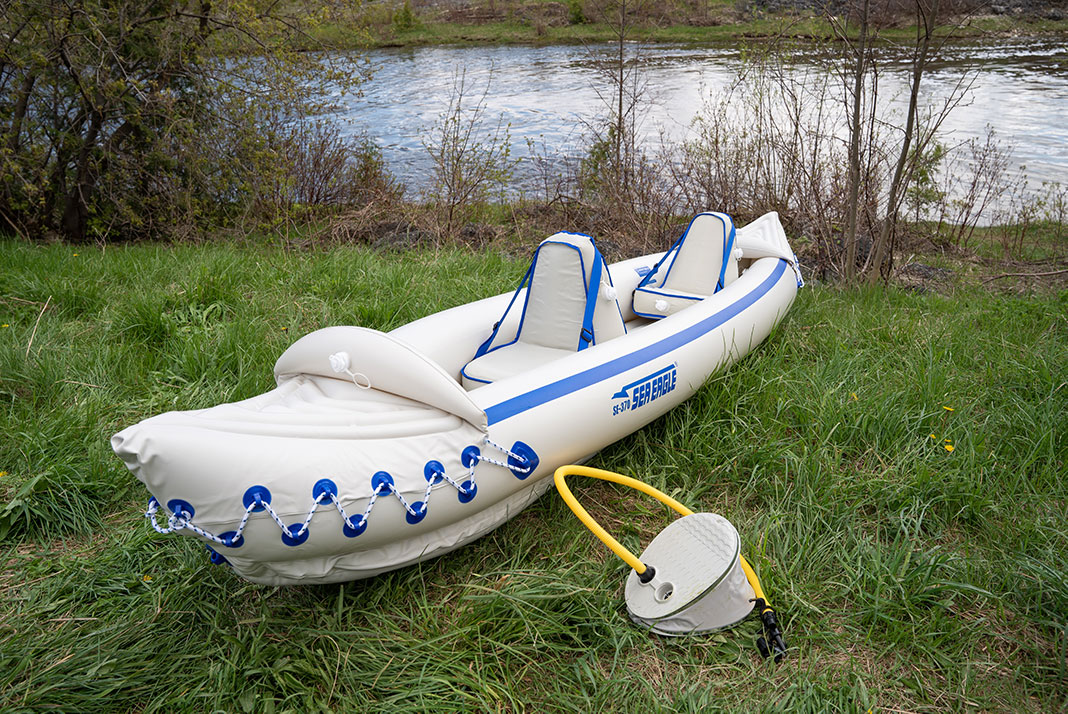
White and blue, tandem inflatable kayak with foot pump sitting on grass beside river.
The bow and stern spray decks inflate to provide added buoyancy and help shed waves. They’re lashed onto the deck with ropes that double as safety grab lines and a place to tie gear. There is also a plastic-molded attachment for a bowline. | Photo: Colin Field

The Sea Eagle 370 deflated quickly and was easy to fold and stow in the included carrying bag, which is big enough to fit all the accessories, including pump and paddles. The Pro package is priced at $399, which is excellent value and includes all accessories. While pricier than some other inflatable brands like Intex, Sea Eagle offers greater carrying capacity and a venerable history as a specialty watercraft manufacturer, all backed by an included three-year or optional six-year warranty.

For rugged touring adventures in a Sea Eagle inflatable, consider the more robust Explorer series. The Sea Eagle Explorer 380x is the same size as the Sea Eagle 370 but has an additional 100 pounds of capacity, a removable high-pressure drop stitch floor, self-bailing valves, and a 1000 Denier reinforced hull rated for a motor mount and whitewater up to class IV. But at a very affordable price point, with a generous bundle of accessories and features suitable for most recreational uses, the Sea Eagle 370—or its shorter sibling, the Sea Eagle 330—is a perfect introduction to the world of inflatable kayaks.

With a lightweight design and efficient hull shape, the Sea Eagle 370 is easy to handle for paddlers of all abilities. | Feature photo: Colin Field


“Rowdy Lines And Close Calls”: Aniol In Norway (Video)

Whitewater athletes Gerd and Aniol Serrasolses, Matias Wegger, David Vory, Dagg, Robert Eggleston, George Snook recently returned from a “rowdy” trip to one of the world’s best whitewater playgrounds; Norway.

In an Instagram post, Aniol Serrasolses commented: “I’m so happy I got to travel to Norway this summer! Definitely one of the most beautiful countries in the world to go kayak.”

Check out this latest edit from the Serrasolses brothers and witness some of the world’s best whitewater athletes tackle the steep, intimidating and pushy waters of the land of the midnight sun.

Q&A With Legendary Kayaker Paul Caffyn

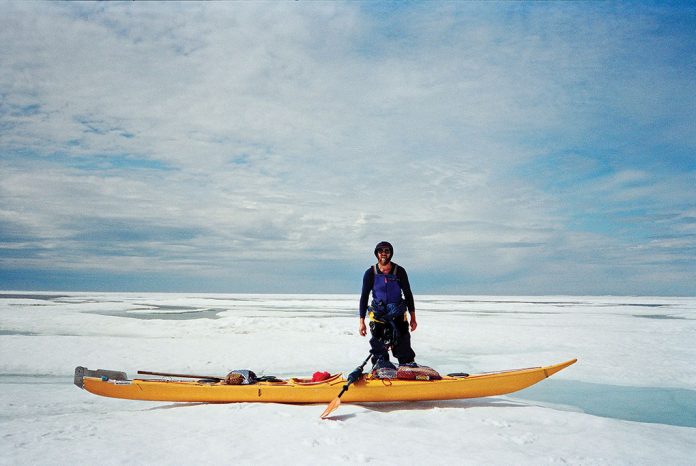
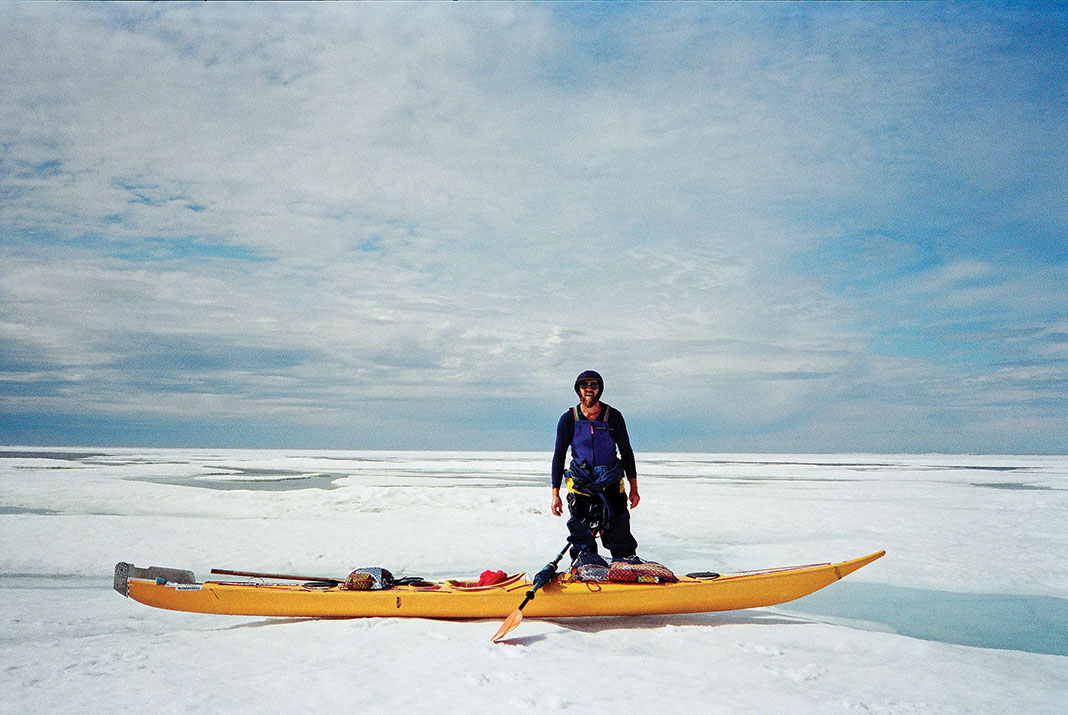
Man standing beside yellow sea kayak on snow.
Caffyn during his 4,700-mile Alaskan epic. | Photo: Paul Caffyn Archives
Read more profiles
Amy & Dave Freeman
Nouria Newman
Frank Wolf
Jon Turk
Cliff Jacobson
Justine Curgenven
Mike Ranta
Ben Stookesberry

After decades of exploring, where do the boldest sea kayakers, whitewater boaters and canoe trippers fantasize about paddling? That’s the question that inspired Paddling Magazine to query some of our long-time contributors and favorite nomadic aquaphiles to ask after their dream destinations, most challenging expeditions and what a life of exploration really means anyways.

In this series of profiles, these exceptional water-wanderers share their top trips, best advice and biggest blunders. And whether their ambitious journeys were taken in the name of discovery, education, environment or glory, these legends affirm what we already know: There’s far more to explore by paddle than anyone could fit in a lifetime—but don’t let that stop you from trying.

[ Plan your next adventure with the Paddling Trip Guide ]

Paul Caffyn’s 1982 circumnavigation of Australia is one of the most remarkable journeys ever taken. Challenged by surf, cyclone and 100-mile-long stretches of cliffs, the 9,420-mile epic spanned 360 days. Caffyn also paddled around Japan, Great Britain, New Zealand and the entire 4,700-mile coastline of Alaska, challenging the limits of what was thought possible with a double blade. And all without the aid of GPS.

Location: South Island, New Zealand
Latest Project: Caffyn worked as a mining geologist until he retired in 2002. Earlier this year, he co-authored The Search for the Deepest Hole in the World, a history of deep caving expeditions in New Zealand, Australia and Papua New Guinea (you can find out more from his website).
Man standing beside yellow sea kayak on snow.
Caffyn during his 4,700-mile Alaskan epic. | Photo: Paul Caffyn Archives

Q & A with Paul Caffyn

1One destination I dream of returning to is…

the east coast of Grønland. This location captivates me because of the dynamic, unforgiving coastline, with thousands of years of maritime history.

2One trip I dream of paddling but haven’t yet is…

the Northwest Passage from Inuvik east to Greenland. This trip excites me because it feels like unfinished business.

3My biggest pet peeve is…

getting my feet wet in icy seas and river delta mudflats.

4One thing I can’t live without is…

my two-piece, lightweight carbon fiber paddle.

5The greatest advice I ever got was…

“stay seated for the entire performance,” and that was from Australian veteran paddler Crocodile Winky (David Winkworth).

6

The kayaks I’m paddling most right now are…

my red Kevlar Nordkapp and a wave ski.

7

The best paddling companions are…

the best of mates, even when not paddling.

8

My biggest blunder was…

misjudging a late evening surf landing onto what looked like a sandy beach but was a boulder beach guarded by bumper dumpers. The result was a full loop, smashed helmet, a tooth through my lip, and serious cracks by the kayak bow. I learned never be impatient when faced with a surf landing.

9

The hardest part about making that dream trip happen is…

getting a good mate to share the ups and downs.

10

Happiness is…

a bowl of hot sweet tea brewed over a driftwood fire after a big challenging day.

11

My most challenging expedition was…

around Alaska and it taught me how to paddle and navigate in icy seas.

Caffyn’s 1989-91 solo paddle around Alaska was a 4,700-mile odyssey (you can read about it here). He set out from Prince Rupert, British Columbia, and paddled to Inuvik on the Northwest Territories’ Arctic Coast. Initially conceived as a single-season trip, the Exxon Valdez oil spill in Prince William Sound in 1989 forced Caffyn to stop at the north end of Alaska’s panhandle, and the journey was recast into two more summers. The trip included pre-GPS fogbound crossings, sea ice, storms of Alaskan magnitude and a bear-shredded tent.

12

What scares me most is…

the stuff I had not planned for or visualized.

13

My favorite camp meal is…

Pasta with lumps of bacon ends.

14

The true gift of big trips is…

experiencing nature as it was before humans buggered stuff up.

Paddling Magazine Issue 63 | 2021 Paddling Trip Guide Cover

This article was first published in Paddling Magazine Issue 64. Subscribe to Paddling Magazine’s print and digital editions here, or download the Paddling Magazine app and browse the digital archives here.


Caffyn during his 4,700-mile Alaskan epic. | Photo: Paul Caffyn Archives

Getting To Know The Parts Of Your Kayak

Person paddling a sea kayak
From scuppers to bulkhead, there may be some terms you've never heard before.

Every sport has its jargon, and kayaking is no exception. The parts of a kayak have specific names and it helps to learn them as you’re exploring the world of paddlesports. Some words will likely be familiar to you because they’re borrowed from general nautical terminology. Others may be new or confusing. Either way, learning a few kayak-specific terms will help you as you navigate the many different types of kayaks and their options.

Basic parts of a kayak
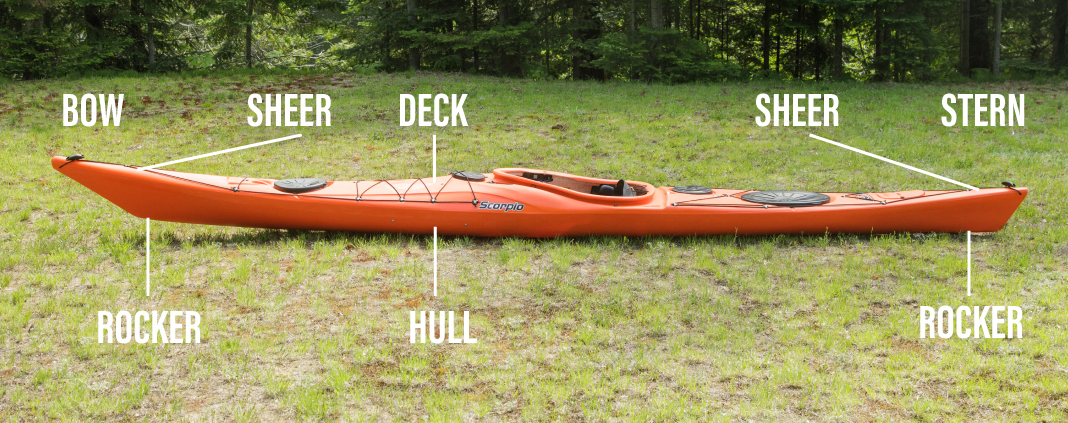
Side view of a sea kayak on the grass - kayak parts diagram.

Bow

The front of the kayak.

Stern

The rear of the kayak.

Deck

Top side of the kayak.

Hull

Bottom side of the kayak.

Chine

Chine refers to the transition from the side of the hull to the bottom of the hull. For instance, there may be a sharp transition from the side to the bottom. This would be called a “hard chine.” Alternatively, there could be a soft transition from side to bottom of the hull. This is referred to as a “soft chine.” A kayak hull may have one chine per side or multiple chines, depending on the designer’s preferences.

Keel

The keel or keel line is the center line of the hull of the boat. If you’re looking at the hull, the keel line runs right down the middle from bow to stern.
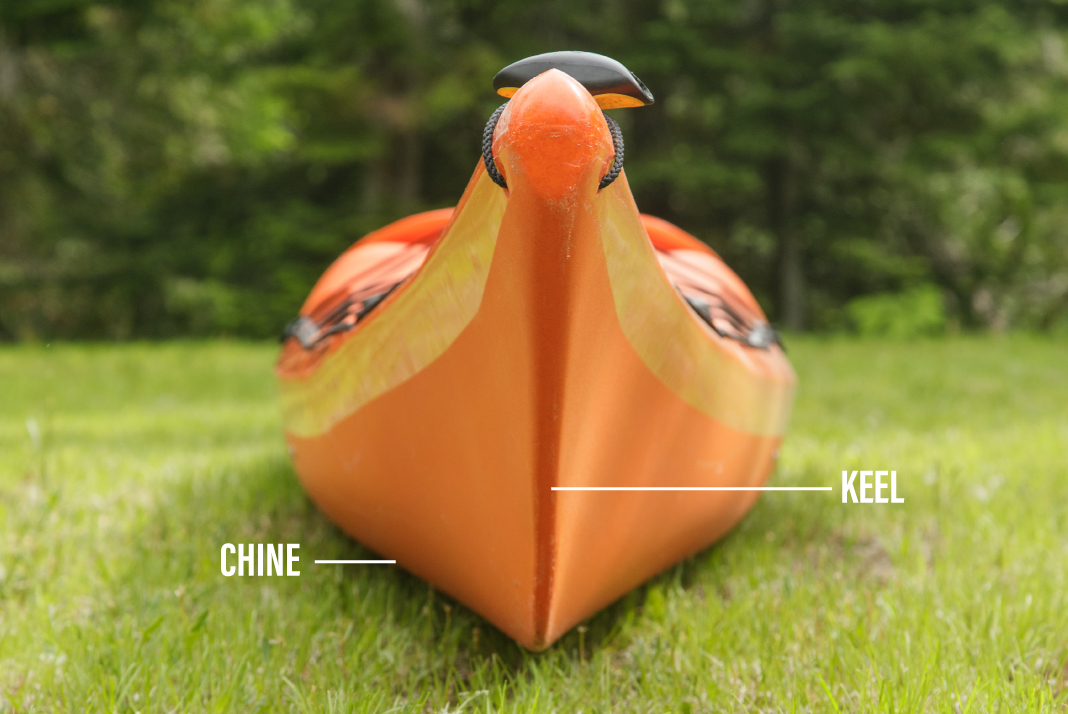
Front of a sea kayak on the grass - kayak parts diagram

Plan view

Plan view is the shape of the kayak when viewed from above or below. Some kayaks have a symmetrical plan view, others are wider toward the bow or stern.

Sheer

Sheer is the upsweep of the bow and stern above the waterline.

Rocker

Rocker is the upsweep of the keel line toward the bow and stern of the boat. A boat with lots of rocker has a banana-shaped keel line. A boat with no rocker is flat from bow to stern along the keel. More rocker makes a kayak turn easier. Less rocker improves tracking and speed.

Deck fittings

A variety of attachment points on the deck of the kayak that hold deck elastics or decklines.

Security loop

A bar or loop that can be used to lock the kayak to a rack or other secure object.

Carry handles

Handles at the bow and stern of the kayak for comfortable carrying.

Deck elastics

Small diameter bungee cord for holding maps, water bottles or other accessories on the deck of the kayak.

Seat

All kayaks have a place for the paddler to sit. Seats can be basic or elaborate. Some seats have tall backrests like lawn chairs that provide lots of back support. Others have minimal backrests that promote easy rolling and effective forward paddling.

Foot rests

Foot rests, foot braces or foot pegs give you something to push against in the kayak. This helps you sit upright and keeps your back comfortable. Foot rests also help transfer power from the paddle and paddler to the kayak.

Parts of a sit-inside kayak

Sit-inside recreational kayaks, sea kayaks and whitewater kayaks have specific parts that improve performance and comfort. Some of the most common terms for sit-inside kayak anatomy are outlined below.

Cockpit

The cockpit is the opening where the paddler sits in the kayak. Cockpit openings can be large, as in recreational kayaks, or smaller, as in whitewater or touring kayaks. Smaller cockpits provide a more secure fit for bracing and rolling. Larger cockpits are easy to enter and exit.

Cockpit coaming

The cockpit coaming or cockpit rim is the raised rim around the outer edge of a cockpit. The raised edge allows the fitting of a sprayskirt to keep water out of the kayak.

Bulkhead foot brace

Bulkhead foot braces are specialized foot rests found in whitewater kayaks. Bulkhead foot braces form a solid wall across the kayak with no space at the edges. The paddler may place their feet anywhere on the bulkhead for comfort and support. This type of foot rest offers more safety and comfort in difficult whitewater.

Hip pads

Hip pads are removable shaped pads that fit on the sides of the seat. Hip pads allow a paddler to customize the width of the seat so they won’t shift from side to side while edging or bracing. Hip pads are common on whitewater kayaks and sometimes seen on sea kayaks.

Recessed deck fittings

Recessed deck fittings are common on sea kayaks. These fittings hold deck lines or elastics, but don’t project above the top of the deck like conventional pad-eye fittings. Recessed deck fittings are less likely to bump your hands during paddling or rescues.

End toggles

Toggles stick off the end of a sea kayak and are attached with a piece of accessory cord. They’re different than carry handles, although they can be used to carry a kayak. The main purpose of end toggles is to give kayakers a safe place to hold onto their kayak should they go for a swim and need to be rescued.

Deck lines

Deck lines are rigid ropes rigged around the perimeter of a sea kayak deck. They give kayakers something to grip while emptying a sea kayak during deep water rescues.

Compass recess

Commonly found on sea kayaks. A depression in the deck for mounting a sailboat-style piloting compass.
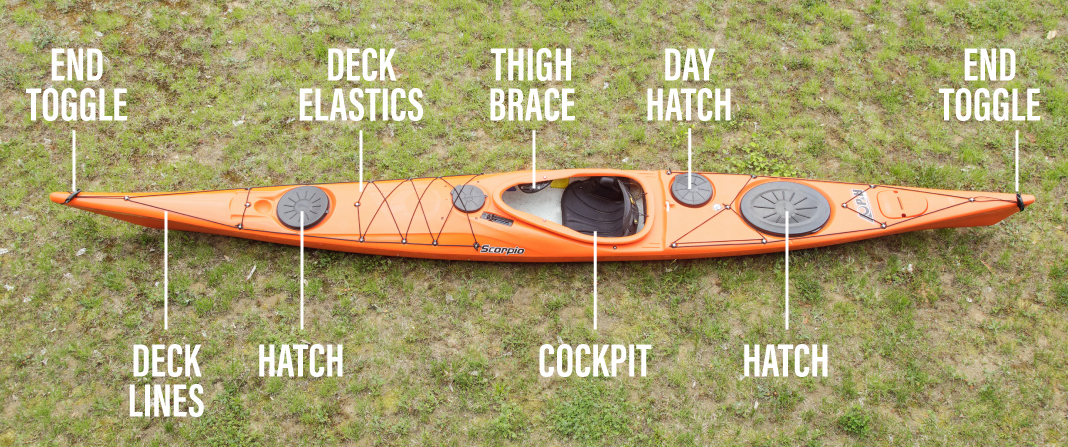
Overhead view of a sea kayak on the grass - kayak parts diagram

Retractable skeg

Retractable skegs are found in sea kayaks, hybrid whitewater kayaks and some recreational kayaks. Skegs are fins that sit in a slot in the underside of the hull near the stern of the boat. They can be dropped into the water to improve tracking.

Skeg slider

A skeg slider is mounted near the cockpit and controls how deeply the skeg is deployed into the water. Sometimes a simple rope and jam cleat.

Rudder

Rudders are used to steer kayaks and control their course in the wind. Movable foot braces control the rudder. Most rudders flip up onto the deck for launching and landing. Common on sea kayaks.

Rudder uphaul

A rudder uphaul is a rope or lever used to pull the rudder up or down for launching and landing. Mounted near the cockpit.

Backband

A backband is a low backrest common in whitewater kayaks and some sea kayaks. A backband helps you sit upright in the kayak without interfering with upper body rotation during paddling.

Bulkheads

Bulkheads are walls inside the kayak that separate the cockpit from the rest of the boat. Bulkheads create buoyancy and dry storage space inside a kayak. They also keep water from sloshing all the way from bow to stern during a rescue. This last feature of bulkheads makes them an important safety feature in sea kayaks.

Hatches

Hatches are openings in the deck of a kayak that allow you to access the dry compartments formed by bulkheads. Hatches come in a variety of sizes and some are drier than others. Dry hatches are an important feature in sea kayaks.

Day hatch

A day hatch is a small compartment located directly behind the cockpit of a sea kayak that can be accessed by the paddler while on the water. The compartment is formed by adding a third bulkhead that separates the day hatch from the main stern flotation chamber. This prevents the stern of the boat from flooding if the day hatch takes on water while opened.

Thigh braces

Thigh braces are fitted under the deck of a kayak near the cockpit rim. These contoured brackets allow a paddler to securely grip the kayak with his thighs and knees. Secure contact from thigh braces is essential for rolling and bracing. Thigh braces are found on whitewater and sea kayaks.

Paddlefloat rigging

Some sea kayaks have special rigging on the back deck behind the cockpit to securely lash a paddle. This rigging is frequently used to facilitate self-rescue with a paddlefloat, which is placed on the extended end of the paddle to serve as a stabilizing outrigger.

Parts of a sit-on-top kayak

Sit-on-top kayaks are different from sit-inside kayaks in some key ways. Instead of sitting inside the kayak in the cockpit, the paddler sits on top of the deck. The deck may have hatches to access internal storage, but this storage space will be more limited than that found in a sit-inside kayak of similar size. Sit-on-top kayaks are popular for fishing and many angling specific features are common on these designs.

Find out about the kayak components specific to sit-on-tops below.
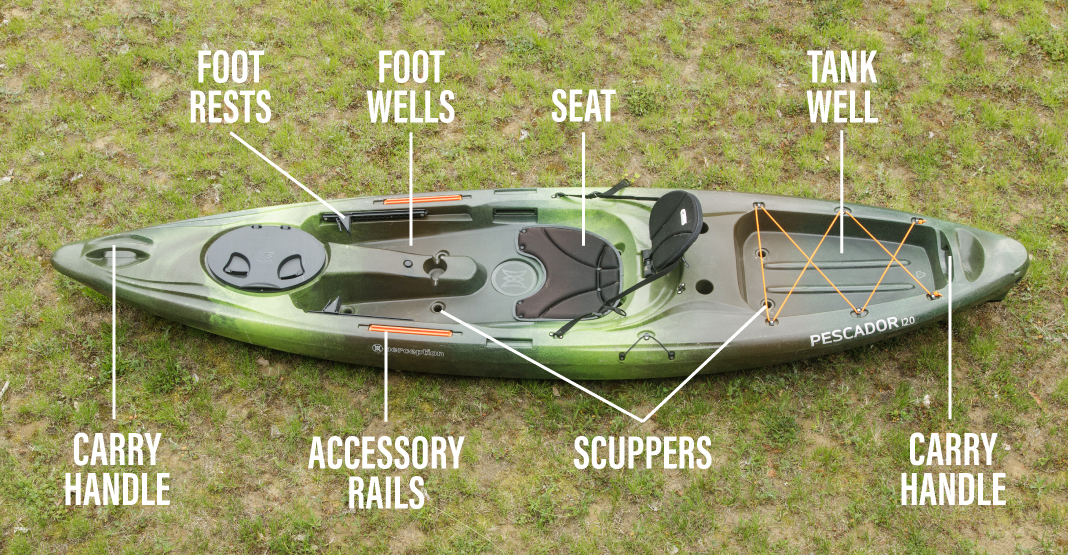
Sit-on-top kayak from above - kayak parts diagram

Scuppers

Scuppers are holes that go from the deck of a sit-on-top kayak through the hull. They’re sealed so water can’t enter the inside of the hull and allow any water that splashes onto the deck to drain back out of the kayak. Scuppers do allow water back up into the kayak from below, so in cold water some paddlers choose to close them with scupper plugs.

Footwells

Footwells are molded foot braces found in basic sit-on-top designs. A series of bumps are molded into the deck of the kayak and the paddler chooses the one closest to their preferred foot position.

High-low seat

Found on many fishing kayaks, high-low seats allow the paddler to position the seat higher or lower above the water. The high position is favored for fishing, while the low position offers better stability in rough water.

Pedal-drive

Some sit-on-top kayaks feature a propeller or flipper-style pedal-drive that allows the paddler to propel their craft using their legs rather than a paddle. Pedal-drives can be removed from the kayak for transport or conventional paddling.

Rod holder

Many kayaks have molded-in rod holders that allow you to slide the butt of your fishing rod into a recess in the deck of the kayak.

Accessory rails

Accessory rails are common on fishing kayaks. They allow for easy customization for the kayak angler who wishes to add rod holders, fish finders and other accessories to their kayak.

Tankwell

A tankwell or deckwell is a depressed area in the deck of the sit-on-top kayak near the stern. A true tankwell is molded to fit a scuba tank, but many wells are configured to fit fishing accessory crates or large drybags.


 

Inflatable Paddleboard Review: Red Paddle Co 11’3” Sport

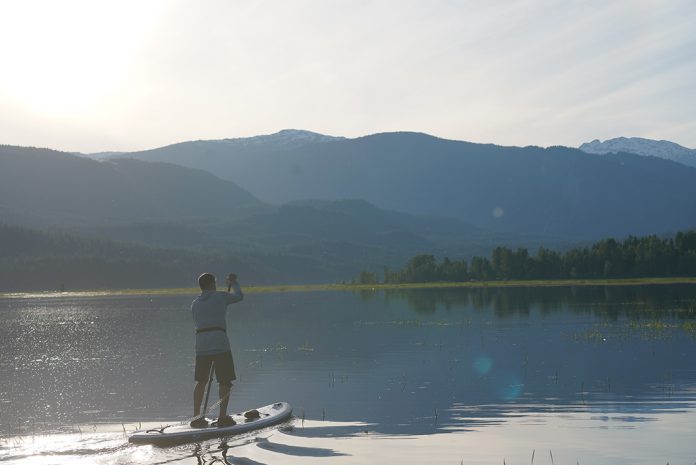
Man paddling toward mountains on paddleboard
The step-up you didn’t know you were ready to take. | Photo: Scott MacGregor

Red Paddle Co describes their updated 11’3” Sport as the perfect step-up from an all-rounder. Those are big shoes to fill since Red Paddle’s all-arounder for the under 240-pound crowd is their best-selling and awarding-winning Ride 10’6”.

On the water with the Red Paddle Co 11’3” Sport

Red Paddle Co 11’3” Sport Specs
Length: 11’3” 
Width: 32” 
Thickness: 4.7” 
Volume: 260 L 
Weight: 22 lbs
MSRP: $1,729
Construction:
MSL Fusion Technology
redpaddleco.com

When Red Paddle Co says it’s a step-up, they don’t mean in quality. More on that later. They mean in performance. And by performance, they mostly mean speed. The 11’3” Sport falls comfortably between their do-it-all all-rounders and their narrower and faster specialty Elite racers. So, it falls right where I tell most of my friends they should look.

While Red Paddle’s 11’3” Sport borrows some design features from the Ride all-rounder, like its 32-inch width for stability, its sleeker profile and drawn-out nose is a giveaway that it’s home in a touring lineup of boards for paddlers wanting to go places.

When I first took the 11’3” Sport out for a test spin, it was early in the season. Some of my local paddling spots were still covered in ice. So, I did what every cold water paddleboarder would do. I blew it up in the comfort of my living room.

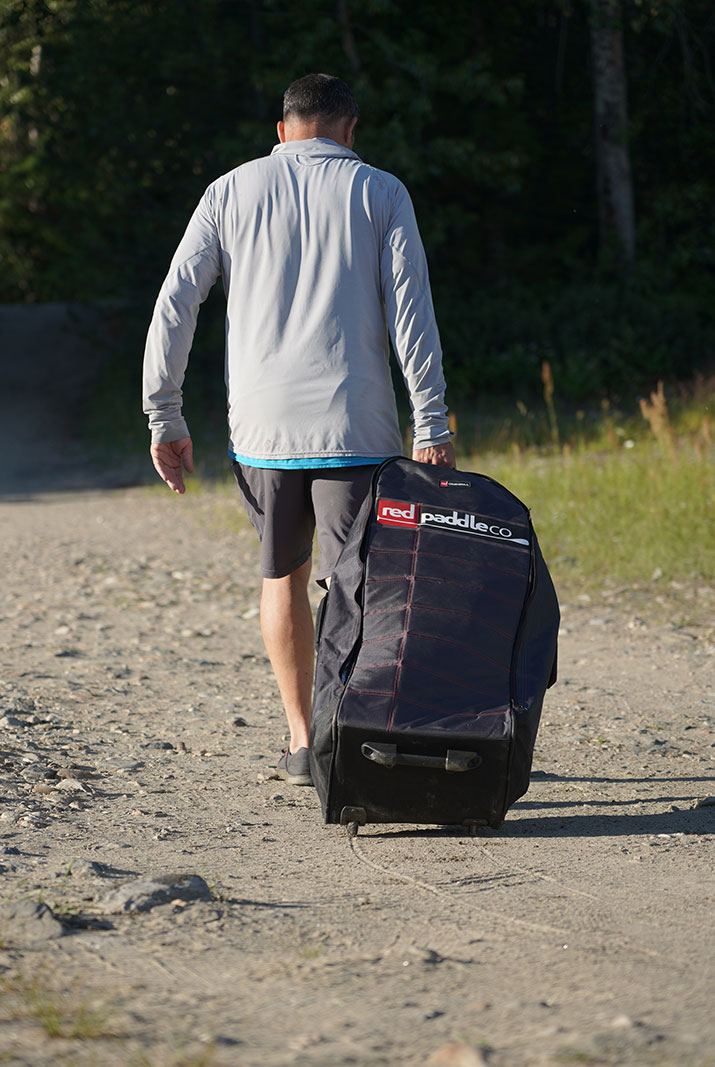
Like many Red Paddle Co customers, I received the inflatable 11’3” Sport delivered to my door. Of course, the first piece of gear everyone sees during the unboxing is the All Terrain Backpack. Red Paddle takes first impressions seriously.

This isn’t your standard run-of-the-mill inflatable SUP bag. The premium backpack is foil-lined and constructed with durable 800 denier-reinforced nylon cloth and stitched together with sail thread. Comfortable handles and sturdy wheels make rolling this board around easy. Or, for uneven terrain, the built-in Sherpa Carry System unfolds into a comfortable backpack harness. It feels a bit silly to be so impressed with the wide shoulder straps and the extra cushioning for my lower back. But, if the whole point of inflatable boards is portability, then make it as cushy as possible getting to the water’s edge.

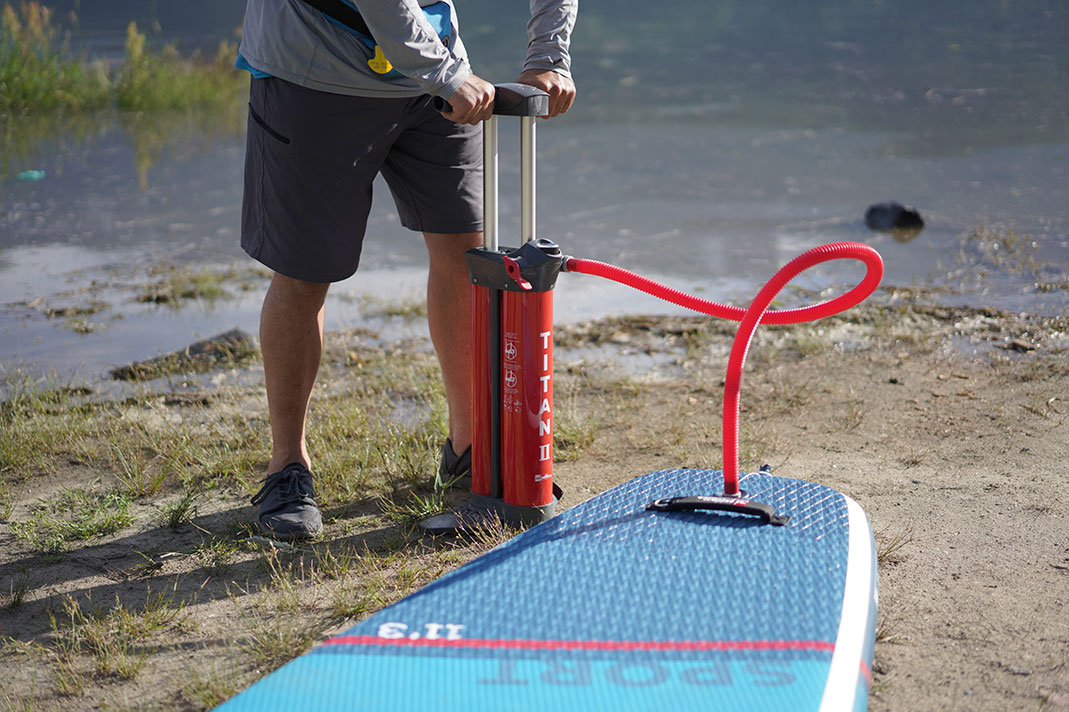
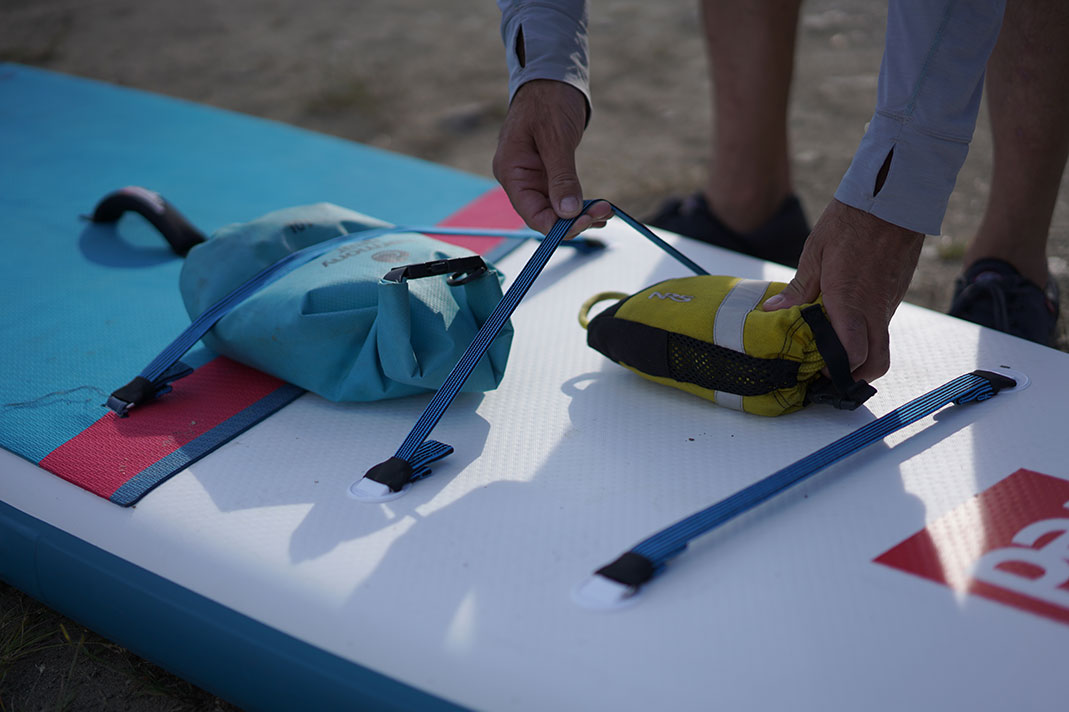
Many inflatable paddleboards come as packages, which is especially great for new paddlers. In the bag comes the 11’3” Sport, fin, safety leash, paddle and pump. And not just any pump.

“Too big and clunky,” I’ve heard people say about the Red Paddle Co pump, usually from competitors. The Titan and newly updated Titan 2 is entirely different from other inflatable SUP pumps on the market.

Also, take a look at our article on the best electric SUP pumps.

The Titan Pump was the first dual-action chambered SUP pump, the two chambers push maximum air volume and pressure into the board saving effort and time. Time is money, they say. Red Paddle updated the Titan for 2021. Now the Titan 2 has a removable handle and foldup feet, and it takes up 30 percent less space in the bag. More room for my paddling gear.

While no inflatable board will ever be as rigid as a hard board, the 11’3” Sport at the recommended maximum inflation pressure of 22 psi feels darn close.

Man rolling black bag on dirt road.
Whether you roll it or carry it, the All Terrain Backpack isn’t your standard inflatable SUP bag. | Photo: Scott MacGregor

Unique to Red Paddle’s Sport series is the Rocker Stiffening System or RSS. Partway through inflation, glass fiber battens are slid into pockets laminated on each rail of the board. These glass fiber struts provide more rigidity reducing the amount the board can flex. Clever.

So, my drysuit and I found a small, sheltered pond as there was strong winds and whitecaps at my usual paddling spot. I was impressed right away by how stable and not edgy the 11’3” Sport felt. The extra stiffness of this board due to the RSS battens and higher psi do make the board feel very stiff and secure.

The 11’3” Sport feels quick. It’s not race board quick but, as Red Paddle claims, is a notch up from an all-around board and not intended to be a racer. It does feel fast for a board of this length, perhaps due to what Red Paddle calls their Speed Tail innovation. New for 2021, this rubberized edge on the tail is designed to help with water release to increase speed. I also noticed this board tracked well, aided by a single FCS 12-inch touring fin to keep it on course.

Having worked retail and as a sales rep for another inflatable board brand, I spent years explaining the differences between department store boards and specialty brands. Not an easy task. On the outside, boards can look very similar.

Man's feed on standup paddleboard with paddle posed to enter water.
Speed and performance in a user-friendly package.| Photo: Scott MacGregor

Red Paddle’s production process has solidified the brand as one of the leaders in this crazy, highly competitive inflatable paddleboard market. Each Red Paddleboard is built in their own facility. Where, we asked. They wouldn’t say. Except to say theirs are the only boards built there. Red Paddle also said it takes a whopping 72 hours to construct each board, which is more than 10 times the industry average.

Why so long? Red Paddle manufactures its boards using their own patented Monocoque Structural Laminate Fusion technology. Instead of simply coating an interior surface with liquid PVC to make an airtight surface, Red Paddle uses an adhesive to coat the interior, exterior and the threads of its reinforced drop stitch core to seal and bond. A layer of high-density structural PVC is then machine laminated to this adhesive layer. It’s more time-intensive, but Red Paddle says it creates an extra-stiff board and a lighter board too, shaving off more than four pounds from the average weight of a similarly sized inflatable board. And we have to trust them because it’s all on the inside we’ll never see.

I think too many new paddleboarders get talked into all-rounders. Sure, they may surf it once in a while, but probably won’t living days from the ocean like me. Red Paddle’s 11’3” Sport is the next step up in performance, but a step you could make initially. Why not? Almost all the stability with the bonus of more glide. Who wouldn’t like to cover more water with less effort? Maybe do some cross-training or an overnighter. When you do buy a racer, the solid build of the Red Paddle Co. 11’3” Sport will be in great shape and easy to sell. But you probably won’t sell it.

Related articles

Inflatable paddleboard reviews

Paddling Magazine Issue 63 | 2021 Paddling Trip Guide Cover

This article was first published in Paddling Magazine Issue 64. Subscribe to Paddling Magazine’s print and digital editions here, or download the Paddling Magazine app and browse the digital archives here.


The step-up you didn’t know you were ready to take. | Feature photo: Scott MacGregor


Giant Whales Swim Within Touching Distance Of Paddleboarders (Video)

An incredible moment was captured on camera in late August in Puerto Madryn, Argentina. A pair of recreational paddleboarders were approached and circled by two large Southern right whales.

The whales were, quite literally, within touching distance of the paddlers. The video shows the impressively-sized animals gently tapping on the paddleboards with their fins. Photographer and paddler Maxi Wells said conditions were “perfect” for capturing the unique event.

Despite capturing some undeniably impressive footage, it is important for paddlers to note that whale watching regulations require boaters/paddlers to keep a minimum 200 meters away from killer whales and 100 meters away from all other whales at all times.

Responsible paddlers endeavor to follow these rules, and rare exceptional encounters do not represent a typical paddling experience.