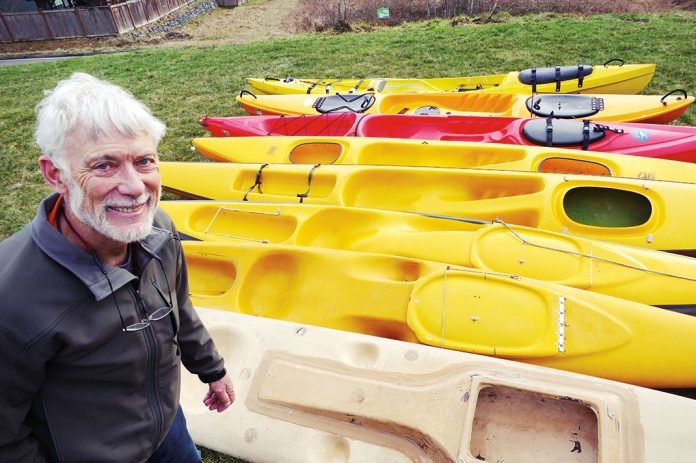
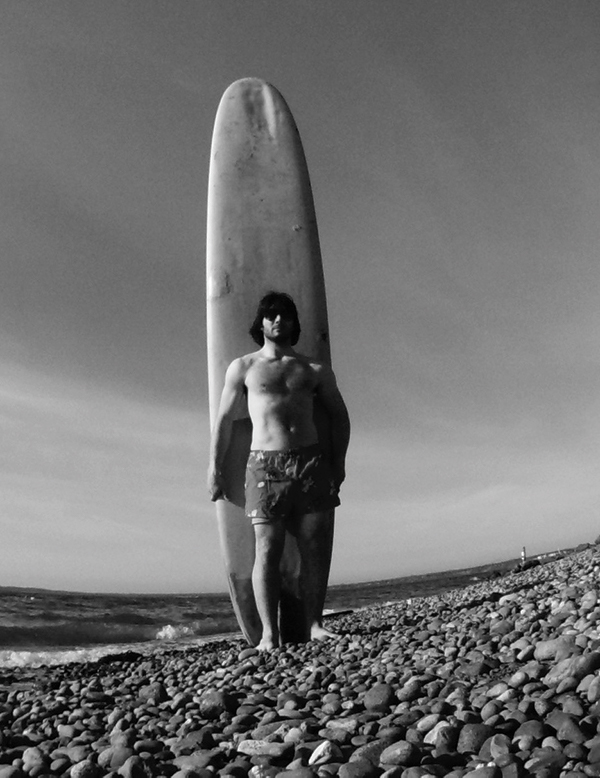
Tim Niemier sees no end to the growth of paddlesports, and after a few minutes soaking in the legendary waterman’s aura you wouldn’t either. The 70-year-old serial innovator’s life goal is to “put a billion butts in boats,” and since carving one of the world’s first sit-on-top kayaks out of an old surfboard in the late 1960s, he’s done as much as anyone to bring that vision to life. Niemier forged a lucrative design career while staying true to his beach bum roots, though he left his native Southern California for the Pacific Northwest decades ago.
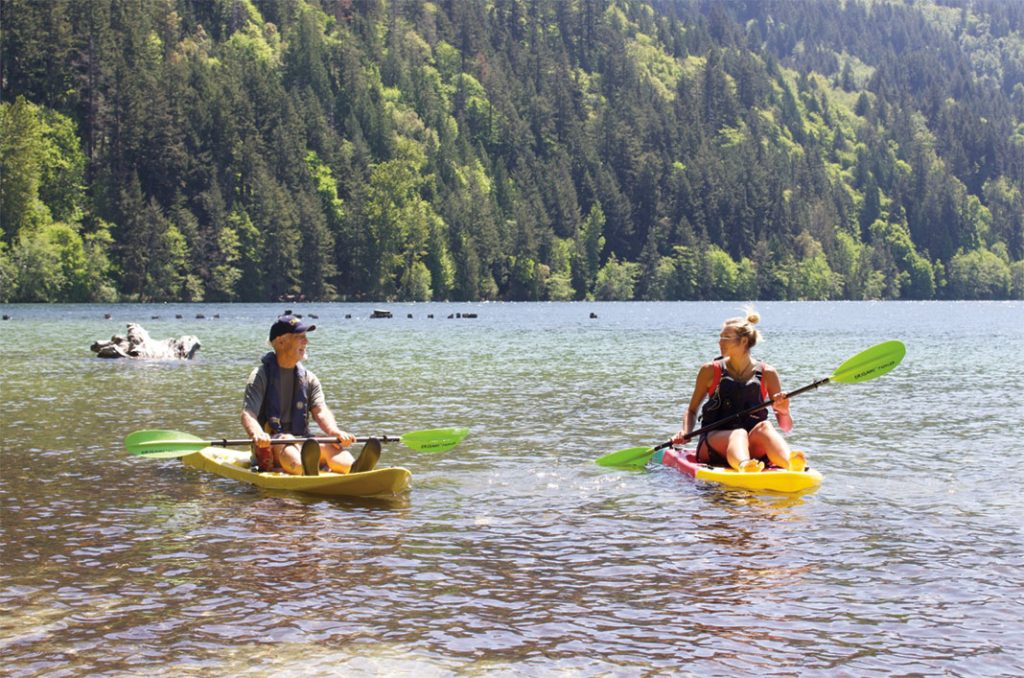
His latest brainstorm is the Origami Paddler, a packable hard plastic watercraft he calls “the world’s first folding standup paddleboard and kayak in one.”
Judging by the response to his July 2020 Kickstarter campaign—it raised more than $3.8 million—that’s just what people had been waiting for, whether they knew it or not. This has always been Niemier’s particular brand of genius. For five decades now, he’s been radically rethinking paddlecraft to appeal to the masses. And while he hasn’t put a billion butts in boats (yet) he’s arguably done more to grow the sport than anyone.
Photo: Courtesy Tim Niemier
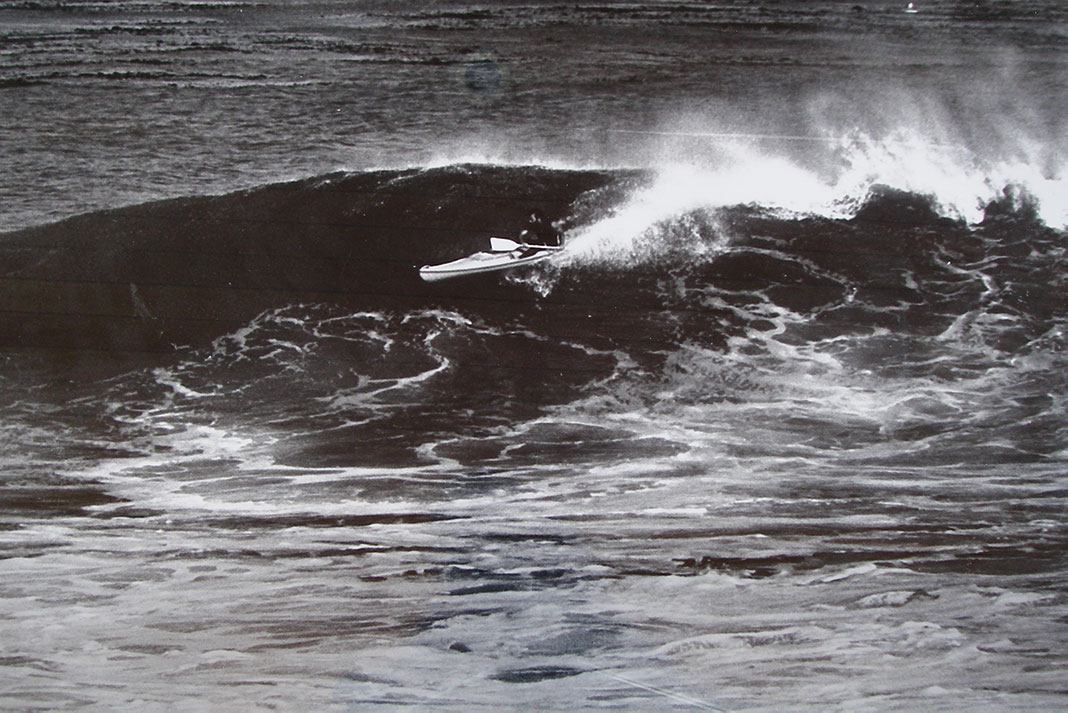
Every sit-on-top kayak in the world shares DNA from Niemier’s original Ocean Kayak, the evolution of that first carved-out surfboard, which Niemier began producing in molded polyethylene in 1978. The company’s Scrambler and Malibu became some of the most popular kayaks of all time. They fueled a recreational paddling boom, filled liveries worldwide and ultimately gave birth to kayak fishing as we know it today. Niemier eventually opened factories in Hawaii, California, New Zealand and France, defying predictions demand for kayaks would soon be satiated.
In those early days he watched as one of his dealers in Santa Barbara grew kayak sales from 114 the first year to “200 or 300” the next. “It was the opposite of saturated. It caught fire. Everybody would see these things on top of the cars, and other kayak companies would sell more there too,” says Niemier, who sold Ocean Kayak to Johnson Outdoors in 1997. His bet on sit-on-top kayaks paid off handsomely, and it’s still paying. While some sectors of the
sport have slowed, recreational kayaking continues to grow, driven by accessible designs at affordable prices.
Photo: Courtesy Tim Niemier
Photo: Courtesy Tim Niemier
“I’ve always said there’s 10 times more beginners with not very much money than the 10 percent that have a lot of money,” Niemier says. He recalls an event in Seattle where high-end kayak and paddleboard companies would demo their wares. The vendors would set up on the beach, where they were outnumbered by folks in price-point boats.
“They brought a lot of cheap kayaks that they would get at Costco, Walmart or someplace. It was interesting because all of the kayaks and paddleboards for the event were more expensive, like $1,000 and up. But the people who were there on the beach—the people actually using the beach—were in less expensive boats,” Niemier says.
“People want to get on the water, and a lot of them don’t have much money. That’s the beauty of kayaks,” Niemier says. “They’ve always been the least expensive way of getting on the water.”
To be sure, Niemier isn’t only interested in less expensive boats. He recently caught the surfski bug at his home waters in Bellingham, Washington, and he’s been working on a plastic rendition of the Malibu outriggers he grew up with—a Polynesian-inspired sailing canoe that can be paddled, sailed or motored. The design appeals to folks with a rare set of skills and a few thousand dollars to spend.
Photo: Courtesy Tim Niemier
With the Origami Paddler, though, Niemier is back to his old butts-in-boats formula of accessibility and price. Packable paddling options like packrafts and frame kayaks are continuing to gain market share, as people living in urban areas without garages and big vehicles seek ways to get out on the water. The Origami Paddler meets this audience with a versatile craft that can be used as a sit-on kayak or stand-up paddleboard. It competes on price with kayaks and paddleboards sold through mass retailers, and the setup is intuitive—the user just unfolds the three-piece hard-plastic shell and secures a few cam buckles.
The hardest part is getting one. Niemier and his business partner Paul Hoyt struggled with the Covid-related supply headaches plaguing the paddlesports industry. Boats began shipping in July, and the company is now working through a backlog peaking at more than 20,000 units.
The project may have never even come to fruition if Niemier hadn’t gone over the handlebars of his mountain bike in 2019. The crash on one of Niemier’s regular trails fractured the C2 vertebra in his neck. Laying on the ground, Niemier initially thought he was paralyzed. Sensation eventually returned but he spent three months in a neck brace. Eight months after the accident he watched the Kickstarter campaign skyrocket.
“It was a wake-up call,” he says. “All of a sudden I realized I got to live.”
Tallying his many accomplishments as a waterman and kayak designer, there’s no question Niemier has lived, and lived big. Nor has age or injury dimmed his innovative spirit. His mind continues to churn with new ideas. Currently he’s focussed on a process called thermal kinetic compounding, which he believes could make reclaimed plastics into a viable kayak material. If the technology lives up to its promise, Niemier says he’ll ultimately be able to turn plastic bottles and fishing nets into kayaks in Bellingham for less than the cost of virgin plastic boats produced overseas.
While Niemier has played a large role in bringing kayaking to the masses and made a good living doing so, the prospect of recycled kayaks—craft that connect people with oceans and rivers while also protecting those waterways in a small way—keeps the fire burning in the inventor.
“When people get in the water, they are a small part of a big picture,” he says. “It brings you into the present. Everybody could benefit from that, and it is something I personally have really liked to share.”
This article was first published in the 2022 issue of Paddling Business. Inside you’ll find the year’s hottest gear for canoeing, kayaking, whitewater and paddleboarding. Plus: Industry leaders on surviving COVID, the dirty little secret of pro deals, brand consolidation and more. READ IT NOW »
Cutting Edge: Niemier carves a SoCal bomb circa 1970. At top, he poses with the original SOT and for his 2015 biography, and paddles his next brainchild, the Origami Paddler. | Photos: Courtesy Tim Niemier
“I think we're going to make it!” | Photo: Scott MacGregor
Traveling off-road or back roads is often a necessity for paddlers to get to those hard to reach or too-far-to-walk access points. Where the pavement ends the adventure begins. These are the nine rules of shuttle driving to keep in mind next time the job falls to you.
If you have 4×4, know how to engage and disengage it. Pack along towing equipment and shovels, a cell phone, snack, buddy and comfortable shoes. Just in case.
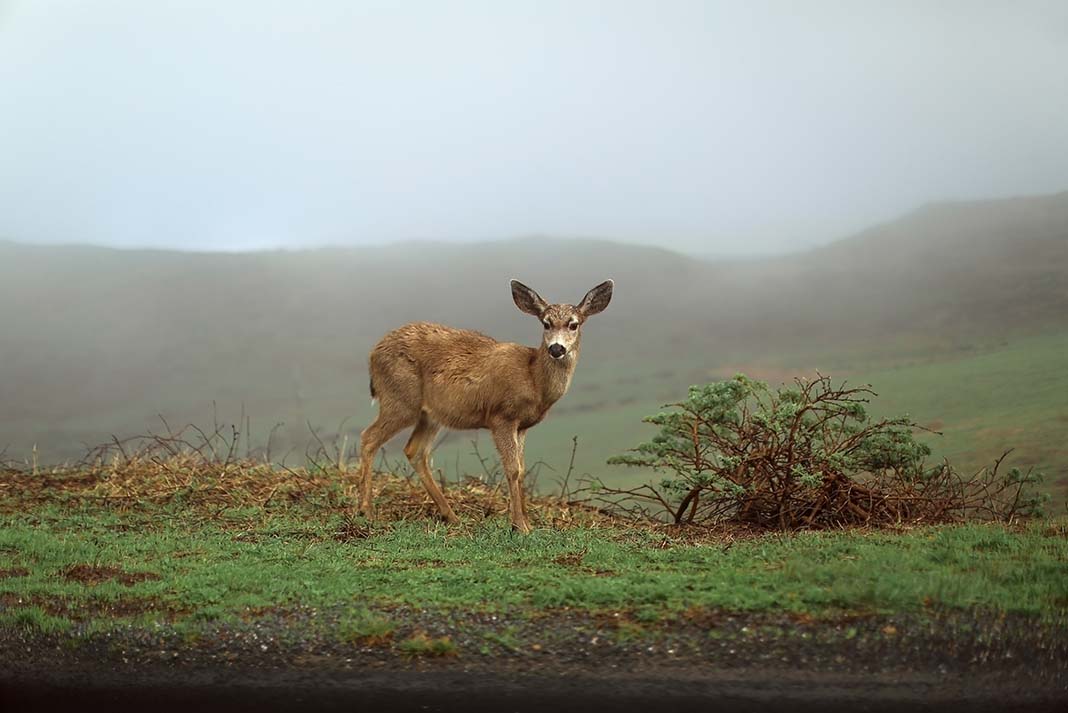
Swerve only to avoid animals that will hurt you in a collision, like moose, elk, deer and bear. | Photo: ArtHouse Studio/Pexels
2 Know When to Swerve
Swerving to avoid wild animals results in thousands of accidents each year. Swerve only to avoid animals that will hurt you in a collision, like moose, elk, deer and bear. Otherwise, wince and keep your fingers crossed for the little fellow, but motor on. Sorry, Peter Rabbit!
3 Watch for Logging Trucks
Logging operations are often the reason there’s a dirt road in the middle of nowhere in the first place. Be vigilant for logging trucks, and approach blind corners and hill tops with caution. Carry and use radios where required to do so.
4 Avoid Mud
The best way to tackle mud while driving shuttle is to avoid it. Work the edges instead of plowing through the middle. Successfully cross muddy sections by picking a straight course and entering with momentum and maintaining it. Enough so you don’t get bogged down and need to apply more power which will create tire spin, but not so much momentum you can’t maintain your desired course.
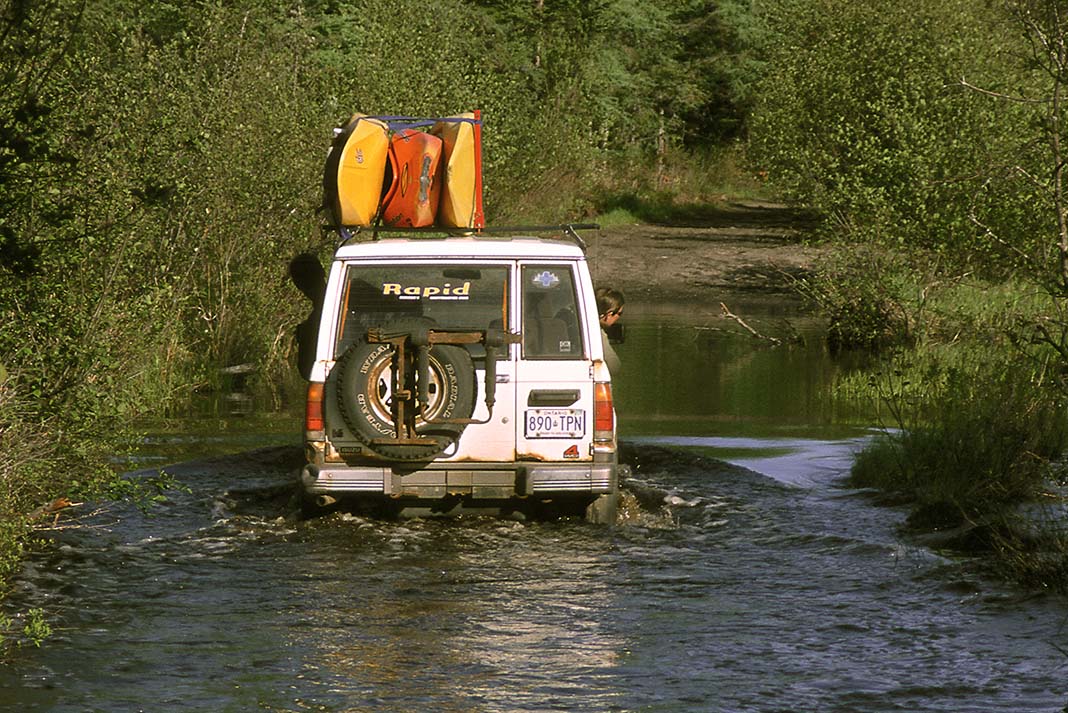
Assess water hazards by sending in a walking probe. If the water is too deep or moving too fast to send in a walker, don’t drive into it. Whether your vehicle will power through a hood-deep river crossing or get hung up in a foot-deep puddle of water is dependent on make and model, and the terrain under the water. Don’t say we didn’t warn you.
“I think we’re going to make it!” | Photo: Scott MacGregor
6 Use a Lower Gear
Attempt uphills with roots, rocks and ruts in a lower gear and lower speeds but with enough momentum to crawl from one feature to another without wheel spin. If you can’t make it without wheel spin, you should be finding another route to the river. The rule of thumb is to travel down a hill in the same gear you would use to climb it. Engage 4×4 before you begin crawling up or down.
Washboards are the most annoying shuttle road hazard. They impair steering and braking because your suspension can’t keep up to the bouncing to keep the rubber on the road. Getting one side of the vehicle to stop shuddering will double your control. Hit the washboard slightly off center so left and right wheels and front or both back wheels are not in the same rut or in the air at the same time.
8 Drive Slowly!
Exposed rocks and roots present a hazard to the underside of your vehicle. Drive slowly. Sliding over is better than smashing into. It’s okay to unload passengers for a section, taking out six hundred pounds of weight raises your clearance significantly—it’s your car, make them walk a few hundred yards.
The best way to tackle mud while driving shuttle is to avoid it. Work the edges instead of plowing through the middle. | Photo: Ahmad Syahrir/Pexels
9 Call Chuck
Call AAA or CAA and you’ll discover they do not respond to calls on non-serviced roads—roads not maintained by township or city road departments. This leaves you hiking out to find a guy named Chuck who owns a 4×4. Unlike AAA or CAA, Chuck is happy to help and requires no annual membership, but would appreciate a case of PBR on your next trip through. Chuck is, of course, all too keen to pull out dumb paddlers. Towing is the last step for all rescue protocols. Dig, push, rock it, and dig more before you let Chuck haul out the chains.
[ Paddling Buyer’s Guide: See all roof racks & trailers ]
This article originally appeared in Paddling Magazine Issue 65. Subscribe to Paddling Magazine’s print and digital editions here, or download the Paddling Magazine app and browse the digital archives here.
“I think we’re going to make it!” | Feature photo: Scott MacGregor
T he Canadian Canoe Museum (CCM) is launching the public phase of their Inspiring Canada by Canoe Campaign and asking the community to help Move the Collection by donating to move a canoe, kayak, paddle or artifact.
A new world-class Canadian Canoe Museum cannot exist without a world-class collection. And as you can imagine, moving more than 600 watercraft and 500 paddles, along with hundreds of artifacts and an entire archival library collection to a new location is no small feat.
“There is an incredible project underway behind the scenes,” explains Curator, Jeremy Ward. “Every vessel and artifact requires detailed cleaning, documentation, stabilizing, packaging, transportation, a quarantine and inspection process and installation in the new museum. Each step is crucial to preserve this renowned collection and its many stories so it can be shared for generations to come. We need your support to make it all happen.”
Earlier this fall, The Canadian Canoe Museum announced the commencement of construction of its new museum at the Johnson Property located at 2077 Ashburnham Drive in Peterborough, ON. The new museum will enable CCM to house 100 percent of its collection in a building that meets Class A conservation standards, directly on the water, which allows for increased on-water and in-person programming while being a key cultural tourism driver in what will become a vibrant community hub on the Peterborough waterfront.
“Moving the collection is a unique opportunity for the community to join us on this journey to create a nationally recognized museum and vibrant community hub. This collection enables us to work with individuals and communities across the country, from coast to coast to coast, to share their voices, perspectives, language and cultural knowledge through the museum to a wider public audience. The community has been with us through every step of the way and we know that by reaching our goal, together we can make this final portage to the water’s edge.”
If you are interested in a behind-the-scenes look at the unique challenges and surprises of moving a collection of this size, please join Curator, Jeremy Ward for a virtual tour on November 25th at 7:00 pm. Register at canoemuseum.ca/virtual-tours/
About The Canadian Canoe Museum (CCM)
With a world-class collection as a catalyst, The Canadian Canoe Museum inspires connection, curiosity and new understanding. In partnership with individuals, groups and communities – locally, provincially and nationally – we work to experience and explore all that our collection can inspire. This sees students opening their minds in our galleries; community members connecting through artisanry; people of all ages getting on the water and learning to paddle; and exhibitions and events that spark conversation and collaboration.
About the New Museum
The Canadian Canoe Museum is building a new home for its world-class collection along the water’s edge in Peterborough, ON. The new museum will be located on a five-acre site in Peterborough, ON that will provide stunning west-facing views of Little Lake, a connection to the Trans Canada Trail, and is surrounded by public parks. It will become a vibrant community space for outdoor activities and the Museum’s canoeing and outdoor programs and events.
The Canadian Canoe Museum has a unique opportunity to create a new cultural destination that will inspire visitors to learn about Canada’s collective history and reinforce our connections to land, water and one another – all through the unique lens of the iconic canoe. Learn more at canoemuseum.ca/new-museum
o stranger to adventure, Nouria Newman recently embarked on an epic trip to the mountains of Squamish, British Columbia to be the first person to paddle the Pitt River. The remote river required a solo hike over a mountain pass—in the middle of winter.
As if trudging through the snowy wilderness with her kayak wasn’t enough of an adventure, she managed to run into some big, furry friends along the way.
Navigating fierce winds and dumping snow made day one a tough one. But day two was even rowdier; it involved climbing up and over a steep, snow-covered mountain with a fully packed kayak in tow. For obvious reasons, when she finally reached the end of the snow and spotted a path along a sub-alpine lake, immediate relief set it.
Phew–this hiking trail was super convenient albeit a little peculiar, she thought.
As she walked down the path Quasimodo style ducking away from the multiple low-hanging branches that slapped at her face and gear she came face-to-face with an unwelcome epiphany: “Oh s***, it’s not people who come here. It’s definitely bears.”
Thankfully, her friend had lent her some bear spray for the trip. She decided now was a good time to clip it to her PFD and keep it handy. It didn’t take long for the bear spray to fall victim to said pesky branches and the safety latch to come loose.
“It burns!” said Newman as she recounted the event in the video. “The problem with a loaded kayak in the forest is that you cannot really go anywhere if you’re not looking and breathing.”
Remarkably, despite the literal obstacles in her path, she was still able to deliver her gluey-eyed self to the river. She even ran into a bear when she got there–unfortunately, the only ‘repellant’ at this point was to splash around in the water. Thankfully the bear didn’t seem too interested in her after all.
The Pitt wasn’t the best whitewater but with the right flow it has potential,” Nouria reflected. Despite the fear, the pain, the unfulfilled river expectations, Newman still rates the trip as “a very good mission” and is scheming up her next adventure. Watch the video recap here.
The 11 winners of the third annual Paddling Magazine Industry Awards were announced today. These awards recognize significant and outstanding achievements in the development of new products introduced to the paddlesports market.
The awards present brands with an outstanding opportunity to introduce new products to the paddling industry and enthusiasts. More than 31,544 votes were cast by retail buyers, consumers and media in 11 categories at paddlingawards.com.
This year’s Paddling Magazine Industry Award winners are:
[ Paddling Buyer’s Guide: See the best new boats, boards and gear ]
1 Best Touring/Recreational Kayak
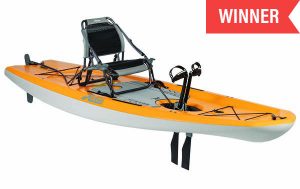
Mirage Lynx by Hobie
The effortless speed of Hobie’s MirageDrive 180 pedal propulsion system with Kick-Up Fins combined with the sleek hull of the Lynx make for a truly epic ride. Kick it up a notch, as you swiftly skim across the water’s surface, carving turns and leaving the world behind. The Lynx’s flat-bottom design provides confidence-inducing stability and ultimate maneuverability. Less is more when it comes down to construction. Lightweight materials meet optimal performance with ACE-TEC Technology that is tough enough for weekends off the grid, exploring uncharted waters, and a good thrashing at the lake with your kids.
LEARN MORE VIEW ALL HOBIE KAYAKS VIEW ALL REC/TOURING KAYAKS
Dagger’s latest creation is a fusion of the ever-popular Mamba model and super speedster, the Phantom. Charging ahead for all skill levels of paddler, the modern semi-planing hull offers high performance without sacrificing stability, while the high-rockered design delivers immediate feedback to keep you fully locked in for dialing in those sweet lines. Available in SM, MD and LG sizes with Dagger’s class-leading ContourErgo Outfitting. With a size for everyone from aspiring to advanced, the Code becomes the pillar of the Dagger whitewater line.
The Old Town Sportsman AutoPilot 136 motorized kayak has a hull designed to handle bigger water while leveraging Minn Kota’s Spot-Lock technology. Motor to your fishing spot faster, then hold your position over the hole. Command the kayak with a touch of your thumb using the Bluetooth connected i‑Pilot remote.
VIEW ALL OLD TOWN KAYAKS VIEW ALL FISHING KAYAKS VIEW ALL MOTORIZED KAYAKS
Weighing in at only 18 pounds, the Flyweight is the newest addition to the Badfish inflatable lineup. This revolutionary board weighs less and is more packable than the average inflatable paddle board, allowing you to always take your board with you. Utilizing Badfish’s new AirLite drop stitch technology, the Flyweight is soft and pliable when deflated, and shows no compromise with excellent rigidity and durability when inflated. The Flyweight is easy to pack, light to carry and has all the same features you expect from a Badfish inflatable paddleboard.
Designed like the traditional Adirondack pack canoes, this boat is a great choice for those looking for a lightweight solo canoe that is small and lightweight but still offers great performance and durability. Made of the revolutionary T-Formex material this boat is indestructible and will last long after most lightweight boats fall apart.
Paddled with either a traditional canoe or double-bladed kayak paddle the boat is both efficient and maneuverable; the open cockpit makes it more comfortable than recreational kayaks especially when accessing gear or paddling with pets. Whether paddling on remote ponds and rivers or accessing that secret hidden fishing spot, the Adirondack by Esquif will offer years of adventures and explorations and will not break your back when loading on the car and heading home.
LEARN MORE VIEW ALL ESQUIF CANOES VIEW ALL CANOES
6 Best Paddle
Tango Fiberglass by Aqua Bound
A few years ago the Tango came out of the gates and converted kayakers with its flutter-free forward stroke and effortless weight—just 26 ounces. Now a trusted companion on the water, the Tango by Aqua Bound is a go-to for a smooth forward stroke and eye-popping designs. New this year is the Northern Lights pattern which provides high visibility and reflects one of Earth’s most beautiful creations. Hand-built in Osceola, Wisconsin.
LEARN MORE VIEW ALL AQUA BOUND PADDLES VIEW ALL PADDLES
The new MIT 150 Convertible PFD from Mustang Survival is the newest member of the tried-and-true MIT (Membrane Inflatable Technology) range of products. The MIT 150 is now the highest buoyancy vest in the bestselling MIT Collection, for those wanting the extra security or who are venturing further offshore. It can be converted between automatic and manual-only inflation modes, depending on the scenario for maximum versatility.
VIEW ALL MUSTANG SURVIVAL PFDS VIEW ALL PFDS VIEW ALL SAFETY & RESCUE ACCESSORIES
The Legacy front-entry drysuit is the new foundation of Kokatat’s drysuit collection and features the new Gore-Tex Pro material that is lighter weight, more rugged and durable. The suit has an adjustable bungee drawstring waist, nylon waterproof zippers, and latex gaskets with neoprene punch through neck and neoprene-lined adjustable wrist cuffs. The suit has a streamlined leg pattern and the wrap-around routing of the women’s drop seat reduces outfitting interference.
LEARN MORE VIEW ALL KOKATAT PRODUCTS VIEW ALL APPAREL
DoubleHeader with Dual RotoGrip Paddle Holders by YakAttack
In typical YakAttack fashion, what started as an idea for a single offset RotoGrip Paddle Holder resulted in a product with a bit more versatility. The DoubleHeader track mount can serve several different purposes, but in this case, it is the foundation for the perfect offset paddle holder solution that customers have been dreaming of ever since the launch of the RotoGrip several years back. The DoubleHeader offsets the paddle holders off the kayak allowing for the full functionality of the remaining track space for other accessories.
VIEW ALL YAKATTACK PRODUCTS VIEW ALL RIGGING & OUTFITTING ACCESSORIES
10 Best Transport/Storage/Launching
Red Original Waterproof Duffel 40L by Red Paddle Co
Tough and practical, whatever your sport, the waterproof duffel bag adapts to your needs. The perfect solution for storing and carrying what you need—keeping it (and you) clean and dry no matter the conditions. Features: wet/dry padded pocket, external water bottle and zipped shower-proof storage pockets, detachable multi-way straps for comfortable backpack, duffel or over shoulder carry, wipe-down waterproof change mat, large internal capacity, lightweight construction, partially made from recycled plastic bottle. Available in 40 and 60 liters.
VIEW ALL TRANSPORT, STORAGE & LAUNCHING ACCESSORIES
The Rolling Float by Gearlab is like training wheels for your bicycles. The unique handles on the Rolling Float allows you to securely grab with one or two hands. You will learn to be comfortable with your body balance and buoyancy. When it comes to rolling, repetition and practice is the only way to success. Using the Rolling Float, you can practice more with elegance, minus the annoying wet exits. The Rolling Float also doubles as an inflatable paddle float that will fit both a Greenland or Euro-style paddle for a standard self-rescue maneuver. It’s recommend that you always bring a paddle float when out on the water.
VIEW ALL GEARLAB PRODUCTS VIEW ALL PADDLING ACCESSORIES
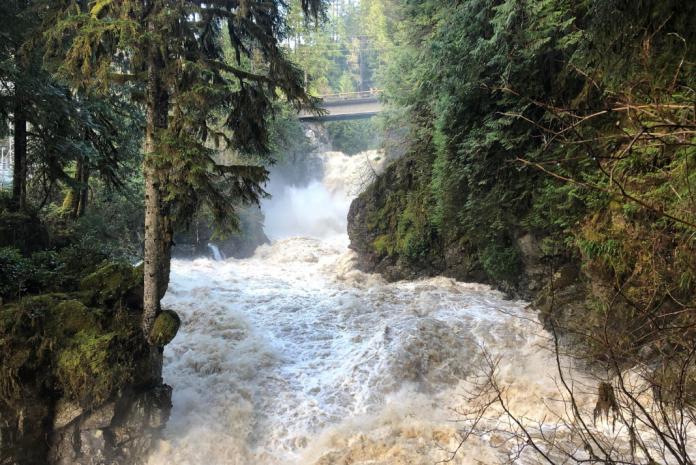
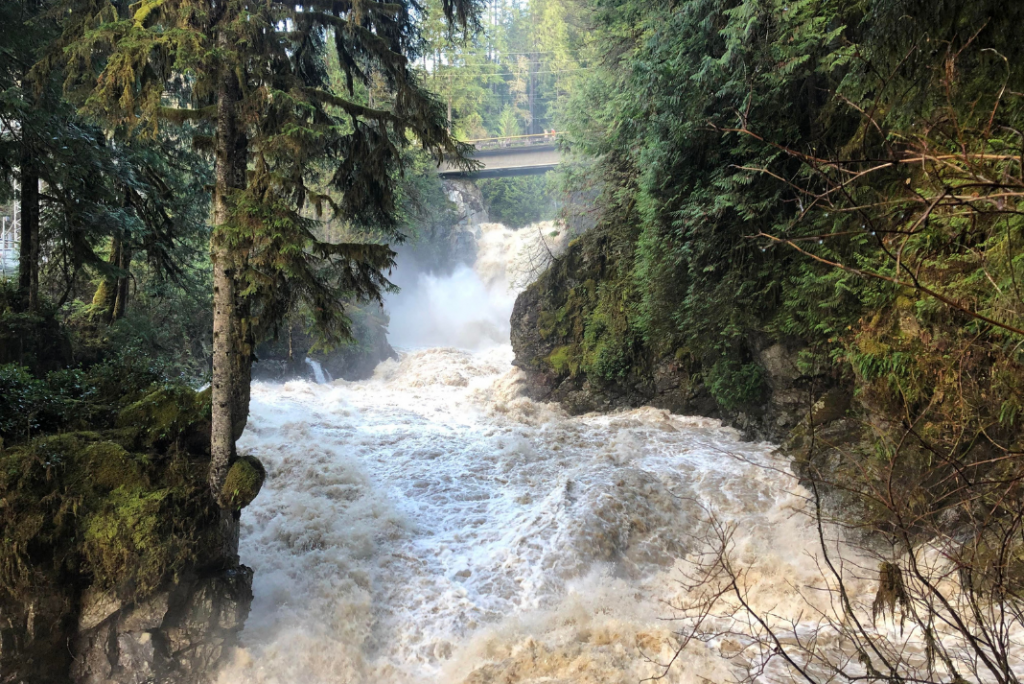
Mamquam Falls in Squamish in flood this past weekend. Photo by David Gregr
Kayakers in many parts of British Columbia have taken a “time-out” from the river the past few days while an atmospheric river wreaks havoc on the province.
Between 100-200mm of rain has fallen in the Lower Mainland and Southern Vancouver Island alone, creating treacherous conditions on the river and beyond.
Many paddlers have taken to social media to share footage of their local rivers in their now-unrecognizable states.
At regular flows, Mamquam Falls in Squamish, British Columbia is a 60-70 foot waterfall that is paddled by expert whitewater kayakers. The image below provides an indication of the waterfall’s appearance in its favorable state.
Between November 14-15, 2021–in under 24 hours–the river went from holding 30 CMS of water to 262 CMS; the flow-data entered an unfathomable realm for whitewater paddlers.
At its peak flow, the chocolate-milk-colored waterfall looked to be approximately 20 feet in height.
Mamquam Falls in flood this past weekend. “The splash is almost as high as the drop,” said Squamish local, David Reid, in a recent video. Photo by David Gregr
“Rivers are officially flooding. Time to curl up next to the fire with a good book I think,” wrote kayaker Heather Buckingham in a recent Instagram post. The post highlighted some of the flooded rivers in southern Vancouver Island.
Unfortunately, it’s not just the rivers that are carrying the weight of this unprecedented storm. Many highways in British Columbia have been temporarily closed due to damage from high water, mudslides and rock slides.
The city of Merritt, B.C. has evacuated its 7,000+ residents, while many other towns and cities across the province remain on high alert.
Our thoughts go out to the many who have been adversely affected by these floods. The Government of British Columbia is currently advising travelers to stay off the highway and avoid non-essential travel. Stay informed and visit Drive BC for the latest highway status updates.
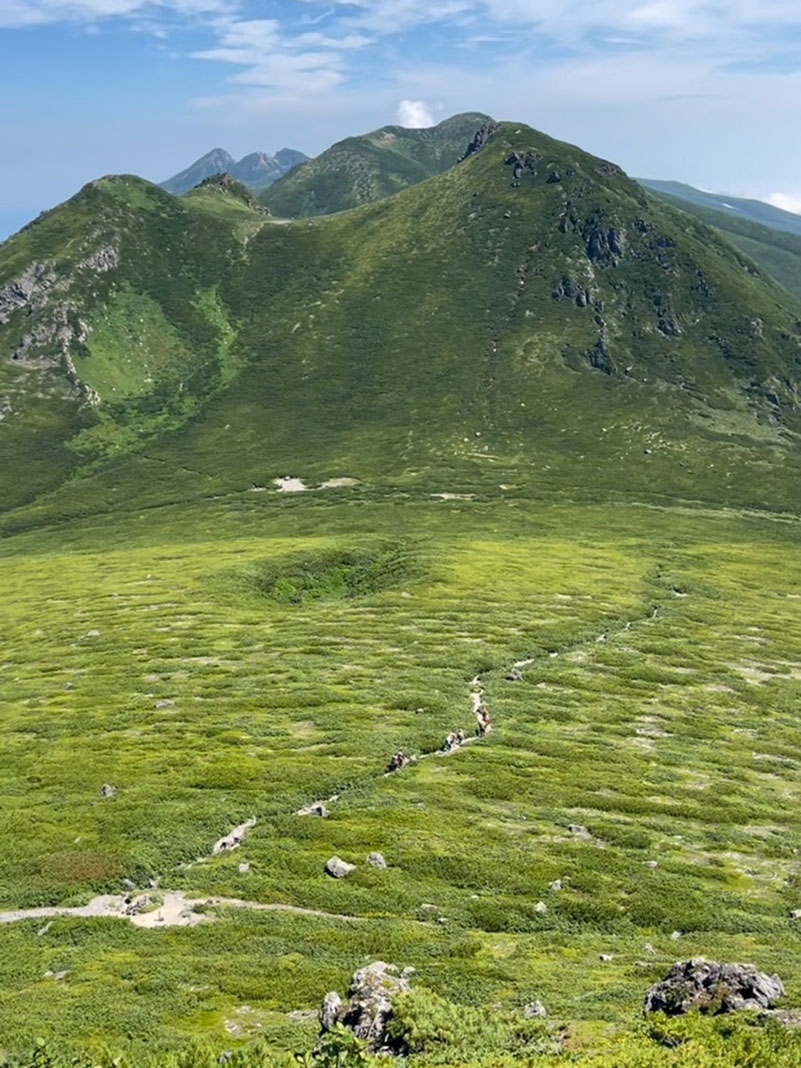
The Shiretoko Peninsula, one of the richest integrated ecosystems in the world, is a designated UNESCO World Heritage Site. | Feature photo by: Yoshiaki Kataoka
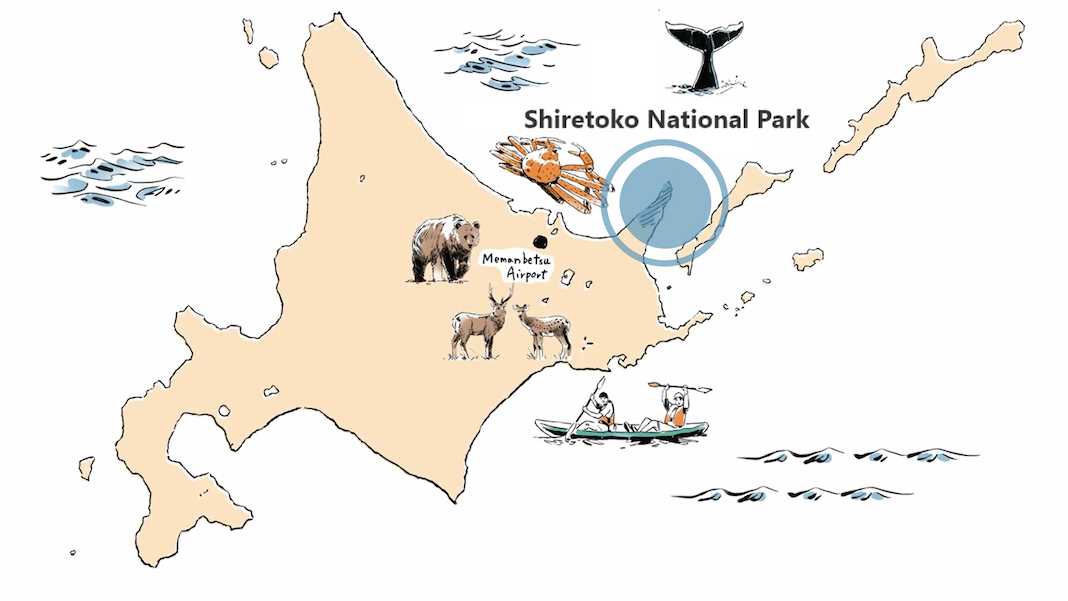
Enter into a world of extremes where rugged cliffs meet untamed sea, endangered species depend on delicate life systems below the surface, and even traditionally relaxing hot springs involve adventure as they feed waterfalls. This is Shiretoko National Park, an adventurer’s—and, as you’ll see, paddler’s—paradise that only a privileged few know exists on Japan’s most northerly island of Hokkaido.
Shiretoko National Park is located at the northeastern tip of the island of Hokkaido, Japan. It takes 90 minutes to drive there from the Memanbetsu Airport.
Wild and diverse in landscape, Hokkaido itself is of particular draw to adventurous travelers, those seeking out cycle touring, downhill skiing, hiking, camping and paddling. But it’s the Shiretoko Peninsula on the island’s northeastern coast that both timid and hardened adventurers alike should head to—the national park encompassing 390 square kilometers of mountainous headland and 220 square kilometers of surrounding ocean.
Wild and diverse in landscape, Hokkaido is a draw for adventurous travelers. | Photo by: Aon Thanawat
The Shiretoko Peninsula is a jewel on the island’s northeastern coast. | Photo by: Aon Thanawat
Shiretoko National Park is a paddler’s paradise that only a privileged few know exists. | Photo by: Aon Thanawat
What makes this promontory a prime candidate for the top of your paddling bucket list?
Read on to find out.
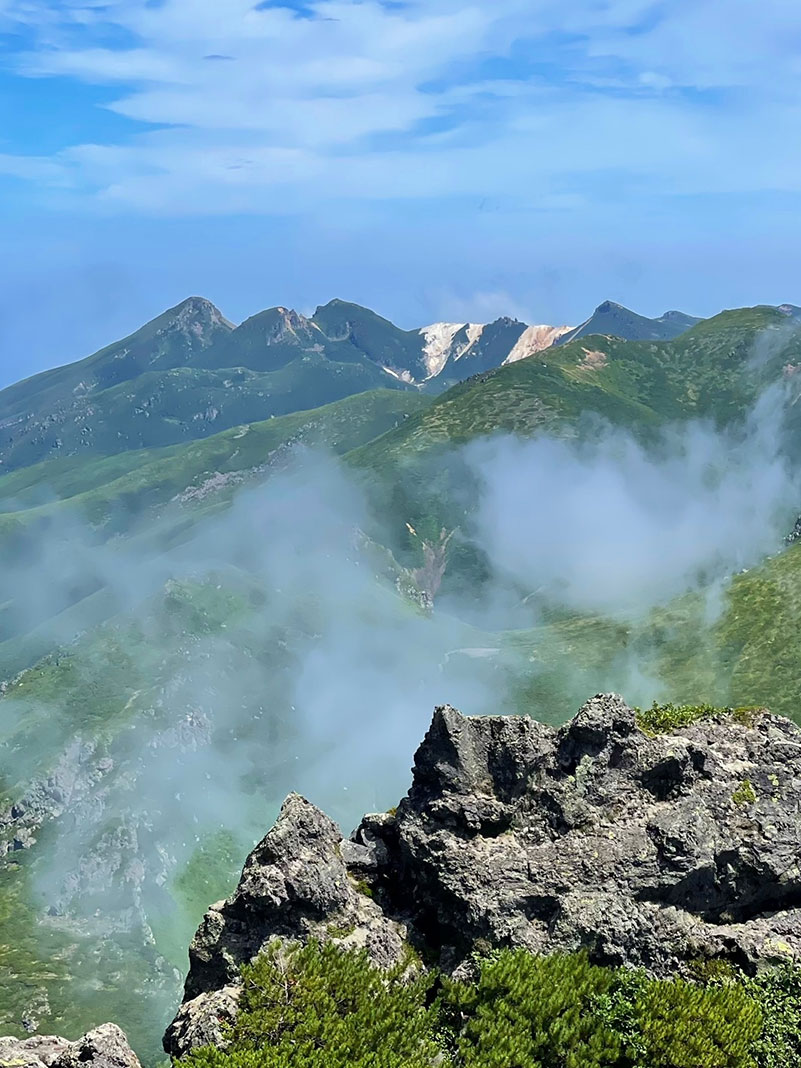
“Shiretoko” derives from the Ainu—the indigenous people of Hokkaido—phrase “sir etok,” meaning “end of the Earth.” A fitting name for a narrow peninsula jutting out into the ocean, especially since it is characterized by a mountain range rising 1,200 to 1,600 meters above sea level. Whether you are traveling the edge of the peninsula by water or land, you do feel as though you are balancing on the precipice of the world.
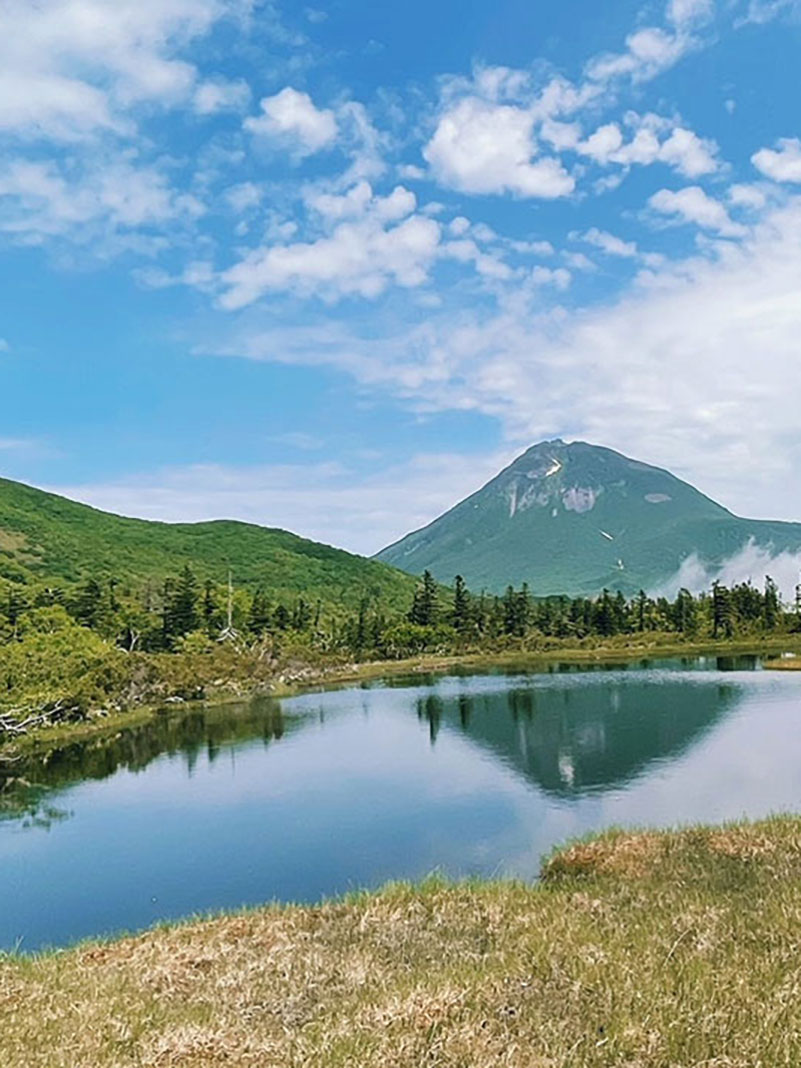
Waterfalls, sea cliffs, lakes, rivers and sea intermingle on the peninsula, many of which can be seen from the cockpit of a kayak. But more on that later.
The Shiretoko Peninsula is characterized by a mountain range rising 1,200 to 1,600 meters above sea level. | Photo by: Eri Shimizu
Explore untouched wilderness
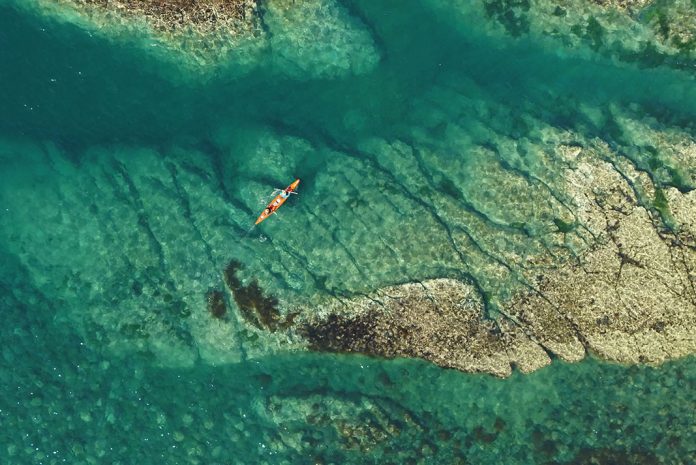
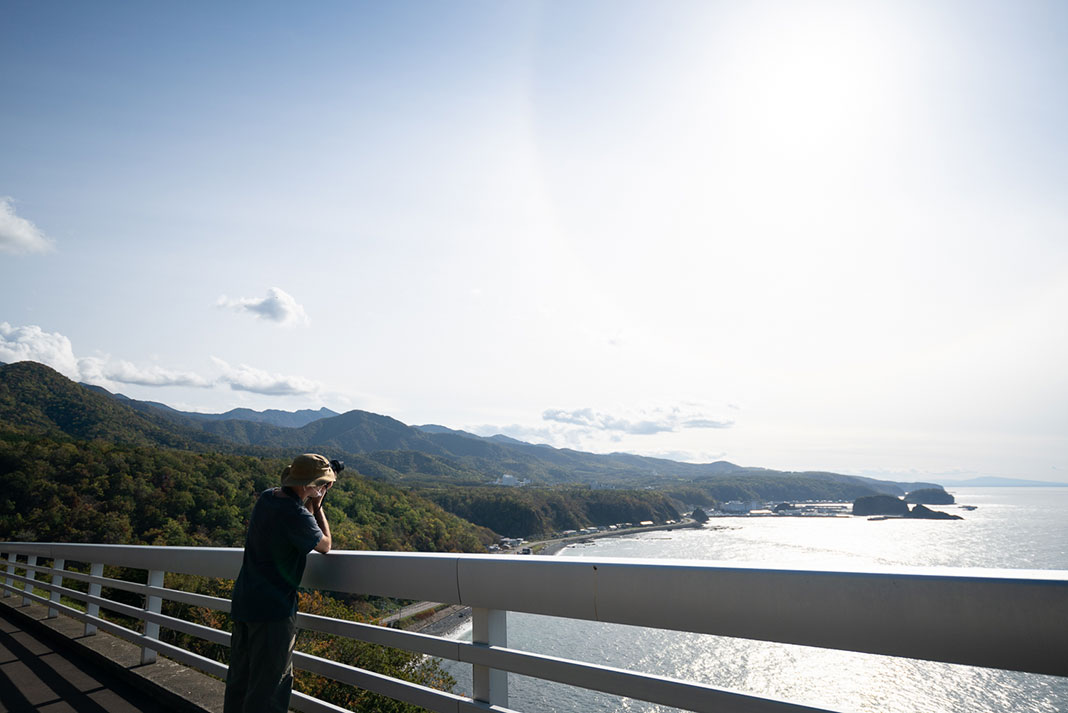
No roads lead farther than three-quarters of the way up the peninsula, making for a wilderness area that is untouched by human development. If you want to reach Cape Shiretoko, where lush forest transitions to steep, rocky cliffs that drop into the turquoise-colored waters below, you’ll need to do so by boat or by foot.
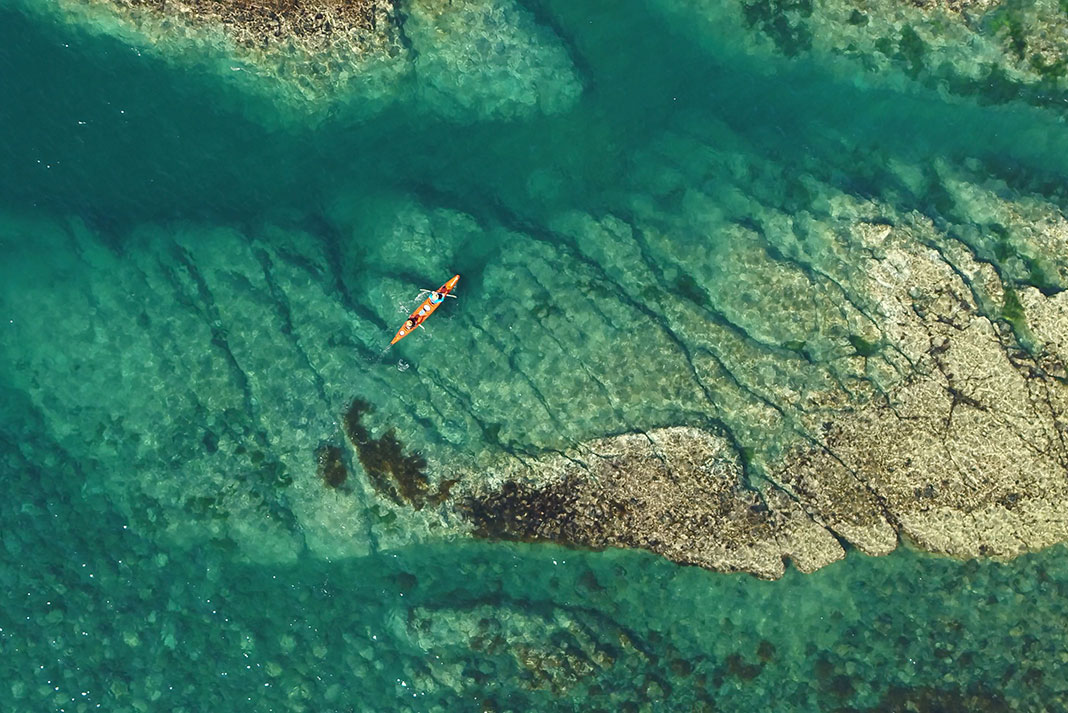
Shiretoko Expedition runs the only multi-day guided sea kayaking tour in the national park, allowing you to round the cape in five to seven days. There’s a degree of flexibility built into the trip itinerary because of the unpredictability of the ocean conditions. Your knowledgeable guide will help you navigate this rugged wilderness, starting from Utoro on the west side of the peninsula and ending in the Aidomari region on the east side. The guide will also decide where to make camp along the coast, depending on weather conditions and bear activity, and instruct participants in both paddling techniques and camping skills.
No roads lead farther than three-quarters of the way up the Shiretoko Peninsula. | Photo by: Daryl Aitkenhead
Look to the shore year-round in Shiretoko National Park to see sika deer. | Photo by: Adobe Stock
Shiretoko is home to one of the densest populations of brown bears in the world. | Photo by: Aon Thanawat
Observe abundant wildlife
Home to 36 land mammal species, 22 marine mammal species and 285 bird species, you’re guaranteed to see wildlife while exploring Shiretoko National Park. Look to the sky along the coast year-round to see white-tailed sea eagles, to the surf in spring and early summer to see killer whales and to the shore year-round to see sika deer.
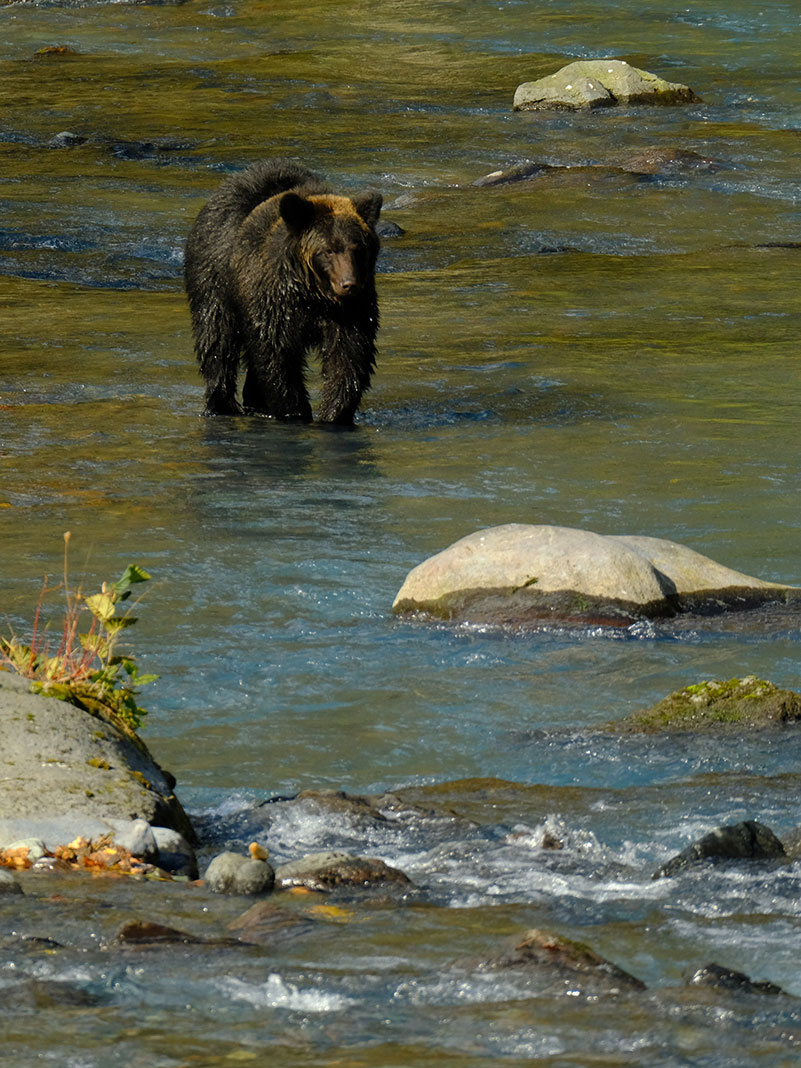
The star of Shiretoko is the brown bear, as the peninsula has one of the densest populations in the world. The Ainu believed these bears were gods, come down to Earth dressed in bear costumes. When the gods were done playing, they would leave their costume behind, providing the Ainu with fur and meat. Because of the high concentration of bears on the peninsula, it’s important to practice bear safety while exploring. While on a multi-day sea kayak trip, it’s highly likely you will be able to view bears along the coast. Your guide will supply the necessary bear safety equipment and knowledge so you can view these magical creatures without concern.
Birds of note include the endangered Steller’s sea eagle, which spends winters on the peninsula, and is one of the largest raptors in the world, the endangered Blakiston’s fish owl, which lives year-round on the peninsula and is the world’s largest owl species, and the black woodpecker, which is the largest woodpecker in Japan.
The Nemuro Strait on the east side of the peninsula has begun to gain attention as one of the best whale-watching sites in Japan. It’s here you can view orca, minke whale, sperm whale, Dall’s porpoise and the endangered fin whale.
The Shiretoko Peninsula, one of the richest integrated ecosystems in the world, is a designated UNESCO World Heritage Site. | Feature photo by: Yoshiaki Kataoka
Relish the rich biodiversity
The Shiretoko Peninsula is a designated UNESCO World Heritage Site, in recognition of the fact that it is one of the richest integrated ecosystems in the world, encompassing both terrestrial and marine areas. Shiretoko experiences the formation of seasonal sea ice at the lowest latitude in the northern hemisphere, creating unique circumstances that enable an array of plants and animals to flourish here. The melting sea ice supplies nutrients that encourage the development of phytoplankton blooms, which in turn feed small fish and carry on up the food chain involving other fish, birds and mammals across ocean, rivers and forests.
The peninsula is also unique in that it is home to northern species from the continent and southern species from Honshu, the main island in Japan. It also supports a number of endangered and endemic species of animals and plants, is an important area for migratory birds and fish species, and is a seasonal habitat for aquatic animals such as the Steller sea lion, spotted seal, whales and more.
This rich biodiversity manifests in awe-striking natural beauty and exciting animal activity that ensure you’ll return from Shiretoko with far too many photos, each more dazzling than the last, and so many stories it’ll be difficult to convince your listeners of their veracity.
You’ll find 100-meter-high cliffs along the western edge of the peninsula. | Photo by: Eri Shimizu
The only way to view these stunning cliffs is from the water. | Photo by: Eri Shimizu
View towering sea cliffs
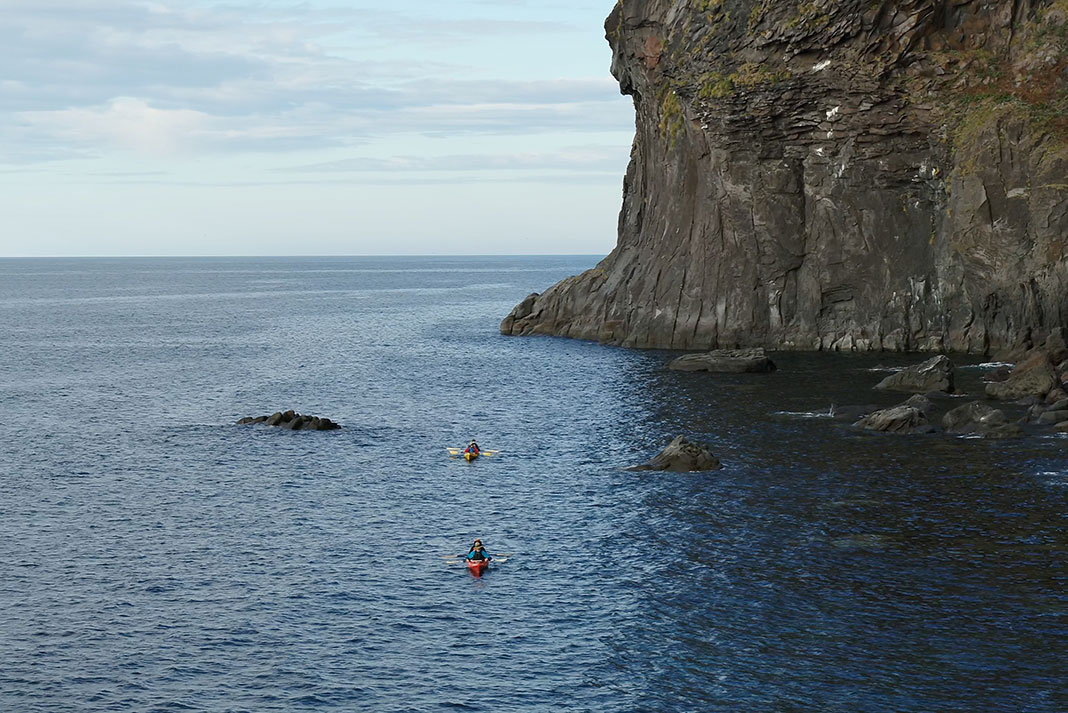
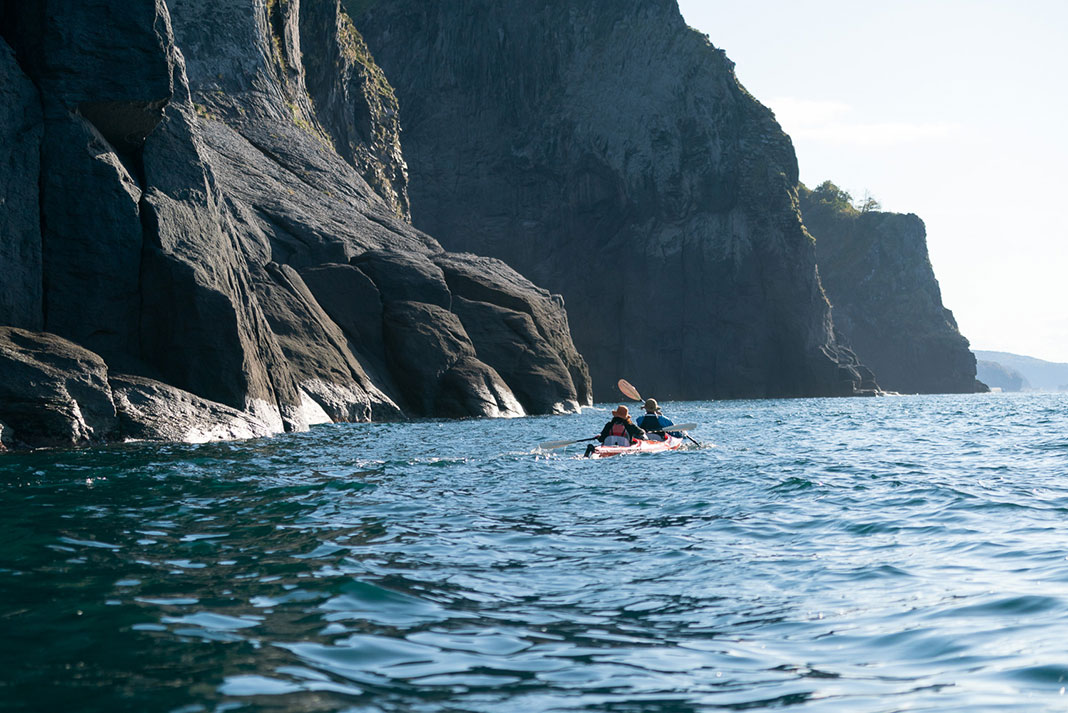
Sea ice forming along the western edge of the peninsula for thousands of years slowly eroded the rocky coastline, creating the sheer, 100-meter-high cliffs you’ll find there today. The only way to view them is from the water—and while there are boat tours that will take you up the coast, a sea kayak tour is the best way to experience them, allowing you to get in close to their base, stare up in awe and truly get a sense of their magnitude.
The multi-day sea kayaking tour with Shiretoko Expeditions will take you along the cliffs on the first day of the trip. Shorter, half-day excursions are also on offer with the Shiretoko Outdoor Guide Center. Both tours run out of the town of Utoro, situated at the entrance to the national park.
Paddle among drift ice
The paddling season on the Shiretoko Peninsula isn’t restricted to the summer months. During a small window in the winter, you can paddle among the drift ice that has formed on the Sea of Okhotsk on the west side of the peninsula. You’ll need to have a bit of luck to make this experience happen as the conditions need to be just right, with the drift ice still floating freely and the water still accessible from shore. Complicating matters more, this phenomenon occurs at different times each year. Still, if you happen to time your visit right, Shiretoko Outdoor Guide Center’s three-hour tour is not to be missed.
Visit otherworldly waterfalls
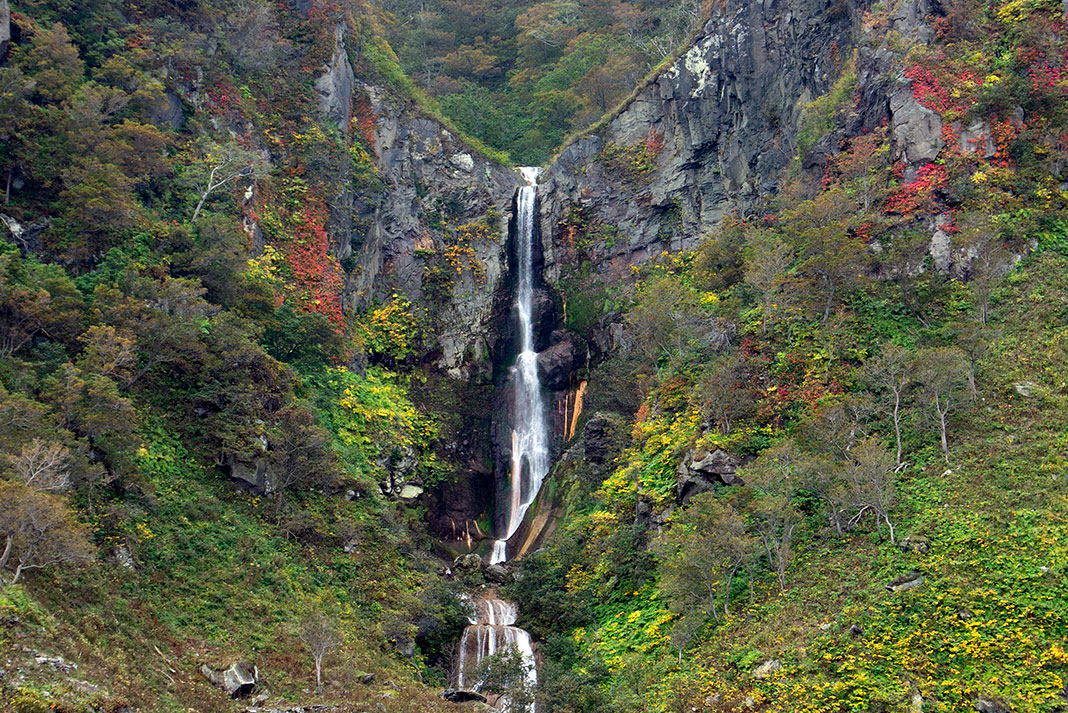
With at least 10 waterfalls within the park boundary and a handful more outside for good measure, exploring the Shiretoko Peninsula is like stepping into a dreamscape. The waterfalls vary in accessibility—some you can drive past, others you can walk to and still others you’ll need to use more creative means to reach.
The Kamuiwakka Hot Falls are fed by the Kamuiwakka River which fortuitously has a natural hot spring flowing into it. You’ll need to walk upstream to reach it and enjoy a natural hot spring bath. Be aware that climbing up to the first set of falls is a slippery endeavour and you should be cautious.
Shiretoko National Park is home to at least 10 waterfalls, with a handful more nearby. | Photo by: Daryl Aitkenhead
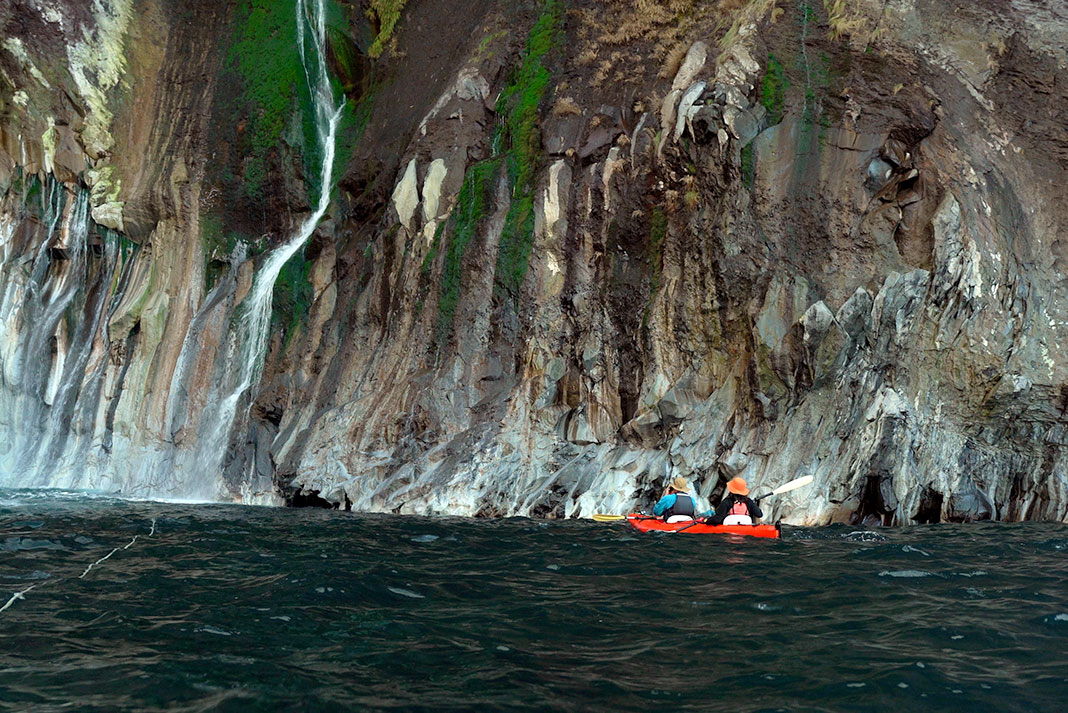
Shiretoko’s waterfalls vary in accessibility—some can only be viewed from the water. | Photo by: Eri Shimizu
It’s a short 20-minute walk from the Shiretoko National Park Nature Center to the observation deck overlooking Furepe Falls, a waterfall known as the “Maiden’s Tears” that cascades 60 meters down the sheer cliff face into the Sea of Okhotsk below. However, to get a full view of this waterfall, you’ll need to be on the water. The Shiretoko Outdoor Guide Center hosts three-hour sea kayak tours from the end of April to the end of October to Furepe Falls and Yu no Hana Falls.
Farther up the peninsula are Kashunino Falls on the west, and O and Me falls on the east. These waterfalls are truly remote and can only be viewed by boat cruise and multi-day sea kayak tour.
Enjoy ample outdoor activities
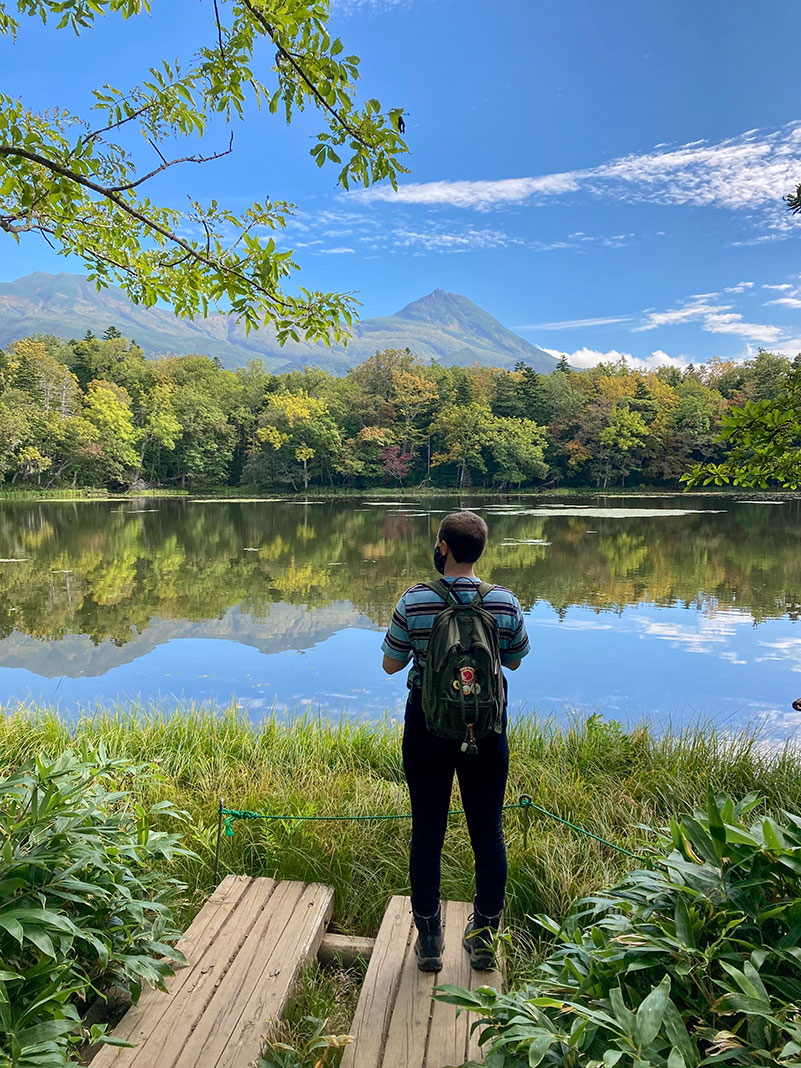
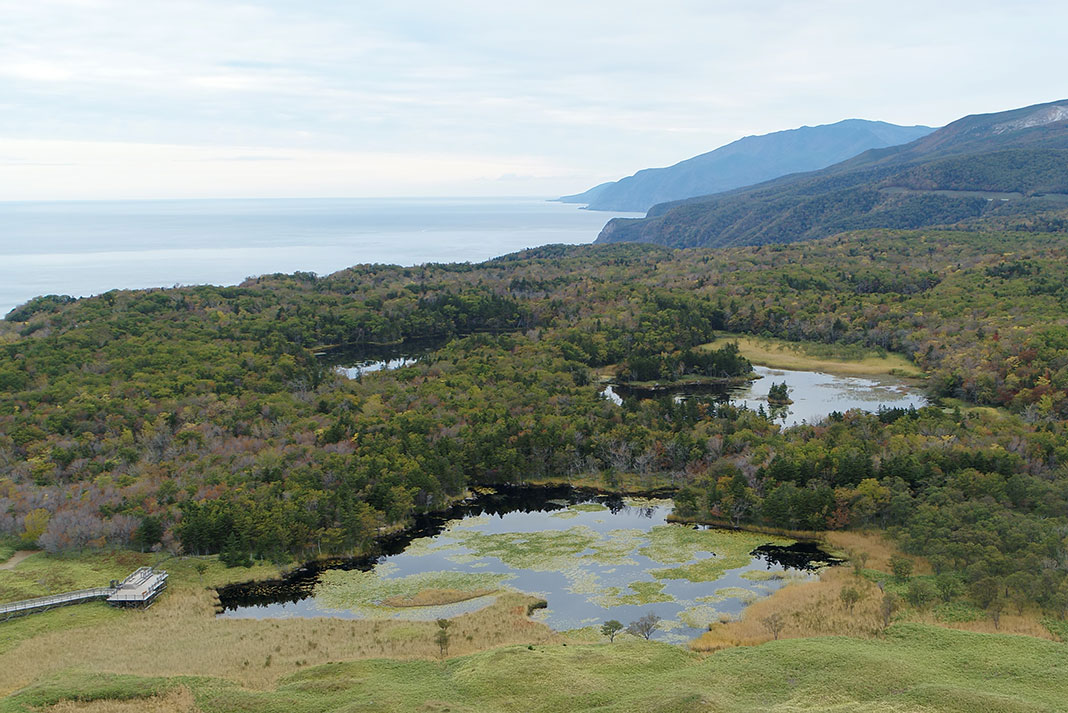
While we obviously think paddling should be the number one thing you do while in Shiretoko National Park, inland adventures provide equally beautiful views. There are a number of hiking trails in the park, varying in length and difficulty. The Shiretoko Goko Lakes is home to five lakes nestled in a forested landscape with the Shiretoko mountain range as a backdrop. There are three options for visiting the lakes—the first being an elevated boardwalk that will take you to the first lake and back for a total distance of 1.6 kilometers. The boardwalk was designed to enable visitors to avoid bear encounters. Ground pathways offer a short loop of 1.6 kilometers and a long loop of three kilometers, the former taking you to two lakes and the latter to all five lakes. Guided tours are also available along these routes.
An elevated boardwalk will take you to the first of the Shiretoko Goko Lakes. | Photo by: Yoshiaki Kataoka
The more remote Lake Rausu, located at the foot of Mt. Chinishibetsu, requires a three-kilometer journey to reach. This is the largest lake on the peninsula, with a circumference of four kilometers. Shiretoko Factory offers guided hikes, taking you past marshes of varying size and within sight of red fox, sika deer, Asiatic chipmunks and occasionally brown bears.
For those looking to test their grit and take in mountain-top views, the Shiretoko Peninsula Traverse beckons. This 20-kilometer, end-to-end hike requires two to three days to complete. It extends from the Iwaobetsu Onsen to the Kamuiwakka Waterfall and traverses six mountains. Guided treks are run by Explore Share.
Want to truly soak up all the natural splendours of the peninsula? Pitch a tent and gather around a bonfire at Rausu Onsen Campground, located in the southeast corner of the peninsula. An extra treat, the Kuma no Yu hot spring is situated nearby.
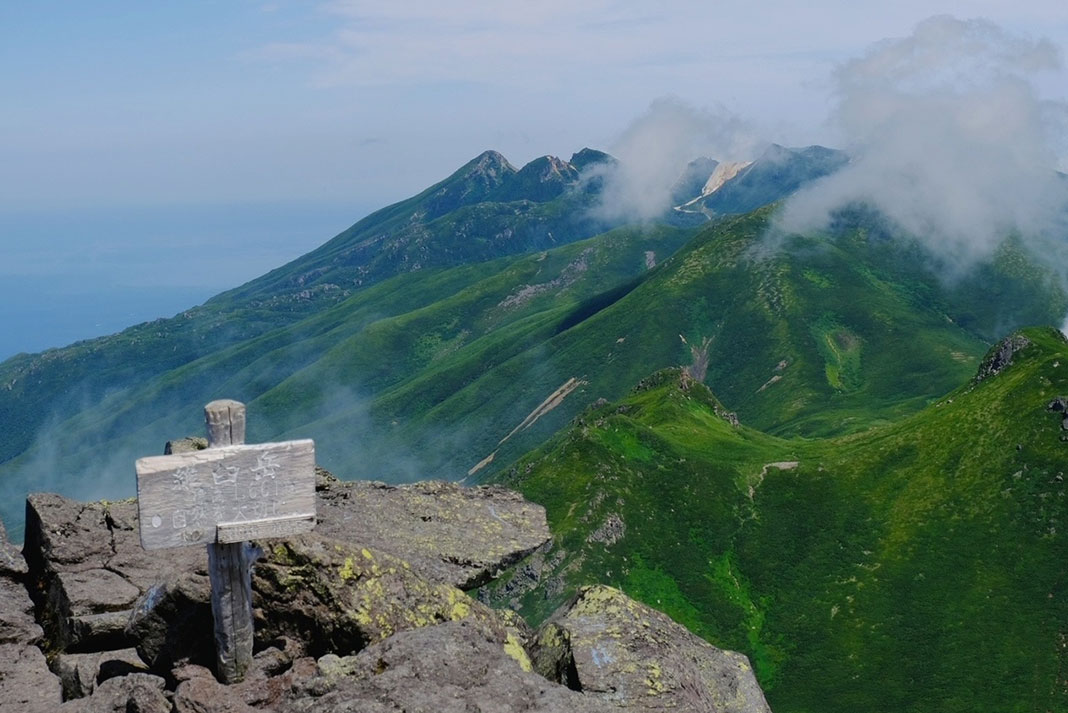
The hiking trail atop Mount Rausu offers spectacular views. | Photo by: Aon Thanawat
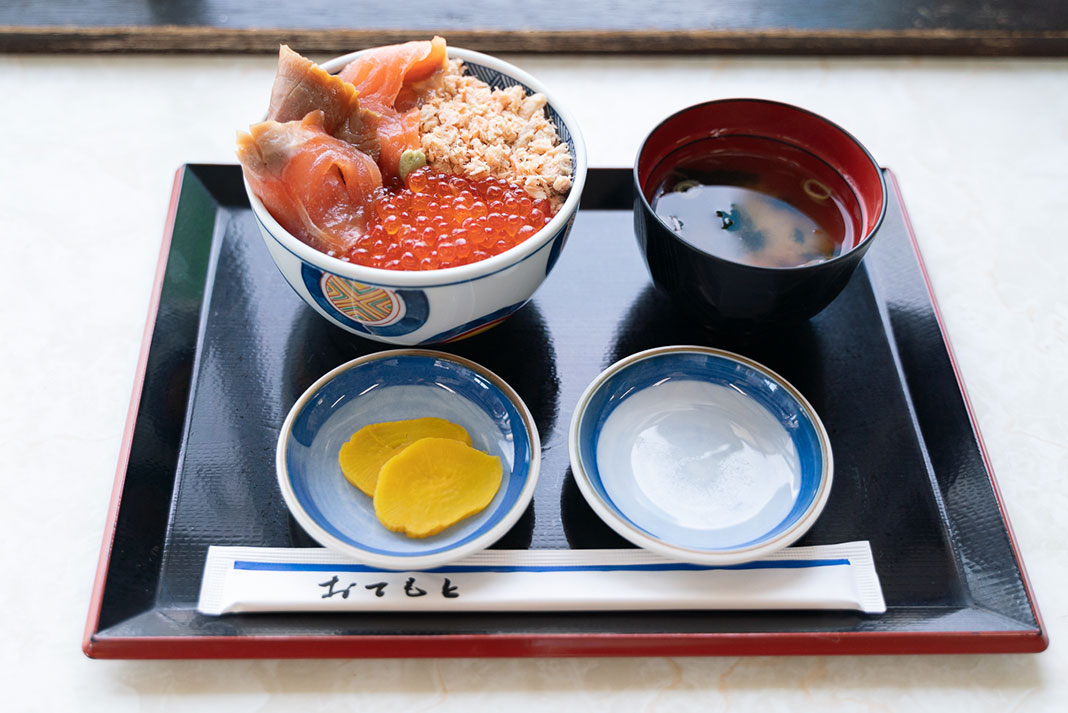
Seafood is the highlight when it comes to cuisine on the Shiretoko Peninsula. | Photo by: Eri Shimizu
Visit Utoro Gyoko Fujinbu Shokudu, a restaurant run by the wives of local fishermen, to try their local salmon dish. | Photo by: Eri Shimizu
Experience distinctive cuisine
It’s no surprise that seafood is the highlight when it comes to cuisine on the Shiretoko Peninsula. Shari, a tourist hub located at the base of the peninsula, has boasted the largest salmon catch in Japan for 16 consecutive years. In addition, sea urchins, horsehair crabs, scallops, Okhotsk atka mackerel, broadbanded thornyhead and kelp are caught in abundance in the surrounding waters.
If you want to experience the true taste of Shiretoko, though, dishes containing locally sourced salmon are the way to go. The recommended dish contains salmon roe and salmon sashimi served on a bed of rice. Visit Utoro Gyoko Fujinbu Shokudu, a restaurant run by the wives of local fishermen, to try this dish which they call Triple Salmon Rice Bowl—their take involves the addition of pulled and roasted salmon. This dish is best enjoyed at the end of summer, when the salmon roe is more flavourful and the salmon is fattier.
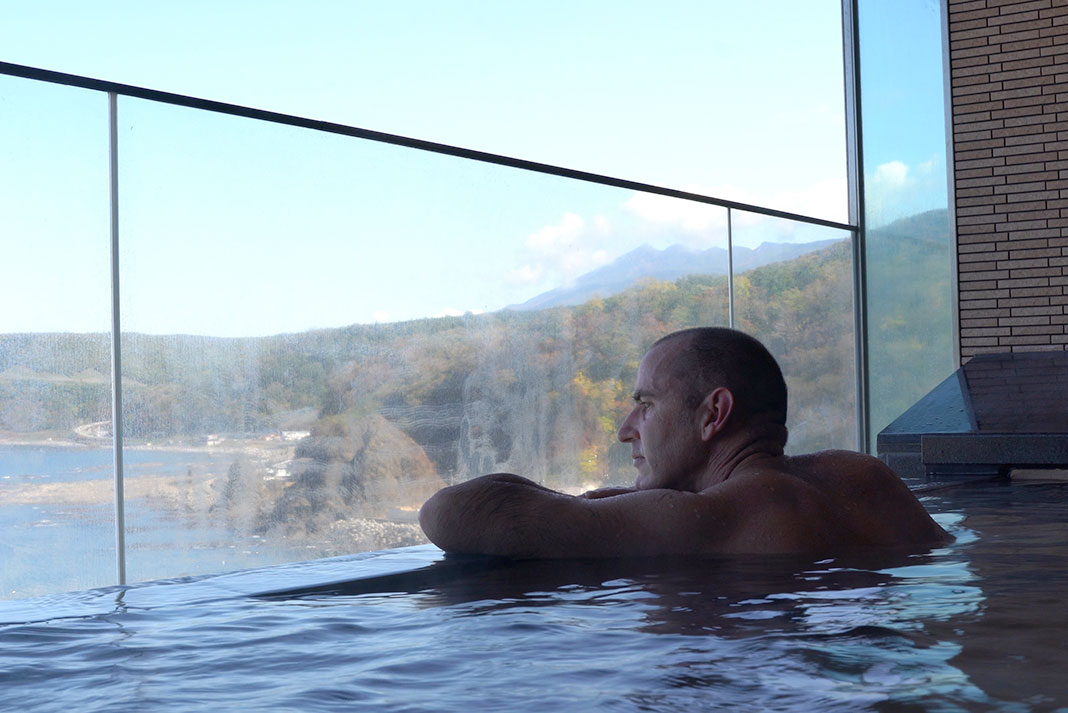
No visit to Shiretoko National Park would be complete without a visit to a hot spring. | Photo by: Eri Shimizu
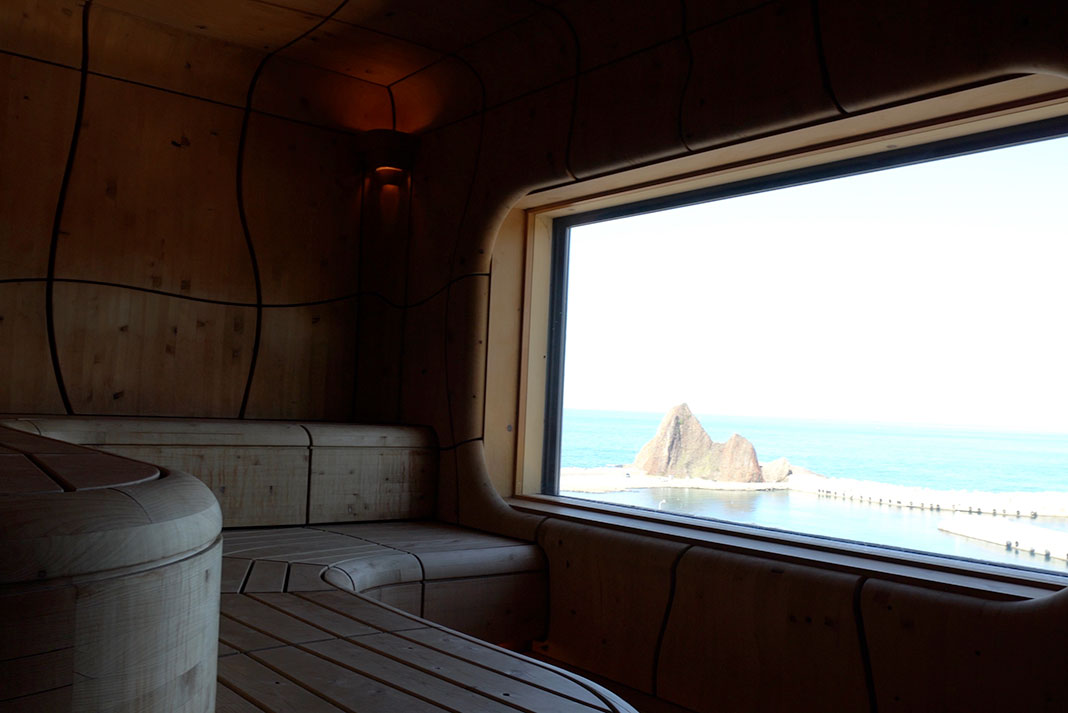
Enjoy the sauna at the Kitakobushi Shiretoko Hotel & Resort coupled with panoramic views of the Sea of Okhotsk. | Photo by: Eri Shimizu
Relax at a hot spring
No visit to Shiretoko National Park would be complete without a visit to a hot spring. Because the landscape of the peninsula was formed by volcanic activity, hot springs are scattered across the land mass. What better way to unwind after a day of paddling or trekking than soaking in a warm bath?
Utoro in particular has many well-equipped hot spring inns, including the Kitakobushi Shiretoko Hotel & Resort. Here you can enjoy resort amenities coupled with panoramic views of the Sea of Okhotsk. Open-air baths are offered here, allowing you to breathe in the fresh ocean air and gaze out to the endless horizon.
Every time his Strava pings, a Luddite gets his wings. | Photo: Michael Neumann
I can’t figure out what’s going on unless I go on Facebook. It’s nearly impossible these days to find anyone to go paddling with, discover local events or buy or sell a used piece of gear without it.
Even the paddling coaching service I subscribe to, which built a great little app for its members to communicate with each other, has seen most of its users switch to posting on Facebook since seeding its own demise by starting a public group there. Facebook effectively poached the app’s entire membership base and took over most of its communications. It was like watching a boutique try to compete with the big box stores and then reluctantly list their products on Amazon.
I’m left with the choice of being in the dark, disconnected from my outdoor communities, or logging on.
“This webpage is using significant energy,” warns the browser on my geriatric MacBook, its cooling fans whirring in protest with what I’ve come to think of as the sound of Mark Zuckerberg sucking away and selling my private data. Then I descend into what New York Times writer Charlie Warzel recently called “an information hellscape.”
I’m sure I don’t have to tell you there are all kinds of problems with opening our lives to a company currently being sued by 46 states for illegal competition. Not the least of which is that every piece of information shared to a Facebook group becomes siloed off and unsearchable to the rest of us. The route information and trip reports once commonly shared on public websites and forums were visible to the half of humanity with a data connection but now are limited only to the members of the Facebook group where they’re posted.
Facebook has devoured online paddling communities. I don’t understand why we let it happen. Why did so many groups outsource all their communications to this fractious medium? Why don’t we collectively stop using it? It’s not as if we don’t already have an array of other technological means to connect.
Like a good luddite, I dropped out of social media ages ago. The price is generally being out of the loop with what’s going on in my community—outdoors and otherwise. I figured there must be some people who aren’t online. But I can’t find them. Heck, I just read an article about a couple of hermits who operate a social network for hermits. If that’s not the sign of a lost battle, I don’t know what is.
There’s a digital overlay to real life. In my neighborhood, businesses pop up with almost no visible presence in the concrete world—not so much as a sign—save the snaking lineup of customers who discovered them on Instagram. Someday we won’t need road signs anymore because everybody will be navigating by app or Google Glass; all information stored online, like the Pokémon Go characters people hunt in real-world places but are only visible through a smartphone screen.
This augmented reality layer on top of the one we’re living in is now part of our common language. Without technology, I lose the ability to see, connect and understand. It’s the same feeling I have in an unfamiliar wilderness—lost without the context of natural history, local lore, or even the plants and animals’ names.
Every time his Strava pings, a Luddite gets his wings. | Photo: Michael Neumann
Craving for connection isn’t new. To live within a worldwide web of stories is a human habit older than time. The wonderful new biography Raven’s Witness by Hank Lentfer about the anthropologist Richard Nelson describes his fascination with the lore of Alaska’s Koyukon people, whose stories overlayed the entire physical world with a complex layer of culture.
“The rituals and sensitivities and stories of the Koyukon people comprise what I believe to be humanity’s greatest religious tradition,” Nelson writes. Everything had a relationship to everything else. Every animal sighting or birdsong or place name was a hyperlink to its own remembered story, an ageless lore—the original Internet.
“Their worldview holds the greatest potential for humanity’s future on this planet,” Nelson concluded.
Lost is this web of stories connecting us to the land. But our digital love affair has the potential to fill our landscape with more than Pokemon characters and conspiracy theories. Couldn’t it also help stitch our lost connections back together?
I finally saw this potential when I recently moved to a new town, a place closer to the water and the woods where I could afford a double garage to store my boats and skis. I started out thinking I would explore the area using paper maps and my wits, only to realize it was far easier to follow the routes of local strangers who’ve been generous enough to post their tracks on Strava.
GPS-based route-sharing apps provide the social media connection I’ve been looking for all along, I realized. I can explore freely—always alone but in the footsteps of various like-minded locals, frequently falling back on the GPS to find my way back to the car.
I so enjoy following other people’s adventures, I’ve felt obliged to share my own. So now I’m posting my tracks for all the world to see. No political views or photos of my cats. Just I went there and did that.
“For the good of the community,” I tell myself. Admittedly, I’m also showing off.
I enjoy the creative self-expression of etching a route on the landscape. “For the good of the community,” I tell myself. Admittedly, I’m also showing off, seeking the dopamine gratification of gathering virtual trophies and kudos for my outdoor exploits as much as any teenager counting likes on Instagram.
Maybe I’ve sold my soul. But I’d like to think the problem isn’t social media itself, but the particular agendas of the corporate entities gathering and controlling my data. Strava, at least, seems committed to using its power for good. Last September, the company offered its aggregated user data free to any organization working to “make cities better for anyone on foot or a bike.” The largest collection of human-powered transport information globally, based on 4 billion activities uploaded by 68 million users in 195 countries, revealed that bike travel increased 80 percent in New York City during the pandemic—a powerful, data-driven justification for urban investments, like bike lanes.
Maybe Strava or a similar app can do the same with user data to protect and improve the wild areas we love for all manner of forest trails and paddling put-ins.
Instead of forswearing social media entirely, I can embrace it to the extent that it can be rooted in some bedrock of reality and truth, in geography, in nature itself. Technology has the potential to enhance our vision and illuminate what we hadn’t noticed before, in the same way apps can help us identify new birdsongs, unknown plants or the names of the stars and faint constellations when a smartphone is held up to the sky.
As I paddle or run or ski alone and feed my breadcrumb trail of data points into some cloud-computing server farm, a software engineer in San Francisco could probably identify every tree where I stop to pee or when I duck under a no trespassing sign. But I like to think I’m voting with my feet and my paddle, adding a voice to the places I care about, and will eventually connect with other people who feel similarly the old-fashioned way.
And maybe, over time, we can integrate our routes with other forms of place-based knowledge and rebuild something akin to the Koyukon’s sense of place and shared culture, like the stories once shared around the campfire.
This article was first published in Paddling Magazine Issue 64. Subscribe to Paddling Magazine’s print and digital editions here, or download the Paddling Magazine app and browse the digital archives here.
A luddite in recovery and a former editor of Adventure Kayak magazine, Tim Shuff writes and paddles from the shores of Lake Huron.
Every time his Strava pings, a Luddite gets his wings. | Photo: Michael Neumann
Protected through the work of dedicated individuals like you and me. | Photo: David Jackson
The Oxford Dictionary defines a superhero as someone with abilities beyond those of ordinary people, and who uses his or her powers to help the world become a better place. My superheroes growing up weren’t the ones on television or in comic books. Spider-Man’s costume kind of freaked me out. The Green Hornet got way more attention than Kato. I was a tad shocked when Wonder Woman’s Lynda Carter became a Playboy centerfold.
By the time the Man of Steel first appeared in Action Comics #1 in June 1938, many of my superheroes were already young adults paddling into prolific—if not necessarily profitable—careers. It was outdoor writers, from paddlers to preservationists, who I admired growing up.
[ Plan your next outdoor adventure with the Paddling Trip Guide ]
Protected through the work of dedicated individuals like you and me. | Photo: David Jackson
Author R.D. Lawrence was the next big influencer for me. His books Paddy, The North Runner, and Secret Go The Wolves introduced me to the quiet life of contemplation and observation during his multi-month wildlife studies. His book The Zoo That Never Was—which details caring for orphaned bears, otters, skunks, raccoons, lynx, geese, ducks, turtles and porcupines—became the reason I chose to work at a wildlife center in the 1980s.
And of course, Bill Mason’s books Path of the Paddle and Song of the Paddle taught me and countless others how to canoe. As a preteen, I’d take them out of the public library and practice my paddling skills on the local millpond with a 14-foot fiberglass canoe I reclaimed from the local dump.
Sigurd Olson’s writings put me into a trance; his written words are sheer poetry. He was influential in the protection of the Boundary Waters Canoe Area Wilderness and helped establish Voyageurs National Park in northern Minnesota, Alaska’s Arctic National Wildlife Refuge and Point Reyes National Seashore in California. I felt inspired to do my part after reading his work.
Of course, even though I’m still more inclined to crack a book and read about the joy of paddling a wild river and the solace of a forest campsite, I can’t ignore the power of a good superhero movie. And since nine of the 25 top-grossing films of all time are Marvel flicks, I think it’s safe to say most of us do.
Pop culture researchers hypothesize so many of us enjoy superhero movies because these stories show us how a single person can make the world a better place. Superheroes protect the voiceless and inspire us to do better. That sounds a lot like what my favorite wilderness authors have done in real life. The only difference with the Oxford definition is that these outdoor writers are regular people, like you and me. Their superpower was spending a lifetime dedicated to making a difference, rather than 120 popcorn-filled minutes.
This article was first published in Paddling Magazine Issue 64. Subscribe to Paddling Magazine’s print and digital editions here, or download the Paddling Magazine app and browse the digital archives here.
Kevin Callan is the author of 18 paddling books and guides, including his bestselling Happy Camper series.
Protected through the work of dedicated individuals like you and me. | Photo: David Jackson
In a historic moment for the state of Wisconsin, a team of divers and archaeologists recently extracted a 1200-year-old dugout canoe from Madison’s Lake Mendota.
The canoe was carefully extracted from lake sediment 27 feet underwater. The artifact was then pulled to a beach in the city’s Spring Harbor neighborhood and greeted by ecstatic residents and historians.
[ View all Canoes in the Paddling Buyer’s Guide ]
Tamara Thomsen, the maritime archeologist and master scuba instructor for the Professional Association of Diving Instructors, spotted the canoe underwater back in June. “I’ve never seen this underwater (before) and I don’t think I’ll ever get to again in my career,” she said in an interview with USA Today.
The canoe discovery marks a monumental moment for Wisconsin, as it is the oldest fully intact dugout canoe in the state.



 This article was first published in the 2022 issue of Paddling Business. Inside you’ll find the year’s hottest gear for canoeing, kayaking, whitewater and paddleboarding. Plus: Industry leaders on surviving COVID, the dirty little secret of pro deals, brand consolidation and more. READ IT NOW »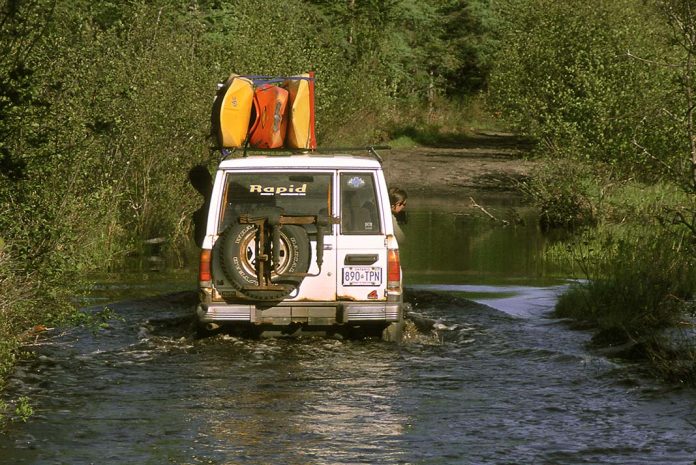



 Mirage Lynx by Hobie
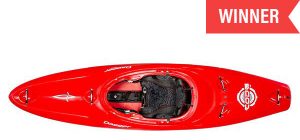 Code by Dagger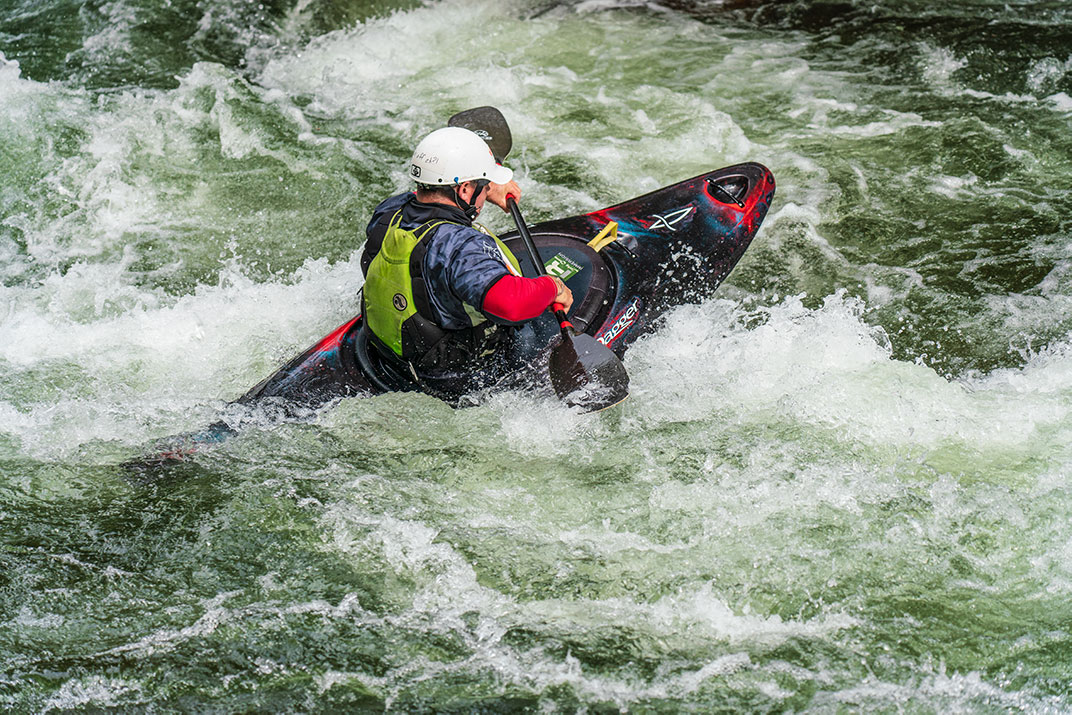
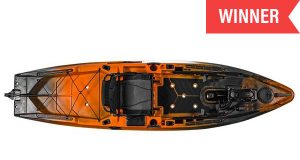 Sportsman AutoPilot 136 by Old Town
 Flyweight by Badfish SUP
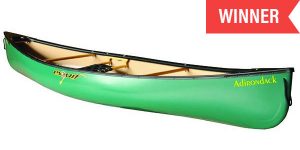 Adirondack by Esquif
 A few years ago the Tango came out of the gates and converted kayakers with its flutter-free forward stroke and effortless weight—just 26 ounces. Now a trusted companion on the water, the Tango by Aqua Bound is a go-to for a smooth forward stroke and eye-popping designs. New this year is the Northern Lights pattern which provides high visibility and reflects one of Earth’s most beautiful creations. Hand-built in Osceola, Wisconsin.
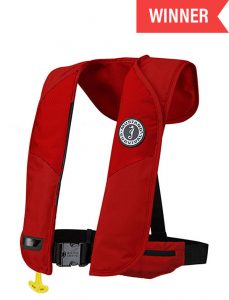 MIT 150 Convertible PFD by Mustang Survival
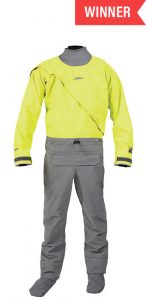 Legacy Dry Suit by Kokatat
 DoubleHeader with Dual RotoGrip Paddle Holders by YakAttack
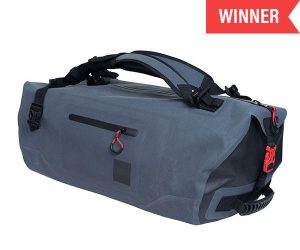 Red Original Waterproof Duffel 40L by Red Paddle Co
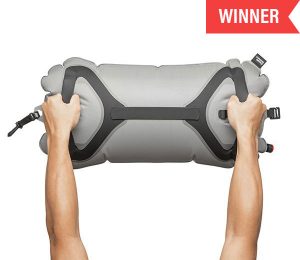 Rolling Float by Gearlab Outdoors