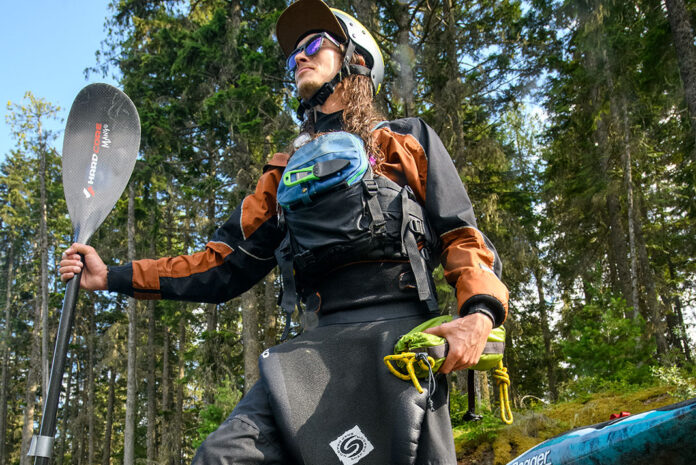
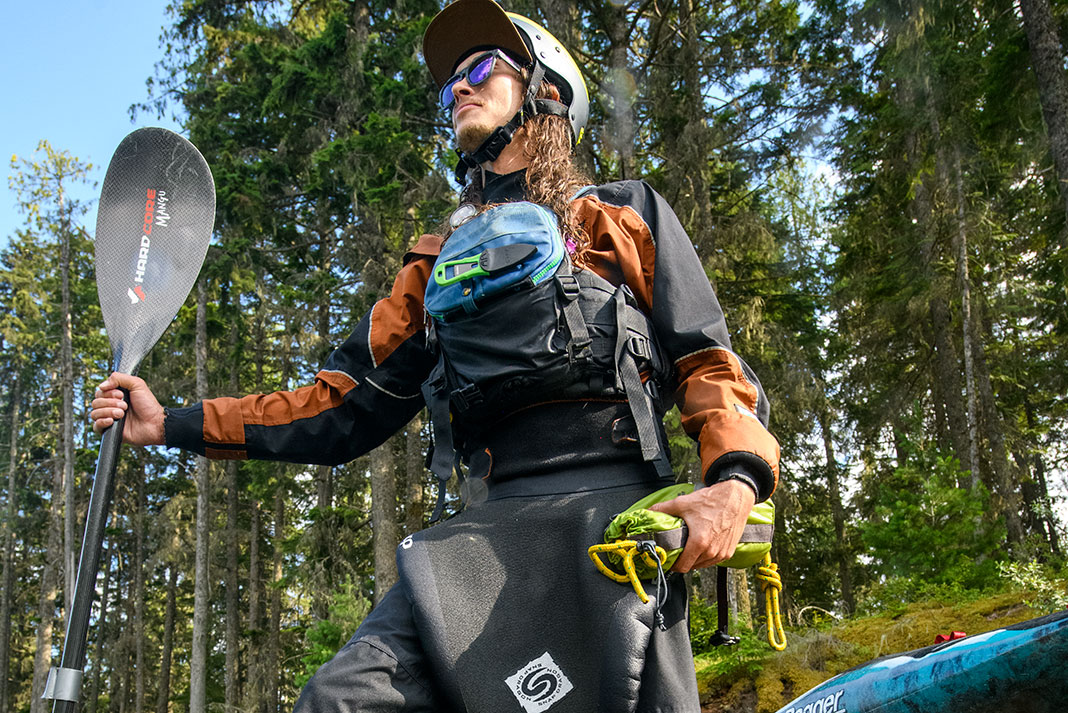
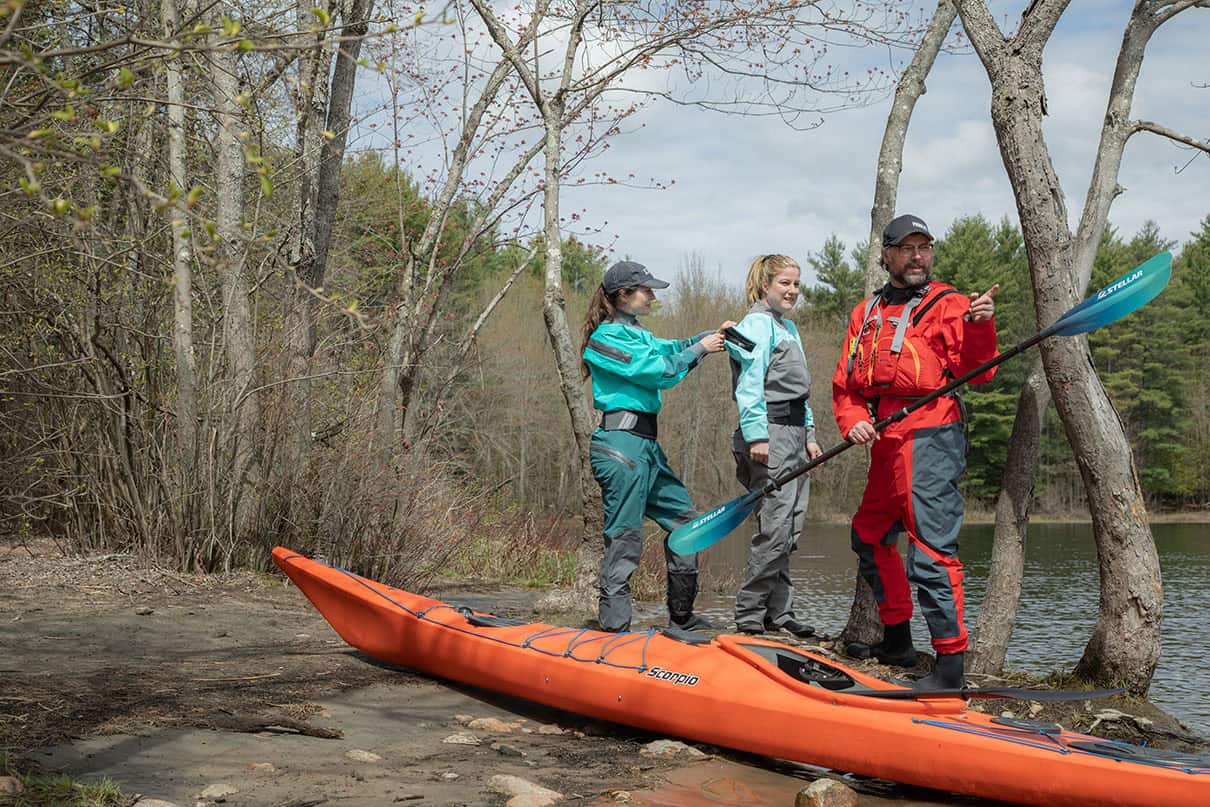
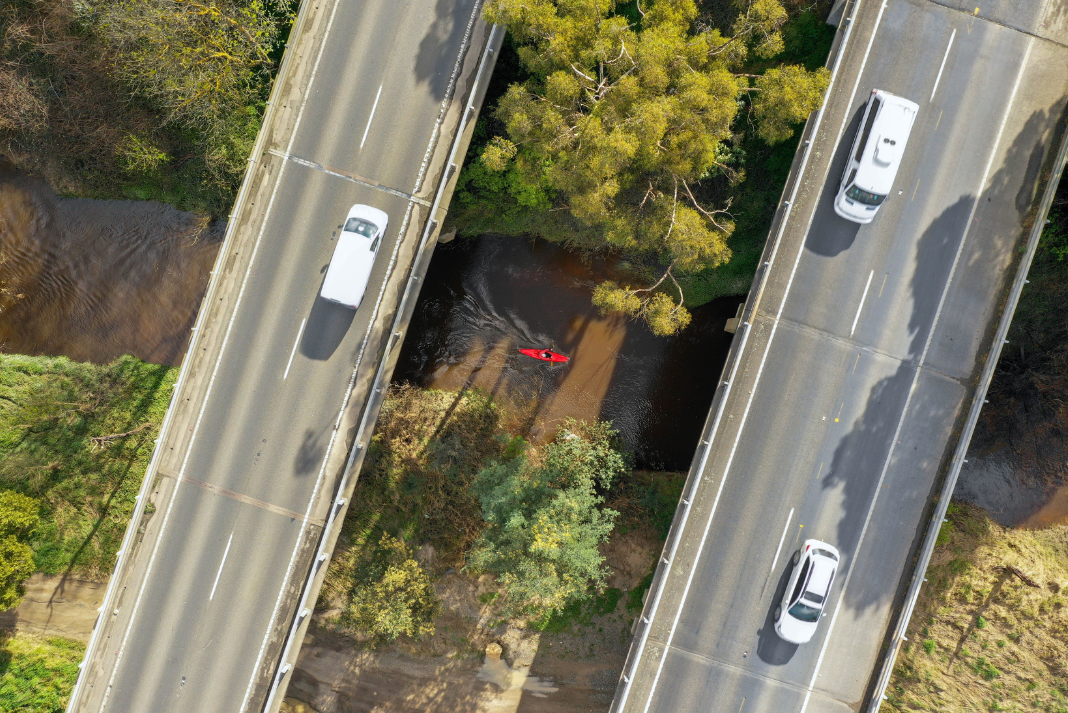
Following on the heels of success with the Ripper series, Pyranha has unveiled their latest half-slice creation, the Firecracker.
According to Pyranha, the Firecracker has been somewhat five years in the making. When the UK headquarters was convinced by their US cohorts that paddlers would get a kick out of a creek boat bow with a squashed tail, they were hesitant it would take off the same way on the small rivers of the UK. They drew up the concept for a shorter design, and put it on the slow burner. What has come to be of Pyranha’s 7′ 11″ science project is intended to be well suited on low-volume rivers, catapult into downriver moves, and surfs just about any wave.
[ See the complete quiver of Pyranha Kayaks in the Paddling Buyer’s Guide ]
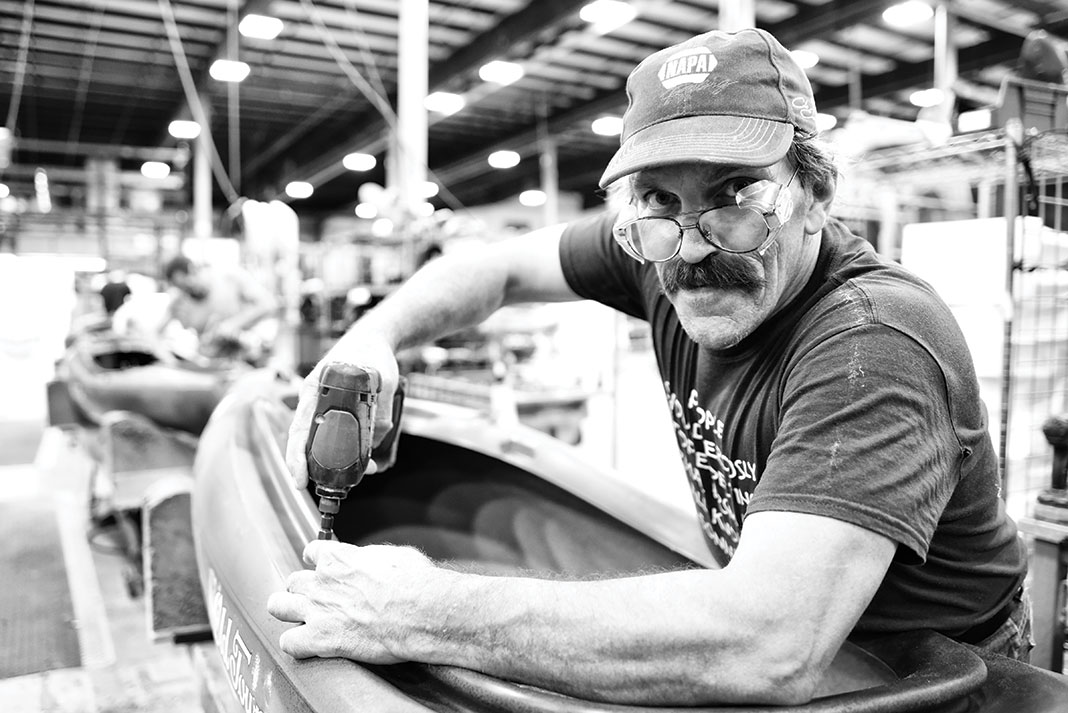
In theory tariffs are designed to protect American manufacturing jobs, like those on the Old Town kayak assembly line. | Feature photo: Courtesy Old Town
Remember back before Covid turned the paddlesports world on its head, when the biggest thing many retailers and manufacturers had to worry about was an old-fashioned trade war? Covid may finally be coming under control, but the tariff battles are still raging. In fact, the so-called Trump tariffs are still in place two and a half years after their namesake’s reluctant exit from the Oval Office.
The tariffs could be with us for years more to come, thanks to forces great and small in American politics, from the powerful labor interests at the foundation of President Joe Biden’s constituency all the way down to Vermont Senator Patrick Leahy’s bum hip.
More on that in a moment, but first, let’s review.
Back in 2018, the Trump administration levied new tariffs on steel and aluminum—including imports from most-favored besties Canada and the EU. The snubbed trading partners answered with retaliatory duties on U.S.-made canoes and kayaks, and thousands of other goods. The Europeans slapped a 25 percent tariff on U.S. paddlecraft, and the Canadians put a 10 percent tax on northbound kayaks and canoes.
In theory tariffs are designed to protect American manufacturing jobs, like those on the Old Town kayak assembly line. | Feature photo: Courtesy Old Town
U.S. takes aim at Chinese imports
While the transatlantic squabble impacted the European sales of U.S. manufacturers such as Wenonah and Jackson, it was a mere sideshow to the trade war with China, which Trump kicked off in 2018 and 2019 with tariffs on some $370 billion in Chinese imports. Among them were duties on standup paddleboards, kayaks, pedal drives and all manner of raw materials.
The import duty on inflatable kayaks from China increased from 2.4 percent to 27.4 percent overnight, says Sea Eagle CEO John Hoge. The tariffs were a body blow to his business, but to add insult to injury, they made no sense. Tariffs are supposed to protect domestic industry by slowing competition from abroad, but Hoge says no one in the United States makes inflatable kayaks anything like those Sea Eagle imports from Asia.
Hoge took his case to the Office of the United States Trade Representative in 2019, requesting tariff exclusions for inexpensive inflatable kayaks and entry-level paddles from China. It worked.
“We got a refund on everything we had paid before the exemption was put into place, and for one year from the date of the exemption, everything we brought in from China was tariff-free,” he says. However, not all paddlesports imports received exclusions. Products such as hard-shell kayaks and canoes competing with U.S.-made boats don’t meet the requirements for tariff relief.
Also, the loophole was temporary. When the exclusions expired in August 2020 the Trump administration didn’t renew them, but by then the Covid paddling boom was in full swing and not even a 27.4 percent surcharge could dampen buyers’ enthusiasm.
“All the inflatable companies are paying the full tariff again, but in the environment where people had more money than ever and they were chasing goods, it wasn’t a problem,” Hoge says.
Squinting to see relief on the horizon
Now with the market coasting toward a new post-Covid normal, the tariff issue is again front of mind. Democrats had railed against the Trump trade war for years, but when President Biden took office he kept them in place. His blue-collar blue-state coalition has close ties to organized labor, and the unions have made clear they want no concessions on the trade war’s central fronts. Steel and aluminum, automobiles, aircraft, heavy equipment, washing machines—those are all off the table.
What is on the table? Duties on consumer goods like bicycles, according to press accounts citing administration sources. That could be good news for some paddlesports segments—surely a kayak pedal drive is like a bicycle?—though the odds for any product gaining relief seem rather long. Biden floated the idea of lifting about $10 billion of the $370 billion in tariffs his predecessor imposed, but that was way back in July. By August, the trial balloon was running short on helium.
Democrats railed against Trump’s trade war for two years, but when President Biden took office, he left them in place.
Biden stayed mum on the subject all summer, apparently waiting for the U.S. Congress to make the issue go away. For more than a year, competing bills had been marching through the House and Senate to make the U.S. semiconductor industry more competitive with China, among many other things.
These were the kind of bipartisan must-pass bills that collect all kinds of legislative passengers. One rider in the Senate version would have reinstated all the tariff exclusions in place during the Trump administration, including those on inflatable kayaks and aluminum-shafted paddles. The House bill had no such provision.
For most of the summer the bills were in reconciliation, a process in which 107 Senators and Representatives decided what baggage the combined bill would carry across the finish line, and what would be thrown overboard.
Along the way the combined bill collected a new name, the CHIPS for America Act, as well as $52 billion in support for the domestic semiconductor industry and a further $228 billion for other stuff—but no tariff relief. Lawmakers jettisoned the provision just days before the bill passed with bipartisan support.
For now at least, there will be no truce in the trade war.
This article was first published in the 2023 issue of Paddling Business. Inside you’ll find the year’s hottest gear for canoeing, kayaking, whitewater and paddleboarding. Plus: Industry leaders on the post-pandemic landscape, 50 years of paddlesports, the rise and fall of ACK and more. READ IT NOW »
In theory tariffs are designed to protect American manufacturing jobs, like those on the Old Town kayak assembly line. | Feature photo: Courtesy Old Town
Skeptical about your storage methods and plotting to raid your supplies later for the baby cheeses. | Feature photo: Alan Poelman
Canoeists love to debate camping techniques. Single blade or double. Stuffing your tent or rolling it. Ground cloth inside or outside. One of the longest-running, raging disputes among wilderness paddlers is how to properly store your food to keep it away from bears.
The bear canoe: Debunking the second worst way to store your food overnight
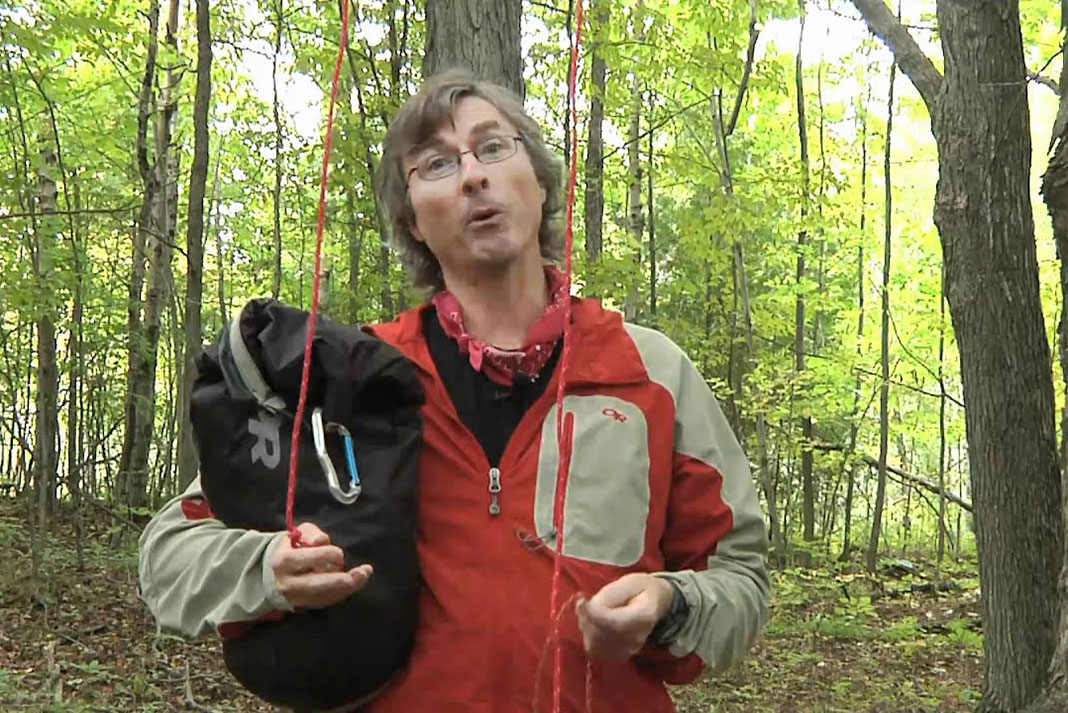
According to many experts, the best way to store your food in many areas is to hang it. You know the drill. String it up between two trees or over an outstretched limb, a minimum of 10 feet from branches and trunks and more than 10 feet off the ground. However, large groups face another challenge. What if you’ve brought so much food your storage barrel or bag weighs too much to haul up? Or, what if you have multiple bags or barrels?
Skeptical about your storage methods and plotting to raid your supplies later for the baby cheeses. | Feature photo: Alan Poelman
Dear reader, you may have many solutions to this conundrum, but please pipe down. Instead, let me tell you about the bear canoe method.
Also called the floating technique, this alternative has been used by many youth camps I worked at throughout the years. The system is simple, though not idiotproof.
First, place your food in waterproof storage sacks or barrels and clip the barrels or packs into a canoe. Then tie a 30- to 40-foot rope on one grab handle of the canoe and tie the other end to a tree on the shore. Next, tie a second, shorter rope to the same grab handle of the canoe and then tie a rock to its other end. This is your anchor.
Now, using your second canoe, paddle the canoe with all your sustenance out into the lake, about to the end of the rope attached to the tree. Finally, drop the anchor and paddle back to camp.
Now go to bed. Sweet dreams.
If you’re on a trip with only one canoe, here’s a trick so you too can participate in this risky overnight food storage method. First, place the tied-up anchor rock on the gunwale, and wrap it with a couple of loops of the main rope that has been tied off to shore. Then, when you push the canoe out into the lake and the main line becomes taunt, the rock will roll into the water and become an anchor for the canoe.
Now, forget that you’ve just sent your only means of transportation out to sea and sleep soundly.
Pitfalls of floating food storage
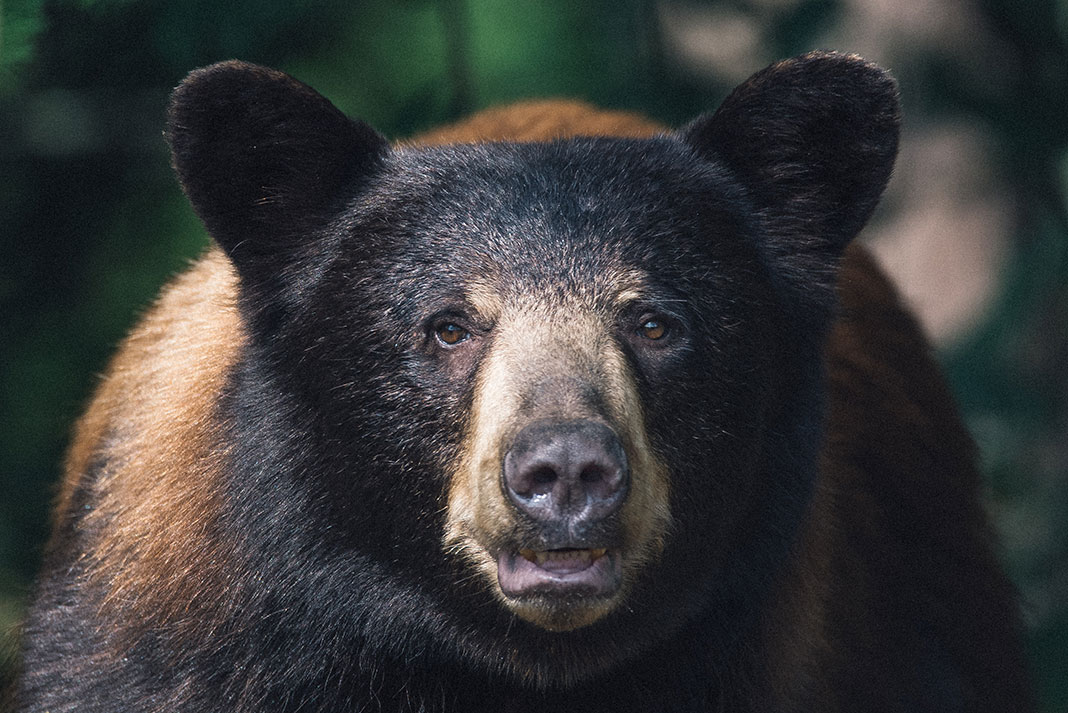
I never slept well listening to a light chop slap the hull of my canoe all night, anxiously wondering if both my bacon and boat would be gone by morning. In fact, I’m skeptical of this storage technique altogether. Bears can swim, right? If a bear can locate food on the ground, why wouldn’t she find it in a tethered canoe?
There’s a theory bears can’t tread water very well, so it would be hard for a bear to propel itself into the canoe. It’s not a theory I want to test, and capsizing the canoe also seems like a poor outcome in my book.
Most concerning, if a storm comes up in the night, the wind and waves could release the canoe’s anchor, sending the canoe and food off on a joy ride across the lake. A less unfortunate but still far from ideal outcome is if the canoe washes up on shore like a great big picnic basket for nocturnal critters.
On most wilderness canoe trips, the canoe is your most essential tool. You can likely survive without food, tent and supplies for a few days. You can drink the water from the lake. But your canoe is your ticket home. Don’t leave it floating.
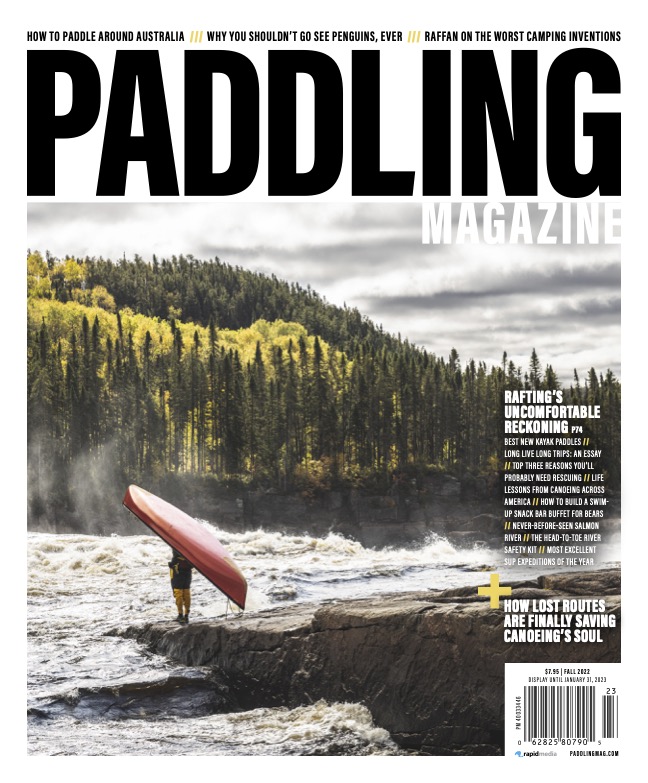
This article was first published in the Fall 2022 issue of Paddling Magazine. Subscribe to Paddling Magazine’s print and digital editions, or browse the archives.
Skeptical about your storage methods and plotting to raid your supplies later for the baby cheeses. | Feature photo: Alan Poelman
In the 1970s Richard and Rochelle Wright and their two sons rafted down the Fraser River from Tête Jaune Cache to the Pacific coast. They were largely following the route of the Overlanders of 1862, who traversed the Canadian Rockies to join the Cariboo Gold Rush in British Columbia. The family’s journey was produced into the classic Canadian paddling film Family Down The Fraser, directed by Tony Westman.
Decades later, the essence of the Wright’s journey still resounds. Thanks to the restoration work of the National Film Board of Canada, their Fraser River story can be enjoyed by paddling audiences once again.
When it comes to river rescue gear, if you stay ready, you don’t have to get ready. | Feature photo: Daniel Stewart
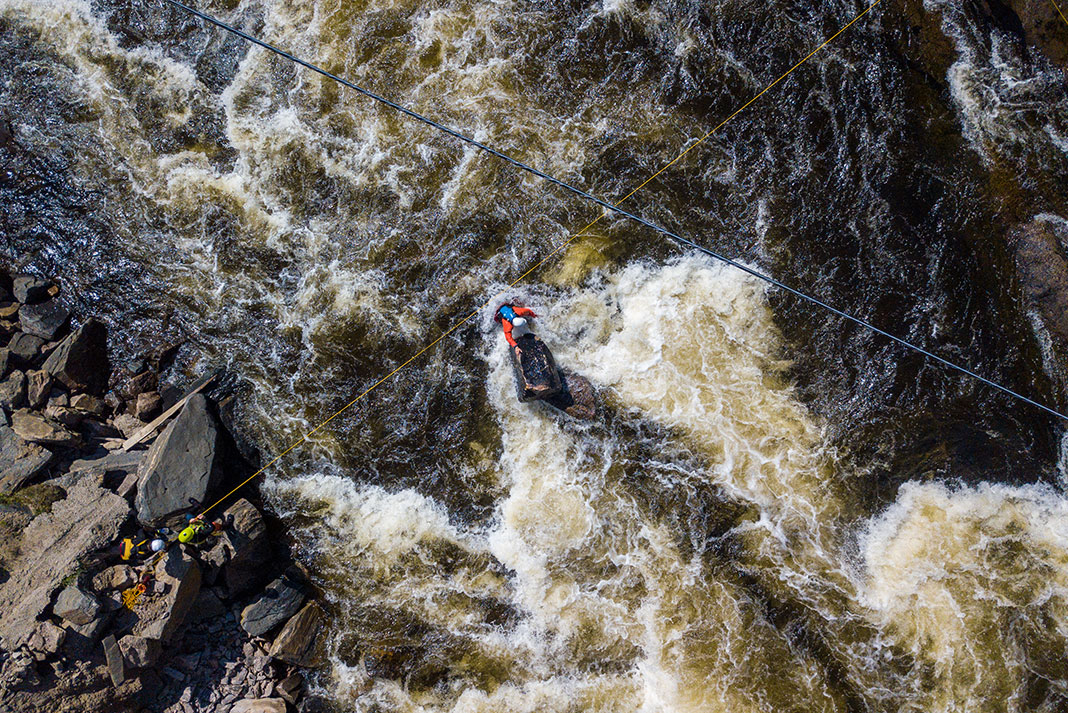
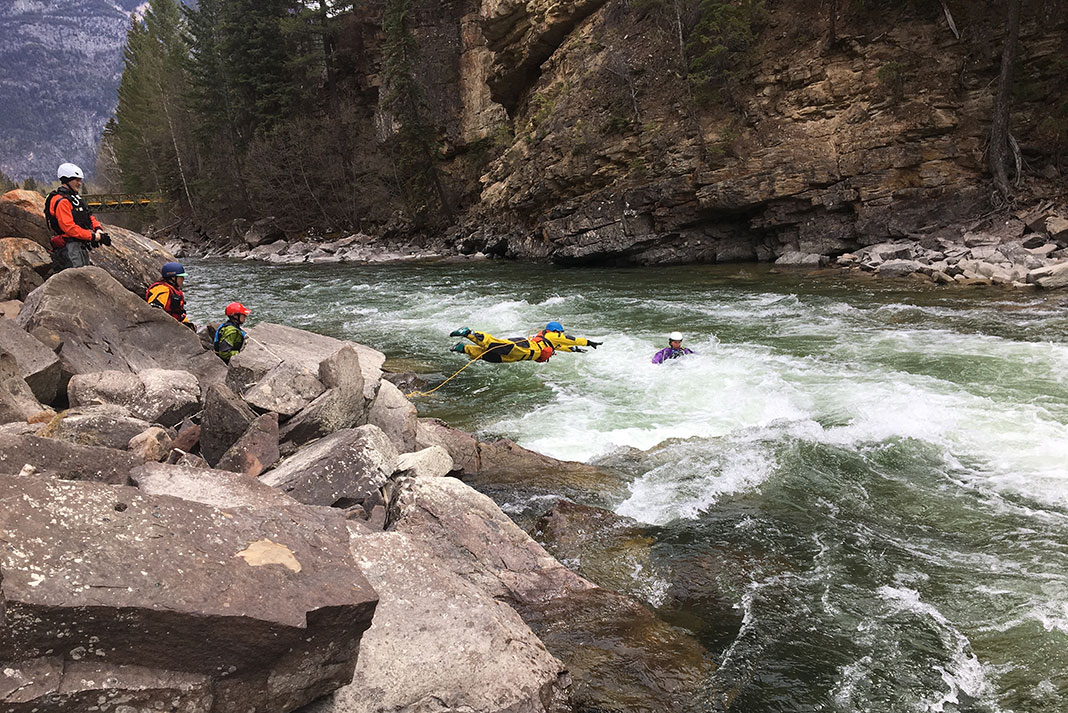
Whether you are brand new to whitewater or are a seasoned paddler, it’s important to know what gear to take along to prepare you for any situation. With all your river rescue gear choices, minimize entrapment risk by avoiding anything loose or dangling, keep webbing and strap tails short, always lock exposed carabiners, and never attach a rope to yourself without a quick release.
Carrying these 12 pieces of gear on you ensures you’ll be prepared for anything the river throws at you, even if you get separated from your boat.
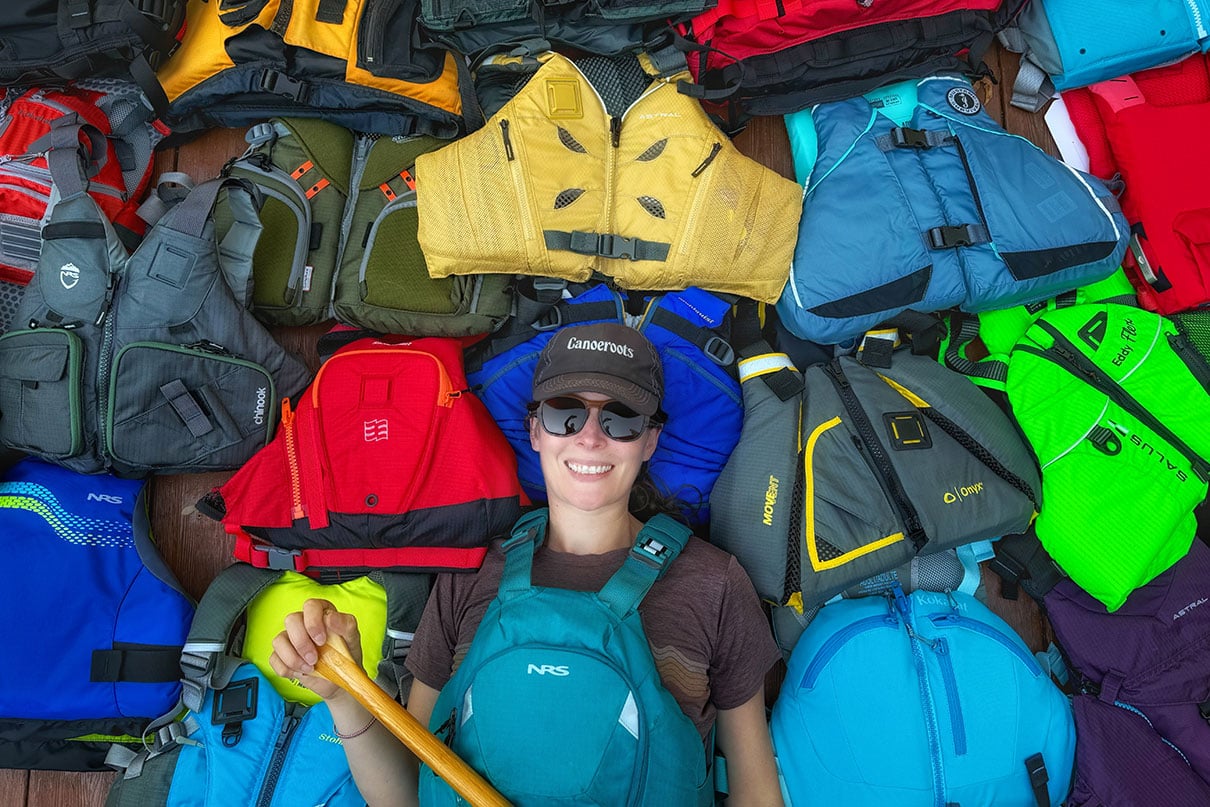
Choose a PFD that fits without slipping off when pulled from above with your arms raised above your head, balances comfort and mobility with flotation, and has enough pockets to fit the other gear on this list. Rescue PFDs are outfitted with a quick release harness, which can be used to attach a rope to your PFD in a rescue. If you choose a PFD with a quick release harness, get training on how to use it and practice releasing under tension.
Your helmet needs to fit well and be designed for use in whitewater. Whitewater helmets never have long solid brims, which could act as scoops in the water leading to neck injuries.
Carry a sharp knife in a secure sheath on the outside of your PFD where you can access it with both hands. Practice taking the knife out and putting it back in to build muscle memory and get in the habit of inspecting its condition. While many PFDs come with a knife attachment point on the front, this can expose the knife to impact while swimming, possibly breaking the sheath. Using two zip ties to fasten the sheath to the shoulder strap of your PFD ensures it is accessible and out of the way.
Footwear
Appropriate footwear is essential not only for swimming and walking in rapids but for walking the shoreline of the river or an emergency hike out through the woods. Your river shoes need to stay on while swimming, protect the bottoms of your feet with solid, grippy soles, cover your toes, and be easy to swim with. Anything from thrift store runners to top-of-the-line river shoes can work, the latter probably grippier.
Whistle
A whistle is an important signaling device on the river. Use these internationally recognized signals: one short blast for attention, three long blasts for an emergency. Use it sparingly to avoid whistle blasts getting tuned out.
When it comes to river rescue gear, if you stay ready, you don’t have to get ready. | Feature photo: Daniel Stewart
Clothing
Dress for the water temperature, not the weather. No matter how confident of a paddler you are, you may end up taking part in a rescue requiring you to be in the water for an extended period of time. Dress in non-cotton, insulating layers with a windproof shell. In colder water conditions, add a wetsuit or drysuit.
During a rescue there isn’t time to make a Dutch oven lasagna on the side of the river. Carry a snack with simple sugars and fat to make sure you can maintain your energy level and a clear head through a long rescue.
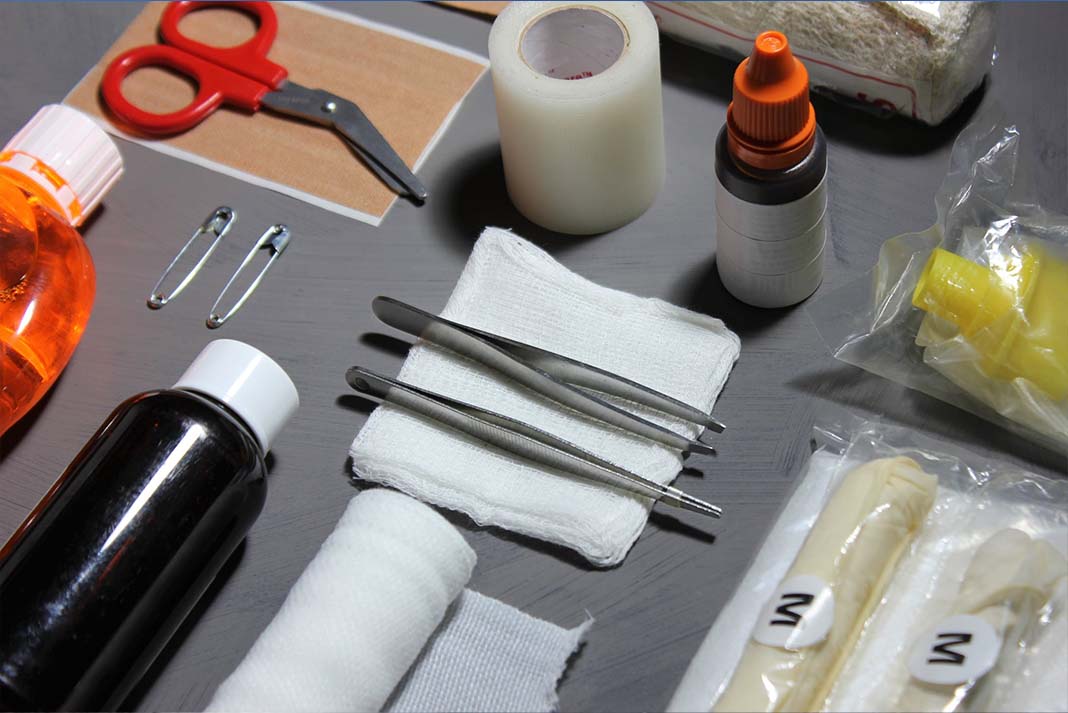
Carry a first aid kit, even on day trips, ideally split between two or more boats. In addition to the usual supplies, carry an emergency kit consisting of gloves, a compact CPR mask, pencil and paper, and a fire starter in a waterproof container in your PFD.
Rigging gear
Rather than having one big bag of rigging gear which may end up in the boat pinned in the middle of the river, spread it out between multiple people, and have each person carry a couple of items in their PFD pockets. A good balance between versatility and weight is four carabiners, three pulleys, two accessory cords, one piece of webbing, and one high-quality throw bag, or 4, 3, 2, 1, 1. This is just enough gear to set up a 3:1 mechanical advantage system.
Carabiners
Only choose locking carabiners to ensure they don’t accidentally clip onto something in the river, causing an entrapment hazard. Carabiners can be carried unlocked in a PFD pocket or locked on the outside of your PFD.
Pulleys
At least one should be prusik minding (bell-shaped). Small (under 1.5-inch wheel size) aluminum pulleys are light, fit nicely into a PFD pocket, and work well for river rescues.
Accessory cord & webbing
Two 1.5-meter strands of six-millimeter accessory cord can be carried in a PFD pocket. A four- to five-meter strand of 25-millimeter tubular webbing (often called a flip line) might also fit in a pocket. It can also be worn wrapped around the waist but cut to size so it has short tails and fits very snugly. Always attach it with a locked carabiner.
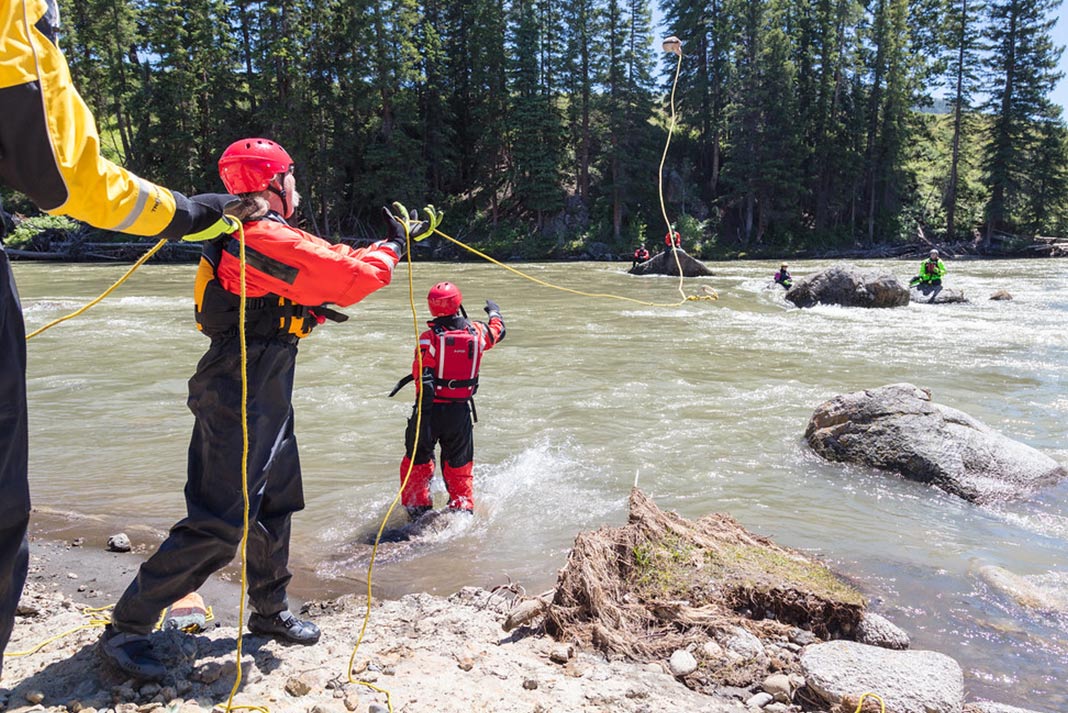
Choose a throw bag that floats, drains water, closes tightly and has attachment points other than the rope itself. It should contain 15 to 25 meters of floating rope. To work with the rest of your rigging gear in a mechanical advantage system, choose a high-quality kernmantle rope eight to 9.5 millimeters in diameter. A thick, high-quality rope like this offers a lot of versatility but can be heavy to throw and bulky to carry on your person. A six-millimeter rope is much more compact and easier to throw but cannot be used in a mechanical advantage system. Thinner ropes are also harder to hold and can result in rope burn for the thrower or subject. Choose a smaller bag that fits in a PFD hand-warmer pocket and carry a larger bag attached to a boat.
Boreal River Rescue’s instructor Jamie Orfald-Clarke and director Danny Peled offer certification courses in swiftwater and whitewater rescue, wilderness medicine and first aid.
This article was first published in the Fall 2022 issue of Paddling Magazine. Subscribe to Paddling Magazine’s print and digital editions, or browse the archives.
When it comes to river rescue gear, if you stay ready, you don’t have to get ready. | Feature photo: Daniel Stewart
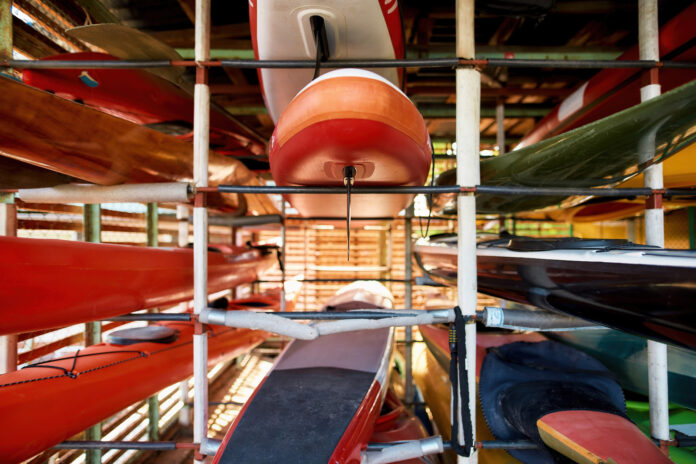
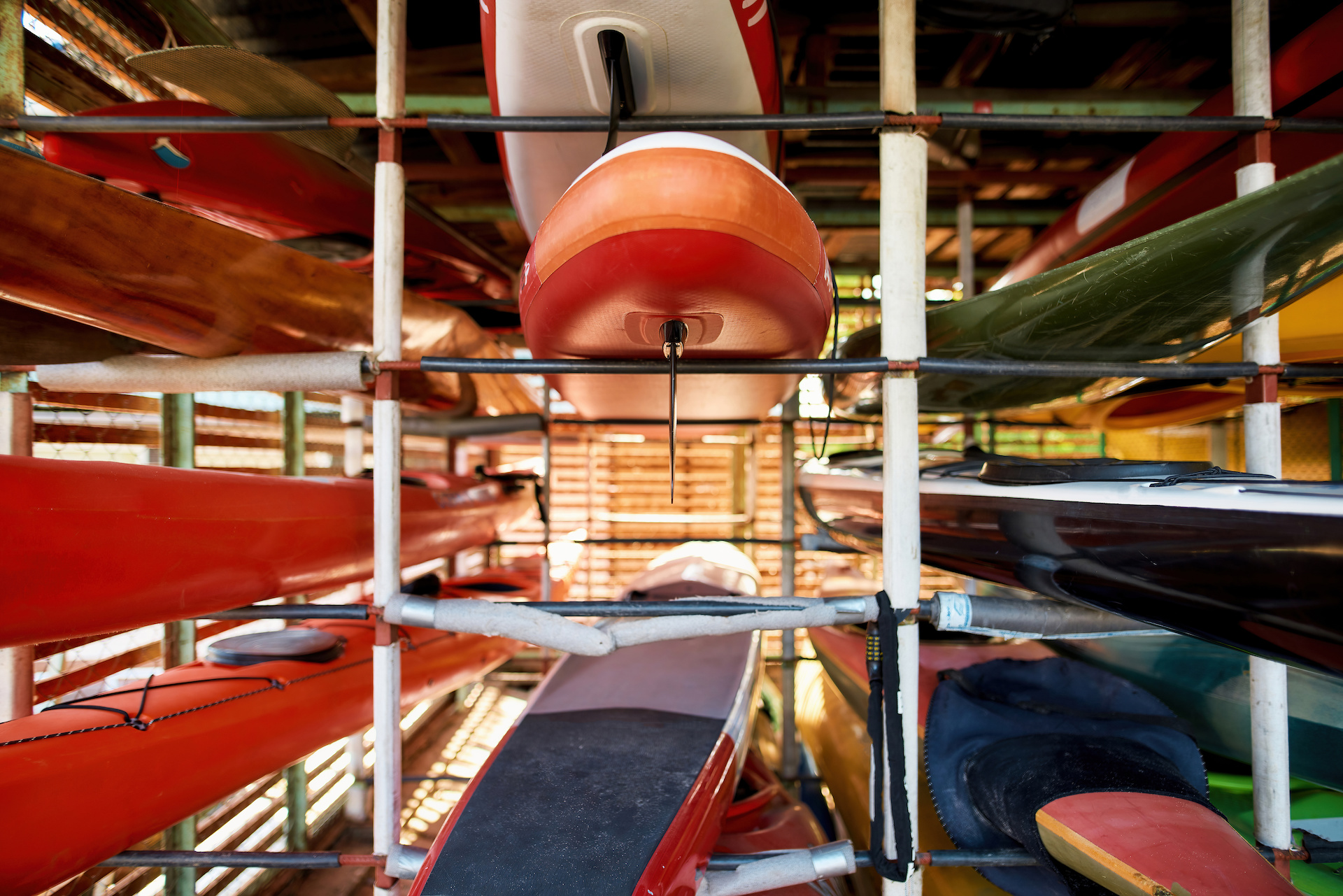
Set of different colorful kayaks on shelves in garage.
B
ENTONVILLE, Ark. (February 15, 2023) – Paddlesports industry leaders gathered in Bentonville, AR, January 25-27, for a leadership summit where the group approved the formation of a new national trade organization. The Paddlesports Trade Coalition will bring together manufacturers, distributors, sales representatives, retailers, and media to grow paddlesports in North America as well as monitor and engage in relevant federal and state legislation, water access issues, sustainability practices, and other matters related to the category.
“It is time for the paddlesports community to come together and have its own voice so we can expand our sport and make it more accessible and inviting to more people,” said Ed Vater, retired president of Aqua Bound – Bending Branches, and the moderator of the two-day summit.
Along with the unanimous vote to form the coalition, a steering committee was created that will prepare a formal draft proposal for the formation of the coalition and undertake the initial steps in formalizing the organization.
The organization has defined “paddlesports” to include all modes of human and electric-powered personal watercraft including canoes and kayaks as well as SUP (stand-up paddle), pedal drives and the growing electric-drive powered personal watercraft.
Paddlesports brands represented at the summit included: AIRE Inc. Whitewater Division, Angle Oar LLC, AquaBound/ Bending Branches, Aquaglide, BIG Adventures (Native Watercraft, Bonafide, Liquidlogic, Hurricane Kayaks), Boonedox, Canyon Coolers, Diablo Paddlesports, Down River Equipment, Eddyline Kayaks, Esquif, Grey Duck Outdoor, Hobie Kayaks, Jackson Kayak, Kokatat, Inc., Level Six, Malone Auto Racks, Mustang Survival, NRS, Old Town/ Ocean Kayak/ Carlisle Paddles, Pau Hana Surf Supply, RAILBLAZA, Sawyer Paddles and Oars, Sea-Dog, Sea-Lect Designs, Seals Sprayskirts & Accessories, Suspenz, Wenonah Canoe, Current Designs Kayak, Werner Paddles, Yak Attack, and Yak Power.
The summit attracted representatives from 30 paddlesports brands and manufacturers and was sponsored by Visit Bentonville, the local tourism bureau, and Runway Group, a holding company making investments in real estate, outdoor initiatives, hospitality, and businesses committed to making Northwest Arkansas the best place to live.
“Thanks to Bentonville for hosting us and giving us a venue for our industry to come together and create the foundation for the future of paddlesports in North America,” said Scott Holley, President of Eddyline.
Brands represented at the summit included:
AIRE Inc.
Whitewater Division
Angle Oar LLC
AquaBound/ Bending Branches
Aquaglide
BIG Adventures (Native Watercraft, Bonafide, Liquidlogic, Hurricane Kayaks)
Boonedox
Canyon Coolers
Diablo Paddlesports
Down River Equipment
Eddyline Kayaks
Esquif
Grey Duck Outdoor
Hobie Kayaks
Jackson Kayak
Kokatat, Inc.
Level Six
Malone Auto Racks
Mustang Survival
NRS
Old Town/ Ocean Kayak/ Carlisle Paddles
Pau Hana Surf Supply
RAILBLAZA
Sawyer Paddles and Oars
Sea-Dog
Sea-Lect Designs
Seals Sprayskirts & Accessories
Suspenz
Wenonah Canoe
Current Designs Kayak
Werner Paddles
Yak Attack
Yak Power.
Any paddlesport brands that were unable to make the summit and would like to join the coalition can contact Jeff Turner of Kokatat at jeff_turner@kokatat.com to get involved.
When it comes to kayak eco tourism, with great disposable income comes great responsibility. | Feature photo: Ben Haggar
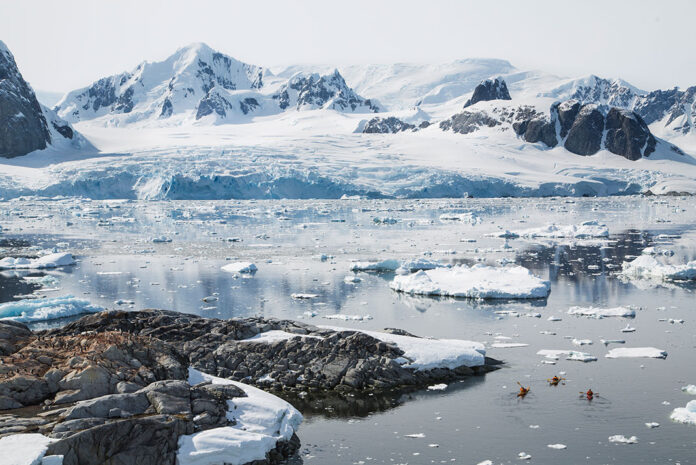
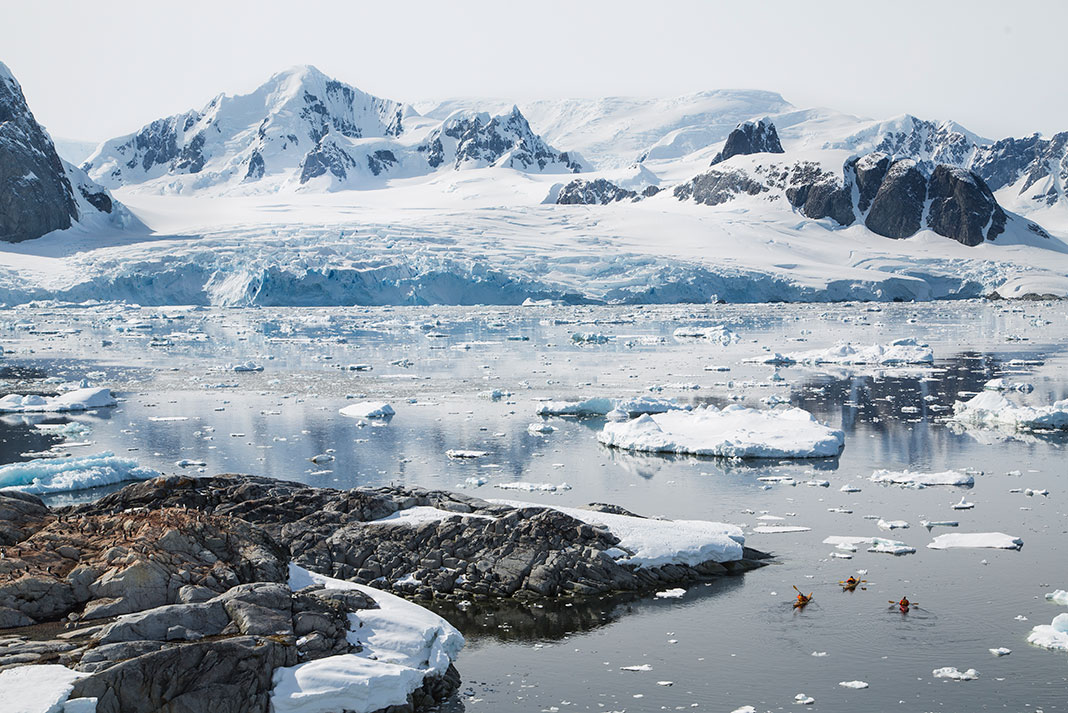
If you were given the option to go sea kayaking in Antarctica, would you? On one hand, the decision is all too easy. The British-based Antarctic travel company Swoop offers Antarctic cruises starting at about $7,500 USD, to which you can add a kayaking excursion for an additional $450. With the click of a mouse, I could be on one of Swoop’s cozy ships, crossing the Drake Passage by Christmas. Other than sheer cost—and what else are credit cards for?—nothing is standing in my way of dipping a paddle in one of the most far-flung, fragile and pristine ecosystems on earth. It’s a wonderful, bucket-list-worthy opportunity, but kayak eco-tourism can come with some larger costs.
Loved to death: The unintended consequences of kayak eco-tourism
There is no doubt, at least before the Pandemic put a damper on travel, over tourism had become a problem at many high profile hot spots. Nowhere is this more evident than in Antarctica, a place with no baseline level of human occupancy.
“Unfortunately, the Antarctic environment is very fragile, and even low levels of disturbance can have a lasting impact,” says Claire Christian, executive director of the conservation group Antarctic and Southern Ocean Coalition (ASOC). Her organization has tracked Antarctic tourism from its beginning in the 1950s, when only a few hundred people a year visited, to today, when the last full season before Covid saw 74,000 visitors.
When it comes to kayak eco-tourism, with great disposable income comes great responsibility. | Feature photo: Ben Haggar
The impacts of tourism on an environment already strained—and warming faster than any other place on Earth—are clear. The ASOC documents many of them, from the fact that every ton of fuel burned in Antarctica requires an additional ton to get it there, to the introduction of non-native species, disturbances to wildlife, and the fragmentation of wild areas by new must-see tourist destinations. A recent study found every visitor resulted in a snowmelt of 83 tons, just from the effect of the black carbon soot from their transport darkening the snow, causing it to melt faster.
Yet despite the impacts we are already seeing, visitor numbers are doubling every half decade. The ASOC says tourist operators have already ordered enough new boats to increase passenger capacity by 30 to 40 percent in the next three years.
Tourists tread with a heavy foot
Antarctica is just one example of our species’ ever growing appetite for travel. The number of international trips worldwide went from 24 million a year in the 1950s to 1.3 billion in 2018. The travel media is full of stories of places—from Antarctica to Venice, Iceland to Dubrovnik—where visitors risk destroying the very thing they came to see.
Meanwhile, according to the David Suzuki Foundation, the global tourism industry is responsible for eight percent of global greenhouse gas emissions, which is more than the entire construction industry. That Antarctic trip I was looking at is probably one of the worst culprits, according to the tour company Swoop itself, which helpfully tracks its emissions. The cruise I was considering emits 3,488 kilograms of CO2 per person, equivalent to 61 percent of an average North American’s annual emissions. The flight to Southern Argentina and back is another 3,700 kilograms of CO2 per person.
On its website, Swoop acknowledges its environmental contradictions, stating, “we continue to send our customers to places that are near-impossible to reach without flying, creating tons and tons of carbon emissions.” The website then catalogs how the company is turning inside-out to fix this. For one, it gave all its staff a reusable cup. And its offices worm-compost their food scraps. More significantly, by 2023, Swoop promises to offset all the emissions of its guests’ and employees’ trips dating back to its beginning in 2010.
How can we offset the impacts of travel?
Carbon offsets, I argue, are little more than disingenuous greenwashing, allowing those with money to burn (literally) to wrap their dirty travel in a veneer of good intentions.
Purchase with Swoop and the carbon offset money might be used to distribute solar cookers to rural homes in China. Someone in a rich country wants to cruise to Antarctica, so a villager in China gets a contraption to cook their rice with sunshine instead of coal. Of course, the villager might prefer to go to Antarctica himself, but that is not on the table. Neither is the option to have the traveler stay home, use their travel money to buy even more solar cookers, and then not take a trip that will cancel out those benefits. Of course, it is an option, just not one that gets discussed much.
Claire Christian and ASOC are advocating for tourist limits to be put into place to protect Antarctica from the overwhelming number of visitors it will inevitably get. But the organization also hopes educating would-be travelers about their impacts will convince many not to go at all.
“Weigh the value of your visit against its environmental and other impacts,” ASOC’s travel brochure advises. In other words, in the absence of regulations, we need the restraint to regulate ourselves.
In Sweden, home of the climate activist Greta Thunberg, people have coined the words flygskam and tagskryt, which mean “flight shame” and its counterpoint, “train bragging.” Aside from signaling we can finally use Swedish words for something other than furniture, this is a sign popular opinion might be turning toward travel self-restraint.
Setting limits starts at home
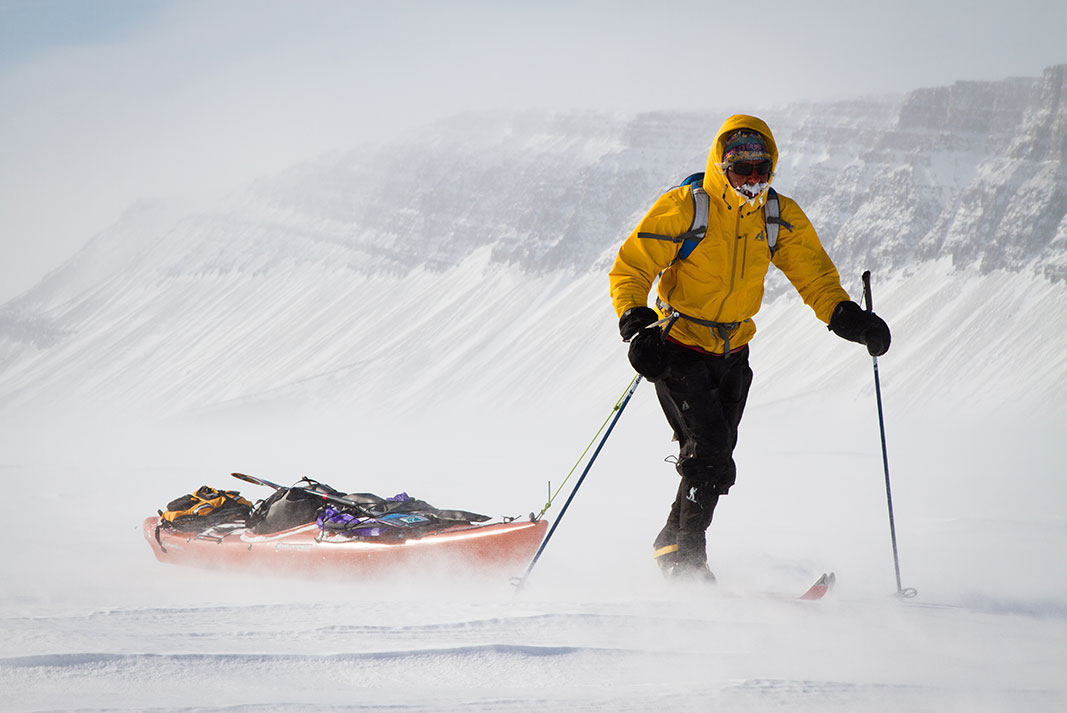
Someone who has applied such restraint to his own life is legendary kayak adventurer Jon Turk.
“Throughout my lifetime, long-distance airplane travel for recreation has been a huge and hugely positive component of my life,” Turk wrote to me. “It is a bit suspect for me to say, now that I am old, other people should not jump on an airplane to visit foreign places and cultures. But personally, I can no longer justify flying halfway around the world to have fun.”
Turk is still adventuring, but now lives and travels in his van.
Travel is a kind of magic. It can blow your mind in ways few things can. Who wouldn’t want to follow in the wake of the Antarctic explorers, even if it is on a tourist ship? The wind in your hair, crossing a distant sea, a new world to explore. It would surely feel like time and money well spent.
With freedom comes responsibility. I don’t know if I can promise never to go to Antarctica. But I like to think if I had the opportunity, I would have the wisdom and selflessness to say no. And then, who knows—maybe I could sell my decision as a carbon credit.
Contrarian columnist Tim Shuff is a former Adventure Kayak editor. He writes and paddles from the shore of Lake Huron.
This article was first published in the Fall 2022 issue of Paddling Magazine. Subscribe to Paddling Magazine’s print and digital editions, or browse the archives.
When it comes to kayak eco-tourism, with great disposable income comes great responsibility. | Feature photo: Ben Haggar
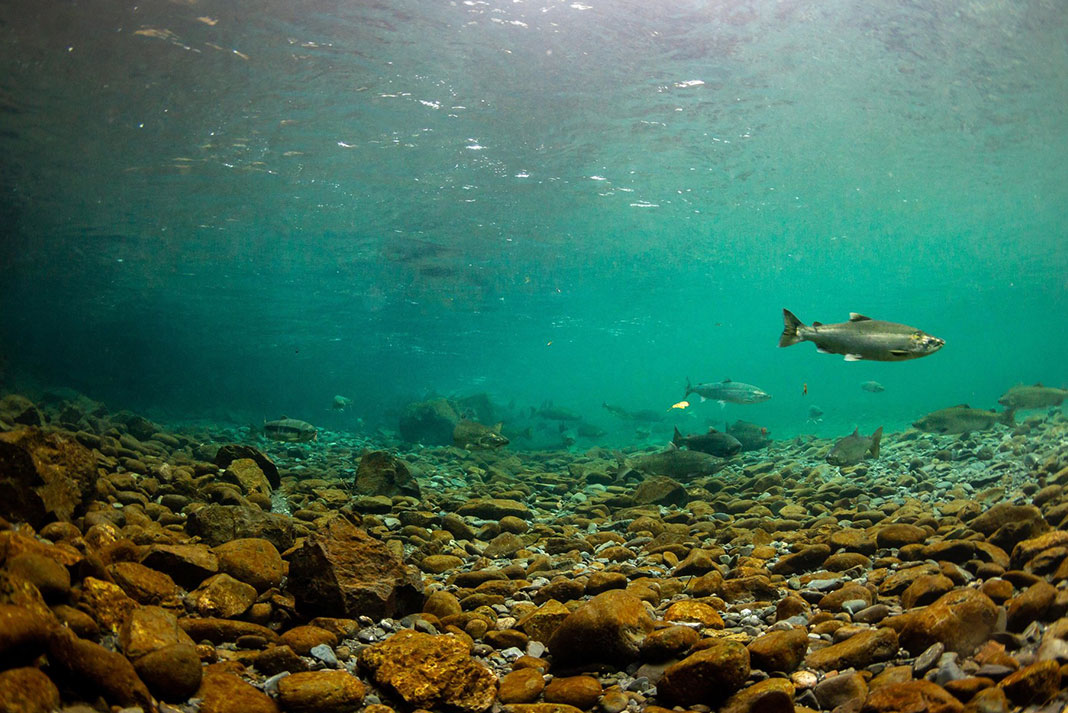
Vancouver, Victoria, Telegraph Cove, B.C. – January 19, 2023 – Salmon get a boost for the start of the year as Prince of Whales and North Island Kayak donate $130,000 to the Pacific Salmon Foundation (PSF) to support their Marine Science Program, dedicated to study and mitigate environmental factors impacting the health of salmon.
The Marine Science Program currently works to uncover where and why salmon and forage fish are dying, restore key kelp and eelgrass habitats, enhance the resilience of coastal ecosystems, visualize ecological, environmental, and human impact data in the Strait of Georgia, and more.
This donation substantially aids the foundation in restoring salmon, which are a vital part of the marine ecosystem and play a crucial role in the health of our oceans. Not only do they provide a source of food for a variety of marine creatures, including killer whales, bears, and birds, but they also help maintain the balance of nutrients in the ocean.
Salmon are known as a “keystone” species, which means they support over 130 species of wildlife. When salmon populations are healthy, it has an incredible ripple effect on the entire ecosystem.
Unfortunately, salmon populations around the world are facing numerous threats, including habitat loss, overfishing and pollution. These threats have serious consequences not only for the salmon themselves, but also for the animals that rely on them for survival. That is why it is Prince of Whales and North Island Kayak’s missions to support the PSF and conserve salmon populations.
The ongoing partnership between Prince of Whales and North Island Kayak and the PSF is just one example of the organizations’ commitment to sustainability and conservation. Prince of Whales is Victoria’s first Climate Positive whale watching business and a member of 1% for the Planet.
North Island Kayak is also a Climate Positive company, that reduces their impact on the environment and promotes a sustainable way to approach tourism. Prince of Whales and North Island Kayak are very adamant in promoting conservation as they believe it is their duty to protect the environment for future generations.
We all depend on salmon, including killer whale populations that draw tens of thousands of visitors to our region each year. We are at a critical time where species at risk need our help. On behalf of Prince of Whales, we are proud to partner with the Pacific Salmon Foundation to help drive research and action to help Pacific salmon populations recover.
—Alan McGillivray, president and owner of Prince of Whales Whale and Marine Wildlife Adventures, North Island Kayak, and SEA Vancouver.
About Prince of Whales
Founded in 1993, Prince of Whales Whale & Marine Wildlife Adventures has operations in Victoria, Vancouver and Telegraph Cove. The company operates more than 15 vessels, including high-speed catamarans, Zodiacs and custom-built cruisers. Prince of Whales is a Climate Positive marine adventure company, certified by Ostrom Climate, and is committed to offsetting at least 110% of their emissions annually.
As an industry leader, Prince of Whales supports organizations such as the Pacific Salmon Foundation, Ocean Wise, 1% for the Planet, Centre for Whale Research, and the Peninsula Streams Society.
About North Island Kayak
Located in Telegraph Cove on the northeast coast of Vancouver Island, B.C., North Island Kayak has been providing our customers with the opportunity to go kayaking with killer whales and other marine wildlife in this spectacular, remote part of British Columbia since 1991. Our focus on providing spectacular sea kayaking tours has made us the largest sea kayaking tour provider permanently located on northern Vancouver Island, with thousands of delighted customers.
About Pacific Salmon Foundation
The Pacific Salmon Foundation is a non-profit environmental organization dedicated to the conservation and restoration of wild Pacific salmon and their habitats in B.C. and the Yukon. Our motto is: salmon first, salmon always. Working with Indigenous partners, thousands of stream keepers, government, academic institutions, and a coalition of people for salmon, we never go it alone. Our mission is to conserve salmon for the benefit of generations to come.
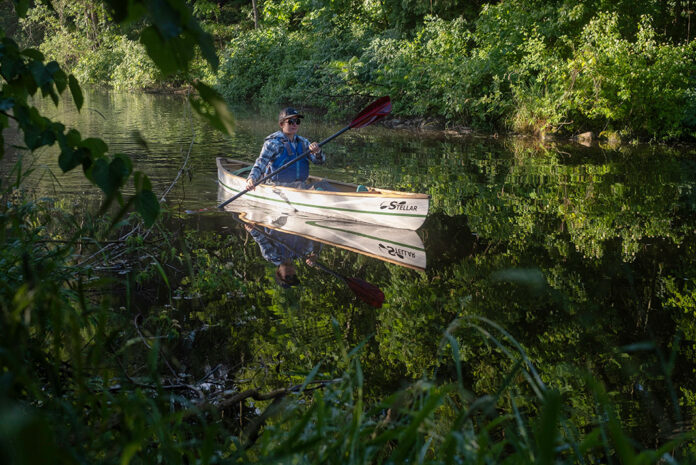
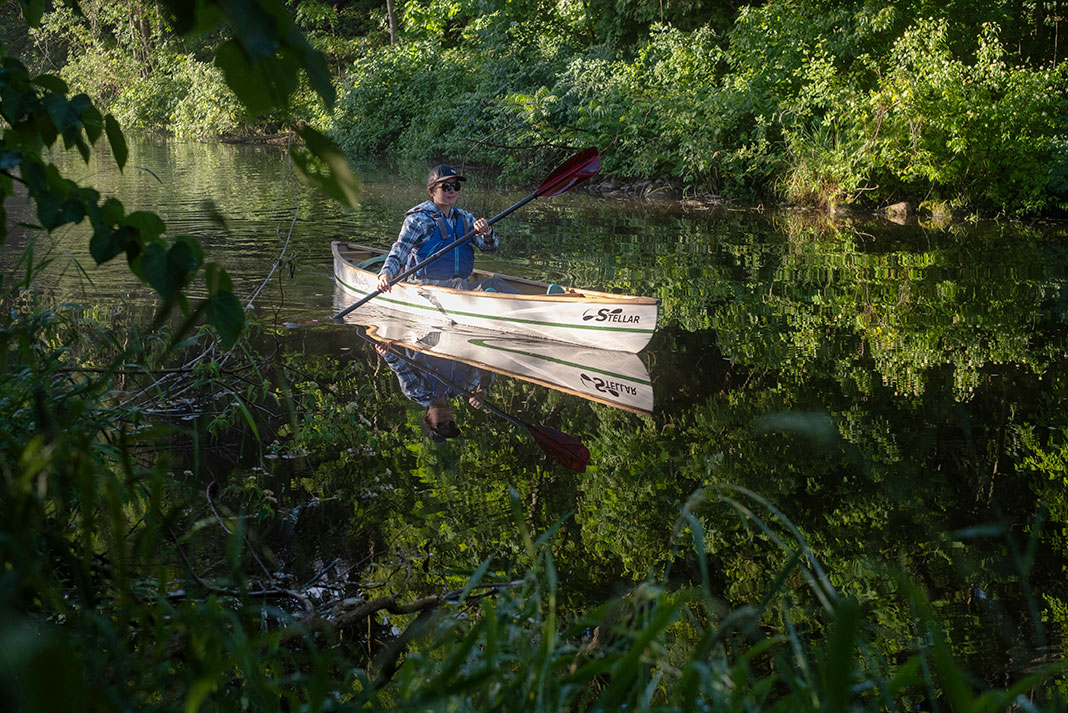
Meet the Stellar Dragonfly: Ready to make your dawn patrols, after-work adventures and solo weekends under the stars more accessible. | Feature photo: Wyatt Michalek
There’s something a little magical about dragonflies. Canoeists welcome visits from these voracious aerial predators, rooting for them as they nab mosquitos, horseflies and other nuisance insects from midair with fighter pilot skills making even Top Gun’s Maverick jealous. And with four glittery wings and giant compound eyes, dragonflies make the very short list of insects many people find beautiful.
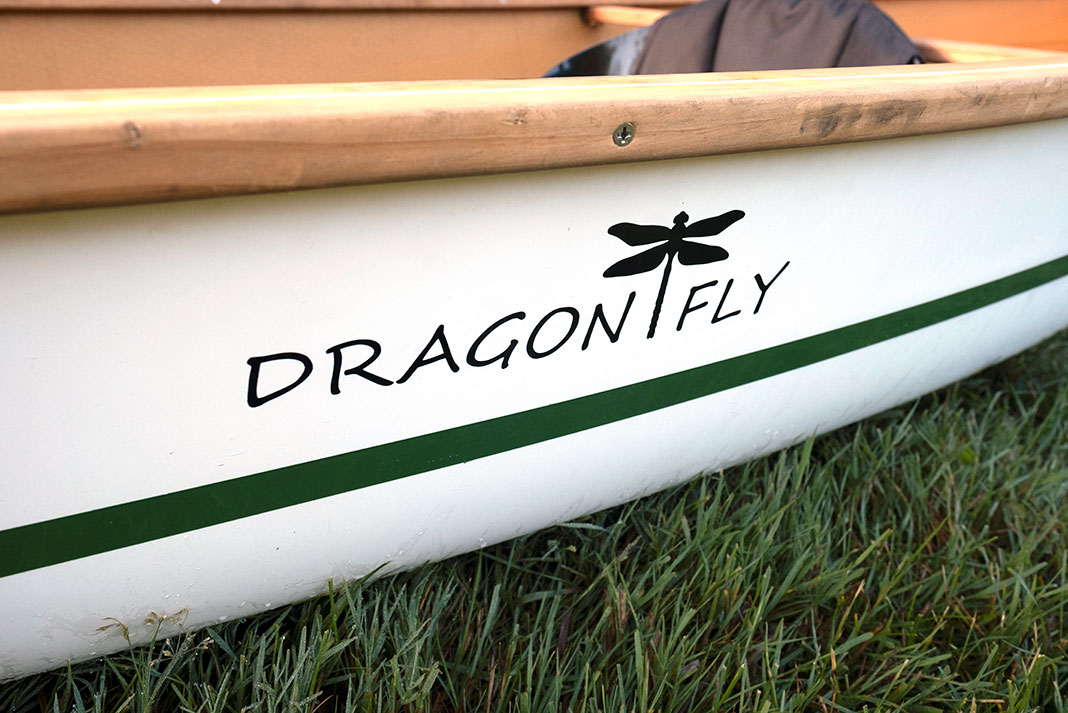
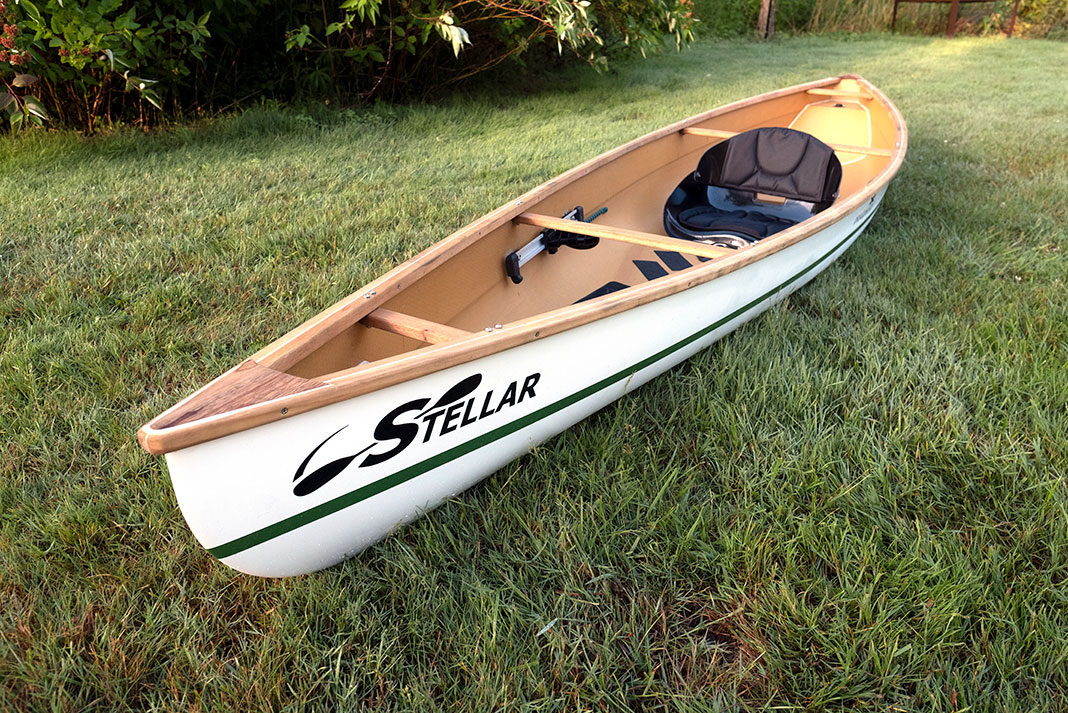
You’ll find Stellar Kayaks’ Dragonfly an equally welcome and attractive paddling companion. Light, agile and beautiful like its namesake, the Dragonfly pack boat is ideal for camping, pond hopping and wetting lines on calm and sheltered waters.
Die-hard canoeists will likely be less familiar with the Dragonfly’s manufacturer, Stellar Kayaks. With roots building Olympic rowing shells, Stellar specializes in speedy composites: think lithe surfskis, performance sit-on-tops and go-fast touring and fitness kayaks. So, what’s a performance surfski manufacturer doing making a canoe?
Let me take you back to 2019. The Dragonfly first caught the eyes of Paddling Mag’s editorial team on the show floor at the 2019 Paddlesports Retailer industry trade show hosted in Oklahoma City. That year, the Dragonfly was released alongside the Compass, Stellar’s first foray into a true recreational kayak.
Design and outfitting
Our team was surprised to learn the Compass and the Dragonfly share the same hull shape and dimensions below the waterline. Even side by side, you’d never expect the Compass—a beamy decked rec kayak—and the Dragonfly—a traditional-looking pack canoe—would share the same footprint. But on further inspection, you’ll find the same sharp entry lines, 28.2-inch width, asymmetrical hull and sharp keel in the stern.
The Compass was 18 months in the making, and “It made sense to leverage the time we put into designing a really nice hull for double blade paddling,” says Stellar Kayaks’ co-owner Dave Thomas. Both models are accessible designs sharing the attributes of good tracking, solid stability and quick maneuverability in a sub-12-foot lightweight package—which perfectly suits much of the recreational market.
Meet the Stellar Dragonfly: Ready to make your dawn patrols, after-work adventures and solo weekends under the stars more accessible. | Feature photo: Wyatt Michalek
Among the recreational crowd, the Dragonfly especially shines for older paddlers and folks with knee issues who don’t want to fuss with entering and exiting a cockpit. “Or for packing gear, coolers, and if you have a dog. The Dragonfly is that much more versatile for a variety of users,” adds Thomas.
Over the last five to 10 years, we’ve seen the popularity of pack boats soar, with most major canoe manufacturers releasing one or more models. Why’s that? These days, paddlers are often looking for a grab-and-go craft, not a go-for-three-weeks workhorse.
“In the U.S. in particular, there is less demand for weeklong trips and more of a weekend warrior mentality. Or, you day trip and go for lunch and paddle back. You don’t need an 18-foot-long canoe anymore,” says Thomas. “Pack boats are easy and lightweight, and they don’t draft much water, so you can paddle in real skinny water. They’re a basic boat, and their ease is refreshing.”
While the Dragonfly might be no-frills, its design components, outfitting and aesthetics make it unique. Its simplicity is part of its beauty.
Our loaner Dragonfly, picked up from Stellar distributor Soleil Sports, came in Stellar’s Excel layup. It features a Kevlar construction with a Nomex honeycomb core and a gelcoat exterior, making it very stiff and very light. The foam core in the hull’s center adds stiffness to the Dragonfly’s wide beam. The center-mounted seat features a soft, supportive cushion and a moveable seat back resting against the thwart for extra support. There’s even a little elastic loop in front of the seat for holding a water bottle.
Hardwood steam-formed gunwales and thwarts are finished in Tung oil for a beautiful and natural finish. Rounded thwarts and gunwales offer a comfortable carry and easy portage. | Photo: Wyatt Michalek
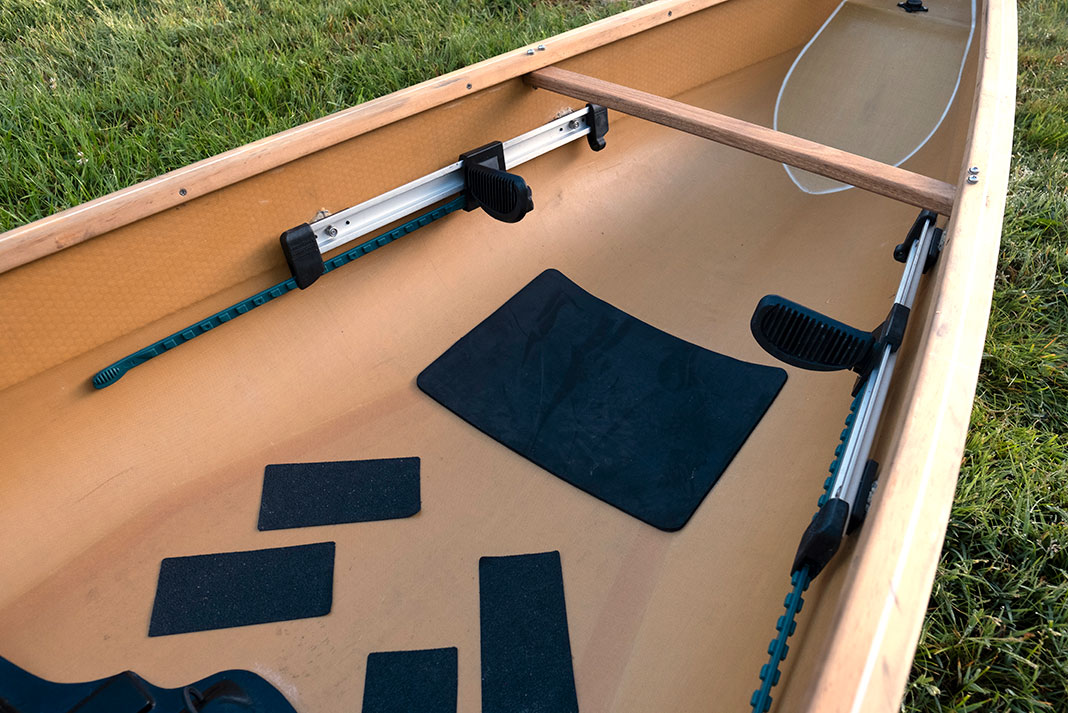
SMARTTRACK Transitional foot brace is easy to adjust in the boat. Plus, the comfortable heel pad reduces pressure and fatigue. | Photo: Wyatt Michalek
Stellar has added non-skid grip strips in front of the paddling station to make entering and exiting easier. And the SmartTrack Transitional foot braces are easily adjustable on the water, while a foam pad for heels offers pressure-reducing comfort. Topping off the Dragonfly’s pretty package are its gorgeous wood thwarts and gunwales. The wood adds an extra warmth and liveliness.
On-water performance
All spring and into early summer, I was lucky to have the Dragonfly on loan for sunrise paddles on the local creek and even escaped with it on a quick overnight backcountry jaunt. There was ample room in the pack boat for me, a canoe pack in the stern and eight-month-old Labrador pup, Spirit, thrilled to be sitting in the bow. Altogether, we were just about half of the Dragonfly’s stated 440-pound capacity.
Fully loaded, the Dragonfly gets up to speed quickly and with minimal effort. The shallow-arch hull design provides great primary stability and, combined with practically sitting on the hull in typical pack boat fashion, I felt stable and confident even with an excitable pup aboard. Portaging the Dragonfly is a breeze. Its thwarts and gunwales are rounded, which makes for comfortable shoulder carrying.
Light as a feather, stiff as a board. The Excel layup is a Kevlar laminate with Nomex Honeycomb core and a gel coat exterior, making the Dragonfly extra stiff and light. | Photo: Wyatt Michalek
Snaking through the bends of lazy rivers and the tall marsh grasses of wetlands is where the Dragonfly’s maneuverability really shines. Its excellent maneuverability comes with its short length, sure, but there’s a wee bit of rocker in the bow helping as well. And when some wind kicks up, the sharp keel in the stern helps with tracking, according to Stellar. The Dragonfly bobs along amicably in a little wind chop, but it’s a design best enjoyed and most efficient in the calm, sheltered waters pack boats are made for.
Light and agile, this Dragonfly is a worthy companion to swoop in and make your dawn patrols, after-work adventures and solo weekends under the stars that much more enjoyable and accessible.
This article was first published in the Fall 2022 issue of Paddling Magazine. Subscribe to Paddling Magazine’s print and digital editions, or browse the archives.
Meet the Stellar Dragonfly: Ready to make your dawn patrols, after-work adventures and solo weekends under the stars more accessible. | Feature photo: Wyatt Michalek


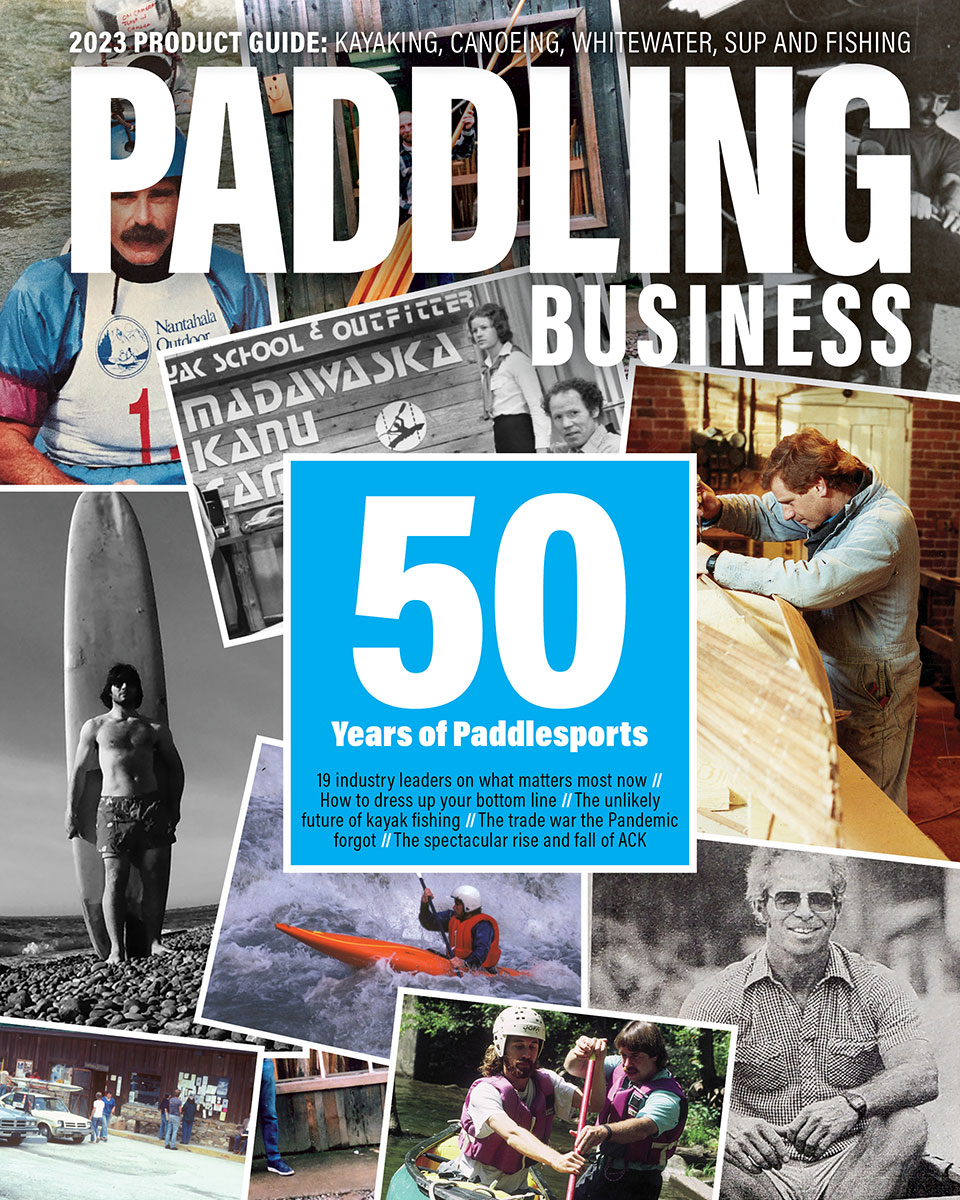 This article was first published in the 2023 issue of Paddling Business. Inside you’ll find the year’s hottest gear for canoeing, kayaking, whitewater and paddleboarding. Plus: Industry leaders on the post-pandemic landscape, 50 years of paddlesports, the rise and fall of ACK and more.

 This article was first published in the Fall 2022 issue of Paddling Magazine.