Aniol Serrasolses is known to catch some air. The 31-year-old expedition kayaker drops some of the most impressive waterfalls worldwide. His style took a different look this spring in the Spanish Pyrenees, going from free falling to launching. Serrasolses and a group of paddlers found the gem of all kayak ramps. A drainage ditch ending with a kicker to provide massive air.
An expression session ensued. Serrasolses’ first run of the drainage ditch showed the potential for how much air the concrete ramp could provide. All went well, and on the second video take, Serrasolses rotates into a monstrous kickflip.
The clip made for the perfect GoPro video above. But Serrasolses and crew were in the Pyrenees for more than the drainage ditch stunt. A complete edit of the Pyrenees trip and another video angle of Serrasolses’ huge kickflip can be found in the video below.
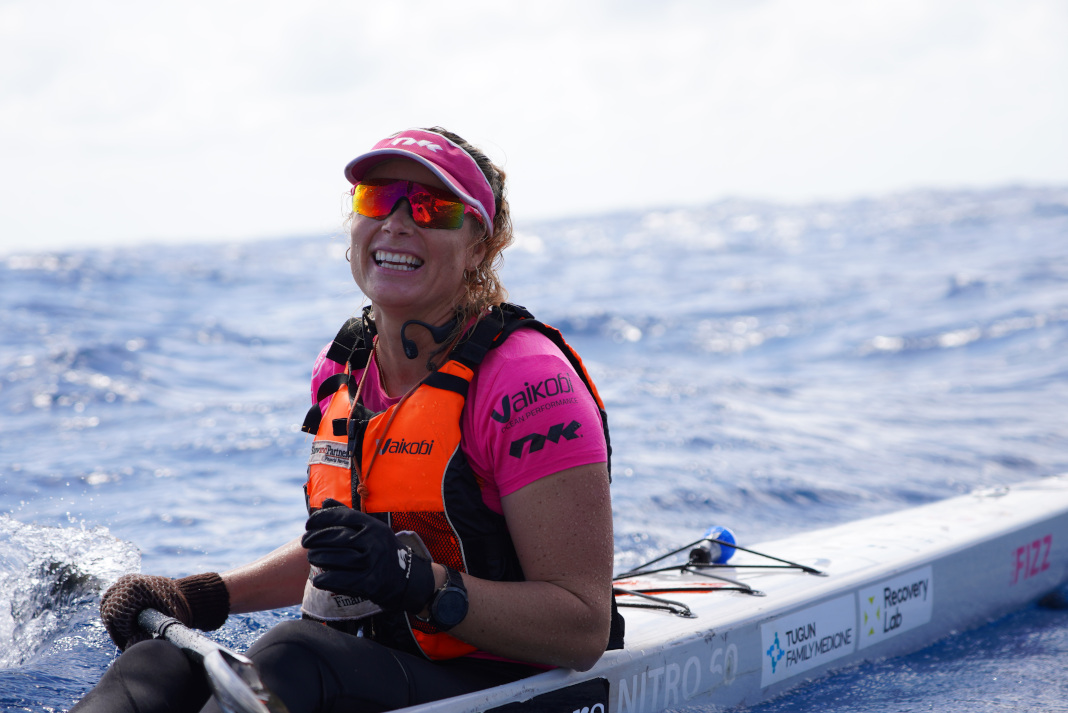
Bonnie Hancock became the fastest person to paddle around Australia on August 28, 2022.
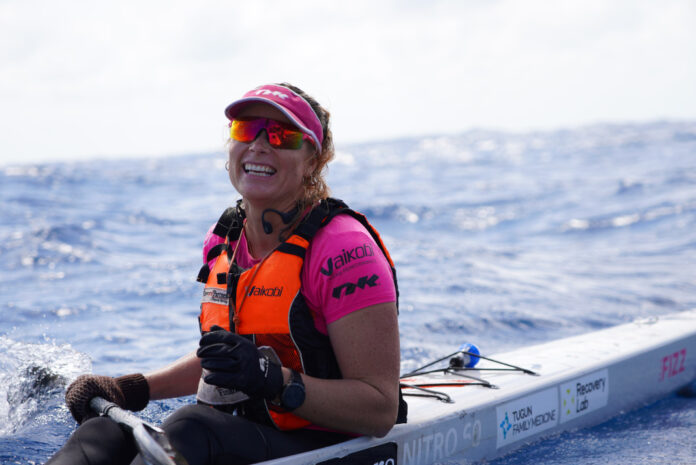
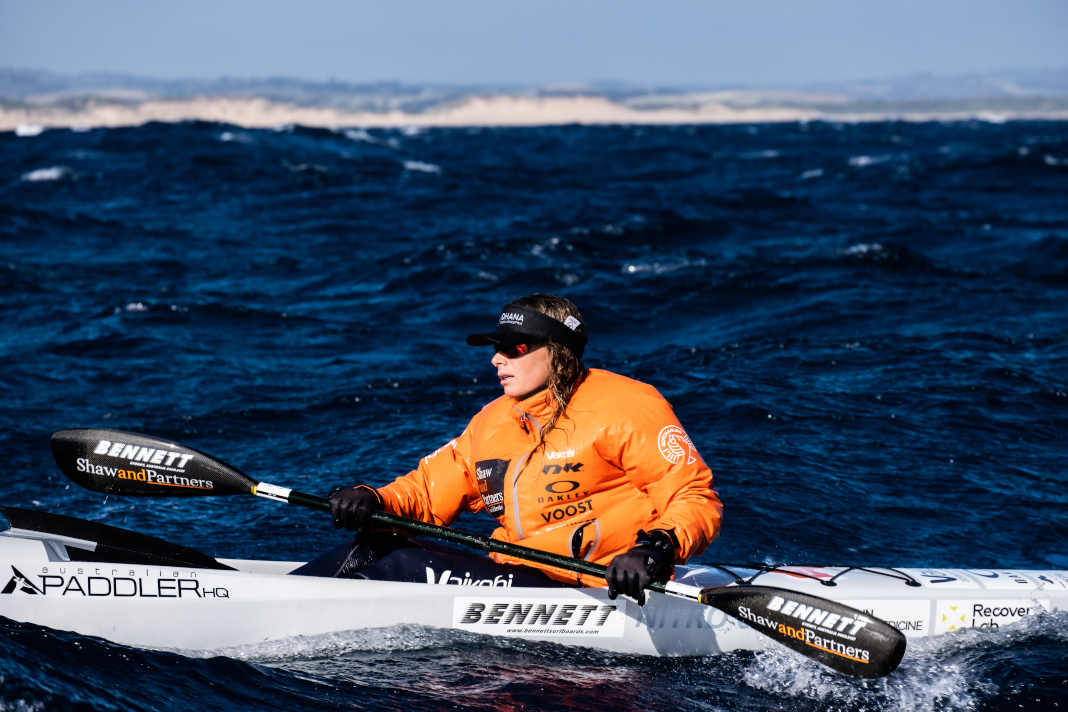
Hancock set out on December 19, 2021 with the goal of circumnavigating her home country by surfski. 254 days later, she landed back at her starting point, having covered 12,700 kilometers of Australian coastline in record time. Inspired by Freya Hoffmeister, who still holds the speed record for an unsupported paddle around Australia in 2009, Hancock paddled through massive ocean swell, debilitating seasickness, sharks and crocodiles. Hancock used the journey as an opportunity to fundraise for Gotcha 4 Life, a mental health charity in Australia.
Paddling Magazine contributor Brooke Hess had the opportunity to sit down with Hancock and discuss her incredible expedition.
Image: Courtesy Bonnie Hancock
Paddling Magazine: Where did you come up with the idea to circumnavigate Australia by surfski?
Bonnie Hancock: Three years ago, I read a book by Joe Glickman called Fearless, about Freya Hoffmeister. She is a German woman who paddled around Australia in 2009. As soon as I read it, I could not get the idea out of my head. There was something about the adventure part of it that just sparked this inspiration in me. For six months I tossed the idea around. There were so many reasons not to do it—financially, career-wise (at the time I was working full-time as a dietician) and just the time it would take. But after six months, I couldn’t let the idea go.
PM: Can you tell us more about Gotcha 4 Life and how you got involved with them?
Hancock: I first heard of Gotcha 4 Life through the Shaw and Partners ocean racing series. We did a race over here that was raising money for Gotcha 4 Life.
Through COVID, I’d seen friends really struggle with job losses and relationship breakdowns. Anxiety and depression were at an all-time high and the statistics were showing that. I was thinking I really wanted to do something good with this project, and I thought there is no better time or no better cause than what I used to call “mental health.” Now, Gotcha 4 Life has taught me to call it “mental fitness” because they look at it as something you work on just like your physical fitness. It’s something you constantly need to work on.
Gotcha 4 Life implements programs from school age through corporate workplaces. They believe everyone should prioritize mental health because if it’s not affecting yourself, it’s affecting someone close to you. One in five people are currently affected by poor mental fitness.
They have a really clear mission to achieve zero suicides. And to do that, we need to break the stigma behind being able to speak about our mental fitness. That really drove me the whole way.
Feature Image: Courtesy Bonnie Hancock
PM: It took you 254 days. The logistics must have been insane. How did you go about organizing this?
Hancock: I had a crew—there were two on the boat and two on land, so five including me. We had to feed our team of five plus we had to find a support vessel… It ended up being a lot more expensive than I ever imagined. Food, accommodation, and the other one is fuel for the boat.
We basically had to not only feed a whole crew the whole time but also find accommodation, during COVID in Australia. Different parts of the country were affected really badly and other parts were okay. Western Australia was very strict with rules at the time. They weren’t letting anyone into the state. I was really worried that I would get halfway around and be stopped. Fortunately they gave us an exemption to cross into the border.
There were times we didn’t see our land crew for three weeks at a time. There was no reception at sea, so logistically it was really, really tough.
Hancock: That’s such a good question because I asked myself the same one. How do you train for 100-kilometer days, back to back?
And the answer is: you can’t.
I kept the same training that I’d normally do for surf lifesaving or for the ocean ski. I trained with my surf club, I did no more than 10- to 20-kilometer paddles. I did a lot of gym work to strengthen my core.
The first six months [of the circumnavigation], it was all about conditioning. My back was in agony as it struggled to adjust.
I knew there would be an adjustment period, and I thought that if I can just hold on and let the body condition, it’ll get easier. There were times I wanted to quit in that first six months, but I thought that one day it would click in.
All of a sudden around six weeks, I had a day where I wasn’t sore! And from there I got stronger and stronger. But it was a high injury risk at the start because you’re just pushing your body to do what it’s never done before.
Bonnie Hancock set out from the shores of Australia’s Gold Coast on December 19, 2021, in an attempt to circumnavigate the continent. | Photo: Courtesy Bonnie Hancock
PM: What was your diet like while paddling? How many calories were you consuming each day?
Hancock: We had plenty of healthy foods at dinners. We did a lot of veggies, a lot of good quality meats, but I also had my body science supplements in there. I was doing amino acids and protein shakes throughout the day, desperately trying to refuel my body what it was losing.
I would randomly hit low blood sugars at certain times, even though I’d eaten a really good amount of high-quality carbohydrates. Your body just does all sorts of weird things, so I would always have some chopped fruit ready to go.
When you paddle those 100-kilometer-plus days, and you’re spending 12 to 14 hours on the water, you start to crave all sorts of funny things. I would crave things like burgers, cupcakes, chocolate… I actually gave into the cravings and I sort of let myself enjoy some of those treats, even when it didn’t make sense.
PM: Can you share a story of the lowest point of your paddle? What was your least favorite part?
Hancock: That’s such a good question because there’s a few of them that come to mind. Crossing the Great Australian Bight was in a way traumatizing, to be honest.
We were 500 kilometers out at sea on a tiny little ocean ski. The water’s black out there. It is three kilometers deep. So you look around, you are in black water, you know how big the creatures can get out there… great whites, huge whales.
You’re essentially surfing the most amazing runners of your life, but also quite scared all the time, and I got really seasick. The [support] boat can’t anchor out there, so when I would stop paddling at the end of the day, the boat would bob around. I was vomiting pretty much the entire time. I kept no food down, sometimes three days at a time. We would celebrate when I did hold something down.
I lost eight kilos in two weeks, which is interesting because I had put fifteen kilos on before this paddle. I lost eight of that across the Bight, and I had already lost around five. By the time I crossed the Bight, I was malnourished, fatigued and had to get IV fluids pumped into me. I could barely walk when I came to the hospital. When I was at my lowest in the Bight, they were spoon-feeding me. Ice cream was the only thing that would stay down, and my crew actually had to make the chewing movements with my mouth because I couldn’t even chew at that stage. And then I had to get in the water and paddle a hundred kilometers. So it’s amazing what the mind can do when you physically should not be able to paddle a hundred kilometers.
PM: Sufferfest for sure. In contrast, can you tell us about your favorite part?
Hancock: Western Australia really stands out. It’s a beautiful part of the country and Ningaloo Reef is over there. We called it the “Pirates of the Caribbean Day” because the blue of the water was absolutely incredible, and the white sand—it was literally like being in a postcard paddling along this reef.
I saw 25 big turtles in one day, there were dolphins, and we’d been through the Bight, we’d been through all that trauma, we’d gotten to Western Australia, we’d gotten through the [COVID] exemption and been let in, and it was just a celebration. The conditions were perfect. It was flat with some tailwinds some days.
If anyone internationally or within Australia gets a chance, Ningaloo Reef in Western Australia [is] a spot you’ll never, ever forget. I’ve never seen a coastline like it before in my life. I’ll keep trying to find coastline like that throughout the world, but I think it’s very, very rare.
PM: Were there other fascinating encounters from the trip?
Hancock: I actually have a crocodile story for you.
I did a lot of night paddling to get the kilometers in. So, I figured out that I needed to paddle 14 hours a day, but if you only get 11 hours of sun in the day you’re doing night paddling. But with the big tides, you go two kilometers an hour against the tide and around 18 kilometers per hour with the tide. So, I would paddle six hours on, six hours off, six hours on, to get those tides with me. So that meant paddling in the middle of the night in crocodile-infested water.
One night it was pitch black, midnight, and it was quiet. You could hear every splash in the water.
I was paddling behind the boat, and they would do spot checks—they had the torches out to the side, looking for the crocodiles. And the boat got stuck in an eddy off an island. So I’m following the boat around this whirlpool, like, “What are we doing?” And all of a sudden, my coach on the boat said, “Come up. Come up to the boat.”
I was like, “Yeah, yeah, I’m coming… like, I’m so fatigued. I’m coming.”
He goes, “No, right now. You might want to stick close to the boat.”
And I said, “Okay.”
So I paddled up to the boat and they all looked quite worried, but they didn’t say anything. The boat was able to break the current and we were able to keep going, but I noticed they kept the pace really high.
It was a week later that they told me that when they shined the torches out to the side, they had seen the silver of the crocodile’s back. It was 10 meters away from me, waiting outside the current for me.
PM: In addition to your record-breaking circumnavigation of Australia, you also just broke the male world record for farthest distance paddled on the ocean in 24 hours, correct?
Hancock: Yeah, so I managed to get the women’s record throughout the [Australia circumnavigation] paddle when I did 213 kilometers in 24 hours. I then found out that the men’s record was 227 kilometers and it was set by Quinton Ruthford from South Africa in 2020. I decided that my body is never ever going to be conditioned like this in my life ever again—it’s taken eight months to get to this point. I may as well give this a crack!
I just love watching people push the bar higher and higher. It was never about beating the boys or anything like that. I wanted to show what women can do, but also just what humans can do as well. But it was super tough.
I did it this week over Monday and Tuesday, so I’m still blistering around the face because I couldn’t even put sunscreen on. I was so on the hammer to get that record. I had to do the last hundred kilometers pretty much at threshold. I had to hold 10 kilometers an hour.
I managed to get 234 kilometers. It’s unofficial still. You have to submit all of your evidence to Guinness World Records, but I did manage to get that distance and am so excited. I’ve received some really lovely messages from Quinton of support as well. When someone eventually has a go at breaking the circumnavigation record or when someone has a go at breaking the 24-hour record, I will support them every step of the way, because I know how hard it is.
Finishing under the four-minute mark has stood as the ultimate barrier in the annual Green River Narrows Race. The number, a seemingly impossible wall to surpass within extreme whitewater racing, the same way breaking a four-minute-mile was once believed to be a physically impossible task in running. On November 5, 2022, at the 27th Green River Race, Dane Jackson accomplished what he has progressed toward for years. The whitewater athlete posted an official time of 3:58.68, the first kayaker to ever complete the Green River Race in under four minutes.
Complete results for the 27th Green River Race can be viewed at: greenrace.us.
“I can’t tell you how many times people make snap judgments about me, and I have turned around and proven them wrong,” said Ash Manning. | Photo: Heather Rogers
From entrepreneurs and explorers to game changers and artists, the wide world of paddlesports is enriched by those who see a need and step up to fill it. Whether welcoming underserved communities, mentoring new paddlers or protecting waterways at risk, here’s who (and what) is changing paddling for the better this year.
Transformative river trips for kids and adults with spinal cord injuries
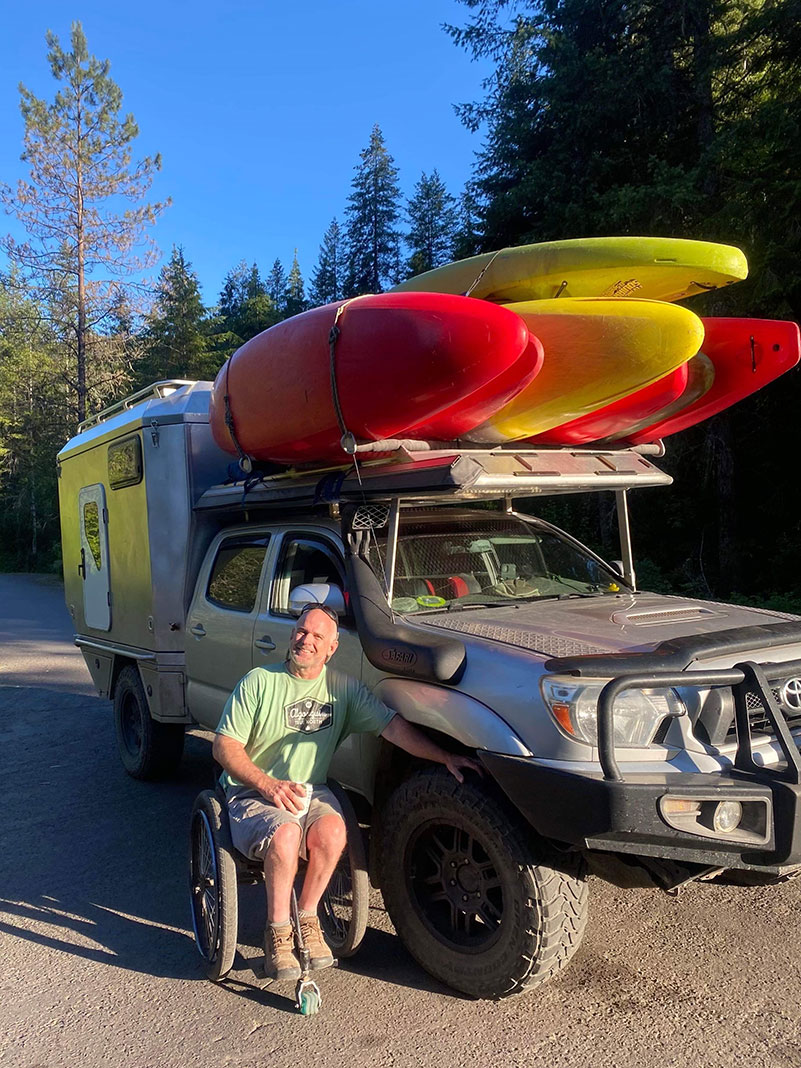
Dave Calver and his SIP adventure mobile. | Photo: Aren Sven Rane
Occupational therapist Dave Calver has dedicated his career to working in wheelchair development in less-resourced countries. He’s a wheelchair user himself and a whitewater paddler for 35 years. In 2020, Calver founded SiP—the Society for Inclusion and Participation—which offers life-changing river adventures to young people, ages 14 to 40, with spinal cord injuries and related disabilities.
“Rivers have an incredible ability to heal,” said Calver.
SiP’s five-day whitewater program follows a standard skills progression on water but is paired with evening rehabilitative health classes on topics including ulcer prevention and sexuality after injury. The five days of on- and off-water learning help participants develop the skills they need to live healthier, independent lives and smash their own preconceived limitations.
“Kayaking is ideal because of the ability of the river to cleanse people, to face their fears, and to understand the scariest outcome they conjured up never came to be,” said Calver. “The ability to move beyond that on the river sets them up for the most soul-searching discoveries.”
Calver added that the river can be an equalizing environment for people with spinal cord injuries: “For people with good upper body mobility and strength, you’d never know once they’re in a kayak—they don’t look any different in the eddy.”
SiP is running youth and adult programs on Ontario’s Madawaska River this summer and at North Carolina’s Nantahala Outdoor Center in October. Calver will take the program to Mexico and Central America in the winter. His vision is to have programs running across Canada and United States each summer, with parallel programs running all year internationally.
“At the end of this program, our participants will have a new depth of knowledge about their disability and the limits they truly have versus the ones society has put on them,” said Calver.
Octogenarian breaking records and stereotypes for aging adventurers
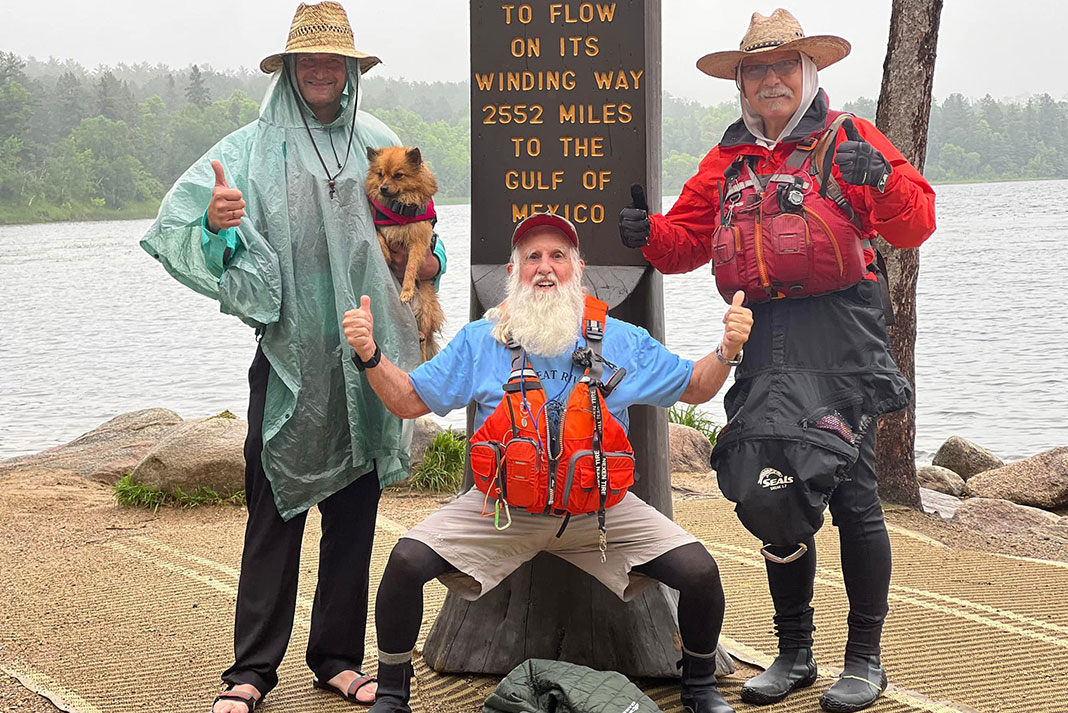
Forget the “I’m too old for that” excuse. On June 14, 87-year-old Dale “Greybeard” Sanders set out to reclaim his Guinness World Record as the oldest person to paddle the 2,552-mile Mississippi River from source to sea. Sanders first paddled into the record books when he set an age record on the same route in 2015, canoeing it in 80 days at the age of 80.
Matt Briggs, his dog Meadow, Dale Sanders and Dan Frost stand at the Mississippi River headwaters on June 14, 2022, at Itasca State Park. | Photo: Courtesy Dale Sanders
From its source at Lake Itasca, Minnesota, all the way to the saltwater in the Gulf of Mexico, Sanders will be paddling the Mississippi River in a Northwind Solo from Northstar Canoes. He’s named it Perseverance. He hopes to finish the journey in 87 days, arriving at the ocean on September 8, 2022. He’ll need to average about 30 miles a day to snag the record back from its current holder, Stan Stark, who nabbed the title after making the journey last year at the age of 81.
“Records are made to be broken, and I do everything in my power to support challengers,” said Sanders. Following his 2015 Mississippi journey, Sanders again entered the record books in 2017, setting an age record at 82 on the 2,190-mile Appalachian Trail.
All his life, Sanders has had a competitive spirit. He set his first world record in the late ‘50s for holding his breath underwater for six minutes and four seconds. Then, in the mid-’60s, he was a U.S. national underwater spear fisherman champion.
While Sanders uses adventure to keep himself in good shape, it’s the inspiration he provides for others keeping him going. He spoke with Paddling Magazine from the riverside in Minnesota, having just traversed wind-whipped Lake Pepin. “I’m a role model for not only the old but for all ages. It’s overwhelming to have the honor and opportunity,” he said.
Sanders shared the story of a woman from Montana who reached out to tell him she’d been following his adventures for years. “At one point, she was totally paralyzed, and her doctor had told her she’d never walk again. She said she saw me and my adventures, and because of my determination later in life, she was inspired,” said Sanders. “Today, she’s not only walking, she’s thriving. She hikes 100-mile trips. People are inspired by what I’m doing, but they inspire me.”
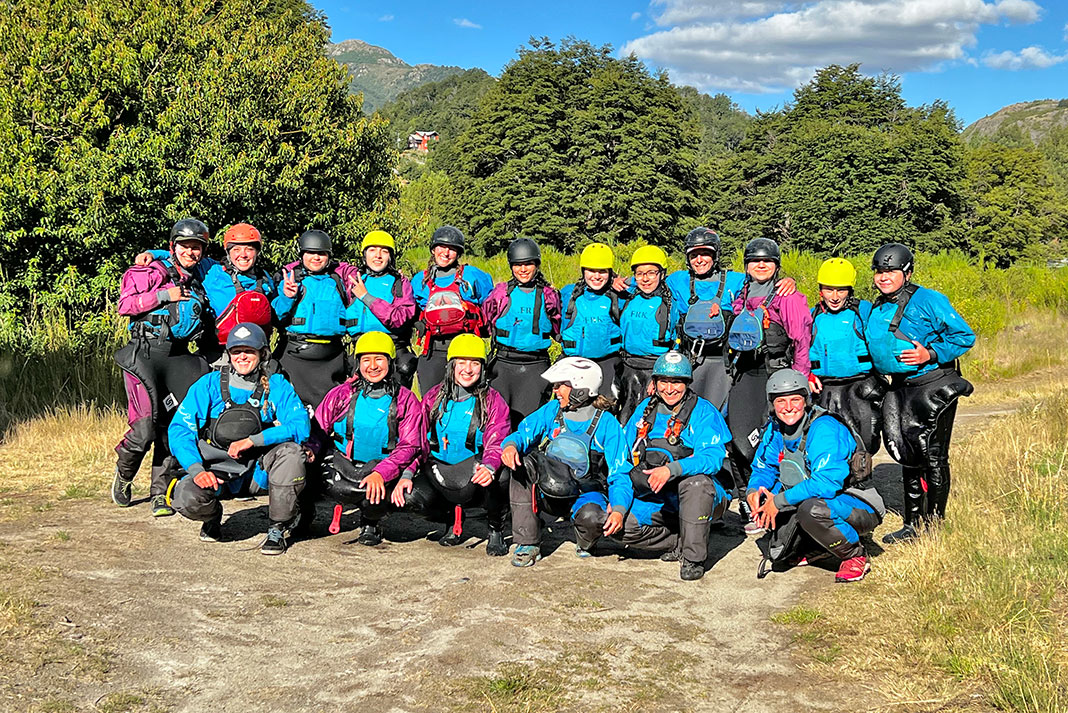
The January 2022 cohort of Chicas Al Agua. | Photo: Liz McGregor/BoonDocs
3 Chicas Al Agua
Chicas Al Agua is a by-women, for-local-girls kayaking school in Futaleufú, Chile. Led by the Futaleufú Riverkeeper Foundation, this initiative encourages participants, between the ages of 13 and 17, to practice kayaking and develop leadership skills, teamwork and confidence, and promote the conservation of Chile’s wild rivers.
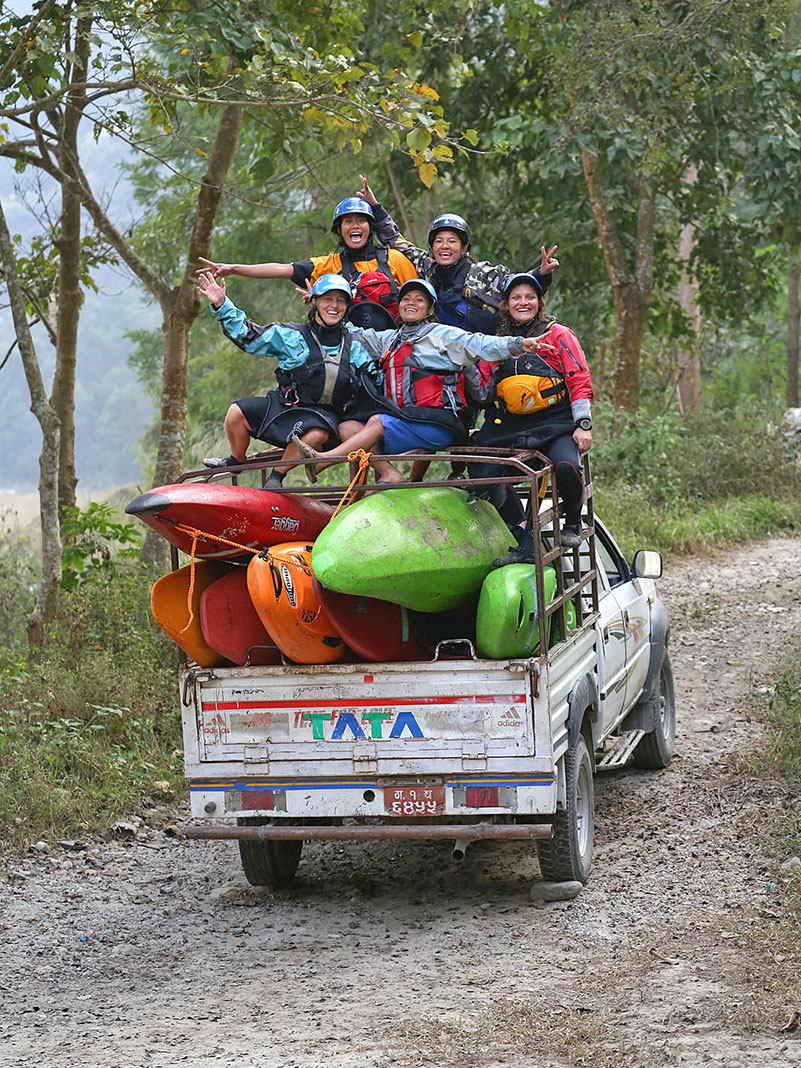
The Himalayan Adventure Girls’ pickup vehicle after a day on the river. | Photo: Bjarne Salen
“We want to inspire young girls to follow their dreams and become independent, love and care for nature, and empower young girls in the adventure sector.” This is the mantra of Himalayan Adventure Girls, Nepal’s first female-run rafting and trekking company. What started as a female-focused kayak club turned into a business in 2018. The adventure travel company seeks not just to provide tourists with a good time, but to challenge stereotypes in their own communities where women have not traditionally participated in adventure sports. “We want to broaden the horizon for women and have them do things and go places society forbids us,” they added.
5 Ash Manning
Whitewater rafting guide, body inclusivity activist
“The dangers of not creating gear that fits larger bodies is you have people who are going to go out there anyways. They don’t have appropriate flotation, and they don’t have the gear to keep themselves warm, like drysuits,” said Ash Manning, 28, a 10-year whitewater rafting guide from Cleveland, Georgia. Manning speaks on the lack of appropriately sized gear for plus-size adventurers in the short film, All Bodies.
“I can’t tell you how many times people make snap judgments about me, and I have turned around and proven them wrong,” said Ash Manning. | Feature photo: Heather Rogers
“I hope there’s a plus-size little kid who sees the film and can see themselves going on big adventures. I hope there are people who get an extra push and inspiration to set foot in the outdoors. The outdoors are for everybody. Just because you’re plus size doesn’t mean you’re not capable of being strong and powerful,” said Manning.
Team River Runner champion recycling past-their-prime kayaks for charity
John Su would like to say he’s just another volunteer for Team River Runner, a national nonprofit organizing adaptive paddling programs for veterans. But the long-time Maryland resident is one of the organization’s longest-serving volunteers and is a frequent presence at its activities in the Washington, D.C., area.
He often joins volunteers to train veterans to use adapted kayaks, molding them over time into paddlers who can join group trips to tackle class III, IV and V waterways.
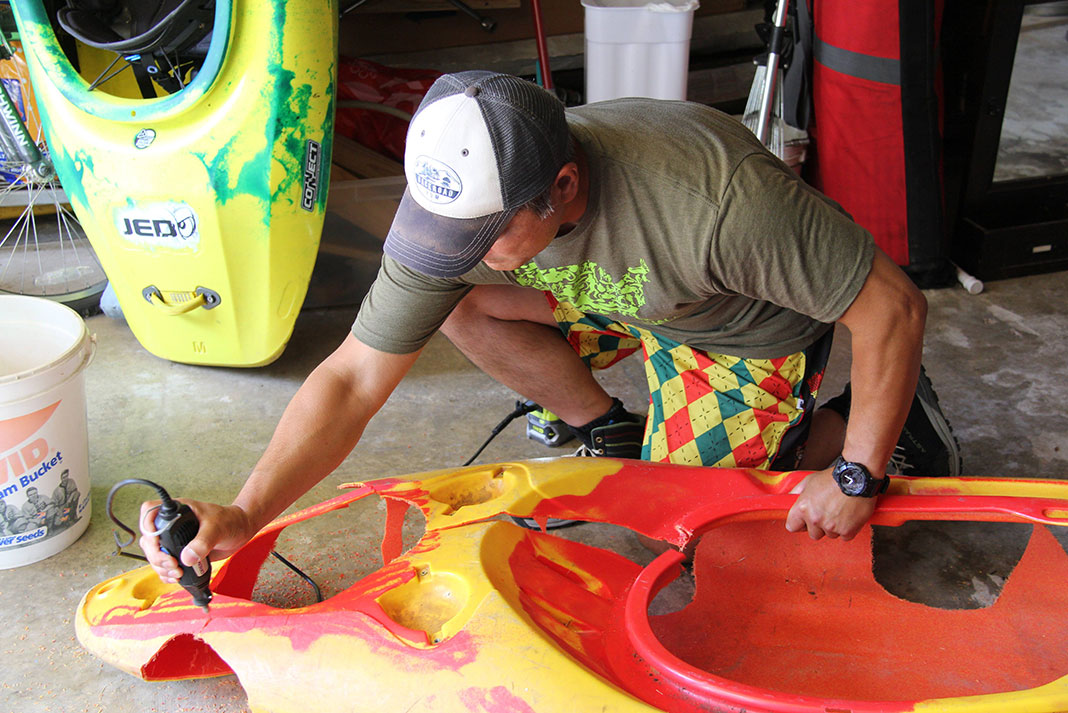
Su may be best known for cutting up cracked kayaks and converting them into hand paddles, the entire proceeds from which support the program. Su connects with an informal network of paddlers from around the country to transport busted boats to his home in the suburbs of Washington, D.C. Once a new boat arrives, it joins the assembly line of worn kayaks spread throughout his garage and yard.
John Su is a solid contender for Team River Runner’s MVP. | Photo: Bridget Reed Morawski
“I think I have about 10 out in my backyard now, word is getting out,” he said in an interview with Paddling Magazine. As more people learn about his work, he said offers to collect kayaks or carve them up have grown. Numerous worn kayak drop-off sites have even emerged across the U.S. Southeast, somewhat formalizing the shipping system.
In the past roughly four years, the 50-year-old high school teacher has raised enough money to provide Team River Runner program participants with 115 hard-shell kayaks, one inflatable kayak and six enclosed trailers—almost three dozen of which were acquired in the last year alone.
Between the time spent forging hand paddles and a tendon issue he suspects is related to the constant carving, Su said he hasn’t been out on the water as much as he would like. Is there any end in sight to his work?
“It doesn’t look like it,” Su chuckled.
—Bridget Reed Morawski
This article was first published in the Summer 2022 issue of Paddling Magazine. Subscribe to Paddling Magazine’s print and digital editions, or browse the archives.
“I can’t tell you how many times people make snap judgments about me, and I have turned around and proven them wrong,” said Ash Manning. | Feature photo: Heather Rogers
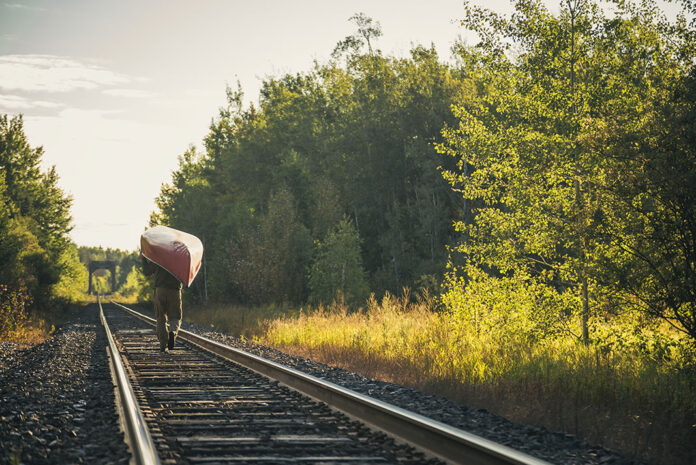
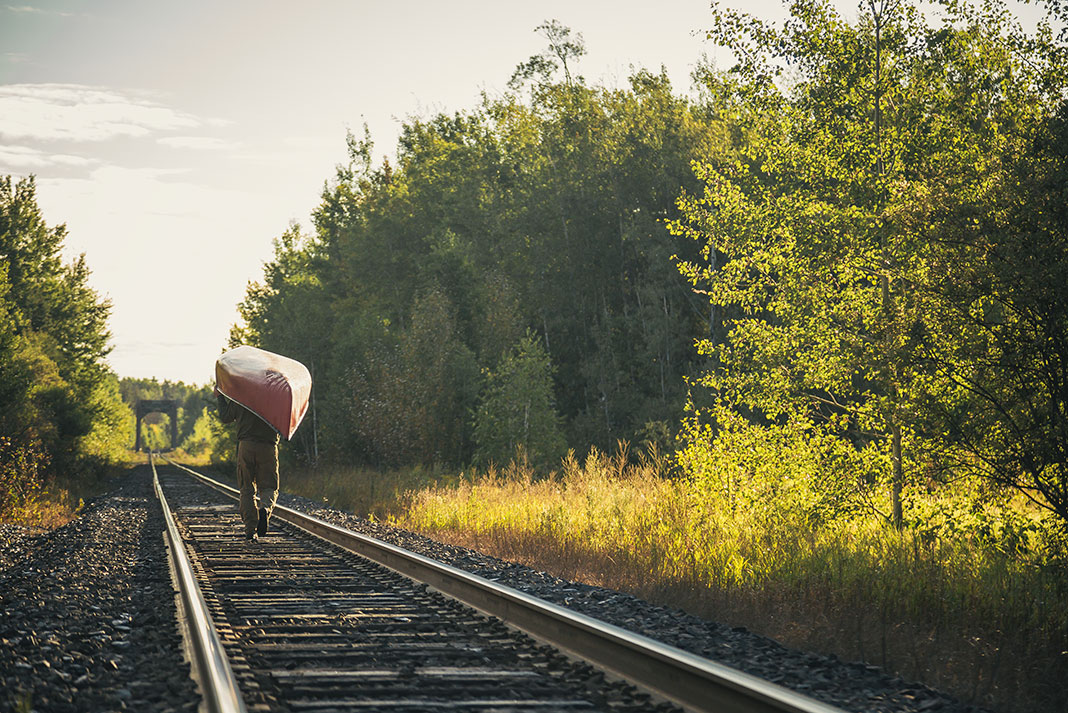
No phone, no pool, no pets / I ain’t got no cigarettes. | Feature photo: Goh Iromoto/Ontario Tourism
“High-speed rail may be the future. But in a world whose future may depend on us all slowing down, slow-speed rail can be our future, too, connecting us with each other and with the land in a way no other mode of travel can do,” Vincent Gragnani wrote on his blog, Slow-Speed Rail.
Vincent Gragnani seems like a smart guy, a master’s student at City University of New York, where his research is on slow-speed train travel through the lens of environmental psychology. Maybe he’s just spent too much time on trains and not enough time in canoes, kayaks, rafts or on paddleboards. In a recent interview on CBC Radio, Gragnani told the host he rode the rails 9,100 miles during the pandemic, and probably 25,000 miles on Amtrack and Via Rail since he began his postgrad research.
One of Gragnani’s favorite train rides is through the Colorado Rockies, the stretch of rails between Denver and Glenwood Springs served by Amtrak’s California Zephyr running between Chicago and the San Francisco Bay Area.
“There are some stretches where you go through canyons you can only see by train or river. There are no roads and also no Wi-Fi and no phone service. There is no way to connect with the outside world. You’re sort of in that moment.”
I know you’re thinking what I’m thinking.
No phone, no pool, no pets / I ain’t got no cigarettes. | Feature photo: Goh Iromoto/Ontario Tourism
Slower and better than Gragnani’s slow-speed rail obsession is floating the river at the bottom of the canyon in a raft. So is tracing a coastline in touring kayaks. Canoeing barren land rivers. Sneaking through mangrove tunnels on paddleboards. Bouncing down mountain streams in packrafts. And boofing 15-foot falls on any river, anywhere. I liked trains as much as any kid and even jumped a freight train once, but I grew up to like paddling more.
“If I were to pitch train travel to people, I would have to start with the fact that in North America, it is slow,” says Gragnani. “It is inefficient and you have to be prepared for delays. So it’s not for everyone.”
In this issue, our annual Paddling Trip Guide travel edition, you’ll find 131 inefficient ways of connecting with each other and with the land. And when things don’t go exactly as planned… well that’s when real stories begin. These are the stories we end up telling most often. We tell our stories to strangers when we’re on planes and trains. We can tell by the looks on their faces, our adventures are not for everyone. In fact, that’s kind of the point.
He may not know it, but paddling trips fit Gragnani’s definition of slow travel more than any fancy dining car: “Slow travel can mean a lot of different things to a lot of different people. To some, it could mean visiting a destination and spending a lot of time there rather than moving from place to place. And for some people, it could mean utilizing slow transportation.”
Even when we paddle quickly, we travel slowly.
Like in 1995 when Frank Wolf was the first to paddle across Canada in a single season. It still took him and his tandem canoe partner 171 days. You can travel across the country from Halifax to Vancouver by train non-stop in six days. The Via Rail brochure says you will fall asleep in one time zone and wake up in a completely different part of the country.
When Frank Wolf went to sleep each night on this summer’s 1,300-kilometer canoe trip through the Yukon and Northwest Territories, he woke up in his tent right where he left off the night before.
Scott MacGregor is the founder and publisher of Paddling Magazine.
This article was first published in the Summer 2022 issue of Paddling Magazine. Subscribe to Paddling Magazine’s print and digital editions, or browse the archives.
No phone, no pool, no pets / I ain’t got no cigarettes. | Feature photo: Goh Iromoto/Ontario Tourism
Kokopelli is an outdoor adventure brand that elevates experiences by making it easier to venture further. Dedicated to cultivating a community that supports an appreciation of the outdoors, Kokopelli has designed Chasm-Lite: the lightest and most packable standup paddleboard (SUP) ever. Take it along no matter what kind of water you are about to explore, whether it is an alpine lake or a gushing river in the backcountry.
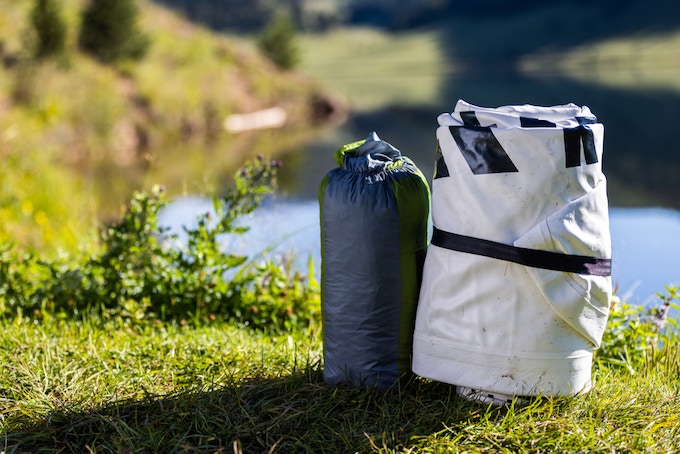
Image: Kokopelli
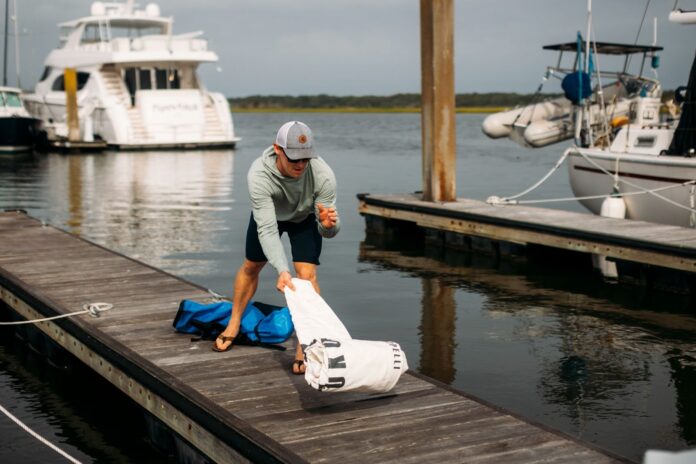
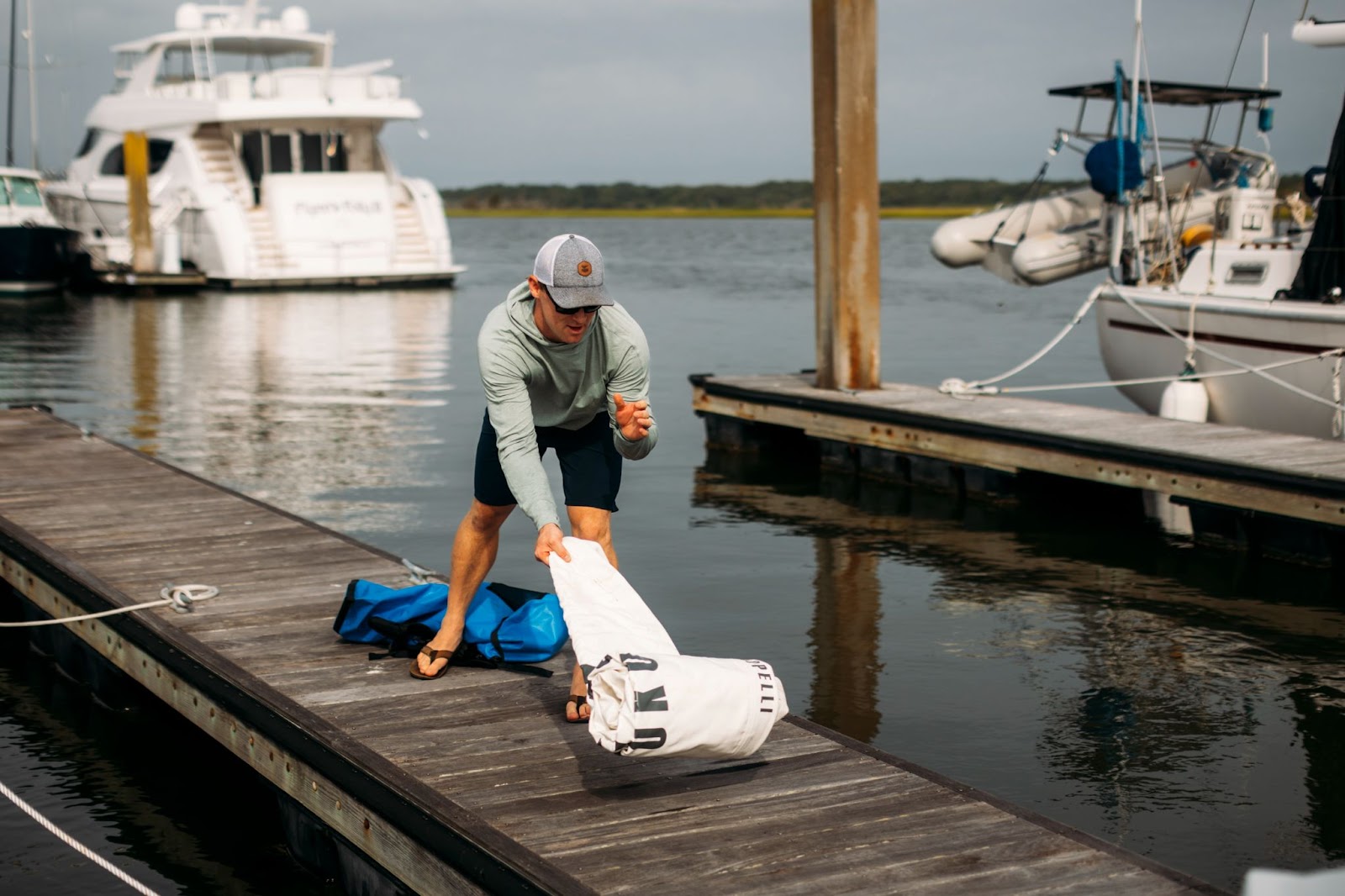
Packing down to the size of a sleeping bag, at just 18″ tall when fully packed and weighing only 12.9-lbs., the Chasm-Lite fits into almost any nook and cranny you can think of:
Into a backpack,
Beneath your back seat,
In a small closet,
In a hand suitcase…
[ Find packrafts in the Paddling Magazine Buyer’s Guide ]
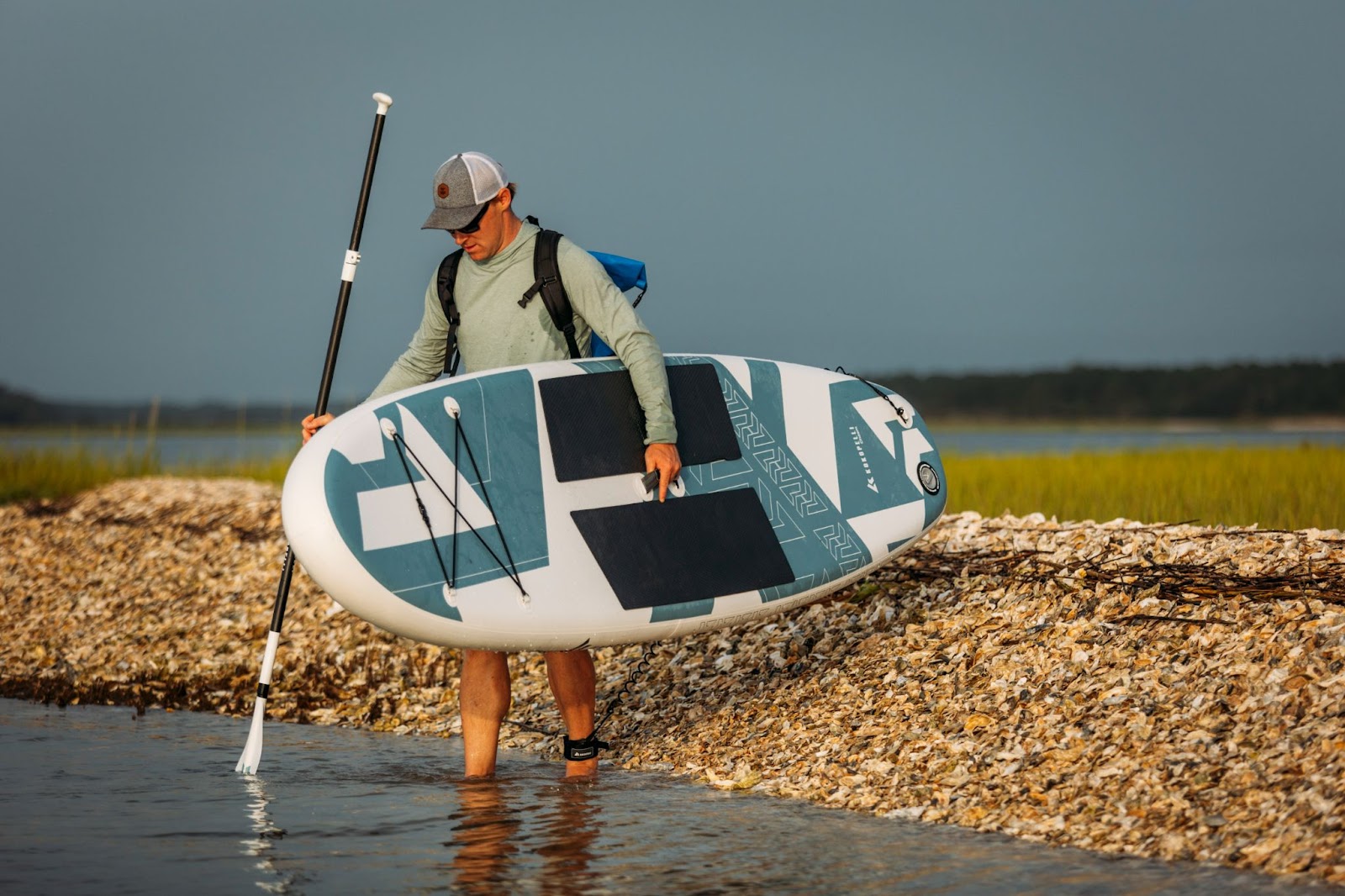
The Chasm-Lite comes with everything you need to quickly get onto the water:
10-ft. inflatable SUP,
Collapsible, 4-piece carbon fiber paddle,
Nano Barrel Pump,
9-inch fin,
Waterproof Dry-bag Backpack,
Emergency repair kit.
Feature Image: Kokopelli
A key objective of the Chasm-Lite is to offer ultimate portability, which is why Kokopelli designed the lightest and most packable SUP in the industry, which reduces storage space and shrinks down to a size that is ideal for taking on the road. Meanwhile, Kokopelli put a great deal of focus on The Chasm’s safety and security.
Thus, no coincidence, Gear Junkie awarded Chasm-Lite Best in Show at the 2022 Outdoor Retailer Show.
Image: Kokopelli
Additional info about The Chasm-Lite
The Chasm-lite SUP was named after Chasm Lake which sits at the base of Longs Peak in Rocky Mountain National Park. Longs Peak is visible from Kokopelli’s headquarters in Longmont, Colorado, and was the inspiration behind creating an ultra-lightweight packable standup paddleboard that could be carried into serene remote alpine lakes.
About Company
Kokopelli was established under the solitary tenet of creativity. This meant that the company’s initial efforts were entirely directed upon improving its packrafts. The emphasis on developing the sport through three fundamental pillars—performance, education, and community—has evolved as they have grown. Performance entails the ongoing development of high-end packrafts built of cutting-edge materials, with design and user experience being their main priorities. Through appropriate instruction and safety training, they aim to responsibly develop the sport through both their own efforts and those of their affiliated partners.
Kokopelli is highly aware of the particular nature of packrafting as a sport and the special connection that each packrafter in the area has with one another as a result of their shared enthusiasm for this magnificent activity.
Image: Kokopelli
Availability
“The Chasm-Lite” is currently in its crowdfunding stage and is available for backers on Kickstarter with a starting price of $749.
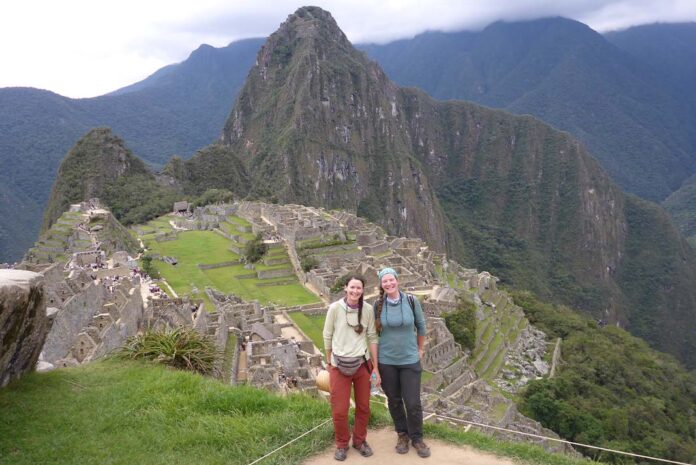
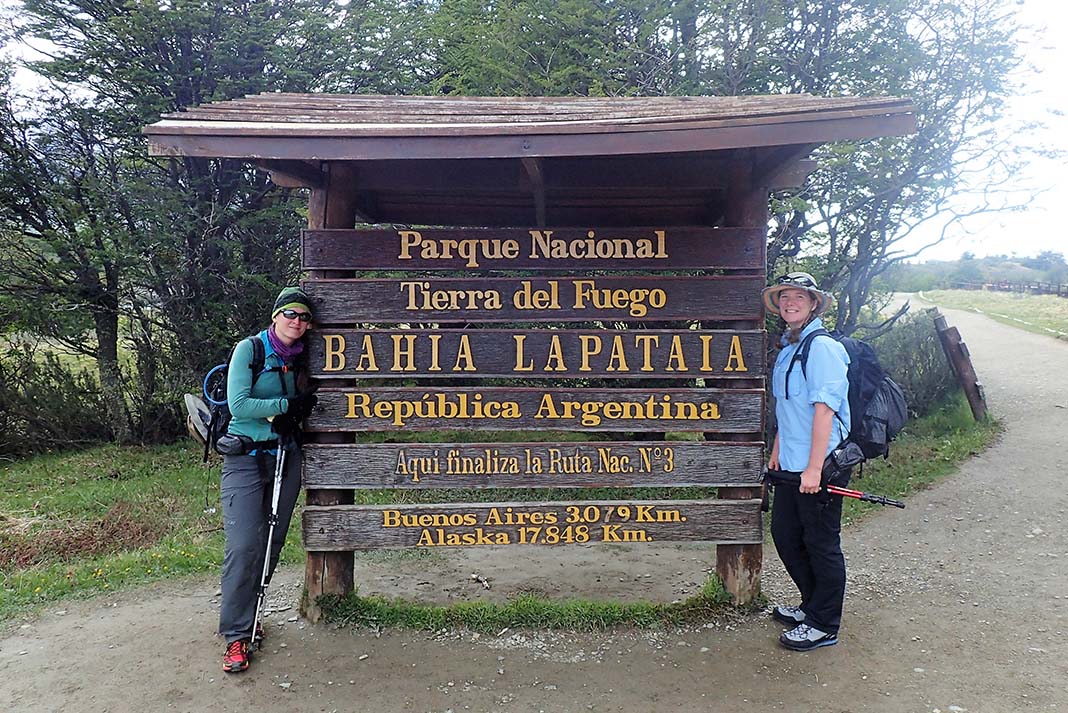
Tuktoyaktuk, Canada, August 24, 2022: The two-woman multi-sport team of Bethany ‘Fidgit’ Hughes and Lauren ‘Neon’ Reed, known collectively as Her Odyssey, has completed a human-powered expedition traveling the length of the Americas, from the tip of South America to the Arctic Ocean. Along the way, they engaged local populations in storytelling, learning how humans and animals are adapting to a changing planet.
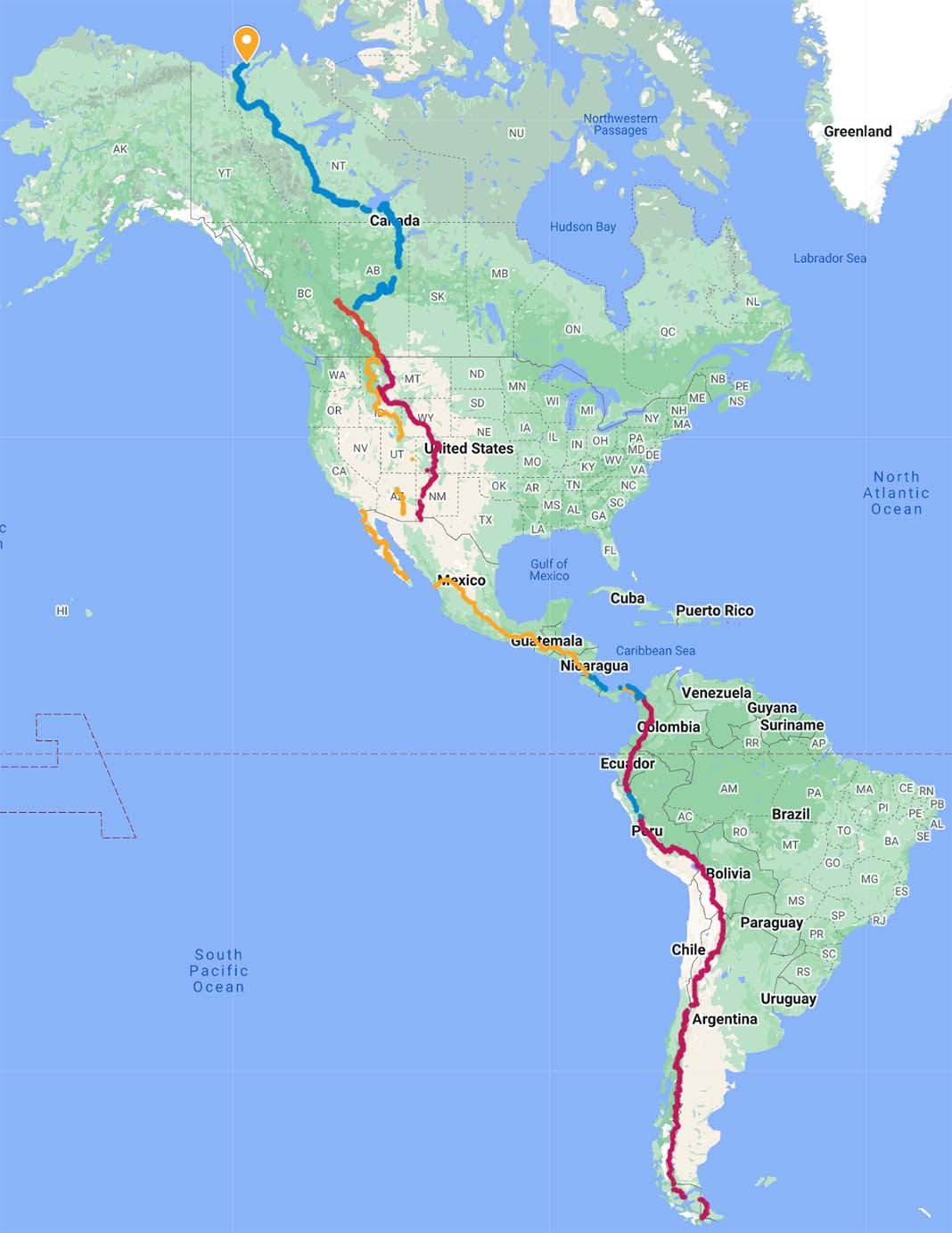
Her Odyssey complete route
On August 24, 2022, Hughes and Reed paddled into Tuktoyaktuk, Northwest Territories, Canada, completing the Her Odyssey expedition that embarked in 2015 from Ushuaia, Argentina. Her Odyssey created a unique route connecting modern long distance trails such as the Great Divide Trail, the Continental Divide Trail, and the Greater Patagonian Trail with ancient routes such as the Qhapaq Ñan across the Andes and First Nations’ river routes across North America. Hughes and Reed crossed 14 countries in multiple legs over the course of six years and nine months, traversing over 18,221 miles, ranging in elevation from below sea level to 18,000 feet.
Their modalities included: thru-hiking, bikepacking, sea kayaking, river rafting and canoeing. During their trek, they joined the short list of people who have walked the length of the Andes and became one of few women-only teams to complete an unsupported bikepacking route across Mexico and Central America. Notwithstanding the ultra-endurance sport roots of the undertaking, the focus on sharing stories and connecting with typically unheard voices highlighted the value of slow travel.
Central to Her Odyssey’s goal in embarking on this journey was a mission to redefine how the outdoor sport and long-distance community engage with local peoples and the landscape. Thus, they cultivated an approach that prioritized respect and connection with the land’s inhabitants over an accomplishment-driven mindset. In many cases, this meant re-thinking and re-developing their route, allowing for more meaningful interactions and experiences.
Stories and musings shared on the Her Odyssey blog and social media frequently explored the intersection of the climate crisis, women’s empowerment, respect for indigenous voices, and wilderness advocacy.
Hughes stated, “I want what we’ve done to build on the heritage of women walkers and to help shift the narrative of exploration from focusing on the lone conquerer toward more collective appreciation and acknowledgment of locals. I want to promote humility and flexibility as being just as much keys to success as determination and perseverance.”
Bethany Hughes has over 20,000 miles under her feet and more than 20 years of writing, recording and sharing human-powered adventures with followers across the globe. She grew up as a third culture kid, climbing in the Andes of South America and the jungles of the tropics. While earning her BA in institutions & policy in the honors Oxbridge program at William Jewell College, she worked summers as a Philmont Ranger for the Boy Scouts of America. Preparing for her first thru-hike, the Pacific Crest Trail, she worked for Alaska Icefield Expeditions dog sled teams in Tongass National Forest along Alaska’s Inside Passage. For the past 12 year she has focused on planning and pursuing the Her Odyssey Expedition and mission. She is currently writing a memoir series about Her Odyssey.
Trails hiked:
2021 Great Divide Trail, Canada
2019 Continental Divide Trail, USA
2018 Qhapaq Ñan, Argentina, Bolivia, Peru, Ecuador
2016 Greater Patagonian Trail
2014 Tamang Heritage Trail, Nepal
2012 Colorado Trail
2010 Pacific Crest Trail, USA
2008 West Highland Way, Scotland
2007 Pembrokeshire Coast Path, Wales
Lauren Reed discovered her joy of the outdoors at a young age, exploring the neighborhood and nearby woodlands with siblings and friends. While attending Penn State University she spent weekends leading climbing, canoeing and hiking trips. She is a Triple Crown thru-hiker, having walked the three primary long distance trails across the U.S. In her time away from longer trails, she works as a wilderness therapy guide and continues finding enrichment outdoors—learning, writing, sharing, photographing and exploring along the way.
Trails hiked:
2021 Great Divide Trail, Canada
2019 Western Wildland Bikepacking Route, USA
2018 Qhapaq Ñan, Argentina, Bolivia, Peru, Ecuador
The Green Race in North Carolina has proven one of the most exciting whitewater races for nearly three decades. The 27th chapter of the self-proclaimed, “greatest show in all of sports” promises to be as entertaining as ever. Fortunately, you can watch all the fast lines and carnage from the comfort of your home by streaming the Green Race live.
For 24 iterations watching the Green Race meant paddling the class IV-V+ section of river or hiking the 800-foot descent on the two-mile Pulliam Creek Trail. But this changed in 2020 when organizers turned their gaze on the future of the race toward the spectating experience. That year, the Green Race was broadcast live for the first time. That meant the athletic event in a remote gorge was brought to viewers around the globe. A new benchmark for the race had been set.
For 2022, the Green Race marks its third year as a pay-per-view sporting spectacle — complete with drones and commentary. So fire up the hors d’oeuvres, grab some cold beverages and invite your paddling buddies over because the first racer is set to start at noon ET on November 5.
Hear us now and believe this later… We are here to pump you up.
| Feature photo: Scott MacGregor
Inflatable paddleboards are built tough to withstand many seasons of on-the-water adventures. But even the best high-end boards will benefit from an easy, common-sense maintenance routine.
Prolong the life of your inflatable board by keeping it clean, protecting it from sun and moisture damage, and repairing common problems. Follow these 10 commandments of inflatable paddleboard maintenance and your board will stay looking and riding great for years to come.
10 tips to maintain your inflatable paddleboard
1 Rinse and repeat
Rinse with fresh water after every use. This will extend the longevity of your board by preventing a build-up of abrasive dirt, salt and grime. Most of the time, a quick spray down with a garden hose is all that’s required. Lay the board flat on the ground or a board stand, rinse the bottom first, and then flip it over and spray down the deck. An inflated board is easier to clean but not necessary.
Don’t forget to rinse off your inflatable SUP after each use—especially in saltwater. | Photo: Marco Ottaviano/Pexels
Be sure to thoroughly rinse the fin boxes, attachment points, handles and deck pad. Allow the board to air-dry in the shade, or use a soft towel to wipe it down.
2 Stay spotless
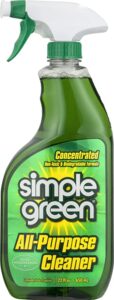
Periodically cleaning your board with a solution of mild soapy water is the best way to prevent stains and remove stubborn dirt, river scum and travel grime. Dishwashing soap and warm water or a gentle cleaning solution like Simple Green work great without being too harsh on your board. You can use a soft-bristled scrubbing brush to remove residue from the deck pad and other surfaces, avoiding graphics that can be damaged from vigorous cleaning. After sudsing up, rinse thoroughly with fresh water.
For stubborn marks, try a baking soda solution, magic eraser or non-abrasive PVC cleaning product such as mold remover. However, these should only be used on the PVC, not the deck pad or graphics.
3 Avoid a mold mine
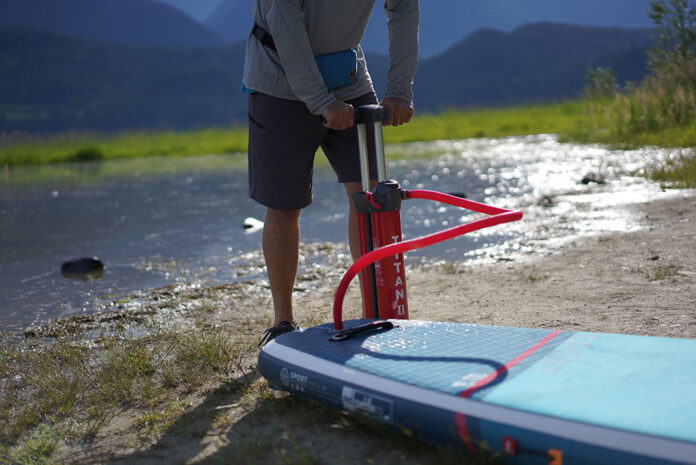
Moisture inside your board can cause mildew and premature wear. Proper storage in a cool and dry place is key to avoiding mildew damage and bacterial growth. If you notice moisture inside your board, you can dry it out by locking the valve in the open position and blowing air into the board using a pump or vacuum exhaust.
Mildew on the outside of the board—for example, on a board that has been rolled or folded for storage—can be cleaned with a mold remover intended for use on PVC materials.
Inflatable paddleboards are designed for use in saltwater, however, proper cleaning and maintenance are essential for those using their board on the sea. Because saltwater is so corrosive, it’s critical to rinse your board and paddling equipment with fresh water after every use. Don’t forget to thoroughly rinse your fins, leash, paddle and PFD as well.
5 Maintain inflation valves
Keeping your inflatable board’s valves clean is key to avoiding air leaks. If the threads or sealing surfaces become dirty, the valve may not close fully. Listen and feel for air escaping at the valve if your board seems to lose pressure after inflation. Simply pressing briefly on the valve stem when the board is fully inflated will create a blast of air that is enough to dislodge any debris. If this doesn’t fix the problem, lock the valve in the open position and use a cotton swab moistened with 303 Protectant to clean inside the valve area and around the sealing surfaces.
A loose valve can also create a slow leak. Check your board’s repair kit for a valve wrench to tighten the valve, or remove it for a more thorough cleaning or replacement.
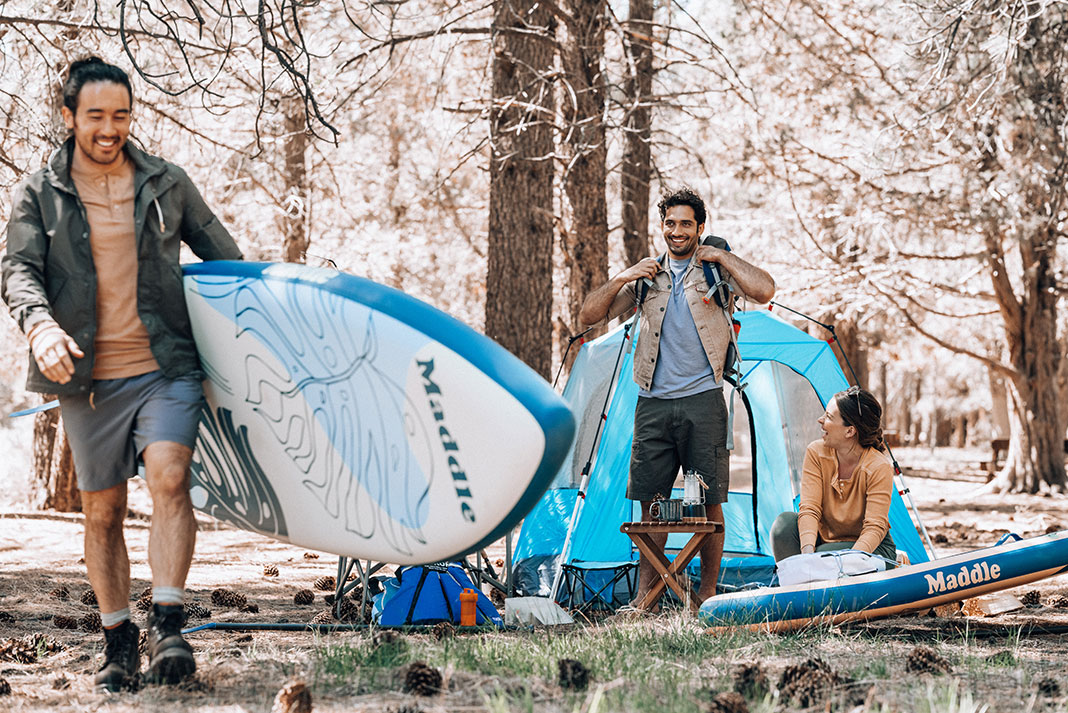
Maintain your valves for easy inflation and less leaks. | Photo: Courtesy Maddle
A final word on inflation: if you’re using an electric pump to fill your board, most manufacturers recommend using a hand pump to top off the last 10 to 20 percent. This avoids over-inflation, the most common cause of inflatable board damage. Never use an air compressor to blow up your board. It is too much, too fast, and can also introduce contaminants into your valves and board and void your warranty.
6 Care for fins
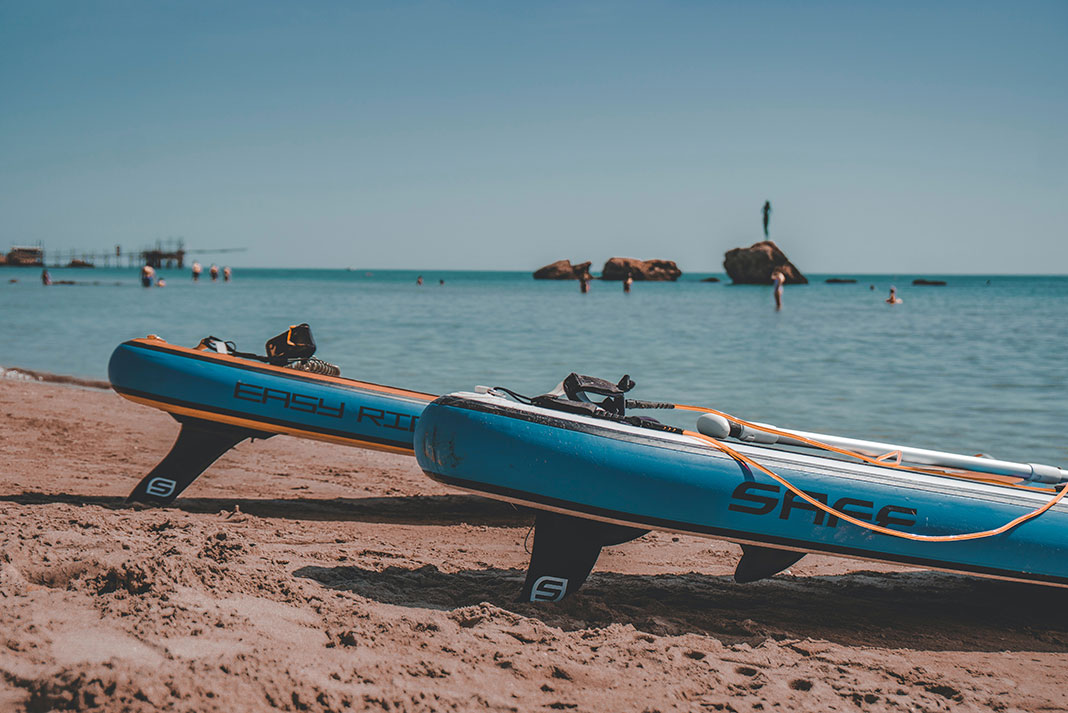
The removable fin or fins at the back of your board help it track straight and perform its best. They’re also the most fragile part of your inflatable paddleboard. Always set your board down with the fins facing the sky, and never put anything heavy on the board if it is resting on its fin. If you do damage or break your fin, don’t panic. Most major brands use a universal fin box that will accept a wide range of replacement SUP or longboard fins.
7 Always wear sunscreen
Inflatable paddleboards are constructed with UV-treated materials designed to withstand the sun’s powerful rays. However, even these materials will break down with prolonged exposure to damaging UV radiation. You can enhance your board’s resistance to sunlight degradation by applying a UV-blocking spray such as 303 Protectant. Think of it as sunscreen for your board and gear.
After cleaning your board, treat the deck, rails and bottom with 303 Protectant once or twice a year. Avoid the urge to apply the product more frequently since excessive use can damage your board.
8 Deflate for storage
Leaving your board out in the hot sun when fully inflated can cause the air inside to heat up and expand. The result is overinflation, which can lead to leaks, ruptures and other damage. Always store your board in the shade, out of the sun when you’re not on the water. Know your board’s maximum recommended inflation pressure and check the air pressure regularly, especially if you’re on and off the water throughout the day. Your board may need a top up for optimum rigidity, or you may need to release a bit of air.
If your inflated board will sit in the sun on a hot day, let some air out of the board to allow for expansion. Now, when it does heat up, there’s room inside to keep the pressure below the recommended maximum. This is also a good rule for transporting your inflated board on your roof rack.
9 Store indoors for long periods
When storing your inflatable paddleboard for longer periods of time, make sure it is completely dry prior to storage and choose a cool, dry place out of the sun. Storing indoors is best to avoid moisture or temperature-related damage. One of the best things about inflatable paddleboards is they don’t take up much space when rolled up, so you can stash your board in the back of a closet or under the stairwell.
Many inflatable paddleboard manufacturers recommend deflating your board to about five psi of pressure, leaving it lightly inflated and loosely rolled during storage. Keeping some air in your board while you store it will reduce the chances of any folds or seams becoming weak areas over time.
10 Maintain your pump
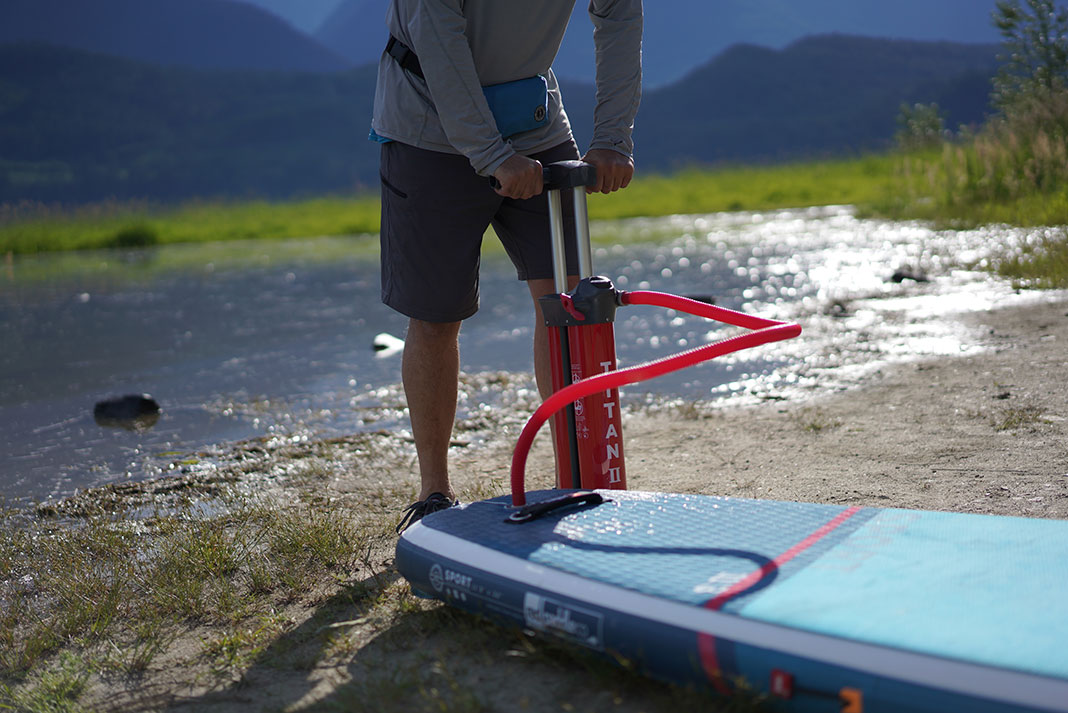
Like the boards themselves, SUP pumps benefit from routine maintenance to keep them working smoothly and efficiently. Manufacturers often provide hand pumps that are simple and easy to service, but you might want to take a look at our listing of the best electric paddleboard pumps.
Hear us now and believe this later… We are here to pump you up. | Feature photo: Scott MacGregor
Look for a couple of screws allowing you to remove the top of the pump. You can check inside the pump and remove any dirt or sand from the chamber, shaft and filter. Next, check the O-ring on the pump plunger—if it looks dry or damaged, lubricate it with a bit of lithium grease or replace it with a new, greased O-ring. Voila, your pump will be back up to optimum pressure, and your arms will thank you.
This article was first published in the Summer 2022 issue of Paddling Magazine. Subscribe to Paddling Magazine’s print and digital editions, or browse the archives.
Hear us now and believe this later… We are here to pump you up. | Feature photo: Scott MacGregor
Without question, there is no stroke we use more often in kayaking than the forward stroke. The ability to execute a completely effective and efficient forward stroke is perhaps more complex though than we give credit.
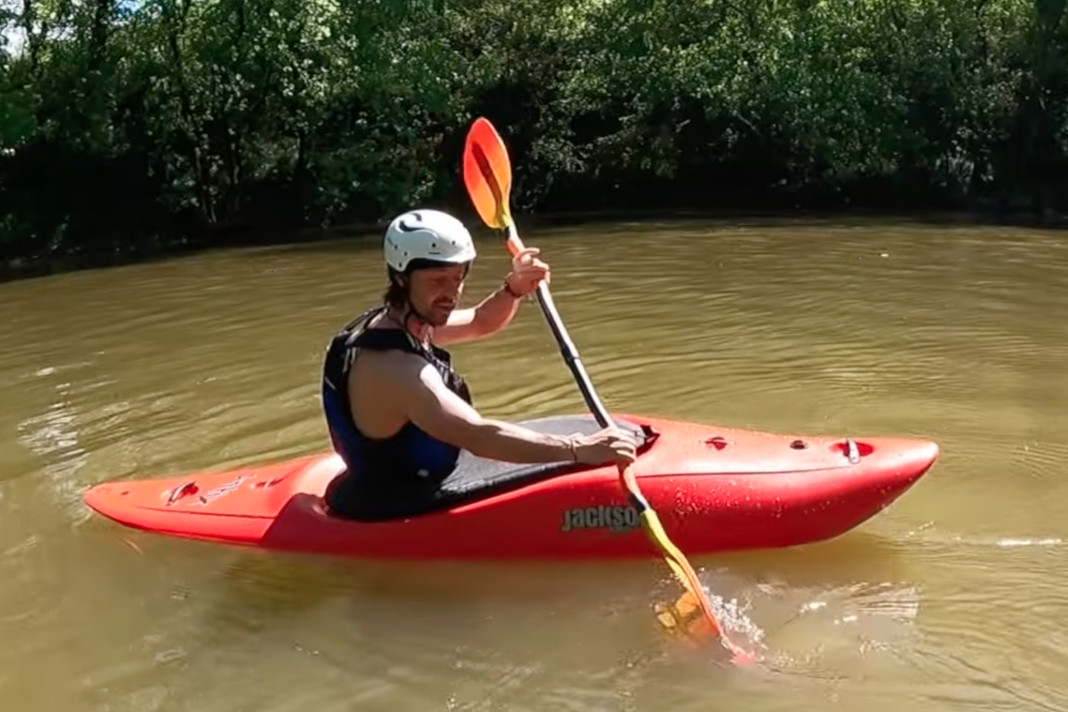
When we hit the water, we often quickly move on to more exciting techniques and spend the rest of our paddling days living with the habits developed with those first strokes. The truth is whether you are new to kayaking or a veteran of the sport, the forward stroke can always use work. In this video, Jackson Kayak athlete Boyd Ruppelt goes over the elements of a proper forward kayak stroke.
Ruppelt opens by explaining the benefits of a solid forward stroke.
“The reality is, efficiency is your friend,” he says. “You want to have endurance as a kayaker because you’re going to be paddling a lot. Also, the more momentum you have, the more control you have. Another reason is injury prevention. Having good technique keeps you from getting hurt.”
Here are a few key points Ruppelt shares to help your kayak forward stroke:
Posture
“Make sure that you’re sitting up nice and tall. Straighten your spine. [Run] an imaginary line going through your head and out your crown. Hinge forward slightly at the hips rather than just hunching forward.”
“If you’re sitting in a chair, imagine turning your body without turning your legs, leaving your legs forward—that’s step one. Step two is picking something to look at. You should be able to rotate your body without turning your head.”
Bringing The Paddle In The Mix
“All I’m going to do is rotate my body. Without moving my legs and without moving my head, plant the paddle at your feet. As you unwind your body and pull the stroke, pull it with your whole body. Rotating your torso, pull the paddle out at your hips.
“You should be lined up where your opposite hand and opposite elbow are in alignment with the center of the kayak. The top arm should be positioned about shoulder high to forehead high.”
Top Arm As A Fulcrum
“Your top hand really needs to be a fulcrum for the lever. You can have a lot more power using your entire body to rotate your core. You’re going to know you’ve got it right when your paddle blade enters the water quietly without a lot of splash and exits just as smoothly.”
For top picks and expert reviews, check out Paddling Magazine’s guide to the best whitewater kayaks here.


 This article was first published in the Summer 2022 issue of Paddling Magazine.