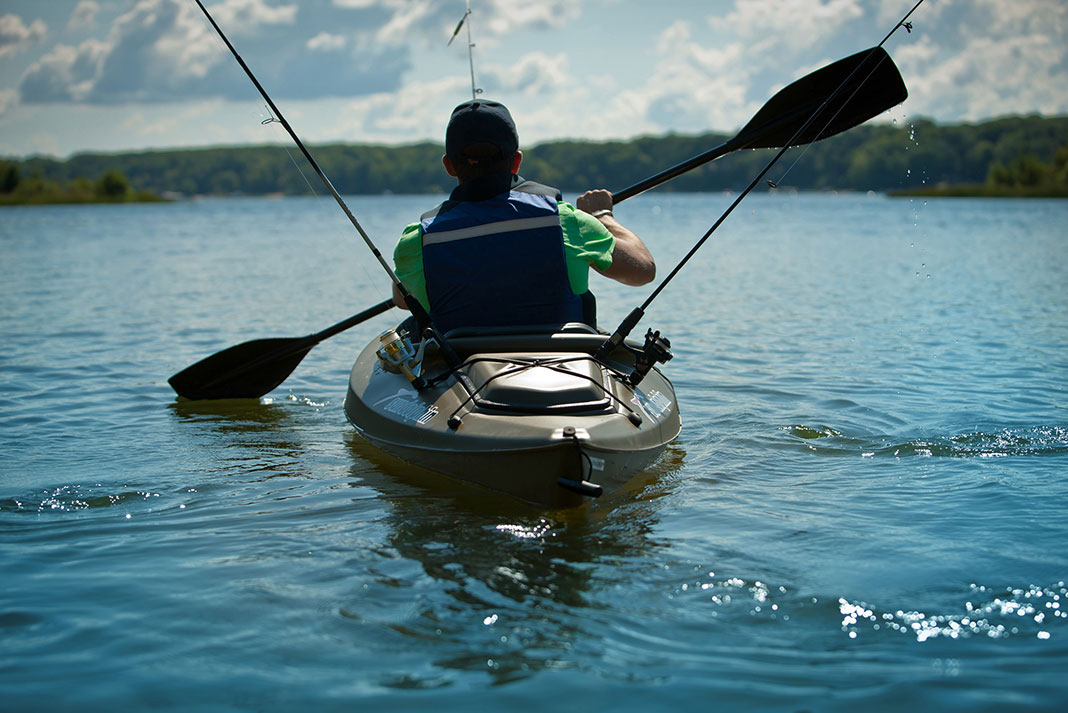
Featured Image: Chad Houde/Ely Police Department via AP
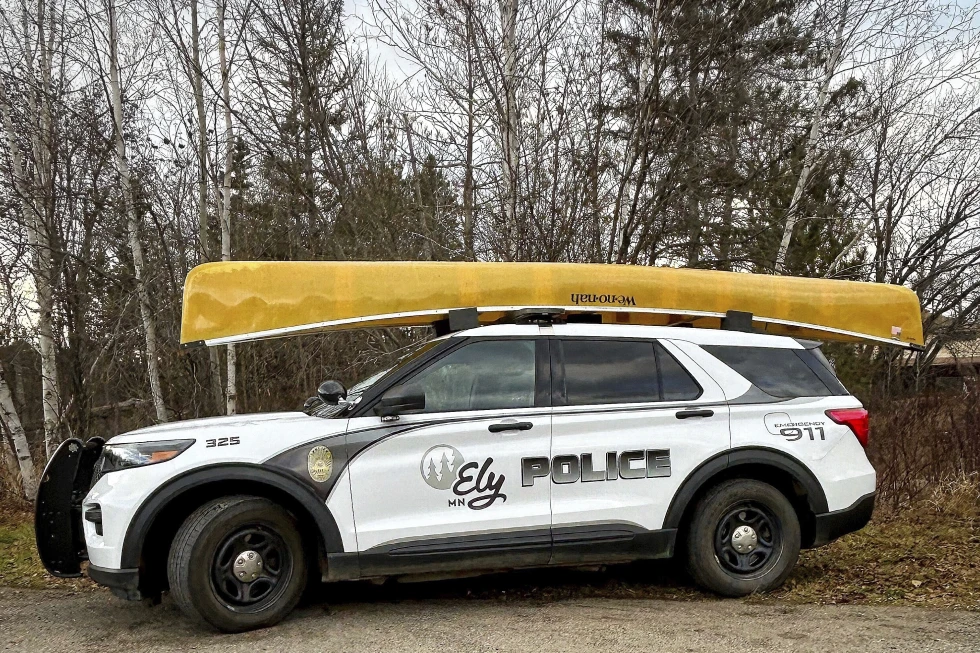
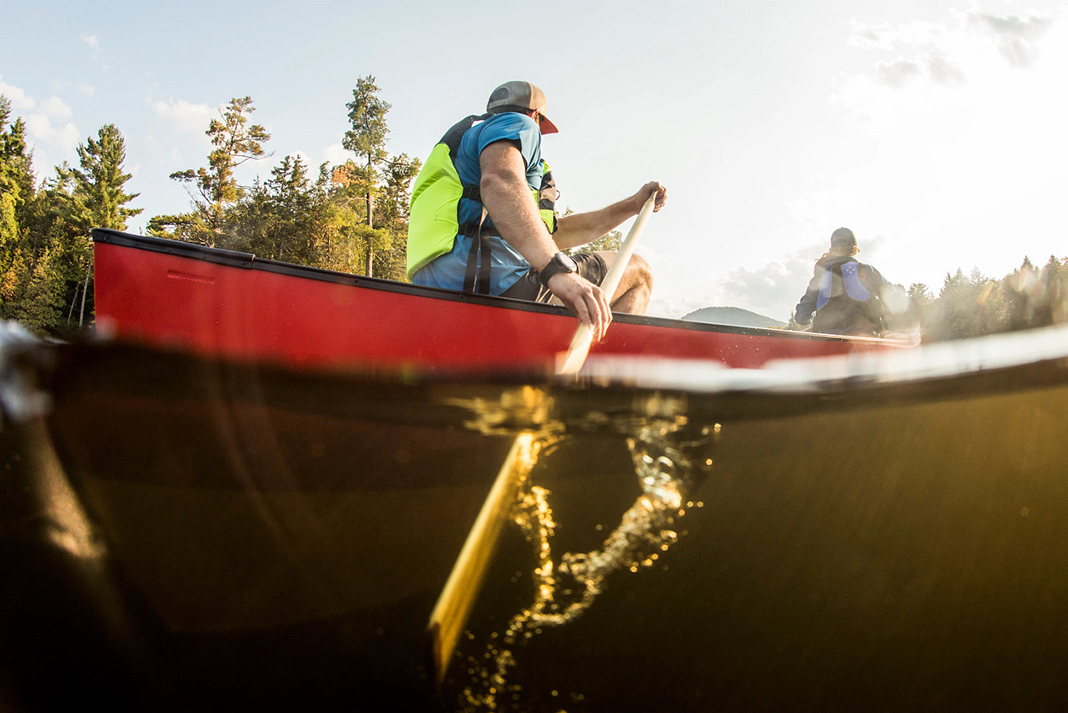
In a small town at the edge of the fabled Boundary Waters Canoe Area Wilderness, a police department is incentivizing recruits with a pretty sweet sign-on bonus—free Kevlar Wenonah Canoes.
Ely, Minnesota, has a population of just over 3,000 residents in a remote corner of the state. Like many police departments in recent years, the small outfit serving Ely is struggling to hire new officers. Utilizing what the town has access to and what Minnesotans value, Police Chief Chad Houde came up with a creative and fitting benefit to joining his force. Houde is giving new (and current) police officers free Kevlar Wenonah Canoes valued at $3800 for committing to three years of duty.
[ Check out finely crafted Wenonah Canoes in the Paddling Buyer’s Guide ]
“You can get done with a shift, maybe it was a stressful shift. … The best way to decompress is go out canoeing, hunting or fishing,” Houde shared with the Associated Press.
Featured Image: Chad Houde/Ely Police Department via AP
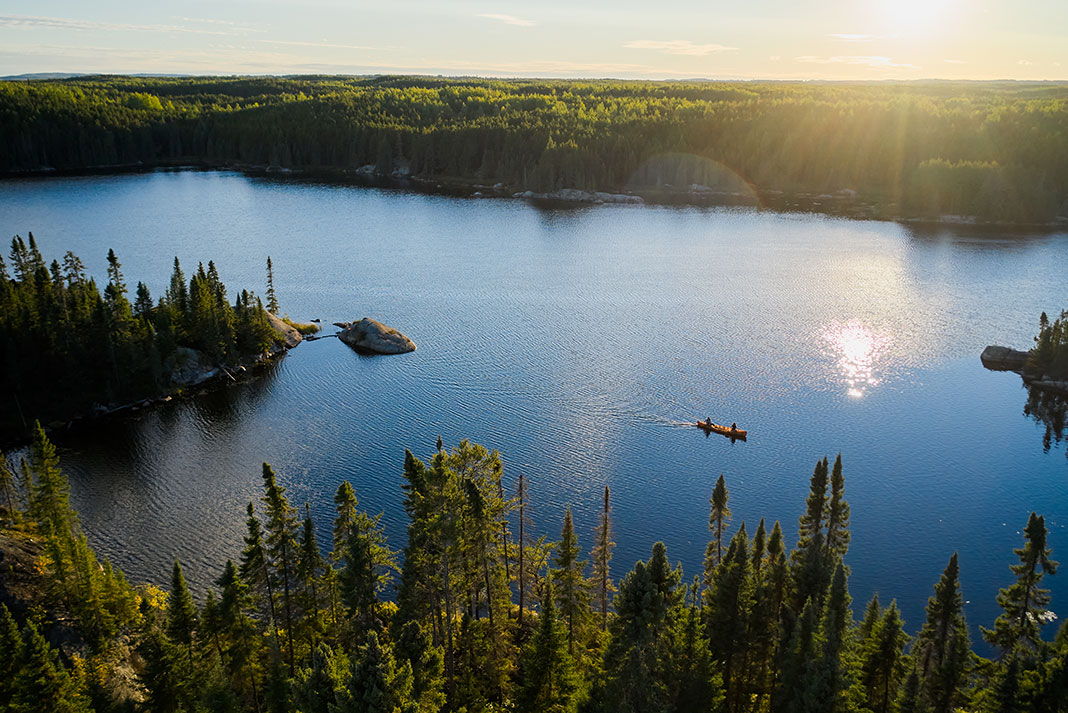
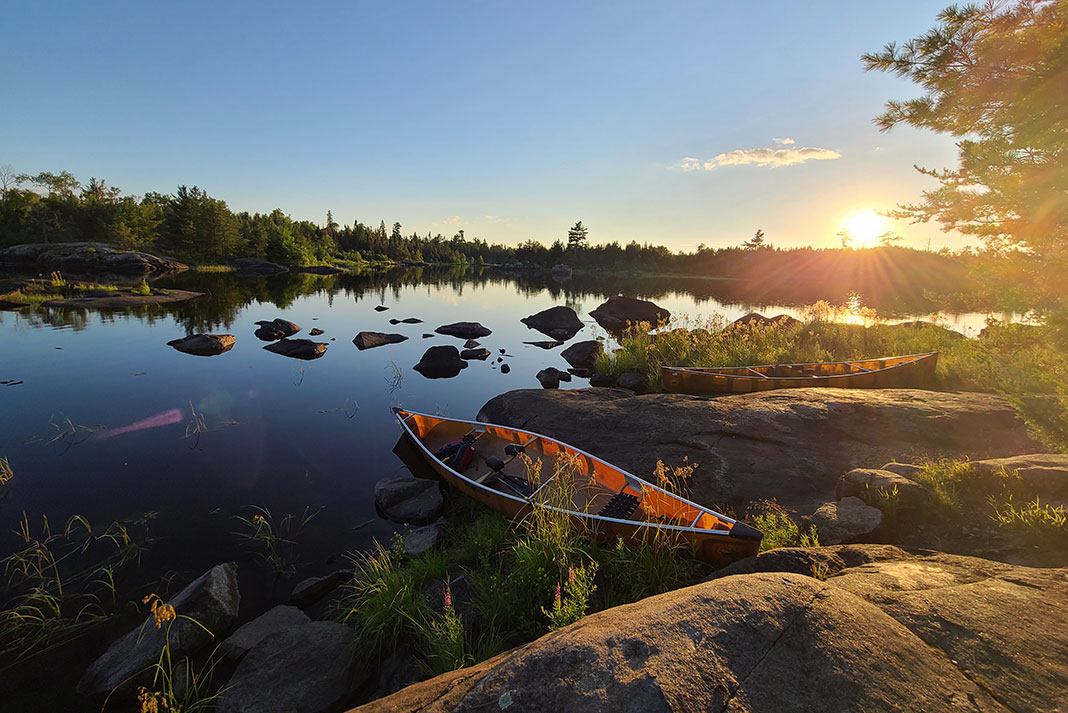
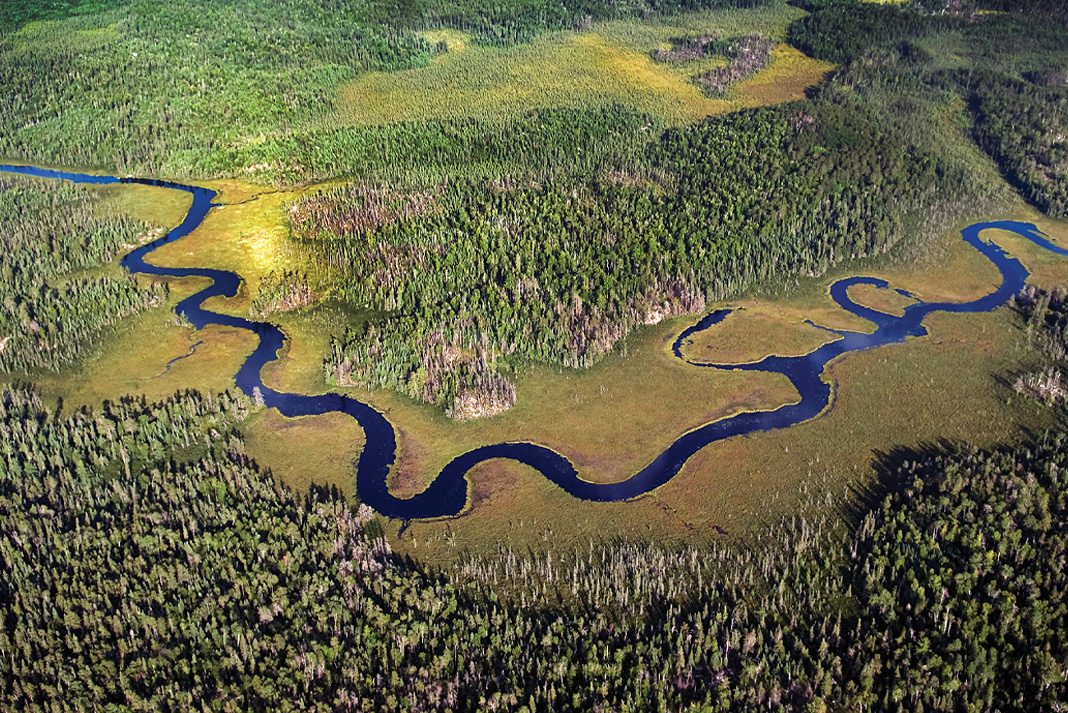
Talk about a quality of living bonus. The bordering Boundary Waters Canoe Area Wilderness comprises one million acres of forests and connecting waterways, with over 1200 miles of canoe routes.
To give the offer more state pride, Wenonah Canoes were founded in Minnesota 50 years ago and are still made there today.
For paddlers pursuing a career in law enforcement, one could do worse than scoring free canoe and joining a police department serving a community at the edge of one of the most treasured natural areas in North America. The Ely police department has one slot currently open and another soon to come. But we imagine those won’t last long once word spreads through the canoeing ranks.
Canadians are going outside in record numbers. That’s a good thing: spending time in nature improves mental and physical health. But all those extra boots on the ground is leaving an impact. Now there’s a new way Canadians can play a part in preserving natural spaces.
“Land managers and trail groups across the country tell us they are struggling to keep up with the influx of people,” says Richard Vinson, the Chair for Leave No Trace Canada, a non-profit that promotes the sustainable use of parks and natural spaces. “With more people sharing these outdoor places, the more it matters how we all behave when we’re out there. But there are simple things we can do that make a big difference.”
Photo: Duncan Macpherson
One of them is taking the new Leave No Trace Pledge, a joint project between Leave No Trace Canada and Subaru Canada. By visiting LeaveNoTrace.capeople can learn about the Seven Principles of Leave No Trace and then commit to adopting them by taking the Pledge. For everyone who shares their Pledge on social media Subaru Canada will plant a tree in the spring 2024.
“This is a real win-win-win,” says Vinson. “We’re planting trees in Canada, educating people and protecting parks, natural spaces and wildlife all at the same time. The Pledge is something anyone can do to show that they care.”
Photo: Taylor Bond
Subaru Canada thinks the Pledge is a good way to mitigate environmental impacts.
“We are excited to partner with Leave No Trace Canada and help promote their Seven Principles,” said Tomohiro Kubota, Chair, President and CEO of Subaru Canada Inc. “We look forward to challenging Canadians to take The Pledge as we believe these guidelines provide the basis of responsible exploration.”
Outdoor recreation and park use were both increasing across the country before 2020 and then shot up significantly during the COVID-19 pandemic. A Park People report found that 66 percent of Canadians increased their park visits since 2019, while a Leger Opinion study for the Trans Canada Trail found 40 percent of Canadians increased their trail use in 2021. In addition, Parks Canada experienced its busiest camping years ever with more than 500,000 camping nights in 2022.
Photo: Elisabeth Lacroix
Research shows that more people using parks and natural spaces means more people caring about these important places, says Vinson. But visitors and trail managers tell Leave No Trace this increase is leading to more negative impacts: more waste left behind, more off-trail damage, more campfire scars, more wildlife disturbance and more user conflicts.
“I think most of the impacts are from people who don’t know there is a better way,” says Vinson. “This is where the Leave No Trace principles come in. They aren’t rules. They’re guidelines to help people be gentler users of our natural spaces.”
Research by Brock University’s Garett Hutson backs this up. “Leave No Trace principles and practices give people the tools to experience natural areas responsibly and sustainably,” Hutson says.
“Practicing the Leave No Trace Seven Principles and taking the Pledge present an opportunity to make an investment in the future of our natural spaces,” says Vinson.
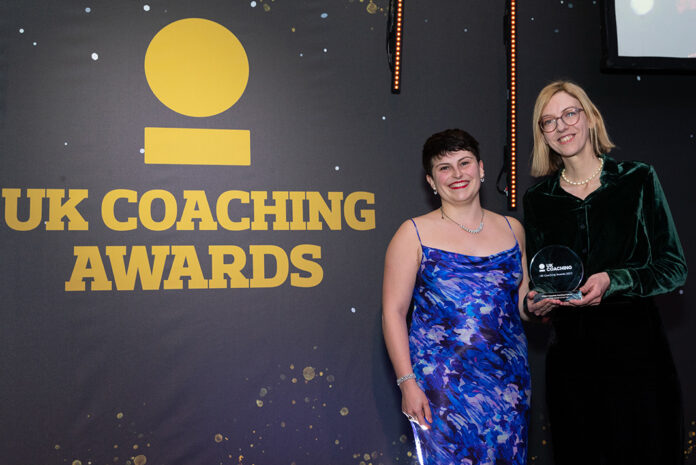
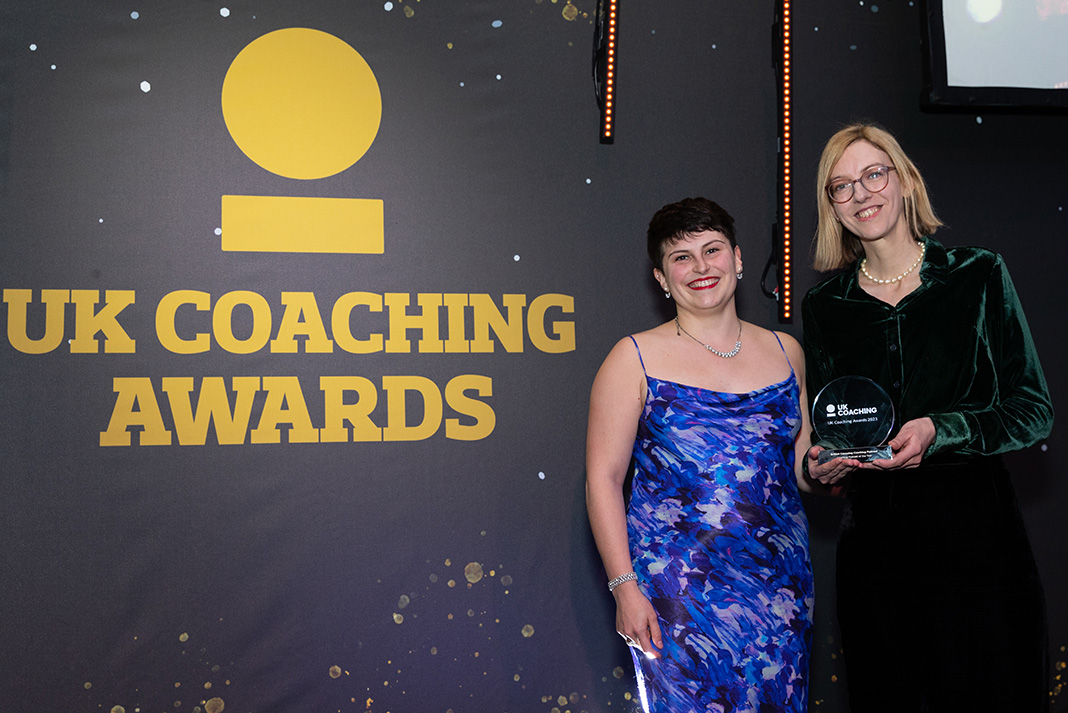
British Canoeing’s British Canoeing Awarding Body Podcast (BCAB) has been awarded the Coaching Podcast of the Year Award at this year’s UK Coaching Awards. The award acknowledges the British Canoeing Awarding Body Coaching Podcast (BCAB), which has facilitated the development of others in coaching and encourages the delivery of broader social impact through sports and physical activity.
The UK Coaching Awards is a national celebration event, regarded as the most prestigious within the coaching community and created to honour the remarkable contributions coaches make – from delivering high quality and technical coaching, to supporting participants both physically and mentally.
The BCAB Podcast is released monthly, exploring different topics around coaching with a range of guests from within the paddling and sports community, now helping coaches far and wide progress their professional development. Nearing 100 episodes, the podcast is a free resource for any coaches to use – praised most recently by the RNLI for detailing specific advice from a leading researcher on the significant danger of winds to stand up paddleboarders, helping to raise awareness for those heading out to sea.
Conducting distinctive and forward-thinking conversations accessible to everyone, the podcast has been acknowledged for notable efforts across multiple topics, including Neurodiversity Celebration Week. In one instance, it engaged in conversations with a marathon and sprint athlete, as well as an Olympic rower, both diagnosed with ADHD and high-functioning autism. By offering an open and secure platform for them to share their experiences, the podcast has ensured a space for the neurodiverse community and praised for exemplifying the broader impact of exceptional coaching.
Overwhelmed to be announced as an award winner, the team reflected:
“We are a bit starstruck, it is an honour, there is a lot of work that goes behind the scenes that go into this and with every episode we feel really proud and happy to be recognised.
“It is incredibly important to celebrate coaches, because they are often there in the background with people mainly focusing on the athletes and the physical participation of people doing the sport.
“Coaches need support as they are giving so much of themselves and so the idea of a coaching podcast is that support for the coaches who are then supporting their participants. It also celebrates lot of different coaches and something we have tried to do in recent series of the podcast is to represent lots of different coaches from different backgrounds, disciplines and experiences.”
With previous award winners including Sarina Wiegman, Jane Figueiredo, Judy Murray, and Ben Stokes’ coaching chain, the awards are seen as one of the most prestigious within the coaching community, recognising the contributions coaches make to their participants lives and their impact within the wider coaching world – including outstanding podcasts that continue to play a vital role in supporting the well-being of the nation.
UK Coaching’s CEO Mark Gannon congratulated BCAB on their award, and for the profound coaching contribution that saw it honoured as part of the annual celebration:
“I would like to extend a huge congratulations to them on their fantastic work which we are very proud to recognise by presenting him with a UK Coaching award. British Canoeing’s Awarding Body Podcast, and all our winners and finalists should be extremely proud of what they have been able to achieve. Great coaches change lives, tackle inequalities, and help build communities, and continue to be the essential conduit to getting our nation more active.
“It is so important that we celebrate great coaching and acknowledge the tireless work our amazing coaching community deliver to support individuals on their own unique sporting journey. The podcast helps our nation’s outstanding coaches, who chang so many lives through their dedication and creativity in making sport and physical activity accessible for even more people.
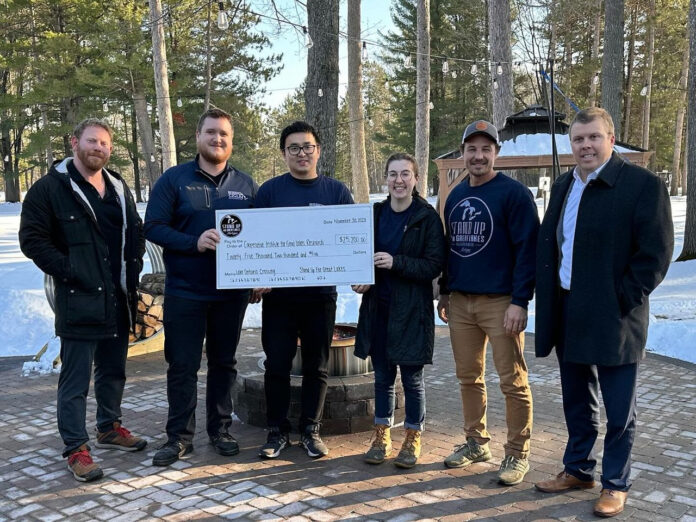
Left to Right: Joe Lorenz, Dr. David Cannon Assistant Research Scientist, Dr. Yi Hong, Assistant Research Scientist, Melissa Mattwig, Earth System Modeler of CIGLR, Kwin Morris and Jeff Guy
Traverse City, MI – A check for $25,200 was presented to the Center for Great Lakes (CIGLR) by Stand Up for Great Lakes. The presenters were the three men who have now crossed all five of the Great Lakes by Stand Up paddleboards.
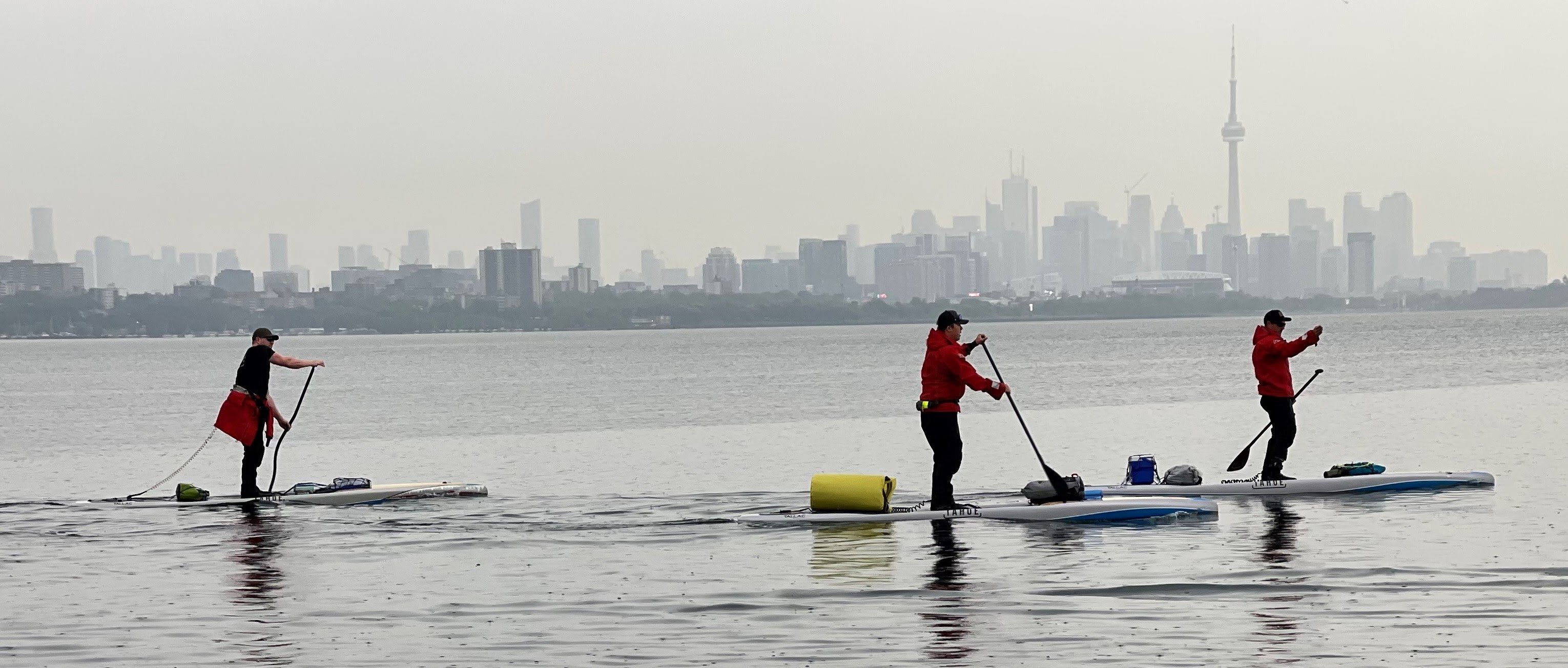
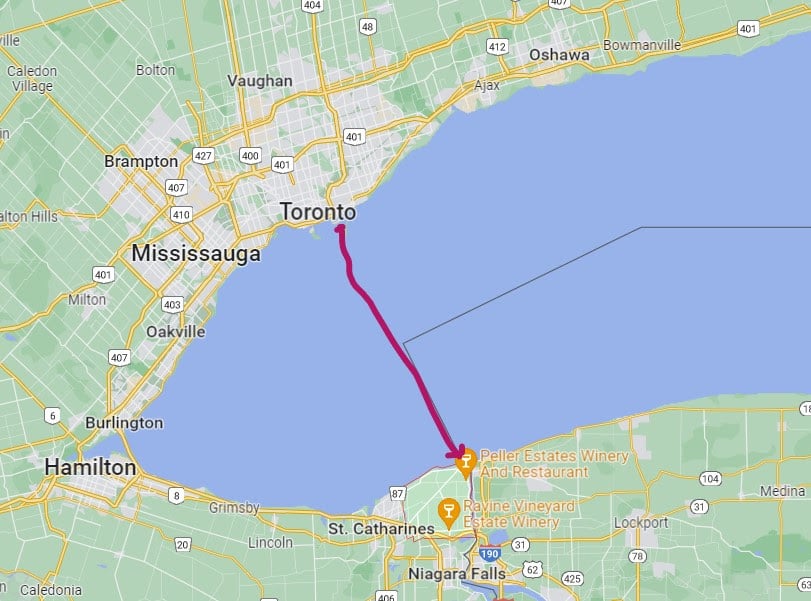
The funds raised were from their most recent trip crossing Lake Ontario in June of this year. The trio paddled from Toronto to Fort Niagara in a 13 hour, 35-mile journey. They faced waves up to 5 feet with steady winds of 16 knots for several hours and gusts upwards of 30 knots, rain and lingering smoke from the wildfires directly upwind from the group.
Left to Right: Joe Lorenz, Dr. David Cannon Assistant Research Scientist, Dr. Yi Hong, Assistant Research Scientist, Melissa Mattwig, Earth System Modeler of CIGLR, Kwin Morris and Jeff Guy
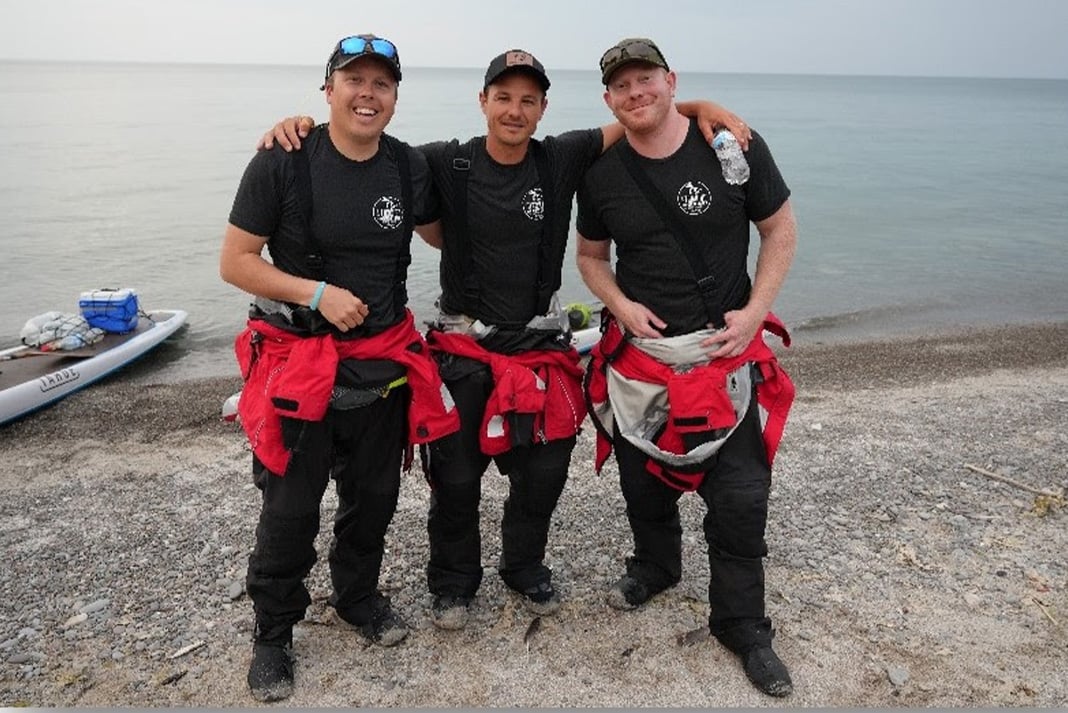
Jeff Guy, Joe Lorenz and Kwin Morris successfully paddled Lake Michigan, Lake Huron, Lake Superior, Lake Erie and Lake Ontario all in an effort to raise awareness for Great Lakes issues.
They founded a non-profit called Stand Up for Great Lakes whose mission is to preserve and protect all Great Lakes by inspiration, education, awareness and action. They have now raised more than $105,000 for various Great Lakes non-profit organizations and have captured the imagination of many who have been inspired by their mission and support their cause. The Lake Ontario goal was to raise $25,000 and they surpassed it.
Jeff Guy, Kwin Morris and Joe Lorenz on the shores of Lake Ontario by Fort Niagara after 35 mile 13 hour paddle from Toronto on Friday June 9, 2023
In accepting the check, Dr. David Cannon, Assistant Research Scientist of CIGLR said, “Thank you very much for the donation. It’s obvious how passionate everybody is for the Great Lakes on the Stand Up for Great Lakes team. It’s a good reminder of the privilege we have in doing this research and we appreciate the awareness you bring to the issues.”
Asked what they will do with the money, Mary Ogdahl of CIGLR said, “The funds will help expand Lake Ontario flood control and shoreline restoration work as well as train the next generation of Great Lakes scientists!”
Watch the award-winning documentary about their Lake Superior Crossing here and Crossing Lake Erie here.
Joe Lorenz, Jeff Guy, Kwin Morris after departing from Toronto on Lake Ontario heading for Fort Niagara. The paddle was a 35 mile 13 hour journey on Friday, June 9, 2023.
Background: Their first crossing was Lake Michigan in 2015, a 60 mile and just under 25-hour journey in 38-degree water. They raised $10,000 for the Great Lakes Alliance. In June 2017 they crossed Lake Huron and raised $7,000 for Thunder Bay National Marine Sanctuary. Their 90-mile paddle journey took over 28 hours to complete. In 2018 they paddled across Lake Superior in 21 hours. Their 60-mile trip began at Sinclair Cove, Ontario and ended at Whitefish Point, Michigan and raised $15,000 for the Great Lakes Shipwreck Museum. The trip across Lake Erie began in downtown Detroit’s Belle Isle and ended on the shores of Catawba Island, Ohio and raised $16,000 for the Cooperative Institute for Great Lakes Research. (CIGLR)
About Jeff Guy: Guy, 37, is a financial advisor with Merrill Lynch. He also enjoys golf, hockey and fishing. He lives in downtown Traverse City, MI.
About Joe Lorenz: Lorenz, 37, is a personal trainer in Traverse City. When he’s not helping people achieve their fitness goals, he’s up for almost anything involving water, travel, sailing, adventure and fitness.
About Kwin Morris: Morris, 36, was born and raised in northern Michigan, making him a keen waterman, traveler, and adventurer. He is a middle school science teacher in the Elk Rapids School District and the owner of Twin Birch Golf Club.
About Corey Adkins: Adkins, 52, is the Great Lakes Shipwreck Historical Societies Communication and Content Director. Though he doesn’t stand-up paddleboard, he has captured the guys’ adventures across 4 of the 5 Great Lakes and 2 rivers, producing a series of 5 documentaries garnering him multiple awards including 2 Emmy’s. Adkins lives in McBain with his wonderful wife, Stephanie who also helps produce these stories!
Stand Up For Great Lakes is a non-profit organization dedicated to preserve and protect all Great Lakes by inspiration, education, awareness and action. It began with a love of water, over a beer. The group has crossed all five Great Lakes by stand-up paddleboard and has now raised more than $105,000 to help raise awareness of the issues facing the Great Lakes. The lakes are under threat: Oil pipelines of questionable integrity, invasive species, sewage leakage, pharmaceutical pollution, agricultural runoff, and those who choose to throw beer cans and cigarette butts wherever they please.
The list of threats to these majestic and vital bodies of water is endless. We’re asking others to Stand Up for Great Lakes and provide support and encourage us on this important mission.
The route on Lake Ontario from Toronto to Fort Niagara. For more information or to make a donation, visit http://www.StandUpForGreatLakes.com
CIGLR is hosted by the School for Environment and Sustainability (SEAS) at the University of Michigan. CIGLR consists of a Research Institute and a Regional Consortium that is a partnership between the National Oceanic and Atmospheric Administration (NOAA), universities, non-governmental organizations, and businesses. Together, we work to achieve environmental, economic, and social sustainability in the Great Lakes. https://ciglr.seas.umich.edu/
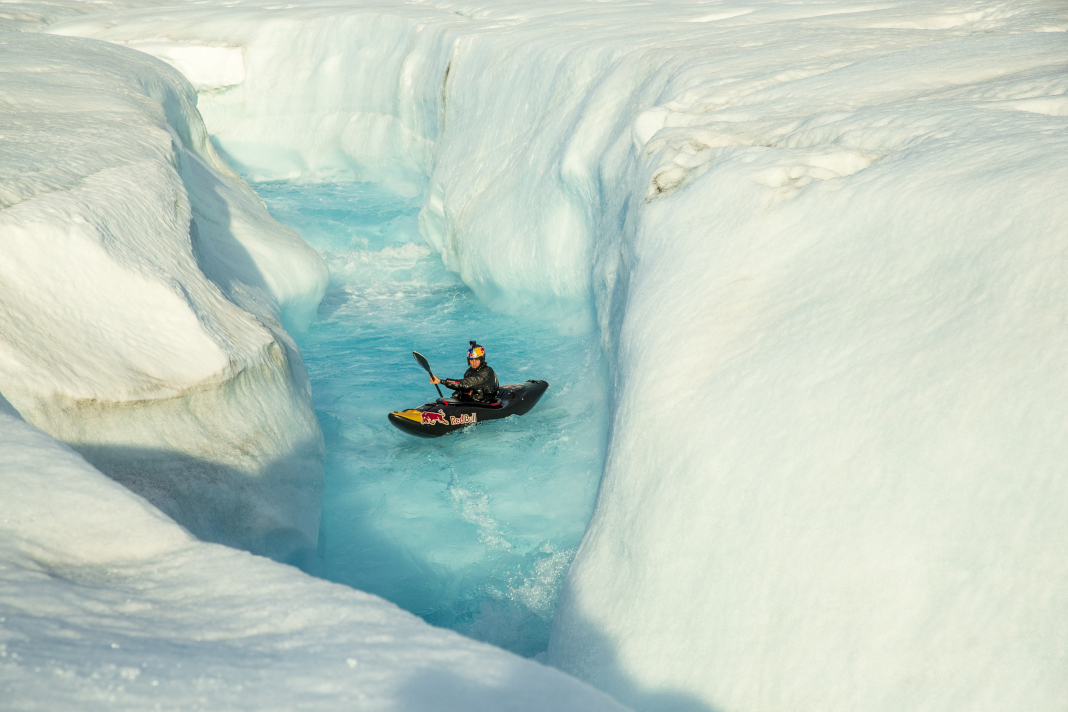
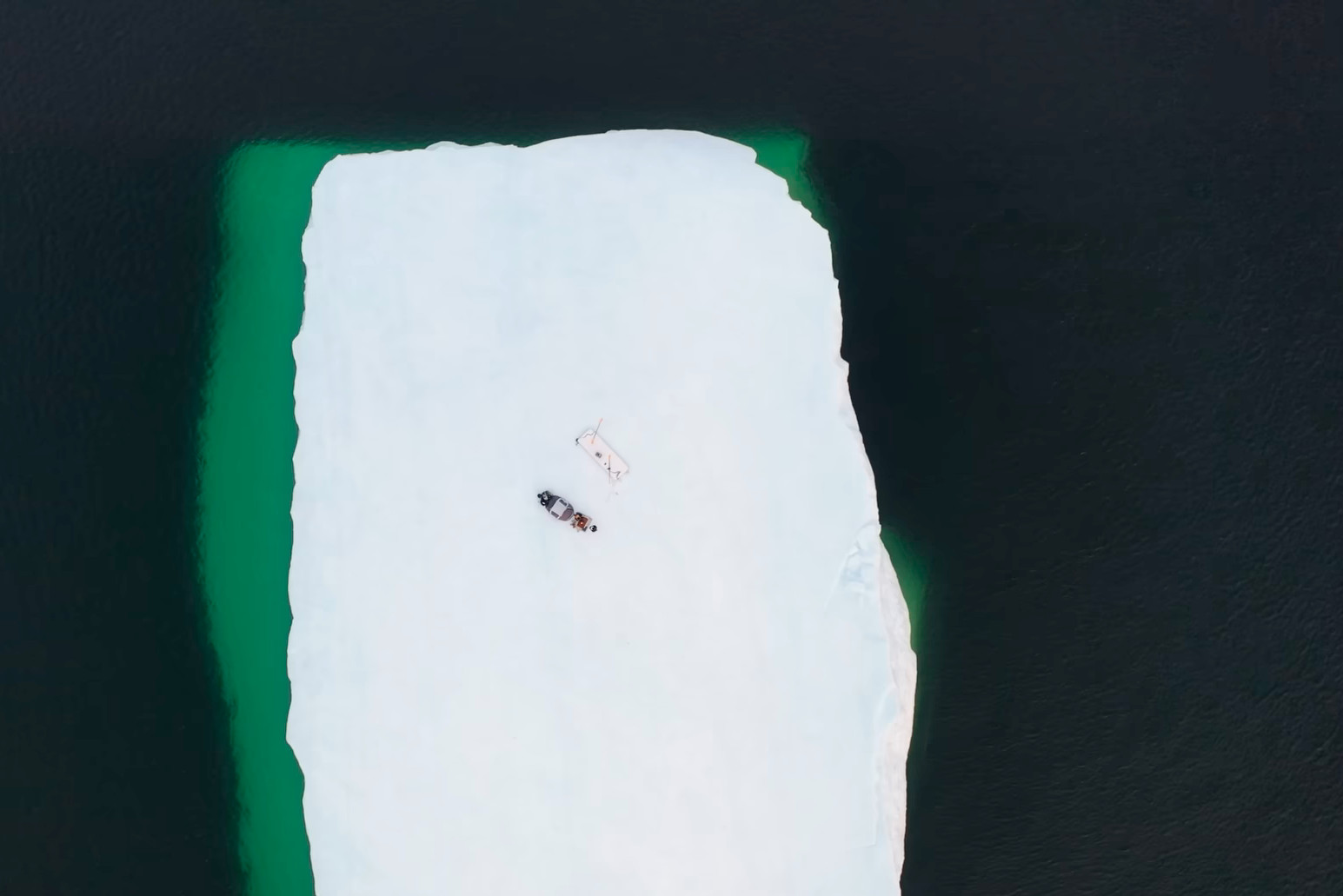
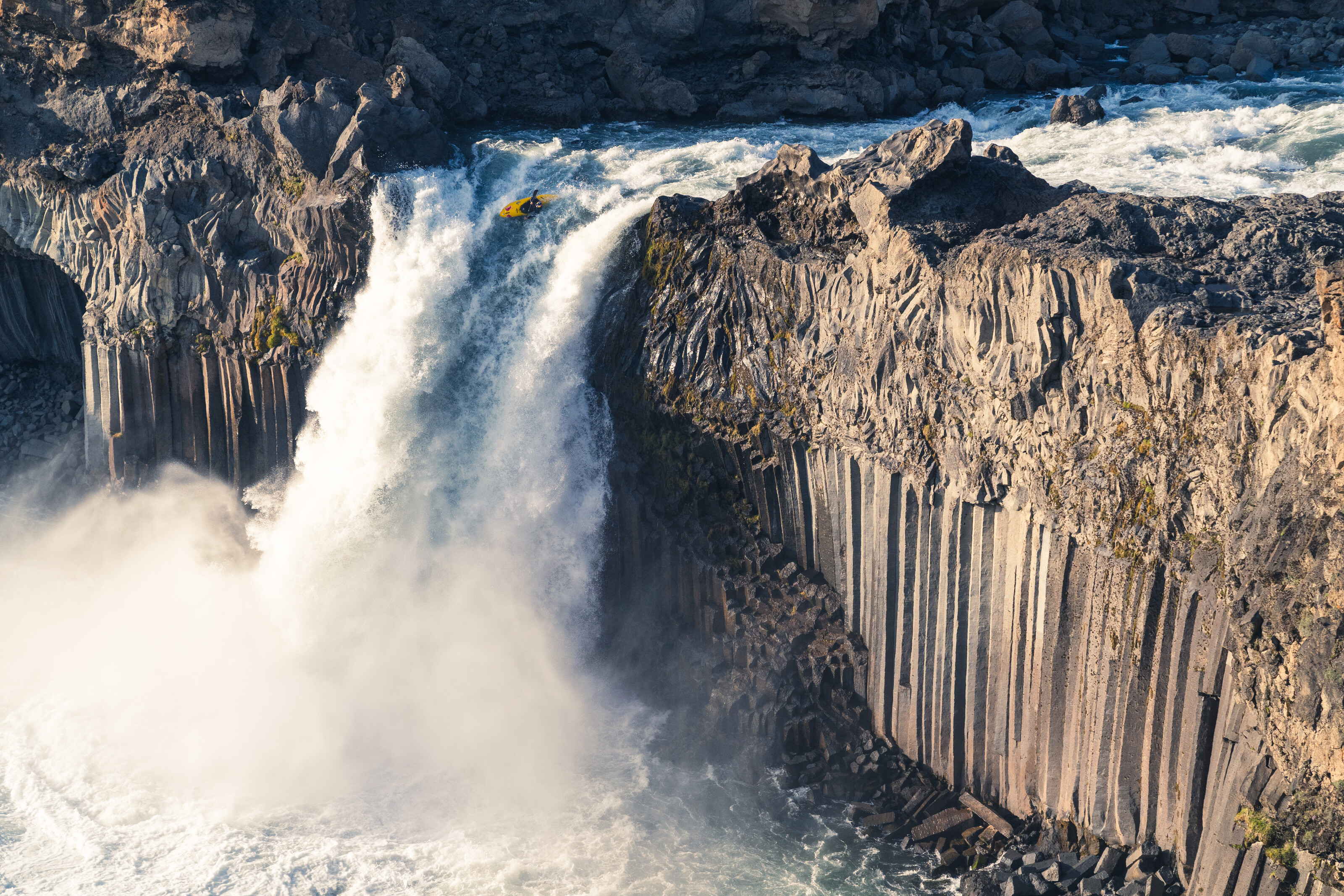
Aniol Serrasolses and a crew traveled deep within the Arctic Circle for his latest mind-boggling feat. Serrasolses paddled a sliding whitewater stream from a glacier’s melt, terminating at a 65-foot waterfall, which the kayaker plunged into the Arctic Ocean.
“It’s hard to find the words to explain this feeling,” said Serrasolses following his successful run of the glacier’s waterfall. “It’s like kayaking on another planet. Without a doubt, it’s the most unique kayak[ing] I’ve ever done in my life.”
Aniol Serrasolses paddles the river on the Austfonna ice cap, Svalbard on August 6, 2023. Image: David Sodomka / Red Bull Content Pool
How Aniol Serrasolses Ran A 65-Foot Waterfall Off A Glacier
The glacier stream Serrasolses descended is located on the Austfonna ice cap within the Norwegian archipelago of Svalbard. The northern end of Svalbard is just 650 miles from the North Pole. The archipelago is home to a long list of ice caps and glaciers. Yet, as NASA reports, these glaciers have been melting at exceptional rates in recent years—leading to the healthy flow that allowed Serrasolses to seek out a clean 65-footer.
Serrasolses traveled to the Svalbard ice cap with a team of safety and media that included David Sodomka, Aleix Salvat, and Mikel Sarasola. The team trekked seven miles across the Arctic landscape just to reach the upper access point for the glacier run. They climbed ice walls, crossed streams and crevasses, and, most notably, handled an unpredictable whitewater river sculpted by ice.
“We were in a constantly changing environment, a totally unpredictable place. We knew how risky it was, but when you look around you, it all made sense,” Serrasolses shares of the risks and rewards of the feat.
An upcoming documentary titled Ice Waterfalls, chronicling Serrasolses’ Arctic endeavor to paddle off glaciers, is set to air on Red Bull TV in the coming weeks.
Feature photo: Courtesy Old Town Canoes and Kayaks
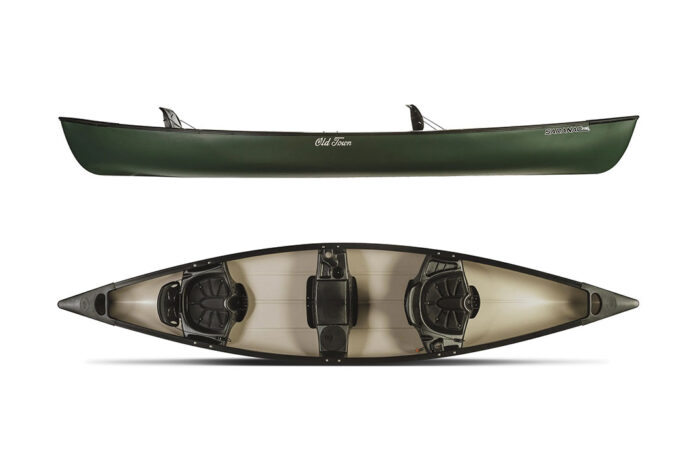
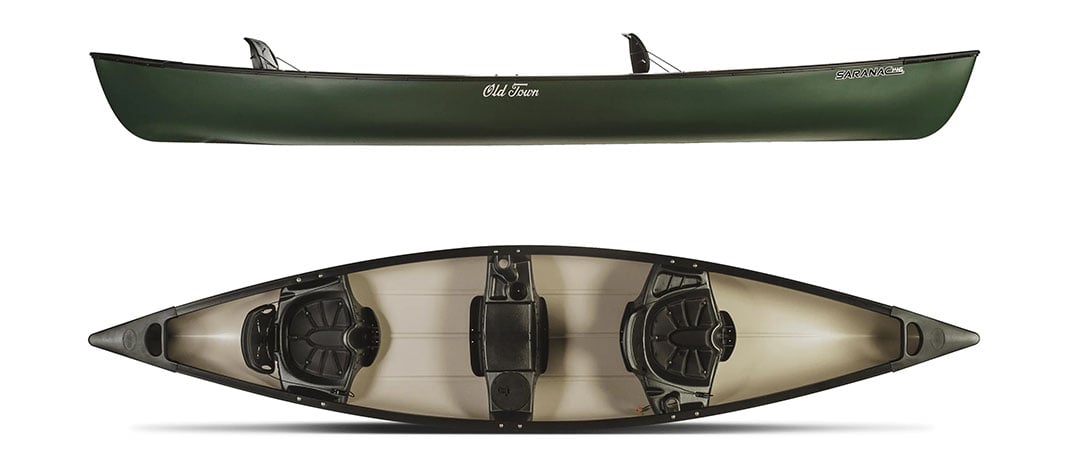
Designed for affordable family fun on calm waters, the Old Town Saranac 146 is a great choice if you are looking for a beginner- and budget-friendly recreational canoe that can easily seat two or three paddlers. The Saranac 146 comes equipped with two contoured seats with comfortable seat backs and a center bench seat that is perfect for smaller passengers. Its flat hull shape and slightly lowered seats make it easy to maneuver while still feeling stable on the water. A convenient hatch-accessed storage compartment, plus molded-in rod and cup holders, make this a versatile option for families, anglers or casual canoeists who want a recreational canoe that performs well on sheltered lakes, ponds and slow-moving rivers.
Fans of the Old Town Saranac 146 say it is rugged, durable, easy to paddle and comfortable—and the inexpensive price makes it affordable for most paddlers. But is it the right boat for you? Read our Old Town Saranac 146 review below to find out.
Old Town’s Saranac canoes prioritize stability and comfort, making the series a superb choice for families, beginners, anglers or casual canoeists looking for a recreational canoe that is easy to paddle. At 14.5 feet long, the Old Town Saranac 14’6” is compact and nimble for a two- to three-person canoe, but offers less speed and carrying capacity than its larger sibling, the Saranac 160. For growing families and those paddling with large dog breeds, a 14-foot canoe can quickly become crowded. If you think you’ll need more volume for longer trips or larger paddlers, consider sizing up to the Saranac 160.
How stable is the Old Town Saranac 146?
Wide, flat bottoms offering exceptional primary stability are the signature of recreational canoes, and the Saranac 146 by Old Town is no exception. Along with hull shape, the Saranac 146’s lower seat positions and generous 36-inch width make this a very stable canoe when paddled on the calm waters for which it is intended. Old Town designed the Saranac 146 to be stable enough for families with young children or pets, as well as anglers focused more on fighting fish than balancing delicately in their canoe. An added bonus of the lower seat position is that the Saranac 146 can easily be paddled with a kayak paddle, increasing its versatility in windy conditions or for those paddling solo or with small children.
Feature photo: Courtesy Old Town Canoes and Kayaks
Market and demographics
The Saranac 146 by Old Town is suited to entry-level paddlers who want a durable and affordable canoe that performs well on a variety of sheltered waters. Like many sub-15-foot recreational canoes, it is at home on smaller lakes, shallow waters and smooth-flowing rivers. Unlike canoes with just two seats, however, the Saranac 146 comfortably sits a third paddler on its middle seat. And where many cheaper recreational canoes can be uncomfortable due to rudimentary outfitting and a pain to paddle due to poor tracking, the Old Town Saranac 146 features comfortable and supportive seats and tracks well, meaning you can be out on the water as long as you like.
Old Town added fishing-friendly features to the Saranac 146, including rod holders, storage options and tackle trays, giving anglers plenty of options to wet a line. The boat’s nimble size ensures easy access to hidden fishing holes in shallow or confined areas. Keep in mind that the directional seats mean the bow paddler is unable to turn around to face the stern paddler to assist with landing your catch. A canoe with traditional bench seats might be a better option if you want the flexibility of both paddlers being able to face the center of the boat.
That said, the Saranac 146 does have some other limitations to consider. For starters, the center seat replaces the carrying yoke found on many tandem canoes, meaning you won’t be able to solo carry on portages. If you’re looking for a lake-to-lake canoe that can eat miles with ease and carry camping gear for an extended journey, a dedicated tripping canoe would be a better choice. Look to Old Town’s Penobscot canoe for proven tripping performance on rougher waters.
Likewise, if you want to run rivers and expand your whitewater paddling skills, a whitewater canoe with appropriate outfitting—and enrolling in a whitewater paddling course to learn critical river safety skills—is the way to go.
About the Old Town Saranac 146
Old Town designs their canoes with an emphasis on primary stability, making them ideal for new paddlers, anglers or families who want the reassurance of a steady canoe. The priority here is stability and comfort over speed or rough-water performance. Old Town canoes have wide, flat hulls that feel remarkably steady in flat water, making them exceptionally kid- and dog-friendly, even when the canoe is paddled near its 750-pound maximum capacity. The relatively short length of this Old Town 3 person canoe makes it easy to maneuver around river bends or obstructions, so you’ll have no trouble getting to your favorite fishing spots.
Dress For Immersion, Not Air Temperature
Your body loses heat much faster when immersed in cold water than it does when dry.
Avoid cotton clothing like t-shirts and jeans; they retain water and accelerate cooling when wet. Synthetic fabrics, or wool, are generally a better choice. If the water is very cold (60° fahrenheit or less), you should wear a wetsuit or drysuit.
Material & construction
Old Town is one of America’s original canoe manufacturers. Their Maine factory has shipped tens of thousands of boats out of its doors. The Old Town Canoe Company’s history began in 1898 with wood-canvas canoes; today, they’ve shifted to exclusively building polyethylene plastic canoes. If you’re okay with the extra weight of this material—the Old Town Saranac 146 canoe weighs 79 pounds, for example—it’s a durable option that requires very little maintenance and can withstand repeated impacts.
The Saranac canoes are the single-layer polyethylene iteration of Old Town’s Guide series, which is made from three-layer polyethylene. The Saranacs are about 25 percent cheaper than the three-layer set ups, but are not as stiff as the triple-layer material, making the canoes less responsive on the water. Single-layer polyethylene is also slightly lighter, and while less durable than triple-layer, it’s still fairly resilient.
One final consideration of single-layer versus triple-layer construction is buoyancy. A three-layer Old Town canoe has foam sandwiched between layers of polyethylene, adding some degree of flotation. However, like any canoe, if it is filled with water, it will ride uselessly low in the water. Single-layer polyethylene canoes will float even lower when swamped. For this reason, Saranac 146 paddlers should stick to more sheltered waters with frequent, easy access to shore landings.
Buying a used Old Town Saranac 146
Old Town canoes are inexpensive, making them attractive to folks who don’t yet know if paddling is for them. As they fall in love with the activity, they may sell their heavy polyethylene canoe and upgrade to a lighter composite one. Or, they may decide that canoeing isn’t for them, and the canoe goes up for sale.
Either way, the rugged durability of these canoes makes them a solid bet for buying used. Here are some tips on where to find a second-hand Old Town Saranac 146, and what to look out for when you find one on the used market.
If you’re looking at an Old Town canoe built pre-2014, check if it is Royalex or polyethylene. It’s usually indicated on the registration plate or with an “RX” in the model name. Royalex is lighter and more durable than polyethylene and resists sun damage better. In 2013, the company that made Royalex sheets ceased production, and Old Town shifted to making canoes exclusively with polyethylene.
All Old Town Saranac canoes made from 2014 to the present are polyethylene. Polyethylene is also a rugged plastic material that can withstand repeated impacts. Damage to these canoes is more likely to happen off the water from improper storage. Leaving the canoe upright on the ground, or hanging from its thwarts, can stretch the hull shape and stress the gunwales.
Ask the seller how the canoe was stored—inside, out of the elements and away from UV rays is best. If you see any significant discoloration or deformities, you may want to steer clear of that canoe. Also, give the outfitting a thorough once-over, ensuring all seats and accessories are in good working condition. Some sellers may “sweeten the deal” with accessories like PFDs (life jackets) or paddles; it’s critical to ensure that these accessories fit properly.
The seats are the first thing you’ll likely notice about the Old Town Saranac 146 three-person canoe outfitting. Old Town’s Saranac seating system extends beyond traditional canoe bench seats, offering lumbar support with comfortable backrests and a molded center seat with integrated storage.
The lower positioning of the Saranac seats means users can opt to use a canoe or kayak blade. However, one downside noted by some users is that the design of the Saranac’s molded plastic seats does not permit kneeling on the bottom of the canoe—a technique preferred by more advanced paddlers to lower their center of gravity and enhance stability in bumpier waters.
Old Town’s Saranac 146 also includes accessories for fishing from your canoe. Flush-mounted rod holders allow for easy rod placement while you paddle. There’s also dedicated storage space for gear and tackle, including tool trays and a six-inch screw-top hatch. If you’re buying a canoe for fishing as well as family fun, this is an excellent option.
Paddle Sober And Smart
Never mix alcohol and paddling. Coast Guard and state BUI (boating under the influence) laws apply to all vessels. This includes canoes, kayaks, SUPs and rafts.
Warranty
The Old Town Saranac 146 recreational canoe comes with a limited lifetime warranty for the original owner, covering manufacturing and material defects to the hull and decks.
Old Town Saranac Q&A
How long is the Saranac 146 canoe?
The Old Town Saranac 146 canoe measures 14 feet, six inches in length.
How wide is an Old Town Saranac 146?
The Saranac 146 canoe measures 36 inches across at its widest point.
How much does the Old Town Saranac 146 weigh?
The Old Town Saranac 146 weight is 79 pounds, which is on the heavier side for a canoe of this length. The extra heft of this canoe means it is durable enough to withstand repeated impacts.
What is the Old Town Saranac 146 weight limit?
The Saranac 146 canoe has a maximum carrying capacity of 750 pounds, including paddlers and gear. For three full-size adult paddlers, consider the Old Town Saranac 160 instead, with a weight limit of 850 pounds.
What is the Old Town Saranac 146 price?
The MSRP of the Saranac 146 is $899.99 USD.
How the Saranac 146 compares
Old Town Saranac 146 vs Old Town Saranac 160
The Old Town Saranac 146 is the smaller sibling of the Saranac 160, at 14 feet, six inches in length versus 16 feet, respectively. Look to the Saranac 146 if you primarily want a tandem canoe that will occasionally carry an extra person or pet, or you have a young child and a smaller, lighter-weight canoe is a priority. With its greater speed and carrying capacity, the Saranac 160 is a better option for growing families, three full-size adults and those paddling with large dog breeds. Keep in mind a 14-foot canoe can quickly become crowded with three people onboard; if you think you’ll need more volume for longer trips or larger paddlers, consider sizing up to the Saranac 160.
Old Town Saranac 146 vs 146 DLX
The Old Town Saranac 146 DLX is Old Town’s premium, angler-focused version of the Saranac 146 for paddlers serious about their fishing. The DLX package adds a stern thwart with two additional flush mount rod holders, and a bow thwart with recessed accessory track for holding rod holders, camera, fish finder, and more. You can also expect upgraded seating with enhanced cushioning and flashy orange color accents. But, at $1,049 USD versus the O.G. Saranac 146’s $899 price tag, the added cost is probably only worth it for the keenest anglers.
Old Town Saranac 146 vs 146 XT
Over the years, the Old Town Saranac has been available as both the 146 and 146 XT; both models feature identical outfitting, materials and hull shape. The only model currently offered on the Old Town website is the Saranac 146, but if you are shopping the used market, consider these canoes interchangeable.
Old Town Saranac 146 vs Old Town Discovery 160
Old Town’s Discovery line embodies the wide, flat and exceptionally stable hull shape of all their recreational canoes, available in a range of lengths. However, this is where the similarities end.
First, the Discovery 158 is outfitted with a carrying yoke and two standard bench seats, while the Saranac 146 has three molded plastic seats that fit flush with the hull of the canoe. Bench seats offer more versatility for kneeling and paddling solo or tandem, as well as more storage space for longer trips. Along with the carrying yoke and an additional 400 pounds of carrying capacity, this makes the Discovery 158 a much better choice for extended paddle-and-portage trips. Furthermore, the Discovery series is built with Old Town’s supremely rugged three-layer polyethylene—versus the Saranac’s single-layer construction—making the Discovery 158 more responsive, durable, buoyant and, yes, expensive than the Saranac 146.
At $899 USD for the Saranac 146 versus $1,349 USD for the Discovery 158, the former is a great option if you are looking for an inexpensive canoe for paddling and fishing calm waters. The Saranac 146 is also the clear choice if you need a compact canoe that can easily seat three people.
Pros & cons
Pros
Affordably priced
Stable and versatile, can be used for family paddling, fishing, or canoeing with your pet
Great size for most casual canoeists—can be paddled solo, tandem or with a third smaller paddler
Contoured seat backs provide all-day comfort
Cons
Molded seats offer less sitting positions than traditional bench seats
No carry yoke for portaging
Single-layer polyethylene material is prone to warping or denting if stored improperly
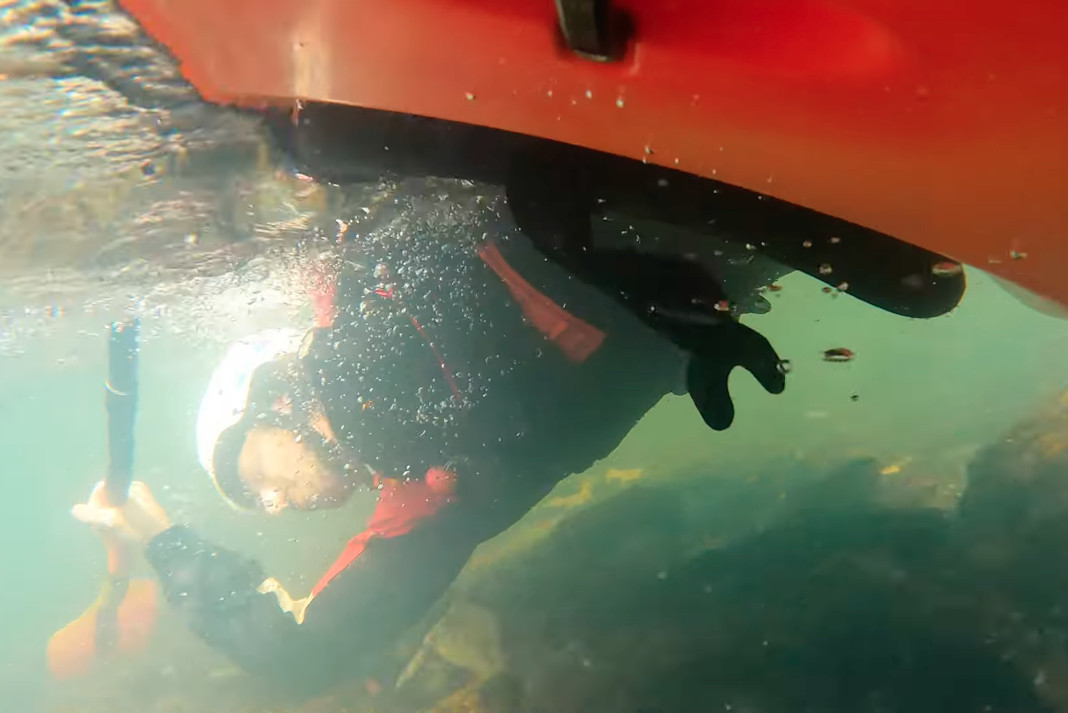
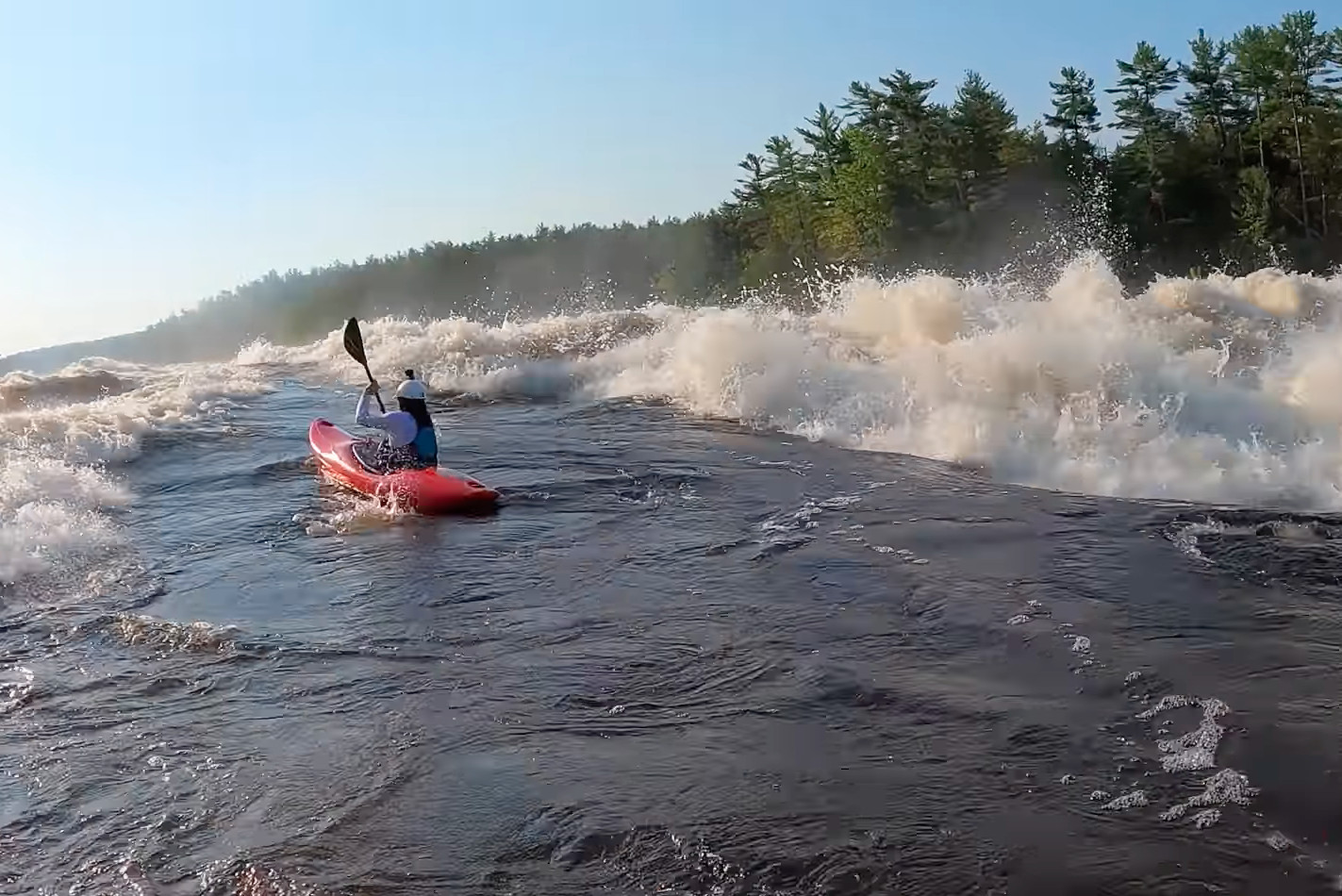
Popularized in playboating as a way to avoid washing out of a hole, the back deck roll isn’t just for the rodeo circuit these days. Some within the sport even argue that once you’ve learned proper technique, it will quickly become your go-to tactic anytime you need to right your kayak. Jackson Kayak paddler Boyd Ruppelt shares why and shows us how to perfect our back deck roll in this video from Send School.
Secrets Of The Back Deck Roll
“I back deck roll almost every single time. I use it everywhere. As a creeker, I prefer it. The back deck roll, despite convention, is not actually more dangerous as long as you keep your shoulders in the box and you use proper technique,” Ruppelt shares in defense of the roll historically thought to be a riskier maneuver than the traditional C-to-C and sweep rolls.
“You’ll find the back deck roll is safer because it’s faster. It’s less exposed. You actually take up less vertical space when you’re underwater.”
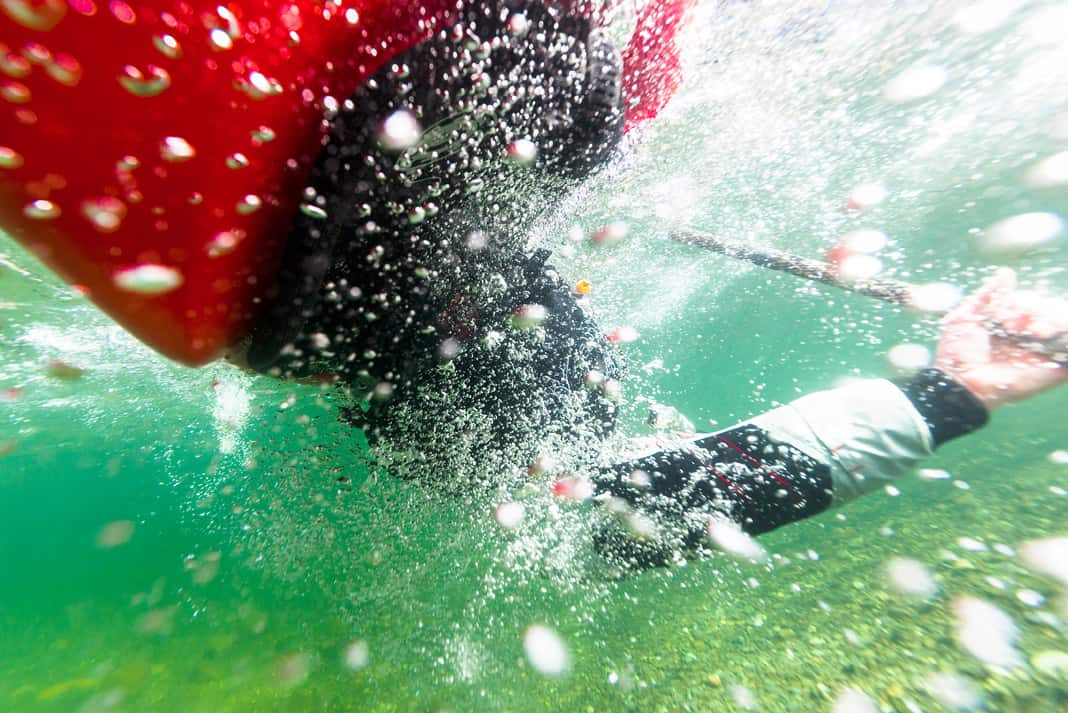
Ruppelt goes on to illustrate the difference in body position between a conventional roll and the back deck. Showing the upright body position in the first and the more body parallel with the boat in the second.
So why, then, is the back deck roll, not the roll we learn from the beginning?
Ruppelt believes it is because the sweep and C-to-C rolls are easier to teach and break down into steps, while the back deck is more of one fluid motion.
Feature Image: Send School / YouTube
How To Back Deck Roll
When trying to learn the back deck, Ruppelt first acknowledges it helps to already have the fundamentals of a roll; this way, you understand the hip snap, staying within the box, and a sense of the end goal.
If you use a right-hand control paddle, your right blade is generally your onside roll. If this is the case, the easiest way to complete your first back deck roll is to flip to your left and travel all the way around the boat, using the momentum as a continuous, fluid motion. For those who use your left blade to roll as your onside, it will be just the opposite, and you will flip to the right.
Ruppelt goes on to show how to hold the paddle horizontally, keeping the elbows down and tilting the wrists up to allow the power face of the blade to glide through the water.
To begin the roll, Ruppelt says to look over your left shoulder and begin to bring the right paddle blade all the way around until you hit air. When you fell the air, start to hip-snap.
“If you can imagine just watching your right blade go all the way around to the other side along the surface, and then hip snap when it feels natural, you’ll pop right up.”
Like all paddling skills, this maneuver is perhaps easier said than done. But with signs of winter outside, it’s about that time of year for plenty of practice at the local pool session.
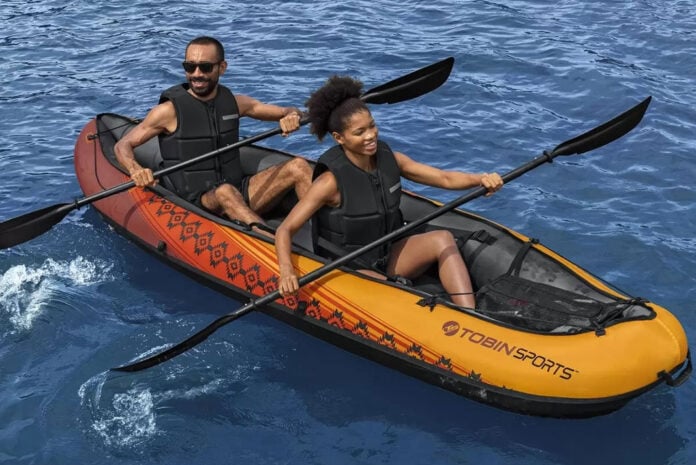
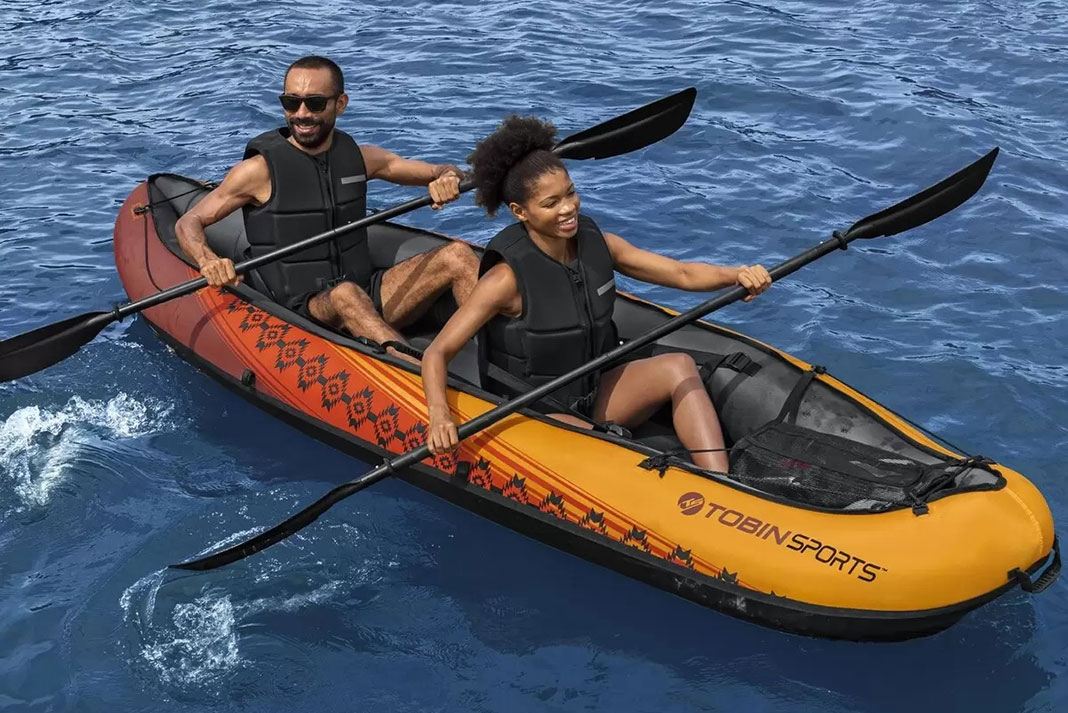
The Tobin Wavebreak is a bargain-priced two-person inflatable kayak that’s sold at big box stores and on Amazon. It comes with several key accessories, too: a backpack for storage, two paddles with aluminum shafts and plastic blades, a hand pump, and a repair kit for making simple patches. Before you rush out to score a steal of a deal on one of the cheapest kayaks on the market, let’s address the question, what is a Wavebreak kayak, to determine if it’s right for you.
Manufactured by Tobin Sports, the Wavebreak is an inflatable two-person kayak meant for casual use on calm, sheltered waters. The most important Tobin Wavebreak kayak instructions you can receive is to be modest with your expectations: this is an entry-level inflatable kayak that prioritizes a cheap price over seaworthiness—a critical factor to bear in mind when considering your safety on the water. However, when used in the right environment and with proper safety gear, the Tobin Wavebreak kayak can be a fun option to discover paddling.
Essentially, the Tobin Wavebreak is a slimmed-down rubber raft that’s meant to be paddled using kayak paddles. It is lightweight and packs up to fit in a car trunk and store in a closet, and offers excellent stability on the water for a wide variety of users. The tandem design means you can paddle it with a friend, though the Tobin Sports Wavebreak kayak can also be used solo. This Tobin Wavebreak kayak review describes how its design features influence handling on the water, key safety considerations, tips for setup and how this inflatable kayak compares to competitors.
Tobin Sports Wavebreak performance
Tobin Wavebreak Specs
Length: 10’1” / 308 cm
Width: 33.9” / 86 cm
Weight: 37 lbs / 16.7 kg
Capacity: 440 lbs / 200 kg
MSRP:$219 USD
On the water
The Tobin Wavebreak’s greatest attribute on the water is its rock-solid stability. A 34-inch width makes it pretty difficult to tip it over, creating a comfortable platform for floating around in calm water. The 10-foot length makes for a very maneuverable kayak at the expense of speed. Don’t expect to win any races in the Tobin Wavebreak: not only is it a relatively short kayak, which hinders glide, the spud-shaped inflatable hull barges through the water and gets pushed around by the wind. Fins attached to the hull of the kayak help you move forward, but it’s a good exercise in teamwork to keep it going in a straight line while paddling with a partner.
The inflatable hull is quite buoyant, allowing for a maximum capacity of 440 pounds—considerably greater than similarly shaped hard-shell recreational kayaks. Outfitting is basic: the Tobin Wavebreak features an adjustable seat but lacks foot rests, which makes it less efficient to paddle. Overall, the performance of the Tobin Wavebreak is adequate for occasional use, but if you’re looking for an inflatable kayak for more serious use, you are better off investing in a longer and sleeker model.
Feature photo: Tobin Sports // Costco
Market & demographics
The Tobin Wavebreak inflatable kayak is designed for people who want a cheap kayak for occasional use. Though stable and easy to enter and exit, the Tobin Wavebreak is slow and cumbersome to paddle and hard to handle in windy conditions. The inflatable design makes it extremely buoyant, but it’s not meant for use outside of sheltered coastlines. Look elsewhere if you want a kayak to help develop your paddling skills in more challenging conditions. Some Tobin Kayak Wavebreak reviews allude to the boat’s suitability for paddling in easy rapids, but we recommend you stick to smooth-flowing rivers or invest in a more serious inflatable kayak for whitewater use.
Stay Clear Of All Other Vessels
Know the “Rules of the Road” Navigation Rules that govern all boat traffic and stay out of the way of all other vessels.
Never assume that power boaters can see you. Avoid high-traffic areas whenever possible. Proceed with caution when you can’t avoid paddling near boats. Dress for visibility.
Is Tobin kayak a good brand?
Google “is Tobin kayak a good brand?” and read between the lines to get the full story on this discount-priced kayak. The top hits are options to buy a Tobin Wavebreak inflatable kayak. Costco, Walmart and Amazon come up high on Google. It is telling that you won’t find a website representing the Tobin Sports brand. It’s also difficult to find any mention of design specifications or performance. Clearly, Tobin Sports is a brand meant for those looking for a cheap kayak for recreational use, with little attention to detail and overall low performance. However, if you’re simply looking for a basic kayak for floating around at the cottage or beach, the Tobin Wavebreak two-person kayak is perfectly adequate.
About the Tobin Wavebreak
Built like a rubber raft with twin air tubes and a flat, inflatable floor, the Tobin Wavebreak kayak is supremely stable. Though it’s comfortable for beginner kayakers, this design is meant to facilitate inflation rather than performance. Inflatable kayaks tend to respond quickly to paddle strokes due to their inherent buoyancy; at the same time, don’t expect the Tobin Wavebreak to paddle in a straight line particularly well as the hull tends to flex as it moves through the water. A pair of removable fins on the hull help tracking, but the design is always prone to getting blown around by the wind, so be wary of venturing any distance offshore. As with any kayak, consider signing up for a beginner class for safety and paddling tips to use your Tobin Sports Wavebreak. Instructions usually focus on getting in and out of the boat as well as specific strokes to help you maneuver the kayak.
Your first step in getting on the water is to review the Tobin Wavebreak manual to learn how to inflate and set up your kayak. This inflatable kayak comes packed in a convenient backpack, as well as an Air Hammer hand pump for inflating. Make sure you have enough space to complete the inflation process. Consider using an electric or battery-powered compressor to save time—just make sure not to overinflate your kayak. Keep in mind that your kayak may lose air pressure if you’re paddling in cold water, so be prepared to adjust the level of inflation when required. Getting the right pressure is a matter of feel, with underinflation causing noticeable drag on the water. With practice, you should be able to set up the Tobin Wavebreak kayak in under 15 minutes.
Material & construction
The Tobin Wavebreak is constructed of heavy-duty PVC, a rubber-like material that bounces off of impacts and resists punctures from dog claws and tears from sharp rocks. The hull is made up of large air tubes on each side and smaller tubes in the floor area, which create greater stiffness. Of course, it’s important to protect all inflatable kayaks from sharp fishing hooks and knives. Equally important is storing your kayak out of direct sunlight to maintain its color and durability.
Buying a used Tobin Sports Wavebreak
Thrifty shoppers can save a few bucks by buying a Tobin Sports Wavebreak used kayak. There are plenty of used Tobin Wavebreak kayaks available on buy-and-sell platforms like Facebook Marketplace, Craigslist and Kijiji. But it’s important to be an informed shopper and inspect the kayak carefully before making a deal. Do your research and know what you’re buying—and try to insist on a test paddle before you commit to making a purchase. Check out this article for more information about used kayak shopping.
Start by examining the kayak closely for missing parts or obvious damage. It goes without saying to check for leaks in an inflatable kayak like the Tobin Wavebreak. Inspect the valve area and make sure that the boat holds air. You should also take a close look at the cockpit area to ensure the seats are both functional. Ask the seller about any modifications and inspect how these changes have influenced the fit and performance of the kayak, especially in terms of entering and exiting the boat.
A used kayak’s overall condition is written all over its surface. Watch for obvious fading, an indicator of prolonged sun exposure. Extended outdoor storage can degrade the boat’s PVC construction.
Some sellers may “sweeten the deal” with accessories like PFDs (life jackets) or paddles; it’s critical to ensure that these accessories fit properly. In the end, you may score a great deal on a used Tobin Wavebreak, but the fact is this boat’s suggested retail price is already an excellent bargain for entry-level paddlers.
Wear A Life Jacket
Everyone, even strong swimmers, needs to wear a life jacket at all times when on the water. It is extremely difficult to put a life jacket on once you fall into the water. Even a light wind can blow any paddlecraft away from you, faster than you can swim.
Always wear a USCG-approved Level 70 or Type III life jacket designed for paddling.
Tobin Wavebreak accessories & outfitting
The Tobin Wavebreak two-person kayak comes just about ready to paddle—all you need to add are PFDs, a 50-foot heaving (rescue) line, a whistle or air horn, and a bailing device to complete your safety kit. The Tobin Sports Wavebreak kayak bag is durable and provides convenient storage. The included paddles are tough, though heavy when compared to more advanced and expensive models. Paddle holders on the side of the kayak are handy if you just want to drift or take photographs while out on the water. The package comes with a pair of removable fins to assist with tracking (moving straight on the water) as well as a hand pump for inflation. All the outfitting is basic and reflective of a value price. Some reviewers indicate that the Tobin Wavebreak seats don’t offer enough back support to allow the paddler to maintain an upright posture.
It can be difficult to track down Tobin Wavebreak kayak replacement parts. The company does not maintain its own website, so if you lose a fin or break a seat buckle your best bet may be modifying a spare part from another kayak brand. Lack of service after the sale is a distinct shortcoming of the Tobin Wavebreak.
Warranty
The Tobin Wavebreak kayak does not come with a manufacturer’s warranty. Depending on where you purchase your kayak, you may benefit from a short warranty period from the retailer.
How the Wavebreak compares
The Tobin Wavebreak is one of the cheapest two-person inflatable kayaks on the market. Here’s how it compares to other options.
Tobin Wavebreak vs Intex Explorer K2
The Intex Explorer K2 is another budget-priced, entry-level two-person inflatable kayak meant for recreational paddling. It boasts similar specs to the Tobin Wavebreak, with a 10-foot length and width of 36 inches. The maximum capacity is slightly lower at 400 pounds. Handling is similar, with good maneuverability on twisty rivers. Both of these models should only be used close to shore on sheltered water. Some users may prefer the overall comfort of the inflatable seat of the Intex Explorer K2 compared to the more basic seat on the Tobin Wavebreak. Read our full review of the Intex Explorer K2.
Tobin Wavebreak vs Advanced Elements Island Voyage
The Advanced Elements Island Voyage is another two-person inflatable kayak for casual beginner paddlers in sheltered water conditions, as well as easy whitewater. It offers somewhat better overall performance than the Tobin Wavebreak, with a higher price. The 11-foot Advanced Elements Island Voyage two-person kayak has somewhat better glide and similar stability characteristics to the Tobin Wavebreak. You’ll find the cockpit is designed for greater ergonomics and comfort—hallmarks of a higher-quality kayak. The Advanced Elements Island Voyage is also noticeably lighter than the Tobin Wavebreak, tipping the scales at only 31 pounds.
Pros & cons
Pros
The Tobin Wavebreak is one of the cheapest two-person inflatable kayaks on the market, and it comes equipped with two paddles and a pump
Offers the versatility of being able to paddle solo or with a partner, up to a maximum capacity of 440 pounds
The inflatable design is easy to pump up and deflate and stores conveniently in the included backpack for transportation and long-term storage
On the water, the Tobin Wavebreak’s greatest attributes are its stability and buoyancy, making it perfect for first-time paddlers. Just bear in mind the open deck leaves paddlers exposed to the elements. This entry-level kayak should only be used in sheltered water conditions
Cons
The Tobin Wavebreak is slow and difficult to paddle in a straight line
The high side tubes make for a less ergonomic paddling experience
Extremely susceptible to being blown around in strong winds and should only be used in calm conditions
Outfitting is basic and minimal, and a lack of footrests in the cockpit contribute to an overall lack of efficiency on the water
Kayak guide José Sergio Navarro. Image: Visit Baja Sur
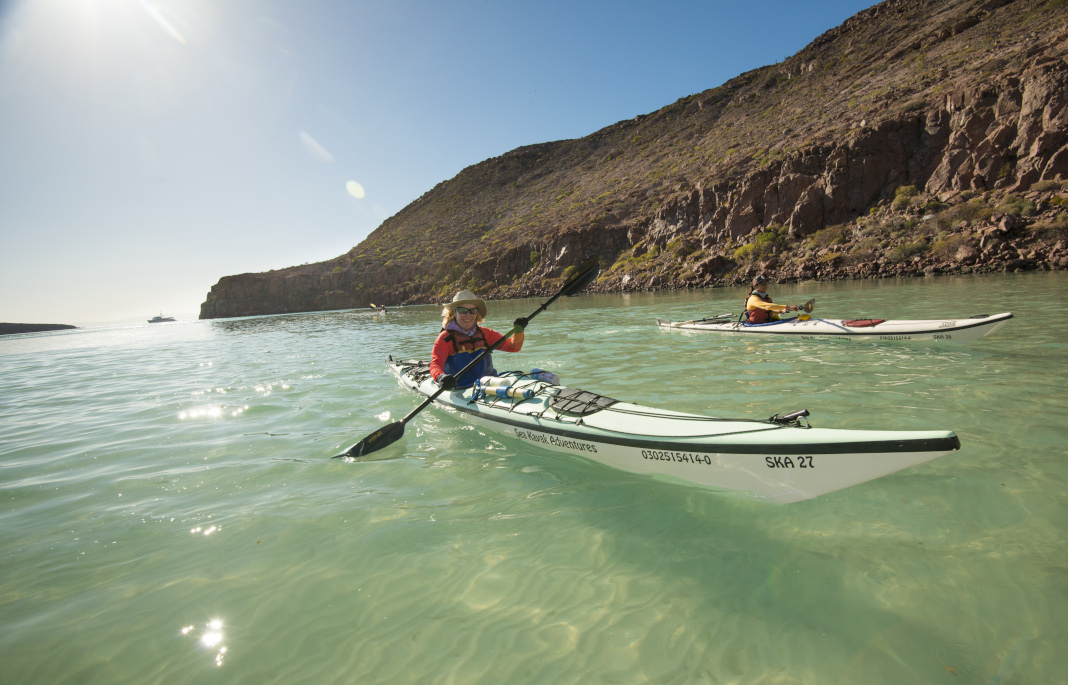
“Wait and just drift,” says Ramon. We stop paddling, but we’re not sure why. We’re in the middle of a turquoise patch of water between Isla Danzante and Isla del Carmen. It’s a gorgeous color, but it’s been that color all day. But Ramon said stop paddling, so we stop.
Two minutes later, we know why. A series of small puffs of air start popping out of the water about a football field to our north. They’re coming closer. They have smooth, dark heads, and soon, tails pop up as they dive. They’re bottlenose dolphins. About 10 of them pass a kayak’s length in front of us, unconcerned about our brightly colored fiberglass kayaks or our clicking cameras.
How Ramon knew they’d come this way is a mystery. But Ramon lives in Loreto and guides in Baja’s Gulf of California all the time. Knowing when dolphins are likely to be moving down the coast is like knowing what time the neighbor takes his dog for a walk. It’s just part of the fabric of Baja.
Image: Visit Baja Sur
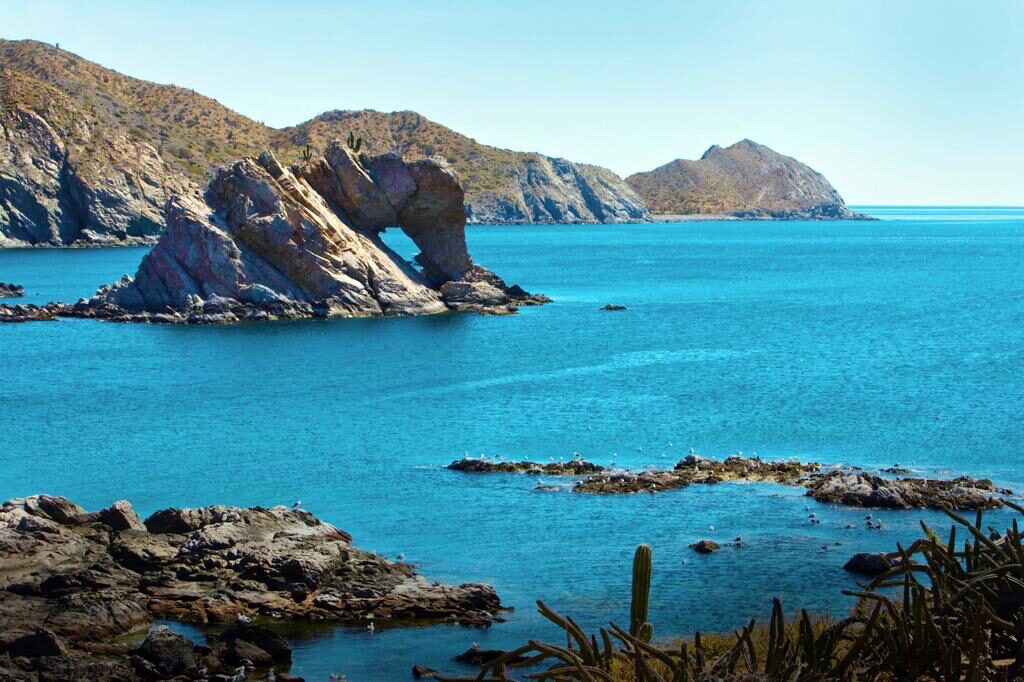
Loreto, Baja California Sur, is a one-traffic-light town nestled between the Sierra La Giganta Mountains and the Parque Nacional Bahia de Loreto (Bay of Loreto National Park or PNBL) on the Gulf of California, which Jacques Cousteau described as “the world’s aquarium.”
The Parque Nacional Bahia de Loreto formed in 1996. It’s the first national park in Mexico initiated by local residents, who have recognized ecotourism as key to the local long-term economy. Not to mention, 244 islands and islets in the Gulf of California, including all those in the national park, are UNESCO World Heritage Sites. In 2023, two more parks were created. In 1996, there were 12 kayak companies dipping their paddles in the water, but they were mostly foreign-owned. Today, three of the sea kayak companies in the area are based out of Loreto. They offer a range of experiences, from motor-supported trips in forgiving double kayaks to skill-building expedition-style paddling in sporty British-style touring boats.
Kayaking in Baja on your own can be tricky. The fearsome “el Norte” wind is fickle, and on-water weather forecasts are sketchy to nonexistent. The last nautical charts were surveyed in 1893. Park permits and camping require coordination with the Park management and harbormaster (who will close the waters when wind builds), which means local knowledge and fluent Spanish are vital. So, for most paddlers, the best way to experience the sea around Loreto is a guided sea kayak trip.
6 Spectacular Kayaking Experiences You’ll Only Find In Loreto And Baja California Sur
Image: Visit Baja Sur
Isla Del Carmen Journey
Sea Kayak Baja Mexico
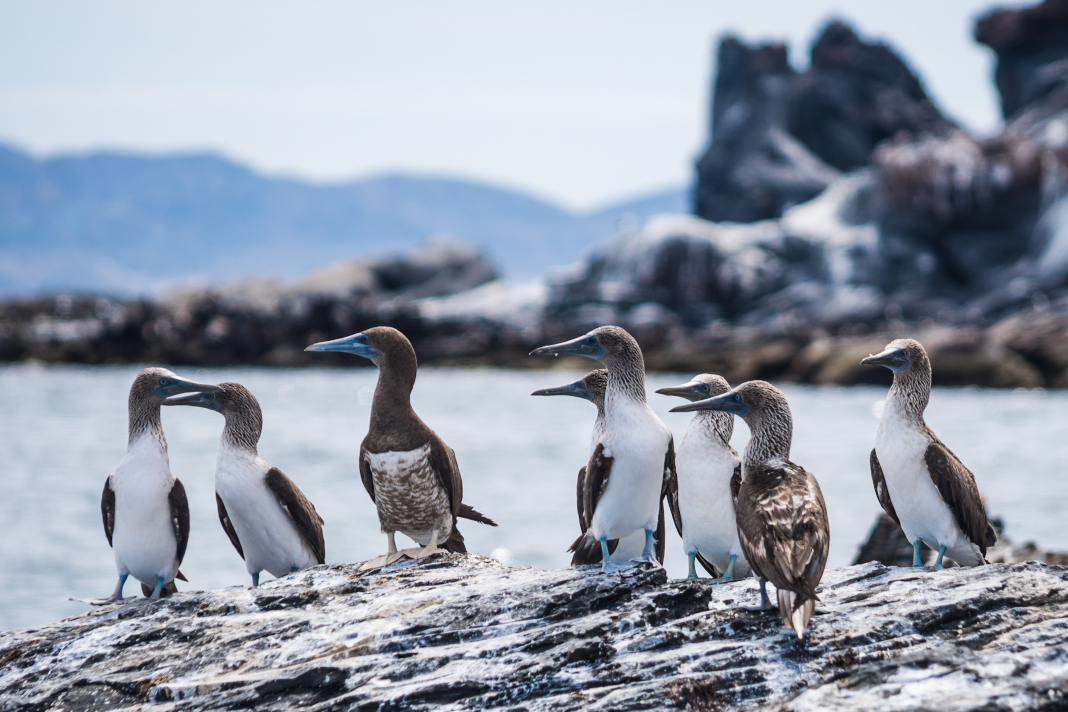
Isla del Carmen is the heart of the Park, visible from Loreto. This 60-mile-around island contains dramatic cliffs, beaches, sea caves, marine fossils, bighorn sheep, a giant sand dune, a ghost town, rare plants and an endlessly varied coastline. In spring, it’s the northern end of the “whale triangle” where fin and blue whales are often spotted, along with dolphins, sea turtles, blue-footed boobies, and other wildlife. Ten days lets you immerse yourself in the Park in a self-contained world. One where tasty meals come out of kayak hatches while circumnavigating the centerpiece of the Park.
Trip length: 10 days
Recommended experience level: Intermediate paddlers comfortable spending half the day paddling
Kayakers near Espiritu Santo. Image: Visit Baja Sur.
Baja Marine Wildlife Safari
Sea Kayak Adventures
If you’re obsessed with large animals, this trip is for you. The Baja Marine Wildlife Safari combines a five-day paddle along the coast of Isla Espiritu Santo with whale watching in Magdalena Bay and seeking out whale sharks out of La Paz. You’ll hopscotch around Southern Baja before starting a five-day powerboat-supported paddle along the shores of Espiritu Santo out of La Paz.
Trip length: 9 days
Recommended experience level: Beginner-friendly
Image: Visit Baja Sur
[ Discover the adventure of a lifetime in the Paddling Trip Guide ]
Embark On Coastal Wilderness
Paddling South
The rugged surroundings of Conception Bay have helped the stretch from Mulege to Loreto remain one of the most remote coastlines in the region. The expedition from Mulego to Loreto crosses the bay to the eastern peninsula that cuts it from the Gulf of California. Once you find yourself on this eastern edge of Baja California Sur, you’ll’ paddle to immaculate campsites beneath mountainous backdrops, land at seldom-visited fishing camps, tuck into hidden desert coves, and hike to unforgettable lookouts as you make the voyage 80 miles south to Loreto.
Trip length: 10 Days Recommended experience level: Intermediate to advanced
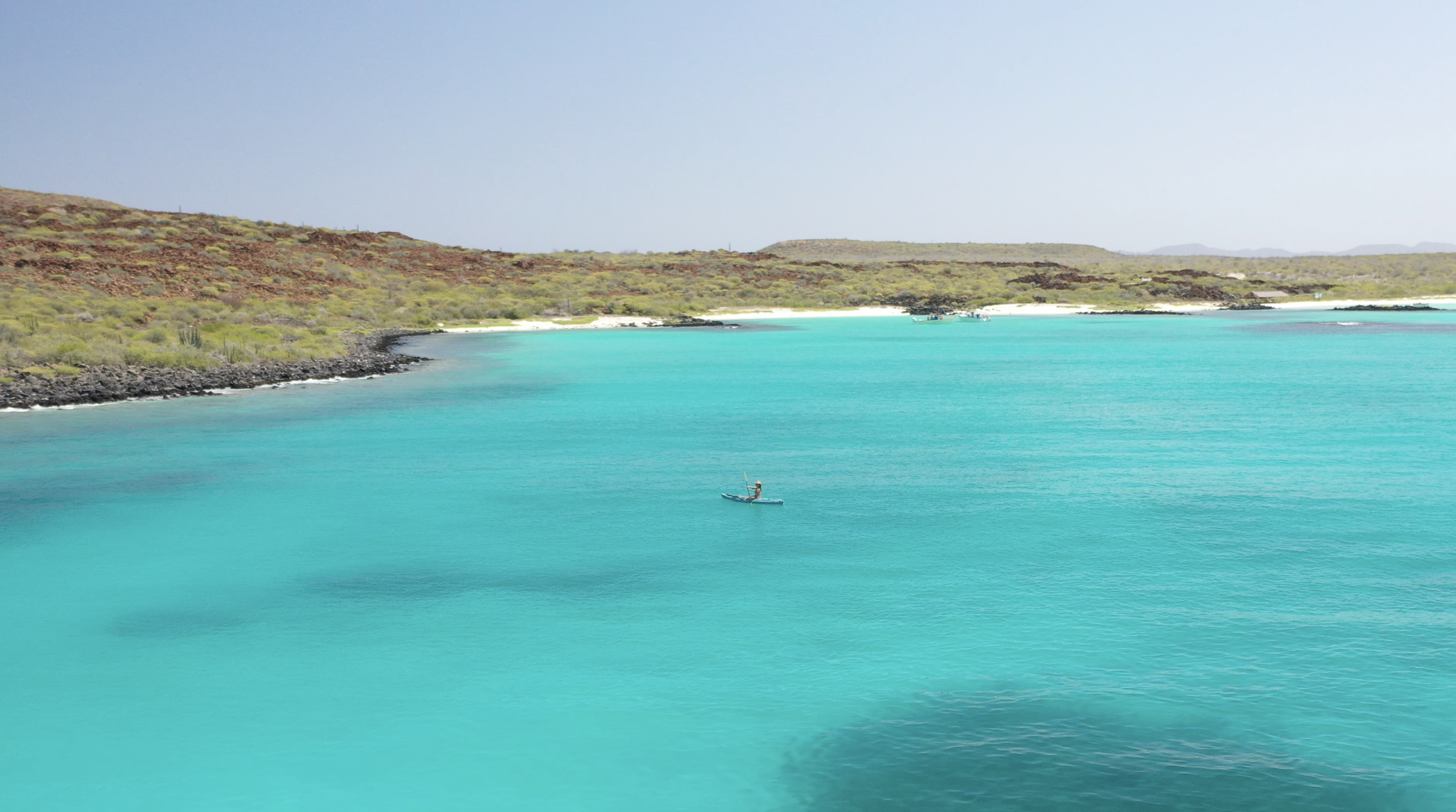
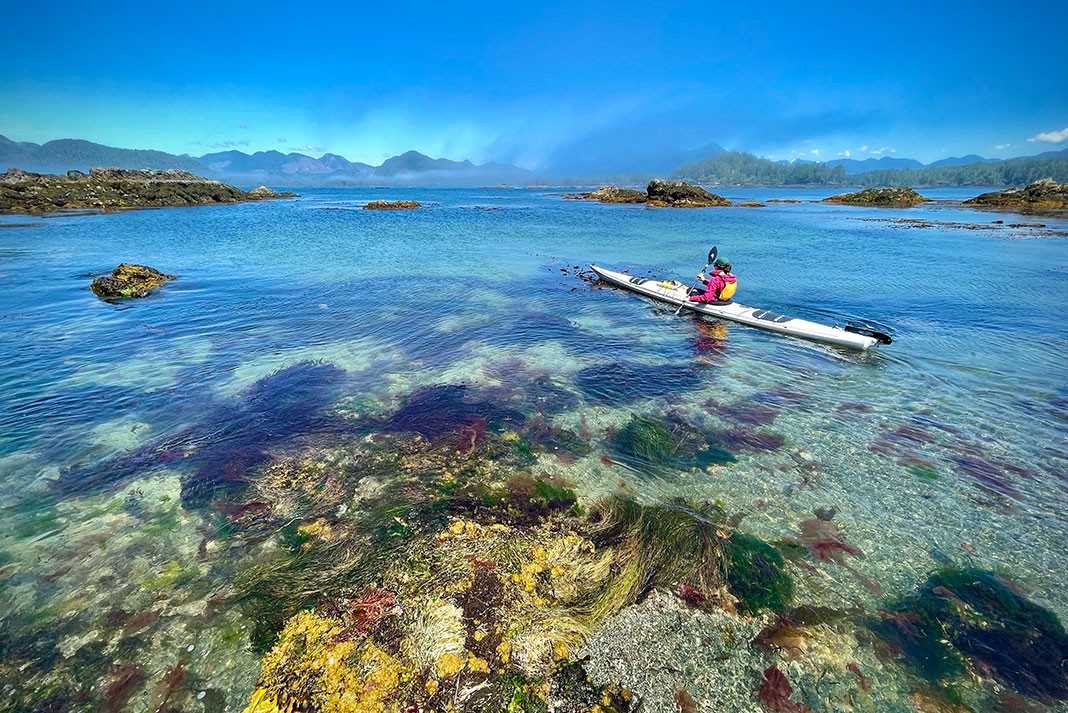
Mesmerizing turquoise waters. Image: Visit Baja Sur
Isla Espiritu Santo Kayak Sojourn
Sea Kayak Adventures
Off the coast of La Paz, Isla Espiritu Santo is popular for a good reason. It’s a deeply scalloped island with a mix of coves and jutting headlands. This powerboat-supported trip mixes paddling, hiking, snorkeling, visits to a sea lion colony and a chance to snorkel with whale sharks.
Trip length: 5 days
Recommended experience level: Beginner-friendly
Image: Visit Baja Sur
Coast & Islands
Paddling South
Hop in wide, stable double kayaks to explore the coast from Loreto southwards to the remote villages of San Cosme and Aqua Verde. Mix kayaking and snorkeling with learning about ranch and village life, culture and history from local-owner guides.
Trip length: 6 days
Recommended experience level: Beginner-friendly
Blue-footed boobies. Image: Visit Baja Sur
Magdalena Bay Waves & Wildlife
Sea Kayak Baja Mexico
The hop from Loreto to Baja’s west side takes you to a whole new world. Magdalena Bay, a large lagoon on the Pacific side, is a meeting spot of two major ocean currents, and wildlife of every kind is drawn to this nutrient-rich sea. Paddle through an intricate maze of bird-rich mangroves, visit frigatebird colonies and explore the ocean environment near the bay’s mouth. To top it off, get up close with the gray whales that come to Magdalena Bay and other Baja lagoons to mate and give birth. A motor support and resupply make paddling through this vast and varied area possible.
Trip length: 9 days
Recommended experience level: Intermediate, with some distance and challenging conditions.
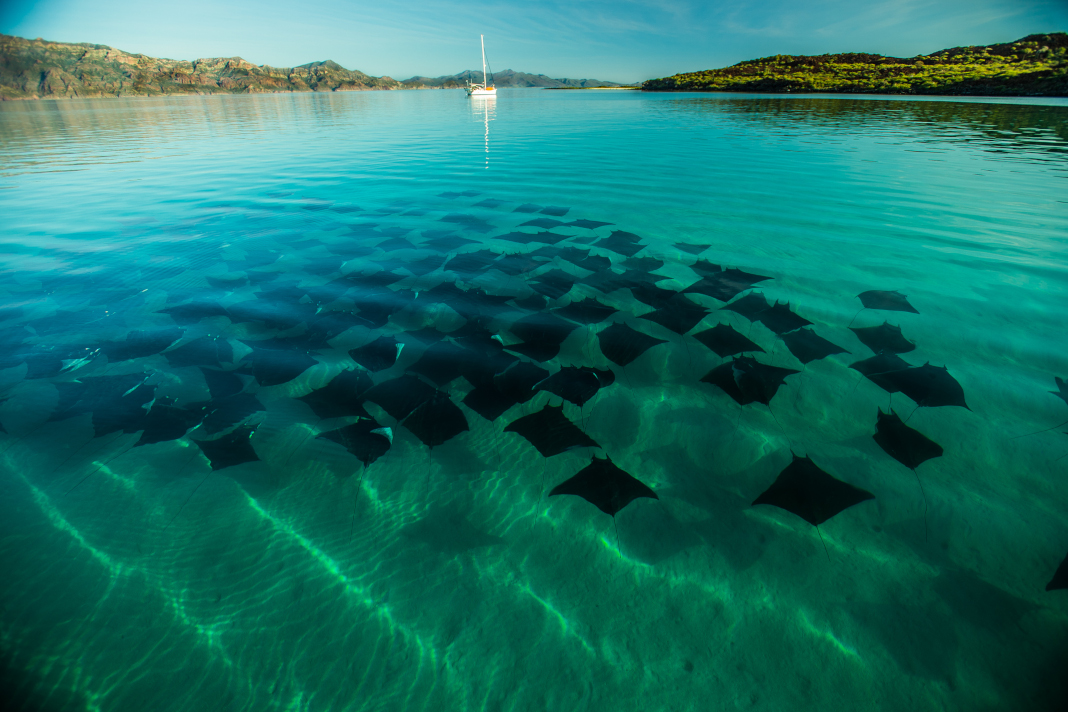
Mobula rays. Image: Visit Baja Sur
What About Kayaking Day Trips In Loreto?
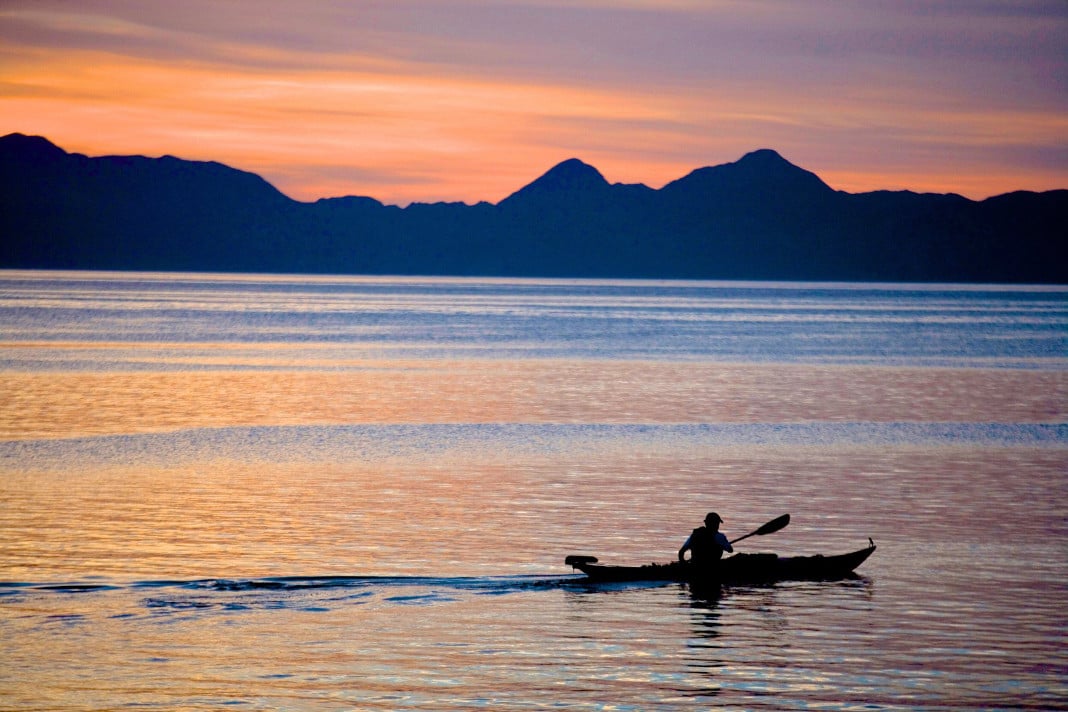
The most immersive way to paddle in Baja is on multiday trips. There’s no match for sleeping on a sandy beach beneath a great swath of stars, seeing the islands lit up at sunset, or snorkeling between paddling and dinner. But day trips are an option if you’re squeezing in kayaking with other activities on your vacation.
The most common destination is Isla Coronados, a volcanic island closest to Loreto. Sea Kayak Baja Mexico does sunrise and sunset tours from Loreto, as well as custom trips for families and small groups.
The Best Time To Go Kayaking In Loreto And The Gulf Of California
Most northerners crave Baja when they’re scraping ice off their cars in midwinter. But the optimal times for kayaking in Baja are November, February and March. El Norte, a northerly wind that can blow the length of the Gulf of California, is the weather pattern that can create rough water and can be most intense in December and January.
November has the warmest water for snorkeling. Gray whales arrive in the west coast lagoons in late December and early January and stay until April. February and March often bring gigantic blue and fin whales into the Bay of Loreto. A highlight of March and April can be jumping mobula rays.
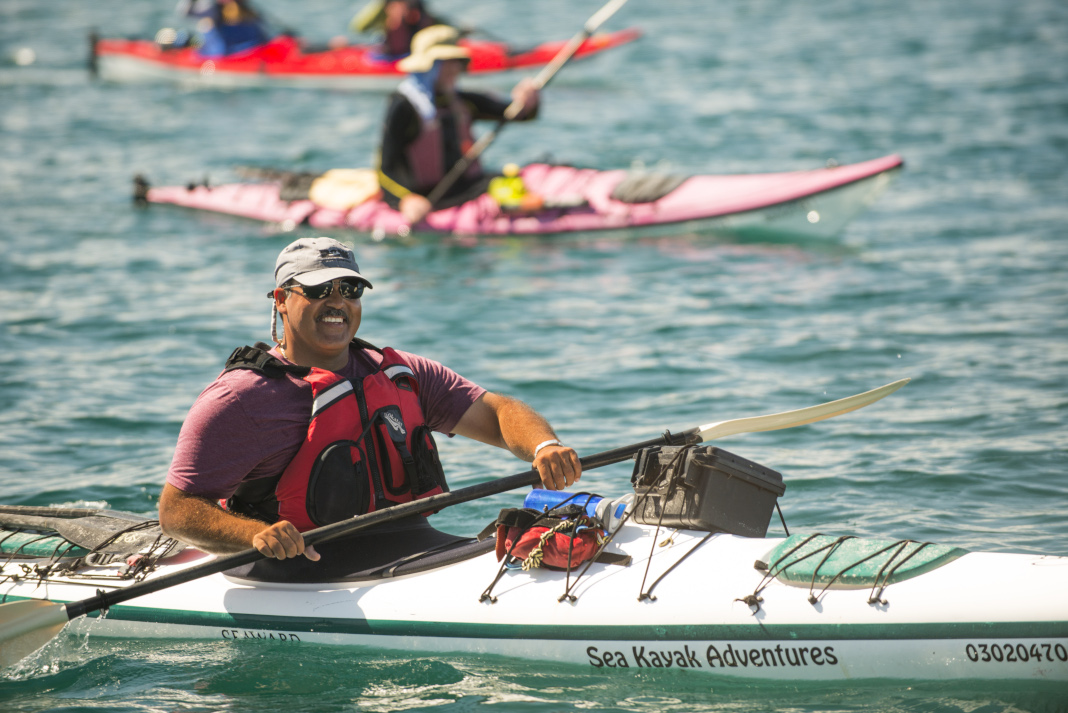
Kayak guide José Sergio Navarro. Image: Visit Baja Sur
It’s Not Just The Kayak: Supporting Local Conservation
As Loreto embraced ecotourism, you too have a chance to make sure your tourist dollars support both wild places and local people. Recent years have seen the paddling community in Loreto engage more locals, both as guides and recreationally. This is helping reverse a trend where local residents thought of kayaking as only available to wealthy tourists. Before you book, ask a few questions:
Do they hire local guides? Seek out companies who employ local residents as guides. They’ll know the area better, and it helps keep your money supporting the local community.
Do they hire other locals? Who gets the jobs managing the team, maintaining the gear, administering rentals, driving shuttles, and all the other tasks associated with running a sea kayak operation? Does the money stay local or go to itinerant workers who will hop a flight out of town when the season ends?
Are they engaged locally? Is the company engaged in local conservation, science or community development? Do they support paddling programs for locals?
Misión San Ignacio, Mulegé. Image: Visit Baja Sur
Loreto Kayaking Travel Logistics
Getting to Loreto
Alaska, American and Westjet fly to Loreto from the U.S. and Canada; Volaris flies from Mexico. Travelers from the U.S. can also fly Volaris in Tijuana using the Cross Border Xpress from San Diego. The Loreto airport is a few miles south of town and will require a taxi ride.
Lodging
Loreto has a number of hotels and good food to enjoy on either end of your trip. You’ll never eat better fish tacos.
Beyond Kayaking In Loreto
While you’re in Loreto, take a few more days to explore the old mission, stroll the town, enjoy local microbrews, or head out for other adventures in Baja and the Gulf of California. If the wind is up, surf your kayak amidst diving pelicans at Juncalito, explore the La Giganta mountains or read a book on the beach.
Neil Schulman is a writer and photographer based out of Portland, Oregon, who has kayaked and photographed in Baja. Ginni Callahan is a Loreto resident, BCU 5-star kayaker, owner of Sea Kayak Baja Mexico, member of the advisory board for the PNBL and founder of Club Nómadas de Loreto—a club dedicated to community education, water access and conservation.
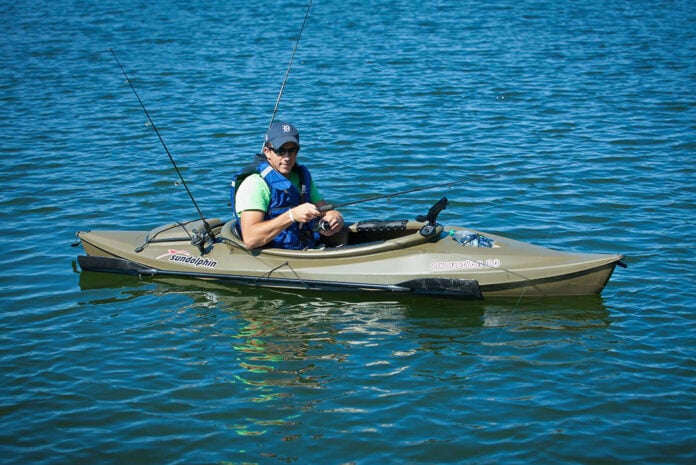
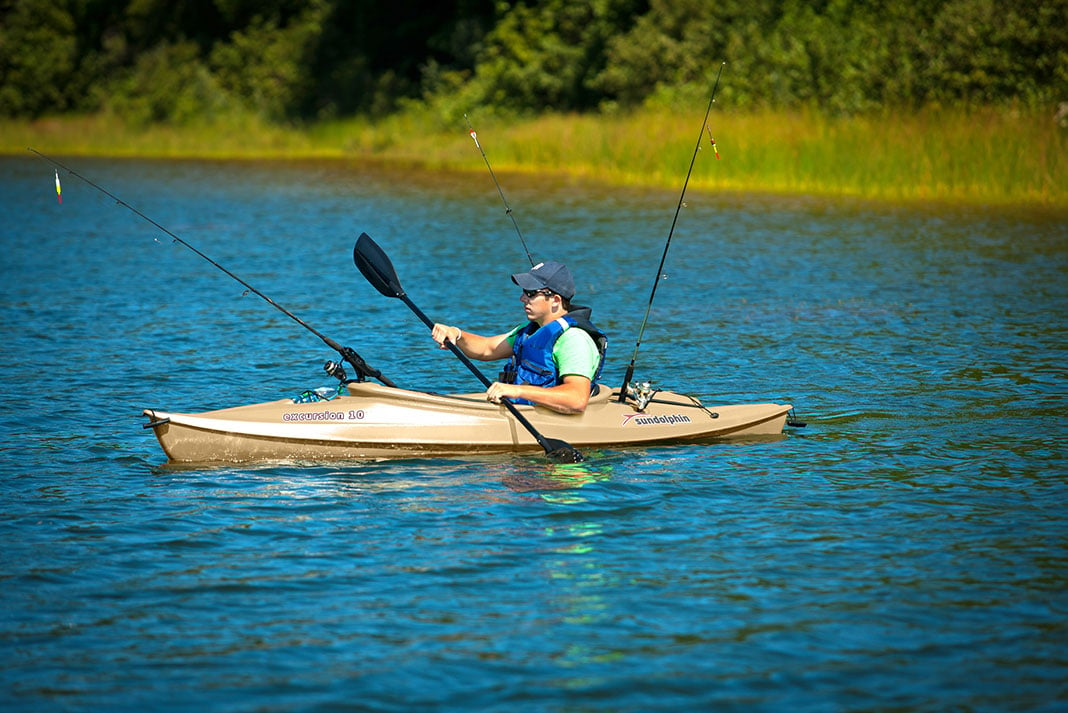
The Sun Dolphin Excursion 10 kayak is a versatile boat that works for both kayak angling and recreational paddling. Billed as a fishing kayak, the Sun Dolphin Excursion 10 includes many of the features of the Sun Dolphin Aruba 10, with the addition of two flush mount and one swivel rod holders. This means you get the best of both worlds with this 10-foot Sun Dolphin kayak: it is a sit-inside kayak that’s easy to enter and exit, reasonably swift and responsive on the water, and durable for low-maintenance fun while chasing lunker fish or paddling with a friend on sheltered lakes and smooth-flowing rivers.
This Sun Dolphin Excursion 10 review gives you all the details on this compact, easy-to-paddle fishing and recreational kayak that’s made in the USA and comes with a budget-friendly price.
The Sun Dolphin Excursion 10 is reasonably nimble and responsive for a short kayak. Credit the boat’s relatively light 41 pounds for its quick response to paddle strokes. The compact, 10-foot length gives the Excursion 10 turn-on-a-dime maneuverability, which is especially convenient for anglers. Of course, you’ll never win any races against longer kayaks in this 10-foot Sun Dolphin kayak. Also, bear in mind the maximum weight limit is 250 pounds. More serious paddlers may also feel limited by the barebones outfitting, which makes for a sloppier fit and lower performance on the water. We’ll break down the outfitting components later in this article.
Market & demographics
The Sun Dolphin Excursion fishing kayak is designed squarely for recreational kayakers and anglers looking for a basic boat at a great price. This 10-foot Sun Dolphin kayak is the “sister ship” of the Sun Dolphin Aruba 10, a popular sit-inside kayak for beginners. These boats are only safe for use on flatwater, such as smooth-flowing rivers, cottage lakes and smaller ponds, since they lack flotation and will sink if they fill with water. In the proper environment, the Sun Dolphin Excursion 10 is an excellent introduction to kayak angling. Fishing-friendly upgrades on the Excursion model include two flush mount holders and one swivel rod holder, giving you plenty of options to wet a line—and easy access to the most hidden fishing holes in the shallowest or most confined areas.
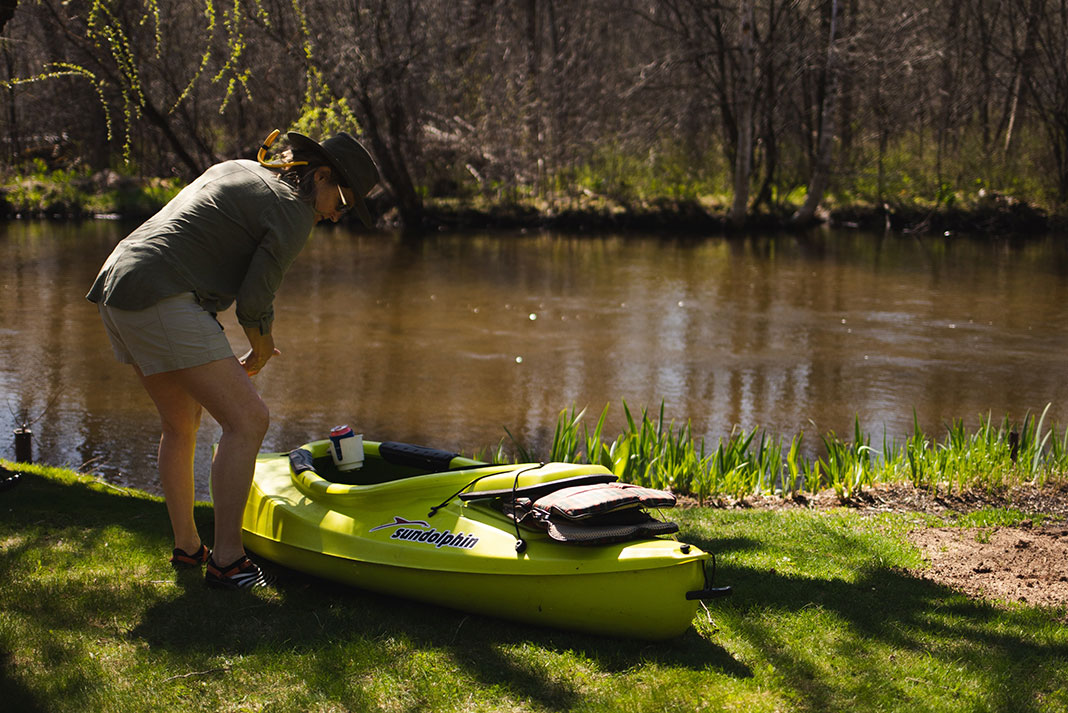
Sun Dolphin kayaks, including the Excursion 10 fishing kayak, are widely available both new and used. Despite their no-frills designs, these durable boats offer a gateway to paddling in calm water conditions. The Sun Dolphin Excursion 10 can be easily modified with accessories and custom DIY upgrades to improve its fishing performance and comfort.
Photo: Walmart.com / KL Outdoor
About the Sun Dolphin Excursion 10
Expect reassuring stability in the Sun Dolphin Excursion 10 fishing kayak. A flat bottom and broad 29-inch width make it feel comfortably stable on the water. The short length and symmetrical design make it easy to handle around river bends or obstructions, so you’ll be able to get to your favorite fishing spots. The Sun Dolphin Excursion 10 has sharp entry lines at the bow and stern compared to many other fishing kayaks, allowing it to slice more efficiently through the water with minimal noise, so you can sneak up on fish and wildlife alike.
As a sit-in fishing kayak, the Sun Dolphin Excursion 10 sheds small waves, rain and spray (unlike open-deck sit-on-top kayaks) and yet is still relatively easy to enter and exit, with a large cockpit size. All this contributes to excellent Sun Dolphin Excursion 10 fishing performance.
Material & construction
The Sun Dolphin Excursion 10 fishing kayak is made of Fortiflex high-density polyethylene, a durable plastic material that’s highly resistant to impacts, abrasion and UV damage, and constructed in Sun Dolphin’s manufacturing facility in Michigan. This rotomolded plastic is perfect for those looking for a no-maintenance kayak that can be left outdoors worry-free during the paddling season. The material flexes to absorb impacts and regains its shape after hard hits. The Sun Dolphin Excursion 10 fishing kayak weighs a reasonable 41 pounds, making it a good choice for those who want to be able to car-top their kayak solo.
Design trends
The Sun Dolphin Excursion 10 is exemplary of the huge number of entry-level recreational and fishing kayaks available on the market today. This 10-foot Sun Dolphin kayak is cheap and easy to find new or used at box stores or on online buy-and-sell marketplaces. With such widespread availability, it’s hard to imagine people asking what happened to Sun Dolphin kayaks. This common question relates to the brand’s pause in kayak manufacturing in 2019. Today, Sun Dolphin kayaks are manufactured by KL Outdoors in Muskegon, Michigan.
Buying a used Sun Dolphin Excursion 10
Searching “Sun Dolphin Excursion 10 used” turns up countless options on Facebook Marketplace, Craigslist or Kijiji, depending on your location. You can save a few bucks by buying a used Sun Dolphin Excursion 10, but it’s important to be an informed shopper and inspect the kayak carefully before making a deal. Do your research and know what you’re buying—and try to insist on a test paddle before you commit to making a purchase. Check out this article for more information about used kayak shopping.
Start by examining the kayak closely for missing parts or obvious damage. Look closely at the seat and cockpit area and make sure that all adjustments are working properly. The Sun Dolphin Excursion 10 is meant as a fishing kayak, so it’s important to ensure that the boat’s three rod holders are functioning properly. Ask the seller about any modifications and inspect how these changes have influenced the fit and performance of the kayak, especially in terms of entering and exiting the boat.
A used kayak’s overall condition is written all over its surface. Specifically, take a closer look at the hull (bottom) of the kayak. A few scratches are fine, but a good quality, used Sun Dolphin Excursion 10 shouldn’t have any deep gouges in the plastic. It’s also important to check for fading, an indicator of prolonged sun exposure. Extended outdoor storage can degrade the boat’s plastic construction.
Some sellers may “sweeten the deal” with accessories like PFDs (life jackets) or paddles; it’s critical to ensure that these accessories fit properly. In the end, you may score a great deal on a used Sun Dolphin Excursion 10, but the fact is this boat’s suggested retail price is already an excellent bargain for entry-level paddlers and kayak anglers.
Dress For Immersion, Not Air Temperature
Your body loses heat much faster when immersed in cold water than it does when dry.
Avoid cotton clothing like t-shirts and jeans; they retain water and accelerate cooling when wet. Synthetic fabrics, or wool, are generally a better choice. If the water is very cold (60° fahrenheit or less), you should wear a wetsuit or drysuit.
Excursion 10 accessories & outfitting
Sun Dolphin Excursion 10 parts are barebones, reflecting the bargain price of this boat. Many Excursion 10 paddlers comment on the basic seat, thinly padded thigh braces and foot braces that were hard to reach; this minimal outfitting can make paddling uncomfortable if you’re on the water for an extended period of time.
It’s easy enough to add your own padding to make your Sun Dolphin Excursion 10 kayak more comfortable—just make sure that any DIY upgrades you make to the cockpit area don’t impede your ability to enter and exit the boat. Many kayak anglers are adept at making upgrades to their boats, and the basic design of the Excursion offers a blank canvas to create a customized boat for your style of fishing. Common replacement parts like drain plugs and fasteners are available directly from the manufacturer.
The ability to add a sprayskirt for greater paddling comfort in cool or wet conditions is a major advantage of a sit-inside kayak like the Sun Dolphin Excursion 10 compared to open deck, sit-on-top models. Sun Dolphin sprayskirts are available online from several manufacturers. You can also purchase a cockpit cover to keep water and creepy crawlies out of your boat when it’s in storage or transportation.
Warranty
The Sun Dolphin Excursion 10 fishing kayak comes with a limited lifetime warranty for the original owner, covering manufacturing defects. You must register your new kayak with the manufacturer within 30 days of purchase to validate the warranty.
Photo: Walmart.com / KL Outdoor
How the Excursion 10 compares
The Sun Dolphin Excursion 10 is a solid choice for an entry-level fishing kayak, but it is by no means your only option. Here’s how it compares to other popular boats.
Sun Dolphin Excursion 10 vs Sun Dolphin Excursion 10 ss
The Sun Dolphin Excursion 10 SS features upgraded accessories and outfitting compared to the standard Excursion 10 fishing kayak. Additions include a covered electronics console on the front deck and a removable stern deck pod that provides dry storage, as well as a more comfortable seat. This makes for a slightly heavier kayak, with the Excursion 10 SS model weighing in at 44 pounds compared to 41 pounds for the standard Excursion 10 model.
Sun Dolphin Excursion 10 vs Sun Dolphin Explorer
The Sun Dolphin Explorer is a popular and cheap sit-inside recreational kayak that’s easily modified for kayak fishing. It features similar specifications and performance to the Sun Dolphin Excursion 10. The Sun Dolphin Explorer 10 is widely available on the used market and could be a good alternative to the Excursion 10 if you’re looking for a bargain price. Just bear in mind that, like the Excursion 10, the Sun Dolphin Explorer is only safe to paddle on calm and sheltered water.
Sun Dolphin Excursion 10 vs Sun Dolphin Boss 10
The Sun Dolphin Boss 10 is a sit-on-top kayak that’s designed for kayak fishing. Compared to the Sun Dolphin Excursion 10, the Boss is more stable and has far more space to move around since it lacks a deck and sit-inside cockpit. Sit-on-top kayaks like the Boss feel less confining and provide kayak anglers with more space to cast and land fish, as well as giving you easier access to tackle and gear than a sit-in like the Excursion 10. However, the Boss is a heavier kayak and far less responsive on the water than the Excursion. The Excursion offers a more comfortable ride in inclement weather, since the deck and cockpit protect you from wave spray and precipitation. The Sun Dolphin Excursion 10 is a better choice than the Sun Dolphin Boss 10 if you’re looking for an all-around kayak that works for recreational paddling on calm rivers and lakes as well as a bit of kayak fishing.
Sun Dolphin Excursion 10 vs Sun Dolphin Marquette
The Sun Dolphin Marquette 10 is the sit-on-top version of the Sun Dolphin Excursion 10. This open-deck kayak may be more comfortable if you’re concerned about the confined feeling of a sit-inside kayak. It also offers easier access to your fishing tackle at the expense of protection from the elements. The Marquette 10 features the exact same specs as the Excursion 10, so you can expect similar paddling characteristics.
Carry A Waterproof VHF Radio, Use Your Phone Only As A Backup
A handheld VHF marine band radio allows you to communicate with the Coast Guard and other boat traffic. Use Channel 16 only for hailing and emergencies. The radio should be waterproof, because it is virtually certain to get wet.
A cell phone, even if in a waterproof case or sealable bag, might not work, so don’t rely on it as the primary means of emergency communication.
Pros & cons
Pros
Cheap and widely available, new or used
Stable and versatile beginner kayak fishing and recreational paddling on calm and sheltered waters
Large cockpit for easy entry and exit
Sit-inside design offers some protection from the elements
Includes two flat-mount rod holder and one swivel rod holder, with the option of making custom modifications for kayak fishing
Cons
10-foot length and wide width makes for less efficiency
Lack of flotation in the hull makes it unsafe to paddle in exposed areas where waves are possible